15 Steps To Map Peekaboo Hair Color Placement
A peekaboo is a placement decision, not a shade decision. These fifteen steps map the panel before any colour is mixed, in the order that matters, and each one names what goes wrong if it is skipped.
In this article · 22
- What Placement Actually Decides
- Choosing Where Yours Goes
- The 15 Mapping Steps
- 1. Decide How You Wear It Down
- 2. Find Your Natural Parting
- 3. Section a Horseshoe at the Crown
- 4. Set the Depth of the Cover Layer
- 5. Check the Cover in Two Mirrors
- 6. Mark the Top Edge of the Panel
- 7. Set How Far Forward It Reaches
- 8. Match the Two Sides
- 9. Choose Slices or a Solid Block
- 10. Stop the Panel Above the Nape
- 11. Strand Test the Lift
- 12. Clip the Cover Layer Away
- 13. Apply From Underneath Upward
- 14. Check the Line Before Processing
- 15. Cut After the Colour Not Before
- Styling and Upkeep
- Mistakes to Avoid
- FAQ
- Final Thoughts
Two people can ask for the same peekaboo shade and only one ends up with something anyone notices. The difference is never the colour. It is where the panel was mapped.
A peekaboo is a placement decision. The shade is chosen second. Placed under a section you never lift, the best colour in the world is an expensive secret.
Map it before anything is mixed. Once the cover layer is sectioned and clipped, the shape of the panel is fixed, and correcting it later means colouring hair that was meant to stay dark.
What Placement Actually Decides
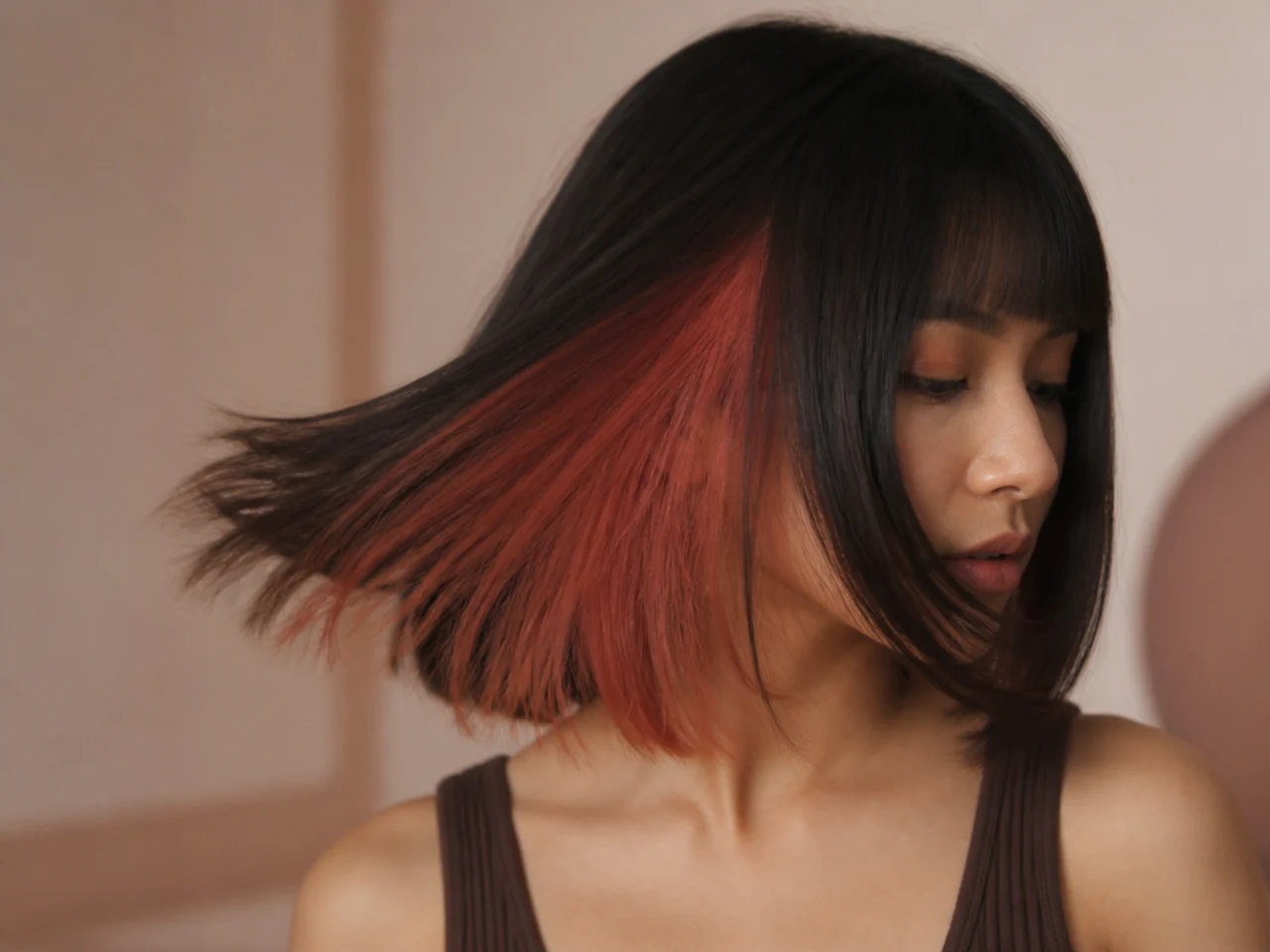
Whether it shows at all. The panel only appears where the hair above it moves. Placed under a still section it stays hidden permanently.
How often it shows. Low at the nape it appears when the hair swings. Just below the crown it appears every time it goes up. These are different results from the same colour.
How much lifting is needed. A panel underneath is less exposed to sun and heat styling, so it holds a lift longer than surface highlights and needs less correction between appointments.
How it grows out. A peekaboo has no visible root line because the regrowth is hidden by the same layer that hides the colour. That is the reason it outlasts most other techniques.
Choosing Where Yours Goes
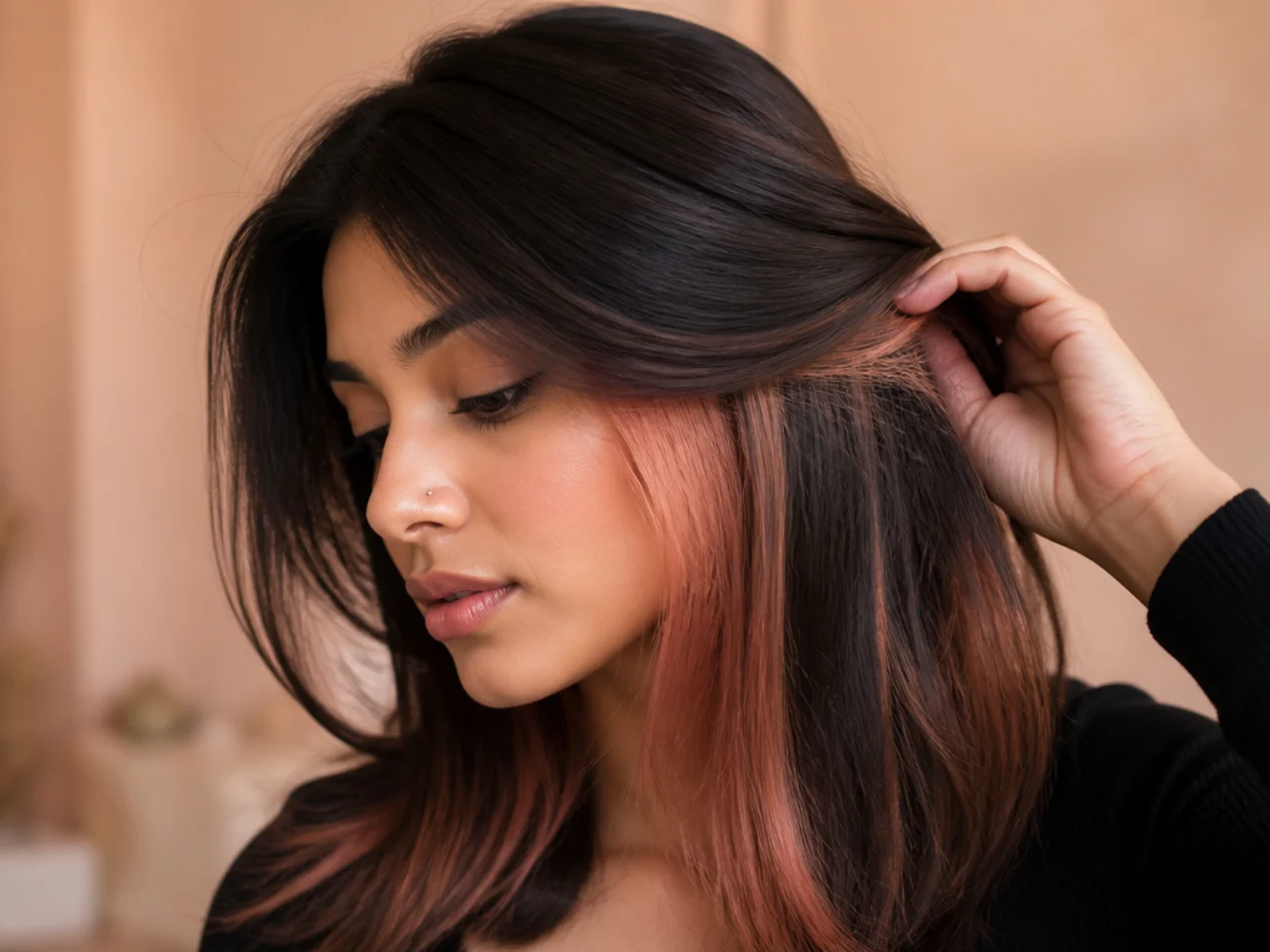
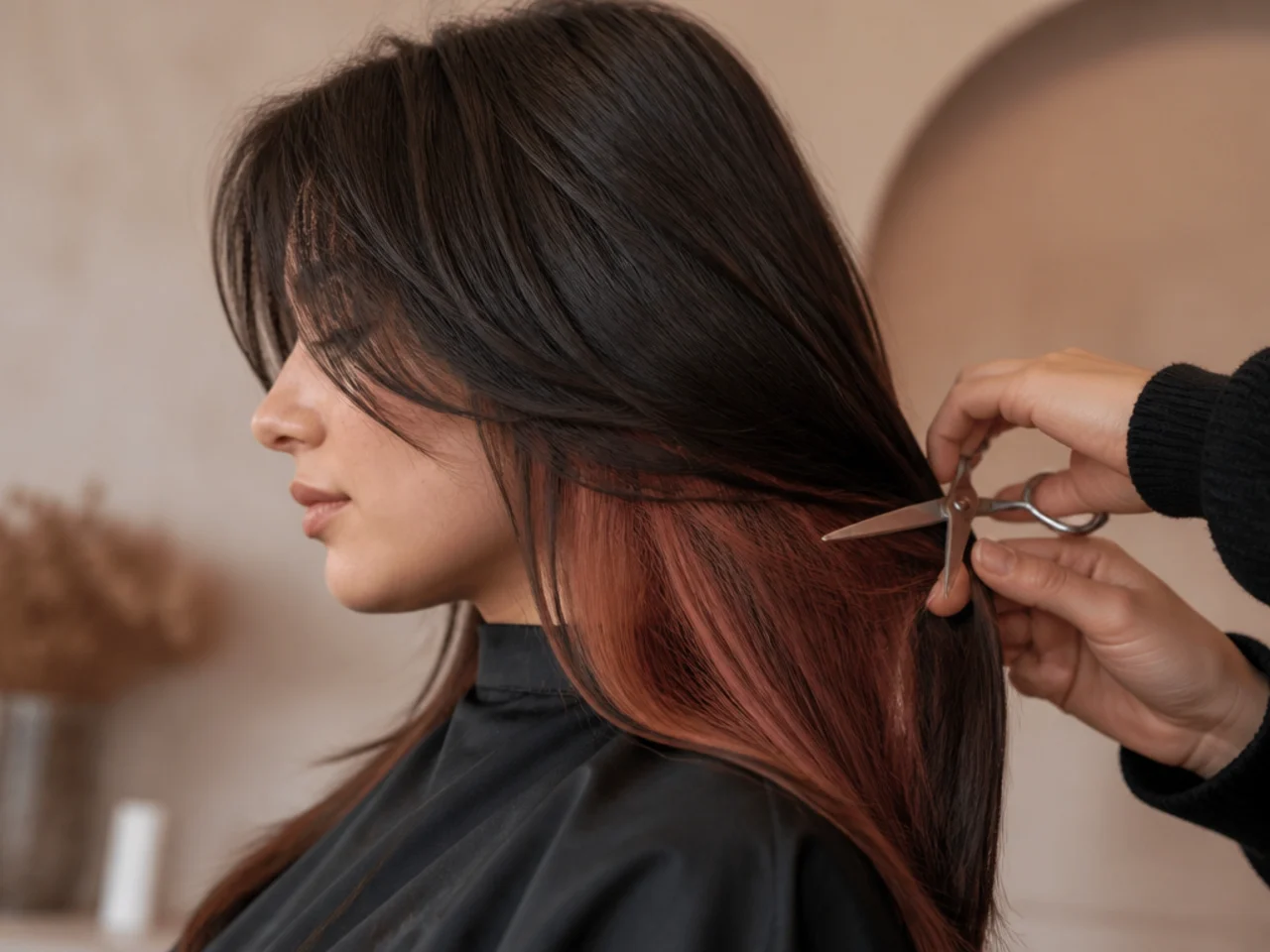
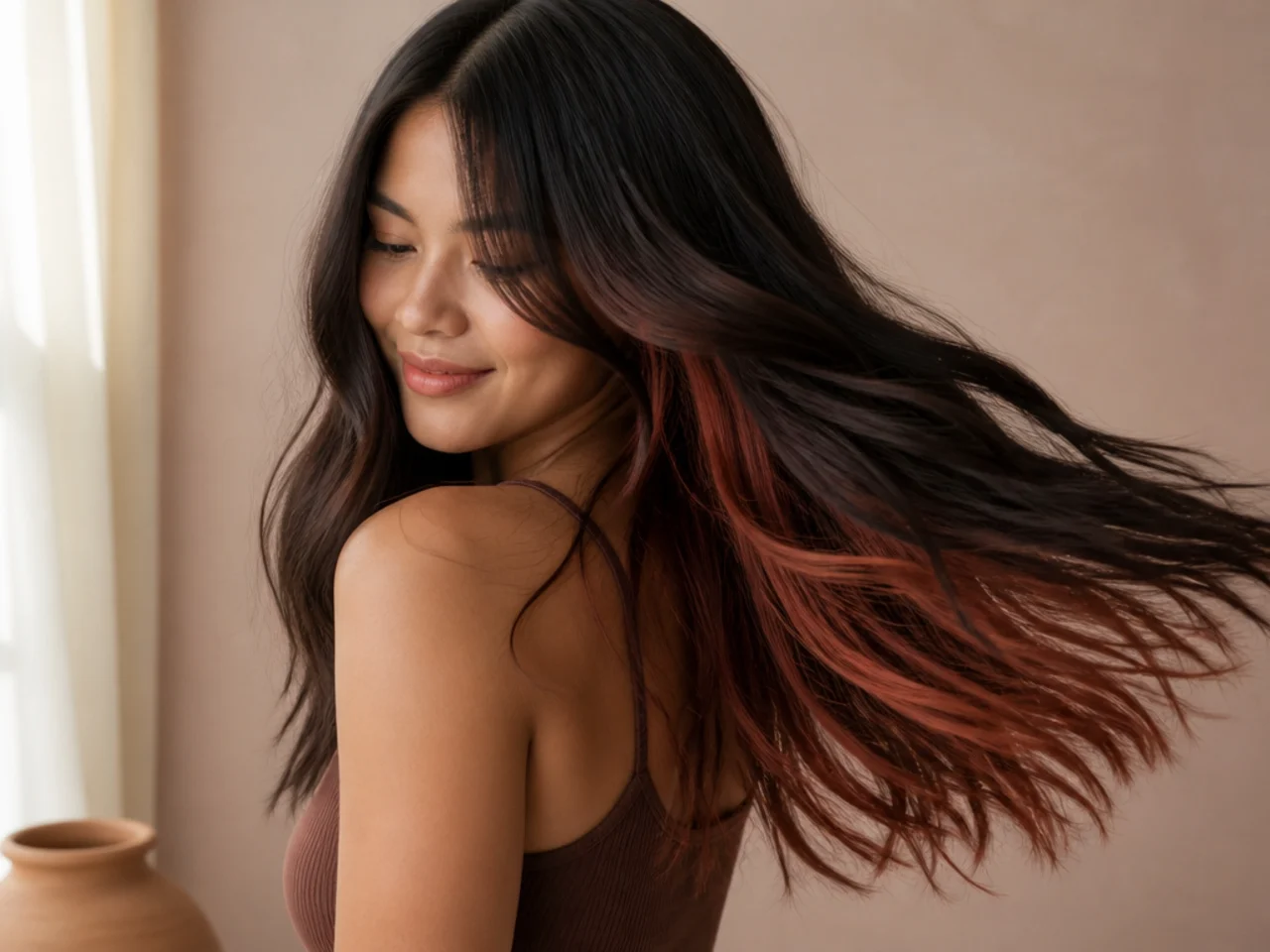
Down most days. The panel goes low, in the underneath layer at the back and sides, where the hair swings clear of the layer above it.
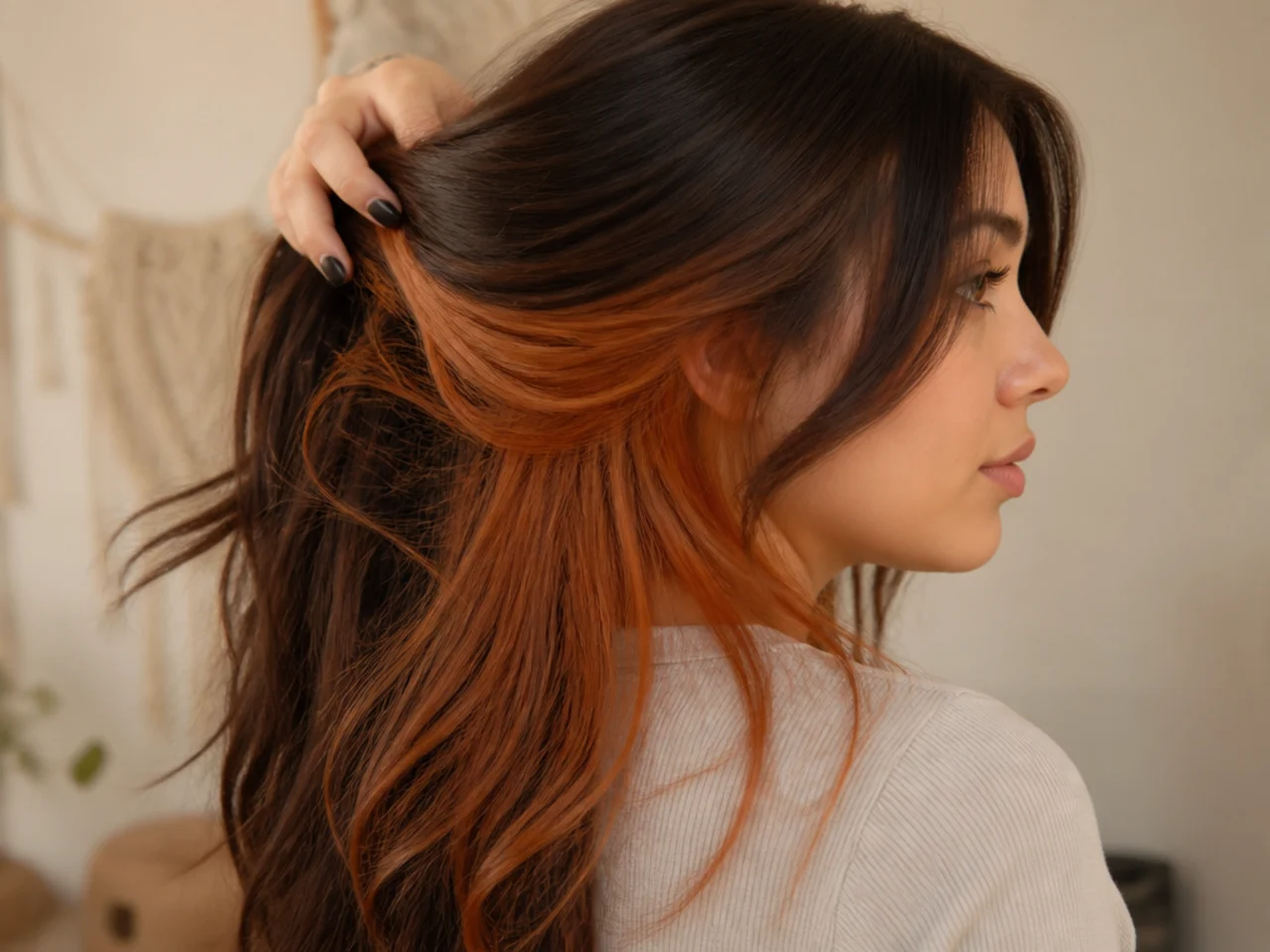
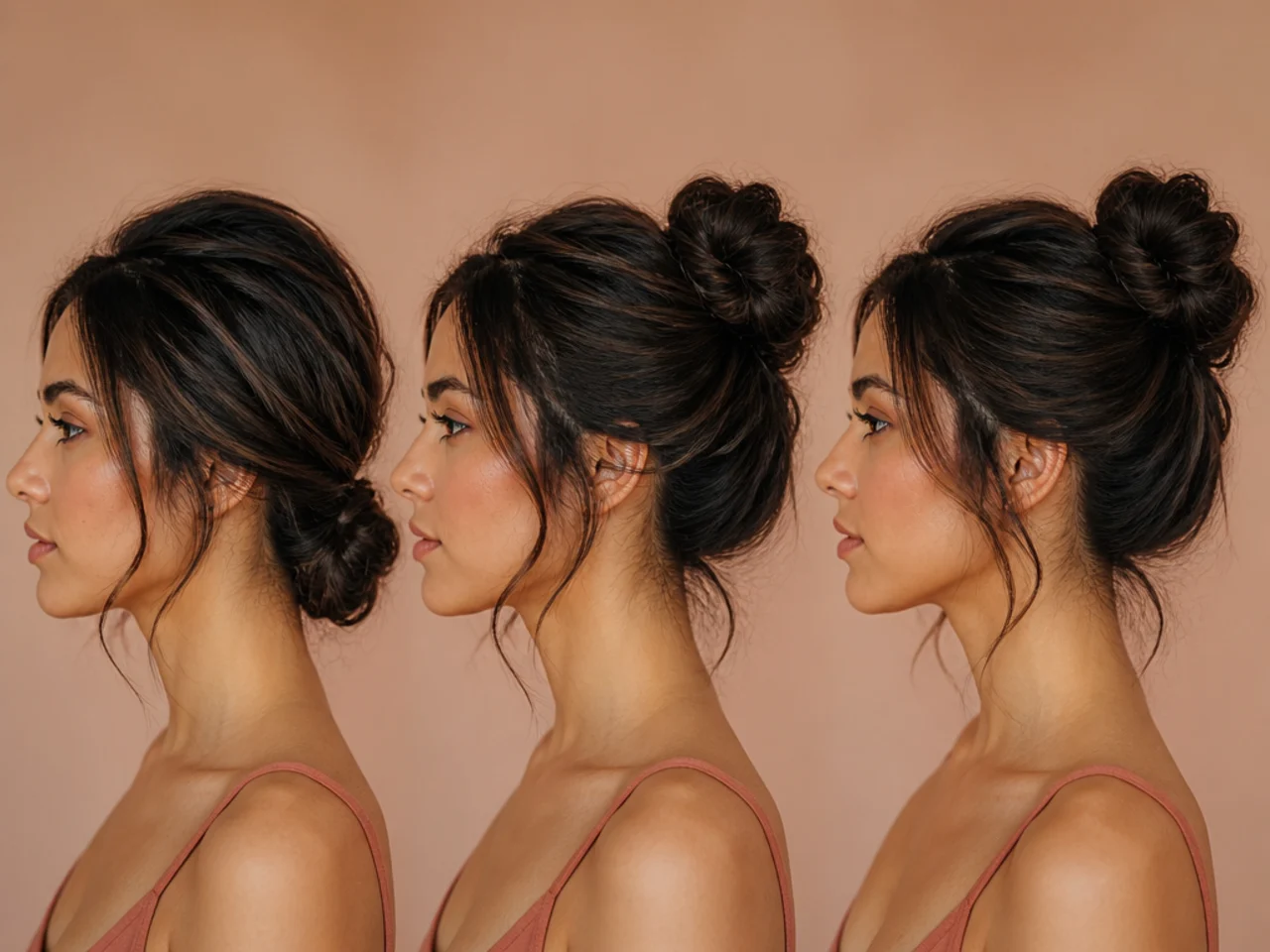
Up most days. It goes high, in the section just below the crown, which becomes the outside of a ponytail.
Parted to one side. Under the heavy side, so it appears whenever the parting is flipped over.
Tucked behind the ears. Around and behind the ears specifically. This is the most missed placement and one of the most visible in daily wear.
The 15 Mapping Steps
1. Decide How You Wear It Down
Spend a day noticing what your hair actually does rather than what you plan for it. The panel has to sit under a section that moves, and choosing placement from a photograph rather than from your own habits is why so many peekaboos never show.
2. Find Your Natural Parting
Push the hair back off the face and let it fall. Wherever it splits is the parting the panel has to be mapped around, and mapping against a parting you have to enforce each morning means the colour disappears on the days you do not.
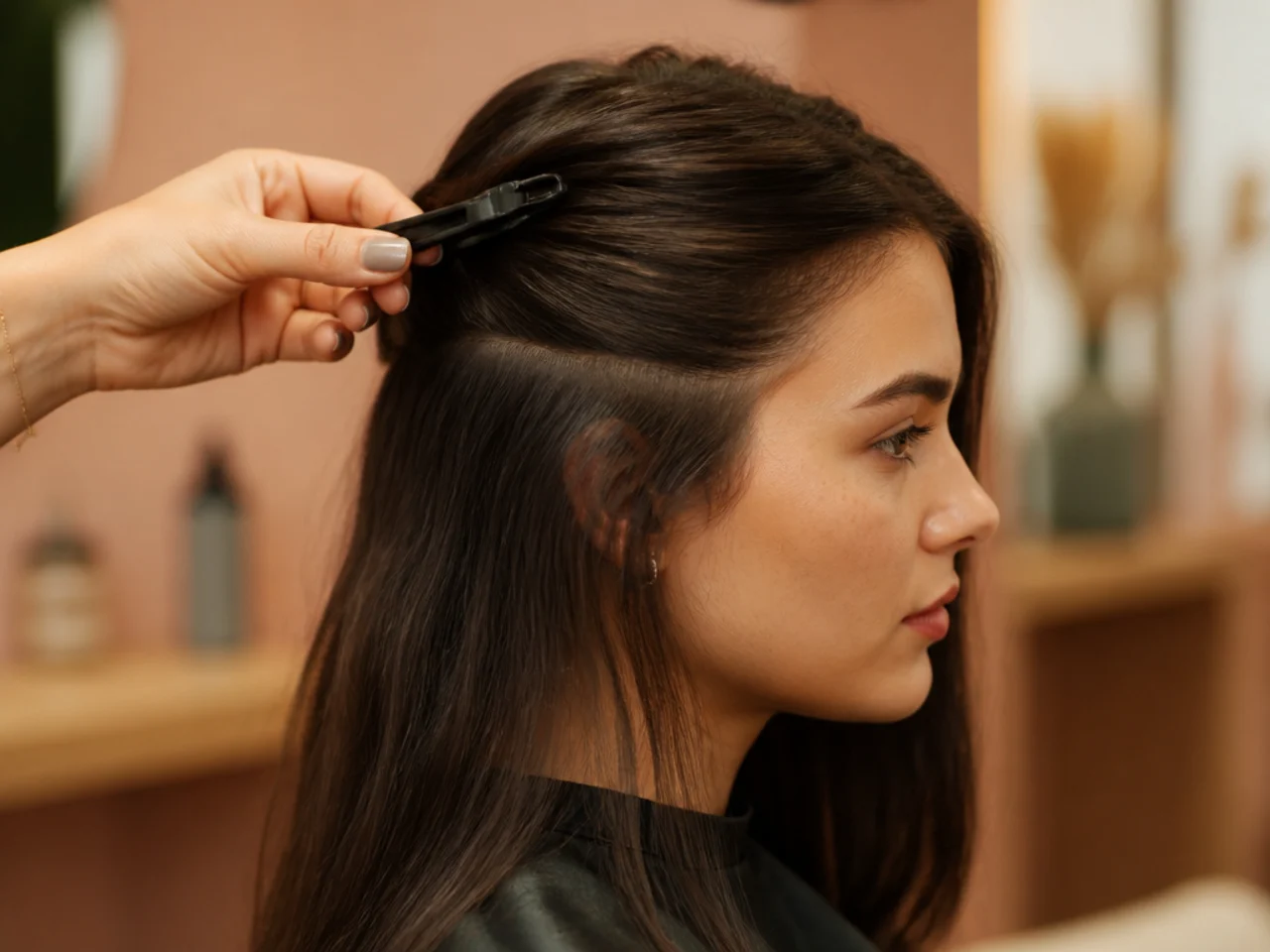
3. Section a Horseshoe at the Crown
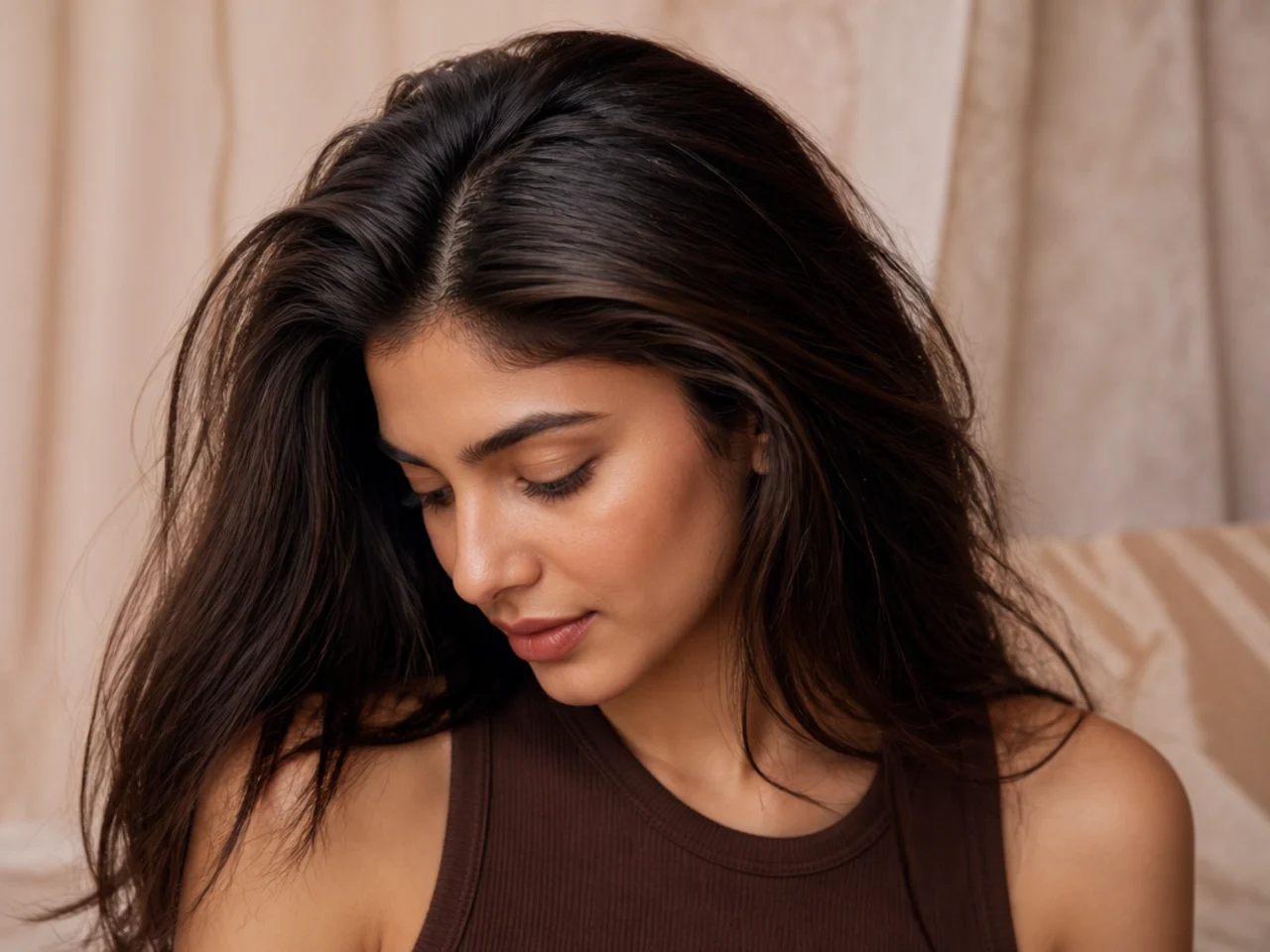
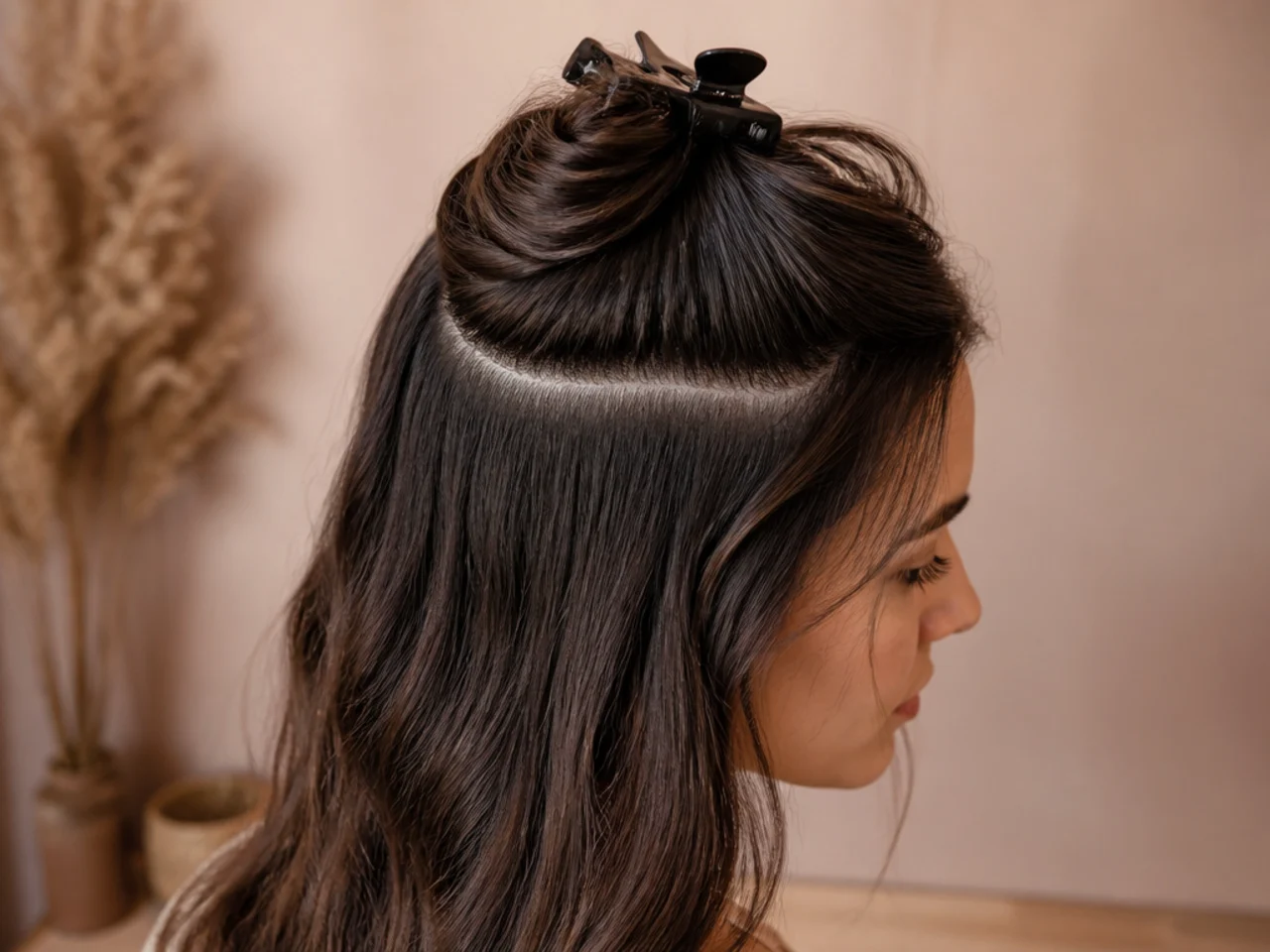
Take a curved section from temple to temple over the top of the head. Everything inside that horseshoe is the cover layer and stays your base colour. Cut the horseshoe too far back and the front of the panel will show at the hairline.
4. Set the Depth of the Cover Layer
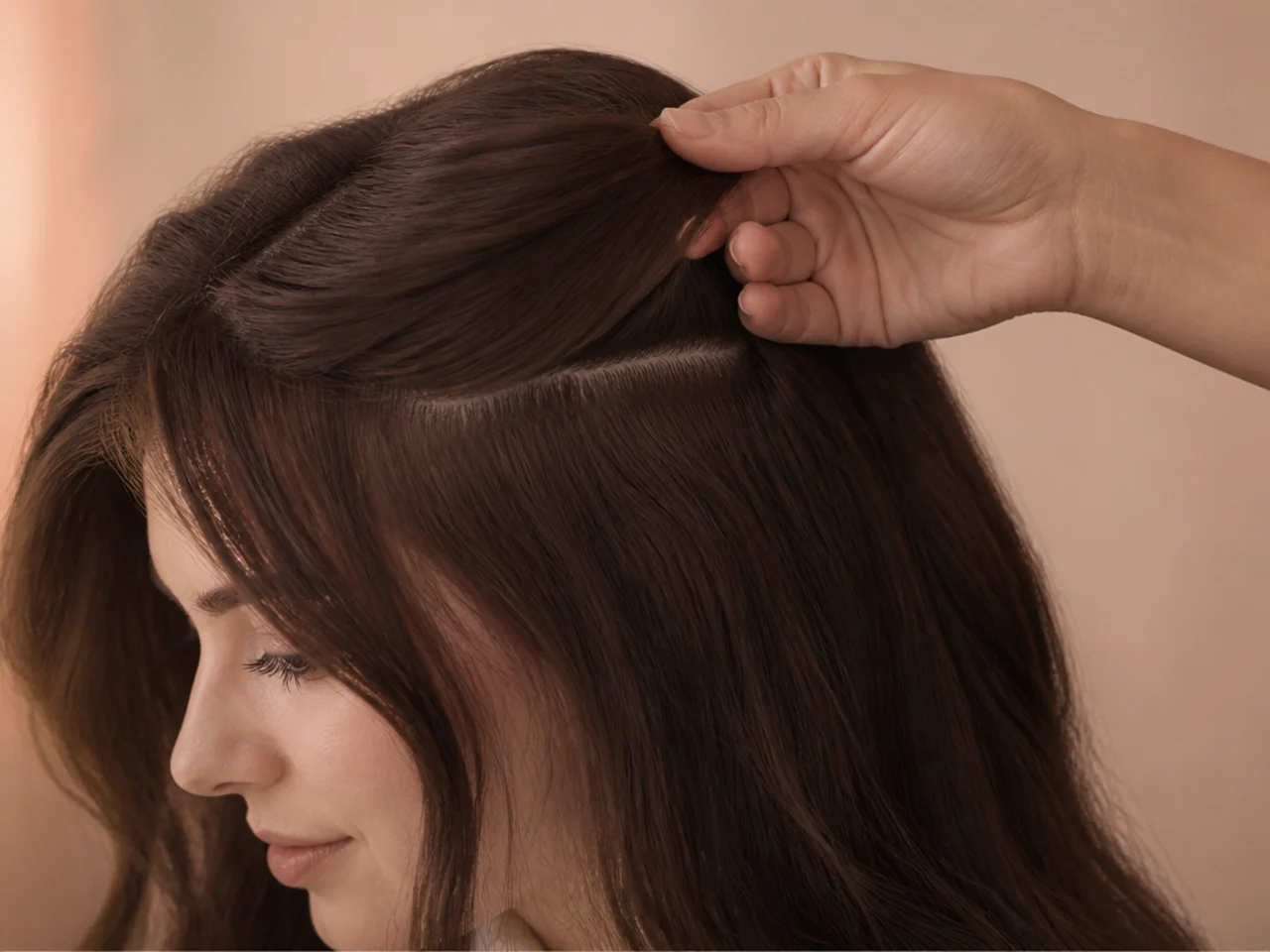
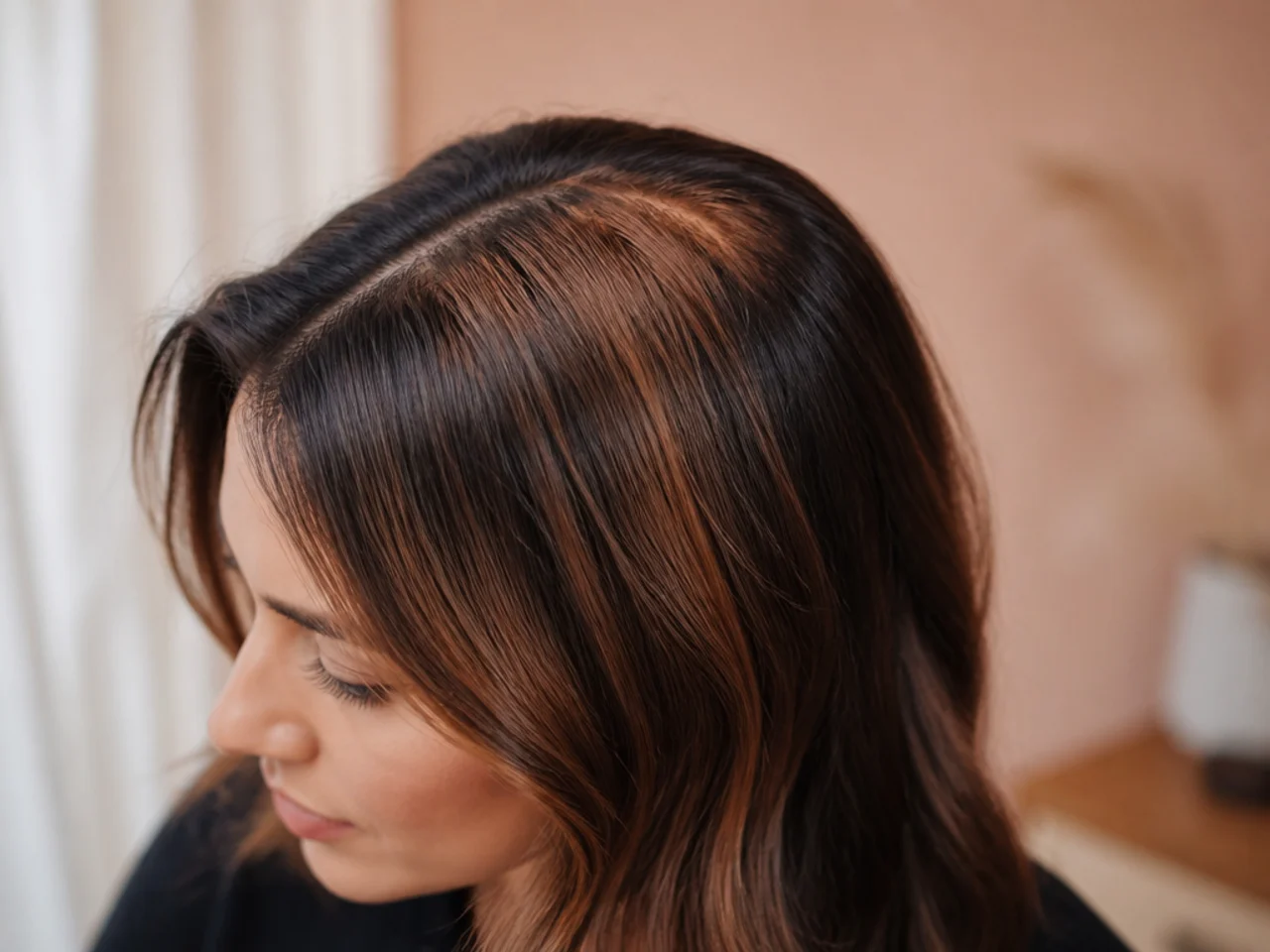
About an inch of hair below the parting, measured downward, not the whole top of the head. A thin cover lets the colour show even when still, which turns a peekaboo into an ordinary highlight; too thick and nothing ever lifts far enough to reveal it.
5. Check the Cover in Two Mirrors
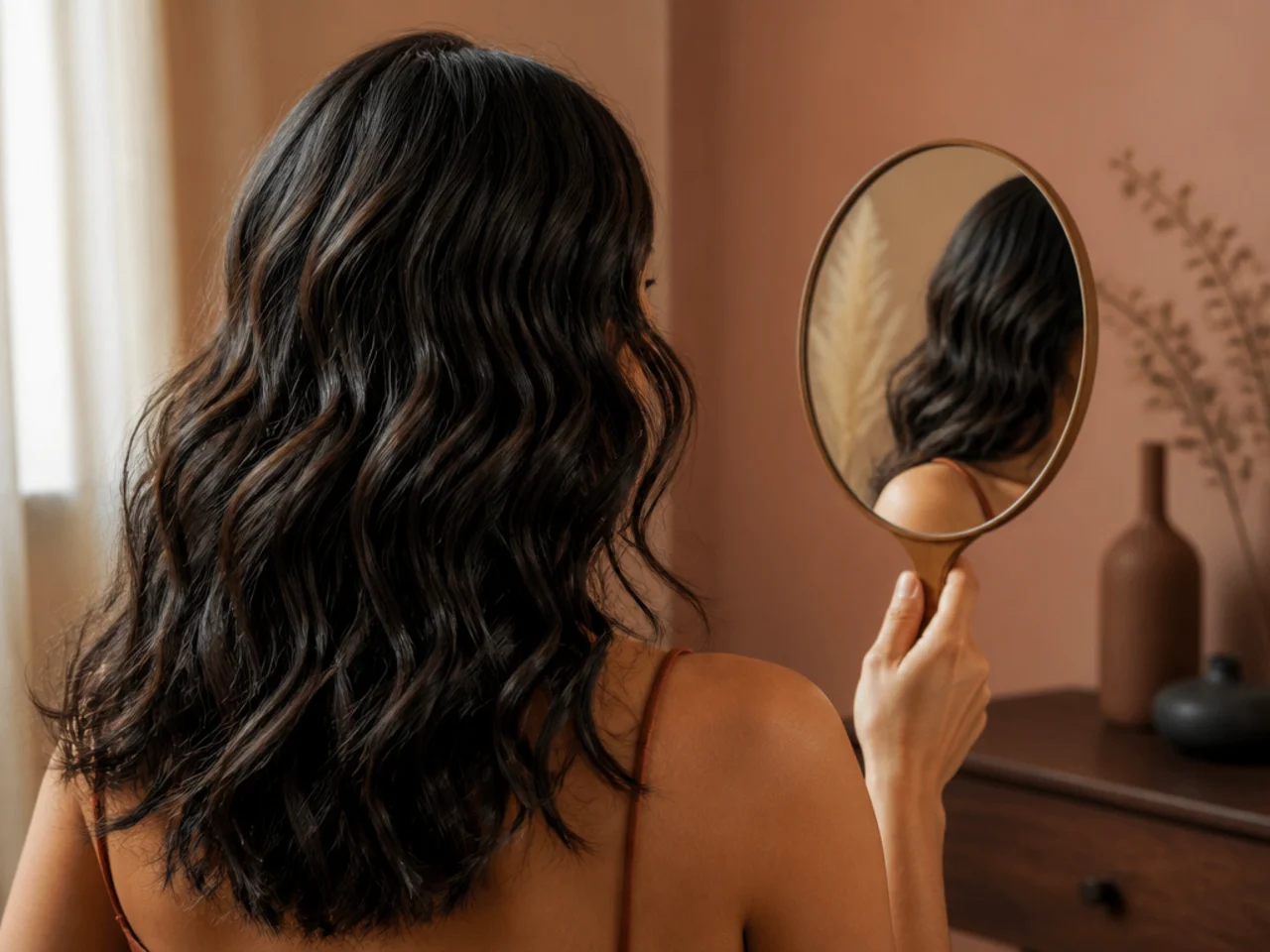
Look at the back with a hand mirror before anything is applied. The back of the head is where a cover layer is most often left too thin, and it is the one angle you will never see afterwards and everyone else always will.
6. Mark the Top Edge of the Panel
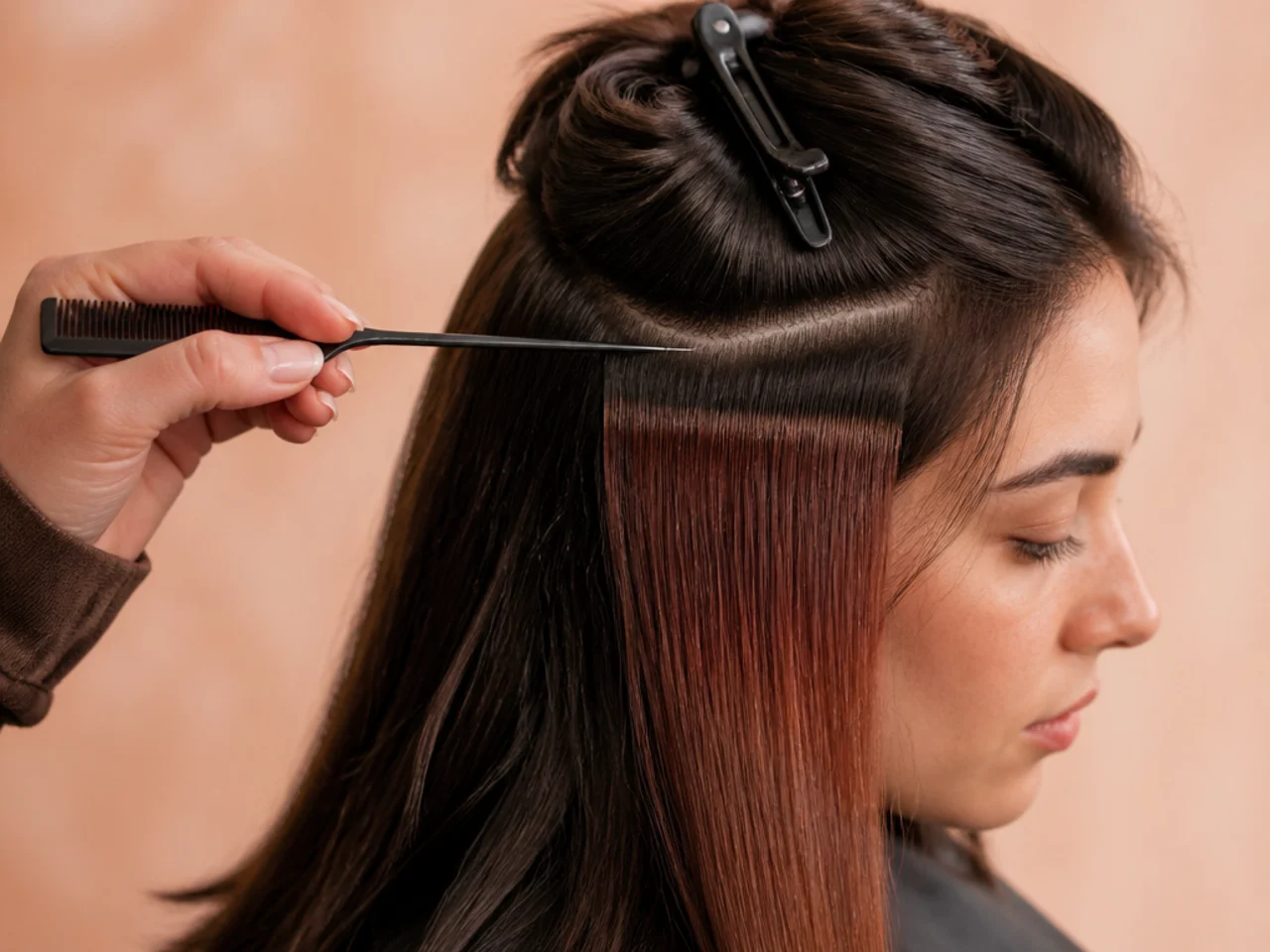
Draw the line where the colour begins with a tail comb and clip it. That top edge is the boundary the eye will read, so a wandering line produces a soft smudge where the whole point of a hidden panel is a clean reveal.
7. Set How Far Forward It Reaches
Decide whether the panel stops behind the ear or continues to the temple. Forward placement shows when hair is tucked; back placement only shows in movement. Reaching too far forward puts colour where a parting will expose it constantly.
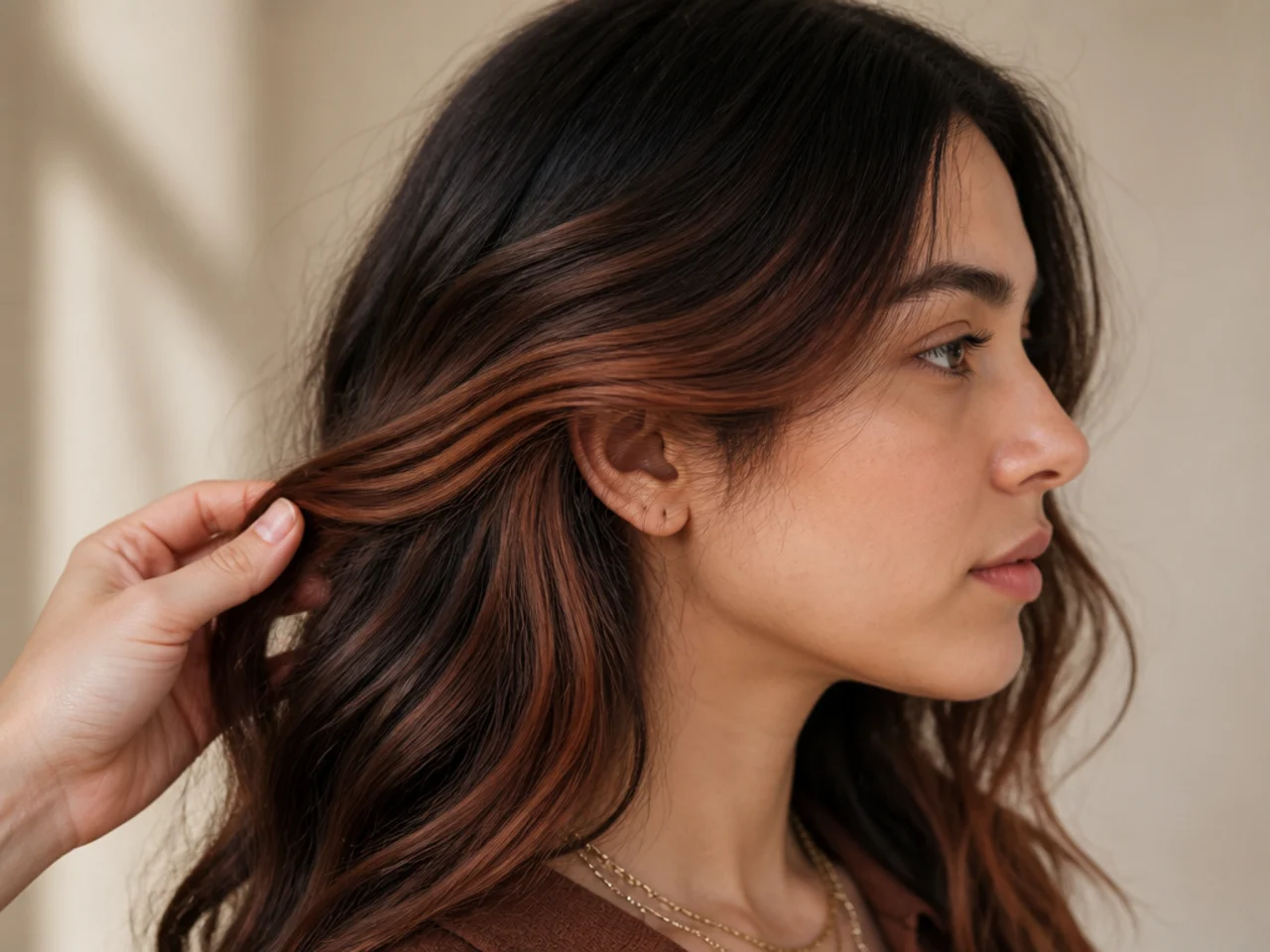
8. Match the Two Sides
Measure both sides against the same fixed points, usually the top of the ear and the parting. Asymmetry that nobody planned reads as a mistake rather than a design, and it is only visible once the colour is already processed.
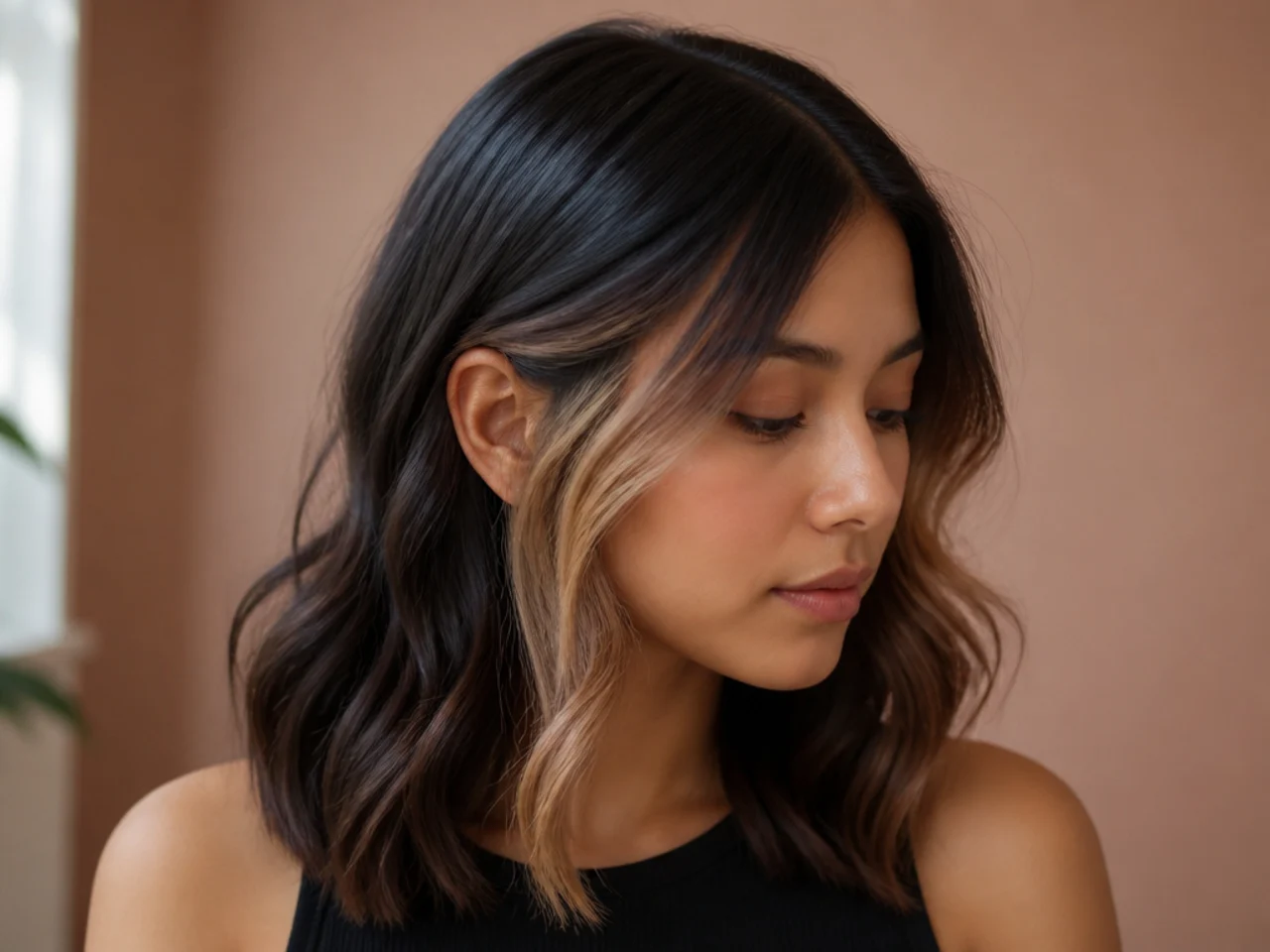
9. Choose Slices or a Solid Block
A solid block gives a strong flash of colour; slices woven through give a softer blend that reads as depth. Slices also hide regrowth better, because the base colour running between them breaks up the line where the new growth starts.
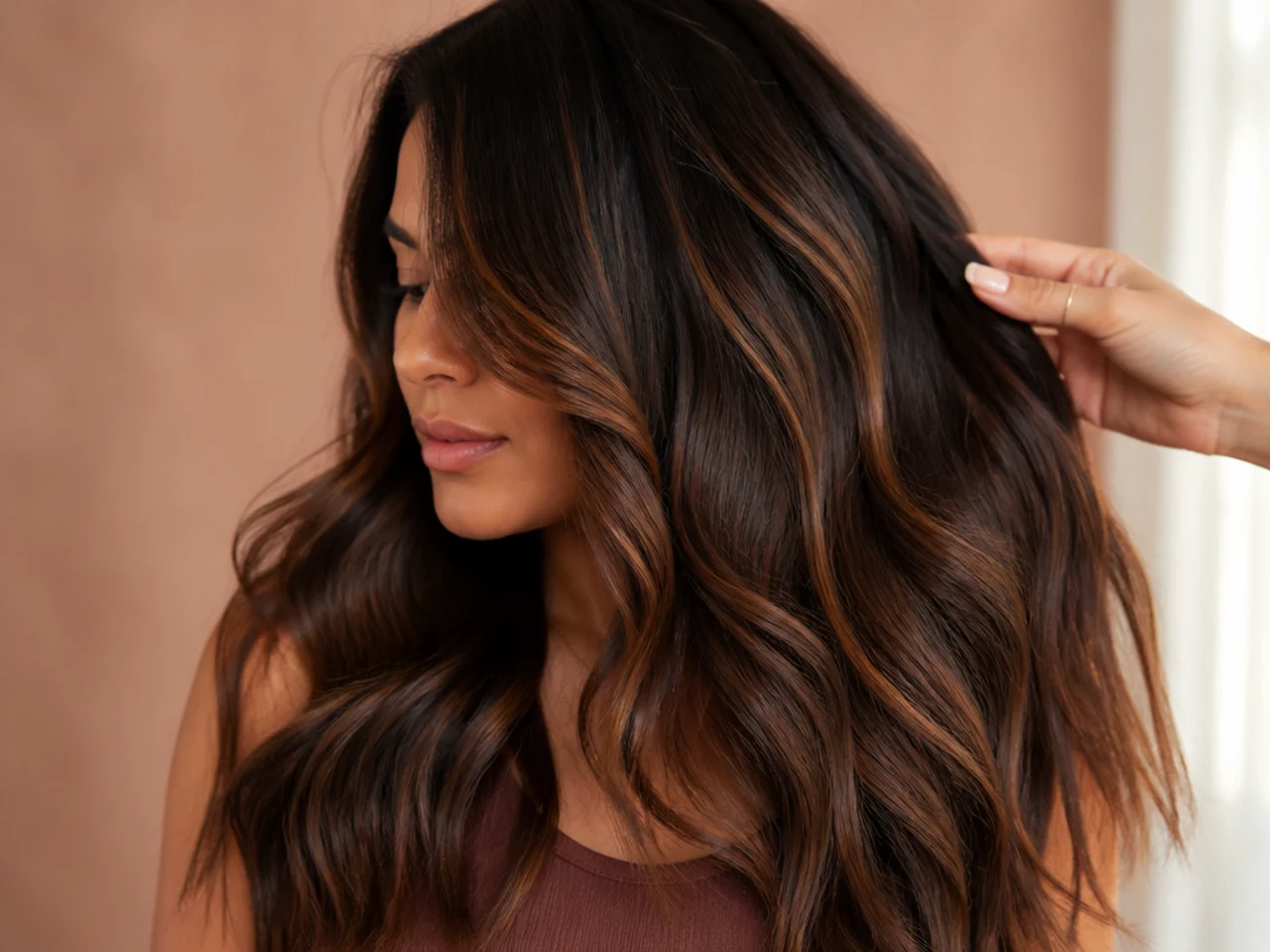
10. Stop the Panel Above the Nape
Leave the bottom inch at the neck in the base colour. Hair at the nape is the finest on the head and the most exposed to collars, so colour placed there frays first and shows the wear before anywhere else does.
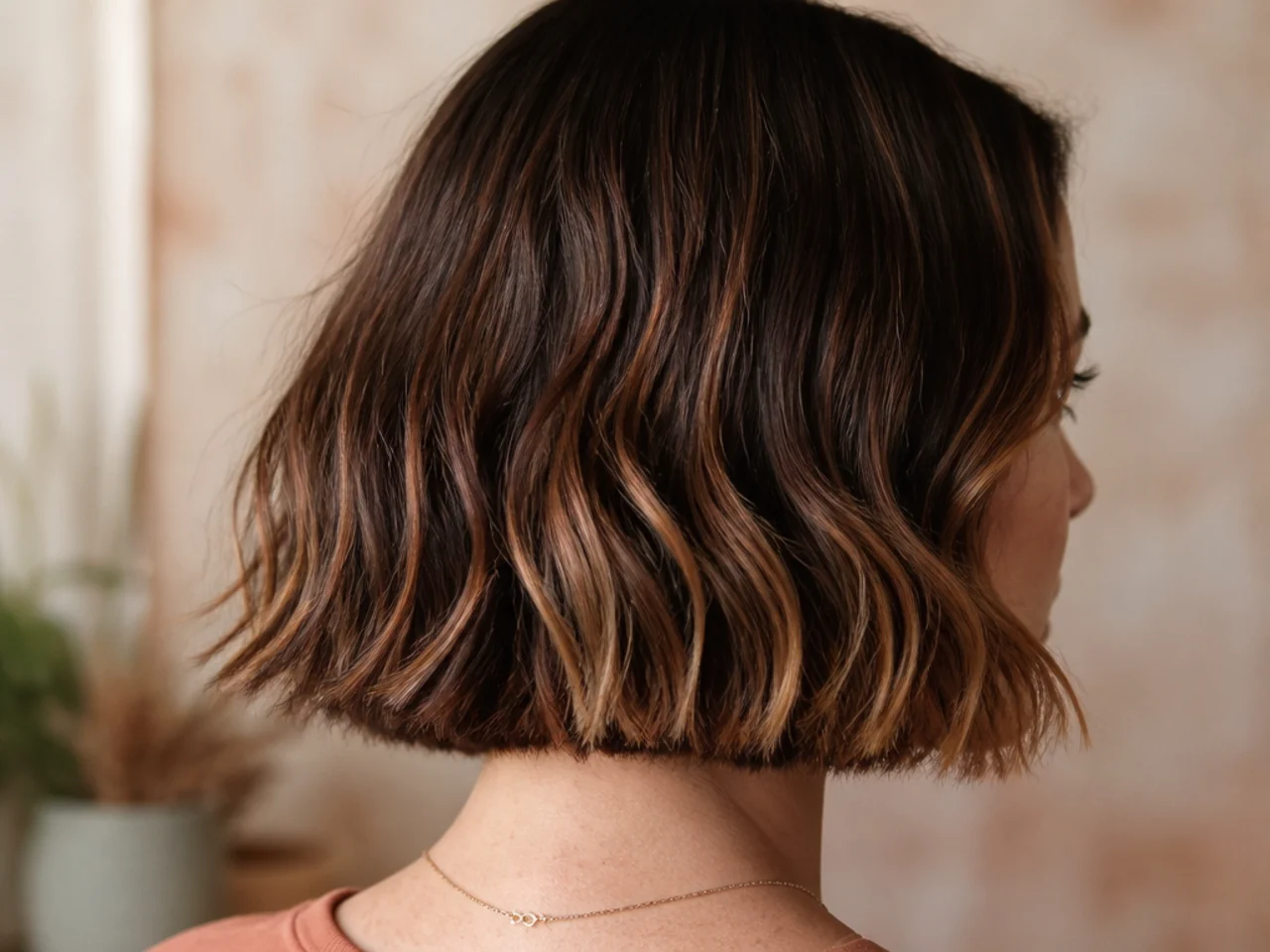
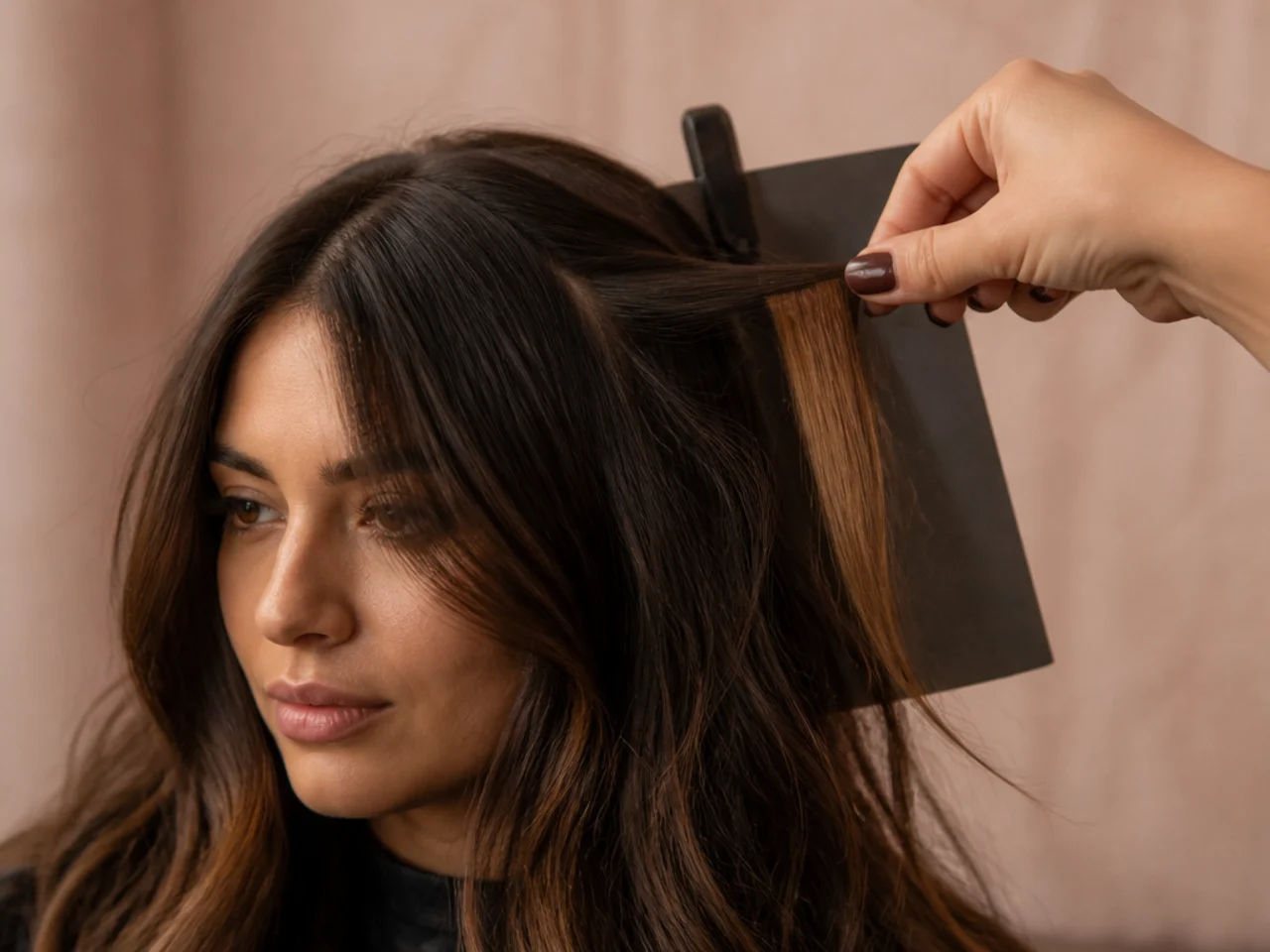
11. Strand Test the Lift
Take one strand from inside the panel and lift it before committing. Bright and pastel shades are translucent and take on whatever base sits underneath, so a panel lifted to orange will read muddy under a blue peekaboo no matter how good the dye is.
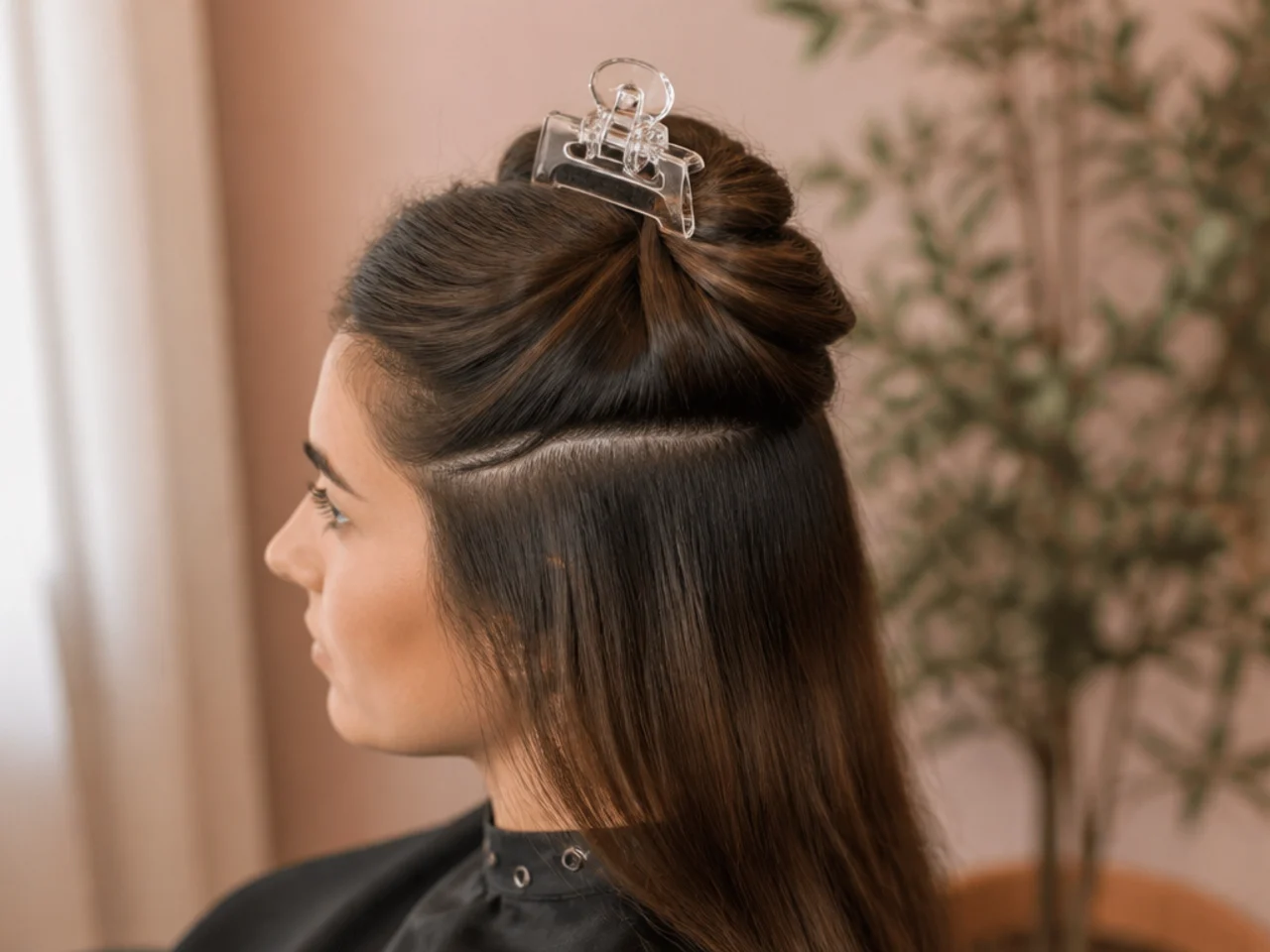
12. Clip the Cover Layer Away
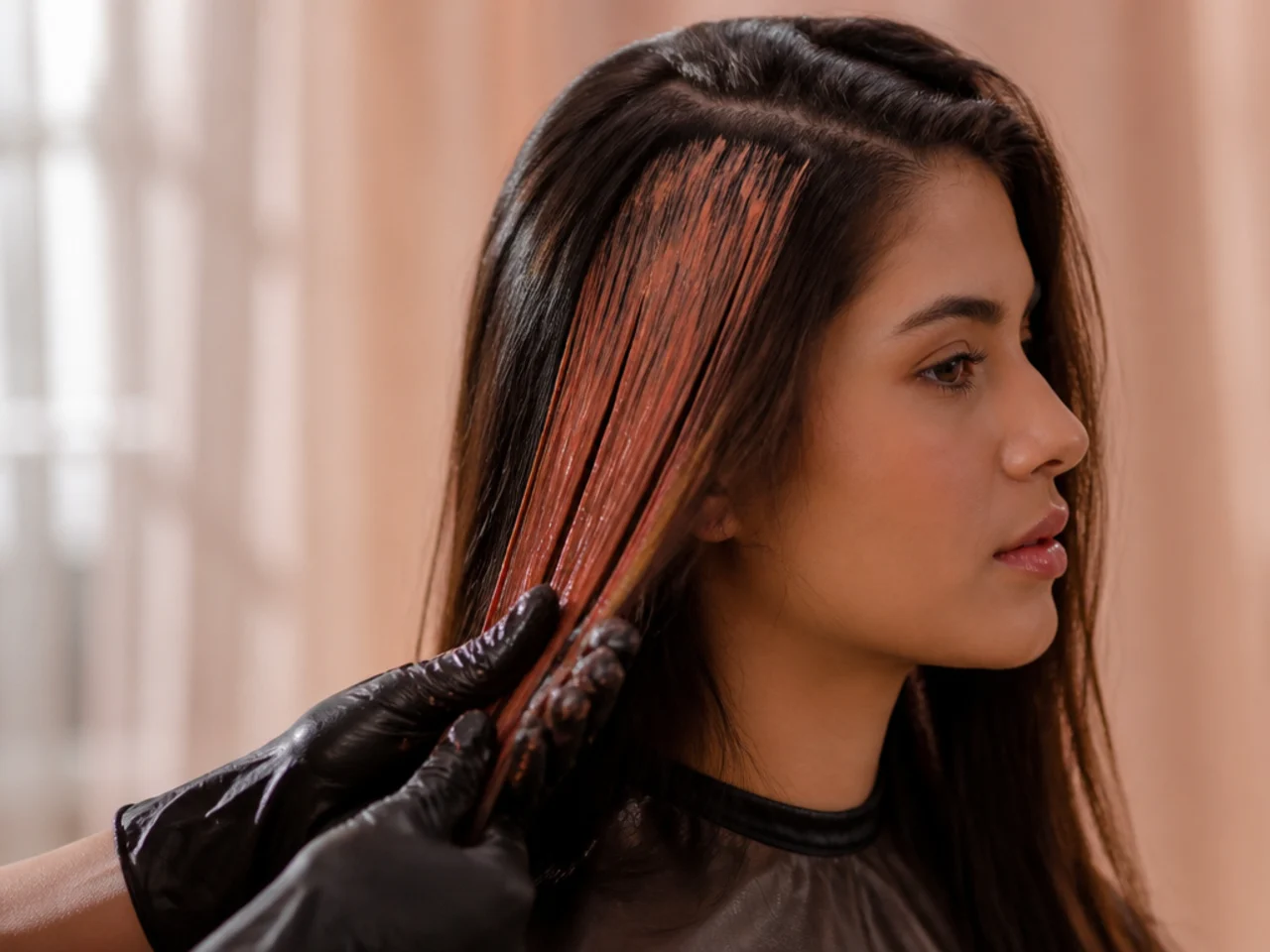
Twist the horseshoe section up and clip it well clear of the work. Anything that falls back into the panel picks up colour where you promised there would be none, and that stray strand sits on the surface where it is most visible.
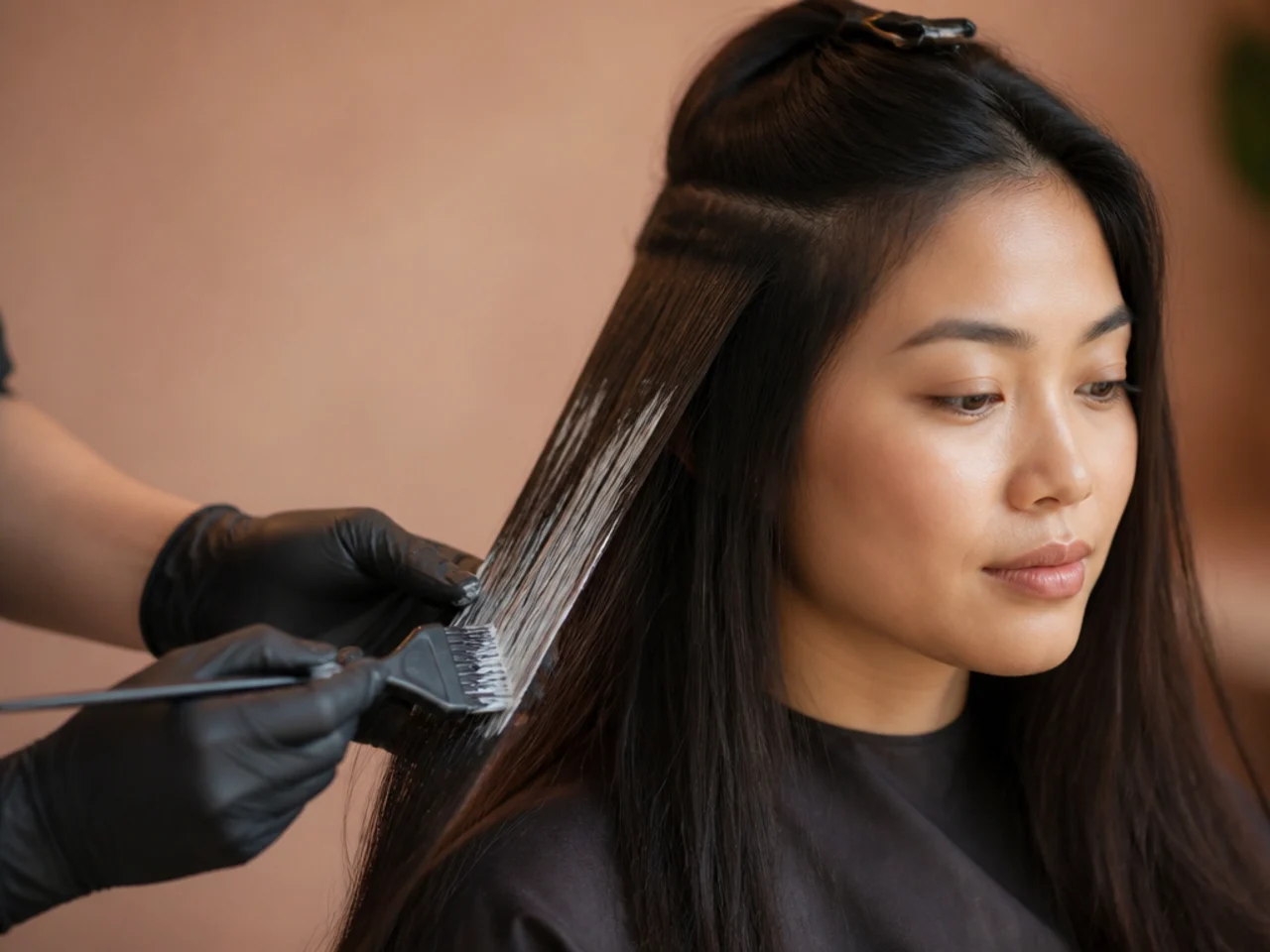
13. Apply From Underneath Upward
Start at the lowest section of the panel and work up toward the marked edge. Working downward pushes product past the top line and stains the cover layer, and the resulting halo of colour is exactly the thing a peekaboo is meant not to have.
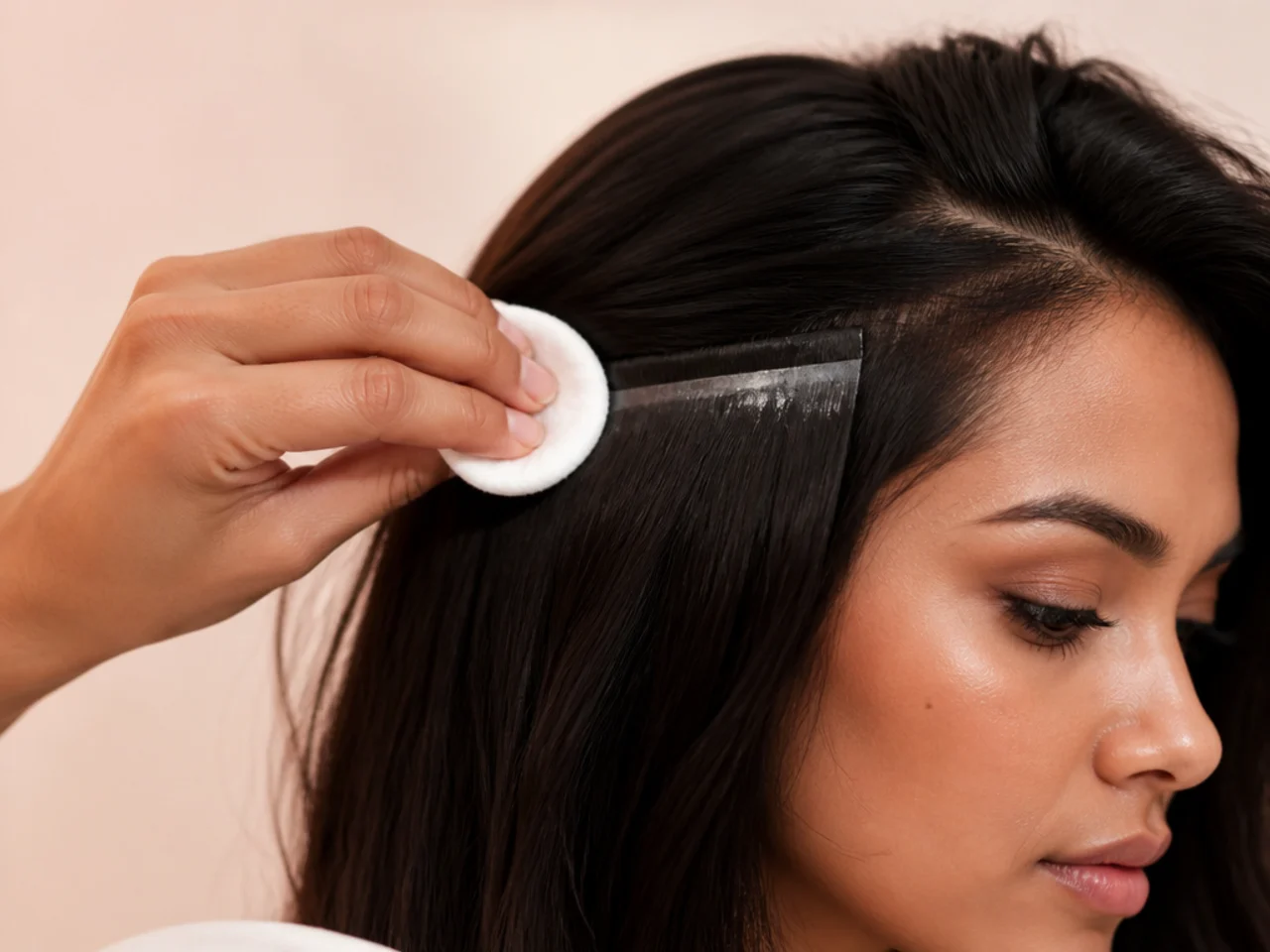
14. Check the Line Before Processing
Wipe the top edge with a damp cotton pad while the product is still fresh. Once it has processed, any colour sitting above the line is permanent, and removing it means lifting hair that was supposed to stay untouched.
15. Cut After the Colour Not Before
Layering changes which hair sits on the surface, so a cut taken after the colour can expose a panel that was mapped to stay hidden. Colouring first and cutting second lets the stylist see the panel and place the layers around it.
Styling and Upkeep
Wash cool. Hot water opens the cuticle and lets direct dye rinse straight out. Cool water is the cheapest thing you can do for a bright panel.
Wash less often. Vibrant shades sit near the surface of the strand and lose a little with every wash, so frequency costs more colour than any single product does.
Skip clarifying shampoo on the panel. It strips deposit fastest, and the panel is the only part of the head where deposit is doing the work.
Refresh with a pigmented conditioner. It tops up the shade without another lift, which is what keeps a bright peekaboo alive between full appointments.
Heat style the top layer, not the panel. Repeated heat on lightened hair dulls the tone and roughens the very strands that need to look glossy when they show.
Mistakes to Avoid
Choosing the shade before the placement. Placement decides whether anyone ever sees it. Shade only decides what they see.
A cover layer that is too thin. Colour showing while the hair is still is not a peekaboo, it is a badly blended highlight.
Mapping to a parting you do not actually wear. The hair returns to its natural split, and the panel disappears with it.
Placing it at the nape. The finest hair on the head, rubbing against collars, wearing the colour out first.
Cutting before colouring. New layers move which hair sits on top, and a panel mapped to hide can end up on the surface.
FAQ
How deep is the cover layer? About an inch below the parting, checked from the back.
Where for a ponytail? Just below the crown, not at the nape.
Does it need lifting? Brights and pastels do. Burgundy and violet show on dark hair without it.
Final Thoughts
Map the panel against how you wear your hair, not against a photograph of someone wearing theirs differently. Two measurements settle it: how deep the cover layer runs, and how high the top edge of the panel sits. Get those right and any shade works.
For the full range of shades see peekaboo hair colours, and for a version that needs the least lifting brown peekaboo colour. More in Hair Color Trends.