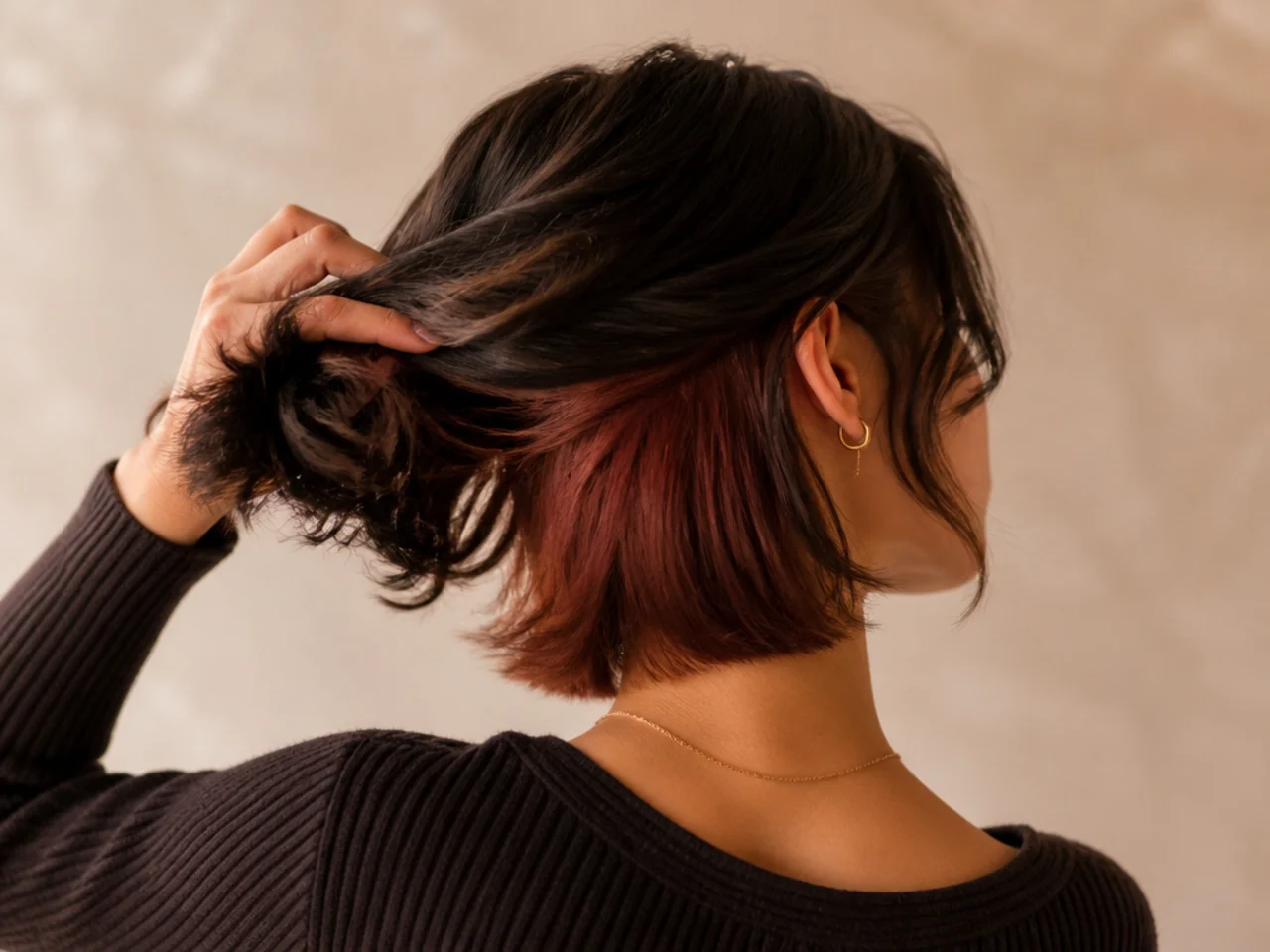
20 Peekaboo Color Ideas I Tried on Short Hair
Twenty placements tried on a bob over about a year — sorted by where the panel sat rather than what shade it was. Because on short hair, placement decides everything and almost nobody talks about it.
In this article · 28
- The Line That Matters
- Placements That Hid Well
- 1. Low Central Nape
- 2. Nape, Wider Section
- 3. Undercut Section
- 4. Behind One Ear Only
- 5. Behind Both Ears
- 6. Under the Heavy Side of a Deep Part
- Placements That Showed Constantly
- 7. Mid-Back of the Head
- 8. Just Below the Crown
- 9. The Full Underneath Layer
- 10. Front Face-Framing Panels
- 11. High Side Panels
- By Cut
- 12. On a Chin-Length Bob
- 13. On a Lob
- 14. On a Pixie
- 15. On a Curly Bob
- 16. On a Stacked or Graduated Bob
- 17. On a Bob with a Deep Side Part
- 18. Growing Out From a Bob
- 19. Panel Cut Too Wide
- 20. Panel Cut Too Narrow
- What I Would Tell Someone Booking
- Mistakes to Avoid
- FAQ
- Final Thoughts
Most peekaboo advice is about shade. On short hair, shade is the easy part — I got that right on the first attempt and spent the following year working out placement.
So this is sorted by where the panel sat, not what colour it was, with what each position actually did.
The Line That Matters
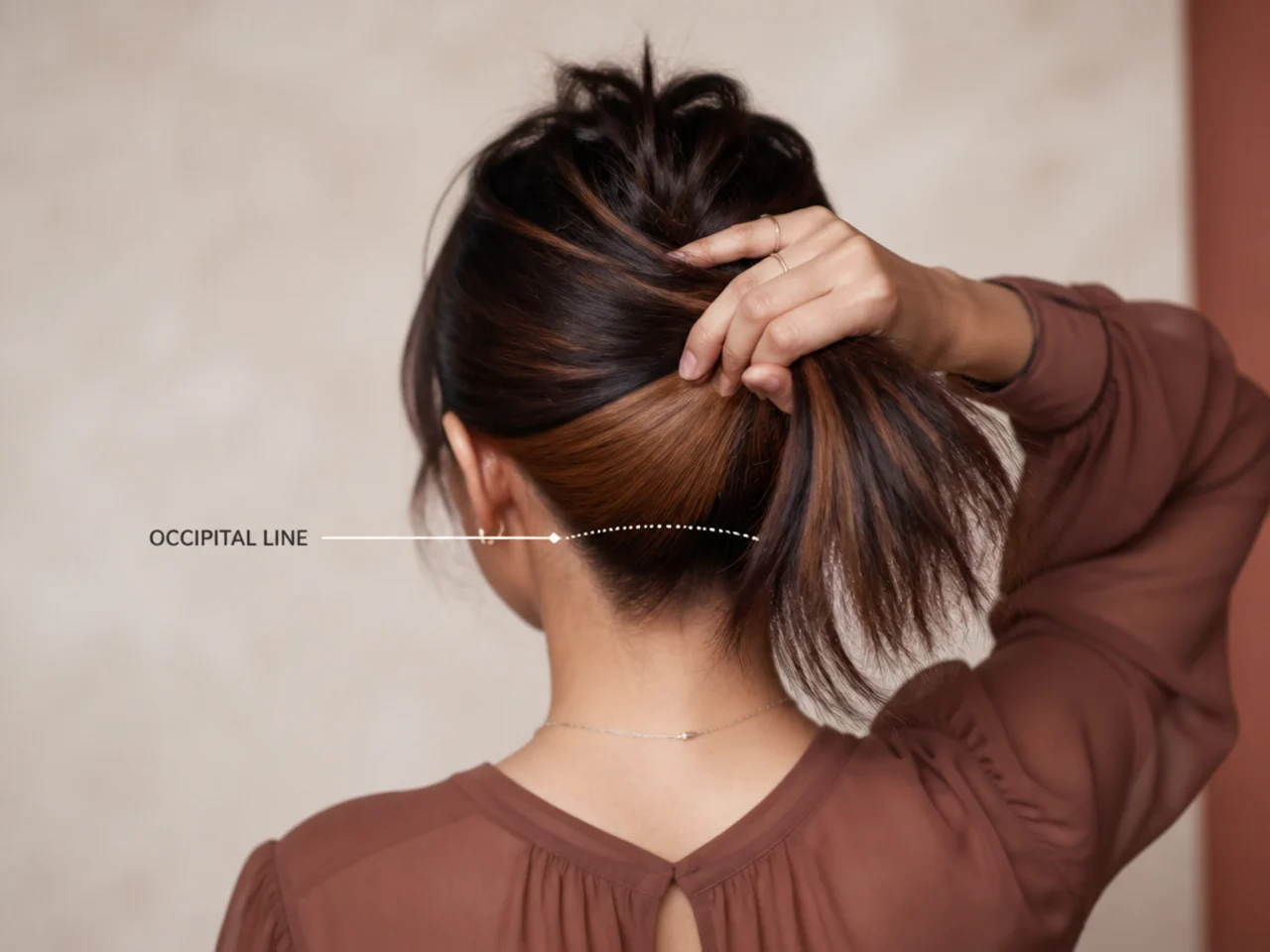
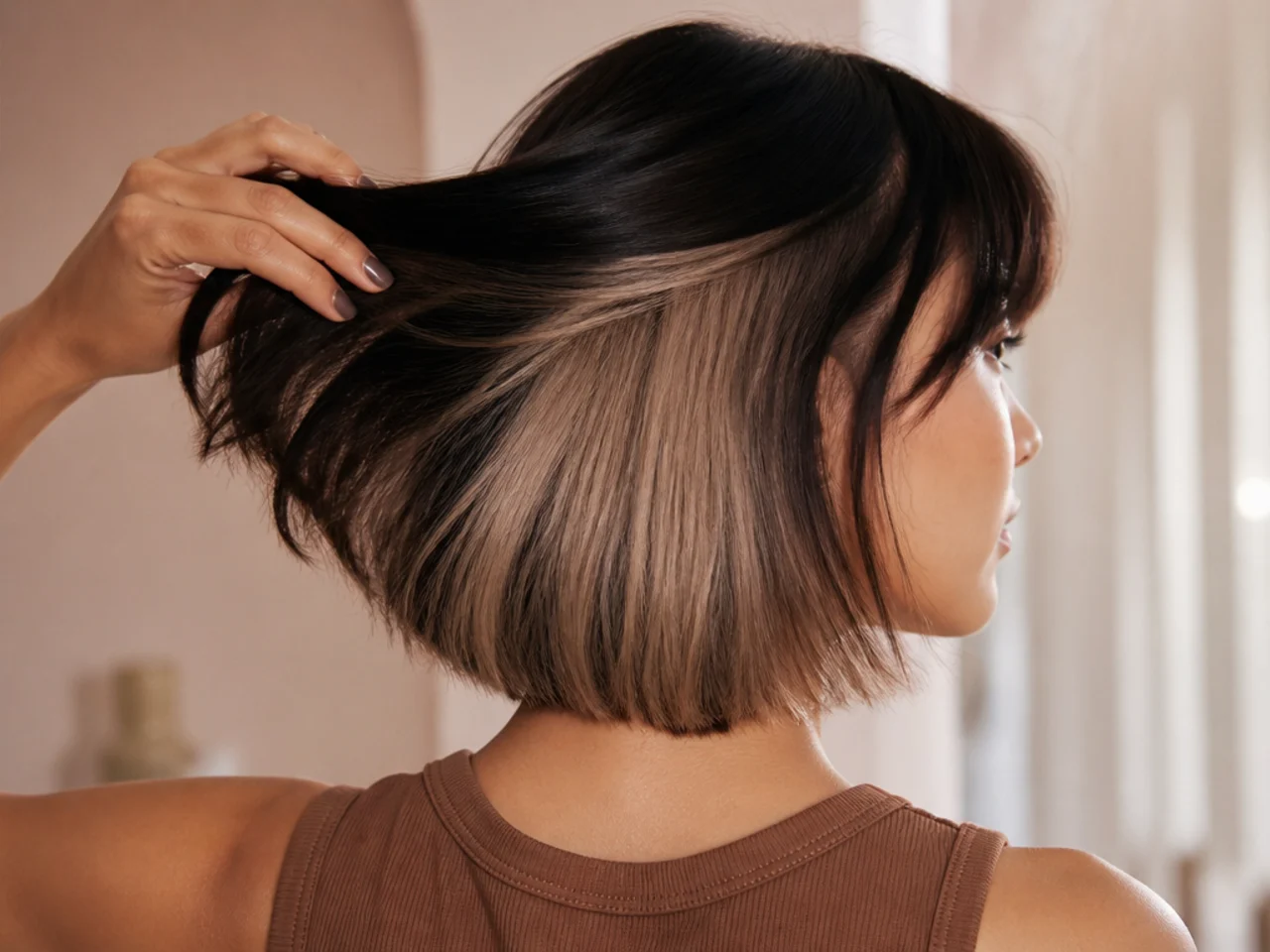
There is one landmark that decided almost everything: the occipital bone — the curve at the back of your skull, roughly level with the tops of your ears.
Below it, a panel is genuinely hidden on a bob. The hair above falls over it and stays there.
Above it, the panel is visible most of the time, because that is where a bob lifts and separates as you move.
Two centimetres either side of that line is the difference between a hidden panel and a permanent two-tone. On long hair the margin is far more forgiving; on a bob it is not.
Placements That Hid Well
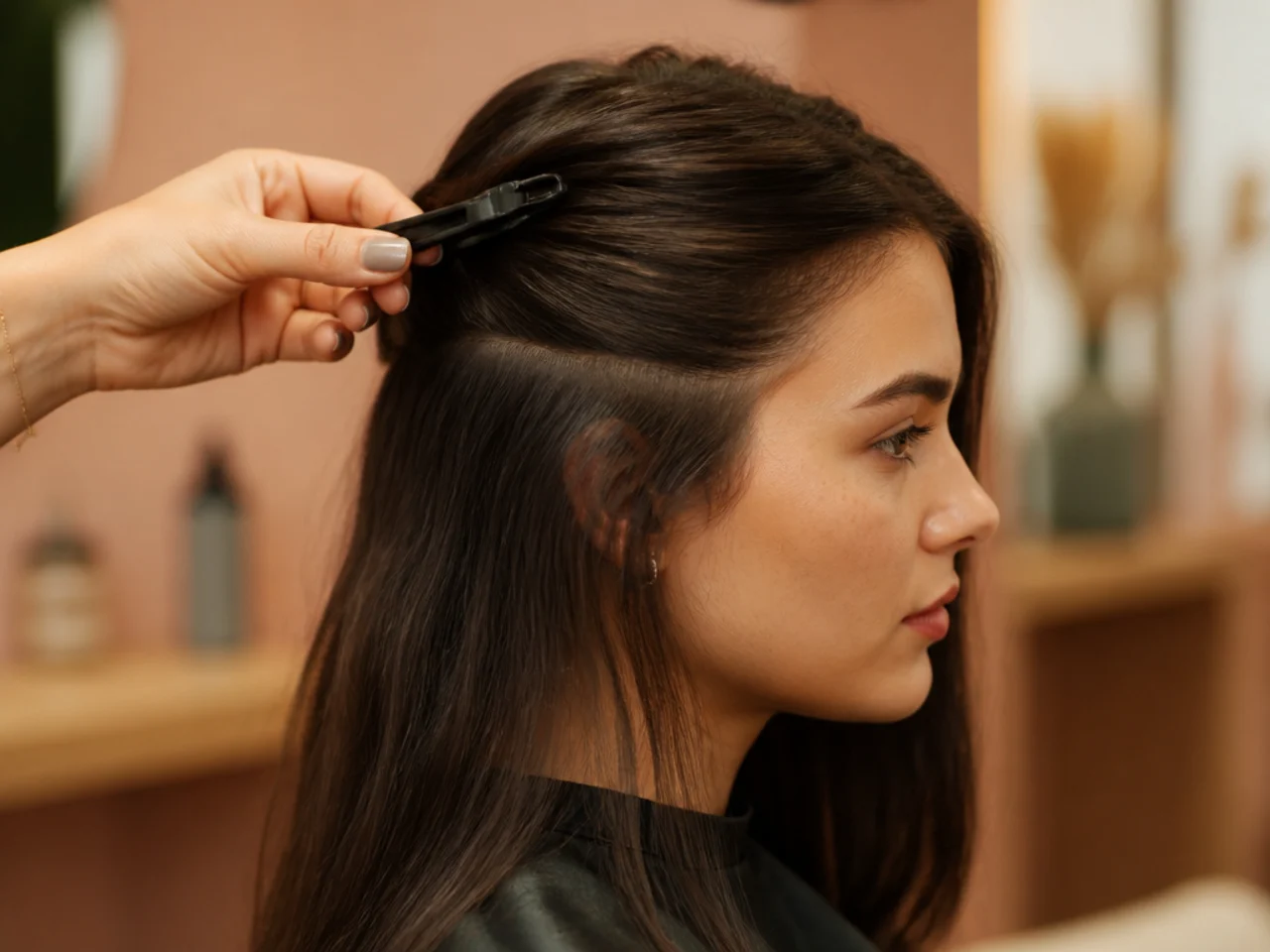
1. Low Central Nape
Best result. Genuinely invisible down, fully visible clipped up.
2. Nape, Wider Section
Kept. Same concealment, more colour when it shows.
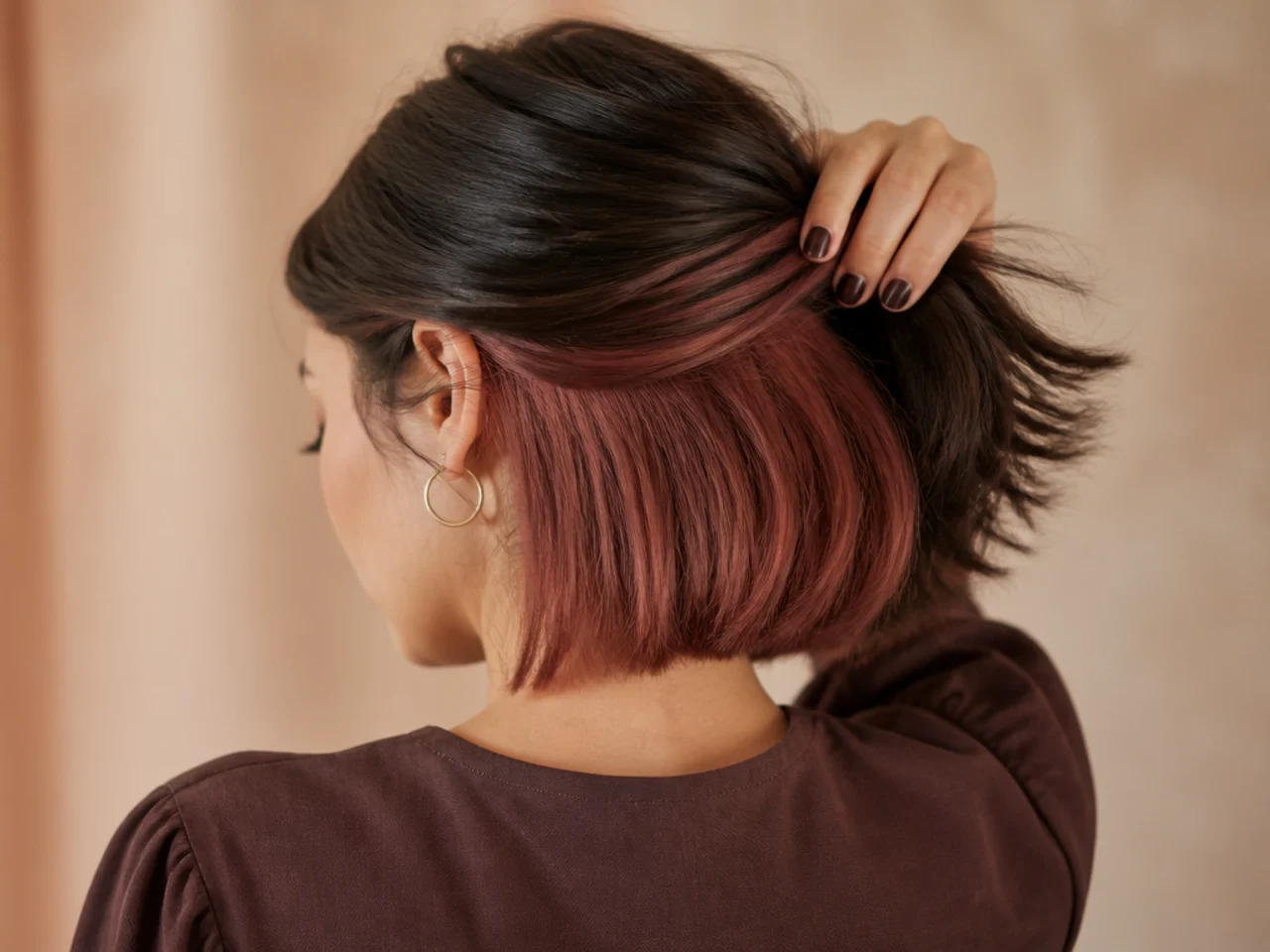
3. Undercut Section
Best for full concealment. Invisible until lifted, dramatic when shown.
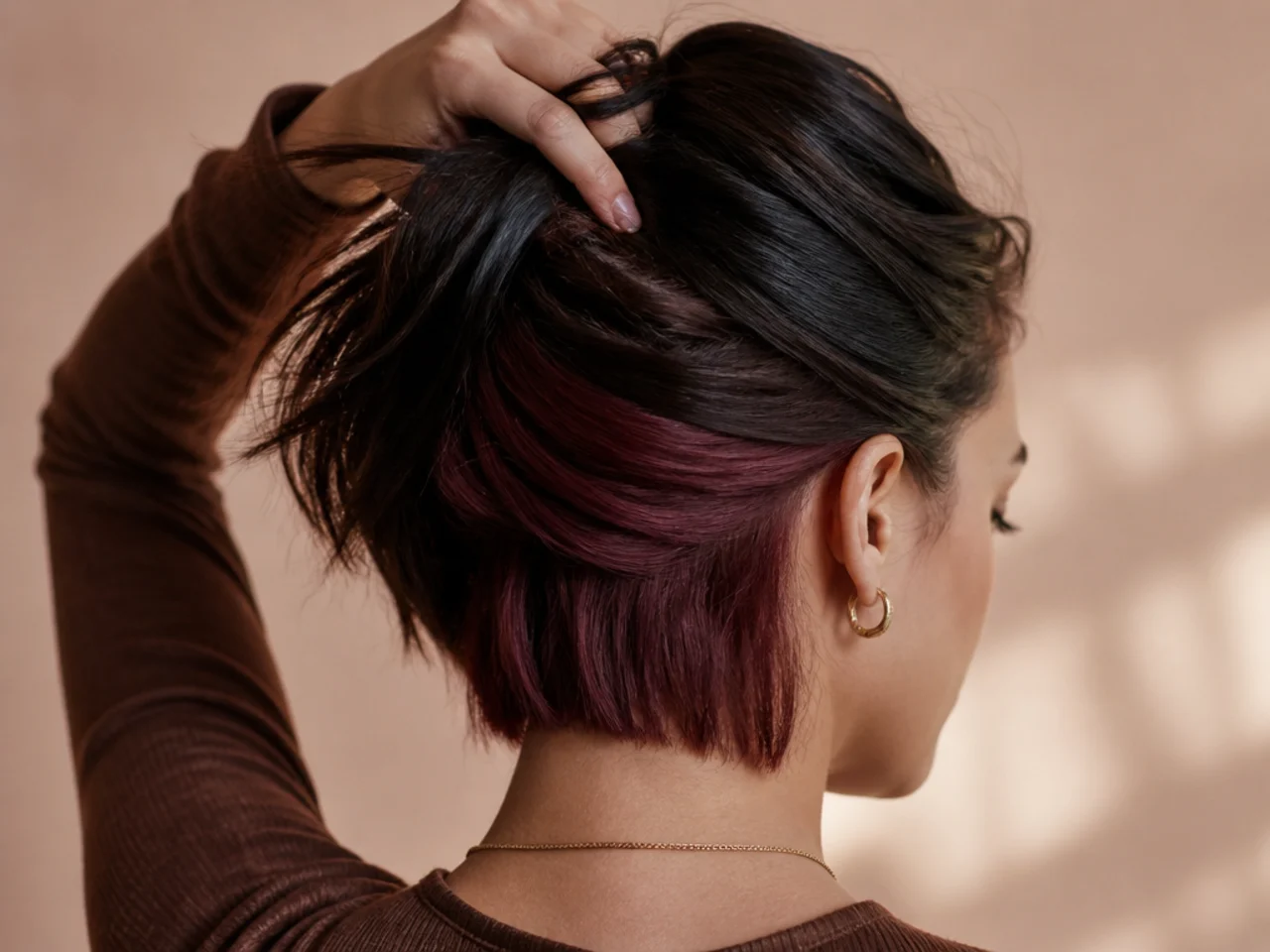
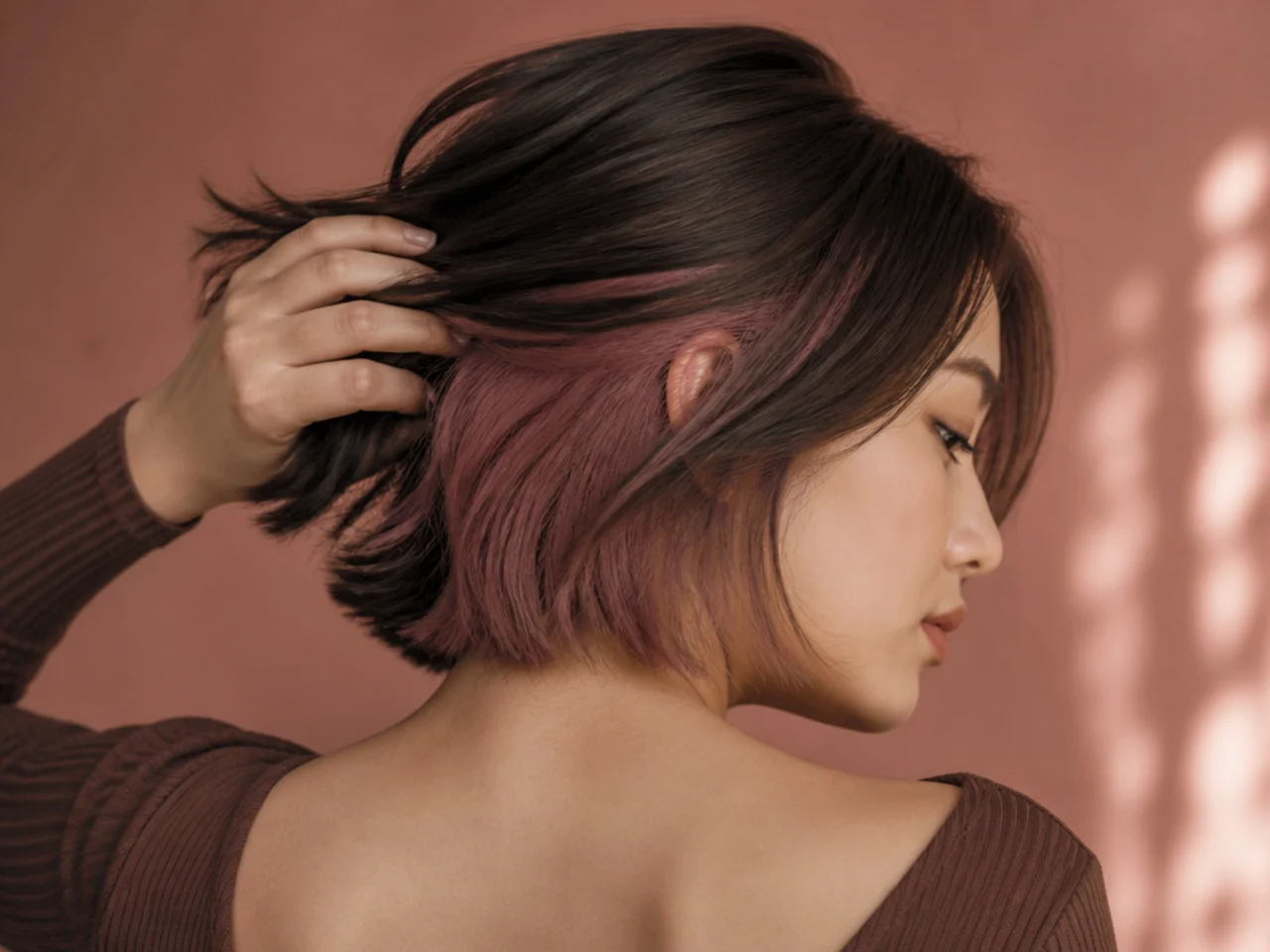
4. Behind One Ear Only
Kept. Shows only when tucked. Small and precise.
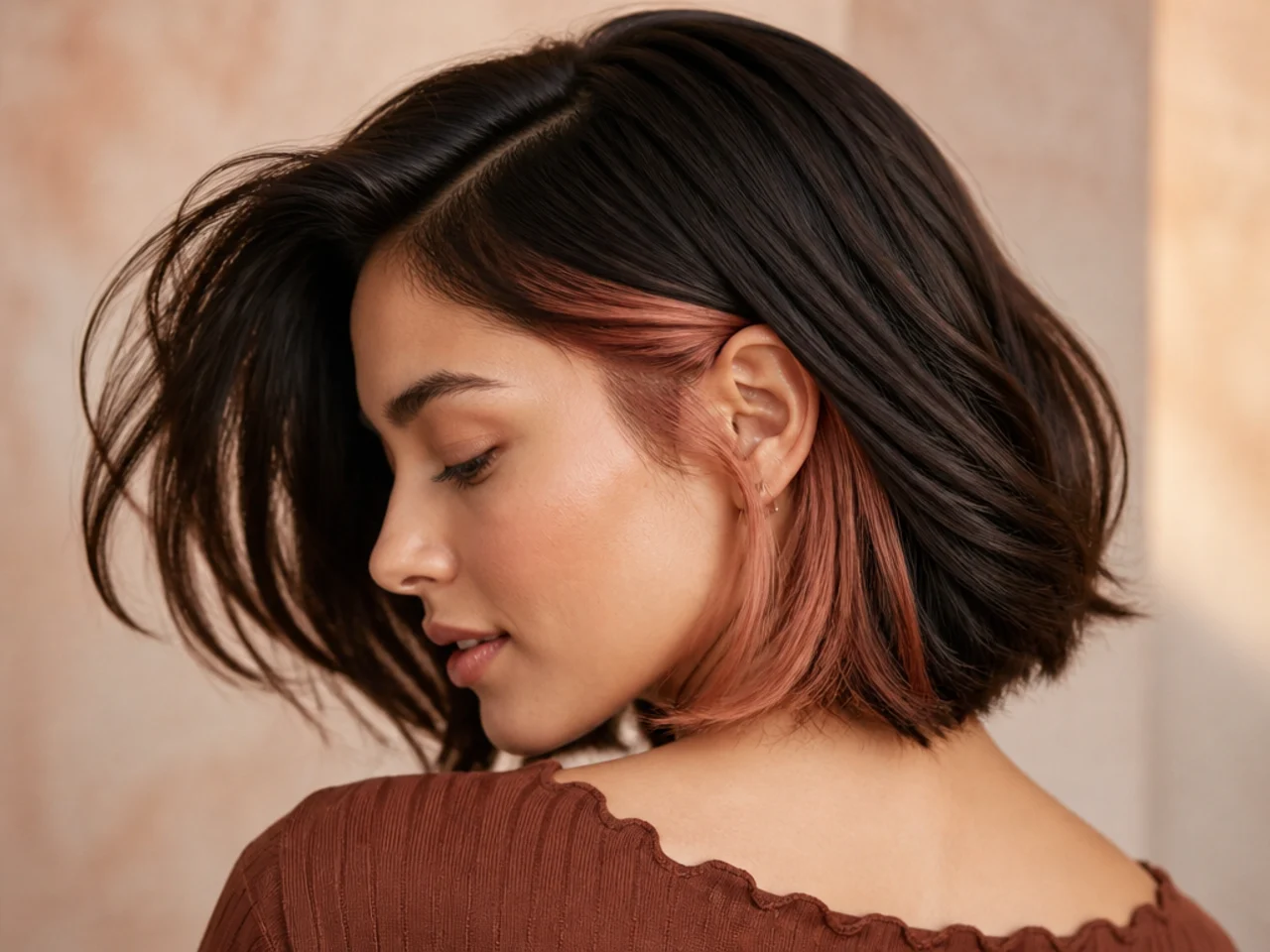
5. Behind Both Ears
Kept. Symmetrical, and it appears whenever hair is tucked back.
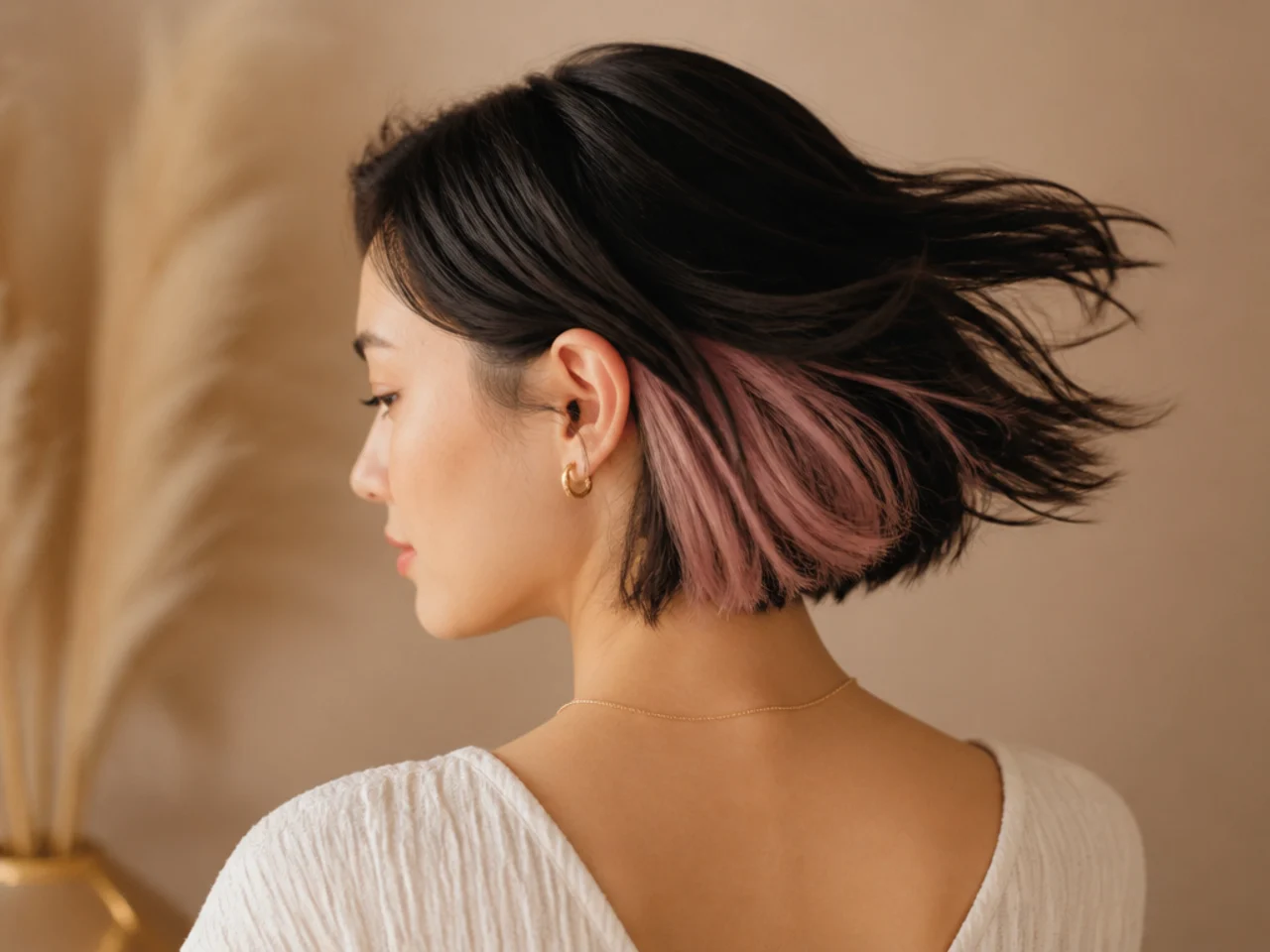
6. Under the Heavy Side of a Deep Part
Kept. Hidden normally, revealed by flipping the parting.
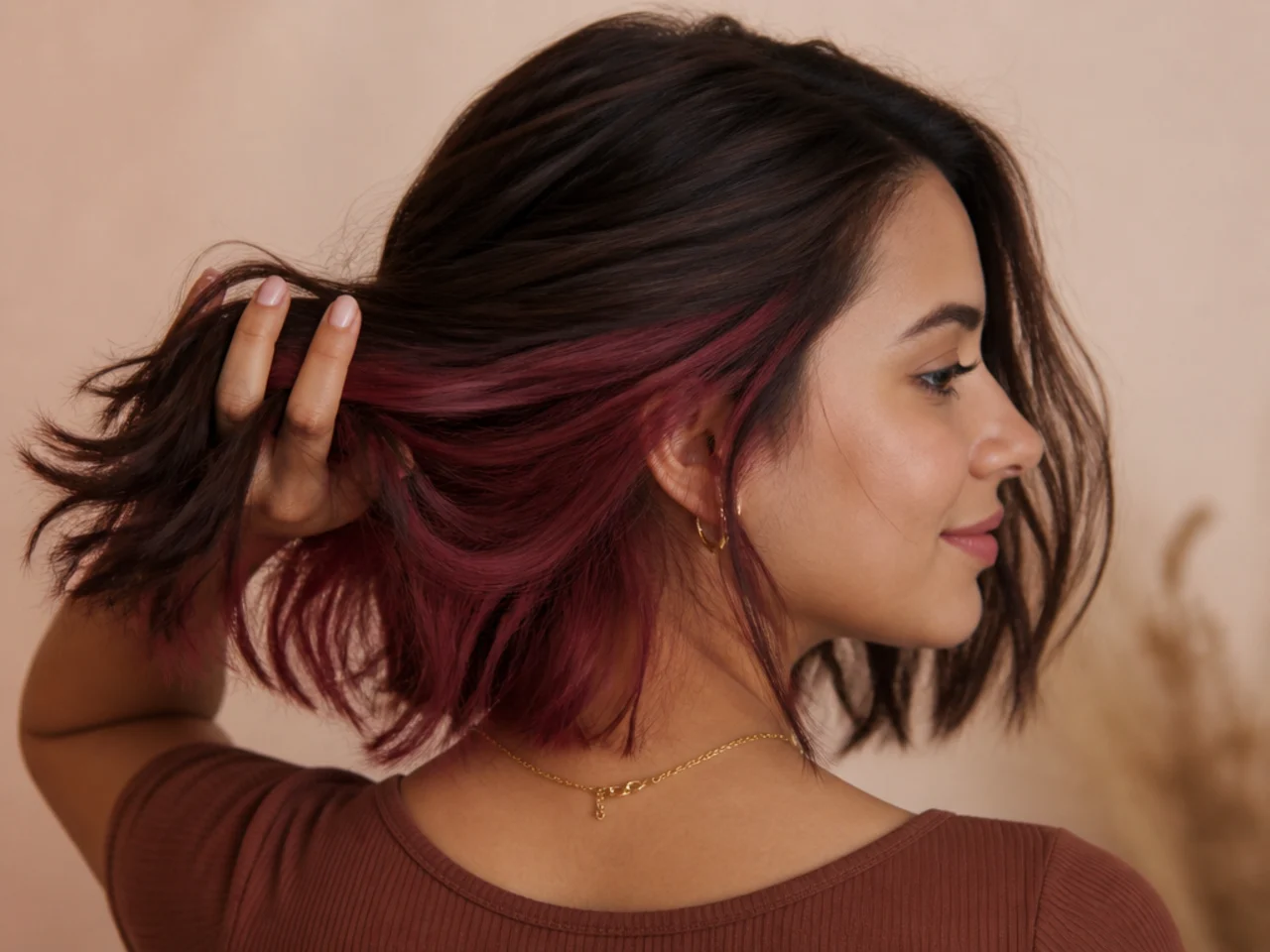
Placements That Showed Constantly
7. Mid-Back of the Head
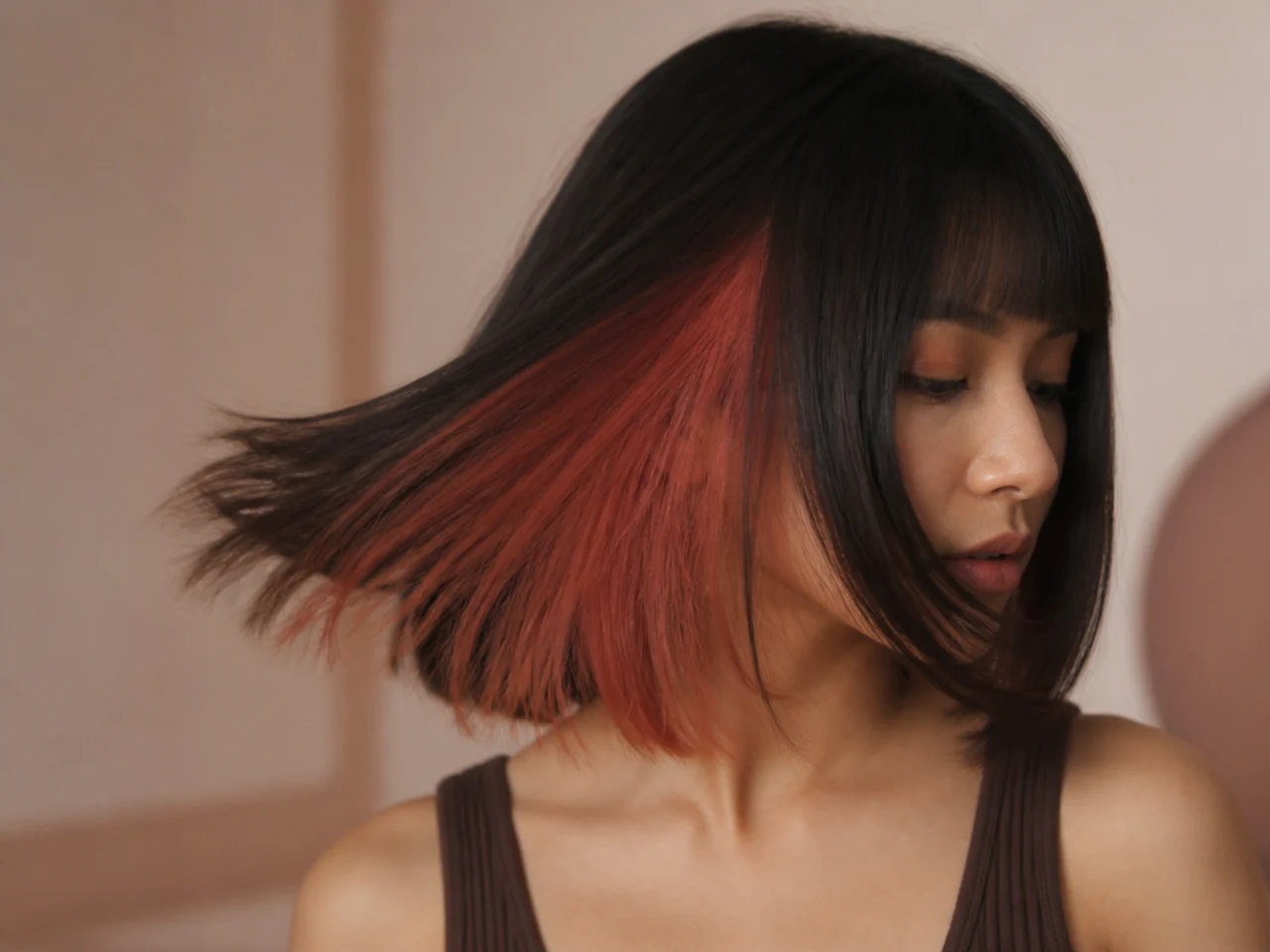
Too visible. Sits right where a bob lifts. Fine if you want a two-tone.
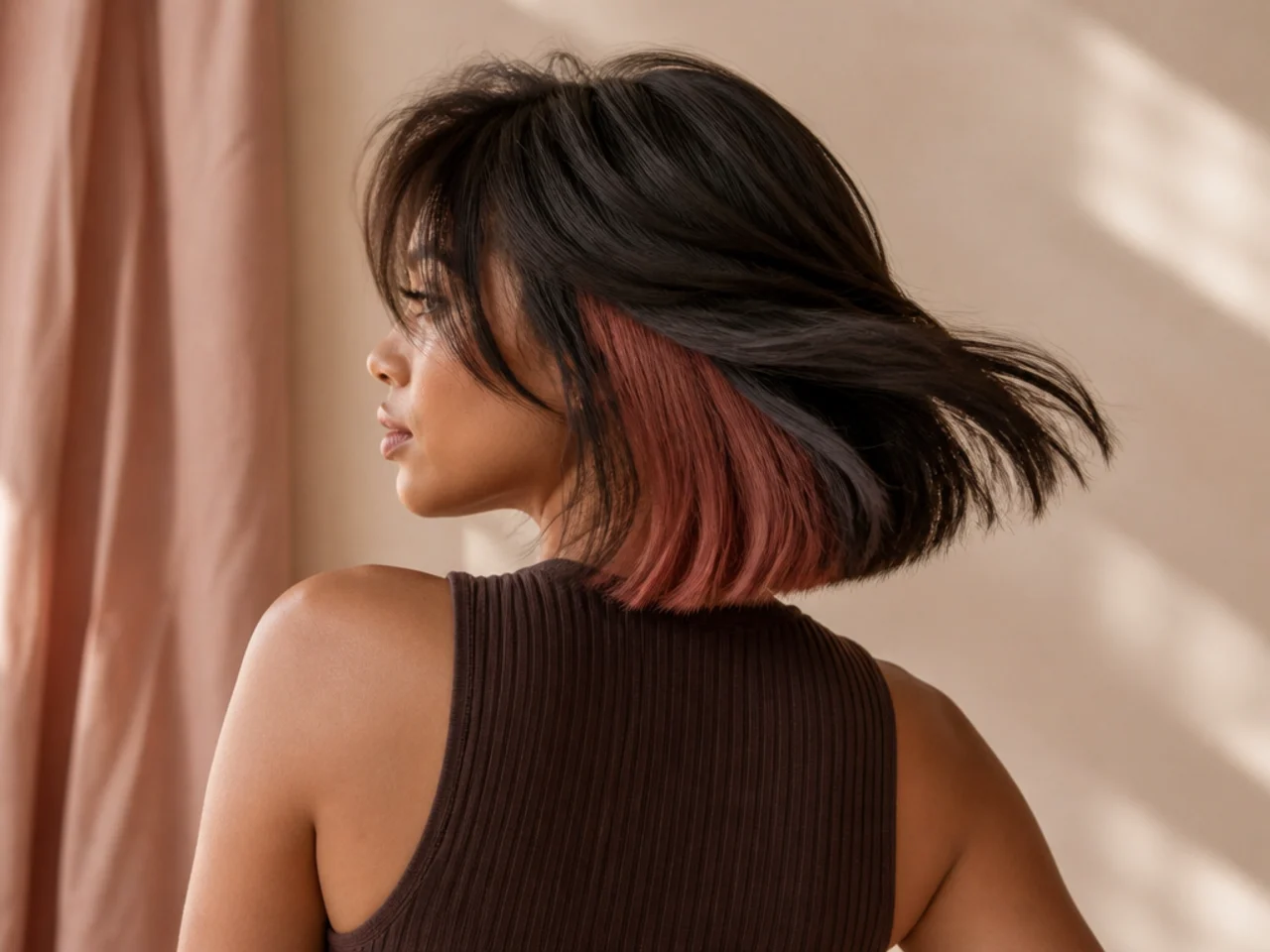
8. Just Below the Crown
Always on show. Effectively a two-tone hairstyle.
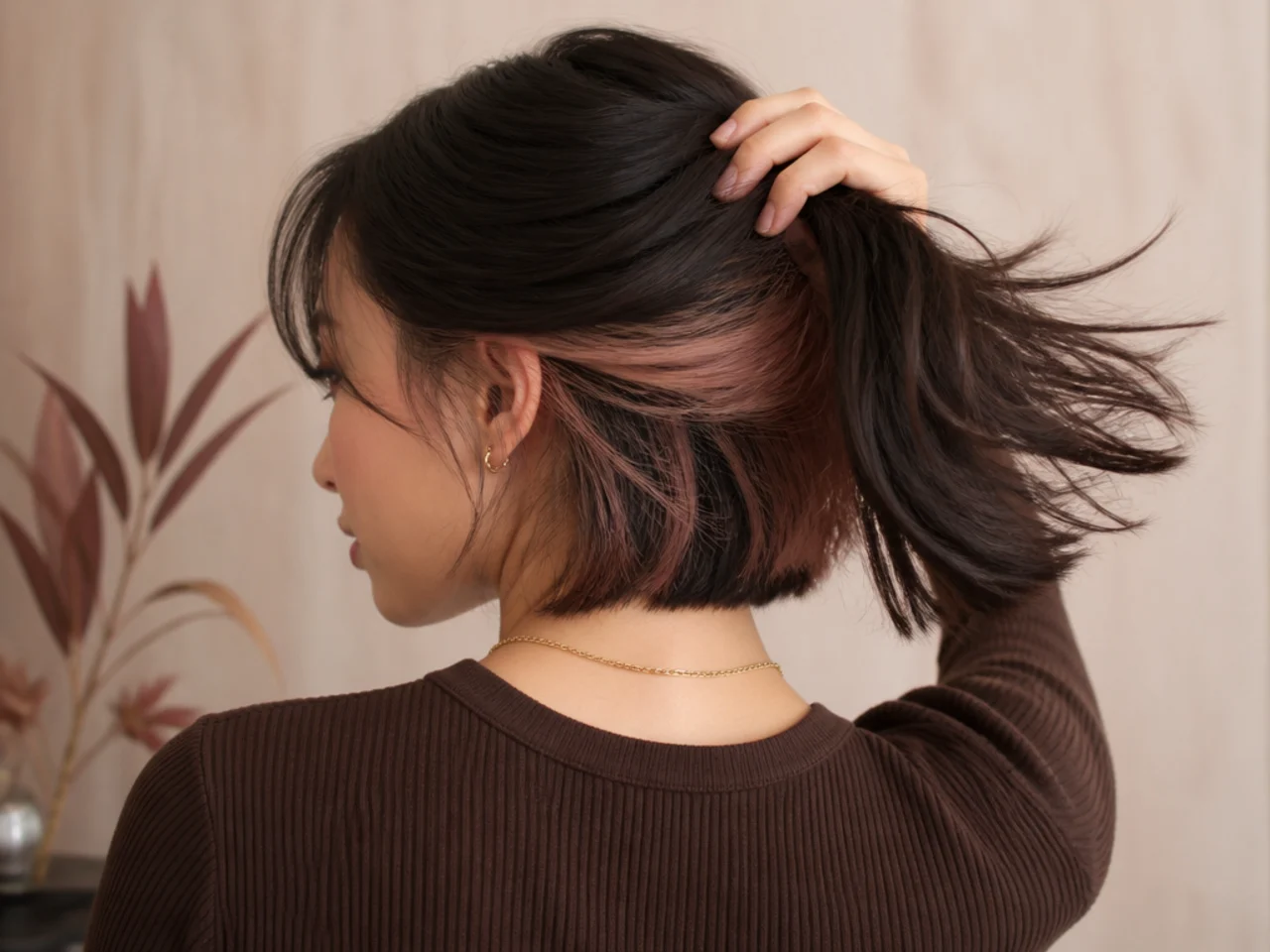
9. The Full Underneath Layer
Permanently visible on a bob. Striking, and not a peekaboo.
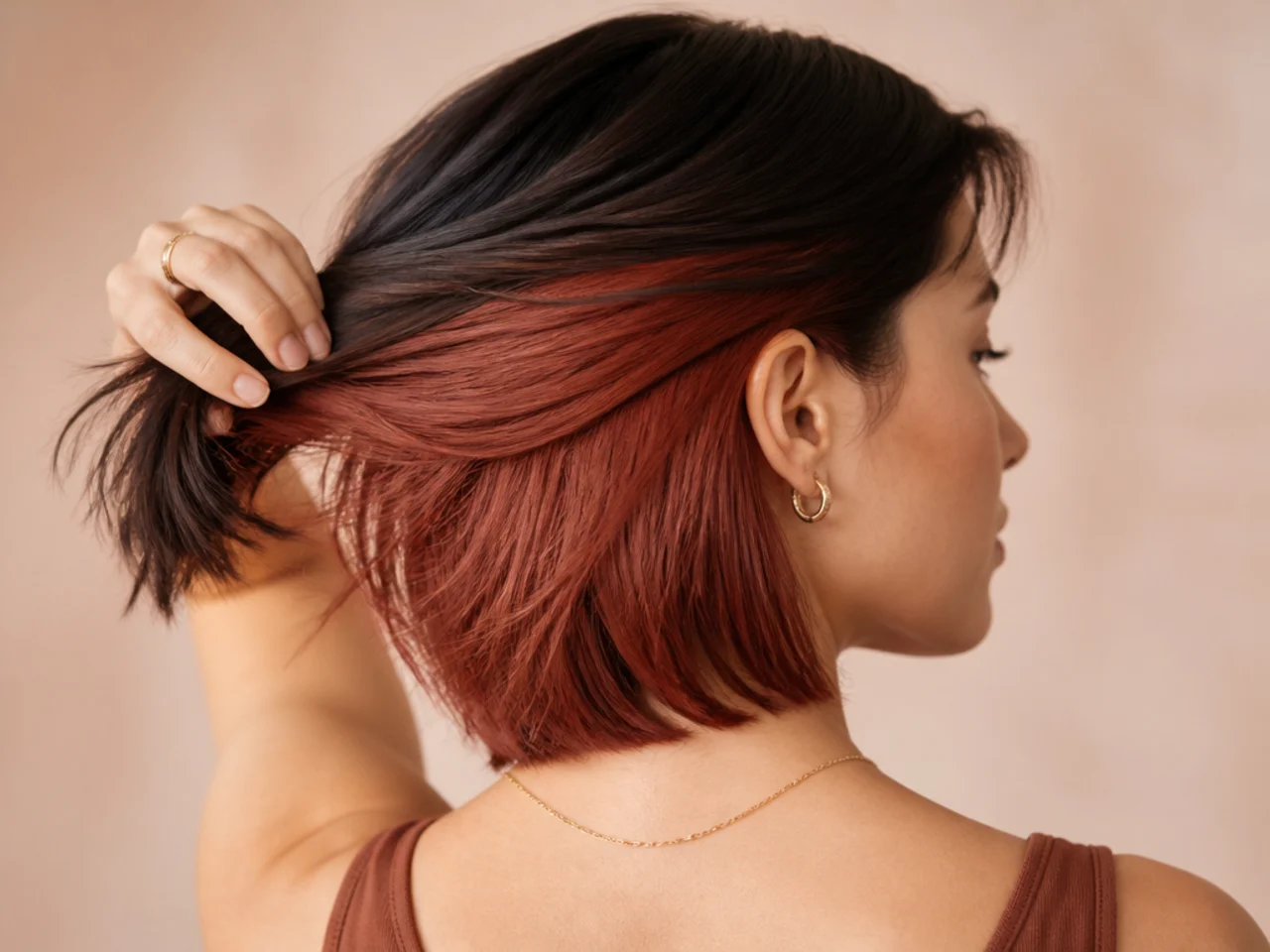
10. Front Face-Framing Panels
Always visible by design. A money piece rather than a peekaboo.
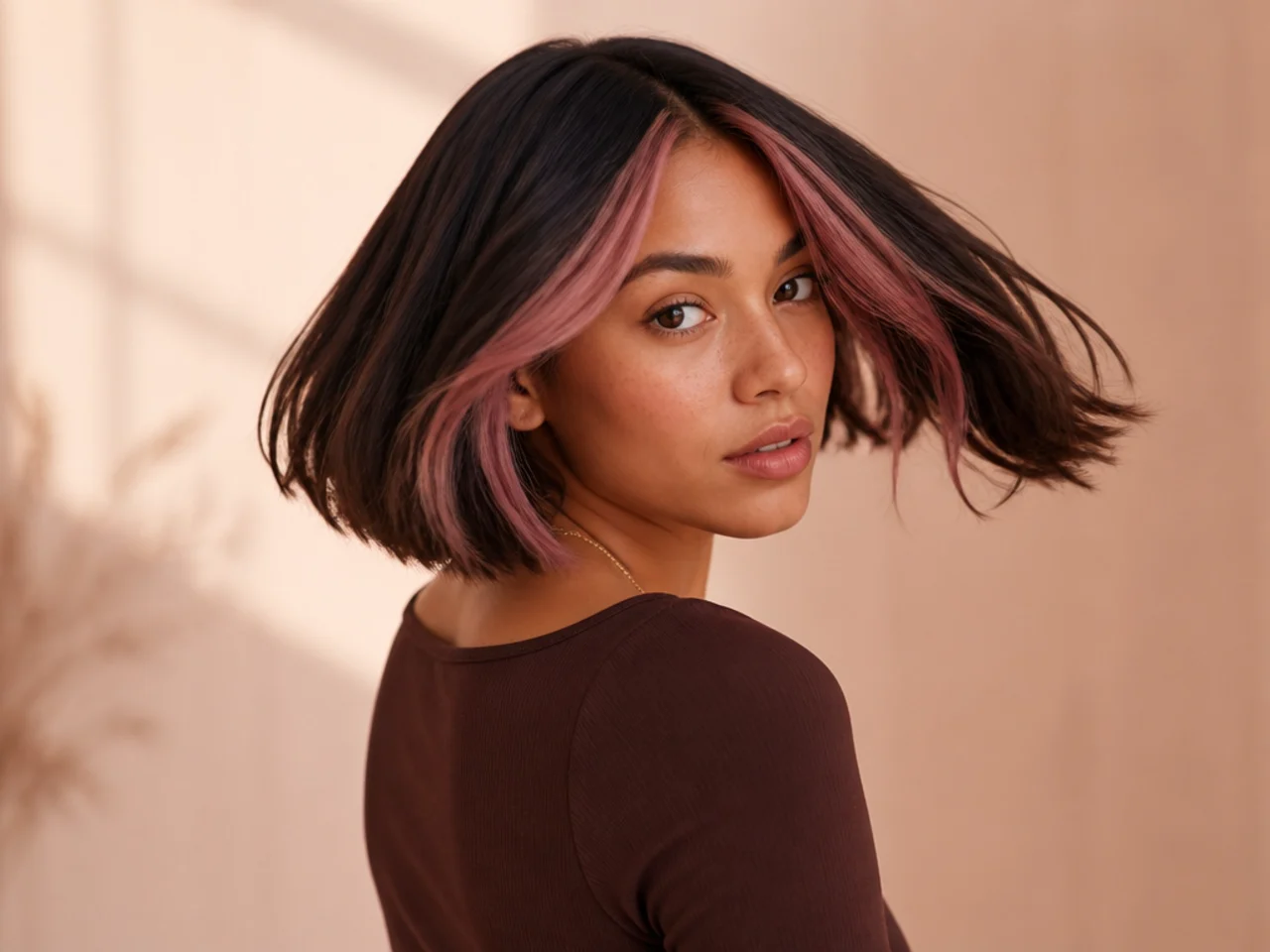
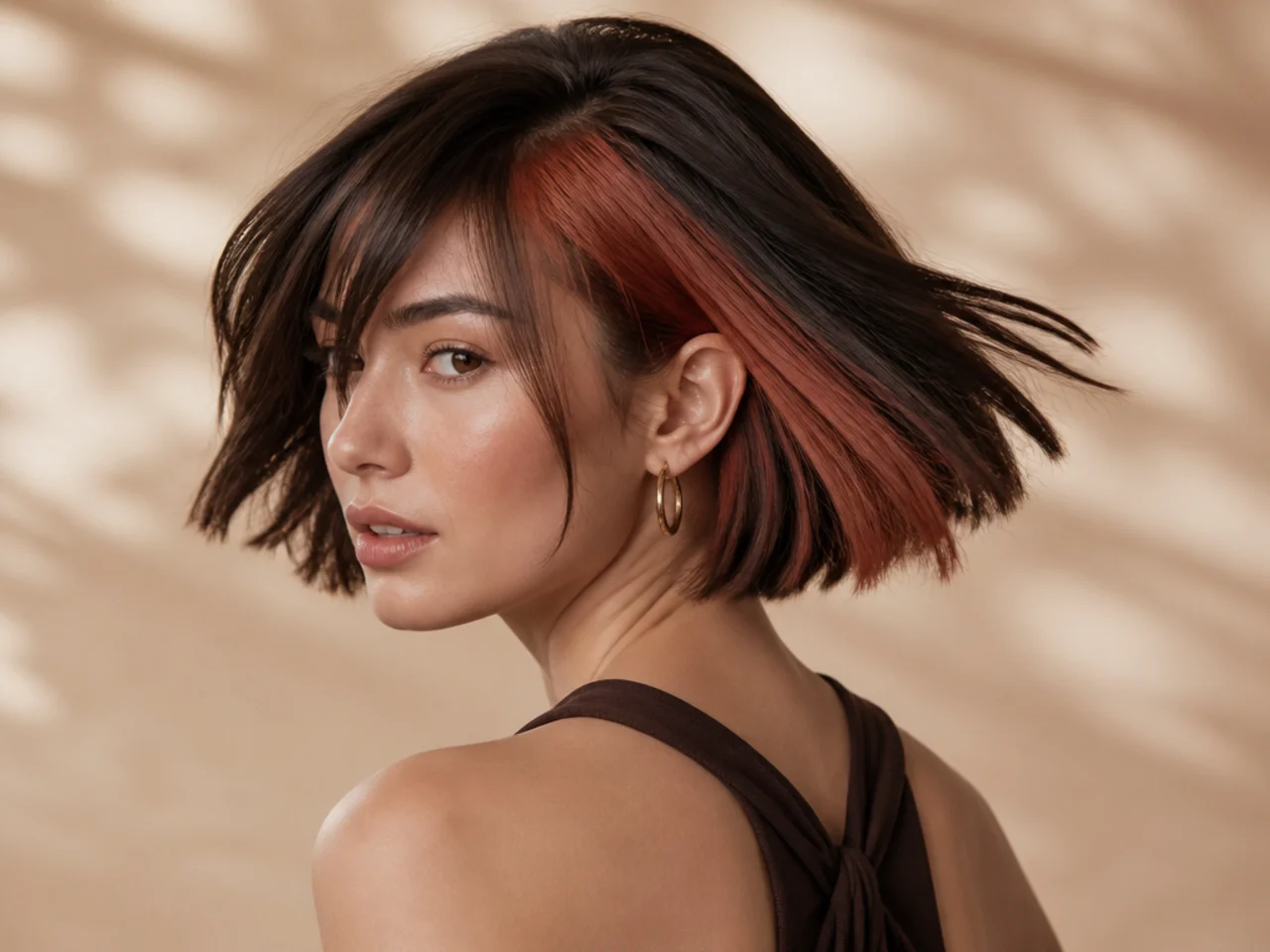
11. High Side Panels
The worst placement I tried. Visible from the front, which was never the intention.
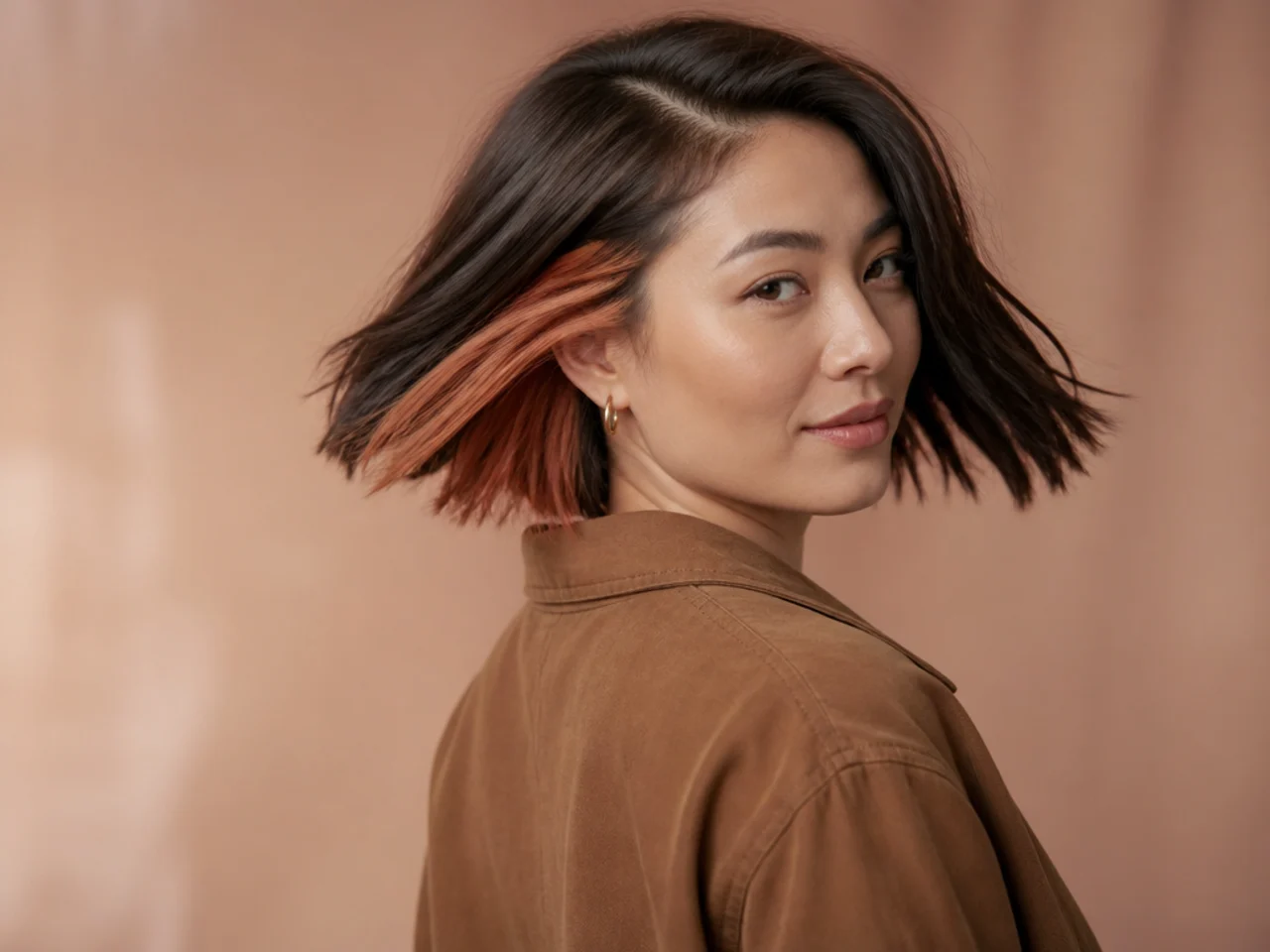
By Cut
12. On a Chin-Length Bob
Nape only. Everything else shows. The tightest margins of any cut.
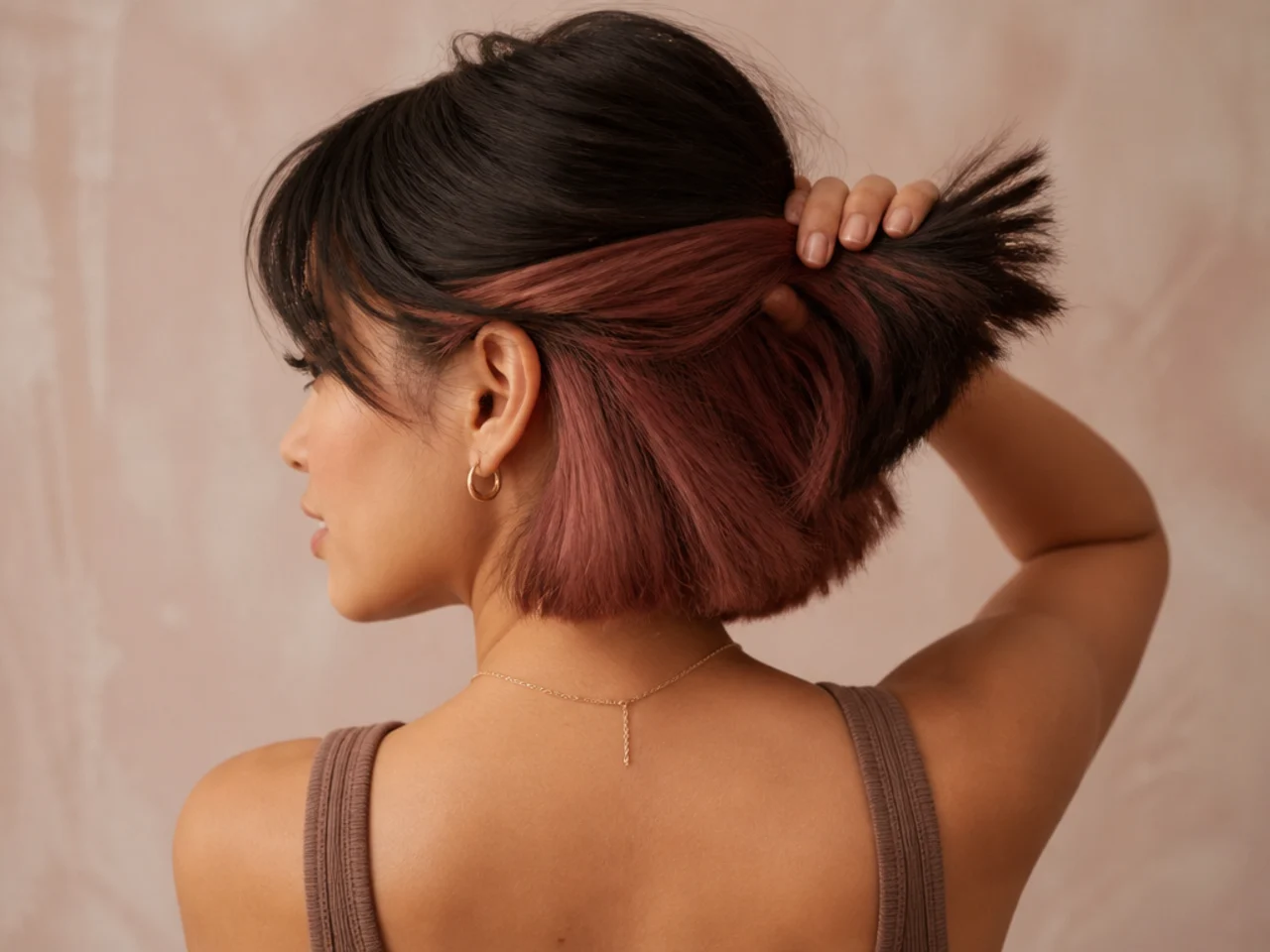
13. On a Lob
More forgiving. Enough length that mid-back placement mostly hides.

14. On a Pixie
No hiding at all unless it is an undercut. Treat it as a colour block.
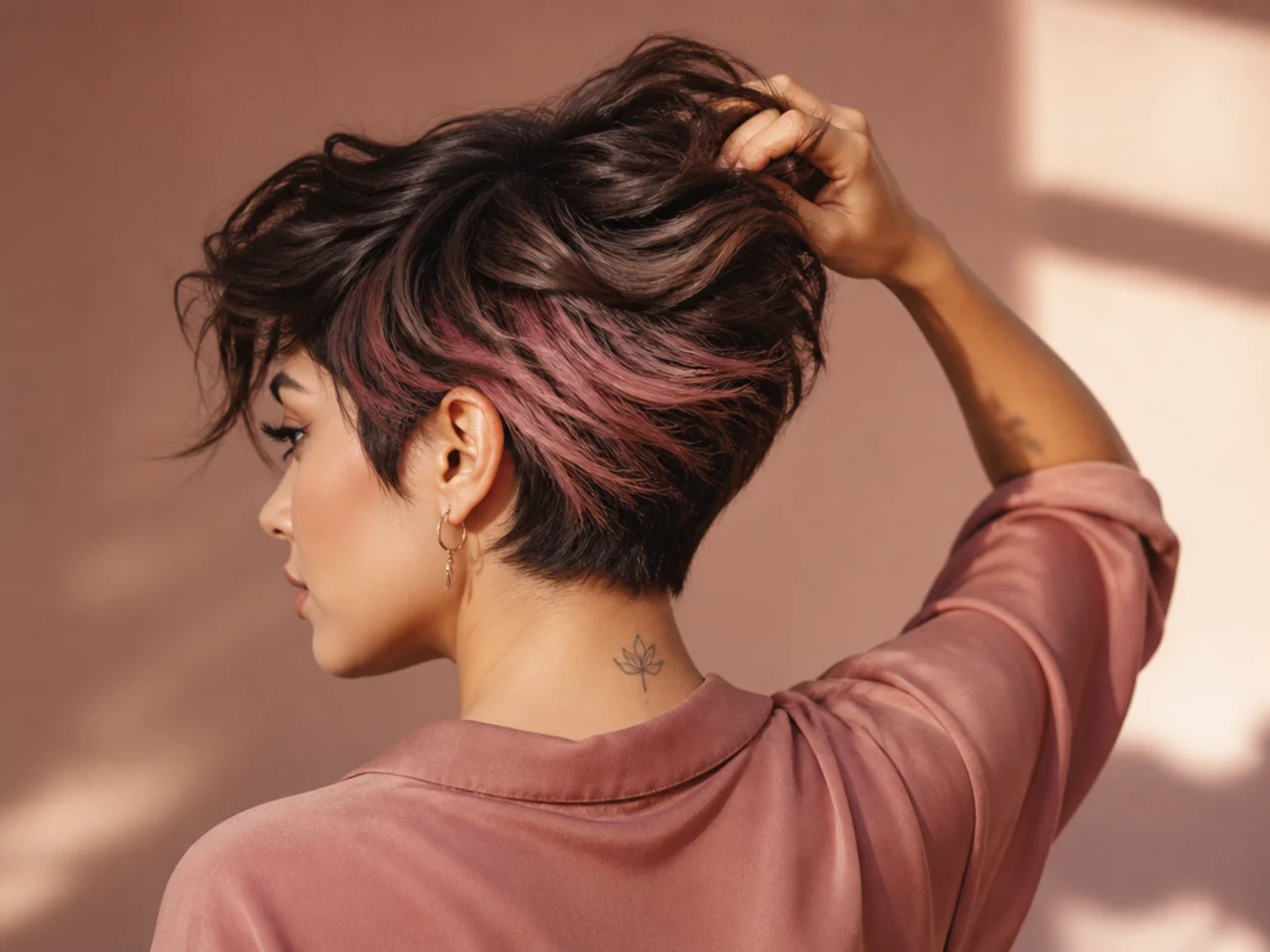
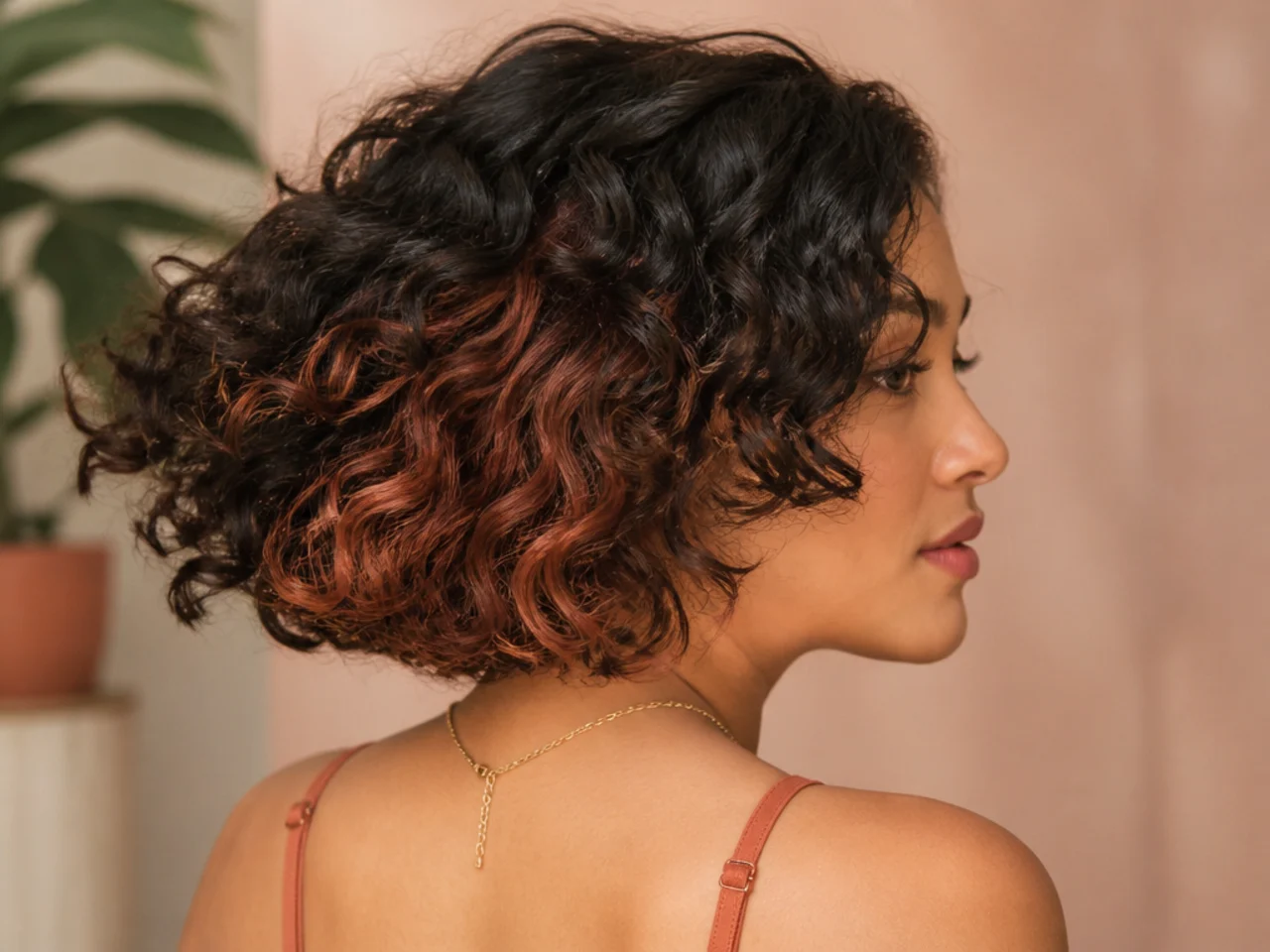
15. On a Curly Bob
Shows far more than expected. Curl separates and reveals constantly.
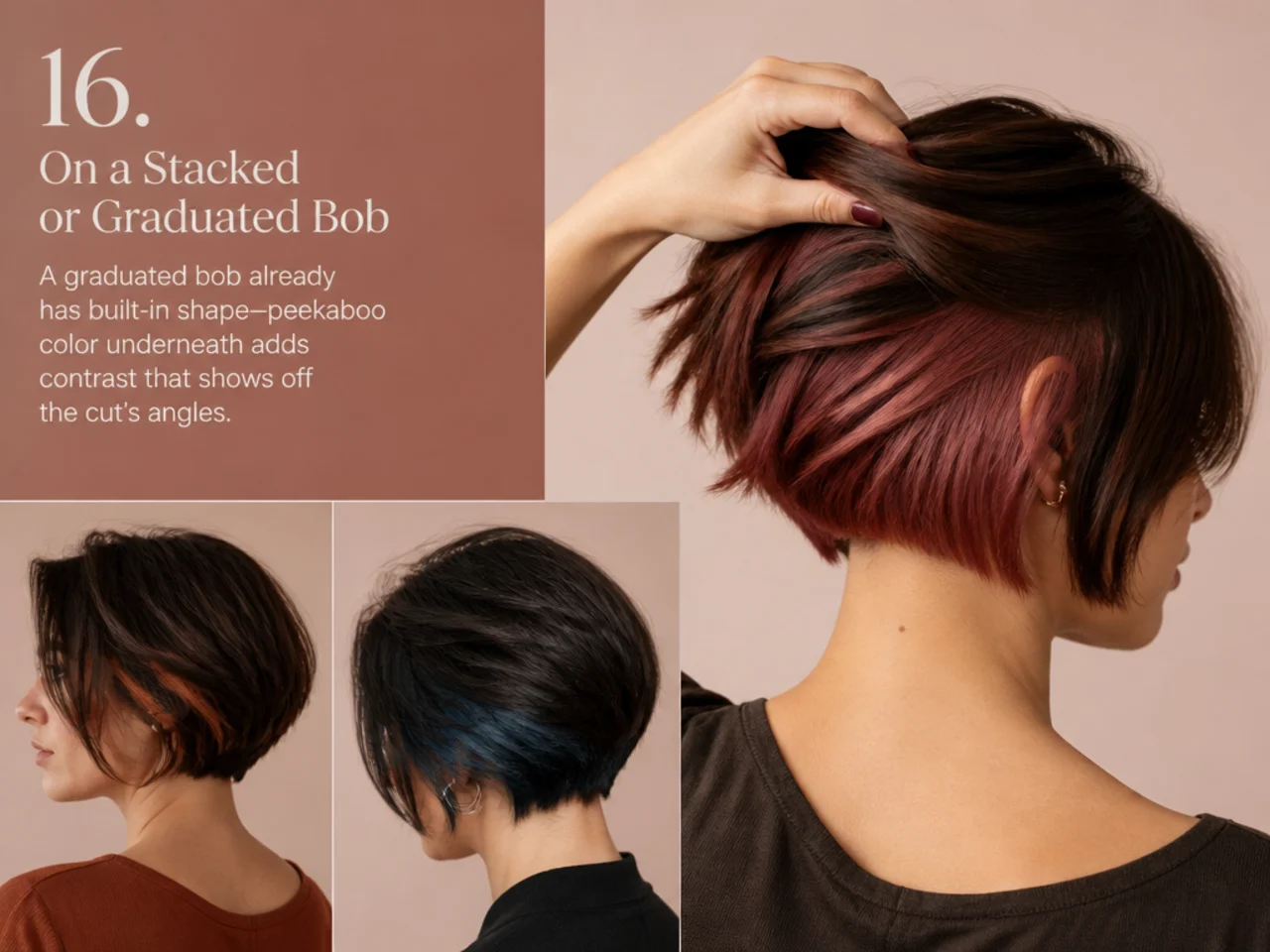
16. On a Stacked or Graduated Bob
Difficult. Short layers at the back mean the panel appears in pieces.
17. On a Bob with a Deep Side Part
Good. The heavy side conceals a panel underneath it well.
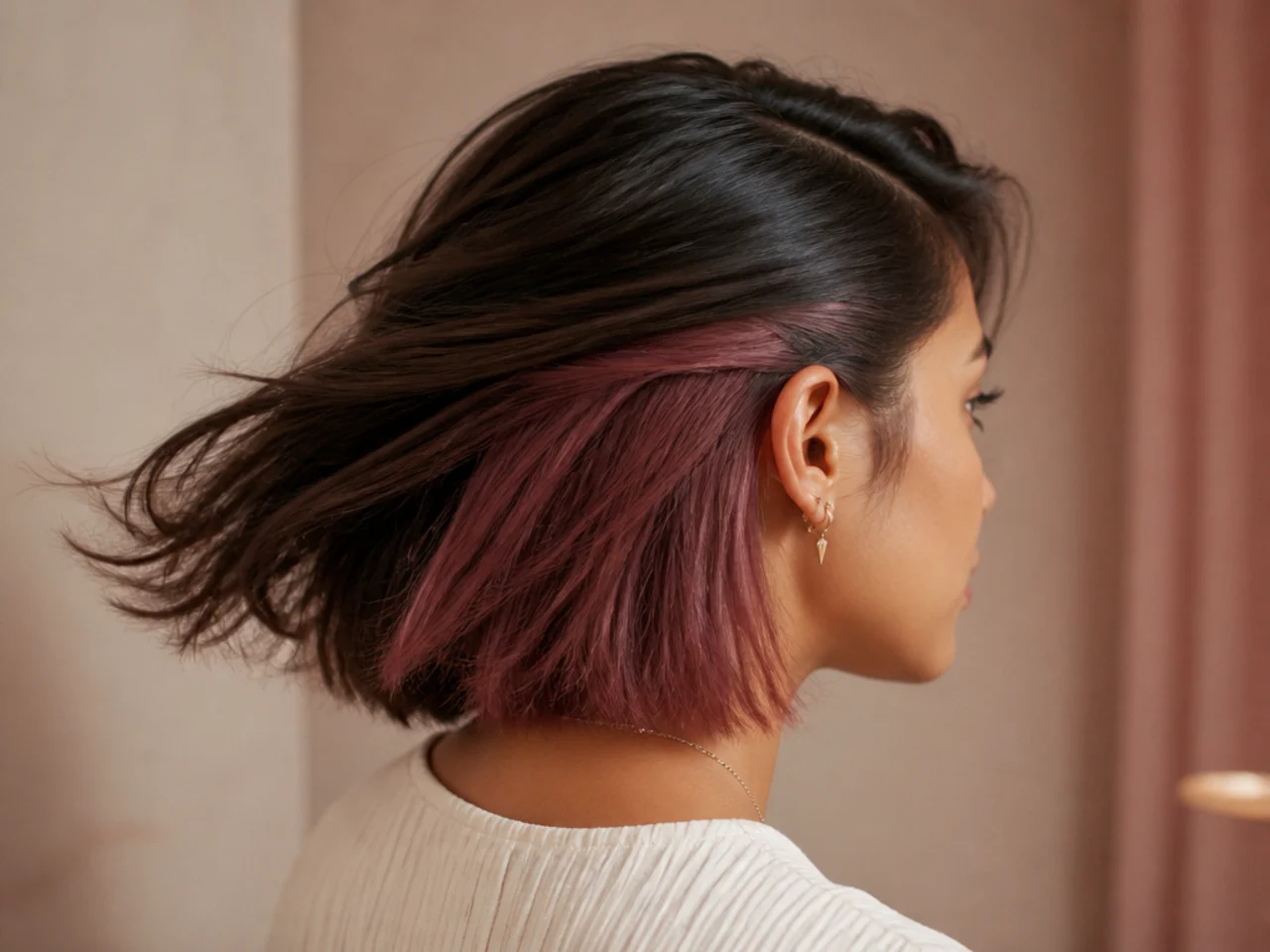
18. Growing Out From a Bob
Improves steadily. Every extra centimetre of length hides more.
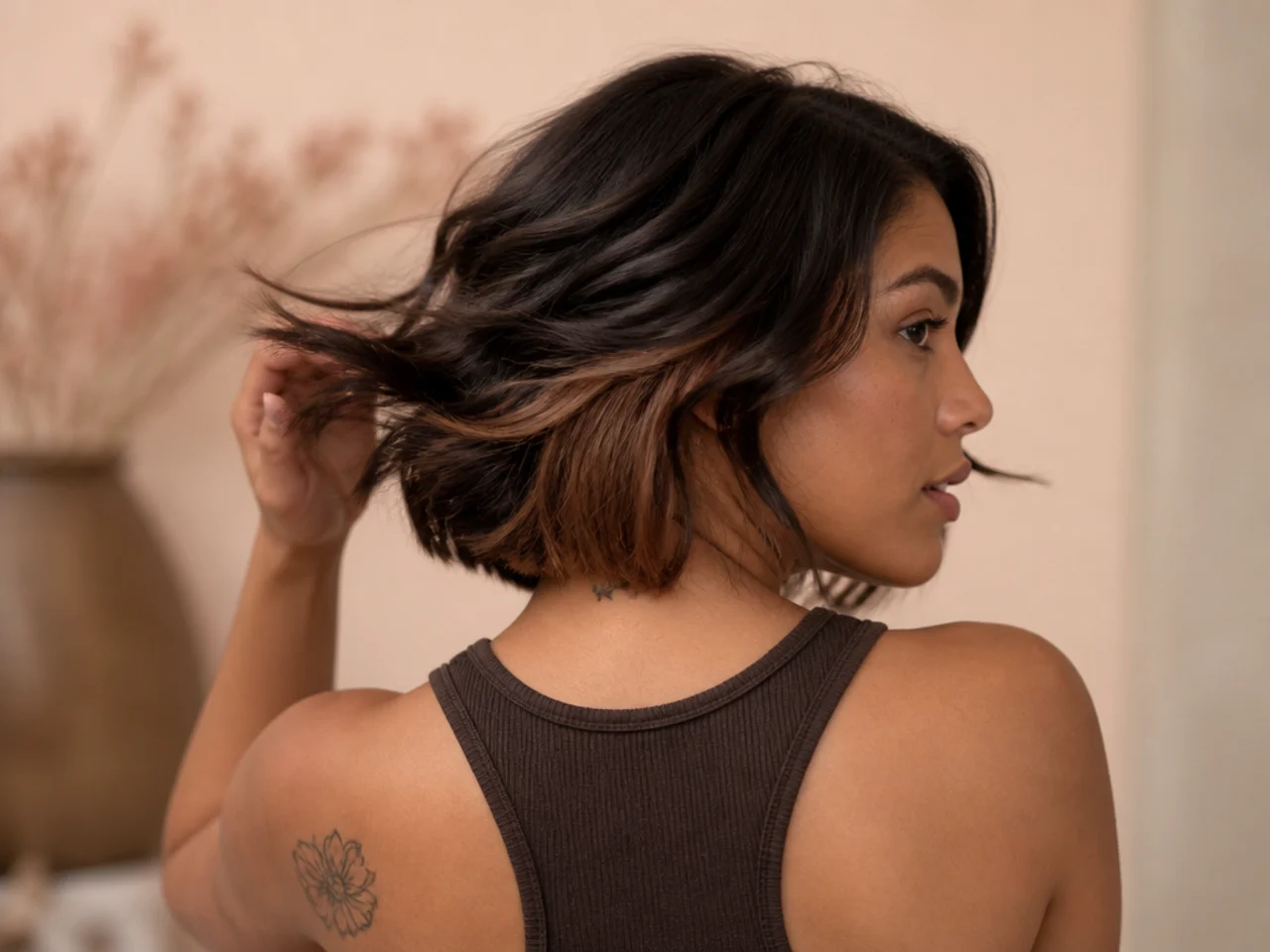
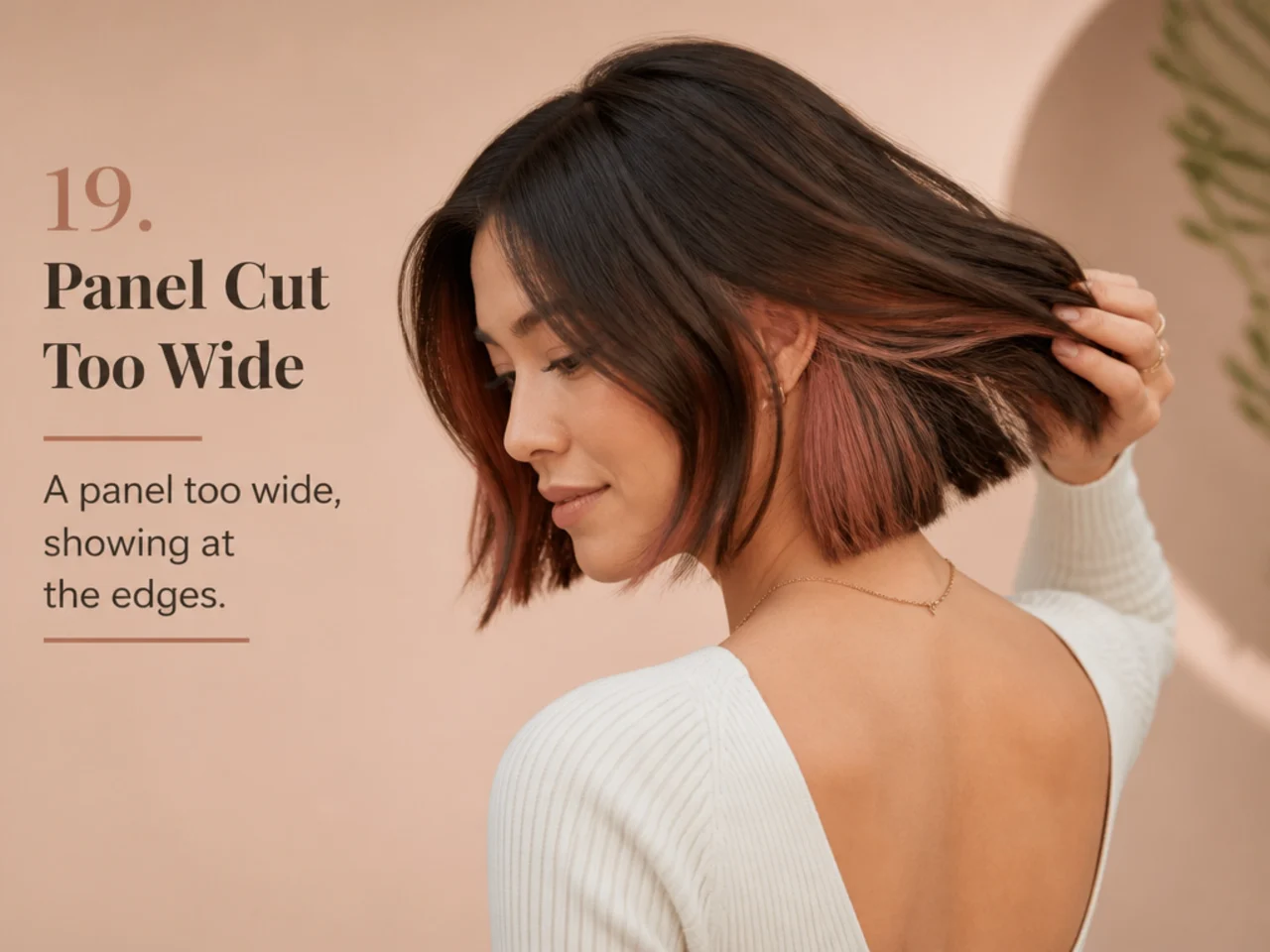
19. Panel Cut Too Wide
Regret. Width matters as much as position — a wide panel shows at the edges.
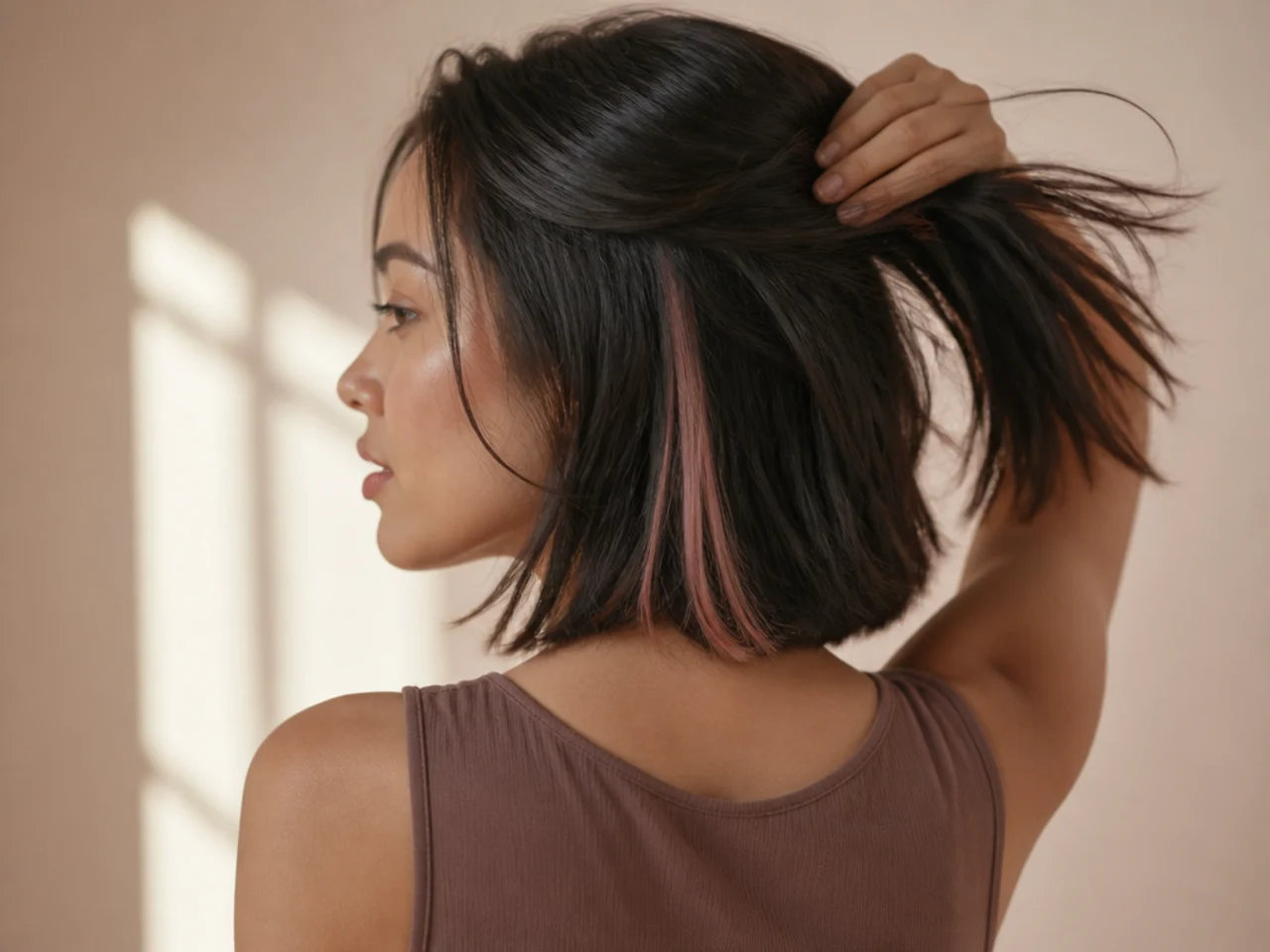
20. Panel Cut Too Narrow
Also regret. Barely visible even when deliberately shown.
What I Would Tell Someone Booking
Say what you want it to do, not where you want it. "Hidden when down, visible when I clip it up" is a brief a colourist can work with. "Under the back" is not.
Ask them to section it dry, and look before the colour goes on. Two minutes with a mirror at the sectioning stage would have saved me two of the placements above.
Placement cannot be moved later. It is where the hair grows from. If it is wrong, the options are growing it out, cutting it off, or colouring over it — all slow.
Width matters as much as height. Too wide and it shows at the edges; too narrow and it does not register even when you want it to. About the width of your palm was right on a bob.
On a bob, assume more will show than you expect. Every placement I tried was more visible than it looked in the mirror on day one, because a mirror does not move and hair does.
Mistakes to Avoid
Placing above the occipital line and expecting concealment. It will show.
Not checking the sectioning before the colour goes on. The one free chance to fix it.
Copying a placement from long-hair photos. The layers behave completely differently.
A panel wider than your palm on a bob. The edges show from the front.
Assuming you can move it later. You cannot.
FAQ
Where should the panel go? Below the occipital line for concealment; around the ears to show when tucked.
Does placement matter more on short hair? Considerably — the margin is about two centimetres.
Can a bad placement be fixed? Only by growing it out, cutting it, or colouring over it.
Final Thoughts
Ask for the panel below the occipital bone and check the sectioning in a mirror before any colour is mixed. On short hair that one conversation decides whether you get a peekaboo or a two-tone — and it is much easier to have before than after.
For shade selection see 20 peekaboo color ideas for short hair, and for the full range see 25 stunning peekaboo hair color ideas. More in Hair Color Trends.