20 Short Old Money Haircut Ideas to Save
Twenty short old money haircut ideas, and the way the constraint flips at this length — long hair is limited by condition, short hair by precision. Your ends are young; your cut line has nowhere to hide.
In this article · 27
- What Makes Short Old Money Work
- How to Choose Yours
- The 20 Short Ideas
- 1. Classic Chin-Length Bob
- 2. Jaw-Length One-Length Bob
- 3. Collarbone Lob
- 4. French Bob
- 5. Bob with a Centre Part
- 6. Bob with a Soft Side Part
- 7. Bob Tucked Behind Both Ears
- 8. Short Layered Crop
- 9. Ear-Length Cut
- 10. Bob on Fine Hair
- 11. Bob on Thick Hair
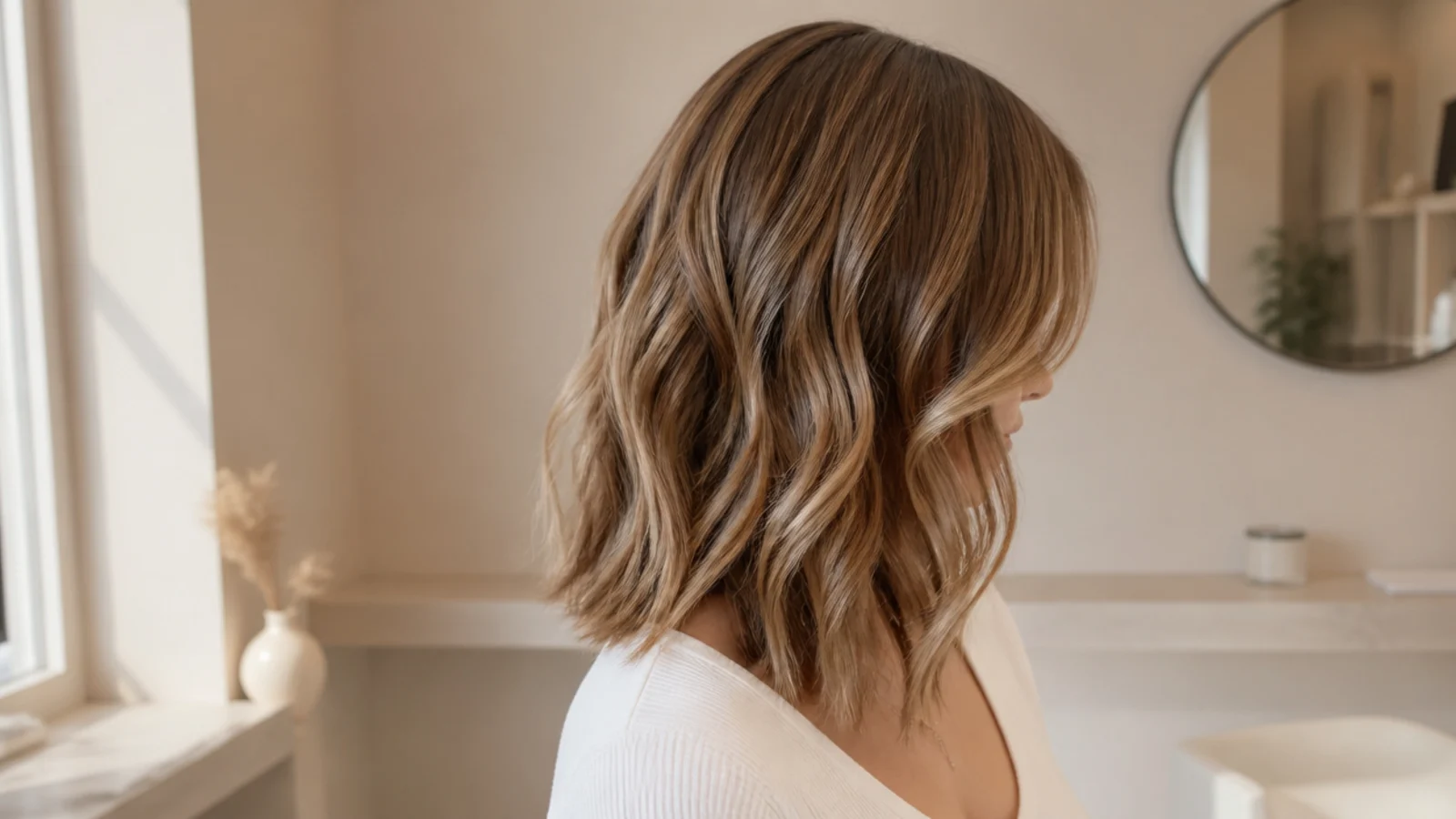
- 12. Bob on Wavy Hair
- 13. Bob on Curly Hair
- 14. Natural Silver Bob
- 15. Glossed Brunette Bob
- 16. Bob Air-Dried
- 17. Bob with a Soft Bend
- 18. Bob at Week Two
- 19. Bob at Week Ten
- 20. A Softened Perimeter for Comparison
- Styling and Upkeep
- Mistakes to Avoid
- FAQ
- Final Thoughts
At long lengths this aesthetic is limited by condition. At short lengths the constraint flips entirely.
Your ends are young. Short hair has been cut recently by definition, so the thin, tapering ends that limit long hair are not the problem here.
But there is nowhere for an imprecise line to hide. No length to distract, no styling, no colour. A short old money cut is essentially a demonstration of how well your hair was cut — which is why it needs a better stylist and a shorter interval between appointments.
What Makes Short Old Money Work
Precision replaces condition. The binding constraint moves from your ends to the cut line.
Six to eight weeks, not ten to twelve. The shape carries everything, and it softens sooner than length does.
Less product, less treatment. The upkeep budget moves from the bathroom to the salon.
A clean perimeter above all. It is the only line in the whole look.

How to Choose Yours
Spend more on the cut than you would at length. It is the entire visible effect.
Book six to eight weeks ahead, at the appointment. Short shapes go soft on a schedule.
Ask for the perimeter to stay blunt. Softening it is a habit most stylists have.
Skip the colour. At this length natural or glossed reads strongest.
The 20 Short Ideas
1. Classic Chin-Length Bob
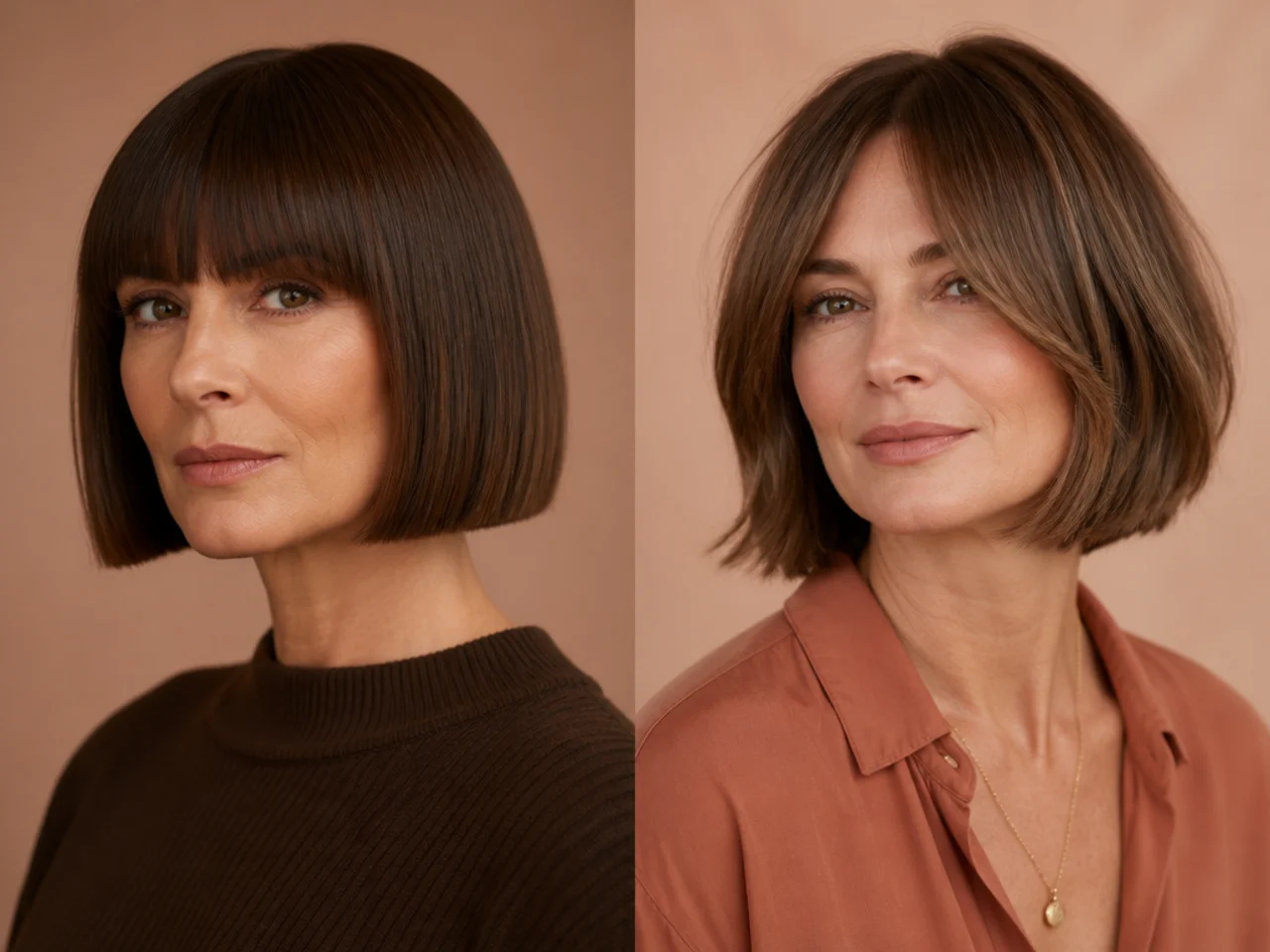
The definitive short old money shape. One length, one line, and nothing else in the cut — which is why it has outlasted every trend that arrived alongside it.
2. Jaw-Length One-Length Bob
Slightly longer, and the most wearable of the bobs. The jaw sits where the face is widest, so the line lands where it flatters most head shapes.

3. Collarbone Lob
The longest of the short lengths, and the most forgiving. Below the jaw nothing stops the eye at the widest point, which makes a lob the safest of the four.

4. French Bob
Chin length with a slightly softer perimeter. The softening is measured in millimetres — enough to remove severity, not enough to lose the line.

5. Bob with a Centre Part
Symmetrical, and the part is the only other line. With one length and one part there are exactly two lines in the whole look, so both have to be right.

6. Bob with a Soft Side Part
Gentle asymmetry from the part rather than the cut. Keep the perimeter level and let the part do the asymmetry, or you end up with two competing angles.

7. Bob Tucked Behind Both Ears
The simplest presentation of a precise cut. Tucking removes every distraction, which flatters exactly in proportion to how precise the cut is.

8. Short Layered Crop
Shorter, and it suits fine hair particularly well. All the density concentrated into a small area is the opposite of what length does to fine hair.

9. Ear-Length Cut
Above the bob. Precision matters most of anything here. There is no length anywhere to disguise an uneven line, so the cut is fully exposed.

10. Bob on Fine Hair
Blunt perimeter, no layers. The fullest a fine bob can read. Every strand ending at the same point reads as density; tapered ends read as thinning.

11. Bob on Thick Hair
Internal weight removed so it sits flat rather than triangular. Thick hair flares at the perimeter unless weight comes out from underneath rather than off the ends.

12. Bob on Wavy Hair
Cut dry so the shape works in its own texture. Wavy hair lifts as it dries, so a line cut wet lands somewhere other than where it was placed.

13. Bob on Curly Hair
Shape built into the curl rather than into exact lengths. Curl shrinks unpredictably, so the shape has to be judged by eye in its own pattern rather than measured.

14. Natural Silver Bob
Grey worn plainly at a length that shows the cut. Grey has a coarser surface than pigmented hair, so it needs a sharper cut to read as deliberate.

15. Glossed Brunette Bob
A gloss over a natural base. Shine without a colour change. A gloss deposits shine without lift, which suits a look that puts its money into the cut.
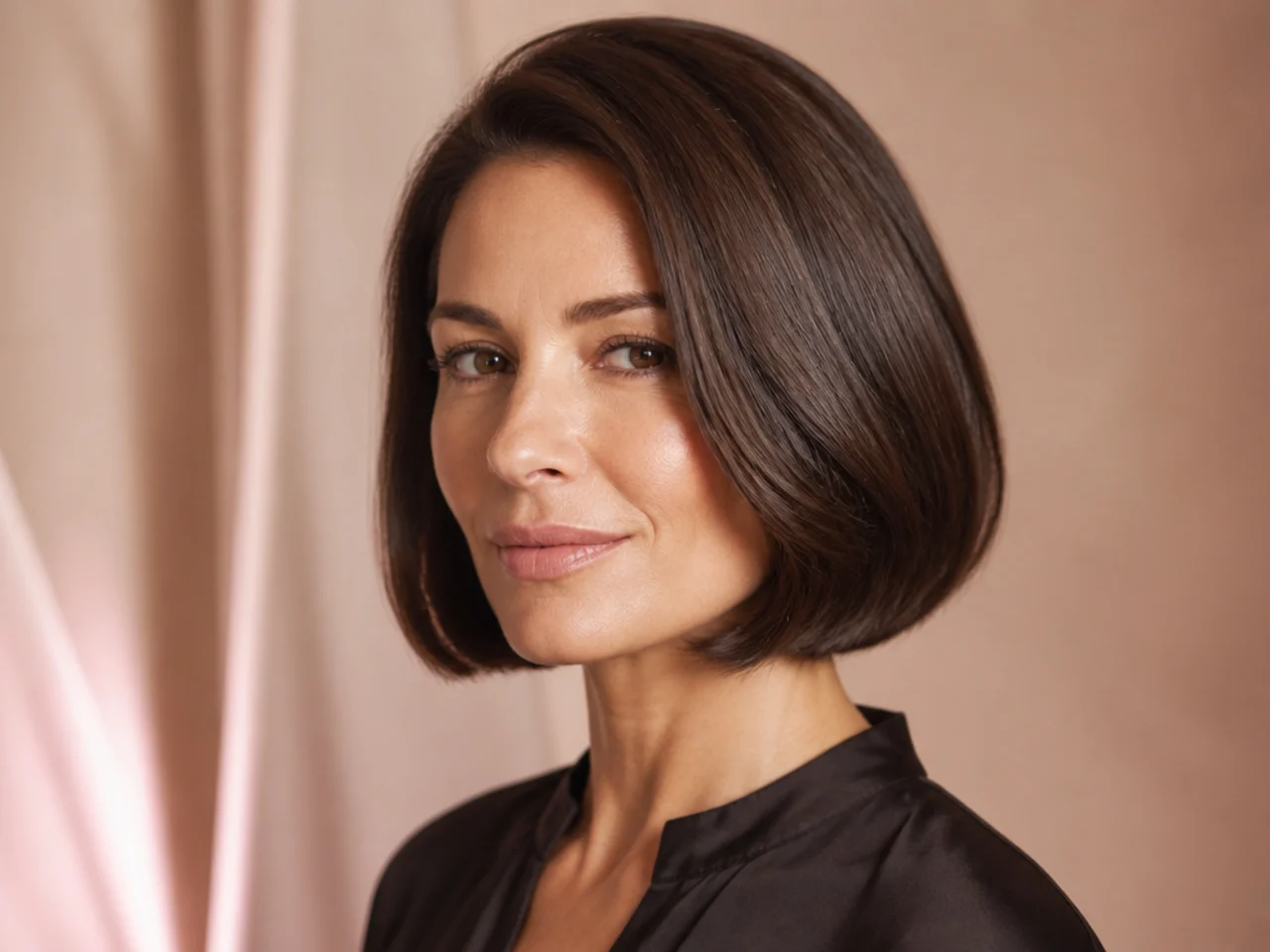
16. Bob Air-Dried
Untouched, where the cut has to carry everything. Air-drying is the honest test of a bob — nothing is left to disguise a line in the wrong place.

17. Bob with a Soft Bend
One bend through the length, nothing set. One bend cannot form a repeat, and a repeat is what makes hair read as styled.

18. Bob at Week Two
Sharp. What you booked for. Two weeks is roughly how long a level perimeter holds before growth starts blurring it.

19. Bob at Week Ten
Perimeter gone soft. The reason the interval is shorter. Growth is uneven across the head, so a level line blurs rather than dropping evenly.

20. A Softened Perimeter for Comparison
Point-cut and blurred. Precision gone, and with it the look. Softening the perimeter is a stylist's reflex, and on this cut it removes the only line there is.

Styling and Upkeep
Book the next appointment on the way out. Six to eight weeks, every time.
Ask for blunt, and check it. Softening a perimeter is a reflex for many stylists.
Use almost nothing. Short hair overloads instantly, and heaviness ruins a clean line.
Skip the treatments you needed at length. The ends are young. Put that budget into the cut.
Air-dry when you can. At this length a good cut does not need help.

Mistakes to Avoid
Trimming on a long-hair schedule. Short shapes go soft twice as fast.
Accepting a softened perimeter. It is the only line in the look.
Product to compensate for a cut. It cannot, and it flattens the shape.
Colouring to add interest. At this length the cut is the interest.
Choosing short to save money. The cutting budget goes up, not down.

FAQ
Is short easier? Easier on condition, harder on precision — the constraint flips.
How often does it need cutting? Six to eight weeks, more often than long hair.
Should you spend more? Yes. The cut is the whole visible effect.

Final Thoughts
Move the budget from your bathroom shelf to your stylist. Short hair in this aesthetic needs almost no product and almost no treatment, and it needs a cut good enough to stand entirely on its own — which is a straight trade, and usually a favourable one.
For the longer version, where condition is the constraint instead, see 15 long old money haircut ideas, and for the shapes that never date see 20 classic old money haircut ideas. More in Women's Hairstyles.