20 Classic Old Money Haircut Ideas to Try
Twenty classic cuts, and a working definition of the word — a classic cut is one that looks the same at week ten as it did at week one. Trendy cuts are defined by how badly they grow out.
In this article · 27
- What Makes a Cut Classic
- How to Choose Yours
- The 20 Classic Cuts
- 1. One-Length Chin Bob
- 2. Blunt Collarbone Lob
- 3. Long One-Length
- 4. Long Hair with Internal Layers
- 5. Soft Shoulder-Length Shape
- 6. The French Bob
- 7. Jaw-Length Bob with a Centre Part
- 8. The Long Bob with a Side Part
- 9. Mid-Length with Two Long Layers
- 10. Long Hair with Curtain Framing
- 11. The Blunt Fringe, Trimmed Often
- 12. Short Layered Crop
- 13. One-Length on Fine Hair
- 14. One-Length on Thick Hair
- 15. Classic Cut on Wavy Hair
- 16. Classic Cut on Curly Hair
- 17. A Classic Cut at Week One
- 18. The Same Cut at Week Ten
- 19. A Heavily Layered Cut at Week Ten
- 20. A Cut with a Load-Bearing Fringe Length
- Styling and Upkeep
- Mistakes to Avoid
- FAQ
- Final Thoughts
"Classic" is usually used to mean old-fashioned or safe. There is a more useful definition available, and it is testable.
A classic cut looks the same at week ten as it did at week one. That is the whole thing. Its shape does not depend on precise proportions, so a few centimetres of growth changes nothing important.
A trendy cut is one whose effect depends on exact lengths. Which is why it looks wrong within a fortnight and needs recutting to survive.
What Makes a Cut Classic
It tolerates growth. The defining property. Everything else follows.
It has few load-bearing proportions. The fewer exact relationships in a cut, the fewer of them can drift.
One-length shapes qualify almost automatically. There is nothing to fall out of proportion.
Heavily layered and heavily framed cuts rarely do. Their effect is built from precise relative lengths.

How to Choose Yours
Ask how it will look in two months. A stylist will tell you honestly, and it is the most useful question available.
Prefer fewer layers if you trim infrequently. Layers are what drift.
Choose one-length if you want the longest interval between appointments. Nothing to lose shape.
Judge a cut at week eight, not week one. Everything looks good fresh.
The 20 Classic Cuts
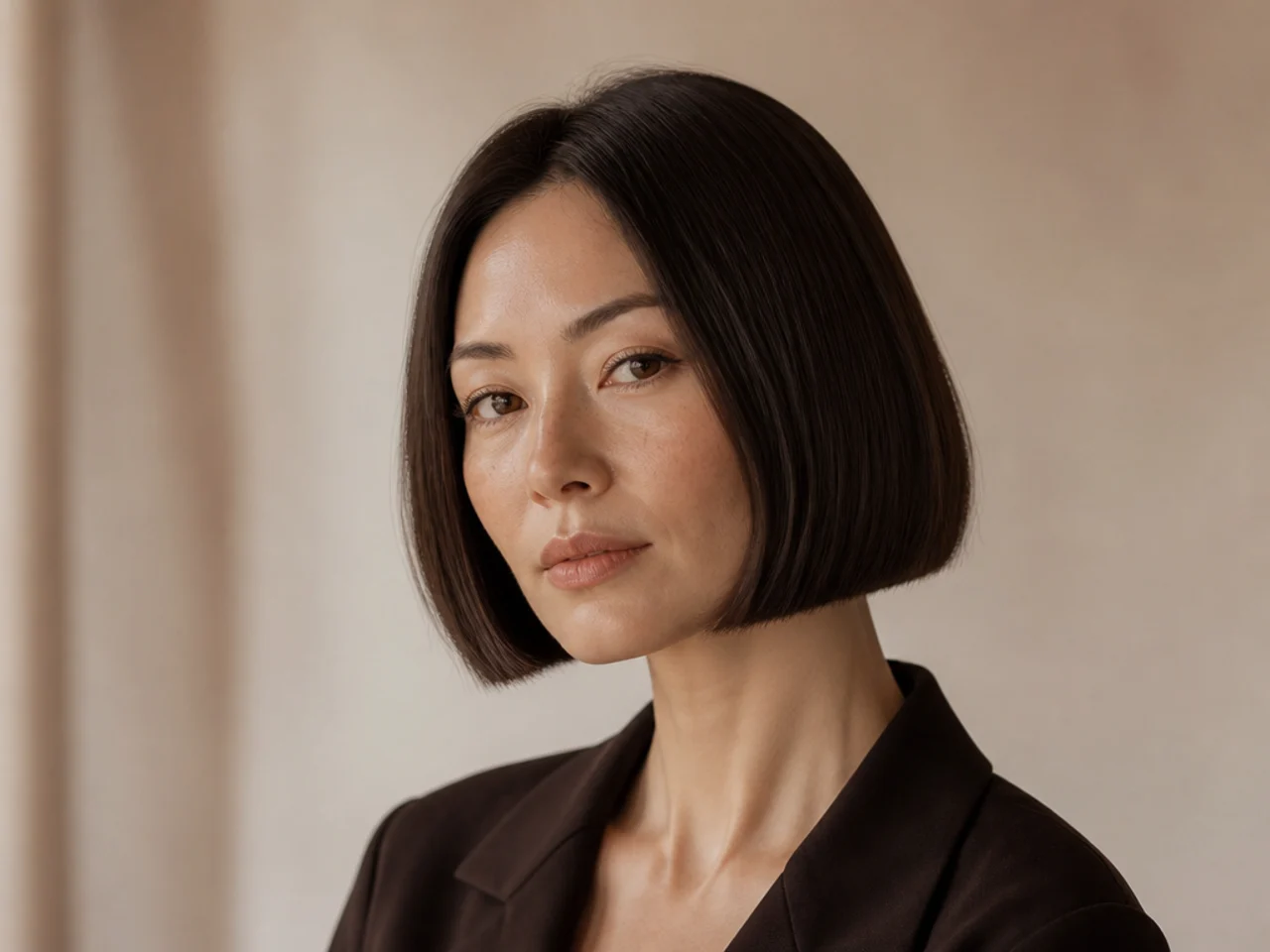
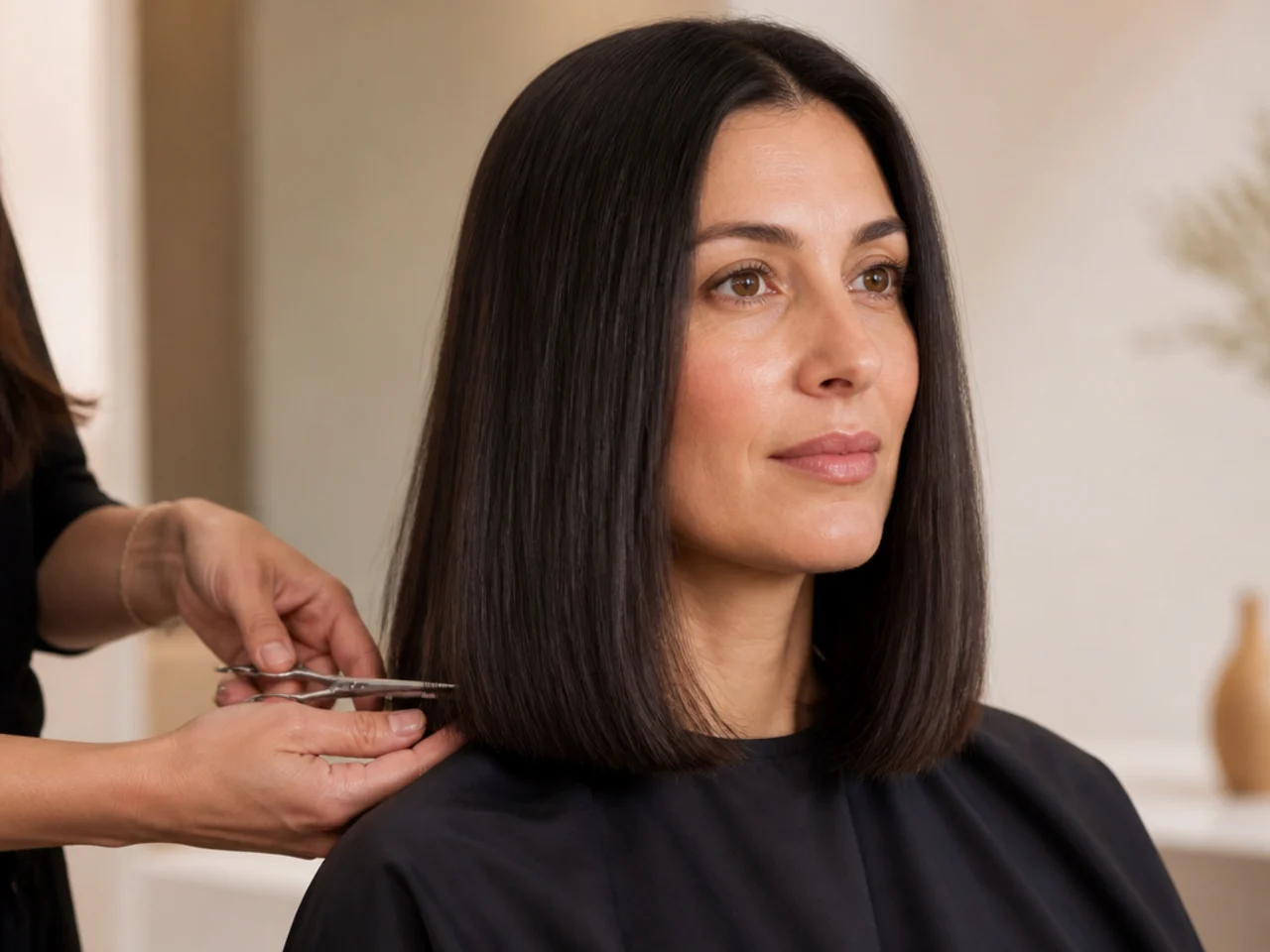
1. One-Length Chin Bob
Nothing to fall out of proportion. The most durable cut here. A cut with one measurement in it has only one thing that can drift, which is why it still reads correctly months later.
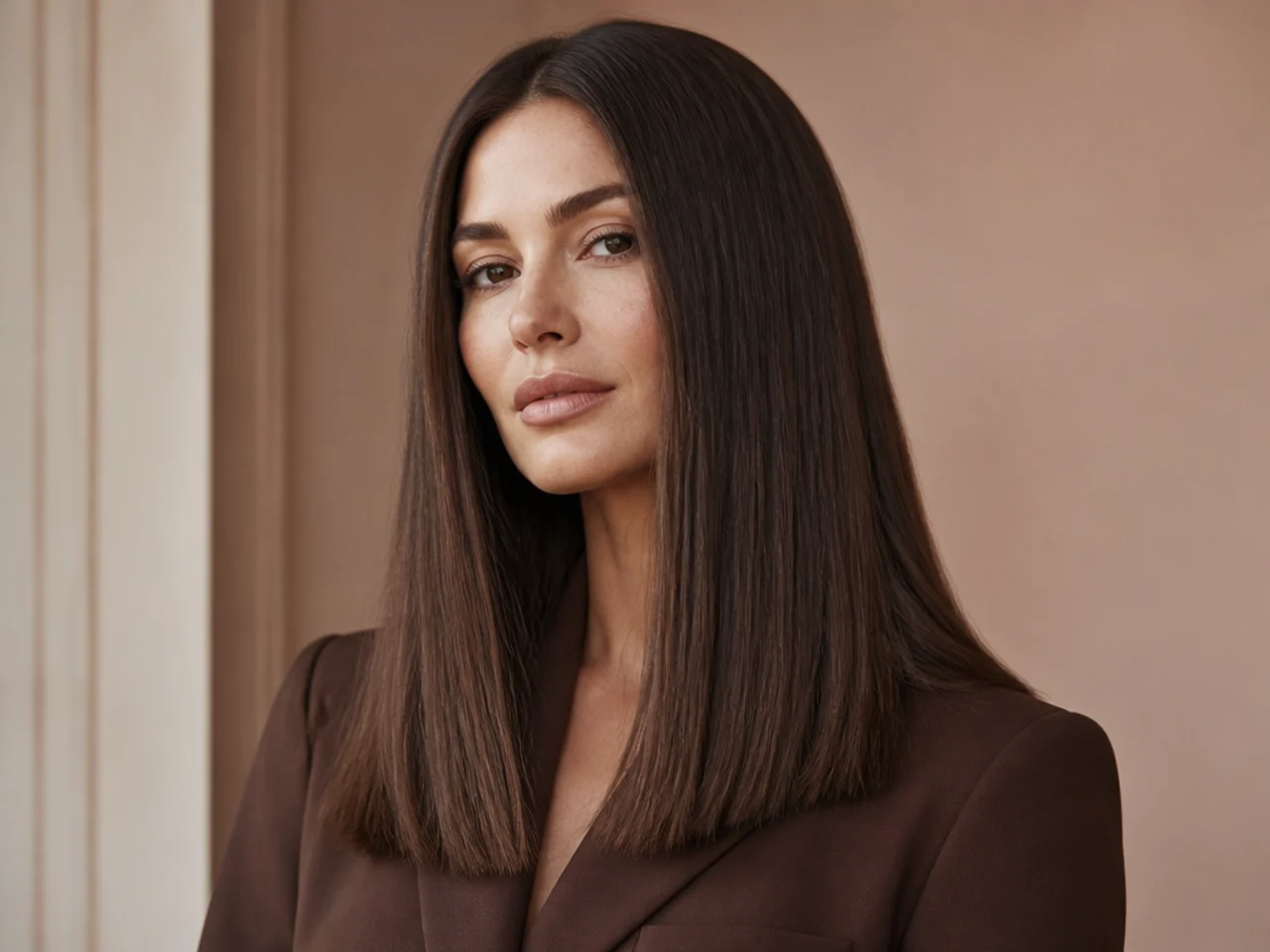
2. Blunt Collarbone Lob
The same principle at a longer length. Length does not change the argument — a single perimeter is a single thing to maintain at any length.

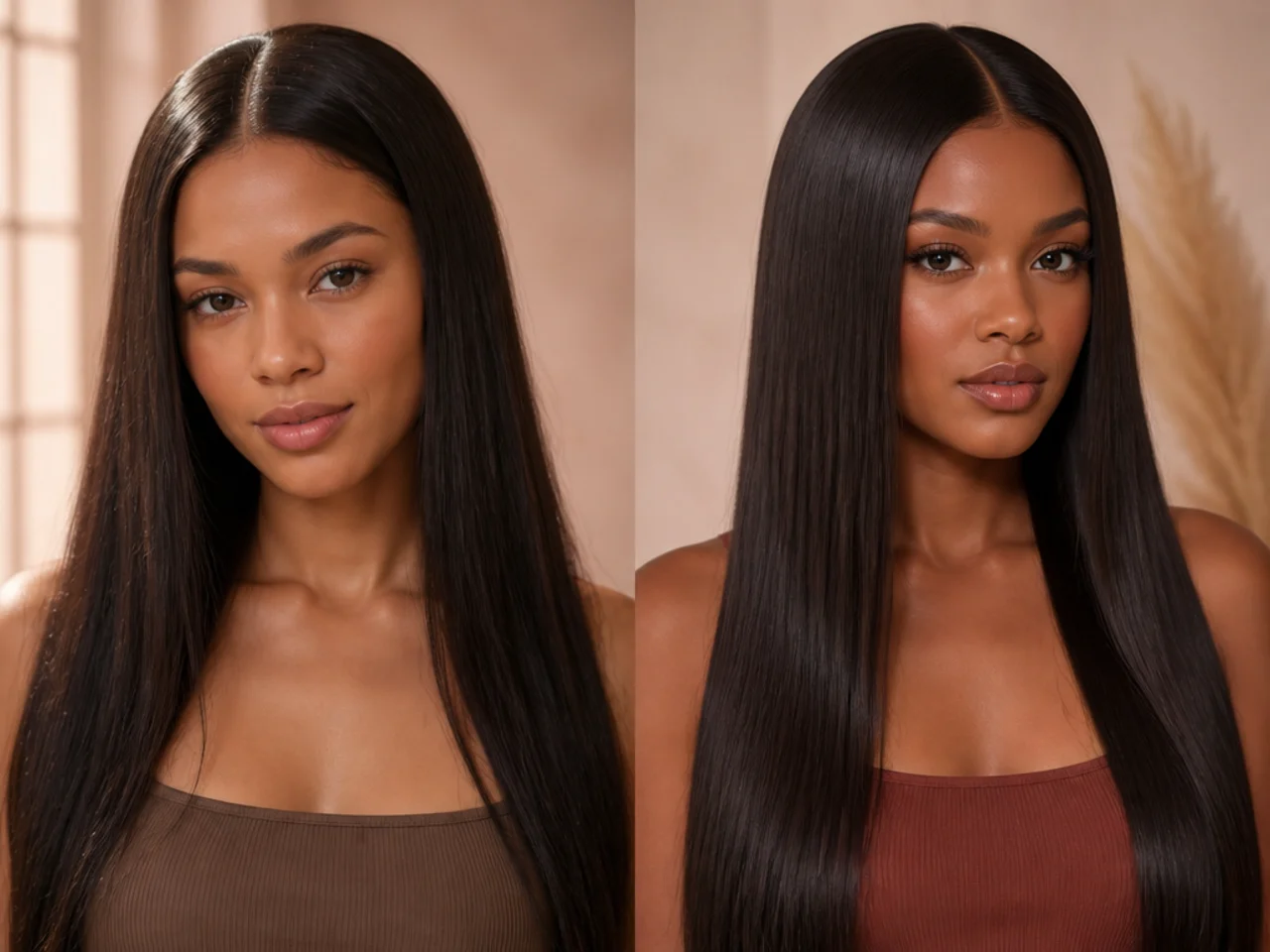
3. Long One-Length
The longest-lasting shape of all. Trims are for condition only. With no internal proportions to hold, growth extends the shape rather than distorting it.

4. Long Hair with Internal Layers
Weight removed inside, so the outline stays whole as it grows. Internal removal has no line to drift, because there was never a visible line to begin with.

5. Soft Shoulder-Length Shape
Few exact proportions, so very little drifts. The fewer measurements a cut depends on, the fewer things can be wrong six weeks later.

6. The French Bob
Chin length with a soft perimeter. Decades old and still working. It has survived because it depends on one length rather than on a silhouette that dates.

7. Jaw-Length Bob with a Centre Part
Symmetrical, one length, nothing to drift. Two lines in the whole cut, and both of them grow proportionally.

8. The Long Bob with a Side Part
Asymmetry from the part rather than from the cut. A part can be moved in a second; an asymmetric cut has to grow out.

9. Mid-Length with Two Long Layers
Two layers, both long. Almost nothing to lose. Long layers simply become longer, so there is no point at which they need correcting.

10. Long Hair with Curtain Framing
Framing long enough that growth improves it rather than ruining it. Framing that starts below the jaw lengthens into the cut instead of dropping out of proportion.

11. The Blunt Fringe, Trimmed Often
The one exception — classic in shape, demanding in upkeep. A fringe is a fixed measurement against a growing head, which is the one thing this approach otherwise avoids.

12. Short Layered Crop
Short, and it needs more frequent cutting than anything above. Short shapes carry more proportion per centimetre, so the same growth costs them more.

13. One-Length on Fine Hair
Maximum apparent density and maximum durability together. One length concentrates what density there is and gives growth nothing to distort.

14. One-Length on Thick Hair
Internal weight removed, outline untouched. The outline is what you maintain, and it is the only thing a trim needs to address.
15. Classic Cut on Wavy Hair
Cut dry so the shape holds as it dries and as it grows. Wavy hair judged wet lands somewhere else once the pattern returns, and that error compounds as it grows.

16. Classic Cut on Curly Hair
Shape built into the curl rather than into exact lengths. Measured lengths mean nothing on hair that shrinks by different amounts in different places.

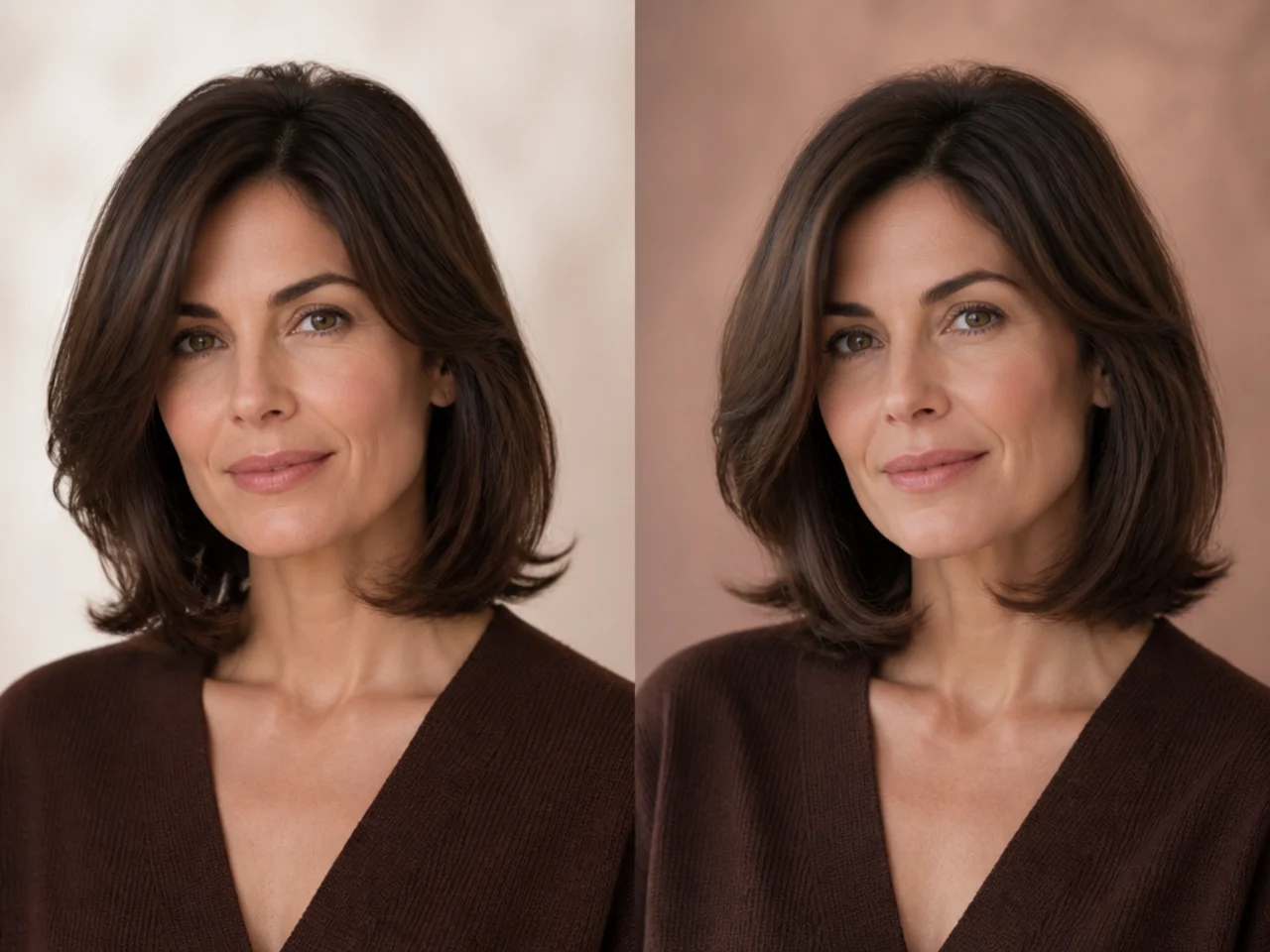
17. A Classic Cut at Week One
Fresh, and looking much as it will in two months. That is the whole test — a classic cut is one whose week-one and week-ten photographs are hard to tell apart.

18. The Same Cut at Week Ten
Barely different. The definition, demonstrated. Nothing has moved out of proportion because there were no proportions to move.

19. A Heavily Layered Cut at Week Ten
Proportions drifted, shape gone. The contrast. Every layer is a measurement, and every measurement grows at the same rate while the shape depends on their ratios.

20. A Cut with a Load-Bearing Fringe Length
One measurement carrying the whole shape. Fragile by design. When a single length is load-bearing, growth does not soften the cut — it dismantles it.

Styling and Upkeep
Trim for condition, not for shape. On a classic cut those are different reasons, and only one of them is urgent.
Ten to twelve weeks is the realistic interval. Longer than most cuts allow.
Keep the perimeter clean. It is the part that carries a one-length shape.
Do not add layers to freshen it. It converts a durable cut into a fragile one.
Photograph it at week eight. It tells you whether the cut is genuinely classic.
Mistakes to Avoid
Judging a cut when it is fresh. Everything works at week one.
Adding layers for interest. Layers are the part that drifts.
A shape that depends on one exact length. It has a fortnight of life in it.
Stretching trims on a fringe. The one part of a classic cut that is not durable.
Assuming classic means unflattering. It means it tolerates growth.

FAQ
What makes a cut classic? It looks the same at week ten as at week one.
Which cuts qualify? One-length bobs and lobs, long hair with internal layers, soft shoulder-length shapes.
How often do they need trimming? Ten to twelve weeks, driven by condition rather than shape.

Final Thoughts
Ask your stylist how the cut will look in two months, and take the answer seriously. It is the difference between a haircut you enjoy for a fortnight and one you enjoy until you happen to book the next appointment.
For the aesthetic these cuts belong to see 25 elegant old money haircut ideas, and for how it changes by decade see 20 old money haircut ideas for women. More in Women's Hairstyles.