6 Steps to Grow Out a Two Block Haircut
Grow out a two block haircut without a shave-down. Six stylist steps to guide the shape from hidden buzz to blended length in 8 to 12 months, no restart.
In this article · 12
The two block hides its short sides under a long top. Grow one out and you flip that equation — the sides need to catch up while the top keeps going. That takes eight to twelve months of managed change, and most of the ugly happens in the middle. Below are the six steps a stylist uses to guide the grow out two block journey from hidden buzz to blended length without a shaved-head reset.
What Is an Overgrown Two Block?

The two block haircut is built on contrast — long top, buzzed sides, one hidden line where the two meet. That contrast holds for about three weeks after your cut. From week four onward, the buzzed section grows out, and every stage looks different from the last.
Weeks four to eight the sides push past a #2 length and start peeking under the top when it moves. Weeks eight to sixteen the sides fan outward at the temples before they have enough weight to fall flat — the mushroom or wedge phase. Weeks sixteen to twenty-four the sides finally cover the ear and blend with the top. Beyond month six you are growing in a new cut.
If you searched for this guide, you are probably somewhere in weeks four to sixteen and wondering whether to shave down or push through. Push through. The shape below is worth the ugly weeks in the middle.
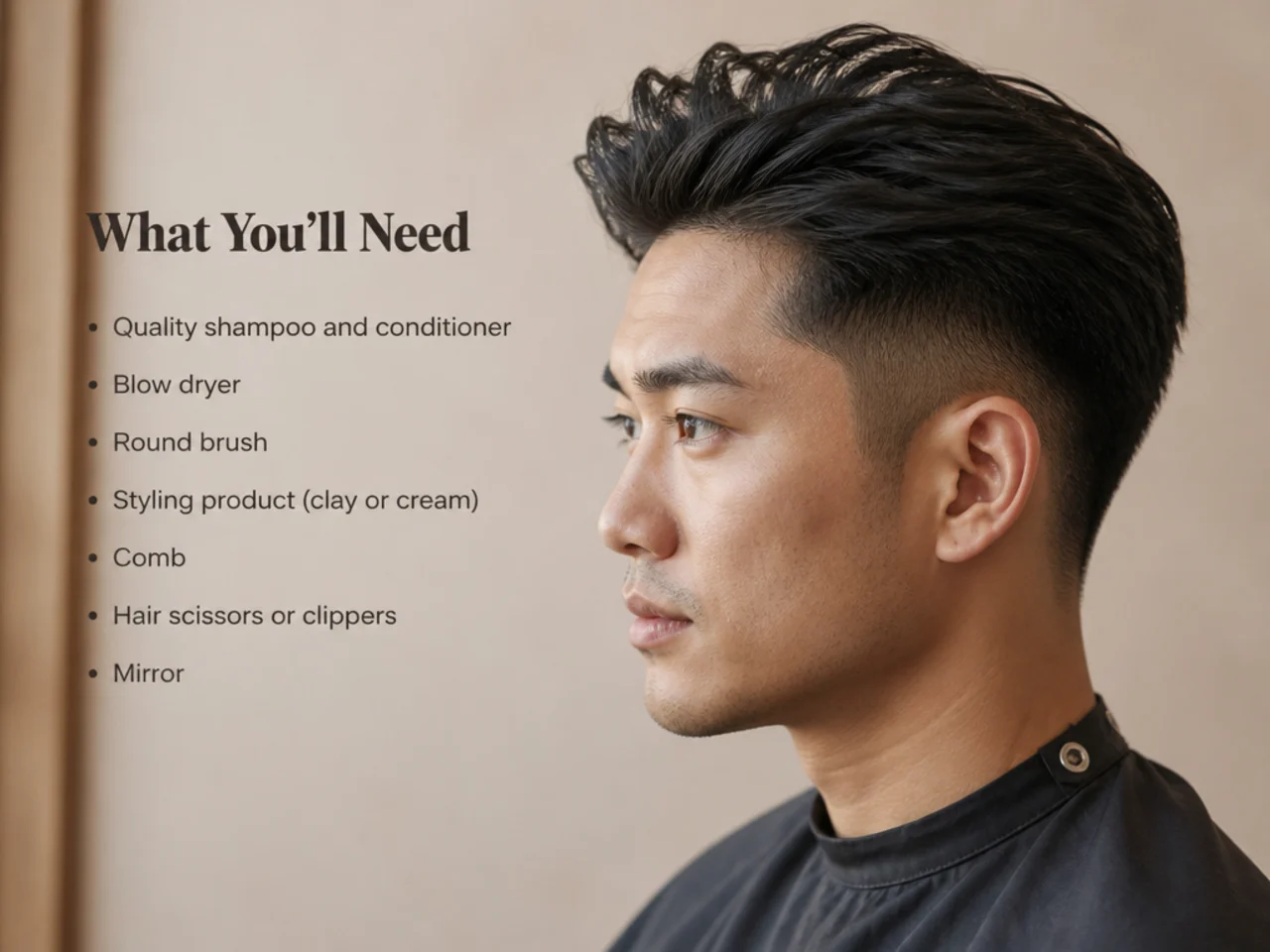
What You'll Need
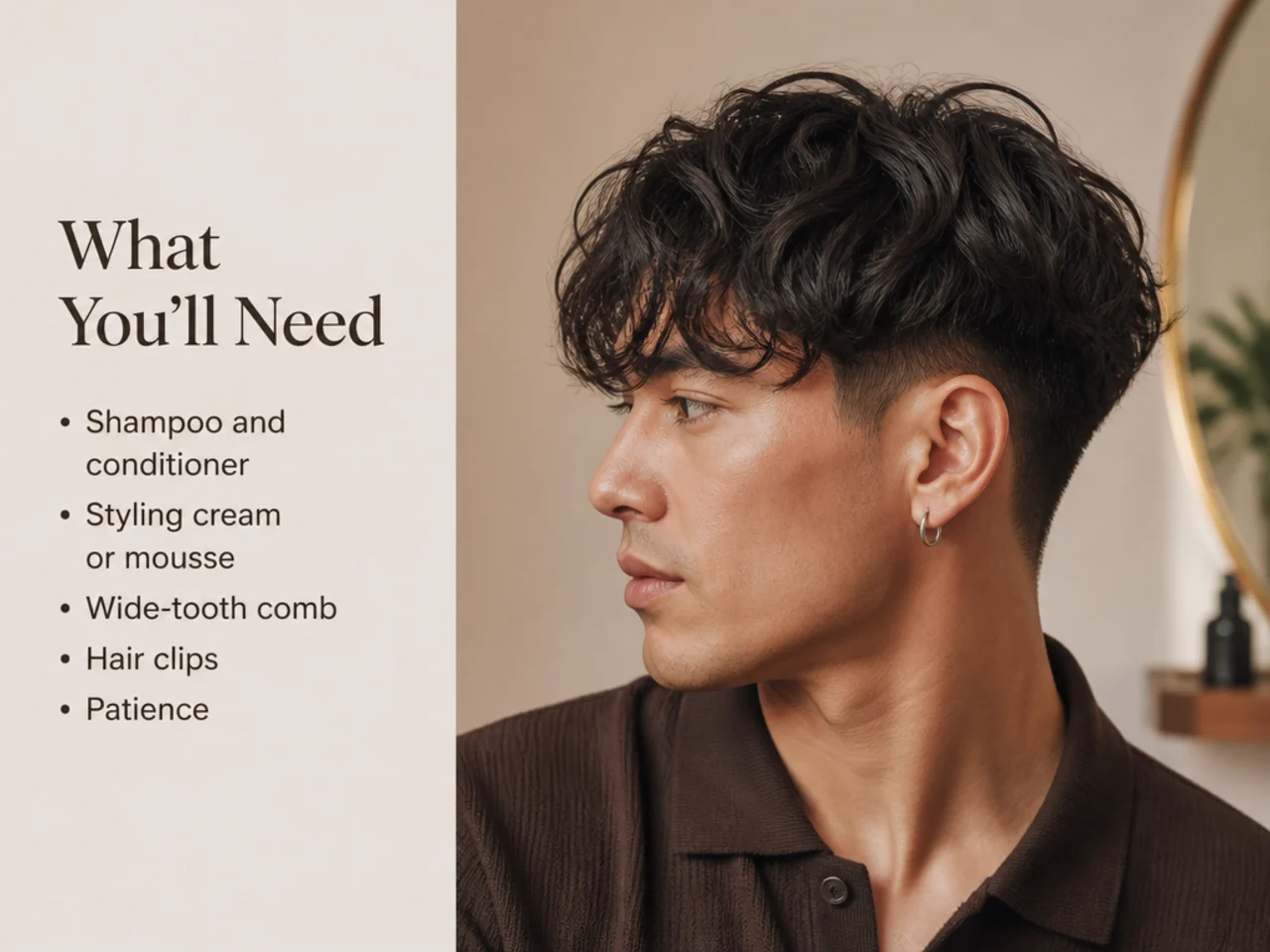
Six items carry you through the whole grow-out. You do not need to buy anything expensive — most of these live in one drawer.
- A matte cream or light styling cream. Not clay, not pomade. Cream controls flyaways and lays hair down without adding shine or weight.
- A sea-salt spray. For the sides once they hit an inch or two — the salt gives fine, growing hair enough grip to sit where you push it.
- A wide-tooth comb. Detangles wet hair without breaking the ends. Fine-tooth combs rip through mid-length hair and slow the grow-out.
- A blow-dryer with a concentrator nozzle. Direction beats length every time. A quick nozzle pass trains the sides to fall the right way.
- A sulfate-free shampoo and a lightweight conditioner. Sulfates strip oil the growing sides need for control. Heavy conditioner weighs the top layer down.
- A cap, beanie, or wide headband. For the two ugly weeks you cannot style around. Nobody skipping the growout ever regrets owning one.
Optional: a leave-in conditioner spray for the top layer once it passes your collar, and a soft-bristle brush for training the crown direction. See our best wavy hair products guide for cream and spray picks that behave well on growing hair.
The 6 Steps to Grow Out a Two Block
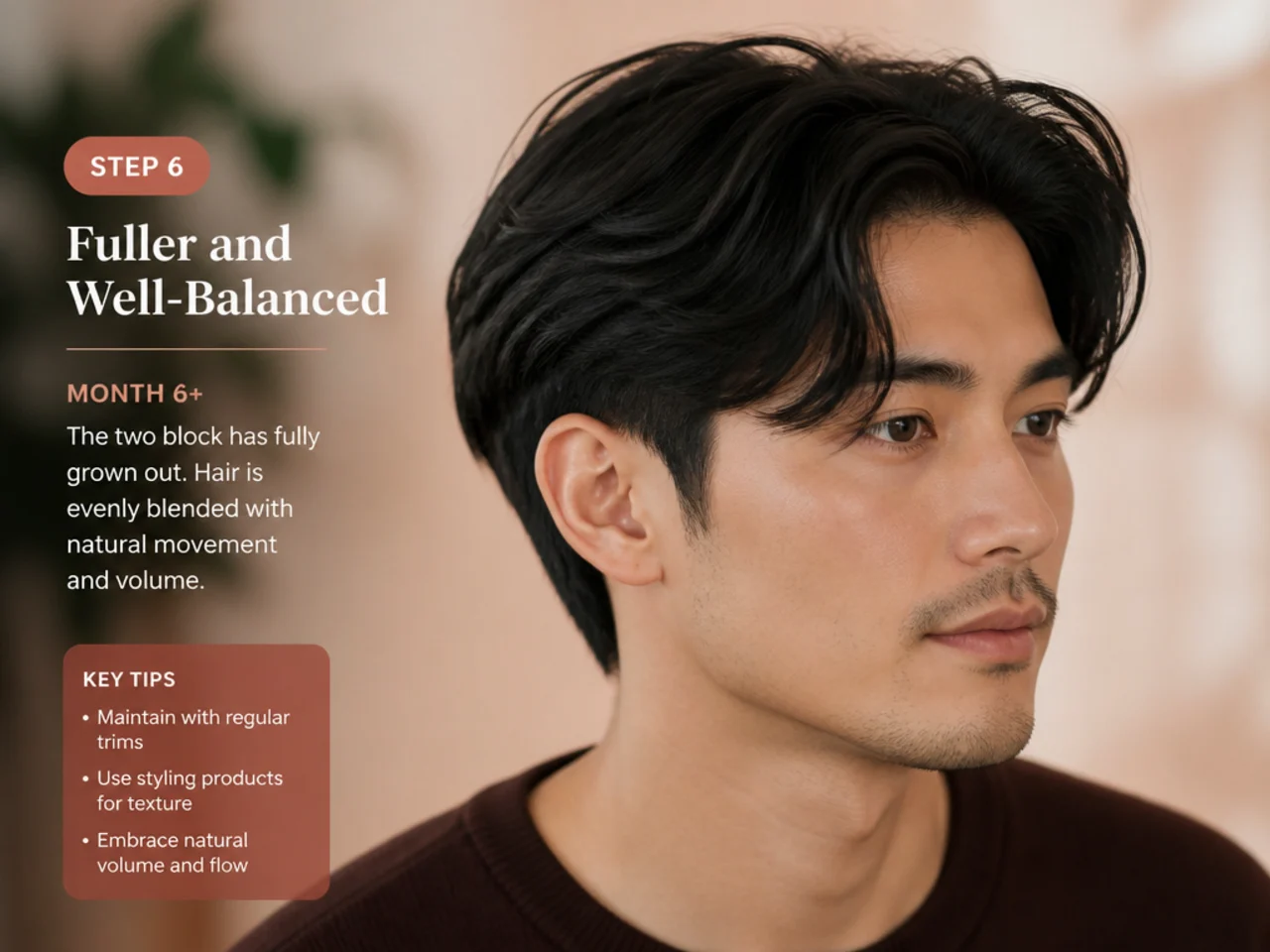
Follow the steps in order. Each one belongs to a phase of the grow-out, and skipping ahead does not shorten the calendar — hair grows about half an inch a month regardless of how tired you are of waiting.
1. Map Your Starting Point
Lift the top layer at your temple and measure the buzzed hair underneath. A quarter inch means fresh cut. Half an inch means week four to six. One inch means week eight to twelve. Two inches means month four and beyond.
That measurement decides your first appointment. Fresh-cut and week-six guys should book a taper shape-up immediately, before the disconnect line gets ugly. Wedge-phase guys need a weight-removal session, not a taper. Month-four guys are almost home and just need layering.
Why this comes first: Every step below is calibrated to a phase. Guessing wrong means booking the wrong shape-up and losing a month of progress.
Common mistake: Skipping the measurement and telling the stylist "grow it out" with no context. Show up during peak wedge weeks and ask for the same trim you got at week two, you leave with a cut that undoes half your progress.
2. Book a Transition Shape-Up
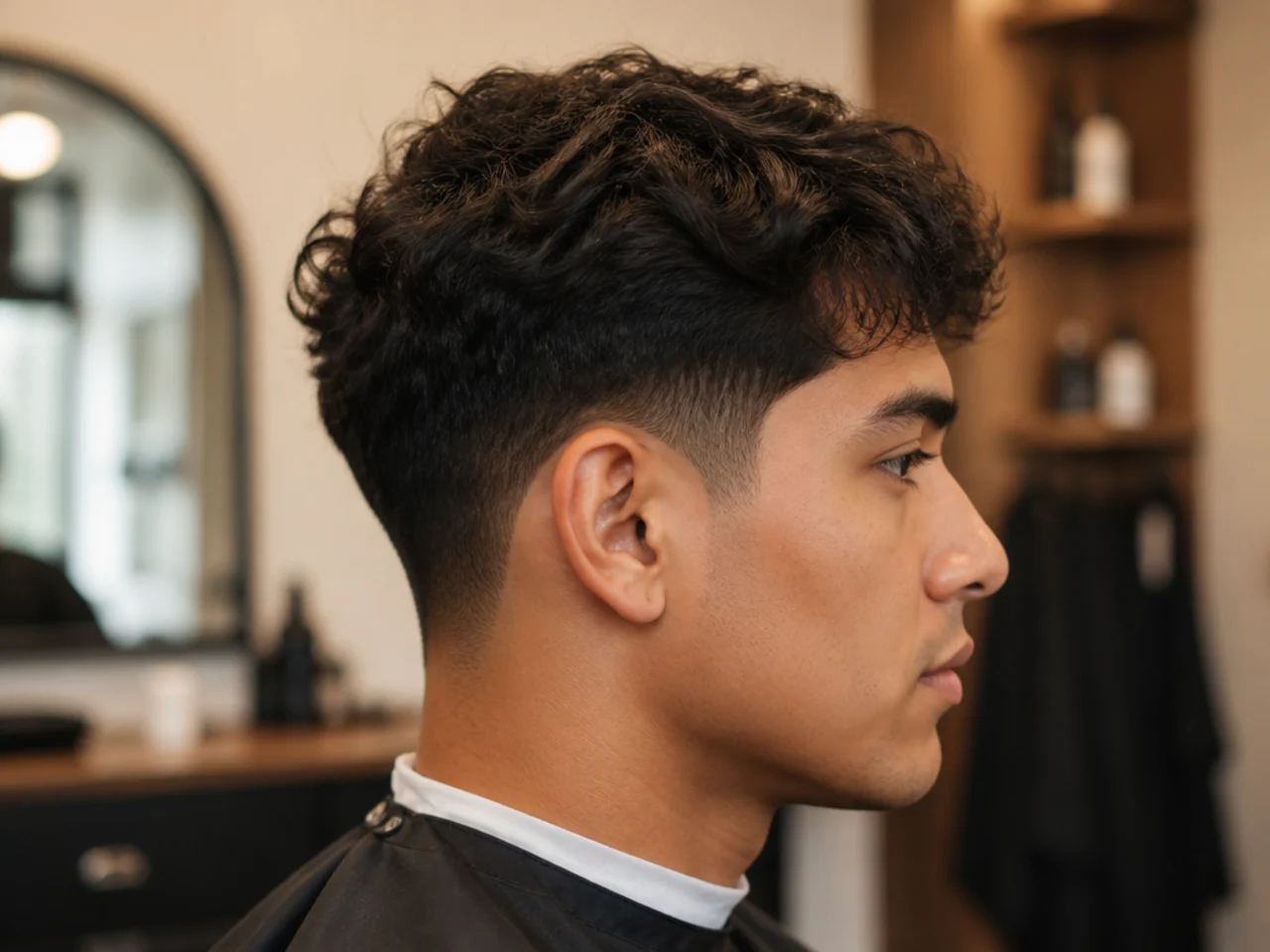
Your first appointment is not a re-cut. It is a shape-up designed to make the grow-out easier. Ask your stylist to soften the disconnect: instead of running a #1 or #2 clipper straight up the sides again, they scissor-blend the growing hair into a taper. That way the fresh growth over the next four weeks looks intentional instead of accidental.
Say this exactly: "I am growing this out. Do not buzz the sides. Soften the disconnect with scissors and taper the length down toward the ear." Then have them dust the perimeter of the top so the shape stays clean and split ends do not travel.
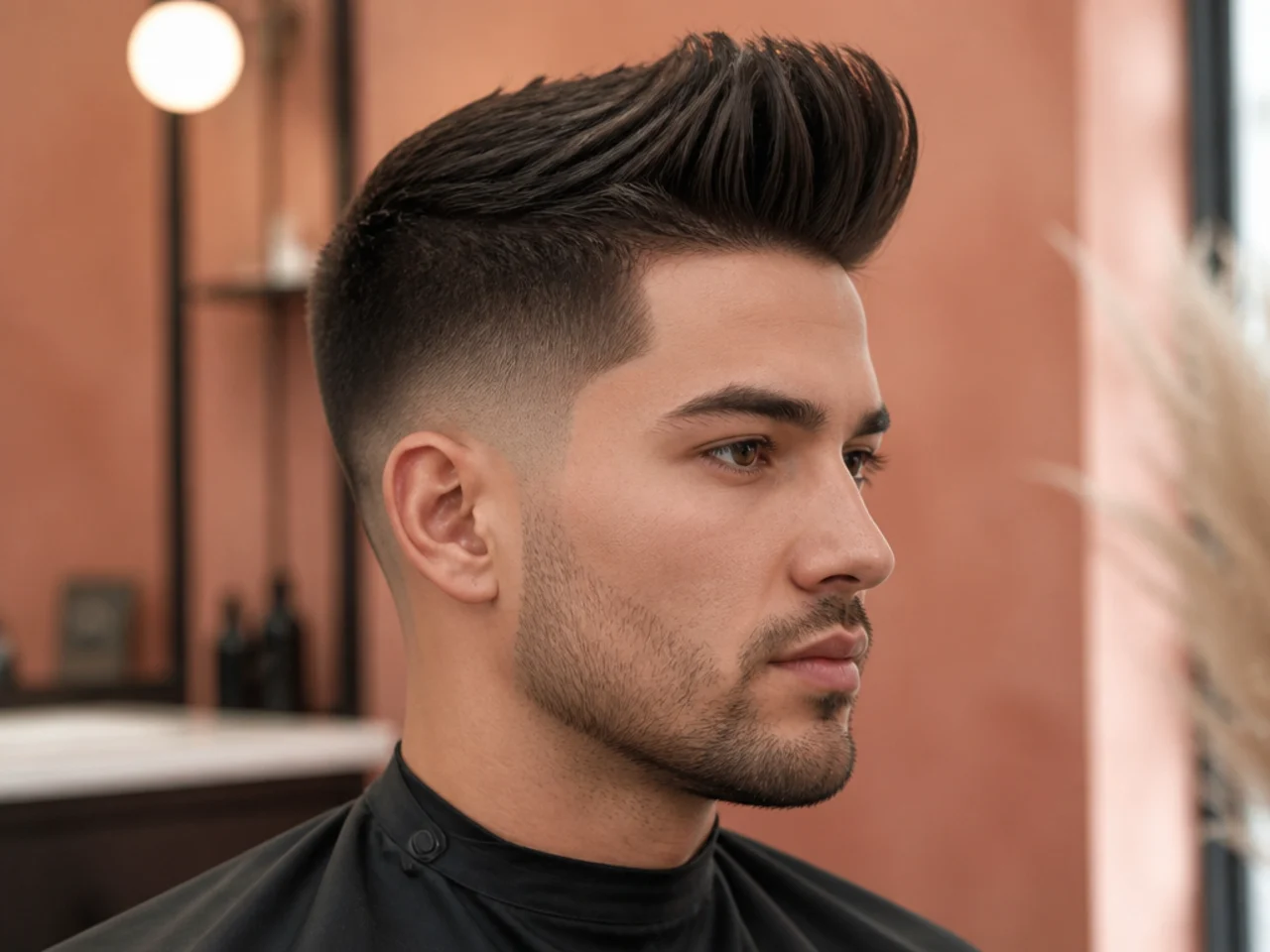
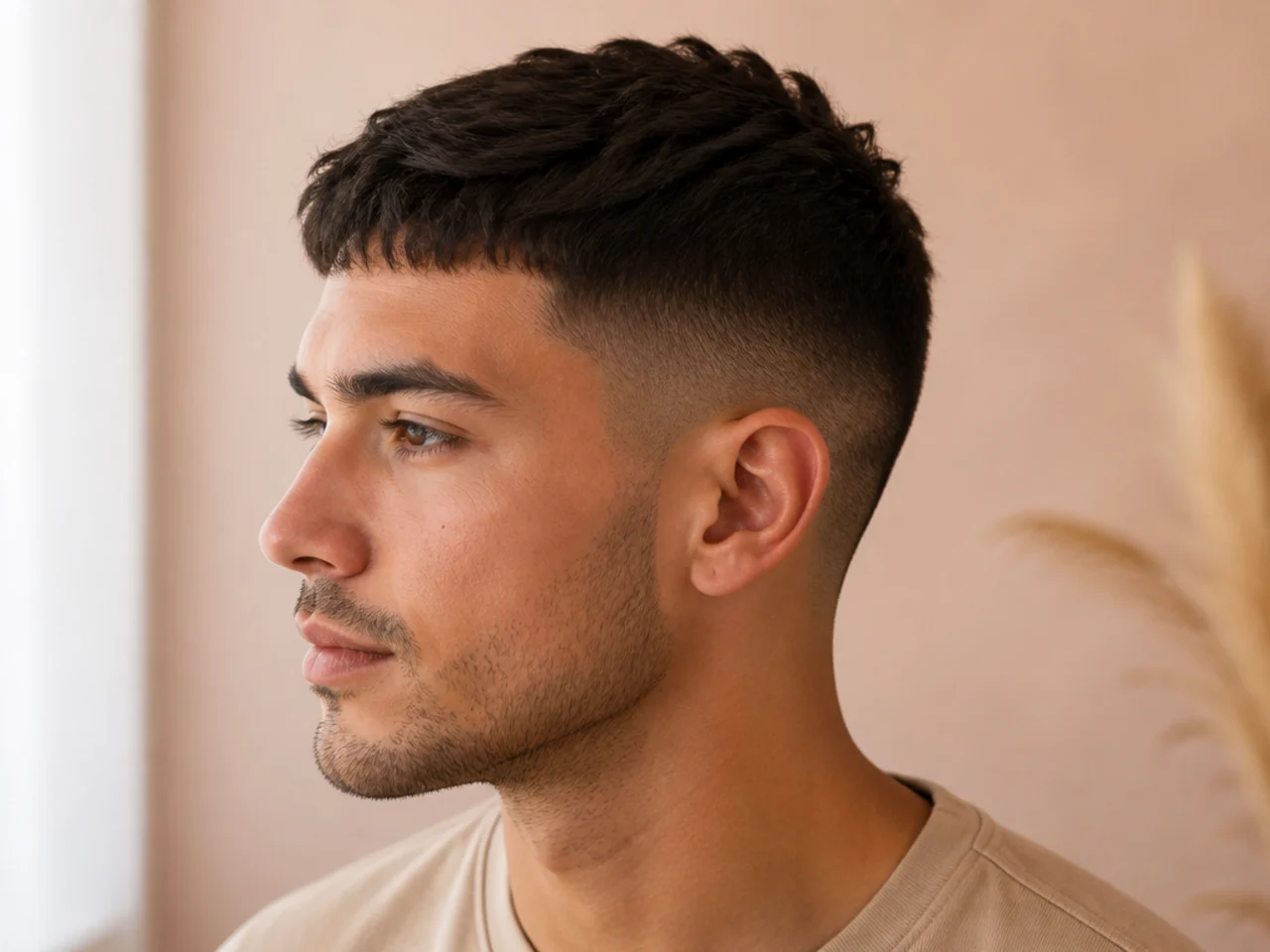
A low taper fade is a helpful reference shape to bring on your phone — not for the fade itself, but for the taper geometry.
Why this matters: The two block's hidden line becomes an ugly line the moment the sides pass a #3 guard length. Buzz them back and you reset to week zero. Taper them and the length keeps growing while the eye stops catching the disconnect.
Common mistake: Booking with a barber who wants to "clean it up" and taking a full re-cut by default. If you cannot get the stylist to agree to a scissor-only shape-up, find one who will.
3. Ride Out the Mullet Weeks
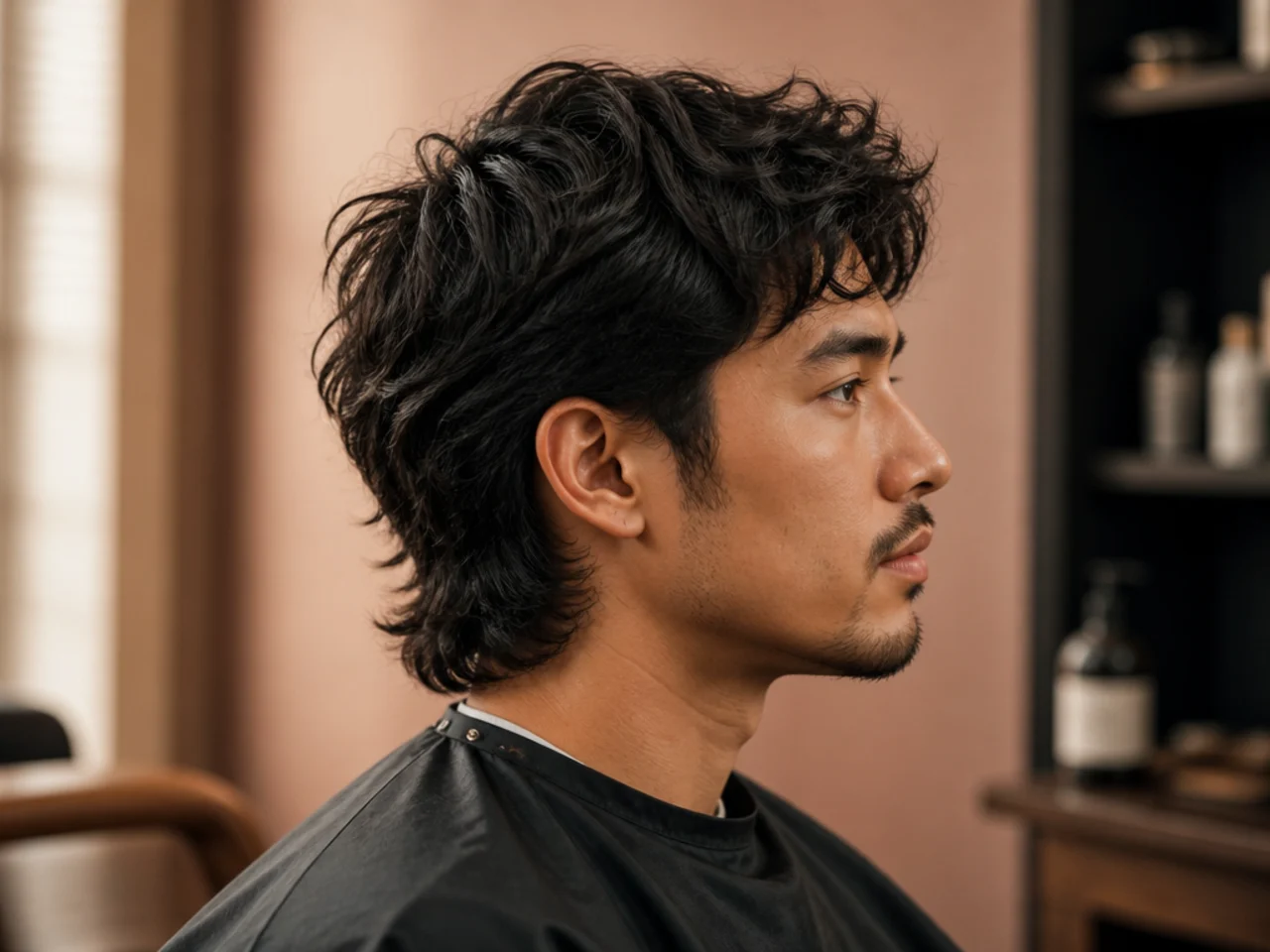
Weeks four to ten of the grow-out are the mullet phase. The back grows first because the hair there tends to grow slightly faster and had less clipper contact. The sides lag. You end up with length at the collar and shorter fluff at the ears — a mullet silhouette you did not ask for.
Two moves get you through. First, style the top back and slightly off the sides — a soft push-back keeps the top from resting on the shorter side hair and drawing attention to the length difference. Second, tuck the growing sides behind your ears when they hit ear-length. This adds a visual line that reads intentional and hides the transition from short to long.
Why this comes third: You cannot style your way out of a bad shape-up. Step 2 sets the geometry; step 3 is what you do with the shape between appointments. Skip step 2 and step 3 has nothing to work with.
Common mistake: Ignoring the sides and only styling the top. Growing hair falls in whatever direction it dries — if you let the sides air-dry sticking out sideways, they will keep growing sideways for months.
4. Blend the Wedge
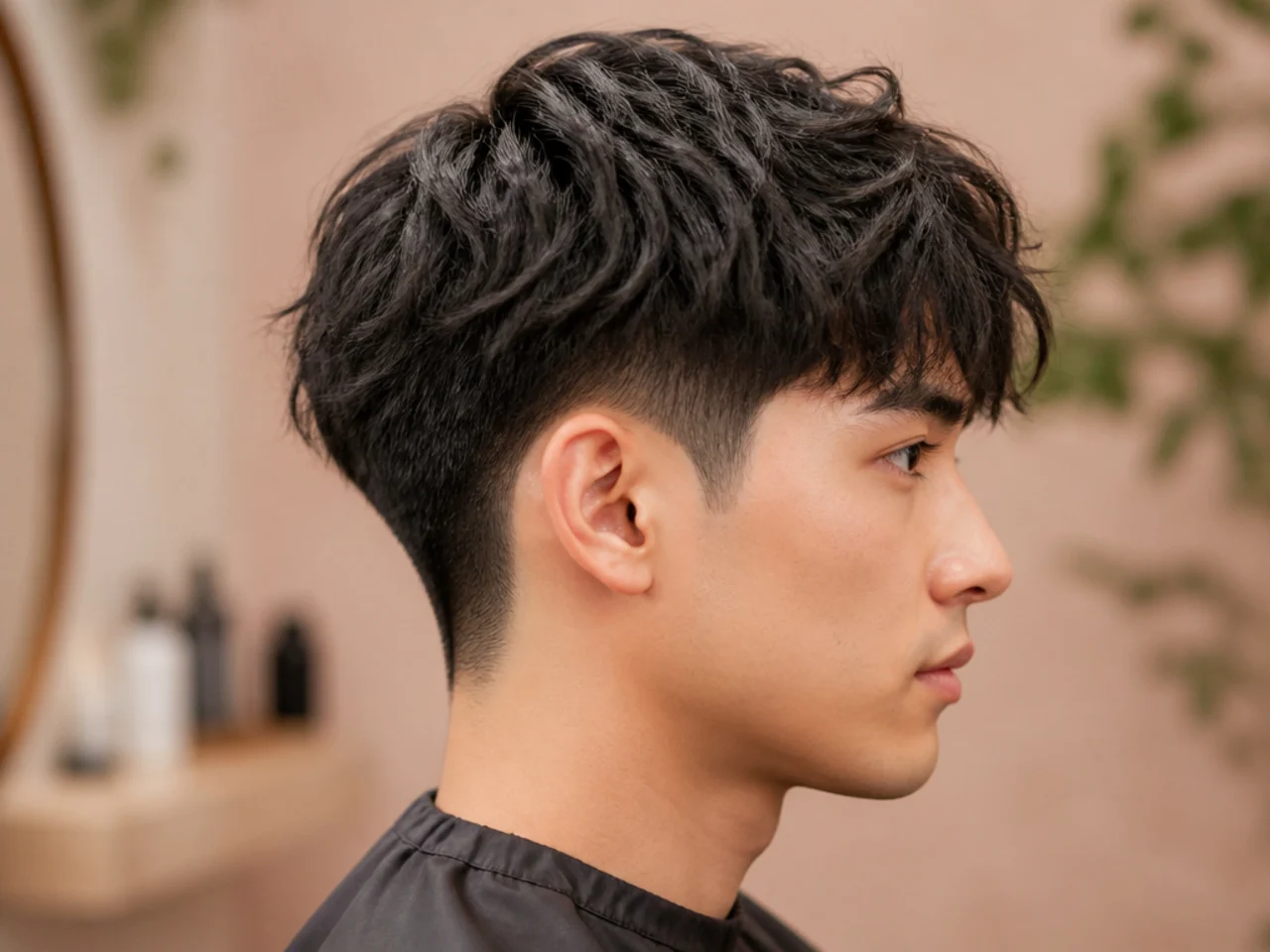
Weeks ten to twenty are the wedge weeks. The sides are now long enough to fall flat but not long enough to catch under the top, and the top is heavy from months of untouched growth. You get a wedge or mushroom silhouette — flat sides, top mounded on top. Every guy who has ever grown out a two block has stared at this in the mirror and considered a buzz cut.
Book a second shape-up at week twelve. Ask for one thing: weight removal from the underside of the top layer. The stylist runs texturizing shears through the interior of the top so the outer shape stays the same length but the piece is thinner and lighter. The top then falls forward and downward instead of sitting on top of the sides — and the wedge disappears.
Do not let the stylist trim the perimeter of the top during this appointment. The perimeter is what covers the sides during the next phase. If it gets shorter, you lose two months of progress.
Why weight removal instead of layers: Layers add shape lines and often shorten the top's longest points. Weight removal leaves your outline alone and only takes hair from underneath. The visible cut looks unchanged; the wedge collapses because the top is lighter.
Common mistake: Asking for "layers" at week twelve and getting choppy interior sections cut into the top. Choppy layers on a two block grow-out show every uneven millimeter as the length keeps growing. Say "weight removal" or "texturize the underside" — those words mean something specific.
5. Add Weight and Layers

Months five to seven are the recovery phase. The sides are now three to four inches long and cover most of the ear. The top has passed your collar. The wedge is gone. What you have is a shapeless helmet of hair that reads more grown-out-cut than intentional style.
This is where you can finally cut with intent. Ask for soft, long layers cut into the top and mid-length, plus a light dusting of the perimeter to keep the ends clean. The layers create movement — the top falls in loose sections instead of one flat sheet. Follow the same weight-removal principle as step four: do not shorten the outline, only shape the interior.
If your hair is straight, ask for face-framing pieces cut at the front so the growing length has a defined front edge. If your hair is wavy or curly, ask for internal thinning only — face framing on wave patterns often reads uneven as the length continues to grow.
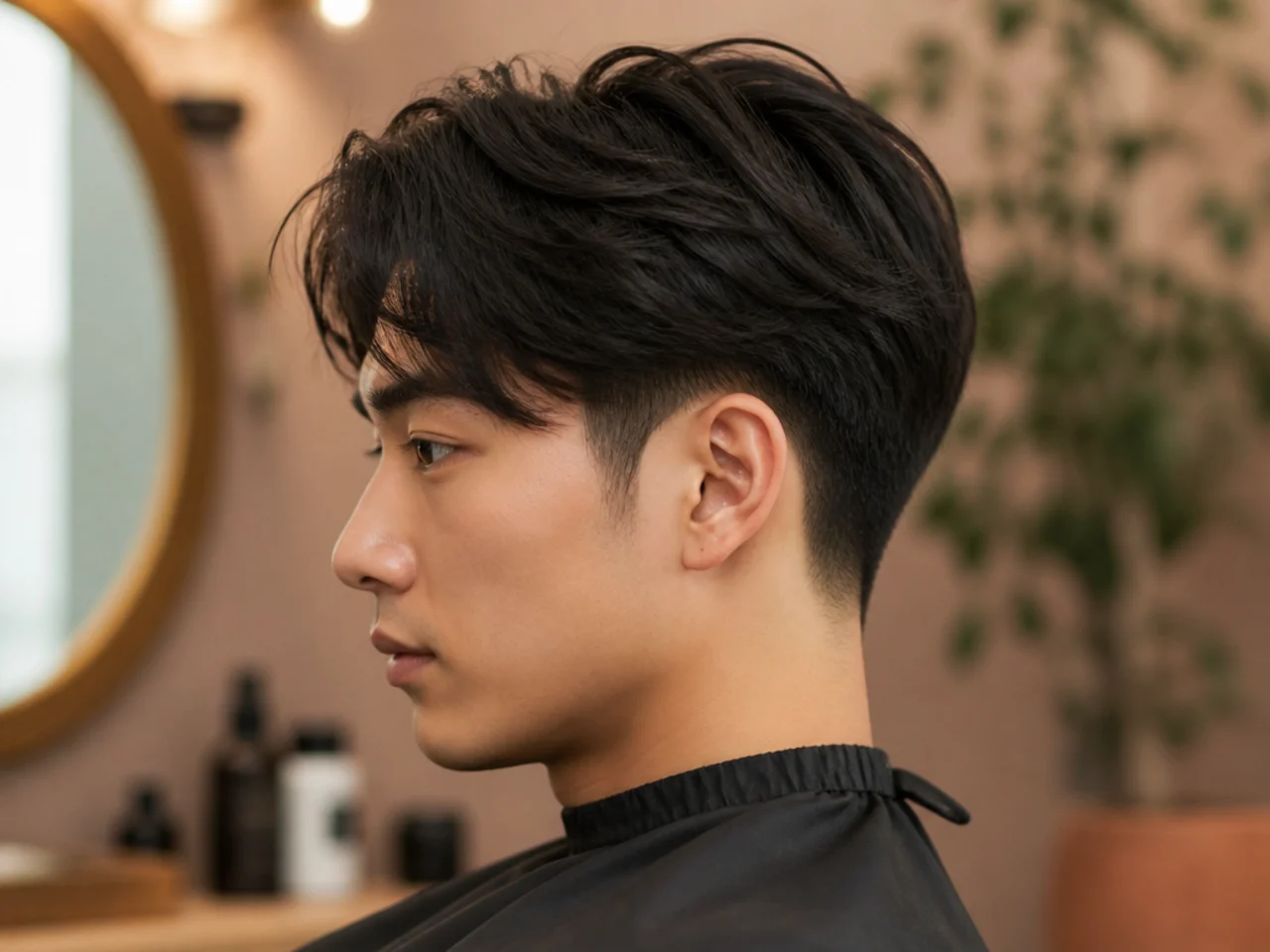
A layered two block is a good reference shape to bring on your phone for this appointment. You are aiming for that silhouette but with the sides still catching up.
Why now, not earlier: Layers cut before month five sit at unpredictable lengths once the hair below them grows out. Wait until the base length is stable enough that the layers hold their planned shape for at least eight weeks.
Common mistake: Asking for "the same cut but longer" when the stylist wants to add layers. A stubborn refusal at month five leaves you with the same wedge from step four, just longer. Trust the layering call — it is what turns grown-out hair into an actual style.
6. Land on Your Endgame Cut
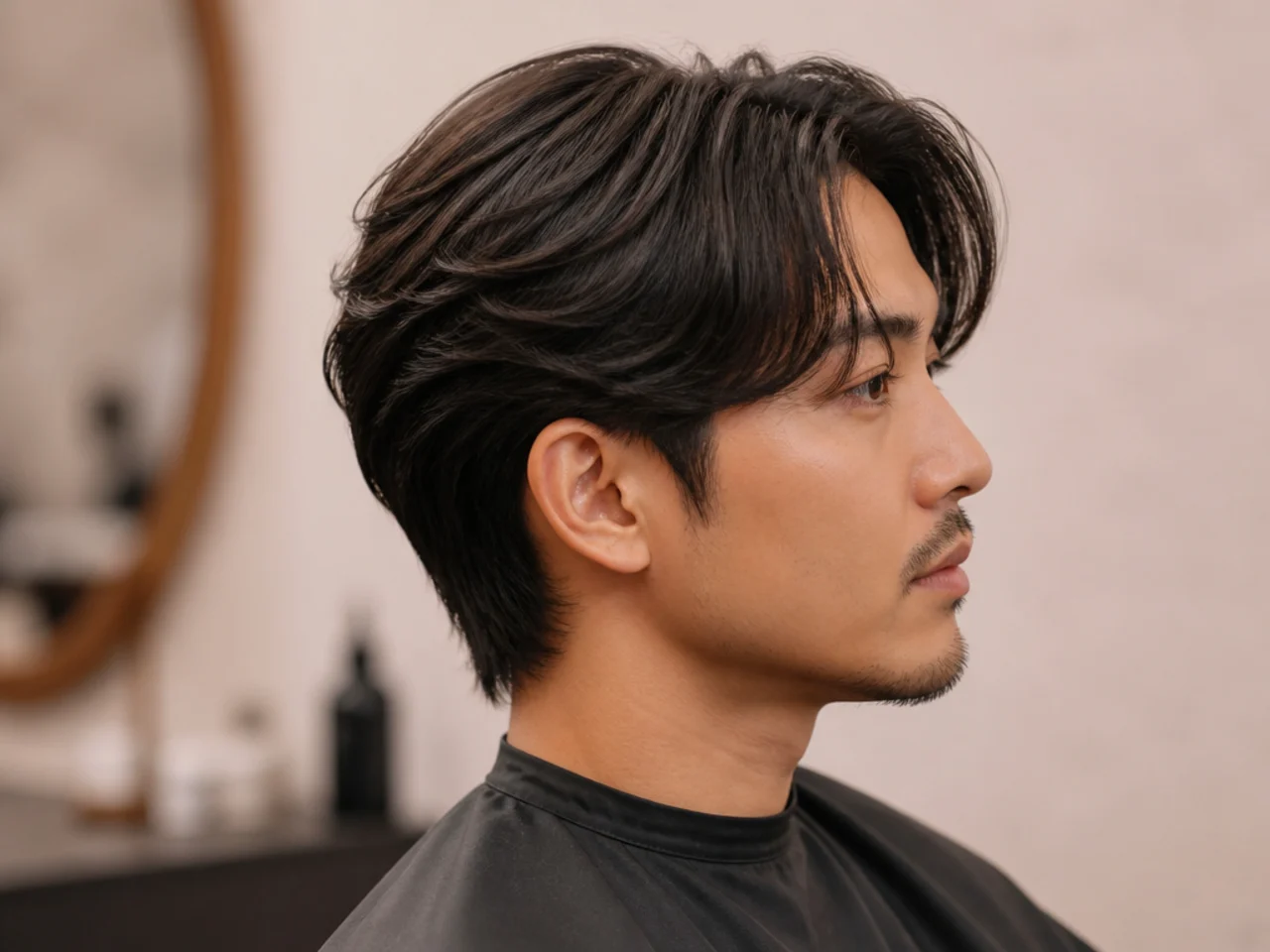
Months eight through twelve you make the final call. The sides are close to the same length as the top, and you get to choose which of four cuts you are growing into. Pick based on daily styling appetite and hair type.
Long two block — the same cut you started with, proportioned longer. Hidden line gone; the sides are now five to six inches and tucked behind your ears. Suits straight and slightly wavy hair. See the long two block haircut guide for the finishing spec.
Layered flow — a mid-to-long cut with the length pushed back and to the sides. No hidden line, no obvious shape lines. Lowest styling appetite of the four. Cross-check with the flow haircut for men reference.
Curtain two block — the top splits into two curtains from a center part; the still-slightly-shorter sides sit tucked behind the ears. Reads modern and Korean-influenced. Best for straight or slightly wavy hair. See the curtain two block haircut breakdown.
Wolf cut — the boldest choice. Shaggy layers on top, texture running through the whole length, wispy perimeter. Highest daily styling appetite. Suits wave patterns and mid-density hair. See the men's wolf cut haircut guide.
Why the choice happens at month eight: Any earlier and you are committing to layers before you know what the length looks like at rest. Any later and the grow-out has picked a shape by default.
Common mistake: Making the endgame decision at month one and rigidly styling toward it for the whole grow-out. Hair changes as it grows — keep the endgame flexible until you can see the length in the mirror.
Troubleshooting
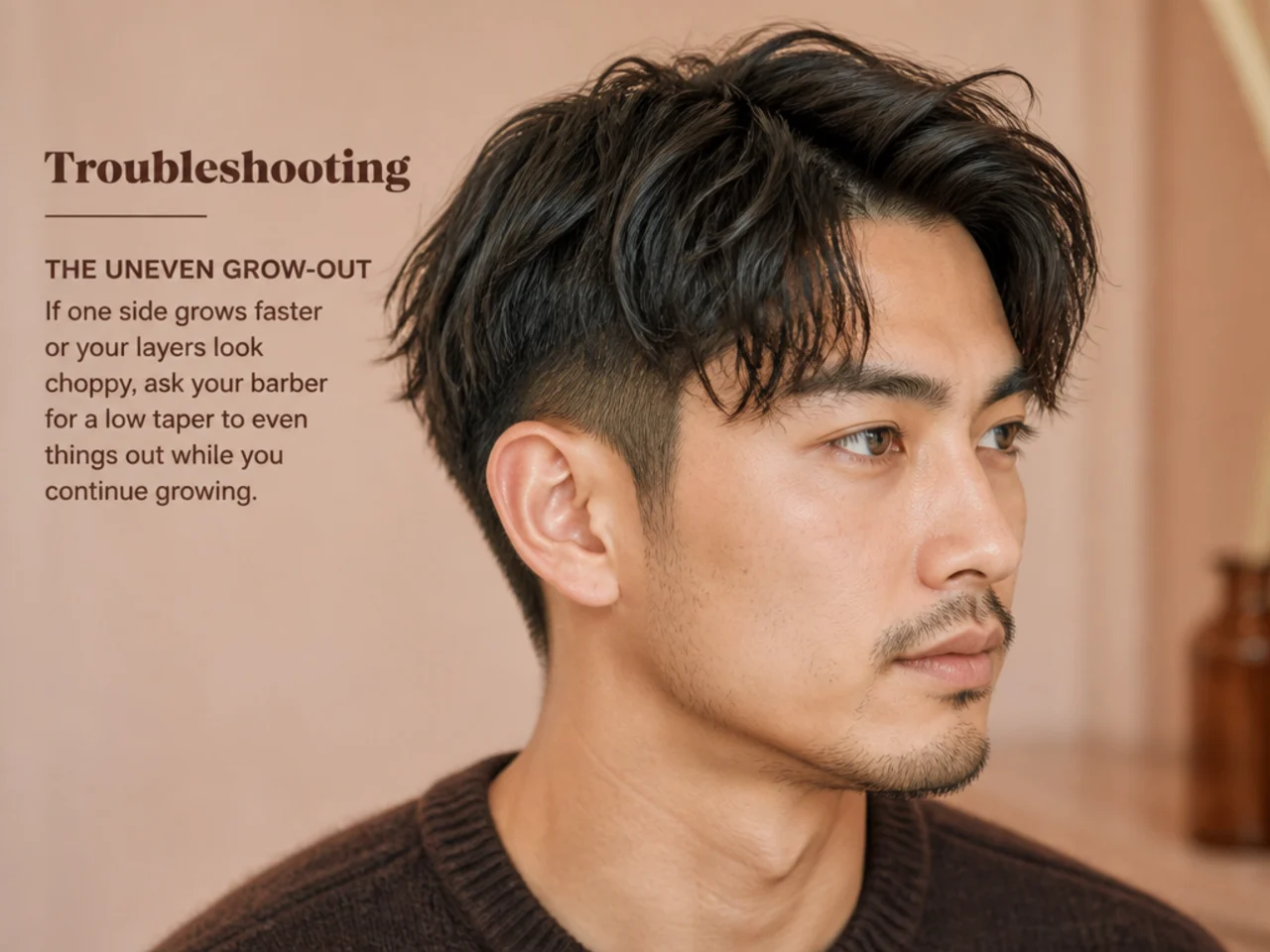
The four things that most often go wrong during a two block grow-out, and the fixes.
The sides are growing straight out sideways. Direction problem, not length problem. Rough-dry the sides with a concentrator nozzle pointed down toward the ear every time you shower. Two weeks resets the memory.
The top has visible split ends. You went too long between shape-ups. Book a light dusting — a stylist takes a quarter inch off the perimeter with scissors, no shape change. Split ends left unchecked travel up the shaft and eventually cost you an inch of length.
The wedge phase looks unbearable. Legitimate. Buy a beanie for the two worst weeks, book the weight-removal appointment (step four) as soon as you spot it, and remember month five is a real turning point.
My hair is thinning as it grows. Two possible causes. Ends fried from styling product and heat — switch to a leave-in conditioner and skip the dryer for a few weeks. Or real thinning at the roots, which is not from the grow-out — flag to a doctor if the temples or crown look different from six months ago.
I have an event in three weeks and it looks bad. Book a professional style, not a cut. A stylist can blow it out into a presentable shape for a single day. Do not cut aggressively for an event three weeks out — you will regret losing the length by month six.
Maintenance Between Shape-Ups
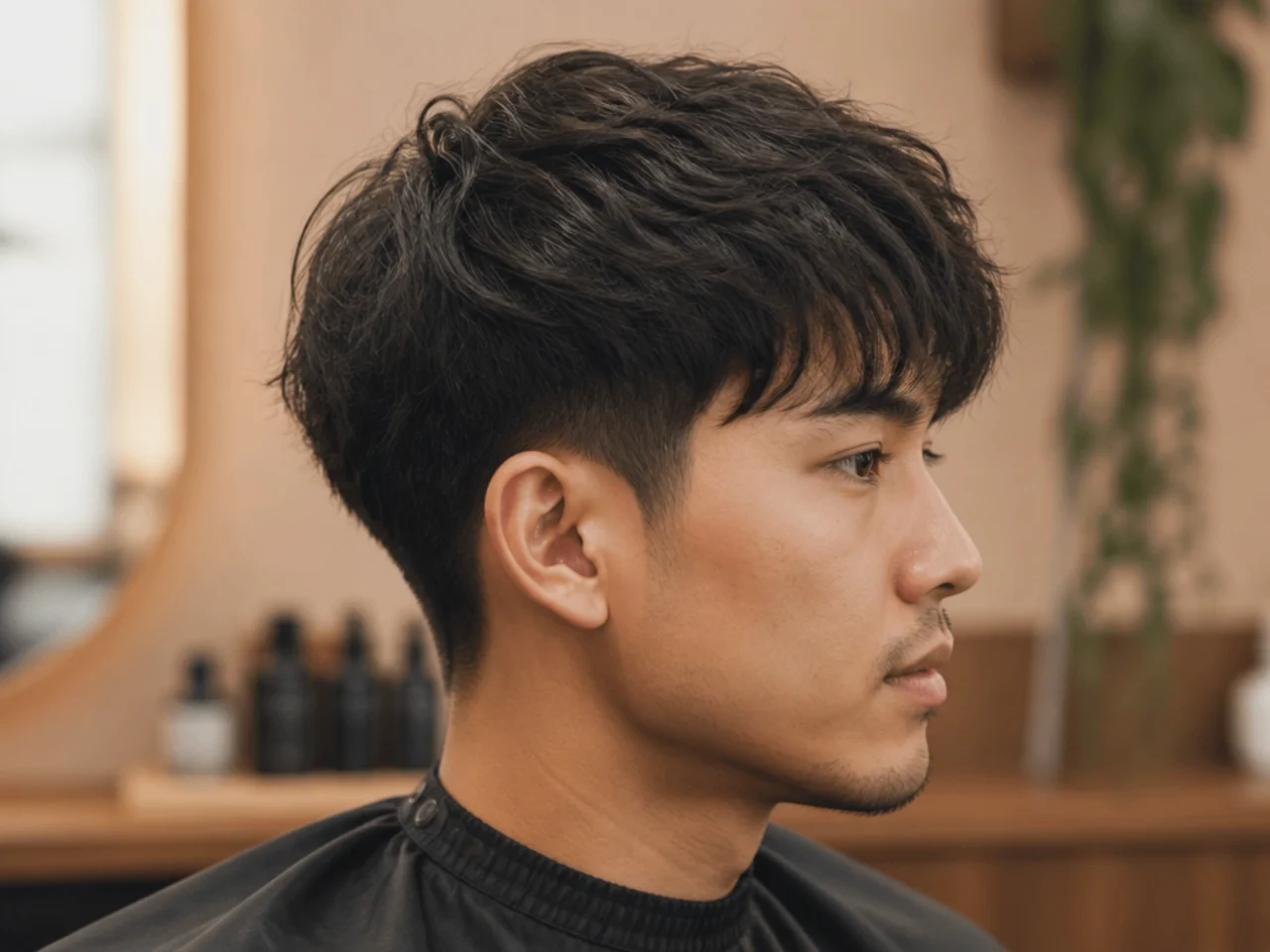
Book a shape-up every six to eight weeks through the whole grow-out. Not a re-cut. Not a re-fade. A shape-up: taper softening, weight removal, or a perimeter dusting depending on which phase you are in. Skipping shape-ups is the single biggest reason grow-outs take twelve months instead of eight.
Wash the top layer every second day at most. Daily shampoo strips the natural oil growing hair needs to lie flat. Condition the mid-lengths and ends only — condition at the roots and the top layer puffs up and starts sitting on top of the sides again.
Sleep on a satin or silk pillowcase from month three onward. Cotton drags on longer hair and adds friction damage at the exact length you need to keep healthy. Tie longer hair back loosely at night once it passes your collar.
For low-effort maintenance styles between shape-ups, see the low maintenance men's haircuts guide — several of the mid-length options make excellent placeholder shapes during the grow-out.
FAQ
How long does it take to grow out a two block?
Eight to twelve months for the sides to catch up to a shoulder-length top. The buzzed section grows about half an inch a month, so a #1 guard takes roughly six months to reach three inches — the length where the disconnect finally disappears under the top layer.
What is the awkward stage of growing out a two block?
Weeks ten to twenty. The sides fan outward before they have enough weight to lie flat, and the top starts to sit on top of them instead of covering them. You get a mushroom or wedge silhouette. This is the phase most guys panic and re-cut — hold the line and it passes.
Should I shave my head and start over?
Only if you hate the awkward phase more than you want the final shape. A shave-down costs you the six months of length you already have on top. If you can survive the wedge weeks with hats, a taper shape-up, and product, you get to the final cut faster.
Can I still get my two block trimmed while growing it out?
Yes — and you should. Every six to eight weeks book a grow-out shape-up, not a re-cut. The stylist tapers the growing sides so the transition softens instead of resetting, and dusts split ends off the top so length stays healthy.
What products help during the grow-out?
A matte cream for control on the top, a sea-salt spray for grip on the middle-length sides, and a leave-in conditioner to keep the ends soft. Skip pomade and clay during the wedge months — they add weight where you need lift, and shine where you want matte.
What haircut should I aim for after growing out a two block?
Four solid endgames: a long two block, a layered flow, a wolf cut, or a mid-length men's cut with soft layers. Pick based on your hair type and how much daily styling you want to do — the long two block needs the least effort, the wolf cut the most.