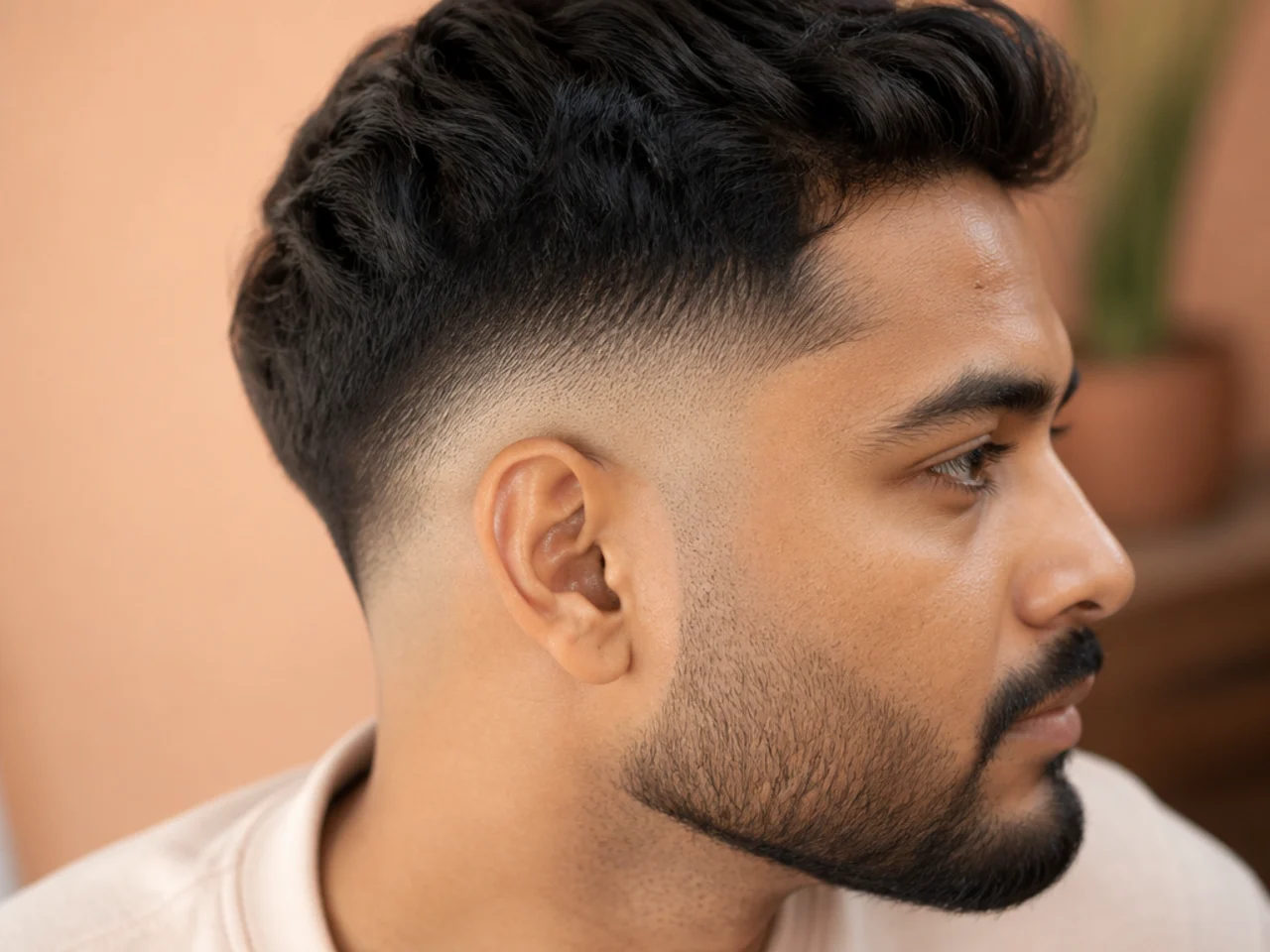
15 Low Fade Haircuts I Tried This Year
The low fade's whole claim is that it ages well, so I stopped judging these on the day they were cut and started photographing them at weeks one, three and five instead. That changed which ones I actually liked.
In this article · 22
- What I Was Actually Measuring
- How to Choose Yours
- The 15 Low Fades I Tried
- 1. Low Skin Fade, Week One
- 2. The Same Cut at Week Two
- 3. Low Taper, Week One
- 4. The Same Taper at Week Three
- 5. The Same Taper at Week Five
- 6. The One With Only Two Guards
- 7. The One With Three Guards
- 8. Low Fade With the Sides Left Heavy
- 9. Low Fade With Graduated Sides
- 10. Low Drop Fade
- 11. Low Burst Fade
- 12. Low Fade Connected to the Beard
- 13. Low Fade With a Blocked Neckline
- 14. Low Fade With a Tapered Neckline
- 15. The One I Kept
- Styling and Upkeep
- Mistakes to Avoid
- FAQ
- Final Thoughts
I spent a year judging haircuts on the wrong day. A low fade looks essentially the same on day one as every other fade, which tells you nothing about why you would choose it.
The whole argument for a low fade is the grow-out. It starts at or below the temple and puts the entire gradient into two or three centimetres.
Very little contrast means very little to lose. So I started photographing each cut at weeks one, three and five, and it changed which of the fifteen I actually liked.
What I Was Actually Measuring
The blend occupies two or three centimetres. From the temple down to the ear and no further.
That is a small amount of contrast to lose. Which is why a low fade outlasts every other height.
Week one tells you about the barber. Week three tells you about the cut.
So the photograph that matters is the late one. I took three per haircut and only ever looked at the last two.
How to Choose Yours
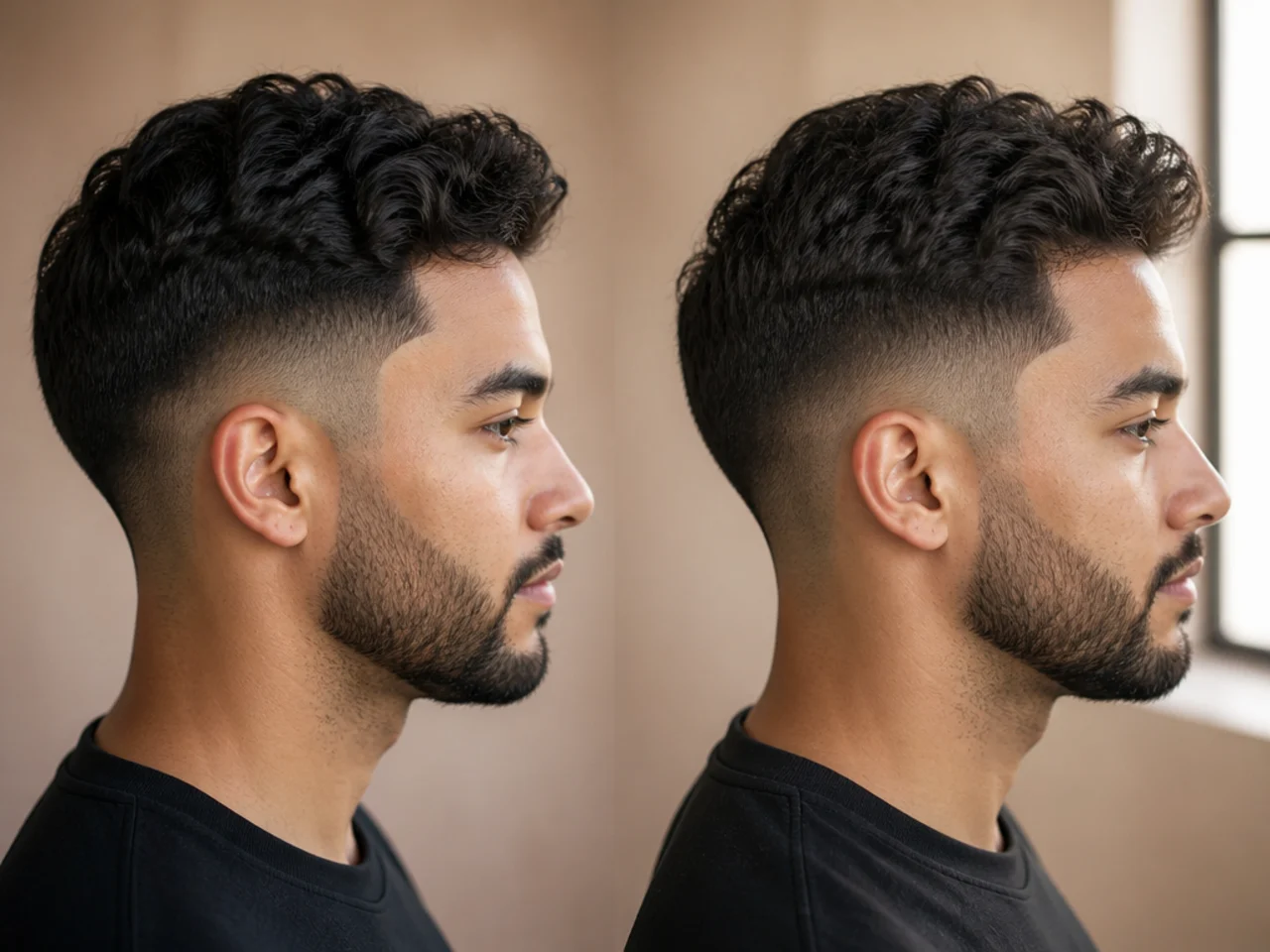
Judge at week three, not week one. Nothing on a freshly cut head looks like a mistake, which is exactly the problem with judging one on day one.
Prefer a taper floor if you rebook monthly. A skin finish is only itself for one to two weeks and a taper for three to four, so your calendar picks the floor for you.
Photograph the same angle every time. Comparisons are worthless if the camera moved.
Change one thing per appointment. Move two settings at once and the outcome cannot be attributed to either of them.
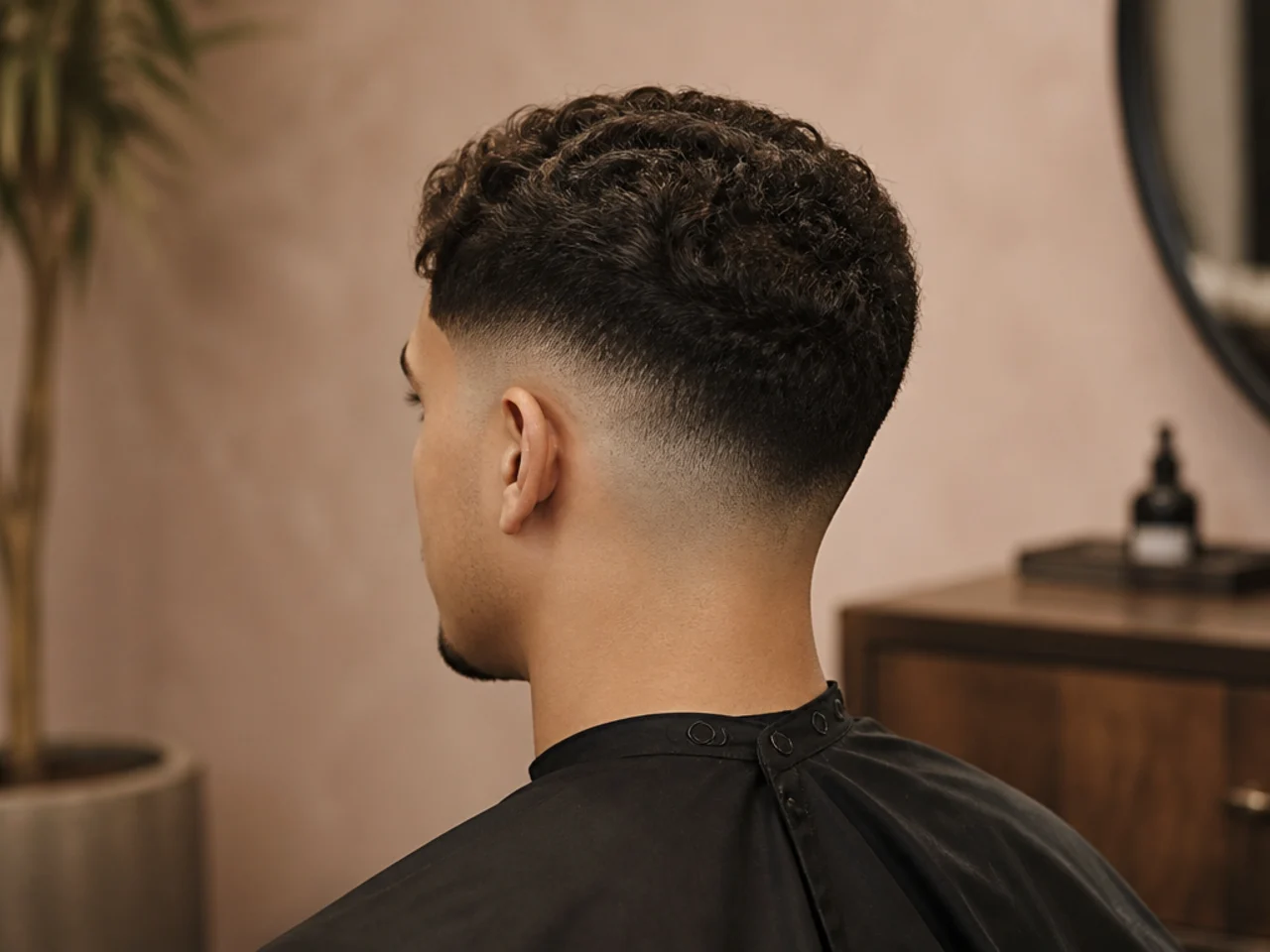
The 15 Low Fades I Tried
1. Low Skin Fade, Week One
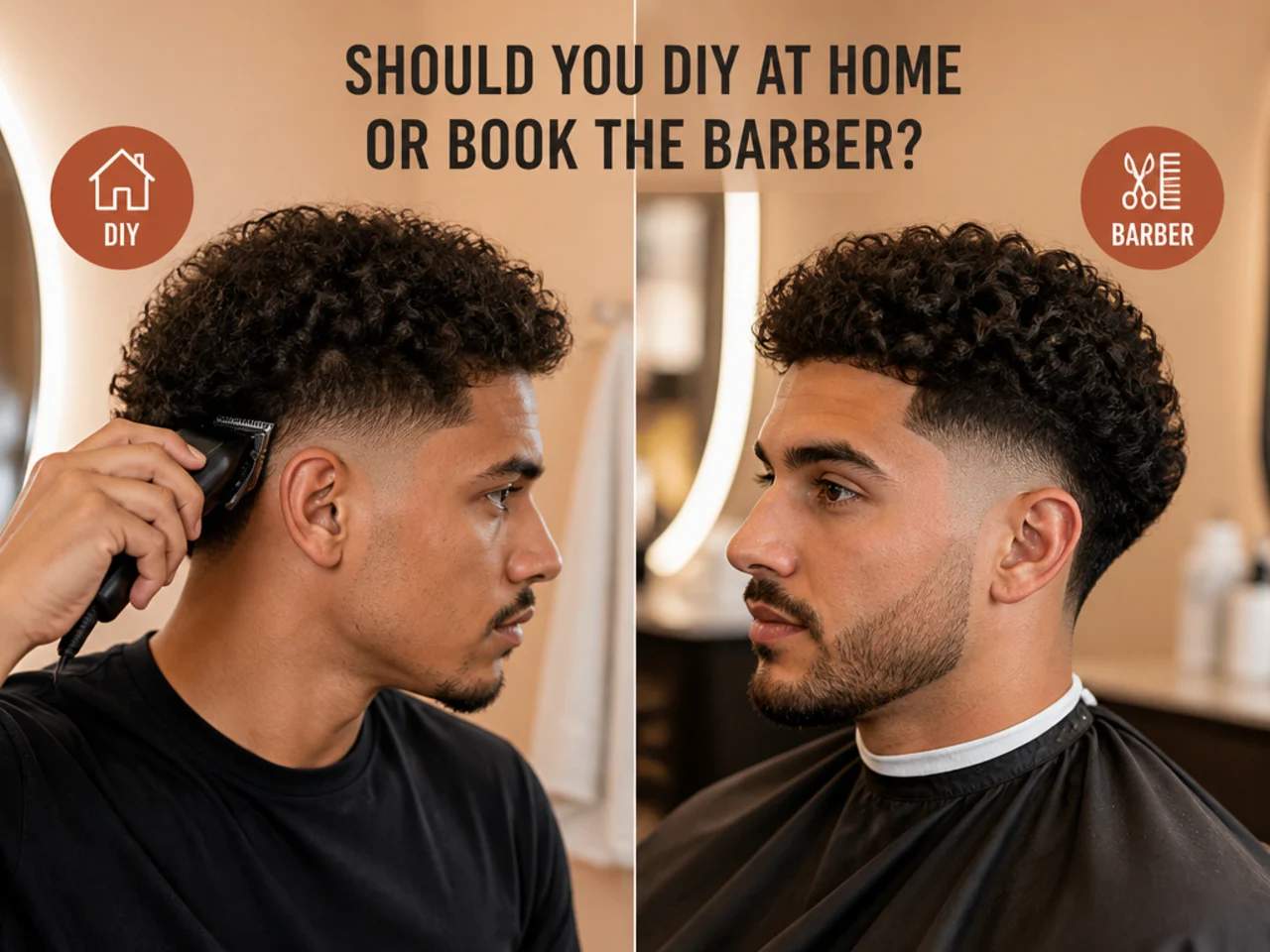
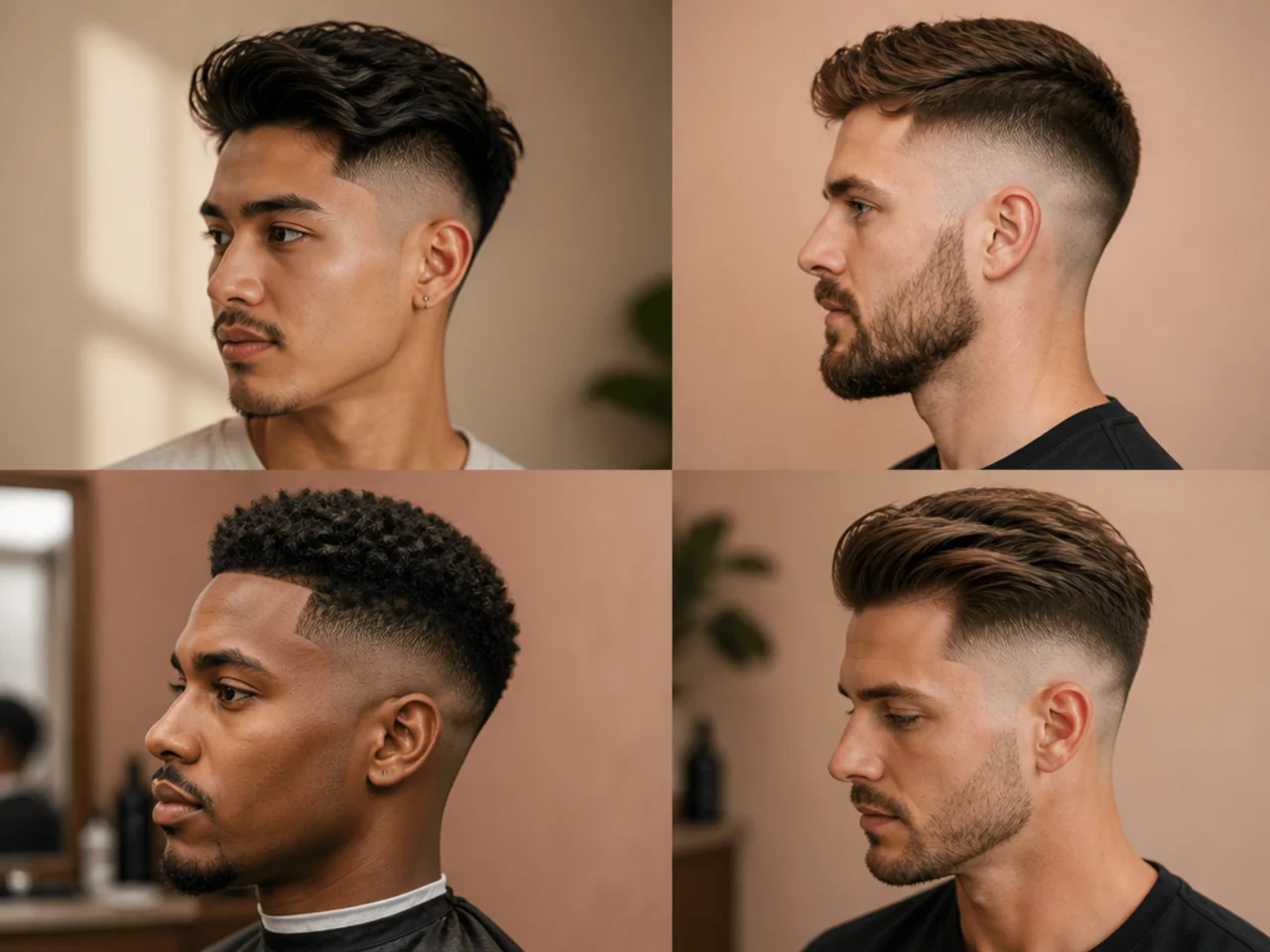
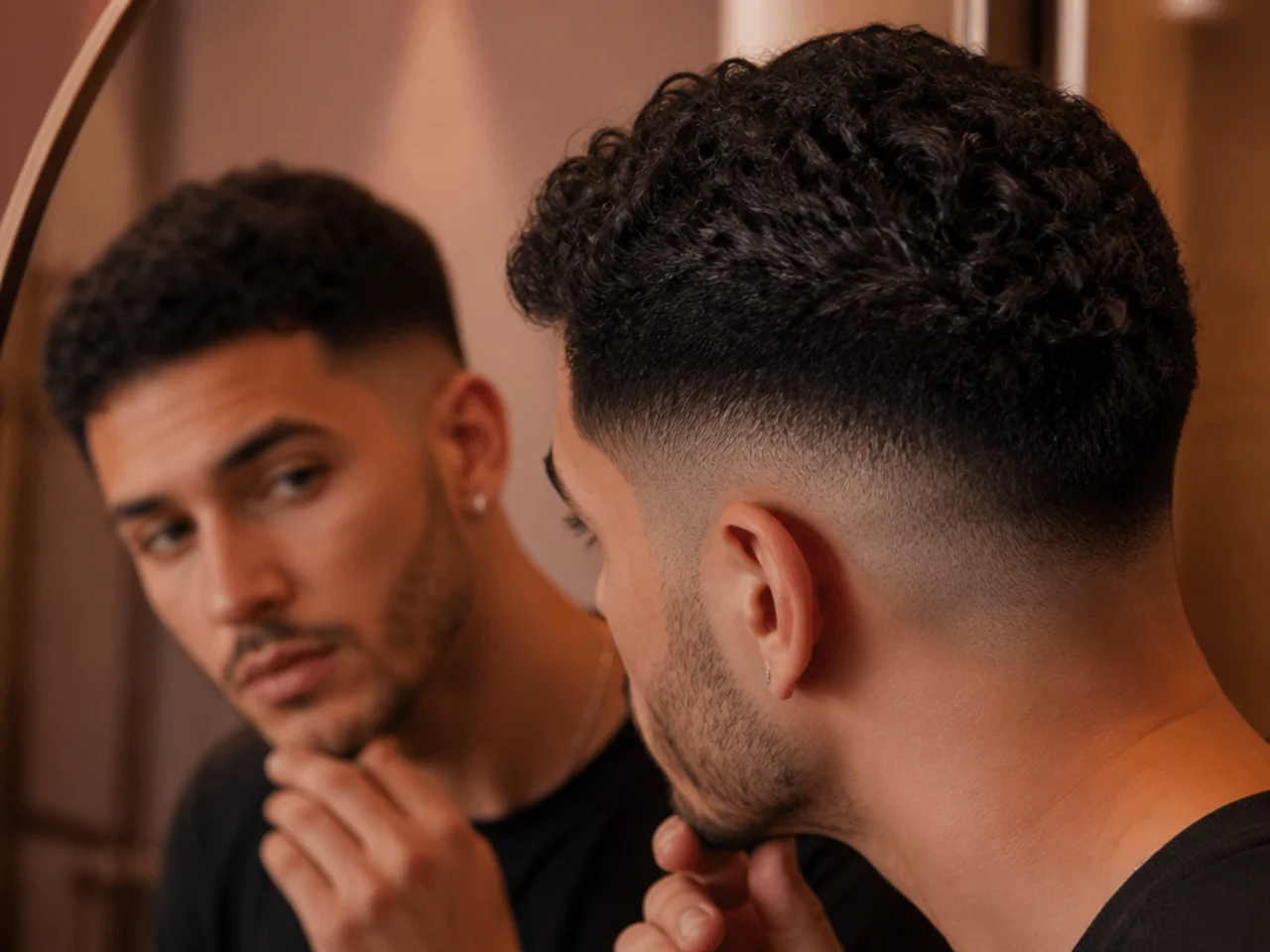
The sharpest low fade of the year on the day it was cut. It also looked barely different from a low taper in the same photograph, which is the honest starting point for this whole experiment. Two centimetres is not enough distance for the eye to register the difference between skin and a number one. I had assumed skin would be obviously crisper and in a two-centimetre band it simply is not.
2. The Same Cut at Week Two
Grey stubble had come through the faded band and the edge had gone. A skin fade blurs in one to two weeks and this was day eleven. The band was the only part of the cut that had moved, which is what makes it the deciding variable.
3. Low Taper, Week One
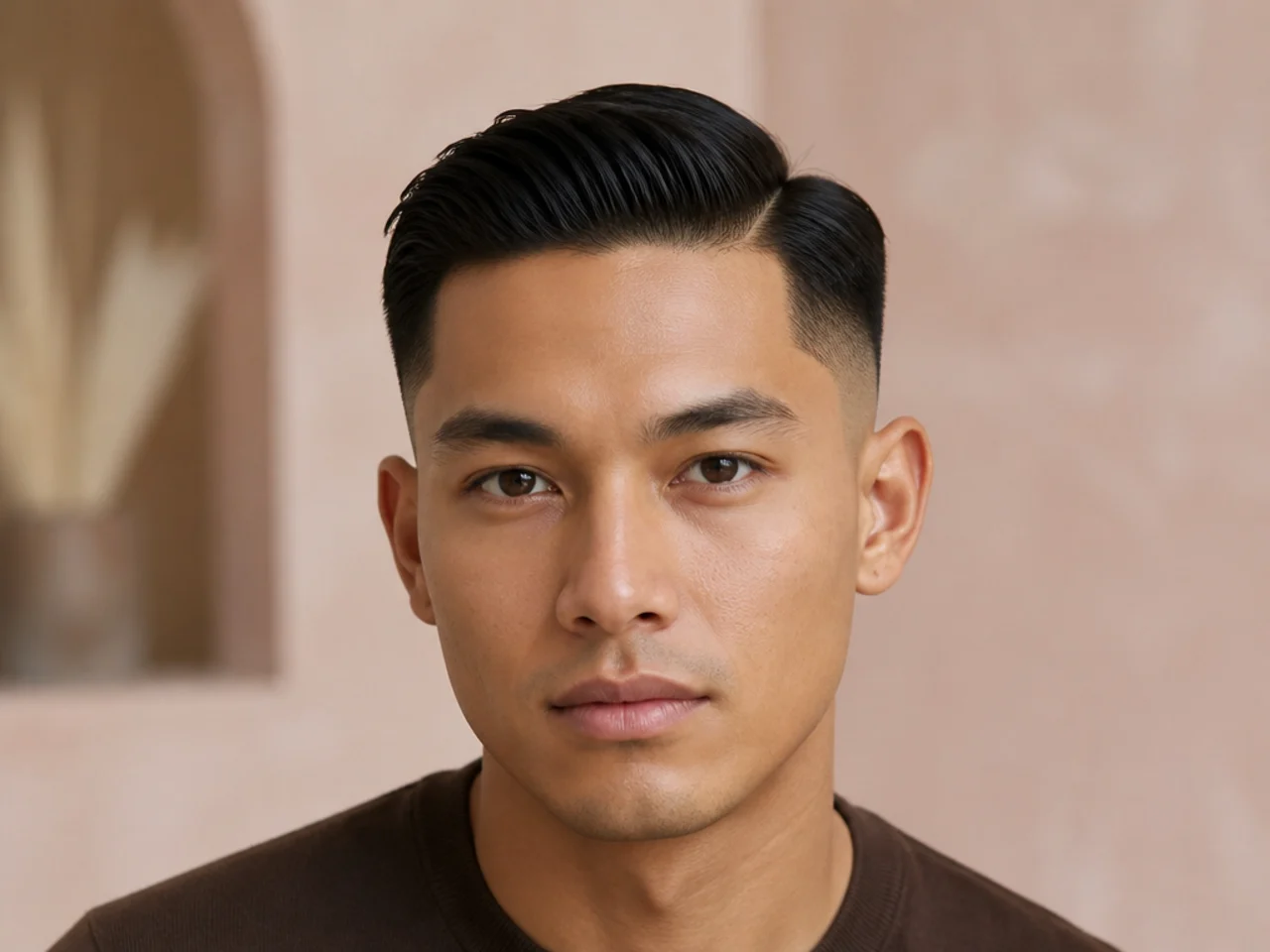
A #1 at 3mm floor instead of skin, which makes it a low taper fade rather than a fade. In the photograph it is very nearly indistinguishable from the skin version, which surprised me.
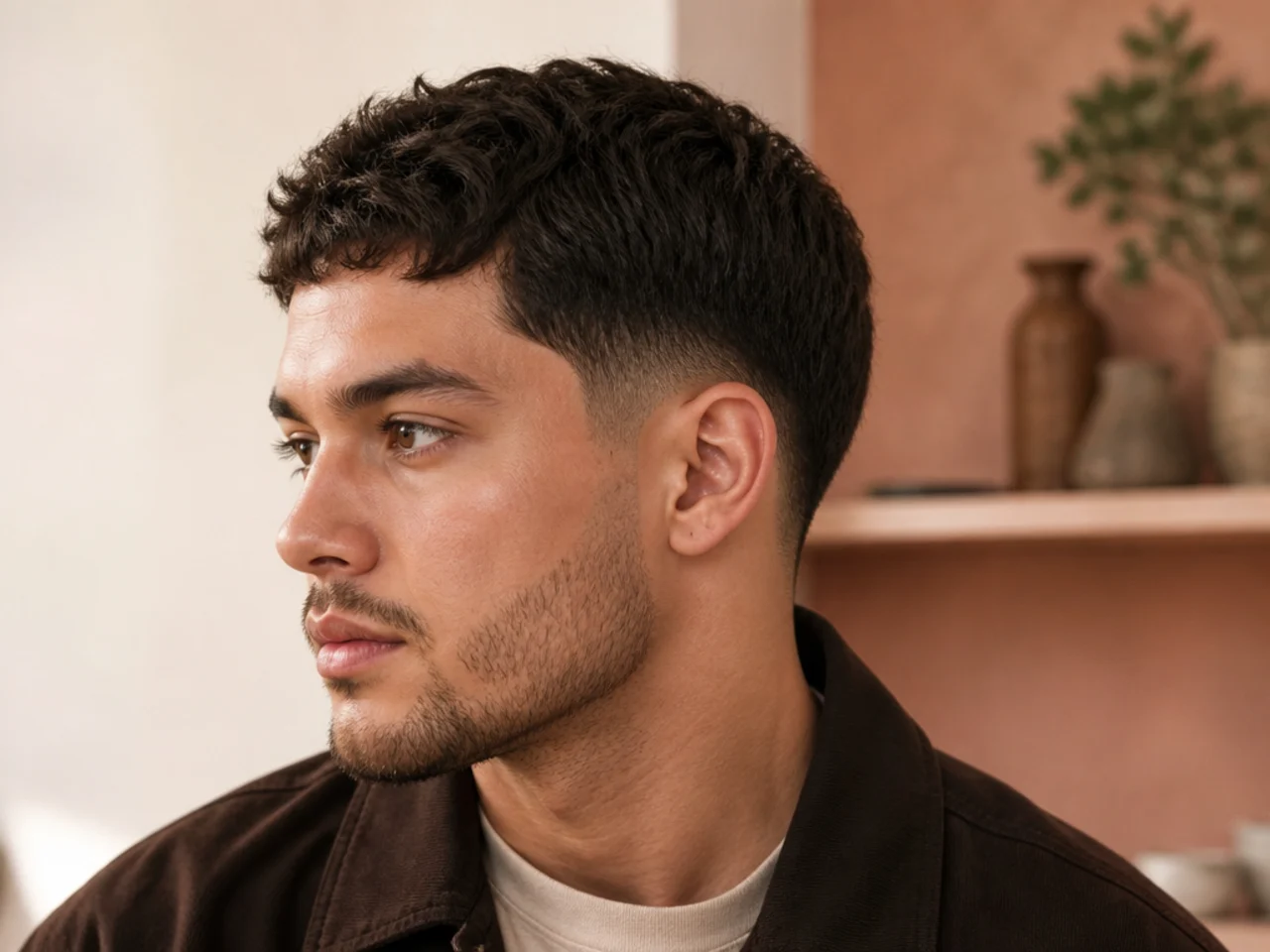
4. The Same Taper at Week Three
Still clean. There was no stubble shadow because there had been no bare skin, and this is the comparison that settled the finish question for me.
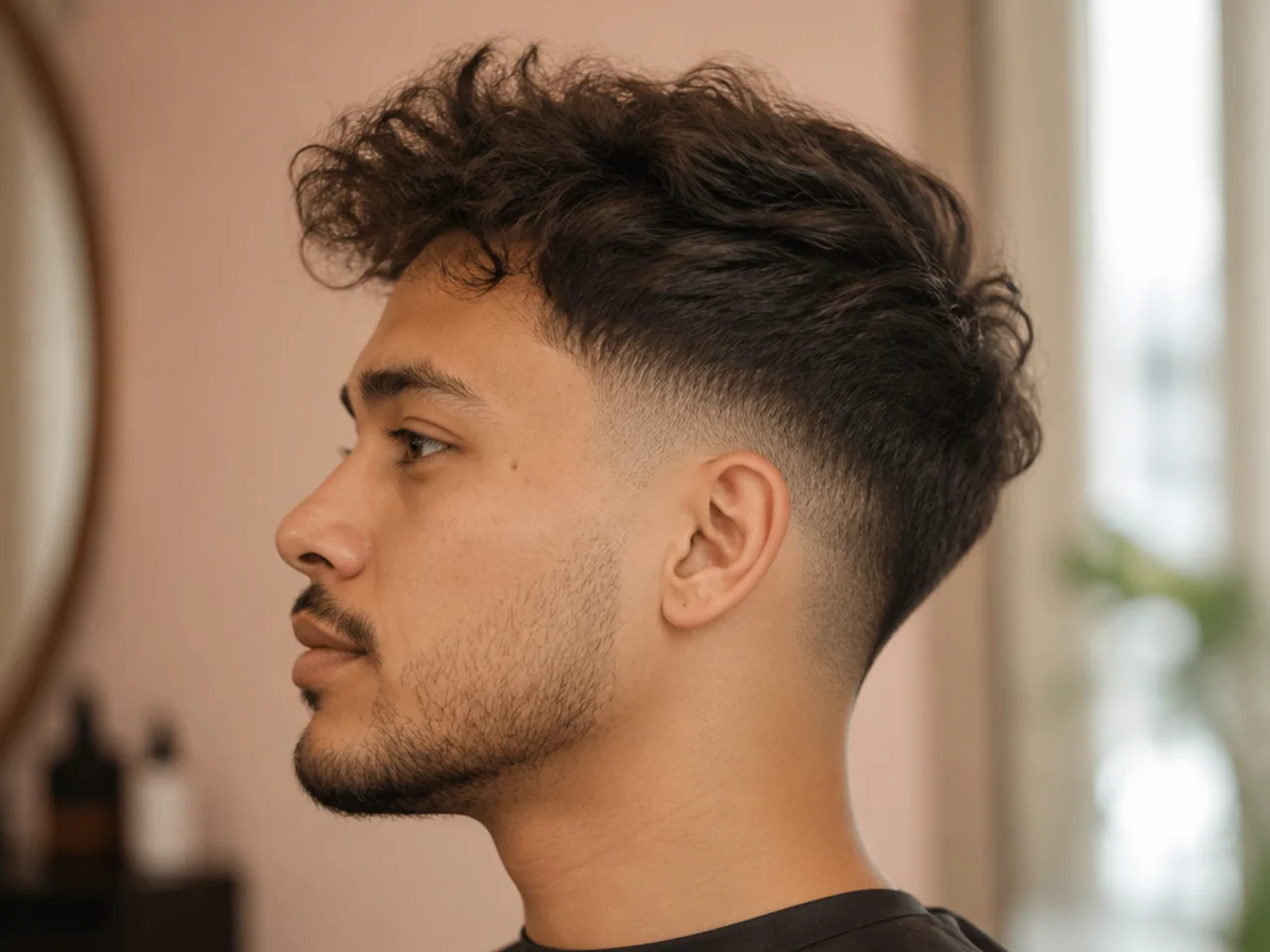
5. The Same Taper at Week Five
Softened but not untidy. Nobody would have described it as freshly cut and nobody would have described it as overdue either. Five weeks is roughly a centimetre of growth, which in a two-centimetre band closes the gradient without ever producing an edge to notice.
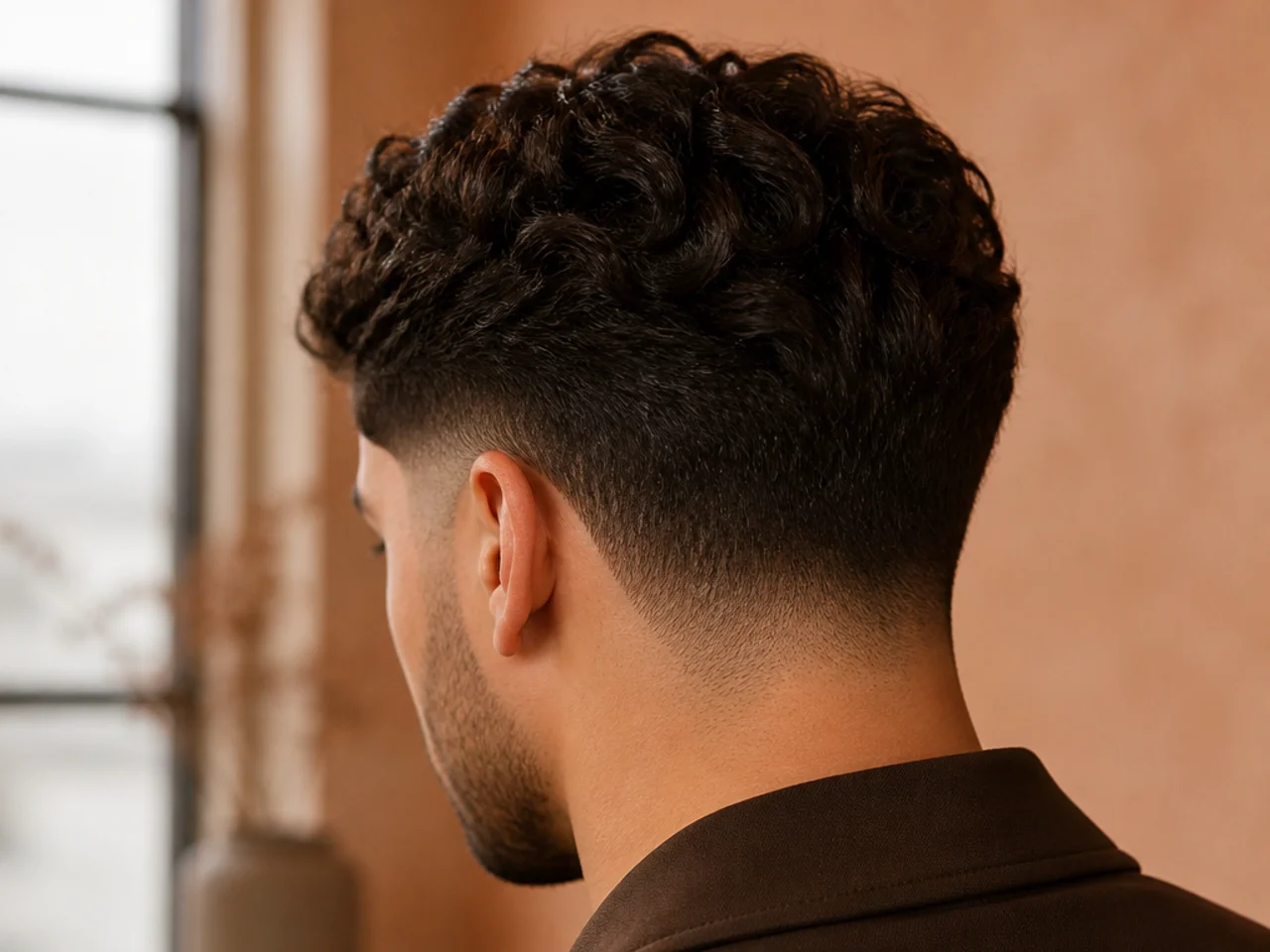
6. The One With Only Two Guards
Bottom and top with nothing in between. In two centimetres that produces a step rather than a gradient, and it was visible from across a room. The barber had not skipped anything, I had only named two numbers.
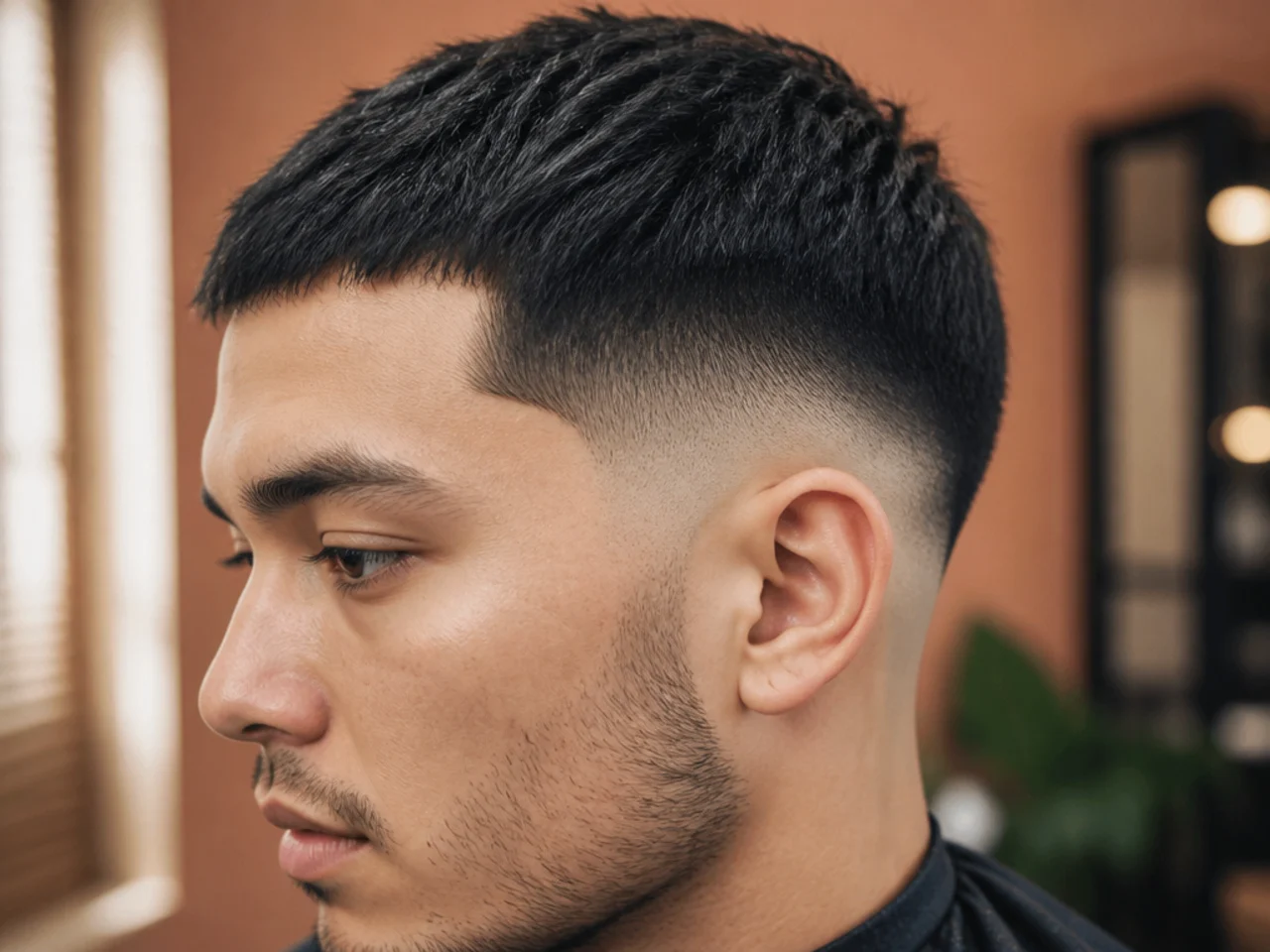
7. The One With Three Guards
Skin, a #1 and a #2. It is the same cut in every other respect and it is the one that actually looked blended.
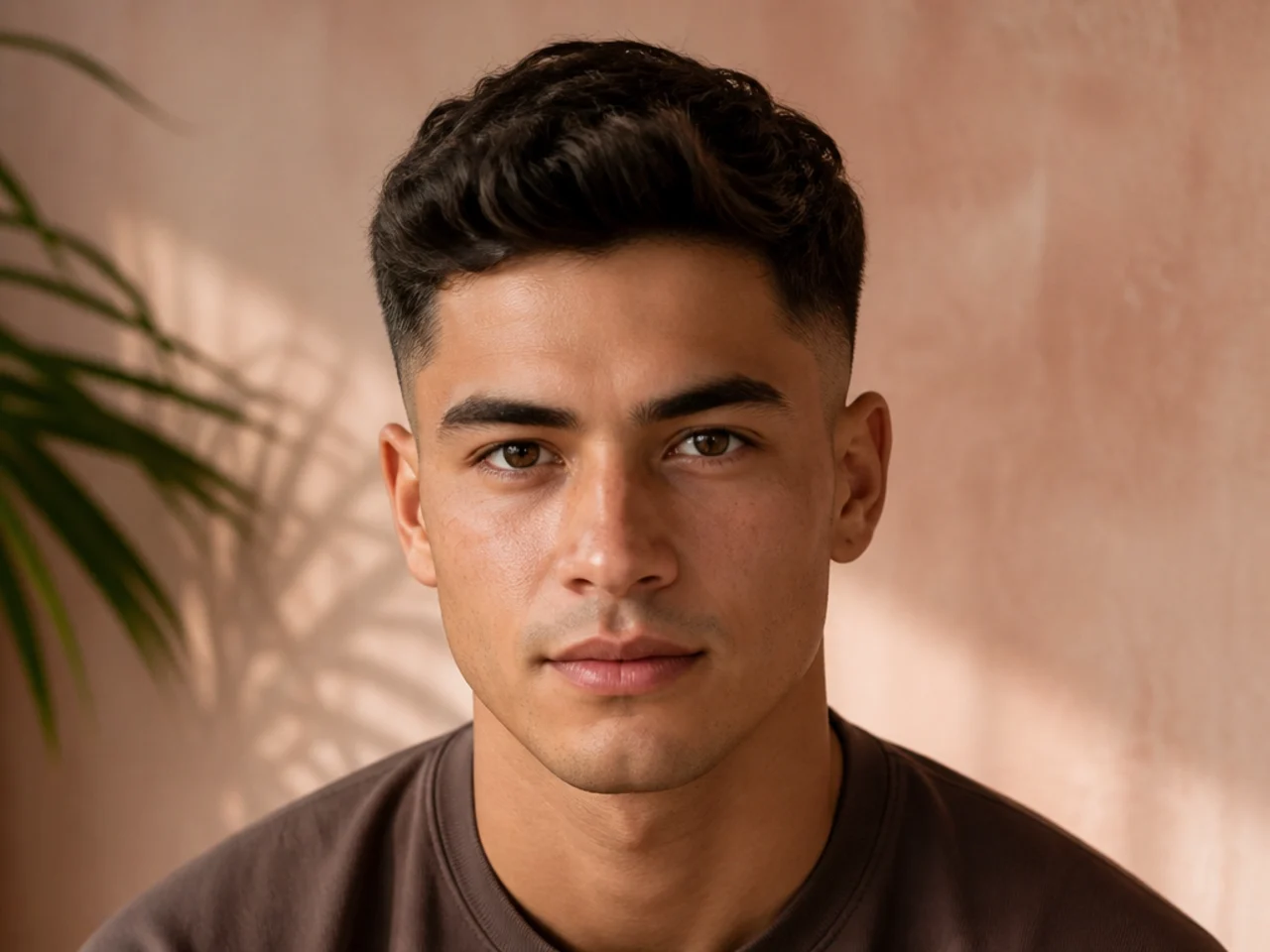
8. Low Fade With the Sides Left Heavy
No graduation above the blend. It grew wide rather than long, and by week three my head looked broader than it had before the haircut.
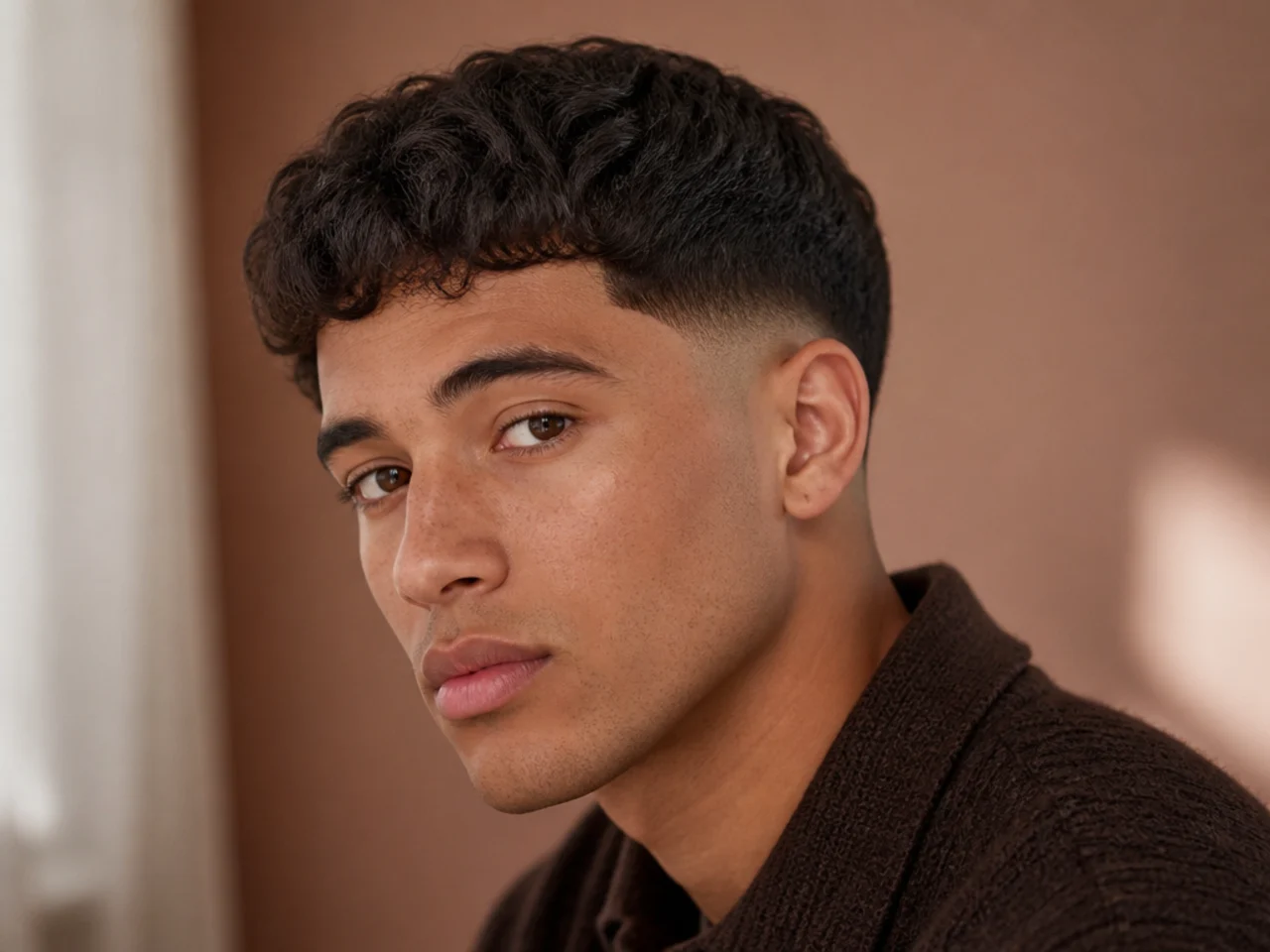
9. Low Fade With Graduated Sides
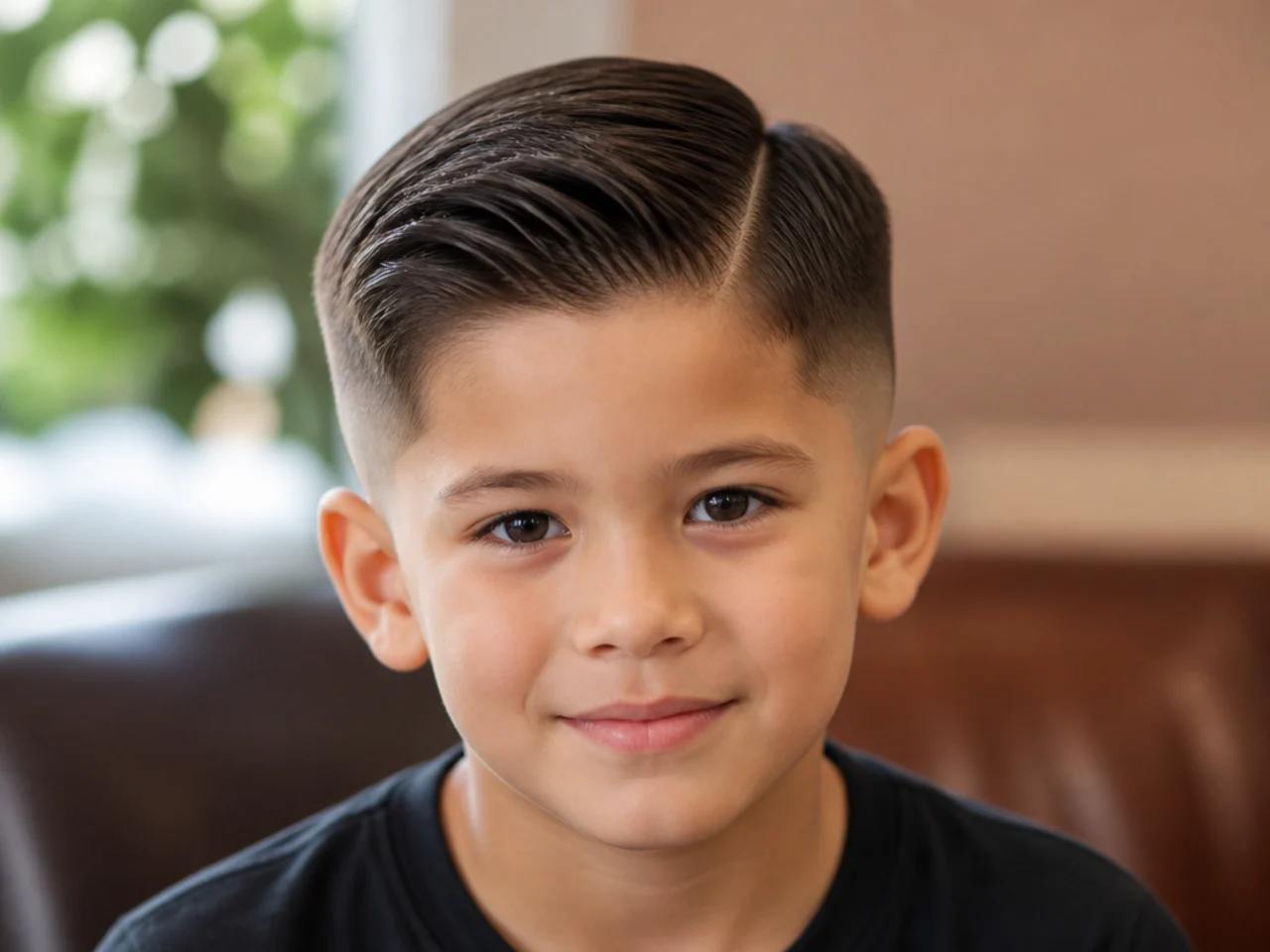
Weight removed with scissors above the fade band. It solved the width entirely and it made no difference at all to the fade itself.
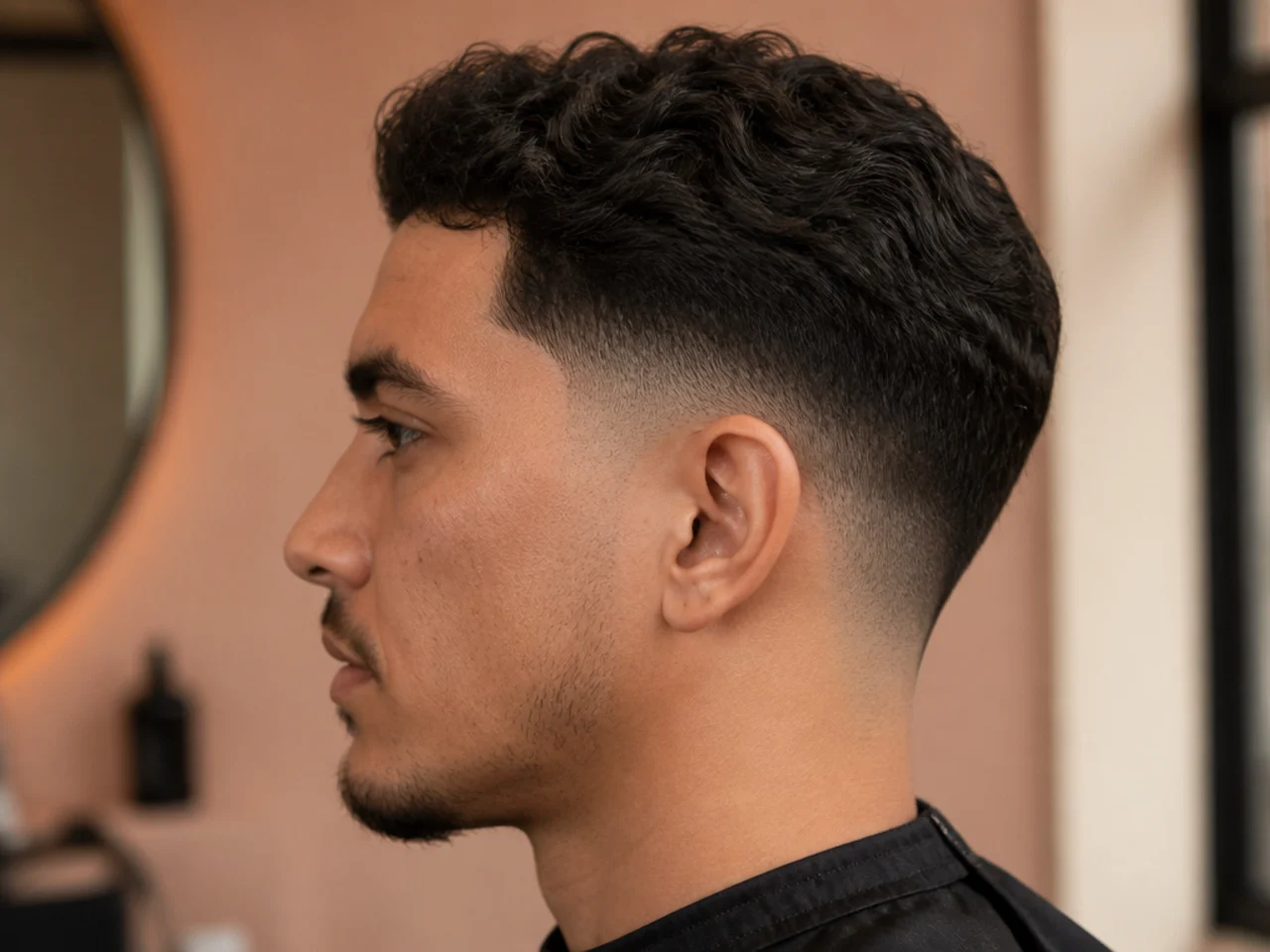
10. Low Drop Fade
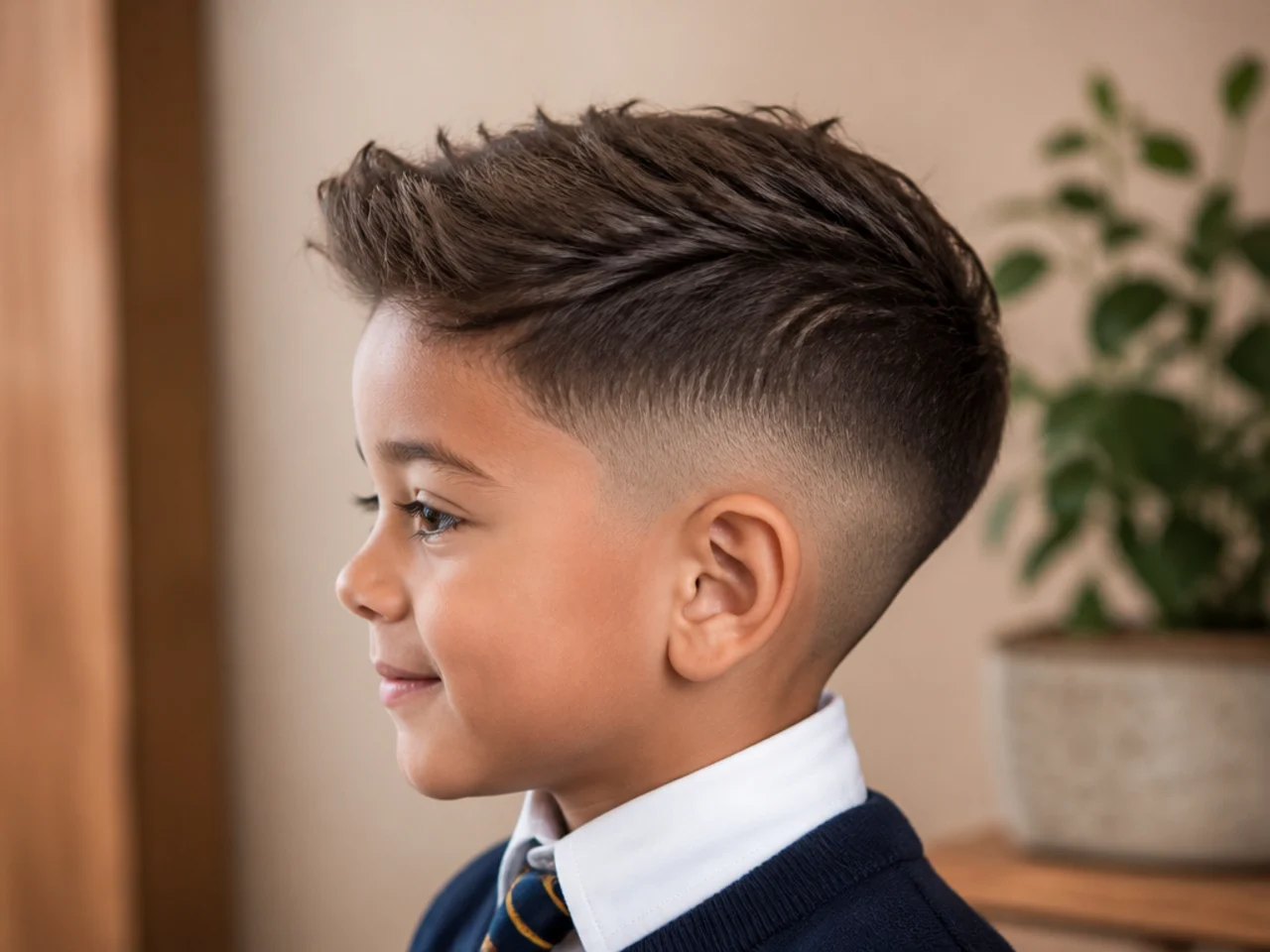
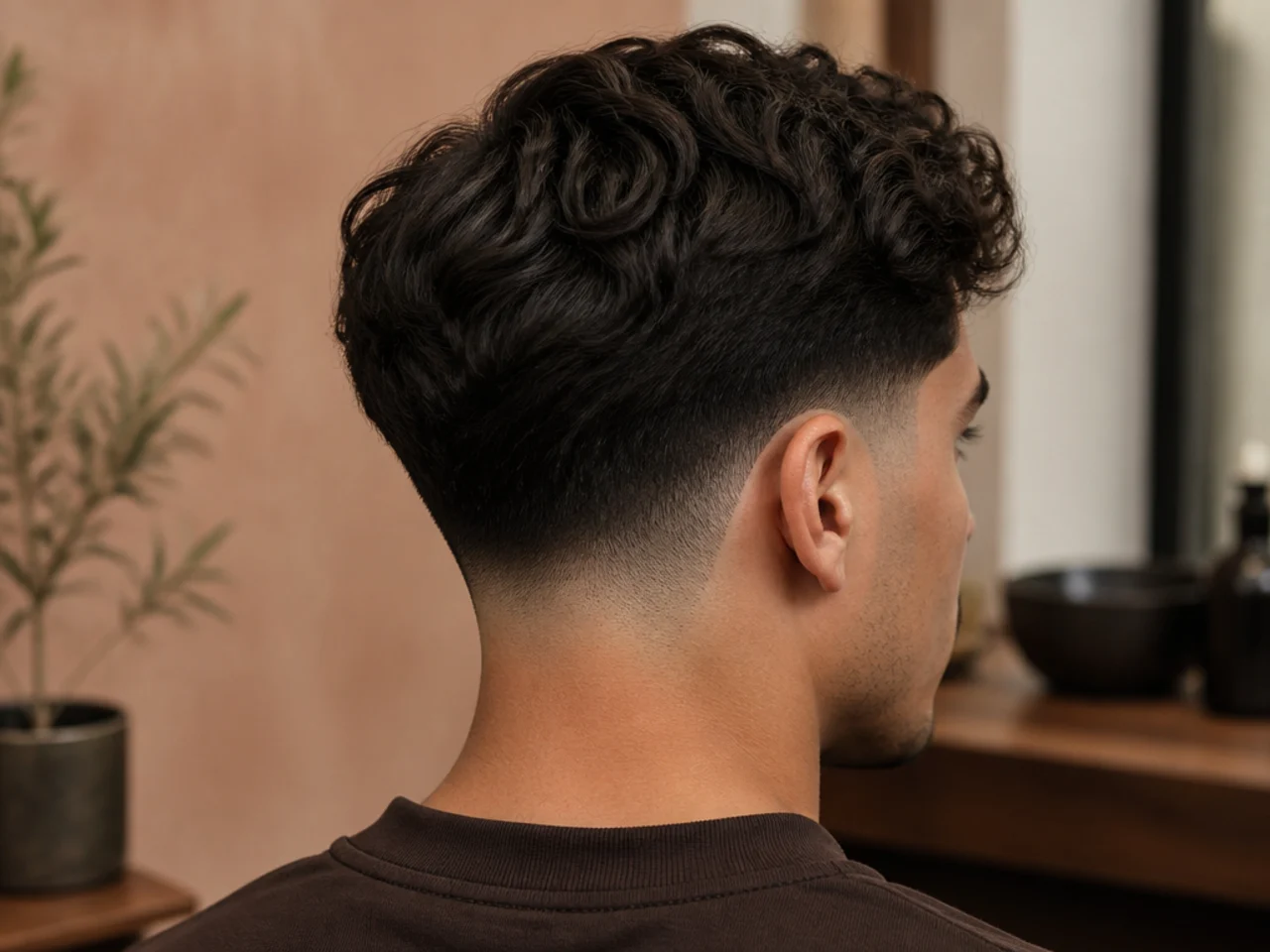
The line dropping behind the ear, cut as a standard low drop fade. It aged slightly better than the straight version, because a curve softening still reads as a curve.
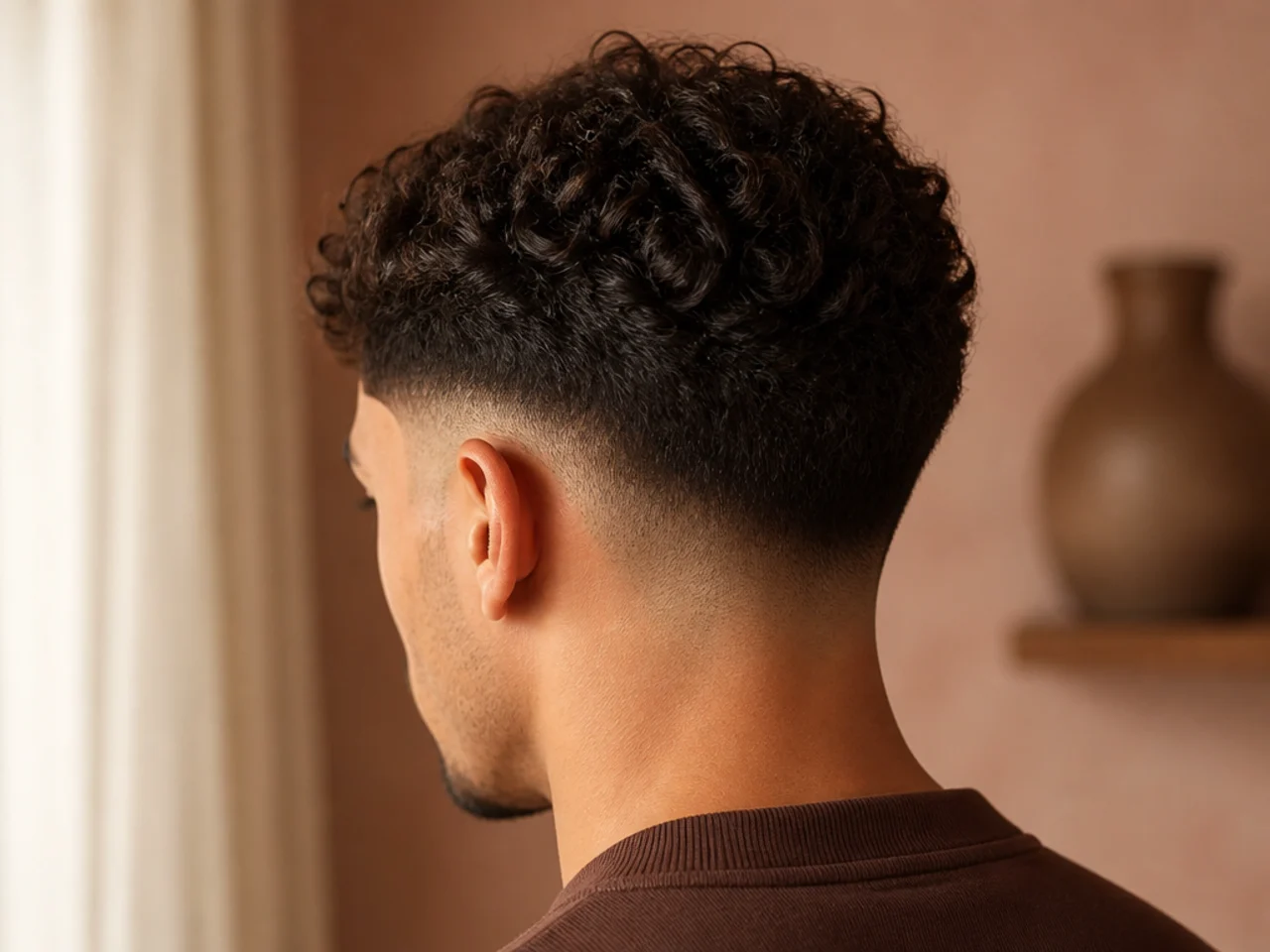
11. Low Burst Fade
A circle opened at the ear with everything behind it left alone, cut as a low burst fade. A genuinely different cut at the same height and the only one anybody commented on. It is also the only one of the fifteen that changed my silhouette rather than my sides.
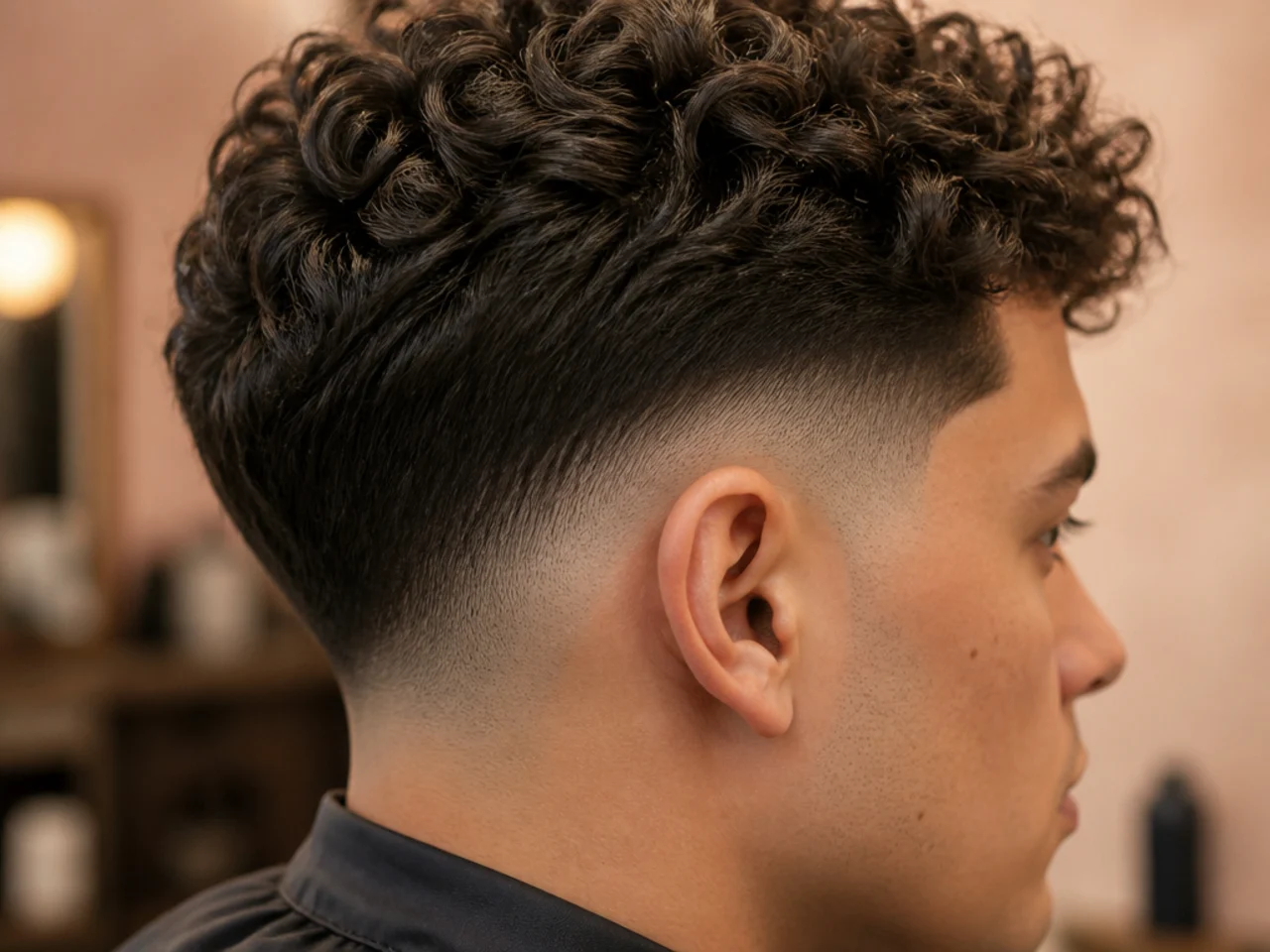
12. Low Fade Connected to the Beard
The fade and the beard share the same band at this height, so the connection needed about a centimetre of blending. It was the easiest join I have had.
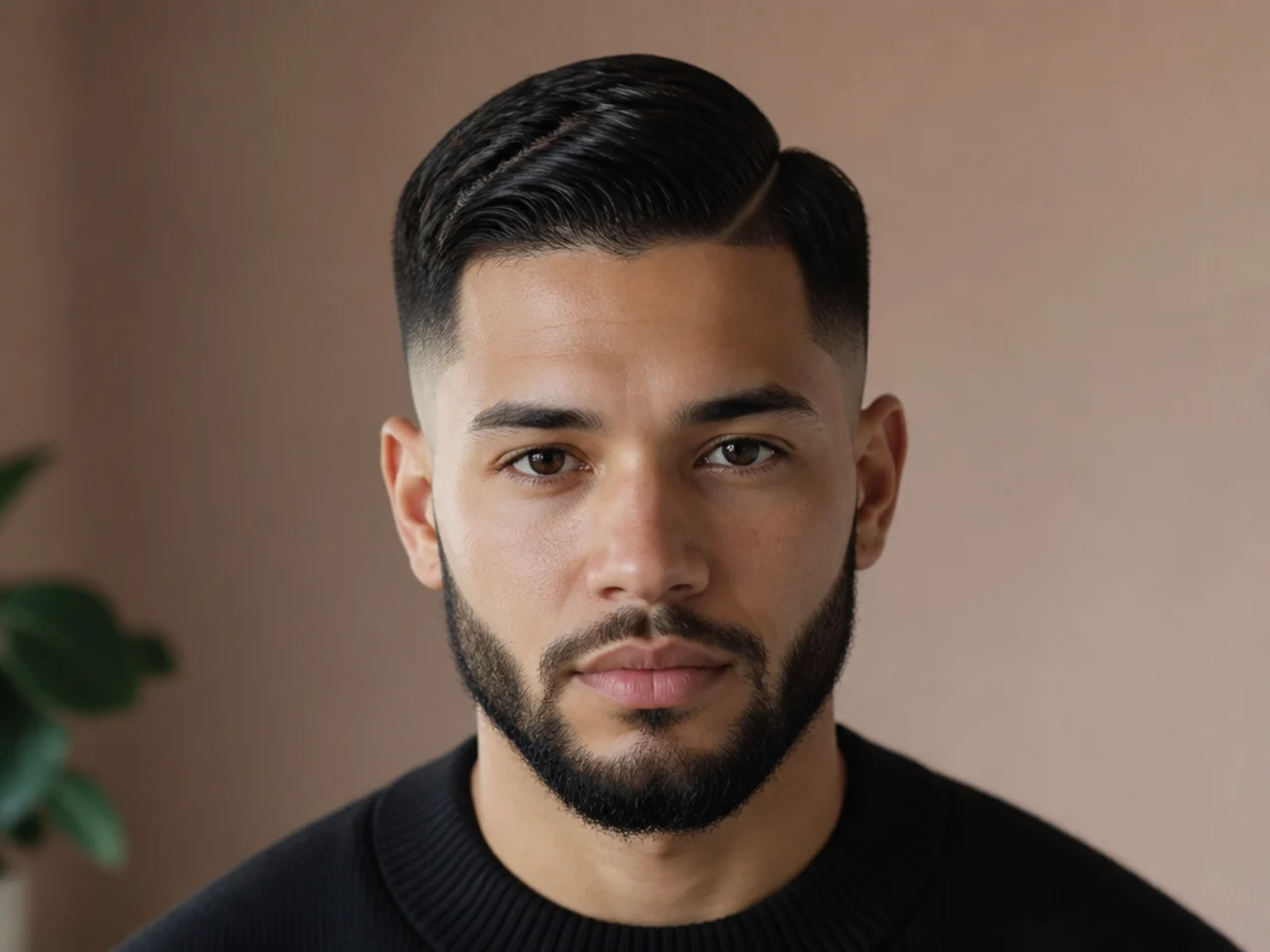
13. Low Fade With a Blocked Neckline
Squared off at the back. It looked sharp for eight days and then grew a visible shelf, which fights everything else a low fade is doing.
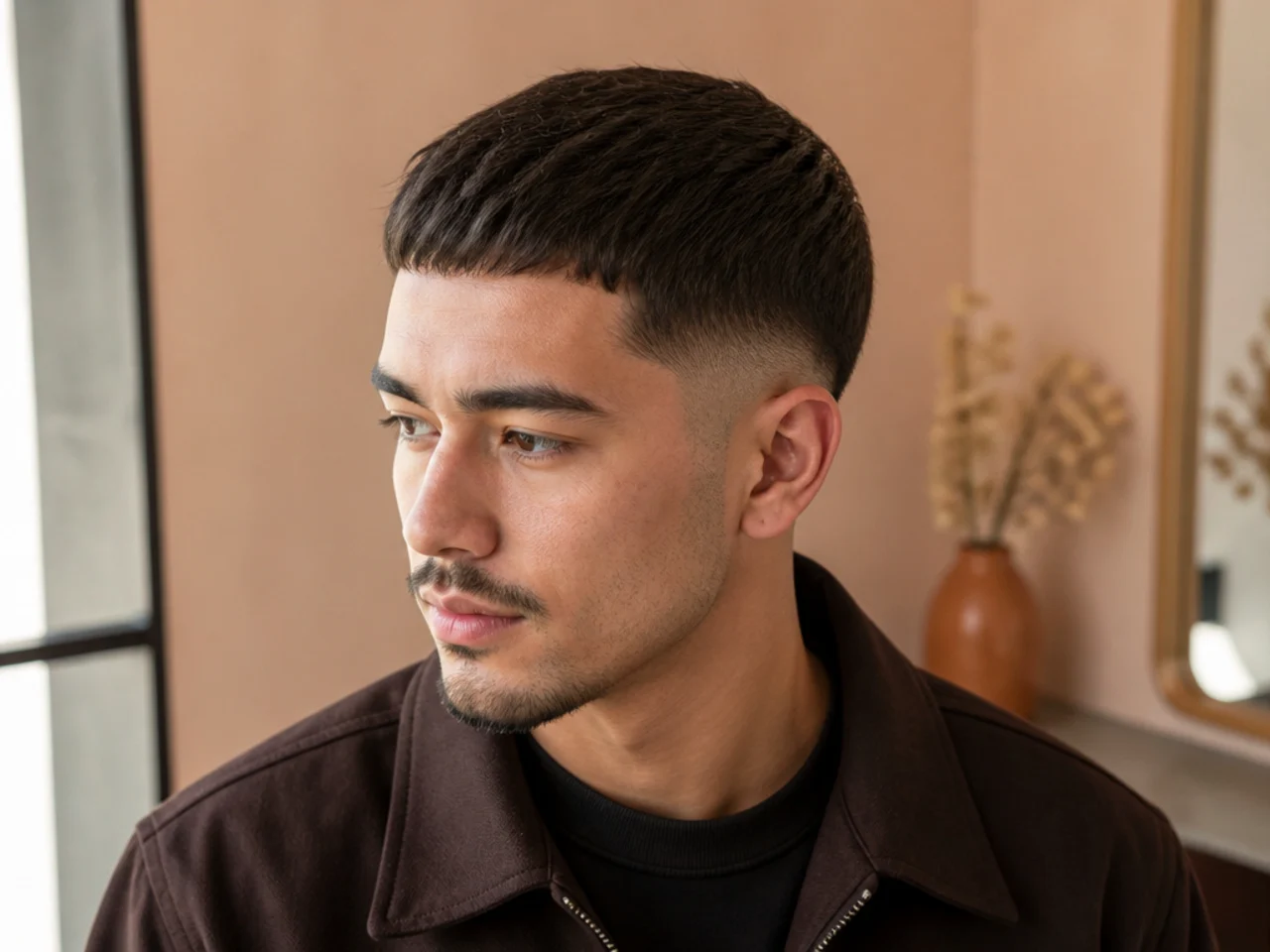
14. Low Fade With a Tapered Neckline
The softer finish. It grew out invisibly, which is what the rest of the cut was doing anyway. There is no cut line at the bottom for new growth to hang below, so the nape simply thickens instead of developing a shelf.
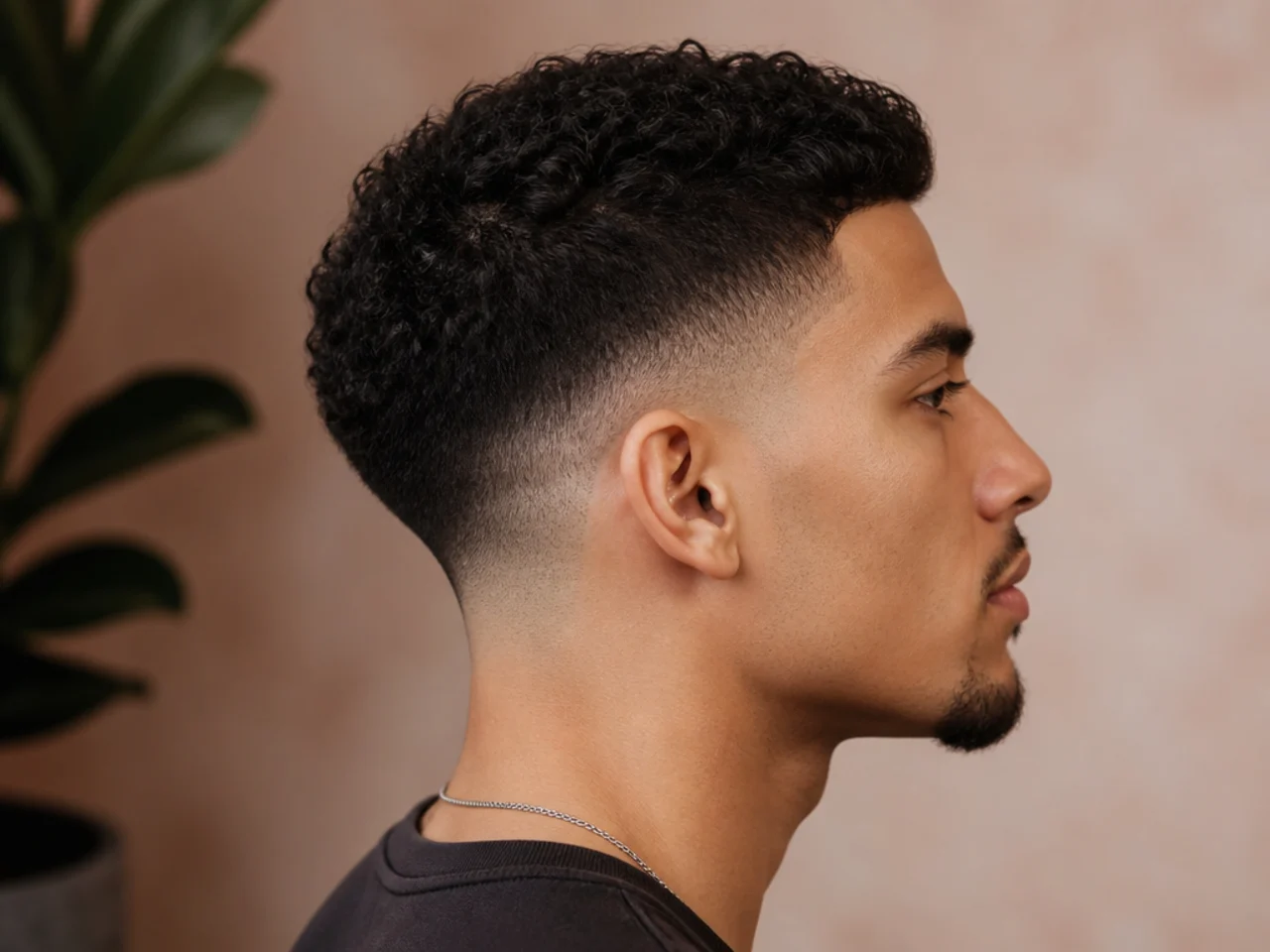
15. The One I Kept
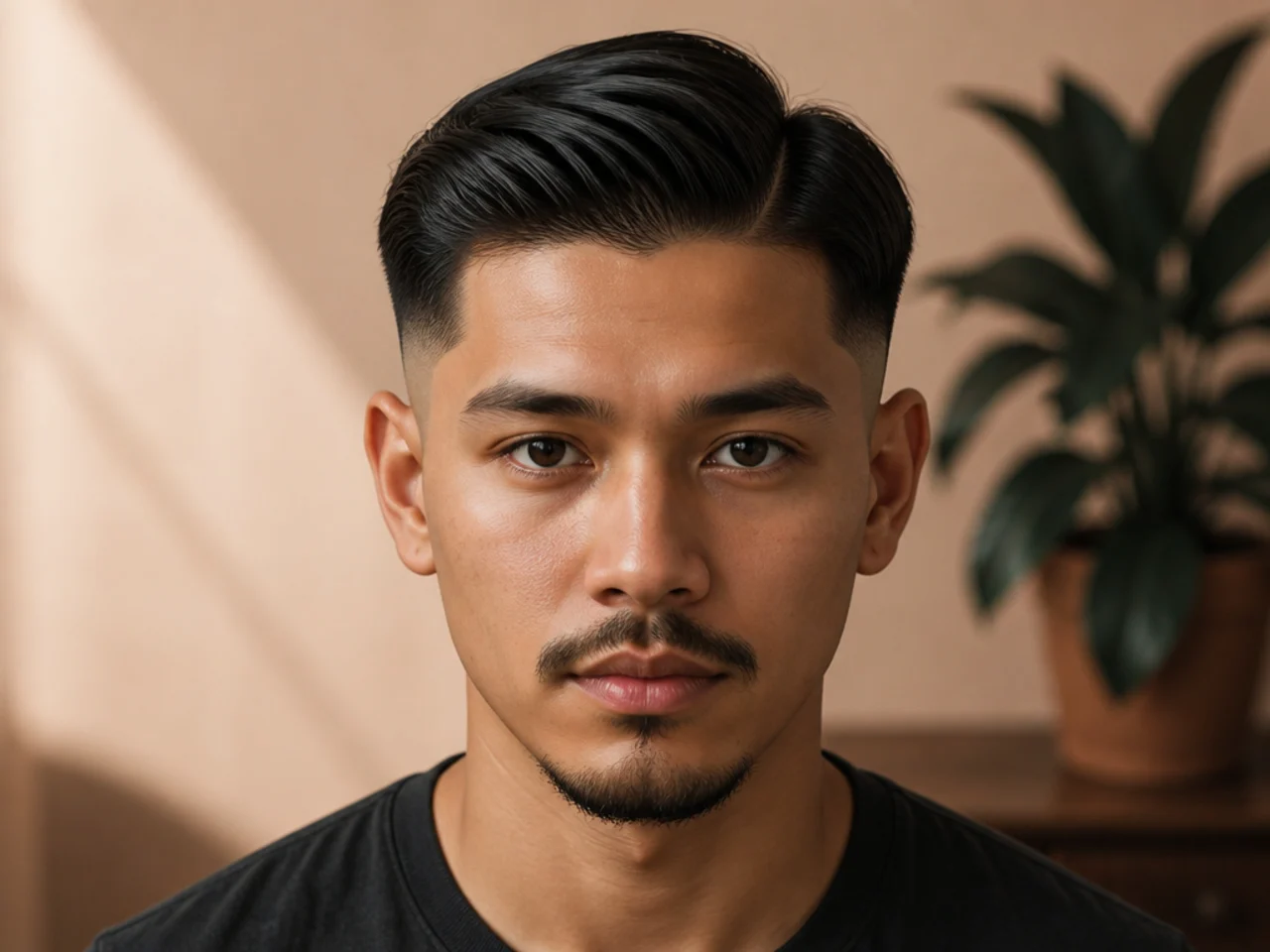
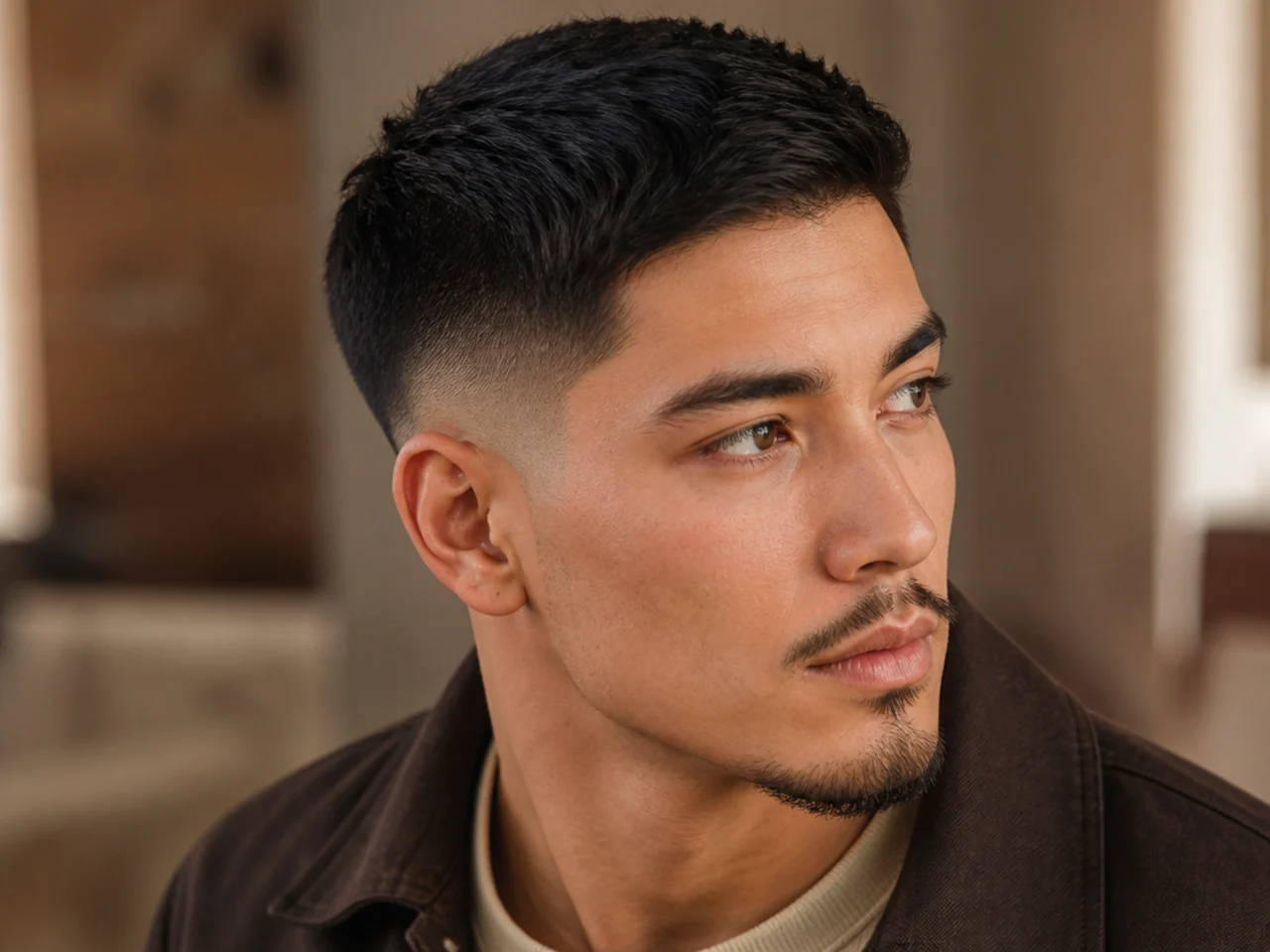
Line just below the temple, three guards, a #1 taper floor, sides graduated with scissors, tapered neckline, rebooked at four weeks. It was never the sharpest cut of the year and it was the best on nineteen days out of twenty-eight.
Styling and Upkeep
Take the week-three photo, not just the week-one one. It is the state you are in most of the time.
Ask for a line-up mid-cycle. Ten minutes on the hairline bought back most of the week-one look without anyone going near the gradient.
Include the sides in your routine. They still have length at this fade height and they set the width.
Rebook by finish. My week-three photographs made the case on their own: the low skin fade was long gone by then at one to two weeks, and the low taper still had a week of its three to four left in it.
Leave the blend alone in between. Two centimetres of gradient does not survive a home trim.
Mistakes to Avoid
Judging a low fade on day one. It looks like every other fade on day one.
Choosing skin because it photographs better. Grey stubble in the faded band arrives by day eleven.
Accepting two guards instead of three. In this small a band that is a step, not a blend.
Leaving the sides ungraduated on thick hair. The head ends up wider than before the cut.
Blocking the neckline. It grows a shelf, which contradicts the softest grow-out on the board.
FAQ
How long does a low fade last? Four or five weeks as a taper and about two as a skin fade.
Which finish ages best? The taper, because there is no stubble shadow to develop.
Is a week-three photo worth taking? It is the most useful photo of the three.
Final Thoughts
The low fade is the only cut on the board whose case is made in week three rather than week one, so judging it on the day defeats the point of choosing it. Photograph the same angle three times per cycle for two or three cuts, and you will pick a finish and a guard sequence you actually keep.
For the same experiment at a higher line see 15 mid fades I tried, and for the taper equivalent see 15 taper fades I tried. More in Fade Haircuts.