15 Short vs Long Haircut Ideas for Men
Short hair is a barber decision and long hair is a daily decision, and that is the entire trade. One puts the work in the chair every four weeks, the other puts it in your bathroom every single morning.
In this article · 22
- Where the Work Actually Happens
- How to Choose Yours
- The 15 Short and Long Comparisons
- 1. Daily Time Cost
- 2. Appointment Frequency
- 3. Behaviour on Thin Hair
- 4. Behaviour on Thick Hair
- 5. Behaviour on Curly Hair
- 6. On a Receding Hairline
- 7. Face Shape Tolerance
- 8. Recovery From a Bad Cut
- 9. Gym, Rain and Hats
- 10. Office Suitability
- 11. The Grow-Out Timeline
- 12. Product Spend
- 13. The Middle Ground
- 14. Going Short From Long
- 15. What to Say Either Way
- Styling and Upkeep
- Mistakes to Avoid
- FAQ
- Final Thoughts
The short versus long argument is usually framed as a style question, which is why it never gets resolved. It is a logistics question.
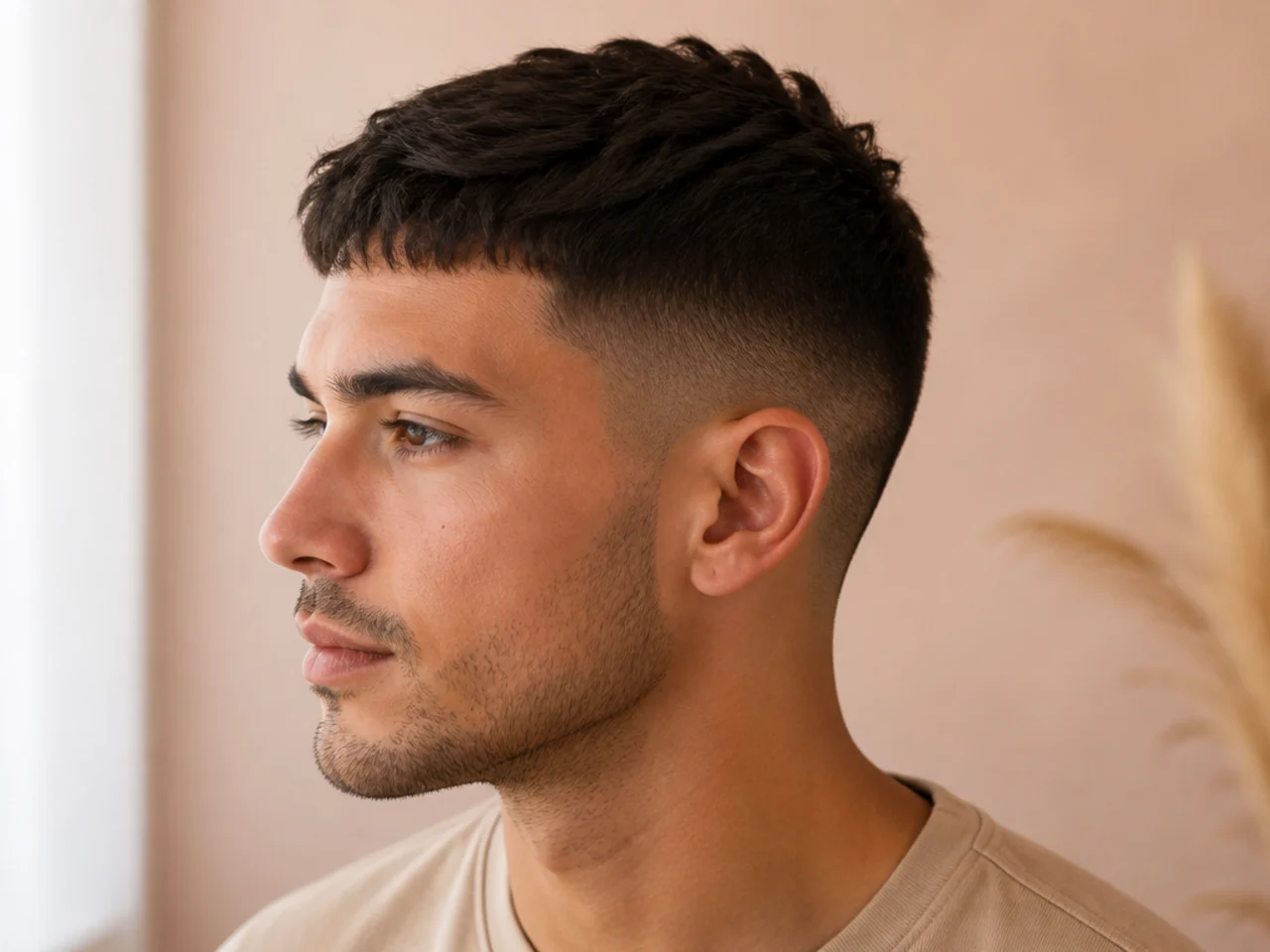
Short hair is a barber decision. The shape is cut into it and it holds by itself, so the work happens in a chair every three to four weeks.
Long hair is a daily decision. The shape is created every morning by you, and the barber only sees it a few times a year.
Where the Work Actually Happens
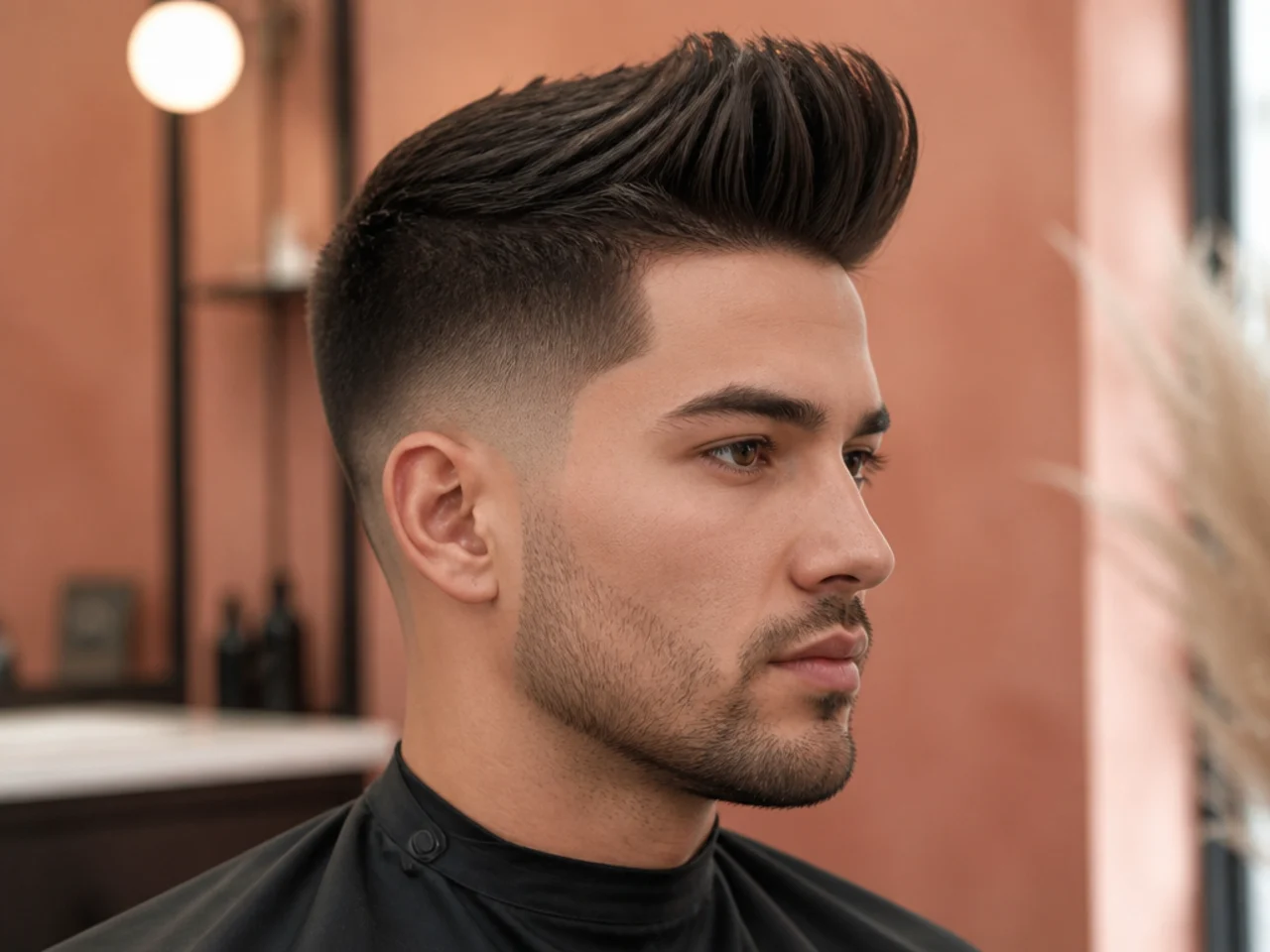
Short hair holds its own shape. The cut is the style, so nothing has to be recreated.
Long hair has to be shaped every day. Gravity and sleep undo whatever was done yesterday.
The cost is inverted. Short means more appointments, long means more product and more minutes.
Grow-out is the hidden cost. Months three to six of growing are the worst, and most men quit inside them.
How to Choose Yours
Count your mornings, not your appointments. Five minutes a day is twenty-five hours a year, which is the entire case for a low-maintenance men's haircut.
Check your density first. Long thin hair separates and shows scalp, which short hair does not.
Check your hairline. A receding front is better served short, because it reduces contrast.
Be honest about the awkward stage. Growing out takes six months before it looks like a decision.

The 15 Short and Long Comparisons
1. Daily Time Cost
Short is ninety seconds with one product. Long is five to eight minutes with two, plus a wash-day routine that adds fifteen more, which works out to well over twenty hours a year. That number is the honest comparison, and almost nobody runs it before deciding.
2. Appointment Frequency
Short means every three to four weeks with a taper, thirteen visits a year. Long means three or four visits, mostly for shape and ends rather than length. A skin fade halves that interval again, so the depth you choose matters as much as the length.
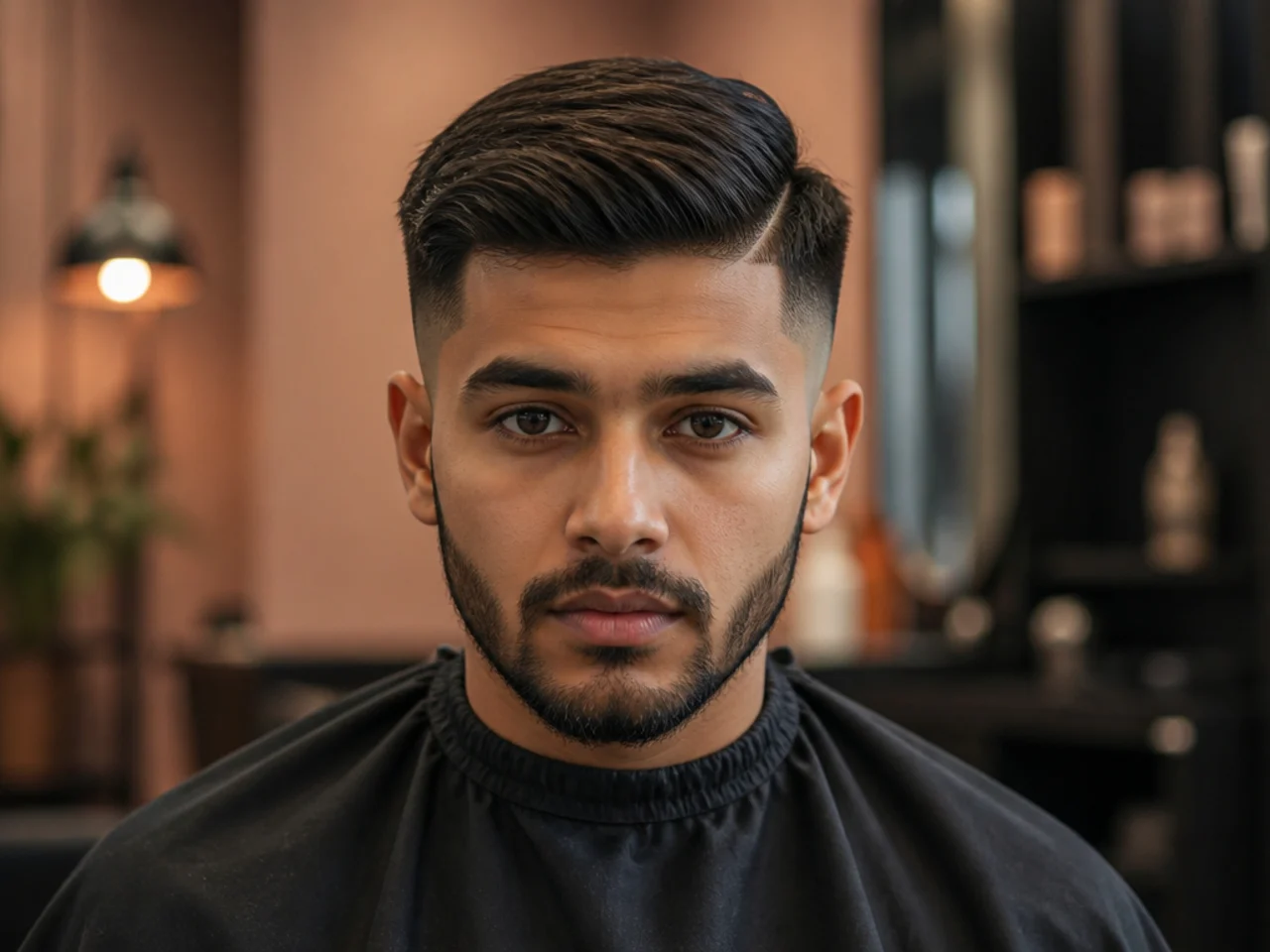
3. Behaviour on Thin Hair
Short wins clearly. Long thin hair separates under its own weight and lets light through to the scalp, which is what makes a head read sparse. Short roots stand more upright and cover more skin per strand.
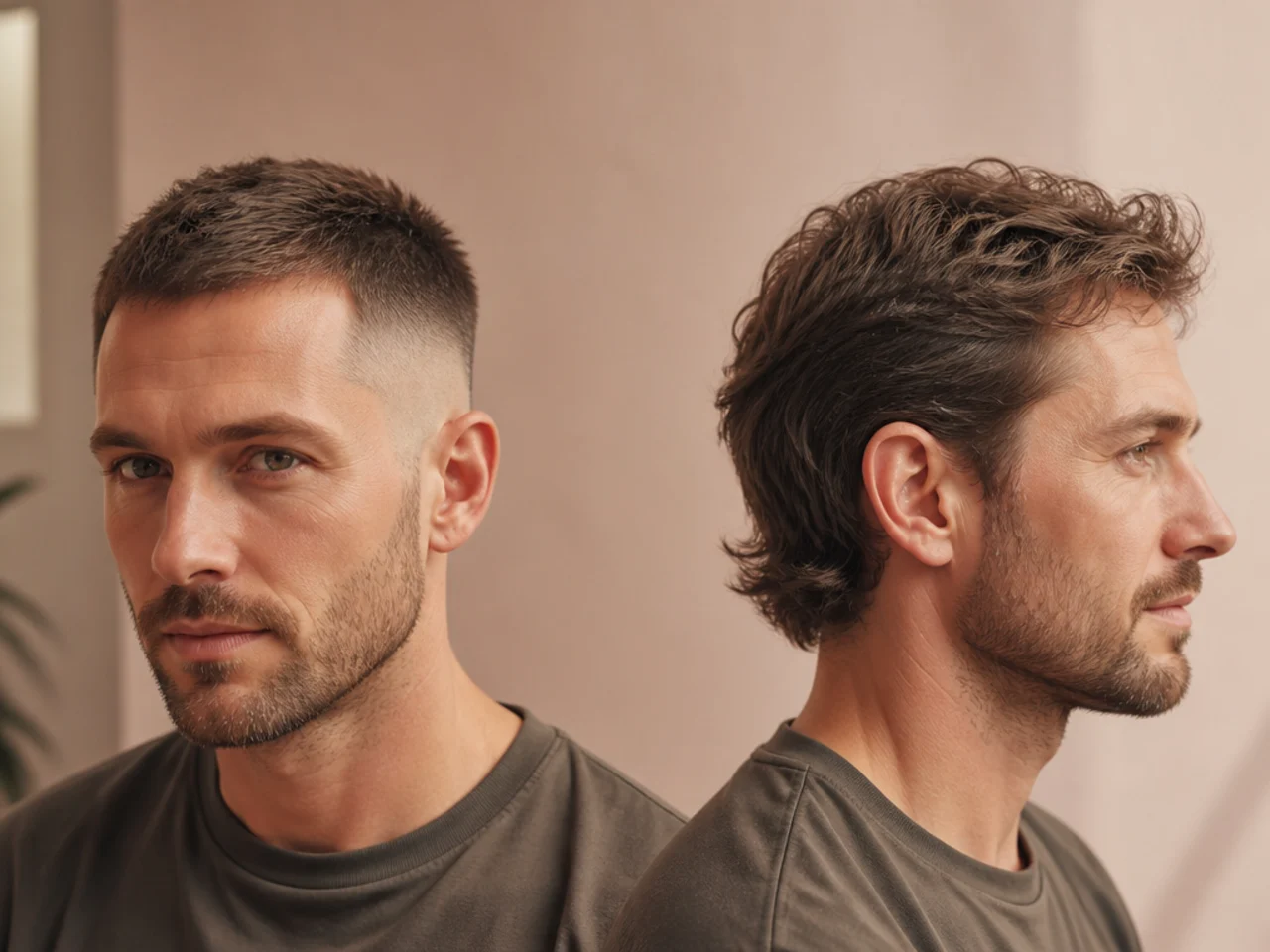
4. Behaviour on Thick Hair
Long wins, eventually. Thick hair at short length grows outward and needs constant weight removal, while past about four inches it starts pulling itself down. The catch is the order of events: the widening arrives within weeks and the length that settles it is roughly half a year of growing away.
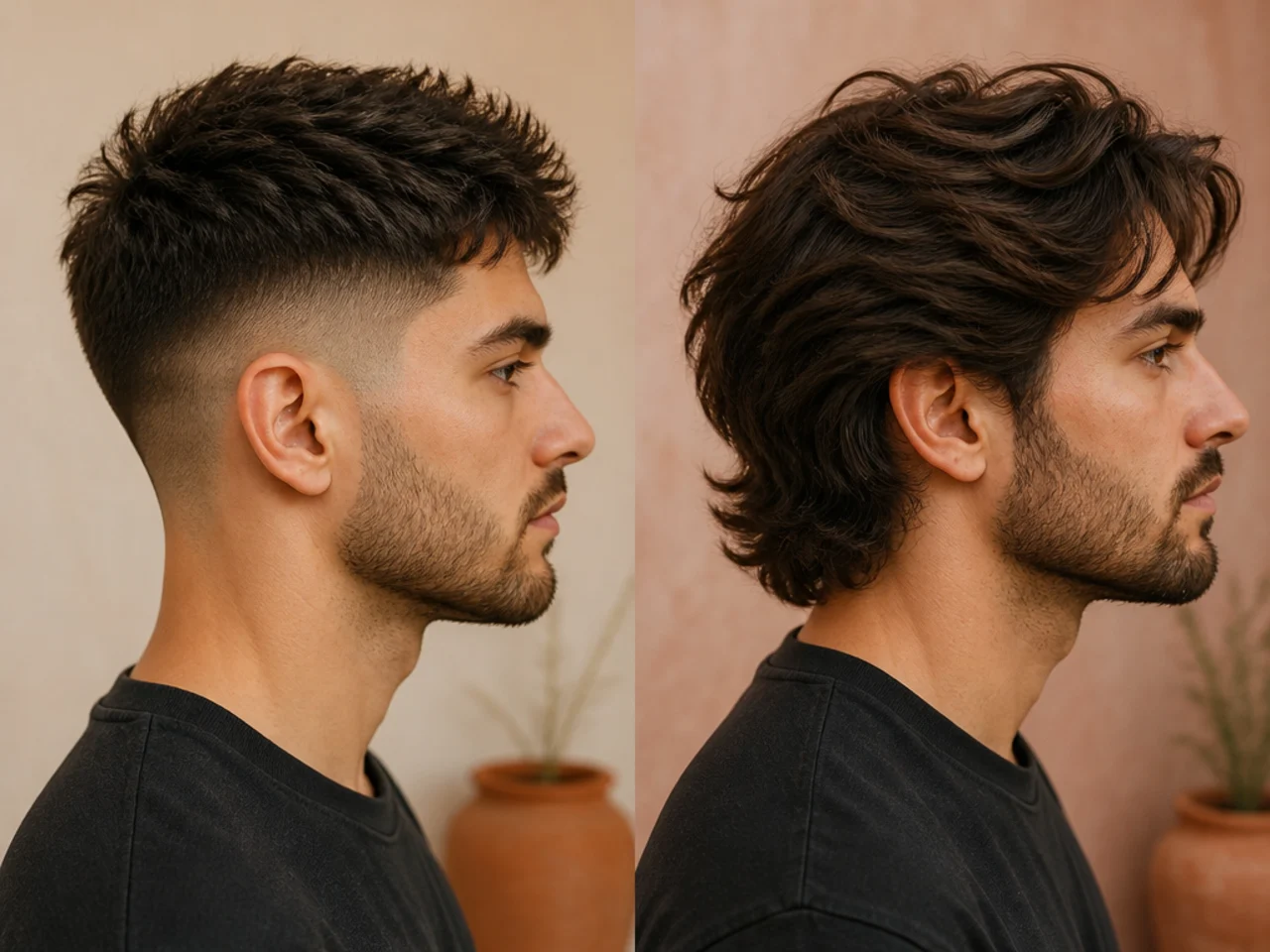
5. Behaviour on Curly Hair
Long suits curl better because weight elongates it. Curl loses around a third of its length drying, so short curly hair can end up much shorter than intended. At length that same shrinkage becomes shape rather than surprise.
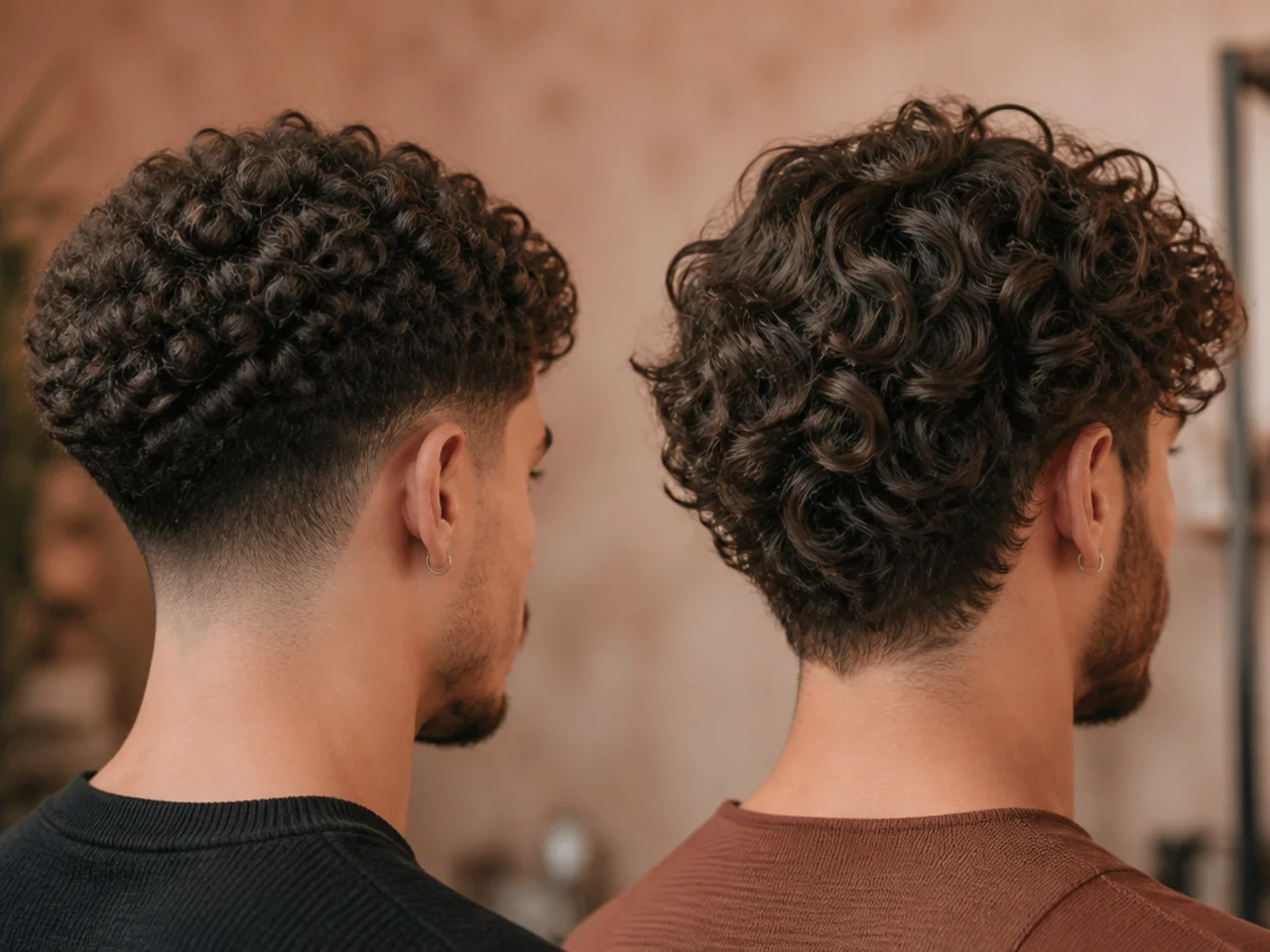
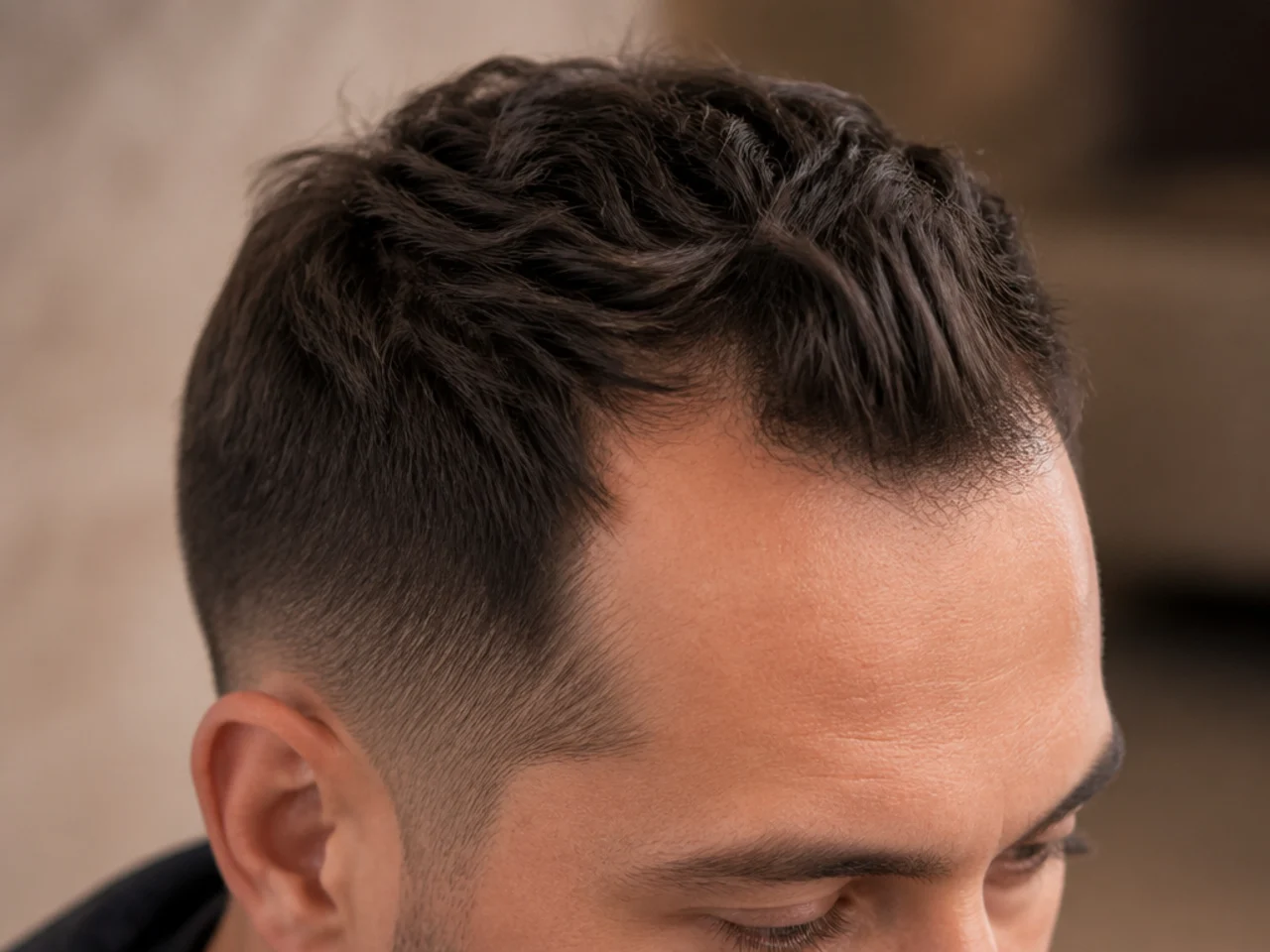
6. On a Receding Hairline
Short, almost always. Weight high and sides short reduces the contrast that draws attention to a recession, and long sides do the opposite.
7. Face Shape Tolerance
Short is more forgiving because the silhouette is controlled by the cut. Long hair takes the shape gravity gives it, which suits some faces and fights others. A long face under long hair reads longer, and no styling reliably fixes that.

8. Recovery From a Bad Cut
Short recovers in weeks. A bad long cut takes months to correct, because you are waiting for growth rather than a rebooking, and half an inch a month is not a speed you can negotiate with.
9. Gym, Rain and Hats
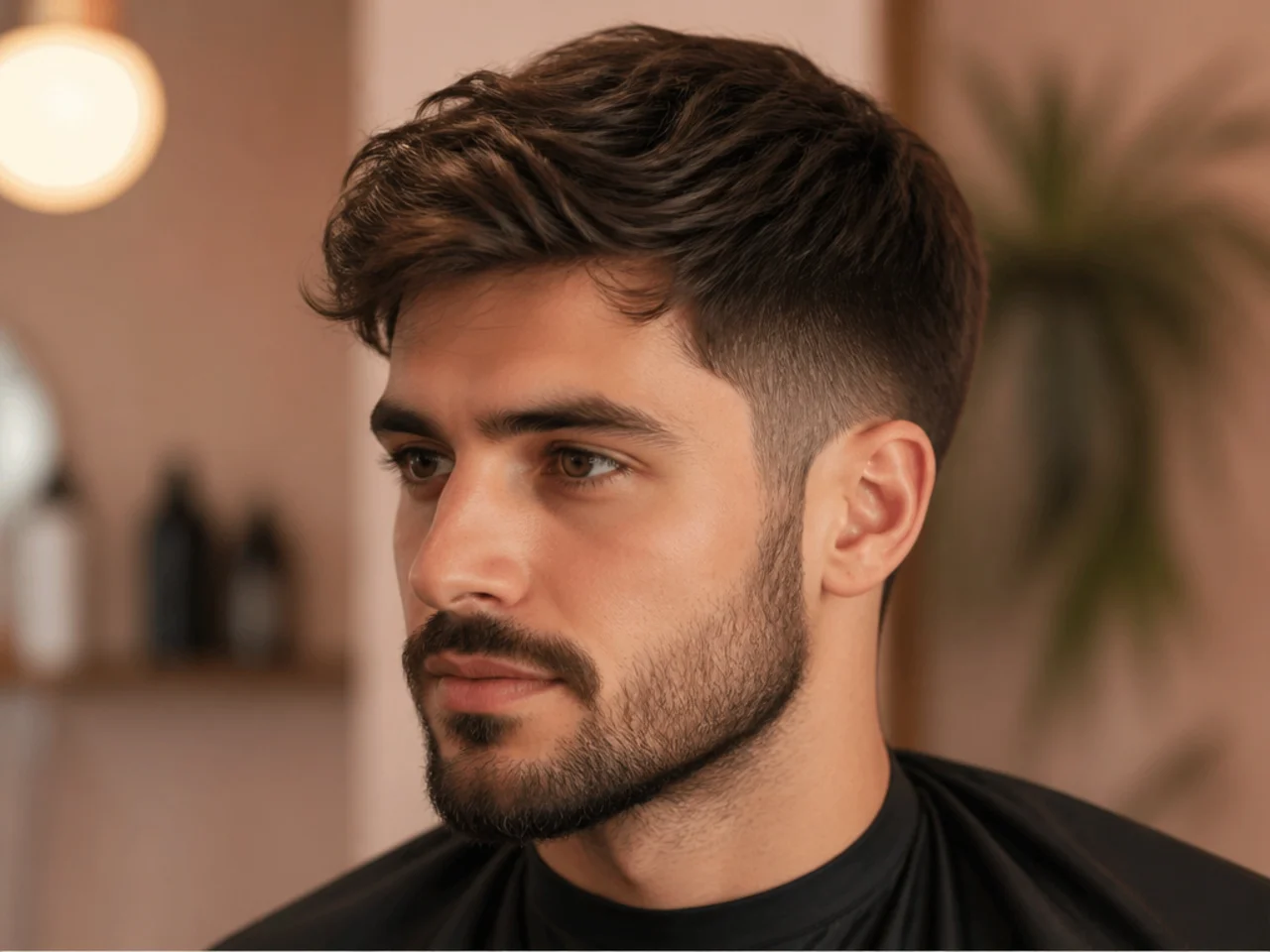
Short survives all three untouched. Long hair has to be tied back or restyled after any of them, which is the practical argument most people underrate. Water is the only thing that resets a set direction, so a rained-on long style needs a full re-wet.

10. Office Suitability
Short reads as tidy at every stage. Long hair reads as deliberate only when it is well maintained, and as unkempt the moment it is not, which puts the burden on the ends and the perimeter rather than on the length.

11. The Grow-Out Timeline
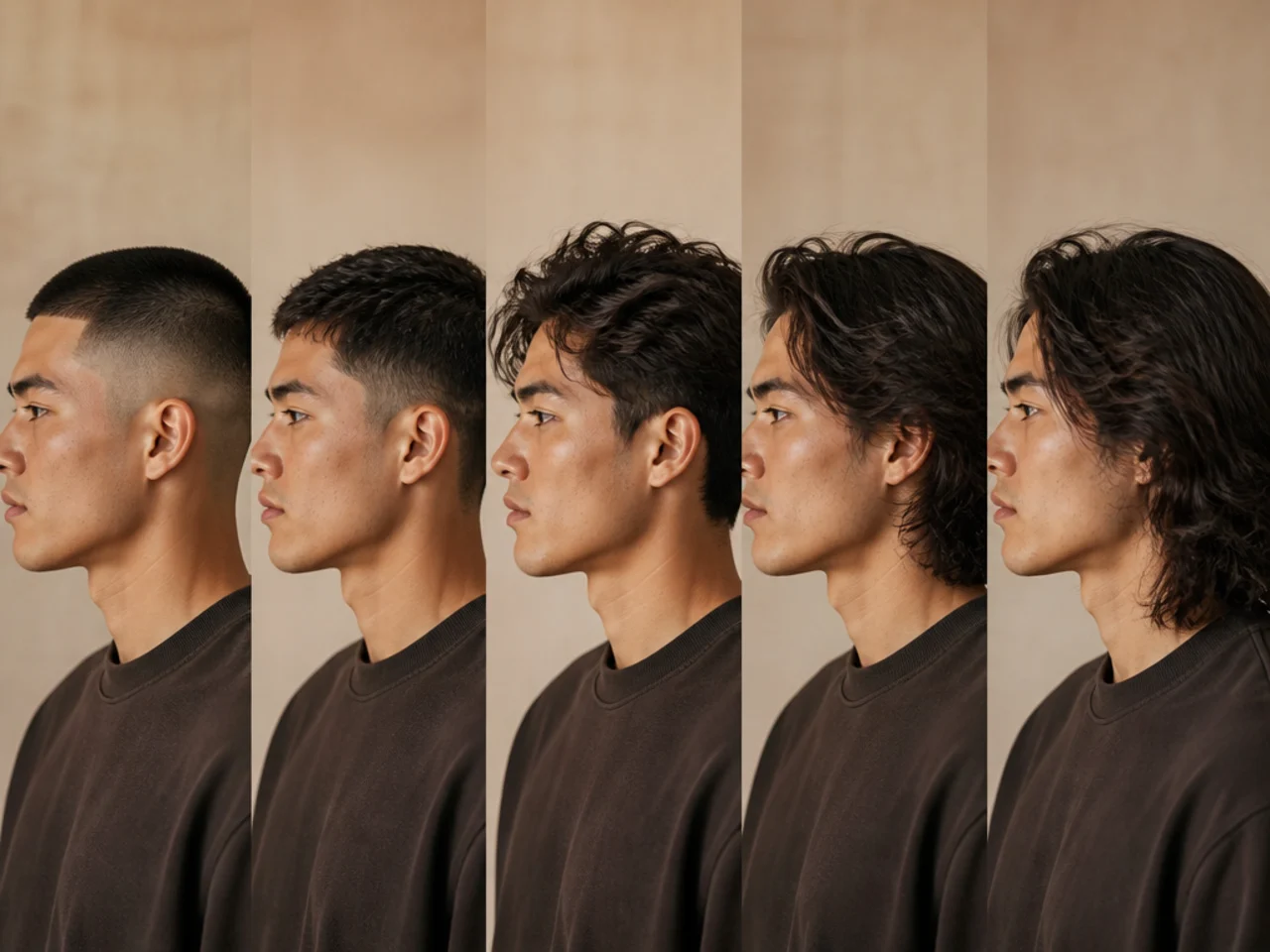
Half an inch a month, so short to shoulder-length flow is roughly two years. Months three to six are where it has lost its shape and not yet gained any weight. Booking a shape trim during that window is what gets most men through it.
12. Product Spend
Short needs one clay. Long needs shampoo, conditioner, a leave-in and a styling product, and it gets through all four faster. Coating a four-inch strand takes about four times what a one-inch strand takes, so the shelf empties on length, not on discipline.

13. The Middle Ground
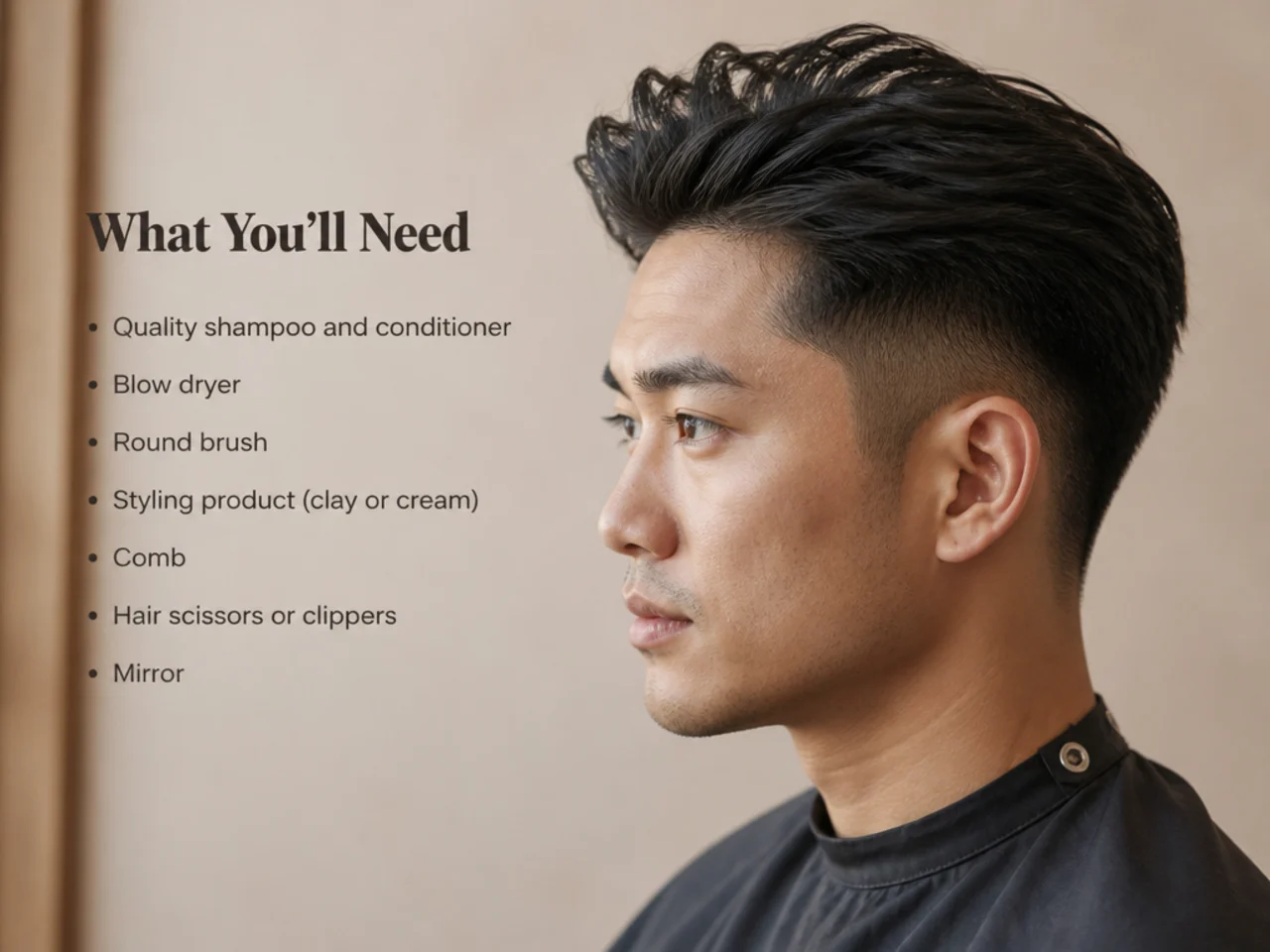
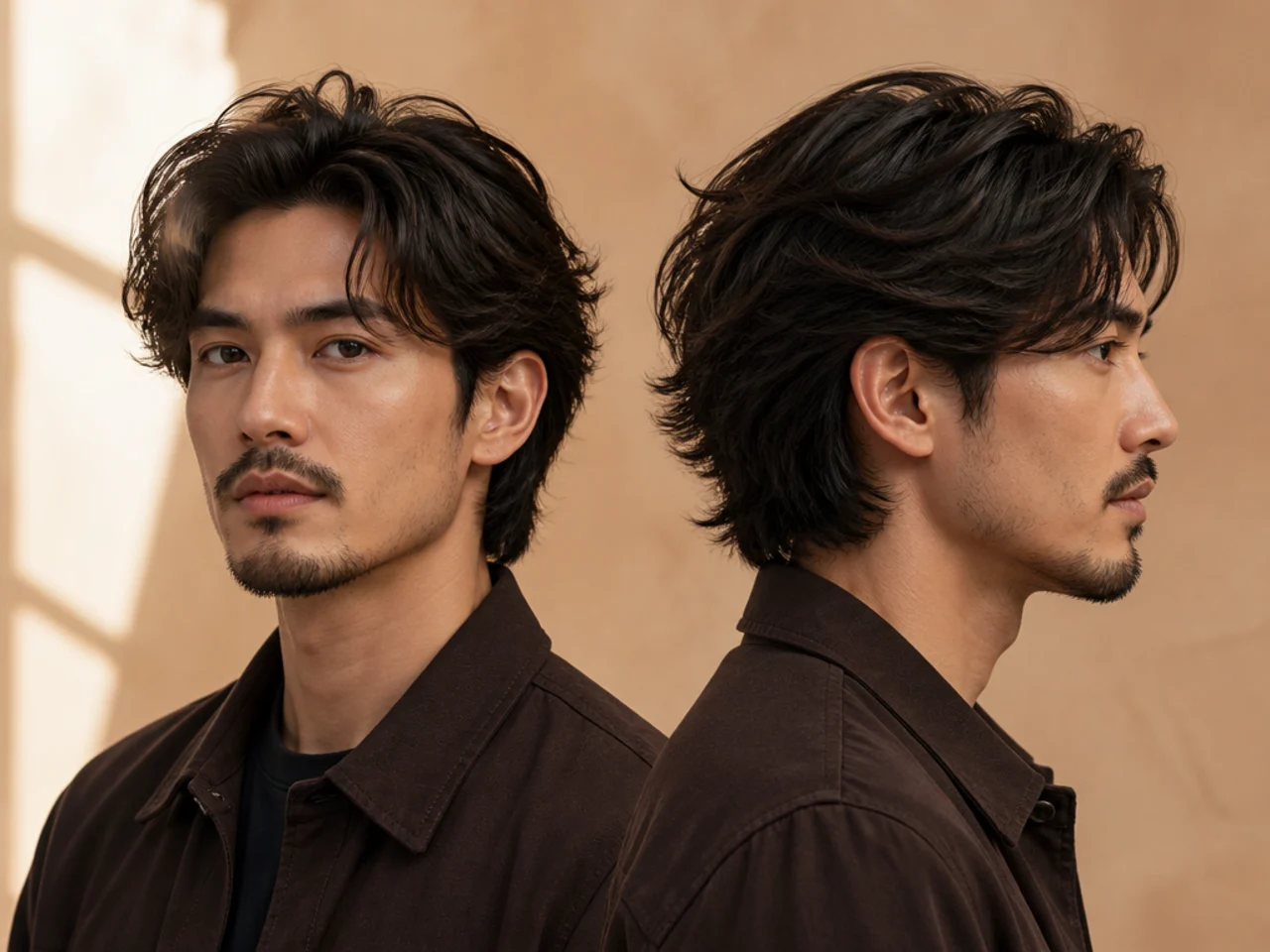
Medium length, around four inches, is where most men actually want to be. It falls under its own weight but still holds a cut shape, which means a barber can give it a silhouette and gravity will not immediately remove it.
14. Going Short From Long
One appointment and it is done, which is the asymmetry that makes long the riskier experiment. Growing takes two years and cutting takes twenty minutes.
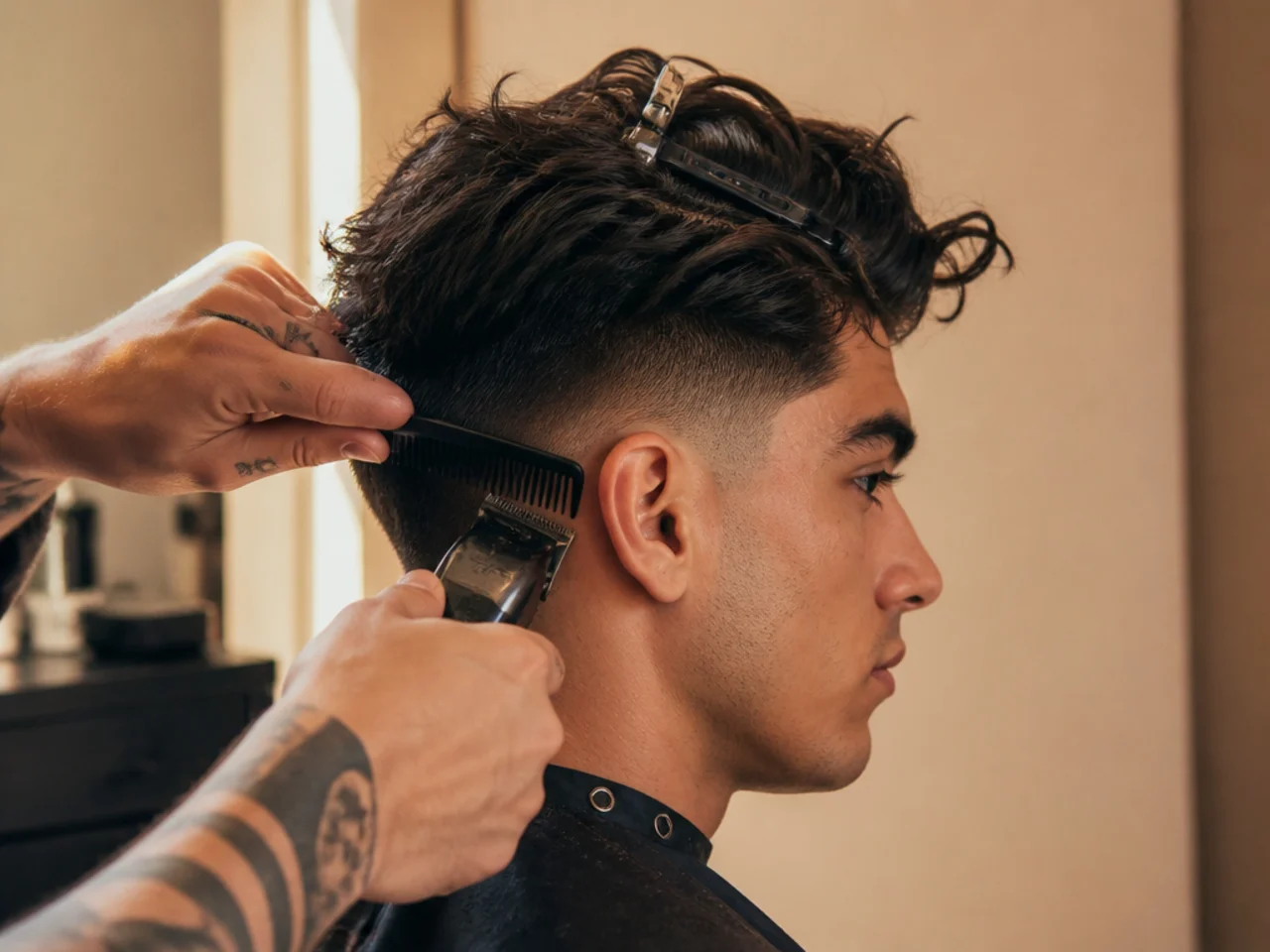
15. What to Say Either Way
For short, give a length, a fade height and a fade depth. For long, give a shape and ask for weight removed rather than length taken, because length is the thing you are waiting on.

Styling and Upkeep
Short takes clay, long takes cream. Grip for lift at short length, weight for control at long.
Long hair needs the ends maintained. A trim every three months removes split ends without losing length.
Short hair needs the neckline maintained. That is upkeep long hair never asks for — a tidy nape is worth about a week of freshness, and long hair spends the same effort on its ends.
Both need a matte finish. Shine reads as effort at any length.
Wash frequency flips. Short benefits from washing often, long benefits from washing less.

Mistakes to Avoid
Growing it long with thinning hair. Length maximises the separation that shows scalp.
Quitting the grow-out at month four. It is the worst month and it is temporary.
Cutting length off long hair to fix its shape. Ask for weight removal instead.
Booking a short cut every six weeks. A taper holds three to four, not six.
Assuming long hair is less work. It moves the work, it does not remove it.

FAQ
Which is easier? Neither — short charges the barber, long charges your mornings.
How long to grow it out? About half an inch a month, so roughly two years to shoulder length.
What about a receding hairline? Short, to reduce the contrast that draws the eye.

Final Thoughts
Work out how many minutes you will actually spend on a Tuesday morning, then pick the length that fits that number. Everything else in this comparison follows from it, and no amount of liking a photograph will change the arithmetic once you are living with the cut.
For the short end of the range see short haircut ideas for men, and for the long end see long haircut ideas for men. More in Men's Haircuts.