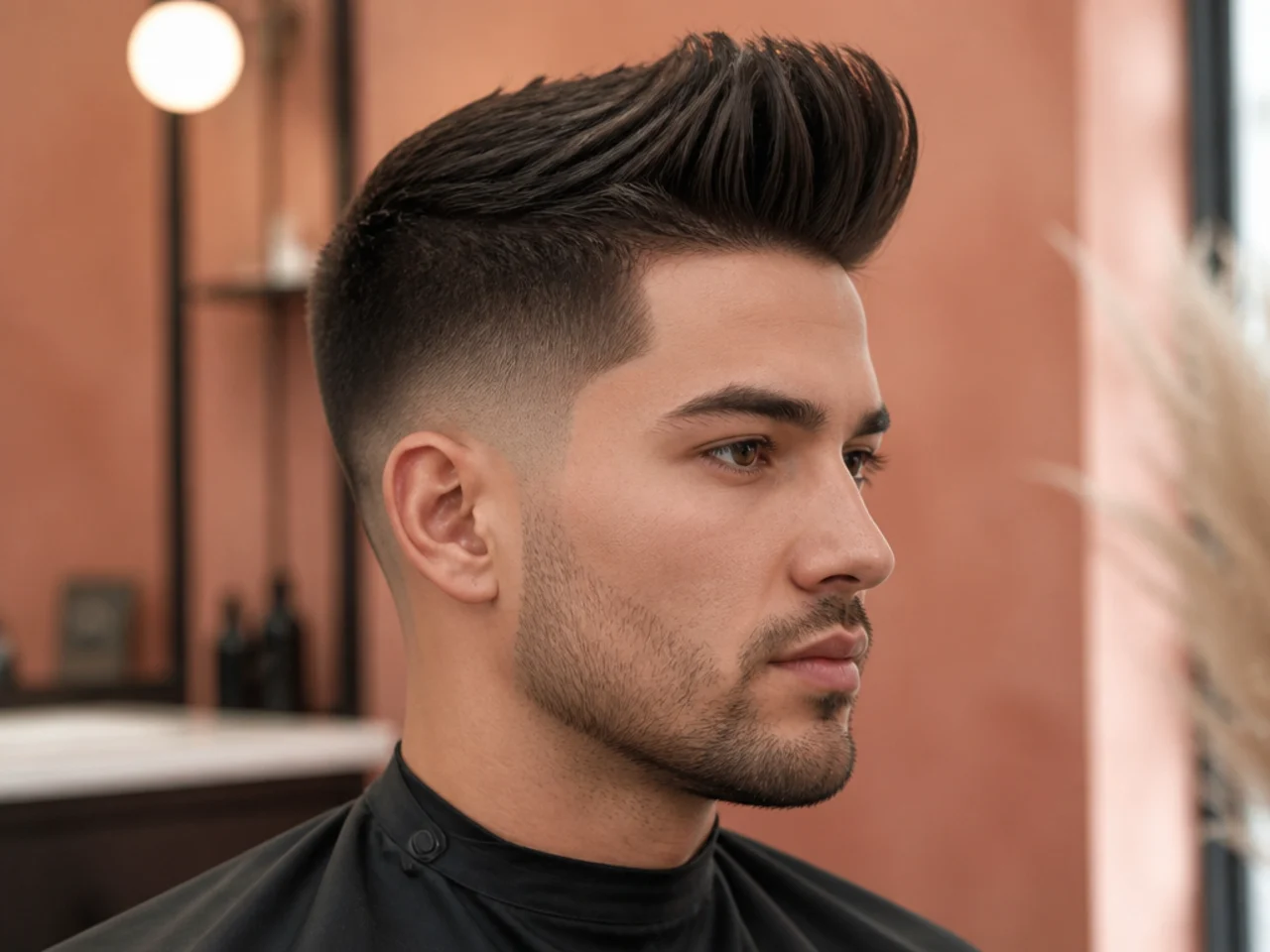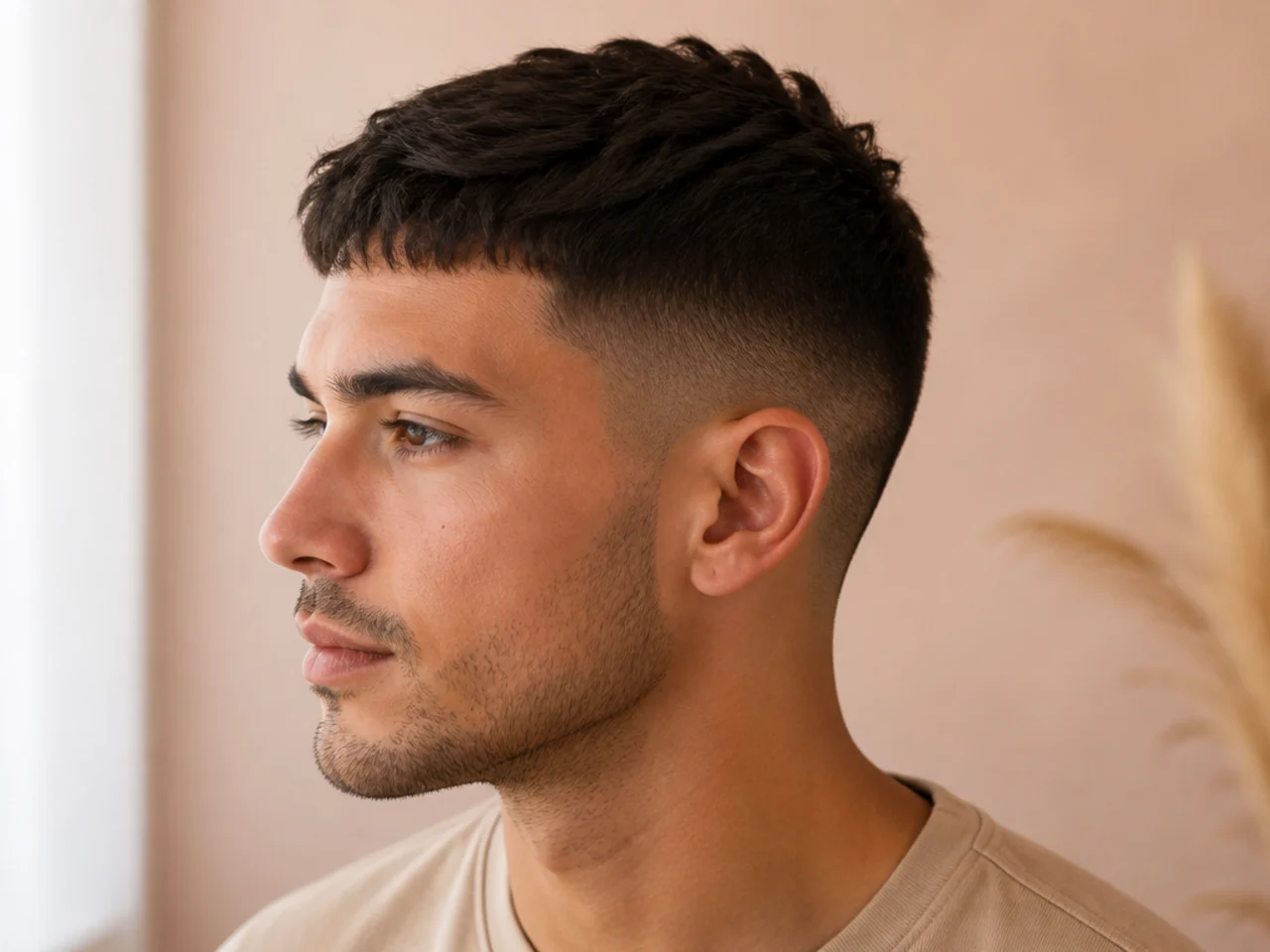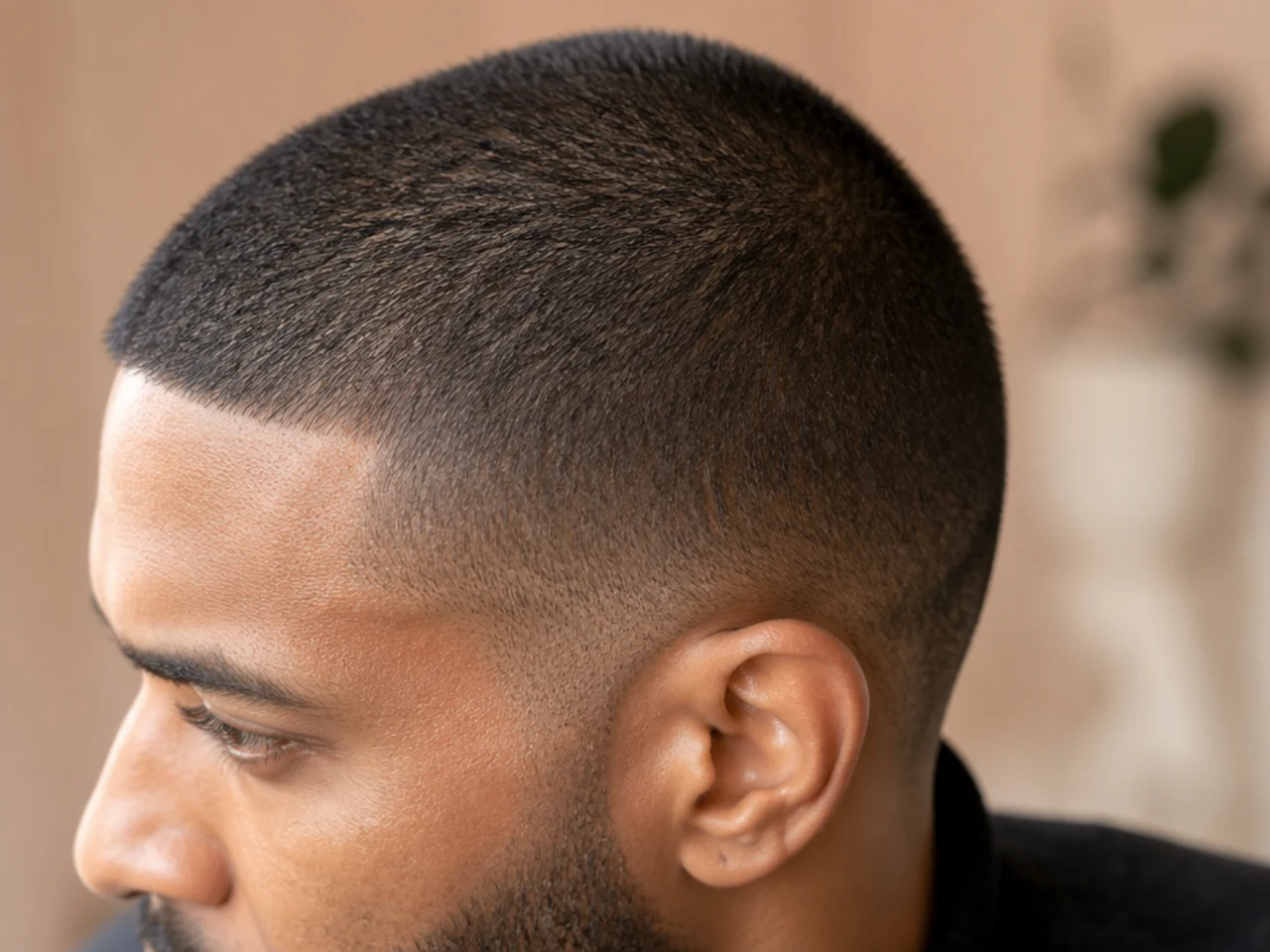
15 Short Men's Haircuts I Tried and Loved
Fifteen short cuts over several years, in the order I had them, and almost none of them went wrong at the clippers. Each one taught exactly one thing, and that one thing is what changed the next request.
In this article · 22
- What Fifteen Cuts Taught Me About Asking
- How to Run the Same Experiment Faster
- The 15 Cuts, in the Order I Had Them
- 1. The #1 I Asked For Without Knowing It Was 3mm
- 2. Growing It Out and Learning What a Month Actually Adds
- 3. The First Skin Fade, and Discovering It Lasted Eight Days
- 4. Switching to a Taper and Getting Two Extra Weeks
- 5. The Cut Where I Learned My Crown Grows Anticlockwise
- 6. Giving the Top a Number in Centimetres for the First Time
- 7. The Cut Where the Top Was Too Heavy, Not Too Long
- 8. The First Barber Who Wrote the Numbers Down
- 9. Taking a Photo of the Back and Seeing It for the First Time
- 10. The Cut That Suited the Barber's Hands, Not My Head
- 11. The Fade Height That Was Wrong for My Temples
- 12. The Blocked Neckline That Grew Out Worse Than a Rounded One
- 13. The Year I Let It Grow and Came Back Shorter
- 14. The Cut I Repeat Now, and Why It Is Boring
- 15. The One Thing I Would Tell Myself at Cut One
- What I Do Between Cuts Now
- Mistakes to Avoid
- FAQ
- Final Thoughts
Fifteen short haircuts across several years, and the honest summary is that hardly any of them went wrong at the clippers.
Nearly every bad cut I had was a communication failure. The barber cut what he heard, and for years he was hearing an adjective in a situation that needed a measurement.
Each one taught exactly one thing, and that thing changed the next request. This list is in order for that reason — it only makes sense as cause and effect, because cut four exists because of what cut three did to me.
What Fifteen Cuts Taught Me About Asking
Nearly every bad cut was a communication failure, not a skill failure. Barbers cut what they hear, and I spent years handing over a word where I meant a number.
The number I said and the number I meant were different for a long time. Short meant a #4 at 13mm in my head and a #1 at 3mm in the chair, and neither of us ever checked which one we were on.
The sides were never the problem, the transition was. Every cut I disliked had roughly the right length in two places and a badly handled journey between them.
A cut has to be judged at week three. In the chair it is wearing a professional finish, and at week three it is wearing only the shape that was actually cut into it.
How to Run the Same Experiment Faster
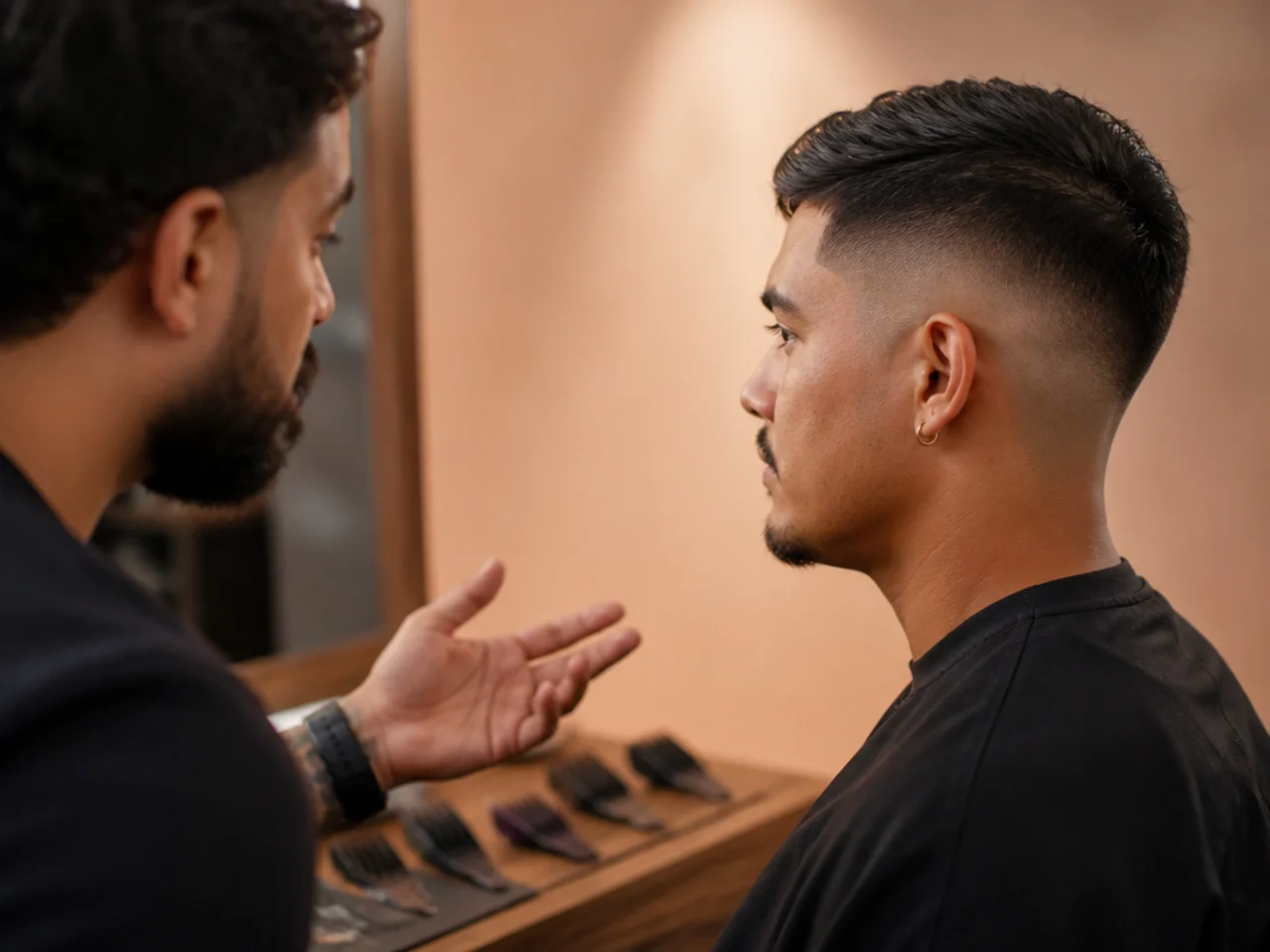
Change one variable per visit. Guard number, taper height or top length — pick one, because two changes at once tell you nothing about either.
Say the guard number and the top length in centimetres, in that order. Those two figures cover most of the misunderstandings described on this page.
Photograph the back on day two of every cut. It is the only record you will ever have of the half of your haircut you cannot see.
Note what aged badly, not what looked good. How a cut fails at week three is far more useful next time than how it looked at its best.

The 15 Cuts, in the Order I Had Them
1. The #1 I Asked For Without Knowing It Was 3mm
I said short and gestured at the clippers, and he reached for a #1. That is 3mm, which is scalp with a shadow on it. The lesson was that short is not a length but an adjective, and adjectives get interpreted by whoever is holding the machine.
2. Growing It Out and Learning What a Month Actually Adds
After the 3mm I refused to book anything for three months and just watched it happen. Hair grows roughly 1.25 cm a month, so I got back somewhere near four centimetres in total. Knowing that number is what stopped me panicking about a cut going too short ever again.

3. The First Skin Fade, and Discovering It Lasted Eight Days
It looked superb and by the second Friday the gradient had gone flat. A fade goes to bare skin, and skin has no length left to lose, so it blurs in one to two weeks. The lesson was that a haircut has a lifespan and nobody mentions it at the till.
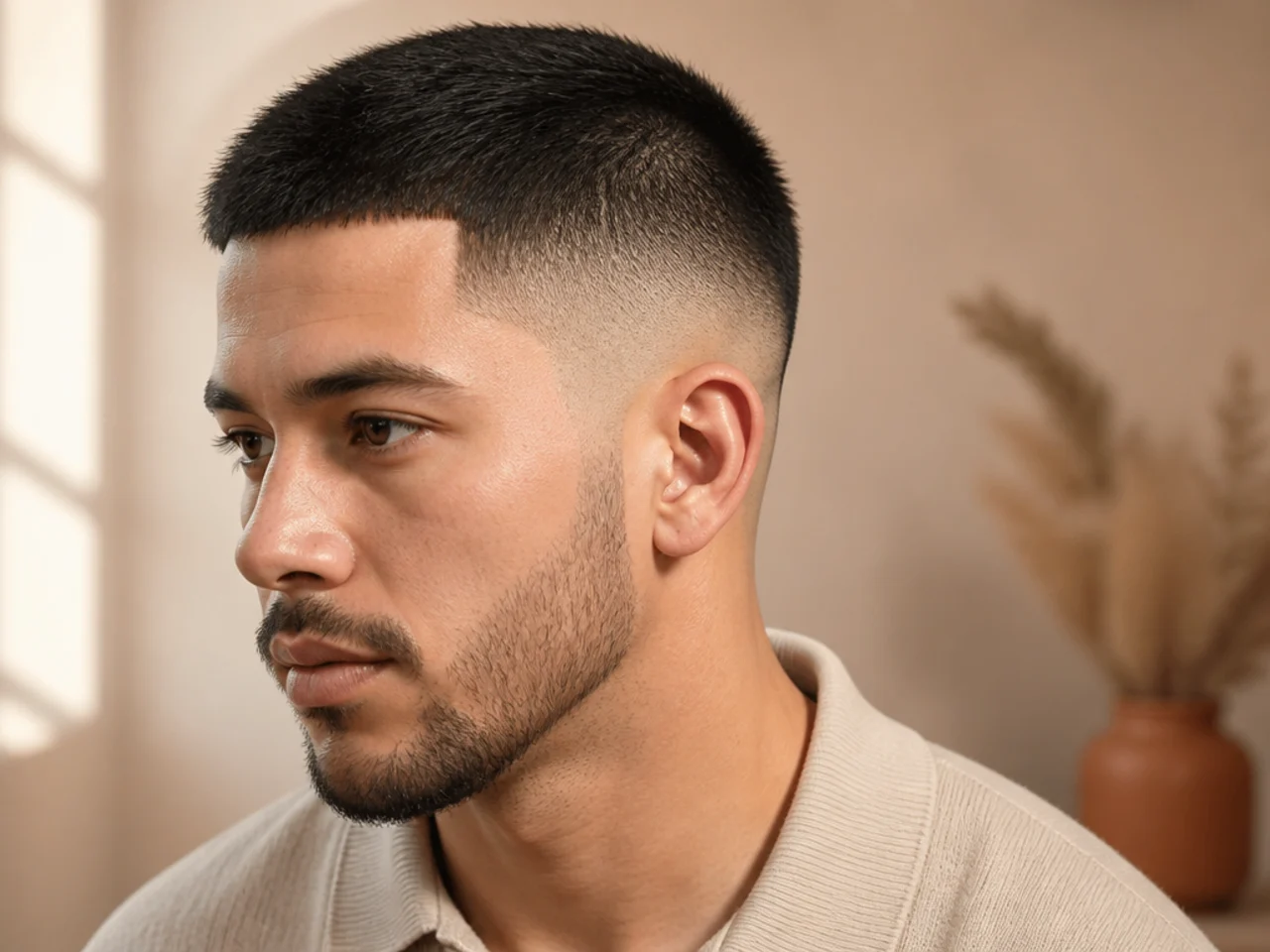
4. Switching to a Taper and Getting Two Extra Weeks
Almost the same shape from the front and completely different economics. A taper always leaves length, usually a #1 at 3mm at the neckline, and that 3mm is exactly why it holds three to four weeks instead of two. I have booked tapers by default ever since, and a taper fade buys the same margin with more contrast in it.
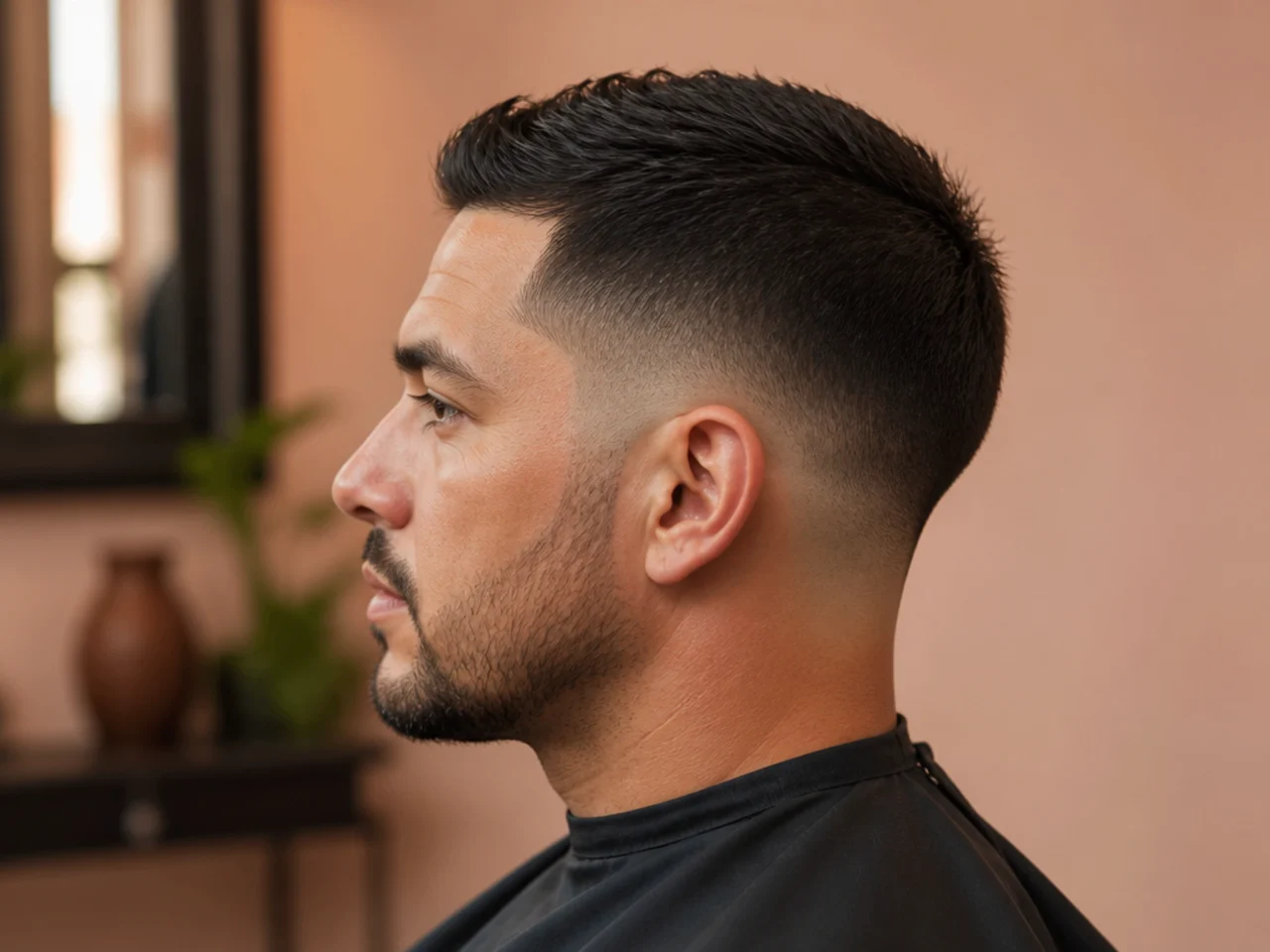
5. The Cut Where I Learned My Crown Grows Anticlockwise
One section at the back stood up no matter what product went on it. It turned out to be the whorl, and it spirals a particular way on every head. Once a barber cut with that direction rather than straight across it, the section stopped standing up entirely.
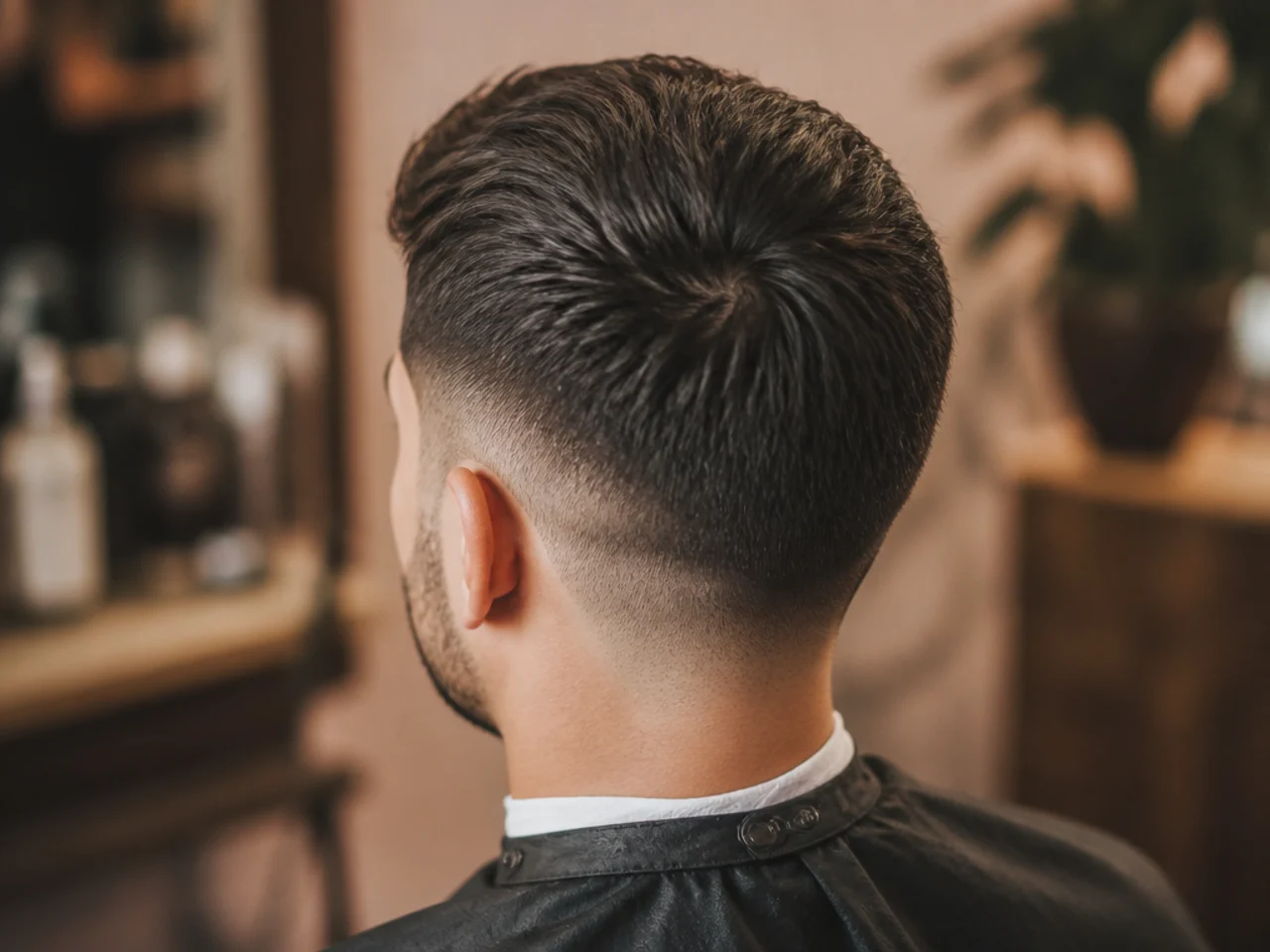
6. Giving the Top a Number in Centimetres for the First Time
I stopped saying leave some length on top and started saying leave three centimetres. It was the first cut in years that matched the thing in my head, because a centimetre means the same to both of us and some length does not mean anything at all.
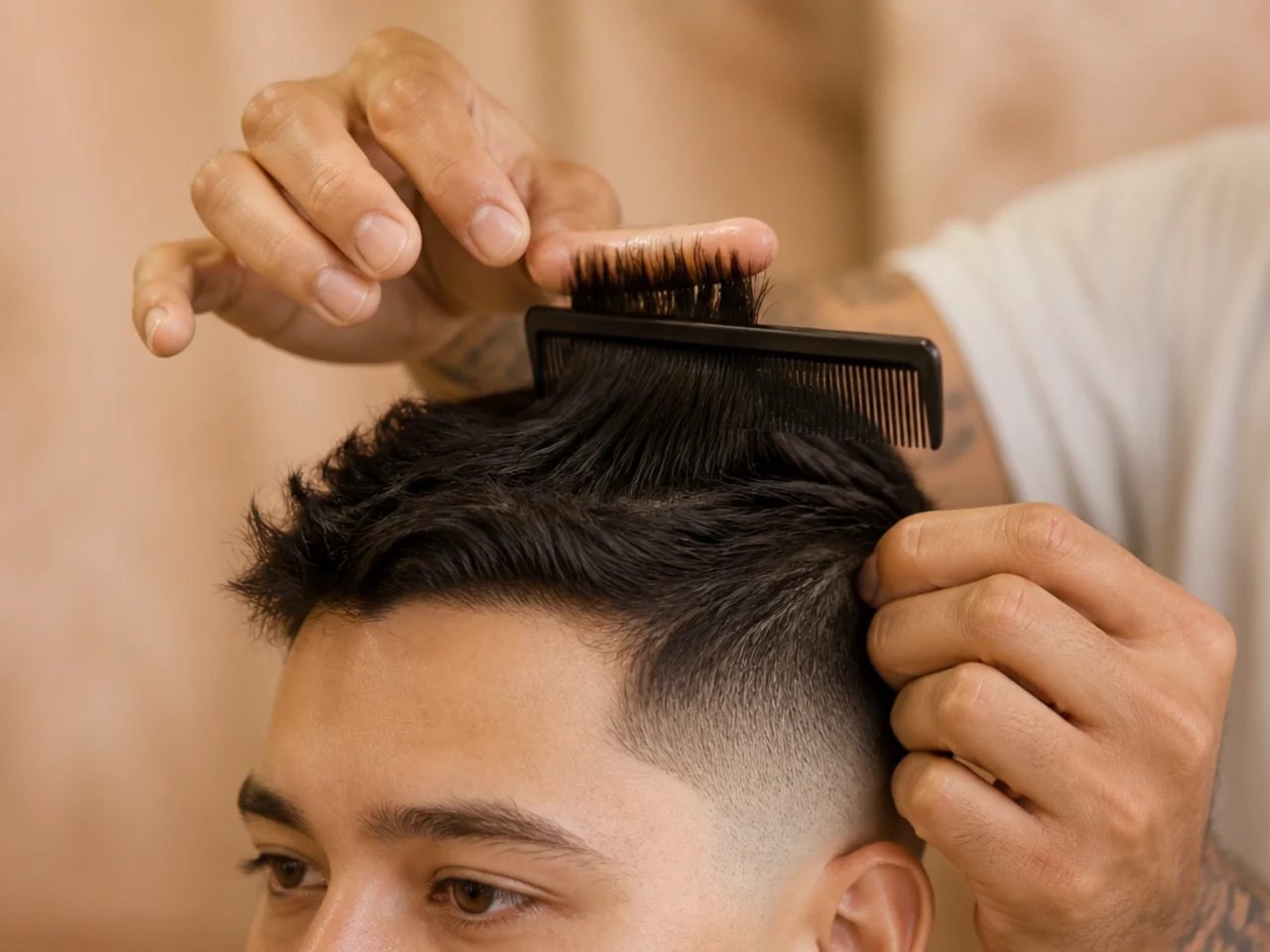
7. The Cut Where the Top Was Too Heavy, Not Too Long
I kept asking for it shorter and it kept sitting flat on my head. The problem was density rather than length, too much hair packed into the same space. Taking weight out from underneath fixed in one visit what four progressively shorter cuts had failed to fix.

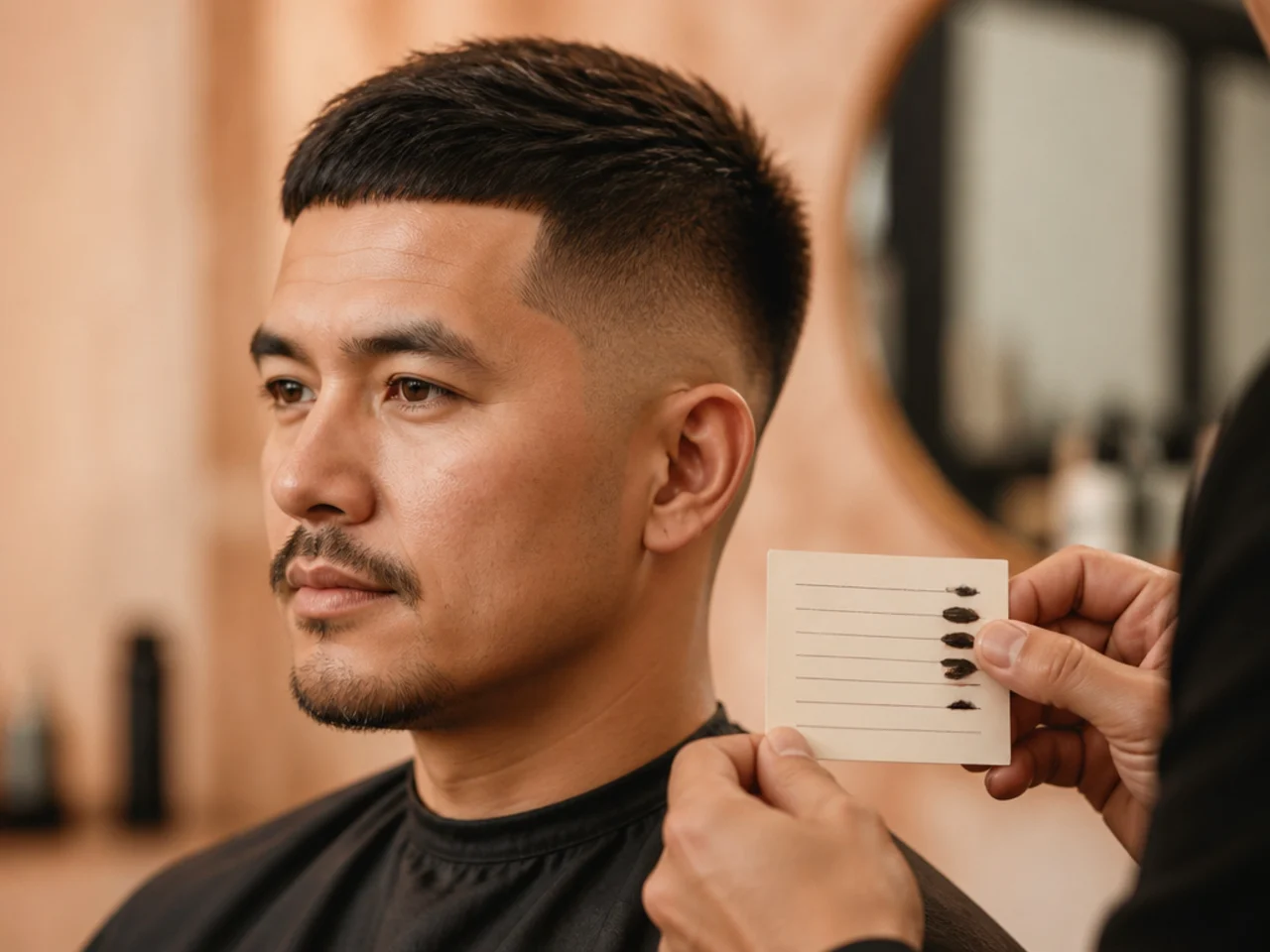
8. The First Barber Who Wrote the Numbers Down
He noted the guards, the taper height and the top length on a card and kept it. Every visit afterwards started from a known position instead of from a fresh description, and the variation between cuts dropped to almost nothing. I write them down myself now.
9. Taking a Photo of the Back and Seeing It for the First Time
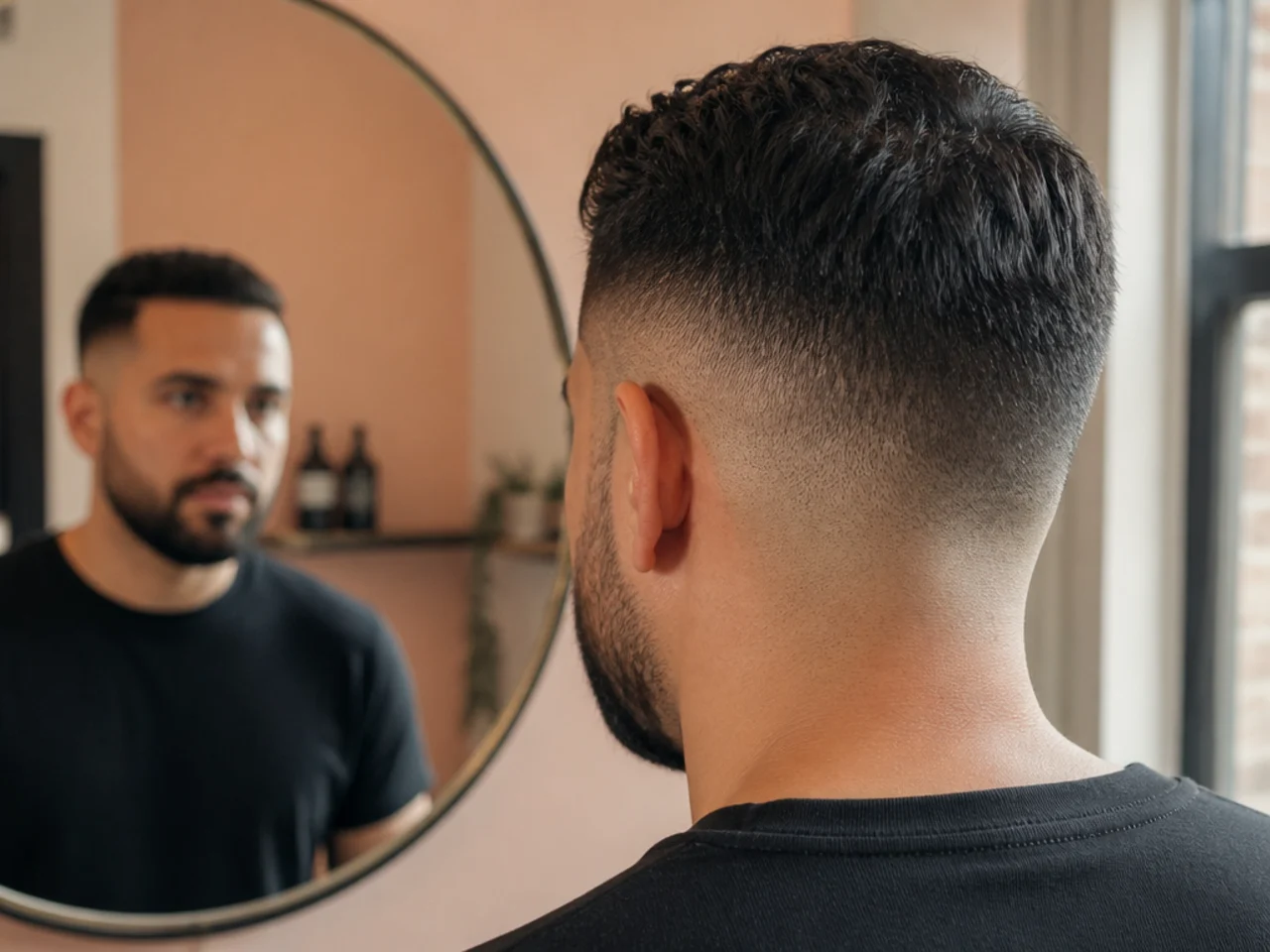
I had been judging my own haircuts entirely from the front for about a decade. The back had a neckline shape I would never have picked. Photographing it on day two is the cheapest habit on this list and it changed two of my standing requests immediately.
10. The Cut That Suited the Barber's Hands, Not My Head
Every man leaving that shop had the same high fade and heavy top, and so did I. A barber with a signature does that signature very well, and the lesson was to look at who is walking out of a shop before I sit down in it rather than afterwards.
11. The Fade Height That Was Wrong for My Temples
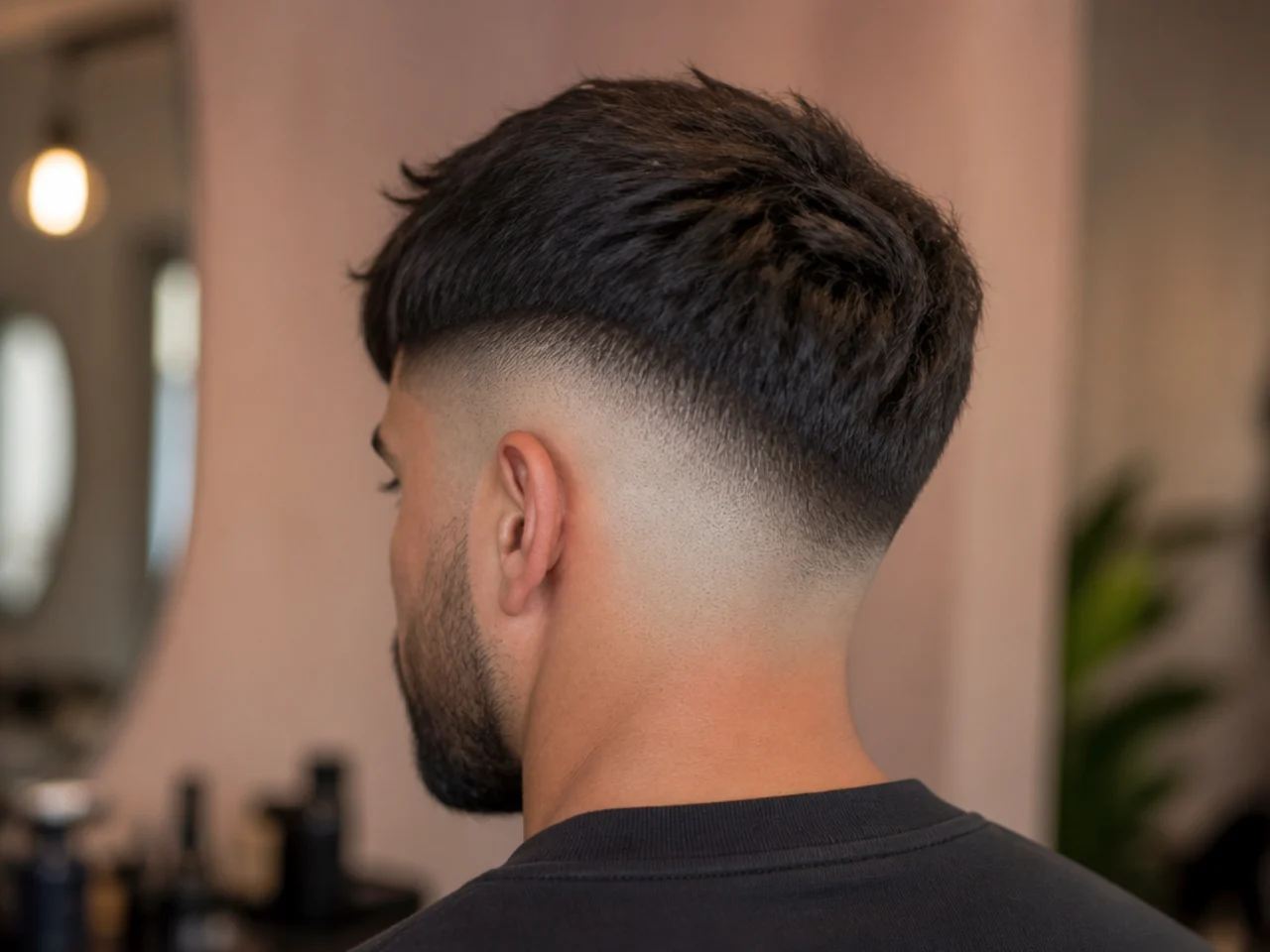
A high fade takes the gradient to the parietal ridge, which on my head sits directly above a temple that had already started to recede. It made my hairline the loudest thing on my face. Dropping to a low fade, at or below the temple, hid what the high one had been advertising.
12. The Blocked Neckline That Grew Out Worse Than a Rounded One
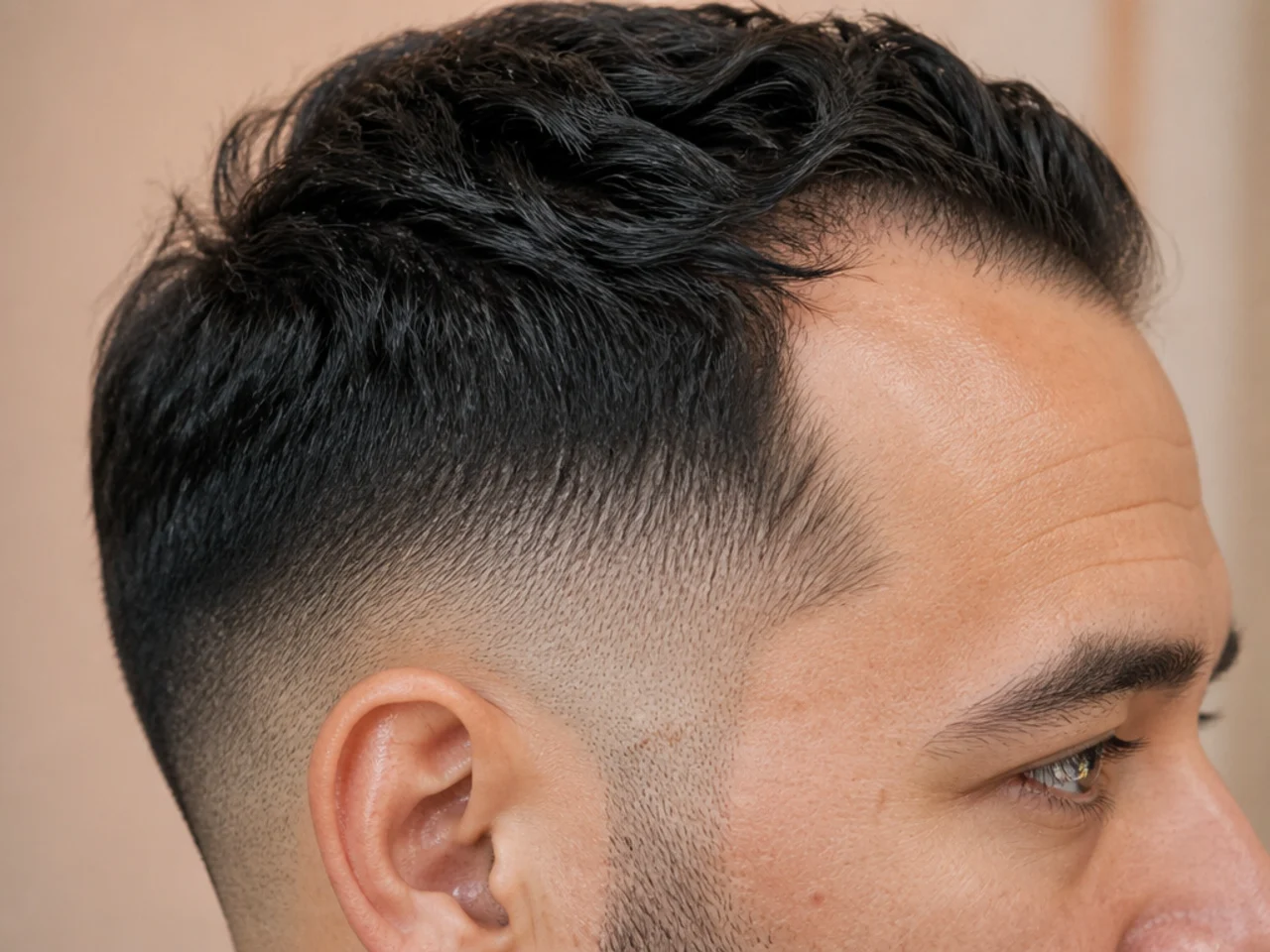
Squared off it looked sharp for four days and then grew a fuzzy shelf underneath the line. A rounded neckline has no hard corner to lose, so it goes soft rather than going wrong. I have not asked for a block since that cut.
13. The Year I Let It Grow and Came Back Shorter
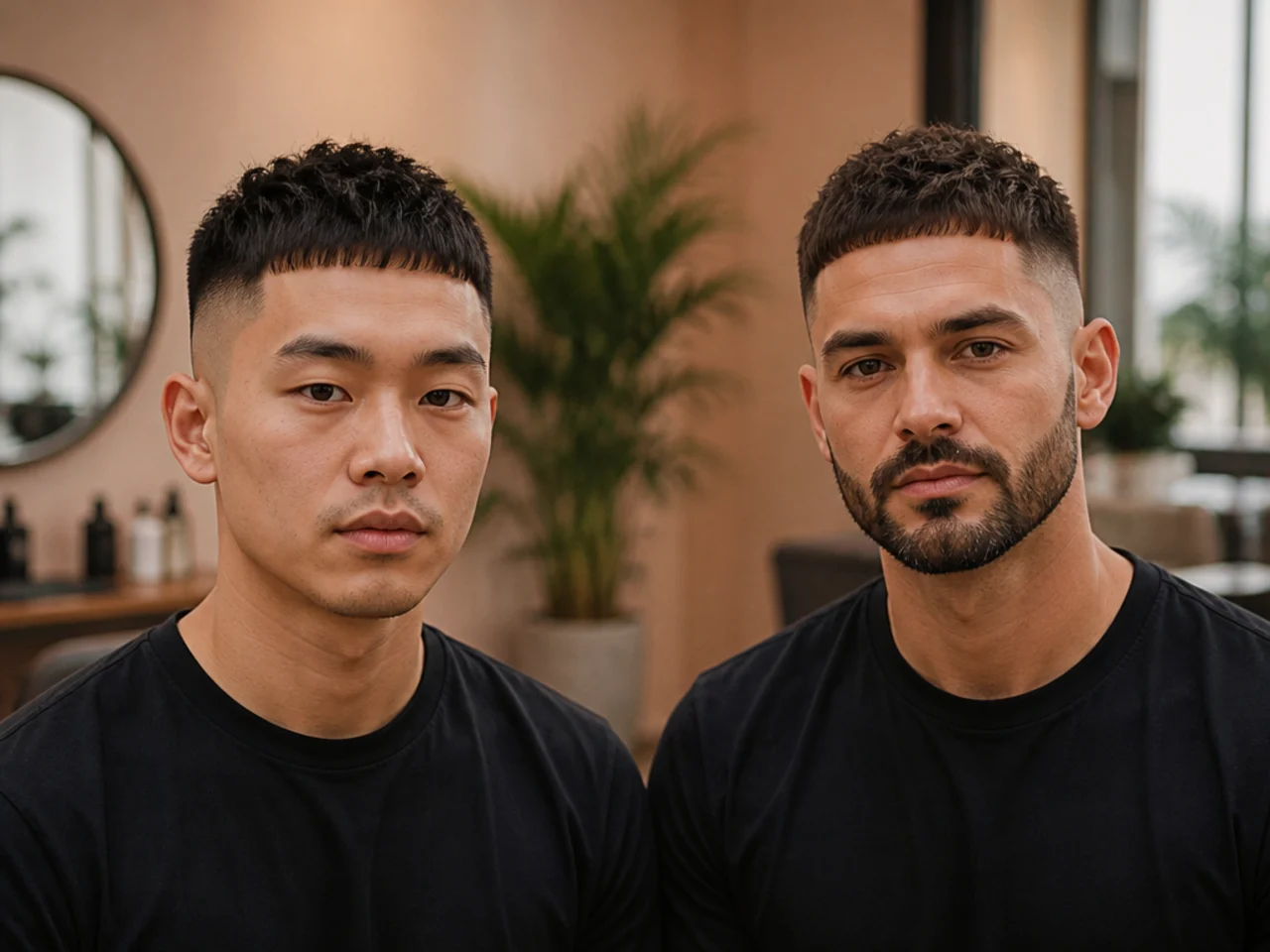
Twelve months of growth taught me that length was never what I actually wanted, a shape was, and I passed through most of the short to medium men's haircuts finding that out. Going back to something short afterwards was a decision rather than a default, and it is the only reason I finally stopped changing the cut at every single visit.
14. The Cut I Repeat Now, and Why It Is Boring
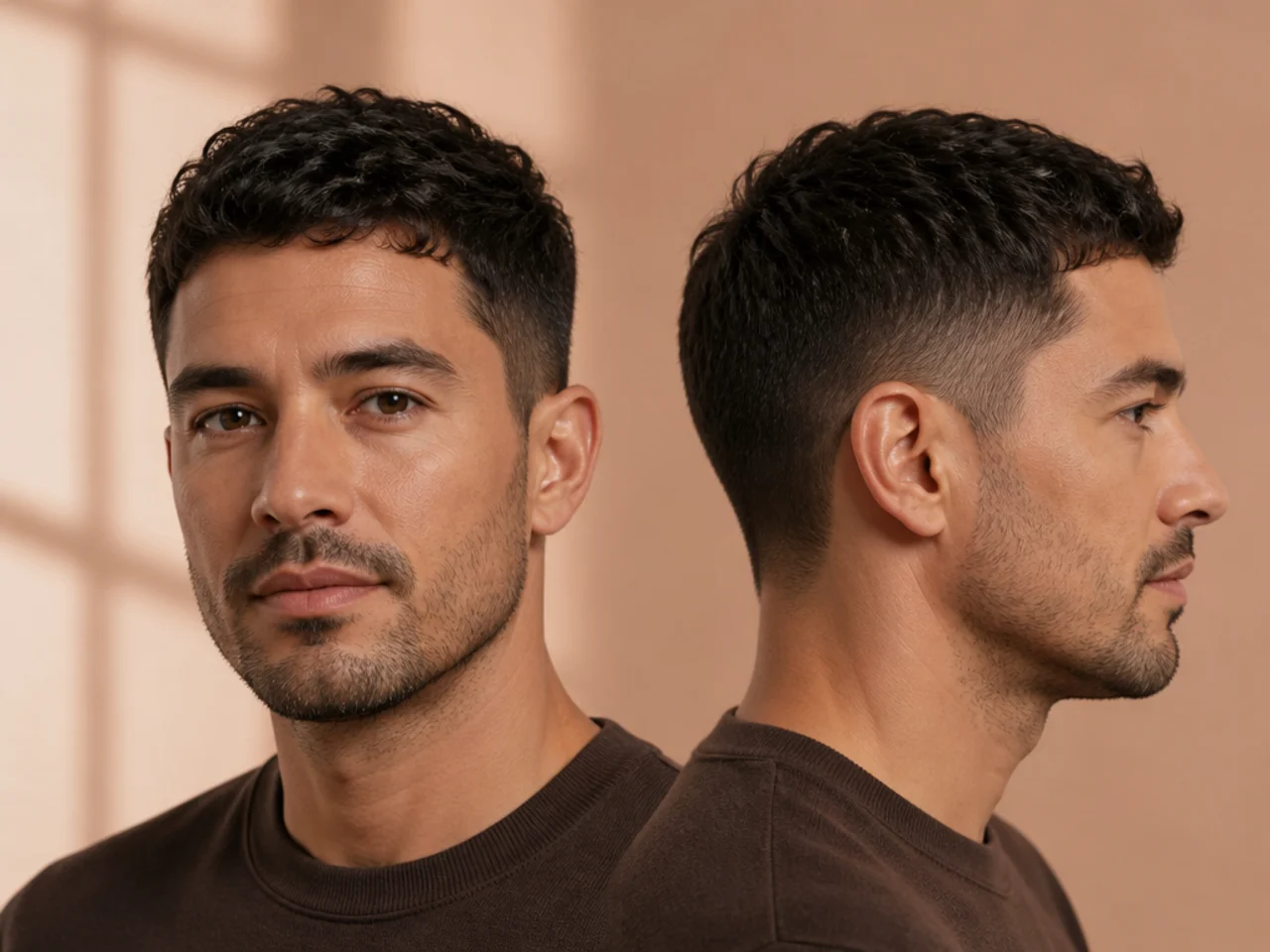
A #2 on the sides, a low taper at the neckline, three centimetres on top with weight taken out underneath. It is completely unremarkable in a photograph, and it is the only cut I have owned that looked the same at week three as it did at week one.
15. The One Thing I Would Tell Myself at Cut One
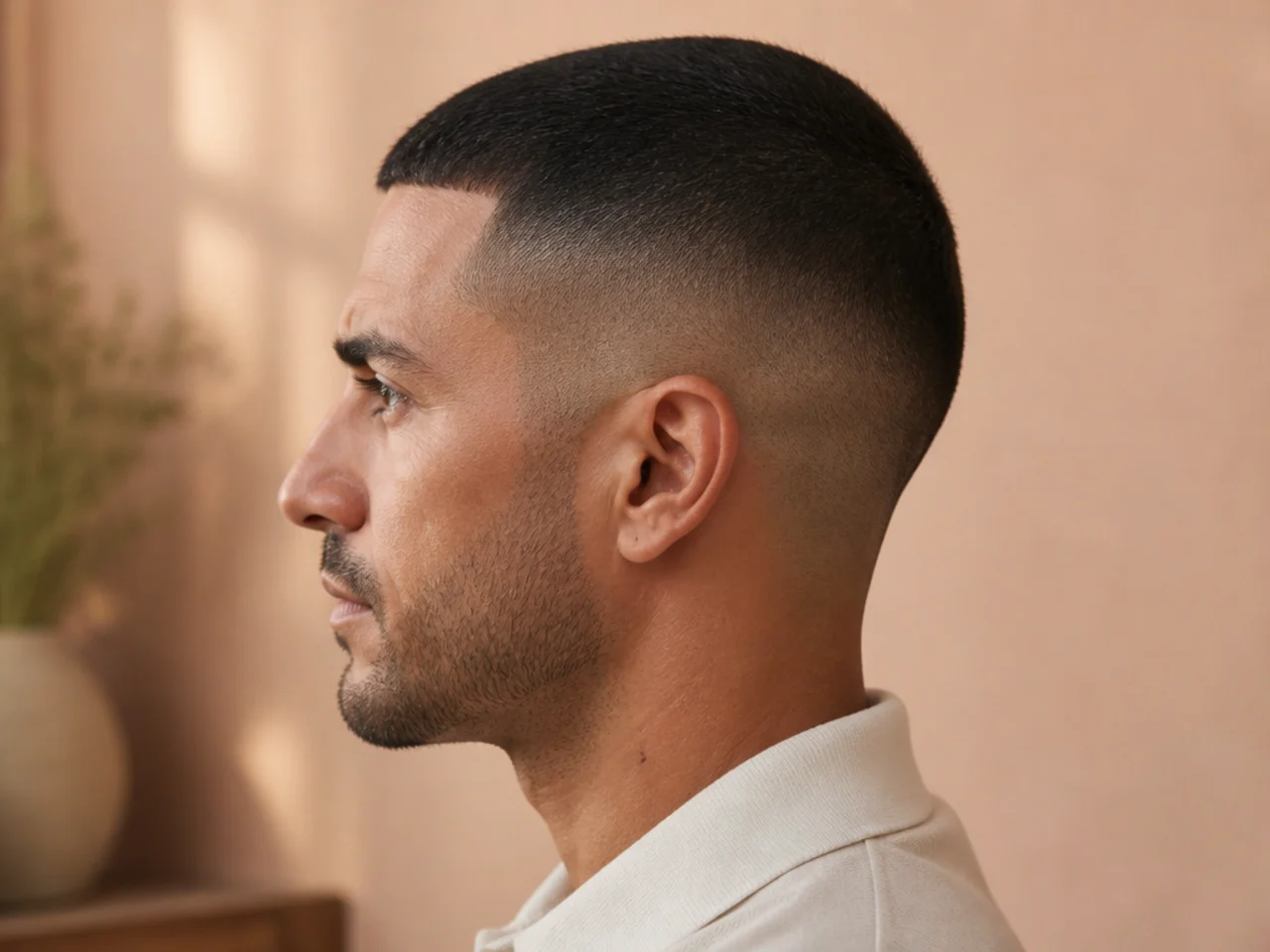
Bring numbers instead of adjectives, and judge the result on day twenty-one. Everything else here was a slow and fairly expensive route to those two sentences, and having them at the start would have removed most of the years in between.

What I Do Between Cuts Now
Write the guards and the top length into my phone before leaving the shop. Two minutes there removes the whole consultation next time.
Tidy the neckline and nothing else. The nape is a straight edge and forgiving, while the gradient above it is neither.
Book at week three for a slot in week four. Waiting until it looks wrong means taking whatever appointment nobody else wanted.
Step the product up one grade as the top gains length. The same cream that held three centimetres will not hold four.
Tell the barber how the last cut aged rather than how it looked. He can only adjust for a failure he has actually been told about.
Mistakes to Avoid
Describing a length instead of naming it. Short, tidy and not too short are three ways of handing the decision to somebody else.
Booking a skin fade you cannot maintain fortnightly. It blurs in one to two weeks whether or not the diary agrees.
Blaming the sides when the transition is the problem. Two correct lengths and a bad blend between them is still a bad haircut.
Going shorter to fix a top that is too heavy. Density and length are separate problems and only one of them responds to a smaller guard.
Changing barbers after one bad cut without changing what you say. The same sentence produces the same haircut in a different chair.
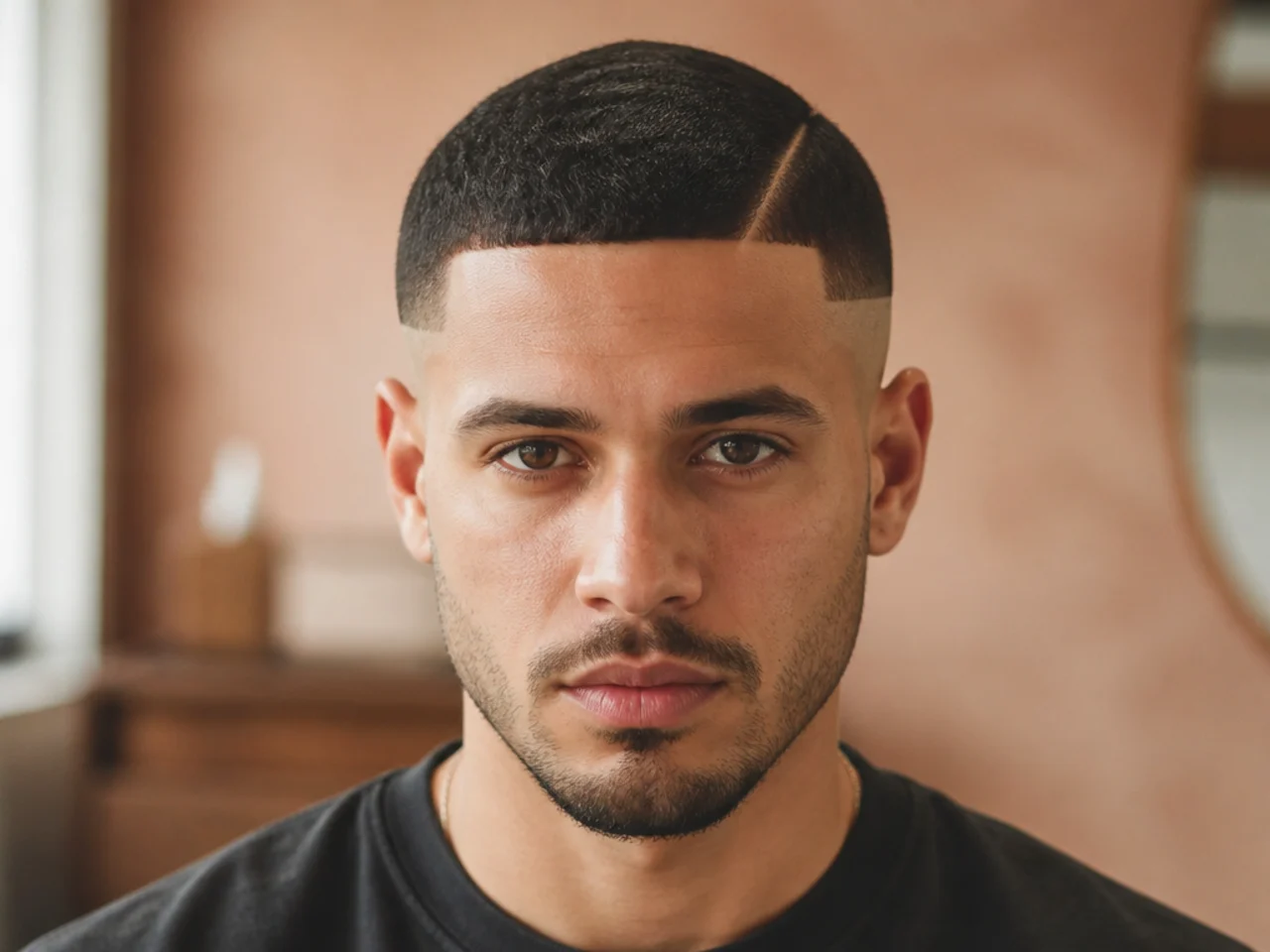
FAQ
What fixed the most cuts? Saying a guard number and a centimetre figure instead of a word.
Taper or fade? A taper, if more than two weeks has to pass between appointments.
When do you judge a cut? At week three, once the barber's finish has gone.

Final Thoughts
Fifteen cuts is a slow way to learn two sentences, but the sentences hold. Bring numbers rather than adjectives, change one thing per visit, and judge the result three weeks later, and the run of cuts you do not like gets very short very quickly.
For a wider set of shapes to test against see short haircut ideas for men, and for the ones worth a first appointment see cool short men's haircuts. More in Men's Haircuts.