20 Short Haircut Ideas for Men I Saved
A saved photo is evidence about somebody else's head, and most of what makes it look good is not the haircut. It is density, lighting, the week of the cycle it was shot in, and half an hour of styling you never see.
In this article · 27
- What a Saved Photo Is Actually Evidence Of
- How to Screen a Save Before You Take It In
- The 20 Saves and What Each One Taught Me to Look For
- 1. The Fade That Was Lit From Above
- 2. The Thick-Haired Model and My Fine Hair
- 3. The Shot Taken on Day Two of the Cycle
- 4. A Three-Quarter Angle Hiding the Back
- 5. Thirty Minutes of Styling Sold as a Haircut
- 6. The Curl Photographed Wet
- 7. The Wind-Blown Shot I Could Never Recreate
- 8. The Photo Where Only the Top Was in Focus
- 9. The Edited Hairline
- 10. The Cut That Only Works on That Skull Shape
- 11. The Save With No Back View at All
- 12. The Fade Whose Height I Could Not Judge
- 13. The Save That Was Really a Product Photo
- 14. The One I Saved for the Neckline Alone
- 15. The Save I Could Only Use Half Of
- 16. The Photo I Took In, and What He Said Was Possible
- 17. The Save That Worked Exactly as Expected
- 18. The Screenshot With a Filter On It
- 19. A Photo of a Cut Two Lengths Longer Than Mine
- 20. The Three-Photo Rule I Use Now
- How I Store and Sort Saves Now
- Mistakes to Avoid
- FAQ
- Final Thoughts
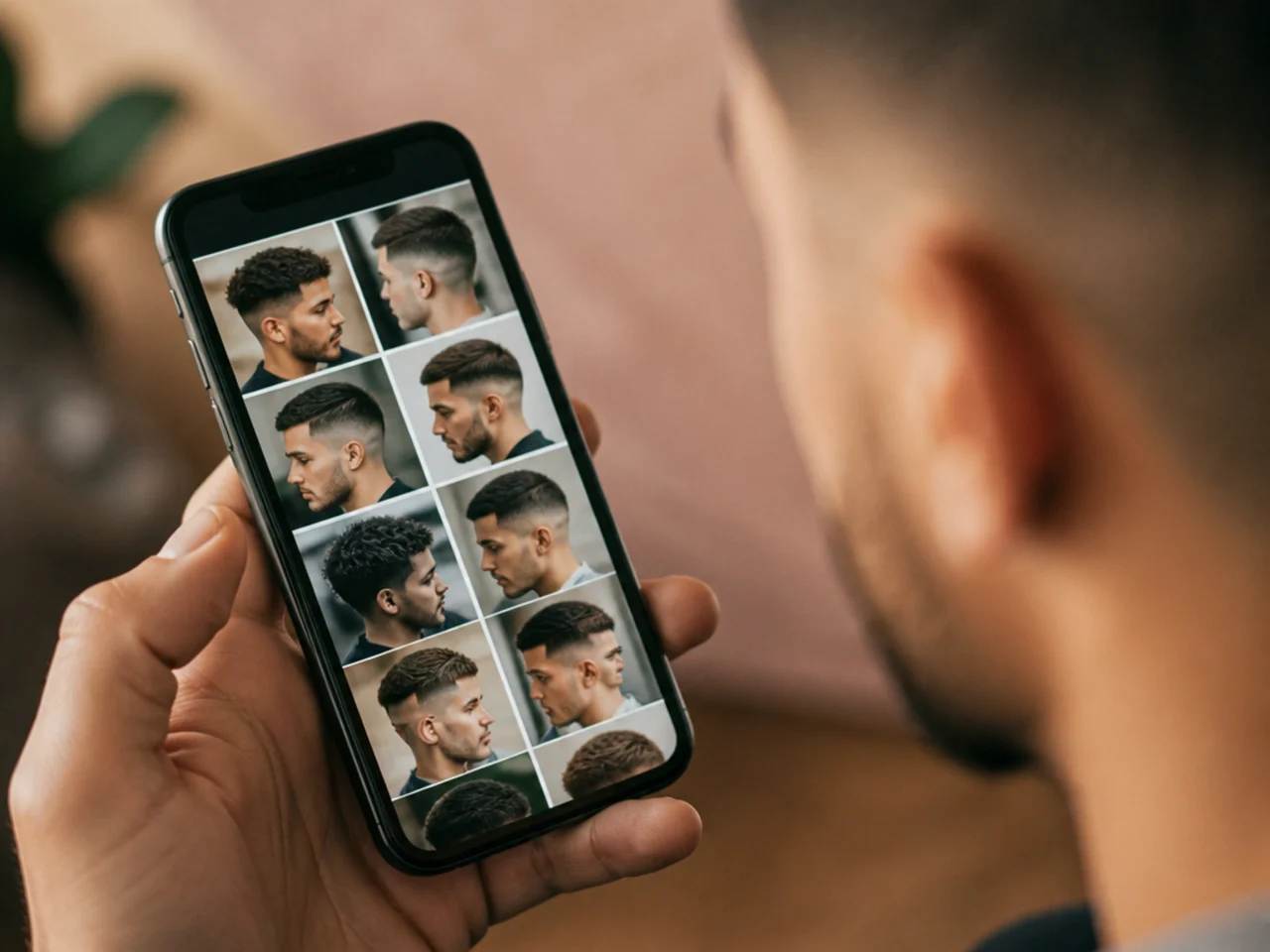
I have a folder of short haircuts and for a long time I treated it as a menu. It is not a menu, it is a pile of evidence about other people's heads.
Most of what makes a saved photo look good is not the haircut. The model's density, the lighting, the camera angle and half an hour of styling are all in the frame, and only one of those four things is something you can order.
So the useful skill is reading, not choosing. Every save below is one photo and the specific thing in it that does or does not transfer to a real appointment.
What a Saved Photo Is Actually Evidence Of
It is a photo of one head with one density and one texture. Neither is necessarily yours, and neither is something a barber can add with a pair of clippers.
It is almost always day one or day two. Nobody photographs a haircut at week three, so every save shows the shortest-lived version of a cut you would own for a month.
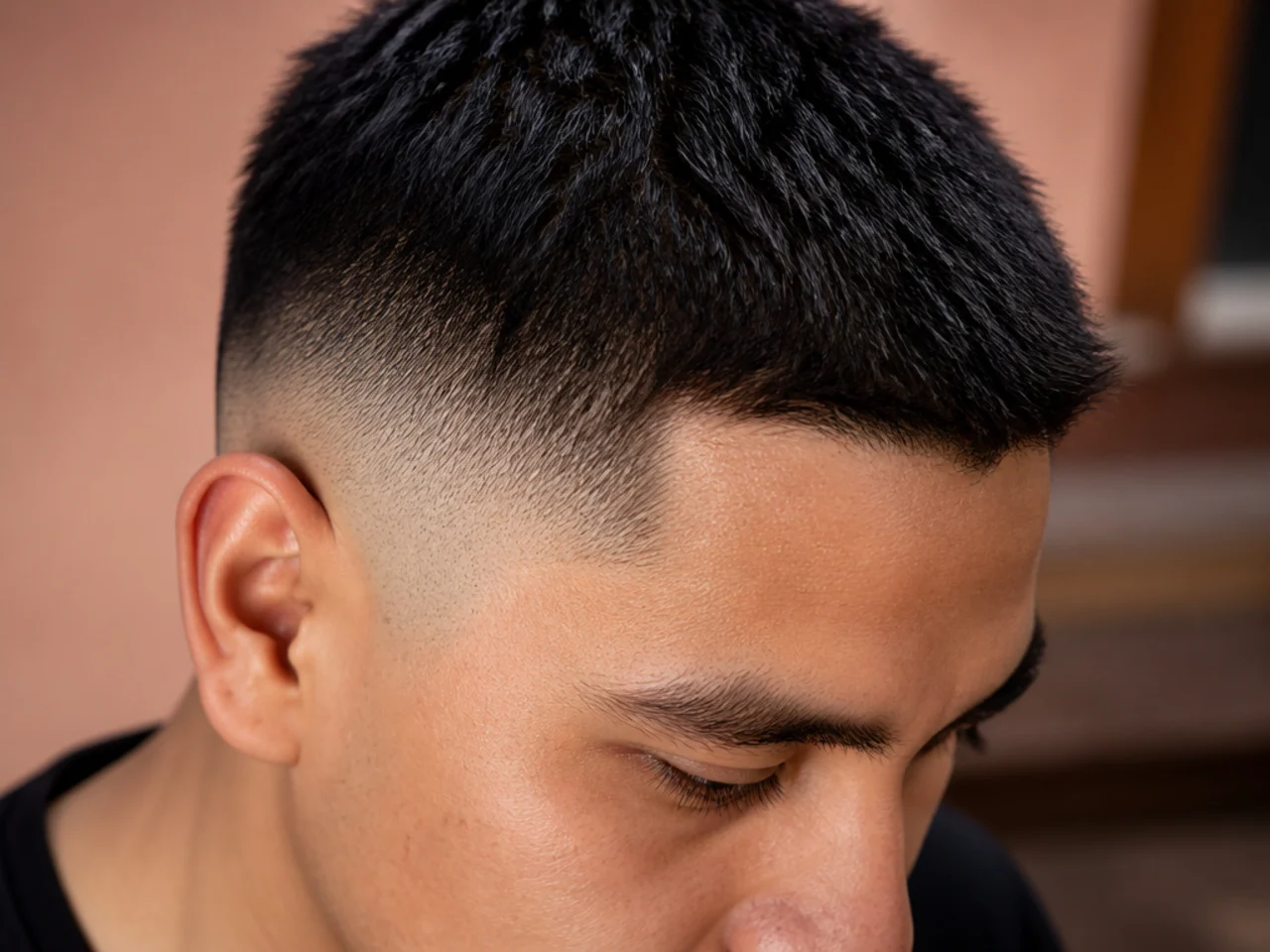
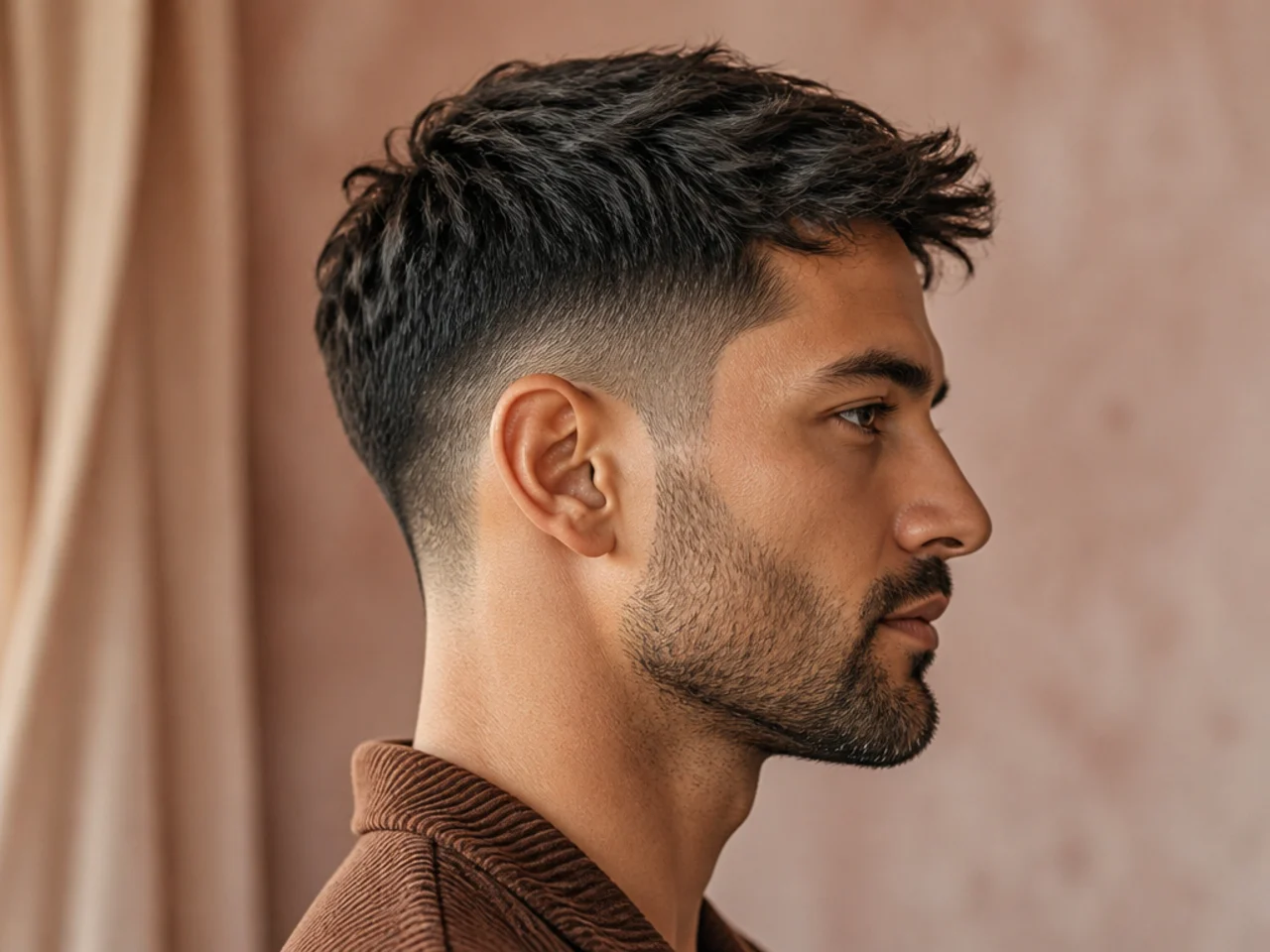
Overhead lighting hides scalp and flattens a fade line. Light falling straight down fills the gaps at the parting and removes the shadow that makes a gradient readable at all.
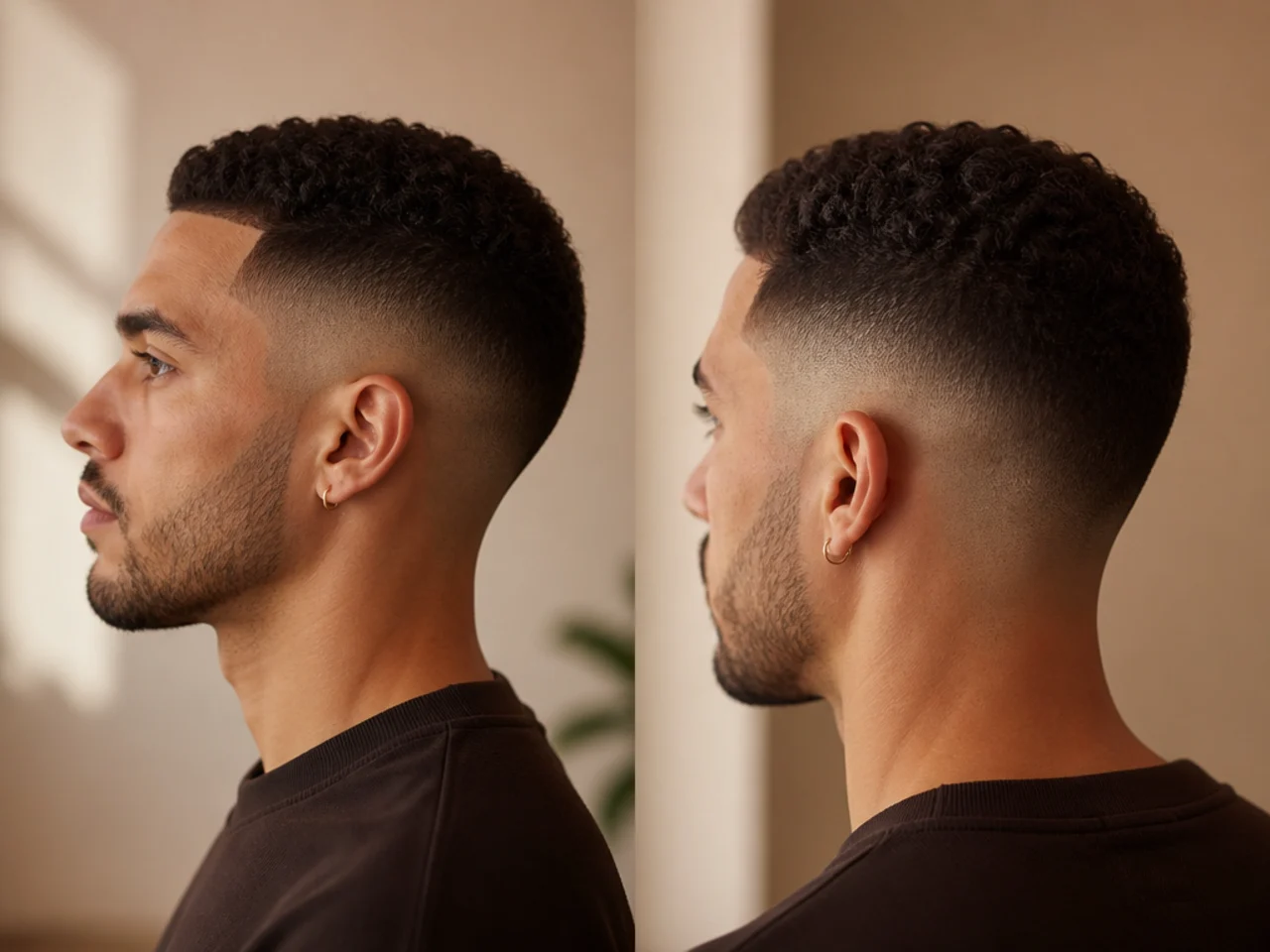
A three-quarter angle hides the side you would be judged on. It shows the flattering half of the head and pushes the back, the neckline and the far temple out of frame.
How to Screen a Save Before You Take It In
Find the scalp before you look at the shape. The parting and the crown tell you the model's density, and density decides most of what you are admiring.
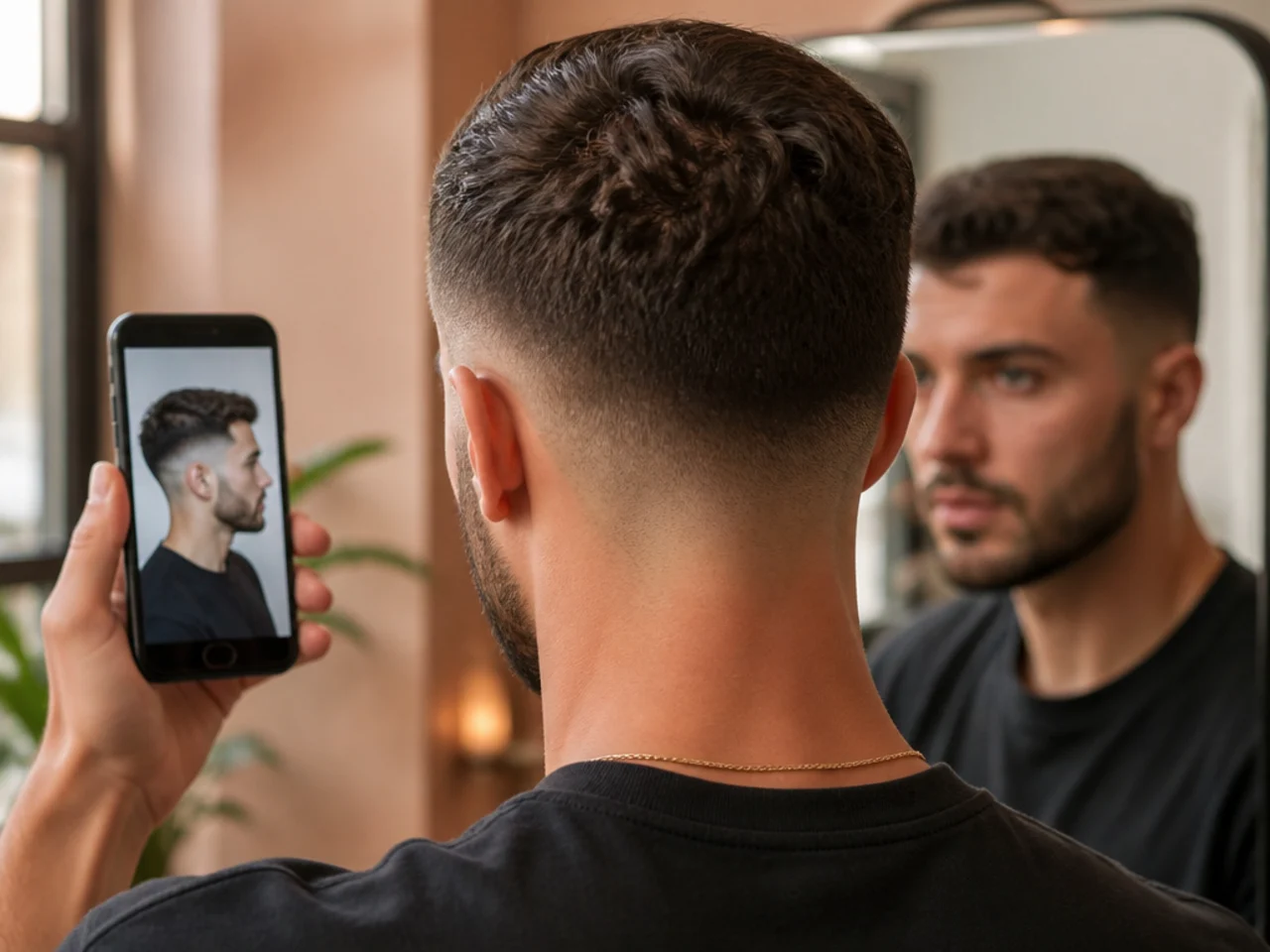
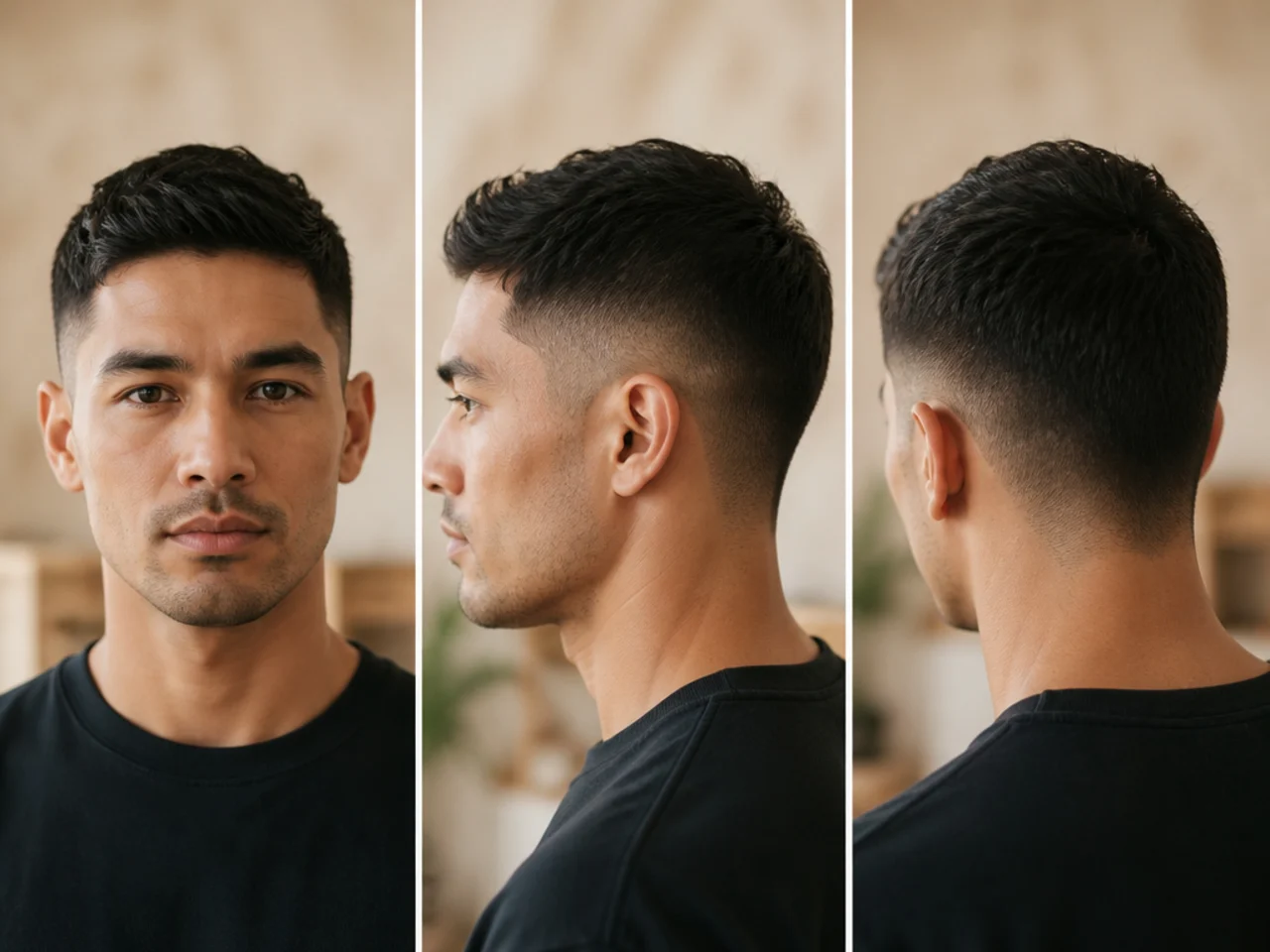
Look for a second photo of the same head. One angle is a claim, two angles are a description, and three are a brief.
Ask what the hair is doing that gravity would not do. Any lift that could not survive a walk to the car is styling rather than cutting.
Name the one thing you want from it before you save it. The neckline, the fade height, the top length — one component, written down, is far more useful than a whole picture.
The 20 Saves and What Each One Taught Me to Look For
1. The Fade That Was Lit From Above
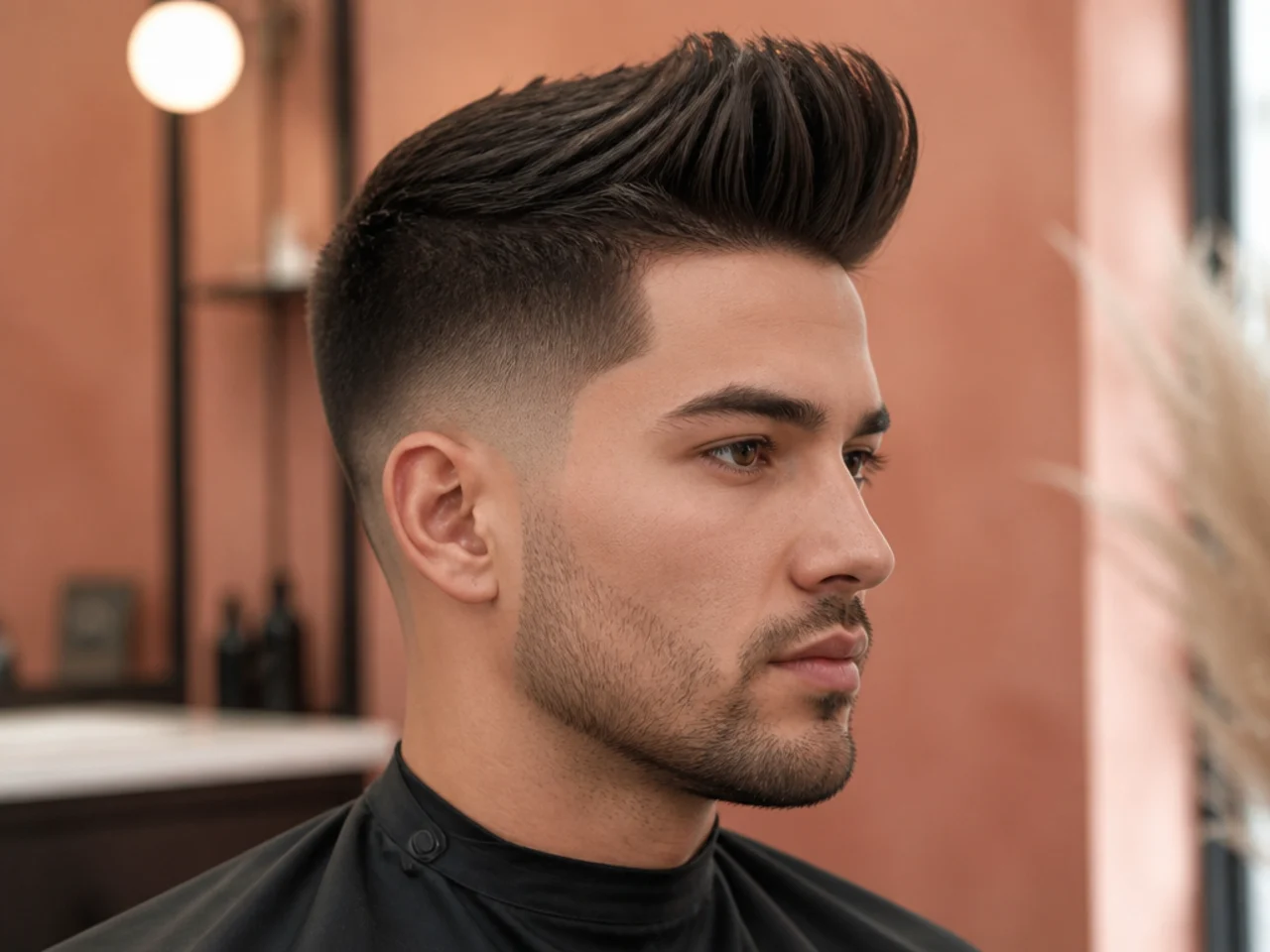
Light falling straight down fills a gradient with even brightness and removes the shadow that makes a fade visible. The photo proved the shape existed and told me nothing about how sharp it actually was, which is the trap in half the taper fade photos I saved as well.
2. The Thick-Haired Model and My Fine Hair
No scalp visible anywhere near his parting. Mine shows at the crown in any light, so the same guard leaves a very different amount of visible hair, and no barber can supply the density the picture is really selling.
3. The Shot Taken on Day Two of the Cycle
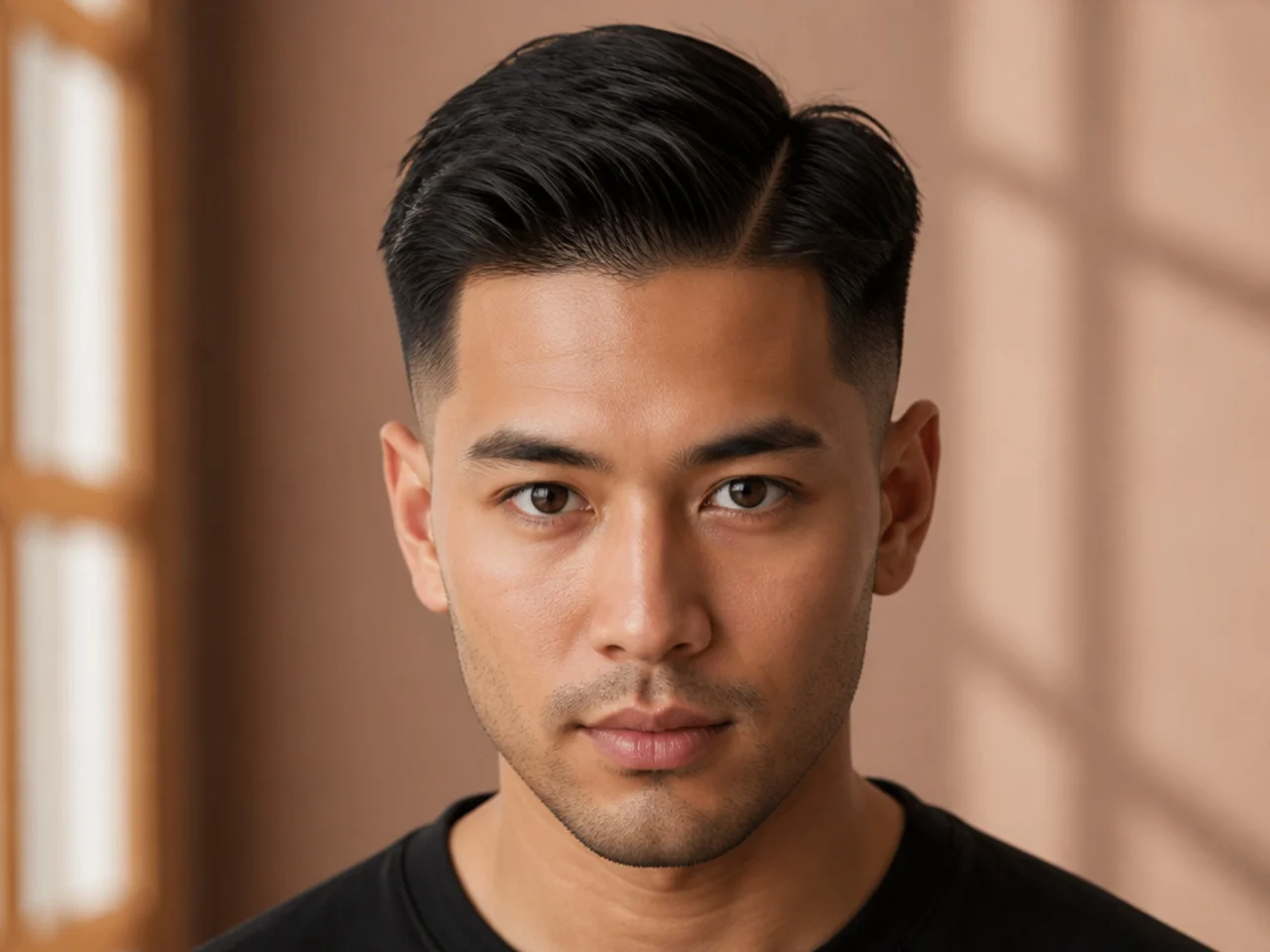
Every edge crisp and every line still exactly where the clippers left it. Nobody photographs a cut at week three, so a save always shows the shortest-lived version and never the one you wear for most of the month.
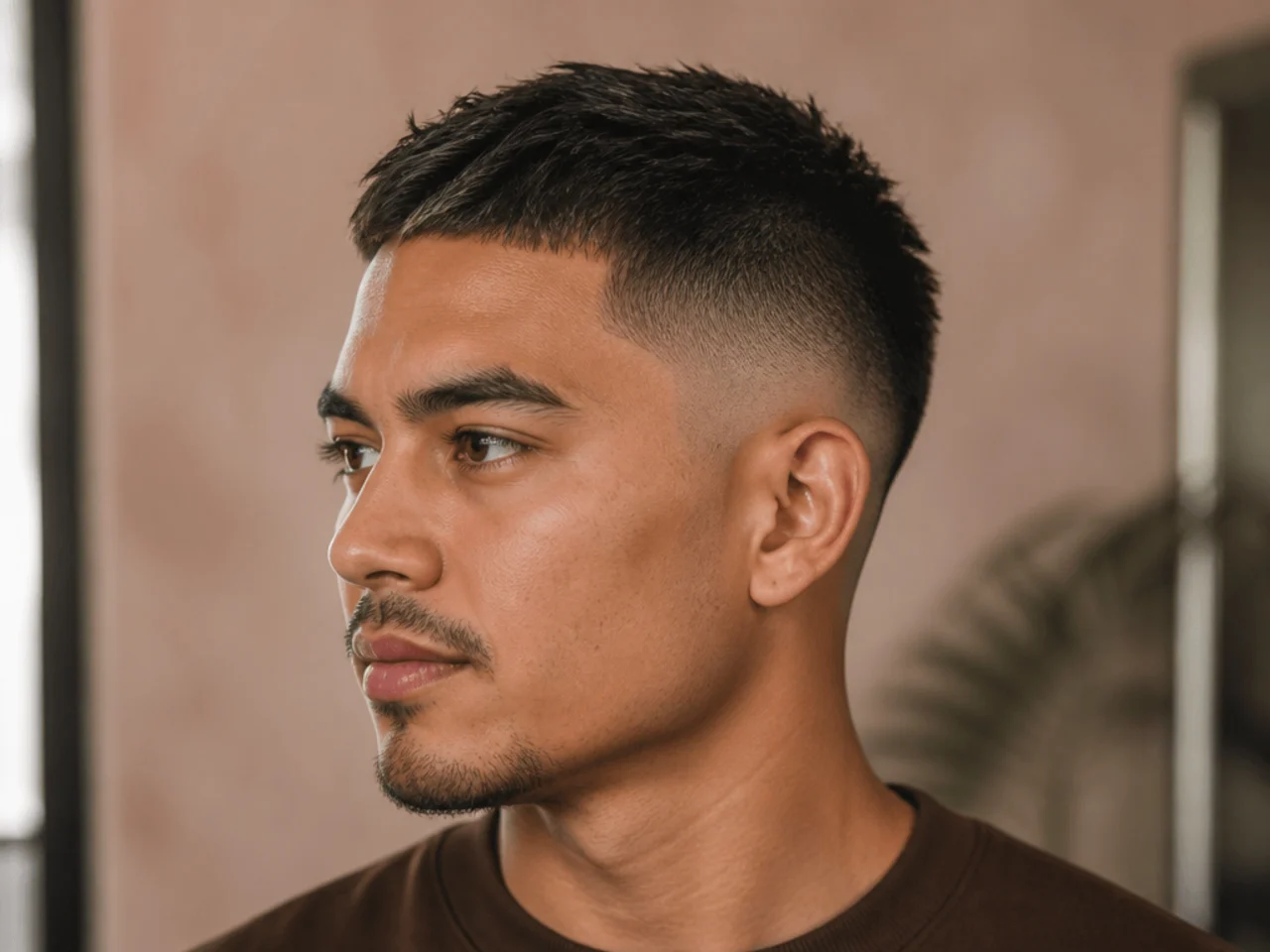
4. A Three-Quarter Angle Hiding the Back
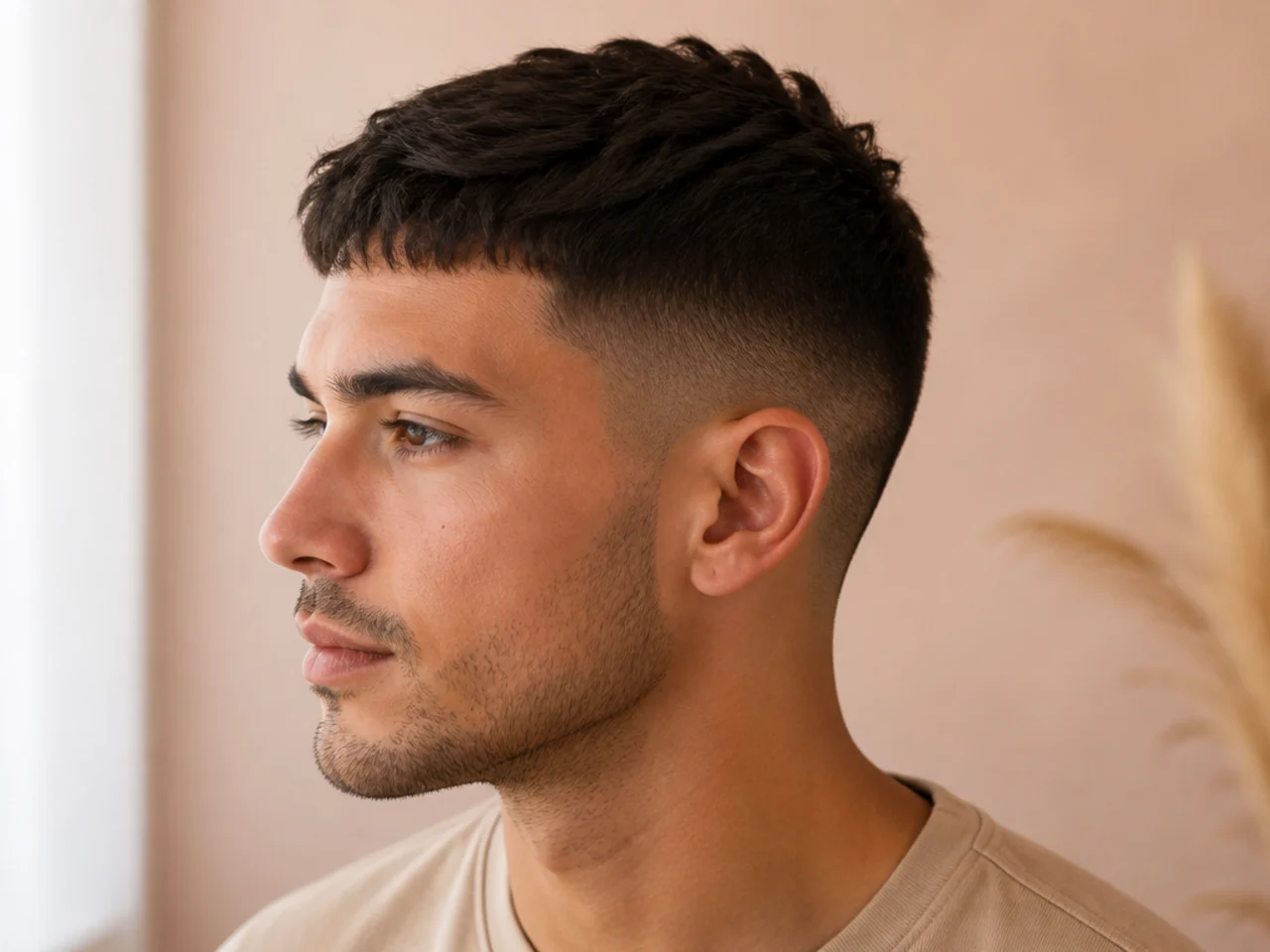
The angle gives you one temple and the front, and puts the neckline, the crown and the far side out of shot. Those are the three places a short cut most often goes wrong, so the photo is hiding the risk.
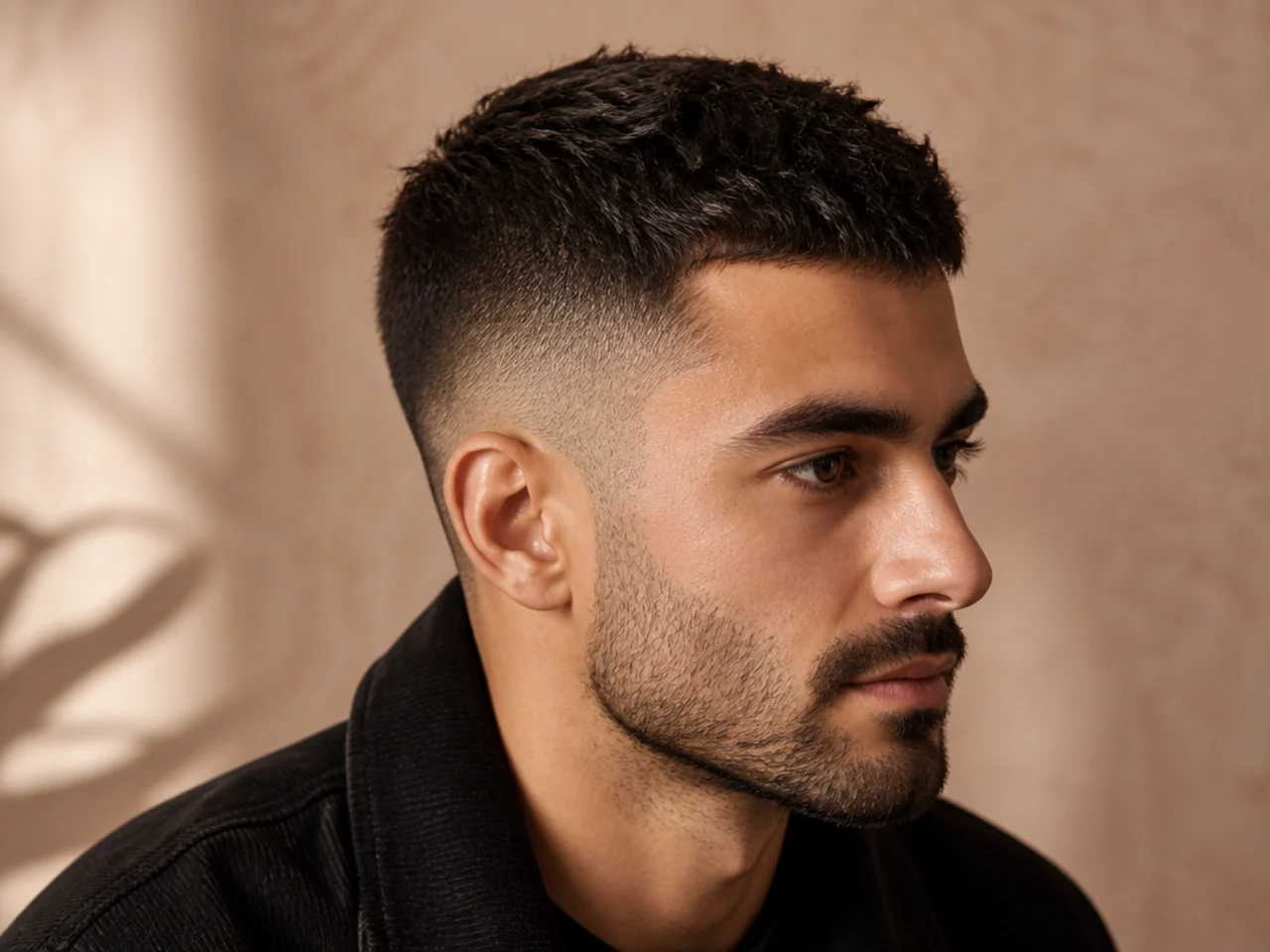
5. Thirty Minutes of Styling Sold as a Haircut
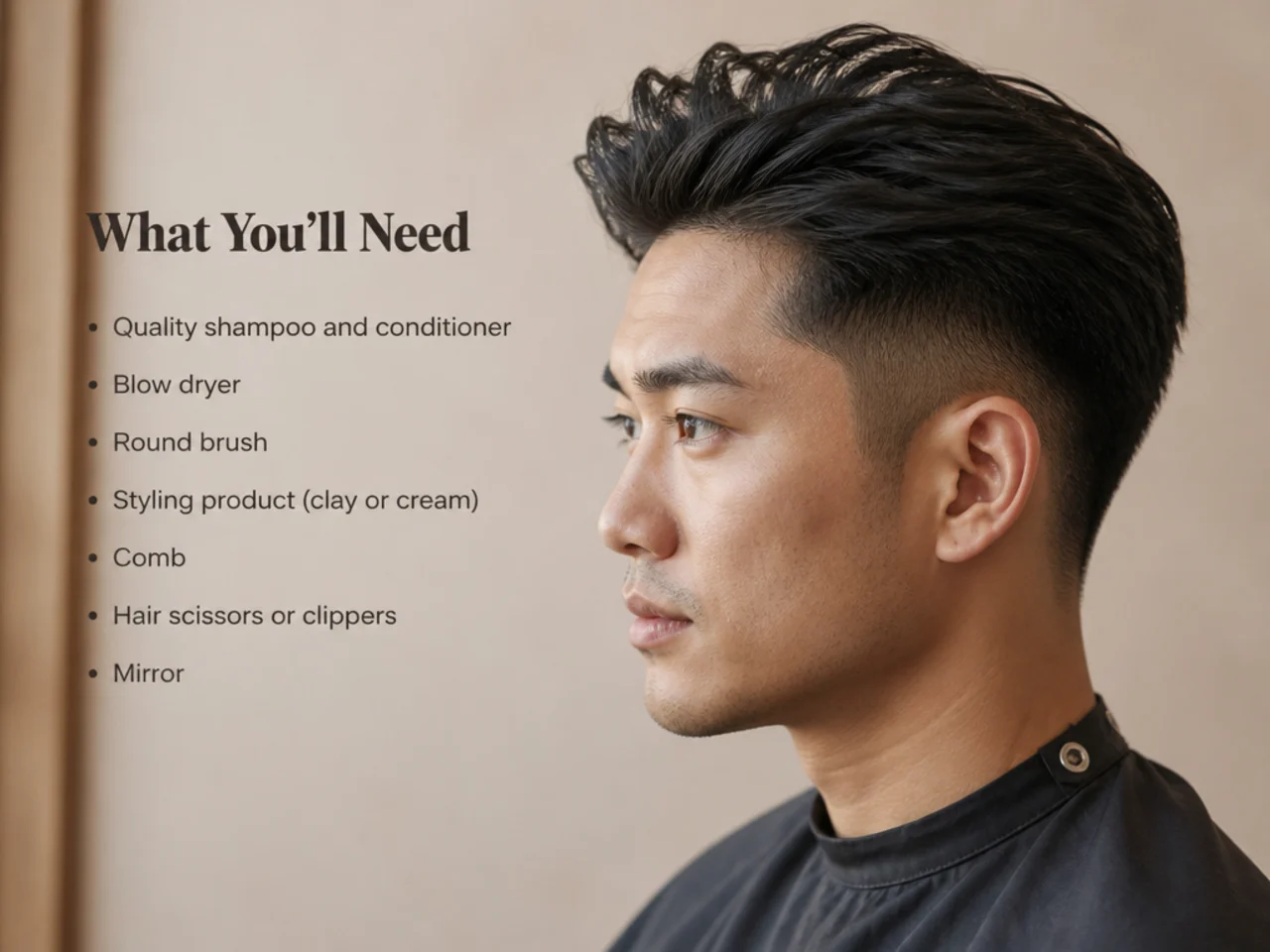
Every strand pointing the same way with nothing out of place. That is a dryer, a brush and a setting product rather than a cut, and asking a barber to reproduce it guarantees disappointment on the first morning you do it yourself.
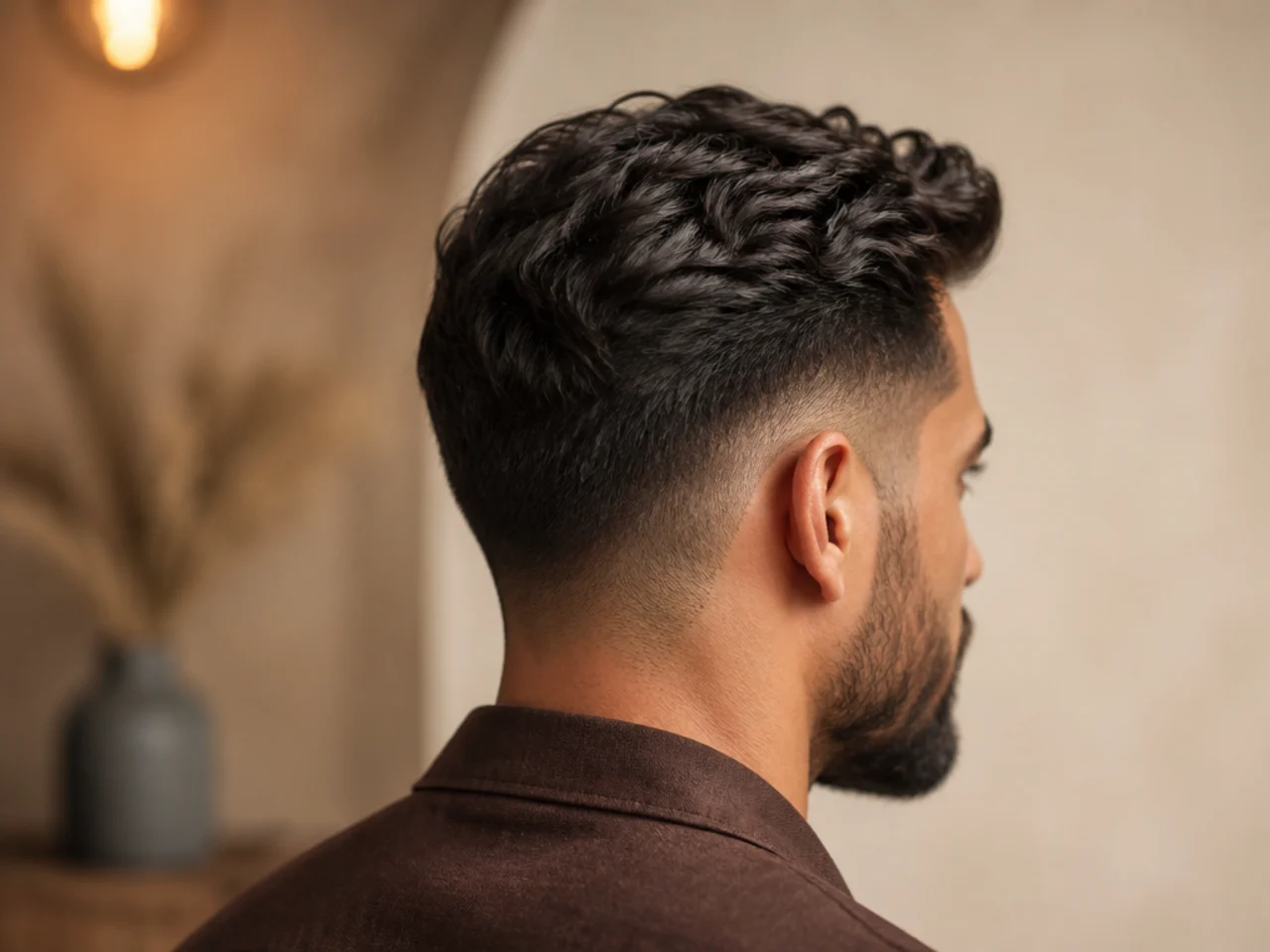
6. The Curl Photographed Wet
Water stretches curl to its full extension, so a wet photo shows the longest that hair will ever be. Curly hair loses around a third as it dries and tightly coiled up to half, and the caption never mentions either number, which is why saved curly haircuts for men have to be judged dry.
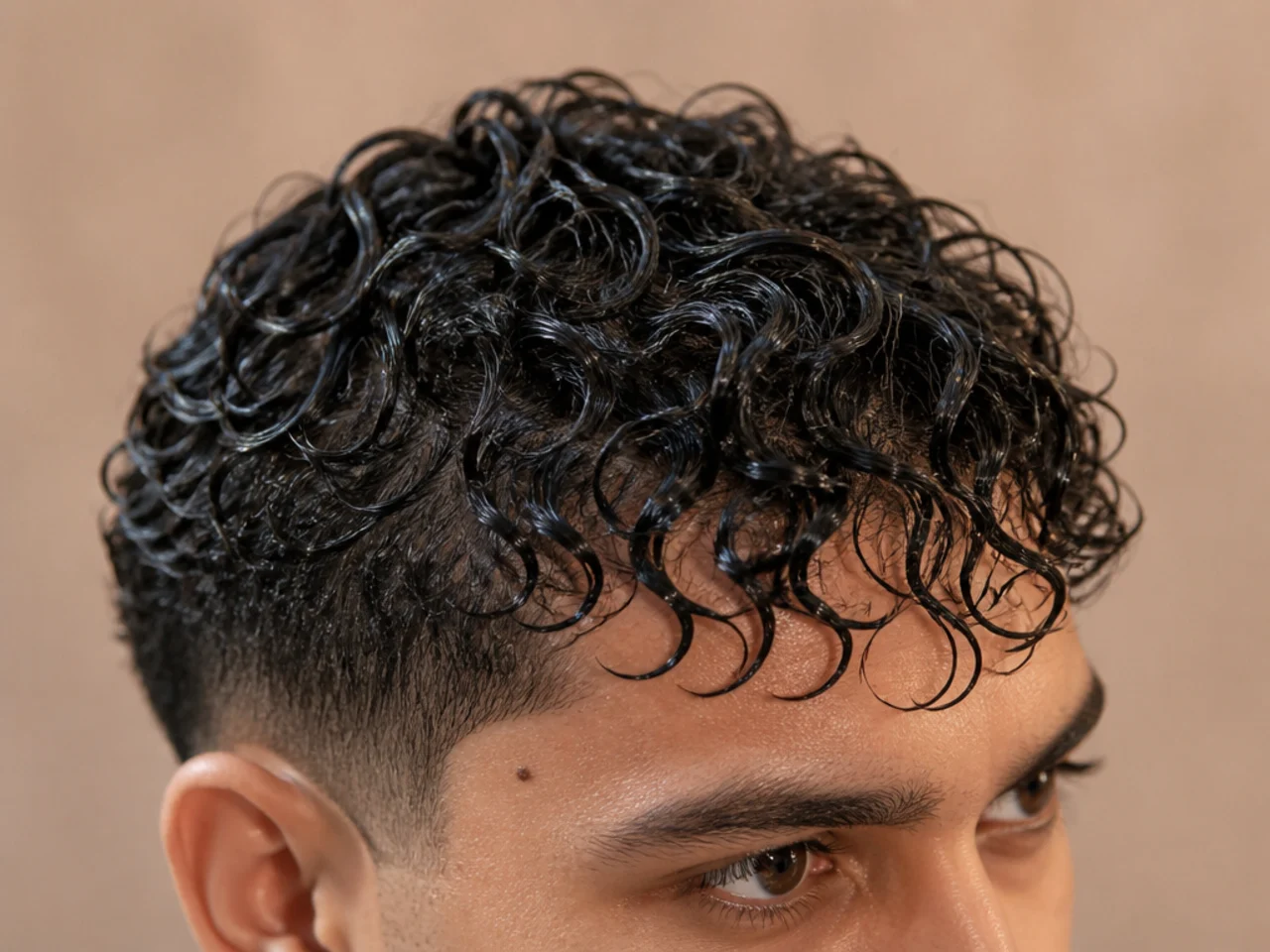
7. The Wind-Blown Shot I Could Never Recreate
Movement in a photograph is a fan or a gust caught in a single frame. It reads as texture, but the cut underneath may be entirely flat, and there is no product that reproduces one particular moment of wind.
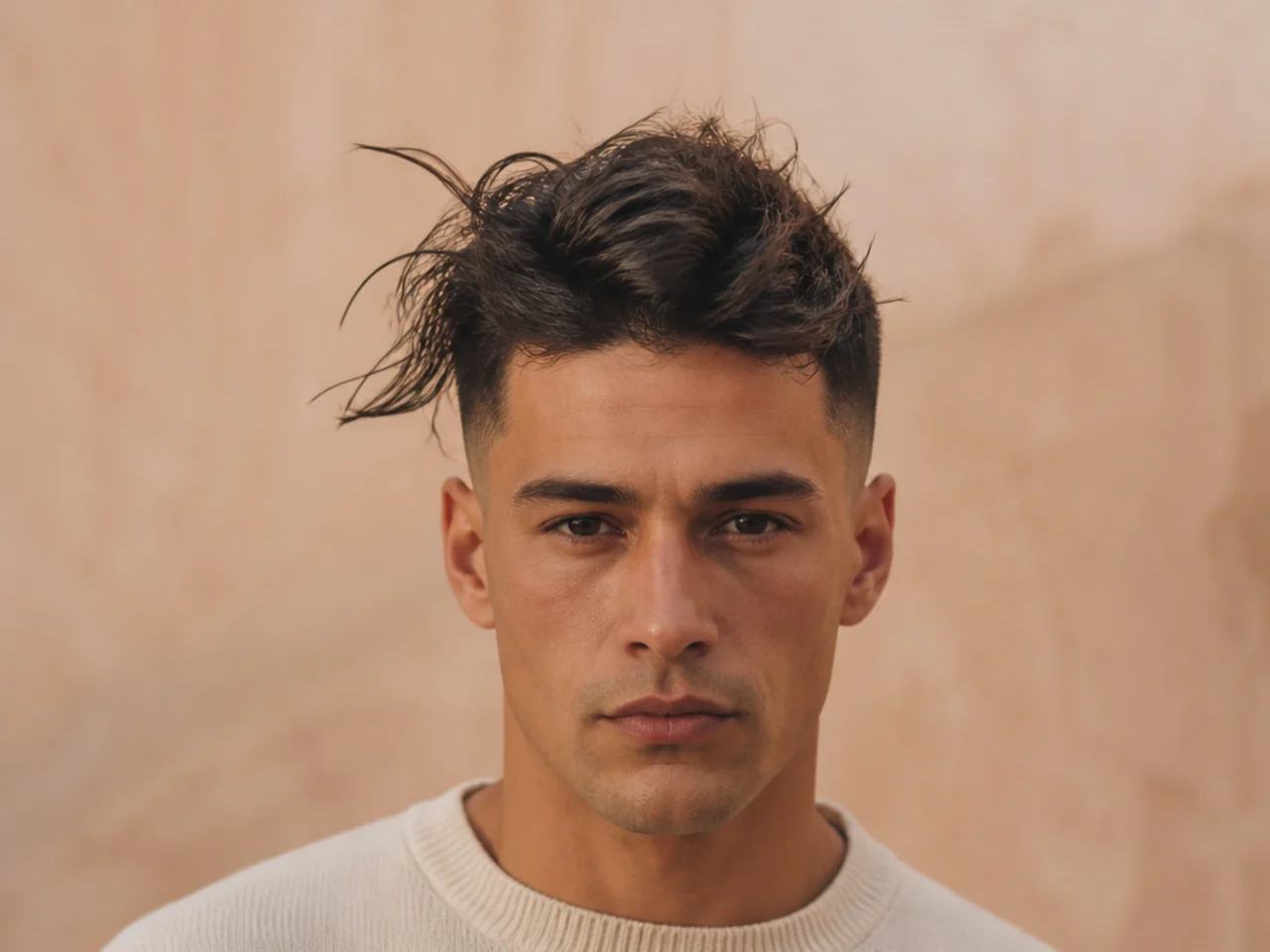
8. The Photo Where Only the Top Was in Focus
A shallow depth of field drops the sides into a soft blur, which conveniently hides where the taper starts and how well it is blended. If the sides are not sharp in the image, they are not information.
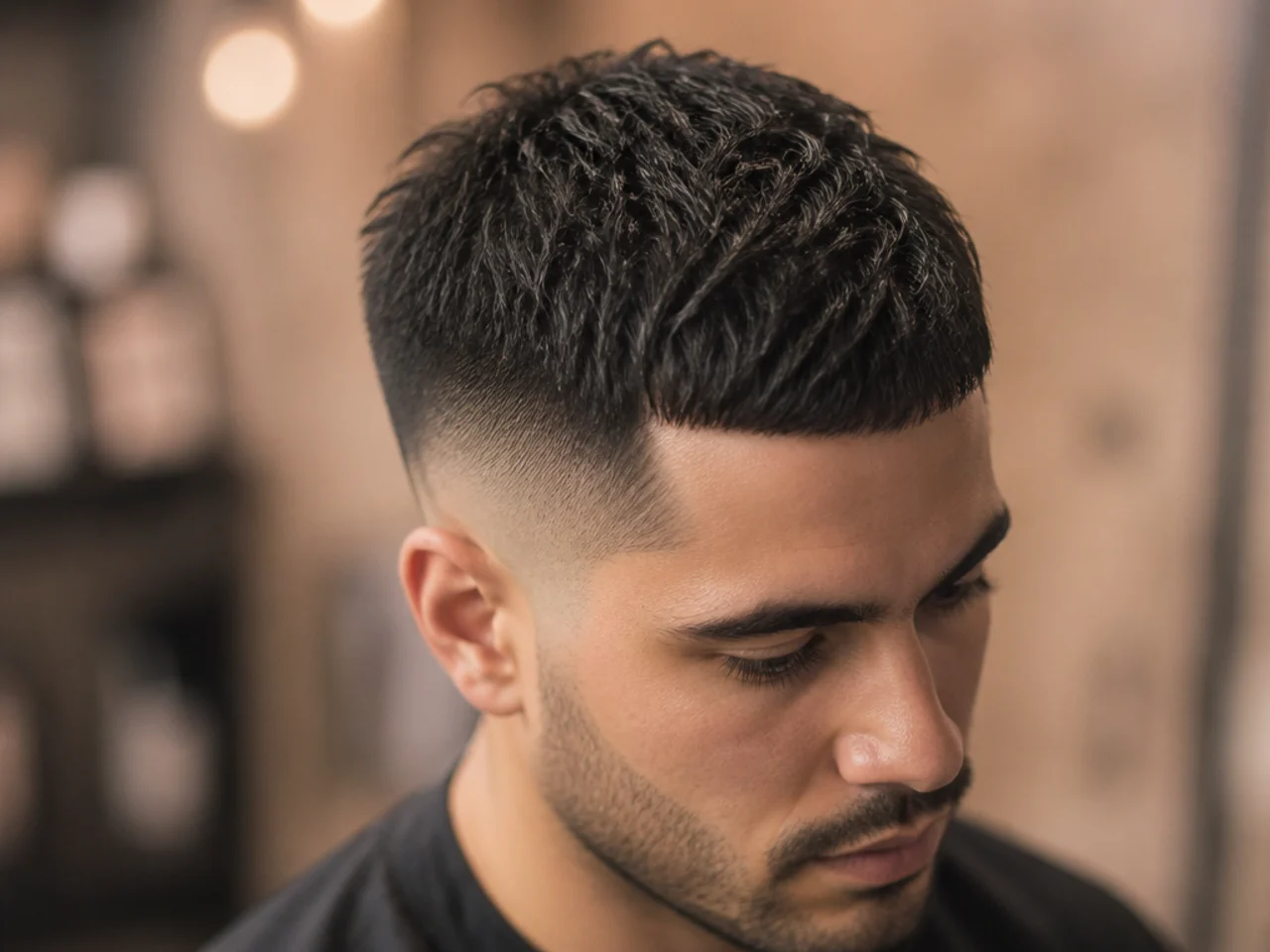
9. The Edited Hairline
A hairline drawn in cleanly, with a square temple corner and no thinning anywhere along it. Retouching a hairline takes seconds and it is the single most edited part of any men's hair photograph.
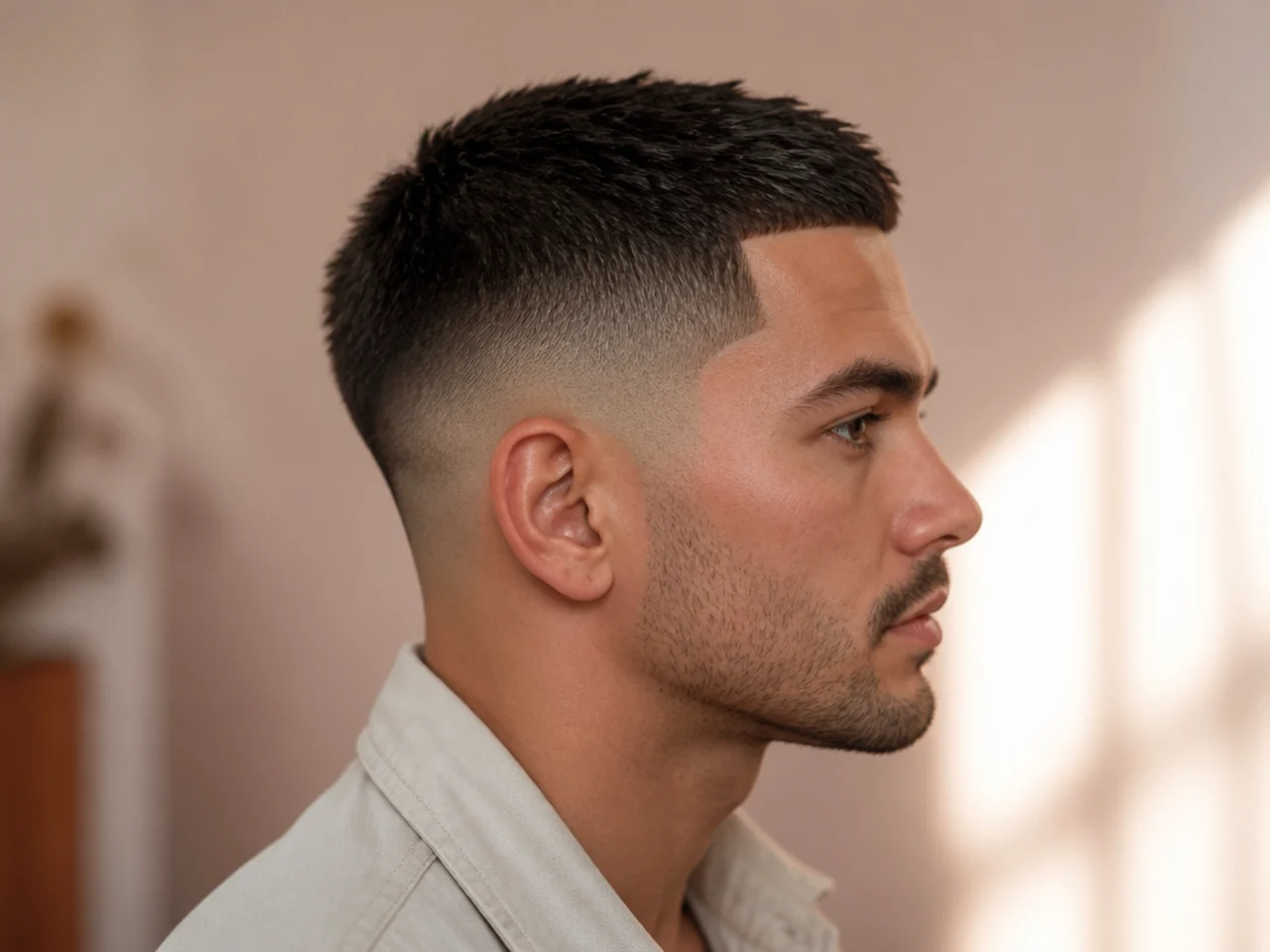
10. The Cut That Only Works on That Skull Shape
A flat back of the head and a high crown build a silhouette that identical guards will not build on a rounder skull. The cut is doing half the work in that picture and his head is doing the other half.
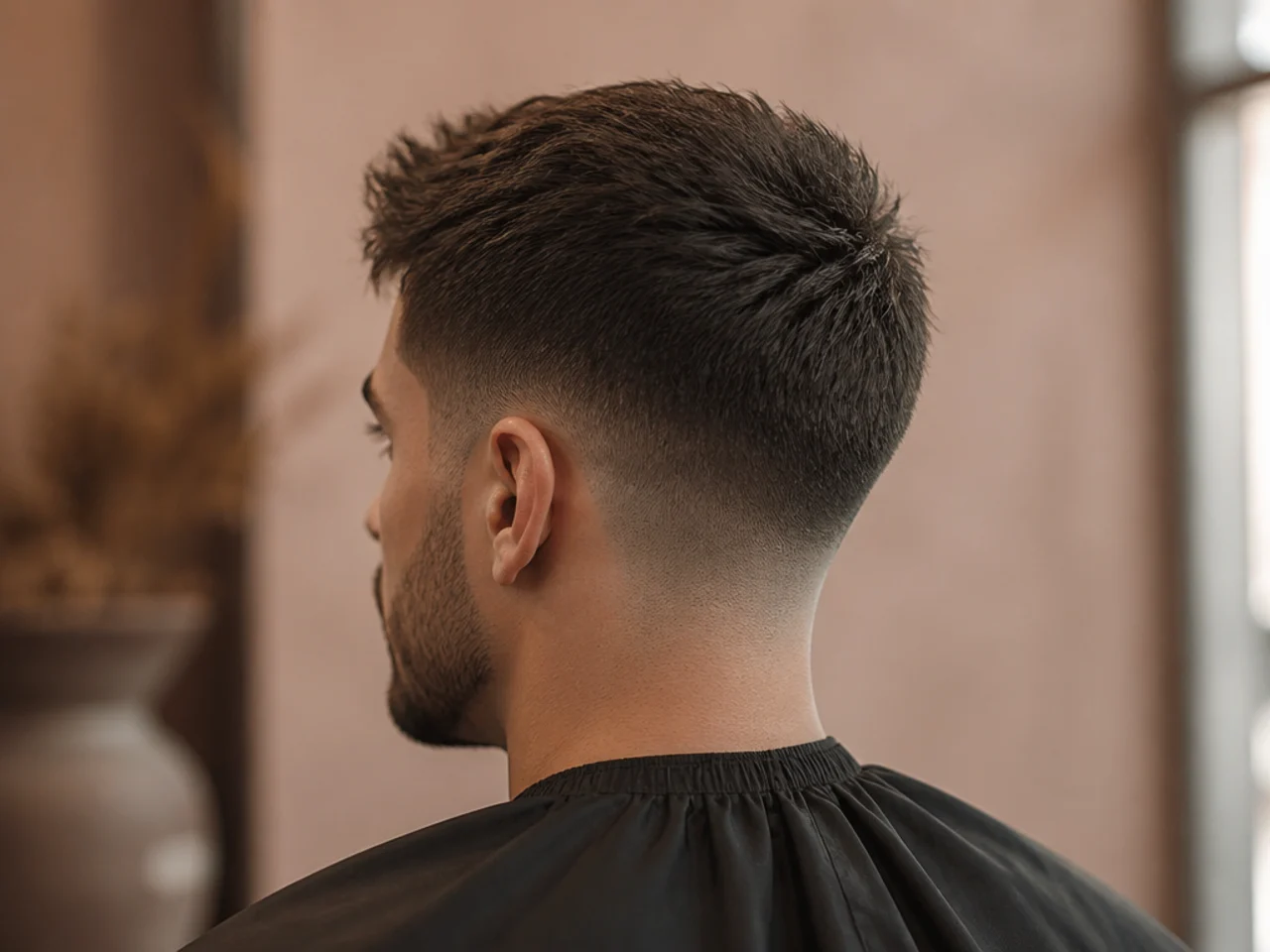
11. The Save With No Back View at All
Fifteen saves in and not one of them showed a neckline. The back is roughly a third of a short haircut, and if the folder never shows it, the barber is choosing it for you at every appointment.
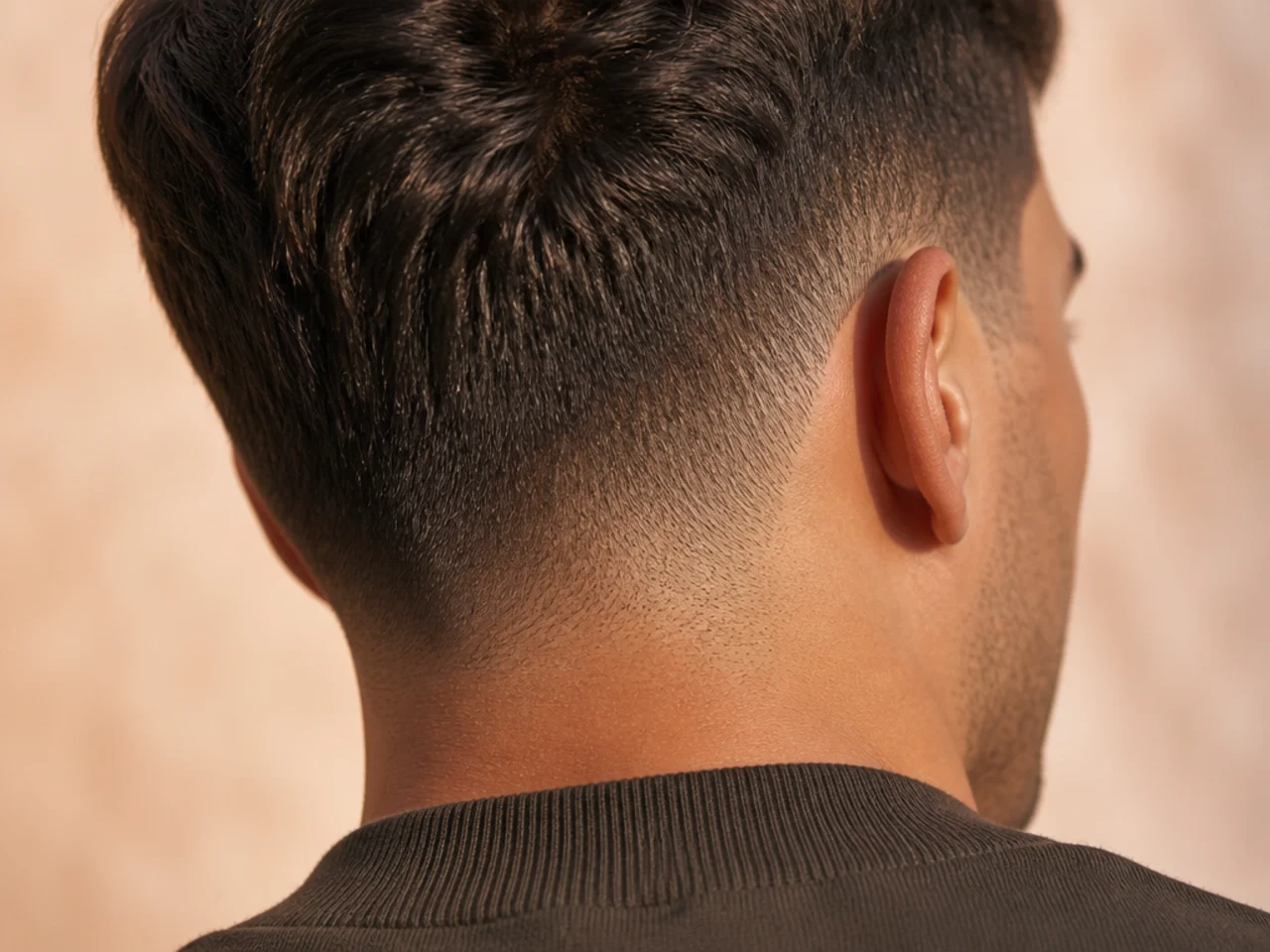
12. The Fade Whose Height I Could Not Judge
Low sits at or below the temple, mid between the temple and the parietal ridge, high at or above it. From a front-on photo with the ear half hidden, all three look the same, and they are three different haircuts.
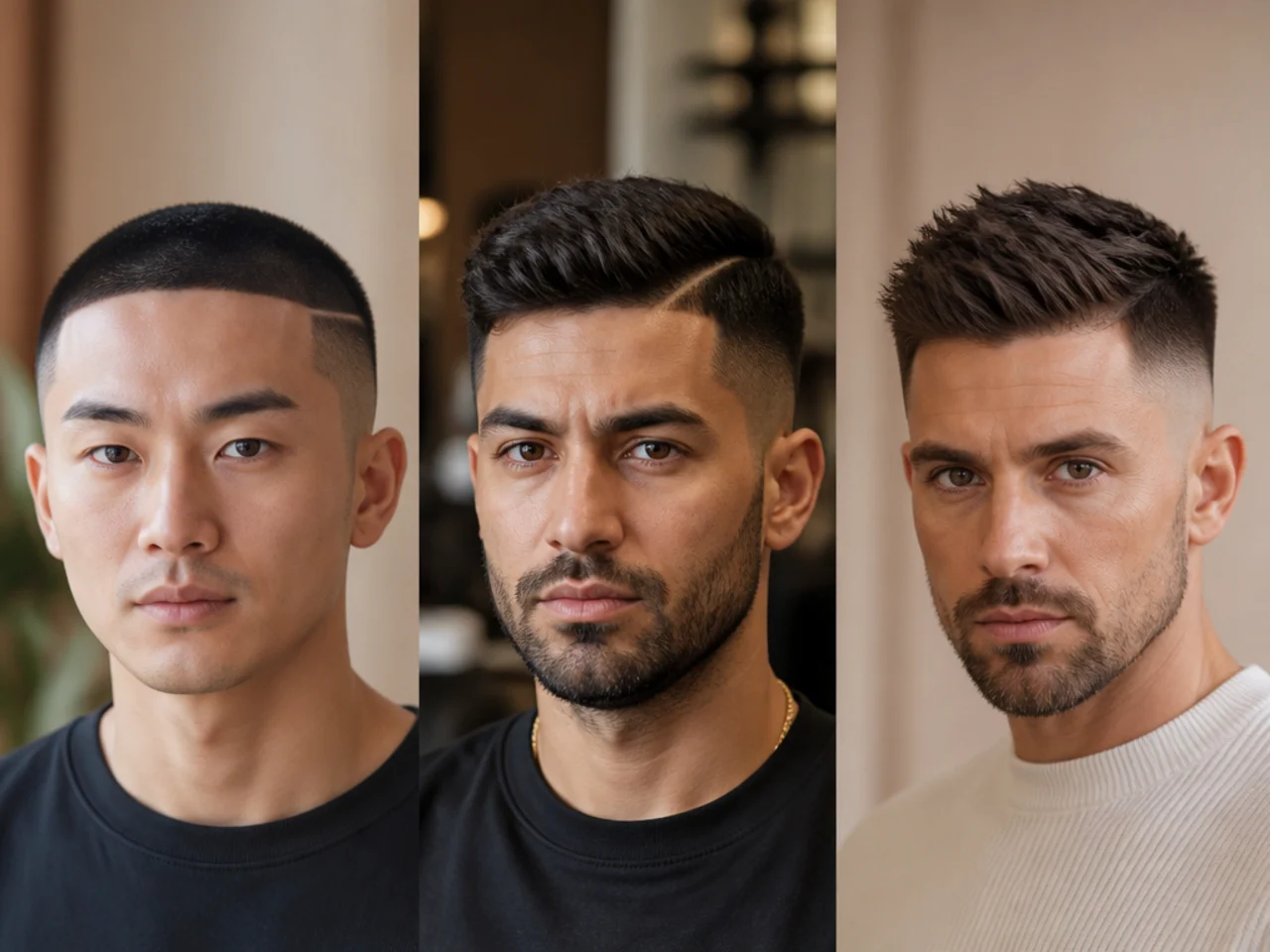
13. The Save That Was Really a Product Photo
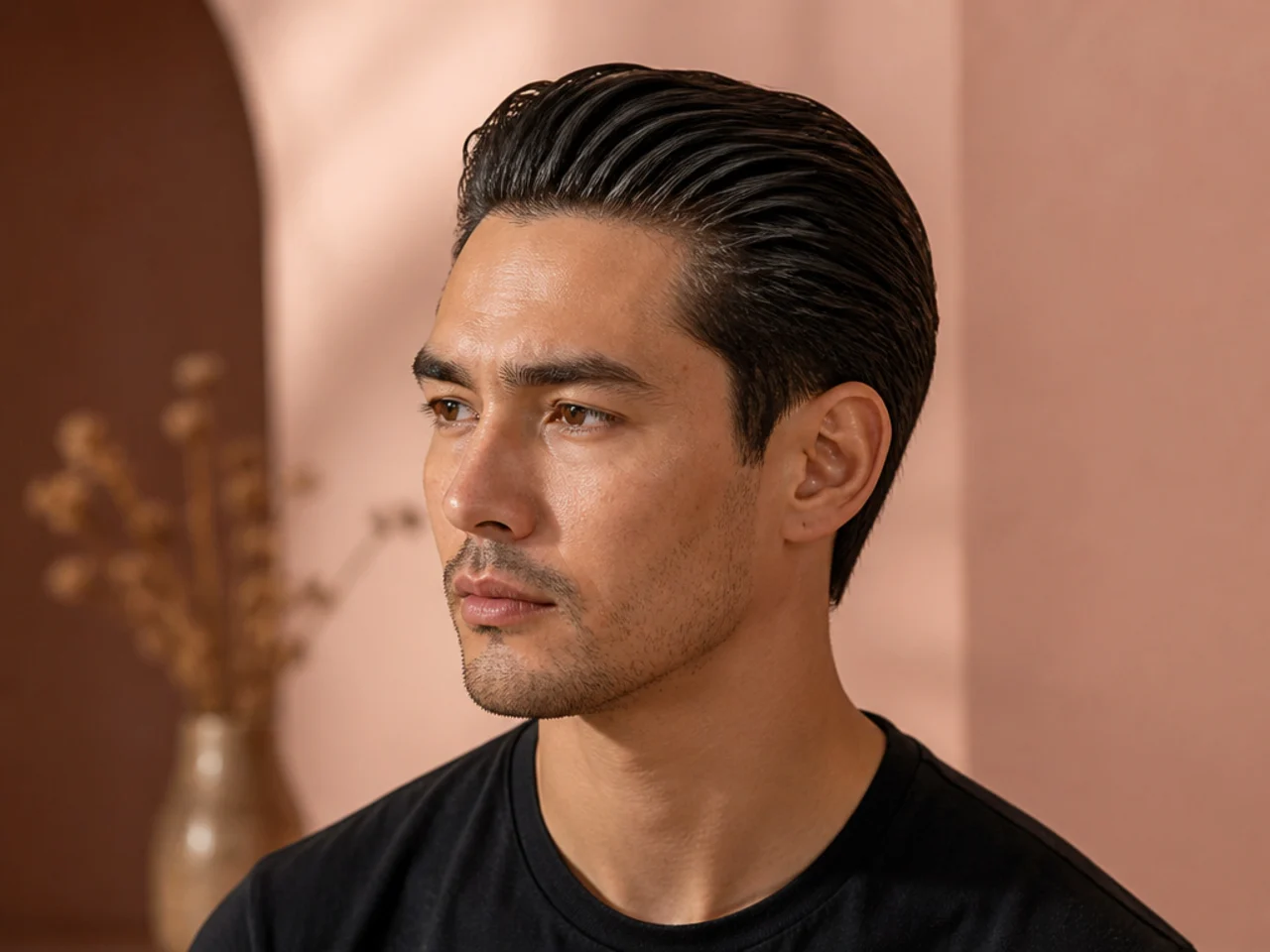
Shot to sell a tin. The hair is doing whatever makes the finish look best, which usually means more shine and more hold than anybody wears in daylight, and the cut is only in frame as a backdrop.
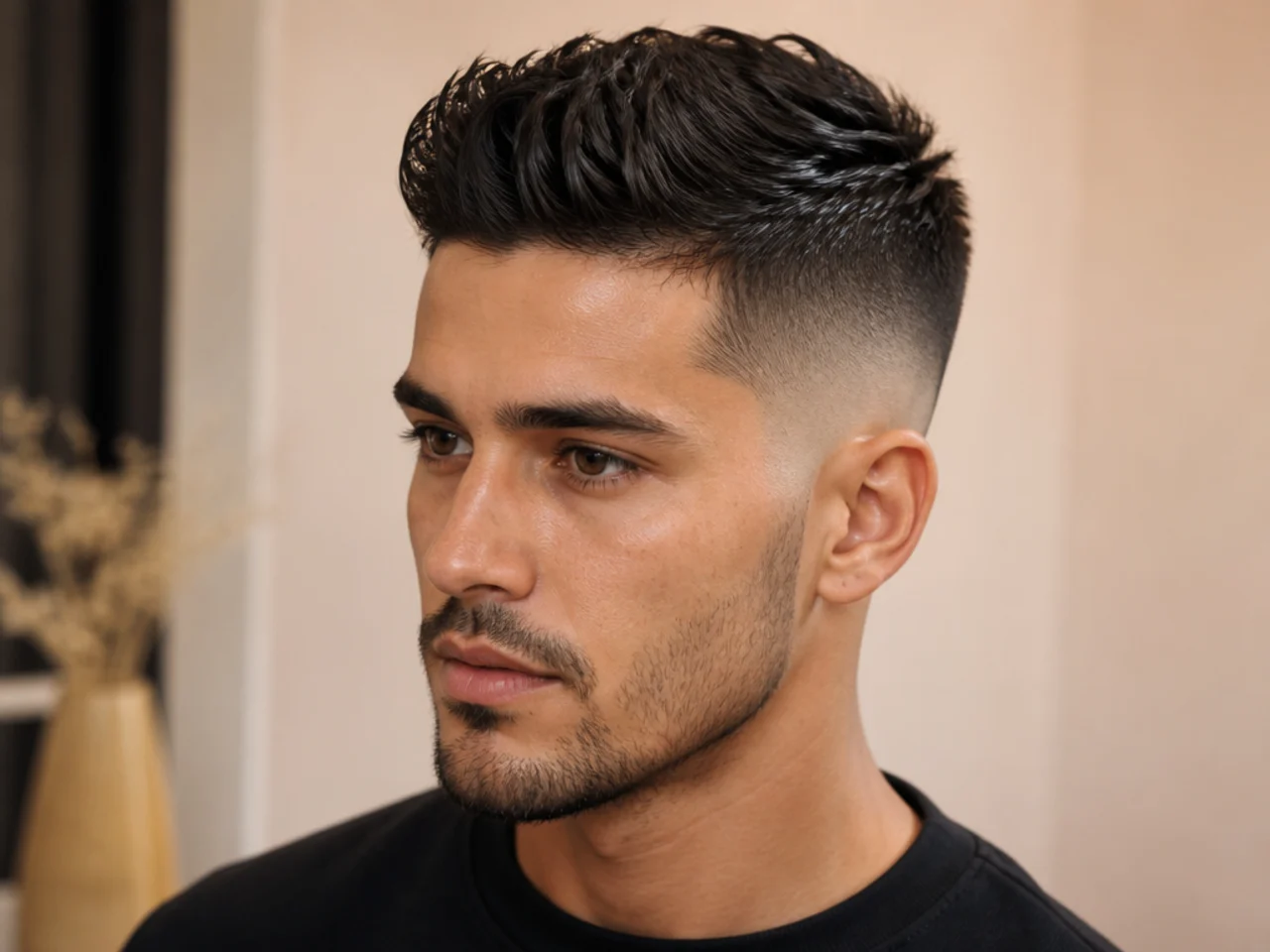
14. The One I Saved for the Neckline Alone
The top was completely wrong for me and the outline at the nape was exactly right. Saving a photo for one component works perfectly well, as long as you say which component out loud once you are in the chair.
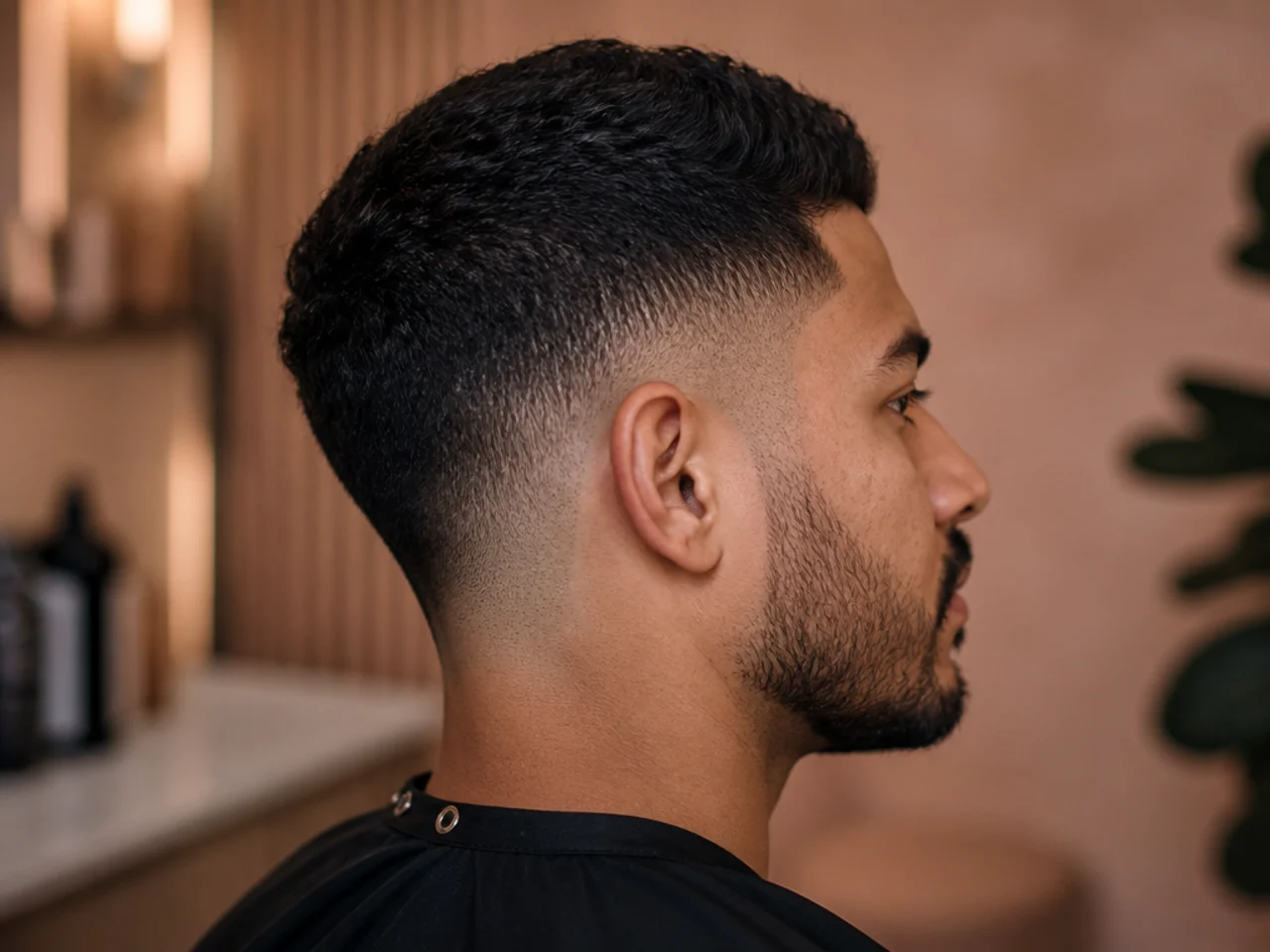
15. The Save I Could Only Use Half Of
Sides achievable, top impossible without twice my density. Splitting a reference into the half that transfers and the half that does not is the whole skill, and it turns a useless save into a usable one.
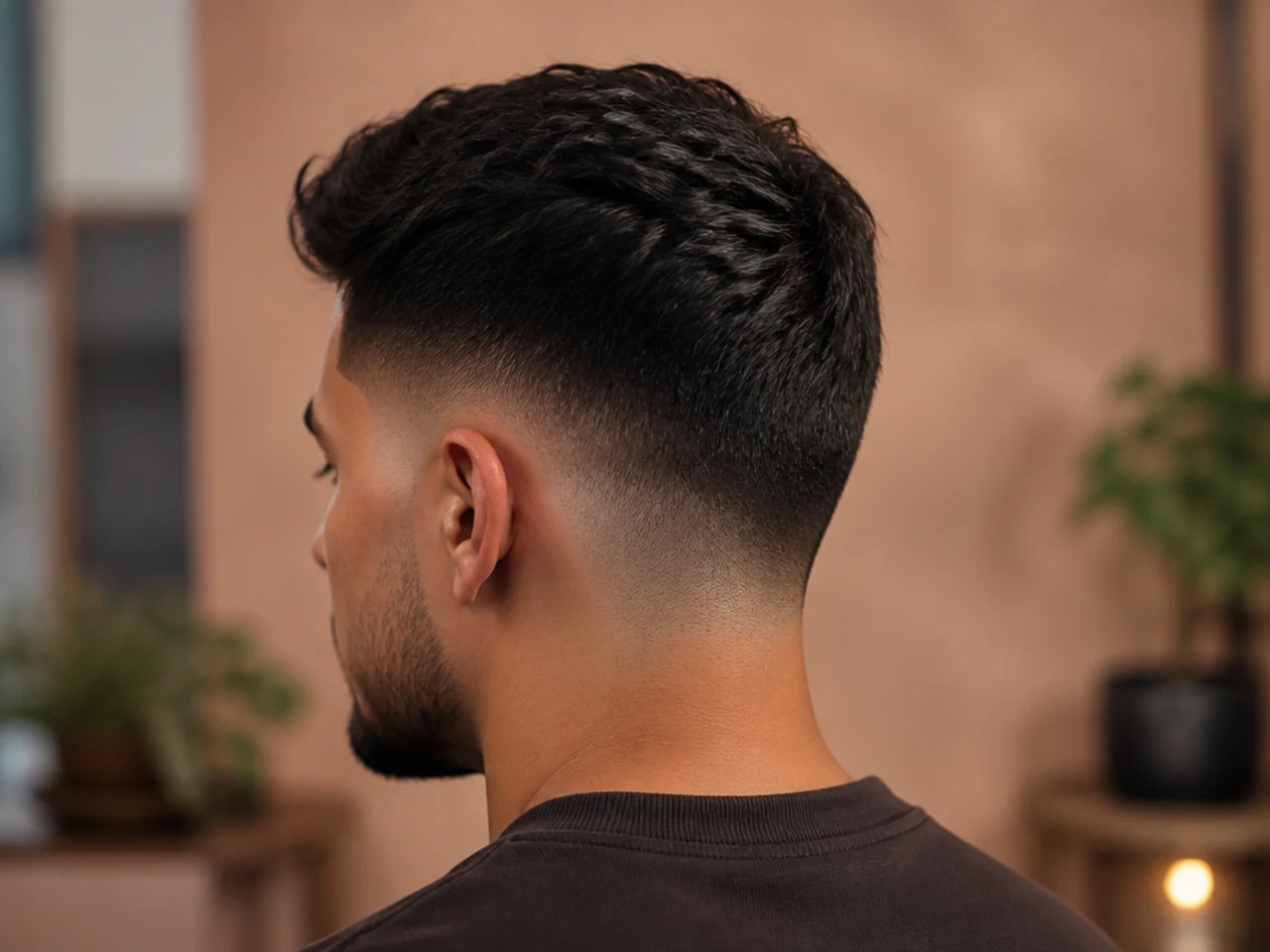
16. The Photo I Took In, and What He Said Was Possible
He looked at it for about four seconds and told me which half of it he could give me. That conversation was worth more than the image, and it only happened because I had brought something concrete to point at.
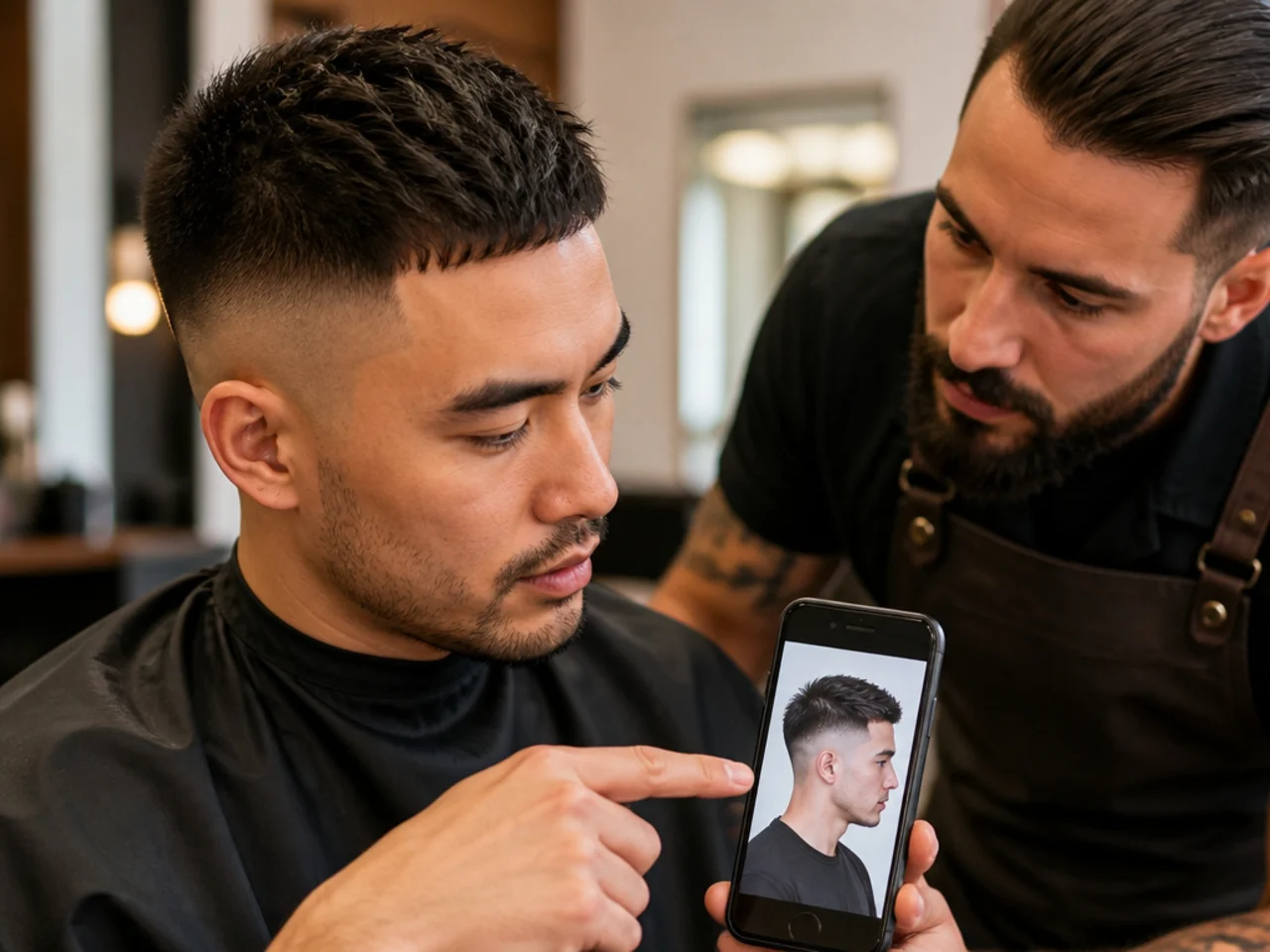
17. The Save That Worked Exactly as Expected
Similar density, similar texture, flat even lighting, a visible neckline and no obvious styling. Almost nothing in that photograph was doing work a barber could not repeat, which is exactly why it transferred to my head.
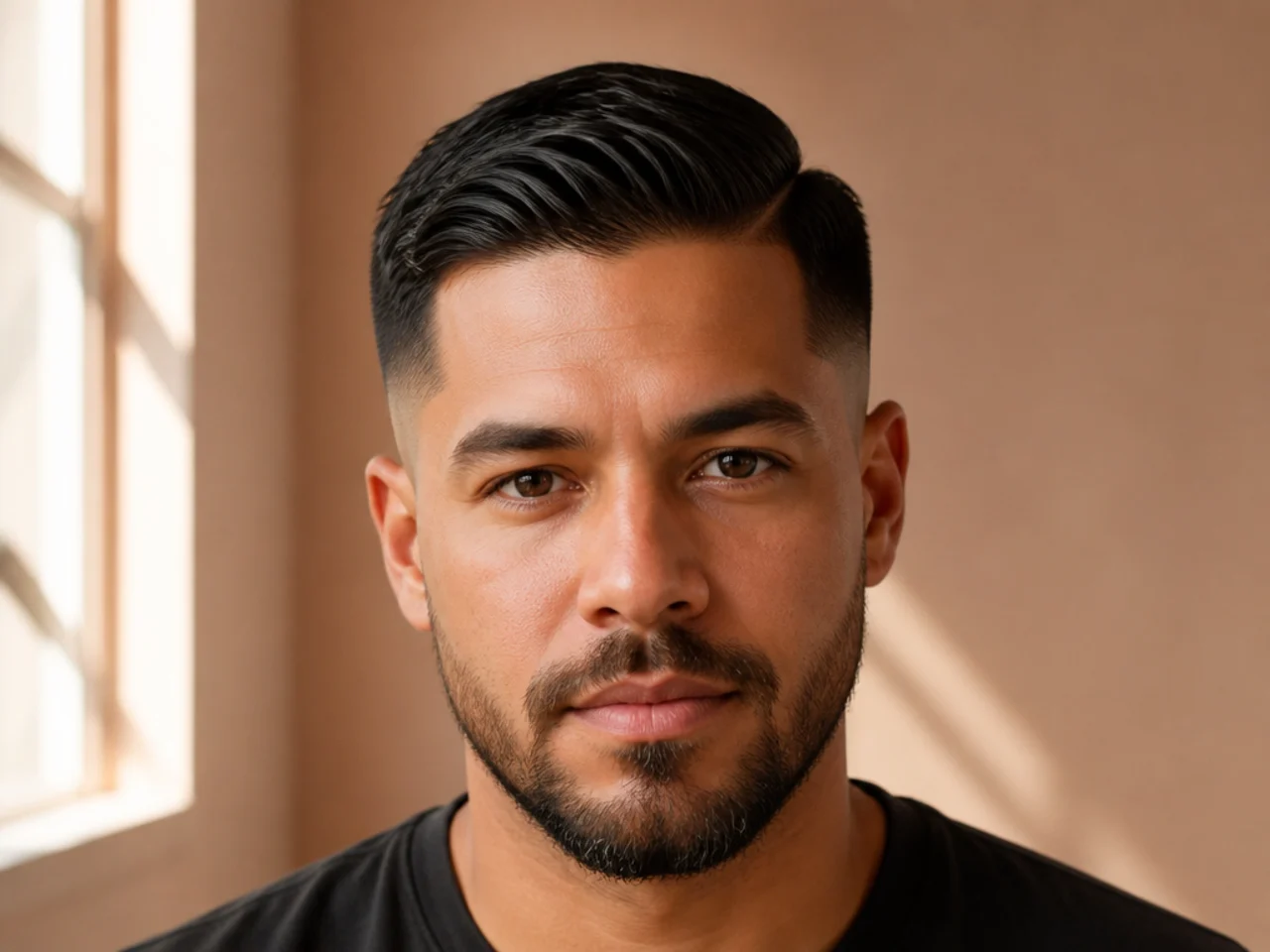
18. The Screenshot With a Filter On It
A filter lifts contrast, which deepens the shadow inside a fade and makes hair look denser than it is. A save that has been through a filter is a save of an image rather than of a haircut.
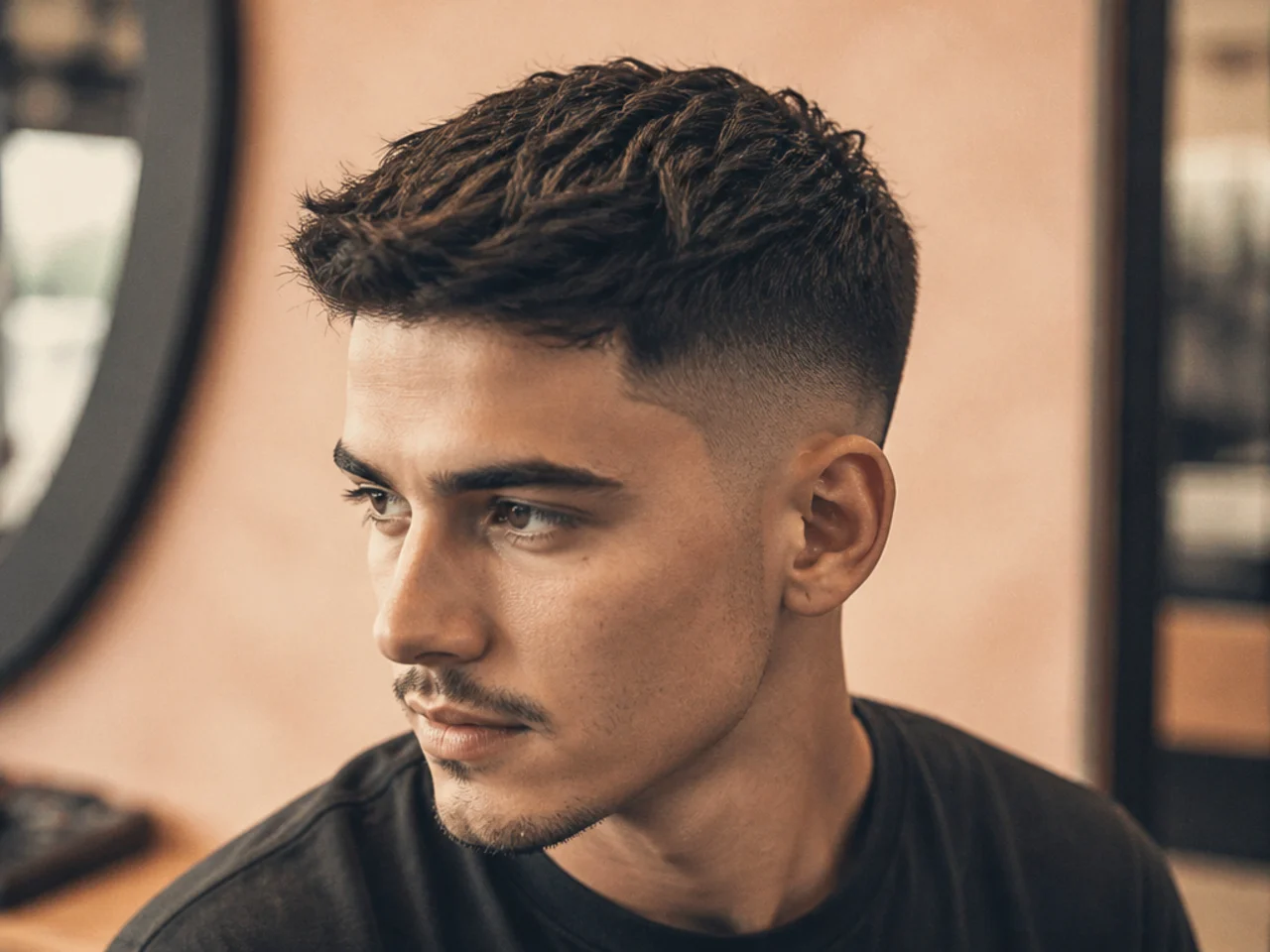
19. A Photo of a Cut Two Lengths Longer Than Mine
It read as short because the sides were tight, but the top sat a good three centimetres past where mine was. At roughly 1.25 cm a month it was really a medium length men's haircut and a plan for later, not an appointment for this week.
20. The Three-Photo Rule I Use Now
Front, side and back of the same head, or it does not go into the folder. One angle leaves the neckline, the fade height and the crown to somebody else's judgement, and those are the parts I keep getting wrong.
How I Store and Sort Saves Now
Delete any save with no side view. A front-on photo cannot show fade height, and fade height is a whole decision on its own.
Write one line on each save saying what I want from it. Naming the component turns a mood board back into a set of instructions.
Keep a photo of my own head in the same folder. It is the only control image there is, and it makes a density mismatch obvious in about a second.
Prefer flat, even light to anything dramatic. Dramatic lighting is doing the work that you were hoping the haircut would do.
Keep at least one save photographed at week three. It is the only honest picture of what a cut looks like for most of its life.
Mistakes to Avoid
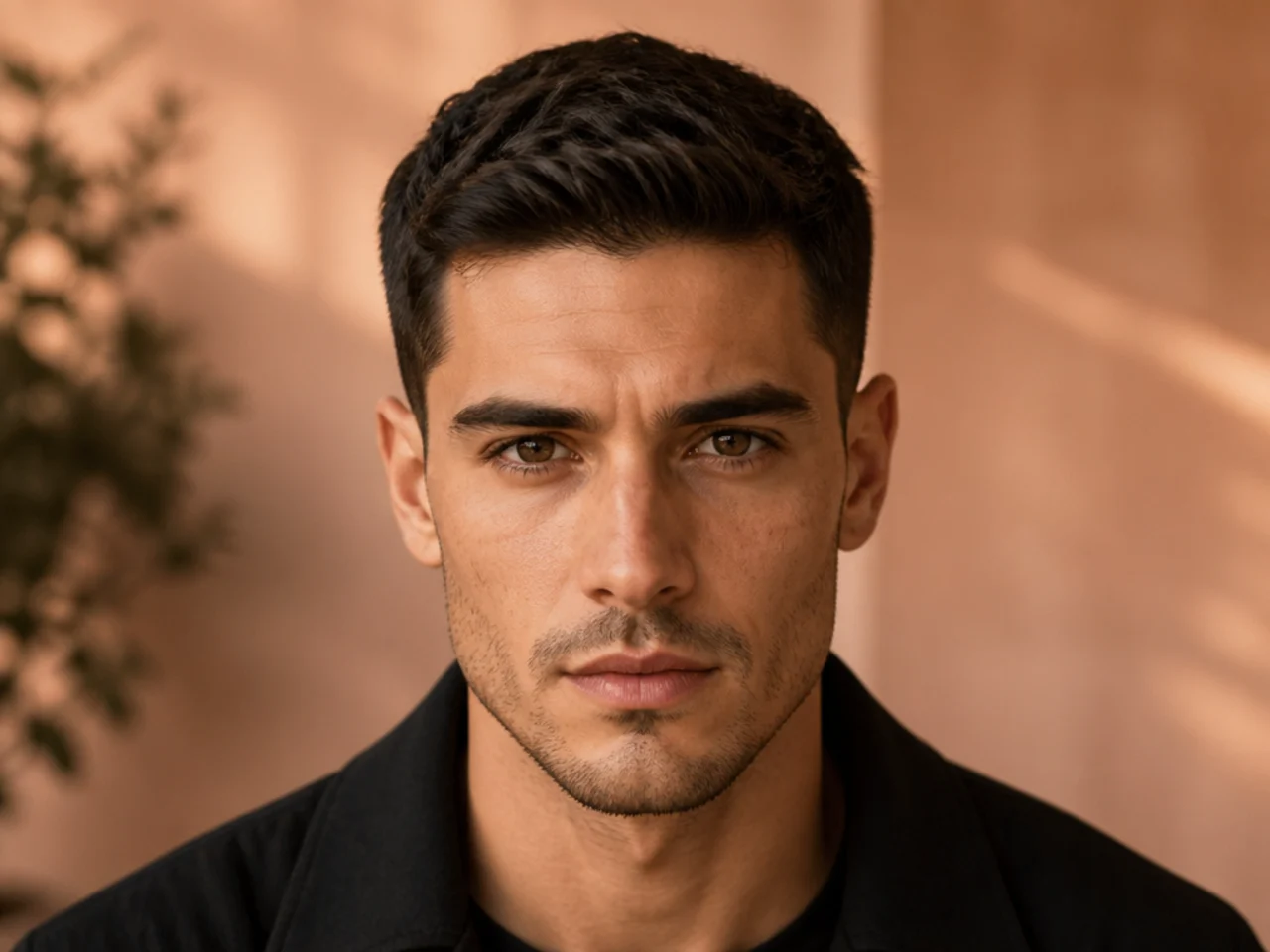
Judging a fade from a front-on photo. The height lives beside the ear and the front view does not show it.
Saving a curl photographed wet. You are saving a length that will not exist ten minutes later.
Bringing one image and expecting the back to be right. Nothing in that photo describes the back at all.
Reacting to a hairline that has been retouched. It is the fastest edit in the file and the most common one.
Assuming the finish came out of a tin you can buy. Half of it came out of a dryer, a brush and twenty-five minutes.
FAQ
Why does the cut never match the photo? Because density, lighting and styling are in the picture and only the cut is in the chair.
What do I look at first? The parting and the crown, to read the model's density against your own.
How many photos? Three, showing the front, the side and the back of one head.
Final Thoughts
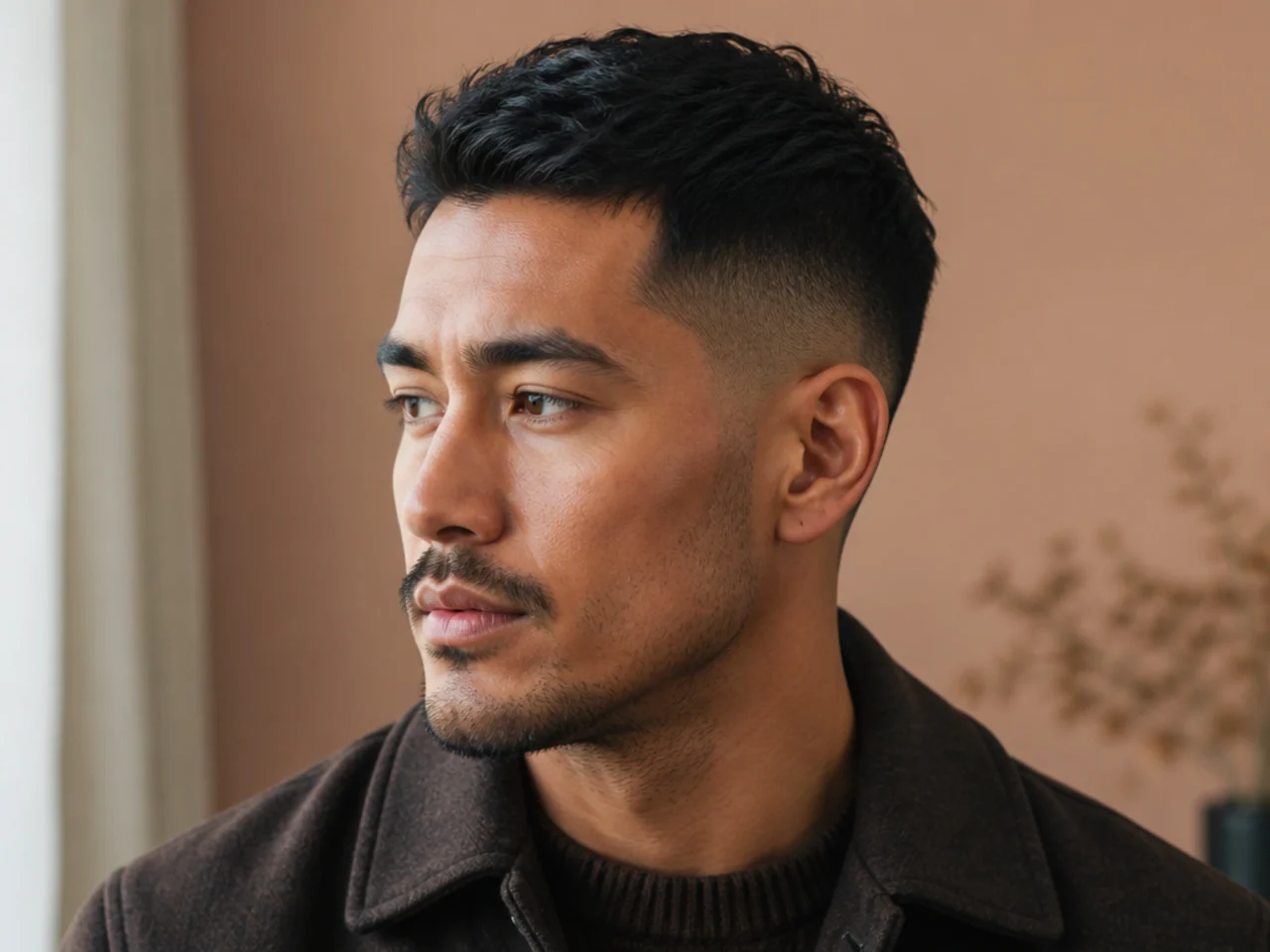
A save is not a request, it is a piece of evidence with several unrelated things baked into it. Learn to name which of them you are actually reacting to, and the folder stops being a source of disappointment and starts being a genuinely useful brief.
For a broader set worth screening this way see haircut ideas for men with short hair, and for the part of the judgement that is genuinely about your own head see haircut ideas for men by face shape. More in Men's Haircuts.