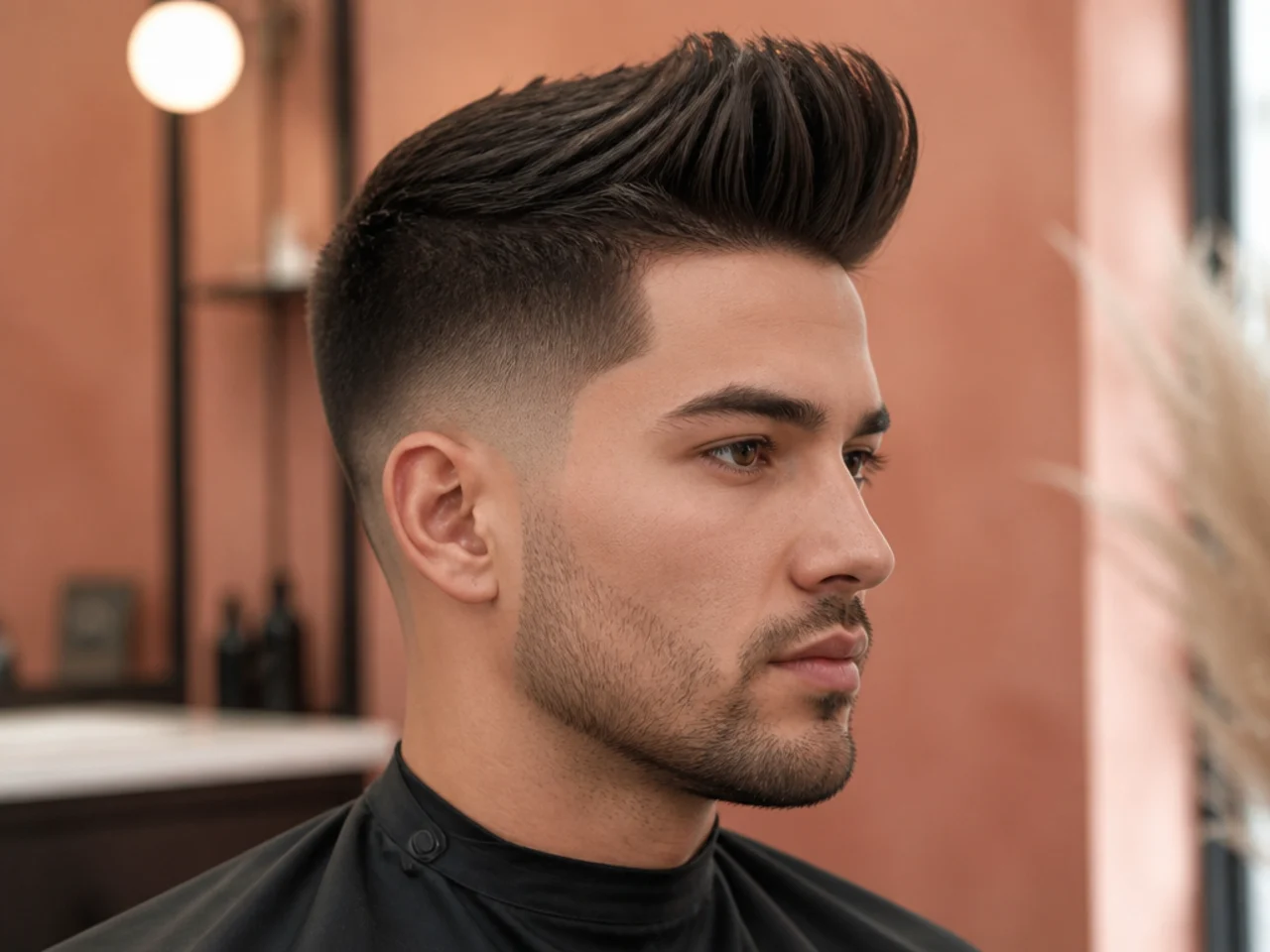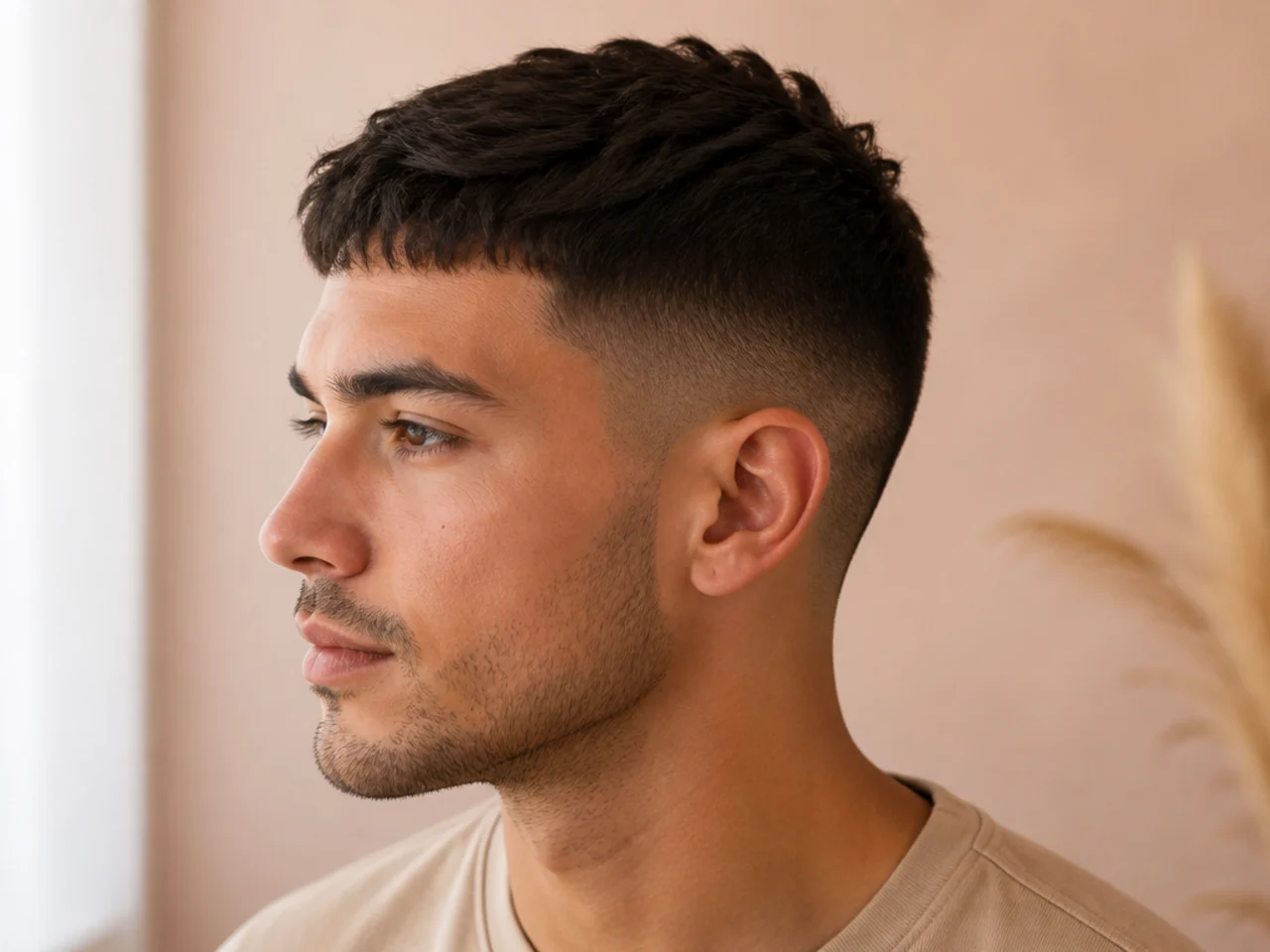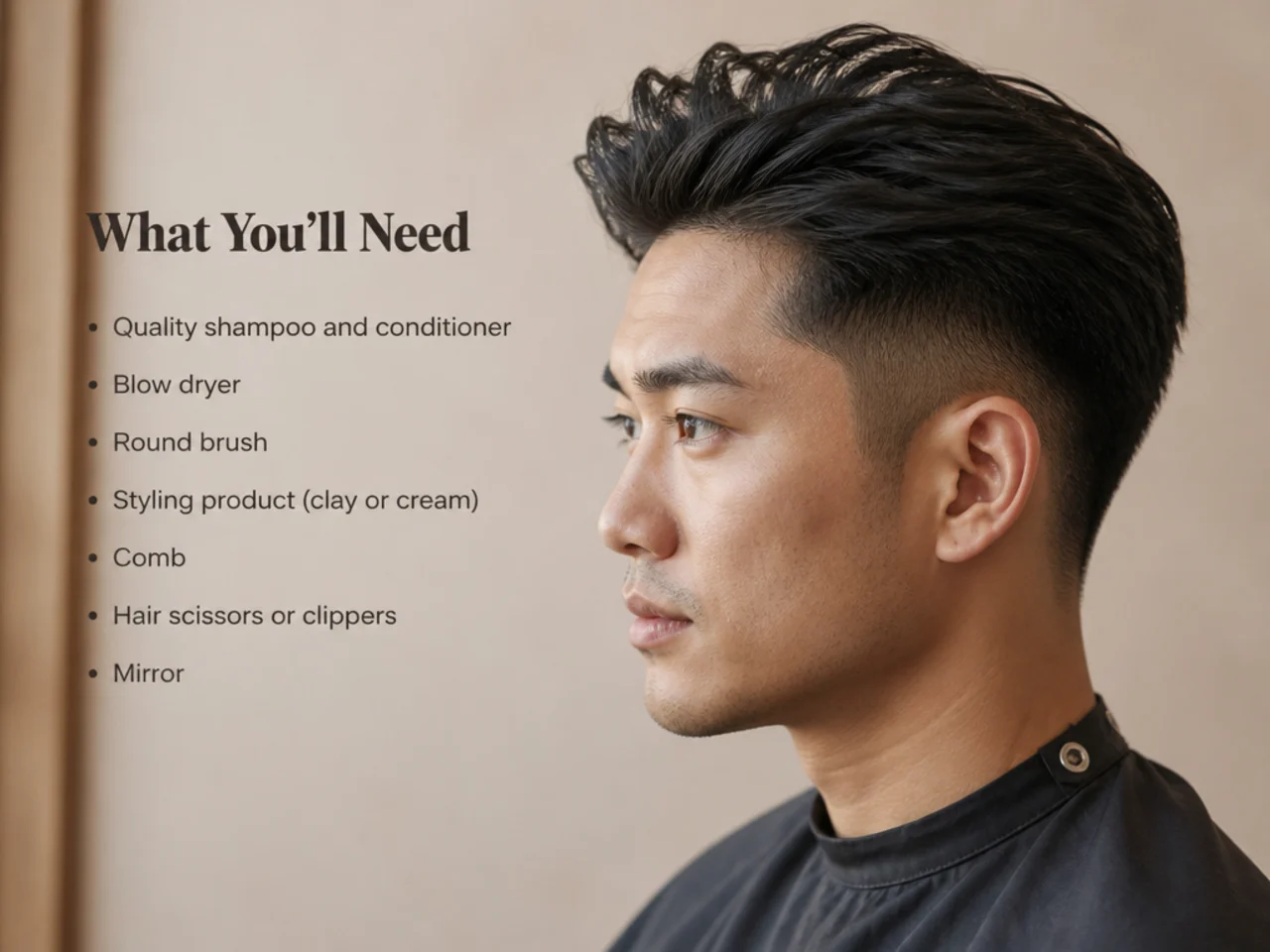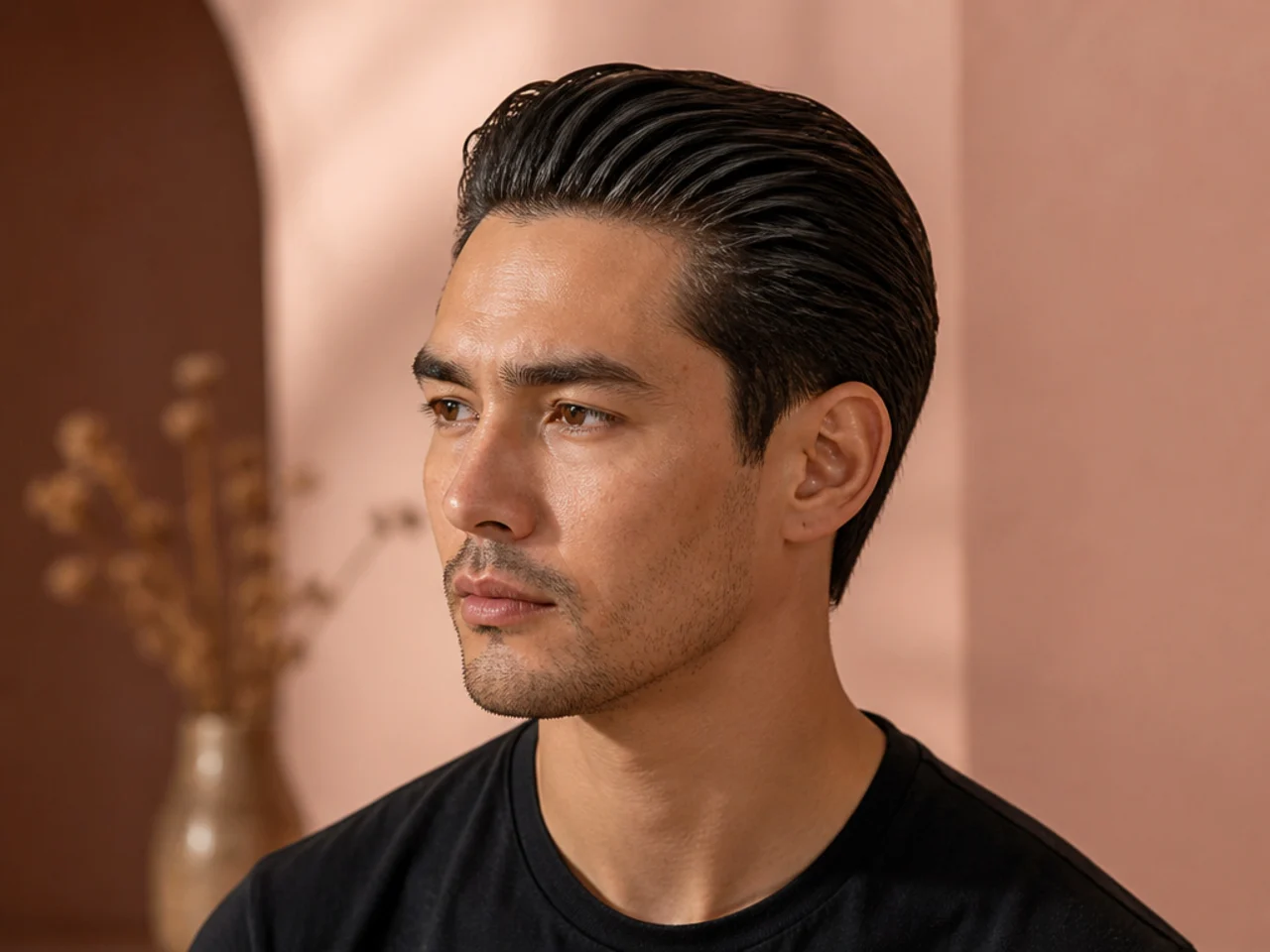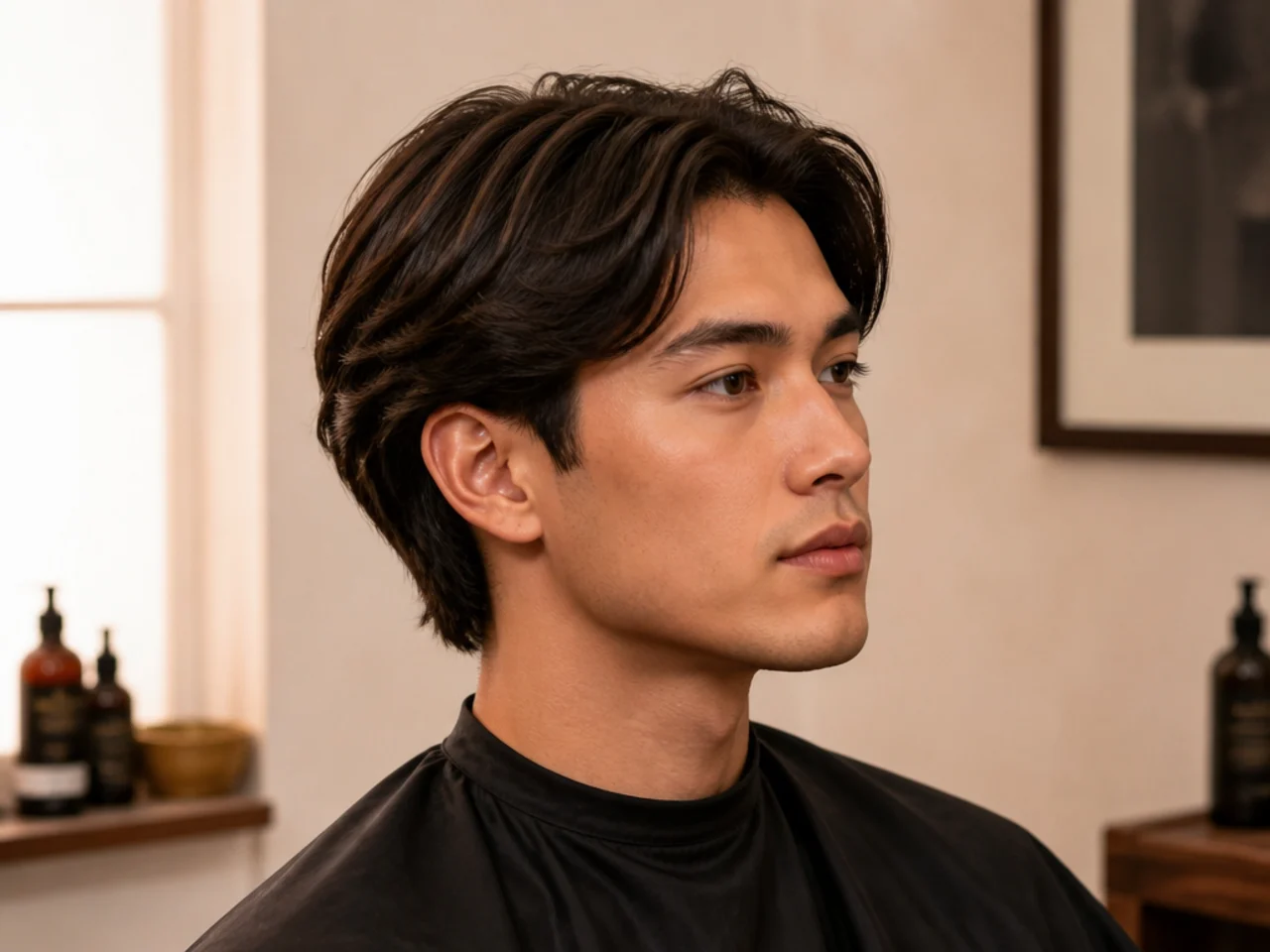
15 Old Money Style Haircuts for Men
The old money style haircut sorted by the icons who wore it — Gatsby, Cary Grant, JFK, McQueen, Redford, Ralph Lauren. Fifteen decade-referenced cuts.
In this article · 28
- What Is an Old Money Style Haircut?
- How to Choose Your Icon
- The 15 Icon-Inspired Old Money Cuts
- The Gatsby Sweep (1920s)
- The Cary Grant Classic (1940s)
- The Gregory Peck Executive (1950s)
- The Sinatra Sharp (1950s)
- The Gary Cooper Crop (1930s to 1940s)
- The Fred Astaire Polish (1930s)
- The Bogart Side Part (1940s)
- The JFK Sweep (1960s)
- The Bobby Kennedy Preppy (1960s)
- The Steve McQueen Casual (1960s)
- The Paul Newman Sun-Bleached (1960s to 1970s)
- The Redford Layered Sweep (1970s)
- The Gianni Agnelli Sprezzatura (1970s Italian)
- The Ralph Lauren Silver (Timeless)
- The Prince William Modern Tailored (2000s to 2020s)
- How to Ask Your Barber
- Styling and Maintenance
- FAQ
- Which old money style haircut is the safest first booking?
- Do I need to look like the icon for the cut to work?
- Which decade suits men in their twenties best?
- Can any old money style haircut work on curly hair?
- How much should an old money style haircut cost?
- Should I dye grey hair to keep the icon read?
- Final Thoughts
The old money style haircut isn't invented — it's inherited. Every version worth booking was worn first by a man whose name you already know. Gatsby's slick. Cary Grant's part. JFK's tousled sweep. Steve McQueen's crop. Ralph Lauren's silver brush-back. Fifteen icons, fifteen decades, one register. Below is each cut with the exact top length in inches, side treatment, finish, and the phrasing to hand your barber.
What Is an Old Money Style Haircut?
The old money style haircut is a family of cuts that share one job: read tailored without reading trendy. Length lives between an inch and a half and four inches on top. Sides sit scissor-tapered — clippers only touch the perimeter, if at all. Finish reads matte or, on the pre-war icons, a soft low shine that photographs like waxed leather.
What separates this piece from the two sibling guides is the lens. The old money haircut for men roundup sorts twenty-five variations by silhouette. The old money mens haircut list sorts twenty by archetype. This one sorts by icon and decade — fifteen cuts, each one built on a real man whose photograph you can pull up in the chair. Start with the ivy league haircut if the whole family feels new; every icon below is a variation on that same base.
How to Choose Your Icon
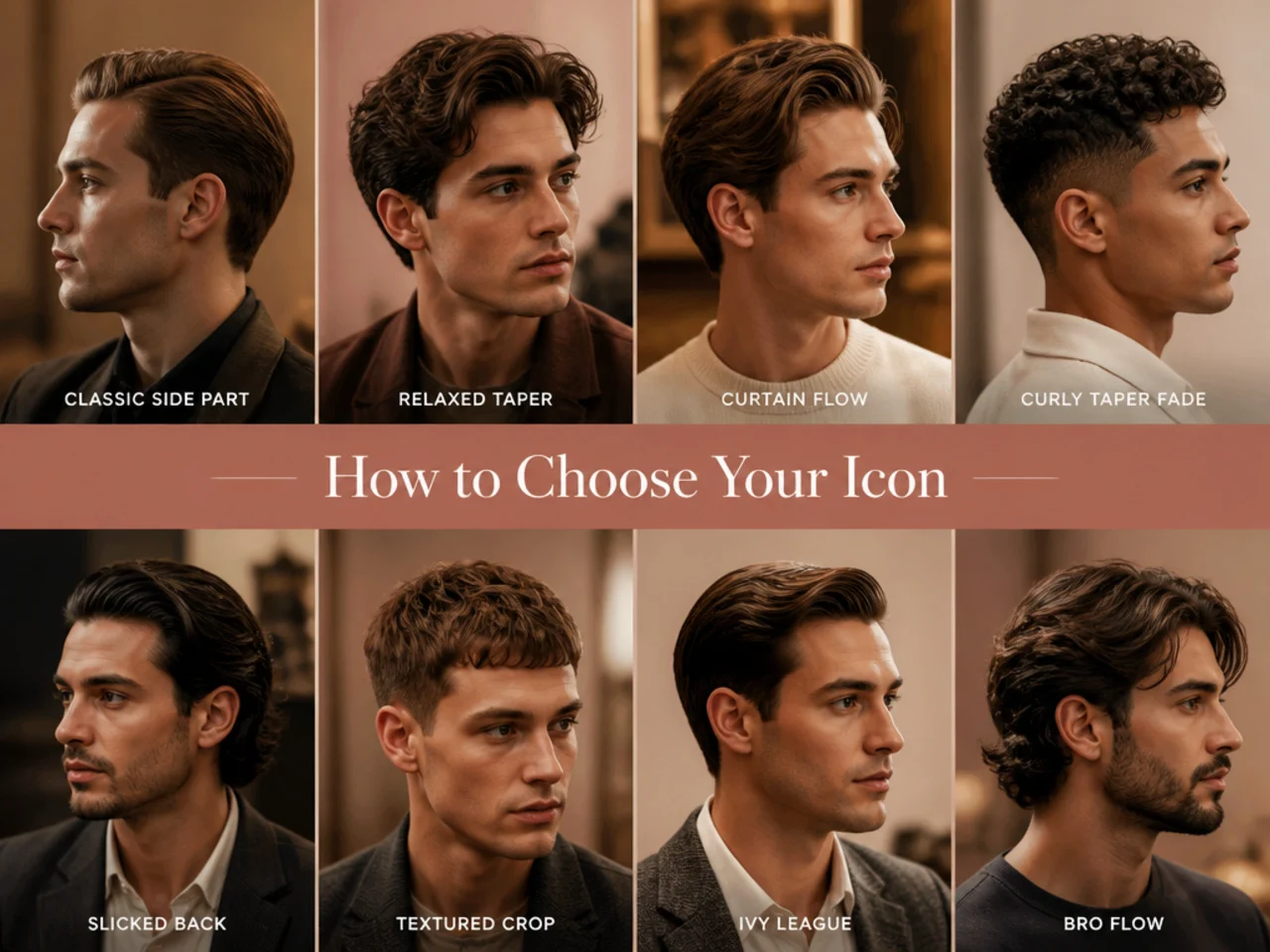
Three filters do the narrowing.
Decade. The 1920s and 1930s (Gatsby, Astaire) run wet-look and defined. The 1940s and 1950s (Bogart, Grant, Peck, Sinatra, Cooper) run classic side-part or short-crop with a light shine. The 1960s (JFK, Bobby Kennedy, McQueen) run tousled and matte. The 1970s (Redford, Agnelli, Newman) run longer and looser. The 2000s and 2020s (Prince William, Ralph Lauren) run the shortest and the most tailored.
Hair type. Straight to lightly wavy hair carries every icon on the list. Thick or coarse hair reads sharpest on the slick backs, the executive parts, and the Agnelli sweep — natural weight does the styling work. Fine hair wants the shorter icons: the Cooper Crop, the Sinatra Sharp, the Cary Grant Classic, or a Prince William modern tailored. Wavy hair through 2C suits the Kennedy sweep, the McQueen casual, and the Newman sun-bleached beautifully.
Face shape. Long faces want fuller sides and less height — Grant, Peck, Prince William. Round and heart faces want vertical lift — Fred Astaire, JFK, Gianni Agnelli. Square and oval faces carry nearly the whole list. If face shape is the sticking point, the haircuts for square faces breakdown covers the full range.
Get the three right and the icon reads as inheritance rather than costume. Save the photo, book the appointment.
The 15 Icon-Inspired Old Money Cuts
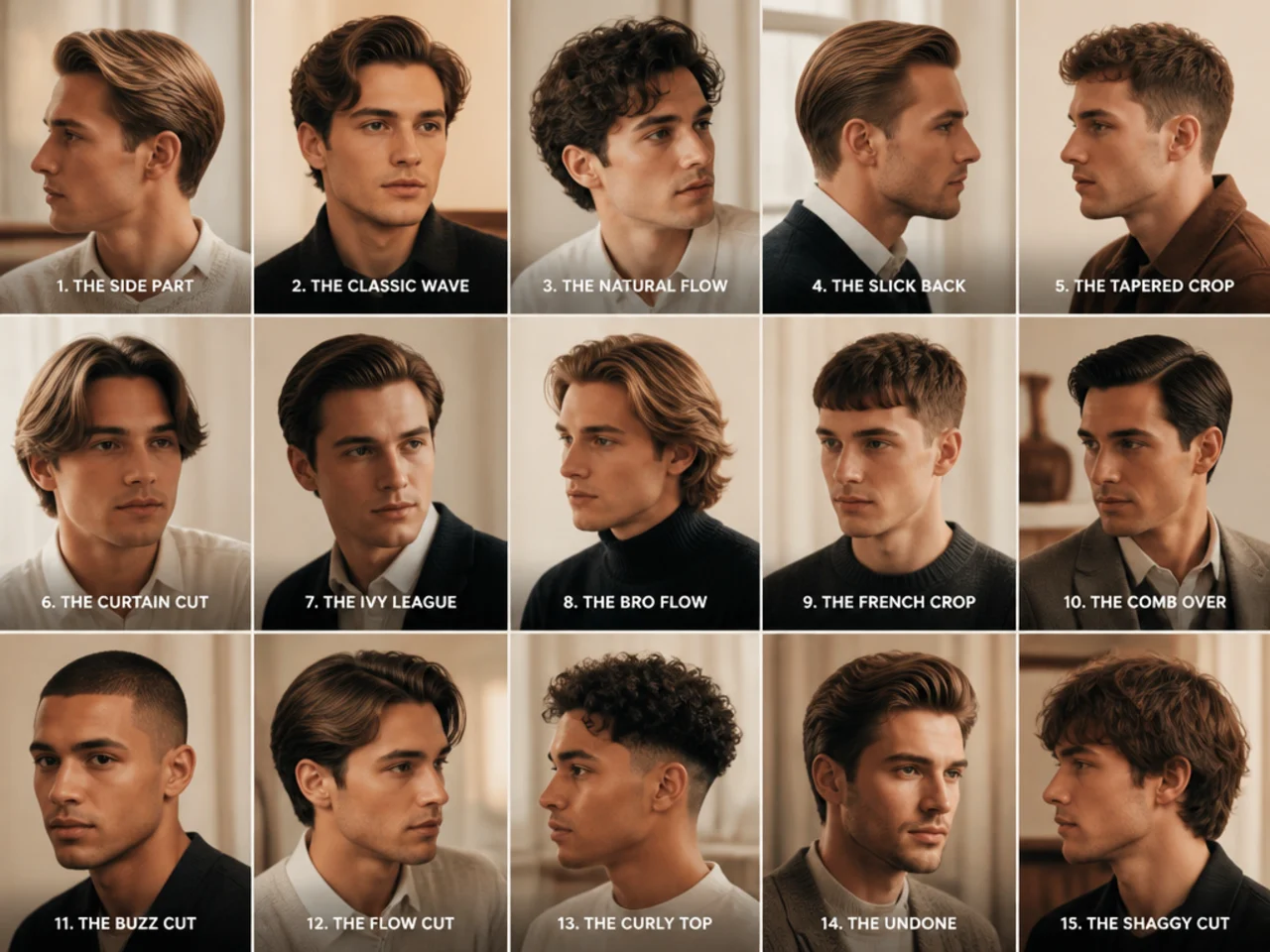
Each entry below names the icon, the decade, and the exact way to build the cut on your own head. Every version has been shortened, matte-adjusted, or re-tapered where the original wouldn't hold up in a 2026 boardroom — the reference is the icon, not the archival photograph verbatim.
The Gatsby Sweep (1920s)
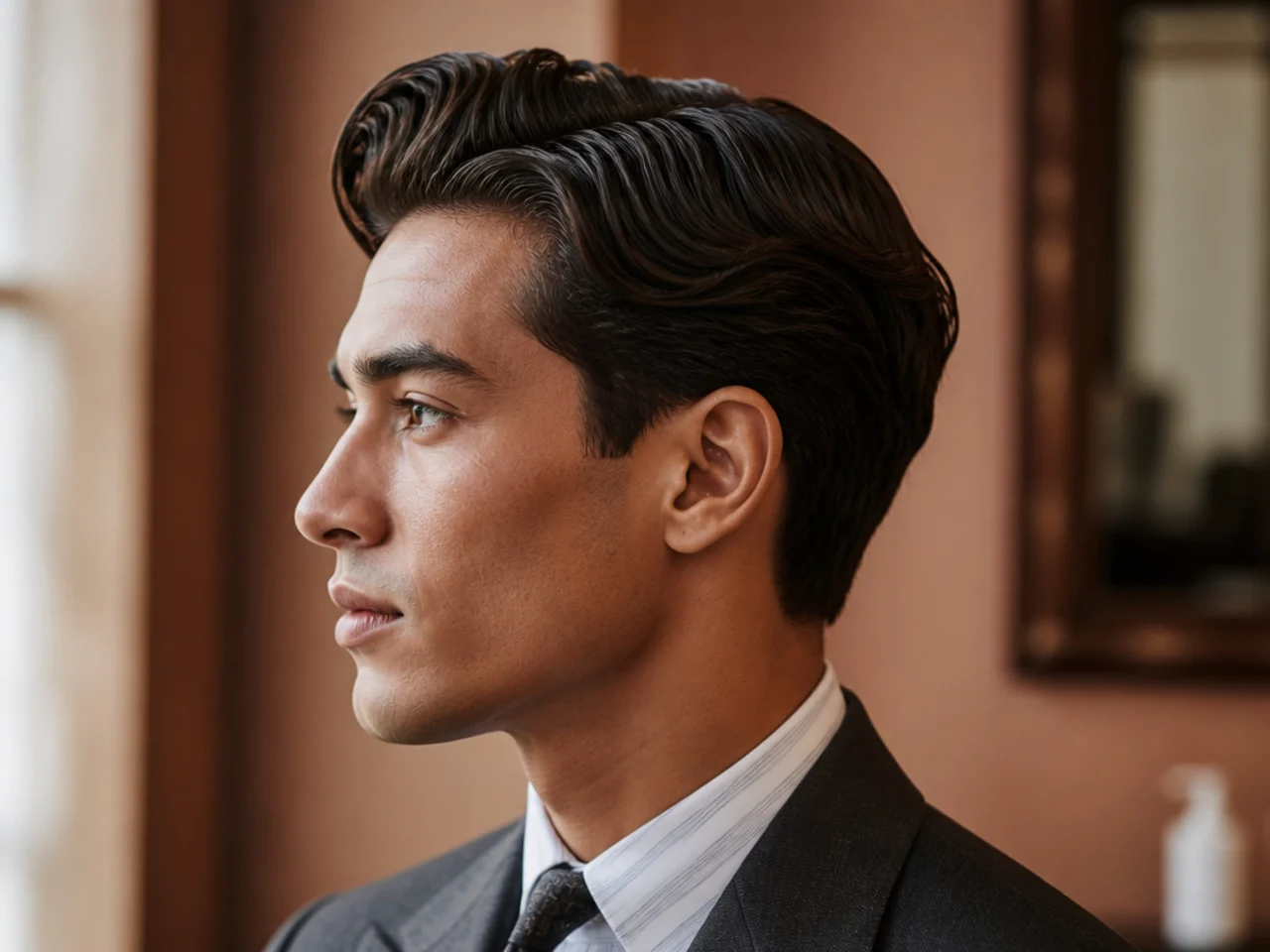
The 1920s original — Robert Redford in the 1974 Gatsby, Leonardo DiCaprio in the 2013 remake, and every real-money boy who parted his hair between them. Three inches on top with a razor-deep low side part, a defined finger wave running from the part toward the temple, sides scissor-tapered clean above the ear. This is the only cut on the list that carries a soft low shine — anything drier collapses the wave shape.
Suits straight to type 2A hair with enough natural body to hold the wave. Skip on thick coarse hair — the wave stops reading and turns to bulk.
Ask for a Gatsby-era side part with a defined finger wave near the temple, three inches on top, and a scissor taper on the sides to a #2. Style with a light water-based pomade combed once from part to ear, then set the wave with a fine comb and a diffuser on cool.
The Cary Grant Classic (1940s)
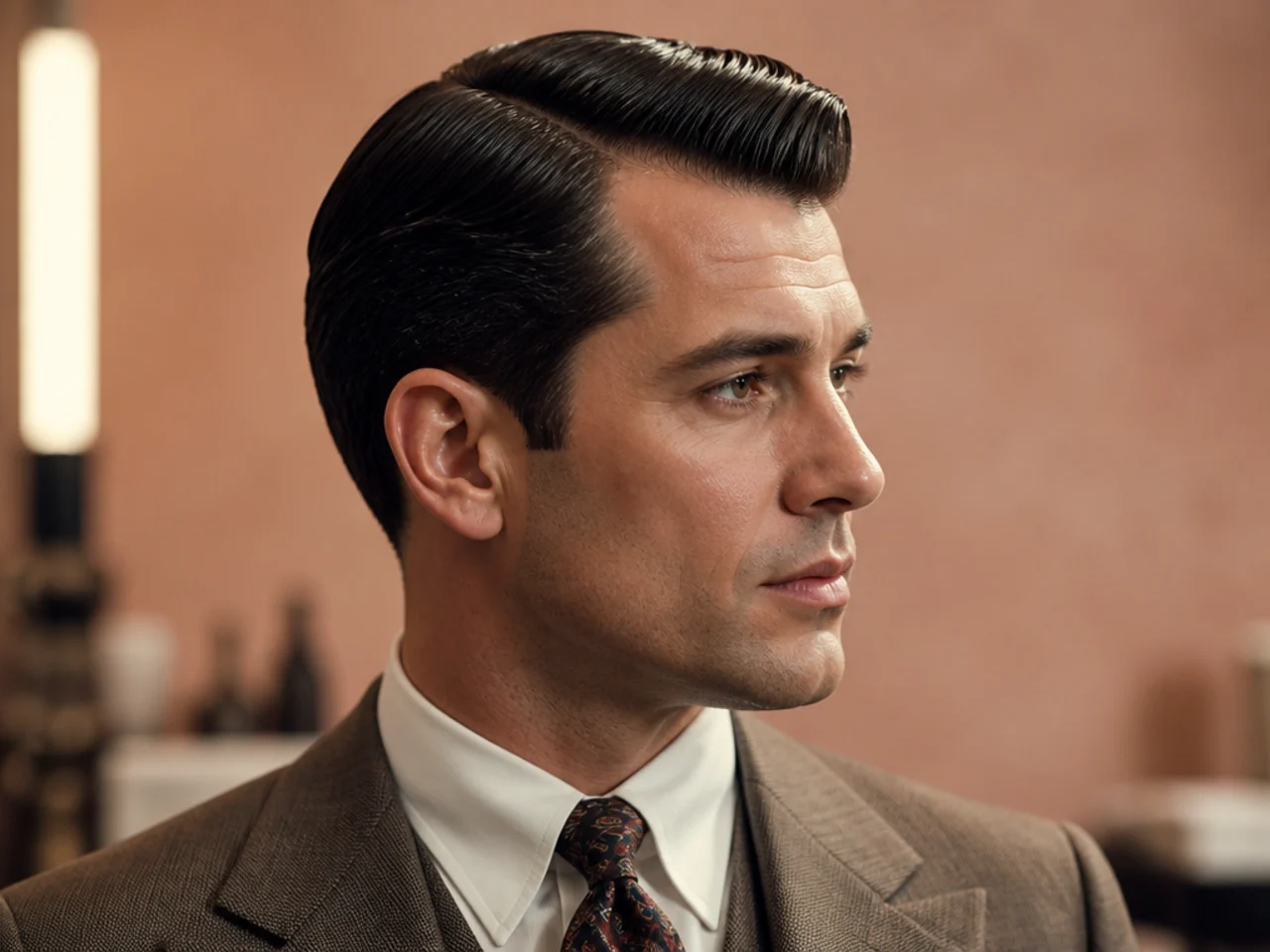
The 1940s reference every barber recognizes. Two and a half inches on top combed sharp across a deep natural side part, sides scissor-tapered close and flat, a mixed finish — closer to matte than the original 1940s pomade but with just enough shine to read polished. Grant's whole read came from the line: a part cut so clean it looked drawn.
Suits every face shape and straight-to-lightly-wavy hair (types 1 to 2A). Skip on curly hair — the part won't hold the geometry.
Ask for a classic 1940s-style side part with a deep natural break, two and a half inches on top, scissor sides to a #2, and a squared neckline. Style with a matte cream mixed with a fingernail of light pomade, combed once from part to ear.
The Gregory Peck Executive (1950s)
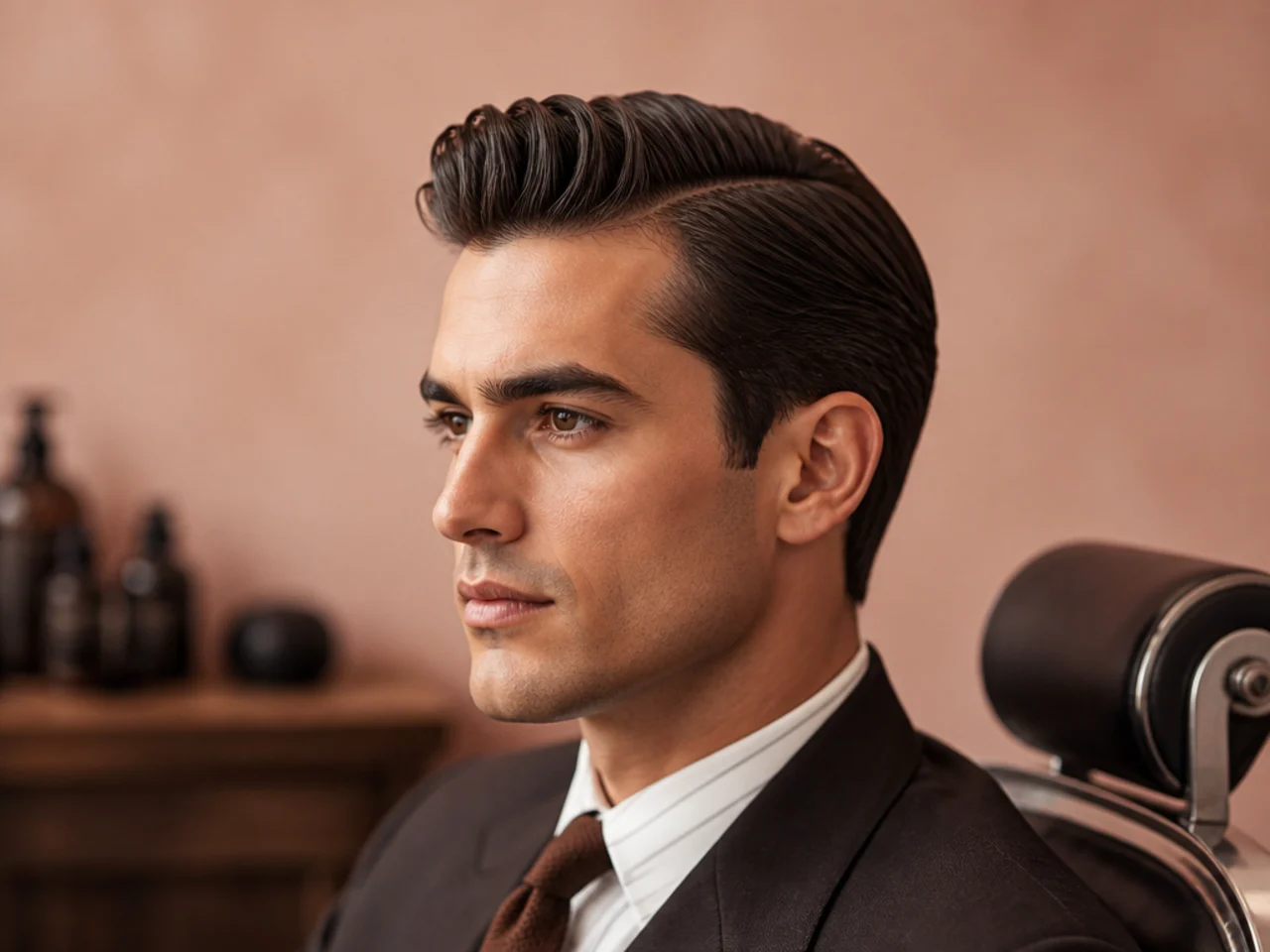
Peck's read in Roman Holiday and Gentleman's Agreement — three and a half inches on top, deeper natural side part than Grant's, sides scissor-blended long down to a #3. This is the executive version of the same 1950s DNA: more length so the comb-back has real presence under a suit jacket, and a slightly softer finish so nothing looks strained.
Suits square, oval, and long faces. Best on straight fine-to-medium hair; skip on thick coarse hair where the extra length reads heavy.
Ask for a Peck-style executive side part, three and a half inches on top, scissor sides down to a #3 above the ear, and a deep natural part. Style with a matte cream on damp hair, combed back and to the side, then a small round brush at the front for lift.
The Sinatra Sharp (1950s)
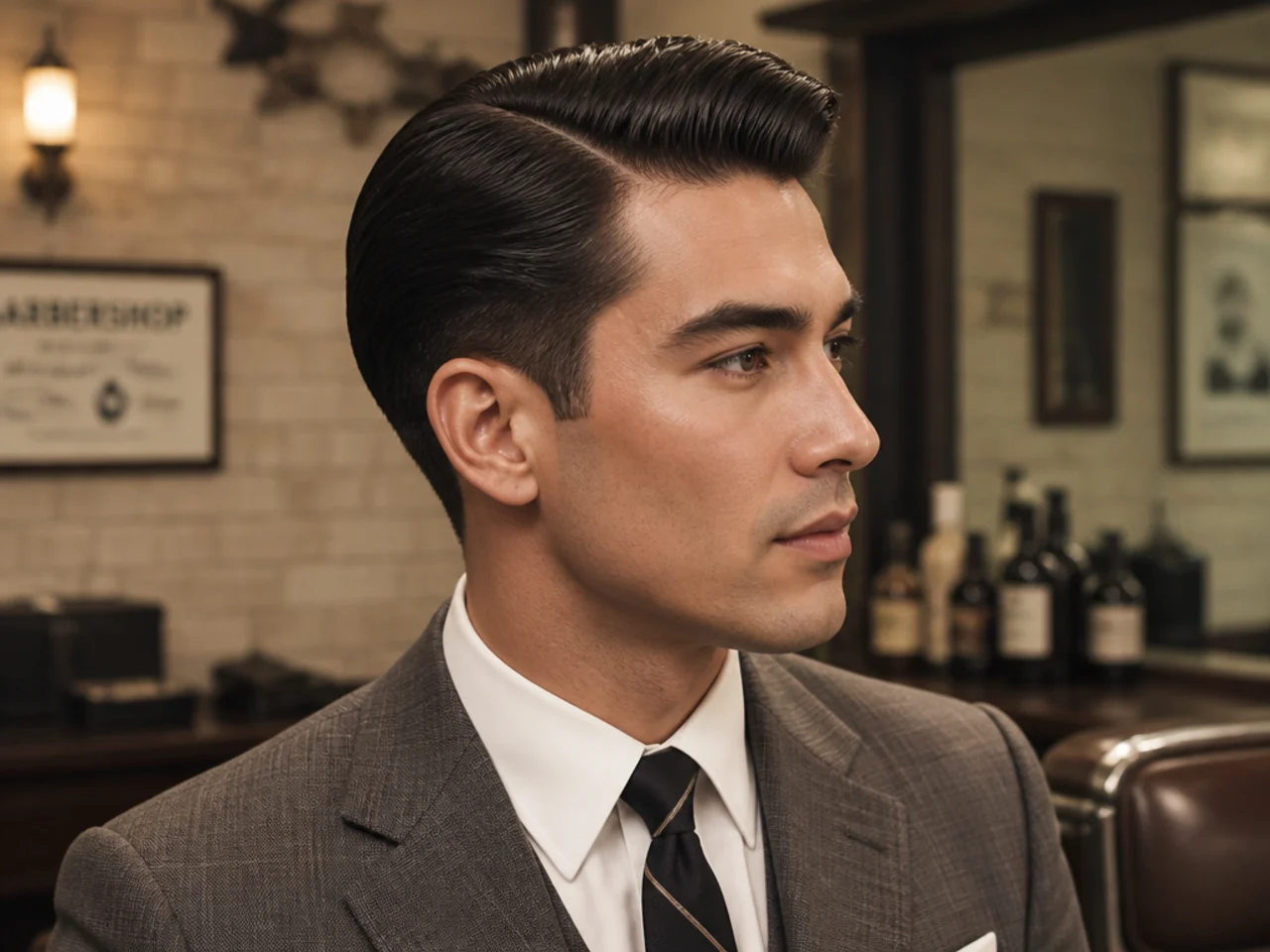
The city-tailored version of the 1950s register. Two inches on top slicked across a light side part, sides scissor-tapered short, a sharp defined sideburn line — the whole cut sits closer to the head than Peck or Grant. Sinatra wore it under a fedora and behind a microphone; on your head, it reads dressed even without a jacket.
Suits square and oval faces and straight fine hair — this is the cut that makes thinning hair look intentional.
Ask for a short slicked side part, two inches on top, scissor sides to a #1.5, and a straight sharp sideburn line just past the tragus. Style with a light matte pomade on damp hair, one clean comb-across from part to ear.
The Gary Cooper Crop (1930s to 1940s)
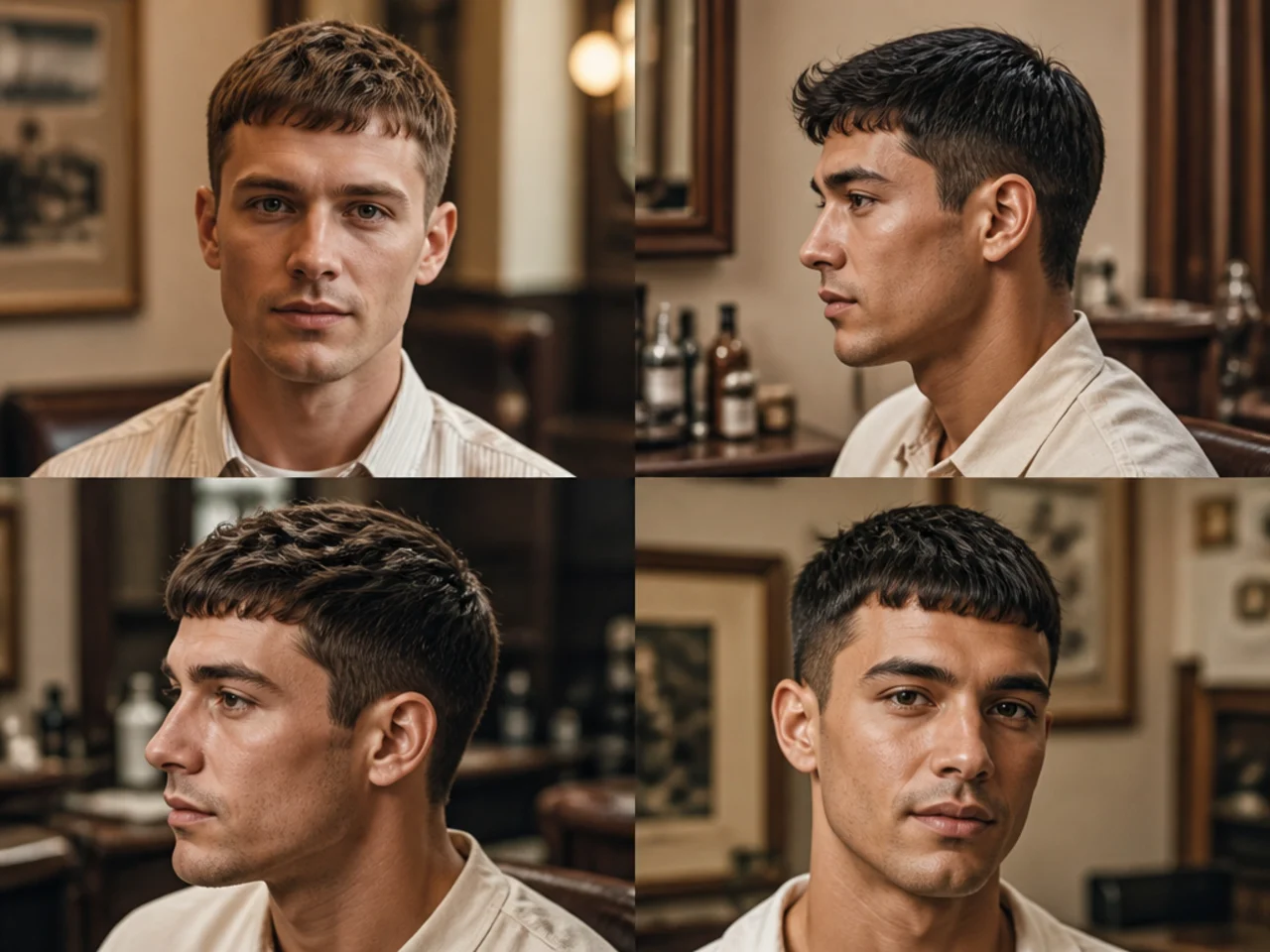
The oldest short crop on the list. An inch and a half on top with a soft forward fringe just above the brow, sides scissor-tapered clean, matte finish always. Cooper's real 1930s cut had a light pomade shine; the 2026 version drops it entirely so the crop reads modern without reading trendy.
Suits high hairlines, receding fronts, and every face shape. Works on straight through lightly wavy hair; skip on tight curls.
Ask for a Gary Cooper style crop, inch and a half on top with a soft forward fringe half an inch above the brow, and a scissor taper on the sides to a #2. Style with a fingertip of matte clay pressed forward with your palm. No comb.
The Fred Astaire Polish (1930s)
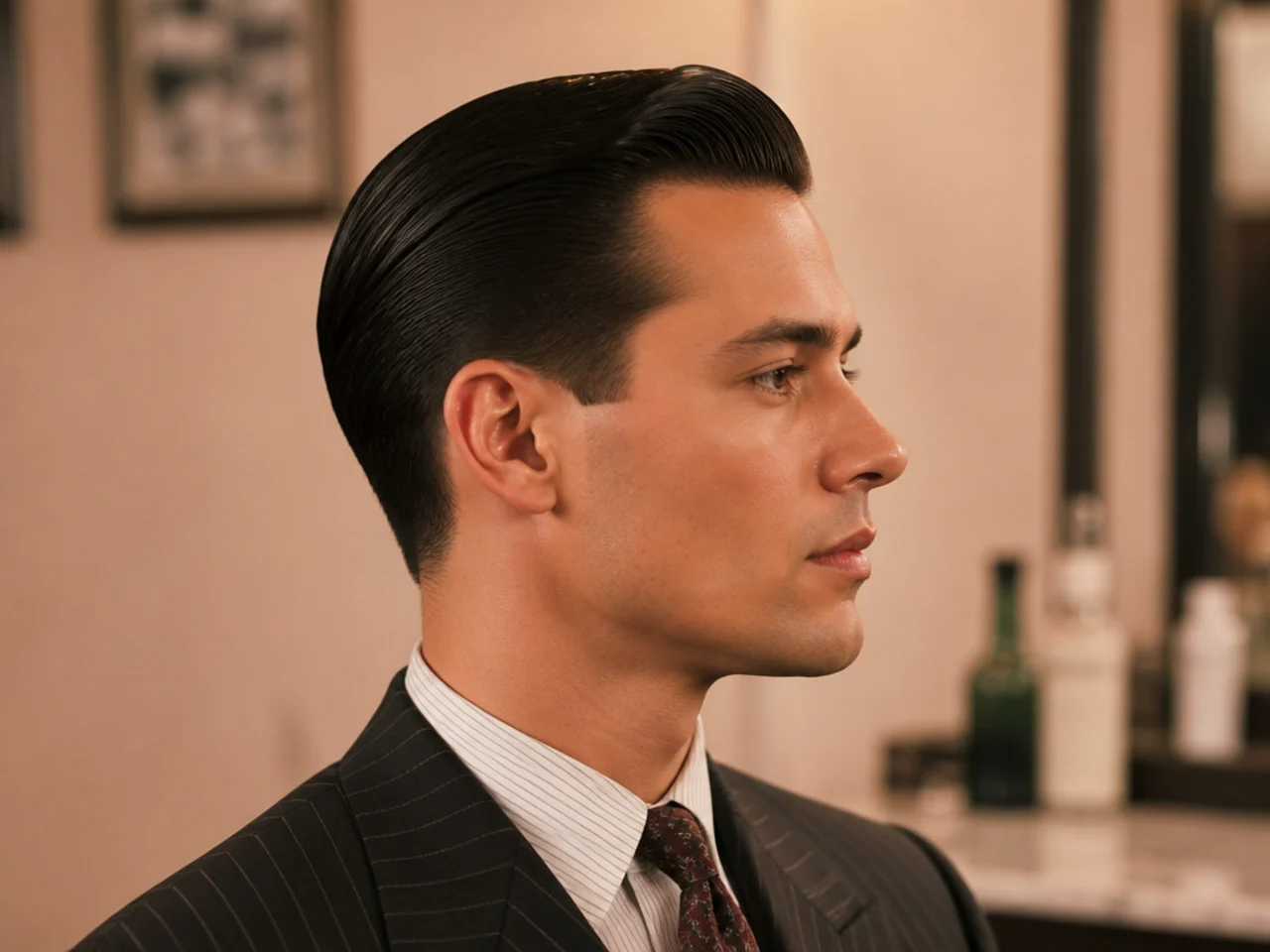
The refined 1930s slick — Astaire in top hat and tails, not Wall Street 1987. Three inches on top combed back and slightly to the side with a soft defined part, sides scissor-tapered close, a light-shine pomade finish that reads polished rather than wet. This is the second of the two icons on the list that permit shine; every other version below sits matte.
Suits oval and long faces. Best on straight fine-to-medium hair with enough length to hold the combed direction.
Ask for a 1930s continental slick back with a soft side part, three inches on top, scissor sides to a #2, and a natural neckline. Style with a light water-based pomade on damp hair, combed back and slightly to the side, finished with a small comb.
The Bogart Side Part (1940s)
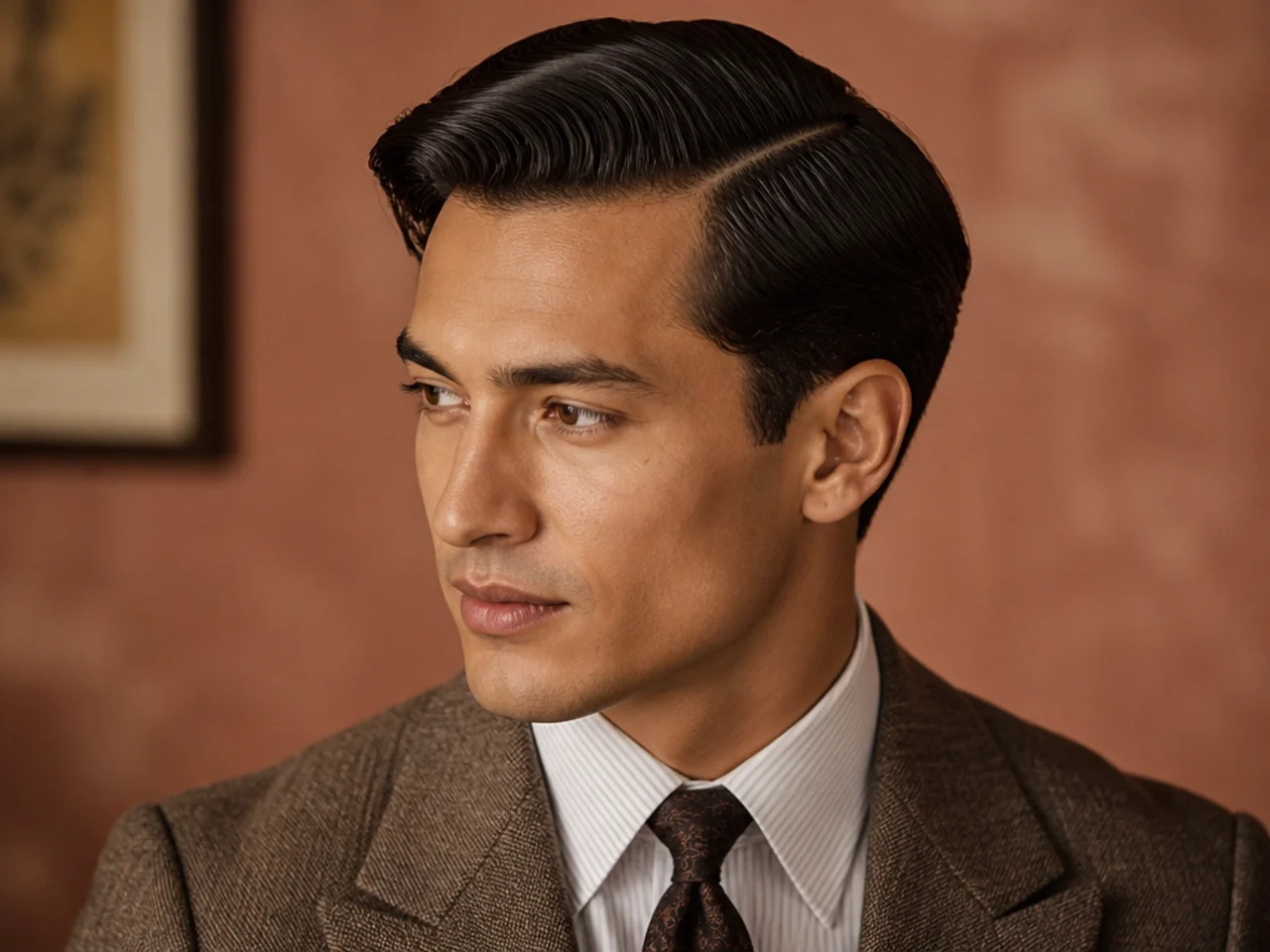
Bogart in Casablanca — two and a half inches on top combed across a defined side part, sides scissor-tapered flat, a matte finish that lets the geometry of the part do the work. Where Grant's version reads elegant, Bogart's reads tough. Same base cut, harder attitude.
Suits square and oval faces. Best on thick straight hair; the density is what makes the part hold without shine helping.
Ask for a 1940s Bogart side part with a hard natural break, two and a half inches on top, scissor sides to a #1.5, and a straight sideburn to the mid-cheek. Style with a matte pomade on damp hair, one firm comb from part to ear. Book this cut alongside the side part hairstyles for men breakdown for adjacent 1940s references.
The JFK Sweep (1960s)
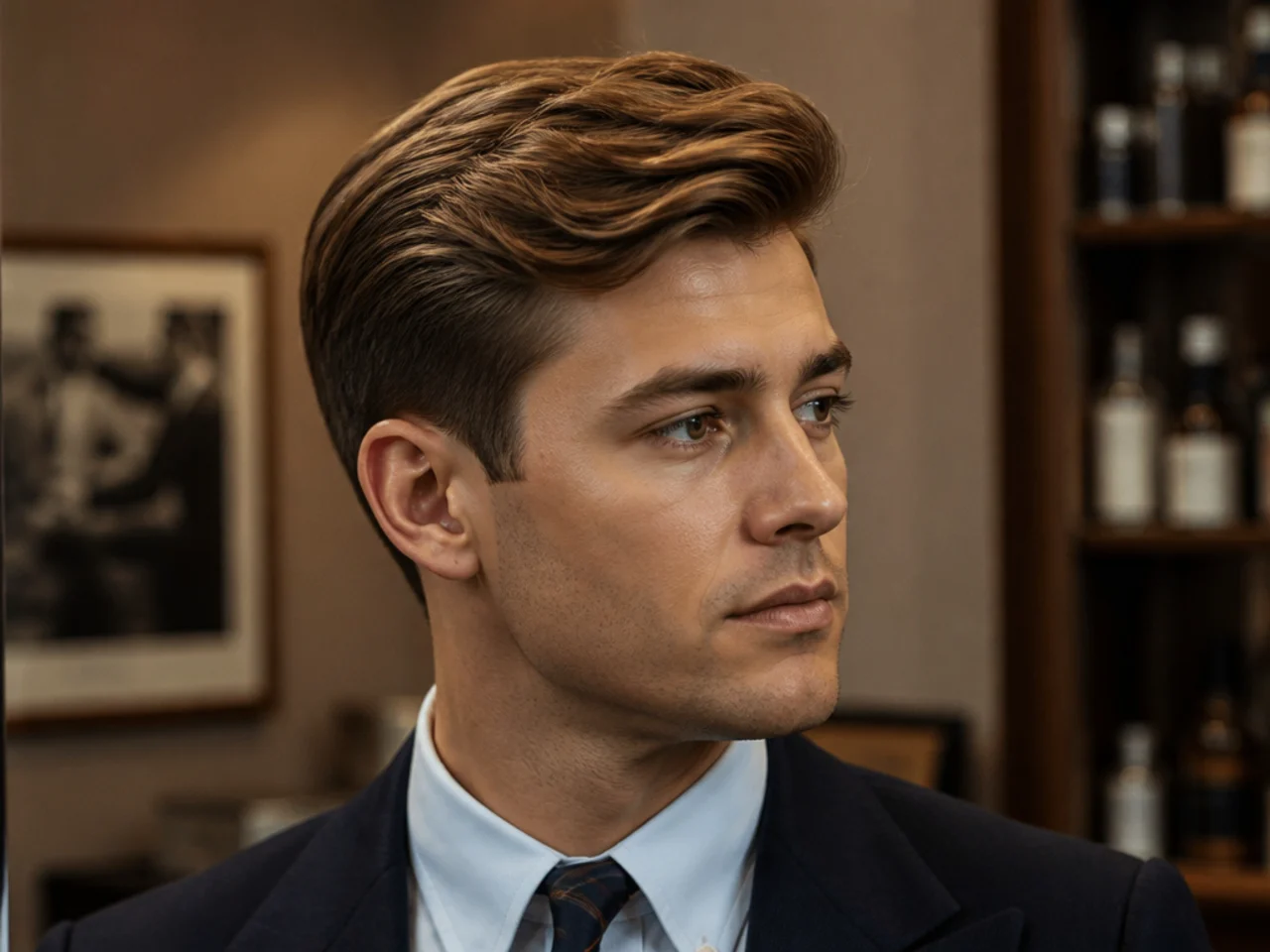
The presidential reference. Three inches on top with a deep natural side part, the front swept up and back so it lifts rather than lies flat, sides scissor-tapered close. Kennedy's whole read came from the movement — this is the cut that photographs best when it's slightly windblown. Matte finish always; the 1960s original had a soft shine but every serious reference photo of JFK on the campaign trail reads dry.
Suits oval, square, and long faces. Best on straight to lightly wavy hair with enough natural body to hold the lift; fine hair needs a small round brush.
Ask for a Kennedy-style deep side part, three inches on top with a lifted front, scissor sides to a #2, and a natural neckline. Style with a matte cream on damp hair, blow-dry the front up and back with a round brush, finish with a cold shot.
The Bobby Kennedy Preppy (1960s)
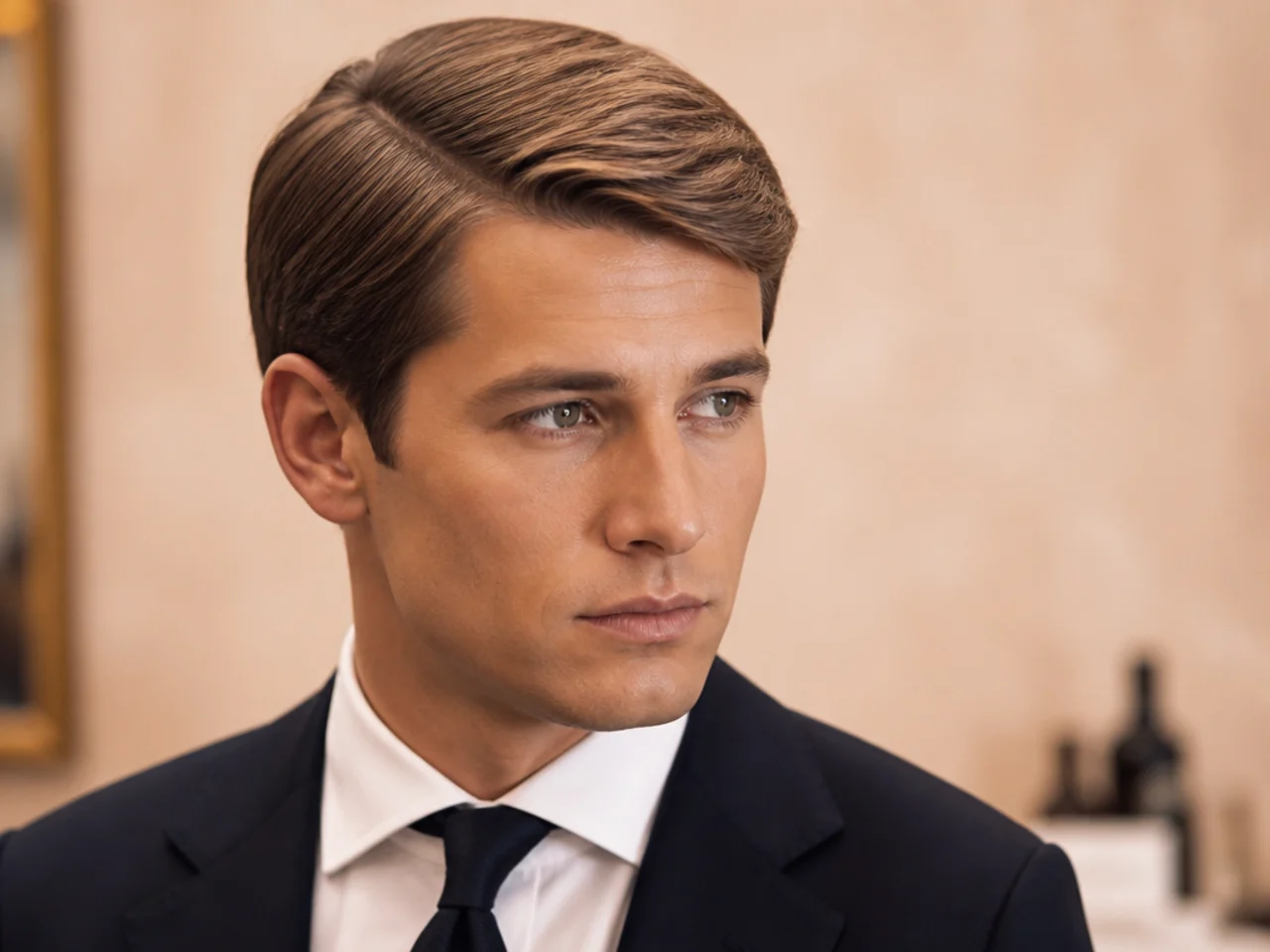
The younger Kennedy carried the Ivy longer than his brother. Three and a half inches on top with a shallow natural part and a soft forward fringe that falls slightly past the brow, sides scissor-blended to a #2, matte finish. The whole read is preppy without effort — the cut looks like it grew in from a summer on the water, not out of a chair.
Suits round and heart faces because the forward fringe adds vertical break. Best on straight to type 2B wavy hair.
Ask for a preppy 1960s Ivy with a longer forward fringe half an inch above the brow, three and a half inches on top, scissor-blended sides to a #2, and a soft neckline. Style with a fingertip of matte cream rubbed through damp hair with your fingers. Skip the comb entirely.
The Steve McQueen Casual (1960s)
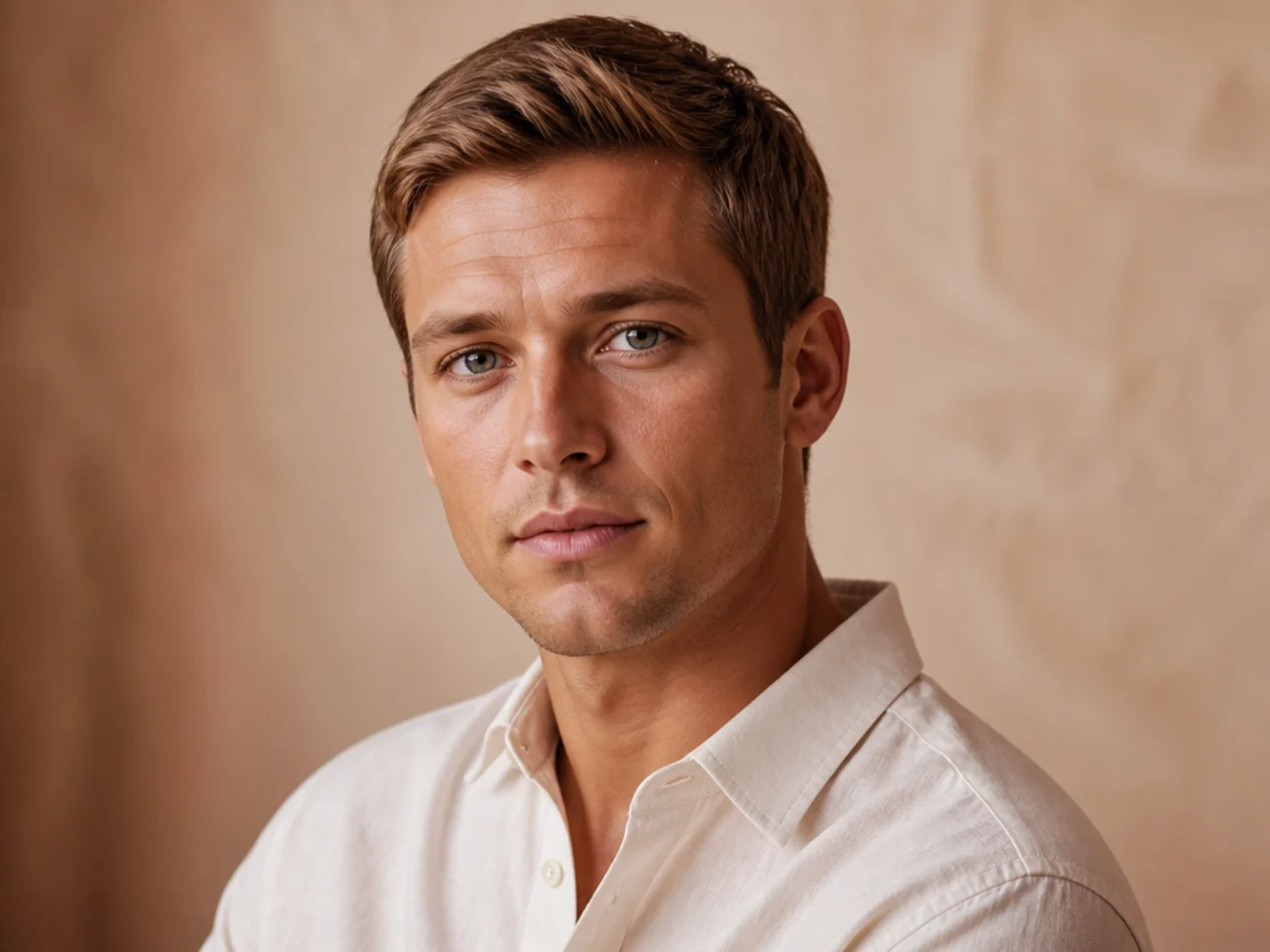
The old-money read the actor-and-racer version of the register. Two inches on top with a natural forward fall, sides scissor-tapered clean, a completely matte finish — the whole cut looks like it was cut once and left alone. McQueen's real hair carried sun-bleached tips; a good barber can build the same read with soft chunky highlights near the ends.
Suits oval, square, and long faces. Works on straight and wavy hair through type 2B; too much curl and the tousle turns to volume.
Ask for a Steve McQueen casual crop, two inches on top with a natural forward fall, scissor sides to a #2, and a soft neckline. Style by rubbing a fingertip of matte clay between your palms and pressing it into dry hair. See the messy hairstyles for men list for the adjacent modern versions.
The Paul Newman Sun-Bleached (1960s to 1970s)
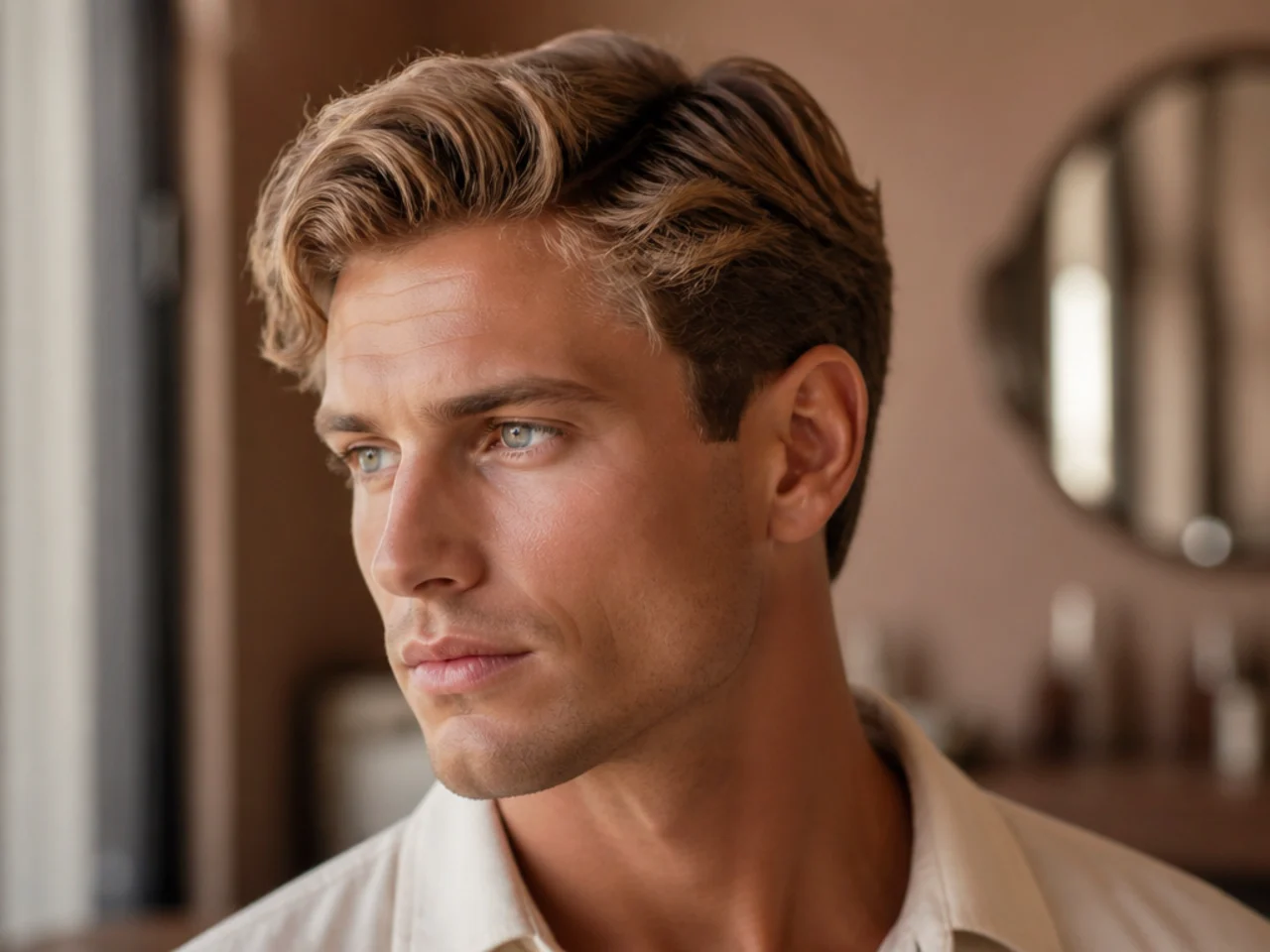
The other 1960s casual — Paul Newman with a soft natural side part, three inches on top, sides scissor-tapered, matte finish that lets the natural texture of the hair do the styling. Where McQueen's read is tousled, Newman's is combed once and permitted to move. This is the version guys grow their McQueen out into.
Suits oval, square, and long faces. Best on straight to type 2C hair — the natural wave is what makes the part sit interesting.
Ask for a soft 1960s side part, three inches on top, scissor sides to a #2, and a natural neckline. Style with a matte cream on damp hair, combed once with a wide-tooth comb, then broken up with your fingers.
The Redford Layered Sweep (1970s)
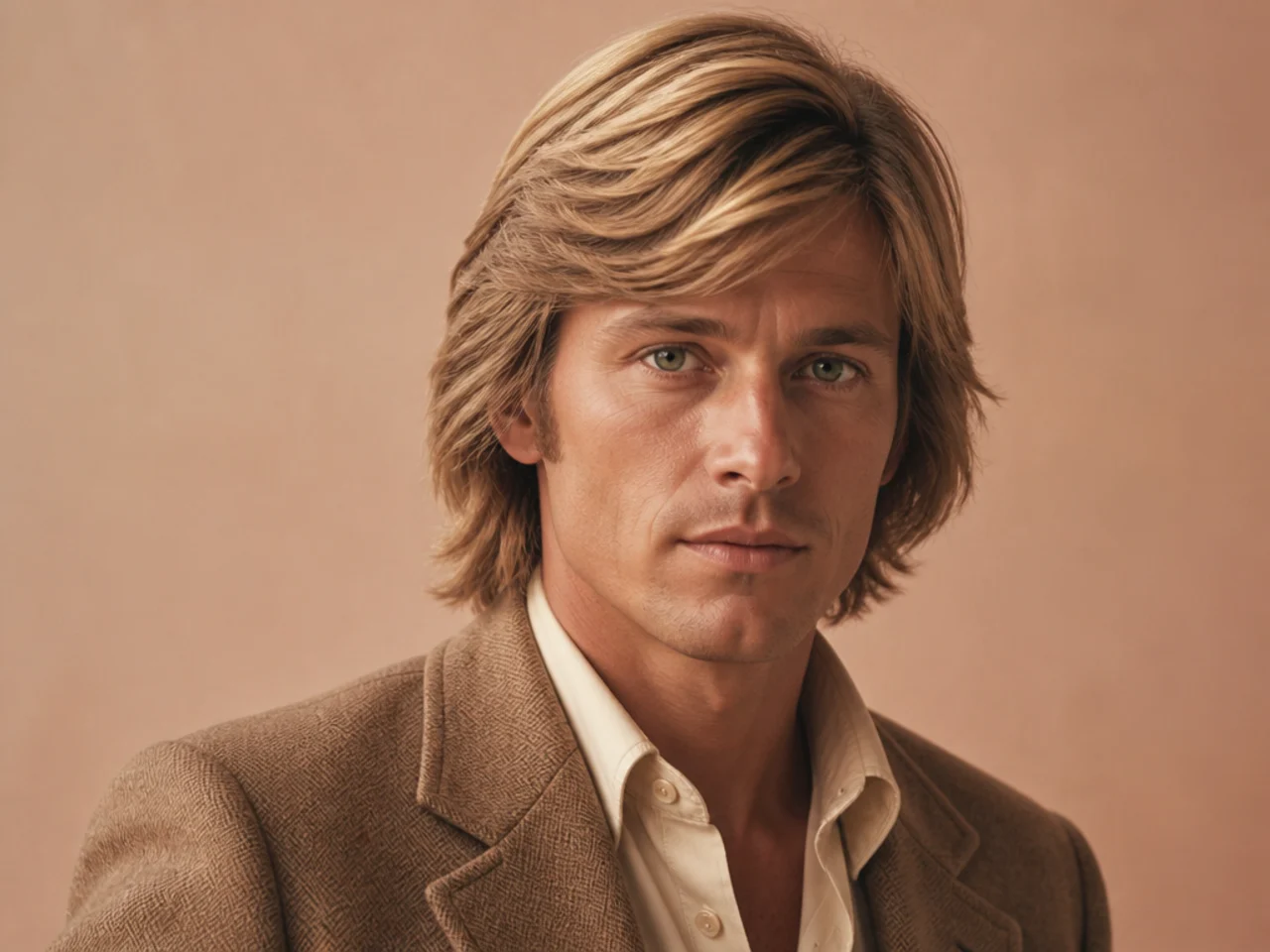
The 1970s longer register. Four inches on top with a natural soft side part, feathered layers on the sides that sweep off the face and just past the ear, no fade anywhere. Redford in The Way We Were and All the President's Men — a longer take on the same tailored register, styled loose rather than sculpted.
Suits guys with straight to type 2B wavy hair and enough density to carry the length. Skip on thin or fine hair; the layers show scalp.
Ask for a 1970s layered sweep with feathered sides that pass the ear, four inches on top, and a soft natural side part. Style with a matte cream on damp hair, blow-dry with a paddle brush back and off the face, finish with your fingers. Reference the layered haircuts guide for the layering language your barber will want.
The Gianni Agnelli Sprezzatura (1970s Italian)
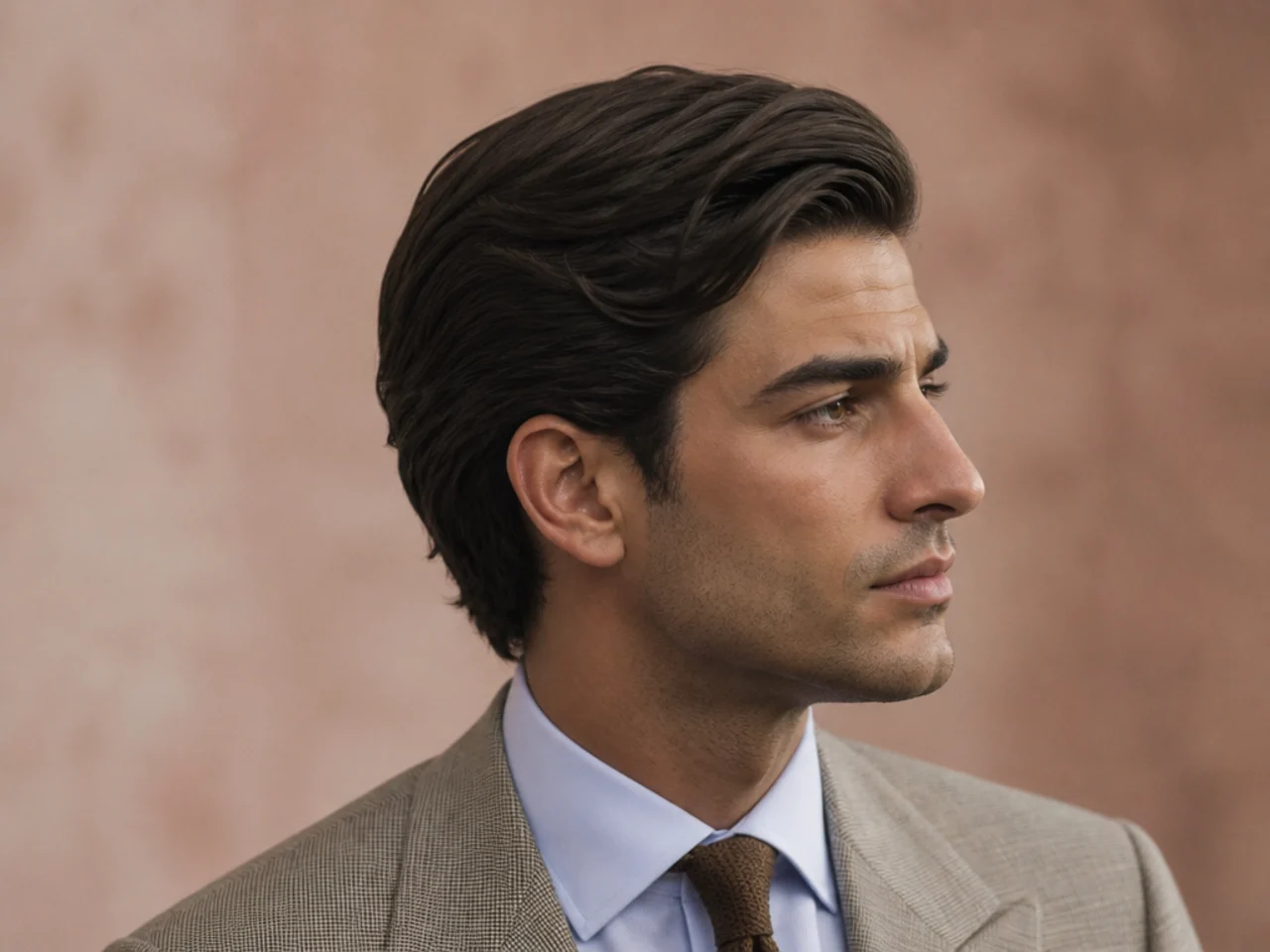
The Italian industrialist register — Agnelli photographed on his yacht and in his boardroom at Fiat wore the same cut. Four inches on top swept back and slightly off-center, sides scissor-tapered longer than the American versions, an intentionally undone finish. Sprezzatura is the Italian word for studied carelessness; this is what it looks like on a head.
Suits oval, square, and long faces with a strong jaw. Best on straight to type 2B wavy hair with enough natural texture to hold the swept shape without a brush.
Ask for a longer European swept-back cut, four inches on top with off-center movement, longer scissor sides to a #3 above the ear, and a natural neckline. Style with matte cream on damp hair, worked back with your fingers only. No comb, no round brush.
The Ralph Lauren Silver (Timeless)
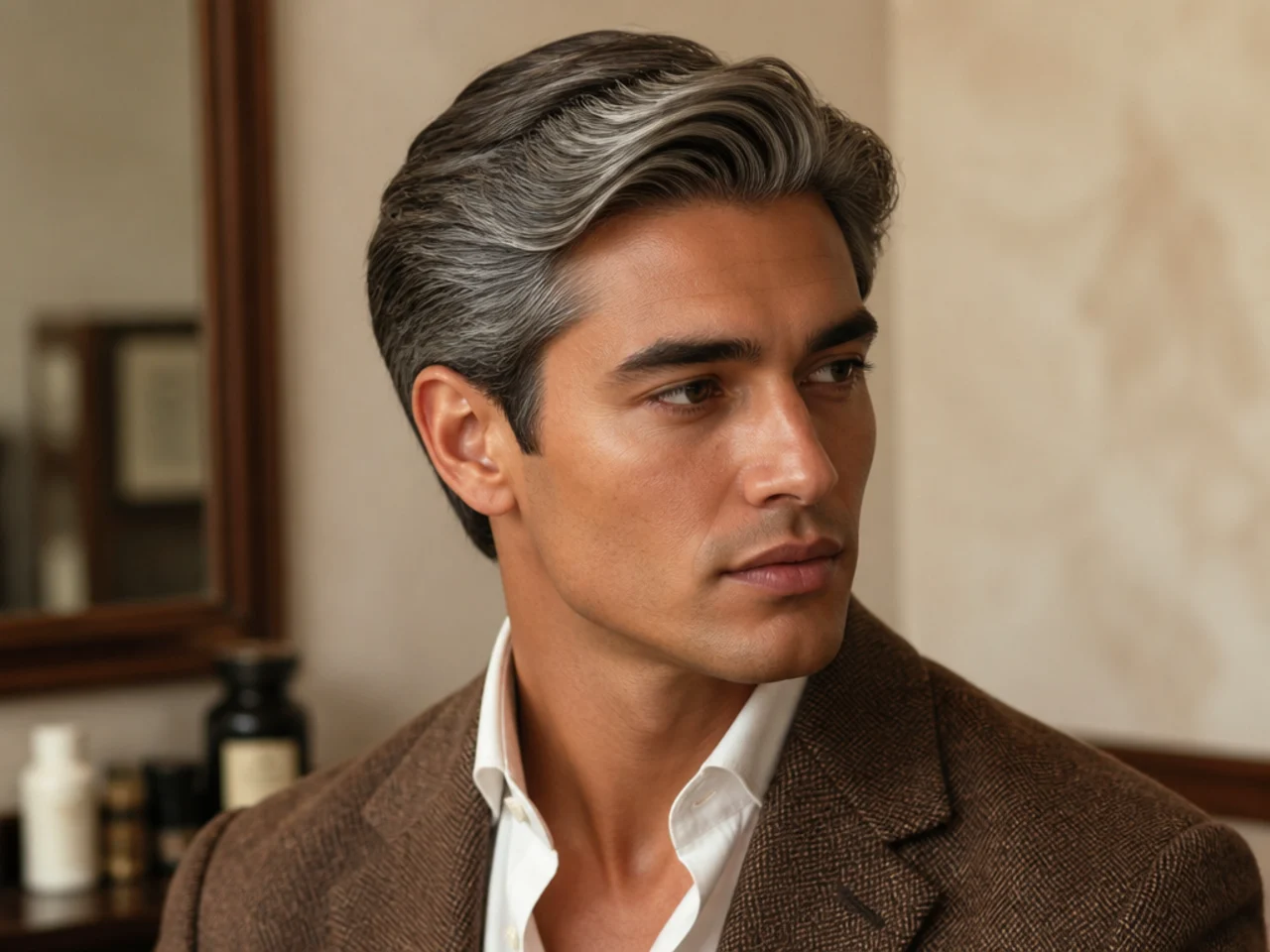
Ralph Lauren has worn the same cut for four decades — three inches on top brushed straight back, scissor-tapered sides that grow into the temples cleanly, matte finish always, and the natural greying is part of the whole read. This is the reference for men who want the old-money look at 55 rather than 25. Do not dye. The silver is the point.
Suits every face shape. Best on straight to lightly wavy hair; the cut adapts to thinning density better than any other on the list.
Ask for a brushed-back cut, three inches on top with point-cut ends for texture, a scissor taper on the sides to a #2, and a natural perimeter. Style with a matte cream worked through dry hair from root to tip, pushed straight back with your fingers.
The Prince William Modern Tailored (2000s to 2020s)
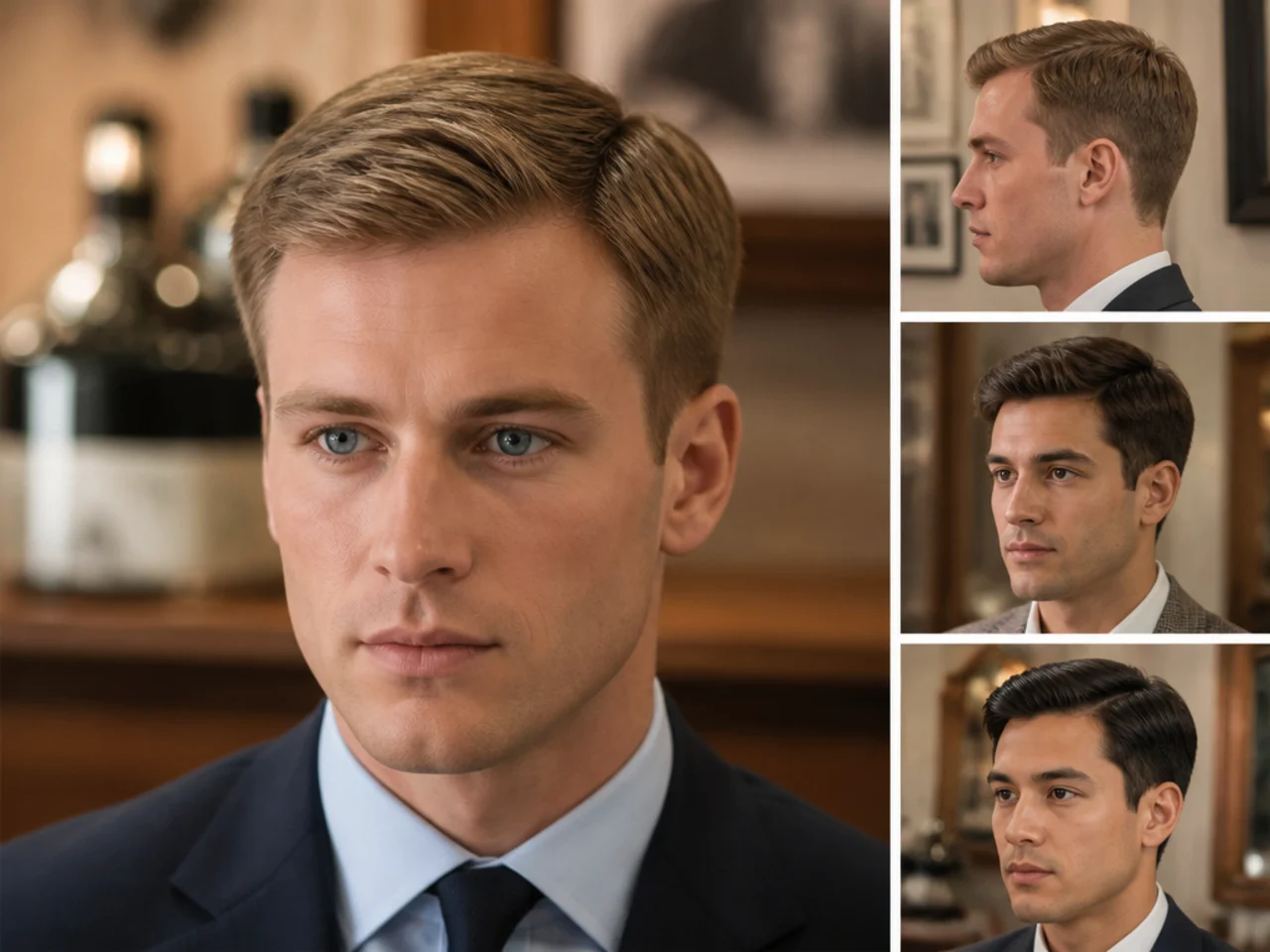
The contemporary reference — Prince William wears the same cut to Wimbledon, to funerals, and to Downing Street. An inch and a half to two inches on top with a shallow natural side part, sides scissor-blended tight or on an optional quiet low fade for the modern read, matte finish always. This is the shortest icon on the list and the most low-maintenance.
Suits every face shape and every hair type from straight through 2C. Adapts to thinning density better than most.
Ask for a modern tailored short side part, inch and a half to two inches on top, scissor sides to a #1.5 (or an optional low fade at the perimeter for the modern read), and a soft neckline. Style with a fingertip of matte paste rubbed through with your fingers. Book every three weeks. Cross-reference the professional hairstyles for men shortlist for adjacent boardroom-friendly cuts on the same base.
How to Ask Your Barber
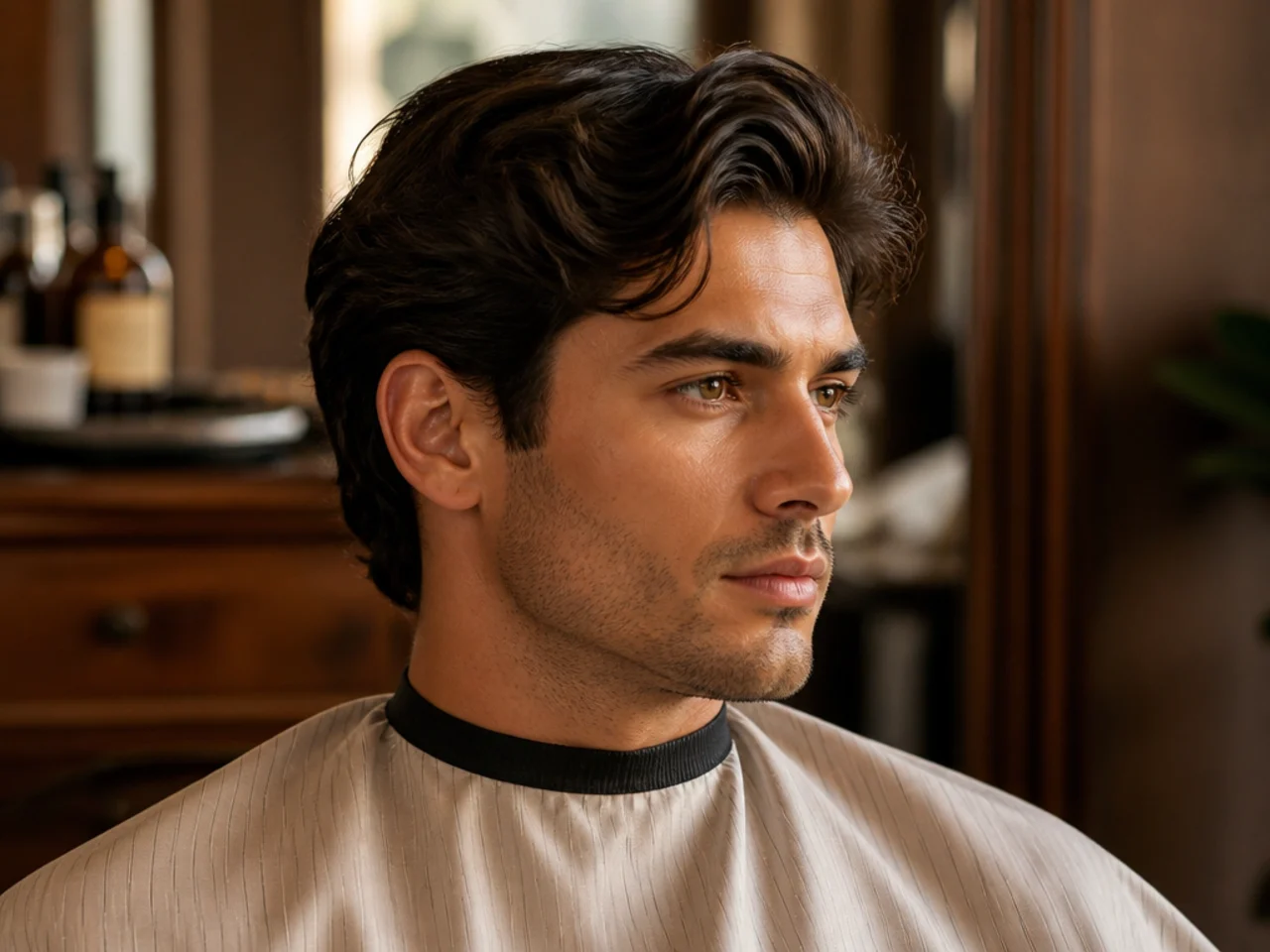
Icons carry the whole conversation only if the specs come with them. Walk in with these six things.
- The reference photo. Not a modern lookalike — the actual black-and-white or archival photograph of the icon. Screenshot the image above your chosen cut or pull the guide up on your phone in the chair.
- The top length in inches. Inch and a half for Cooper and Prince William. Two to two and a half for Grant, Sinatra, and McQueen. Three for Gatsby, Astaire, JFK, Newman, and Ralph Lauren. Three and a half for Peck and Bobby Kennedy. Four for Redford and Agnelli.
- The side treatment. "Scissor taper" for every icon on the list except the modern Prince William, which permits a low fade at the perimeter. Do not accept a mid or high fade — the register collapses immediately.
- The finish. "Matte" for every icon except Gatsby, Astaire, and (optionally) Grant and Bogart. Those four accept a light water-based pomade with a soft shine, never a wet-look gel.
- The part. "Deep natural side part" for Grant, Peck, JFK, Gatsby, and Bogart. "Shallow natural side part" for Bobby Kennedy, Newman, Redford, Ralph Lauren, and Prince William. "No part" for McQueen, Cooper, and Agnelli.
- The rebook. Every three weeks for anything under two inches on top. Every four to five weeks for three inches and above. The perimeter carries the whole read, and the perimeter softens fast.
Say the icon, hand over the photo, run the numbers. That is the entire chair conversation.
Styling and Maintenance
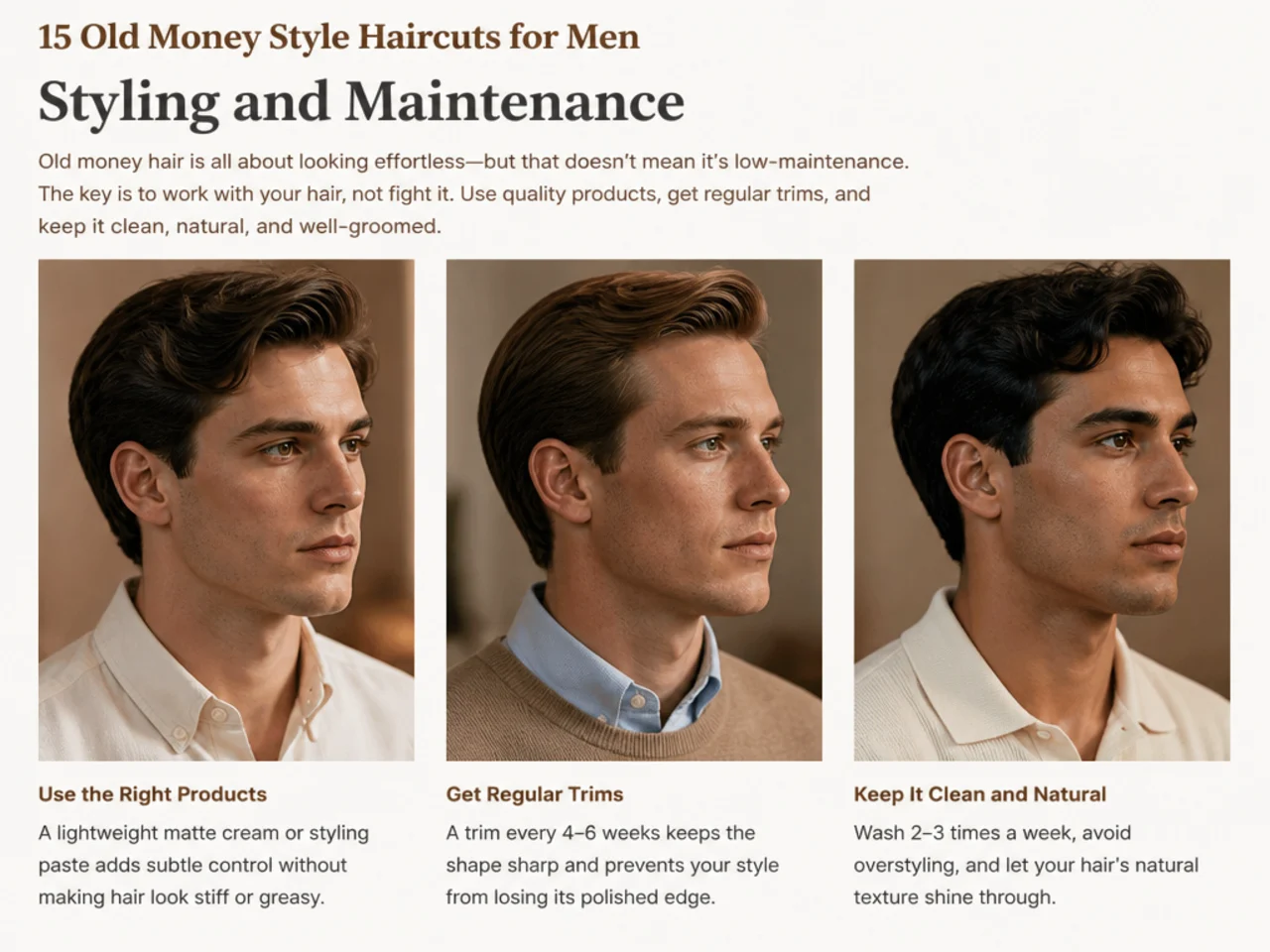
Three products cover every icon on the list.
A matte clay for anything under two inches — Cooper, Sinatra, McQueen, Prince William. A pea rubbed between your palms until it goes clear, then pressed into hair with your fingers. No comb.
A matte cream for the medium lengths — Grant, Peck, Bobby Kennedy, Newman, Redford, Ralph Lauren, JFK. A nickel worked through damp hair, combed once with a wide-tooth horn comb from part to ear, broken up with your fingers.
A light water-based pomade with a soft shine for the four icons that need shine — Gatsby, Astaire, Bogart, and Grant when you want the full 1940s read. A dime warmed between your palms, combed through damp hair in one clean pass. Never oil-based, never wet-look, never a gel.
Wash with a sulfate-free shampoo two to three times a week. Condition on wash days only, mid-lengths to ends. Skip the blow-dryer for anything under two inches; use a small round brush on JFK, Peck, and the business ivy versions only. Book by cadence, not by feel — every three to four weeks for the short icons, every four to five for the longer ones. A $35 taper rebooked on time reads sharper than a $180 cut booked whenever.
FAQ
Which old money style haircut is the safest first booking?
The Cary Grant Classic or the Prince William Modern Tailored. Both sit under three inches on top, both carry a defined natural side part, both suit almost every face shape and every hair type from straight through 2C. Grant reads slightly more traditional; Prince William reads slightly more modern. If you can only book one and you cannot decide, book one of those two.
Do I need to look like the icon for the cut to work?
No. The icon is a reference for the barber, not a comparison for your mirror. What you are borrowing is the geometry — the top length, the part depth, the side treatment, the finish — not the face underneath it. A good barber will adjust the shape to your bone structure automatically once the specs are set.
Which decade suits men in their twenties best?
The 1960s and the 2020s. Bobby Kennedy Preppy, Steve McQueen Casual, Paul Newman Sun-Bleached, and Prince William Modern Tailored all read young without reading juvenile. Save Gregory Peck, Fred Astaire, Gianni Agnelli, and Ralph Lauren for the thirties and forties — the extra length and the harder finishes photograph as earned rather than borrowed.
Can any old money style haircut work on curly hair?
Three of them. Bobby Kennedy Preppy on 2B waves. Steve McQueen Casual on 2A to 2B. Paul Newman Sun-Bleached on 2A to 2C. The barber has to scissor-cut the top on damp curl (never clipper it dry), and you swap the matte clay for a curl cream so the pattern still shows. Skip every 1940s and 1950s icon on tight curls — the part and the slick both require straight hair to hold the geometry.
How much should an old money style haircut cost?
Anywhere from $35 at a good neighborhood barber to $180 at a hotel salon. The cut itself does not change much between price points; what you pay for at the higher end is time on the perimeter, a proper scissor blend, and a straight-razor finish on the edges. Ask your neighborhood barber to spend an extra ten minutes on the perimeter and neckline and you can get most of the expensive read for the neighborhood price.
Should I dye grey hair to keep the icon read?
No, especially on Ralph Lauren, Redford, and the mature Cary Grant. The silver is what carries the whole read. Dyeing collapses the register faster than any wrong side treatment — it turns quiet luxury into concealed vanity, and the eye reads the difference from ten feet away. If the greying feels uneven, ask your barber to blend the perimeter and let the top go naturally.
Final Thoughts
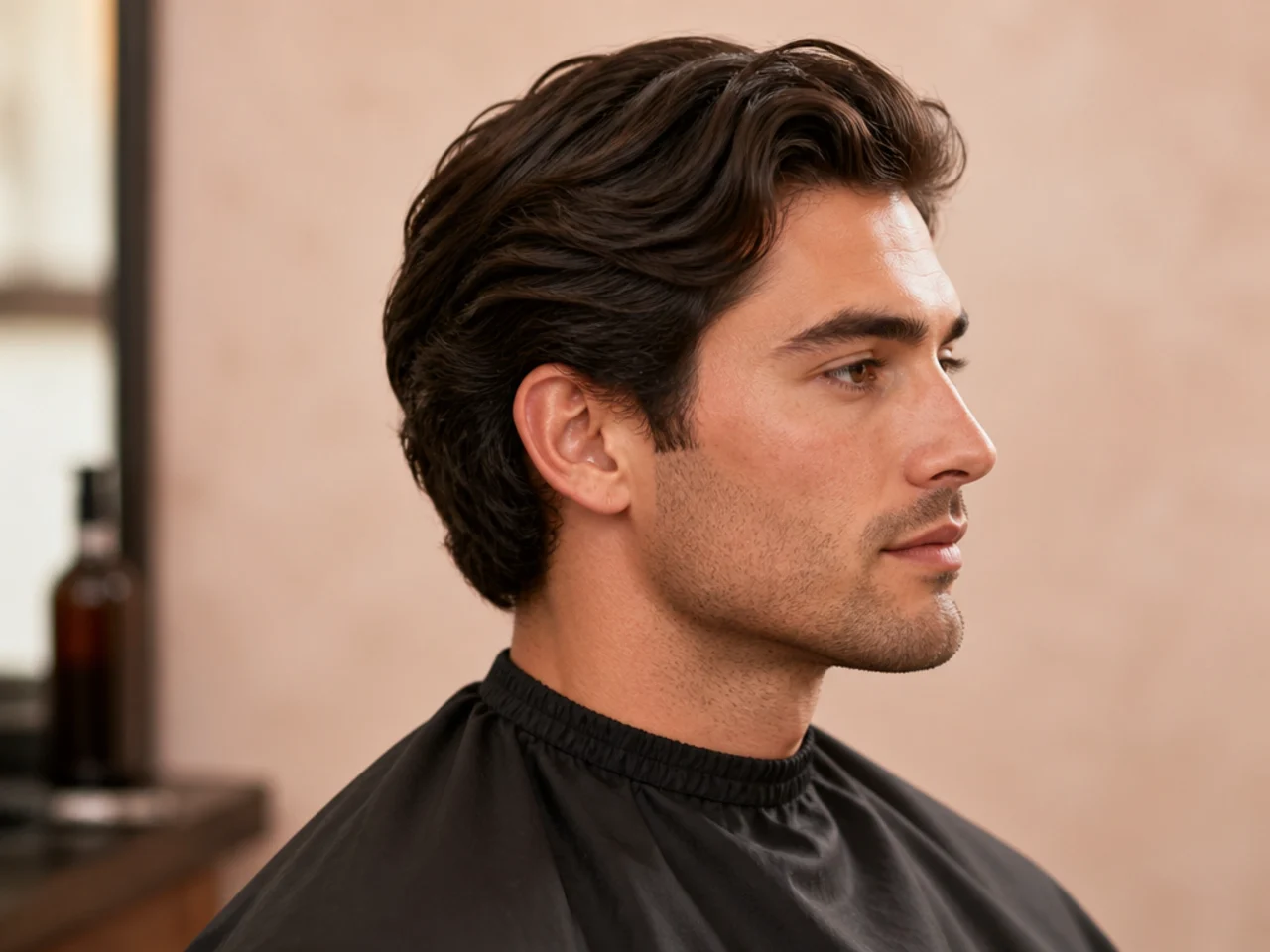
The old money style haircut isn't a costume. It's a set of specs that fifteen different men wore fifteen different ways across a century, and the shape held up every time because the underlying rules didn't move. Pick the icon whose face carries the closest read to yours. Bring the photograph. Run the numbers. Let the barber work. Rebook before you leave the chair. That's the whole trick — same as it was for Grant, same as it is for Prince William.