25 Easy Straight Hair Hairstyles to Try
Twenty-five straight hair styles, and the single property that explains every frustration with it — straight strands have almost no friction, so straight hair holds nothing you put in it without help.
In this article · 32
- What Straight Hair Does and Does Not Do
- How to Choose Yours
- The 25 Straight Hair Styles
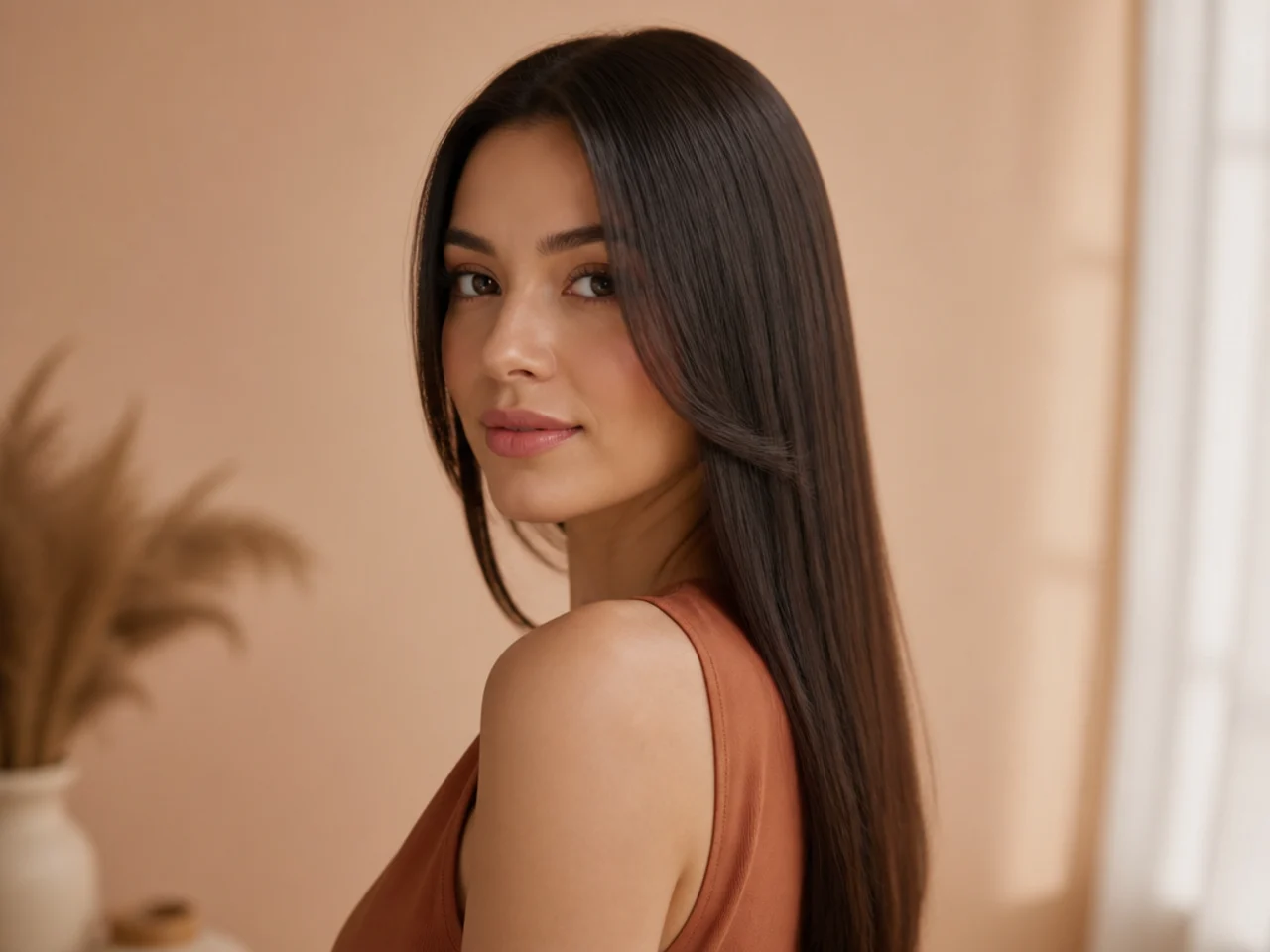
- 1. Sleek Middle Part, Worn Down
- 2. Deep Side Part
- 3. Half-Up with a Claw Clip
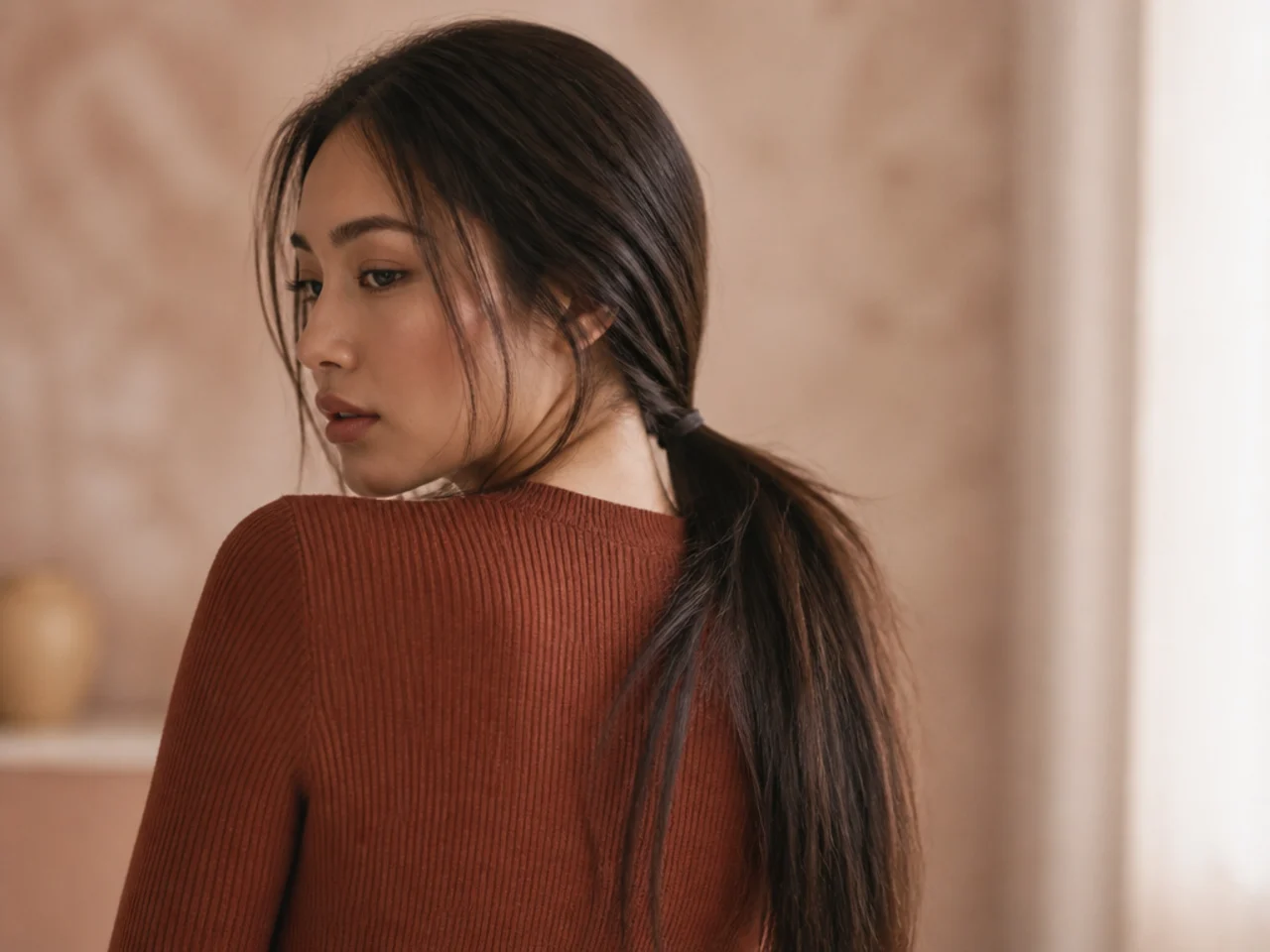
- 4. Low Ponytail
- 5. High Ponytail with Texture Spray
- 6. Sleek Low Bun
- 7. Messy Bun on Second-Day Hair
- 8. Twisted Half-Up
- 9. Single Plait
- 10. Two Dutch Braids
- 11. Low Chignon
- 12. Straight Hair with a Headband
- 13. Tucked Behind Both Ears
- 14. Soft Mid-Length Bend
- 15. Blunt Ends Worn Plain
- 16. Slicked-Back Ponytail
- 17. Half-Up Top Knot
- 18. Straight Hair with a Silk Scarf
- 19. Straight Hair with Pinned Sides
- 20. Overnight Plait Waves
- 21. Straight Hair with Root Volume
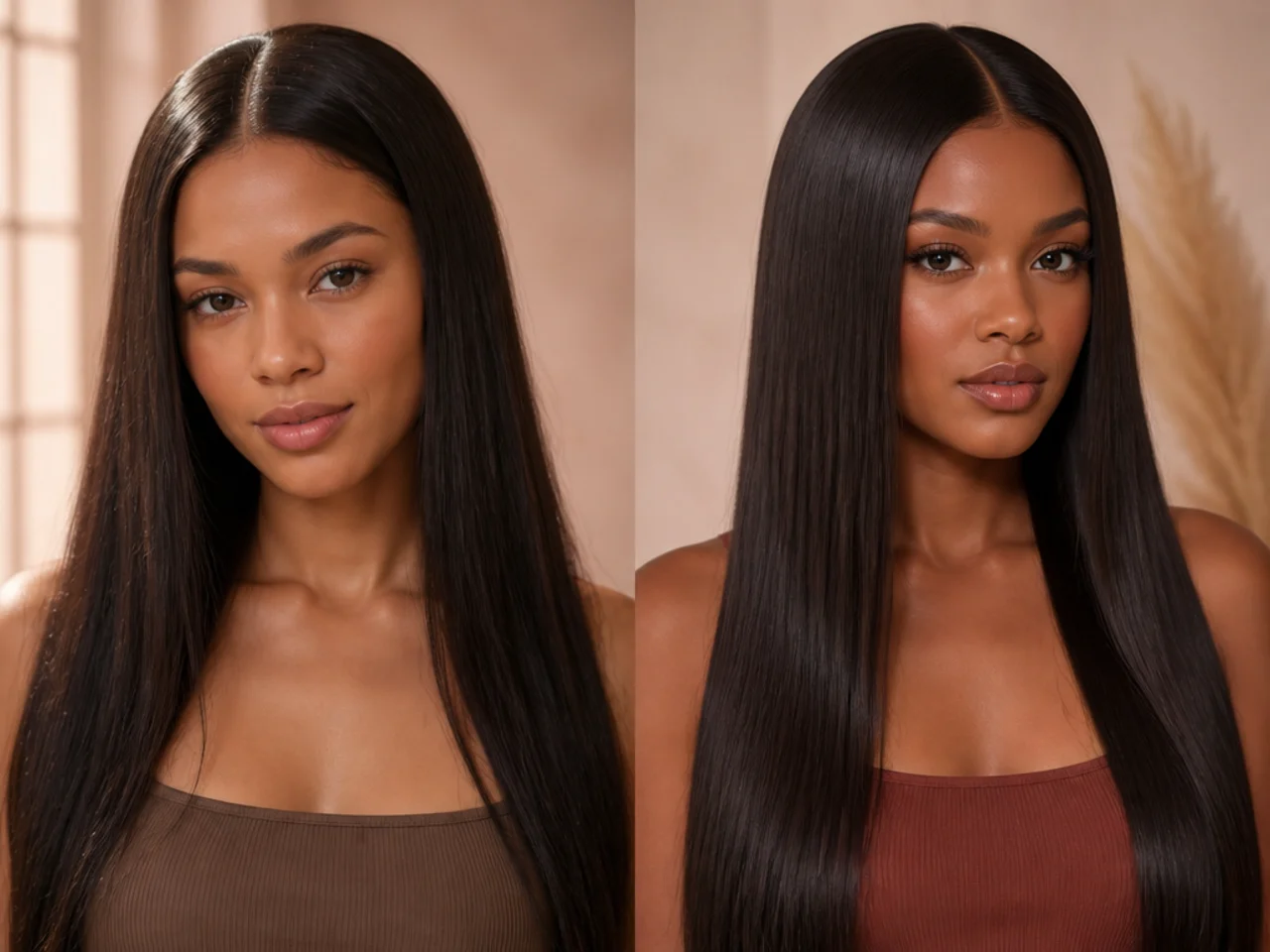
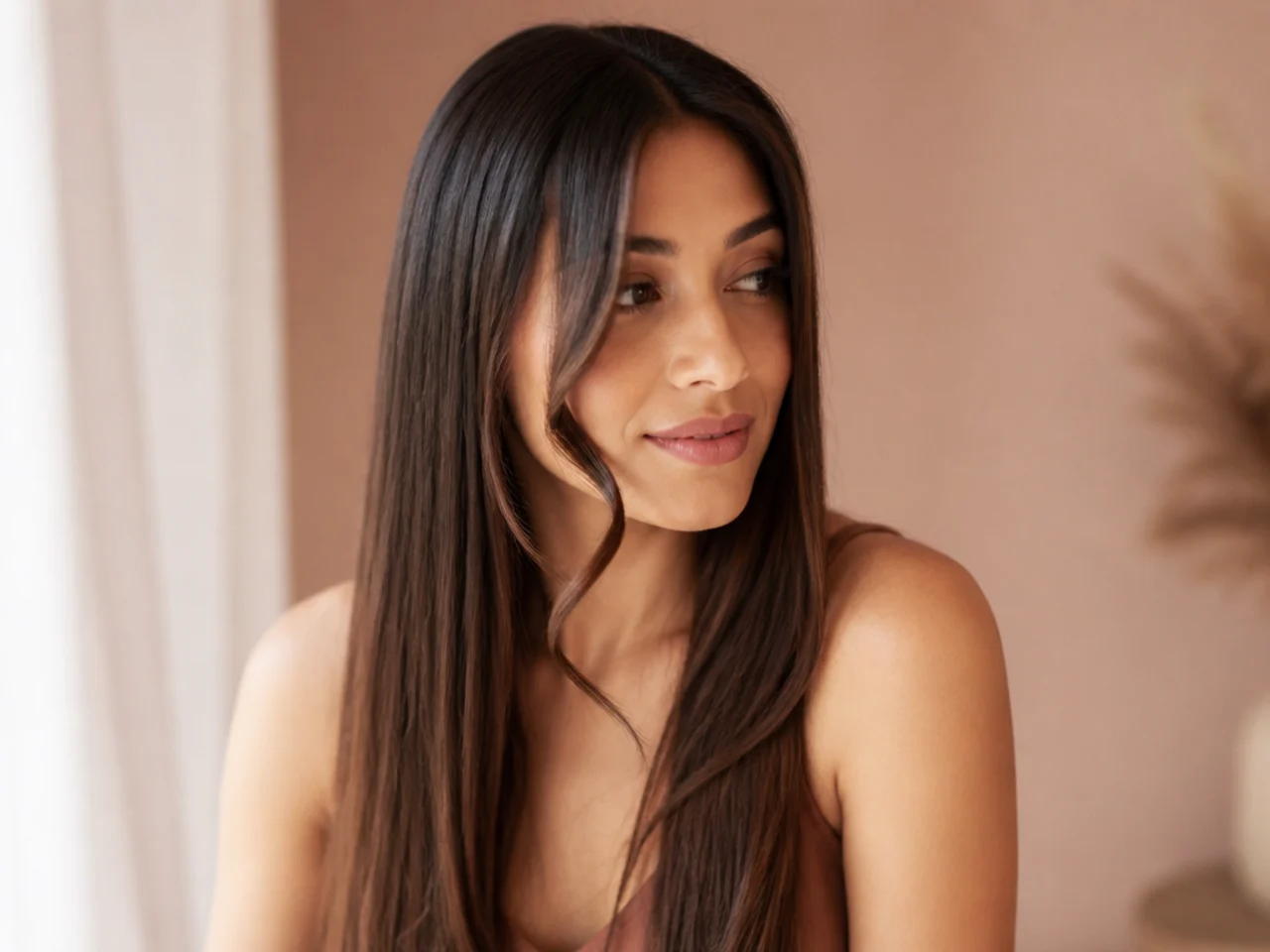
- 22. Long Straight Hair Worn Loose
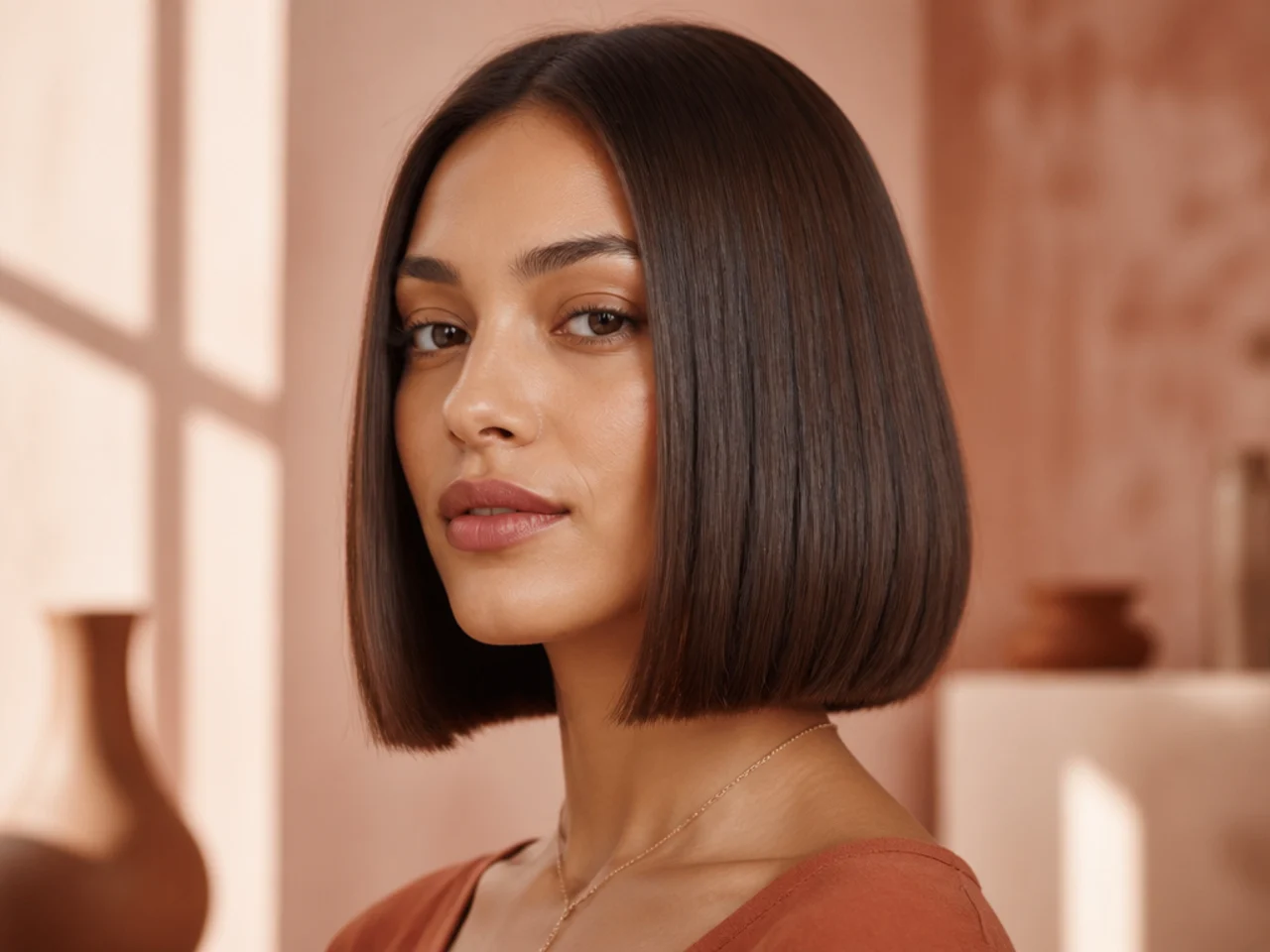
- 23. Straight Bob Worn Plain
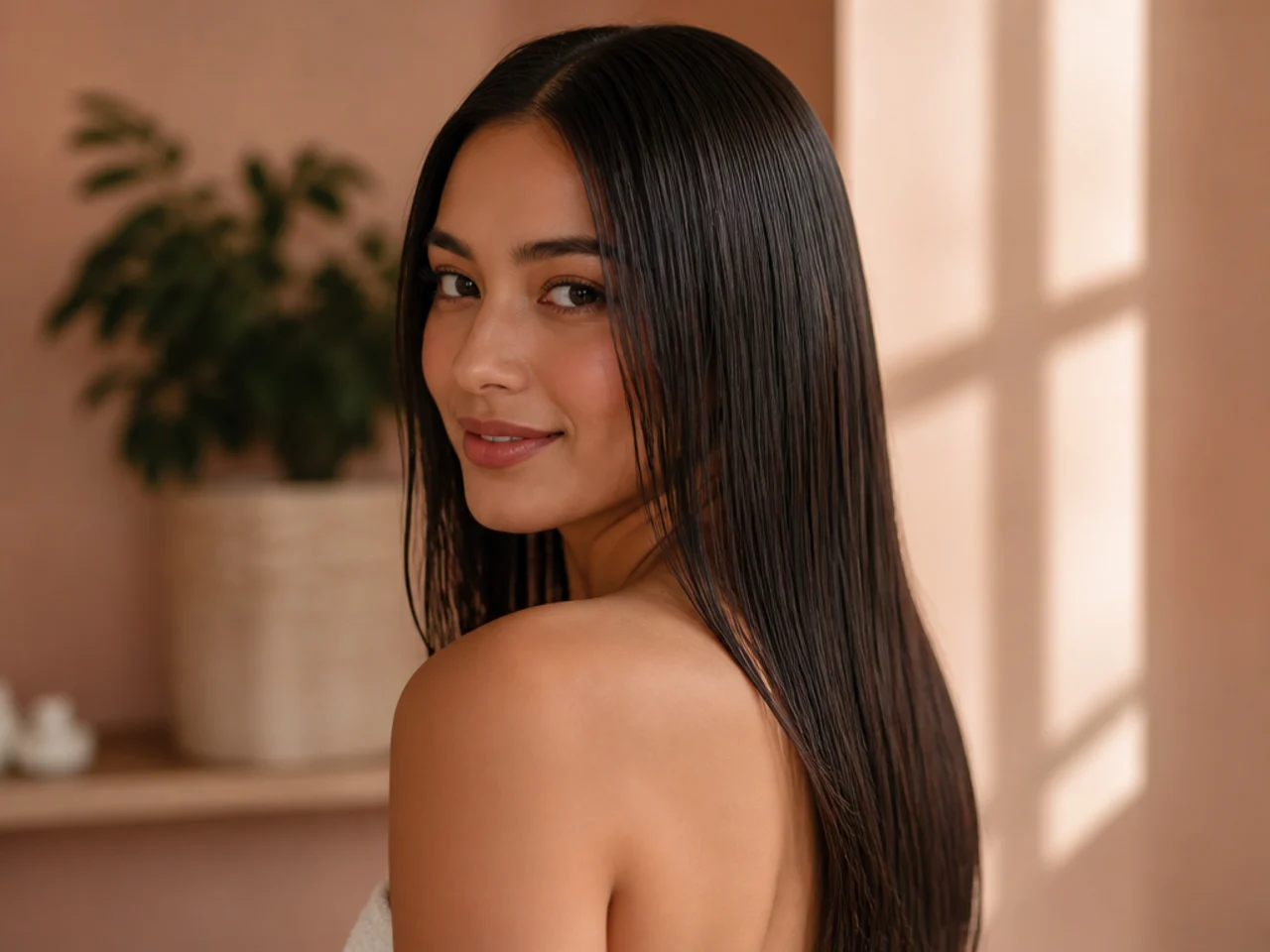
- 24. Straight Hair on Wash Day
- 25. A Curl That Has Dropped by Noon
- Styling and Upkeep
- Mistakes to Avoid
- FAQ
- Final Thoughts
Every complaint about straight hair is the same complaint, stated differently. Curls drop. Ponytails slip. Volume collapses by lunchtime.
Straight strands have almost no friction against each other. Textured hair grips itself — that is what keeps a style where it was put. Straight hair slides, so nothing stays without something holding it.
So every technique on this page is friction management: adding it, or working around it.
What Straight Hair Does and Does Not Do
It does shine. A smooth surface reflects light better than any other hair type. This is the advantage.
It does not hold. Curl, volume and grip all need to be added and all of them fade.
It shows everything. A clean line, a bump, an uneven trim — straight hair hides nothing.
It works with tension rather than grip. Pins, ties and structure do what friction cannot.
How to Choose Yours
Work on second-day hair where you can. The single biggest advantage available, and it is free.
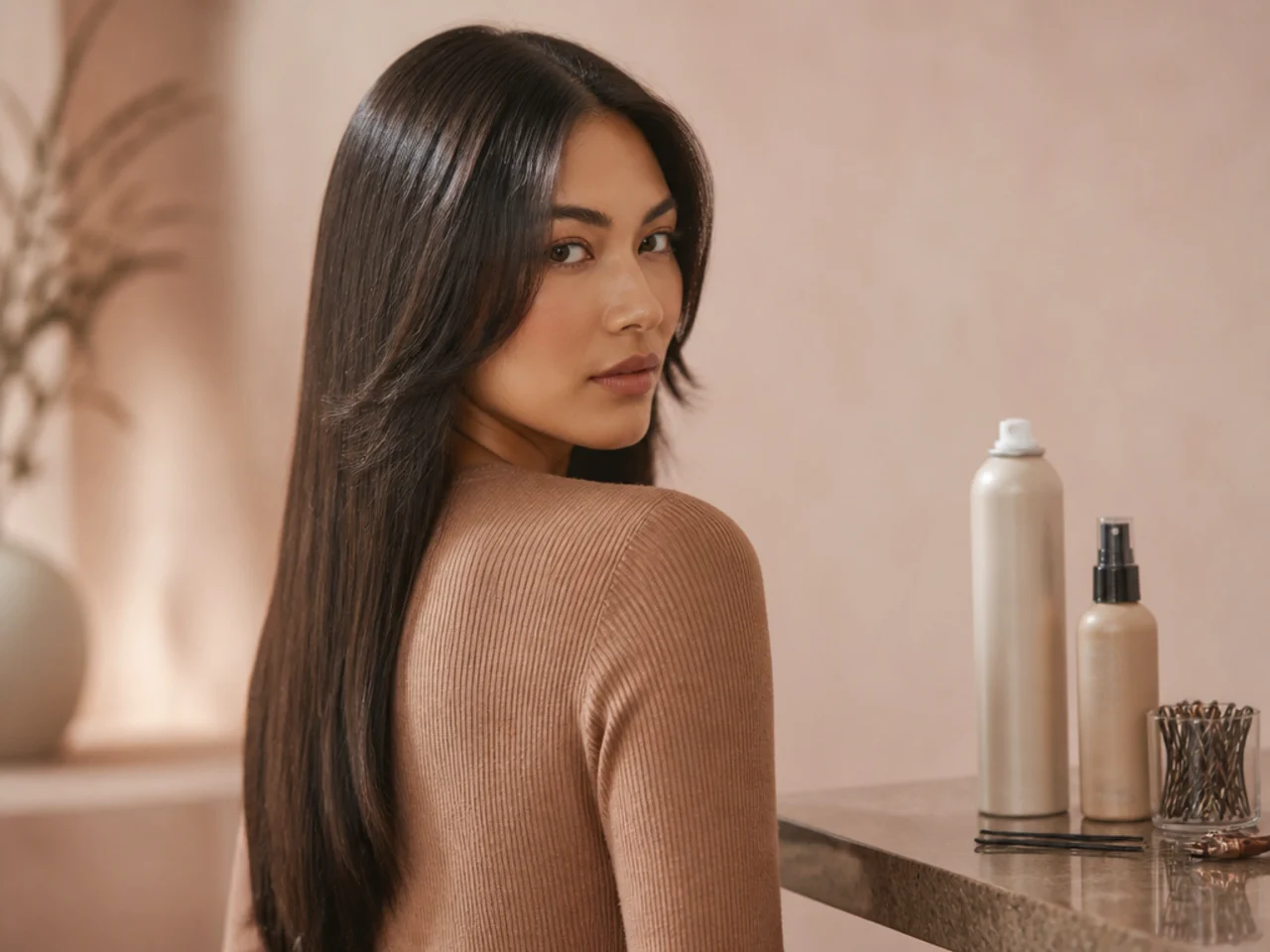
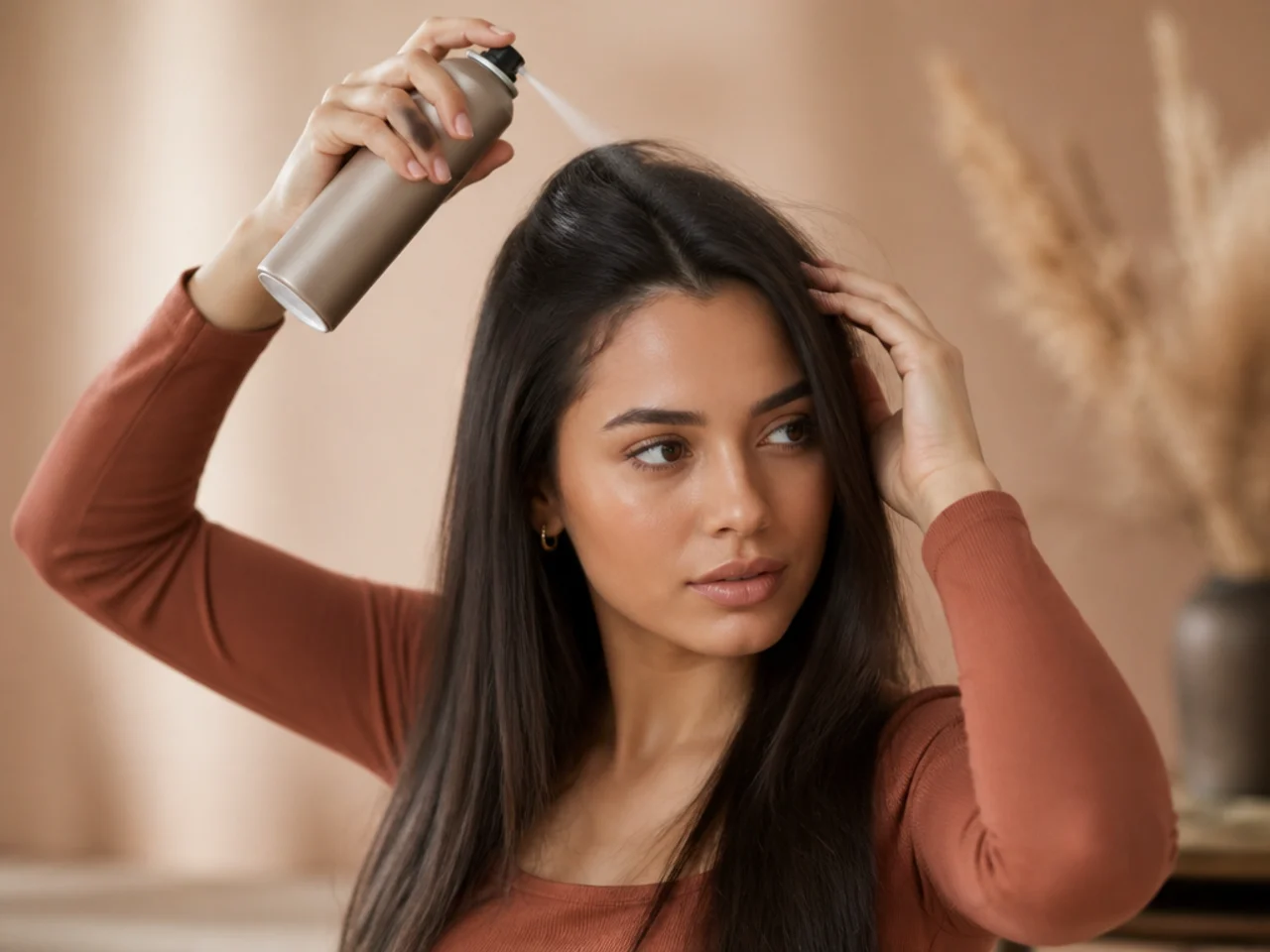
Add friction before you style, not after. Texture spray or dry shampoo at the roots first.
Use structure rather than hold. Pins and ties outperform hairspray on straight hair.
Lean into the shine. It is the thing this hair type does better than any other.
The 25 Straight Hair Styles
1. Sleek Middle Part, Worn Down
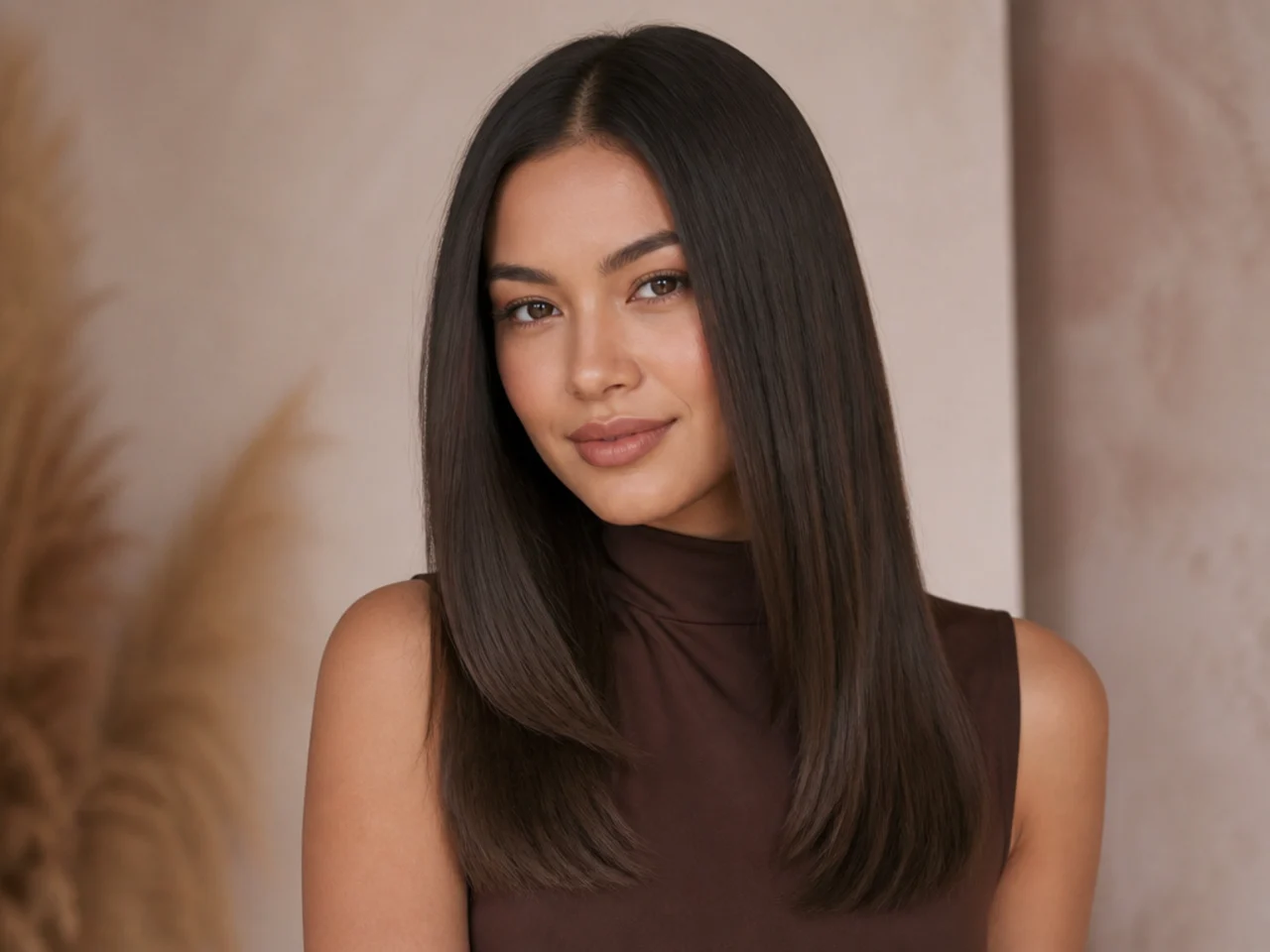
The shine on full display. Nothing else required. A flat cuticle reflects light in one direction, which is why this reads as finished with nothing done to it.
2. Deep Side Part
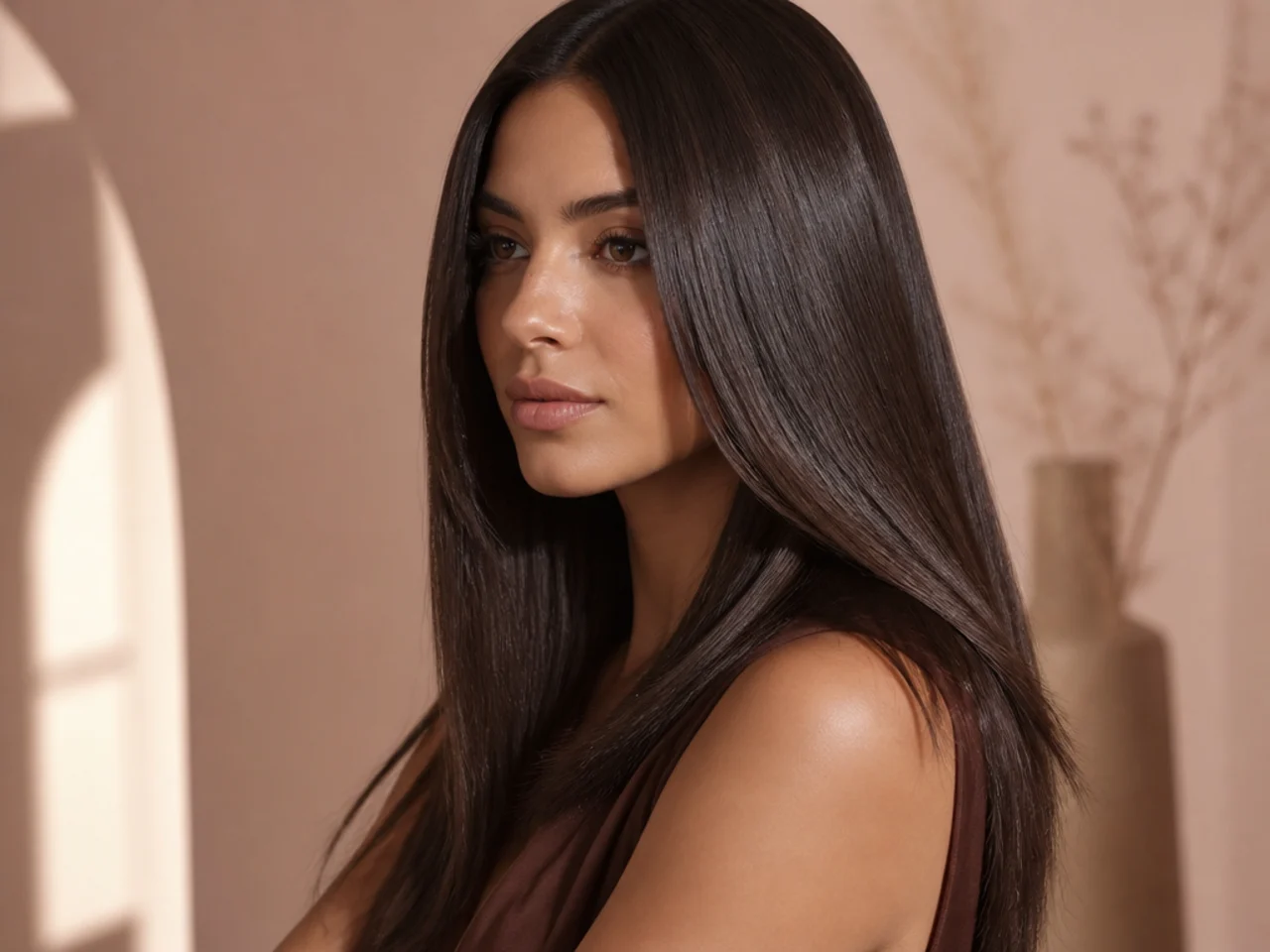
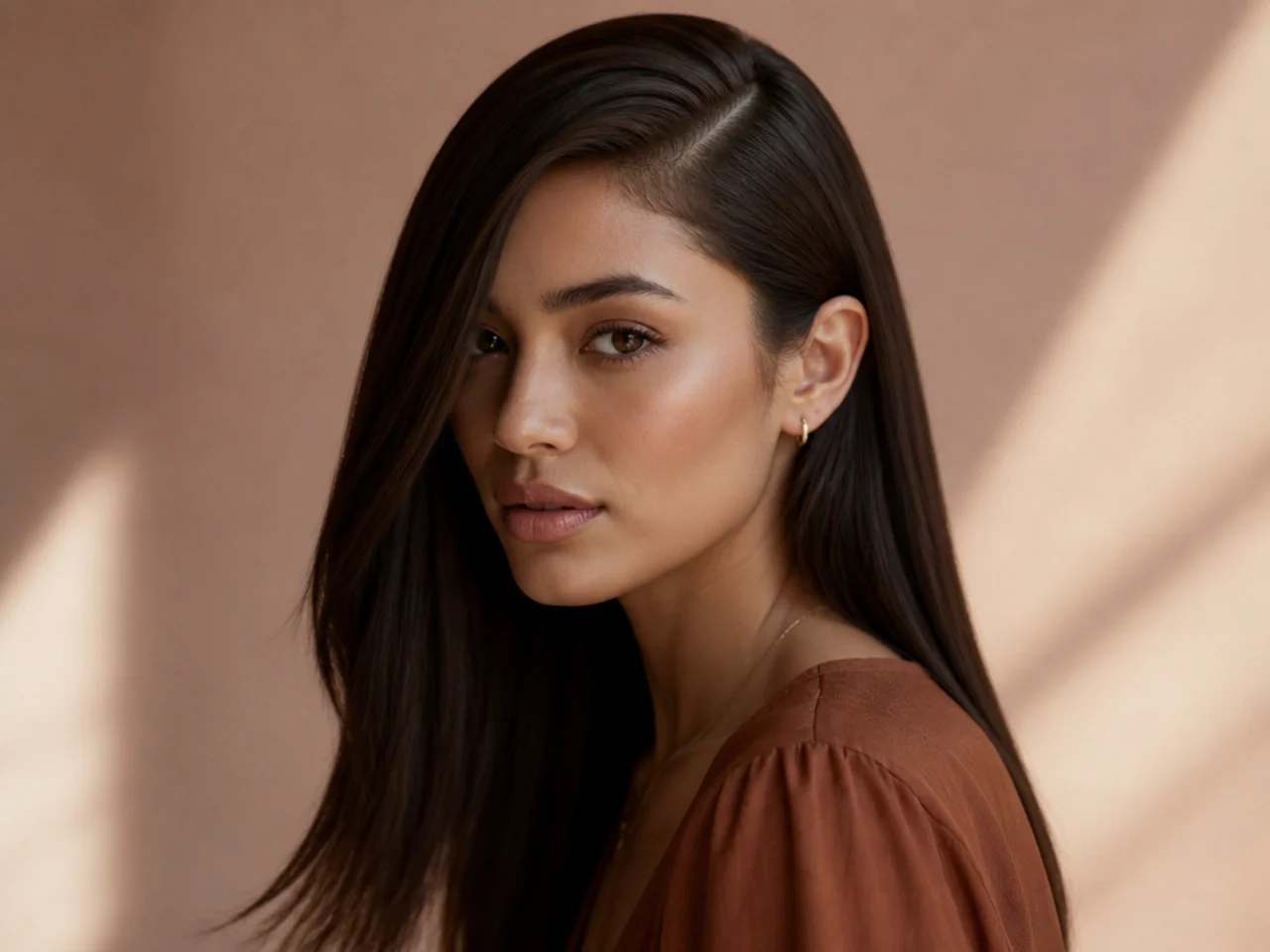
One asymmetric line against a smooth surface. It also shifts weight onto one side, giving a little lift at the parting for free.
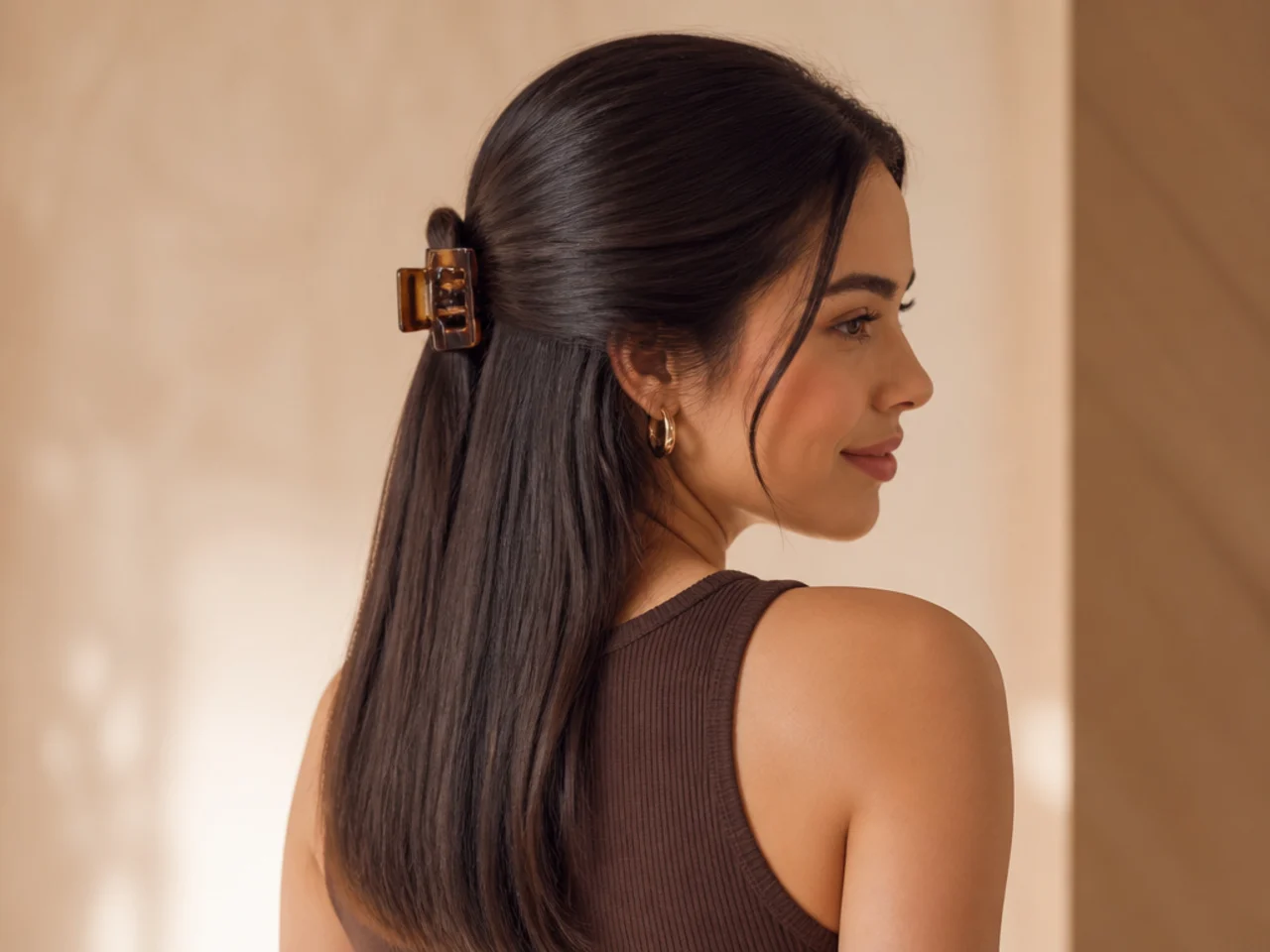
3. Half-Up with a Claw Clip
Structure doing what grip cannot. Ten seconds. A claw clamps, so it works identically on wash-day hair and second-day hair.
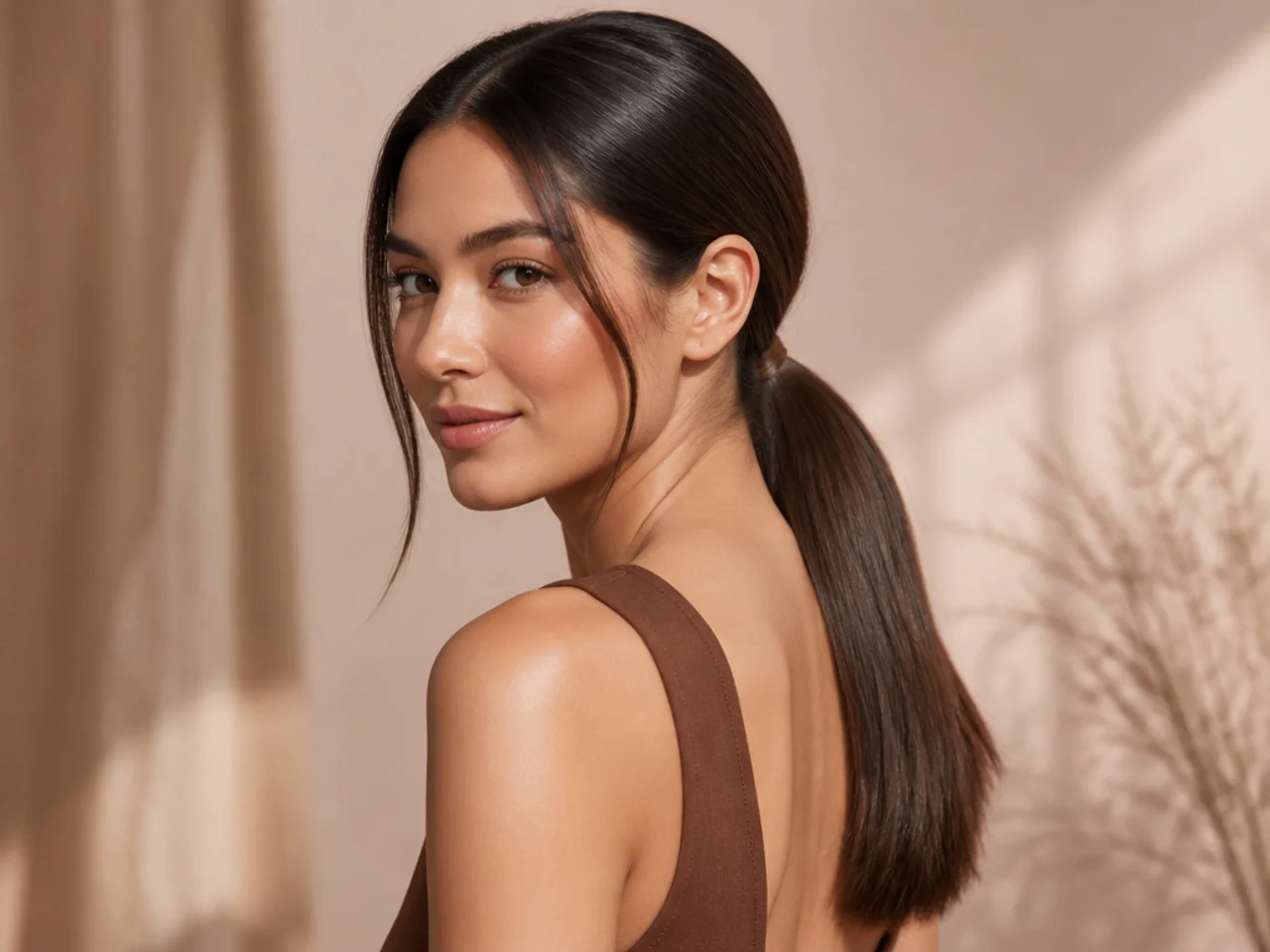
4. Low Ponytail
Gathered at the nape, where there is least to slip. Low placement keeps the weight resting against the head rather than hanging below the fastening.
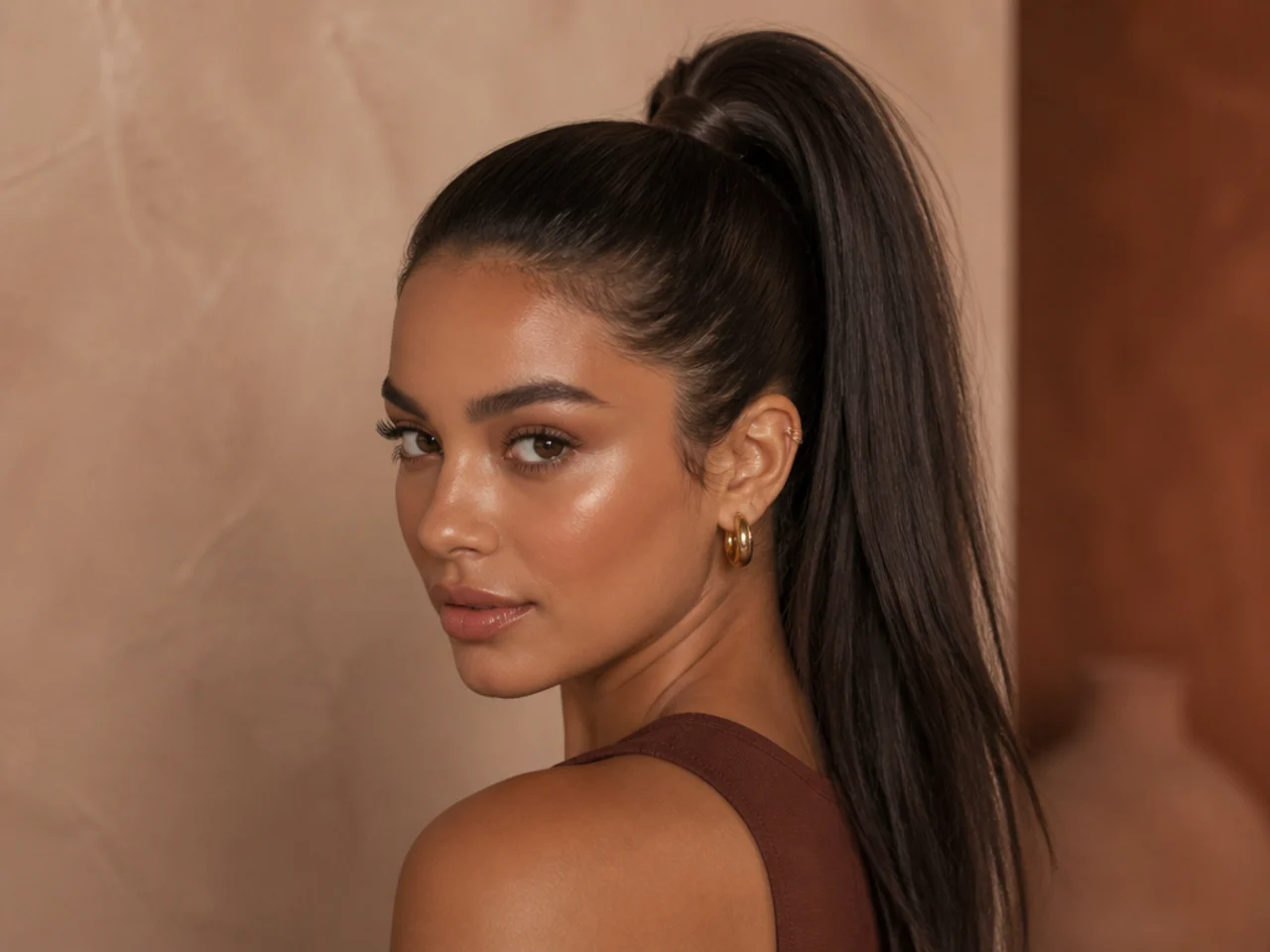
5. High Ponytail with Texture Spray
Friction added first, so it does not slide down. Spray before you gather — once it is up, the product cannot reach the strands doing the holding.
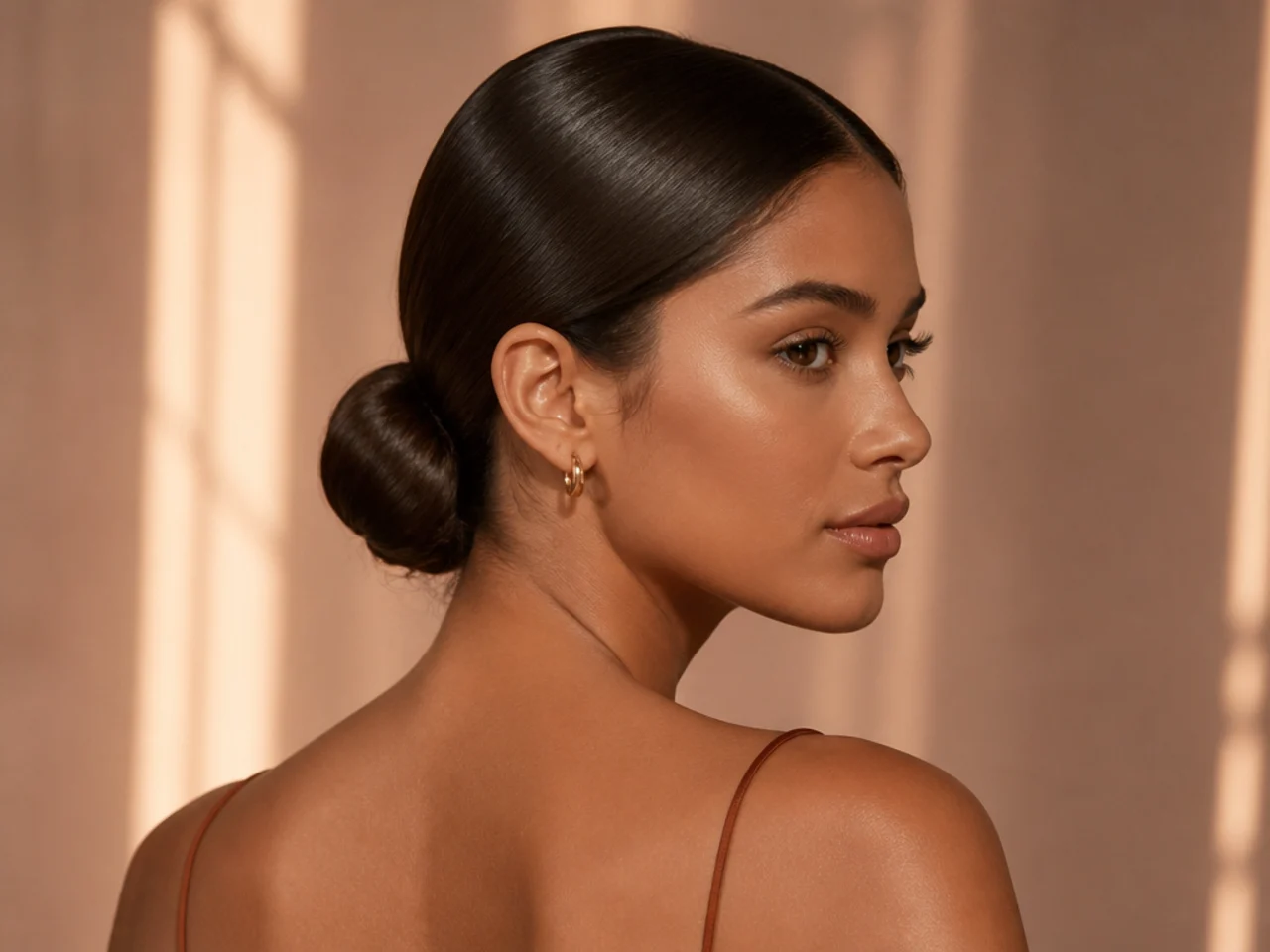
6. Sleek Low Bun
Smooth and structured. Straight hair does this better than any type. The shine that makes styling difficult is exactly what makes a sleek bun look expensive.
7. Messy Bun on Second-Day Hair
Only works with a day of oil in it. On wash day the same style is not messy, it is simply a bun that falls out.
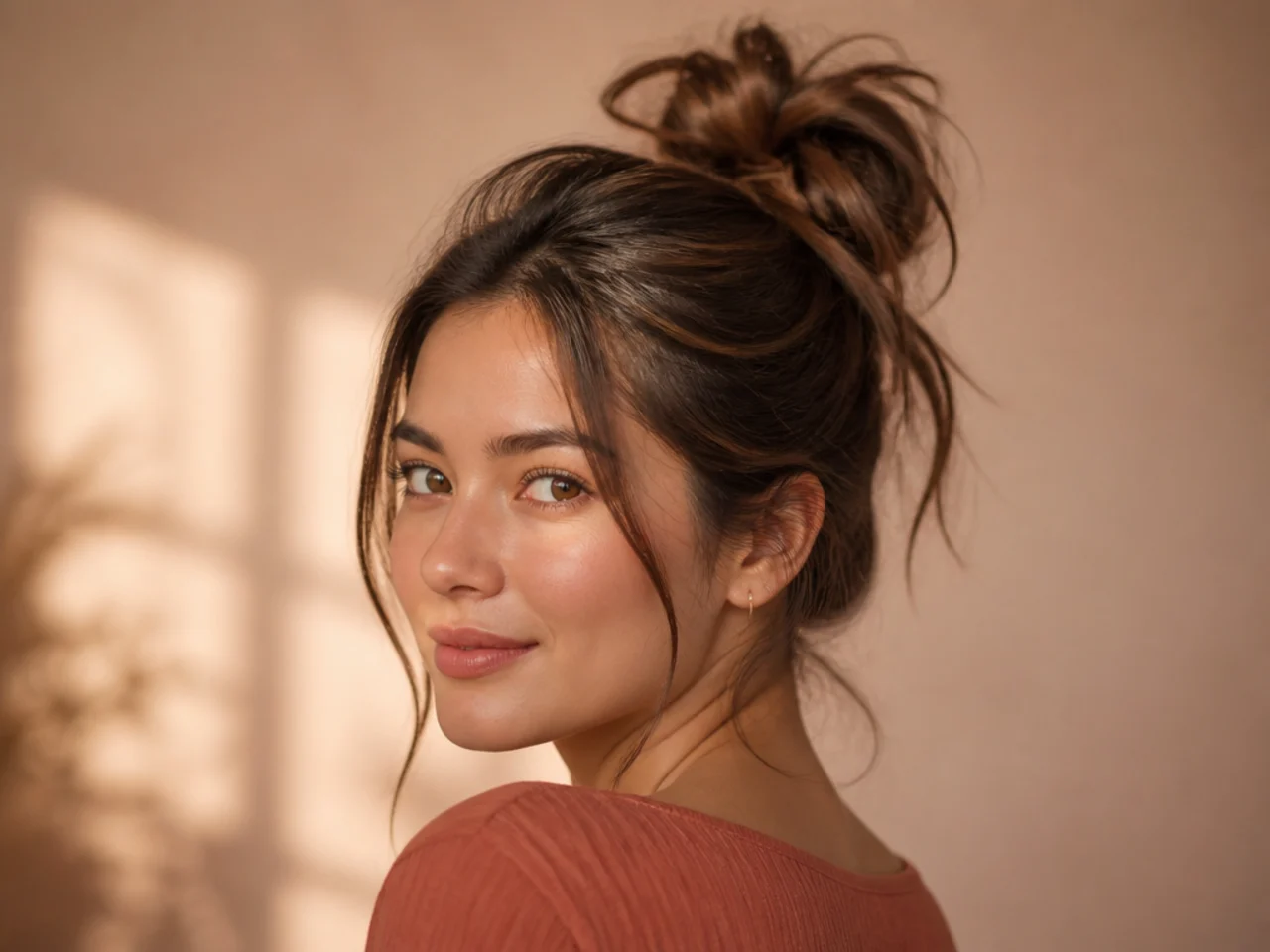
8. Twisted Half-Up
Two twists pinned back. Tension rather than grip. The twists lock against each other before the pins go in, so the pins secure something already holding.
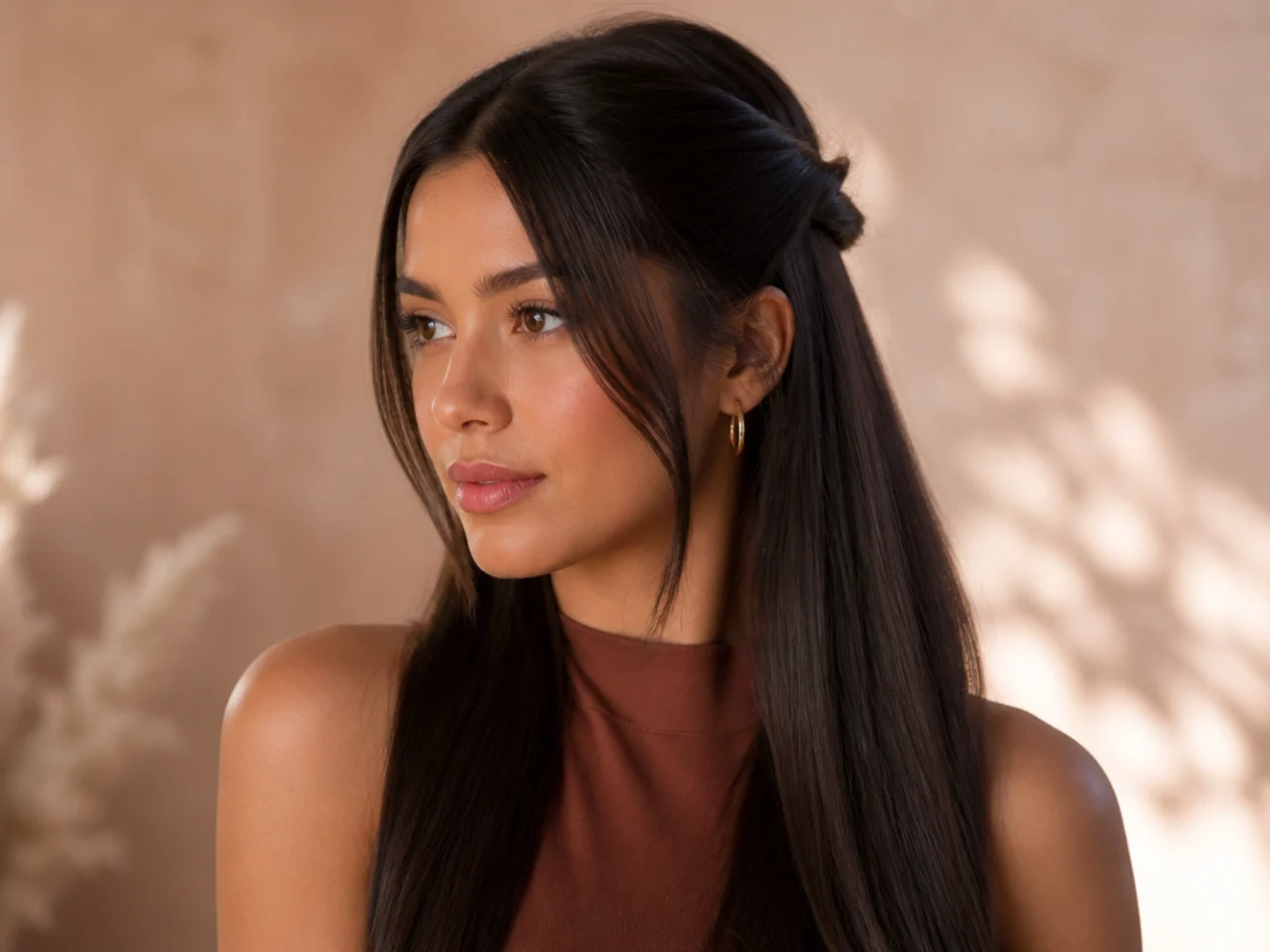
9. Single Plait
Straight hair plaits neatly and holds because the structure locks it. It is also the one style that degrades gracefully — a loosening plait is still a plait.
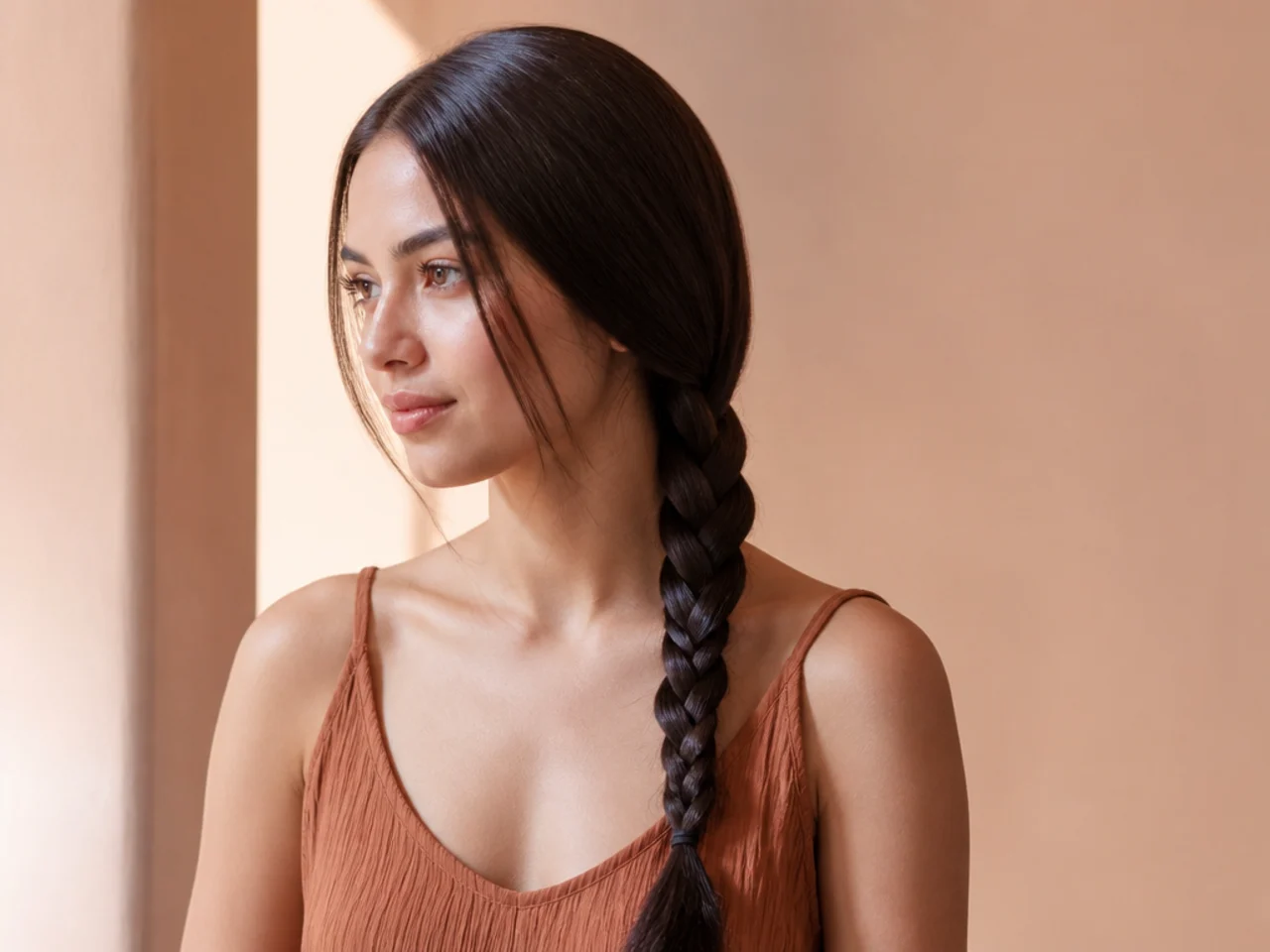
10. Two Dutch Braids
Structural, so no friction is needed at all. The braids start at the scalp, so nothing at the front can be worked free by movement.
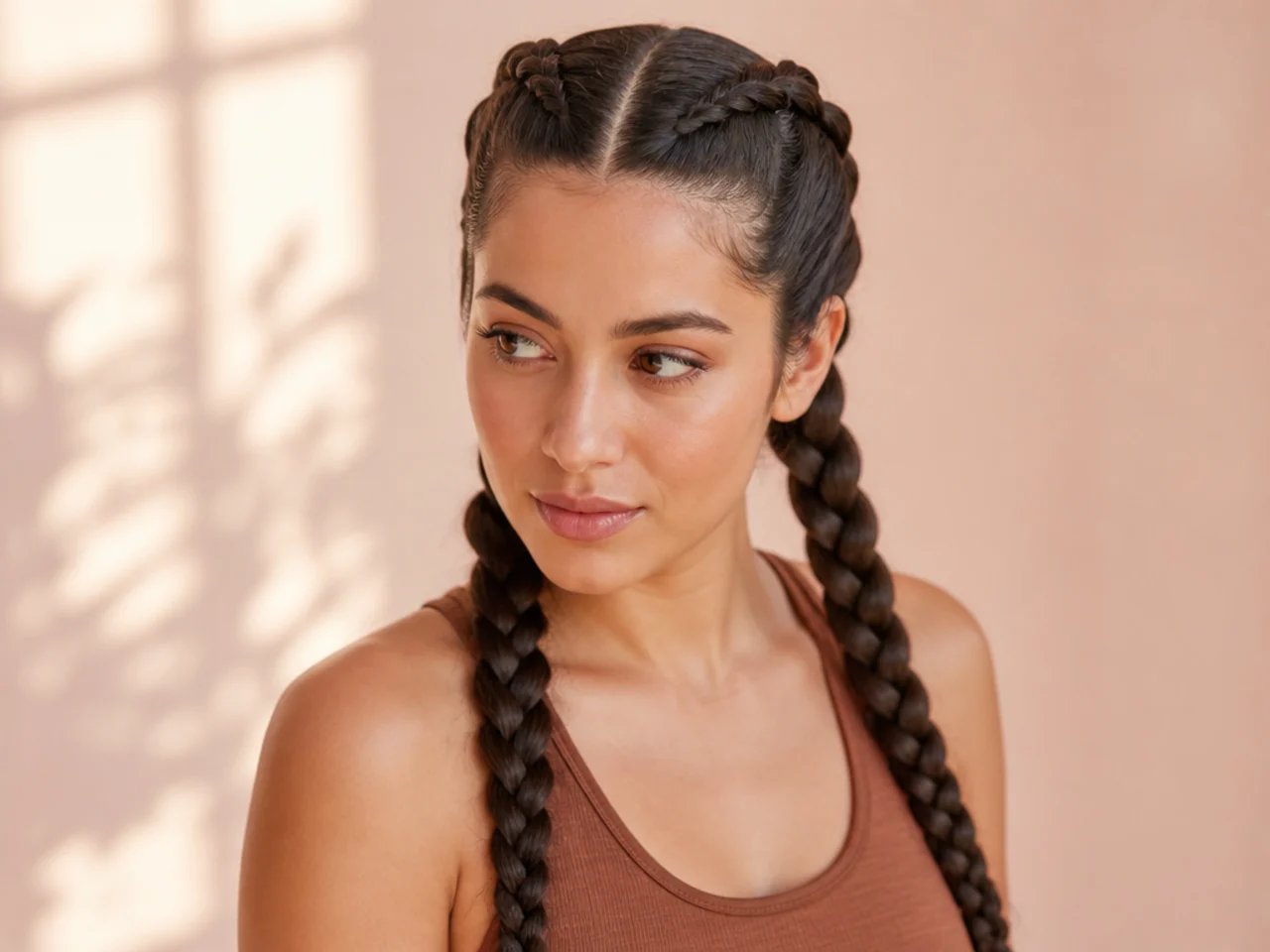
11. Low Chignon
Rolled and pinned flat against the head. A roll holds by its own shape, which means the pins are securing something that already wants to stay.
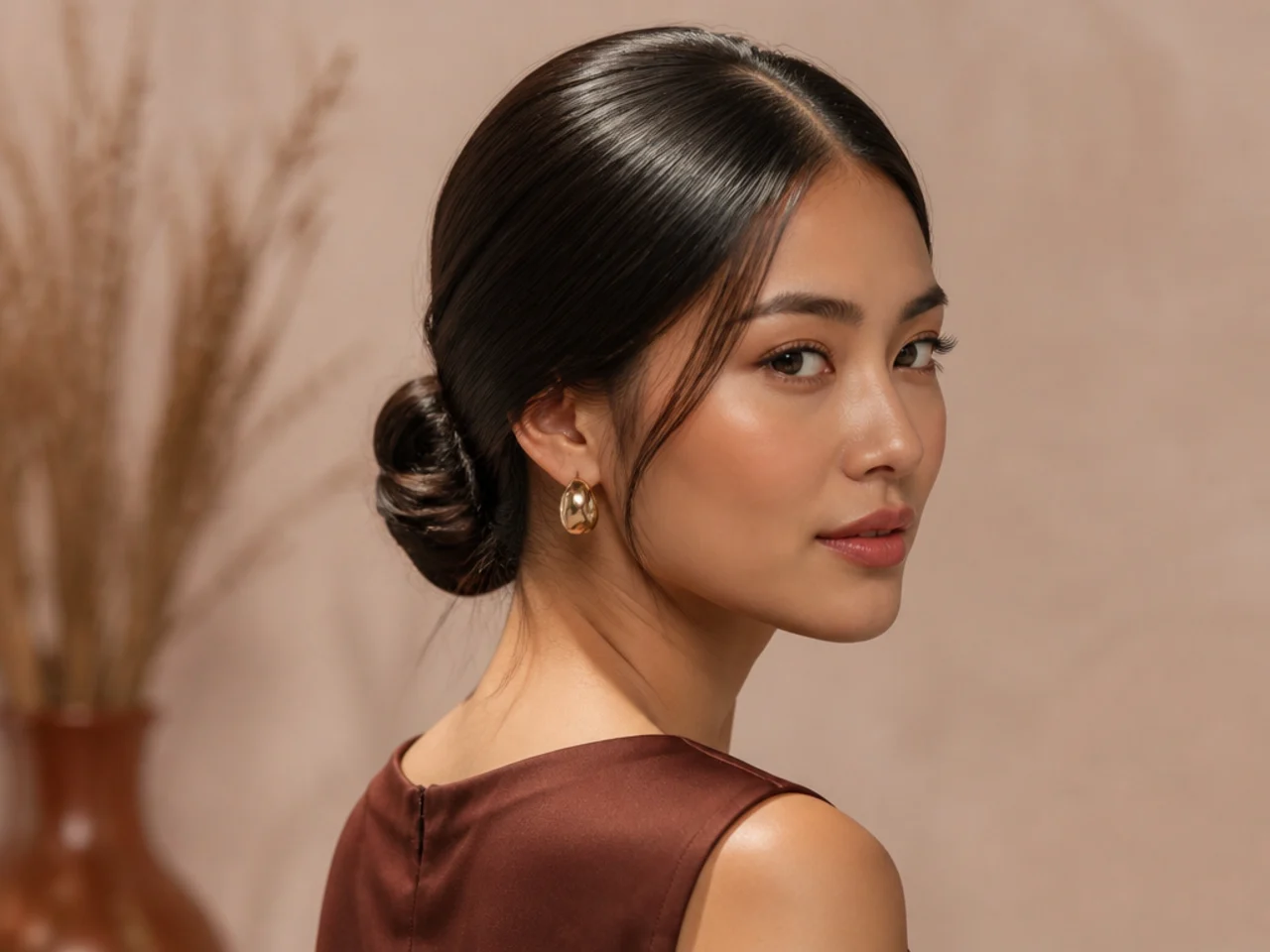
12. Straight Hair with a Headband
The band supplying the grip the hair lacks. It holds by tension around the skull rather than by gripping any section, so slipperiness is irrelevant.
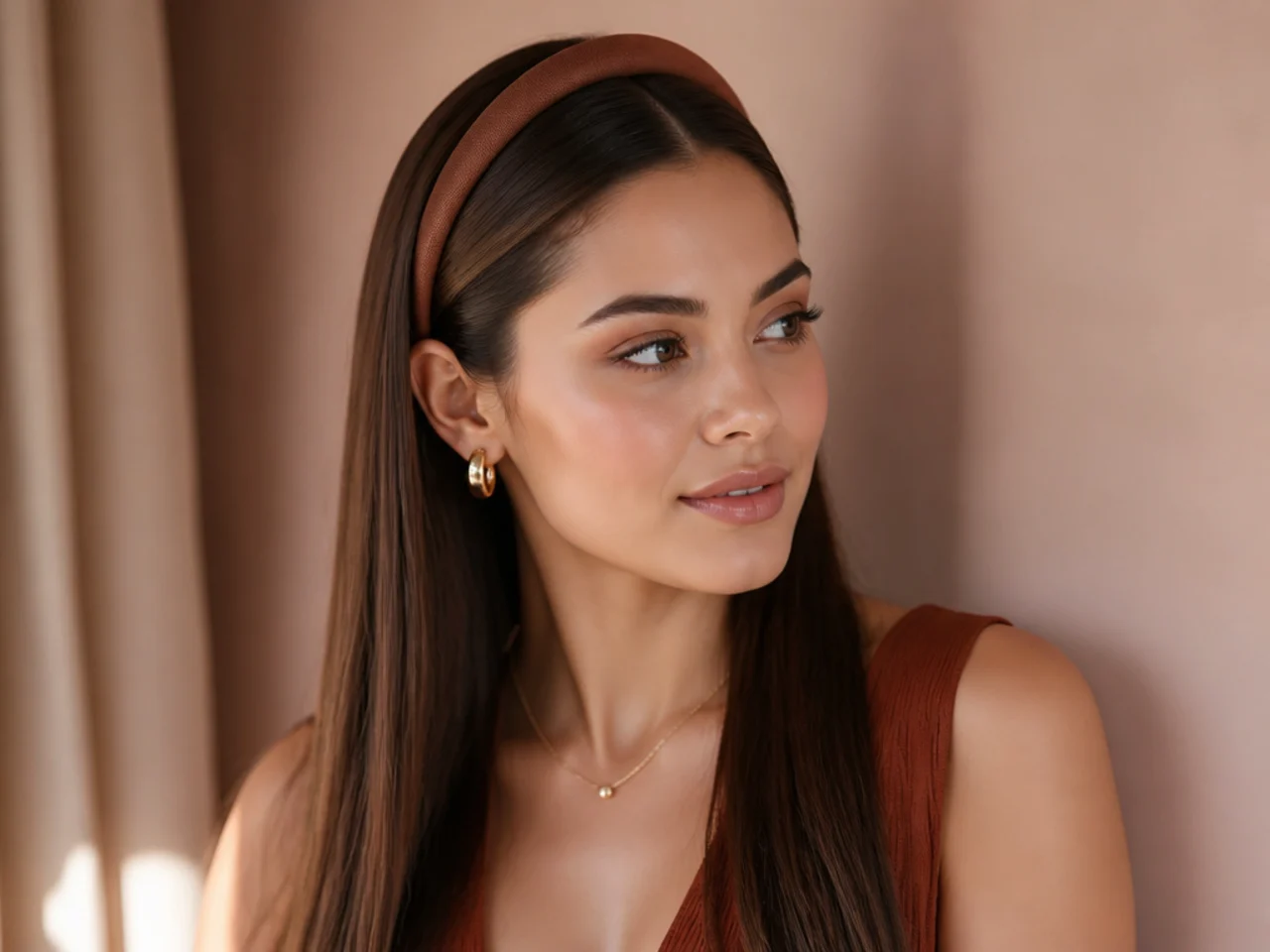
13. Tucked Behind Both Ears
Simplest style there is, and it suits the shine. Straight hair sits flat behind the ear rather than springing forward, which is why it stays put.
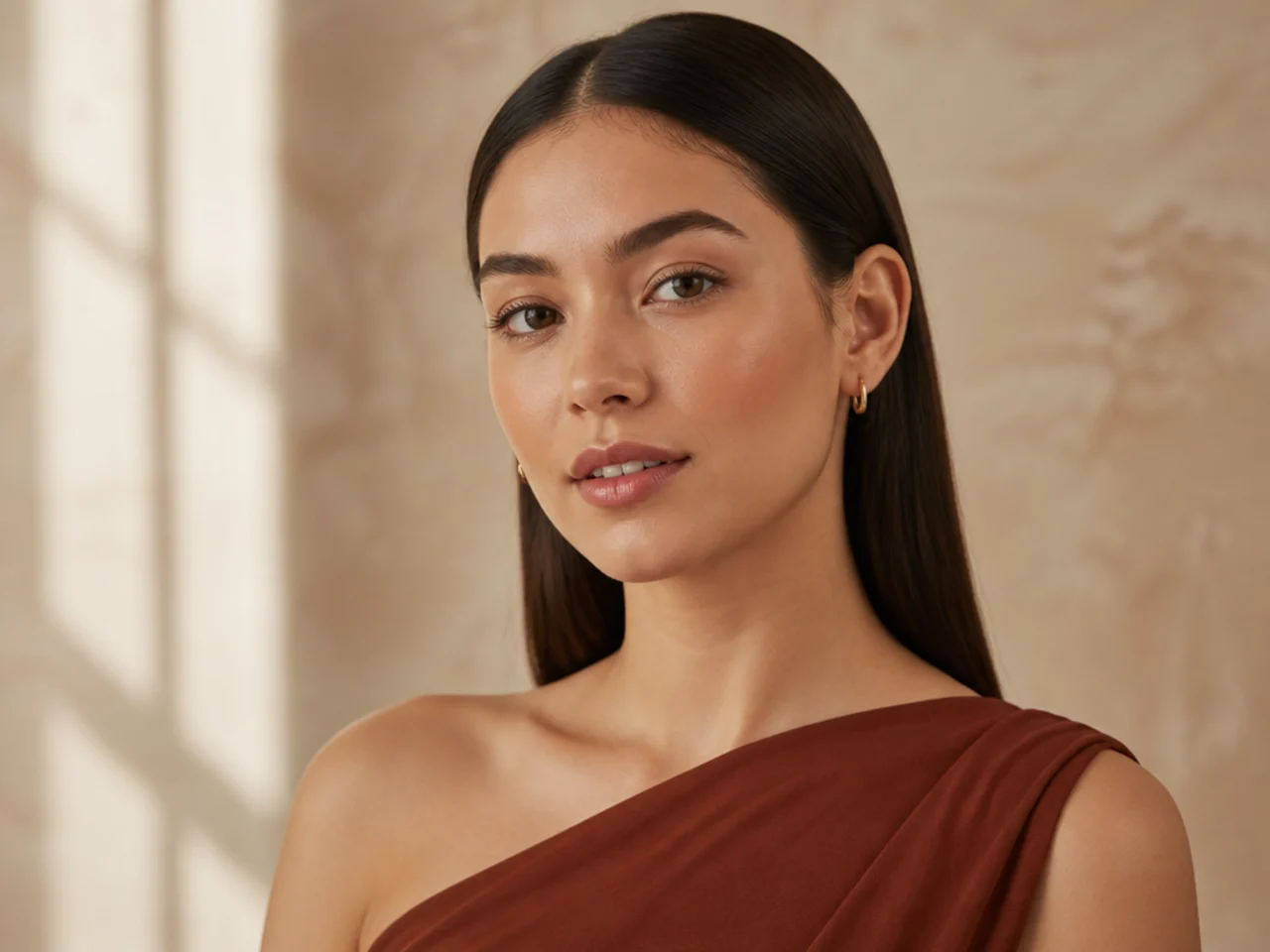
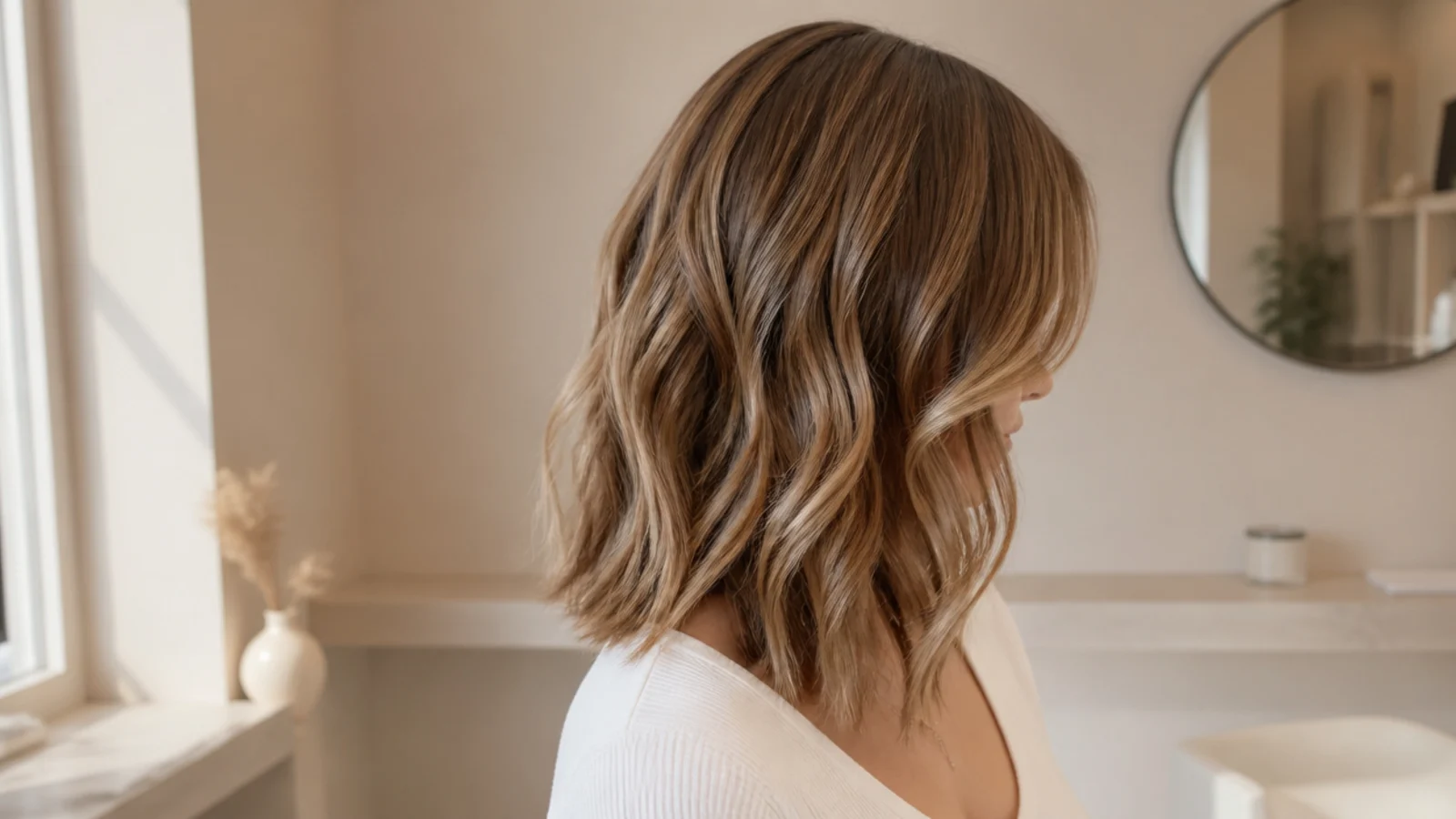
14. Soft Mid-Length Bend
One pass with an iron. It will drop, so keep it low-effort. A soft bend survives longer than a defined curl, because there is less shape trying to relax.
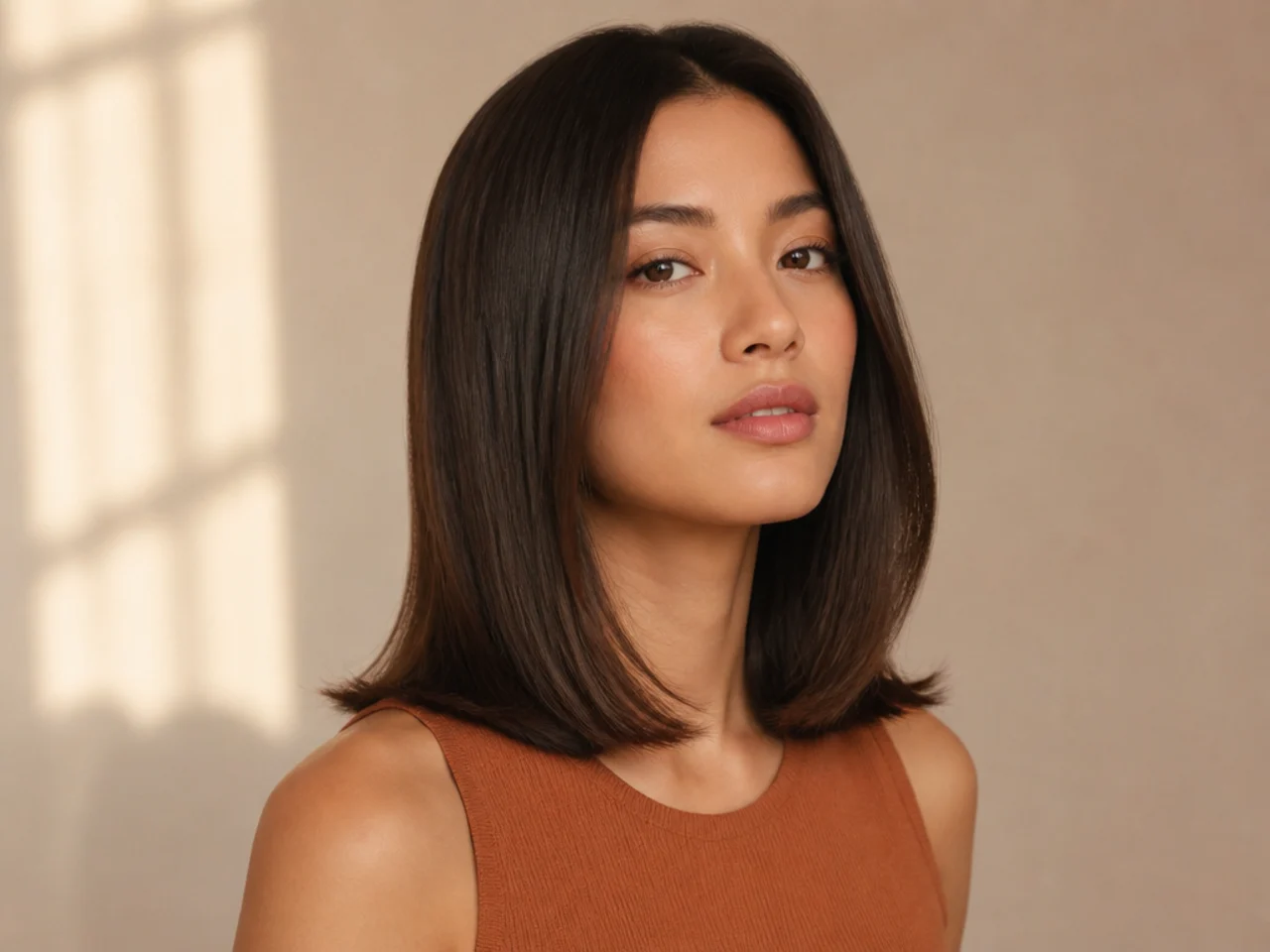
15. Blunt Ends Worn Plain
A hard perimeter, which straight hair displays perfectly. Every strand ends at the same line, and a flat cuticle makes that line completely visible.
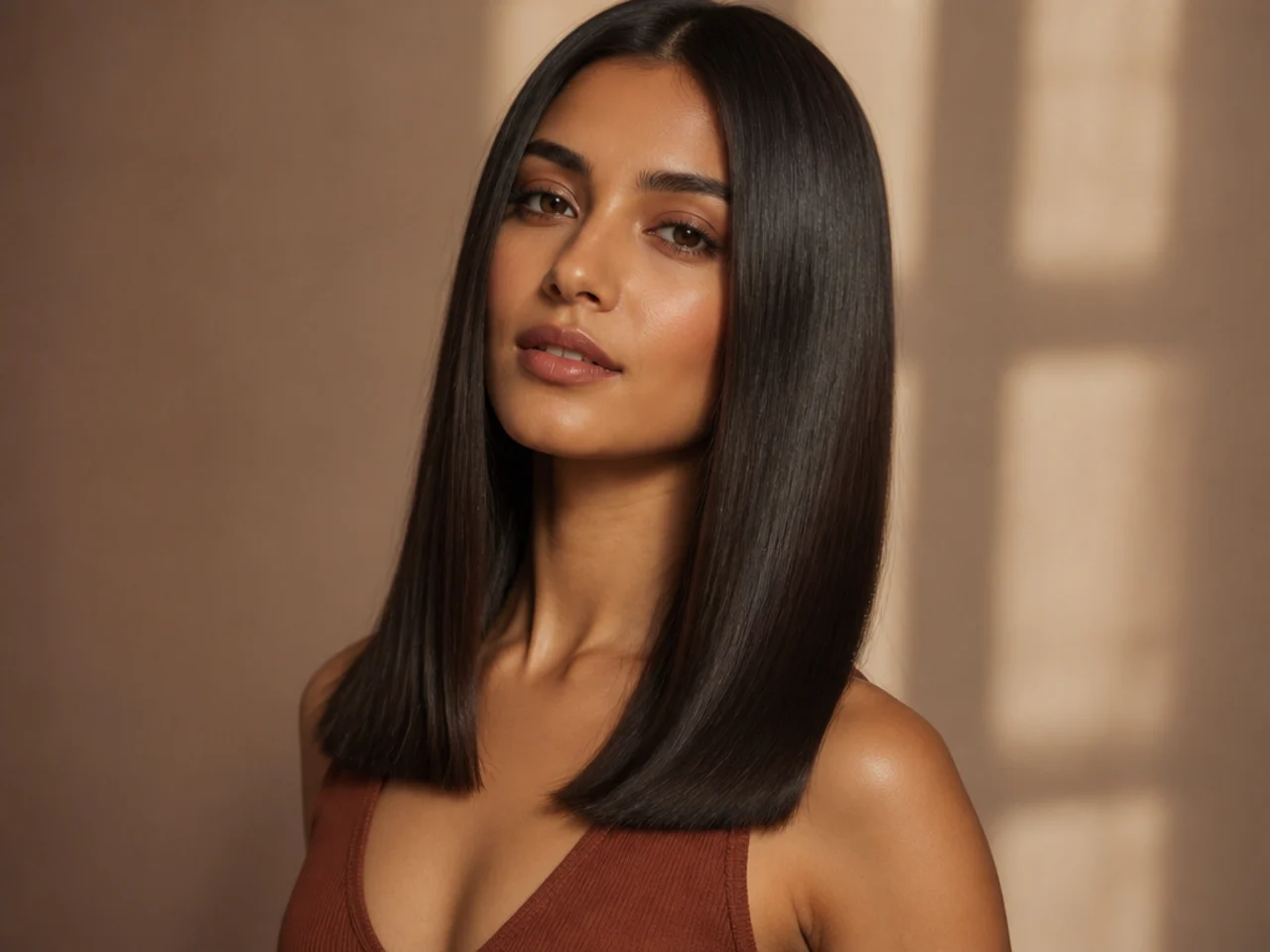
16. Slicked-Back Ponytail
Product doing the friction work, and it holds all day. Gel holds strands to each other, which is what separates it from hairspray on this hair type.
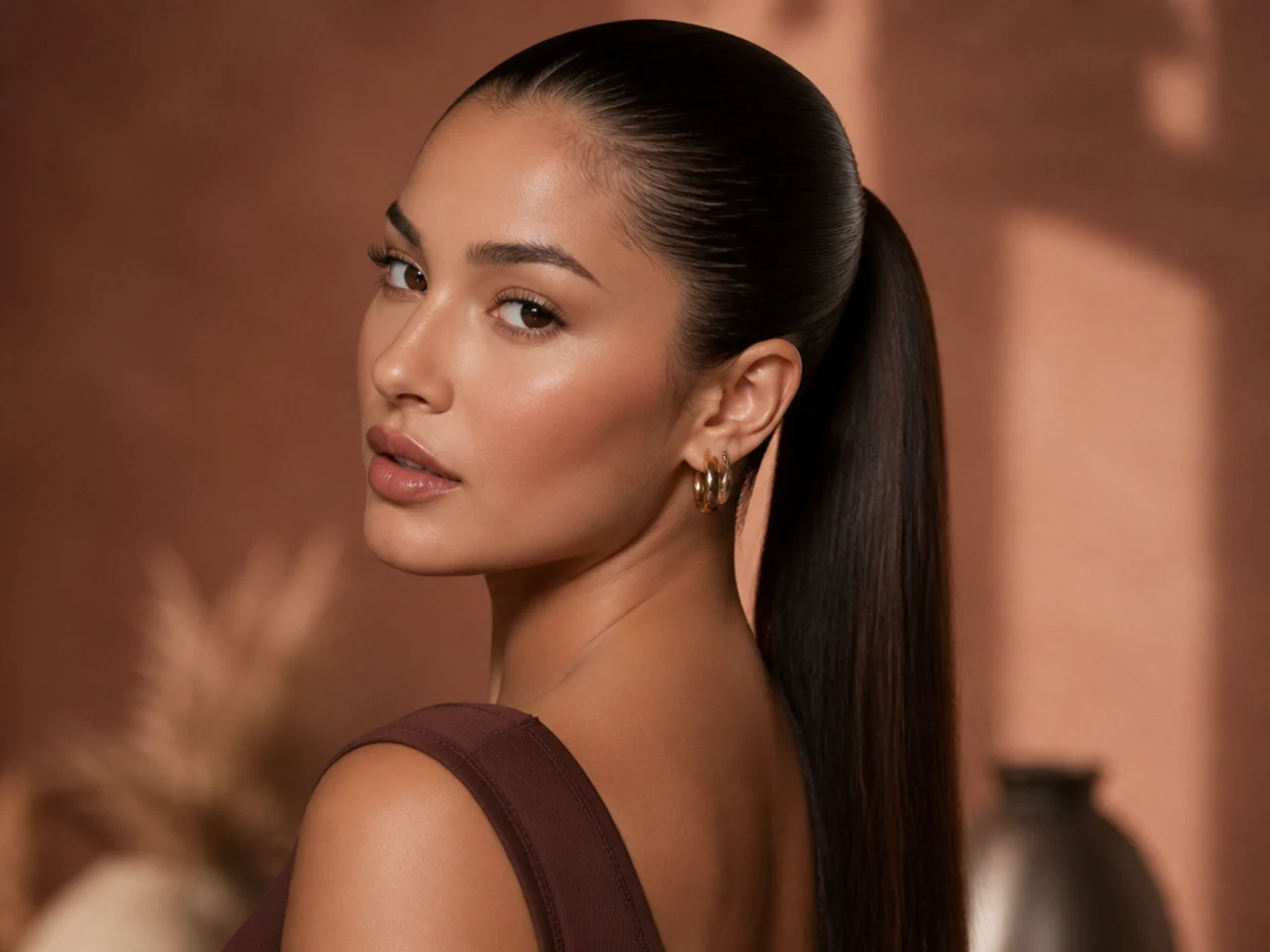
17. Half-Up Top Knot
Small gather, less to slip. Less weight in the gather means the tie holds without being wound tight.
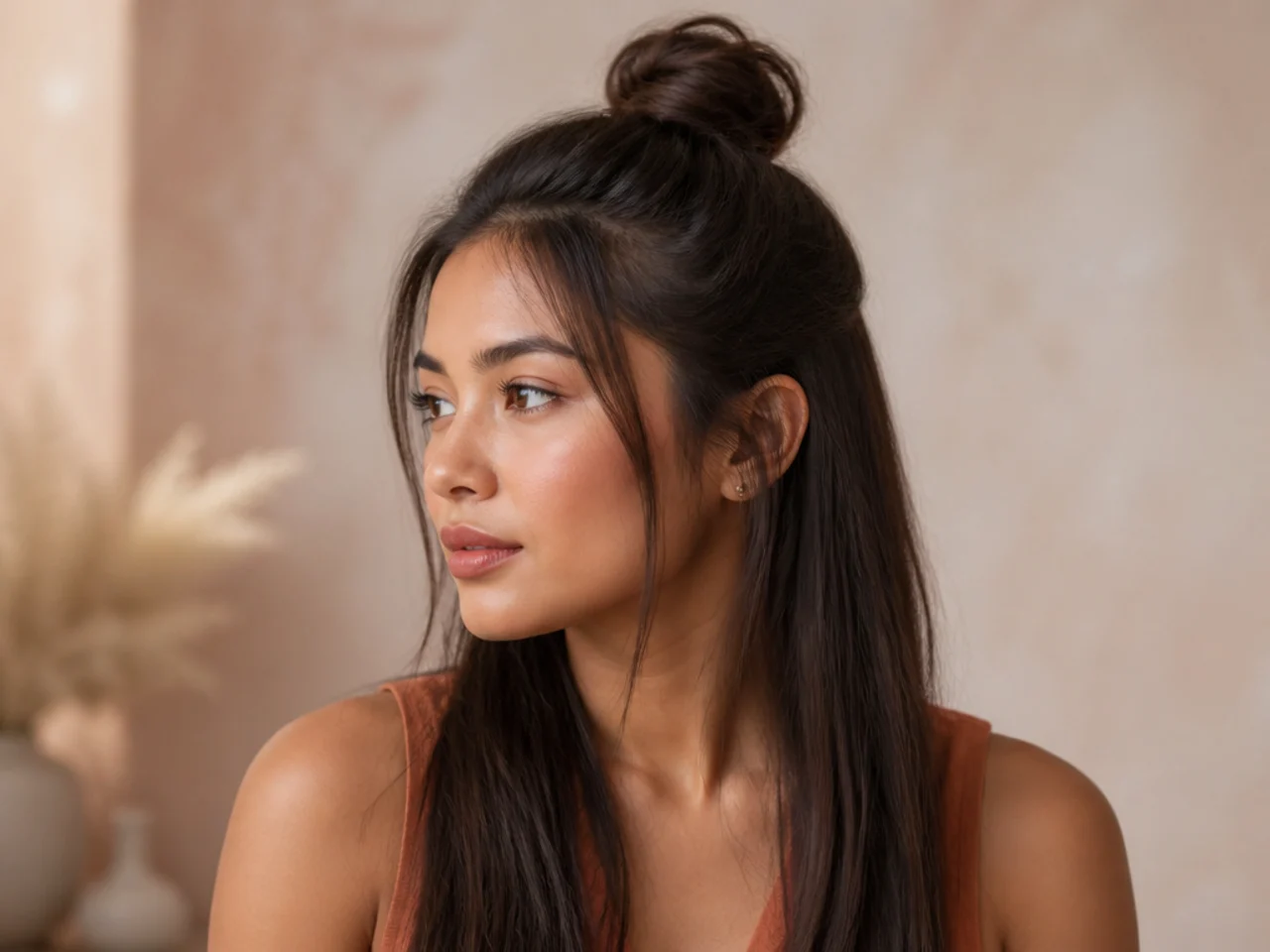
18. Straight Hair with a Silk Scarf
Fabric adding grip and colour together. Woven fabric is rough at the scale that matters, so it holds what a smooth elastic would not.
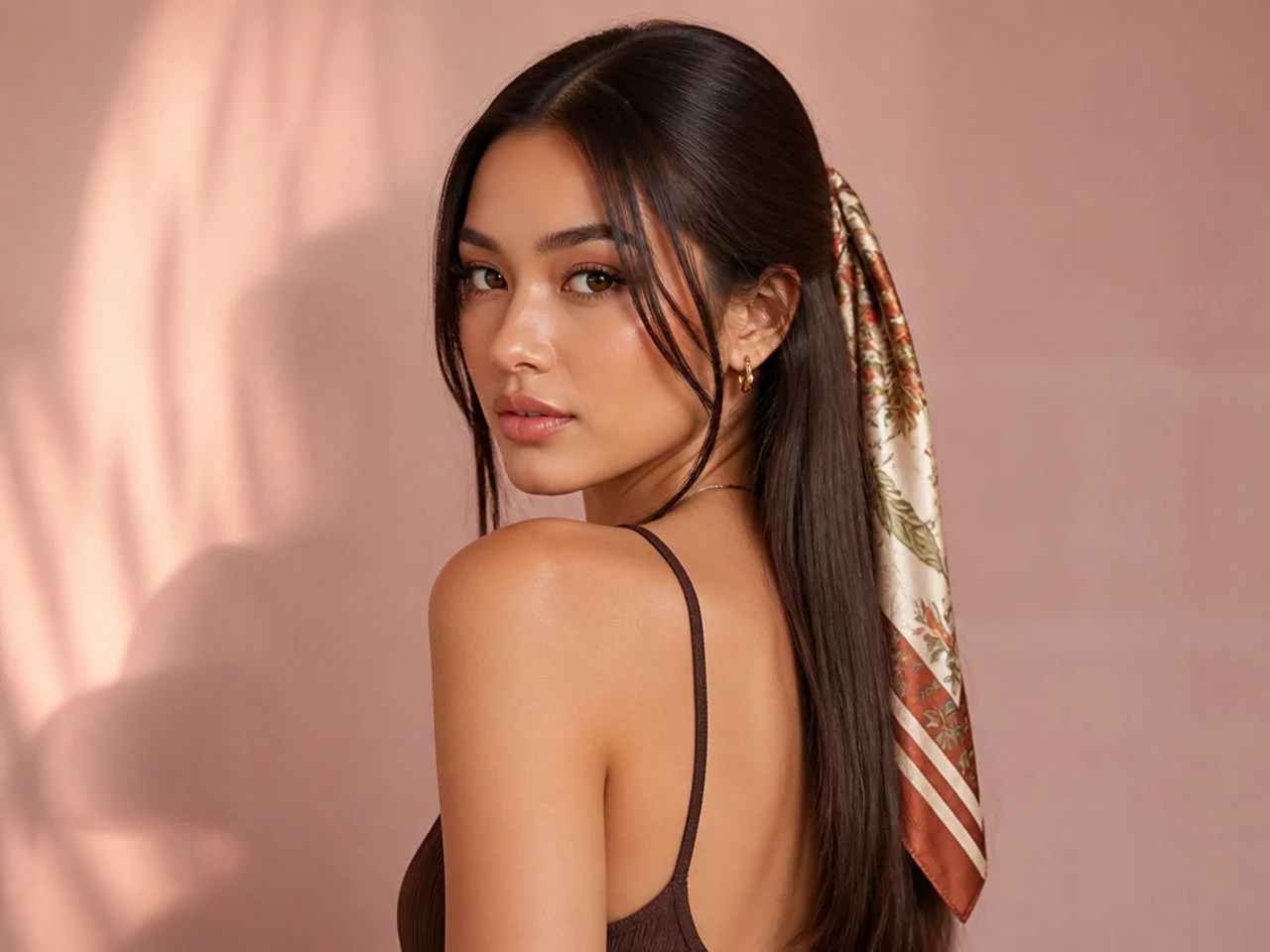
19. Straight Hair with Pinned Sides
Two grips, crossed, holding what will not stay. Crossing is the entire trick — the same two placed parallel slide out the way they went in.
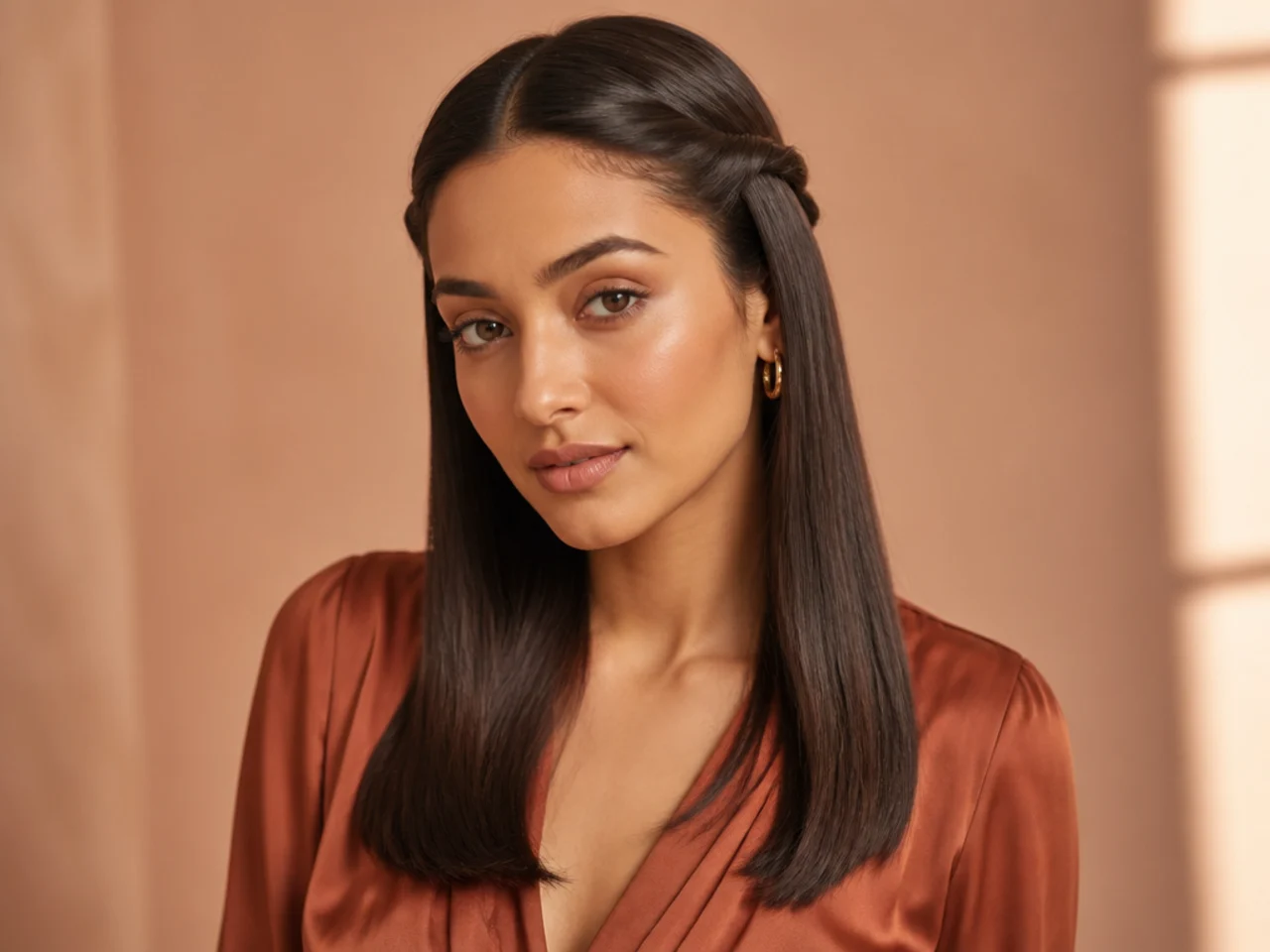
20. Overnight Plait Waves
Heatless, and the plait's structure sets the bend. Hair dried in a bent shape holds that bend far longer than hair ironed when already dry.
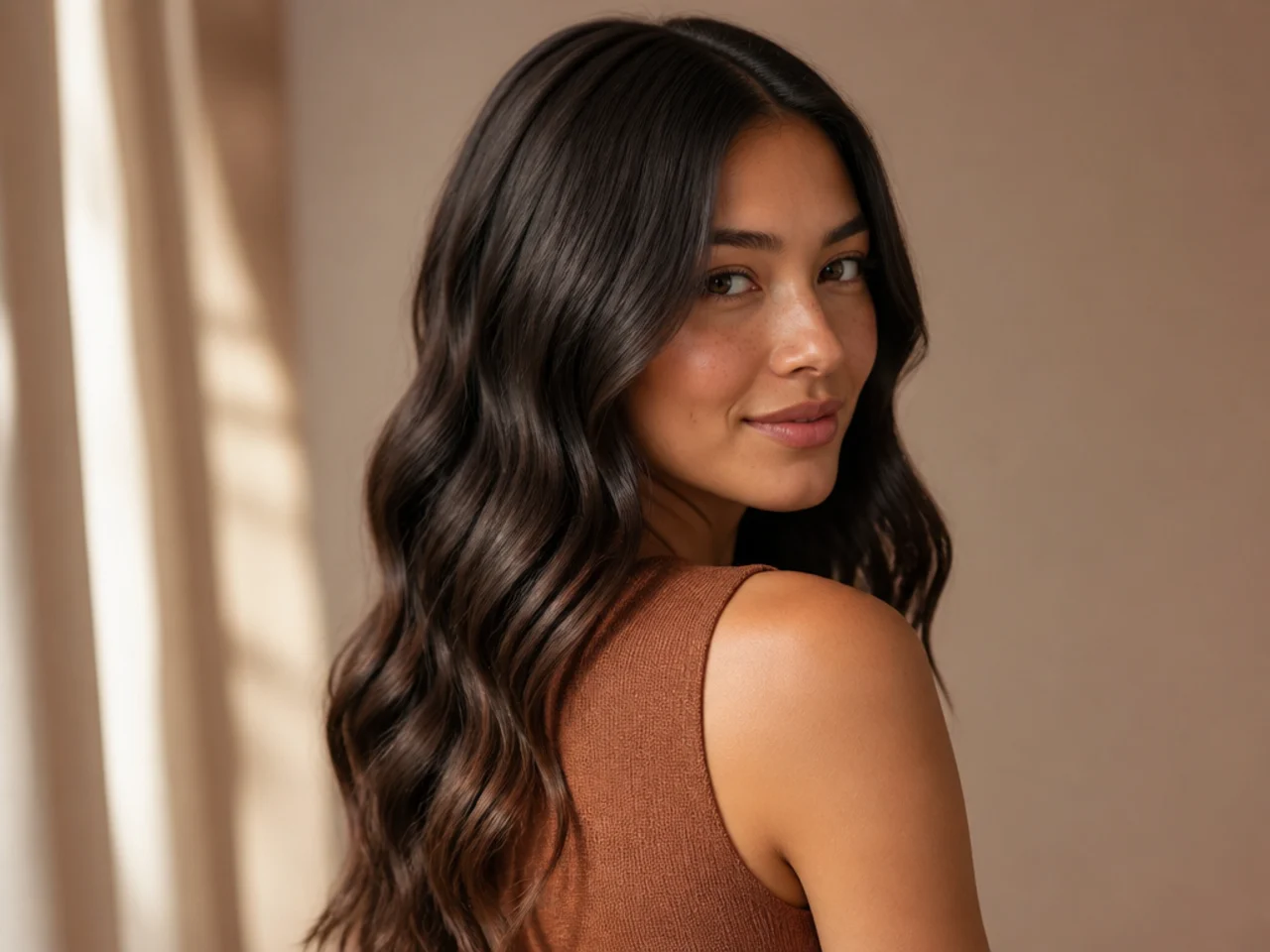
21. Straight Hair with Root Volume
Dried in from wet, which is the only way it lasts. Volume added to dry hair sits on the surface and drops within the hour.
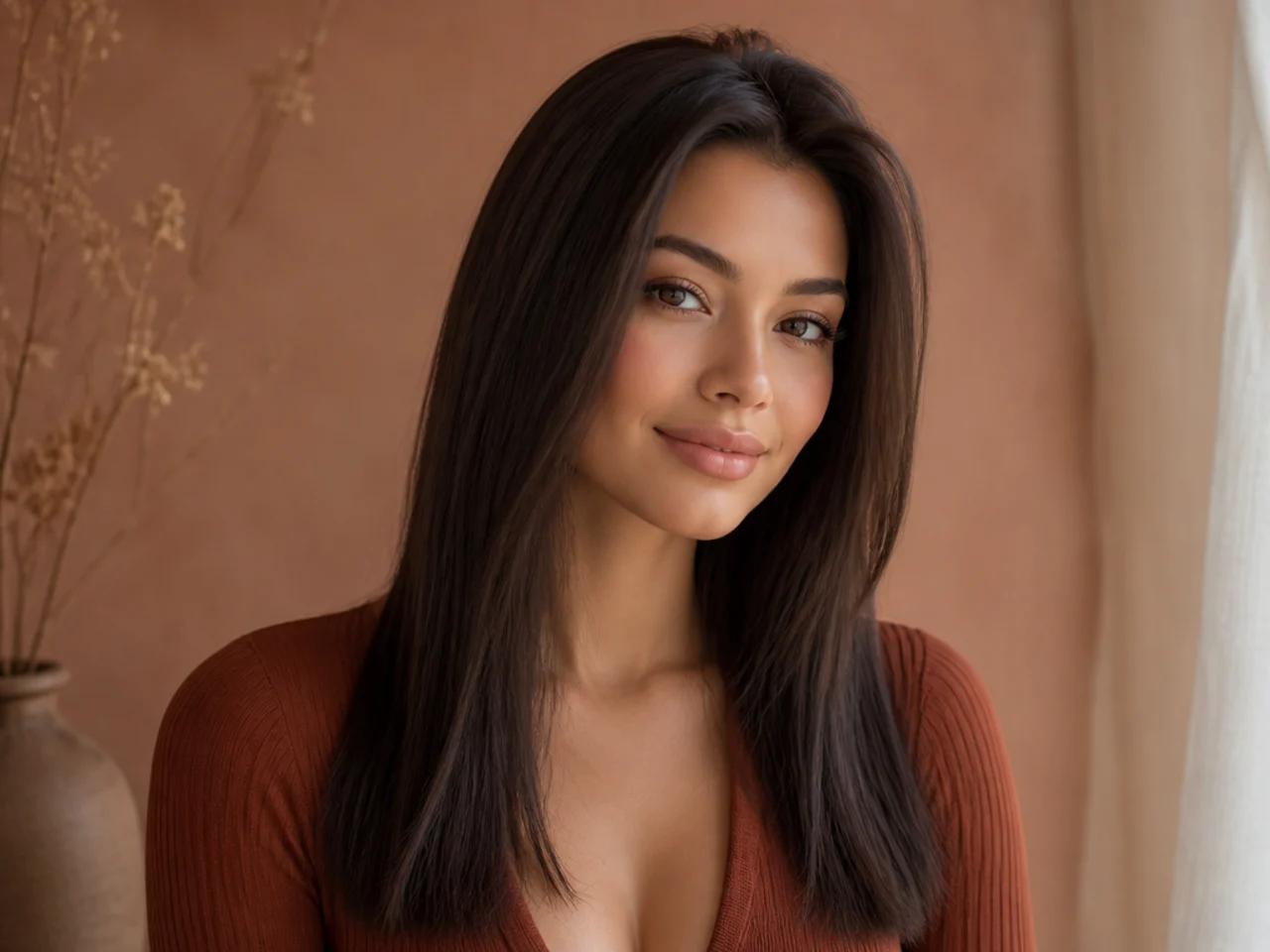
22. Long Straight Hair Worn Loose
The most-worn style there is, and it needs nothing. The weight that defeats gathered styles is what makes loose length hang smoothly.
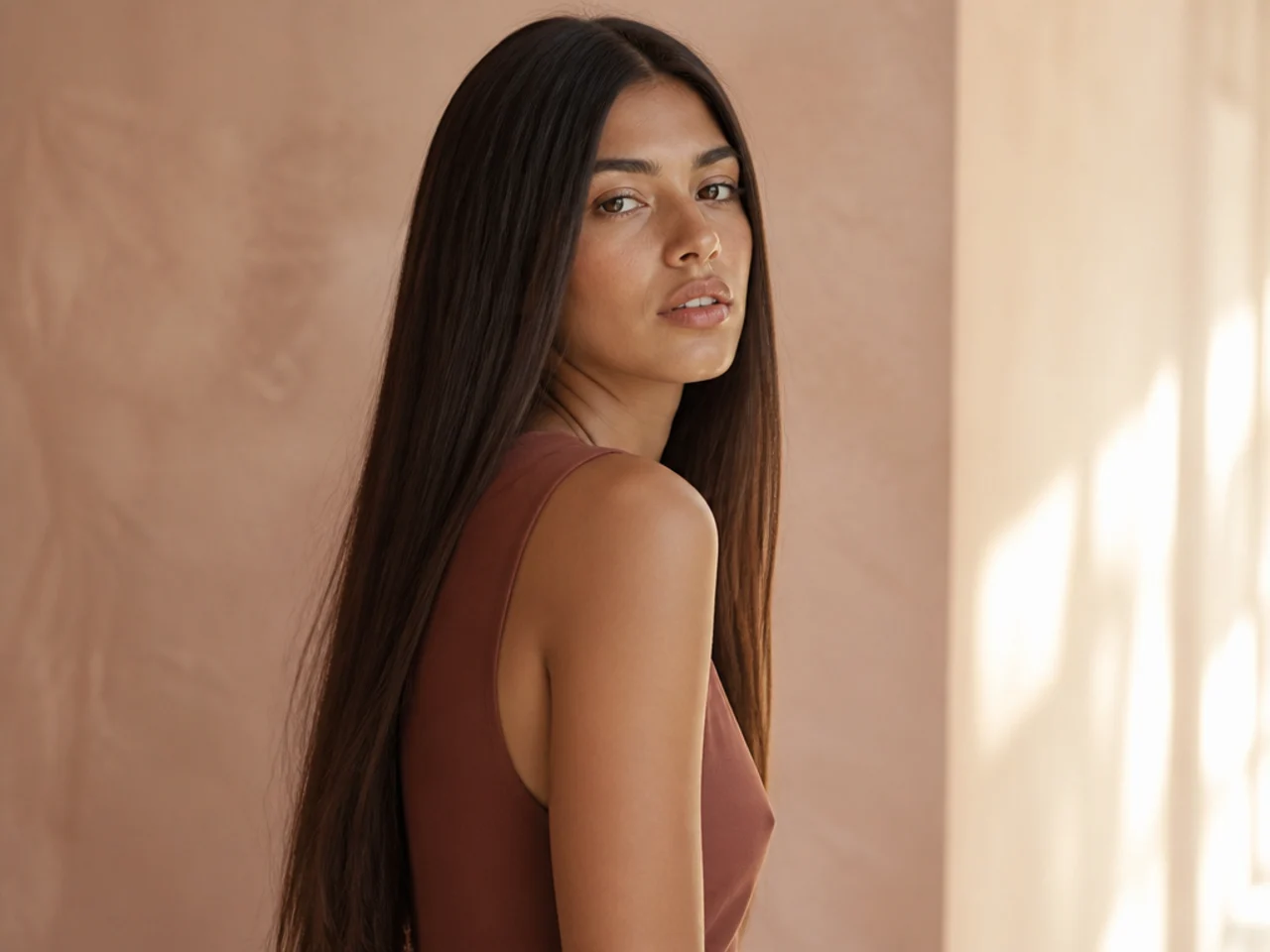
23. Straight Bob Worn Plain
Short, blunt and glossy. Less length means less weight, so a bob is the one cut where straight hair keeps volume on its own.
24. Straight Hair on Wash Day
Slippery, and the hardest day to style. Worth recognising. Choosing a structural style on wash day is a strategy, not a concession.
25. A Curl That Has Dropped by Noon
Heat without friction. The failure that defines this hair type. Nothing is holding the new shape, so the strand relaxes back towards straight from the moment it cools.
Styling and Upkeep
Texture spray at the roots before anything. It is the closest thing to a universal fix.
Style on day two. Every style on this page performs better with a day of oil in the hair.
Choose structure over hold. A plait or a pin beats hairspray on hair that will not grip.
Set curls with cooling, not with heat alone. Let each section cool in your hand before releasing it.
Do not over-brush. It smooths away what little grip you had.
Mistakes to Avoid
Styling freshly washed hair. The slipperiest it will ever be.
Relying on hairspray for hold. It coats; it does not create grip.
Releasing a curl while it is still warm. It drops within the hour.
Brushing a finished style. It removes what friction you added.
Blaming your technique. It is usually the hair type, and it is fixable.
FAQ
Why does it not hold? Straight strands have almost no friction against each other.
How do you make it hold? Add friction — texture spray, dry shampoo, or a day of natural oil.
Is second-day hair better? Considerably, and for a physical reason rather than a folk one.
Final Thoughts
Stop washing your hair the morning you want to style it. Almost every straight-hair frustration comes down to a missing day of natural oil — and that one change makes more difference than any product you could buy to replace it.
For the fine and thick versions, which fail in opposite ways, see 20 cute hairstyles for straight hair. More in Women's Hairstyles.