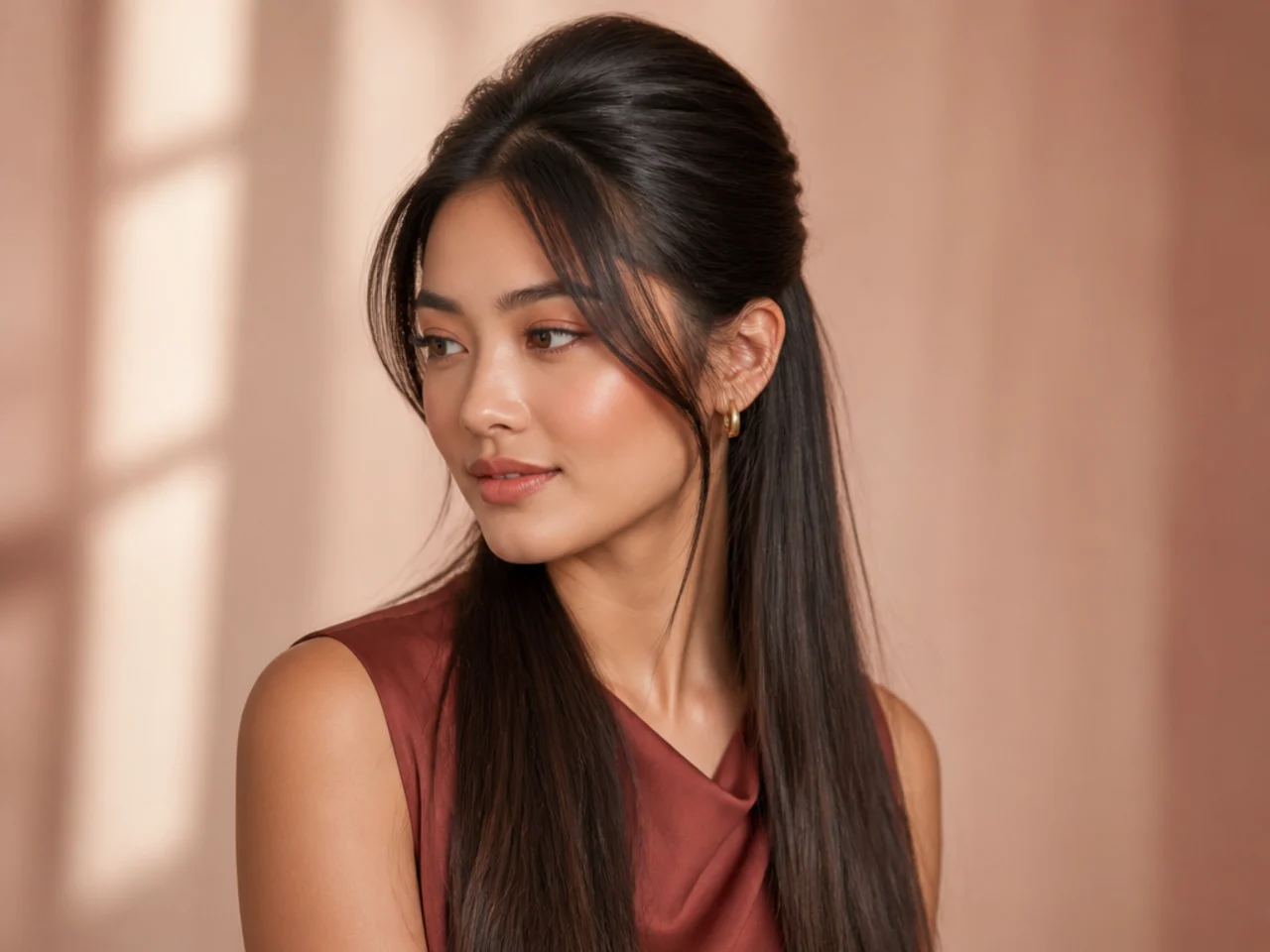
20 Cute Hairstyles for Straight Hair
Twenty styles sorted by density, because fine straight and thick straight hair fail in opposite directions — one slips out because there is no weight, the other flattens because there is too much.
In this article · 27
- What Density Changes
- How to Choose Yours
- The 20 Styles by Density
- 1. Fine — Backcombed Half-Up
- 2. Fine — Small Low Bun
- 3. Fine — Scrunchie Ponytail
- 4. Fine — Texture Spray Then Style
- 5. Fine — Blunt Ends Worn Down
- 6. Fine — Half-Up with a Small Claw
- 7. Fine — Root Volume Dried in From Wet
- 8. Fine — Single Plait
- 9. Thick — Two-Section Bun
- 10. Thick — Low Ponytail with Two Ties
- 11. Thick — Half-Up with a Large Claw
- 12. Thick — Internal Weight Removed
- 13. Thick — Twisted Rope Bun
- 14. Thick — Two Dutch Braids
- 15. Thick — Sleek Low Chignon
- 16. Thick — Worn Down with Blunt Ends
- 17. Medium — Classic Half-Up
- 18. Medium — Low Bun
- 19. Any Density — Second-Day Styling
- 20. A Thick-Hair Fix Applied to Fine Hair
- Styling and Upkeep
- Mistakes to Avoid
- FAQ
- Final Thoughts
The same straight-hair tutorial works beautifully for one person and fails completely for another, and density is almost always the reason.
Fine and thick straight hair fail in opposite directions. Both lack friction — that is the shared property. But fine hair has no weight to hold a shape and simply slides out, while thick hair has so much weight that it drags any style flat.
Which means the fixes are opposites. Fine hair needs grip added. Thick hair needs weight divided.
What Density Changes
Fine slips. Nothing holds and nothing has enough mass to stay where it is put.
Thick flattens. Plenty of mass, and it pulls everything downward.
The fix for fine is friction. Texture spray, dry shampoo, a light backcomb.
The fix for thick is division. Two sections held separately beat one forced together.
How to Choose Yours
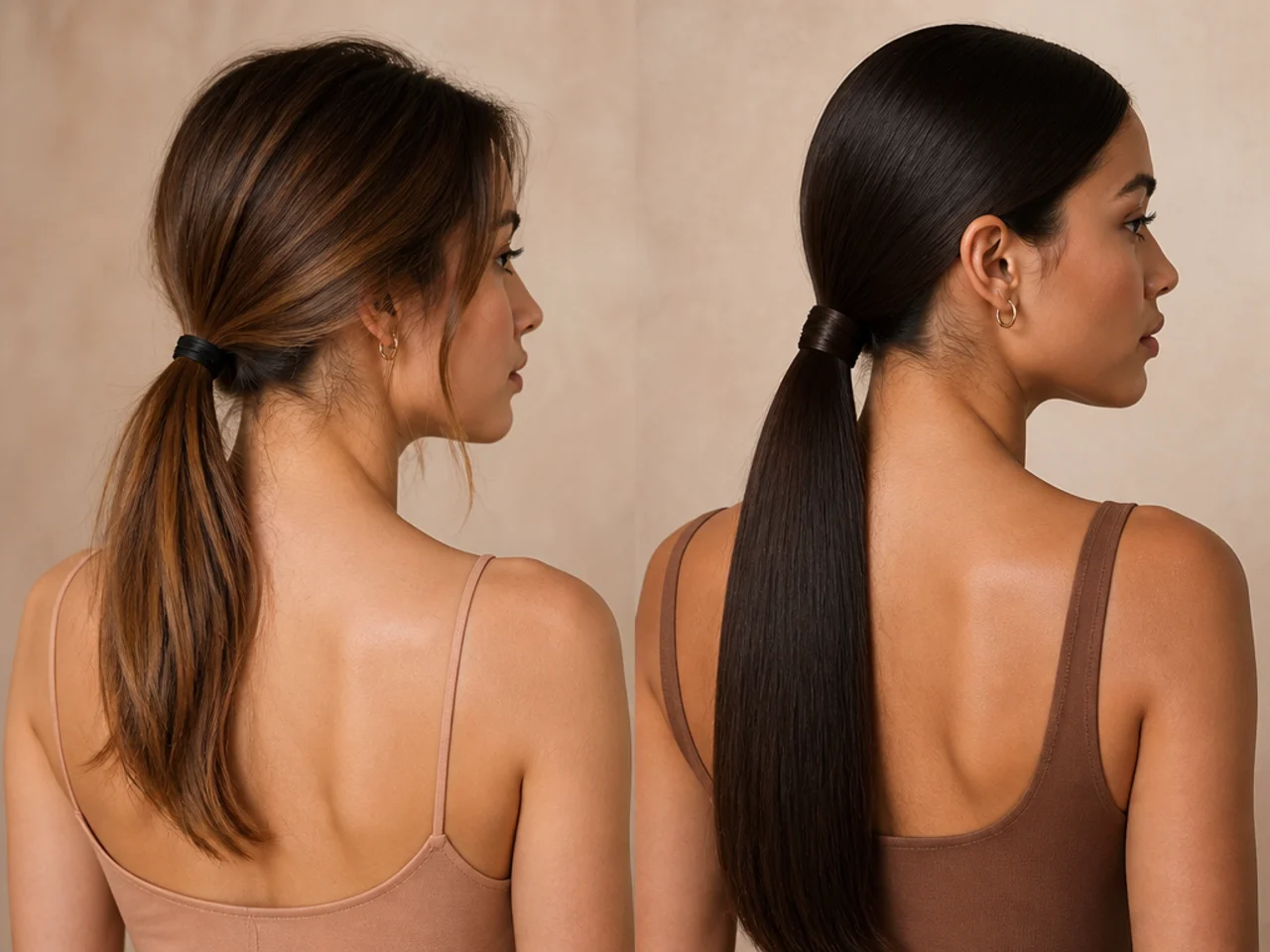
Work out which failure you have. Slipping and flattening need opposite responses.
Fine: keep styles small. Less weight working against you.
Thick: divide before you fasten. One rope is always harder to hold than two.
Both: work on day two. The shared advantage.
The 20 Styles by Density
1. Fine — Backcombed Half-Up
Grip built at the root before anything is gathered. A light backcomb at the crown roughens the cuticle where the elastic will sit, which is the only place fine hair actually needs friction.
2. Fine — Small Low Bun
Less mass, less to slide out. A small bun sits well inside what one tie can hold, so it never reaches the weight at which fine hair starts working itself free.

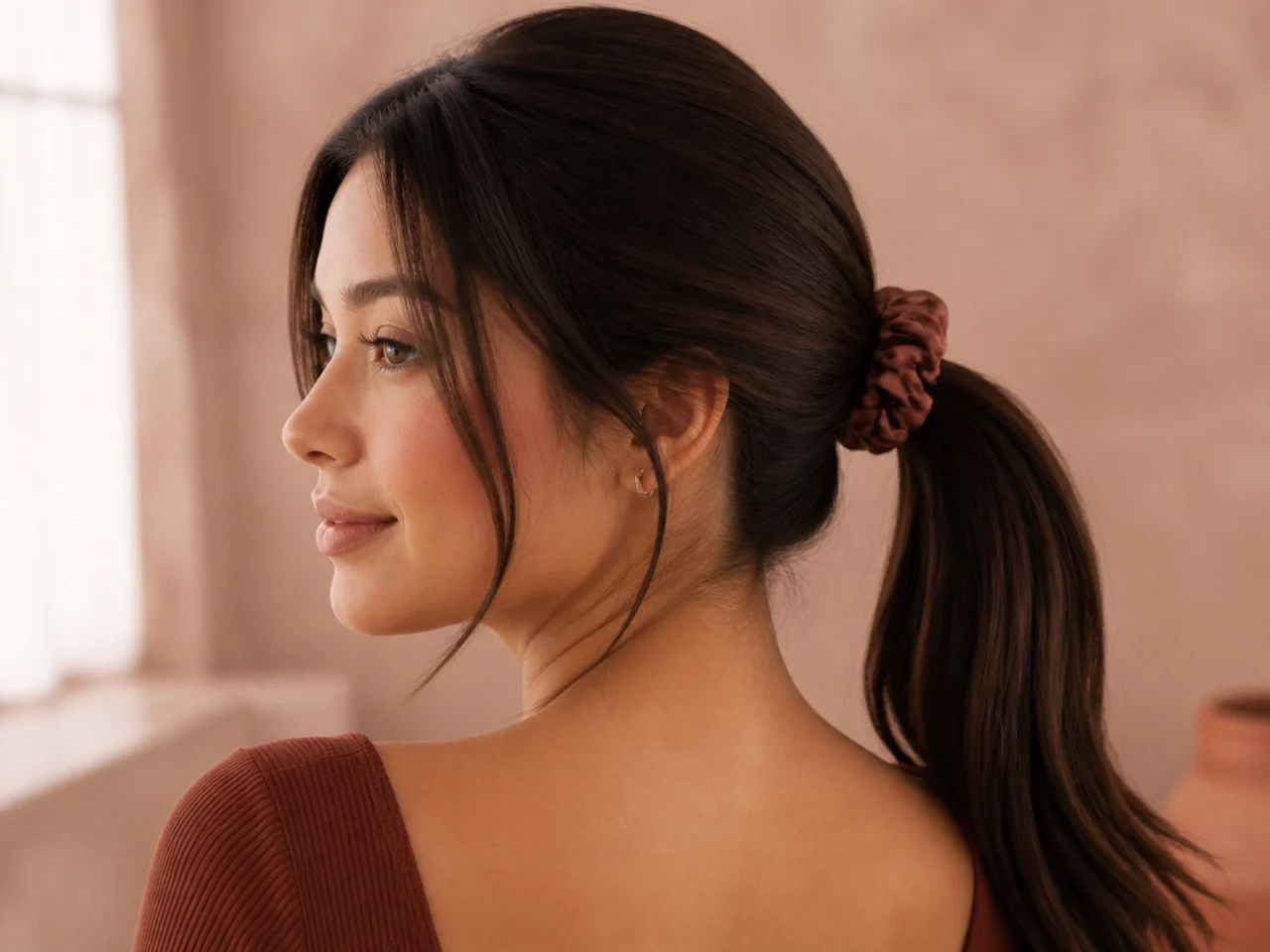
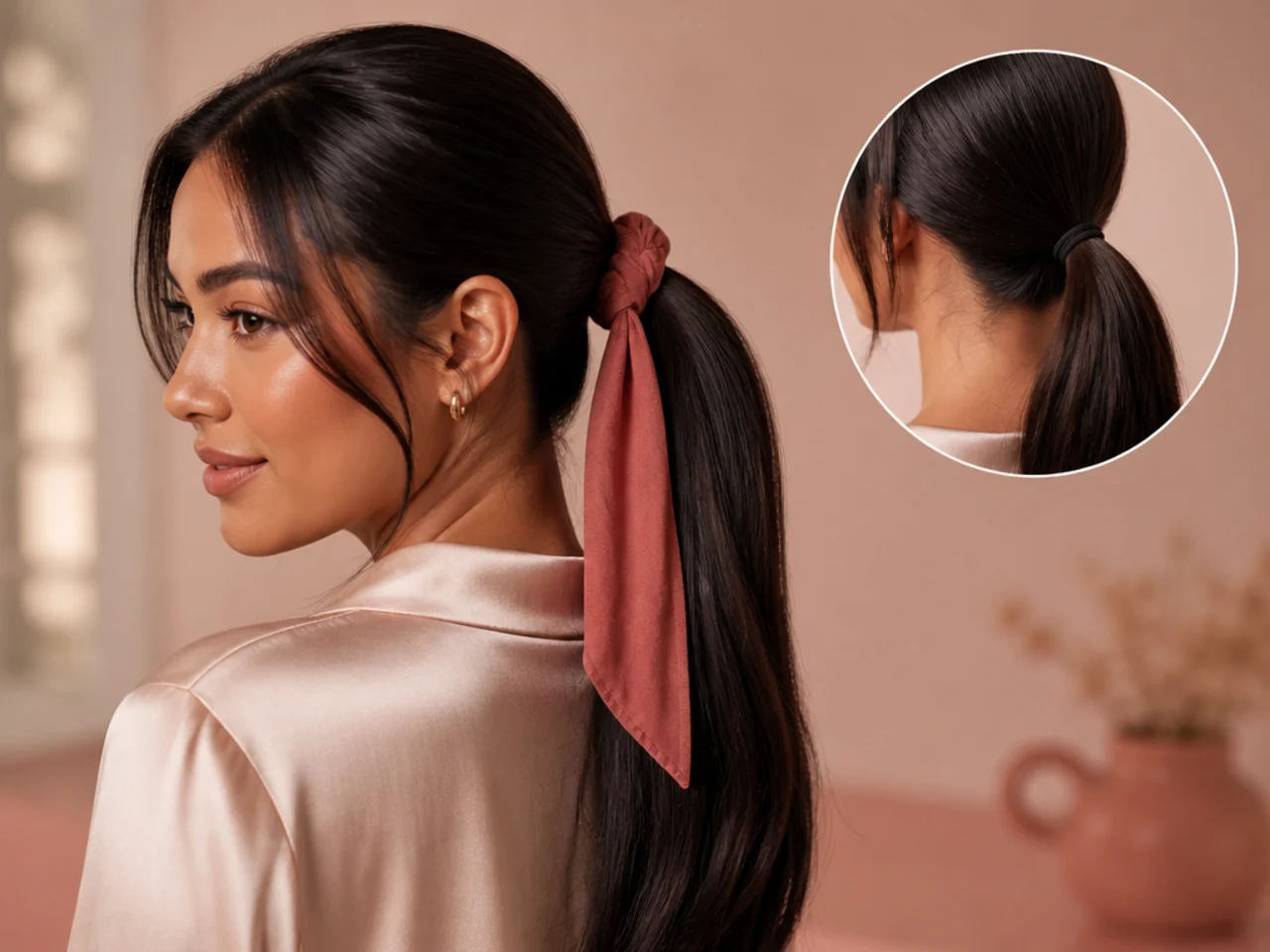
3. Fine — Scrunchie Ponytail
Fabric grips where a bare elastic slips straight off. It also spreads its pressure over a wider band, which matters on fine hair because a bare elastic snaps it at the tie point.
4. Fine — Texture Spray Then Style
Friction added first. The universal fine-hair fix. Spray before you gather, not after — once the hair is up, the product cannot reach the strands that are doing the holding.

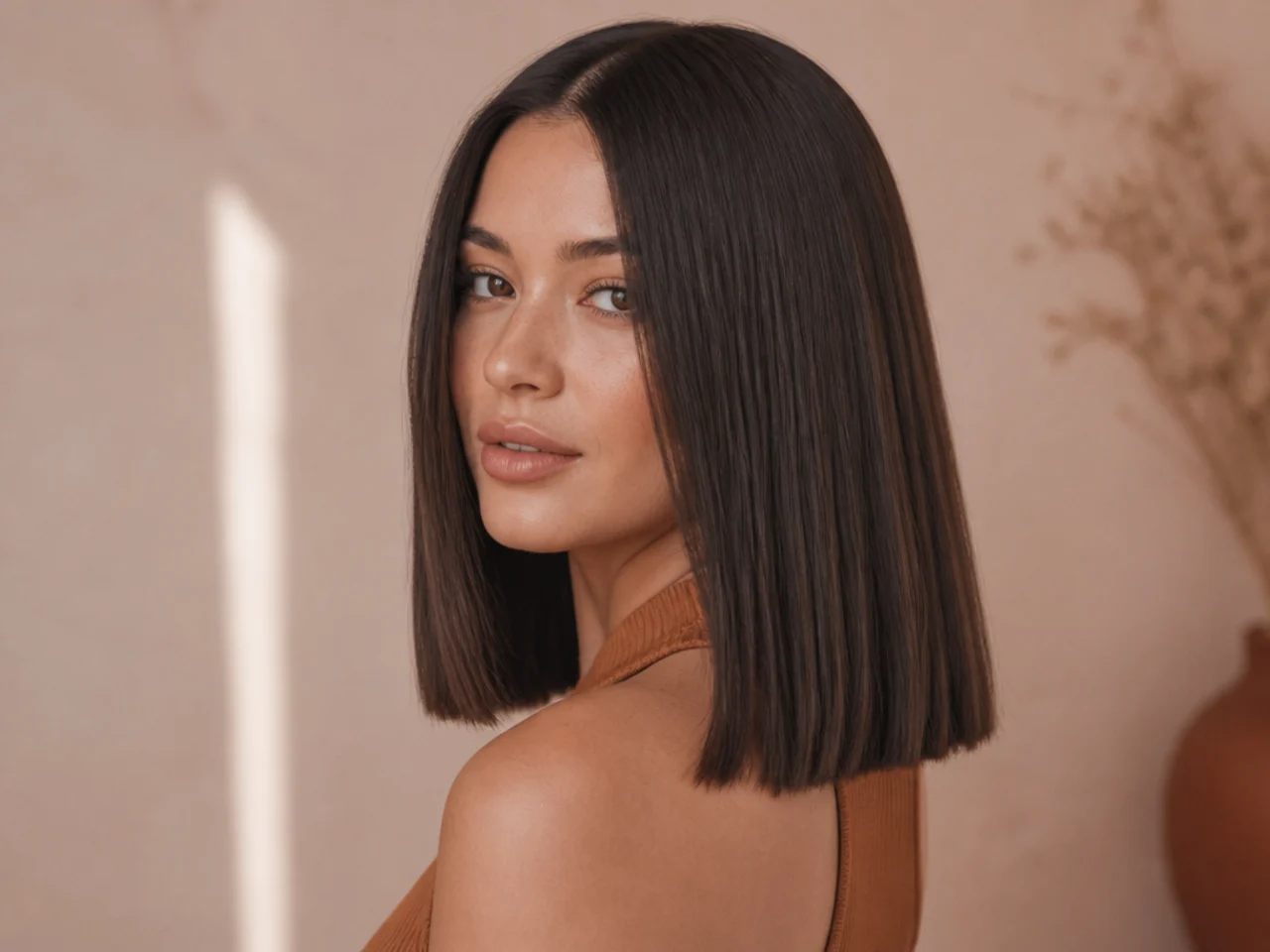
5. Fine — Blunt Ends Worn Down
A hard perimeter reads fuller than a tapered one. Every strand ends at the same line, so the eye reads density at the bottom edge rather than seeing it thin away.
6. Fine — Half-Up with a Small Claw
Structure rather than grip, sized to the hair. A small claw on fine hair holds better than a large one, because a large clip needs a certain volume of hair to close against.

7. Fine — Root Volume Dried in From Wet
The only way volume lasts on fine straight hair. Volume set while the hair is drying is set into the shape of each strand; volume added to dry hair sits on the surface and drops within the hour.
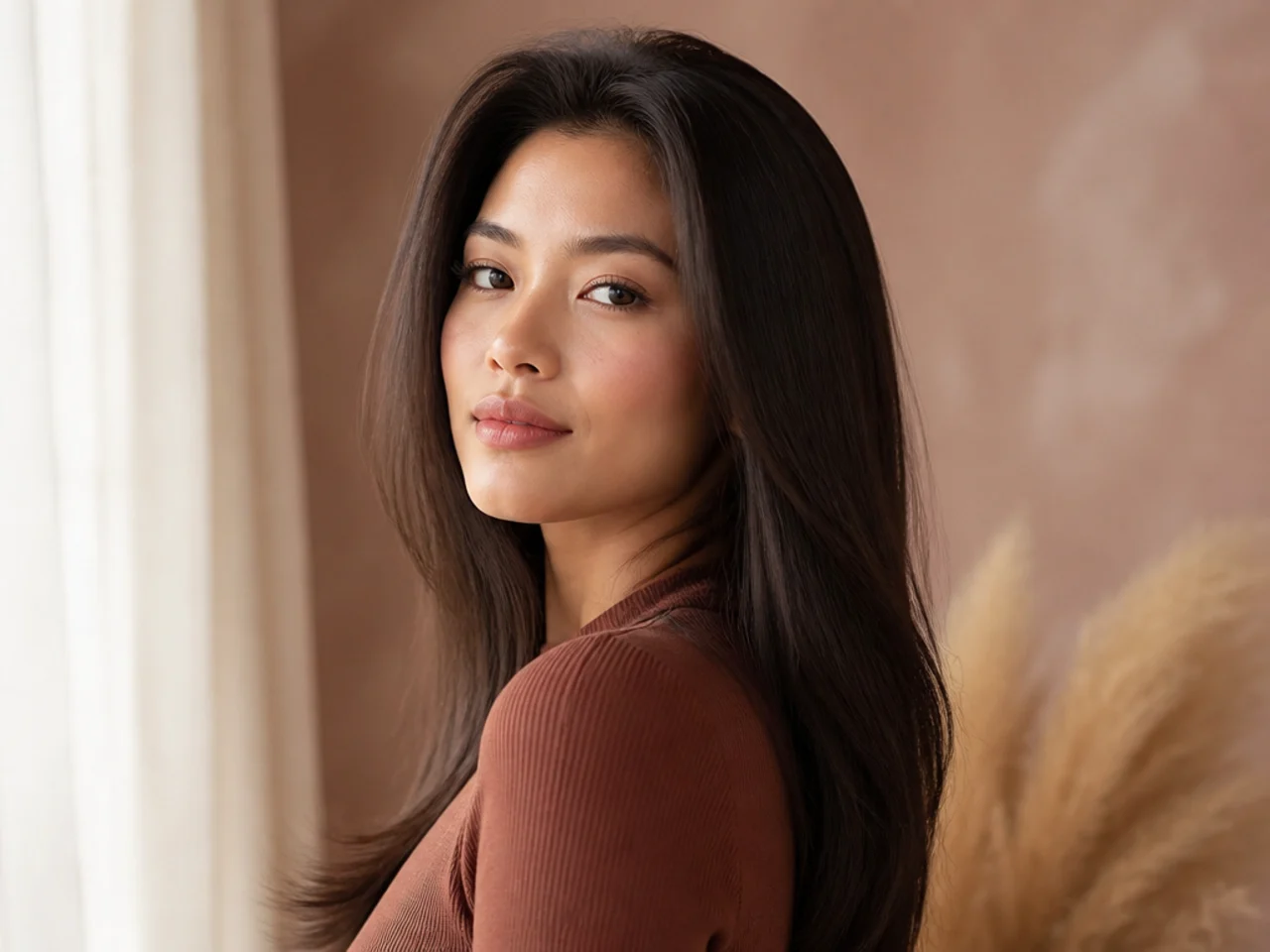
8. Fine — Single Plait
Structural, so it holds without needing grip at all. The strands crossing over each other supply their own friction, which is why a plait is the one style fine hair can do on wash day.

9. Thick — Two-Section Bun
Divided and wound separately. The core thick-hair fix. Two smaller coils each sit within what a tie can hold, where one rope of the same total mass exceeds it and slides down through the fastening.

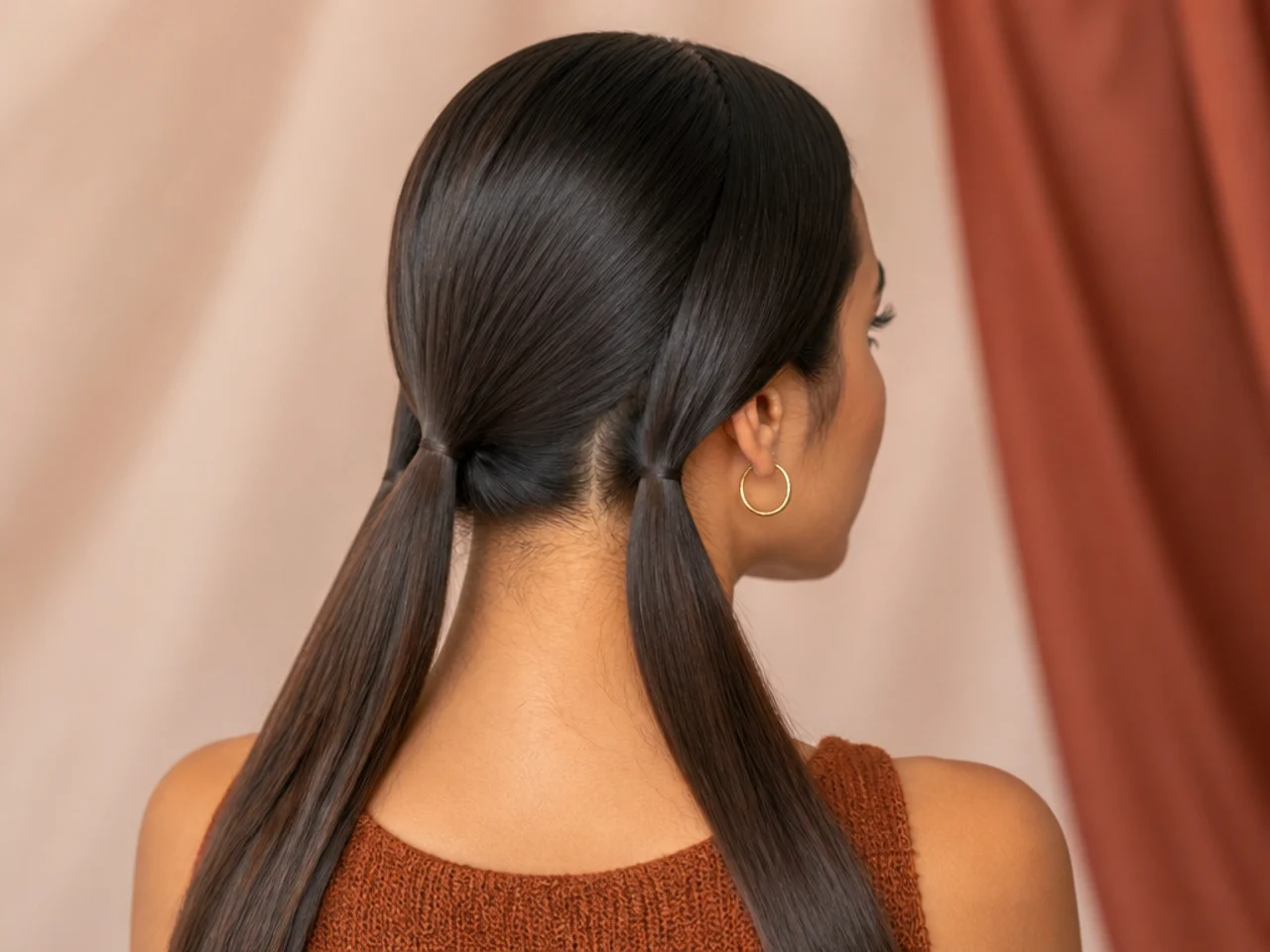
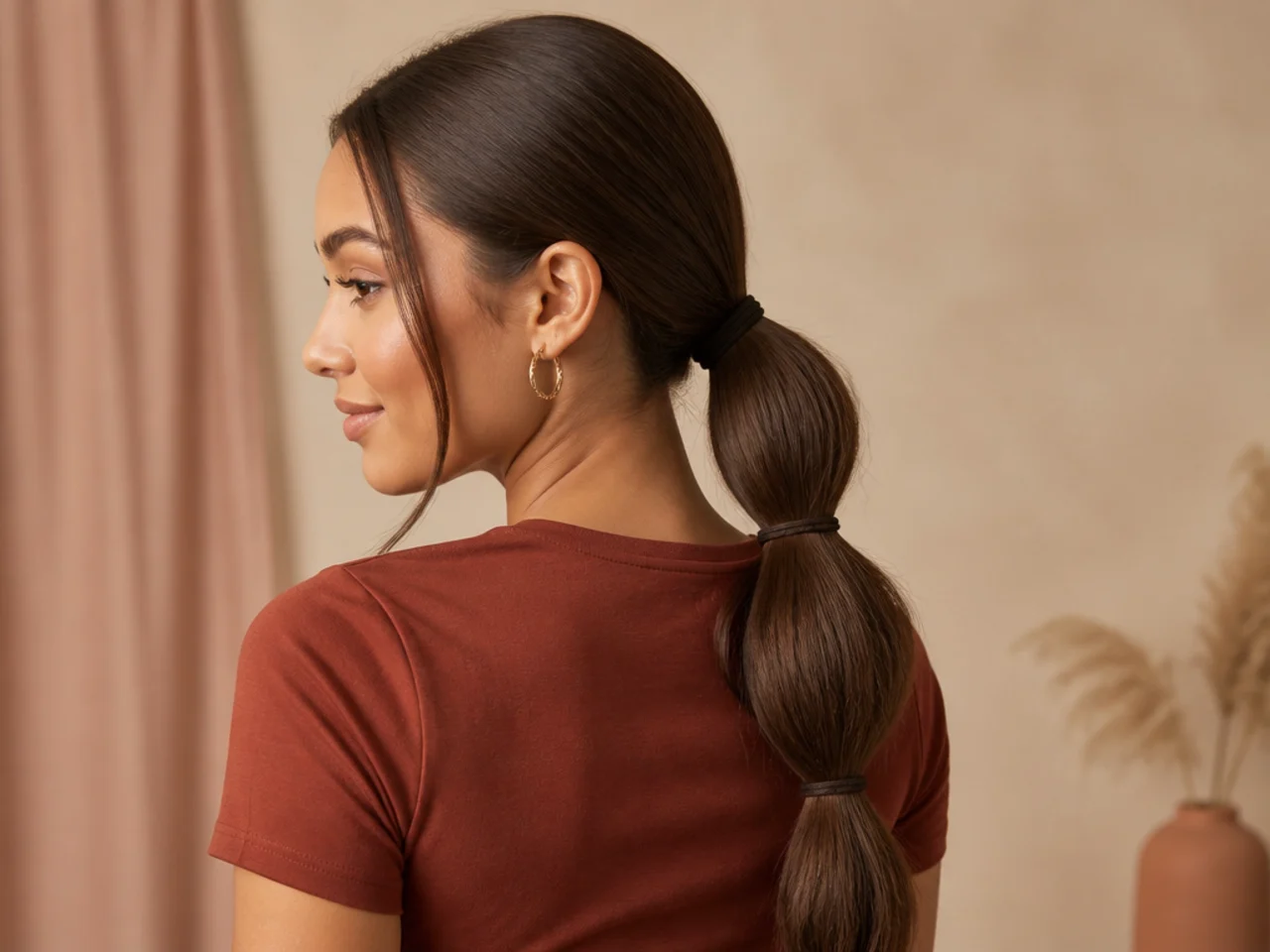
10. Thick — Low Ponytail with Two Ties
Two fastenings sharing the weight. Placed a few inches apart, neither tie takes the full load, which is what stops the whole gather migrating downwards over a day.
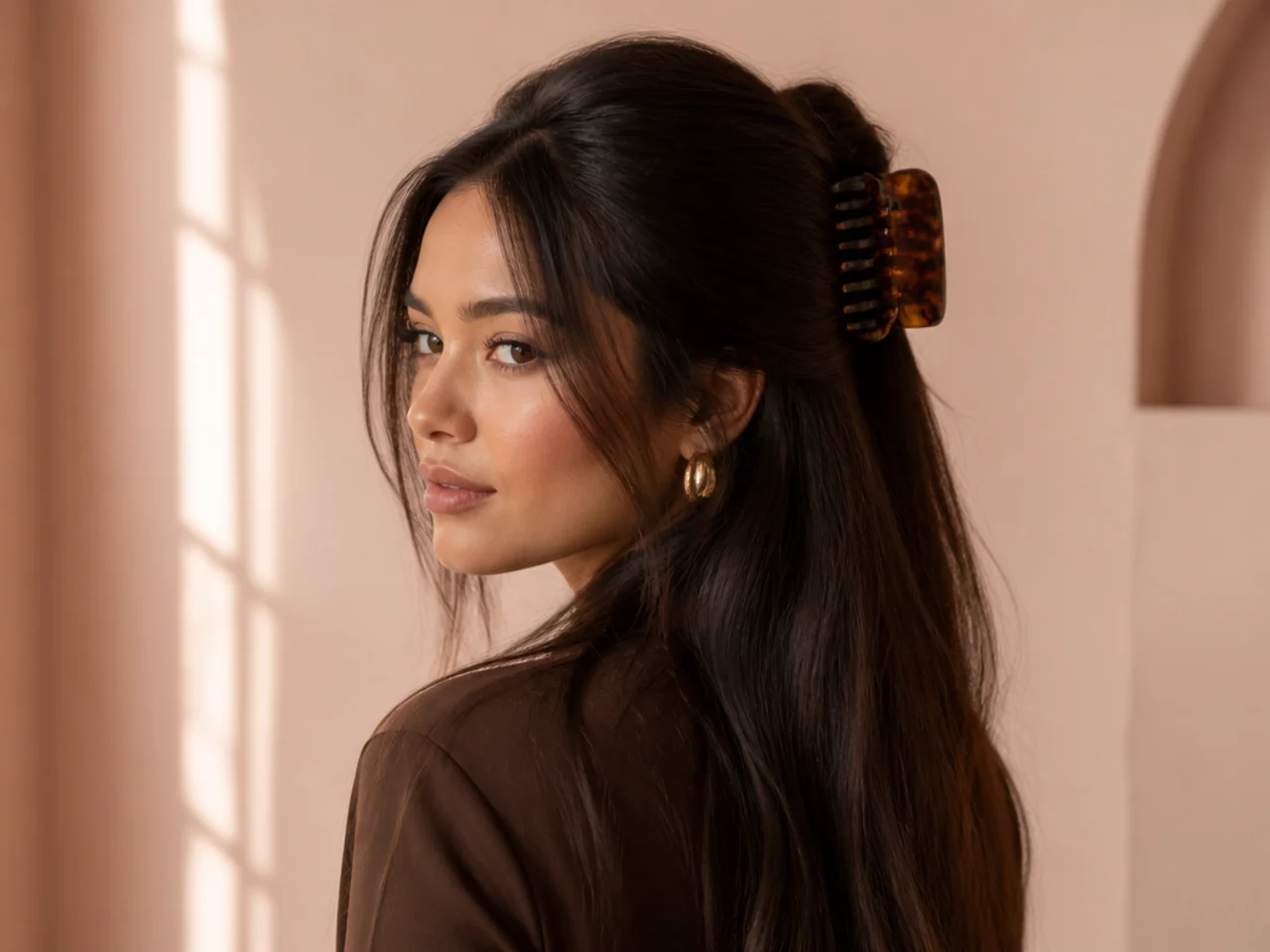
11. Thick — Half-Up with a Large Claw
Sized to the mass, not to the style. A clip too small for the density will mark the hair it holds and release the rest, which reads as the style failing rather than the tool.
12. Thick — Internal Weight Removed
Cut rather than styled. The most durable fix. Removing weight from underneath reduces the mass without changing the outline, so every style holds better without looking any different.
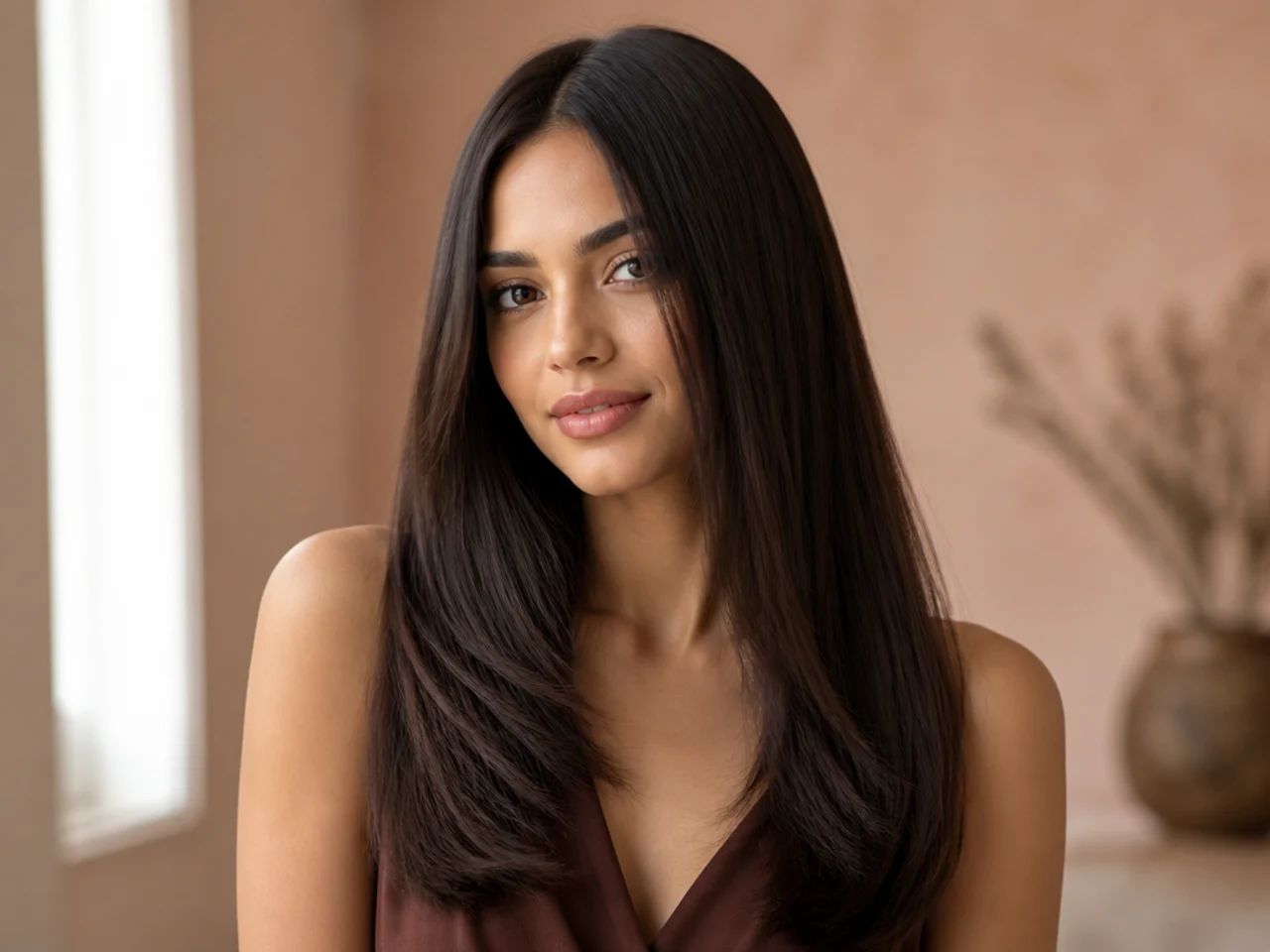
13. Thick — Twisted Rope Bun
Twisting reduces the diameter before coiling. A twisted rope is denser and narrower than the same hair loose, which is what lets a thick head coil into a bun that a tie can actually close around.
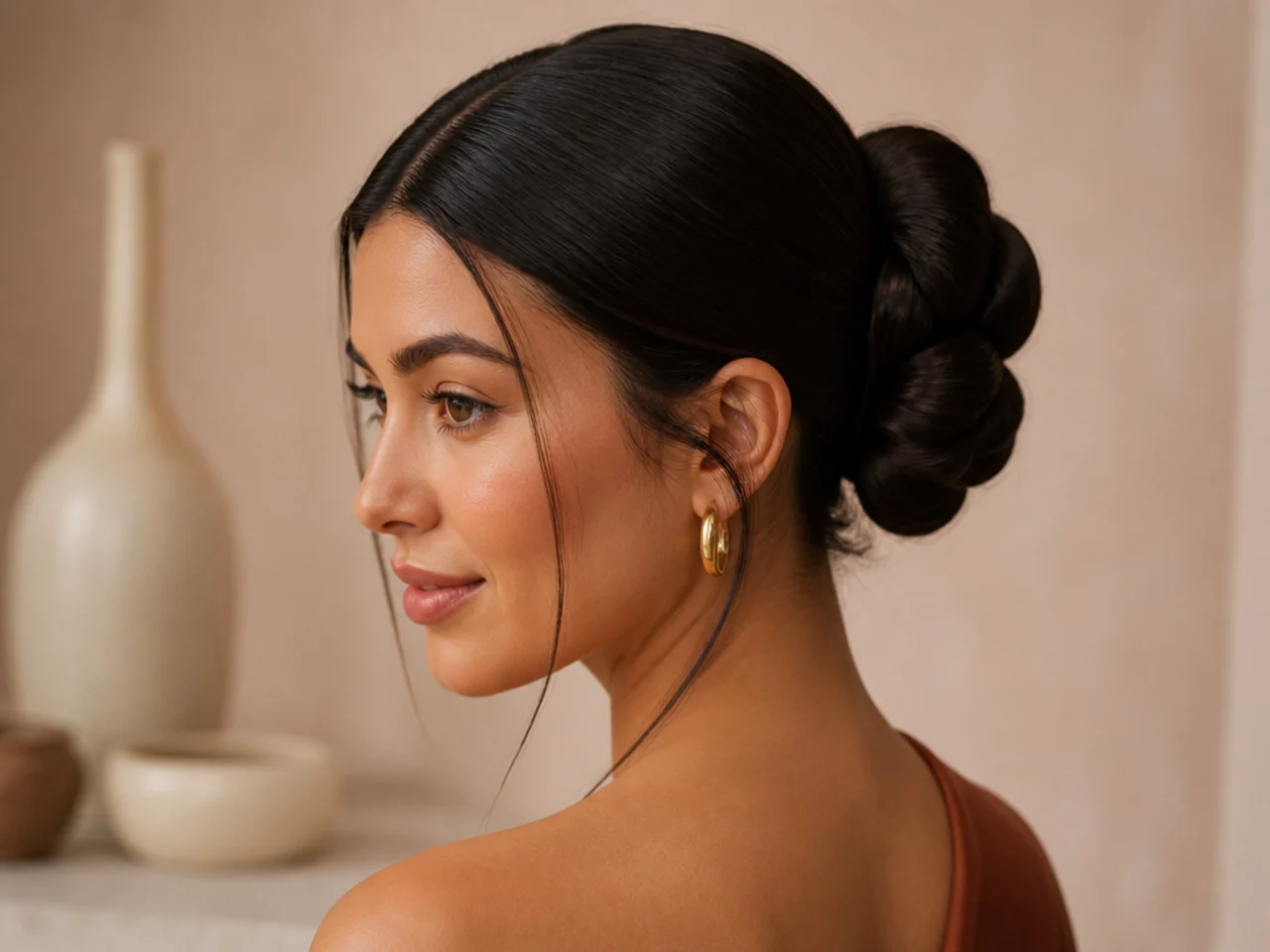
14. Thick — Two Dutch Braids
Structure, divided. Holds indefinitely. Two braids split the mass and anchor it at the scalp, which addresses the weight problem and the friction problem in the same move.
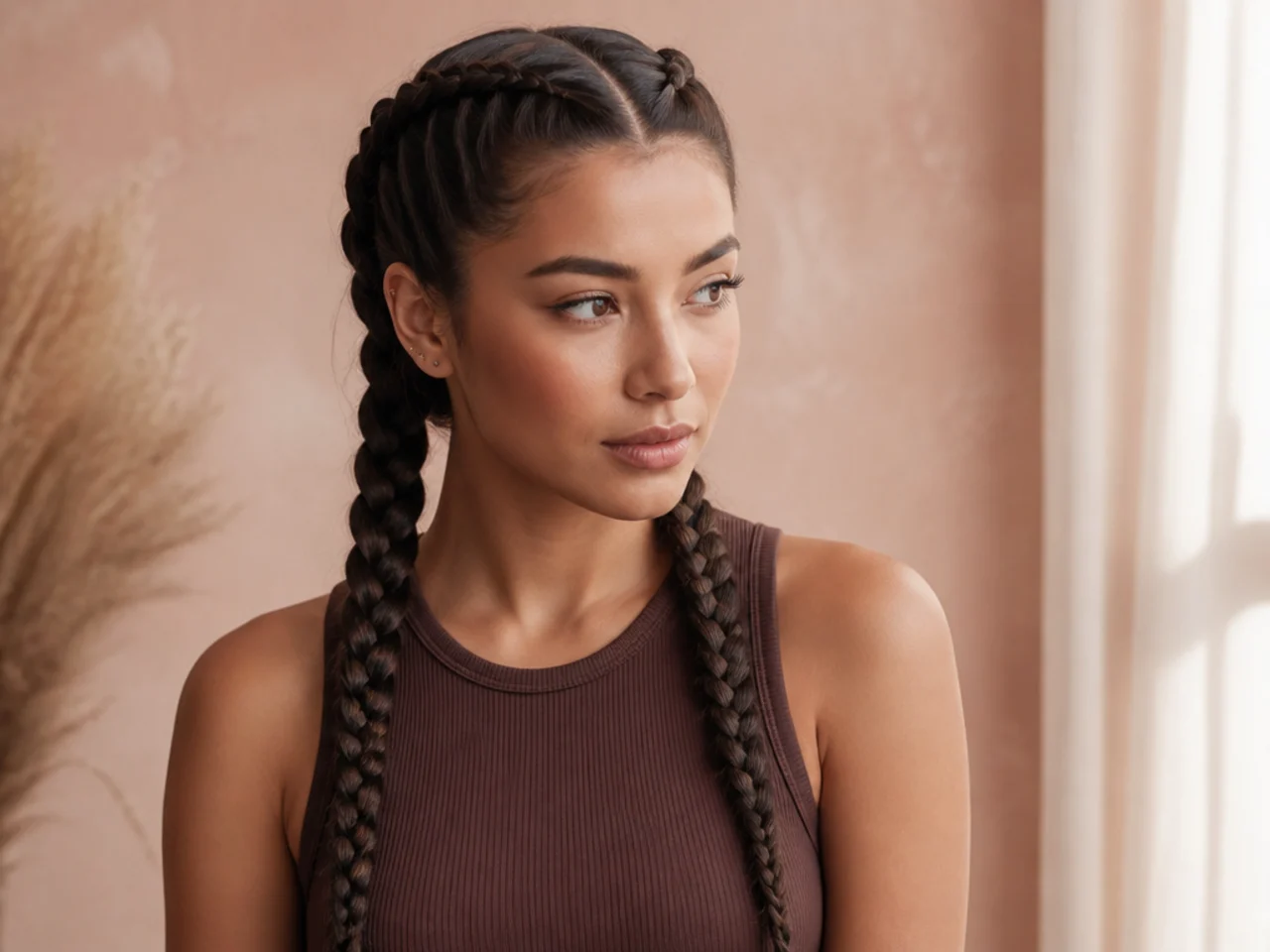
15. Thick — Sleek Low Chignon
Weight working in your favour for once, held flat. Mass presses a chignon against the head instead of pulling it away, which is the one style where thick straight hair has the advantage.
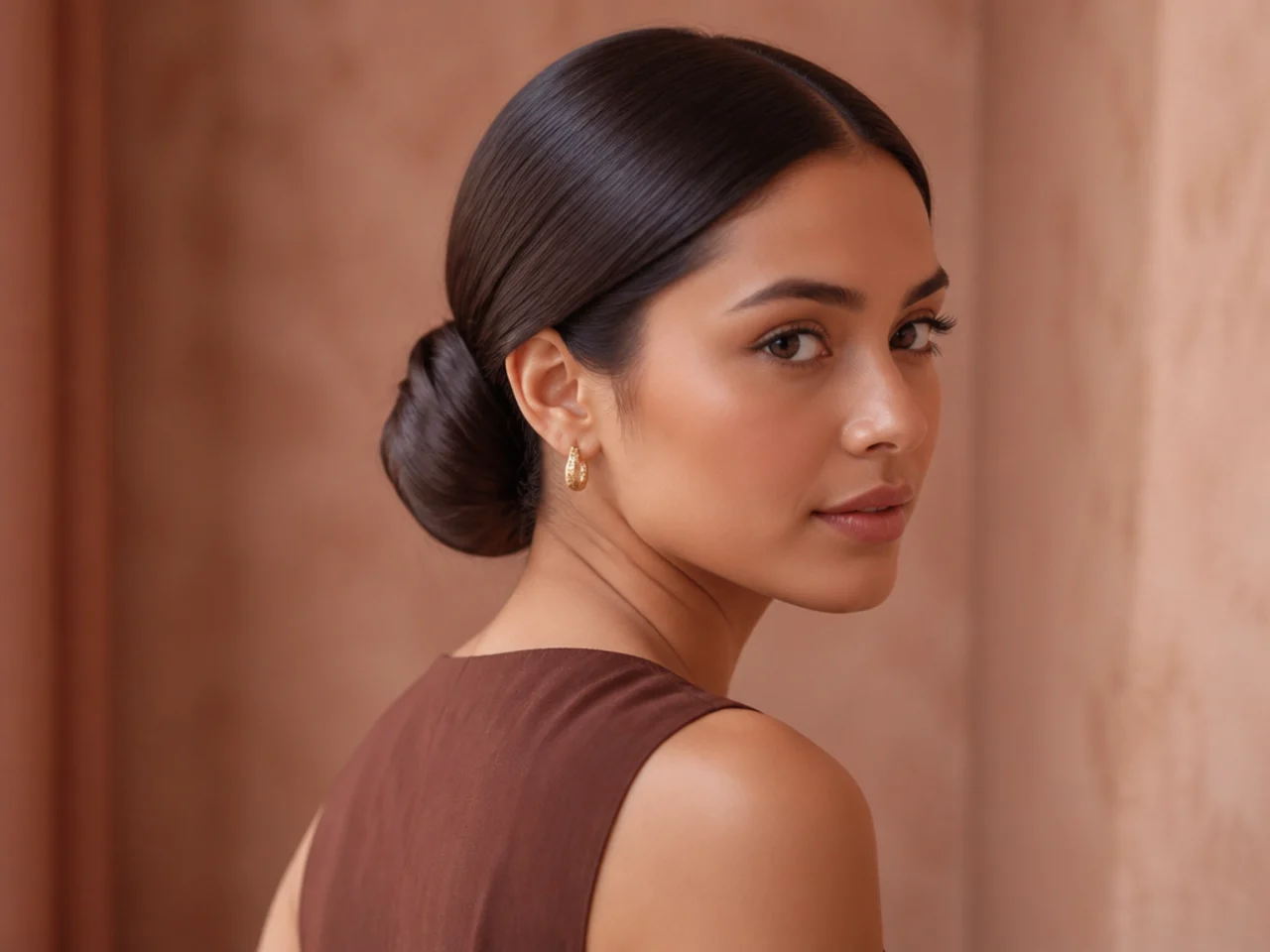
16. Thick — Worn Down with Blunt Ends
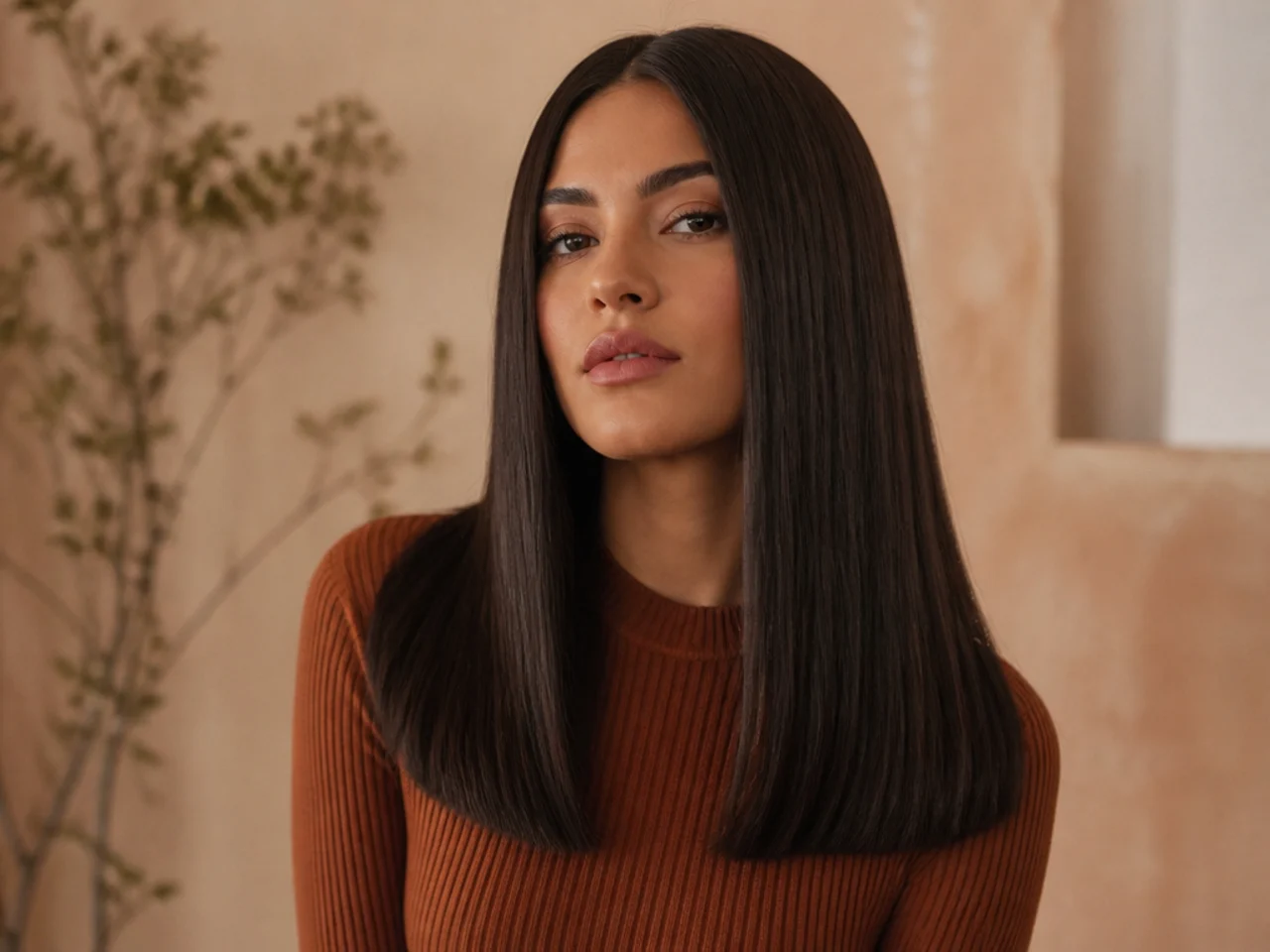
Where thick straight hair looks best with no work at all. Density plus a hard perimeter plus a flat cuticle is the combination that photographs well, and none of it requires styling.
17. Medium — Classic Half-Up
The density where most tutorials are pitched. Which is worth knowing, because a style that fails for you may simply have been written for a density you do not have.

18. Medium — Low Bun
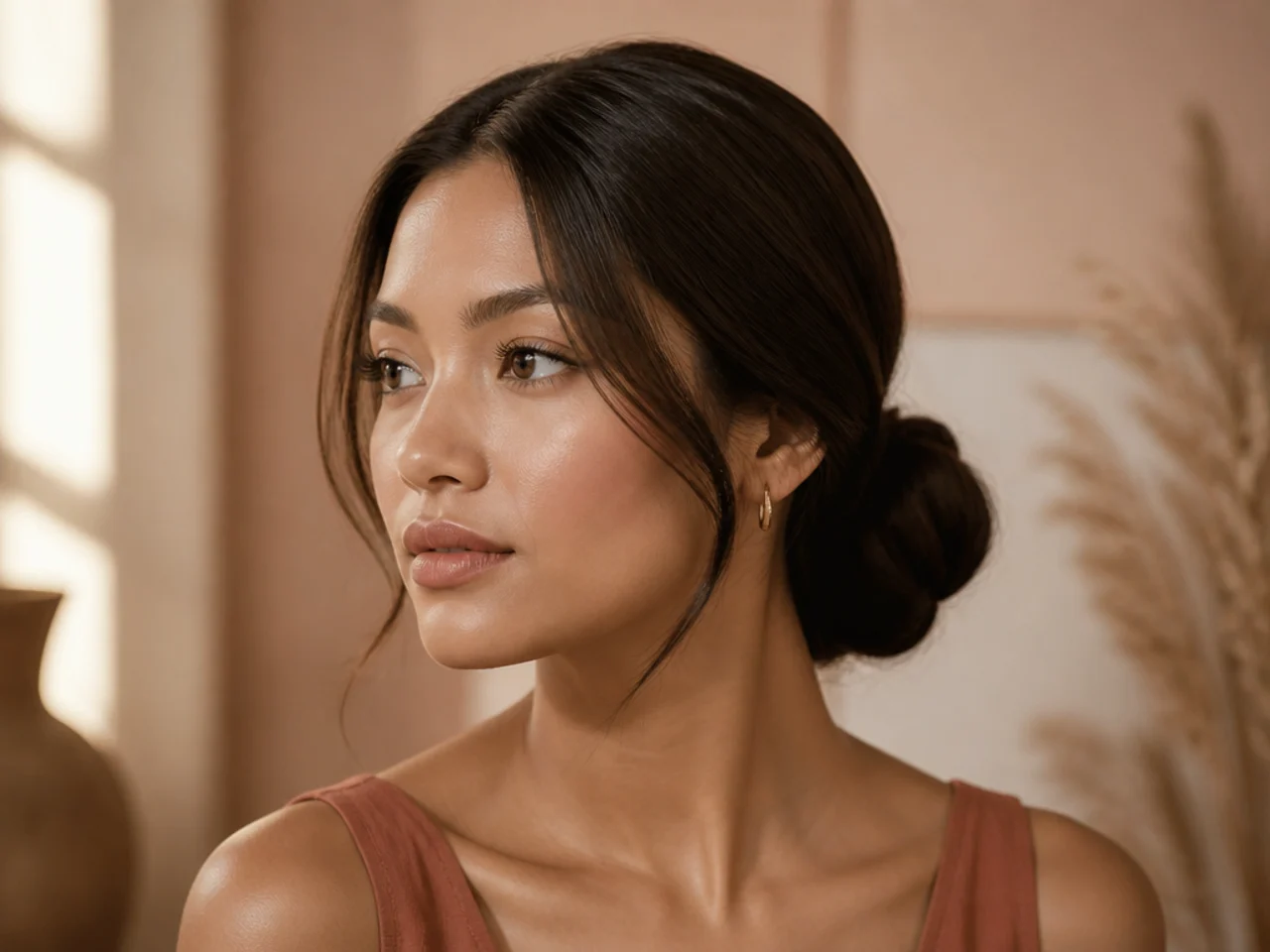
Neither fix needed. It simply works. Enough mass to stay where it is put and not so much that it drags itself down.
19. Any Density — Second-Day Styling
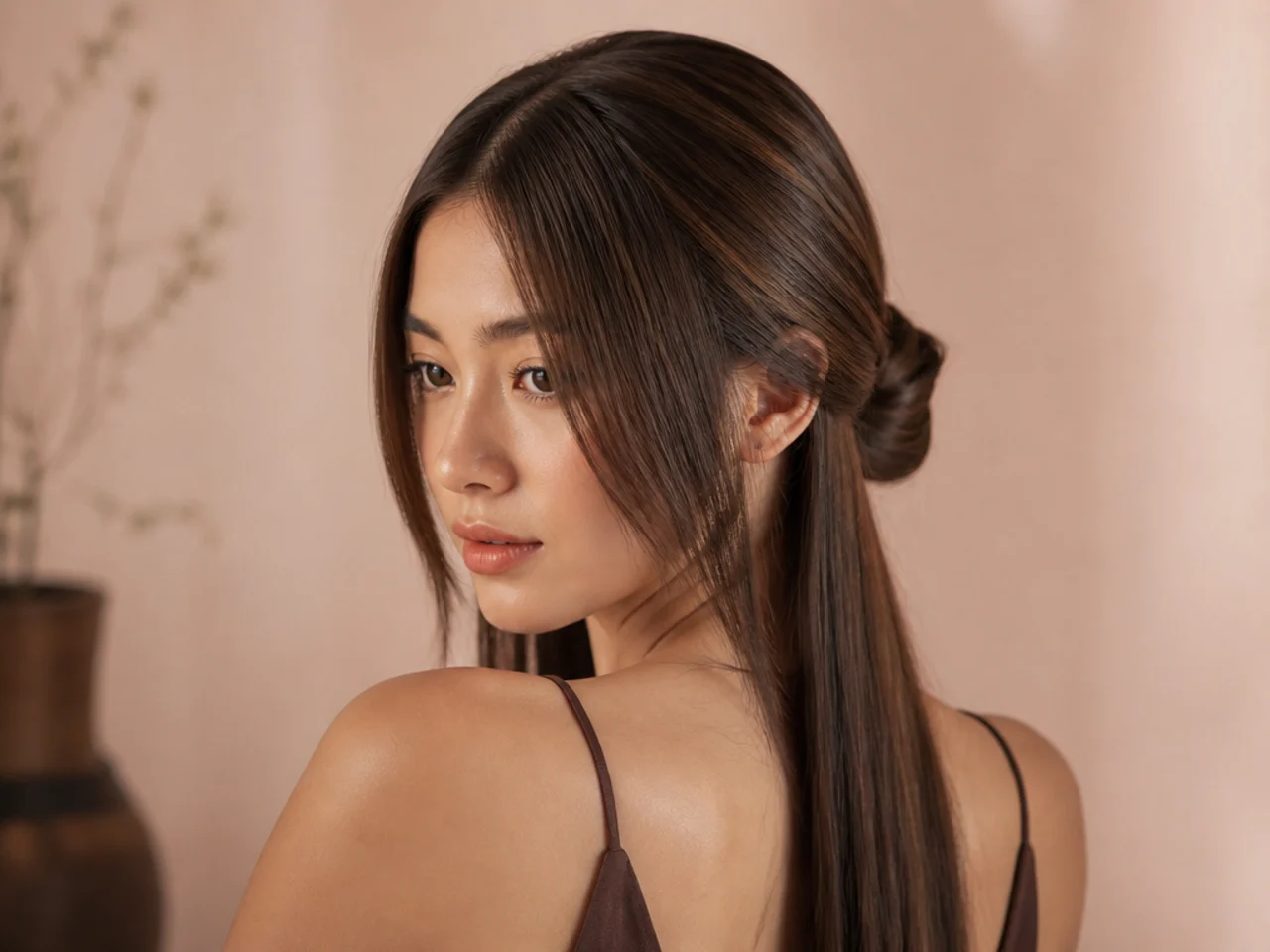
The shared advantage across every density. Natural oil adds friction for fine hair and adds a little weight-bearing grip for thick, so it helps both failures at once.

20. A Thick-Hair Fix Applied to Fine Hair
Divided when it needed grip. The wrong tool for the failure. Dividing a fine head into two smaller sections gives each one even less mass to stay put with, so it slips sooner rather than later.
Styling and Upkeep
Fine: add friction before gathering. After it is up, spraying does very little.
Thick: divide before fastening. One rope is always harder to hold.
Fine: keep it small. Mass is what defeats fine hair styles.
Thick: consider internal weight removal. A cutting fix that works every day.
Both: fabric ties over bare elastics. More grip, less breakage.
Mistakes to Avoid
Using a thick-hair fix on fine hair. Dividing does nothing for slipping.
Using a fine-hair fix on thick hair. Texture spray does not help weight.
Bare elastics on fine hair. No grip and they snap the hair.
A small clip on thick hair. It slips and marks what it does hold.
Assuming the tutorial was wrong. It was probably written for the other density.
FAQ
Why do styles work differently? Fine and thick straight hair fail in opposite directions.
How do you style fine? Add grip and keep it small.
How do you style thick? Divide it before fastening rather than gripping harder.
Final Thoughts
Work out whether your styles slip or flatten before you try another tutorial. Those are the only two failures straight hair has, they have opposite fixes, and the tutorial that did not work for you was almost certainly written for the other one.
For the shared physics behind both see 25 easy straight hair hairstyles. More in Women's Hairstyles.