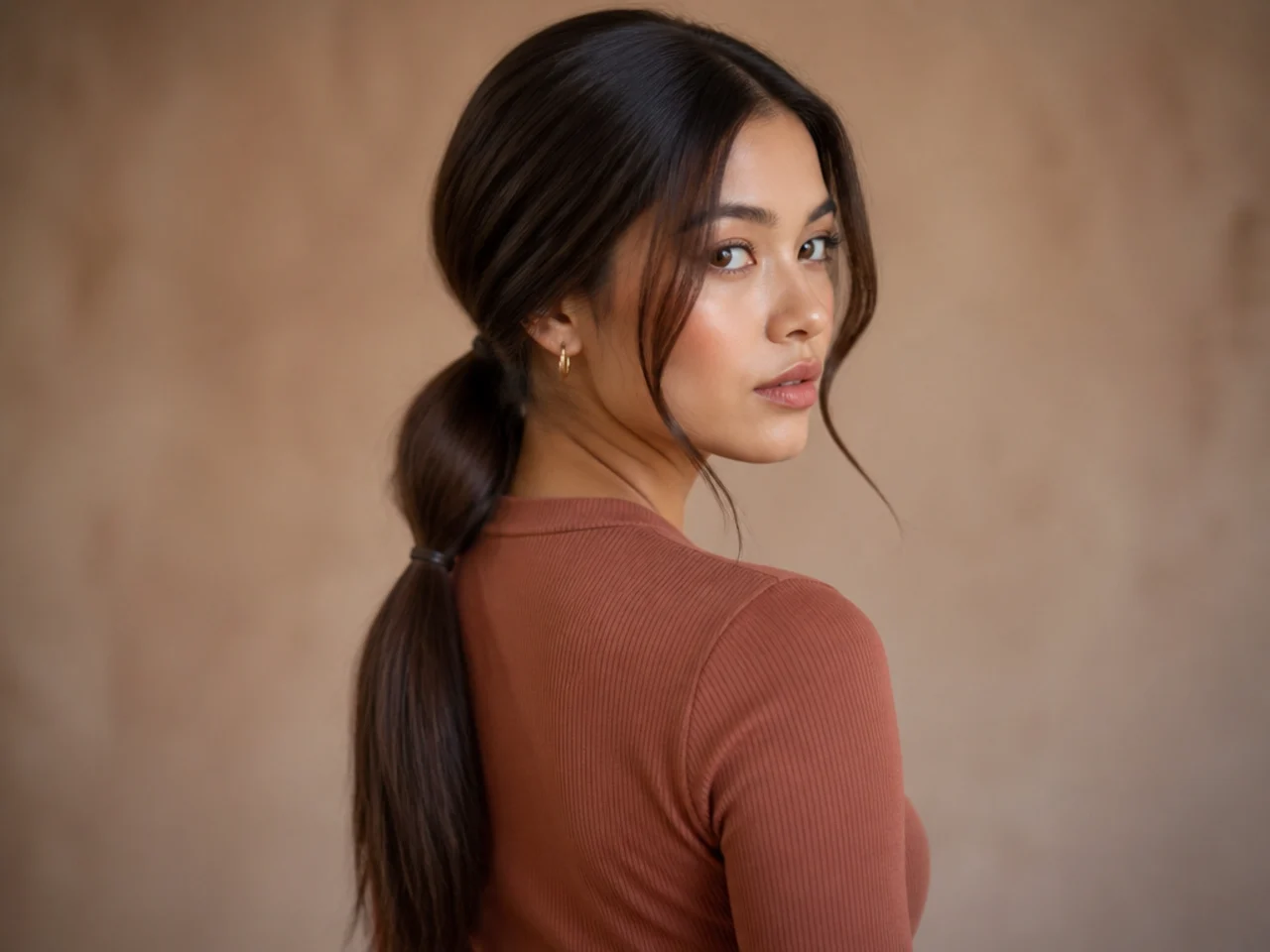
20 Hairstyles for Long Straight Hair
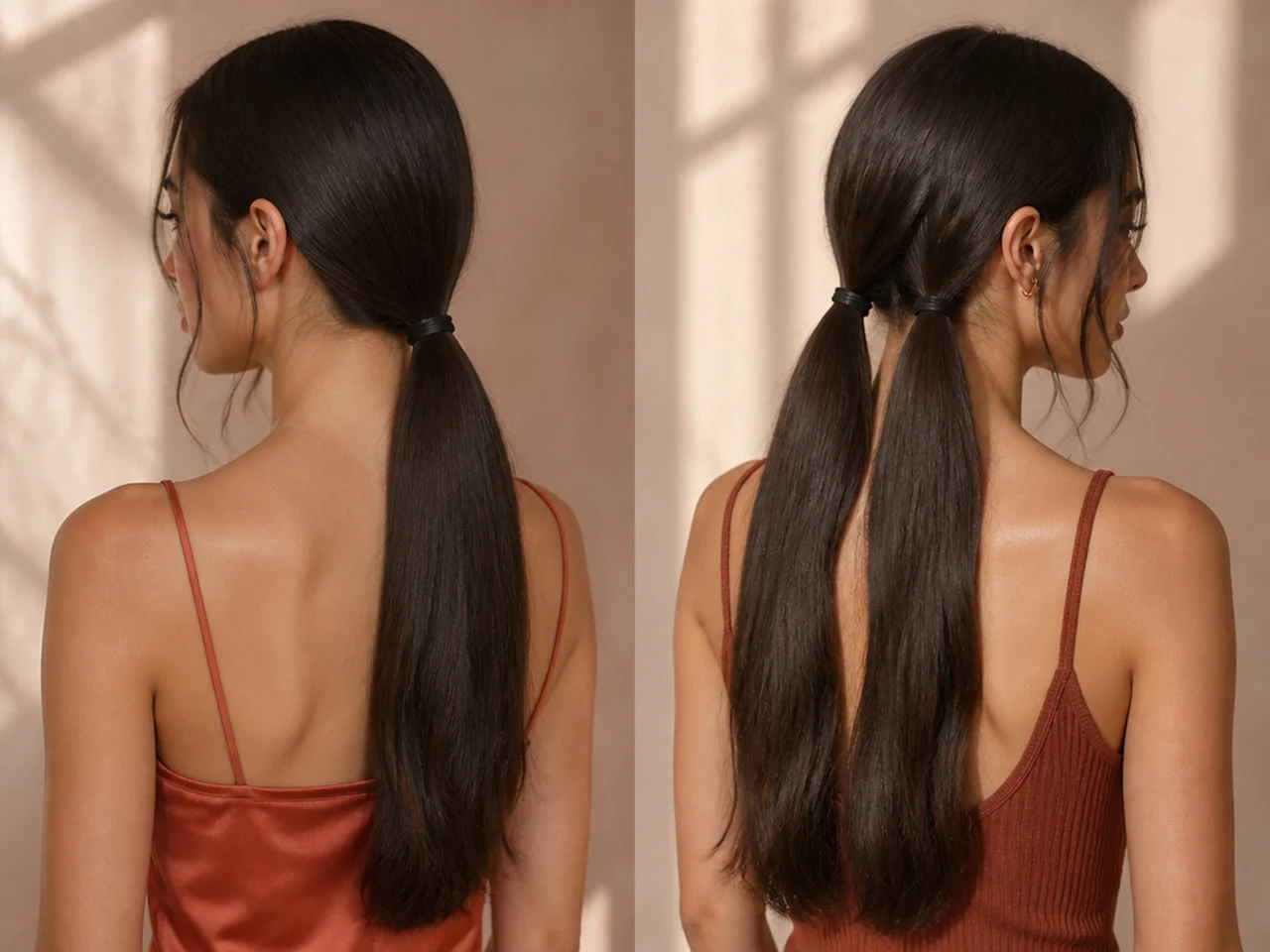
Twenty styles for long straight hair, and the reason yours keep sliding out — length multiplies weight while friction stays at zero. This is the one hair combination where two fastenings should be the default.
In this article · 27
- What Length Changes
- How to Choose Yours
- The 20 Long Styles
- 1. Low Ponytail with Two Ties
- 2. Low Bun, Double Anchored
- 3. Folded Low Bun
- 4. Long Single Plait
- 5. Two Long Plaits
- 6. Half-Up with a Large Claw
- 7. Low Chignon
- 8. Braided Base Bun
- 9. Long Hair Worn Down, Middle Part
- 10. Long Hair with Blunt Ends
- 11. Deep Side Part
- 12. Slicked Low Ponytail
- 13. Long Hair Over One Shoulder
- 14. Overnight Plait Waves
- 15. Rope Twist Ponytail
- 16. Long Hair with a Scarf Tie
- 17. Crown Wrap
- 18. Long Hair on Fine Density
- 19. Long Hair on Thick Density
- 20. A High Ponytail at 4pm
- Styling and Upkeep
- Mistakes to Avoid
- FAQ
- Final Thoughts
Long straight hair is the combination where the usual advice stops working, and the reason is arithmetic rather than technique.
Length multiplies weight while friction stays at zero. Every extra inch adds mass and adds no grip at all. A style that holds comfortably at shoulder length has three times the load working against it at waist length.
Which makes this the one hair combination where two fastenings should be the default, not a repair for when one has failed.
What Length Changes
Weight rises, grip does not. The gap widens with every centimetre.
One tie is asked to do too much. Tightening it causes discomfort without solving anything.
Low placement helps. Less movement reaches a nape gather than a crown one.
The ends show their age. Straight hair reflects light evenly, so any change in condition at the ends is visible.
How to Choose Yours
Use two fastenings by default. Two ties, or a tie plus crossed pins.
Go low when it needs to last. Weight plus height is the hardest combination.
Keep grip products at the roots. Weight down the length is the problem, not the solution.
Trim the ends on schedule. They are the most visible part of a long straight style.
The 20 Long Styles
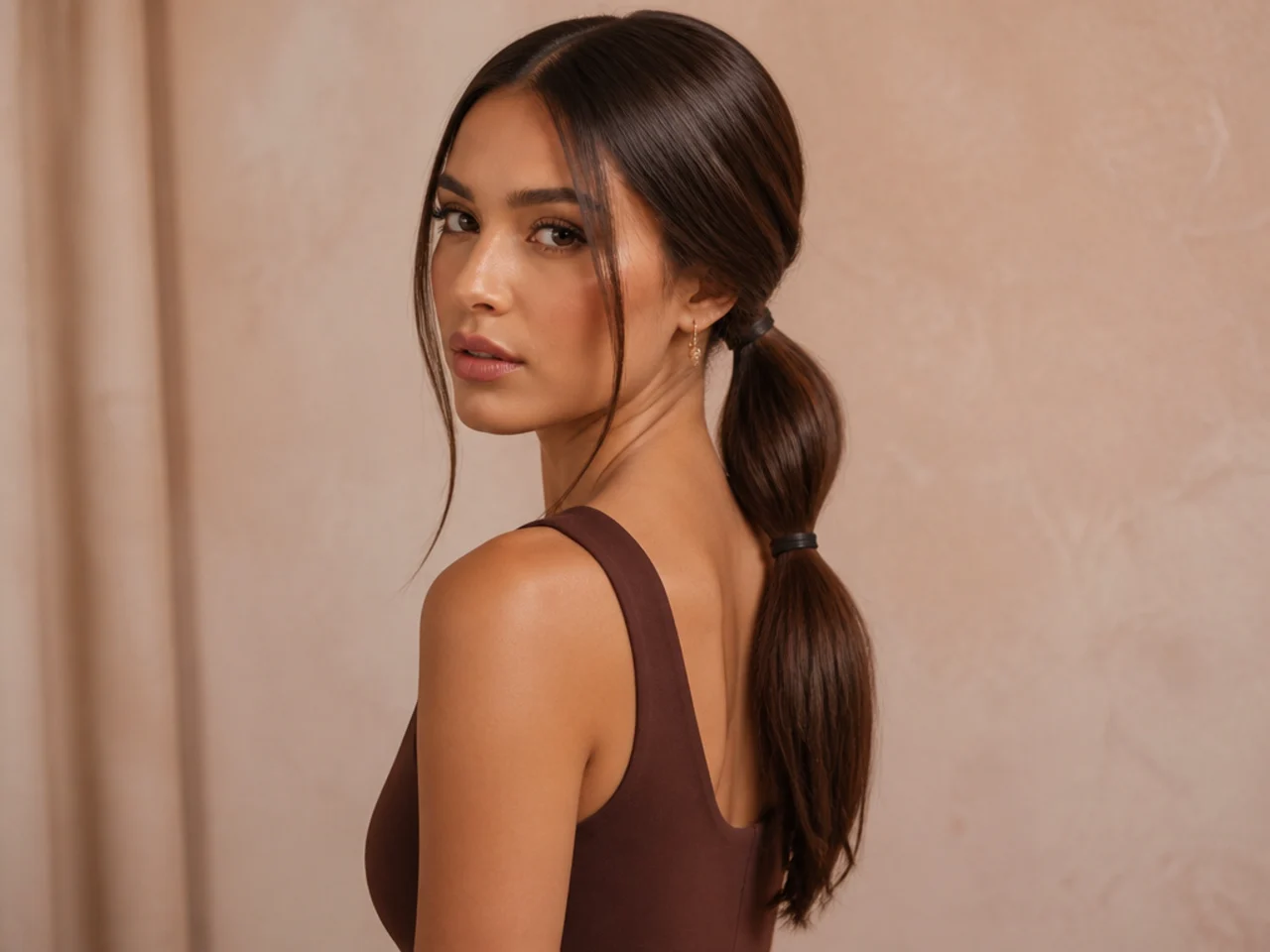
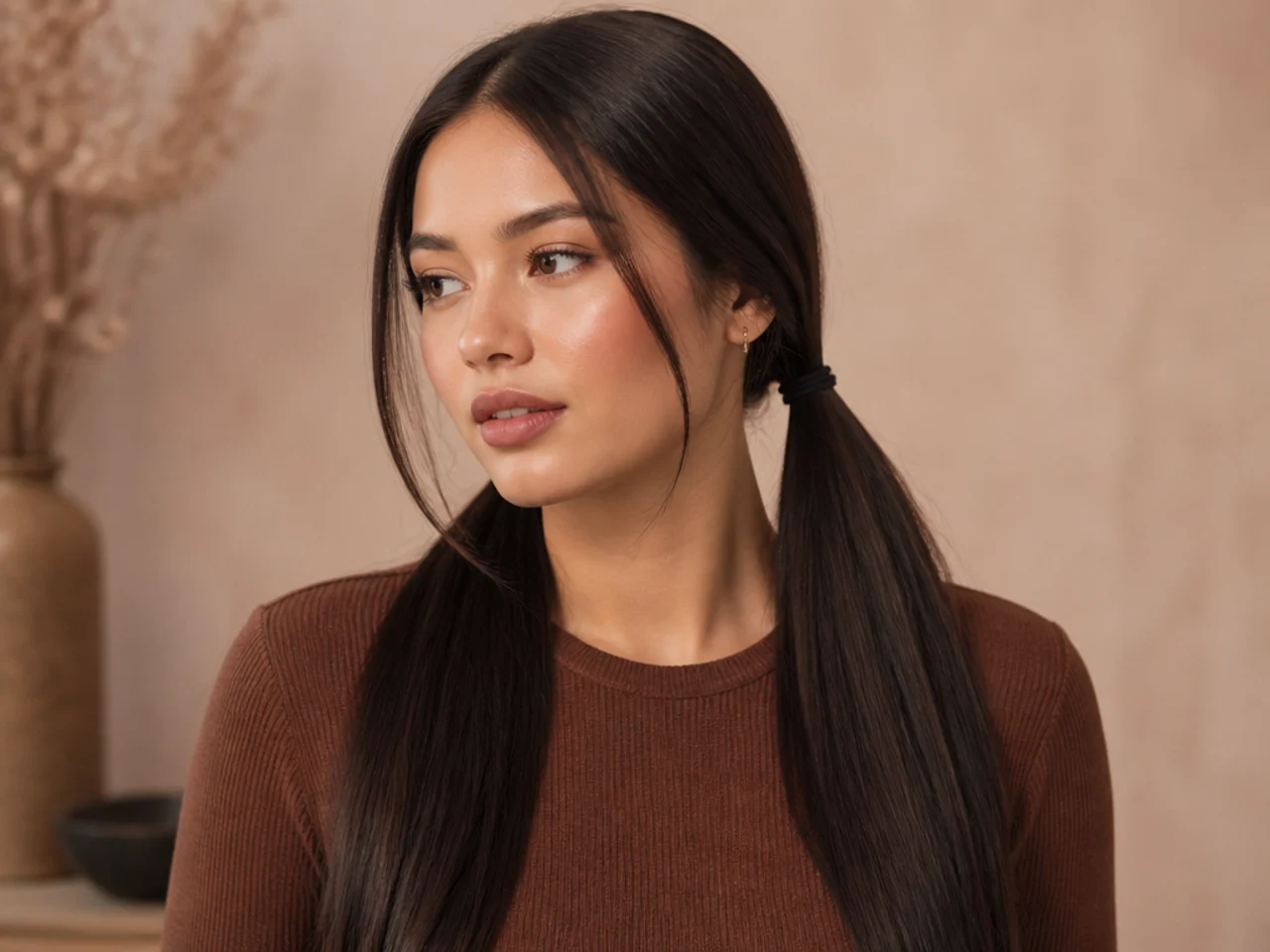
1. Low Ponytail with Two Ties
Load split between two points. The benchmark. Place them two or three inches apart and neither is carrying the full weight, which is what stops the whole gather migrating down over a day.
2. Low Bun, Double Anchored
Two sets of crossed pins on opposite sides. Two independent anchors mean one working loose costs nothing, and at this weight one of them will work loose.
3. Folded Low Bun
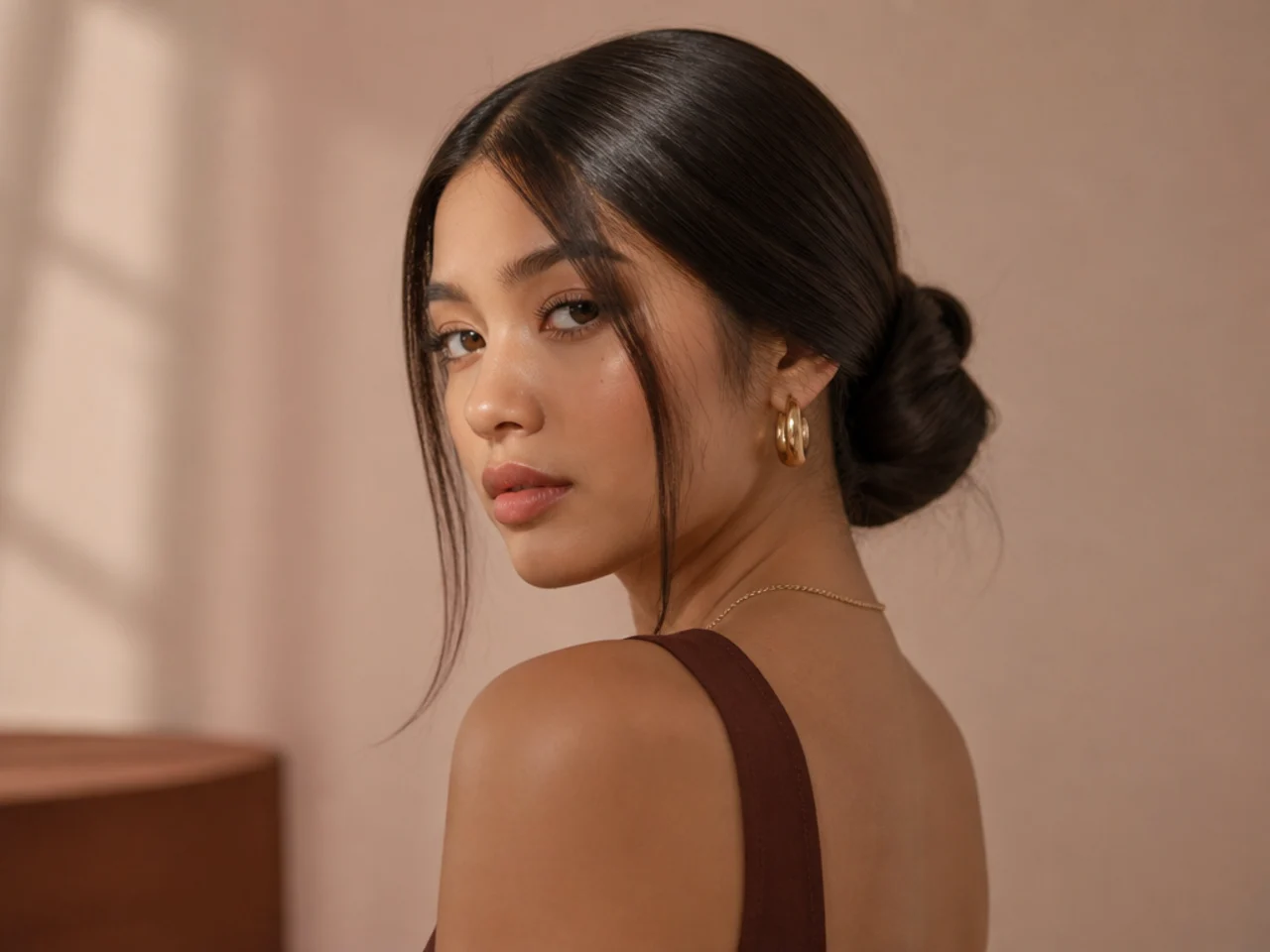
Length halved before winding, so the coil stays small. Fold the ponytail back on itself before you wind it and the bun is half the diameter for the same amount of hair.
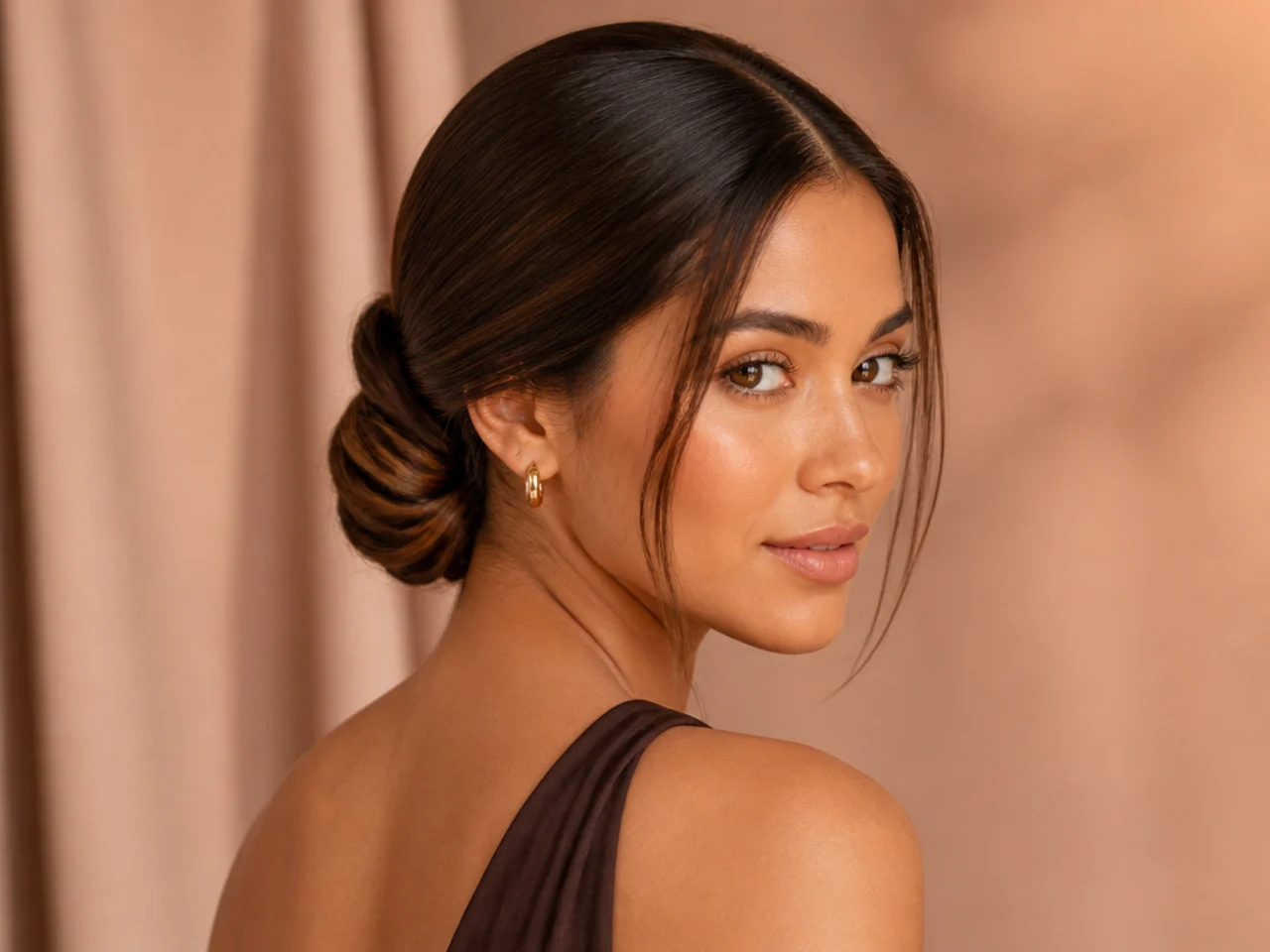
4. Long Single Plait
Structural, and it distributes the weight along its whole length. Nothing at the top is carrying the whole load, which is exactly the failure a long ponytail has.
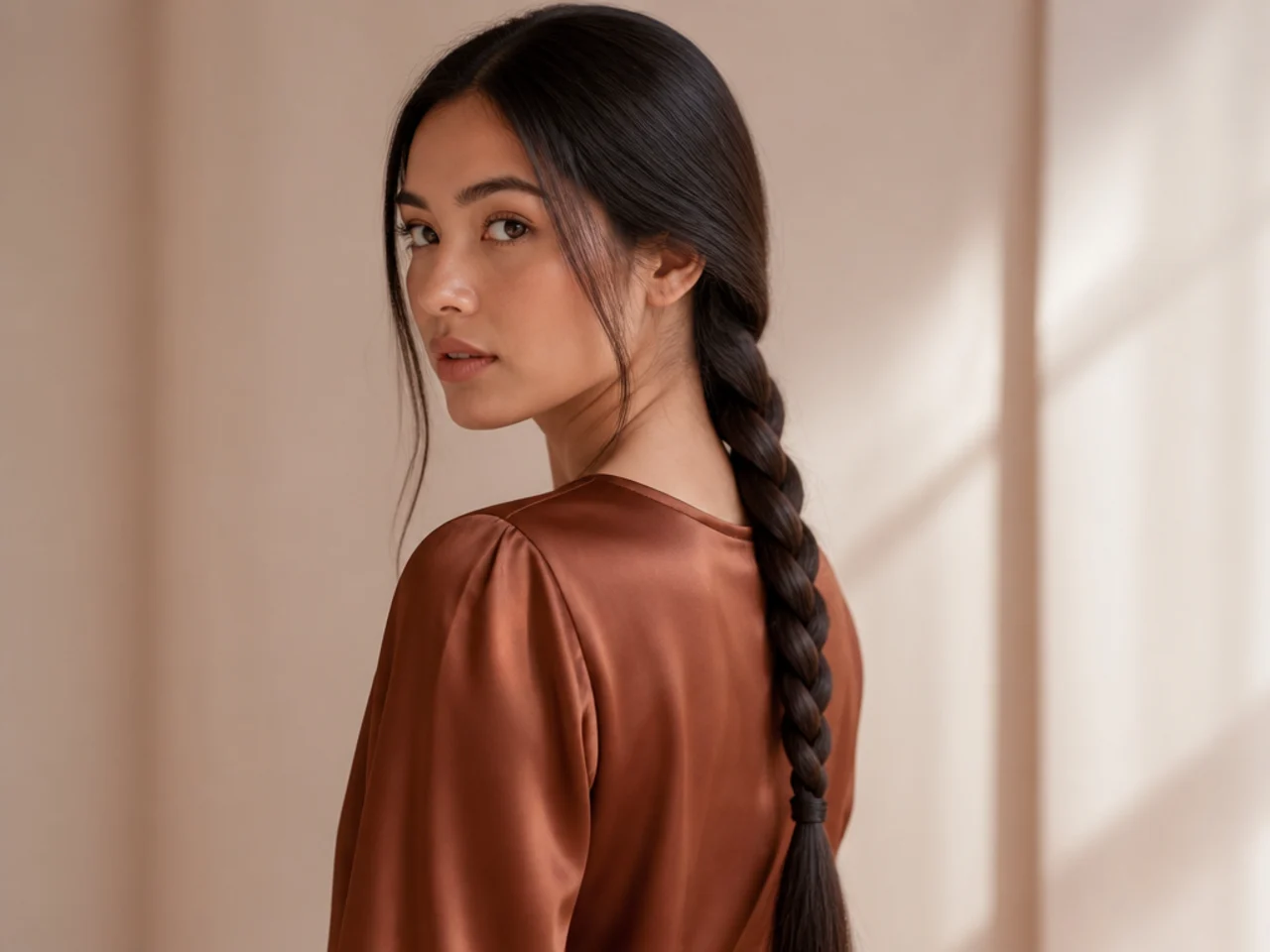
5. Two Long Plaits
The load halved twice over. Two plaits split the mass and each one then spreads its own share along its length.
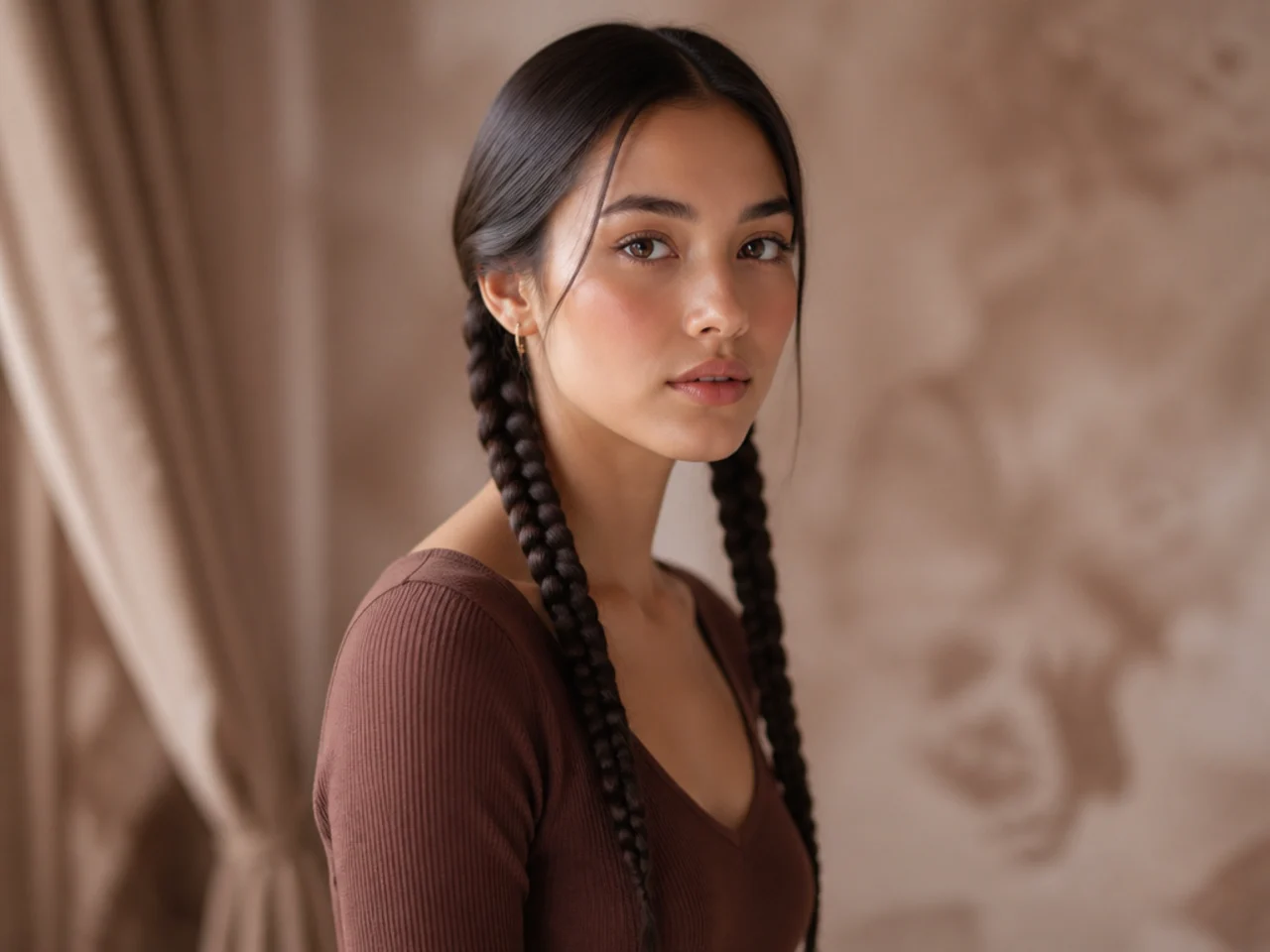
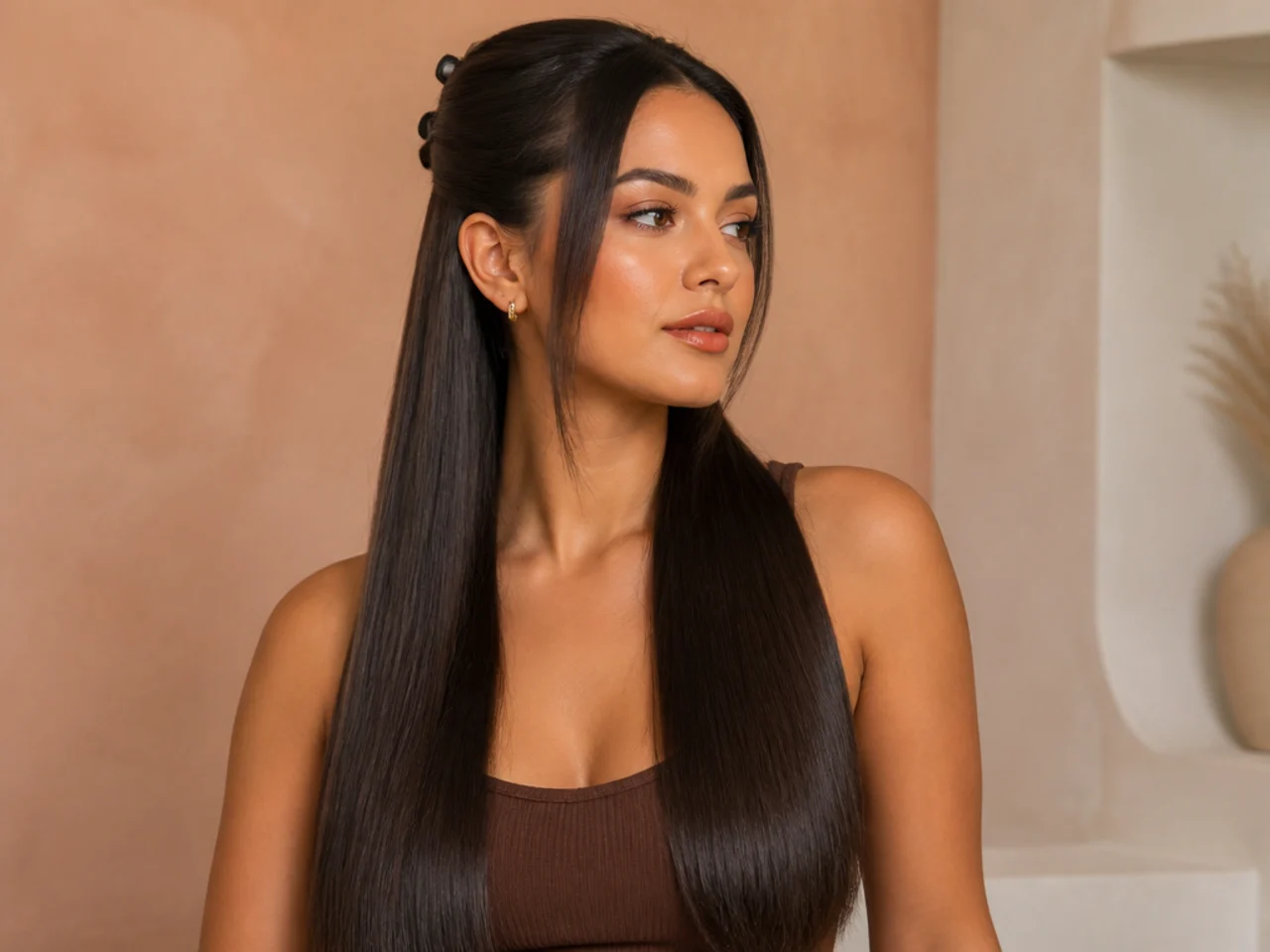
6. Half-Up with a Large Claw
Only half the weight gathered, which changes everything. A clip that slides out under a full waist-length gather sits comfortably when it is holding half of it.
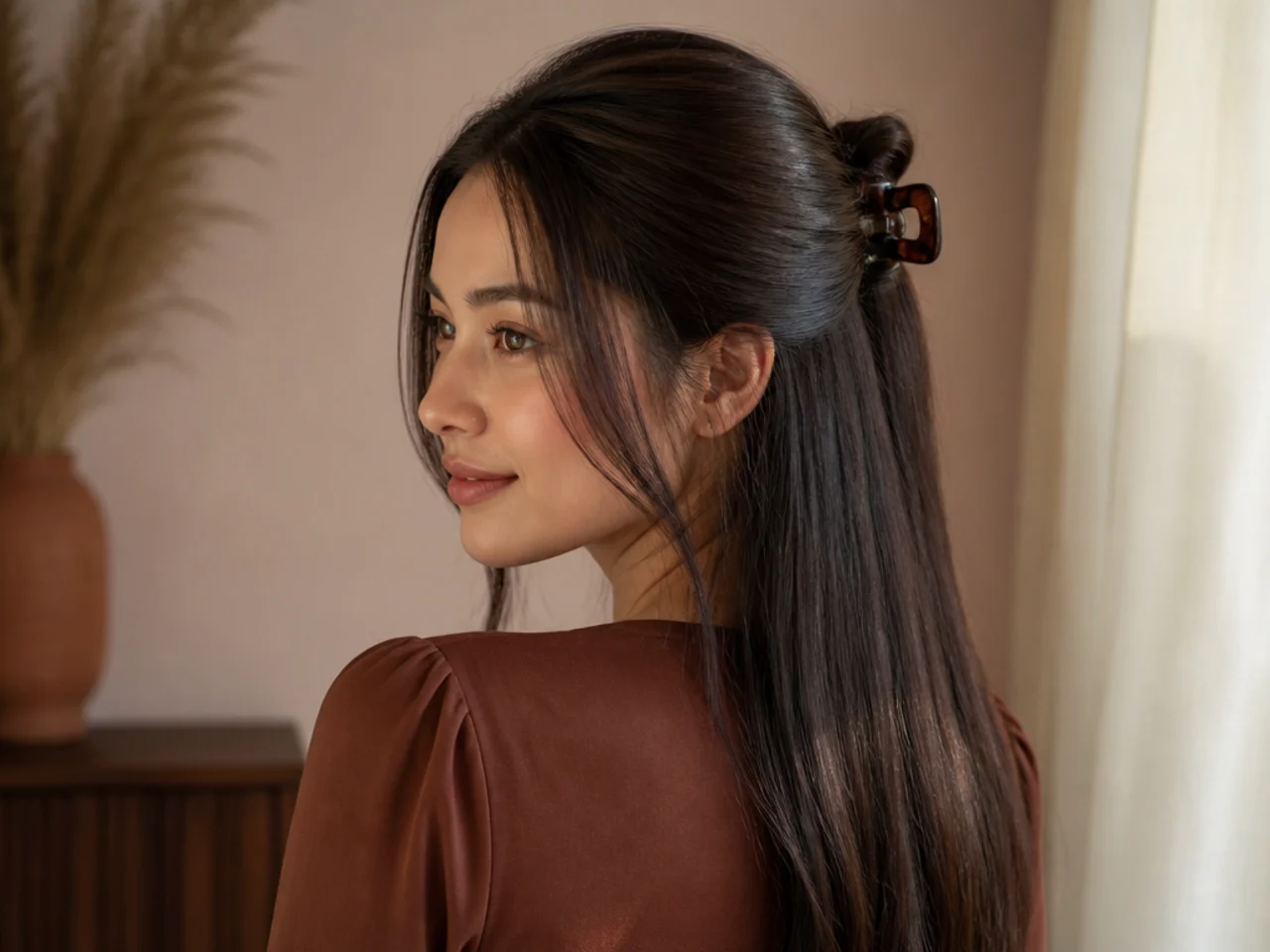
7. Low Chignon
Rolled flat against the head, weight close in. Keeping the mass against the skull removes the leverage that pulls a hanging bun away and down.
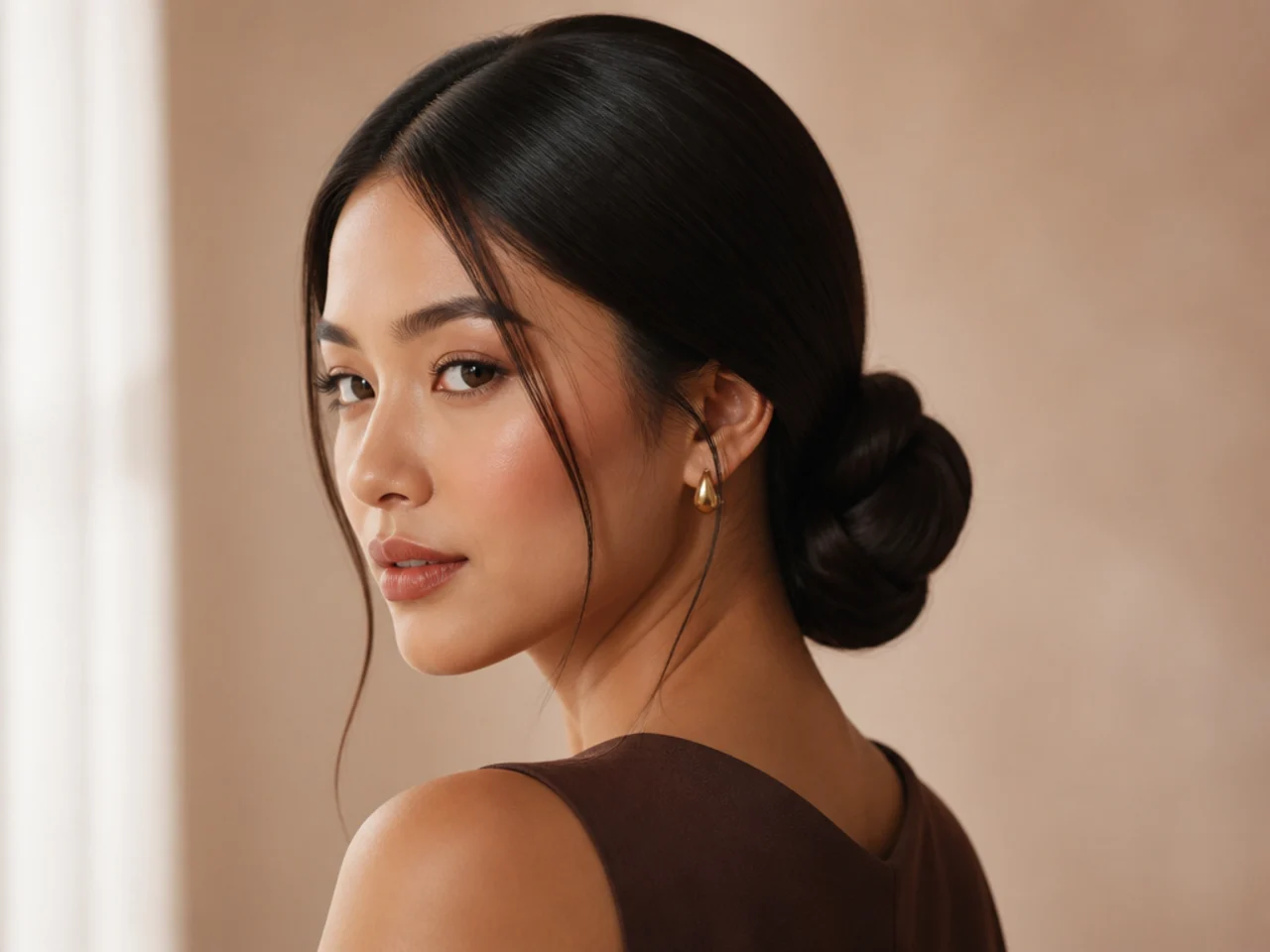
8. Braided Base Bun
Plaited first, so the bun cannot unwind. The plait also gives the pins texture to bite into, which is the one thing long straight hair never supplies.
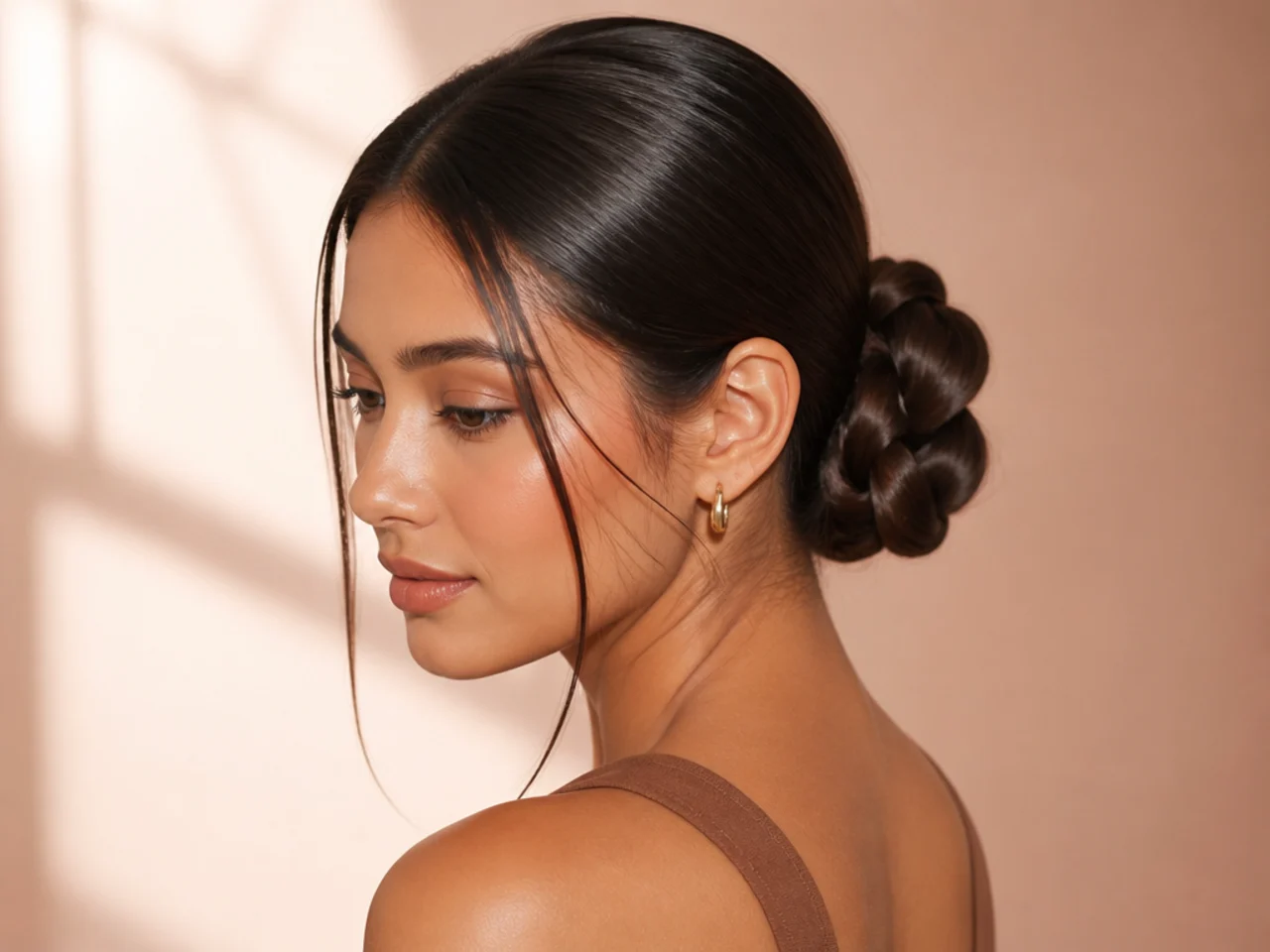
9. Long Hair Worn Down, Middle Part
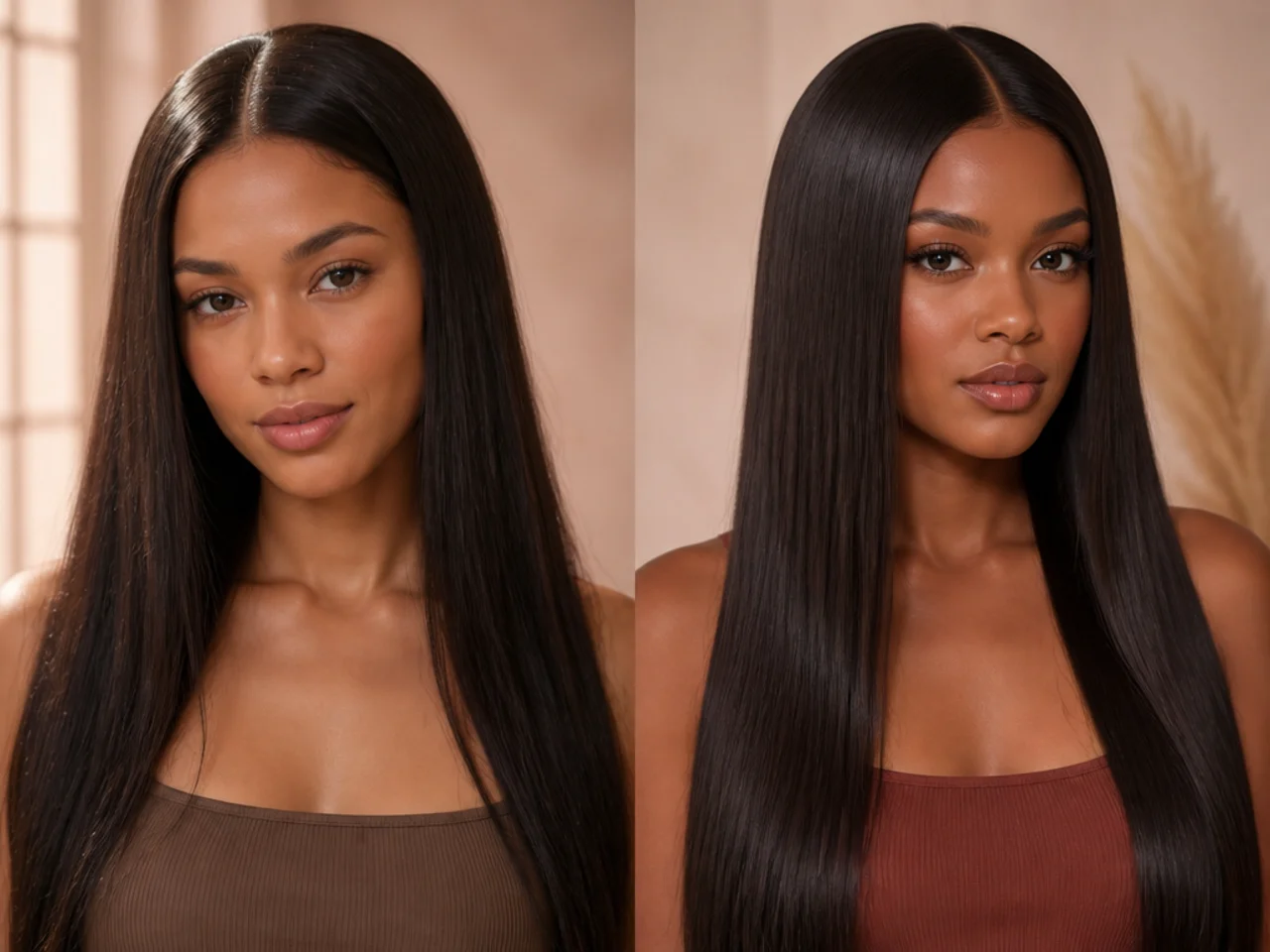
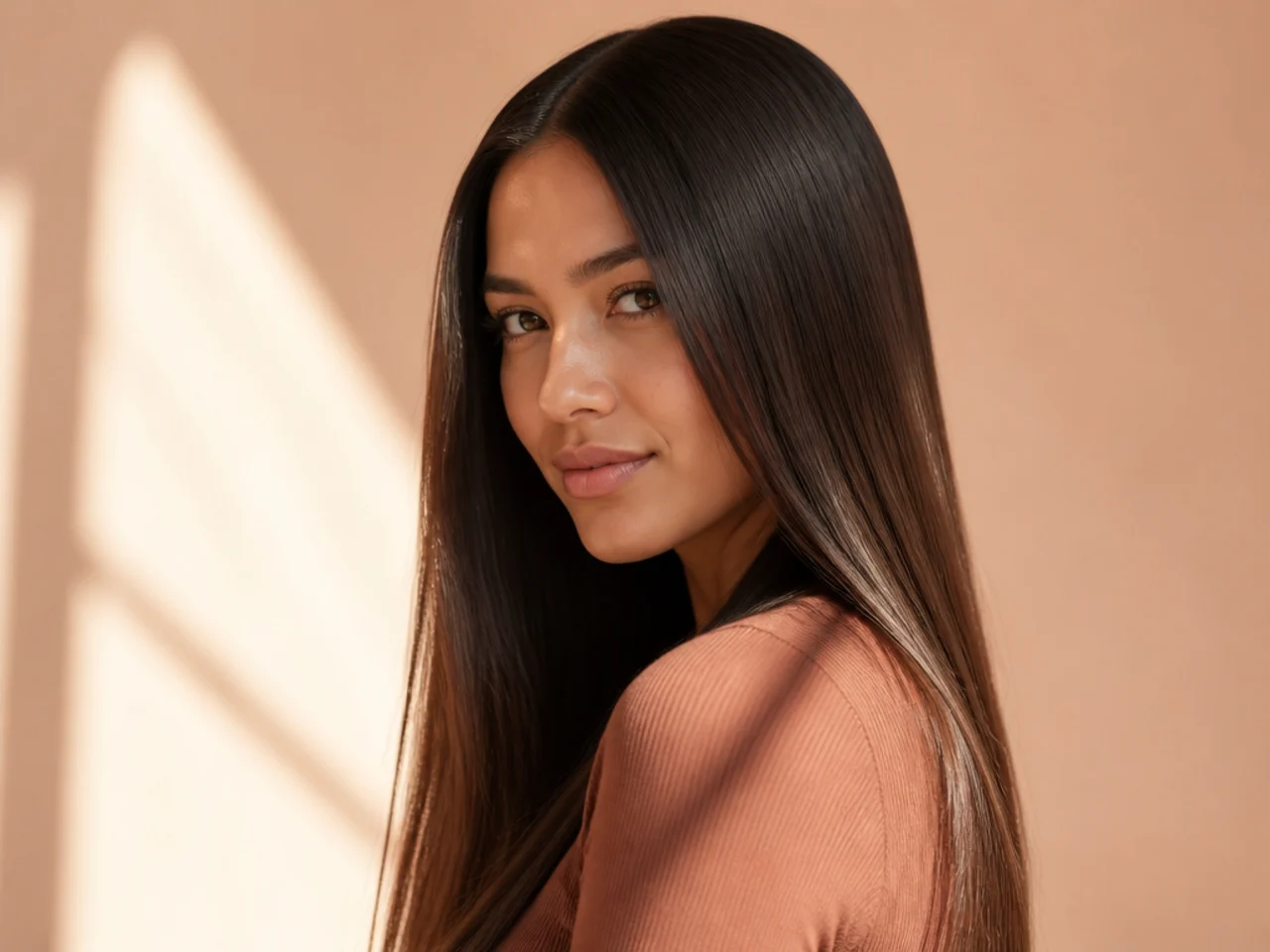
The style long straight hair does best, and it needs nothing. All the weight that defeats styles is an advantage here, because it is what makes the length hang smoothly.
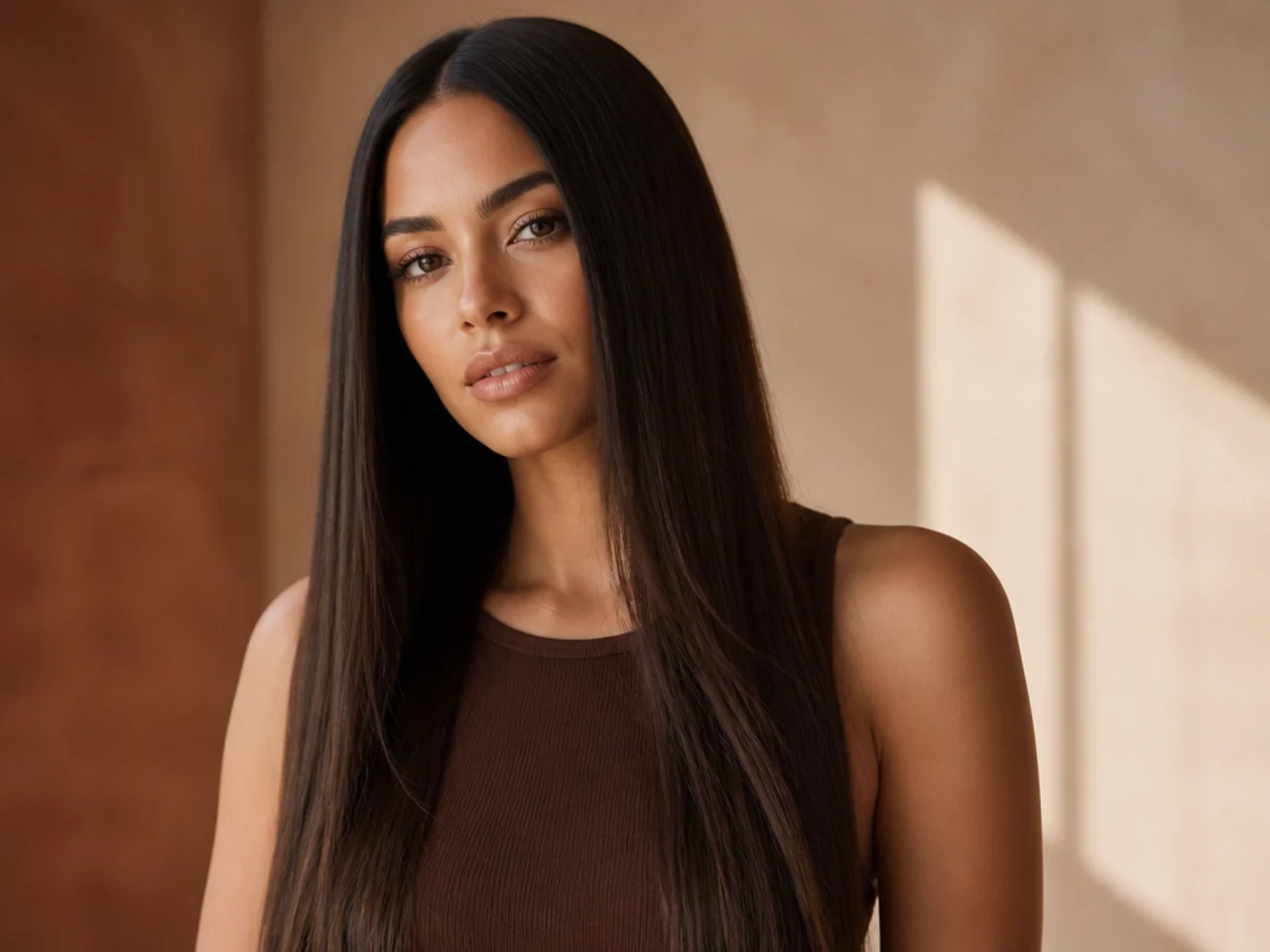
10. Long Hair with Blunt Ends
A hard perimeter, which long straight hair shows off perfectly. Every strand ends at the same line, and at this length that line is the most visible thing about the hair.
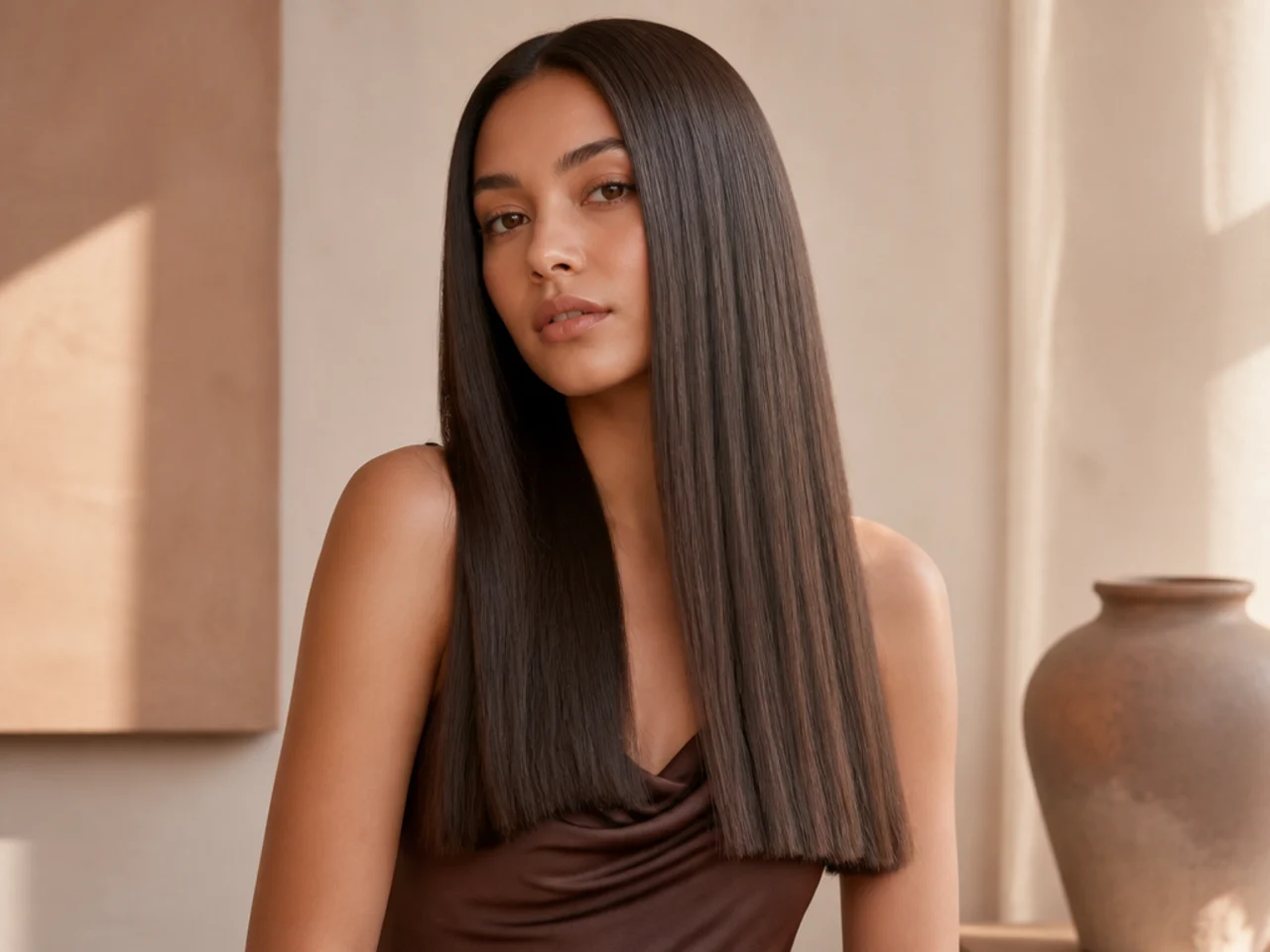
11. Deep Side Part
One asymmetric line down a long smooth surface. It also puts more weight on one side, which adds a little lift at the parting without any product.
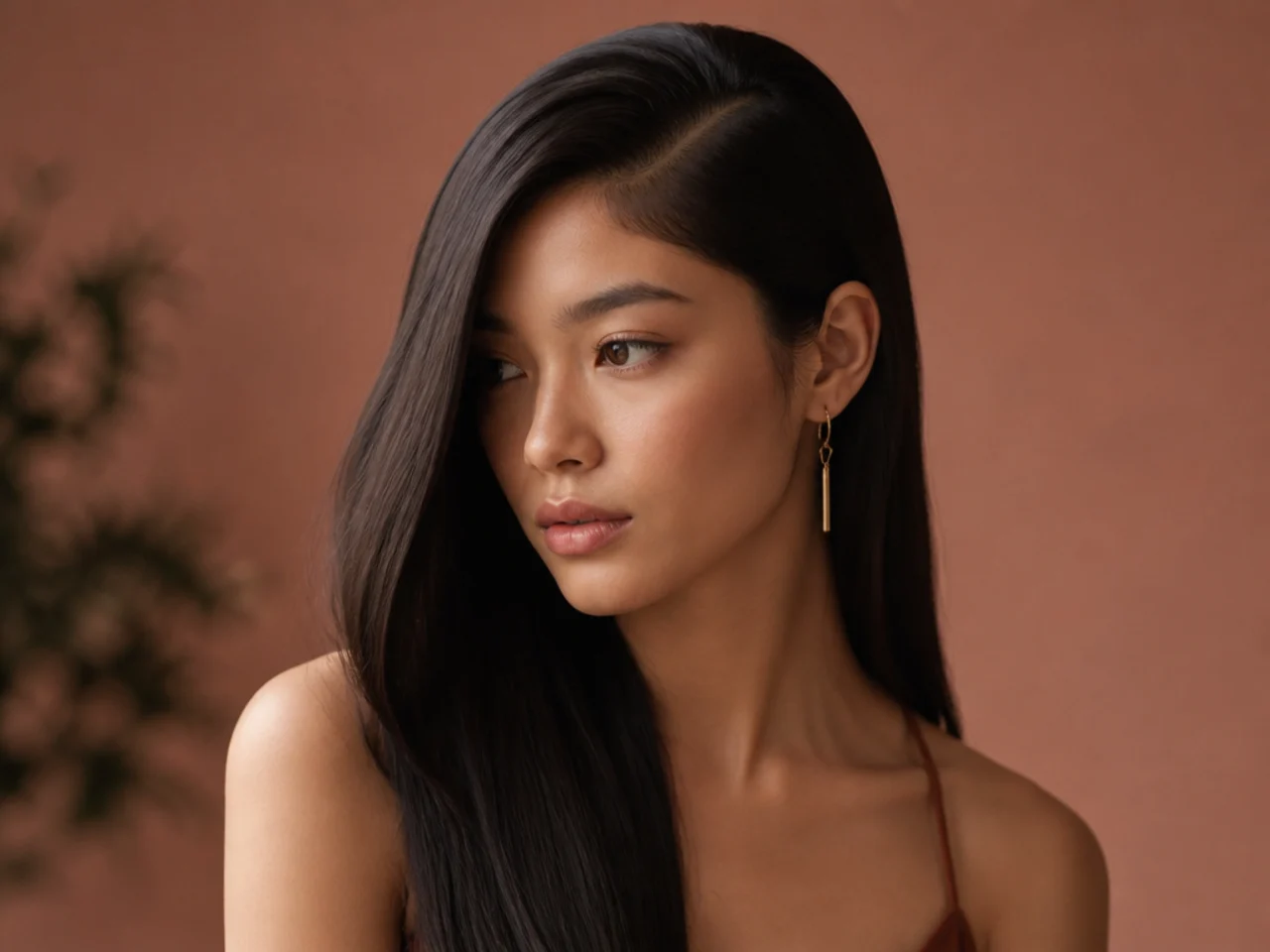
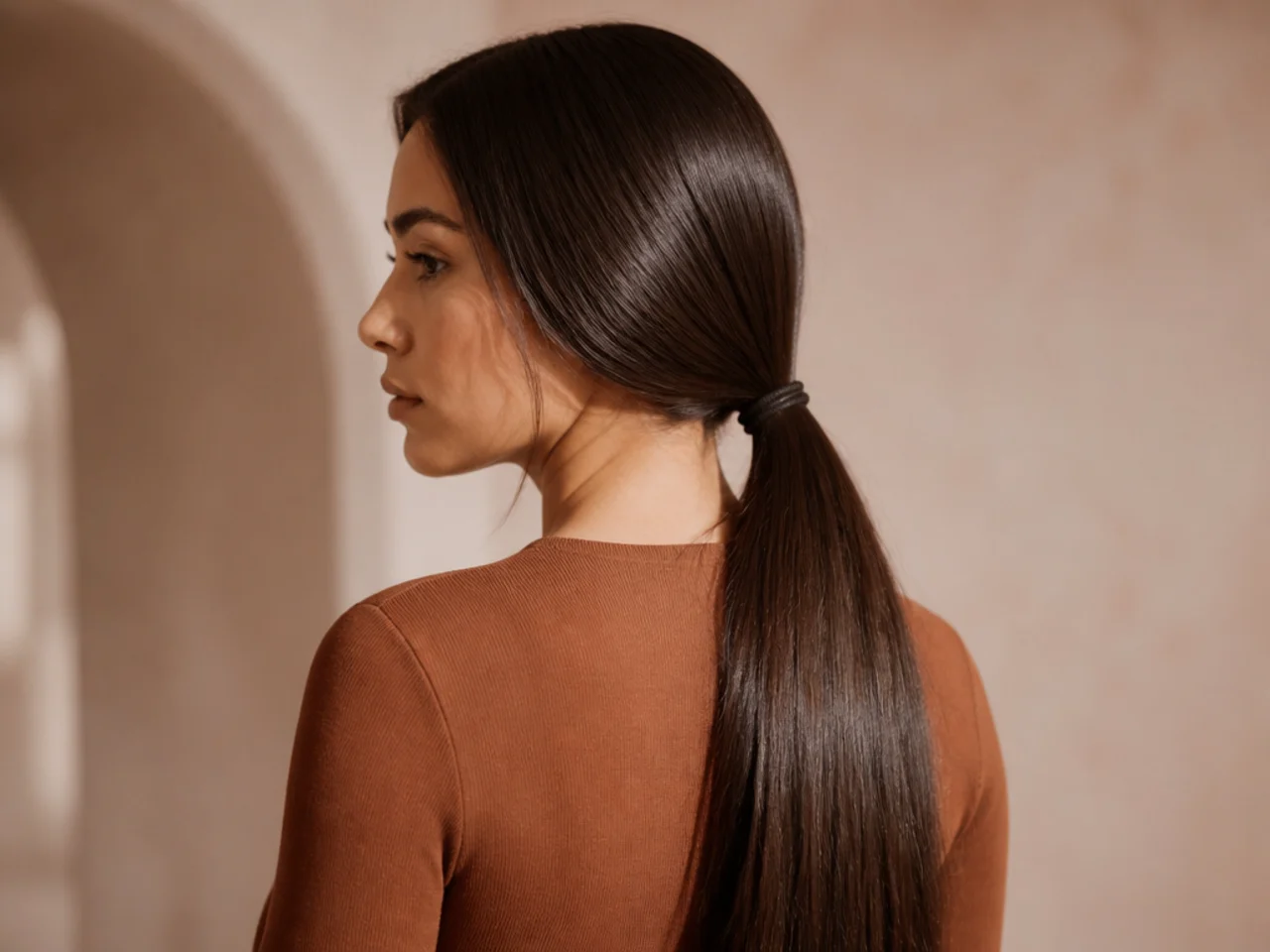
12. Slicked Low Ponytail
Product supplying the grip that length cannot. Gel holds the strands to each other, which is the only thing that lets a single fastening cope with this much weight.
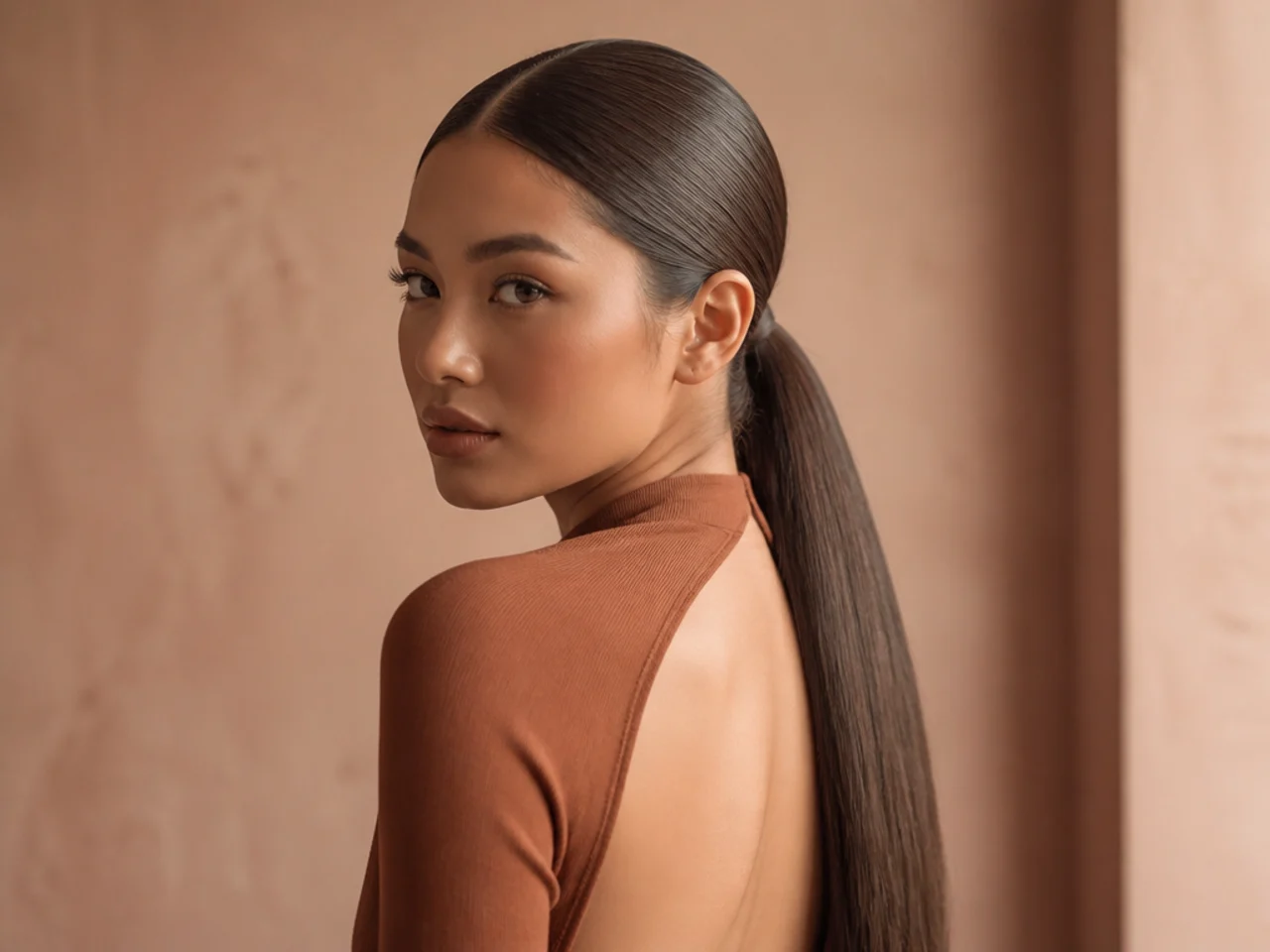
13. Long Hair Over One Shoulder
Half the visual weight, and no fastening at all. Moving the length forward over one shoulder also keeps the ends off a chair back, which is where long ends get roughened.
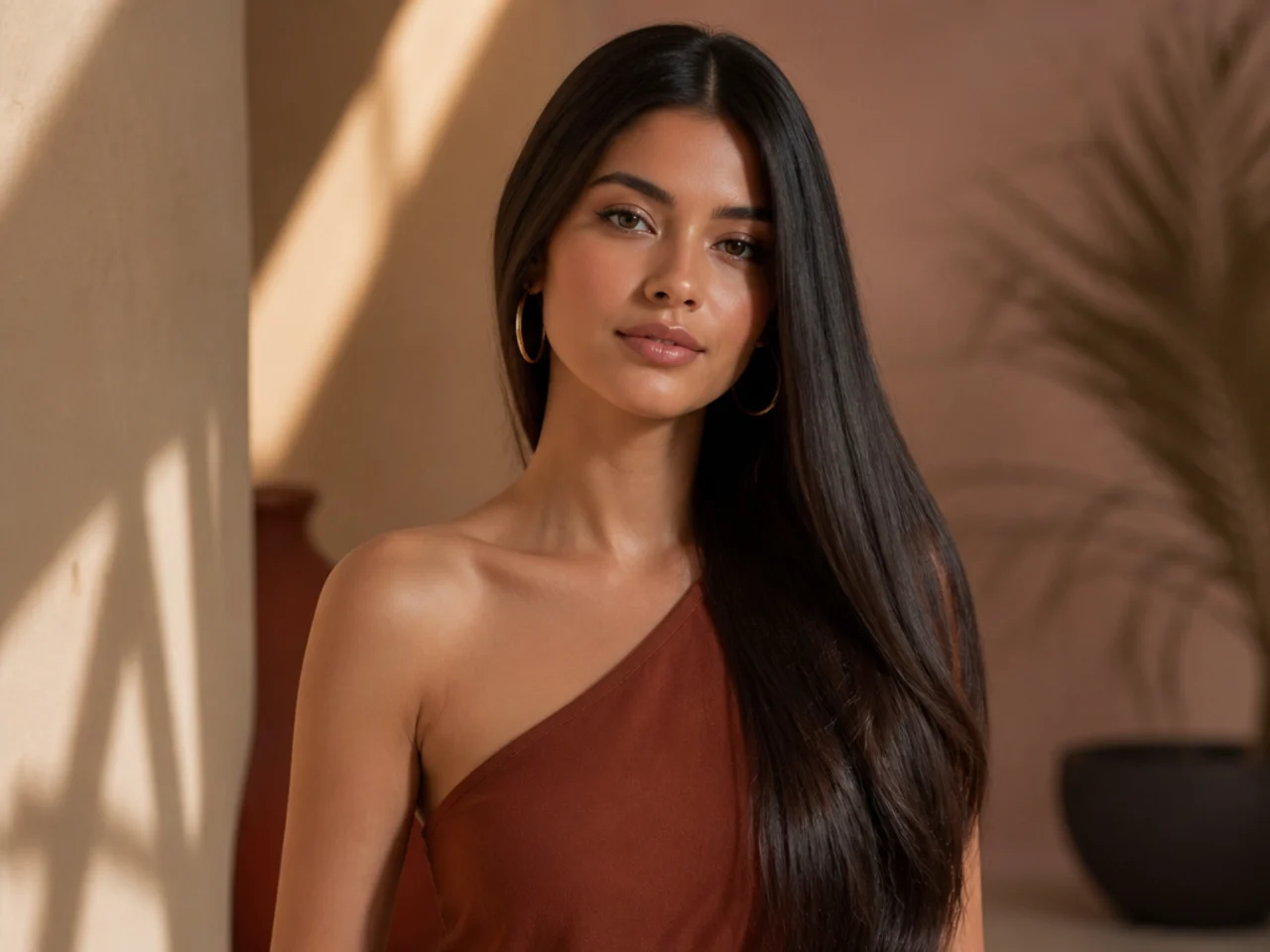
14. Overnight Plait Waves
Length setting overnight, no heat and no hold needed. A wave set by drying in a bent shape lasts far longer than one ironed into hair that was already dry.
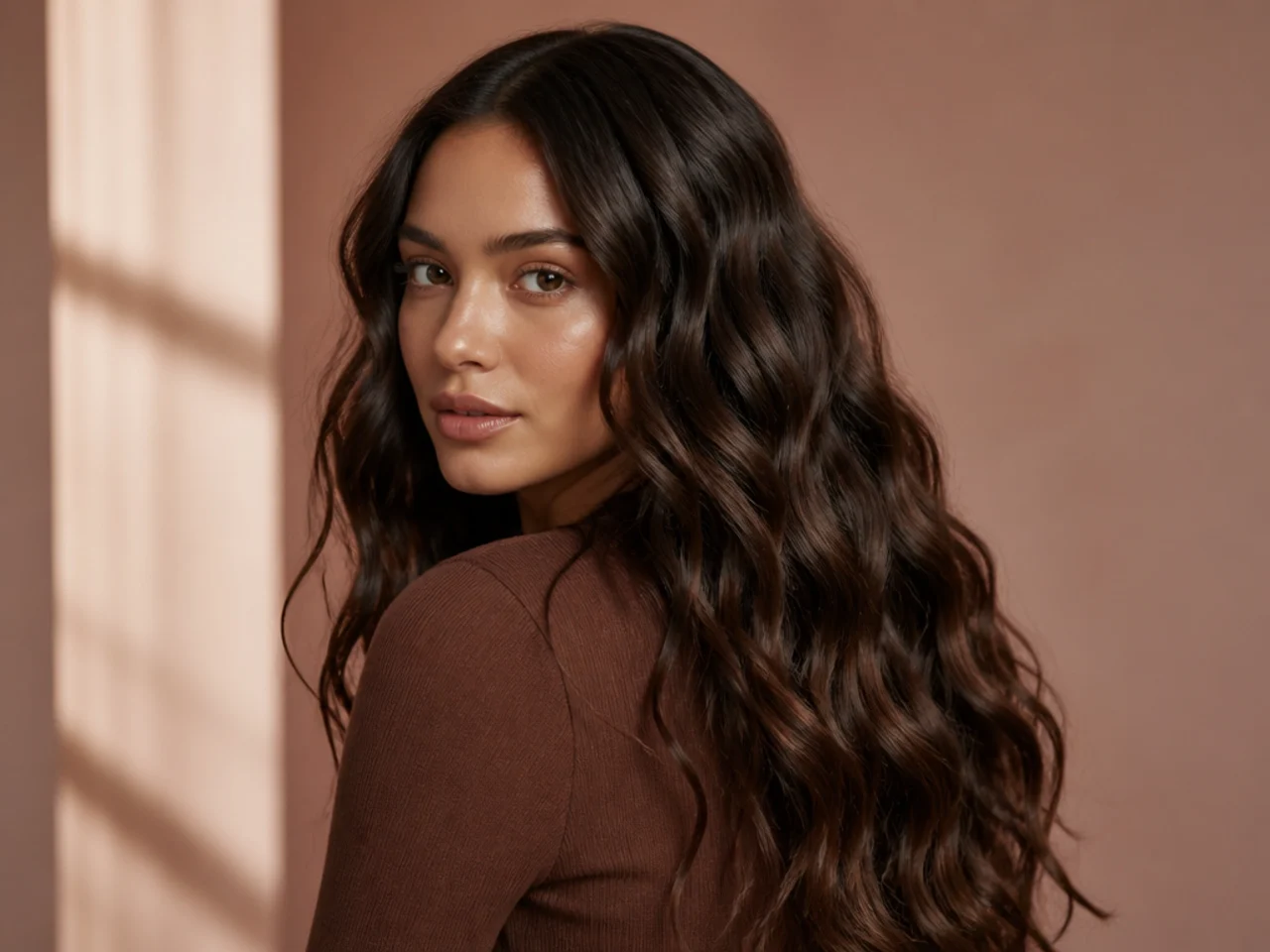
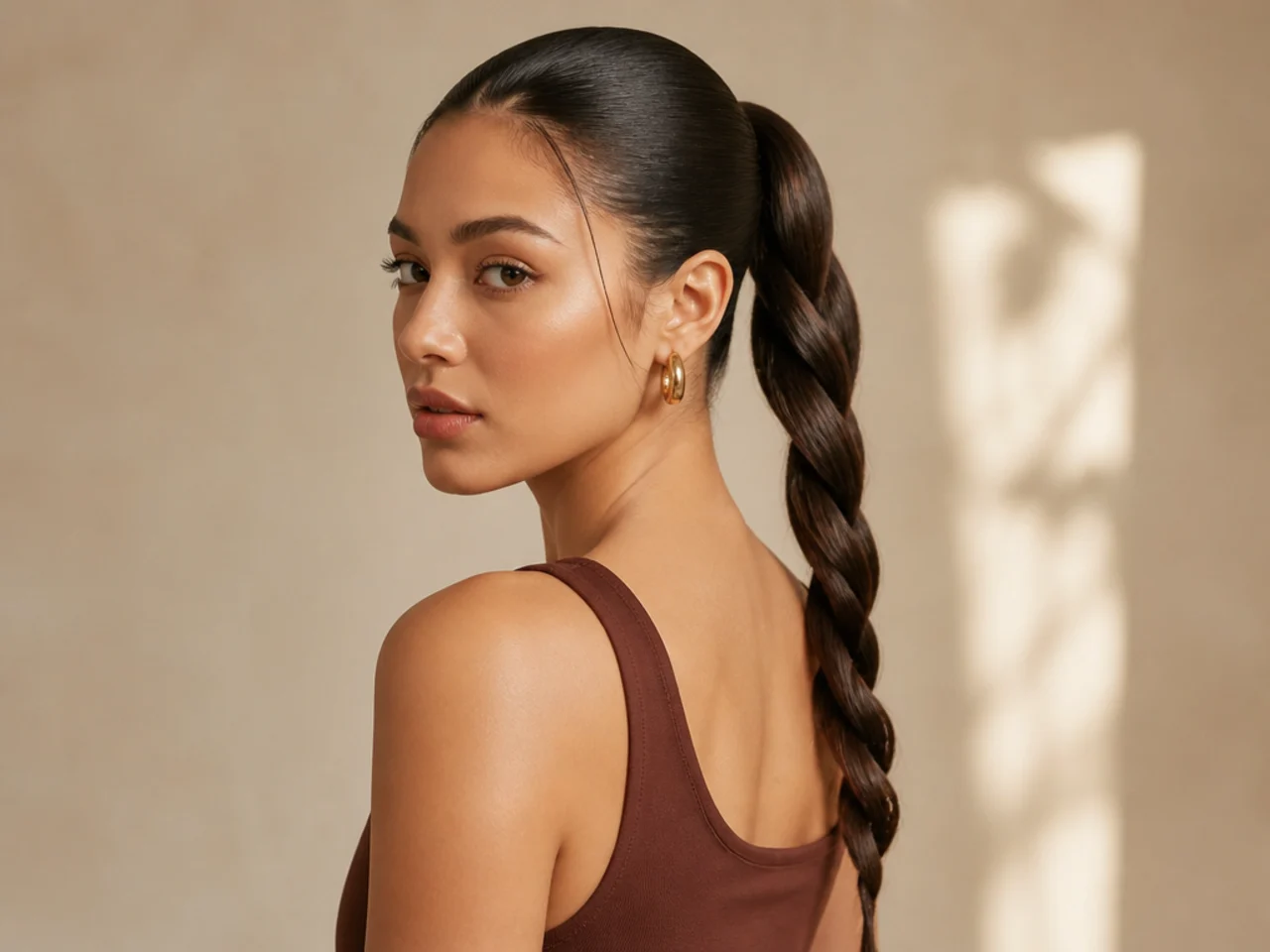
15. Rope Twist Ponytail
Two sections twisted, holding by their own tension. Twist each section the same way and wind them the opposite way, and the opposition is what stops it unravelling.
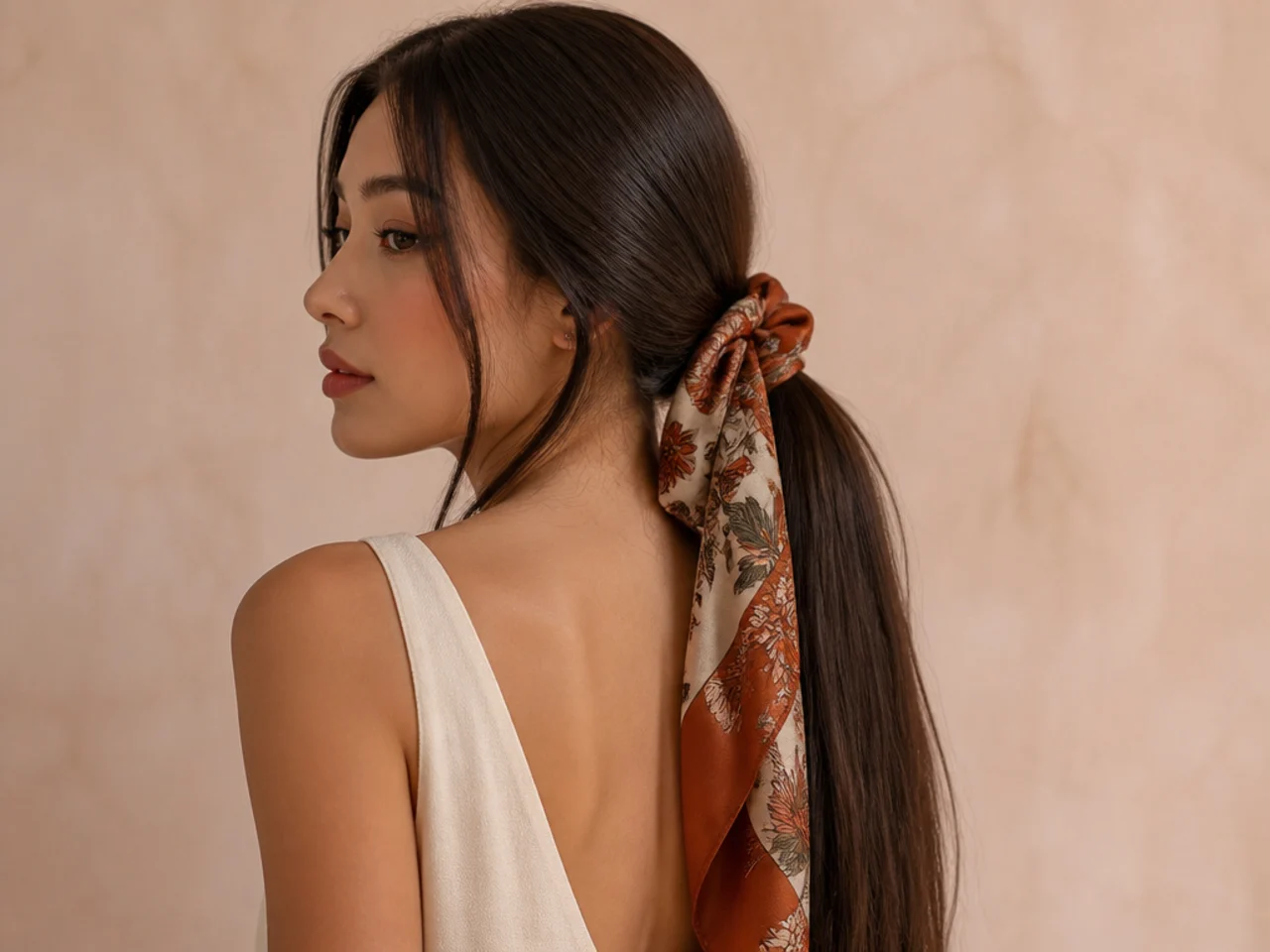
16. Long Hair with a Scarf Tie
Fabric with far more grip than an elastic. A scarf also spreads its pressure over a wider band, which matters at this weight because a bare elastic concentrates it into one line.
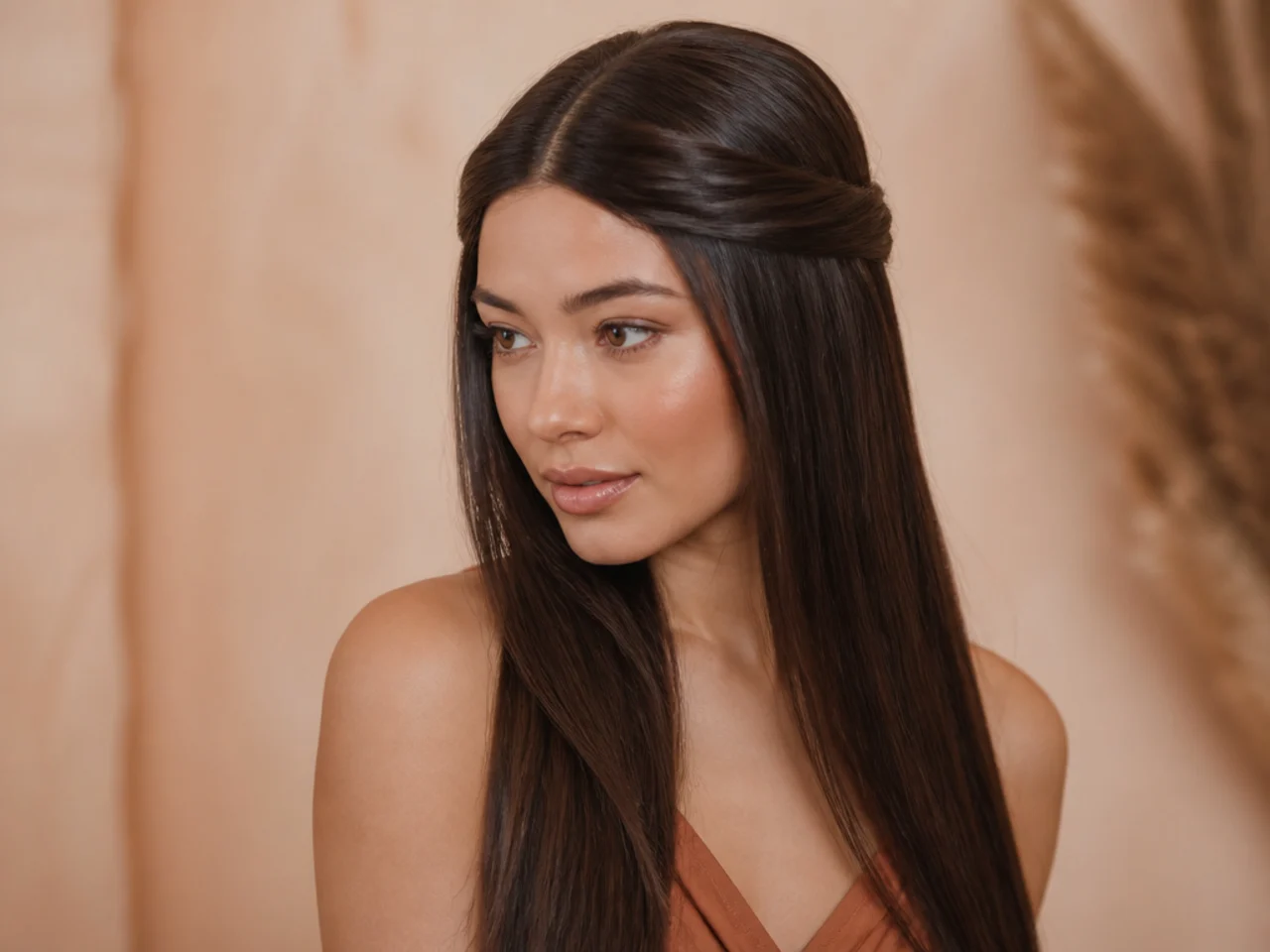
17. Crown Wrap
Length wound around the head, weight spread completely. No single point is carrying anything, which makes it the most comfortable way to wear a lot of hair up.
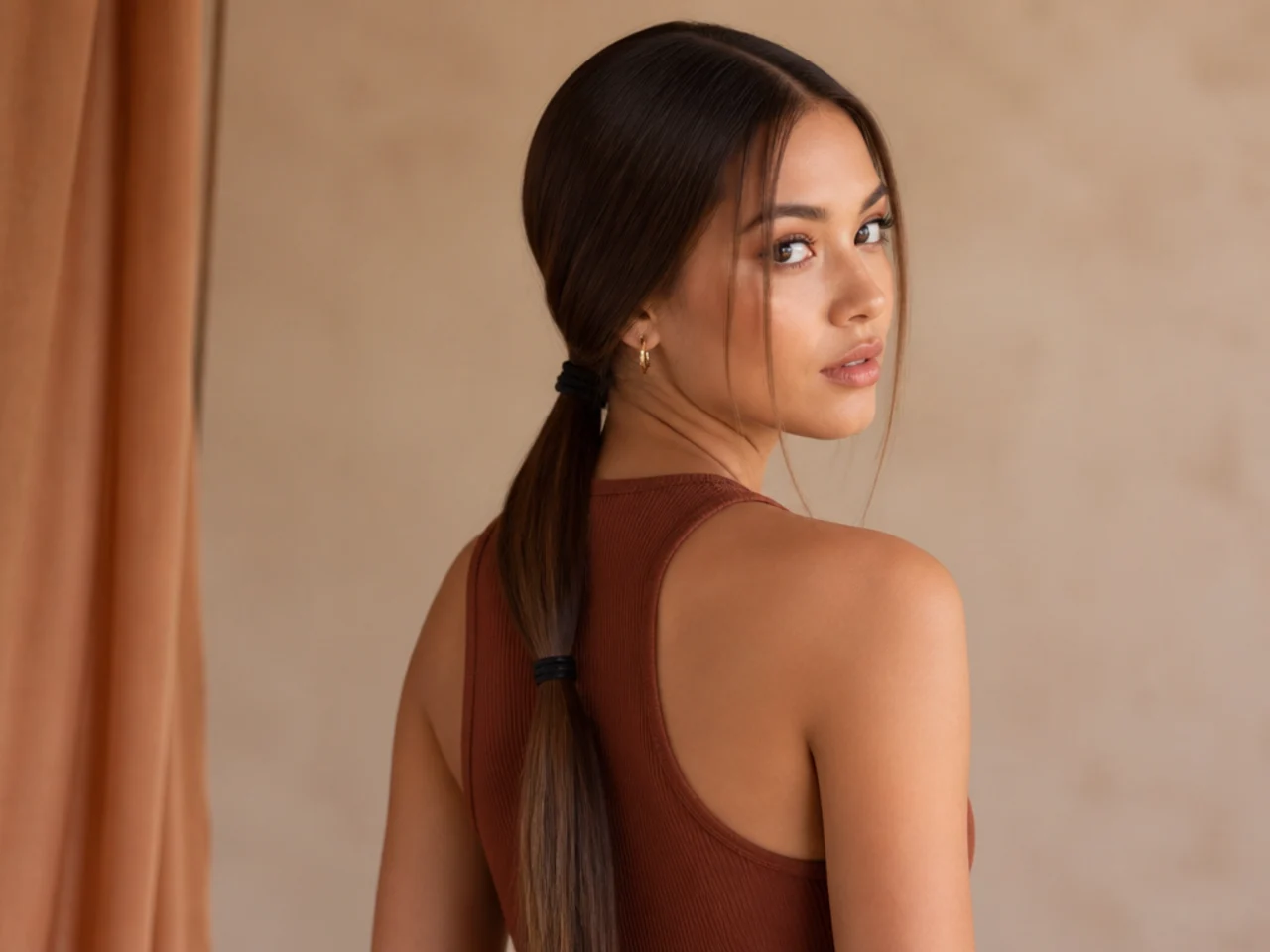
18. Long Hair on Fine Density
Two ties and a small gather. Weight without grip. Fine long hair is the hardest combination on this page after thick long hair, because it has the load and none of the mass to stay put.
19. Long Hair on Thick Density
The heaviest combination there is. Divide everything. Two sections held separately will always beat one section held harder, and at this density that is not optional.
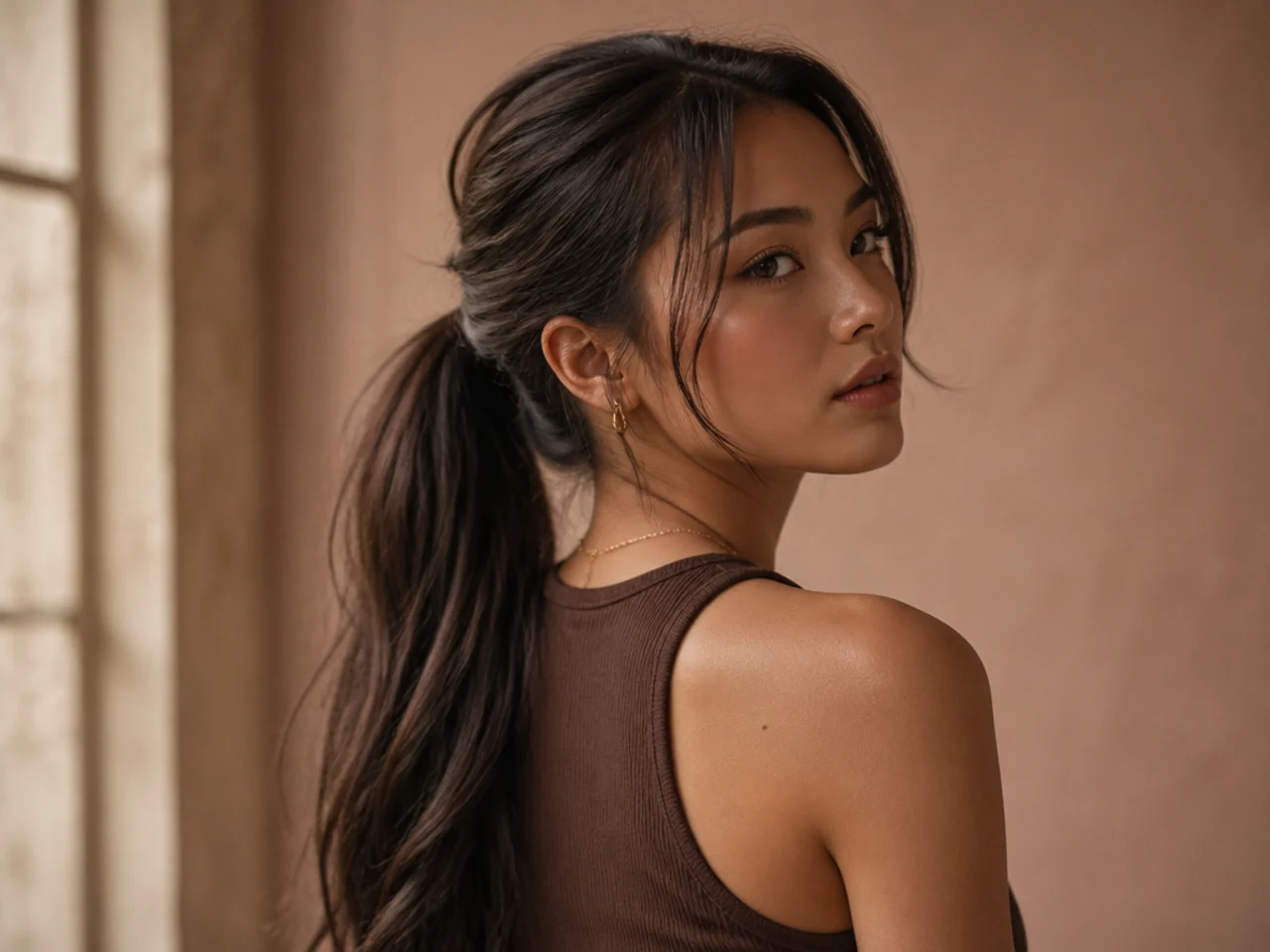
20. A High Ponytail at 4pm
One tie, waist length, and gone. The arithmetic, demonstrated. Height adds gravity to weight, and a single elastic is the one fastening that cannot absorb either.
Styling and Upkeep
Two fastenings, always. It is not a repair, it is the default at this length.
Go low on days that matter. Height and weight together is the hardest ask.
Keep product at the roots. Down the length it adds to the problem.
Trim the ends every ten weeks. They are the most visible part of the style.
Sleep with it loosely up. Friction against a pillow ages long ends faster than anything else.
Mistakes to Avoid
One fastening at this length. It is being asked to carry too much.
Tightening instead of dividing. Discomfort without a solution.
Product through the length. More weight where weight is the problem.
A high style for a long day. The worst combination available.
Ignoring the ends. They are the first thing anyone sees on long straight hair.
FAQ
Why do styles slide out? Length multiplies weight while friction stays at zero.
How many fastenings? Two, as a default rather than as a fix.
Different products? Same products, applied at the roots rather than the length.
Final Thoughts
Use two ties instead of one tight one. It takes three extra seconds, it holds for hours longer, and it is more comfortable — which makes it the rare change with no trade-off at all on the hair type that needs it most.
For short lengths, where the problem inverts, see 15 chic hairstyles for short straight hair. More in Women's Hairstyles.