15 Chic Hairstyles for Short Straight Hair
Fifteen styles for short straight hair, and the reason pins keep falling out — a pin holds by friction, and short straight hair has neither length nor grip to offer one. Clips and bands work where pins cannot.
In this article · 22
- What Changes at Short Lengths
- How to Choose Yours
- The 15 Short Styles
- 1. Small Claw Clip Half-Up
- 2. Headband Over a Bob
- 3. Bob Tucked Behind Both Ears
- 4. Bob Tucked Behind One Ear
- 5. Crossed Pins with Texture Spray
- 6. Tiny Low Bun
- 7. Half-Up with a Small Tie
- 8. Two Small Clips at the Sides
- 9. Sleek Bob, Middle Part
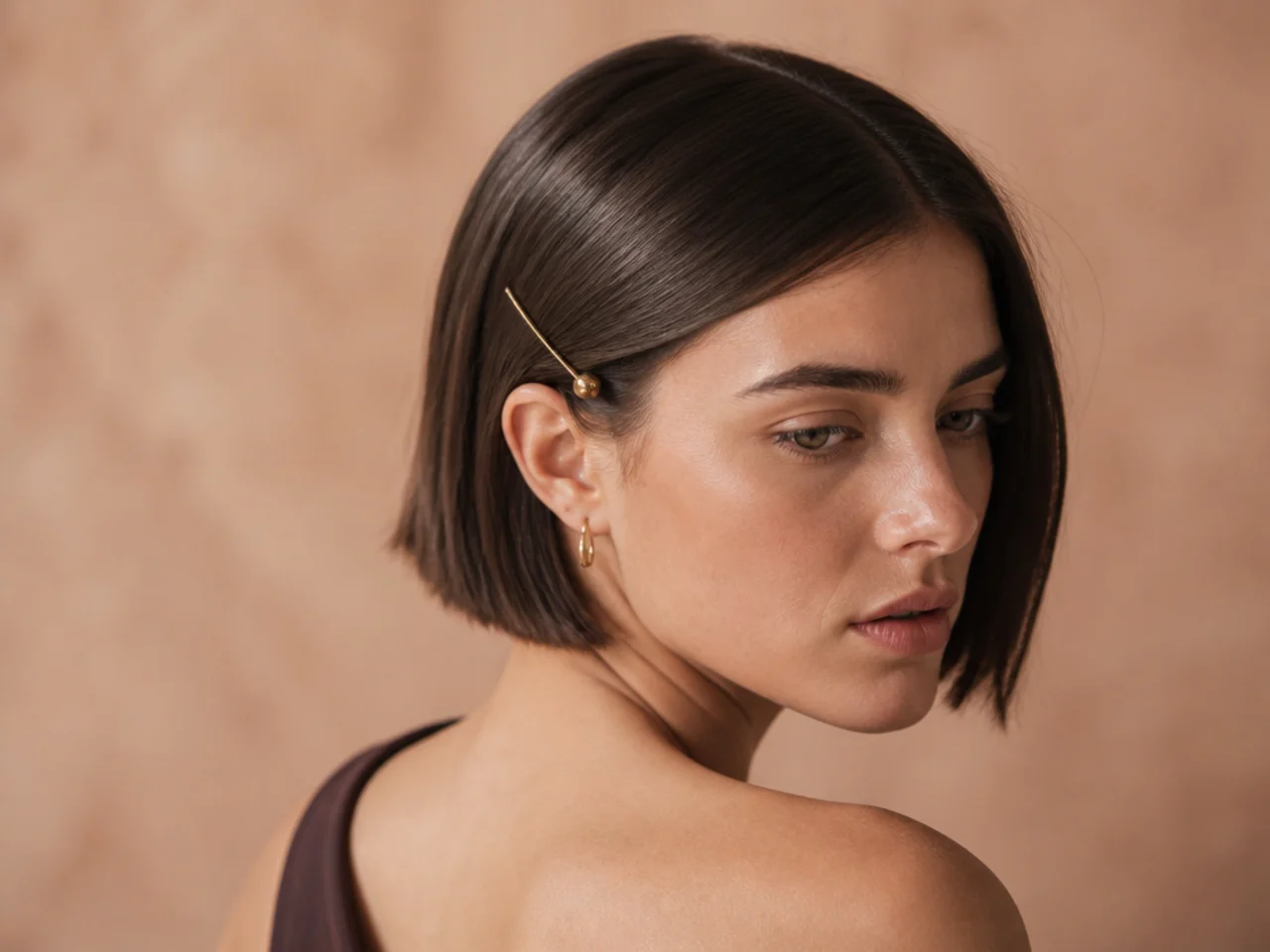
- 10. Deep Side Part on a Bob
- 11. Bob with Root Volume
- 12. Slicked Short Style
- 13. Short Hair with a Wide Band
- 14. Short Hair on Second Day
- 15. A Pin in Clean Short Hair
- Styling and Upkeep
- Mistakes to Avoid
- FAQ
- Final Thoughts
Short straight hair defeats one specific tool, and it is the one most tutorials reach for.
A pin holds by friction. It grips along a length of hair and catches on texture. Short straight hair offers neither — there is not enough length to grip along and no texture to catch on, so pins work their way out within the hour.
Clips and bands clamp instead. They hold mechanically and do not care whether the hair has any grip at all, which is why they work where pins do not.
What Changes at Short Lengths
Pins lose their purchase. Not enough length, no texture. Both of the things a pin needs are missing at once.
Clips and bands take over. Clamping beats gripping at this length. It is a tool change rather than a technique change.
The cut carries more. With less to arrange, the shape itself does more of the work.
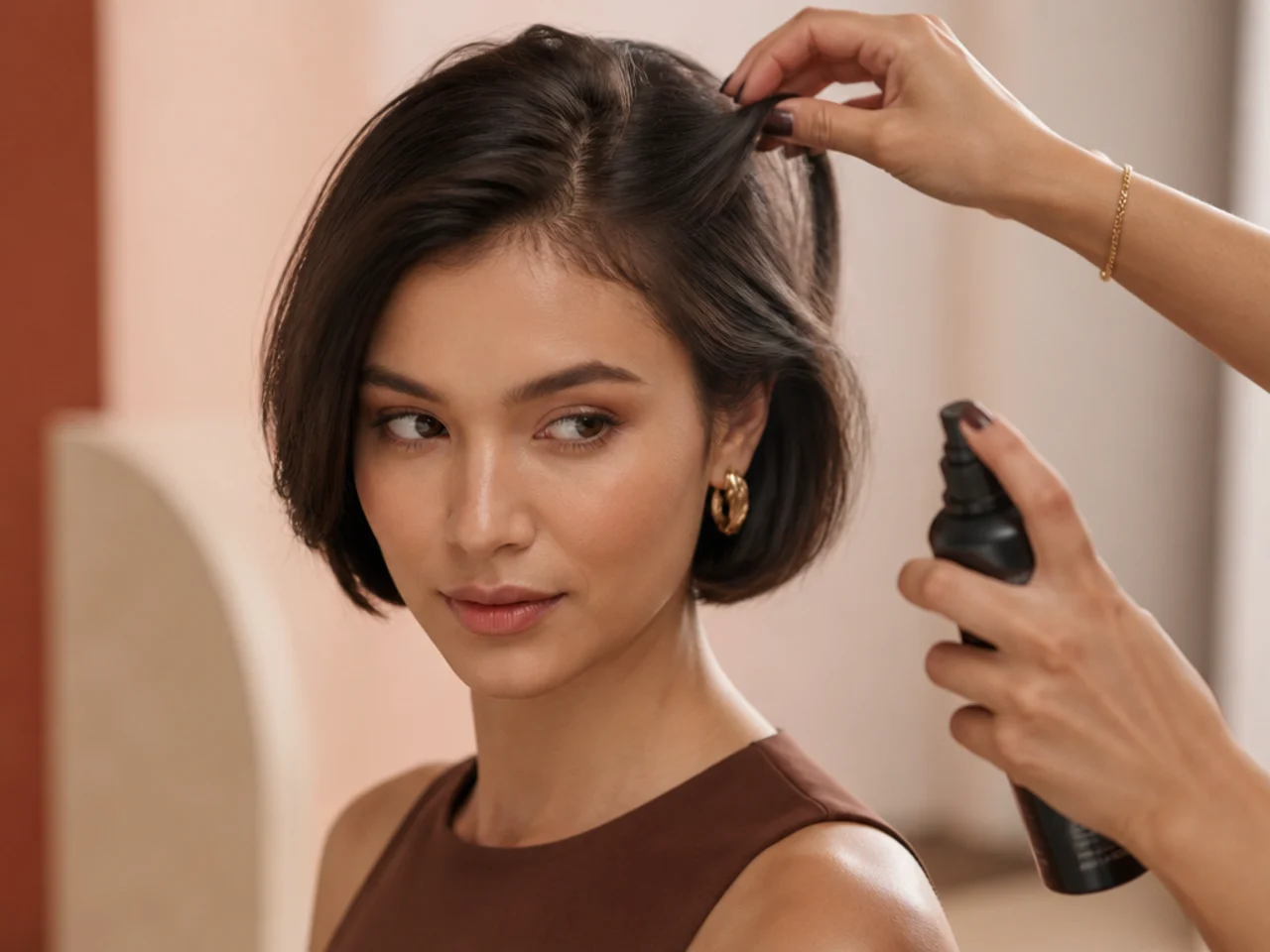
Friction still helps. Texture spray makes pins viable when nothing else will.
How to Choose Yours
Reach for a clip before a pin. At this length it is the more reliable tool.
Add texture if you must use pins. And cross them into an X.
Invest in the cut. With less length to style, the shape is doing more.
Use bands for the front. They handle the section that will not stay back.
The 15 Short Styles
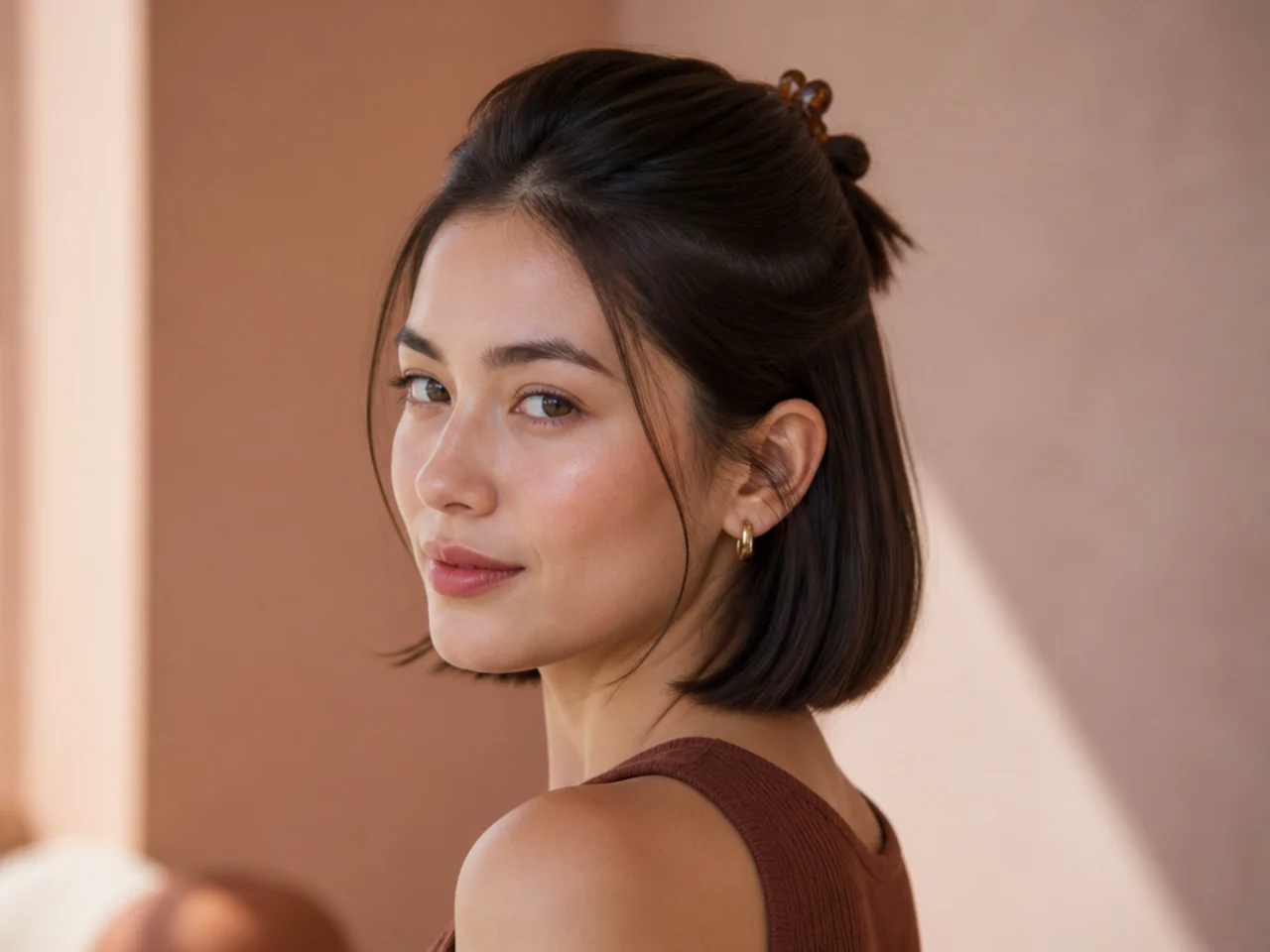
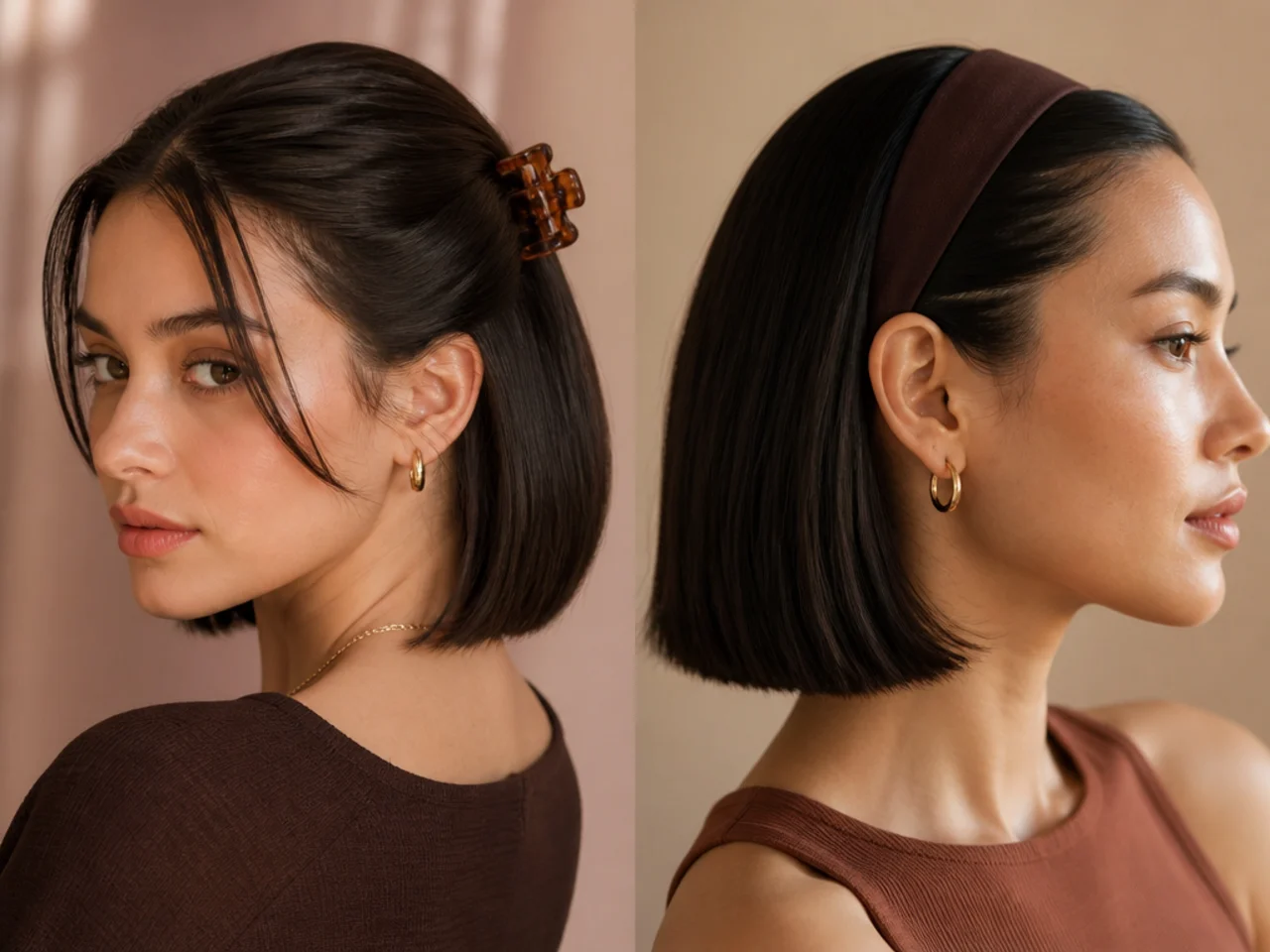
1. Small Claw Clip Half-Up
Clamping rather than gripping. The most reliable short style. A small clip has enough bite to hold a section that is only a few inches long, where a pin would need several inches of shaft in contact to do the same job.
2. Headband Over a Bob
One item, and the whole front is handled. Bands work by tension around the head rather than by holding any individual section, which is why they are indifferent to how short the hair is.
3. Bob Tucked Behind Both Ears
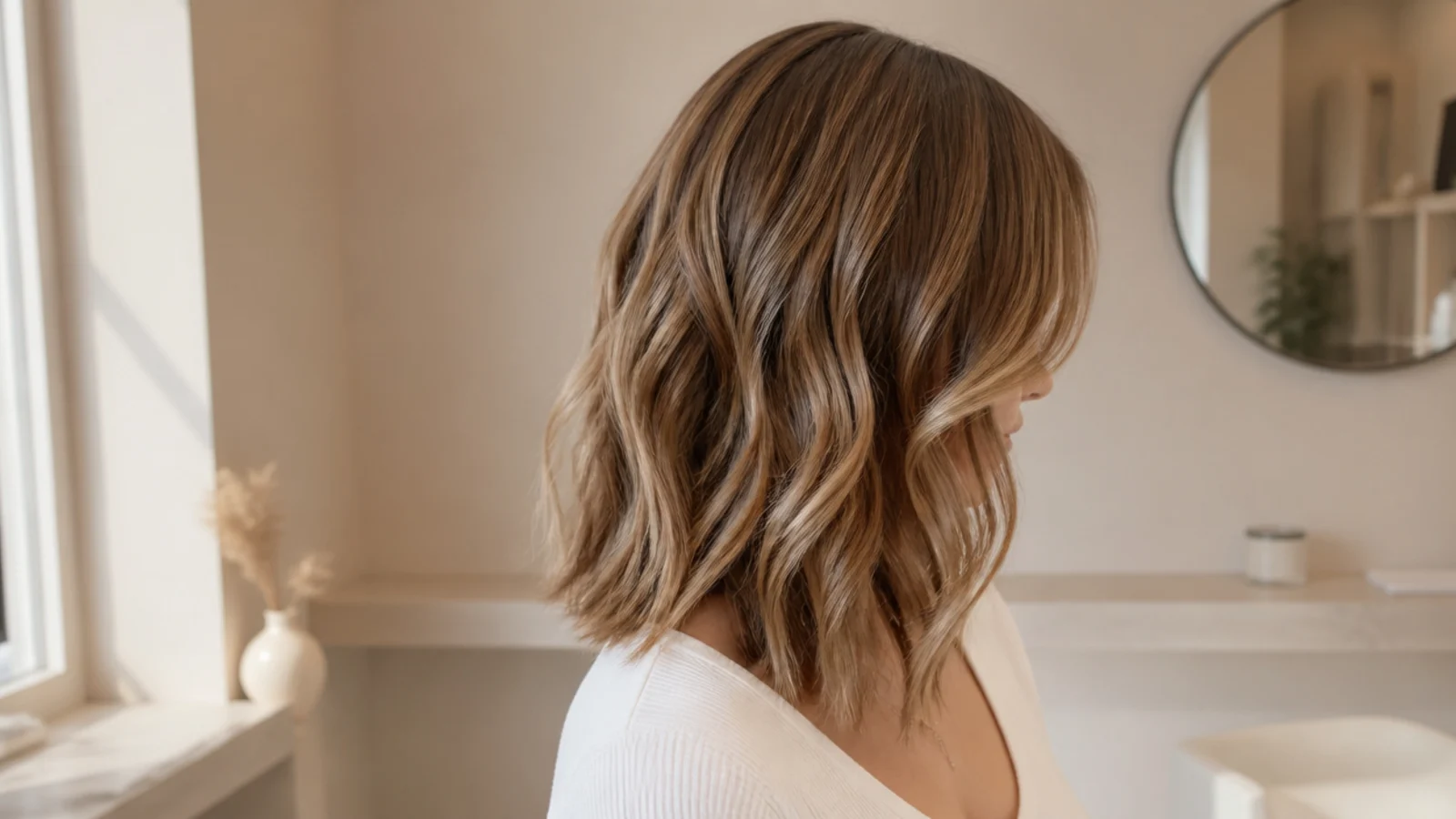
No tools, no grip needed. A bob that sits below the ear has just enough weight behind the ear to stay put, which is the shortest length at which tucking works at all.
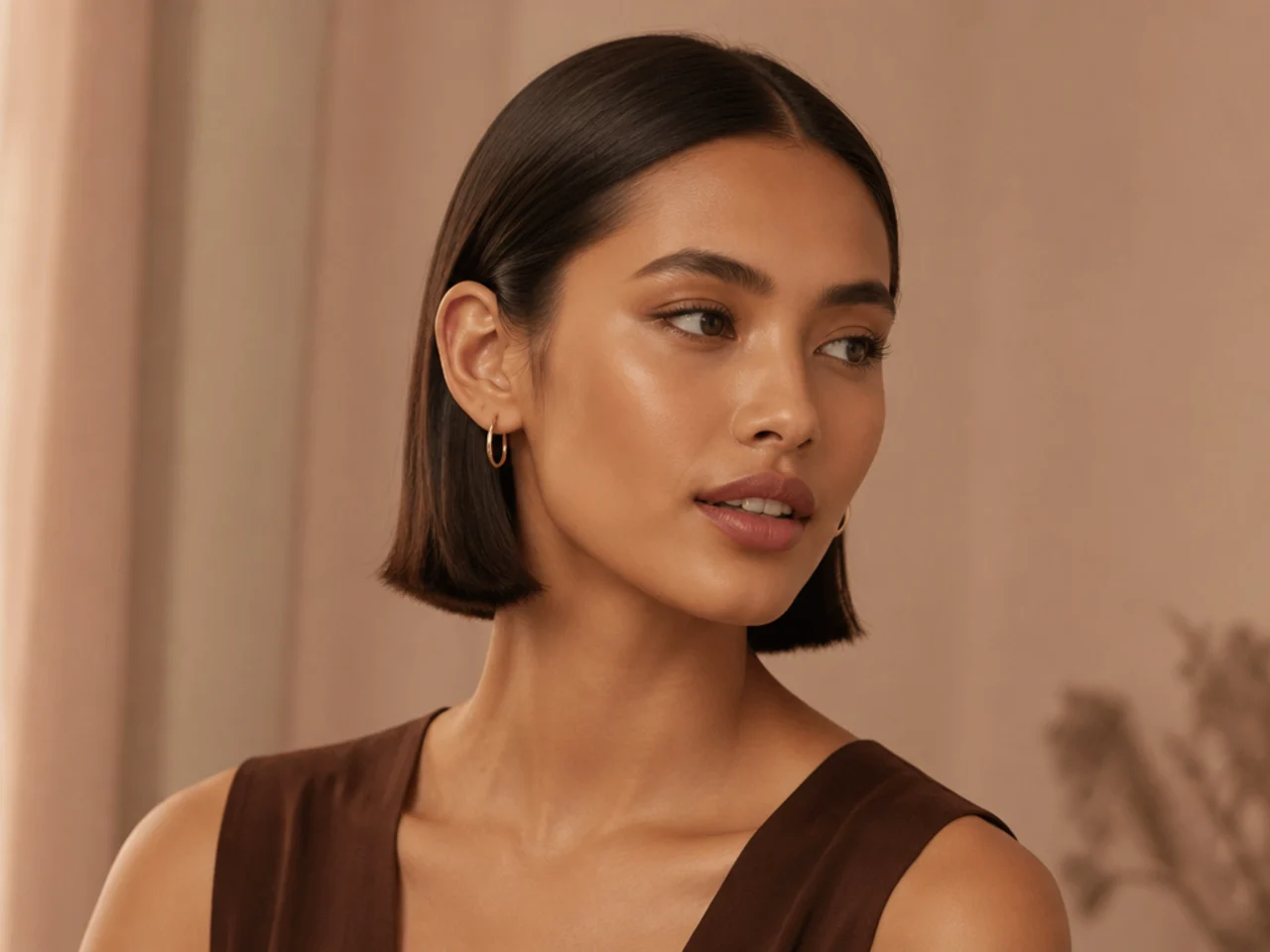
4. Bob Tucked Behind One Ear
Asymmetry with nothing at all. One side tucked and one loose reads as deliberate in a way that both sides loose does not, and it costs nothing to try.
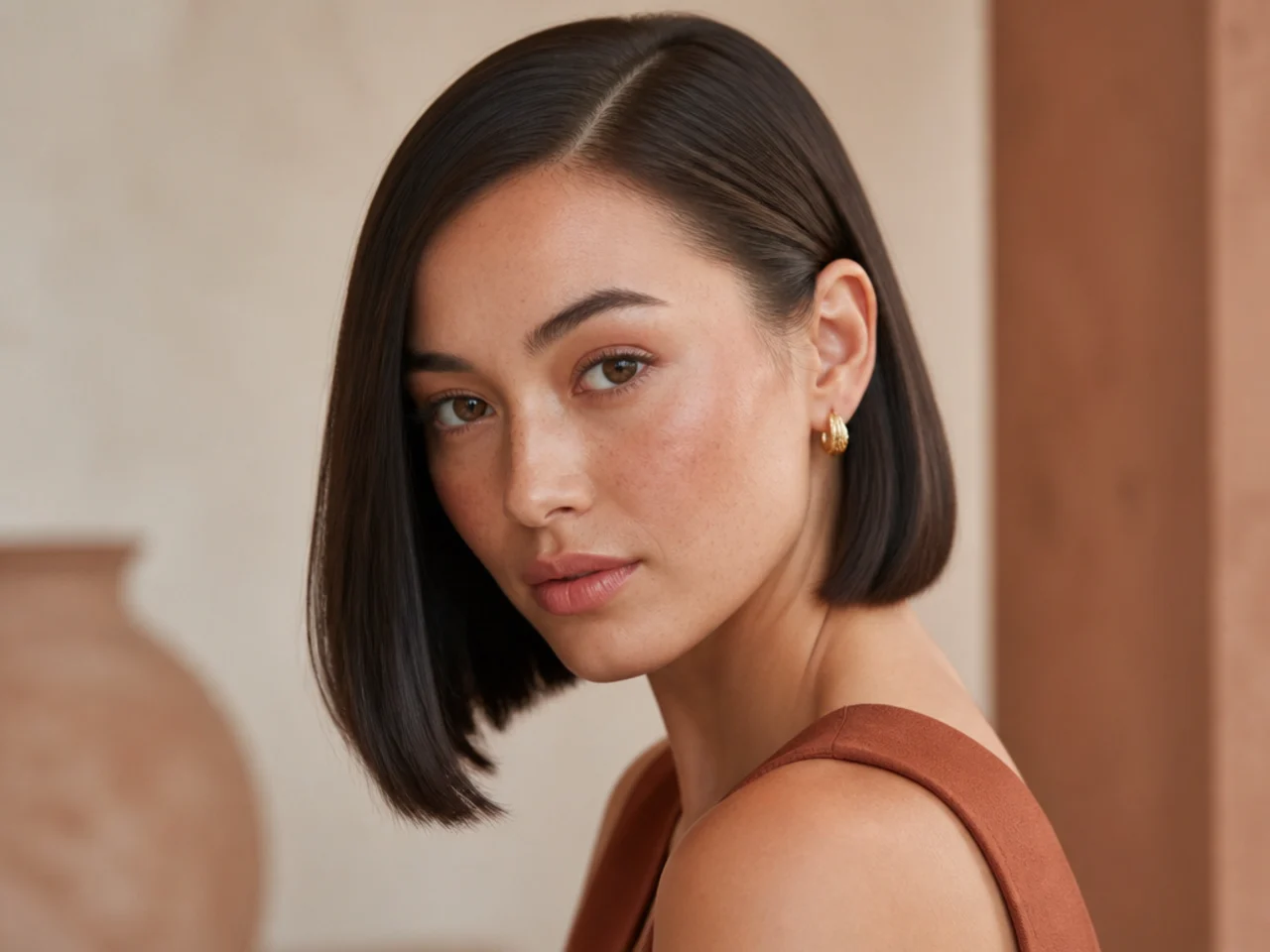
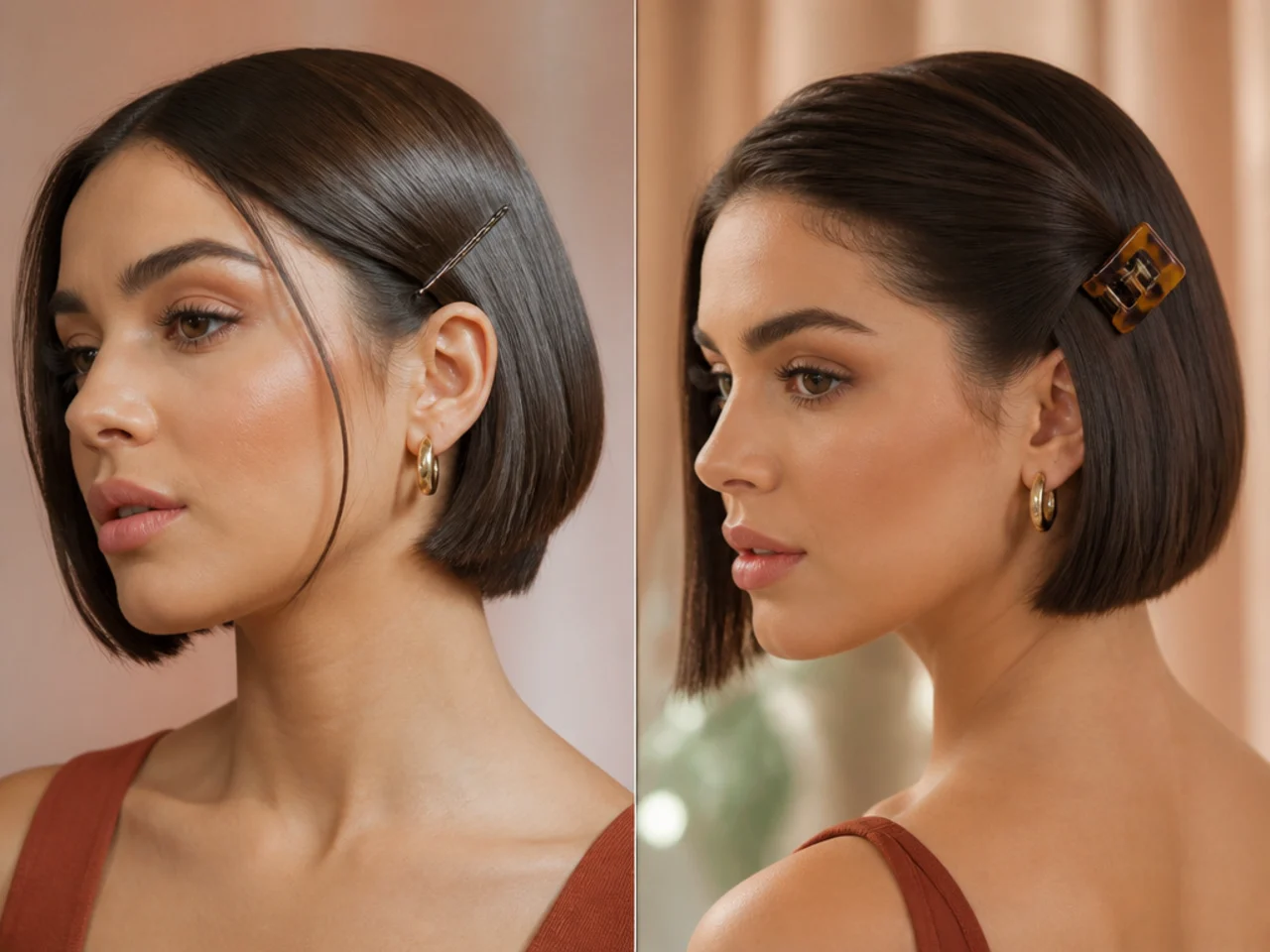
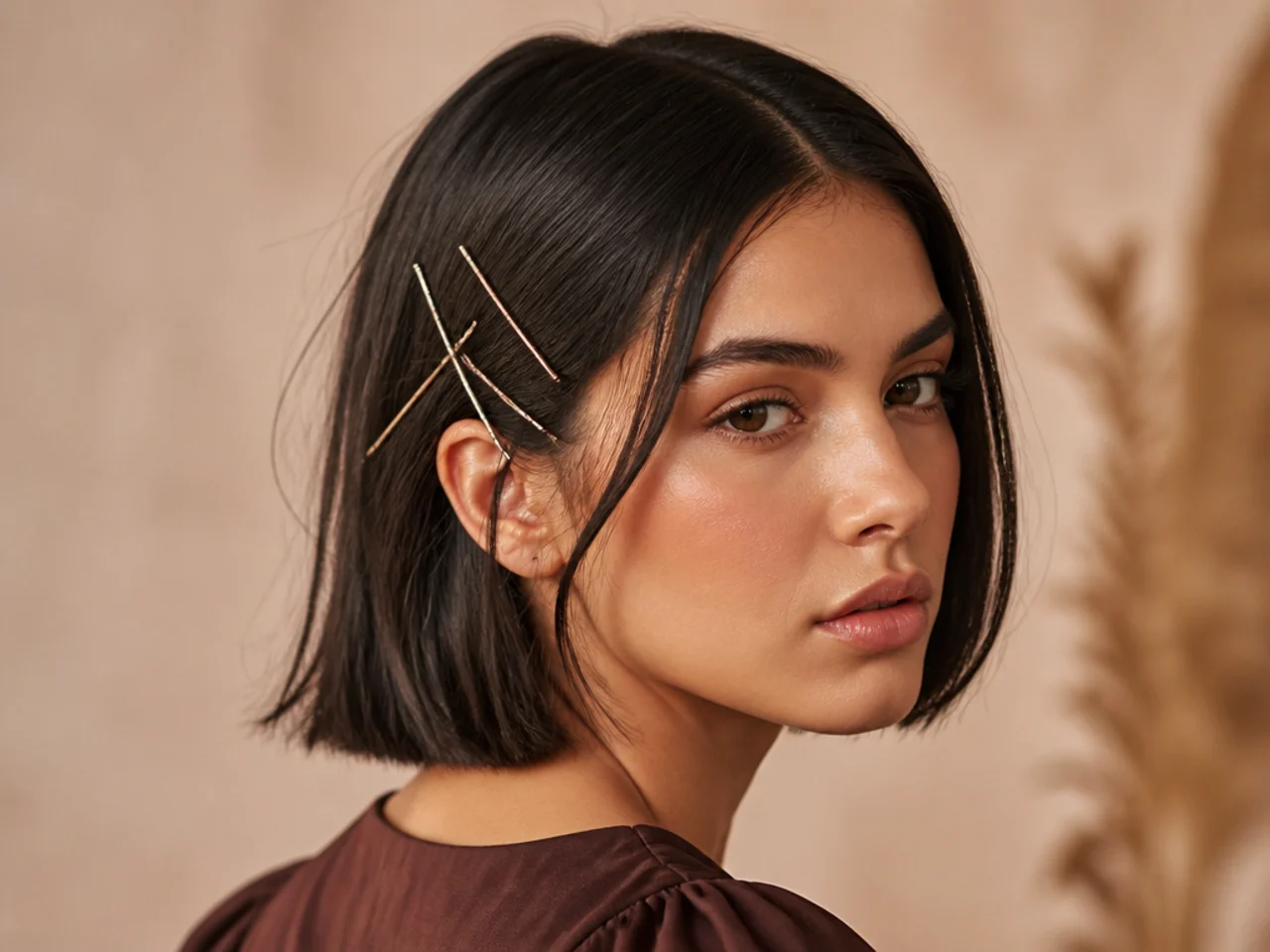
5. Crossed Pins with Texture Spray
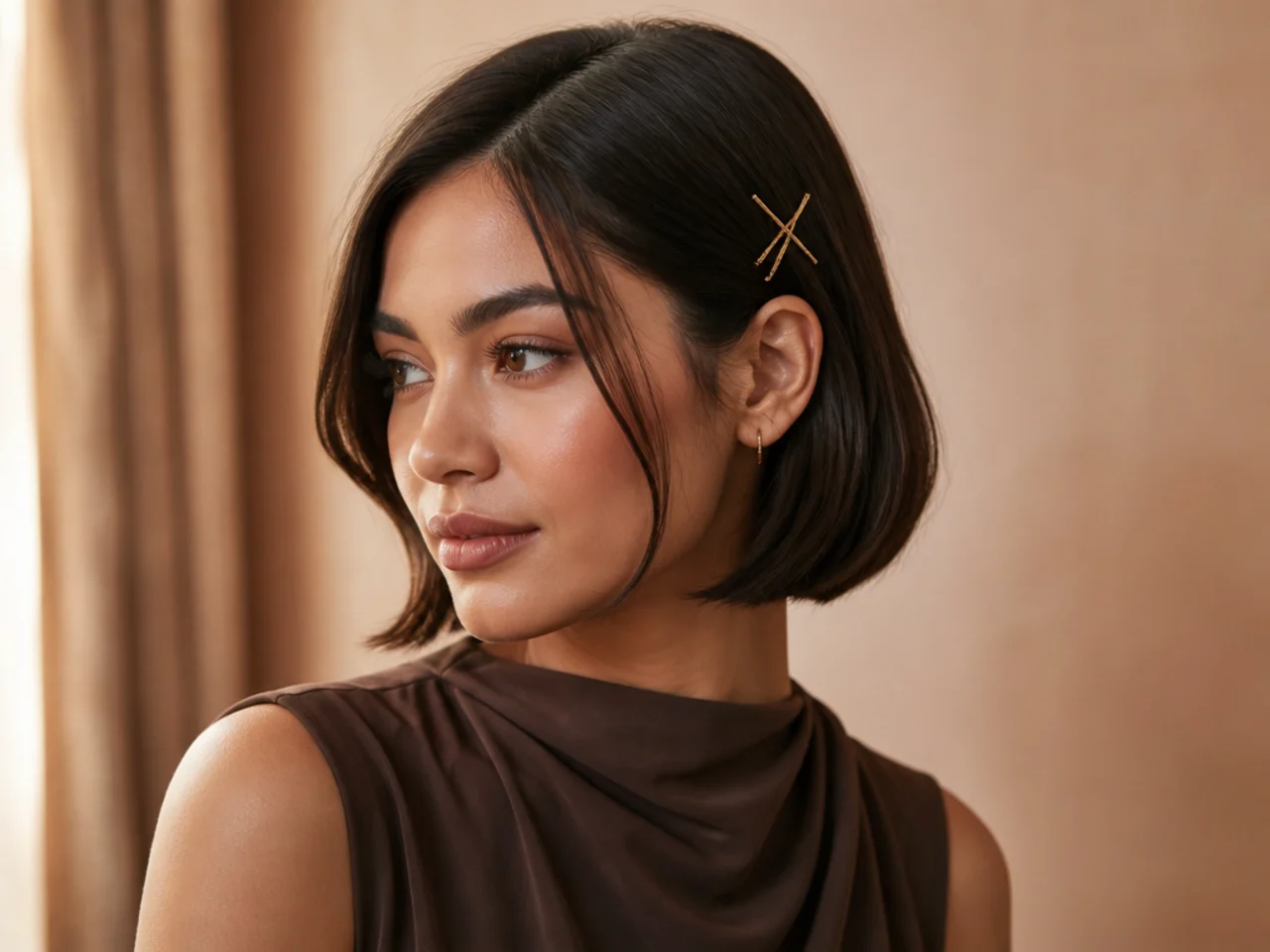
Pins made viable — friction added, then locked in an X. The spray supplies the texture the hair lacks and the crossed pins lock against each other, so the two fixes address the two separate reasons a pin fails here.
6. Tiny Low Bun
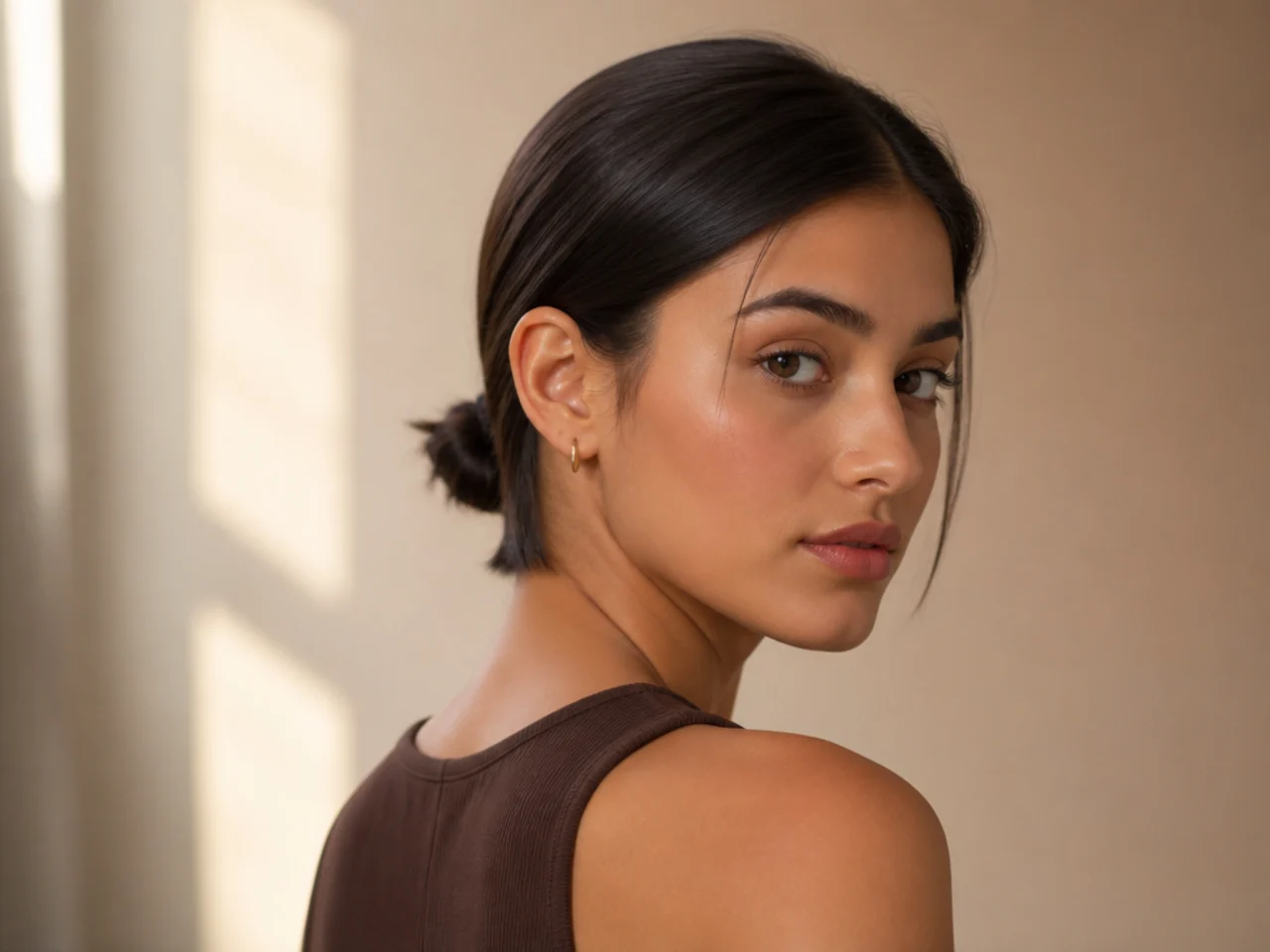
Just enough length to gather, held with one small tie. Around chin length is the threshold — below that a tie has nothing to close around and the gather slips out as a whole.
7. Half-Up with a Small Tie
Less to hold, so less to slip. A half-up gathers perhaps a third of the hair, which reduces both the weight pulling down and the number of short pieces trying to escape.
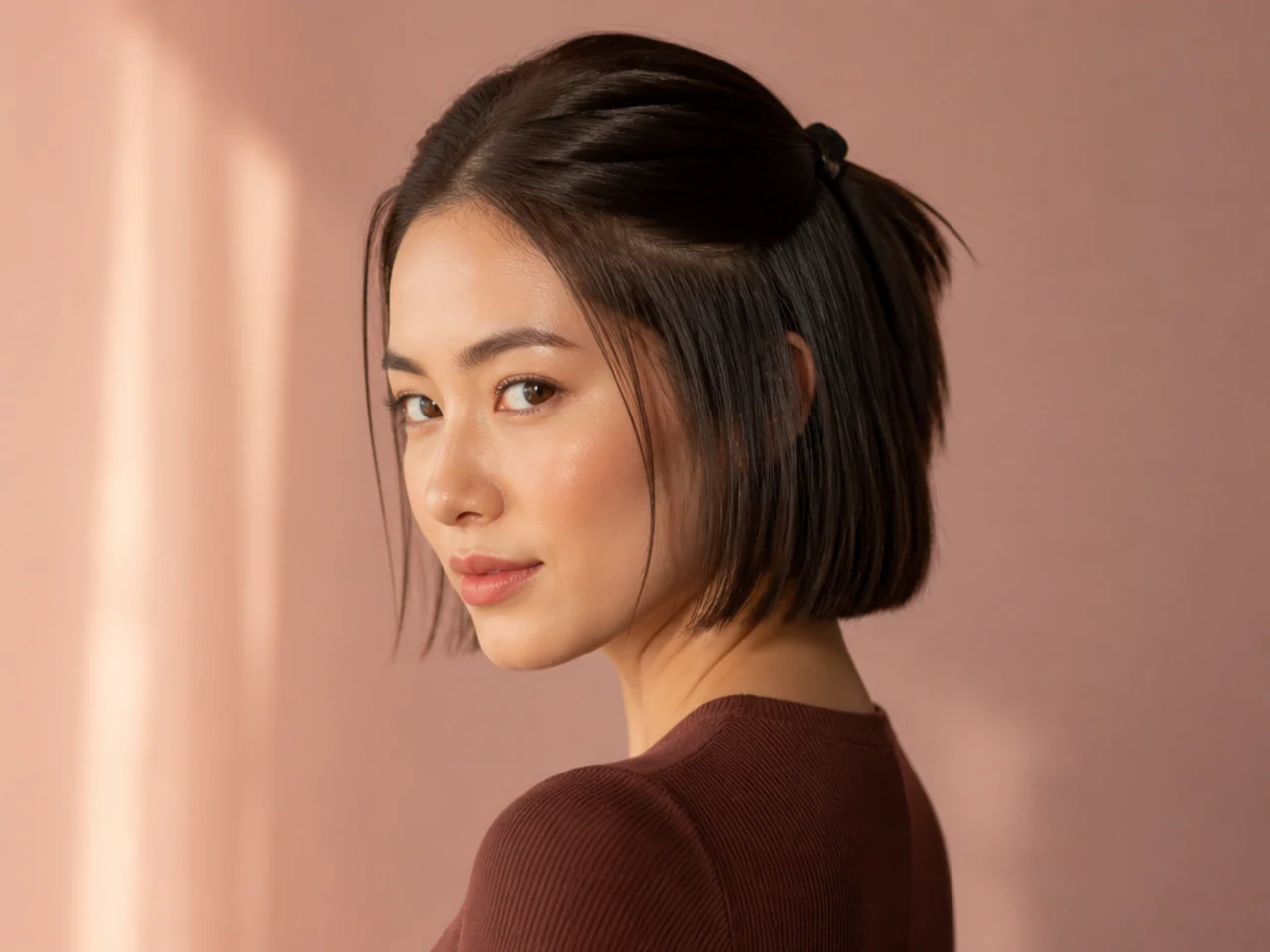
8. Two Small Clips at the Sides
Clamped at both temples. Very neat. The temples are where short layers fall forward most, so two small clips solve the specific problem rather than the general one.
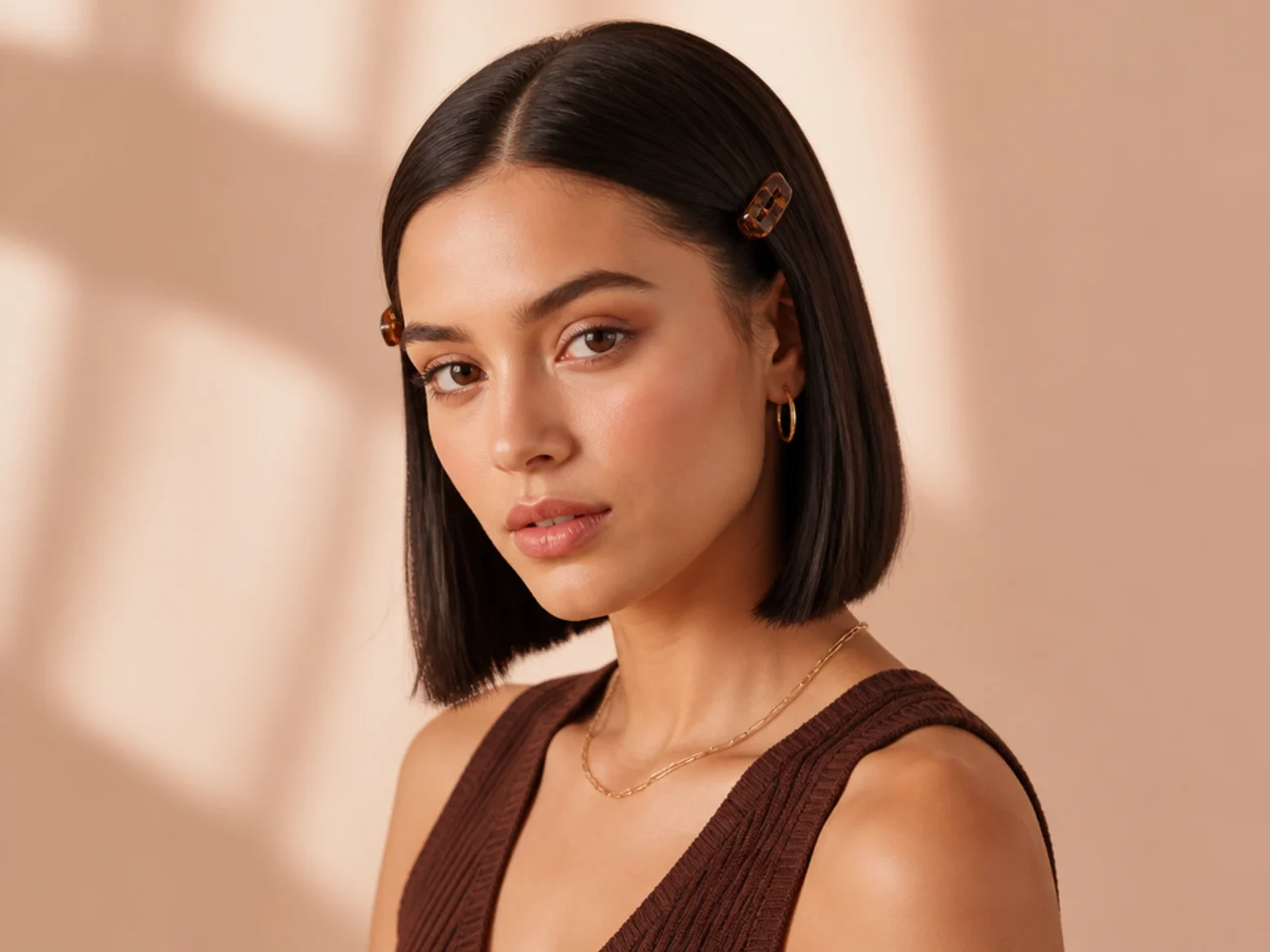
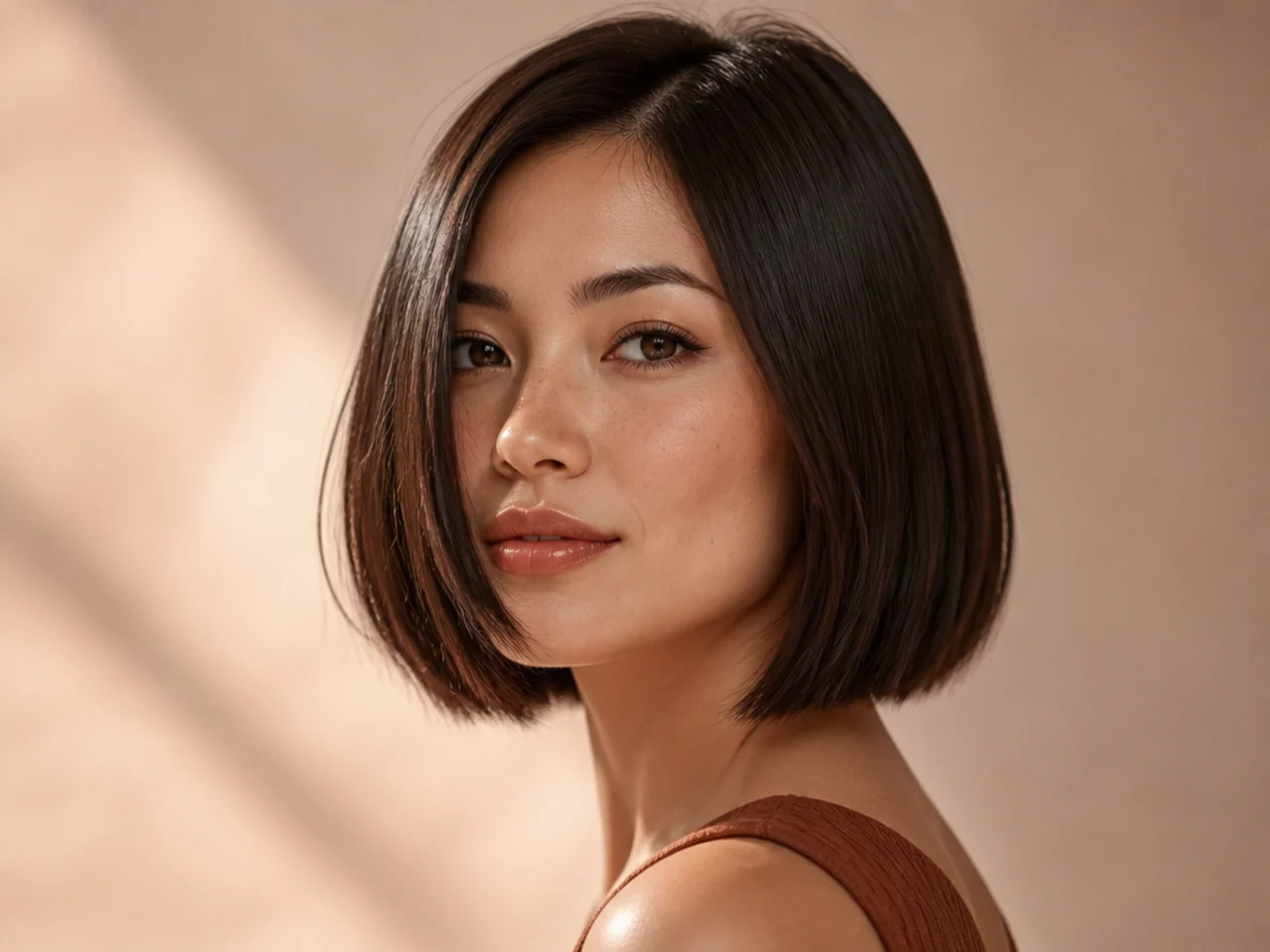
9. Sleek Bob, Middle Part
The cut doing everything. No tools required. A blunt bob has a defined edge, and that edge is what reads as styled — there is nothing to add to it.
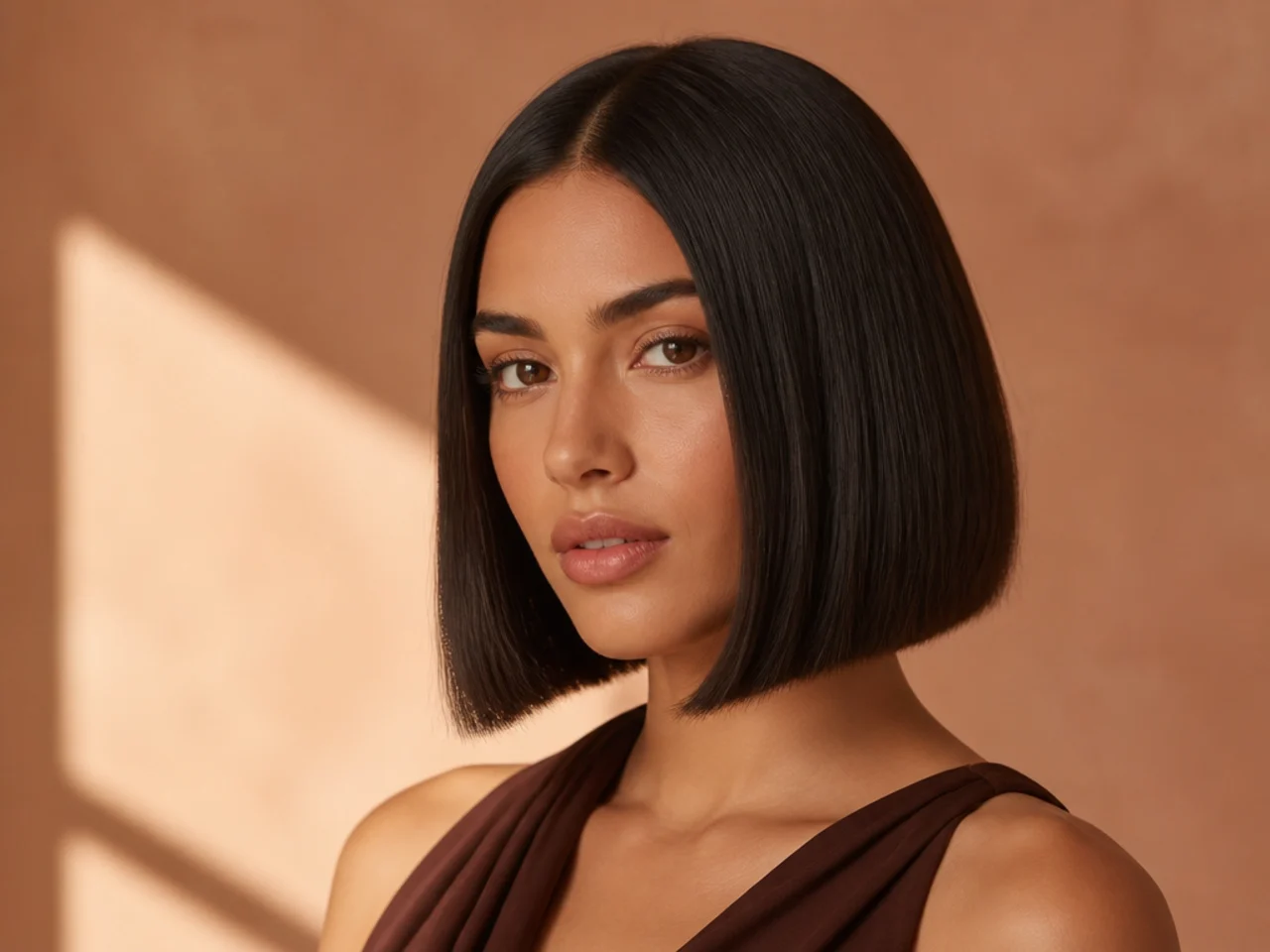
10. Deep Side Part on a Bob
One line, and it changes the whole shape. A deep part pushes more weight onto one side, which gives a bob asymmetry and some lift at the parting without any product.
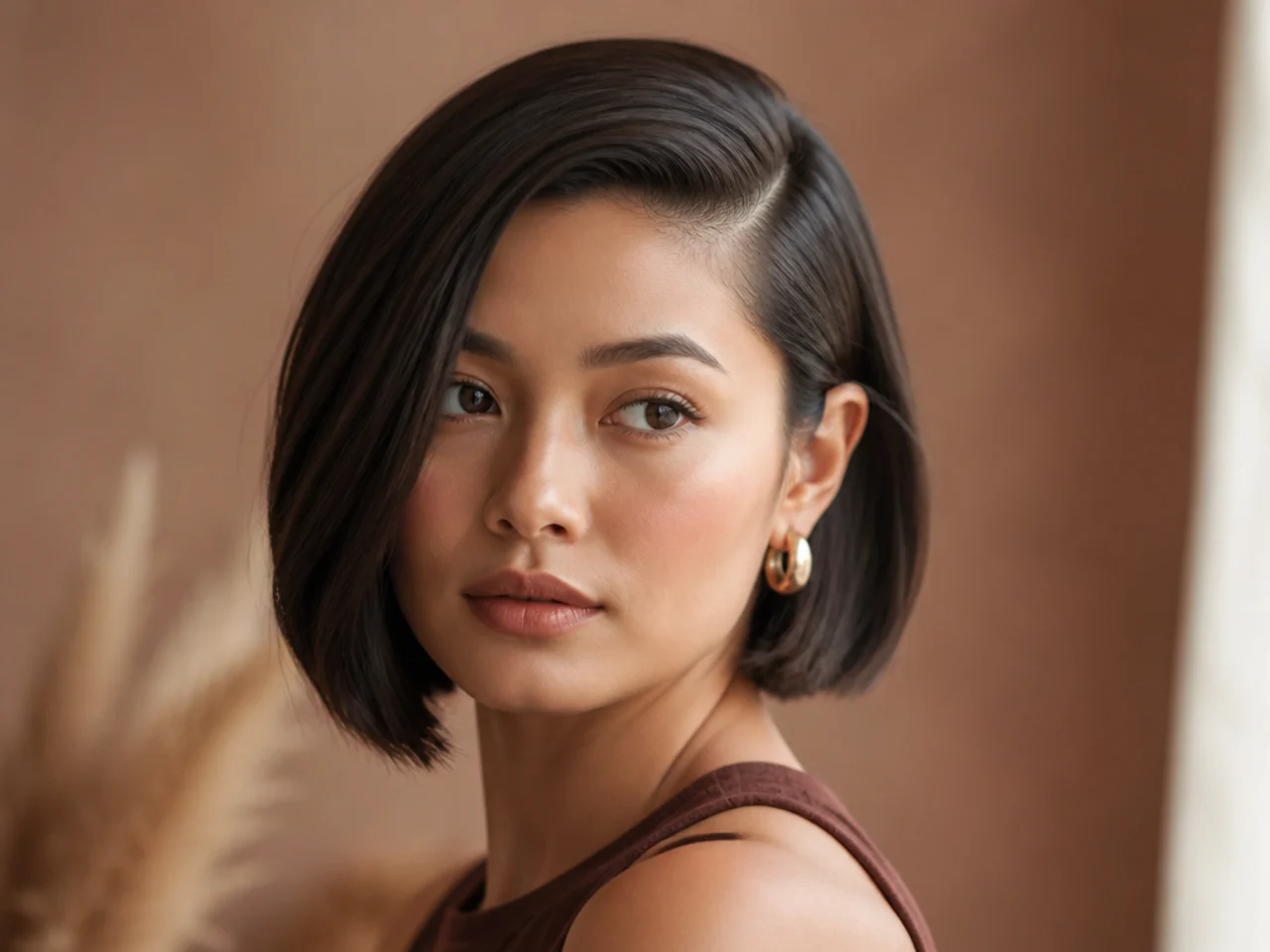
11. Bob with Root Volume
Dried in from wet, which is the only way it holds. Volume set while the hair is drying is set into the shape of each strand; volume added to dry hair sits on the surface and drops within an hour.
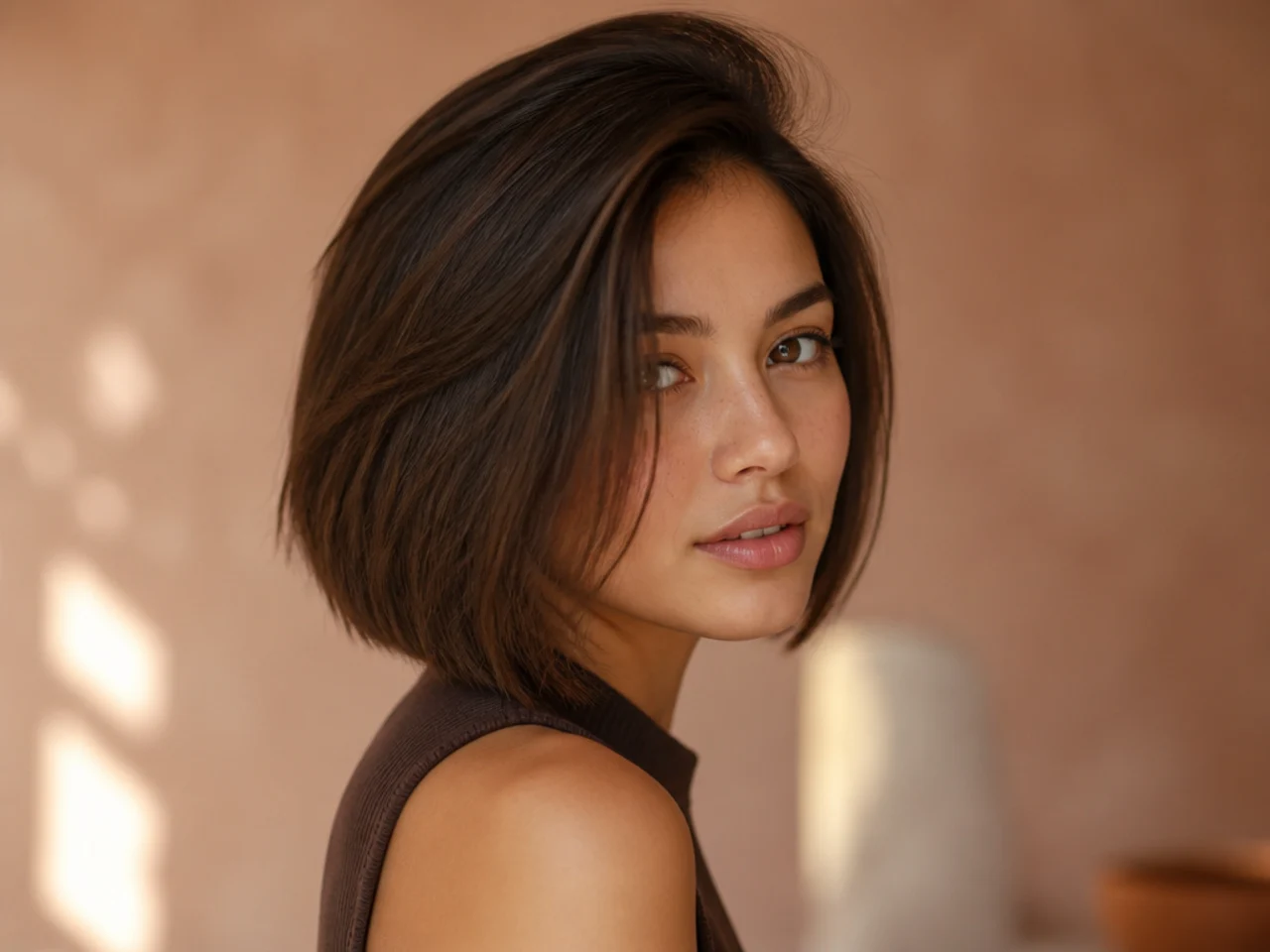
12. Slicked Short Style
Product supplying the grip that length cannot. Gel or pomade turns the whole head into one held shape, which sidesteps the problem of individual short pieces having nothing to hold onto.
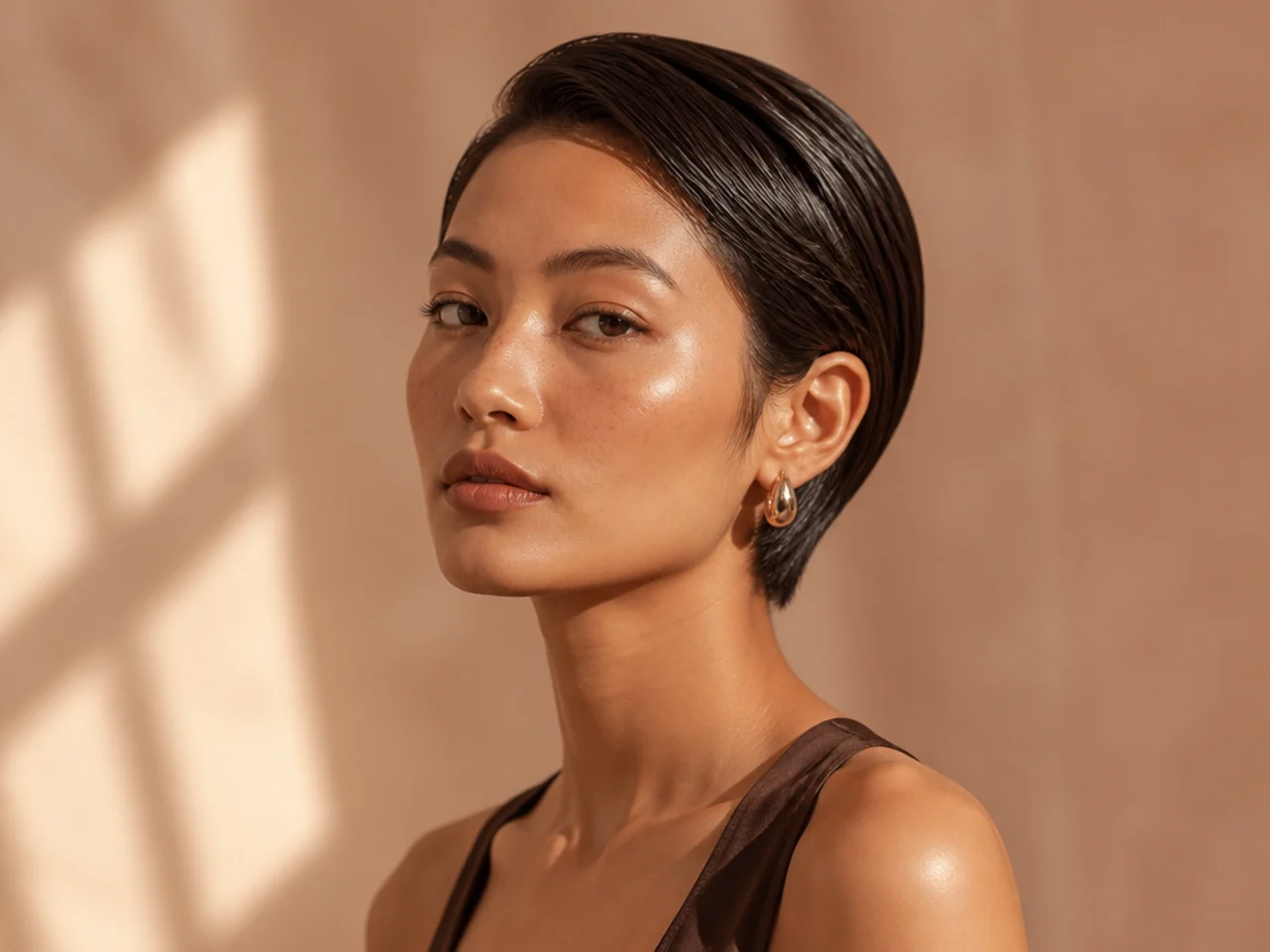
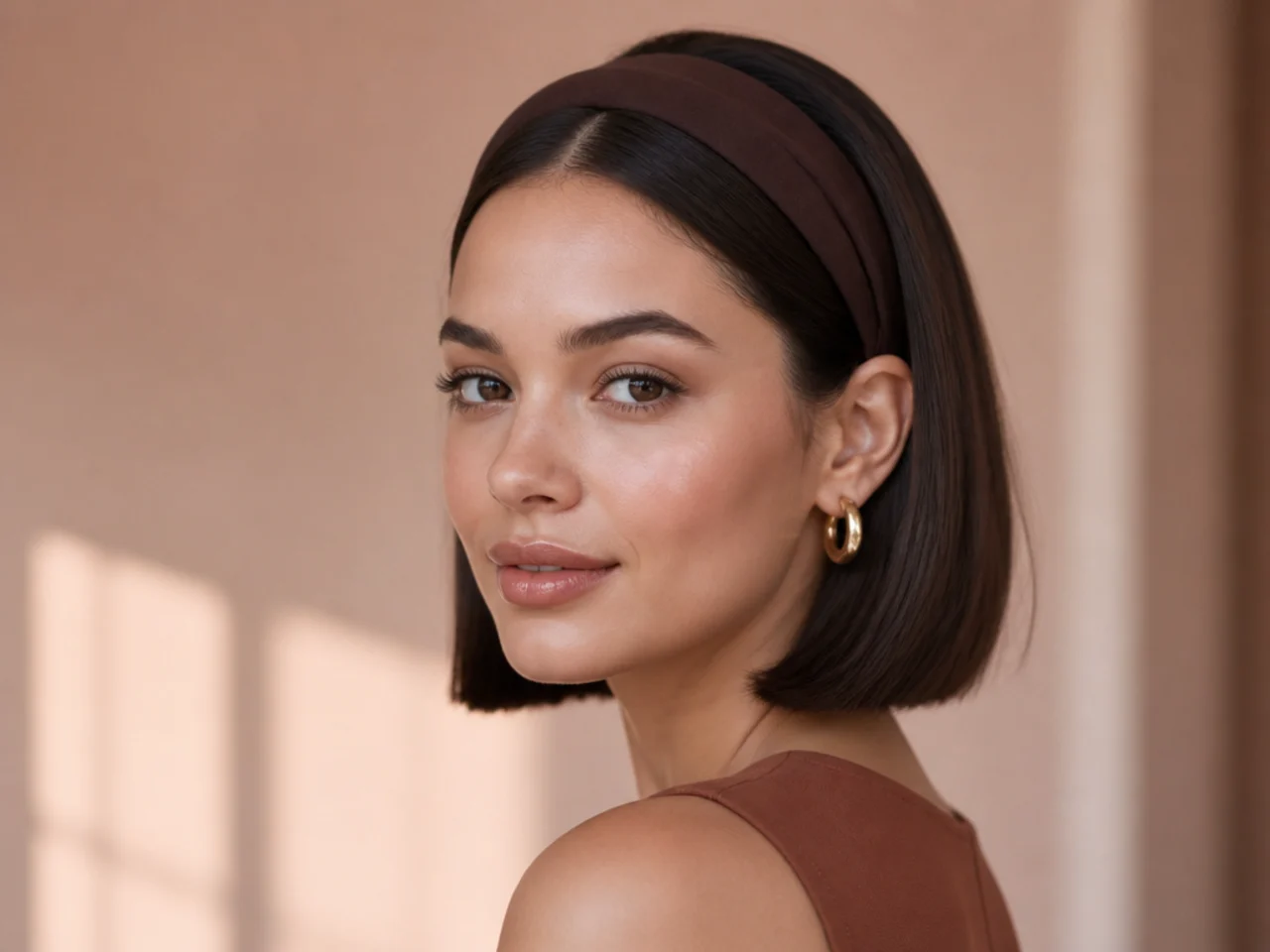
13. Short Hair with a Wide Band
Bands hold at lengths where nothing else will. A wide band spreads its tension over several inches of scalp, so it stays put even when there is no length for it to grip.
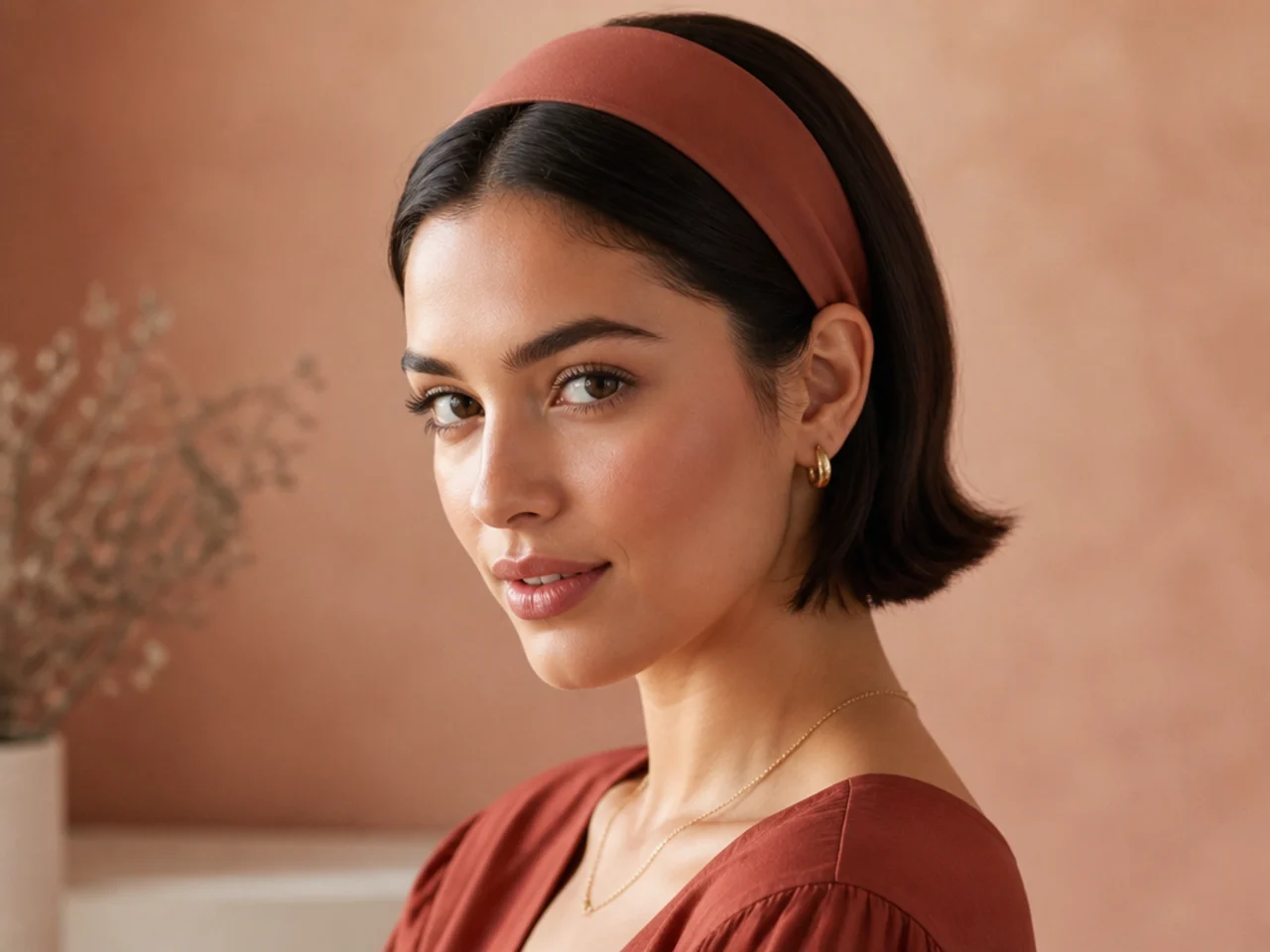
14. Short Hair on Second Day
Grip already present, so pins become an option. A day of natural oil gives short straight hair the friction it does not have clean, which is why day two is when pinned styles start working.
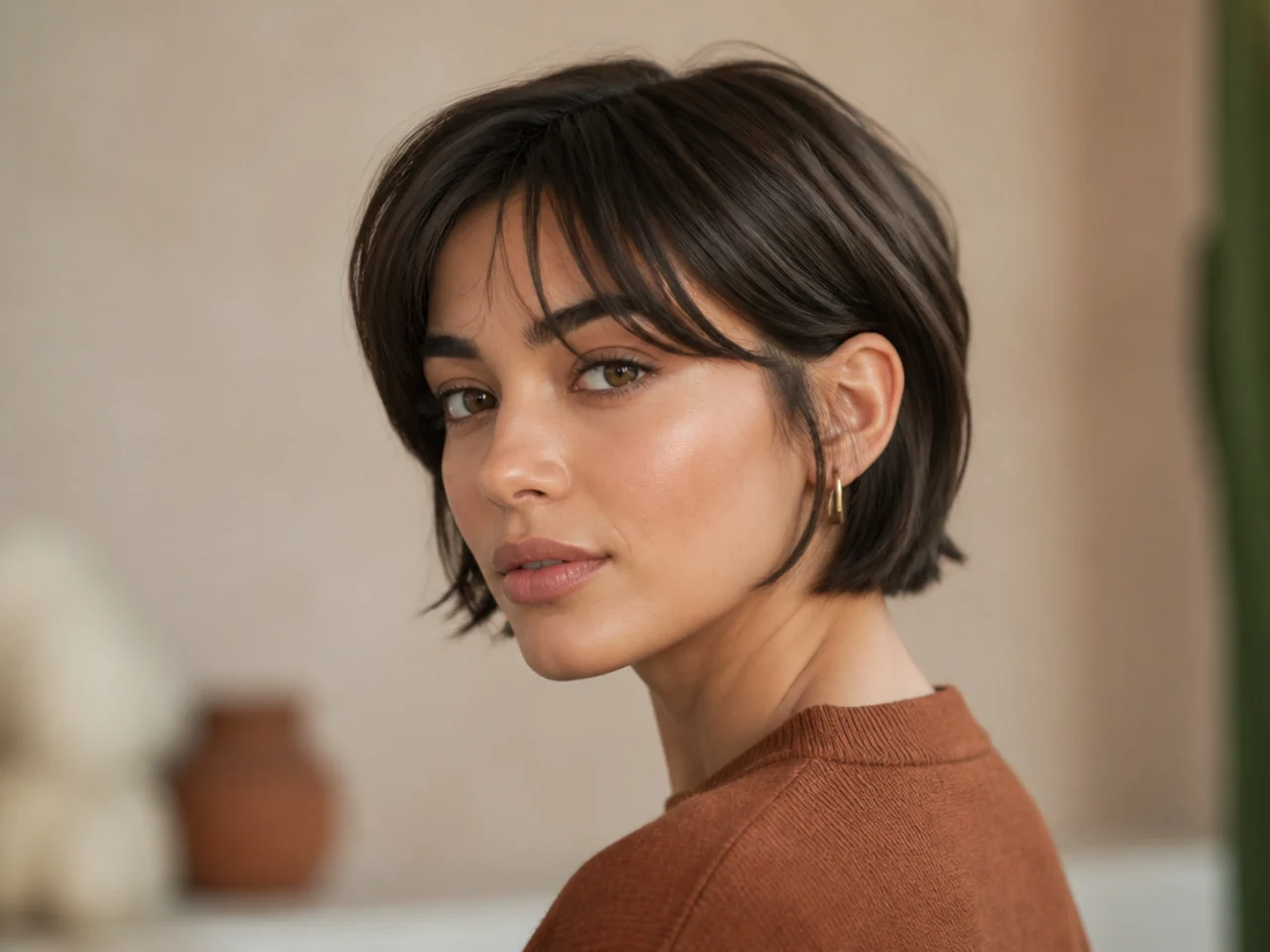
15. A Pin in Clean Short Hair
Out within the hour. The tool mismatch, demonstrated. Clean, short, straight hair gives a pin nothing to grip along and nothing to catch on, so it works itself loose with ordinary head movement.
Styling and Upkeep
Keep two small claw clips to hand. They do the work pins cannot.
Texture spray before any pin. Otherwise do not bother with the pin.
Cross every pin you do use. Parallel pins slide straight out.
Trim every six to eight weeks. Short shapes carry more, and they soften fast.
Dry the roots up from wet. The only volume that lasts at this length.
Mistakes to Avoid
Reaching for pins first. They are the wrong tool at this length.
Parallel pins. They have nothing to lock against.
Pinning clean hair. No friction at all.
Expecting product to fix a length problem. A clip does it better.
Stretching the trim. The cut is doing more work than at any longer length.
FAQ
Why do pins fall out? They hold by friction, and short straight hair has none. Not enough length to grip along, and no texture to catch on.
What holds better? Clips and bands — they clamp rather than grip. Mechanical hold does not care how much friction the hair has.
How do you make pins work? Texture spray first, then cross them into an X. That addresses both failure modes at once.
Final Thoughts
Swap your grips for two small claw clips. Pins are the default recommendation in almost every short-hair tutorial and they are the one tool this hair type genuinely defeats — a clip holds because of how it is built, which is exactly what hair with no grip needs.
For long lengths, where weight rather than grip is the problem, see 20 hairstyles for long straight hair. More in Women's Hairstyles.