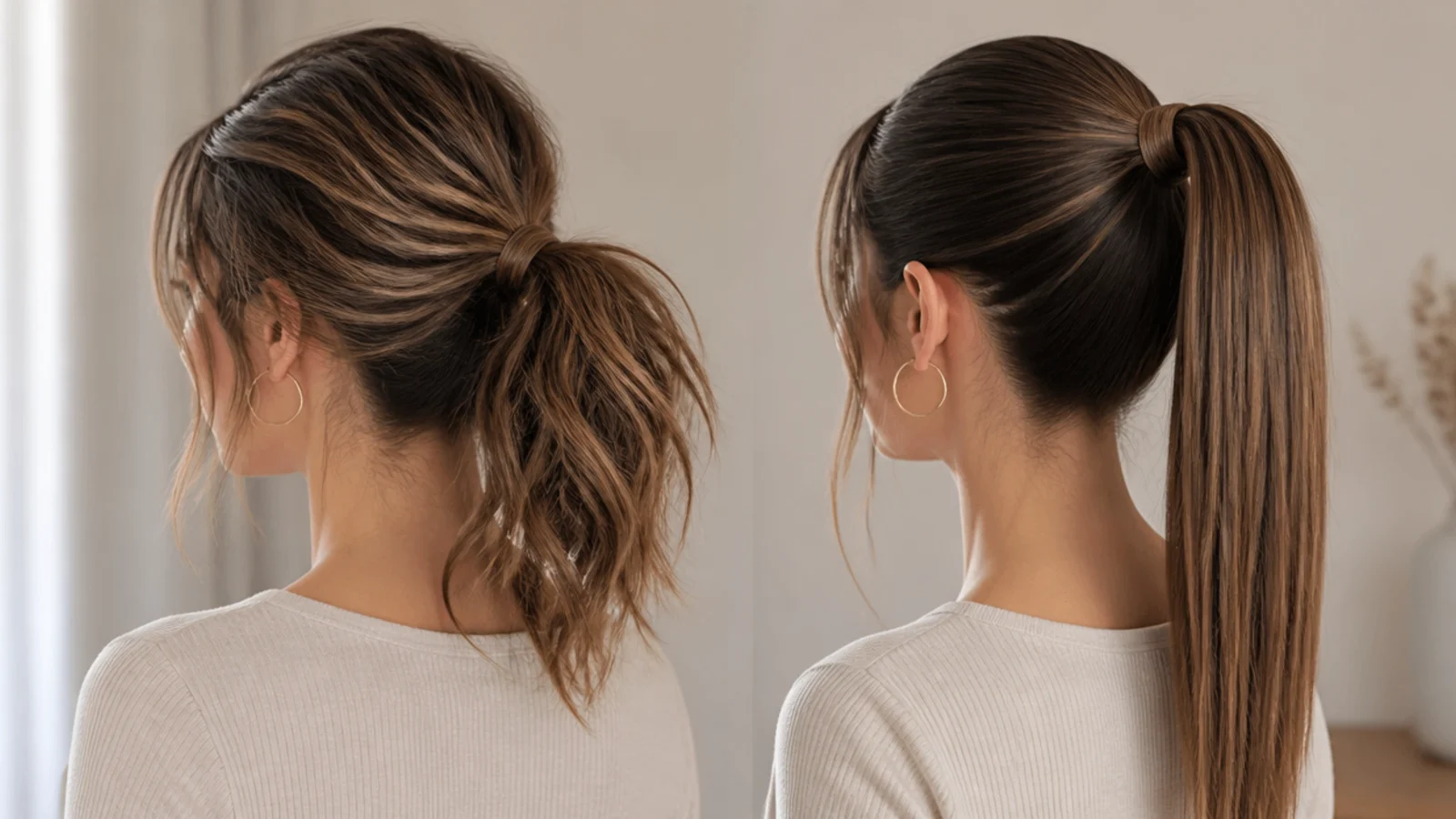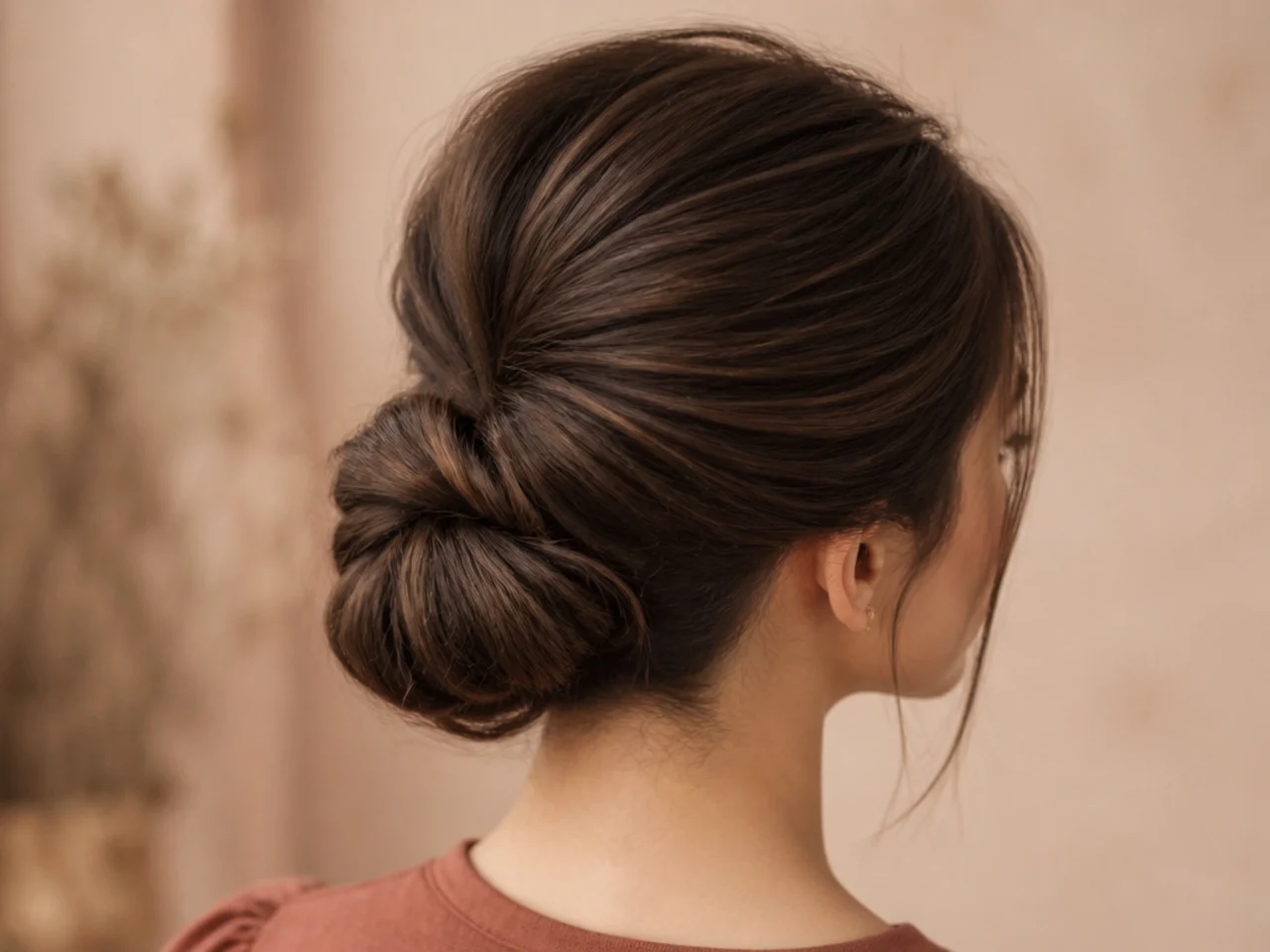
20 Simple Bun Tutorials for Every Hair Type
Twenty bun tutorials sorted by hair type, and the single variable behind all of them — friction. Fine hair has too little to hold a bun, thick hair has too much to wind neatly, and every adjustment follows from that.
In this article · 27
- What Changes by Hair Type
- How to Choose Yours
- The 20 Bun Tutorials
- 1. Fine Hair — Backcombed Base Bun
- 2. Fine Hair — Texture Spray Bun
- 3. Fine Hair — Scrunchie Bun
- 4. Fine Hair — Looped Half Bun
- 5. Thick Hair — Two-Section Bun
- 6. Thick Hair — Twisted Rope Bun
- 7. Thick Hair — Pinned Flat Bun
- 8. Thick Hair — Low Bun with Two Ties
- 9. Curly Hair — Gathered Without Combing
- 10. Curly Hair — Pineapple Bun
- 11. Curly Hair — Low Puff Bun
- 12. Wavy Hair — Twisted Low Bun
- 13. Straight Hair — Wrapped Bun
- 14. Straight Hair — Claw Clip Twist
- 15. Short Hair — Partial Bun
- 16. Short Hair — Pinned Half Bun
- 17. Long Hair — Wound and Pinned
- 18. Long Hair — Double-Loop Bun
- 19. Any Type — Second-Day Bun
- 20. Clean Fine Hair with No Product
- Styling and Upkeep
- Mistakes to Avoid
- FAQ
- Final Thoughts
Bun tutorials usually fail on one hair type and work perfectly on another, and it is rarely the technique that is wrong.
A bun is held by friction between strands, and every hair type has a different amount. Fine smooth hair has too little to grip itself. Thick hair has plenty but fights being wound. Curly hair has the most of all and needs almost nothing.
Every adjustment below follows from that one variable.
What Changes by Hair Type
Fine hair needs friction added. Texture spray, dry shampoo or a backcomb at the base. Without it there is nothing for the strands to hold on to.
Thick hair needs the bulk divided. One thick rope coils large and loose; two thinner ones wrap tighter and smaller.
Curly hair needs to be left alone. Combing before gathering separates the clumps that give curl its natural grip.
Short hair needs a smaller target. Not a full bun but a partial one, with pins doing what length cannot.
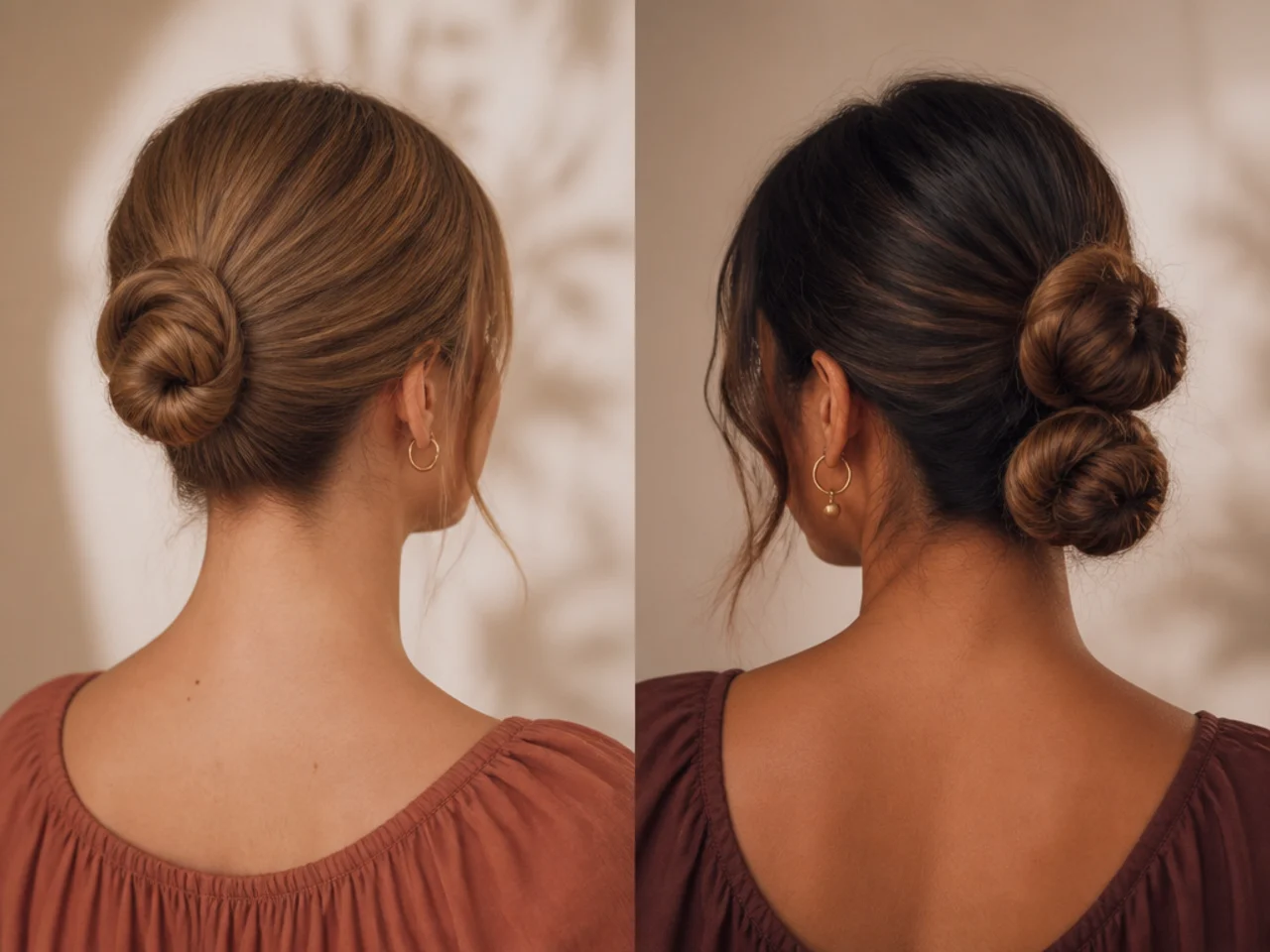
How to Choose Yours
Work out which problem you have. Slipping is a friction problem. Bulk is a division problem. They have different fixes.
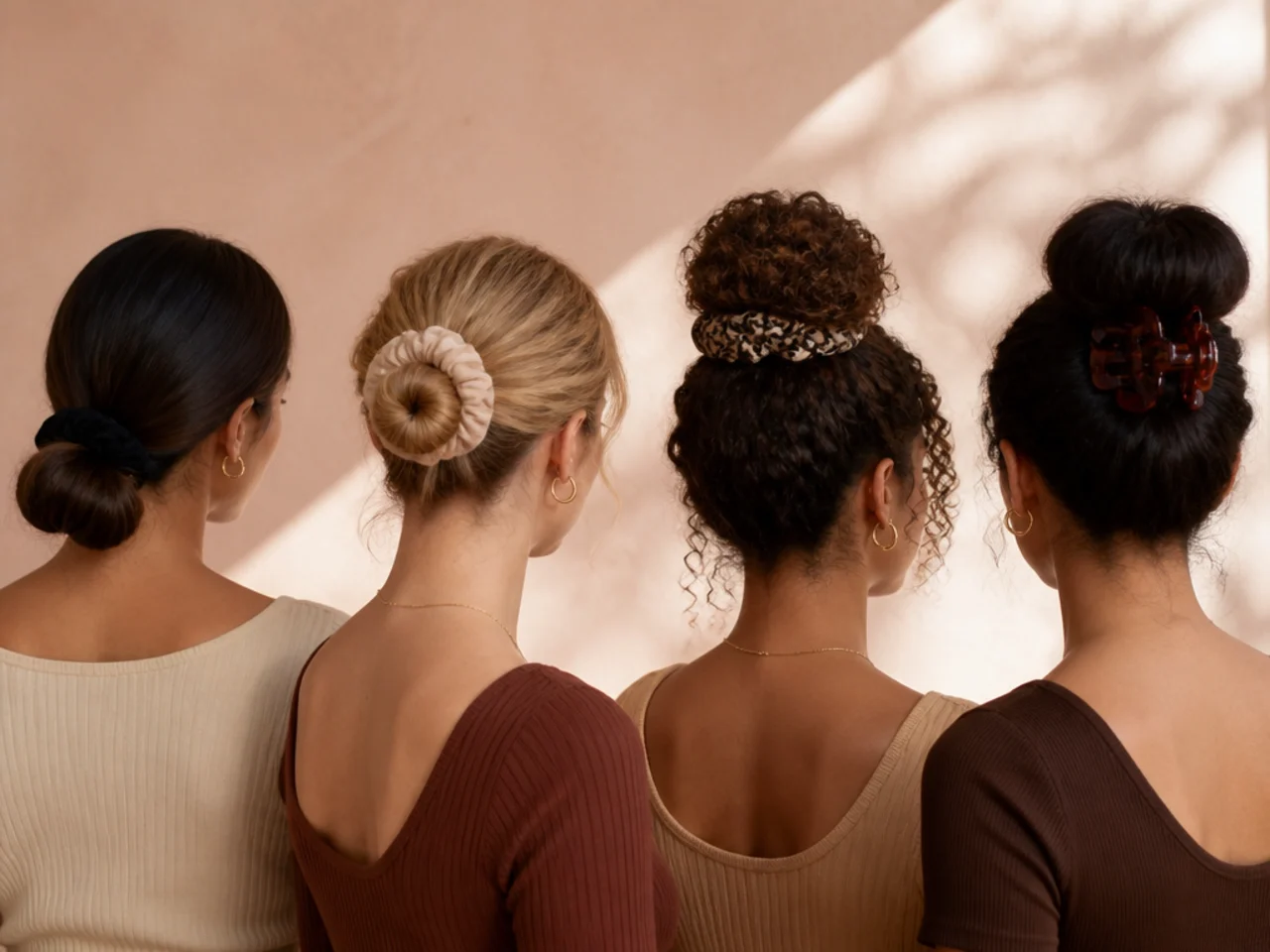
Match the tie to your density. Fabric for fine, strong and thick for dense hair, a claw for anything in between.
Start second-day where possible. Every hair type holds better with a day of natural oil in it.
Do not fight your texture. Curly hair gathered without combing looks better than curly hair forced smooth.
The 20 Bun Tutorials
1. Fine Hair — Backcombed Base Bun
Friction built in at the root before anything is gathered. Backcomb only where the tie will sit — that is the one place fine hair needs grip and the only place it will not show.
2. Fine Hair — Texture Spray Bun
Sprayed through the mid-lengths, then gathered. Spray before gathering, never after, because once it is up the product cannot reach the strands doing the holding.
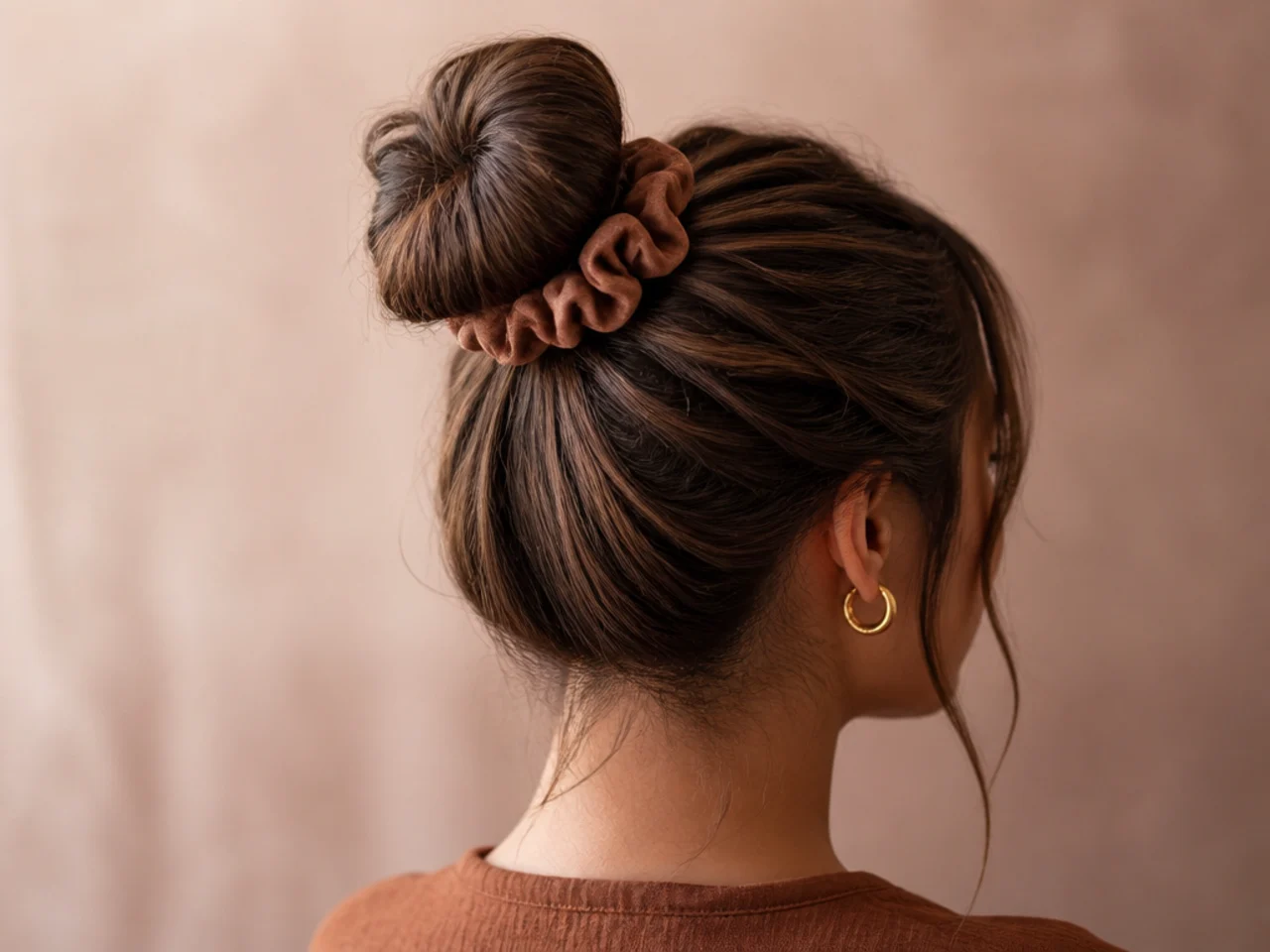
3. Fine Hair — Scrunchie Bun
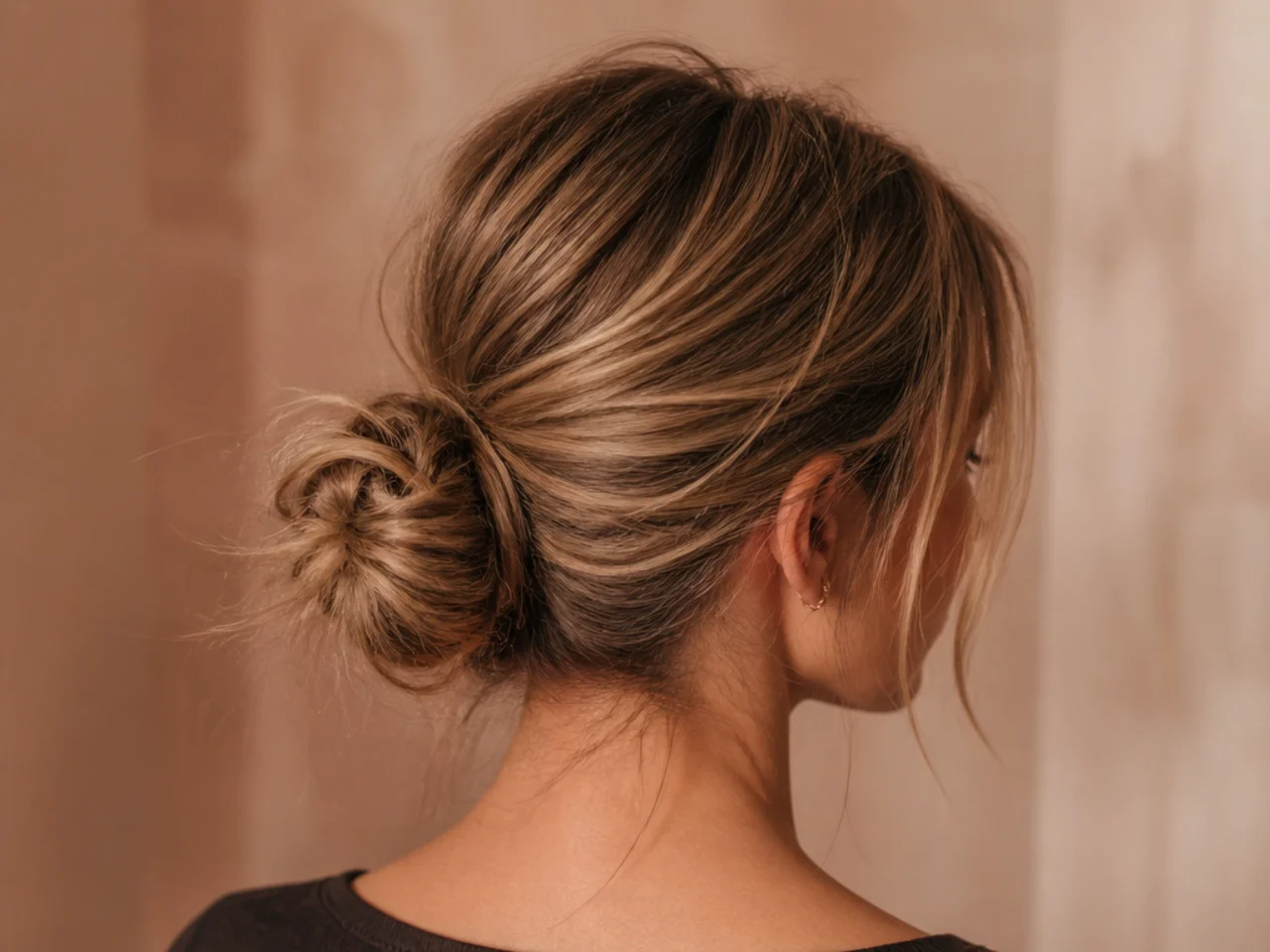
Fabric grips where a bare elastic slides off. It also spreads its pressure over a wider band, which matters on fine hair because a bare elastic snaps it at the tie point.
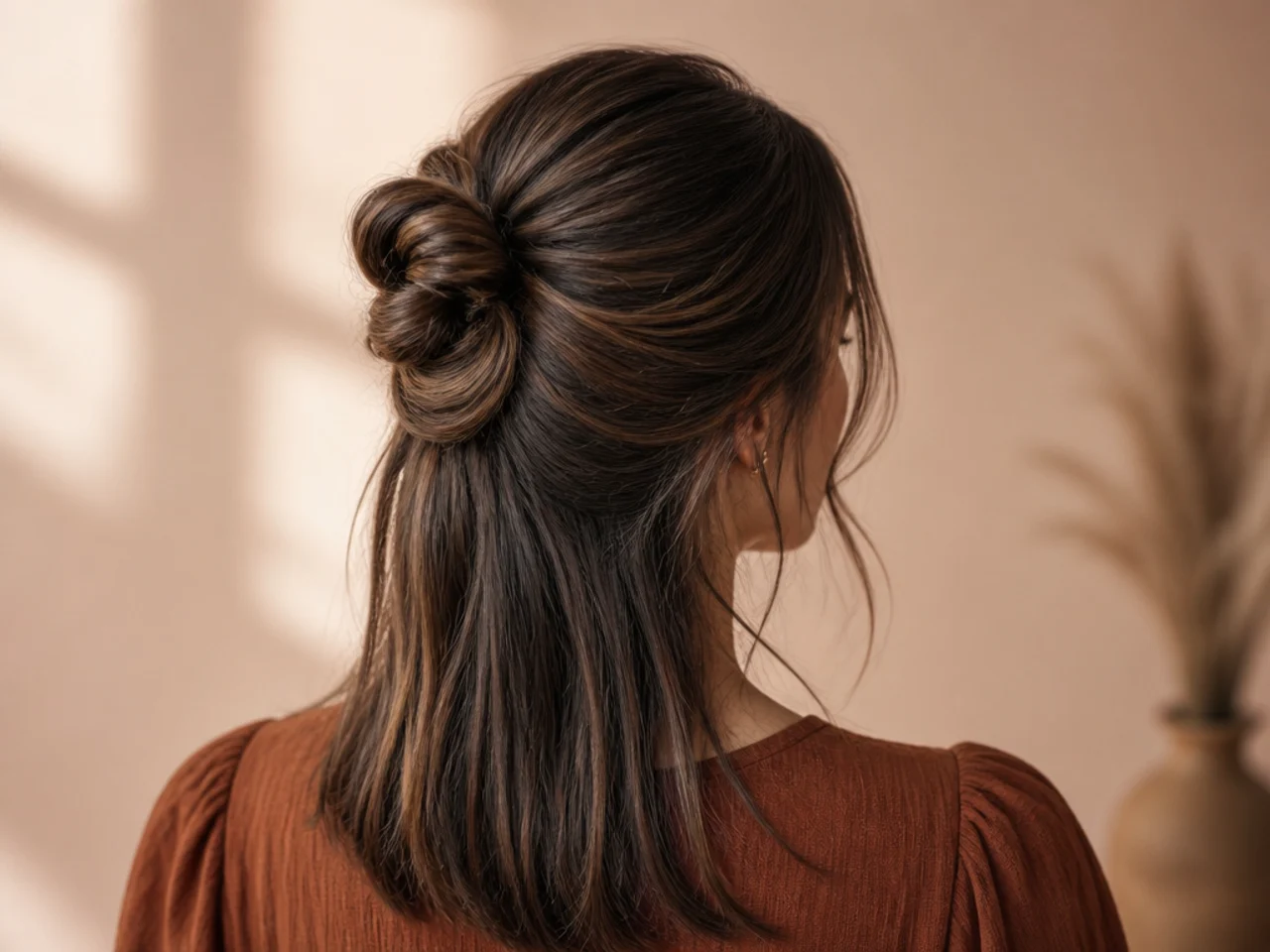
4. Fine Hair — Looped Half Bun
Less weight to hold, so less to slip. A half bun gathers perhaps a third of the hair, well inside what fine hair can hold without any product at all.
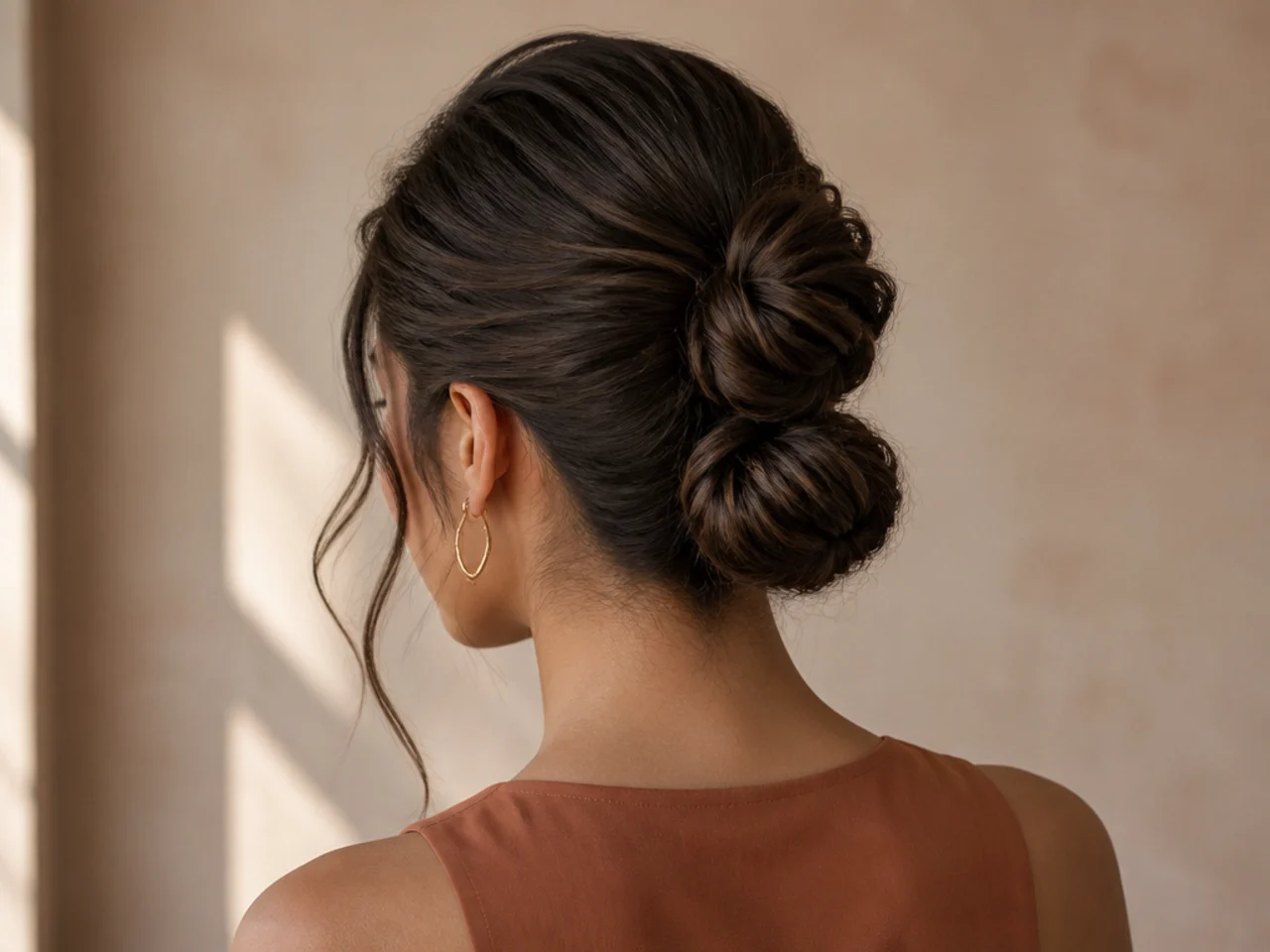
5. Thick Hair — Two-Section Bun
Divided and wound separately. The main fix for bulk. Two smaller coils each sit within what a tie can close around, where one rope of the same mass exceeds it.
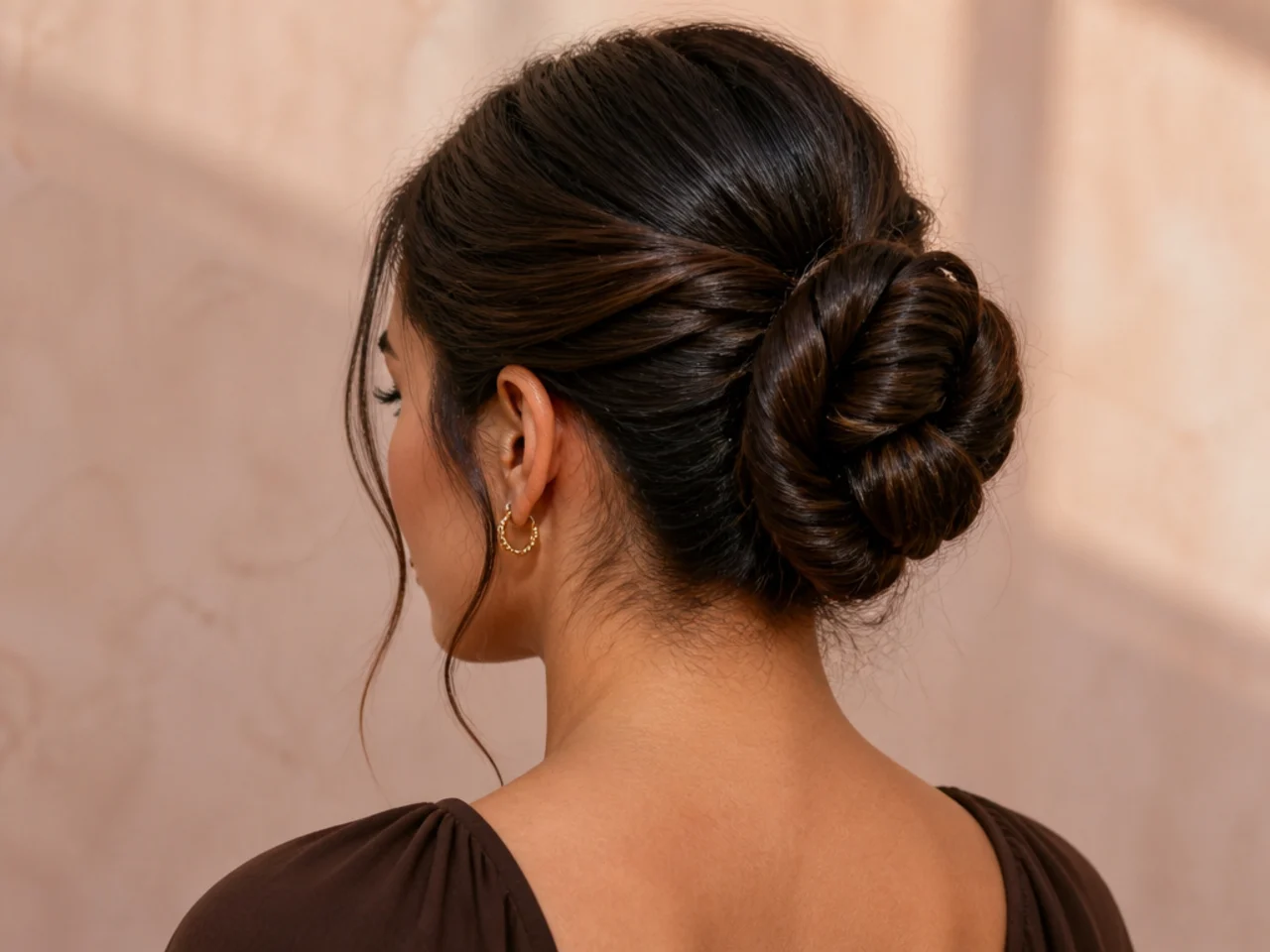
6. Thick Hair — Twisted Rope Bun
Twisted tightly before coiling, which reduces the diameter. A twisted rope is denser and narrower than the same hair loose, so it wraps into a tighter spiral.
7. Thick Hair — Pinned Flat Bun
Coiled flat and pinned rather than looped through a tie. Pinning lets you press the coil against the head, where a tie can only hold it at one point and lets it stand proud.
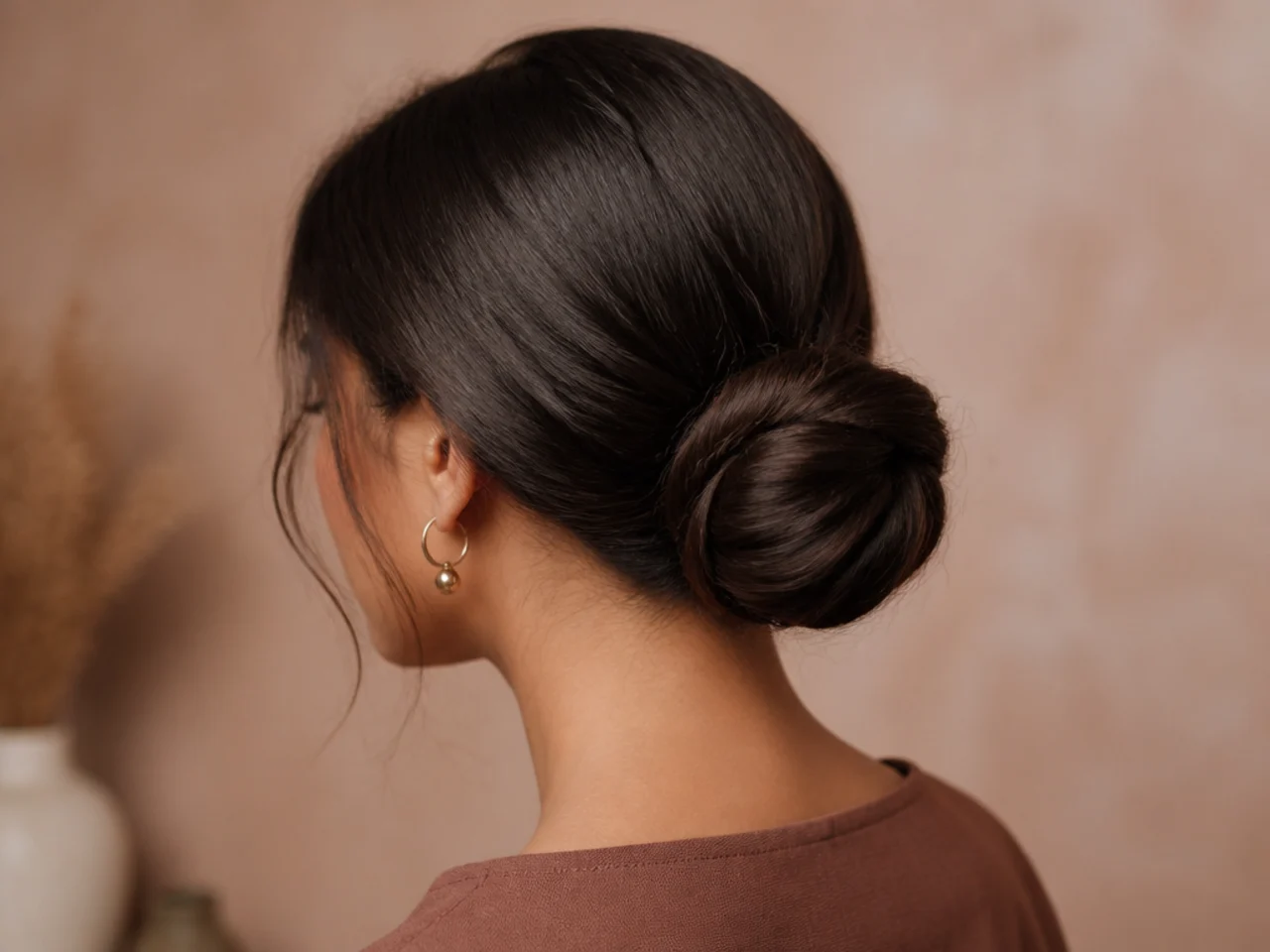
8. Thick Hair — Low Bun with Two Ties
Two fastenings sharing the weight instead of one. Placed a few inches apart, neither carries the full load, which stops the whole bun migrating downwards.
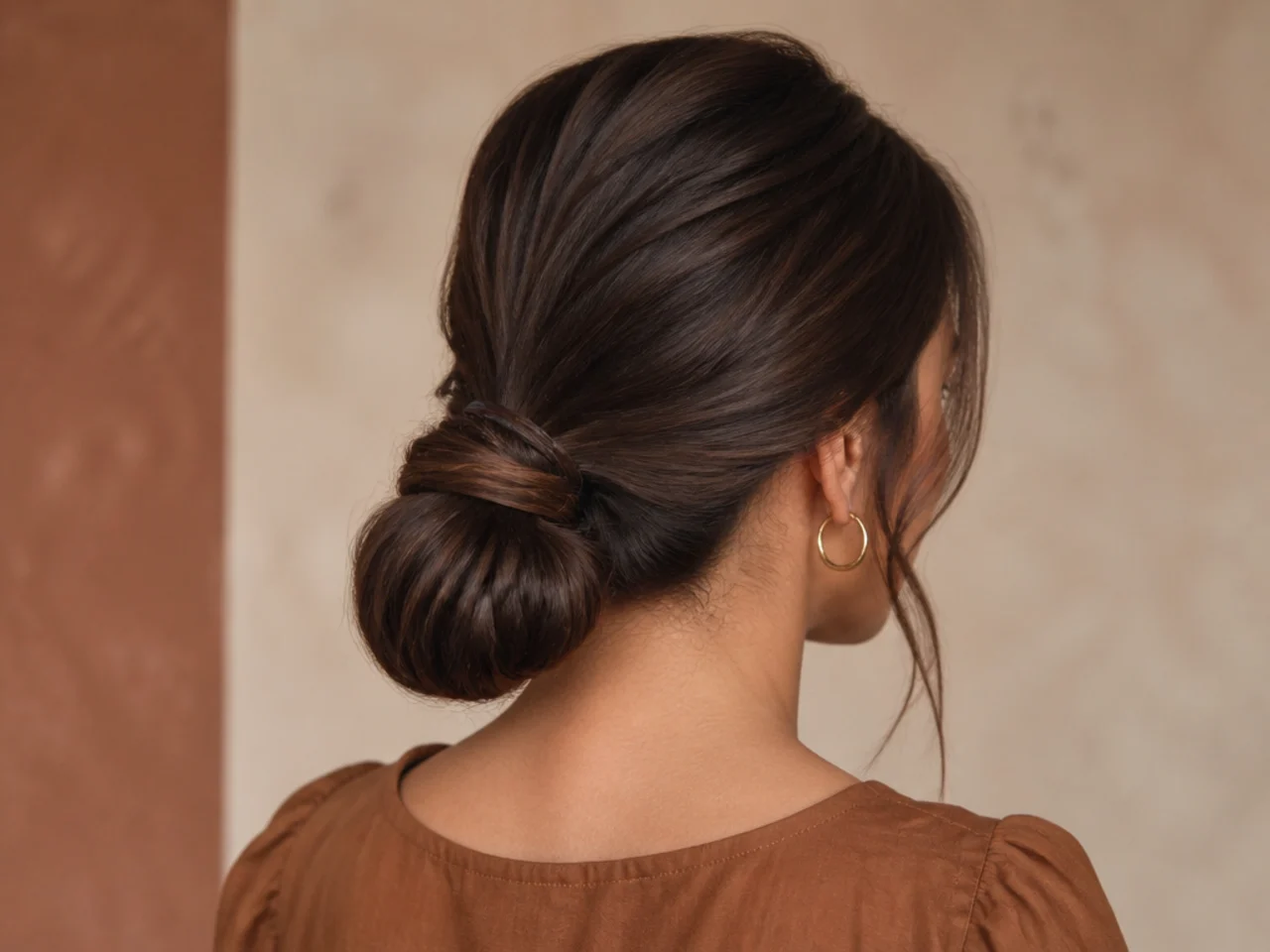
9. Curly Hair — Gathered Without Combing
Curl clumps left intact, which is where the grip comes from. A clump is many strands already holding each other, and combing it apart destroys exactly the friction you are about to rely on.
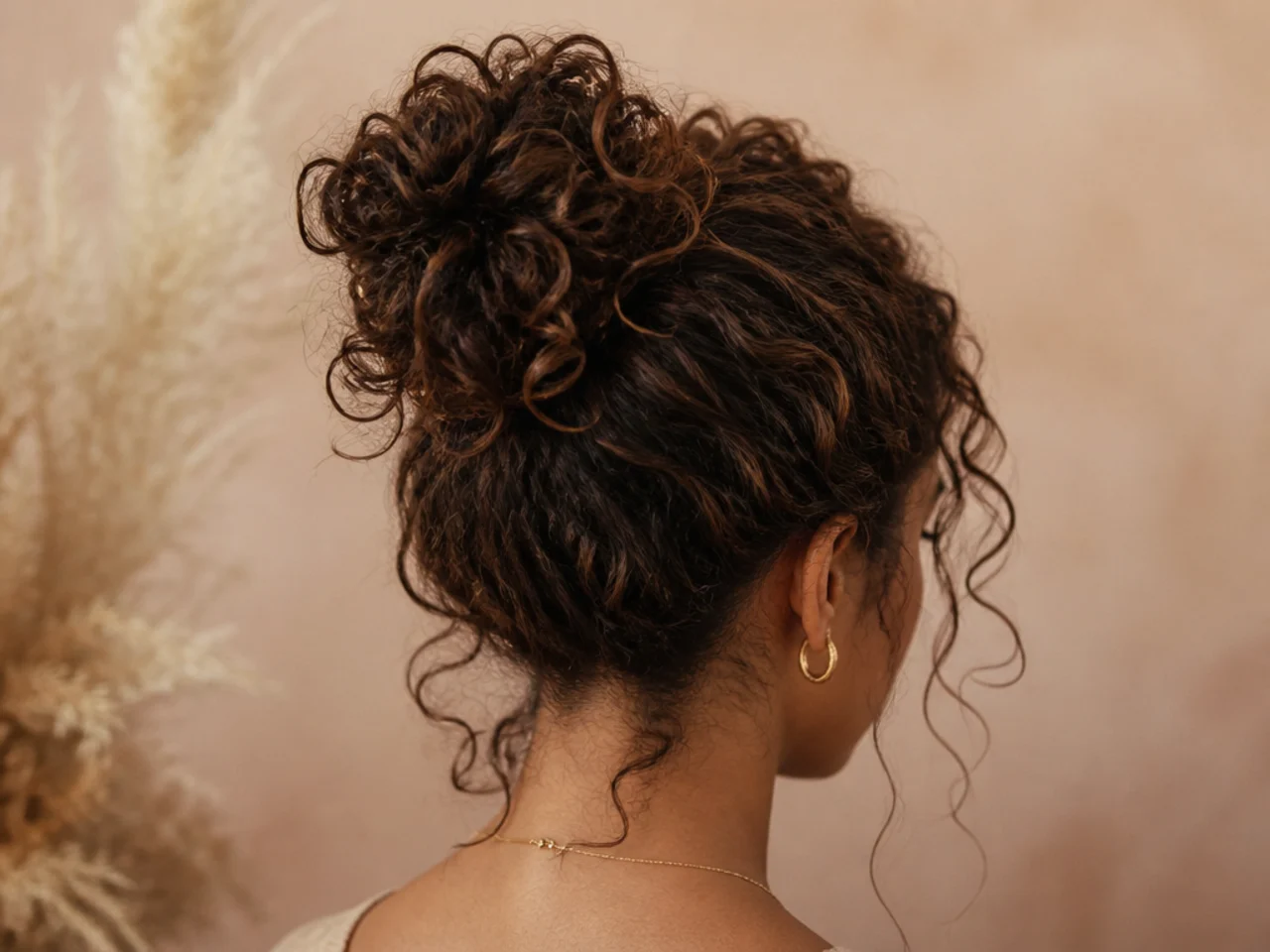
10. Curly Hair — Pineapple Bun
High and loose, with the curl allowed to sit rather than compress. Compressing curls flattens the pattern and pulls at the roots for a result that will revert anyway.
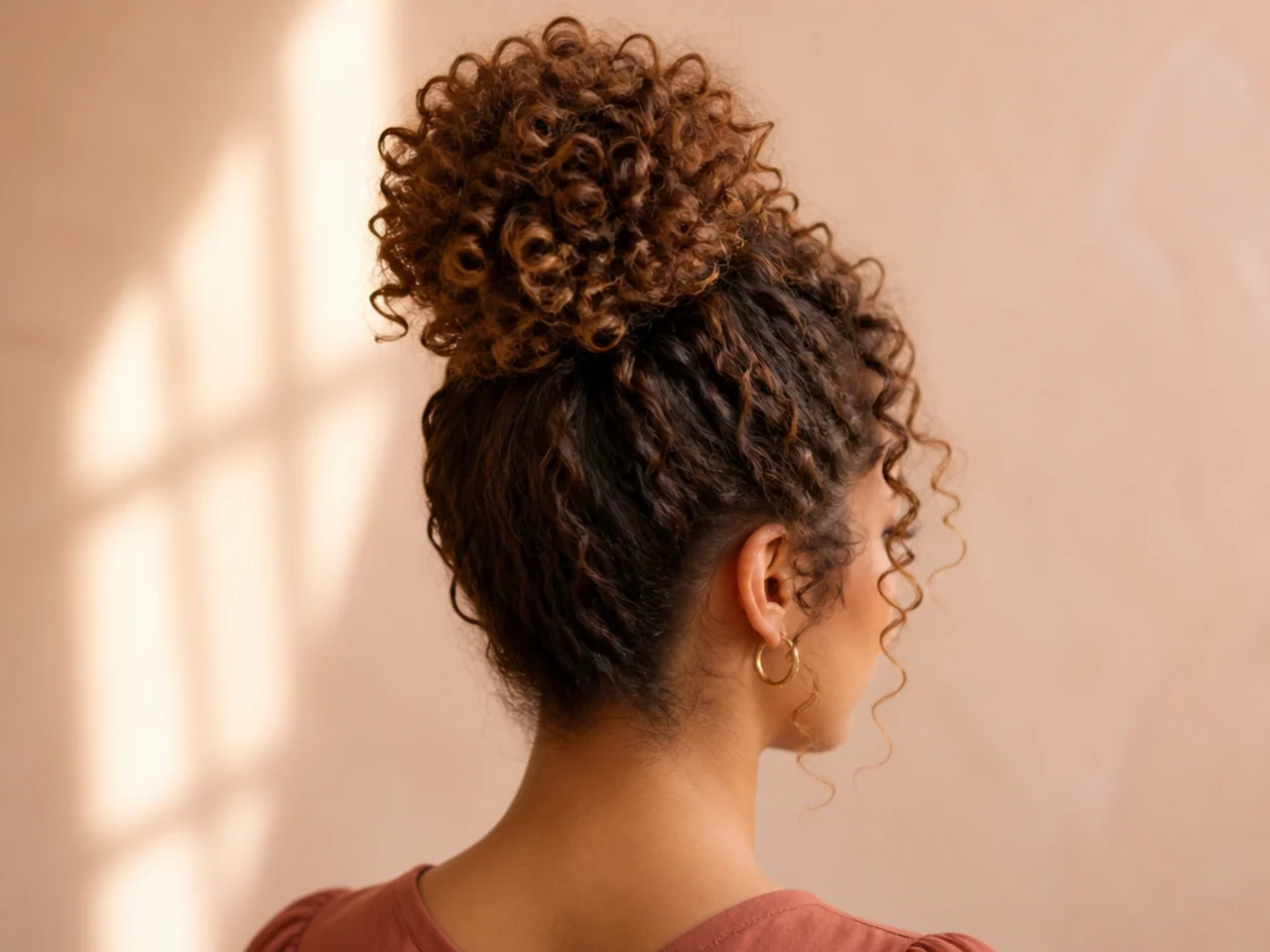
11. Curly Hair — Low Puff Bun
Gathered low with the volume kept rather than smoothed away. Low placement means the puff rests against the head, which is more comfortable over a full day.
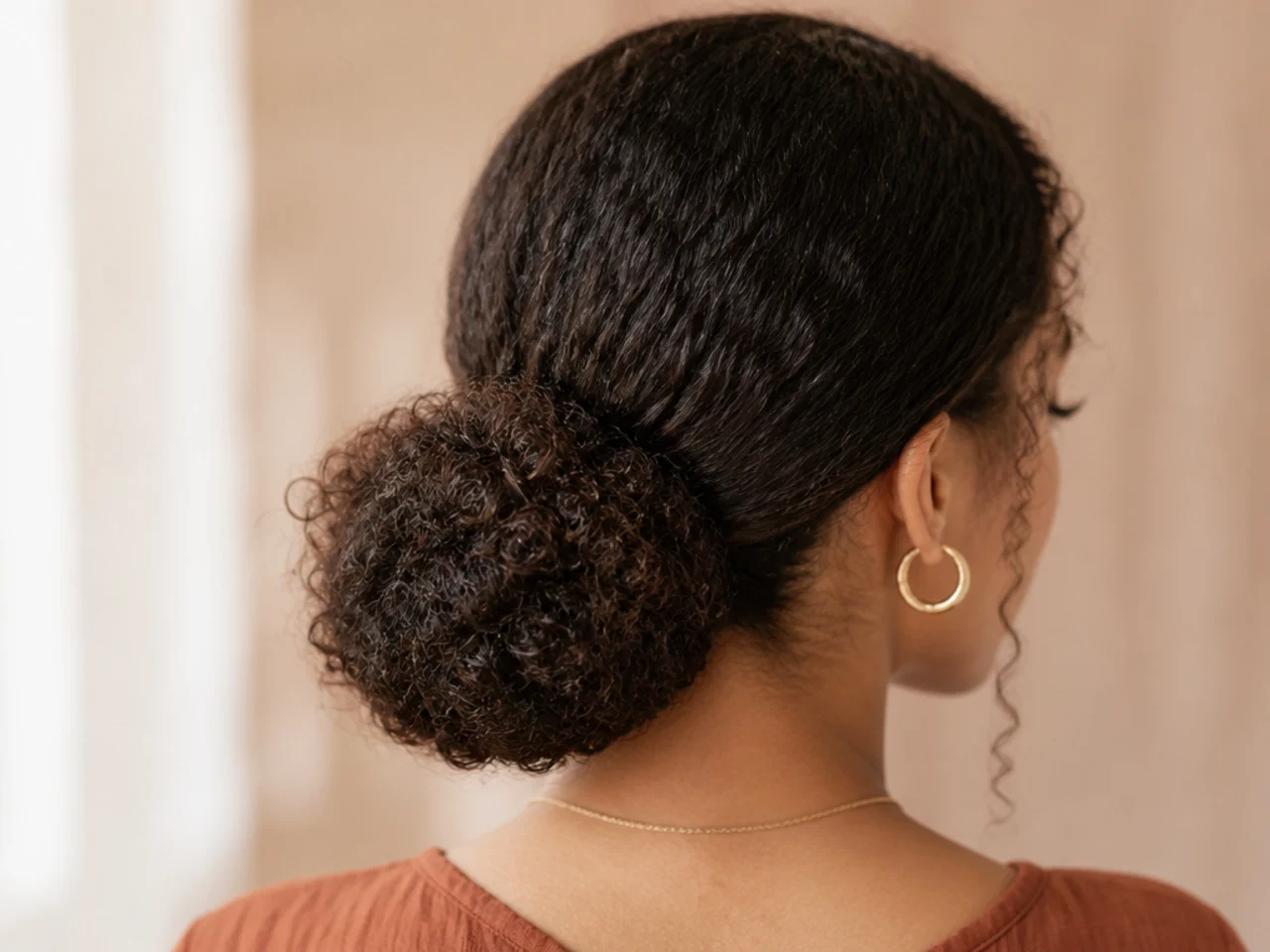
12. Wavy Hair — Twisted Low Bun
Natural bend doing half the shaping work. Wavy hair has enough friction to hold a twist and enough smoothness to look tidy, which is an easier combination than either extreme.
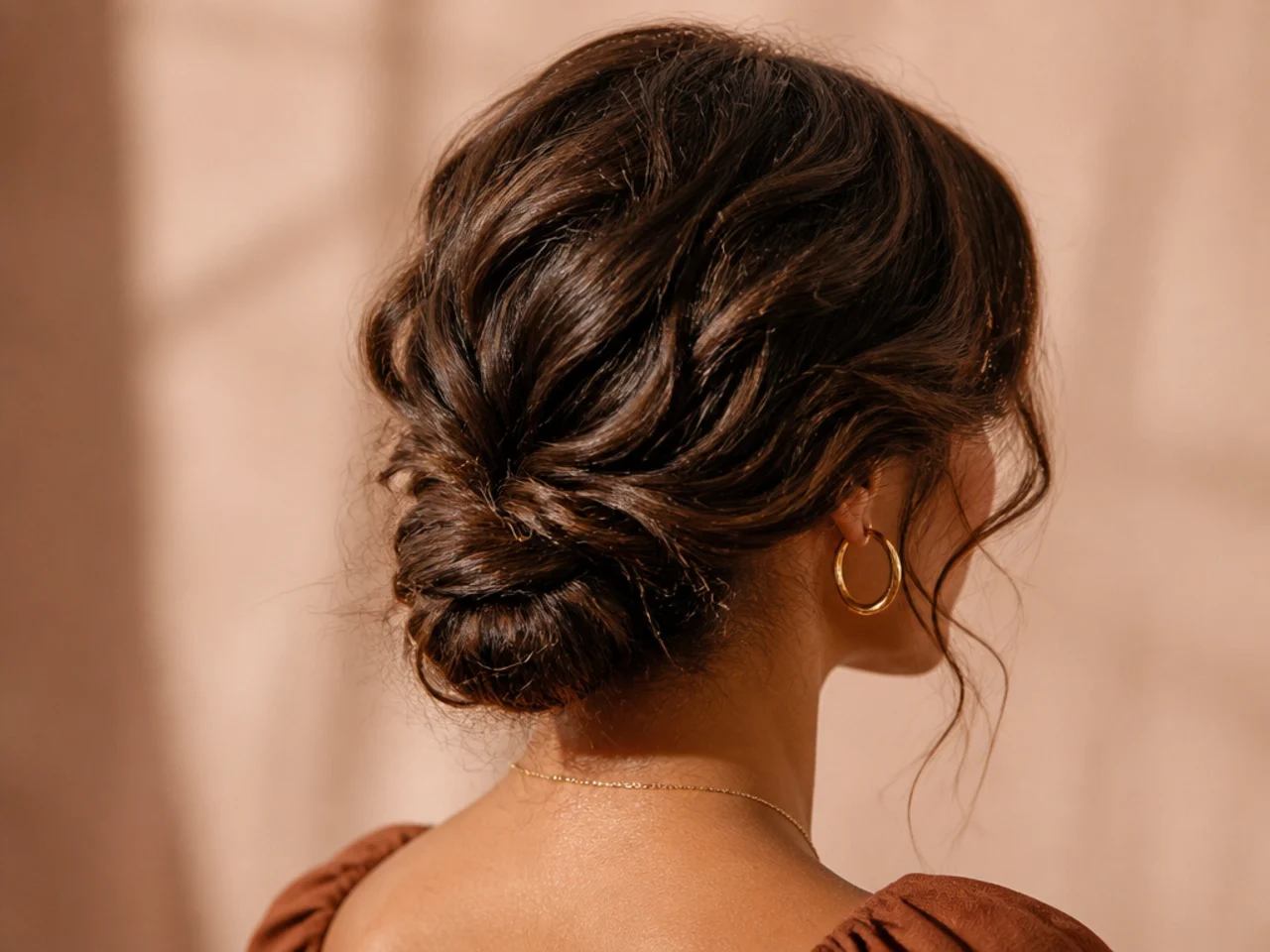
13. Straight Hair — Wrapped Bun
The smoothest hair type, so the wrap has to be tight. Wrapping is the second holding system straight hair needs, because the elastic alone has nothing to grip.
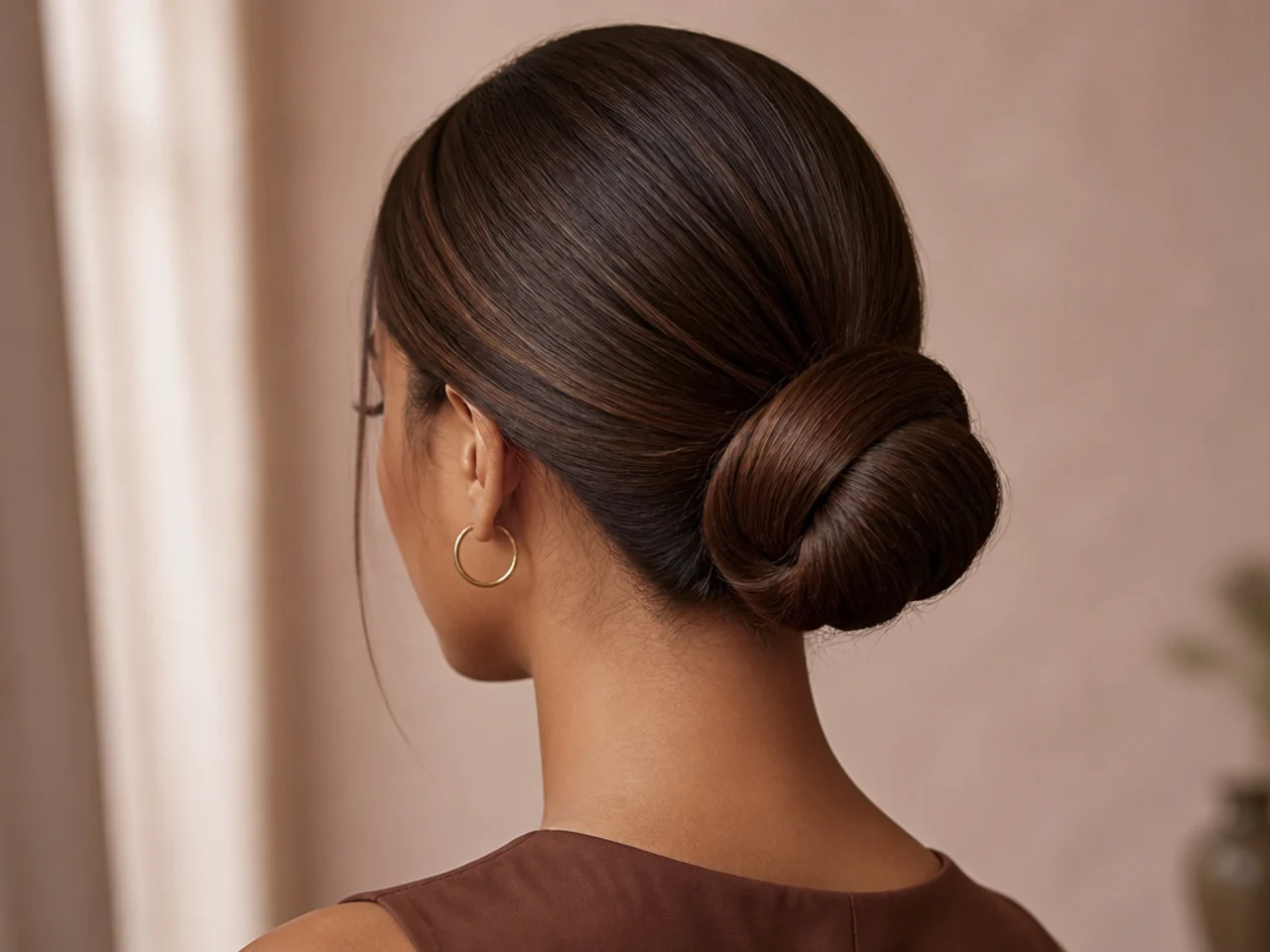
14. Straight Hair — Claw Clip Twist
Twisted once and clipped. Works on straight hair with a day of oil. A claw clamps rather than grips, so it is the one fastening that works on wash-day straight hair too.
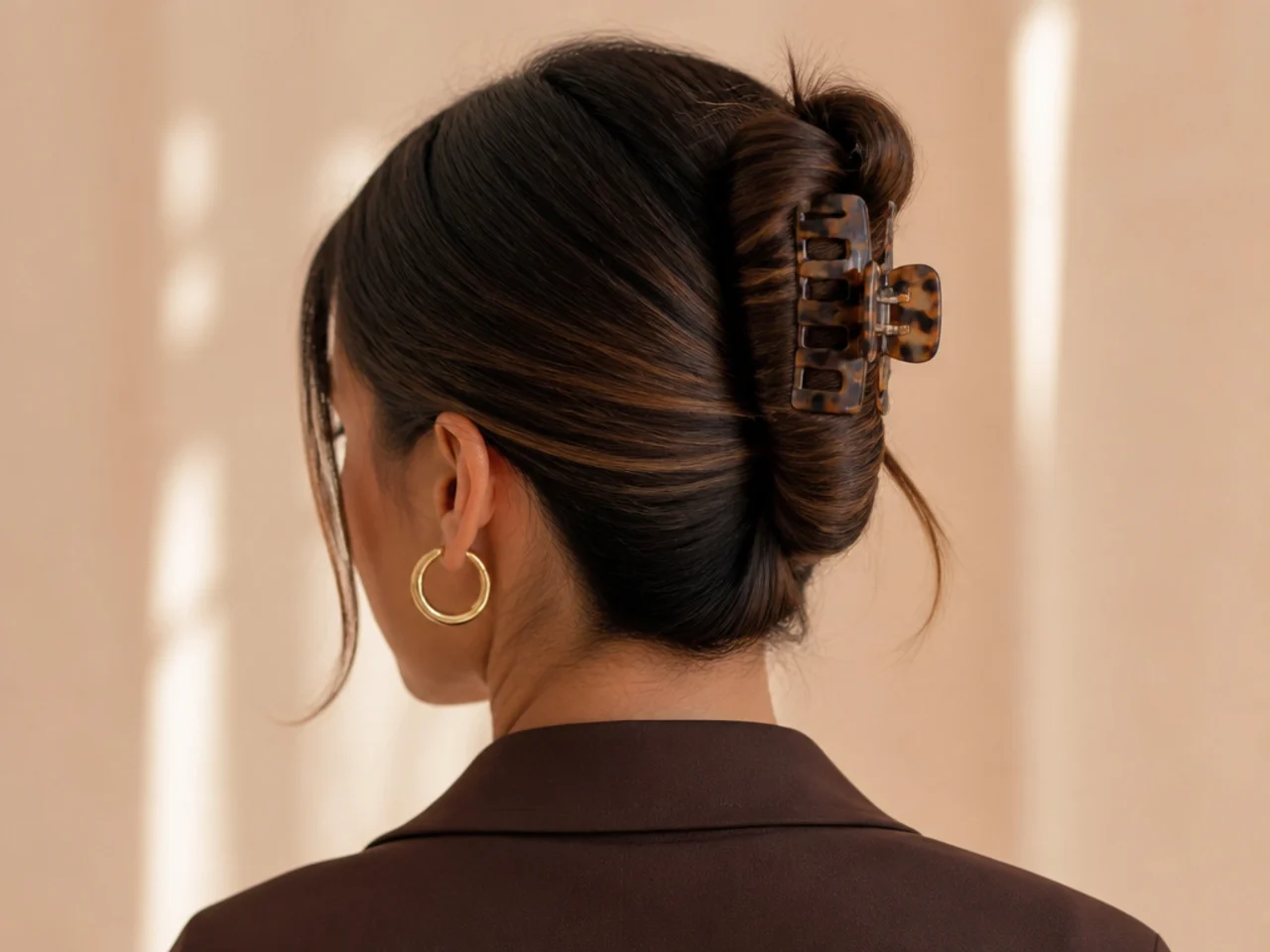
15. Short Hair — Partial Bun
Only what will reach, pinned at the back. Deciding what stays down in advance is the difference between a style and a bun that is visibly failing.
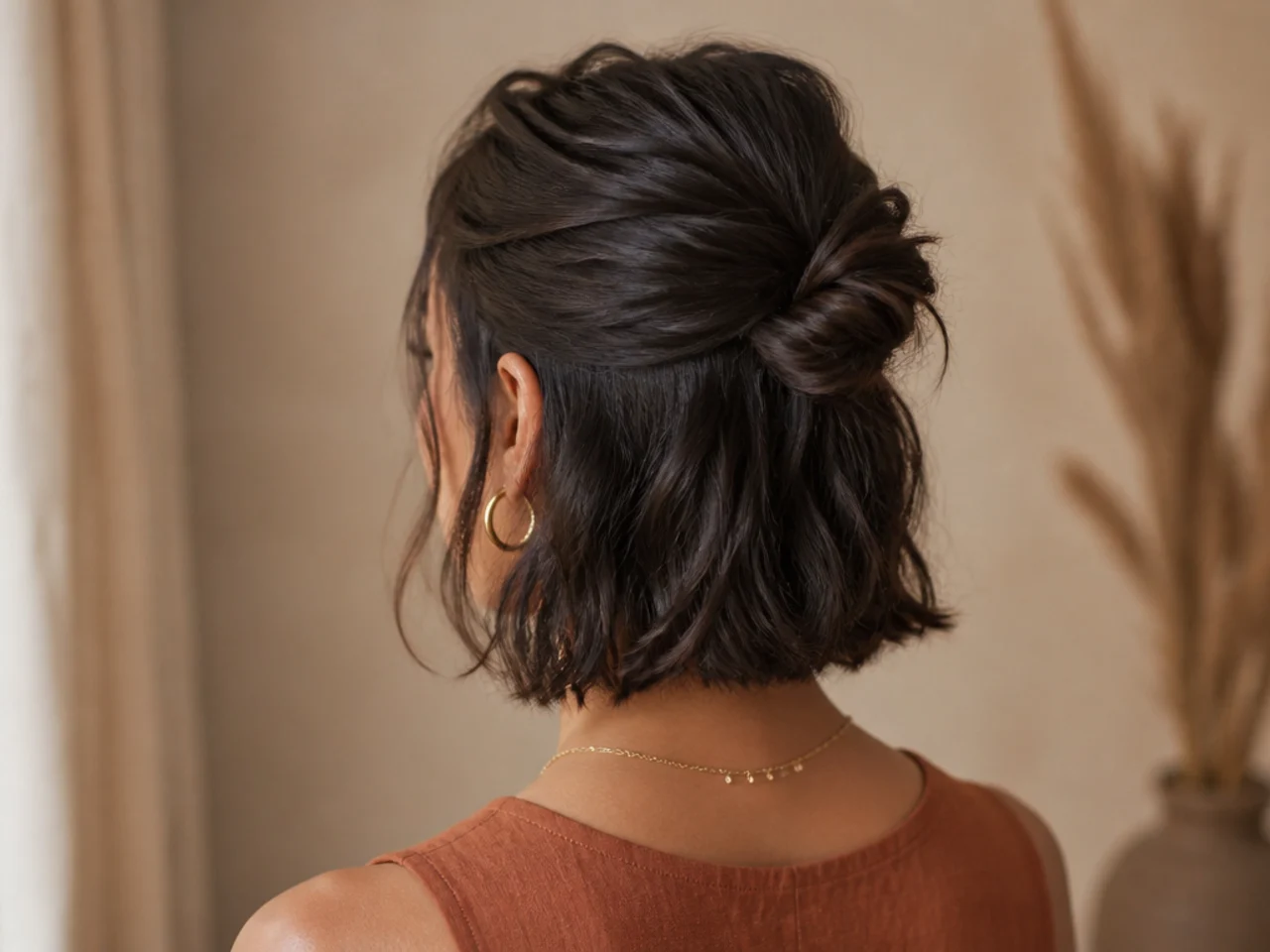
16. Short Hair — Pinned Half Bun
The top section only, with the rest left down. The top layers are usually the longest ones on a short cut, so they are the sections most likely to reach.
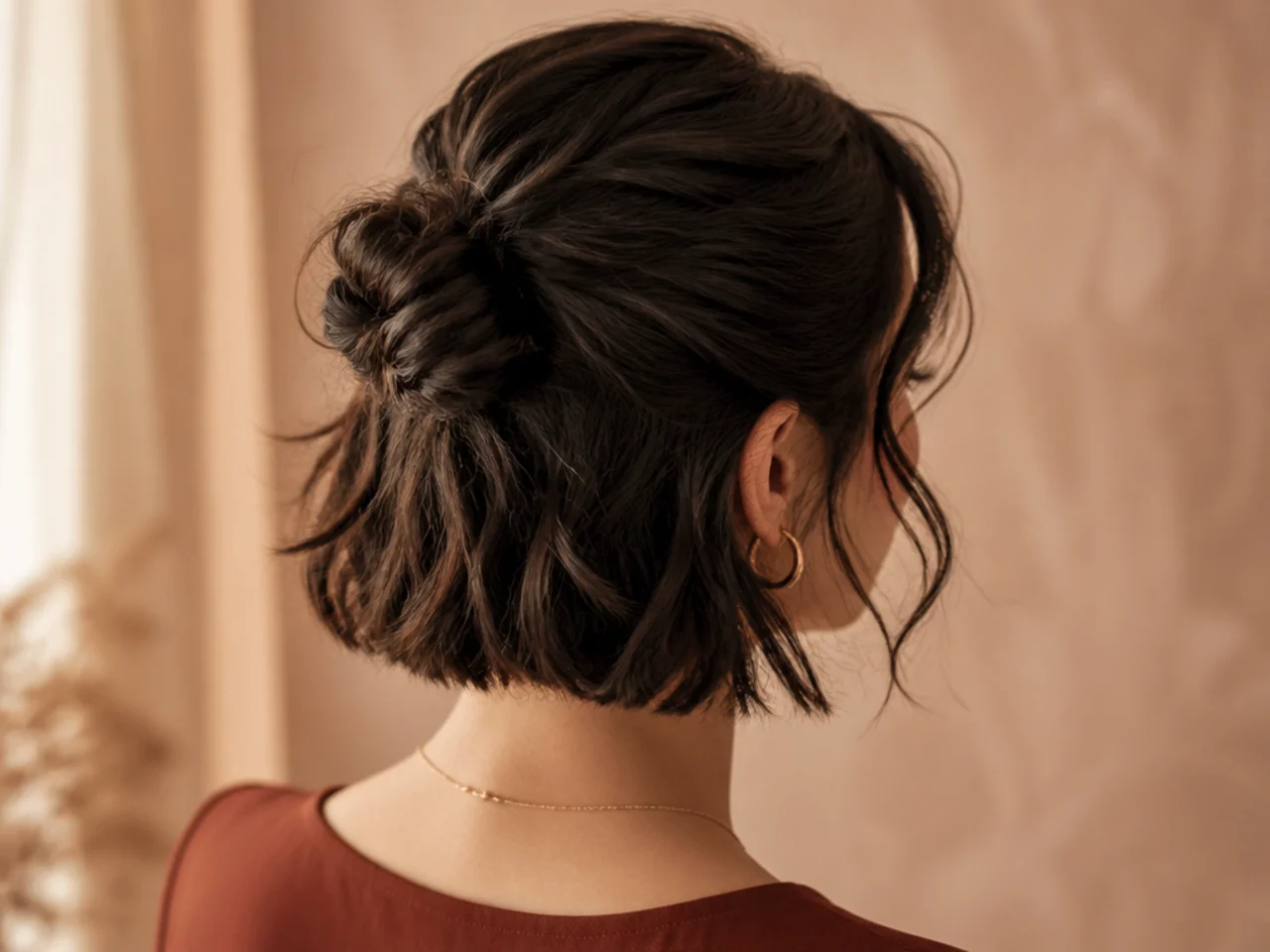
17. Long Hair — Wound and Pinned
Too much length to loop, so it is wound flat and pinned. Fold or braid the rope before winding and the coil comes out roughly half the diameter.
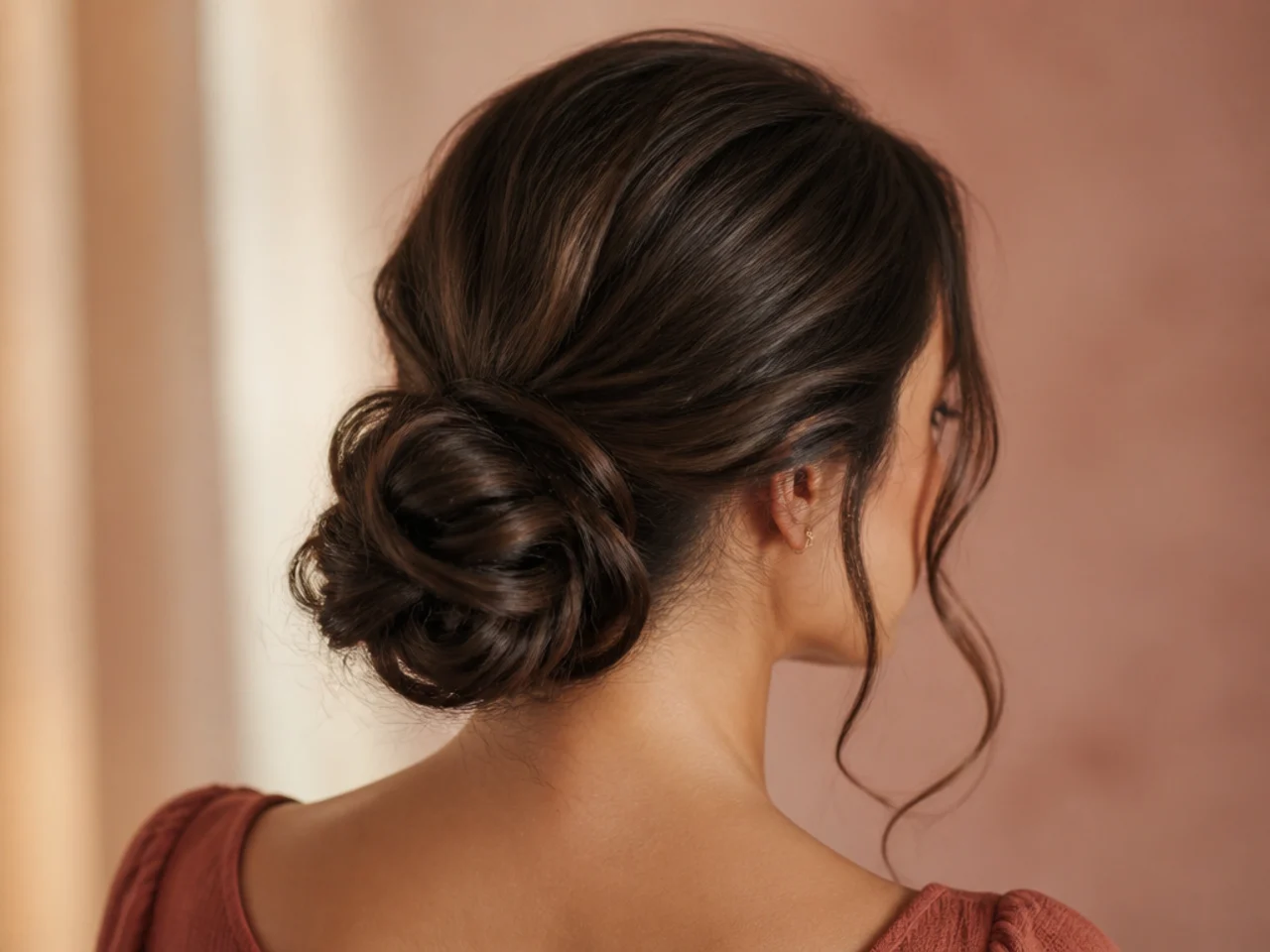
18. Long Hair — Double-Loop Bun
Pulled through twice to shorten the length before coiling. Each pass takes up length, so two passes leave far less rope to wind into a wide spiral.
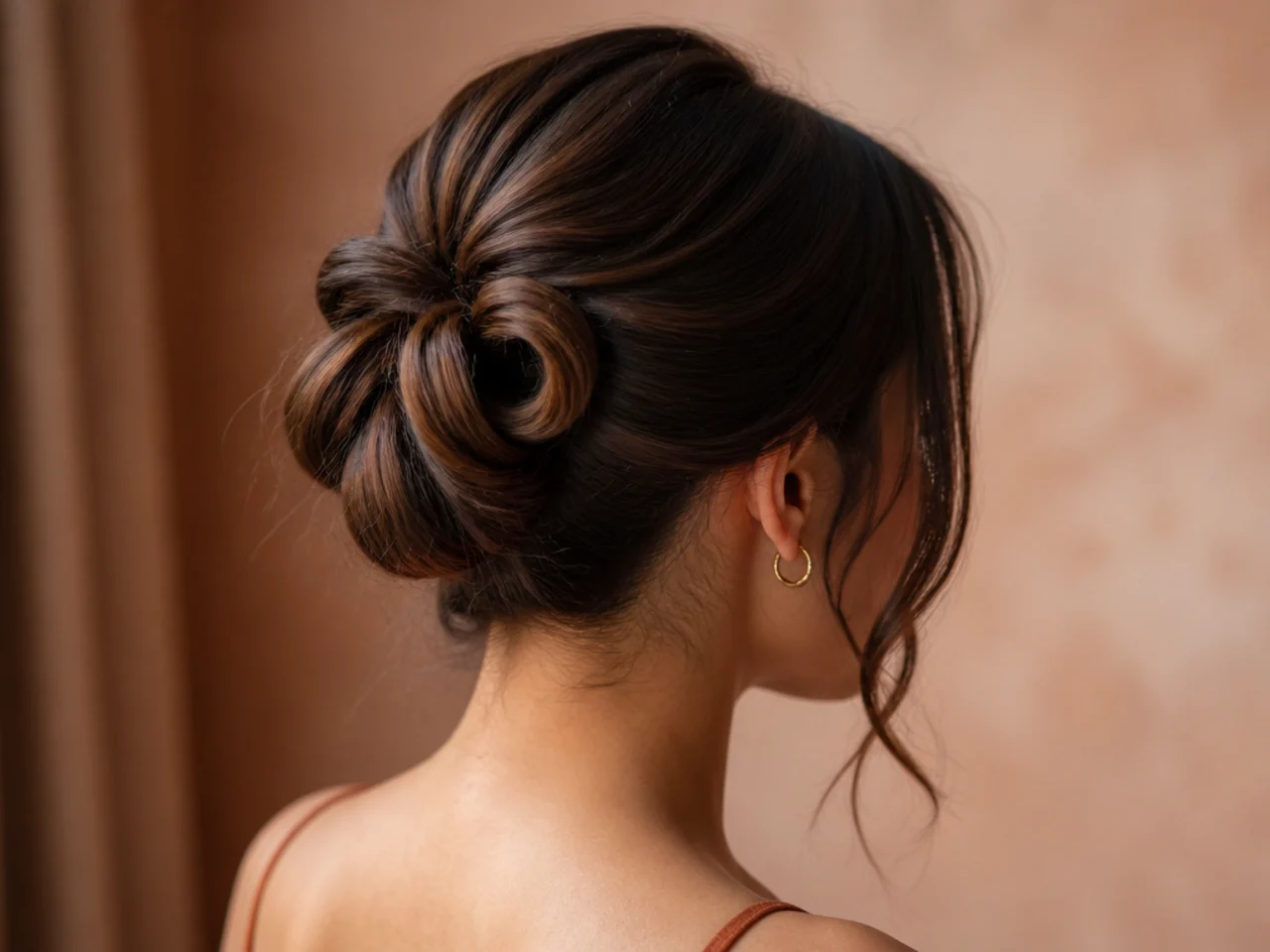
19. Any Type — Second-Day Bun
Where every hair type performs best. Natural oil adds friction for fine hair and gives thick hair something for the pins to catch on.
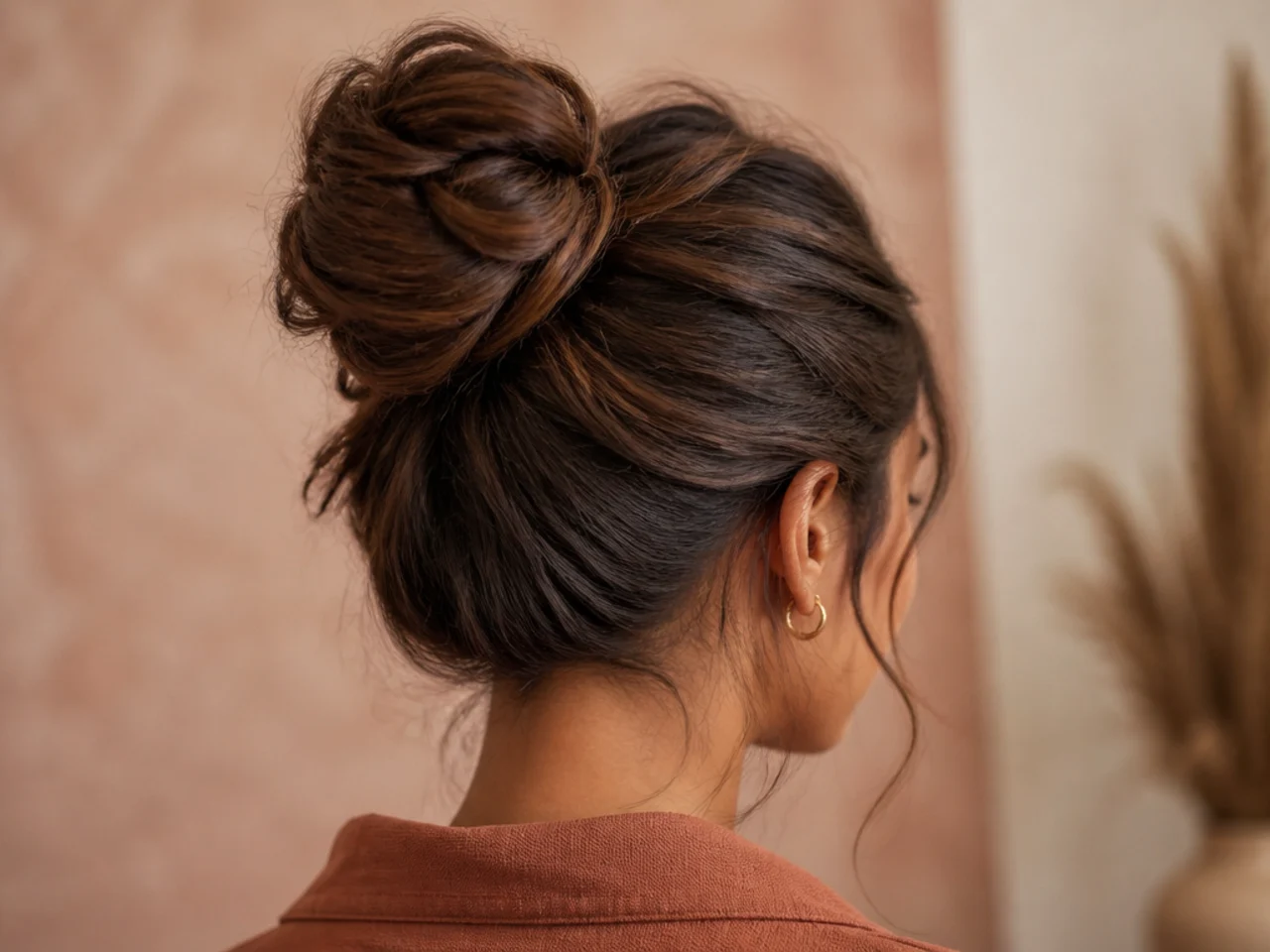
20. Clean Fine Hair with No Product
Nothing to grip. The one combination that genuinely will not hold. No friction from the hair and none added, which is the only case on this page where technique cannot rescue it.
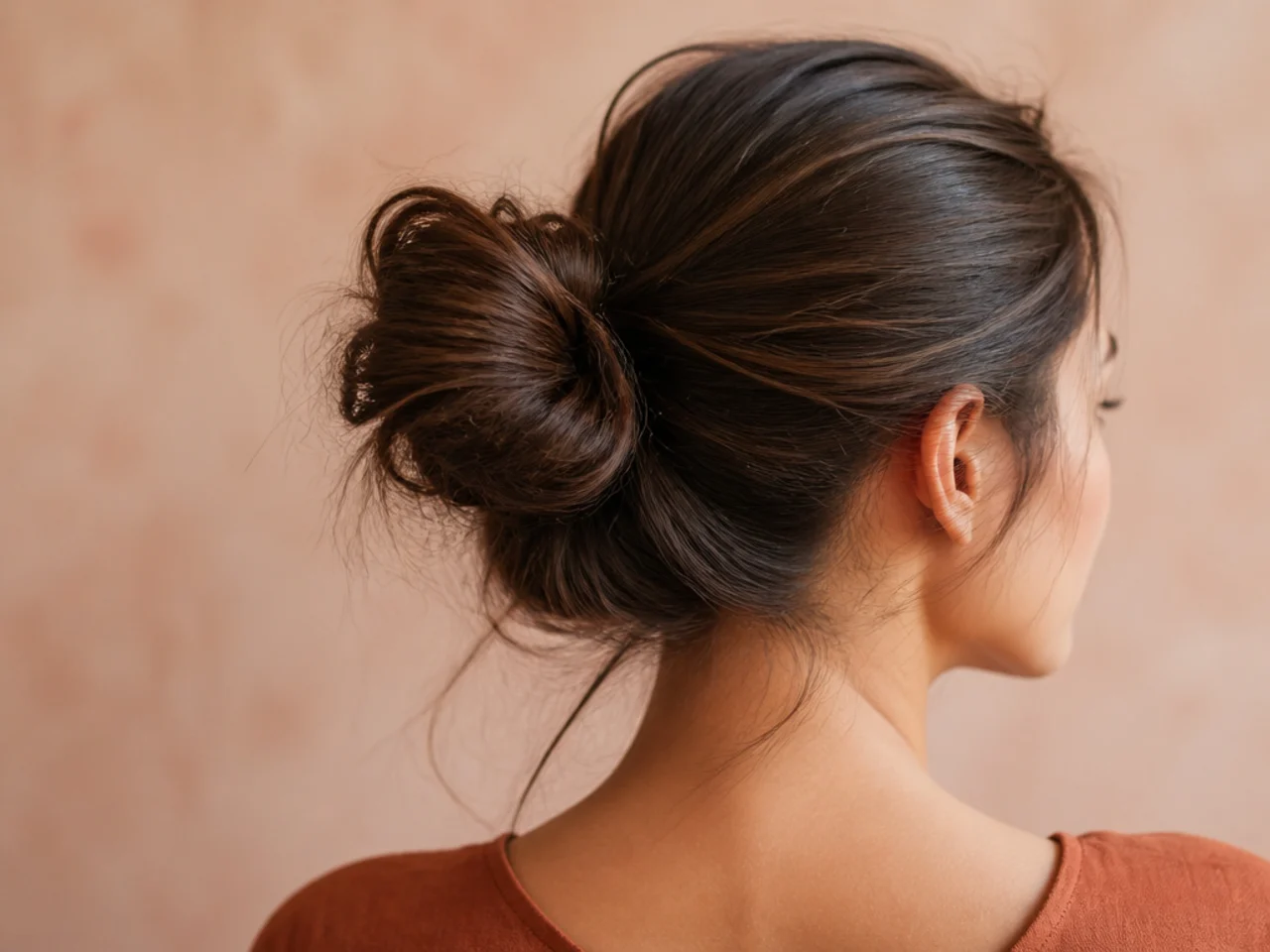
Styling and Upkeep
Add friction before gathering, not after. Once the hair is up, spraying it does very little.
Divide thick hair before you wind it. Two sections, same base, much smaller result.
Never comb curly hair before a bun. It removes the clumping that holds it together.
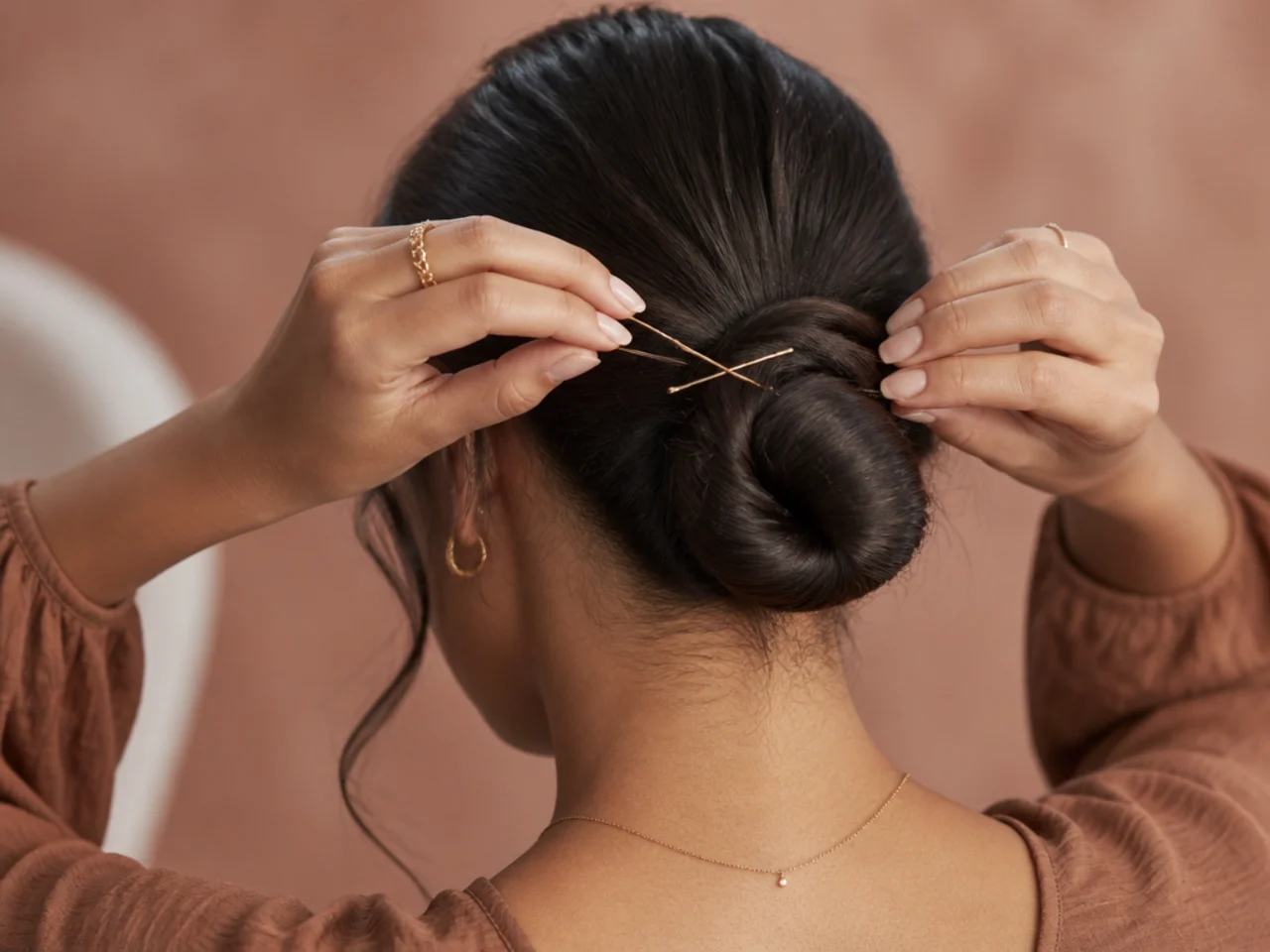
Use pins in an X, not parallel. Crossed pins lock; parallel ones slide out.
Reset rather than tighten. Thirty seconds to redo, and it holds properly again.
Mistakes to Avoid
Blaming the technique for a hair-type problem. Slipping and bulk are different faults.
Bare elastics on fine hair. No grip, and they snap the hair.
Winding thick hair as one rope. It coils large and loose every time.
Combing curly hair smooth first. It removes the grip you need.
Parallel pins. They work their way out within an hour.
FAQ
Why do buns behave differently? Friction. Every hair type has a different amount of it.
How do you hold fine hair? Add friction before gathering, and use a fabric tie.
How do you reduce bulk on thick hair? Split it in two and wind each section separately.
Final Thoughts
Work out whether your buns slip or whether they bulk. Those are the only two failures, they have opposite fixes, and almost every tutorial that has not worked for you was written for the other one.
For the messy finish specifically see 25 easy messy bun tutorials anyone can do, and for gathered styles more broadly see low updo hairstyles. More in Updos & Clips.