25 Easy Messy Bun Tutorials Anyone Can Do
Twenty-five messy bun ideas, and the thing that separates deliberate mess from a bun that has simply failed — the base is tight and only the surface is loose. Loosen the base and it slides down your head all day.
In this article · 32
- What Makes a Messy Bun Work
- How to Choose Yours
- The 25 Messy Bun Ideas
- 1. Classic Mid-Height Messy Bun
- 2. Low Messy Bun
- 3. High Messy Bun
- 4. Twisted Messy Bun
- 5. Looped Half Bun
- 6. Double-Loop Bun
- 7. Messy Bun with Face-Framing Pieces
- 8. Messy Bun with a Centre Part
- 9. Messy Bun with a Deep Side Part
- 10. Claw Clip Messy Bun
- 11. Messy Bun with a Scrunchie
- 12. Pinned Messy Bun
- 13. Messy Bun on Second-Day Hair
- 14. Messy Bun with Texture Spray
- 15. Messy Bun with a Backcombed Base
- 16. Half-Up Messy Bun
- 17. Two Messy Buns
- 18. Messy Bun with a Headband
- 19. Messy Bun with a Scarf Tied Round
- 20. Messy Bun on Fine Hair
- 21. Messy Bun on Thick Hair
- 22. Messy Bun on Curly Hair
- 23. Overnight Messy Bun
- 24. Gym Messy Bun
- 25. A Bun That Has Slid Down
- Styling and Upkeep
- Mistakes to Avoid
- FAQ
- Final Thoughts
A messy bun that works and a messy bun that has collapsed look almost identical in a photograph and behave completely differently by lunchtime.
The base is tight. Only the surface is loose. A messy bun is a secure gathering with pieces pulled out afterwards — not a loose gathering. Loosen the base and there is nothing carrying the weight, so it slides down your head all day.
And underneath that: a bun is held by friction, not by the tie. The elastic stops it unwinding. What stops it sliding is how much the strands grip each other.
What Makes a Messy Bun Work
Tight first, messy second. Gather, secure, then pull. Always in that order, and never the other way round.
Friction is the real fastener. Day-two hair grips itself. Freshly washed hair slides, which is why the same technique fails on wash day.
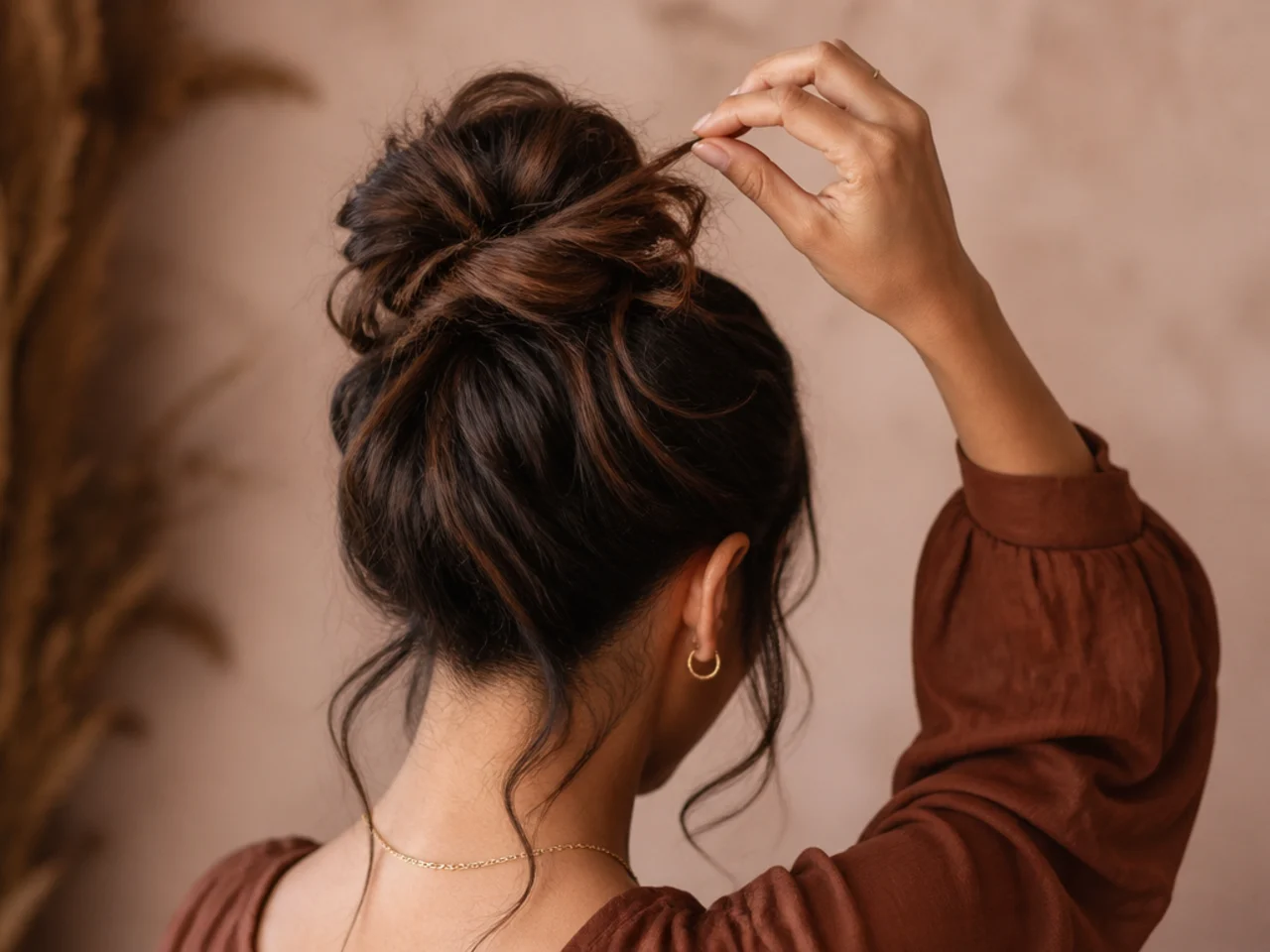
Pull from the surface only. Pieces taken from the outside of the bun read as intentional. Pieces escaping from the base read as failure.
Weight decides how tight the base must be. More hair means more load on the same fastening, so long thick hair needs a firmer base than a bob does.
How to Choose Yours
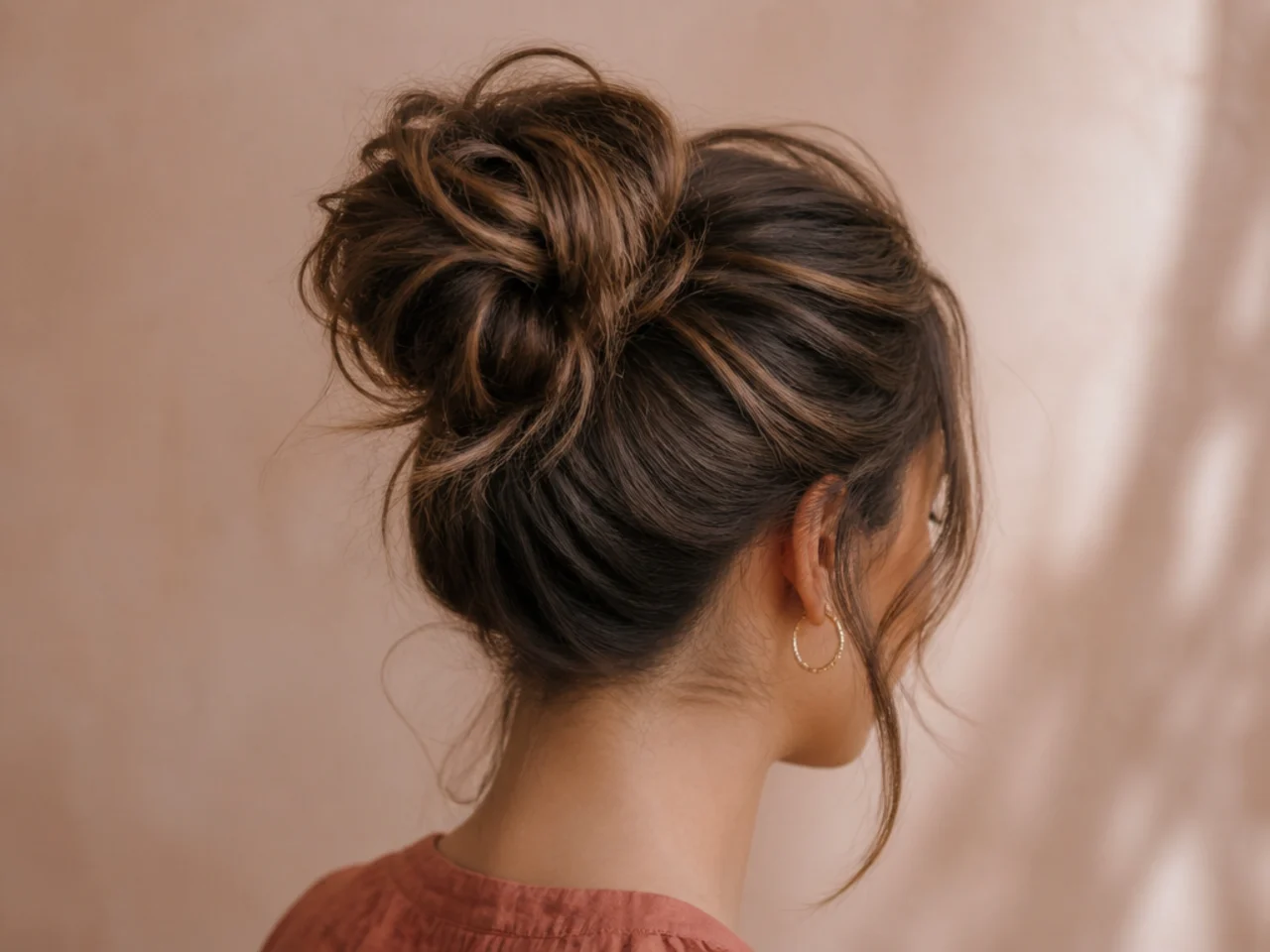
Work on second-day hair where you can. It is the single biggest advantage available and it costs nothing.
Add friction if your hair is clean. Texture spray, dry shampoo or a light backcomb at the base. Any of the three.
Pick a position before you start. Low, mid or high changes how the weight sits and how tight the base needs to be.
Match the fastening to the volume. A thin elastic on thick hair snaps or slips; a big claw on fine hair has nothing to grip.
The 25 Messy Bun Ideas
1. Classic Mid-Height Messy Bun
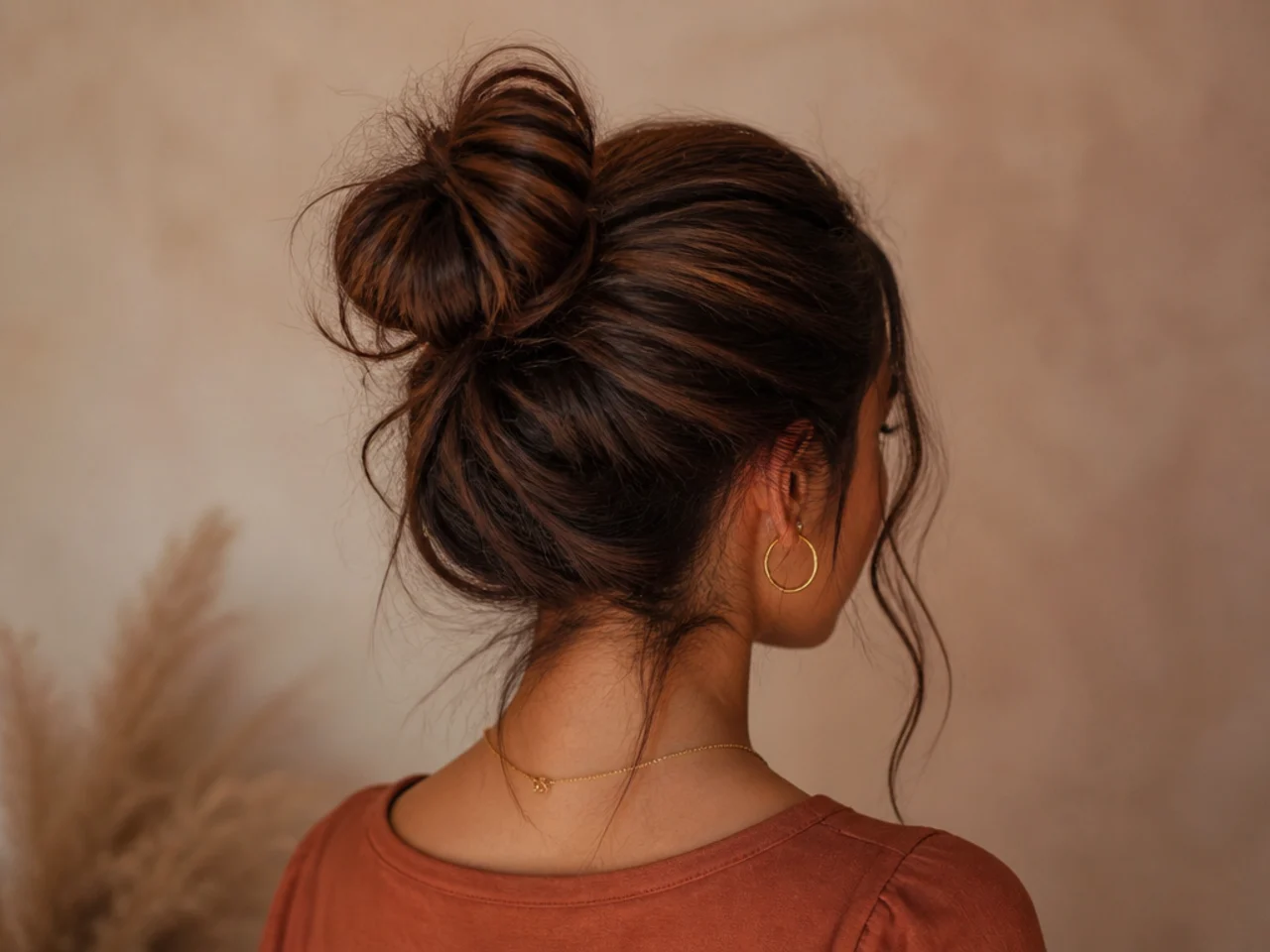
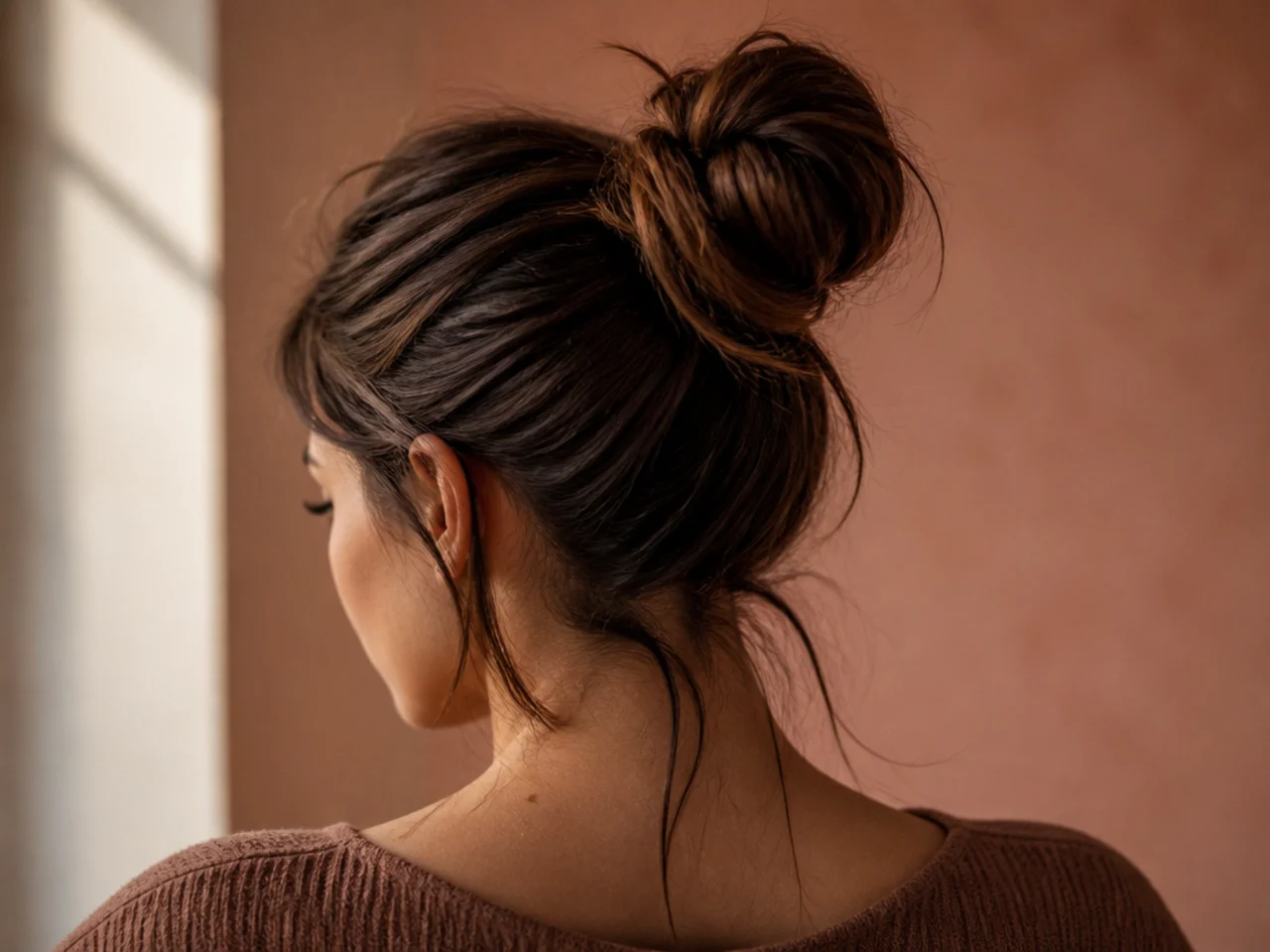
Gathered, twisted, secured, then pulled. The benchmark.
2. Low Messy Bun
Sitting at the nape. The least strain on the roots.
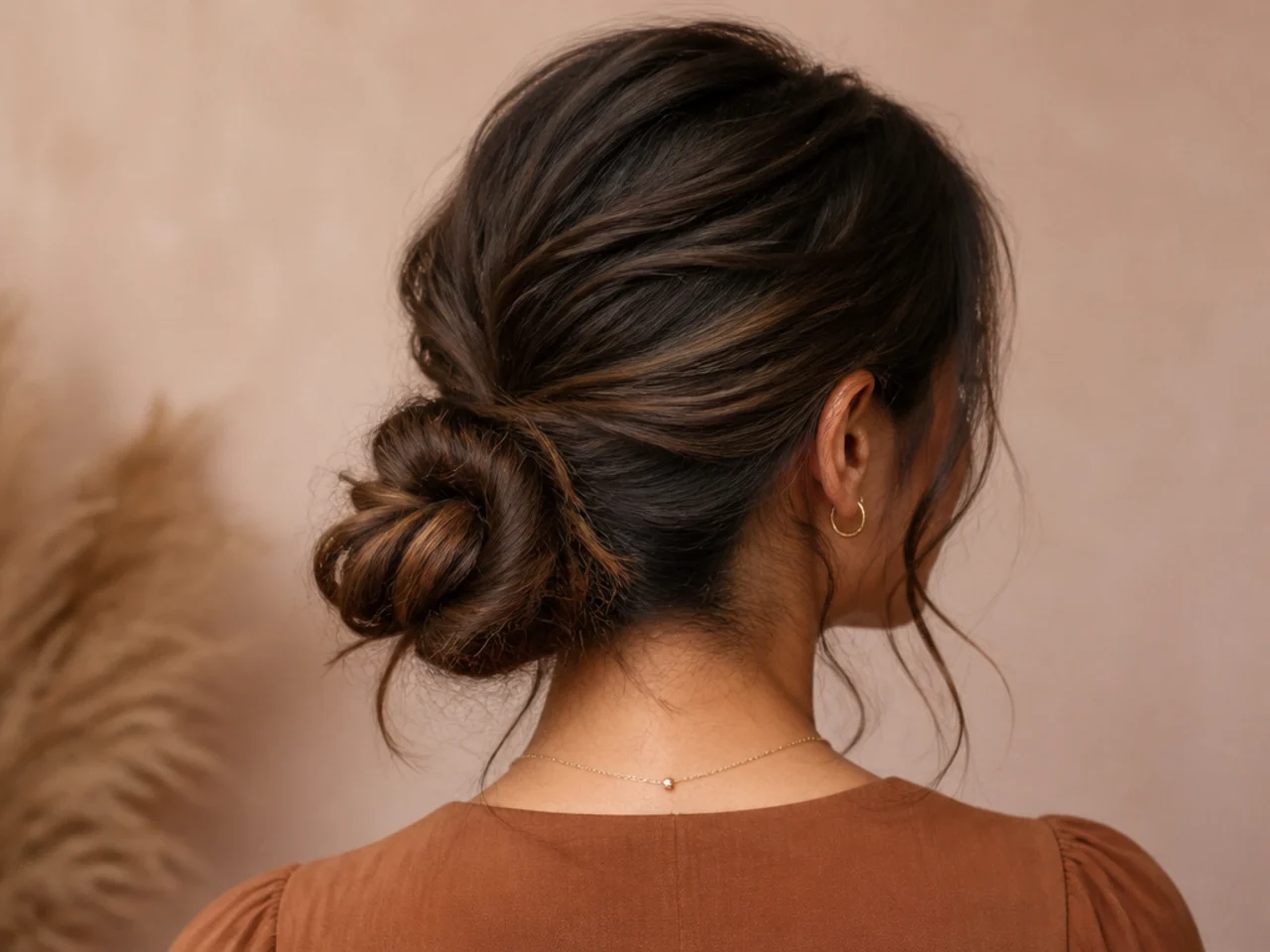
3. High Messy Bun
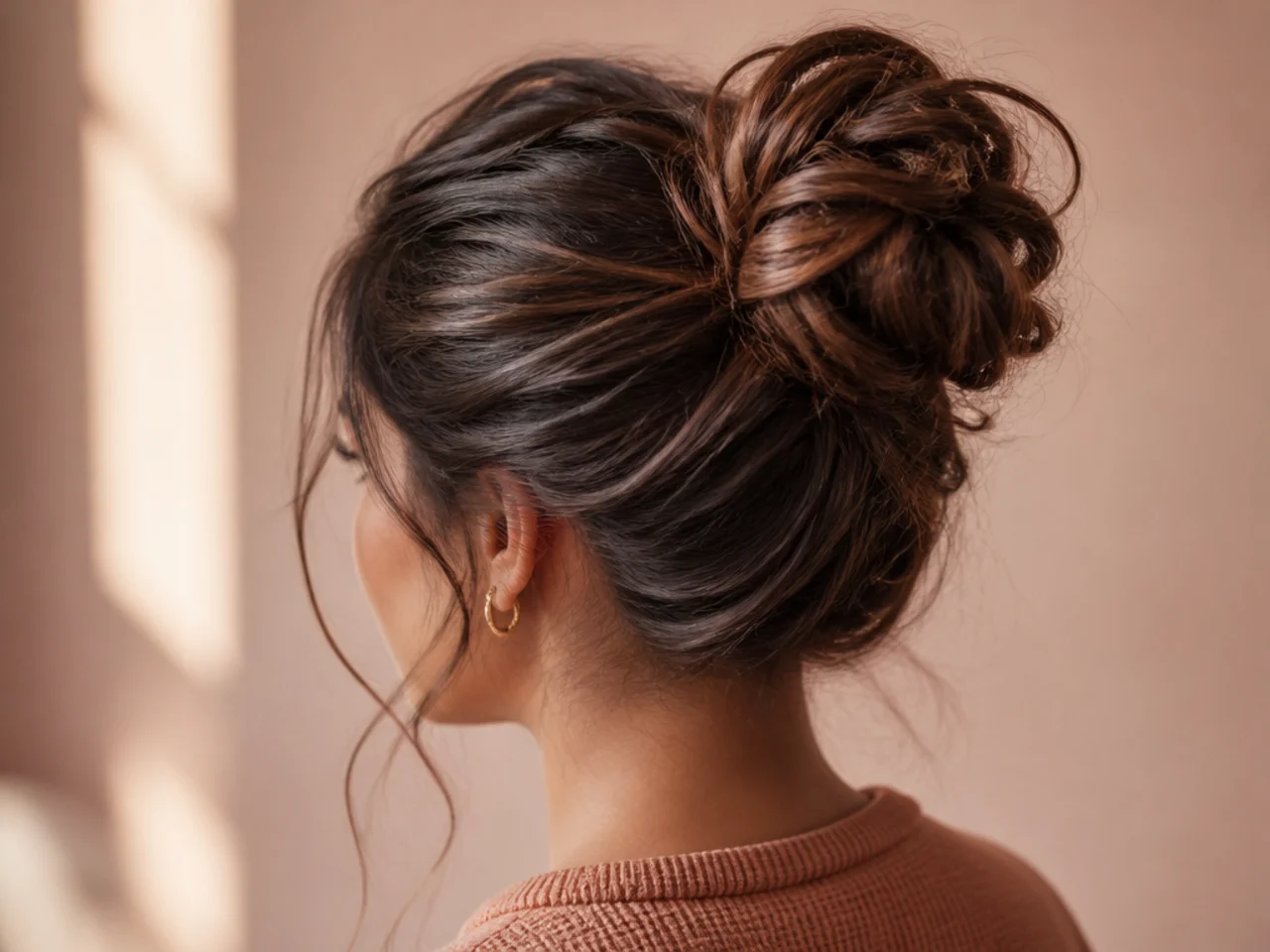
At the crown, and it needs the tightest base of the three. There is nothing under a crown bun to carry its weight, so the gather is holding all of it.
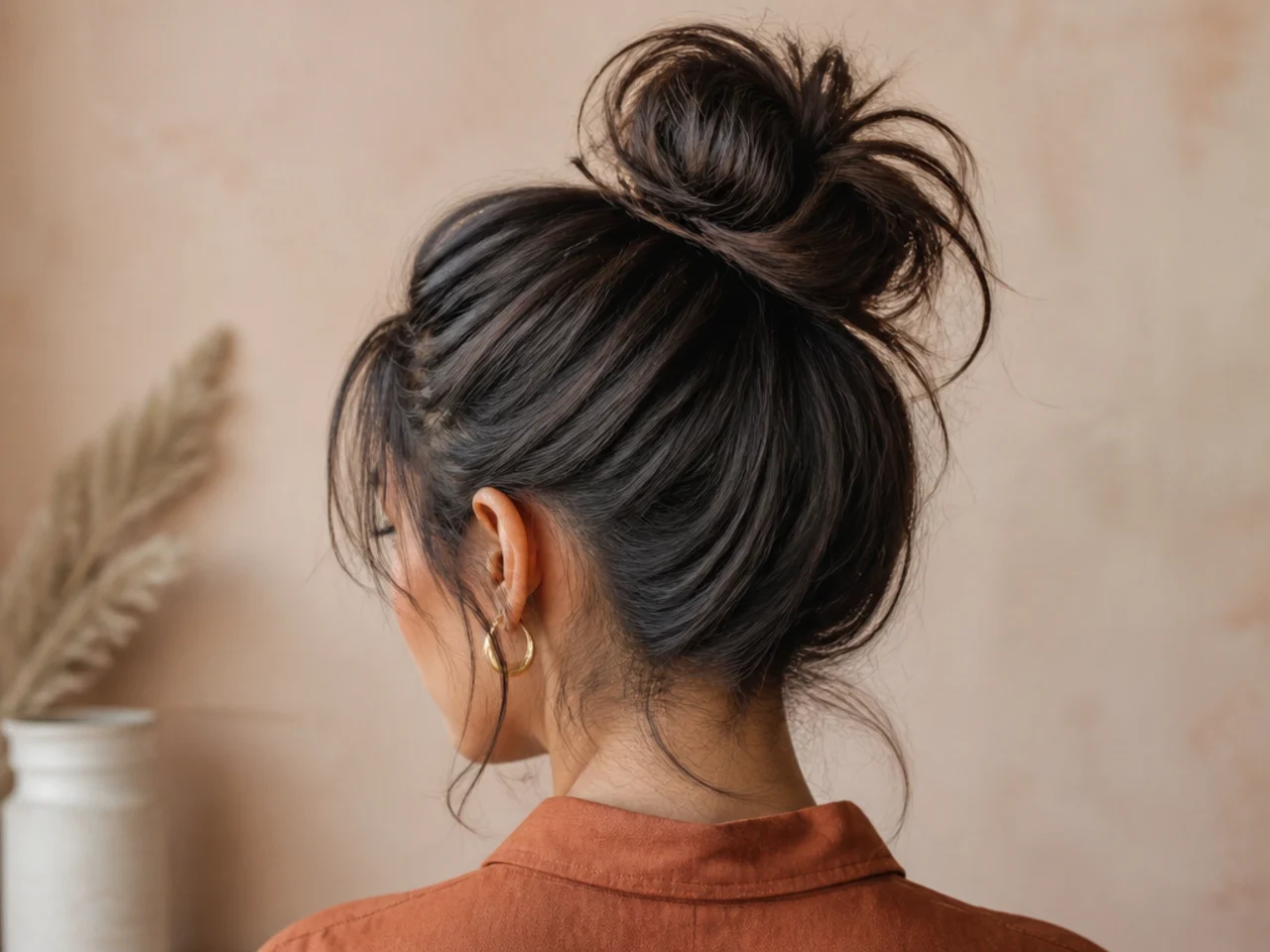
4. Twisted Messy Bun
Twisted before coiling, which holds better than a plain wrap. The twist stores tension that works against the coil unravelling.
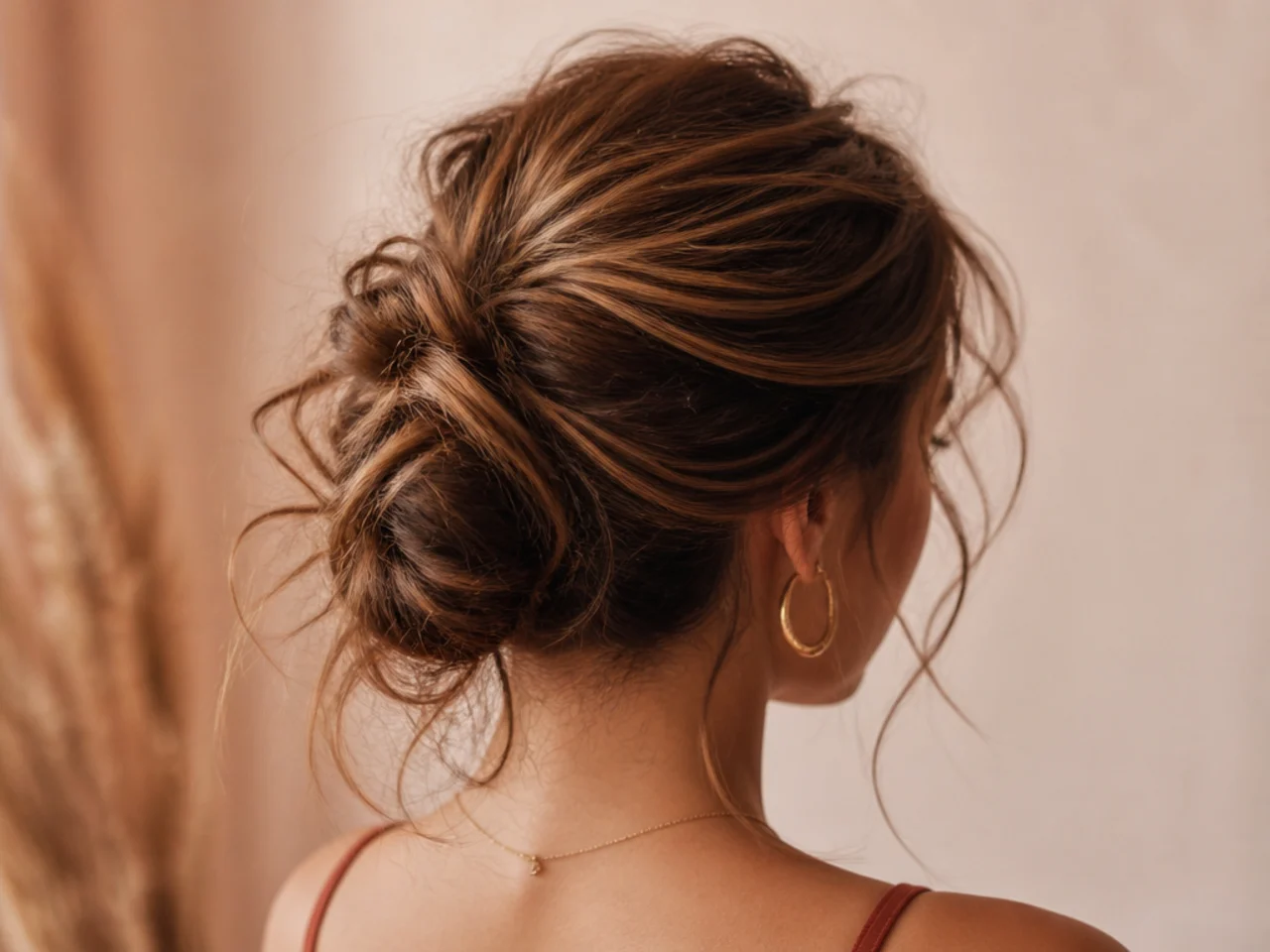
5. Looped Half Bun
The length pulled halfway through the tie and left looped.
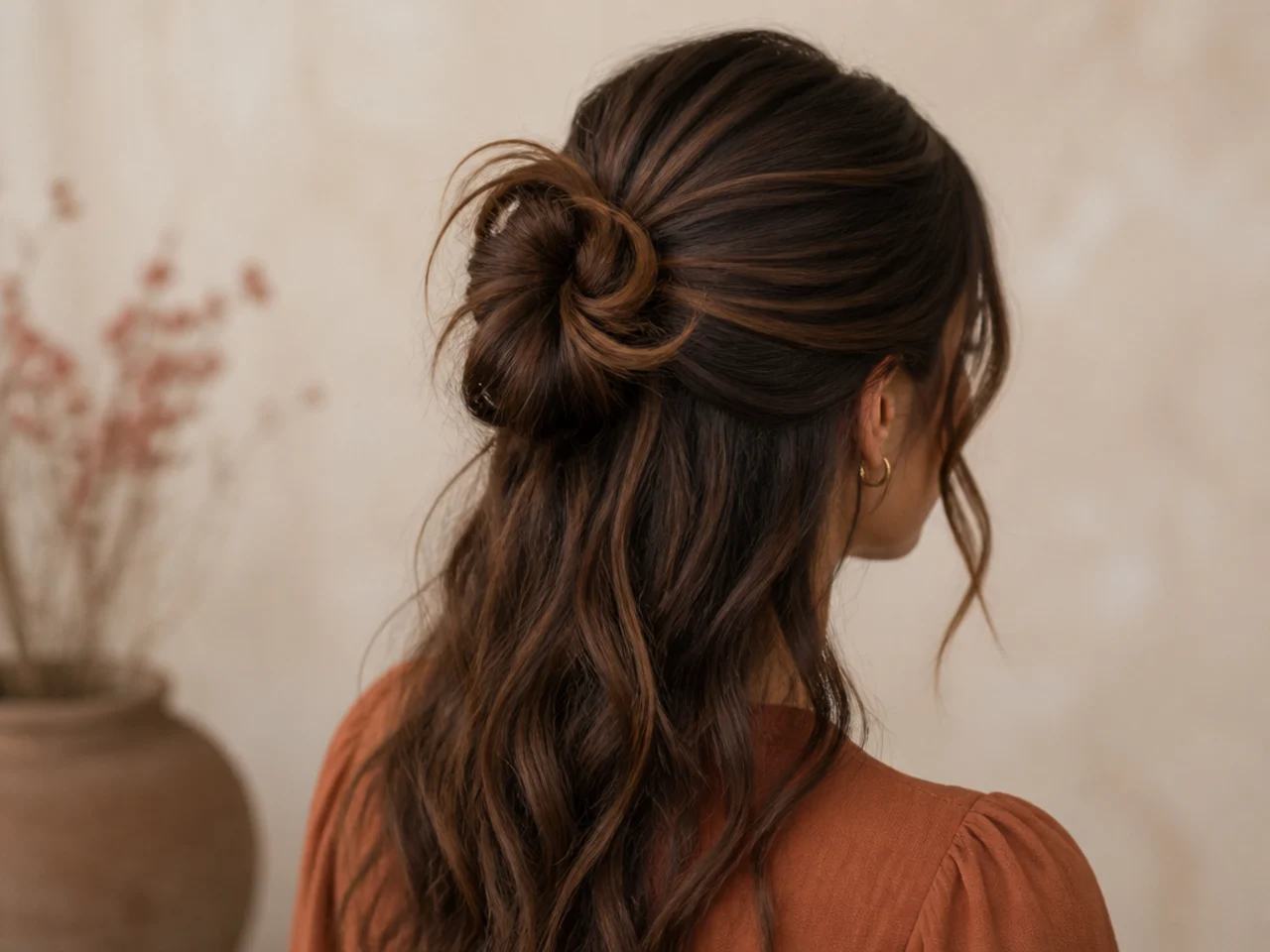
6. Double-Loop Bun
Pulled through twice for a smaller, firmer shape. Each pass takes up length, so the second one tightens the loop against the tie.
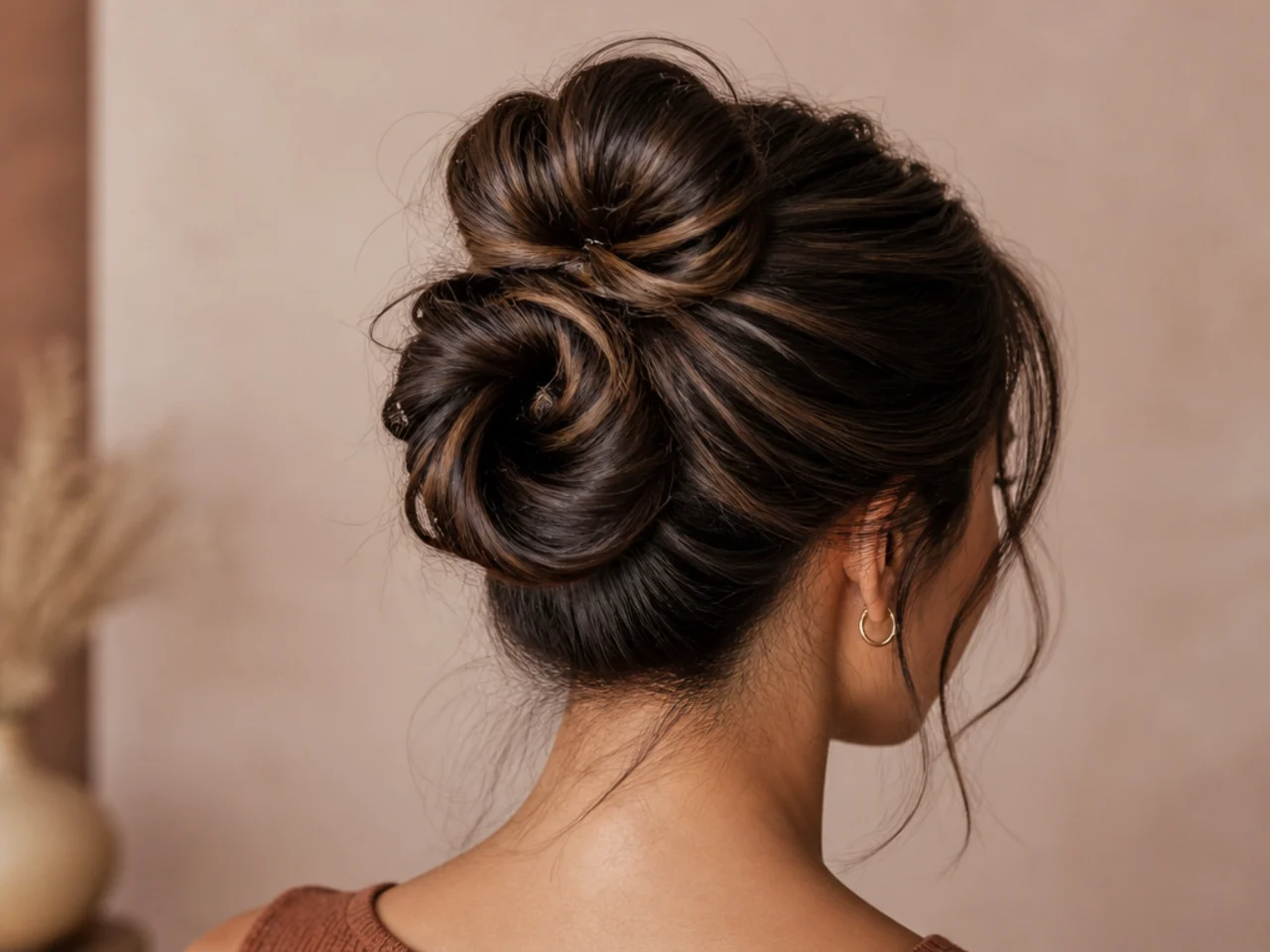
7. Messy Bun with Face-Framing Pieces
Two pieces at the front, pulled before the bun is finished.
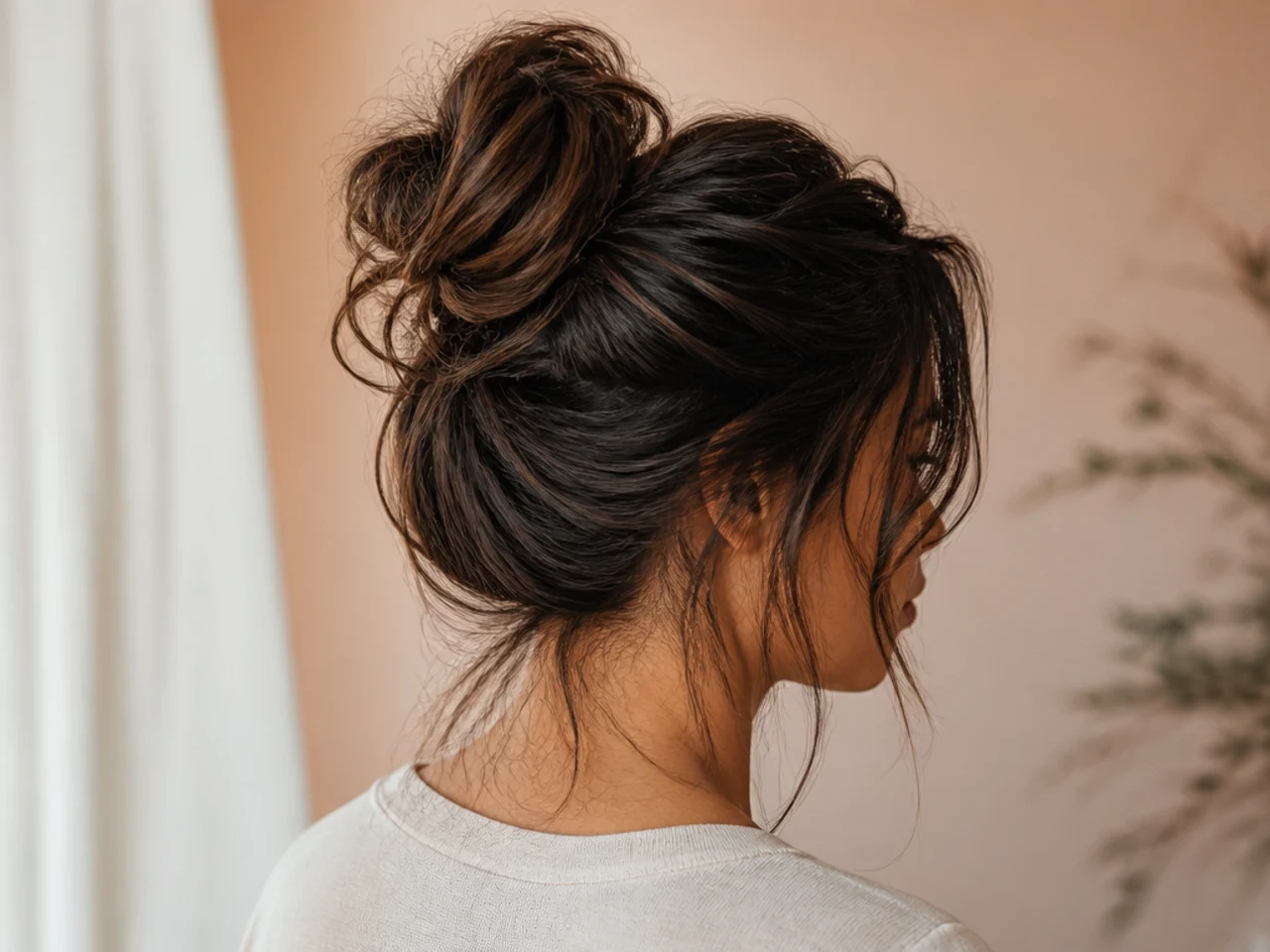
8. Messy Bun with a Centre Part
The part clean, the bun undone. A good contrast.
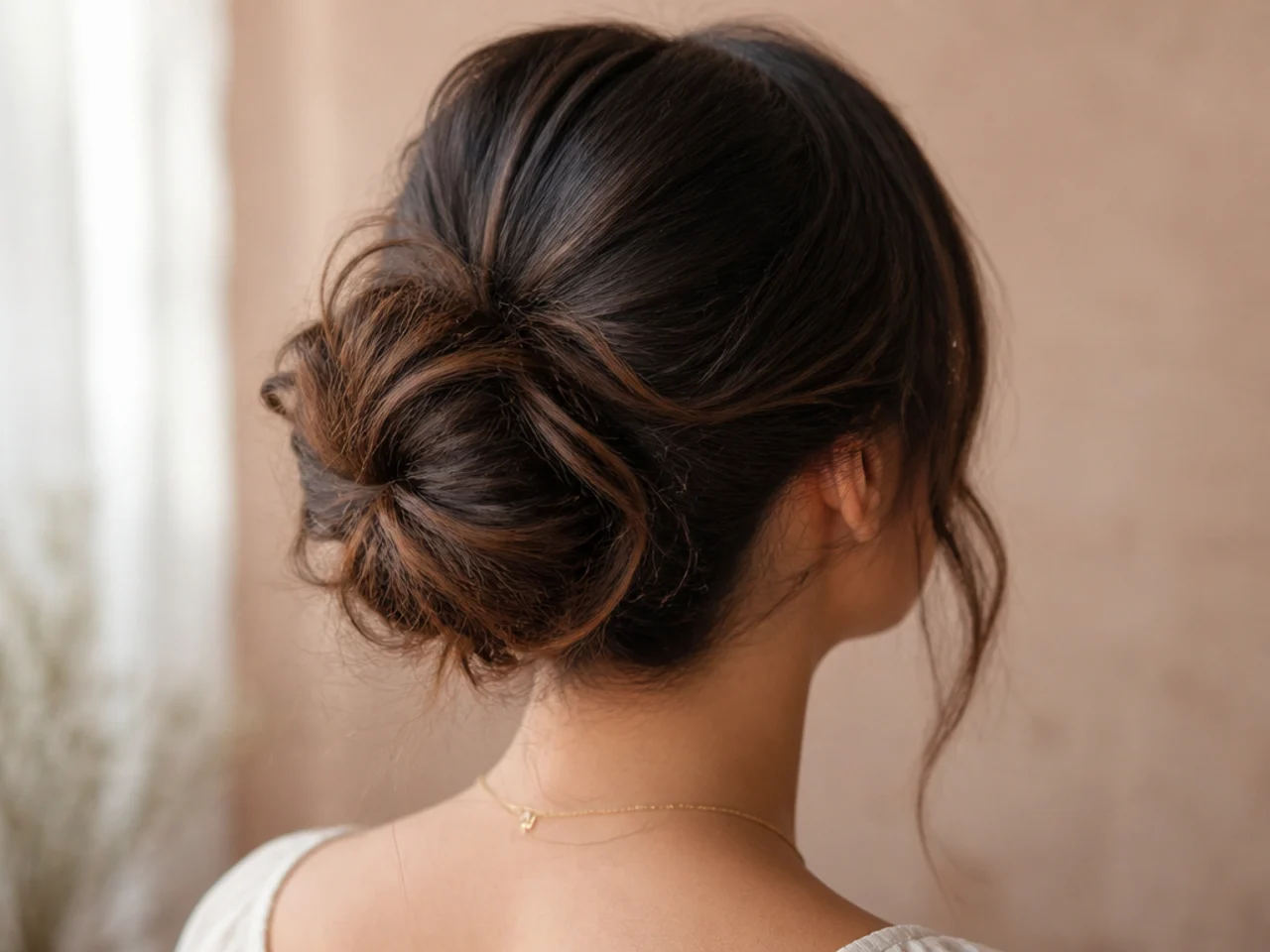
9. Messy Bun with a Deep Side Part
Asymmetric at the front, gathered behind.
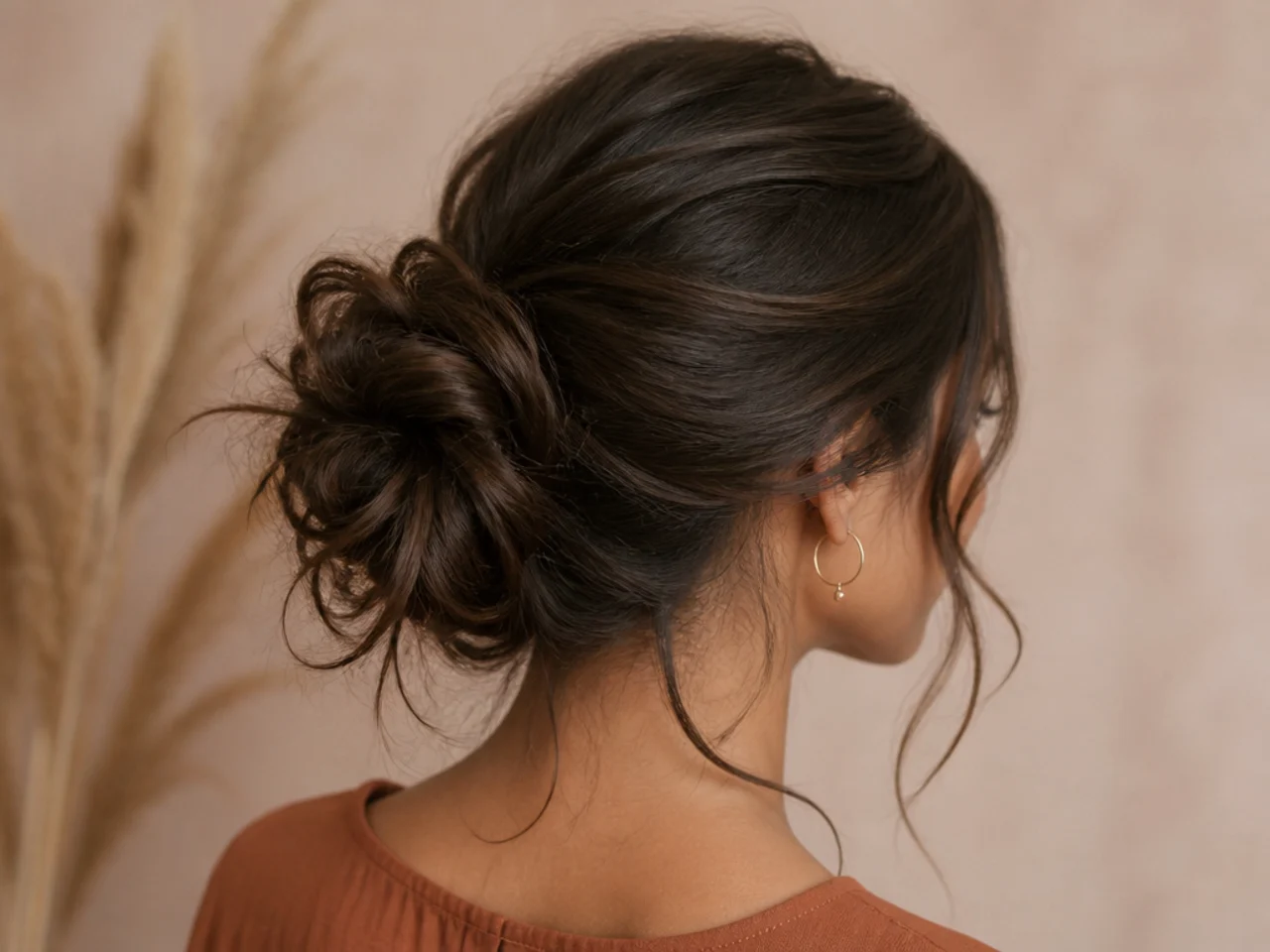
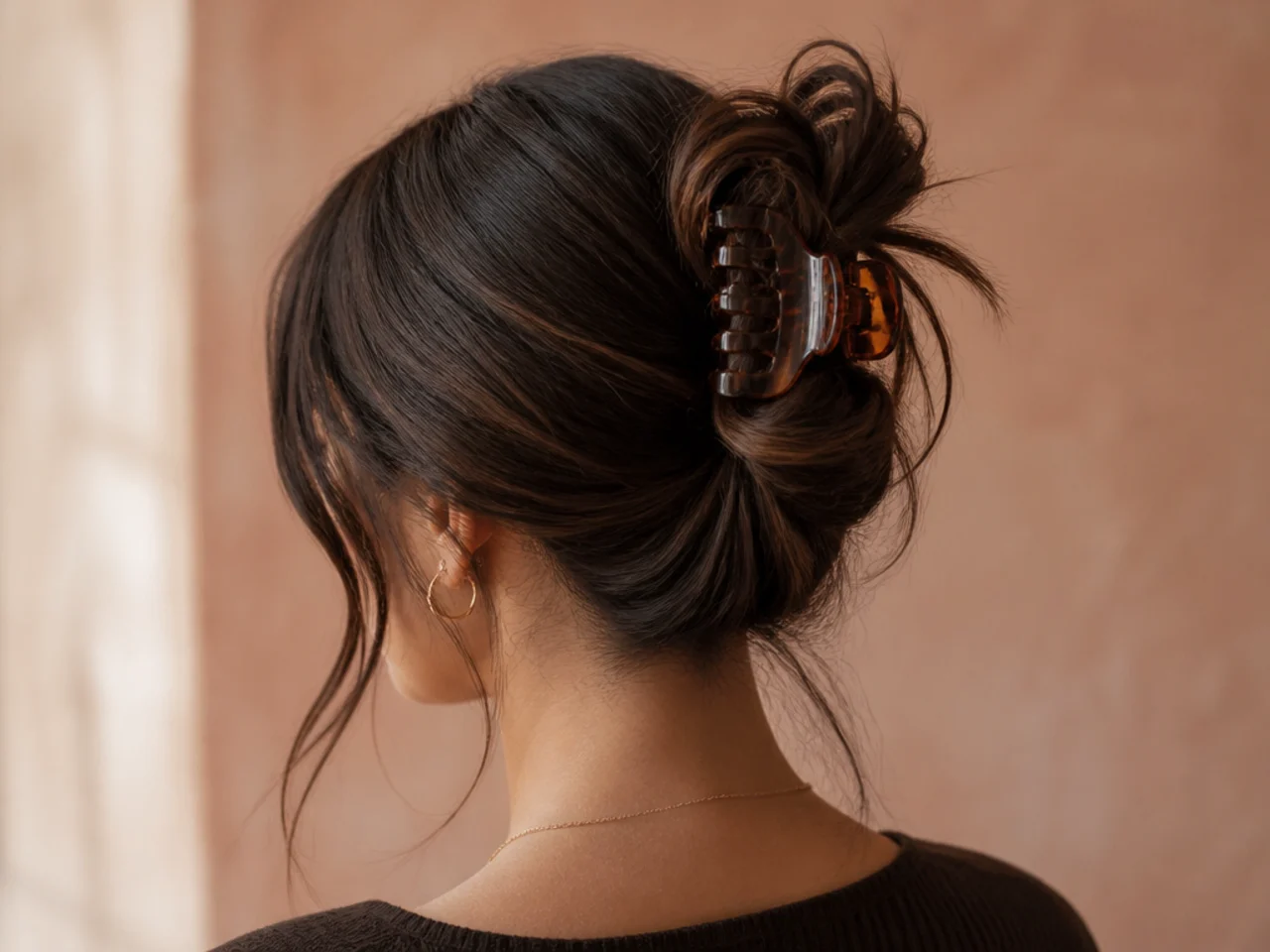
10. Claw Clip Messy Bun
Twisted and clipped. No elastic at all.
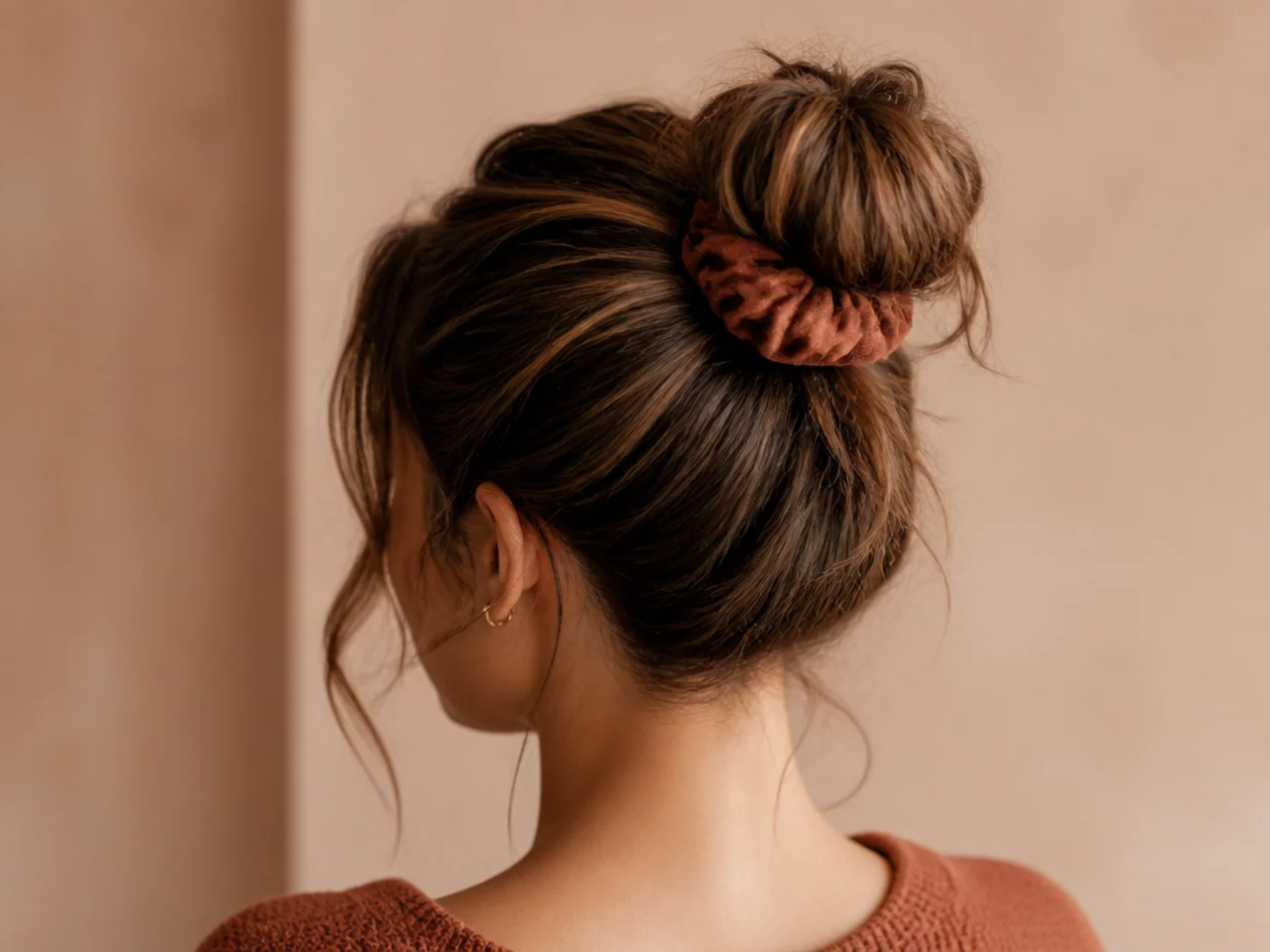
11. Messy Bun with a Scrunchie
Fabric grips better than a bare elastic, especially on fine hair.
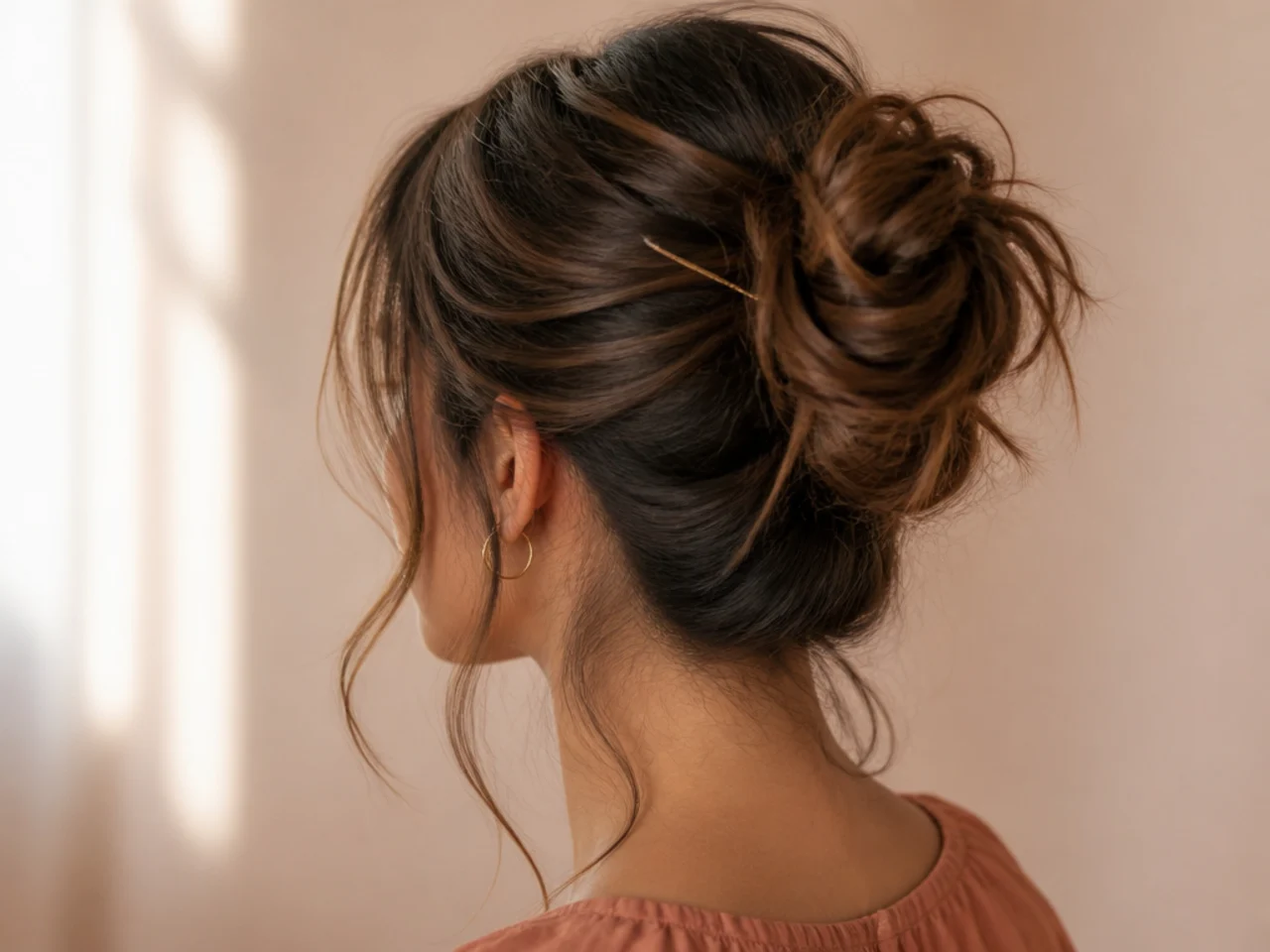
12. Pinned Messy Bun
Two grips instead of a tie. Very light, and it needs grippy hair. Cross them into an X — parallel grips slide out the way they went in.
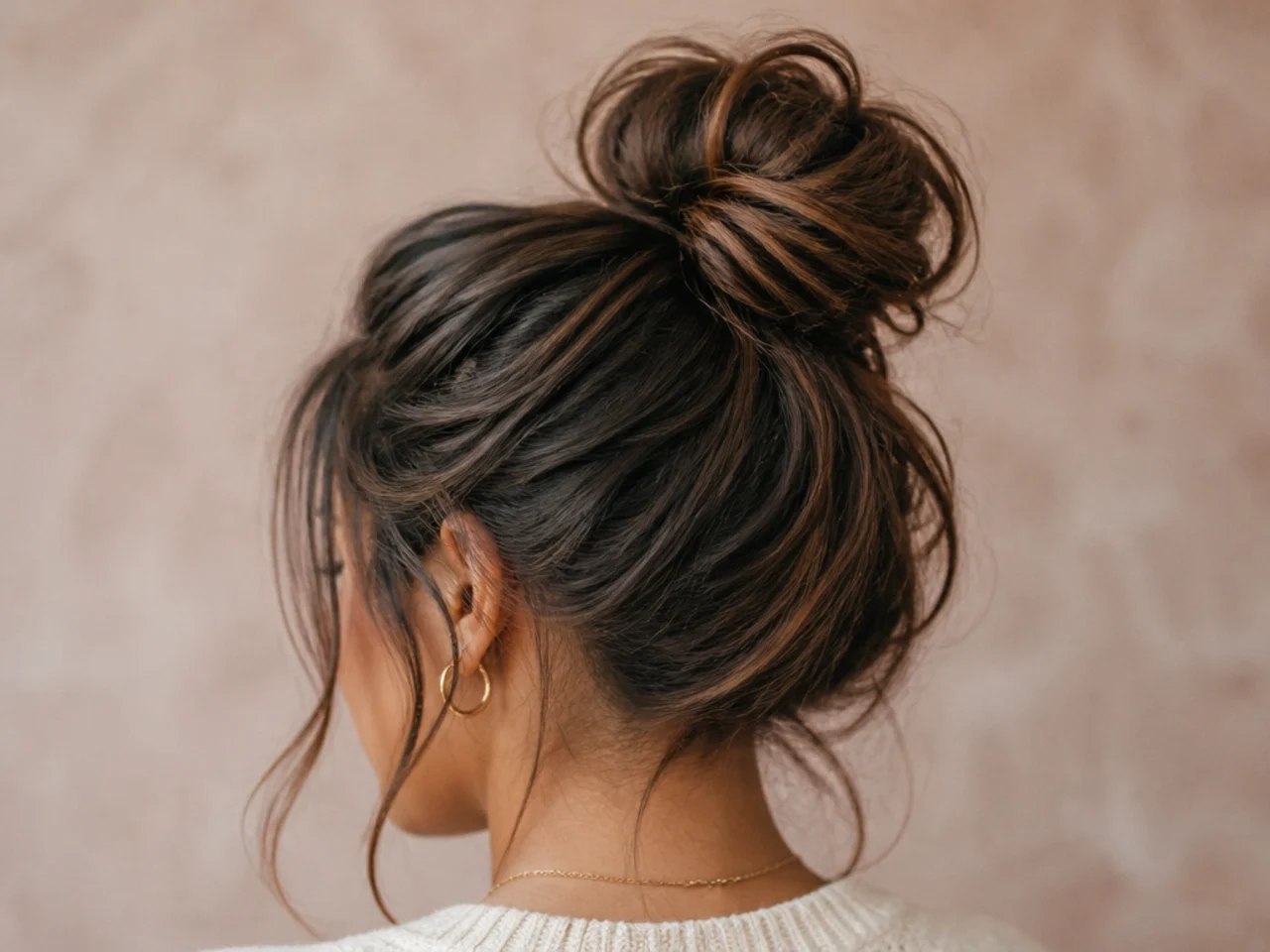
13. Messy Bun on Second-Day Hair
Where the technique works with the least effort.
14. Messy Bun with Texture Spray
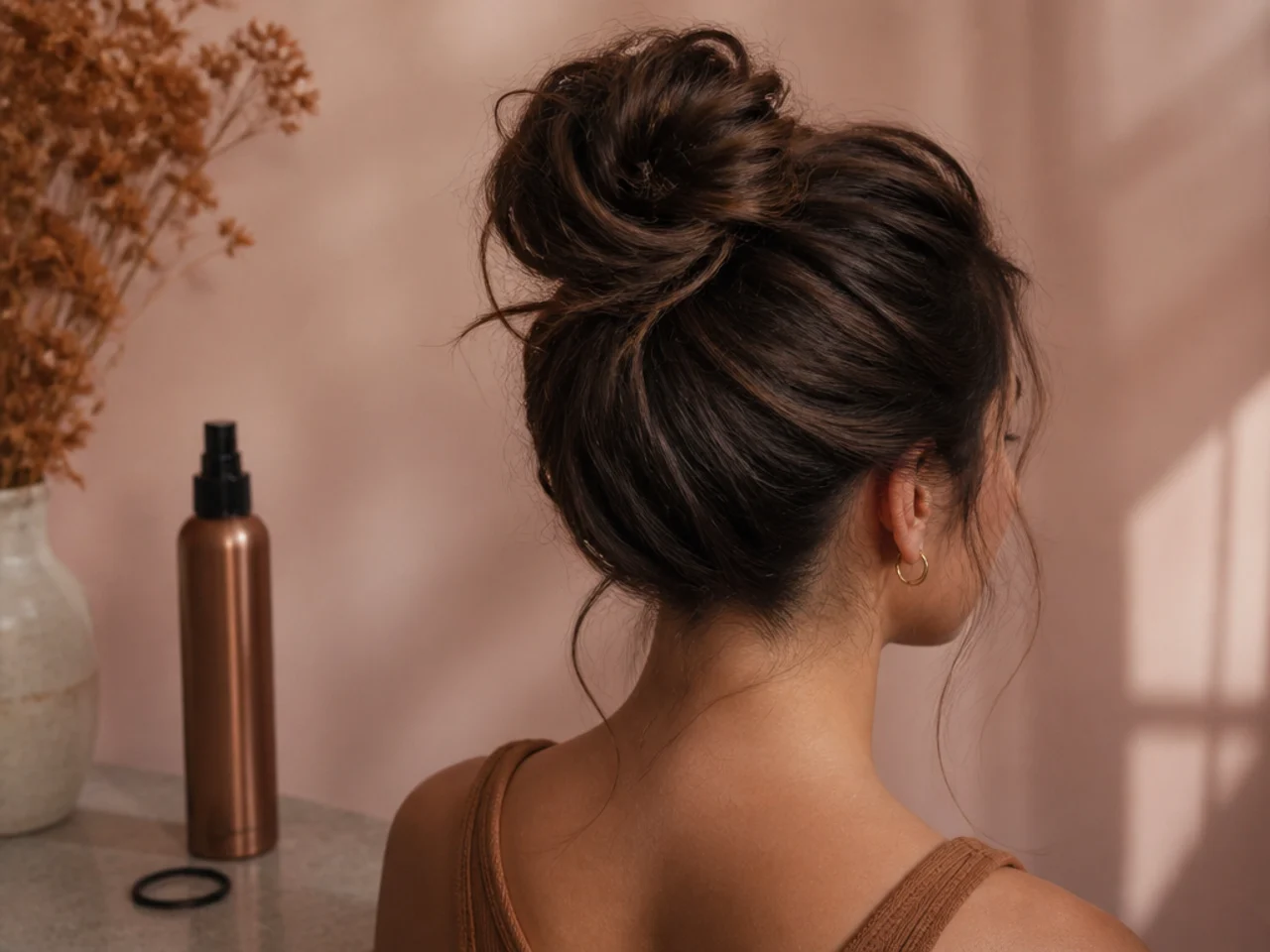
Friction added to clean hair. The workaround for wash day. Spray before gathering, because once it is up the product cannot reach the strands doing the holding.
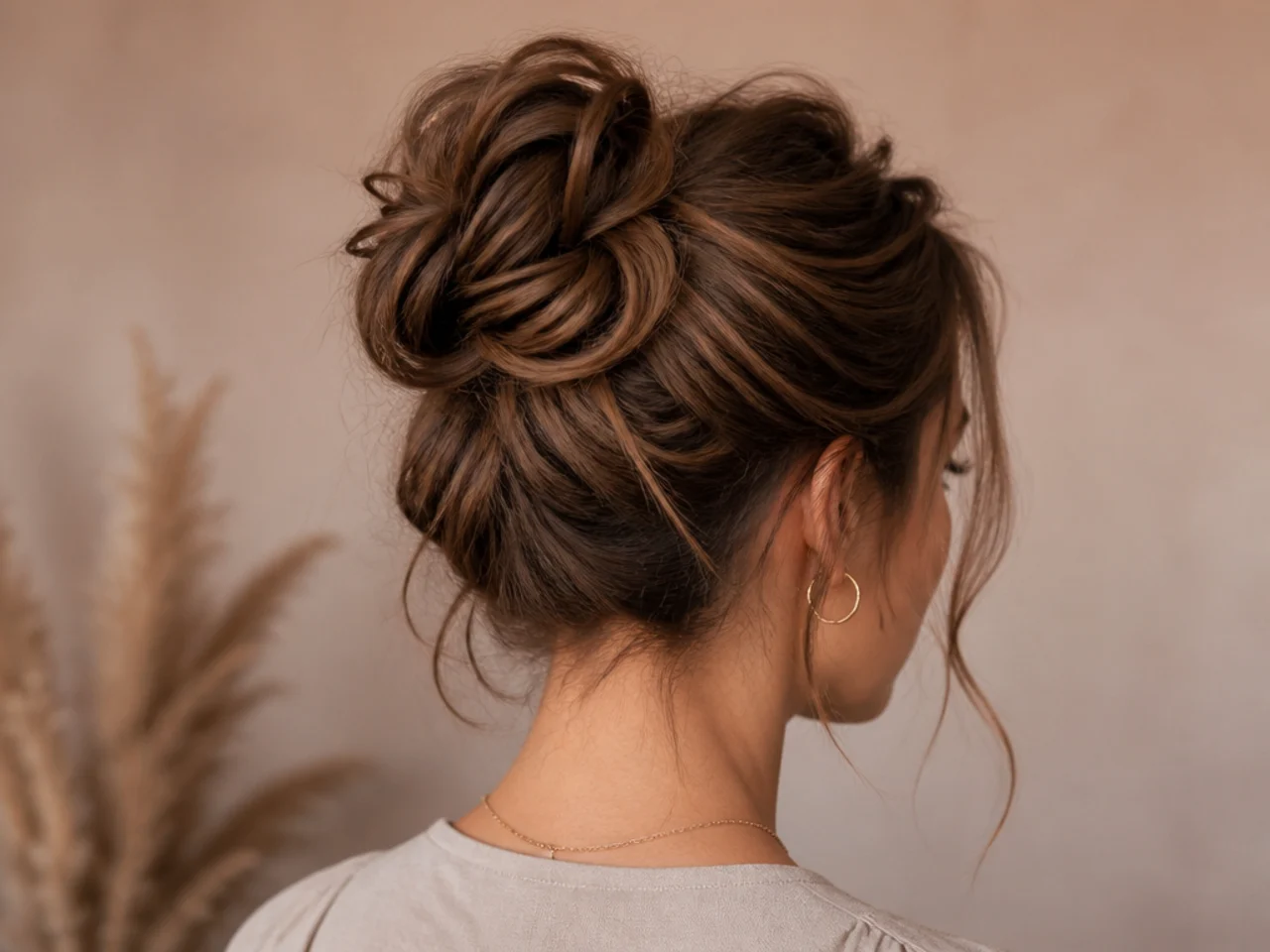
15. Messy Bun with a Backcombed Base
Friction built in at the root rather than sprayed on. Backcomb only where the tie will sit, which is the one place it will not show.
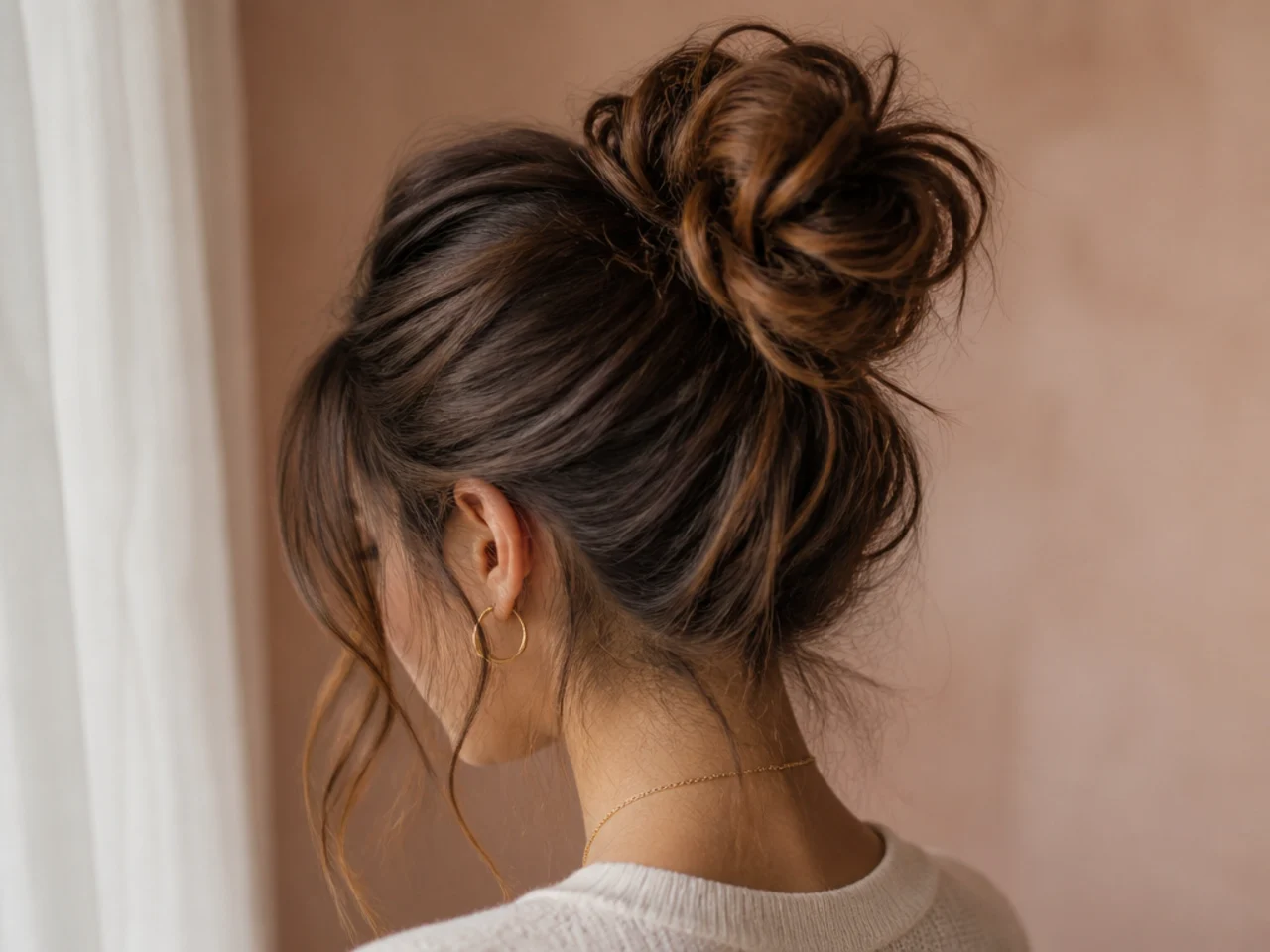
16. Half-Up Messy Bun
Top half gathered, the rest falling loose.
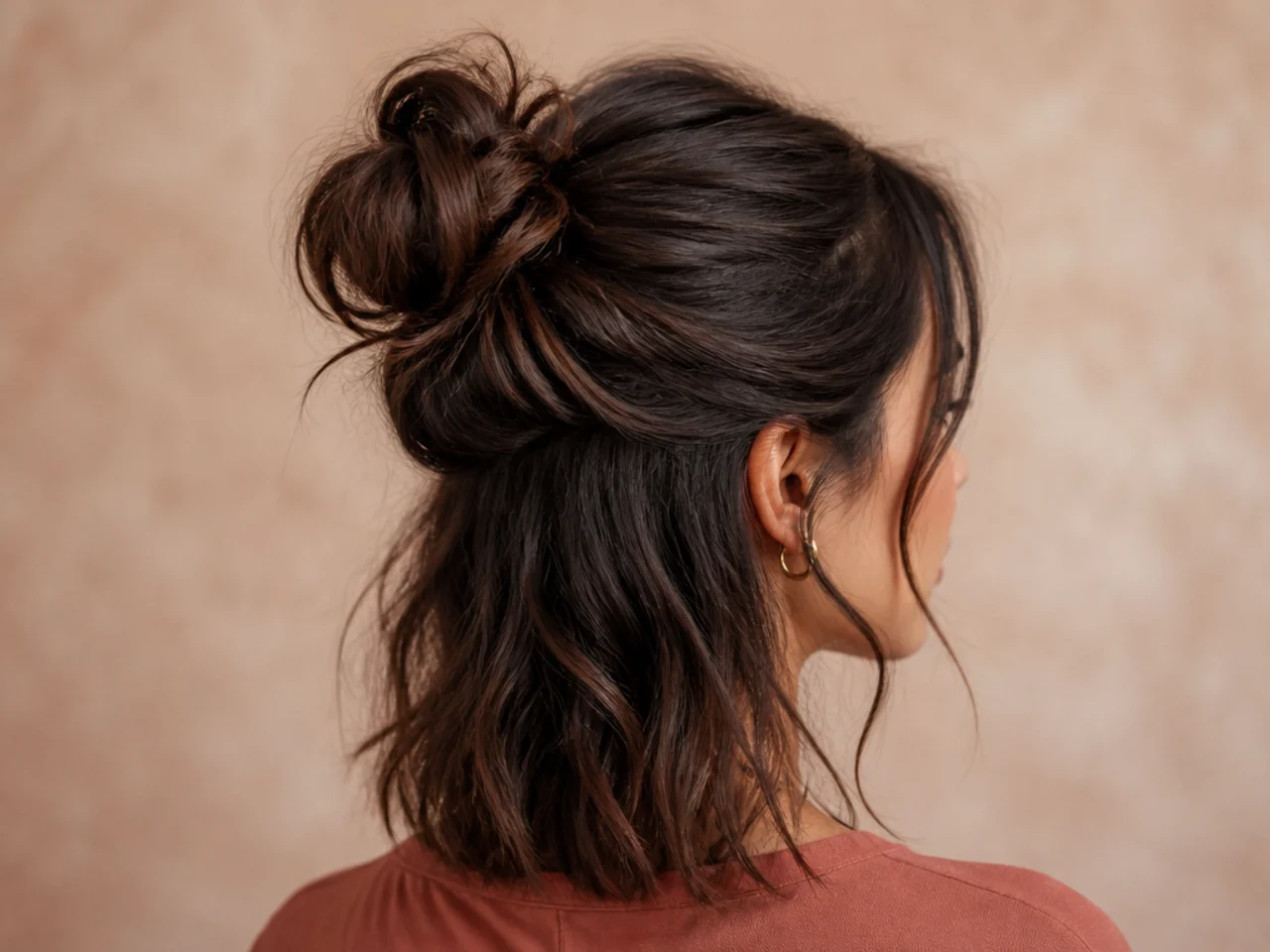
17. Two Messy Buns
Split and gathered on each side. Light and symmetrical.
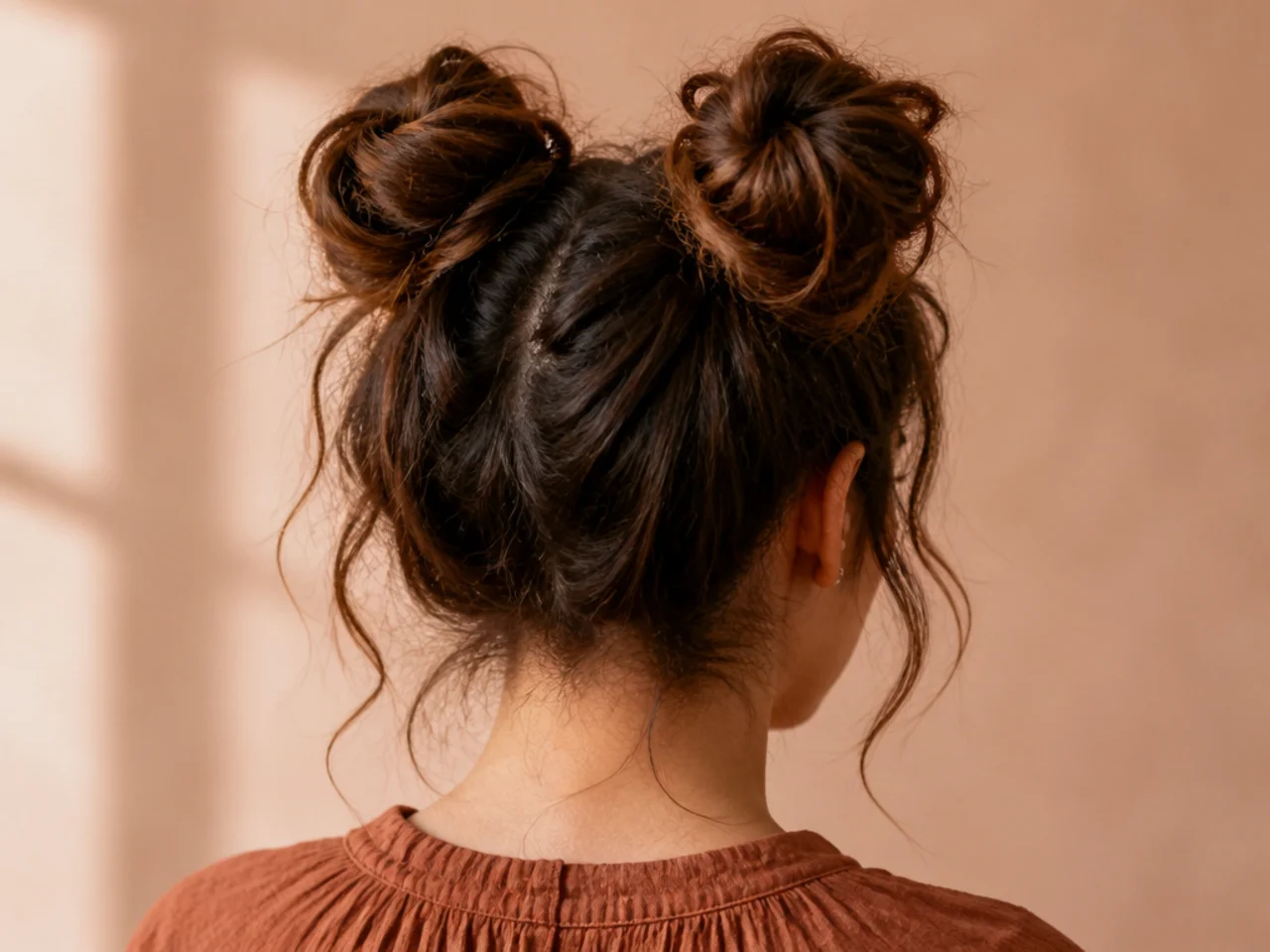
18. Messy Bun with a Headband
The band controlling the front while the back stays undone.
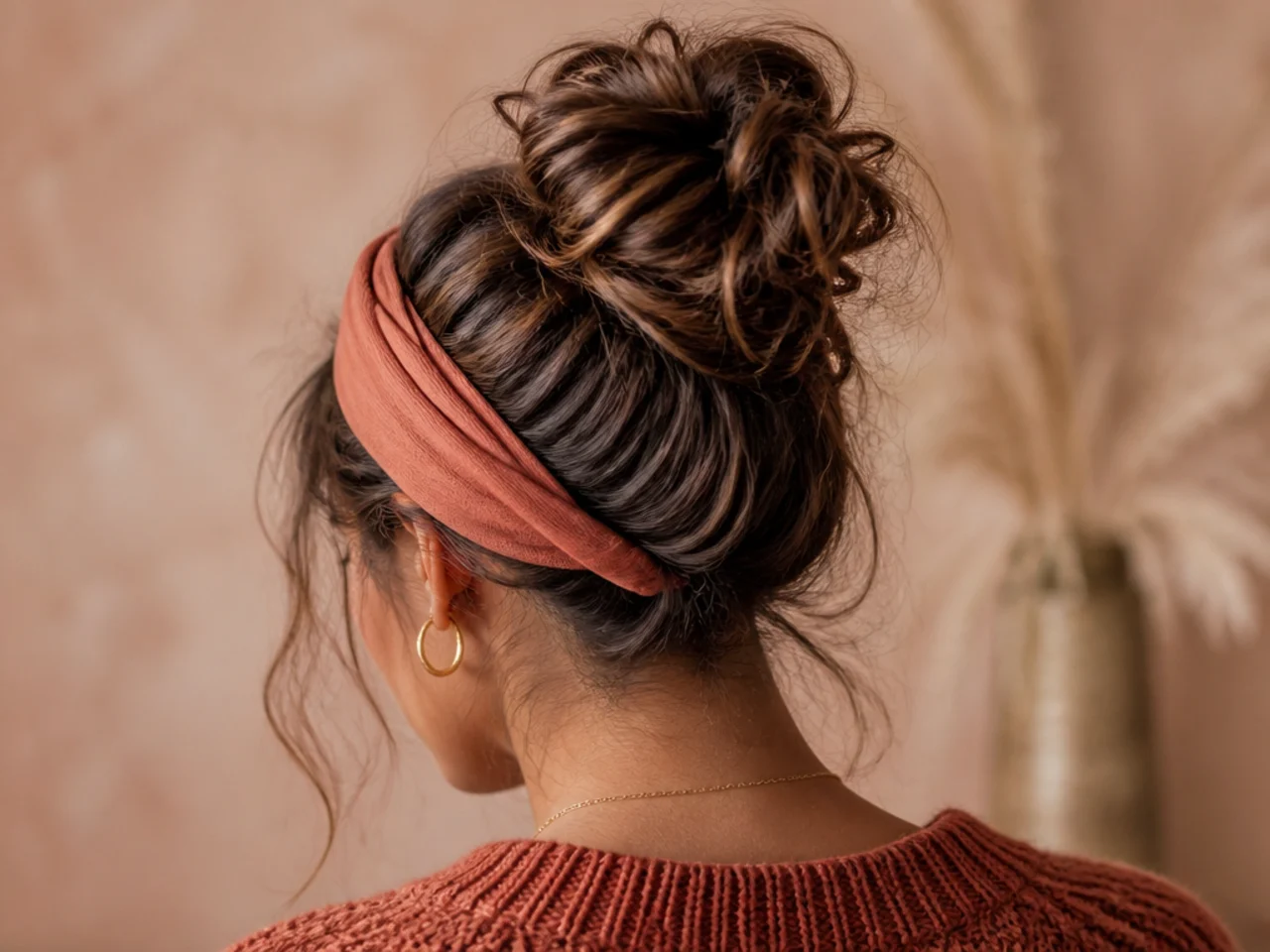
19. Messy Bun with a Scarf Tied Round
Fabric at the base, hiding the tie.
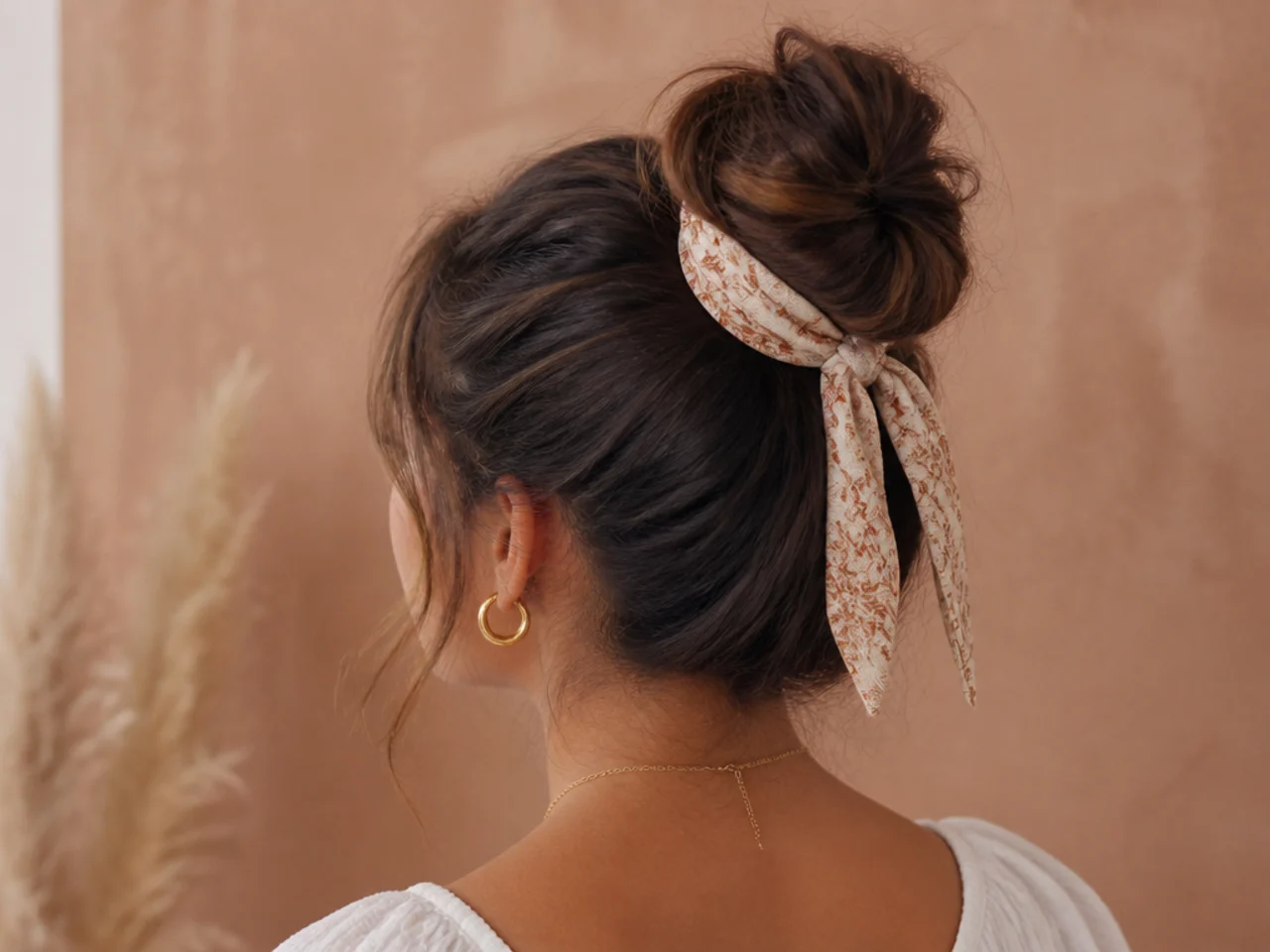
20. Messy Bun on Fine Hair
Backcombed base, fabric tie, and fewer pieces pulled out.
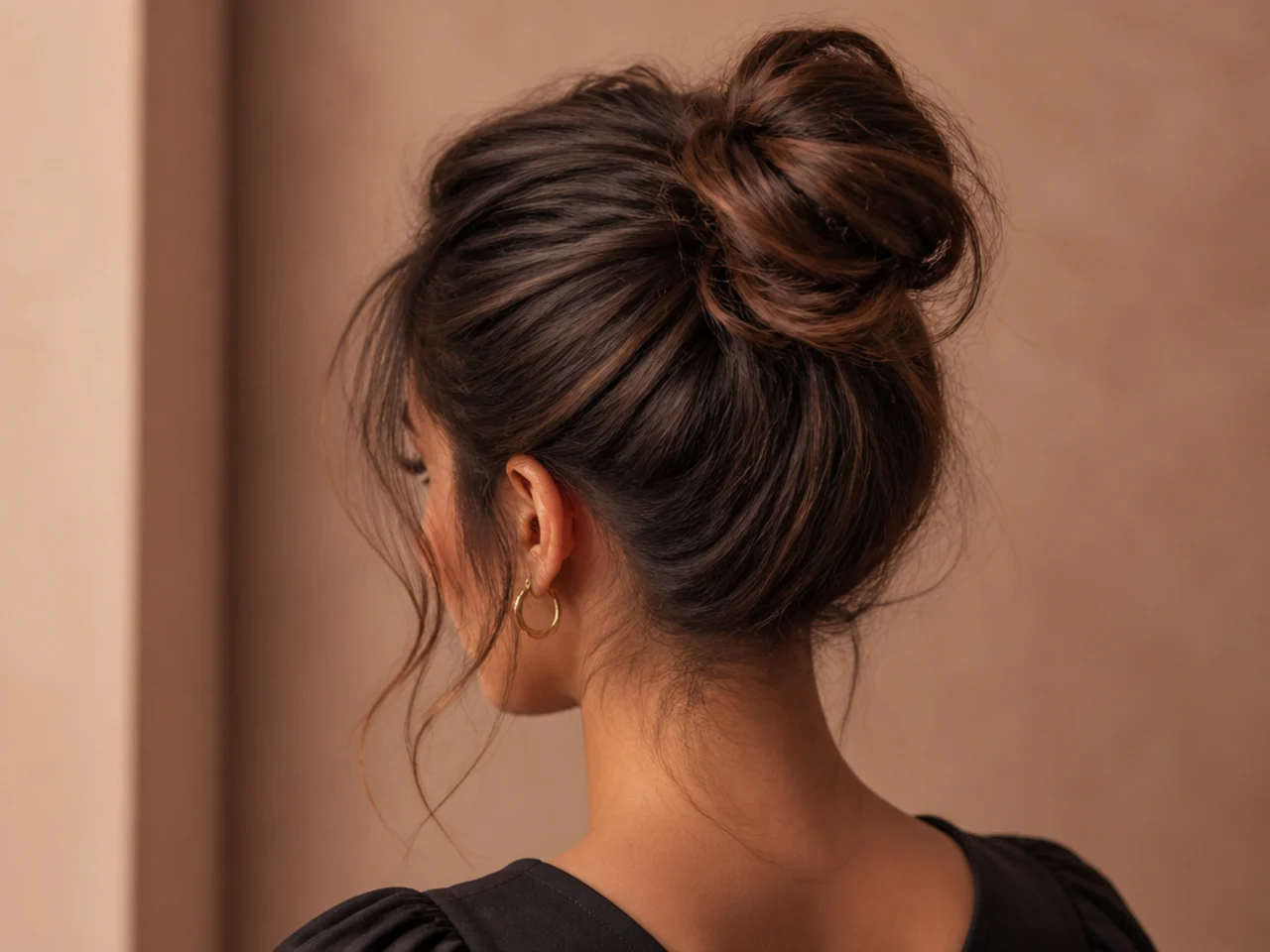
21. Messy Bun on Thick Hair
Split into two sections and wound separately to reduce bulk. Two smaller coils each sit within what a tie can close around; one rope of the same mass does not.
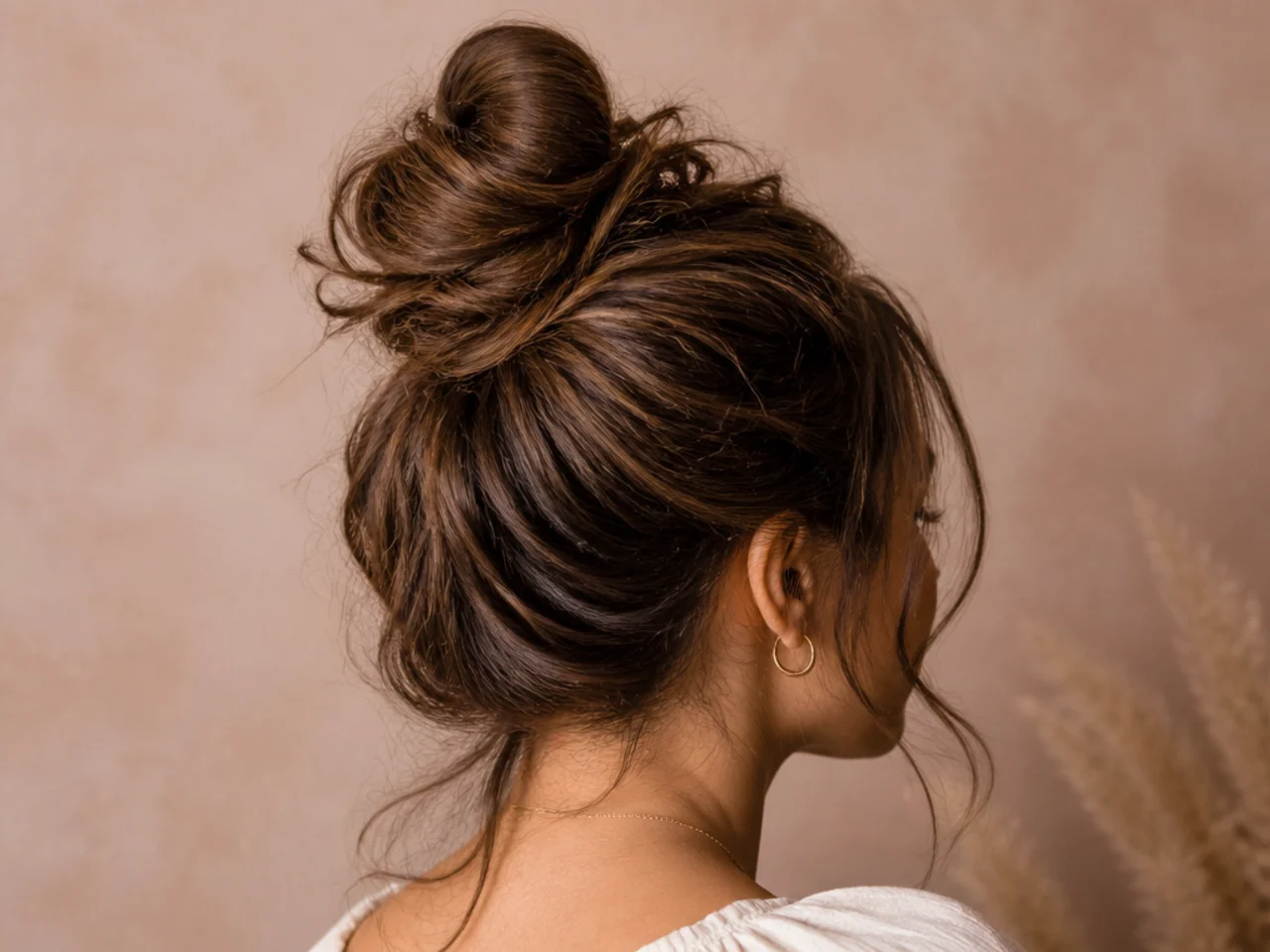
22. Messy Bun on Curly Hair
Gathered without combing, so the curl clumps stay intact. A clump is many strands already gripping each other, which is the friction you are relying on.
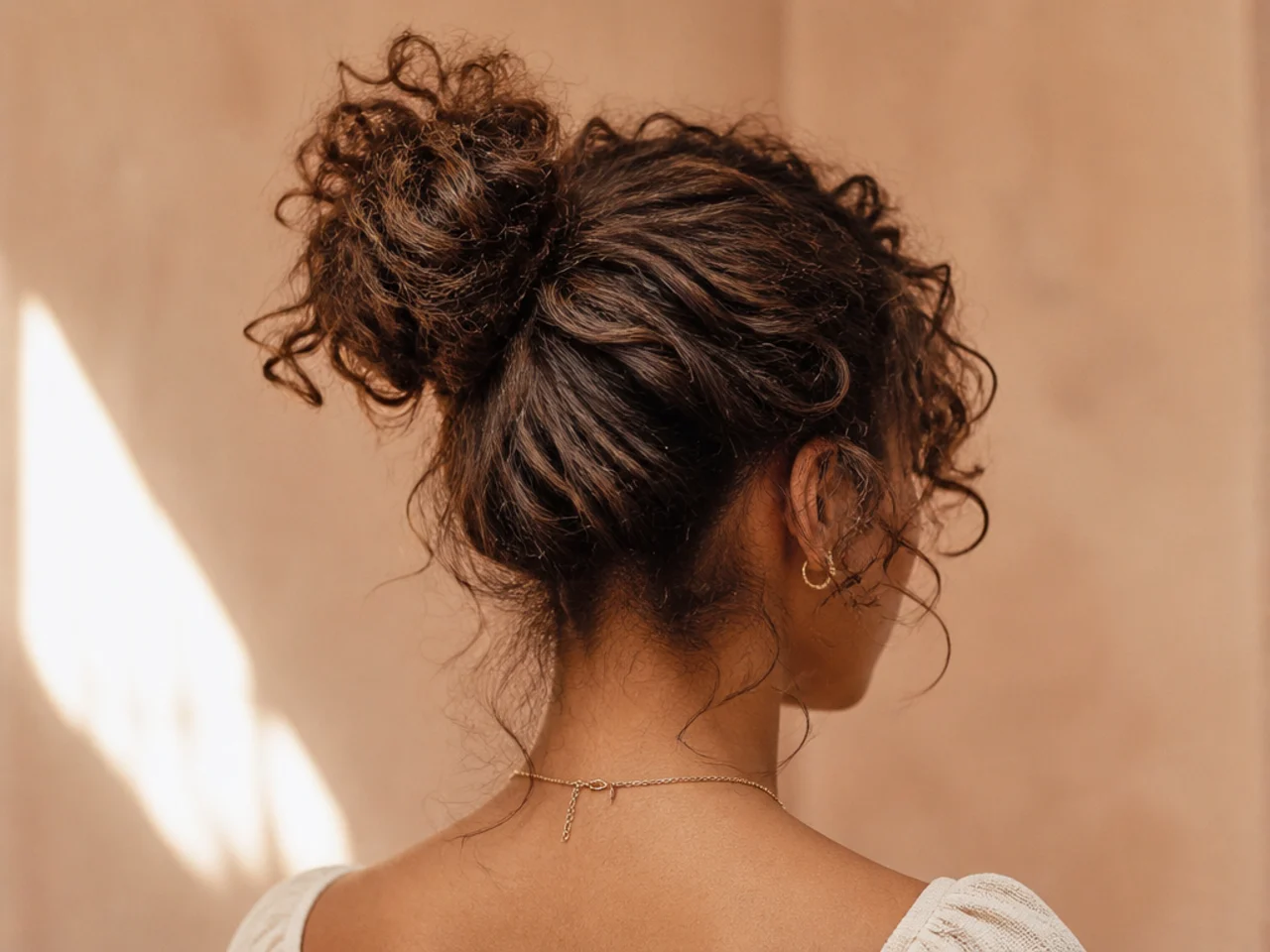
23. Overnight Messy Bun
Loosely coiled for sleep, released or reset in the morning.
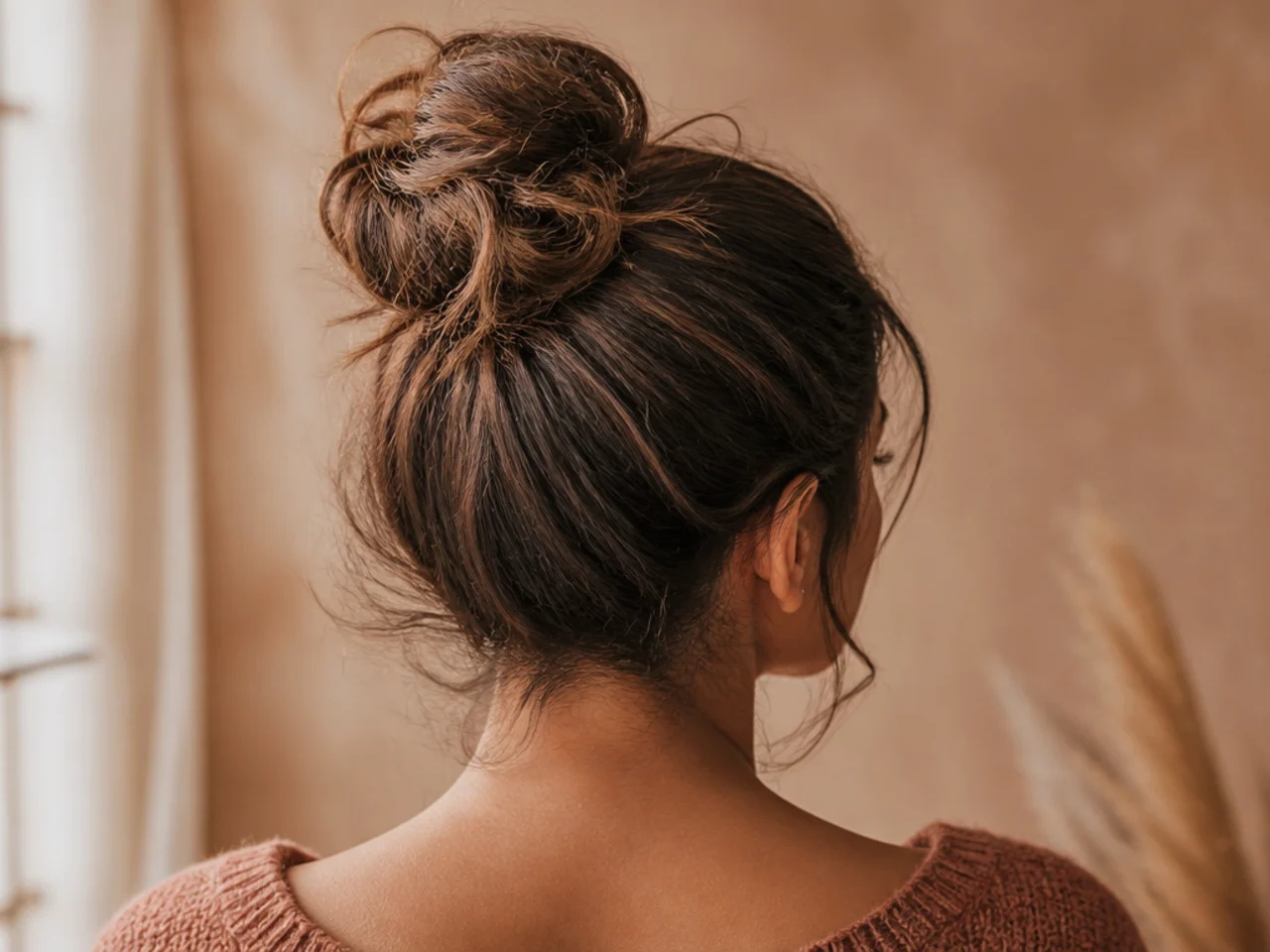
24. Gym Messy Bun
High, tight base, minimal pulled pieces. Built to survive movement. The one context where a tight base is worth the root tension, because a loose one will not last the session.
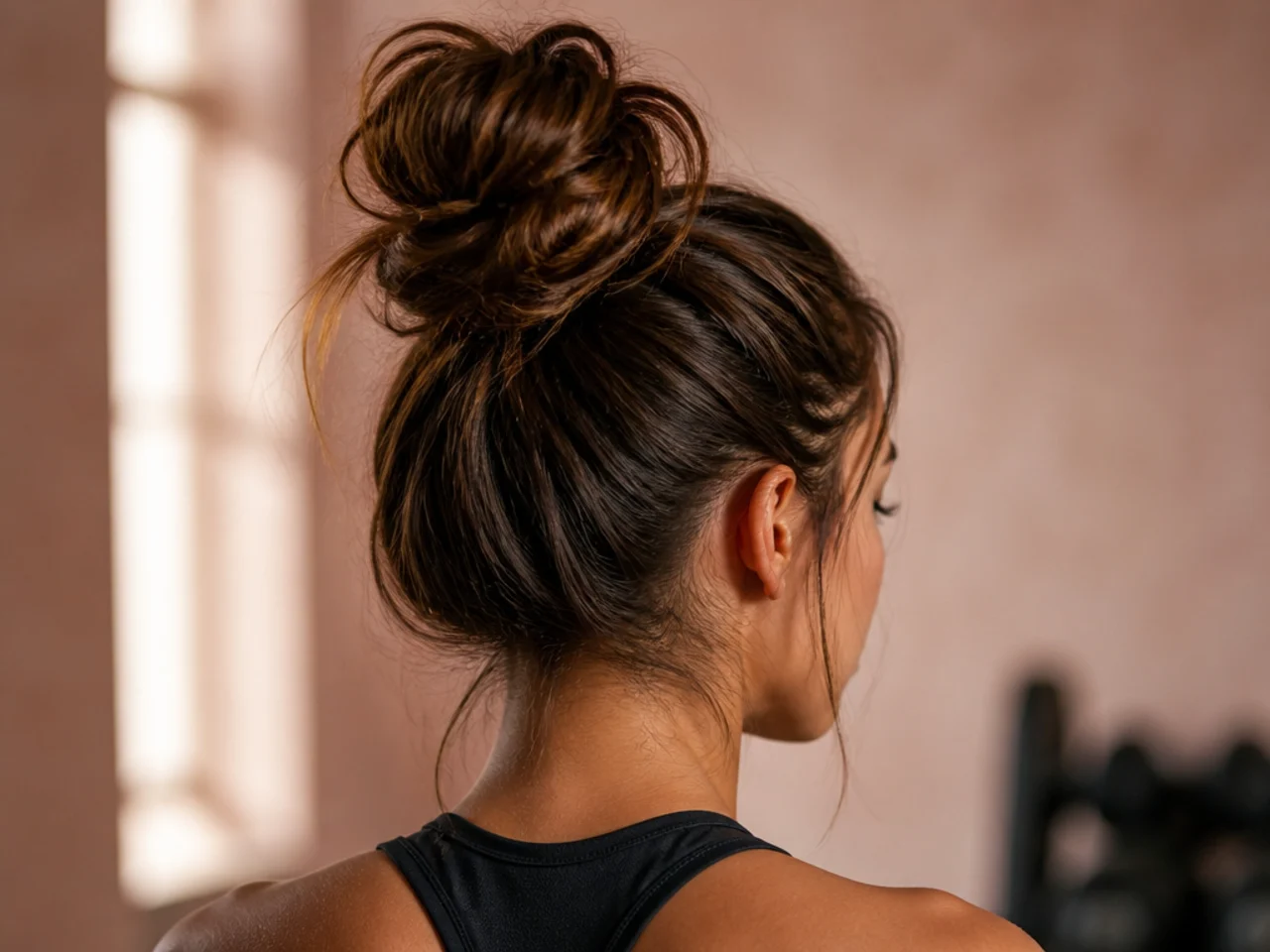
25. A Bun That Has Slid Down
Loose base, sagging by lunchtime. The failure to recognise. It cannot be pulled back up — the hair has loosened at the root, and only a reset fixes that.
Styling and Upkeep
Secure before you loosen. If you cannot shake your head without it moving, it is not ready to be messed up.
Pull from the outside, in small amounts. Three or four pieces total. More reads as collapse.
Reset rather than tighten. A bun that has slipped cannot be pulled back up; take it out and redo it in thirty seconds.
Use fabric ties on fine hair. They grip where bare elastics slide, and they do not snap the hair.
Do not sleep in a tight one. Overnight tension at one point is where breakage happens.
Mistakes to Avoid
Gathering loosely from the start. Tight base, loose surface — never both loose.
Attempting it on freshly washed hair with no product. There is nothing for the strands to grip.
Pulling pieces from the base. They read as escape rather than as style.
A thin elastic on thick hair. It slips, then it snaps.
Tightening a slipped bun. Redo it instead; it takes less time.
FAQ
Why does it fall out? The base was loose. Only the surface should be.
What holds a bun? Friction between strands. The tie only stops it unwinding.
Is dirty hair better? Yes, considerably — more grip, less product, fewer pins.
Final Thoughts
Do the whole thing tightly, then spend ten seconds undoing it at the surface. Every messy bun that fails was made loose from the start — and the version that lasts all day is a neat bun with about four pieces pulled out of it.
For the adjustments each hair type needs see 20 simple bun tutorials for every hair type, and for the no-elastic version see the claw clip bun. More in Updos & Clips.