20 Old Money Haircut Ideas for Women
Twenty old money haircut ideas across every age, and the unusual thing about this aesthetic — it is one of the very few that gets easier to wear as you get older rather than harder.
In this article · 27
- What Changes Across the Decades
- How to Choose Yours
- The 20 Ideas
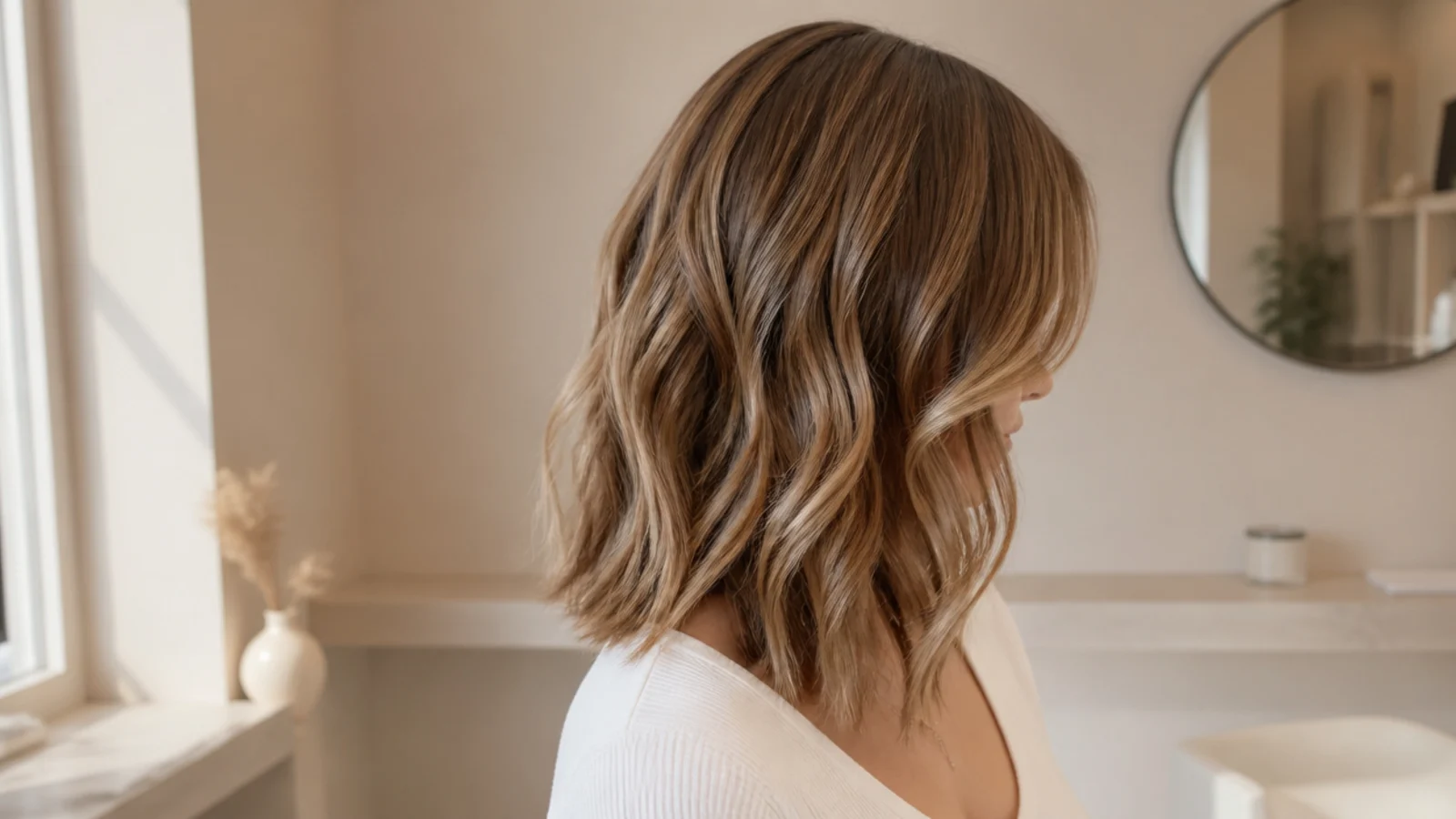
- 1. Softly Layered Mid-Length
- 2. Blunt Collarbone Lob
- 3. Classic Chin-Length Bob
- 4. Long Hair with Internal Layers
- 5. Blunt Cut on Fine Hair
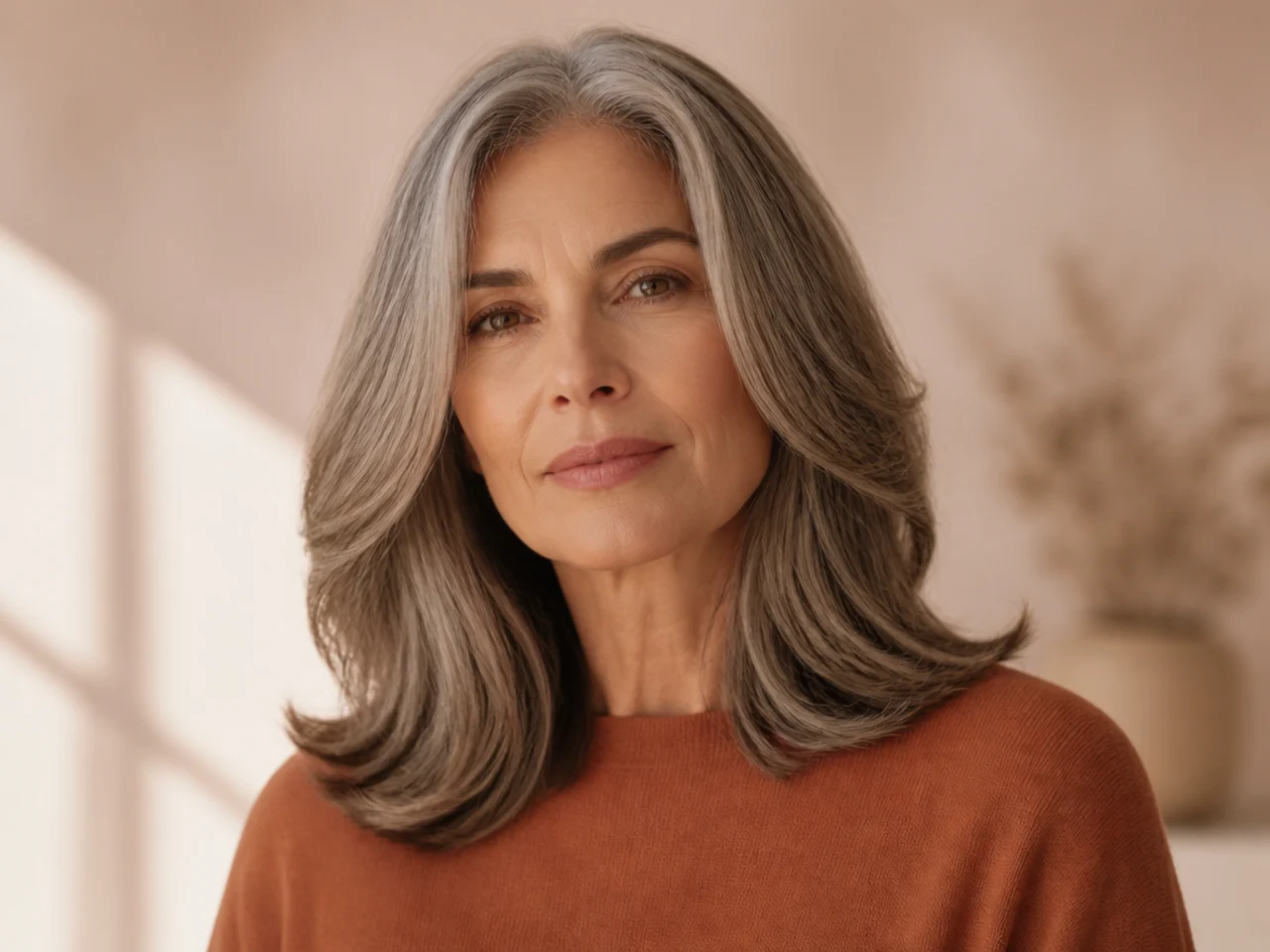
- 6. Natural Silver, Cut Precisely
- 7. Salt and Pepper Grown Out
- 8. Glossed Silver
- 9. Natural Brunette, No Colour Service
- 10. Two Shades of Depth
- 11. Shoulder-Length with Soft Framing
- 12. Short Layered Crop
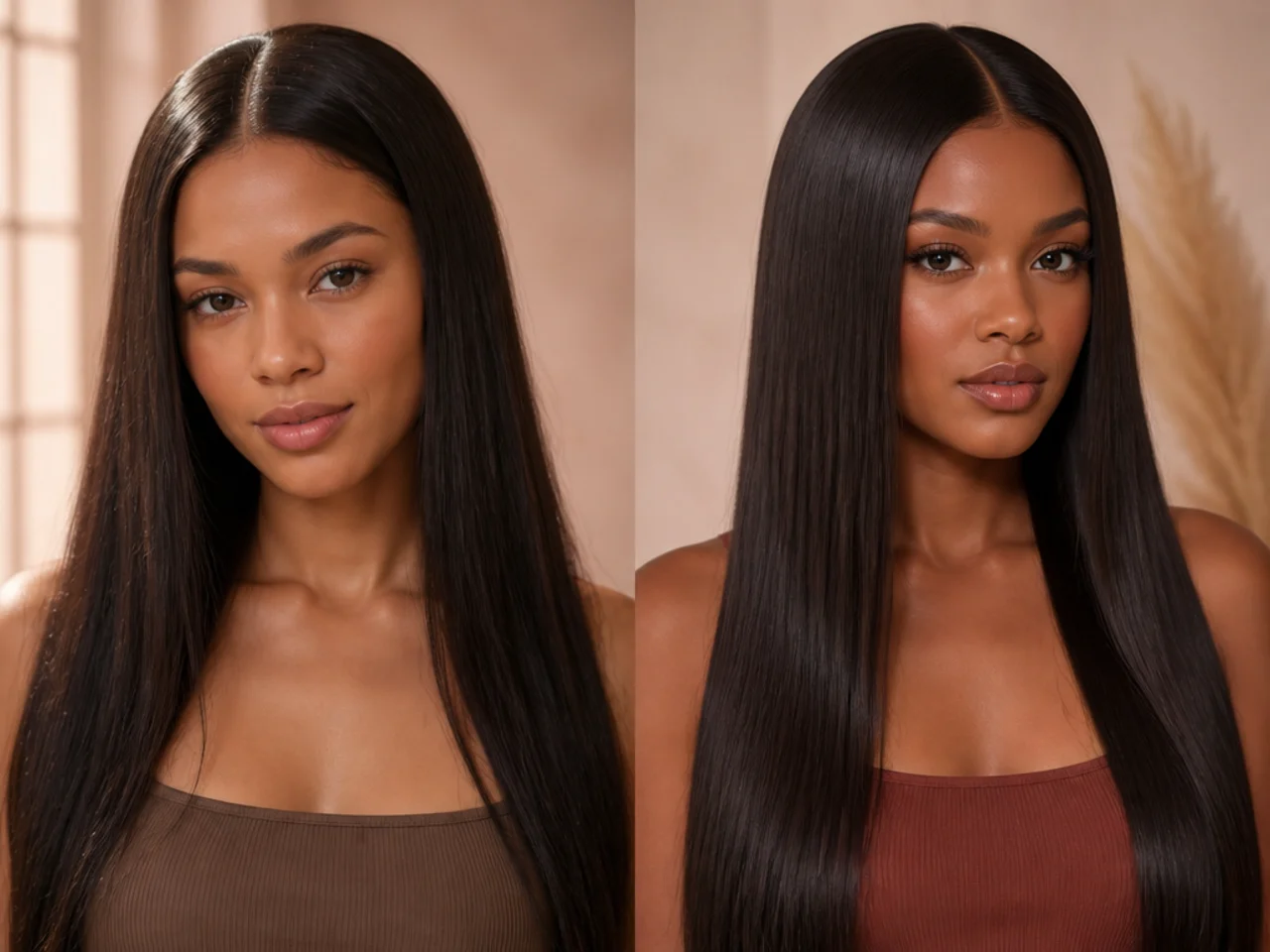
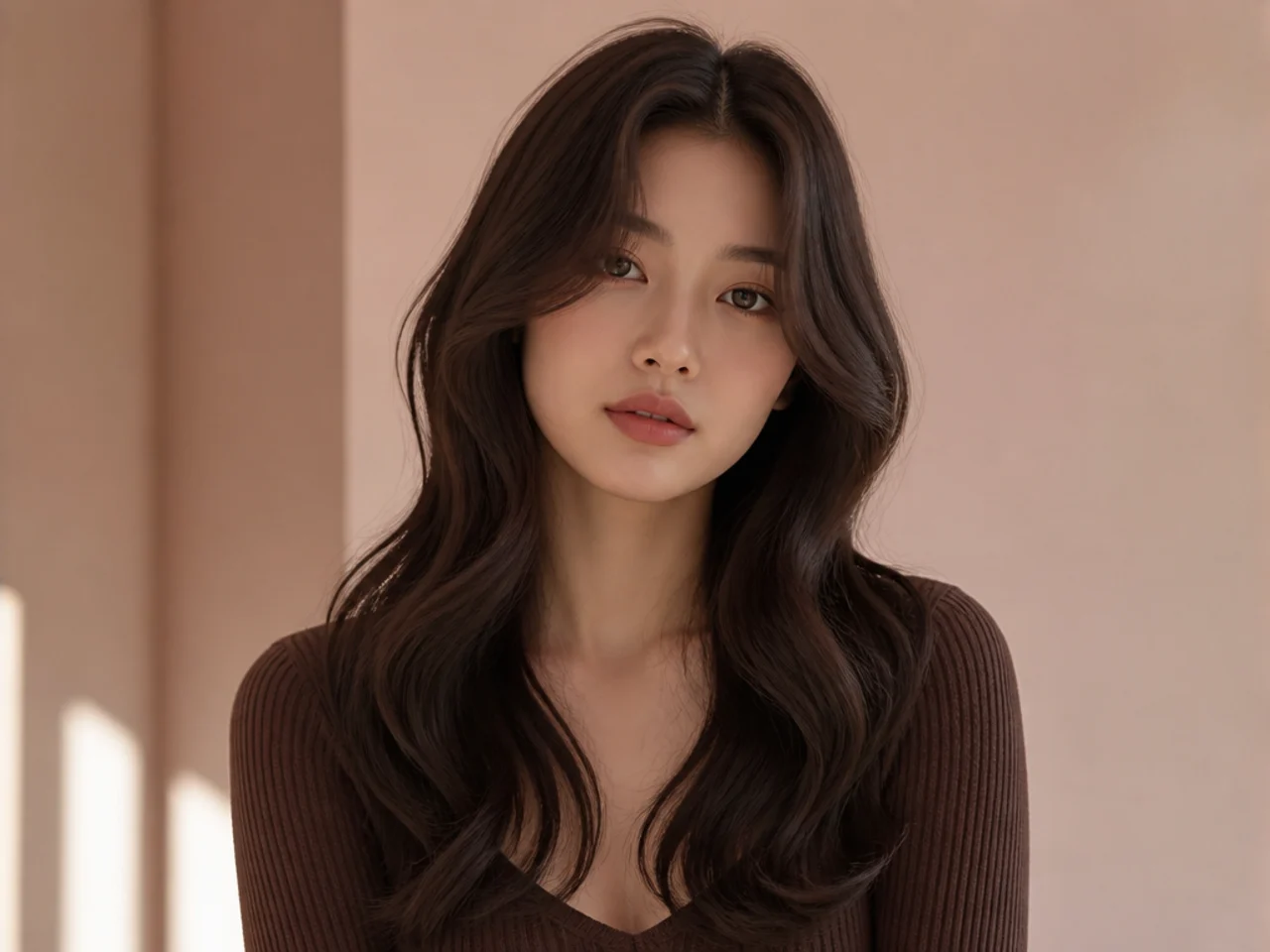
- 13. Centre-Parted Long Hair
- 14. Soft Side Part
- 15. Air-Dried Natural Texture
- 16. Low Ponytail with a Ribbon
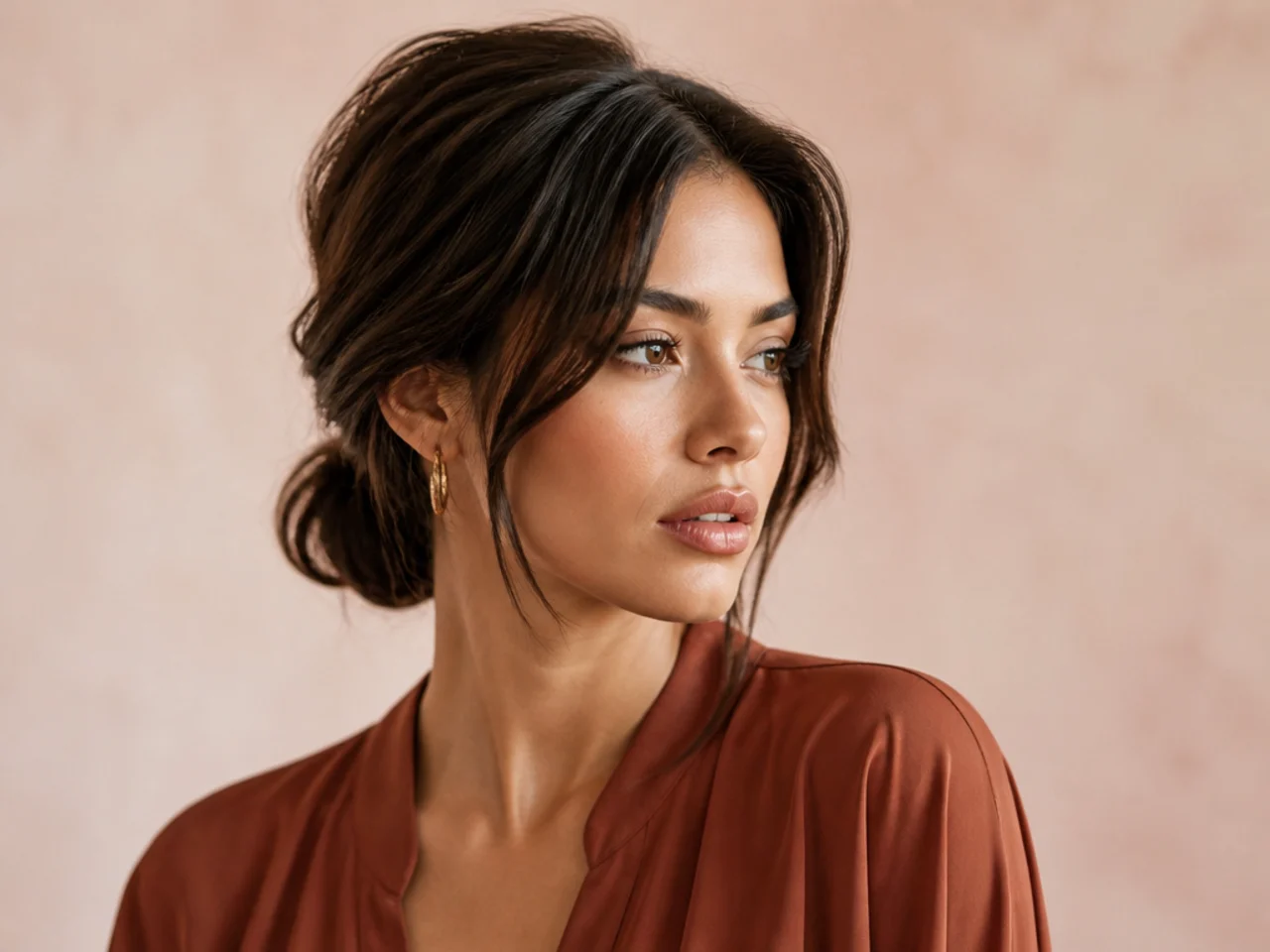
- 17. Simple Low Bun
- 18. Tucked Behind Both Ears
- 19. Freshly Trimmed Dry Ends
- 20. A Cut Made for Denser Hair
- Styling and Upkeep
- Mistakes to Avoid
- FAQ
- Final Thoughts
Most hair aesthetics get harder to wear as you get older. This one gets easier, and the reason is structural.
It rewards not chasing trends. An aesthetic built on the absence of visible technique does not date, because there is no technique in it to go out of fashion.
And it is the one look that accommodates grey. Natural silver worn plainly is entirely on-brief here. Almost every other current aesthetic requires either covering it or making a statement of it.
What Changes Across the Decades
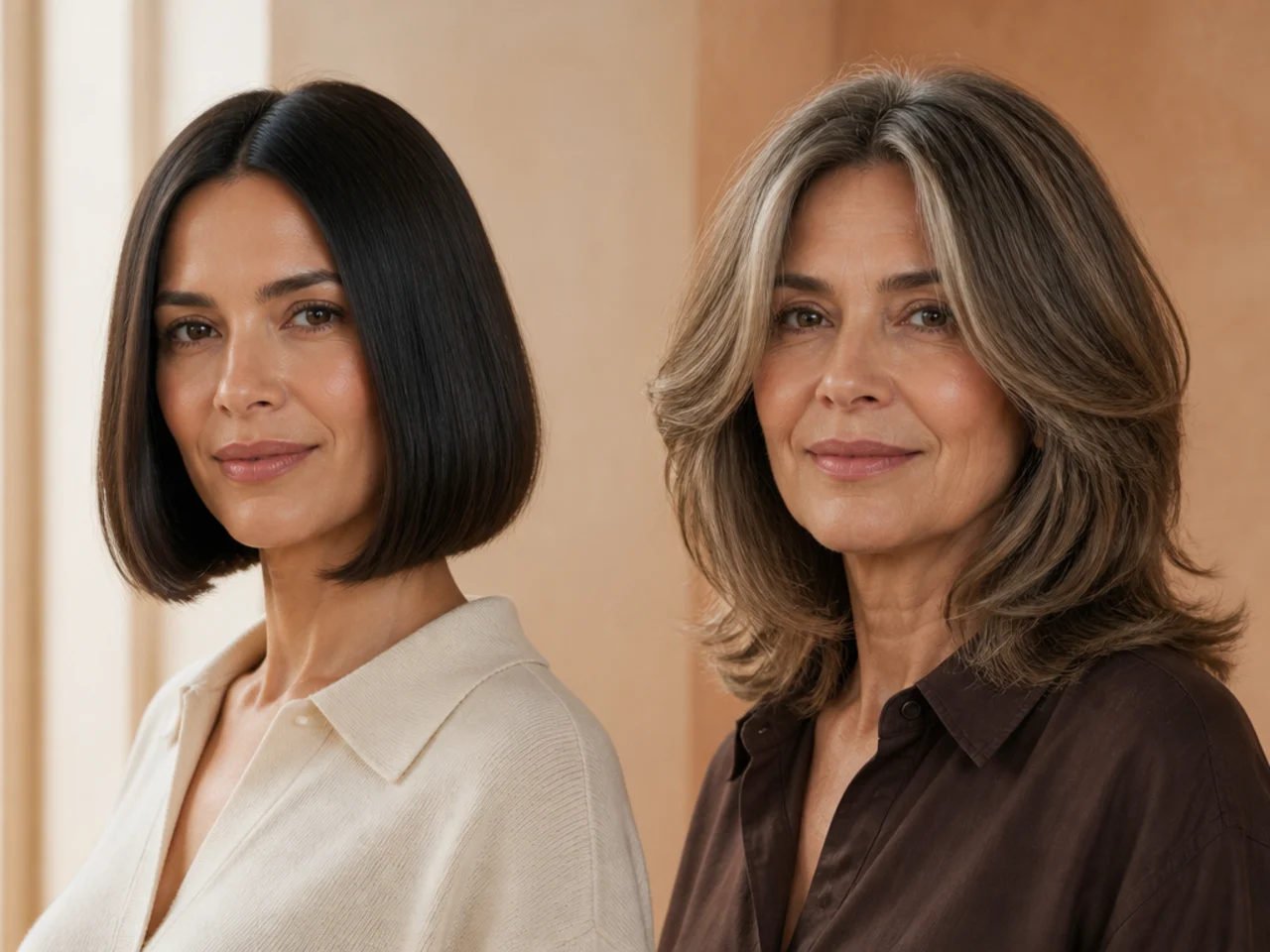
The shape barely changes. The same cuts work at twenty-five and sixty-five, which is unusual and is the point.
The density does. Hair tends toward finer and drier over time, so the same look is usually delivered with a blunter perimeter and fewer layers.
The colour decision opens up. Growing grey out is a genuine option in this aesthetic rather than a compromise, which it is not in most others.
Condition matters more, not less. Drier hair needs the ends kept shorter and treated more often, since ends are the whole finish here.
How to Choose Yours
Cut to your current density, not your remembered one. The most common mismatch, and the easiest to fix.
Go blunter as hair gets finer. Blunt ends read fuller; tapered ones read sparse.
Treat growing out grey as a colour plan. A gloss can smooth the transition without covering it.
Trim more often as ends get drier. Eight weeks rather than twelve.
The 20 Ideas
1. Softly Layered Mid-Length
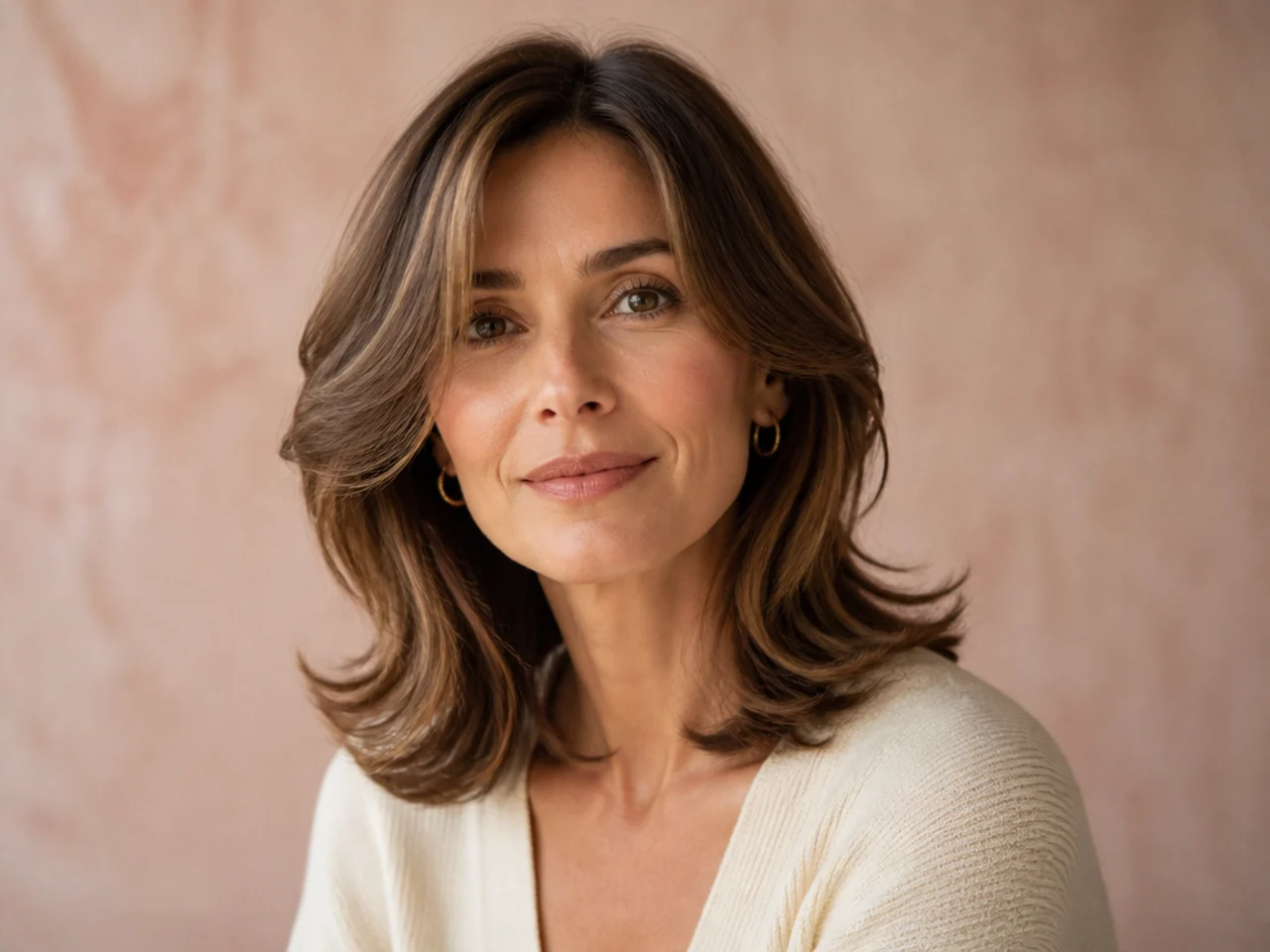
The core shape, and it works at any age. Layers kept long have no fixed proportion to lose, which is why the same cut suits twenty-five and sixty-five.
2. Blunt Collarbone Lob
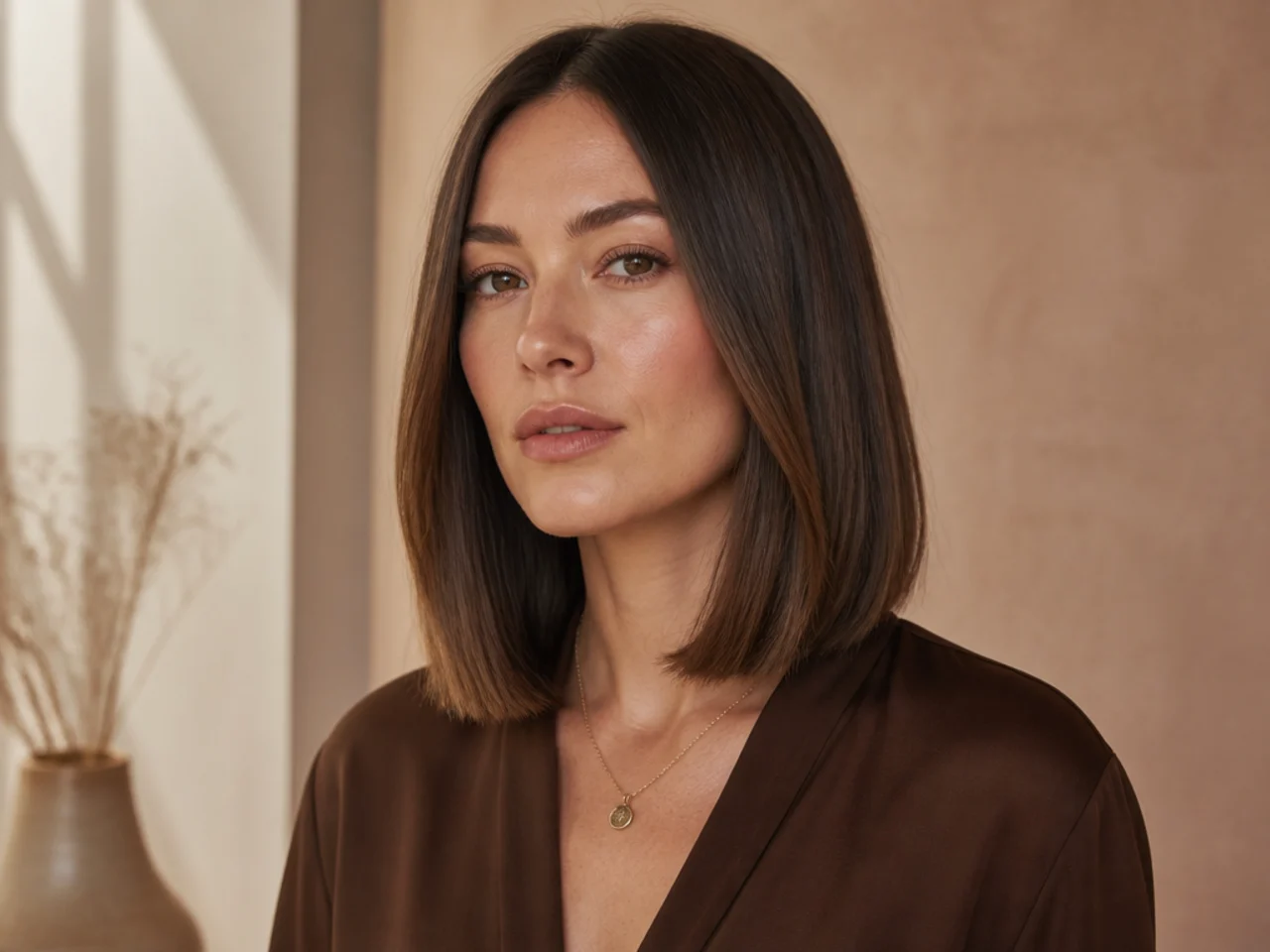
One clean line, and the most universally flattering length here. The collarbone sits below the jaw, so nothing stops the eye at the widest part of the face.
3. Classic Chin-Length Bob
The oldest shape on this page and still the strongest. It has lasted because it depends on one length rather than on a silhouette tied to a decade.
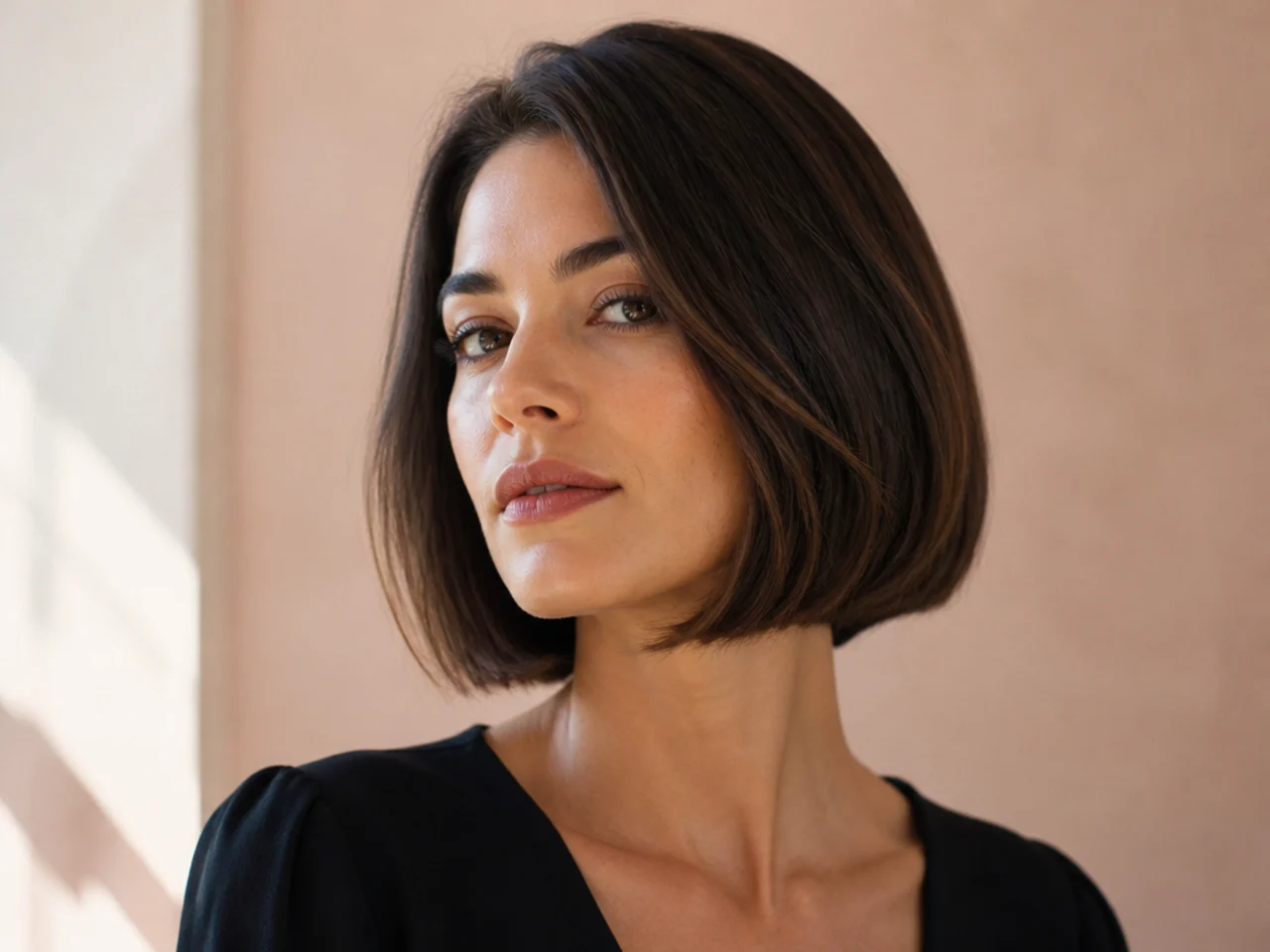
4. Long Hair with Internal Layers
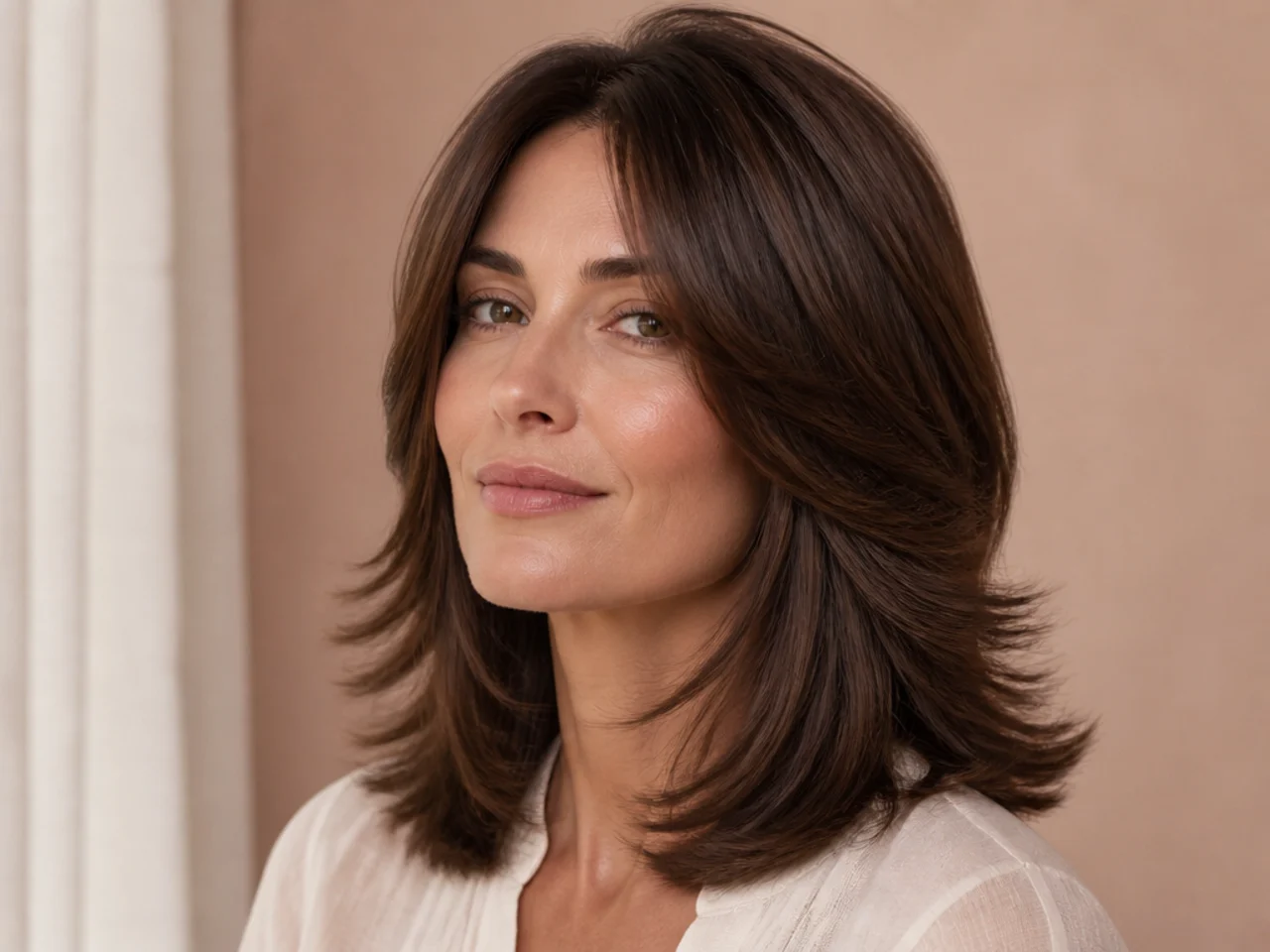
Weight removed inside, outline kept whole. The outline is what you maintain; the internal work is invisible support for it.
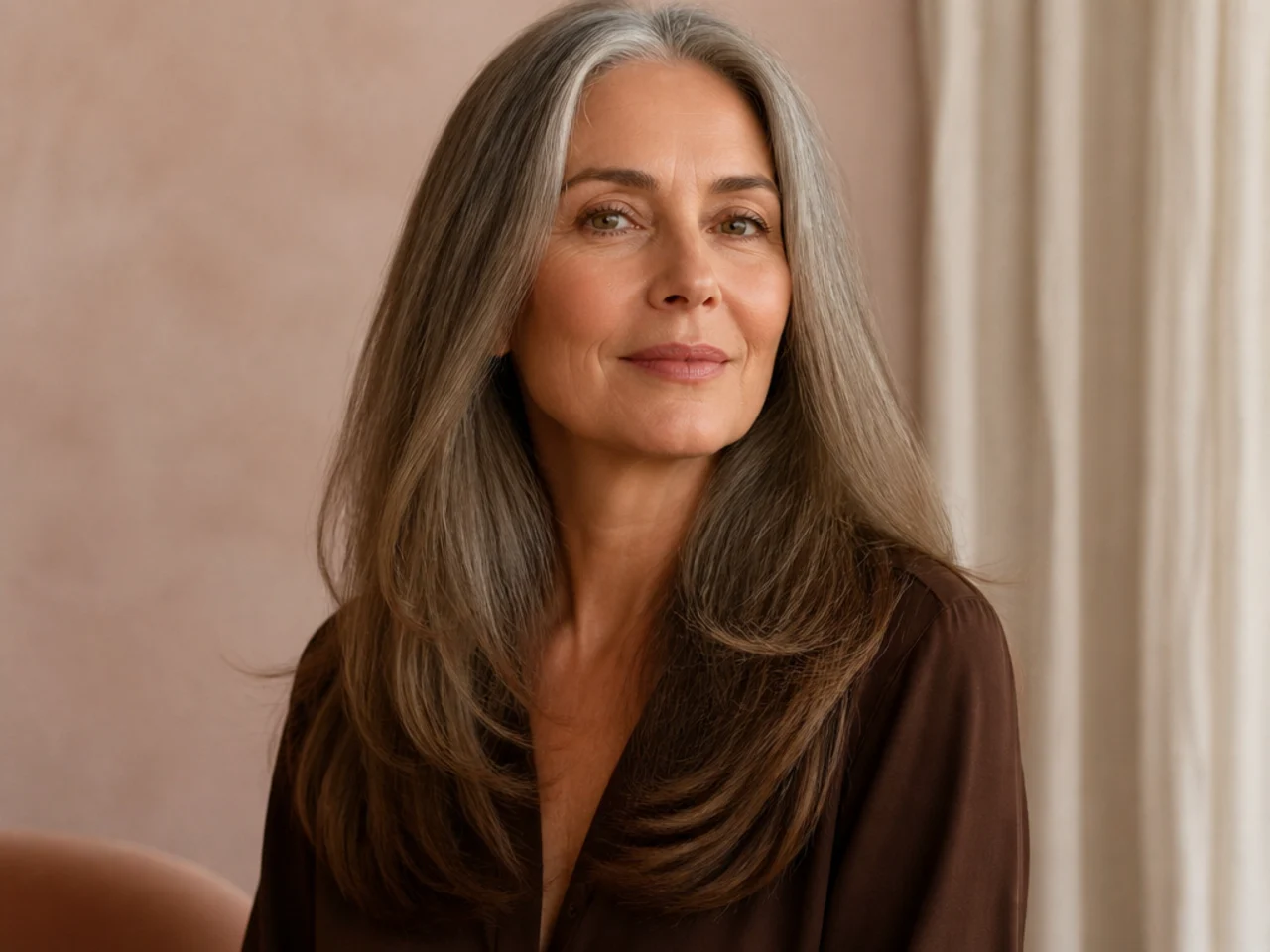
5. Blunt Cut on Fine Hair
Where a hard perimeter does the most for apparent density. Every strand ending at the same point reads as density, and tapered ends read as thinning.
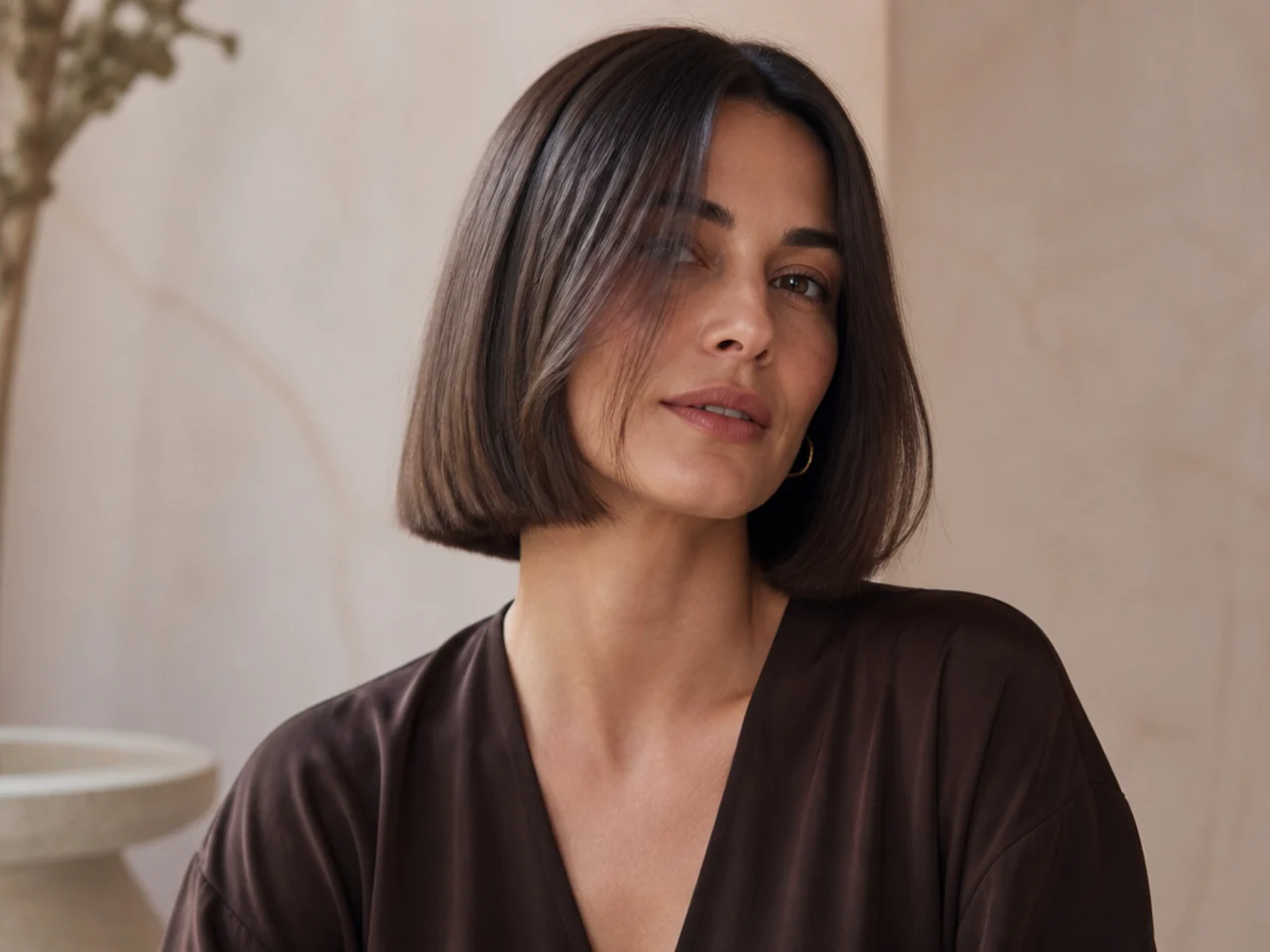
6. Natural Silver, Cut Precisely
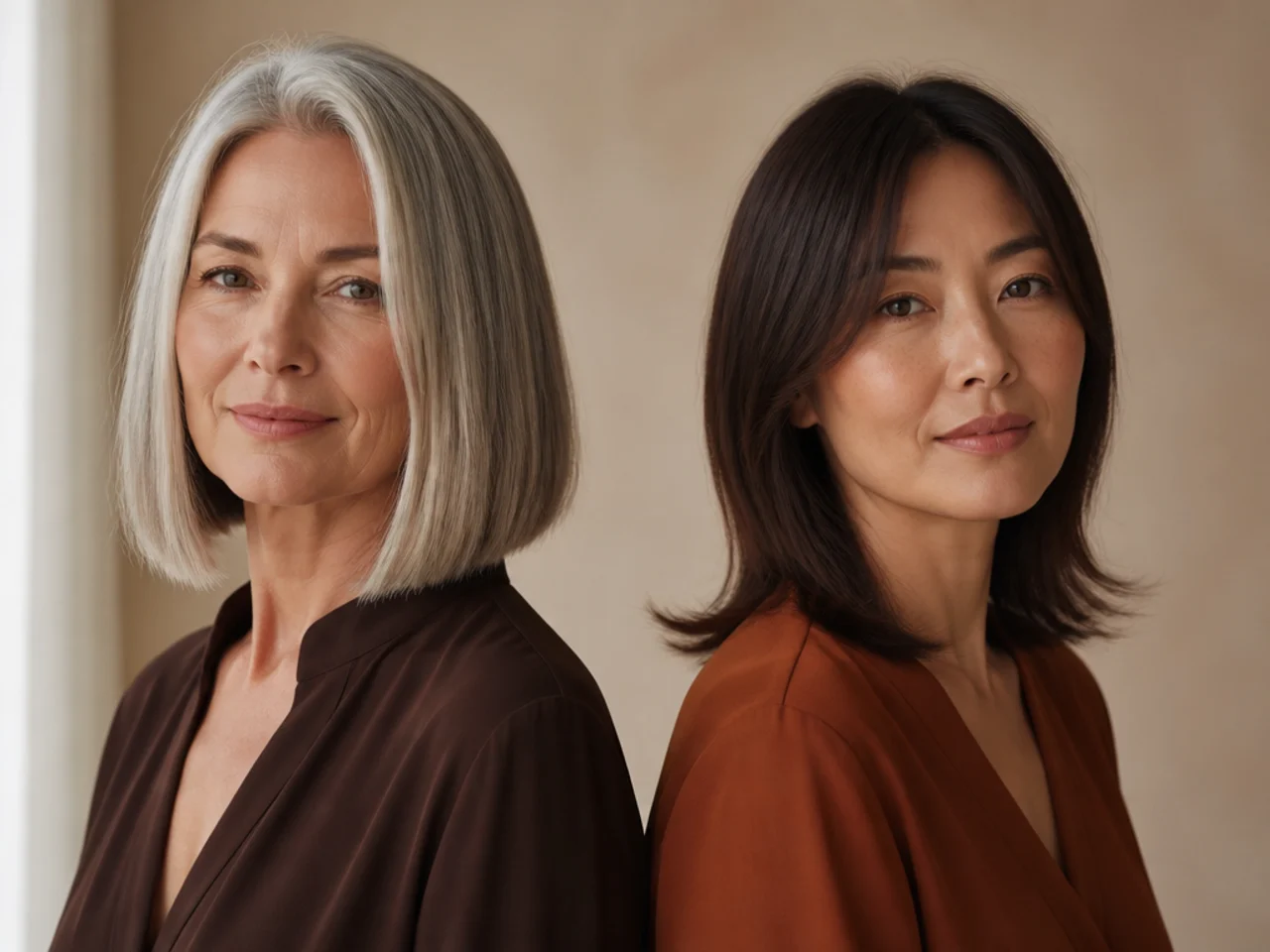
Grey worn plainly, with the cut carrying it. Grey has a coarser surface than pigmented hair, so precision in the cut matters more rather than less.
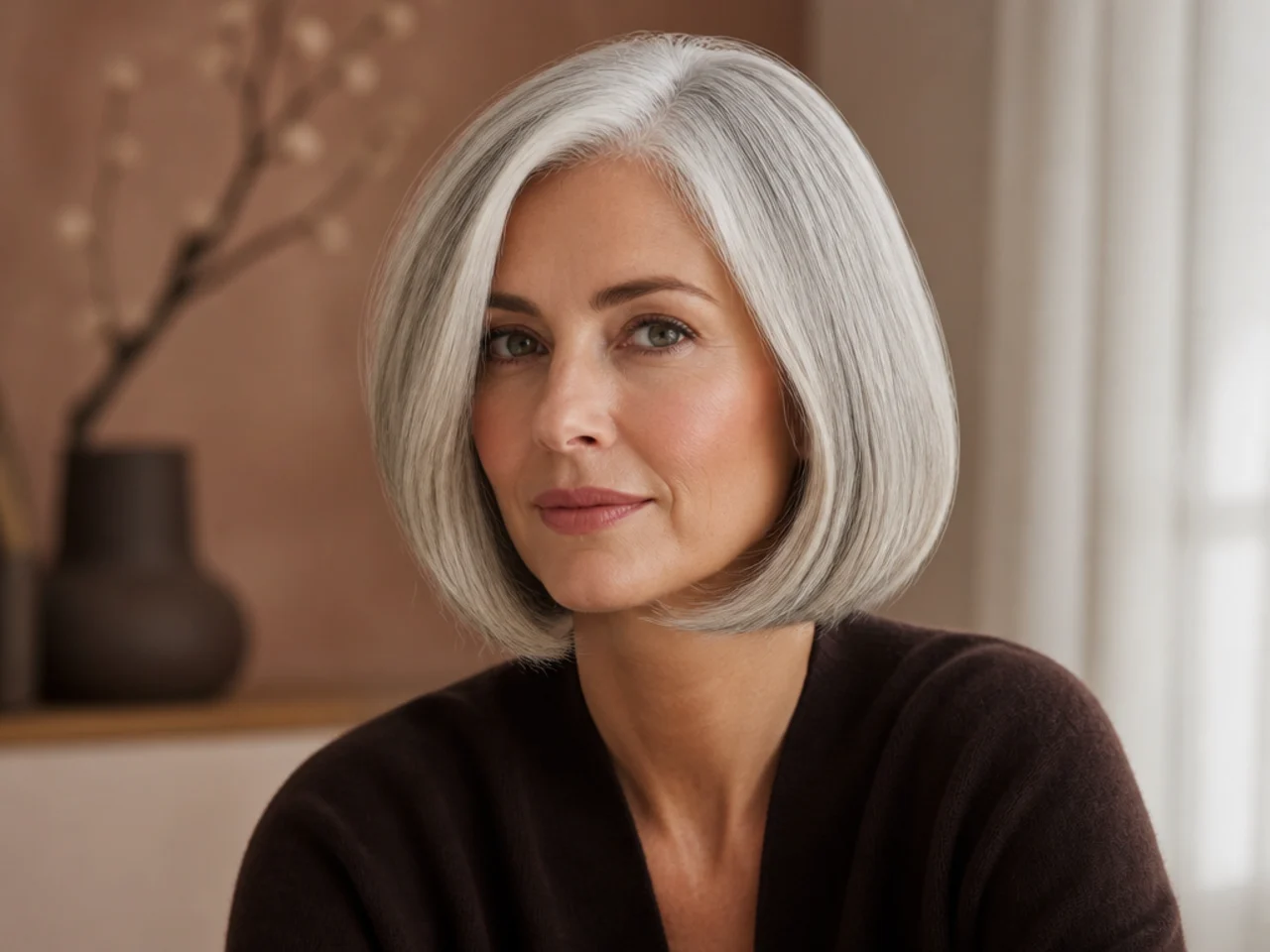
7. Salt and Pepper Grown Out
The transition stage, treated as the look rather than as a problem. Growing out is only awkward when it is being fought; planned, it is simply the colour changing.
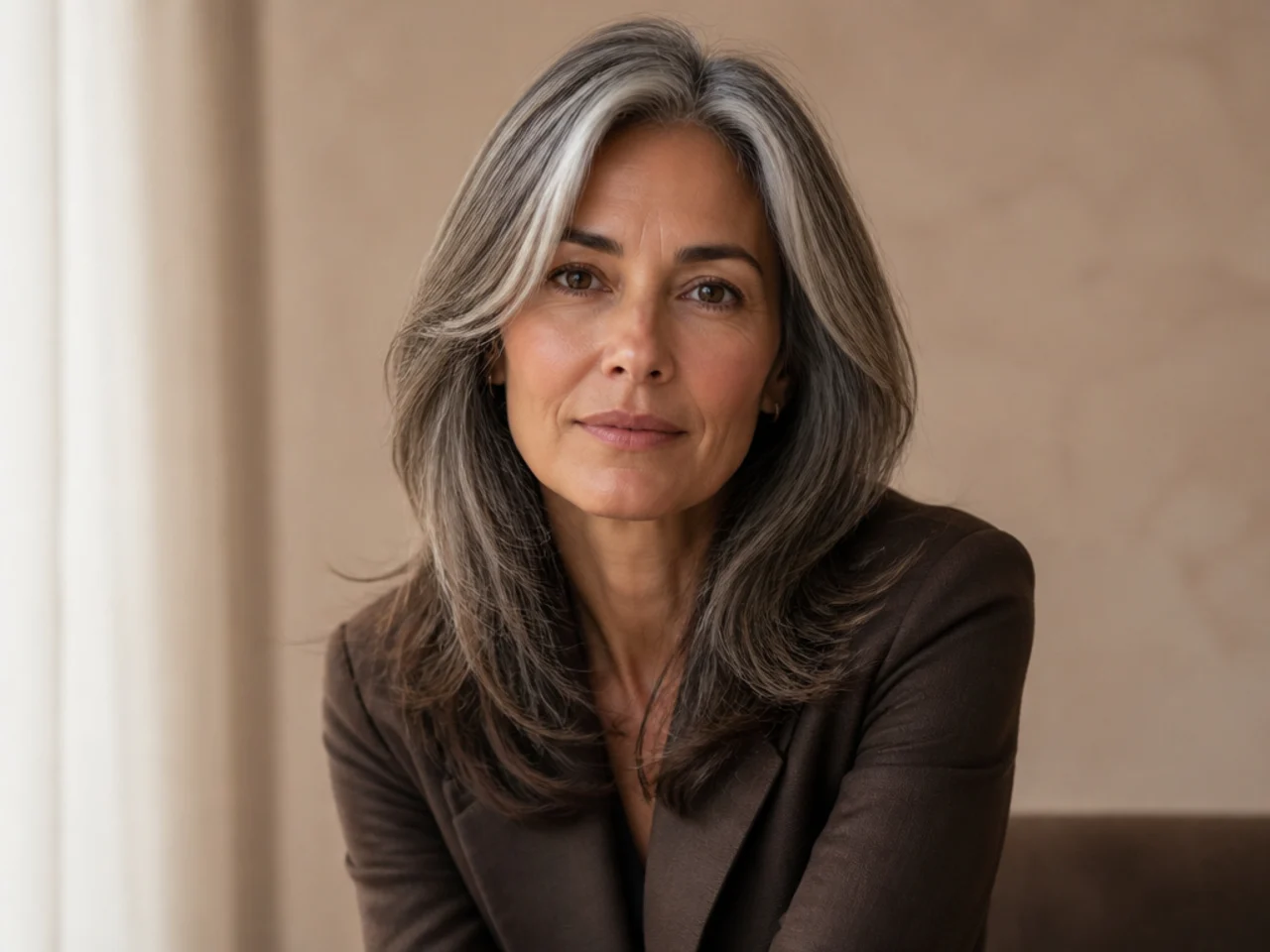
8. Glossed Silver
A gloss over grey for shine without covering it. A gloss deposits shine rather than pigment, so it improves the surface without starting a colour cycle.
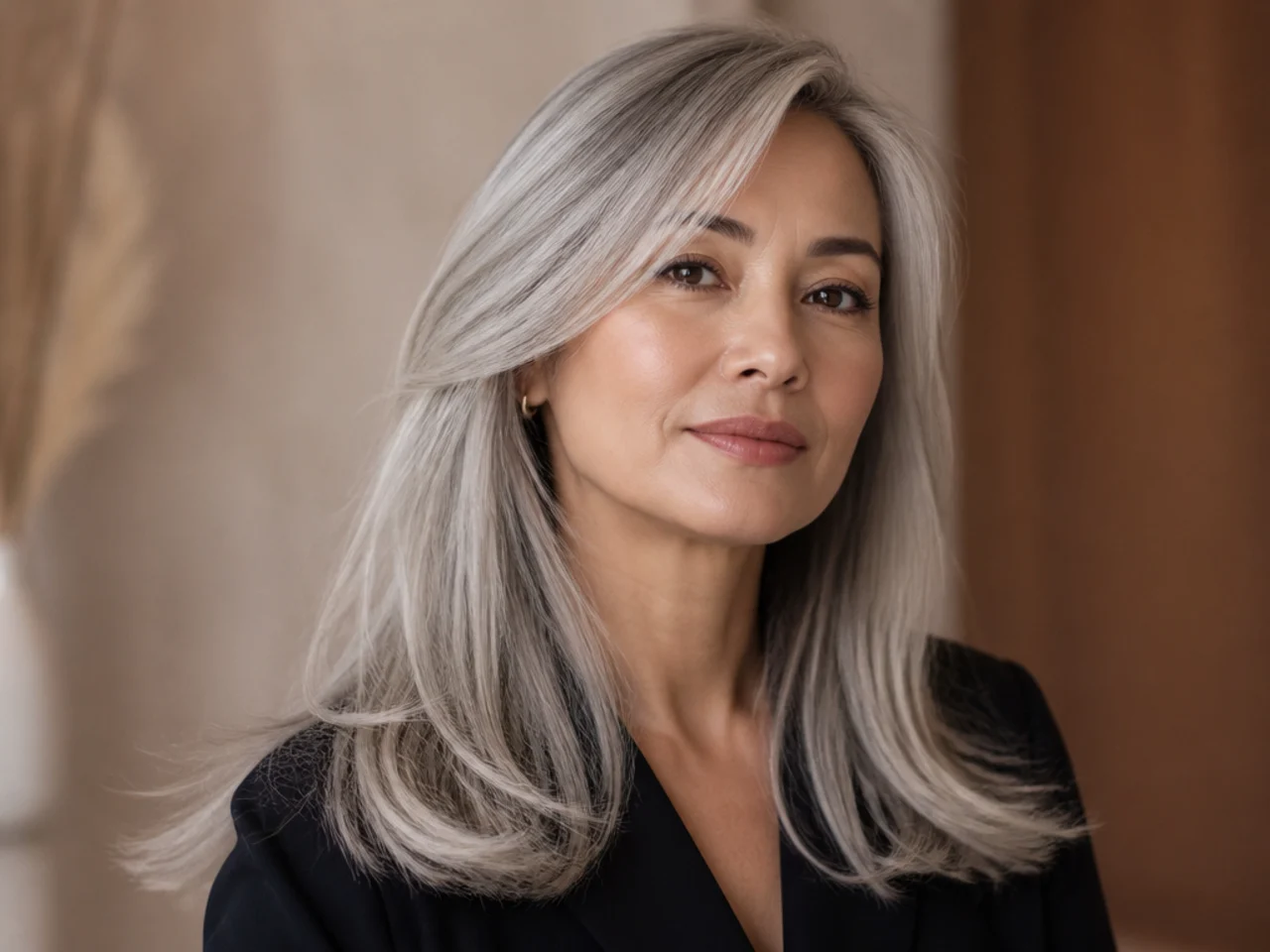
9. Natural Brunette, No Colour Service
The simplest version at any age. No service means no regrowth line, and a regrowth line is visible colour work by definition.
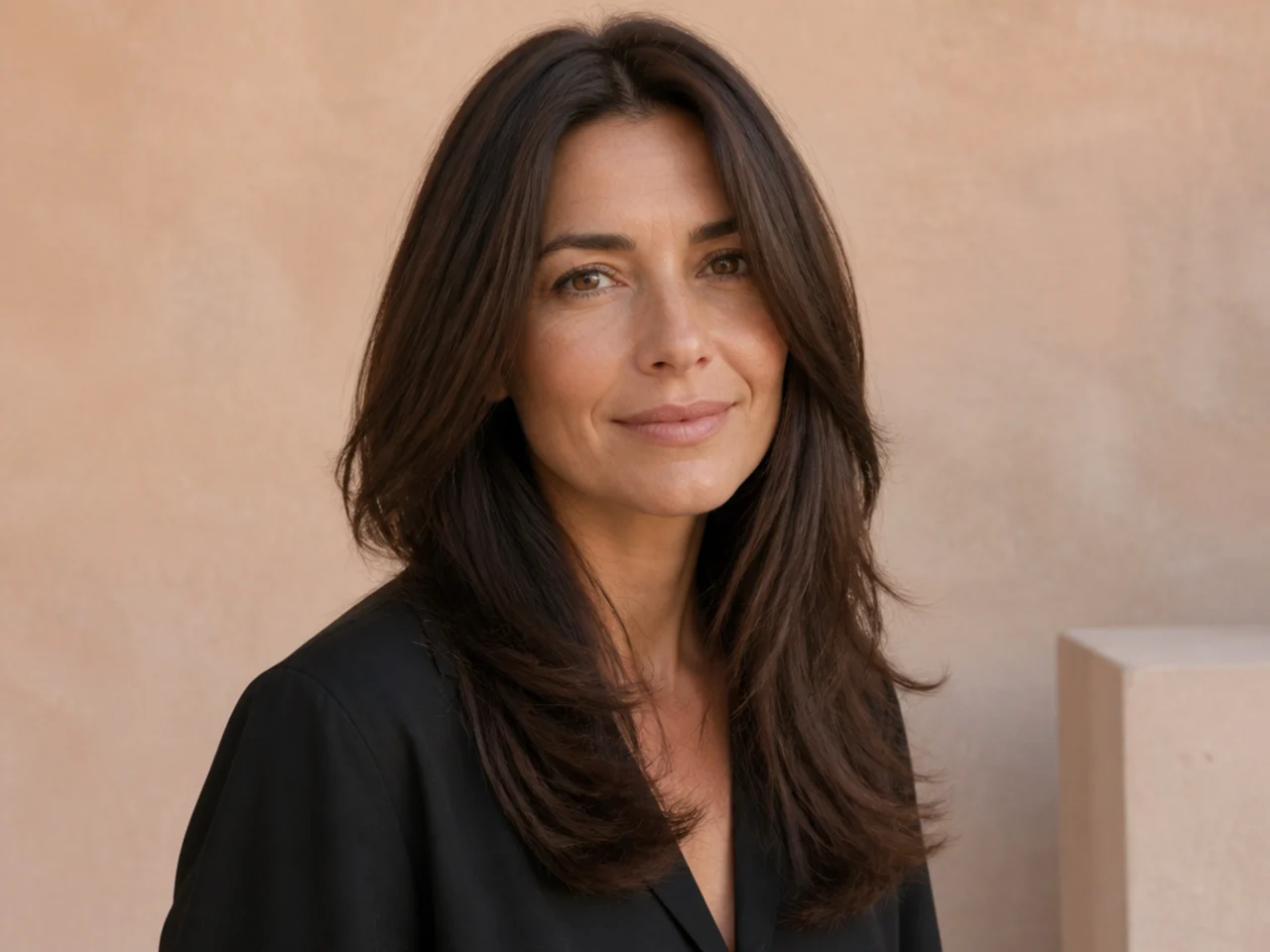
10. Two Shades of Depth
Barely a service, and it reads as good condition. Two shades of depth is close enough to natural that the eye reads it as healthy hair rather than as colour.
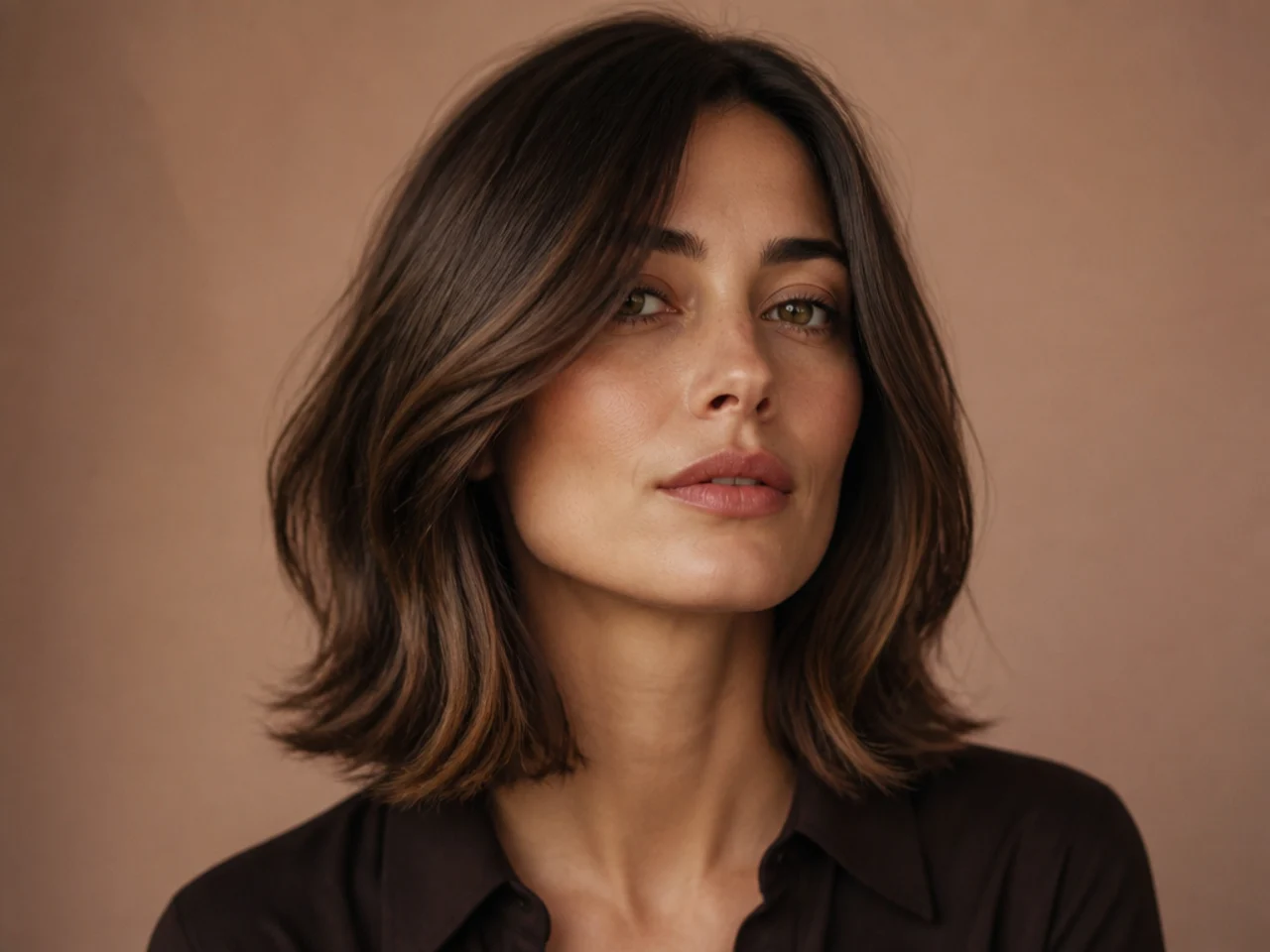
11. Shoulder-Length with Soft Framing
Framing that blends rather than announcing itself. Framing that starts below the jaw lengthens into the cut instead of dropping out of proportion.
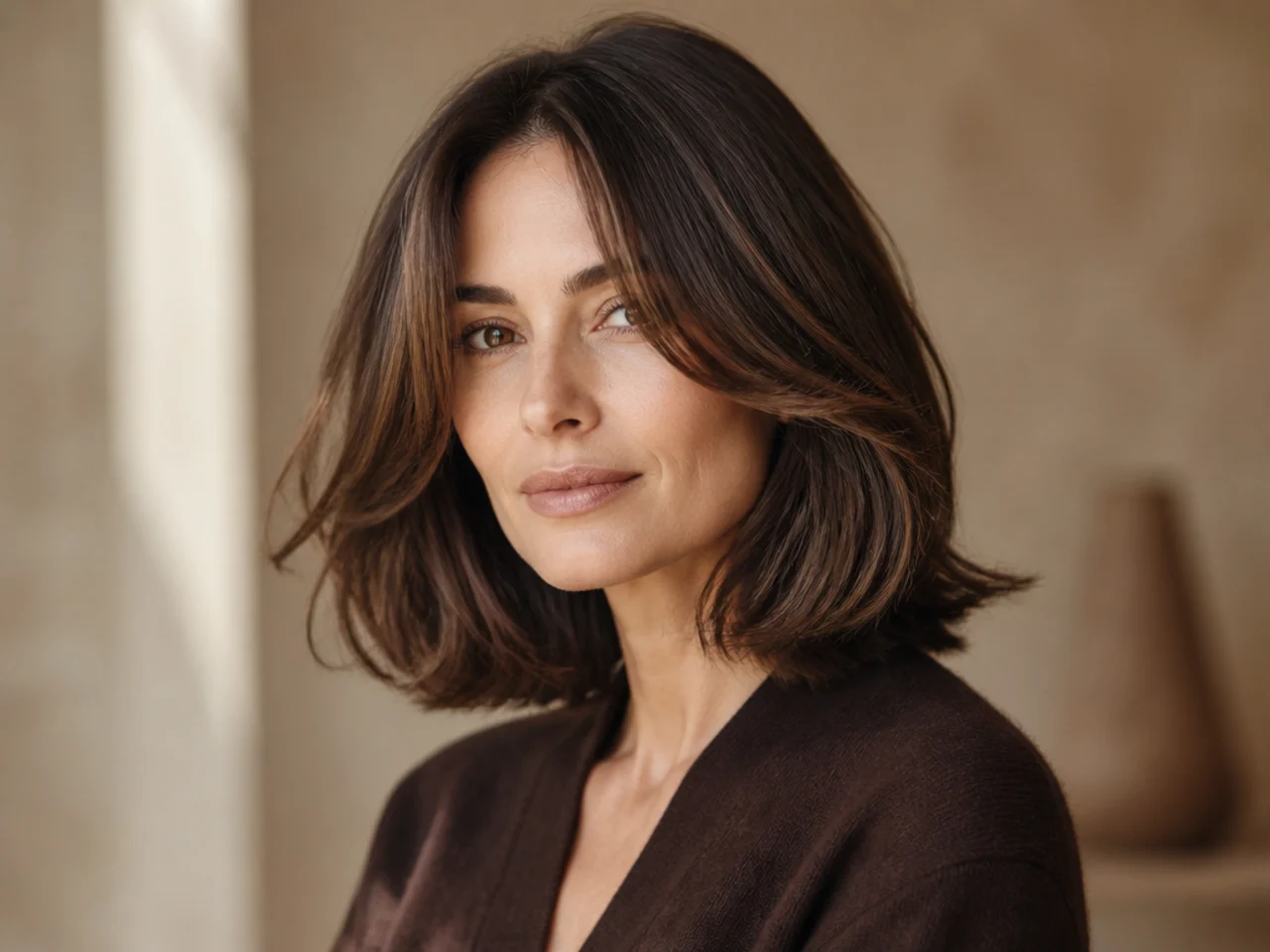
12. Short Layered Crop
Shorter, and it suits fine or thinning hair particularly well. Concentrating what density there is into a small area is the opposite of what length does to fine hair.
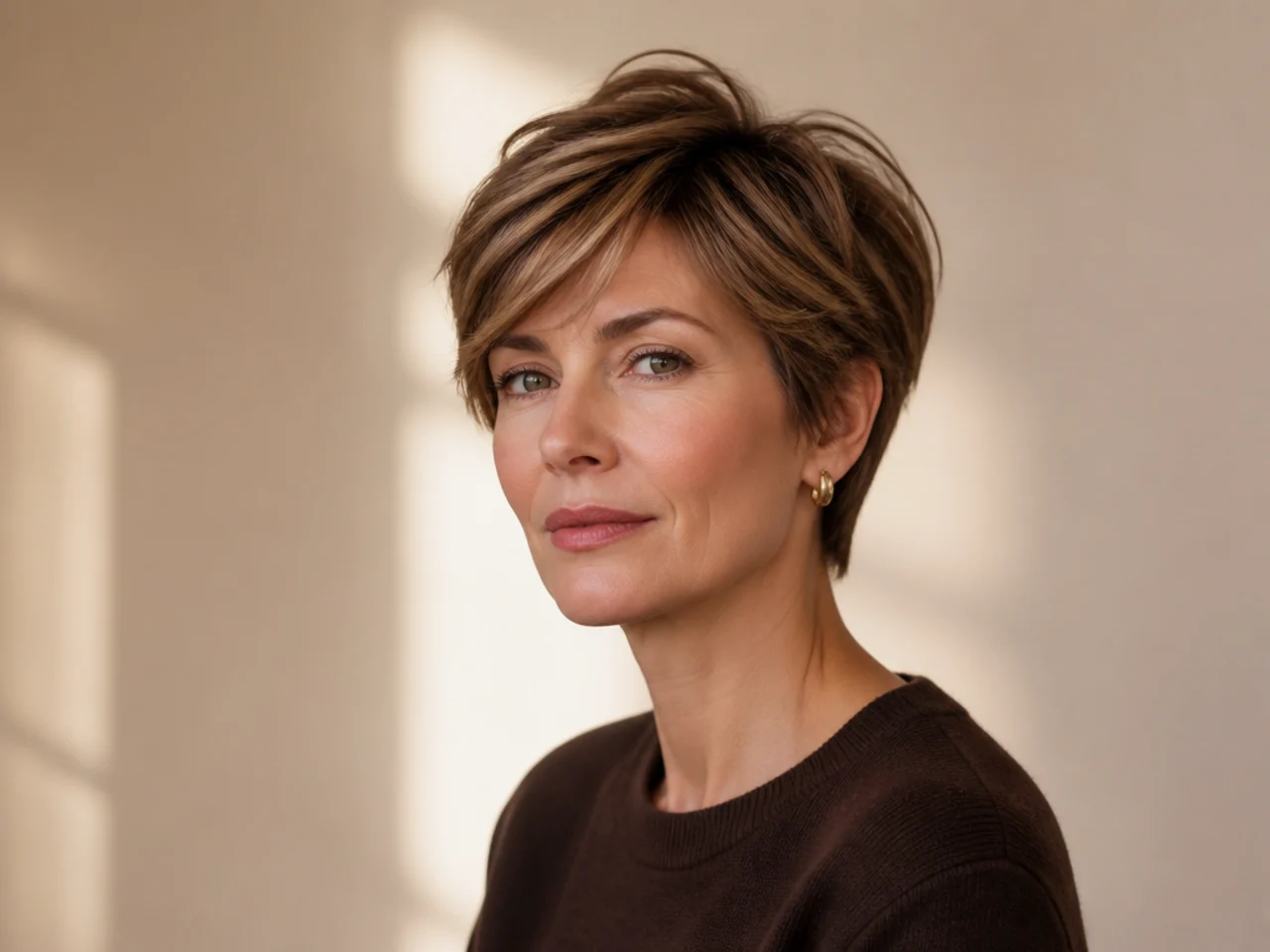
13. Centre-Parted Long Hair
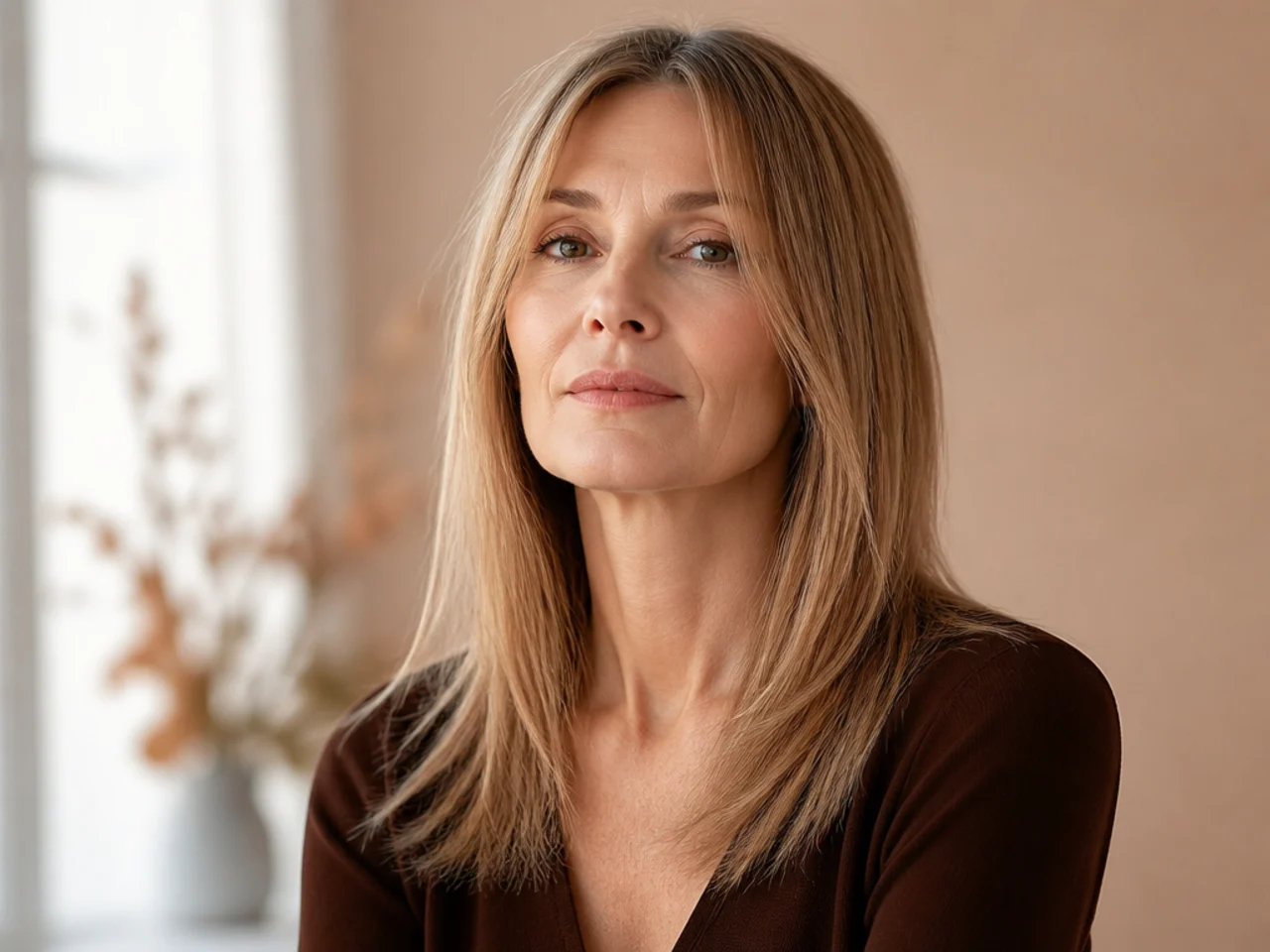
No framing, no fringe. Very plain and very effective. With nothing shorter anywhere, there is nothing that needs cutting on its own schedule.
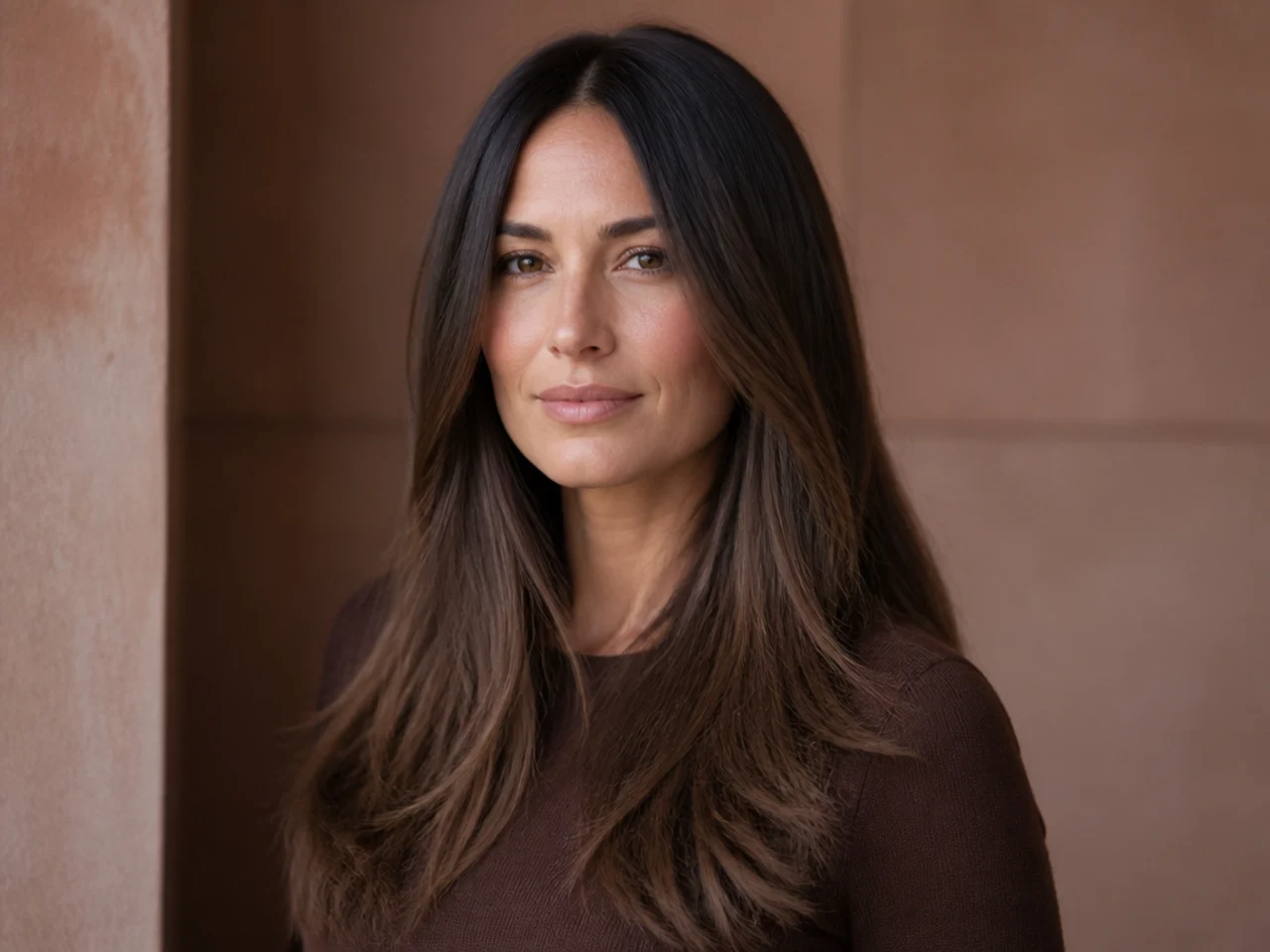
14. Soft Side Part
Gentle asymmetry, and it flatters most face shapes. Keep it shallow — a deep part is a visible styling decision, and this look avoids visible decisions.
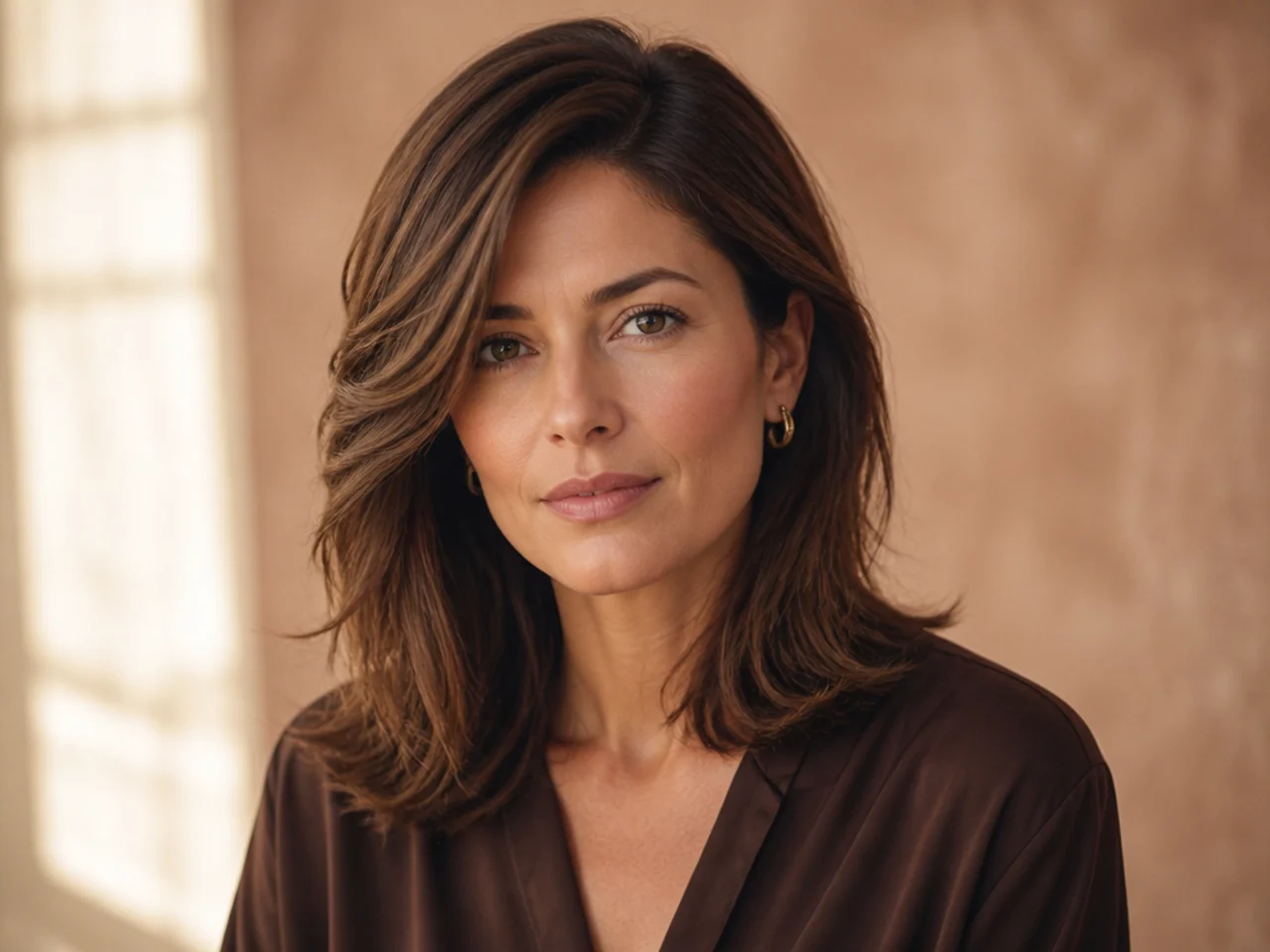
15. Air-Dried Natural Texture
Whatever your hair does now, allowed to do it. Texture changes with age, and fighting the new pattern costs more effort than working with it.
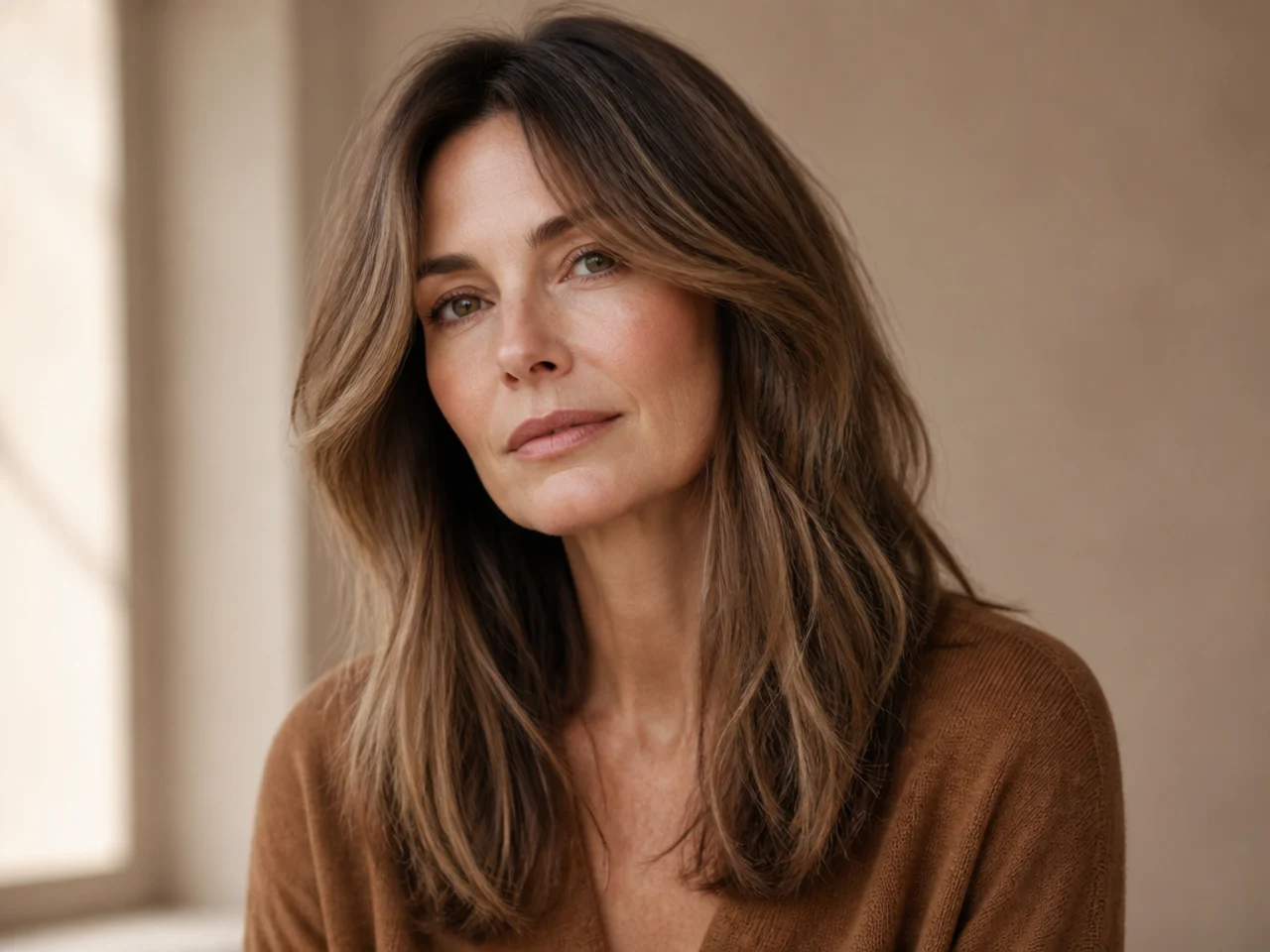
16. Low Ponytail with a Ribbon
The one accessory that fits this aesthetic at any age. A ribbon at the nape reads as a small choice; anything larger or higher reads as an accessory.
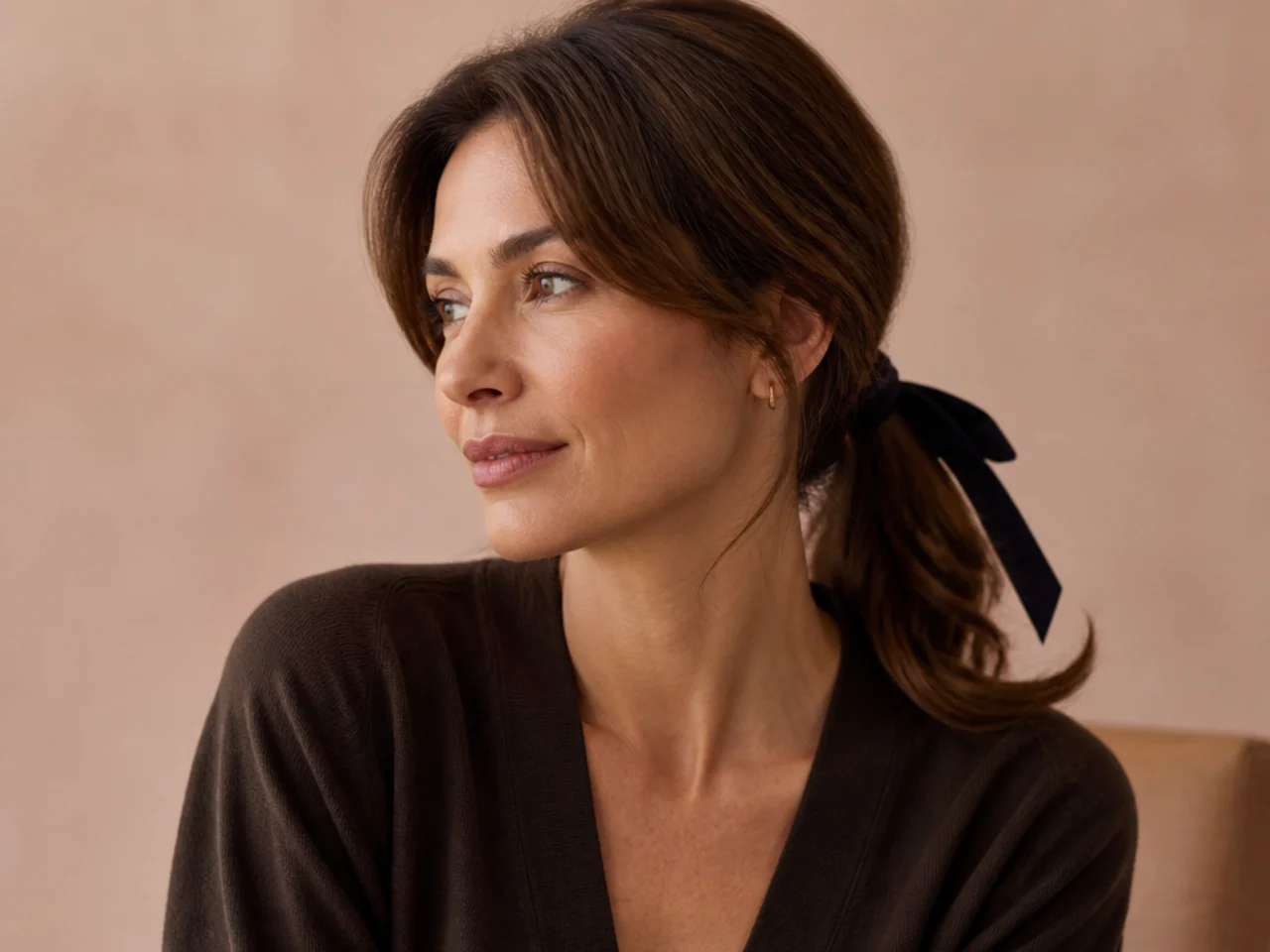
17. Simple Low Bun
Neat rather than sleek. Nothing set. Neat means tidy edges and sleek means a smoothed surface, and only one of those belongs here.
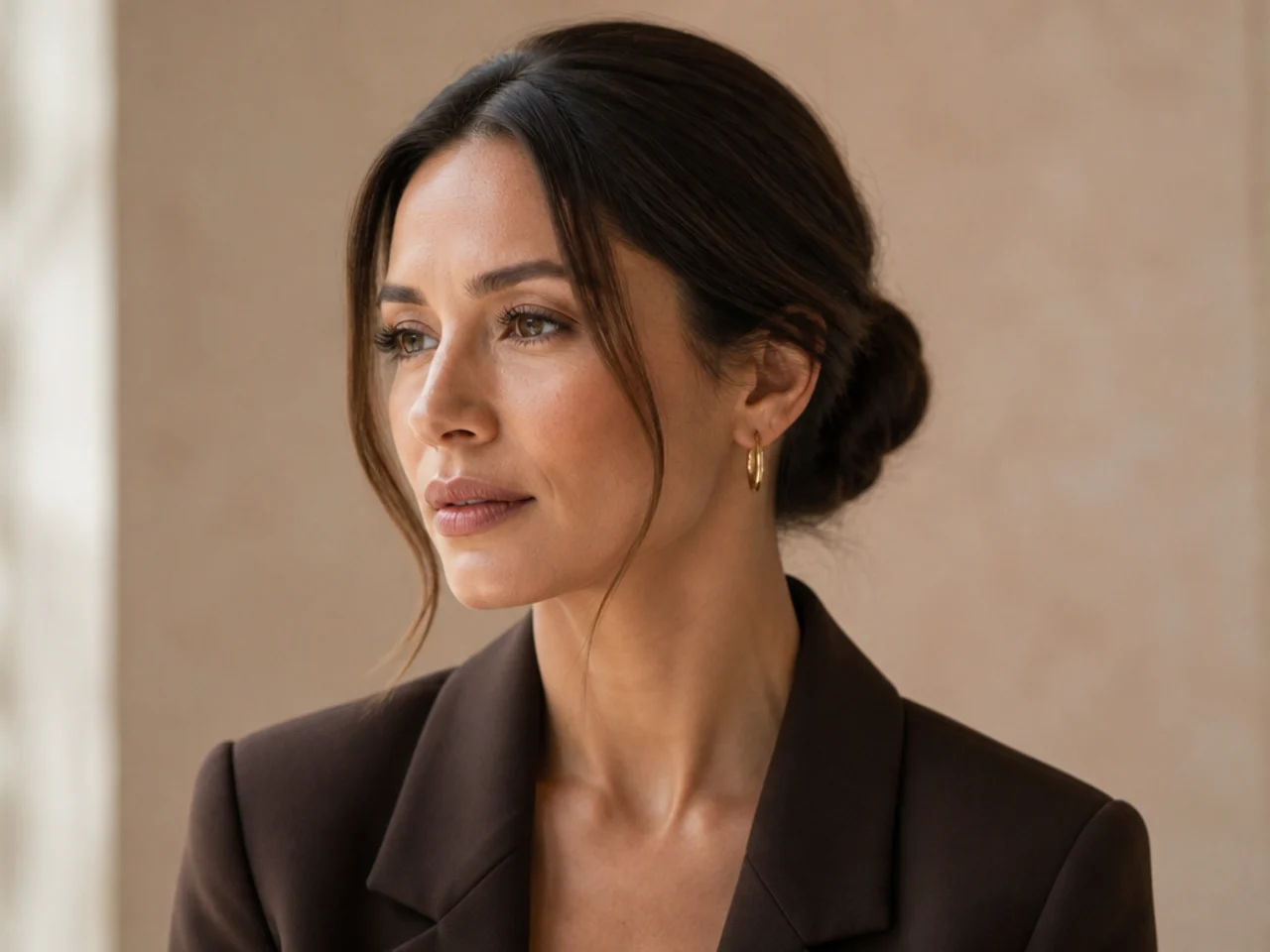
18. Tucked Behind Both Ears
The plainest style here, and it suits the look best. It changes the framing without touching the hair, which is the least deliberate thing you can do.
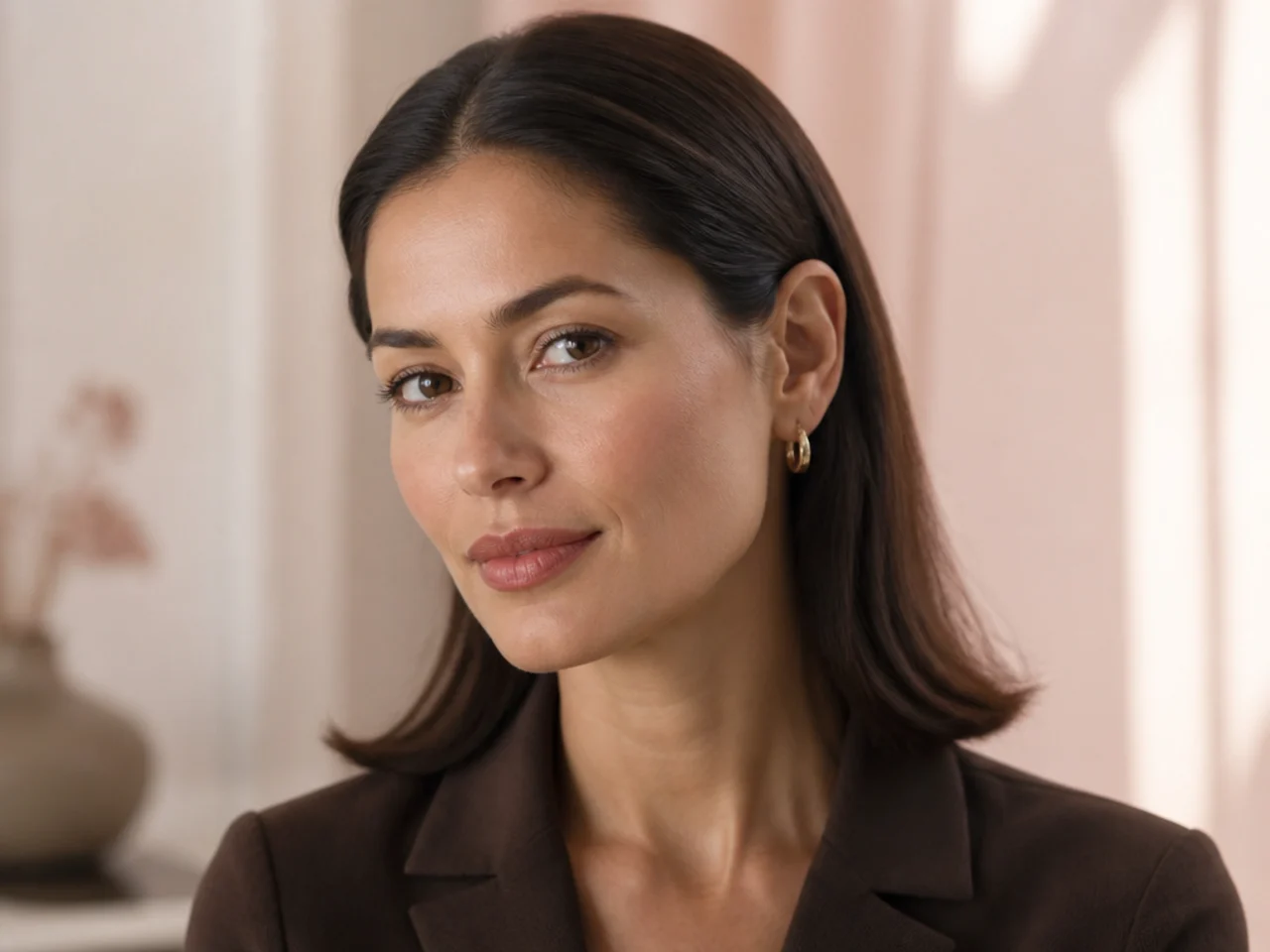
19. Freshly Trimmed Dry Ends
Where the extra trim frequency shows. Ends are the oldest hair on your head, and this aesthetic has nothing to disguise them with.
20. A Cut Made for Denser Hair
Layered for a density that is no longer there. The common mismatch. Density changes over time and a layering plan does not, so a cut that worked five years ago can thin the ends now.
Styling and Upkeep
Trim every eight weeks once ends get drier. Condition is the finish here, and drier ends split sooner.
Use a weekly mask on the bottom third. Nothing else in this look is doing any work.
Ask for a blunter perimeter as density changes. It is a small adjustment with a large effect.
Gloss rather than colour. Shine without a service anyone can identify.
Skip volumising products. They add exactly the visible technique this aesthetic removes.

Mistakes to Avoid
Cutting to a remembered density. Layers suited to thicker hair read as sparse on finer hair.
Treating grey as something to hide. In this aesthetic it is entirely on-brief.
Tapered ends on fine hair. Blunt reads fuller at every age.
Stretching trims when ends are dry. They split faster, and the ends are the whole look.
Adding volumising product to compensate. A blunter cut does it better.
FAQ
Does it suit older women? Better than most aesthetics — it does not date and it accommodates grey.
What changes with age? Density and texture, so blunter perimeters and fewer layers.
Does it stop working at some point? No. Only the execution shifts.
Final Thoughts
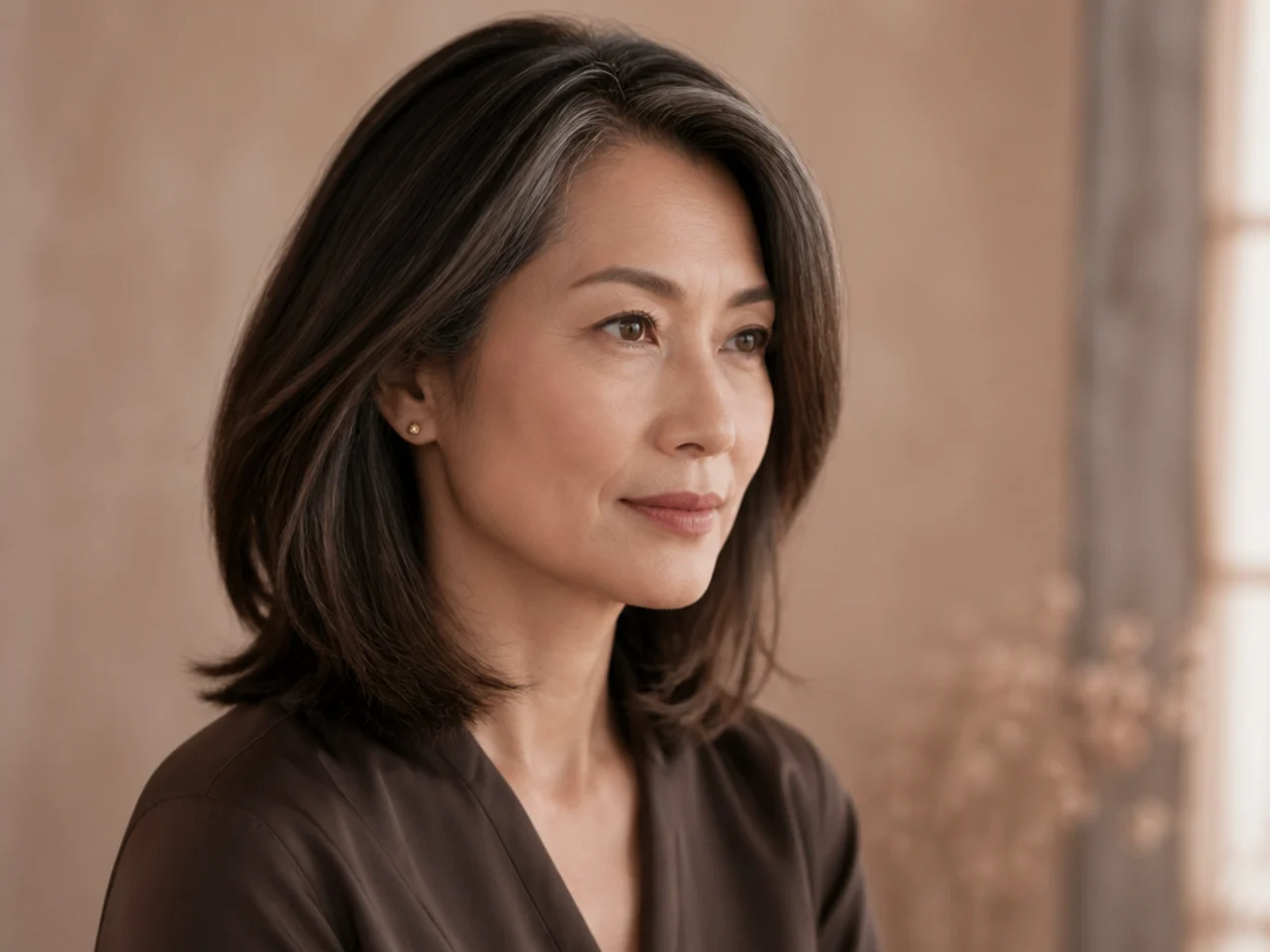
Ask for a cut suited to the hair you have now rather than the hair you used to have. It is the single most common mismatch in this aesthetic, it gets more common with every decade, and it is fixed in one conversation at the start of an appointment.
For the aesthetic in full see 25 elegant old money haircut ideas, and for the shapes that never date see 20 classic old money haircut ideas. More in Women's Hairstyles.