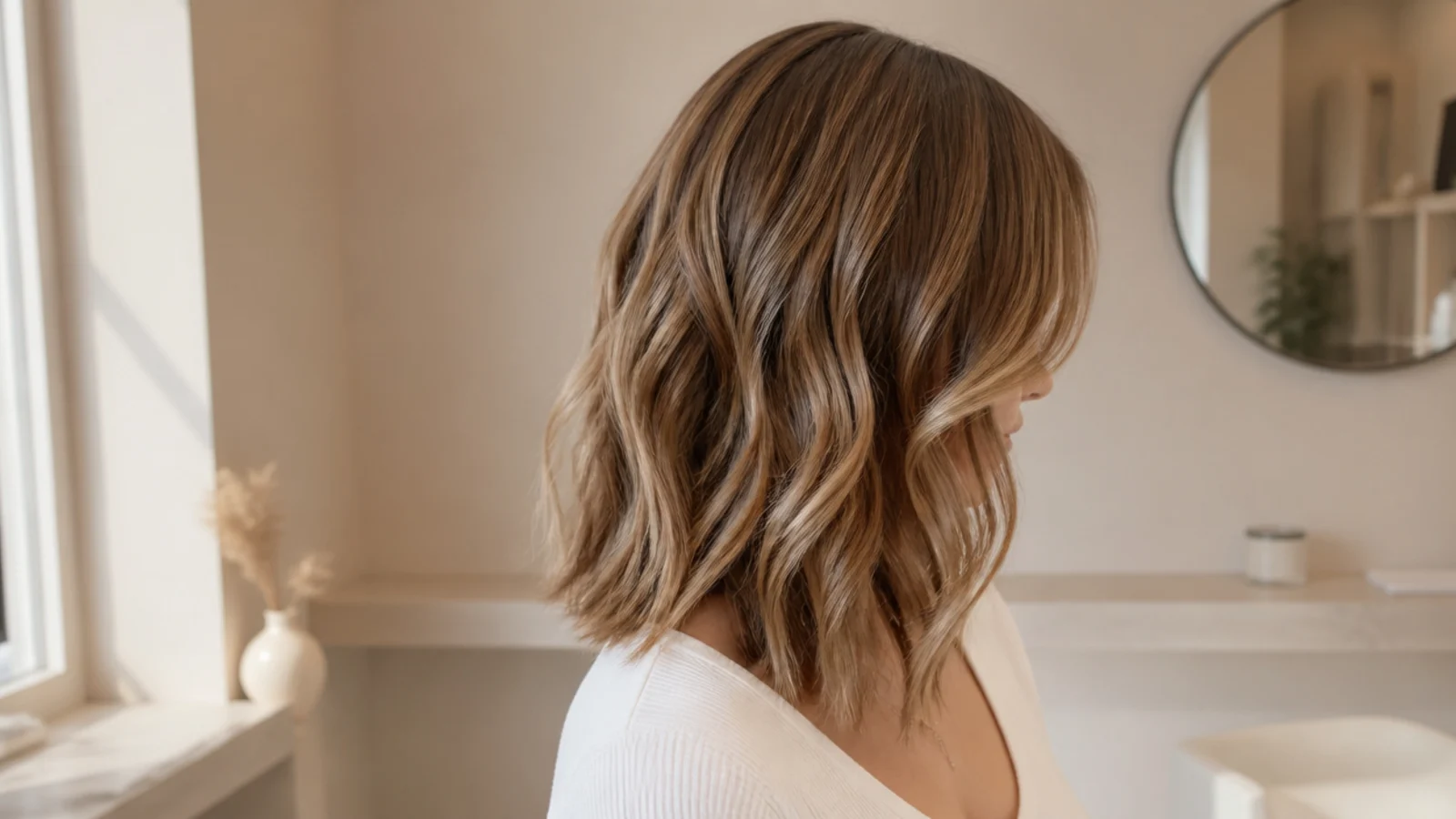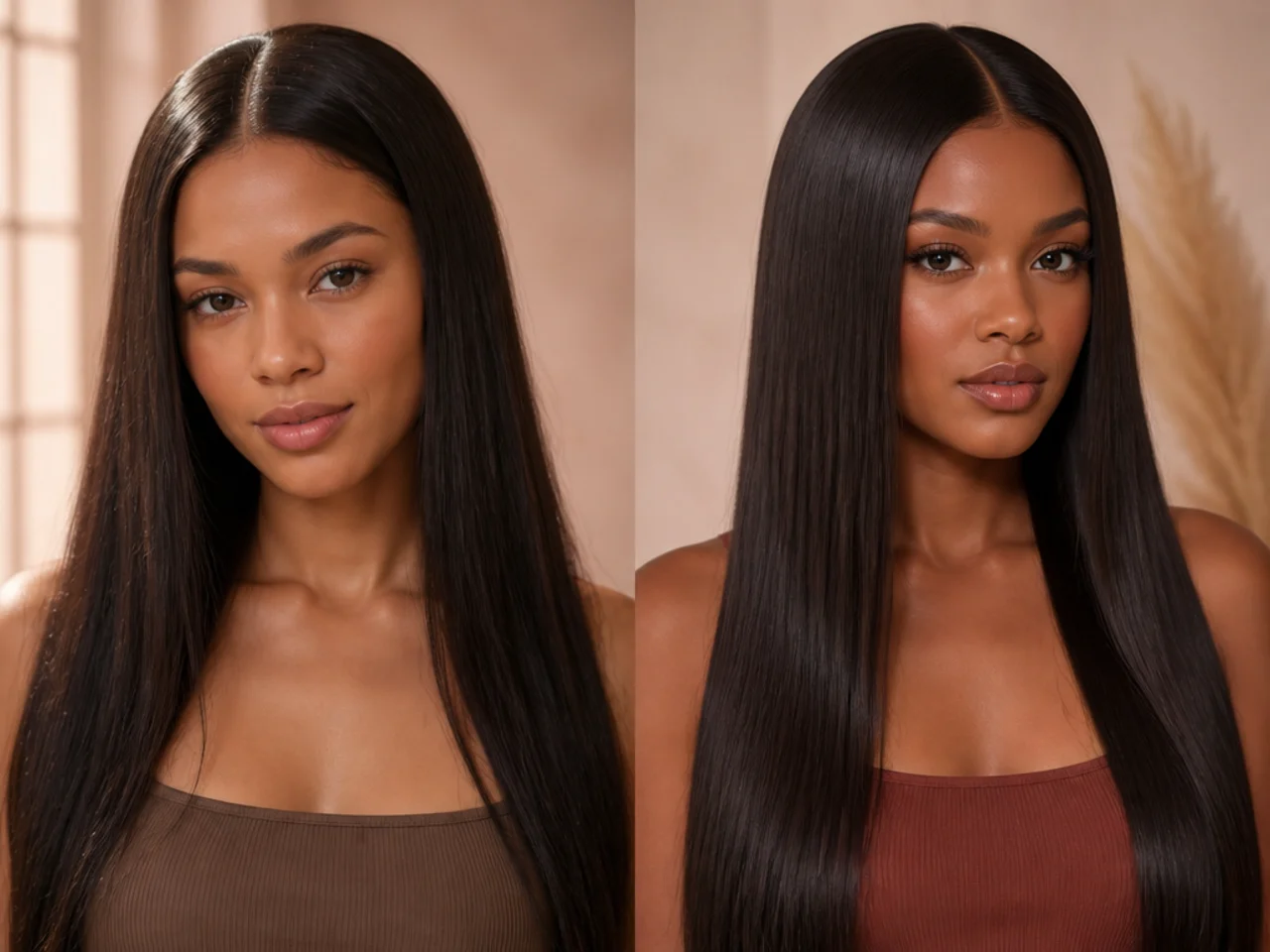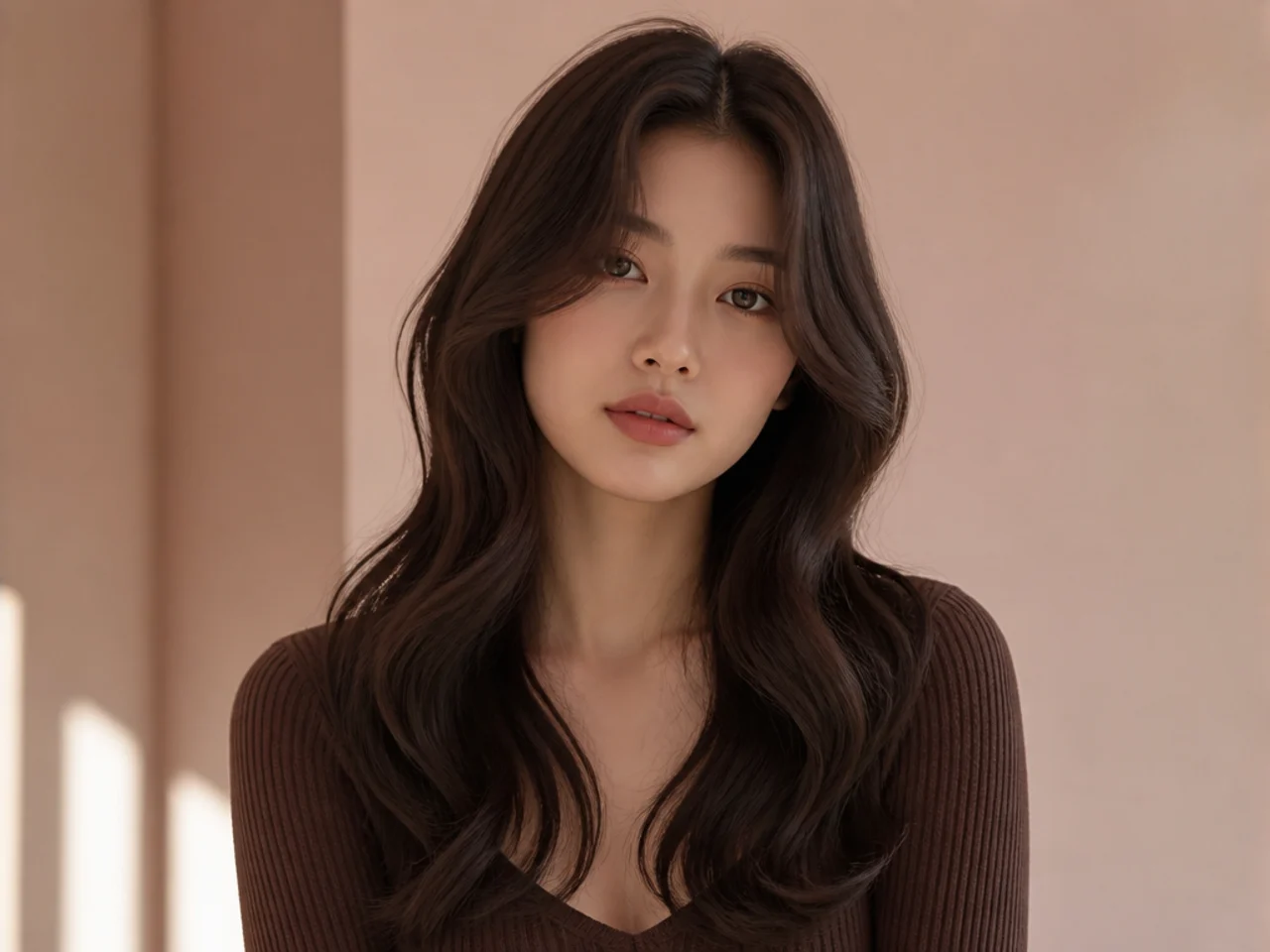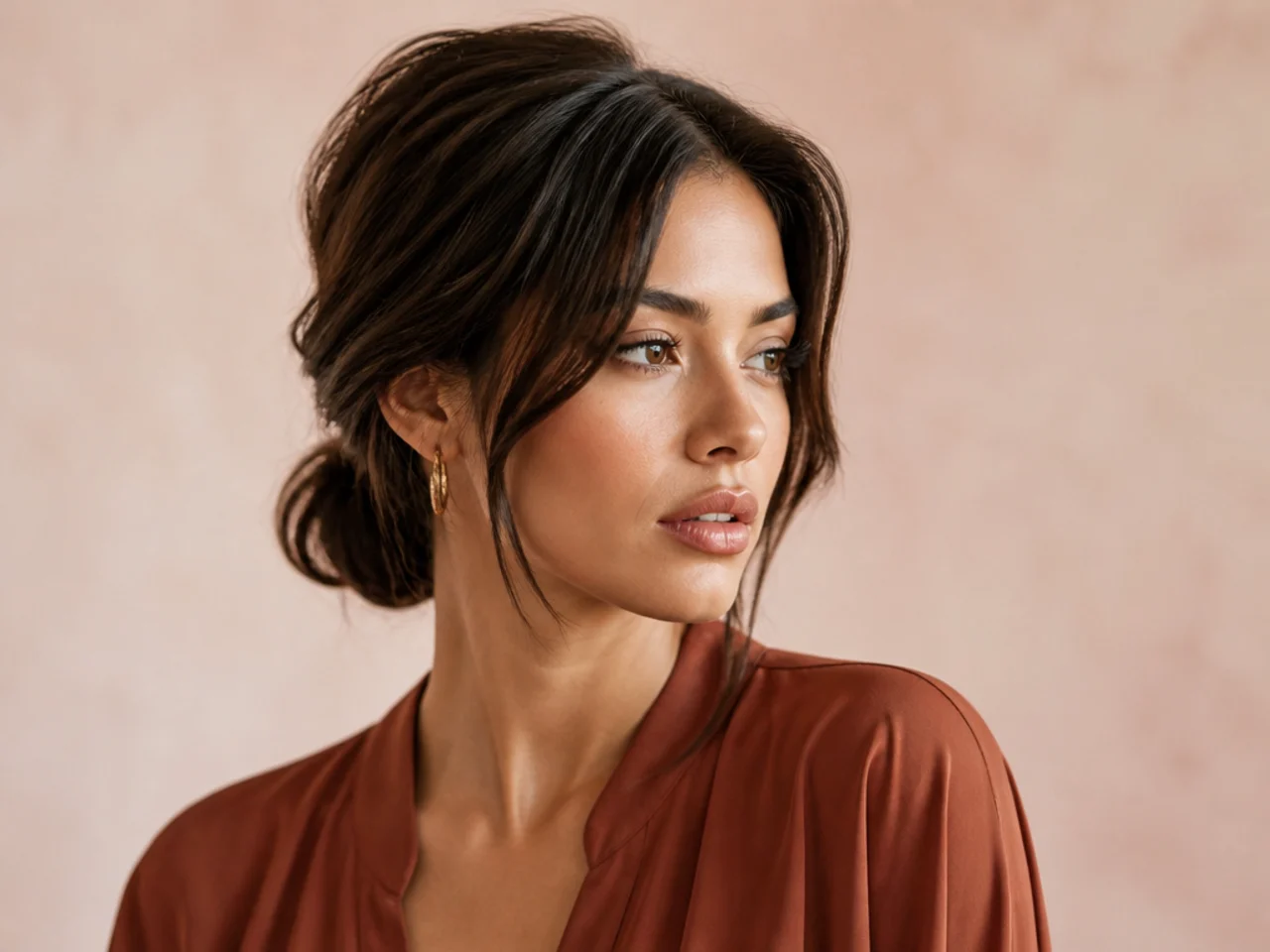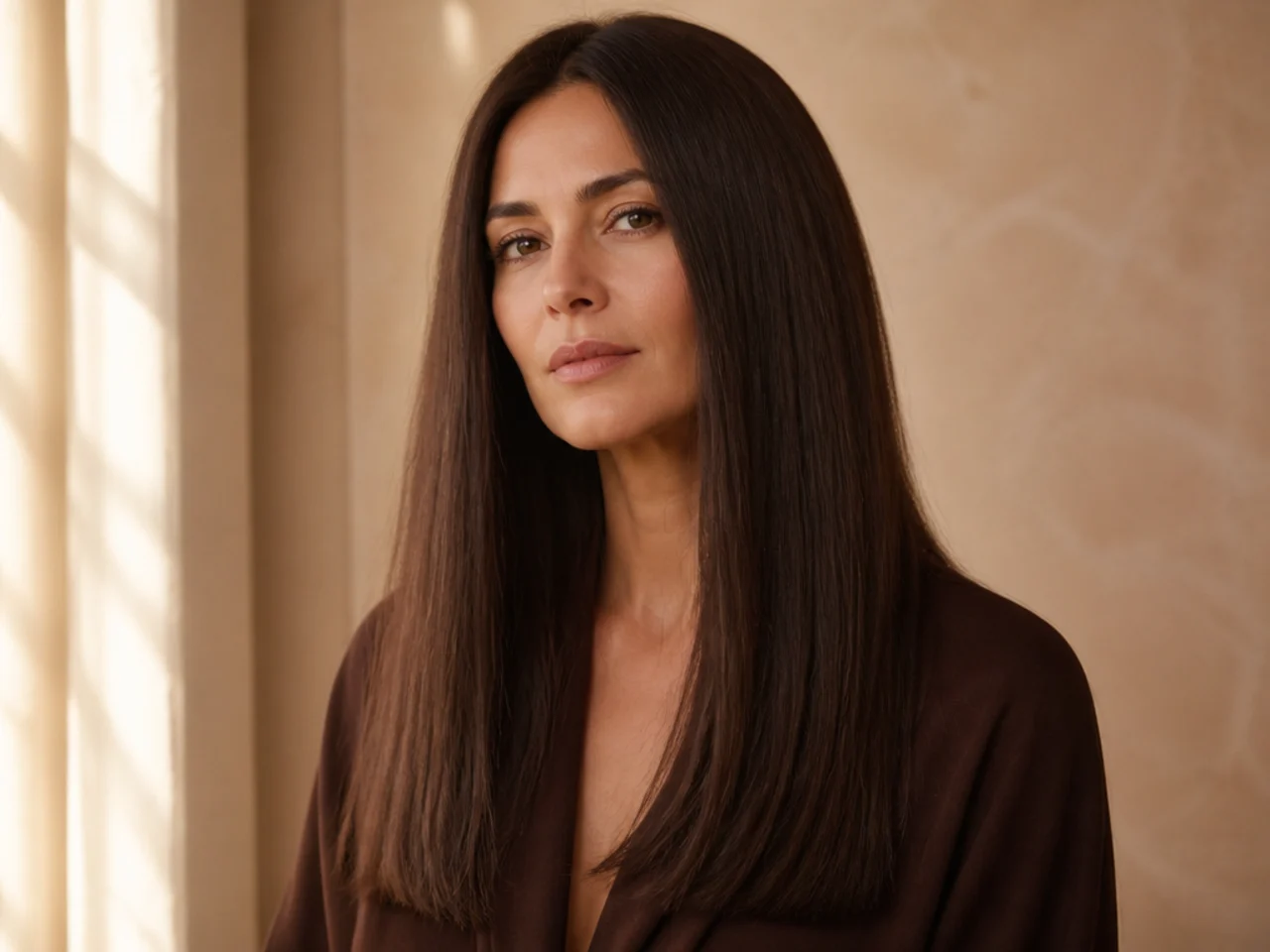
15 Long Old Money Haircut Ideas We Love
Fifteen long old money haircut ideas, and the constraint that decides your length — not how long you want it, but where your ends stop looking healthy. This aesthetic has nothing to hide them with.
In this article · 22
- What Makes Long Old Money Work
- How to Choose Yours
- The 15 Long Ideas
- 1. Long One-Length
- 2. Long with Internal Layers
- 3. Waist-Length, Cut Back to Density
- 4. Mid-Back Length
- 5. Long with Curtain Framing
- 6. Long Centre-Parted
- 7. Long with a Soft Side Part
- 8. Long Natural Brunette
- 9. Long and Glossed
- 10. Long Air-Dried
- 11. Long with a Soft Wave
- 12. Long in a Low Ponytail
- 13. Long on Fine Hair
- 14. Long on Thick Hair
- 15. Long Hair Tapering to Thin Ends
- Styling and Upkeep
- Mistakes to Avoid
- FAQ
- Final Thoughts
Long hair is the most saved version of this aesthetic and the hardest to actually hold, for one reason.
The ends are the oldest hair you have, and this look has nothing to hide them with. No layers to disguise a thinning taper. No styling to draw the eye elsewhere. No colour work to distract.
So the length is not decided by how long you want it. It is decided by where your ends stop looking healthy.
What Makes Long Old Money Work
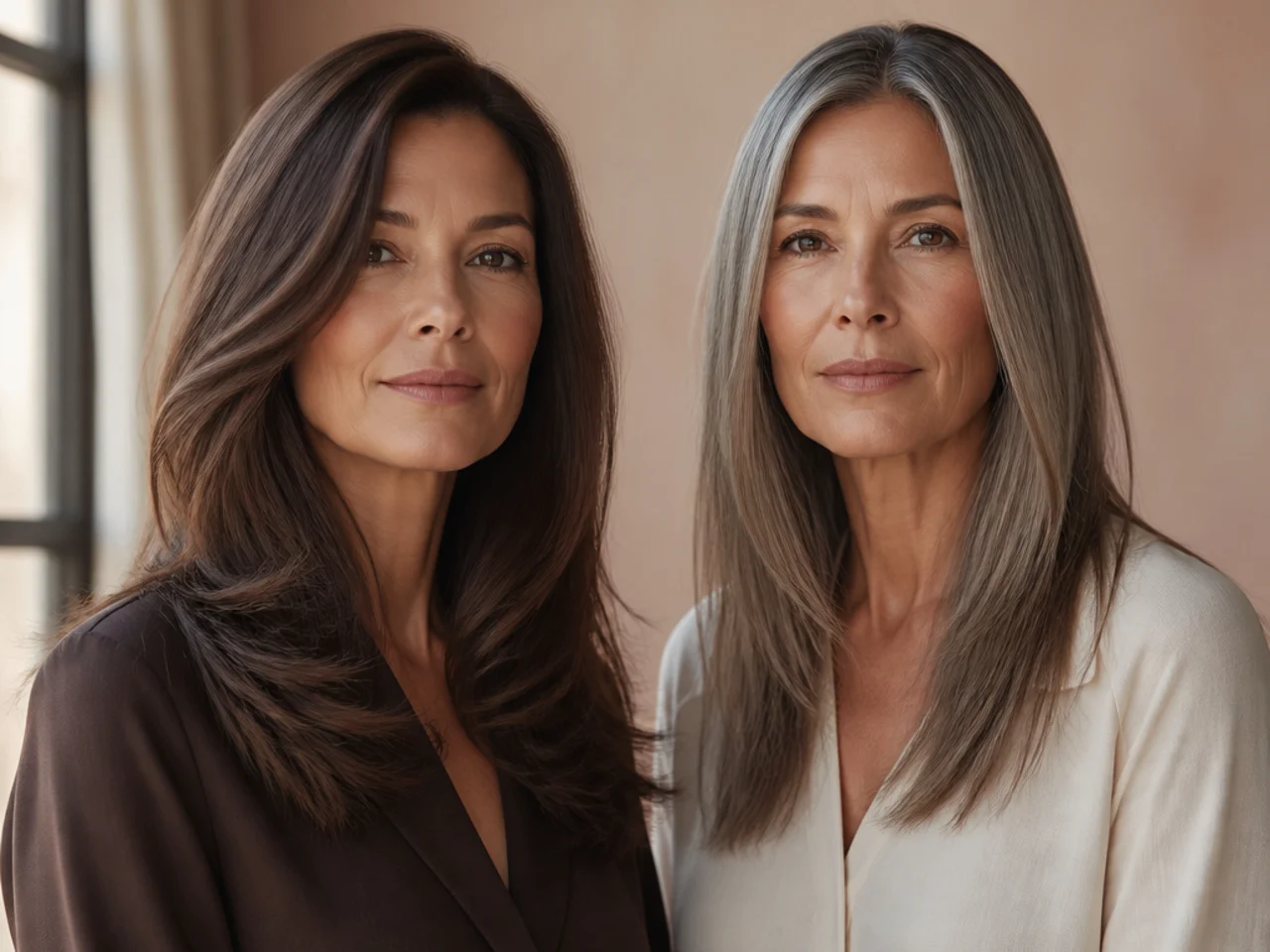
Density at the ends, not just length. A long cut that tapers into thinness reads as neglected however good the top half is. The perimeter is the only line in the cut, so it carries all of it.
Cut back to where the hair is still dense. Usually a few centimetres, and it transforms the shape. Far less length goes than people fear, and the difference is immediate.
Internal layers, never visible ones. Weight can be removed from inside without touching the outline. That distinction is the one instruction worth getting right at the appointment.
Trims are for condition, not shape. A long one-length cut holds its form for months; the ends do not. Book by the calendar rather than by how the shape looks.
How to Choose Yours
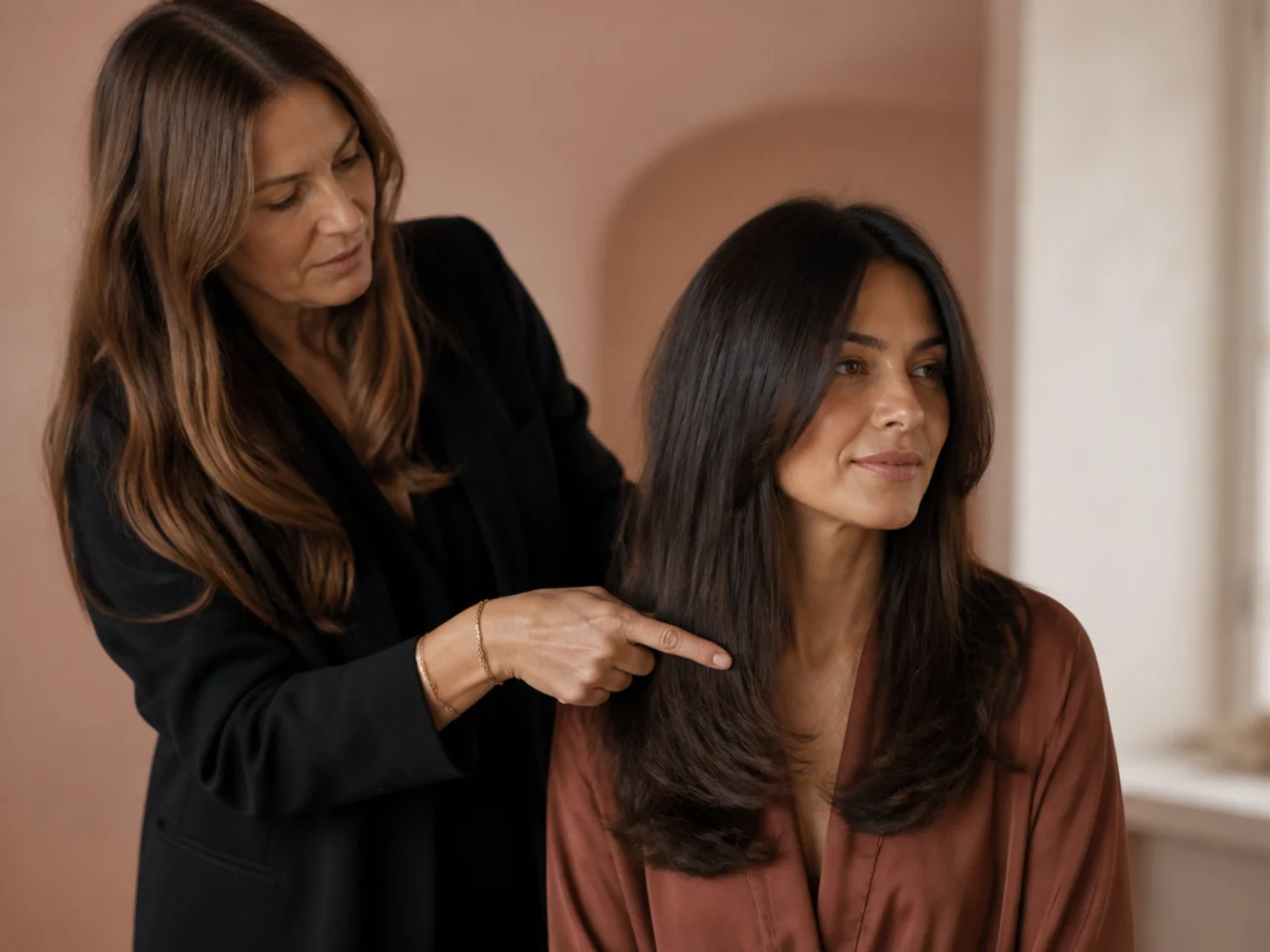
Ask where your hair stops being dense. A stylist can show you in the mirror, and it is usually higher than you expect. It is a more useful conversation than choosing a length.
Cut to that point. The lost length is almost always less than the gain in how it reads.
Ask for internal layers only. Weight removed from inside keeps the outline whole. Say internal out loud, because layers is the default reading.
Book on condition, not on shape. Every ten weeks, whether or not it has lost its form.
The 15 Long Ideas
1. Long One-Length
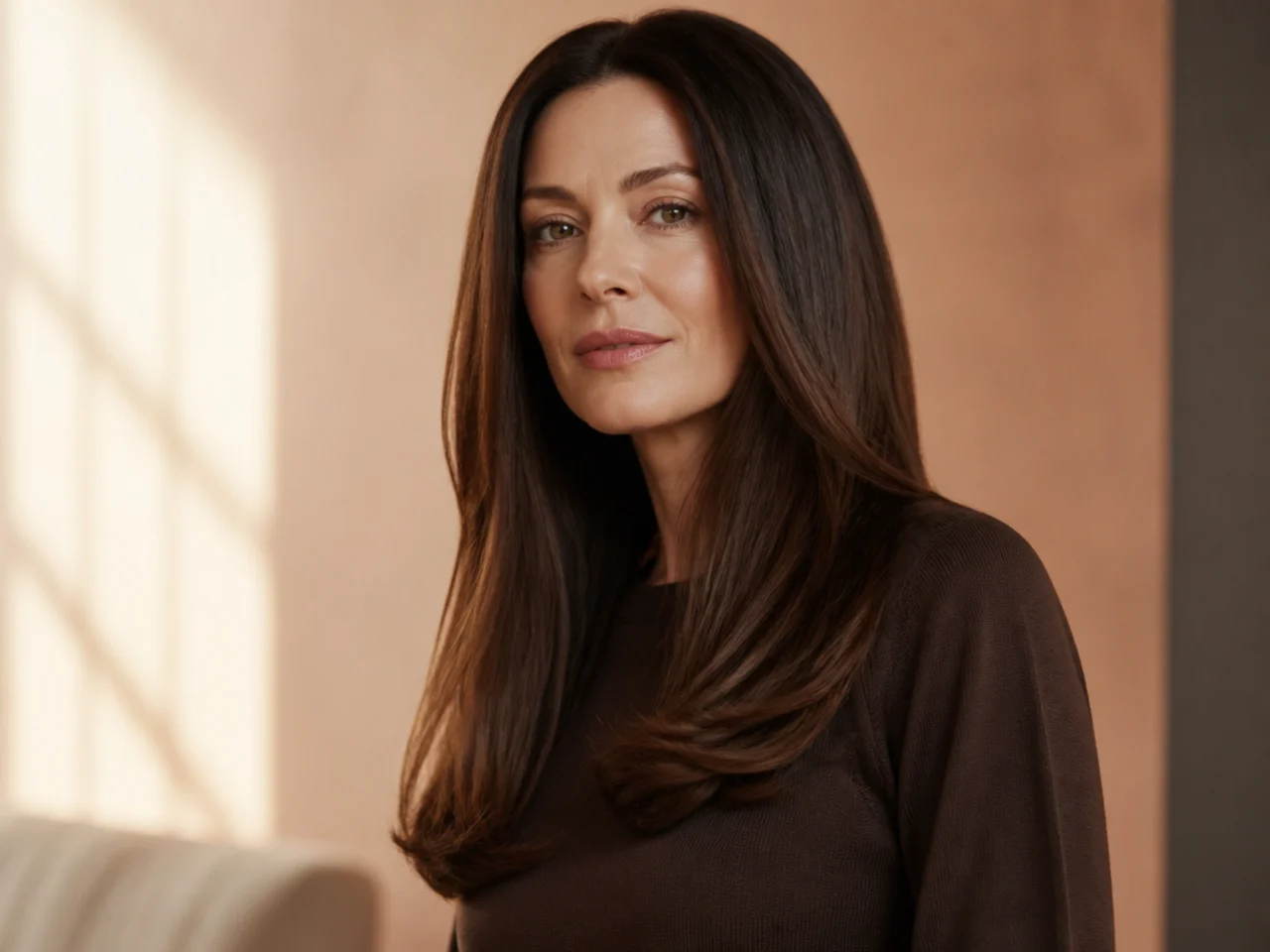
Dense from root to end. The benchmark for this look at length. Density all the way to the perimeter is the only thing carrying a one-length cut, which is why condition matters more here than anywhere else on the board.
2. Long with Internal Layers
Weight removed inside, outline untouched. Internal removal changes how the hair moves without breaking the perimeter, which is the distinction the whole board rests on.
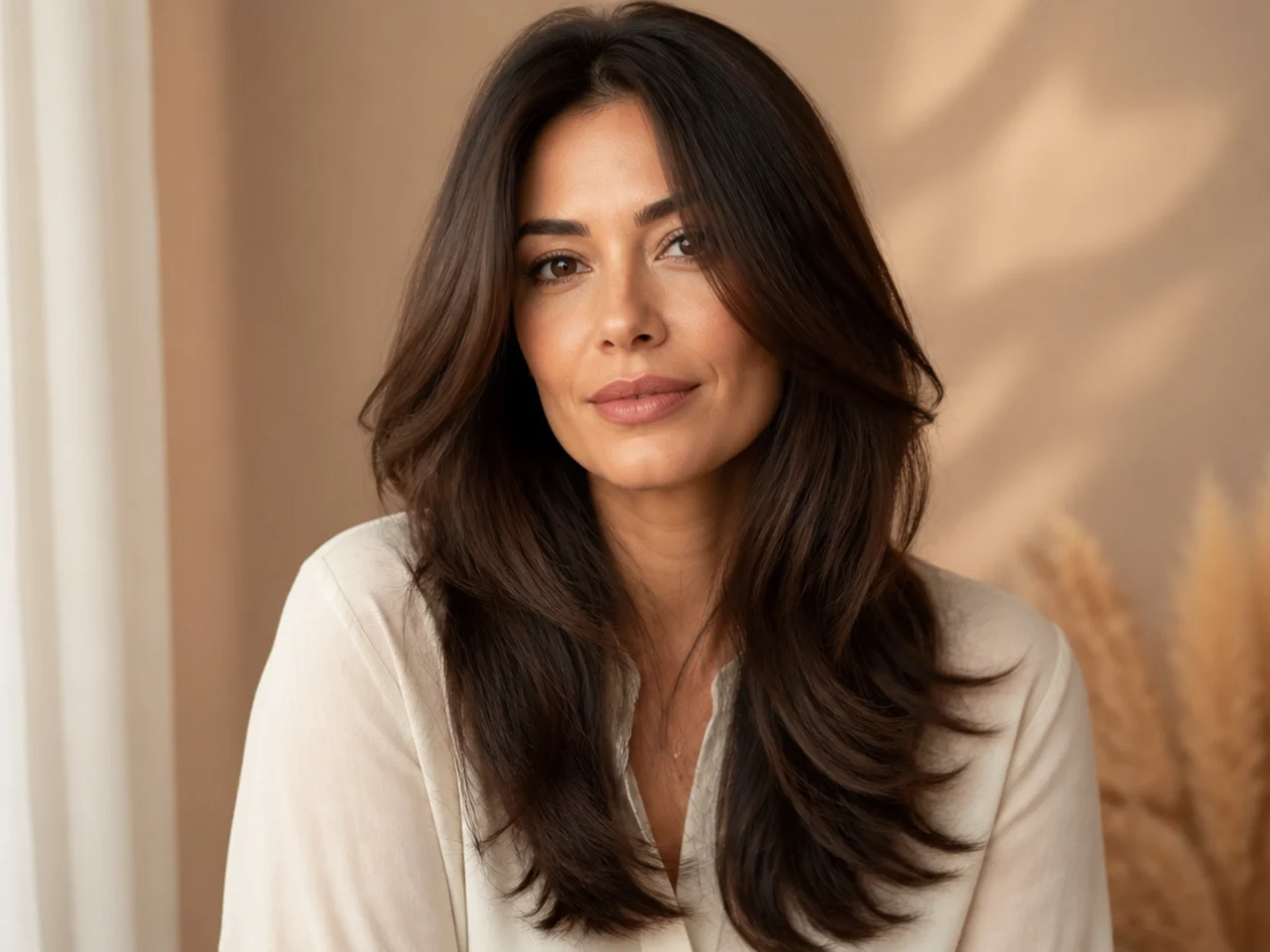
3. Waist-Length, Cut Back to Density
Shortened to where the hair is still thick. The most common fix. Cutting back to the last dense point costs length and buys a perimeter, and on this look the perimeter is worth more.
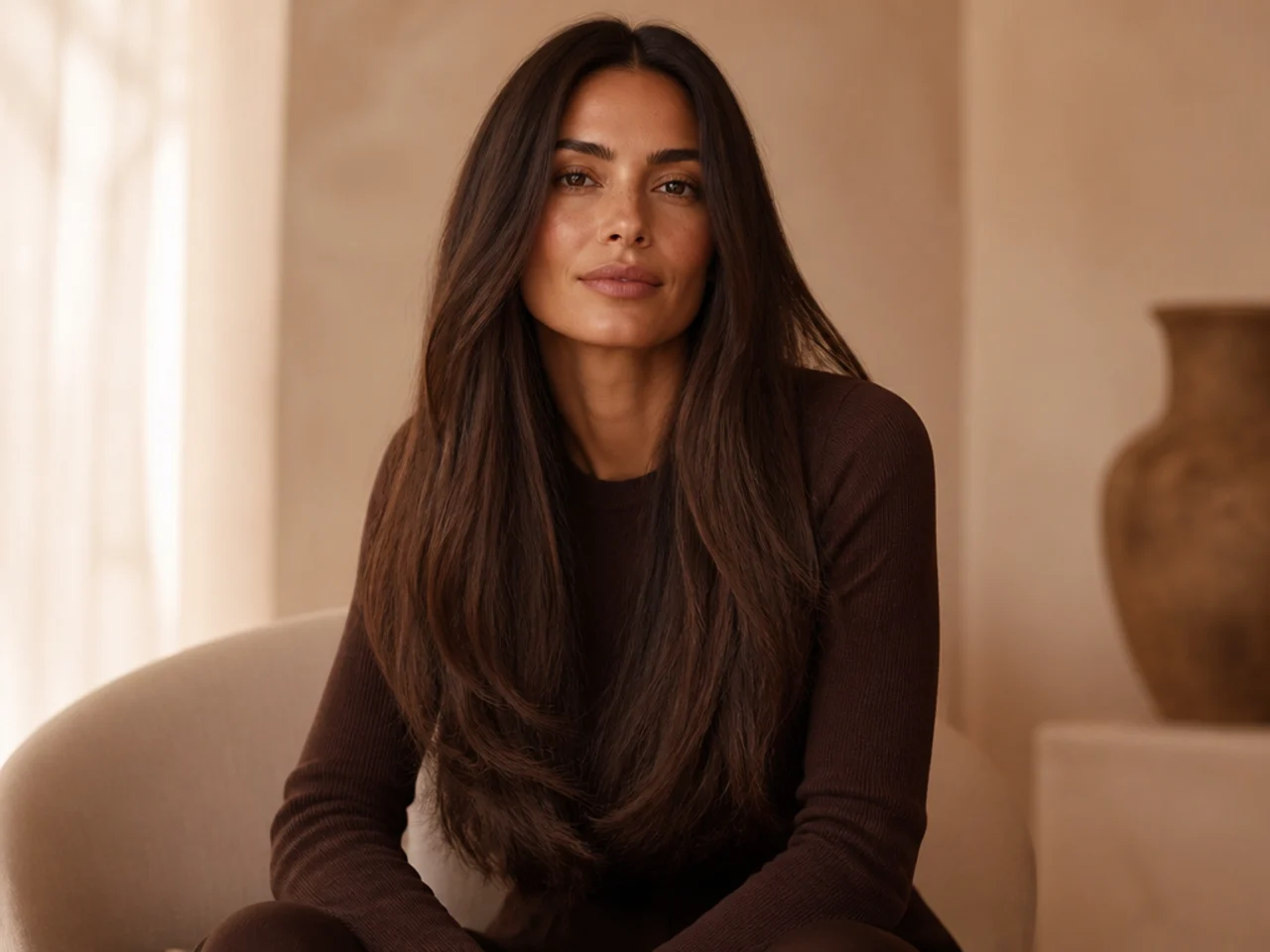
4. Mid-Back Length
The most sustainable long length for most people. Mid-back is roughly where most hair can stay dense without a trim schedule nobody keeps.
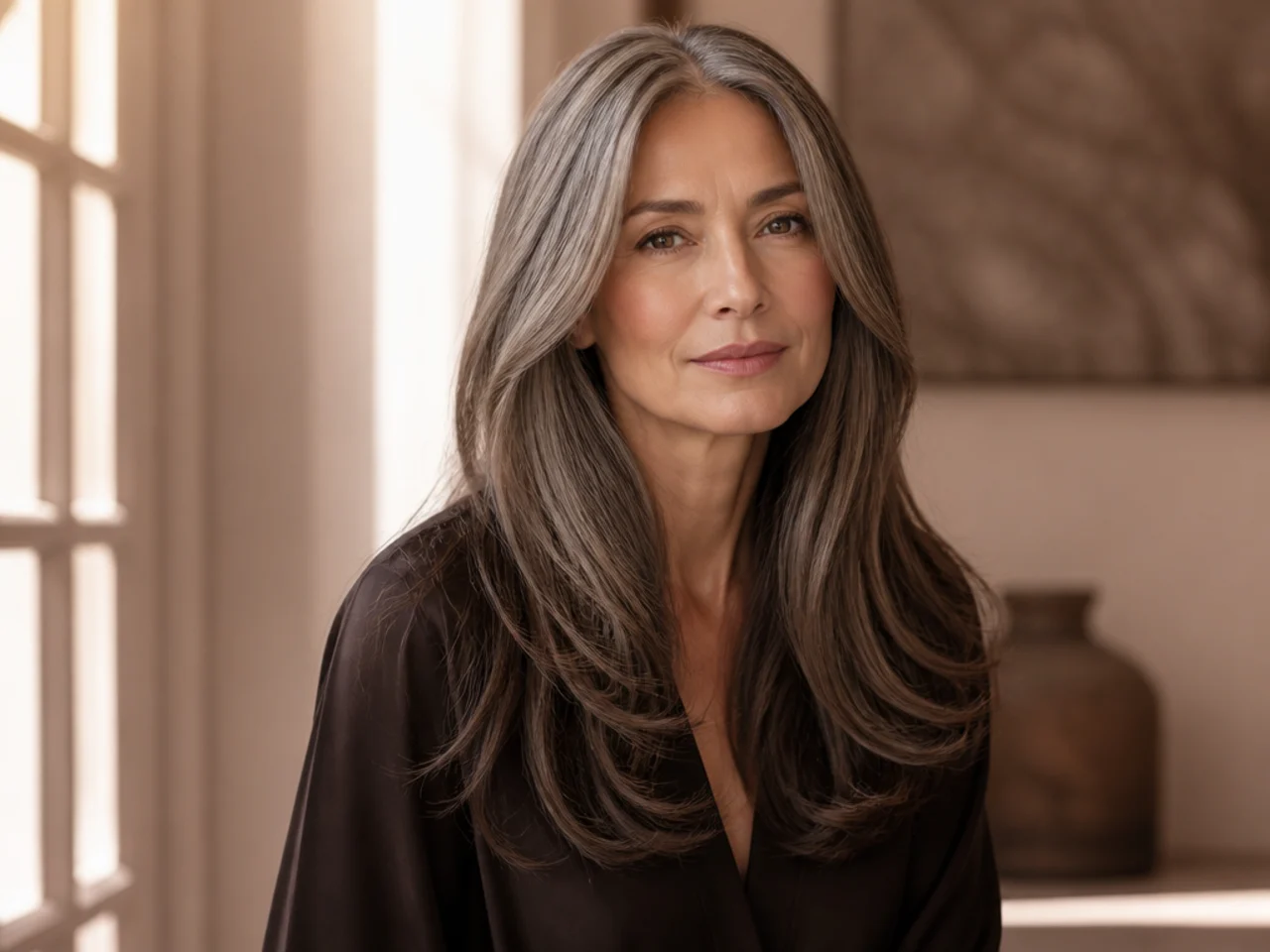
5. Long with Curtain Framing
Soft framing that blends rather than reading as a layer. Curtain framing starts below the jaw and merges into the length, so the eye never finds a step to identify.
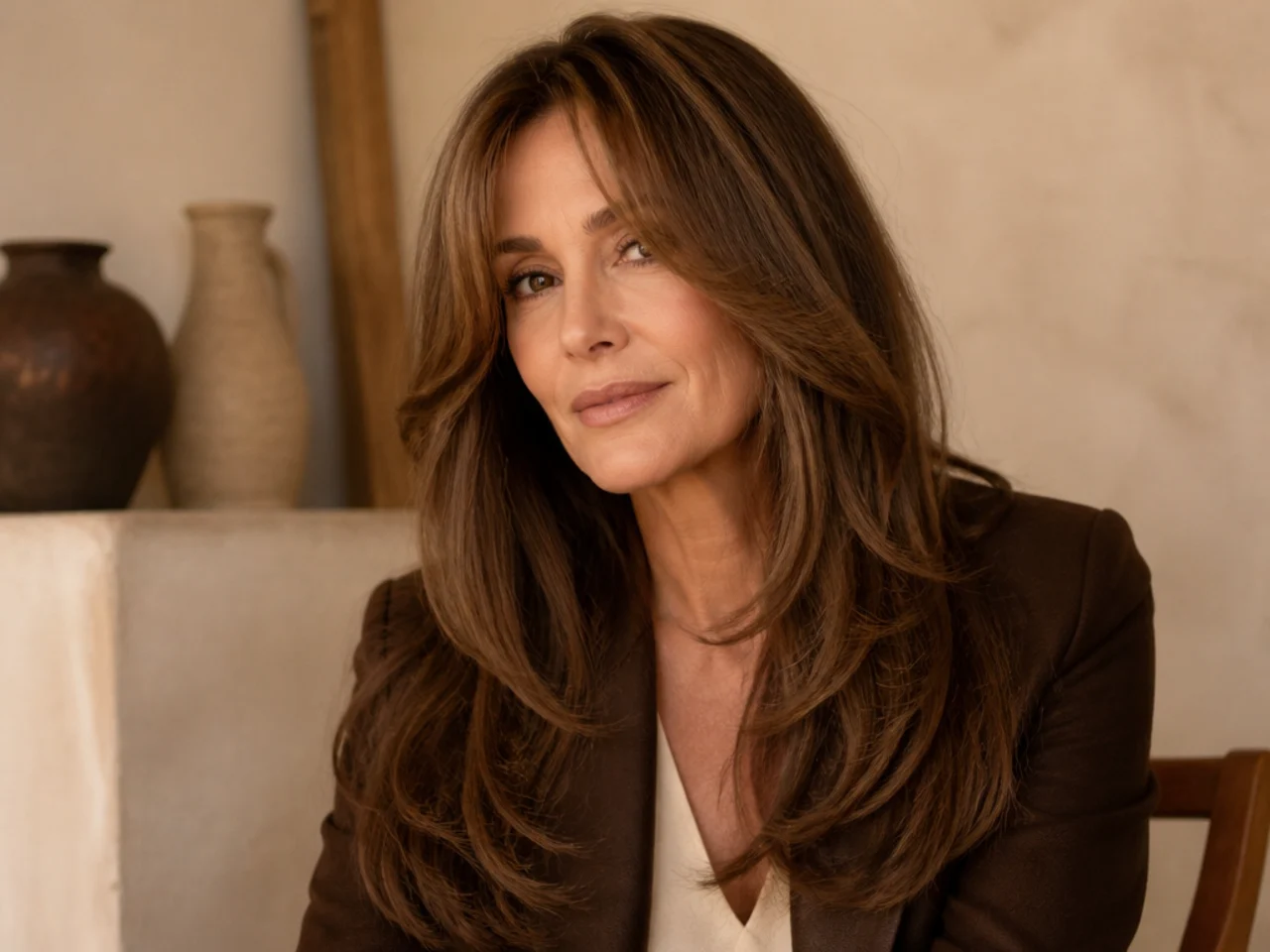
6. Long Centre-Parted
No framing at all. The plainest version, and very effective. A centre part with no framing is the least deliberate arrangement available, which is exactly why it suits this look.
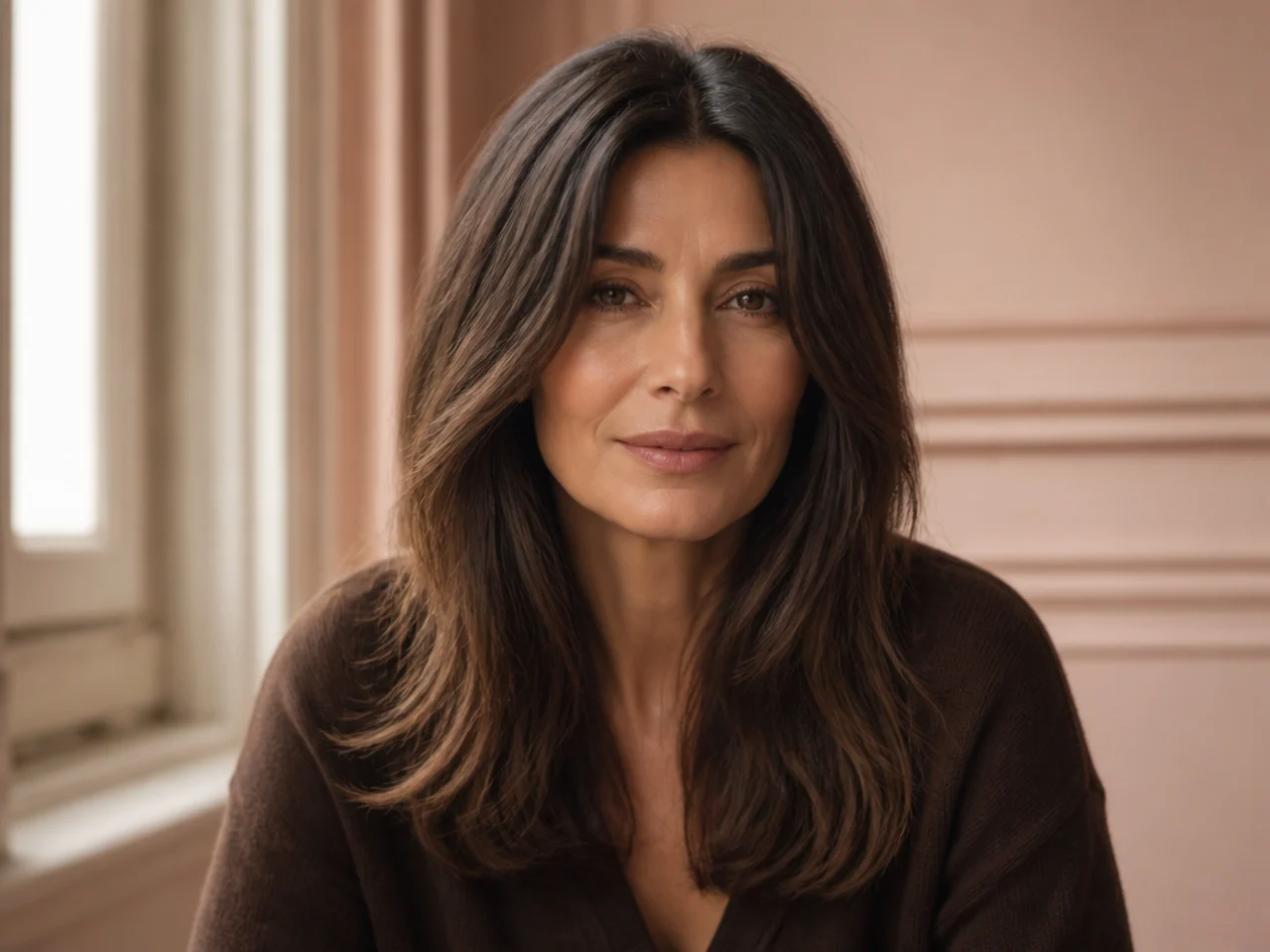
7. Long with a Soft Side Part
The one asymmetric option at this length. Keep it shallow — a deep part is a visible styling decision, and visible decisions are the failure mode here.
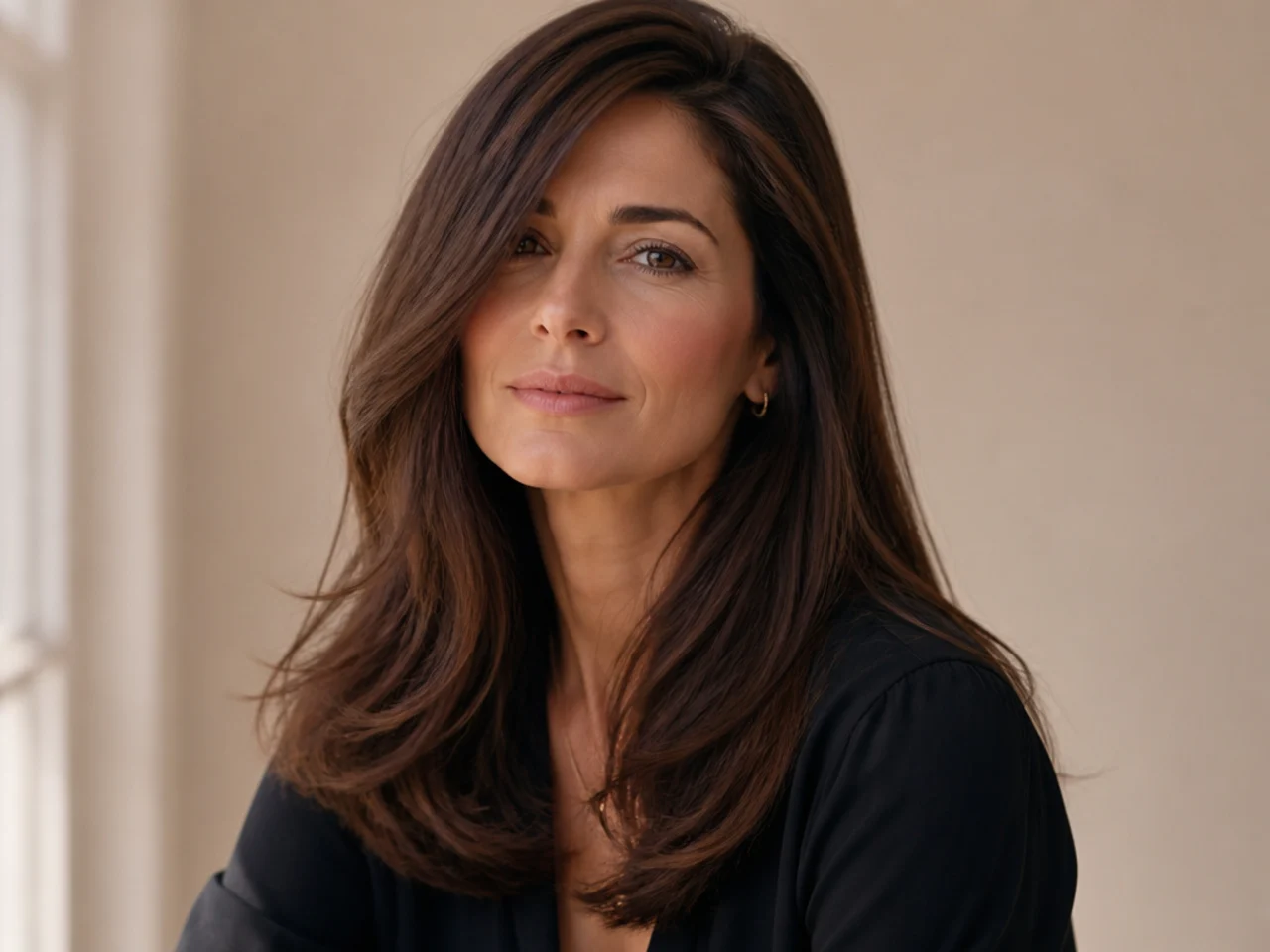
8. Long Natural Brunette
No colour service. Condition doing all the work. Uncoloured hair keeps its cuticle intact, and an intact cuticle is what produces shine without any product.
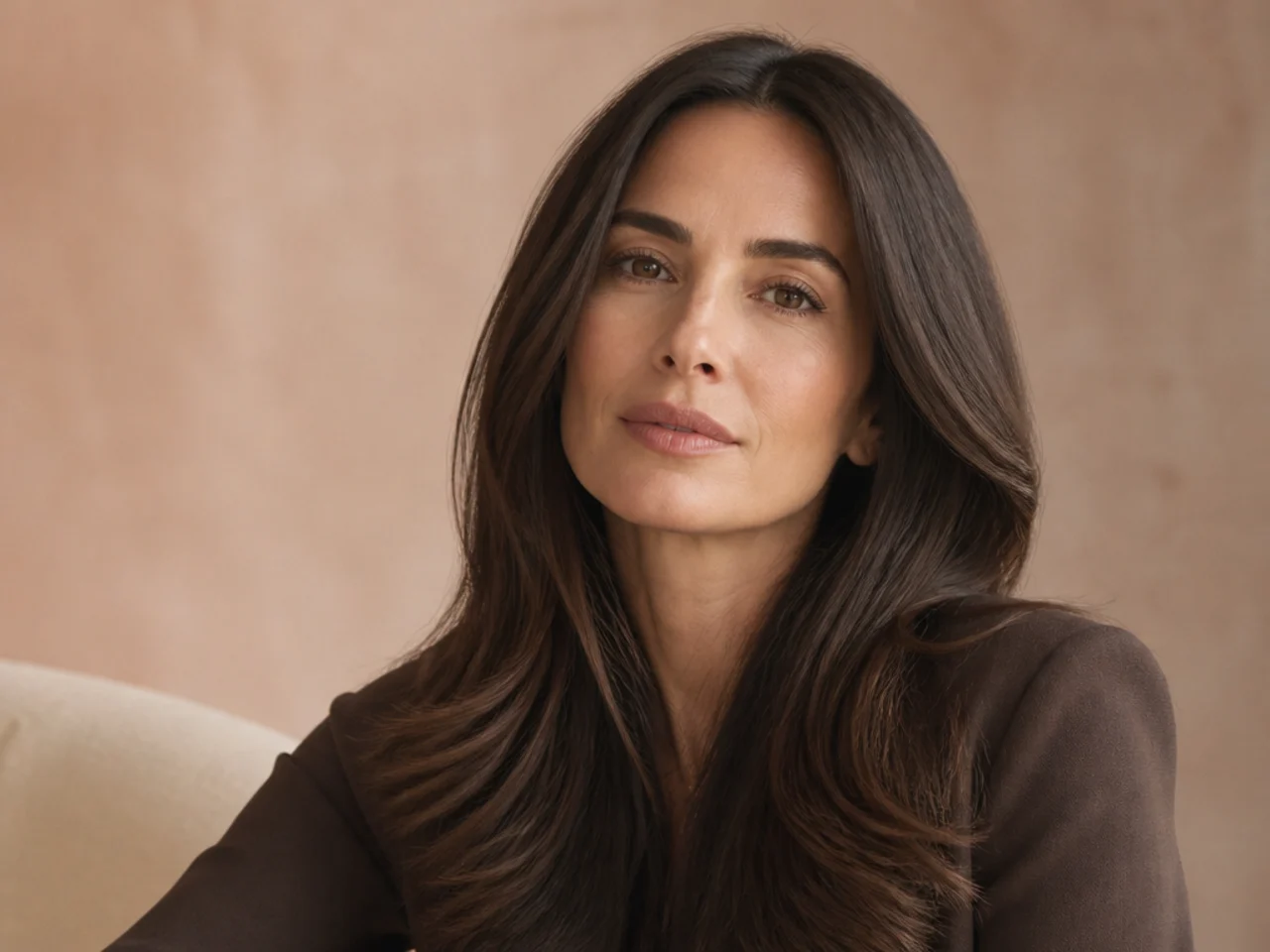
9. Long and Glossed
A gloss over a natural base for shine along the whole length. A gloss deposits shine without lift, so nothing about the structure changes and there is no regrowth line to manage.
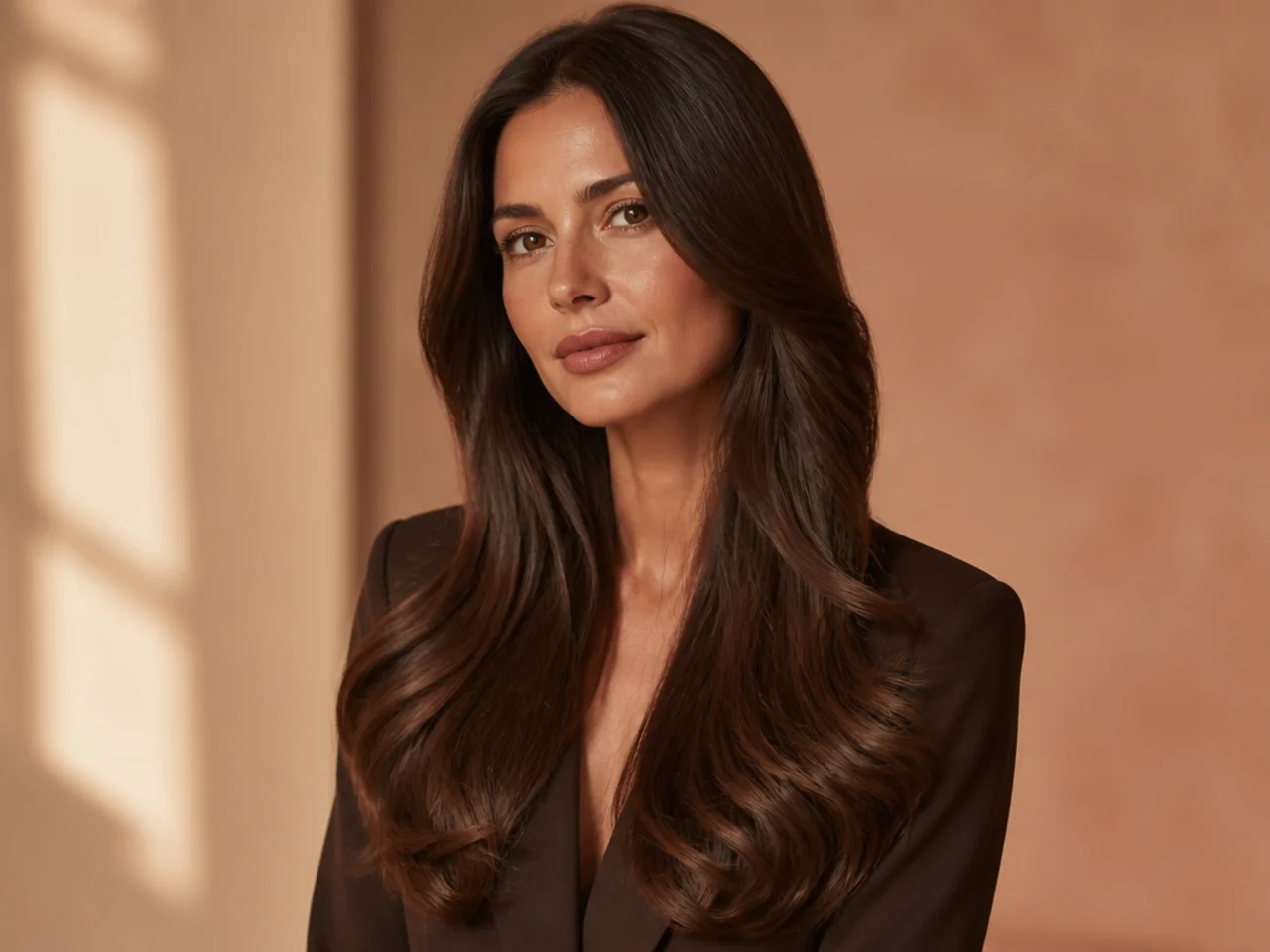
10. Long Air-Dried
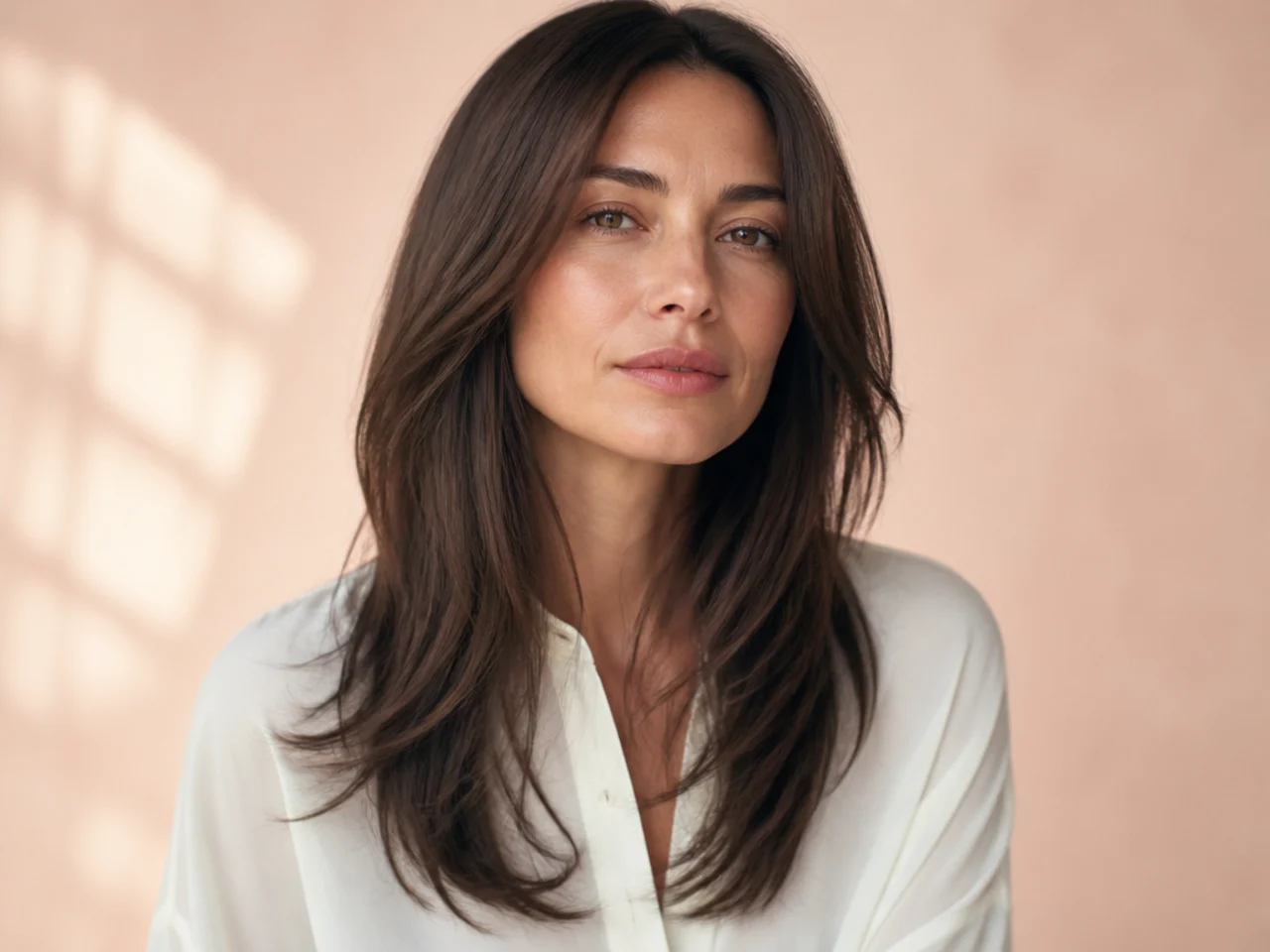
Whatever the texture does, allowed to do it. Air-drying long hair works because the weight of the length pulls it smooth on its own.
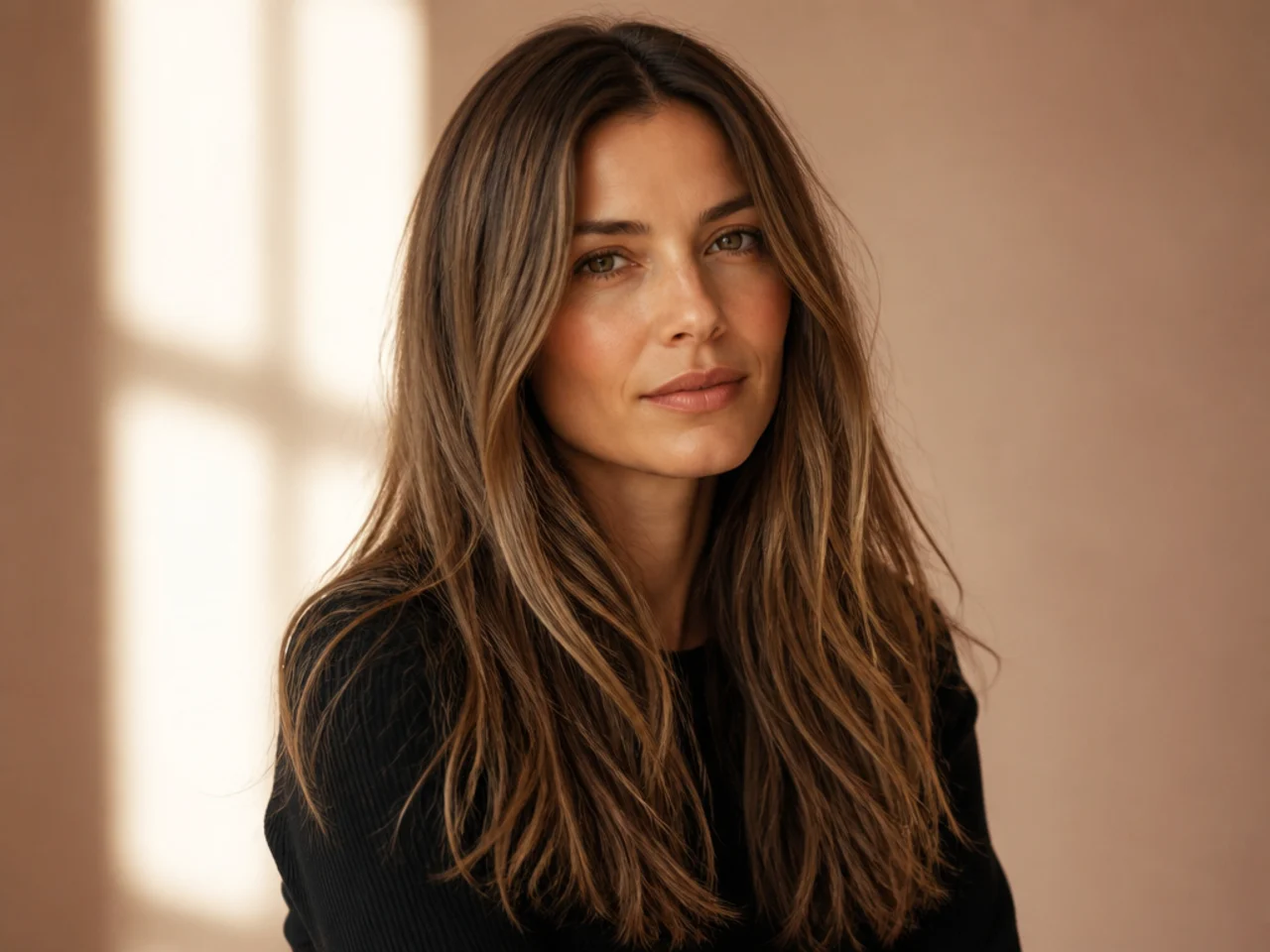
11. Long with a Soft Wave
A bend rather than a curl, and nothing set. One bend cannot form a repeat, and a repeat is what gives a set away.
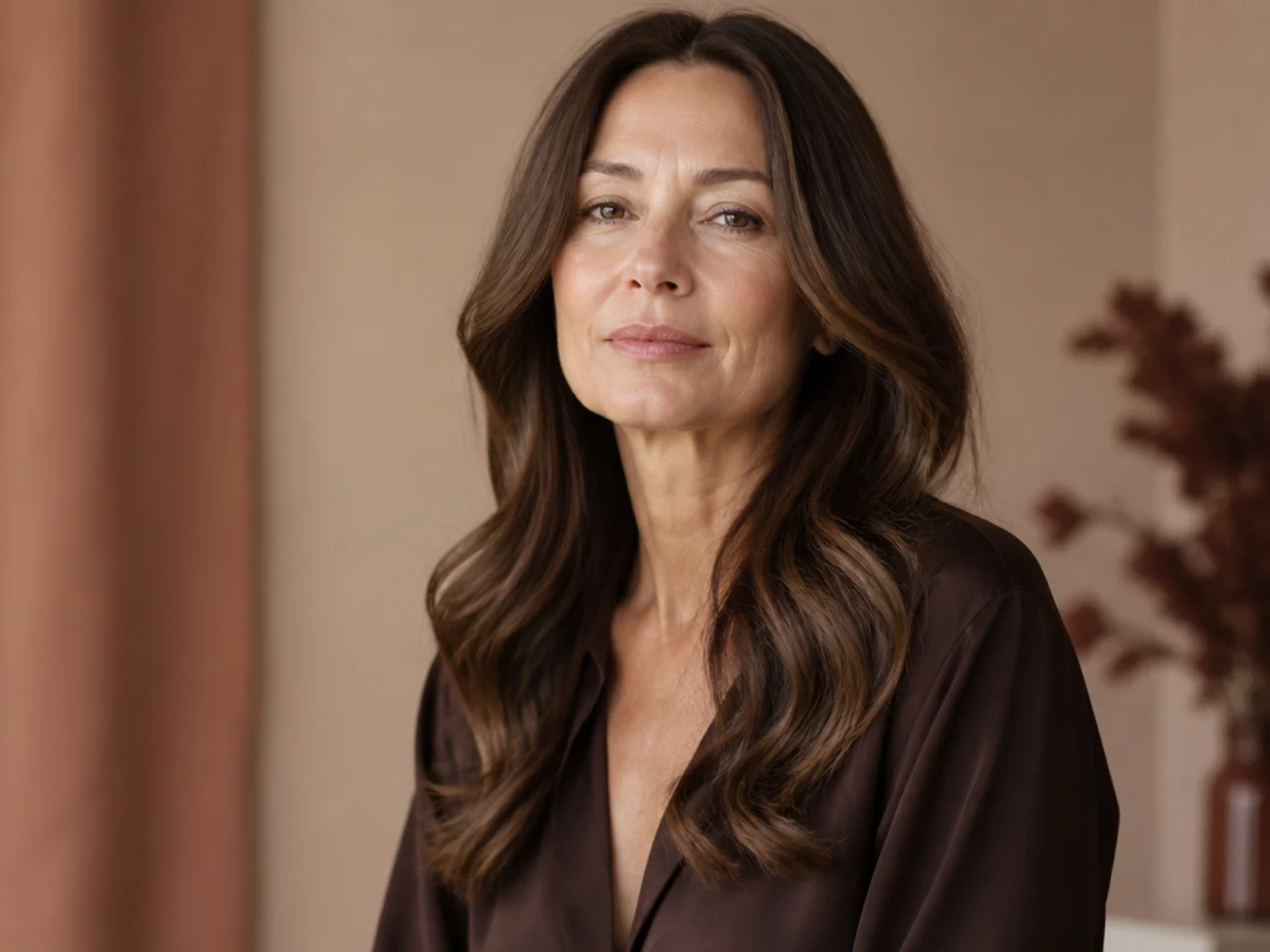
12. Long in a Low Ponytail
Gathered plainly, often with a ribbon. Plain rather than sleek — no gel and no smoothing, because polish is what announces the effort.

13. Long on Fine Hair
One length, blunt ends, no layers at all. Fine hair thins towards the ends by default, and every layer divides what little density is left.
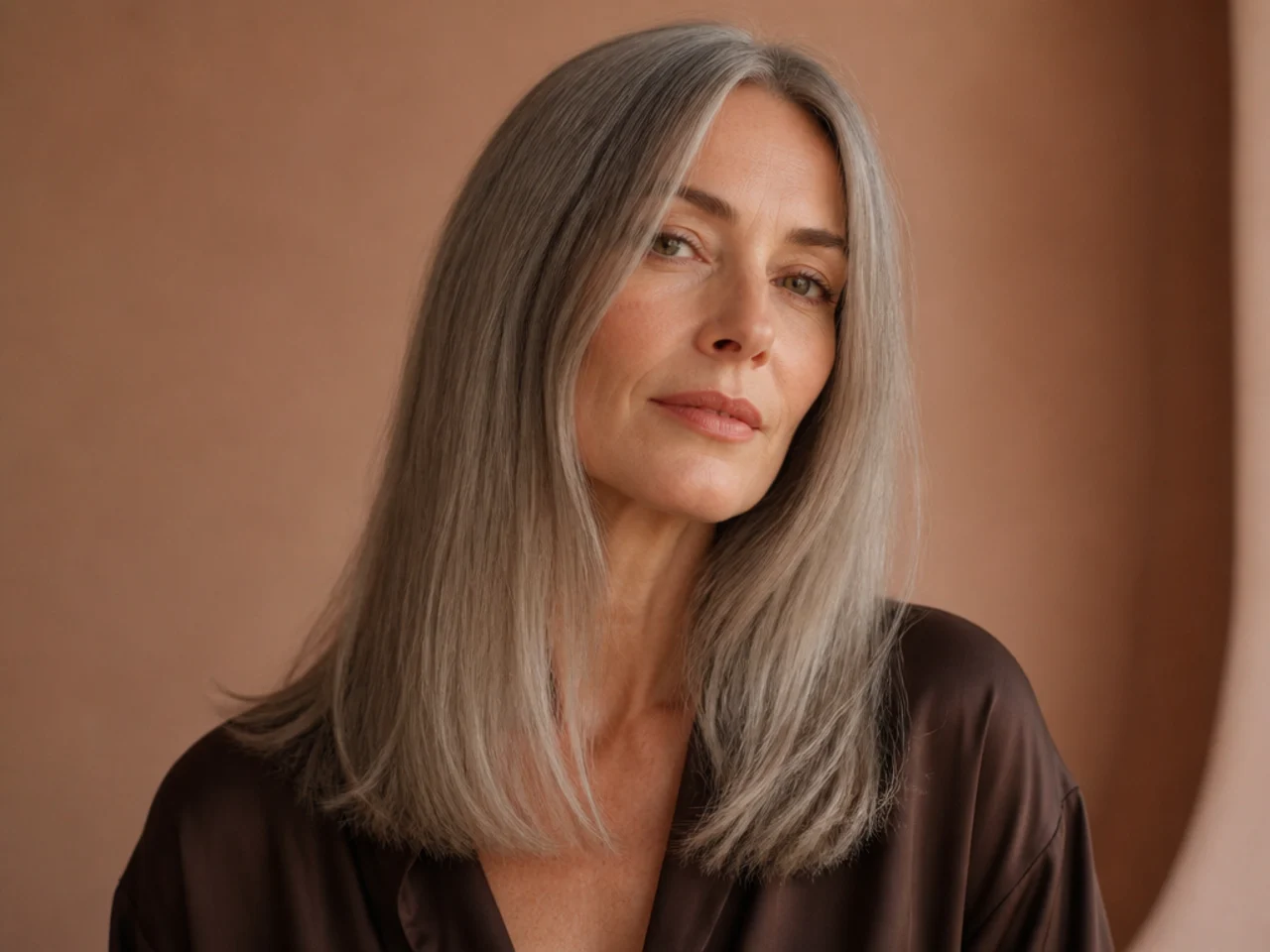
14. Long on Thick Hair
Internal weight removed so it hangs rather than expands. Thick long hair builds width at the mid-lengths unless weight comes out from underneath.
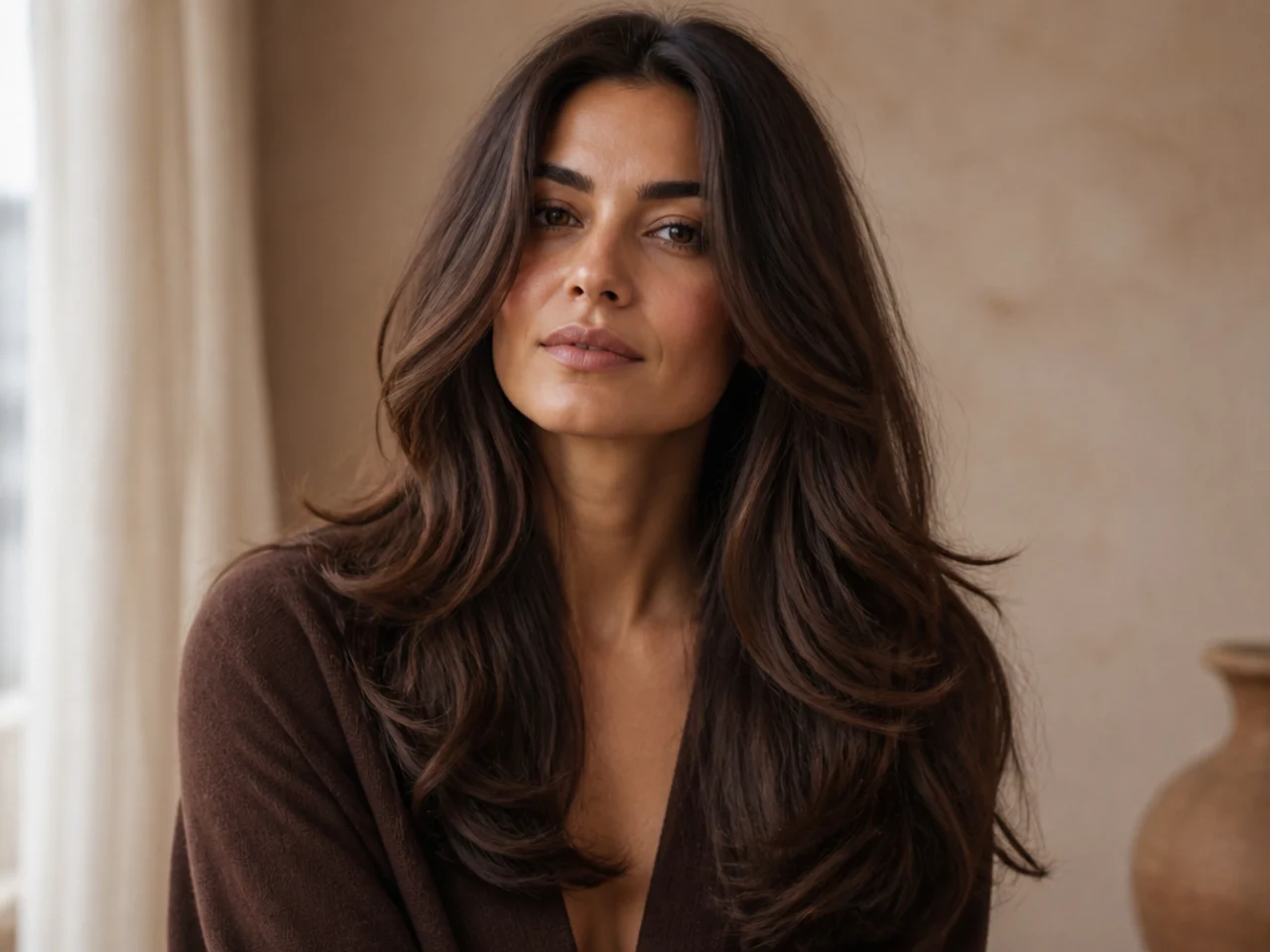
15. Long Hair Tapering to Thin Ends
Length kept past the point of density. What to avoid. The ends are the oldest hair on your head, and this aesthetic has no layers, styling or colour work to disguise a taper.
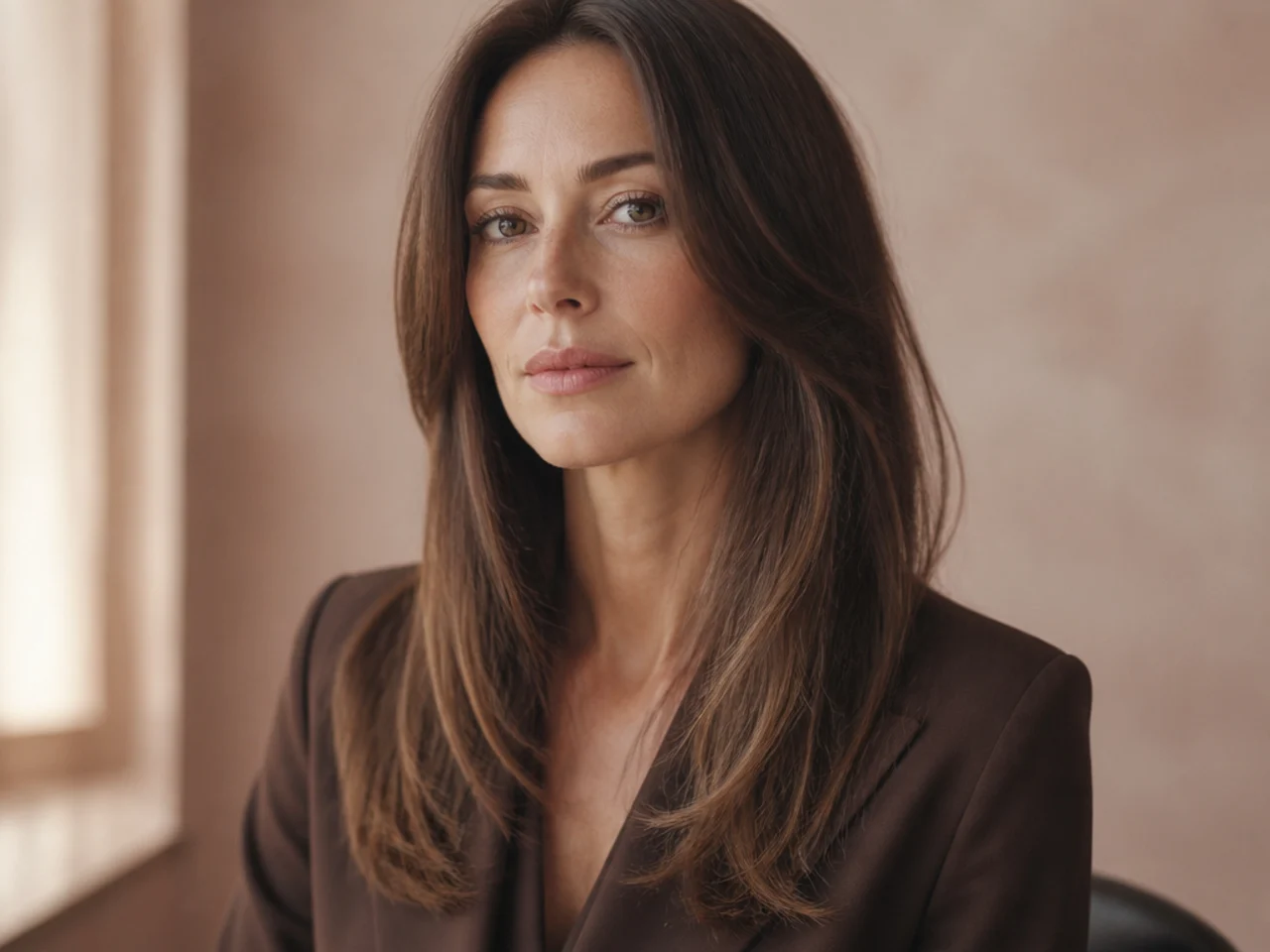
Styling and Upkeep
Trim every ten weeks regardless. The shape will not need it; the ends will.
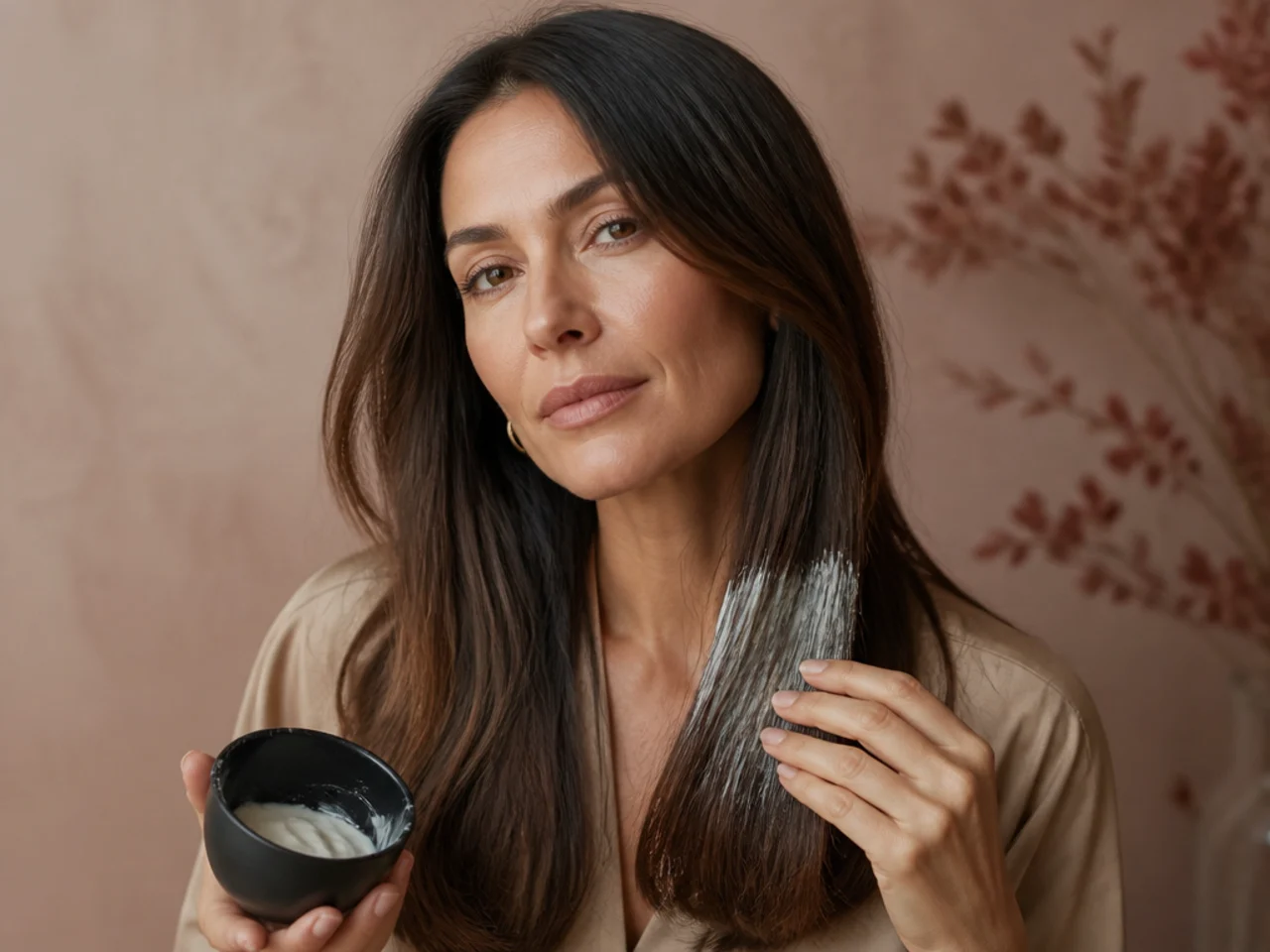
Mask the bottom third weekly. That is where the age is.
Heat protectant every time, without exception. The ends have already had years of it.
Sleep with it loosely up. Friction against a pillow all night is a real contributor to end damage.
Wash the scalp, condition the ends. Not the reverse, and not both everywhere.
Mistakes to Avoid
Keeping length past where the hair is dense. It reads as neglect rather than as length.
Adding layers to disguise thin ends. Visible layers break the aesthetic; the ends need cutting instead.
Trimming only when the shape looks wrong. A long one-length cut never looks wrong on shape.
Skipping heat protectant on the length. These ends cannot be replaced.
Conditioning the roots. It flattens where you want body and does nothing for the ends.
FAQ
How long can it be? As long as your ends stay dense — condition sets the limit, not preference.
Why do the ends look thin? They are the oldest hair, and this look has nothing to hide them with.
Should you cut it shorter? Often, and by less than you fear.
Final Thoughts
Ask your stylist to show you where your hair stops being dense, then cut to that point. It is usually a few centimetres, it is almost always less than you were braced for, and it converts length that reads as neglected into length that reads as deliberate.
For the shorter version, where the constraint reverses, see 20 short old money haircut ideas, and for the aesthetic in full see 25 elegant old money haircut ideas. More in Women's Hairstyles.