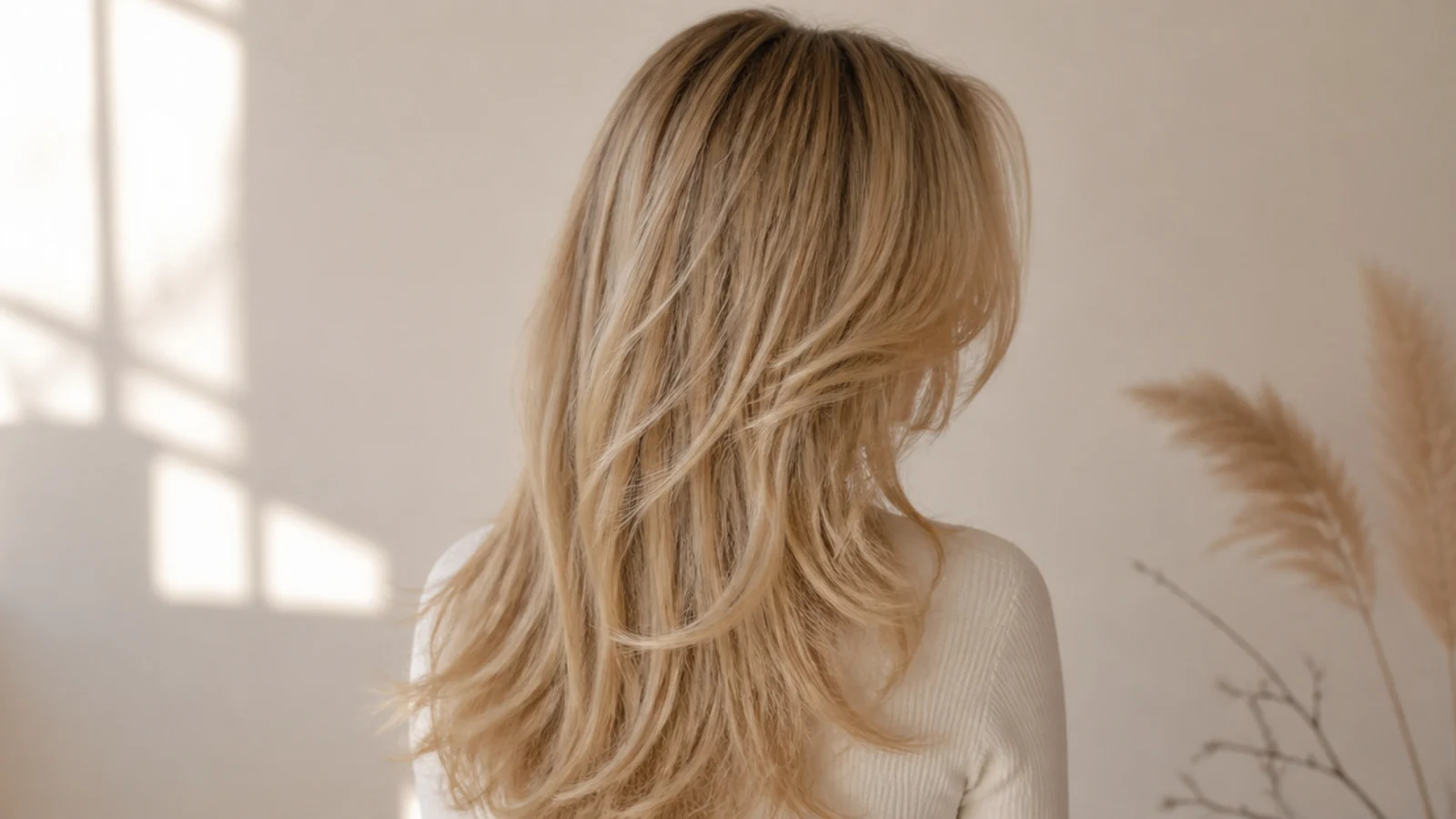
15 Sabrina Carpenter Natural Hair Ideas Without Heat
Fifteen ways to wear this look in your own texture with no dryer involved. The useful distinction is that air drying is not the absence of styling — what you do in the first ten minutes decides everything the hair does for two days.
In this article · 23
- Natural Texture
- The Hair Type Guide
- The Cut
- Natural Color
- The Air Dry Method
- Short and Curly
- The 15 Natural Hair Ideas
- 1. Air Dried Long Layers
- 2. Second Day Waves
- 3. Overnight Rope Braid
- 4. Damp Twist Out
- 5. Rough Dried Bangs
- 6. Salt Spray Texture
- 7. Diffused Wave
- 8. Low Bun With Crease Waves
- 9. Half Up With a Claw Clip
- 10. Root Shadow
- 11. Low Ponytail
- 12. Slick Back Air Dry
- 13. Foam Rollers
- 14. Fringe Only Blowout
- 15. Collarbone Lob
- Final Thoughts
Air drying is not the absence of styling, and treating it that way is why it usually looks like nothing was done.
The first ten minutes decide the next two days. What goes on soaking hair and how it is held while it dries is the entire result, because the shape locks in as the water leaves.
Then stop touching it. Wet strands stick together into clumps, and every clump broken apart while it dries is a piece of frizz you cannot put back.
Natural Texture
Every head has a pattern, and most people have never seen theirs. Years of round brushing hides it. The starting point for this look is finding out what the hair does on its own before deciding what to change.
Wave is set by the shape of the follicle. A round follicle produces a straight strand and an oval one produces a bend, which is why the pattern is fixed at the root and nothing applied to the length alters it.
Damp is where the decision gets made. Hair is at its most flexible with water in it, and hydrogen bonds reform as it dries, so the window for shaping it is measured in minutes rather than hours.
Frizz and volume are the same thing at different scales. A strand standing away from the mass adds height, and a lot of them together is frizz. The goal is clumps that are big enough to read as waves.
The Hair Type Guide
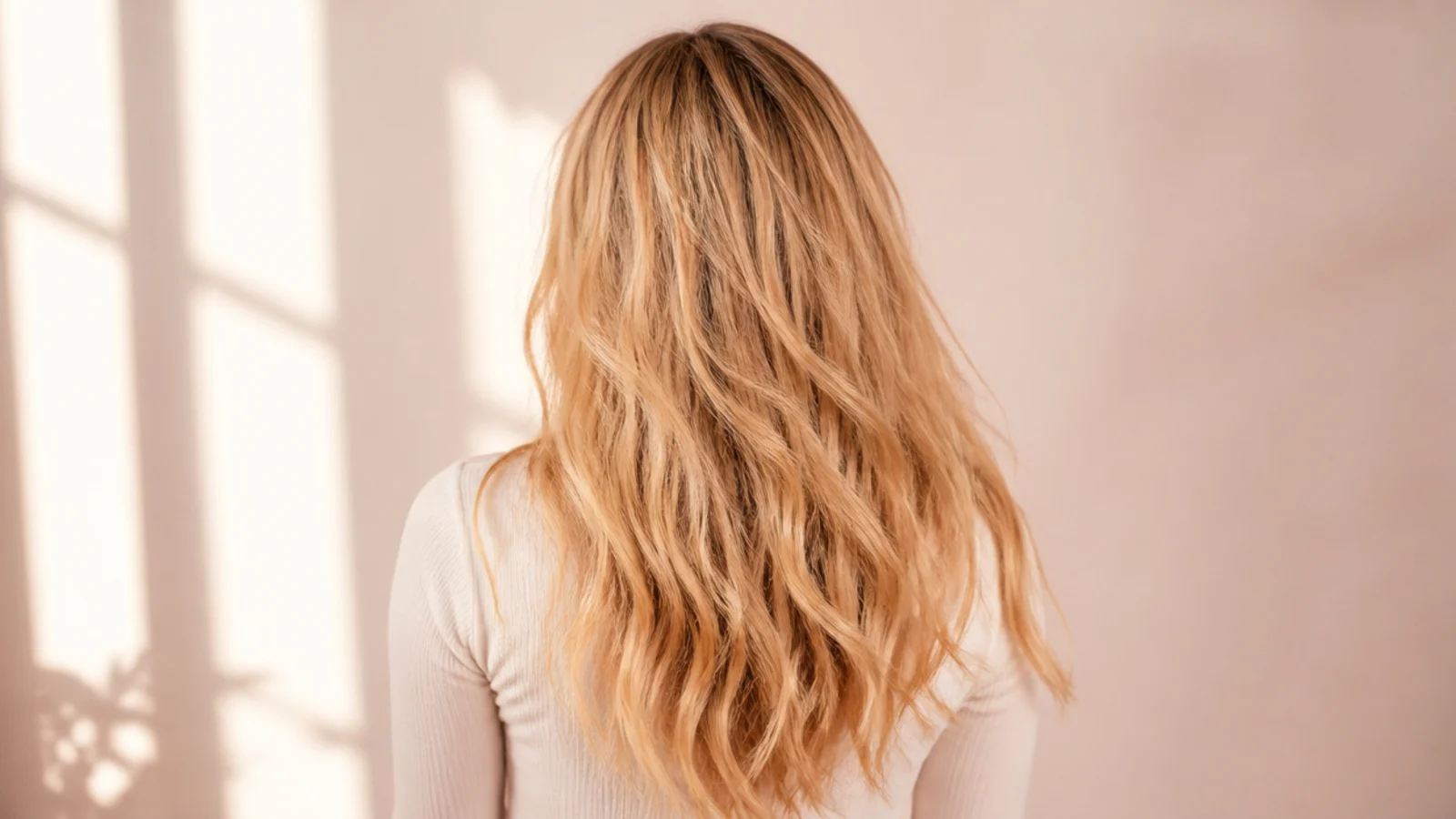
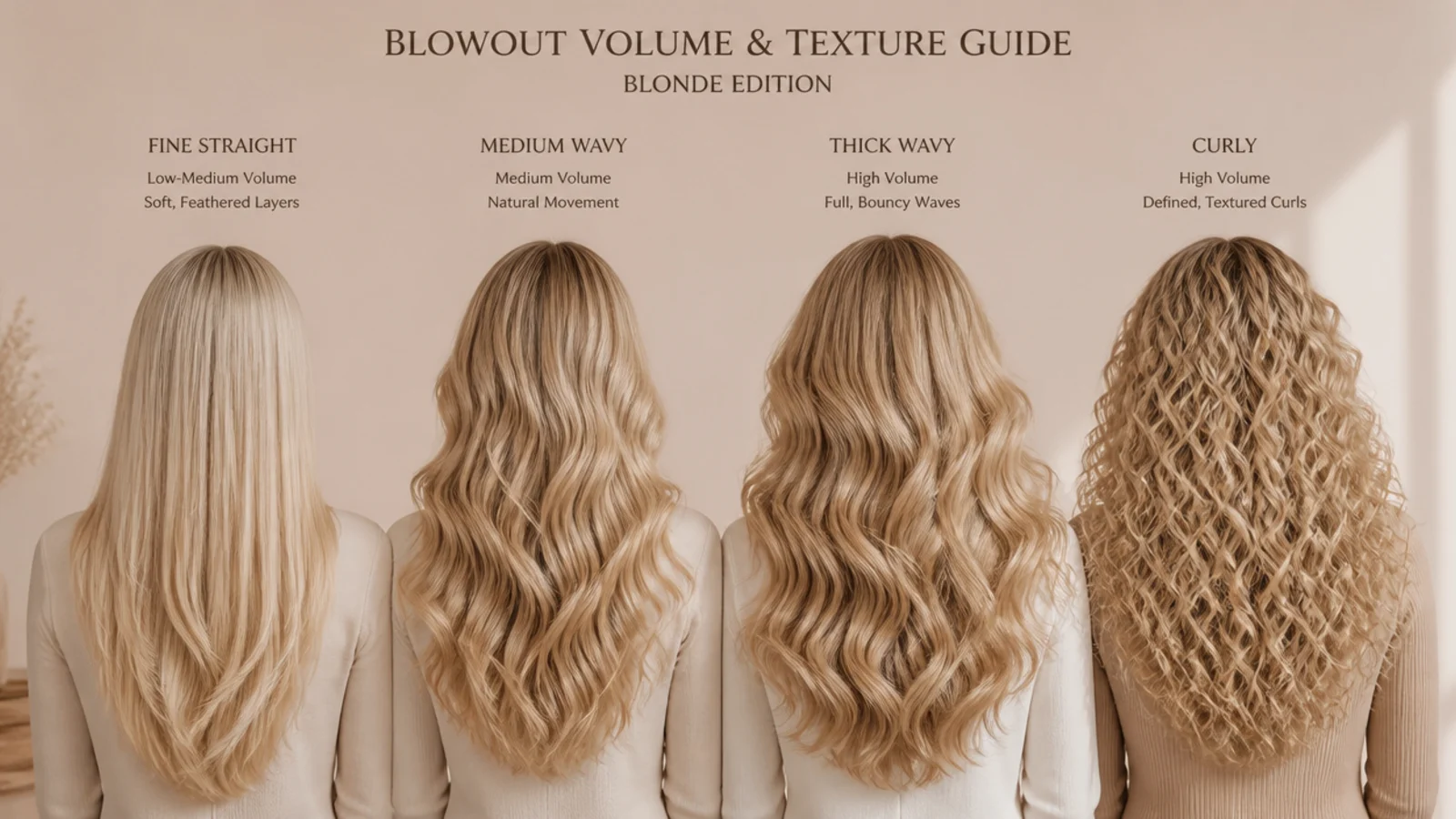
Straight hair air dries flat unless it is set. With no bend to hold, the strand dries in a line, so the shape has to come from a braid, a twist or a roller rather than from the pattern itself.
Wavy hair is the easiest and the most inconsistent. A 2A to 2C pattern will hold a bend on its own but tends to be looser at the crown, where the weight of the length above pulls it out.
Curly hair needs the clump protected above all else. A 3A pattern forms defined pieces as it dries, and every one of them is destroyed the moment a brush goes near it.
Fine hair is weighed down by almost anything. A cream heavy enough for coarse hair flattens a fine wave completely, so the same routine has to be scaled to the strand and not to the length.
The Cut
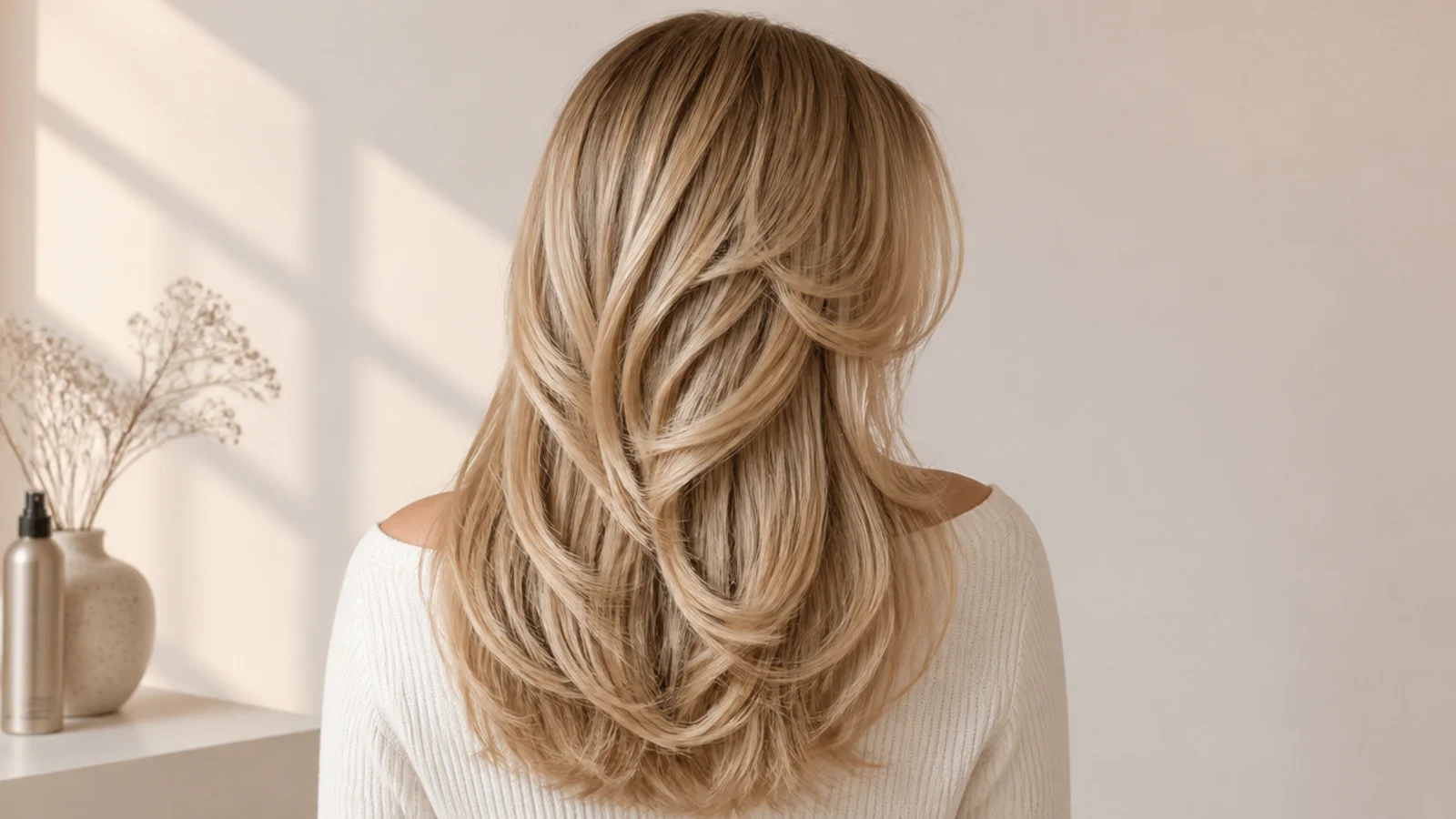
Long layers let the interior dry. On one blunt length the hair underneath stays damp long after the surface is dry, and hair that dries slowly under a wet layer dries flat.
A curtain fringe is the only short piece. Shortest at the cheekbone, lengthening outward, which means it dries away from the face rather than needing to be forced there.
Weight removed is bend released. Layering takes mass off the strand, so the pattern can spring further. That is why the same head can look wavy after a cut and straight before one.
Keep the perimeter dense. Point cut ends look thin the moment they dry without a brush, and air dried hair has nothing hiding the outline.
Natural Color
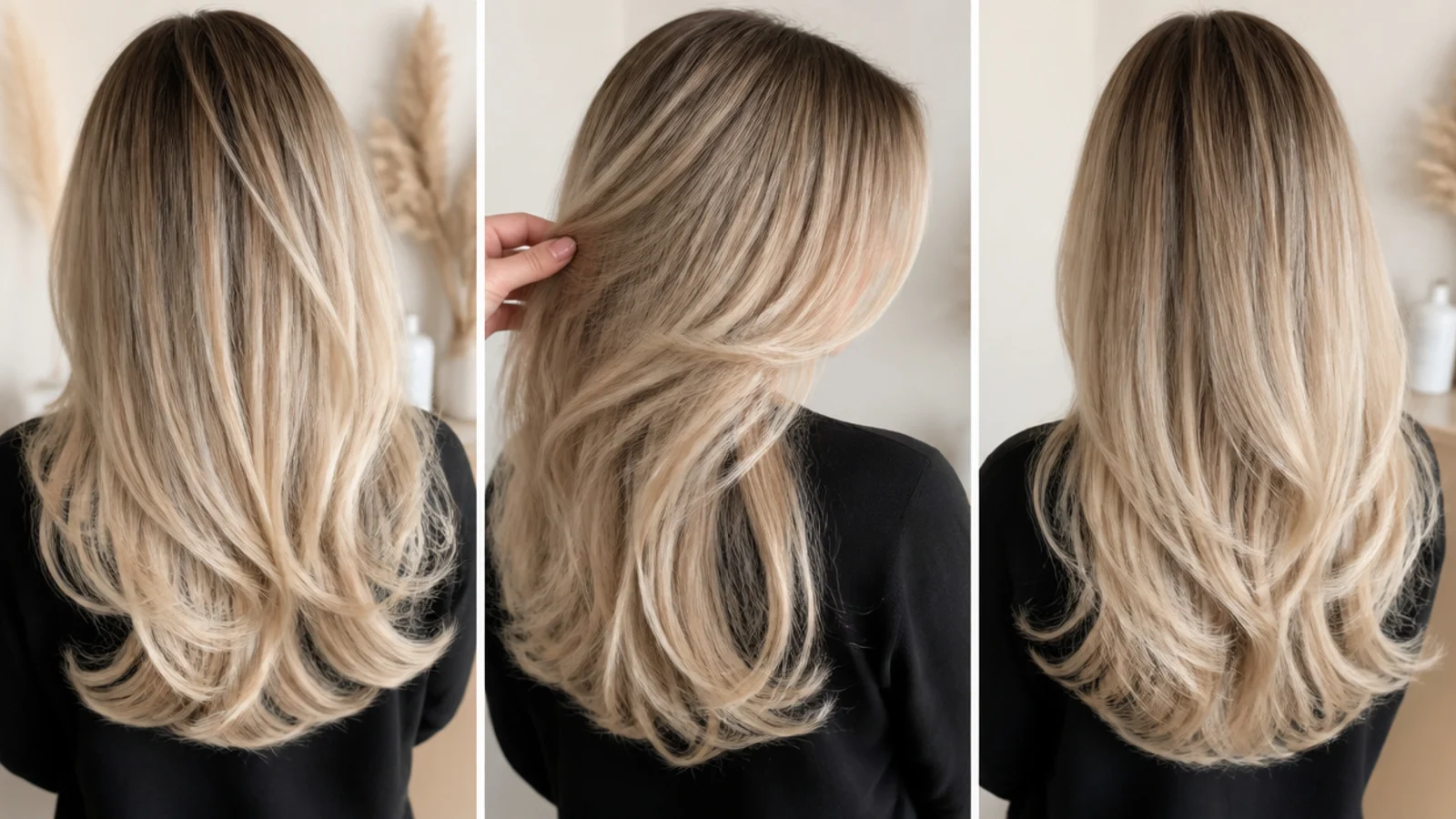
Your own depth is the low maintenance version. The register depends on shine and a small root to length contrast, and both are available without lightening anything at all.
A gloss does more than lift on air dried hair. A demi permanent gloss evens the porosity along the strand so the whole length reflects together, which is the shine that a blow dry usually supplies.
Keep the root deeper than the length. One to two levels, blended down a few inches, so regrowth at roughly half an inch a month has no line to meet.
Lightened ends and air drying fight each other. Bleached hair is more porous, and porous hair swells with water and dries rougher, so the softest air dried results come from the least processed lengths.
The Air Dry Method
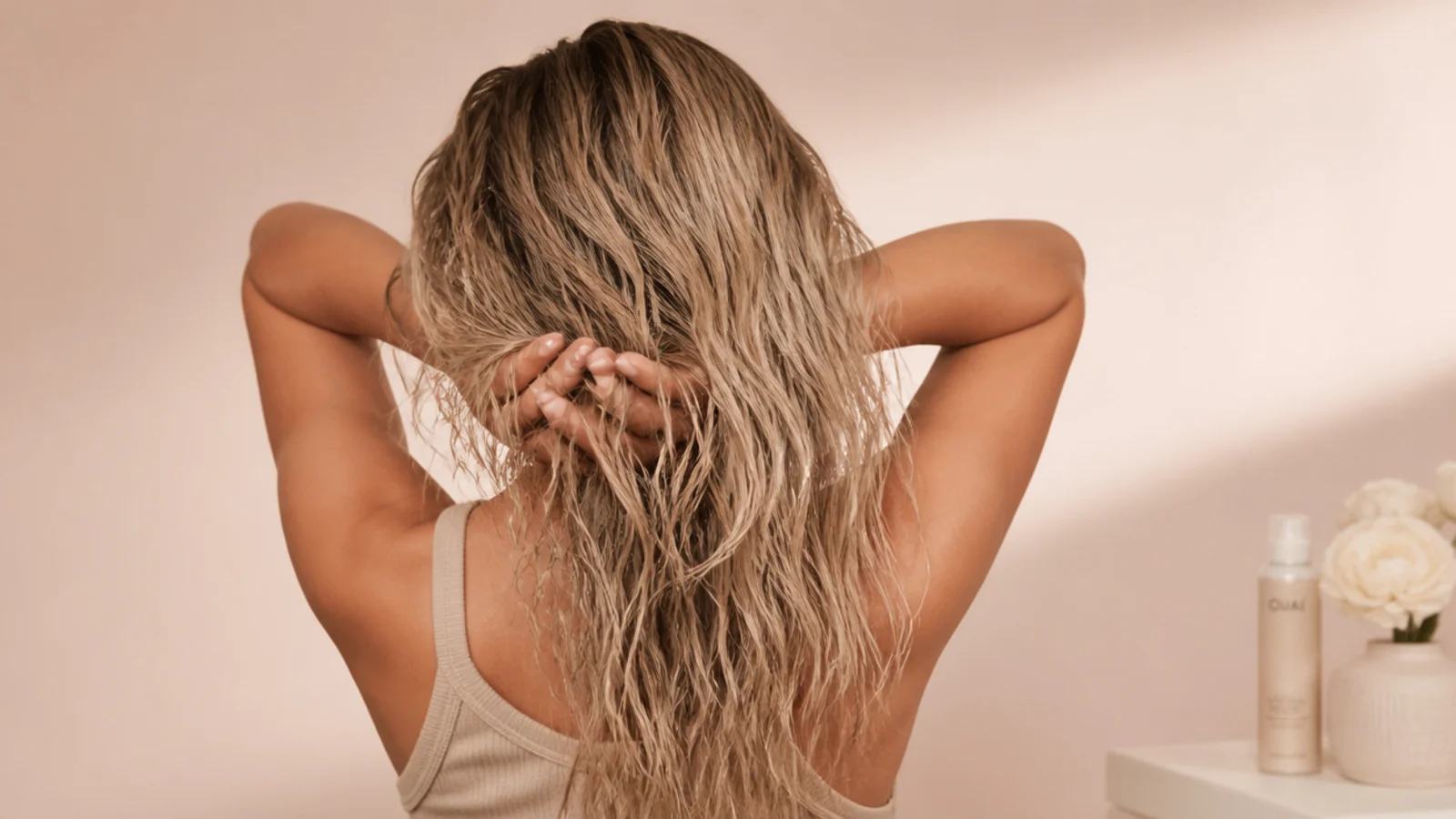
Apply everything to soaking wet hair. Product spreads through water and stops spreading once the water is gone, so anything applied to damp hair sits in patches.
Rake, then scrunch, then leave it. Raking distributes, scrunching encourages the bend, and every touch after that splits a clump that had already formed.
Let it dry undisturbed to eighty percent. The bonds are still reforming until then. Moving it during that window is what converts a wave into frizz.
Break the cast at the end, not before. A gel dries into a hard film that protects the shape while the water leaves. Scrunching that film out once the hair is completely dry gives soft hair with the set intact.
Short and Curly
Short hair air dries faster and higher. Less weight below the root means the pattern springs up rather than being pulled down, so the same curl reads tighter at chin length than at the waist.
A curl clump is the unit of work. Style clump by clump on wet hair, then leave every one of them alone until dry, because a broken clump cannot be reformed without rewetting.
A diffuser is still heatless in effect. It spreads the airflow so the air does not blow the pattern apart, which is what a bare nozzle does regardless of temperature setting.
Refresh with water rather than more product. Curl re forms with moisture, so a light mist and a scrunch resets day three hair where another layer of cream just weighs it down.
The 15 Natural Hair Ideas
1. Air Dried Long Layers
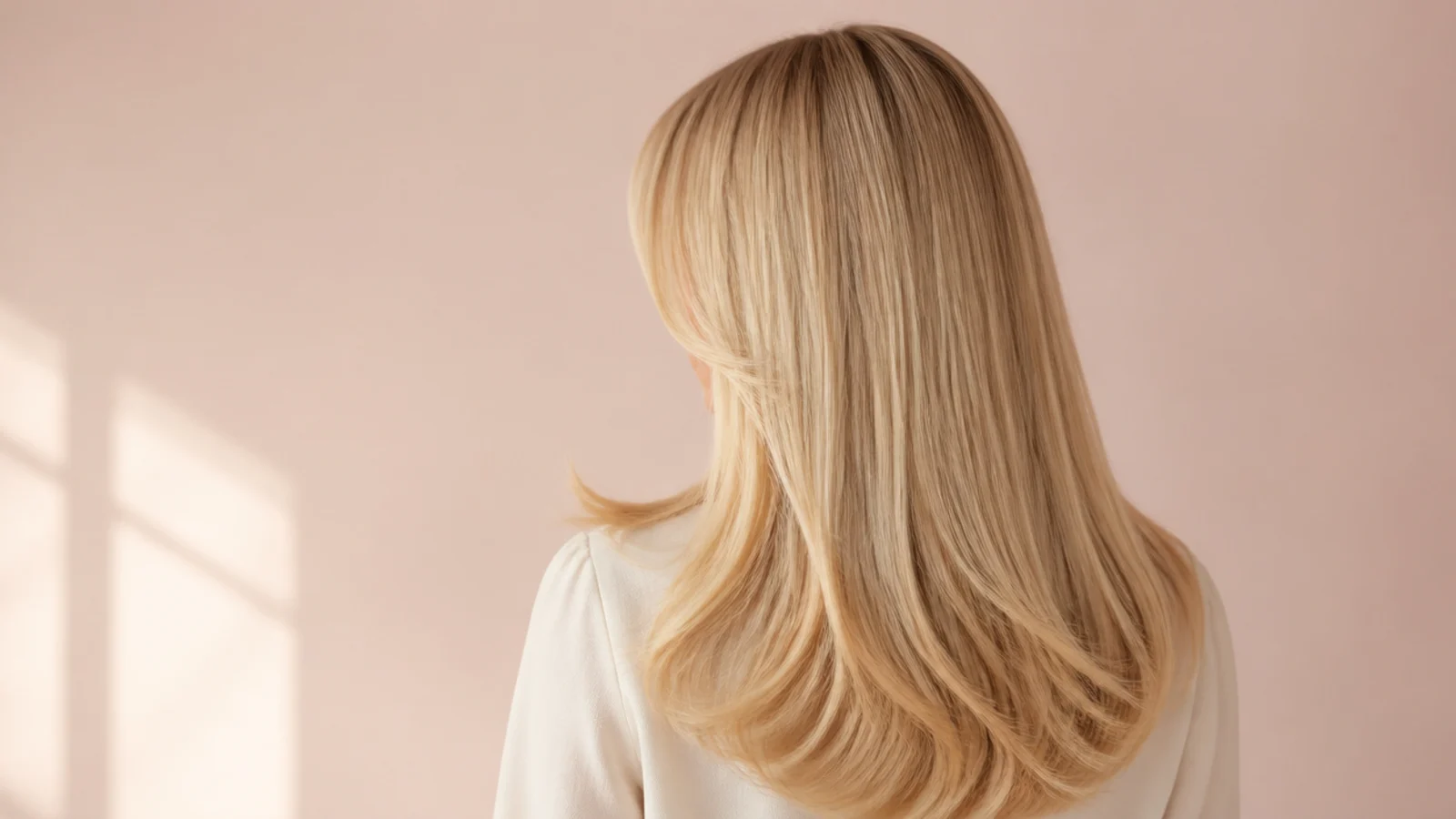
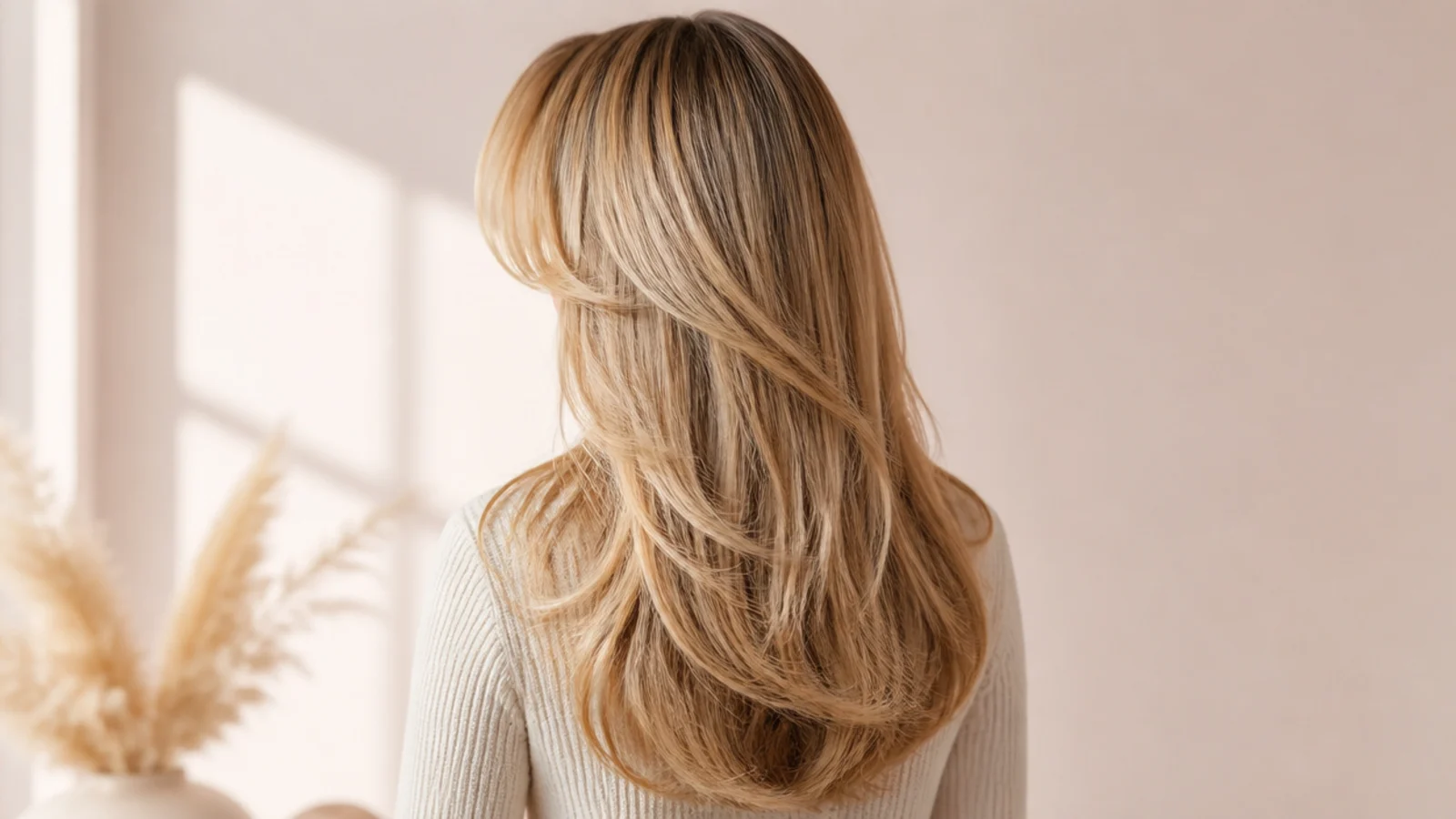
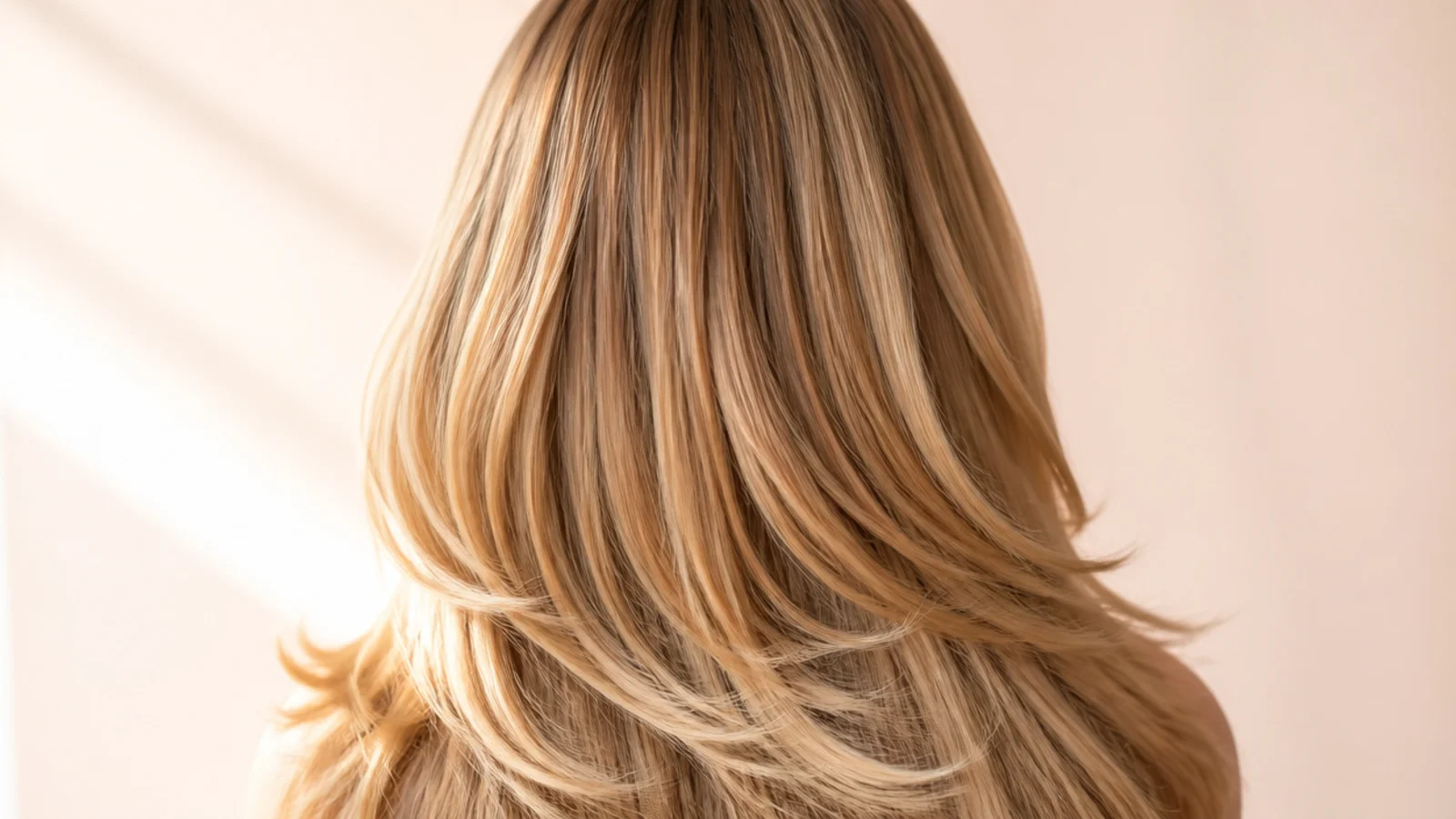
The baseline version. Layers let air reach the hair underneath, so the interior dries at roughly the same rate as the surface, and hair that dries evenly holds a bend where hair drying slowly under a wet top layer dries flat.
2. Second Day Waves
Better than day one almost every time. Sebum travels down from the scalp over about a day and adds a small amount of weight to each strand, which pulls a fluffy first day pattern into a longer and far more even bend.
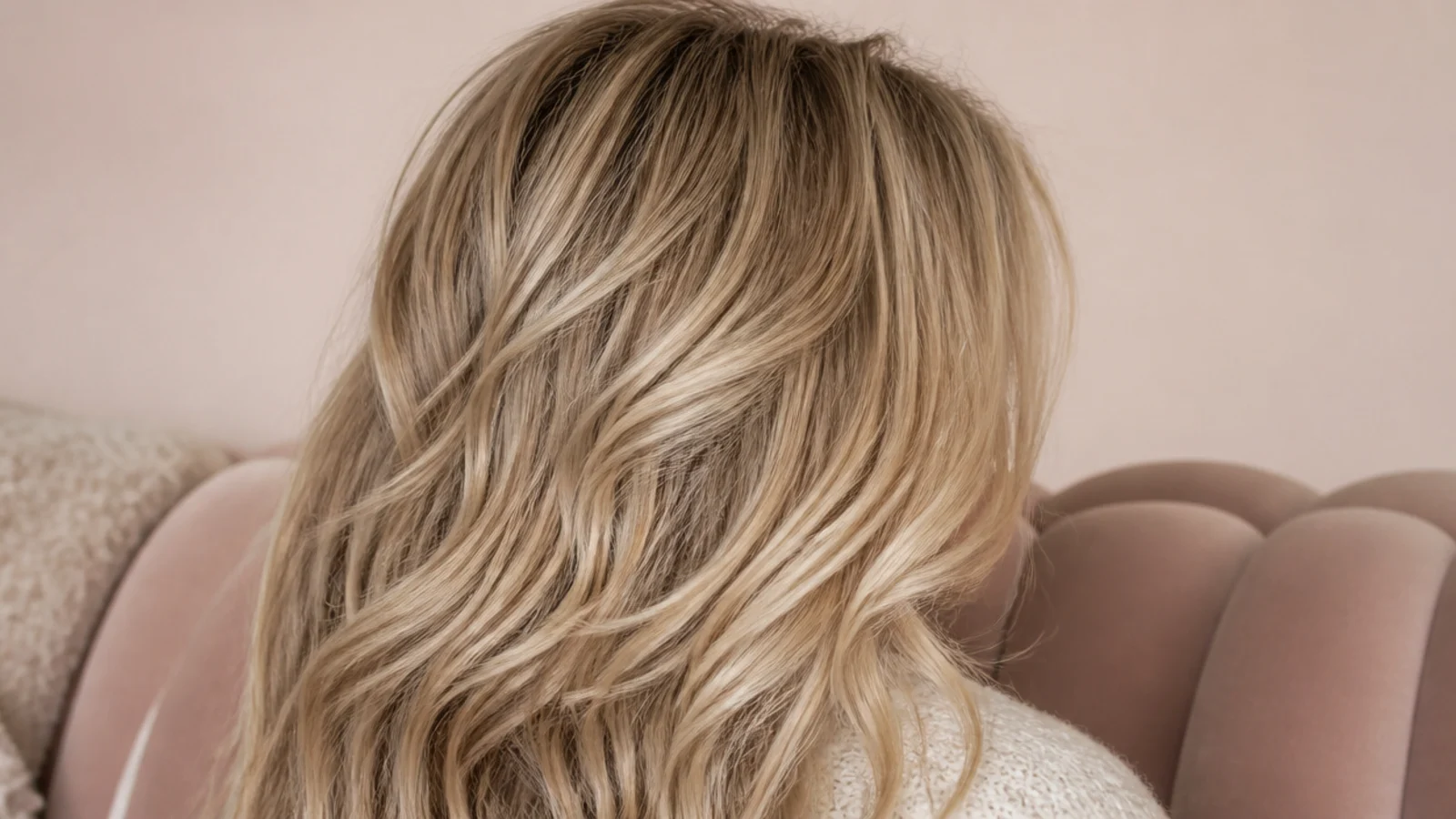
3. Overnight Rope Braid
Two sections twisted around each other in one direction and slept in damp. A rope twist spirals rather than folding, so it leaves a continuous bend instead of the zigzag crimp a three strand plait sets into the hair.
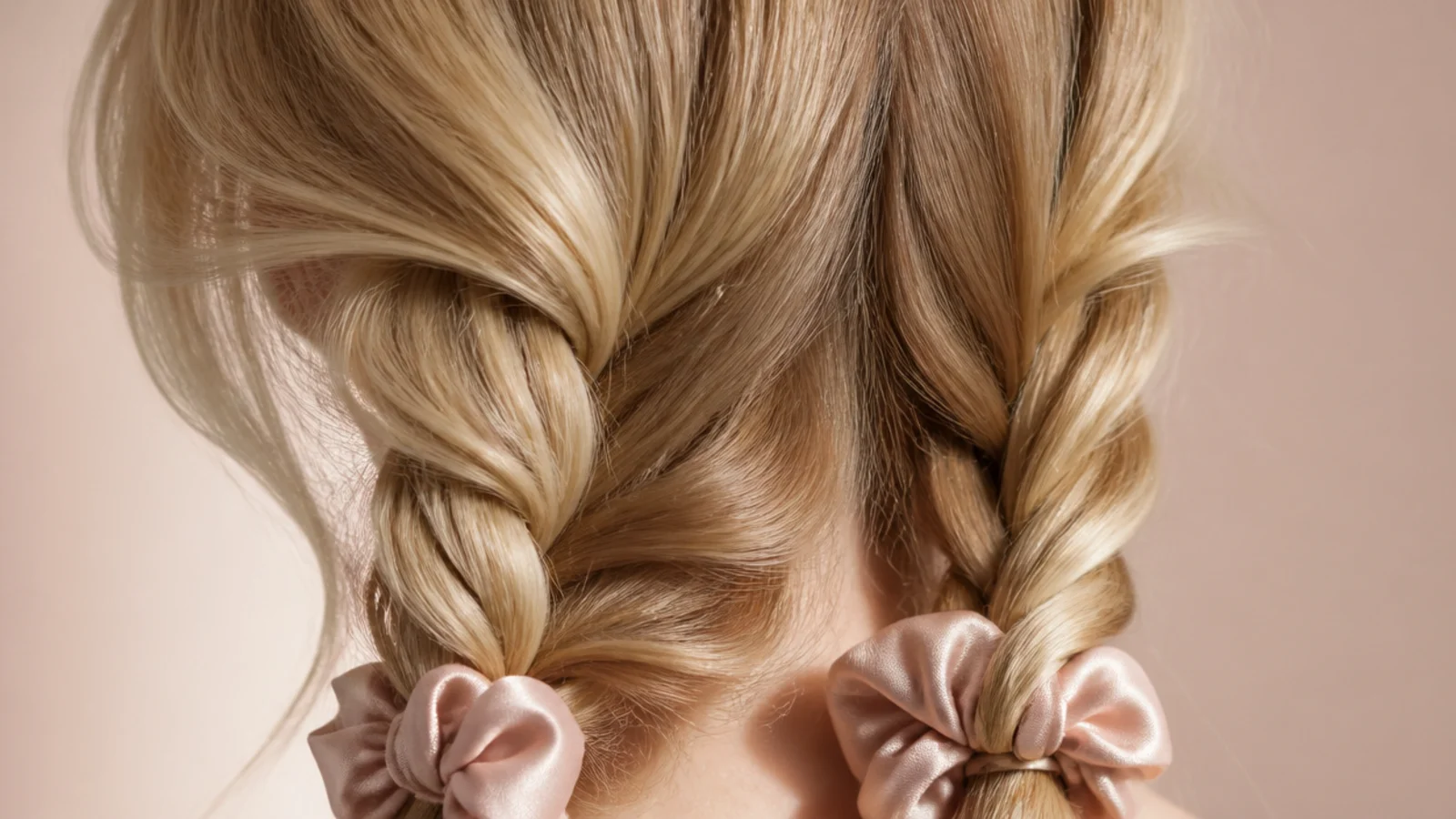
4. Damp Twist Out
Two strand twists put in damp and unravelled only when the hair is bone dry. The bonds reform to the shape of the twist as the water leaves, so unravelling early means the section reverts to whatever it was before within minutes.
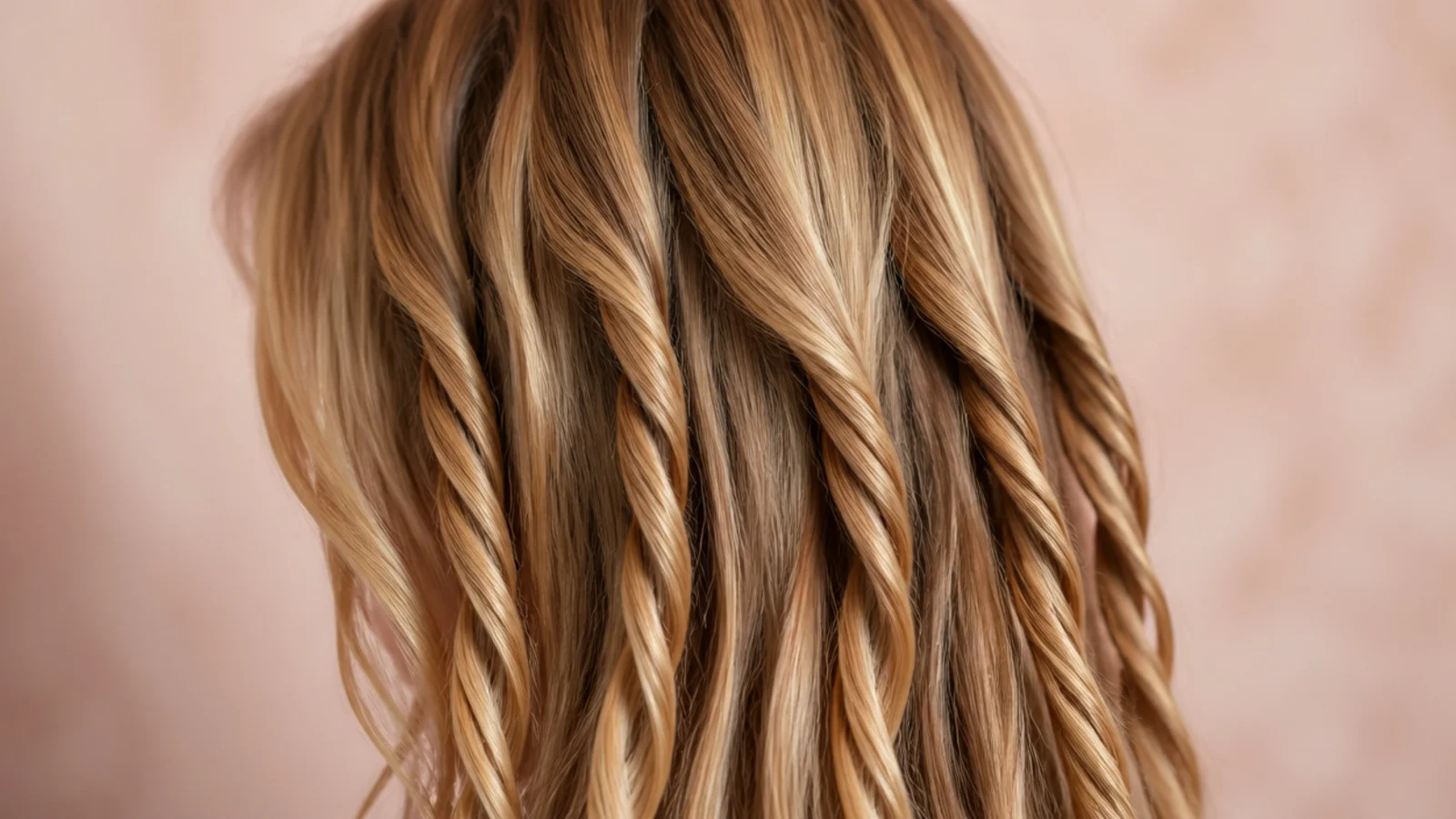
5. Rough Dried Bangs
The one place heat earns its keep. A fringe air dries into a crease against the forehead because it is short and pressed flat while damp, so thirty seconds with a dryer and fingers is the difference between finished and unstyled.
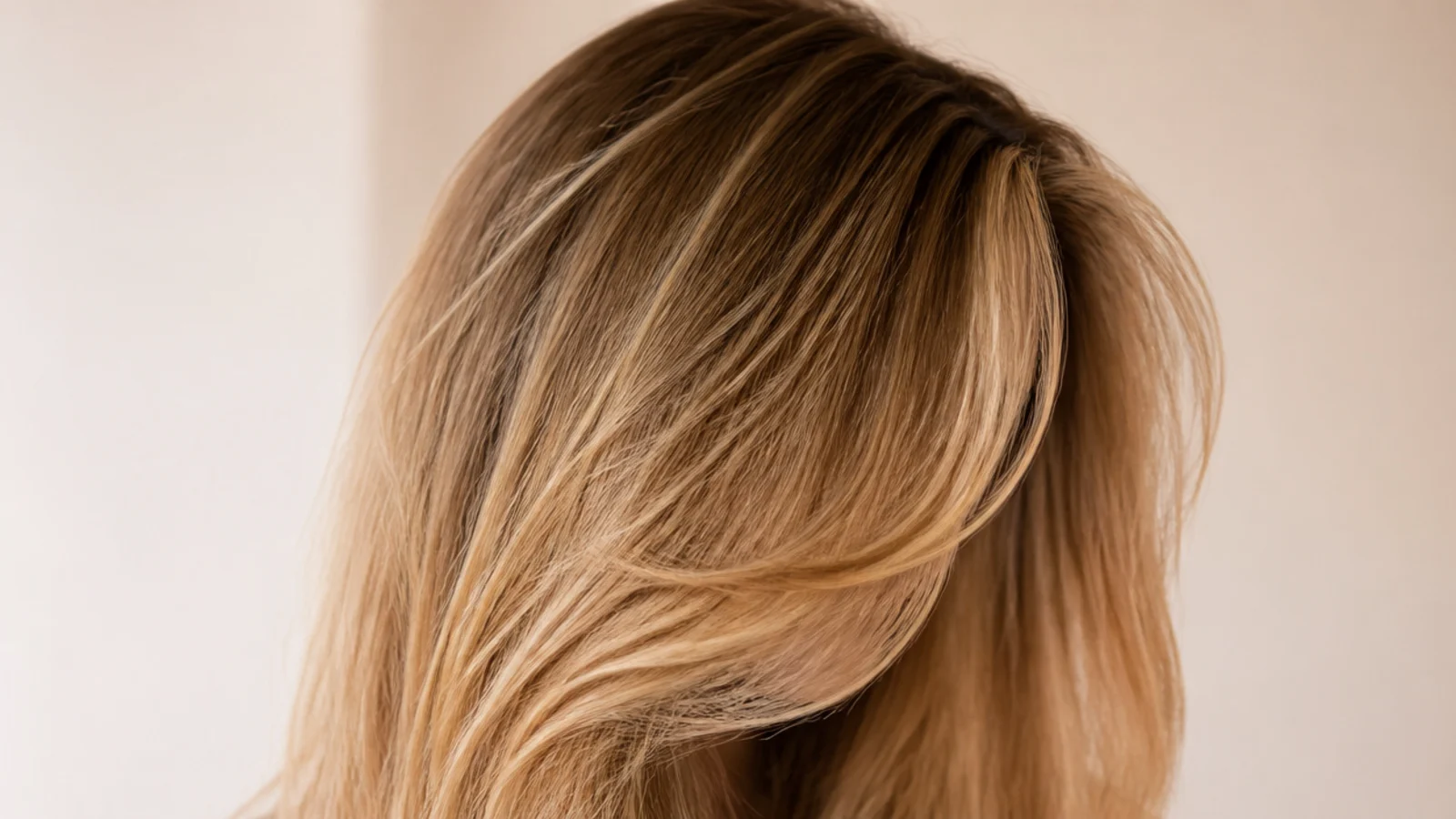
6. Salt Spray Texture
Salt draws a little water out of the strand and leaves crystals sitting between hairs, which increases the friction that makes pieces clump together. It is drying by the same mechanism, so it is a finishing mist rather than a daily leave in.
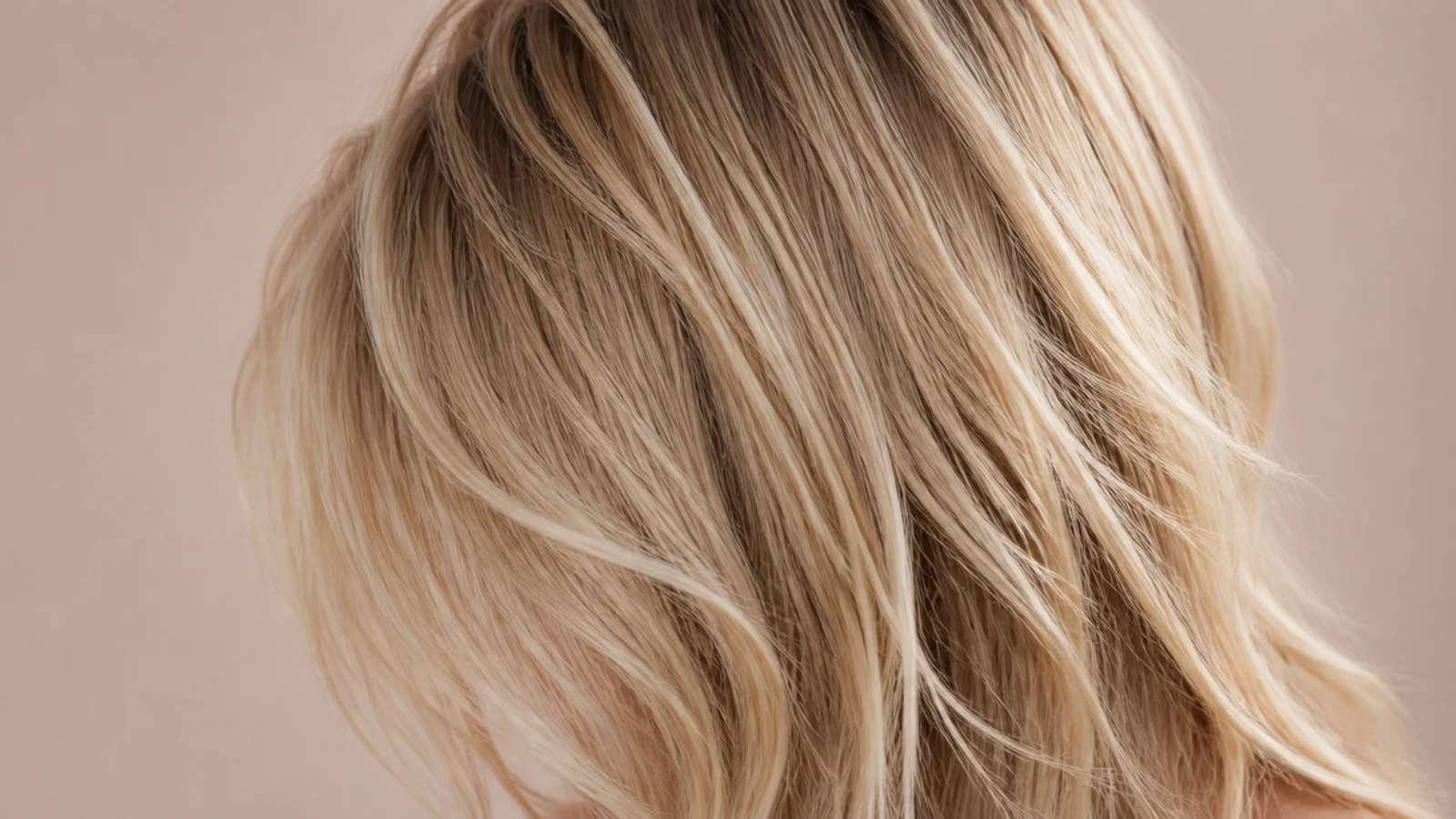
7. Diffused Wave
The dryer used as a way of spreading air rather than aiming it. A bare nozzle blows clumps apart no matter what temperature it is set to, and the bowl of a diffuser slows that airflow enough for the pattern to dry as it formed.
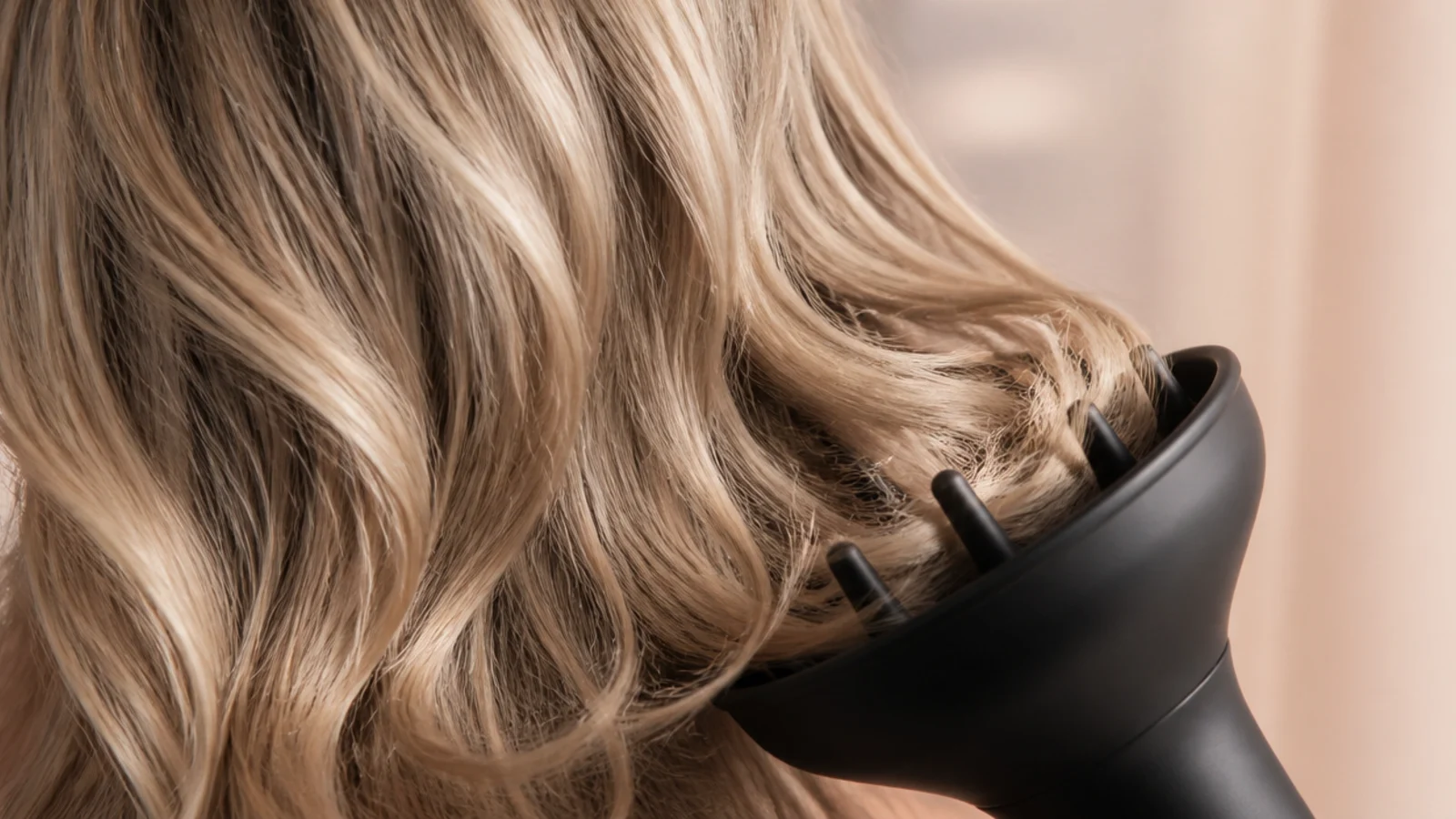
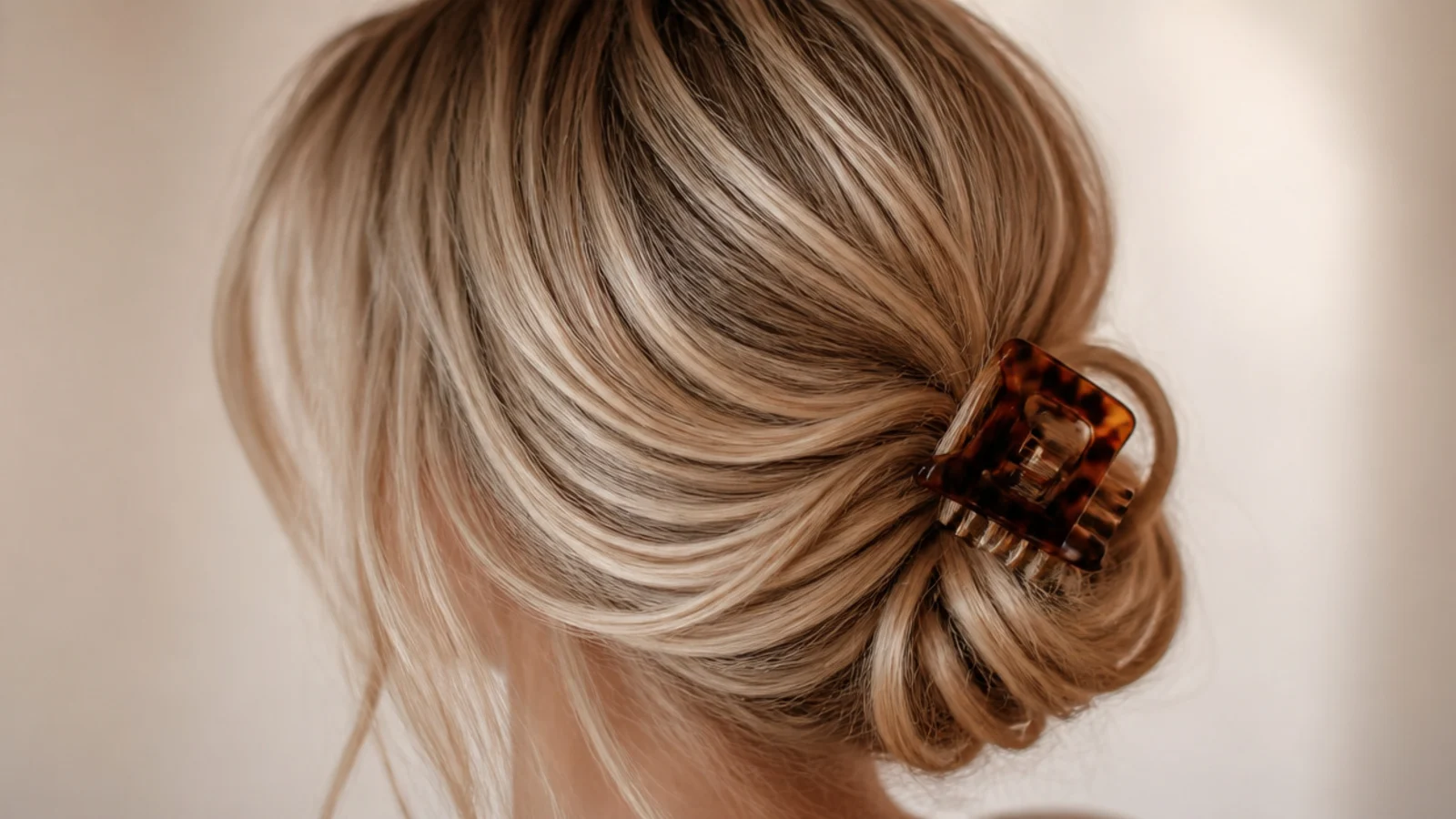
8. Low Bun With Crease Waves
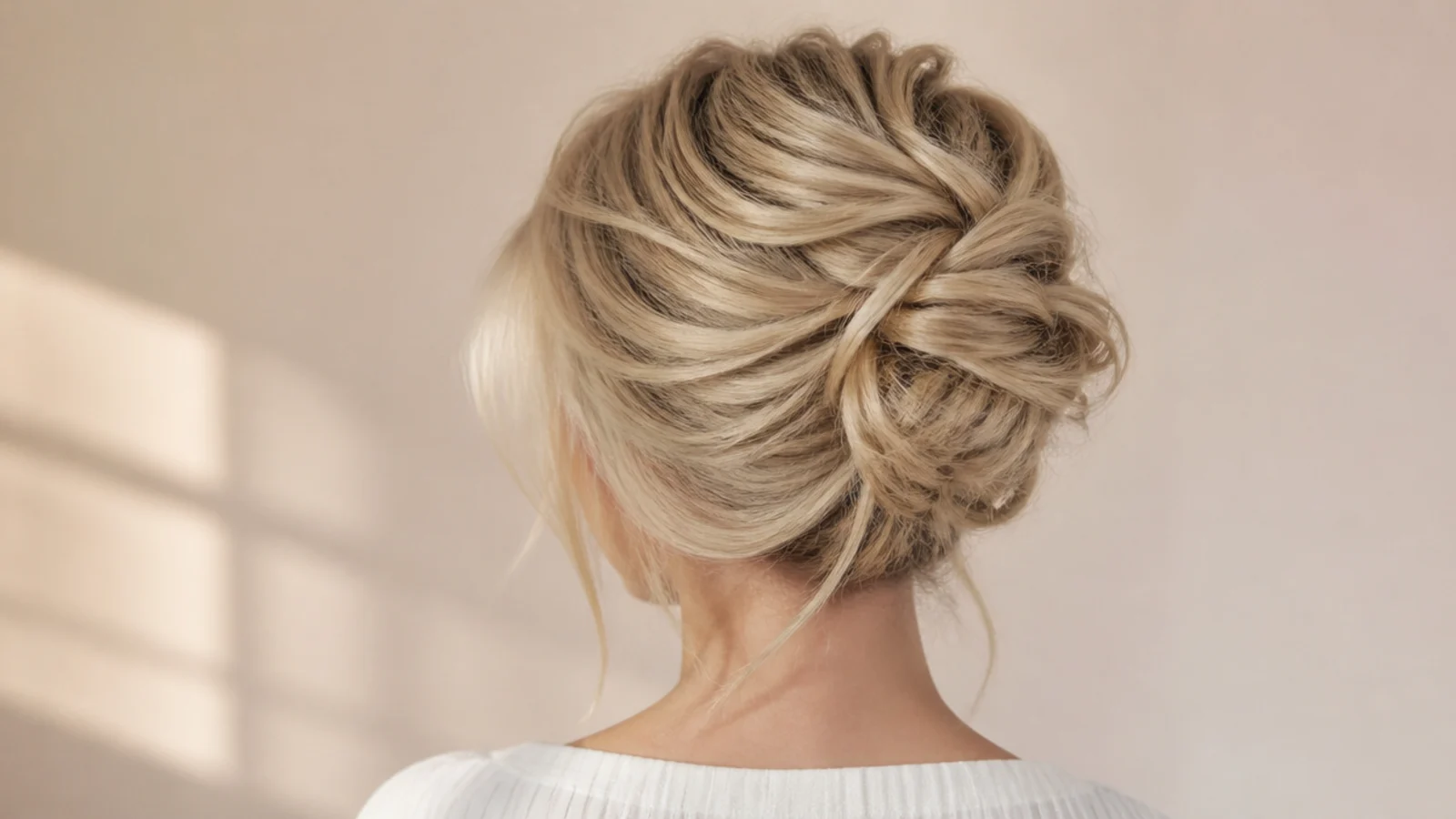
Damp hair twisted into a low bun and released once dry. The fold sets a bend exactly where the hair was bent, so the placement of the bun decides where the wave starts, and a low knot gives a bend that begins at the mid lengths.
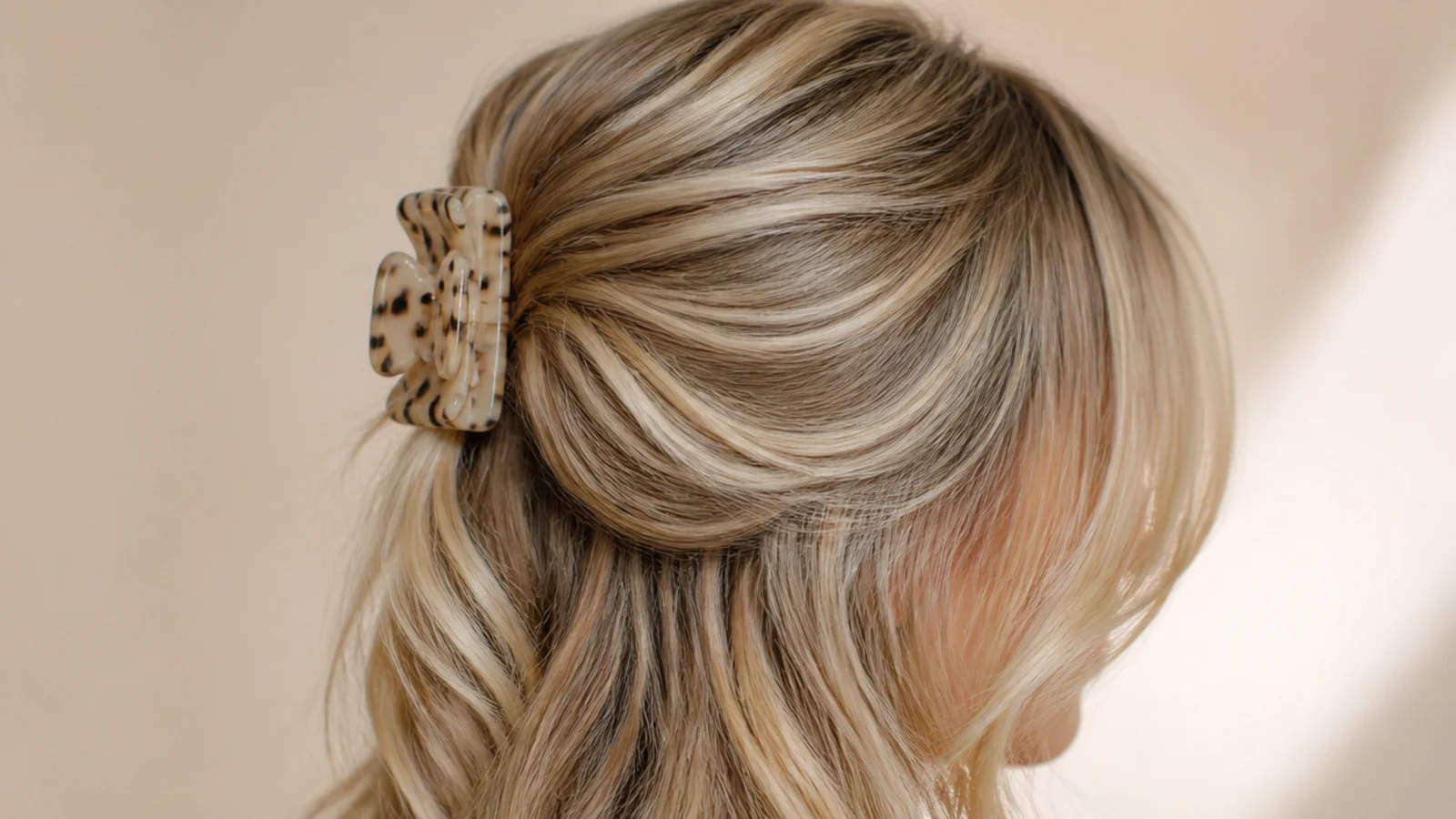
9. Half Up With a Claw Clip
The crown clipped up while the rest dries. Lifting the top section off the head keeps the weight of the length from pressing the roots flat during the hours they are drying, which is where air dried hair usually loses its volume.
10. Root Shadow
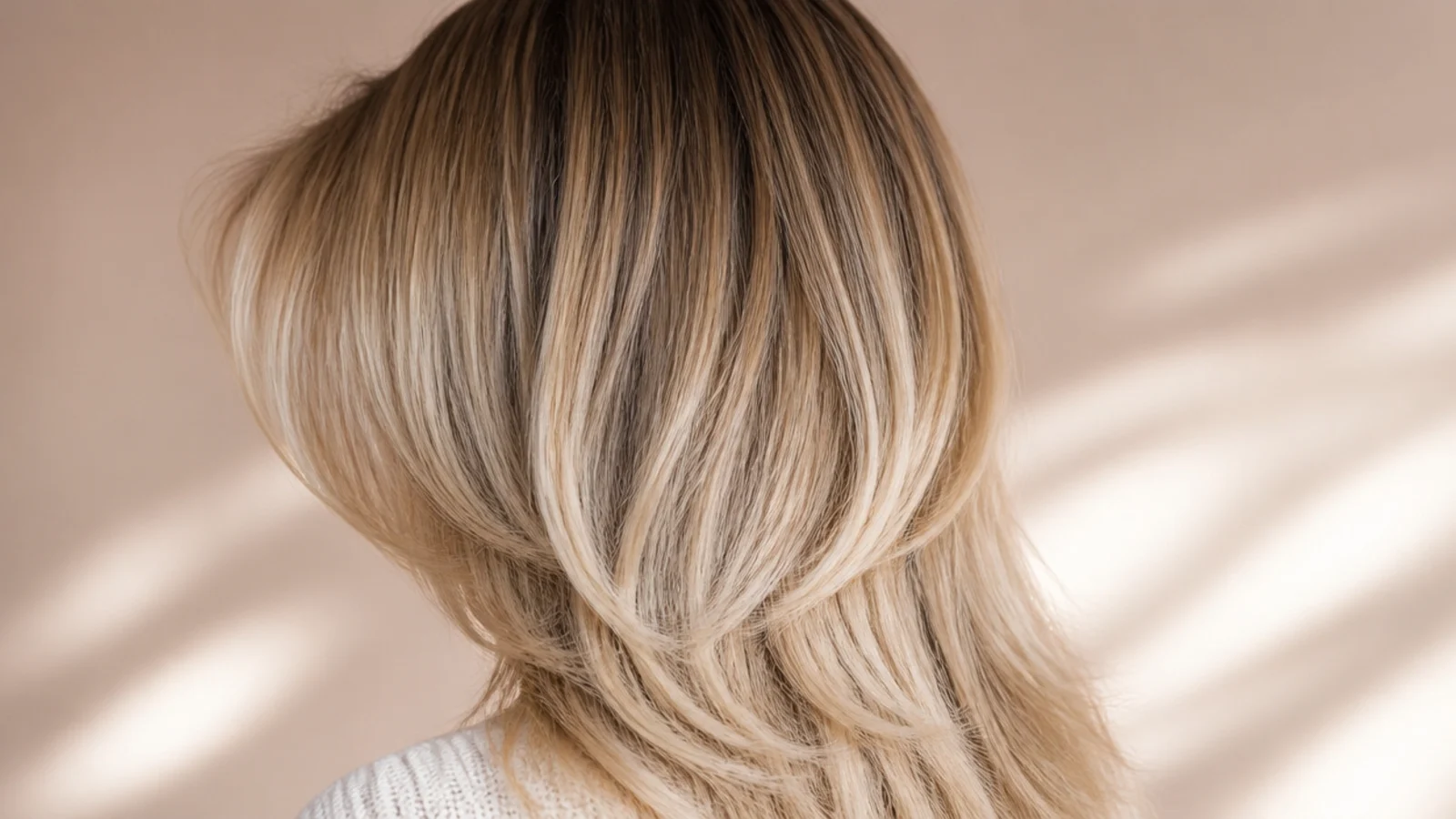
Your own depth kept at the scalp with any brightness starting further down. Because regrowth arrives at roughly half an inch a month, a base left deeper means growth reads as intentional shading rather than as a line that needs an appointment.
11. Low Ponytail
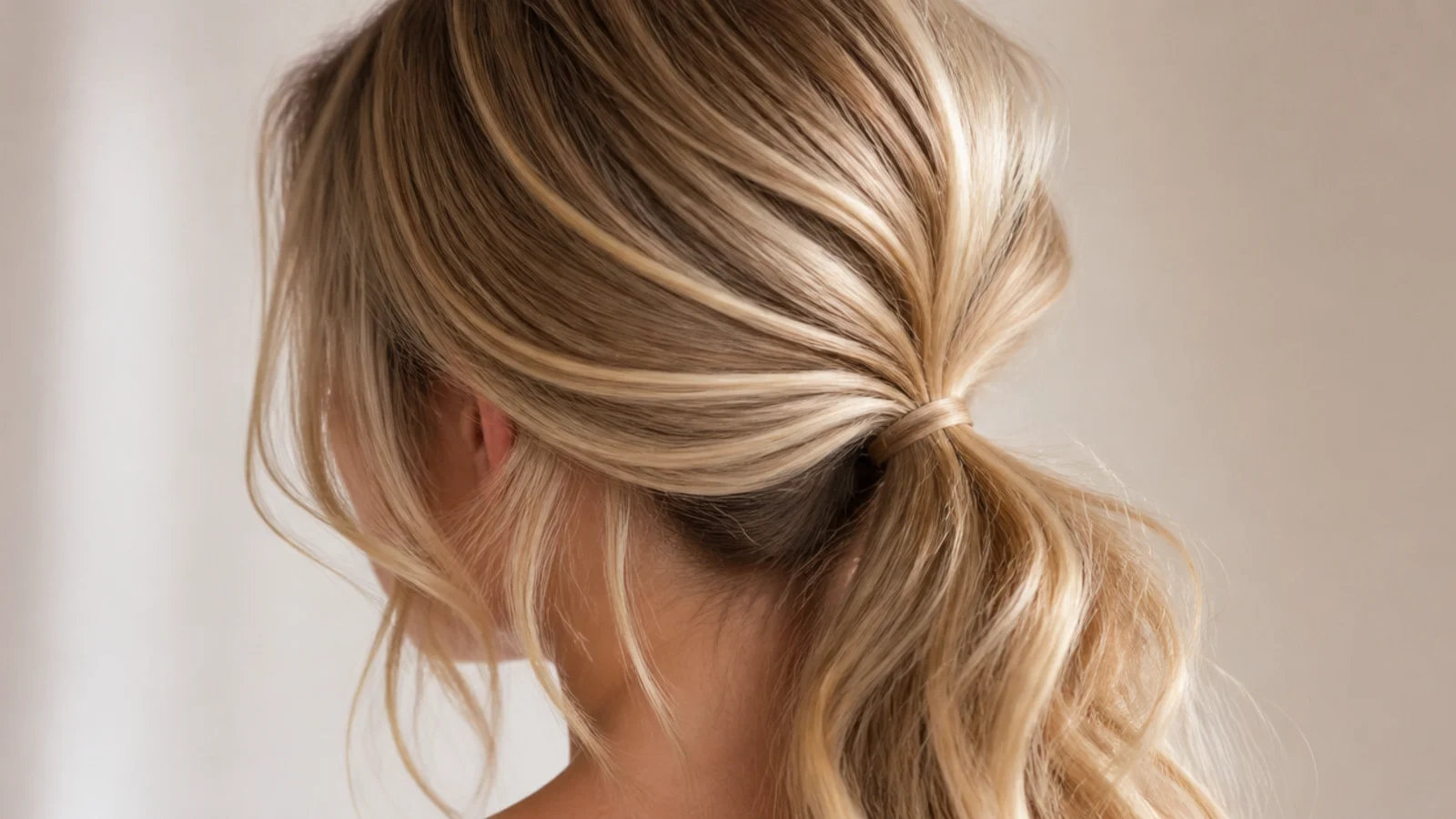
Tied low with a fabric band rather than a tight elastic. An elastic on damp hair presses a permanent dent into the strands as they dry, and placing the tie at the nape keeps that pressure below the part of the hair anyone sees.
12. Slick Back Air Dry
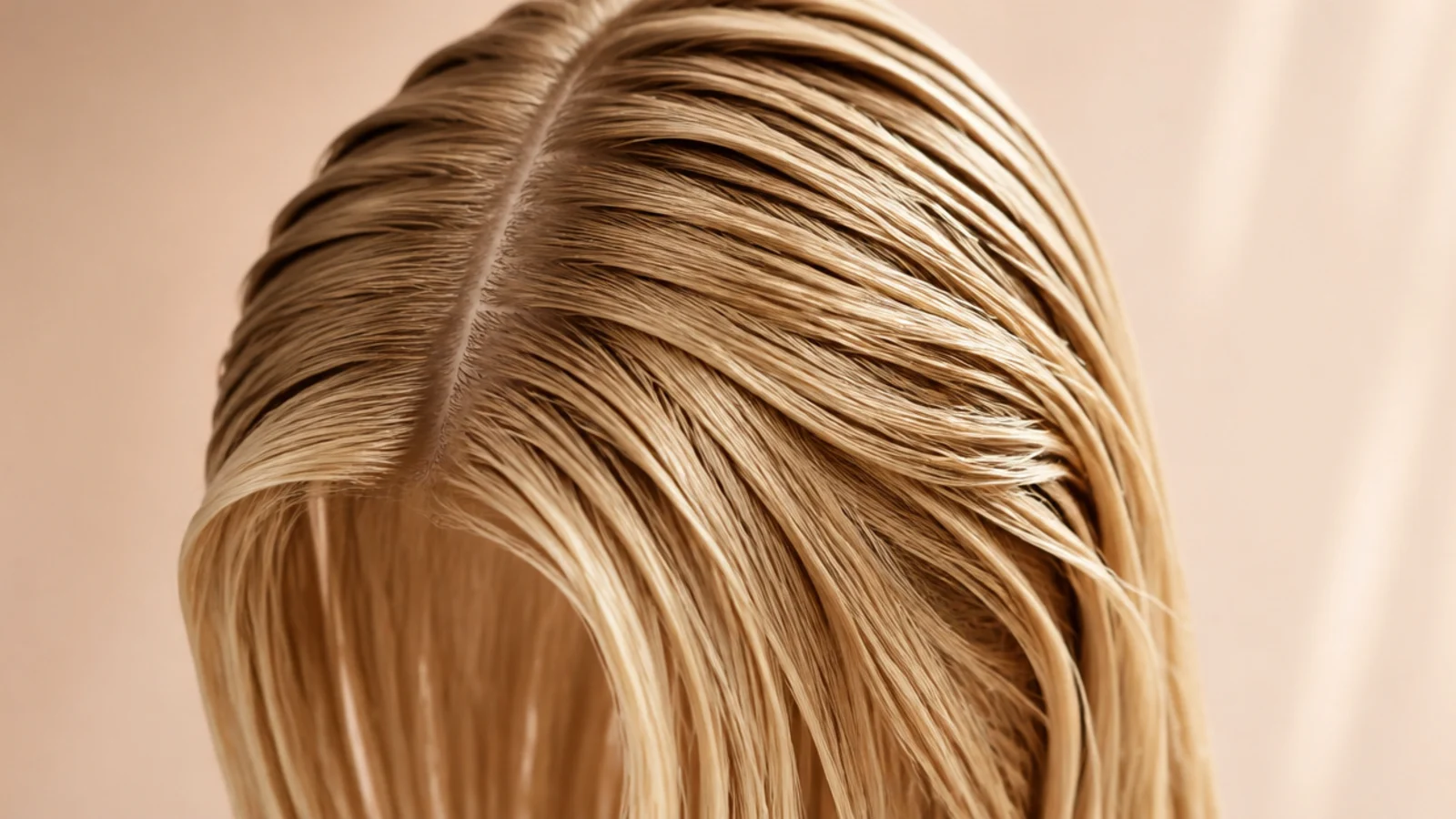
Gel combed through soaking hair and left completely alone. The polymer film hardens as the water evaporates and holds every strand exactly where it was combed, which is why this is the only air dried style that stays flat all day.
13. Foam Rollers
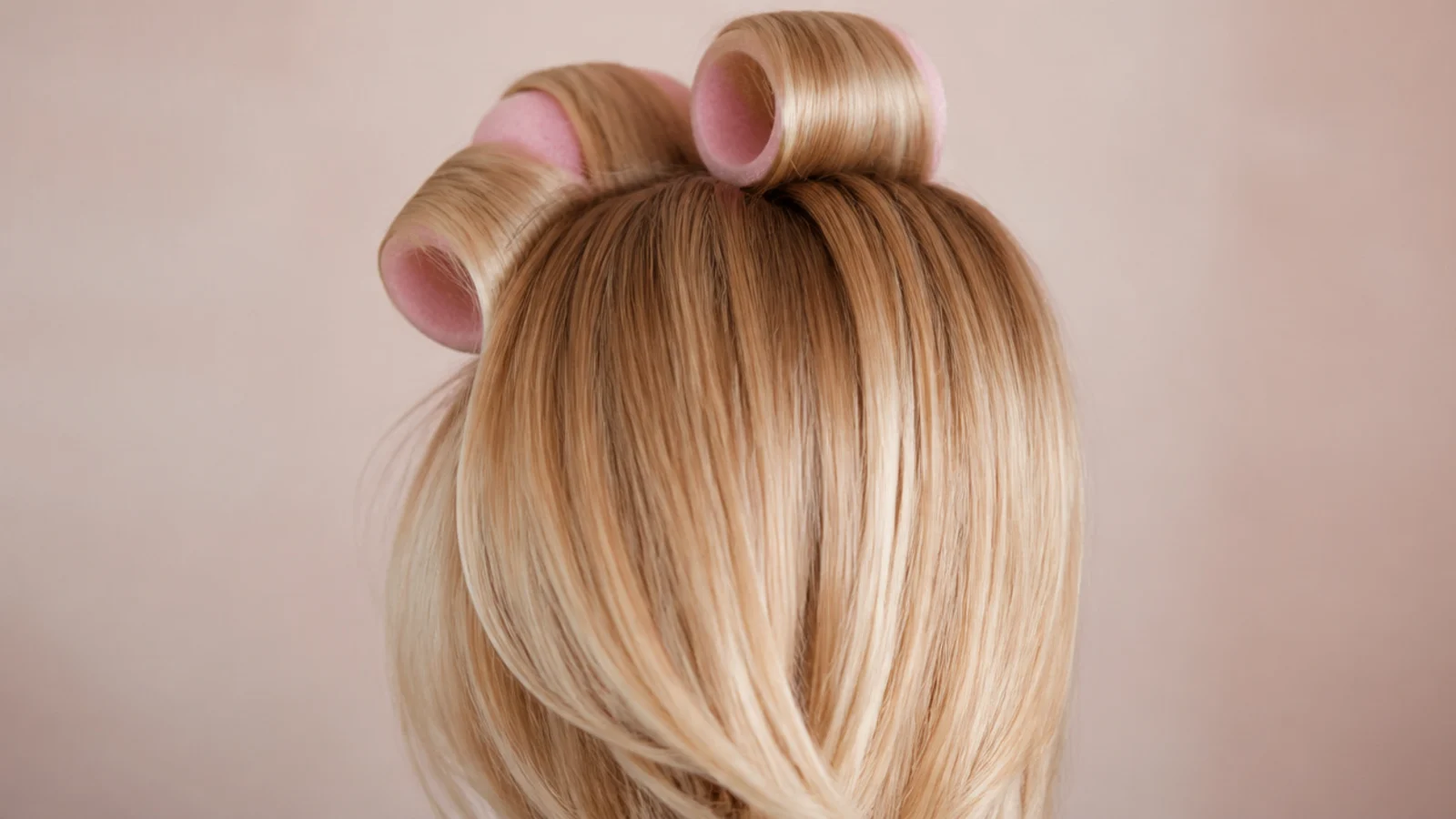
Set on damp hair and left until bone dry. The roller diameter sets the size of the bend, so a large foam roller gives the shallow blow dry style wave while a narrow one produces a curl the look does not want.
14. Fringe Only Blowout
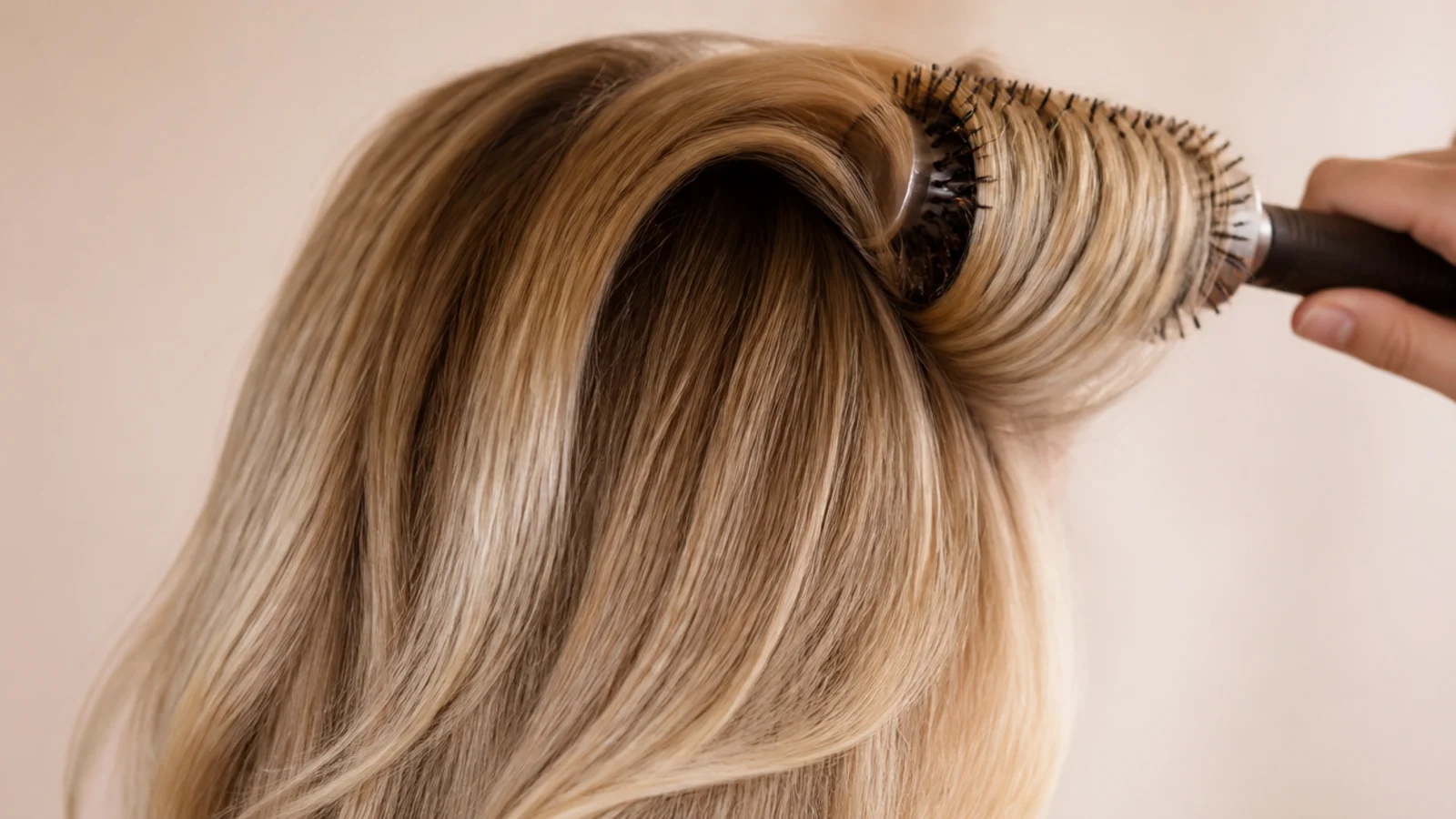
Everything air dried except the front. The fringe is the one section where natural texture reads as unfinished rather than relaxed, so drying that piece alone delivers most of the polish for a fraction of the heat and the time.
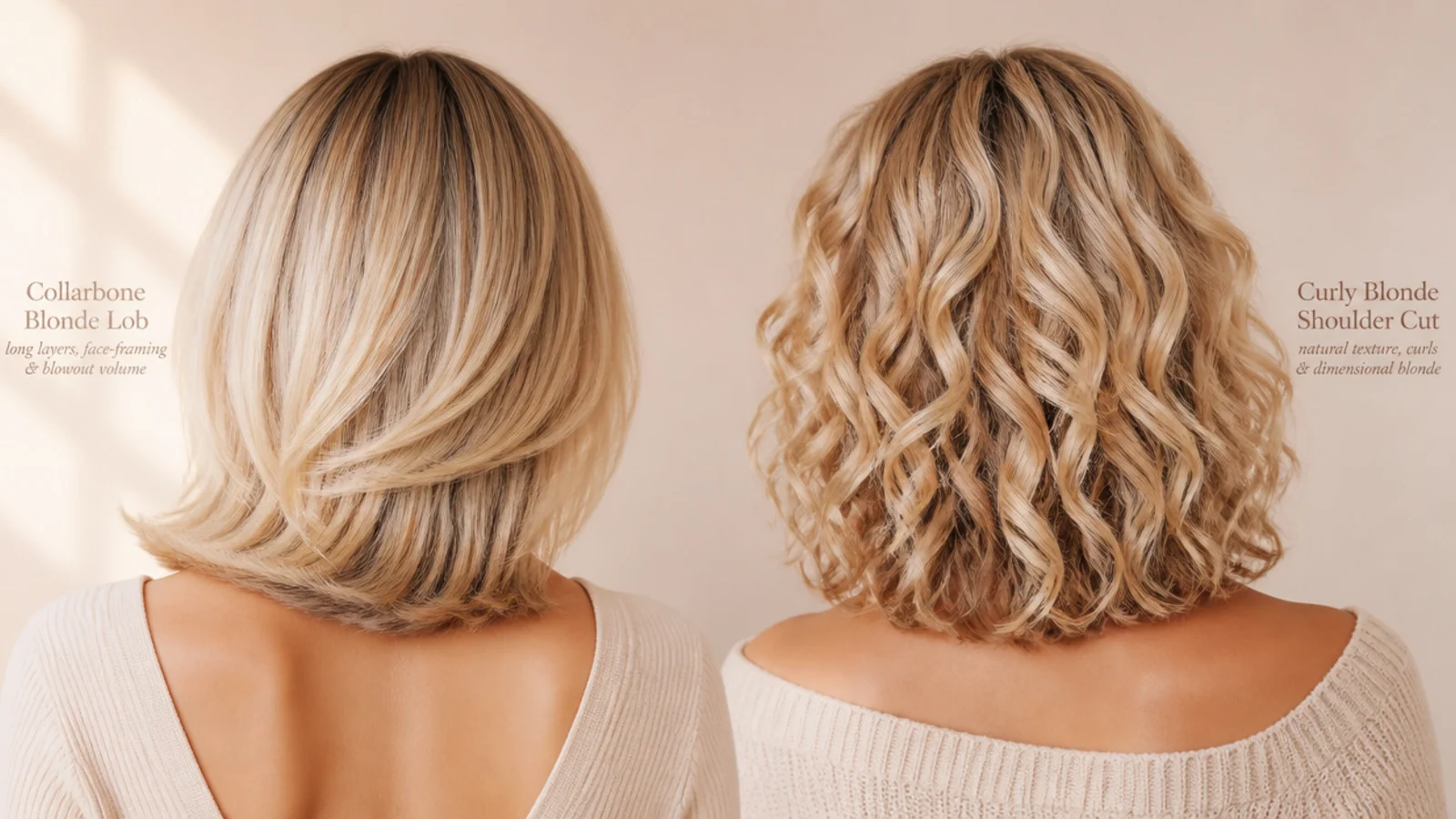
15. Collarbone Lob
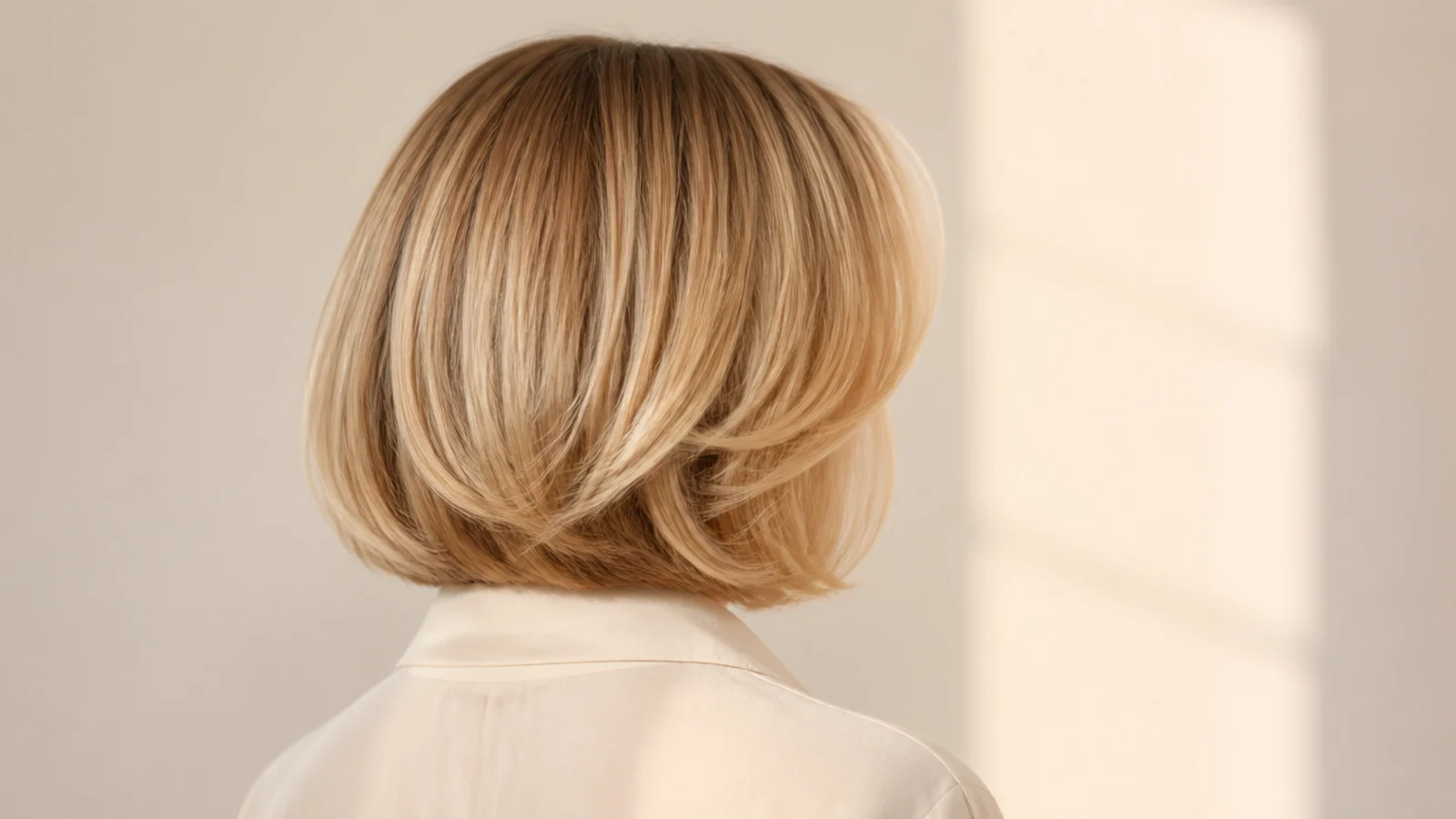
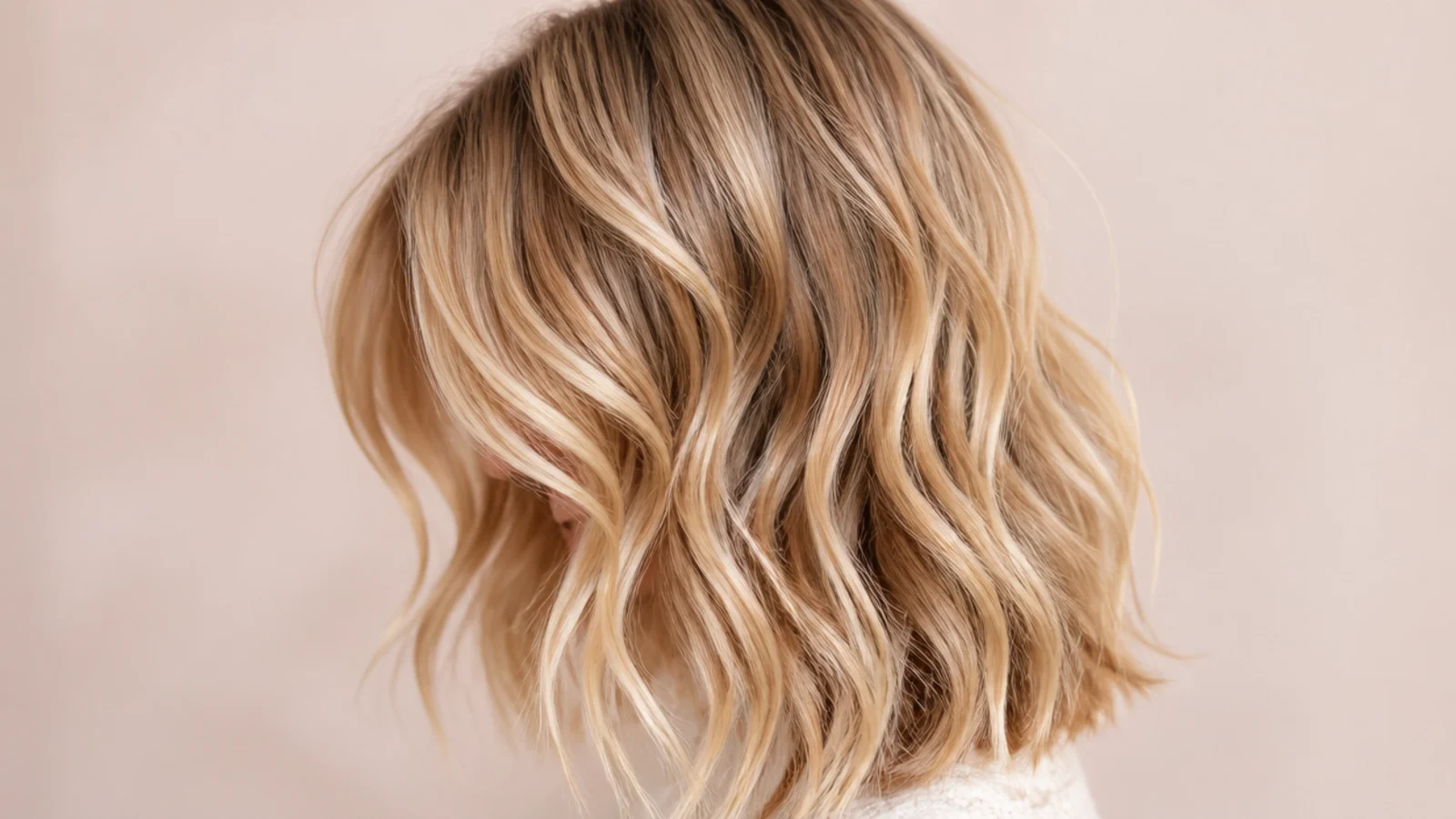
The length where an air dried wave shows most. Below the collarbone the weight of the hair pulls the pattern straight from the mid lengths down, so shortening to that point recovers a bend the same head already had.
Final Thoughts
Do the work while the hair is soaking and then leave the room. Almost every disappointing air dry was fine at the ten minute mark and got touched at the thirty minute mark, and there is no product that undoes a clump broken halfway through drying.
Judge the result on day two rather than day one. A little oil from the scalp is what turns a fluffy pattern into an even bend, which means the version worth photographing arrives about twenty four hours after the wash. For a smoothed version of your own texture see straight hairstyles for natural hair, and for a gathered one see high ponytail hairstyles for natural hair. More in Celebrity Hair.