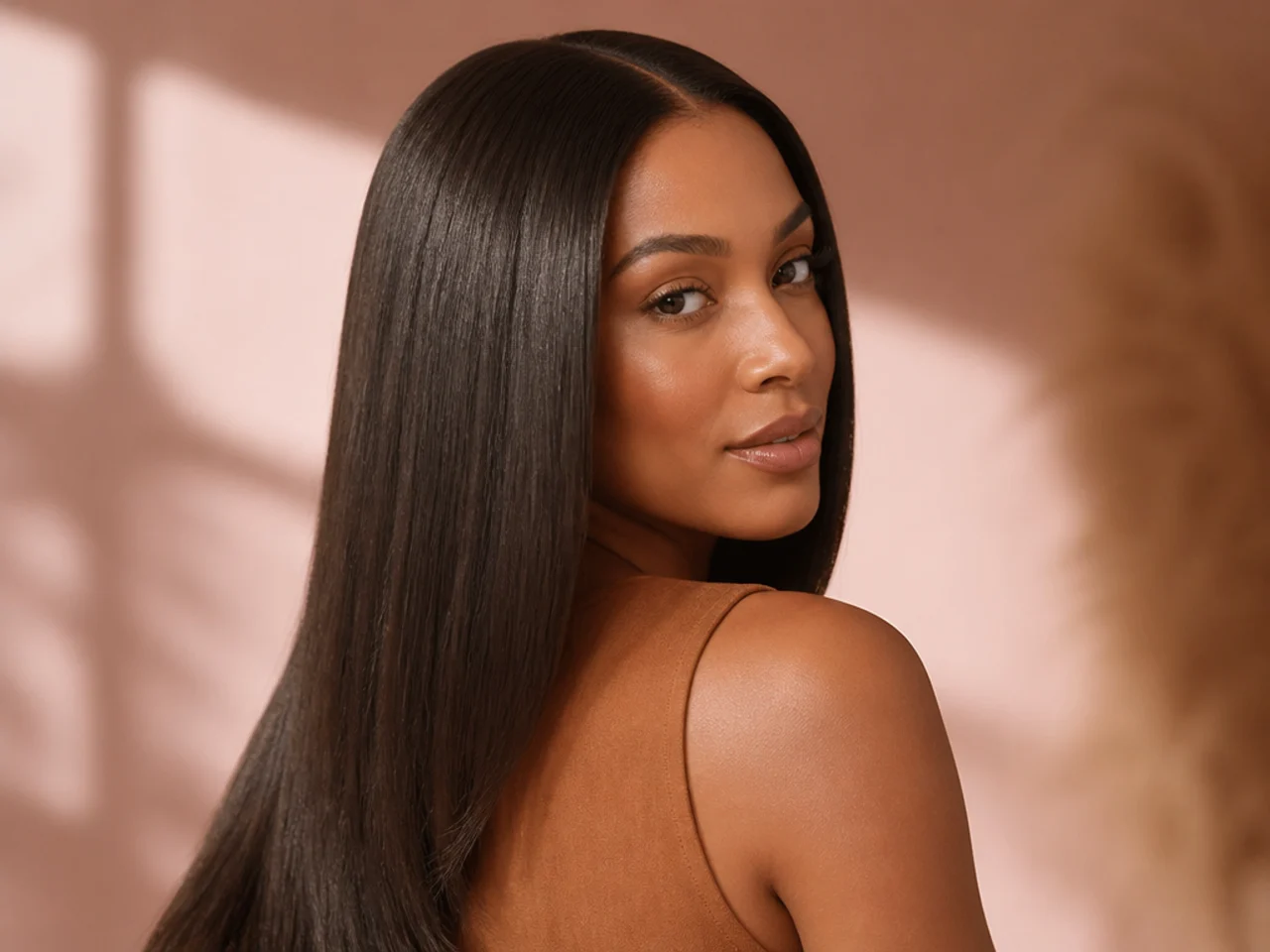
15 Sleek Straight Styles for Natural Hair
Fifteen sleek looks and the thing that decides whether your curl comes back — heat damage is cumulative and silent. The pattern does not fail in one press; it loses definition gradually until the loss is permanent.
In this article · 22
- What Protects the Curl
- How to Choose Yours
- The 15 Sleek Styles
- 1. Fresh Silk Press, Worn Down
- 2. Middle-Parted Sleek
- 3. Side-Parted Sleek
- 4. Blunt Ends After a Press
- 5. Sleek Bob
- 6. Press with Soft Curled Ends
- 7. Low Bun on Pressed Hair
- 8. Half-Up on Pressed Hair
- 9. Wrapped Overnight, Released
- 10. Press Worn Up on a Humid Day
- 11. Press at Week One
- 12. Press at Week Three
- 13. Curl Pattern After One Press
- 14. Curl Pattern After Frequent Pressing
- 15. Repeated Passes on One Section
- Styling and Upkeep
- Mistakes to Avoid
- FAQ
- Final Thoughts
Straightening natural hair is usually discussed as a technique question. The thing that actually decides whether your curl comes back is not technique.
Heat damage is cumulative and silent. A curl pattern rarely fails in one press. It loses a little definition each time, and each individual loss is small enough to go unnoticed — so by the time the change is obvious, a meaningful amount of it is permanent.
Which makes frequency and number of passes the variables that matter, more than any product or tool.
What Protects the Curl
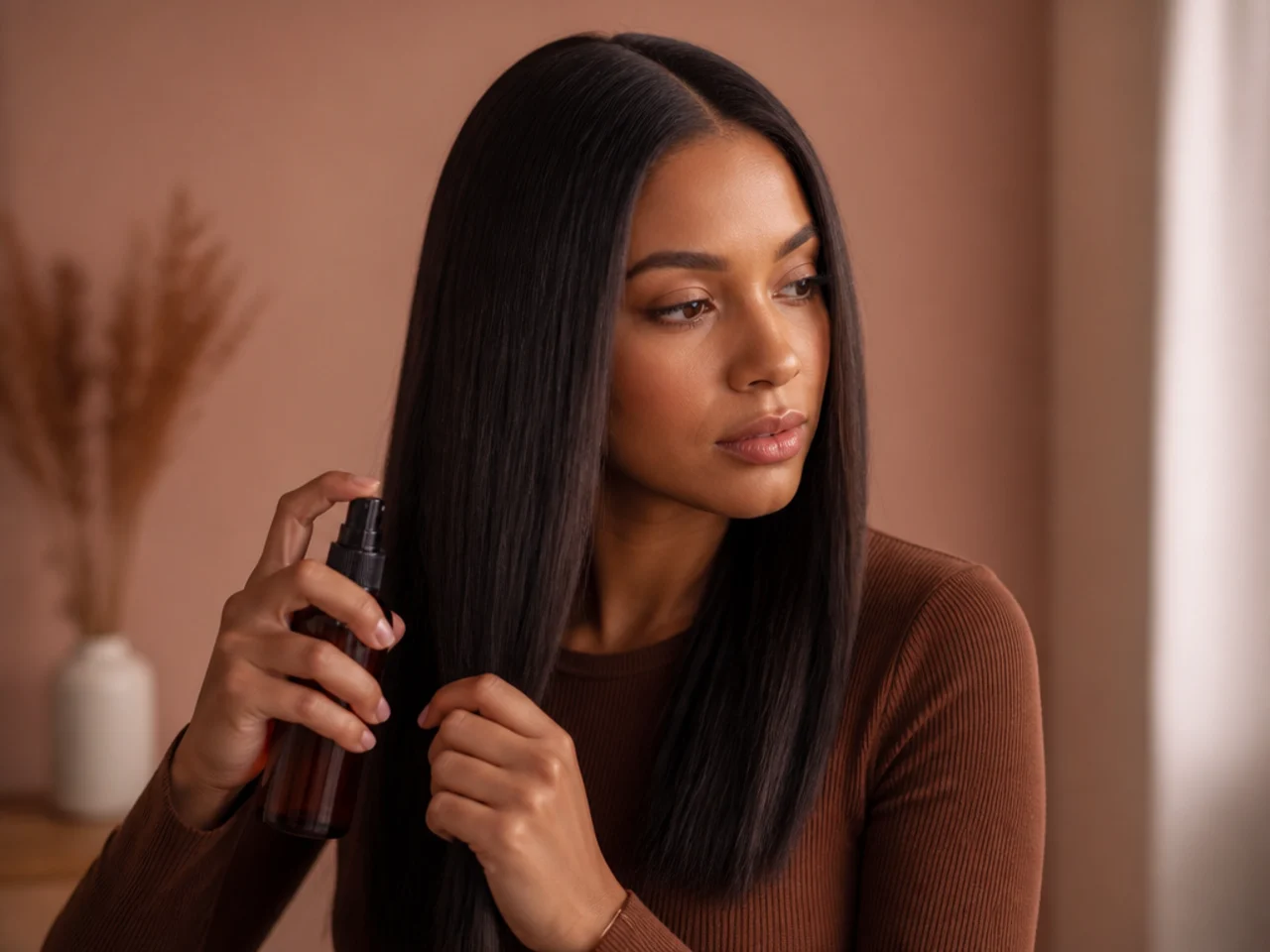
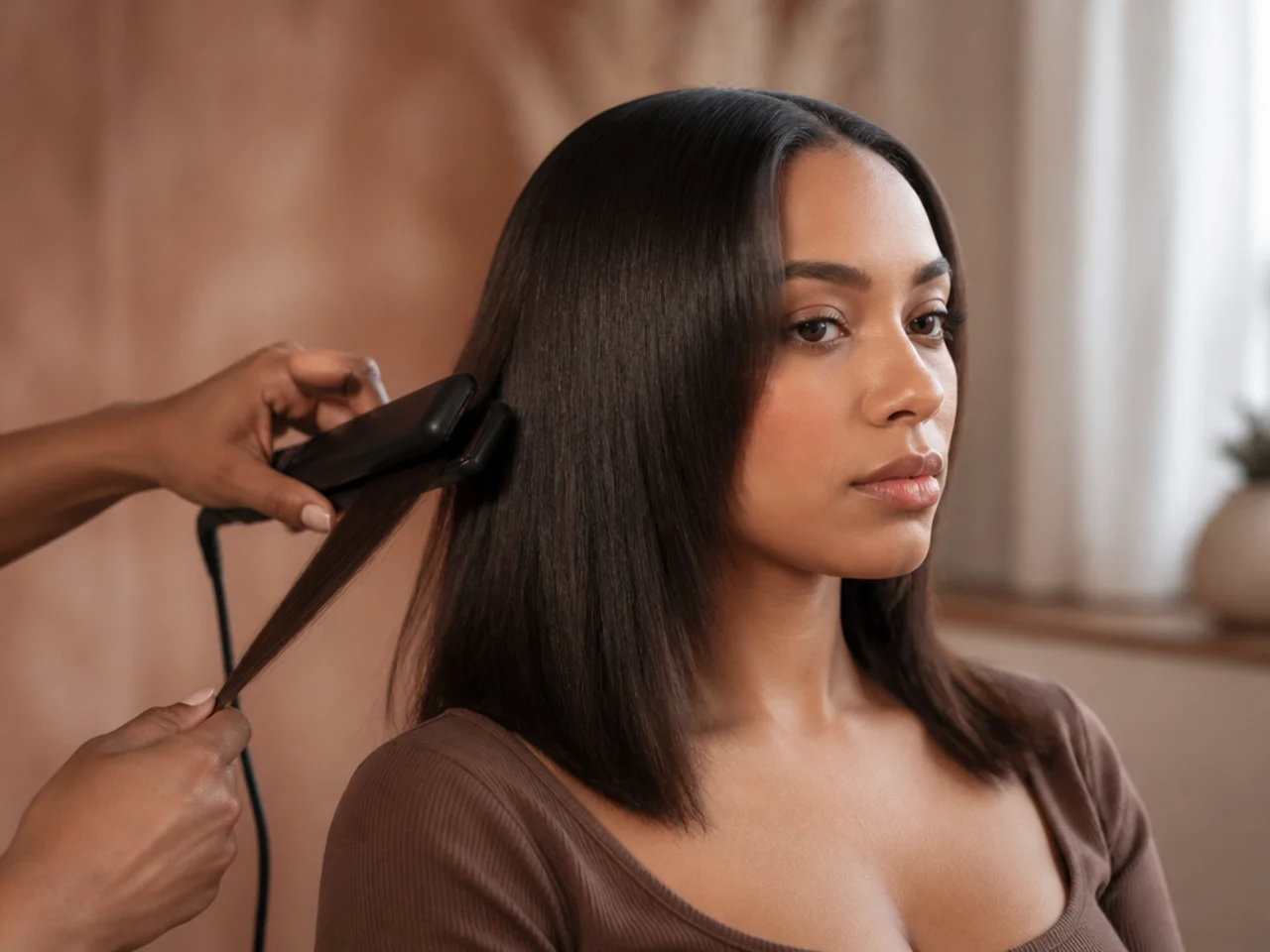
Fewer passes, more slowly. One slow pass at a moderate setting beats four quick ones at a lower one.
A moderate temperature. High heat is not compensated for by speed. A hotter plate moving faster still delivers more energy to the strand.
A heat protectant, every time. Including on touch-ups, which are still heat. There is no such thing as a pass that does not count.
Frequency above all. The same total heat spread over more months costs the pattern far less.
How to Choose Yours
Treat it as occasional. The pattern tolerates infrequent heat far better than regular heat.
Ask your stylist about passes, not just temperature. It is the number people never check.
Deep condition before, not after. Stronger hair takes the heat better.
Watch the curl at wash day. That is when reduced definition shows first.
The 15 Sleek Styles
1. Fresh Silk Press, Worn Down
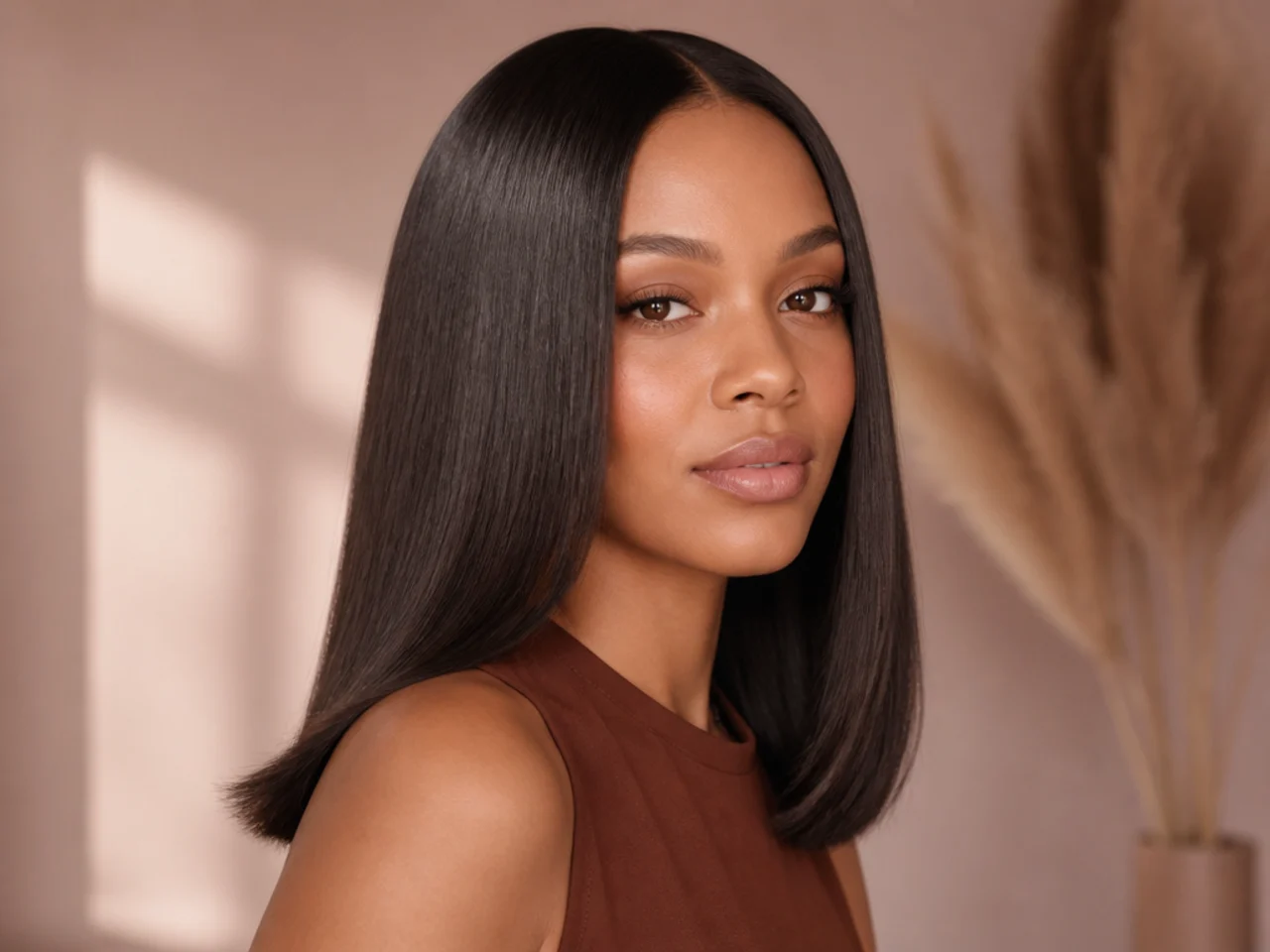
The result, and the least additional handling. Worn down on day one is the version with the fewest passes behind it, which is the version that costs the curl pattern least.
2. Middle-Parted Sleek
A clean line through a smooth surface. A middle part is also the most forgiving on a press, because any unevenness between the two sides reads as symmetry rather than as a mistake.
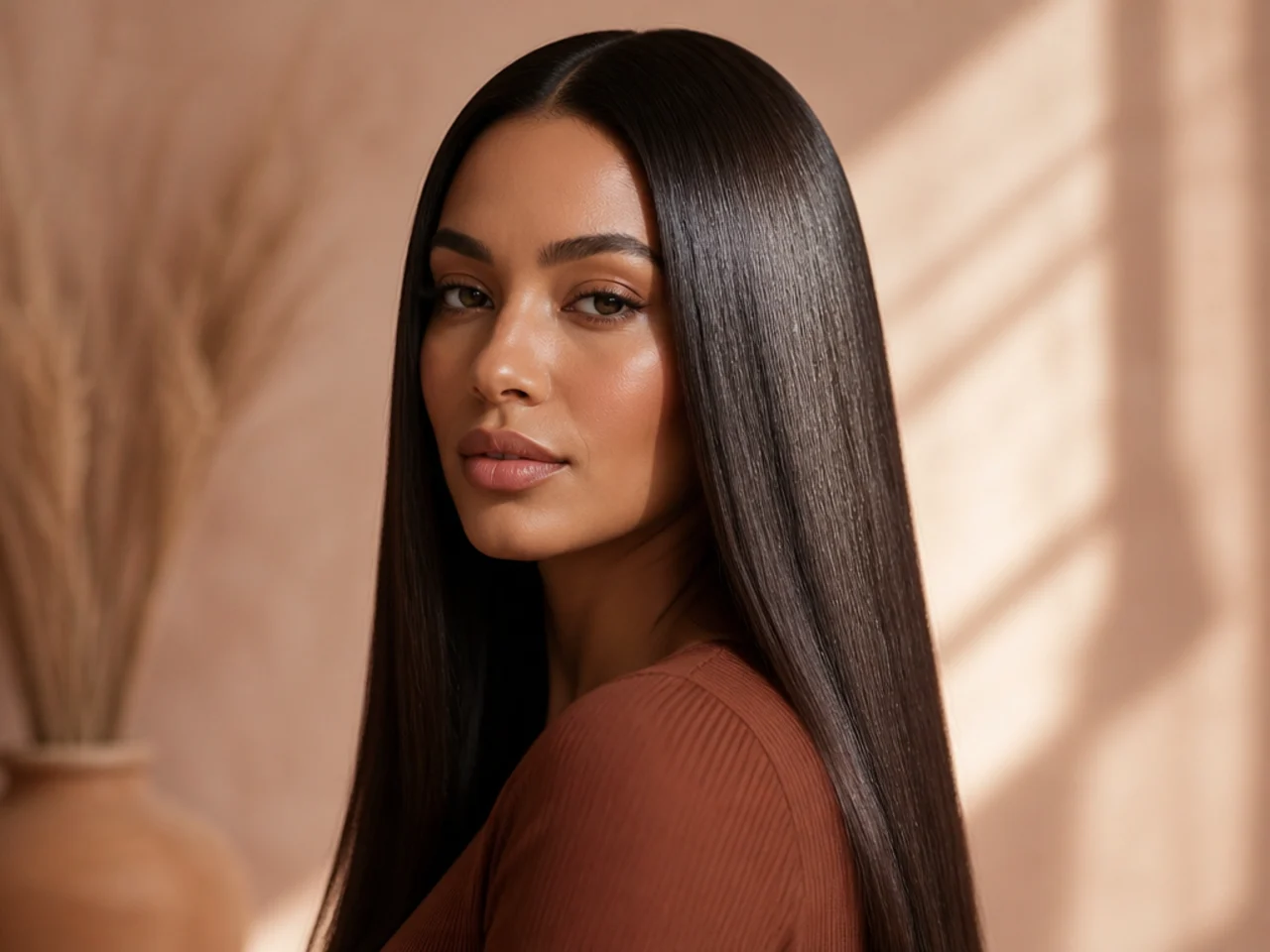
3. Side-Parted Sleek
Asymmetry, and it moves the tension point. Alternating which side you part on between presses spreads the pull across the hairline rather than concentrating it in one place week after week.
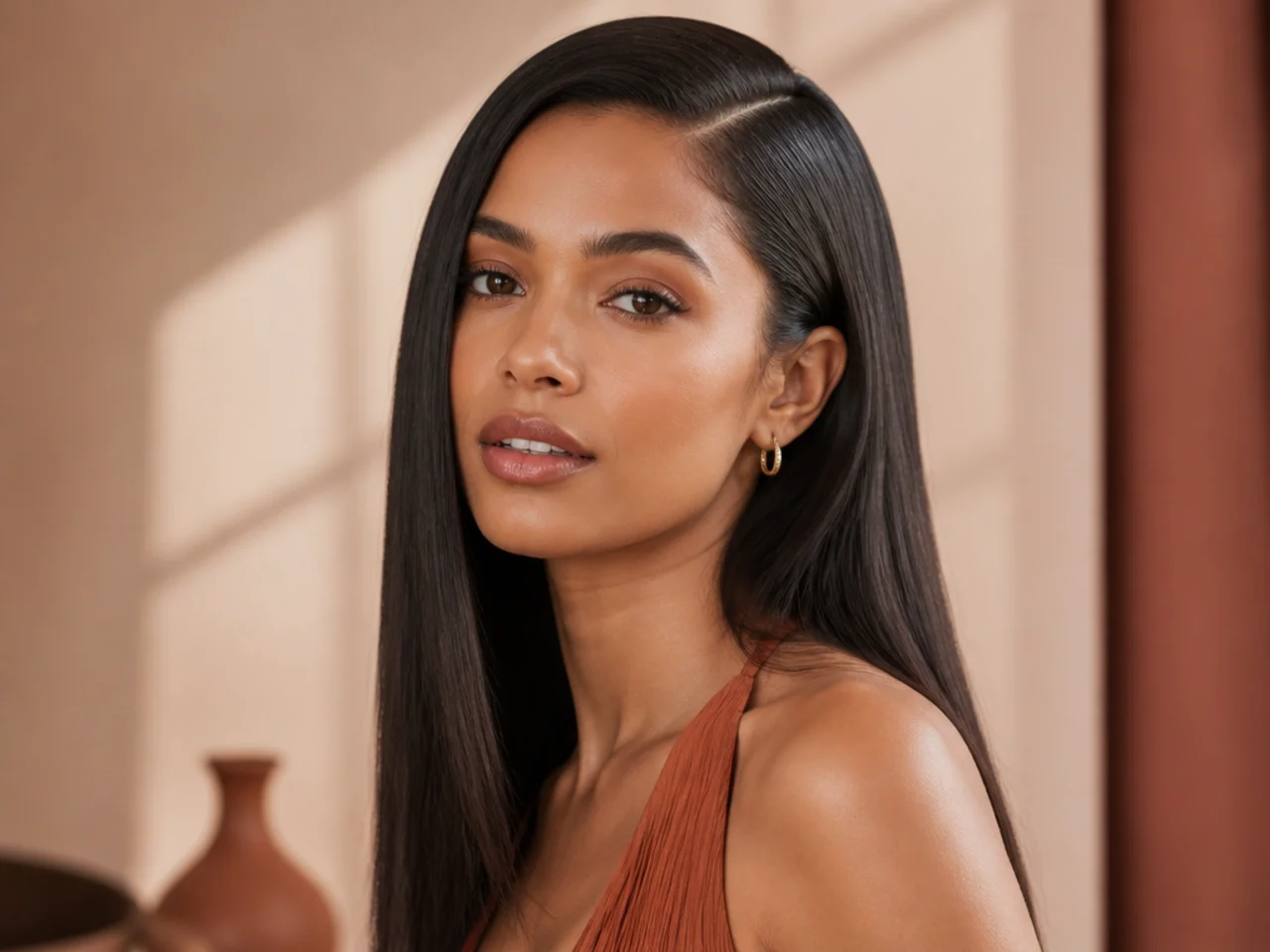
4. Blunt Ends After a Press
A trim while straight, which is the easiest time to cut evenly. Ends that are hidden inside a curl pattern are visible on a press, so this is when uneven wear and split ends are simplest to find and remove.
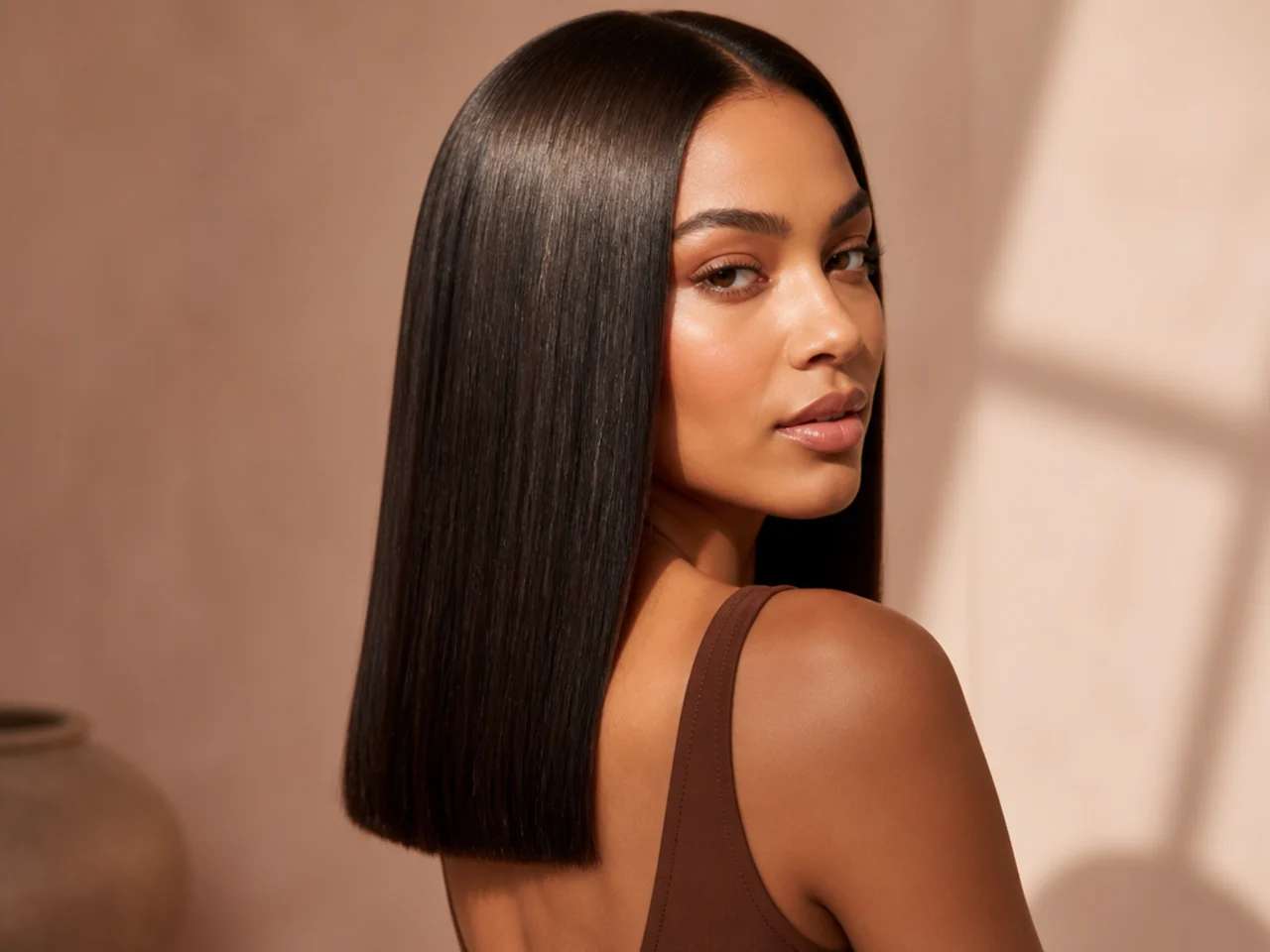
5. Sleek Bob
Short and smooth, with fewer passes needed overall. Less length means fewer sections and less time under the iron, which makes a bob the lowest-heat version of a press by some margin.
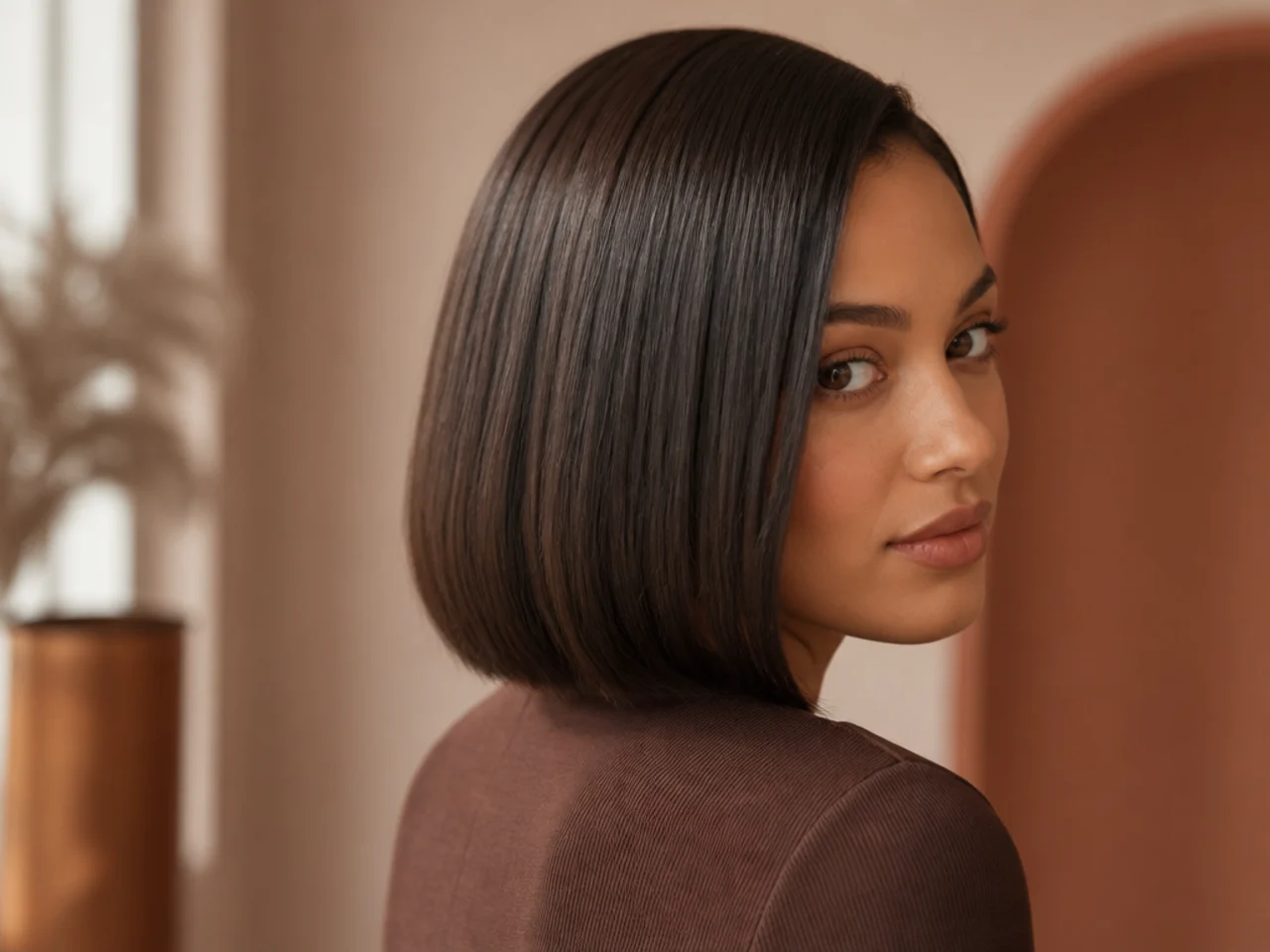
6. Press with Soft Curled Ends
One bend at the ends only. Minimal additional heat. The ends have already taken the most passes over their lifetime, so keep the curling to a single pass and leave the mid-lengths alone.
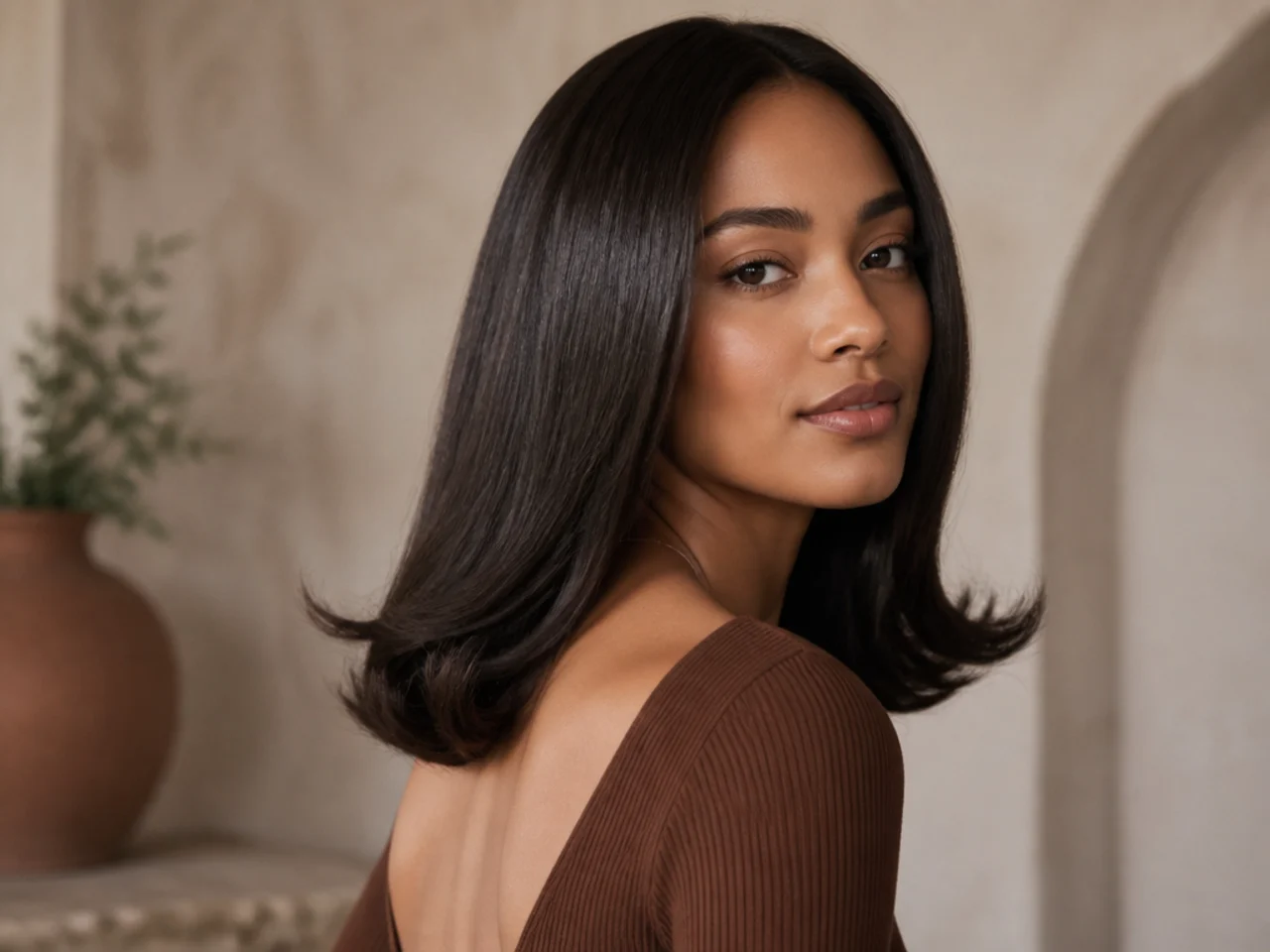
7. Low Bun on Pressed Hair
Holds easily, and it keeps the length off collars. Pressed hair holds a bun far more easily than natural texture does, and keeping the ends off fabric reduces the friction that roughens them.
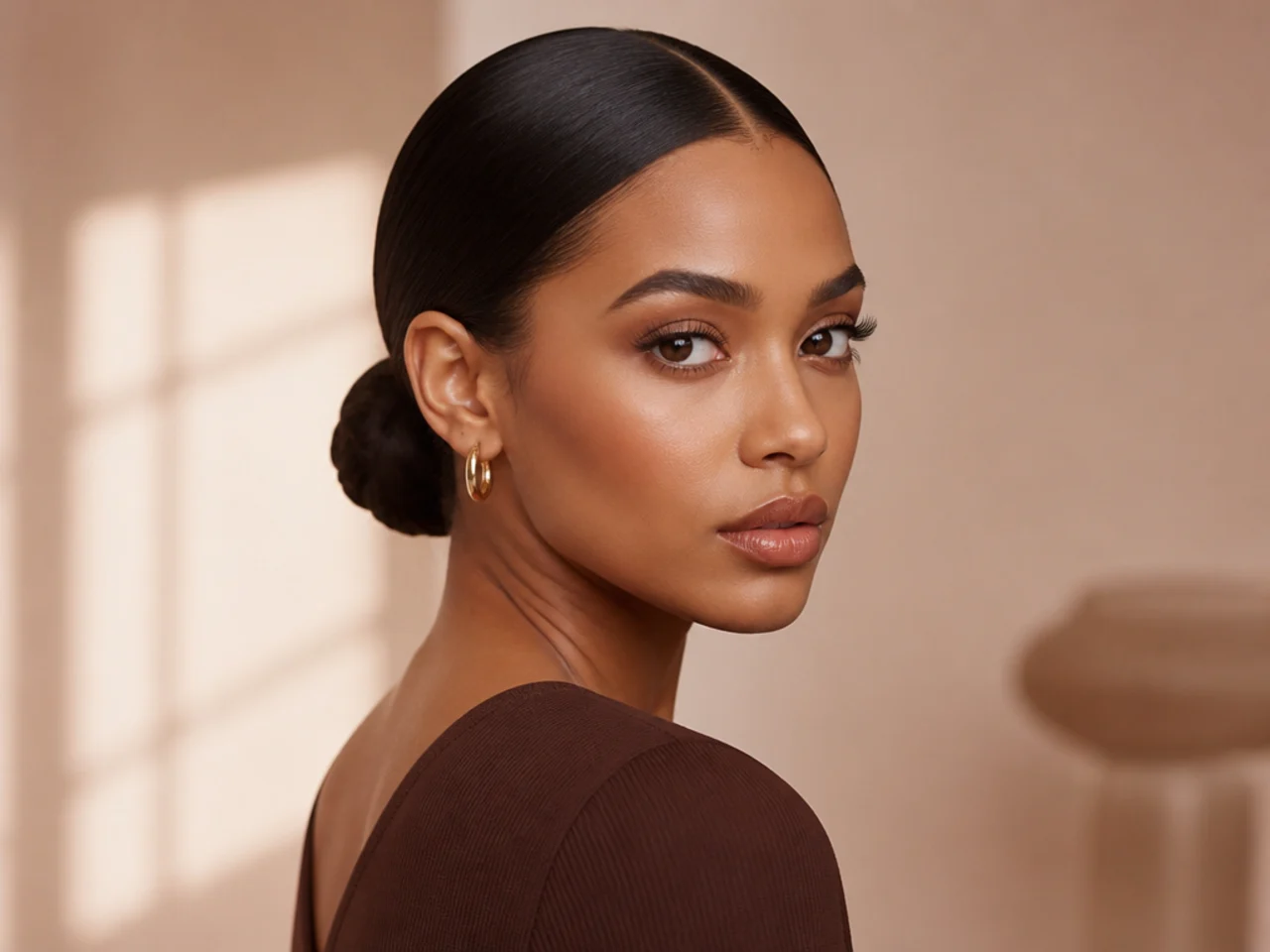
8. Half-Up on Pressed Hair
Low tension, and the press still visible. A half-up puts almost no pull on the hairline, which matters because pressed hair is at its most fragile at the roots.

9. Wrapped Overnight, Released
Preserving the press instead of re-passing the iron. A wrap or a scarf holds the smooth shape overnight, and every night it works is a pass you did not have to do again.
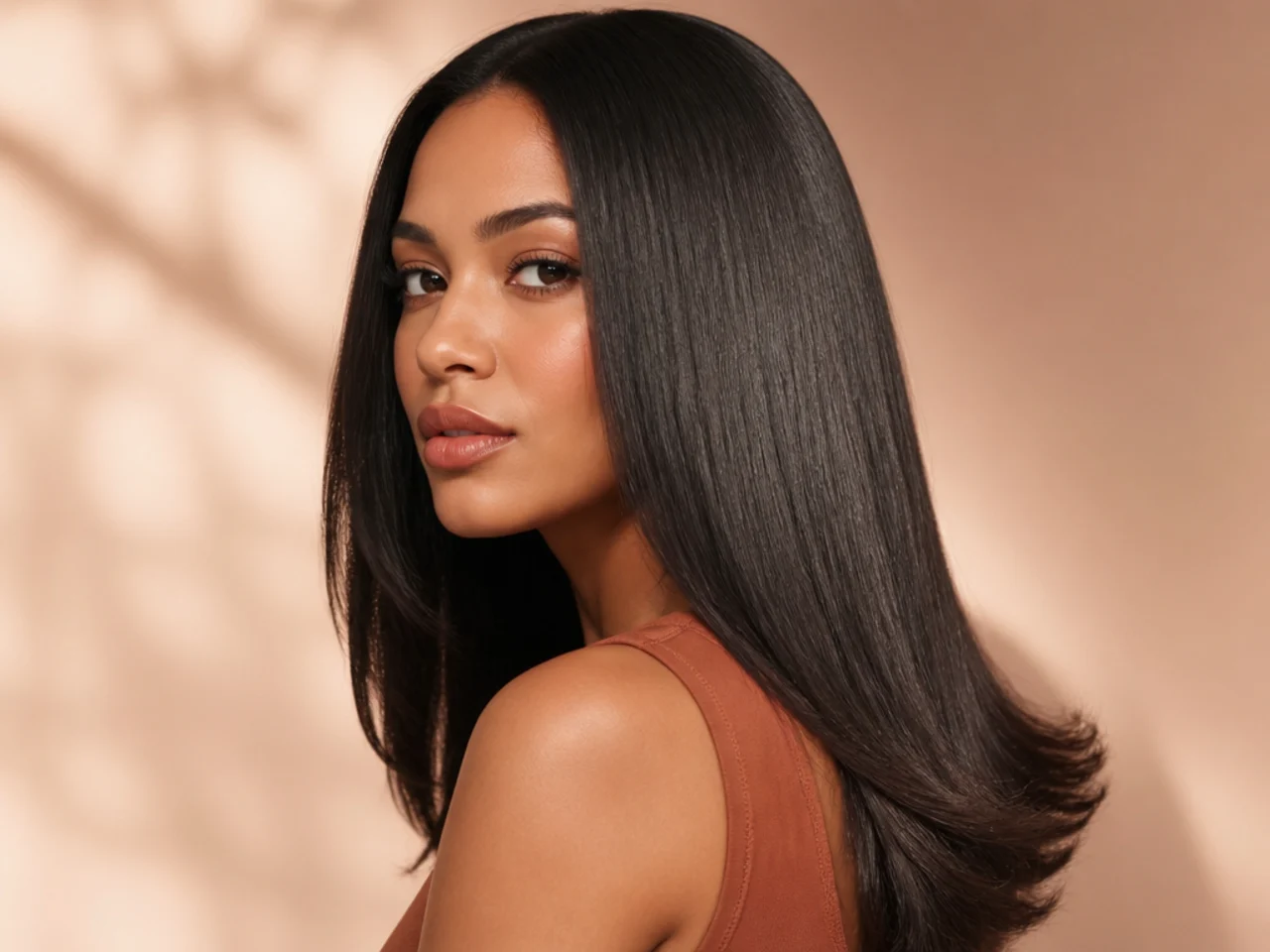
10. Press Worn Up on a Humid Day
Away from the neck, where reversion starts. The nape is the warmest and dampest part of the head, so it reverts first — moving the length off it buys you a day or two.
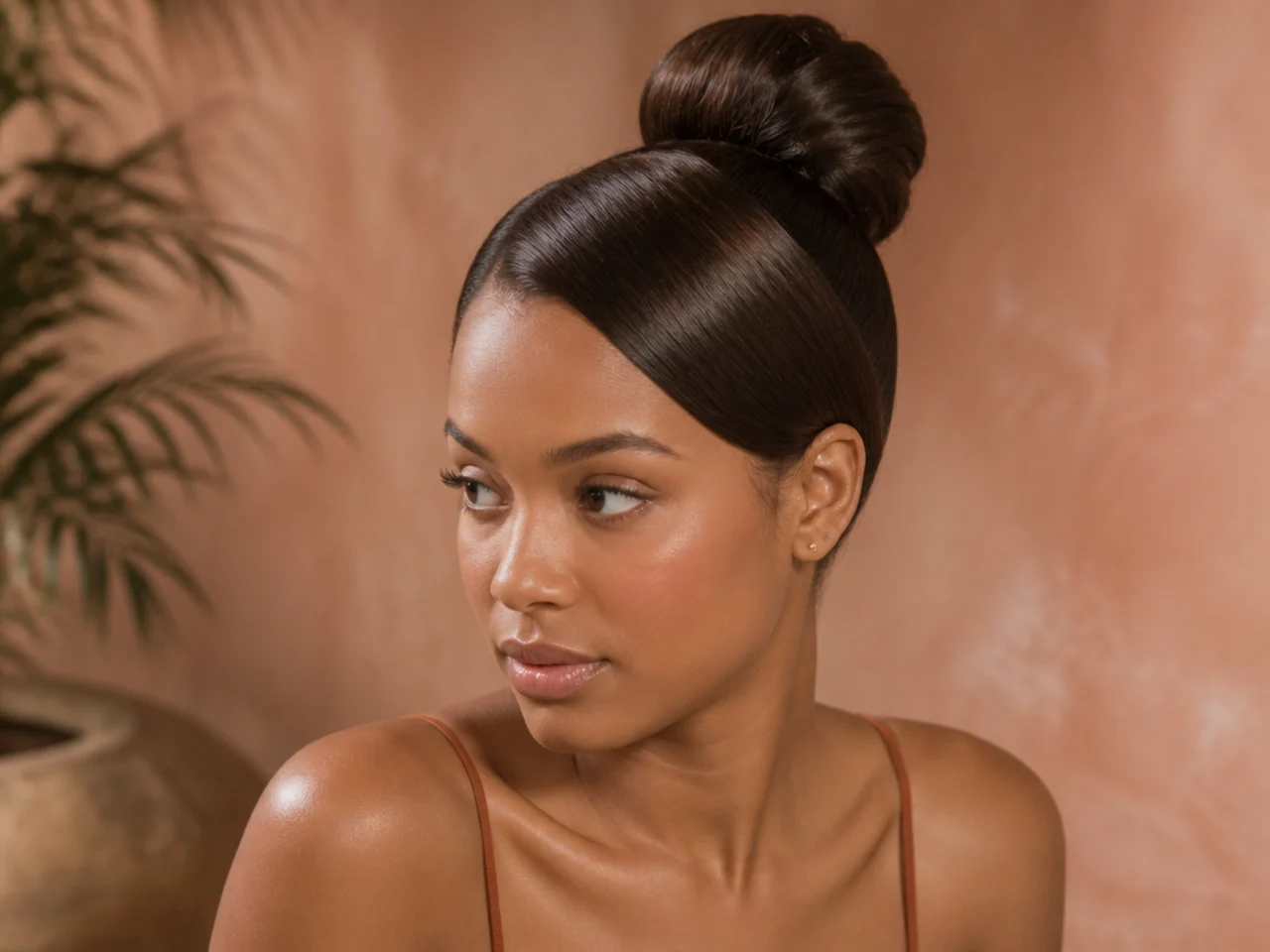
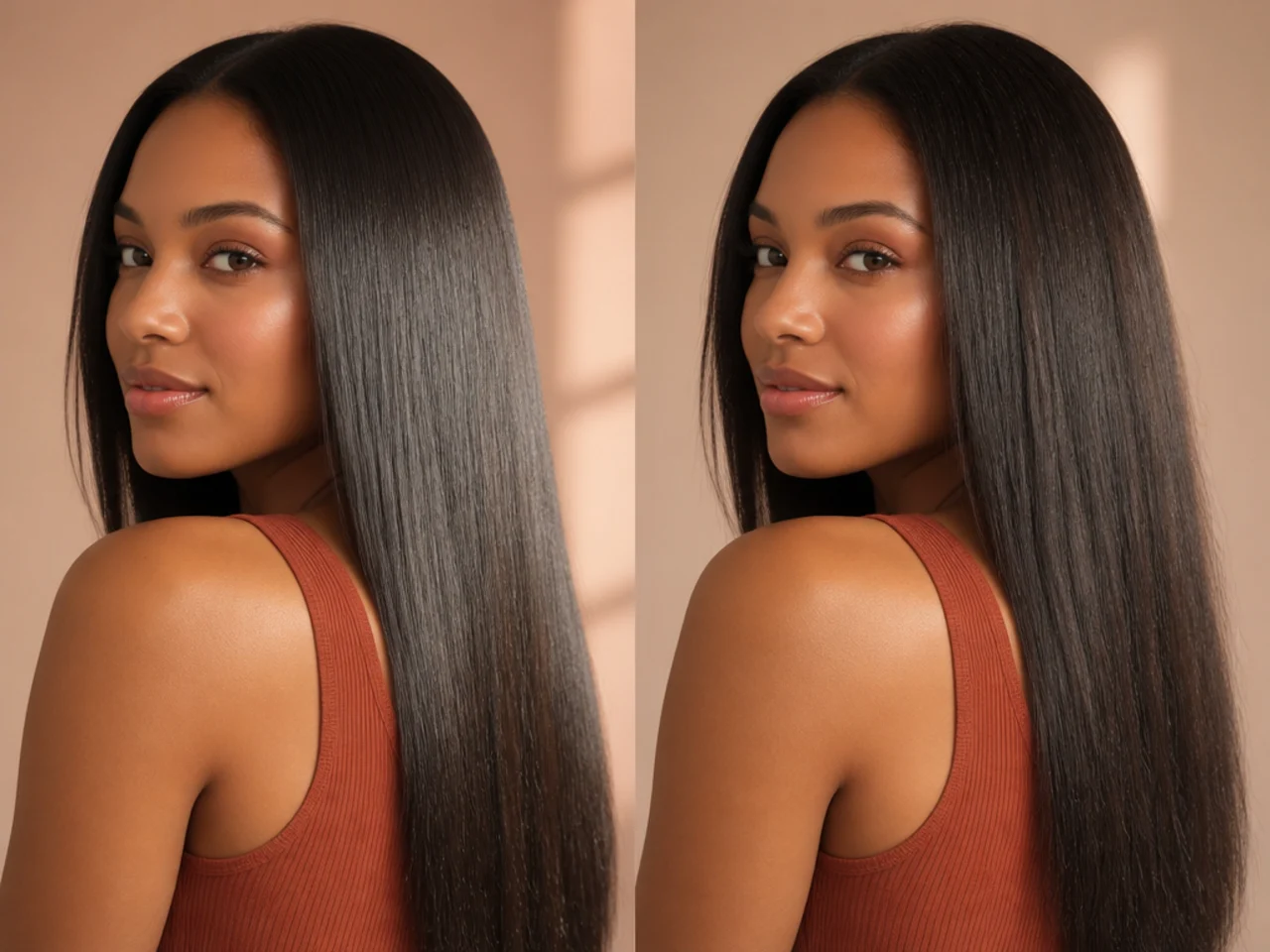
11. Press at Week One
At its smoothest, and the point of comparison. Photograph it here, because week one is the baseline you will be judging weeks two and three against.
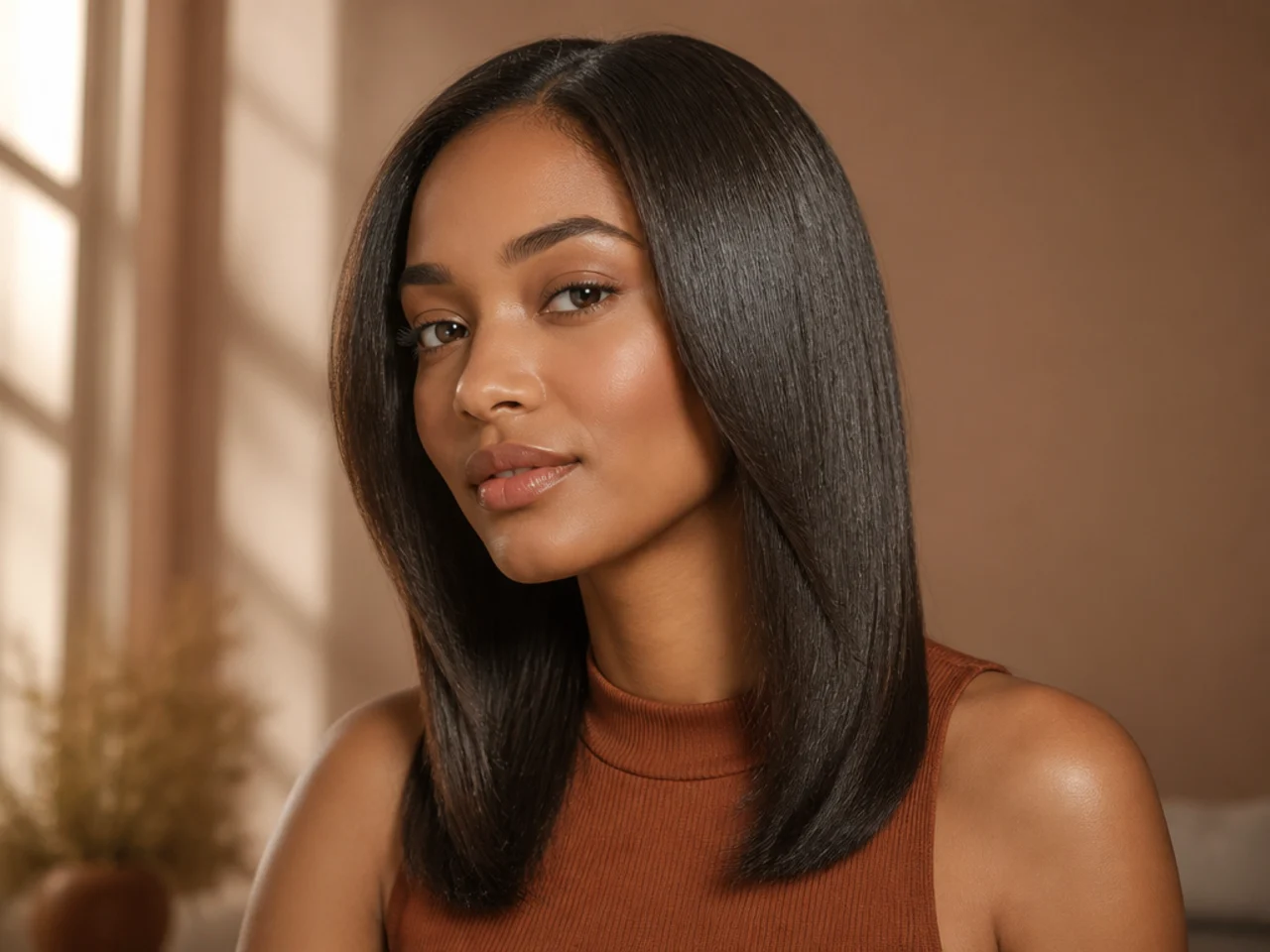
12. Press at Week Three
Softening at the roots. Time to stop, not to re-press. New growth at the root is the signal that the press has run its course, and re-passing to chase it is what turns occasional heat into regular heat.
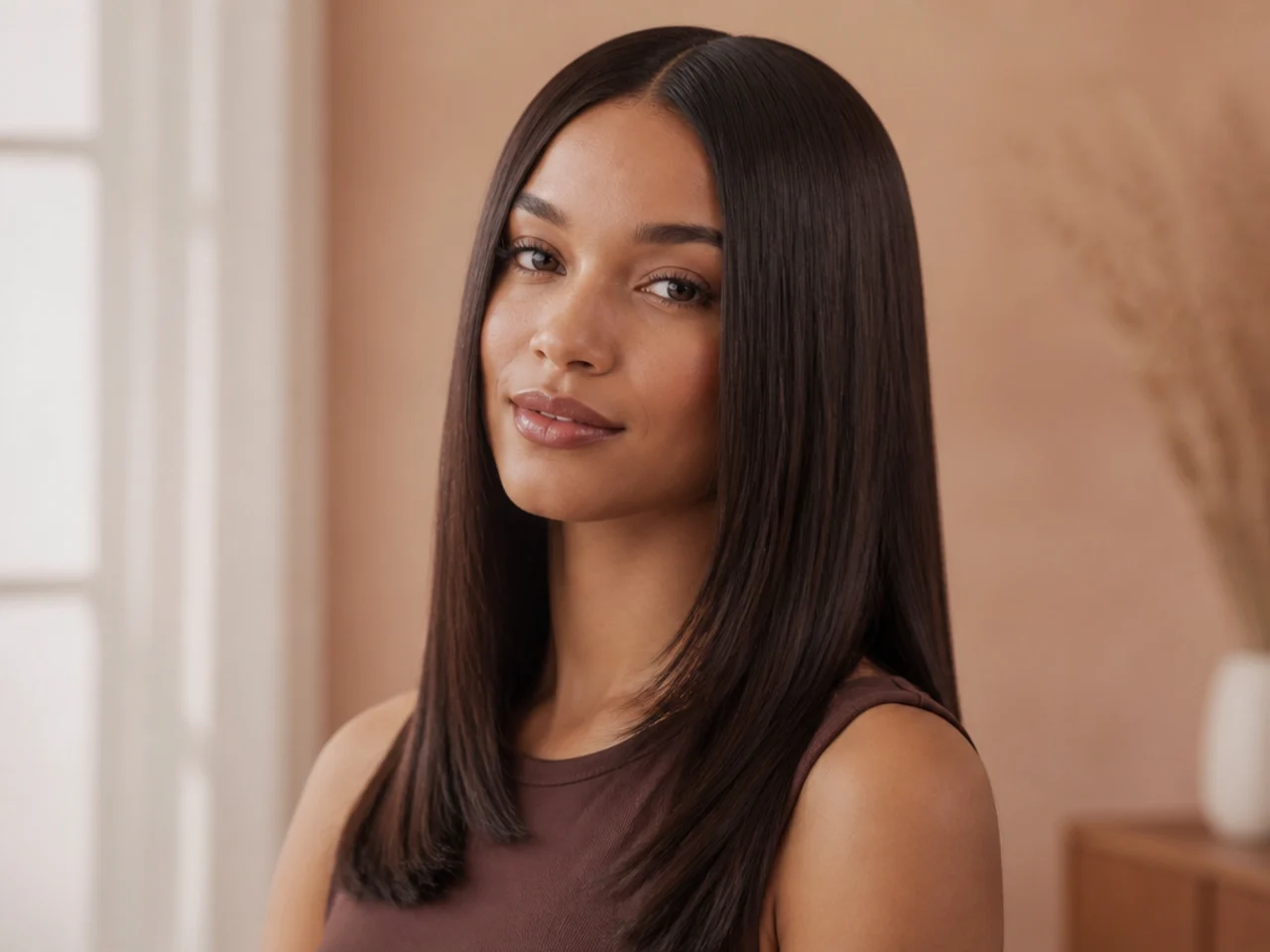
13. Curl Pattern After One Press
Returned fully. What occasional heat looks like. A pattern that comes back completely after a wash is the evidence that the press cost you nothing lasting.
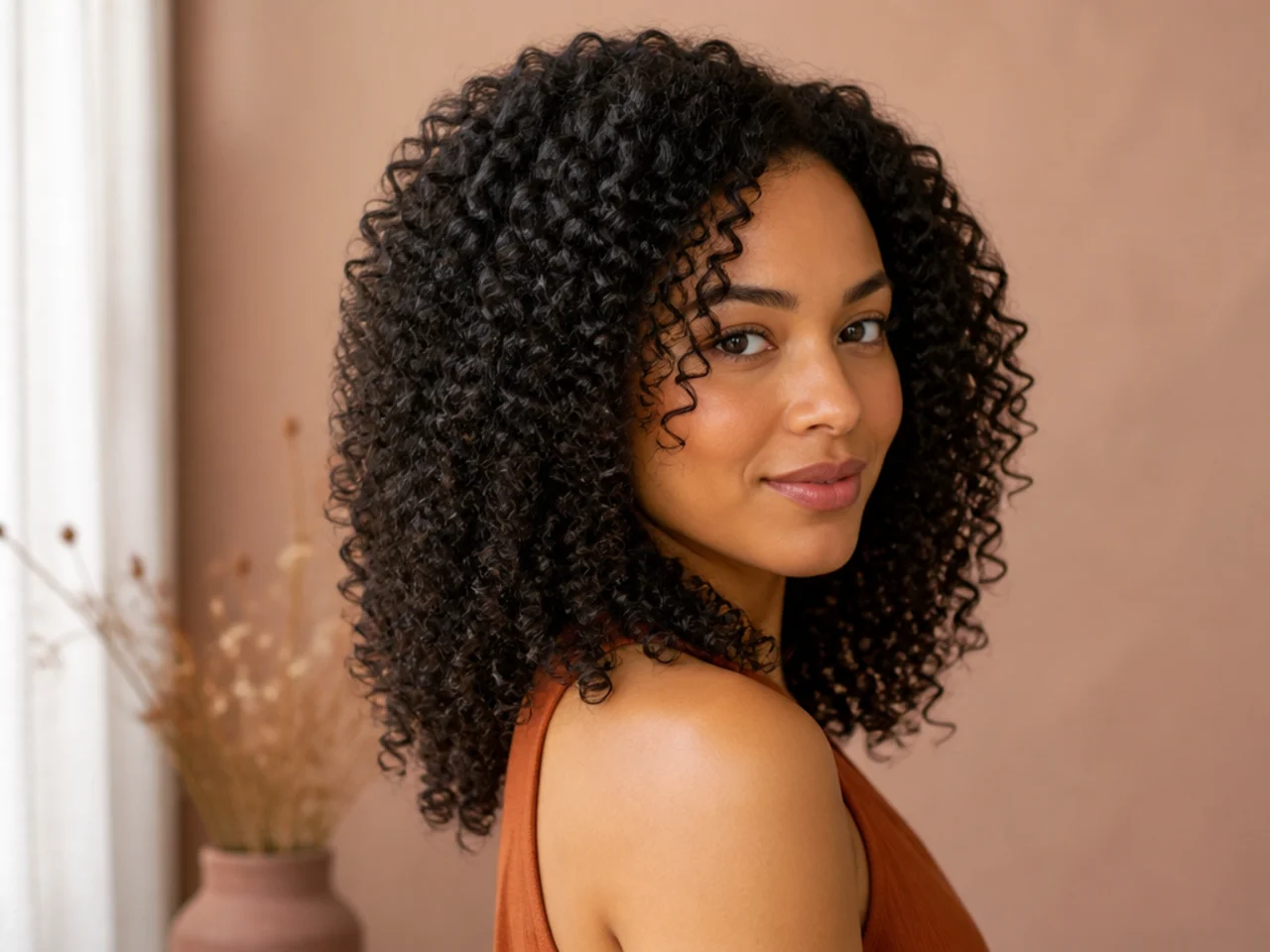
14. Curl Pattern After Frequent Pressing
Looser at the ends, and it does not come back. The ends have taken every pass the hair has ever had, so they lose definition first, and no product restores a pattern that has been lost.
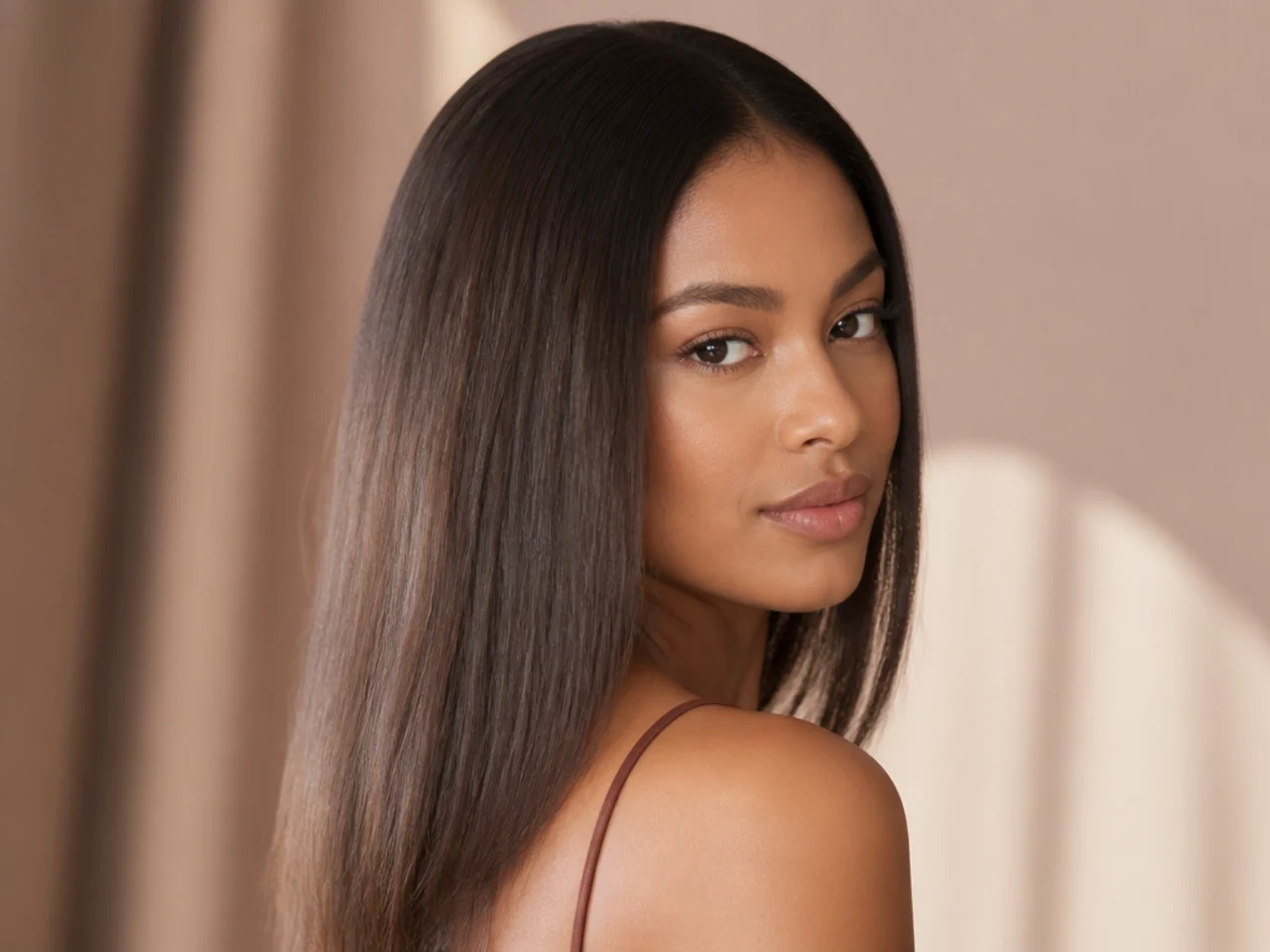
15. Repeated Passes on One Section
Where damage concentrates. The thing to count. Passes over the same section are cumulative in a way that passes spread across the head are not, which is why a count per section matters more than a total.
Styling and Upkeep
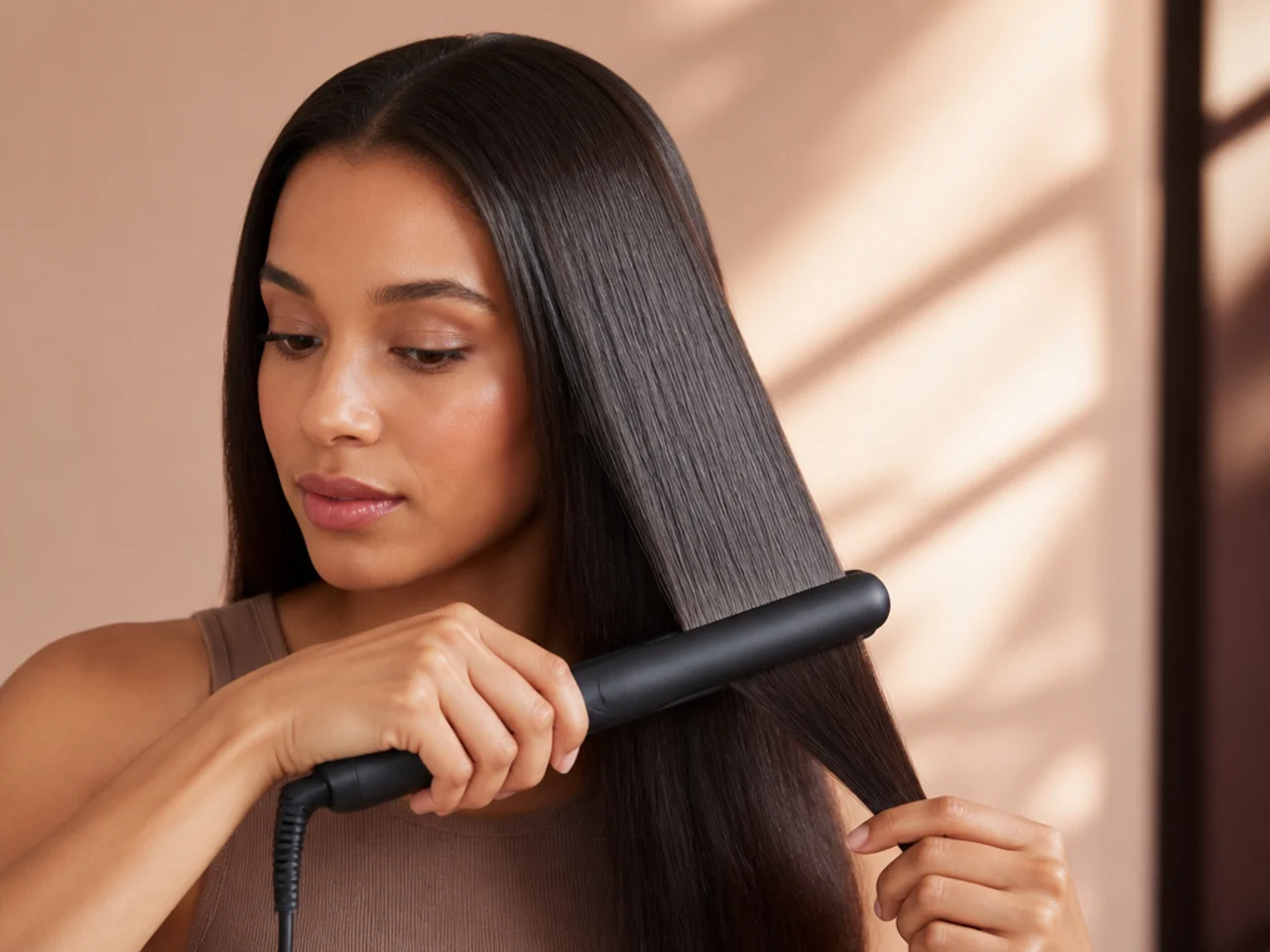
Count your passes. One per section, slowly, is the target.
Heat protectant on every pass, including touch-ups. A touch-up is a full heat exposure.
Wrap at night rather than re-passing. It extends the press without more heat.
Deep condition before the press. Stronger hair takes it better.
Check your curl at each wash. Reduced definition shows there first, while it still matters.
Mistakes to Avoid
Re-passing to fix reversion. It is the most common route to cumulative damage.
Counting temperature and not passes. Four passes at a low setting can cost more than one at a moderate one.
Skipping protectant on touch-ups. They are full heat exposures.
Straightening on a regular schedule. Frequency is the variable that matters most.
Waiting for damage to be obvious. By then a good part of it is permanent.
FAQ
How does heat damage happen? Gradually — a little definition each time, until the loss is permanent. Each individual press looks fine, which is the whole problem.
What temperature is safe? Moderate, and the number of passes matters more than the setting. Four quick passes cost more than one slow one.
How often can you straighten? Occasionally rather than regularly. Frequency is the real variable. The same total heat over more months costs far less.
Final Thoughts
Count the passes rather than watching the dial. One slow pass at a moderate setting is the whole technique, and the reason it matters is that nothing about this damage announces itself — you find out at the wash after the one that went too far.
For styling a press once it is done see 15 straight hair styles for black women. More in Hair Care.