25 Steps for a Wavy Hair Routine That Works
Twenty-five steps in order, and the balance the whole routine turns on — wavy hair has enough pattern to clump and not enough strength to carry weight. The product that defines it is the product that flattens it.
In this article · 32
- What the Routine Has to Balance
- Before You Start
- The 25 Steps
- 1. Detangle Before You Wash
- 2. Wash the Scalp, Not the Length
- 3. Use a Gentle Shampoo
- 4. Condition the Mid-Lengths and Ends
- 5. Detangle in the Conditioner
- 6. Rinse With Cool Water
- 7. Do Not Squeeze It Dry Yet
- 8. Apply Leave-In to Wet Hair
- 9. Use Half What the Bottle Says
- 10. Rake It Through, Then Stop
- 11. Scrunch Upward
- 12. Add a Light Gel Over the Leave-In
- 13. Scrunch Again, Gently
- 14. Squeeze With a Microfibre Towel
- 15. Do Not Touch It While It Dries
- 16. Air-Dry or Diffuse on Low
- 17. Diffuse Upward if You Diffuse
- 18. Let It Dry Completely
- 19. Break the Cast With Your Hands
- 20. Judge the Result Now
- 21. Adjust One Variable Next Time
- 22. Sleep on Satin, Hair Loosely Up
- 23. Refresh With Water, Not Product
- 24. Wash Less Often Than You Think
- 25. Give a Change Three Washes
- Troubleshooting
- Mistakes to Avoid
- FAQ
- Final Thoughts
Every wavy hair routine problem traces back to the same tension, and it is a property of the hair type rather than a mistake in the routine.
Wavy hair has enough pattern to clump and not enough strength to carry weight. Curly hair can take a generous amount of product. Straight hair needs grip added. Wavy hair sits between the two, and the product that defines it is the product that flattens it.
So the whole routine below is a balancing act, and every step is about getting definition without weight.
What the Routine Has to Balance
Definition needs product. Waves clump when something holds them together.
Weight kills the pattern. Too much of that same product pulls the wave straight.
Water is your ally. Product applied to soaking wet hair distributes further and weighs less.
Drying is where it is won or lost. Waves set as they dry, so anything that separates the clumps during that window undoes the work.

Before You Start
Start with less product than the bottle suggests. Roughly half, and add only if the waves stay undefined.
Work on soaking wet hair. Not damp — dripping.
Have a microfibre towel or a cotton t-shirt. A terry towel undoes the clumping.
Clear an hour the first time. Not because the routine is long, but because judging it needs the hair fully dry.
Change one thing at a time. Otherwise you will not know what worked.

The 25 Steps
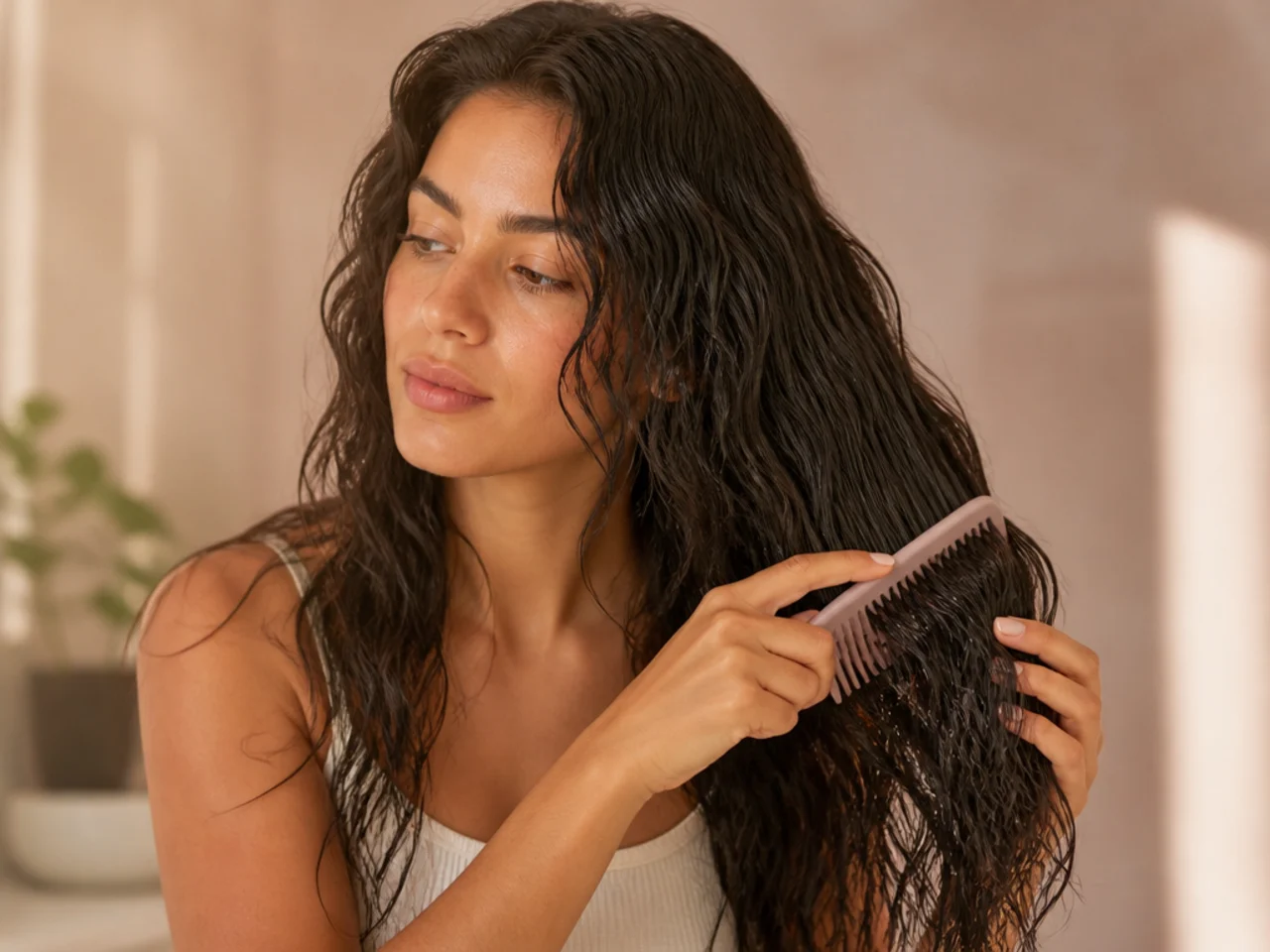
1. Detangle Before You Wash
Dry or with conditioner. Never on soaking wet unprotected hair. Wet hair without slip stretches before it breaks, which is why the same comb that is safe in conditioner is not safe straight after a rinse.
2. Wash the Scalp, Not the Length
Shampoo belongs at the roots; the rinse cleans the rest. The scalp is the only part producing oil, so it is the only part that needs a detergent.

3. Use a Gentle Shampoo
Harsh detergents strip the oil that keeps waves soft. The tell is hair that squeaks when wet and frizzes by afternoon rather than sitting soft.

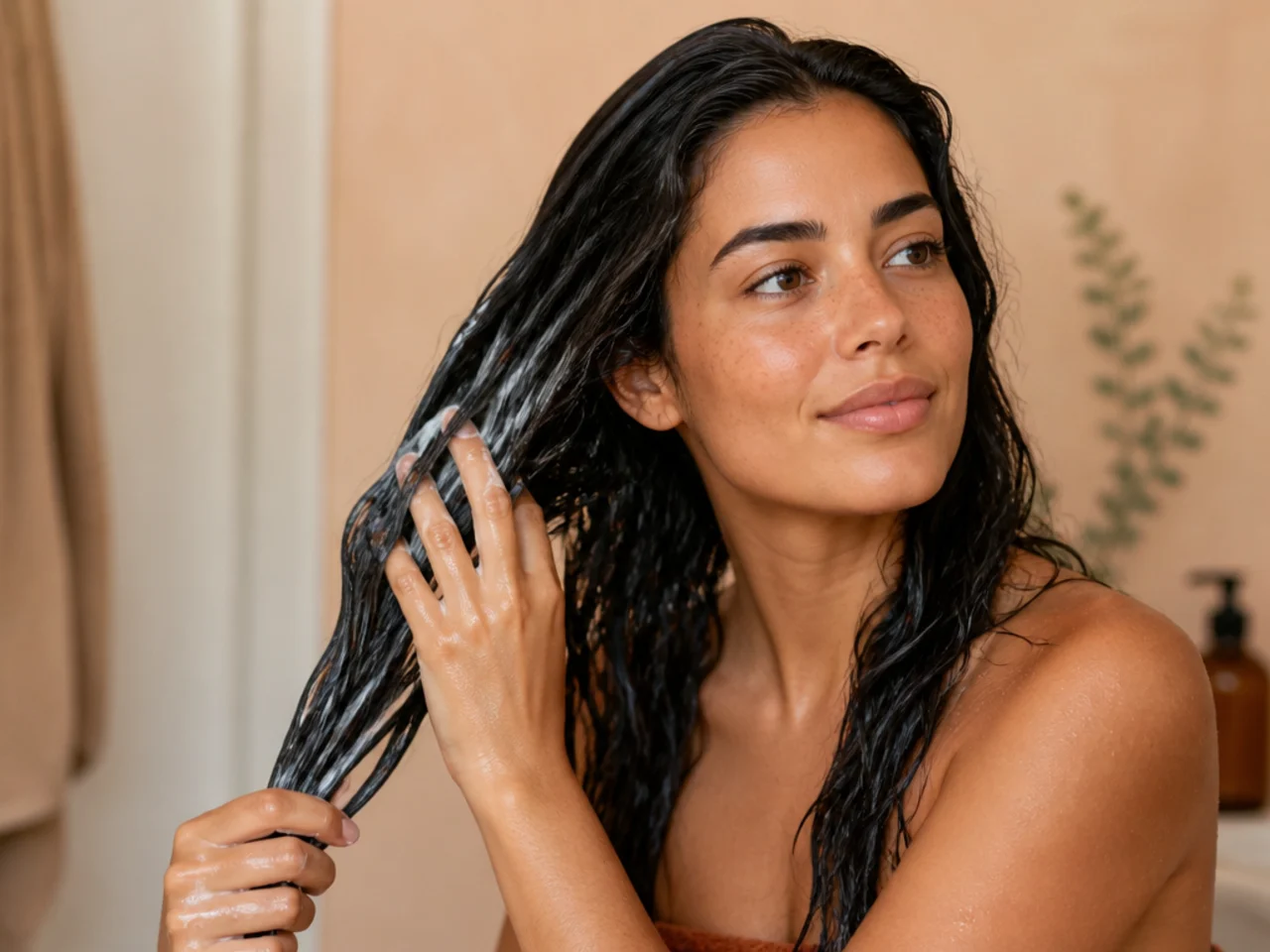
4. Condition the Mid-Lengths and Ends
Never the roots. That is where flatness starts. Keep it below the ears — the roots are the newest hair on your head and need it least.

5. Detangle in the Conditioner
Fingers or a wide-tooth comb, while it is slippery. This is the only moment in the whole wash where detangling costs you nothing.
6. Rinse With Cool Water
It closes the cuticle, which reduces frizz. A few seconds at the coolest comfortable temperature is enough; it does not need to be cold.

7. Do Not Squeeze It Dry Yet
Product goes on soaking wet. This is the step people skip. Squeezing first feels tidier and it removes the water that would have carried your product evenly through the hair.

8. Apply Leave-In to Wet Hair
It distributes further and weighs less on wetter hair. The same pea of product covers twice the hair when the hair is twice as wet.
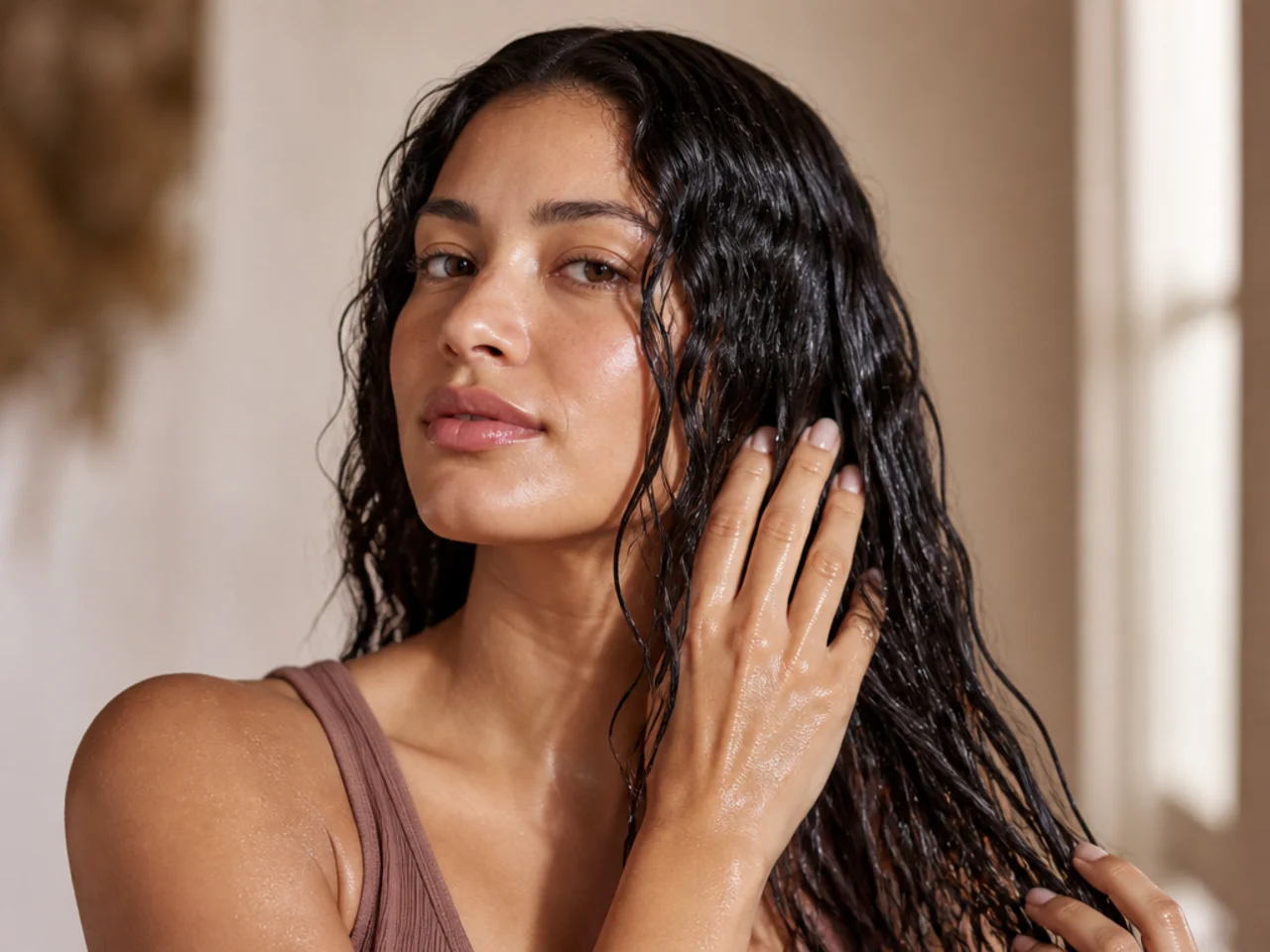
9. Use Half What the Bottle Says
Start low. Adding is easy; removing means rewashing. Bottle instructions are written for curlier hair with several times the structural strength of a wave.

10. Rake It Through, Then Stop
Distribute once. Repeated raking separates the clumps. Each pass halves the clump size, so the second rake costs definition rather than adding any.

11. Scrunch Upward
Encourages the wave to form rather than hang. Press up toward the scalp rather than squeezing down — you are compressing the wave, not wringing it out.

12. Add a Light Gel Over the Leave-In
It holds the clump while it dries and is brushed out later. Gel does not create the pattern; it freezes whatever your hands left behind.

13. Scrunch Again, Gently
Once. Not repeatedly. The gel begins setting immediately, so a second scrunch reorganises hair that had started to hold.

14. Squeeze With a Microfibre Towel
Squeeze, never rub. Rubbing is what causes frizz. A terry towel has raised loops that lift strands out of their clumps; a t-shirt does not.

15. Do Not Touch It While It Dries
The single hardest step, and the one that matters most. Waves set as the water leaves them, so the drying window is the whole game.

16. Air-Dry or Diffuse on Low
High heat and high airflow both disturb the clumps. Airflow matters more than temperature, which is why a cool but powerful setting still frizzes.
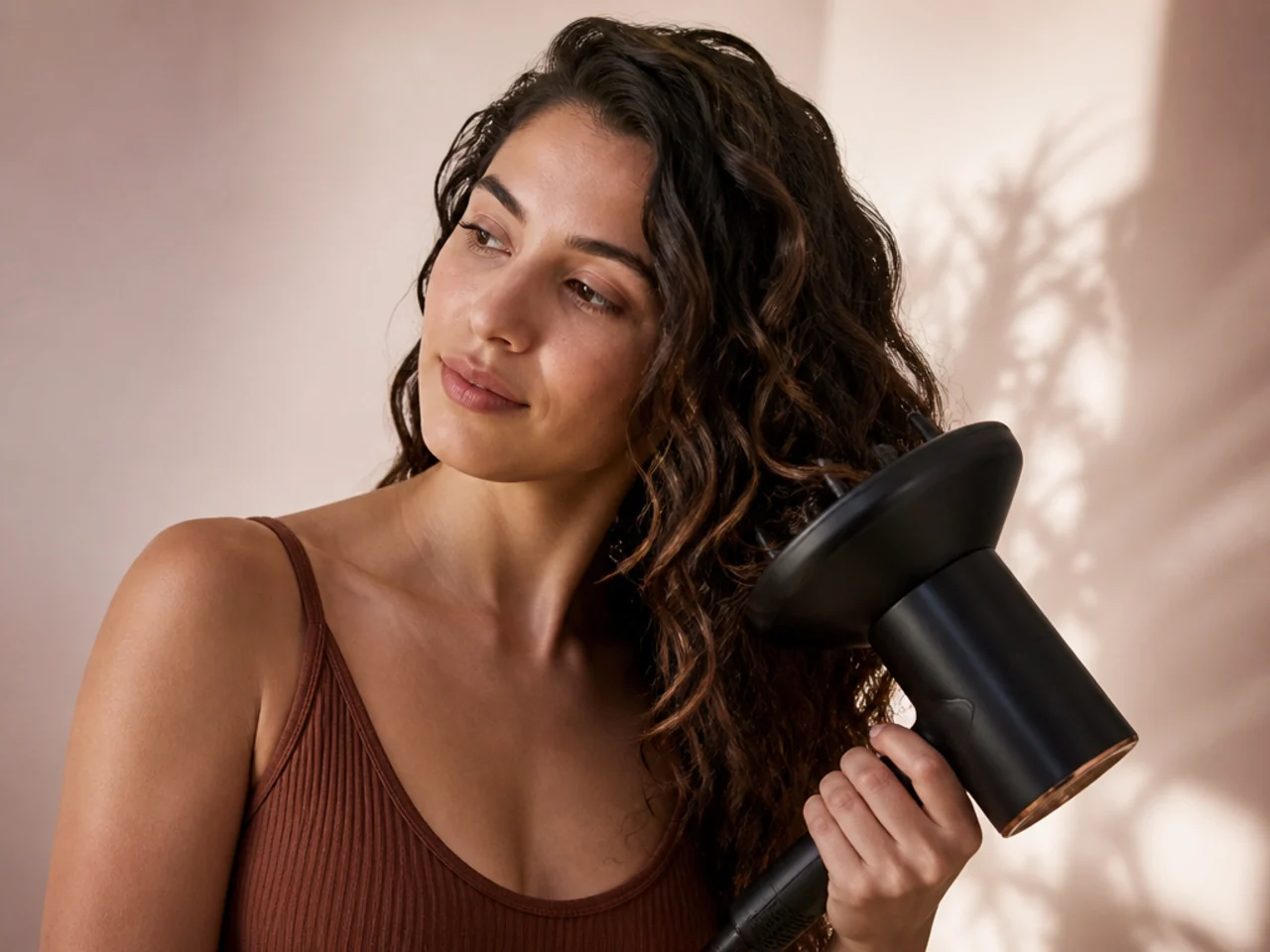
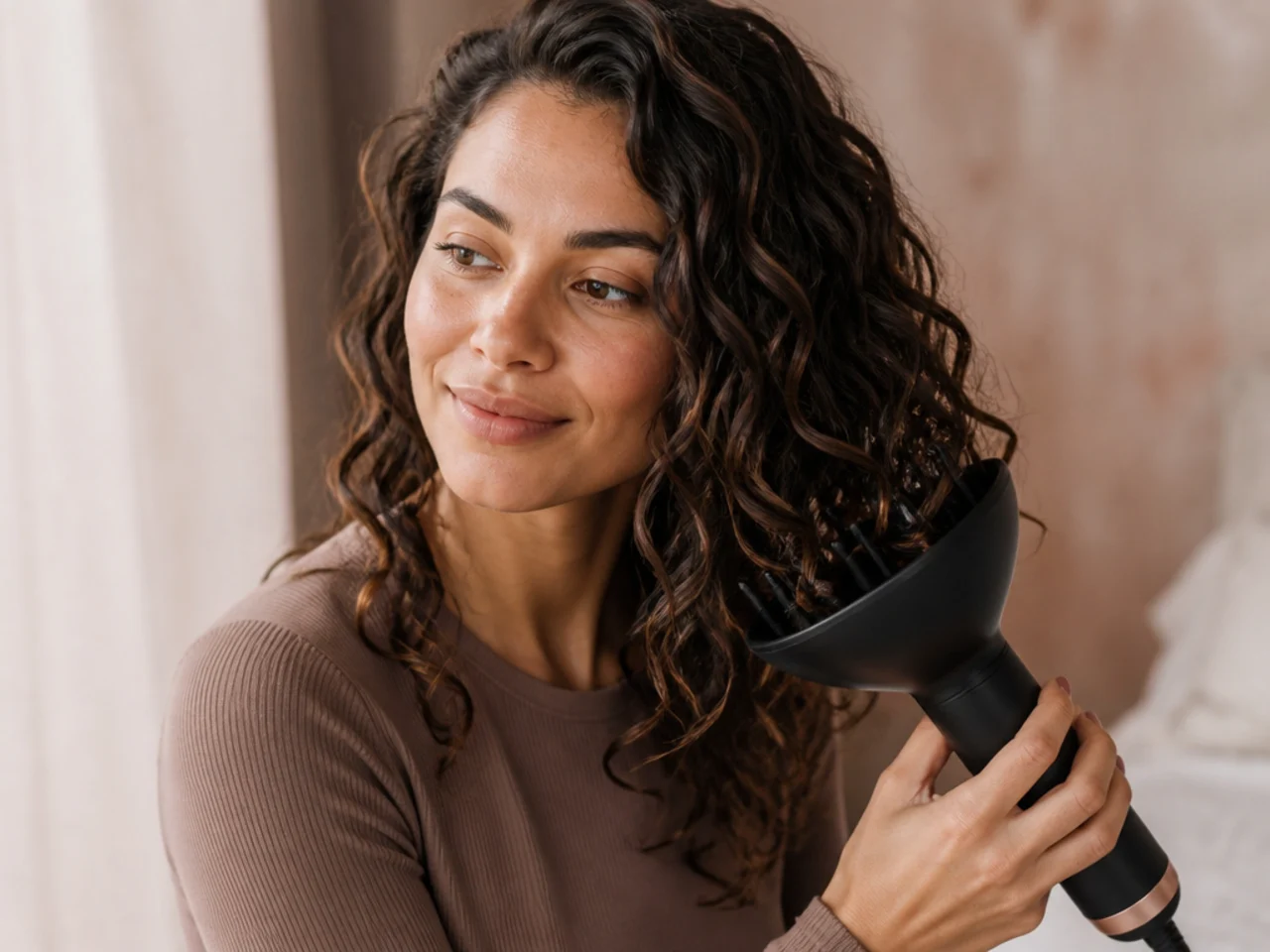
17. Diffuse Upward if You Diffuse
Cupping the hair upward rather than blowing at it. Cup and hold — a sweeping diffuser is a fan aimed at the thing you are trying not to move.
18. Let It Dry Completely
Judging a wave pattern half-dry tells you nothing. Half-dry always looks undefined, which is why people add product at exactly the wrong moment.

19. Break the Cast With Your Hands
If you used gel, scrunch out the crunch once fully dry. Both hands, thoroughly — a half-broken cast is what people mistake for gel not working.

20. Judge the Result Now
Defined and soft is right. Flat means too much product. Undefined and flat look similar and need opposite corrections, so name which one you have before changing anything.

21. Adjust One Variable Next Time
Less product, or more. Not both, and not with a different product. Two changes at once makes the result unattributable, which is how months get lost.

22. Sleep on Satin, Hair Loosely Up
A high loose gather protects the pattern overnight. Cotton drags for eight hours, and one side always takes the worst of it.

23. Refresh With Water, Not Product
Day two needs re-wetting far more than it needs more cream. Water reactivates the shape that is already there; cream adds weight to a pattern that has not lost any.

24. Wash Less Often Than You Think
Waves improve on day two and three. A day of natural oil adds grip rather than mass, which is the only weight a wave benefits from.

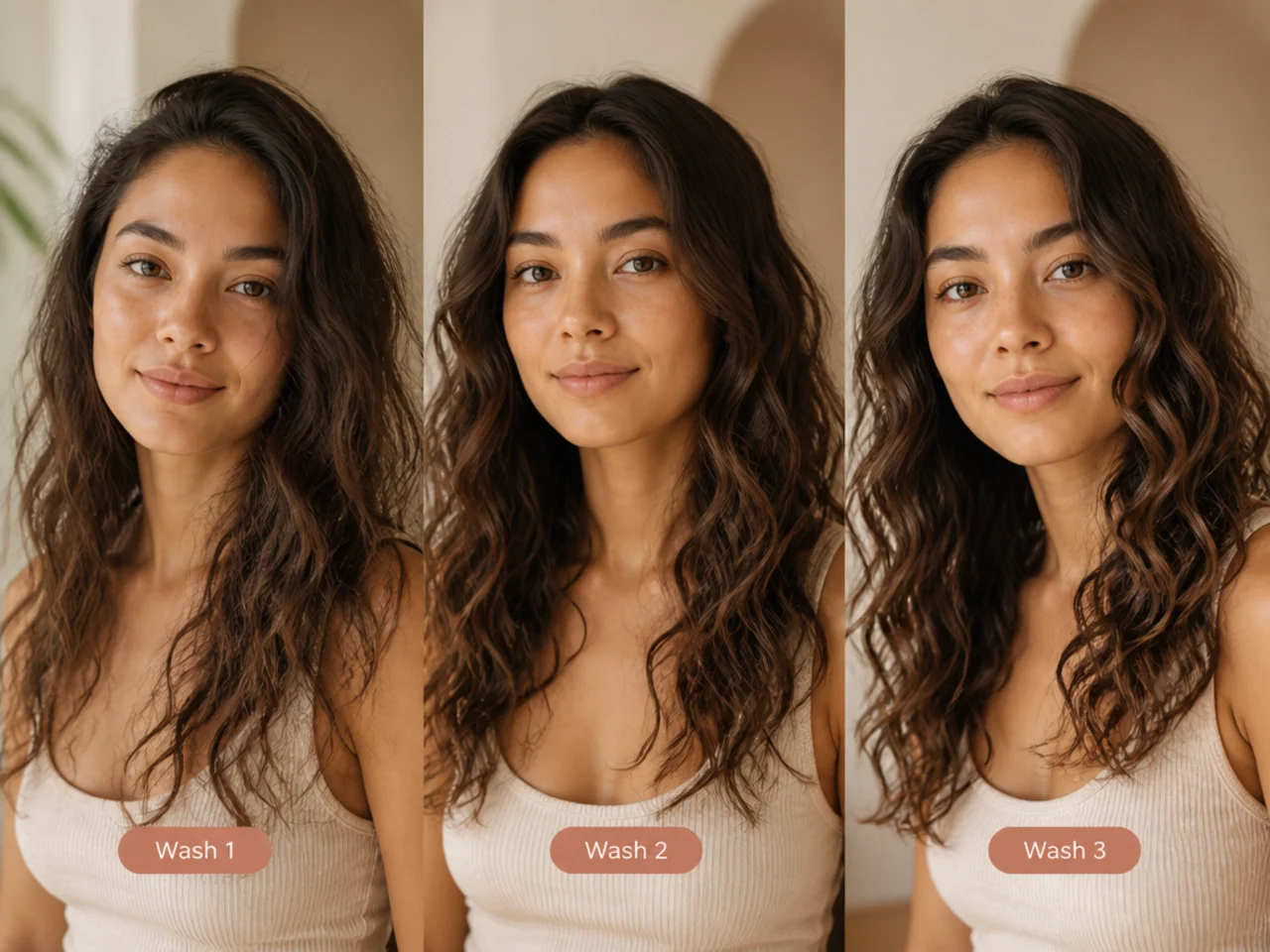
25. Give a Change Three Washes
One wash is not enough to judge anything. Humidity alone moves the result more than most single changes you will make.
Troubleshooting
It went flat. Too much product, or applied to damp rather than soaking hair. Halve it next time.
It is frizzy but not defined. Too little product, or the clumps were disturbed while drying.
The roots are greasy but the ends are dry. Conditioner is reaching the roots. Keep it below the ears.
It looks good wet and bad dry. Almost always touching it during drying.
It is crunchy. Normal with gel. Scrunch the cast out once it is completely dry.
Nothing has changed after a week. Give it three washes before judging, and change only one thing at a time.

Mistakes to Avoid
Using curly-hair amounts of product. Wavy hair cannot carry it.
Applying to damp hair. Soaking wet is the instruction.
Touching it while it dries. The most common single cause of lost definition.
Rough-drying with a terry towel. It separates every clump.
Changing three things at once. You learn nothing.

FAQ
Why does it go flat? Wavy hair cannot carry the product weight that defines curlier hair.
How much product? Roughly half what the bottle says, on soaking wet hair.
What matters most? Drying without disturbing the clumps.

Final Thoughts
Halve your product and stop touching it while it dries. Those two changes fix most wavy hair complaints on their own, they cost nothing, and they both follow from the same fact — this is the hair type that cannot carry what it needs to be defined.
For the version with no products at all see 15 wavy hair: with vs without products, and for product recommendations see best wavy hair products. More in Hair Care.