20 Blonde Butterfly Haircut Ideas For Short Hair
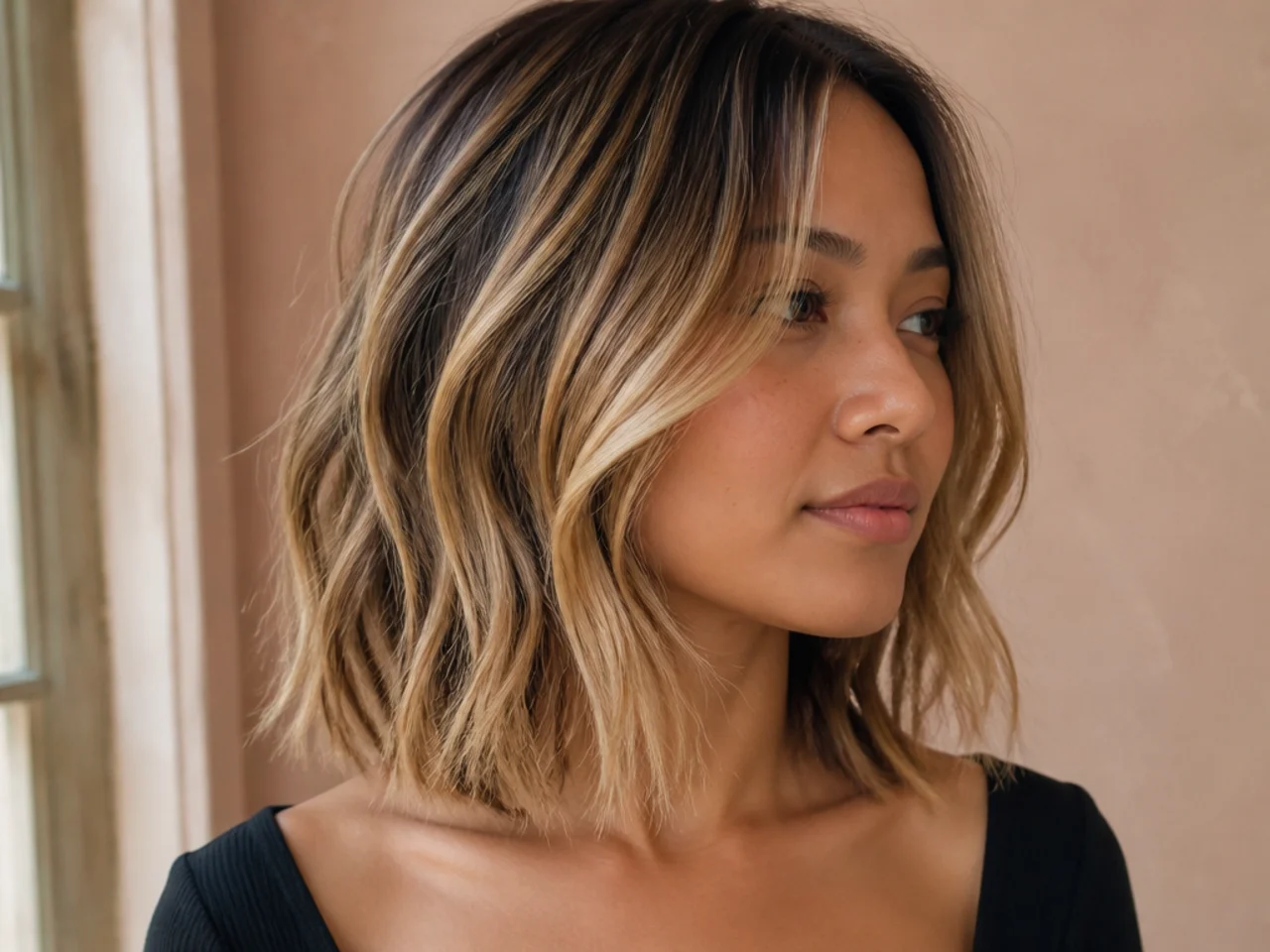
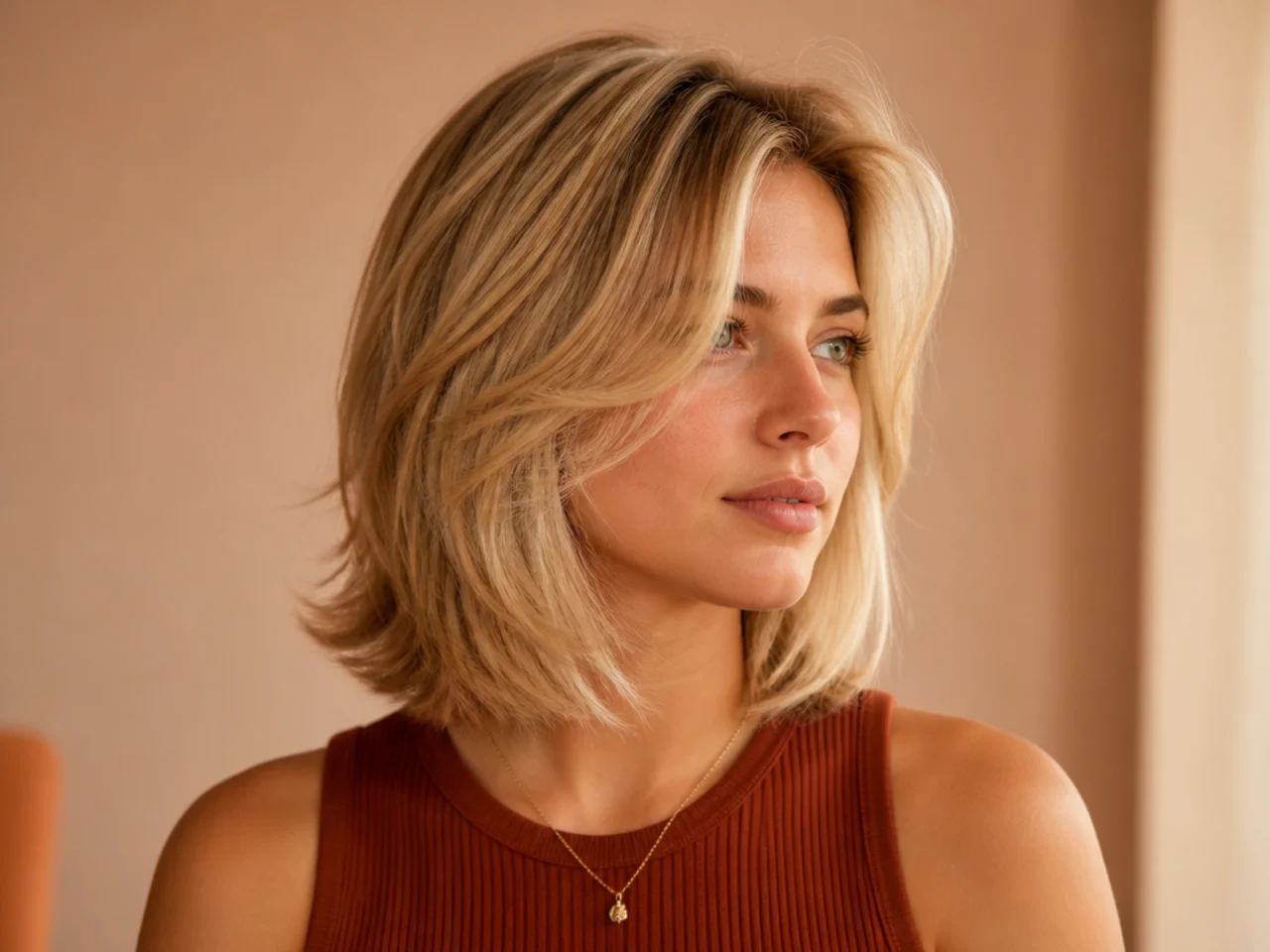
Twenty blonde butterfly cuts for short hair, and the placement rule behind them. A butterfly cut only works if the eye can see two separate lengths, so blonde put on the short layer strengthens the shape and blonde put only on the ends flattens it.
In this article · 27
- How Blonde Changes a Butterfly Cut
- Choosing Your Blonde and Its Placement
- The 20 Blonde Butterfly Ideas
- 1. Buttery Blonde Balayage on a Collarbone Butterfly
- 2. Blonde Money Piece on the Face Framing Layer
- 3. Root Shadowed Blonde Butterfly
- 4. Ash Blonde Butterfly
- 5. Golden Blonde Butterfly
- 6. Beige Blonde Butterfly
- 7. Honey Blonde Butterfly
- 8. Platinum Blonde Butterfly
- 9. Blonde Butterfly With Curtain Bangs
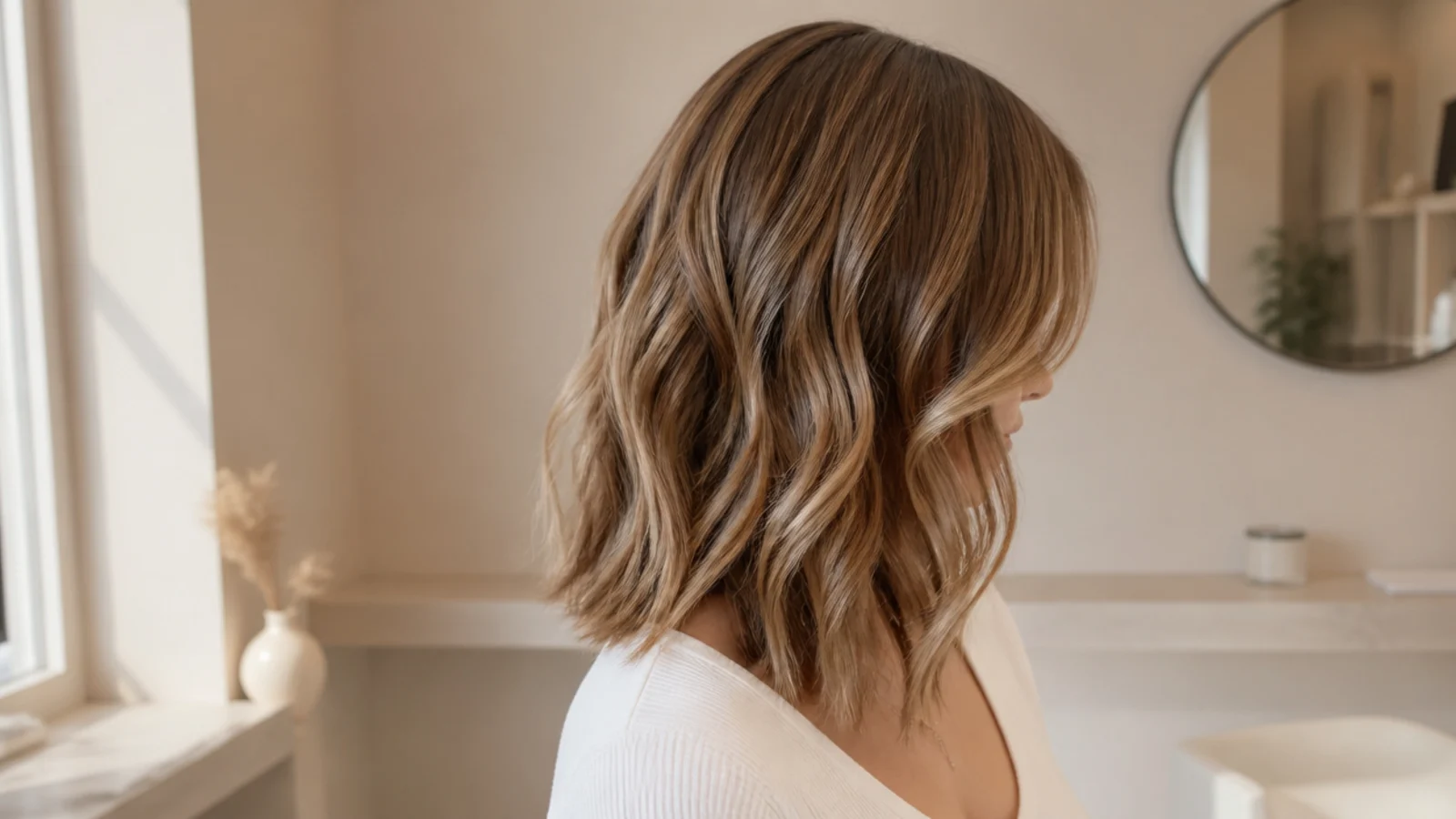
- 10. Blonde Butterfly on a Wavy Bob
- 11. Babylights Through the Short Layer
- 12. Foilyage on the Under Layer
- 13. Blonde Butterfly With a Dark Under Layer
- 14. Blonde Butterfly With a Blunt Perimeter
- 15. Blonde Butterfly on Fine Hair
- 16. Blonde Butterfly on Thick Hair
- 17. Blonde Butterfly on Curly Hair
- 18. Blonde Butterfly With a Deep Side Part
- 19. Air Dried Blonde Butterfly
- 20. Blonde Butterfly at Week Ten
- Styling and Upkeep
- Mistakes to Avoid
- FAQ
- Final Thoughts
Blonde on a butterfly cut is a placement decision before it is a shade decision, and most of them are placed at the ends where they do the least.
The cut depends on seeing two lengths. A short face framing layer over a longer perimeter, with a deliberate gap between them.
Light reflects, dark absorbs. Put the brightest hair on the short layer and it lifts away from the darker hair behind it, which does the job the layer gap is supposed to do on its own.
How Blonde Changes a Butterfly Cut
Brightness creates separation the cut cannot. On short hair the layer gap is only a few inches, so colour is doing structural work rather than decoration.
Lightened hair holds volume better. Bleaching lifts the cuticle, and a rough cuticle means strands catch on each other instead of sliding flat.
Lightened hair holds a curl worse. The same raised cuticle loses moisture quickly, so a bend set in the morning drops sooner than it did on virgin hair.
A curl pattern loosens after lightening. The hair shaft swells and some of the bond structure that made the bend is gone, so curls that were tight sit looser afterwards.
Choosing Your Blonde and Its Placement
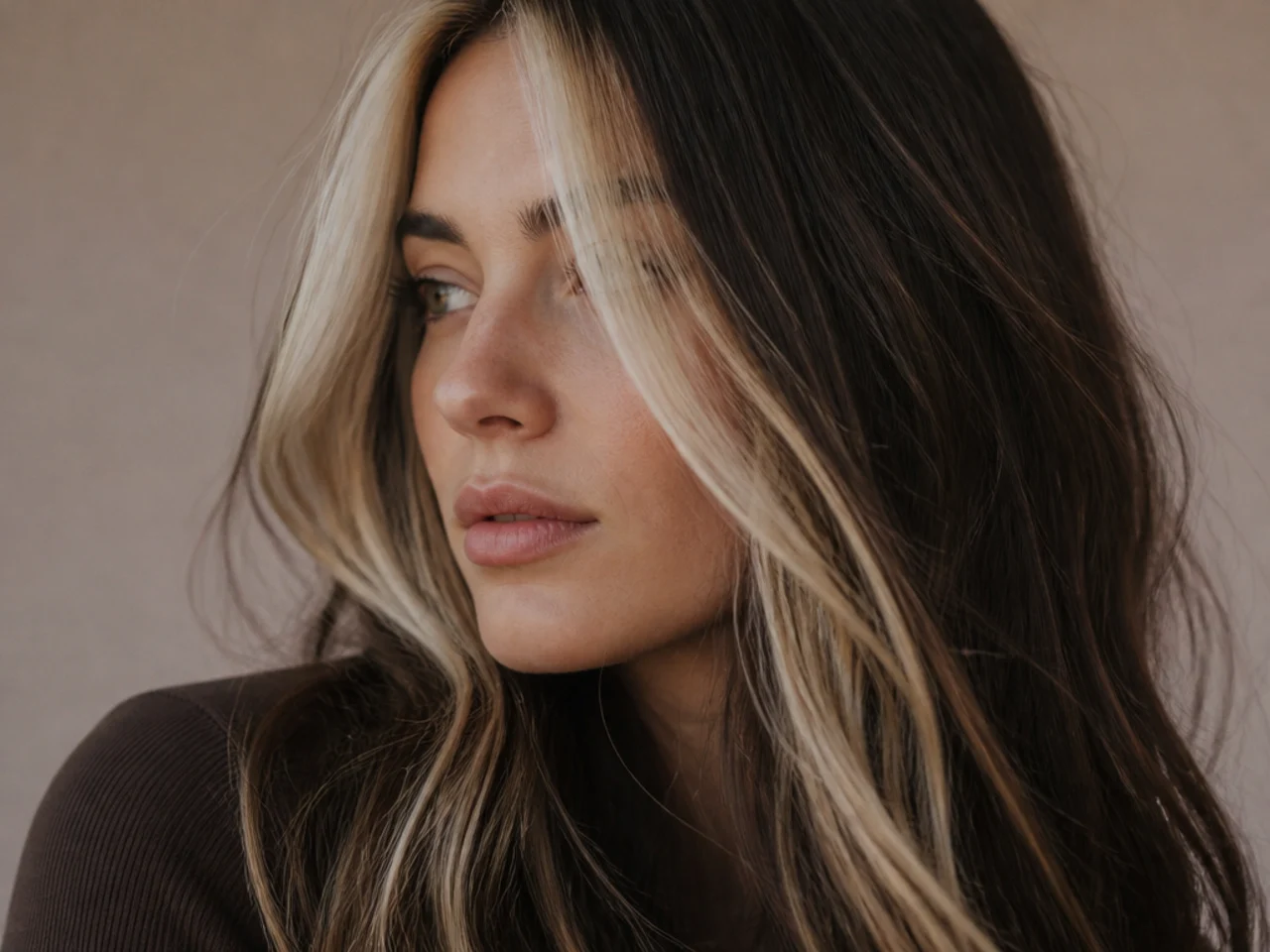
Put the lightest pieces on the shortest layer. It is the layer you want seen first, and brightness is the fastest way to be seen first.
Keep a root shadow if the cut is short. A hard regrowth line across the crown of a short cut sits at eye level on everyone standing next to you.
Cool tones for a sharp cut, warm tones for a soft one. Ash reads as a made shape, gold reads as a lived in one, and the cut should agree with the colour.
Go two or three levels lighter, not eight. Small lifts sit against the base colour as depth. A single flat blonde erases the layer separation entirely.
The 20 Blonde Butterfly Ideas
1. Buttery Blonde Balayage on a Collarbone Butterfly
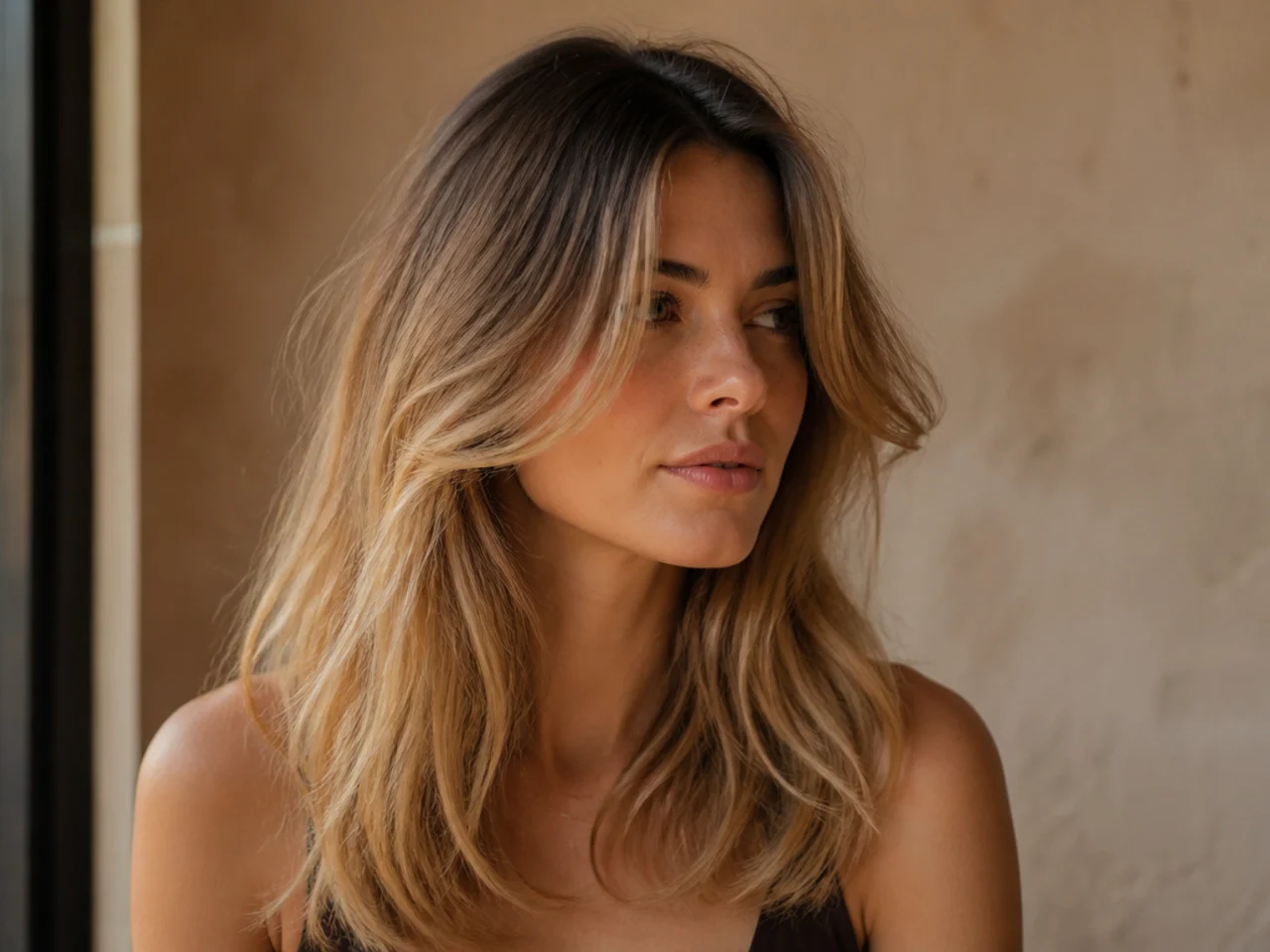
Hand painted lightener swept through the short layer, heaviest at the ends of the face framing pieces. Because balayage leaves the root untouched, the darker hair at the scalp holds the crown visually low while the bright short layer sits forward off it.
2. Blonde Money Piece on the Face Framing Layer
The two front sections lightened several levels beyond everything else. On short hair, where the layer gap is only a few inches, this is the single most effective thing colour can do for the shape of the butterfly haircut.
3. Root Shadowed Blonde Butterfly
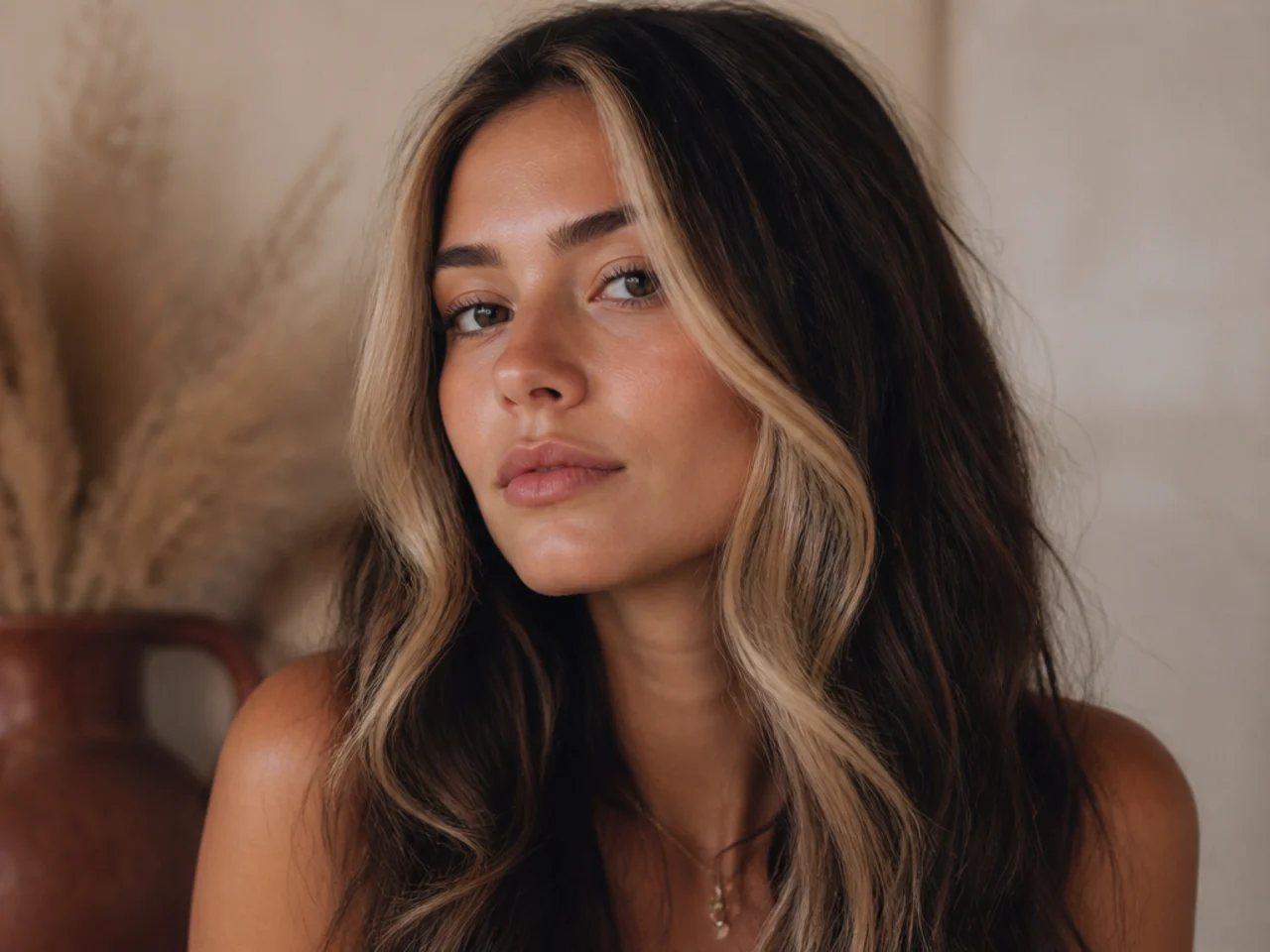
A deeper tone melted through the first inch of growth. It removes the hard regrowth line, and on a short cut that line matters more than it does on long hair because the crown sits at eye level.
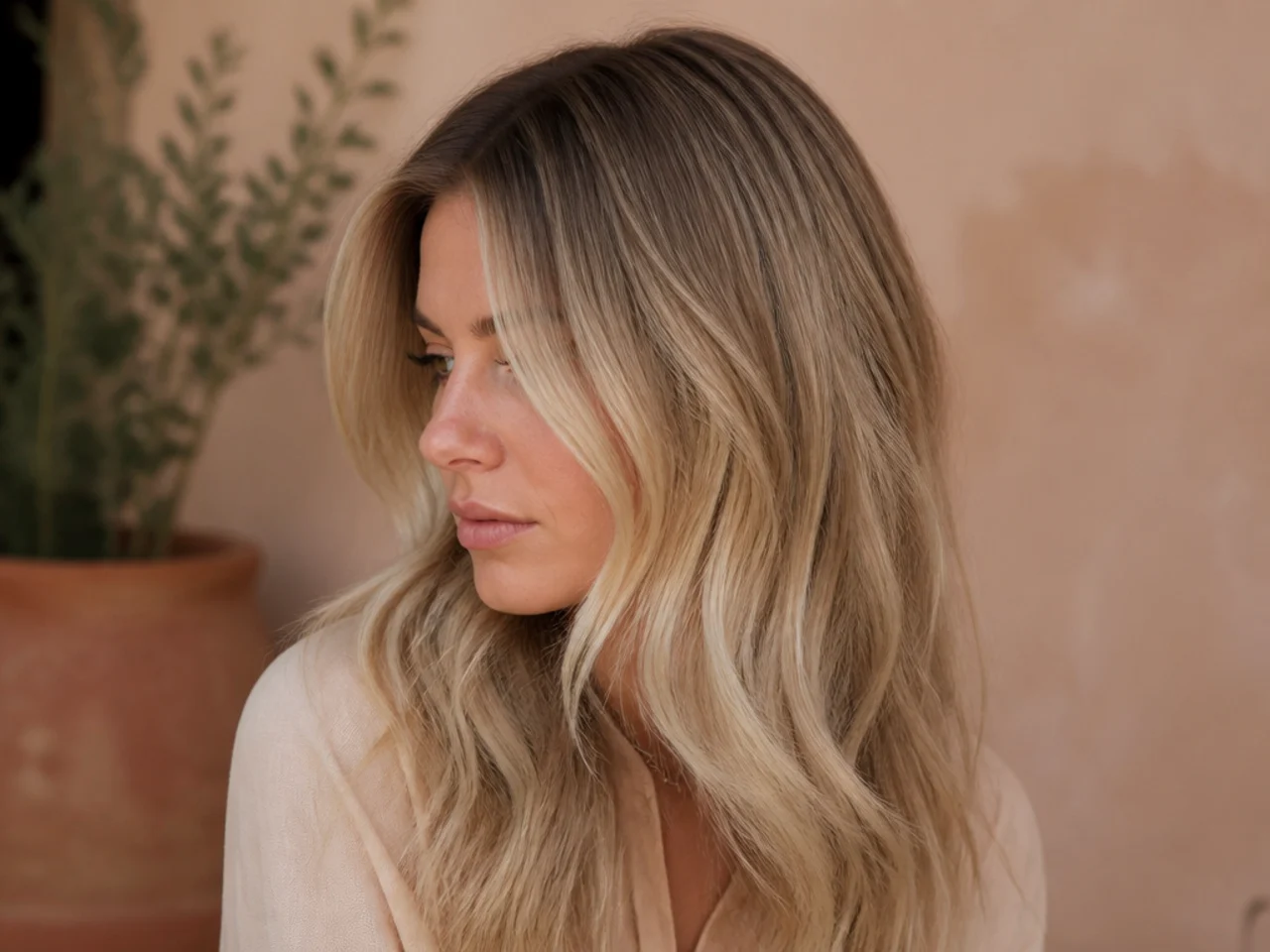
4. Ash Blonde Butterfly
A cool blonde with the warmth toned out. Cool tones absorb slightly more light than gold ones, which softens the contrast between the two layers and suits a version of the cut with a sharp perimeter.
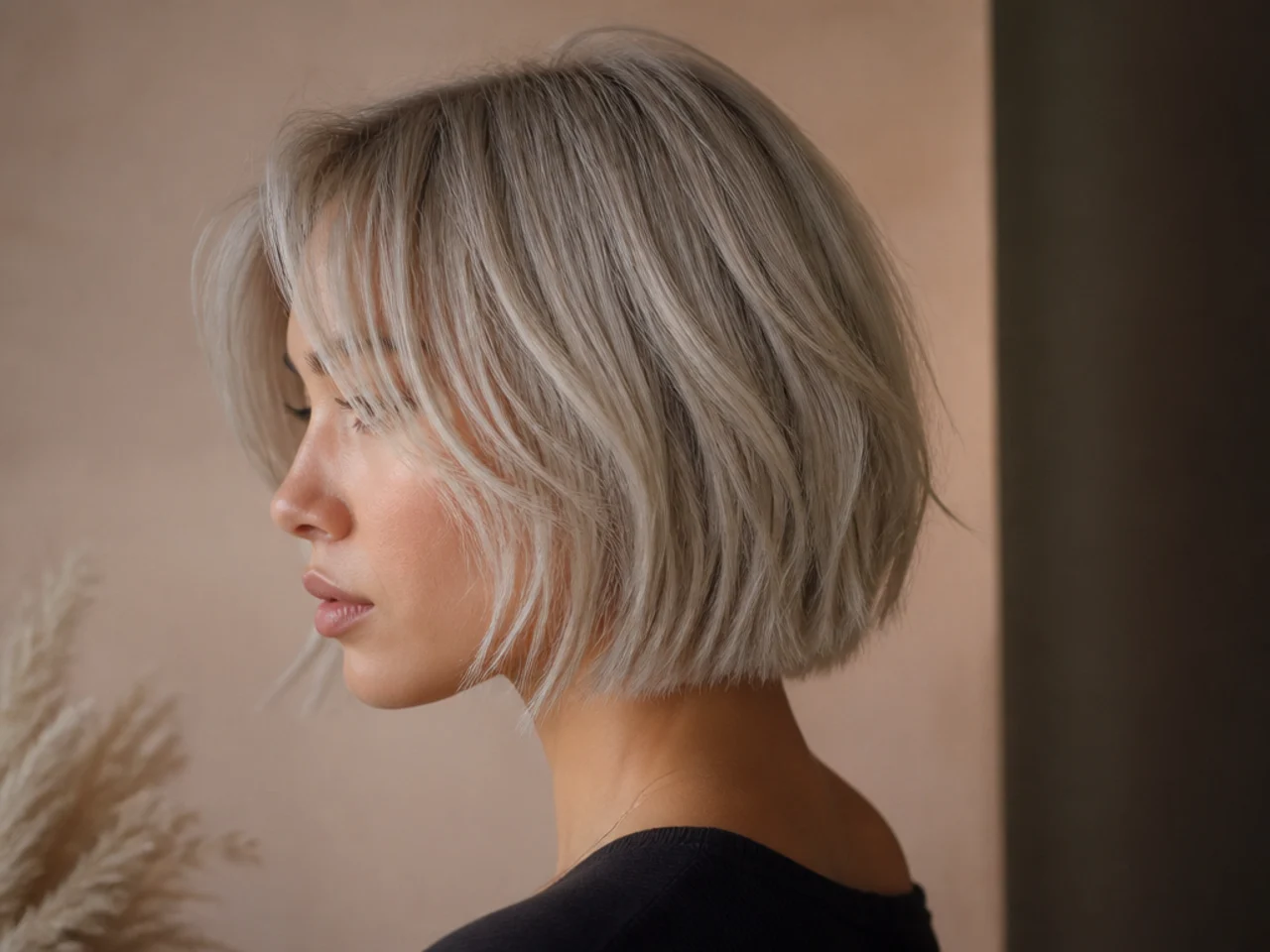
5. Golden Blonde Butterfly
Warmth left in rather than toned out. Gold reflects hardest at the ends where the hair is finest, which draws the eye along the outward bend of the short layer and makes the wing shape more obvious.
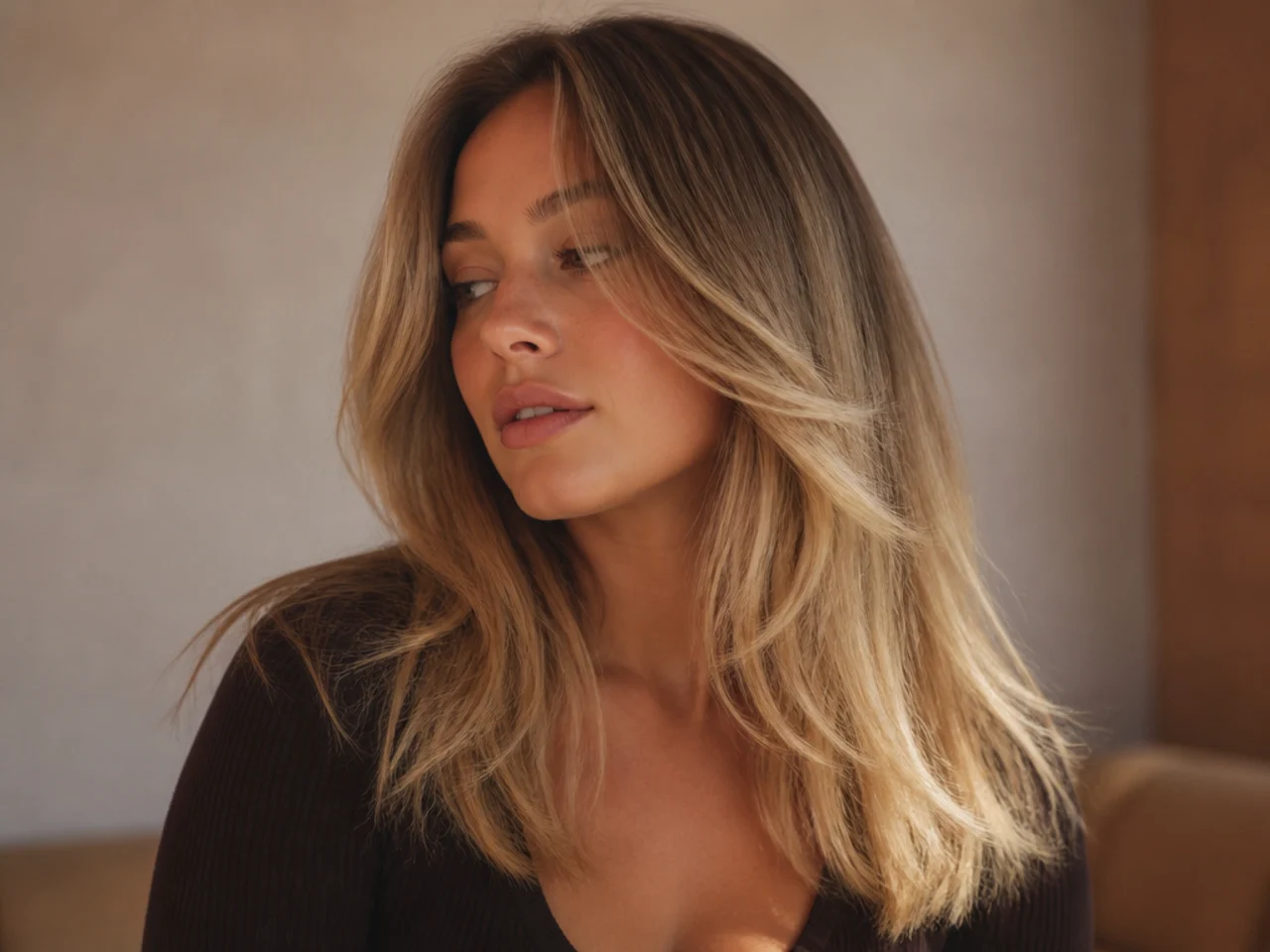
6. Beige Blonde Butterfly
Neutral, between ash and gold, with no visible tone pulling either way. It is the shade that suits the widest range of skin tones, and it needs the least upkeep because there is no strong tone to fade out of.
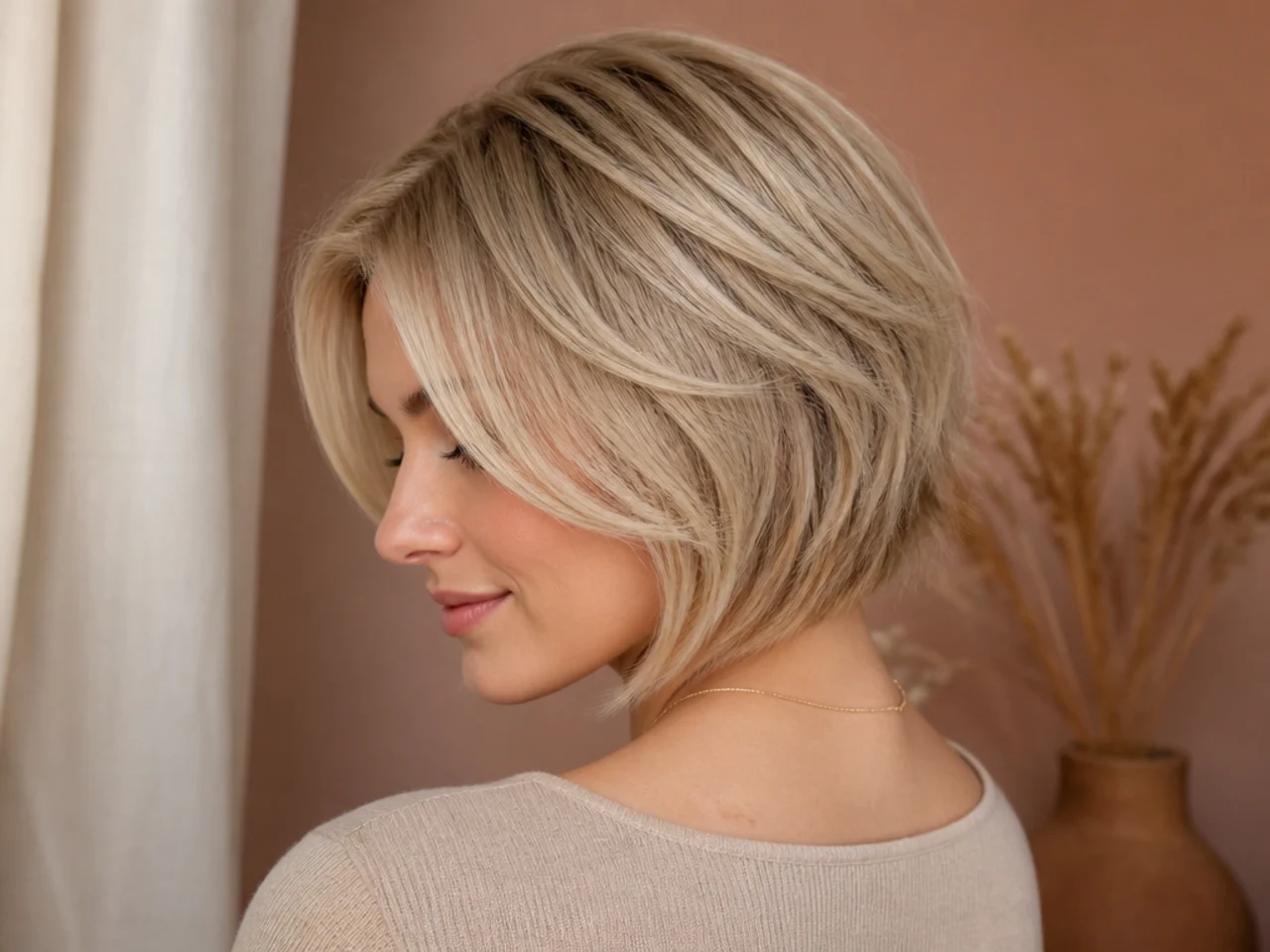
7. Honey Blonde Butterfly
Deeper and warmer, only a few levels above a mid brown base. The small lift keeps the hair in reasonable condition, which matters because a butterfly cut needs its ends intact to hold the outward bend.
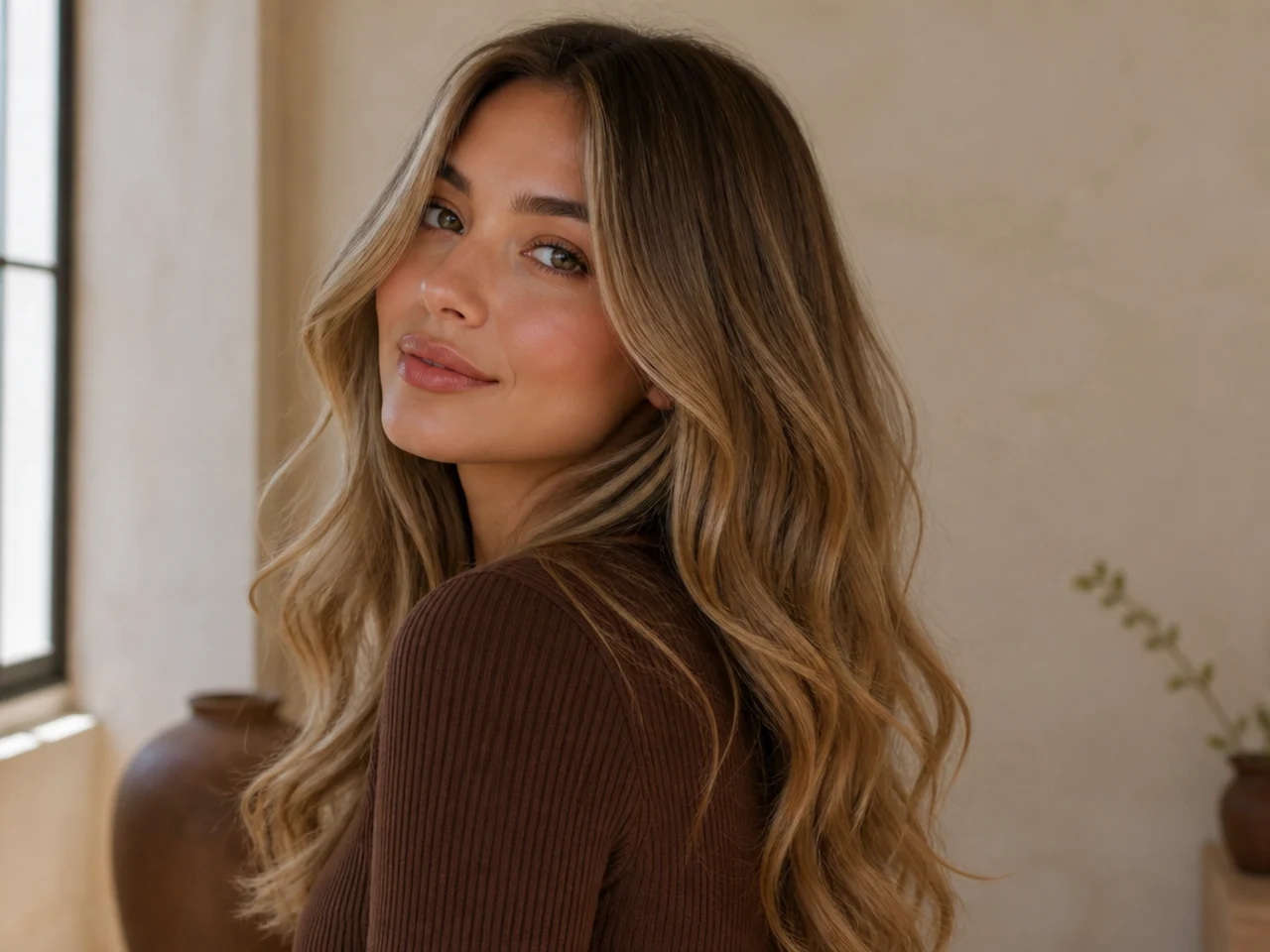
8. Platinum Blonde Butterfly
The full lift, with almost no pigment left. It gives the strongest layer separation of any version, and it also gives the most fragile ends, so the short layer needs cooler tools and fewer passes than it would otherwise.
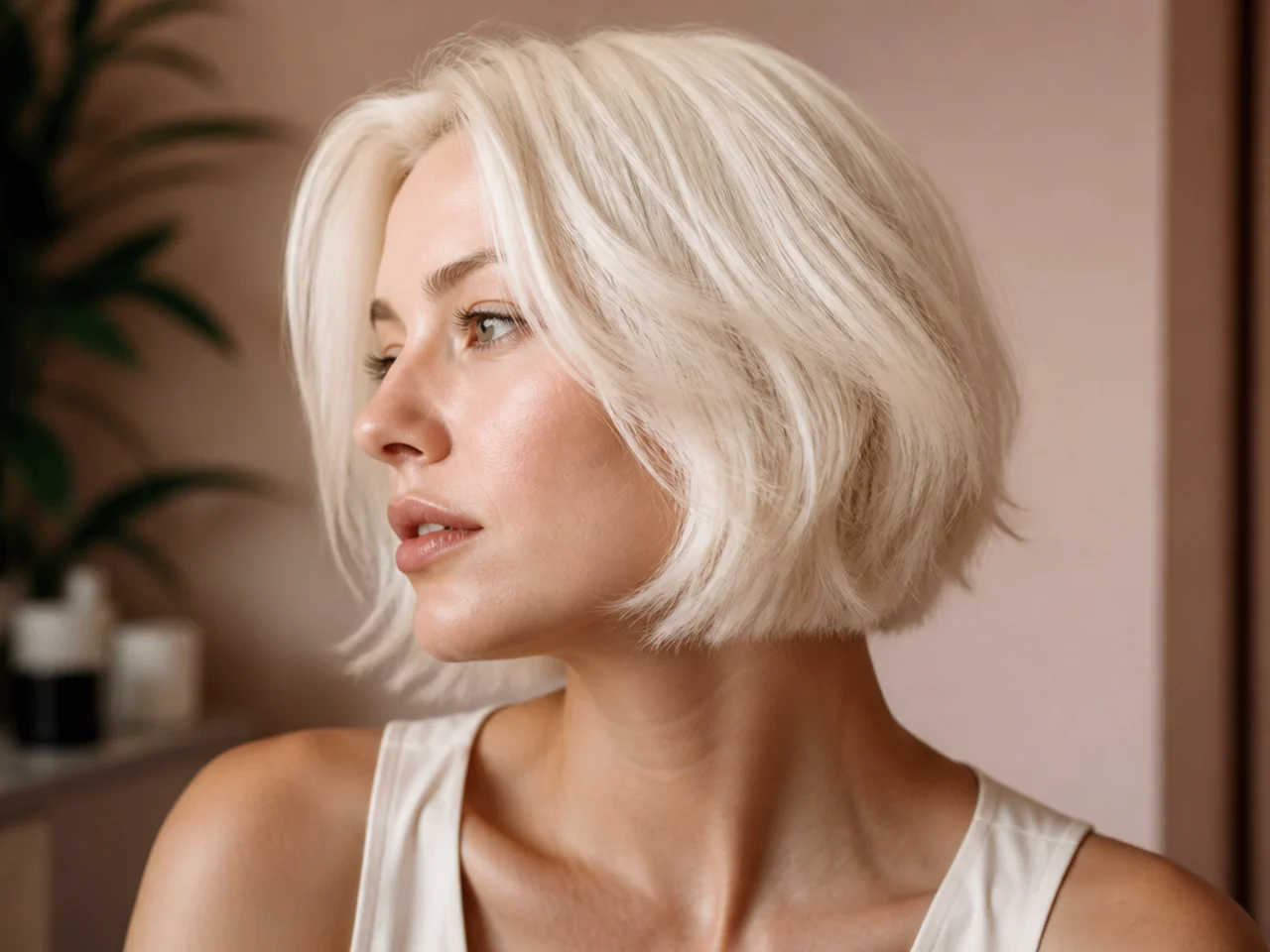
9. Blonde Butterfly With Curtain Bangs
The fringe and the short layer are cut as one piece and lightened as one piece. Colouring only the fringe puts a bright block on the forehead with nothing carrying it down the side of the face.
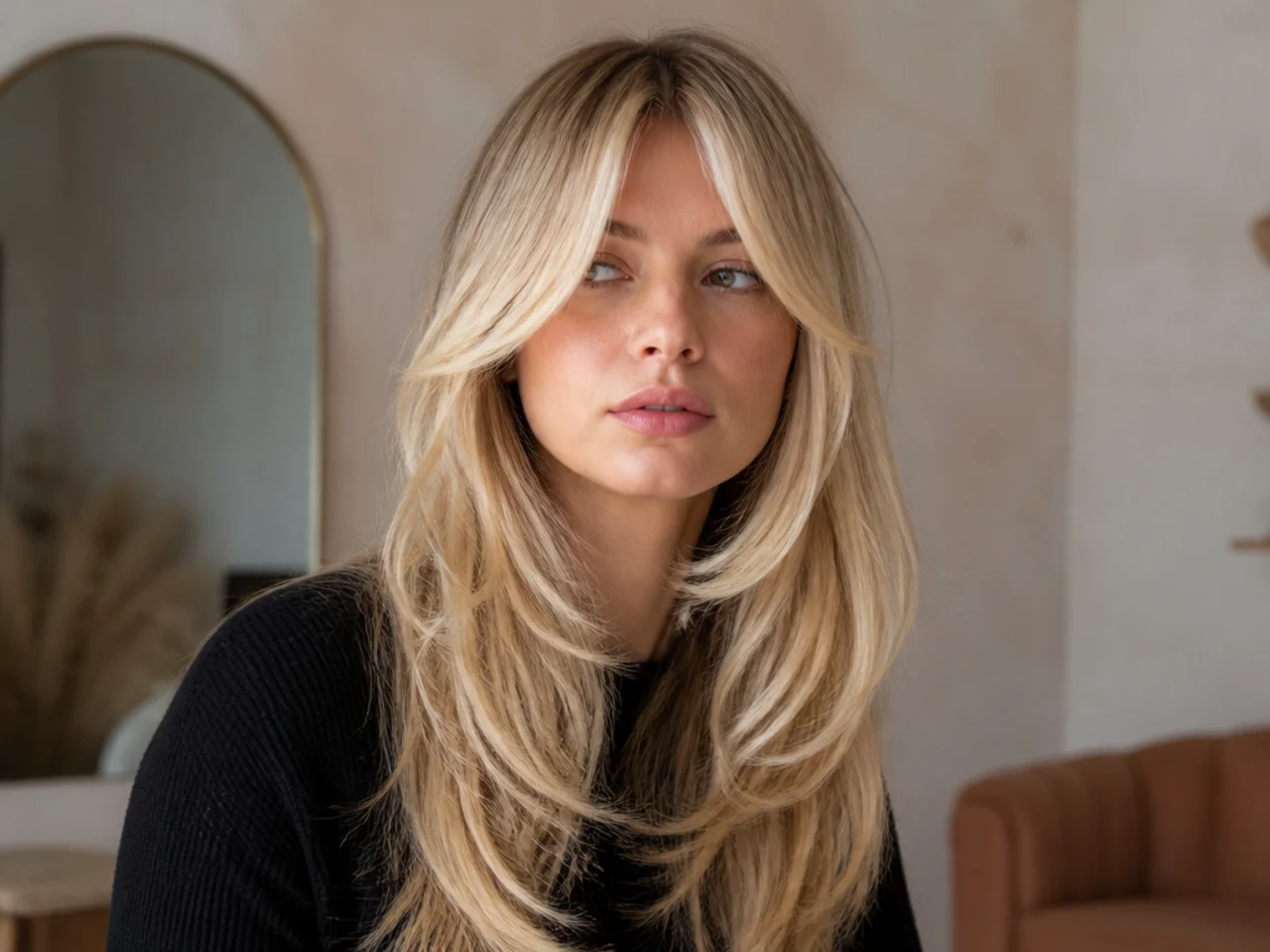
10. Blonde Butterfly on a Wavy Bob
Waves break the colour up along their bends, so highlights read as movement rather than as stripes. This is the texture that hides an imperfect blend best, which makes it the forgiving option for a first attempt at going lighter.
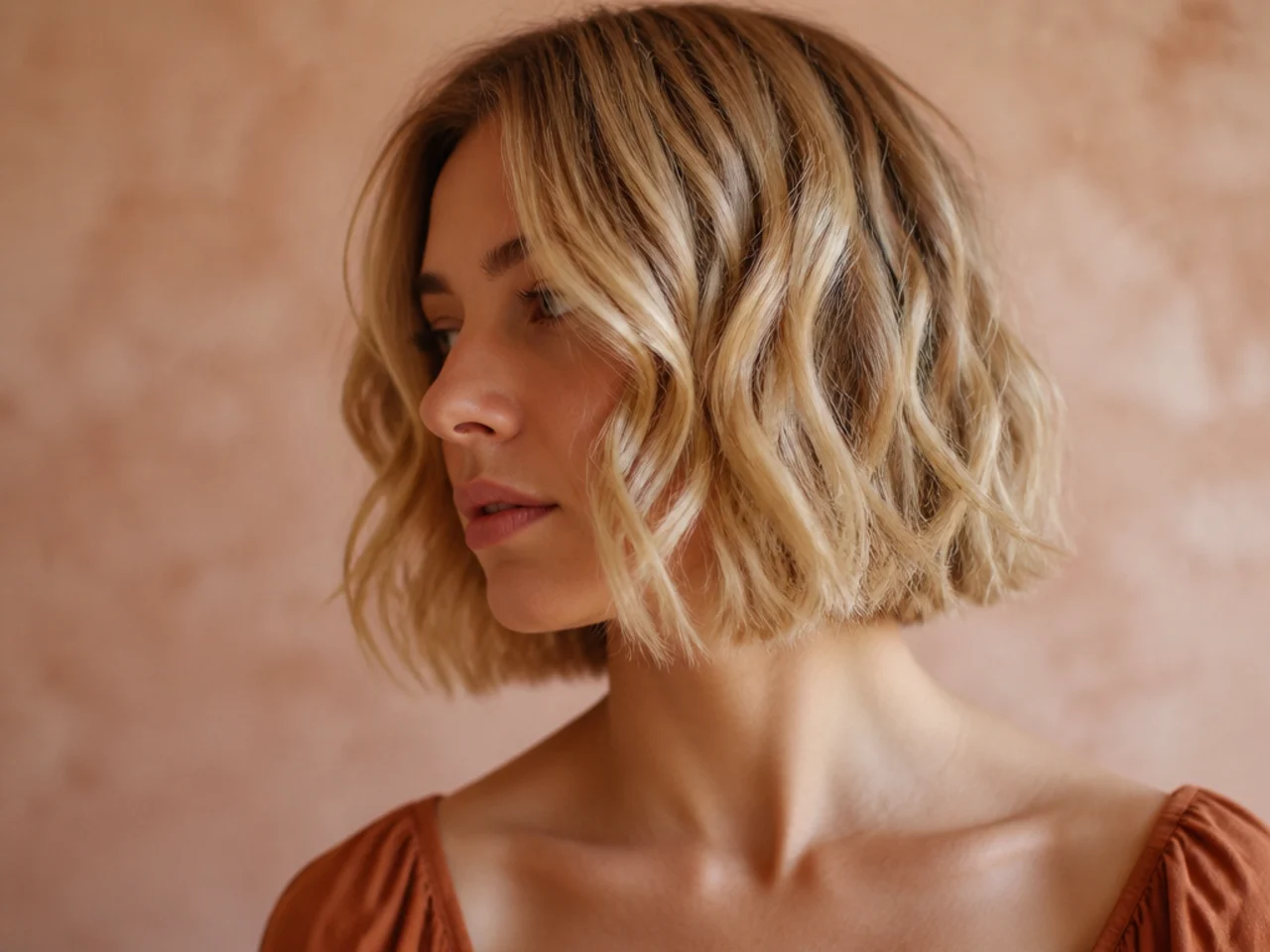
11. Babylights Through the Short Layer
Very fine weaves lightened only slightly, packed close together. The narrowness is the point: a fine weave grows out without a visible line, so the crown of a short cut stays clean between appointments.
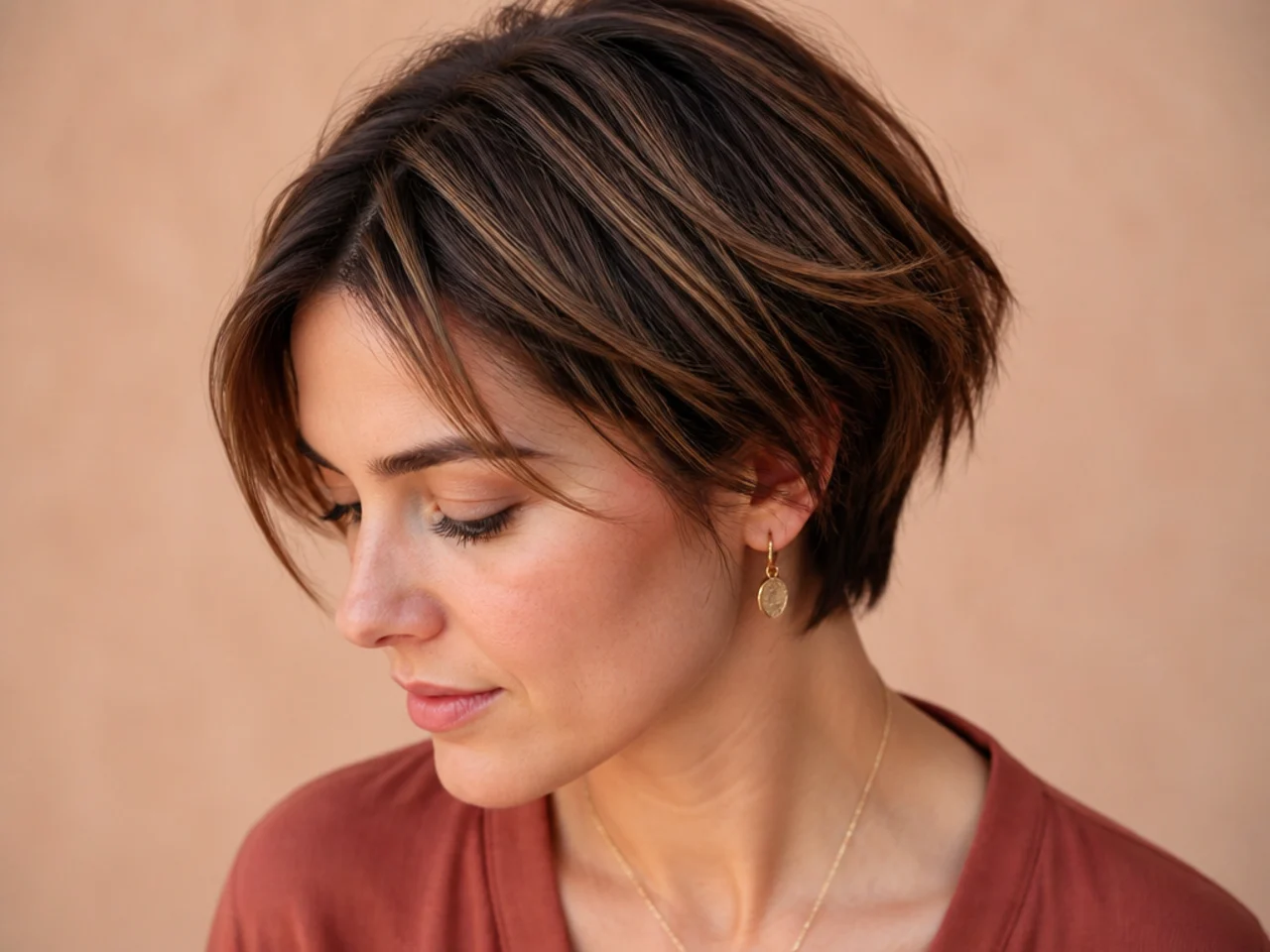
12. Foilyage on the Under Layer
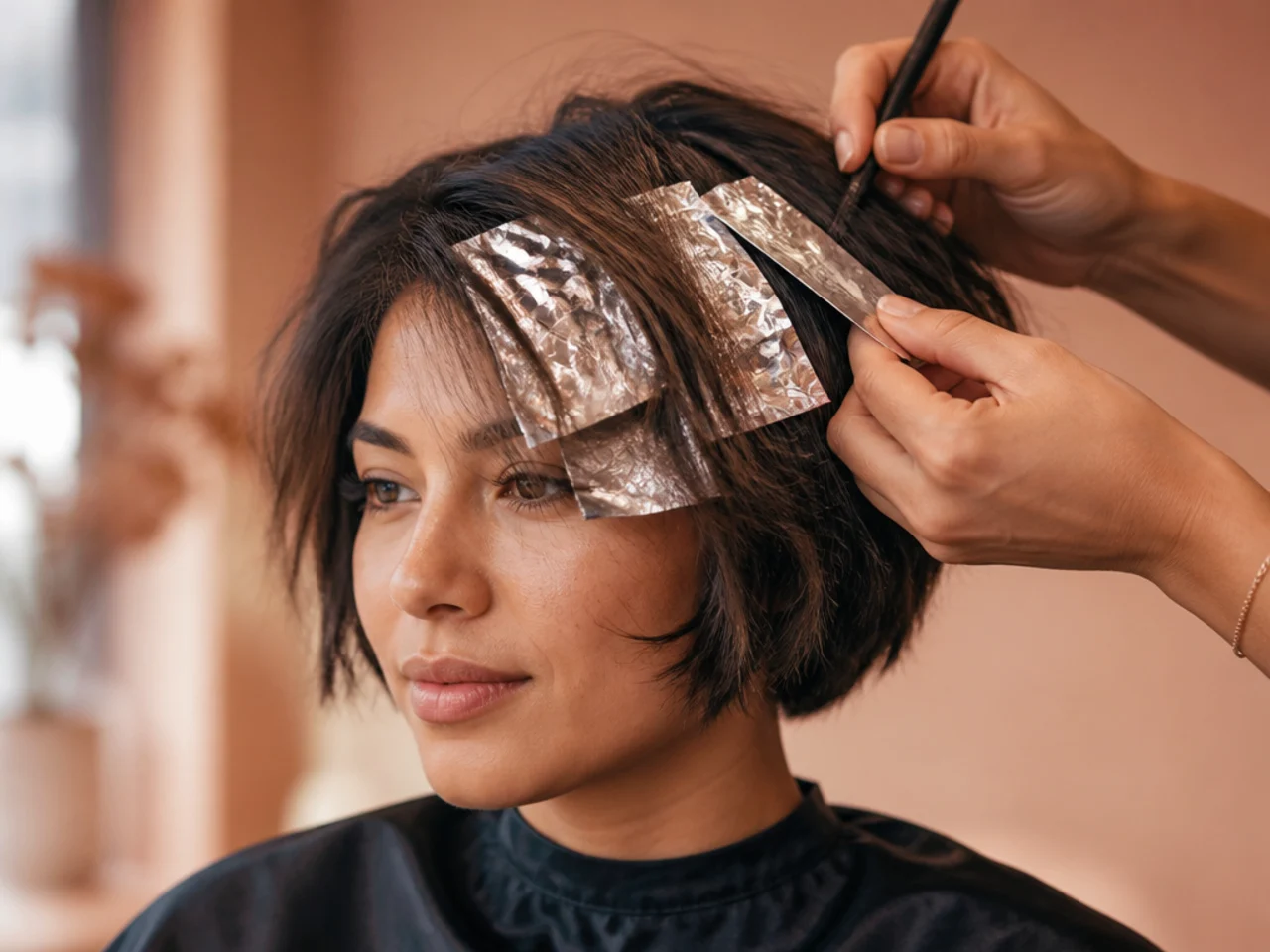
Painted lightener wrapped in foil so it lifts further, applied to the hair beneath the short layer. The brightness only shows when the top layer moves, which turns the cut into something that changes as you turn your head.
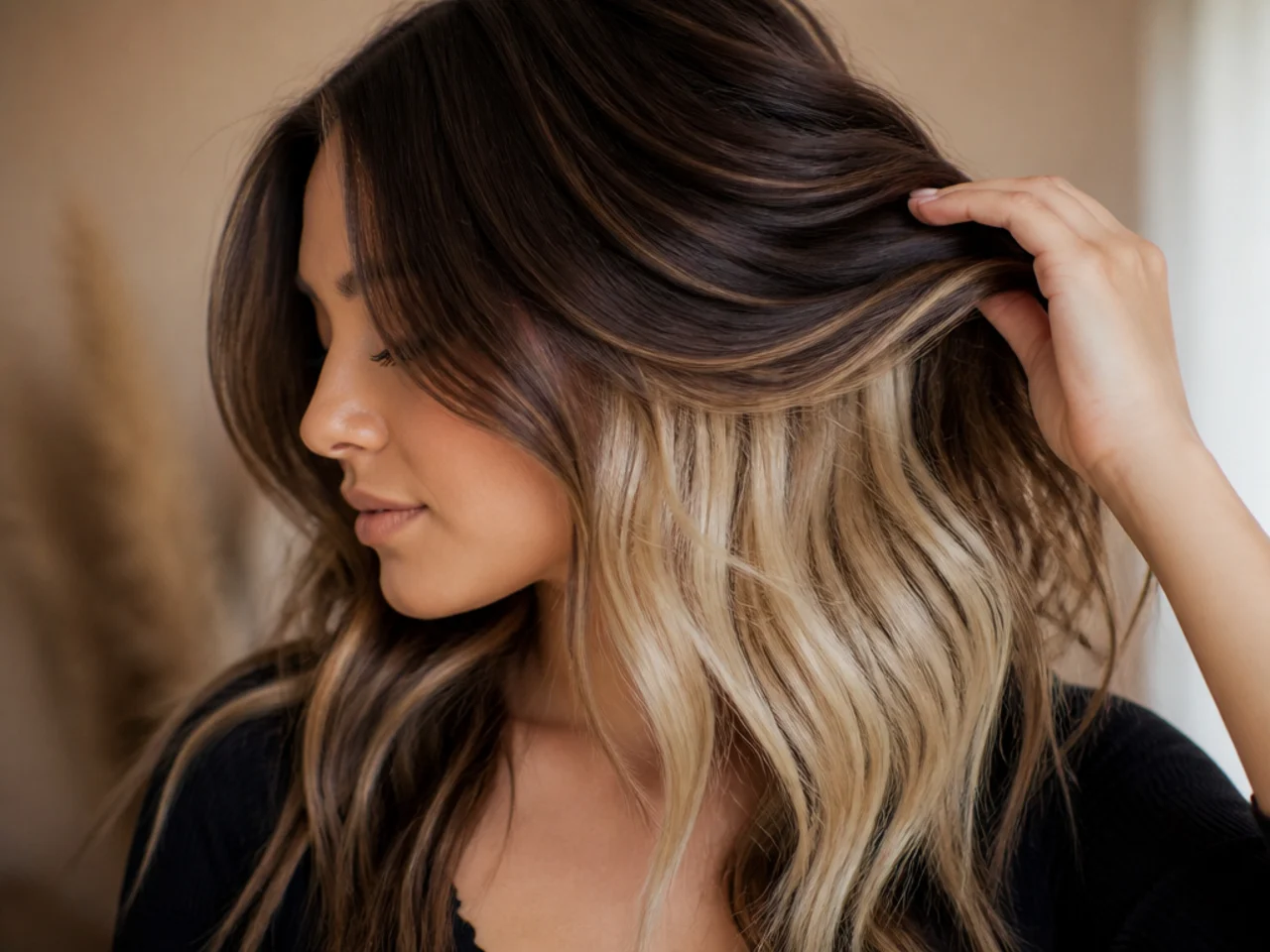
13. Blonde Butterfly With a Dark Under Layer
The reverse arrangement, with the perimeter left at the natural base and only the short layer lightened. The dark hair underneath reads as depth and pushes the bright layer forward, which is the strongest separation the two lengths can get.
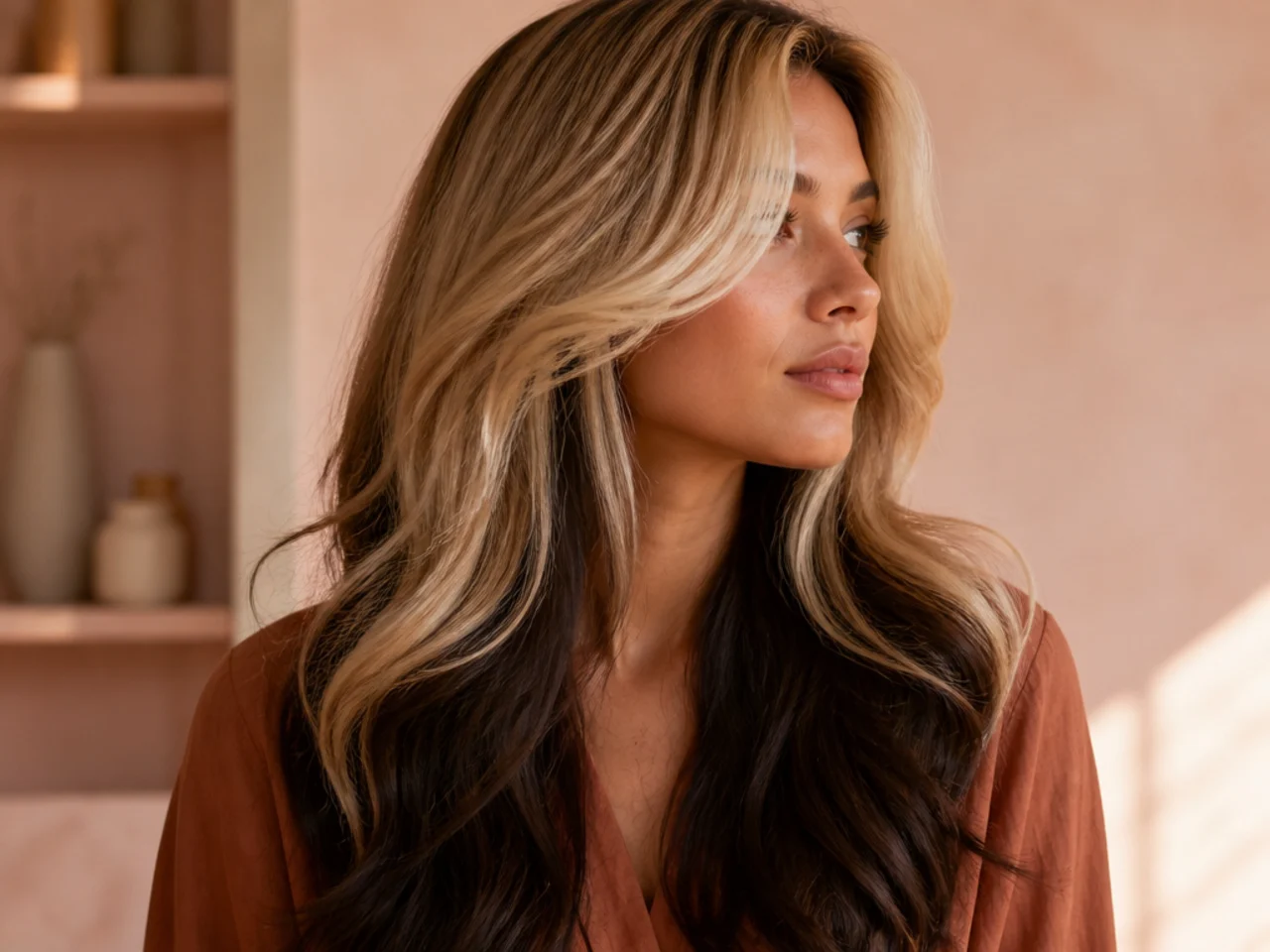
14. Blonde Butterfly With a Blunt Perimeter
A straight cut bottom edge under lightened layers. Blonde hair looks finer than it is because pale strands scatter light, so a blunt line at the bottom gives the eye a solid edge and stops the ends reading as thin.
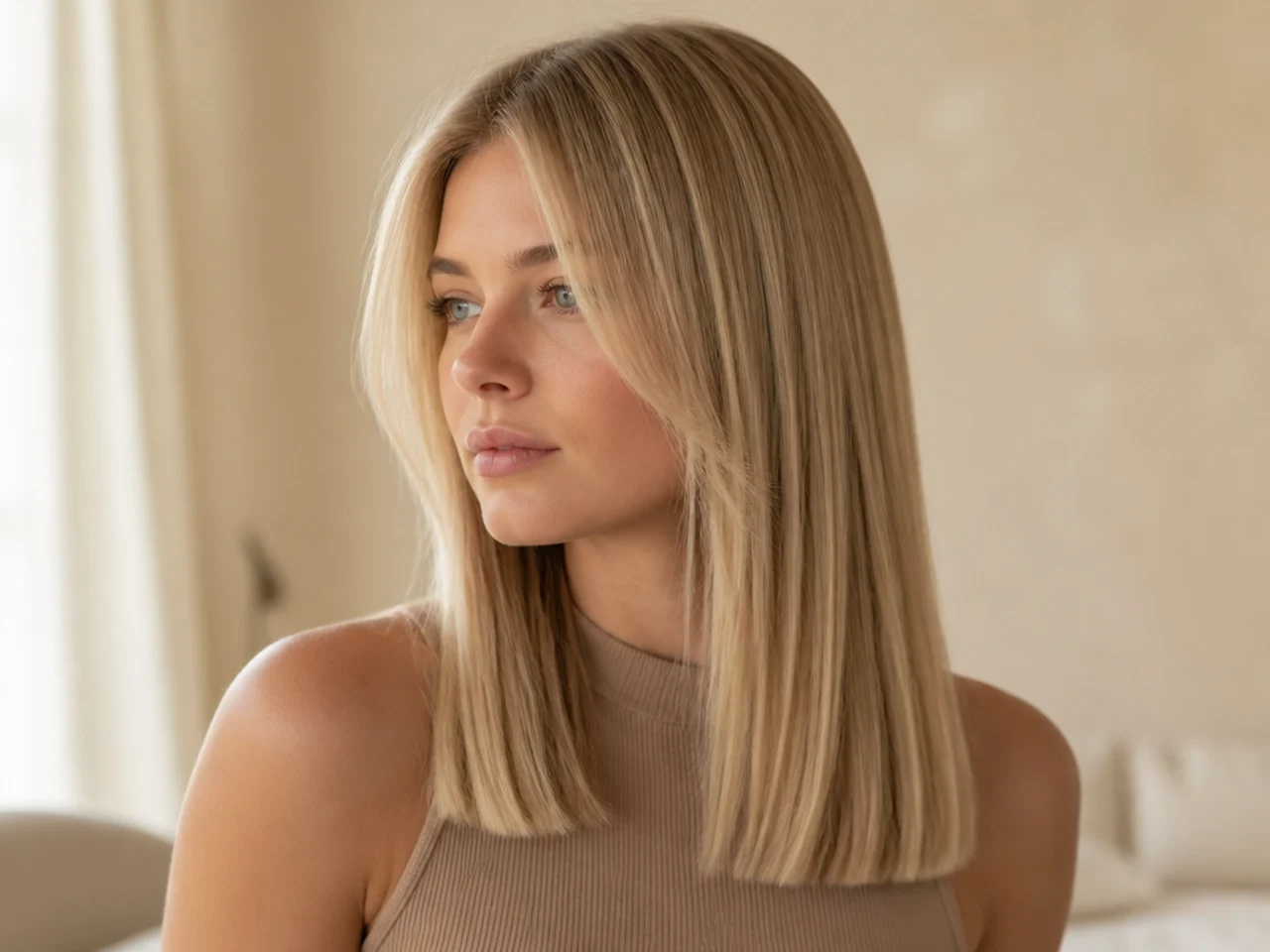
15. Blonde Butterfly on Fine Hair
Fine hair benefits twice here, because lightening swells the shaft and roughens the cuticle so the strands sit apart instead of flat. Keep the lift small and the layers shallow, since fine hair has the least reserve to lose.
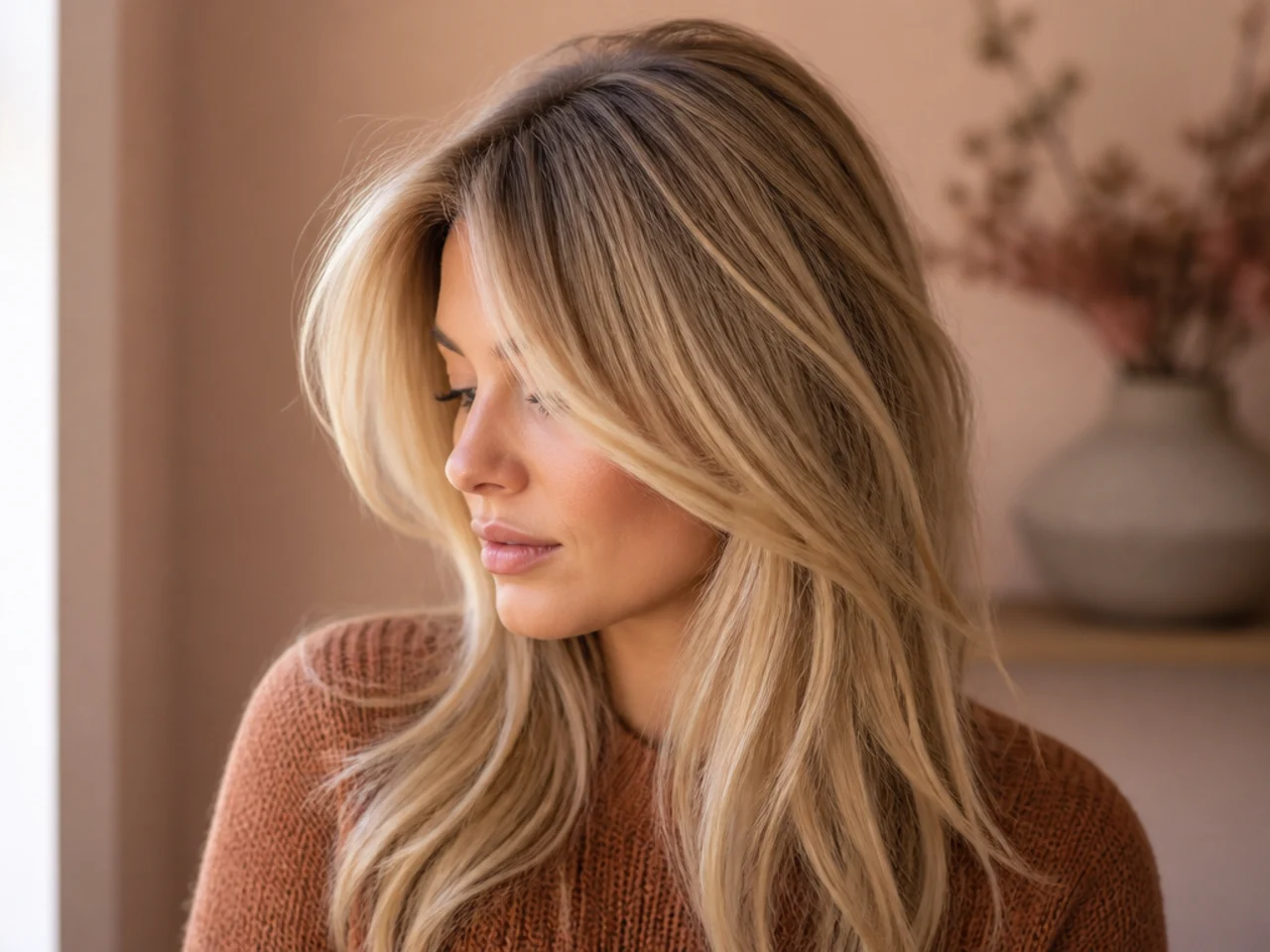
16. Blonde Butterfly on Thick Hair
Thick hair needs weight taken from inside the section rather than more lightening, because bleached thick hair expands and the outline widens at the jaw. Remove the bulk first, then colour what is left.
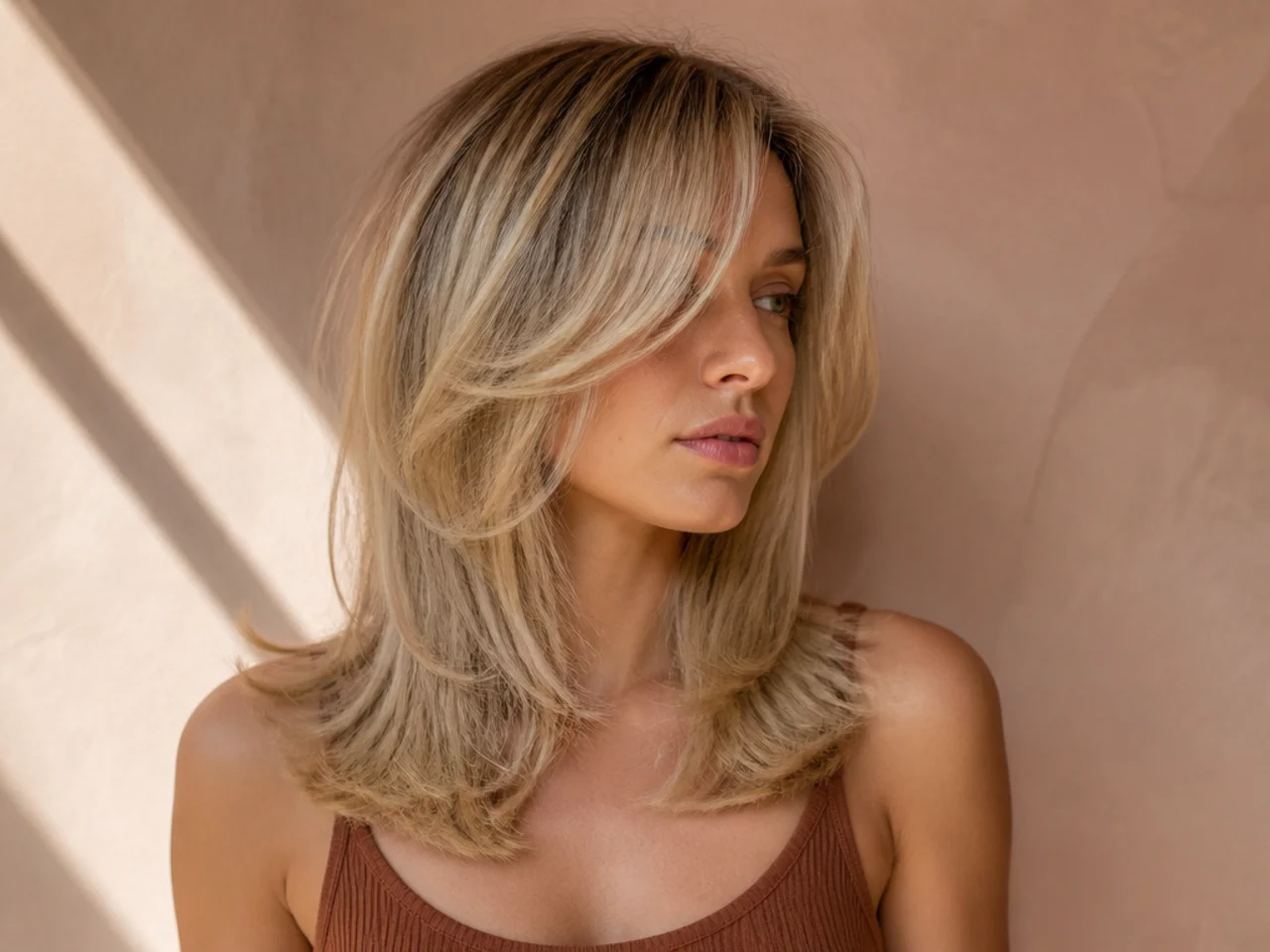
17. Blonde Butterfly on Curly Hair
Lightening loosens a curl pattern because the shaft swells and some internal structure is lost, so a tight curl becomes a wave. Cut the layers after the colour, not before, or the shape is measured on a pattern that no longer exists.
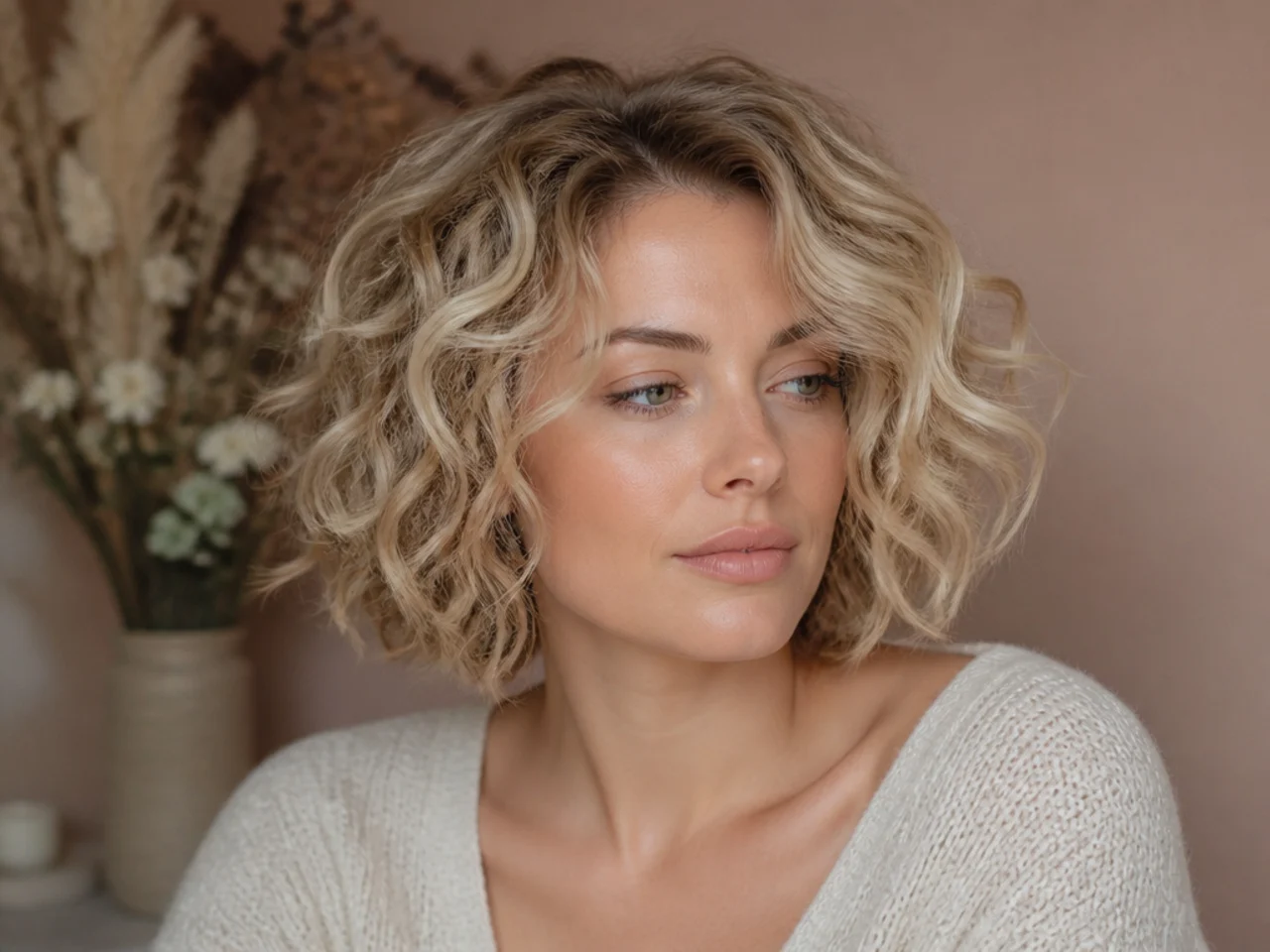
18. Blonde Butterfly With a Deep Side Part
Most of the lightened short layer swept to one side. The bright hair stacks on the heavy side and creates a strong diagonal, which is the version that reads closest to a blonde old money haircut.
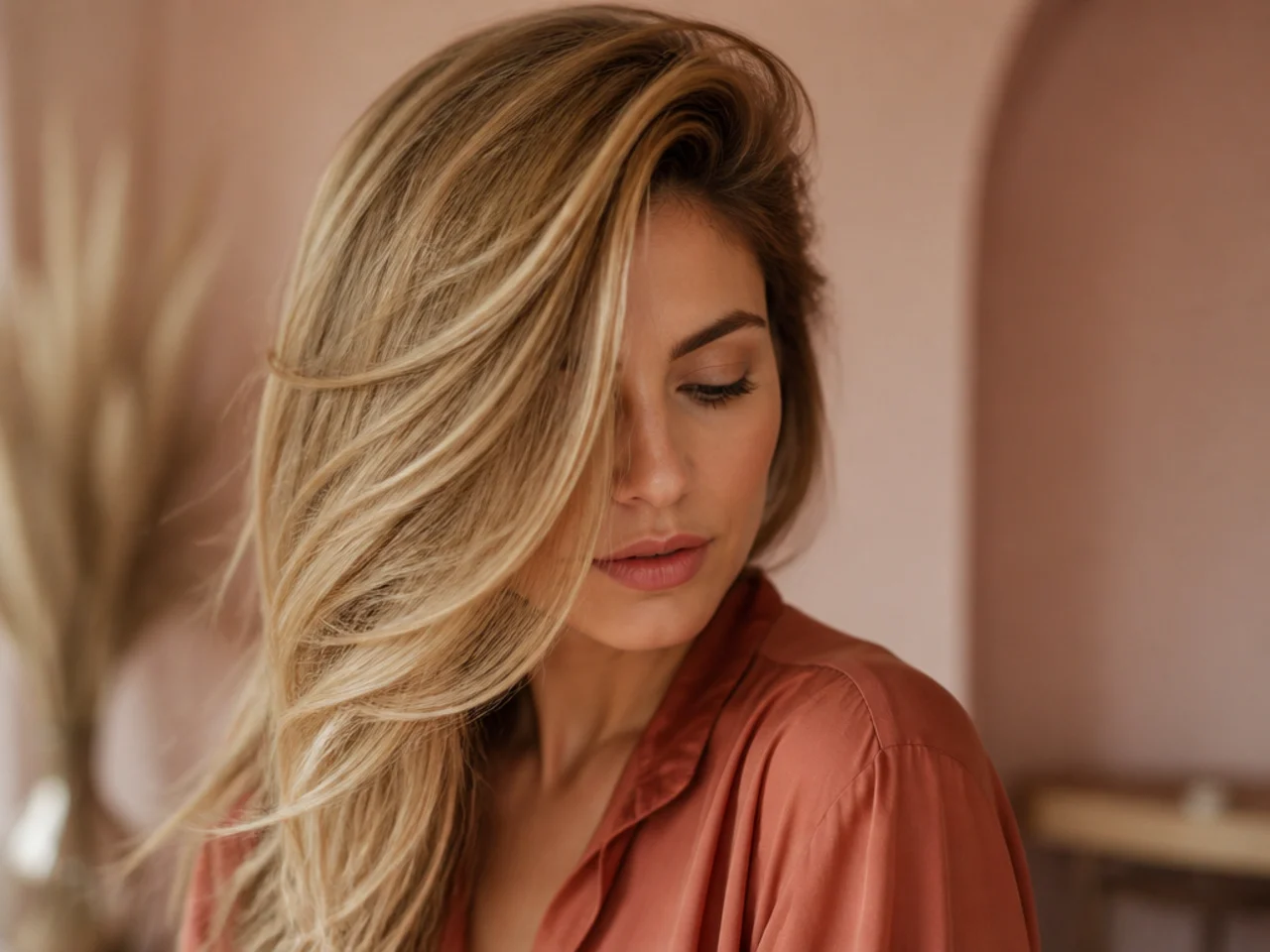
19. Air Dried Blonde Butterfly
Left to dry, the short layer falls forward instead of flicking out, so the colour placement is doing all the work of separating the layers. It only holds up if the bright pieces sit at the short layer rather than at the ends.
20. Blonde Butterfly at Week Ten
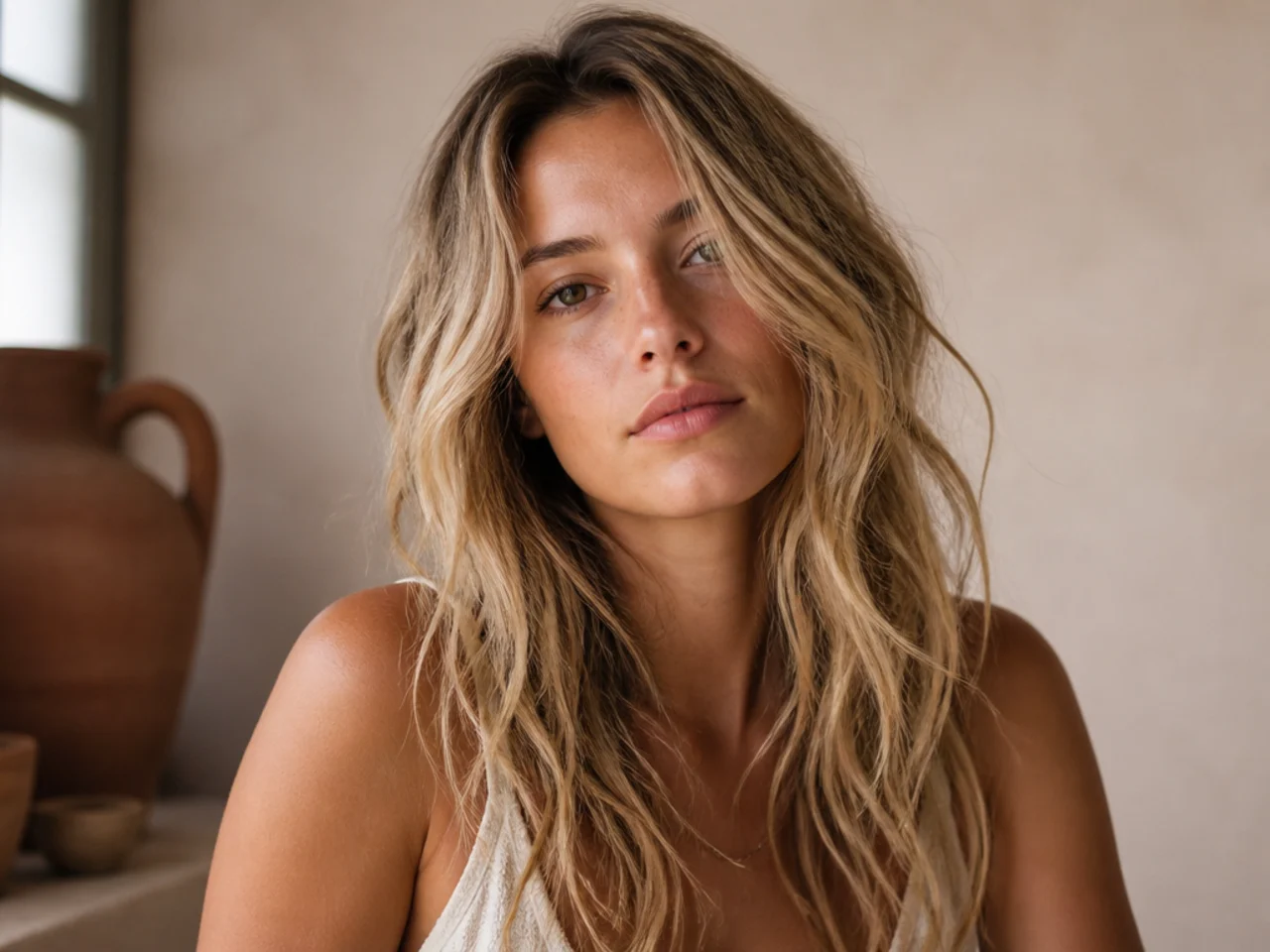
Root shadow softened, tone faded warm, layers grown an inch. This is the shade a blonde actually lives at, and choosing the colour with it in mind is more useful than choosing it on the day it was done.
Styling and Upkeep
Tone before you re lighten. Most faded blonde is a tone problem, and toning is a fraction of the damage of another lift.
Drop the iron temperature. Lightened hair conducts heat faster because there is less pigment and more space inside the shaft.
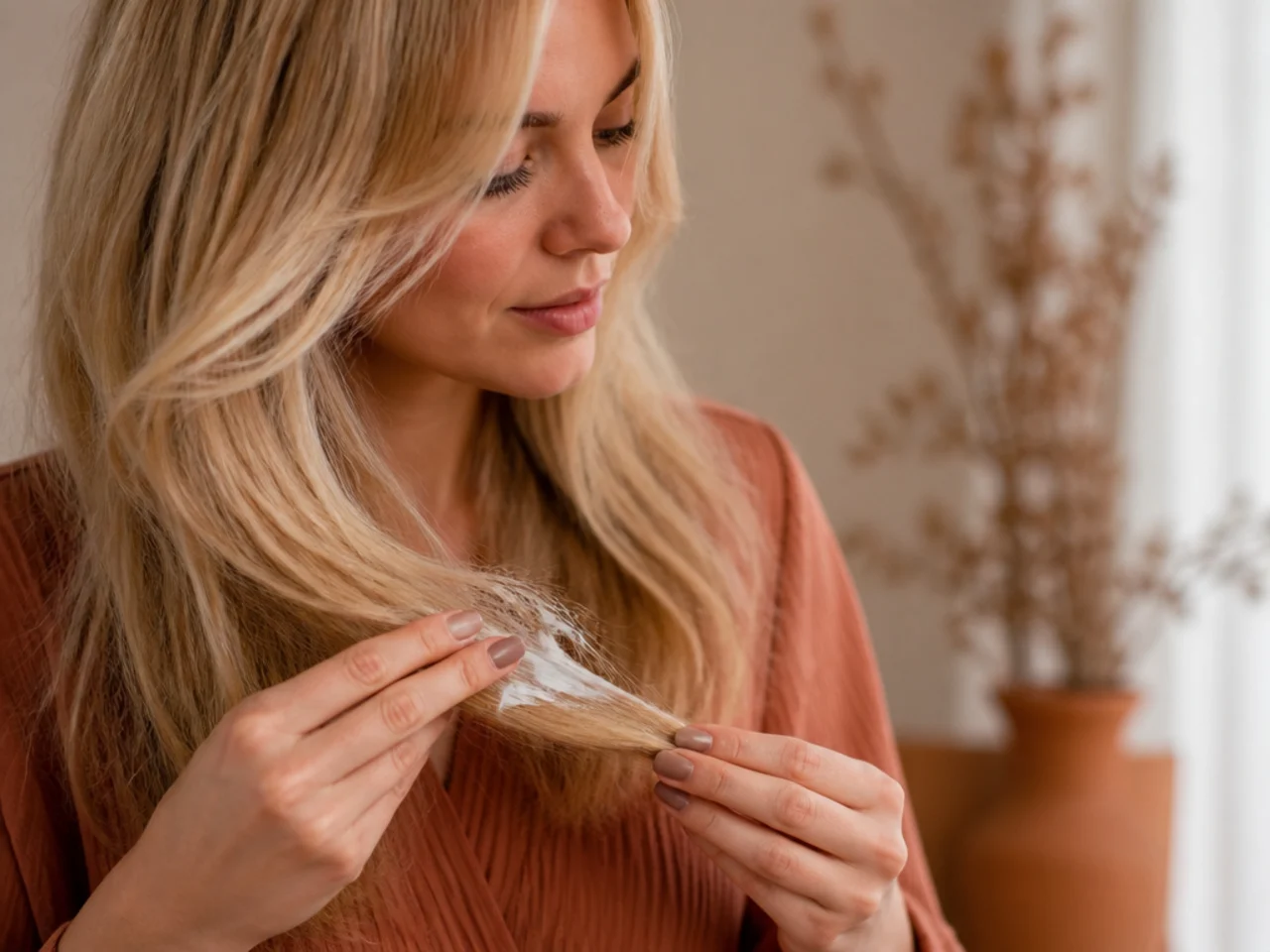
Condition the ends only. Weight on the short layer is what kills the wing, and the roots do not need it.
Book the root shadow before the highlights. On a short cut regrowth shows at the crown first, and that is a toner appointment rather than a full one.
Use a wide barrel on bleached hair. A tight curl on a fragile end breaks it, and one broken end in a short layer is visible for months.
Mistakes to Avoid
Putting the brightest hair at the ends. It pulls the eye to the perimeter, which is the line the cut wants secondary.
Lifting to a single flat blonde. With no depth behind them, the two layers merge into one shape and the cut disappears.
Colouring before cutting on curls. Lightening loosens the pattern, so layers measured beforehand land in the wrong place.
Skipping the root shadow on short hair. The crown sits at eye level and a hard line across it is the first thing anyone sees.
Treating heat damage with more heat. A dropped bend on bleached hair usually means dry ends, not insufficient styling.
FAQ
Where does the blonde go? On the short layer, brightest at the face.
Does bleach help the shape? Yes for volume, no for holding a bend.
How light should I go? Two or three levels, with depth left behind it.
Final Thoughts
Ask for the placement, not just the shade. "Brightest at the short layer, a shade deeper at the ends, root shadow at the crown" describes a colour that holds the cut together, and it survives ten weeks of growing out better than a single flat blonde ever does.
For the shape underneath the colour see the butterfly haircut guide, and for a softer blonde placement on a similar length see blonde old money haircut ideas. More in Womens Hairstyles.