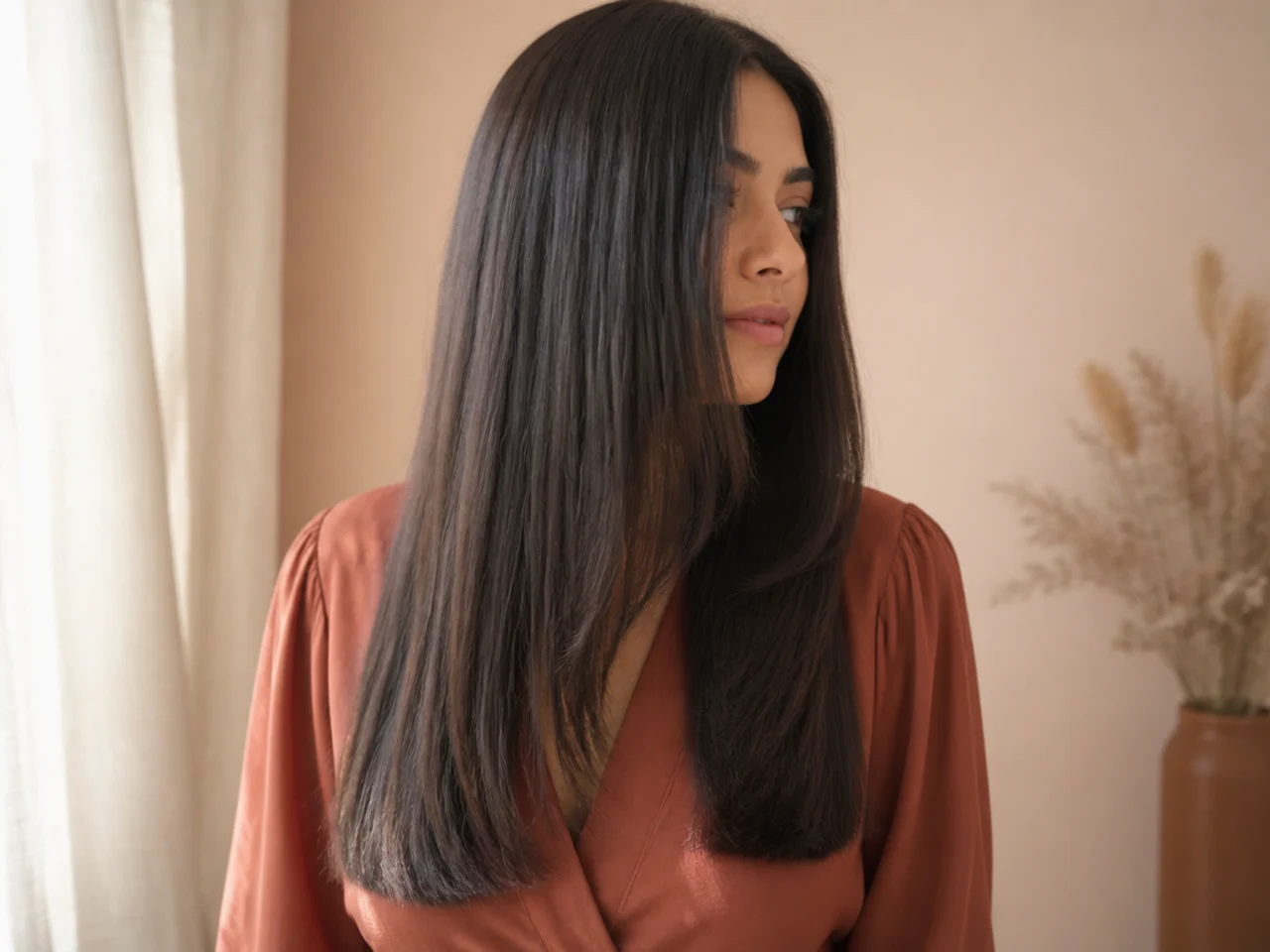
20 Butterfly Cut vs Wolf Cut Ideas For Long Hair
Twenty cases where one of these two layered cuts is clearly right and the other is not. The butterfly hides its layers inside a heavy perimeter and the wolf cut shows them, which is the whole difference in one sentence.
In this article · 27
- What Separates the Two Cuts
- How to Pick Between Them
- The 20 Cases Compared
- 1. Fine Hair That Needs to Look Thicker
- 2. Very Thick Hair That Sits Like a Bell
- 3. Straight Hair That Never Gets Styled
- 4. Straight Hair With Ten Minutes and a Round Brush
- 5. Loose Waves From Root to Tip
- 6. Tight Curls Cut Dry
- 7. Hair That Lives in a Ponytail
- 8. Balayage or a Grown Out Colour Gradient
- 9. A Round Face
- 10. A Long Face
- 11. A Strong Square Jaw
- 12. Growing Out a Bob
- 13. Growing Out a Short Fringe
- 14. Wanting Volume at the Crown
- 15. Wanting Polish for an Office
- 16. Ten Week Gaps Between Salon Visits
- 17. Humidity and Constant Frizz
- 18. Short Regrowth Around the Hairline
- 19. Long Hair You Refuse to Shorten
- 20. Not Being Sure Which You Want
- Styling and Upkeep
- Mistakes to Avoid
- FAQ
- Final Thoughts
These two cuts get requested interchangeably, and they behave in opposite ways the moment you stop styling them.
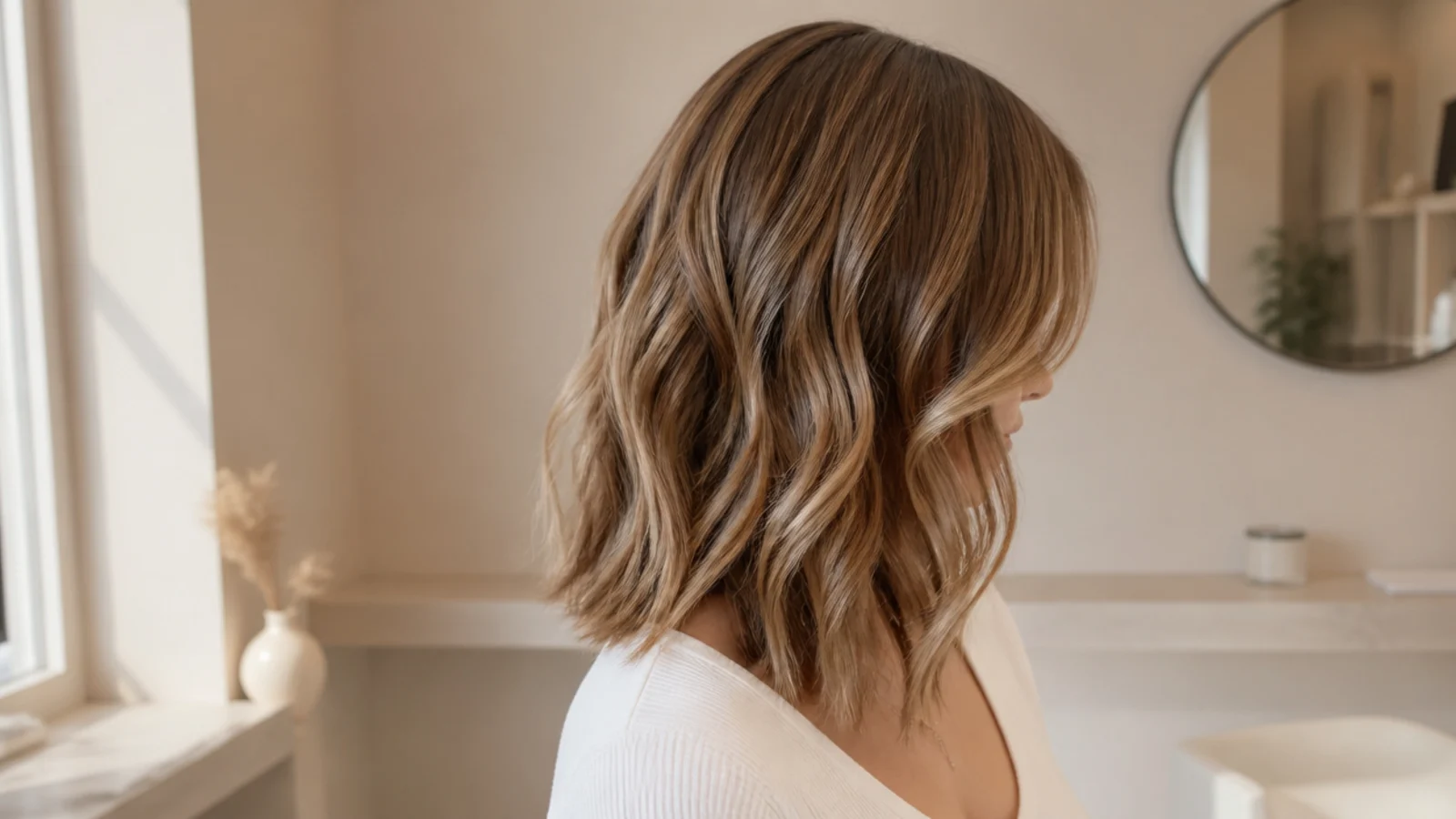
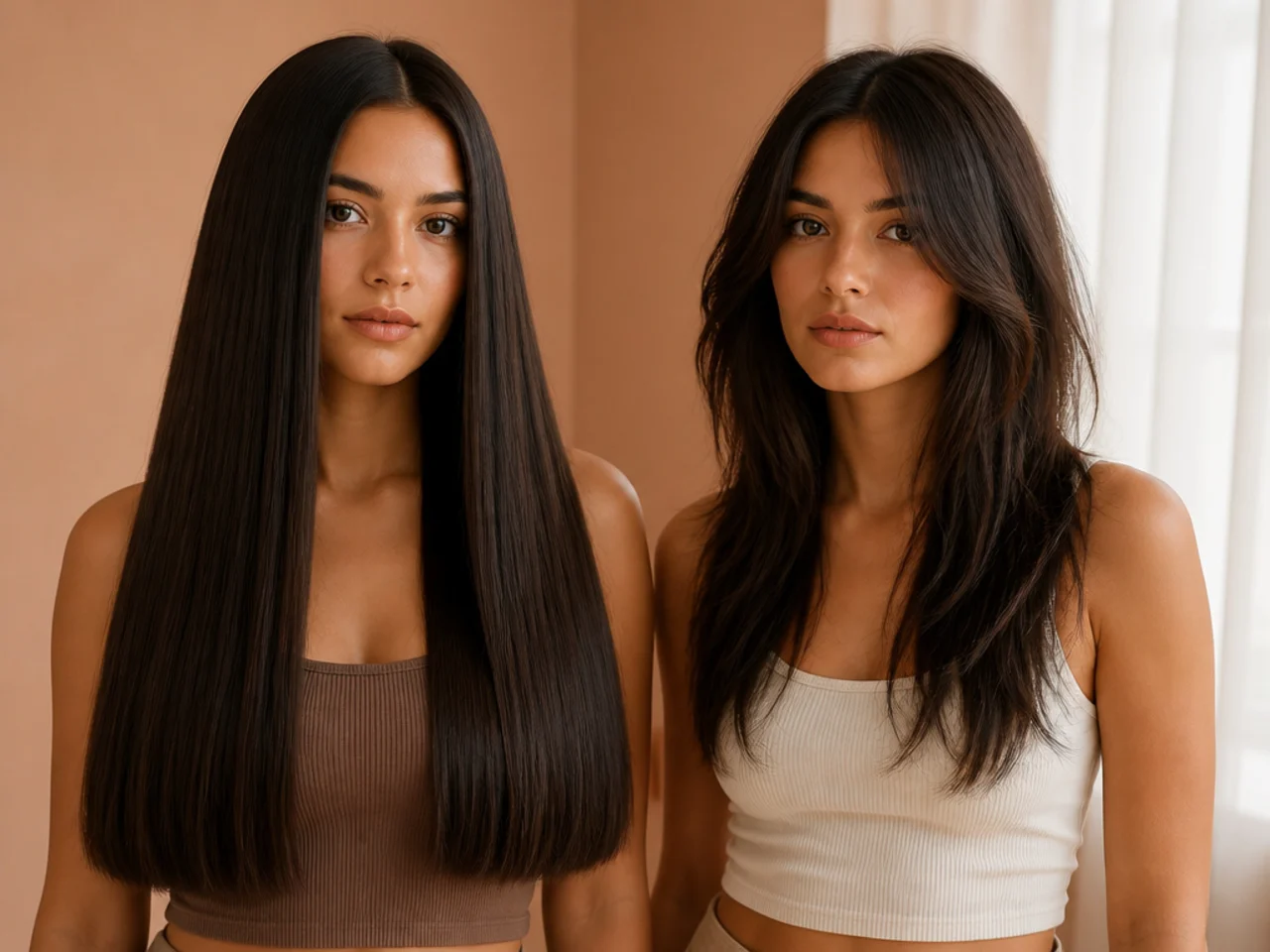
The butterfly hides its layers. The wolf cut shows them. Same layered idea, opposite intent — one buries the steps under a heavy perimeter, the other leaves them on display.
One is a blow dry shape, the other is an air dry shape. That single fact decides most of the cases below before texture or face shape is even considered.
What Separates the Two Cuts
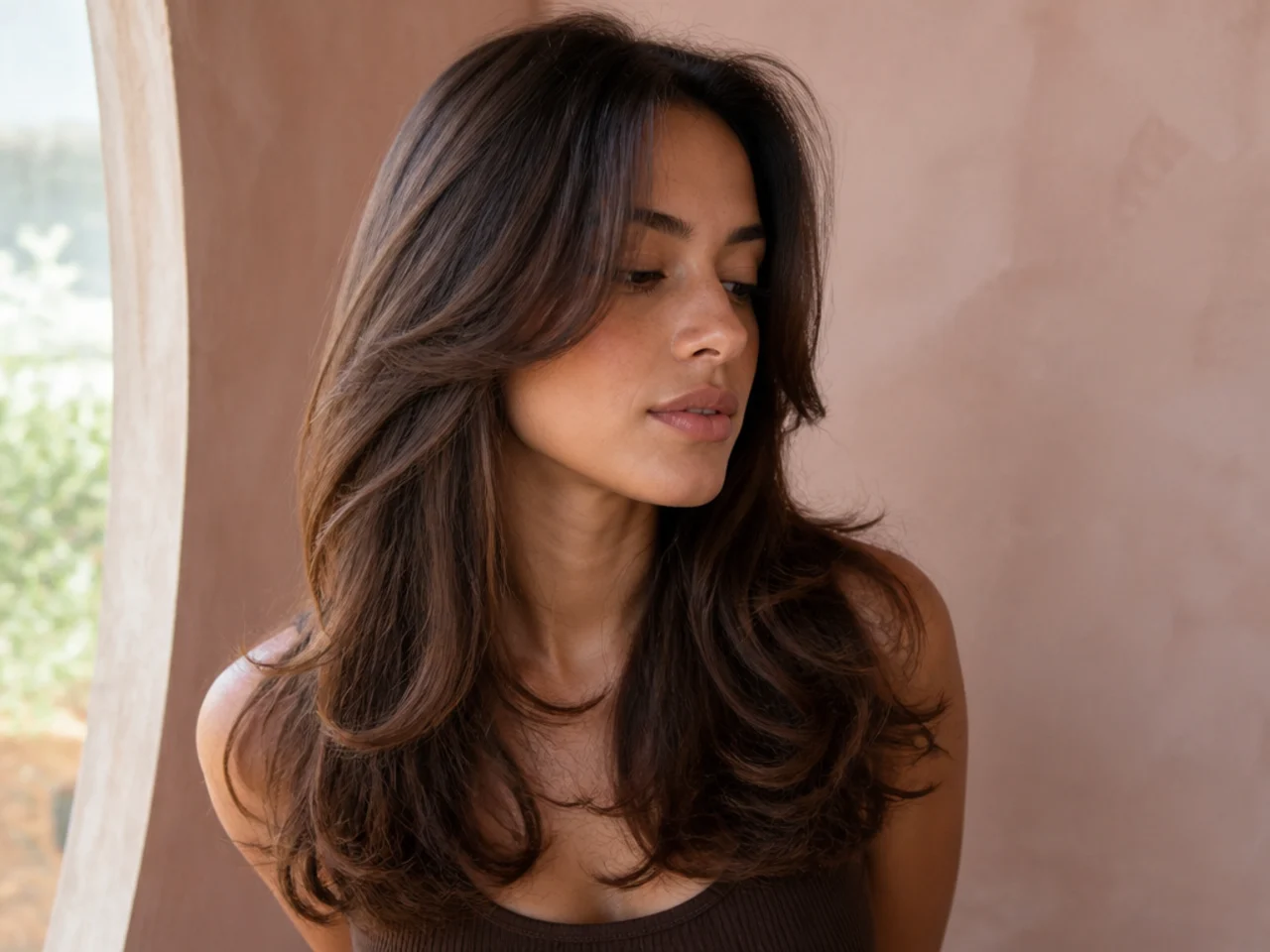
The butterfly has two tiers, connected. A short face framing tier ending near the jaw, blended into untouched length below, with nothing disconnected anywhere.
The wolf cut has a stack, disconnected. Short crown layers sitting on longer ones and propping them up, with a deliberate gap between the two so the volume has somewhere to go.
The perimeter is the tell. A butterfly keeps its bottom edge blunt and heavy. A wolf cut thins the ends until they separate into pieces.
The butterfly needs overdirection to exist. The short tier is cut with the hair pulled forward, which is what makes it curve in around the face instead of hanging flat.
How to Pick Between Them
Count your styling minutes honestly. A butterfly needs a round brush and roughly ten minutes. A wolf cut is finished when the hair is dry.
Look at your hair on a bad day. Whatever it does with no help is what a wolf cut amplifies and what a butterfly has to fight.
Decide whether the length is negotiable. A butterfly leaves the bottom edge alone. A wolf cut usually takes some of it.
Start heavier than you want. Weight can be removed at any appointment. Waiting for a short crown layer to grow back to the jaw takes the better part of a year.
The 20 Cases Compared
1. Fine Hair That Needs to Look Thicker
The butterfly wins. It removes weight only from the interior and leaves the bottom edge blunt, and that unbroken edge is the single strongest thickness signal fine hair has. A wolf cut thins the ends deliberately, which on fine hair reads as sparse rather than textured.
2. Very Thick Hair That Sits Like a Bell
The wolf cut wins. Thick long hair collects width at the bottom because nothing above it has been removed, and the wolf takes weight out through the mid lengths where the bell is widest. A butterfly keeps that perimeter heavy and makes the triangle more pronounced.

3. Straight Hair That Never Gets Styled
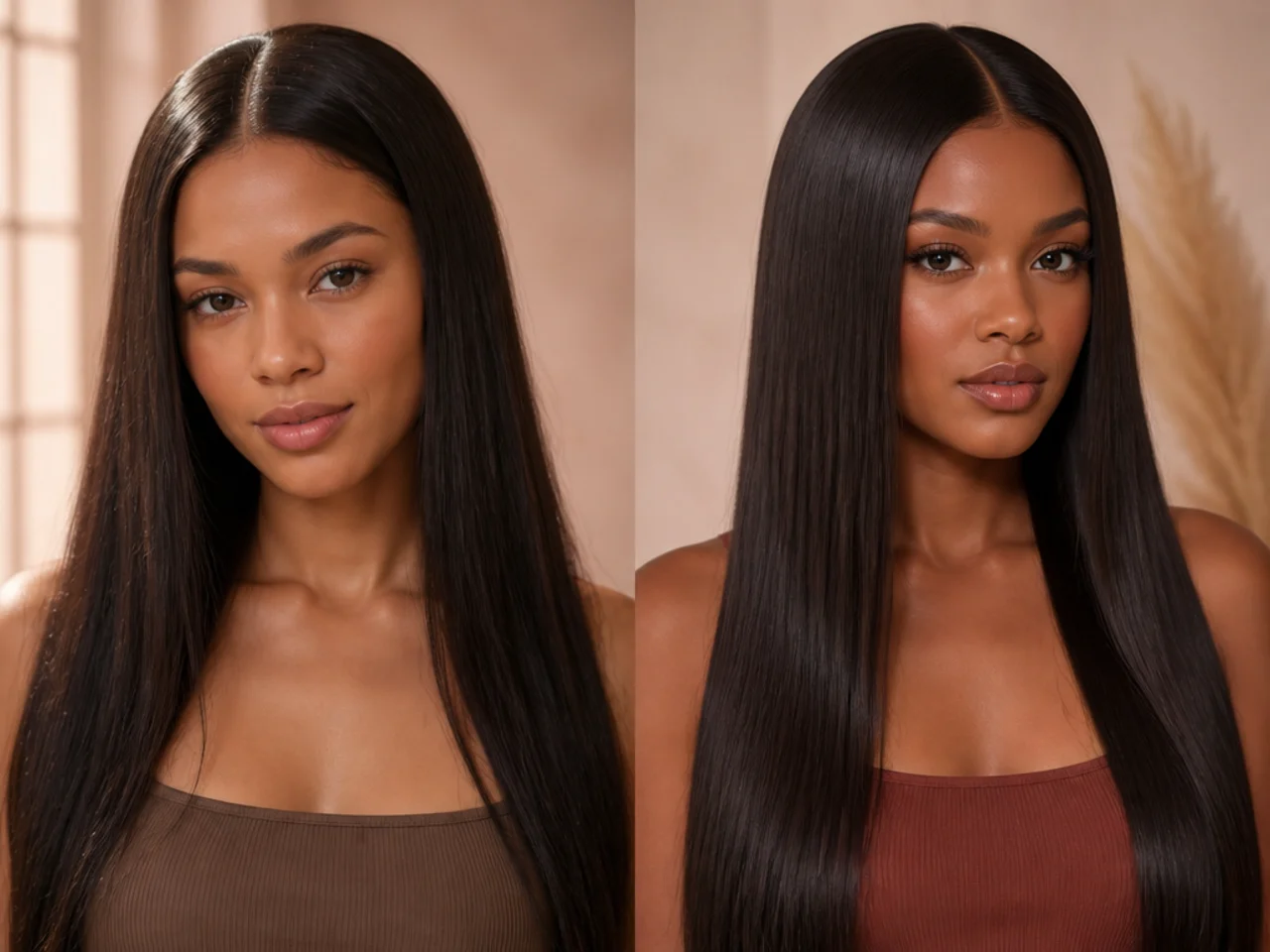
The wolf cut wins. On straight hair, a butterfly tier that has not been brushed under shows as a flat shelf at the jaw, because straight strands hang in one plane and record every length change. The wolf cut is drawn around visible steps, so it looks correct with no help.
4. Straight Hair With Ten Minutes and a Round Brush
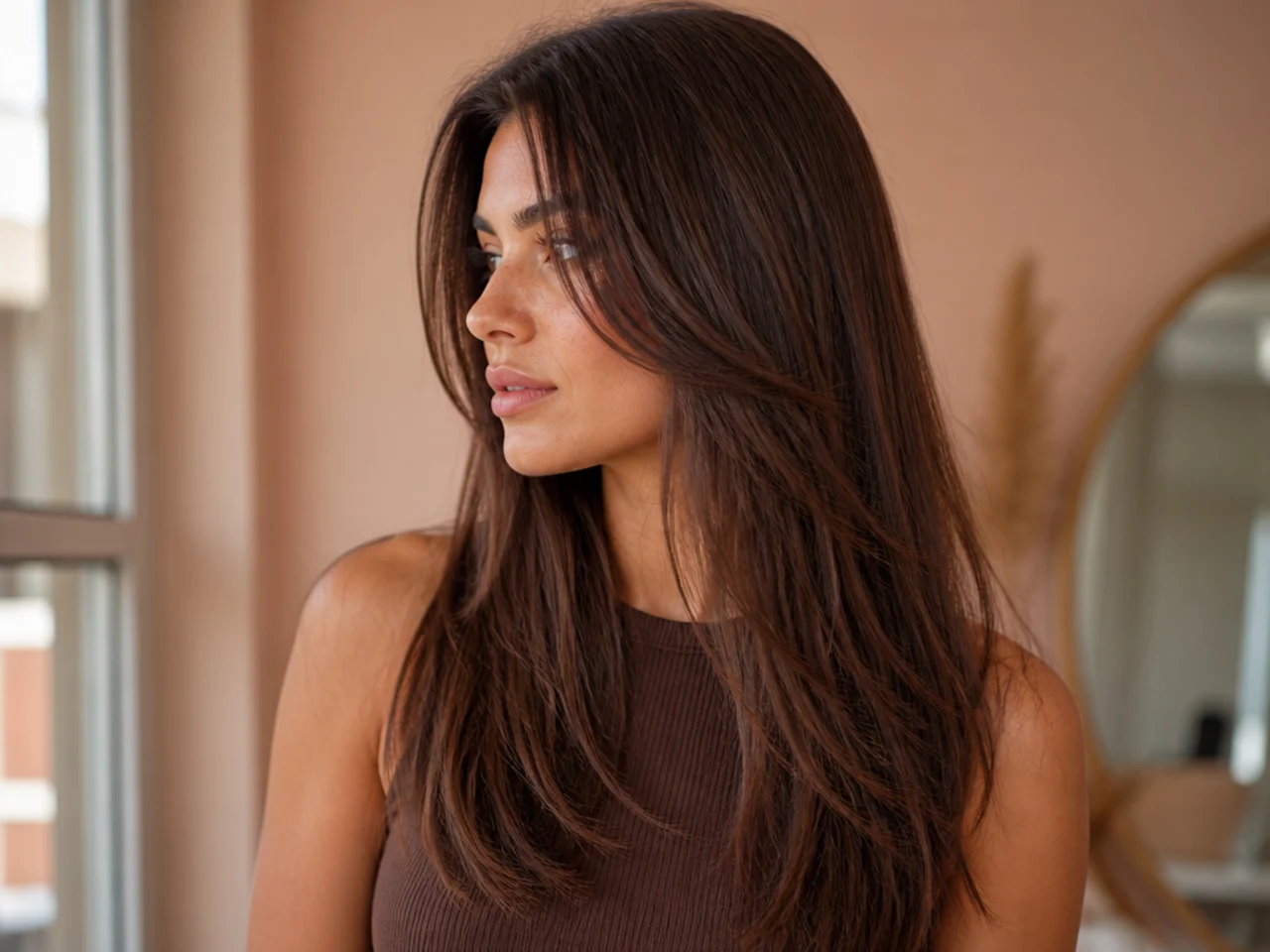
The butterfly wins, and only under those conditions. The brush bends the short tier inward at the cheek, which is the curve the cut is named for and the one thing straight hair will not do unaided. Ten minutes buys a shape a wolf cut cannot produce.
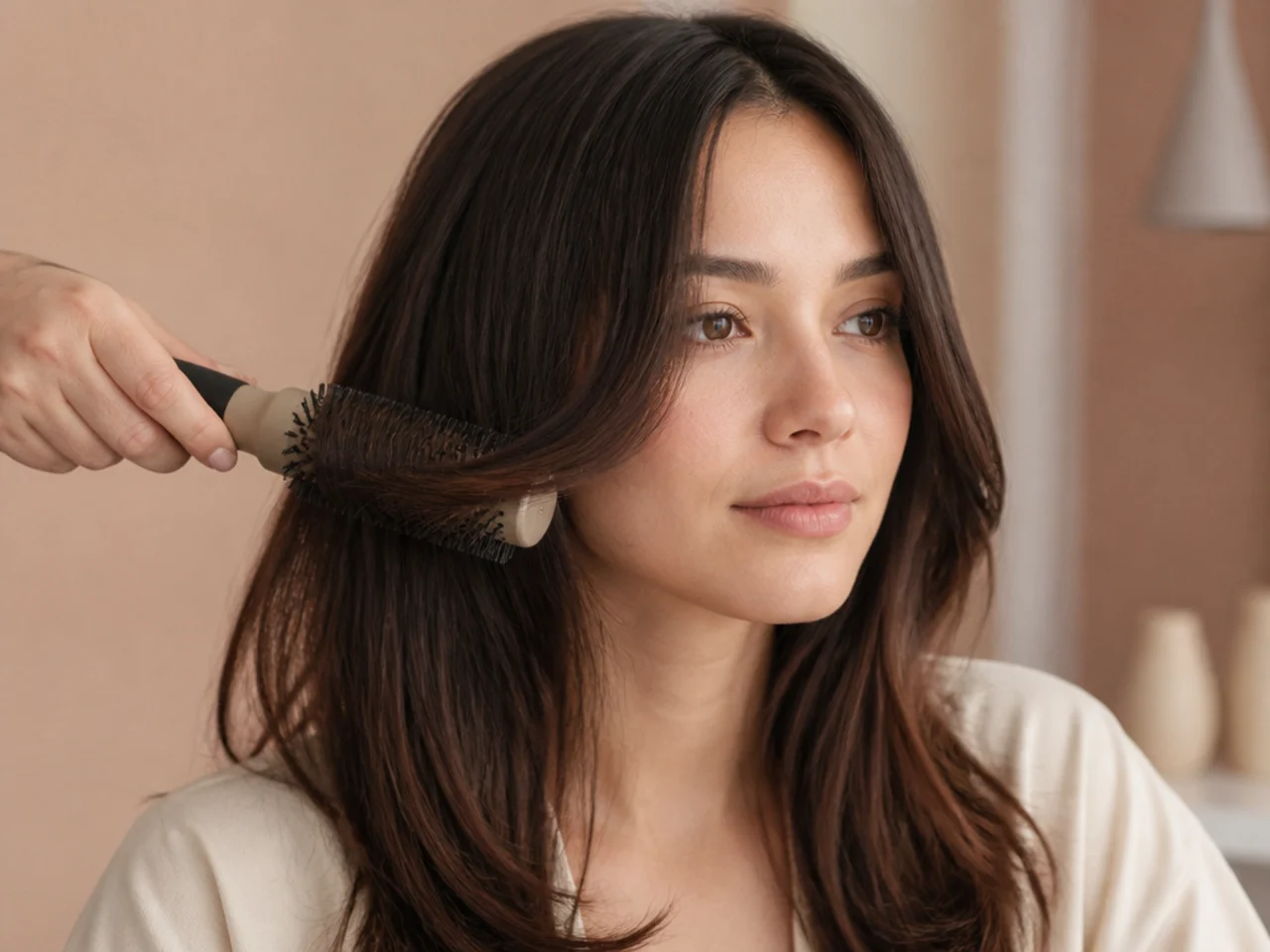
5. Loose Waves From Root to Tip
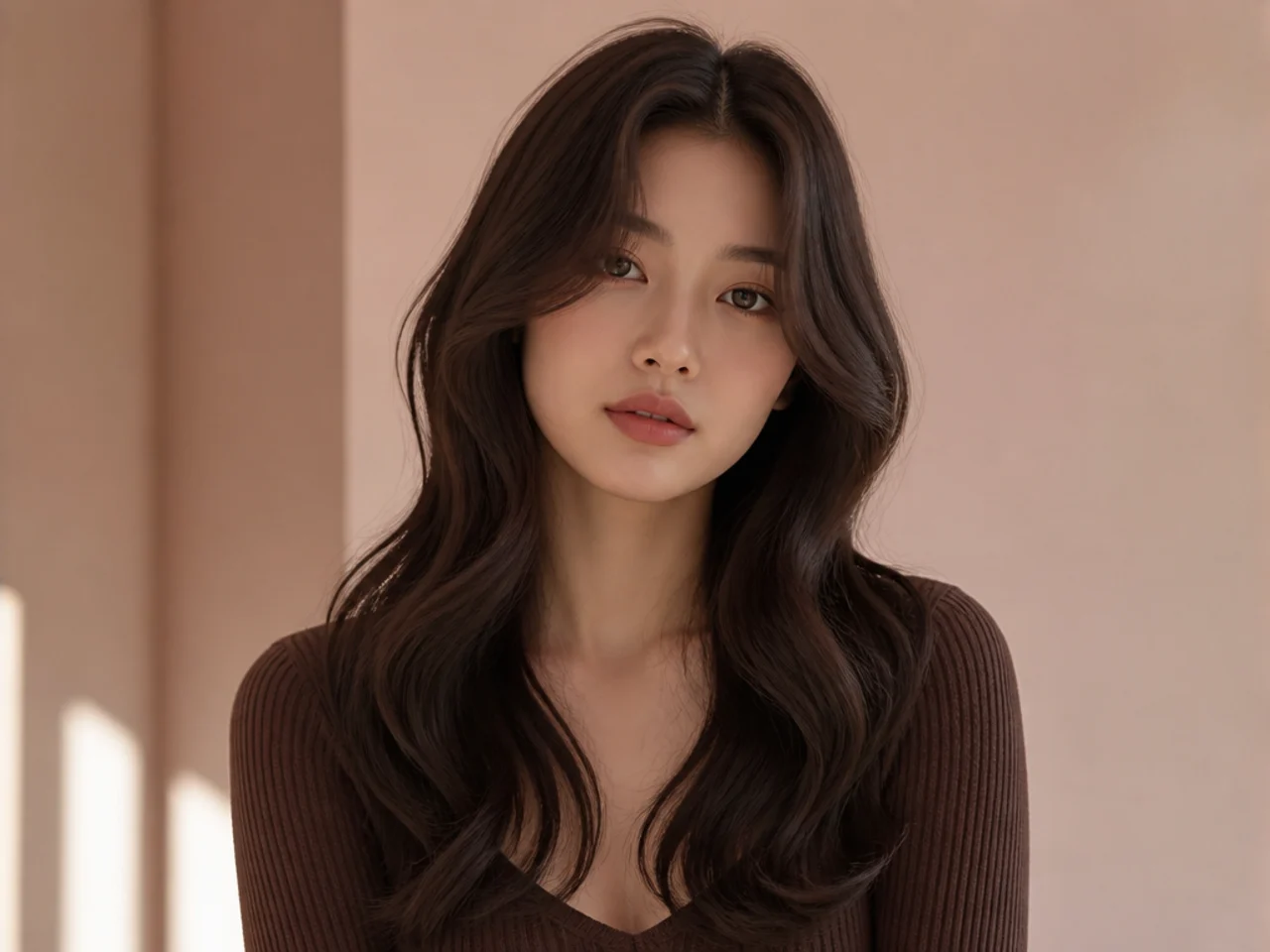
The wolf cut wins. A wave already separates the hair into ribbons, which is the visual effect the wolf cut removes weight to create, so the cut and the texture are doing the same job. A butterfly has to smooth those ribbons out before its curve reads at all.
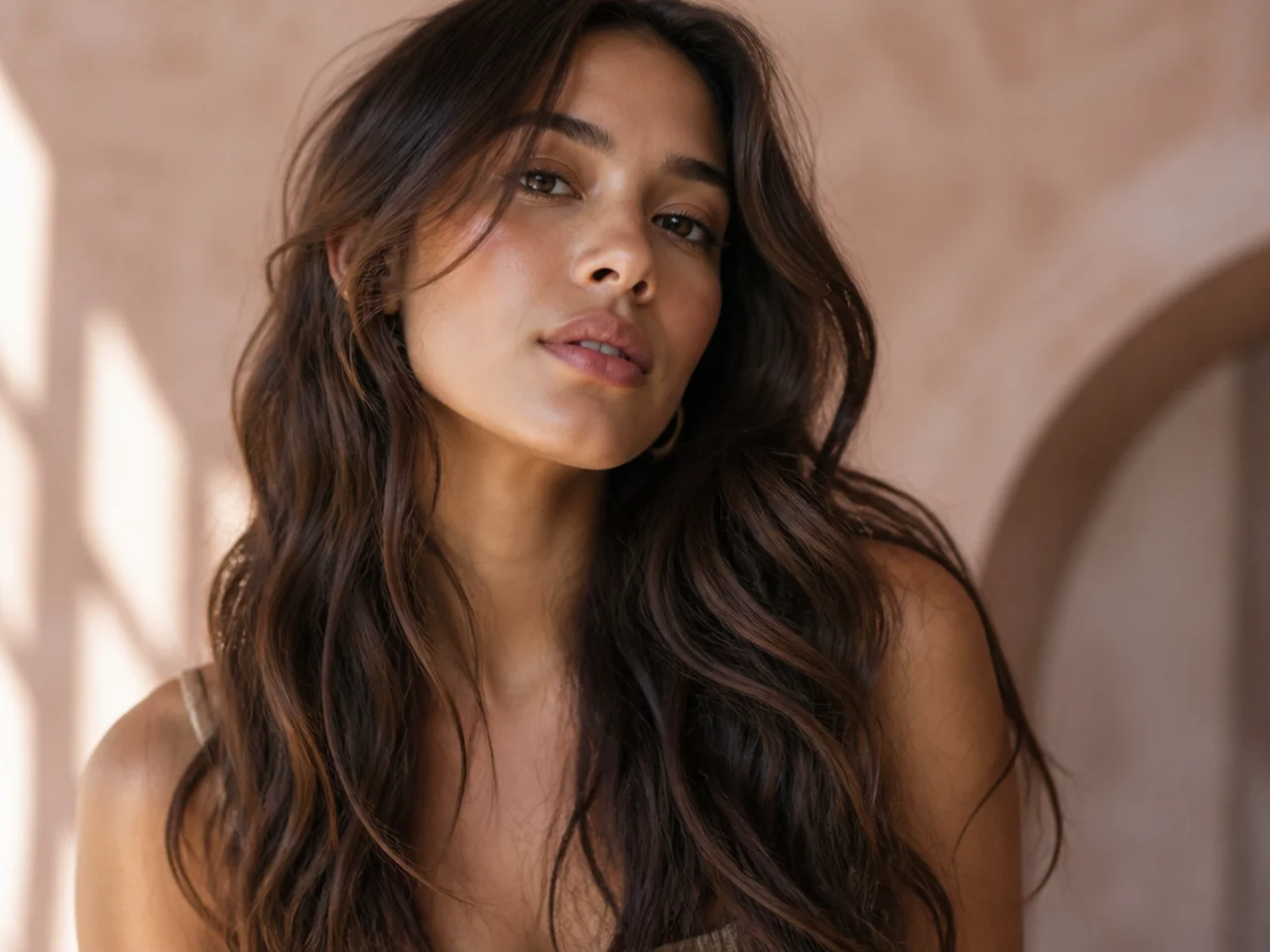
6. Tight Curls Cut Dry
The wolf cut wins by default. Curl shrinks by a third or more as it dries, so a butterfly tier measured wet at the jaw finishes near the cheekbone and the two tier structure disappears into the curl pattern entirely. Cut dry, the wolf simply follows the curls that are there.

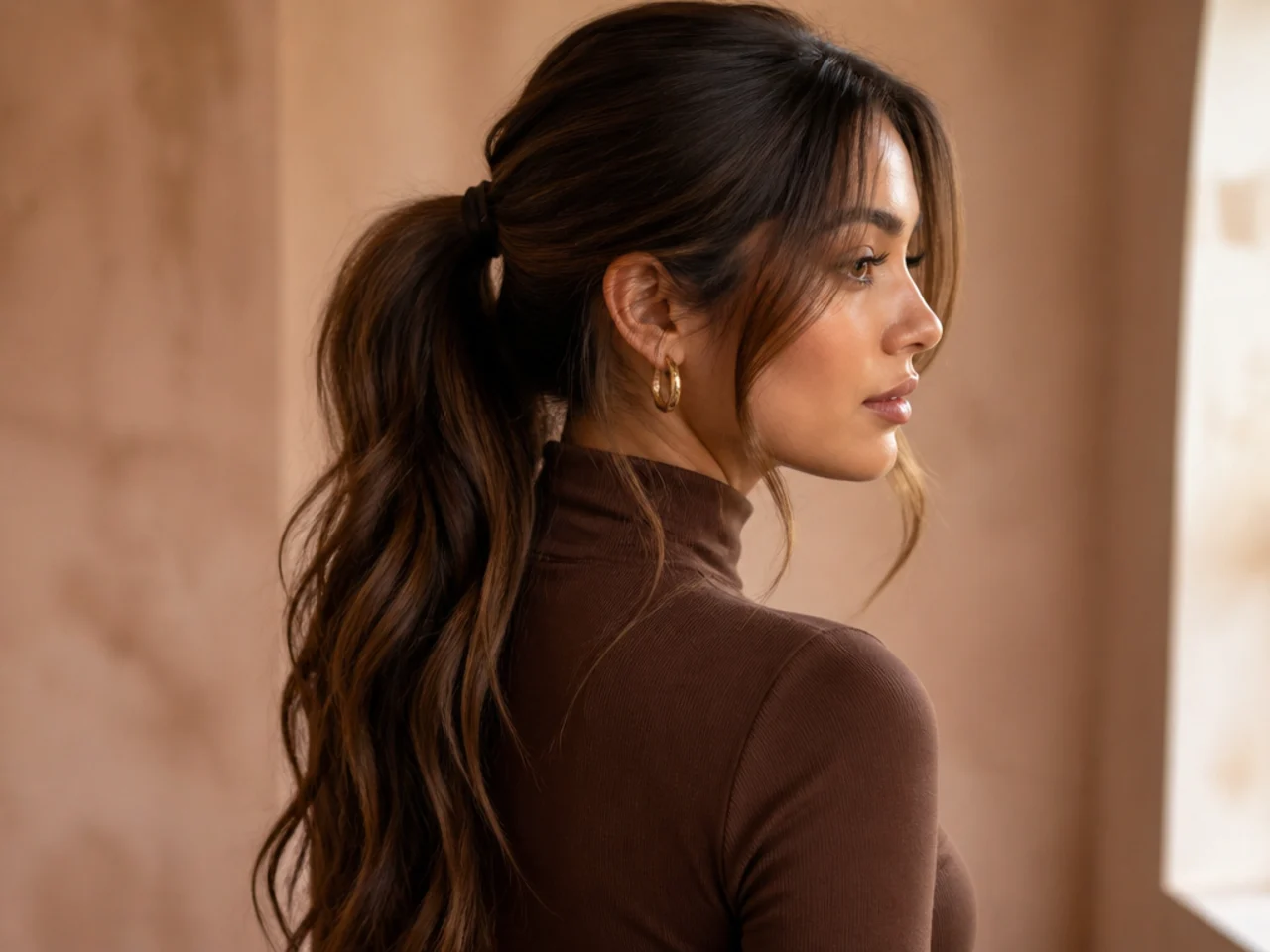
7. Hair That Lives in a Ponytail
The butterfly wins. Its shortest layer sits near the jaw, so it falls out of an elastic as intentional face framing rather than as stray ends. A wolf cut has crown layers of only a few inches that cannot reach a ponytail base and stand up around it instead.
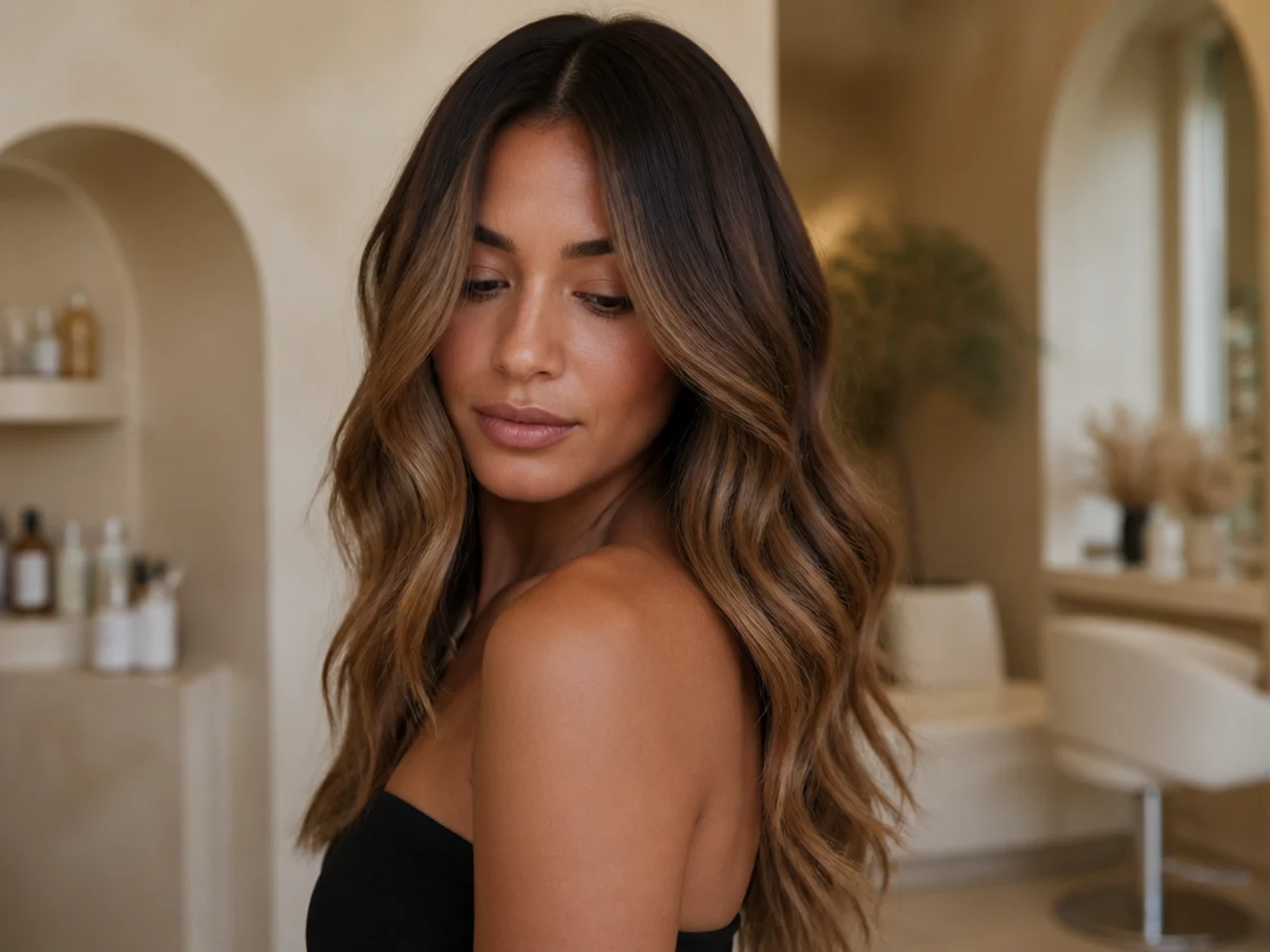
8. Balayage or a Grown Out Colour Gradient
The butterfly wins. A gradient needs continuous length to travel down, and the butterfly leaves the perimeter unbroken so the colour reads as one sweep. A wolf cut chops that length into staggered ends and scatters the transition into unrelated patches.
9. A Round Face
The butterfly wins. Its face framing tier is cut on a long diagonal that runs from the cheekbone past the jaw, and a strong vertical line beside the cheek reads as length on a face that is as wide as it is long. Crown volume alone would not do that.
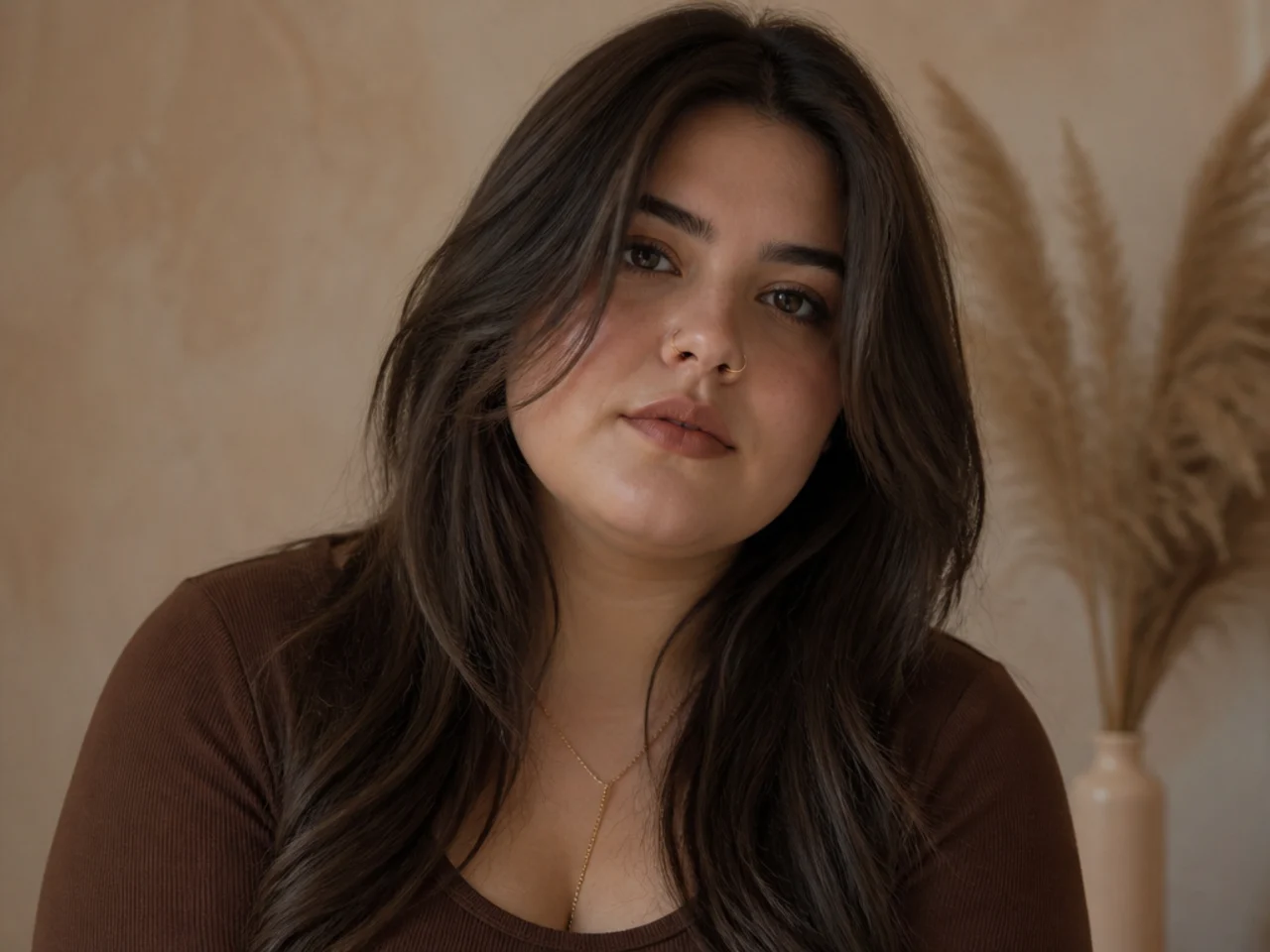
10. A Long Face
The wolf cut wins. Its stack pushes width out at the cheekbone and ear, and horizontal volume across the widest part of the head shortens a long face visually. A butterfly concentrates its shape below the cheek, which lengthens the same face further.

11. A Strong Square Jaw
The butterfly wins, provided the short tier is set above the jaw rather than level with it. A layer that finishes exactly at the jawline traces the corner and draws the eye straight to it, while one ending at the cheekbone crosses the face higher and softens the outline.
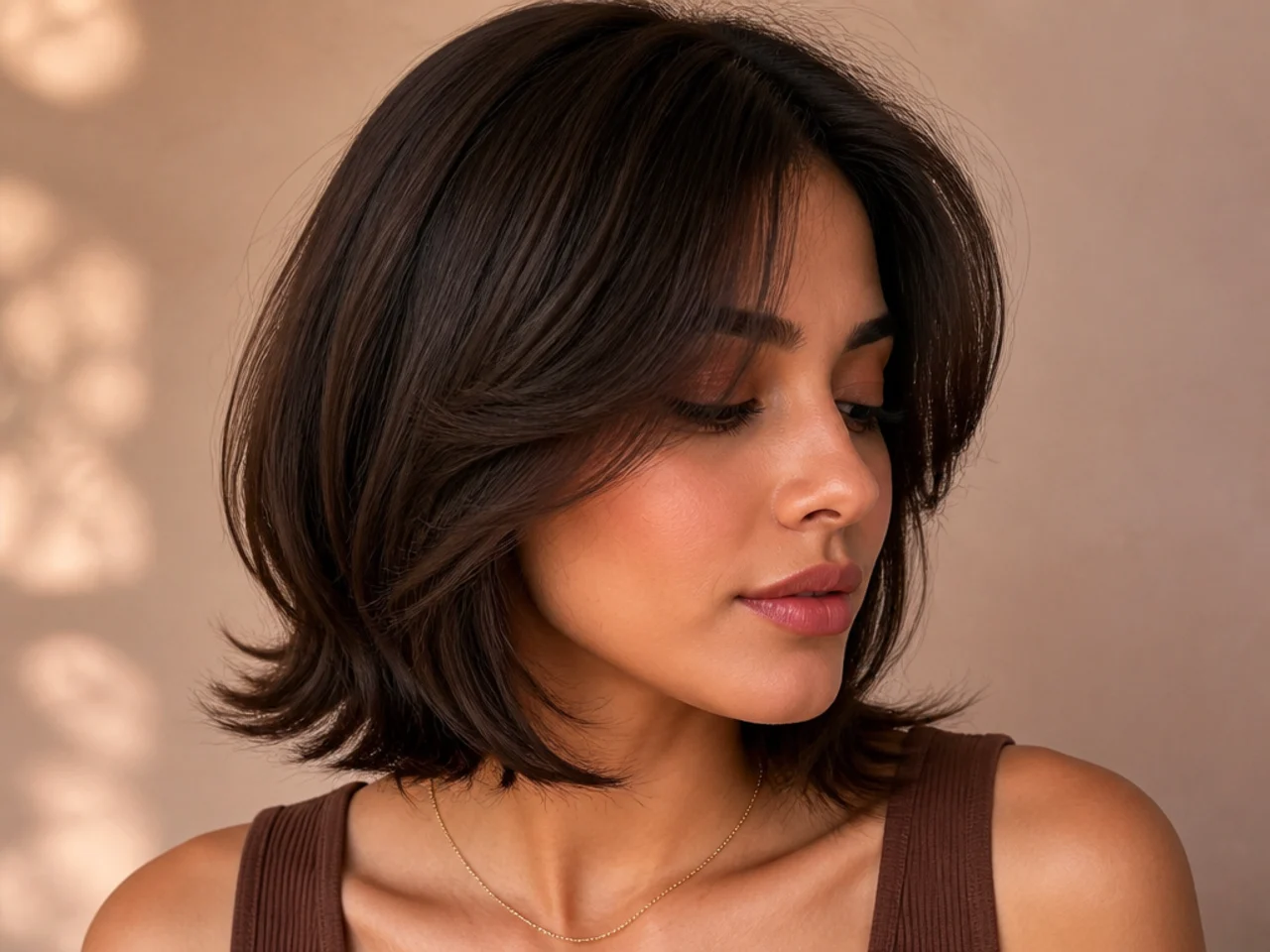
12. Growing Out a Bob
The wolf cut wins. Growing out leaves you with unequal lengths from an old perimeter, and the wolf is built from unequal lengths, so the old bob line becomes the top of the stack instead of a problem. A butterfly needs one clean perimeter it does not yet have.

13. Growing Out a Short Fringe
The butterfly wins. The face framing tier can be cut to start exactly where the old fringe now ends, which converts an awkward length into the shortest deliberate layer. Left alone in a wolf cut, that fringe is simply the odd piece nothing matches.
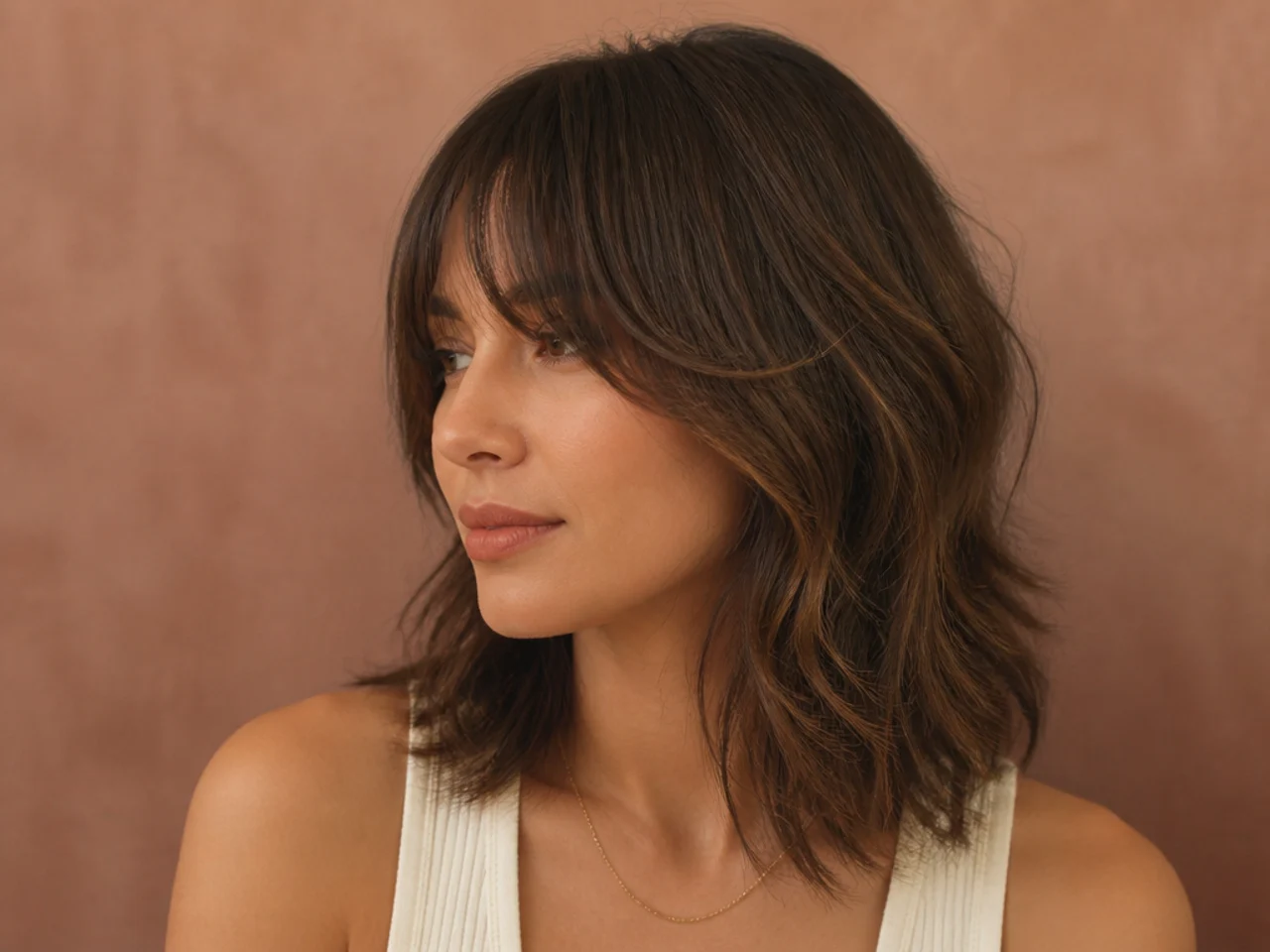
14. Wanting Volume at the Crown
The wolf cut wins outright. Short crown layers physically rest on the longer hair beneath and hold it away from the scalp, which is a structural lift rather than a styled one. A butterfly places its shortest layer at the face, so nothing is supporting the crown.
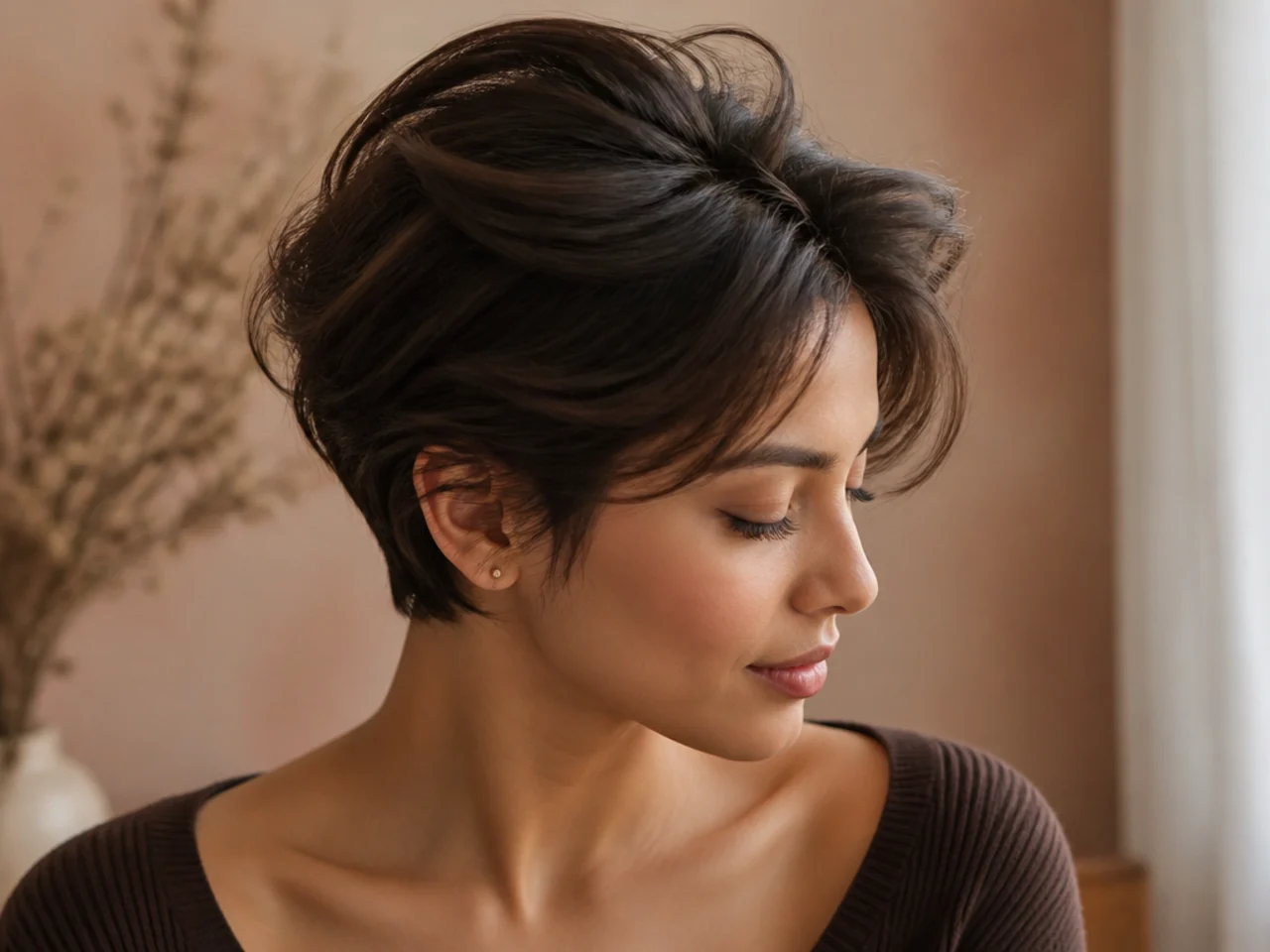
15. Wanting Polish for an Office
The butterfly wins. Its blunt perimeter and smooth curve read as maintained, which is the register most workplaces default to. The wolf cut is designed to look deliberately unfinished, and no amount of smoothing removes the piecey ends that create the effect.
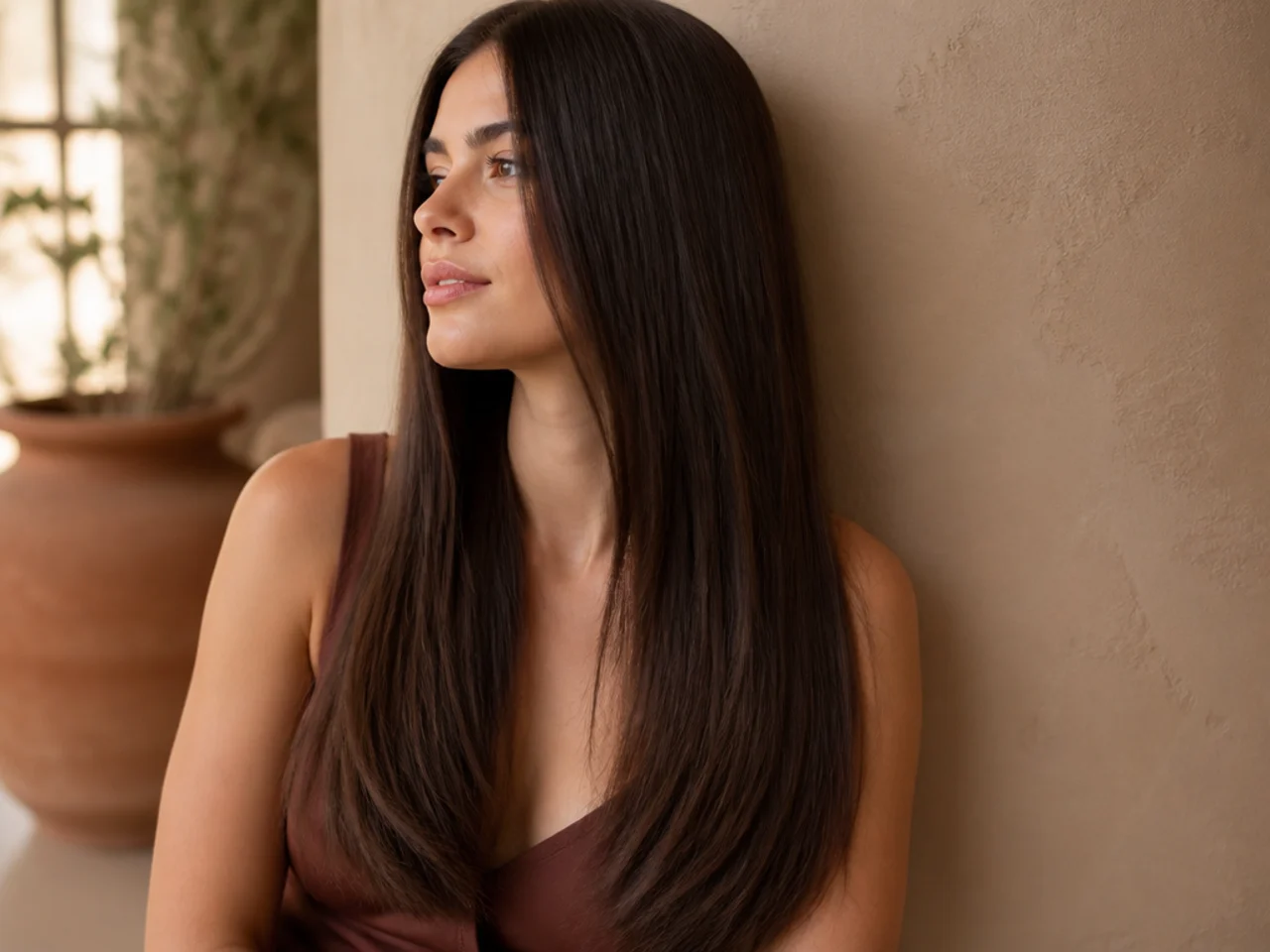
16. Ten Week Gaps Between Salon Visits
The butterfly wins. Because its layers are connected, everything drops at the same rate and the shape softens rather than breaks. A wolf cut relies on a specific gap between the short crown layer and the length, and two and a half centimetres of growth closes it.
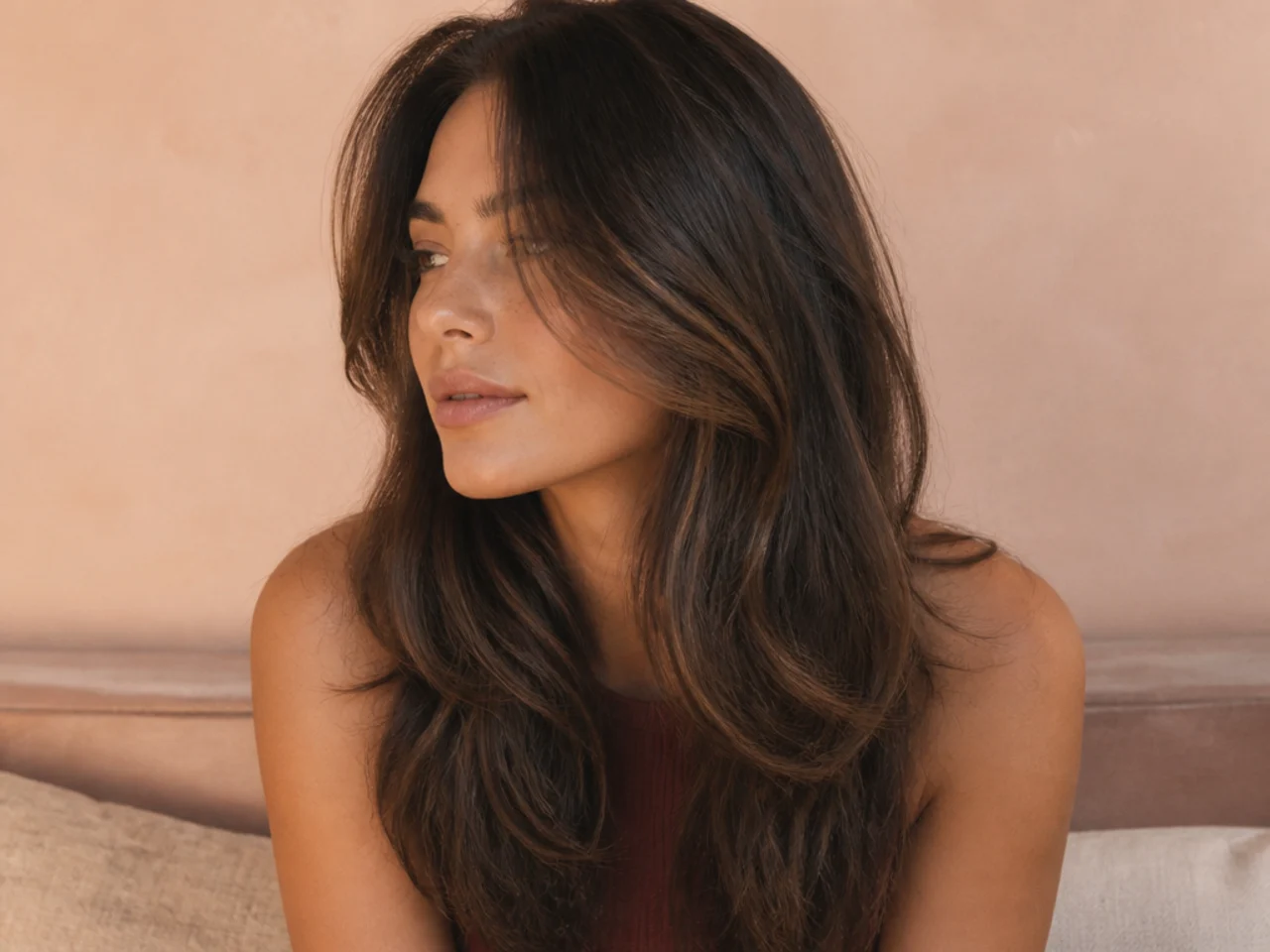
17. Humidity and Constant Frizz
The wolf cut wins. Frizz is separation, and separation is what the cut is asking for, so a bad air day looks like the reference photograph. In a butterfly the same frizz breaks up the smooth inward curve that the whole shape depends on.
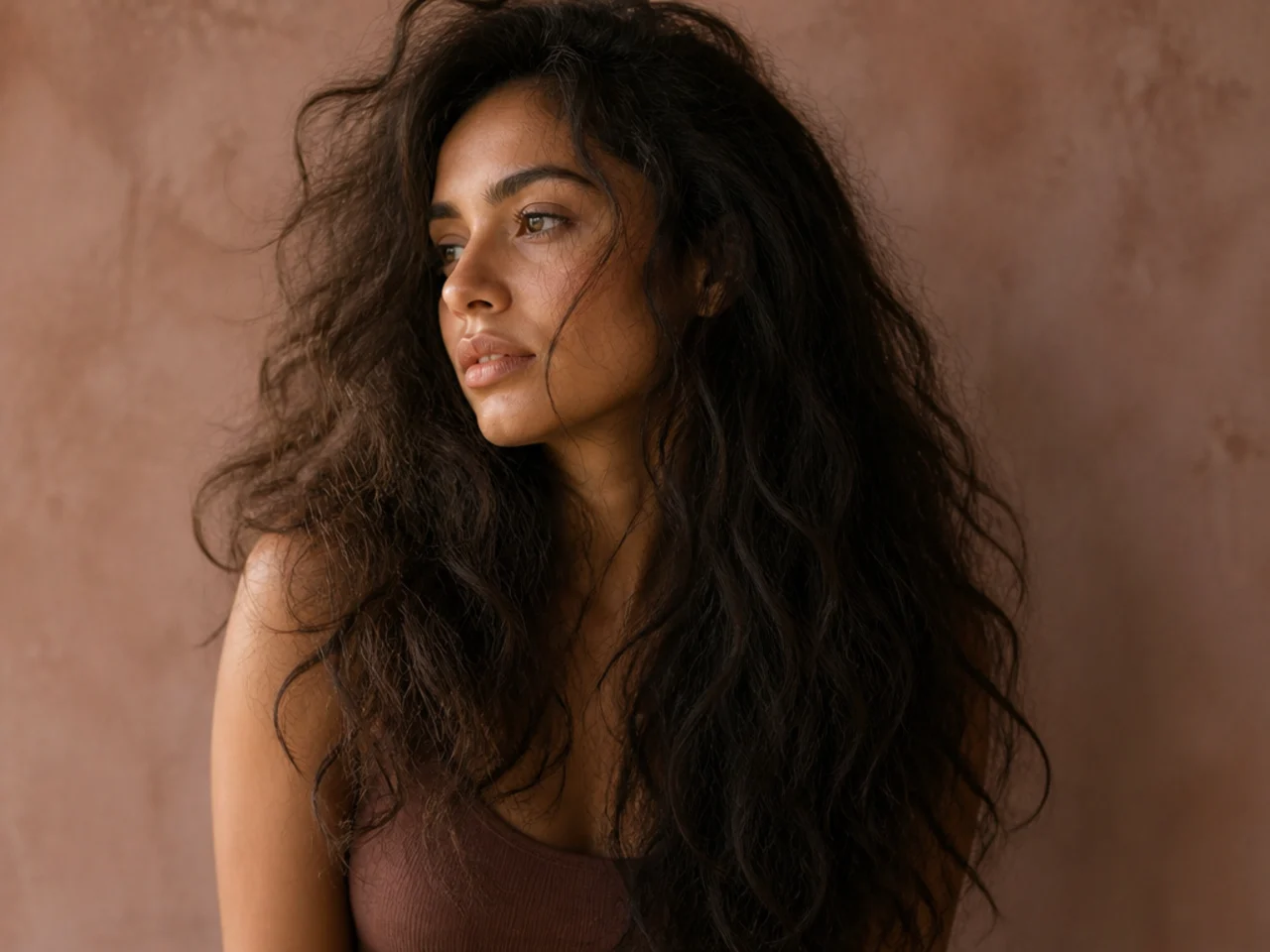
18. Short Regrowth Around the Hairline
The wolf cut wins. It already contains short pieces at the front and crown, so new growth of a few centimetres reads as part of the texture rather than as an accident. A butterfly with a smooth face frame makes every short hair a visible interruption.
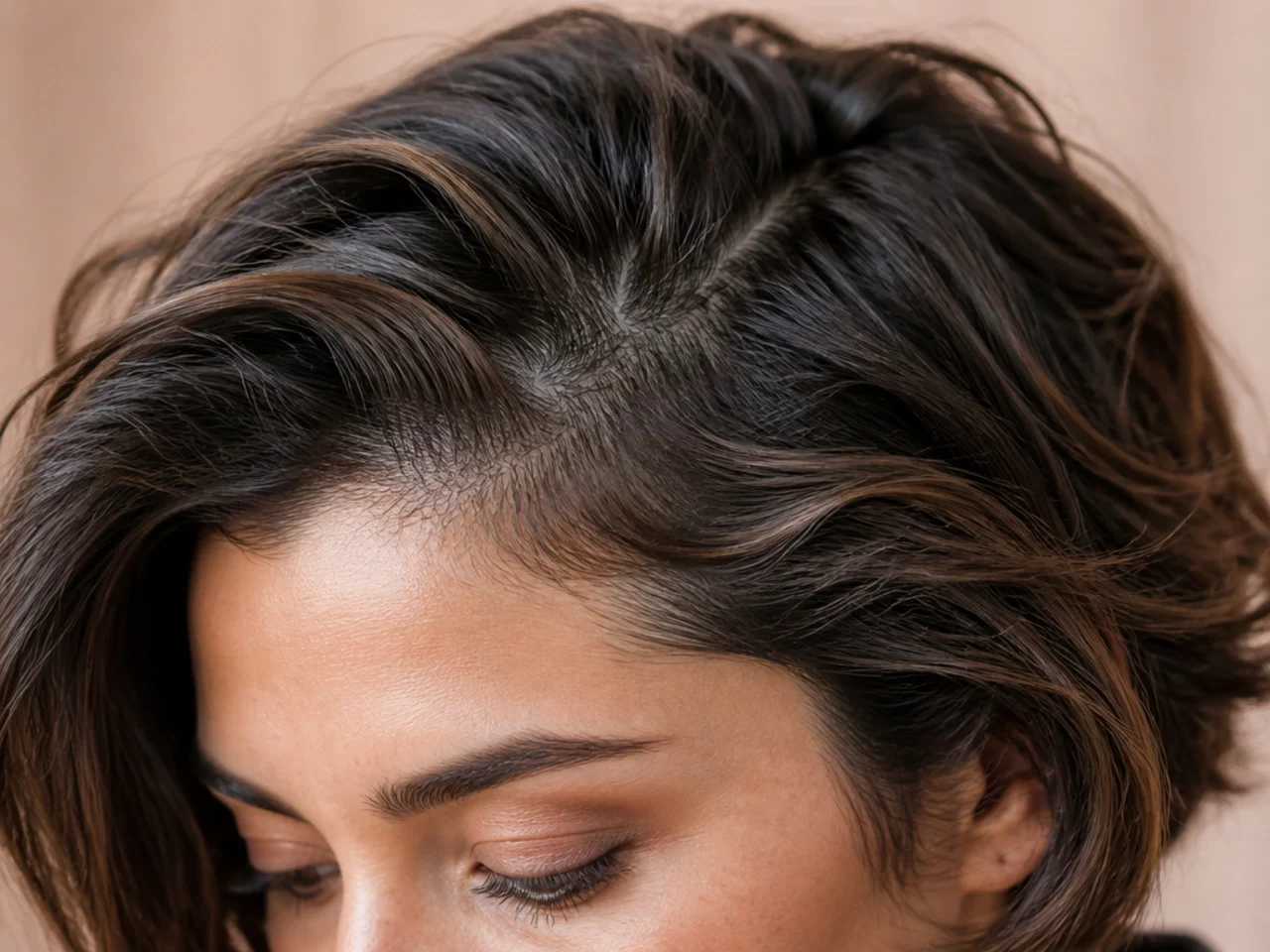
19. Long Hair You Refuse to Shorten
The butterfly wins. All of its work happens in the interior with the perimeter untouched, so the tape measure reads the same afterwards. A wolf cut treats thin staggered ends as part of the design, which means the length goes whether you agreed to it or not.

20. Not Being Sure Which You Want
The butterfly wins as a first move. Cutting a butterfly into a wolf takes one appointment because both changes are subtractive, while going the other way means waiting for a short crown layer to reach the jaw. Start with the butterfly haircut and decide later.
Styling and Upkeep
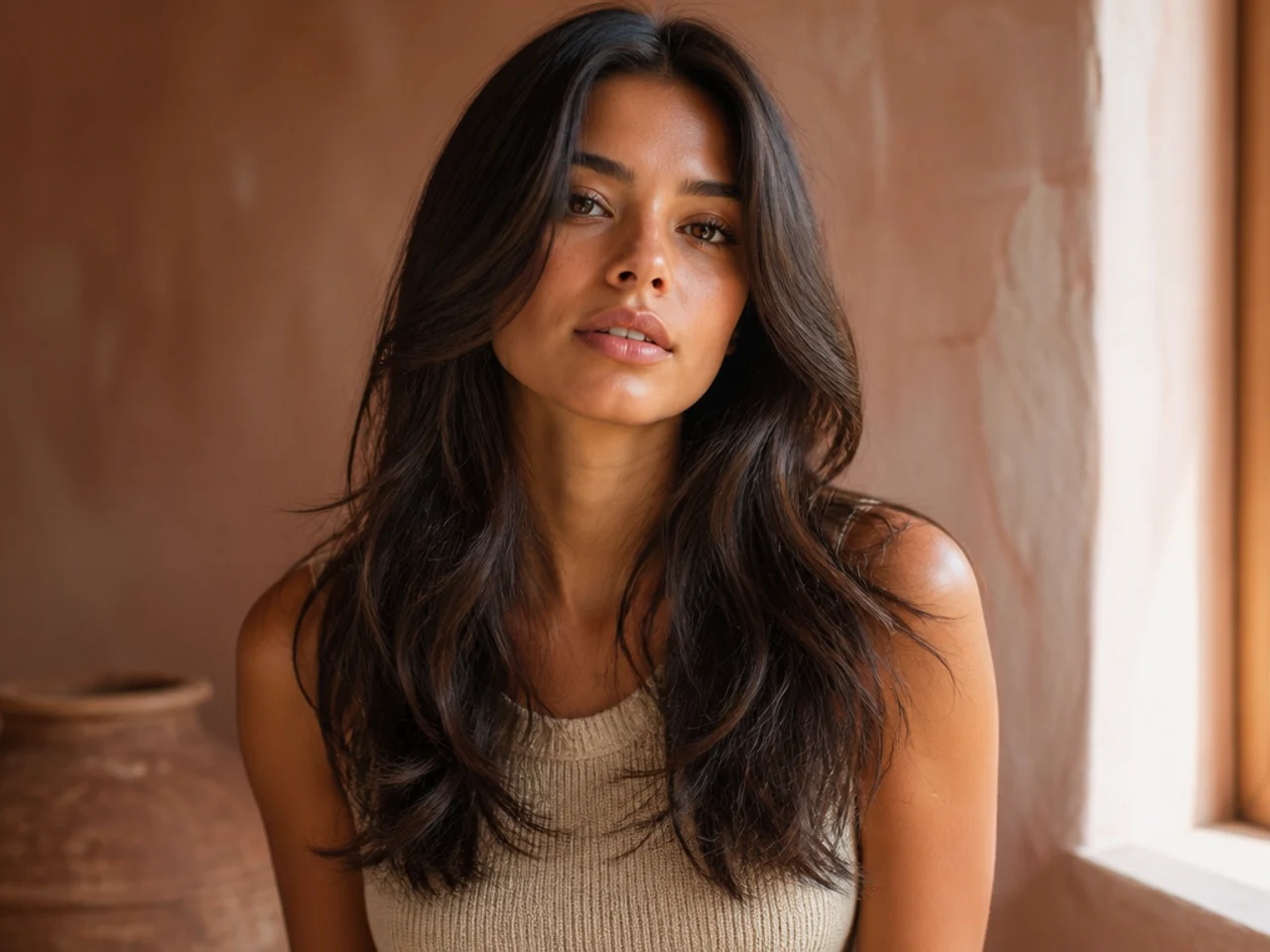
A butterfly needs a round brush at the front only. The back can air dry. The curve at the cheek is the whole cut, and it takes about four sections.
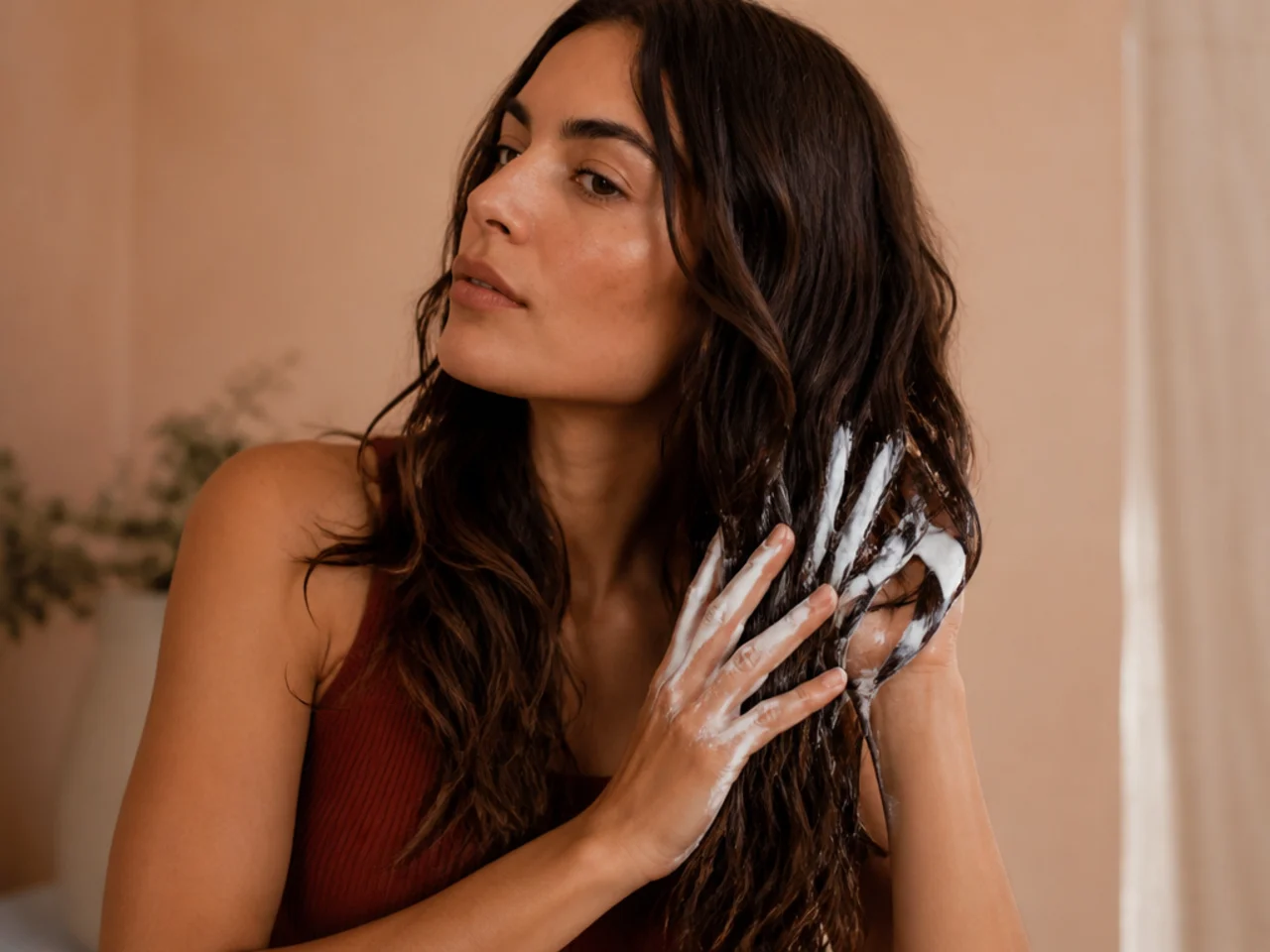
A wolf cut needs product before it dries, not after. Mousse or a sea salt spray on damp hair sets the separation as the water leaves.
Trim a wolf cut every six to eight weeks. The gap between the crown layer and the length closes as everything grows at the same rate.
Trim a butterfly every ten to twelve weeks. Connected layers drop together, so nothing breaks until the face framing tier has passed the collarbone.
Do not brush a wolf cut dry. A bristle brush pulls the separated pieces back into a single sheet and removes the reason for the cut.
Mistakes to Avoid
Asking for a butterfly and describing a wolf. Say whether the layers should be visible when the hair is air dried. That single answer sorts the two cuts.
Ordering a butterfly cut on curls without cutting dry. Shrinkage moves the short tier up by a third and the two tier structure vanishes.
Taking a wolf cut with no intention of trimming it. It is the more maintained of the two despite looking like the opposite.
Adding a heavy fringe to a butterfly. The face framing tier already occupies the front, and a deep fringe section removes the density that tier needs.
Judging either cut in the salon chair. Both are finished with product and technique you will not repeat at home. Look at them on day two.

FAQ
Which keeps more length? The butterfly, because its perimeter is never cut.
Which needs less styling? The wolf cut, which is finished when the hair dries.
Which is easier to reverse? Neither quickly, but butterfly to wolf takes one appointment.
Final Thoughts
The question is not which cut is better. It is whether you want the layers to be visible without styling, and every other difference between these two shapes follows from that answer.
For the full range of the softer version see the butterfly haircut guide. See also butterfly haircut long hair. More in Womens Hairstyles.