15 Things I Learned About Unstyled Butterfly Cuts
Fifteen things that decide whether a butterfly cut survives being air dried. Almost all of them come back to one fact — the curve at the face is put there by a round brush, so the cut has to be built to hold it without one.
In this article · 22
- What the Cut Is Actually Doing
- How to Ask for One That Air Dries
- The 15 Things I Learned
- 1. The Shape Is Built by the Dryer, Not the Scissors
- 2. The Shortest Tier Is Where the Step Shows
- 3. Cutting It Dry Was the Change That Mattered
- 4. Straight Hair Records Every Length Change
- 5. Wave Hides the Tier Line Almost Completely
- 6. Point Cutting the Tier Ends Removed the Shelf
- 7. The Perimeter Has to Stay Blunt on Fine Hair
- 8. A Shorter Butterfly Reads as a Shag Unstyled
- 9. A Cowlick Splits the Face Framing Tier
- 10. Overdirection Is What Makes It Curve
- 11. Air Drying Needs a Different Product Than Blow Drying
- 12. Day Two Is the Honest Test
- 13. How I Sleep Decides the Morning Shape
- 14. The Grow Out Is Better Than It Looks in Photographs
- 15. Length Is the Only Insurance Policy
- Styling and Upkeep
- Mistakes to Avoid
- FAQ
- Final Thoughts
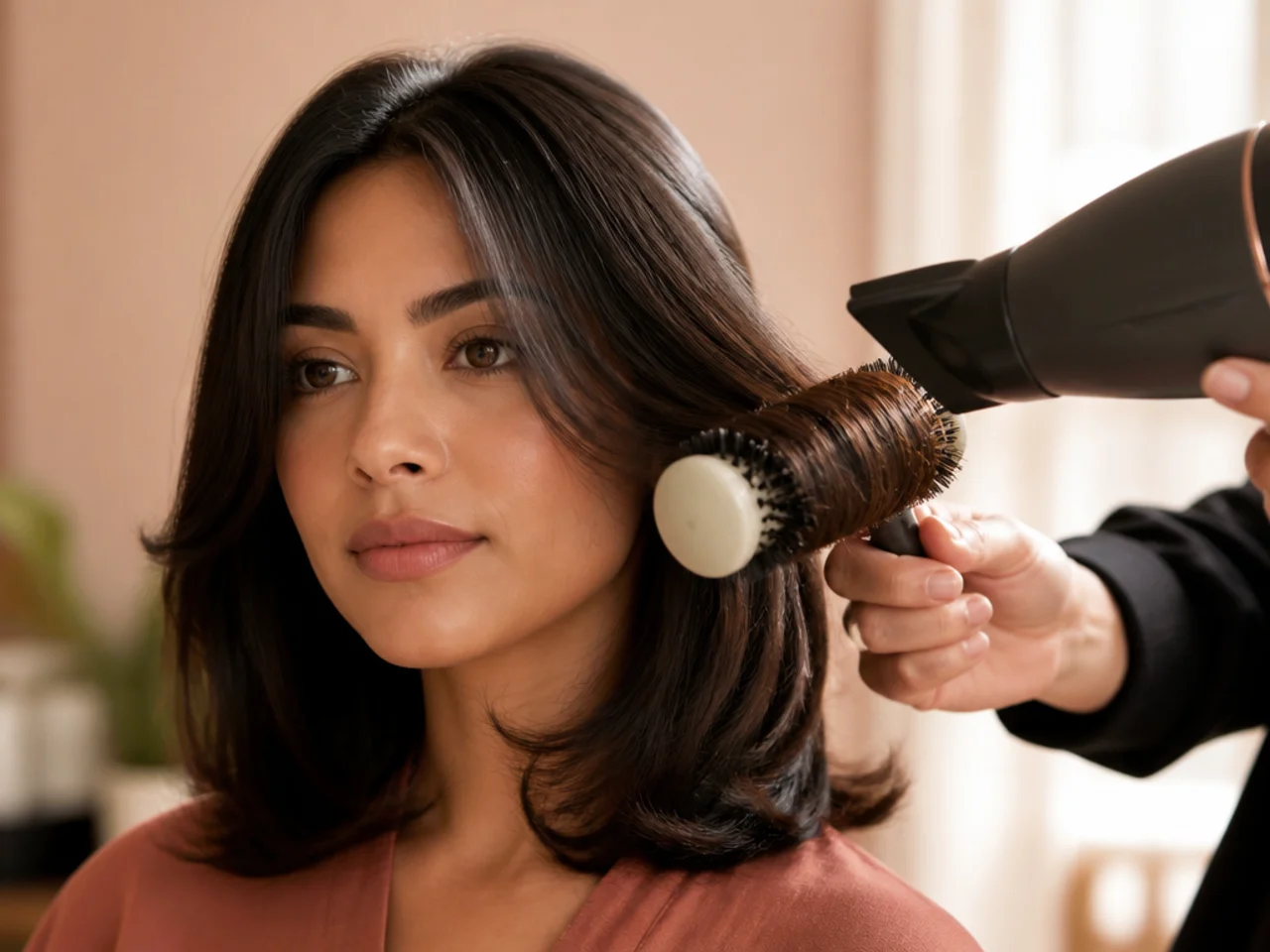
A butterfly cut looks like a haircut in the salon and like a different one at home, and the gap between the two is a round brush.
The curve at the face is styled, not cut. The scissors put the length there. The brush bends it inward, and without the brush it simply hangs.
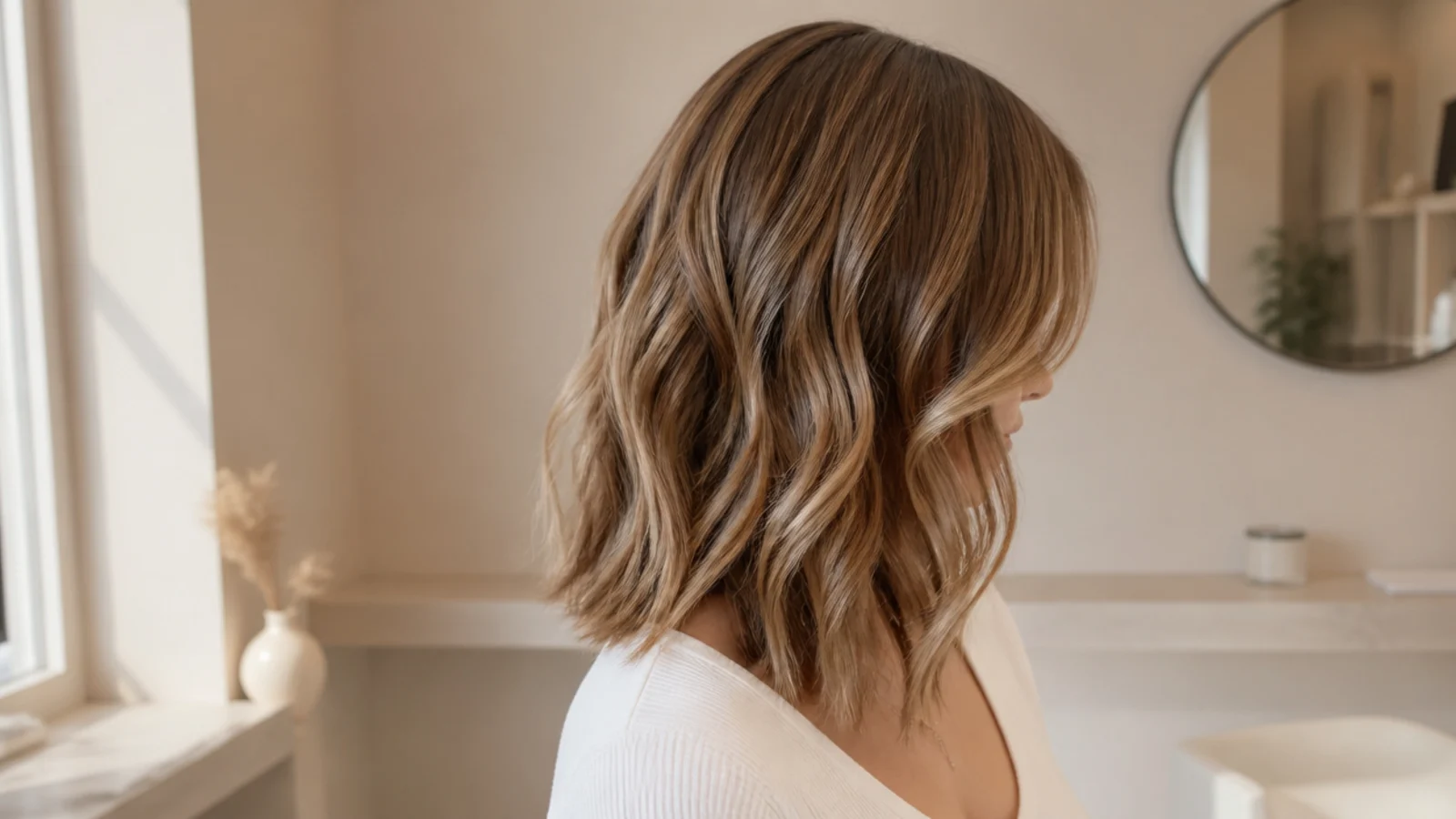
Unstyled, a butterfly shows its tiers. That is not a bad cut. It is the cut being seen without the finish it was designed around.
What the Cut Is Actually Doing
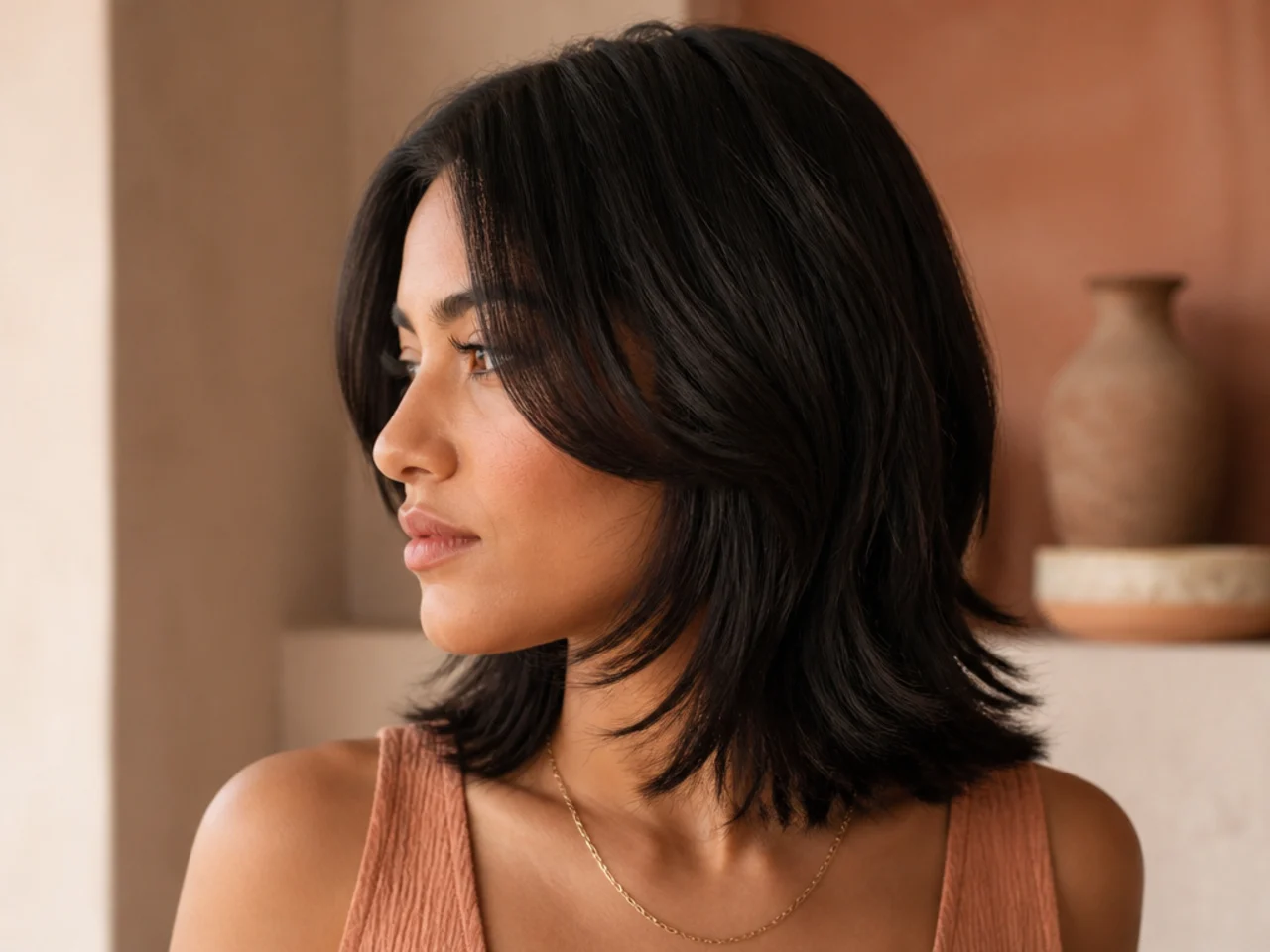
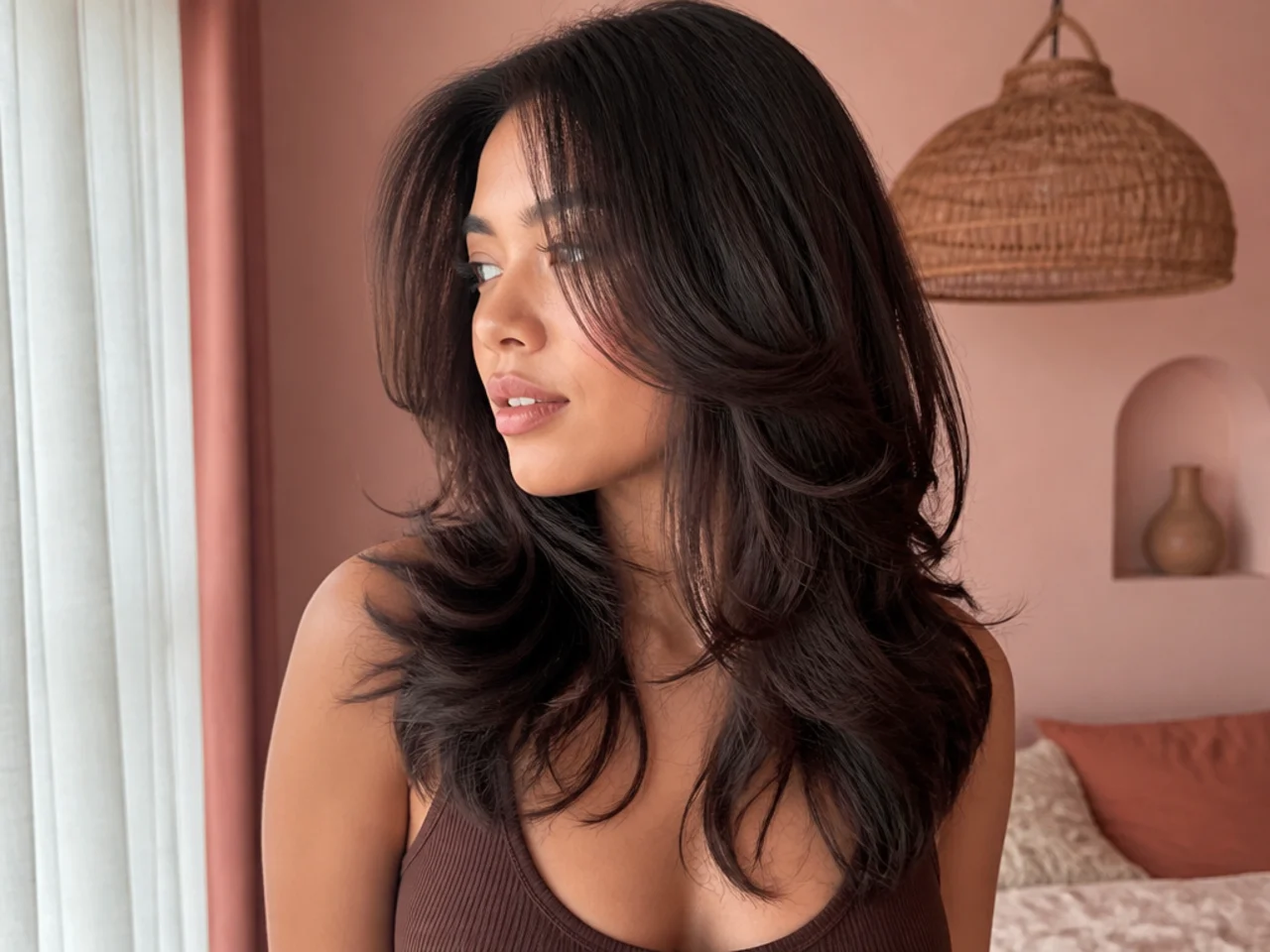
Two tiers, connected by a blend. A short face framing tier near the jaw, joined into untouched length below with no disconnection anywhere.
The short tier is cut overdirected. The hair is pulled forward before it is cut, which leaves it longer at the outer edge and gives it a built in direction to fall.
The perimeter is deliberately heavy. All the weight removal happens in the interior, and the blunt bottom edge is what makes the cut read as long rather than layered.
Every part of it assumes smoothing. The blend, the curve and the hidden step all depend on the surface being pulled into one plane.
How to Ask for One That Air Dries
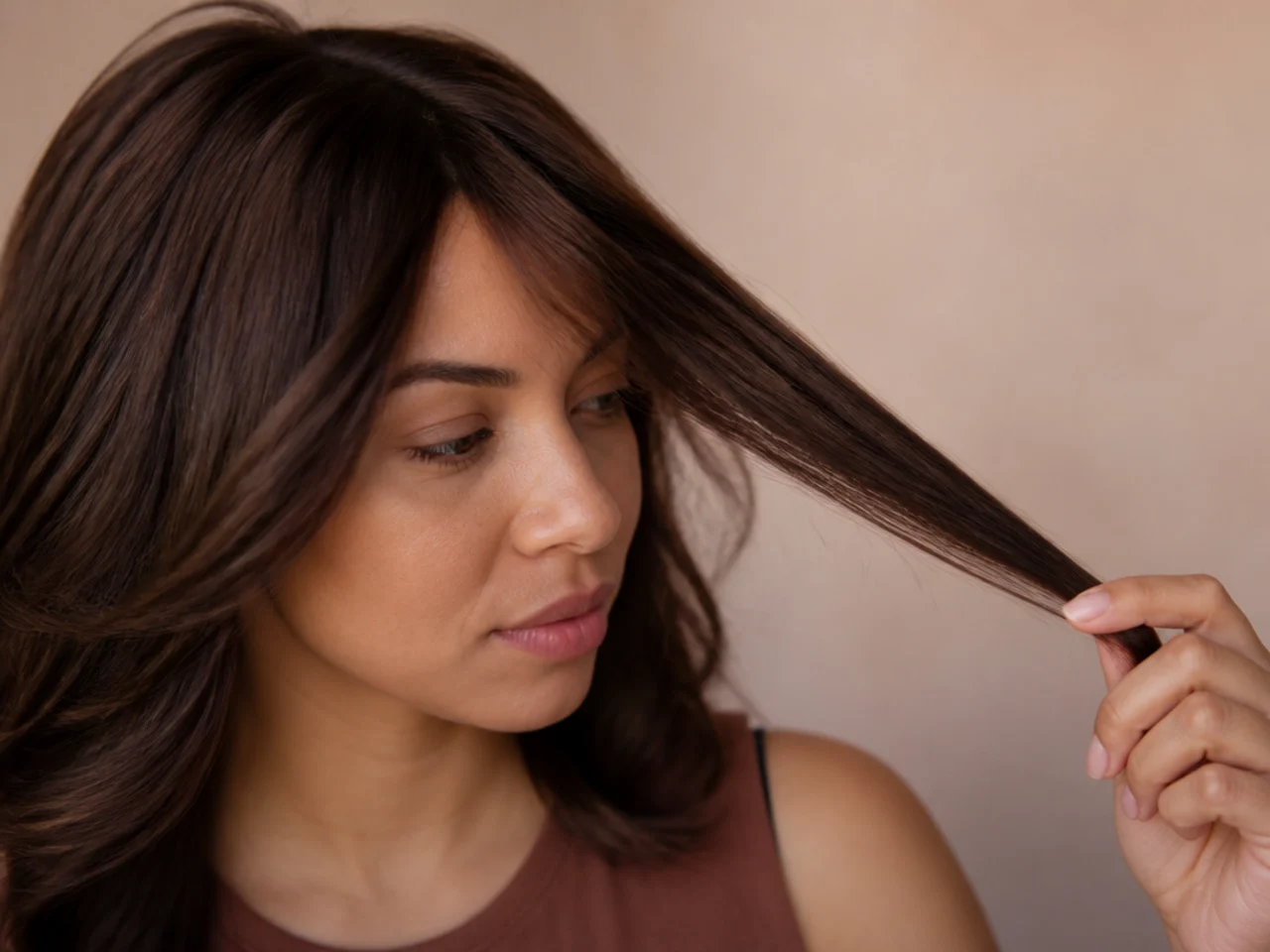
Say the words air dried, in the consultation. It changes the cutting technique, not just the finish, and it has to be said before anything is cut.
Ask for the tier ends point cut, not blunt. A blunt tier end lands as a visible line. A point cut one dissolves into the length beneath it.
Set the shortest tier above the jaw. A layer finishing level with the jaw traces the jawline and reads as a shelf when nothing is holding it inward.
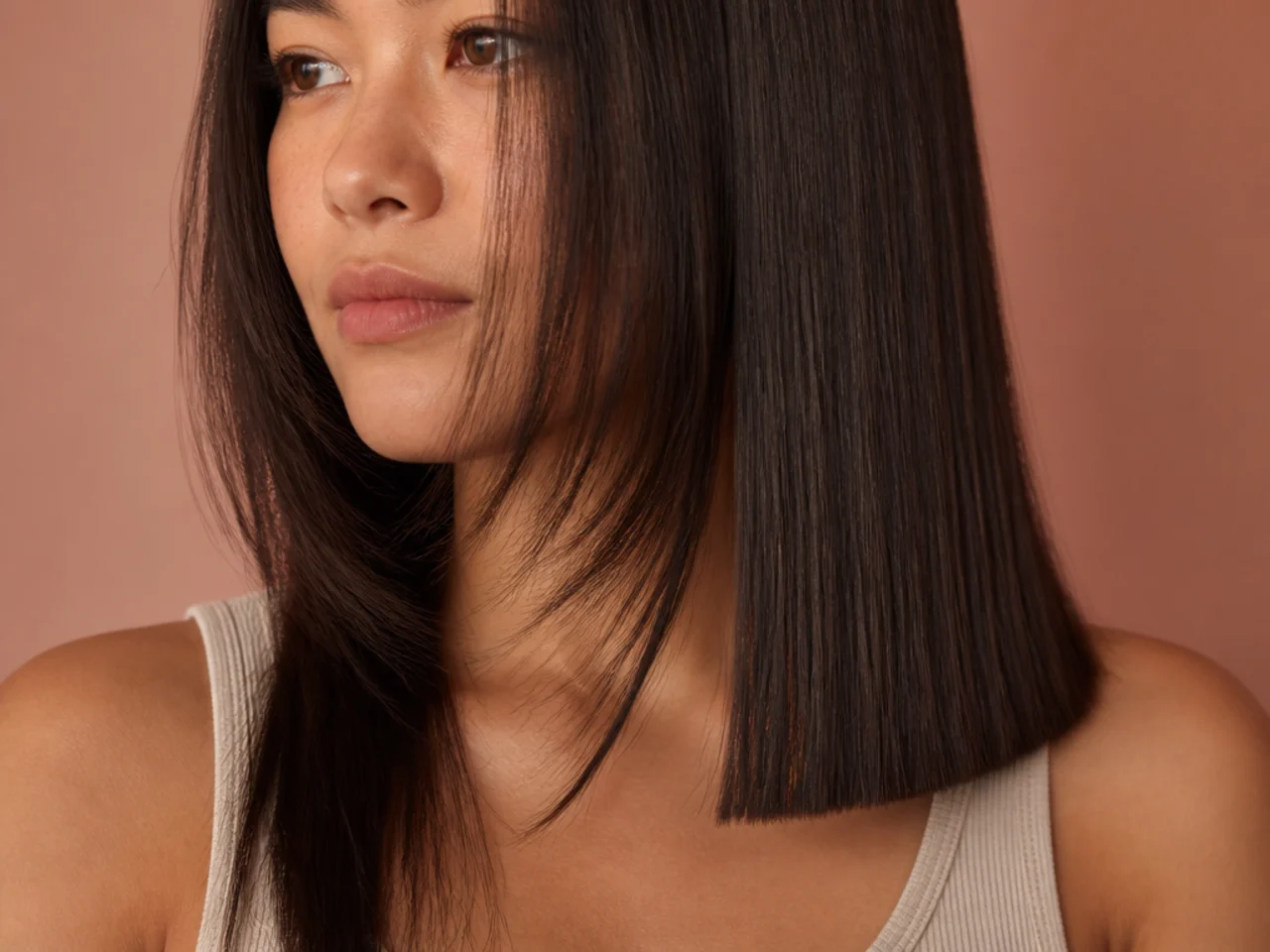
Keep the perimeter untouched. The blunt edge is the only thing making an unstyled butterfly look intentional rather than grown out.
The 15 Things I Learned
1. The Shape Is Built by the Dryer, Not the Scissors
The inward curve at the cheek is a brush bending the hair while heat sets it. Nothing in the cut produces that curve on its own, which is why the salon version and the morning version can look like two different haircuts on the same head.
2. The Shortest Tier Is Where the Step Shows
Whatever length the short tier finishes at is where the eye finds the change. Set it at the jaw and it traces the jawline like a drawn line, and set it at the cheekbone and it crosses the face at an angle that reads as face framing instead.
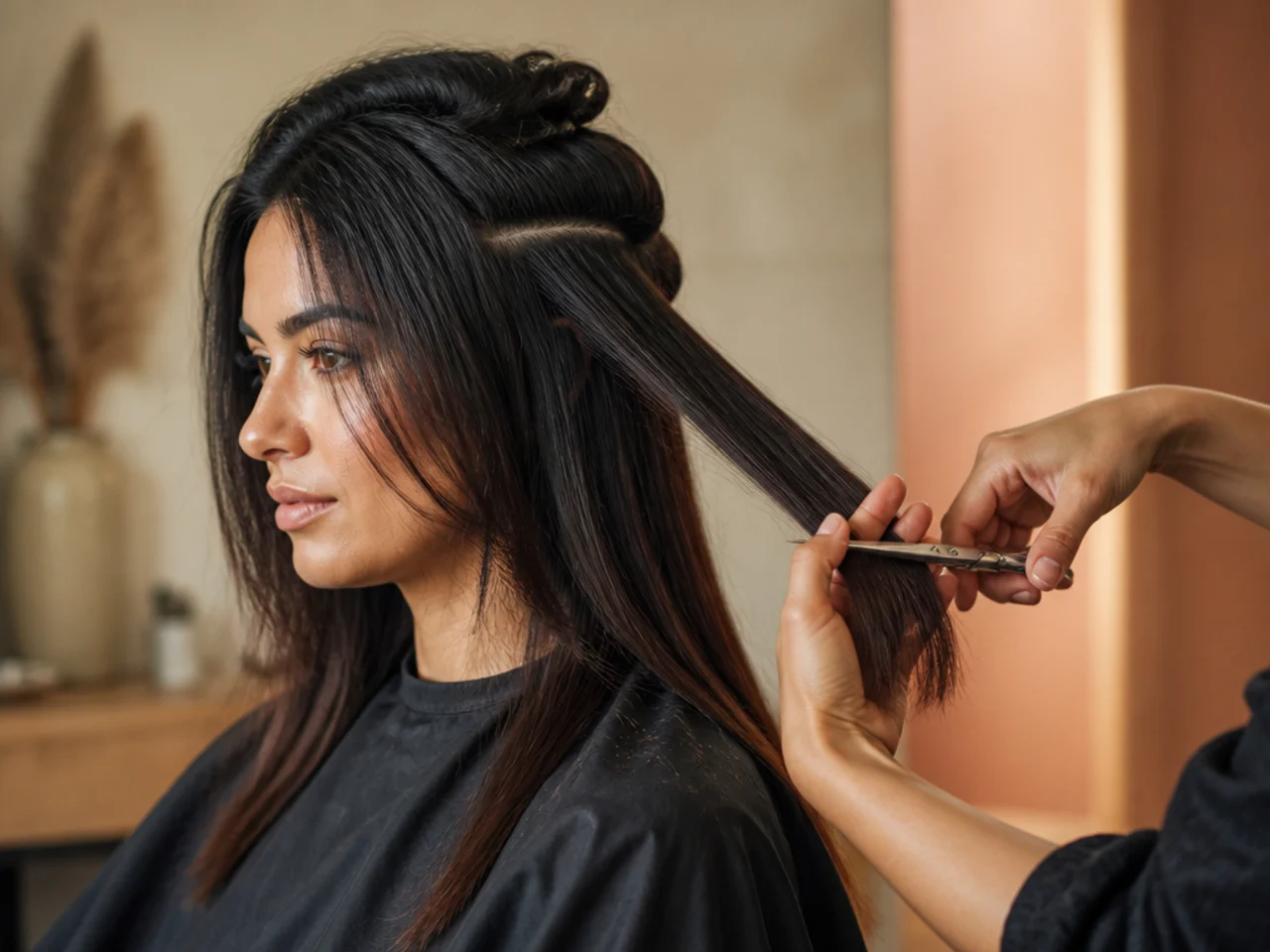
3. Cutting It Dry Was the Change That Mattered
Wet hair hangs at full length and lifts as it dries, so a tier cut to the jaw wet ends up above it. Cutting dry means the tier is placed at the height it will actually be worn at, which matters most on hair that is never blow dried.
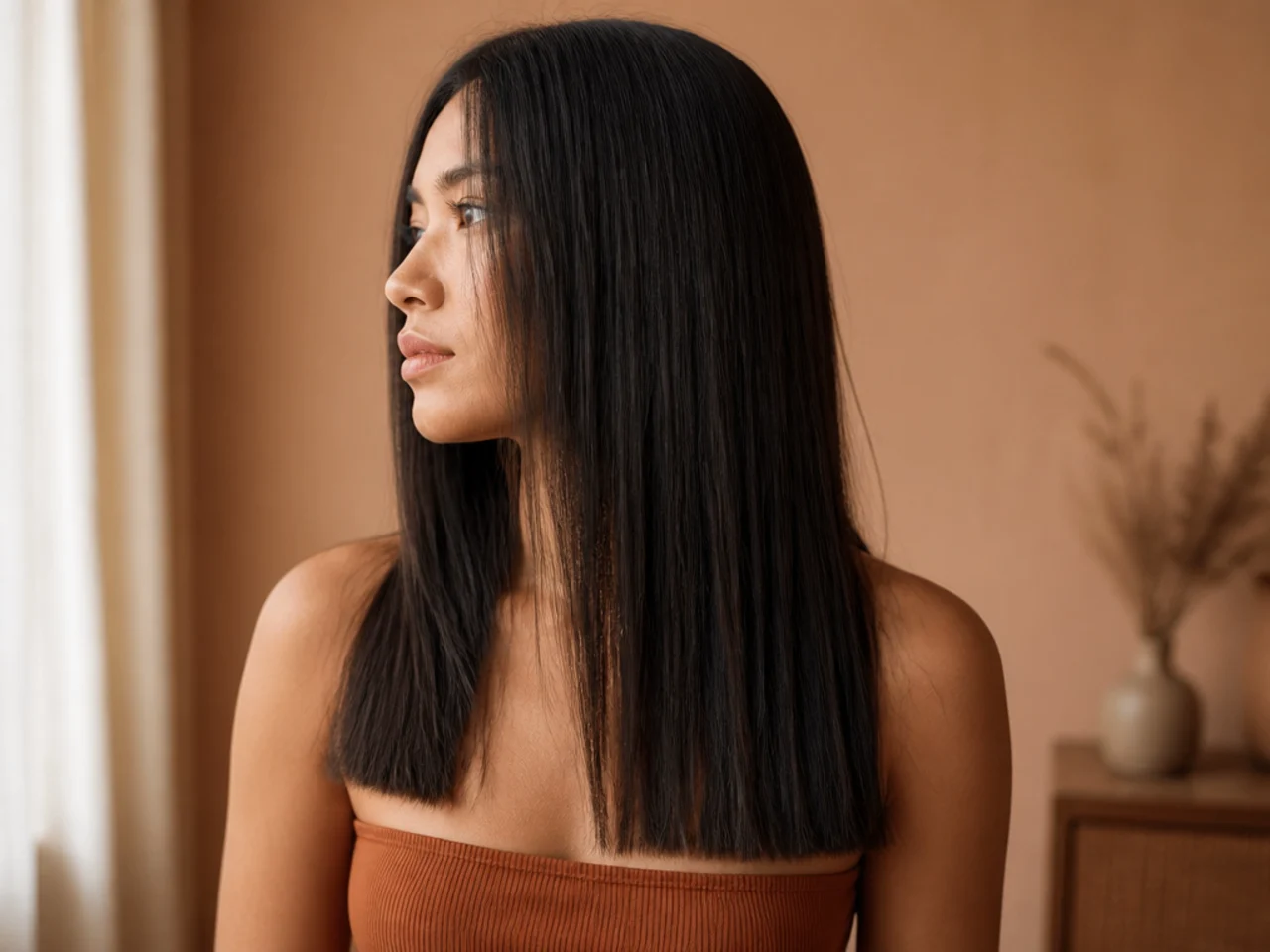
4. Straight Hair Records Every Length Change
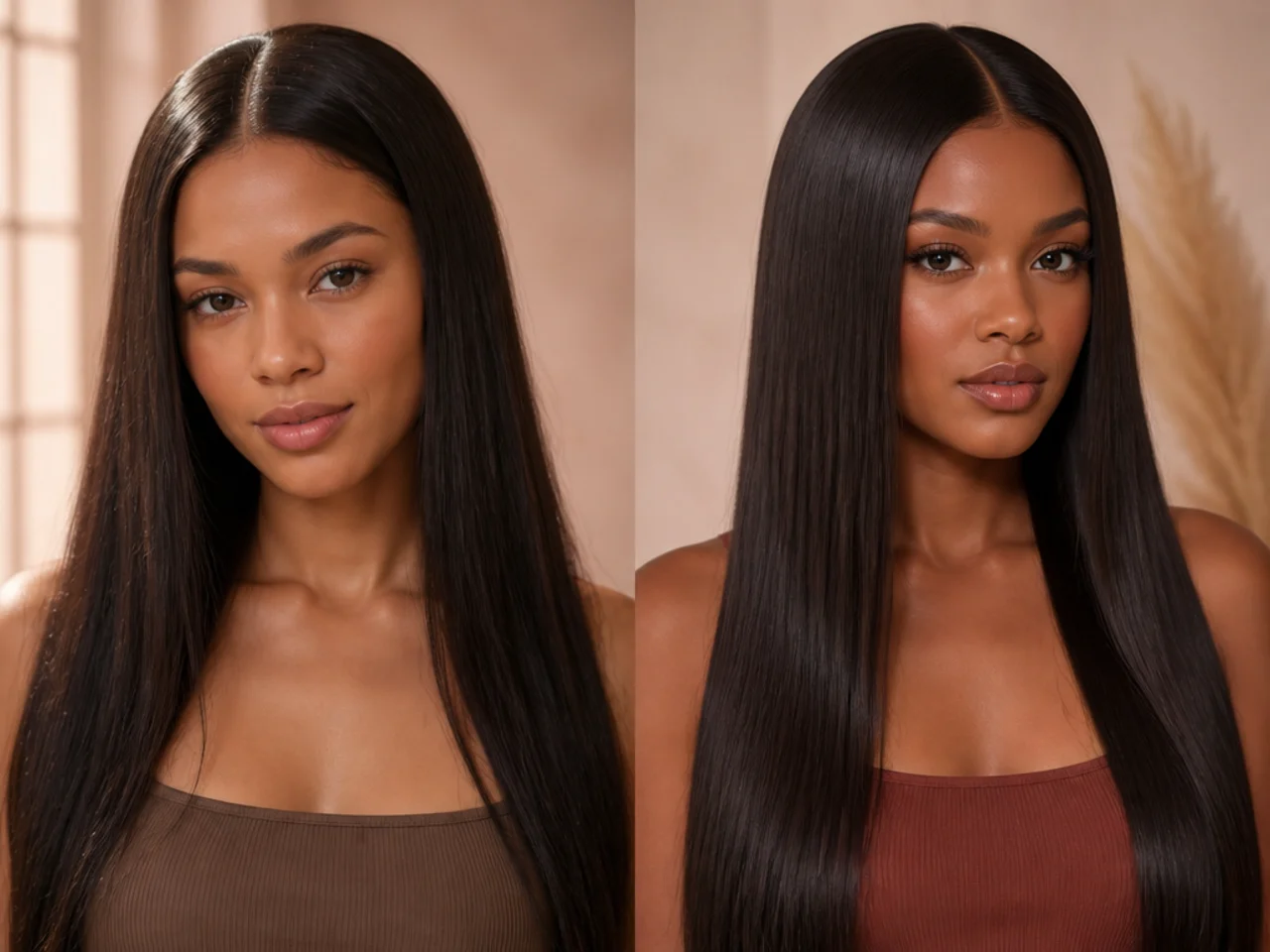
Straight strands hang in one plane with no bend to scatter light, so any change in length reads as a hard line rather than as shadow. This is the texture on which an unstyled butterfly is hardest, and the one that most needs the ends point cut.
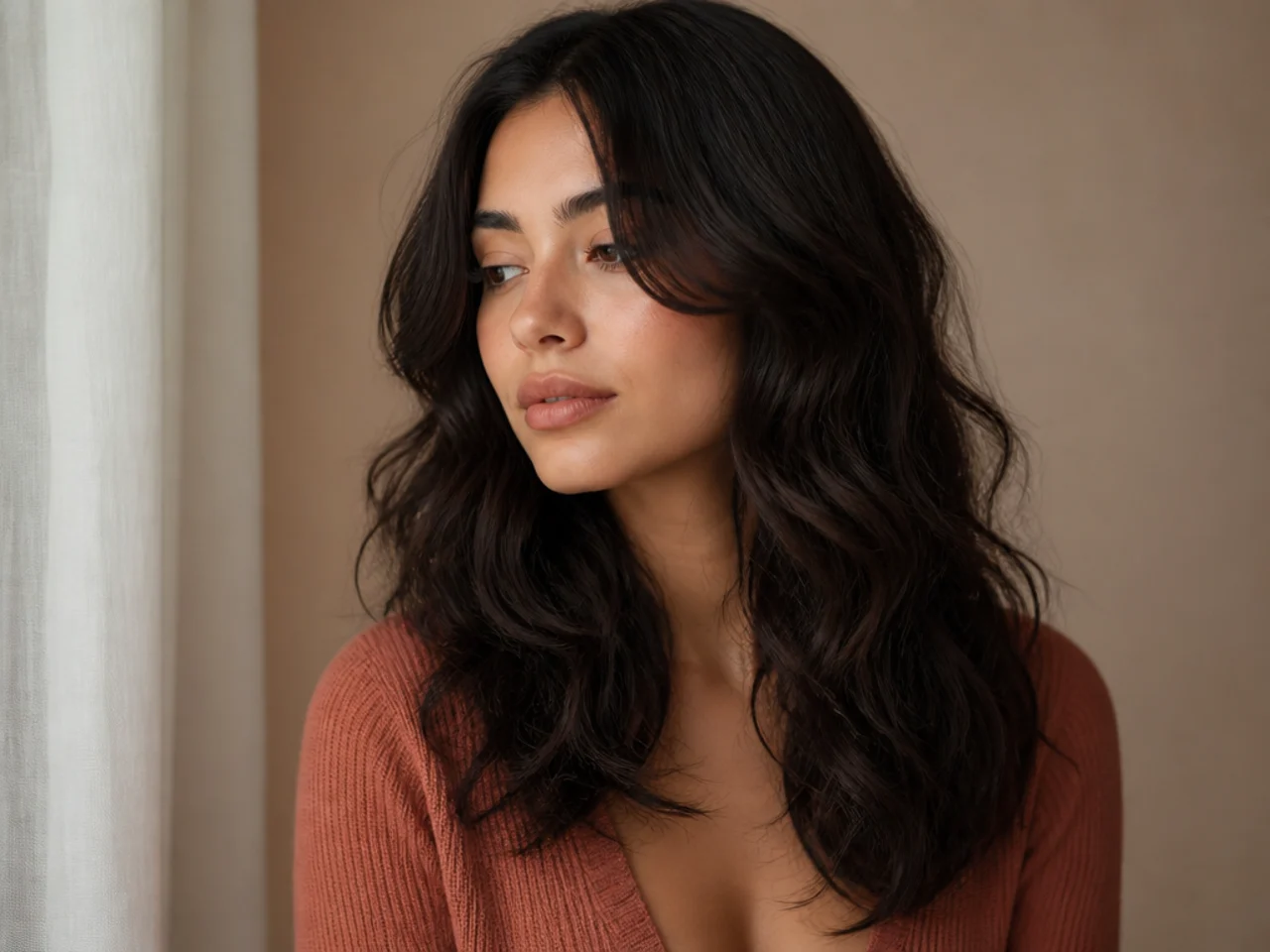
5. Wave Hides the Tier Line Almost Completely
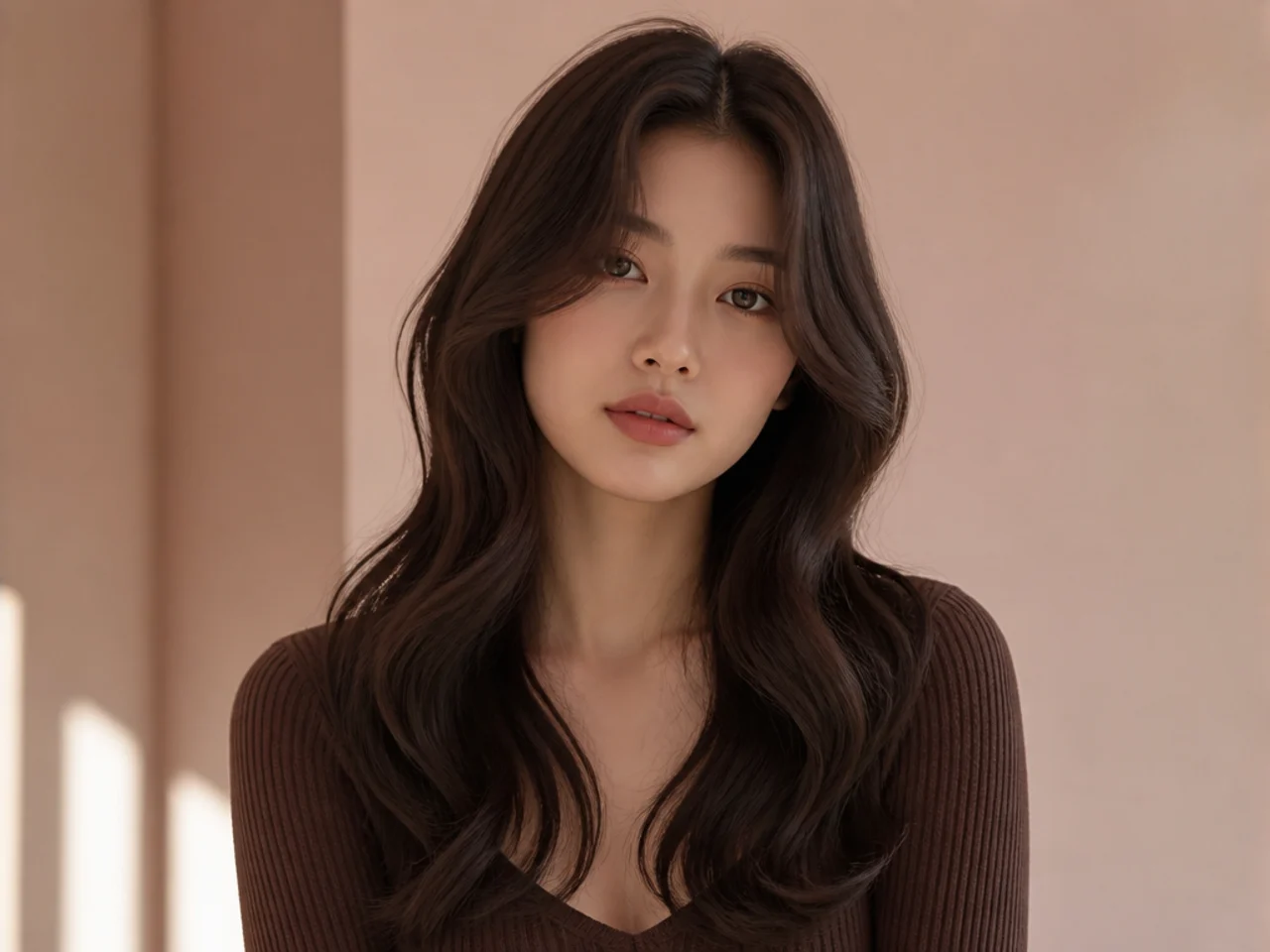
An S bend throws light in several directions at once, so the boundary between two lengths is blurred before the eye can locate it. On wavy hair a butterfly can be cut bluntly and still look soft with no styling at all.
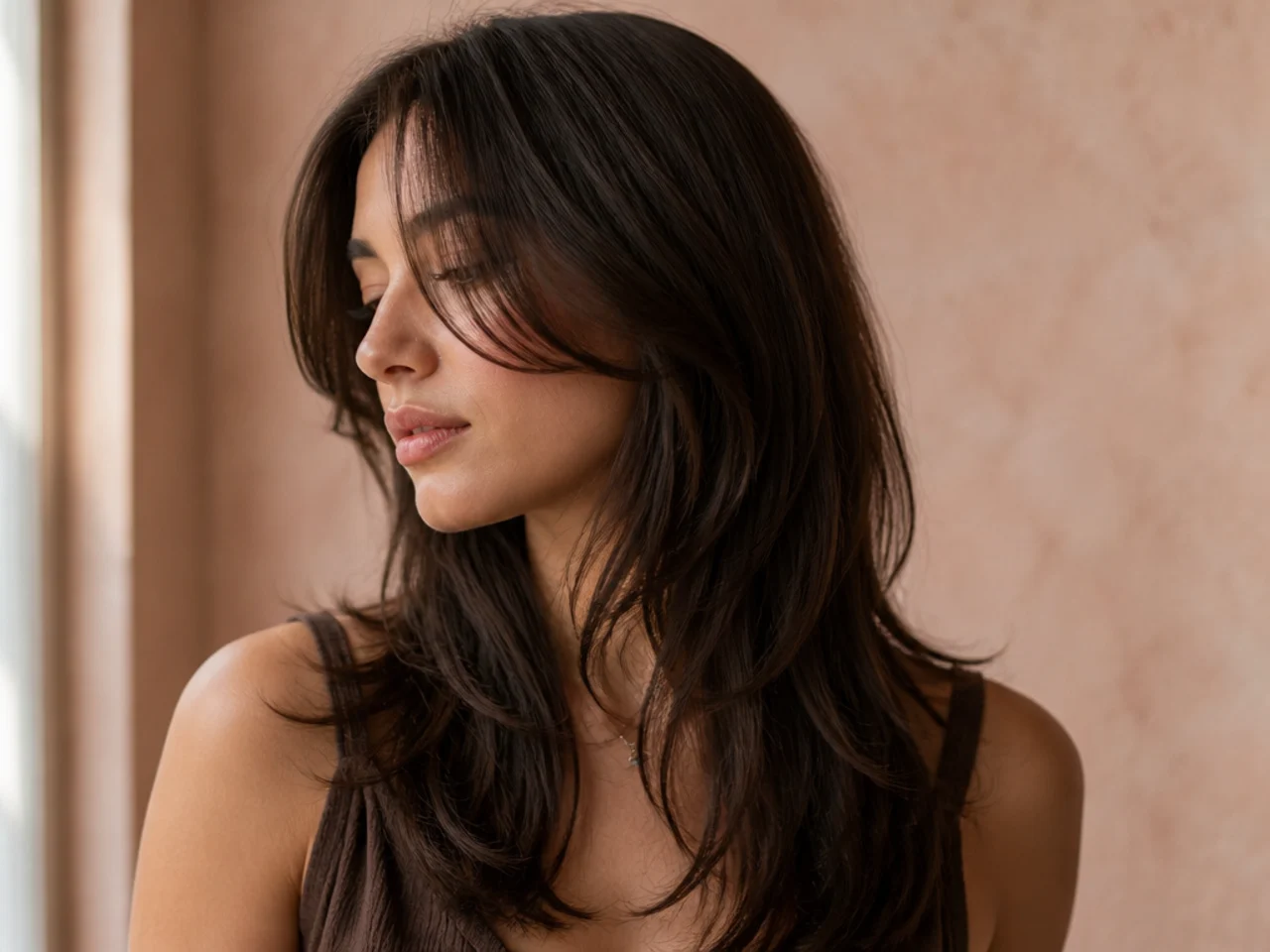
6. Point Cutting the Tier Ends Removed the Shelf
Cutting into the ends at a steep angle leaves each strand finishing at a slightly different height. There is then no single line for the eye to find, which is the entire difference between a soft face frame and a shelf across the cheek.
7. The Perimeter Has to Stay Blunt on Fine Hair
Layers already remove strands from the interior, and taking texture out of the bottom edge as well leaves nothing solid anywhere. On fine hair the blunt perimeter is the only density signal left once the tiers are cut.
8. A Shorter Butterfly Reads as a Shag Unstyled
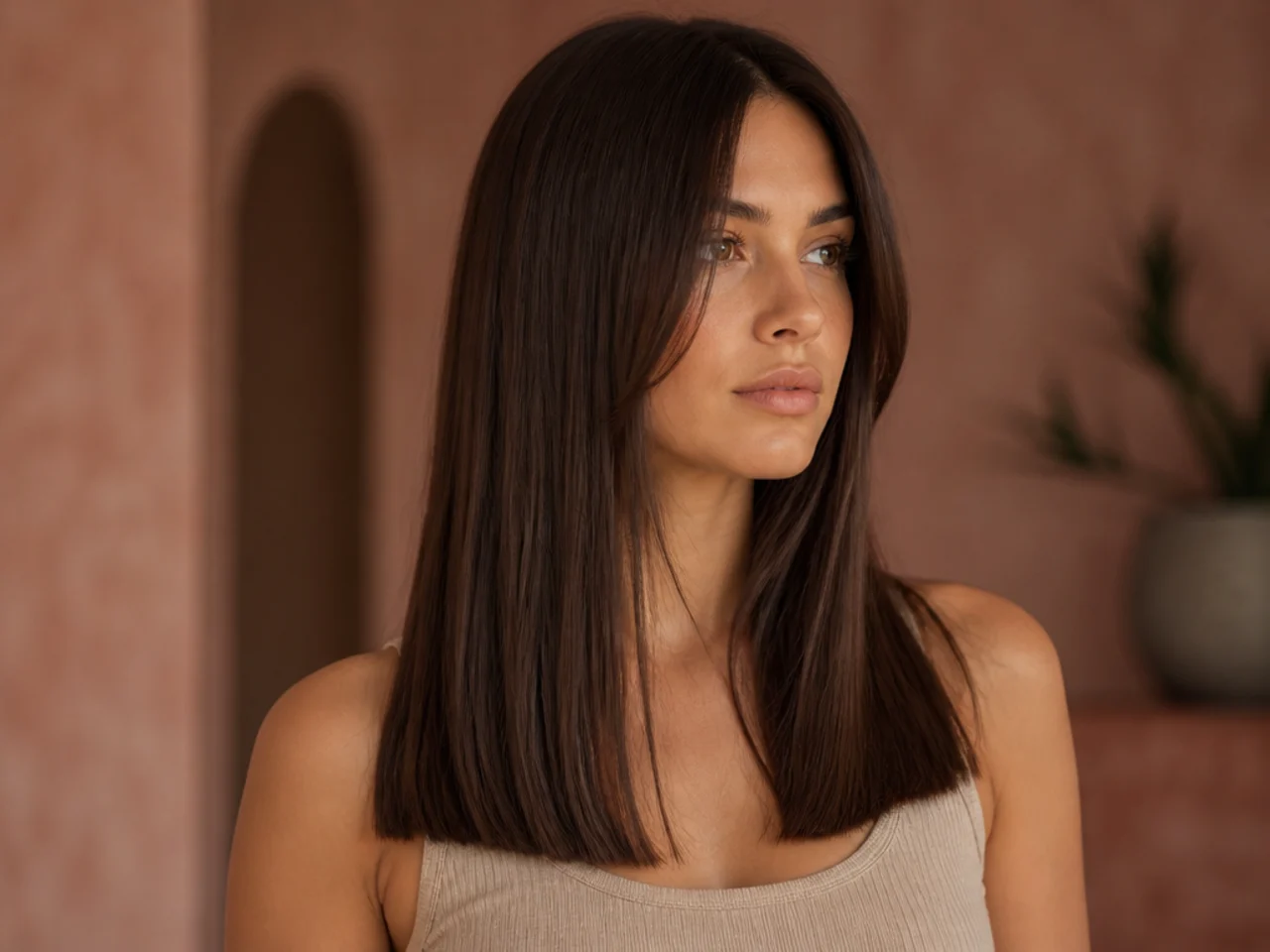
Take the whole cut shorter and the two tiers sit closer together, so the step occupies a larger share of the total length. Left unstyled that proportion tips the shape into shag territory, which is fine if it is what you wanted and a surprise if not.
9. A Cowlick Splits the Face Framing Tier
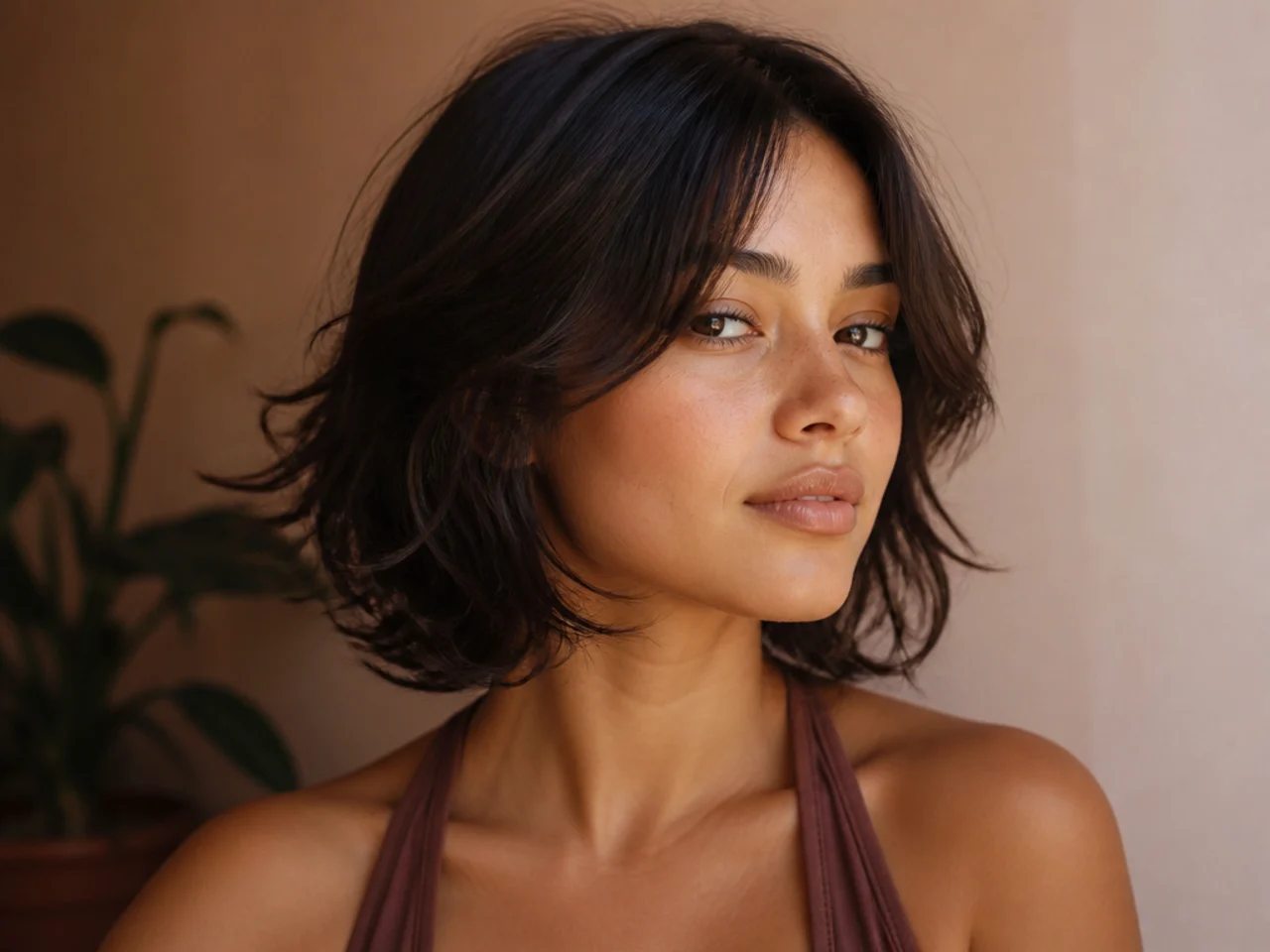
A cowlick at the front hairline sends the hair sideways as it dries, and the tier then divides around it instead of falling evenly. Cutting the affected pieces a centimetre longer gives them the weight to lie down.
10. Overdirection Is What Makes It Curve
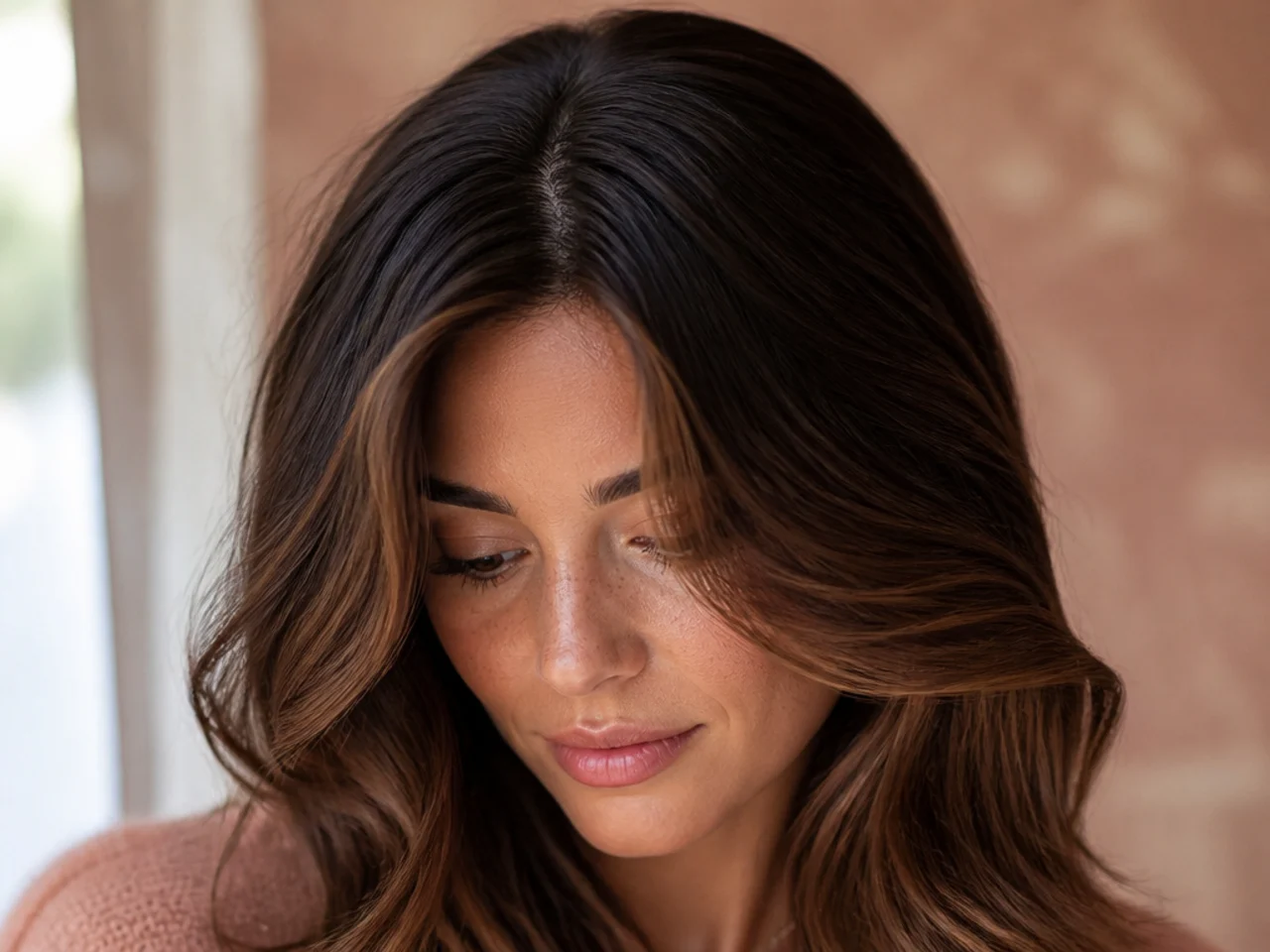
Pulling each section forward before cutting leaves it progressively longer toward the outside of the head. That length gradient is what turns the hair inward as it falls, and a butterfly cut without it hangs straight down no matter how it is dried.
11. Air Drying Needs a Different Product Than Blow Drying
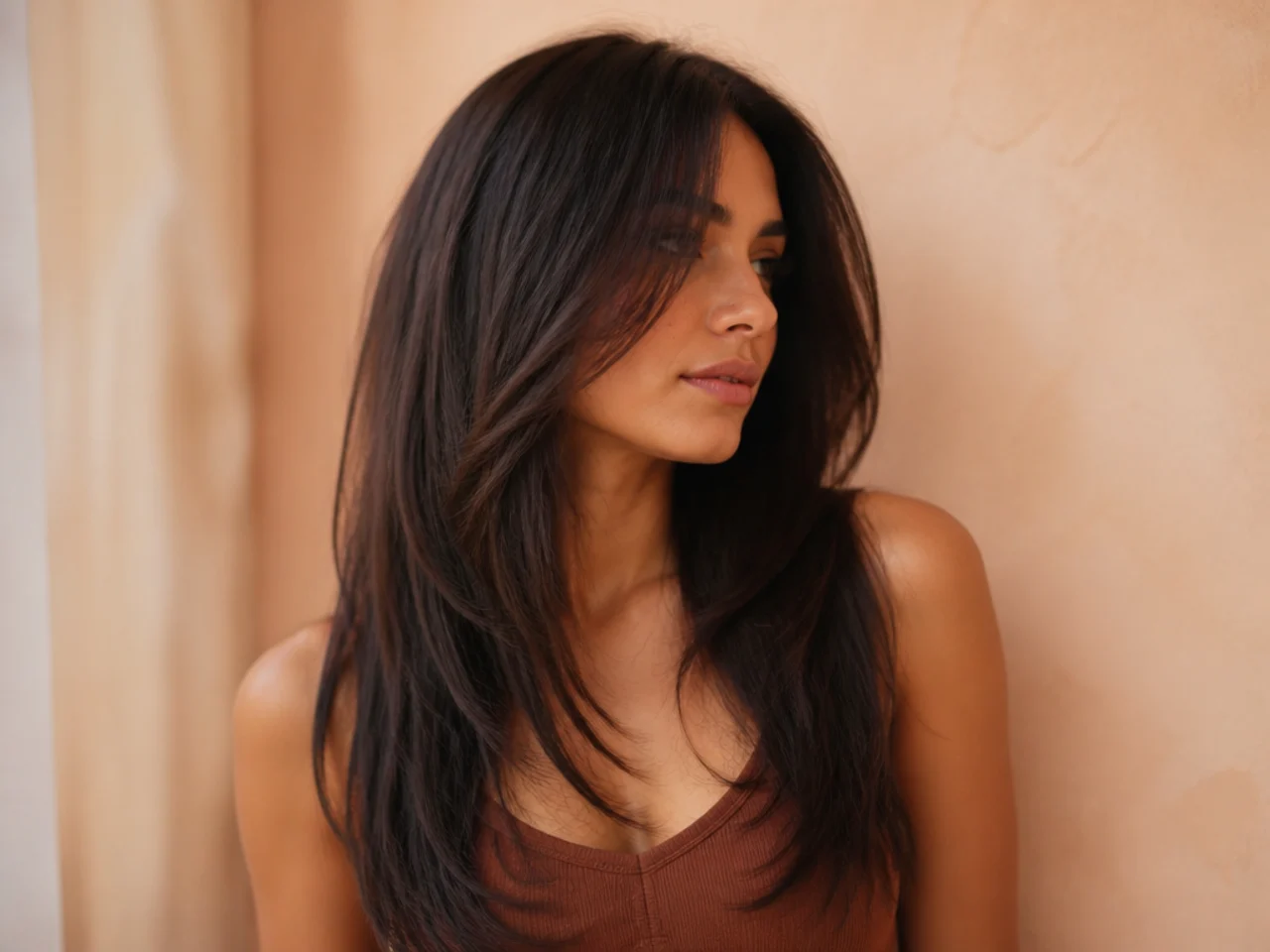
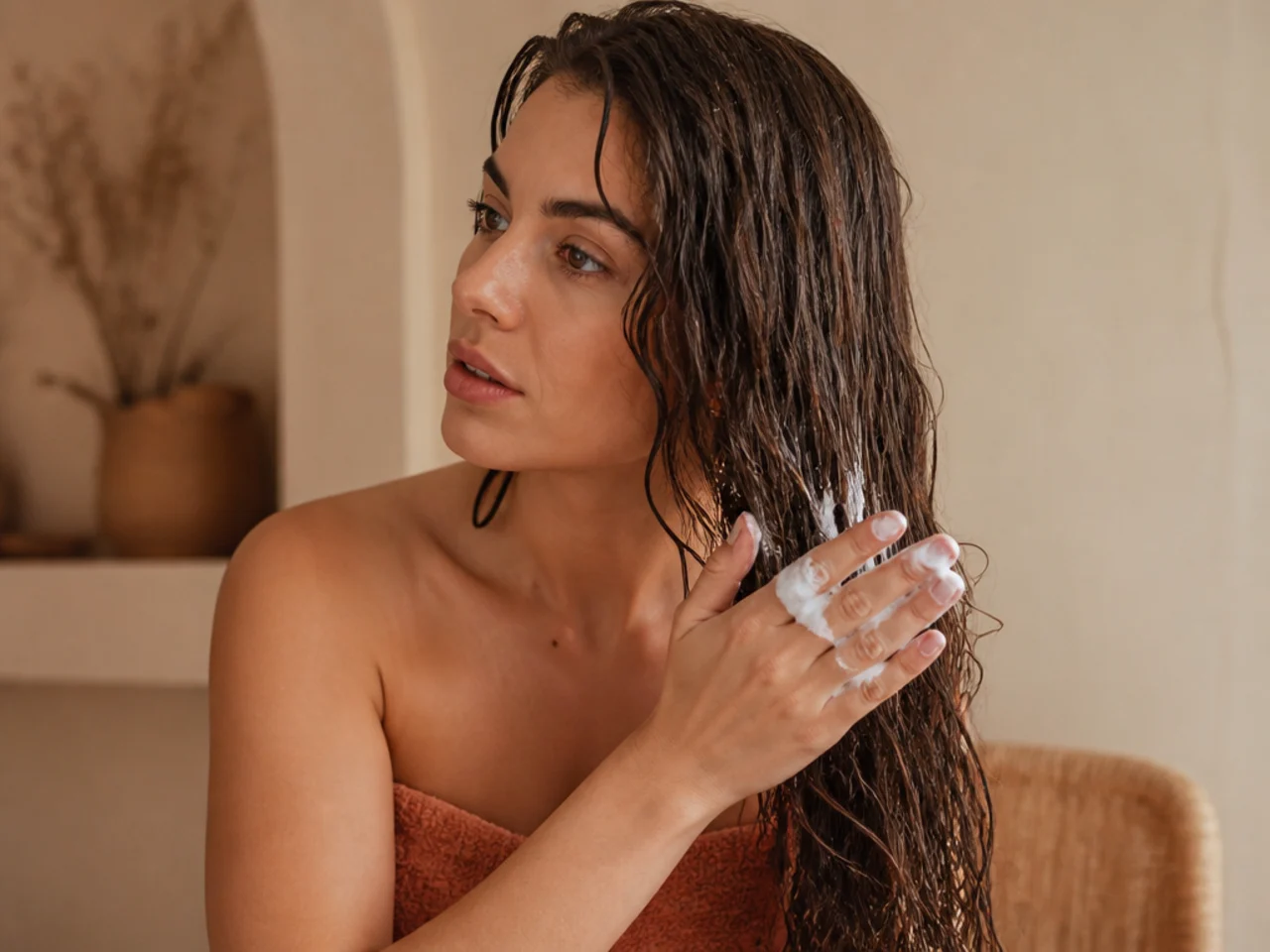
A blow dry uses heat to set the shape and a cream to smooth it. Air drying has no heat, so the hold has to come from the product alone, which means a light mousse or a setting lotion applied while the hair is genuinely wet.
12. Day Two Is the Honest Test
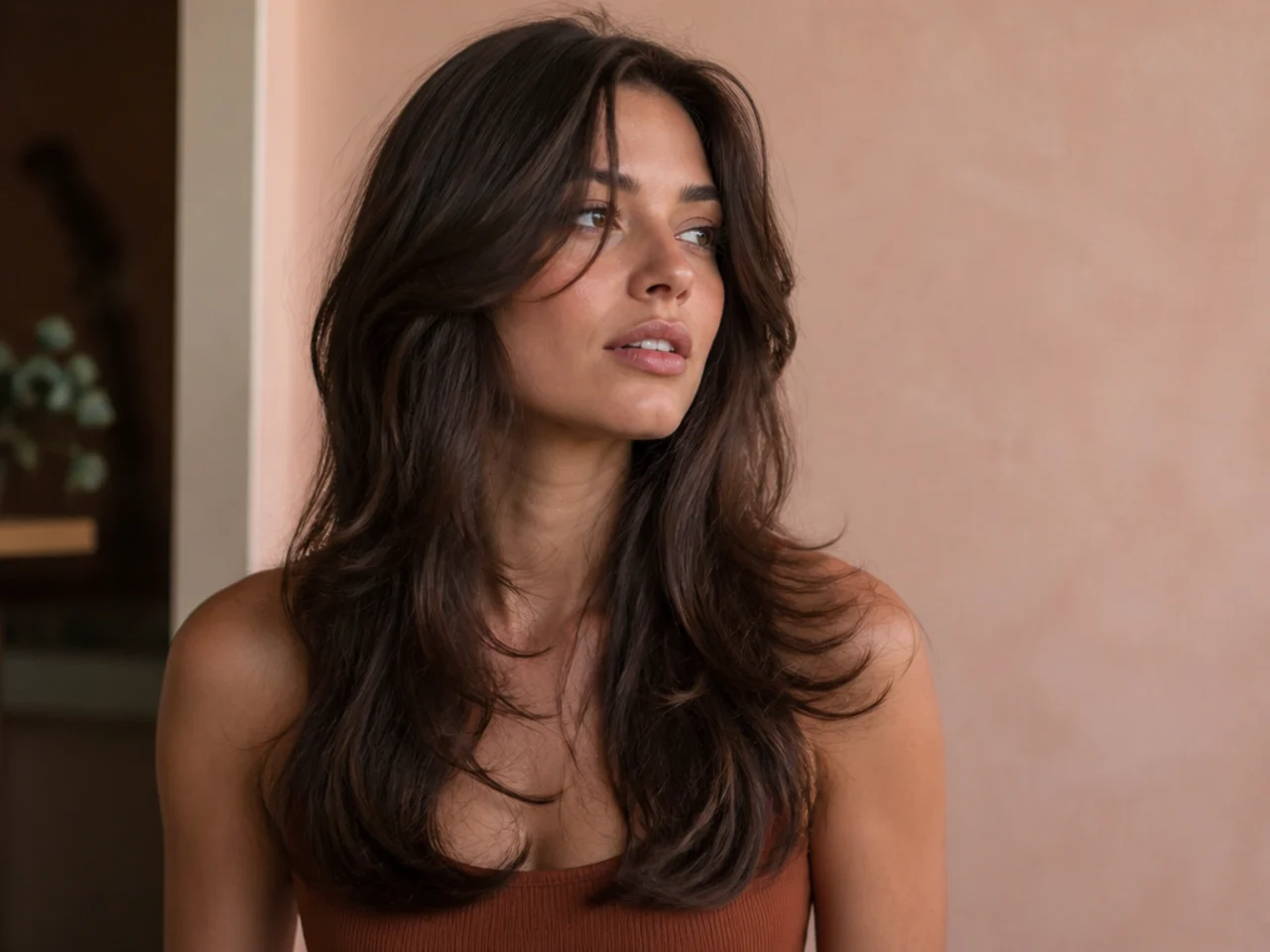
On day one the hair still carries whatever was done to it in the salon. By day two it has been slept on and settled into its own fall, which is the version you will actually live with for the next three months.
13. How I Sleep Decides the Morning Shape
Hair sets into whatever shape it dries and rests in, so a night on a cotton pillow with the hair loose flattens one side and bends the other. A loose braid or a satin cover keeps the tier fall consistent enough to skip styling.

14. The Grow Out Is Better Than It Looks in Photographs
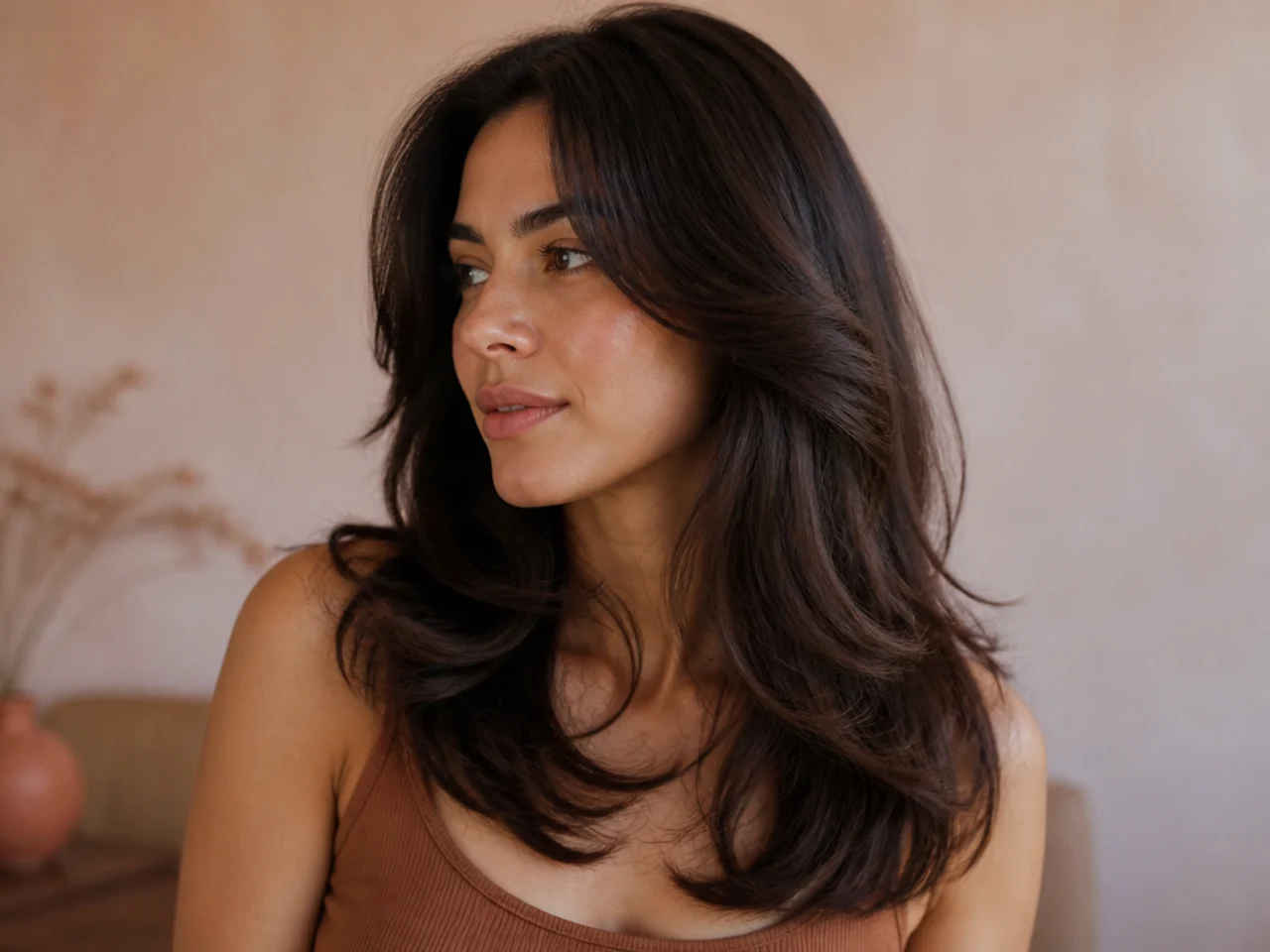
Because the tiers are connected, everything drops at the same rate and the shape softens rather than breaking. At ten weeks the short tier has moved a couple of centimetres and reads as slightly longer face framing rather than as an outgrown cut.
15. Length Is the Only Insurance Policy
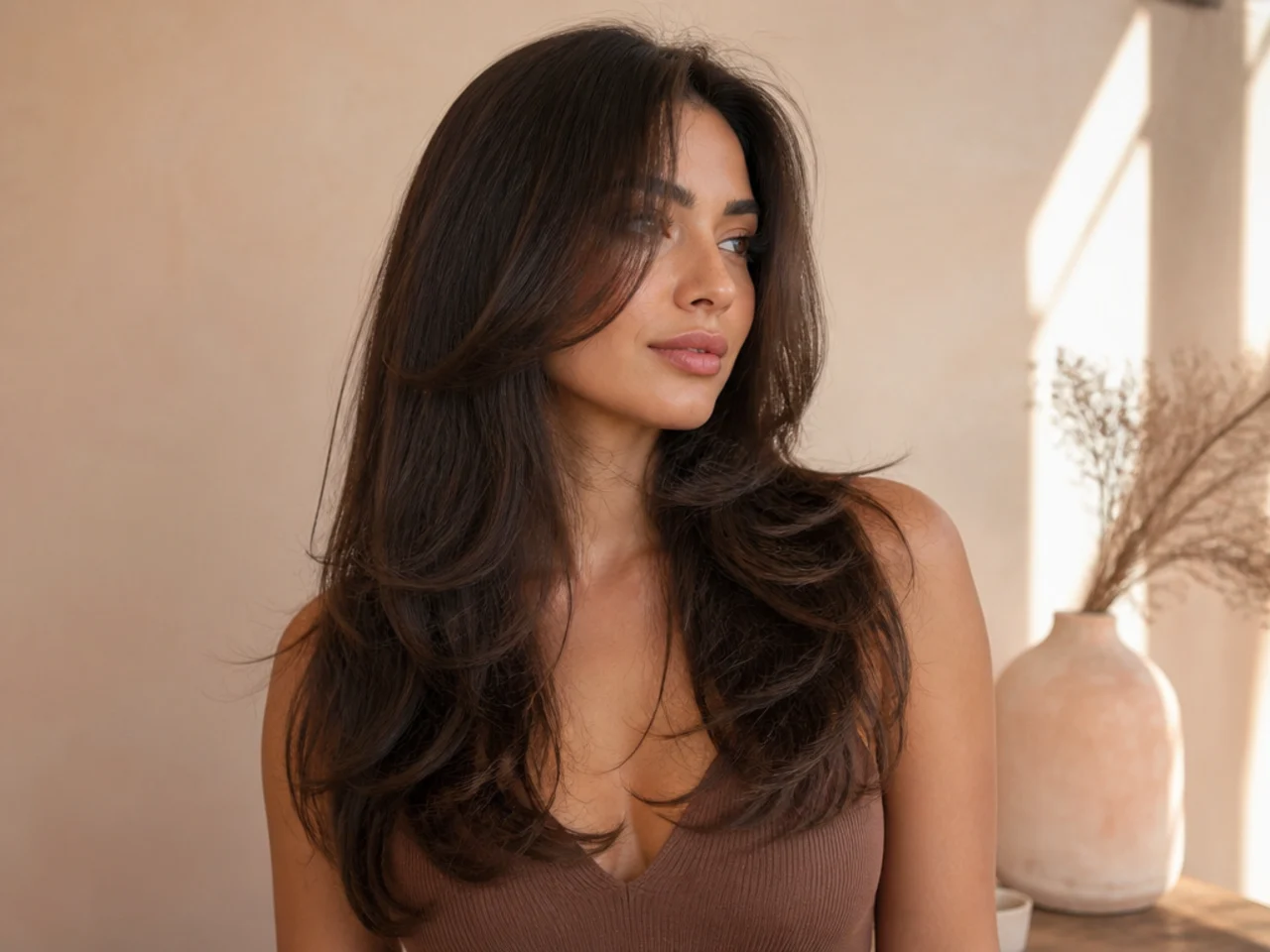
Every problem in this cut is solved by having more hair than the shape strictly needs. Extra length means the tier can be lowered, the perimeter re cut or the whole thing taken toward a different shape, and none of those options exist once it is short.
Styling and Upkeep
Put product on soaking wet hair. Air drying has no heat to set the shape, so the hold has to be in place before the water leaves.
Do not touch it while it dries. Every touch resets the direction the strands are drying in, and the tier ends up falling in three directions.
Tuck the short tier behind the ear for ten minutes, then release. It sets a soft bend inward without heat or a brush.
Trim every ten to twelve weeks. Connected layers drop together, so nothing breaks until the short tier passes the collarbone.
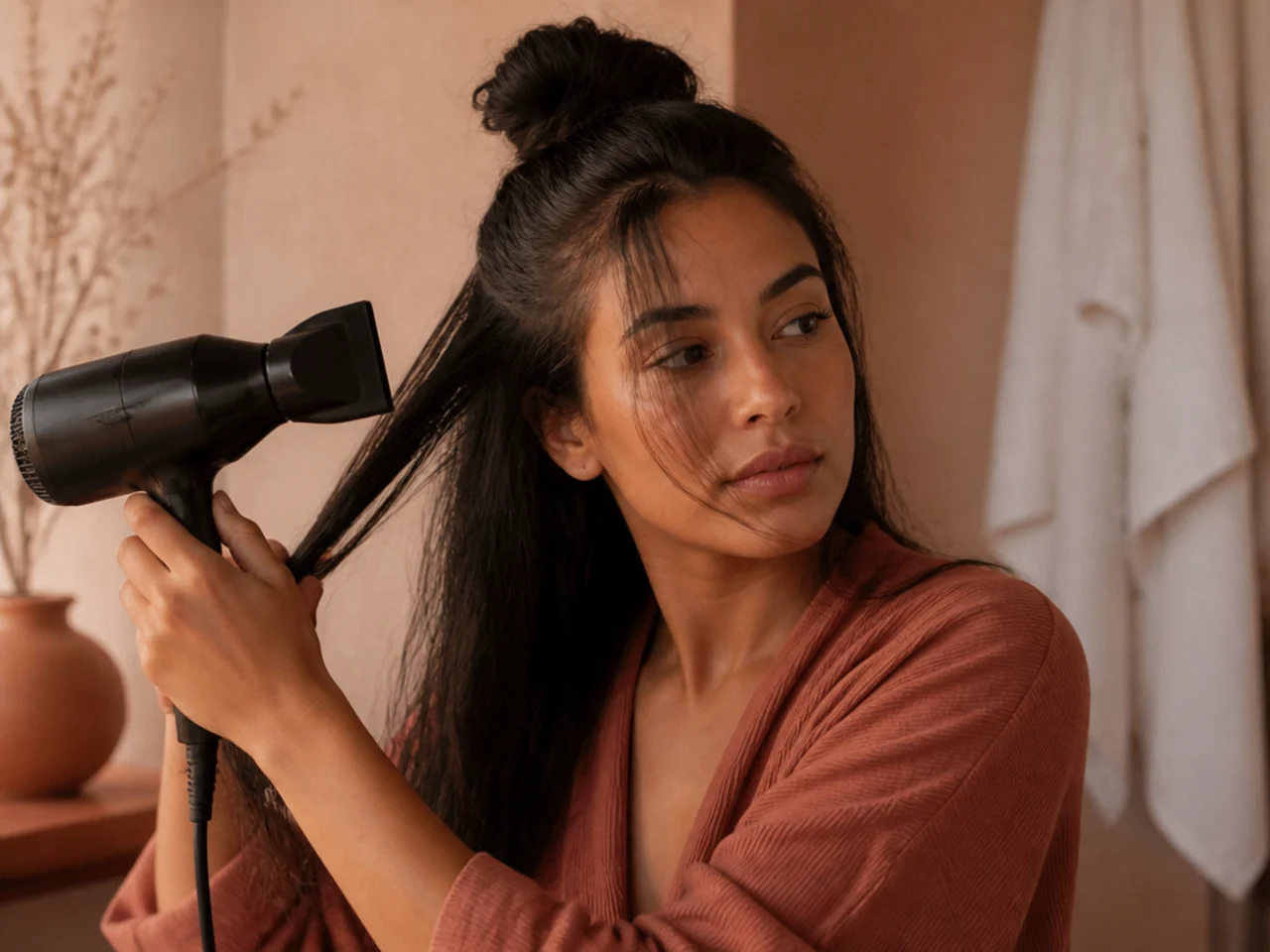
Blow dry the front four sections only when you want the salon version. The back can air dry, because the curve only exists at the face.
Mistakes to Avoid
Asking for a butterfly without saying how you dry your hair. It changes the cutting technique, not just the finish.
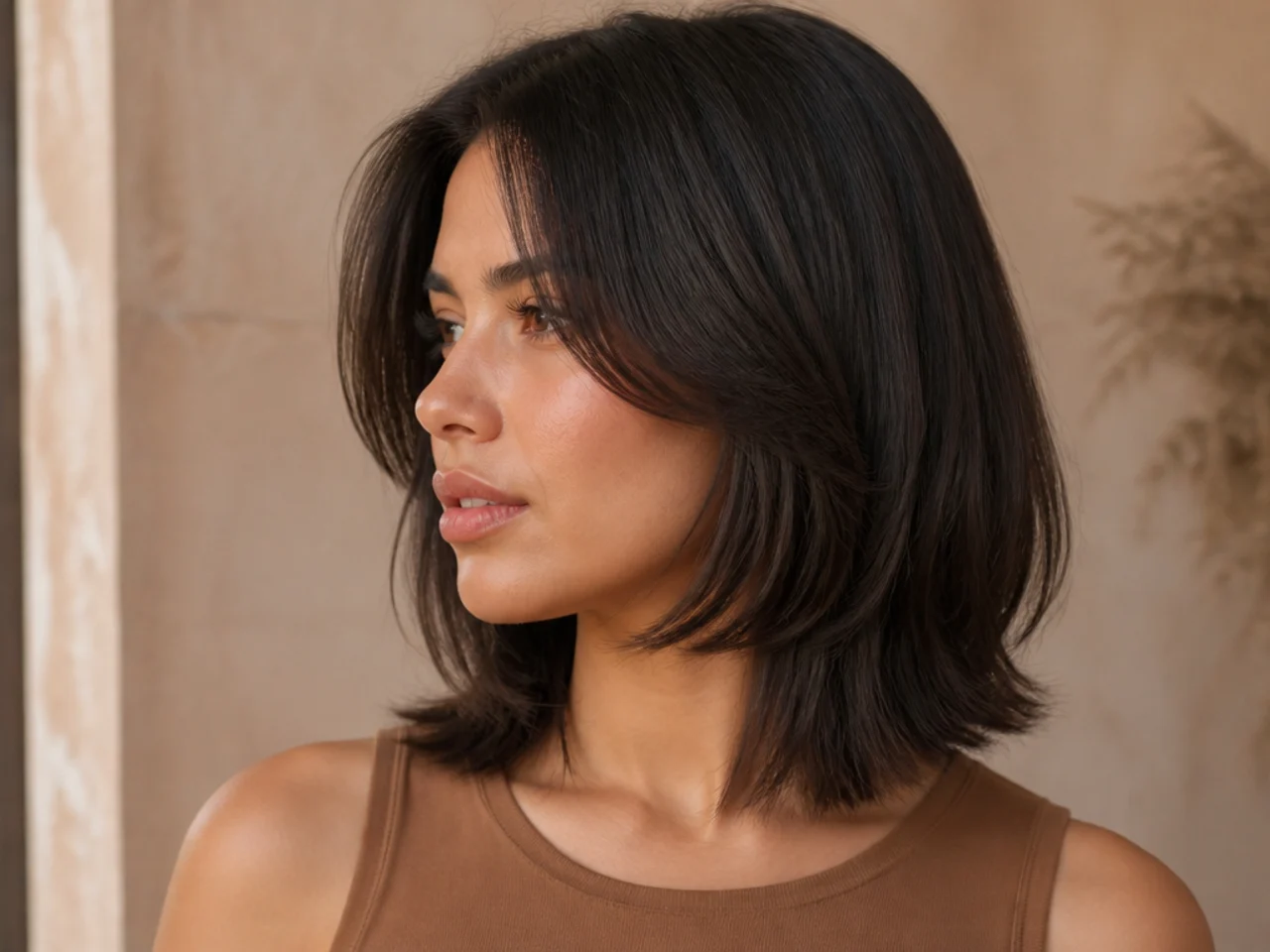
Blunt cutting the tier ends. On straight hair that line is visible from across a room the moment the hair is not smoothed.
Setting the short tier level with the jaw. It traces the jawline and reads as a shelf rather than as face framing.
Adding texture to the perimeter. The blunt edge is doing all the work of making an unstyled butterfly look deliberate.
Judging it on the day it is cut. It is carrying a professional blow dry, which is precisely the variable you are trying to remove.
FAQ
Can it be air dried? Yes, if it is cut dry, overdirected and point cut at the tier ends.
Why does it look like a shag? Because the layers are showing, which is what the styling normally hides.
Where should the short tier finish? Above the jaw, ideally near the cheekbone.
Final Thoughts
Say how you dry your hair before anything is cut. A butterfly built for a round brush and a butterfly built for air drying are two different cuts that happen to share a name and a diagram.
For the full range of the shape see the butterfly haircut guide. See also butterfly haircut for short hair. More in Womens Hairstyles.