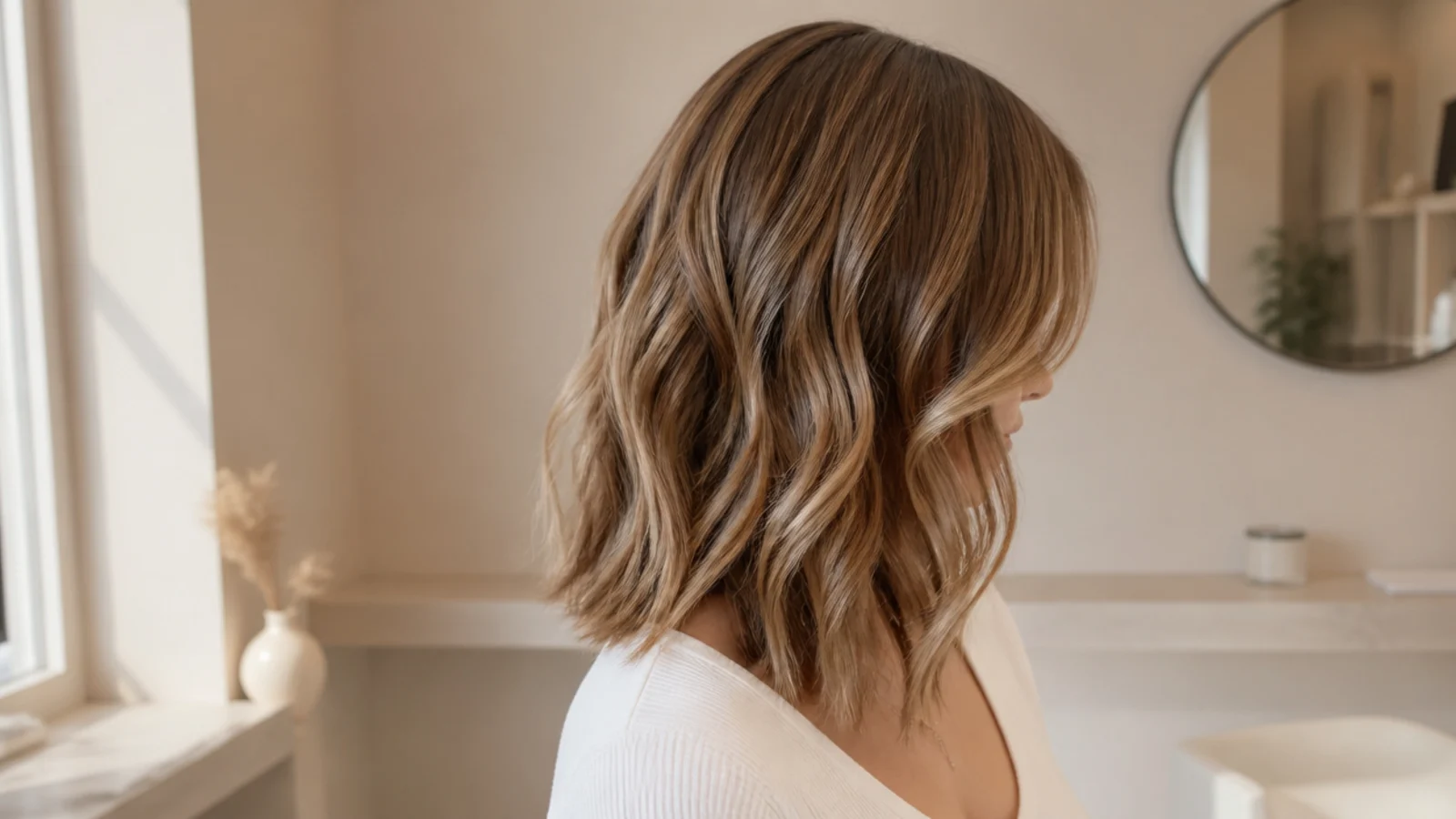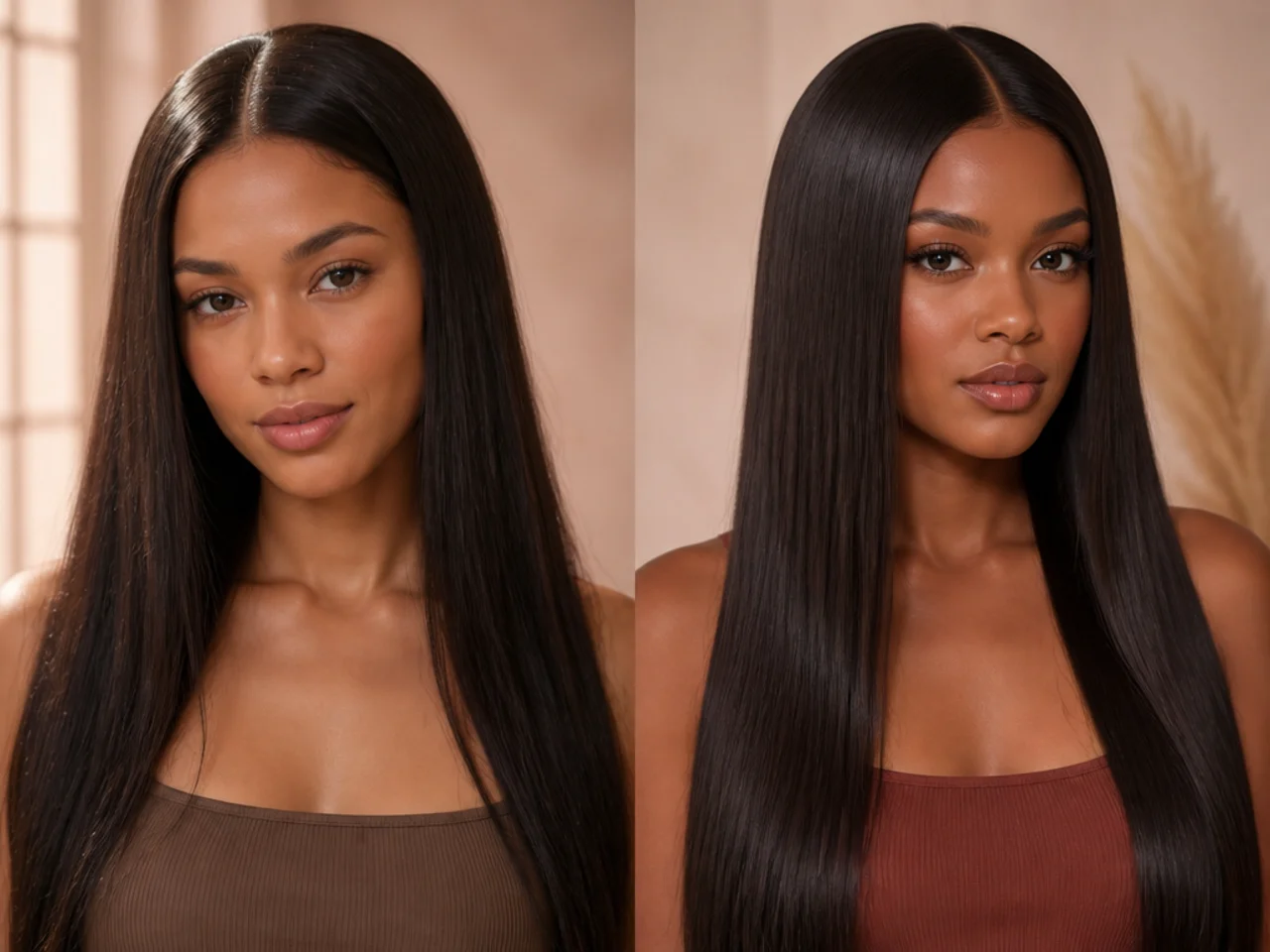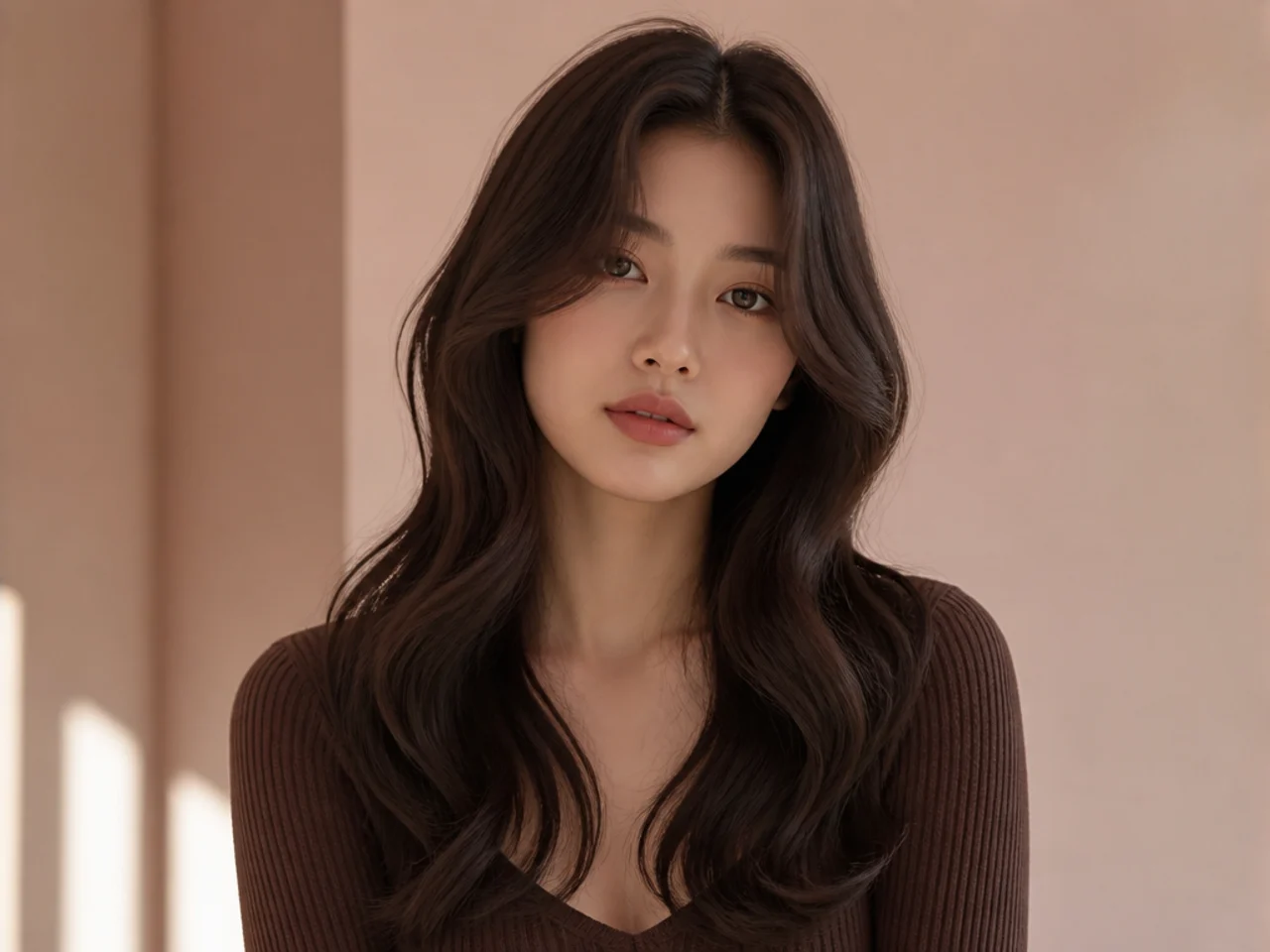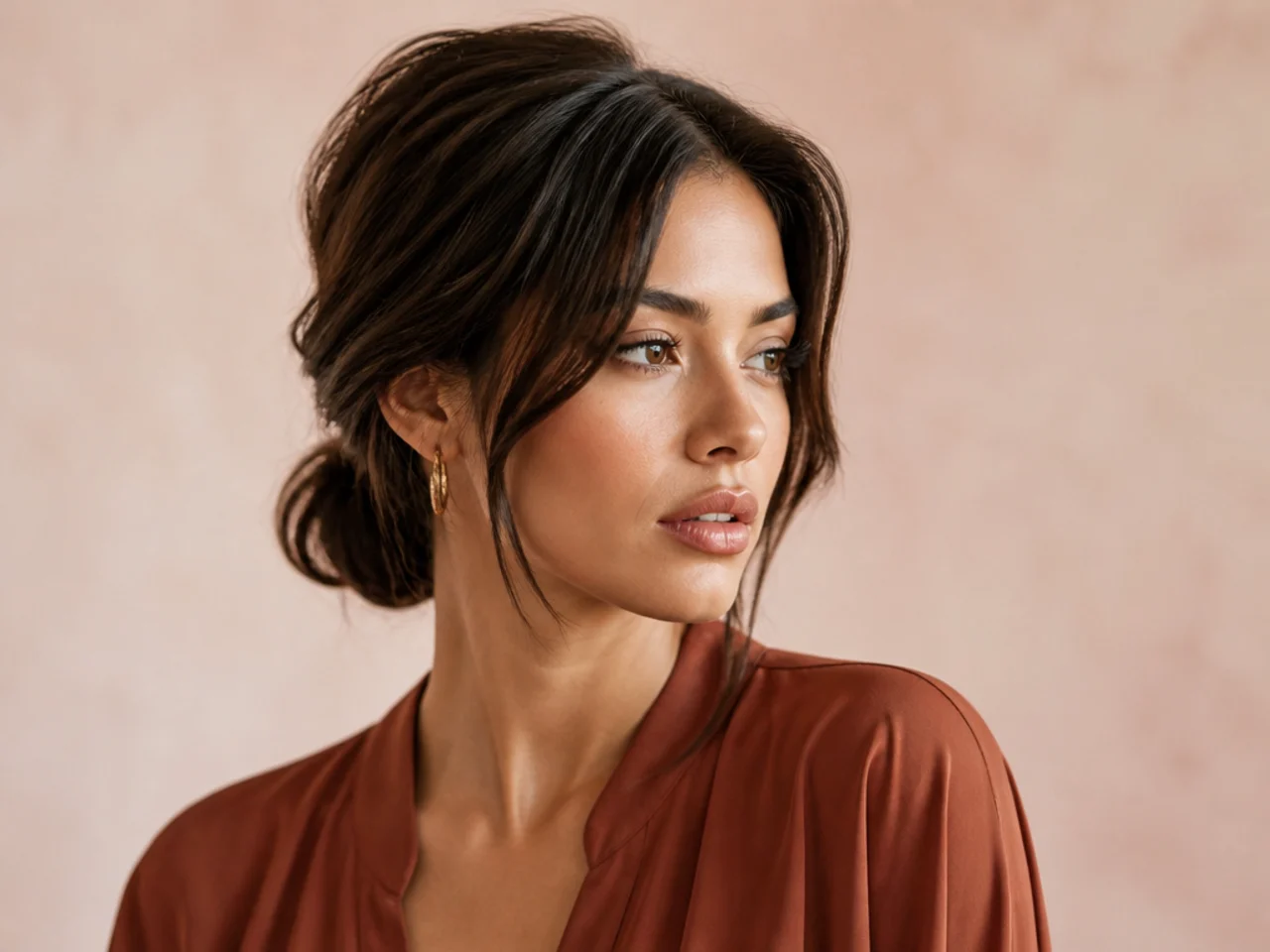
20 Easy Butterfly Haircuts For Long Thick Hair
Twenty butterfly cuts for long thick hair, built around the distinction that decides whether the cut works at all — a butterfly is two separate layer sets with a step between them, not one long gradient. Blend the step away and you have ordinary long layers.
In this article · 27
- What a Butterfly Cut Actually Is
- Choosing Where Your Layers Stop
- The 20 Butterfly Haircuts for Long Thick Hair
- 1. Collarbone Front Layers
- 2. Chin Length Face Frame
- 3. Butterfly With Curtain Bangs
- 4. Butterfly With Hidden Interior Layers
- 5. Butterfly on Straight Thick Hair
- 6. Butterfly on Wavy Hair
- 7. Butterfly on Curly Hair
- 8. Blunt Ends With Butterfly Layers
- 9. Butterfly With a Middle Part
- 10. Butterfly With a Deep Side Part
- 11. Short Crown Layers
- 12. Butterfly With a Thinned Interior
- 13. Waist Length Butterfly
- 14. Butterfly With a Long Curtain Fringe
- 15. Butterfly With a Money Piece
- 16. Butterfly With Face Framing Tendrils
- 17. Half Up Butterfly
- 18. Butterfly Blowout
- 19. Air Dried Butterfly
- 20. Grown Out Butterfly
- Styling and Upkeep
- Mistakes to Avoid
- FAQ
- Final Thoughts
Most butterfly cuts that disappoint were cut as one continuous gradient, which is long layers under a newer name.
A butterfly is two layer sets, not one. A short front set finishing somewhere between the chin and the collarbone, and the length underneath left almost untouched.
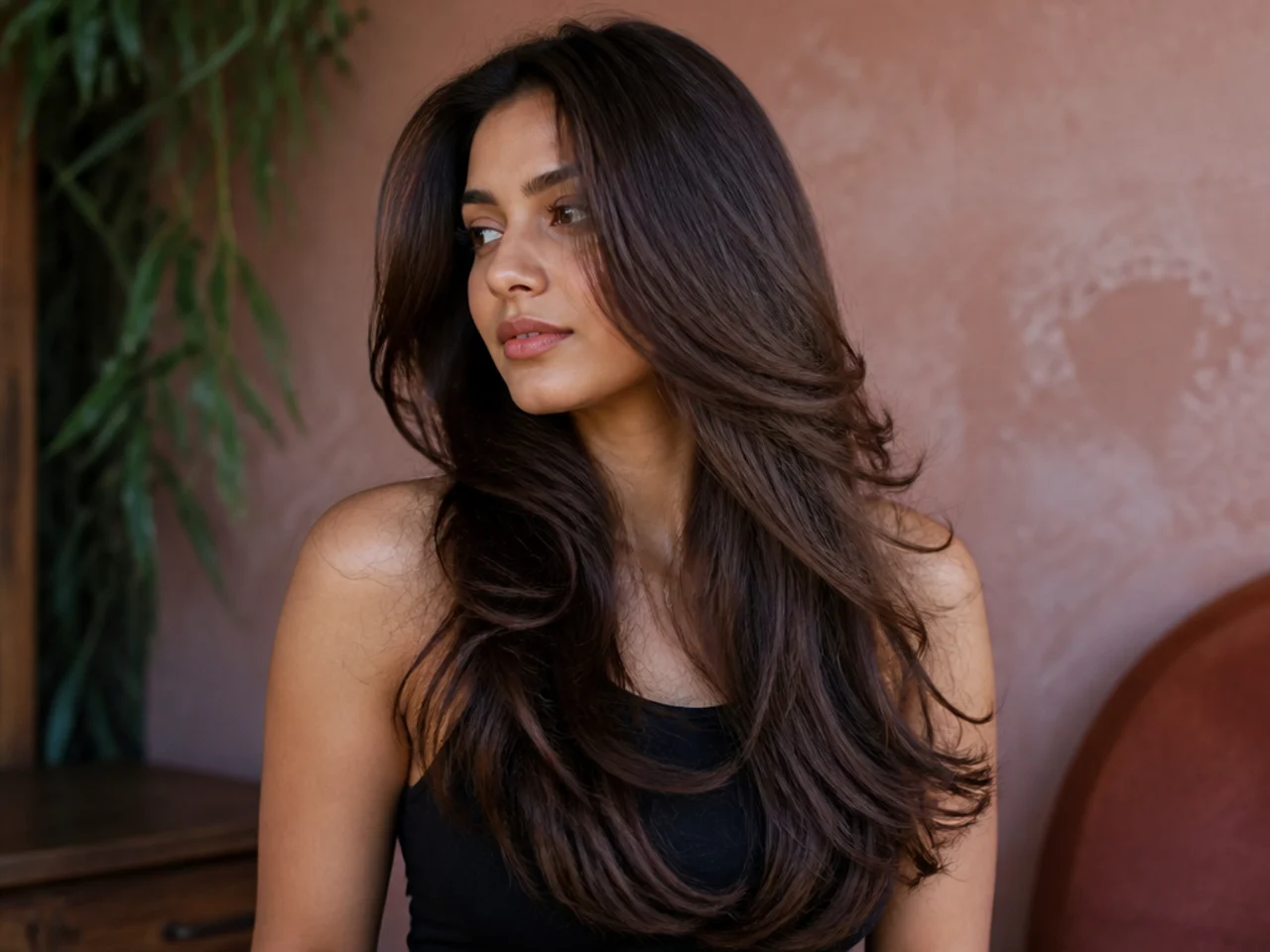
The step between the two sets is the whole cut. Blend it out and the front falls flat against the length; leave it in and the front turns outward, which is where the wings come from.
What a Butterfly Cut Actually Is
Two lengths, cut as separate sections. The short set sits on the surface and around the face. The long set underneath keeps the perimeter you have been growing.
The shortest front piece sets the wing height. Everything else follows it. Cut it at the chin and the wings open around the cheekbone; cut it at the collarbone and they sit low and soft.
Length is never traded for movement. The perimeter is not touched beyond a dusting, which is why the cut suits people who want shape without losing the growth.
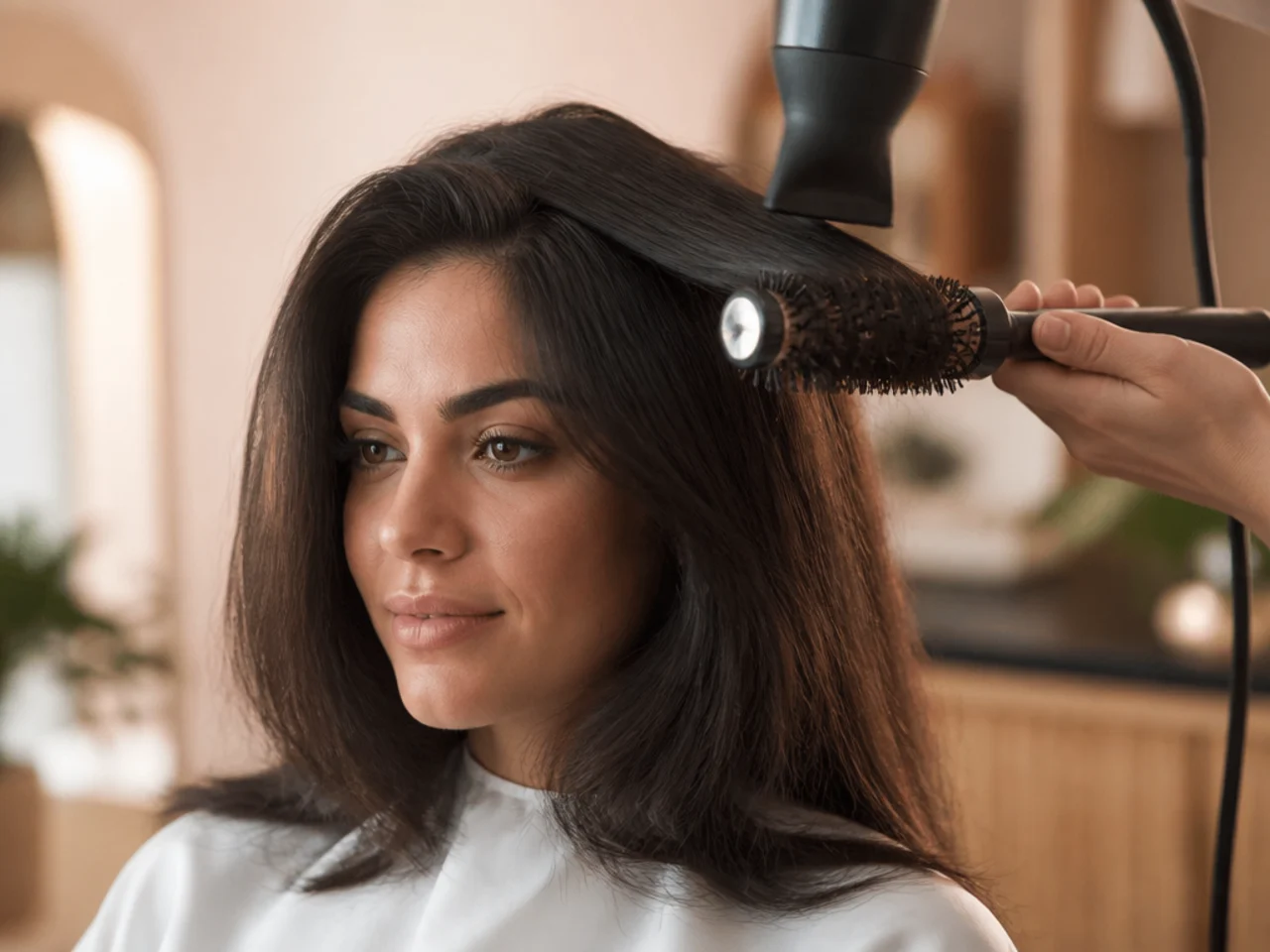
It is half a cut and half a blow dry. The short set is dried away from the face on a round brush and holds that curve until it is next wet. Dried forward, the same cut reads as a shaggy fringe.
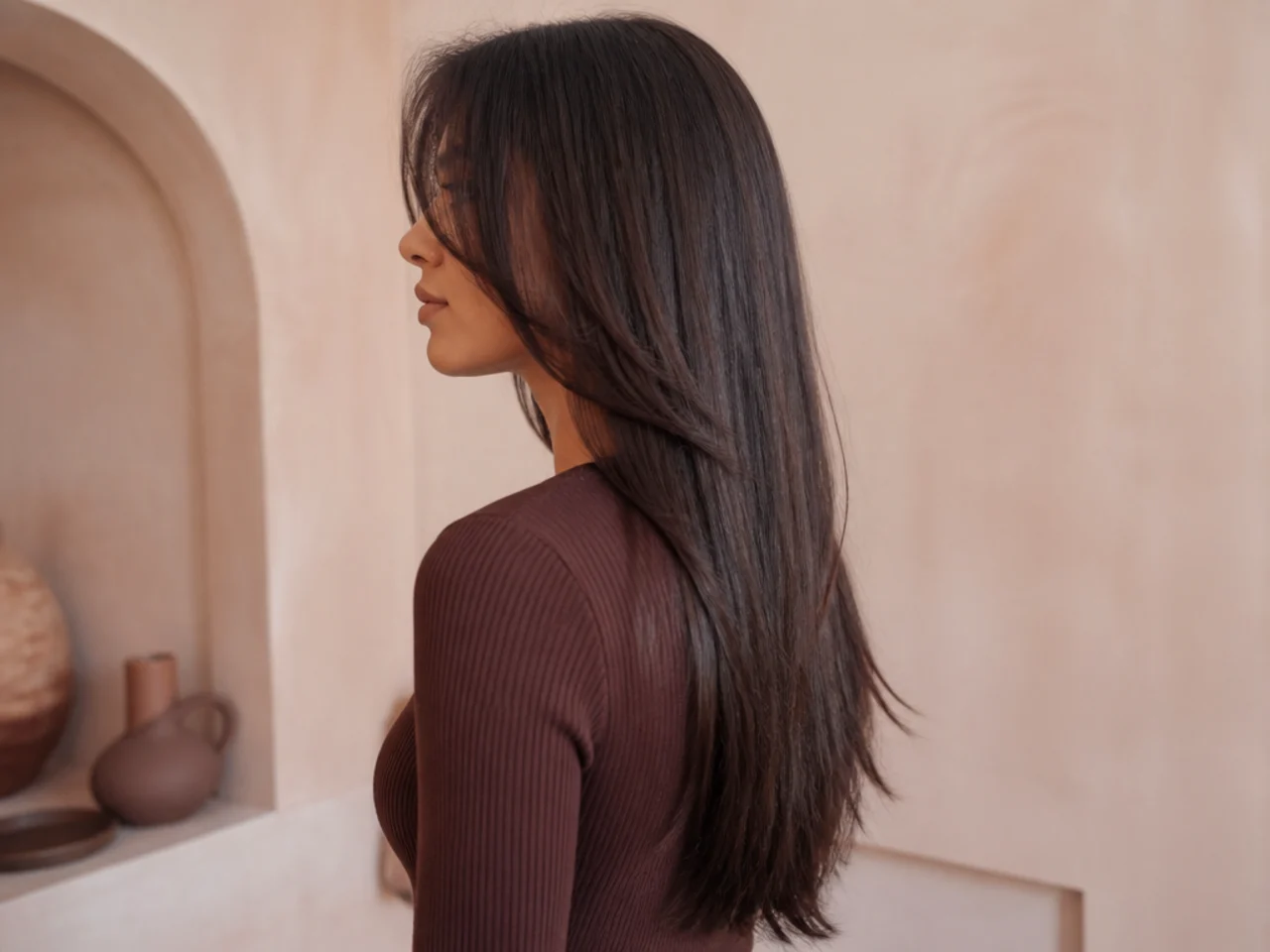
Choosing Where Your Layers Stop
Collarbone for the softest version. The drop from the short set to the length is only two or three inches, so the step never announces itself and the cut still looks like one length from behind.
Chin for the strongest wings. A higher shortest piece opens the shape around the cheekbone, but the step down to the length gets steeper and the interior has to be thinned to match.
Match the shortest piece to your widest feature. A layer that ends level with the cheekbone widens it, and one that ends just below the jaw narrows it. This is the one measurement worth deciding before you sit down.
On thick hair, ask for interior weight removal. Thick hair does not lack volume, it lacks movement, and the bulk that stops it moving sits in the mid lengths rather than at the ends.
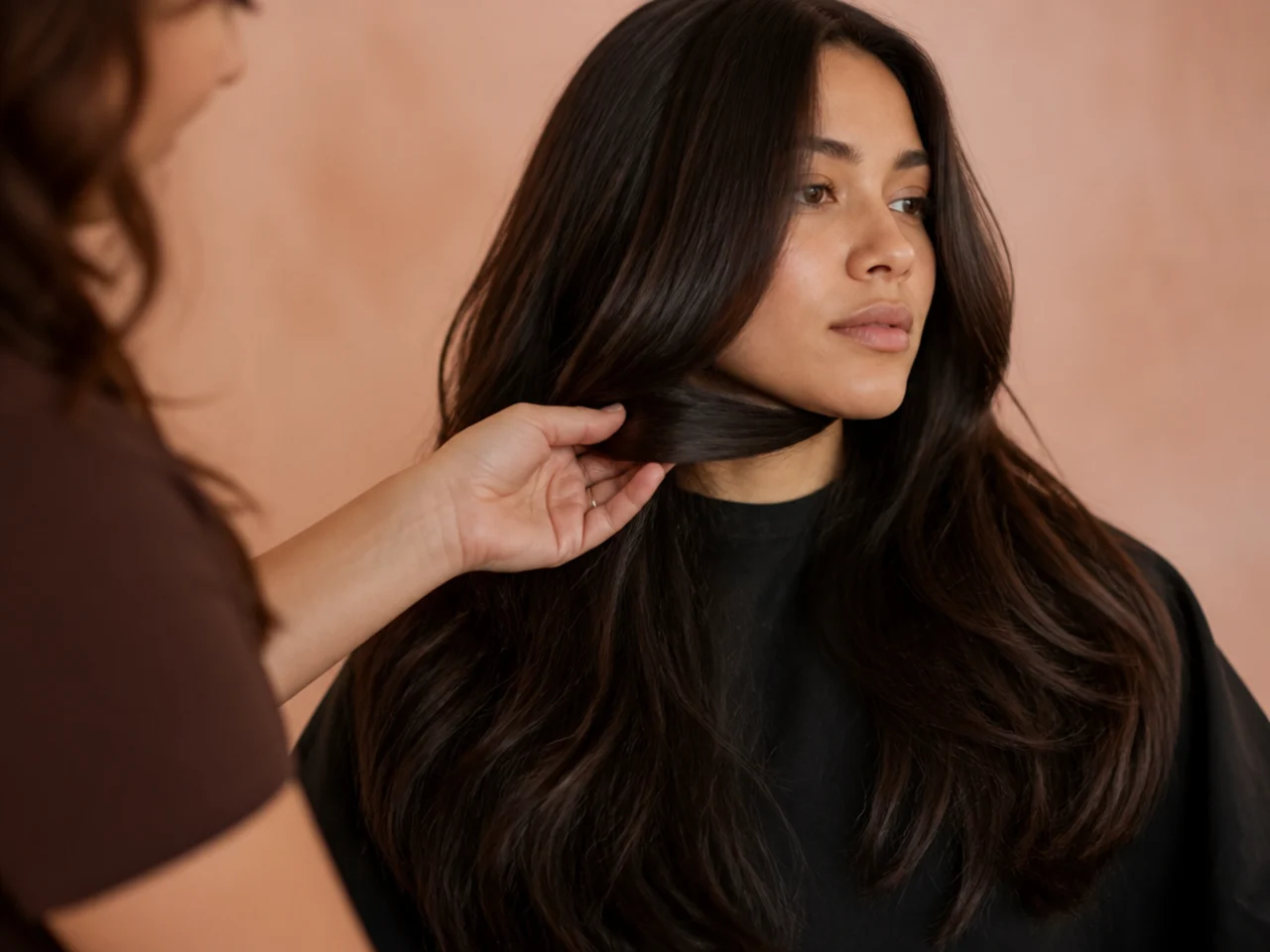
The 20 Butterfly Haircuts for Long Thick Hair
1. Collarbone Front Layers
The gentlest version, because the shortest piece is only two or three inches above the length beneath it. On thick hair that shallow step is enough to lift the front without leaving a visible shelf across the back, which is why it is the safest first attempt at a butterfly cut.
2. Chin Length Face Frame
Taking the shortest piece up to the chin makes the wings sit high and open across the cheekbone. It also creates a much steeper drop to the length, so the interior has to be thinned or the short set sits on the long hair like a lid rather than moving with it.

3. Butterfly With Curtain Bangs
The curtain bang is the front continuation of the short set, cut on the same angle so it runs into the wings rather than stopping against them. Cut as a separate fringe it creates a second length at the temple, and the two never sit together properly.
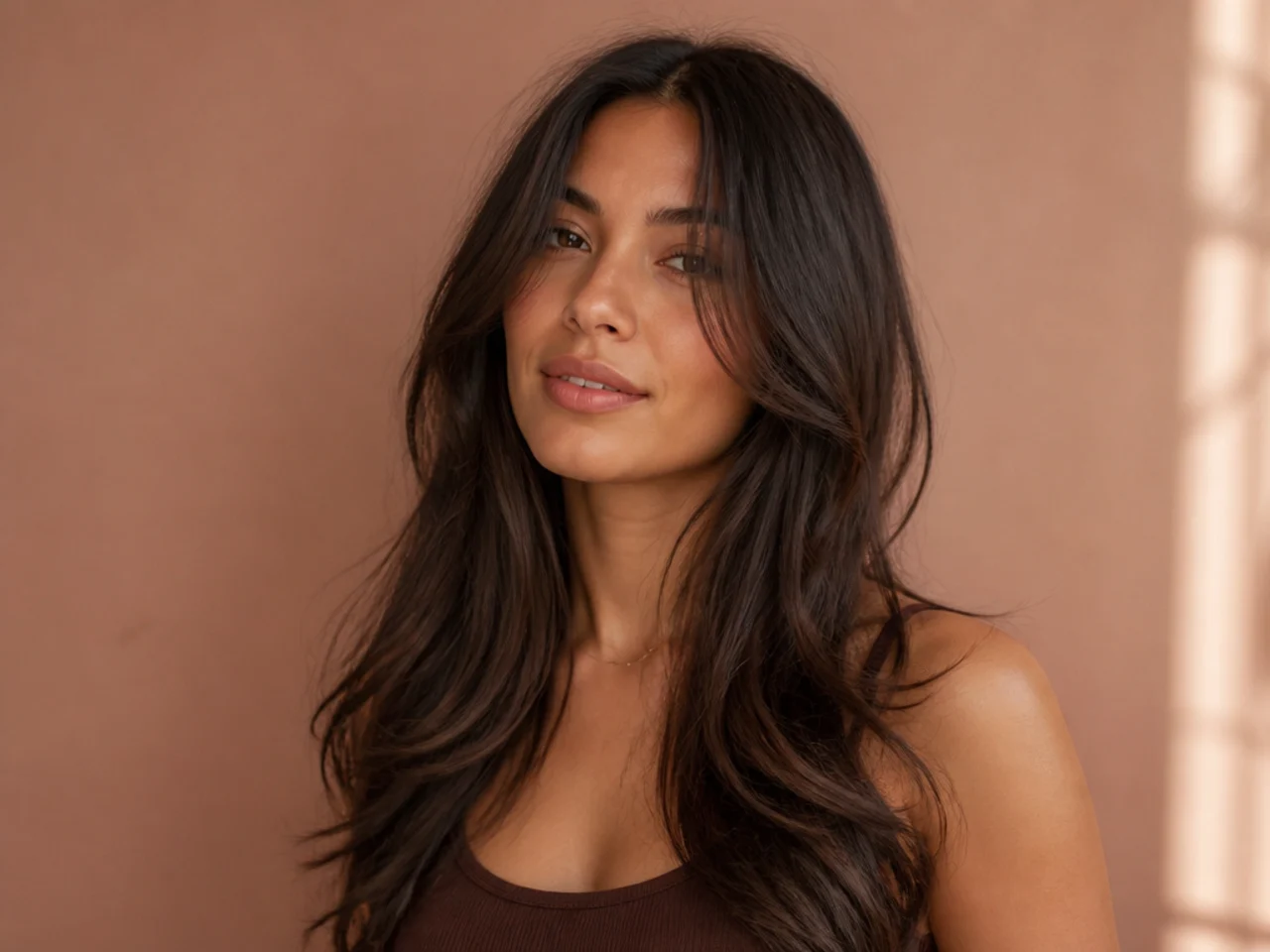
4. Butterfly With Hidden Interior Layers
The short set is cut underneath the top panel instead of on it, so the surface stays one unbroken length and the lift comes from below. On thick hair this is the version that buys movement without showing a step anywhere, which matters if you wear your hair down and straight.

5. Butterfly on Straight Thick Hair
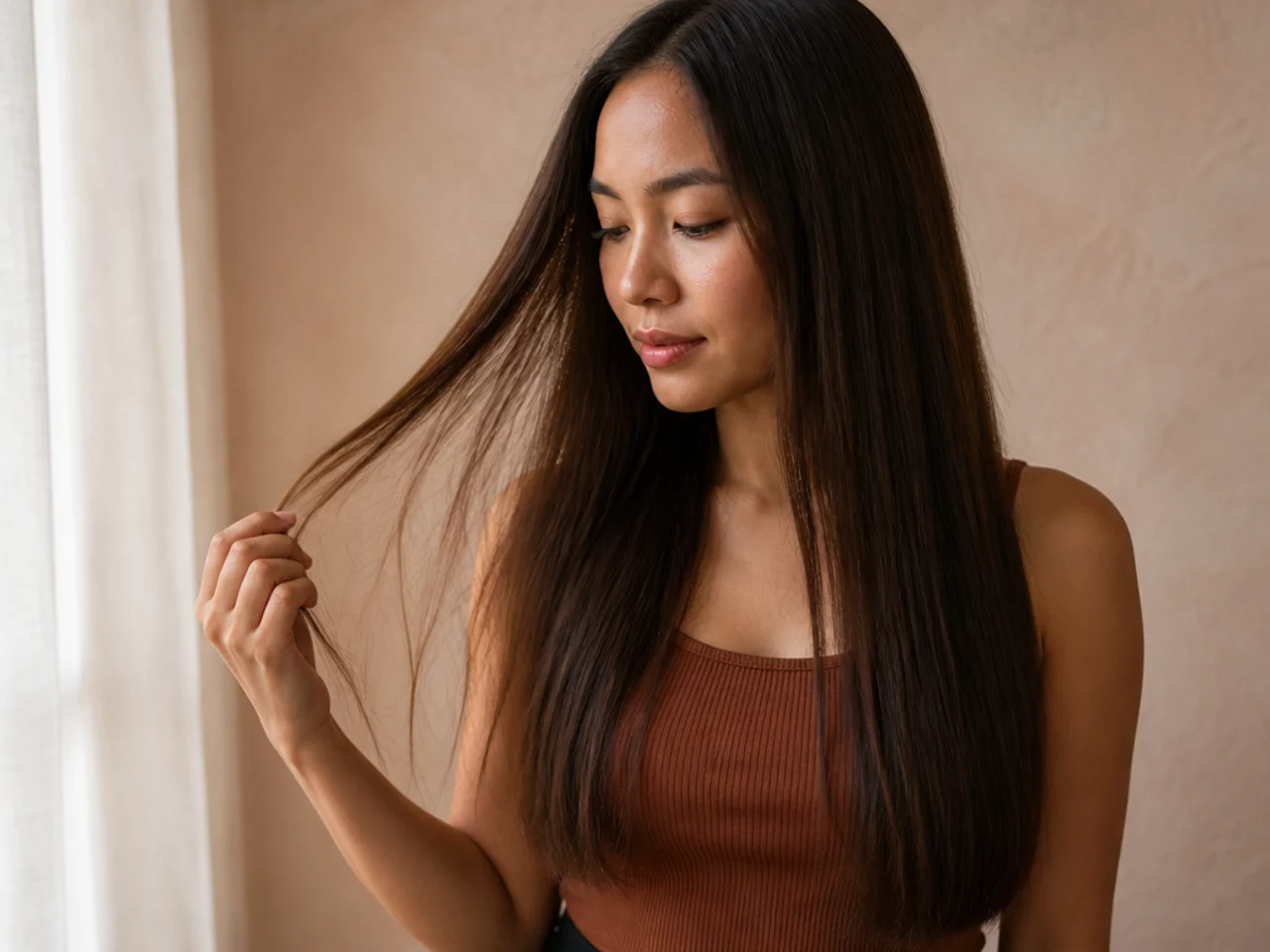
Straight hair shows every step in a cut, so both sets have to be point cut rather than left blunt or the join reads as a ledge across the back. The compensation is that straight hair holds a blow dried wing far longer than wavy hair, because there is no natural bend fighting the curve.
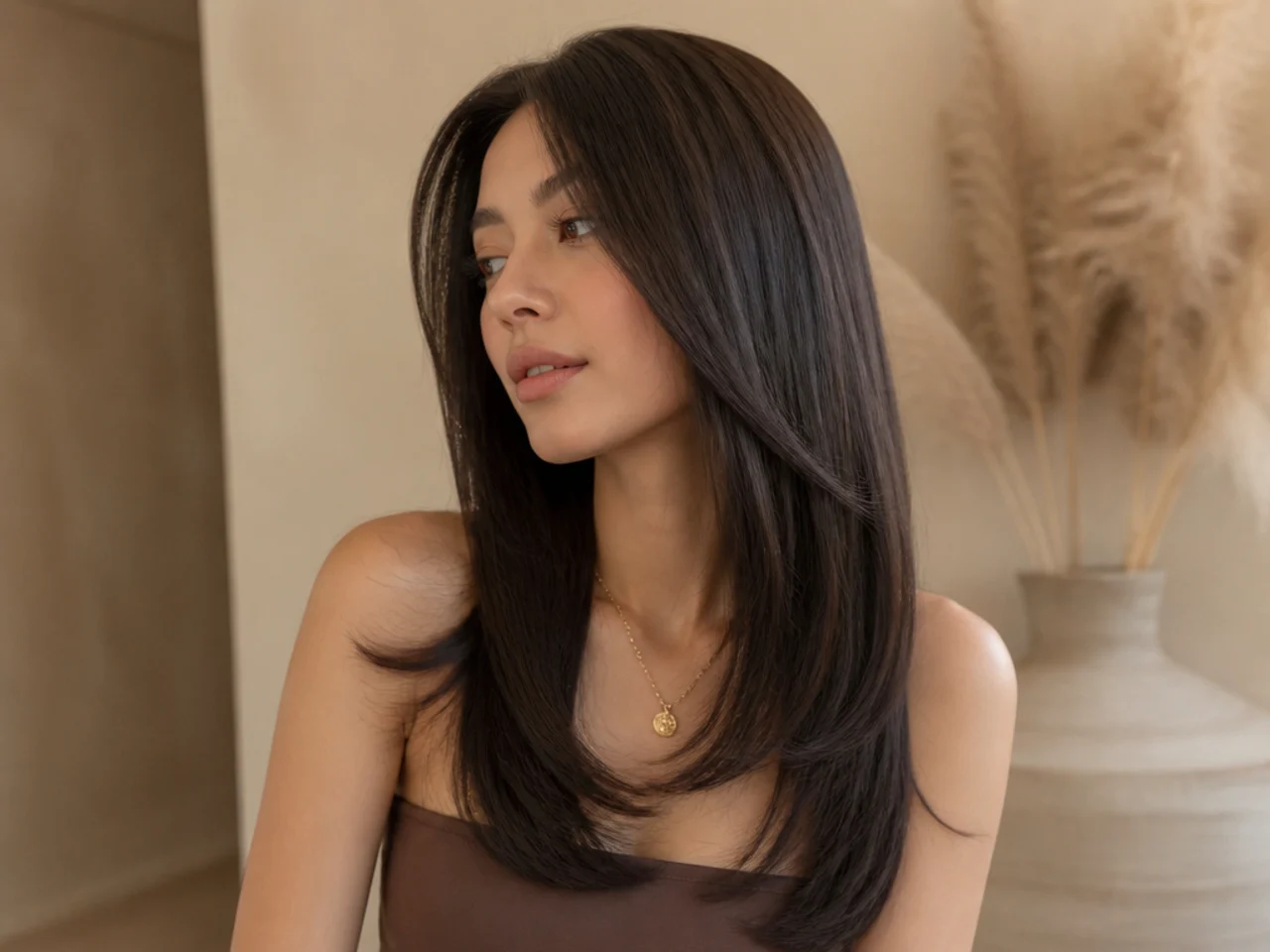
6. Butterfly on Wavy Hair
A wave bends the short set outward by itself, so the wings largely happen without heat. Cut wavy hair to the same measurement as straight and it finishes an inch or two higher once it dries and springs up, so the shortest piece has to be left correspondingly longer.
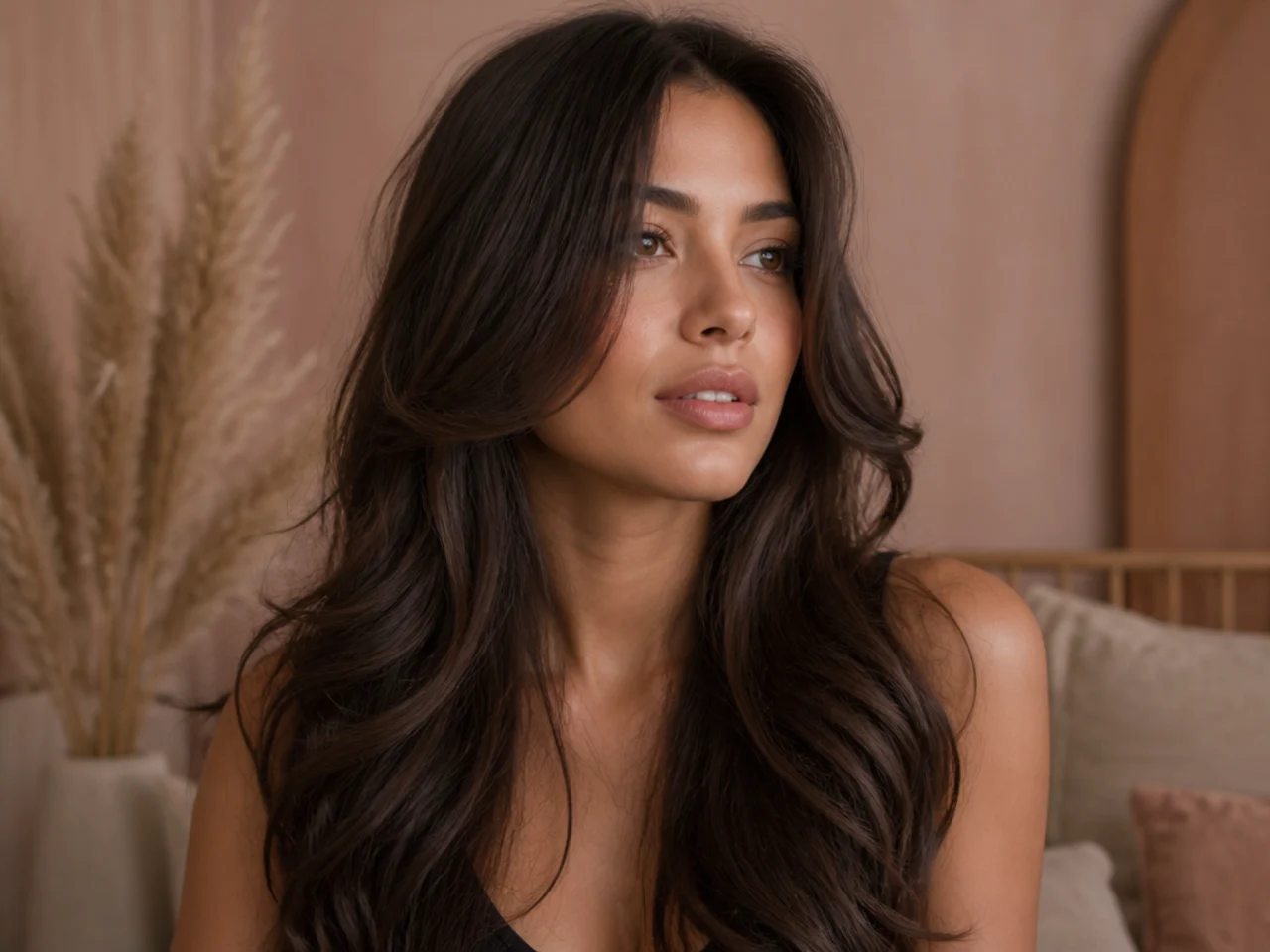
7. Butterfly on Curly Hair
Cut it dry, curl by curl. A curl can lose a third of its length between wet and dry, so a wet cut puts the short set several inches higher than intended and there is no way to put it back. Dry cutting also lets each curl be shaped where it actually sits.
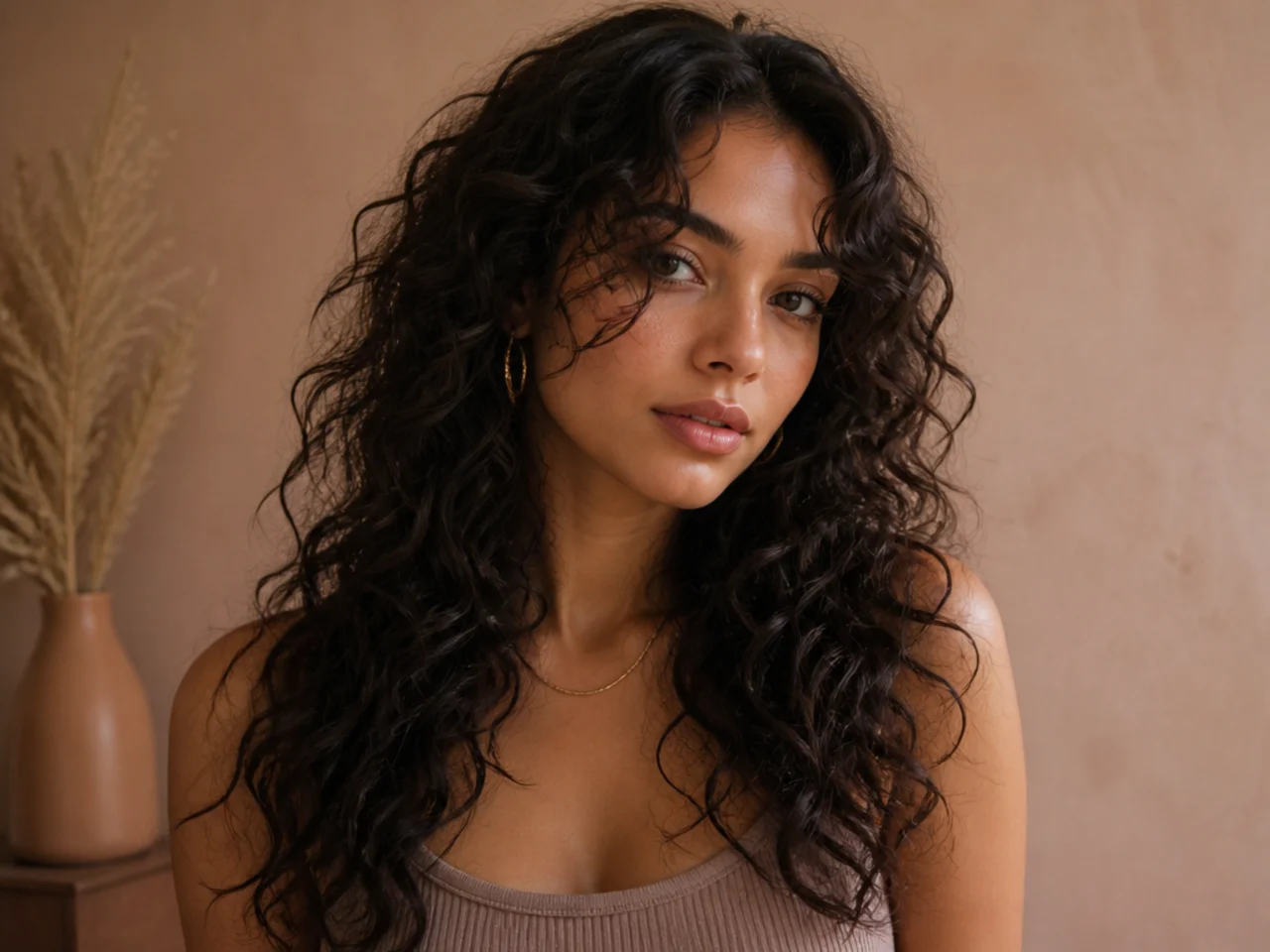
8. Blunt Ends With Butterfly Layers
Keeping the perimeter blunt while layering above it gives thick hair a heavy base to sit on, which stops the ends looking picked at. Ask for this if previous layered cuts left your ends feeling thin — the thinness was the perimeter being cut into, not the layers themselves.
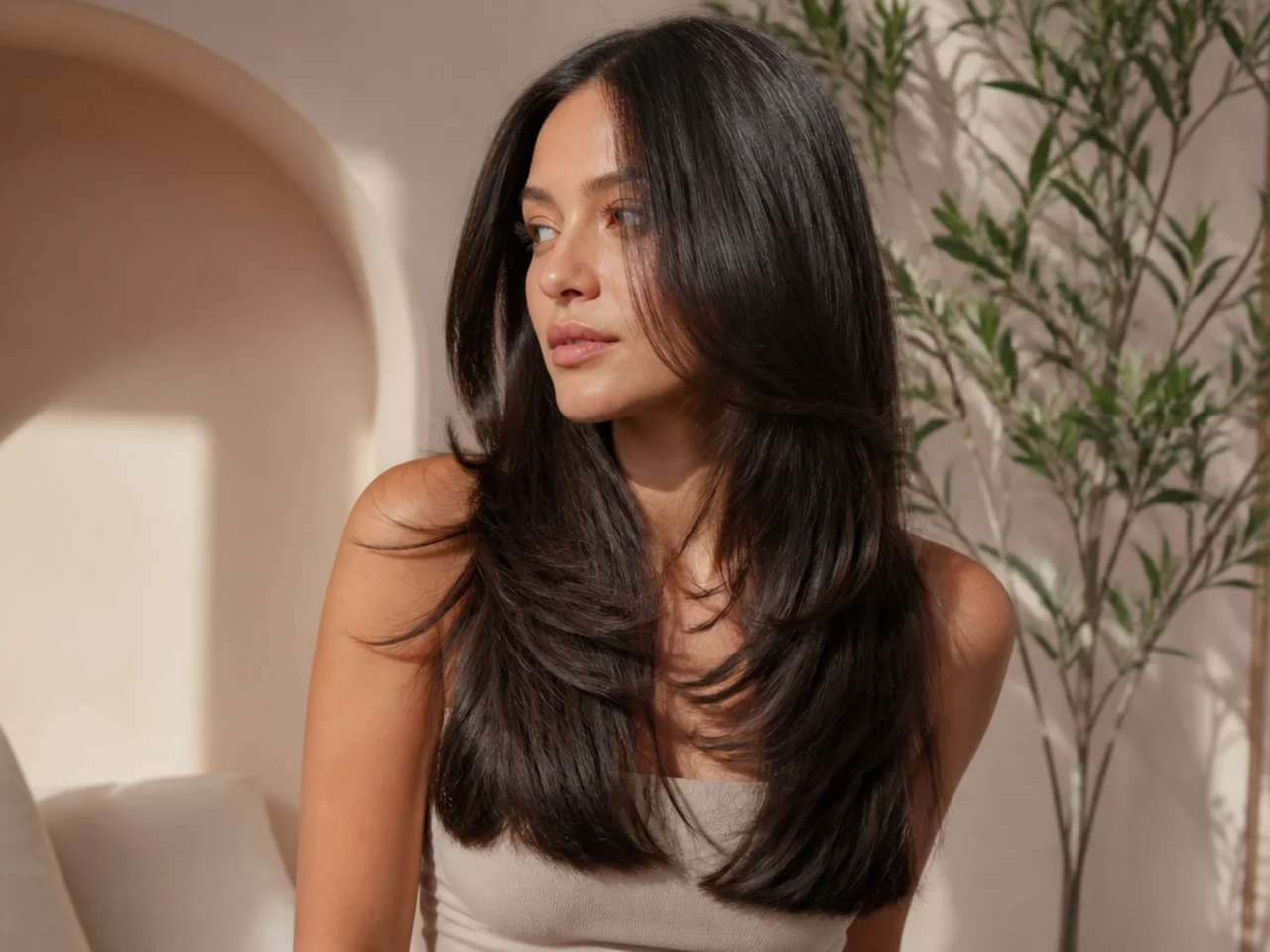
9. Butterfly With a Middle Part
A centre parting sends equal weight to each side, so both wings match and the face frame reads symmetrically. It also exposes any difference between the two sides immediately, so the shortest piece on each has to be checked against the other rather than cut by eye.
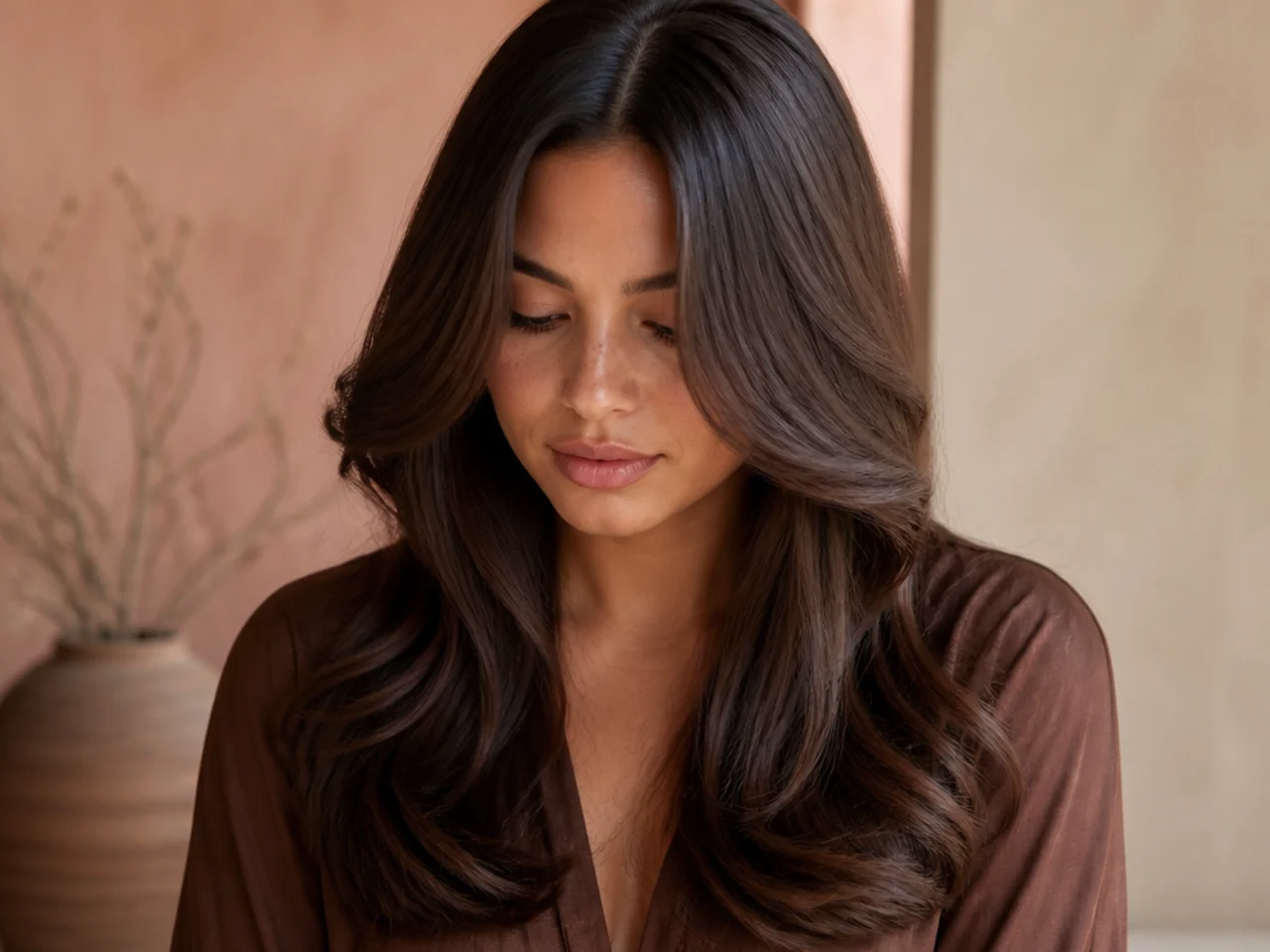
10. Butterfly With a Deep Side Part
Moving the parting across pushes most of the weight onto one side, and that heavier side lifts at the root because the hair is being pulled against its natural fall direction. The lift is mechanical rather than product driven, which is why it survives a full day.

11. Short Crown Layers
Layers cut short at the crown sit on top of the longer ones and prop them up, which is where crown height comes from. On thick hair they need to stay at least four inches long or the crown puffs into a triangle — the point where the shape starts turning into a long wolf cut.
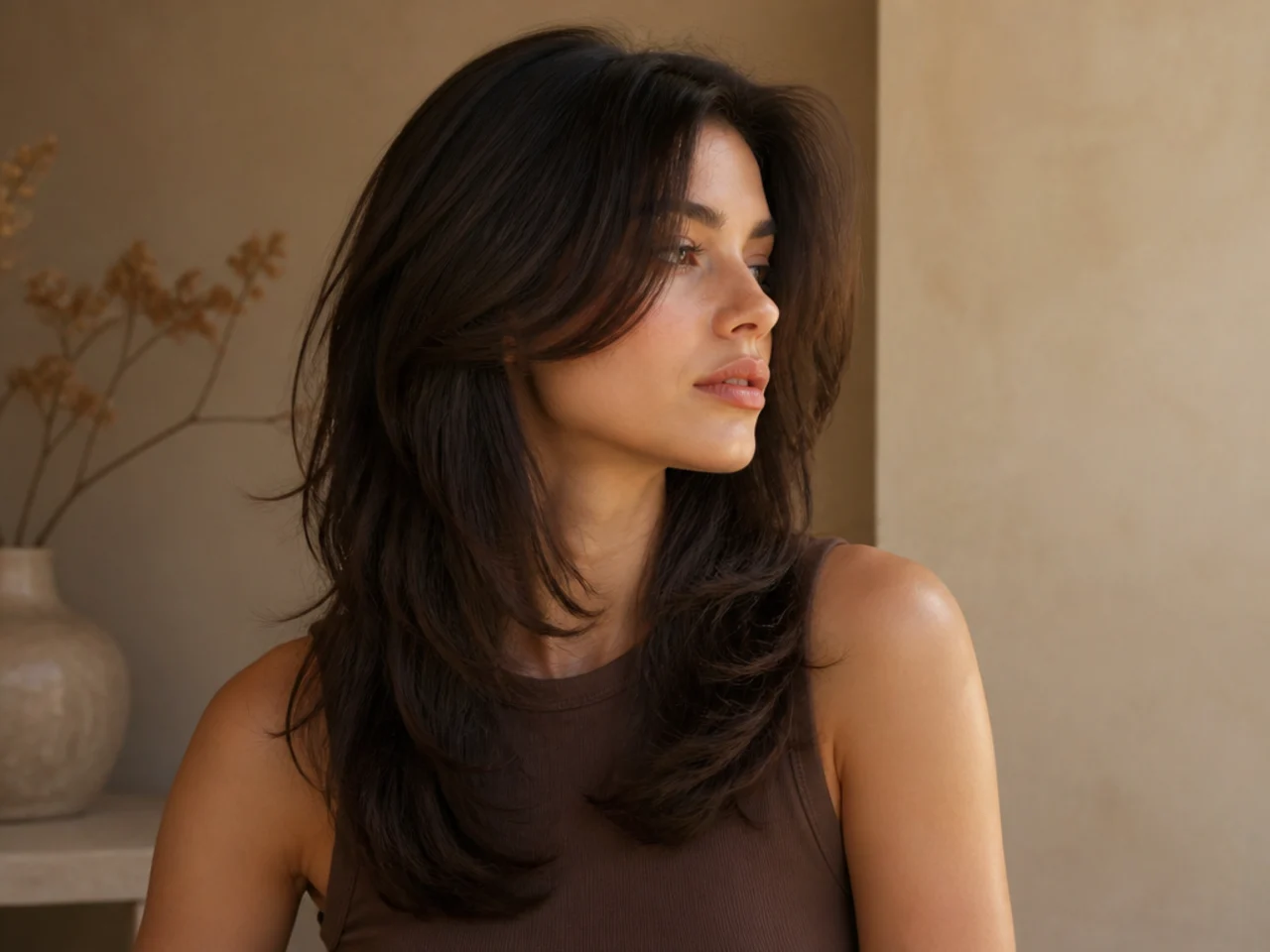
12. Butterfly With a Thinned Interior
Weight is taken out inside the mid lengths rather than off the ends, so the outline stays full while the bulk that makes thick hair hang flat is removed. Ask for it in the interior only — thinning shears used near the perimeter are what turn ends stringy and take a year to grow out.
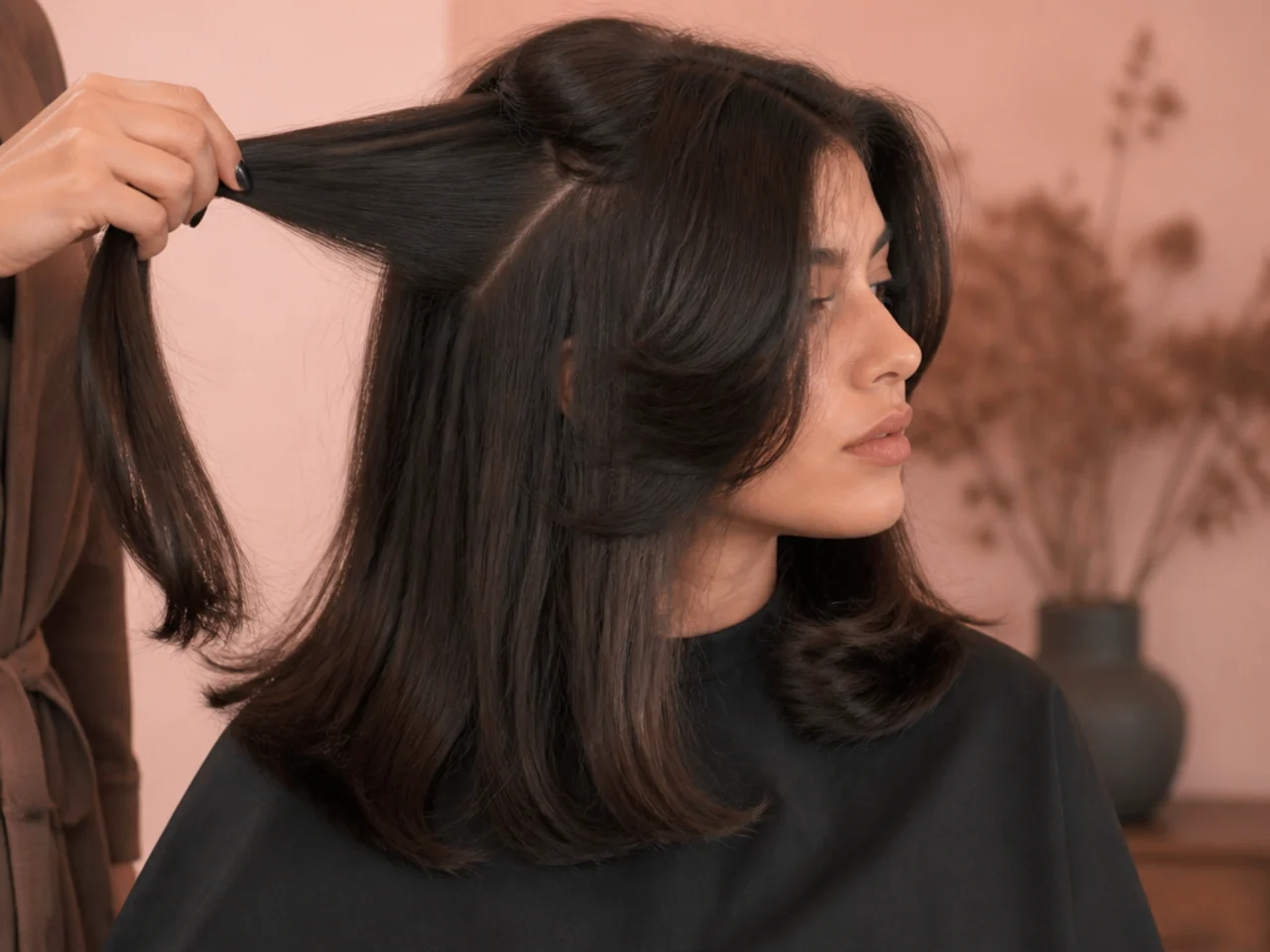
13. Waist Length Butterfly
At waist length the sheer weight below the short set drags everything downward, so the front pieces have to be cut higher than they would be on collarbone hair to register at all. Cut them at the collarbone on waist length hair and they disappear into the mass entirely.
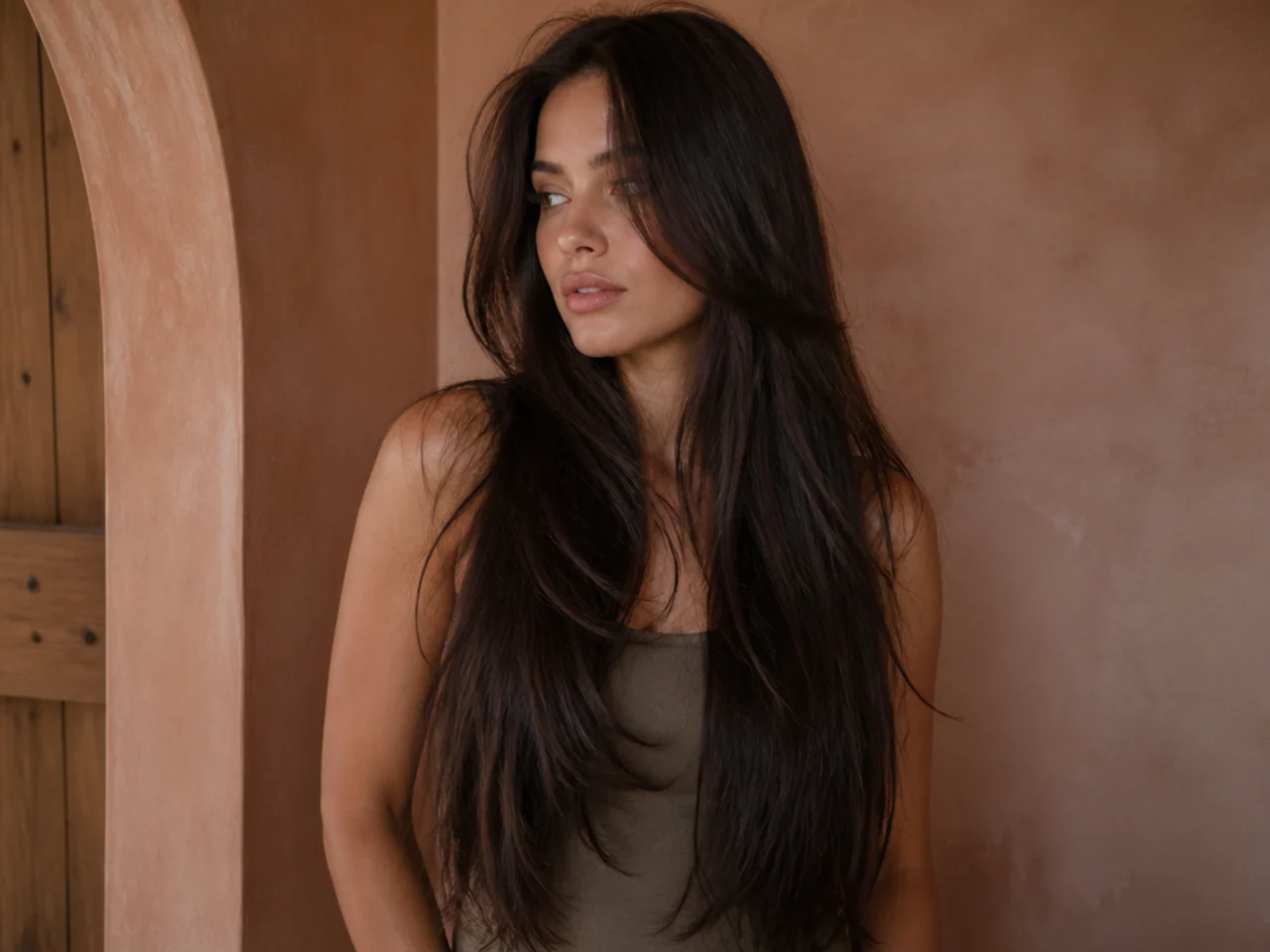
14. Butterfly With a Long Curtain Fringe
A fringe starting at the cheekbone and finishing at the jaw covers the widest part of the face and still tucks behind the ear when you want it gone. Being the shortest piece in the cut, it is also the first to lose its shape, usually around week six.
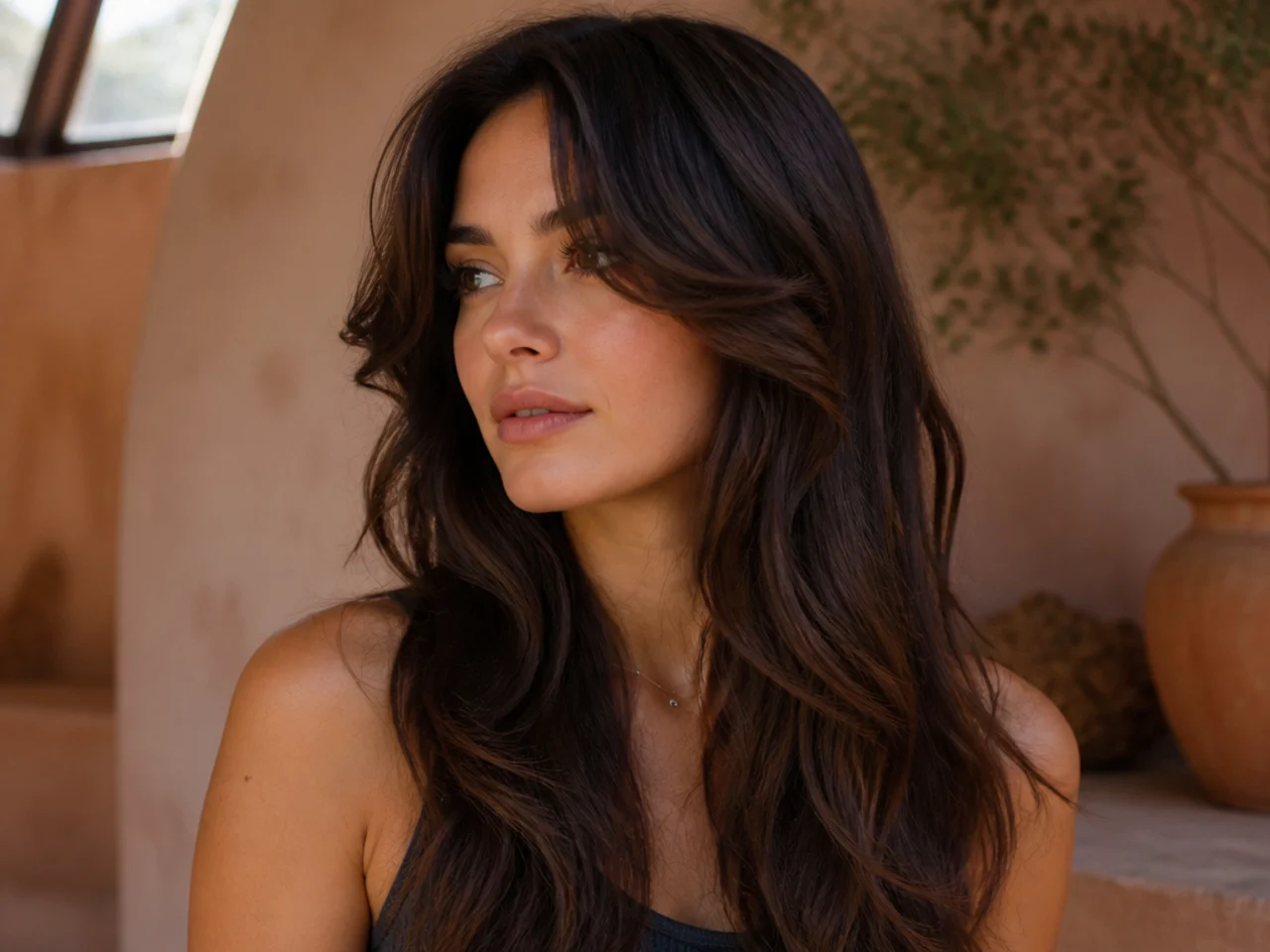
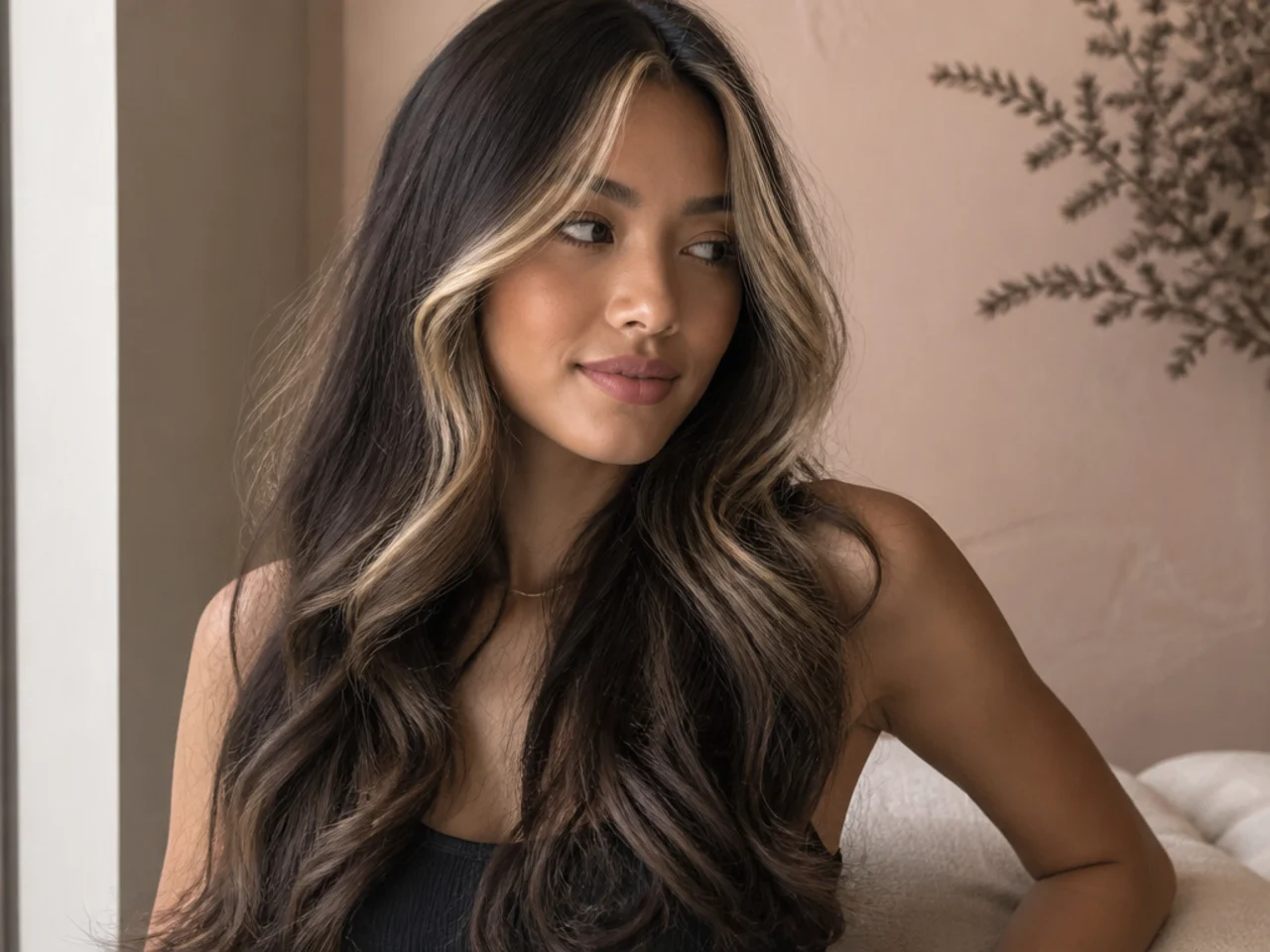
15. Butterfly With a Money Piece
Two lightened sections at the front make the short set visible when the hair is down, because the eye reads a change in colour where it cannot read a change in length. On very thick hair it is the cheapest way to make a subtle cut look deliberate.
16. Butterfly With Face Framing Tendrils
Two fine pieces left loose at the temple, cut shorter than the wings, read as softness because they are light enough to move on their own. Take them as a narrow section — anything wider becomes a second fringe rather than a detail.

17. Half Up Butterfly
Pinning the top section up exposes the step between the two sets, which is exactly the join the cut is built around. Worth checking in a mirror before you leave the salon, because a badly blended step is invisible when the hair is down and obvious the moment it goes up.
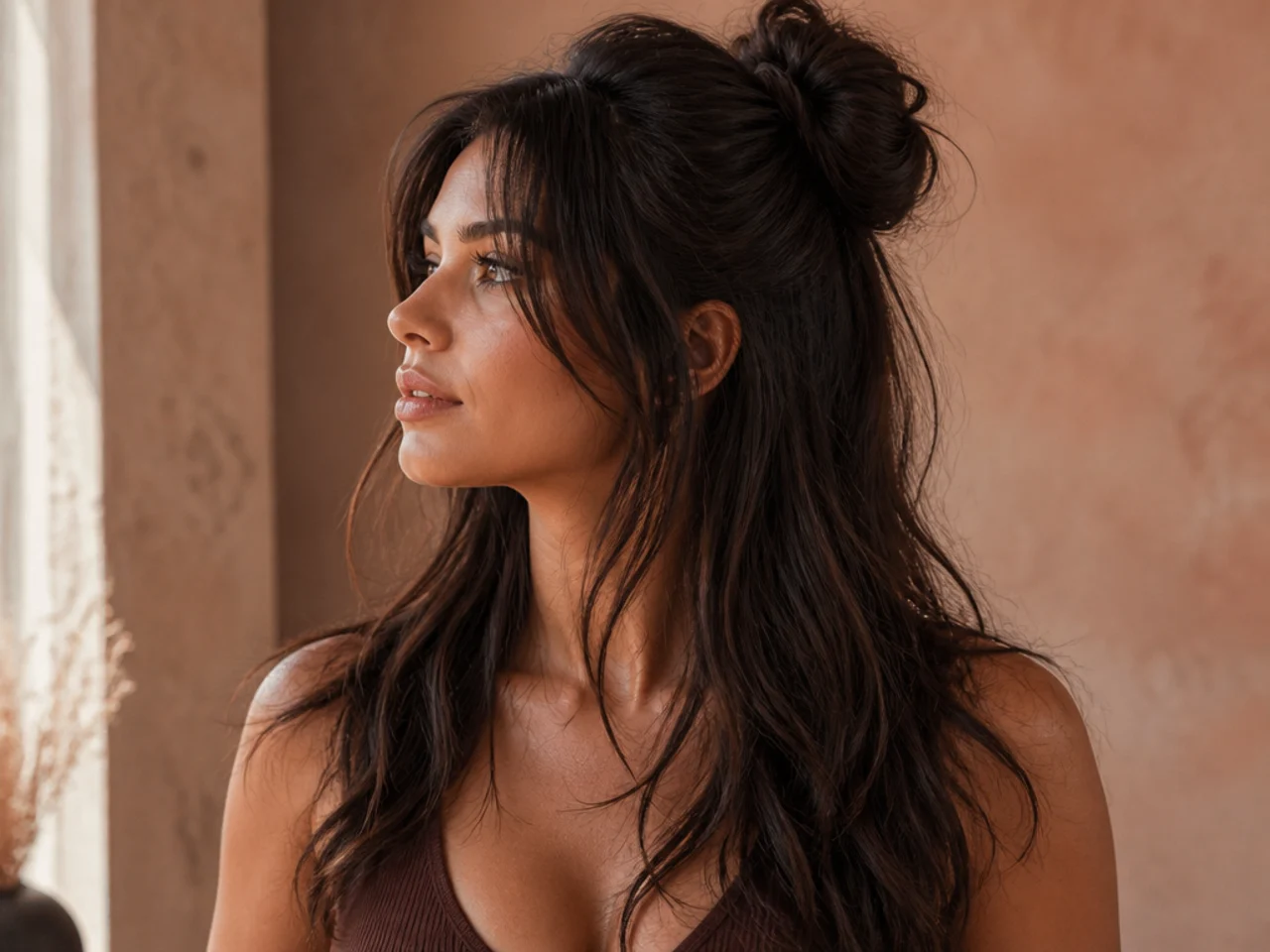
18. Butterfly Blowout
The wings are set by drying the short set on a round brush directed away from the face, which leaves the hair holding a curve until it is next washed. Direct the brush forward instead and the same cut dries as a shaggy fringe with no wing at all.
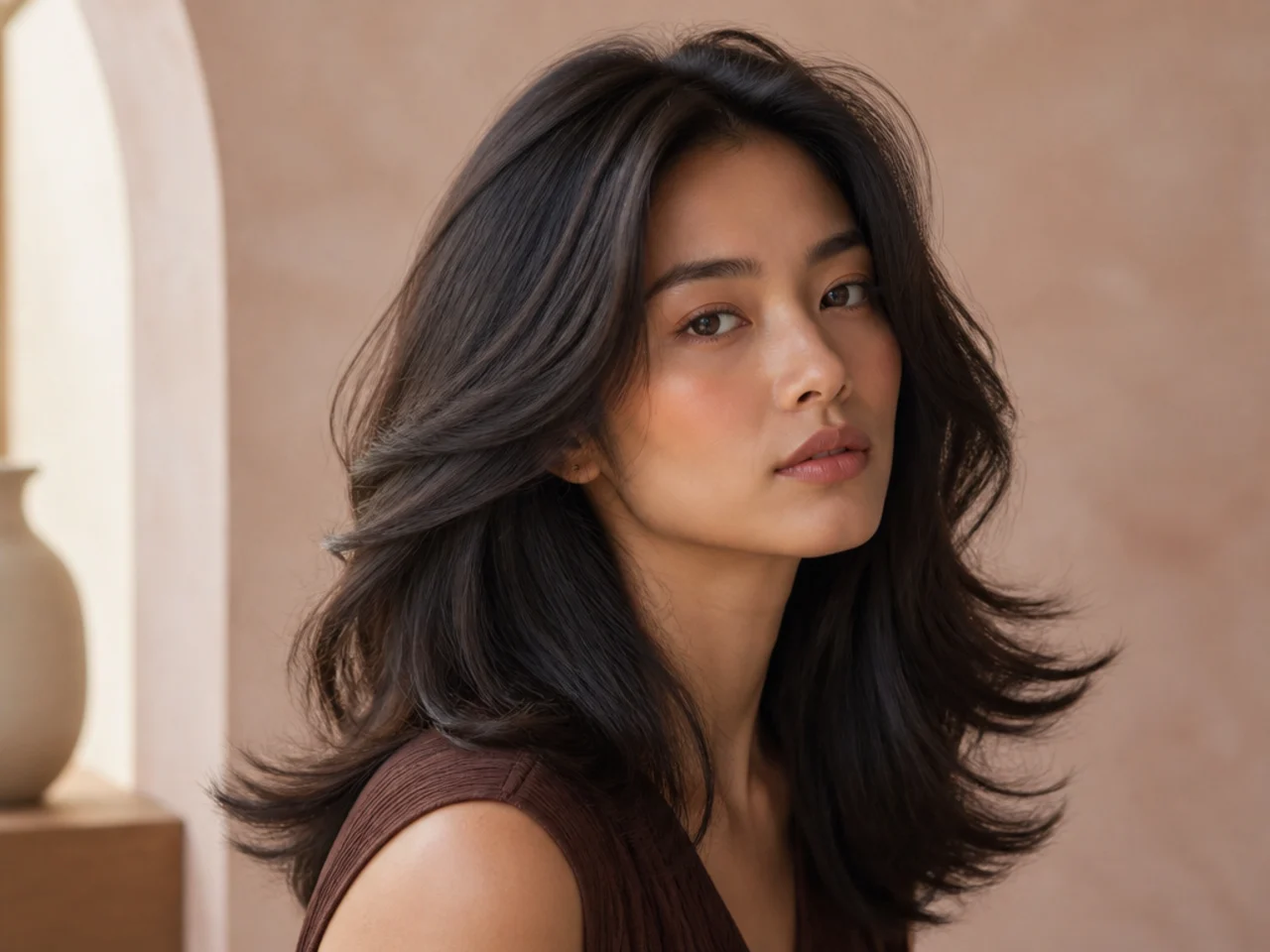
19. Air Dried Butterfly
With no heat the short set falls exactly where it was cut, so the shape depends entirely on the layering rather than the styling. Ask for it if you never pick up a brush, and expect the layers to be cut an inch shorter to compensate for the lift a blow dry would have added.
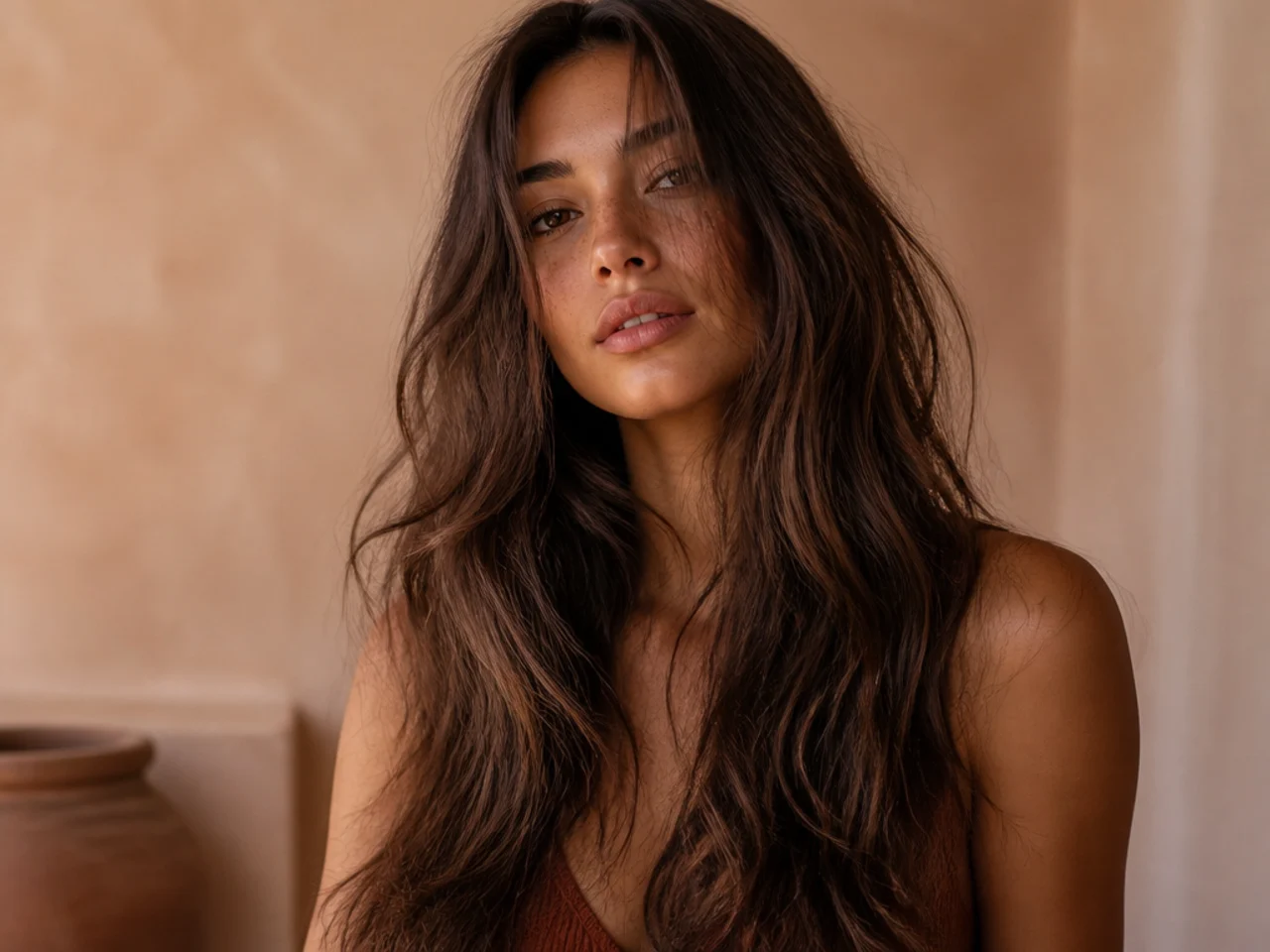
20. Grown Out Butterfly
Three months on, the short set has travelled about an inch and a half down and the step has softened into an ordinary long layer. A front only trim puts the shape back for a fraction of the time, and nothing comes off the length you are growing.

Styling and Upkeep
Dry the front section first. It is the part that sets the shape, and it is also the part that dries fastest, so leaving it until last means styling hair that has already fallen flat.
Point the brush away from the face. The direction of the airflow, not the brush size, decides whether the front turns out or in.
Book a front only trim at three months. The short set is the only part that has moved. Cutting the perimeter at the same time is how people lose two years of growth in six appointments.
Skip heavy oils above the mid lengths. Weight is the enemy of a cut that works by propping one section on top of another.
Sleep with it up and loose. A high loose bun keeps the short set from being flattened overnight, which is most of why day two looks different from day one.
Mistakes to Avoid
Asking for long layers and expecting wings. One continuous gradient has no step in it, and the step is what makes the front turn out.
Letting the perimeter be cut at every visit. The long set is the length you are growing. It needs dusting once or twice a year, not every time the front is shaped.
Thinning at the ends instead of the interior. Thinned ends look sparse and grow back at half an inch a month, so a bad thinning decision stays visible for the better part of a year.
Cutting curly hair wet. A third of the length disappears as it dries and the short set lands far higher than agreed.
Choosing the shortest piece from a photograph. The photograph shows someone else's density and face width. Choose the length against your own cheekbone and jaw in the mirror instead.
FAQ
Butterfly or long layers? Two sets with a step between them, not one continuous gradient.
Does it lose length? No. Only the front set is cut short and the perimeter is left alone.
How often? A front only trim every three months, the length once or twice a year.
Final Thoughts
Decide the shortest piece before you sit down, and say it as a landmark rather than a number of inches. "Shortest layer at the jaw, nothing off the length" is two facts a stylist can act on, and it is the difference between a butterfly and a haircut you have already had three times.
For the shape in general see the butterfly haircut guide, and for where the layering goes when it climbs higher see the long wolf cut. More in Womens Hairstyles.