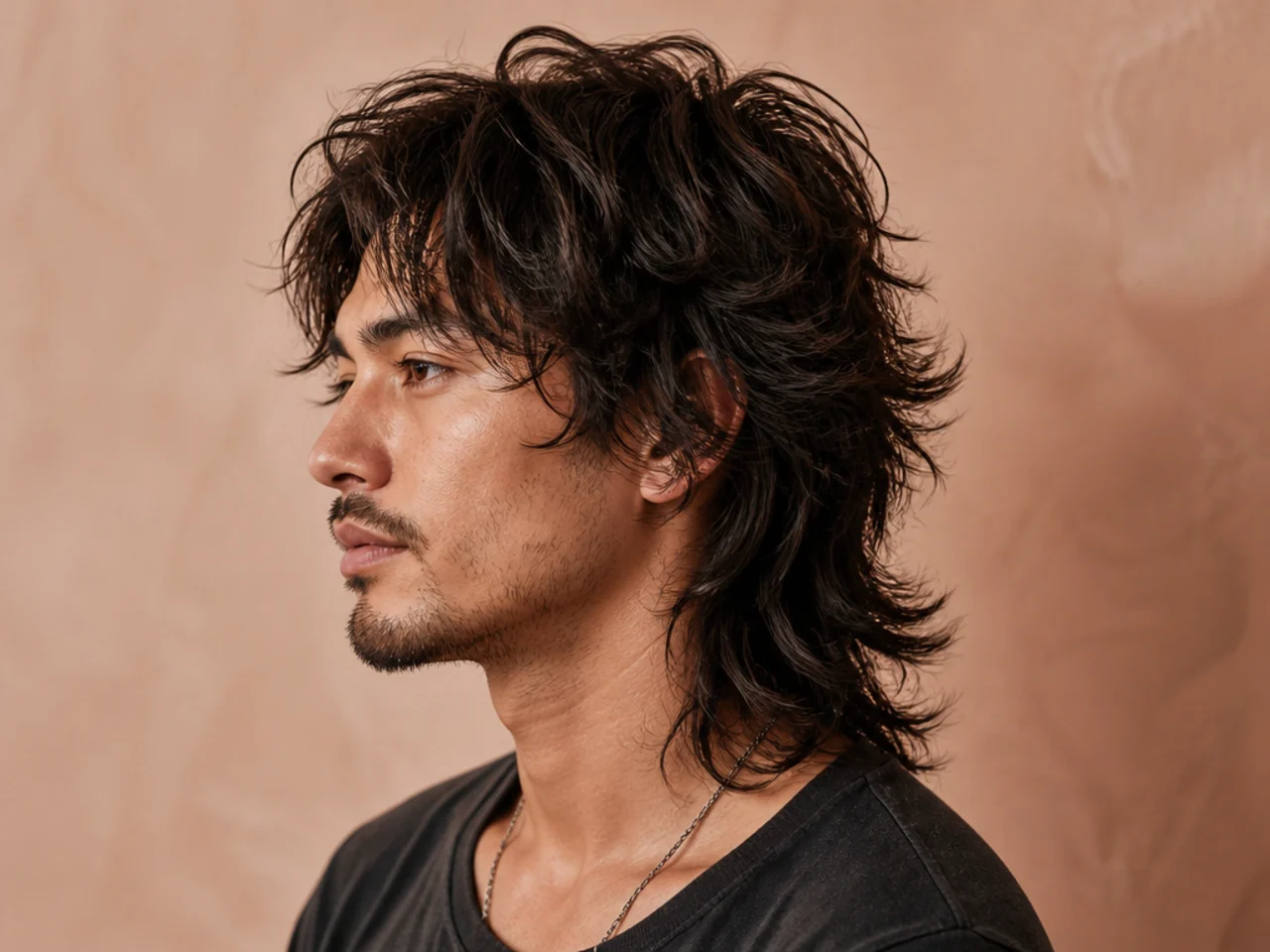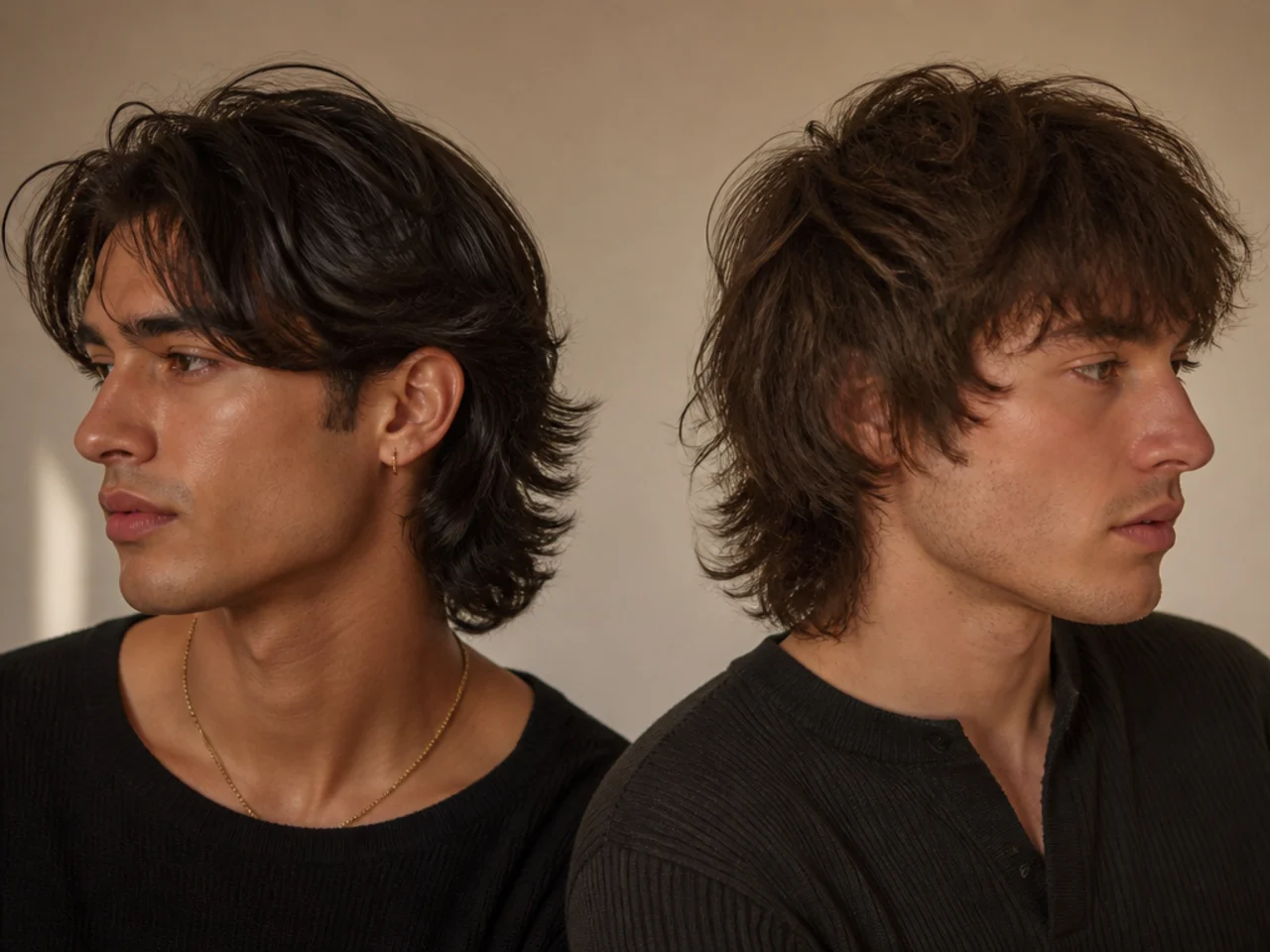
15 Gorgeous Long Wolfcut Hair Looks
Turning long hair into a wolf cut without losing length — fifteen transition stages showing what to cut first, what it looks like at each step, and how to stop if you change your mind halfway.
In this article · 22
- The Three Elements You Are Adding
- How to Plan the Transition
- The 15 Transition Looks
- 1. Long Hair, Untouched
- 2. Curtain Bangs Only
- 3. Cheekbone Face-Framing Layers
- 4. Face Framing Plus a Middle Part
- 5. Light Crown Layers Added
- 6. Crown Layers Plus Texture Spray
- 7. Full Layering, Length Untouched
- 8. Layers with an Inch Off the Ends
- 9. Adding a Wispy Fringe
- 10. Shortening to Mid-Back
- 11. Shortening to the Shoulder Blades
- 12. Adding Disconnection at the Nape
- 13. Stopping Halfway Deliberately
- 14. Reversing Out of It
- 15. The Finished Long Wolf Cut
- What to Say at Each Appointment
- Mistakes to Avoid
- FAQ
- Final Thoughts
You do not have to commit to a wolf cut in one sitting. The shape is built from three separate elements, and you can add them one appointment at a time — stopping at any point that suits you.
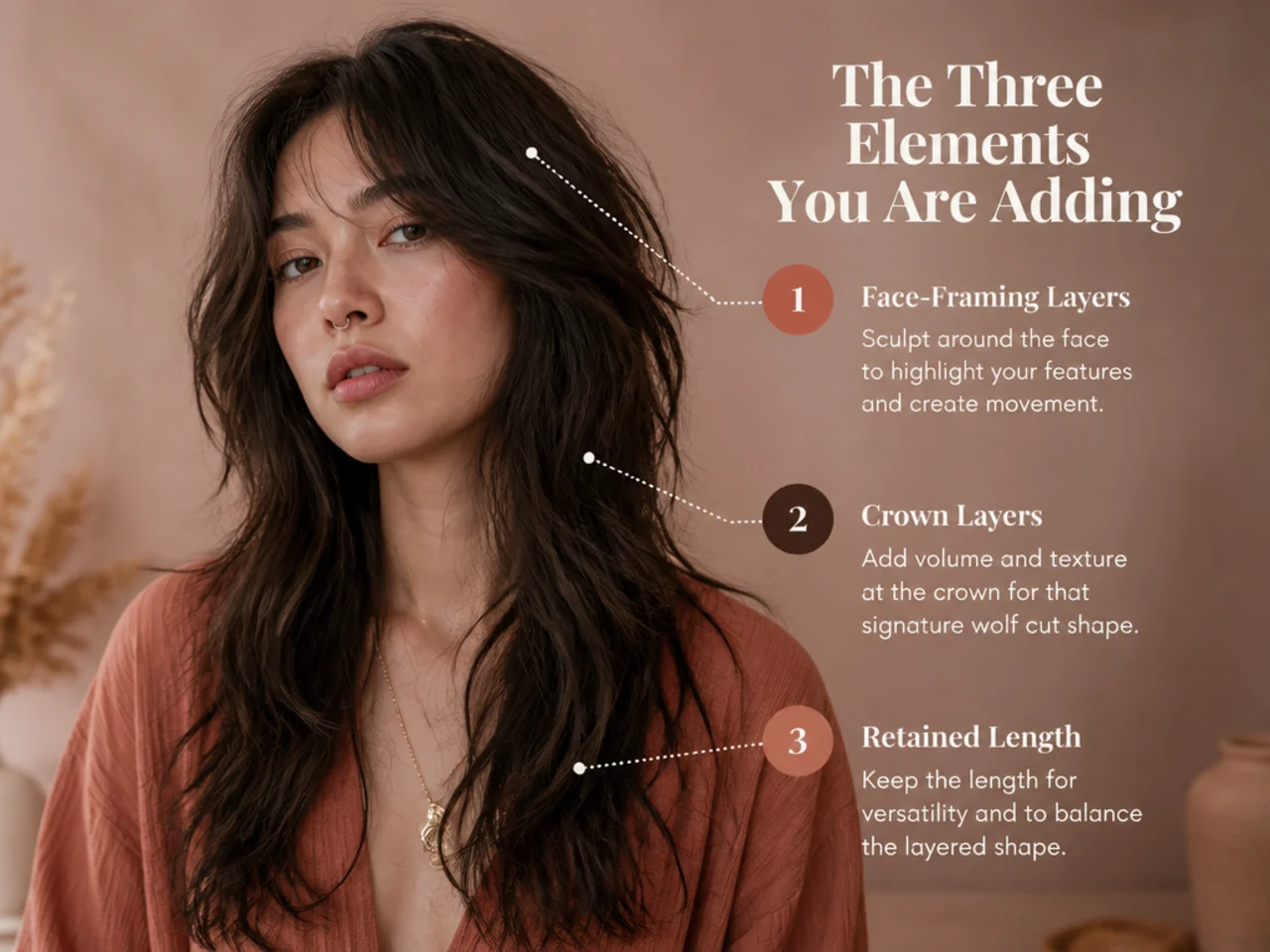
The Three Elements You Are Adding
A wolf cut is face-framing layers, crown layers, and retained back length. Long hair already has the third. The transition is only about adding the first two, in that order.
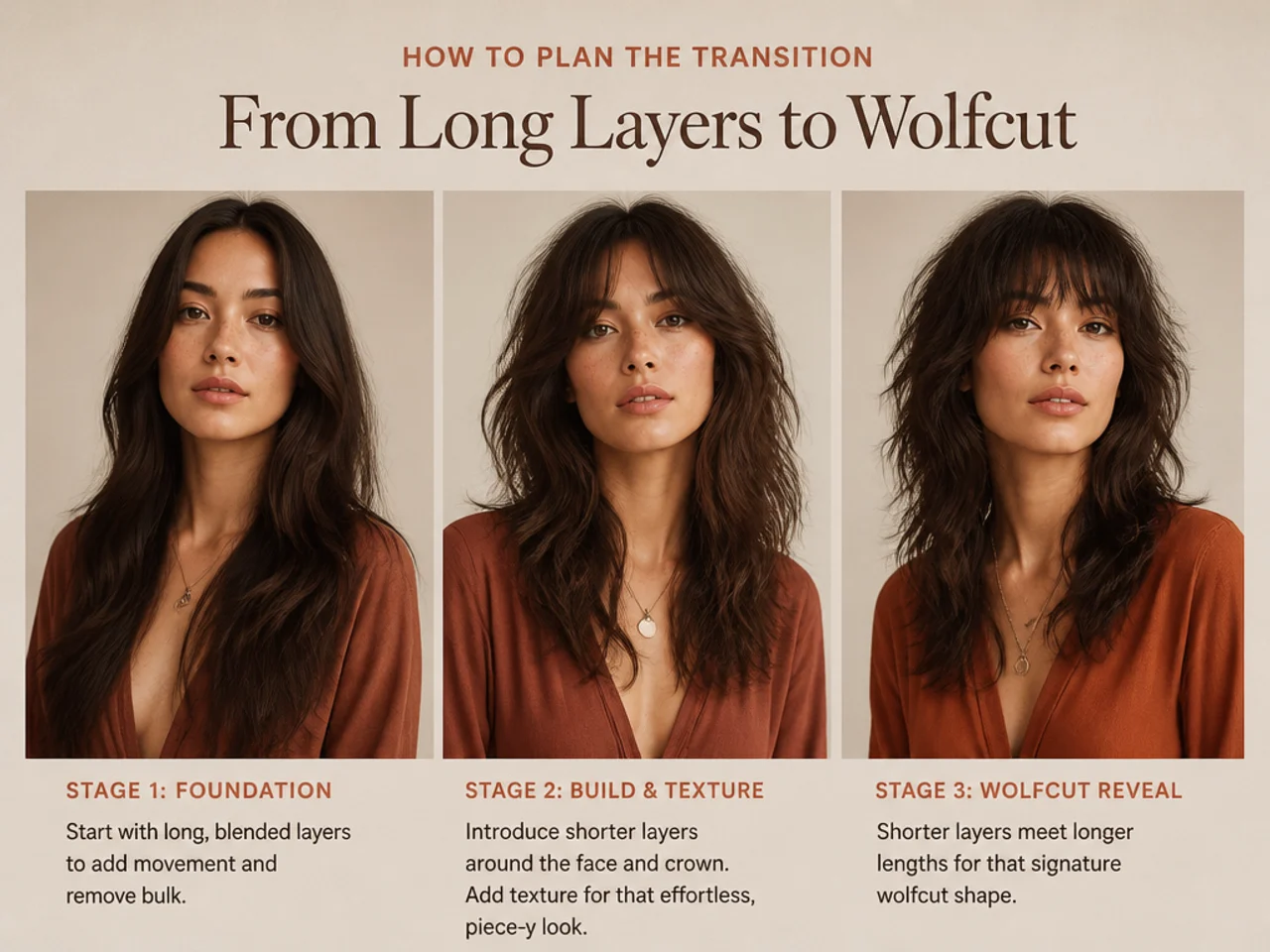
How to Plan the Transition
Start with the face. Face-framing layers create most of the visible change and cost you nothing in length.
Add crown layers second. This is the volume step, and the one that commits you.
Only shorten the back if you want a mullet lean. Most people never do.
Stop whenever you like. Each stage is a finished haircut, not a half-done one.
The 15 Transition Looks
1. Long Hair, Untouched
The starting point. Length, no layers, no shape.
2. Curtain Bangs Only
Five minutes, no length lost. The lowest-risk first step there is.

3. Cheekbone Face-Framing Layers
The shortest front pieces cut in. This is the moment it starts reading as a wolf cut.
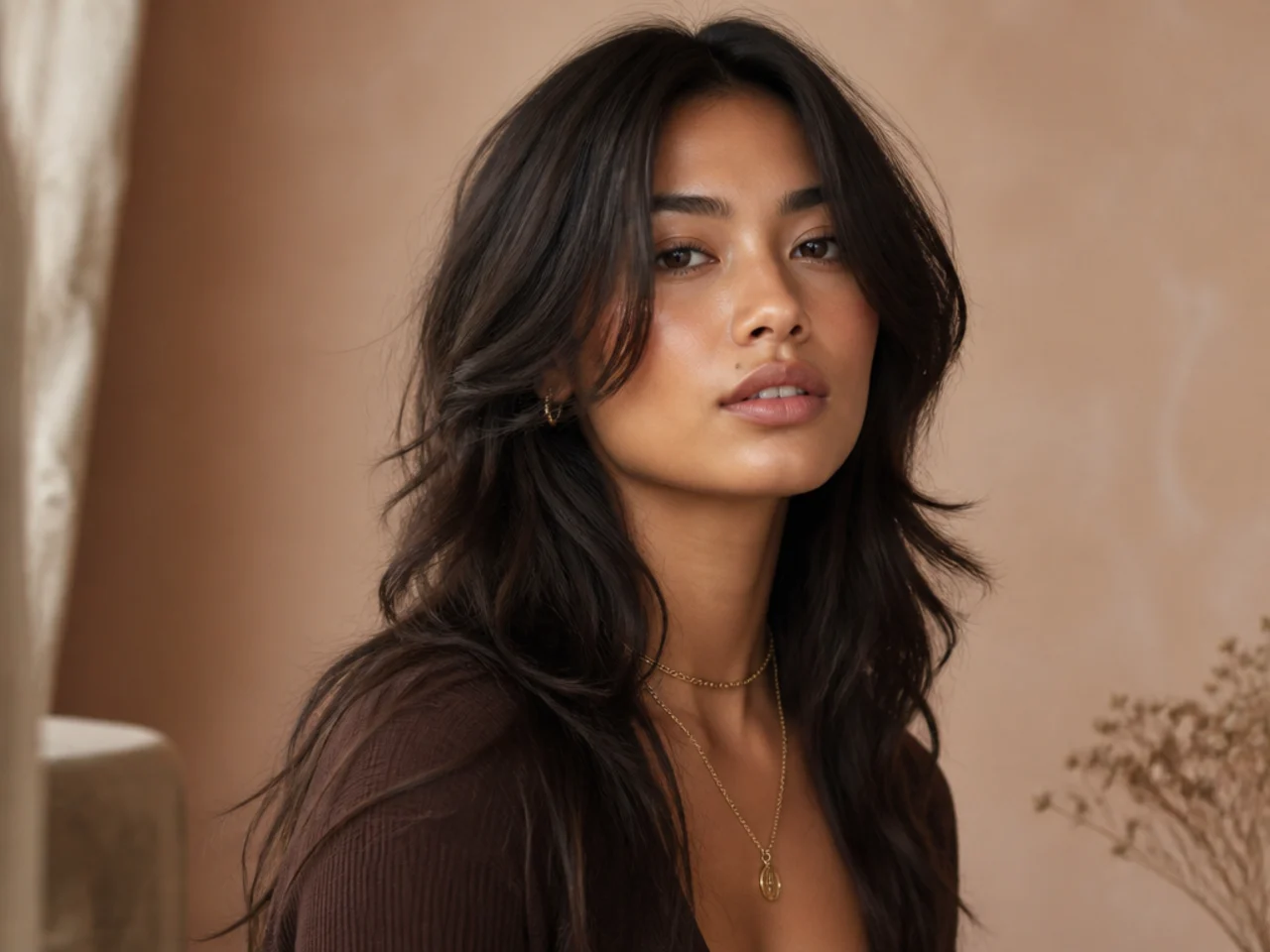
4. Face Framing Plus a Middle Part
The same cut, parted centrally. Reads more deliberate immediately.

5. Light Crown Layers Added
The first volume step. Still fully reversible within a few months.

6. Crown Layers Plus Texture Spray
Same cut, styled to show what the layers can do.

7. Full Layering, Length Untouched
Every layer a wolf cut needs, nothing taken off the bottom. Most people stop here.

8. Layers with an Inch Off the Ends
A small clean-up to remove damage. Still long.

9. Adding a Wispy Fringe
Fringe on top of full layering. A second visible change without touching length.
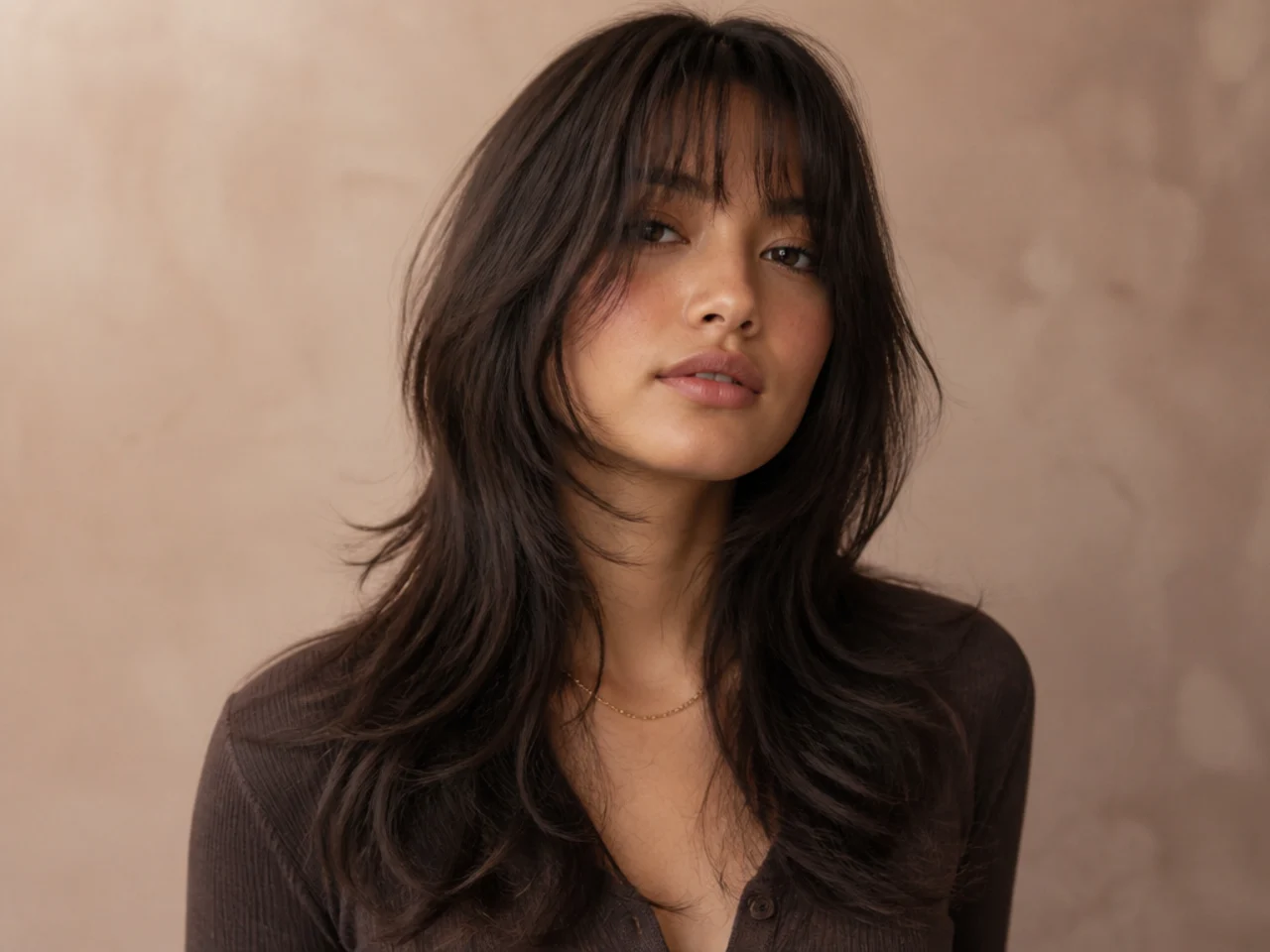
10. Shortening to Mid-Back
The first real length decision. Makes the layers read more strongly.

11. Shortening to the Shoulder Blades
The classic long wolf cut proportion.

12. Adding Disconnection at the Nape
The mullet lean. This is the point of no easy return.

13. Stopping Halfway Deliberately
Face framing and light crown layers, nothing more. A complete look in its own right.

14. Reversing Out of It
Growing the front layers back down. Roughly three months to blend back in.

15. The Finished Long Wolf Cut
All three elements in place, length retained past the shoulder blades.

What to Say at Each Appointment
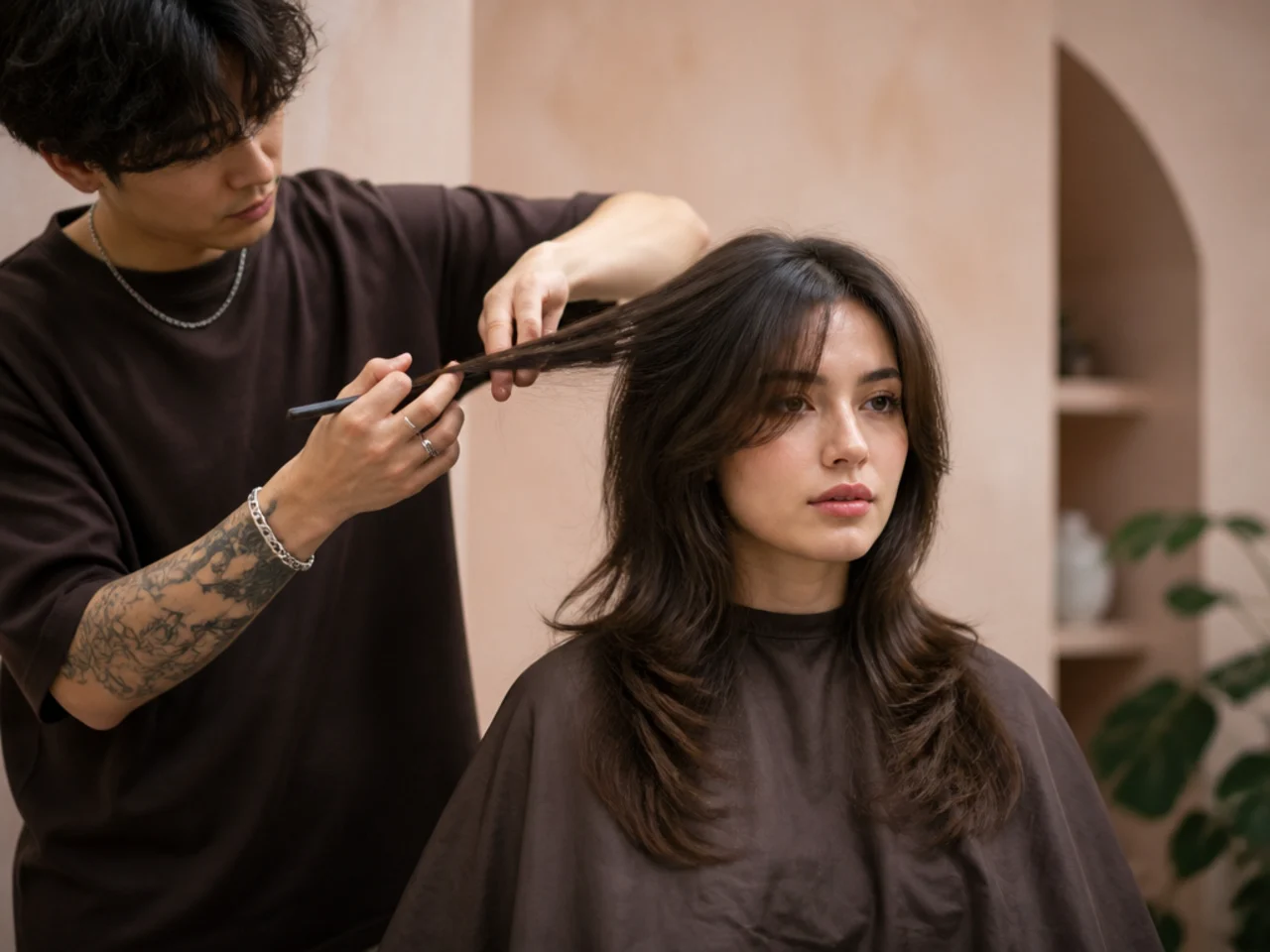
Appointment one: "Face-framing layers starting at my cheekbone, do not touch the length."
Appointment two: "Add layers through the crown for volume, keep the length."
Appointment three, if you want it: "Take the length to the shoulder blades and disconnect the nape slightly."
Booking it this way means every stage is a haircut you chose, not one you ended up with.
Mistakes to Avoid
Doing all three stages in one appointment when you are unsure. You cannot undo it in the chair.
Starting with the length. It is the one element you cannot get back quickly.
Cutting curl wet during a transition. Shrinkage makes a cautious cut look drastic.
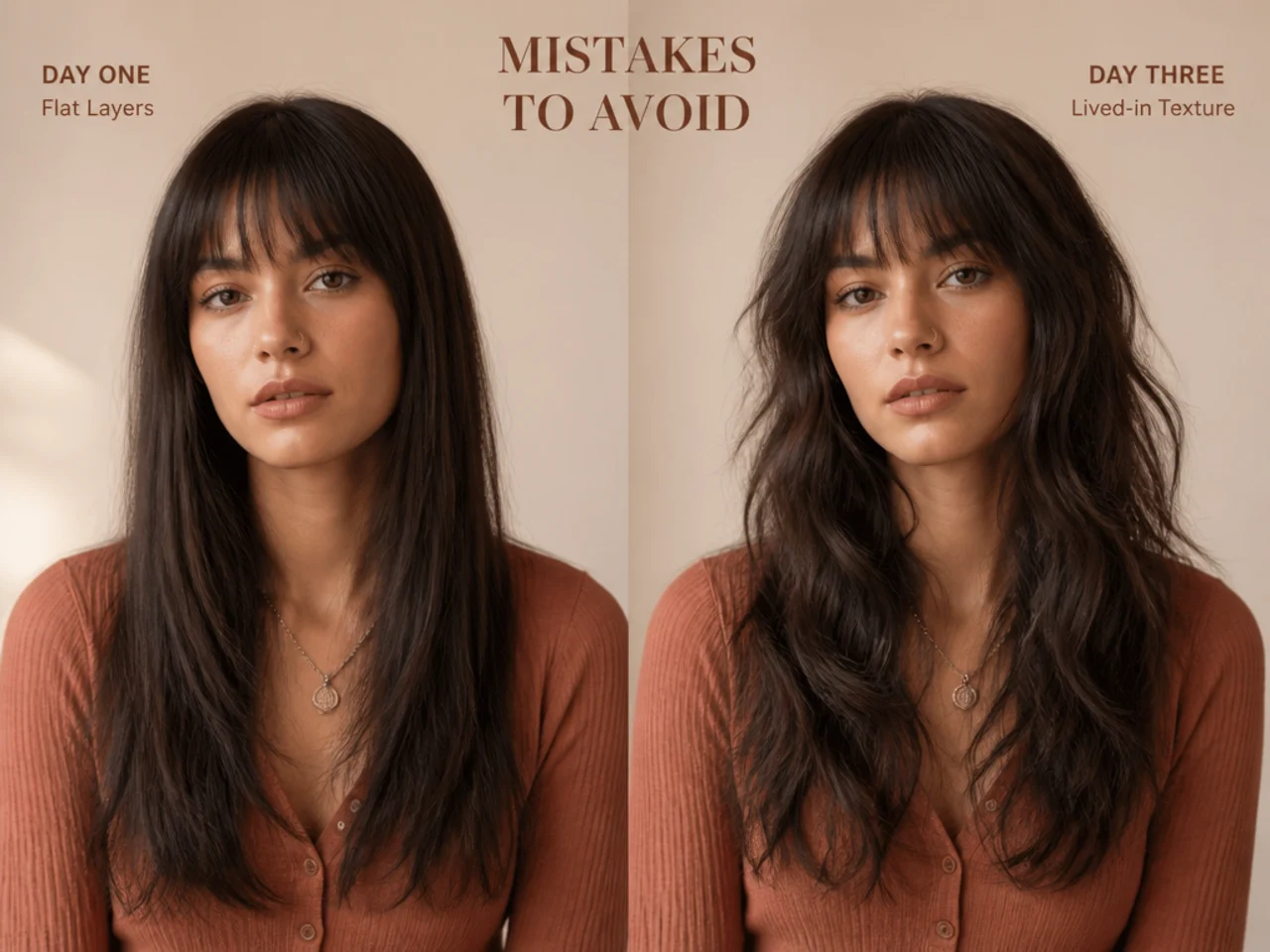
Judging it on day one. A fresh cut sits flat. Wait until day two or three.
FAQ
Can you get a wolf cut without losing length? Yes — the shape comes from face-framing and crown layers, not the bottom.
What should be cut first? The face-framing pieces. Most visible change, no length lost, grows back in about three months.
How long is the full transition? Two or three appointments over four to six months, or one if you are decisive.

Final Thoughts
Cut the front first, the crown second, and the length last or never. Done in that order, you can stop at any stage and still have a haircut you chose.
For the finished shape see 20 long wolfcut ideas, and for matching layers to your texture see 25 wolfcut hair ideas. More in Mullet & Wolf Cuts.