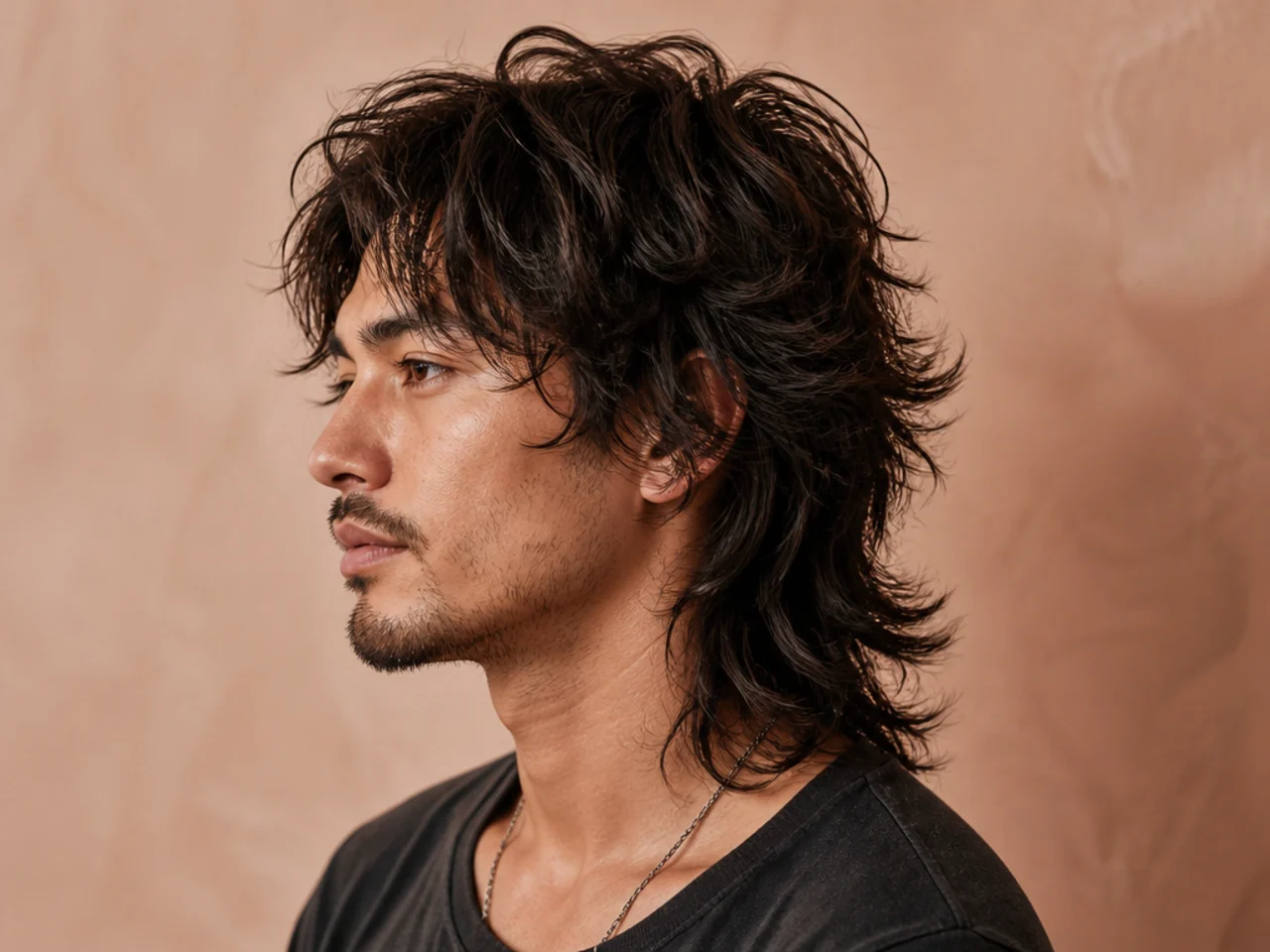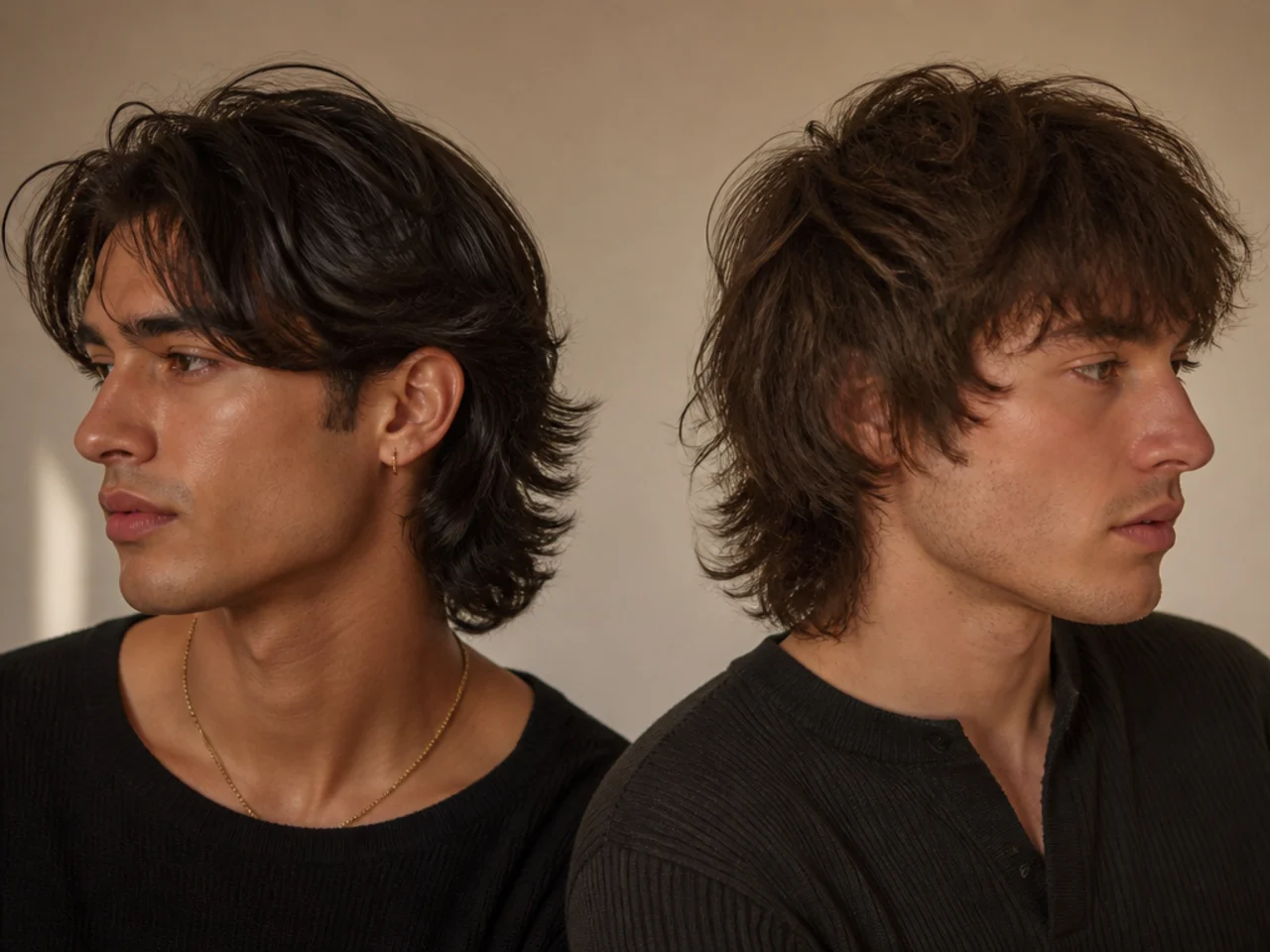
25 Wolfcut Hair Ideas for Every Length
Twenty-five wolfcut variations organised by the thing that actually decides the result — your hair type. Fine, thick, straight, wavy, curly and coily each need different layer placement, and the wrong one ruins the shape.
In this article · 32
- Why Hair Type Matters More Than Length
- How to Match the Cut to Your Hair
- The 25 Wolfcut Hair Ideas
- 1. Fine Hair, Low Layers Only
- 2. Fine Hair with Blunt Ends
- 3. Fine Hair, Shoulder Length
- 4. Thick Hair, Heavy Interior Layering
- 5. Thick Hair, Long Length
- 6. Thick Hair with a Short Crown
- 7. Straight Hair with Point-Cut Ends
- 8. Straight Hair, Shorter Overall
- 9. Straight Hair with a Deep Fringe
- 10. Wavy Hair, Classic Layering
- 11. Wavy Hair, Long
- 12. Wavy Hair with Curtain Bangs
- 13. Curly Hair, Cut Dry
- 14. Curly Hair, Shoulder Length
- 15. Curly Hair with Face-Framing Layers
- 16. Coily Hair, Dry Cut
- 17. Coily Hair with a Rounded Outline
- 18. Coily Hair, Shorter Layers
- 19. Fine and Straight — the Hardest Combination
- 20. Thick and Curly — the Easiest
- 21. Medium Density, Medium Length
- 22. Hair Growing Out from a Bob
- 23. Colour-Treated Hair
- 24. Hair with a Cowlick at the Crown
- 25. Postpartum or Regrowth Hair
- How to Style by Hair Type
- Mistakes to Avoid
- FAQ
- Final Thoughts
The wolf cut is one shape but it is not one haircut. Fine hair and thick hair need opposite approaches to layering, and most disappointing results come from a stylist applying the same layer plan to both.
Why Hair Type Matters More Than Length
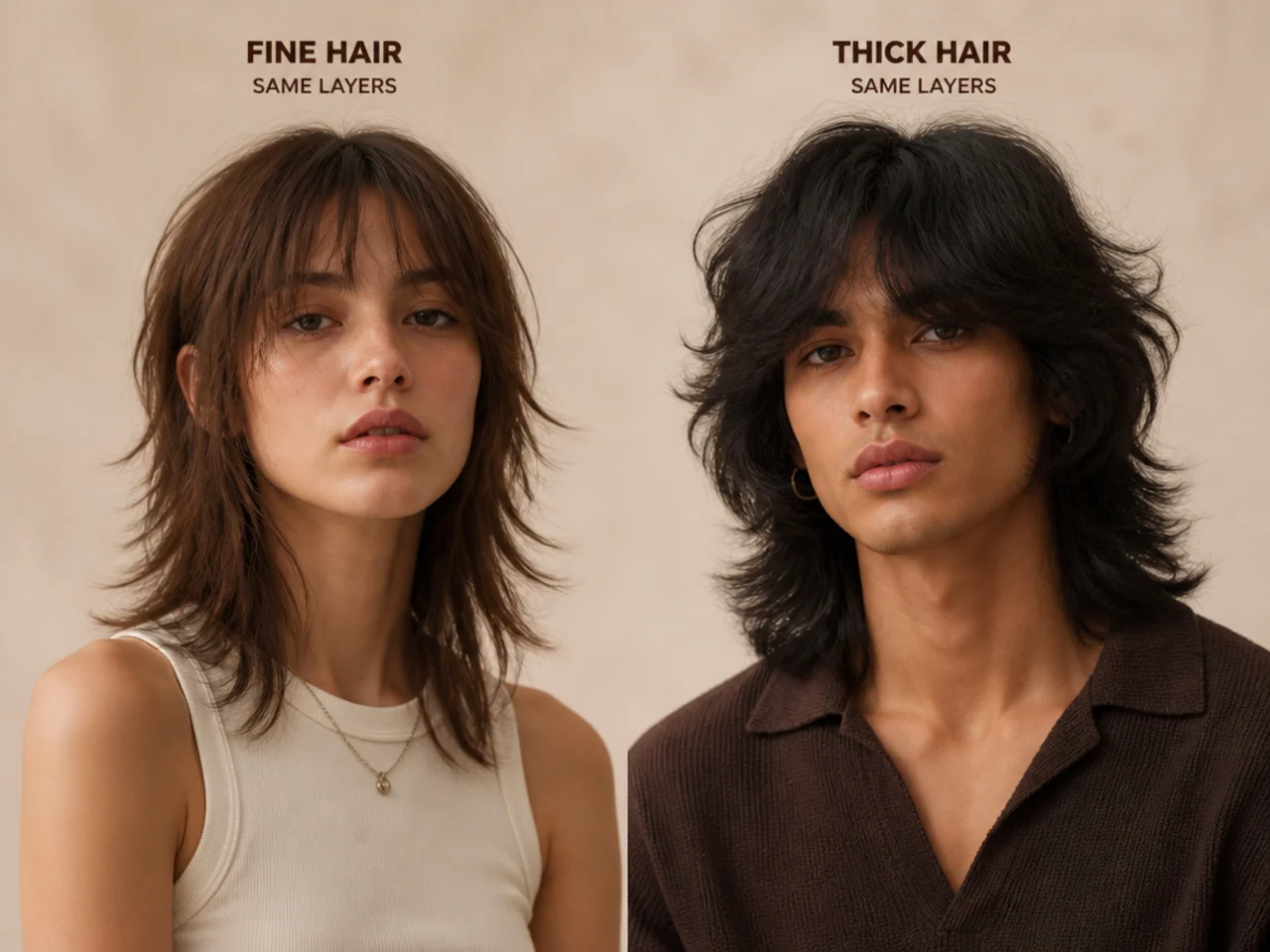
Length changes how a wolf cut looks. Hair type changes whether it works at all.
The shape depends on interior density holding the layered exterior up. Thick hair has density to spare and needs layers cutting into it. Fine hair does not, and layering it aggressively removes the very thing the shape stands on.
How to Match the Cut to Your Hair
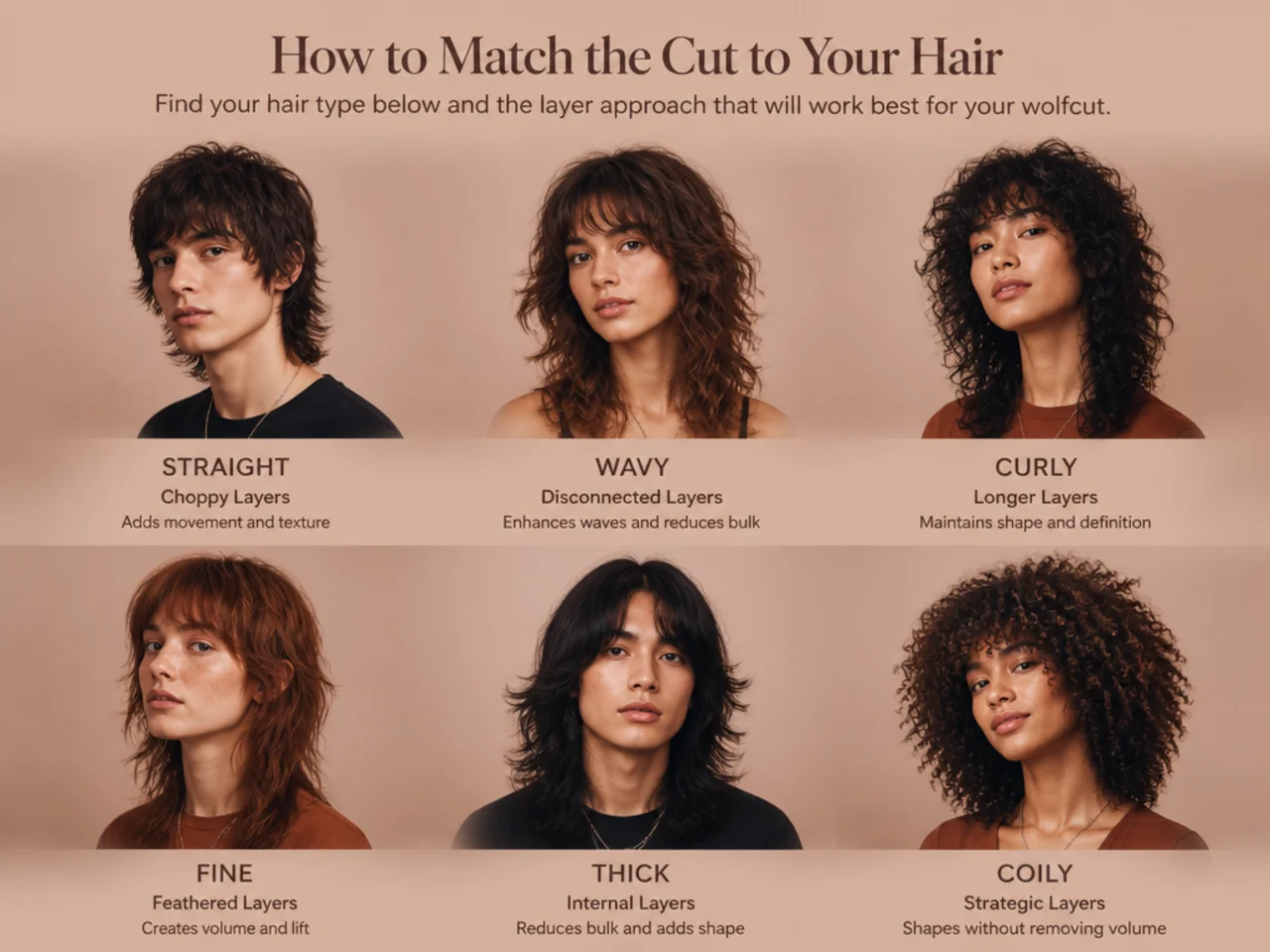
Fine: fewer layers, none above the ear, blunt ends to keep weight. Thick: heavy interior layering, outline left intact. Straight: point-cut ends and texture spray, or the layers vanish. Wavy: the easiest — the wave shows the layers for free. Curly: cut dry, layers follow the curl clumps. Coily: cut dry, expect 30 to 50 percent shrinkage.
The 25 Wolfcut Hair Ideas
1. Fine Hair, Low Layers Only
Layers starting below the ear. Keeps the crown dense so the shape holds.
2. Fine Hair with Blunt Ends
Layered interior, blunt perimeter. The blunt line is what stops fine ends looking wispy.

3. Fine Hair, Shoulder Length
Short enough that the ends keep their weight. Fine hair past the shoulder blades goes stringy.

4. Thick Hair, Heavy Interior Layering
Weight removed from inside, outline untouched. The only way to stop thick hair pyramiding.

5. Thick Hair, Long Length
Length uses the weight productively. Thick hair carries a long wolf cut better than any other type.

6. Thick Hair with a Short Crown
Crown layers cut high to release volume at the top.

7. Straight Hair with Point-Cut Ends
Point cutting is not optional on straight hair — a blunt layer line reads as a mistake.

8. Straight Hair, Shorter Overall
Shorter lengths hold visible shape on straight hair where long lengths flatten.
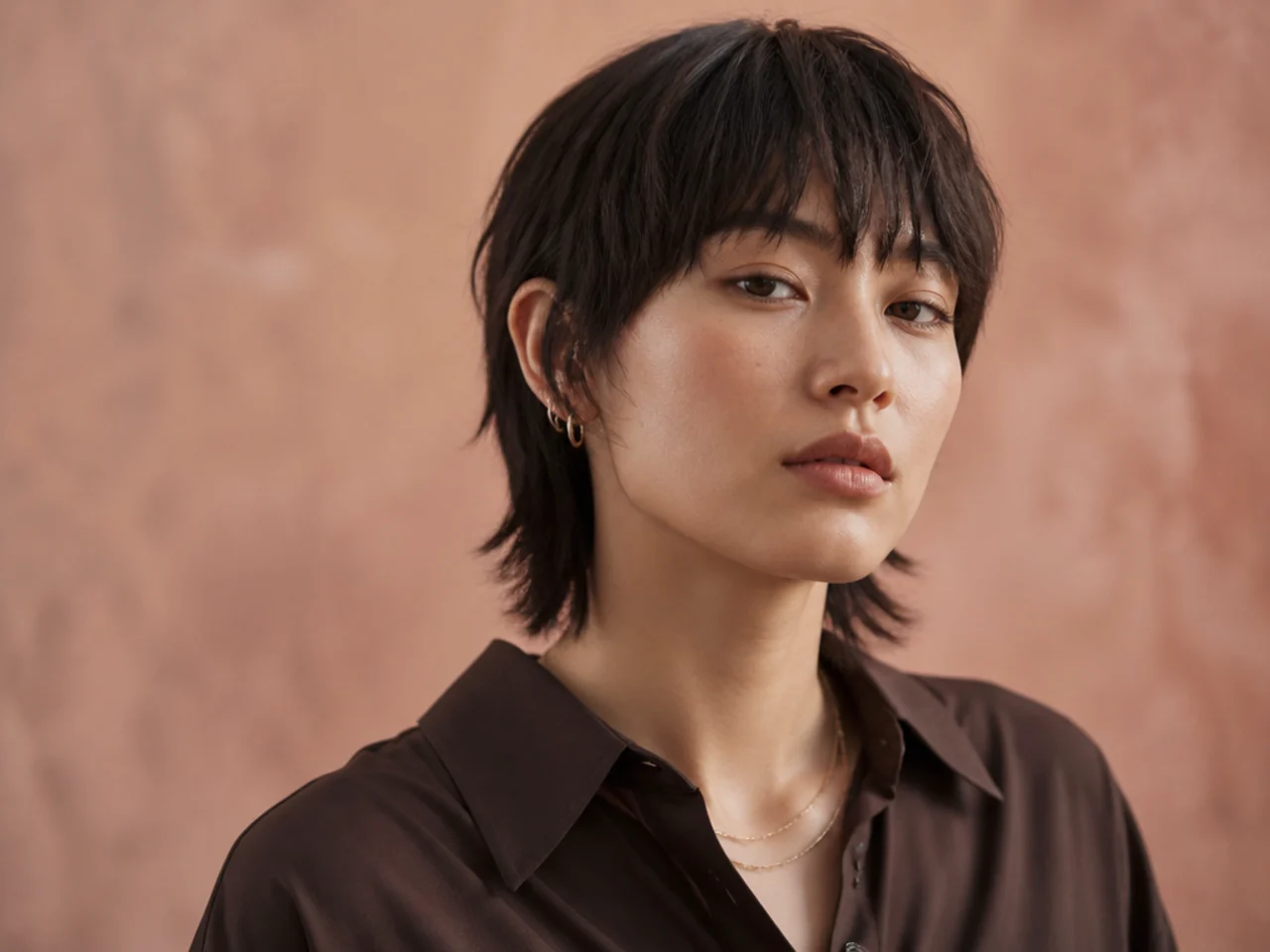
9. Straight Hair with a Deep Fringe
A heavy fringe gives straight hair the structure its layers cannot.

10. Wavy Hair, Classic Layering
The default pairing. Nothing needs adjusting.
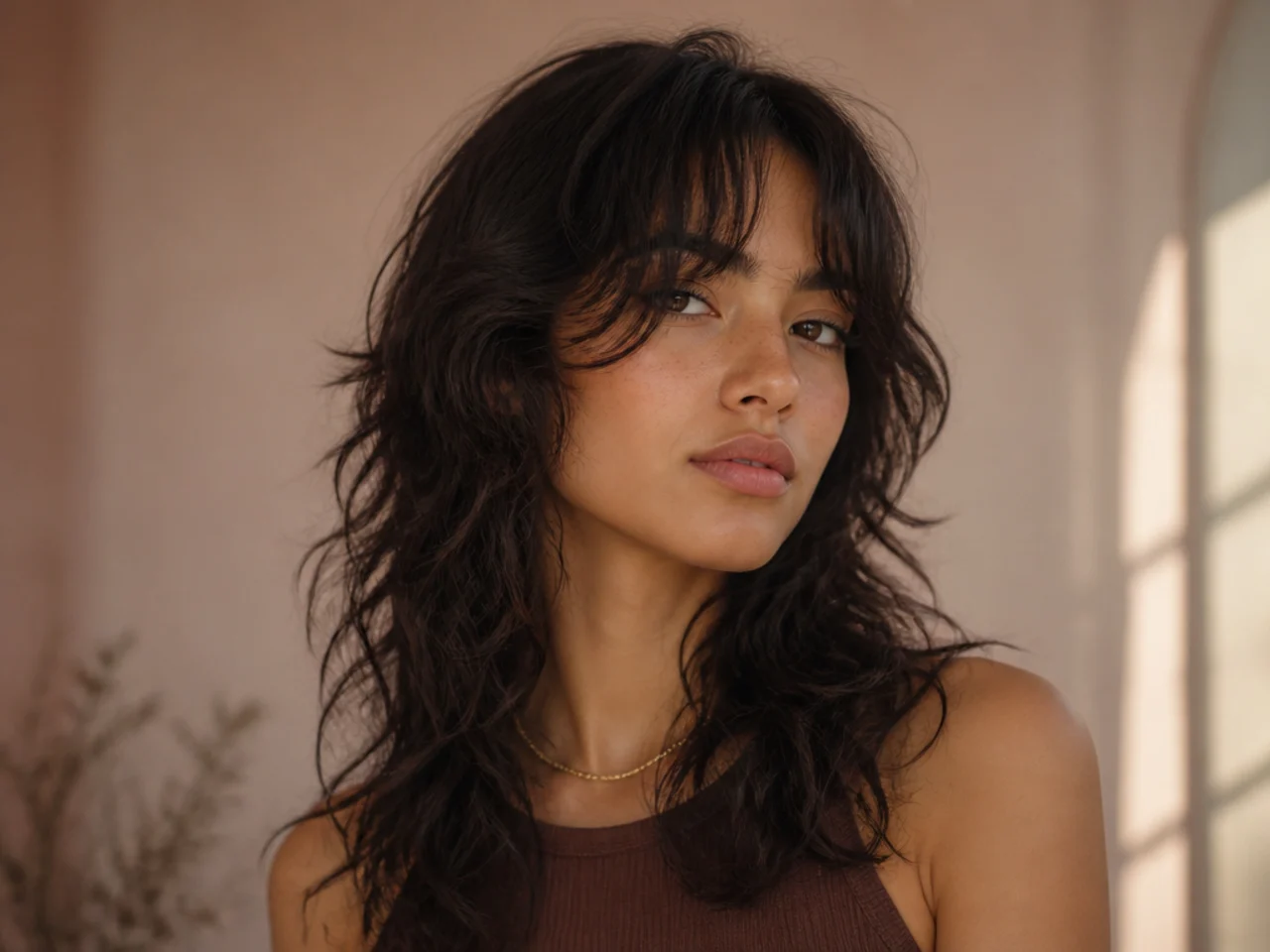
11. Wavy Hair, Long
Wave plus length reads effortless with almost no styling.
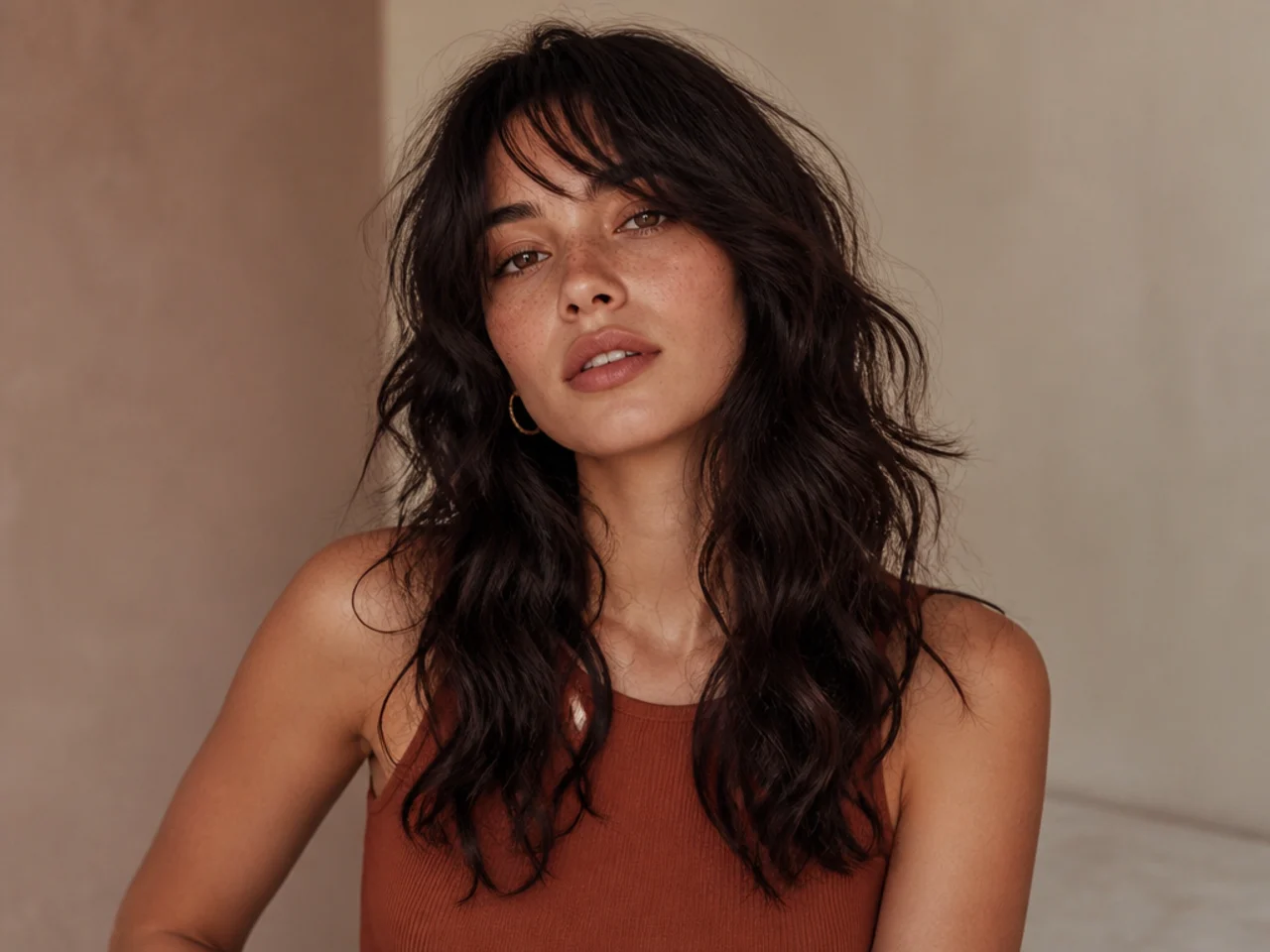
12. Wavy Hair with Curtain Bangs
The most-requested combination on this list, and it earns it.
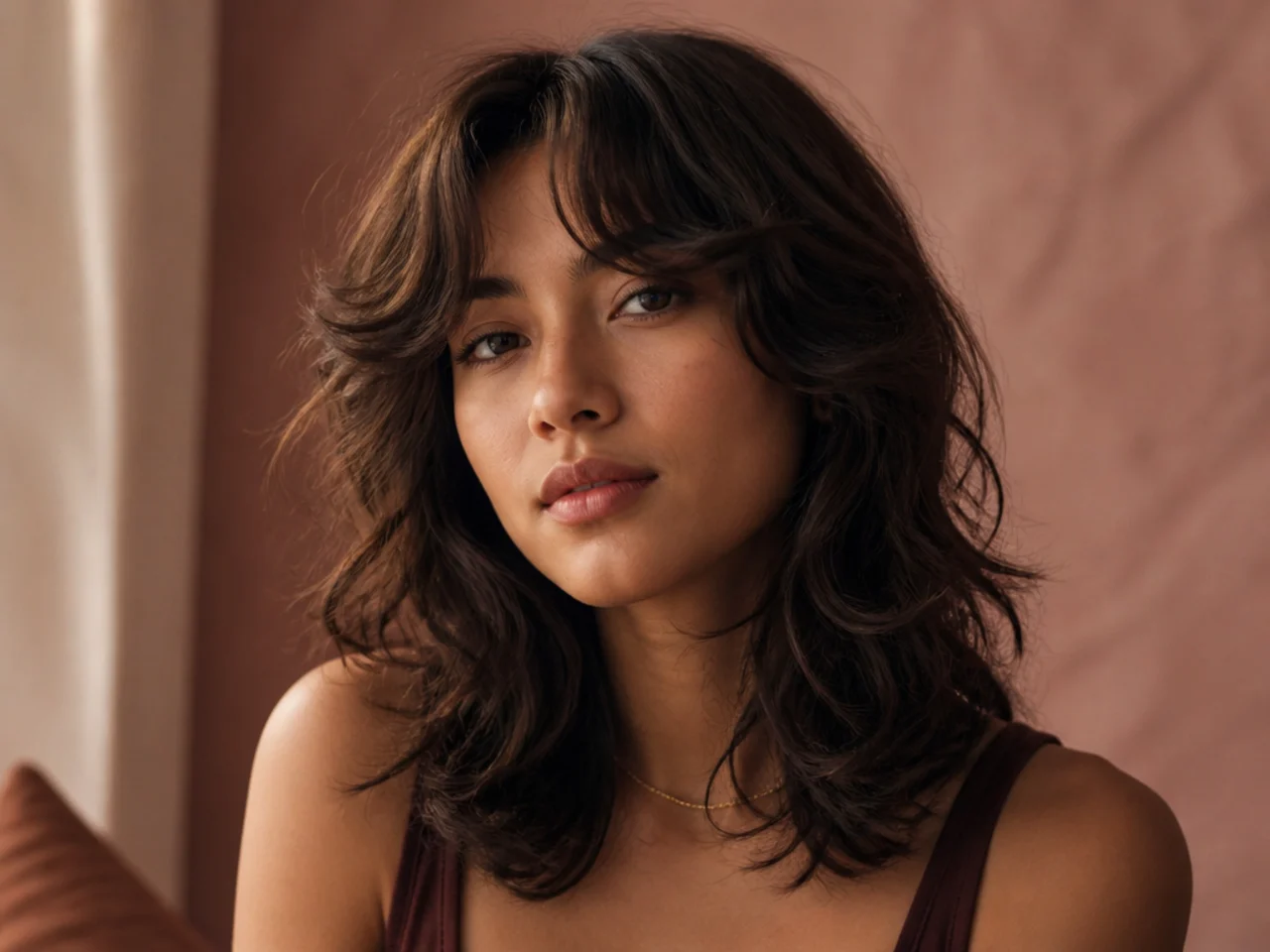
13. Curly Hair, Cut Dry
Layers placed on the curl clumps as they actually sit. Wet cutting guesses.
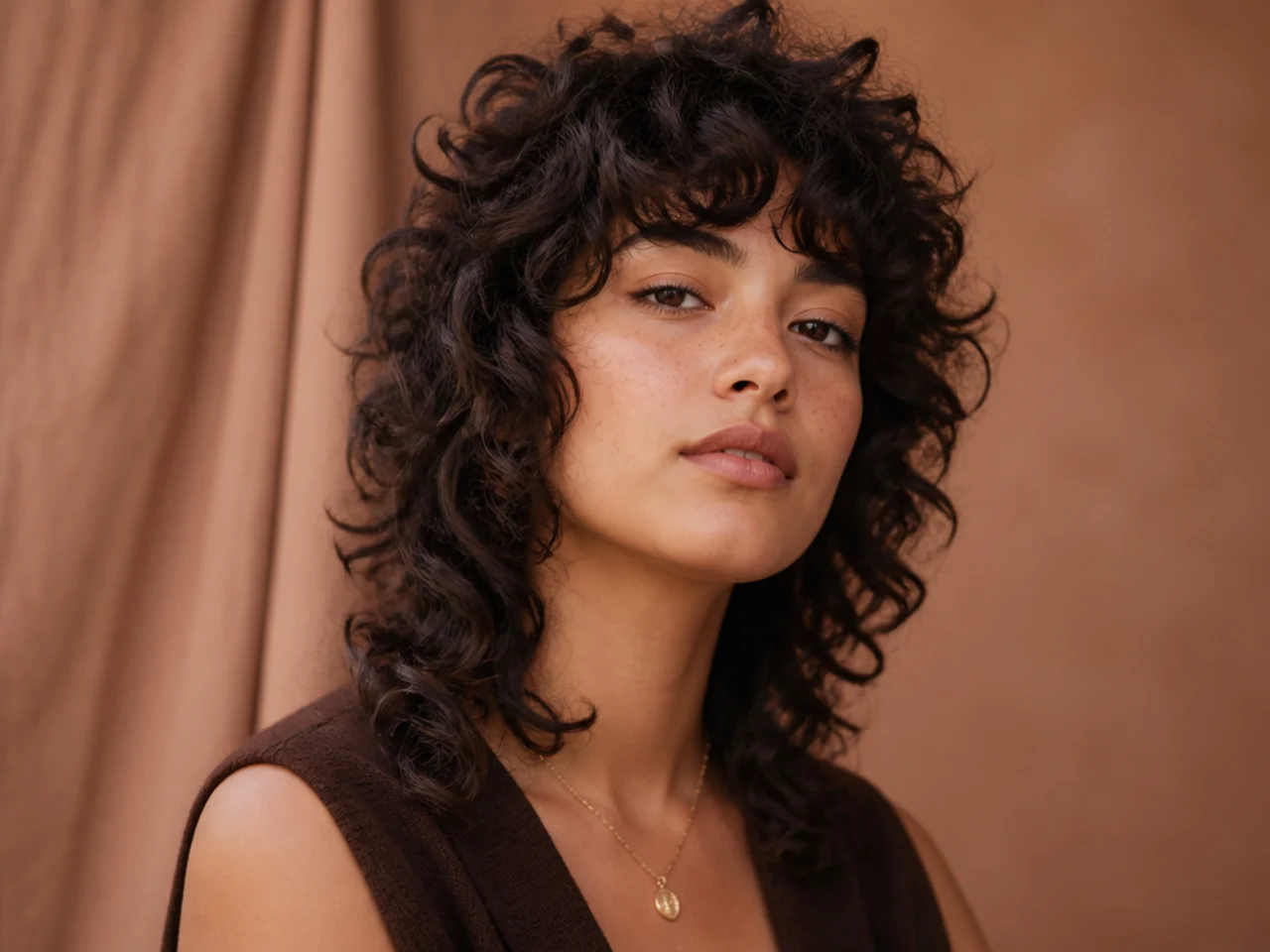
14. Curly Hair, Shoulder Length
Shrinkage means shoulder-length curl was cut mid-back. Plan for it.

15. Curly Hair with Face-Framing Layers
Short curls at the cheekbone define the whole shape.
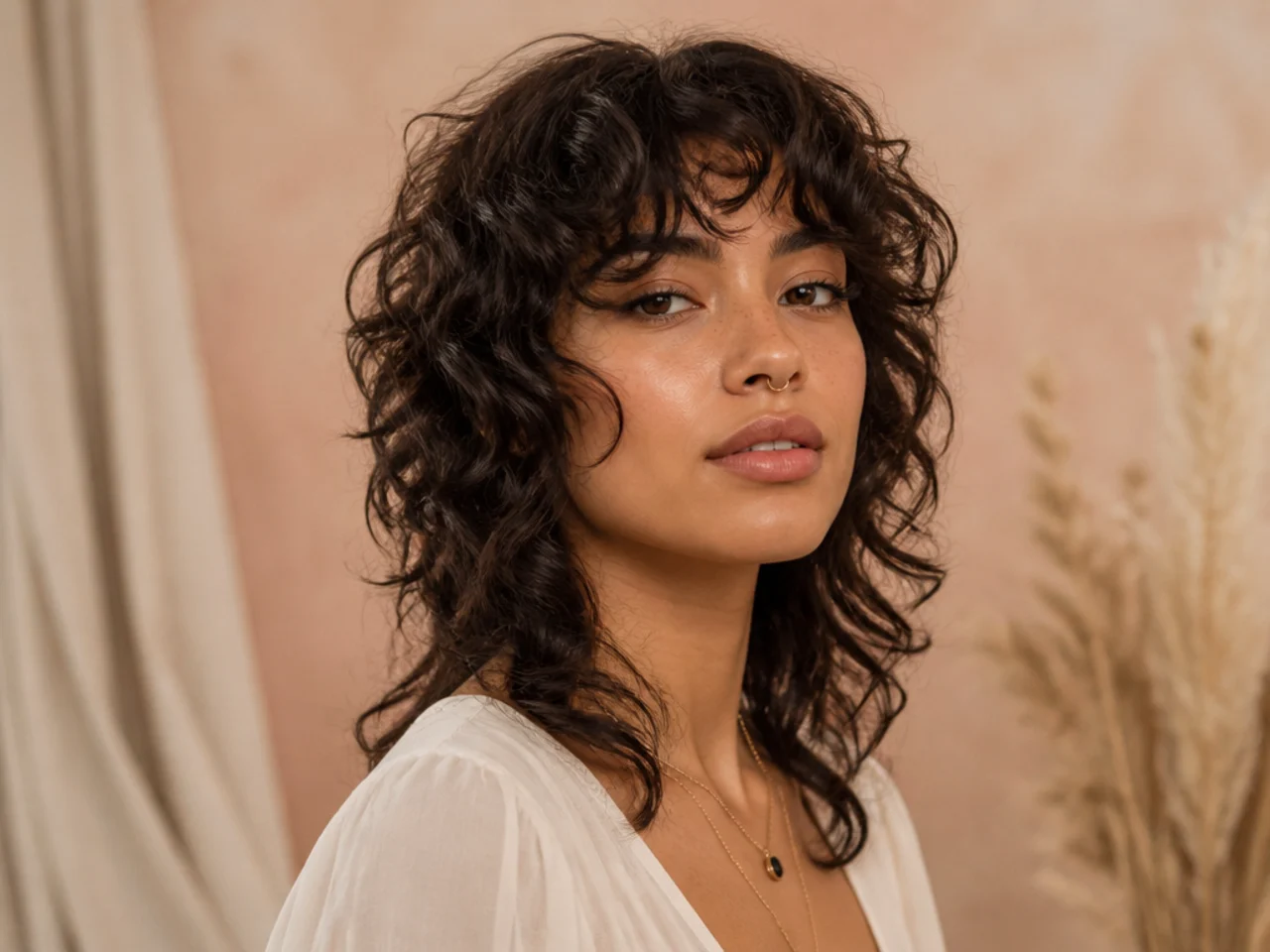
16. Coily Hair, Dry Cut
Thirty to fifty percent shrinkage. Cut dry or the layers land far too short.
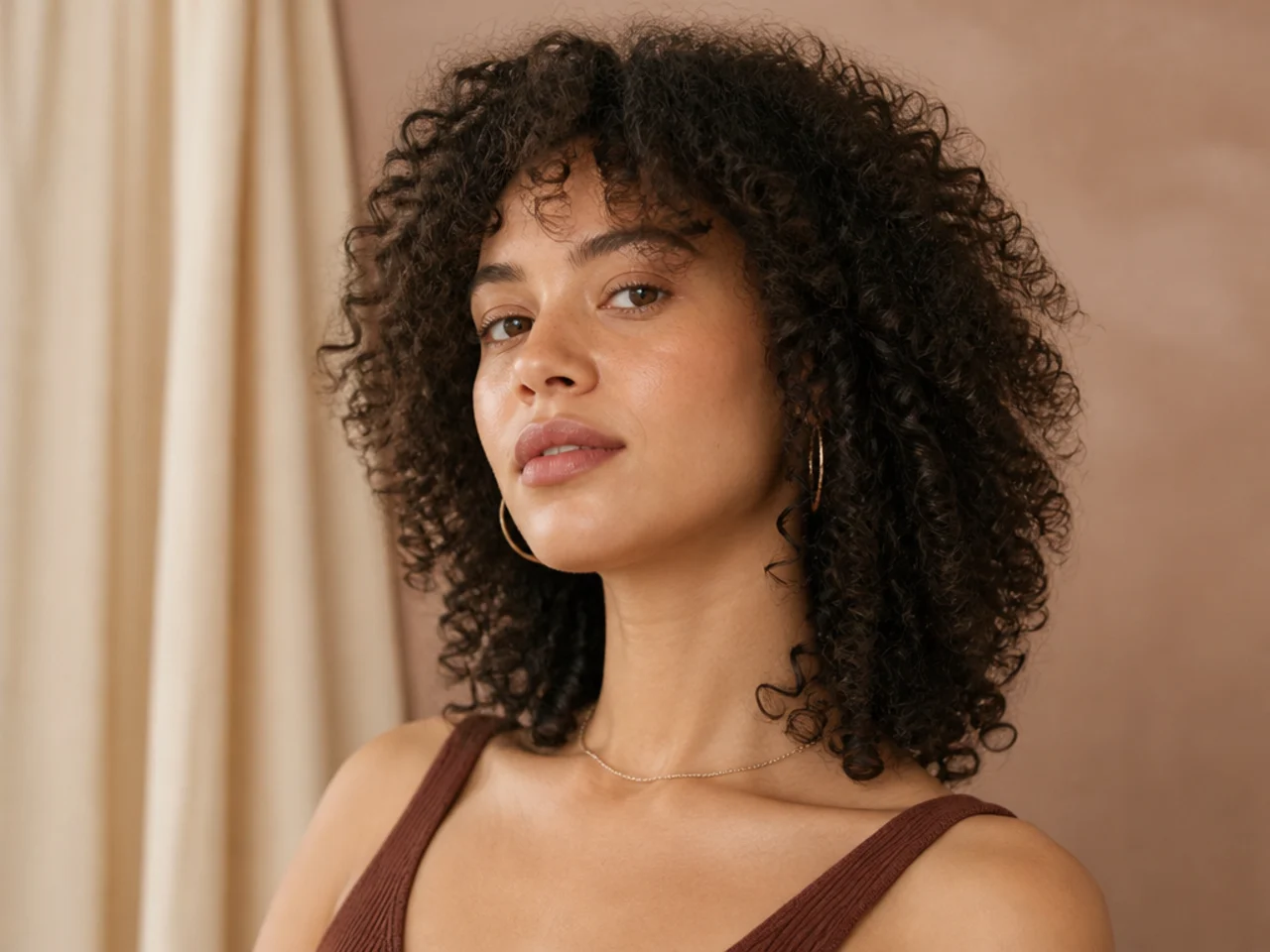
17. Coily Hair with a Rounded Outline
The layers shape a round silhouette rather than a flowing one.
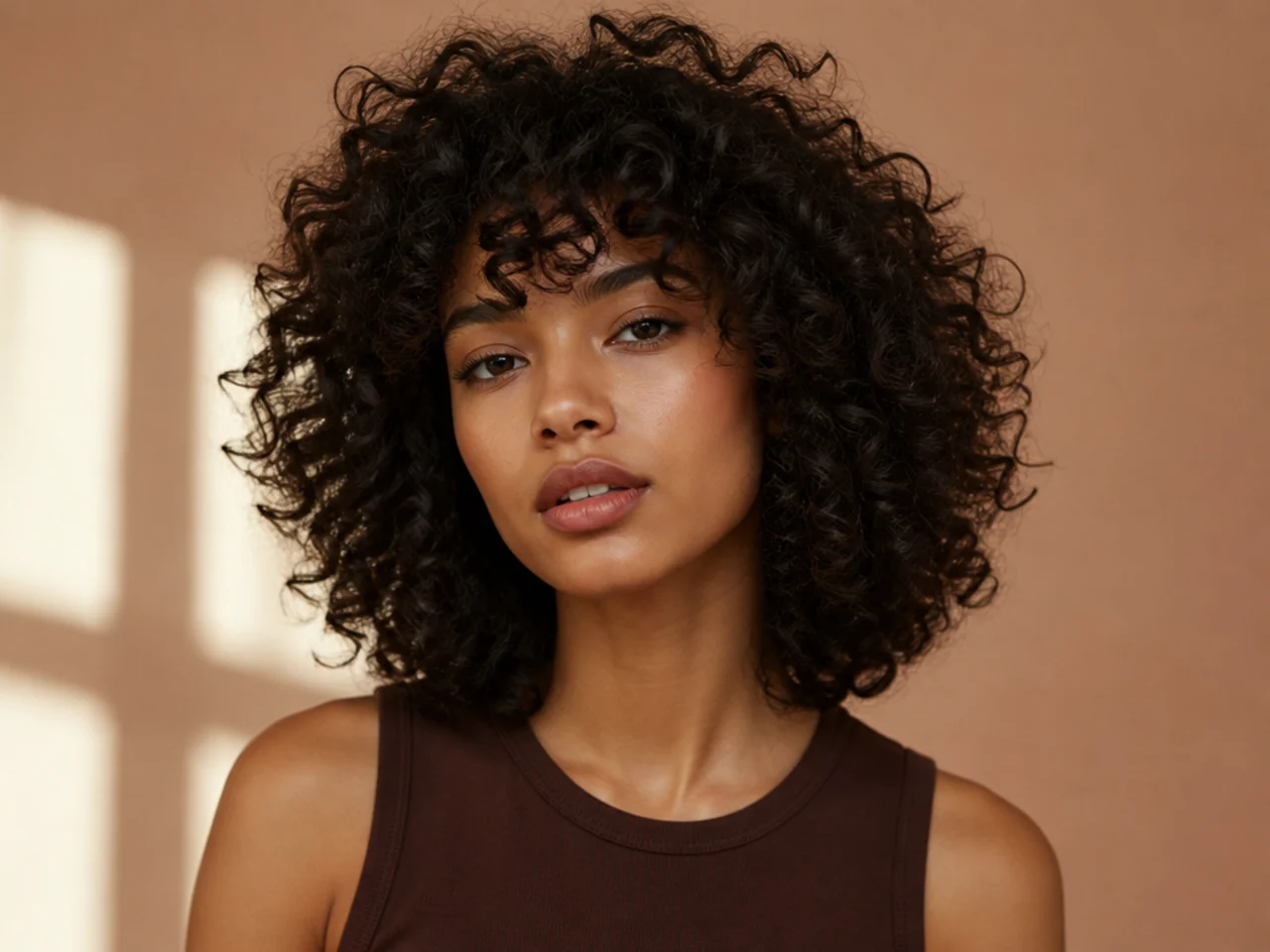
18. Coily Hair, Shorter Layers
Tighter coils need shorter layers to read as separate at all.
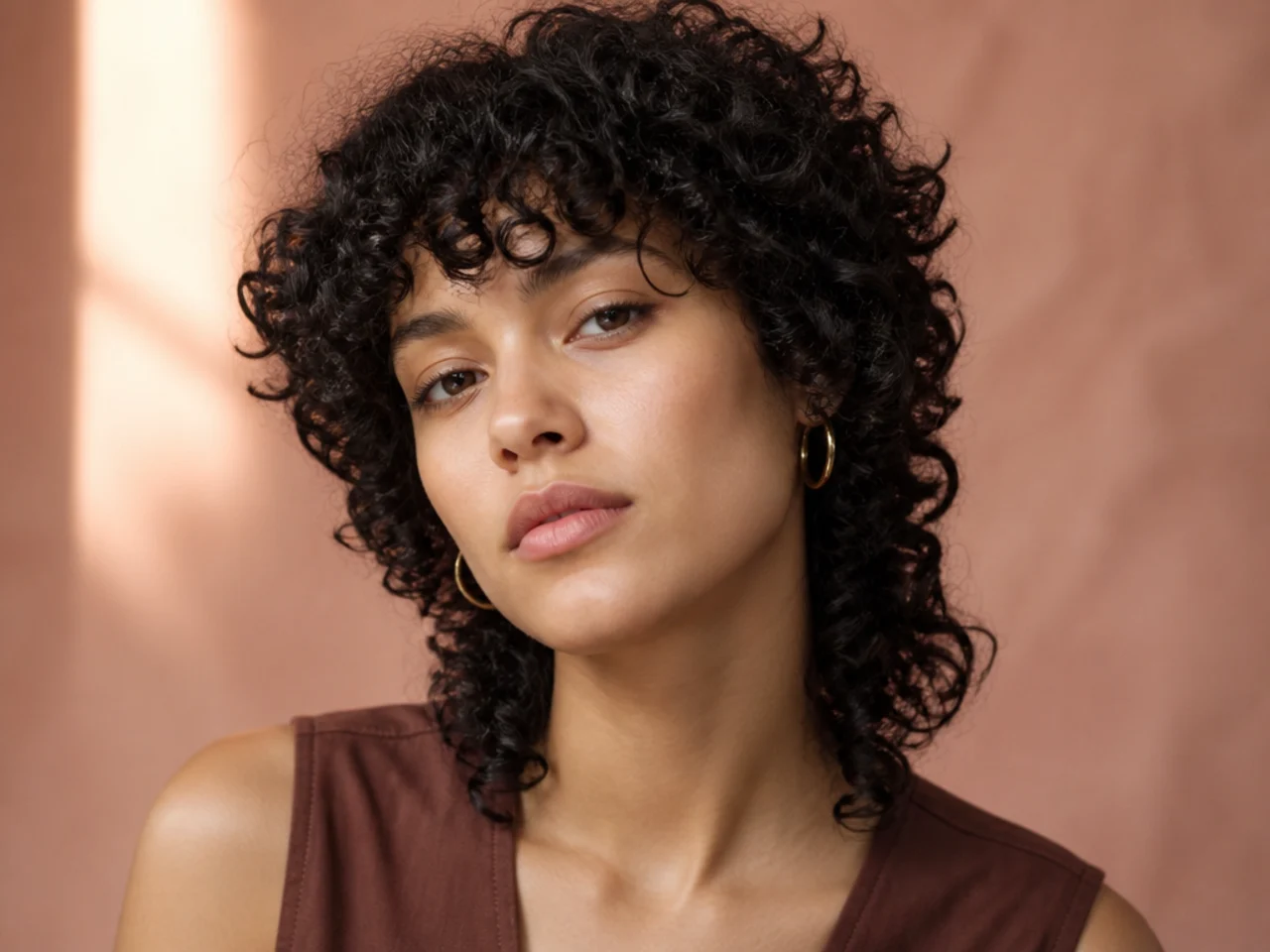
19. Fine and Straight — the Hardest Combination
Restrained layering plus salt spray. Manage expectations on volume.

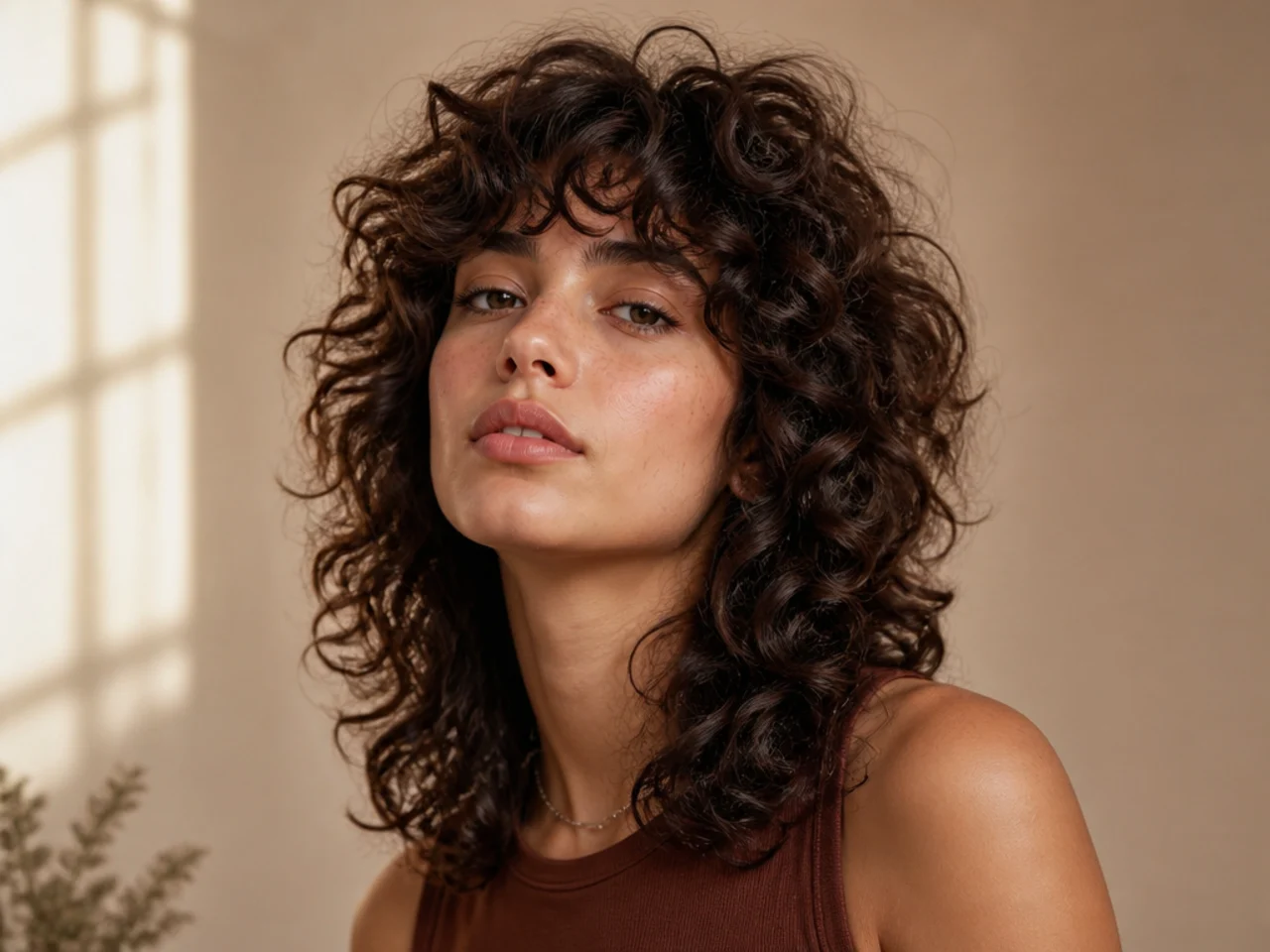
20. Thick and Curly — the Easiest
Density and texture together. This combination barely needs styling.
21. Medium Density, Medium Length
The middle of every road. Suits most people who are unsure.

22. Hair Growing Out from a Bob
Layers cut into an awkward growing-out length turn it into a shape.

23. Colour-Treated Hair
Damaged ends need blunter layering — point cutting exposes the breakage.

24. Hair with a Cowlick at the Crown
Work with it — the crown layers can use a cowlick for volume rather than fighting it.

25. Postpartum or Regrowth Hair
Short new growth at the hairline blends into face-framing layers instead of sticking up.

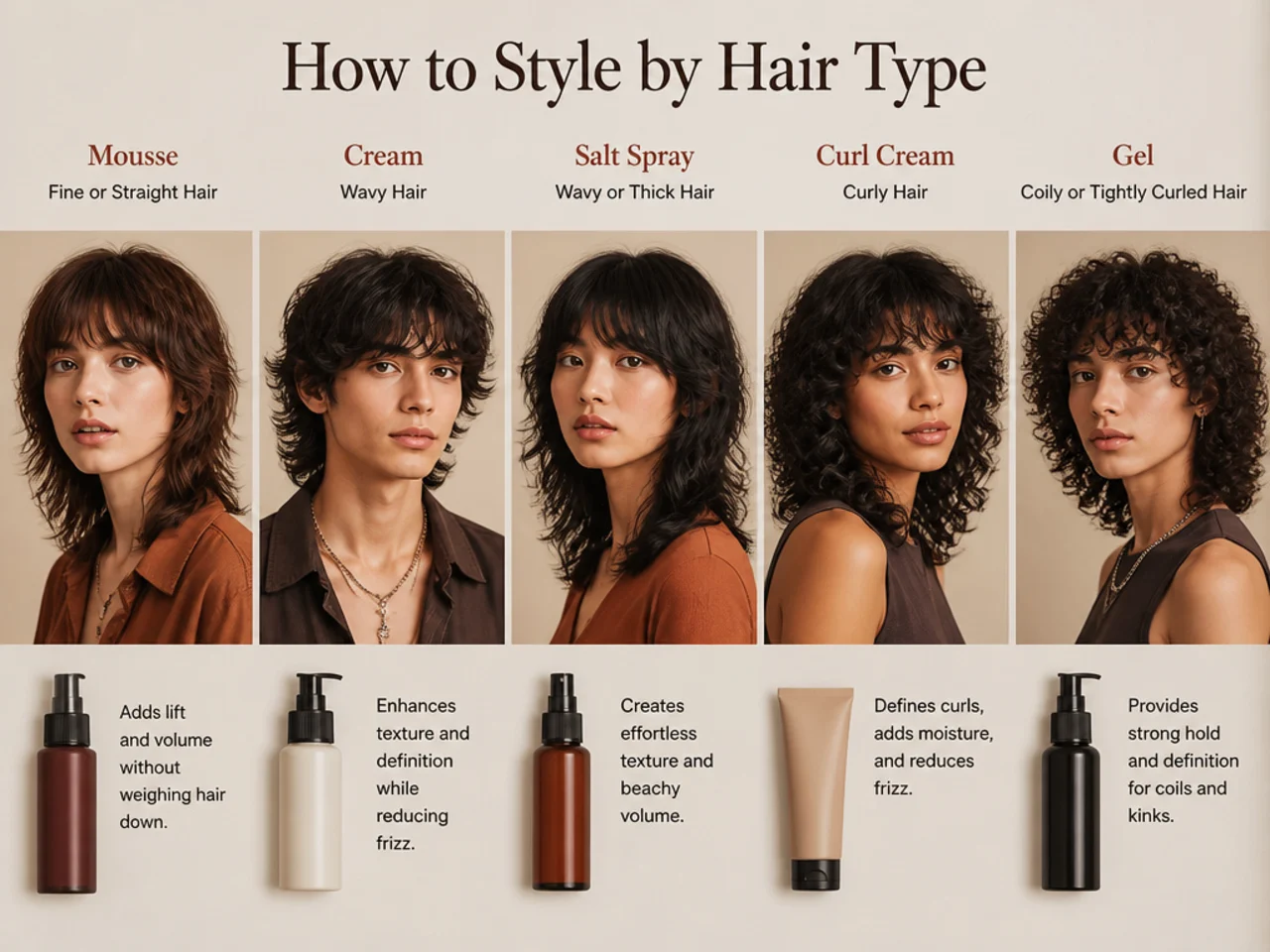
How to Style by Hair Type
Fine: volumising mousse at the root, air-dry. Thick: cream to weigh the ends, air-dry. Straight: salt spray on damp, rough dry. Wavy: nothing, or a light mist. Curly: curl cream on soaking wet, scrunch, diffuse. Coily: leave-in and a defining gel, hands off while drying.
Mistakes to Avoid
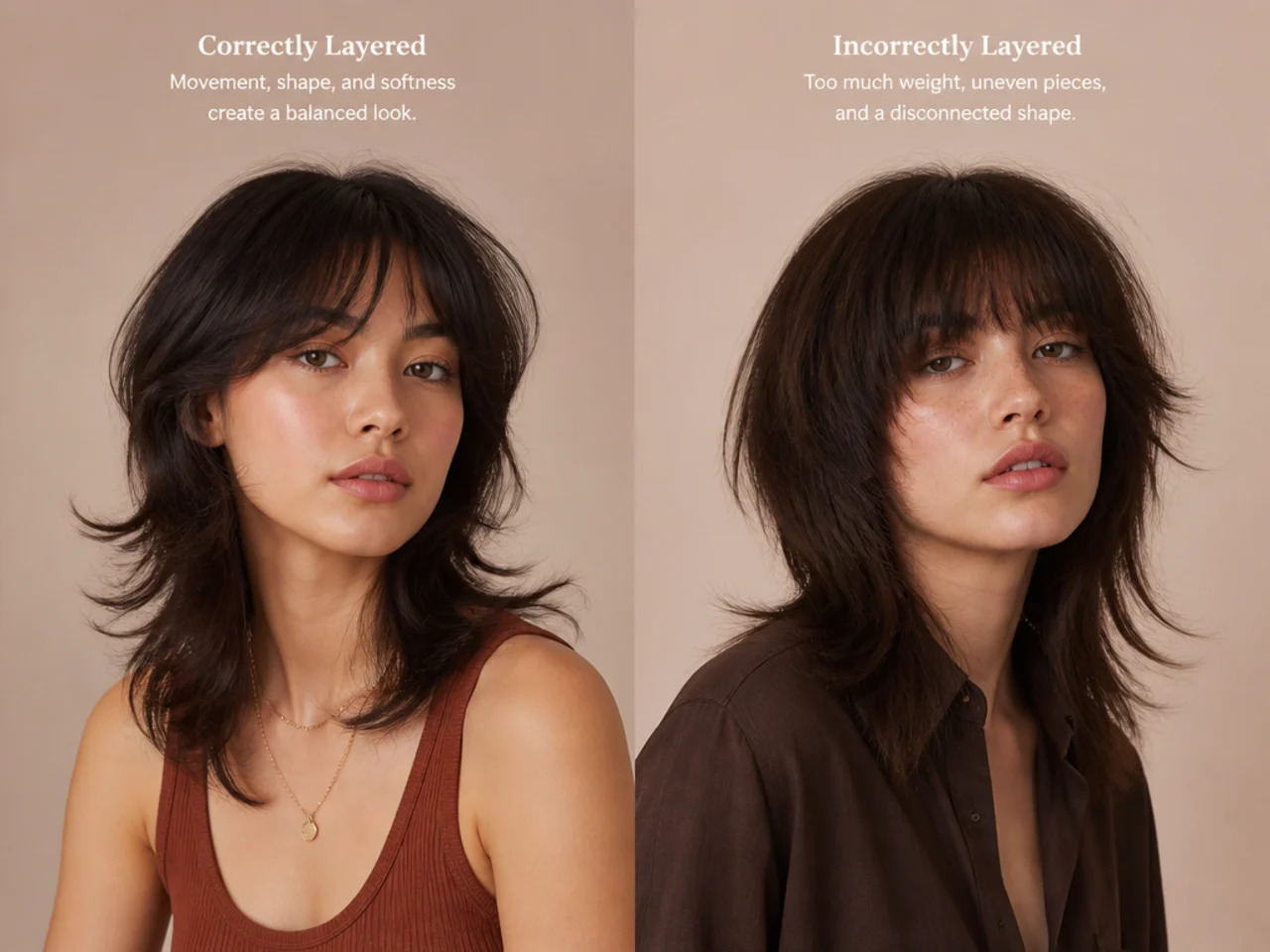
One layer plan for every head. The most common reason a wolf cut disappoints.
Layering fine hair high. It removes the density the shape stands on.
Cutting curl or coil wet. Shrinkage lands the layers short.
Point cutting damaged ends. It exposes breakage rather than softening it.
FAQ
Which hair type suits it best? Wavy — enough movement to show layers, enough density to hold them.
Can fine hair take it? Yes, with fewer layers and none above the ear.
Does it work on coily hair? Very well, cut dry. Expect 30 to 50 percent shrinkage.

Final Thoughts
Bring your hair type to the conversation, not just a photo. The same picture cut two ways on two heads produces two different haircuts, and the layer plan is where that happens.
For the full variation library see 25 stunning wolfcut ideas, and for wearing one day to day see 20 stylish wolfcut hairstyles. More in Mullet & Wolf Cuts.