25 Stunning Wolfcut Ideas to Save Right Now
Twenty-five wolfcut variations with the layer placement that defines the shape, the hair types it genuinely suits, and the honest growing-out timeline. A shag-mullet hybrid that lives or dies on where the shortest layer sits.
In this article · 32
- What Is a Wolf Cut?
- How to Choose Your Wolf Cut
- The 25 Wolf Cut Ideas
- 1. Classic Shoulder-Length Wolf Cut
- 2. Short Wolf Cut
- 3. Long Wolf Cut
- 4. Curly Wolf Cut
- 5. Wolf Cut with Curtain Bangs
- 6. Wolf Cut with Blunt Bangs
- 7. Shaggy Wolf Cut
- 8. Wolf Cut for Men
- 9. Wavy Wolf Cut
- 10. Wolf Cut on Straight Hair
- 11. Wolf Cut with a Mullet Tail
- 12. Medium-Length Wolf Cut
- 13. Wolf Cut with Face-Framing Tendrils
- 14. Wolf Cut for Fine Hair
- 15. Wolf Cut for Thick Hair
- 16. Wolf Cut with Highlights
- 17. Wolf Cut with a Middle Part
- 18. Wolf Cut with a Side Part
- 19. Wolf Cut on Coily Hair
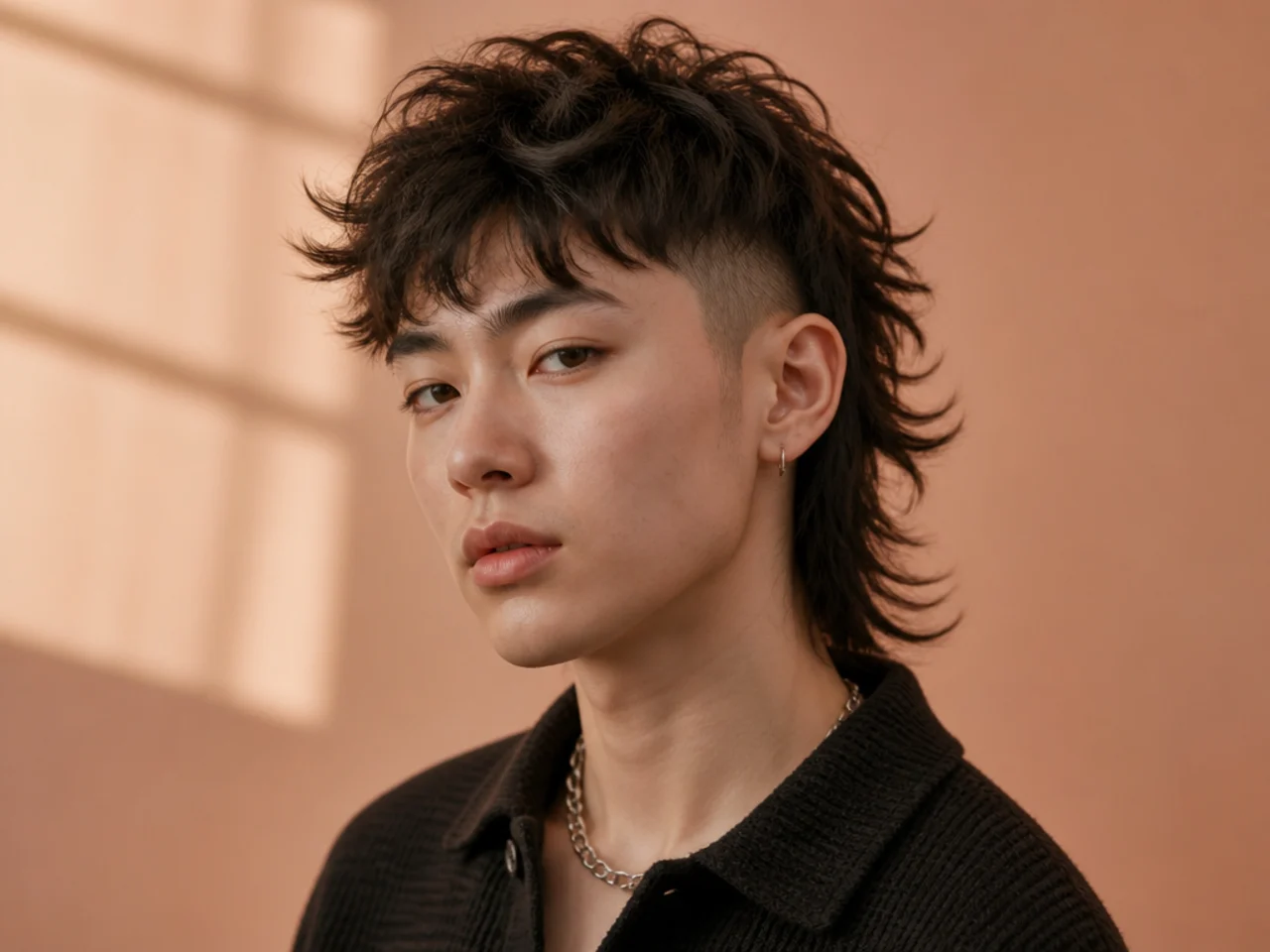
- 20. Wolf Cut with a Fade
- 21. Bob-Length Wolf Cut
- 22. Wolf Cut with Wispy Ends
- 23. Grown-Out Wolf Cut
- 24. Wolf Cut with Colour Contrast
- 25. Minimal Wolf Cut
- How to Style and Maintain a Wolf Cut
- Mistakes to Avoid
- FAQ
- Final Thoughts
The wolf cut is a shag and a mullet crossed: heavy layers through the crown, short pieces framing the face, and length kept at the back. What decides whether it works is not the length — it is where the shortest layer sits.
What Is a Wolf Cut?
Take the disconnected layering of a 1970s shag and the short-front, long-back structure of a mullet, and you have a wolf cut. The crown is layered heavily to create volume, the face-framing pieces are cut short — usually landing around the cheekbone — and the back keeps its length.
The layers are the definition. A long cut with no layering is not a wolf cut regardless of how the back sits.

How to Choose Your Wolf Cut
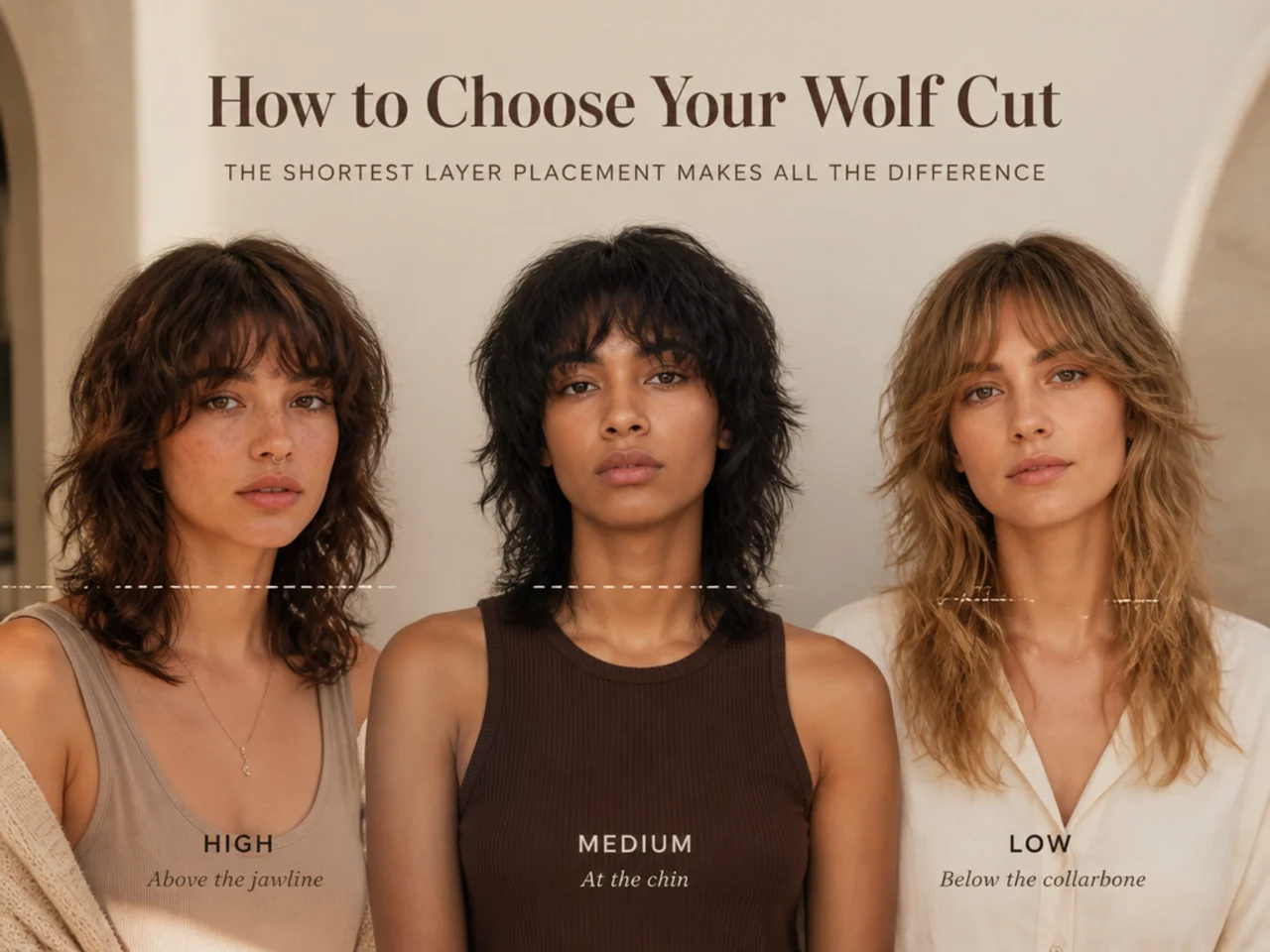
Decide where the shortest layer lands. Cheekbone is the standard. Higher reads bolder and grows out awkwardly; lower is softer and safer.
Match the layering to your density. Thick hair can take aggressive layering and needs it. Fine hair needs fewer, lower layers or the ends go wispy.
Curl does half the work. On wavy and curly hair the shape almost cuts itself. On poker-straight hair you will need texture spray to see the layers at all.
Know the grow-out. Four to six months to lose the shape. It softens rather than leaving a line, which is why it grows out better than a mullet.
The 25 Wolf Cut Ideas
1. Classic Shoulder-Length Wolf Cut
Layers from the crown, shortest pieces at the cheekbone, length to the shoulder. The reference version.
2. Short Wolf Cut
Layers through a chin-to-jaw length. Sharper and higher maintenance, because short layers show growth faster.

3. Long Wolf Cut
Length past the shoulder blades with the layers kept high. Maximum contrast between top and bottom.

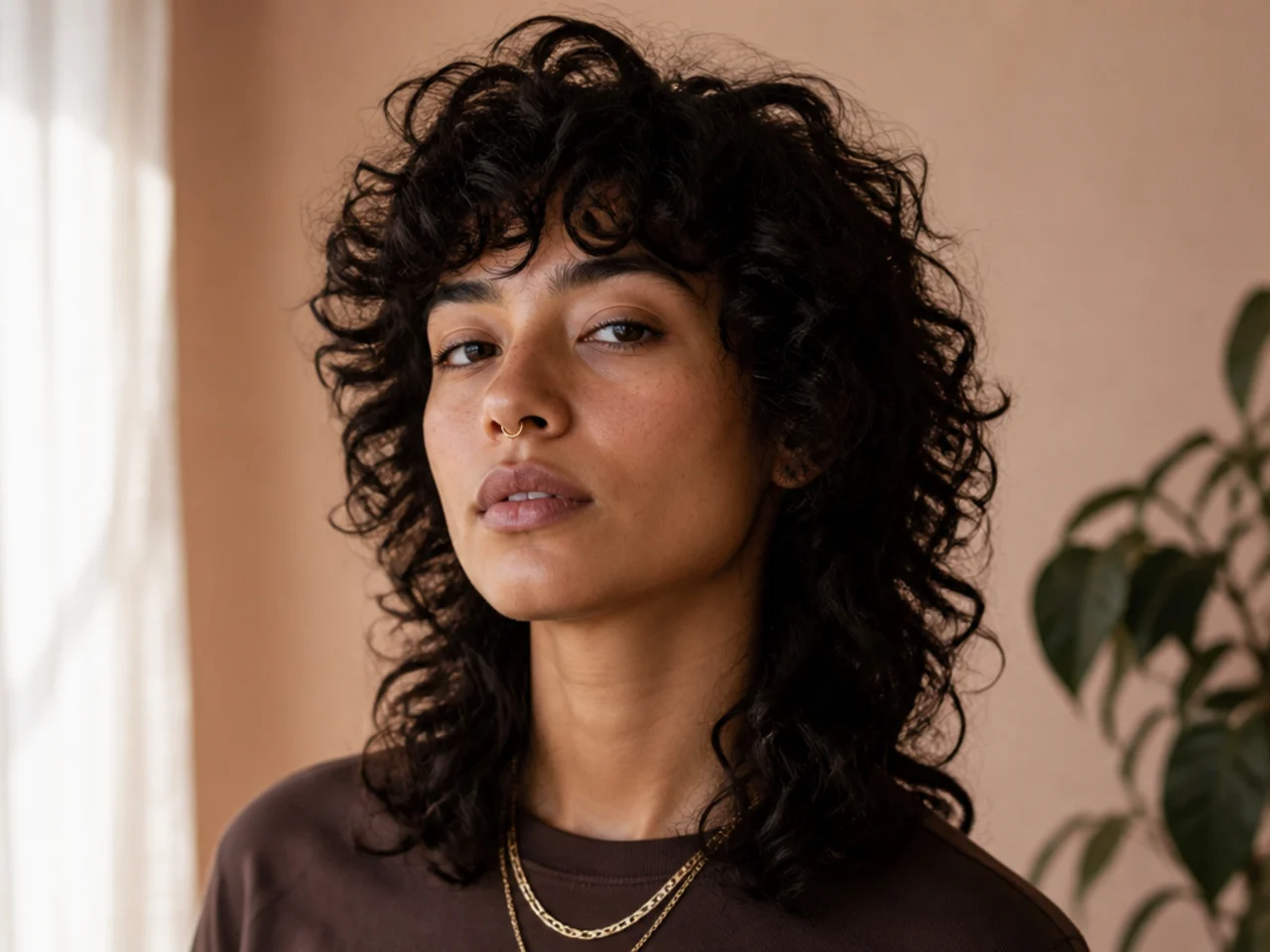
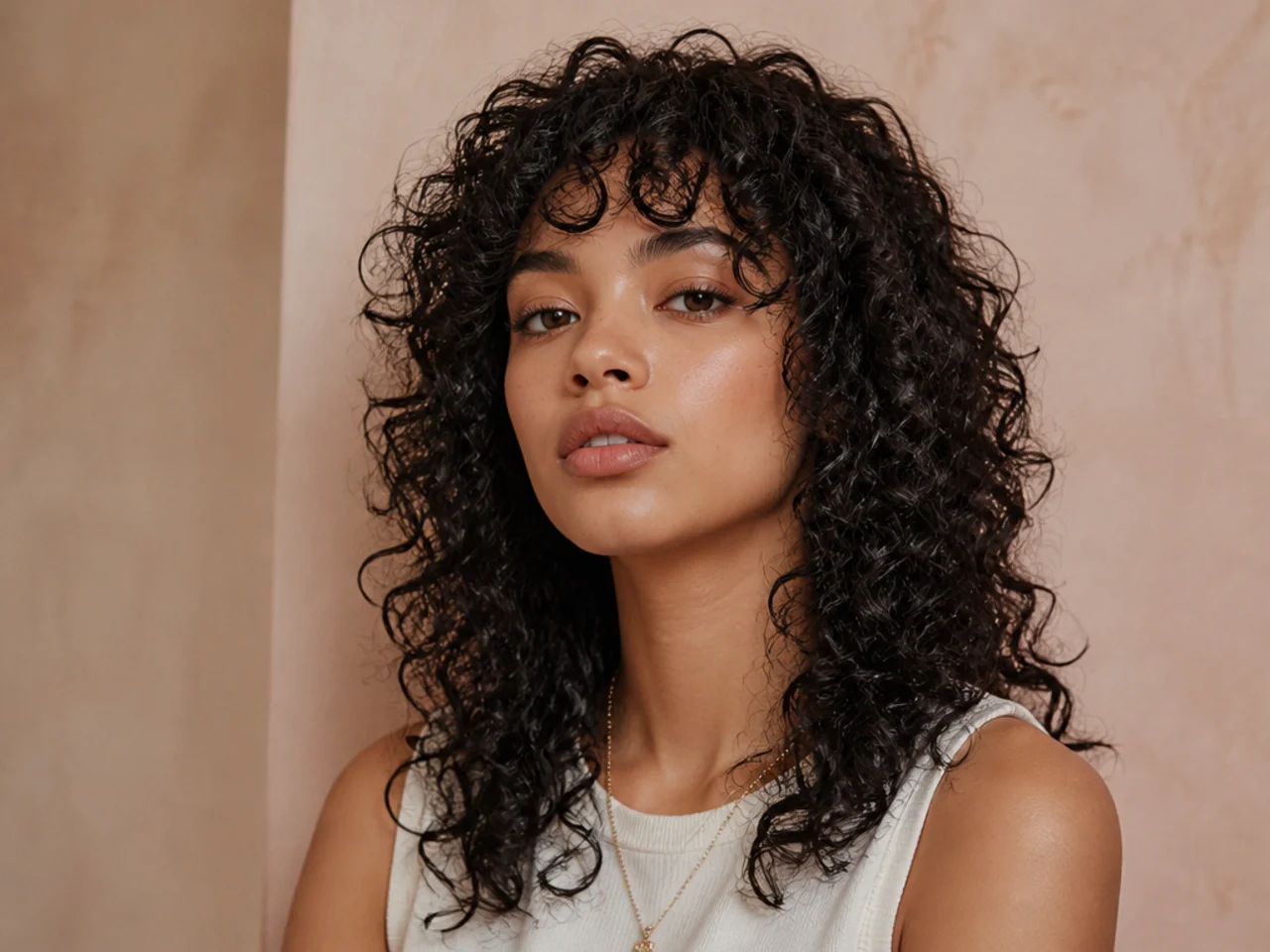
4. Curly Wolf Cut
Layers cut into curl. The single most flattering pairing here — the curl gives the layers their separation for free.
5. Wolf Cut with Curtain Bangs
Front pieces split centrally and swept out. Softens the whole shape.

6. Wolf Cut with Blunt Bangs
Heavy fringe against shaggy layers. High contrast, and it needs a fortnightly fringe trim.

7. Shaggy Wolf Cut
Softer, less disconnected layering. The most wearable version for a first attempt.

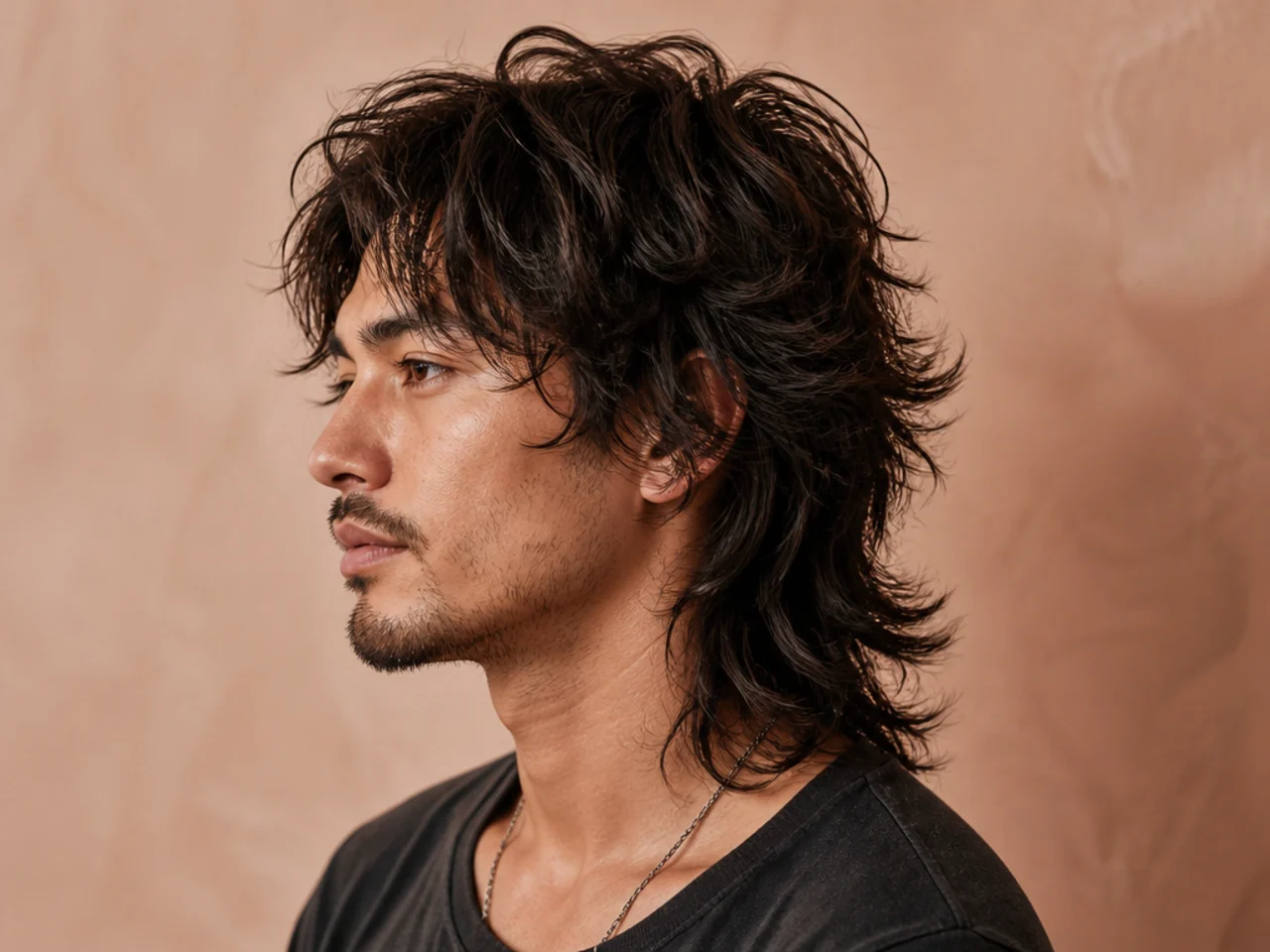
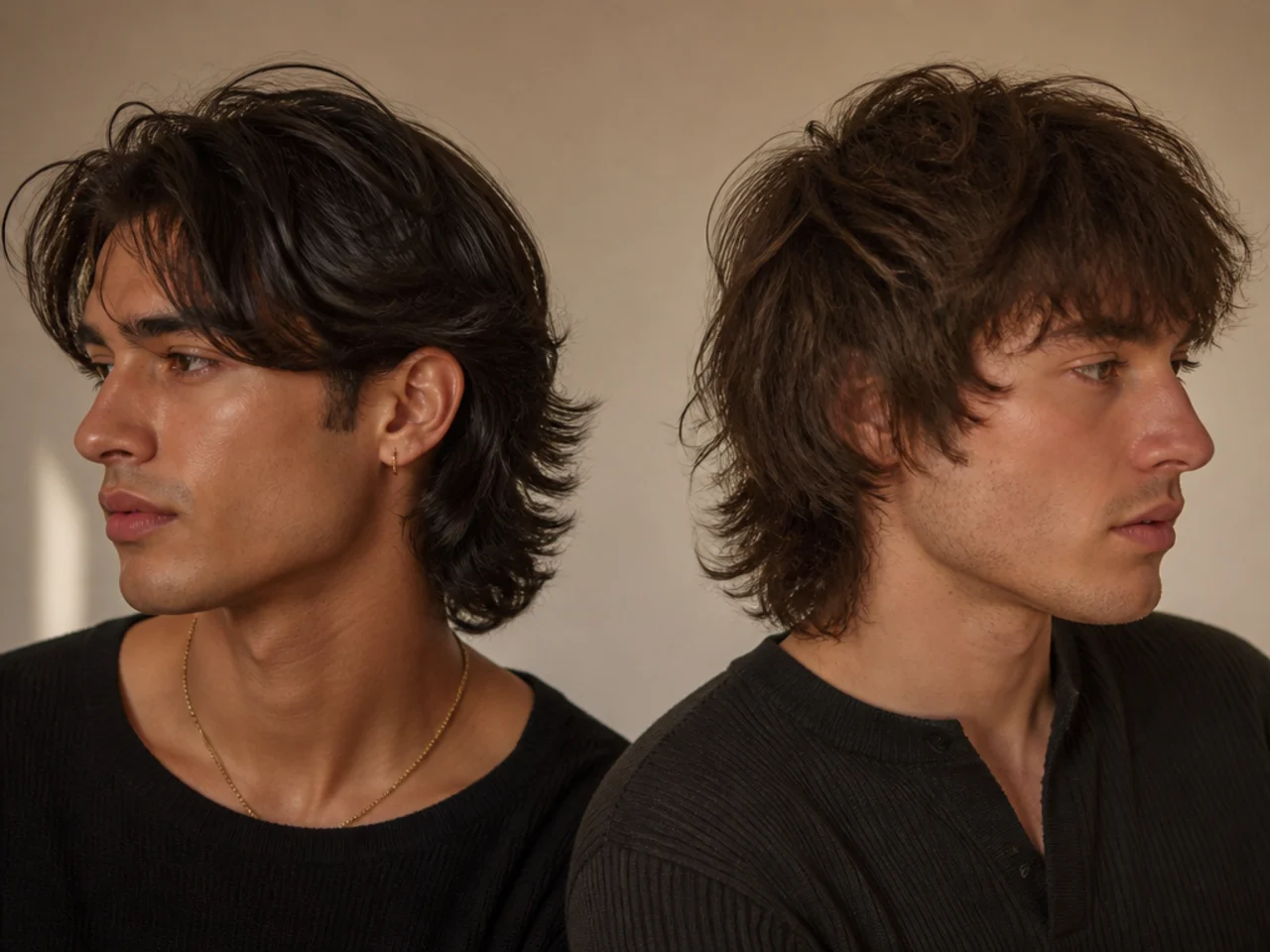
8. Wolf Cut for Men
Same structure, shorter overall. Layers through the crown with length kept at the nape.
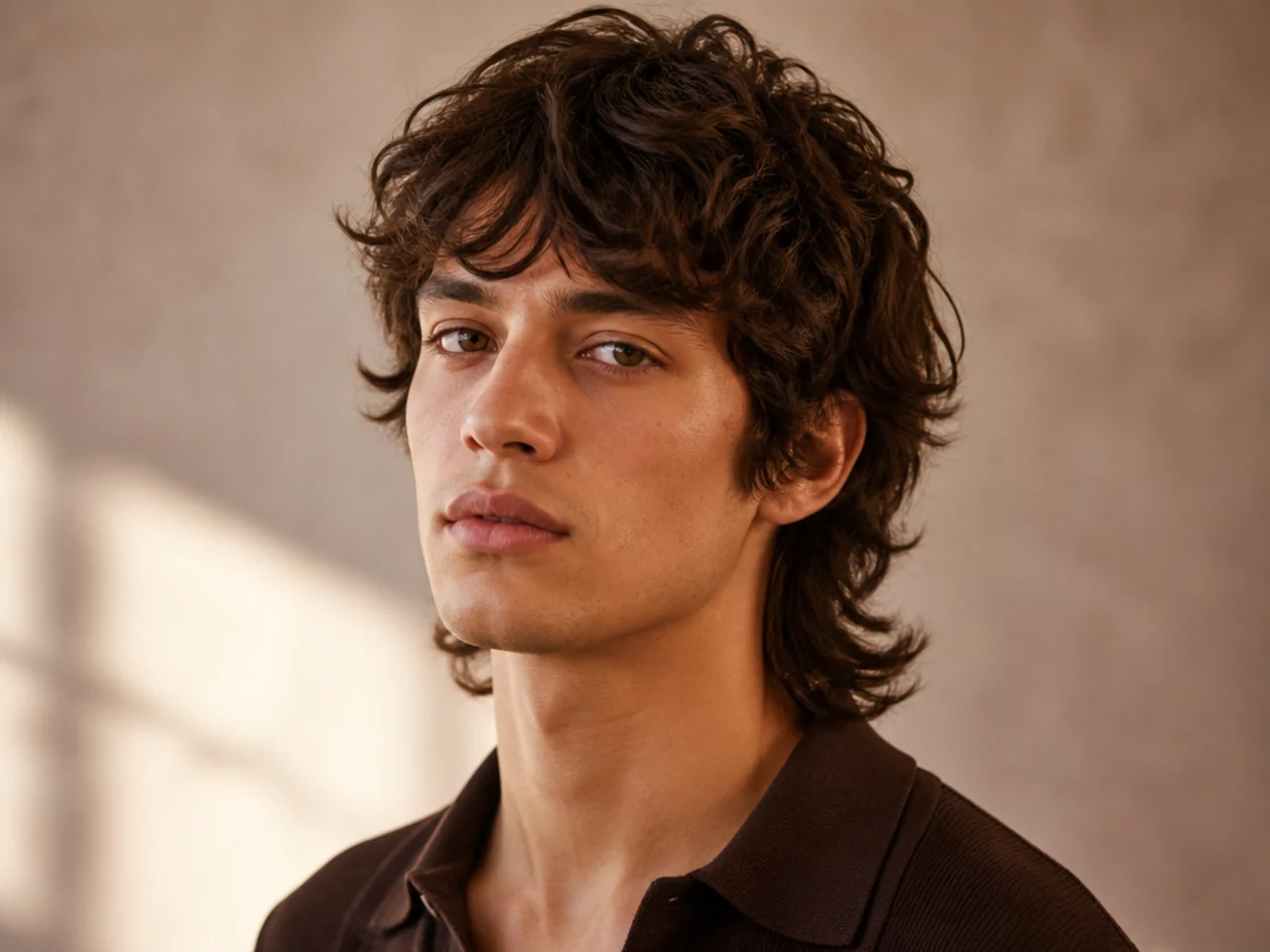
9. Wavy Wolf Cut
Natural wave through heavy layers. Almost no styling needed.

10. Wolf Cut on Straight Hair
The hardest version to pull off. Needs texture spray and point cutting or the layers disappear.

11. Wolf Cut with a Mullet Tail
Extra length left at the nape. The most mullet-leaning version.

12. Medium-Length Wolf Cut
Collarbone length. The best balance of shape and manageability.
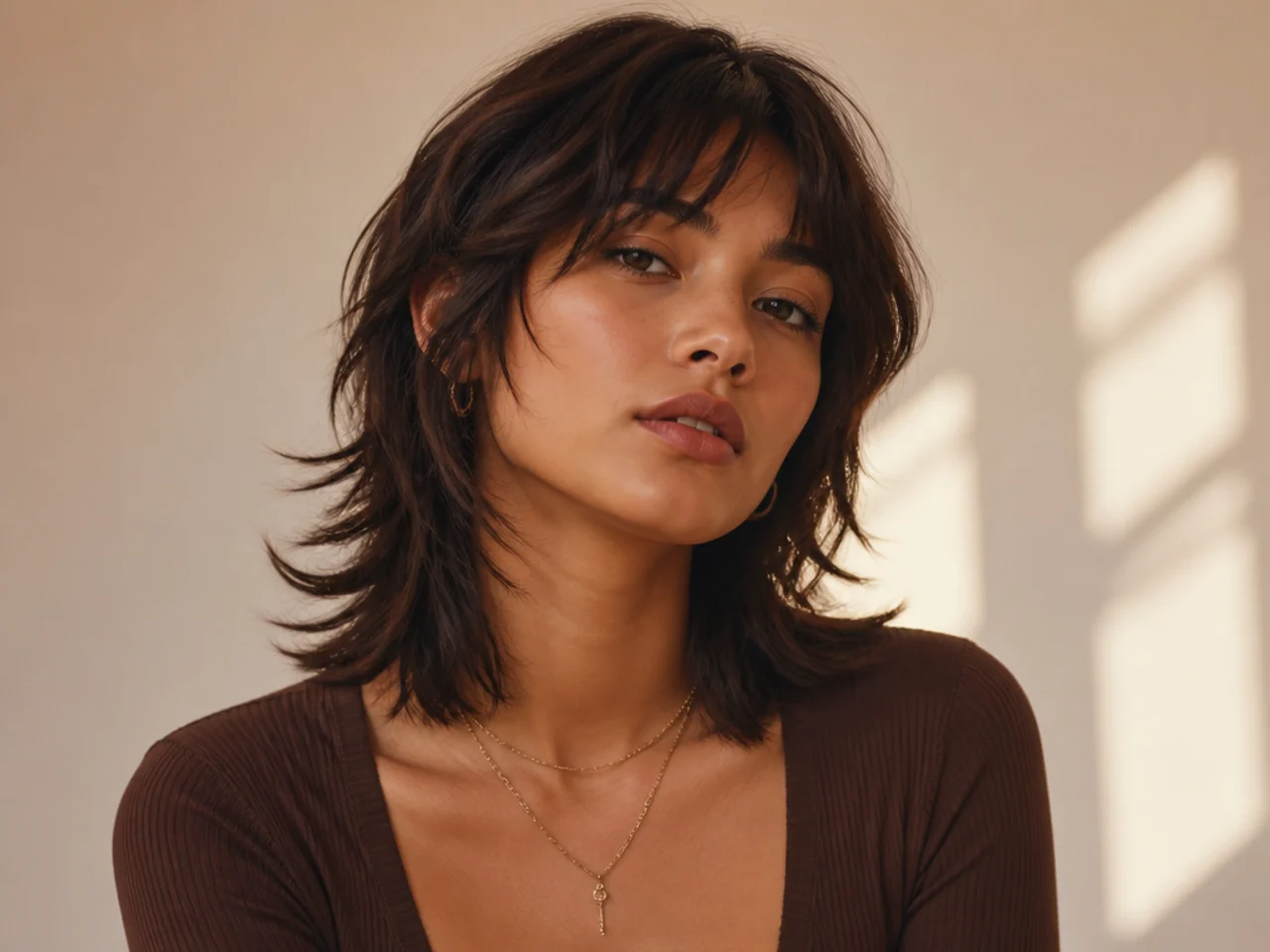
13. Wolf Cut with Face-Framing Tendrils
Two fine pieces left longer at the front. A small change that softens a heavy cut.

14. Wolf Cut for Fine Hair
Fewer layers, all kept below the ear. Preserves the density the shape needs.

15. Wolf Cut for Thick Hair
Aggressive interior layering to remove weight without touching the outline.
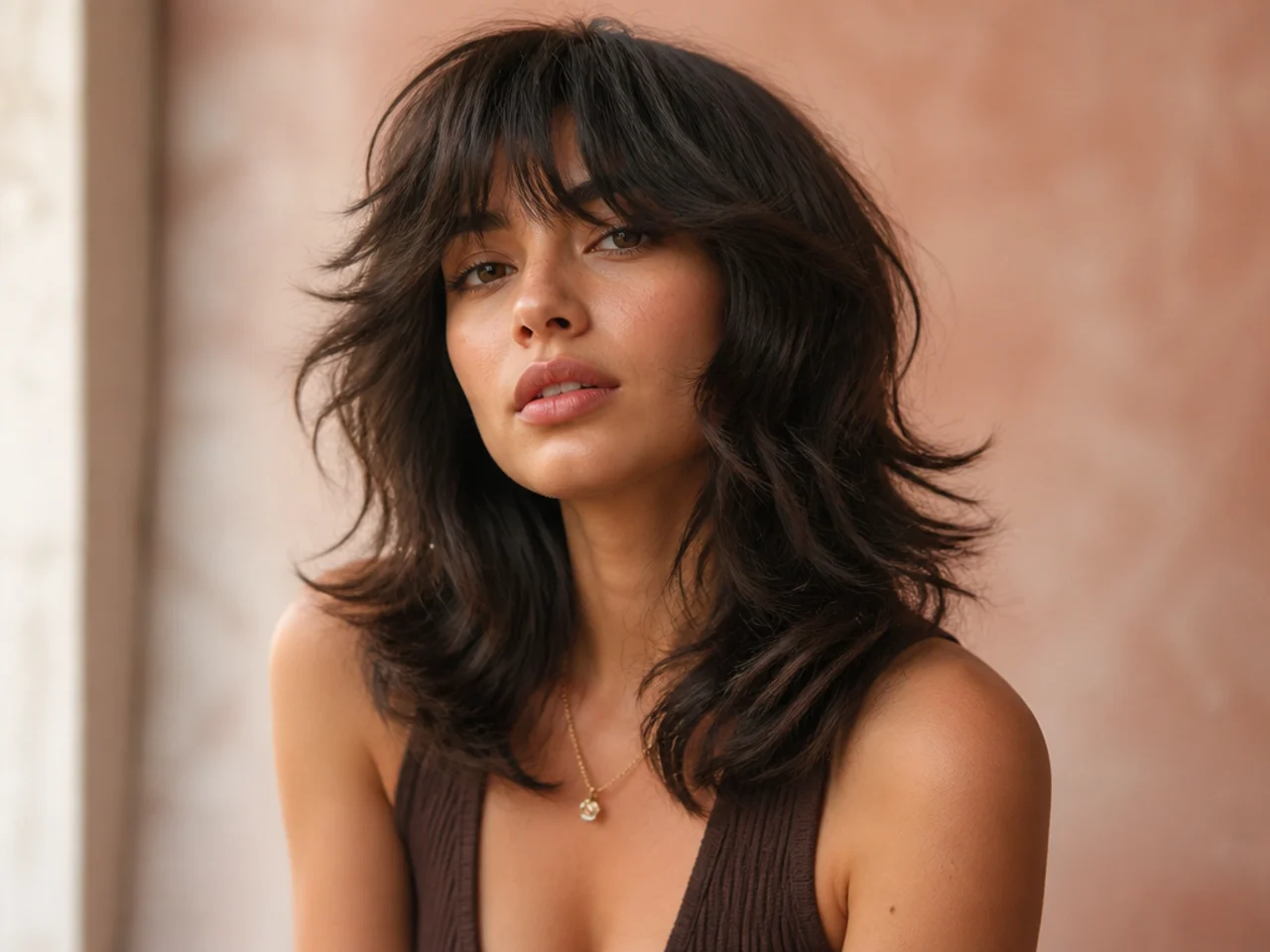
16. Wolf Cut with Highlights
Face-framing highlights placed on the shortest layers so the shape reads clearly.

17. Wolf Cut with a Middle Part
Centrally parted with layers falling either side. The most symmetric version.
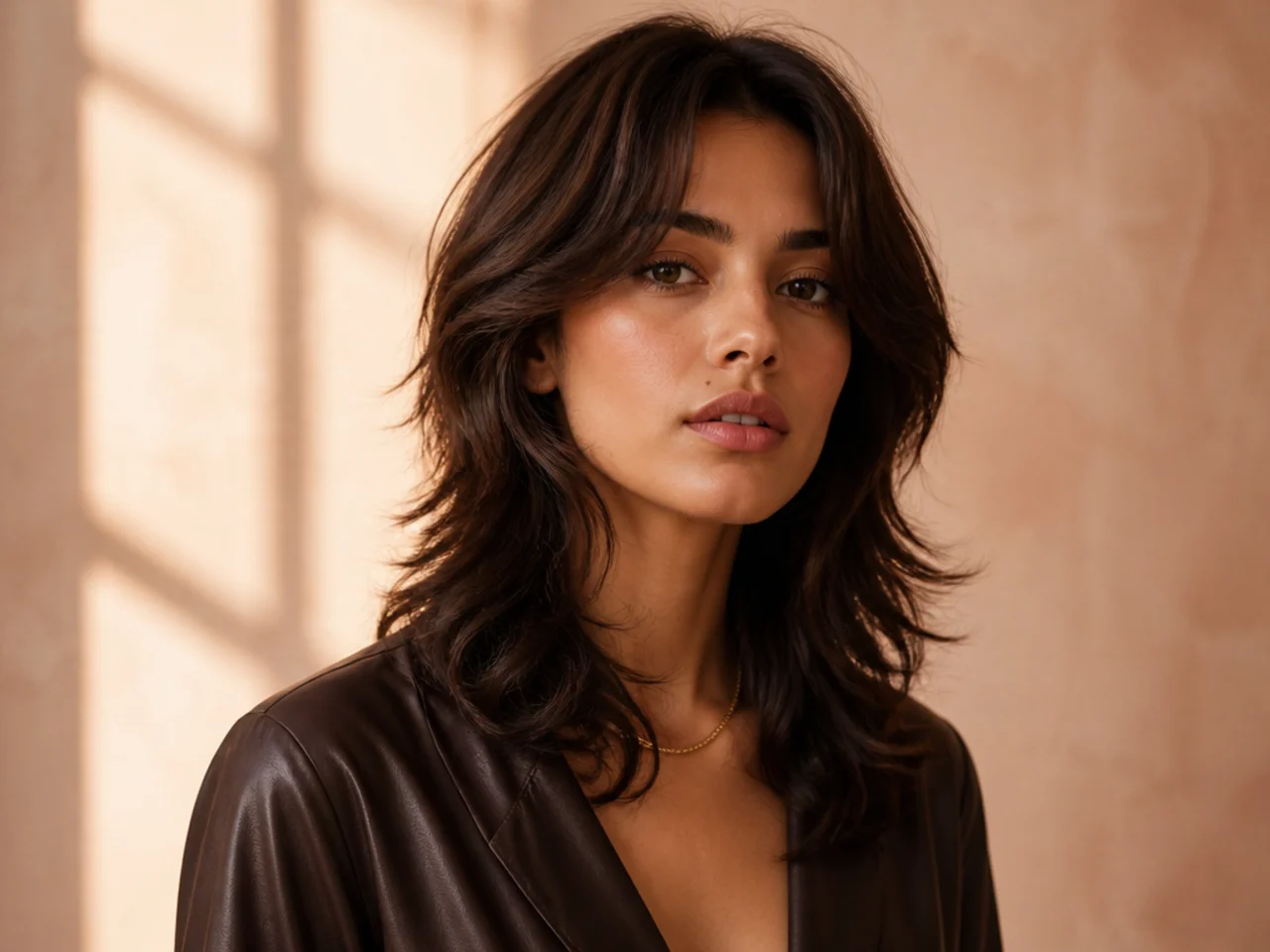
18. Wolf Cut with a Side Part
Off-centre, softer, and better on a round or square face.

19. Wolf Cut on Coily Hair
Layers cut into coil for shape. Needs a stylist who cuts curl dry.
20. Wolf Cut with a Fade
Faded sides under a layered top. The men's version that leans modern rather than retro.
21. Bob-Length Wolf Cut
Layers packed into a jaw-length shape. The shortest version that still reads as a wolf cut.

22. Wolf Cut with Wispy Ends
Ends point cut fine. Softens the bottom line and suits finer hair.

23. Grown-Out Wolf Cut
Three months in, layers softened. Many people prefer it at this stage.

24. Wolf Cut with Colour Contrast
Darker roots into lighter ends so the layers separate visually.

25. Minimal Wolf Cut
Barely-there layering for anyone unsure. The safest way to try the shape.

How to Style and Maintain a Wolf Cut
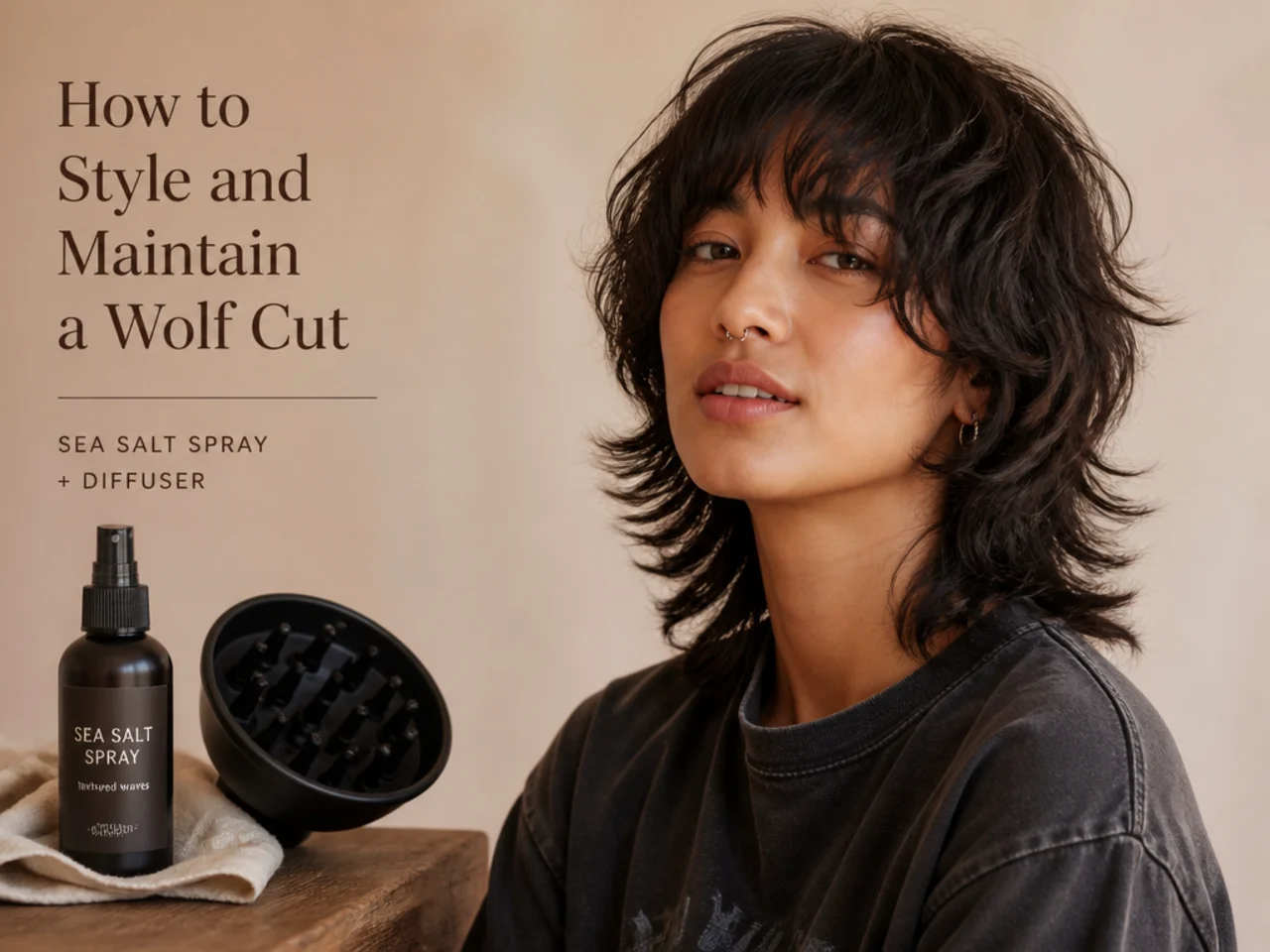
Air-dry with a texture or sea salt spray on damp hair. The cut is designed to look undone, and blow-drying it smooth defeats the point.
Scrunch rather than comb. Combing regroups the layers the cut just separated.
Trim the face-framing pieces every six to eight weeks and leave the length alone. Those short front layers are what carry the shape, and they are the first thing to lose it.
Mistakes to Avoid
Aggressive layering on fine hair. It removes the density the shape needs and leaves the ends wispy.
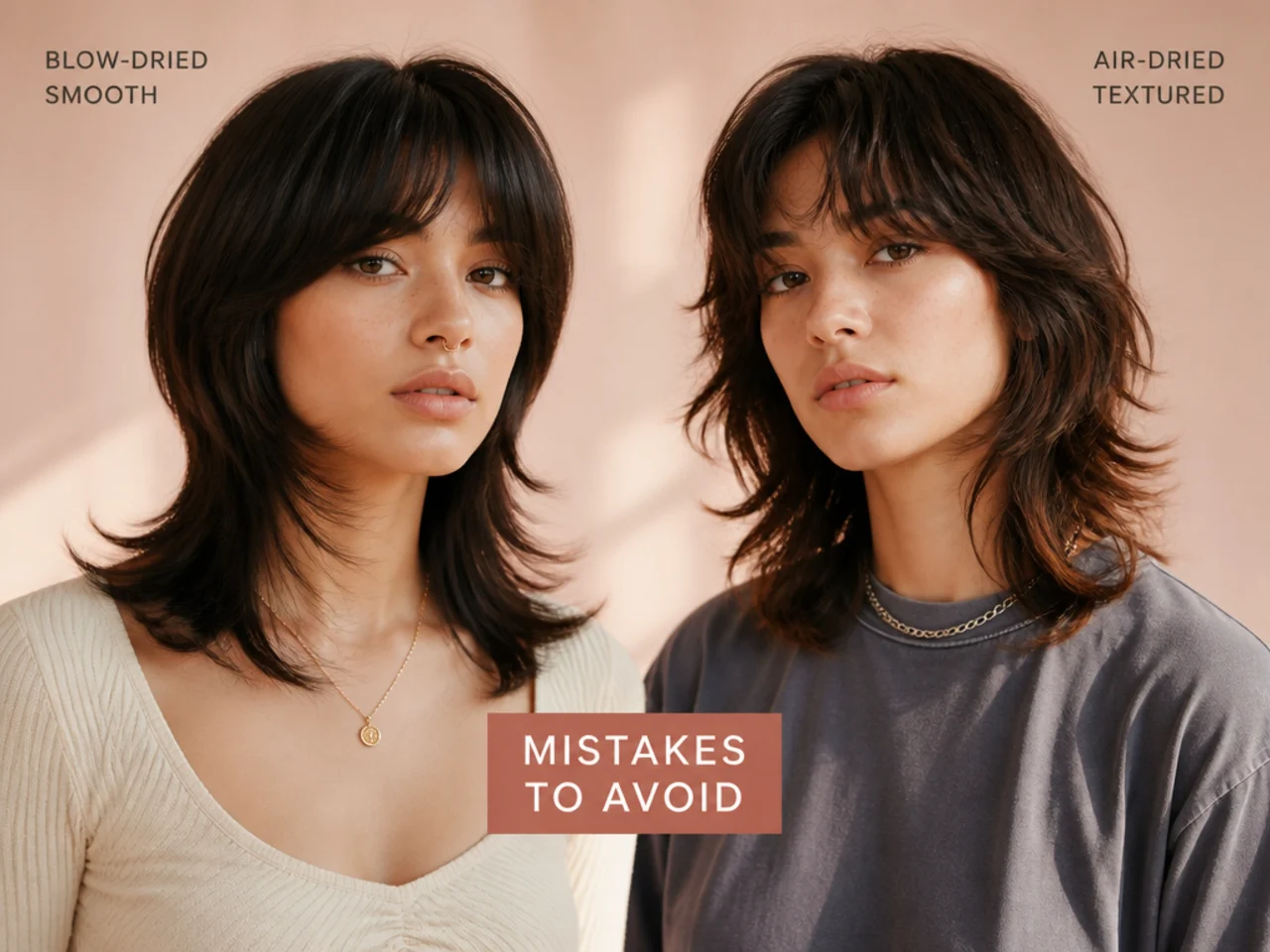
Blow-drying it smooth. The texture is the cut. Smoothing it out gives you an odd-looking long layered haircut.
Cutting curl wet. Shrinkage means the layers land far shorter than intended. Cut dry.
Letting the front grow with the back. The face-framing pieces define the shape; trim those and leave the length.
FAQ
What is a wolf cut? A shag-mullet hybrid — heavy crown layers, short face-framing pieces, length at the back.
Does it suit fine hair? Yes with fewer, lower layers. Aggressive layering removes needed density.
How long to grow out? Four to six months, and it softens rather than leaving a line.
Daily styling? No — air-dry with texture spray. It often looks better on day two.

Final Thoughts
Ask for the shortest layer at the cheekbone, match the layering to your density, and let it air-dry. The cut does the work — your job is mostly to leave it alone.
If you are torn between this and the shorter alternative, read wolfcut vs mullet. More in Mullet & Wolf Cuts.