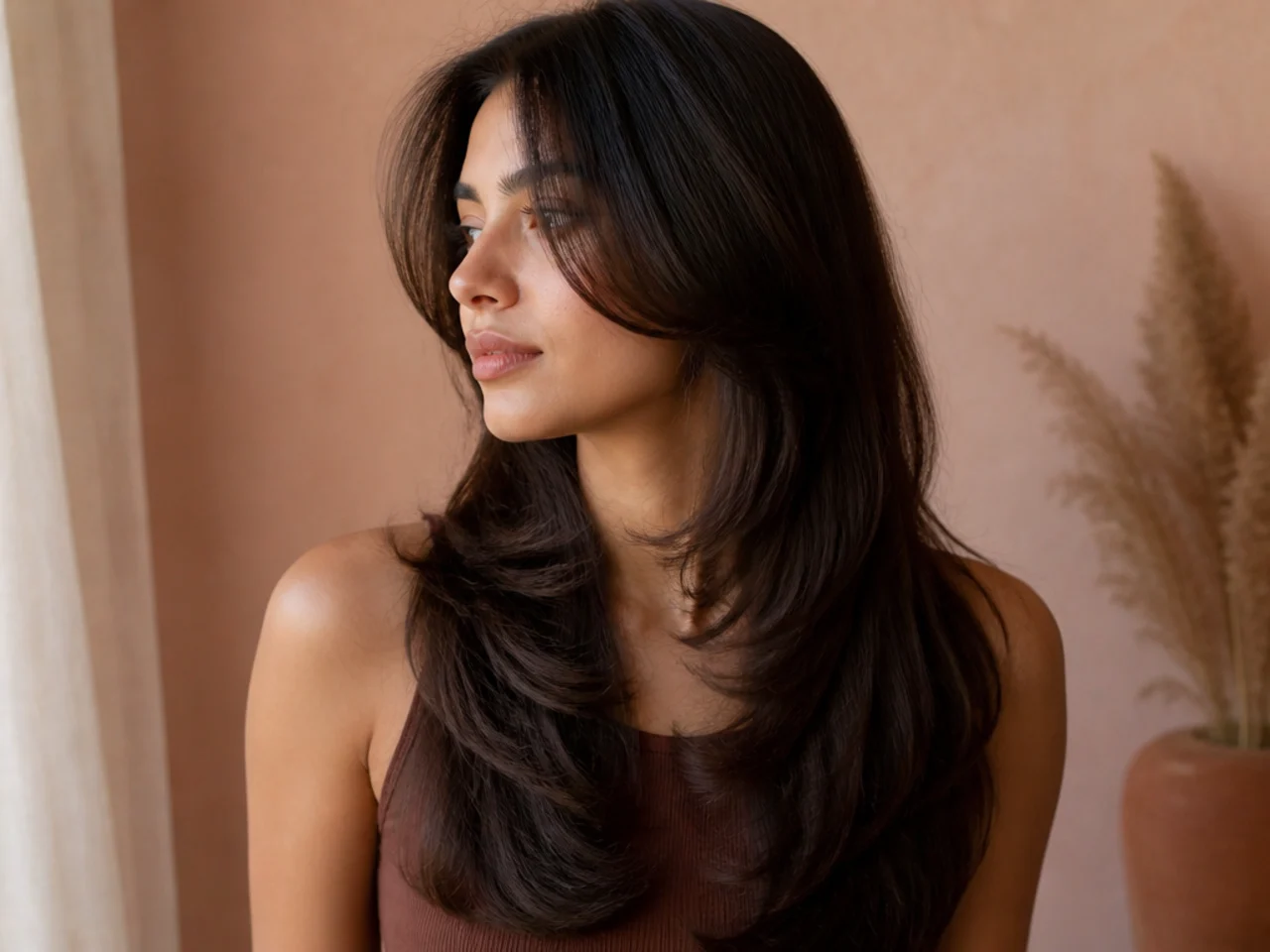
25 Layered Butterfly Haircuts For Short Thin Hair
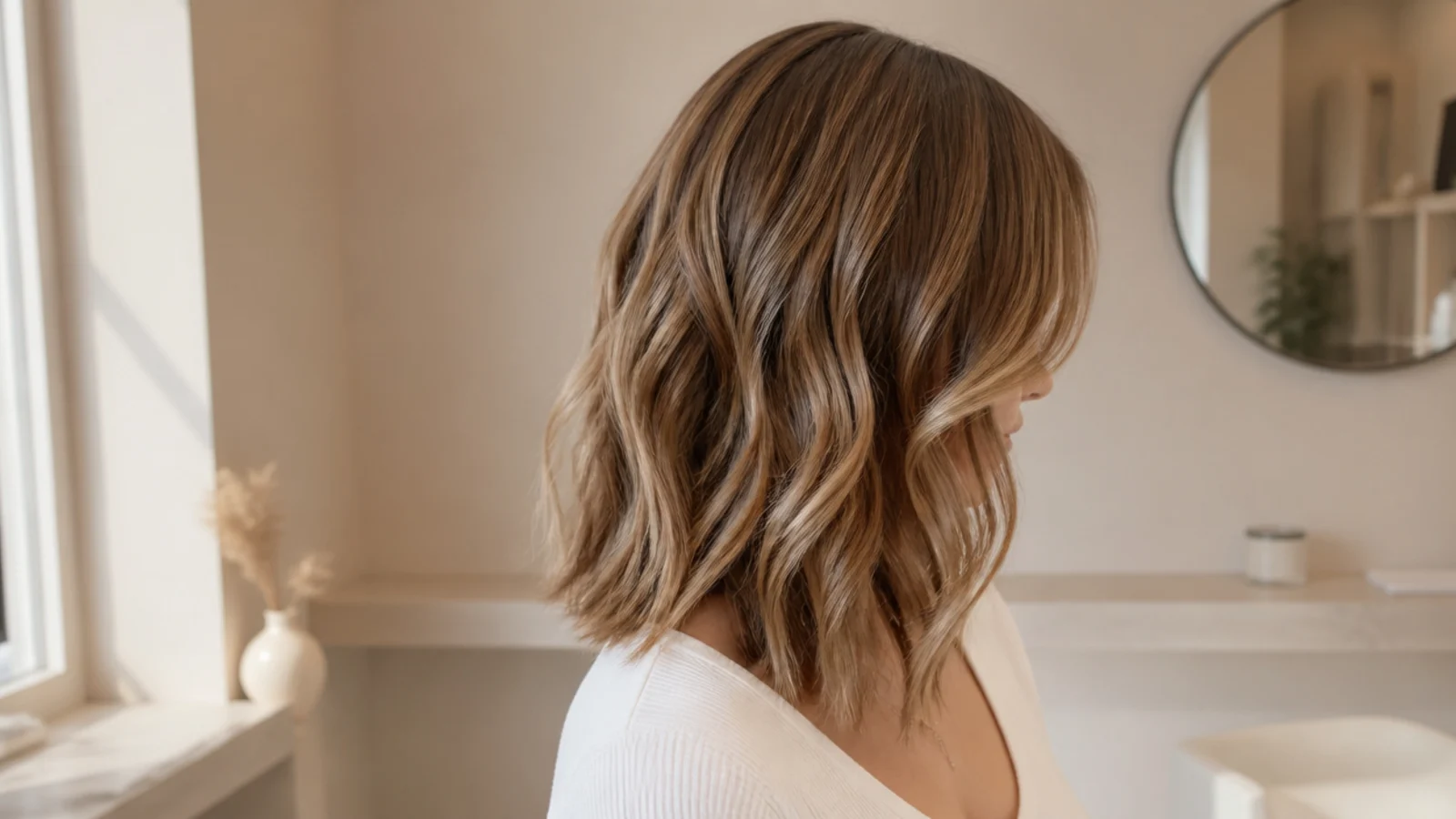
A butterfly cut is two lengths, not a stack of many layers, and that is the only reason it survives on thin hair. The short internal layer props the long one up instead of taking weight out of it.
In this article · 32
- What Makes a Butterfly Cut a Butterfly Cut
- Choosing Your Version on Fine Hair
- The 25 Layered Butterfly Cuts
- 1. The Two Length Butterfly
- 2. Chin Length Wings
- 3. Collarbone Butterfly Cut
- 4. Butterfly Cut With a Blunt Perimeter
- 5. Invisible Layer Butterfly
- 6. Butterfly Cut With Curtain Bangs
- 7. Butterfly Bob
- 8. Butterfly Lob
- 9. Butterfly Cut With a Deep Side Part
- 10. Butterfly Cut With a Middle Part
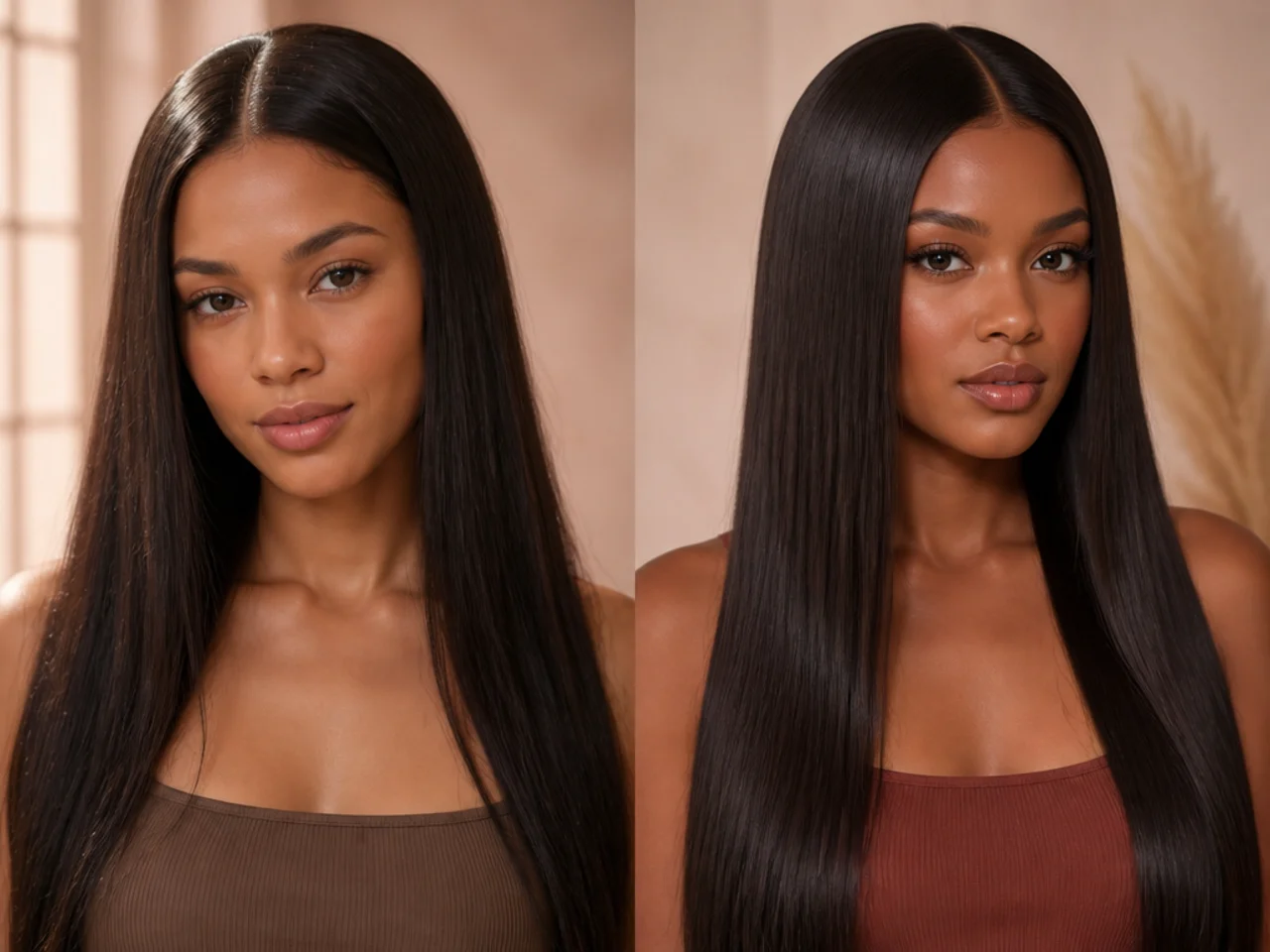
- 11. Butterfly Cut on Straight Fine Hair
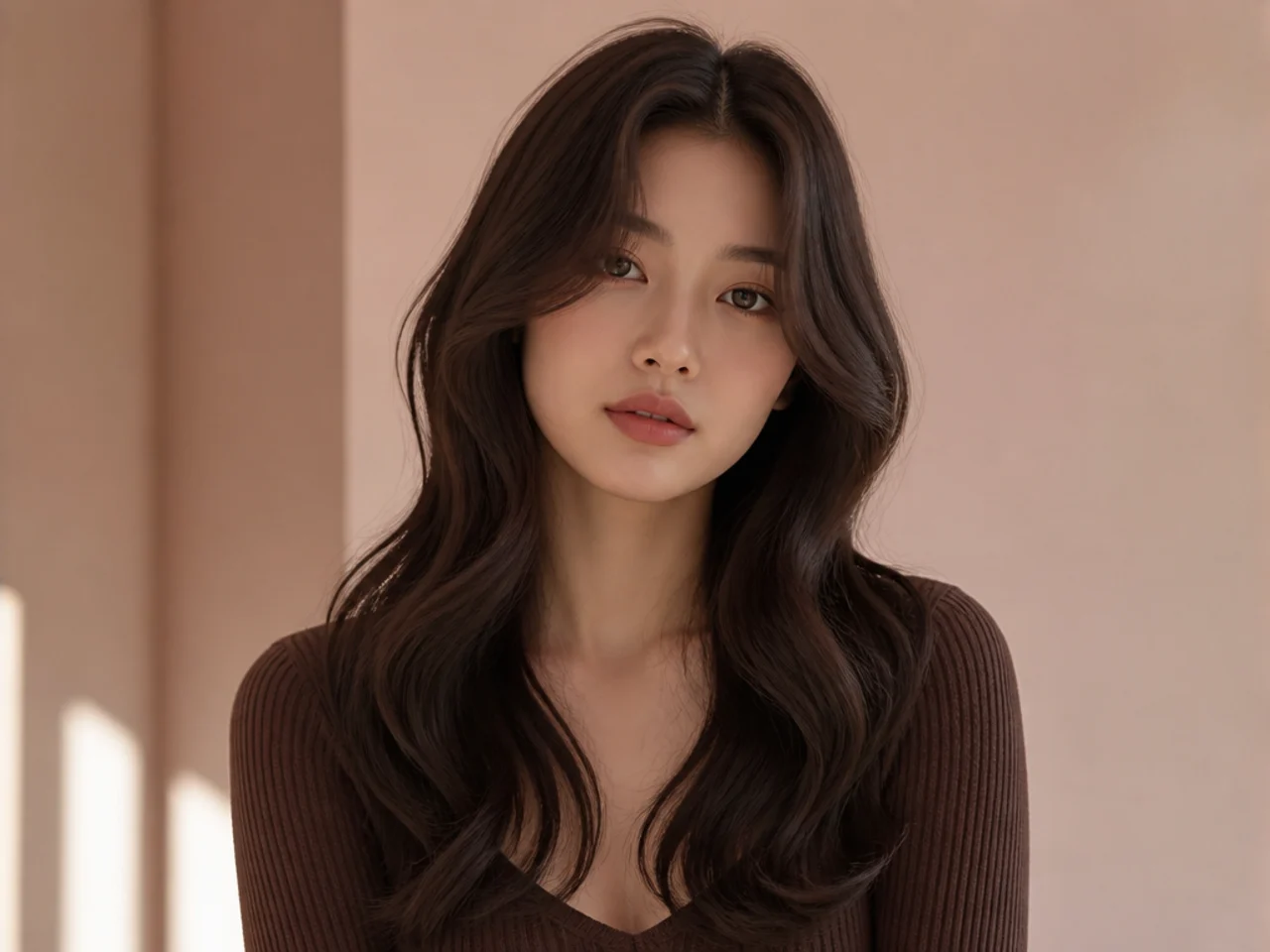
- 12. Butterfly Cut on Wavy Fine Hair
- 13. Butterfly Cut on Curly Fine Hair
- 14. Butterfly Cut With a Shadow Root
- 15. Butterfly Cut With a Money Piece
- 16. Butterfly Cut With Highlights Through the Wings
- 17. Butterfly Cut With Crown Root Lift
- 18. Butterfly Cut With Flicked Ends
- 19. Butterfly Cut With Soft Bends
- 20. Butterfly Cut With Shag Texture
- 21. Butterfly Cut Without Bangs
- 22. Butterfly Cut With a Rounded Perimeter
- 23. Butterfly Cut Tucked Behind the Ears
- 24. Butterfly Cut With a Half Up Twist
- 25. Butterfly Cut Grown to Shoulder Length
- Styling and Upkeep
- Mistakes to Avoid
- FAQ
- Final Thoughts
The butterfly cut fails on thin hair almost every time for the same reason: it gets cut as a pile of layers instead of as two lengths.
Two lengths do the whole job. A short internal layer starting around the cheekbone, and a base length left alone. The short one rests on the long one and holds it out from the head, which is where the volume comes from.
Fine hair reads as thin at the ends. That is where you can see through it, so the perimeter has to stay blunt. Every inch of texturising taken out of the outline is density you will not get back for a year.
What Makes a Butterfly Cut a Butterfly Cut
It is a two length cut. A short face framing layer and a long base, with a deliberate gap between them rather than a smooth graduation from one to the other.
The short layer is structural. It sits on the layer below and props it away from the head. Remove that support by cutting the layers too close in length and the shape drops flat within an hour.
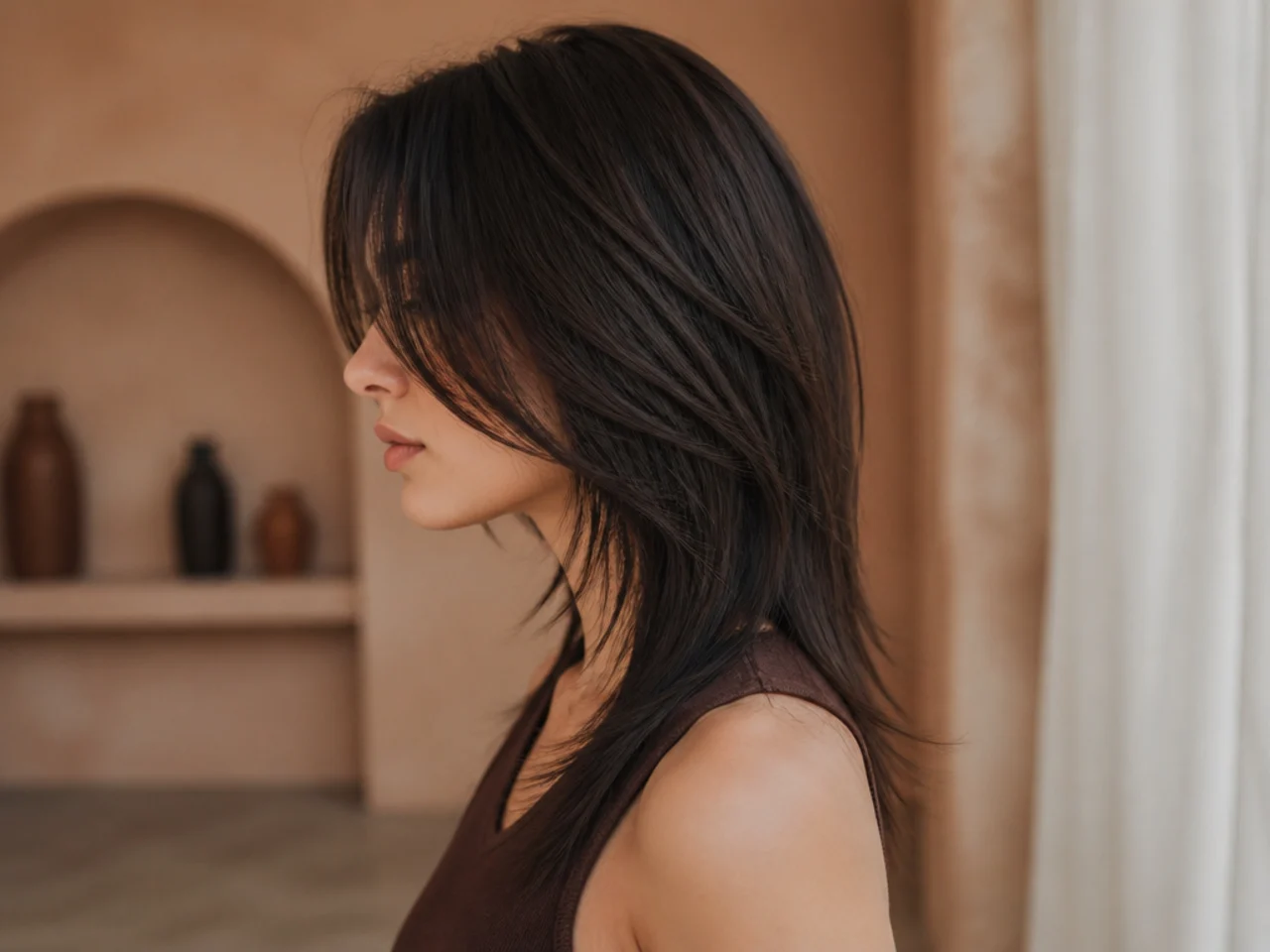
The wings are a styling direction, not a cut. They appear when the short layer is bent away from the face. Bend the same hair toward the face and the identical cut reads as a plain lob.
It is the long haircut that looks short. The eye reads the shortest visible line as the length, which is why a butterfly on collarbone hair passes for a chin length cut from the front.
Choosing Your Version on Fine Hair
Leave the perimeter blunt. One solid line at the bottom is the only place fine hair can display density. A point cut or feathered outline turns the ends translucent.
Start the short layer at the cheekbone, not above it. On a short base there are only a few inches between the two lengths, and the short layer needs hair beneath it to rest on.
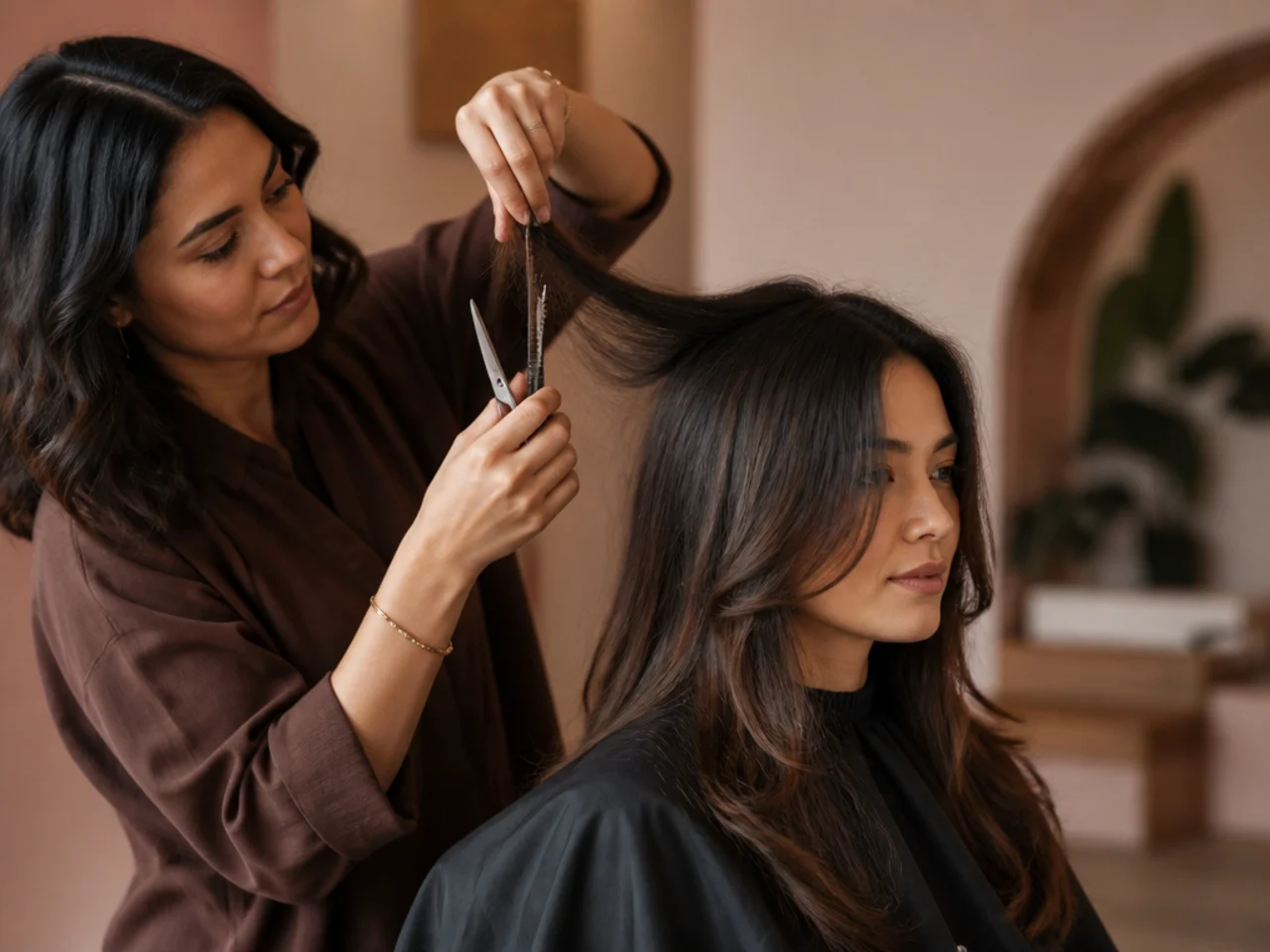
Ask for internal layering, cut from underneath. The layers are taken out of the interior so the outside surface stays unbroken, which keeps the outline reading solid from every angle.
Judge it dry and unstyled. Fine hair blow dried in a salon looks twice its real density. The cut has to hold up on a day you air dry it, or it will disappoint every day but the first.
The 25 Layered Butterfly Cuts
1. The Two Length Butterfly
The purest version: one short layer, one long base, nothing in between. The gap between the two is what makes the shorter hair sit proud instead of collapsing into the length, and closing that gap is the single most common way the cut gets ruined.
2. Chin Length Wings
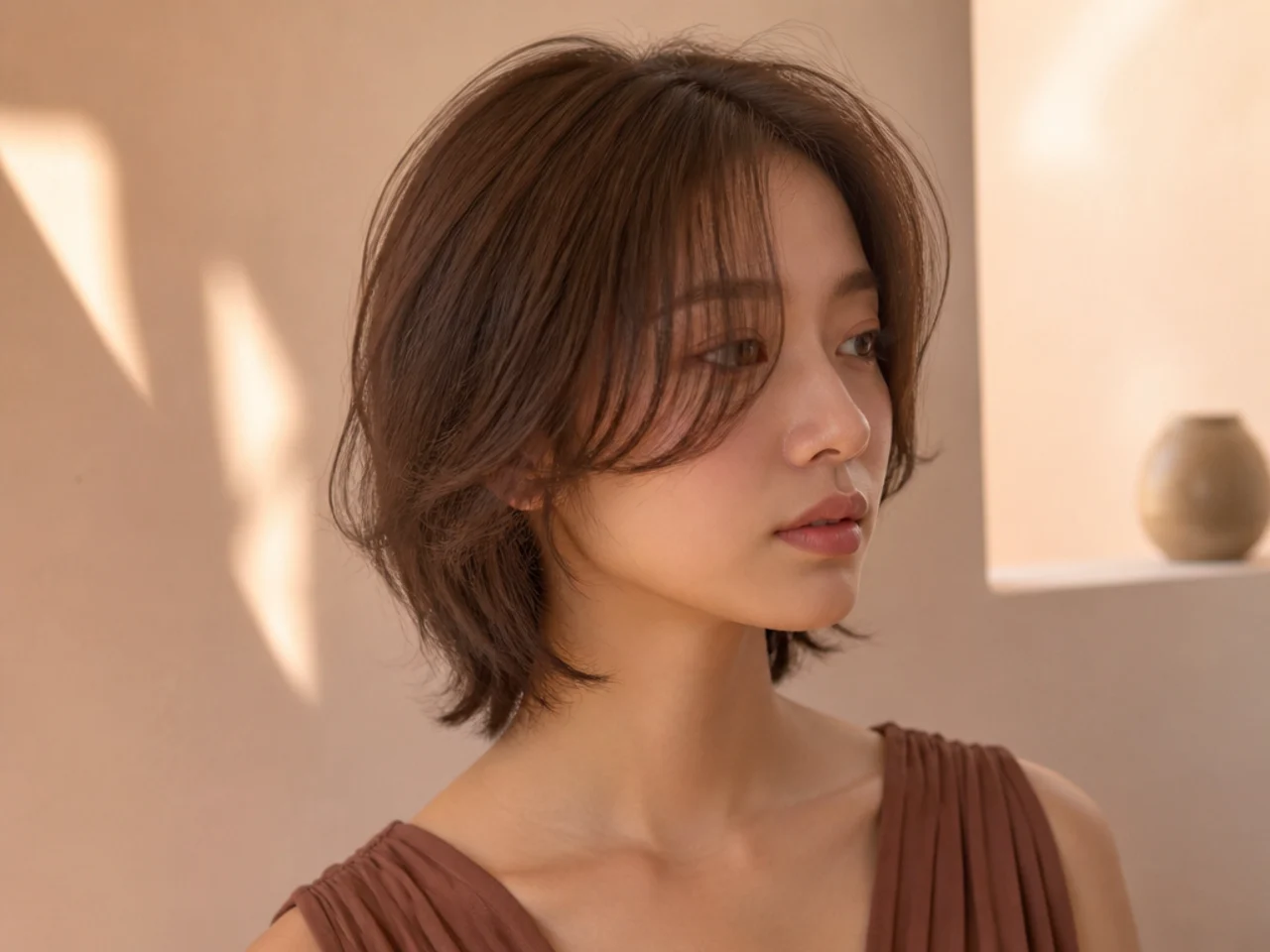
The short layer finishes at the jaw, so the wing has a definite endpoint the eye can find. On thin hair a defined end matters more than a soft one, because a soft end simply looks like hair that has run out.
3. Collarbone Butterfly Cut
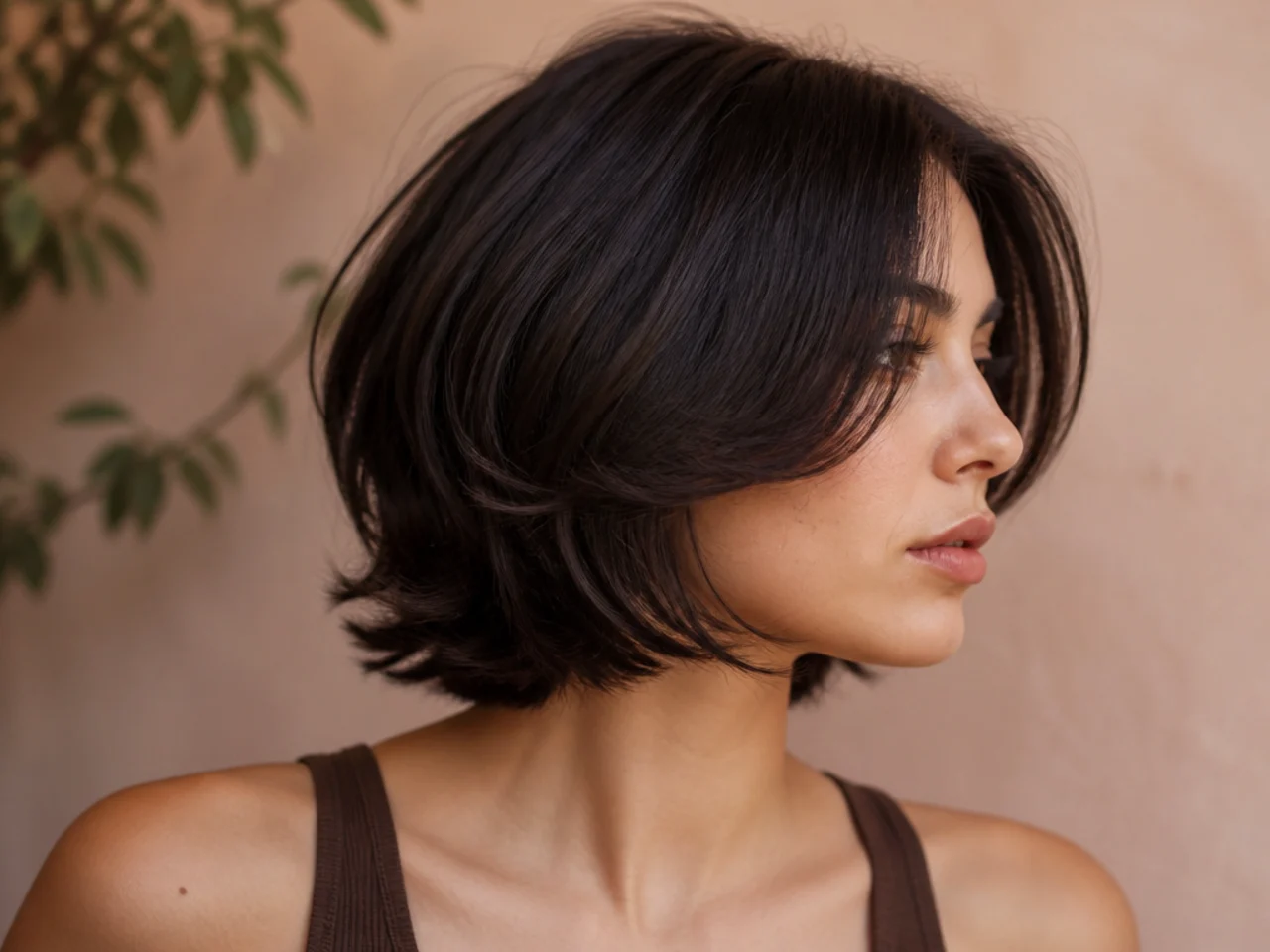
The base sits at the collarbone, which is about the shortest a butterfly can be and still read as one. Any shorter and the two lengths are too close together for the short layer to sit visibly on top of the long.

4. Butterfly Cut With a Blunt Perimeter
The bottom line cut straight across with no texturising at all. All the hair ends at the same point, so the eye sees one dense edge rather than a fade of individual strands, and that reads as more hair than there is.
5. Invisible Layer Butterfly
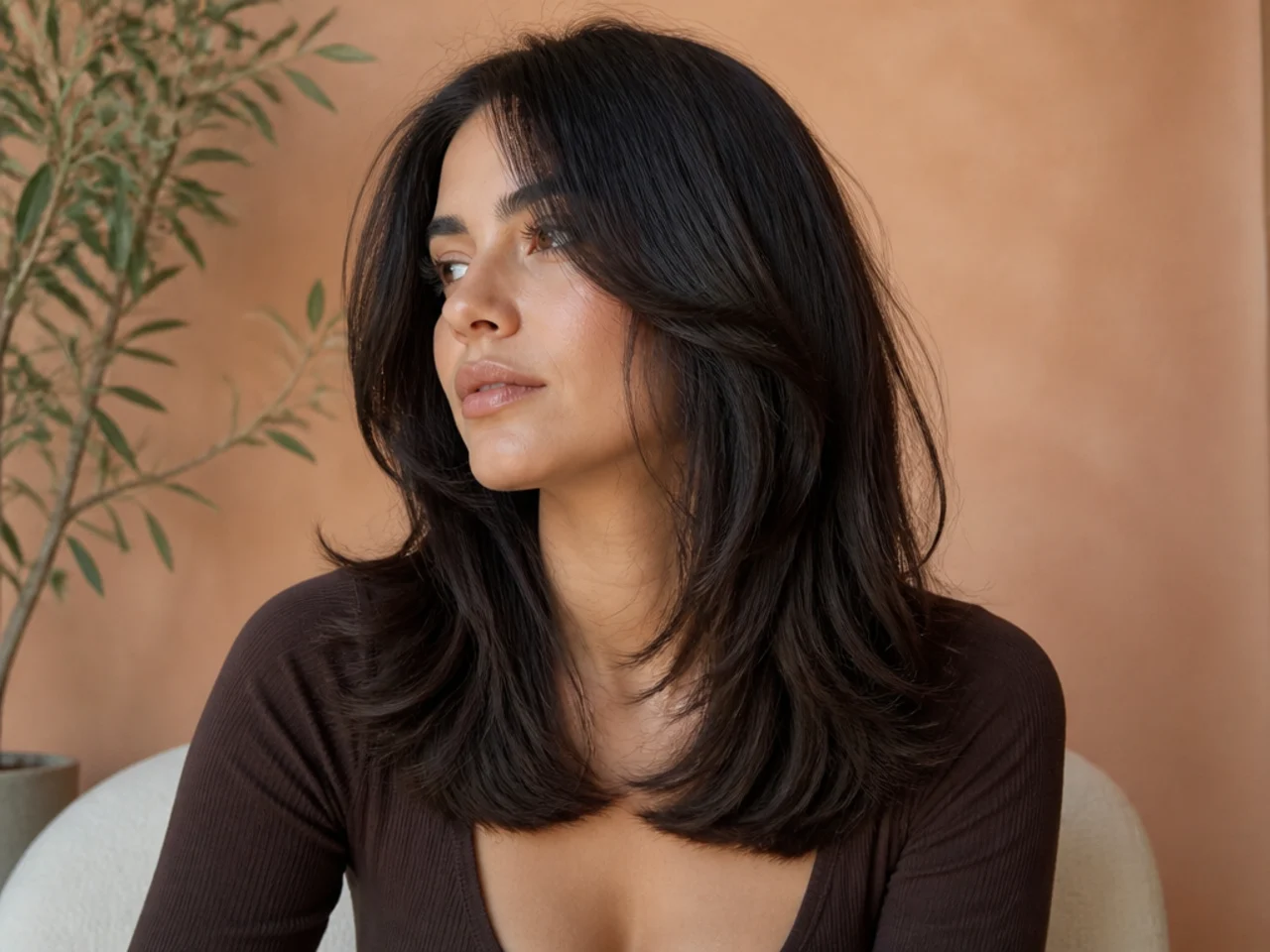
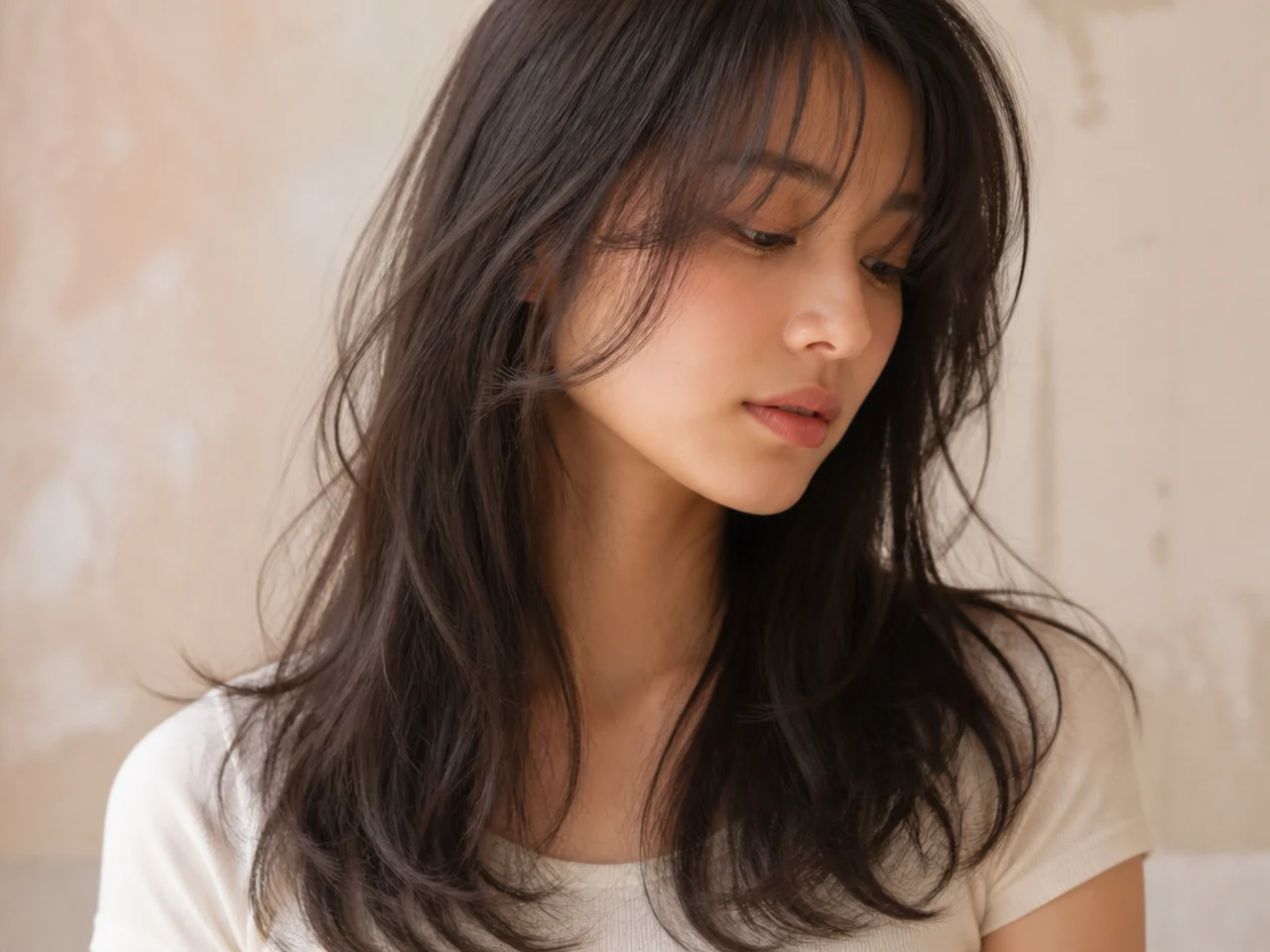
Layers cut entirely within the interior, under the top surface, so nothing shows on the outside except movement. It is the version to ask for when your hair is thin enough that any visible step reads as a gap.
6. Butterfly Cut With Curtain Bangs
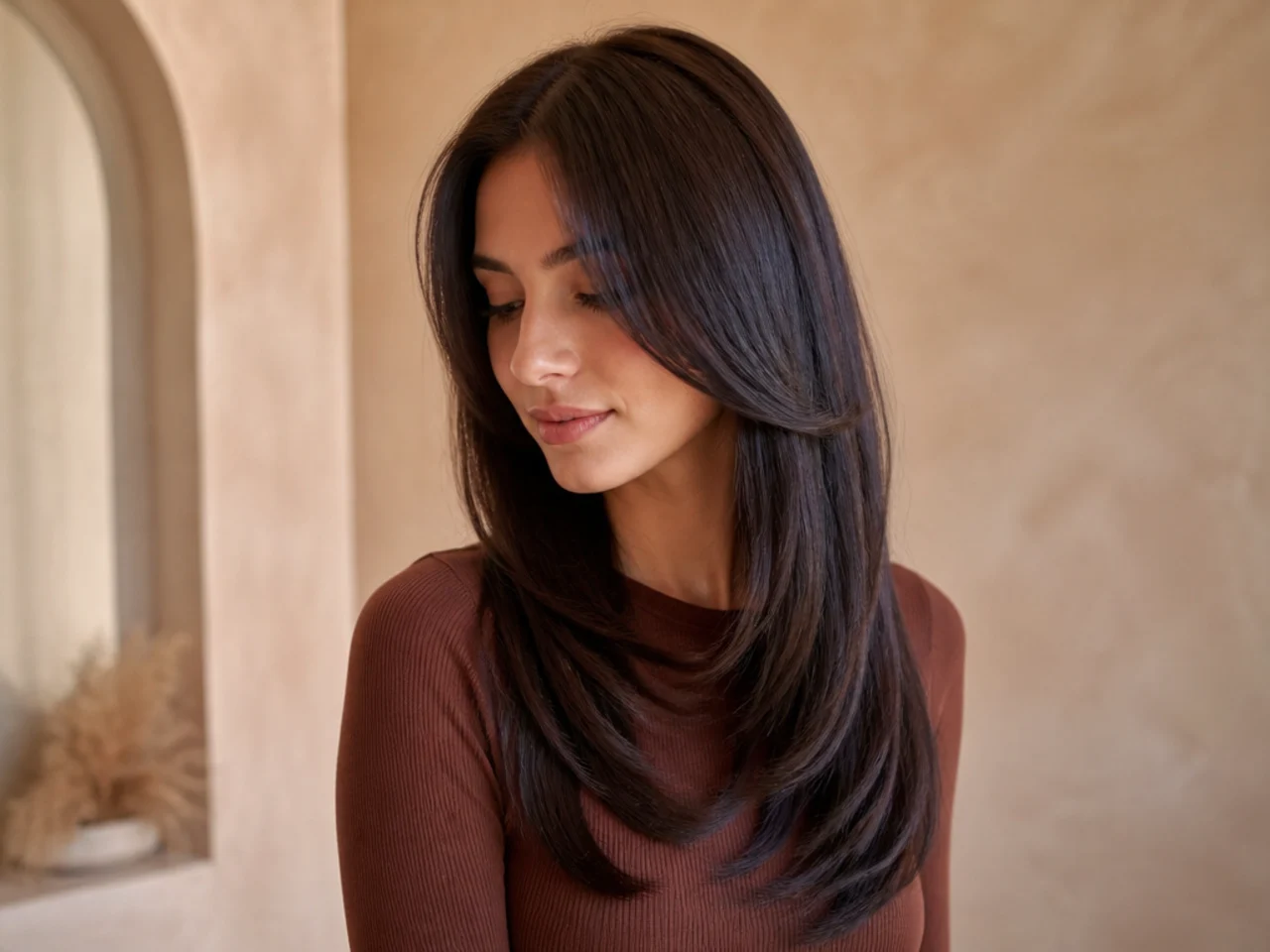
The curtain becomes the shortest front piece, which extends the wing upward to the brow and gives the shape a top. Without it the short layer starts at the cheekbone with nothing above it, and the front can look like it begins halfway down.
7. Butterfly Bob
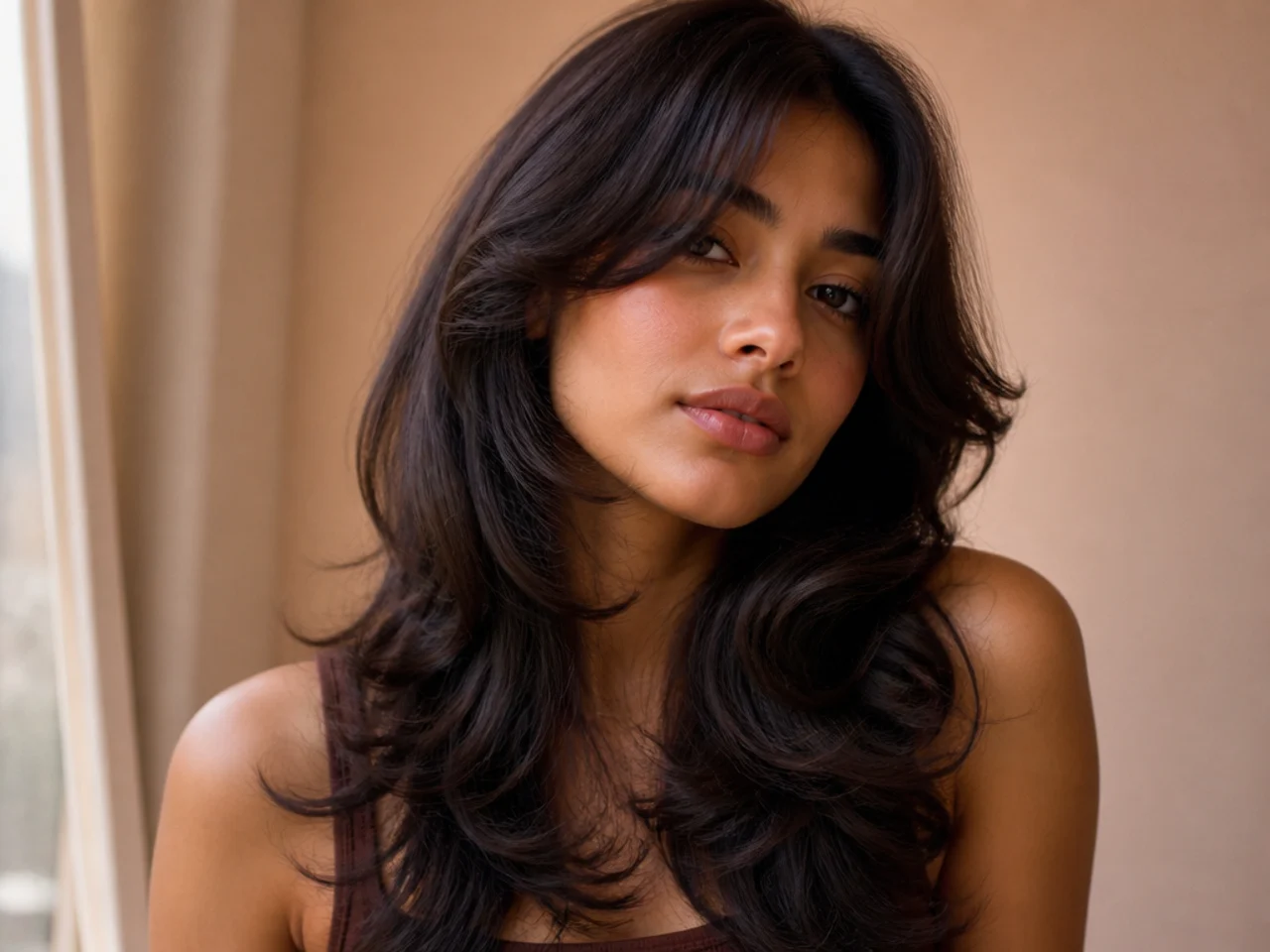
A butterfly compressed to a bob: the base at the shoulder, the short layer at the cheekbone. There is very little vertical room, so the layer count drops to exactly two or the shape turns into a triangle.
8. Butterfly Lob
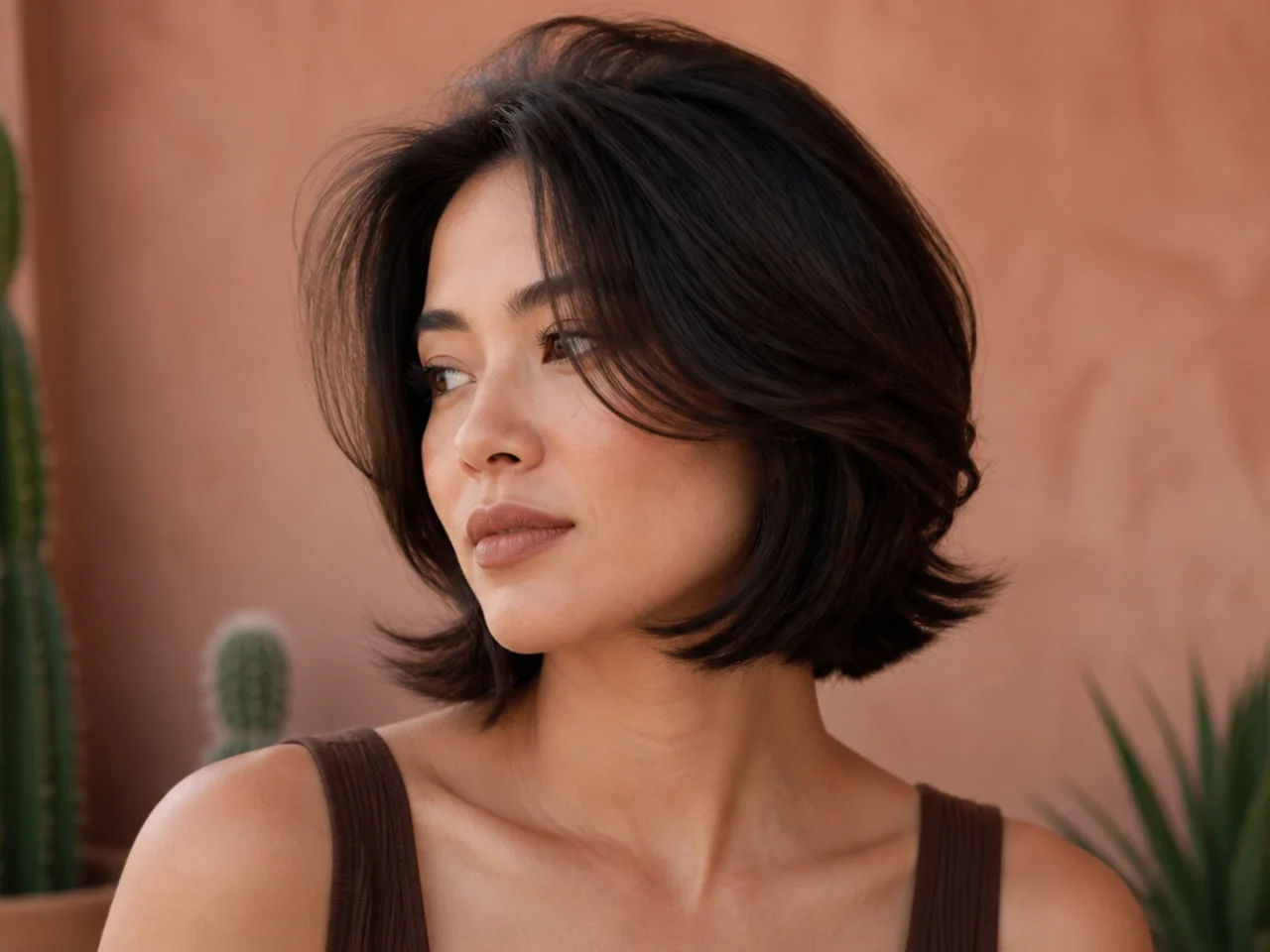
The base just past the shoulder, which is the easiest length to keep a butterfly in. There is enough room below the short layer for it to rest on, and enough weight in the base to stop the ends flicking out unbidden.
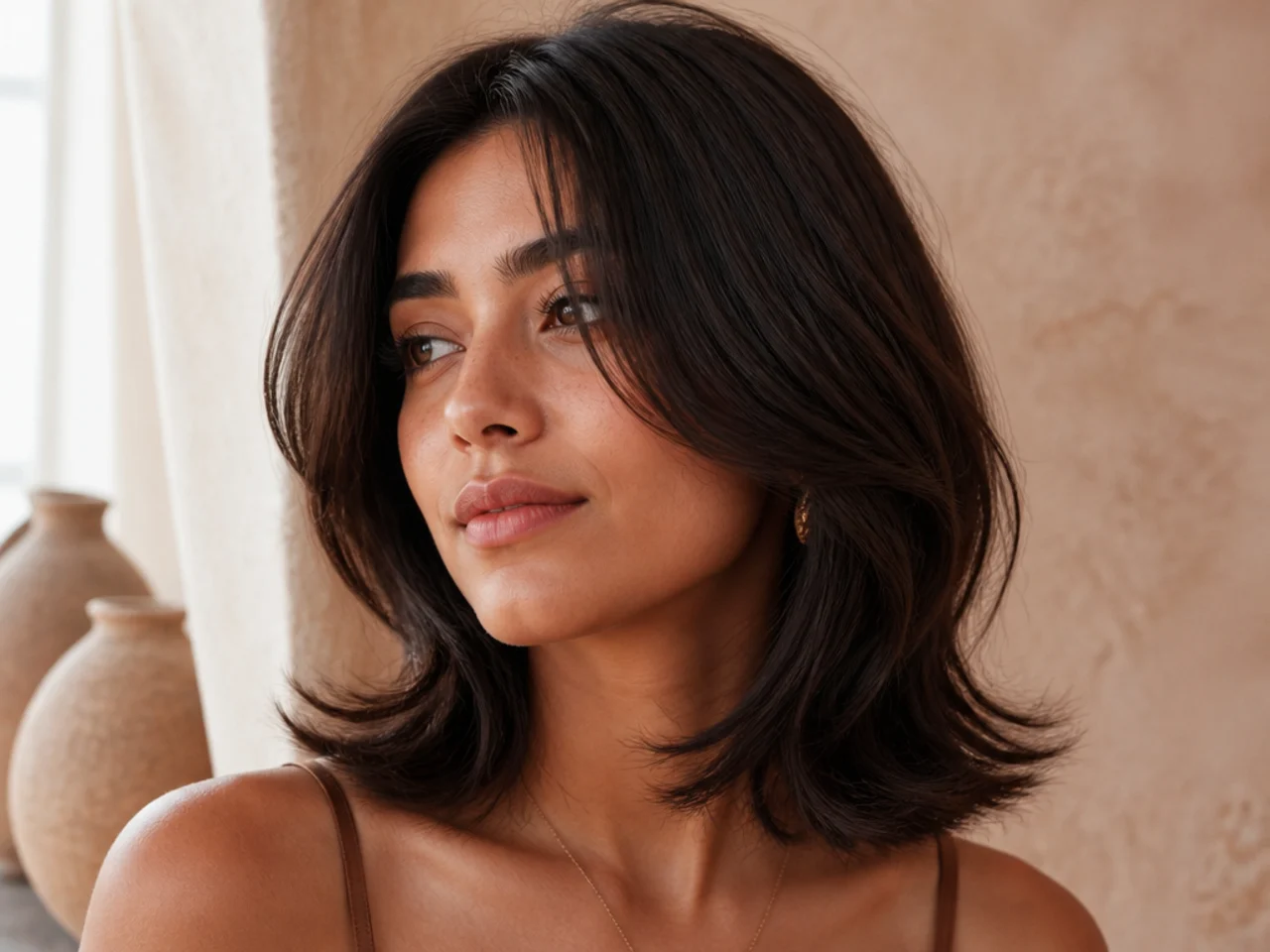
9. Butterfly Cut With a Deep Side Part
Parting deep sends a mass of hair across the top of the head, and hair crossing a parting is lifted off the scalp by the crossing itself. On thin hair that lift is worth more visible volume than any amount of layering.
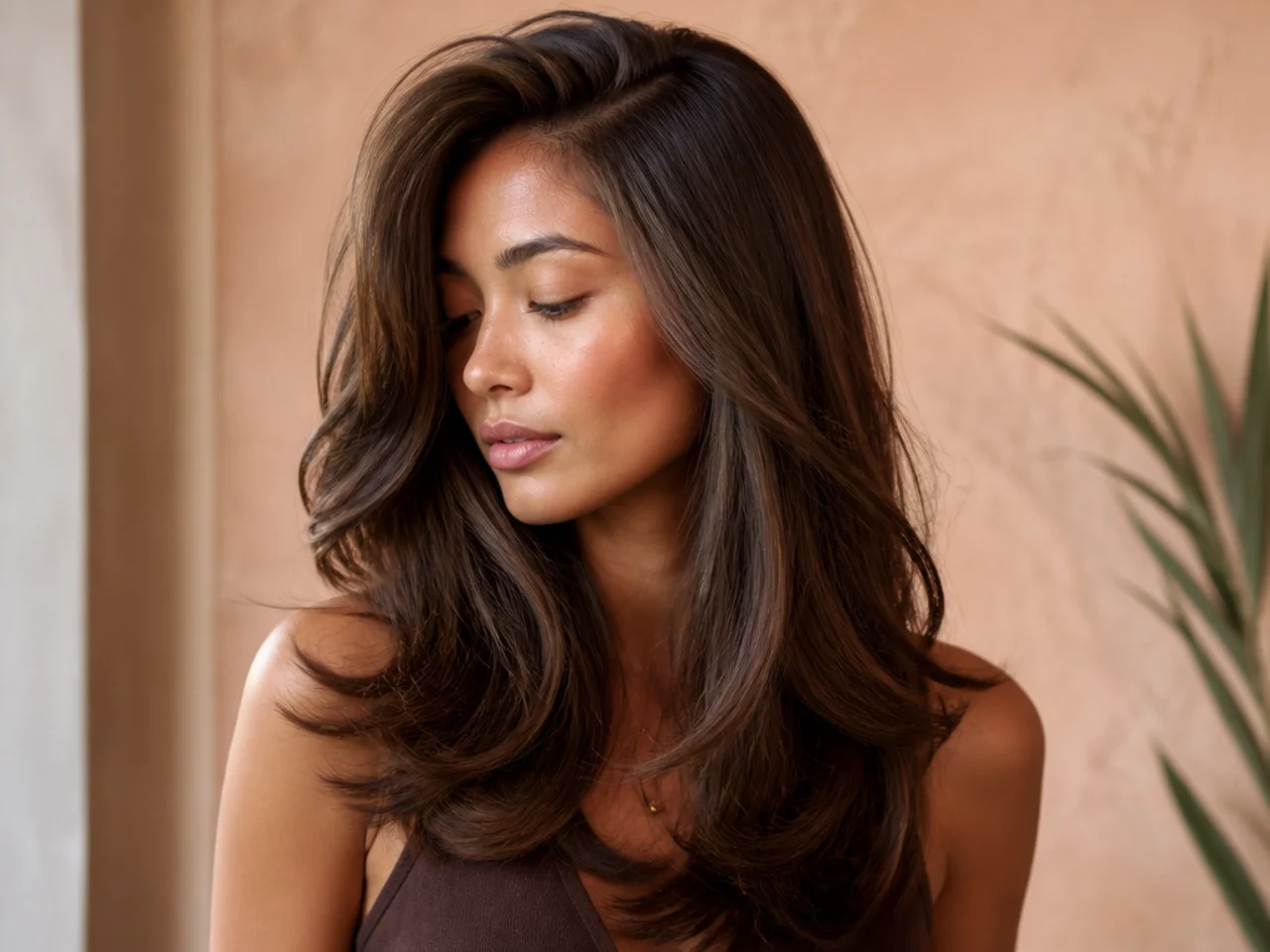
10. Butterfly Cut With a Middle Part
The symmetrical version, and the harder one on fine hair, because a centre part exposes a strip of scalp down the middle. Ask for the short layer to be cut a little heavier at the front so it falls across the parting rather than away from it.
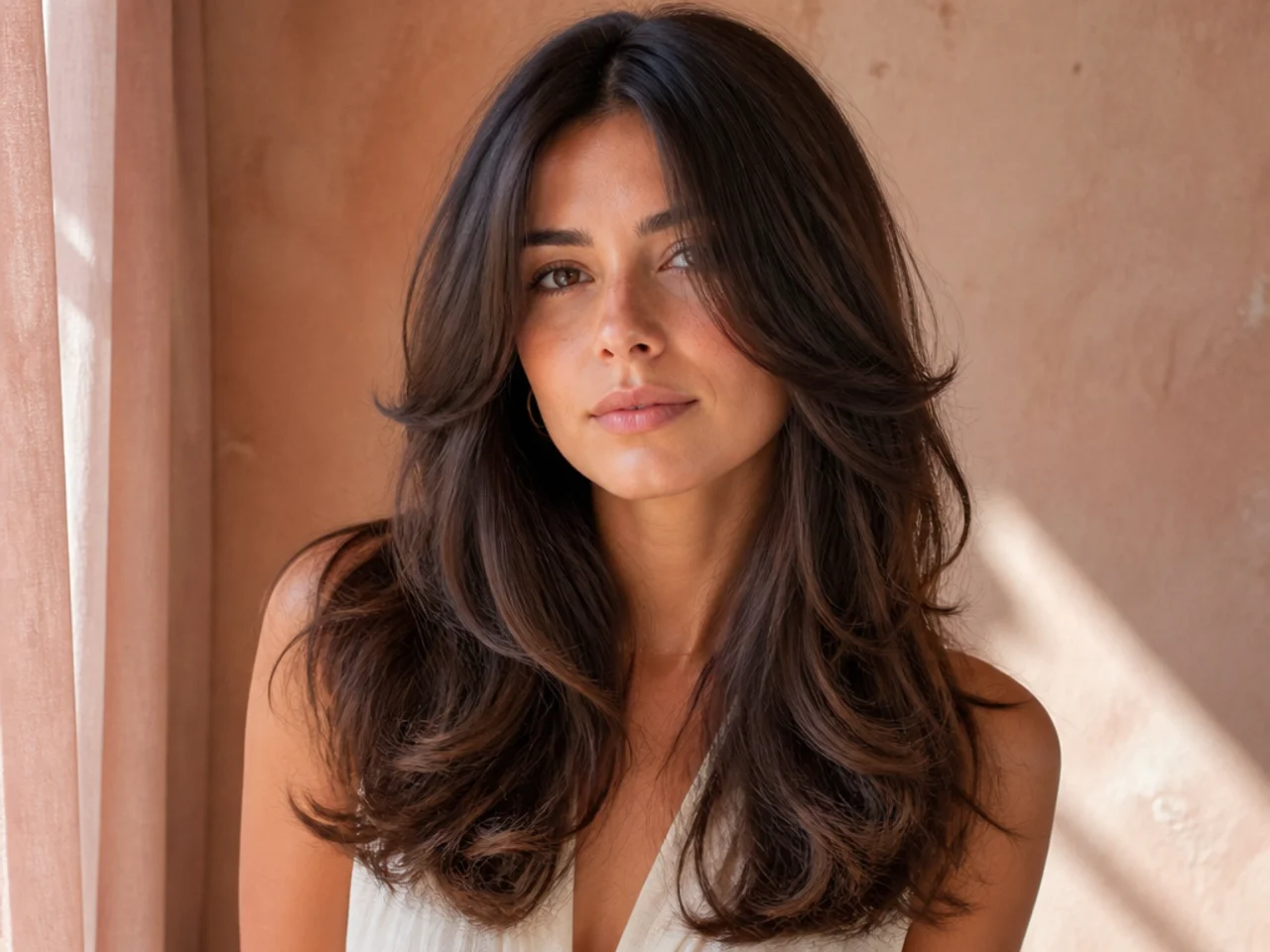
11. Butterfly Cut on Straight Fine Hair
Straight fine hair has nothing to hold a bend, so the wings have to be set with a large barrel iron and left to cool in the clip. Hair takes its shape as it cools, and releasing a warm curl is why the wings are gone by lunchtime.
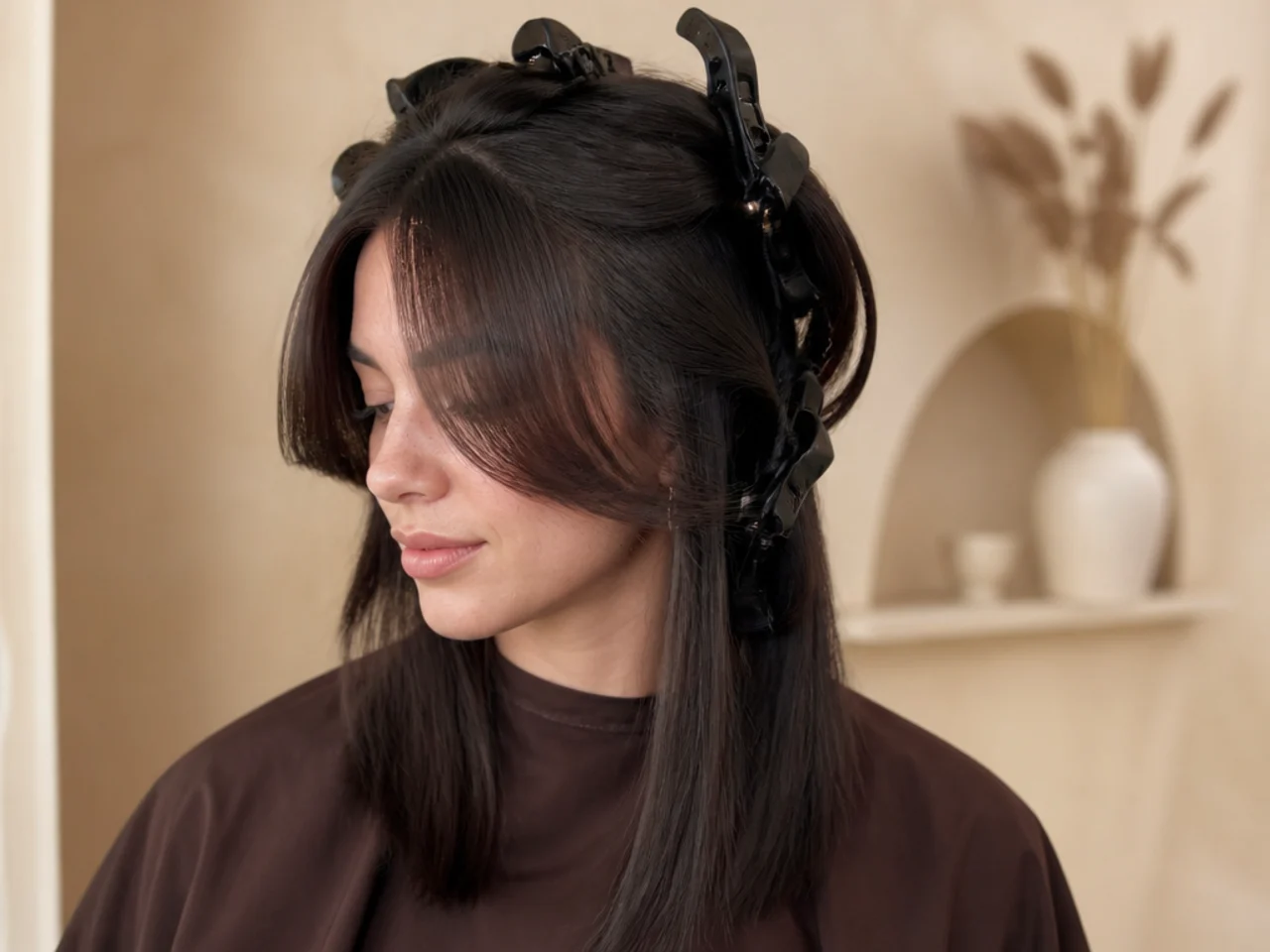
12. Butterfly Cut on Wavy Fine Hair
The best texture for this cut, because the wave already bends the short layer away from the face without help. Cut it dry, though, since fine waves draw up as they dry and a wet cut layer lands higher than the cheekbone.
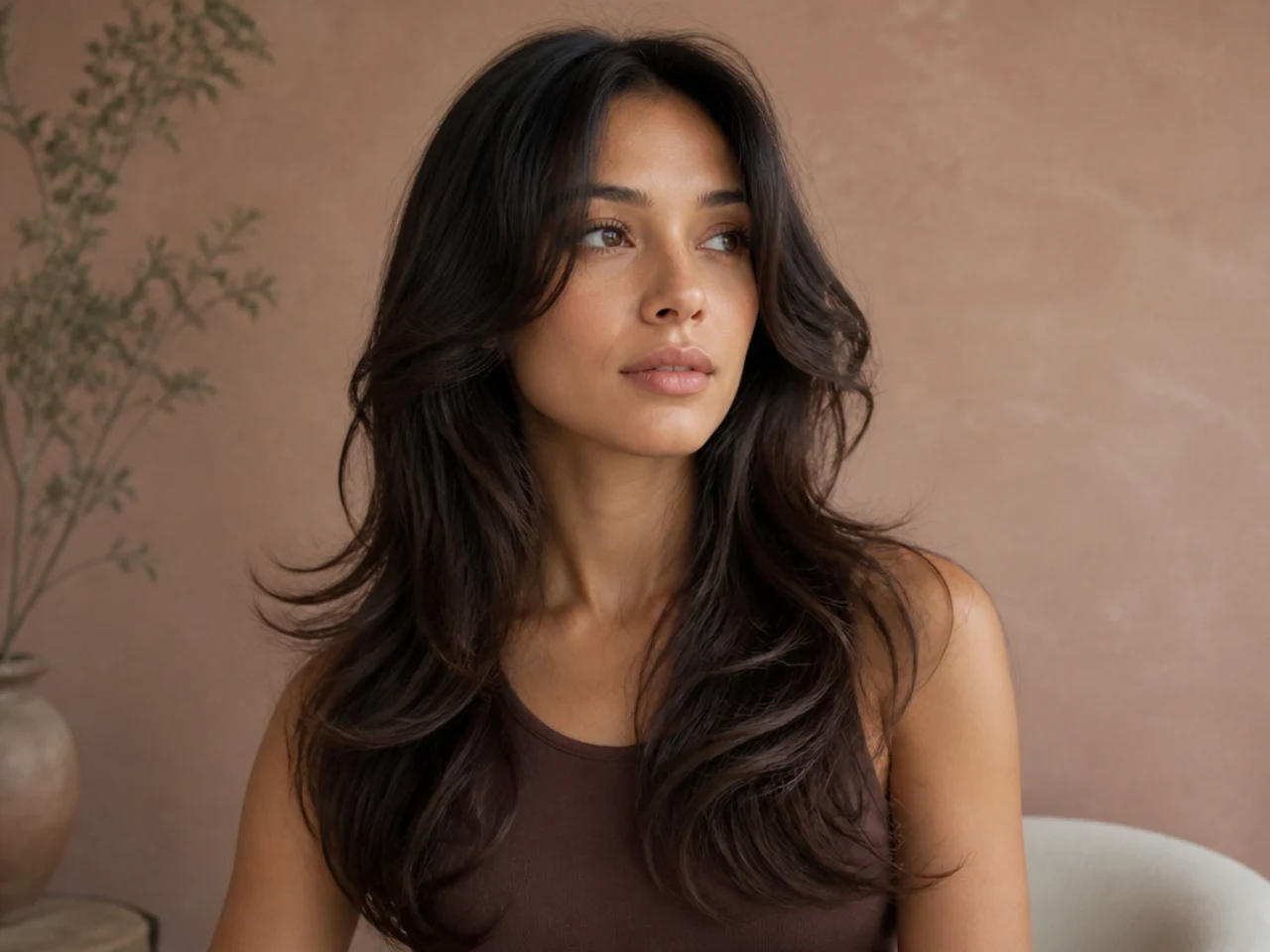
13. Butterfly Cut on Curly Fine Hair
Fine curls have volume but very little weight, so the base must stay long enough to pull the shape down. Cut the perimeter too short and the curl expands sideways instead of hanging, which turns the butterfly into a round shape.
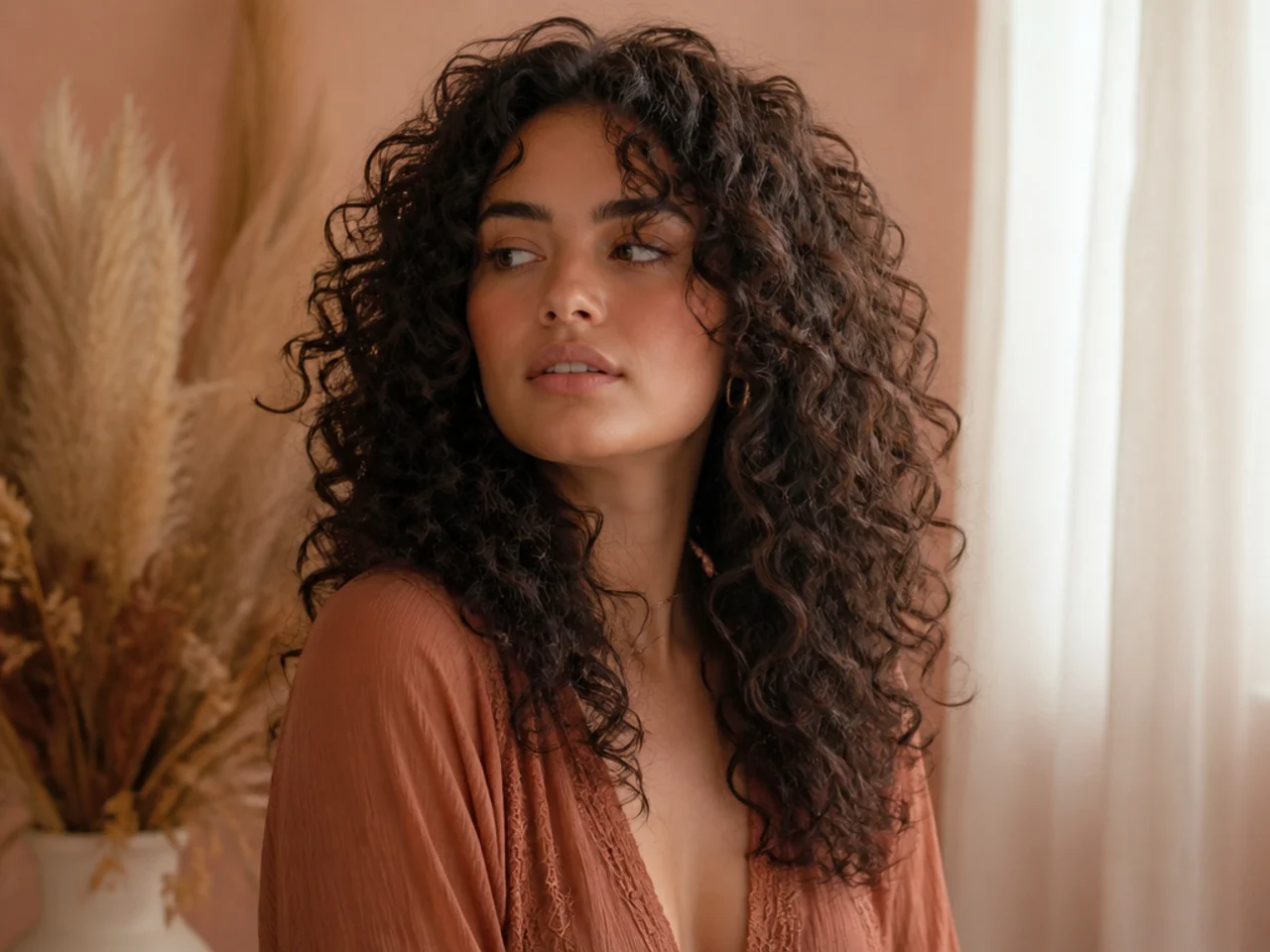
14. Butterfly Cut With a Shadow Root
Leaving the root two shades darker than the lengths puts contrast against the scalp, and scalp only reads as visible when it is close in tone to the hair beside it. It is the cheapest density illusion available.
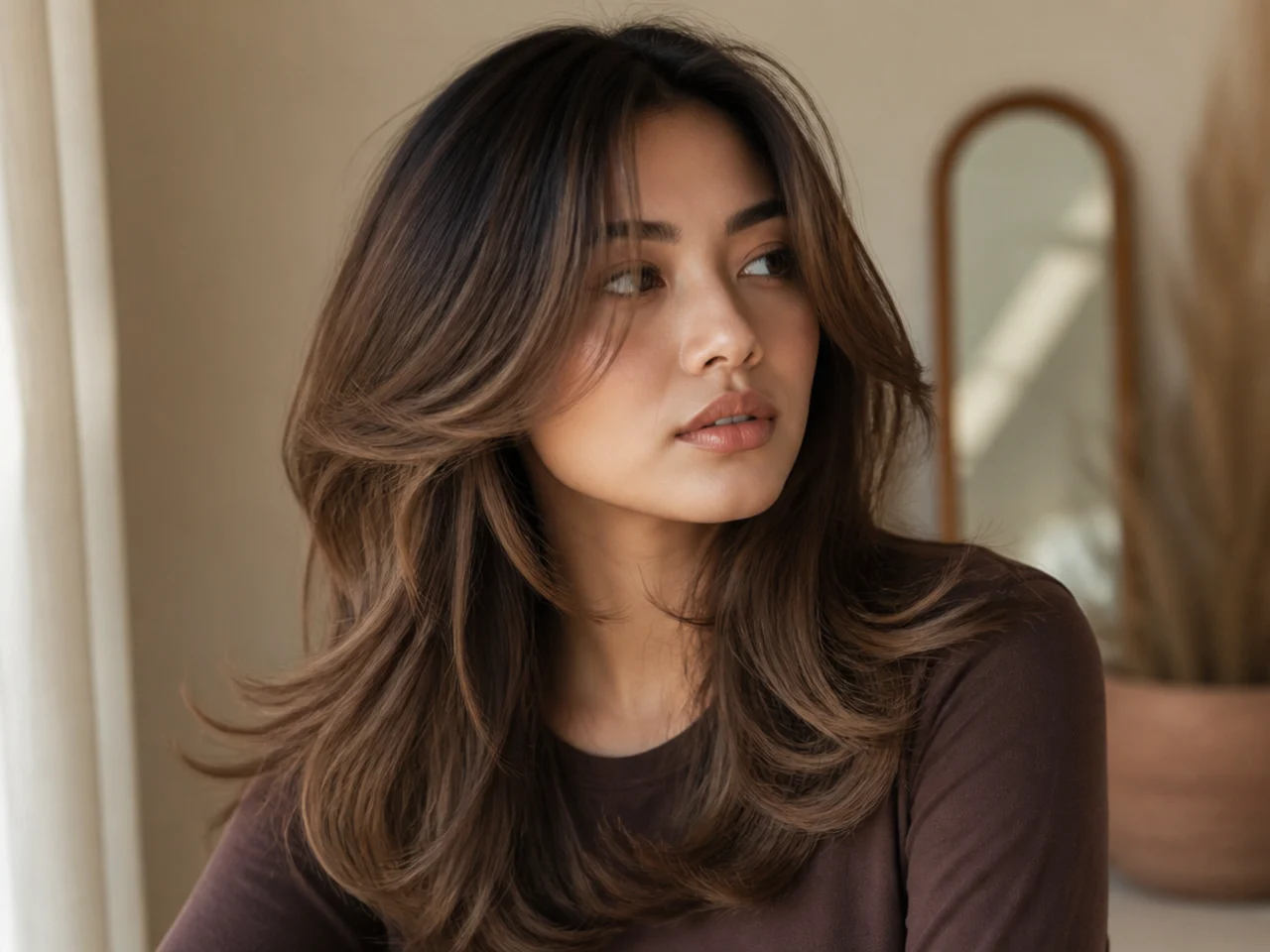
15. Butterfly Cut With a Money Piece
Two lightened sections at the very front, sitting exactly on the shortest layer. Because the wing is the piece that moves most, putting the brightest hair on it makes the movement more obvious than it is.
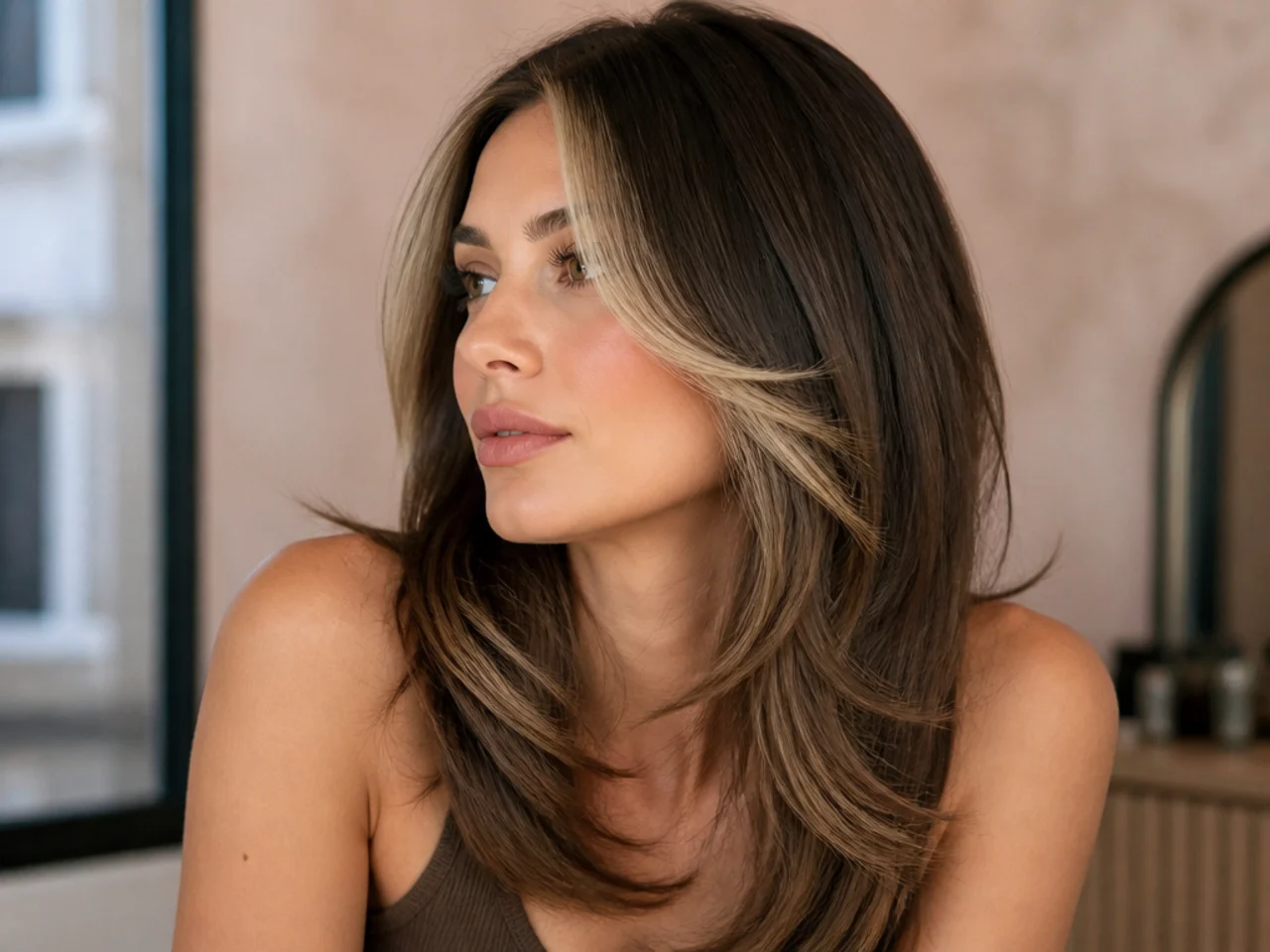
16. Butterfly Cut With Highlights Through the Wings
Fine highlights placed only in the short layer make the two lengths read as two, because tone separates them where a step in length alone might not. Keep the base a solid single tone or the whole shape blurs together.
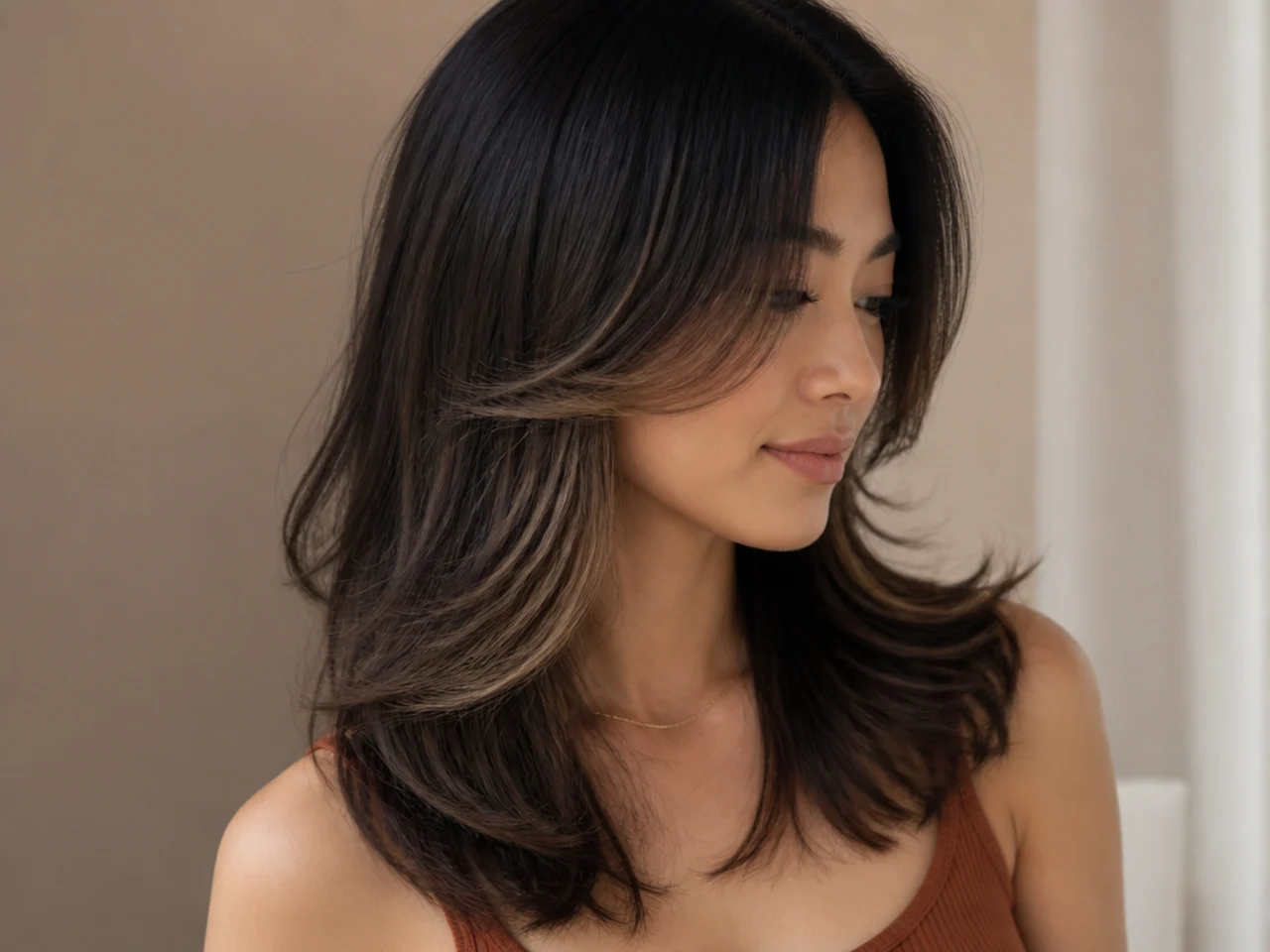
17. Butterfly Cut With Crown Root Lift
The crown is where thin hair looks thinnest, because it is the one area seen from above. Drying that section by lifting it straight up off the scalp, against the direction it grows, is worth more than an extra layer anywhere else.
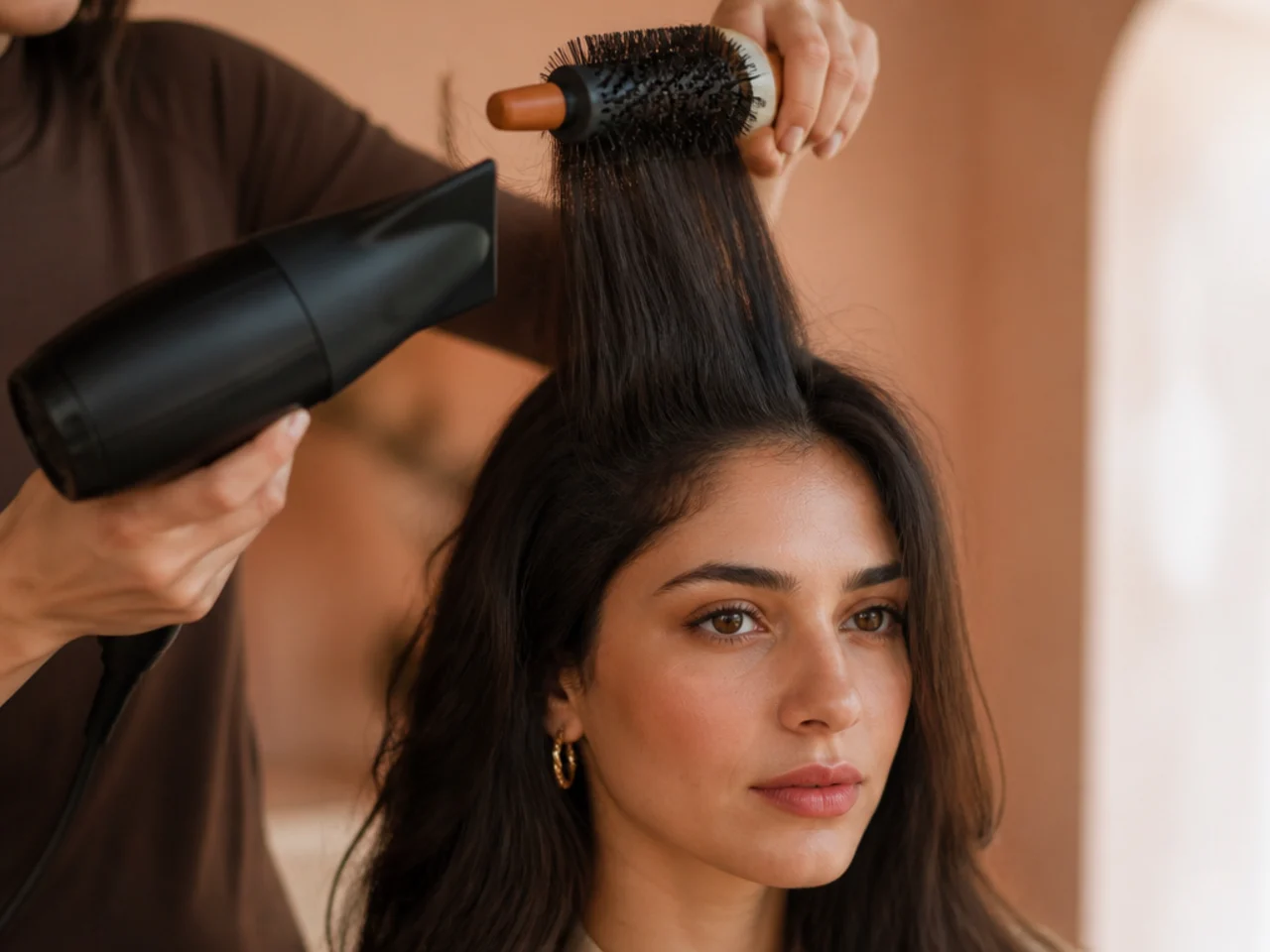
18. Butterfly Cut With Flicked Ends
The last inch of the short layer bent outward, which puts a visible break in the outline and doubles the number of edges the eye counts. More edges read as more hair, which is the reverse of what a smooth fall achieves.
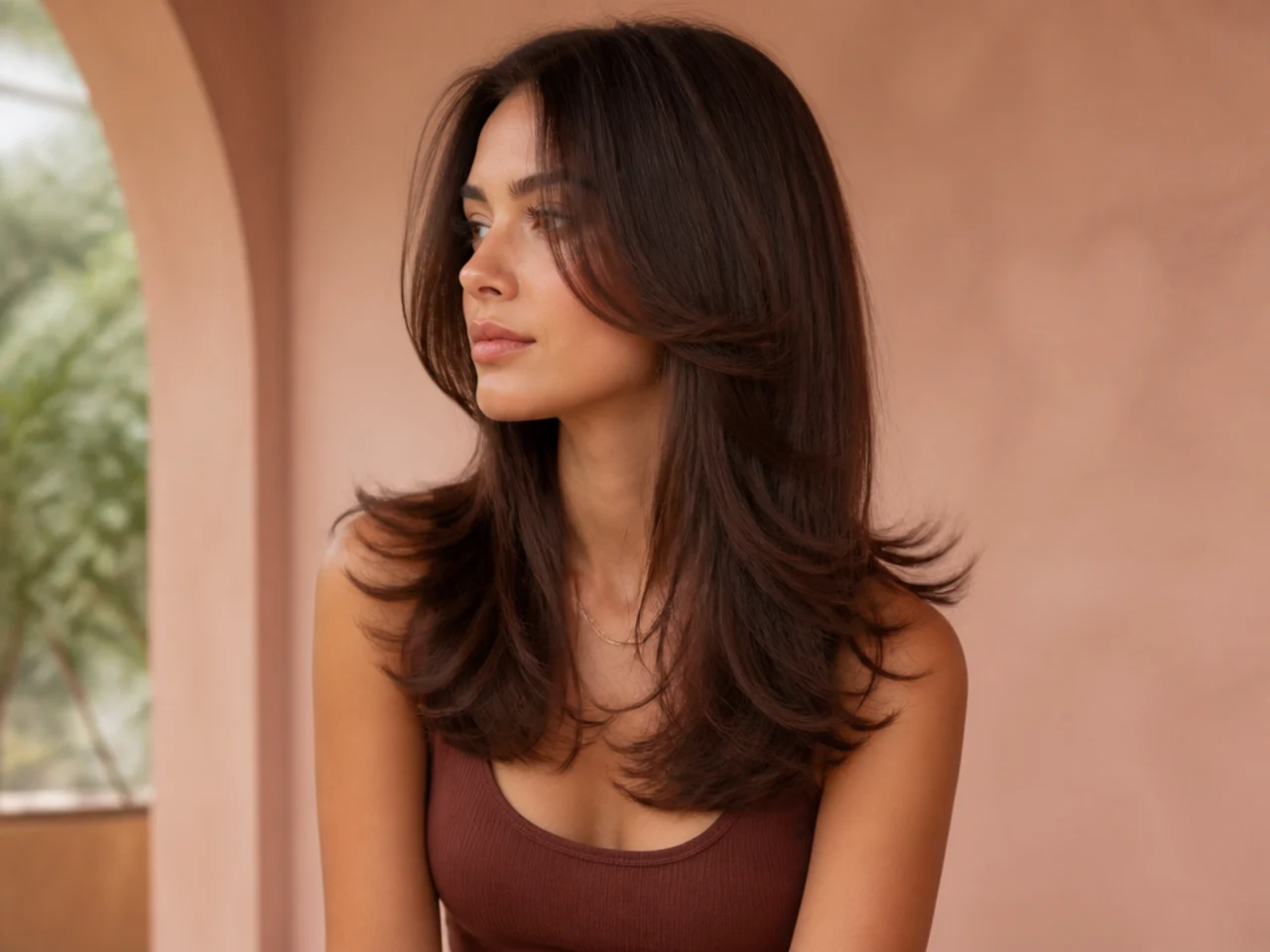
19. Butterfly Cut With Soft Bends
One loose S bend through the mid lengths rather than a curl. A bend holds far longer than a curl on fine hair because there is less shape fighting gravity, so it survives a full day where ringlets drop by mid afternoon.
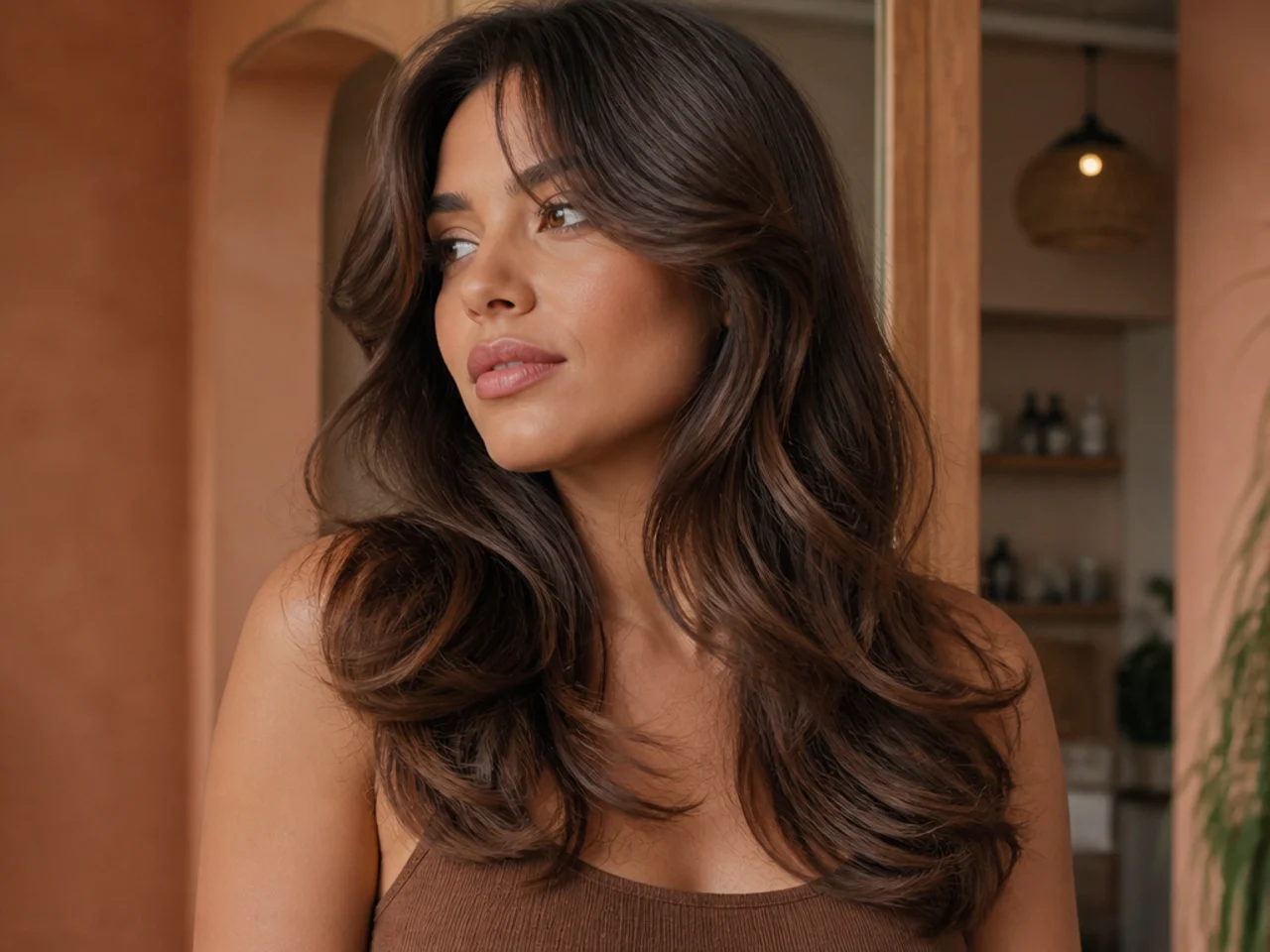
20. Butterfly Cut With Shag Texture
Extra interior layers taken above the cheekbone push it toward a shag. On thin hair this is the edge of what is safe, so keep every added layer inside the shape and the perimeter untouched.
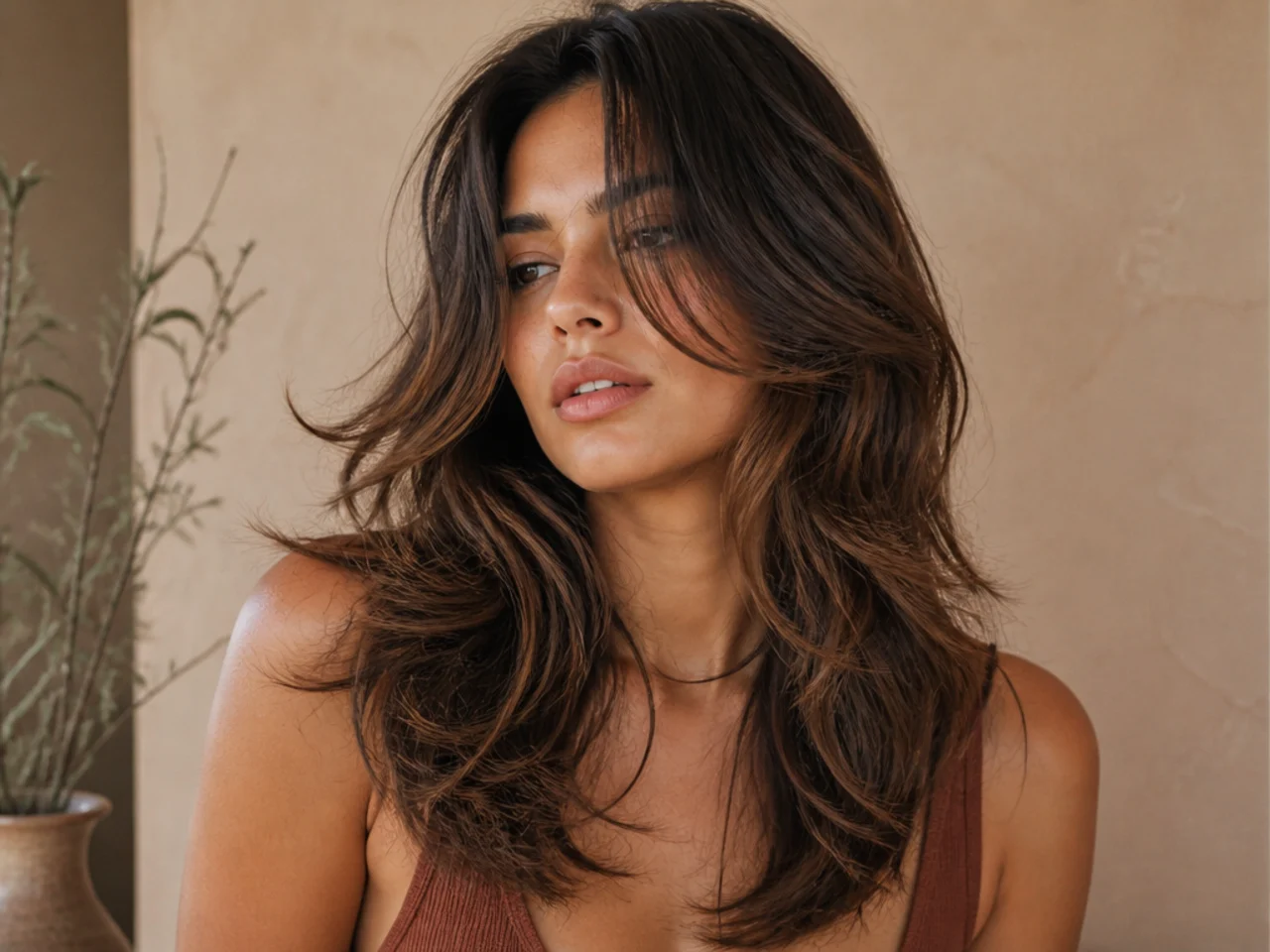
21. Butterfly Cut Without Bangs
The short layer begins at the cheekbone with no fringe above it, which suits a high forehead because nothing shortens it. The front pieces need a little extra length here so the layer does not appear to begin from nowhere.
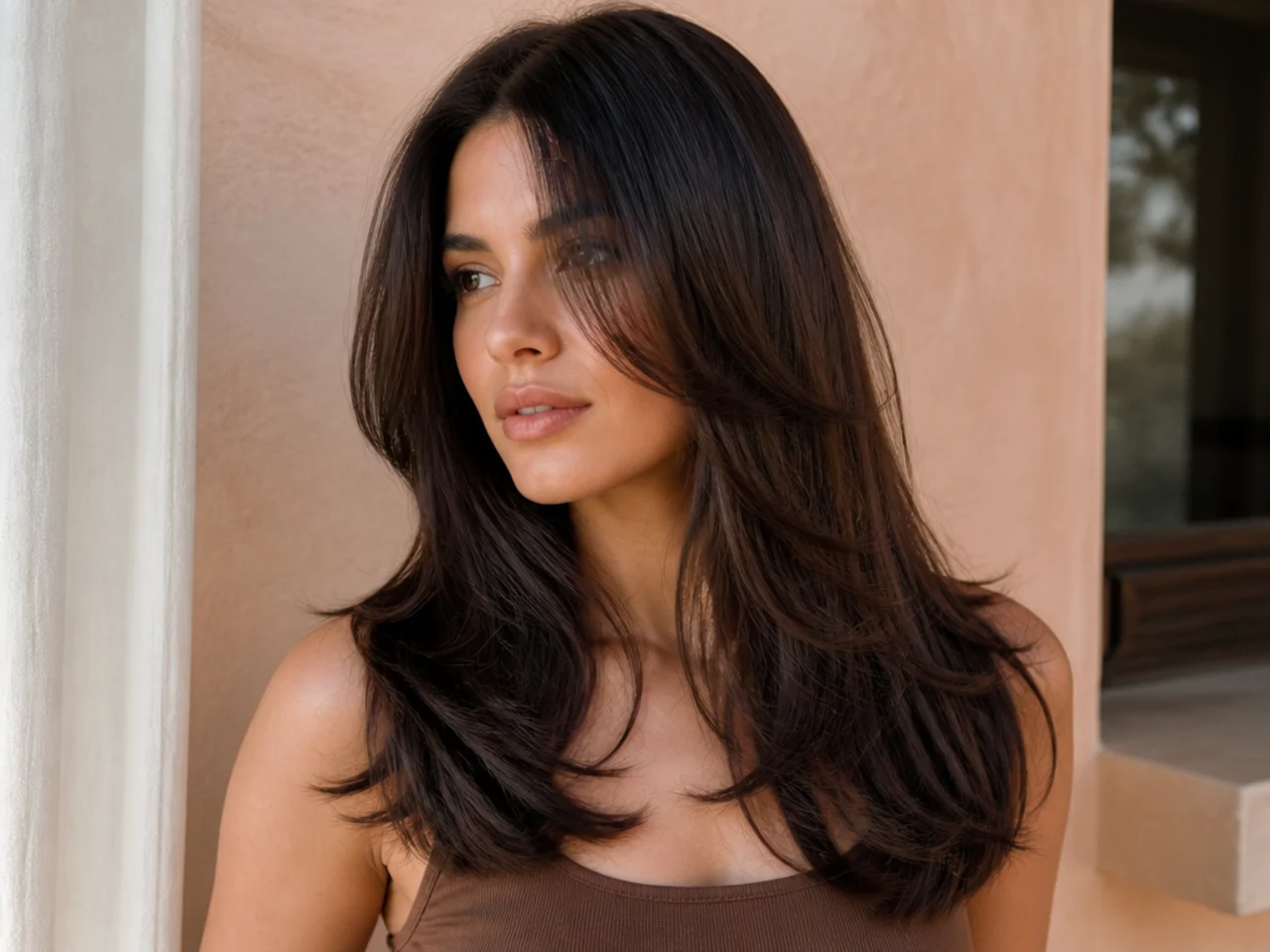
22. Butterfly Cut With a Rounded Perimeter
The base cut slightly longer in the centre back than at the sides, so the hem curves. The curve keeps weight in the middle where a straight line would leave the corners heaviest, which stops fine hair splaying at the sides.

23. Butterfly Cut Tucked Behind the Ears
Tucking the base behind the ears leaves only the short layer framing the face, so the two lengths separate completely. It is the fastest way to make a butterfly look deliberate rather than like layers that grew unevenly.
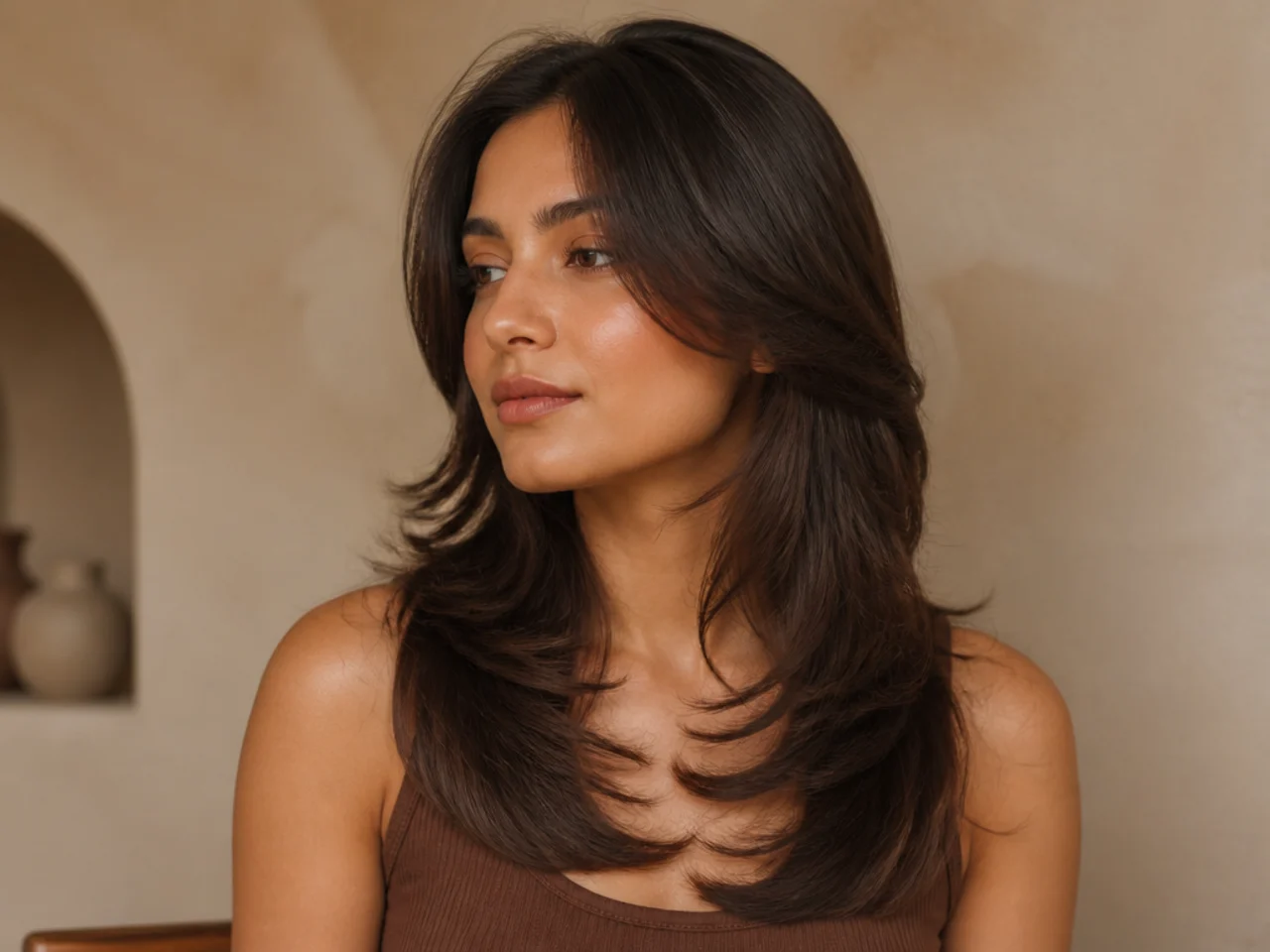
24. Butterfly Cut With a Half Up Twist
Taking the top section up removes it from the fall, so the short layer is left to hold itself out with no weight above pressing it down. On thin hair this is the difference between wings and two flat panels. The same weight logic runs through any blunt cut with layers.
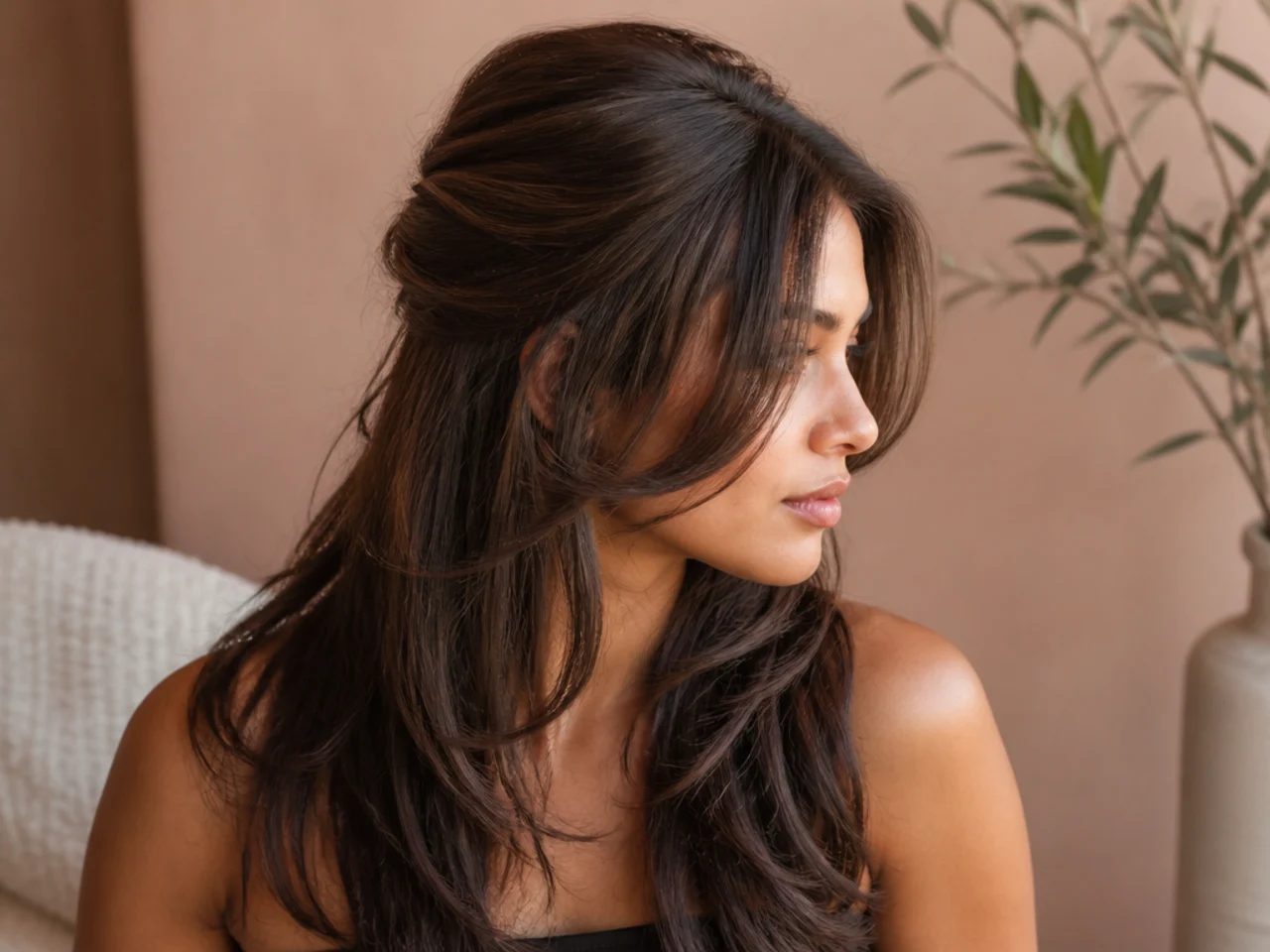
25. Butterfly Cut Grown to Shoulder Length
Four months on, the short layer has dropped to the jaw and the base past the shoulder, and the gap between them has widened rather than closed. That is why the shape grows out well: growth increases the distance the cut depends on.

Styling and Upkeep
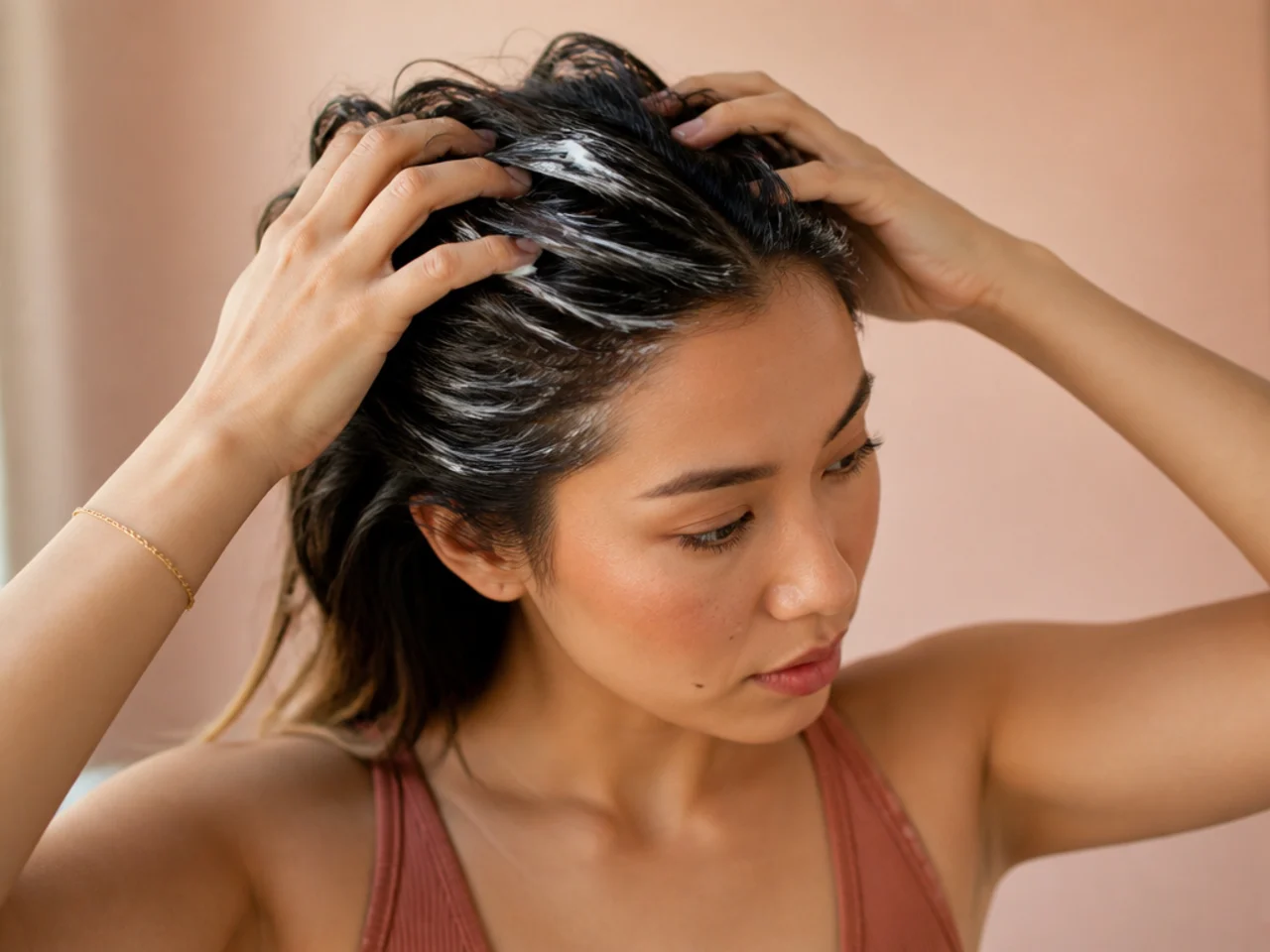
Dry the roots before the ends. Volume on fine hair is made at the scalp. Once the roots have dried flat, nothing done to the lengths will lift them.
Set the wings and let them cool clipped. Hair fixes its shape on cooling. Releasing a warm bend is the reason wings drop within the hour.
Use mousse at the root, not oil at the ends. Oil weighs fine hair down at exactly the point where it is already thinnest.
Trim the perimeter every eight weeks. Fine ends split sooner and a split end is thinner still, so the outline loses density from the bottom up.
Refresh the internal layers twice a year. They grow into the base length and the two length structure quietly disappears.
Mistakes to Avoid
Thinning shears anywhere. They leave short broken ends with no weight to lie down, which on fine hair is added fluff rather than removed bulk.
Texturising the perimeter. The outline is the only place your hair can display density. A feathered hem makes it see through.
Too many layers. A butterfly is two lengths. Add a third and a fourth and each one carries less hair, so none of them has enough weight to sit properly.
Cutting the short layer above the cheekbone. There is nothing underneath for it to rest on, so it stands out sideways instead of resting on the length below.
Judging it on the day. A salon blow dry adds volume no home routine reproduces. Look at it on day three before deciding it worked.
FAQ
Will layers make thin hair thinner? Only if they touch the perimeter. Internal layers do not.
How short can the base go? Collarbone. Shorter and the two lengths sit too close to separate.
Thinning shears? Never on fine hair. Slide cut the interior instead.
Final Thoughts
Ask for two lengths and a blunt hem. "A short layer at the cheekbone, everything else left long, and the perimeter untouched" is a brief a stylist can cut, where "butterfly layers" invites the pile of layers that thins fine hair out.
For the full range of lengths and shapes see the butterfly haircut guide, and for how a solid hem behaves under layering see blunt haircut with layers. More in Womens Hairstyles.