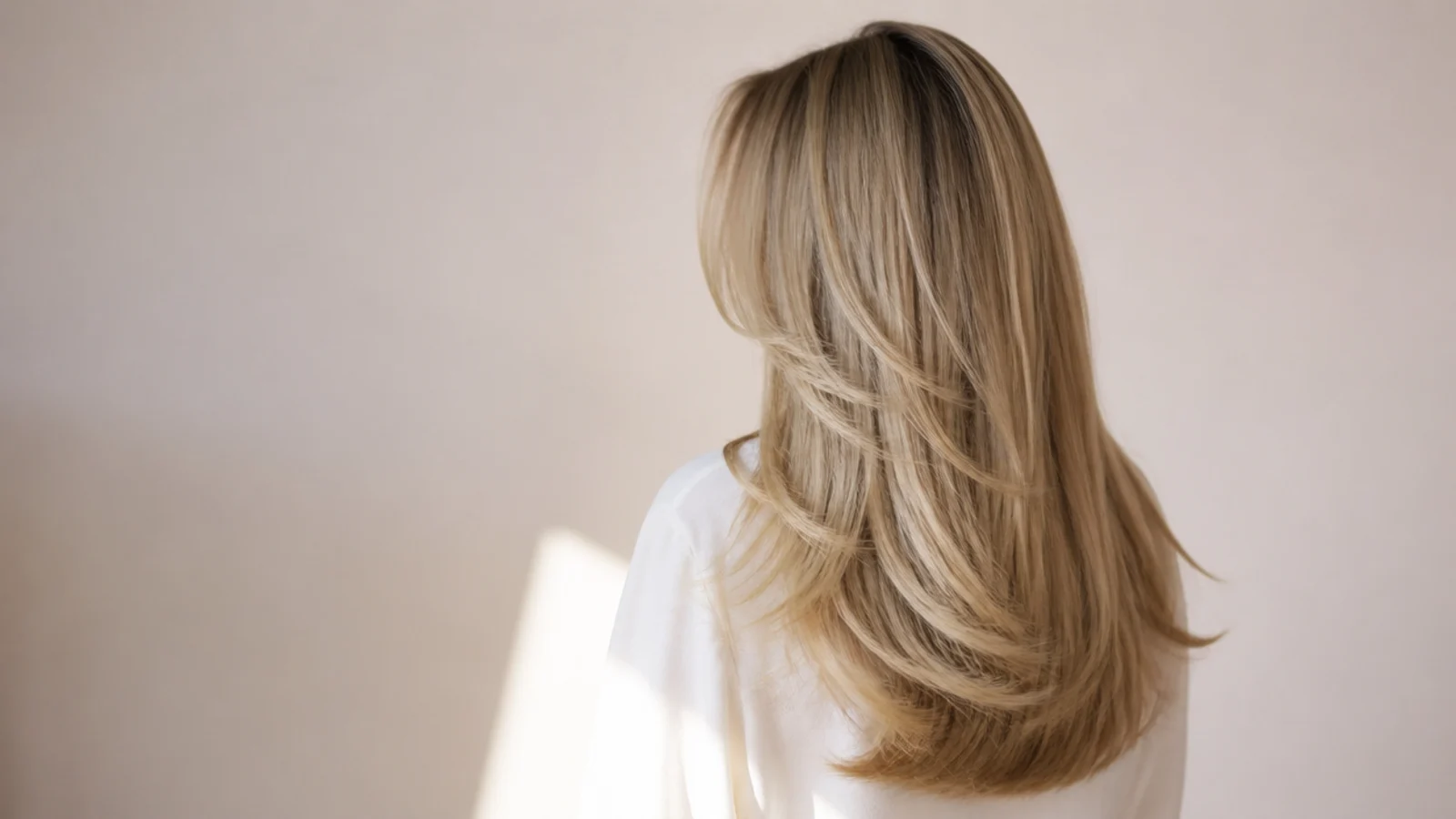
20 Sabrina Carpenter Hair Layers to Ask For
Twenty layered variations and the single measurement that decides all of them — where the shortest layer lands. Long layers and a shag are the same technique separated by about four inches, which is why the request goes wrong.
In this article · 28
- The Signature Cut Broken Down
- Hair Type and Face Shape
- The Ask Your Stylist Script
- The Blowout at Home
- Hair Colors and What to Ask a Colorist
- Shorter and Curlier Hair
- The 20 Layered Variations
- 1. Long Layers With a Curtain Fringe
- 2. Butterfly Layers
- 3. 70s Feathered Layers
- 4. Collarbone Layers
- 5. Face Framing to the Jaw
- 6. Invisible Layers for Fine Hair
- 7. U Shaped Layers
- 8. Blowout Cut With Rounded Layers
- 9. Medium Shag With Curtain Bangs
- 10. Lob With Bottleneck Bangs
- 11. Long Layers With Tapered Ends
- 12. Choppy Layers for Thick Hair
- 13. Crown Layers for Root Volume
- 14. Sleek Straight Center Part
- 15. Textured Layers on Natural Waves
- 16. Long Layers on Curly Hair
- 17. Grown Out Layers
- 18. Money Piece Face Framing
- 19. Layered Bob With a Short Fringe
- 20. Layered Pixie With Feathering
- Final Thoughts
Long layers and a shag are the same technique separated by about four inches, and almost nobody says which one they want.
A layer is defined by where its shortest point sits. Not by how many there are or how much was cut. Below the chin it reads as long layers, at the crown it reads as a shag.
The perimeter is a separate decision entirely. Layers can be put through the interior without taking a millimetre off the ends, and the two requests have to be made separately or one gets guessed.
The Signature Cut Broken Down
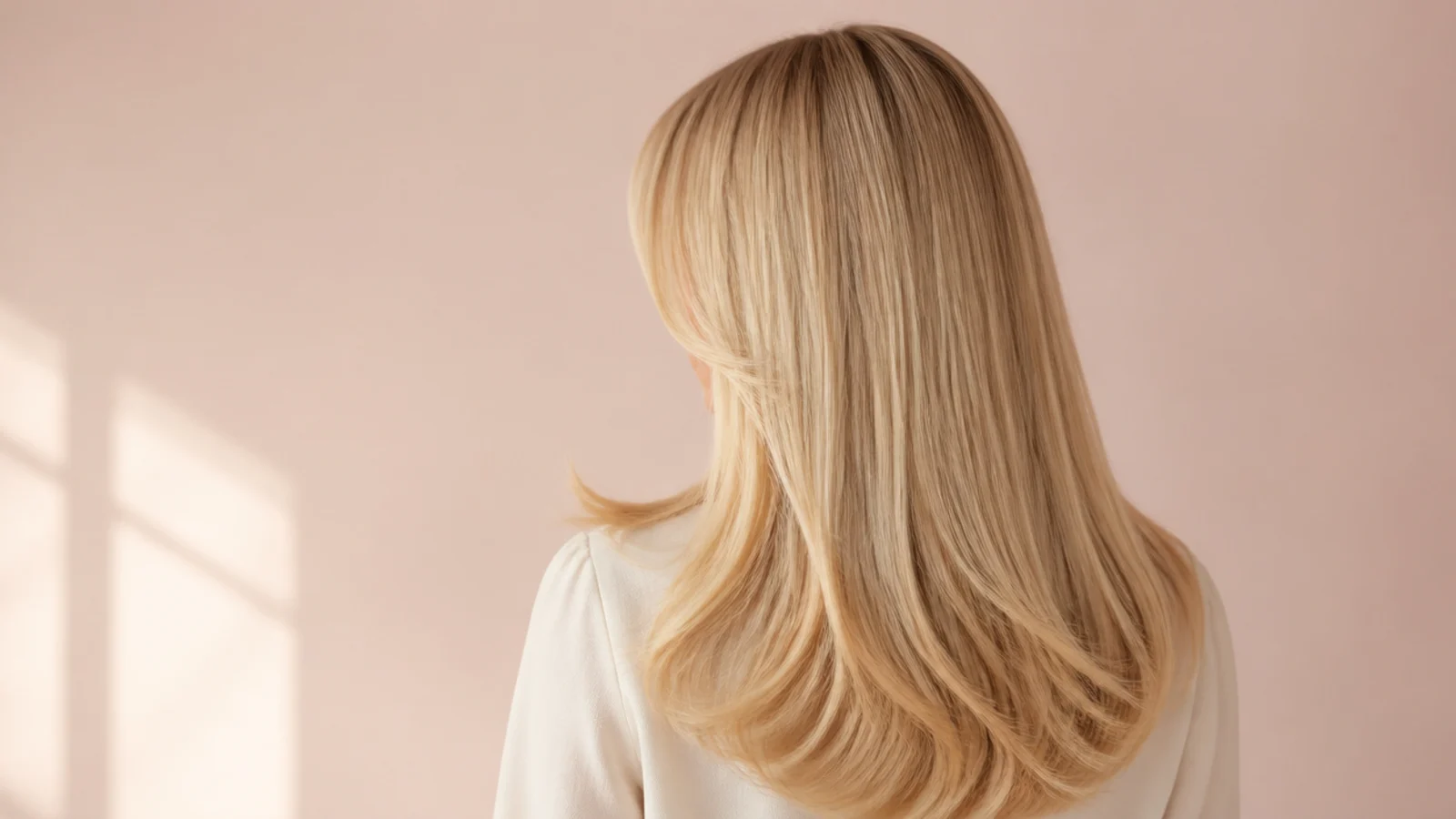
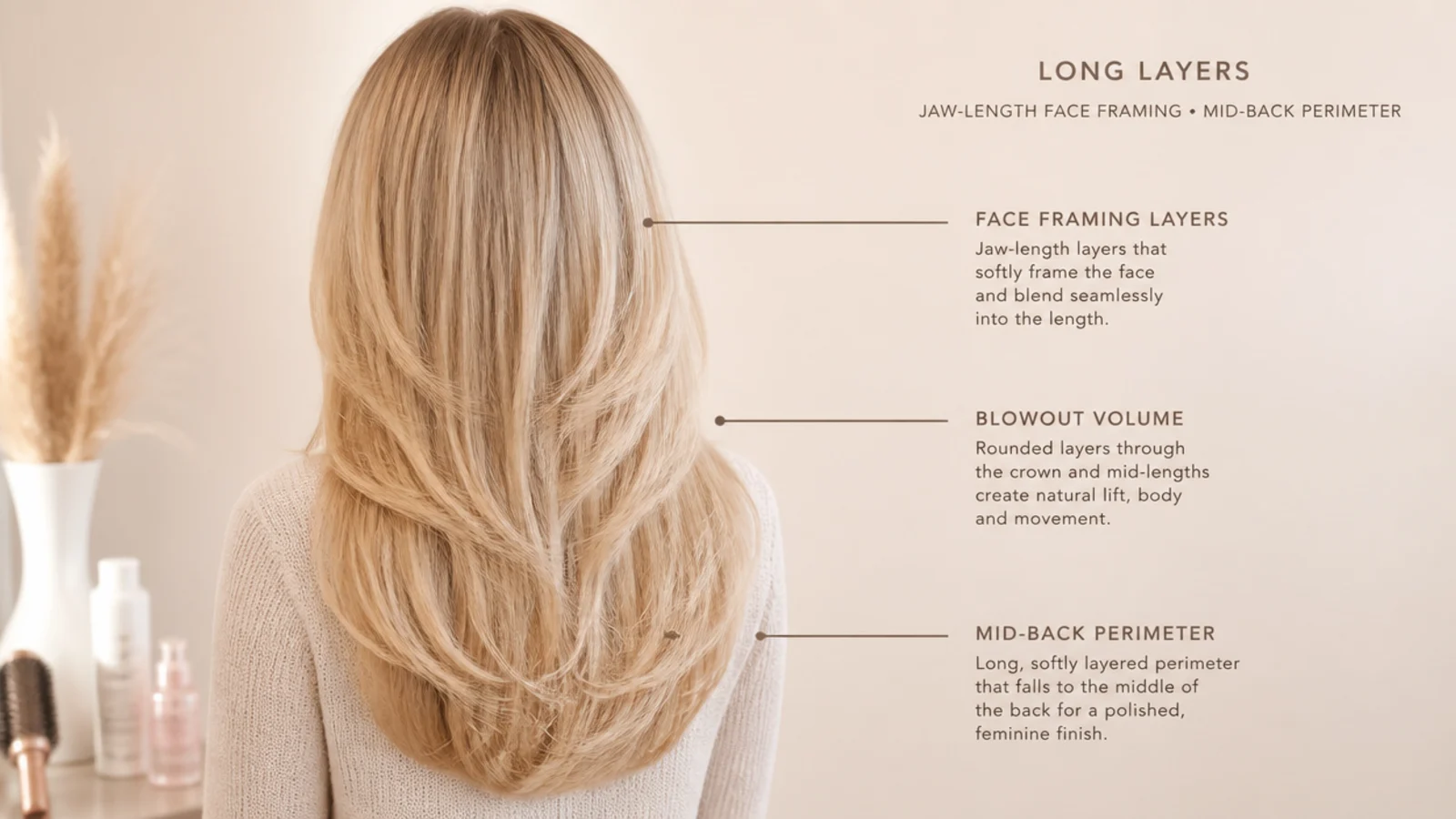
The shortest interior layer sits below the chin. Everything above that line stays long. This is what keeps the shape reading as long hair with movement rather than as a layered cut.
Face framing is the only short piece near the face. It starts at the cheekbone and lengthens outward into the front sections, which is the curtain fringe doing double duty as the first layer.
The perimeter stays heavy. No thinning through the ends. A dense outline is what makes long hair look healthy from behind, and it is the first thing that gets destroyed by over layering.
Everything is cut on a soft angle. No blunt internal lines anywhere, so no step ever becomes visible when the hair is straightened.
Hair Type and Face Shape
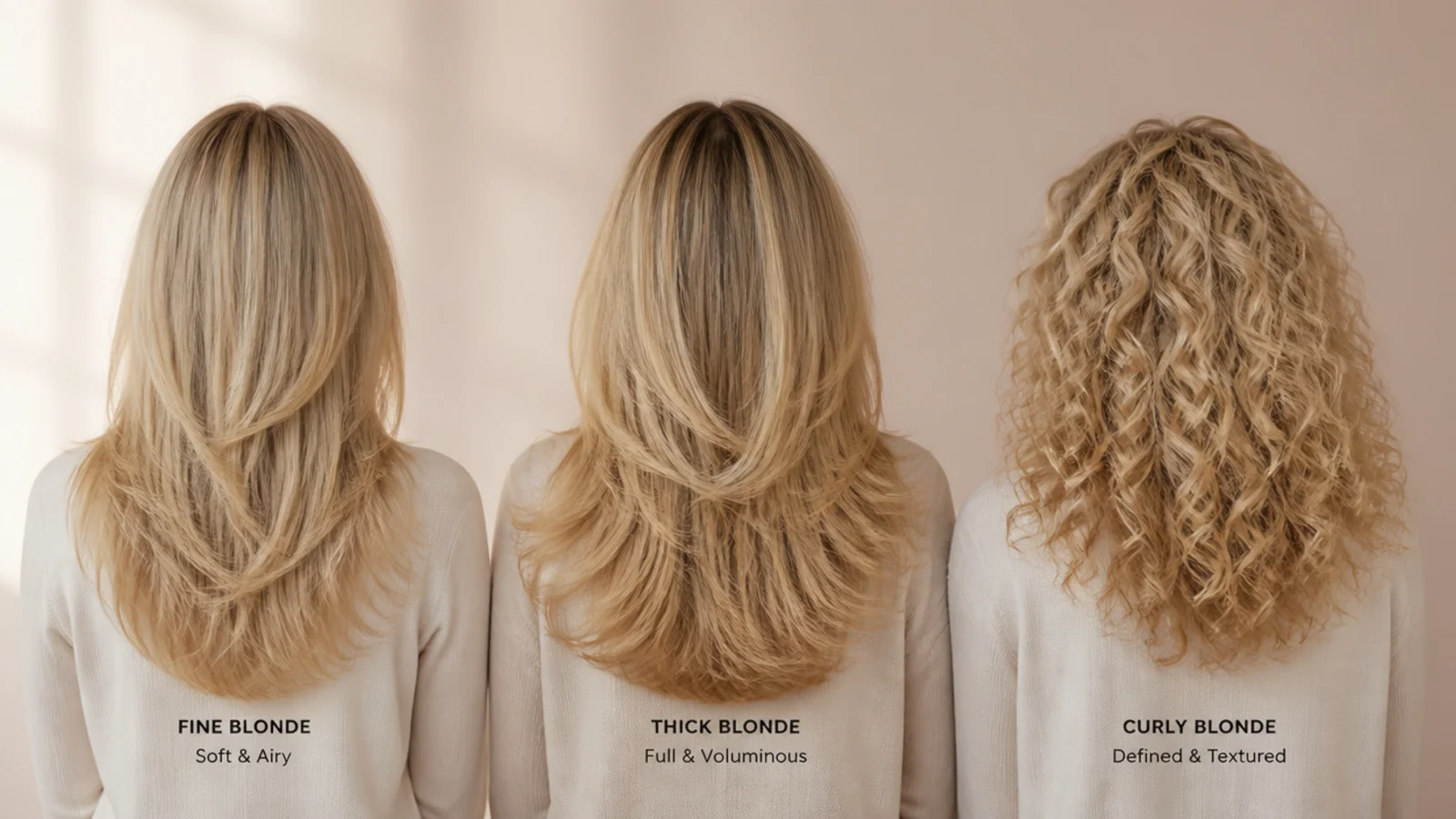
Fine hair wants layers cut from underneath. The surface length stays unbroken and the movement comes from within, so nothing is removed from the outline that fine hair relies on for the appearance of density.
Thick hair wants interior layers and no thinning shears. Weight taken from inside keeps the perimeter dense. Thinned ends grow back short and coarse and sit above the outline as a halo you cannot style down.
A round face wants the shortest face framing at the cheekbone. Placed lower it widens the face at its broadest point, and placed higher it stops covering anything at all.
A long face wants the shortest layer nearer the jaw. Width at the jaw shortens the visible face, whereas a high layer stacks volume on top and lengthens it further.
The Ask Your Stylist Script
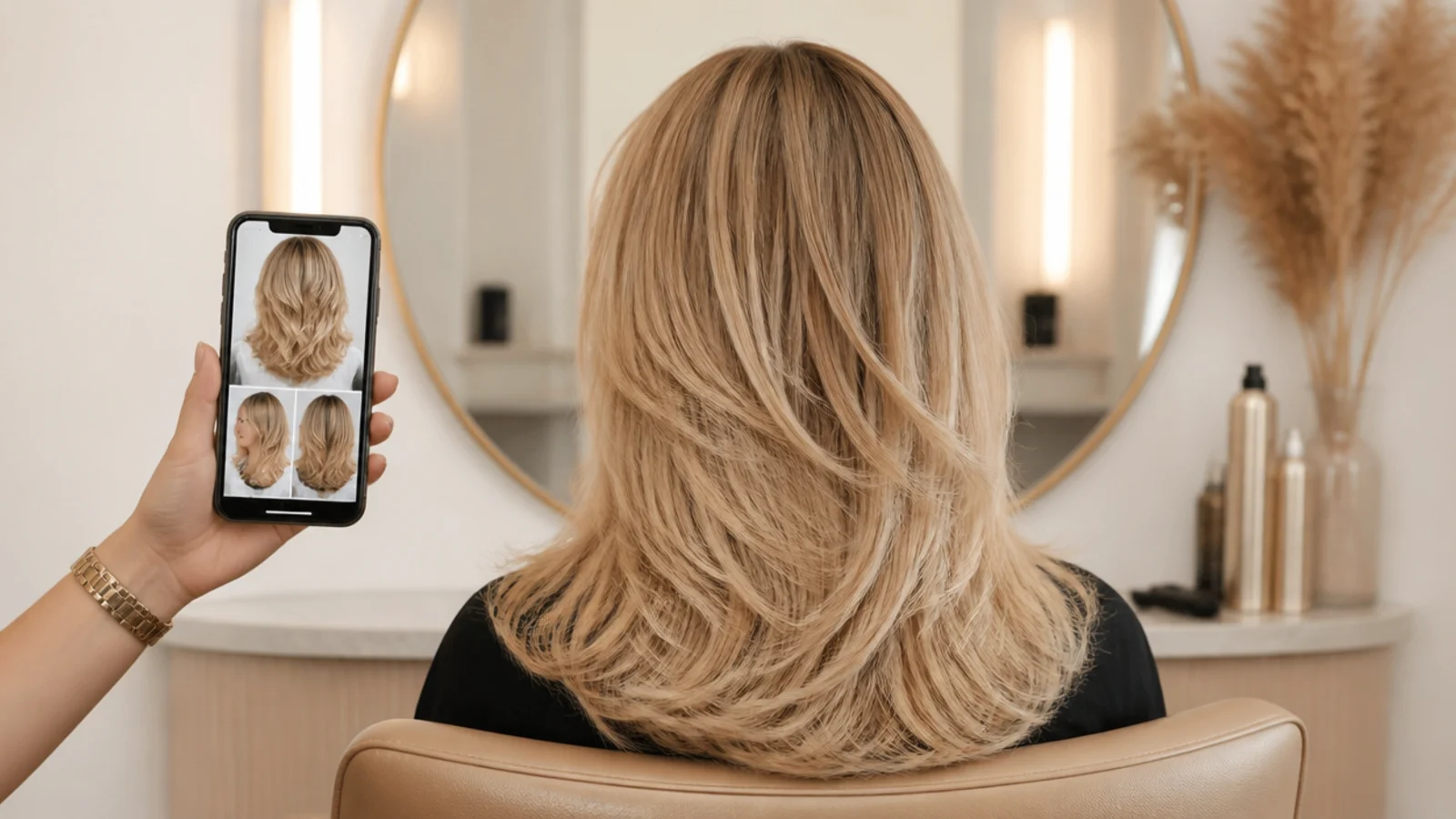
Say the shortest layer by landmark, not by inches. Below the chin, at the collarbone, at the jaw. Inches sit differently on every head and a landmark does not.
Say whether the perimeter is being cut. The sentence is short. Keep the length and layer the interior, or take an inch off the ends and layer the interior.
Ask for face framing and long layers as two items. They are two different cuts. Asking for one and expecting both is the most common way this shape comes out wrong.
Say no thinning shears out loud. Most stylists reach for them by habit on thick hair, and the effect is permanent until it grows out entirely.
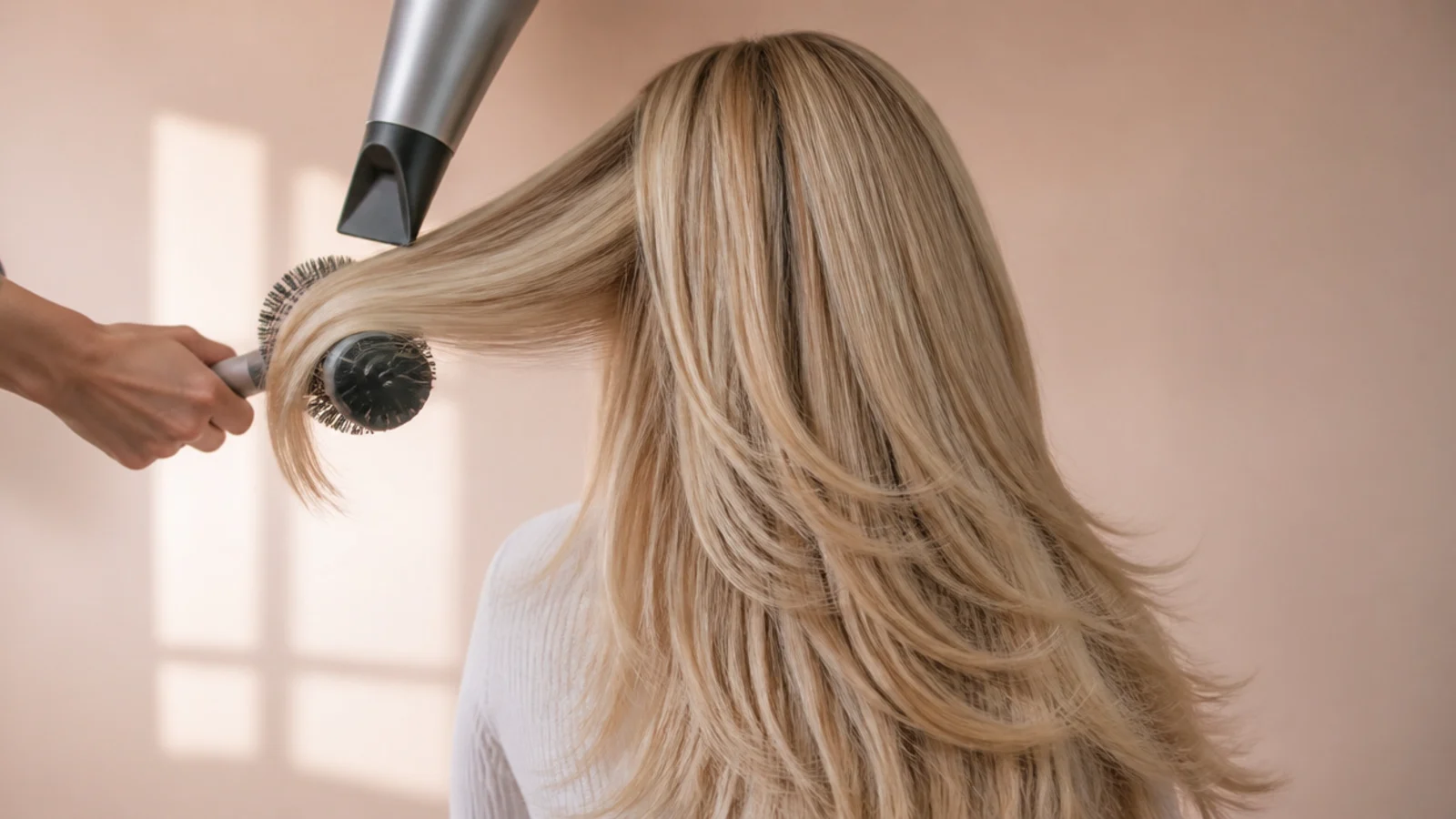
The Blowout at Home
Rough dry to about eighty percent before the brush. A round brush needs damp hair to grip. On soaking hair the bristles slide and all the heat goes into evaporating water rather than shaping anything.
Overdirect the crown forward and dry it there. The section is pulled past vertical towards the face, so when it falls back it lands higher than it grew. That displacement is the whole mechanism behind root lift.
Cool every section before releasing it. Hydrogen bonds reform as the hair cools, so a section let go while warm has not set and will drop within the hour.
Dry the layers away from the face. Each layer end is what creates the flick, and once dried in a direction it holds that direction until it gets wet again.
Hair Colors and What to Ask a Colorist
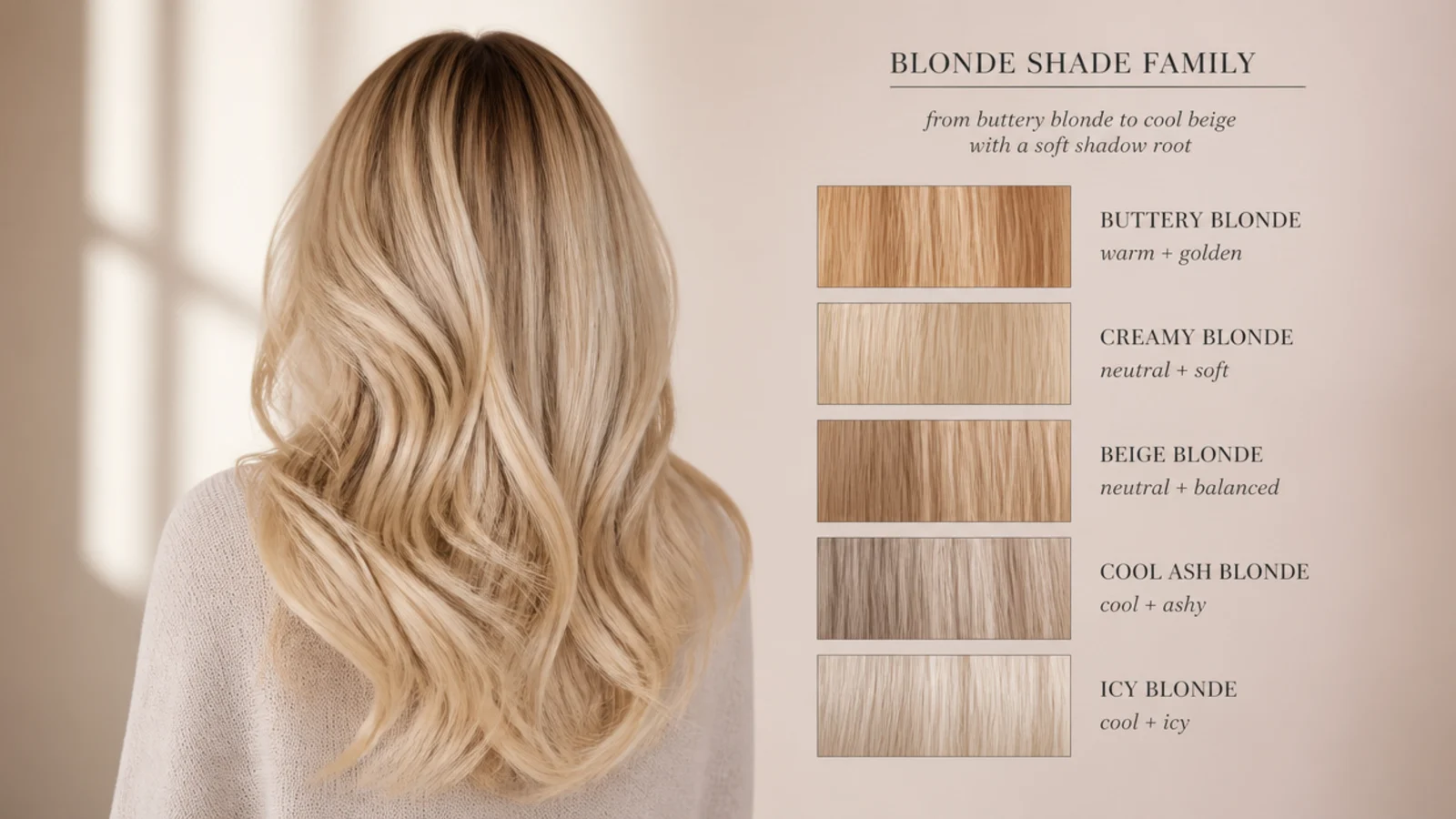
Ask for a shadow root before anything else. A base left one to two levels deeper and blended down means regrowth has no line to meet, which turns a six week deadline into a several month one.
Place brightness where the layers surface. A layered head brings shorter pieces to the top, so lightening the mid lengths shows far more than lightening the very ends.
Keep the contrast small. Fine weaves and a narrow gap between lightened and base hair read as depth within one colour. Wide sections read as stripes as soon as the layers separate them.
Gloss on the cut schedule. A demi permanent gloss adds shine and evens porosity but adds no lightness, and layered ends are the most porous hair on the head.
Shorter and Curlier Hair
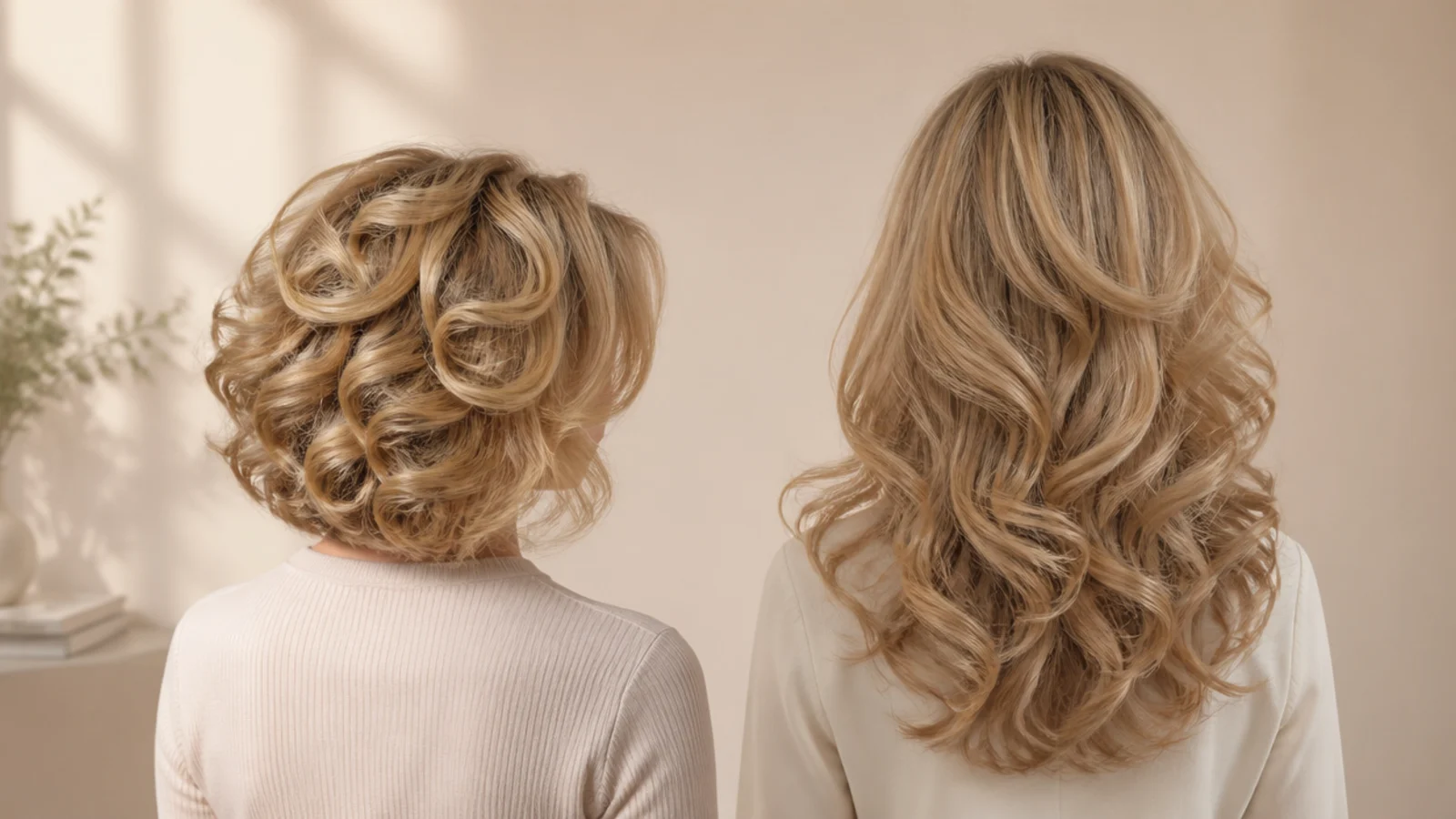
Curly layers are cut dry, curl by curl. A curl shrinks as it dries, so a layer measured wet finishes far higher than intended and the graduation lands in a different place entirely.
On curls, layers control volume rather than movement. A curl already moves. What layering does is remove the weight that stops it springing, which is why the same cut adds height on curly hair and drops it on straight.
Short cuts need the layers concentrated at the crown. With less length below, the shape has to come from lift at the top rather than from a run of graduation down the back.
Keep the outer edge of the face framing long on short hair. It is the only piece connecting the shape to the face, and once it is above the jaw the cut stops reading as this look at all.
The 20 Layered Variations
1. Long Layers With a Curtain Fringe
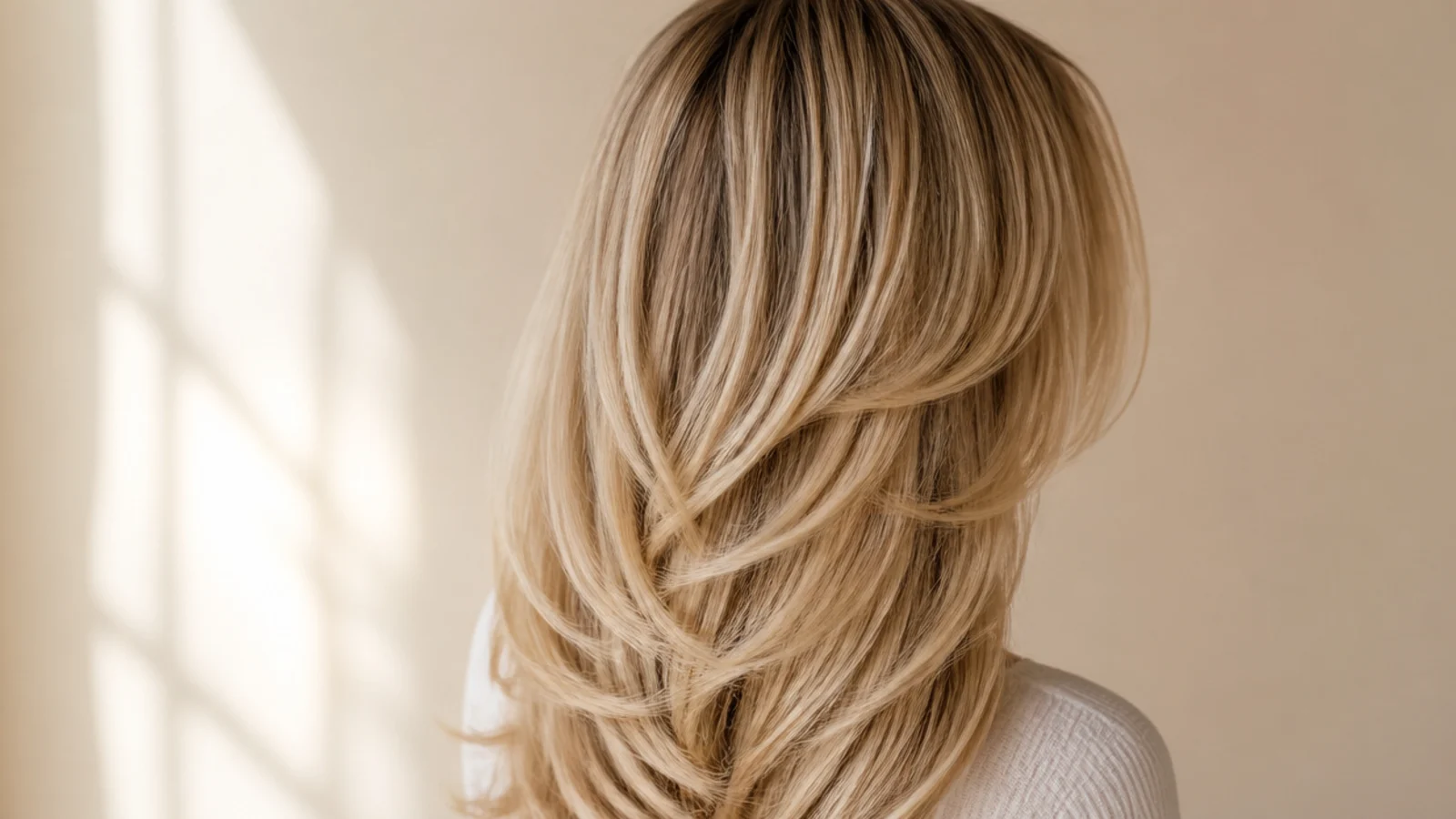
The reference version. The shortest interior layer sits below the chin and the only short piece anywhere near the face is the fringe, which starts at the cheekbone and lengthens outward until it meets the front layers with no visible step.
2. Butterfly Layers
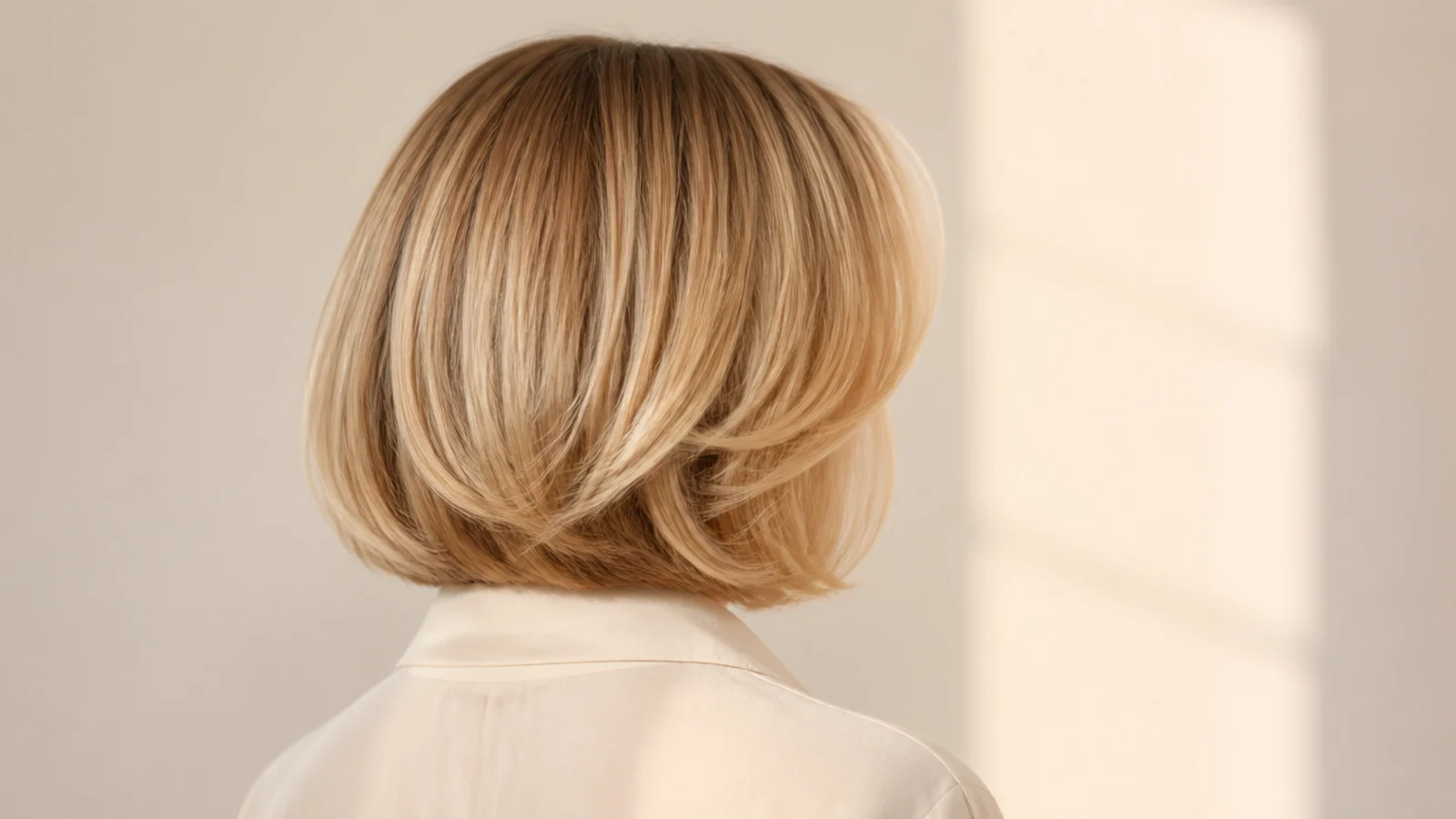
Two distinct lengths instead of a gradual run. A short internal layer around the chin is cut overdirected forward and left sitting on top of the untouched long perimeter, so the volume comes from stacking rather than from removing any length.
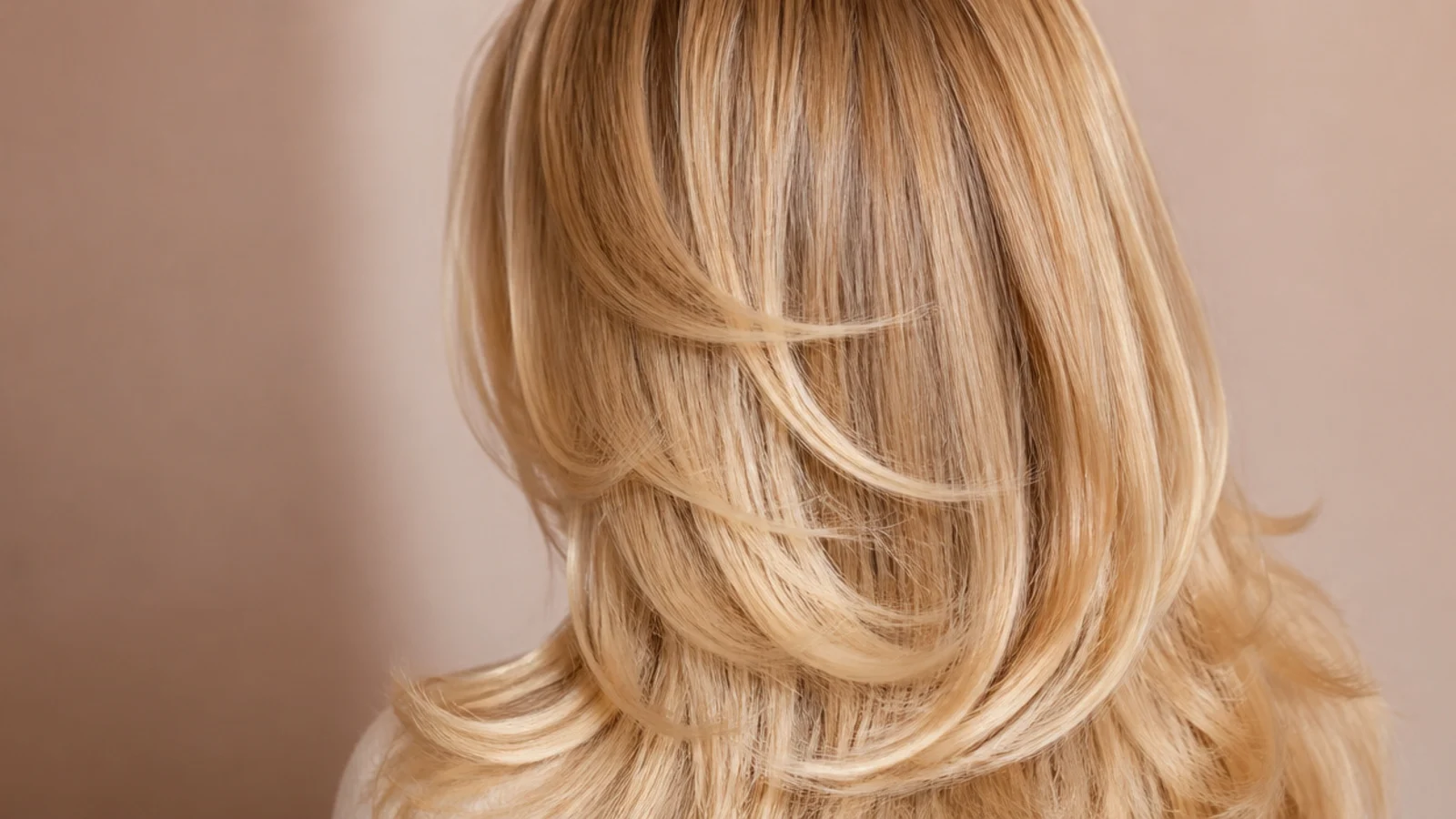
3. 70s Feathered Layers
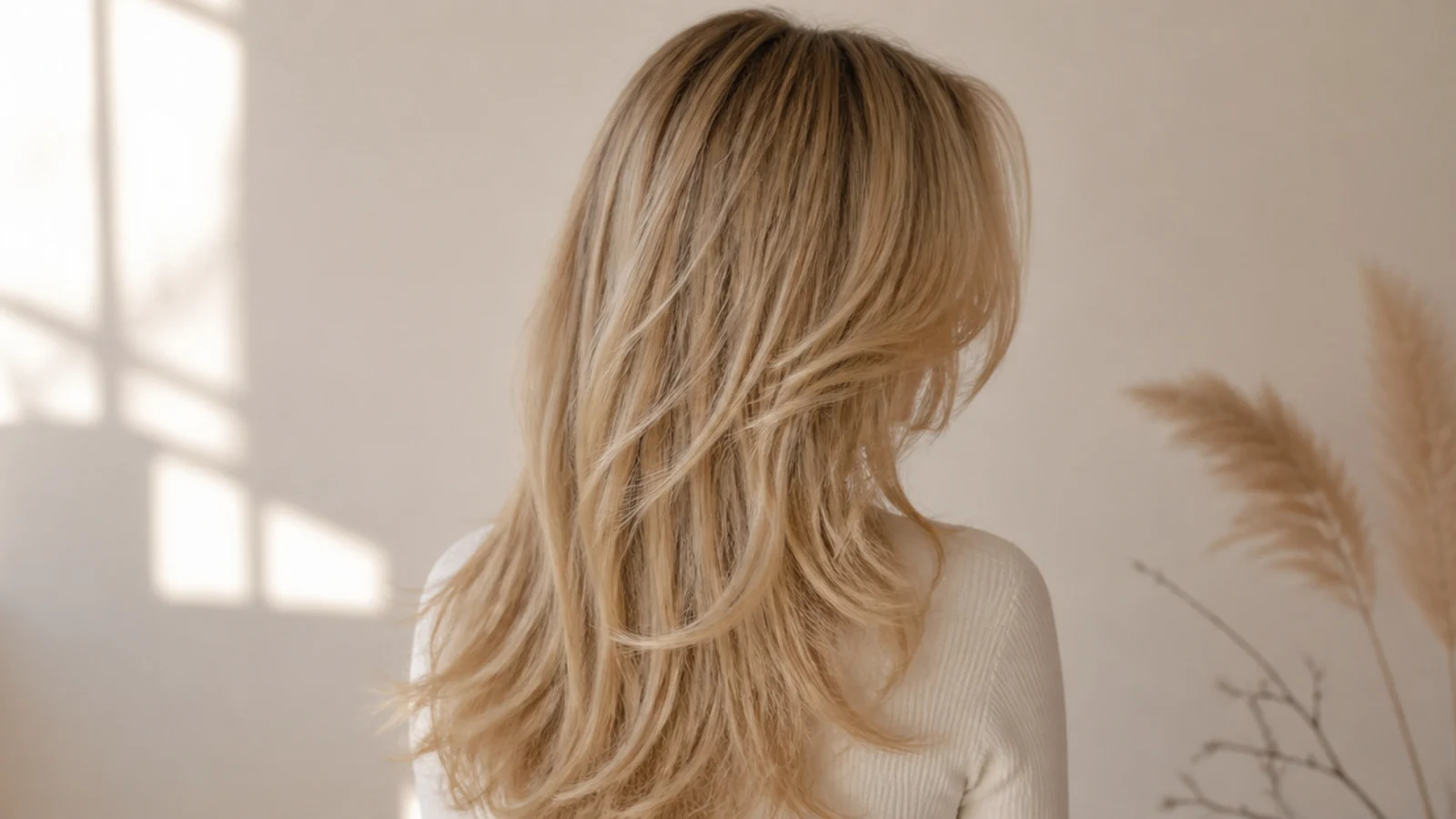
Cut at a steep angle so every layer end points away from the face. The steeper the angle, the more the ends flick outward on their own, which is why this version reads as styled even air dried while a soft graduation needs a brush to show.
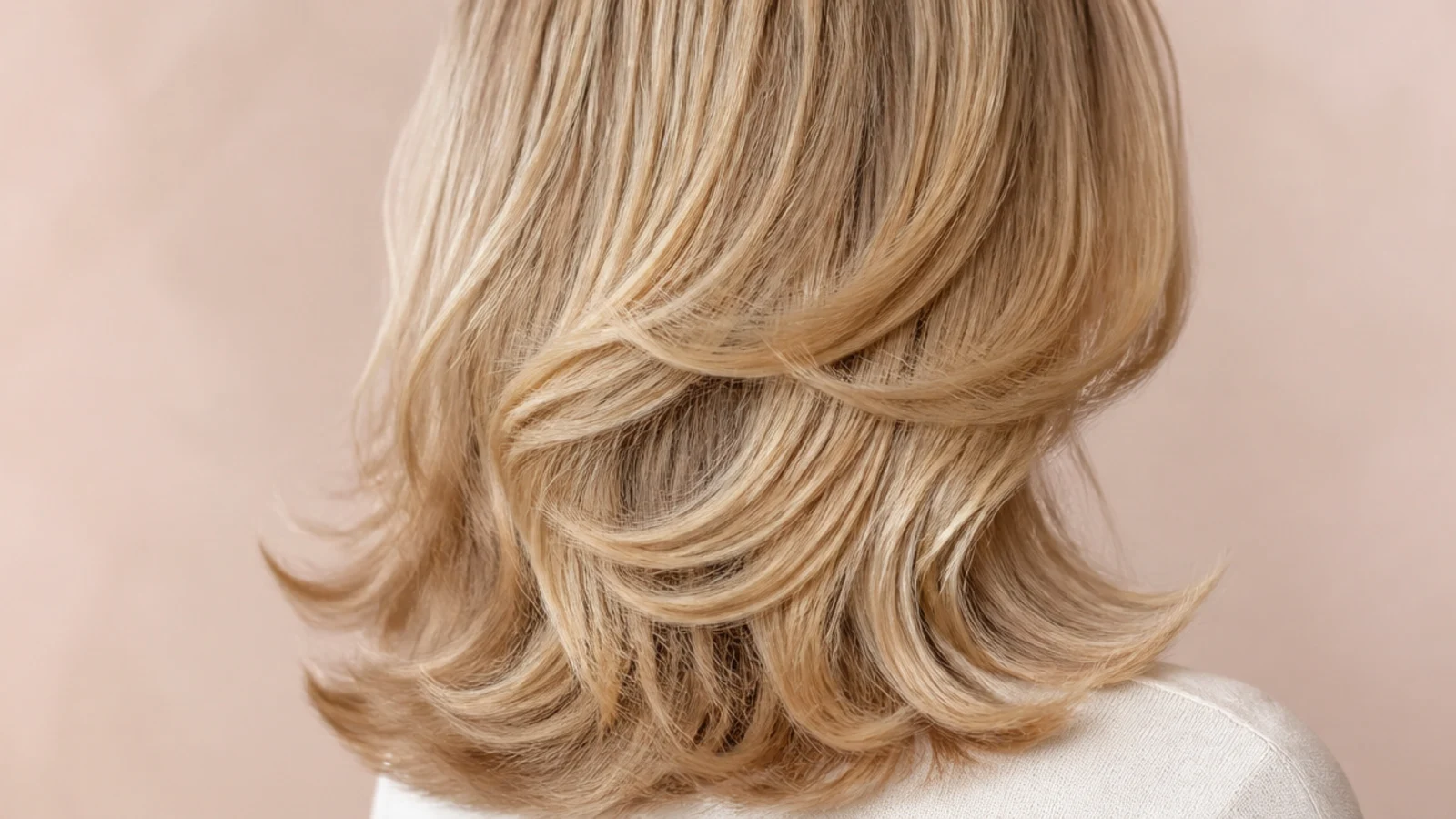
4. Collarbone Layers
The perimeter at the collarbone with the interior layered above it. At this length the hair still swings freely, so the layers stay visible, whereas the same graduation much further down is pressed flat by the weight of the length below it.
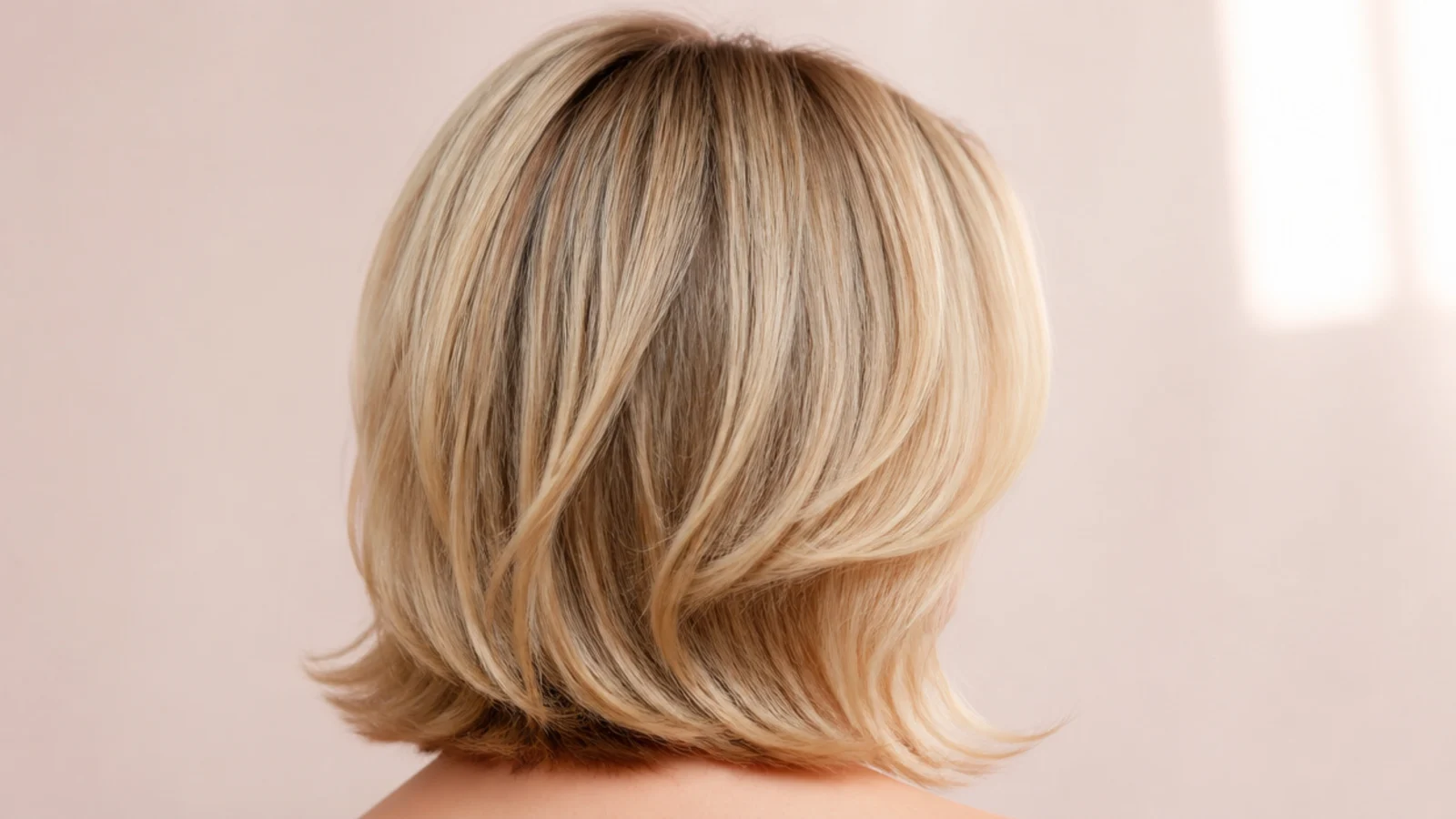
5. Face Framing to the Jaw
Only the front sections are shortened and the rest of the head is untouched. Because the jaw is the widest point of most faces, ending the shortest piece there adds width exactly where the face already has it rather than creating a new widest point higher up.
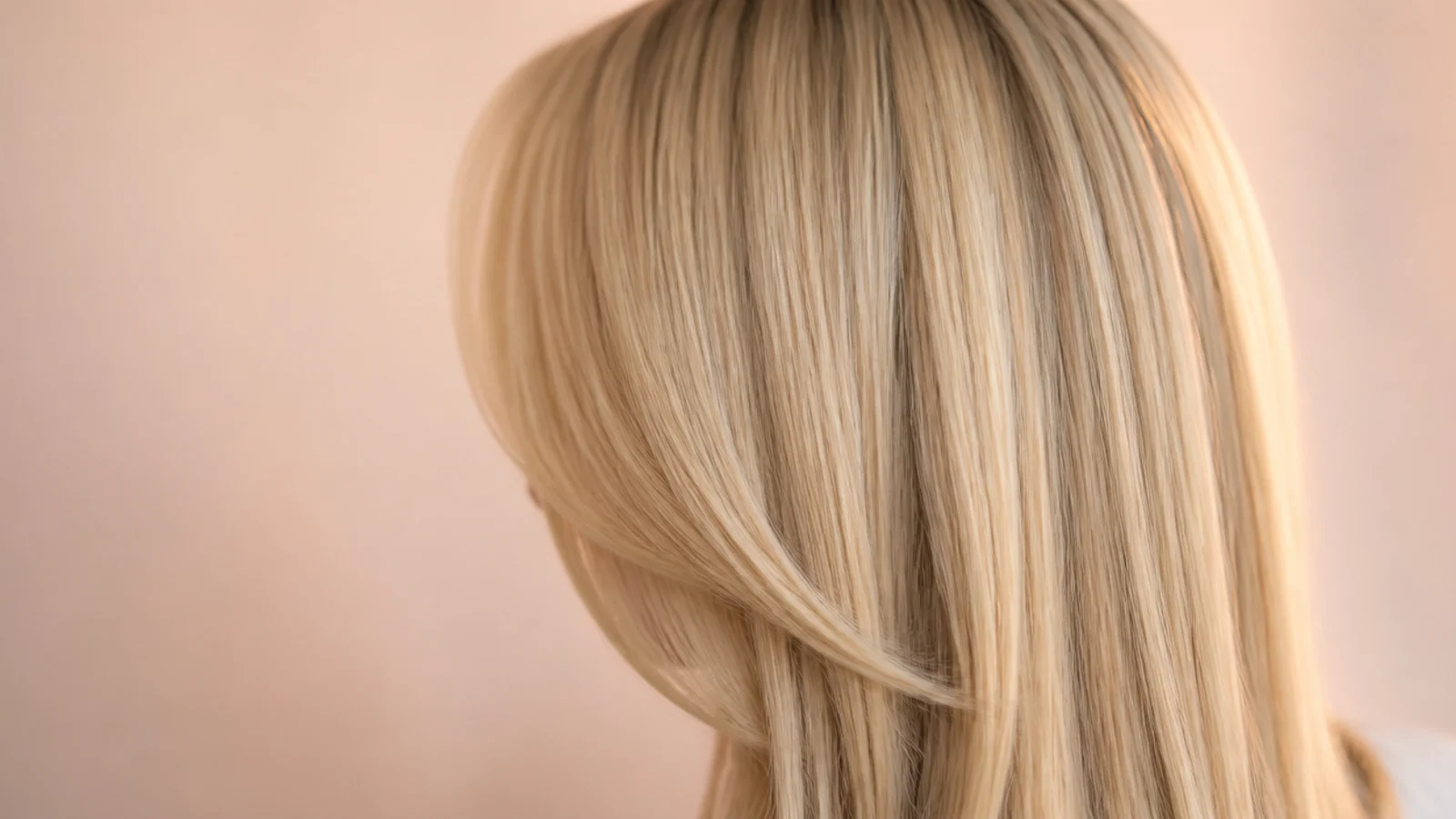
6. Invisible Layers for Fine Hair
The layer is taken from underneath the section so the surface length stays completely unbroken. Fine hair reads as dense because every strand ends on one line, and this is the only way to add interior movement without giving that up.
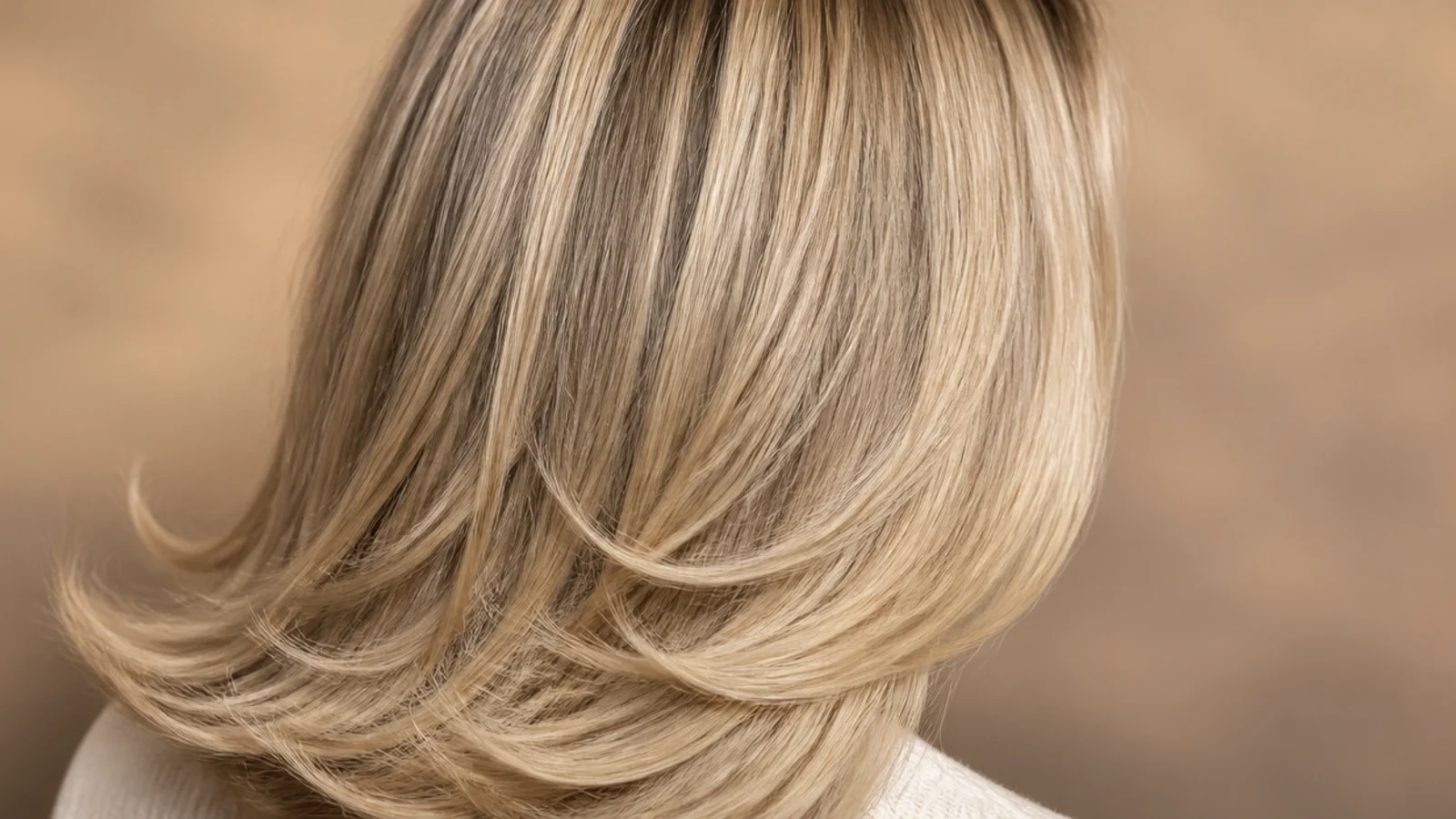
7. U Shaped Layers
The perimeter itself is cut in a shallow U, longest at the centre back and rising towards the sides. The curve follows the way hair naturally falls around the shoulders, so the outline reads level in the mirror even though it is not cut straight.
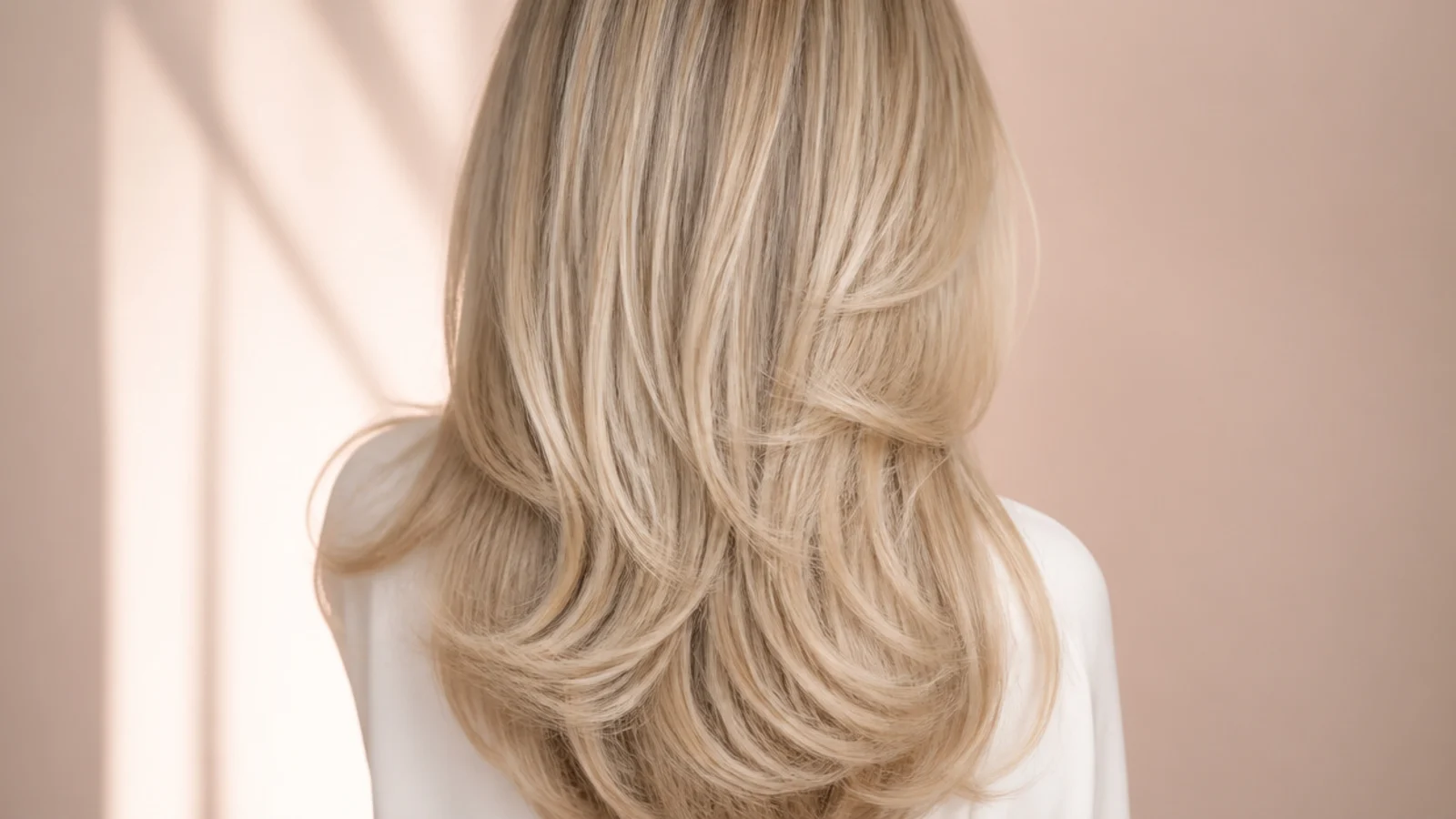
8. Blowout Cut With Rounded Layers
Layers cut with a rounded graduation rather than a straight one, so each end sits slightly shorter than the piece beneath it. That built in curve means a round brush only has to follow a shape the cut has already suggested, which is why it holds a turn under with almost no effort.

9. Medium Shag With Curtain Bangs
The shortest layer moves up to the crown, which is the line between this and long layers. Short pieces stacked over long ones create visible steps and a lot of height, so it wants thick or wavy hair with enough density to fill the gaps.
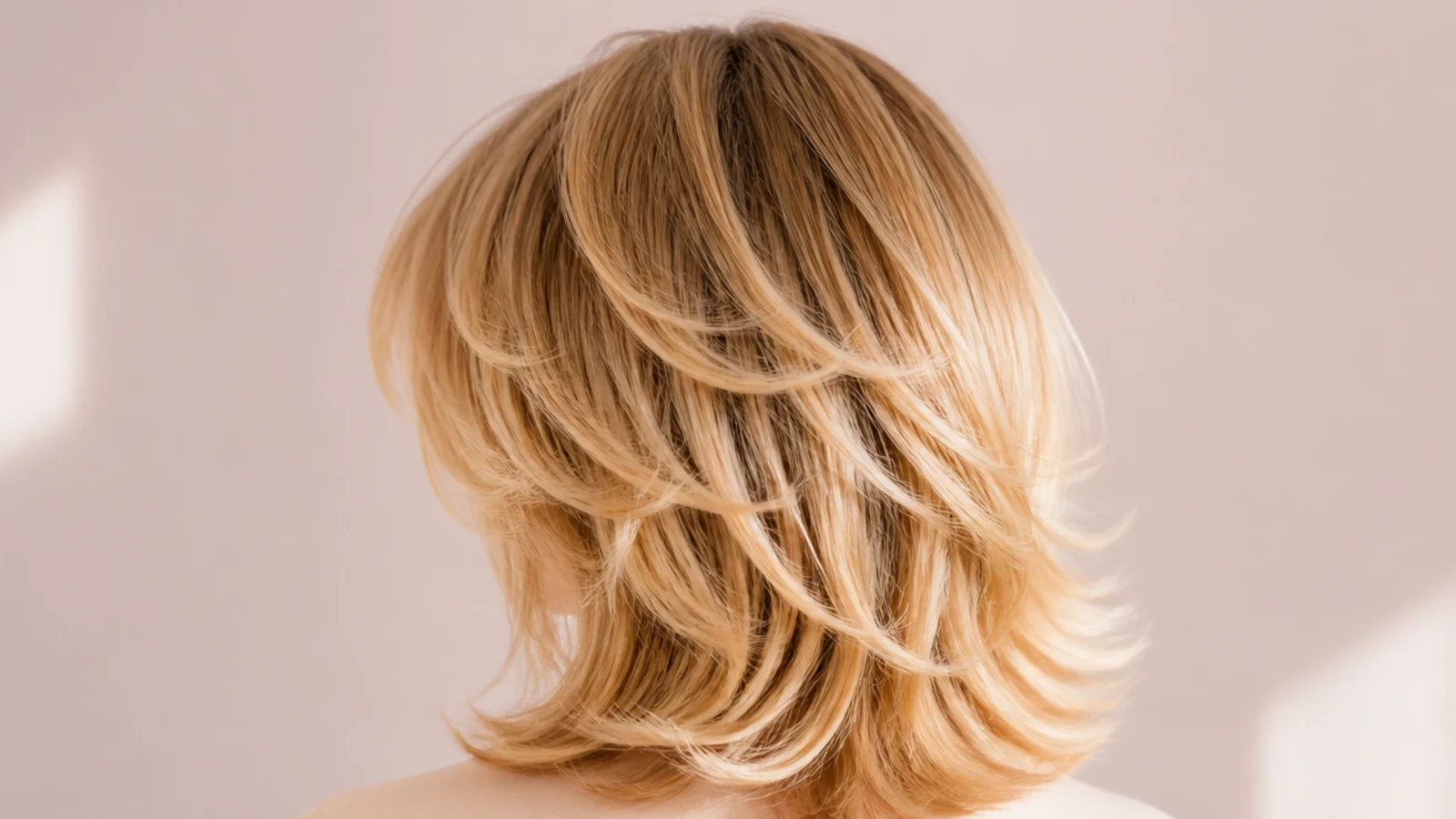
10. Lob With Bottleneck Bangs
A long bob with a fringe that pinches narrow at the centre and widens at the temples. The narrow point draws a vertical down the middle of the face while the flared sides carry the eye outward, which balances a shorter perimeter that would otherwise widen the head.
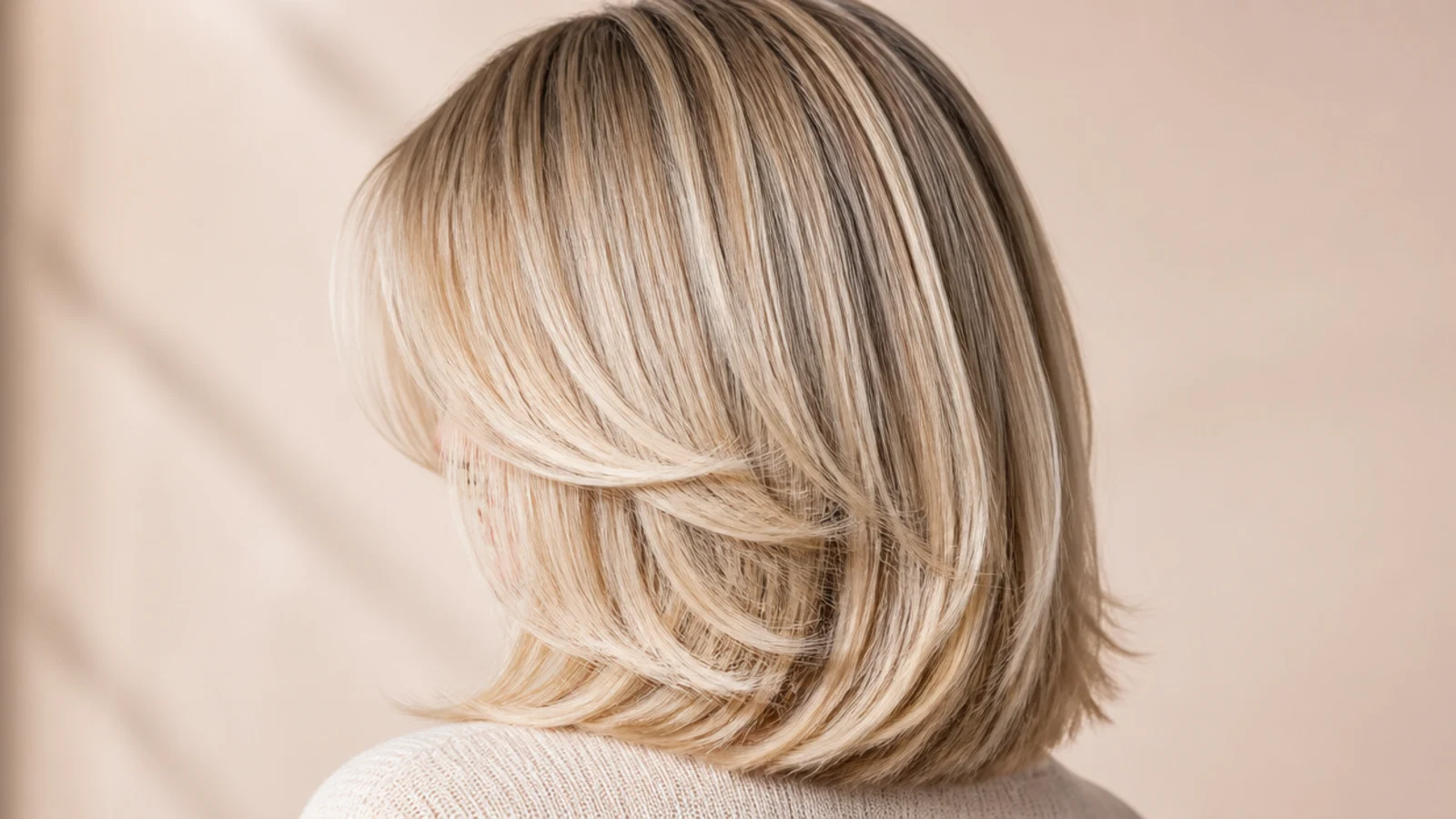
11. Long Layers With Tapered Ends
The perimeter is point cut so the outline softens rather than ending on one line. This only suits genuinely thick hair, because the technique removes density from the very place the shape is widest and fine hair cannot spare it.
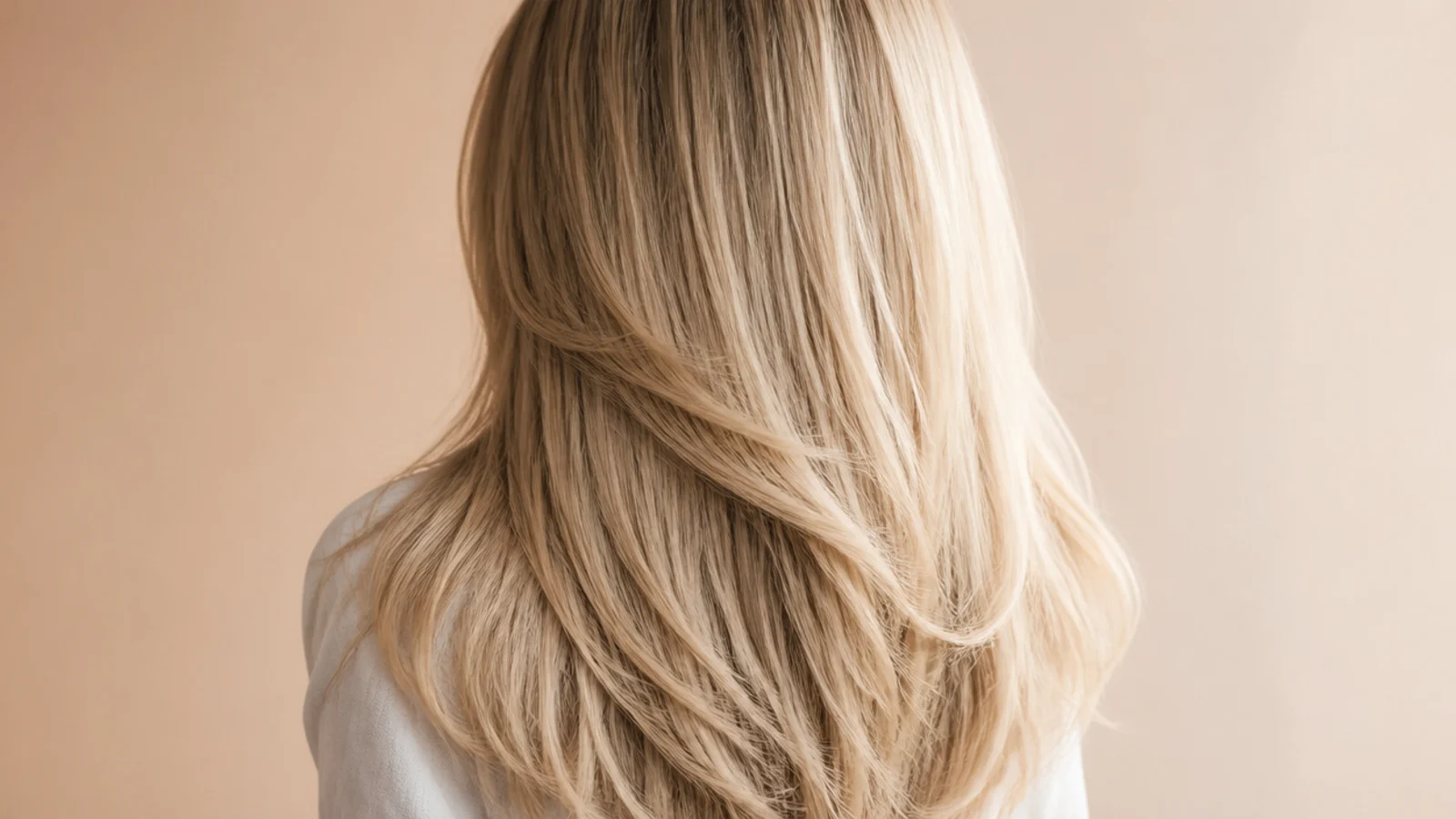
12. Choppy Layers for Thick Hair
Steps left deliberately visible instead of blended out. On very thick hair a blended graduation disappears entirely under the density, so the layers have to be cut with enough separation between lengths to show at all.
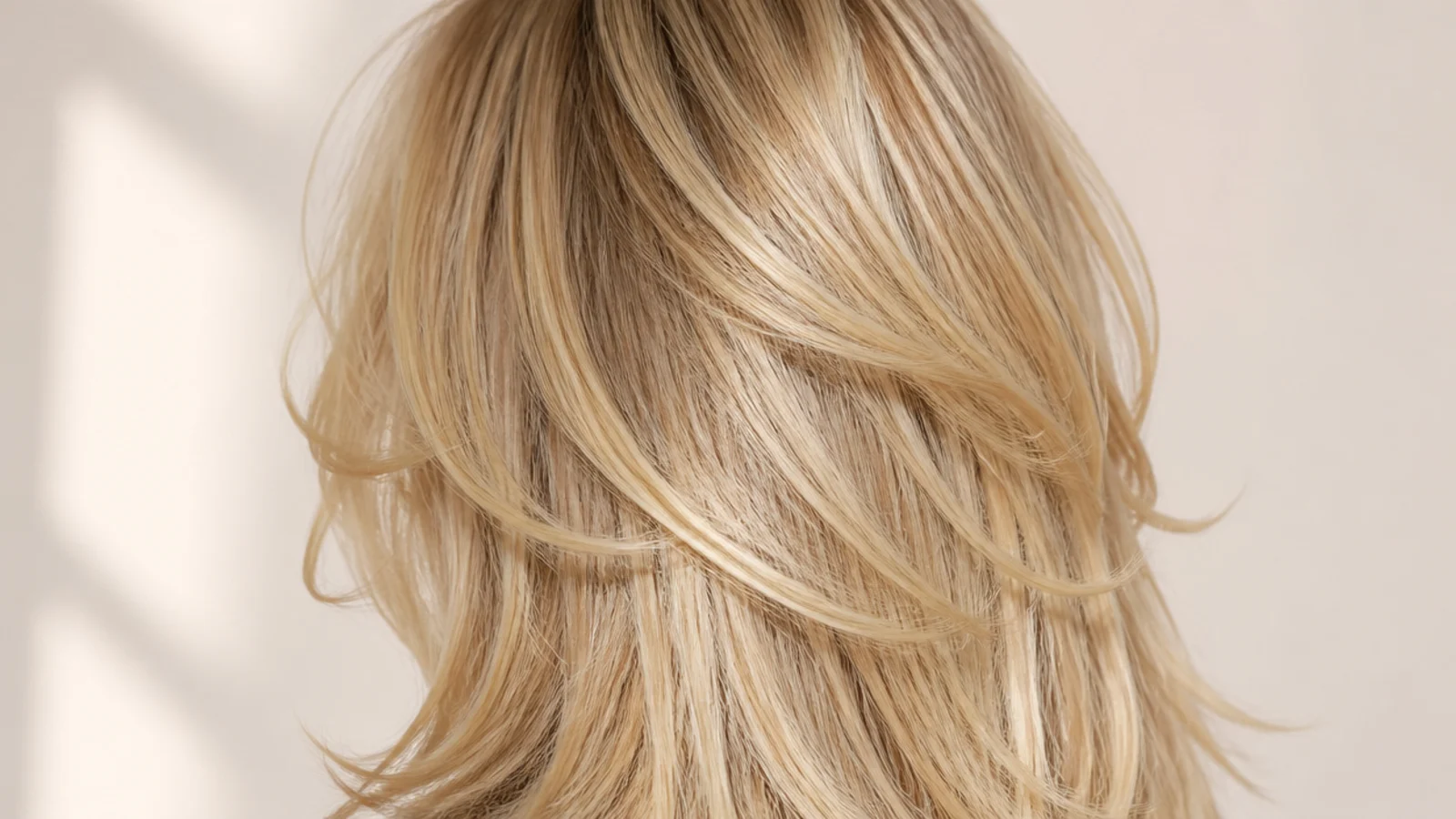
13. Crown Layers for Root Volume
Short layers cut only through the top of the head and nowhere else. Shorter hair at the crown props up the longer hair lying over it, so the lift is structural and survives the day rather than depending on a brush and a cool shot.
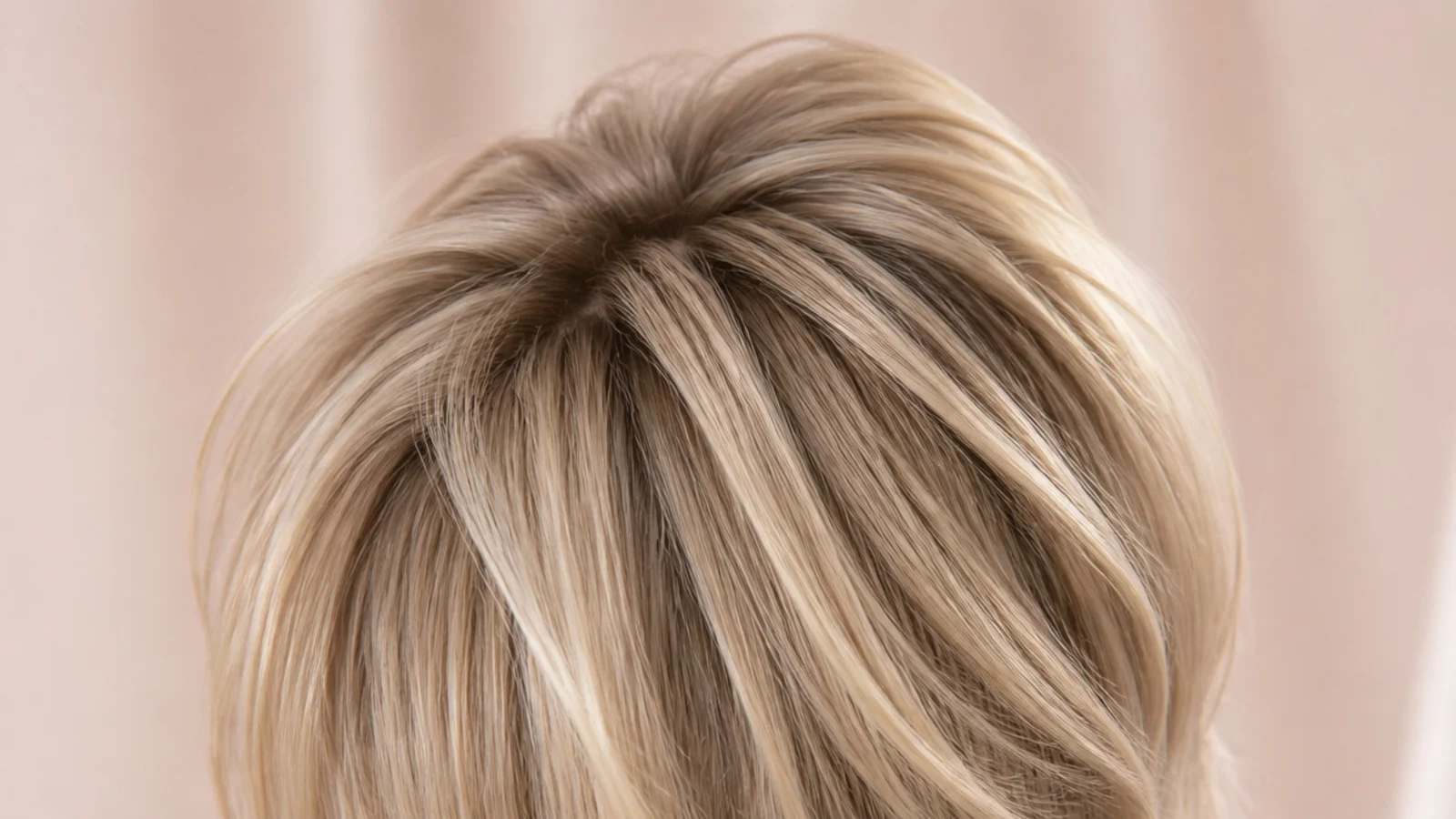
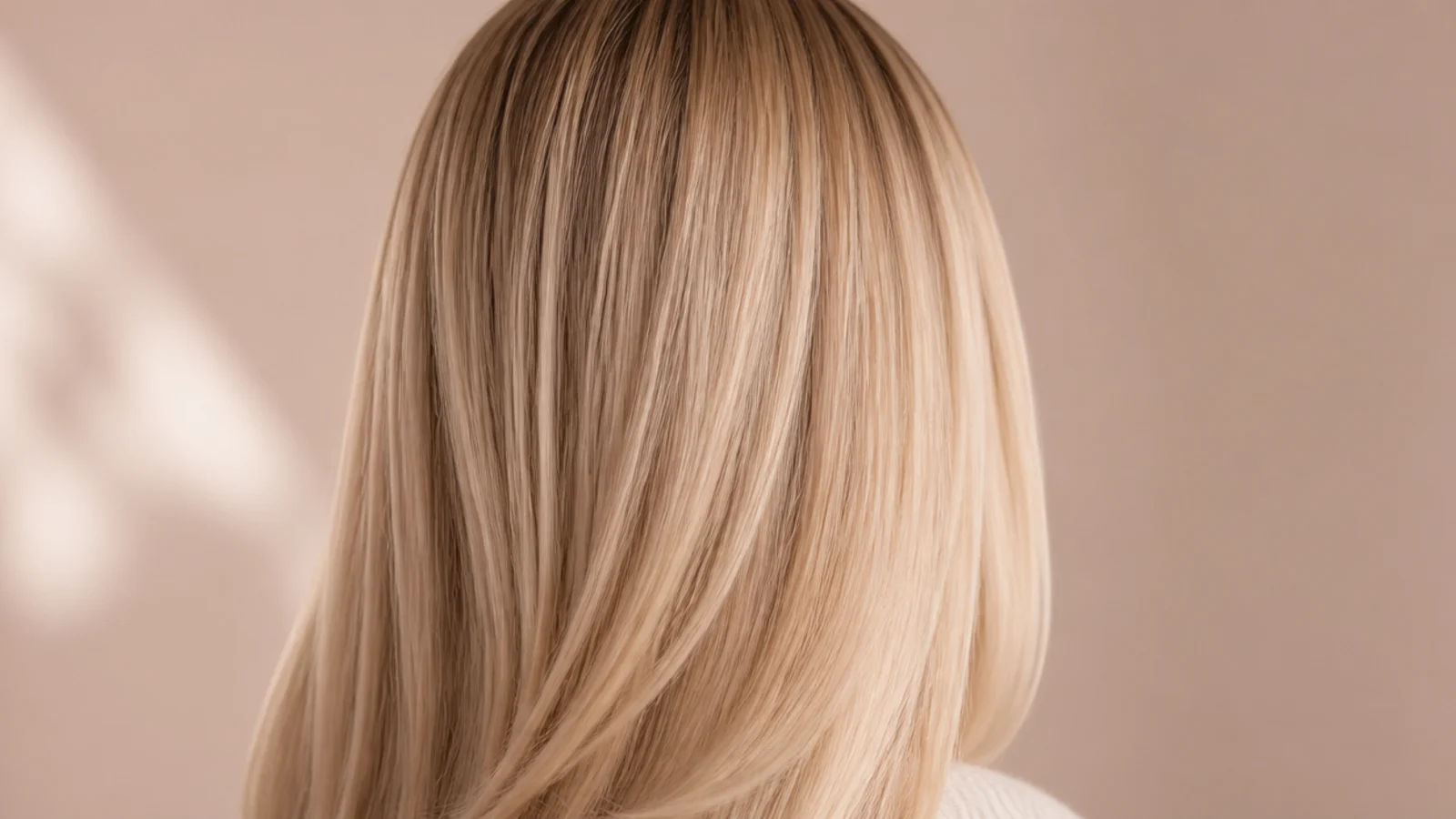
14. Sleek Straight Center Part
Layers judged with everything flat ironed. Straightening exposes exactly where each layer ends, so a cut that reads beautifully with a bend in it will show every uneven step here, making this the honest test of how well the graduation was blended.
15. Textured Layers on Natural Waves
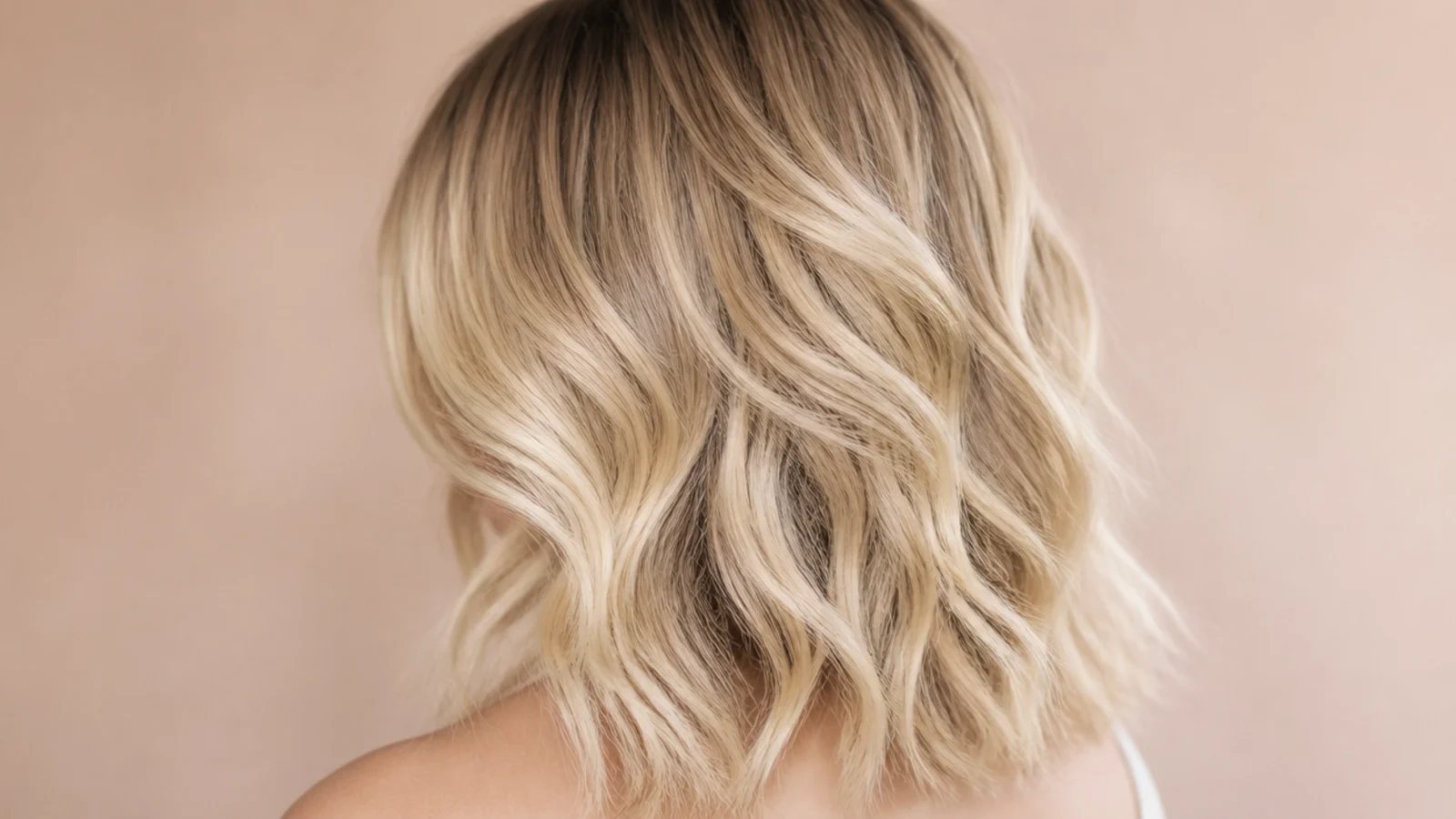
Layers placed to work with where the wave already bends rather than across it. A layer ending mid bend disappears into the pattern, which is why cutting this shape on damp hair with the natural wave left intact gives a very different result to cutting it stretched.
16. Long Layers on Curly Hair
Cut dry so the shrinkage is already accounted for. On curls, layering removes the weight holding the pattern down, so the same cut that drops a straight head lifts a curly one, and the shortest layer has to sit lower than it would on straight hair to compensate.
17. Grown Out Layers
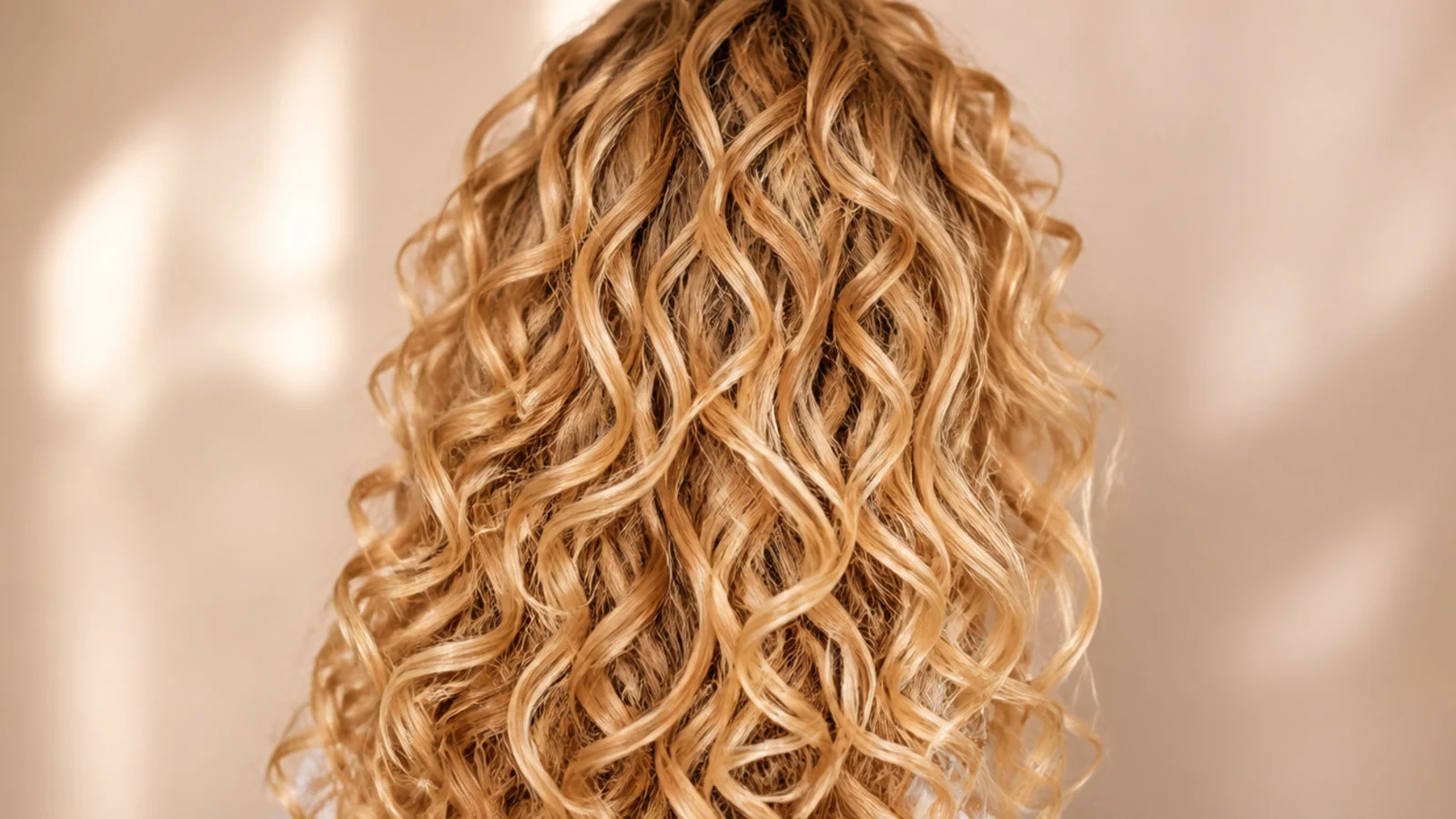
Five months on, with the steps closed by roughly two and a half inches of growth. The shape does not fail, it softens, and the point people notice is when the layers stop holding a blow dry rather than when they stop being visible.
18. Money Piece Face Framing
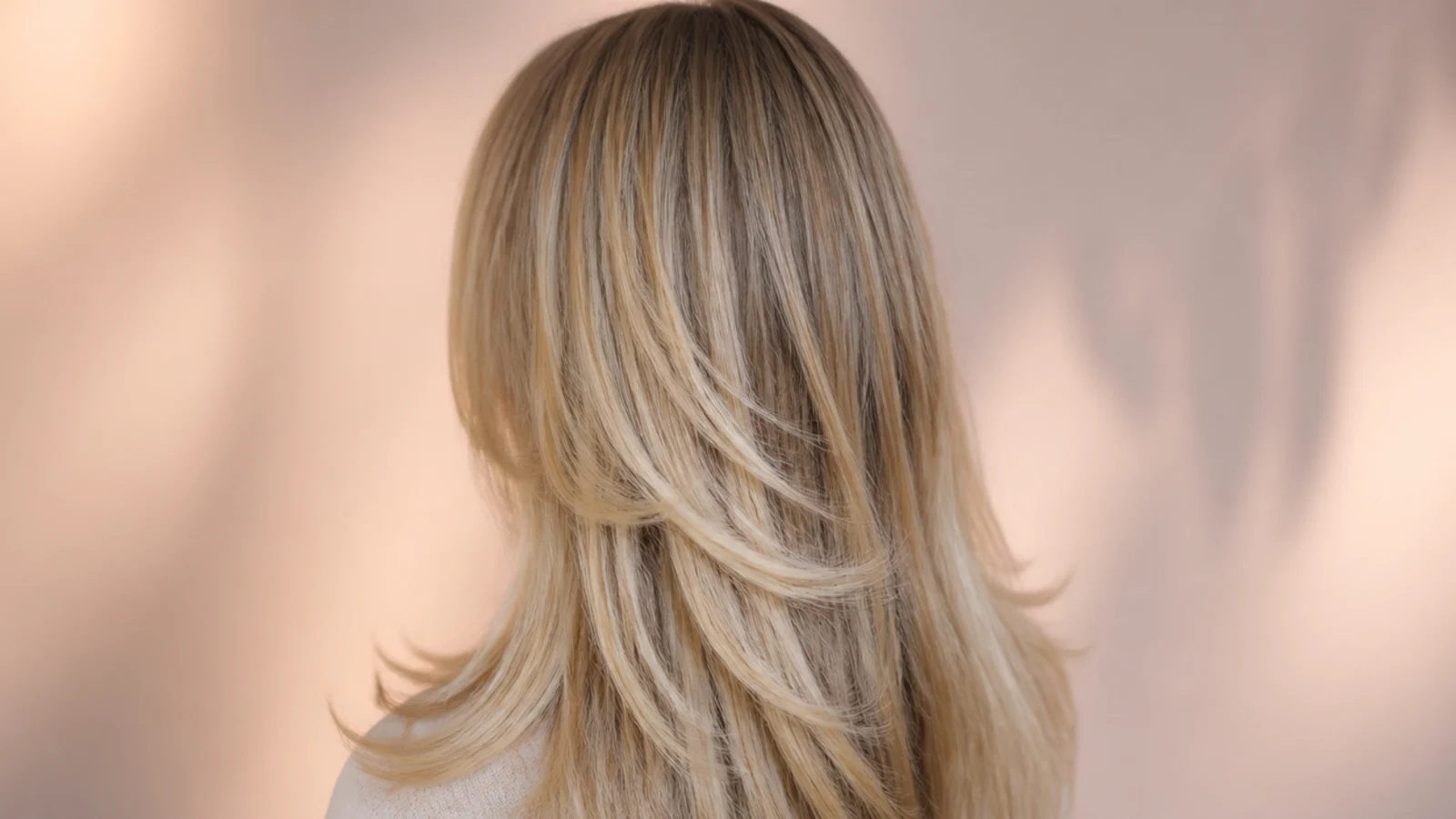
The colour version of the same idea. Lightening only the shortest front pieces puts the brightest hair where daylight lands on the face, so a handful of foils does the work of a full head and grows out along one soft edge.
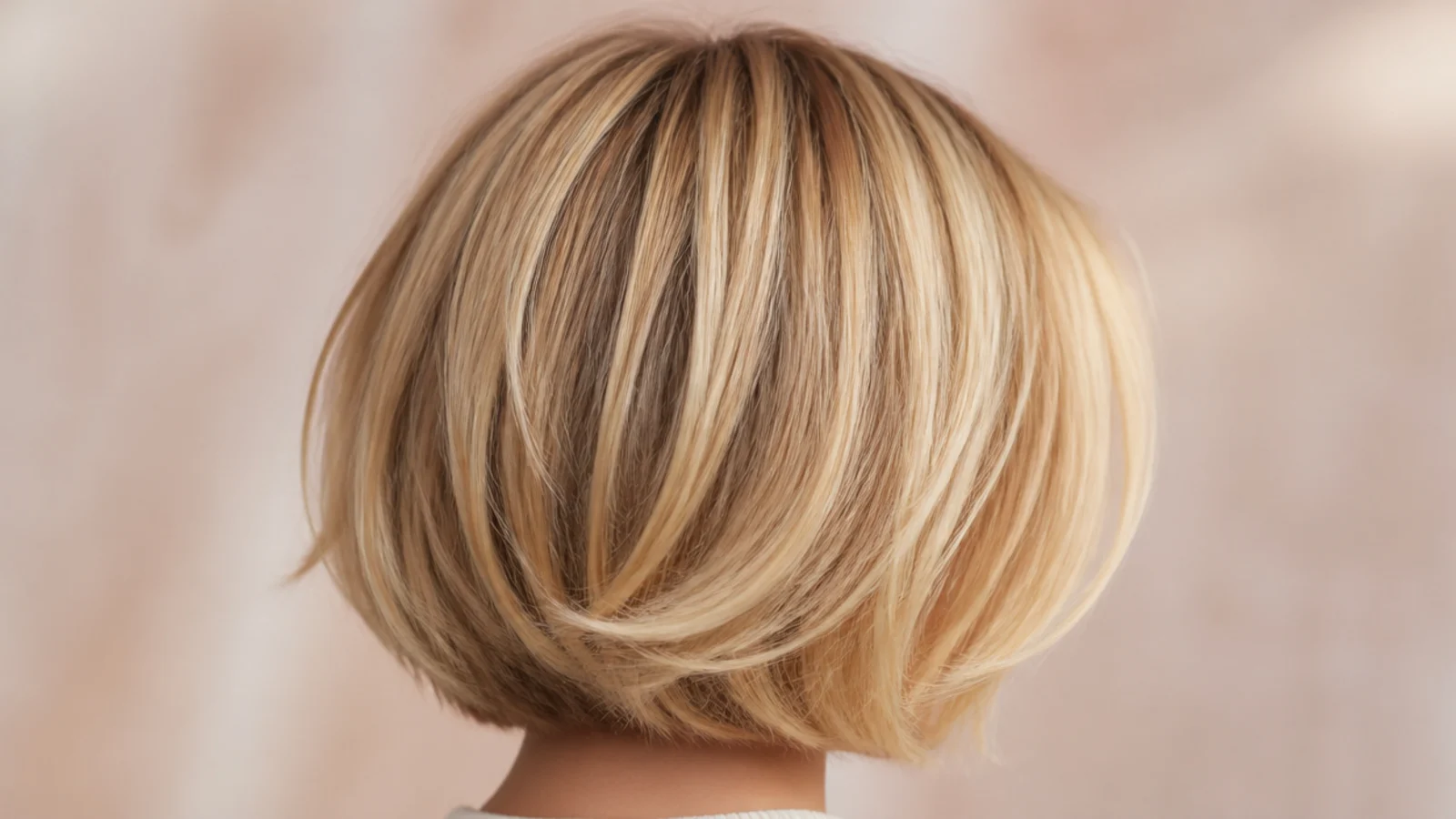
19. Layered Bob With a Short Fringe
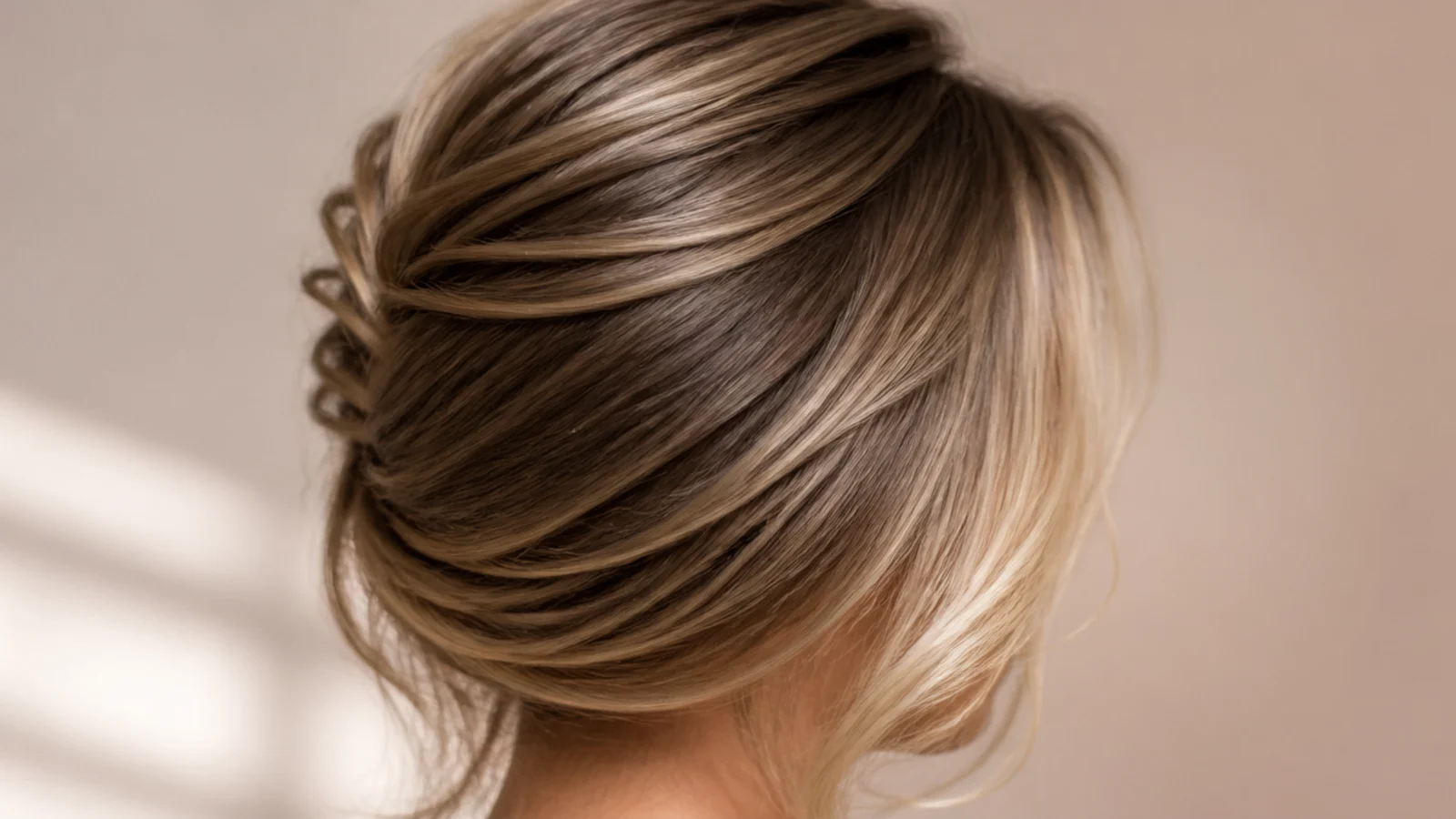
The shape taken to jaw length. A bob has far less weight pulling the ends down, so interior layers show much more strongly here than they do on long hair, and the fringe has to shorten with the perimeter to keep the proportion.
20. Layered Pixie With Feathering
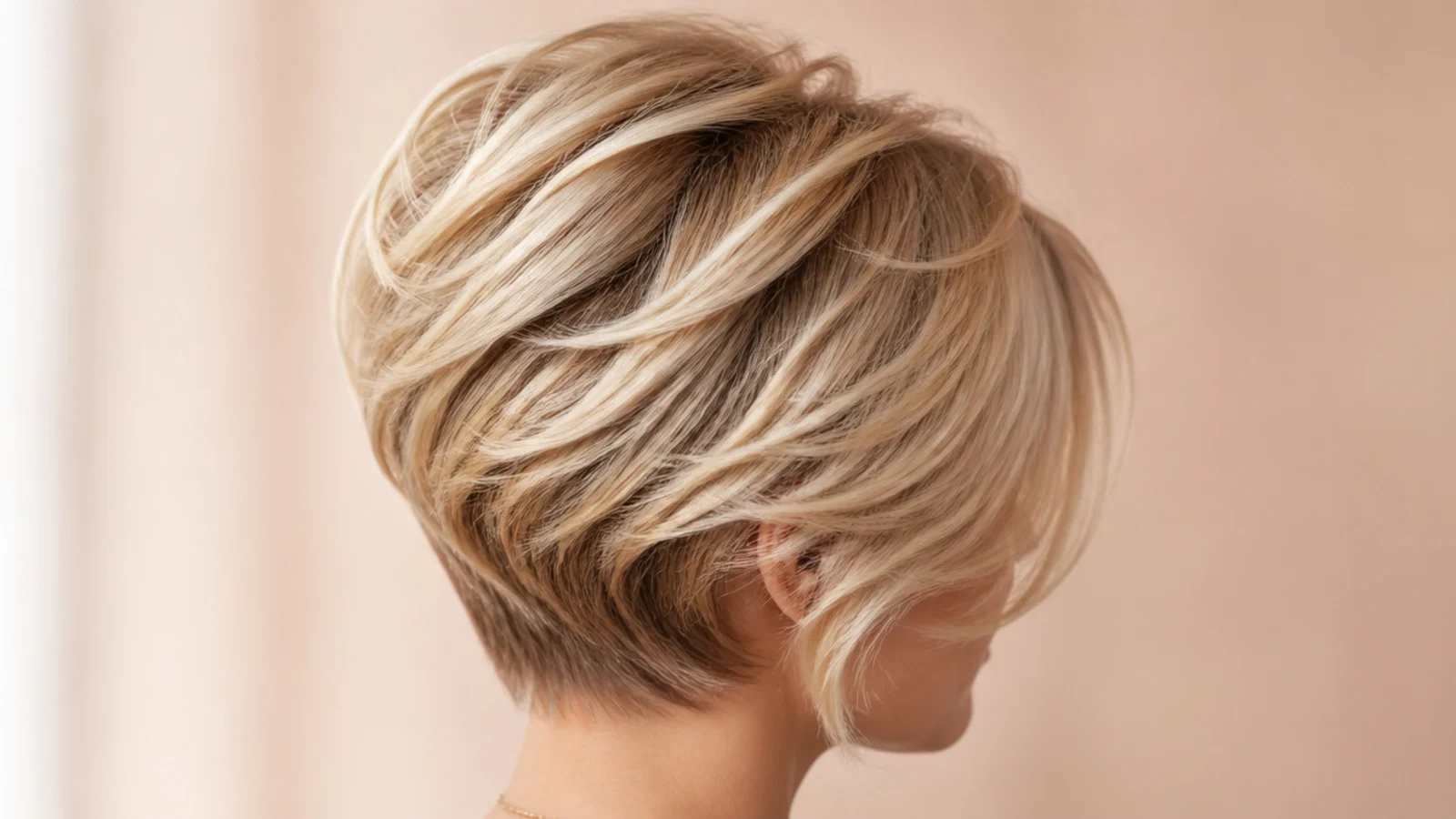
The shortest version in this set, with the graduation running from a longer top down into the sides. Feathering keeps the ends soft rather than blunt, which is what stops a pixie reading as a helmet once it is dried flat.
Final Thoughts
Bring one photo and one sentence. The sentence names the landmark for the shortest layer and states whether the perimeter is being touched, and it will do more for the result than a whole folder of references.
Then leave it alone. Layers soften rather than fail, and the temptation to book a tidy up at eight weeks is what turns long layers into a shag one appointment at a time. For the version built around the fringe see long hair with curtain bangs and layers. More in Celebrity Hair. See also the black version of this look.