20 Short Curtain Bangs Ideas That Flatter a Round Face
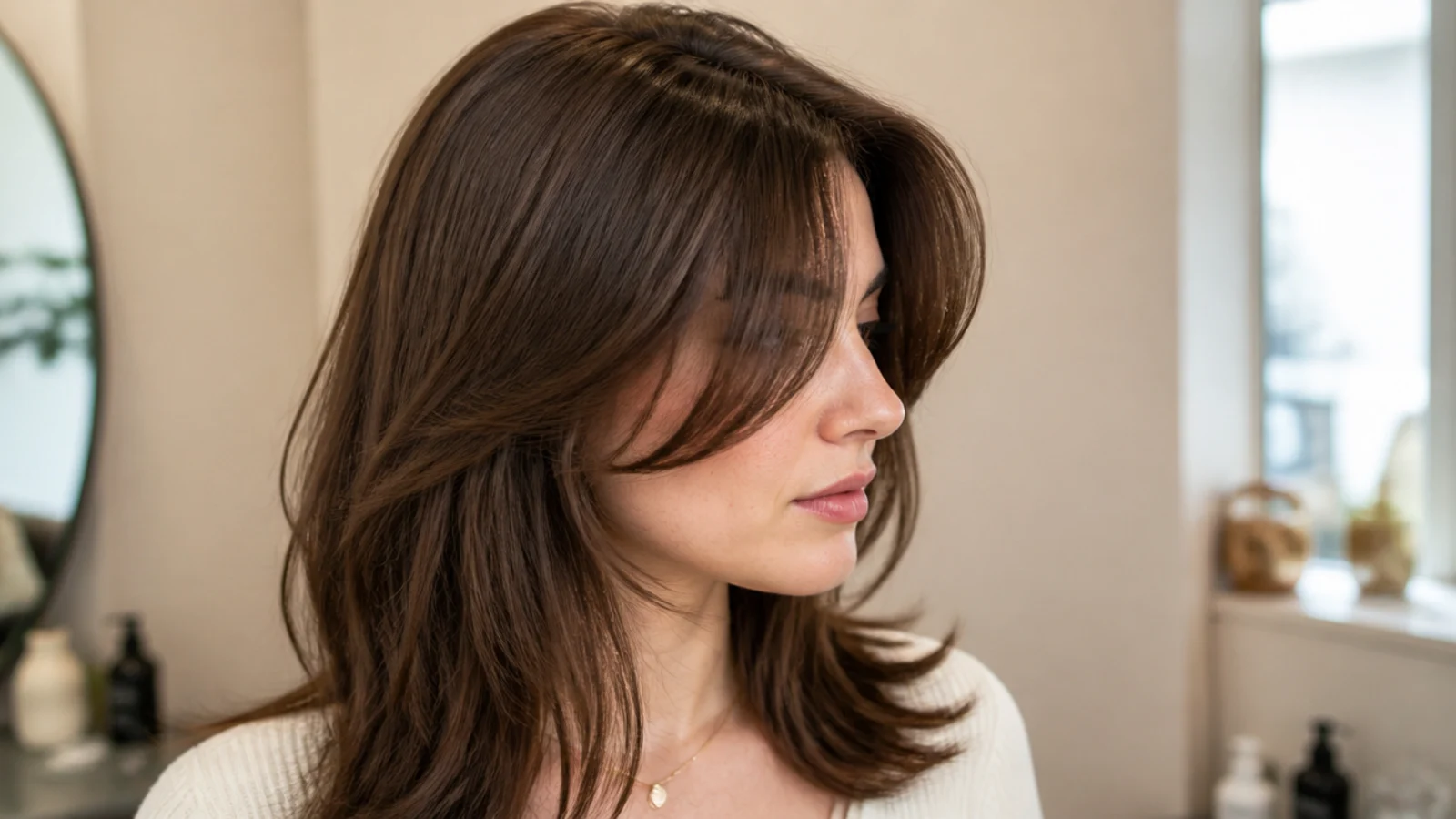
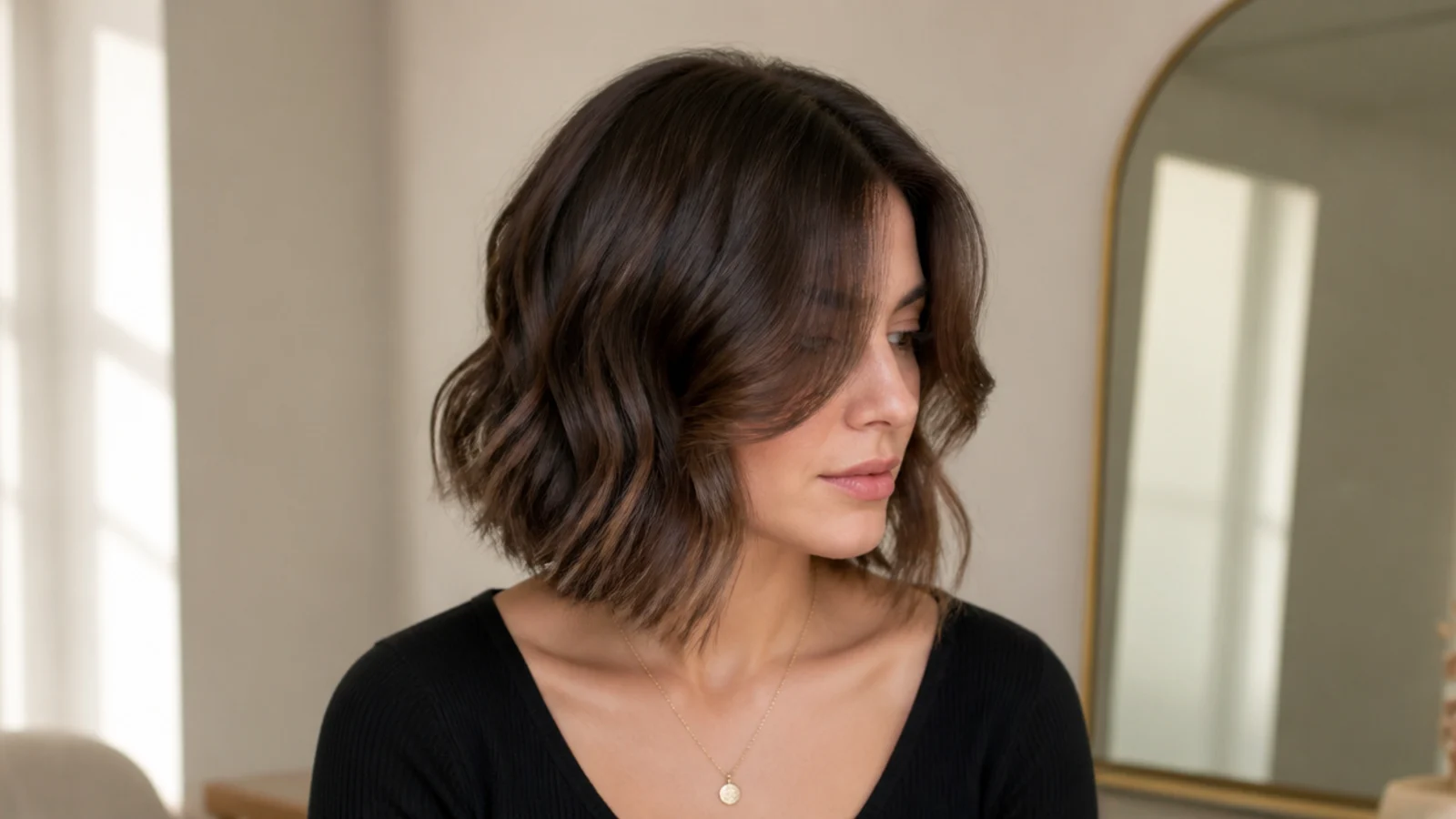
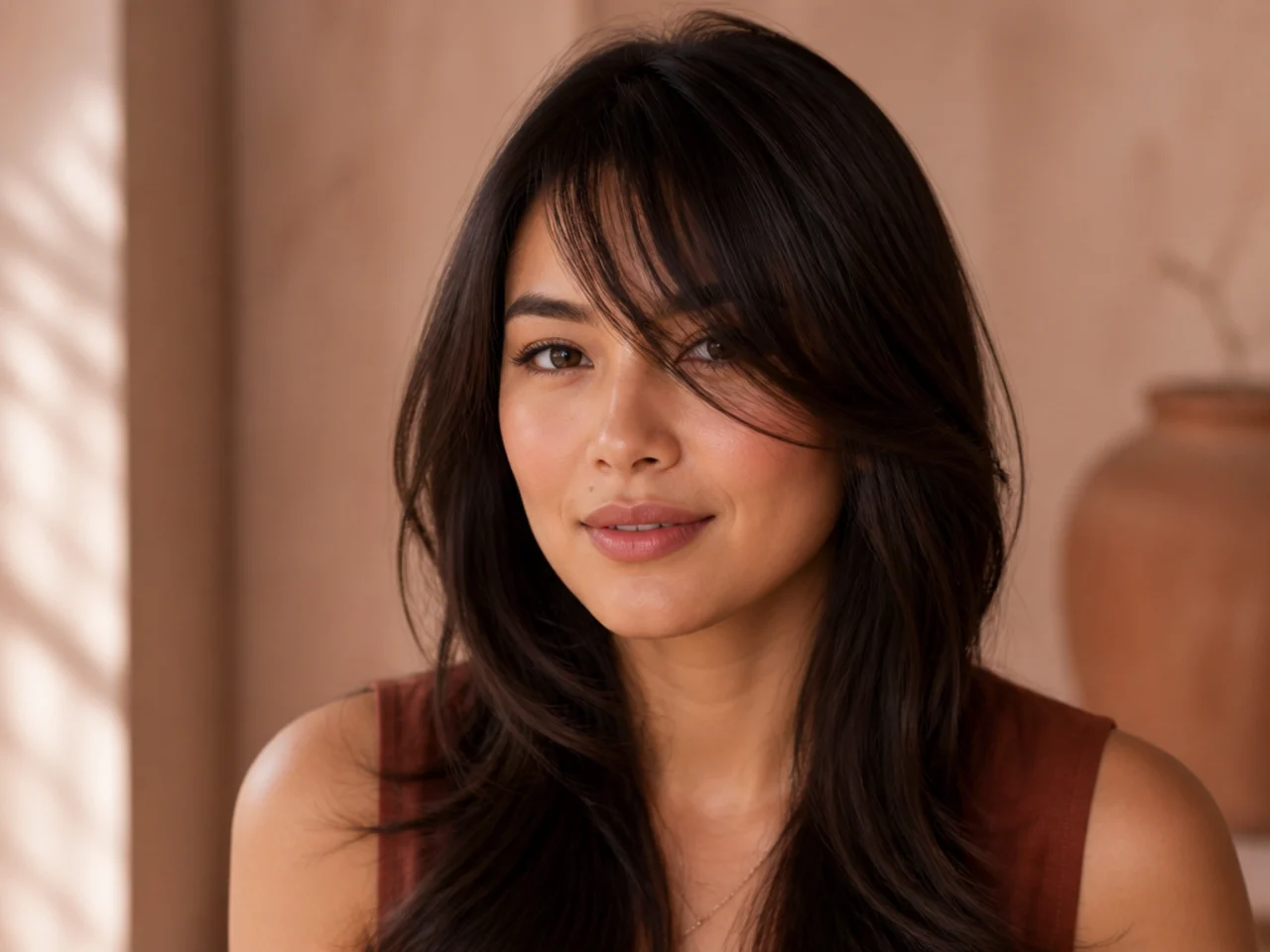
Twenty short curtain fringe ideas for a round face, and the reason a fringe helps here at all — it is the diagonal that works, not the length. A blunt fringe adds a horizontal at the brow and makes a round face rounder.
In this article · 28
- What Short Curtain Bangs Are
- Round Face Geometry
- How Short Is Too Short
- Styling at Home
- Trim Cadence and Cost
- Growing Them Out
- The 20 Short Curtain Bangs for a Round Face
- 1. Wispy Brow Skimming
- 2. Cheekbone Grazing
- 3. Chin Length Bob
- 4. See Through Fringe
- 5. Deep Side Swept
- 6. Long Layers
- 7. Textured Shag
- 8. Fine Hair
- 9. Curly
- 10. Wavy
- 11. Straight
- 12. French Bob
- 13. Baby Bangs
- 14. Lob
- 15. Korean See Through
- 16. Long Pixie
- 17. Money Piece
- 18. Wolf Cut
- 19. Half Up
- 20. Grown Out
- Final Thoughts
A fringe helps a round face because of the shape it draws, not because of the forehead it covers.
The diagonal is the working part. Two halves falling from a centre split down to the cheek cross the face at an angle, and an angle is the one thing a circle does not contain.
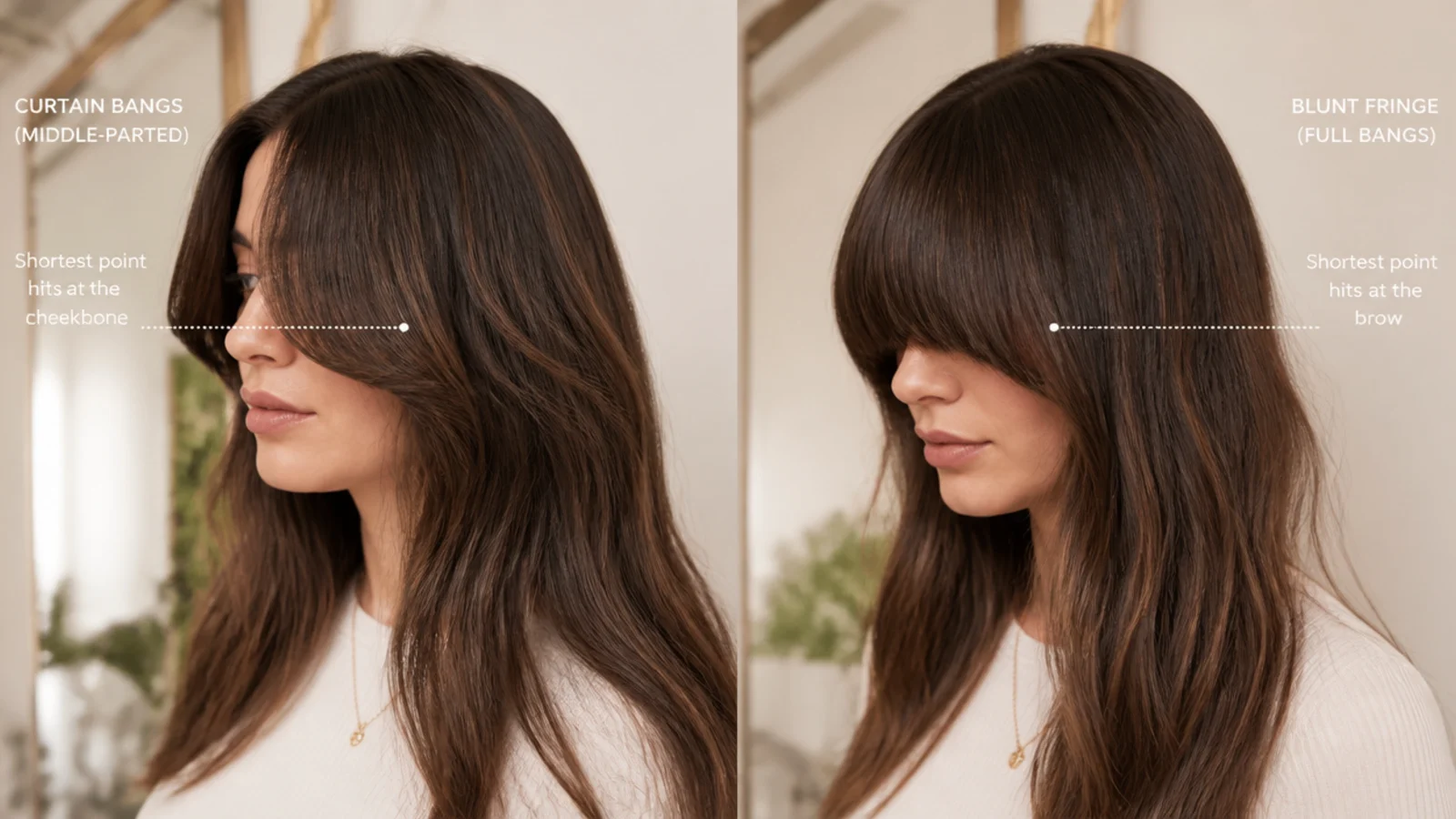
A blunt fringe does the reverse. It lays a horizontal across the brow and shortens the visible face at the same time, which is the opposite of what a round shape needs.
What Short Curtain Bangs Are
A centre split with a graduated edge. Shortest in the middle, longest at the outside, both halves falling away from the face.
Short describes the middle only. A standard curtain fringe starts at the cheekbone. A short one starts at or above the brow, which is a difference of about two inches.
The outer length is the important measurement. It sets the angle of the diagonal, and the angle is what a round face responds to.
They are cut from a triangle at the hairline. Depth back from the hairline sets density, width across the head sets how far the diagonal travels.
Round Face Geometry
Width and length are close to equal. That is the definition, and every decision follows from it.
The widest point is the cheek. Anything that finishes there adds width at the place it is least wanted, including a bob line and the ends of a fringe.
Horizontals echo the shape, diagonals cut it. A straight line across the brow reads as another width measurement. A slanted one reads as a length measurement.
Exposed forehead adds visible length. A see through or widely opened fringe lets the centre of the face stay visible, which is why a heavy fringe rarely works here.
How Short Is Too Short
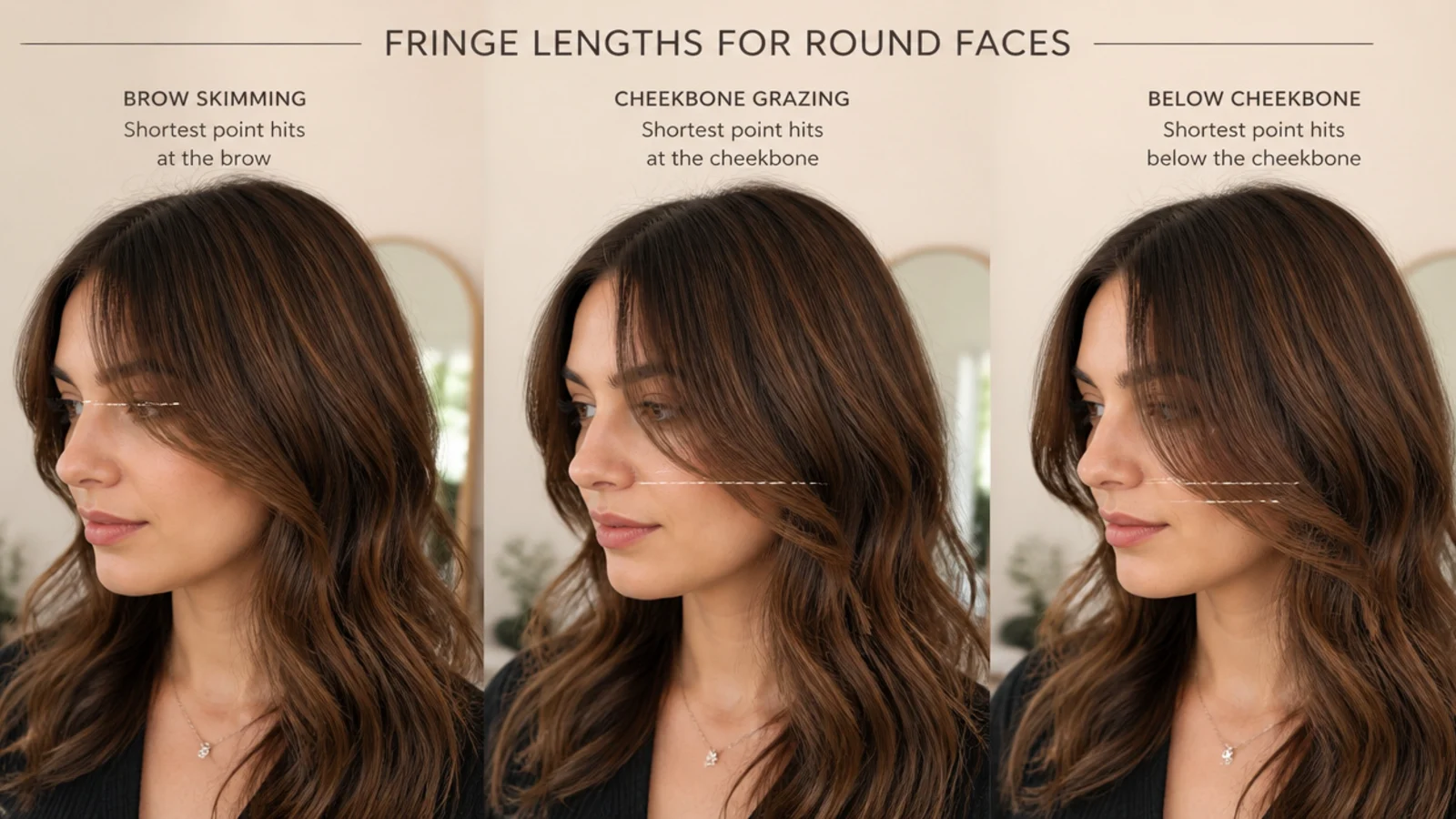
The centre can go above the brow. That is not the failure point, and a high shortest point actually exposes more forehead.
The outer ends are where it goes wrong. Once they come up above the eye the fringe stops being two diagonals and becomes one horizontal band.
Keep at least an inch and a half between centre and outer ends. That gap is the angle. Less than that and the graduation is too flat to register.
A cheekbone finish is the safe target. It puts the end of the diagonal at the widest part of the face, which is where the line has the most work to do.
Styling at Home
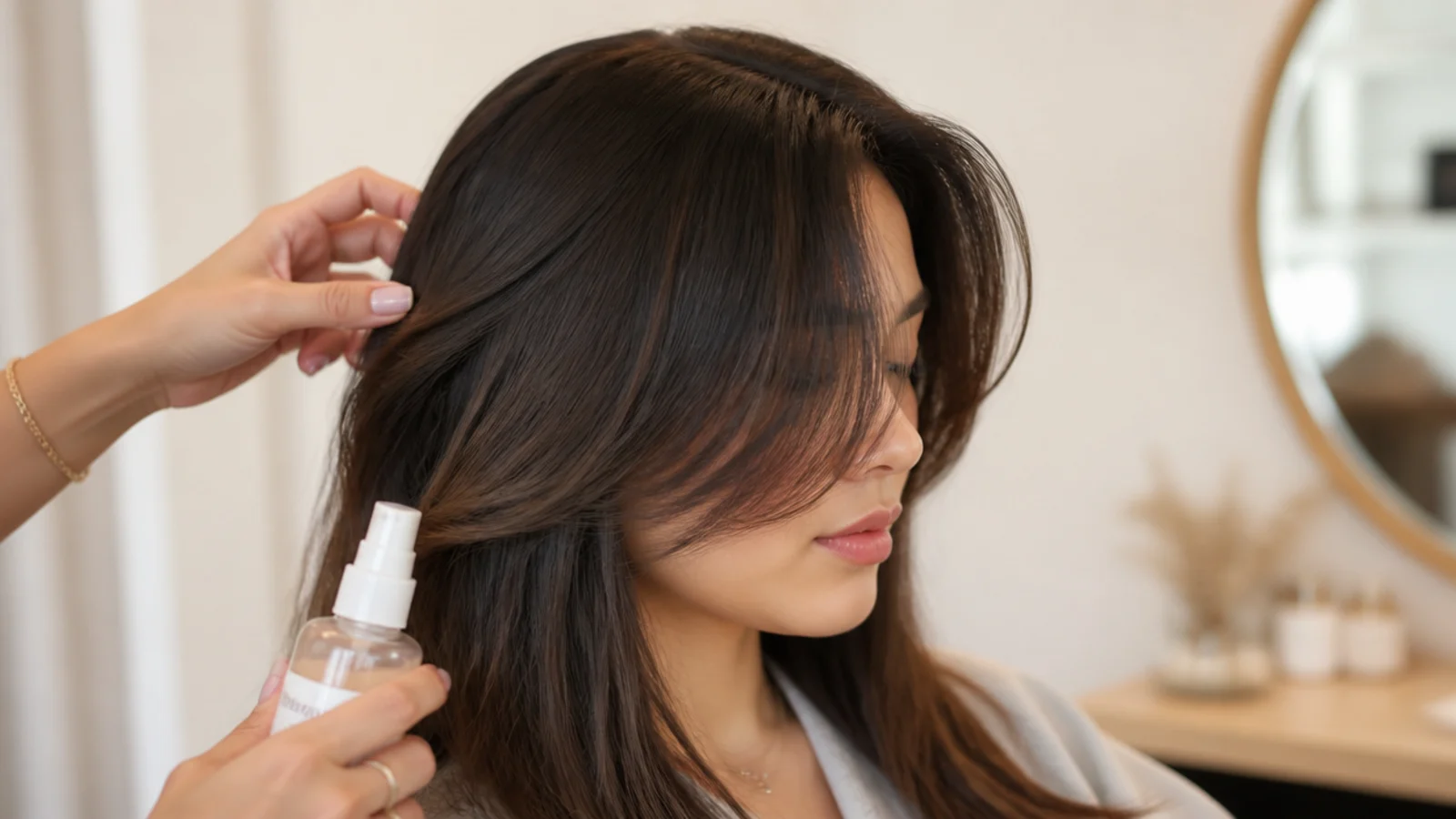
Dry the fringe first and from wet. Hydrogen bonds reform as the water leaves, so the shape it dries in is the shape it holds until it is wet again.
Over direct the root to the opposite side. Dry each half pushed across the head, then let it fall back. That is where the lift at the part comes from.
Finish cool. Hair sets while it cools rather than while it is hot, so a few seconds of cold air is what makes the bend last the day.
Send the ends outward, never inward. An inward flick curls the fringe back onto the cheek and puts width straight back where you just removed it.

Trim Cadence and Cost
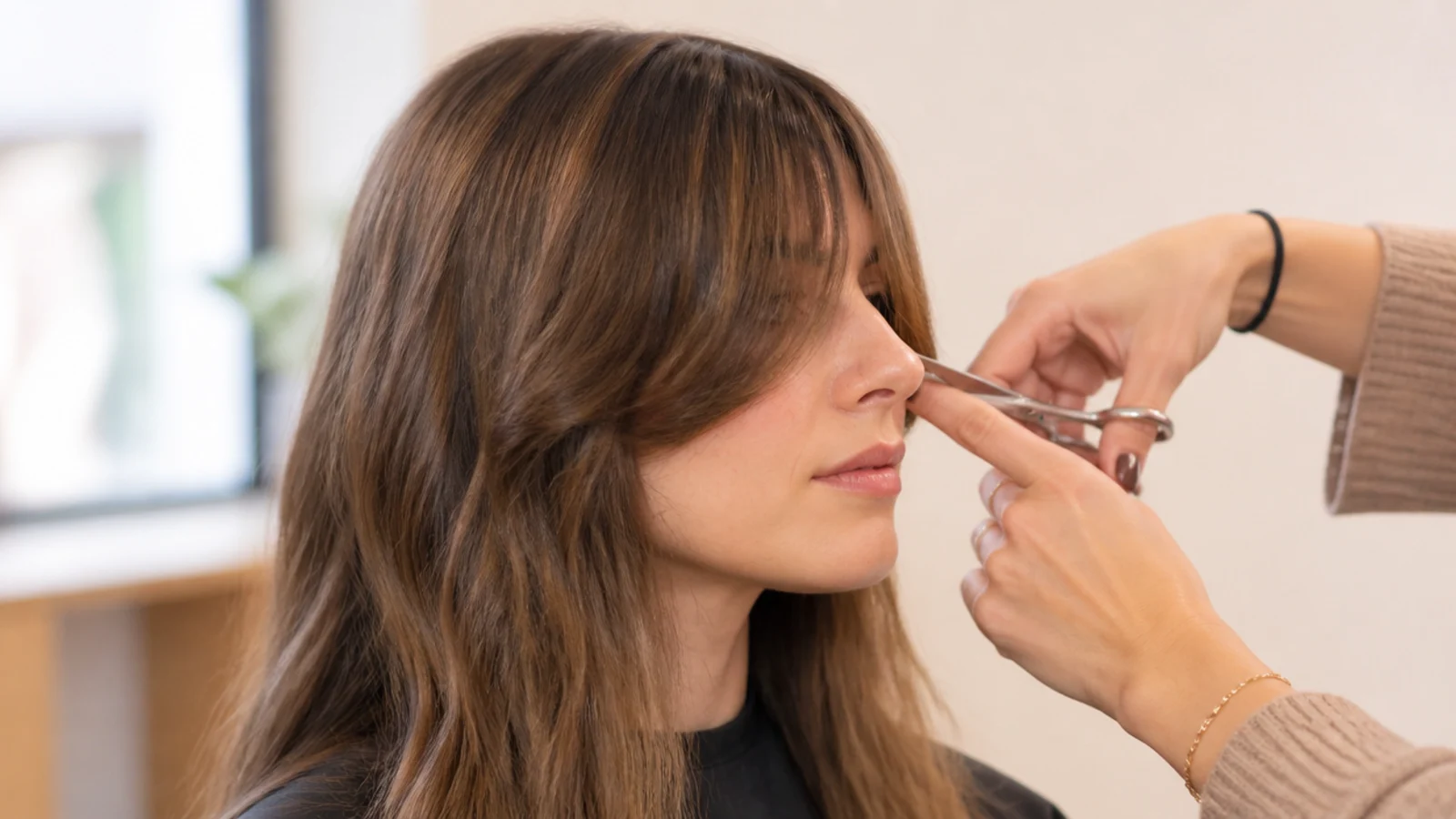
Three to four weeks. Hair grows roughly half an inch a month, and on a brow length fringe half an inch is the gap between grazing the eyebrow and blocking the eye.
The outer pieces are what you are maintaining. They set the angle, and they are also the safest part to trim yourself between salon visits.
Most salons trim a fringe free between cuts. Ask when you book rather than arriving unannounced, because it needs a slot even at five minutes.
The rest of the cut runs on its own schedule. A bob wants eight weeks and long layers want twelve, so do not tie the fringe to either.
Growing Them Out
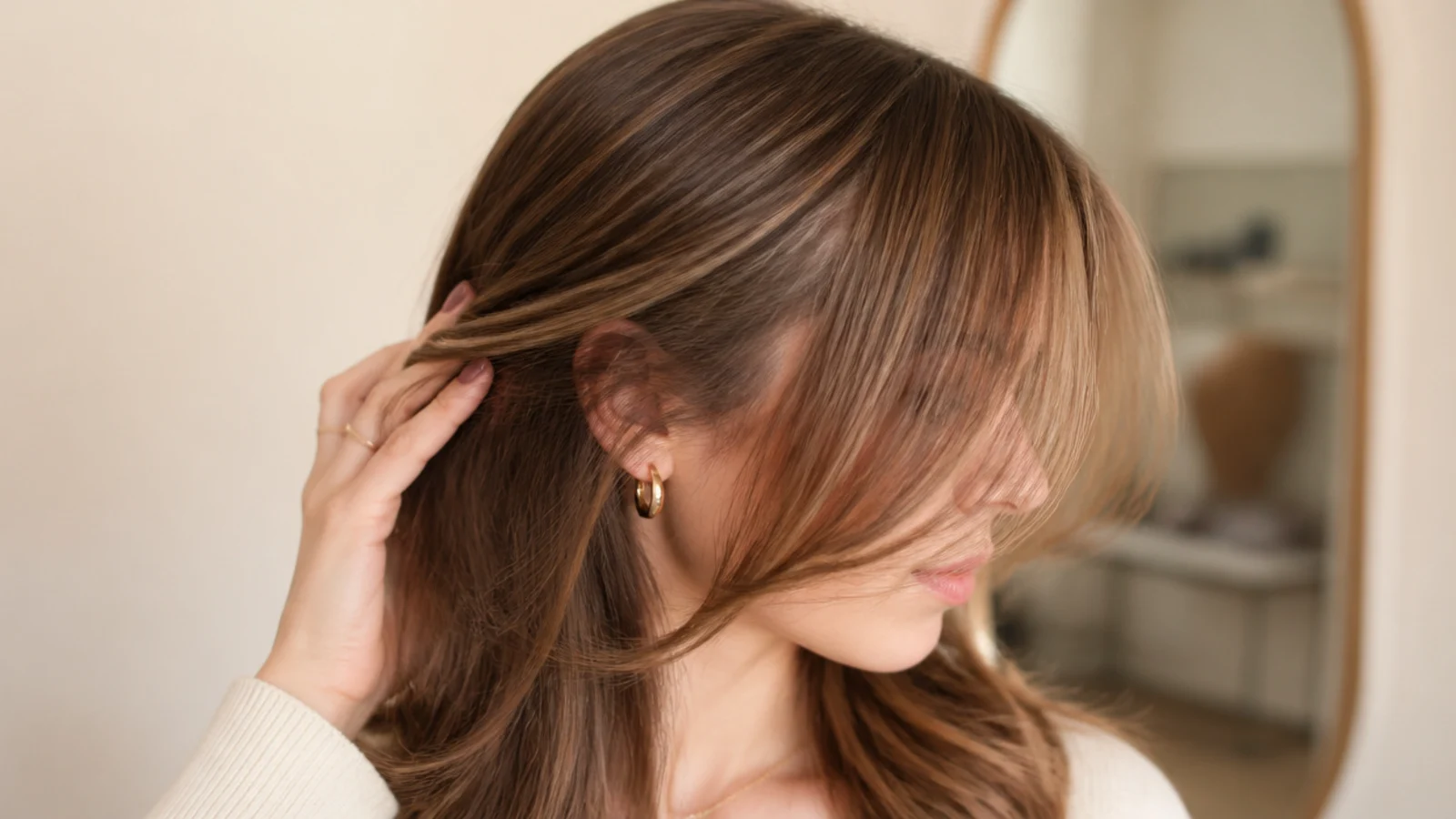
Cheekbone arrives in about three months. From the brow that is an inch and a half of growth, and cheekbone is where the fringe starts blending with the length.
The awkward stage is the one that suits you. Around week six the ends sit in the middle of the cheek, which is the strongest diagonal the fringe will ever make on a round face.
Trim only the outer ends while growing. Touching the shortest point resets the whole timeline by another month.
Pin it to one side, not straight back. Sweeping it sideways keeps a diagonal on the face. Pushing it back leaves a horizontal hairline instead.
The 20 Short Curtain Bangs for a Round Face
1. Wispy Brow Skimming
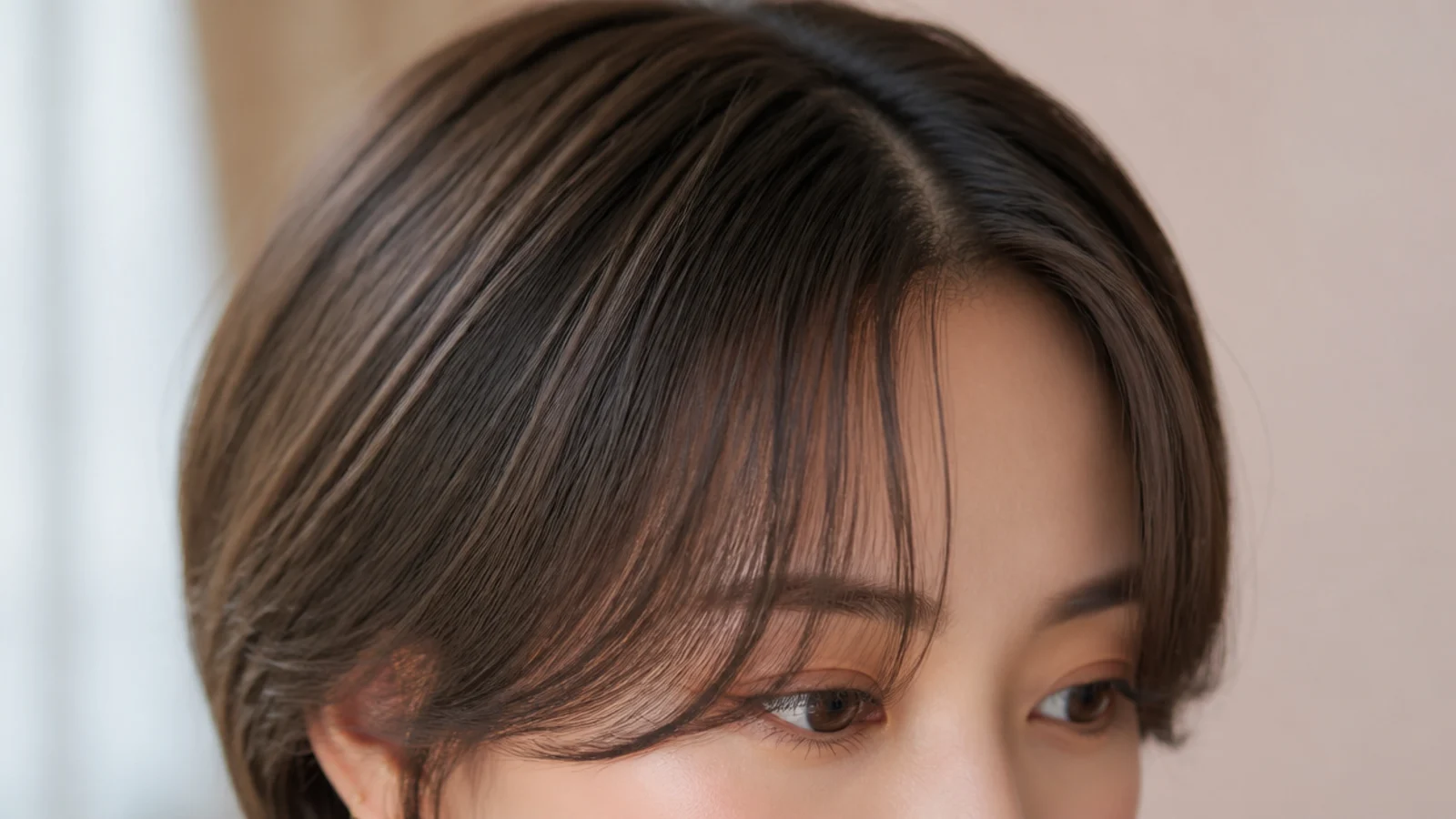
The shortest workable version, with the centre grazing the eyebrow and the ends still falling to the cheek. Wispy density stops the fringe forming a solid band, so the forehead stays partly visible and the face keeps its length.
2. Cheekbone Grazing
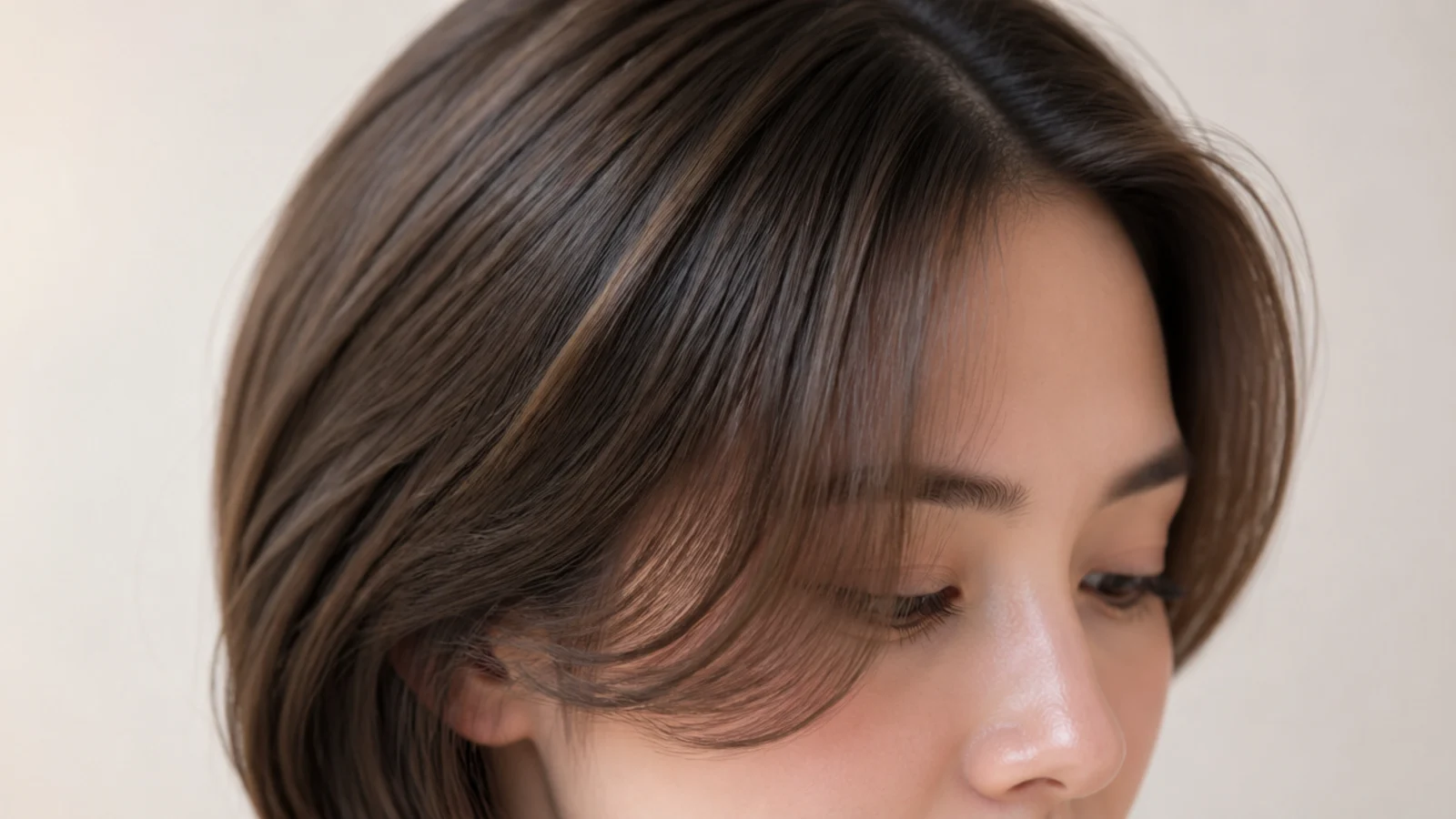
The outer ends finish exactly at the cheekbone, which is where a round face is widest. Landing the diagonal on that point rather than above or below it is what makes the angle read as a correction rather than as decoration.
3. Chin Length Bob
A perimeter finishing at the chin ends below the widest part of the face, so the outline stops adding width at the cheek. Pair it with a fringe that opens wide and the cut supplies two downward lines instead of one horizontal.

4. See Through Fringe
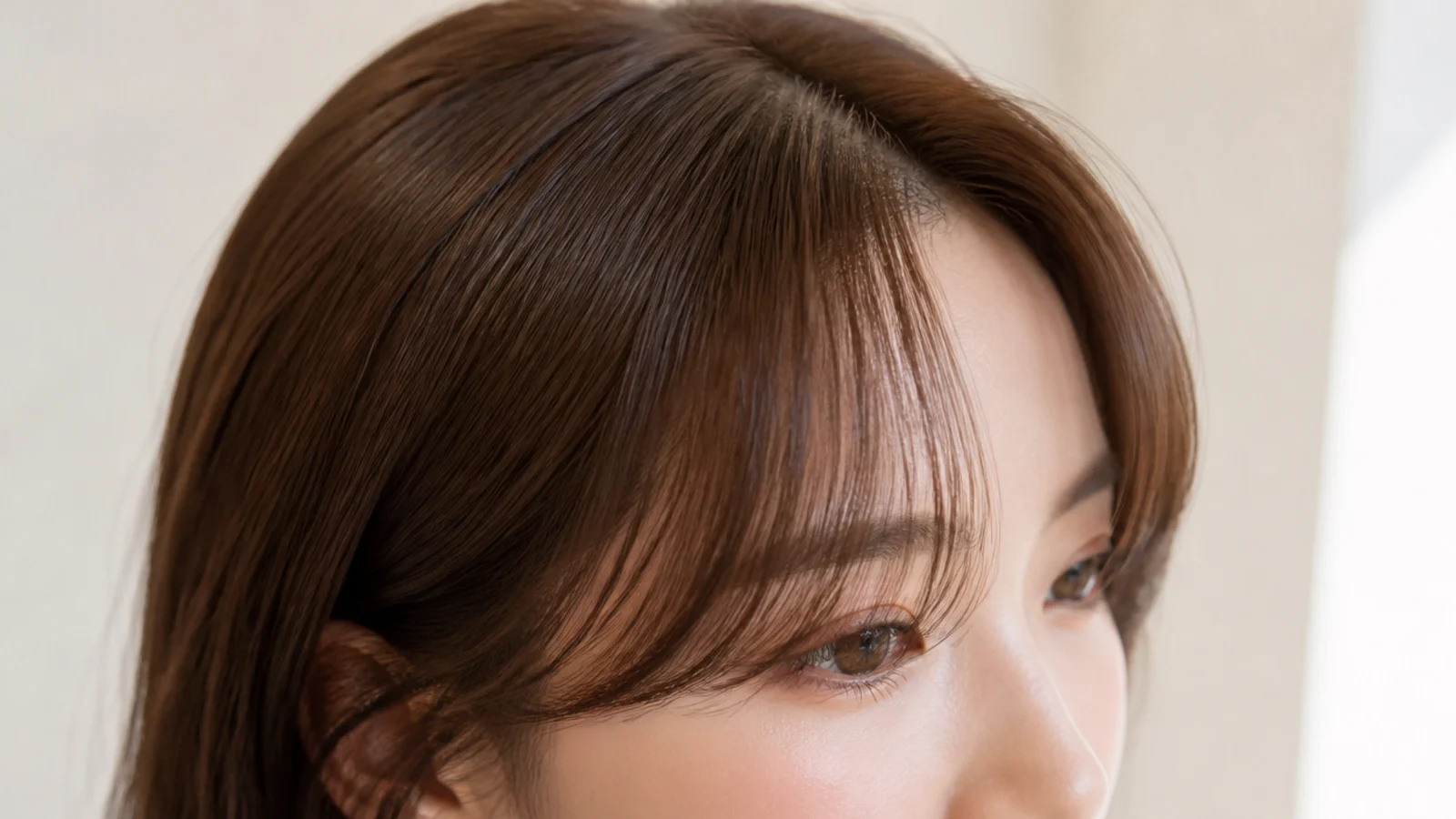
Low density lets the forehead show through the hair, which keeps the centre of the face in view. A round face gains its length from that visible centre strip, and a solid fringe is what takes it away.
5. Deep Side Swept
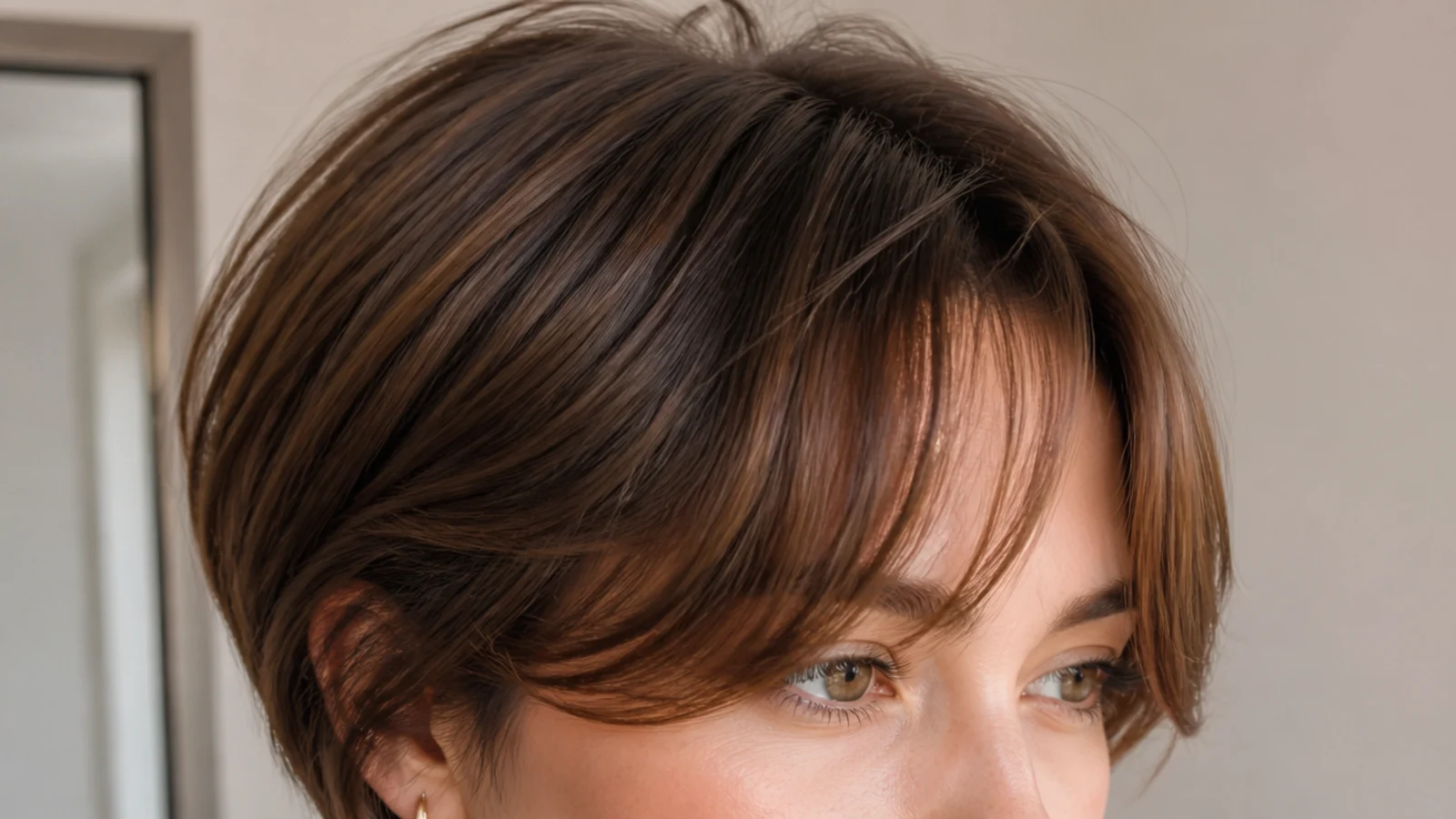
A part moved well off centre is the steepest diagonal available, because the hair has further to travel across the head before it reaches the face. The deeper the part sits, the more angle the fringe carries with it.
6. Long Layers
Layers that begin below the jaw keep the eye travelling downward past the widest part of the face. Starting them at the cheek does the reverse by stacking volume exactly where a round shape already has enough.
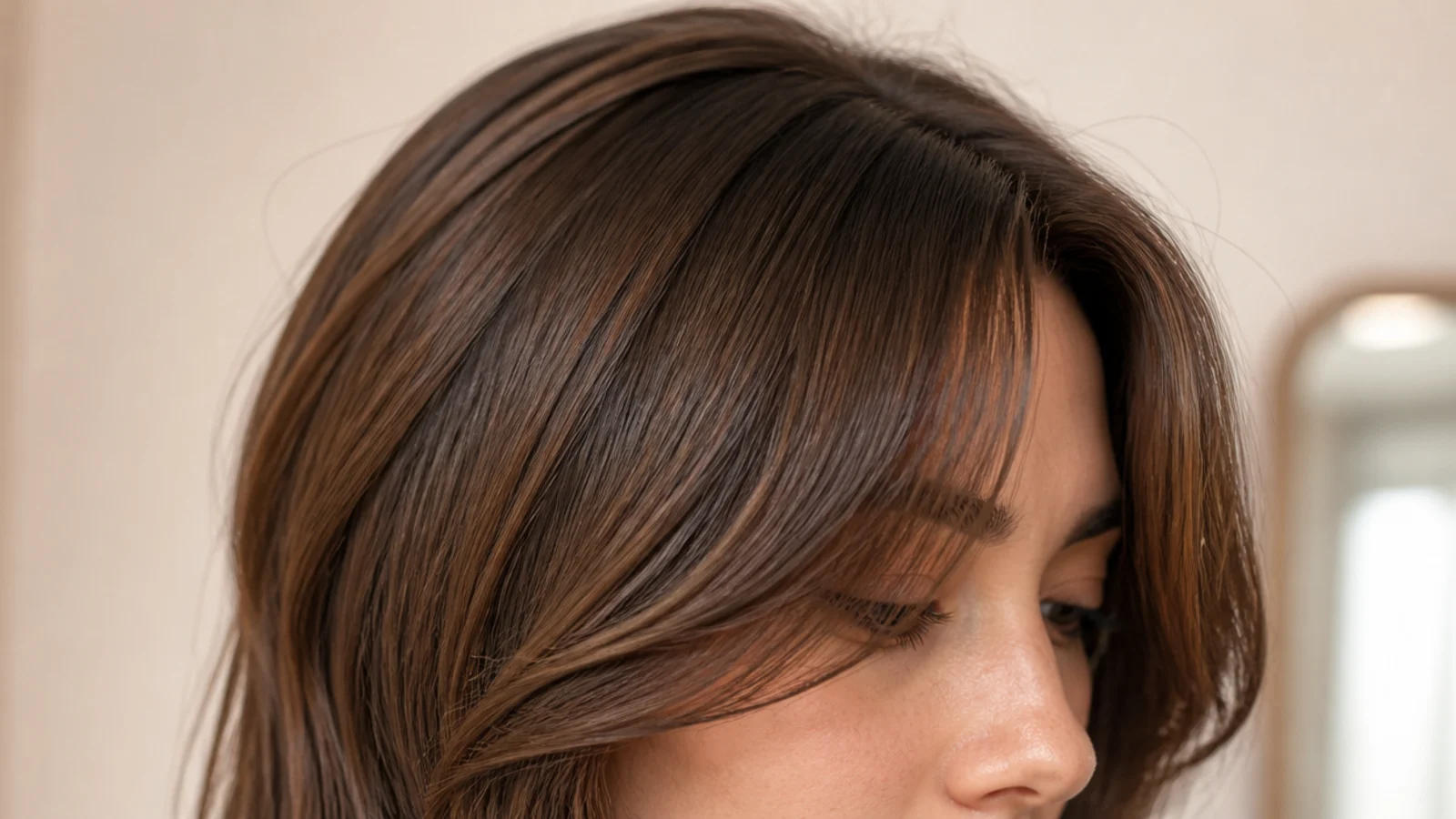
7. Textured Shag
Broken ends never form a solid shelf, so nothing in the cut reads as a horizontal line. The interior layering also stacks height at the crown, and height at the top is the cheapest length a round face can borrow.
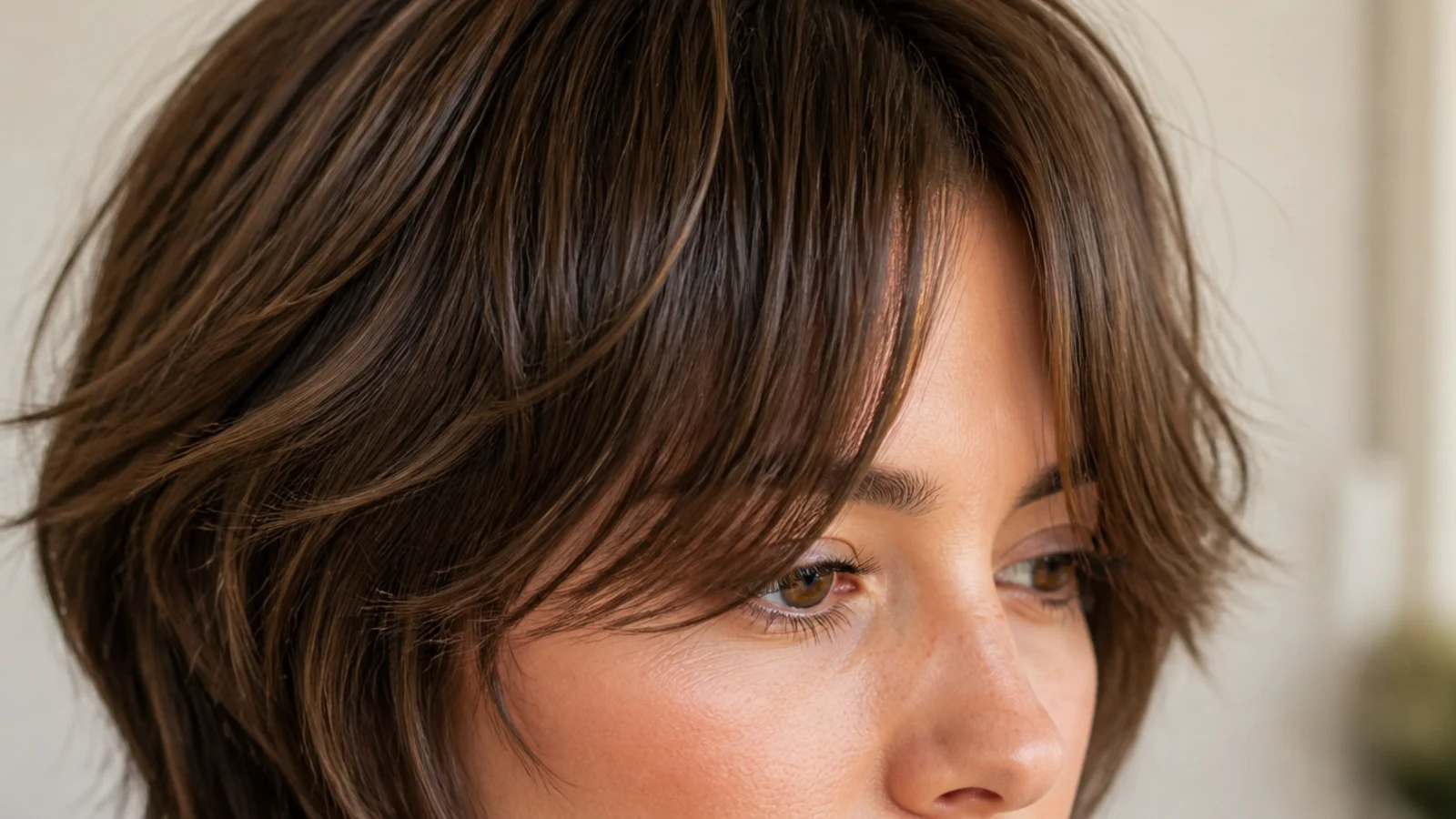
8. Fine Hair
Keep the fringe section narrow rather than deep, because the triangle is taken out of the top of the head and depth is paid for in crown density. A narrow section concentrates the same hair over less width and keeps the edge solid.
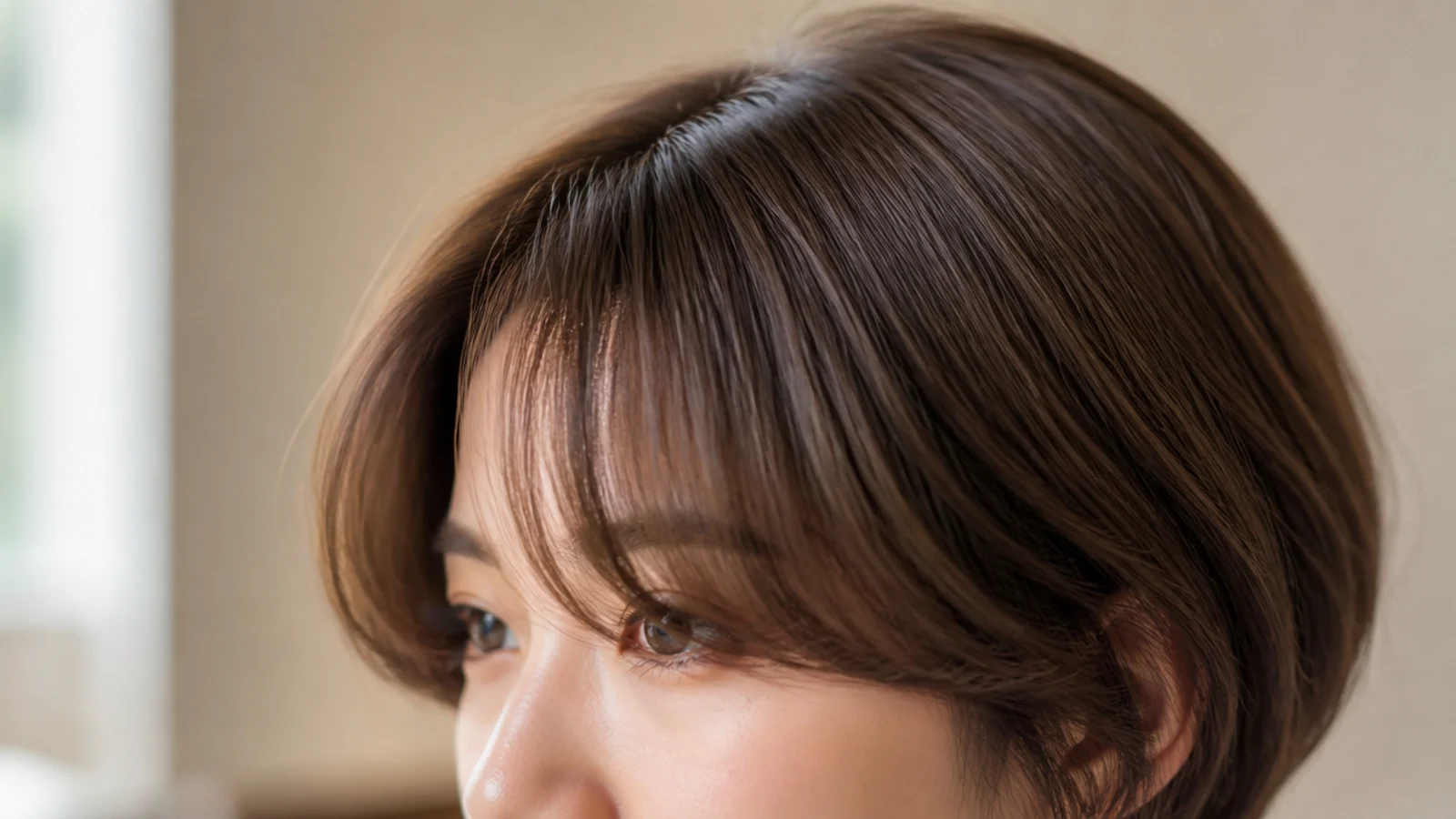
9. Curly
Curl builds width at the sides, which is the one direction a round face does not want, so keep the volume high and the length below the jaw. Cut the fringe dry in its own pattern, because a curl cut wet retracts by up to a third.
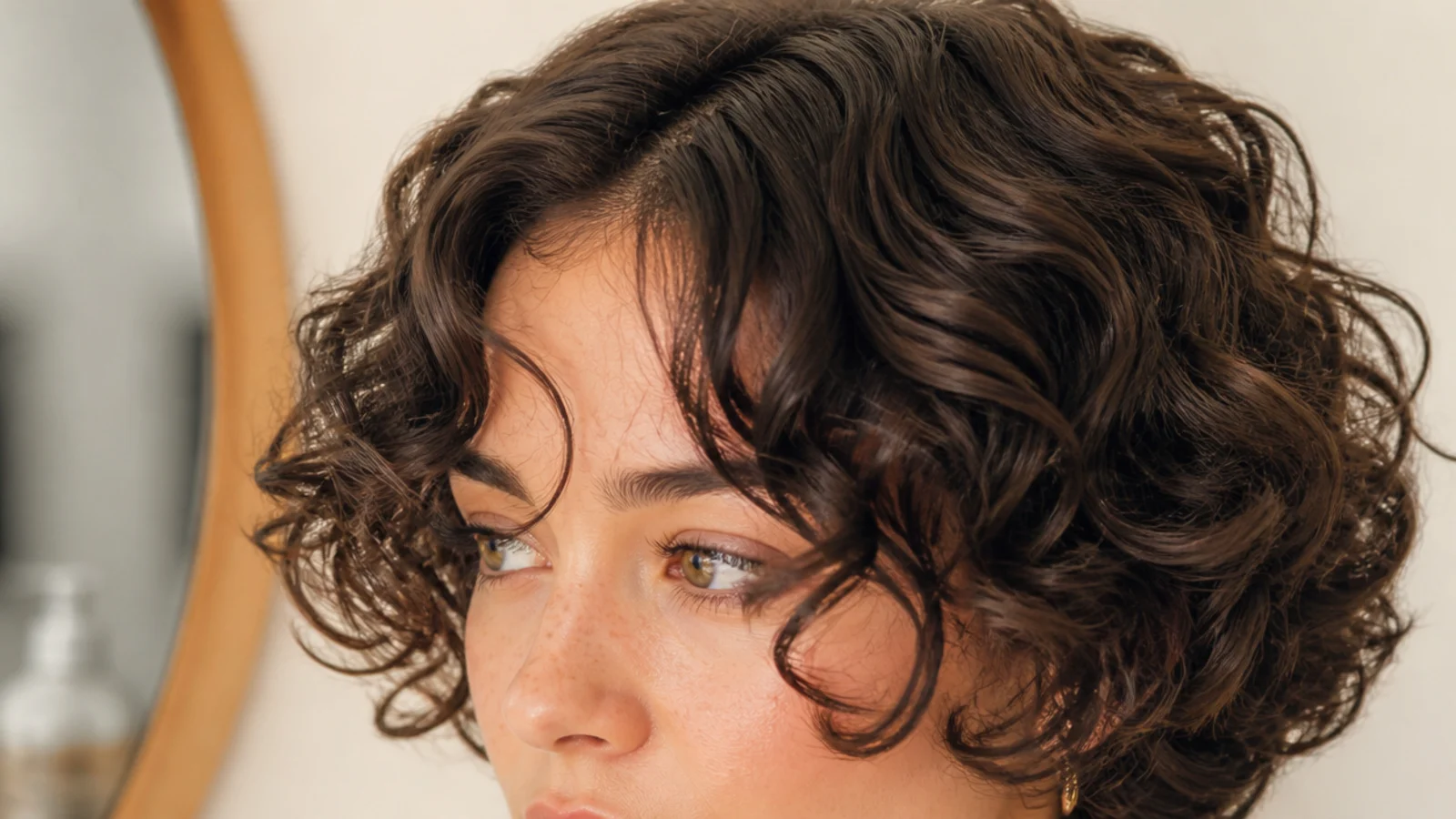
10. Wavy
An S bend supplies diagonals on its own, so a wavy fringe carries the angle even on days it is not styled. It also breaks the outer edge into several small lines rather than one, which stops the graduation reading as a hard slope.
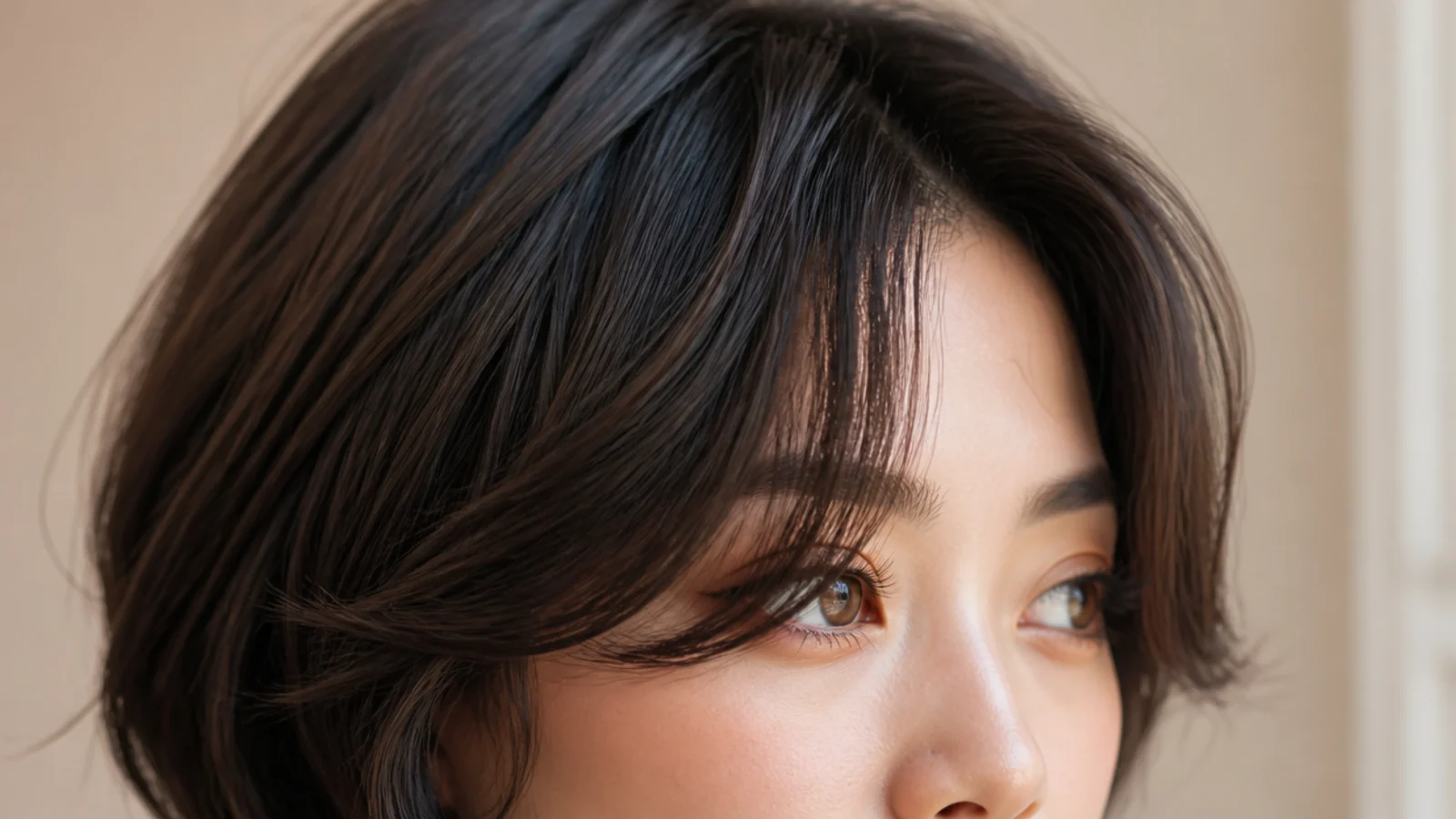
11. Straight
Straight hair adds no angle of its own, so the cut has to supply all of it. That means a steeper graduation than any other texture needs, with a clear inch and a half between the shortest centre point and the outer ends.
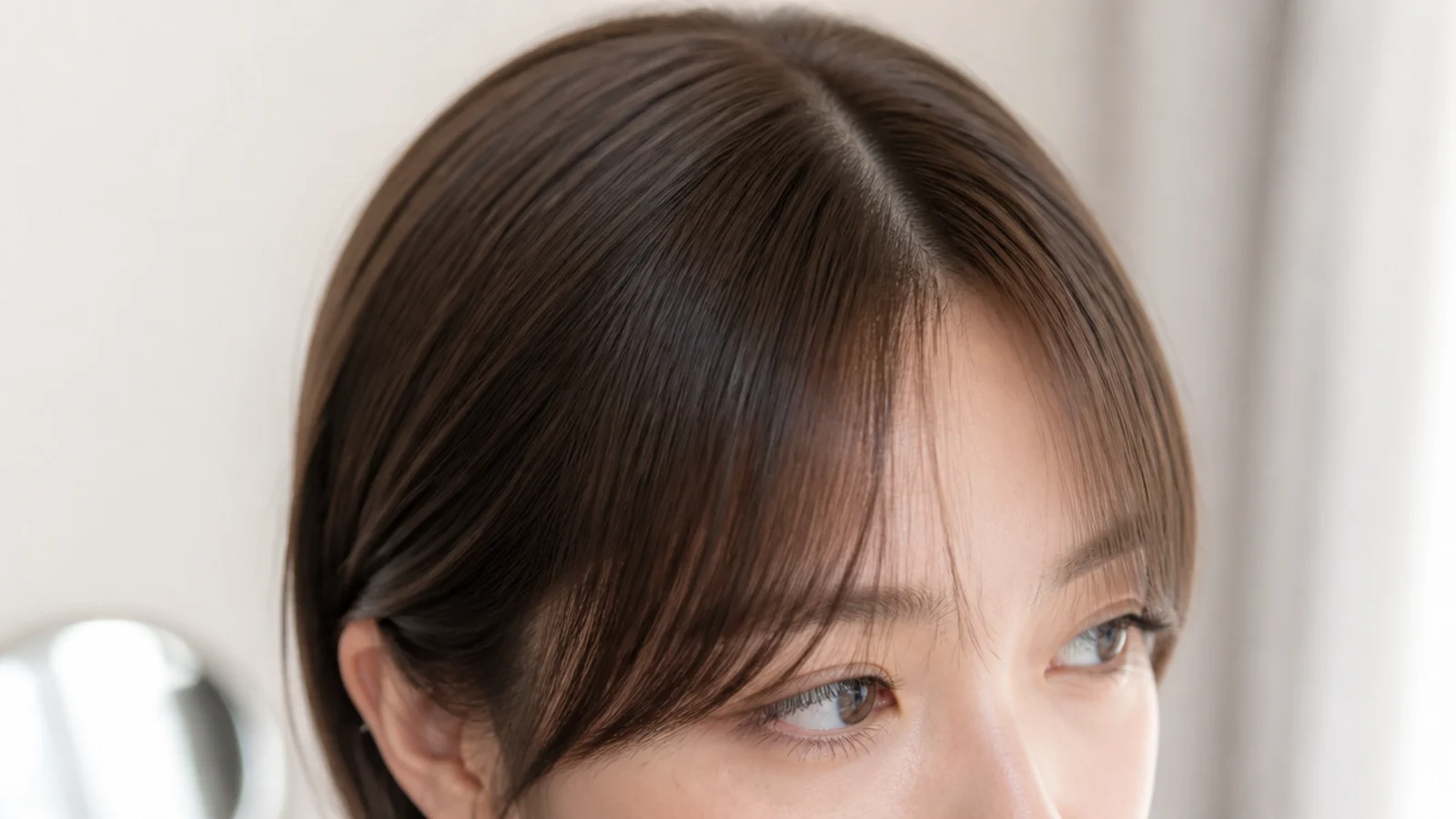
12. French Bob
Both lines are short here, which is the risk, so the fringe has to open wide enough to keep the two shapes from stacking. Done properly the perimeter finishes below the cheek and the fringe angles across it, and the two lines cross rather than agree.
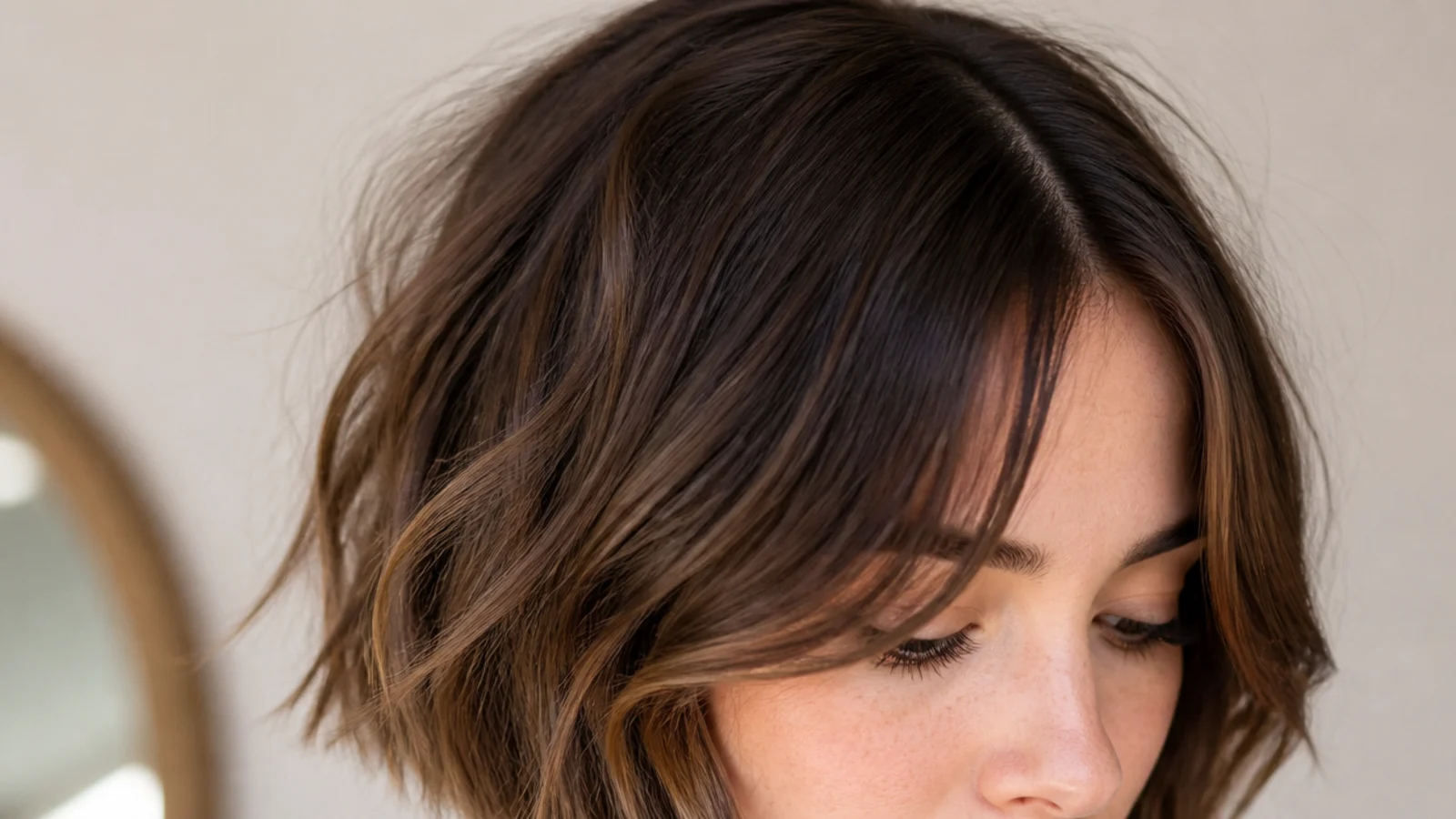
13. Baby Bangs
Cutting well above the brow exposes the whole lower forehead, which adds visible length to the face. The trade is that a very high fringe draws its own horizontal, so it needs light density and a clear graduation outward to stay safe.
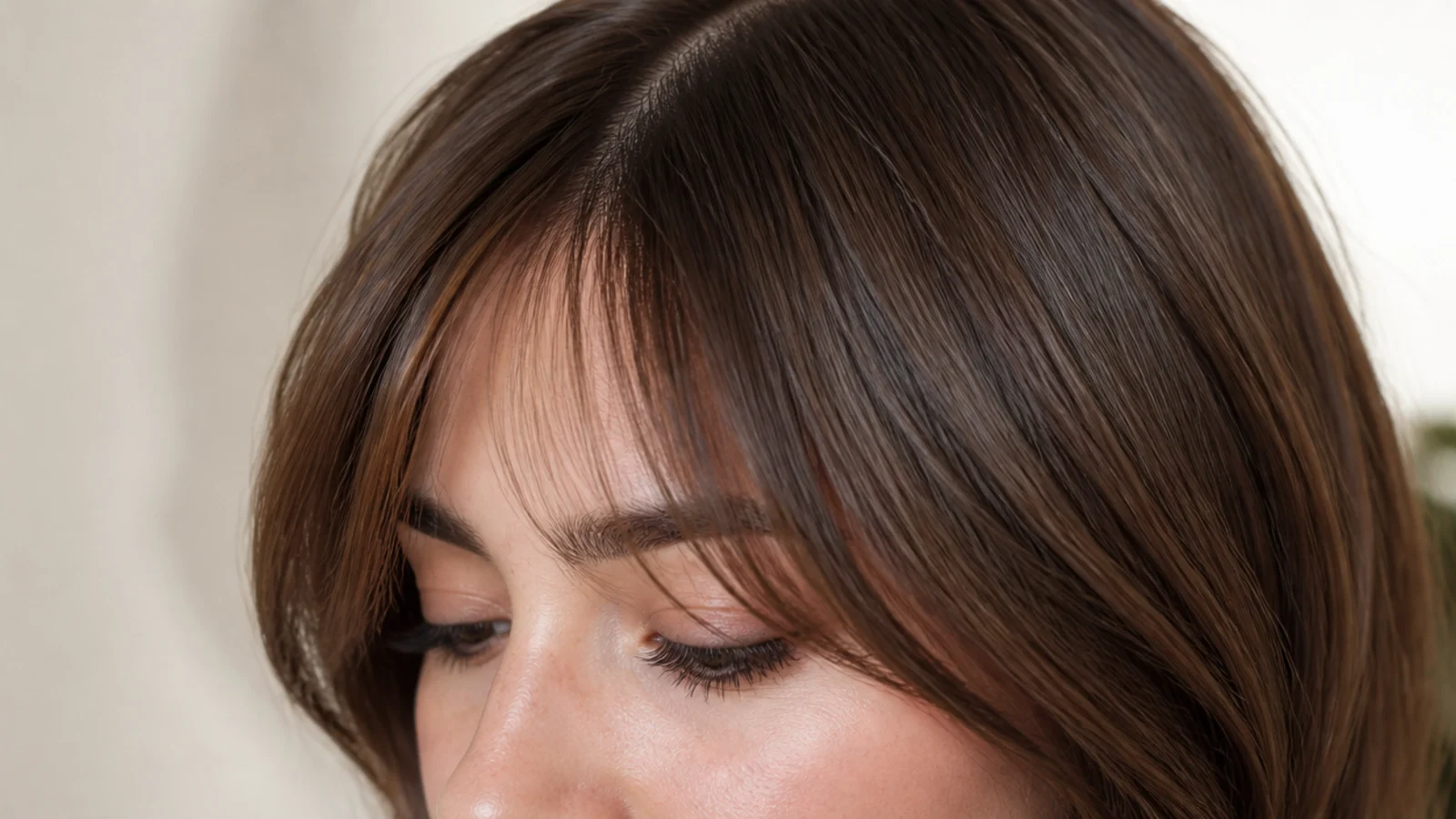
14. Lob
Length past the collarbone keeps the outline travelling downward well beyond the face, so nothing about the perimeter comments on width. The short fringe then carries all the angle, which is why the graduation matters more at this length than at any shorter one.
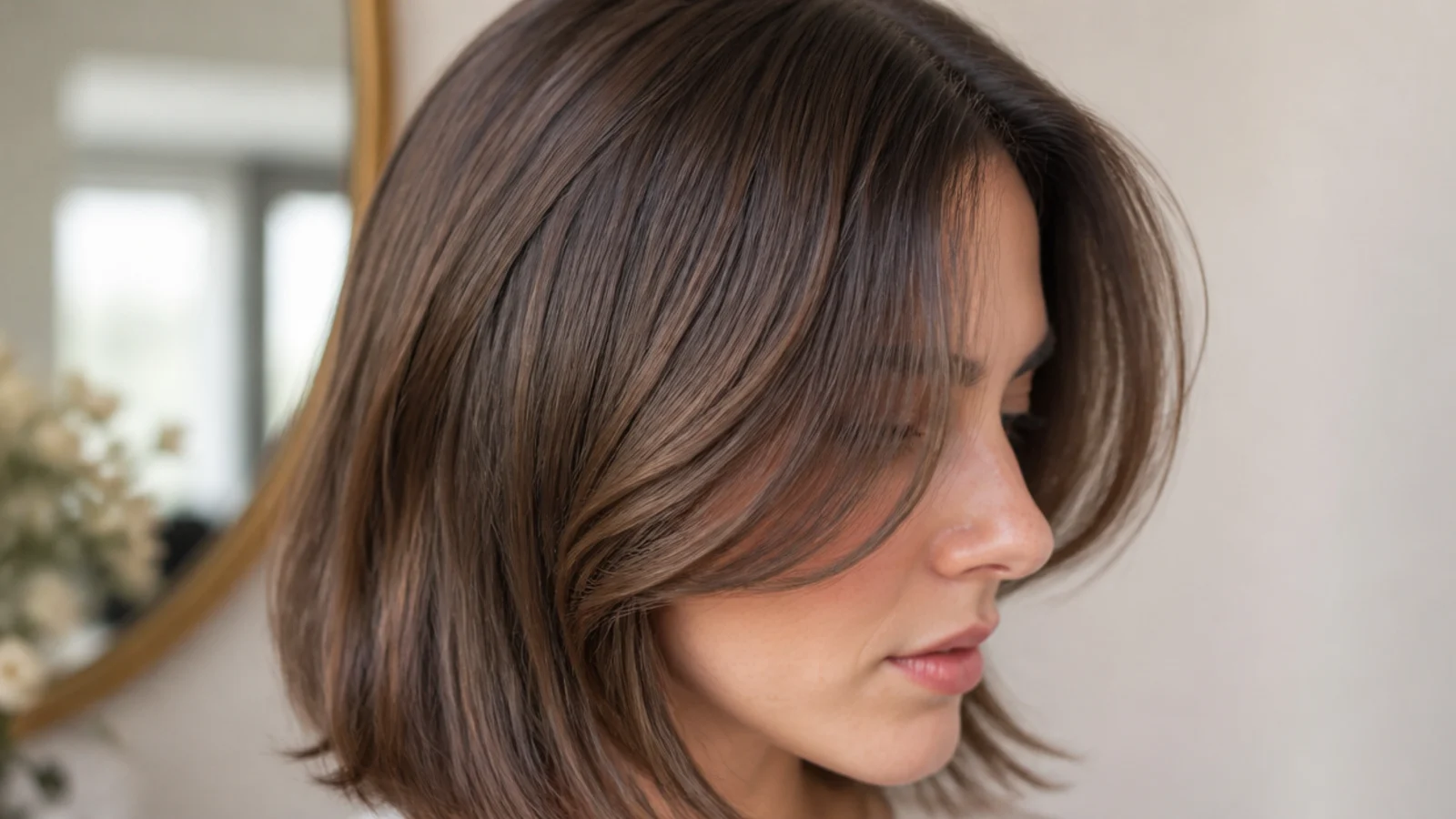
15. Korean See Through
The ends are tapered rather than blunt, so the fringe sits on the brow without weight and lets skin show through. That lightness is what keeps a short fringe from becoming a band, and it is also what makes it collapse fastest in humidity.
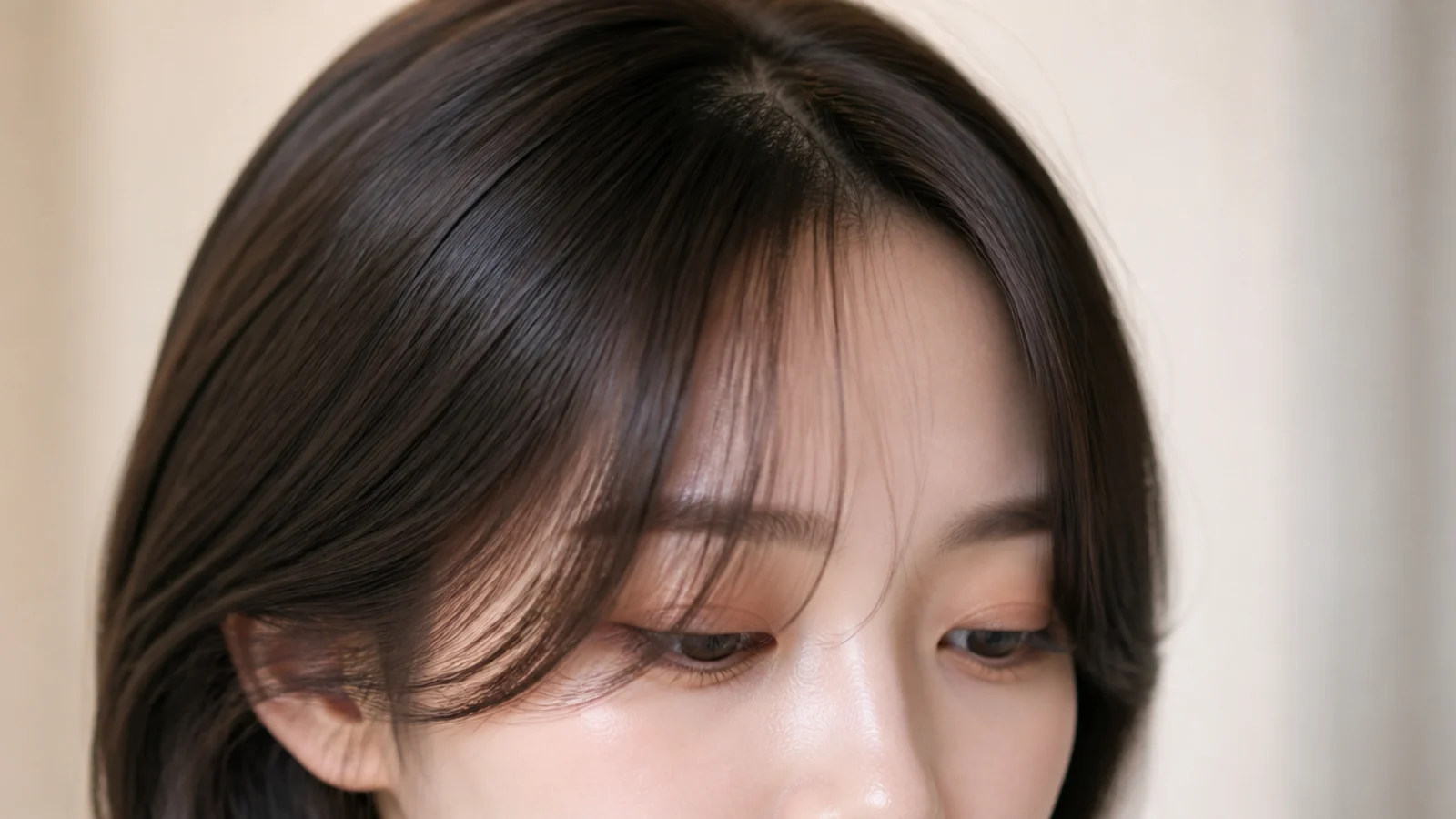
16. Long Pixie
All the volume goes up rather than out, which is the correct direction on a round face. The fringe reads as the longest hair on the head, so its diagonal is the dominant line in the whole cut rather than a detail inside it.
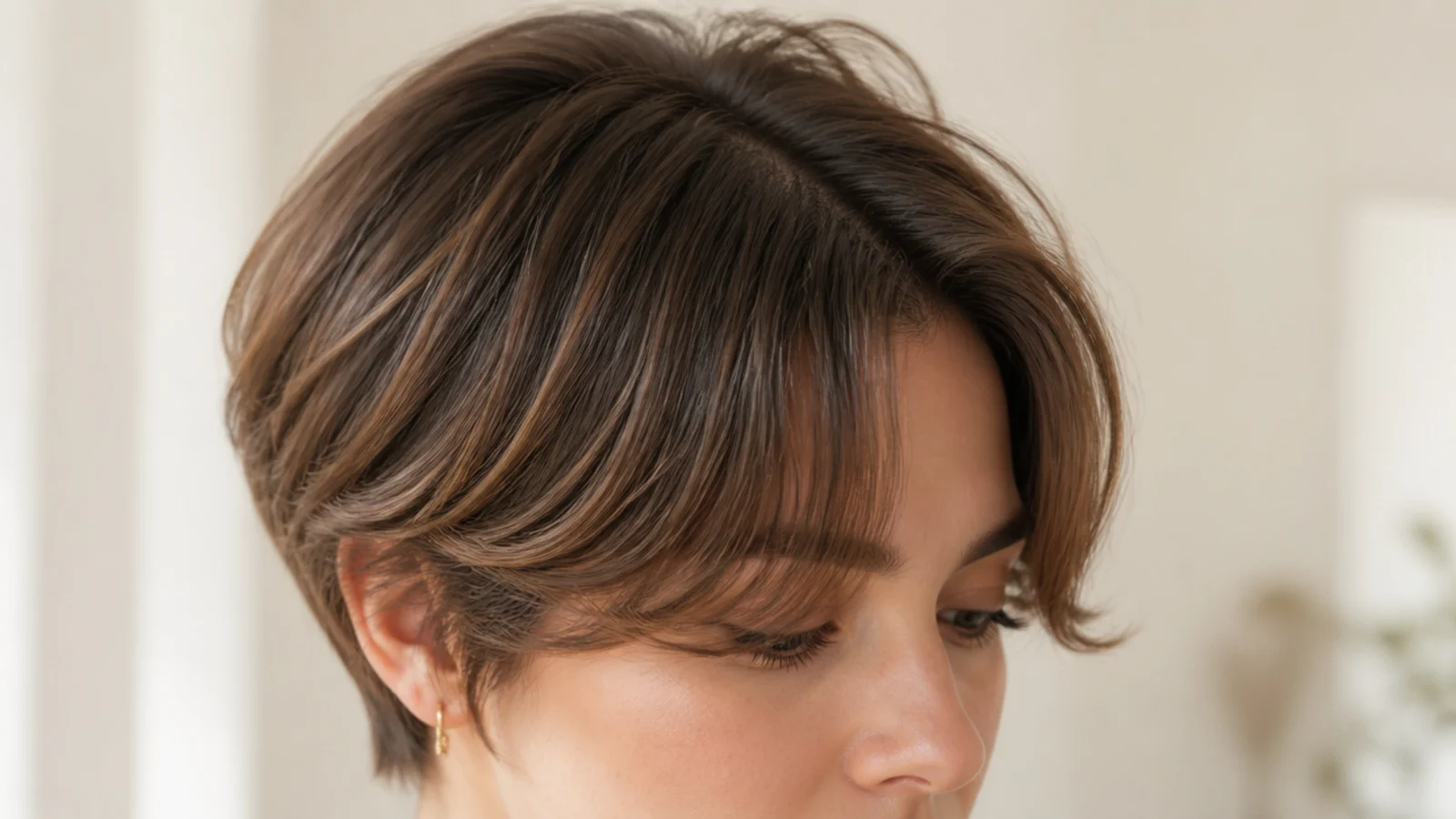
17. Money Piece
Lightening the two longest fringe pieces puts the brightest hair along the diagonal, and the eye follows brightness. Reinforcing the angle with colour does more for the shape of the face than lightening the ends or the mid lengths ever will.
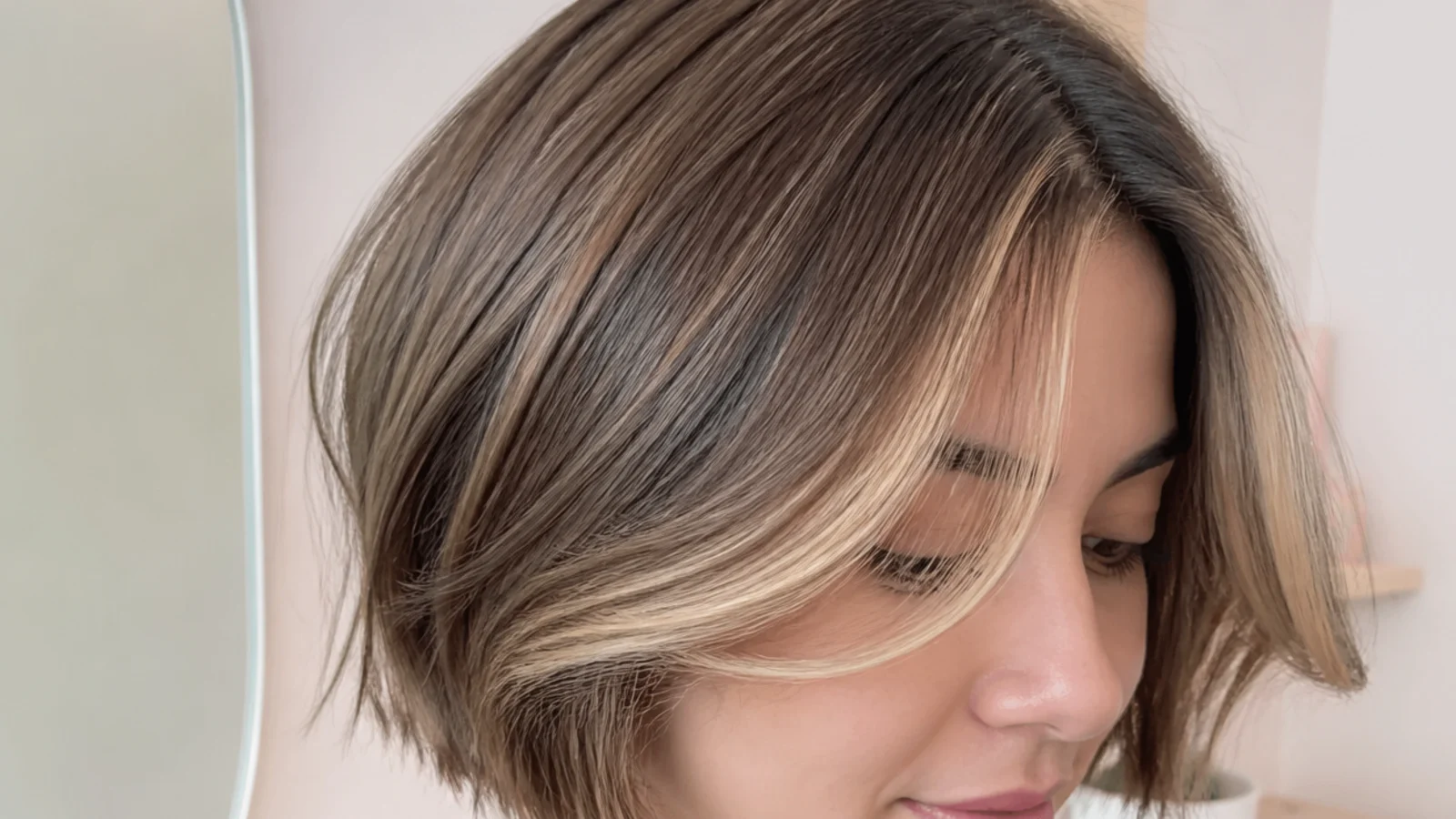
18. Wolf Cut
Heavy layering above and long ends below leaves nothing added at cheek level, which is precisely the profile a round face wants. The short fringe joins the top layers rather than sitting apart from them, so the whole front reads as one angled mass.
19. Half Up
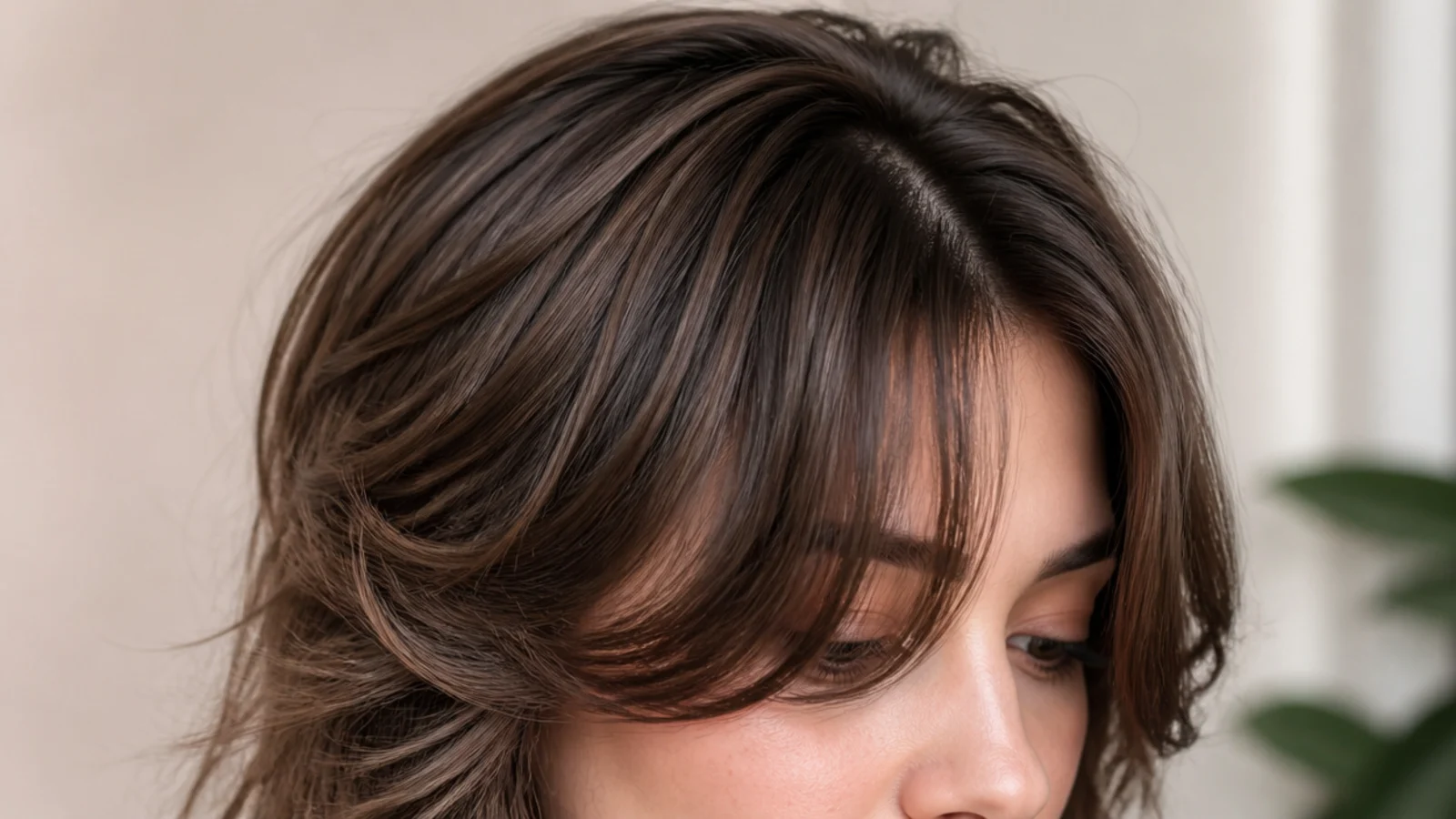
Gathering the top adds height at the crown, and height is length borrowed from a direction a round face has to spare. It also lifts weight off the hair immediately behind the fringe, so the fringe stands instead of being pressed flat.
20. Grown Out
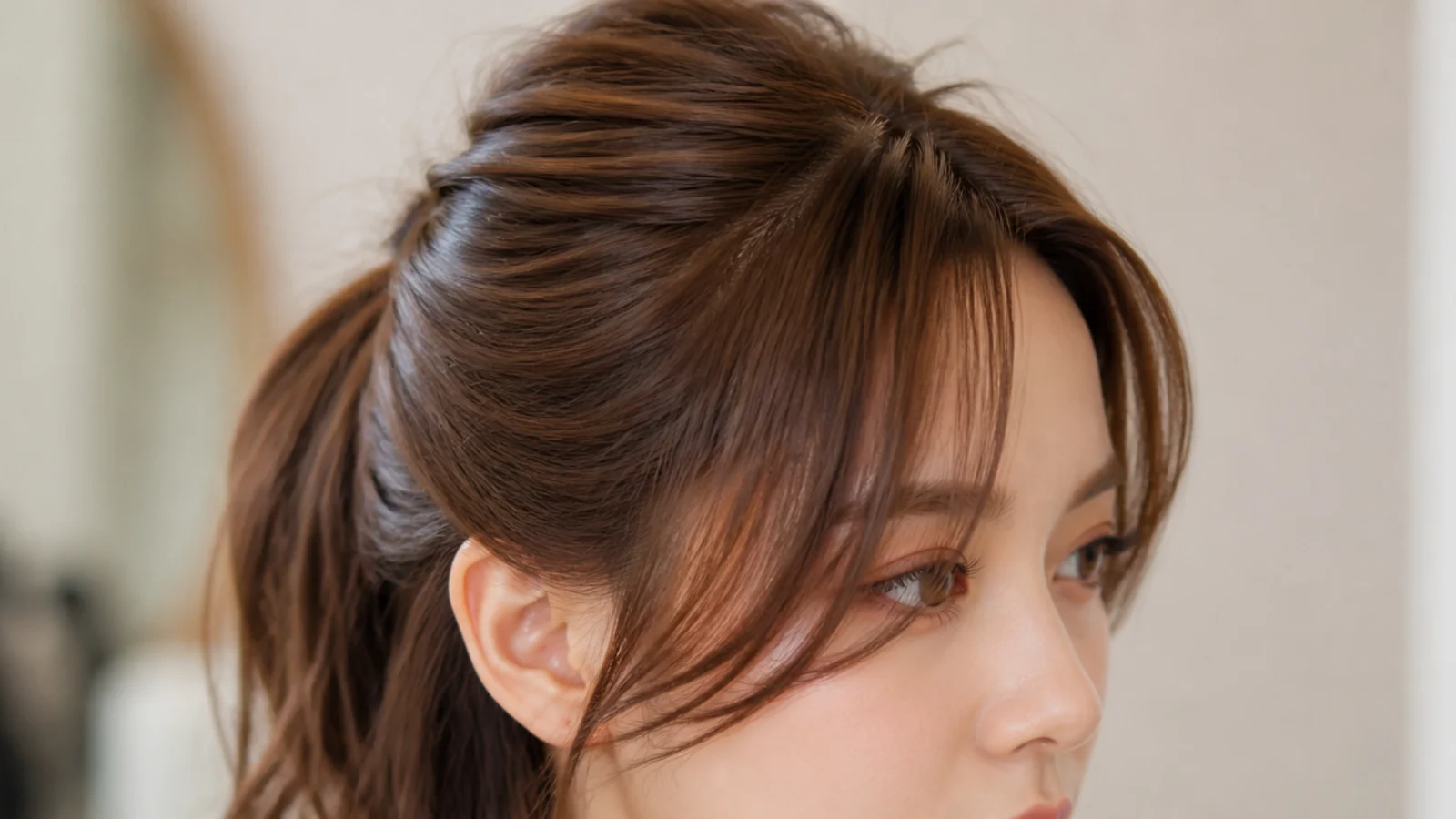
At around six weeks the ends sit halfway down the cheek, which is the steepest diagonal the fringe ever makes. That stage is worth photographing before you decide whether to trim back or keep going, because it is often better than the cut it started as.
Final Thoughts
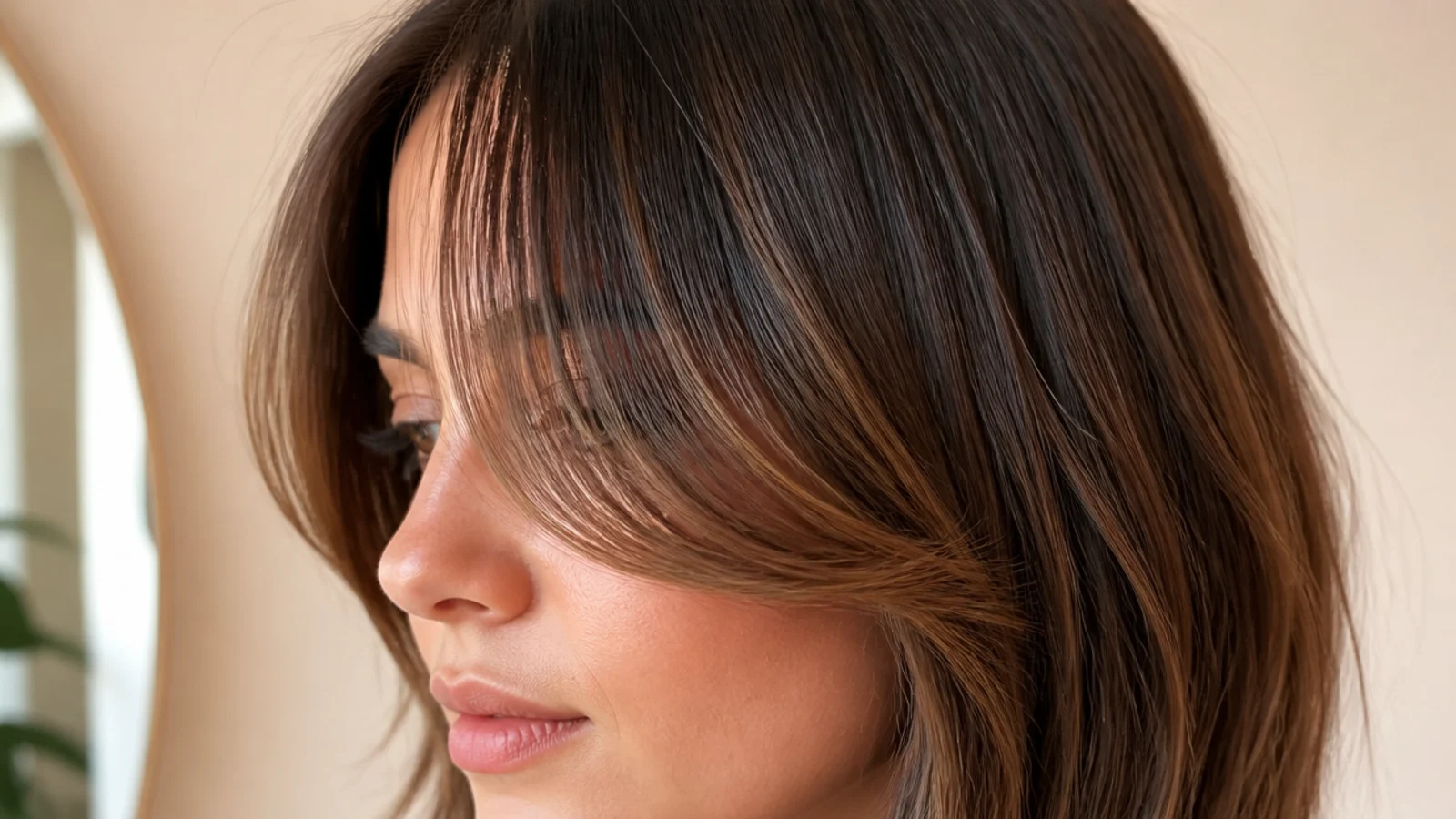
Ask for the angle rather than the length. Brow at the centre and cheekbone at the ends is two measurements a stylist can cut to, and the inch and a half between them is the entire mechanism by which a fringe changes a round face.
Then leave the outer pieces alone as they grow, because the diagonal only gets steeper for the first six weeks. For the same idea at full length see curtain bangs for a round face, and for long hair specifically see curtain bangs on long hair for a round face. More in Bangs and Fringe.