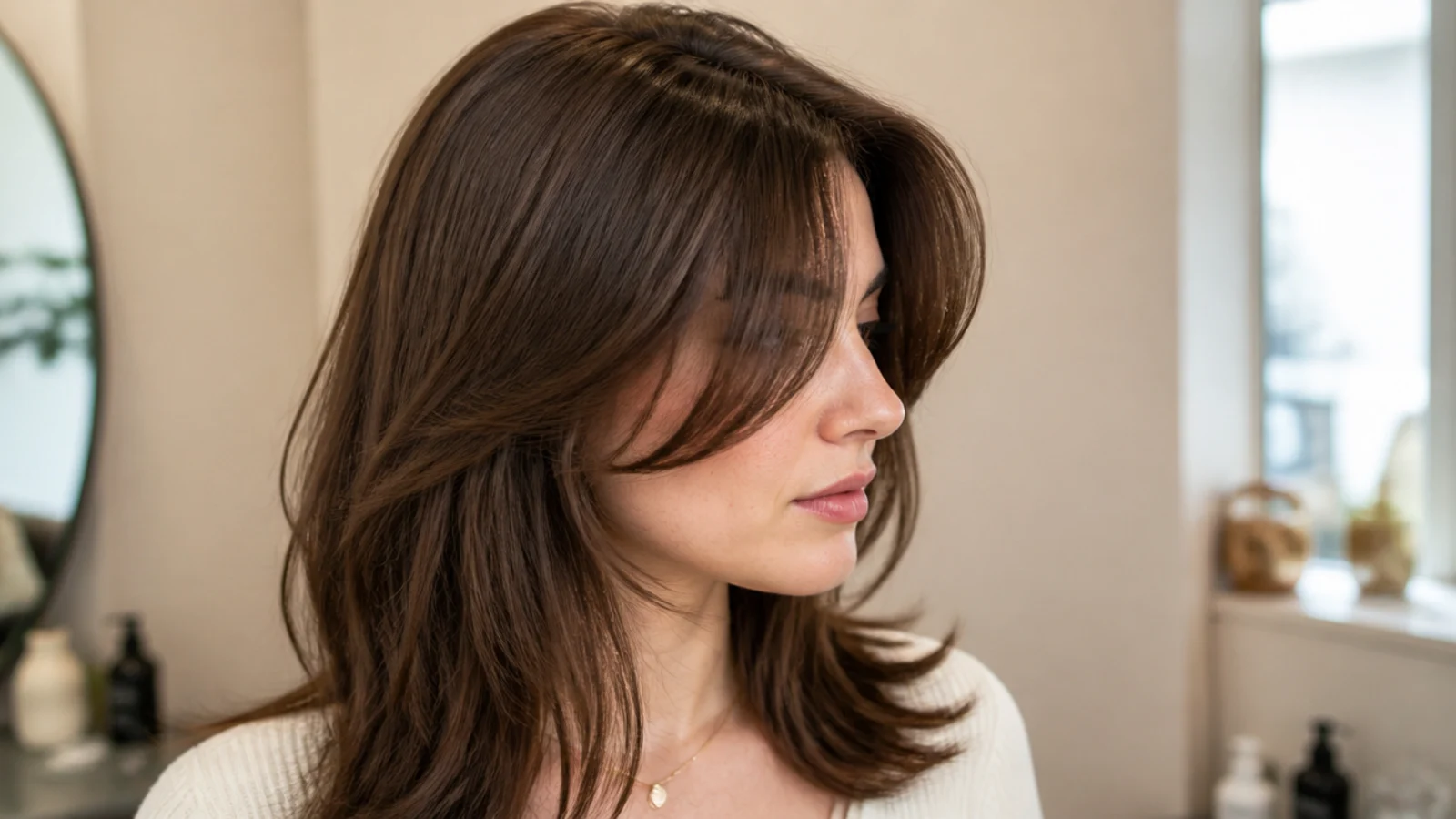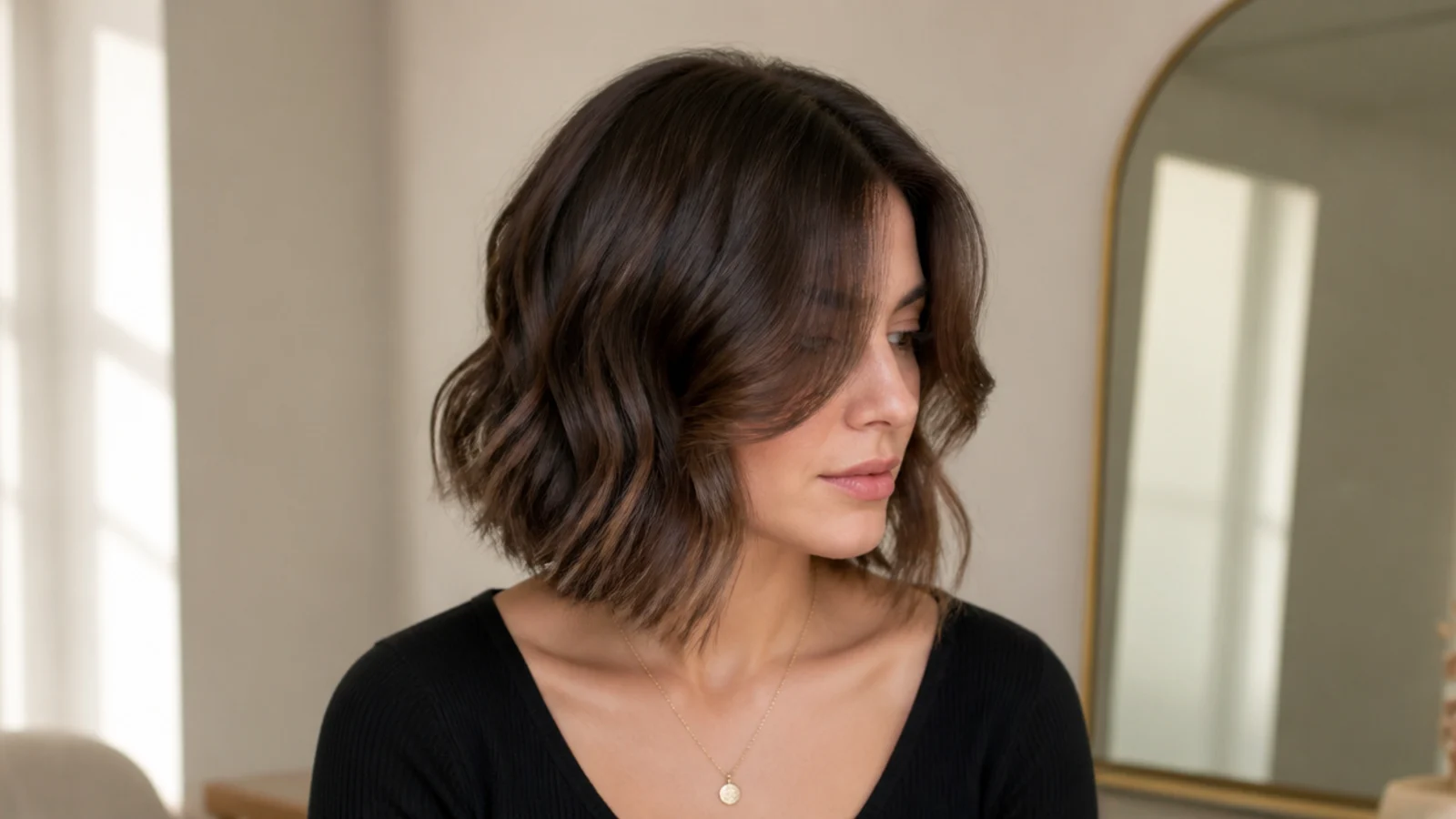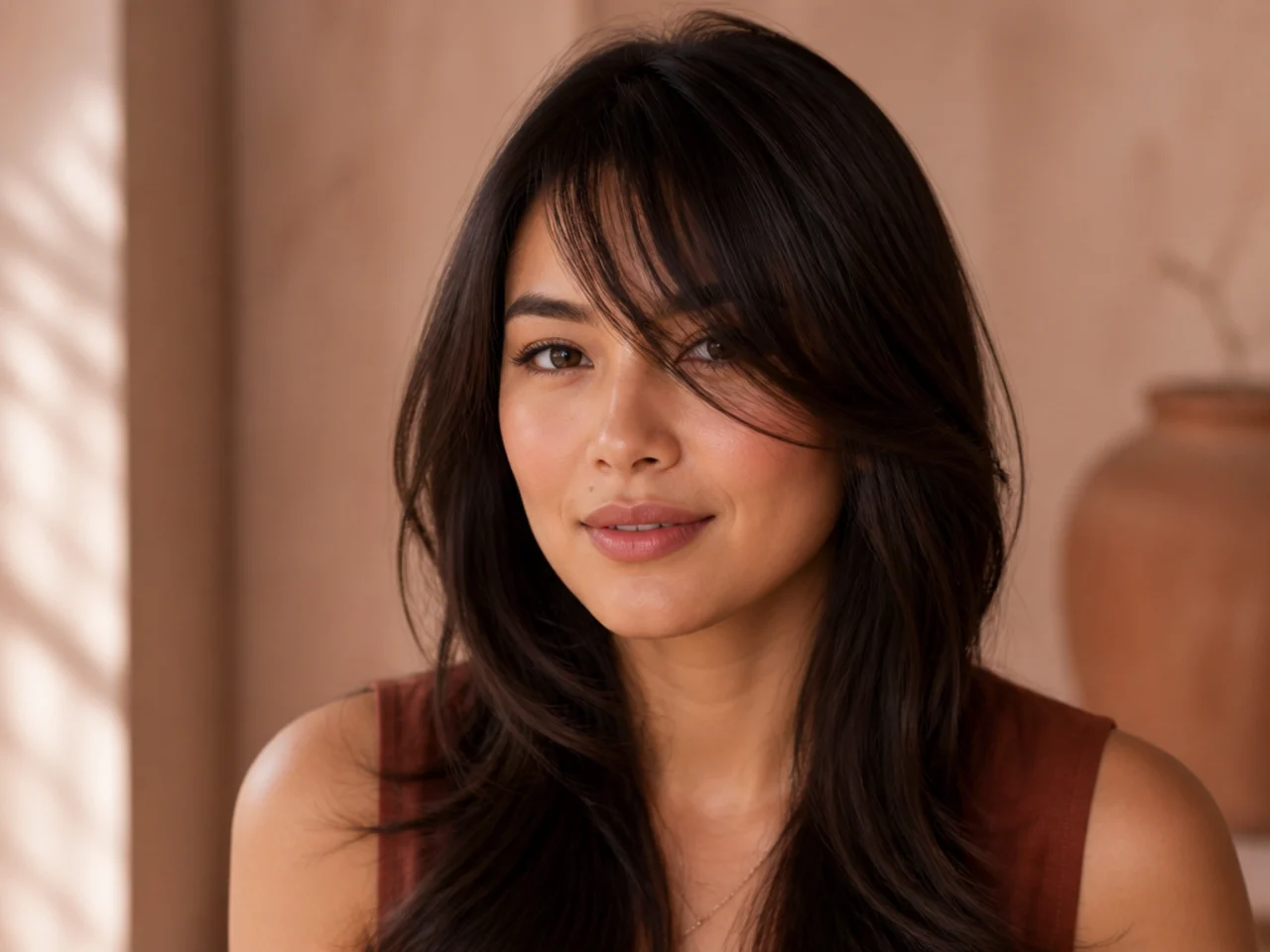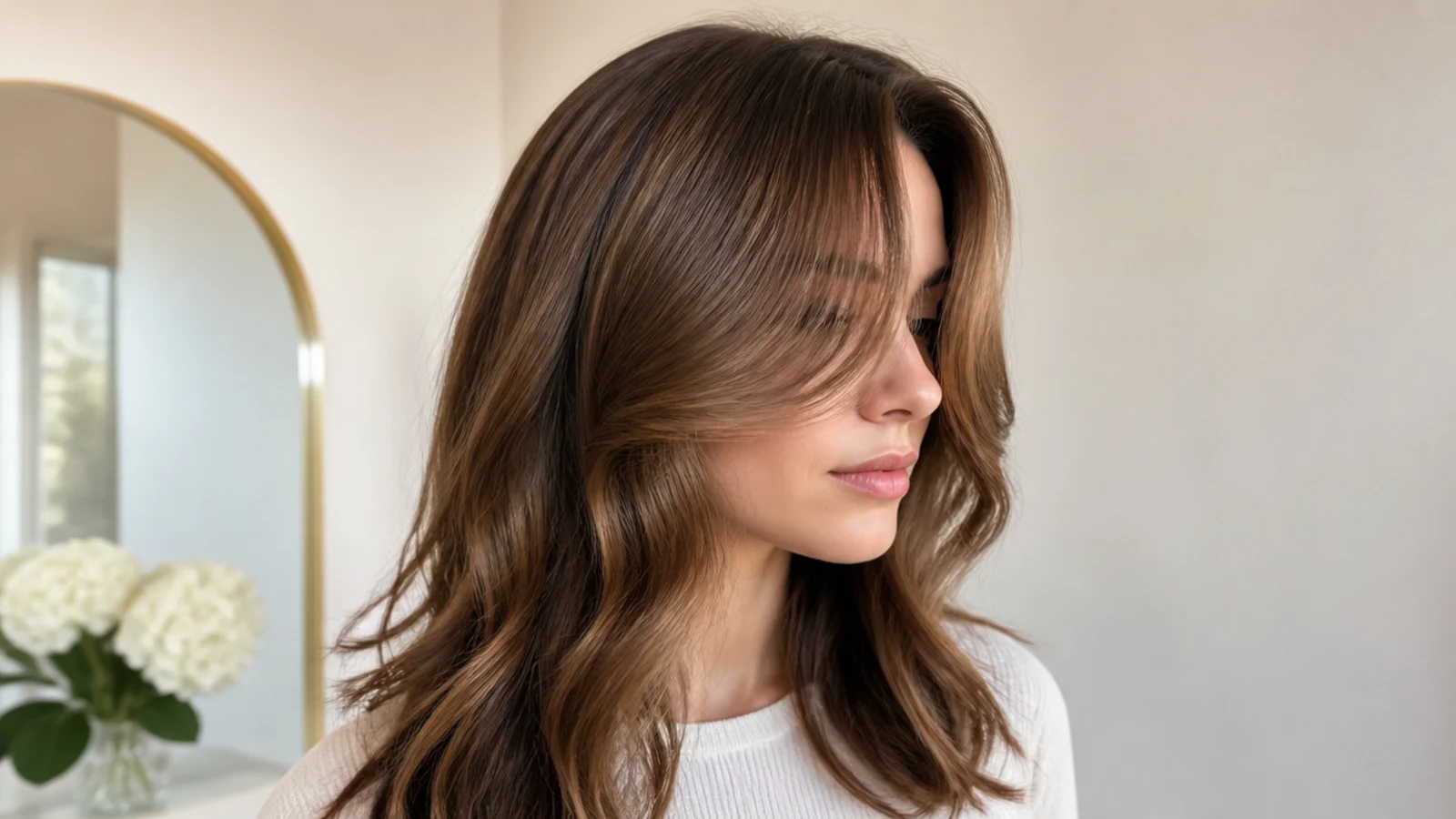
15 Ways to Style Short Curtain Bangs and the Blow Dry That Sets Them
Fifteen ways to style a short curtain fringe plus the eight step blow dry underneath them, and the rule that governs all of it — hair sets as it dries and again as it cools, so a fringe restyled dry is fighting a shape already made.
In this article · 31
- Curtain Versus Full Fringe
- How Short by Face Shape
- Styling by Texture
- Failure Modes and Fixes
- Trim Cadence and Growing Out
- The 15 Ways to Style Short Curtain Bangs
- 1. No Heat Finger Sweep
- 2. Round Brush Blow Dry
- 3. Flat Iron Bend
- 4. Curling Iron Flick
- 5. Velcro Rollers
- 6. Damp Set for Fine Hair
- 7. Seventies Flip
- 8. Deep Side Sweep
- 9. Mini Claw Clips
- 10. Headband
- 11. Slick Bun
- 12. Texture Spray Pieces
- 13. Dry Shampoo Root Lift
- 14. Diffused Curly
- 15. Hat and Beanie
- How to Blow Dry Short Curtain Bangs
- Step 1. Start From a Damp Fringe
- Step 2. Part the Fringe Down the Centre
- Step 3. Mist Heat Protectant
- Step 4. Lift the Roots First
- Step 5. Round Brush Each Half
- Step 6. Set With a Cool Shot
- Step 7. Bend the Ends Outward
- Step 8. Finish With Texture Spray
- Final Thoughts
A short curtain fringe that will not hold is almost never a cutting problem. It is a drying problem.
Hair sets as the water leaves it. Hydrogen bonds break in water and reform as the strand dries, which means the shape it dries in is the shape it keeps until the next wash.
It sets again as it cools. Heat softens, cold fixes. A section released hot falls out of shape while it cools, which is why the last two seconds matter more than the first thirty.
Curtain Versus Full Fringe
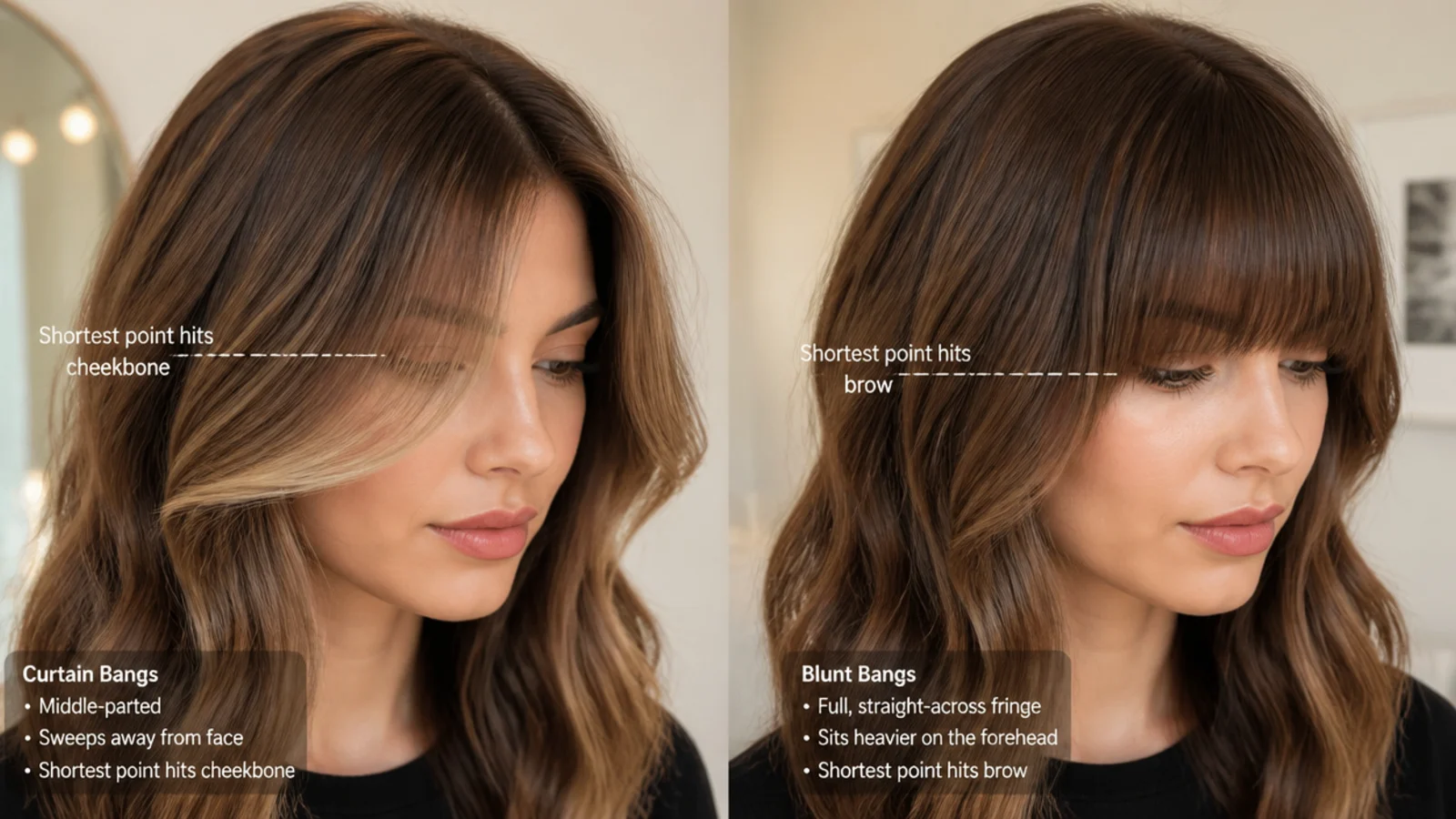
A curtain fringe opens, a full fringe covers. One splits at the centre and falls away on both sides. The other lies across the forehead as a single mass.
They need opposite root directions. A curtain fringe wants the root lifted and over directed sideways. A full fringe wants it dried flat and forward.
A curtain fringe is easier to grow out. The ends are already graduated, so they blend into face framing length rather than sitting as a shelf halfway down.
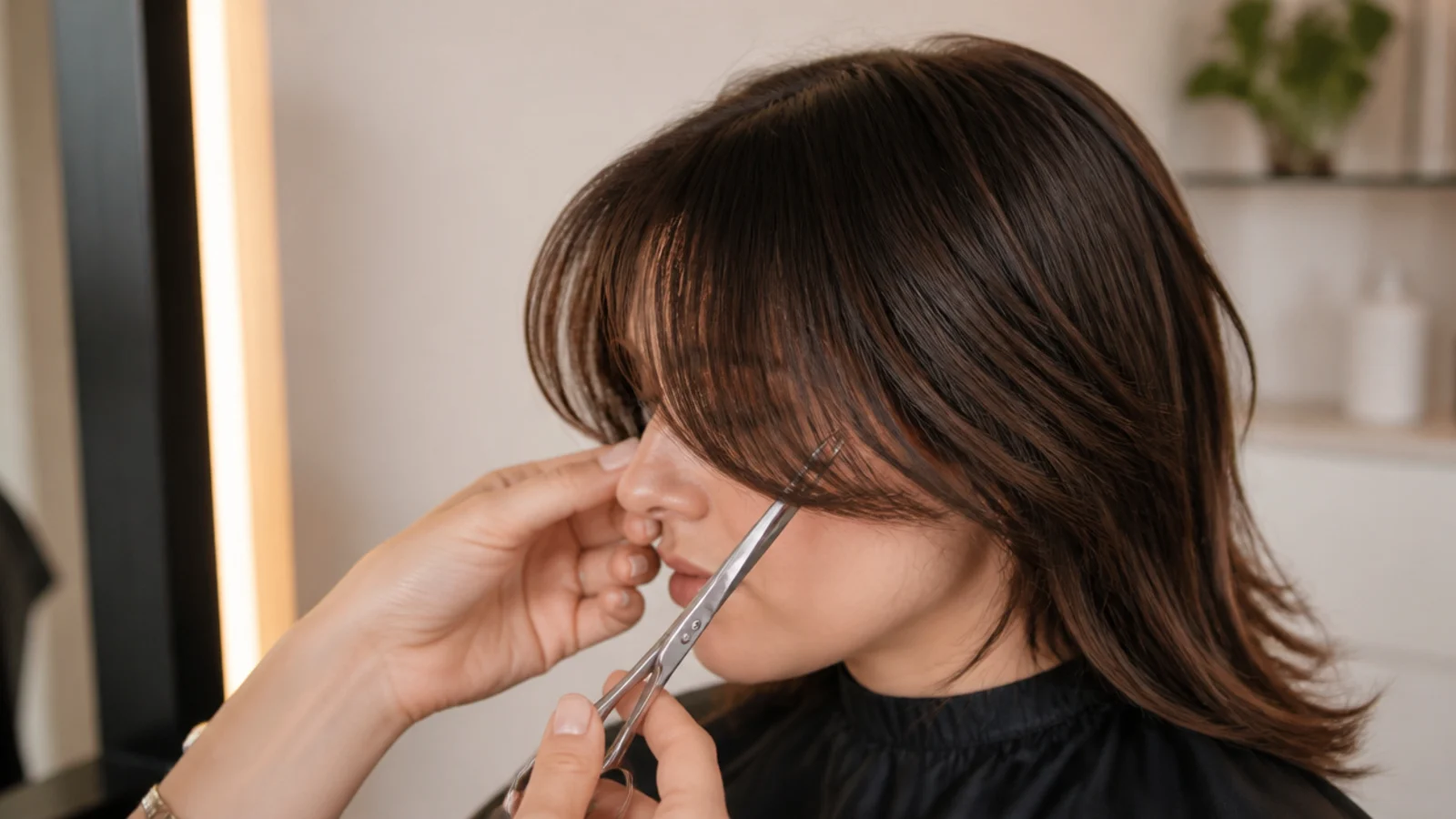
Short refers to the centre only. The shortest point starts at or above the brow while the outer ends still reach the cheekbone, and that gap is what makes it read as curtains.
How Short by Face Shape
Round faces want the widest opening. The diagonal from the centre split to the cheek crosses the face at its widest point and takes width out of it.
Long faces want a shallower graduation. Keeping some length across the forehead shortens the visible face where a steep opening lengthens it further.
Square jaws want the ends past the cheekbone. Softness beside the corner of the jaw does more than anything done at the brow.
Heart shapes want width rather than depth. A wide fringe balances a broad forehead without taking extra hair out of the top of the head.
Styling by Texture
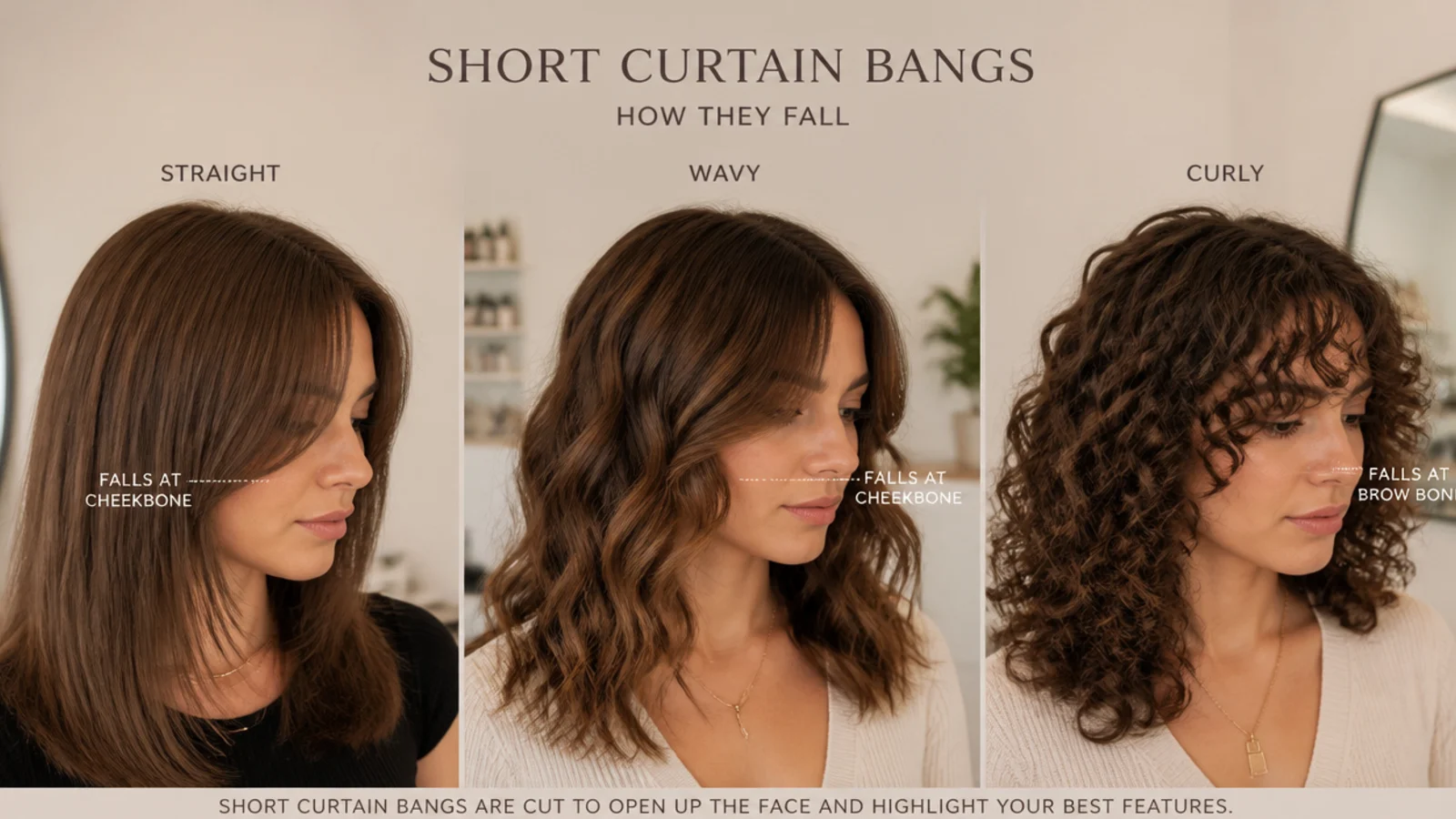
Straight hair holds the least. There is no bend to hold the shape in place, so straight fringes rely entirely on the cool shot and on a texture spray to add friction.
Wavy hair styles fastest. The bend is already there and only needs directing outward, which is usually one pass with a brush.
Curly hair should be diffused, not brushed. A brush pulls the curl clump apart and the fringe dries as frizz rather than as pattern.
Fine hair needs the root and nothing else. Product on the mid lengths of a fine fringe is weight it cannot carry, and weight is what flattens it.
Failure Modes and Fixes
Splitting into two clumps. A cowlick at the hairline. Wet the root only, dry it flat against the direction the hair grows, then release it.
Flat by lunchtime. Oil transfer from the forehead. Dry shampoo goes on in the morning, before the sebum arrives rather than after.
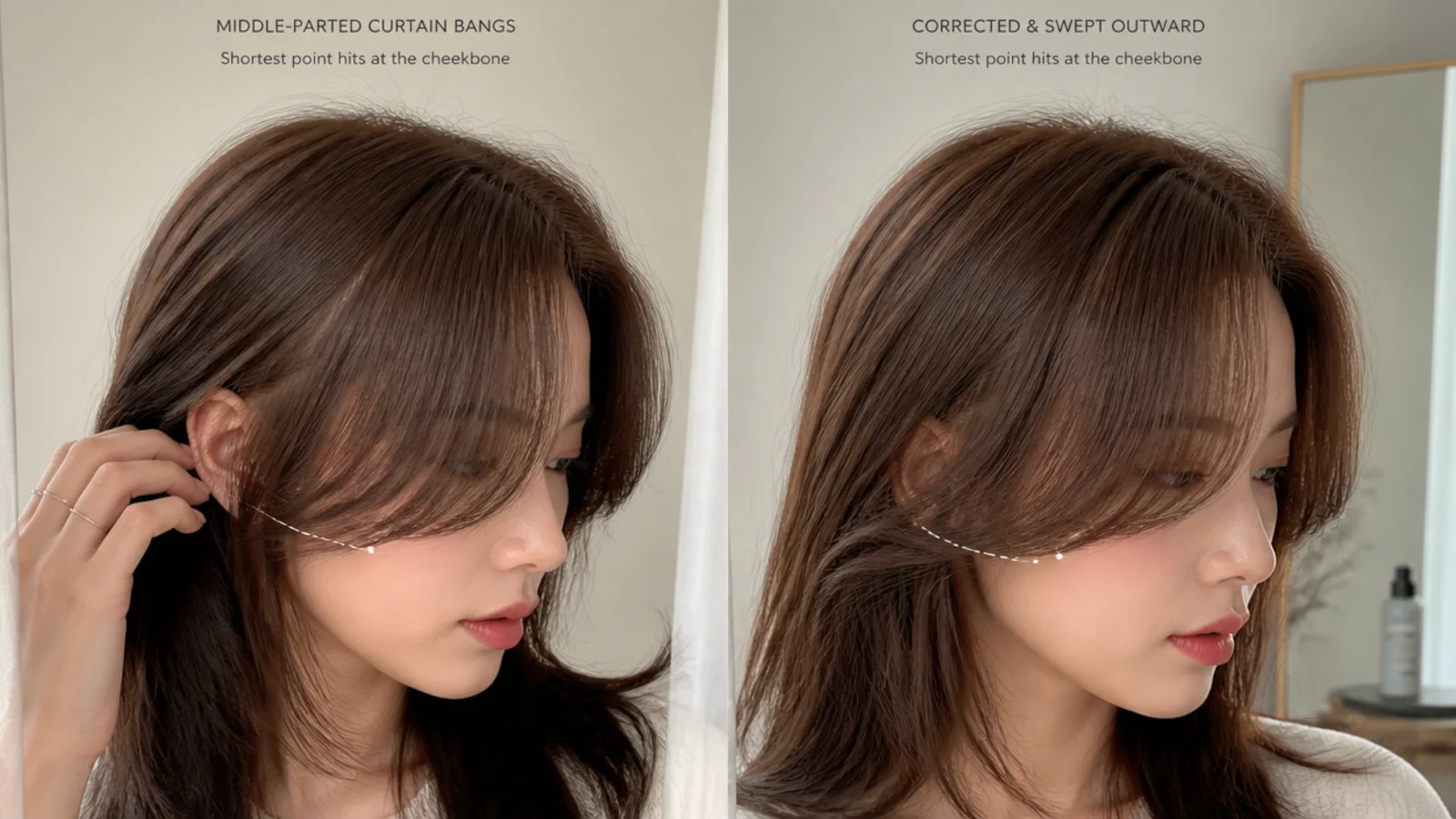
Ends curling into the cheek. The brush rotated the wrong way. Every pass on a curtain fringe turns away from the face, never towards it.
Kinked at the root. Something was clipped or clamped too close to the scalp. Damp the first inch and dry it again rather than ironing the kink flat.
Trim Cadence and Growing Out
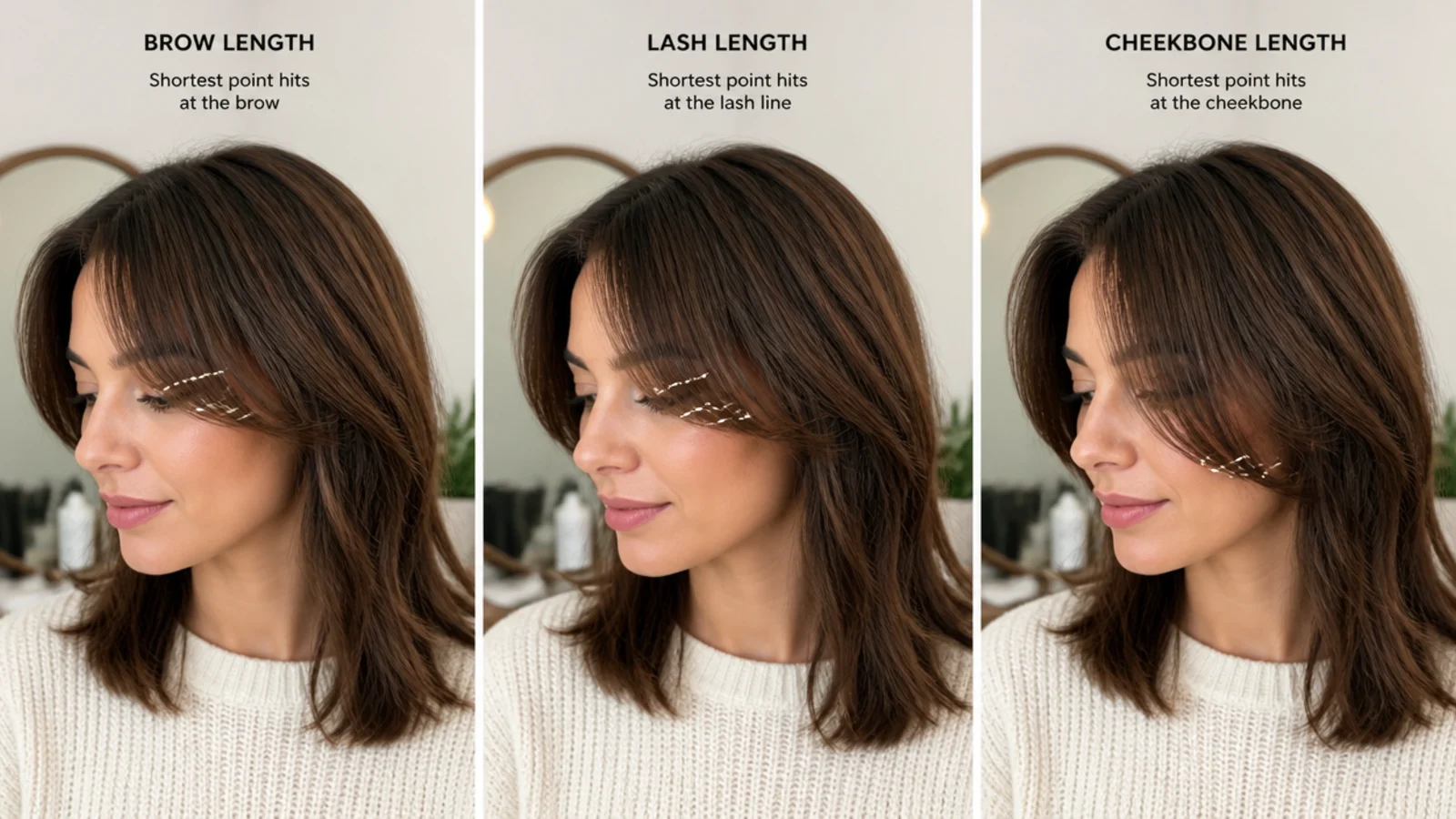
Three to four weeks. Hair grows roughly half an inch a month, and on a brow length fringe half an inch is the difference between grazing the eyebrow and sitting in the lashes.
Trim it dry and in position. Wet hair stretches and springs back shorter, which is how a brow fringe becomes a baby fringe by accident.
Cheekbone arrives at about three months. That is an inch and a half of growth from the brow, and it is the point where the fringe merges with the length.
Trim only the outer ends while growing. Touching the shortest centre point adds another month to the timeline every single time.
The 15 Ways to Style Short Curtain Bangs
1. No Heat Finger Sweep
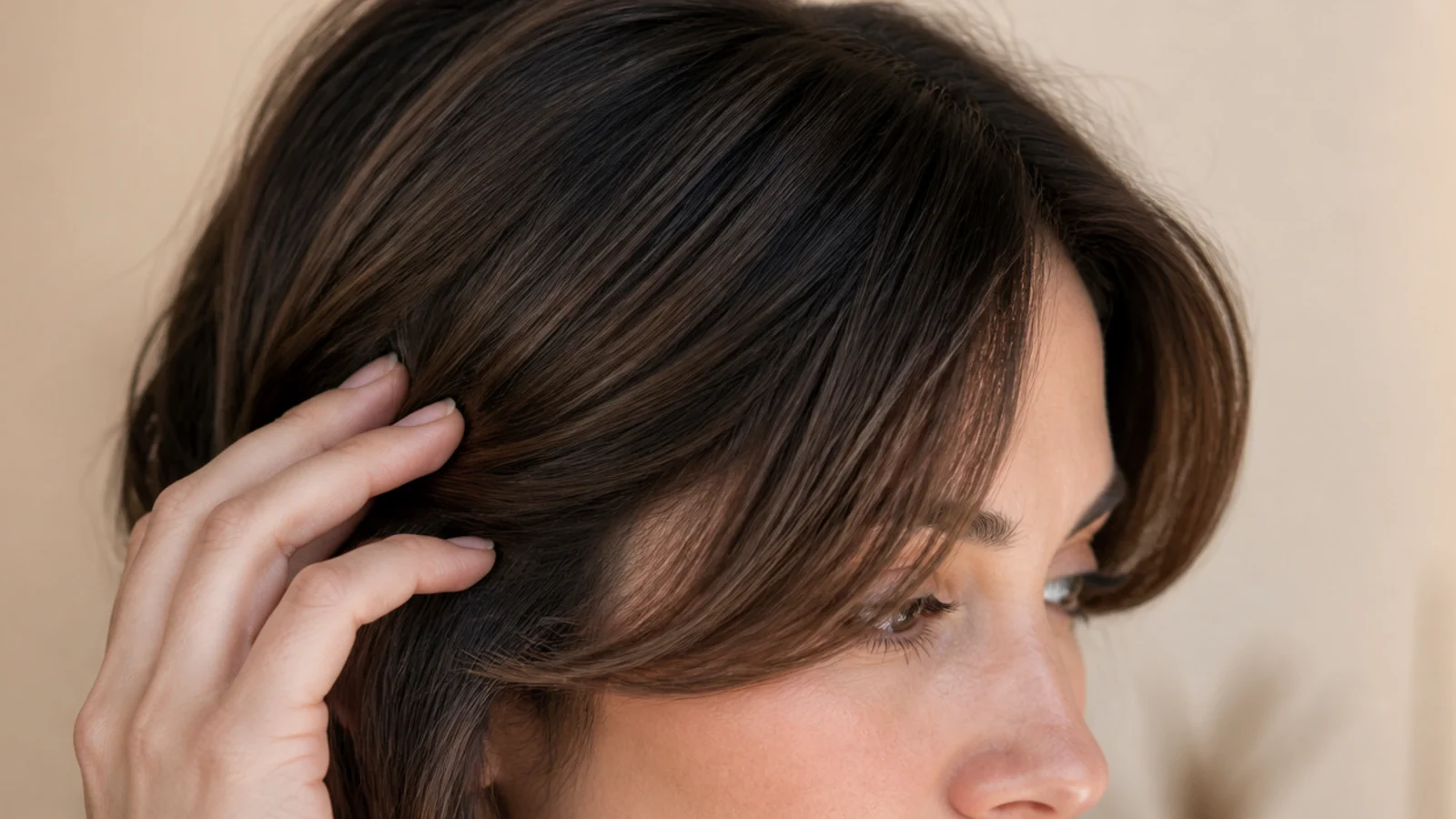
Split the damp fringe, push each half back and sideways with your fingers, and leave it alone until it dries. The set is made by evaporation rather than by heat, so it costs nothing and holds as well as a blow dry does.
2. Round Brush Blow Dry
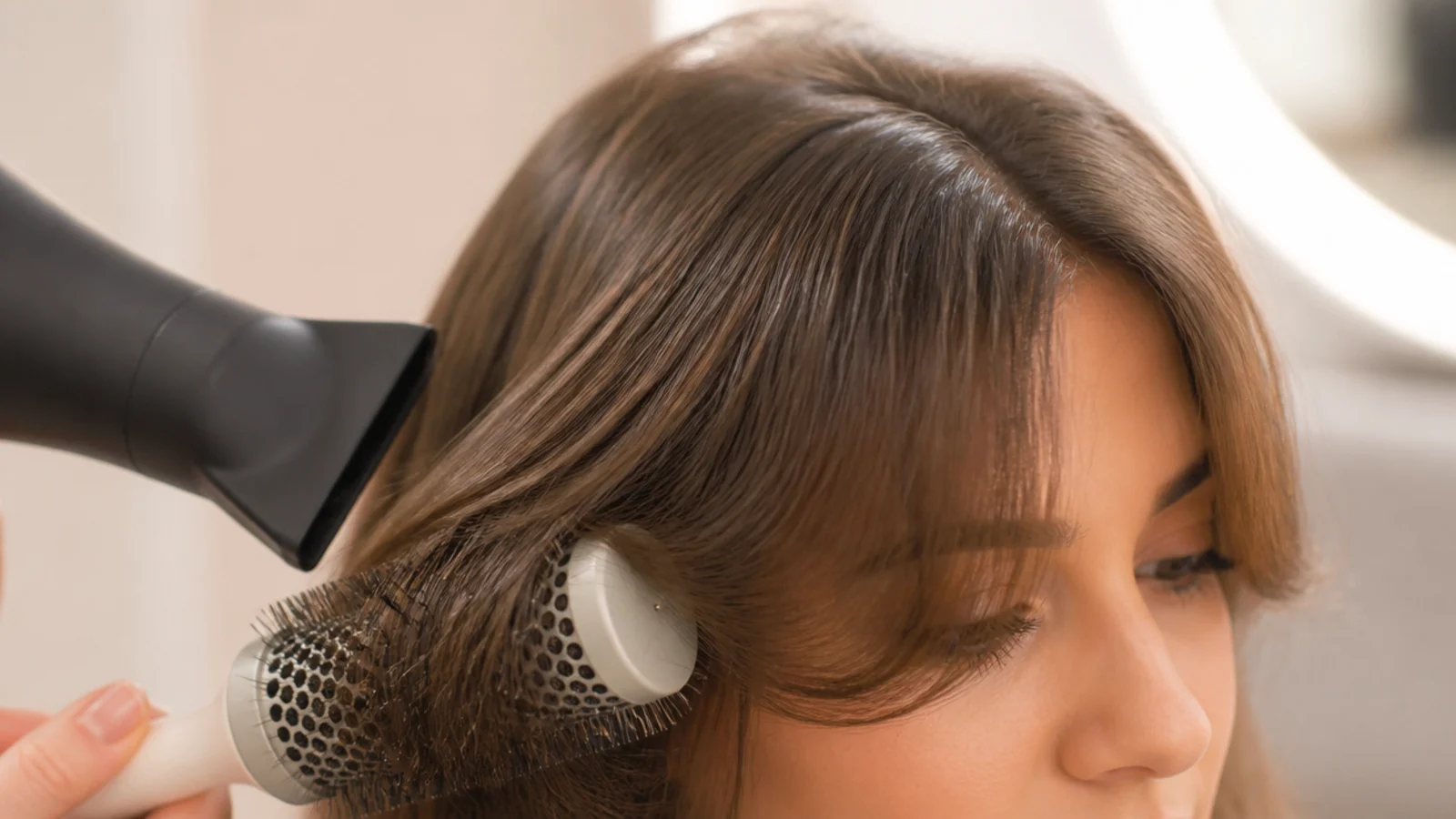
Tension from the brush, heat to soften, then cold to fix, in that order. The brush barrel decides the size of the bend, so a small barrel on a short fringe gives a tight flick and a large one gives an open sweep.
3. Flat Iron Bend
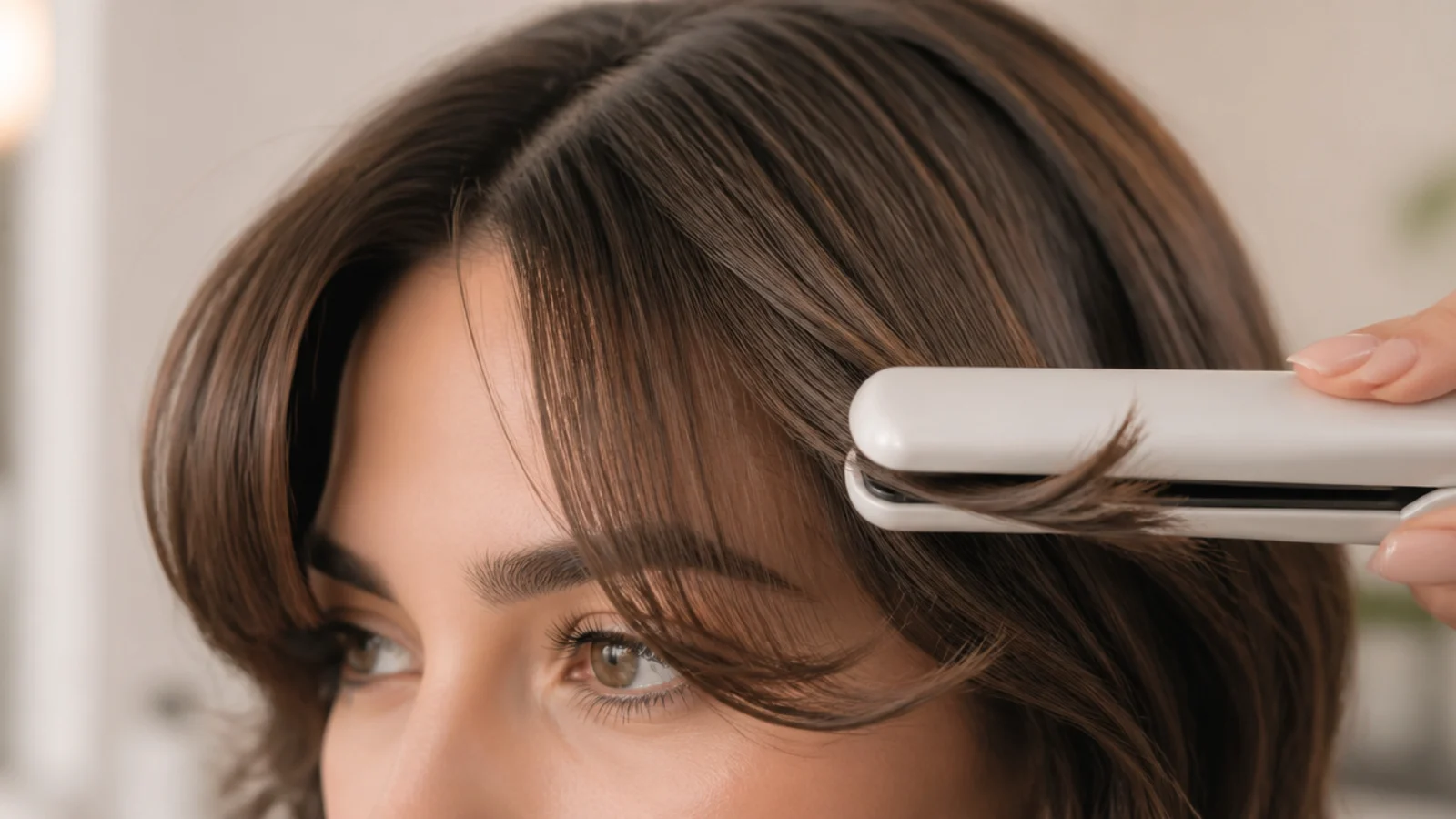
One slow pass with a quarter turn of the wrist near the ends, on dry hair only. Irons work by heating the strand past the point where it holds shape, so a second pass over the same section adds damage without adding bend.
4. Curling Iron Flick
Clamp at the mid length, rotate away from the face, and release before a full turn completes. Stopping short of a whole rotation leaves a bend rather than a curl, which is the difference between a curtain fringe and a set.
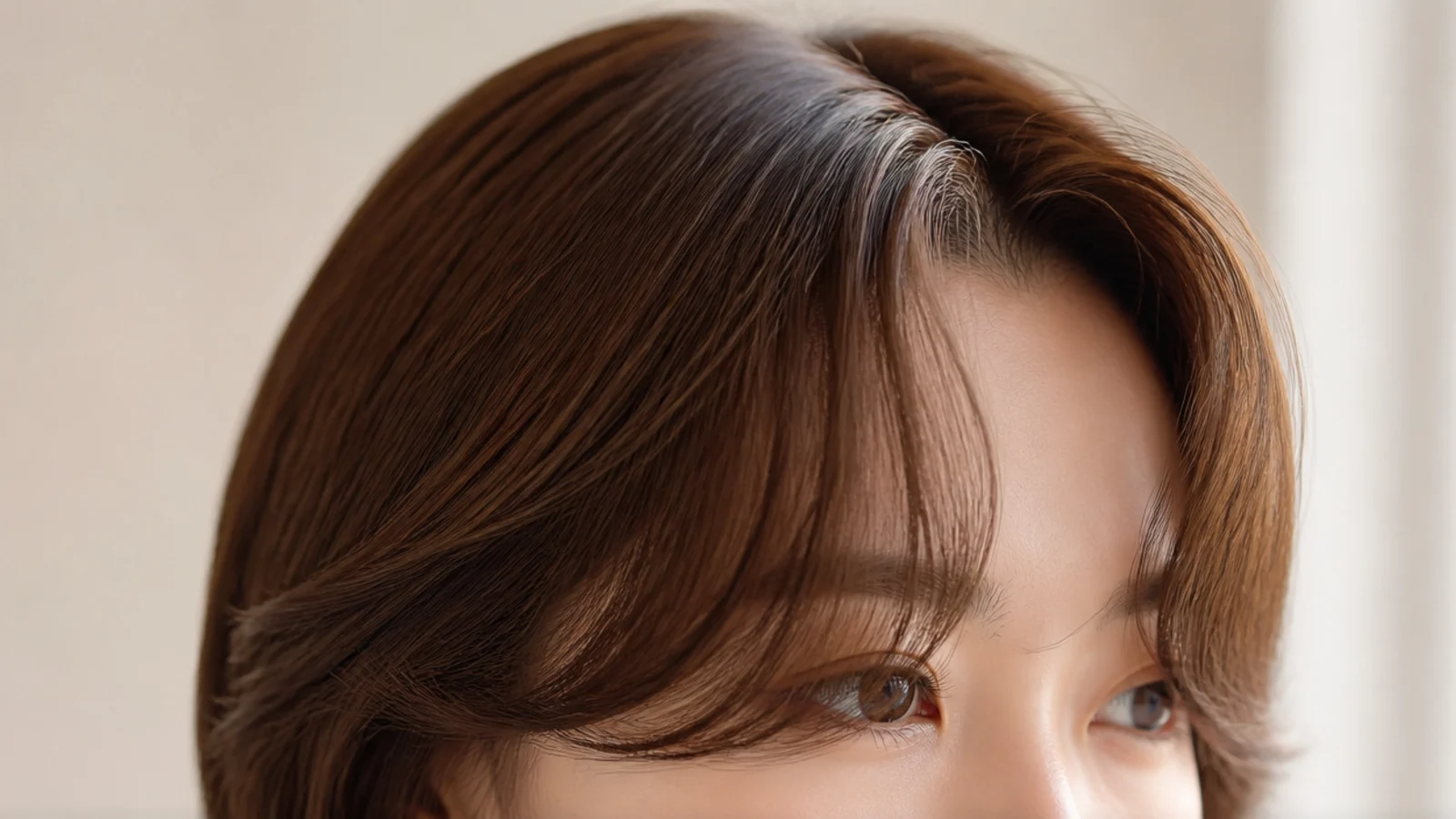
5. Velcro Rollers
The hooks grip the hair without a clip, so the fringe holds at the root while it cools with no dent where a clamp would sit. Leave it until the hair is properly cold, because the set is made entirely in the cooling.
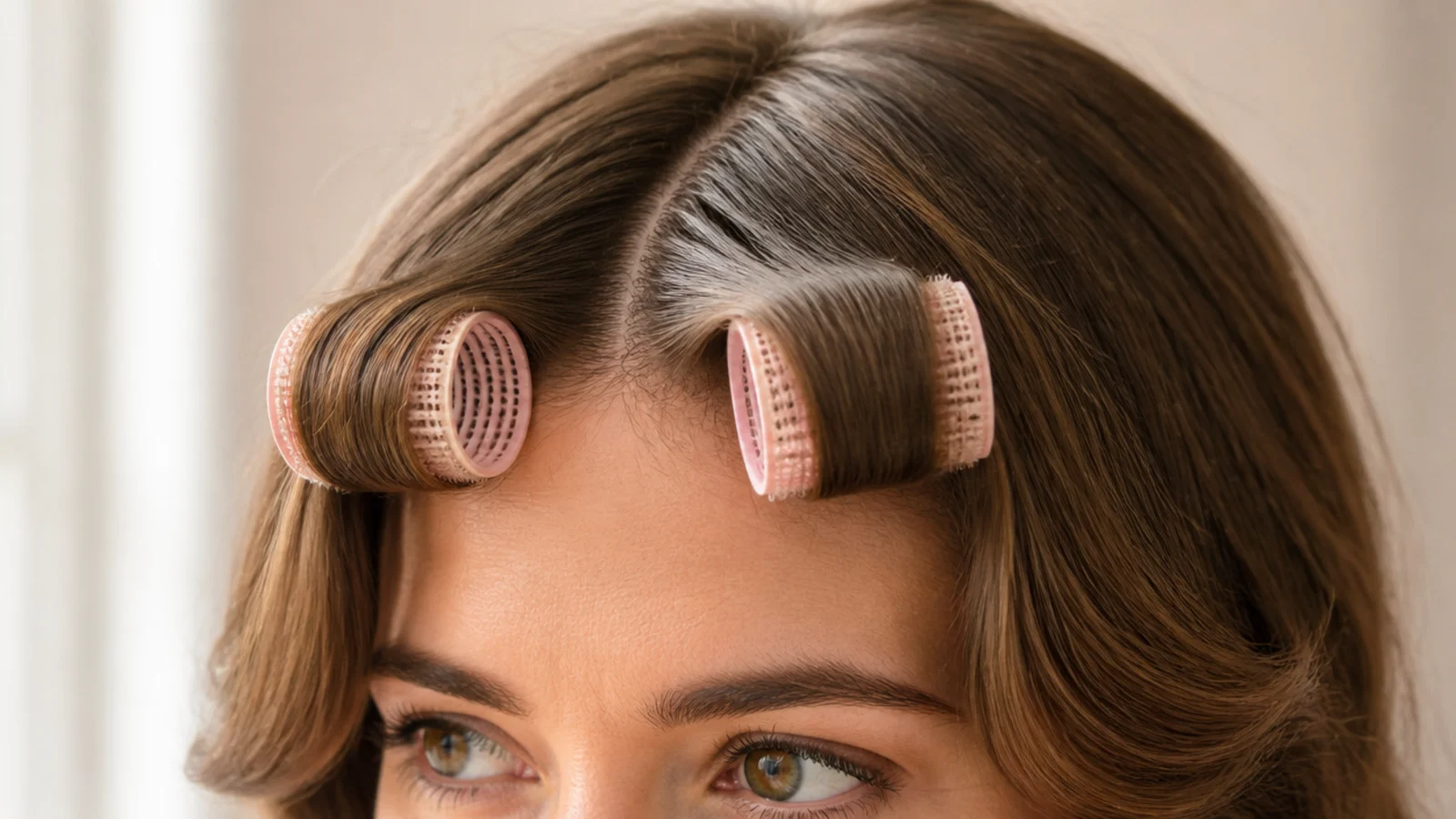
6. Damp Set for Fine Hair
Roll the fringe damp and let it dry in place with no heat at all. Fine hair takes a set from evaporation more readily than thick hair does, and skipping the dryer avoids the one thing that flattens it fastest.
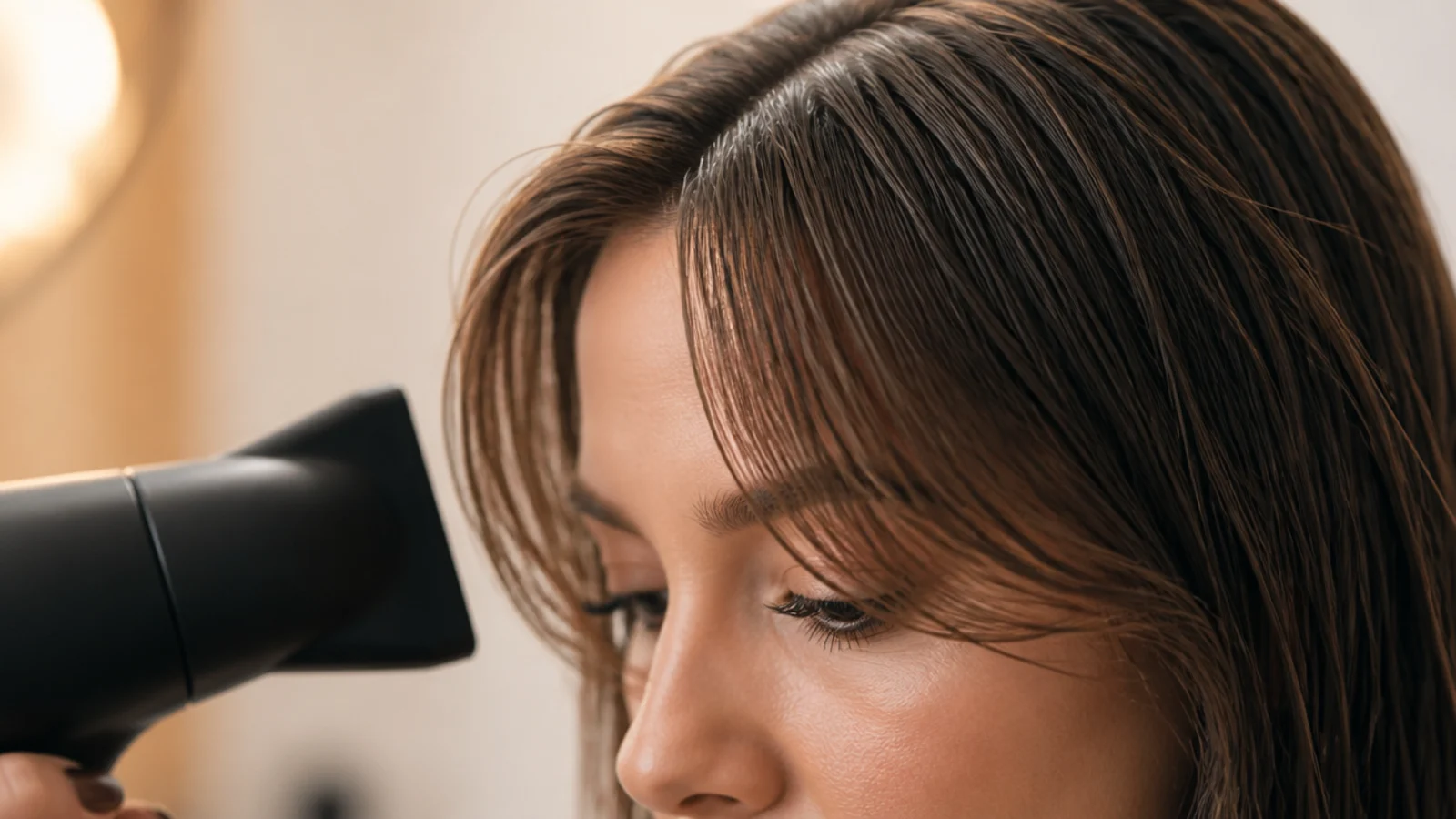
7. Seventies Flip
A larger barrel and a fuller outward turn, taken further than a modern curtain fringe usually goes. The bigger the barrel the wider the arc, so the flick reads as body across the whole fringe rather than as a curl at the ends.
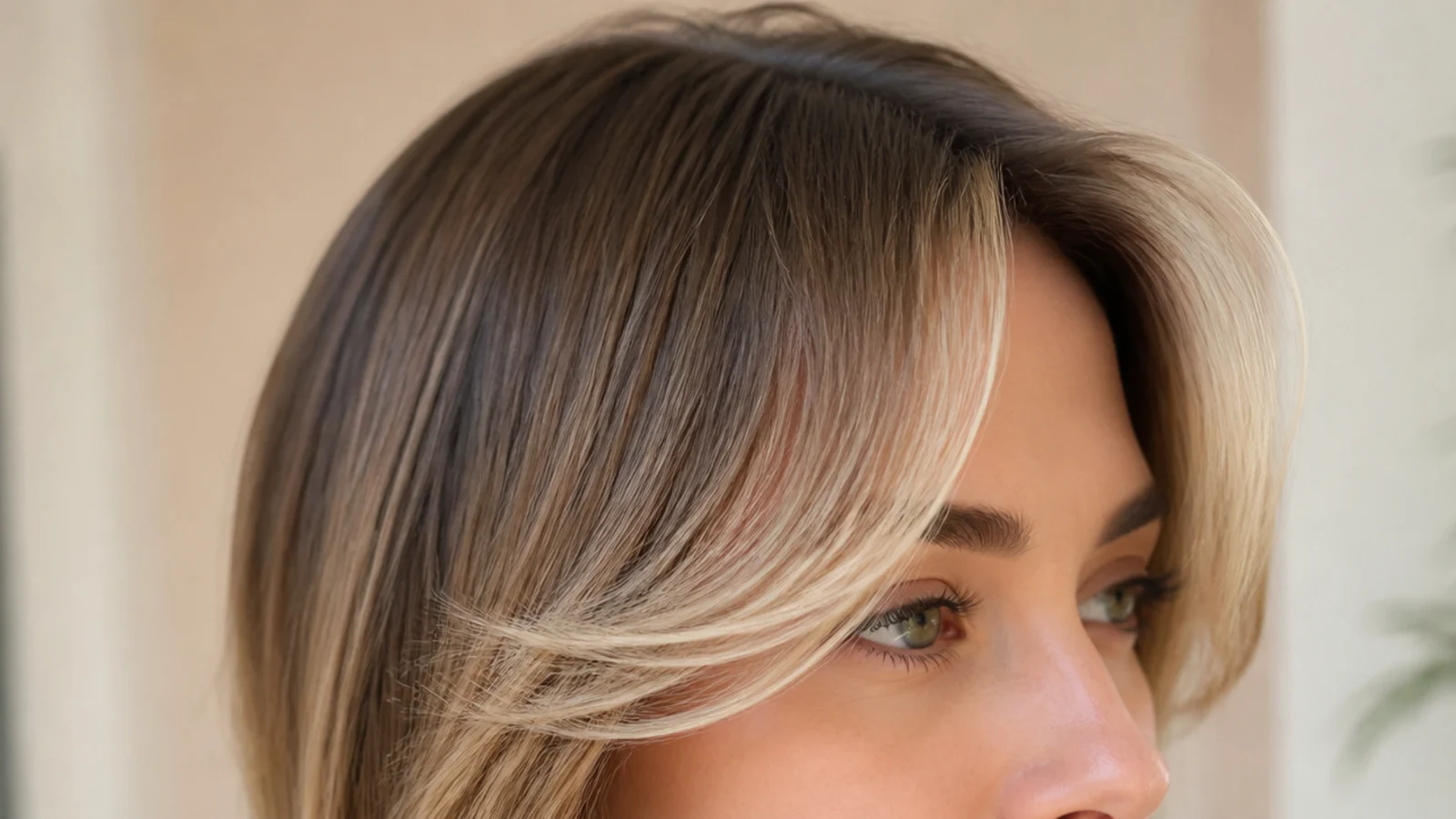
8. Deep Side Sweep
Set the root direction while the hair is damp, pushing it hard across the head from a part well off centre. Direction is decided at the root during drying, so nothing done to the ends later will keep a fringe sitting sideways.
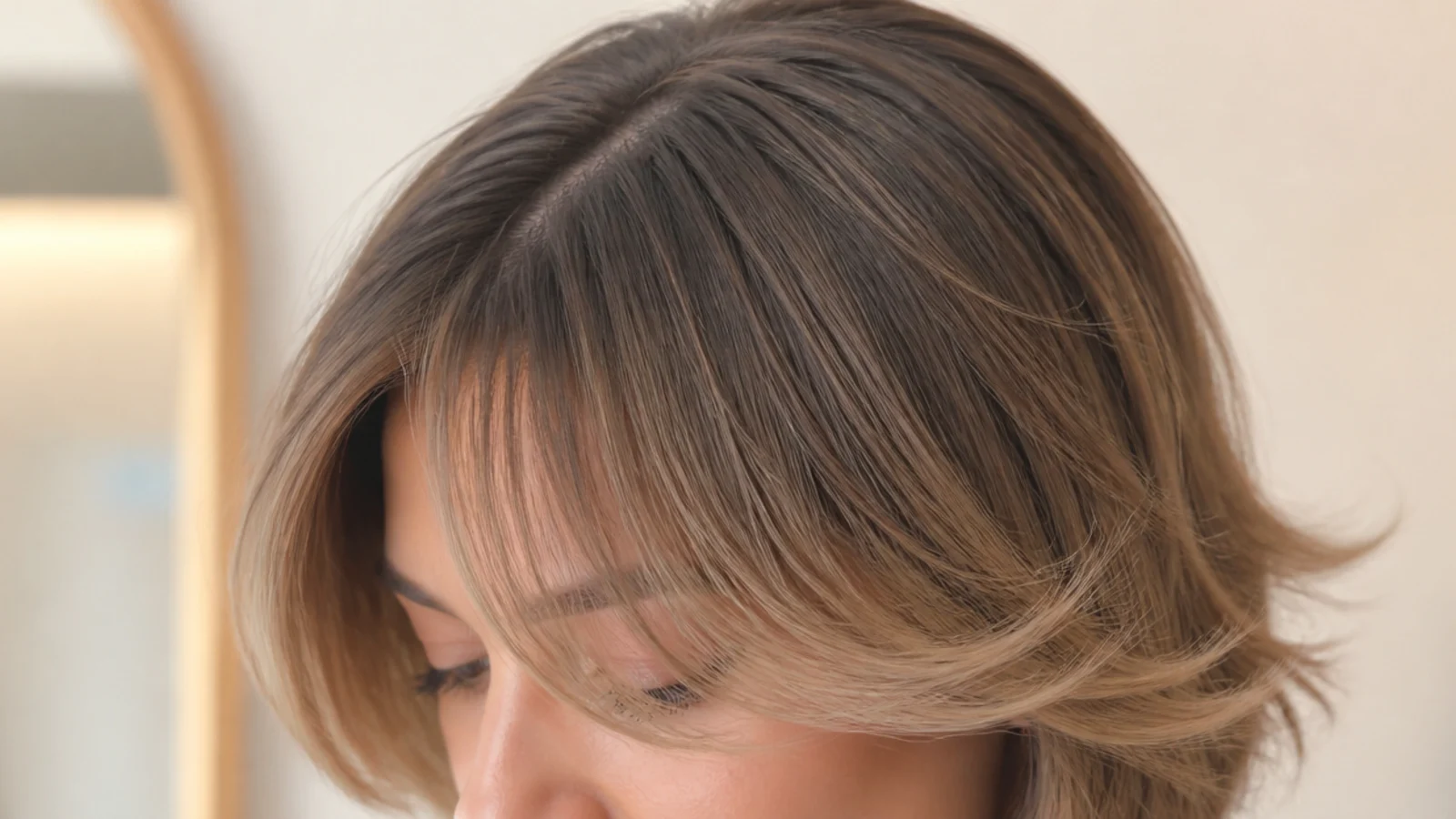
9. Mini Claw Clips
Two small clips take the fringe back off the face without a band across the root, so the pressure spreads across several teeth rather than one edge. That is why clips leave no dent where an elastic or a headband will.
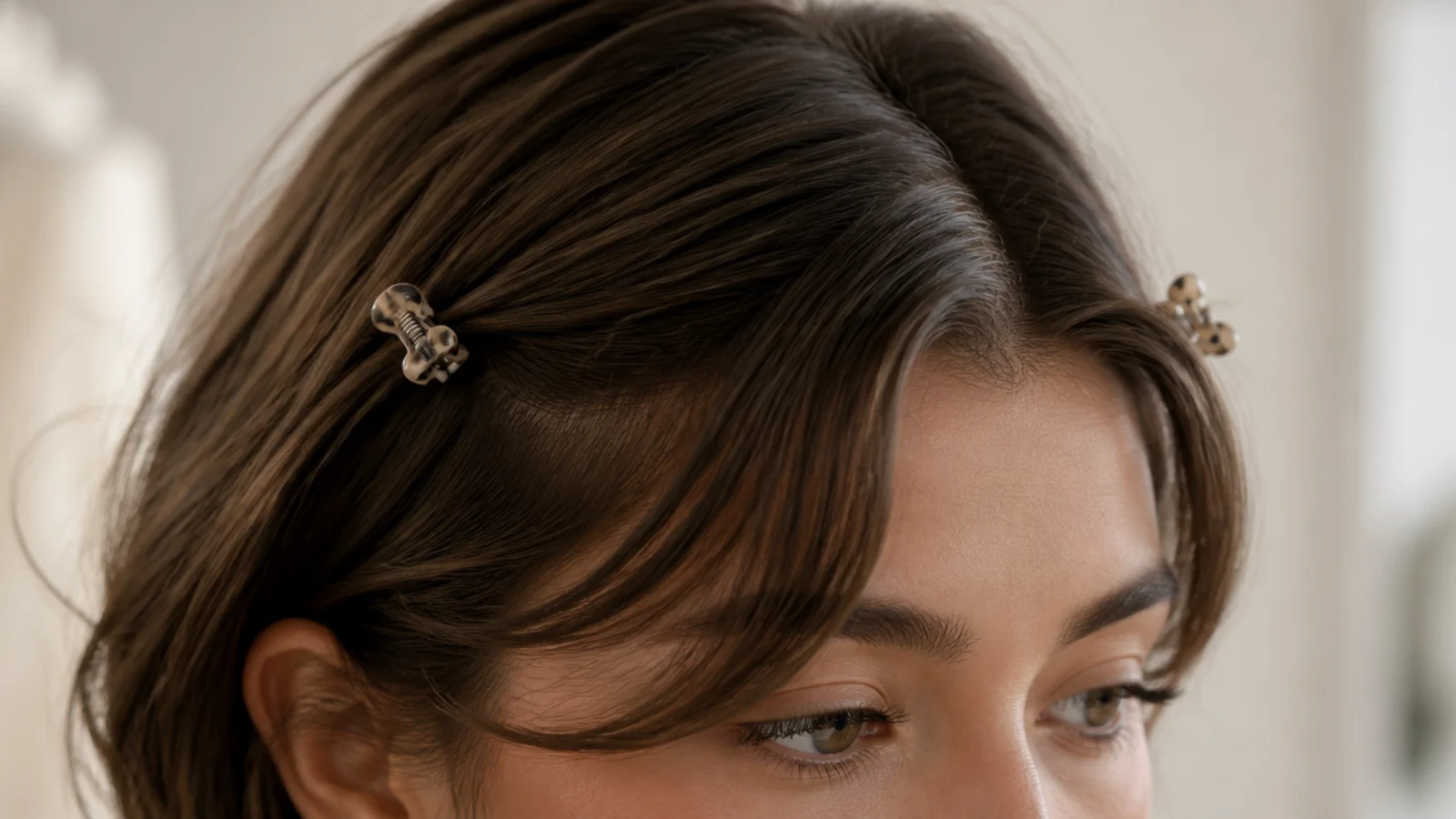
10. Headband
A band sits on the root and presses it flat, so place it behind the fringe rather than over it. Worn that way it lifts the hair behind the fringe and the fringe itself keeps whatever volume it was dried with.
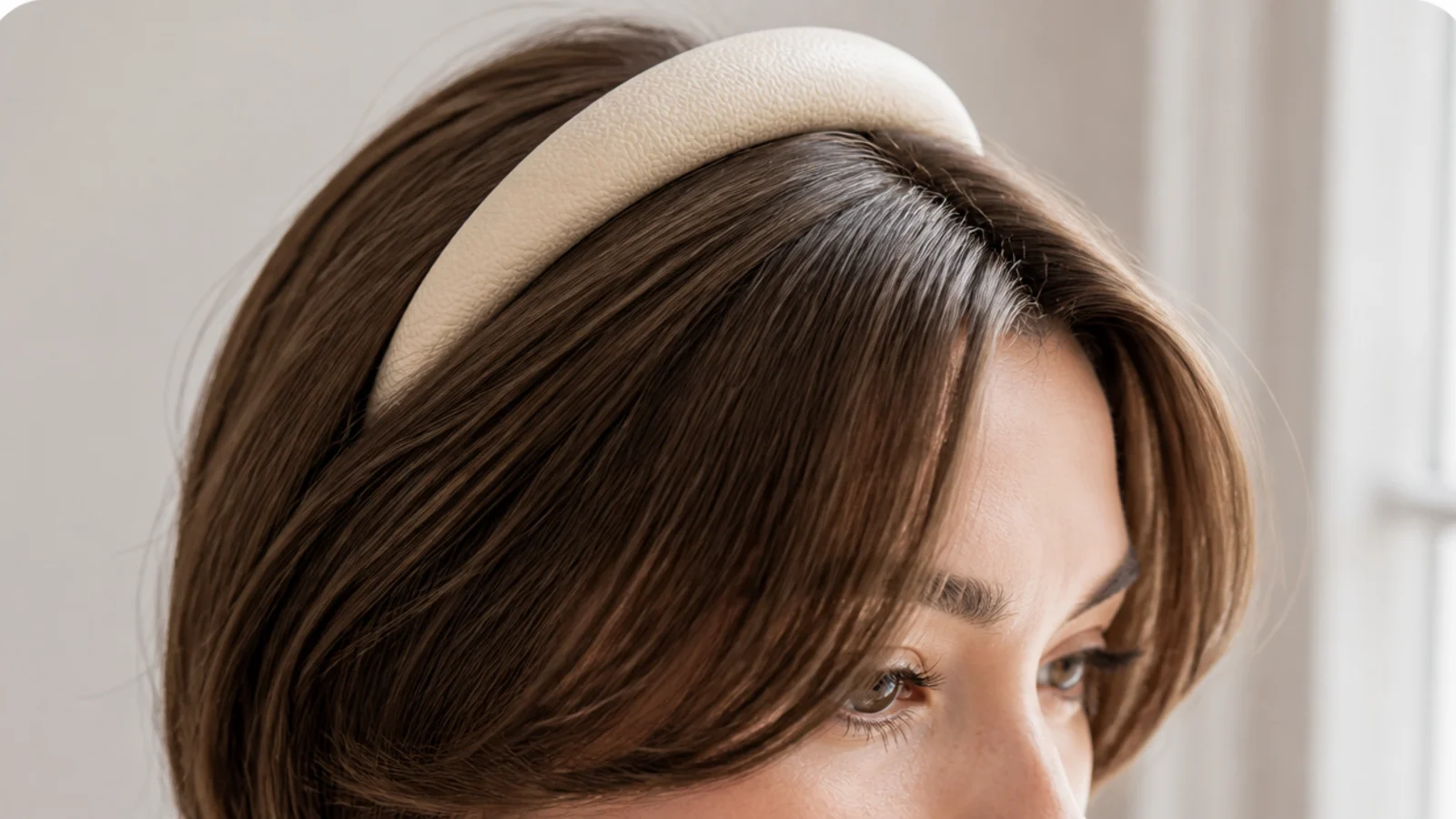
11. Slick Bun
Gel and brush the length only and leave the fringe untouched, because the contrast between a hard slicked surface and a soft fringe is the whole effect. Product carried up into the fringe collapses it and the look goes with it.
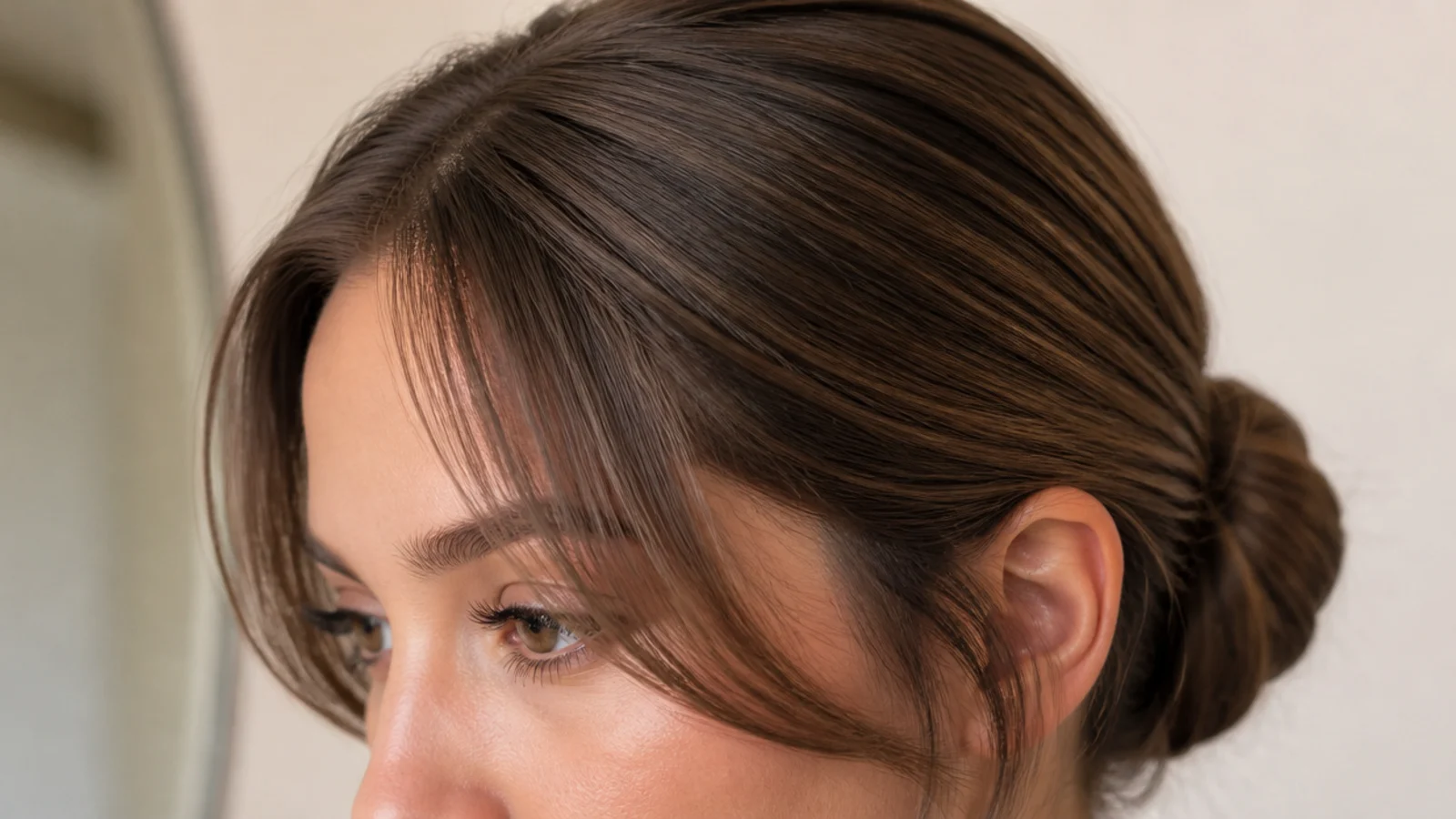
12. Texture Spray Pieces
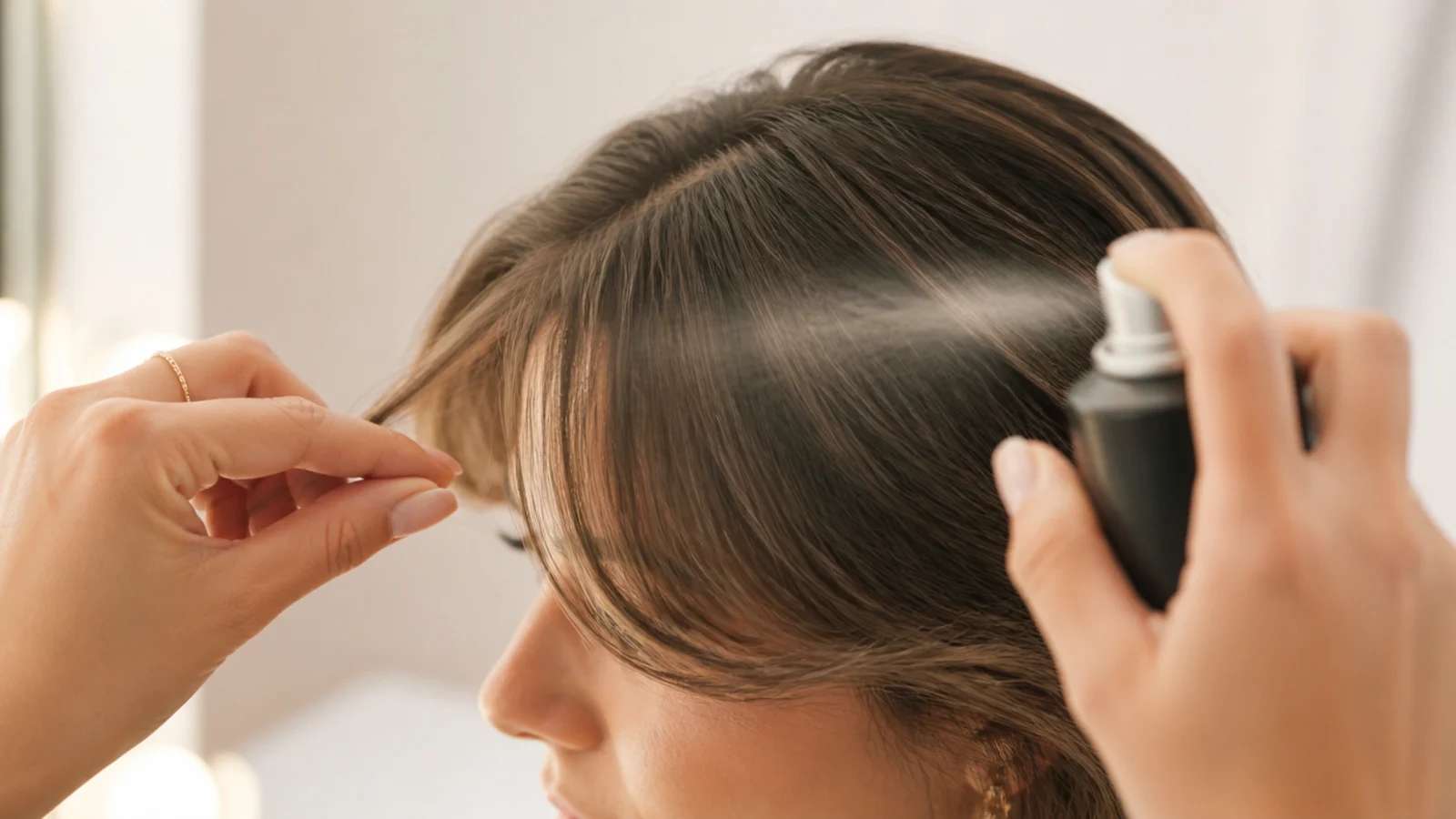
Texture sprays work by depositing polymers or salts that increase friction between strands, so the hair holds separation instead of collapsing into a sheet. On a fringe that means visible pieces, which is why a light mist at the ends is enough.
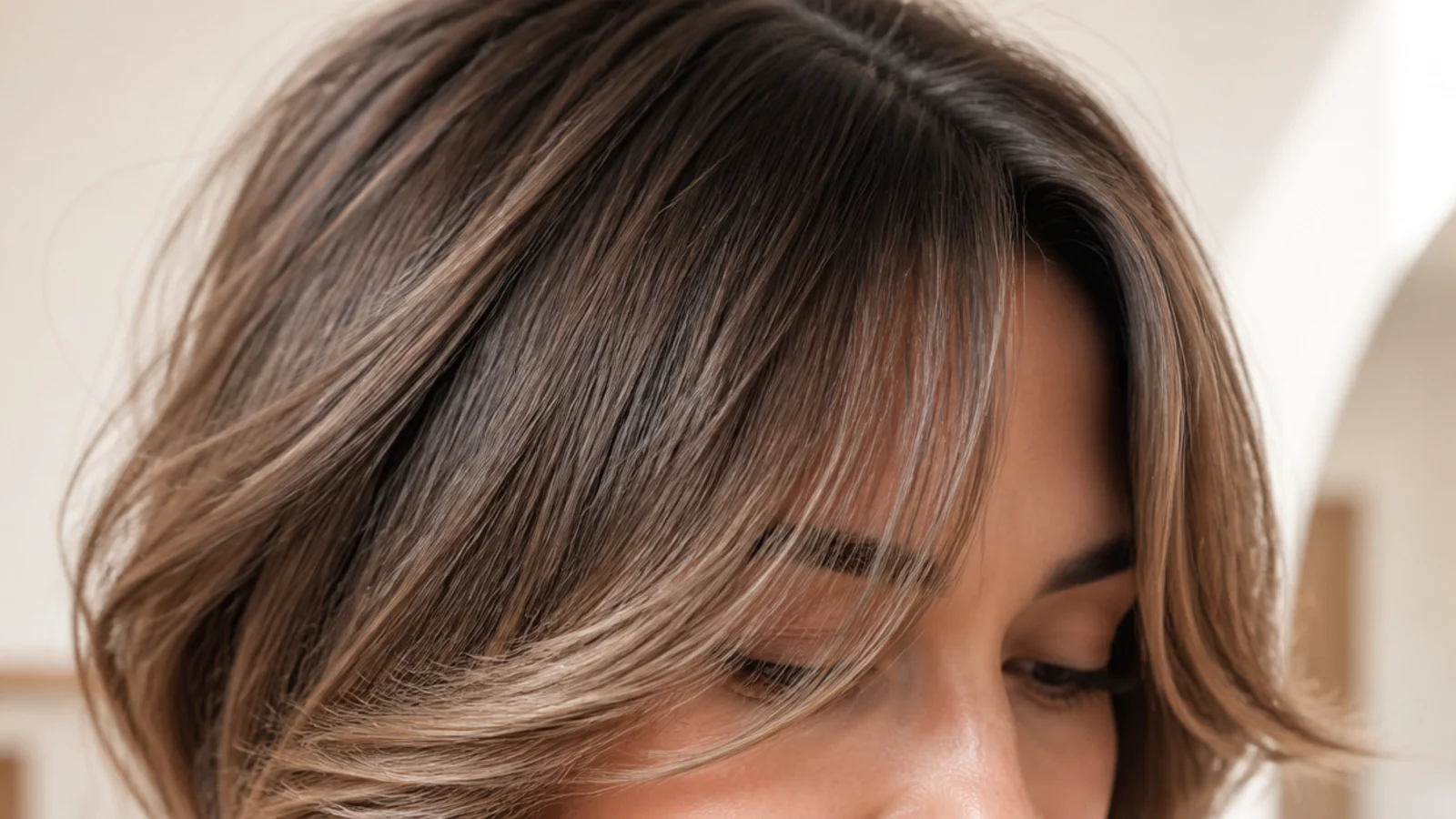
13. Dry Shampoo Root Lift
Starches and alcohols absorb the sebum that weighs a fringe down and leave bulk between the strands at the root. Applied in the morning it works as a barrier. Applied after the fringe has dropped it only greys the hair it lands on.
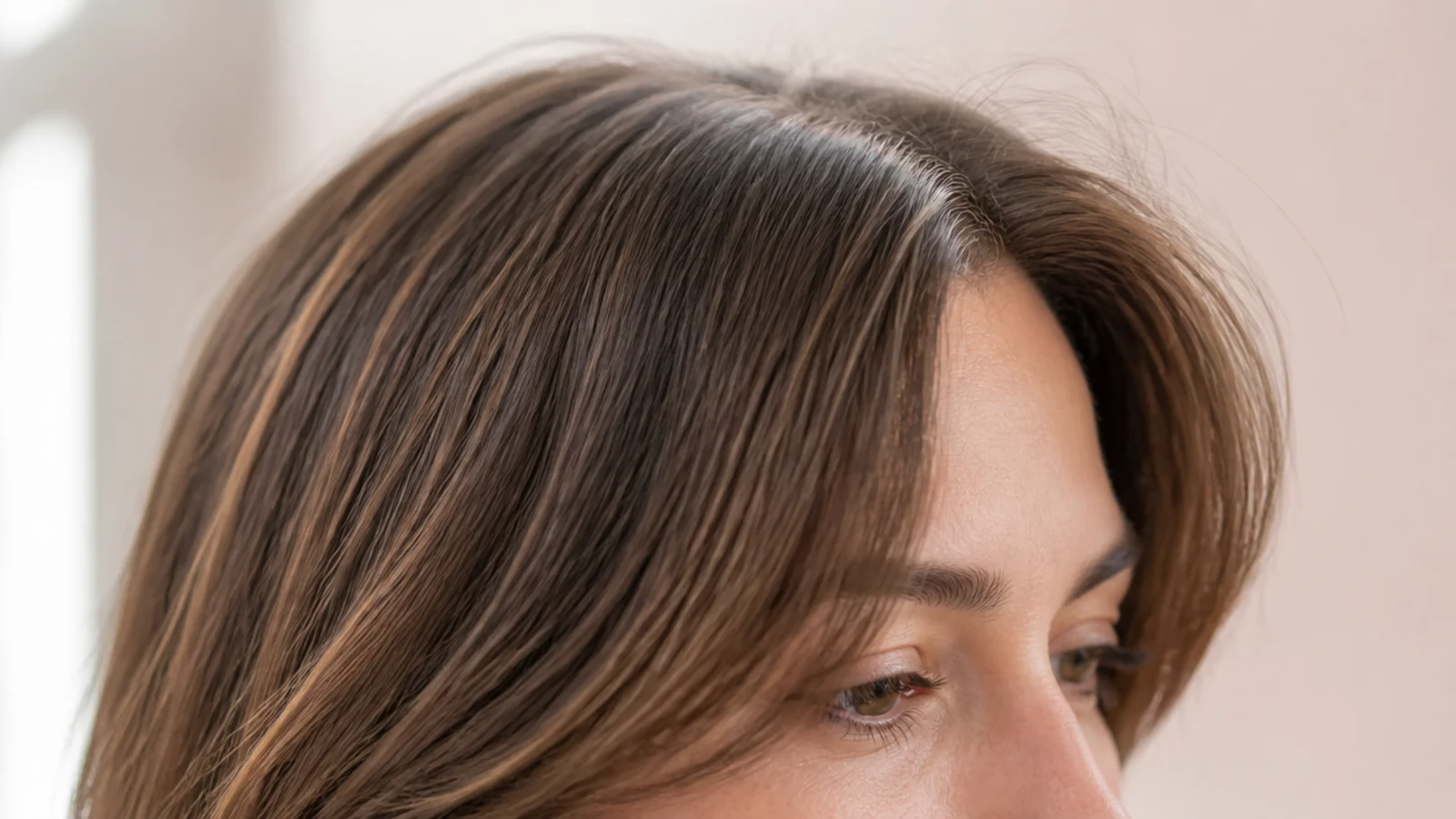
14. Diffused Curly
Low speed and medium heat, cupping the fringe rather than moving through it. Airflow is what separates a curl clump into frizz, so the less the fringe is disturbed while it dries the more defined the pattern comes out.
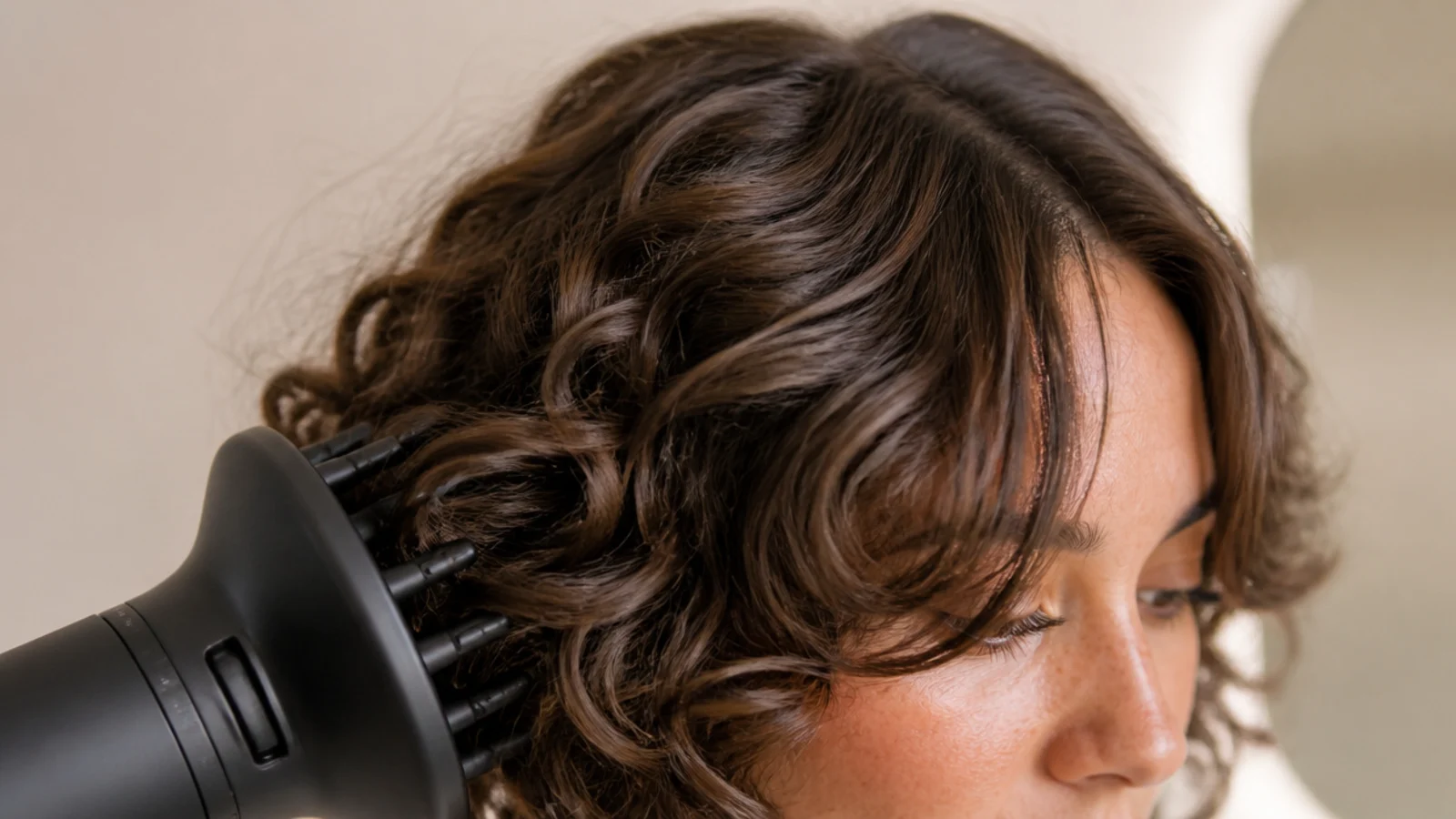
15. Hat and Beanie
Any band flattens the root, so sweep the fringe to one side before the hat goes on rather than leaving it split. Damping the first inch and finger drying it afterwards resets the lift in under a minute.

How to Blow Dry Short Curtain Bangs
Step 1. Start From a Damp Fringe
Towel the fringe to damp rather than wet, because water on the surface has to be removed before any shaping starts and that is wasted heat. Damp hair is soft enough to redirect and dry enough to respond to the brush immediately.

Step 2. Part the Fringe Down the Centre
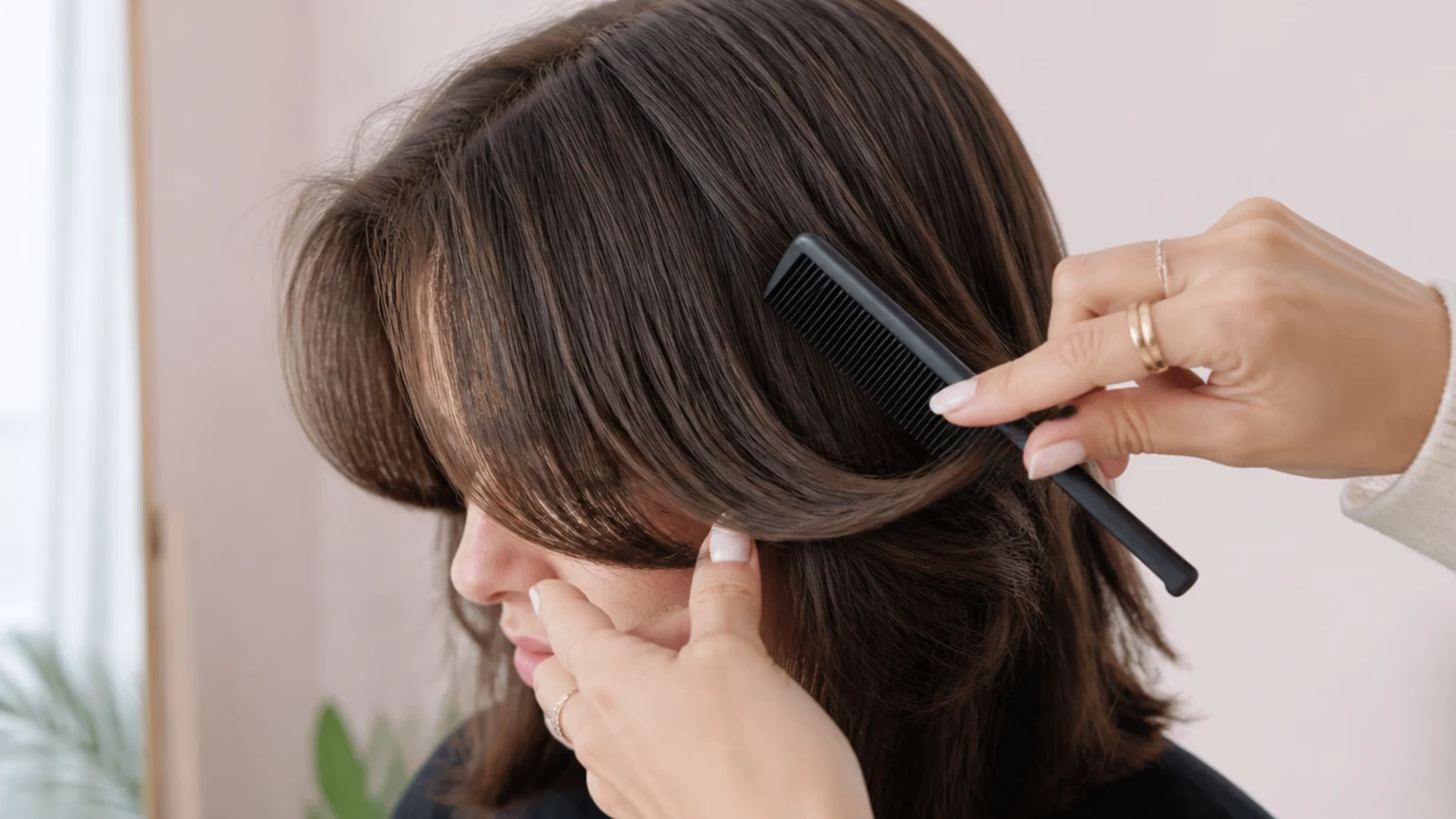
Comb a clean split at the natural centre before anything else, because the part sets where each half will fall for the rest of the day. A split made after drying leaves the root pointing one way and the length another.
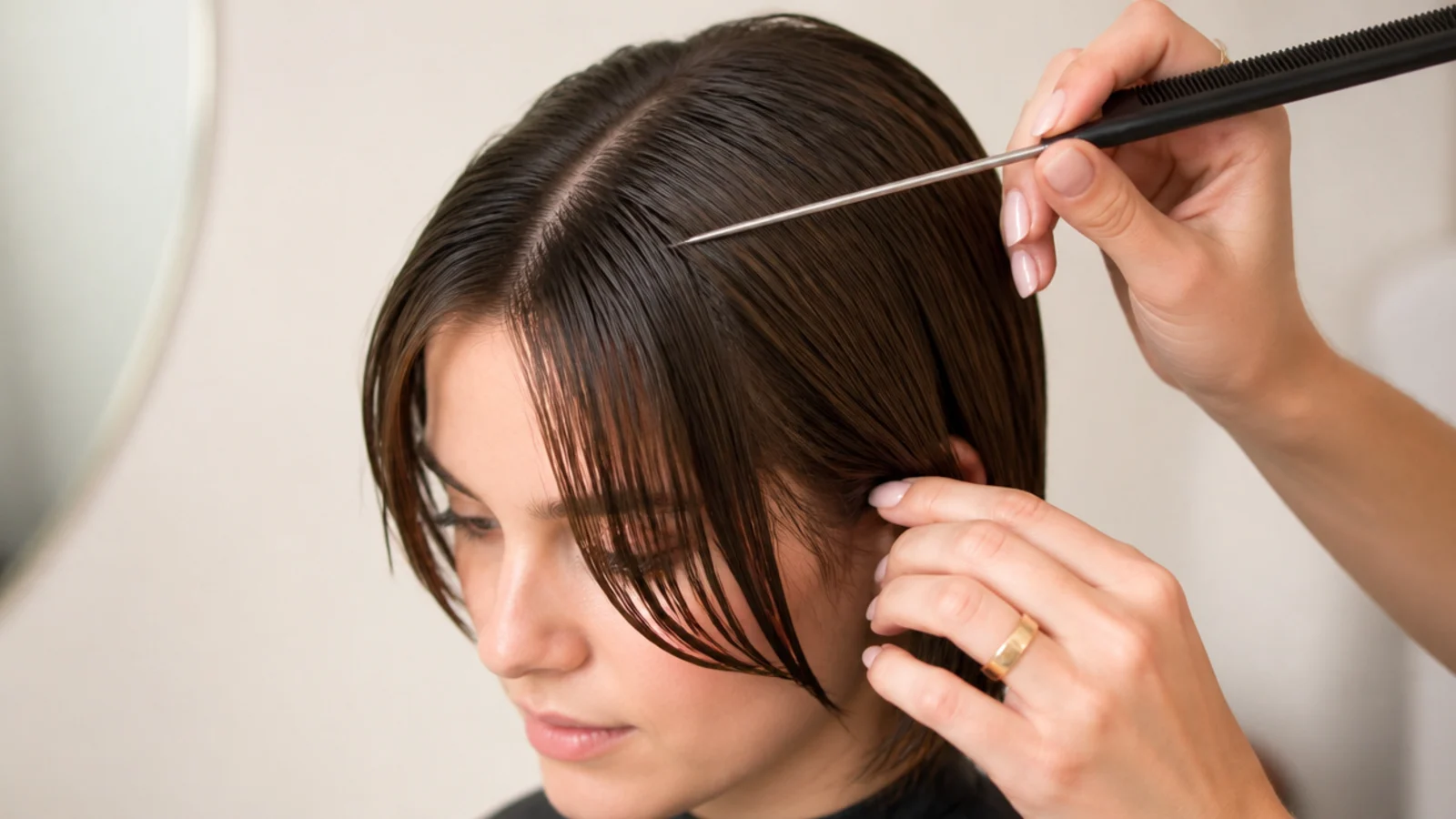
Step 3. Mist Heat Protectant
A light mist over the mid lengths and ends, not the root. Protectants work by slowing how fast heat transfers into the strand, and the fringe takes more direct heat per wash than any other section on the head.
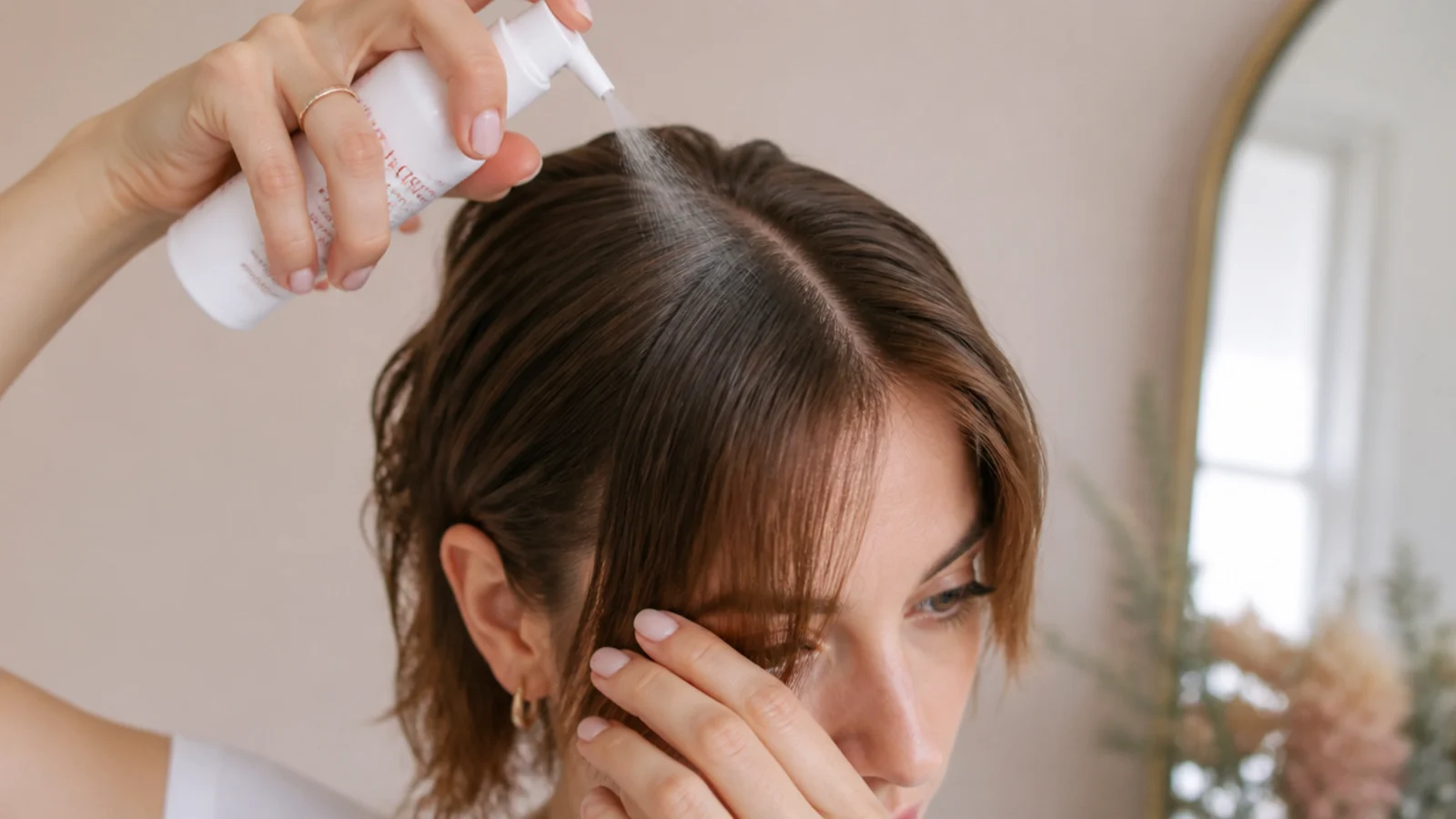
Step 4. Lift the Roots First
Dry the first inch with the nozzle pointing down the hair shaft while pushing each half towards the opposite side. Over directing at the root builds the standing position, and everything the brush does later hangs off it.
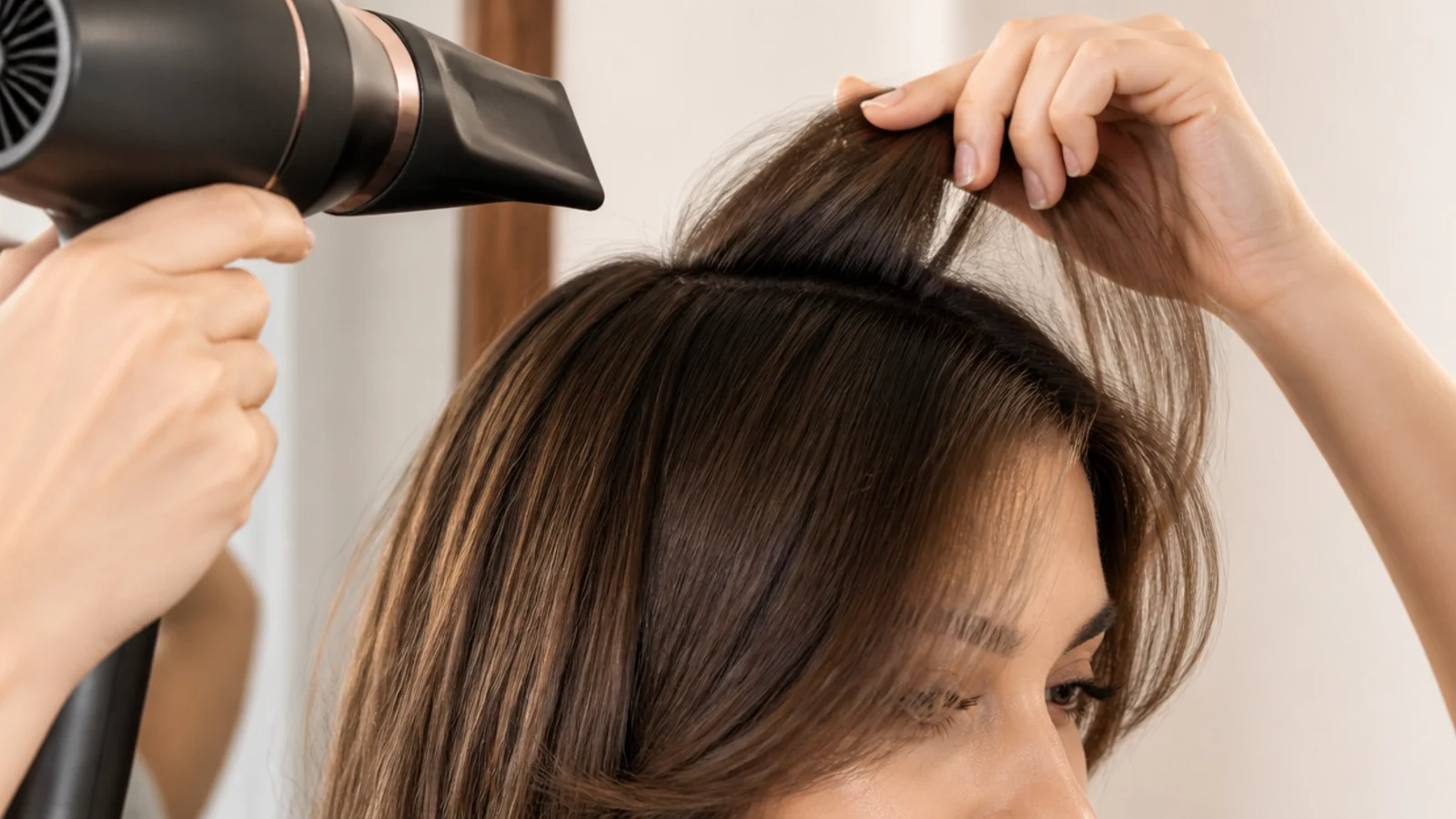
Step 5. Round Brush Each Half
Take one half at a time over the brush, keep tension from root to end, and follow the barrel with the nozzle. Tension is what smooths the cuticle, and a smooth cuticle is what makes a short fringe look finished rather than fluffy.
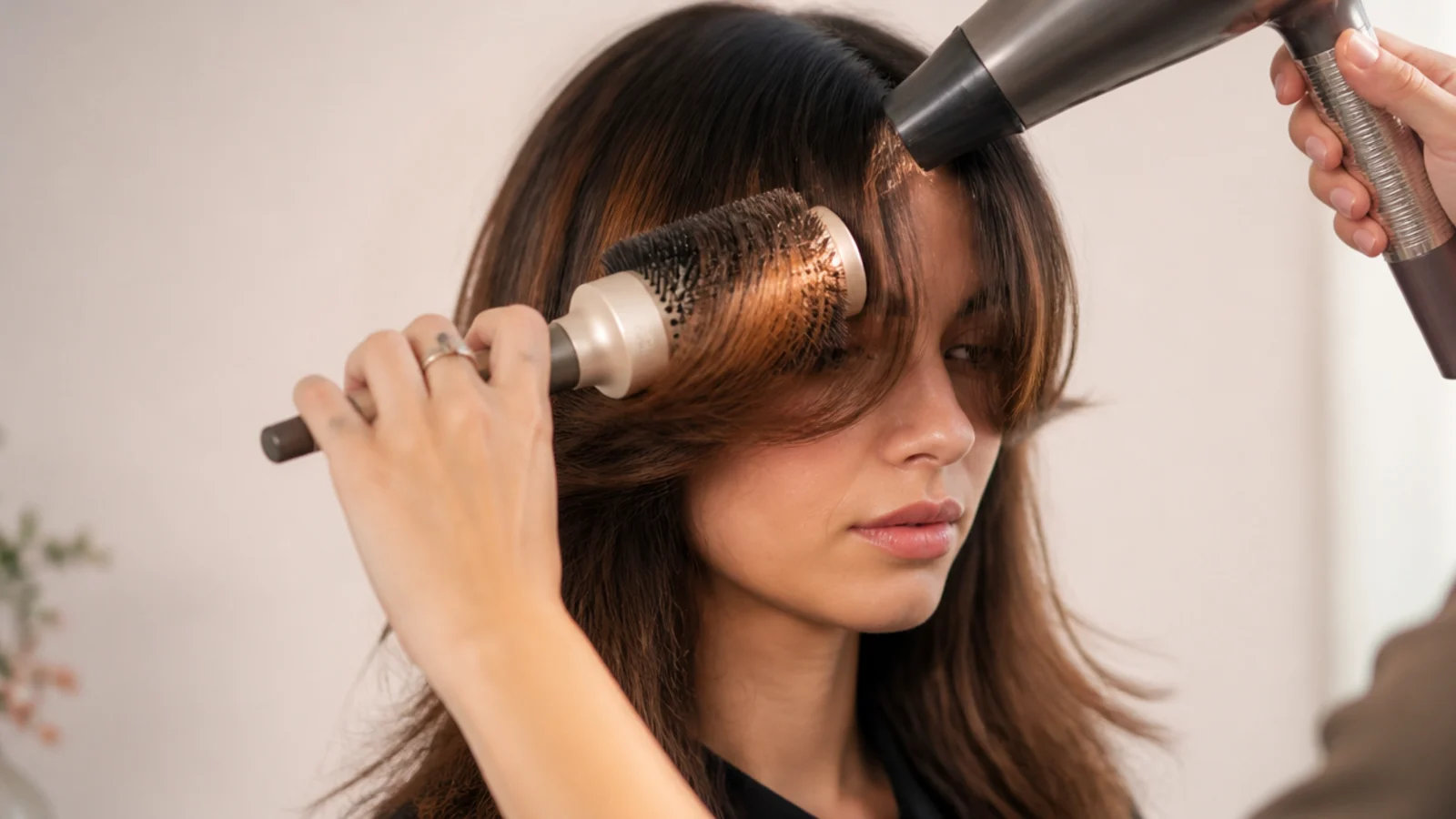
Step 6. Set With a Cool Shot
Hold the brush in position and switch to cold for two seconds before releasing. Hair takes its shape while it cools, so this is the step that decides whether the bend is still there at the end of the day.
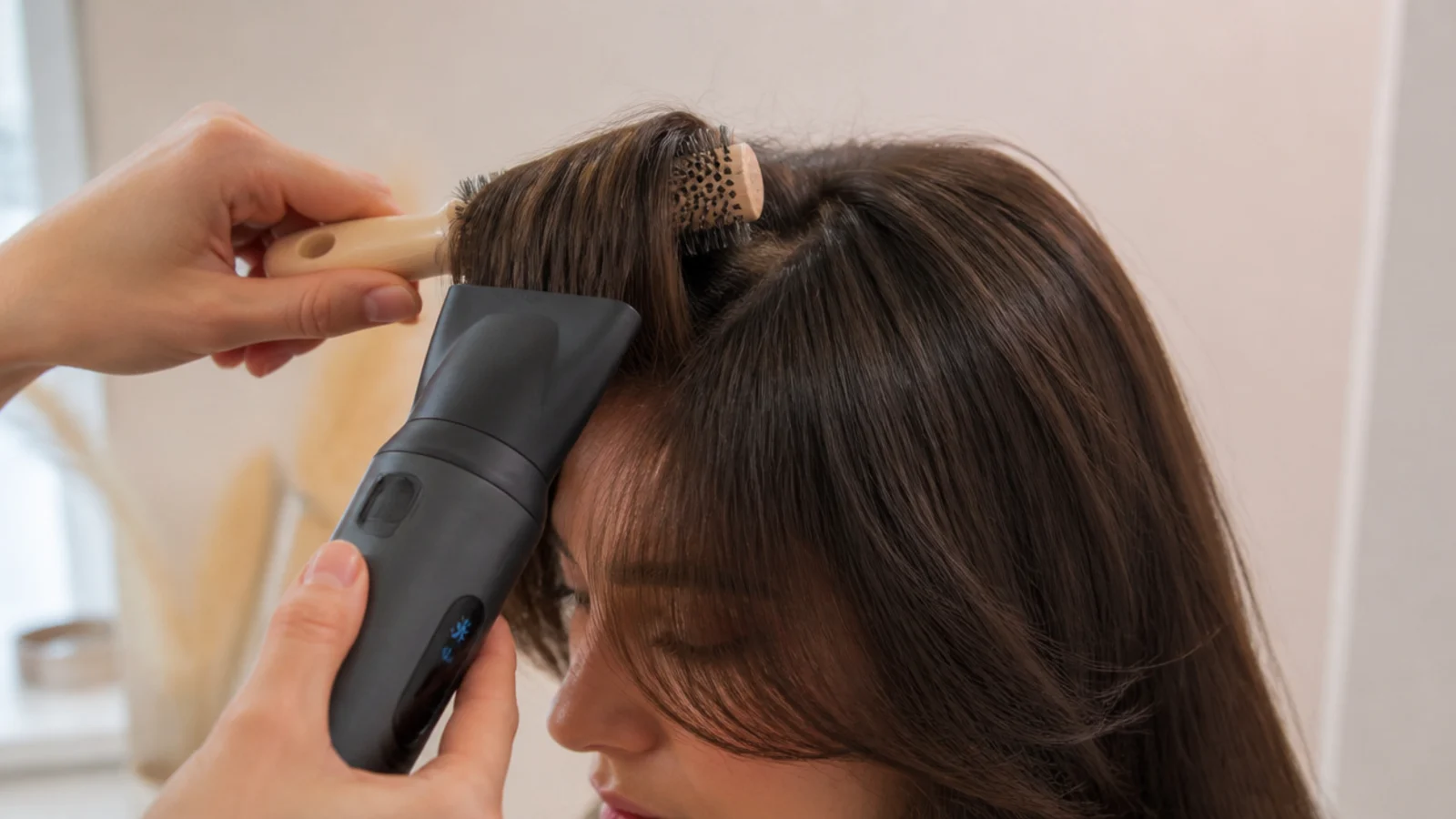
Step 7. Bend the Ends Outward
Turn the last inch away from the face on both sides, never towards it. An inward turn puts hair back onto the cheek and closes the opening that makes a curtain fringe a curtain fringe.
Step 8. Finish With Texture Spray
One light mist at the ends only. It adds friction between the strands so they hold their separation, and keeping it away from the root avoids the grit that stops a fringe moving naturally.
Final Thoughts
Almost every fringe complaint traces back to the same two seconds. The bend is decided while the hair dries and fixed while it cools, so the section that comes off the brush hot has already lost the shape it was given.
Build the habit of drying the fringe first, from damp, with the root over directed, and the rest is a choice between fifteen finishes rather than a daily argument. For the shorter cuts this fringe suits see curtain bangs on short hair, and for the bob version see curtain bangs on a bob. More in Bangs and Fringe.