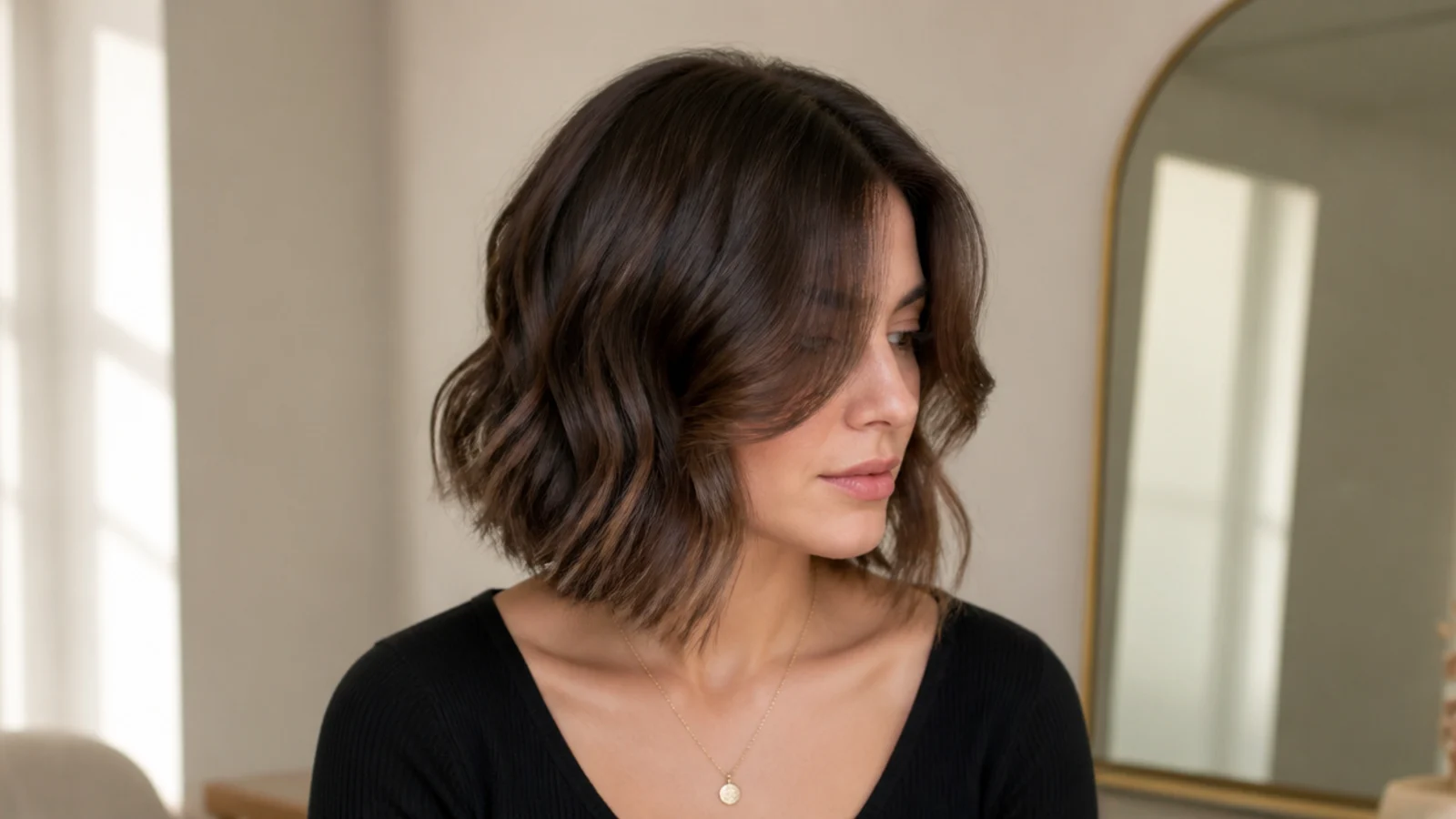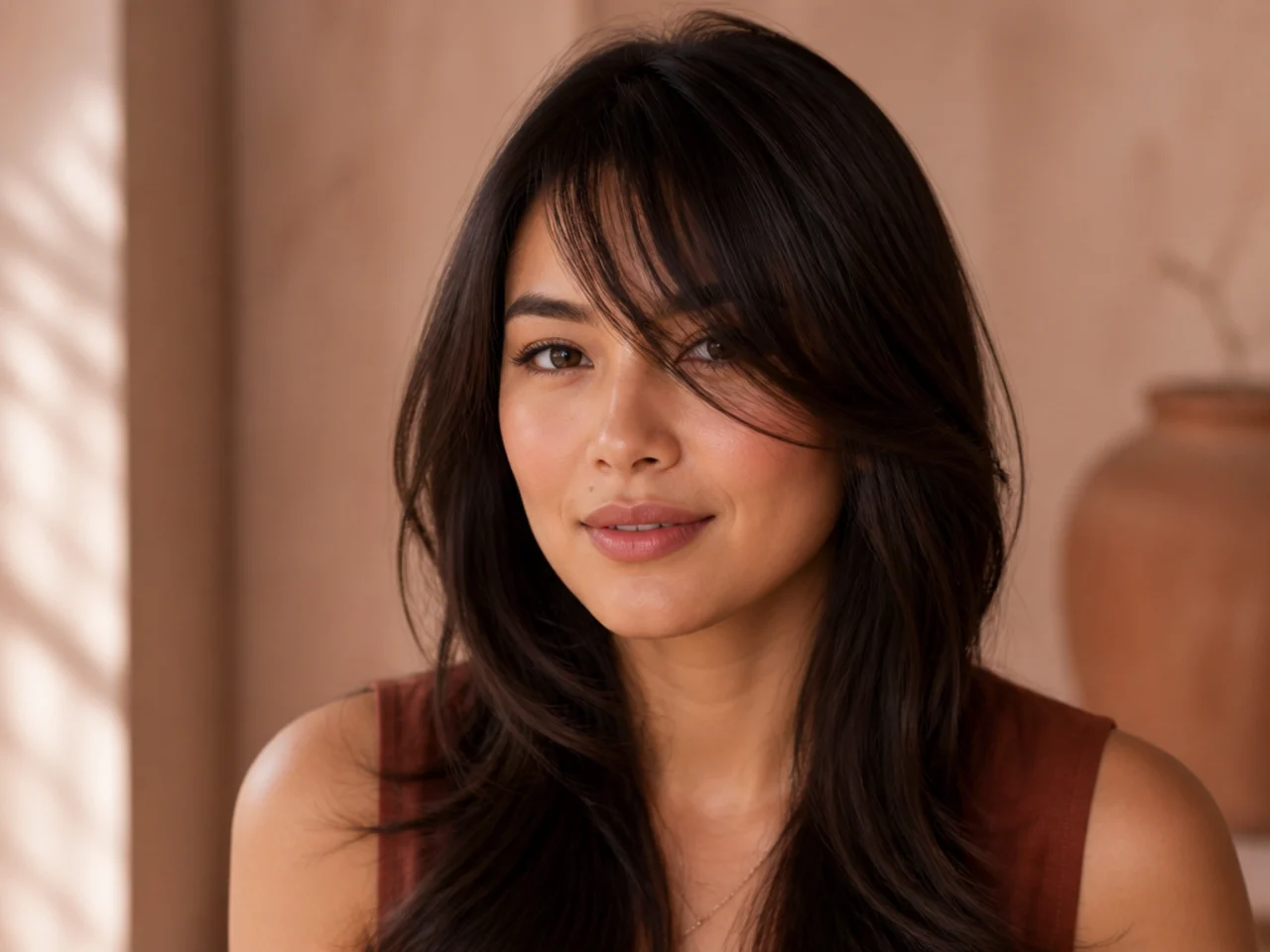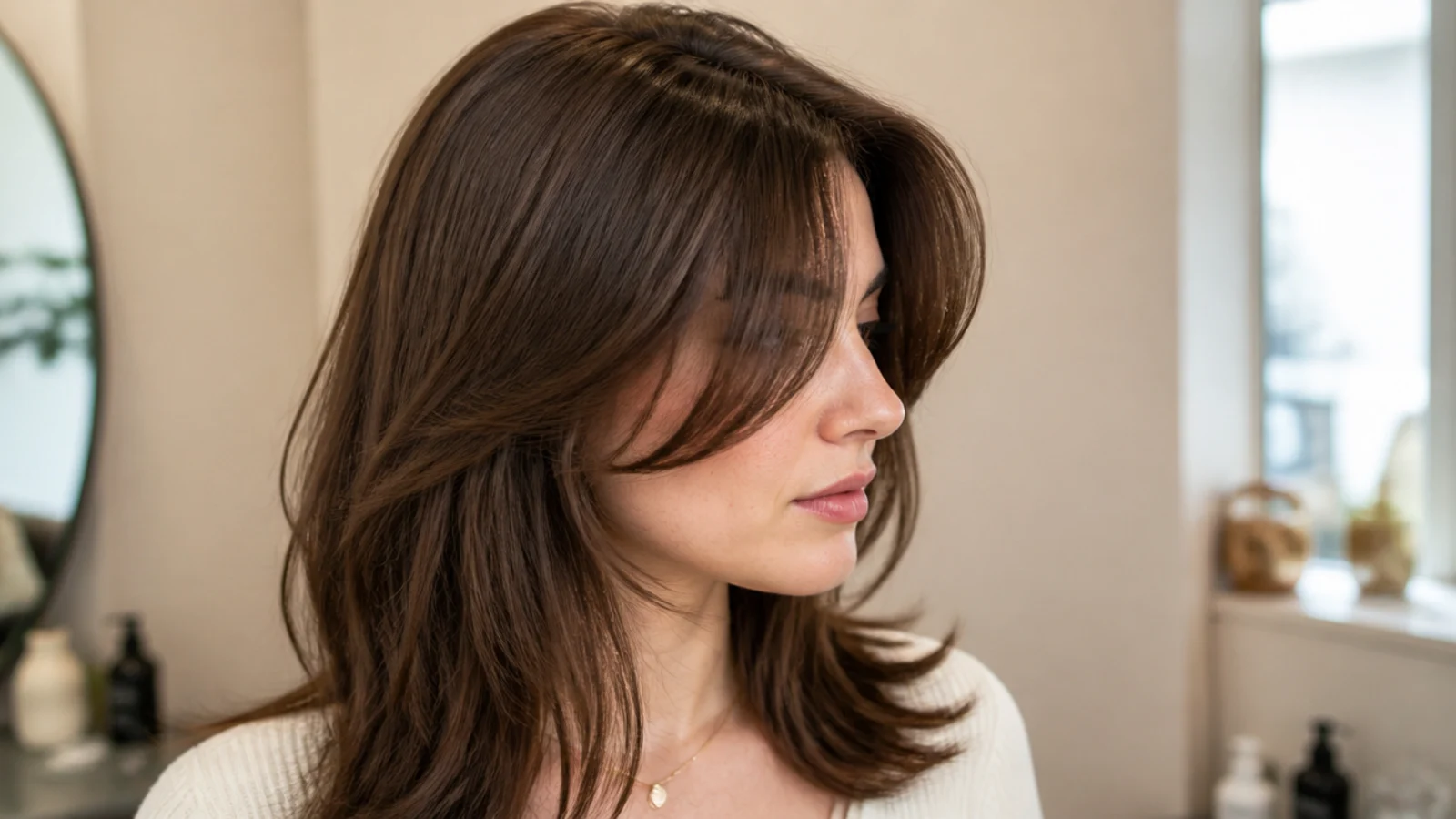
15 Wispy Short Curtain Bangs Ideas For Softer Framing
Fifteen wispy short curtain bangs, and the cutting decision that makes them wispy. It is not how much hair you take, it is the angle the scissors go in at — vertical into the ends, never straight across them.
In this article · 23
- What Short Curtain Bangs Are
- How Short Is Too Short
- Face Shapes
- Cutting Technique
- Styling at Home
- Trims and Growing Out
- The 15 Wispy Short Curtain Bangs Ideas
- 1. Brow Grazing
- 2. See Through on Fine Hair
- 3. Round Face
- 4. Baby Bangs Above the Brow
- 5. French Bob
- 6. Short Shag
- 7. Wavy Hair
- 8. Straight Hair
- 9. Curly Hair
- 10. Thick Hair
- 11. Soft Swept
- 12. Pixie
- 13. Money Piece
- 14. Grown Out
- 15. Updo
- Final Thoughts
Wispy is a cutting angle, not a quantity. Take exactly the same amount of hair, cut it straight across, and you have a blunt fringe.
The scissors go in vertically, into the ends. Each strand finishes at a slightly different depth, so the perimeter scatters light instead of reflecting one line. That stagger is the entire difference.
The shortest point still sits at the centre. From there the two halves grade longer as they sweep outward, which is what makes them fall open from the parting rather than hang across the forehead.
What Short Curtain Bangs Are
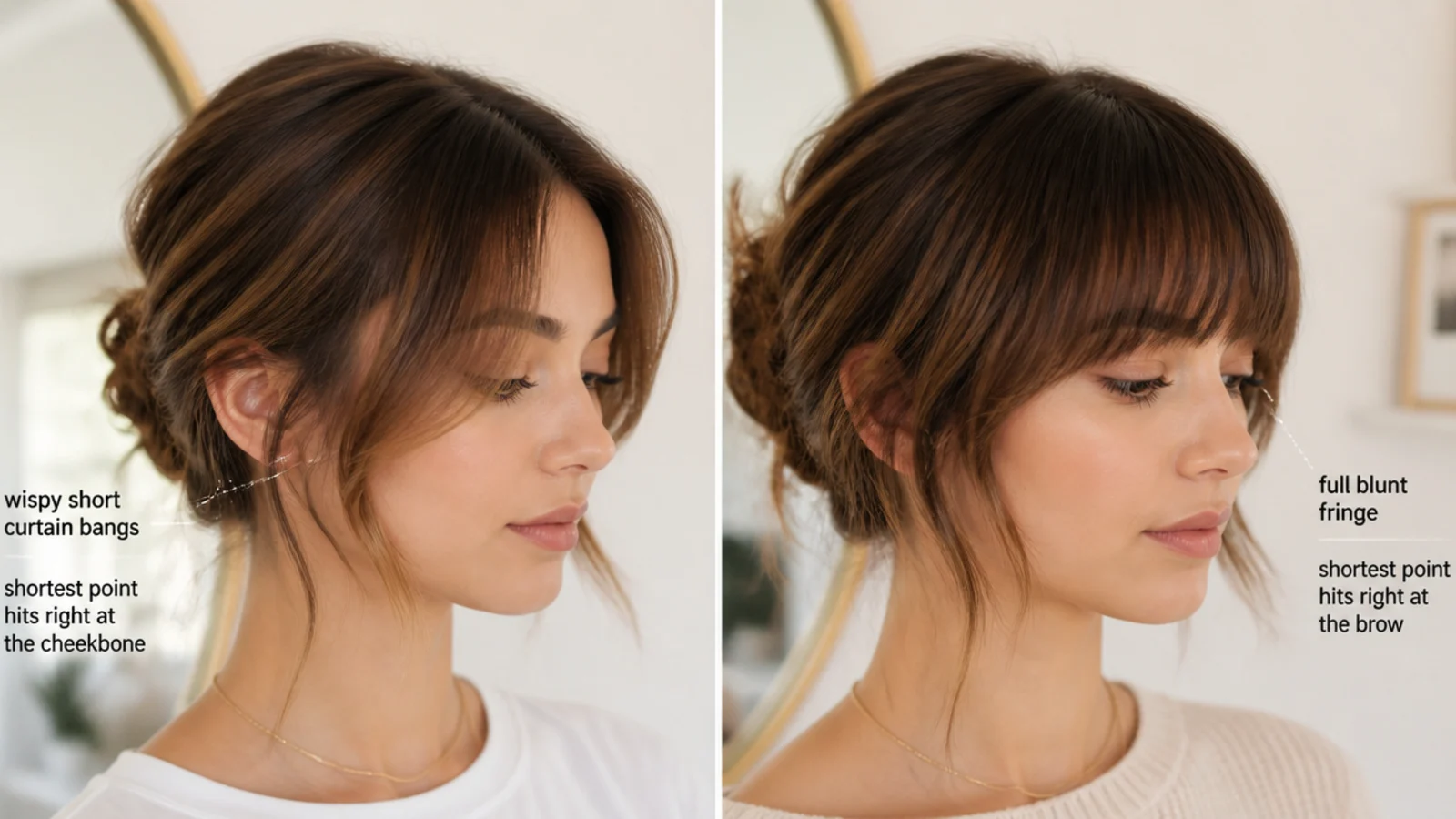
A blunt fringe holds its shortest point right at the brow and carries it level. All the weight is in one line across the forehead, which is why it covers rather than frames.
A wispy curtain bang puts its shortest point at the cheekbone and grades outward. Nothing about it is level. The strands separate as they fall, so the face shows through the bang rather than behind it.
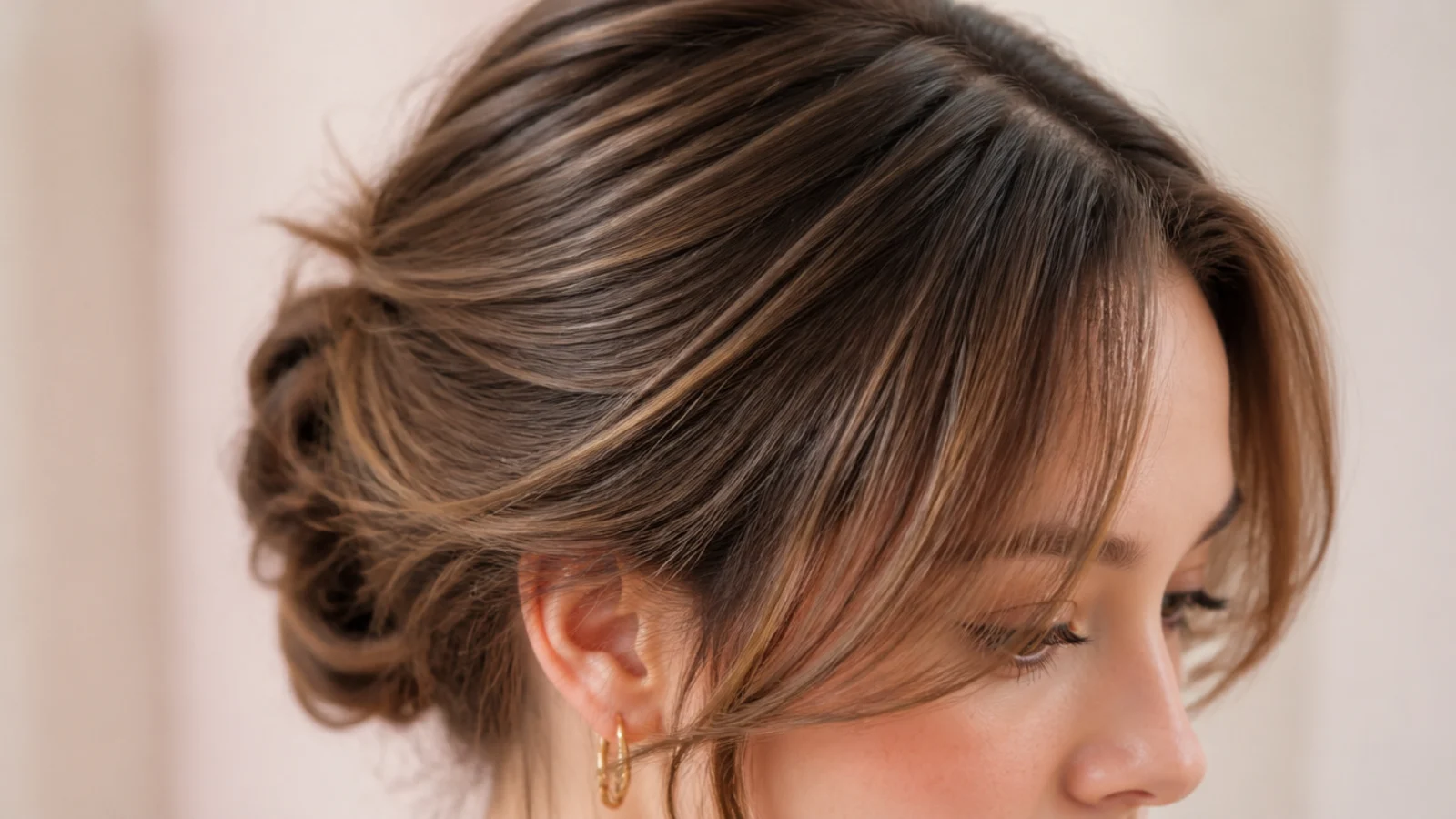
Wispy works with an updo, blunt fights one. Gathered hair leaves the front pieces as the only thing framing the face, and a soft edge reads as deliberate there where a hard line reads as a fringe someone forgot to pin.
Less hair is not the same as wispy. A thin blunt fringe is still a band, just a see-through one. The softness comes from the ends, not the density.
How Short Is Too Short
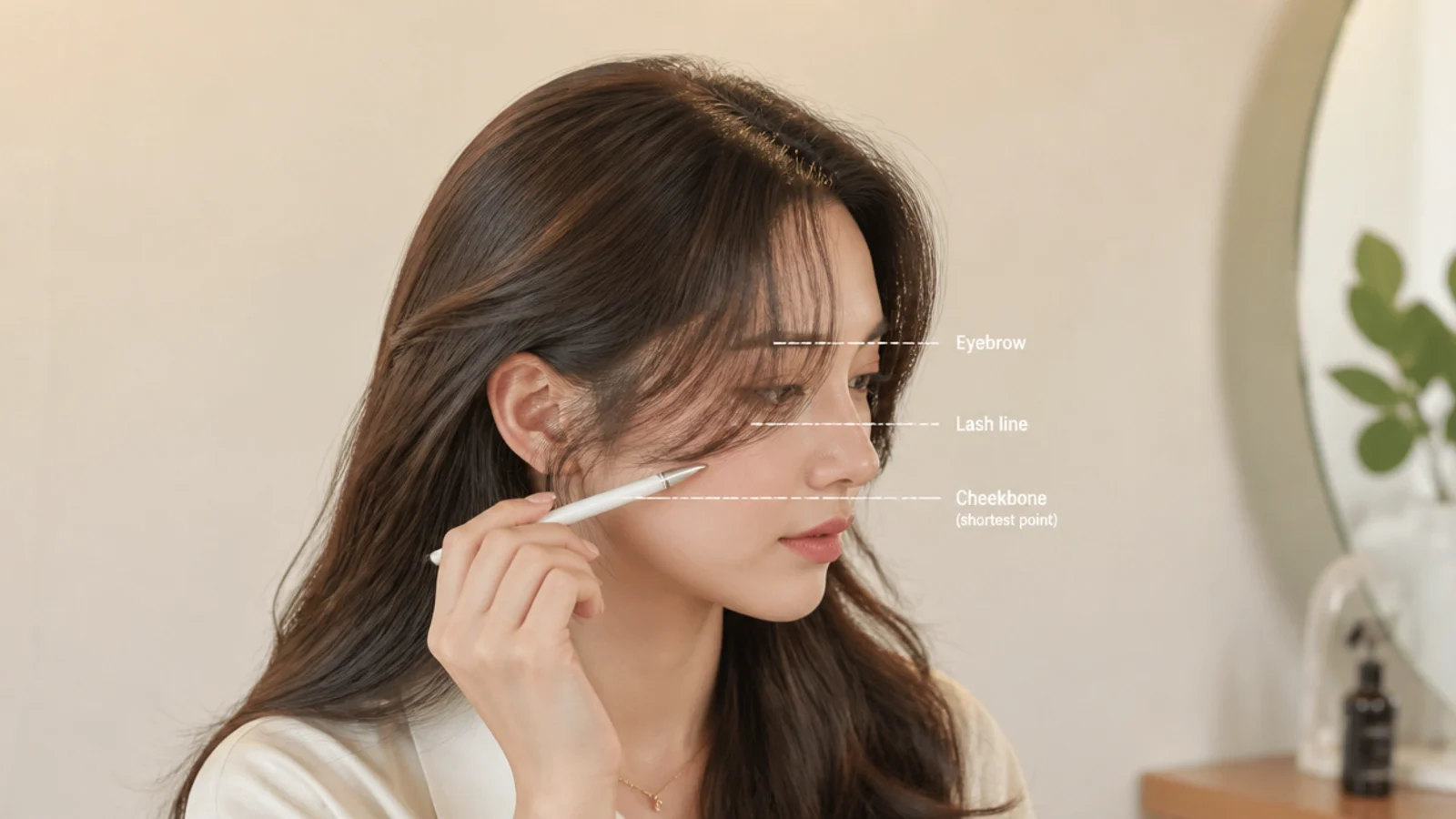
Three landmarks matter — eyebrow, lash line, cheekbone. Everything worth asking for sits on one of them, and naming one is more precise than naming a measurement in inches.
The eyebrow is the shortest useful point. It opens the eyes fully and needs a trim soonest, because there is no length below it to absorb three weeks of growth.
The lash line is the middle setting. Long enough to sweep and still clearly a bang.
The cheekbone is the longest that still counts as short. Past it the centre stops reading as shorter than the sides, and the cut becomes face-framing layers with no split holding it together.
Face Shapes
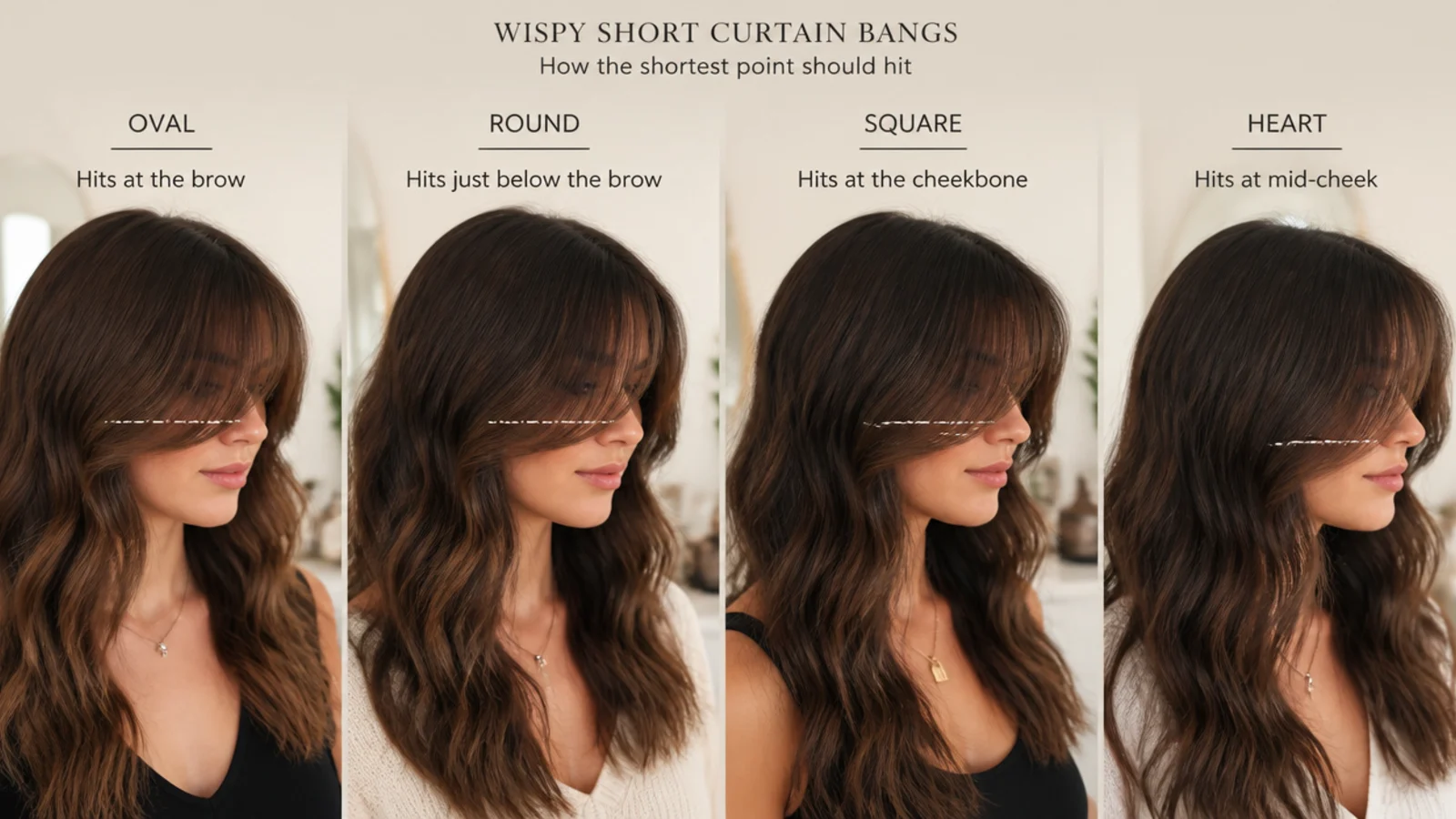
Oval faces take the shortest point at the brow. Nothing needs correcting, so the bang can sit at its highest and simply frame.
Round faces take it just below the brow. Wispy strands are too fine to give a strong vertical down the cheek, so length there ends up as a soft veil rather than a line — keeping the centre high opens the face instead.
Square jaws take it at the cheekbone. The sides run long enough to pass the jaw corner, and a soft edge blurs the angle where a blunt one would repeat it.
Heart faces take it at mid cheek. The lowest placement here, covering a wider forehead while carrying weight down toward the narrower chin.
Cutting Technique
Cut dry, on hair styled the way you wear it. Wet hair hangs longer and straighter than it sits, and the whole point of a wispy edge is how it falls once it is dry.
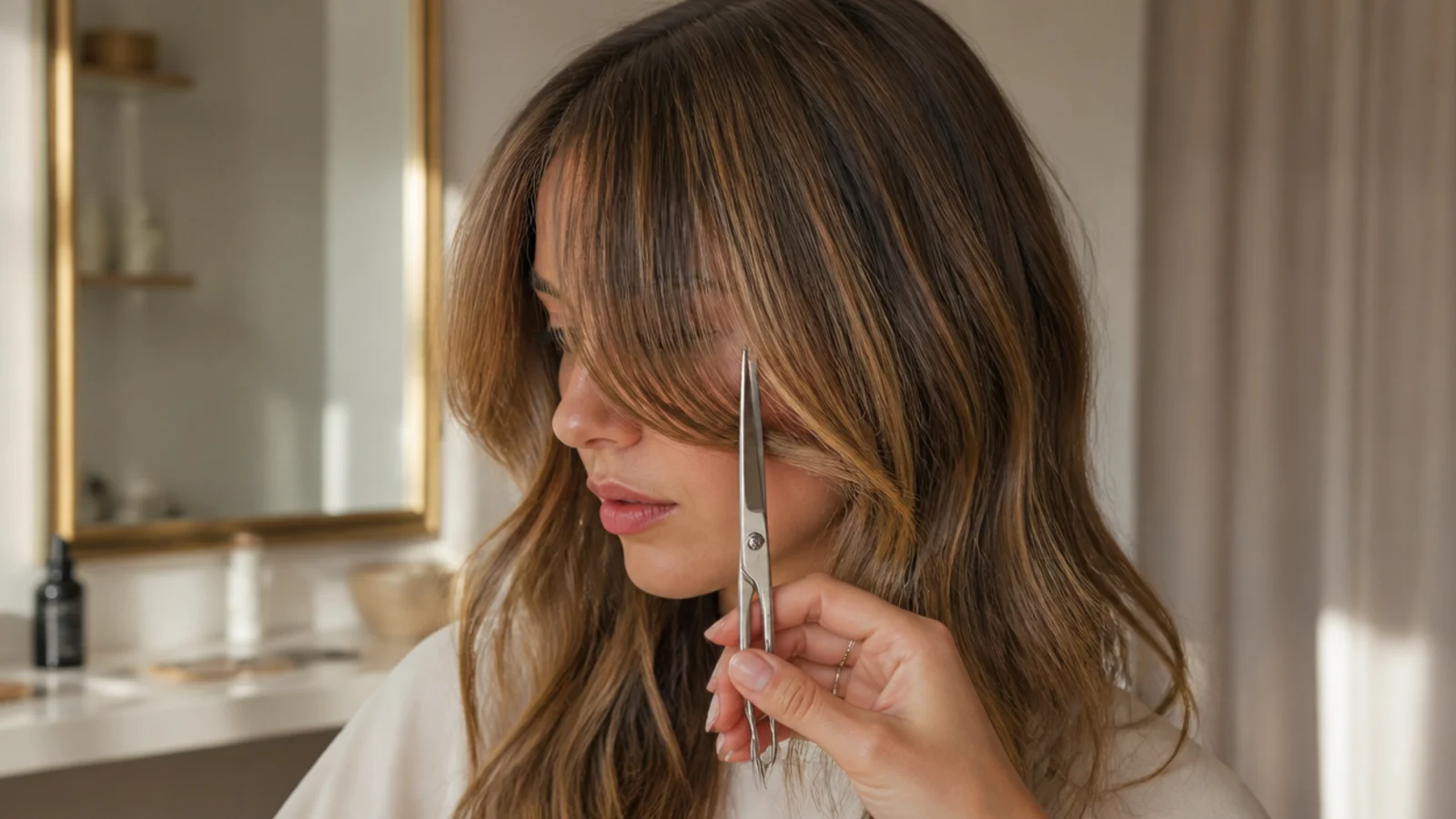
Hold the scissors vertically and cut into the ends. Going in point first takes a fraction from each strand. Going in flat takes the same amount from all of them at once and gives you a line.
Take the section from a shallow triangle. A deep section borrows too much from the crown, which is how a bang that was meant to soften the face ends up thinning the top of the head.
Cut less than you think, twice. Two small passes with the hair falling in between will get you there. One confident pass will not, and there is nothing to put back.
Styling at Home
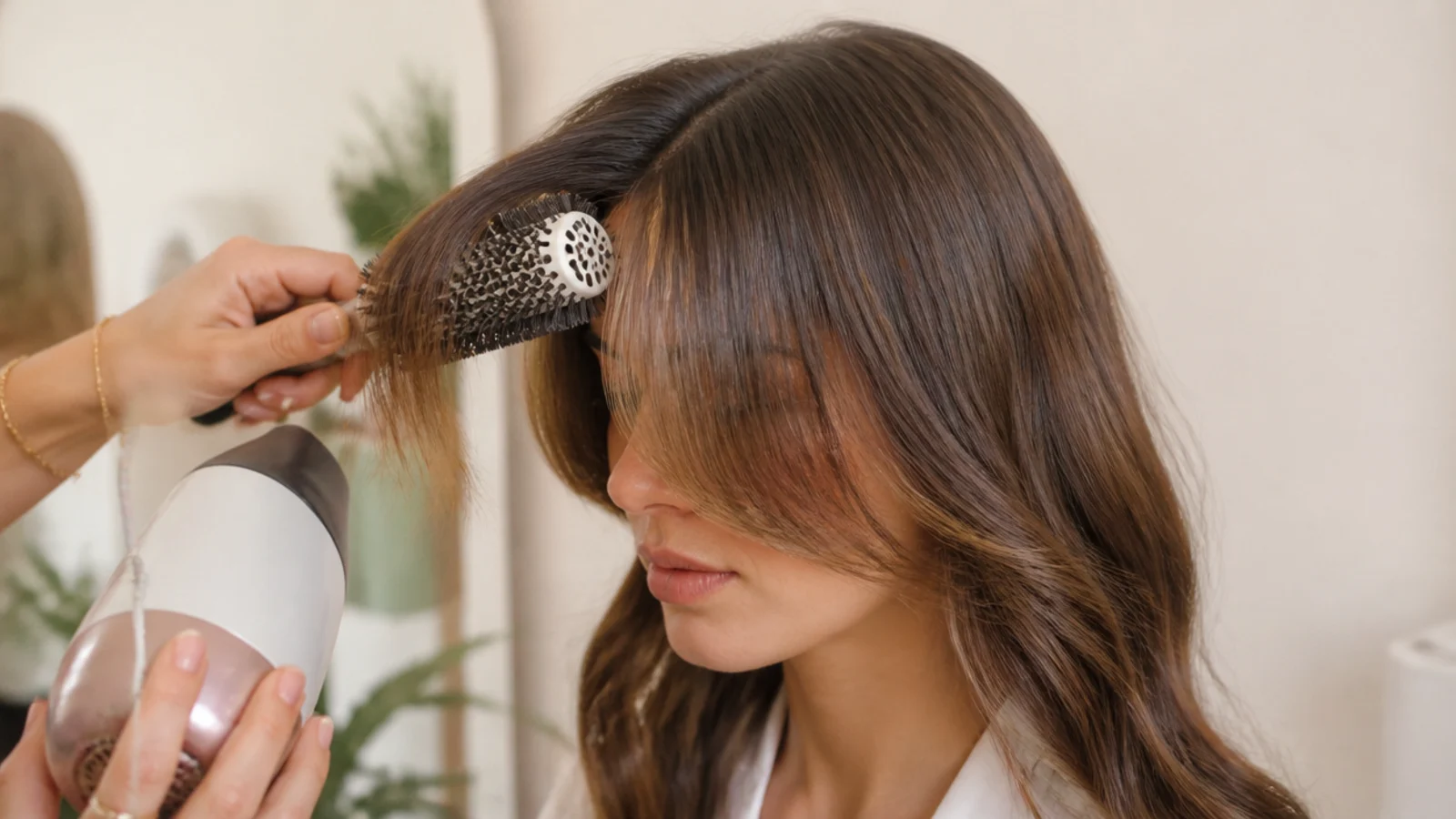
Dry the bang first, while it is still soaking. The root sets in whichever direction it dries in, and after that only water will move it.
Overdirect across the parting, then let it fall back. Drying each half to the wrong side leaves the root standing away from the scalp, which is where the lift comes from.
Half a turn of a small round brush, at the ends only. Wispy ends take a bend easily because there is little weight fighting it, and a full rotation puts in a curl you then have to flatten out.
Skip anything heavy. Cream and oil weigh down exactly the fine ends that are doing the framing, and a bang that has been weighted separates into strips instead of strands.
Trims and Growing Out
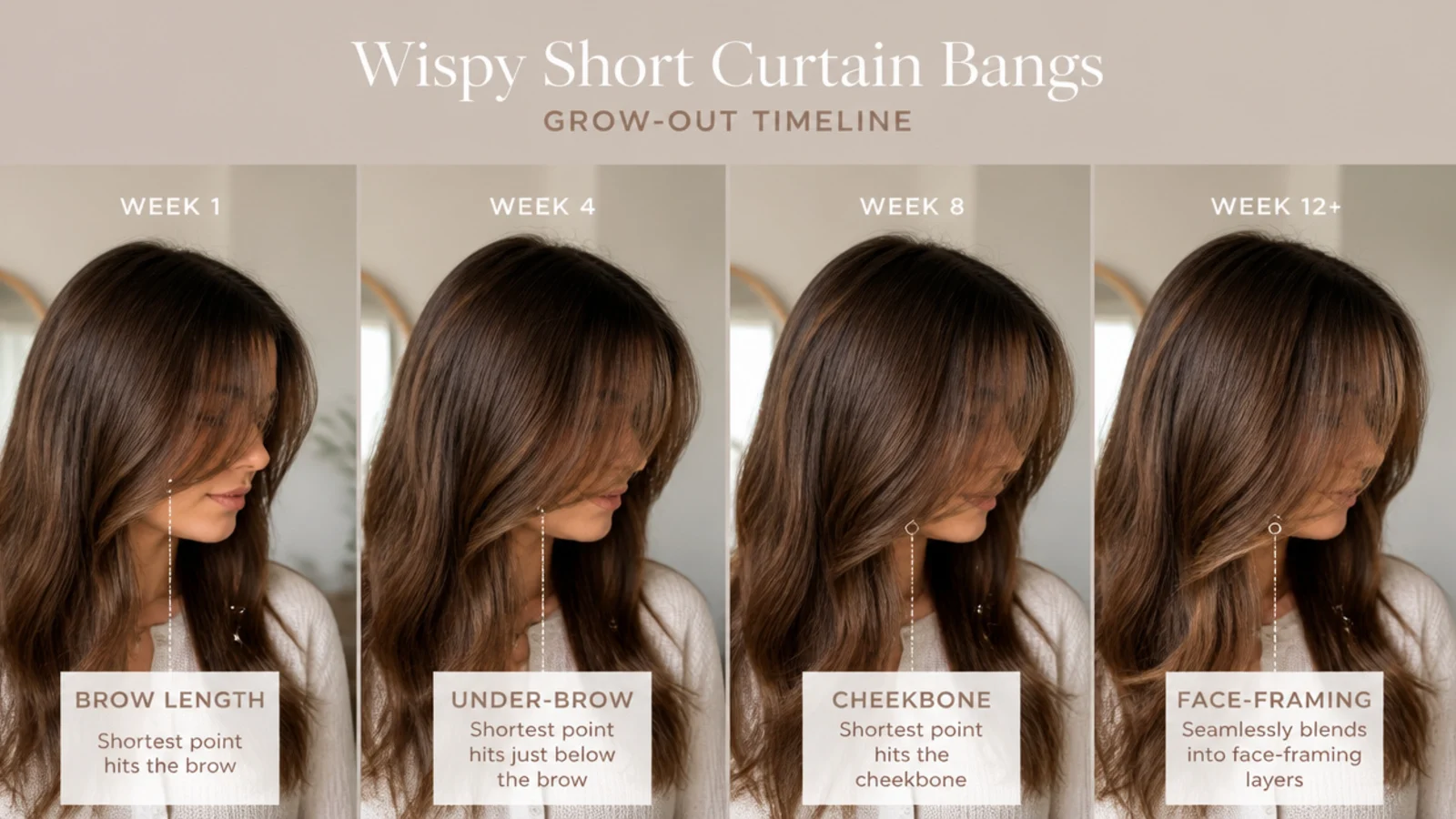
Week one, brow length. The shortest point sits right at the brow and the sides run longer from there.
Week four, under the brow. Three or four weeks of growth at roughly half an inch a month moves it exactly one landmark down.
Week eight, the cheekbone. The stage most people prefer, and the point at which the bang starts doing the job of a face-framing layer.
Week twelve onward, face framing. The centre has dropped far enough that it blends seamlessly into the length, so a grow-out only needs the outer edge kept tidy.
Trim every six to eight weeks to hold a shape, or stop entirely to lose it. There is no useful setting in between, because a half-trimmed bang holds neither line.
The 15 Wispy Short Curtain Bangs Ideas
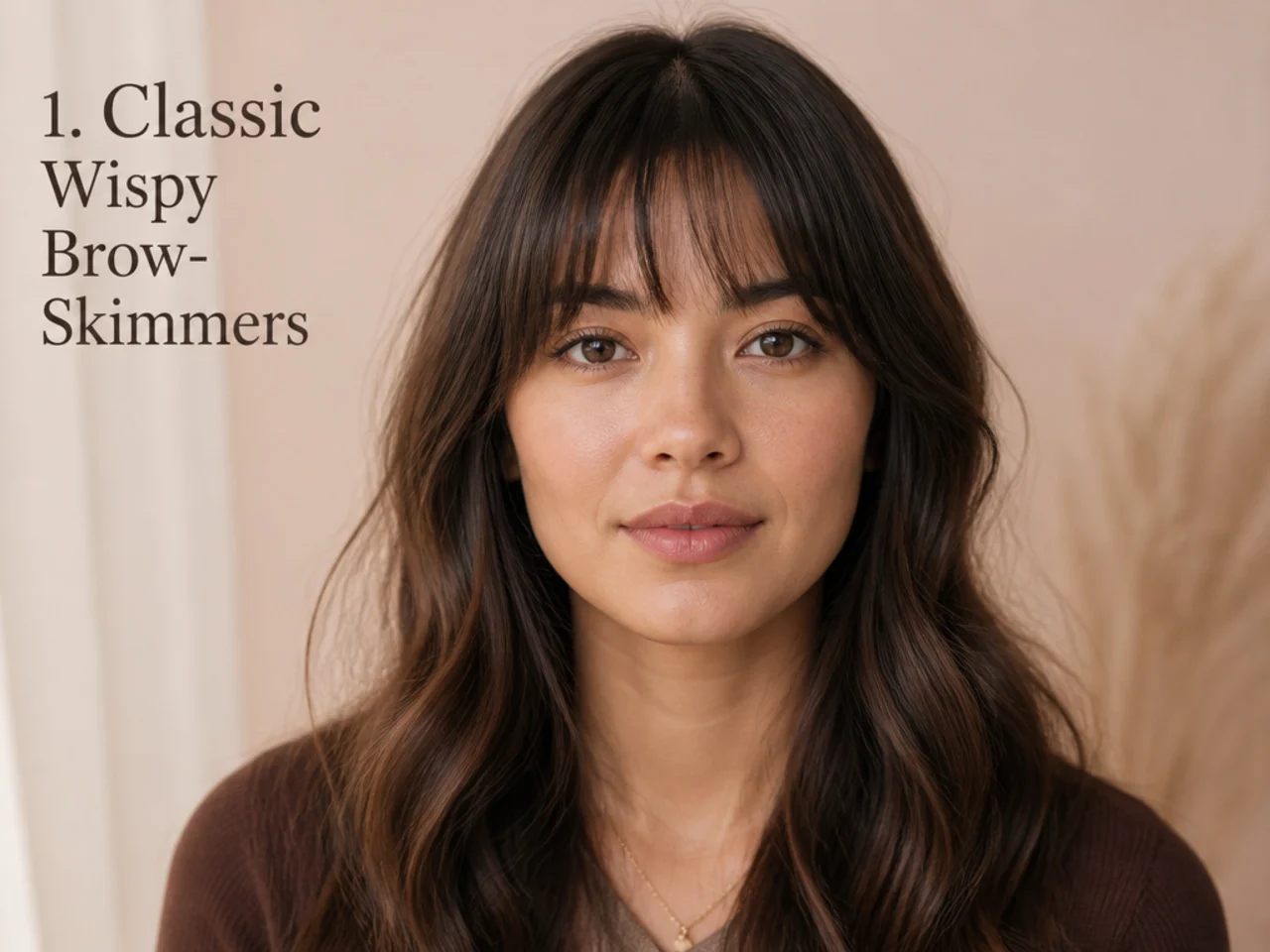
1. Brow Grazing
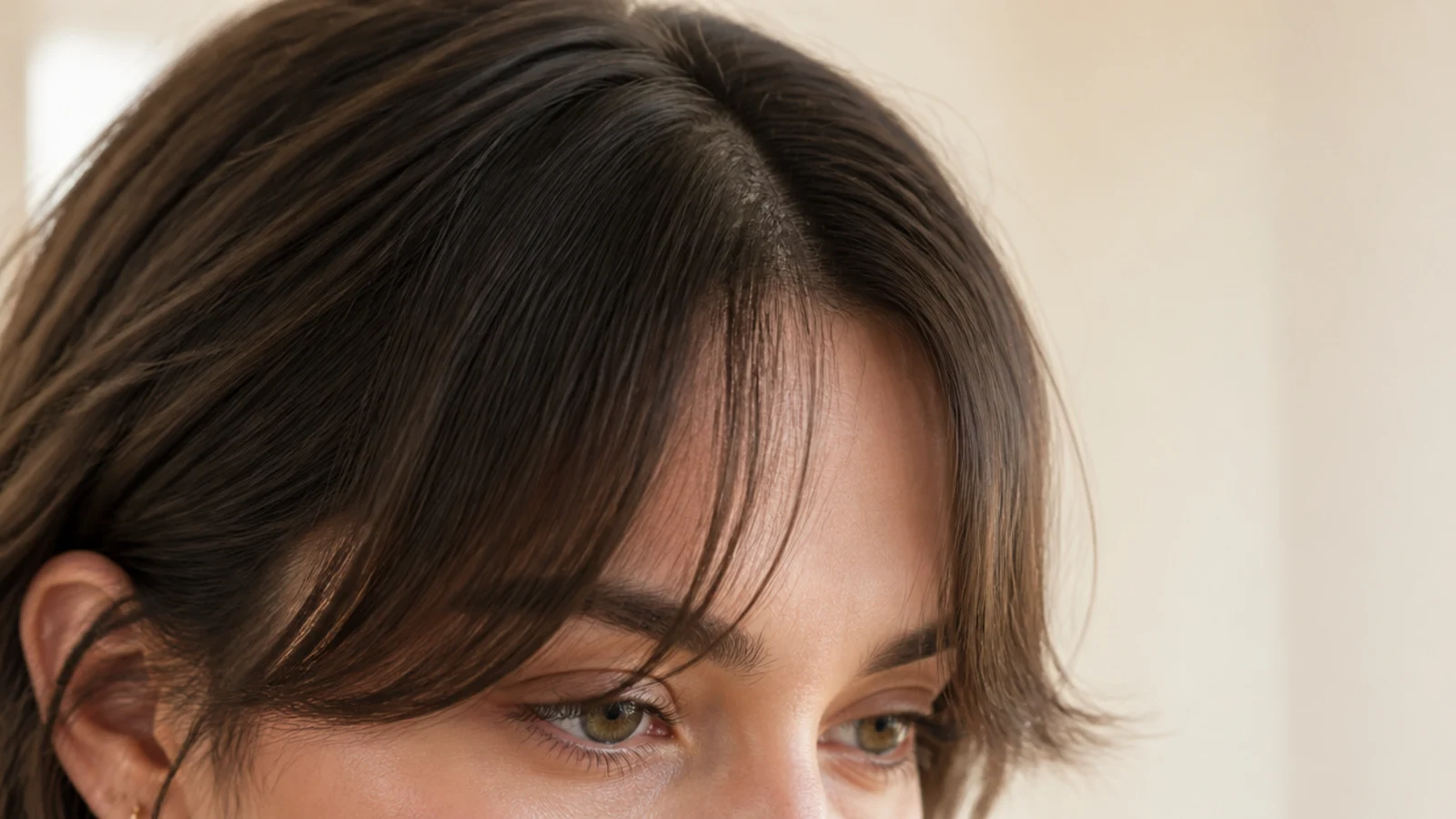
The shortest point stops right where the brow starts, so the eyes stay open and the forehead is broken rather than covered. Point cutting matters most at this length, because a blunt line sitting on the brow reads as a hard horizontal across the widest part of the face.
2. See Through on Fine Hair
The section is taken shallow enough that forehead shows between the strands. Fine hair cannot spare much from the top, and pulling less forward means the crown keeps the density it needs to look full behind the bang.
3. Round Face
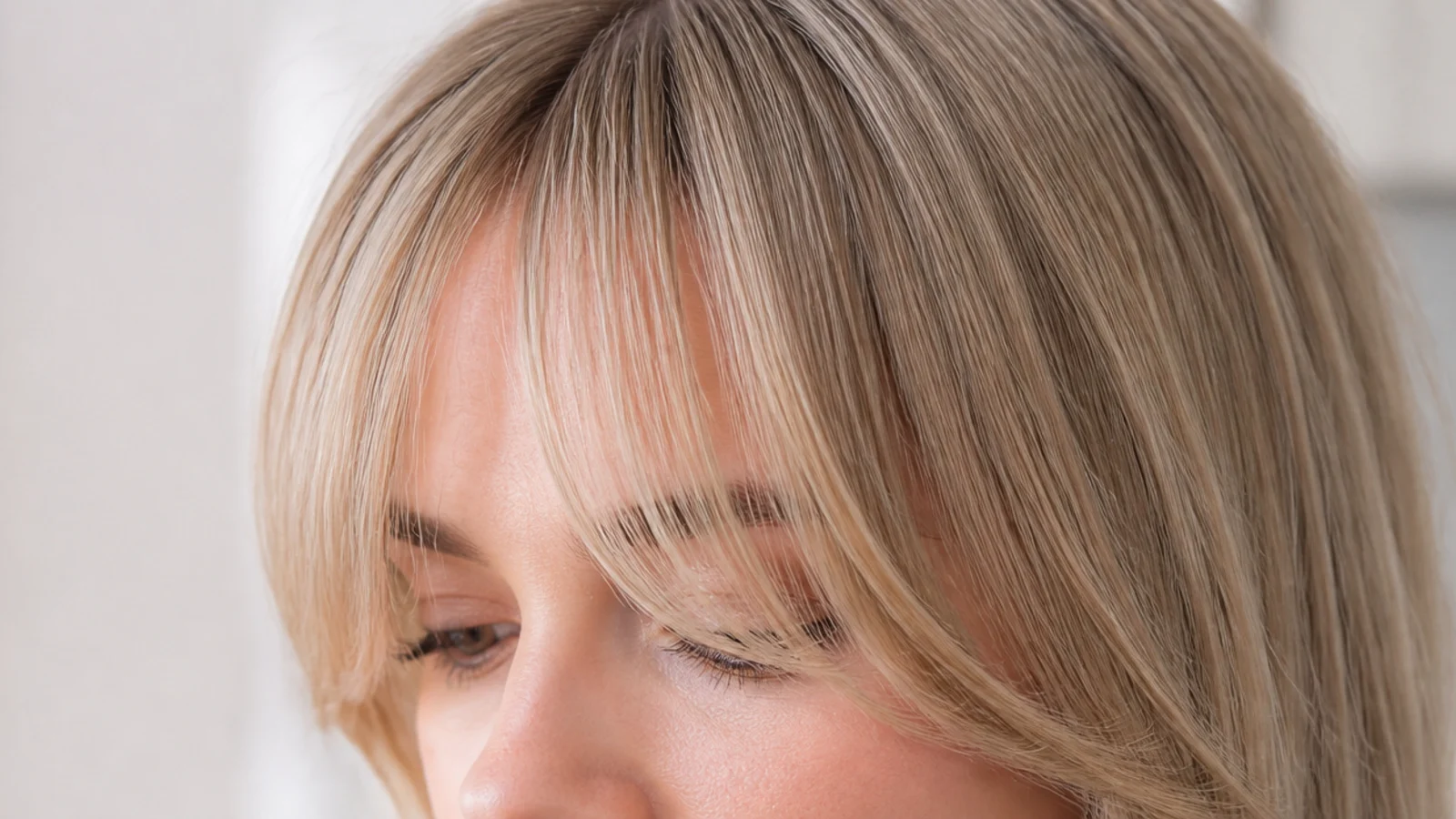
Keep the shortest point just below the brow so the frame stays high and open. Fine strands falling down the cheek read as a soft veil rather than a defining line, which adds width to a round face instead of cutting it.
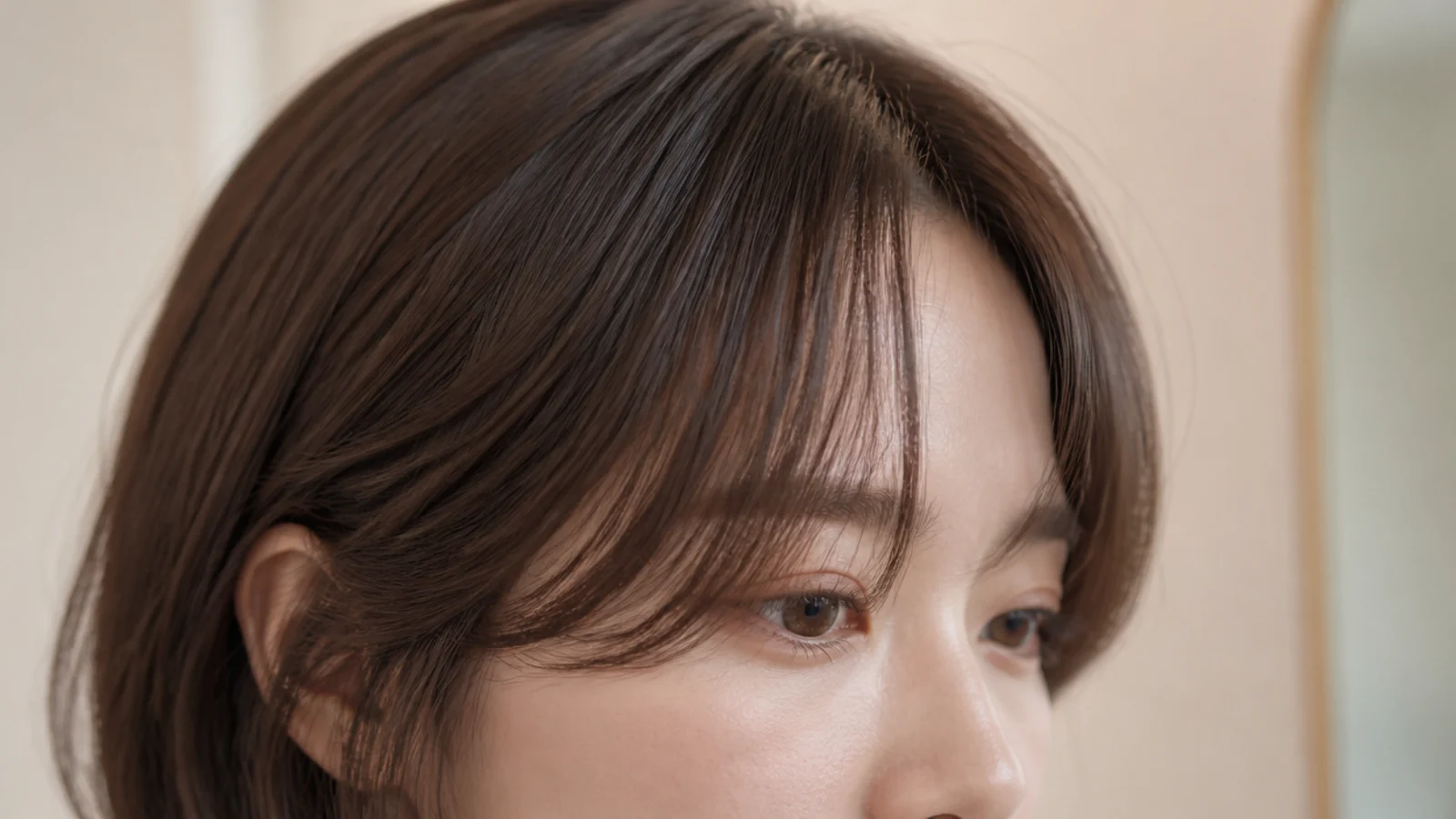
4. Baby Bangs Above the Brow
The shortest length here, sitting above the brow with nothing beneath it to soften an uneven edge. Point cutting is not optional at this height — a blunt baby fringe on fine hair is a two-inch band with no way to hide a crooked line.
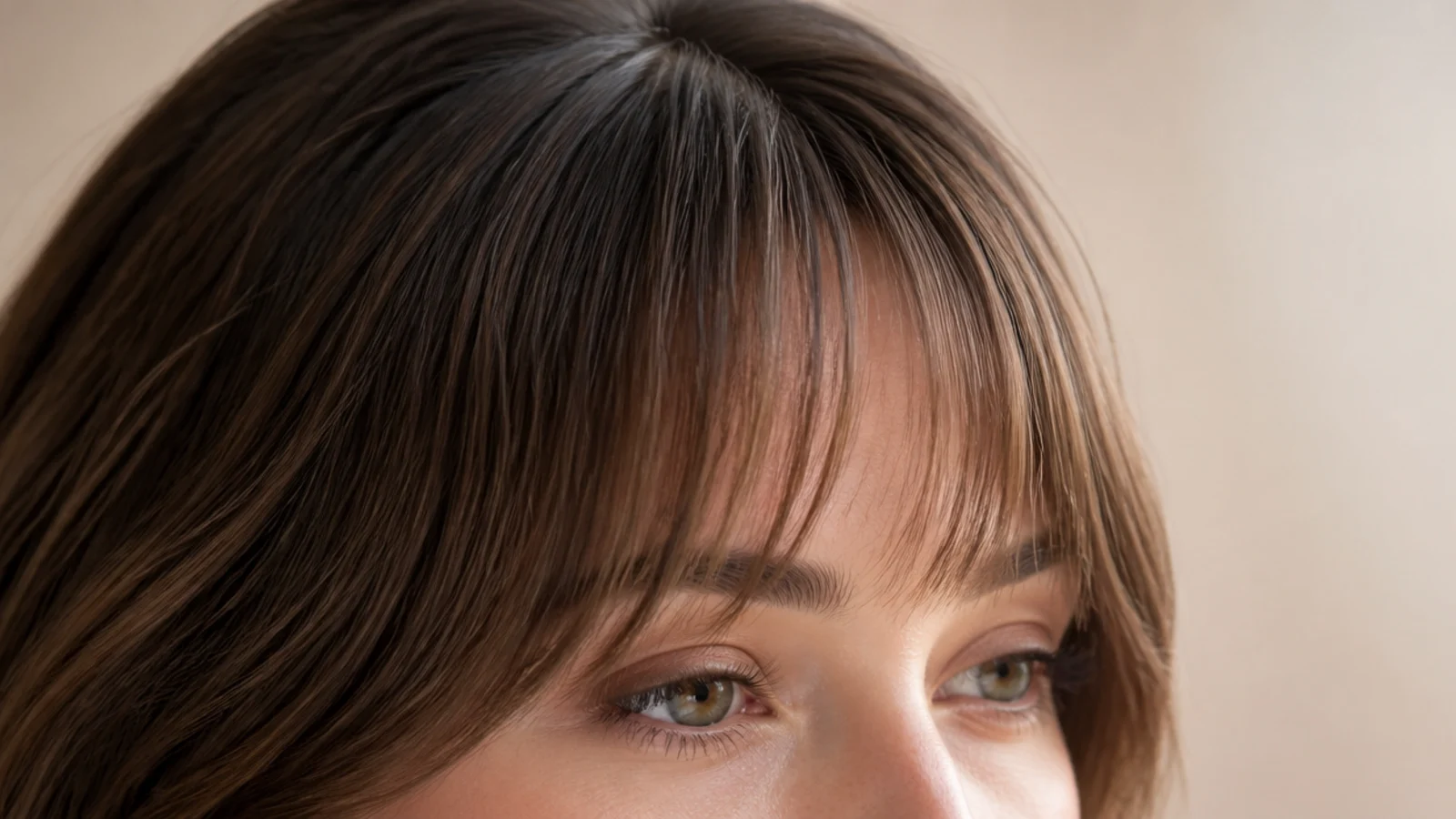
5. French Bob
The fringe is built into the bob perimeter rather than added to it, so both lines were cut in the same appointment and grow at the same rate. That shared timing is why the proportion between fringe and bob stays right for months.
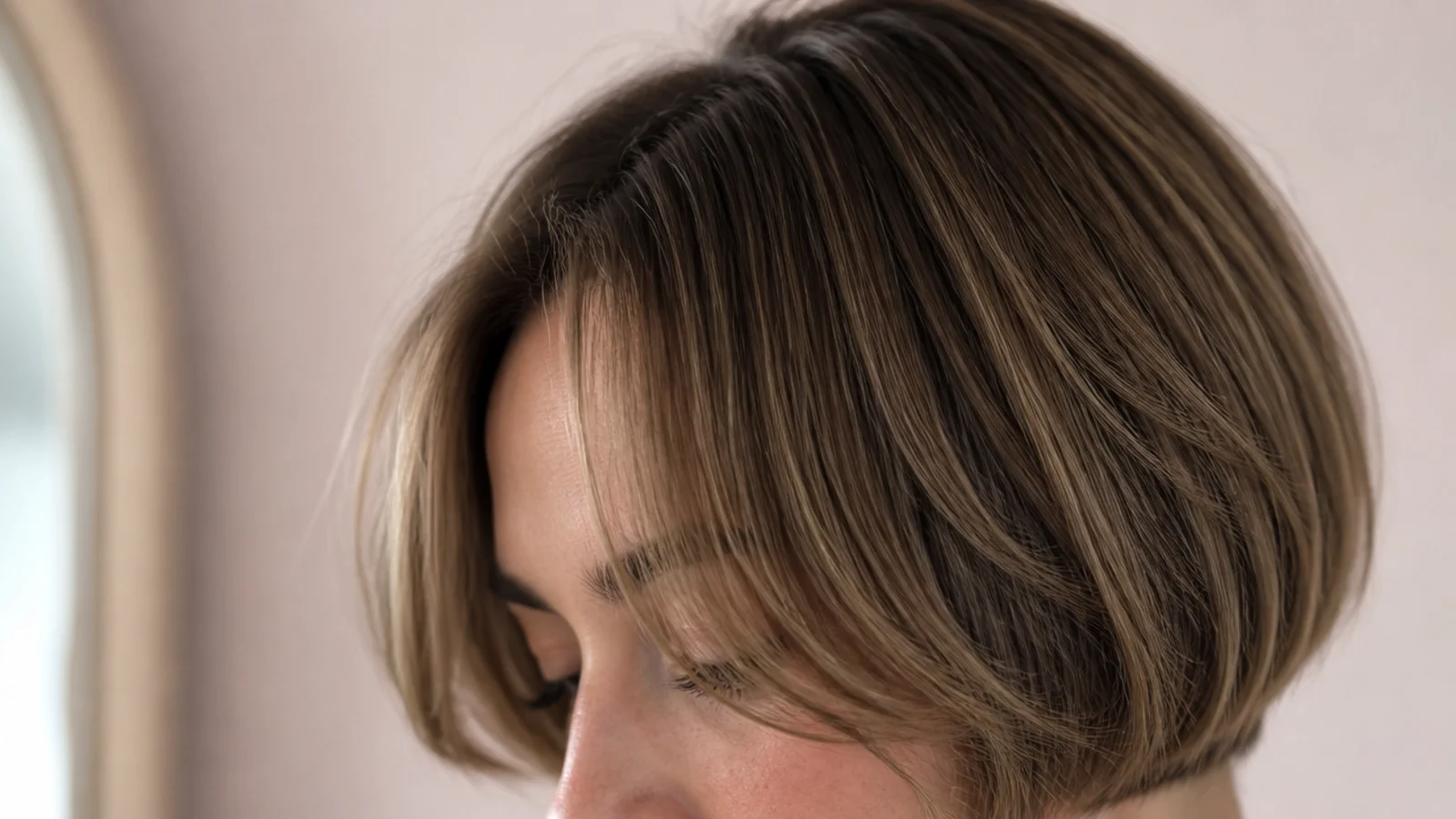
6. Short Shag
A shag is already cut shortest at the crown and longer outward, which is the same grade a curtain bang uses. The bang has layers to disappear into rather than a flat surface to sit on, so the two shapes never show a join.
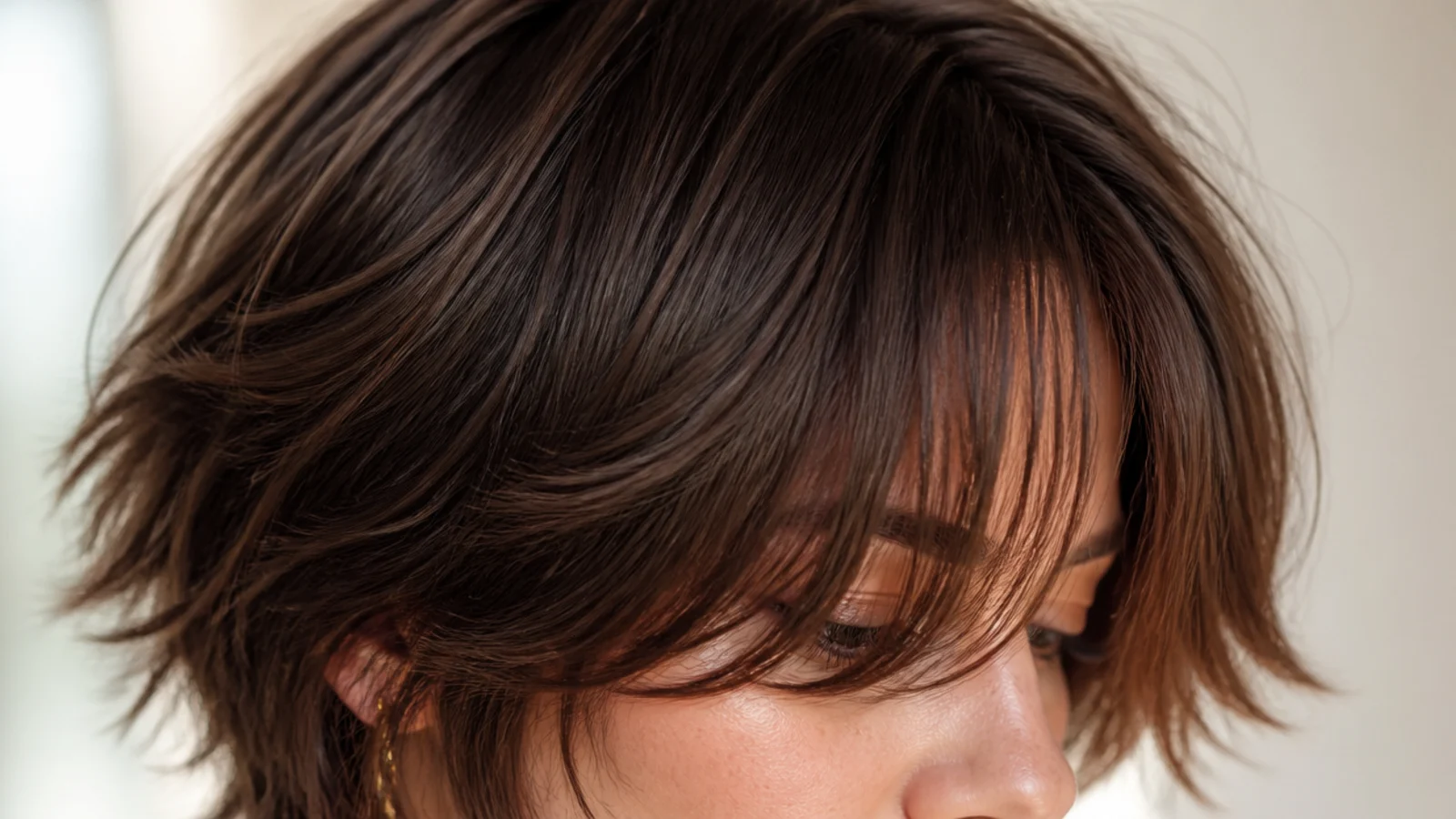
7. Wavy Hair
Cut this dry and cut it longer than the target, because a wave lifts as it dries and takes the shortest point up with it. A wispy edge helps here — staggered ends bend at slightly different points, which stops the wave setting into one visible crease.
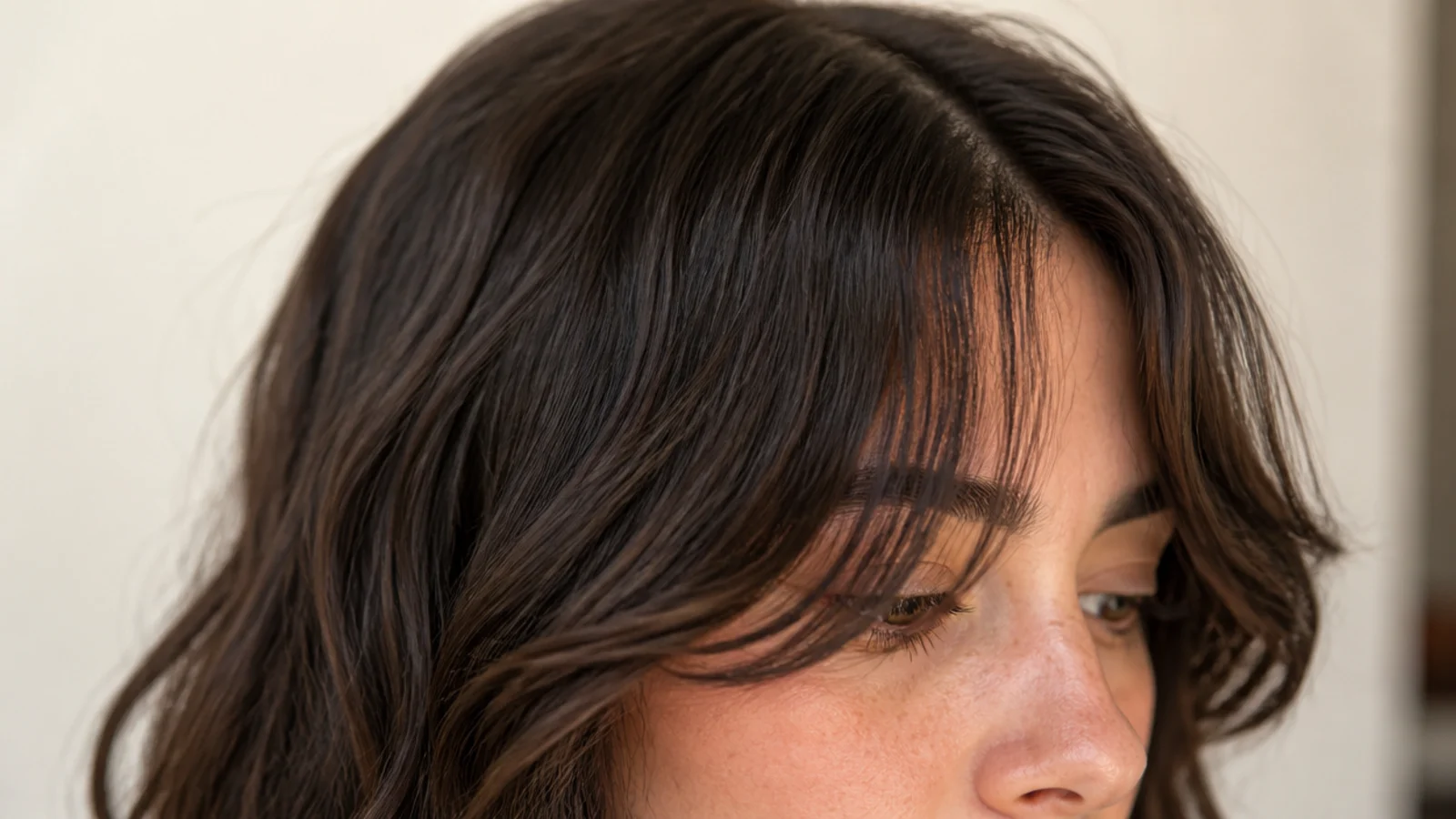
8. Straight Hair
Straight hair shows every end, so this is where point cutting earns its place. A flat strand reflects light in one direction and a level edge turns into a hard band, while staggered ends break that reflection into pieces.
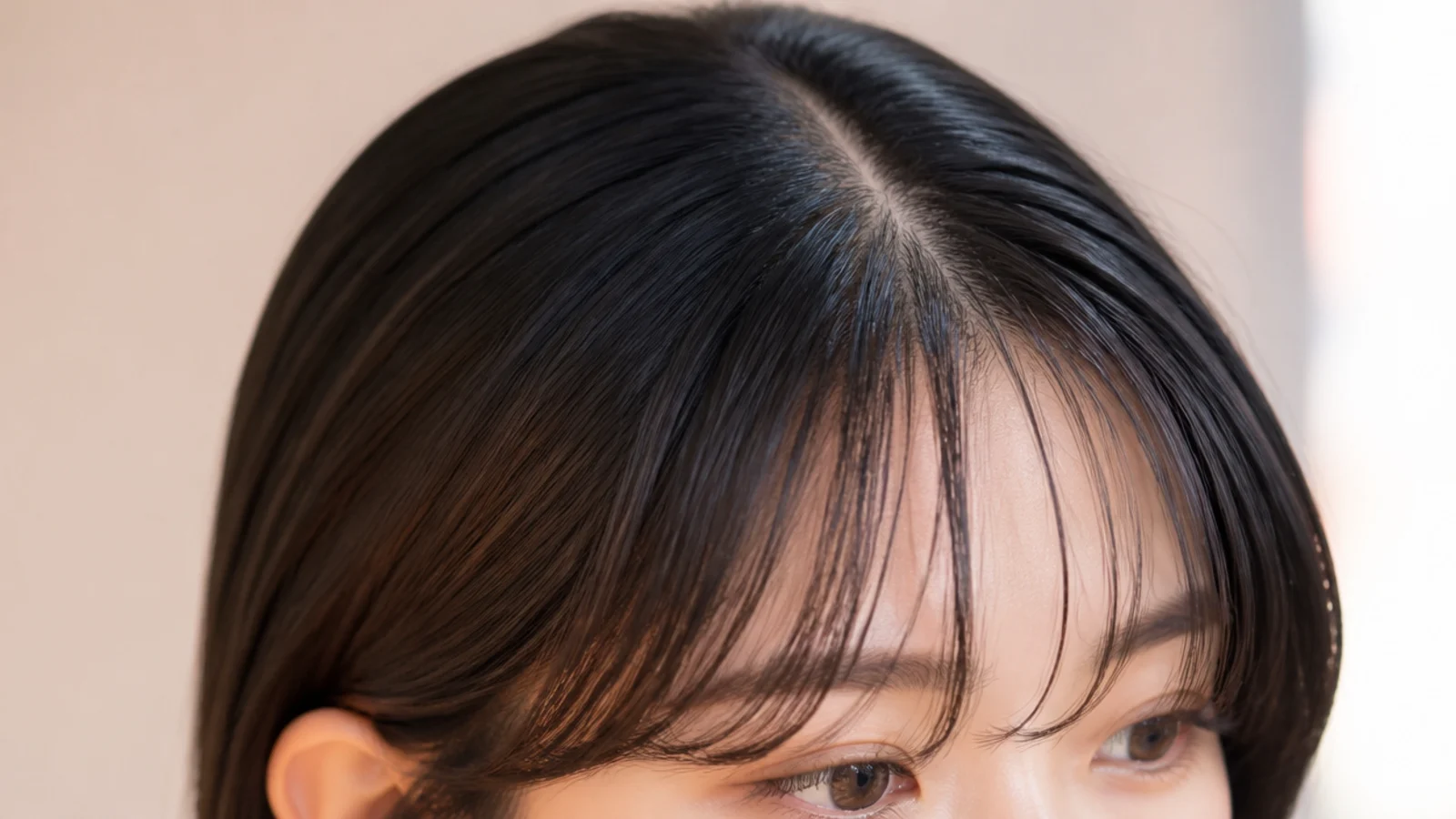
9. Curly Hair
Cut curl by curl and take almost nothing, because a curl draws back toward its own root as it dries and the shrinkage is far greater than on a wave. Wispy on curls means removing weight from individual spirals rather than shortening the group.
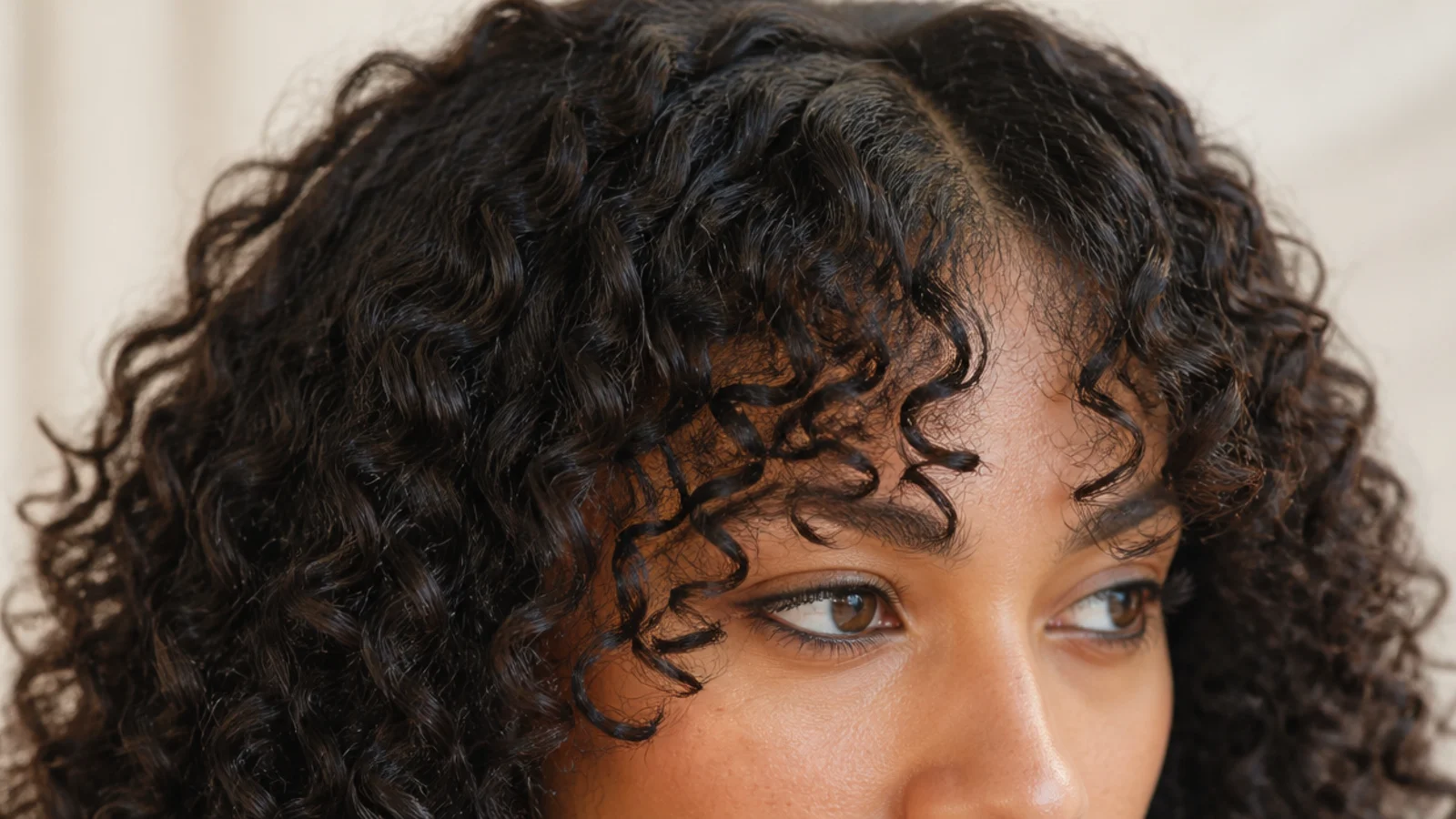
10. Thick Hair
On thick hair the wispy technique is a weight-removal tool. Two dense halves push against each other at the parting and refuse to split, so slicing into the mid-lengths is what lets them fall open without shortening the line.
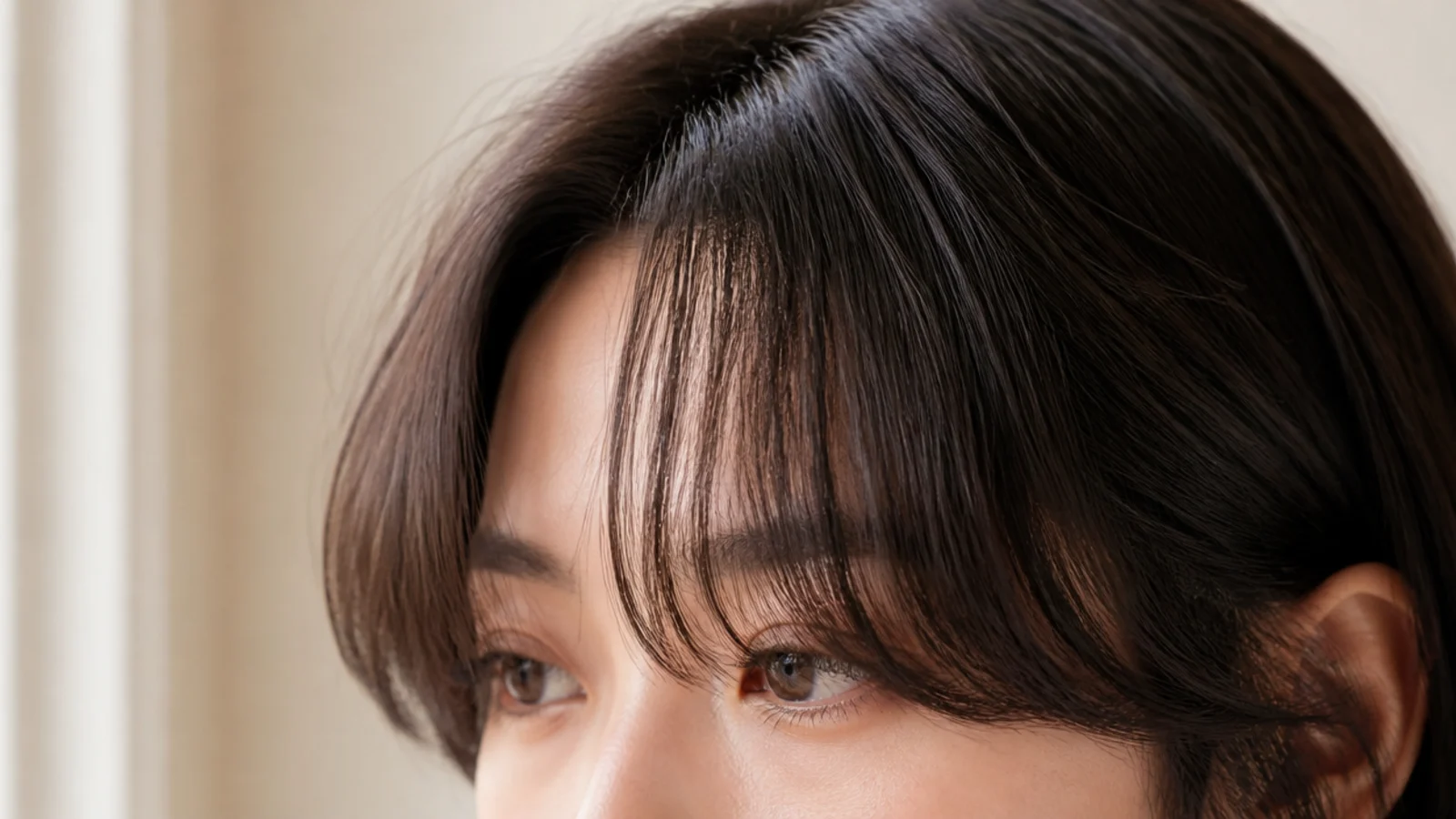
11. Soft Swept
Both halves sit slightly to one side without moving the parting itself. It reads as a side sweep while keeping the centre split intact, which means it can be reversed the next morning rather than being a different cut.
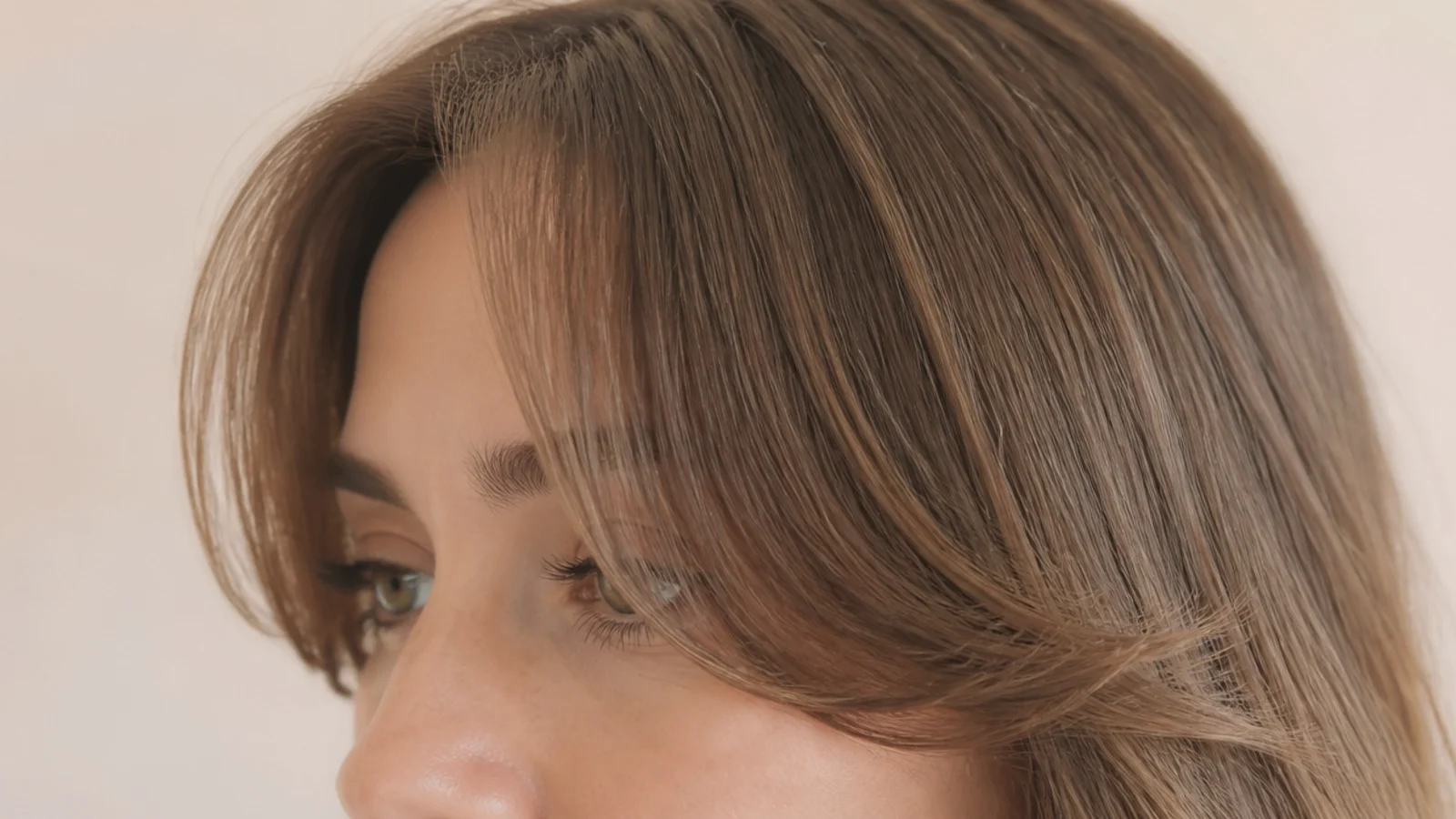
12. Pixie
On a pixie the bang is the longest hair on the head and carries the whole frame. Keep the sweep long enough to pass the ear, or the crop loses its front and reads as one uniform short length all over.
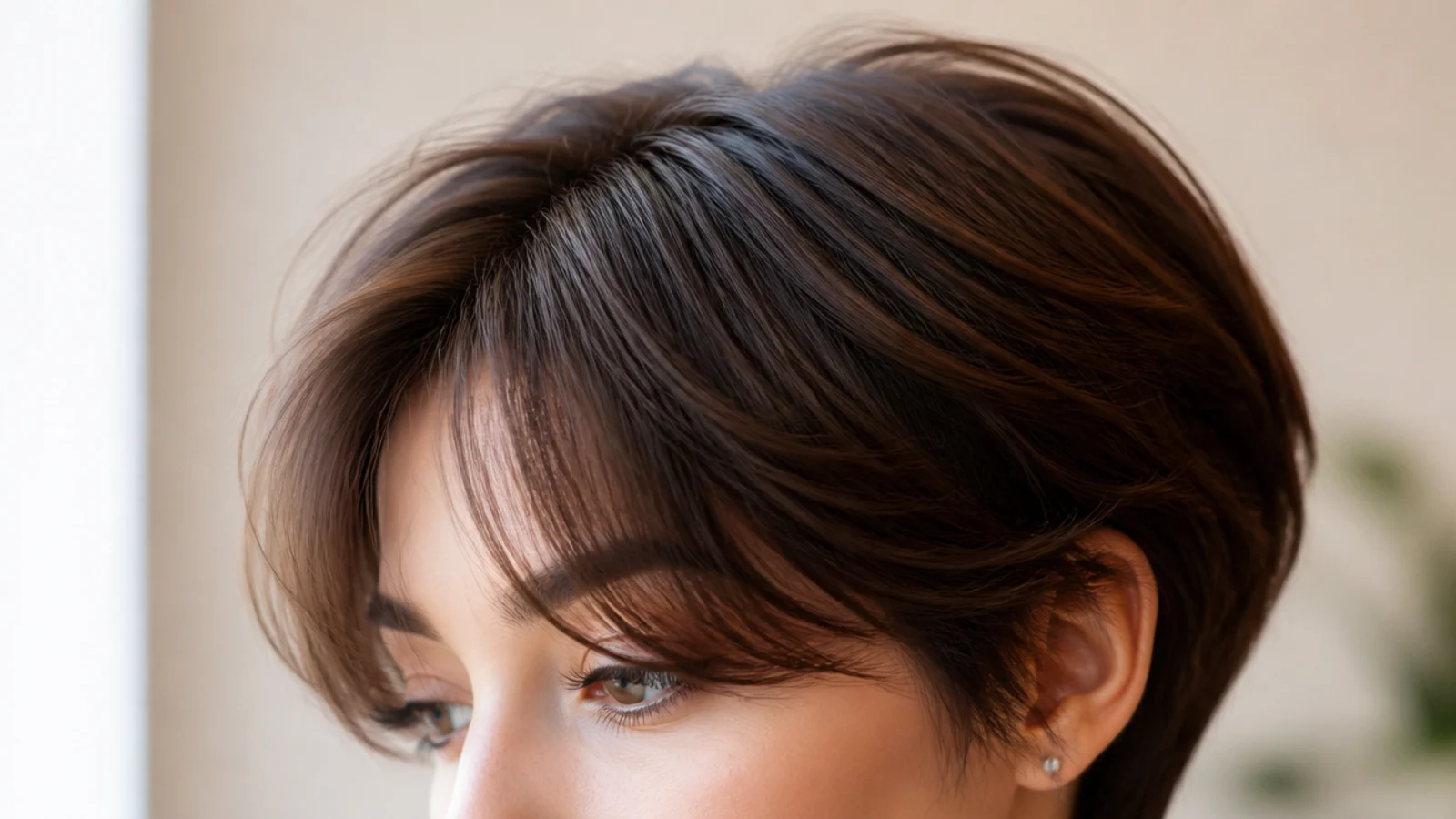
13. Money Piece
Lifting the two front sections a few shades blurs where the cut line sits, because tone contrast breaks a perimeter before shape does. On a wispy bang it compounds the effect the point cutting already produced.
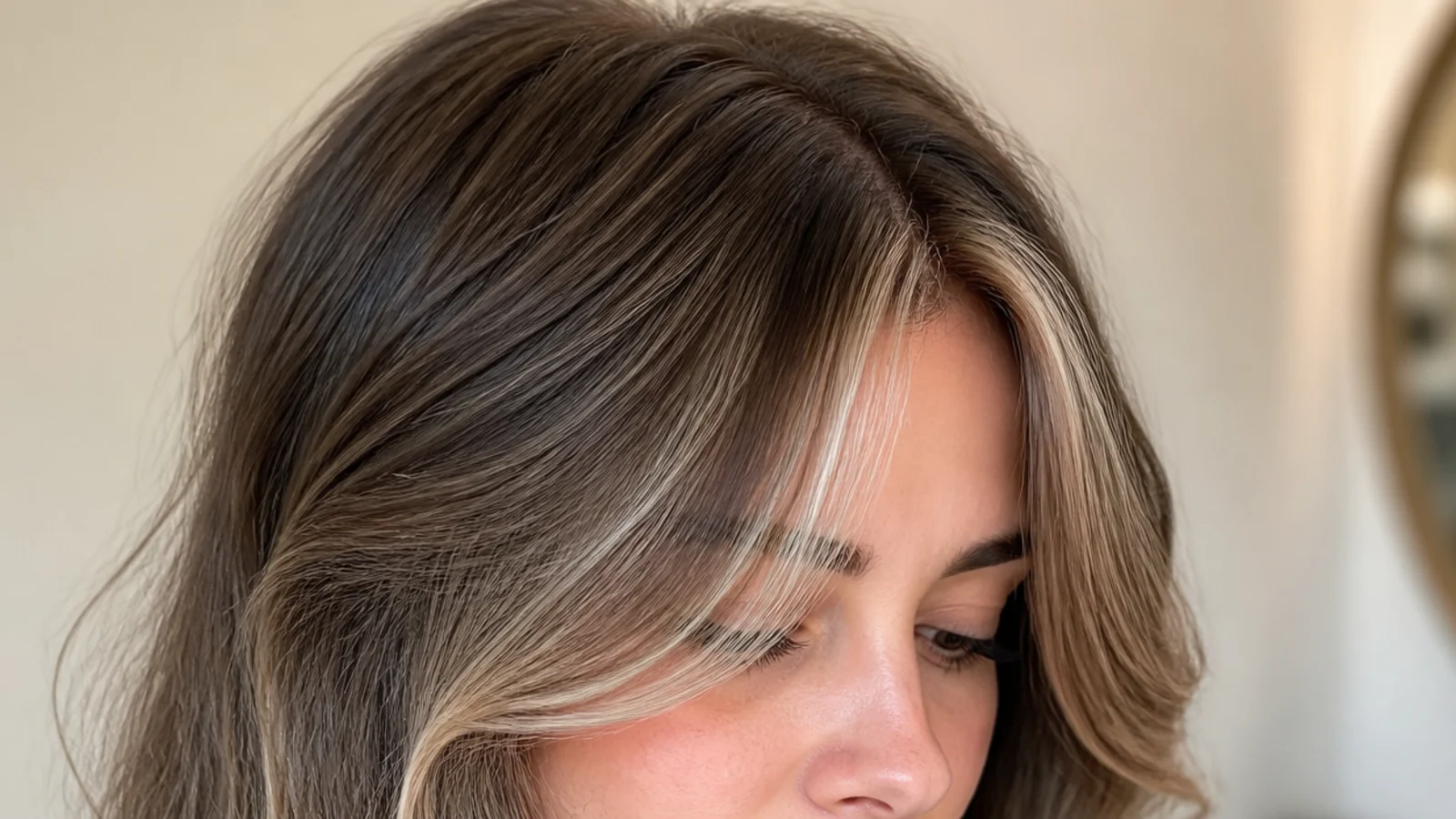
14. Grown Out
Eight weeks on, with the shortest point at the cheekbone and the split loose. Wispy bangs grow out better than blunt ones for one reason — a staggered edge has no line to lose, so there is no single day when the shape stops working.
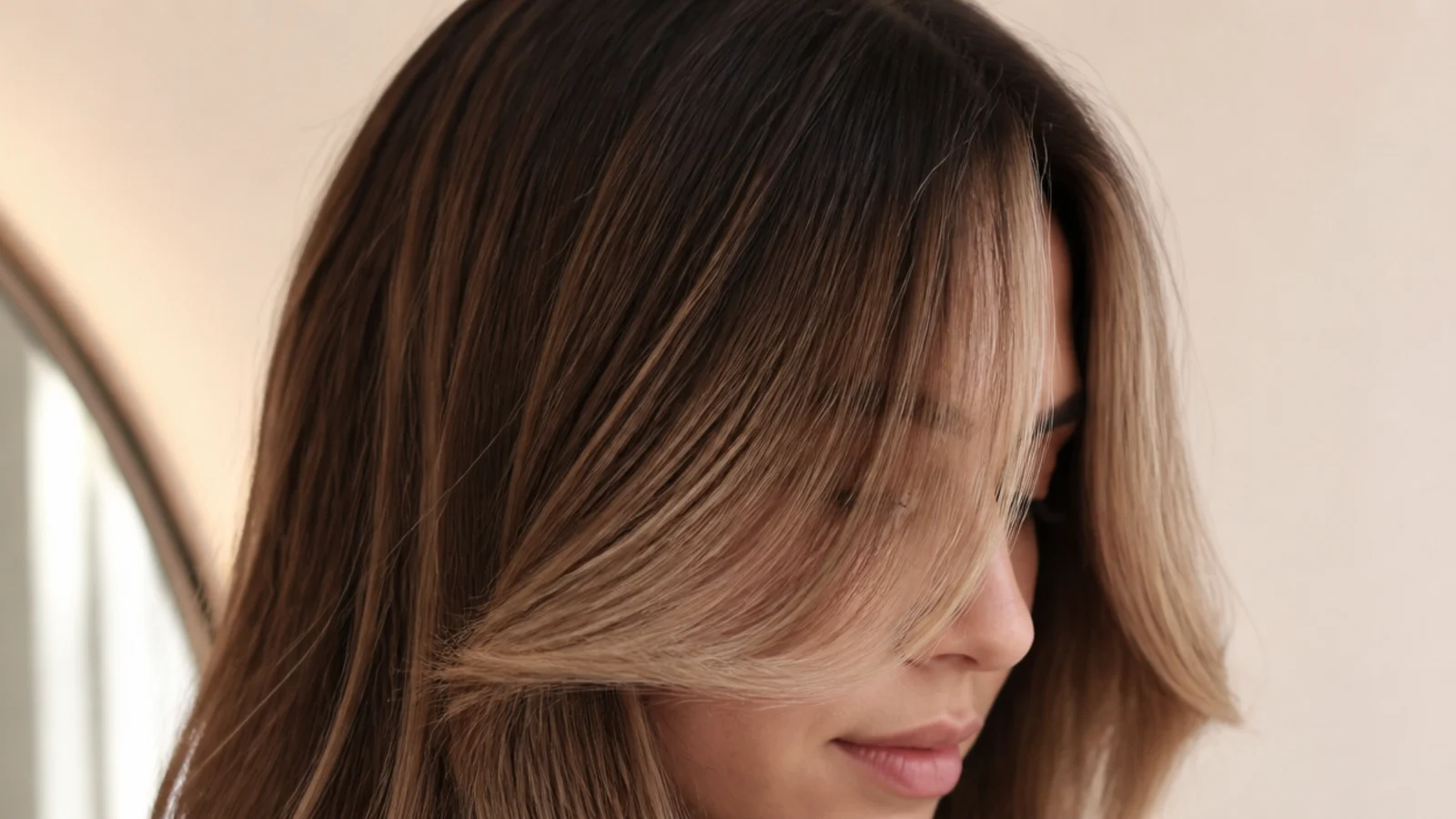
15. Updo
Gather everything and the front pieces become the only thing framing the face, which is the situation a wispy bang was made for. Pull the ends loose after pinning rather than before, so they fall where the cut put them instead of where the elastic did.
Final Thoughts
Ask for the angle, not the amount. "Point cut vertically into the ends, shortest point at the lash line" describes a technique and a landmark, and between them there is nothing left for a stylist to guess at.
For the longer version of the same idea see 30 wispy curtain bangs for long fine hair, and for shorter overall lengths see 30 gorgeous curtain bangs for short fine hair. More in Bangs and Fringe.