20 Stylish Curtain Bangs Bob Cuts For Thin Hair
Curtain bangs work on thin hair only if the section they are cut from is shallow, because that hair is taken out of the crown. Twenty bob and bang combinations, and where the density has to be protected in each one.
In this article · 27
- Why a Bob and Curtain Bangs Suit Thin Hair
- Choosing Your Length and Section Depth
- The 20 Curtain Bangs Bob Cuts
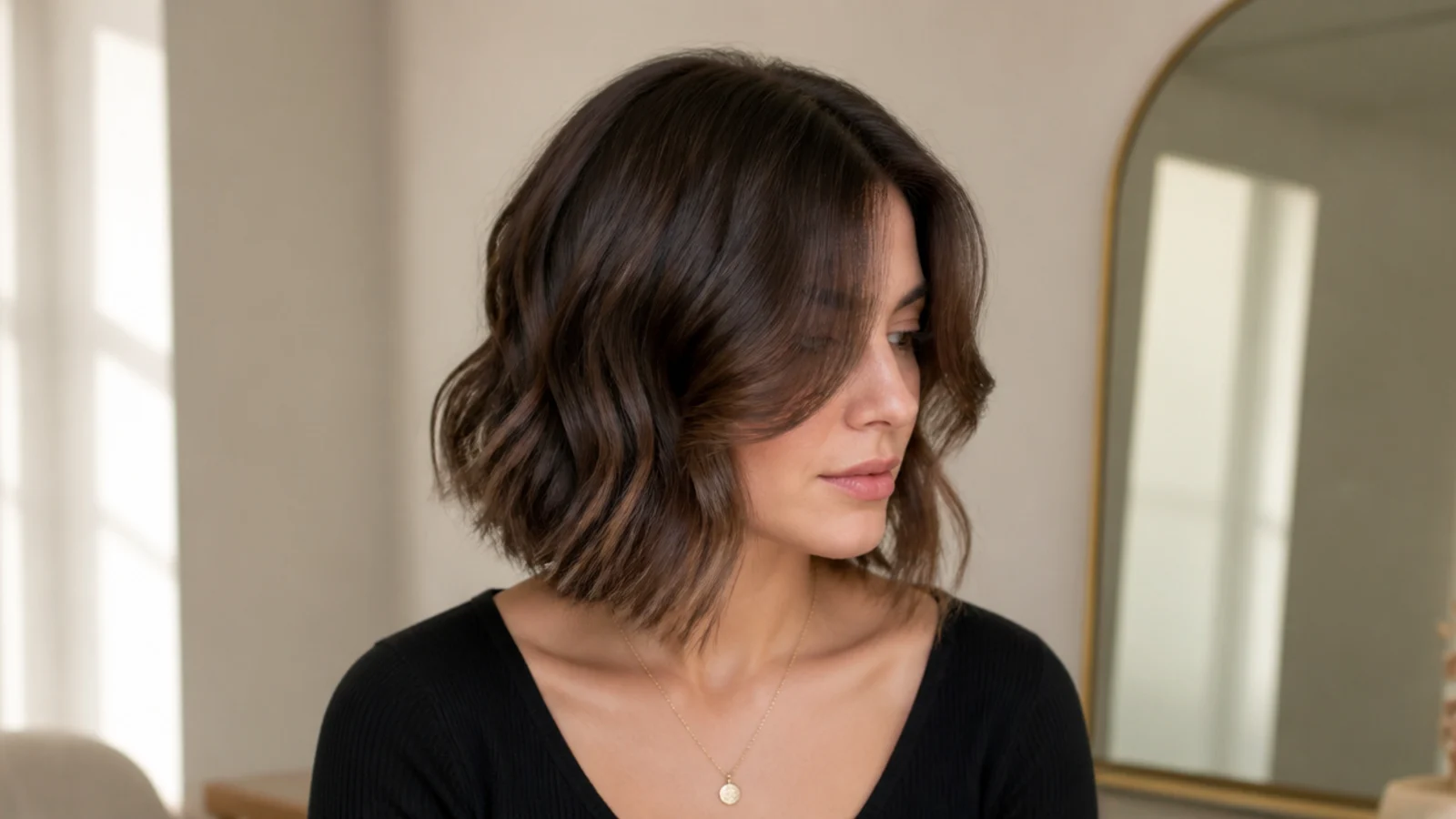
- 1. Blunt Chin Length Bob
- 2. Jaw Length Bob With Long Curtain Bangs
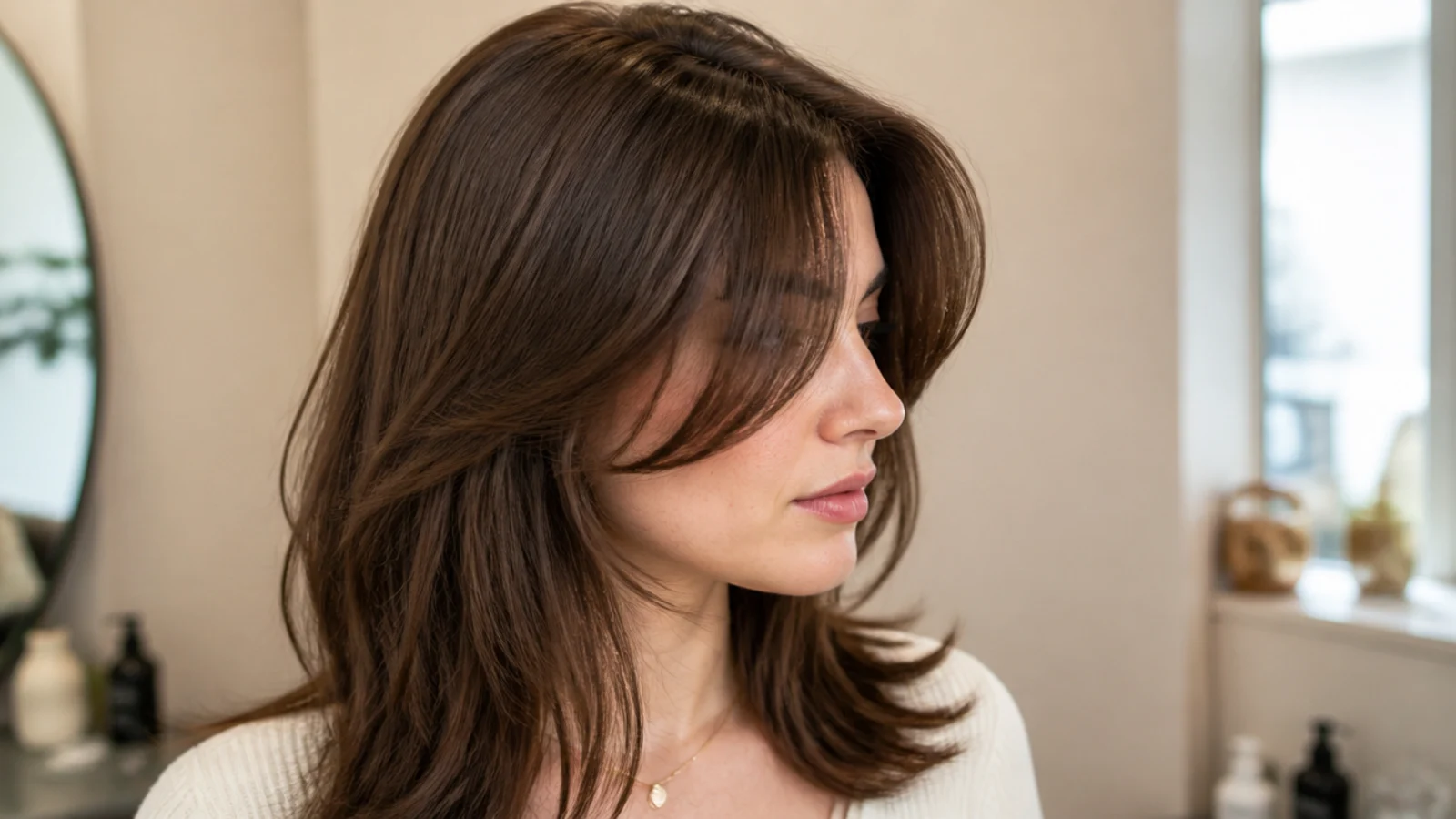
- 3. Collarbone Bob With Curtain Bangs
- 4. One Length Bob With No Internal Layers
- 5. Bob With Two Face Framing Layers Only
- 6. A Line Bob With Curtain Bangs
- 7. Bob With a Centre Part
- 8. Bob With a Deep Side Part
- 9. Lightly Point Cut Ends
- 10. Wispy Curtain Bangs on a Bob
- 11. Heavier Curtain Bangs on a Bob
- 12. Wavy Bob With Curtain Bangs
- 13. Sleek Straight Bob With Curtain Bangs
- 14. Curly Bob With Curtain Bangs
- 15. Bob With a Shadow Root
- 16. Bob With a Money Piece
- 17. Bob Tucked Behind One Ear
- 18. Stacked Back Bob With Curtain Bangs
- 19. Korean Style Bob With Curtain Bangs
- 20. Bob With French Bangs Instead
- Styling and Upkeep
- Mistakes to Avoid
- FAQ
- Final Thoughts
Curtain bangs thin out the crown on fine hair for a reason nobody mentions: the fringe is cut from the hair that used to sit on top of your head.
Section depth decides everything. A shallow triangle taken a few centimetres back from the hairline gives the same shape while leaving the crown intact.
A blunt perimeter is what creates density. Every strand ending at the same point makes the bottom edge look solid, which is exactly what thin hair needs from a bob.
Why a Bob and Curtain Bangs Suit Thin Hair
Shorter hair carries less weight. A chin length bob puts far less mass on the roots than shoulder length hair, so they stay lifted through the day rather than being dragged flat.
A blunt edge reads as density. When every strand finishes at the same line, the perimeter looks like a solid block instead of tapering away into individual ends.
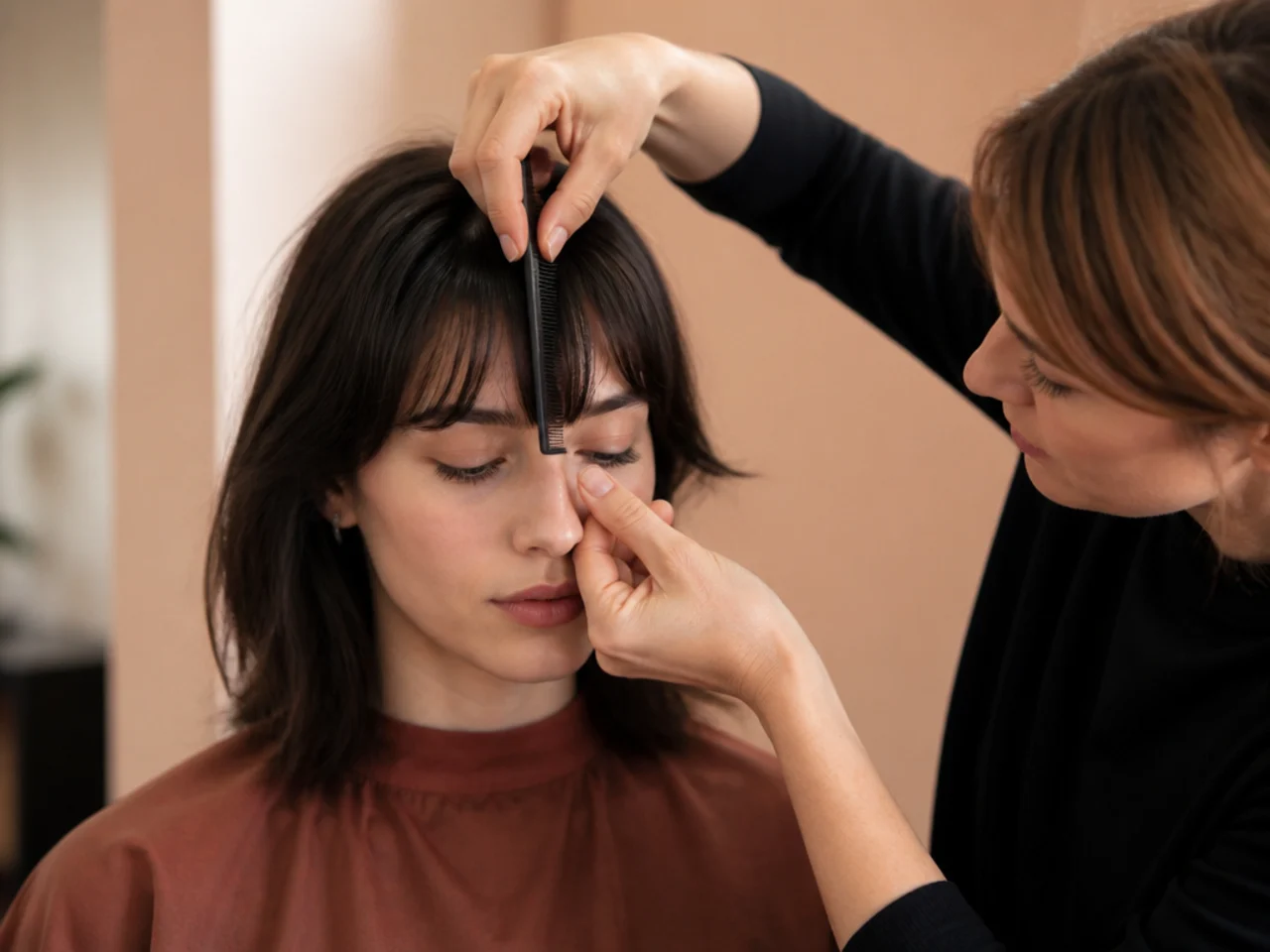
Curtain bangs use a narrow section. Unlike a full fringe, which needs a deep triangle of hair, a curtain bang can be cut from a shallow one and still reach the cheekbone.
The parted shape covers the hairline. Two sweeping halves sit across the top of the forehead where thin hair is most obviously thin.
Choosing Your Length and Section Depth
Chin length for the most apparent thickness. The shortest practical bob keeps the ends heavy and the roots lifted at the same time.
Jaw to collarbone if you want to tuck it. Anything shorter than the jaw will not stay behind an ear, and tucking one side is a free way to add volume on the other.
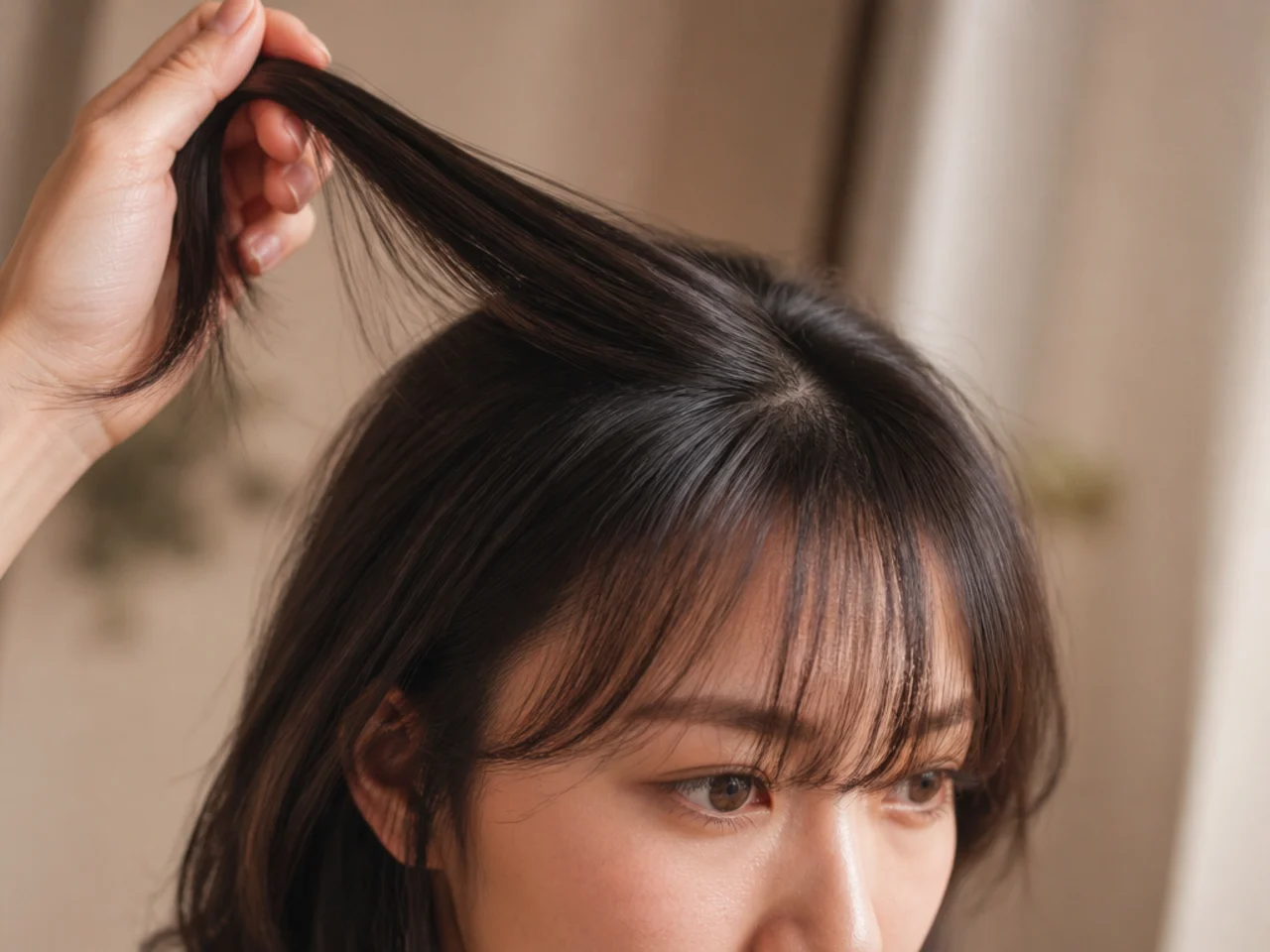
Keep the bang section under three centimetres deep. Beyond that you are taking hair out of the crown, where thin hair can least afford to lose it.
Cut the bang long and shorten it later. A curtain bang can always be taken up at the next appointment, and the only way back from too short is four months of waiting.
The 20 Curtain Bangs Bob Cuts
1. Blunt Chin Length Bob
The densest version available on fine hair. Cutting the perimeter straight across with no taper ends every strand at the same line, so the bottom edge reads as a solid block, and the short length keeps weight off the roots.
2. Jaw Length Bob With Long Curtain Bangs
The bangs finish below the cheekbone and run almost into the perimeter, which removes the visible step between the fringe and the sides. On thin hair that continuity matters, because a hard step between two thin sections exposes both.

3. Collarbone Bob With Curtain Bangs
The longest length that still behaves like a bob. Extra length adds weight that pulls the roots down, so this version needs the ends kept blunt and a root lift spray to compensate at the crown.

4. One Length Bob With No Internal Layers
Nothing removed from underneath at all. Every layer takes weight out, and on thin hair that weight is the only thing making the ends look substantial, so leaving the interior untouched keeps the maximum density in the perimeter.
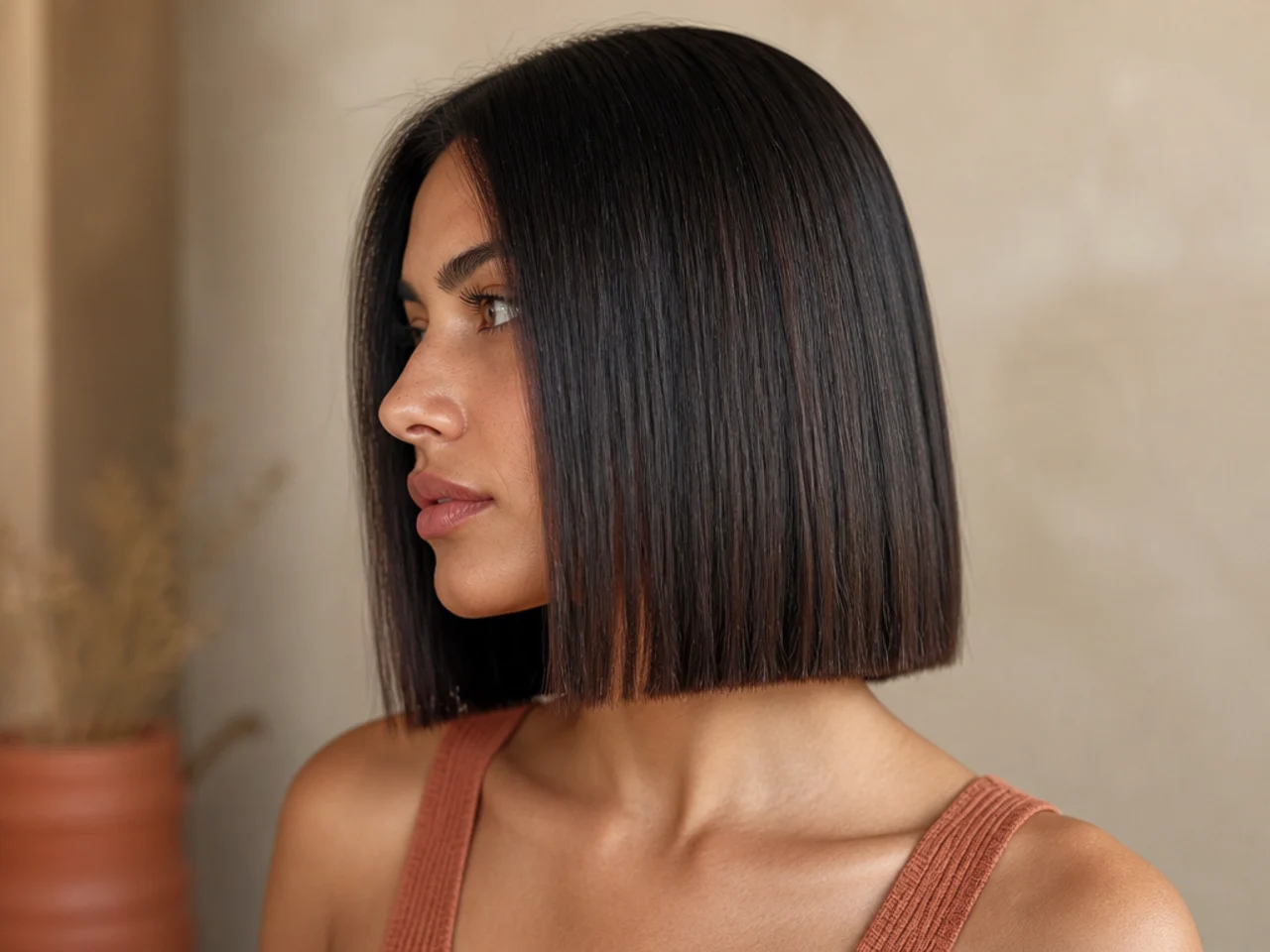
5. Bob With Two Face Framing Layers Only
The compromise version. Two long layers beside the face give shape and let the bangs blend downward, while the back and sides stay one length so nothing is thinned where the hair is already sparse.

6. A Line Bob With Curtain Bangs
The perimeter angles forward, so the front is longer than the back. That forward weight sits where the hair is seen most, and the shorter back lifts away from the neck, which makes the whole shape look fuller from the side.

7. Bob With a Centre Part
The most symmetrical option and the least forgiving on thin hair, because a centre part exposes a straight line of scalp down the middle. It works when the bangs are heavy enough to cover the front third of that line.

8. Bob With a Deep Side Part
Moving the part well off centre lays hair across the top of the head instead of splitting it, which covers scalp and lifts the roots on the heavy side. It is the single most effective free change for thin hair.

9. Lightly Point Cut Ends
Cutting into the very tips with the scissor points softens a blunt line without hollowing it out. Keep it to the last centimetre, because point cutting further up removes real density and turns a solid edge into a wispy one.
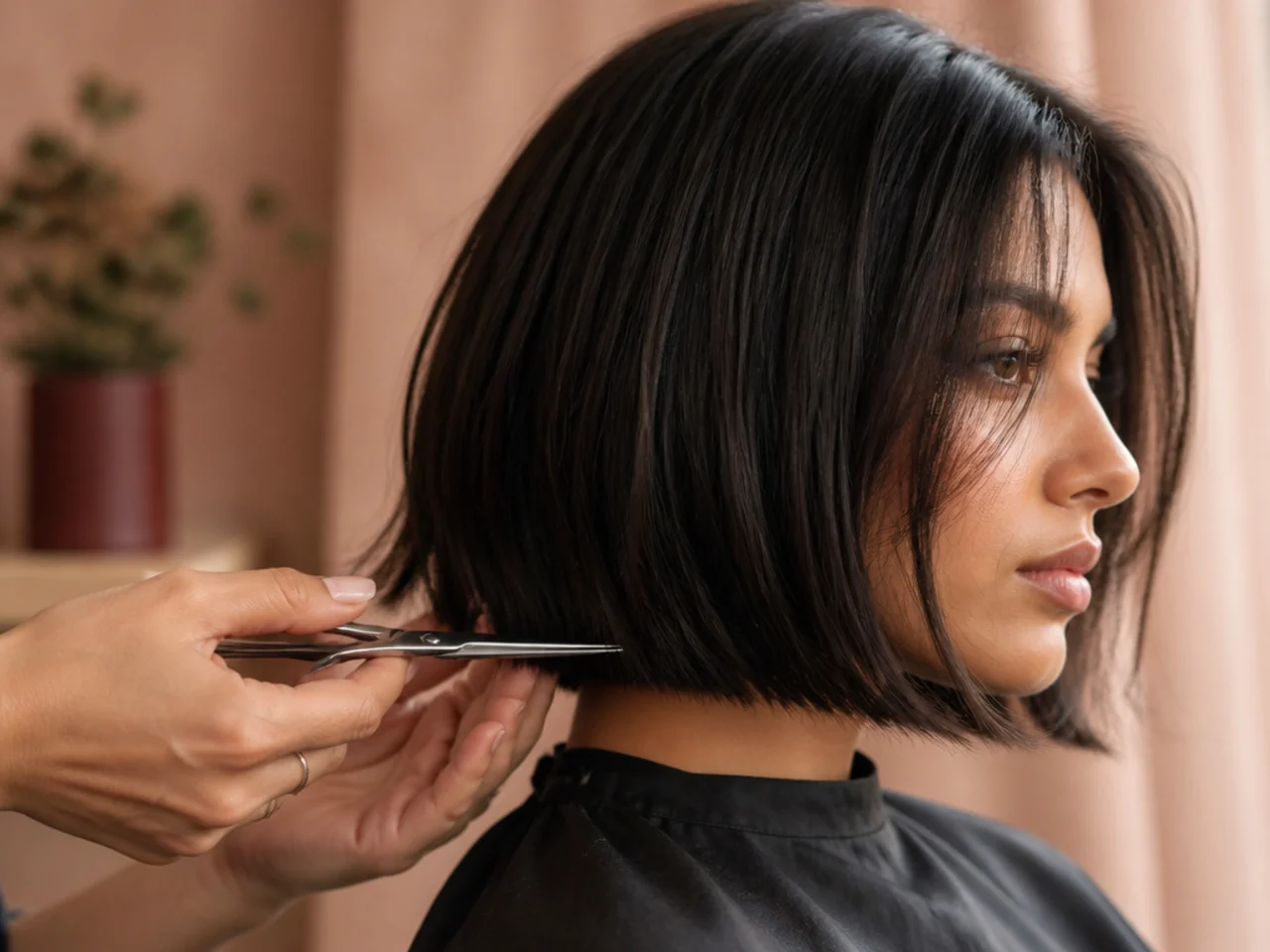
10. Wispy Curtain Bangs on a Bob
The lightest fringe available, cut from a very shallow section and thinned only at the tips. It gives a soft edge across the forehead while taking almost no hair from the crown, which is the trade thin hair should usually make.

11. Heavier Curtain Bangs on a Bob
A deeper section gives a fringe with real body, and it works if you accept the cost. The hair has to come from somewhere, so the crown behind the bang will look flatter and needs drying with more root lift to compensate.

12. Wavy Bob With Curtain Bangs
Wave is the cheapest volume there is, because a bent strand occupies more space than a straight one. On fine hair a loose S bend through the mid lengths can make the same amount of hair look noticeably thicker.

13. Sleek Straight Bob With Curtain Bangs
The opposite decision, and it lives or dies on the cut. Straight hair lies flat against the head so every strand is accounted for, which means the perimeter must be genuinely blunt or the ends look transparent.

14. Curly Bob With Curtain Bangs
Cut dry so the bang lands where you want it, since curl can lose a third of its length as it dries. Curly bangs sit shorter and wider than straight ones, so leave two extra inches on the fringe before the first cut.

15. Bob With a Shadow Root
Keeping the root a shade darker than the lengths reduces the contrast between hair and scalp, which is what makes a parting look wide. The hair is no thicker, but there is less visible gap between the strands.
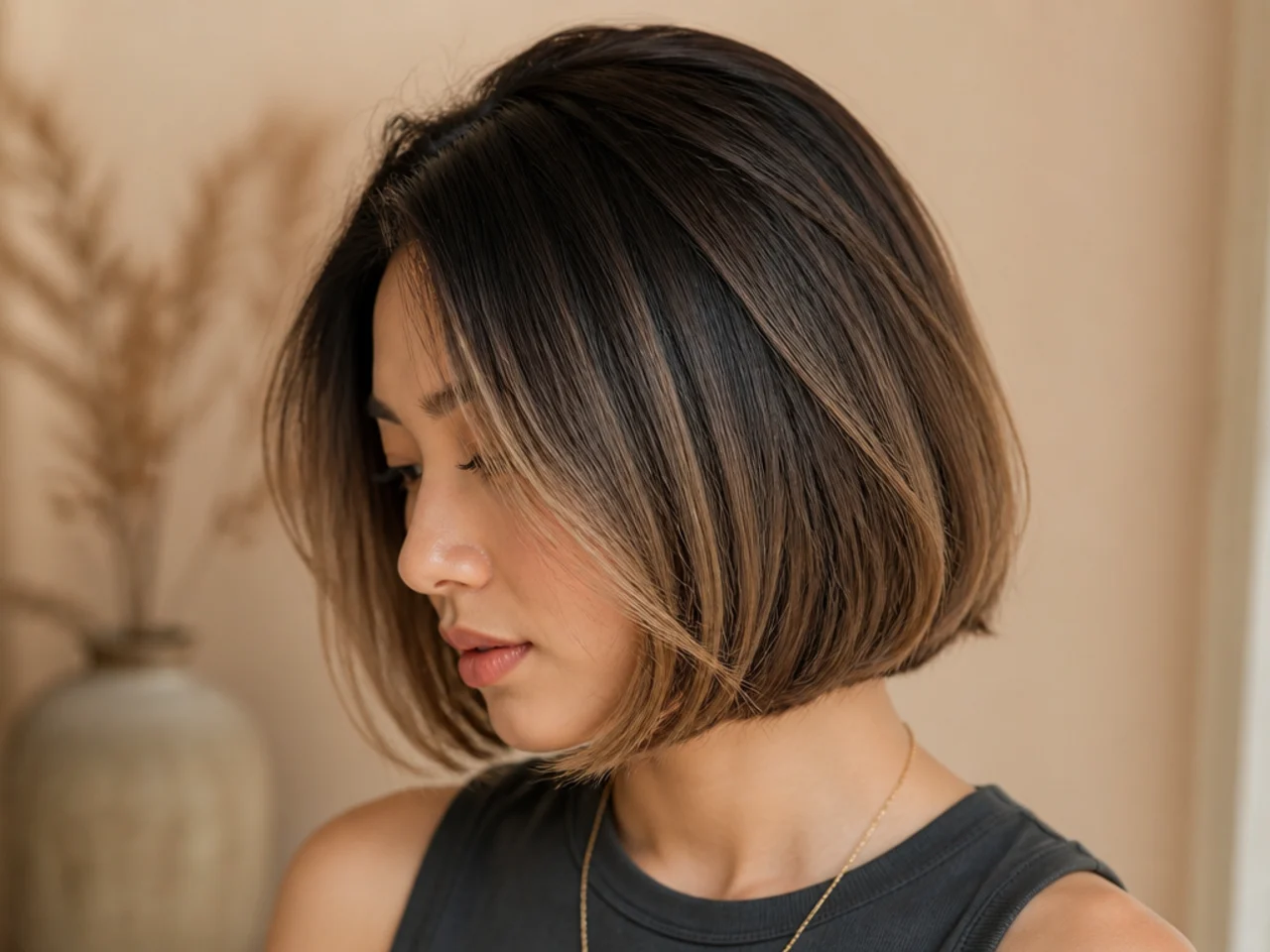
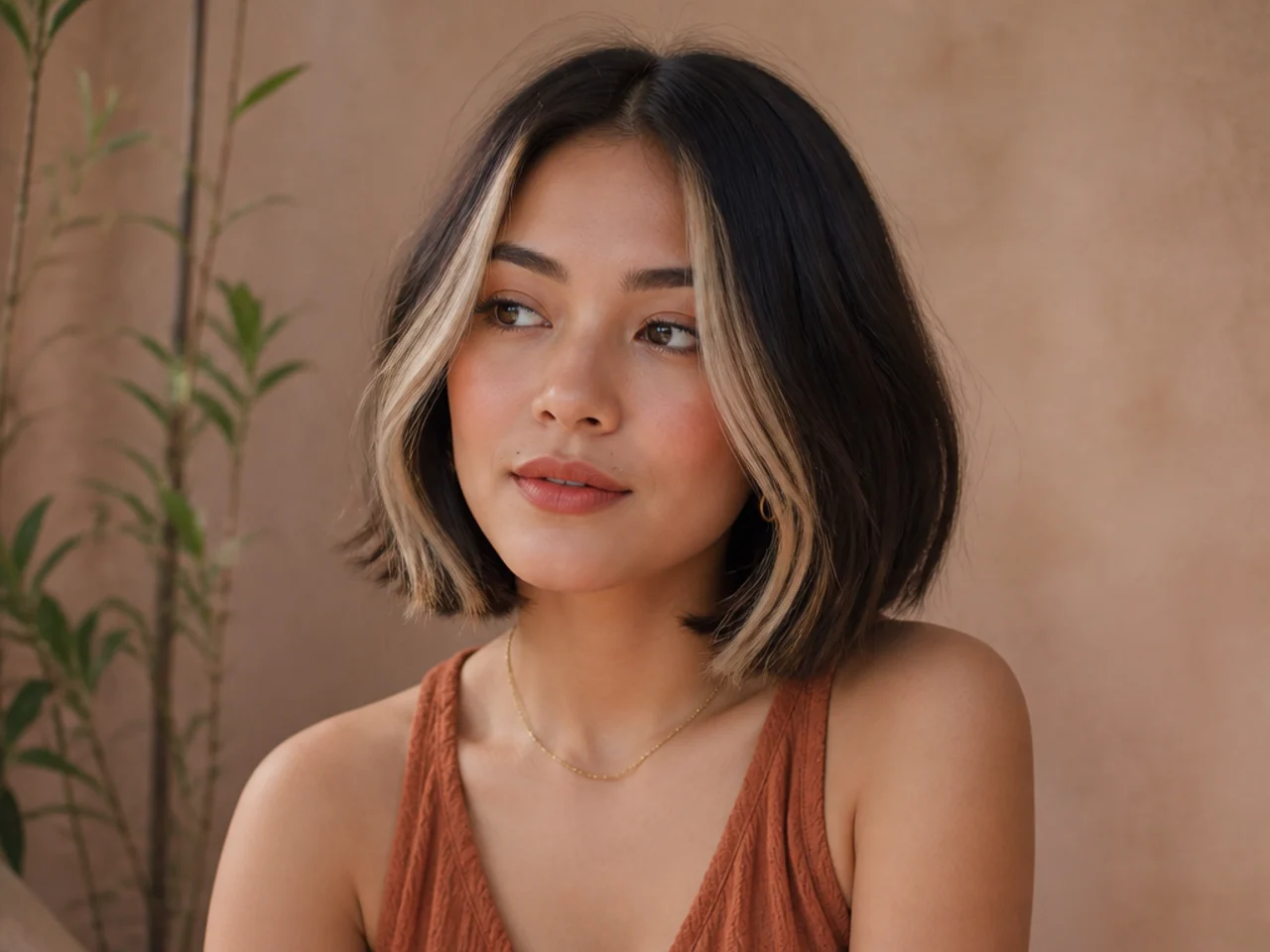
16. Bob With a Money Piece
Lightening the two front sections roughens the cuticle slightly, and roughened hair has more grip against its neighbours, so the front sits with a little more body. It also puts the brightest hair where the bangs already draw the eye.
17. Bob Tucked Behind One Ear
Tucking one side flattens it deliberately so the loose side looks fuller by comparison. Asymmetry is read as volume, and it costs nothing, which makes it the quickest fix for a bob that has gone flat by the afternoon.

18. Stacked Back Bob With Curtain Bangs
Short graduated layers at the back build a rounded shape that lifts the hair away from the neck. Because the stacking is confined to the back, the front perimeter keeps its full weight and the fringe still blends into a solid side.
19. Korean Style Bob With Curtain Bangs
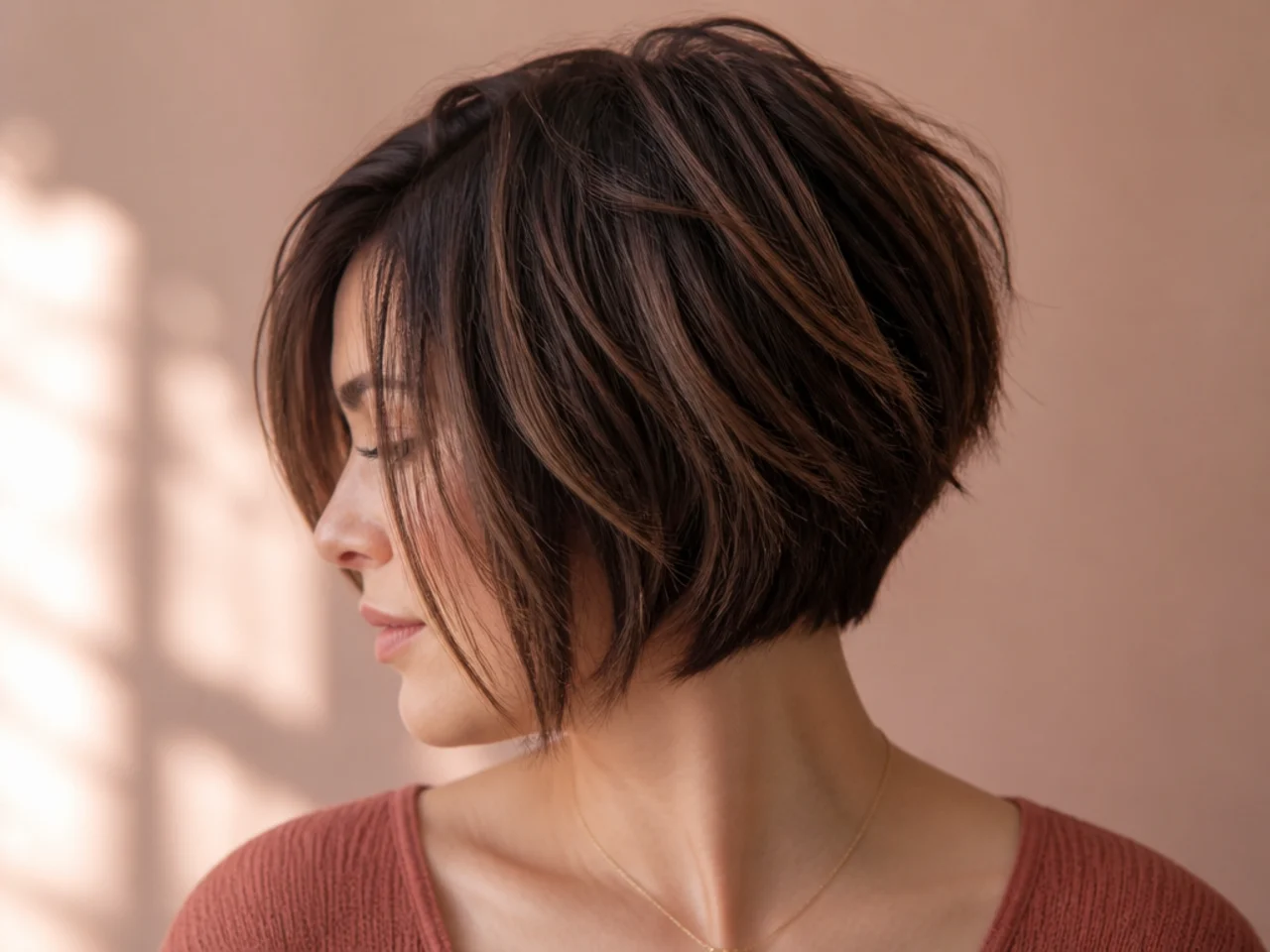
The ends are dried inward and the bangs curve back rather than flicking out, which gives a rounder and softer outline. It suits thin hair because a curved edge catches light along its whole length, and the shape is set out in Korean haircuts with curtain bangs.

20. Bob With French Bangs Instead
A french bang is cut shorter and rounder through the middle, which puts more hair across the forehead but takes it from a deeper section. That is a real cost on thin hair, and the two shapes are compared in french versus curtain bangs.

Styling and Upkeep
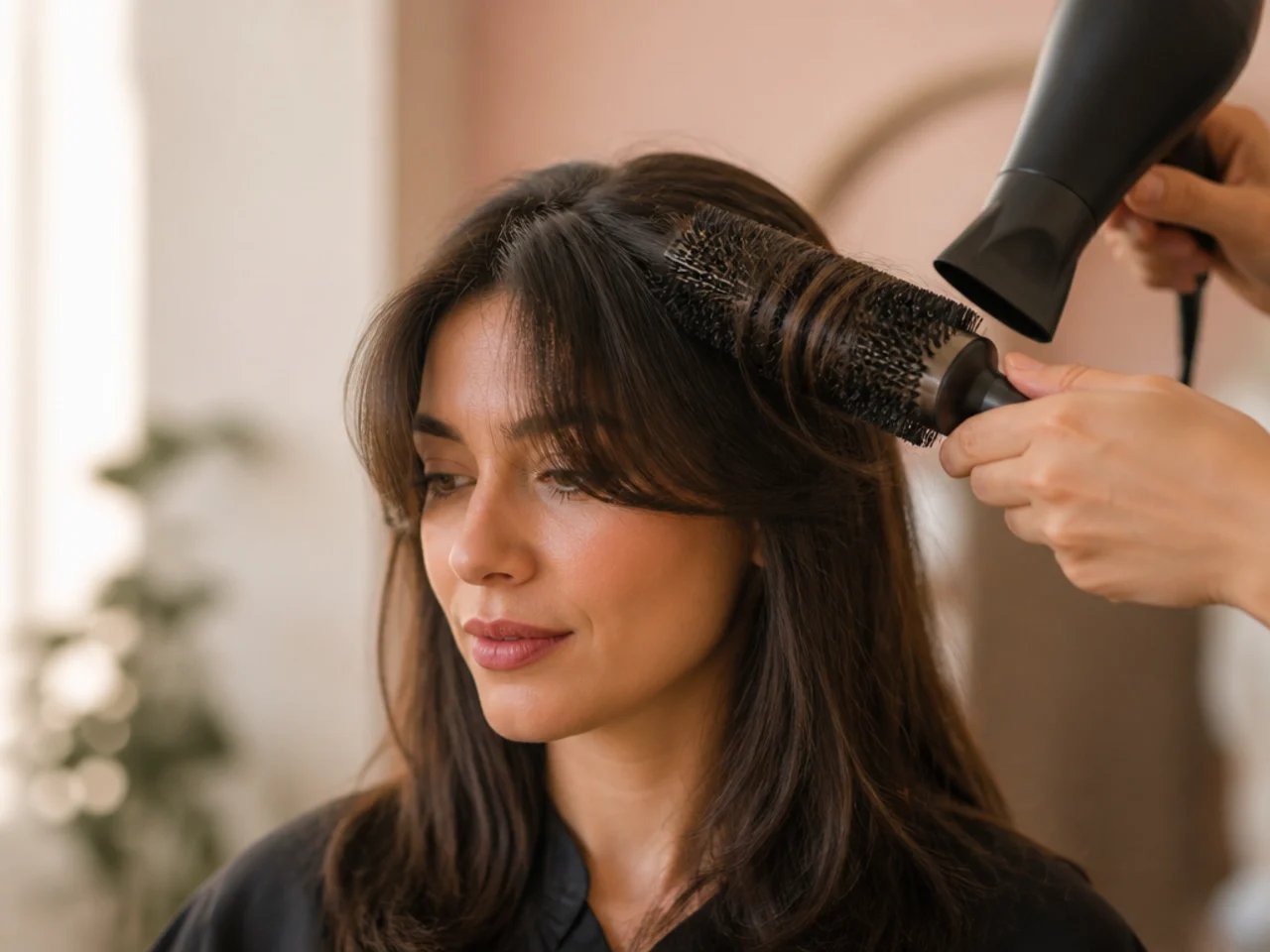
Dry the bangs first and dry them backwards. They set in the direction they dry, and left until last they have already fallen flat.
Keep the perimeter blunt at every trim. Ask for the length taken off straight, not thinned or texturised.
Trim the bang every six to eight weeks. Half an inch a month puts a cheekbone bang past the mouth in two months.
Lift the roots with a light spray, not a cream. Cream weighs fine hair down and closes exactly the volume you are trying to create.
Use a shadow root to hide a wide parting. Reducing the contrast with the scalp does more than any thickening product.
Mistakes to Avoid
Cutting the bang from a deep section. That hair comes out of the crown, which is where thin hair least needs to lose it.
Adding internal layers to a thin bob. Layers remove weight, and the ends need every bit of it to look solid.
Texturising the ends with thinning shears. It hollows out the perimeter and leaves the edge see through.
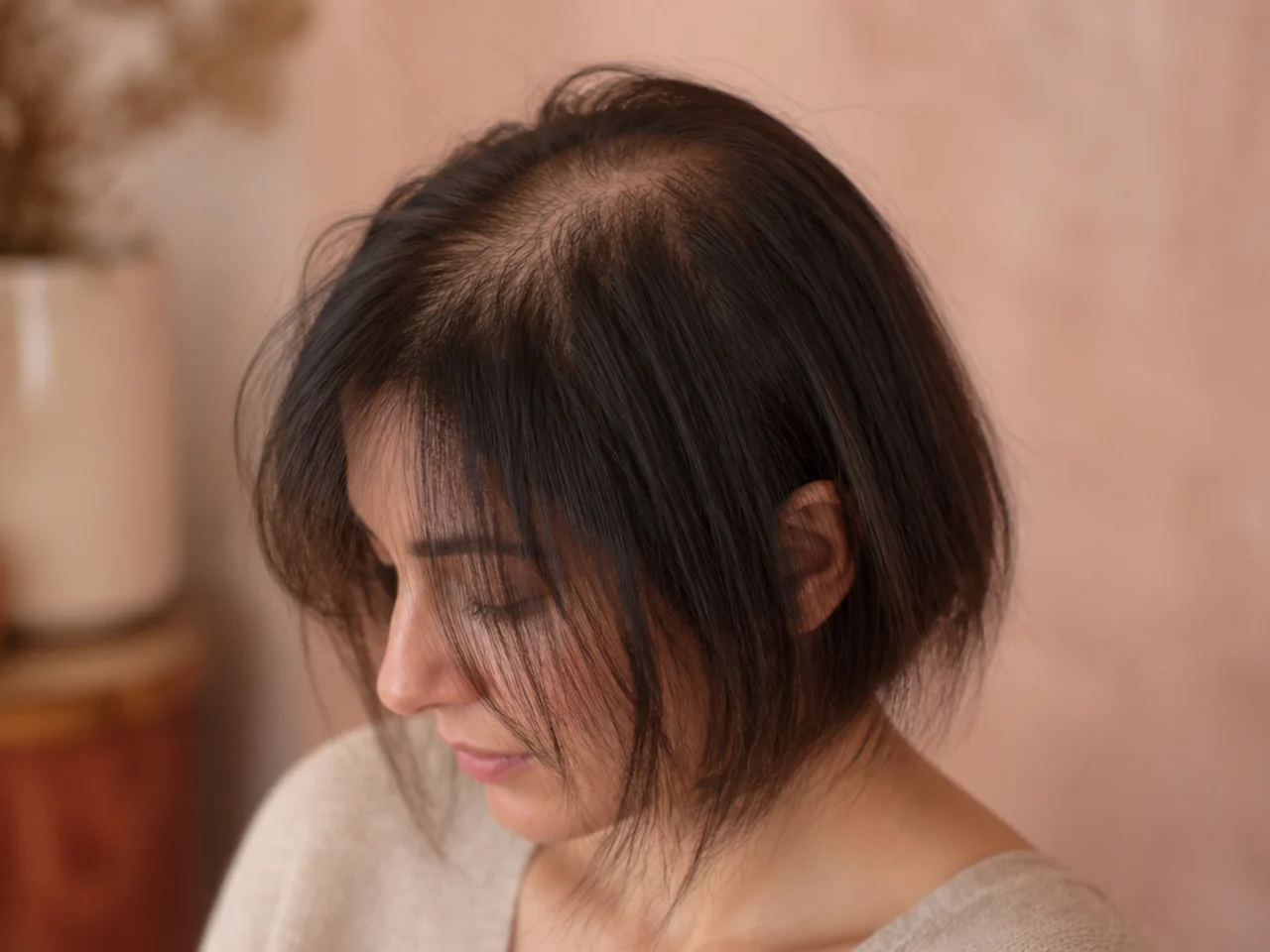
Wearing a centre part with a sparse crown. It exposes a straight line of scalp along the top of the head.
Cutting curly bangs wet. They dry a third shorter, and a cheekbone bang lands somewhere near the eyebrow.
FAQ
How deep should the bang section be? Under three centimetres, or it thins the crown.
Blunt or textured ends? Blunt, always, on thin hair.
How often trimmed? Every six to eight weeks, since hair grows half an inch a month.

Final Thoughts
On thin hair the bob and the bangs are competing for the same hair. Keep the fringe section shallow, keep the perimeter blunt, and put the parting where it lays hair over scalp rather than splitting it.
For how the same fringe behaves once the length arrives see curtain bangs on long hair, and for the sweep that covers a thin hairline differently see side swept versus curtain bangs. More in Bangs and Fringe.