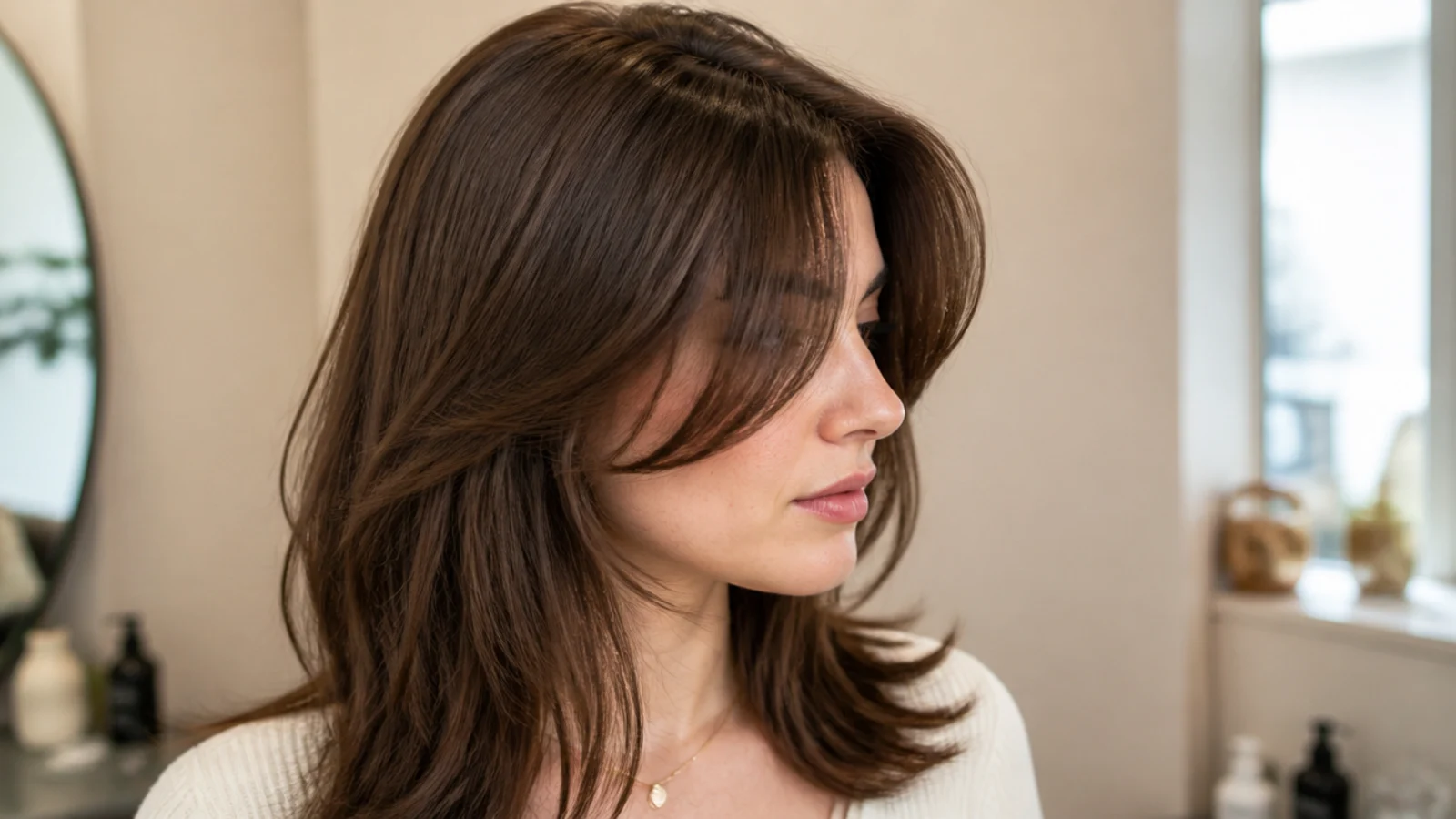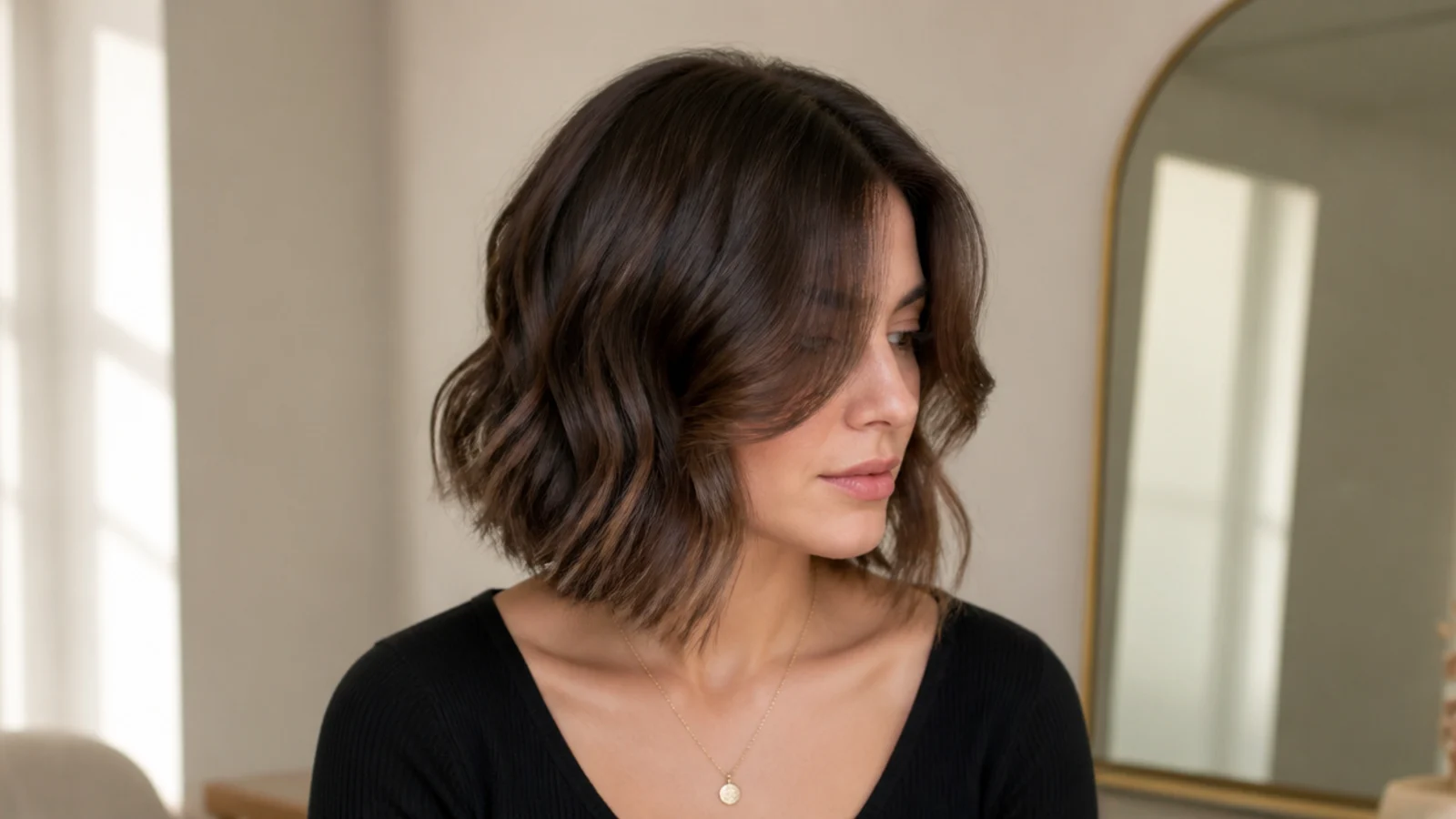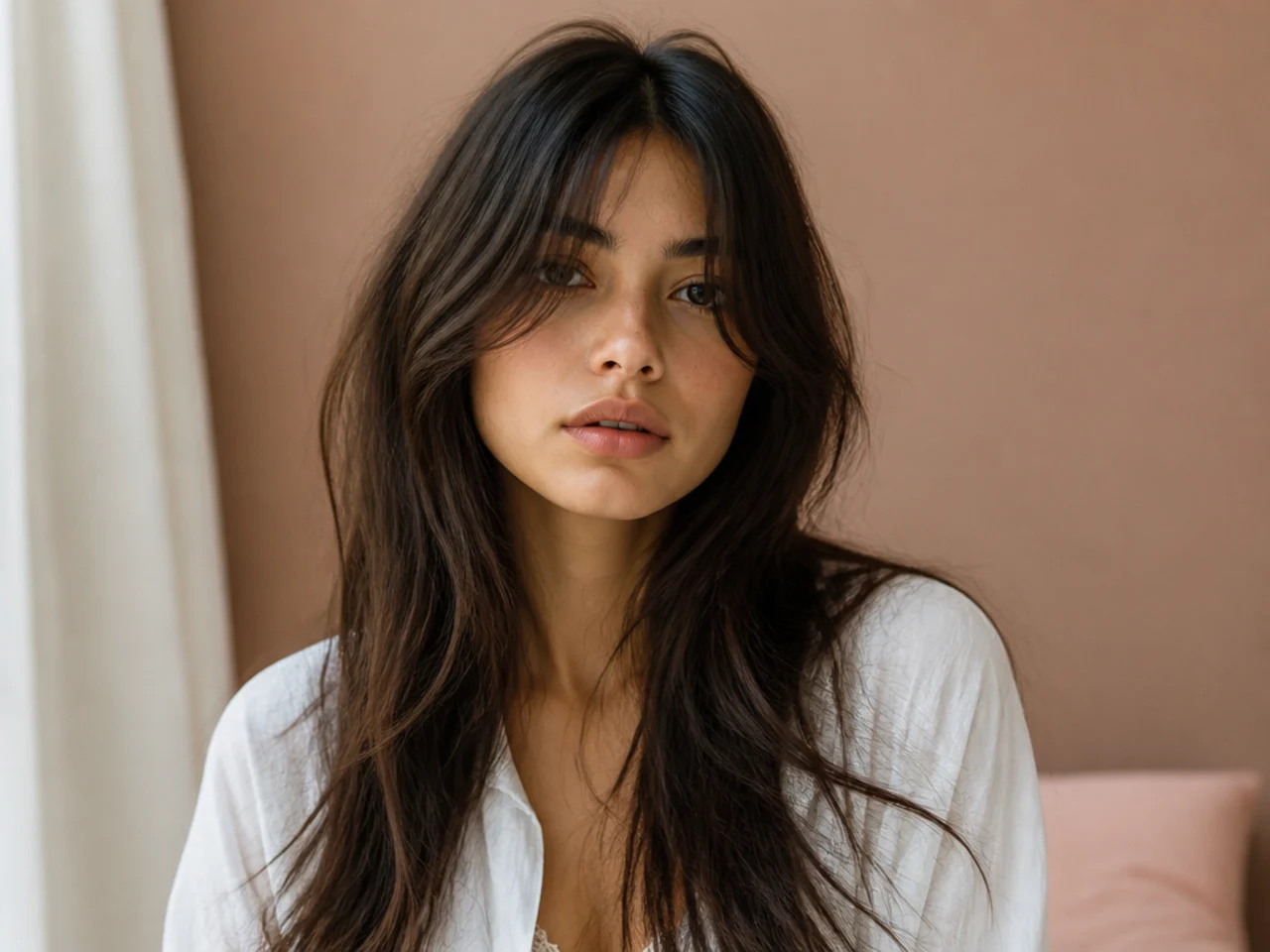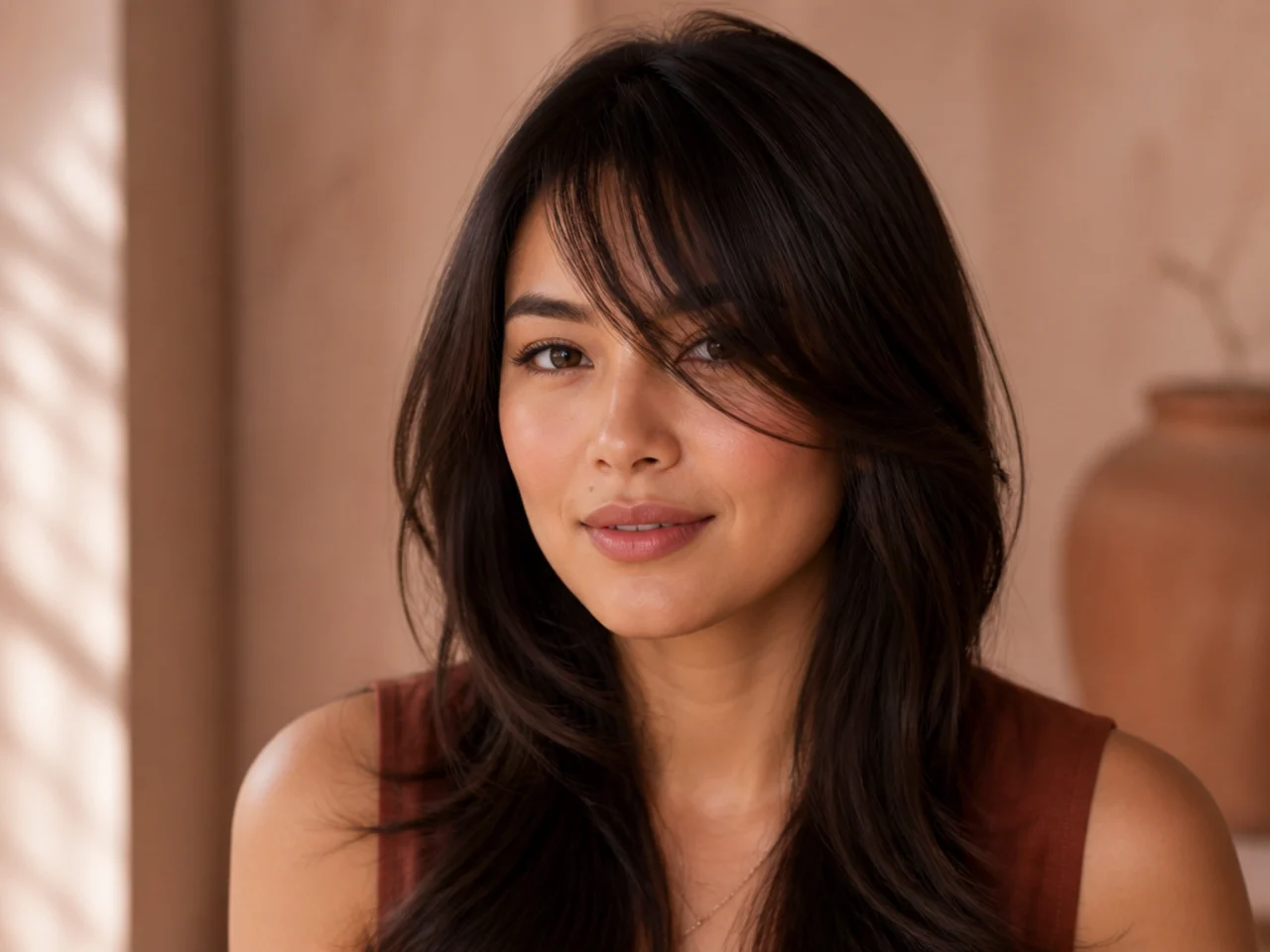
15 French Bangs vs Curtain Bangs Compared
Fifteen head-to-head comparisons between French and curtain bangs — and the one that decides it for most people, which is not how they look but how easily you can undo them.
In this article · 21
- Quick Comparison at a Glance
- The 15 Comparisons
- 1. Coverage
- 2. Commitment
- 3. Grow-Out Time
- 4. Trim Frequency
- 5. Face Shape — Long or Oval
- 6. Face Shape — Round
- 7. Morning Effort
- 8. Washing
- 9. Fine Hair
- 10. Thick Hair
- 11. Curly Hair
- 12. Glasses
- 13. Wearing Hair Up
- 14. Cost Over a Year
- 15. Regret Risk
- Which Should You Choose?
- Mistakes to Avoid
- FAQ
- Final Thoughts
These two get used interchangeably, and they are not the same cut. The confusion is understandable — both sit at the front, both are soft, both are described as French-girl hair — but they solve different problems and they suit different people.
The structural difference is one thing: French bangs cover the forehead, curtain bangs open in the middle. Everything below follows from that.
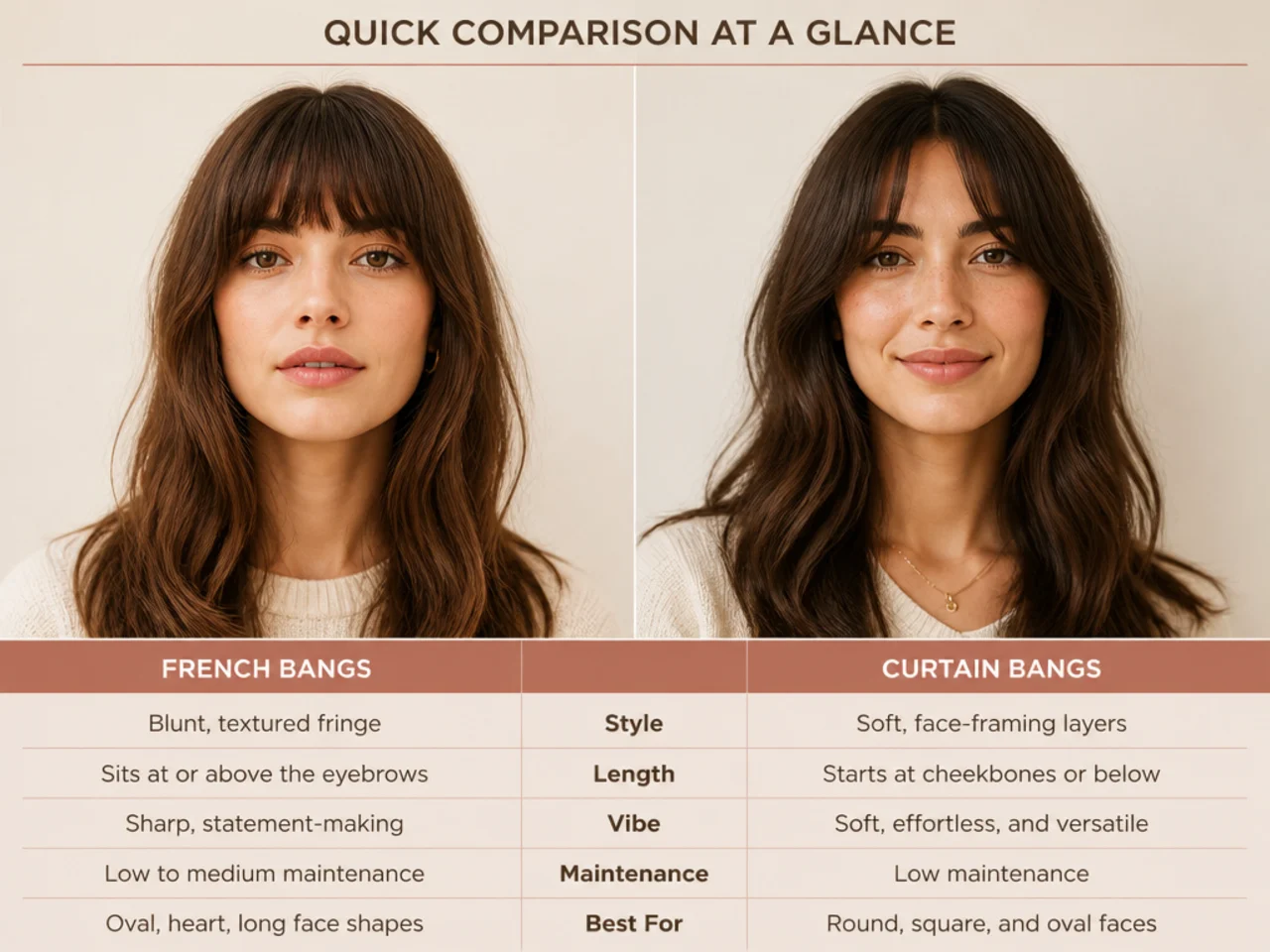
Quick Comparison at a Glance
| French bangs | Curtain bangs | |
|---|---|---|
| Covers the forehead | Yes | No — parts in the middle |
| Commitment | High | Low |
| Grow-out | 3–4 months | Blends within weeks |
| Trim frequency | 4–6 weeks | 8–10 weeks |
| Can you hide it | No | Yes — tuck behind ears |
| Best for | Long, oval faces | Round, square, most faces |
| Changes face shape | Shortens it | Lengthens it |
| Effort each morning | Higher | Lower |
The 15 Comparisons
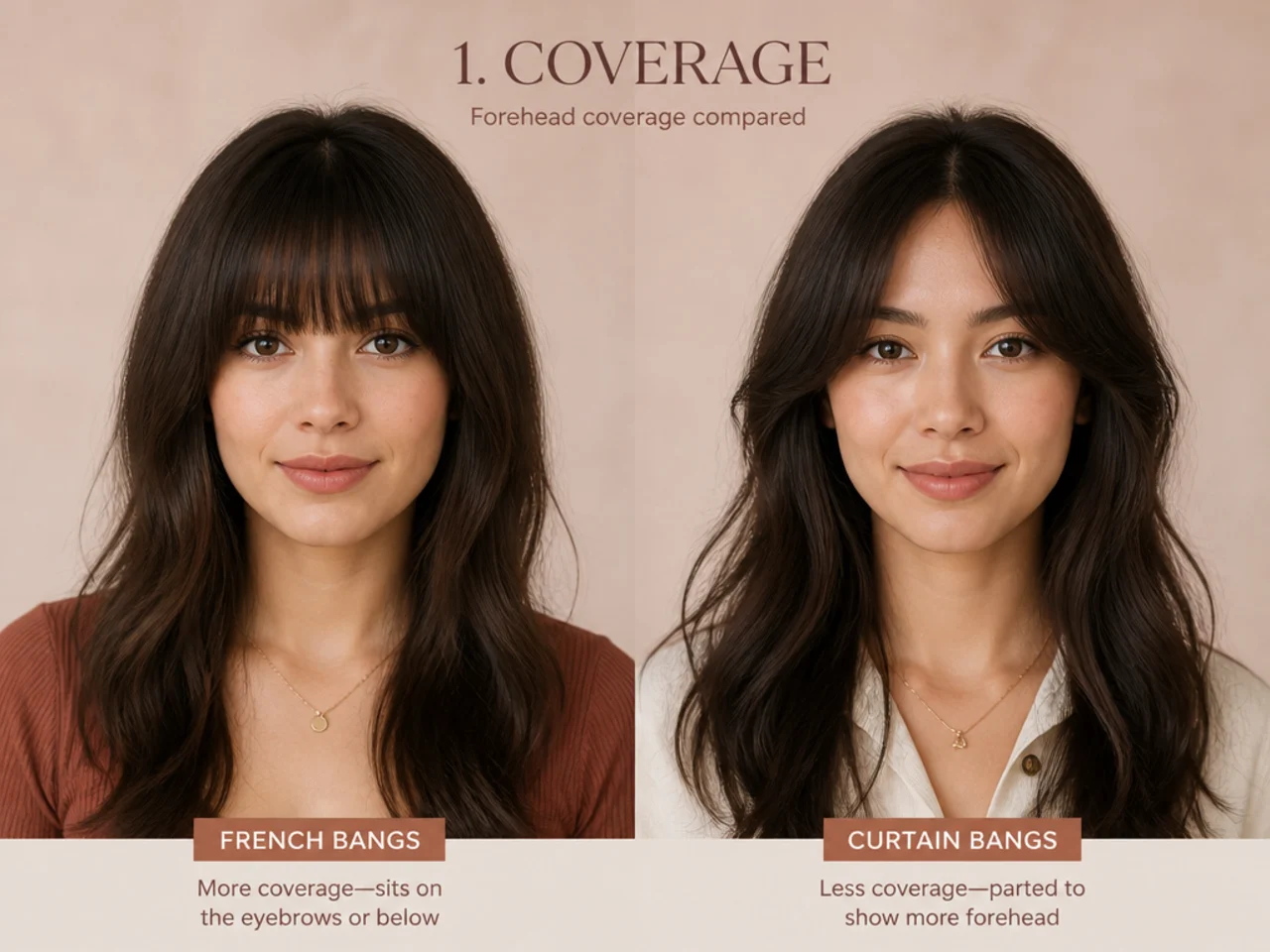
1. Coverage
French: one continuous piece across the forehead. Curtain: parted at the centre, forehead visible between the two sides.
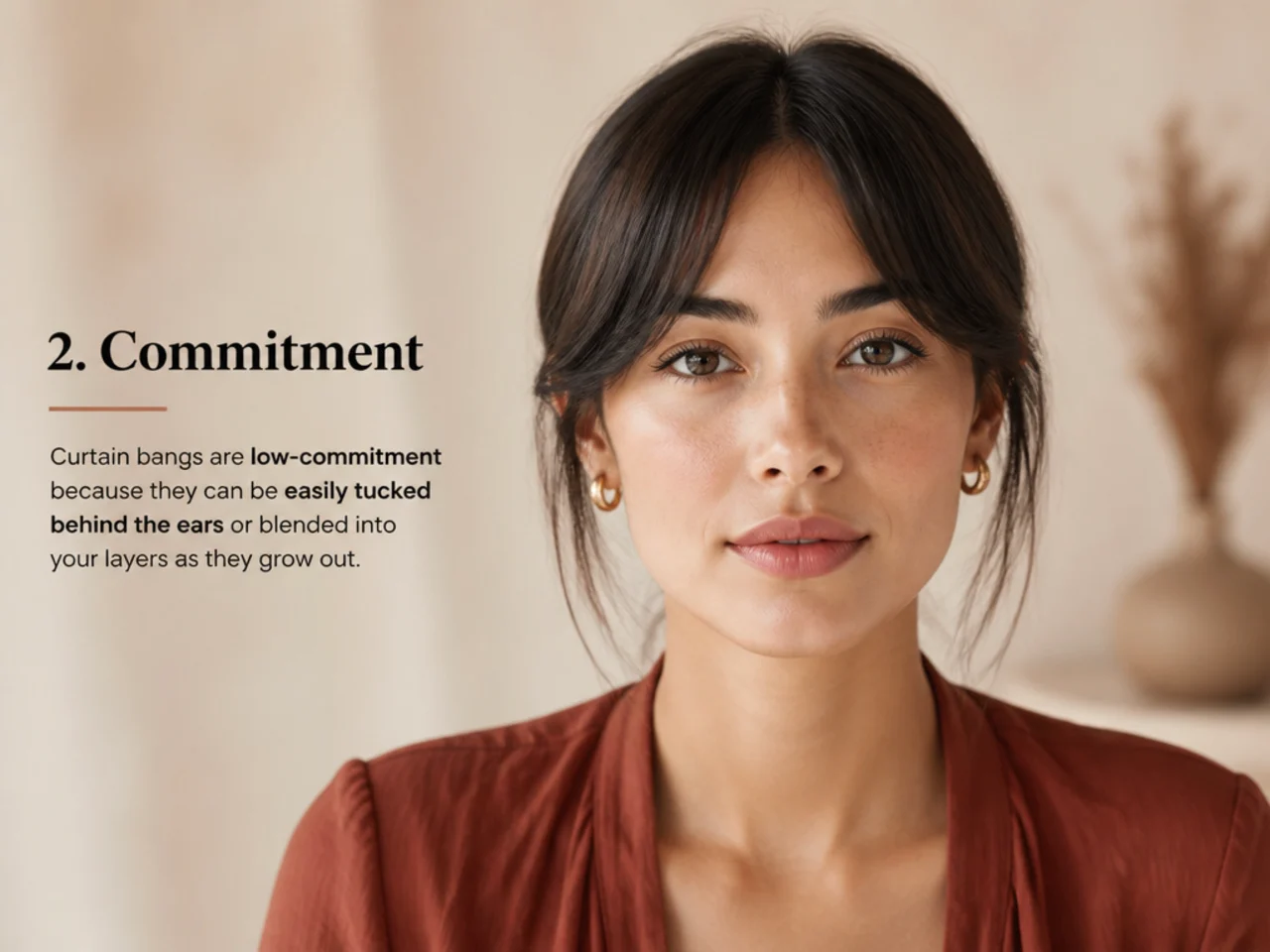
2. Commitment
French: high. It is there every day until it grows out. Curtain: low. Tuck both sides behind your ears and it effectively disappears.
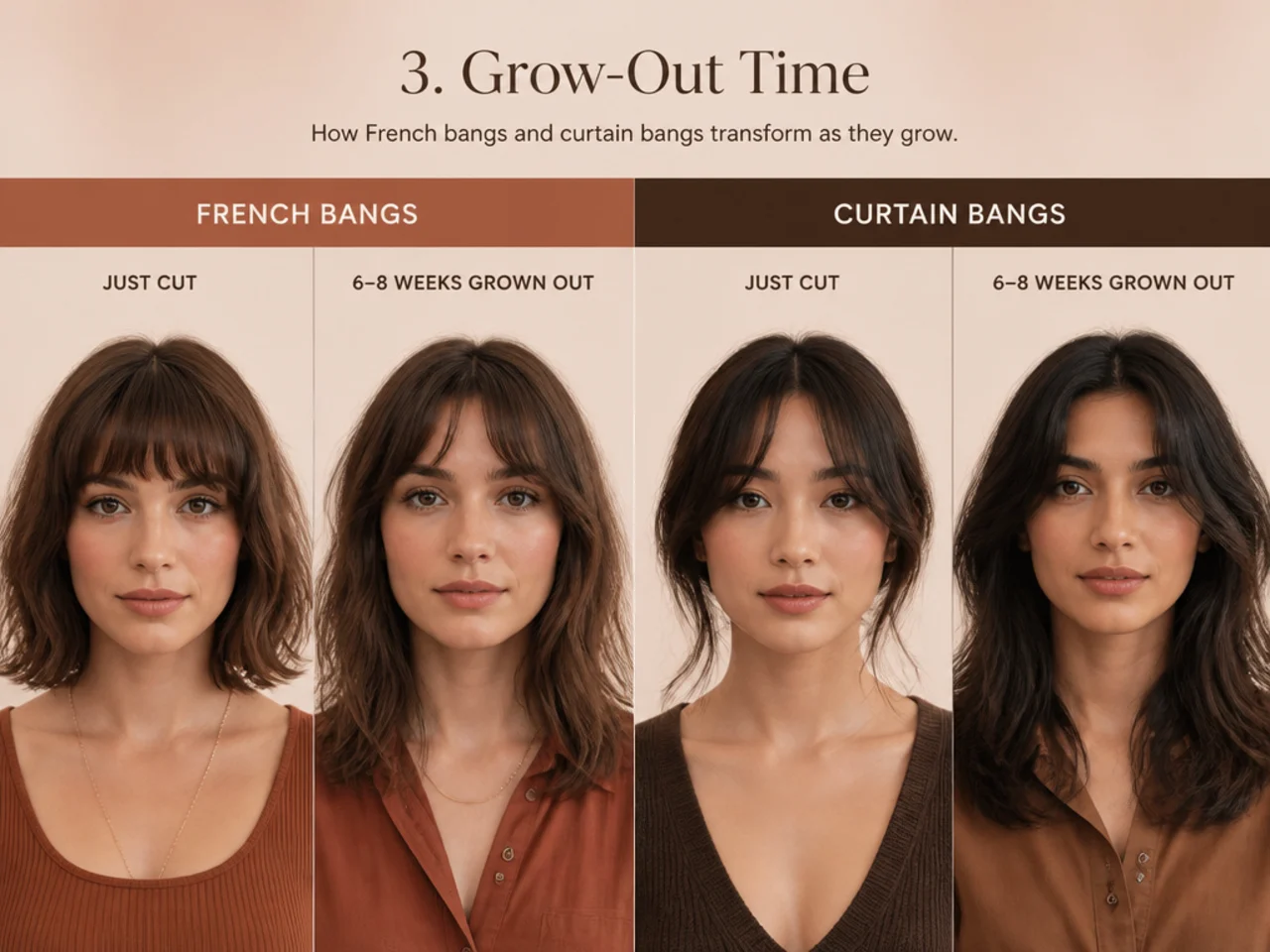
3. Grow-Out Time
French: three to four months from brow length to blended. Curtain: weeks. It is already the destination shape.
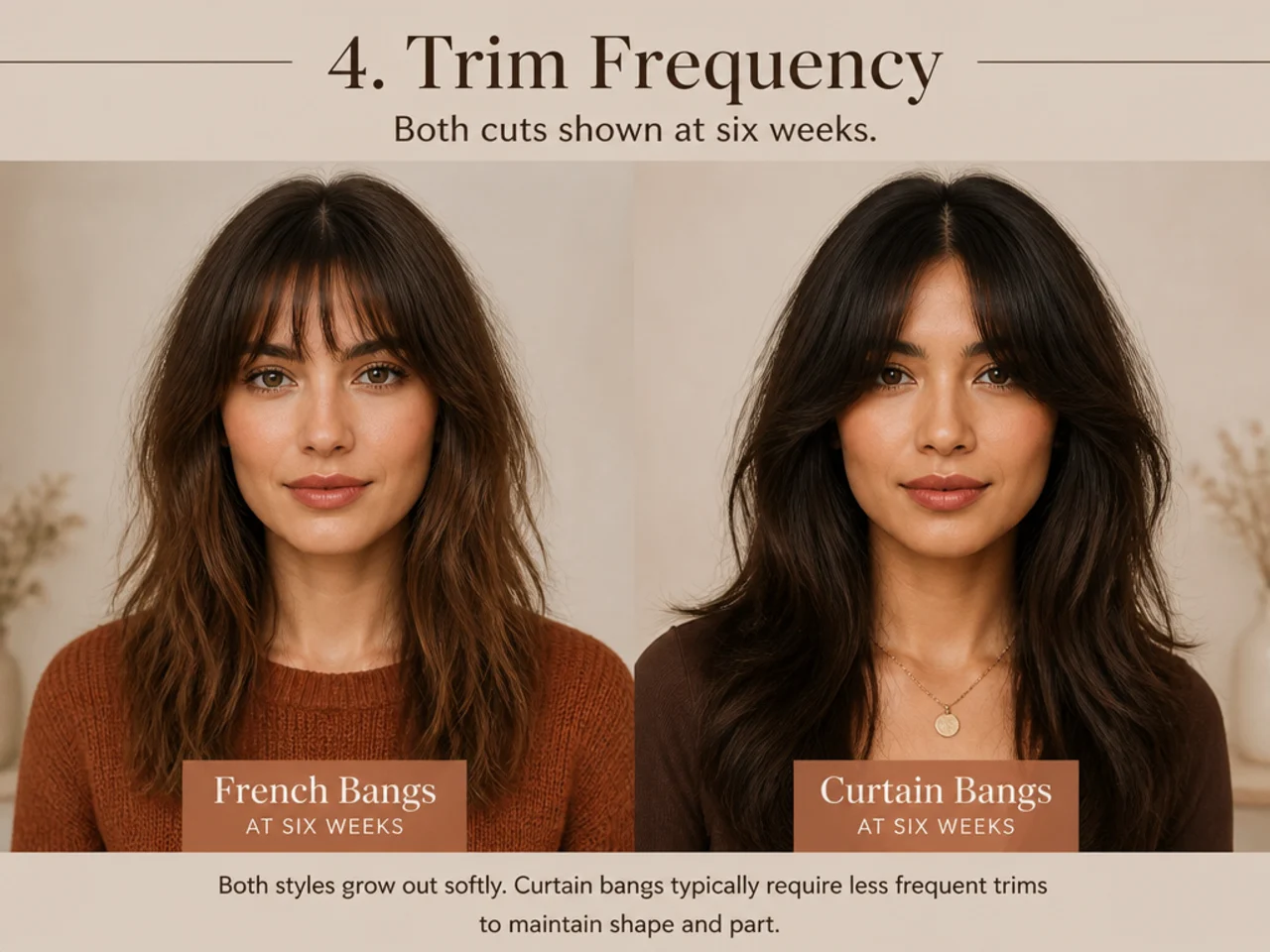
4. Trim Frequency
French: four to six weeks, because a defined edge shows growth. Curtain: eight to ten weeks. Length just makes it more face-framing.
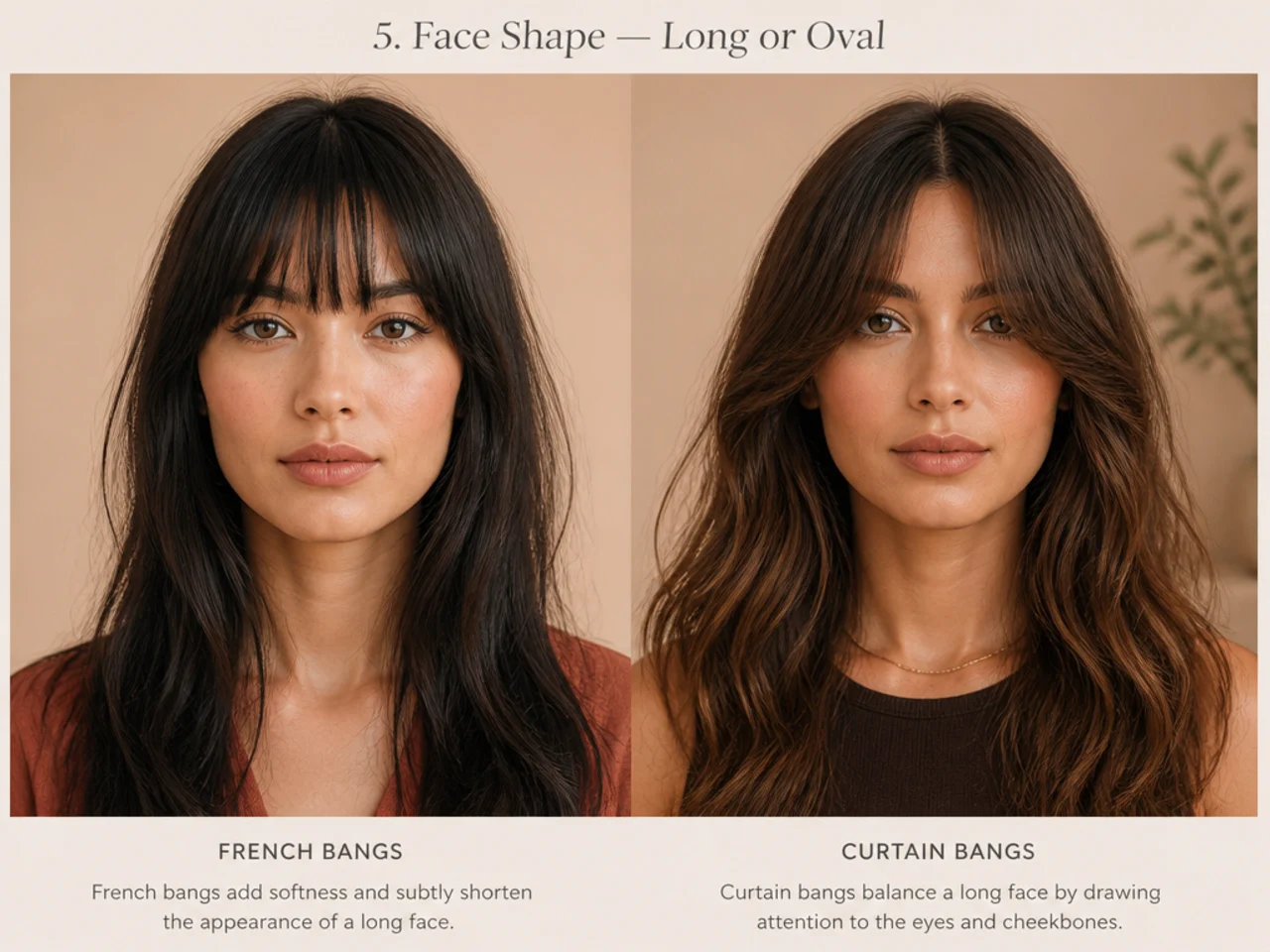
5. Face Shape — Long or Oval
French: ideal. It shortens the face and brings the proportions in. Curtain: works, but adds to the length rather than balancing it.
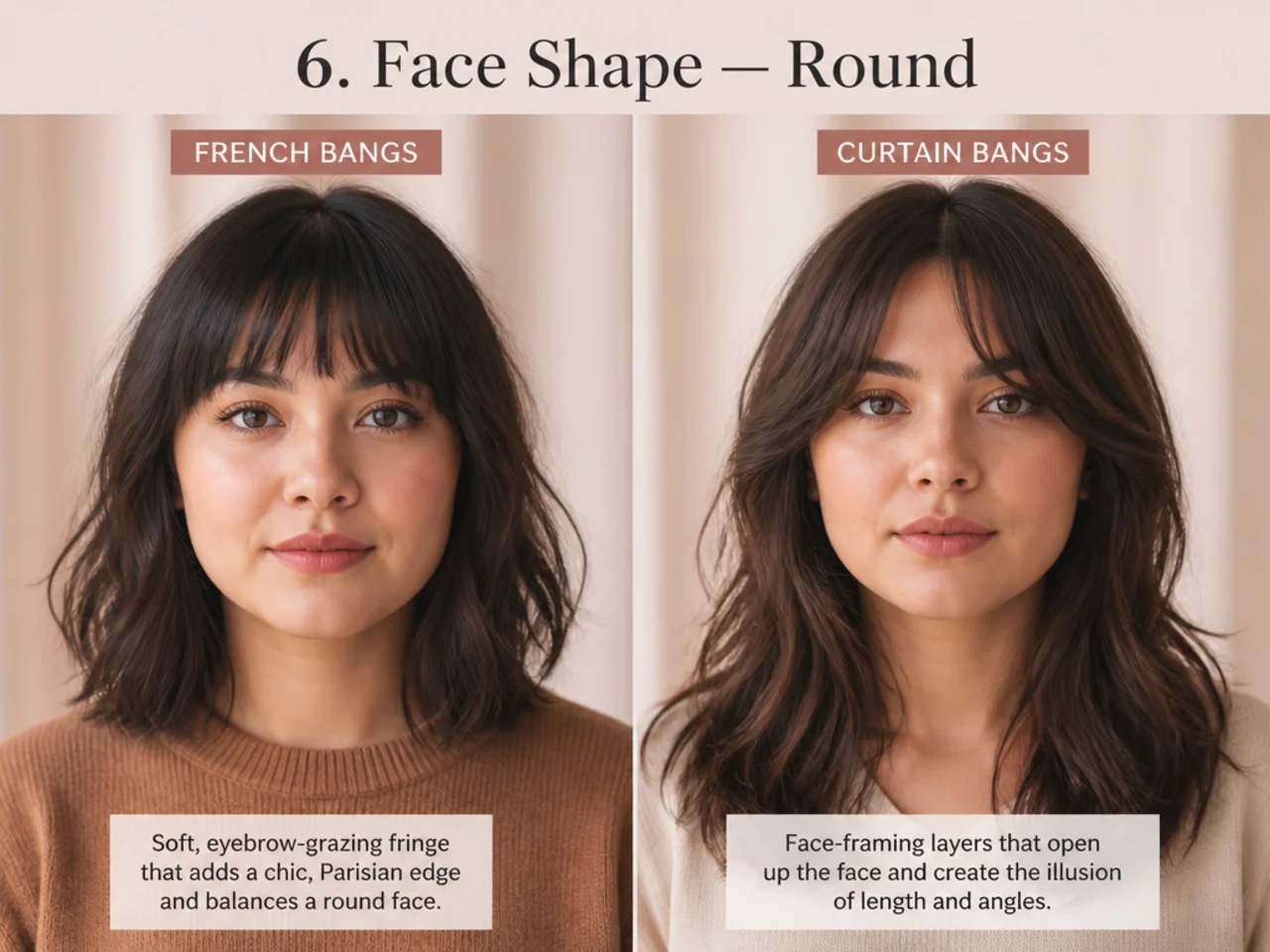
6. Face Shape — Round
French: works against it. Removes vertical length, keeps width. Curtain: ideal. The centre opening creates a vertical line.
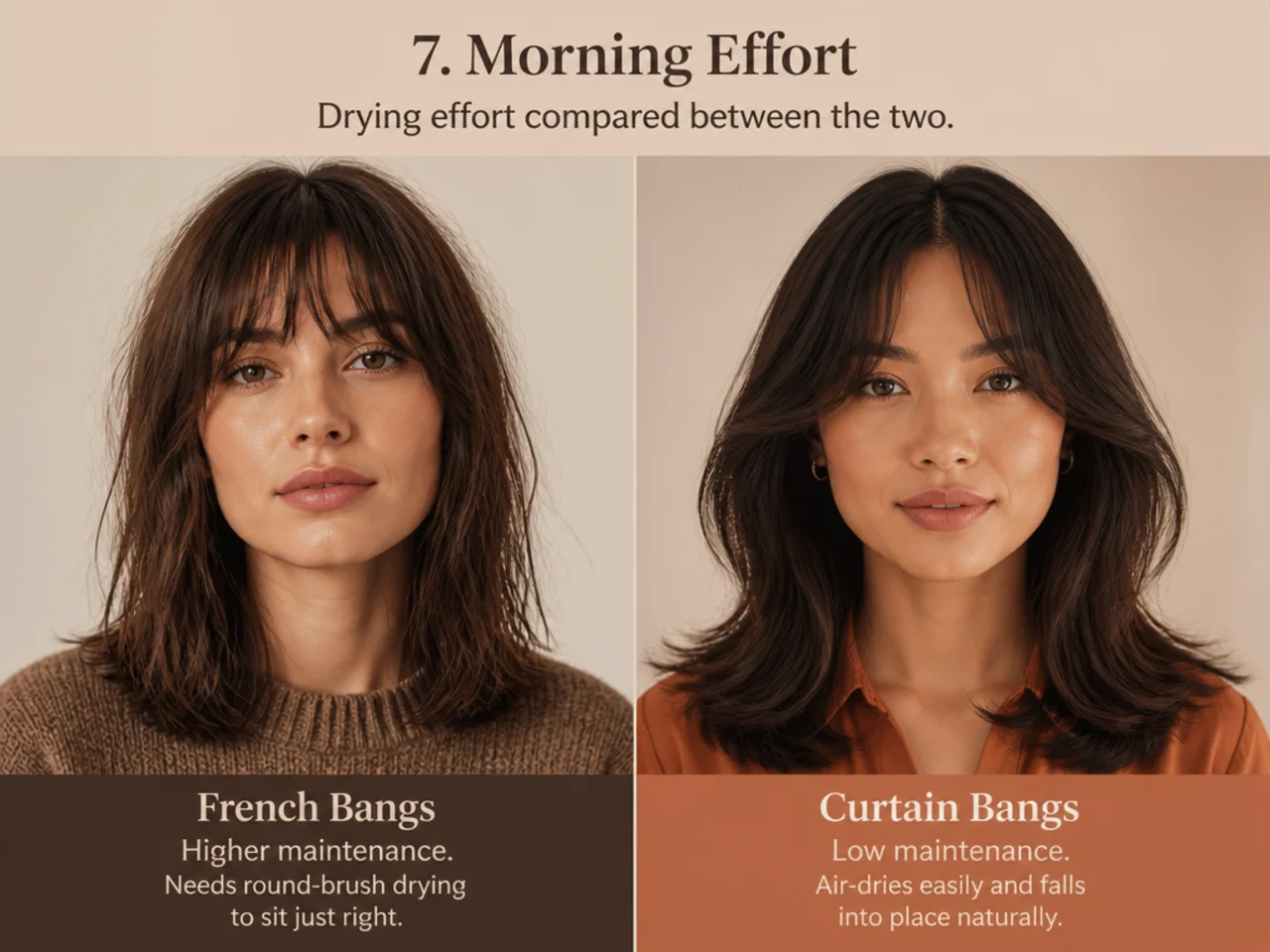
7. Morning Effort
French: must be dried immediately and deliberately or it sets wrong. Curtain: more forgiving. Air-dried curtain bangs still look intentional.
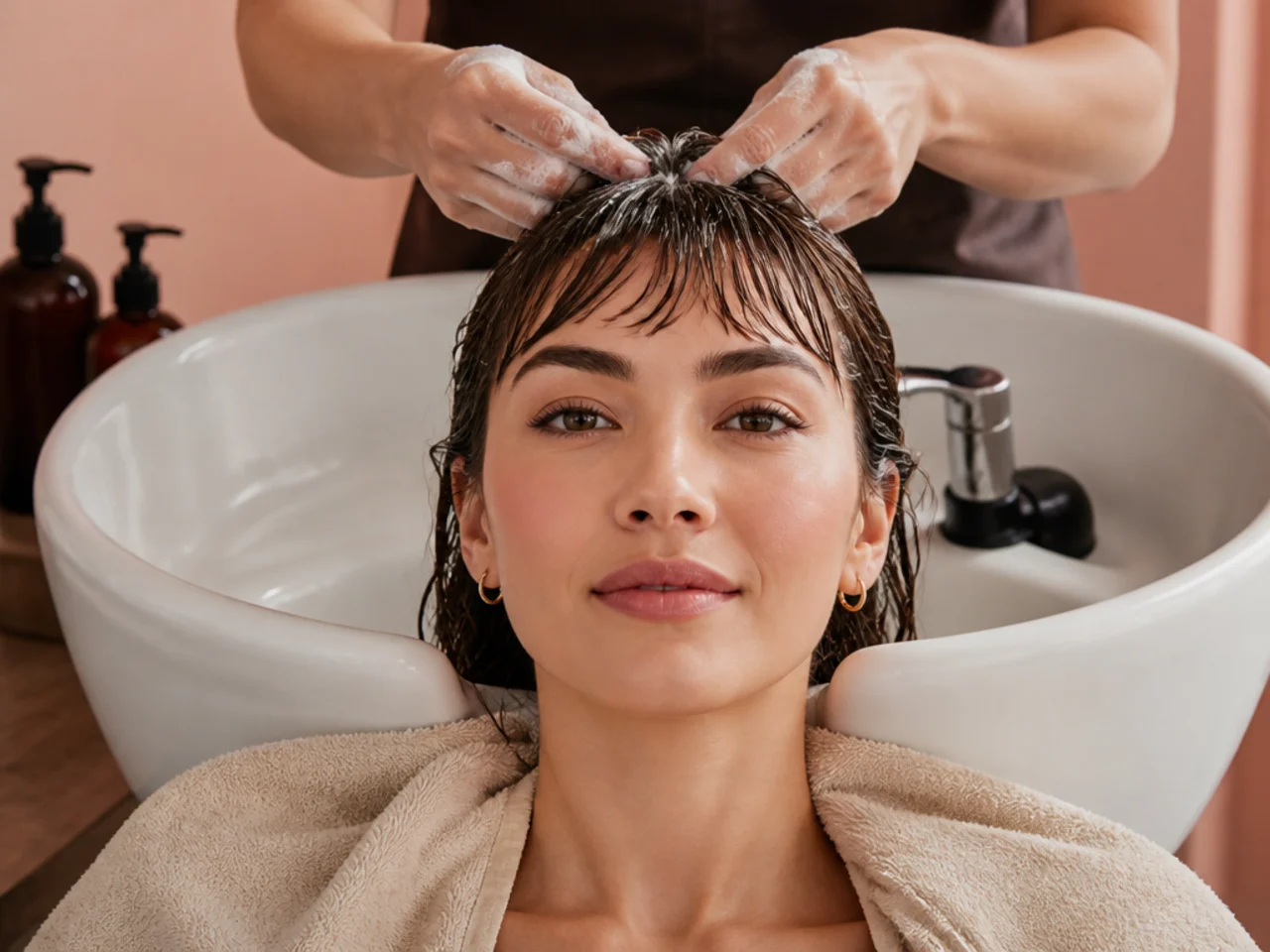
8. Washing
French: the whole fringe sits on the forehead and goes greasy first. Curtain: less contact with skin, so it stays clean longer.
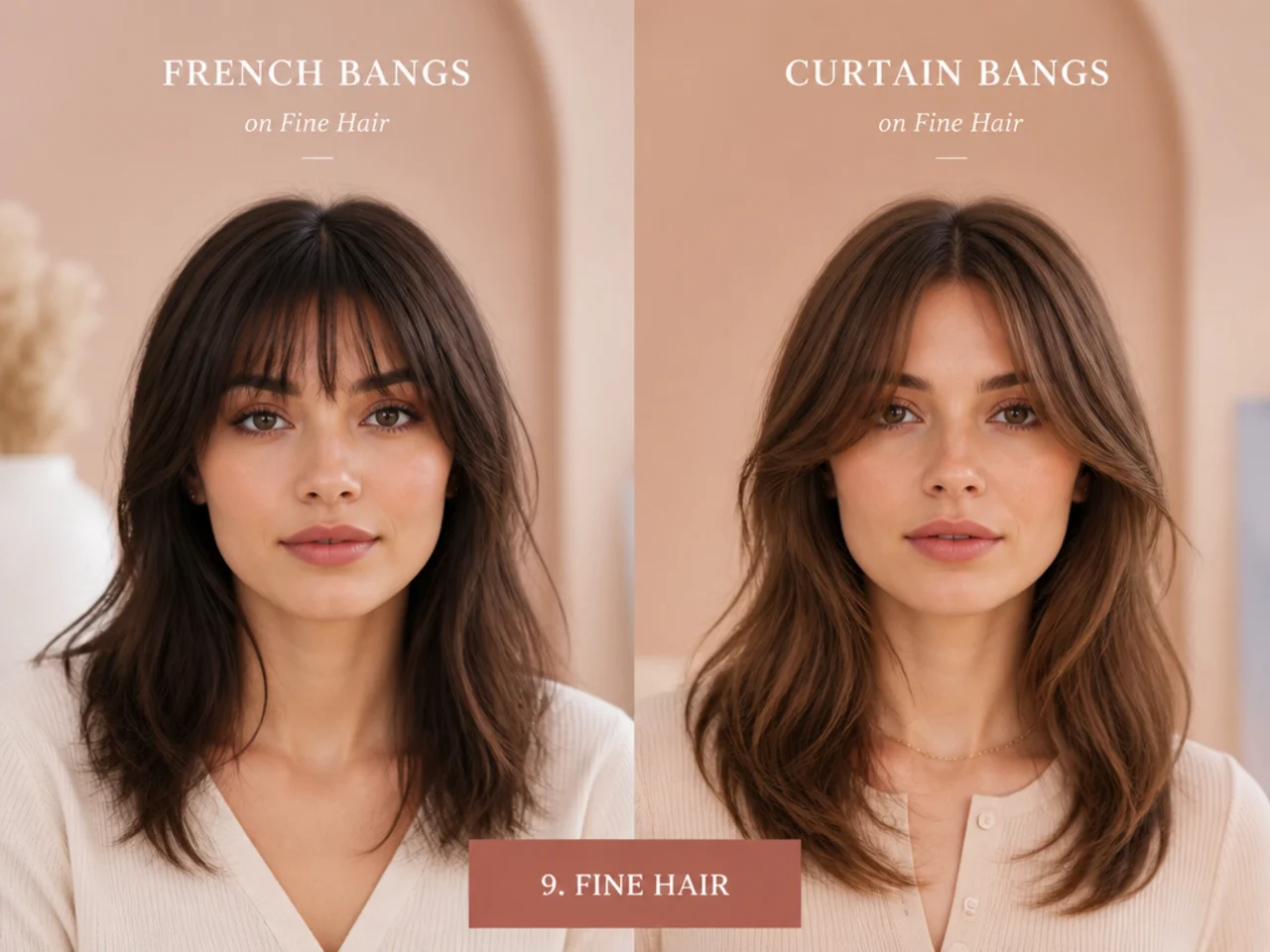
9. Fine Hair
French: needs a shallow section or it leaves a thin patch behind. Curtain: takes less hair overall and hides the section line better.
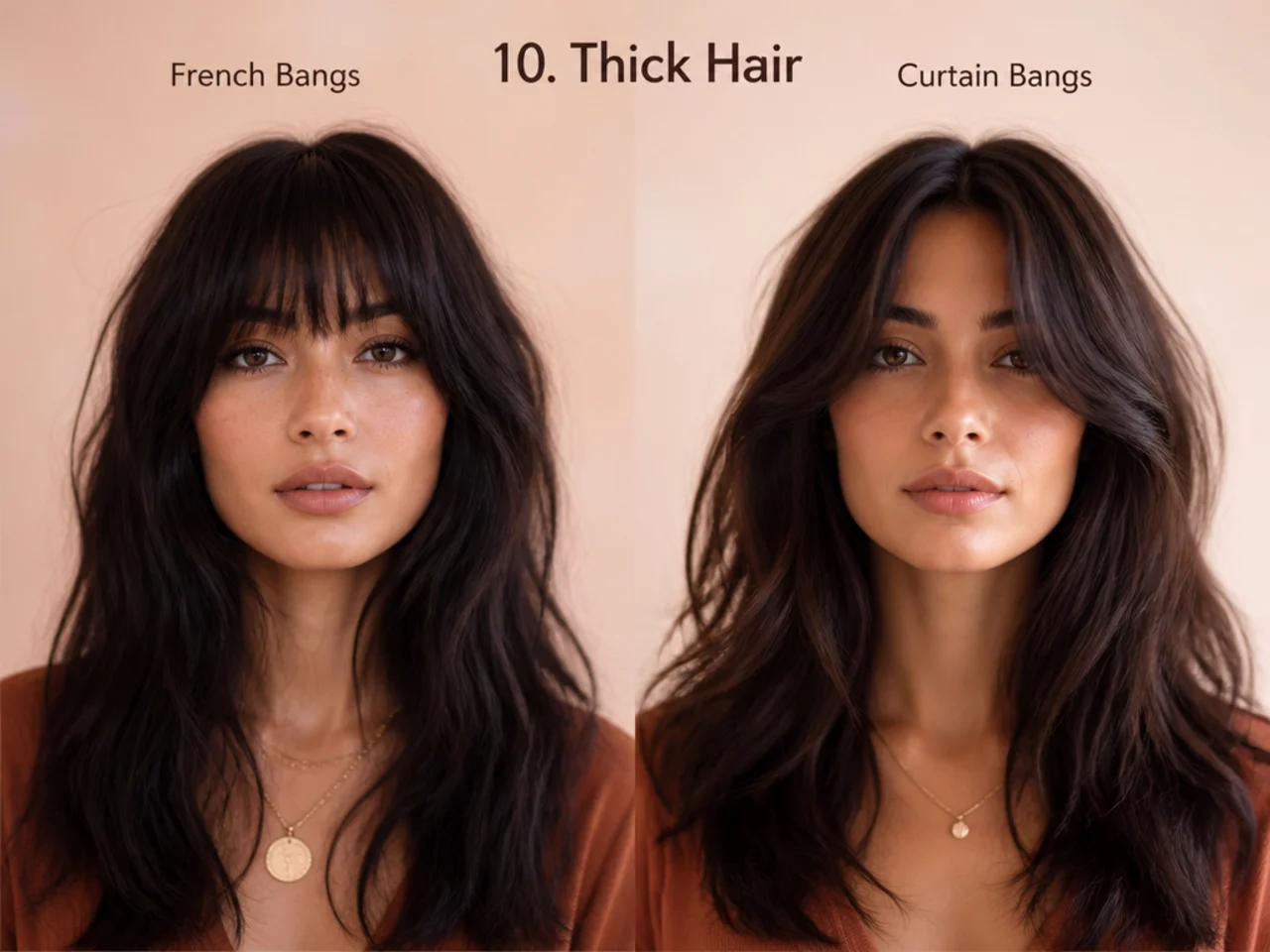
10. Thick Hair
French: excellent. Density is exactly what a full fringe needs. Curtain: also good, though it can get heavy at the sides without layering.
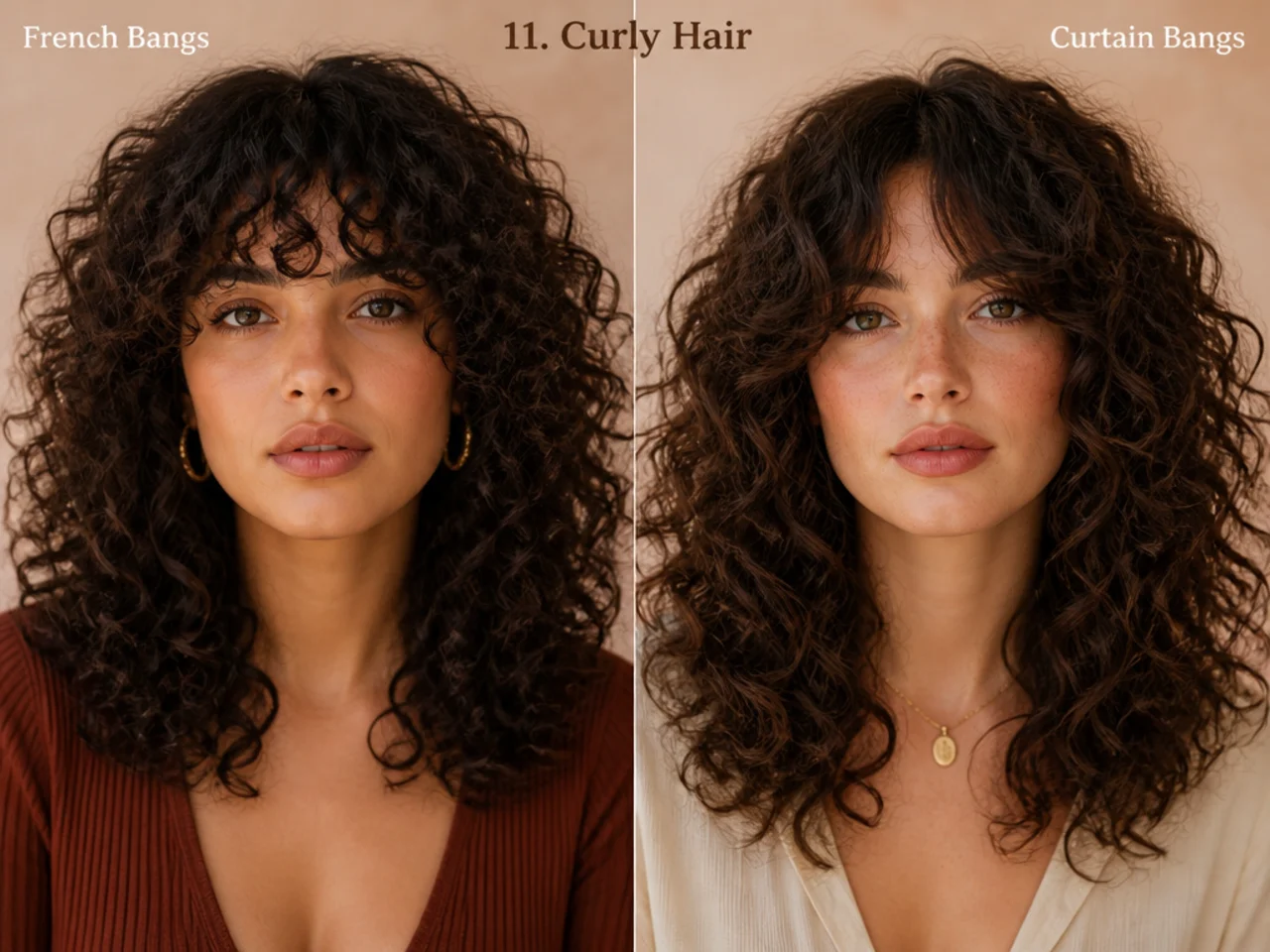
11. Curly Hair
French: possible, with a two-to-four-inch shrinkage allowance. Curtain: easier, because the parting follows the curl direction naturally.
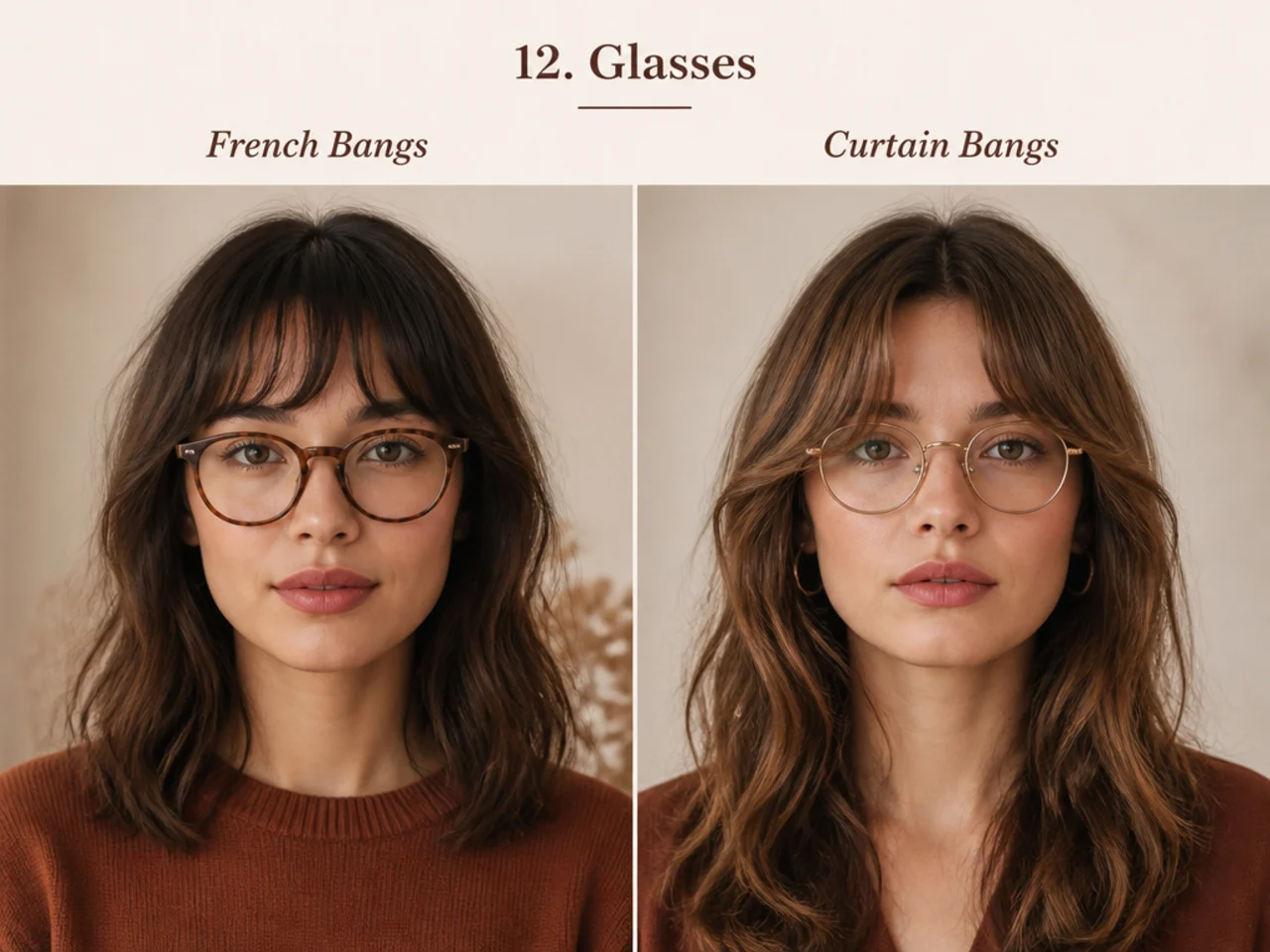
12. Glasses
French: the fringe sits on the frames, which some people dislike immediately. Curtain: falls to the sides of the frames instead.
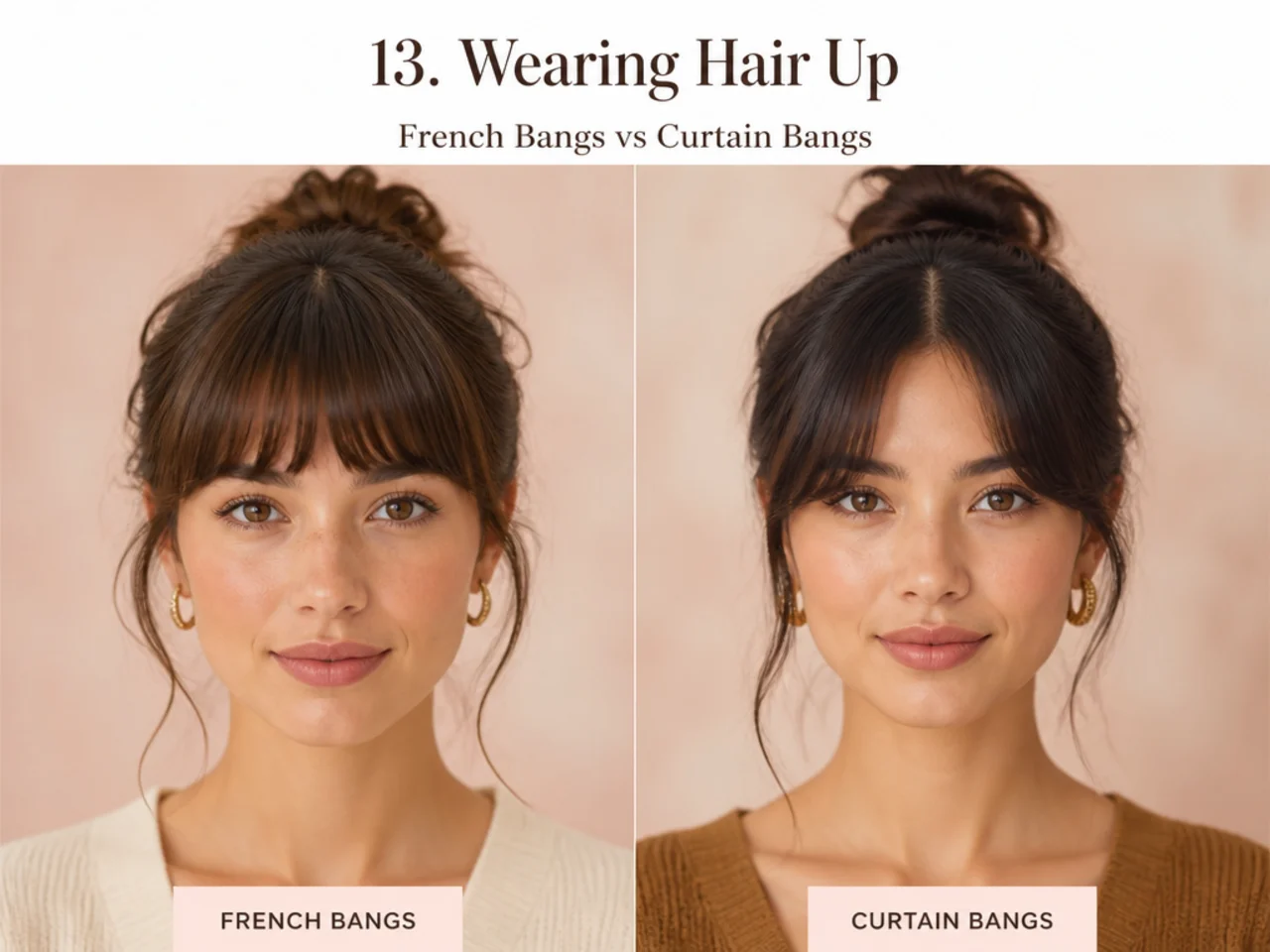
13. Wearing Hair Up
French: the fringe stays out and softens any pulled-back style. Curtain: the pieces can be left out or tucked in, so both looks are available.
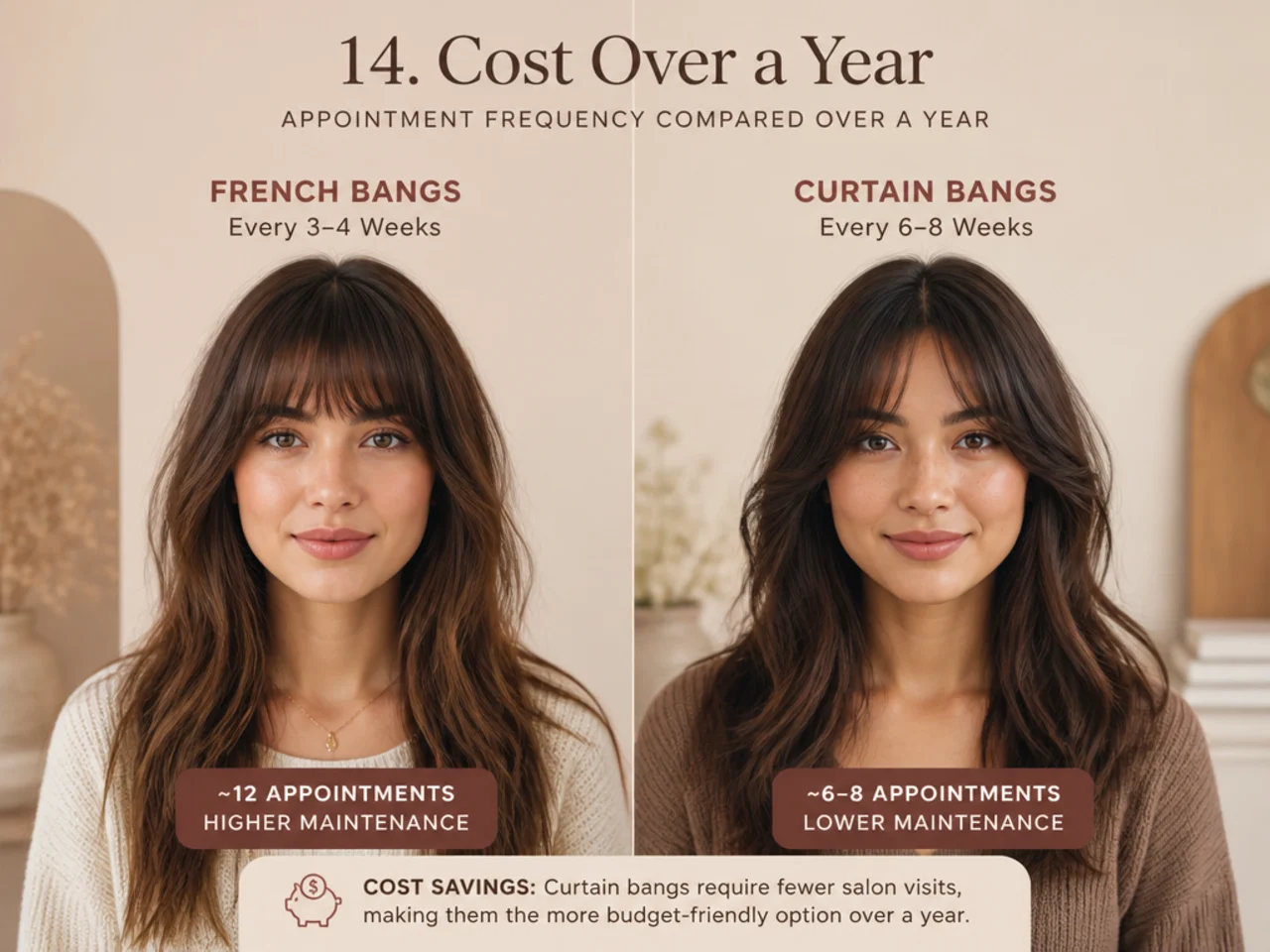
14. Cost Over a Year
French: more trims, so more appointments — though many salons trim a fringe free. Curtain: fewer, and it can often wait for a regular cut.
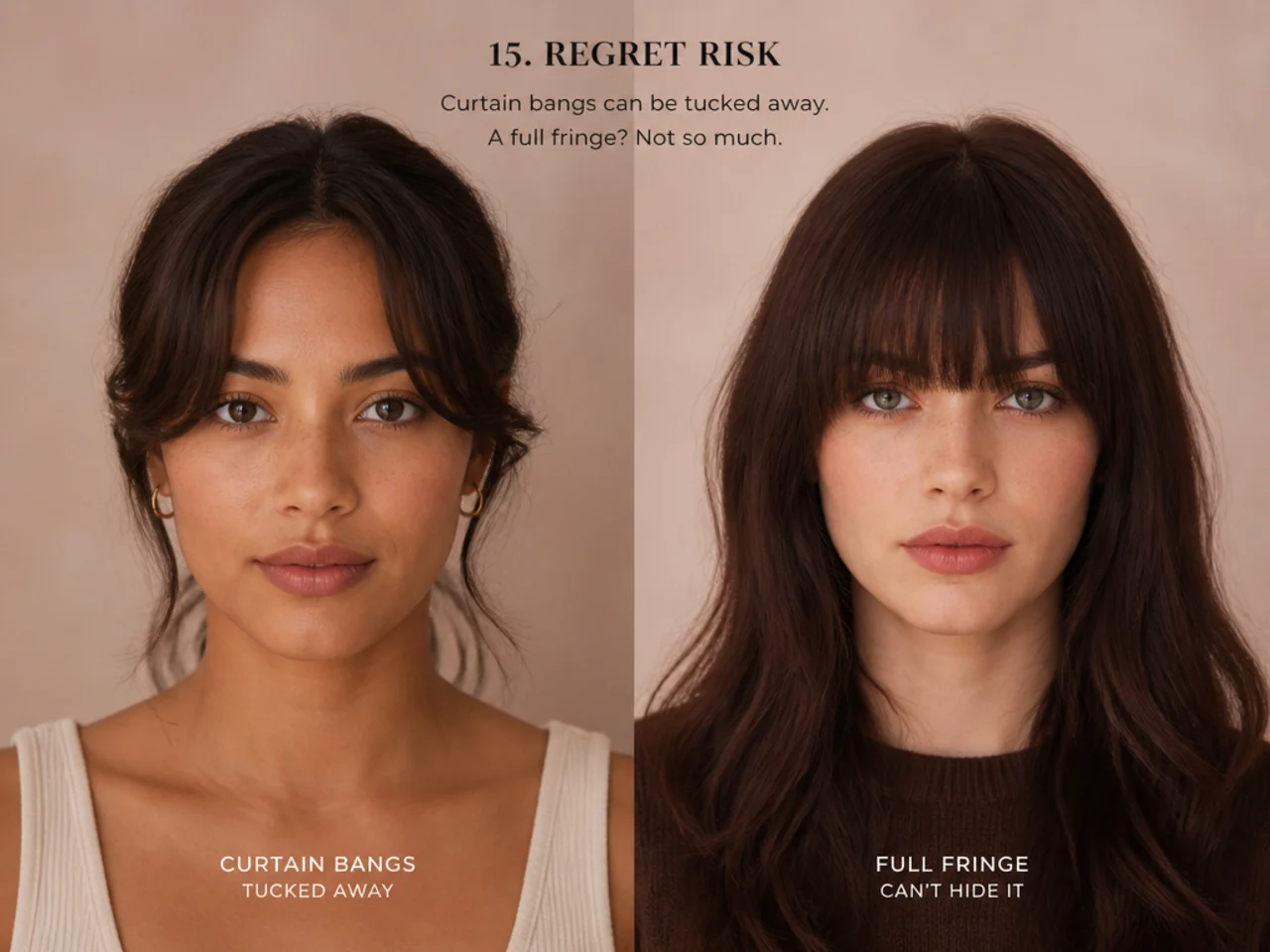
15. Regret Risk
French: higher. It is visible every day and takes months to reverse. Curtain: low. If you dislike it, tuck it behind your ears until it grows.
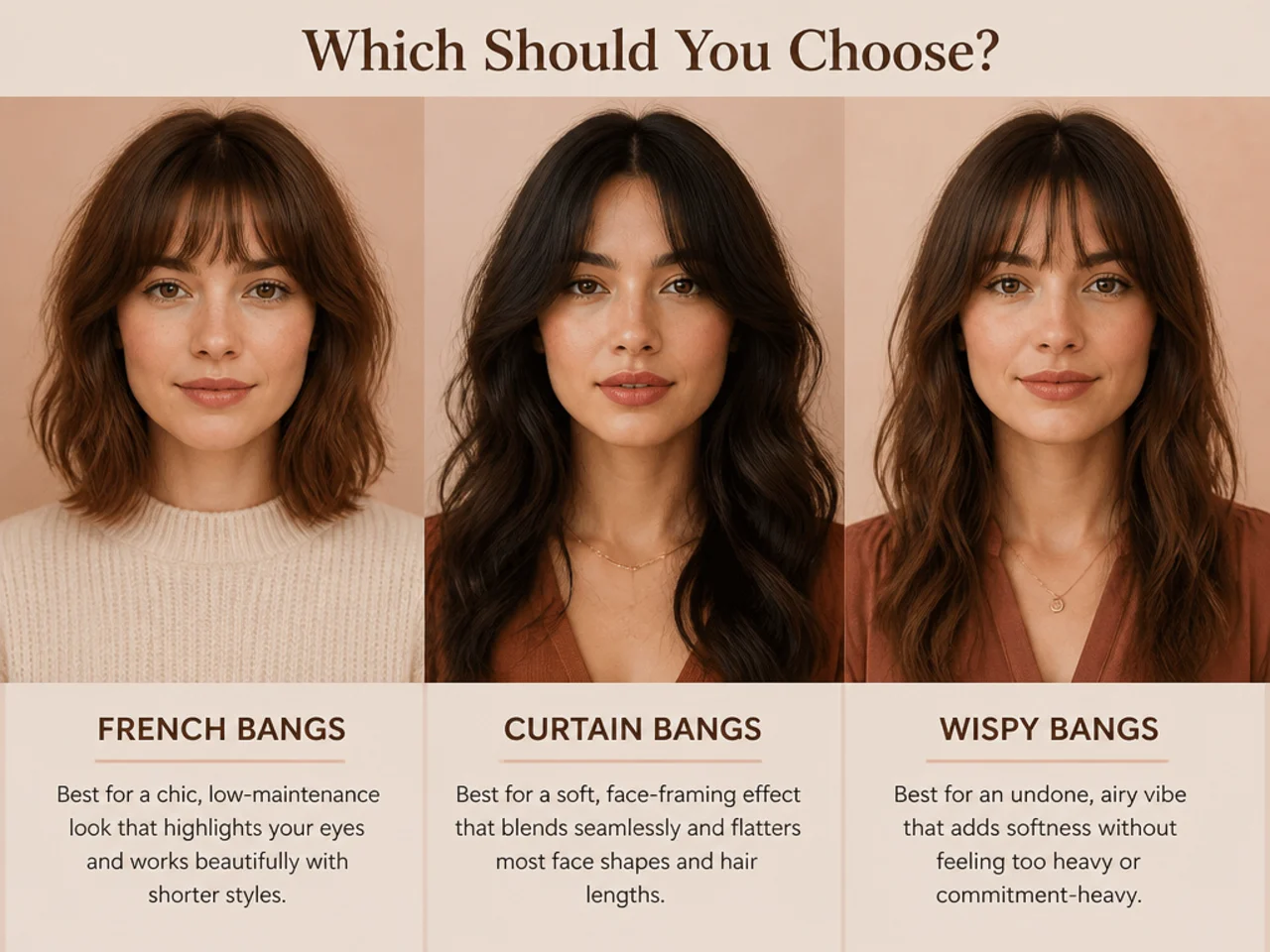
Which Should You Choose?
Choose curtain bangs if you have never had a fringe. Not because they are better, but because they are the reversible option. You can tuck them behind your ears on any day you regret them, and they blend into your hair within weeks rather than months. Almost nobody regrets curtain bangs, and that is a property worth having on a first attempt.
Choose French bangs if you know you want a fringe. They are the stronger look, they change the face far more, and if a fringe is what you actually want then curtain bangs will feel like a half-measure.
Choose the hybrid if you want both. French bangs blended into curtain layers give you the density across the middle and the reversibility at the sides, and they grow out into curtain bangs rather than into your eyeline.
The genuinely useful question is not which looks better in a photograph. It is: if you dislike this in ten days, what are your options? For curtain bangs the answer is to tuck them behind your ears. For French bangs there is no answer except waiting, and that is the whole difference.
Mistakes to Avoid
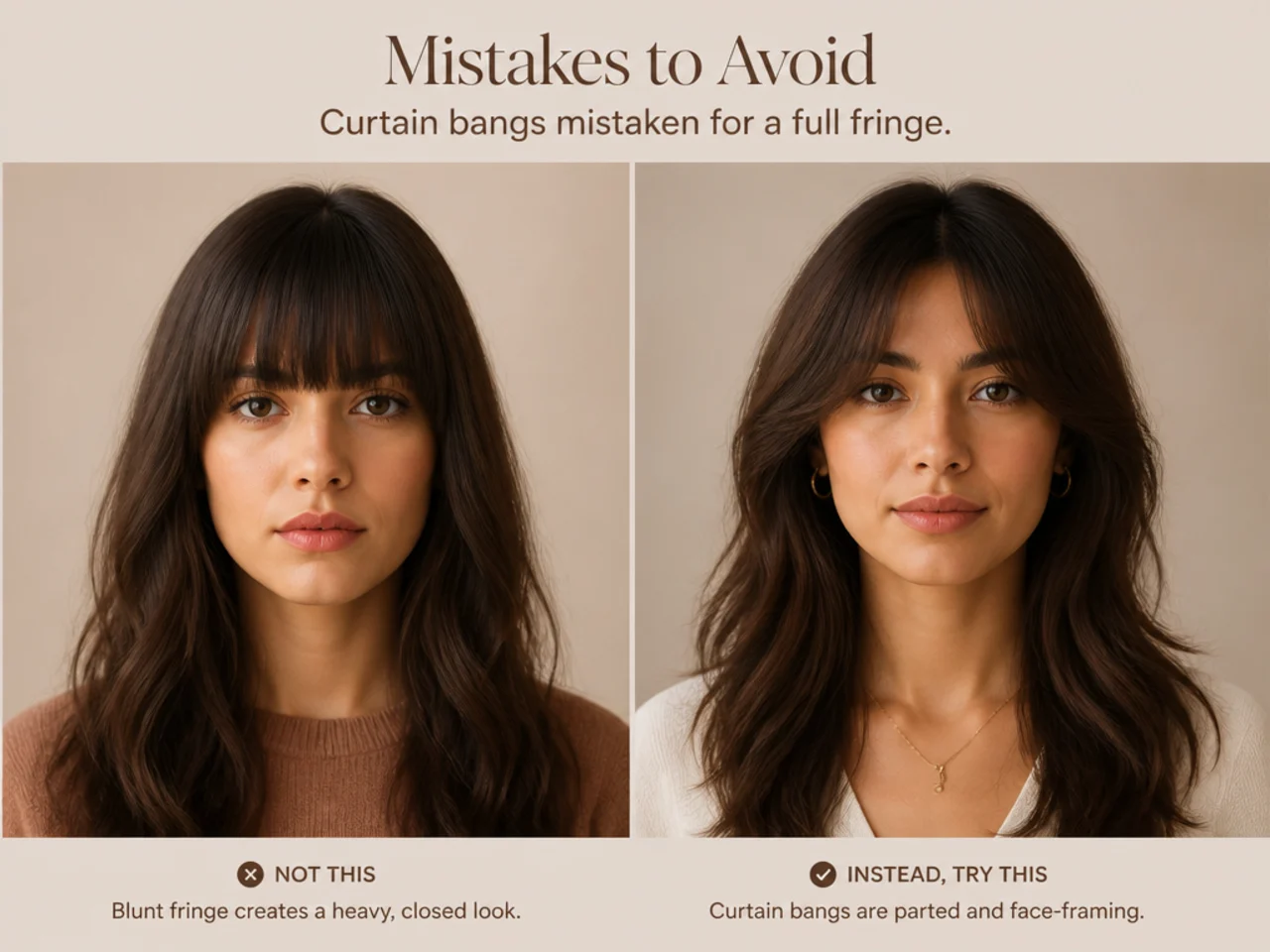
Assuming they are the same cut. They cover different amounts of forehead and suit opposite face shapes.
Choosing French bangs as a first fringe. Reversible is worth a great deal on a first attempt.
Asking for curtain bangs and expecting coverage. They part in the middle by definition.
Ignoring glasses. If you wear them daily, this decides it faster than face shape does.
Judging from a photograph of someone with different hair. Density and texture change both cuts entirely.
FAQ
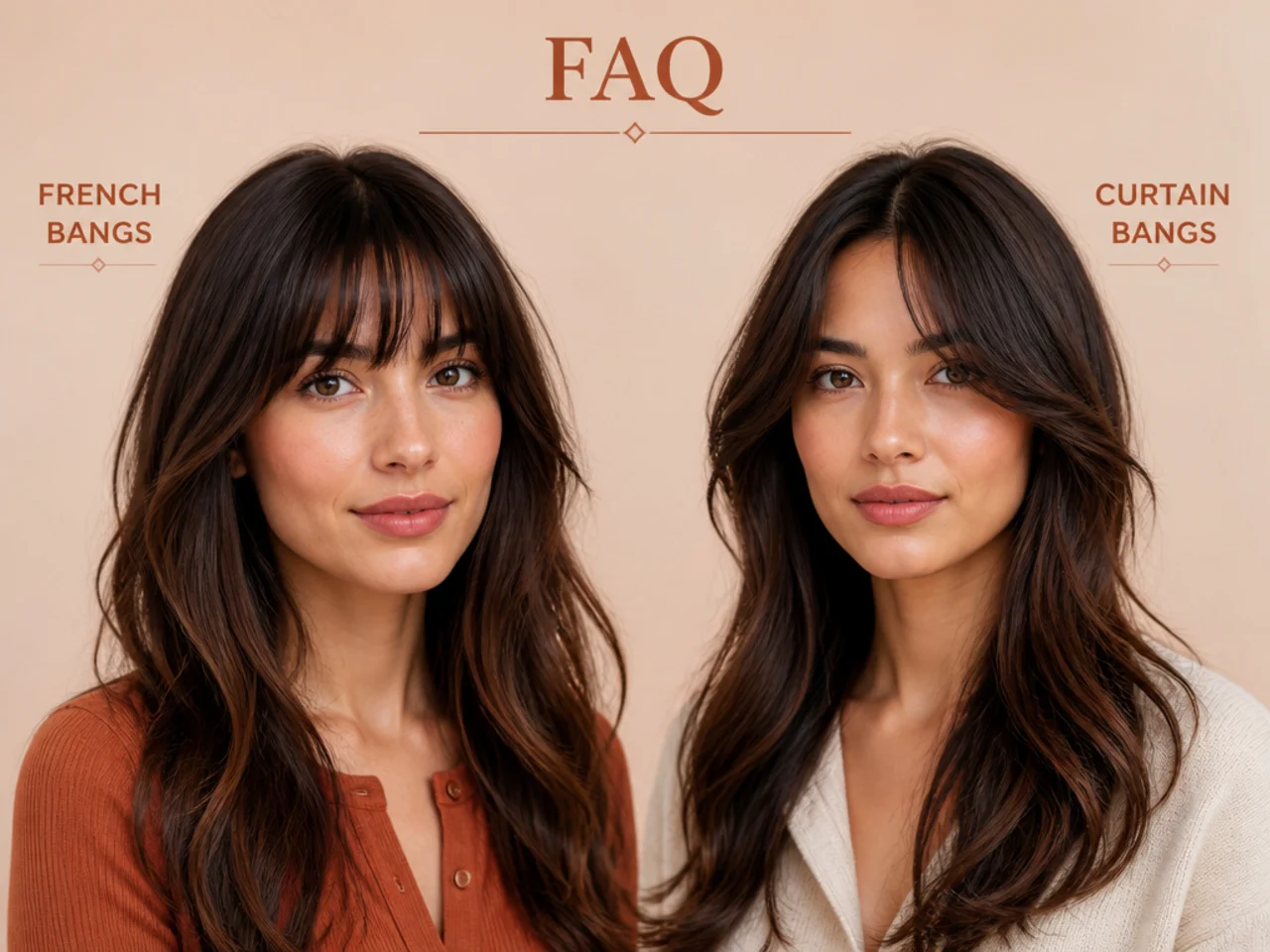
What is the difference? French bangs cover the forehead; curtain bangs part in the middle.
Which is easier to grow out? Curtain bangs — they are already the shape a fringe grows into.
Which suits a round face? Curtain bangs, because the centre opening adds vertical length.
Final Thoughts
Ask yourself what happens if you dislike it in ten days. Curtain bangs have an answer and French bangs do not — and for a first fringe that single question is worth more than every photograph you have saved.
For the hybrid see 20 French bangs with curtain layers, and for the full range see 25 chic French bangs ideas. More in Bangs & Fringe.