25 Chic French Bangs Ideas to Try Now
Twenty-five French bangs ideas, plus the thing that decides whether they suit you — your hairline growth pattern, not your face shape. A cowlick at the front rules out a blunt fringe whatever your bone structure.
In this article · 33
- What Makes a Fringe French
- Check Your Hairline First
- The 25 French Bangs Ideas
- 1. Classic Brow-Skimming French Bangs
- 2. Wispy French Bangs
- 3. Full French Bangs
- 4. French Bangs with Curtain Layers
- 5. Long French Bangs
- 6. Short French Bangs
- 7. Curly French Bangs
- 8. Wavy French Bangs
- 9. French Bangs on Fine Hair
- 10. French Bangs with a Bob
- 11. French Bangs with Long Layers
- 12. Grown-Out French Bangs
- 13. French Bangs with a Shag
- 14. Piecey Textured French Bangs
- 15. French Bangs with a Middle Part Behind
- 16. Rounded French Bangs
- 17. Asymmetric French Bangs
- 18. French Bangs on a Pixie
- 19. French Bangs with a Ponytail
- 20. French Bangs on Coily Hair
- 21. French Bangs with Highlights at the Front
- 22. Baby-Length French Bangs
- 23. French Bangs with a Bun
- 24. French Bangs on Straight Hair
- 25. Half-Grown French Bangs Pinned Back
- French Bangs vs Curtain Bangs
- Living With Them
- Mistakes to Avoid
- FAQ
- Final Thoughts
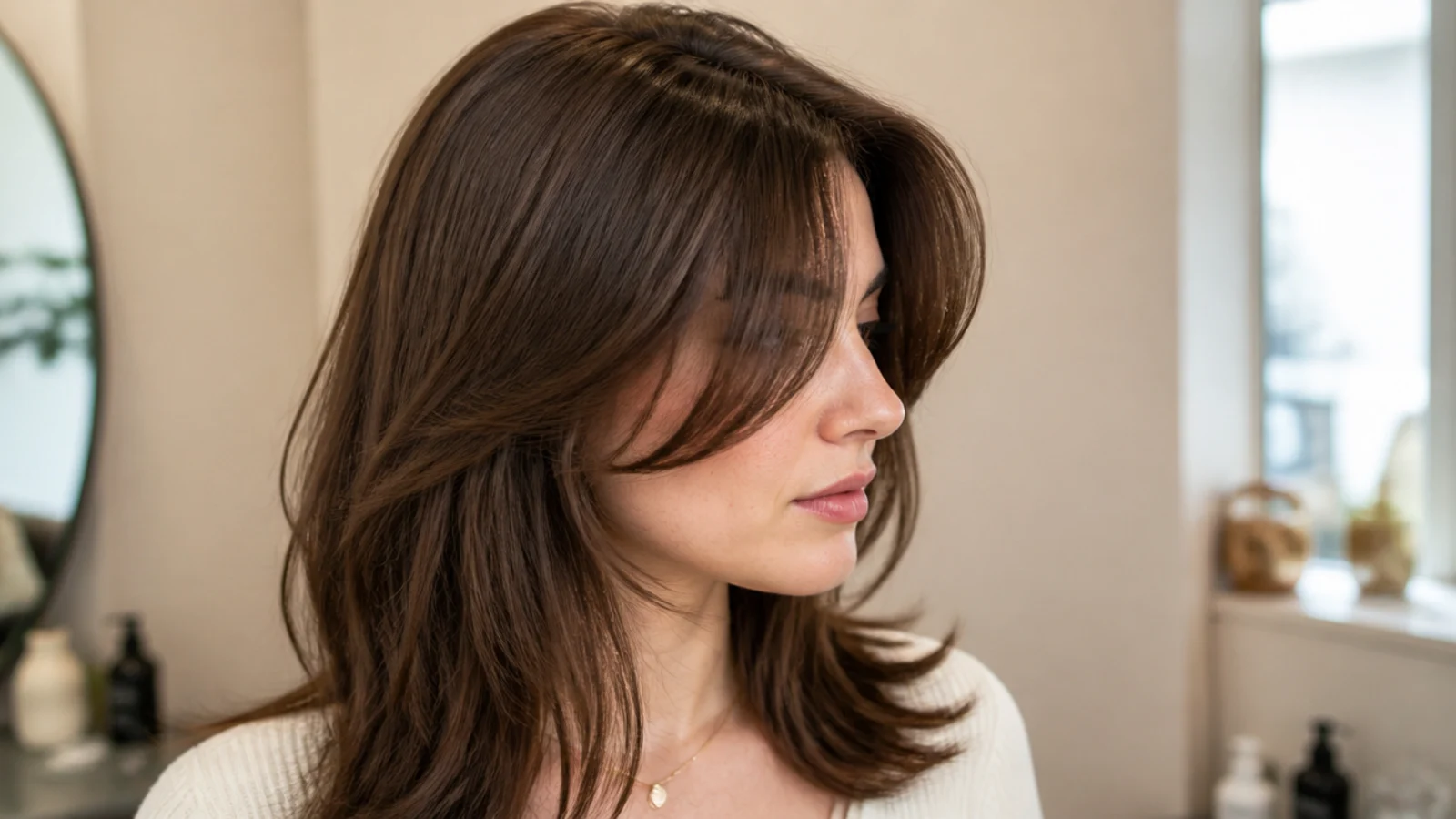
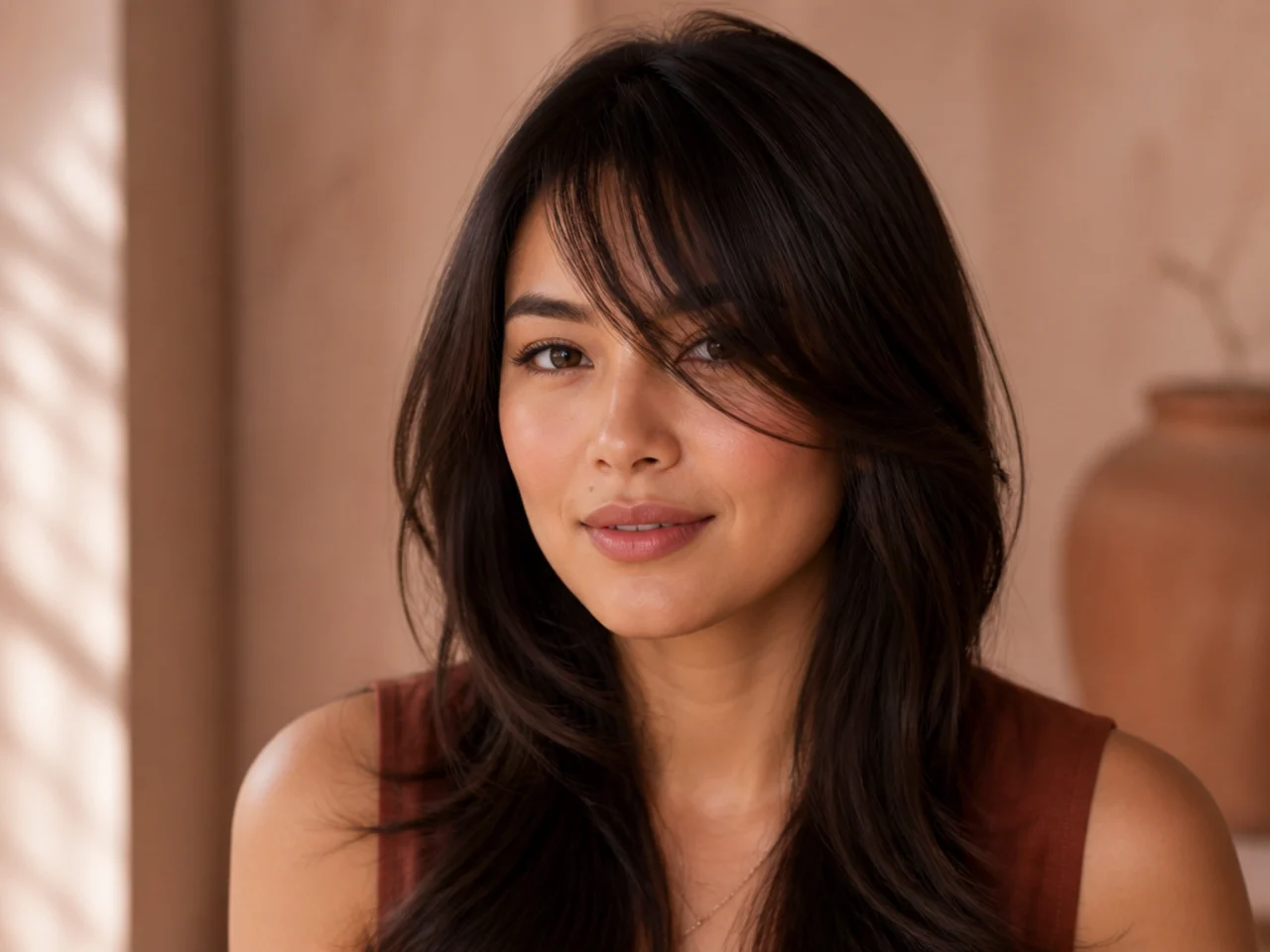
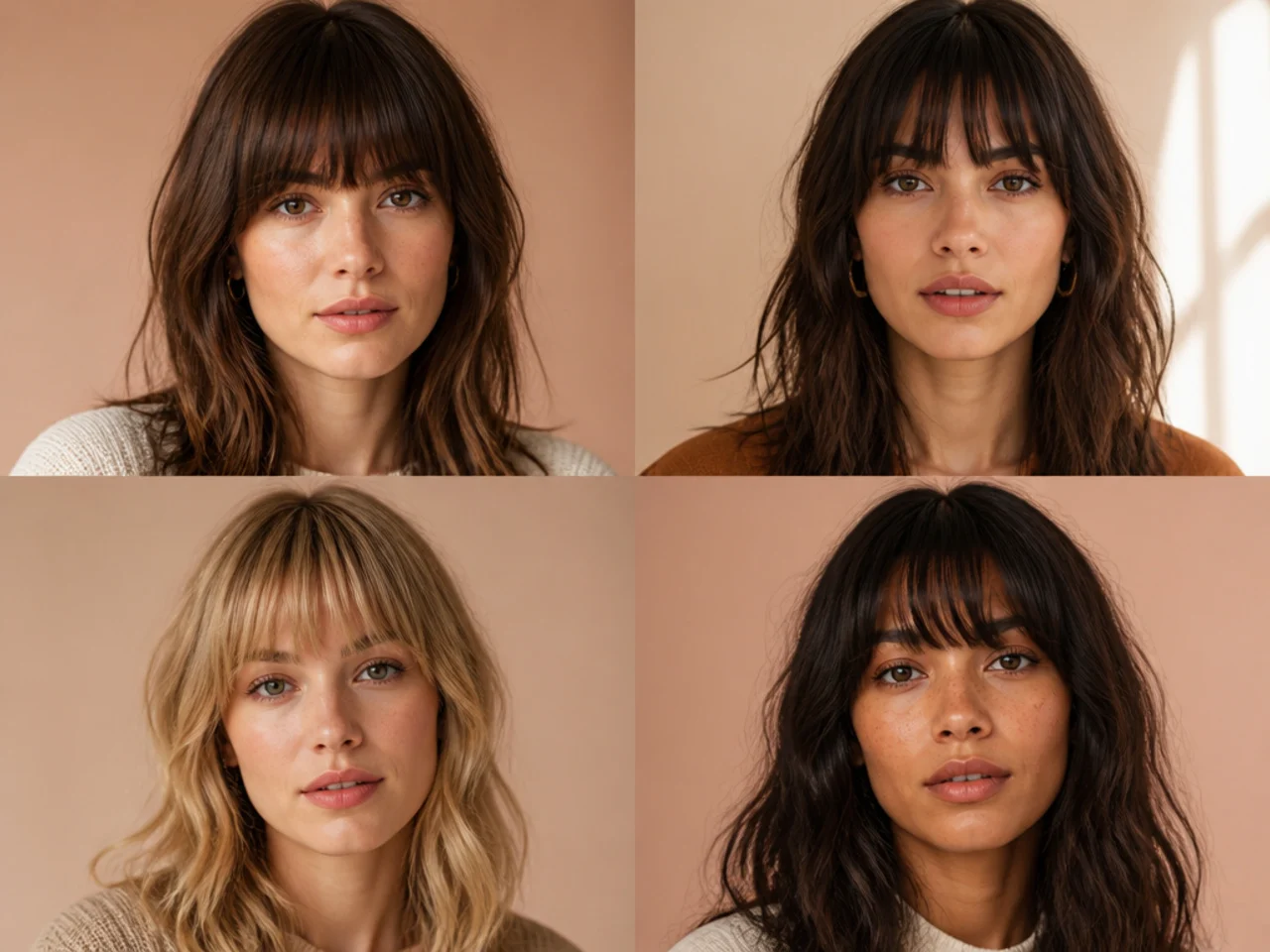
French bangs are the fringe that is meant to look like you have had it for a while. Not freshly cut, not sharply defined — soft at the edge, a little piecey, sitting at or just below the brow as though it grew that way.
That is the whole idea, and it is also why they suit people who have been told a fringe is too much upkeep. A style designed to look slightly grown out does not have a bad week.
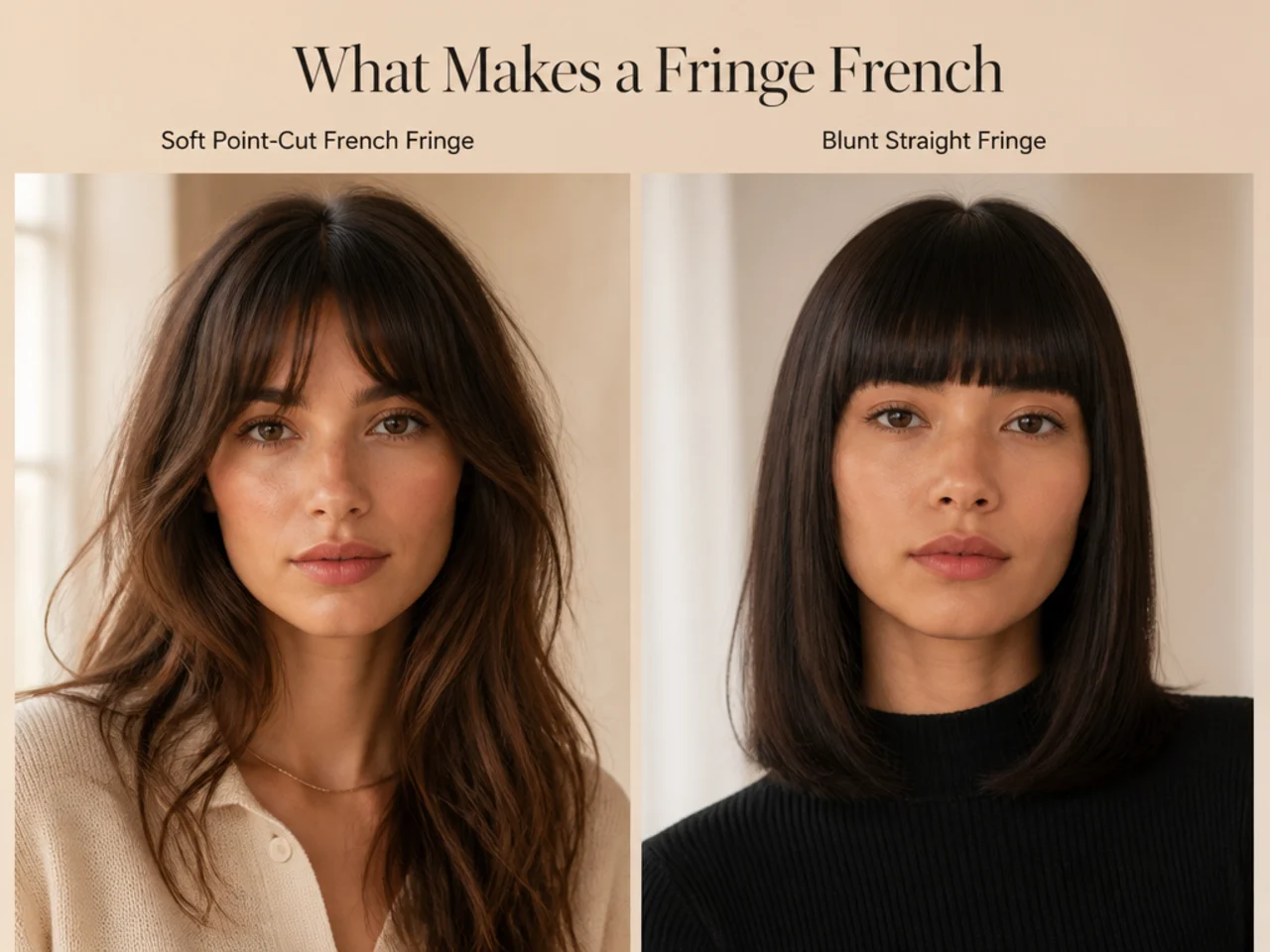
What Makes a Fringe French
They sit at or just below the brow. Not above it. A fringe cut above the eyebrow is a different style with a different name.
The edge is soft, never blunt. Point-cut rather than cut straight across, so the ends break into pieces instead of forming a line.
They are wider than curtain bangs. A French fringe covers the forehead; curtain bangs frame the face and leave the middle open.
They are dense, but not heavy. Enough hair to read as a real fringe, thinned enough to move.
Get any one of those wrong and you have a different fringe. The most common miss is the blunt edge, which turns a French fringe into a straight one.
Check Your Hairline First
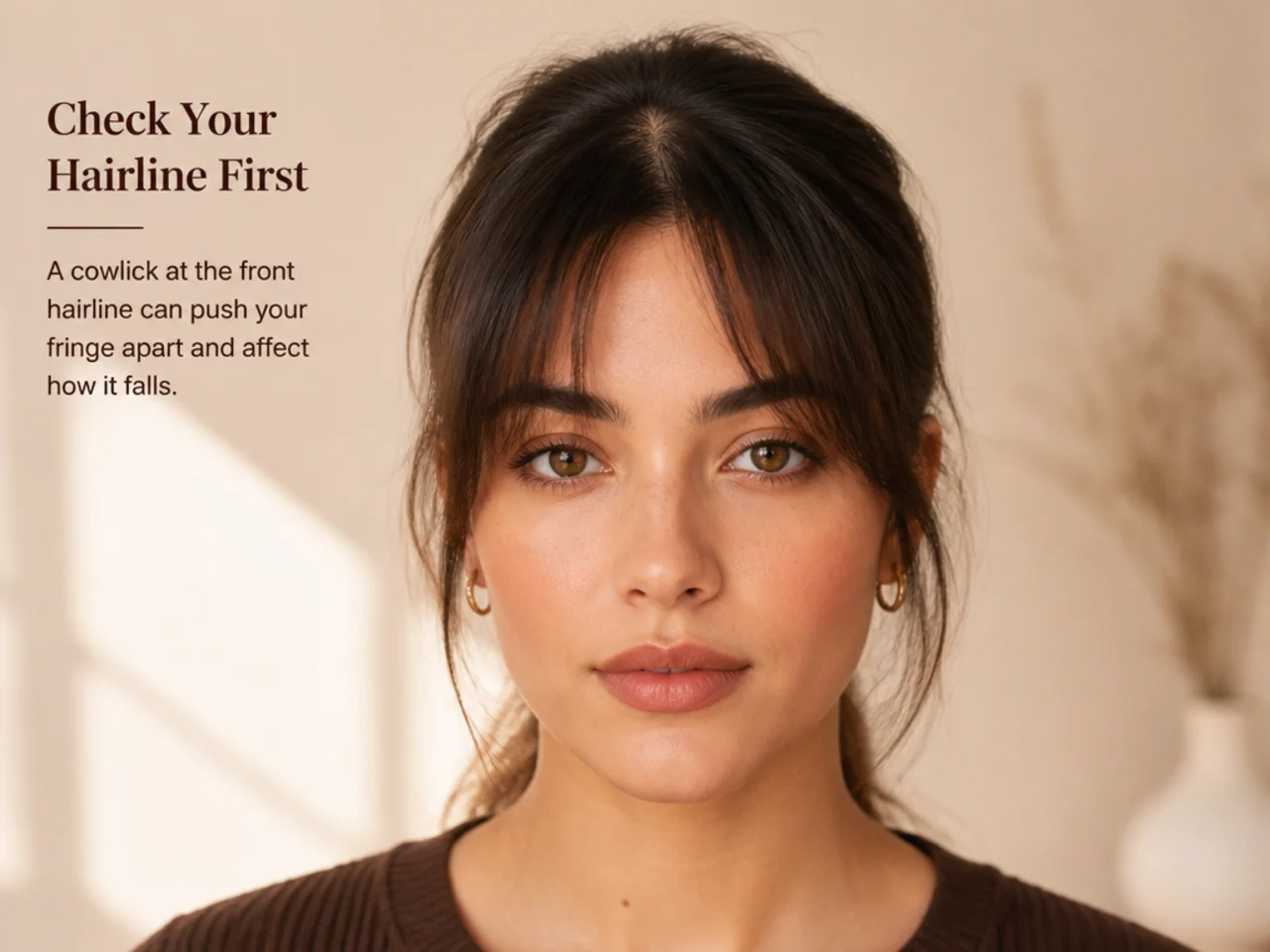
Before your face shape, before anything else, part your hair at the front and look at how it grows.
A cowlick — a swirl or a strong directional growth at the hairline — will push a fringe apart at that exact point, and it will do so every day regardless of how the fringe is cut, how much product goes in, or how well it is blow-dried. This is the single most common reason a fringe someone loved in the salon becomes a fringe they hate by Wednesday.
It is not a reason never to cut one. It is a reason to say it out loud at the consultation, because a stylist who knows can cut the fringe wider, leave it longer at that point, and work with the direction rather than against it. A stylist who finds out afterwards cannot.
A high hairline takes a fringe beautifully and is the best possible candidate. A very low hairline leaves little room between the brow and the hair, so the fringe has less depth to work with and will feel heavier.
The 25 French Bangs Ideas
1. Classic Brow-Skimming French Bangs
The standard version, landing right on the eyebrow with a softly broken edge.
2. Wispy French Bangs
Thinned right down so the forehead shows through. The lightest version there is.

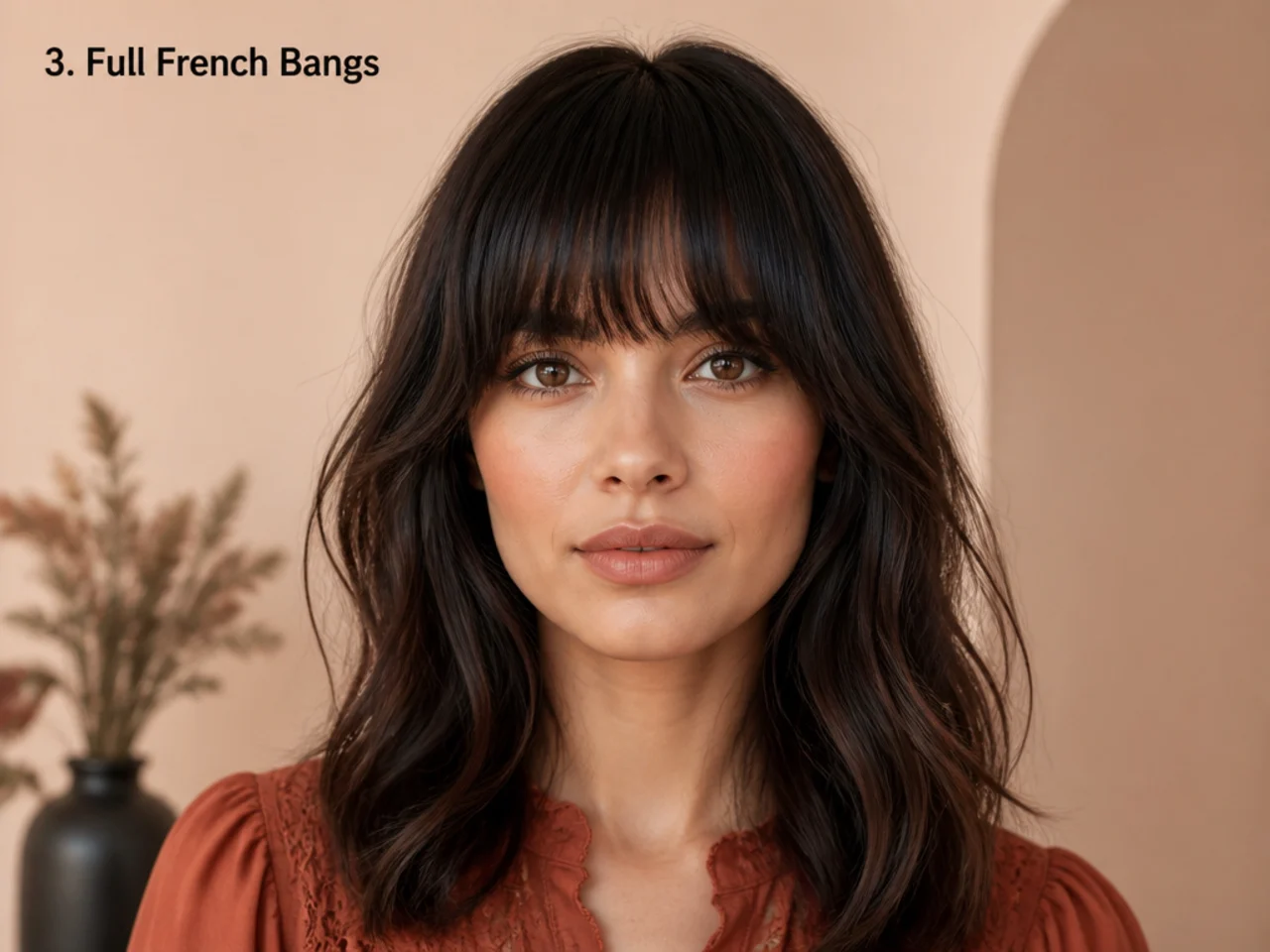
3. Full French Bangs
Dense and substantial, with the edge still broken rather than blunt. The most dramatic version.
4. French Bangs with Curtain Layers
The fringe blending outward into longer face-framing pieces. The most flattering hybrid.

5. Long French Bangs
Sitting below the brow, closer to the lash line. Softer, and easier to push aside on a bad day.

6. Short French Bangs
Cut higher, above the brow. Bolder, and it demands more confidence and more upkeep.

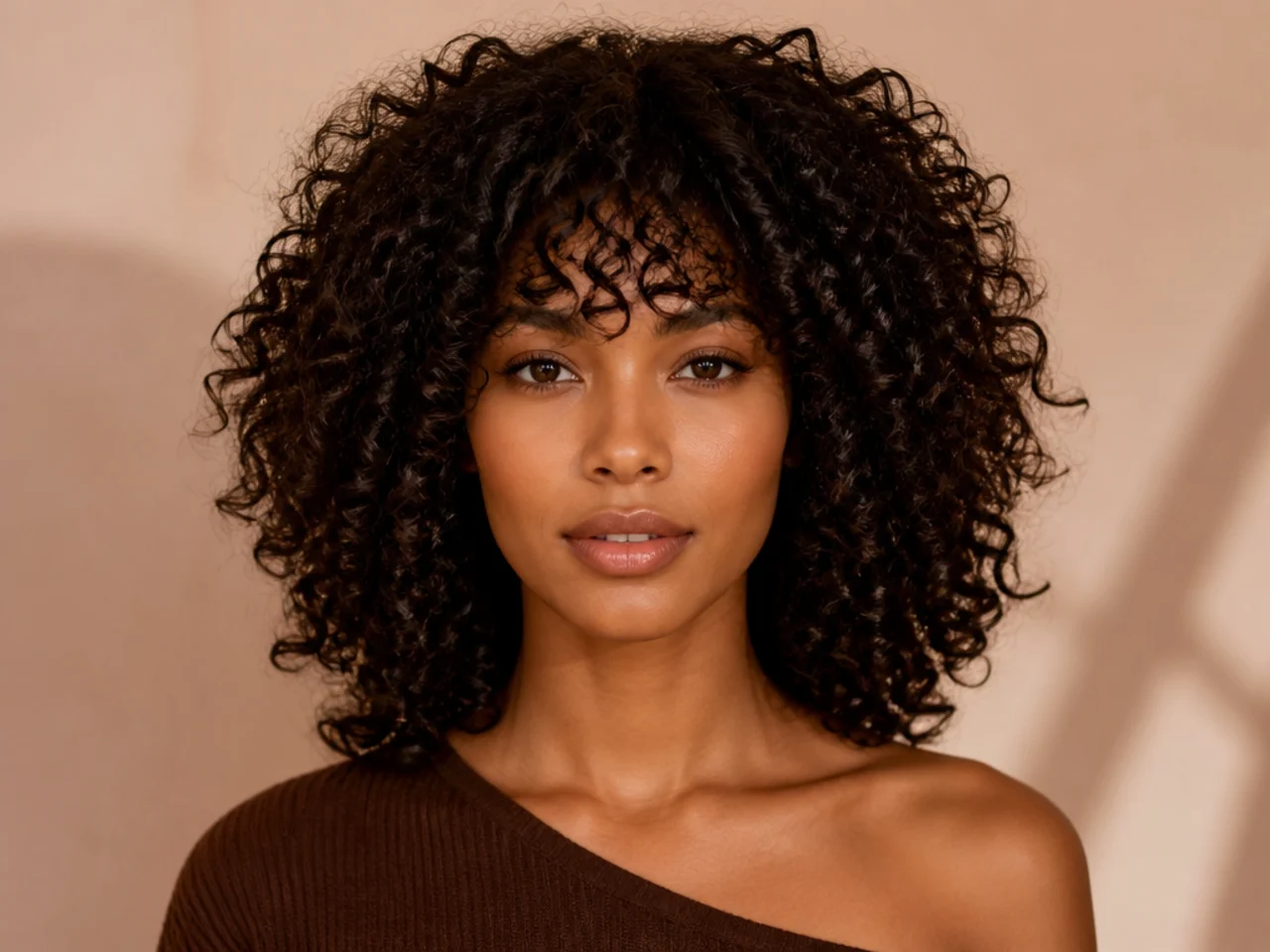
7. Curly French Bangs
Cut dry and left considerably longer than it will sit, because curl springs up.
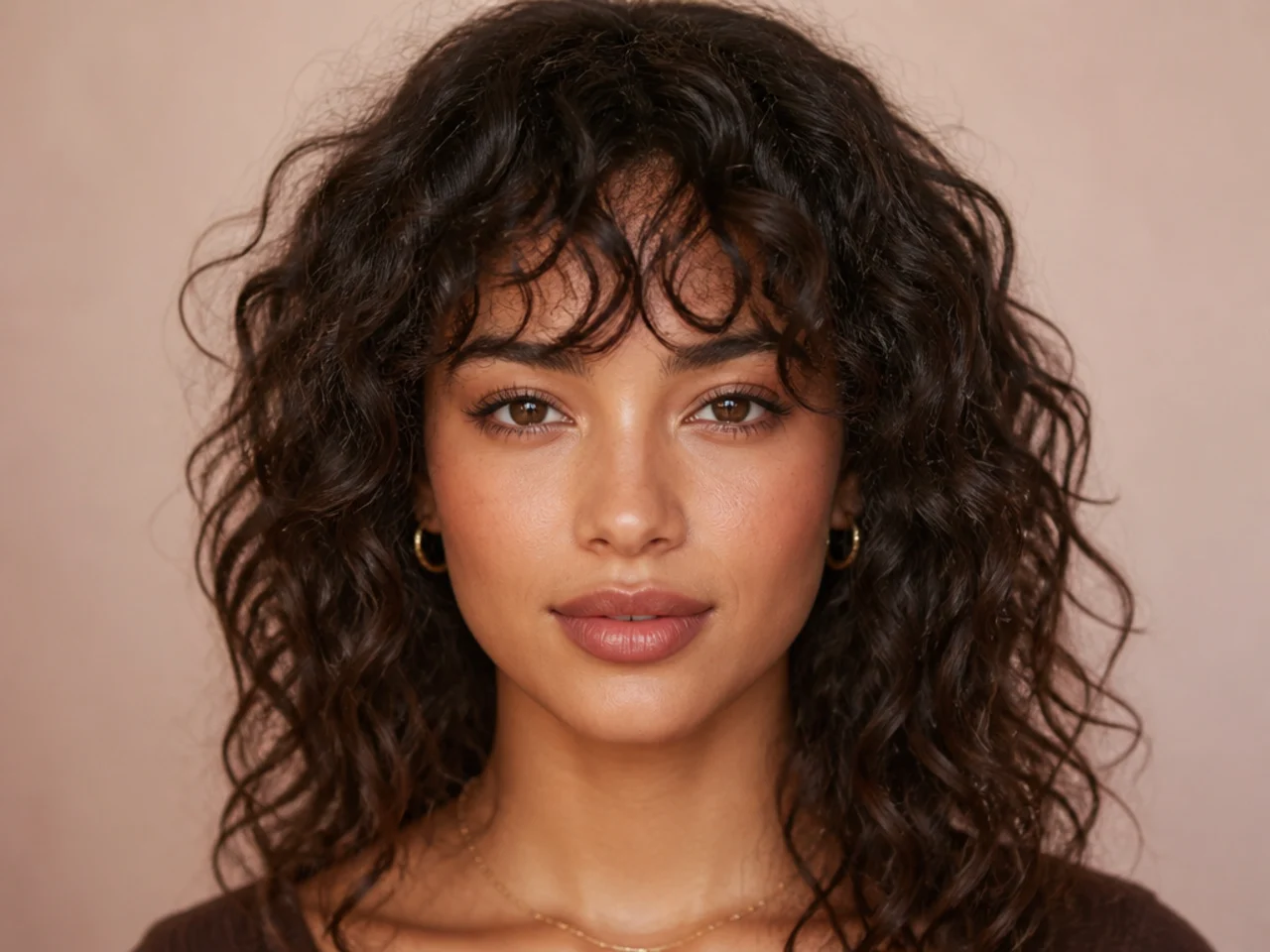
8. Wavy French Bangs
Cut to work with a natural bend rather than smoothed flat against it.

9. French Bangs on Fine Hair
Taken from a shallower section, so the rest of the hair does not thin out behind them.

10. French Bangs with a Bob
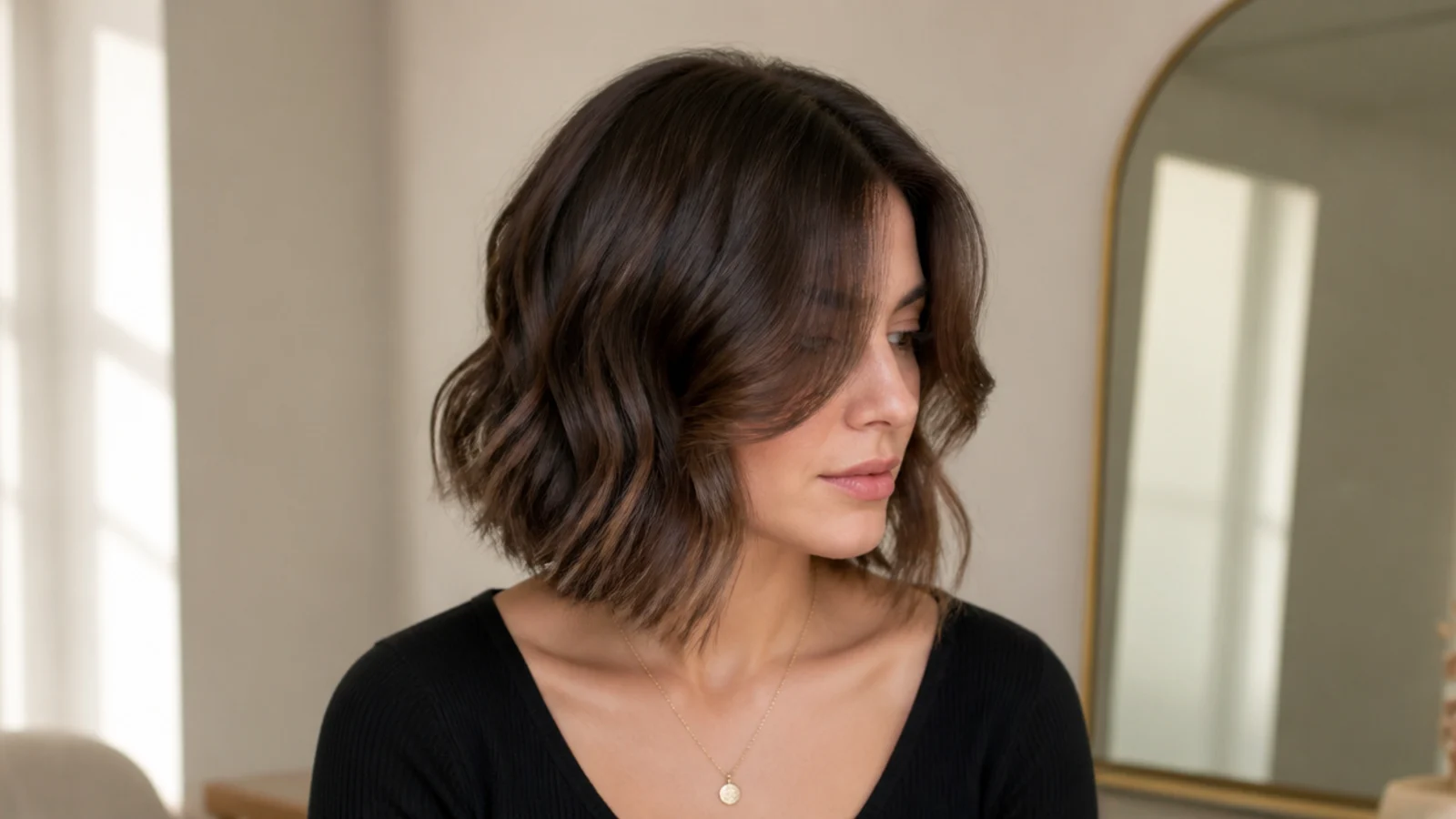
The pairing that defines the look. Two soft shapes reinforcing each other.

11. French Bangs with Long Layers
The fringe echoed by movement further down. Balanced, and it suits most face shapes.

12. Grown-Out French Bangs
Parted slightly in the middle and worn as a soft curtain. The stage that is part of the style.
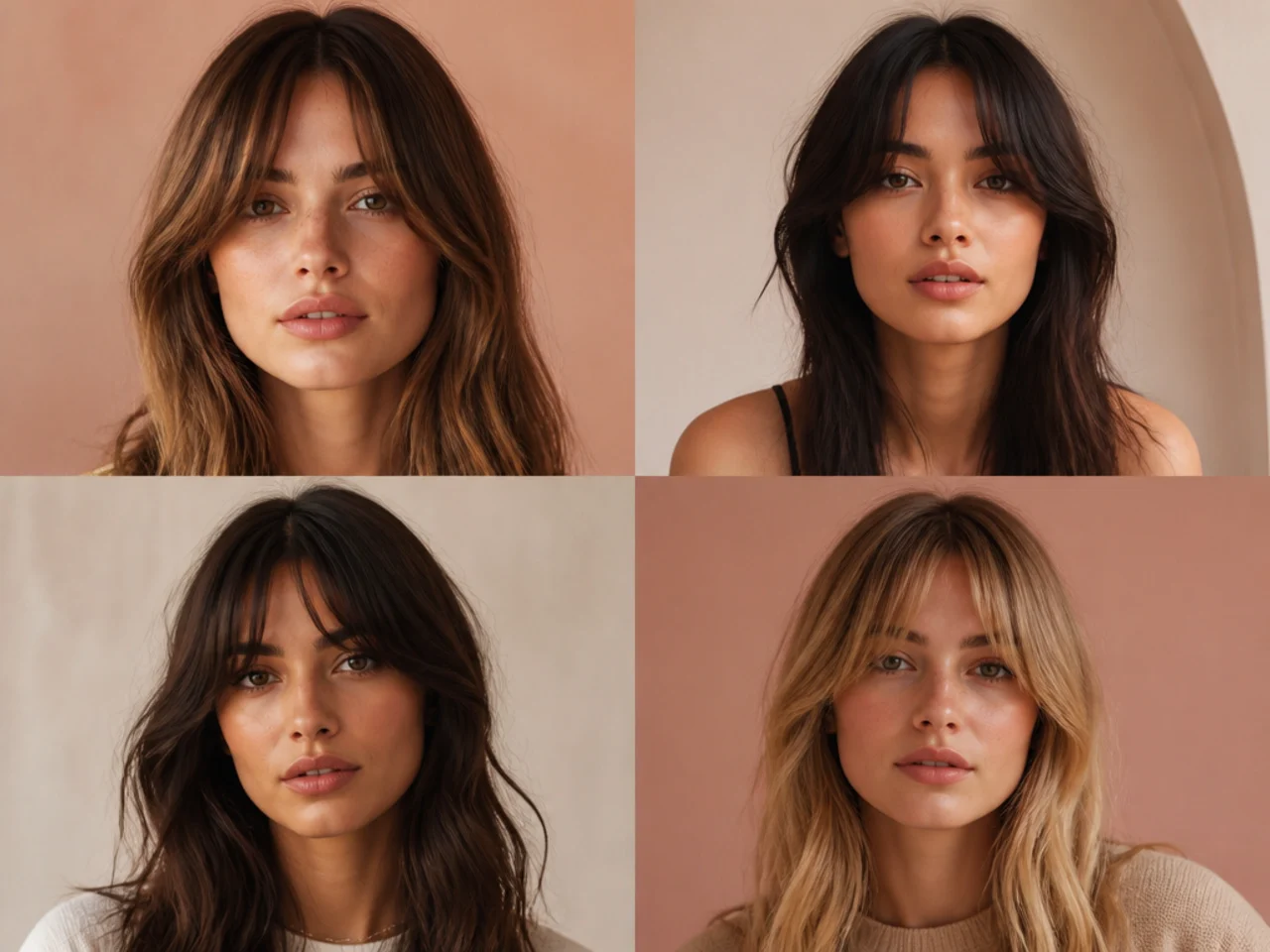
13. French Bangs with a Shag
Heavy texture above and below. The most lived-in version of the look.
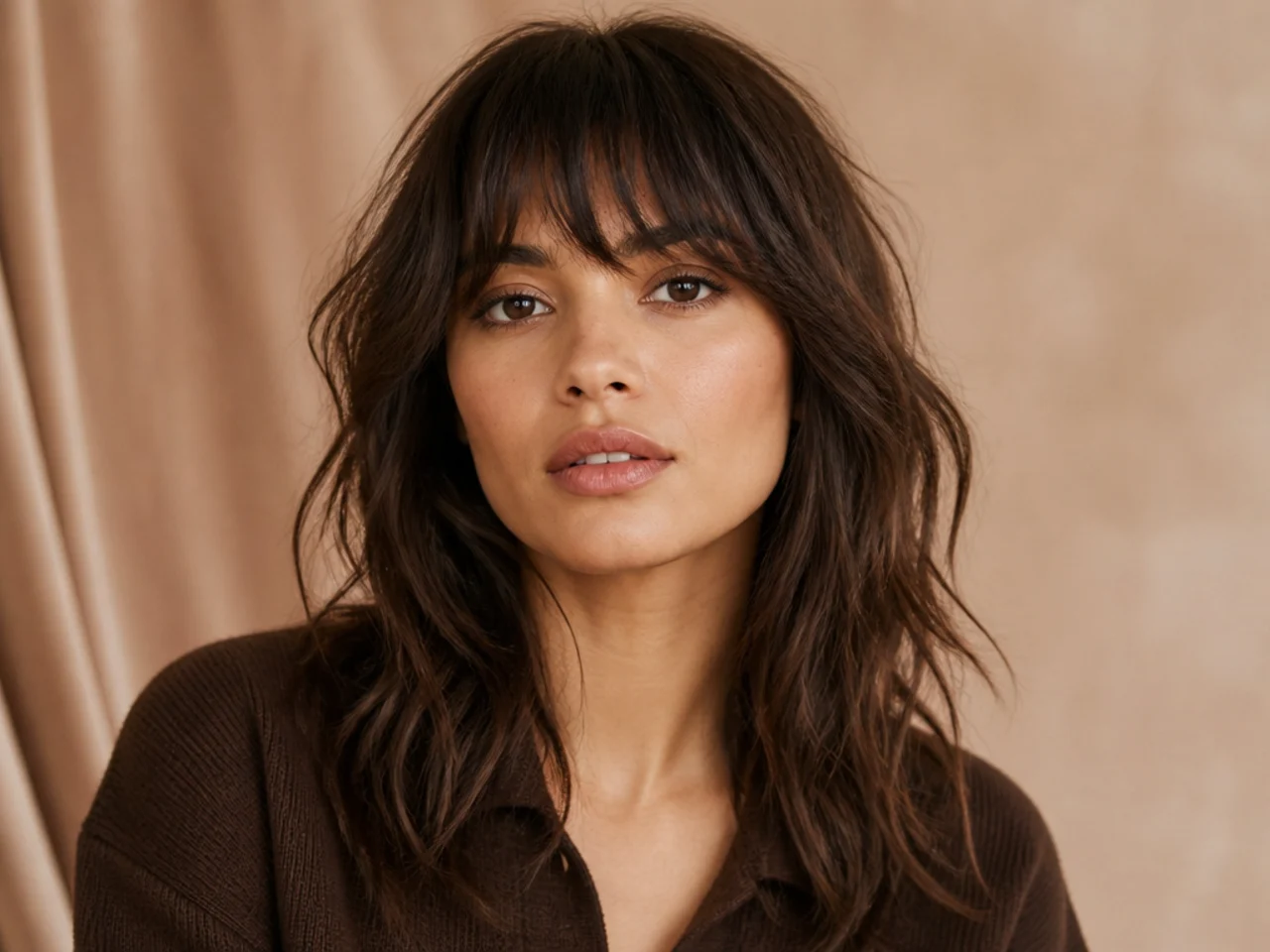
14. Piecey Textured French Bangs
Separated with a little wax so individual pieces read distinctly.

15. French Bangs with a Middle Part Behind
Fringe at the front, centre parting behind it. Cleaner than it sounds.

16. Rounded French Bangs
Slightly shorter in the centre, longer at the edges. It softens a square jaw.
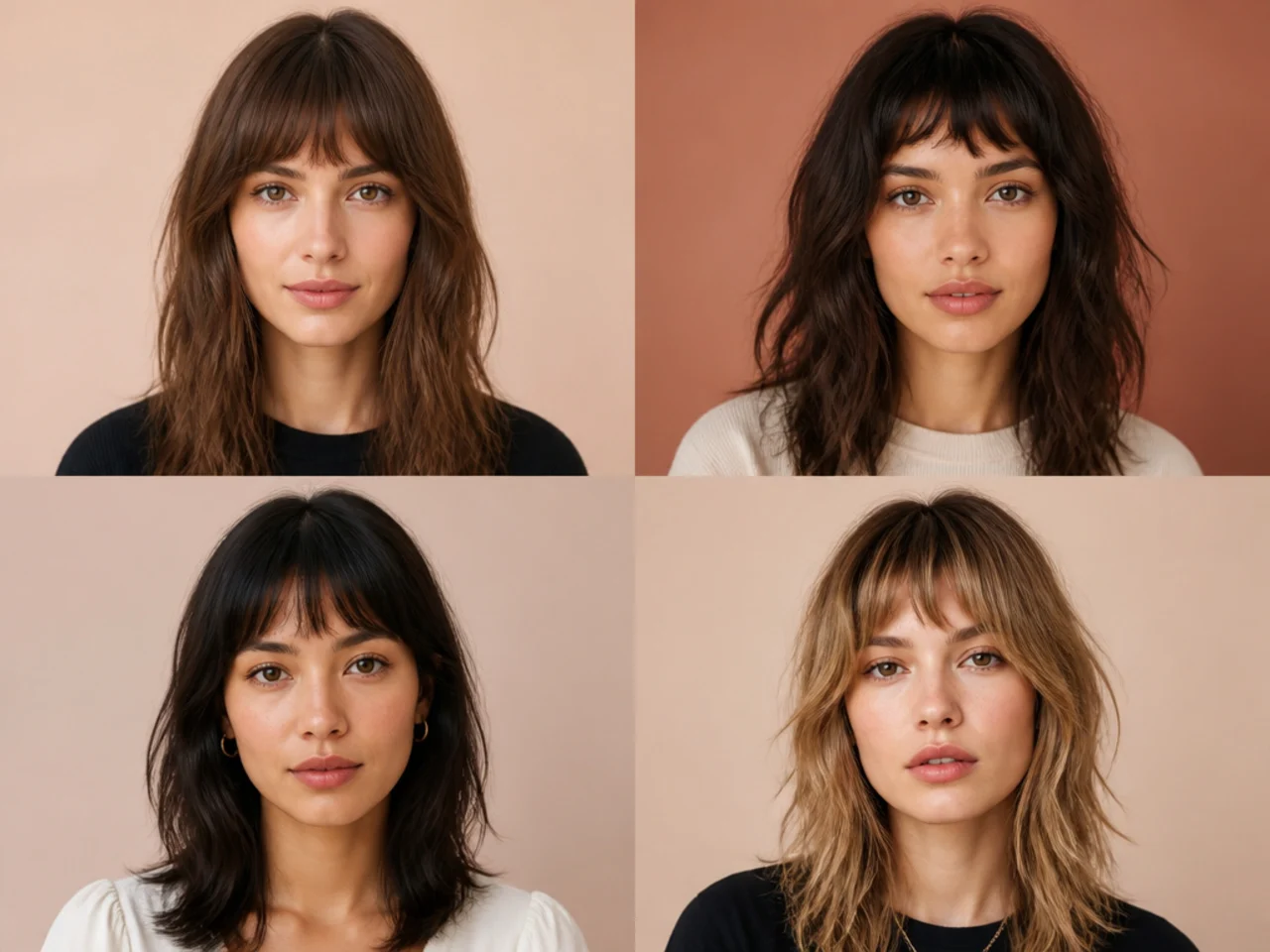
17. Asymmetric French Bangs
Deliberately longer on one side. Modern, and it works with a side parting behind.

18. French Bangs on a Pixie
Fringe as the only length in the cut. Striking, and it needs a trim every three weeks.
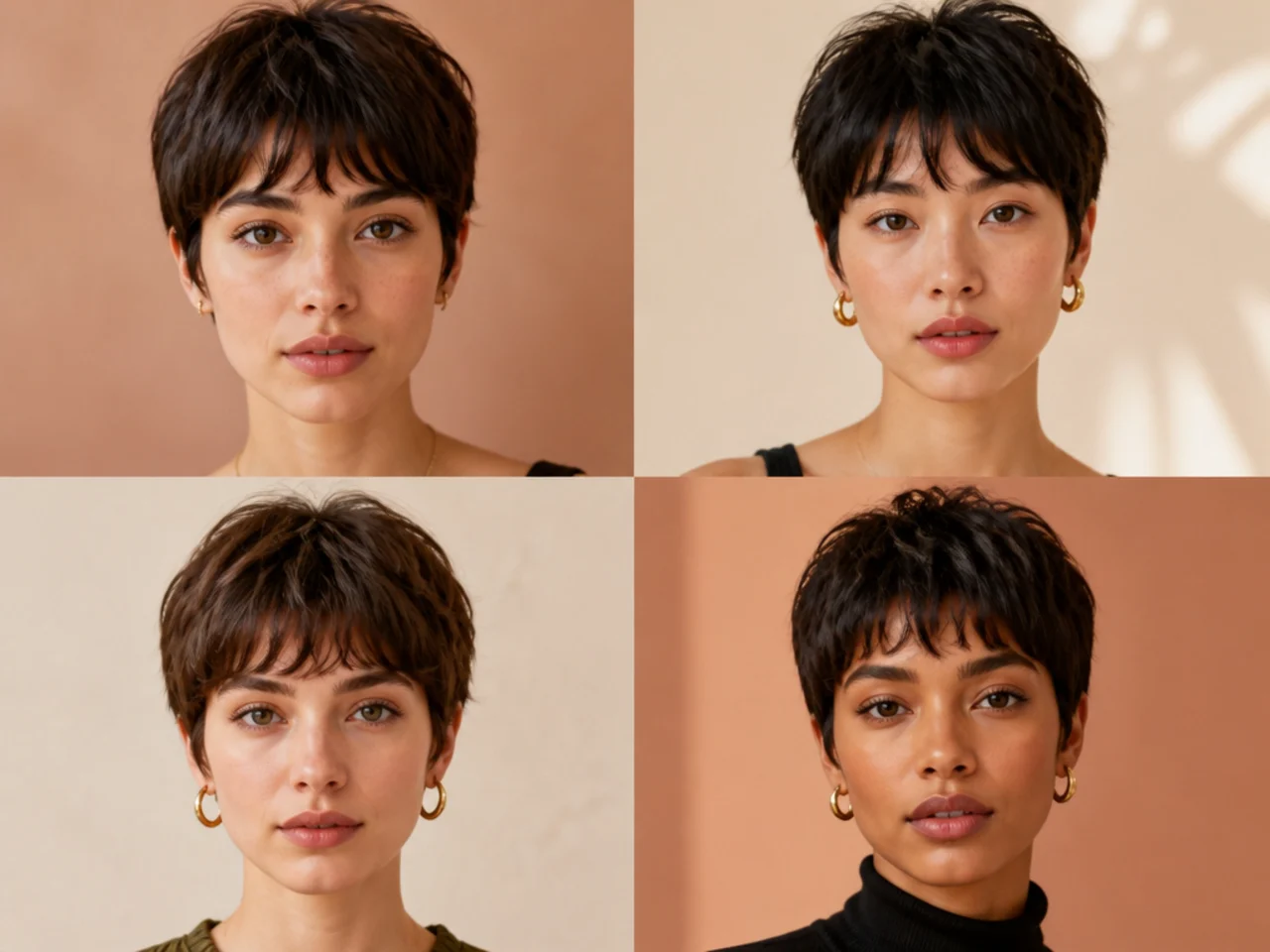
19. French Bangs with a Ponytail
The fringe is what stops a pulled-back ponytail reading as severe.

20. French Bangs on Coily Hair
Cut into a shaped fringe with the pattern intact rather than straightened first.
21. French Bangs with Highlights at the Front
Two lighter pieces at the edge of the fringe. Small change, large effect.

22. Baby-Length French Bangs
Cut well above the brow, in the micro-fringe register. The boldest thing on this page.
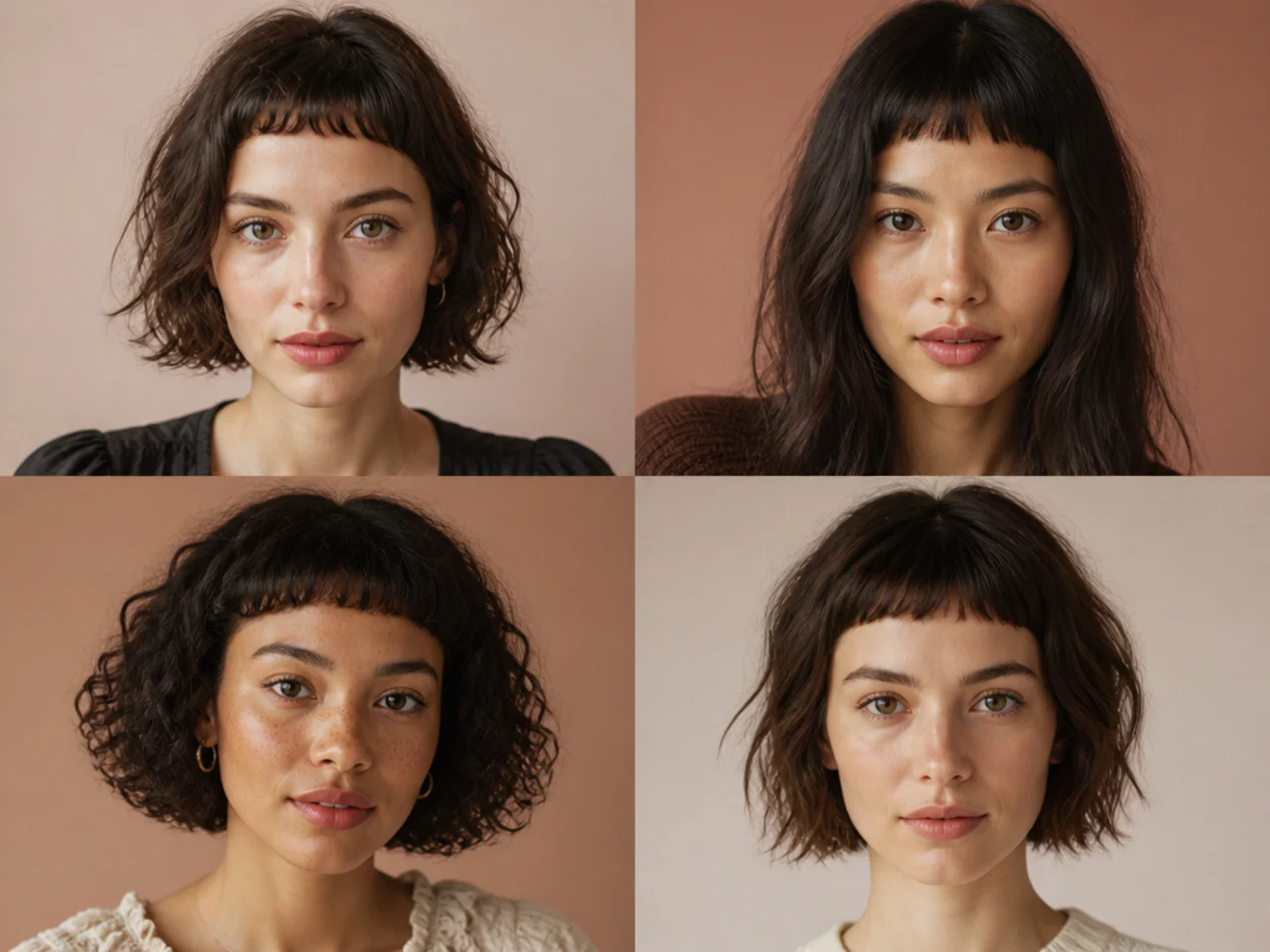
23. French Bangs with a Bun
Sleek behind, soft at the front. The contrast is the whole look.
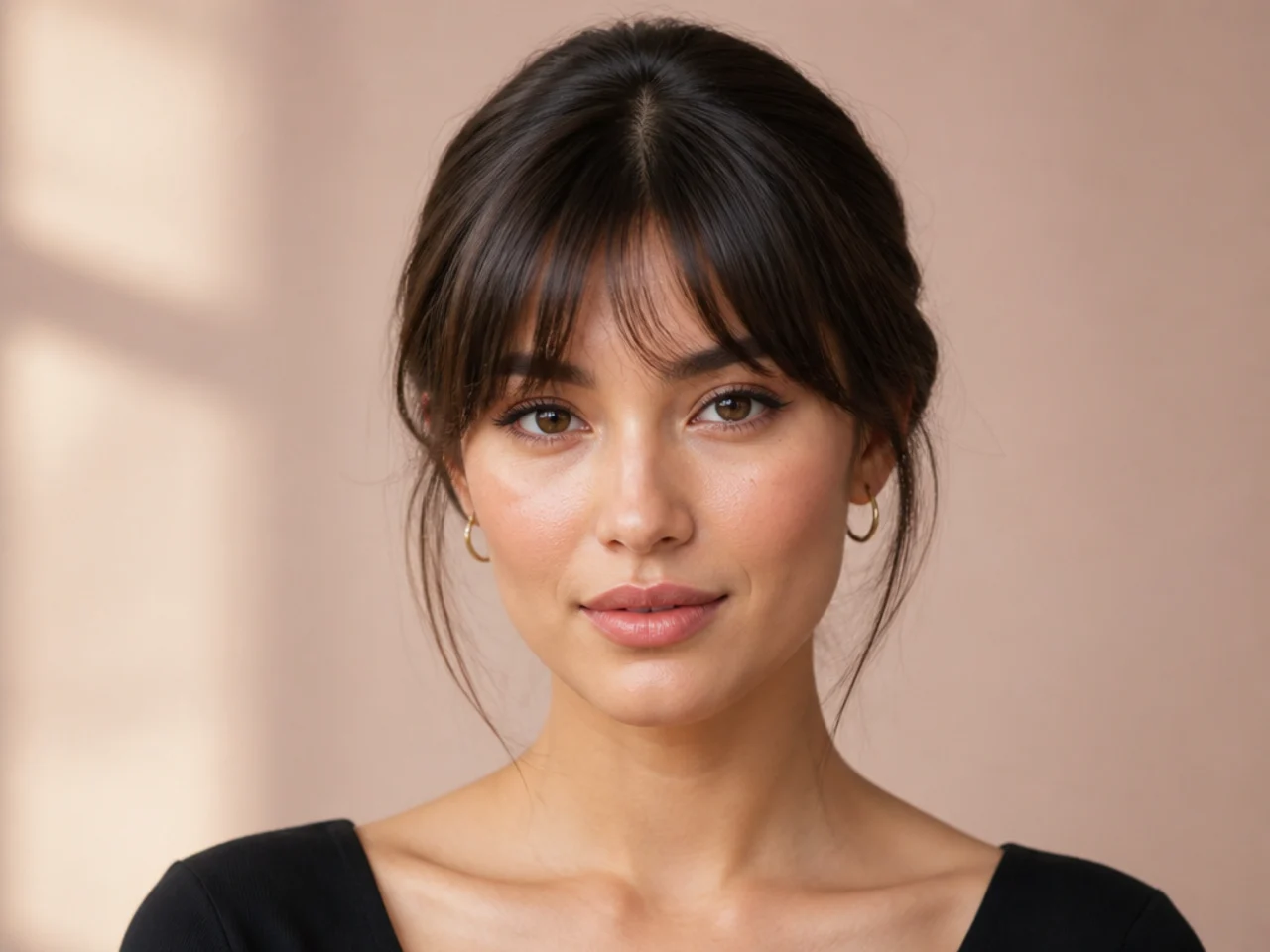
24. French Bangs on Straight Hair
The easiest version to maintain, and the one that shows a bad cut most clearly.

25. Half-Grown French Bangs Pinned Back
Two pins holding the fringe off the face. The answer to any day it will not sit.

French Bangs vs Curtain Bangs
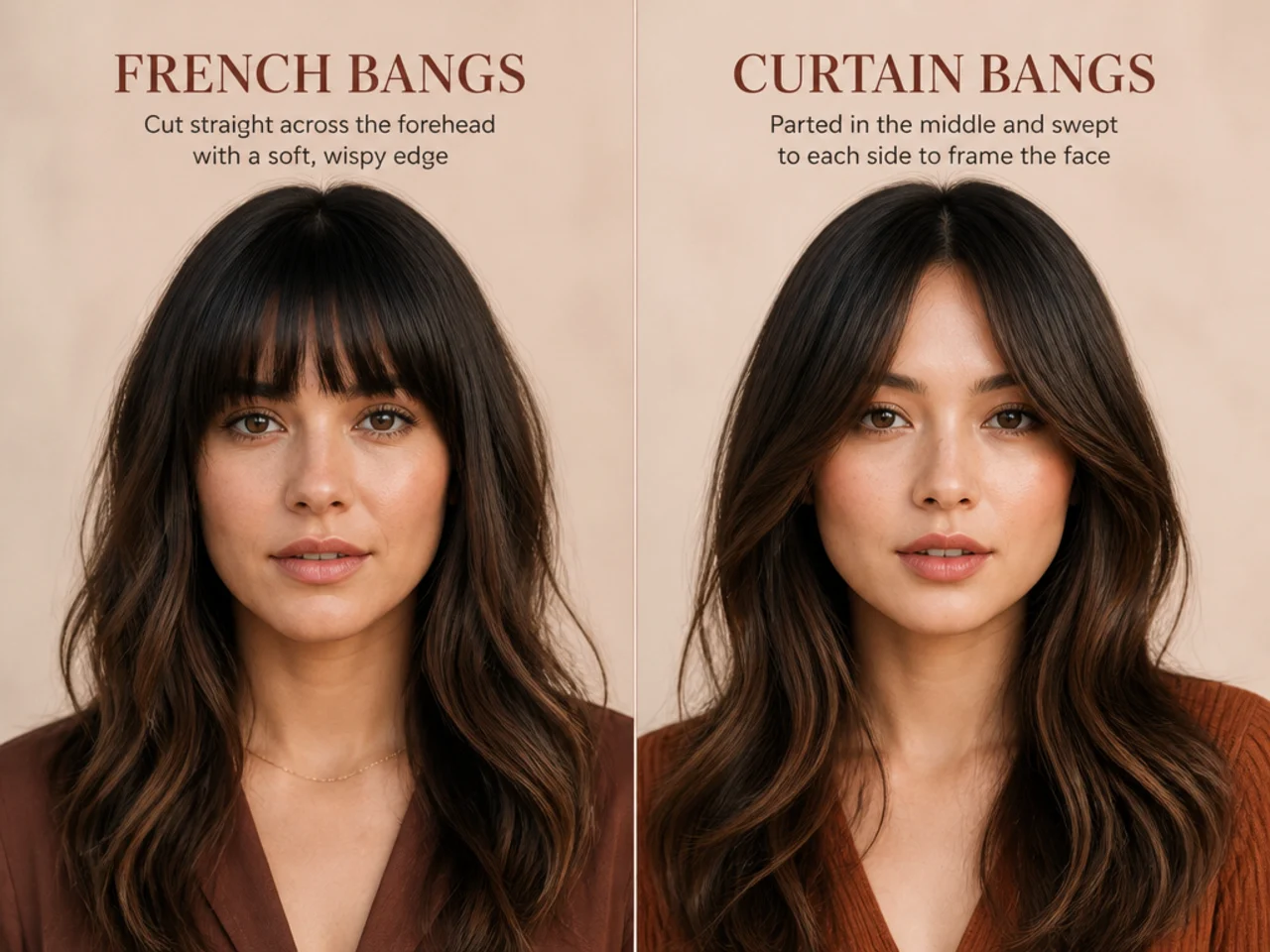
They are constantly used interchangeably and they are not the same cut.
French bangs cover the forehead. They are a fringe — one continuous piece across the front, with a soft broken edge.
Curtain bangs open in the middle. They frame the face and leave the centre of the forehead visible, falling away toward the cheekbones.
The practical difference is commitment. A curtain fringe can be tucked behind the ears and effectively disappears; a French fringe is there every day until it grows out, which takes three to four months from brow length.
If you are not sure, curtain bangs are the reversible choice.
Living With Them
Wash the fringe more often than the rest. It sits against your forehead all day and goes greasy two days before everything else. Washing just the fringe in the sink is normal and takes two minutes.
Dry it first, immediately. A fringe left to dry on its own sets in whatever direction it fell. Rough-dry it flat within a minute of getting out of the shower, moving side to side rather than straight down.
Trim every four to six weeks. Less often than a blunt fringe, because this style tolerates length.
Do not use conditioner on it. It weighs the fringe down and makes it separate against the forehead.

Mistakes to Avoid
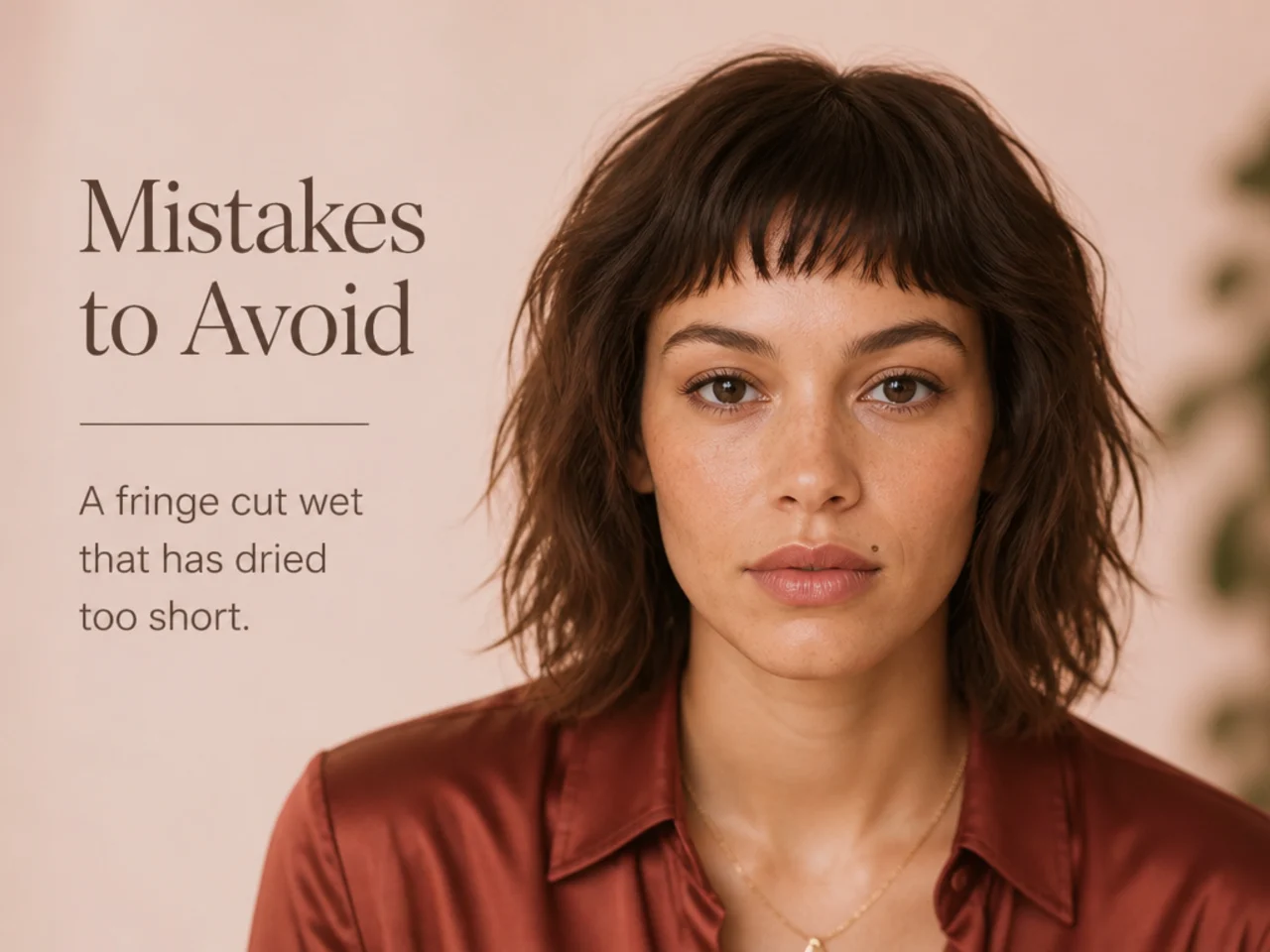
Cutting it blunt. A straight edge is a different fringe entirely, and the most common way this cut goes wrong.
Ignoring a cowlick. It will win. Say it at the consultation instead of discovering it on Wednesday.
Cutting it wet. Hair sits higher when it dries, and on curly hair dramatically so.
Taking the section too deep on fine hair. The fringe looks right and everything behind it thins out.
Conditioning it. It separates and sits flat against the forehead.
FAQ
What are French bangs? A soft, slightly piecey fringe at or just below the brow, cut to look already grown in.
Do they suit everyone? Hairline matters more than face shape. A cowlick at the front is the real obstacle.
How often do they need trimming? Every four to six weeks — less than a blunt fringe.
Final Thoughts
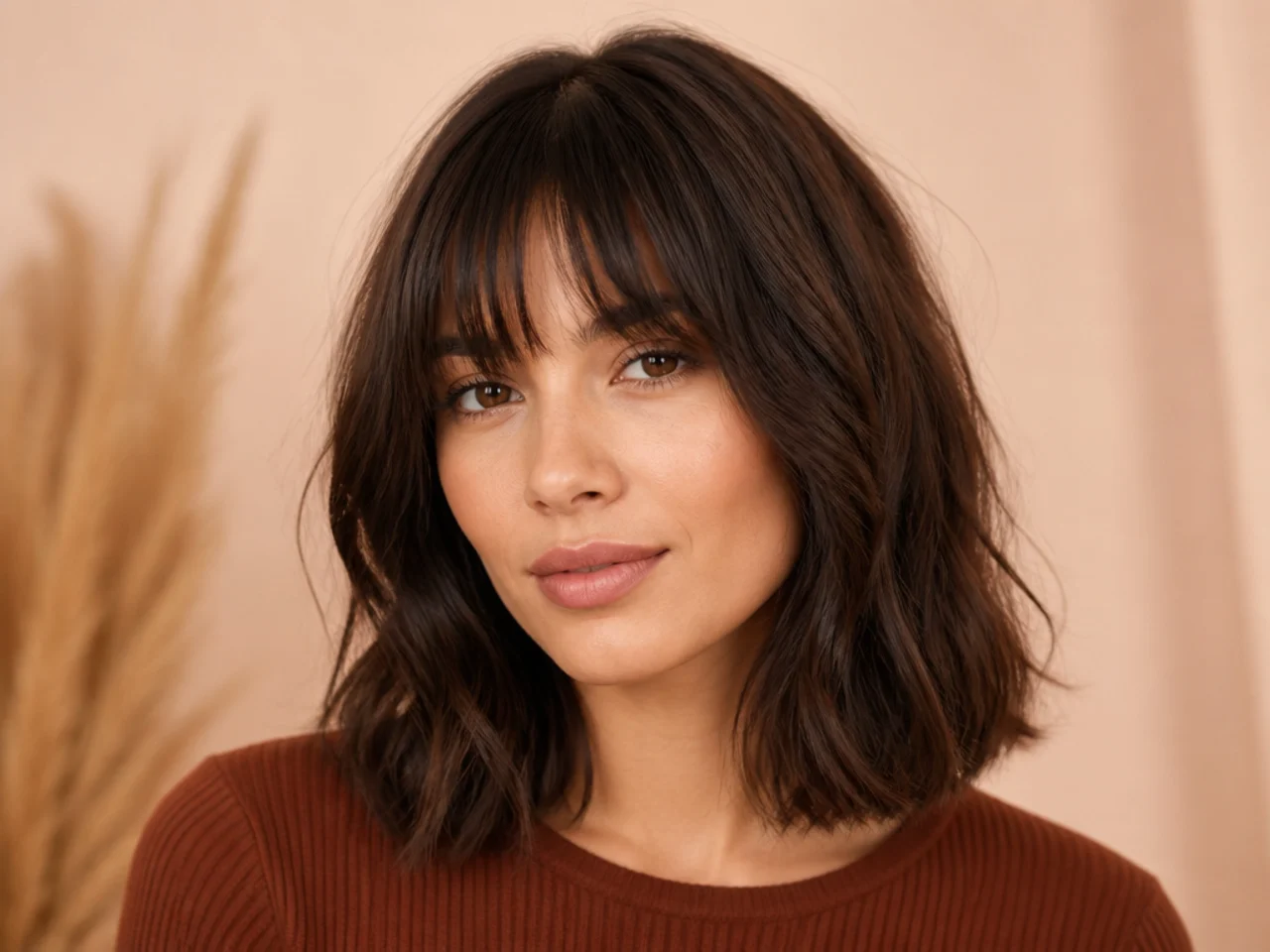
Check your hairline before you check your face shape, ask for a soft point-cut edge rather than a blunt one, and cut it dry. Those three things decide whether you end up with the fringe in the photograph or a different one entirely.
To cut them yourself see 20 steps to cut French bangs at home. More in Bangs & Fringe.