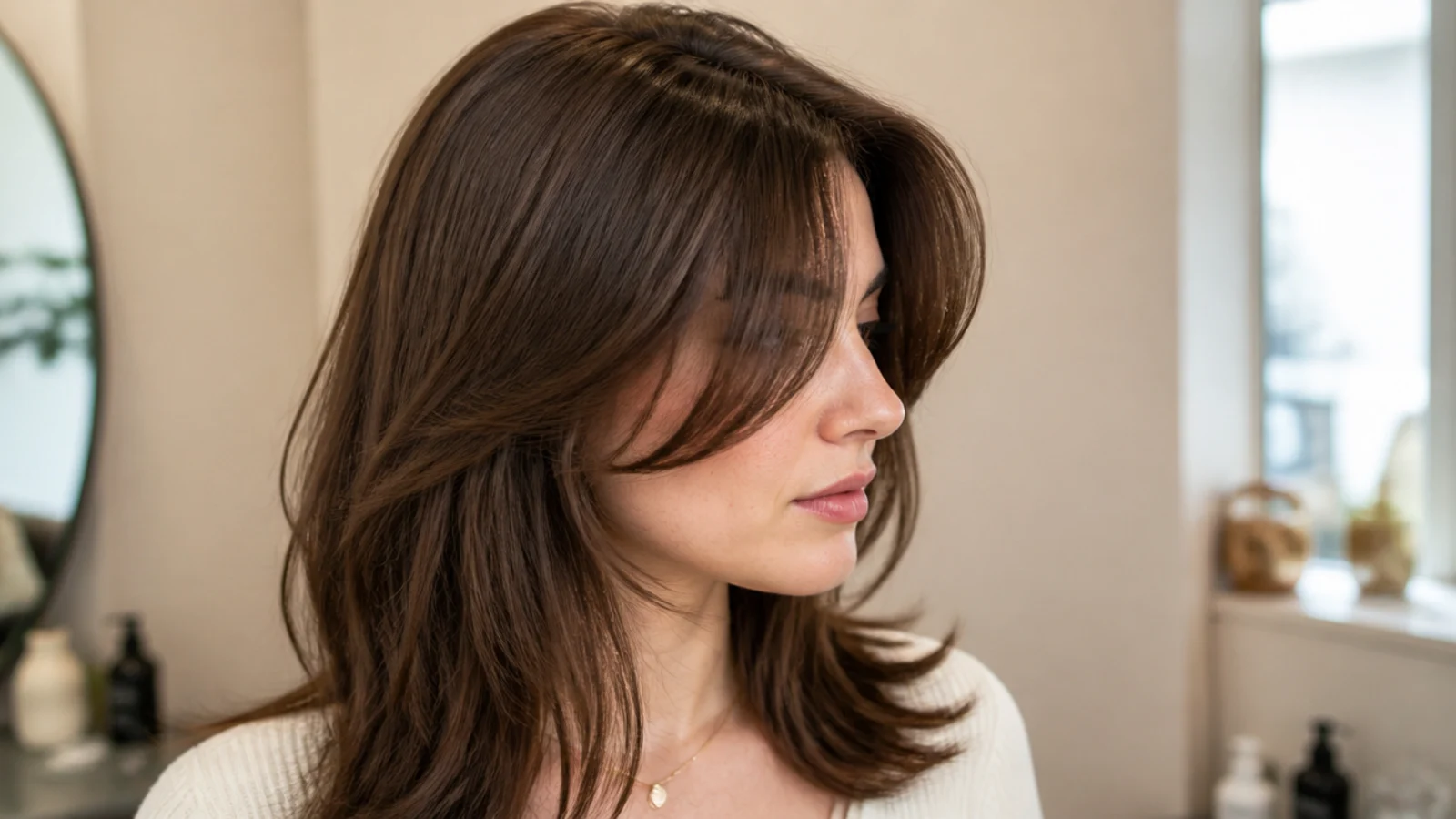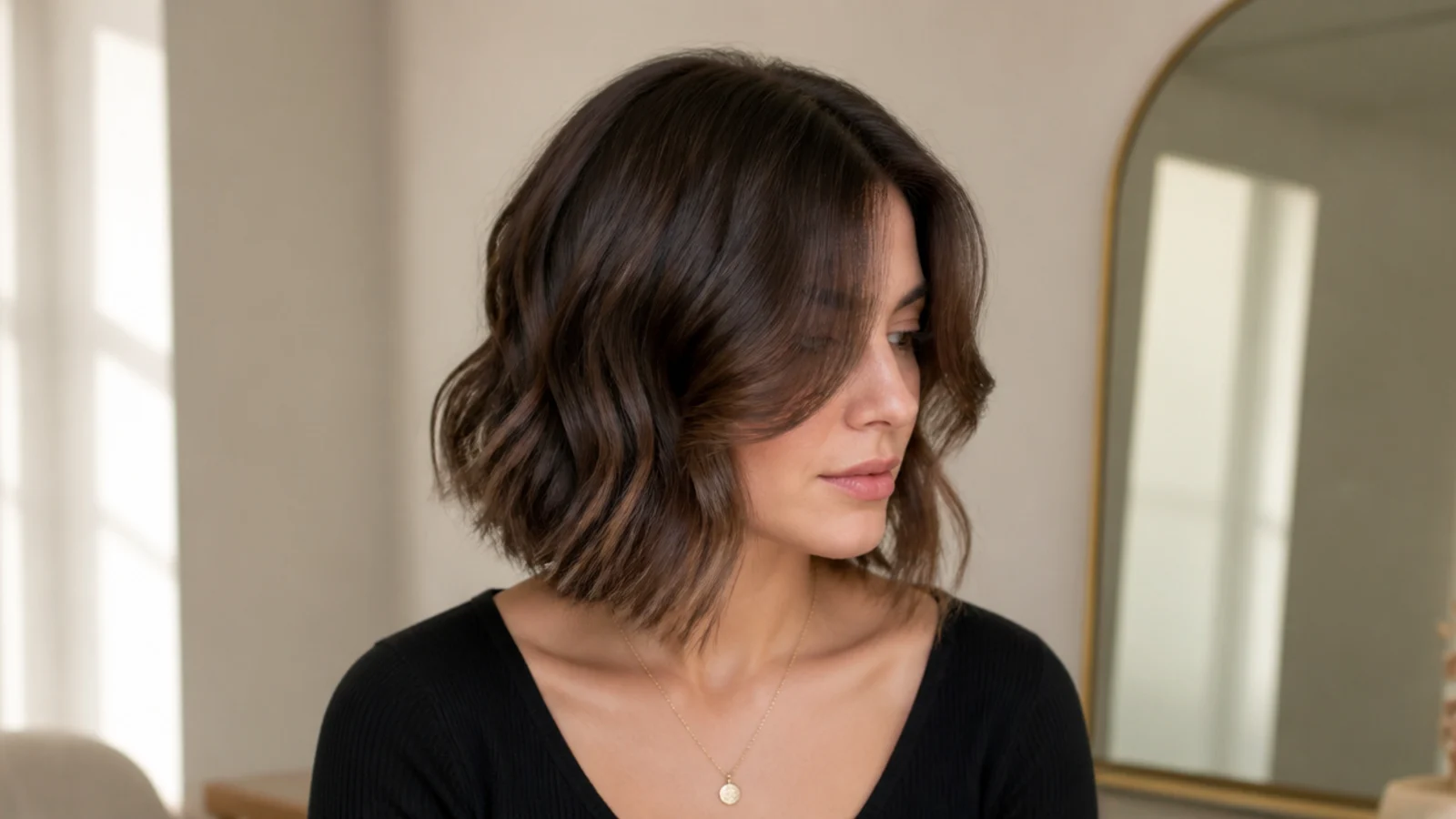
15 French Bangs I Tried and Loved
Fifteen French fringe variations lived with rather than photographed — what each one was like at week one, week three and week six, because the fringe you leave the salon with is not the one you keep.
In this article · 22
- The Three Stages Every Fringe Goes Through
- The 15 Tried
- 1. Classic Brow-Skimming French Bangs
- 2. Wispy Point-Cut Fringe
- 3. Full Deep-Section Fringe
- 4. Short Above-Brow Fringe
- 5. Long Lash-Line Fringe
- 6. French Bangs with Curtain Corners
- 7. Rounded Fringe
- 8. Asymmetric Fringe
- 9. Piecey Waxed Fringe
- 10. Thinned-Out Fringe
- 11. Wide Fringe to the Outer Brows
- 12. Fringe with a Bob
- 13. Fringe on Second-Day Hair
- 14. Side-Swept Grown-Out Fringe
- 15. Fringe Pinned Back
- What Six Weeks Taught Me
- If You Are Deciding
- Mistakes to Avoid
- FAQ
- Final Thoughts
Almost every fringe article shows you the day it was cut. That is the one day it looks like the photograph and the least useful day to judge it by.
What follows is fifteen French fringe variations assessed over six weeks each — the first week, the awkward middle, and the point at which each one either settled into something wearable or stopped being worth the effort.
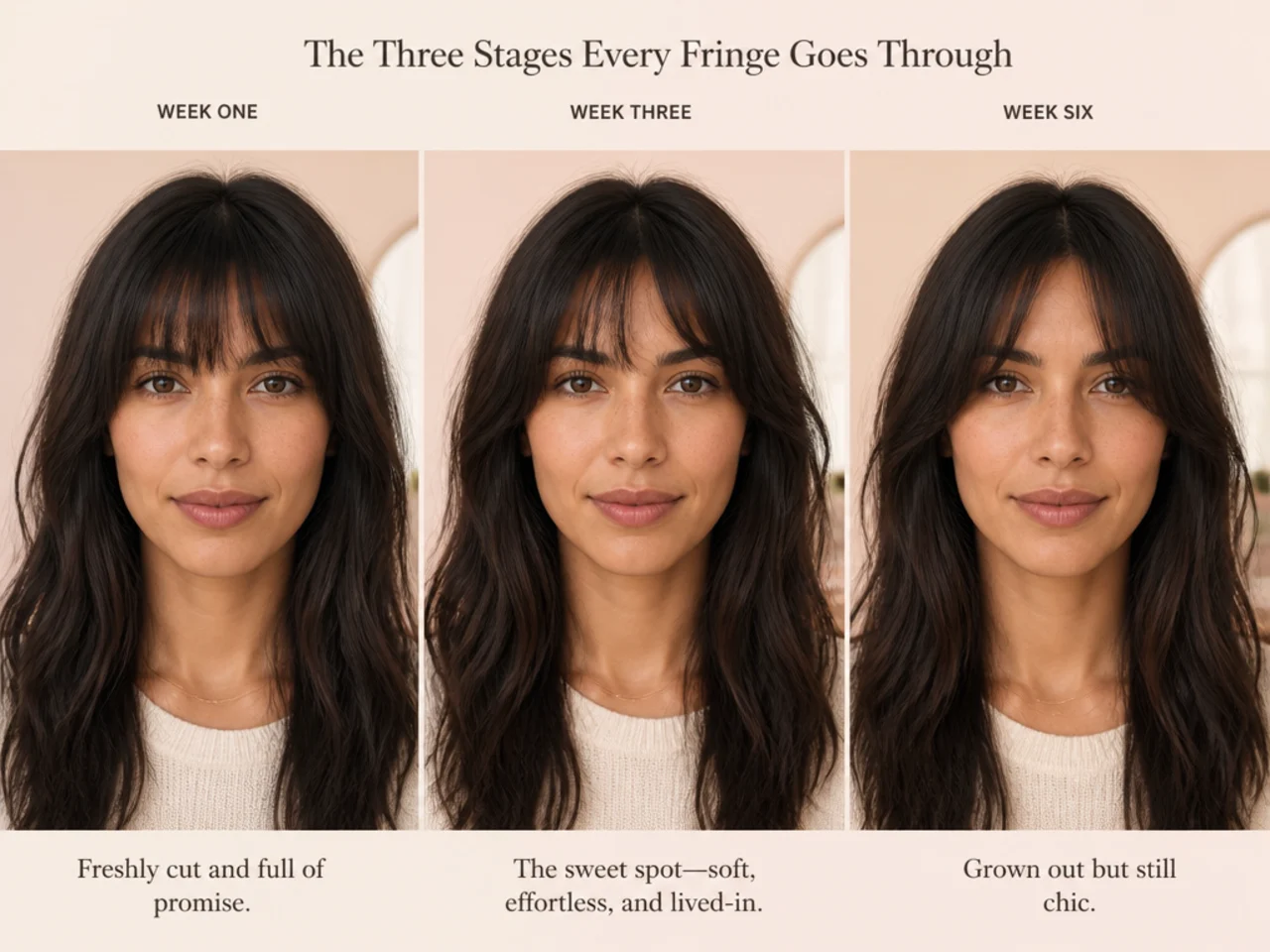
The Three Stages Every Fringe Goes Through
Week one — too neat. Freshly cut, sitting stiffly, not yet moving the way the photograph did. Almost everyone panics here, and it is the single worst moment to make a decision about a haircut.
Weeks two to four — the good stretch. It has softened, you have worked out how to dry it, and the styling has become automatic. This is what the fringe actually is.
Weeks five to six — the drop. It reaches the eyeline and starts needing a trim. Whether this stage is tolerable is the real test, because you will spend a third of your life with the fringe in it.
Everything below is judged on that last stage, not the first.
The 15 Tried
1. Classic Brow-Skimming French Bangs
Week six verdict: kept. The most forgiving of the lot. Sits well at every stage and never had an unwearable week.
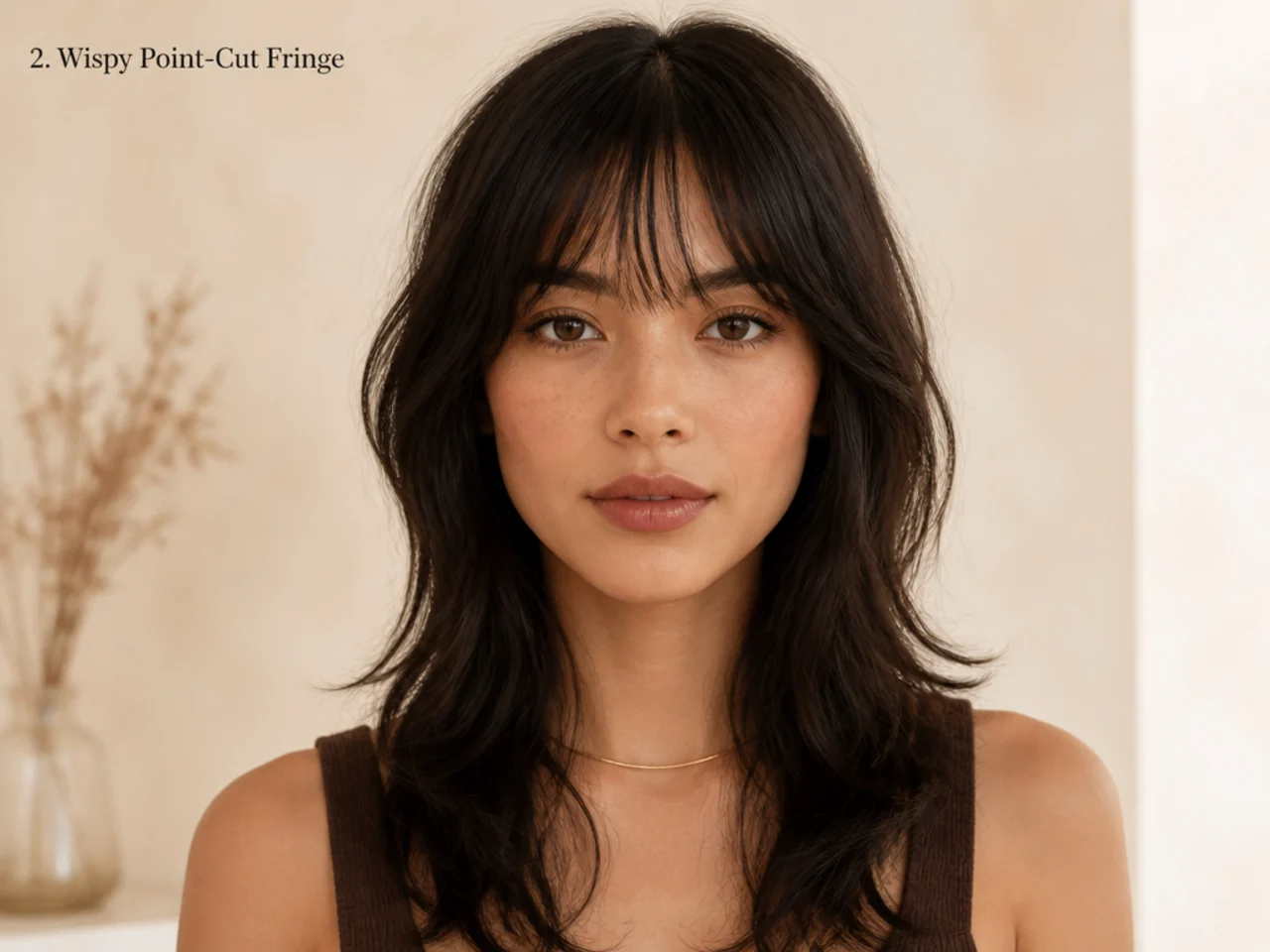
2. Wispy Point-Cut Fringe
Kept. Grows out better than anything else here — the staggered ends mean there is no line to drop.
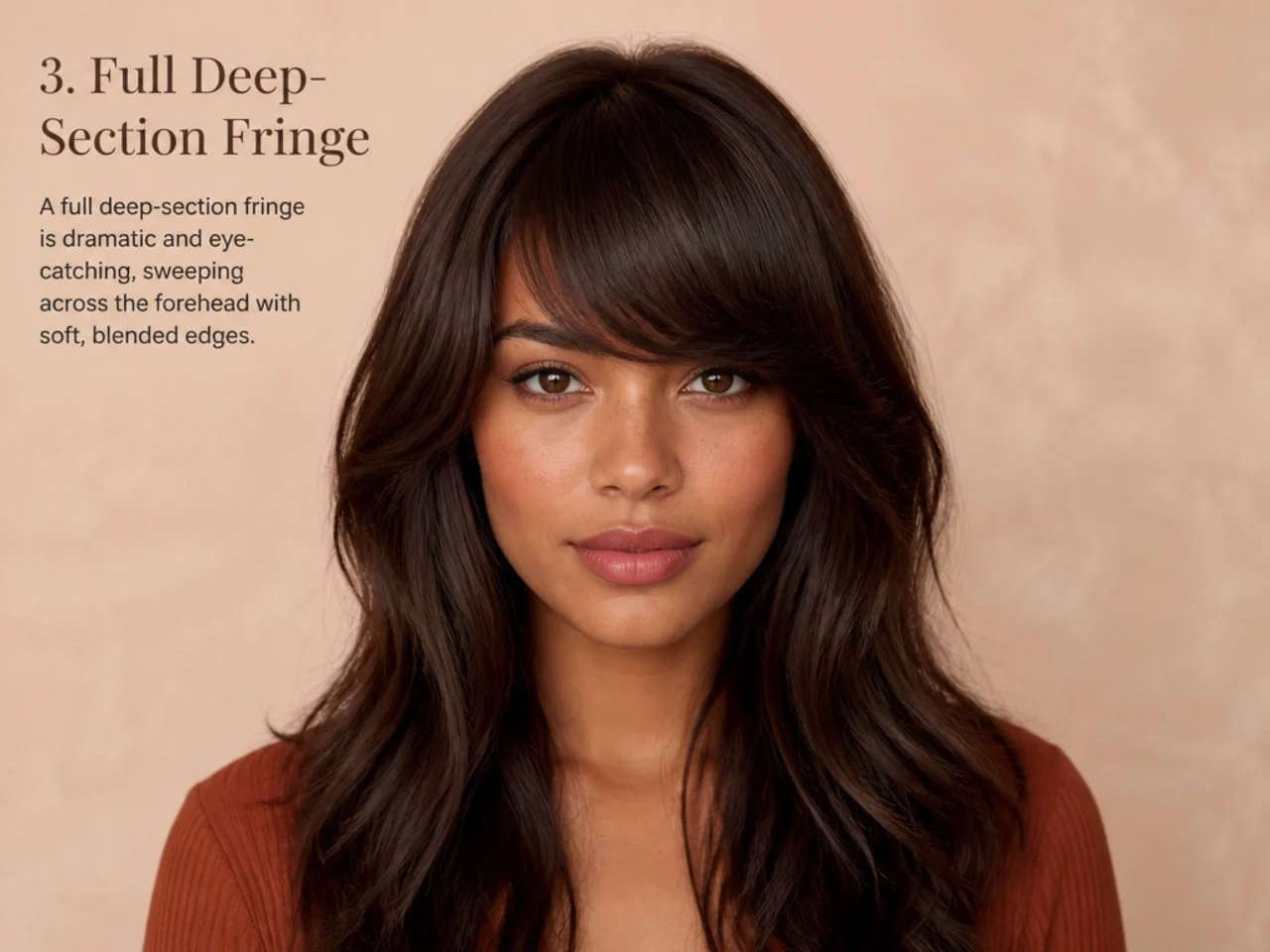
3. Full Deep-Section Fringe
Mixed. Superb for three weeks, then noticeably overdue. The upkeep is genuinely every three weeks, not four.
4. Short Above-Brow Fringe
Not again. Week one was too short to enjoy and week six was the only good stretch. The ratio is wrong.

5. Long Lash-Line Fringe
Kept. The easiest to live with. Long enough to push aside on a bad day, which no shorter fringe allows.

6. French Bangs with Curtain Corners
Kept, and the best all-rounder. The open corners mean it still works when the middle has dropped.

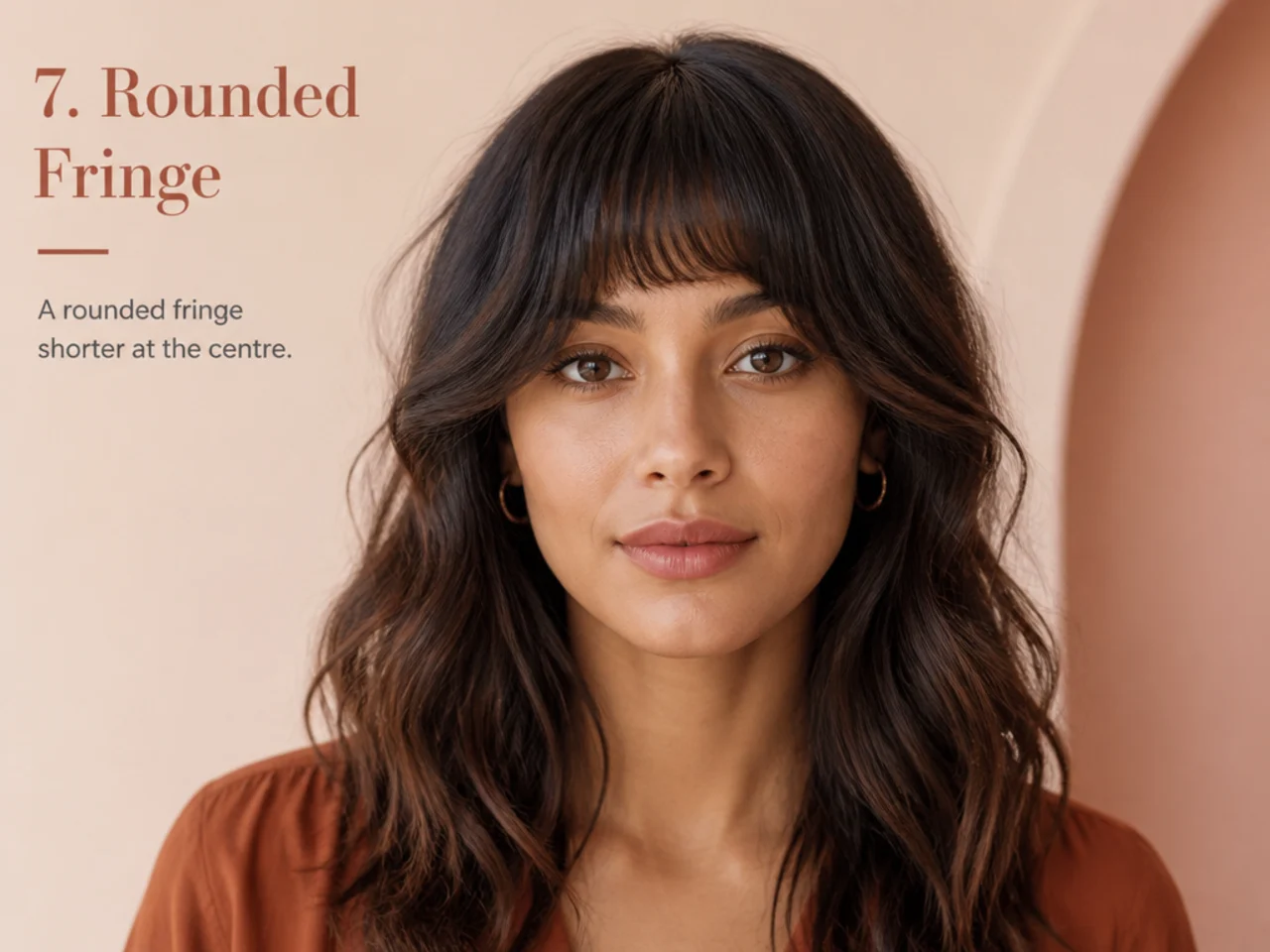
7. Rounded Fringe
Kept. The shorter centre buys about a week of extra wear before it reaches the eyeline.
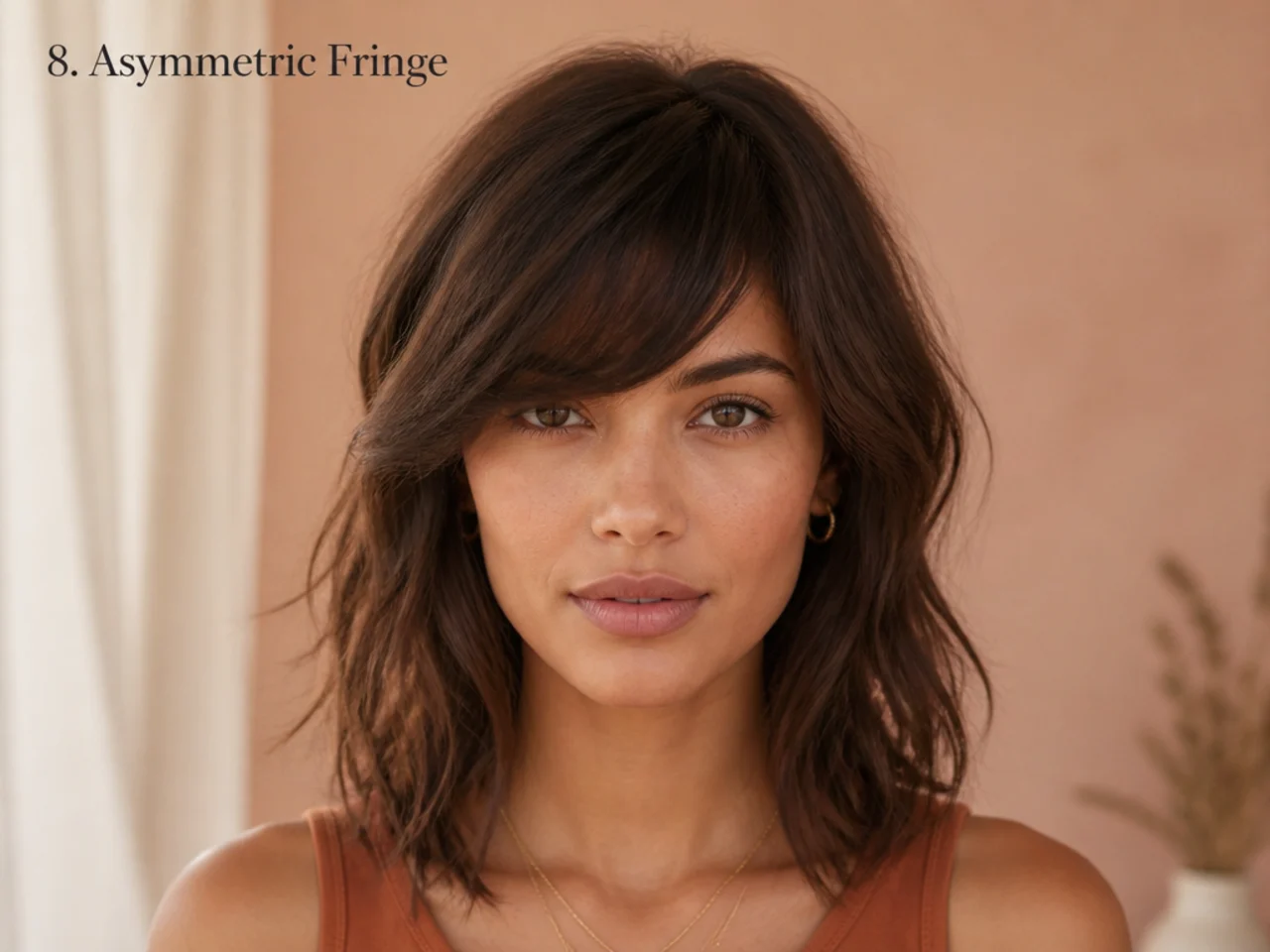
8. Asymmetric Fringe
Mixed. Excellent when dried deliberately, and it looks like a mistake on any day you do not.
9. Piecey Waxed Fringe
Kept. Needs ten seconds of wax every morning without exception, but hides a bad drying job completely.

10. Thinned-Out Fringe
Not again. Lovely for a fortnight, then short spiky regrowth appeared through the middle and it never sat flat again.

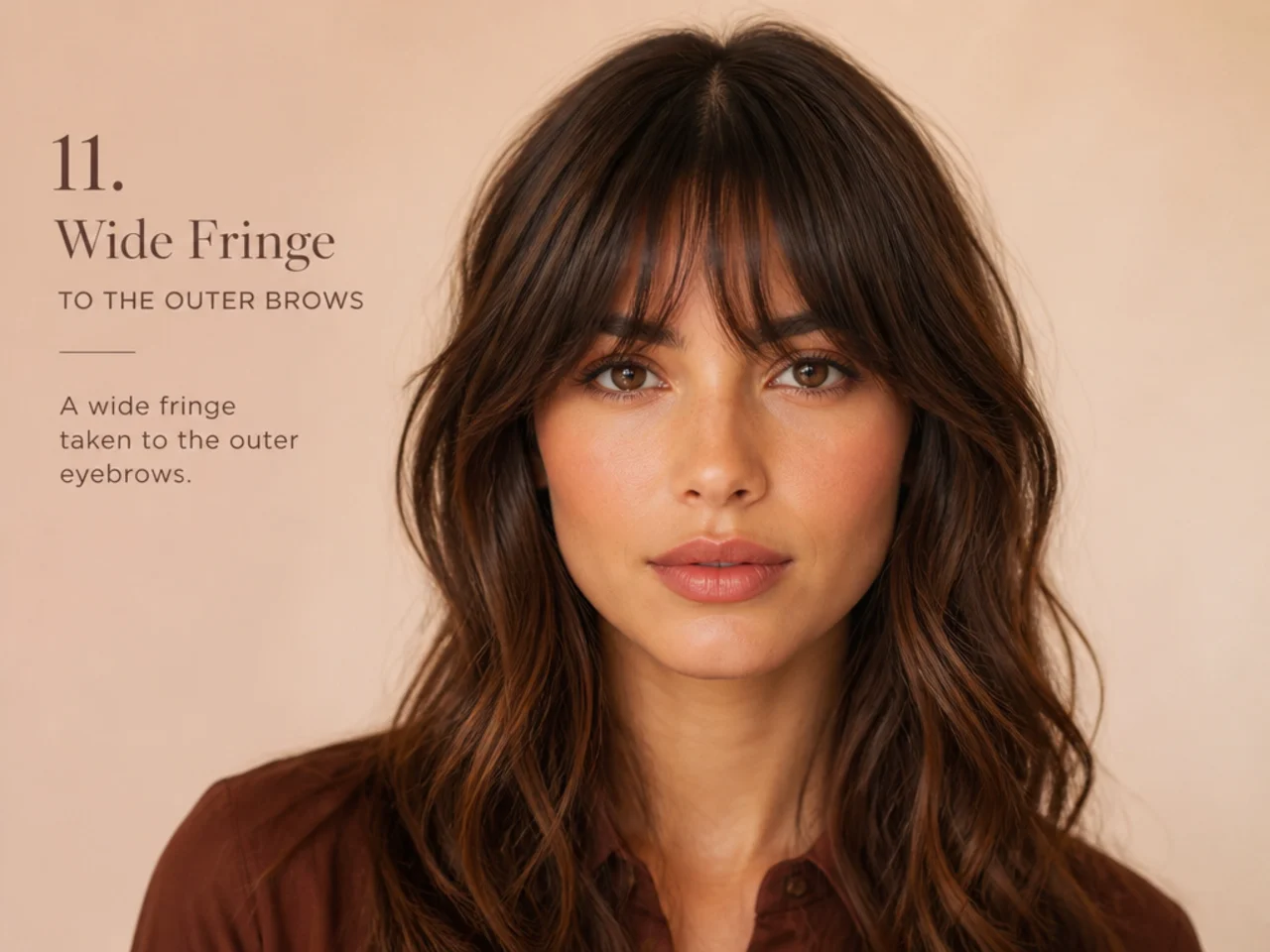
11. Wide Fringe to the Outer Brows
Mixed. More striking, but the outer edges never quite blended into the rest of the cut.
12. Fringe with a Bob
Kept. The pairing that needs the least thought. Two shapes at the same scale, both easy to dry.

13. Fringe on Second-Day Hair
Kept, unexpectedly. Day-two texture holds a shape far better than clean hair does. Fringes look best slightly dirty and the rest of the head does not.

14. Side-Swept Grown-Out Fringe
Kept. The stage everything eventually reaches, and genuinely good rather than a compromise.

15. Fringe Pinned Back
Kept as a fallback. Two pins, ten seconds, and it solves any day the fringe will not cooperate.

What Six Weeks Taught Me
Judge a fringe at week three, not week one. Almost every regret is a week-one decision. It has not softened yet, and you have not learned to dry it.
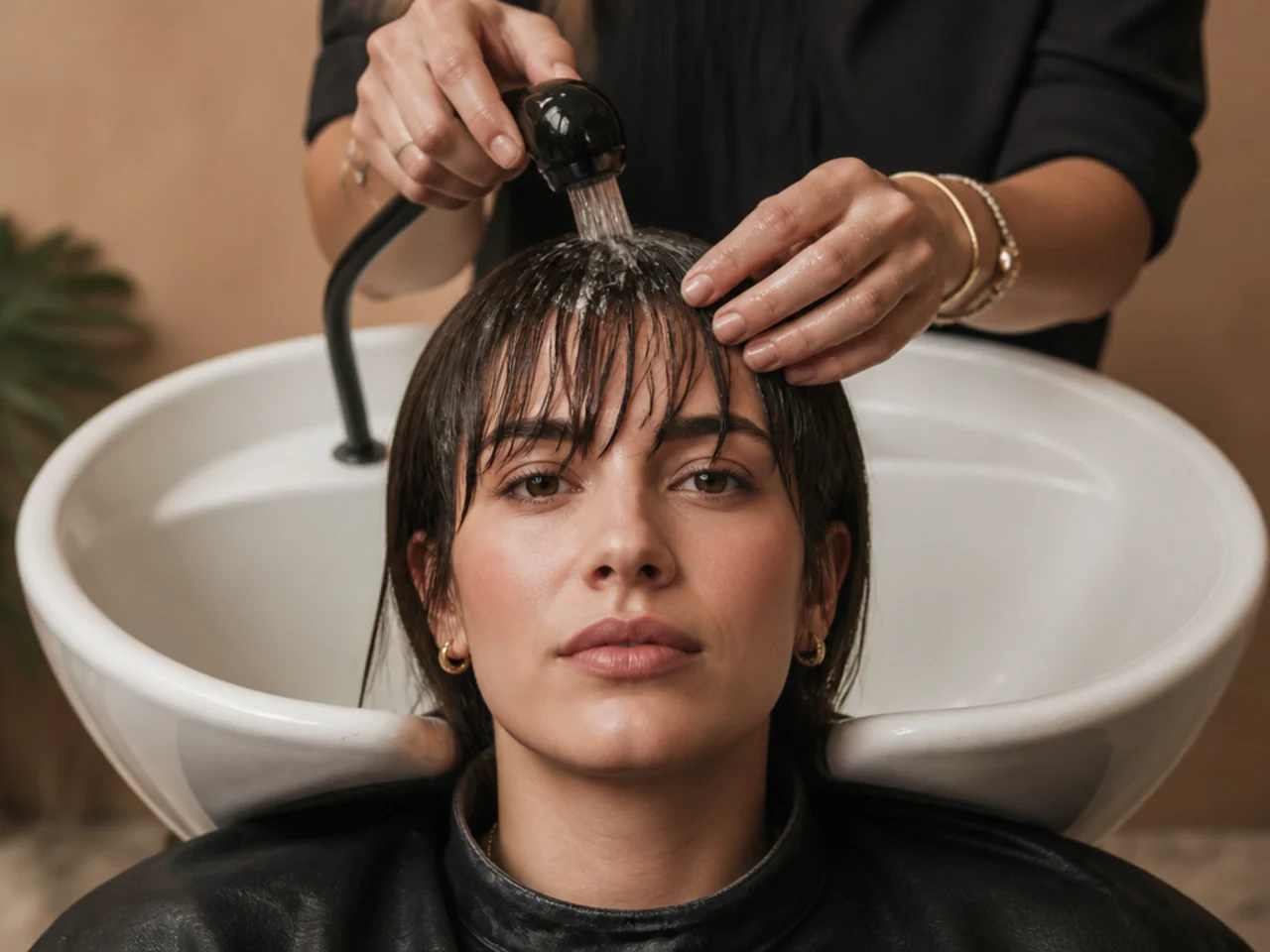
The washing is harder than the styling. A fringe goes greasy about two days before the rest of your hair. You either wash it alone over the sink — two minutes, and it becomes routine faster than you would think — or you accept two flat days per cycle.
Length buys forgiveness. Every fringe here that reached the lash line was easier to live with than every one that did not, because a long fringe can be pushed aside and a short one cannot.
Open corners beat a solid edge. Anything with curtain corners or longer outer pieces stayed wearable much deeper into the grow-out.
Thinning shears were the only real regret. The one fringe that became genuinely unwearable did so because of the tool used on it, not the shape it was cut into.
If You Are Deciding
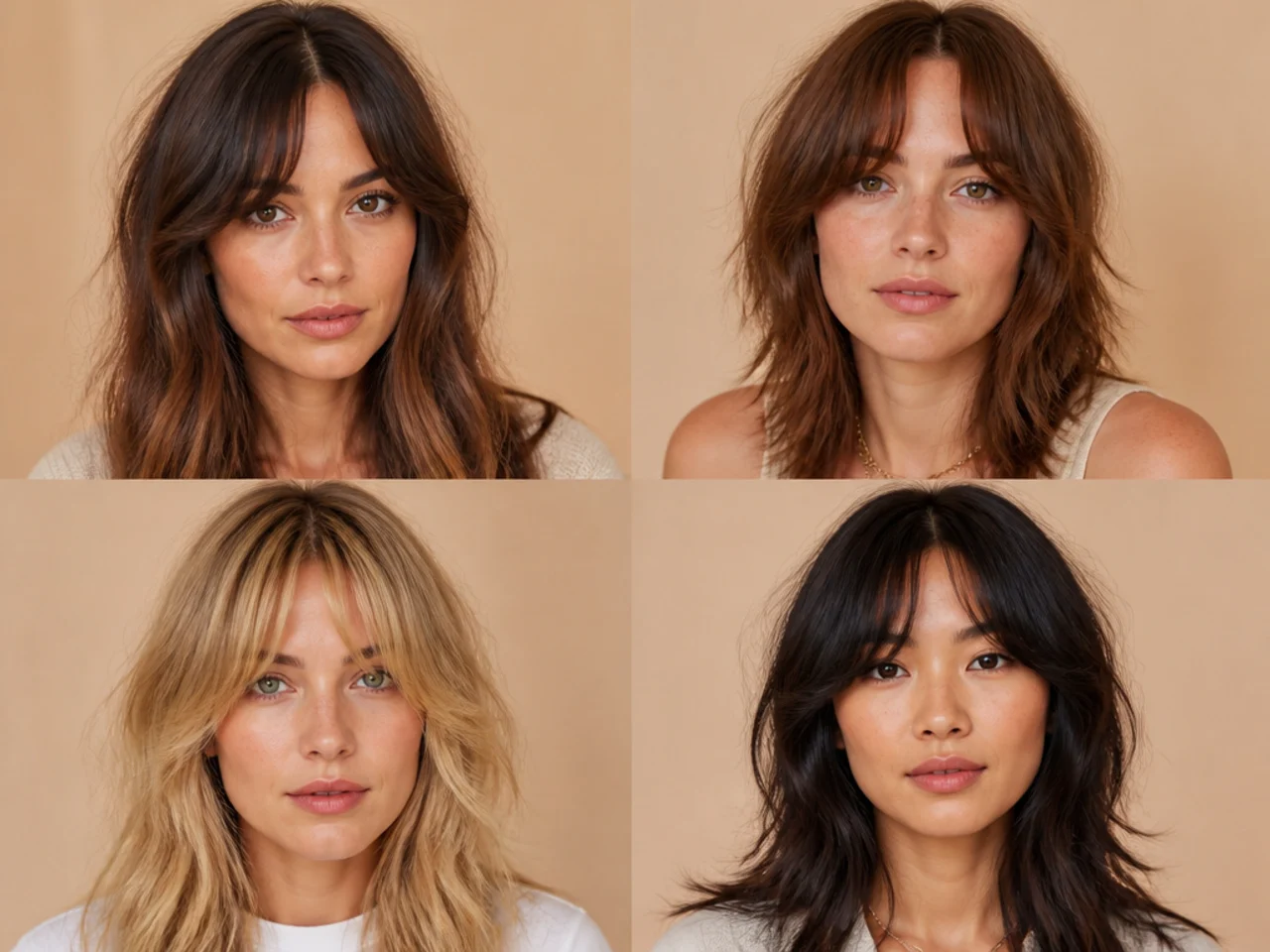
Start with curtain-cornered French bangs at brow length or slightly below. Of everything here, that combination had no bad weeks — it looks intentional when freshly cut, it is easy to dry, and it stays wearable right through the grow-out because the open sides give it somewhere to go.
Avoid starting with anything above the brow or anything thinned. Both are commitments disguised as small changes, and neither is a good first fringe.
Mistakes to Avoid
Deciding in week one. It is stiff, too neat, and not yet the fringe you will have.
Starting short. There is nowhere to go but longer, and the wait is not pleasant.
Agreeing to thinning shears. The only genuinely unwearable result here.
Washing your whole head because of the fringe. Wash the fringe alone. It takes two minutes.
Not owning two pins. A fringe you can pin back is a fringe with no bad days.

FAQ
How long to get used to bangs? Two weeks for the styling, three before you stop noticing them.
When do they look best? Weeks two to four for most cuts.
What is the hardest part? The washing, not the styling.
Final Thoughts
If you cut a fringe and hate it on day three, wait. Almost everyone does, and almost everyone stops by week three — and the ones who cut it shorter to fix it in the meantime are the only ones who genuinely end up stuck.
For the full-density version see 20 full French bangs ideas, and for the whole range see 25 chic French bangs ideas. More in Bangs & Fringe.