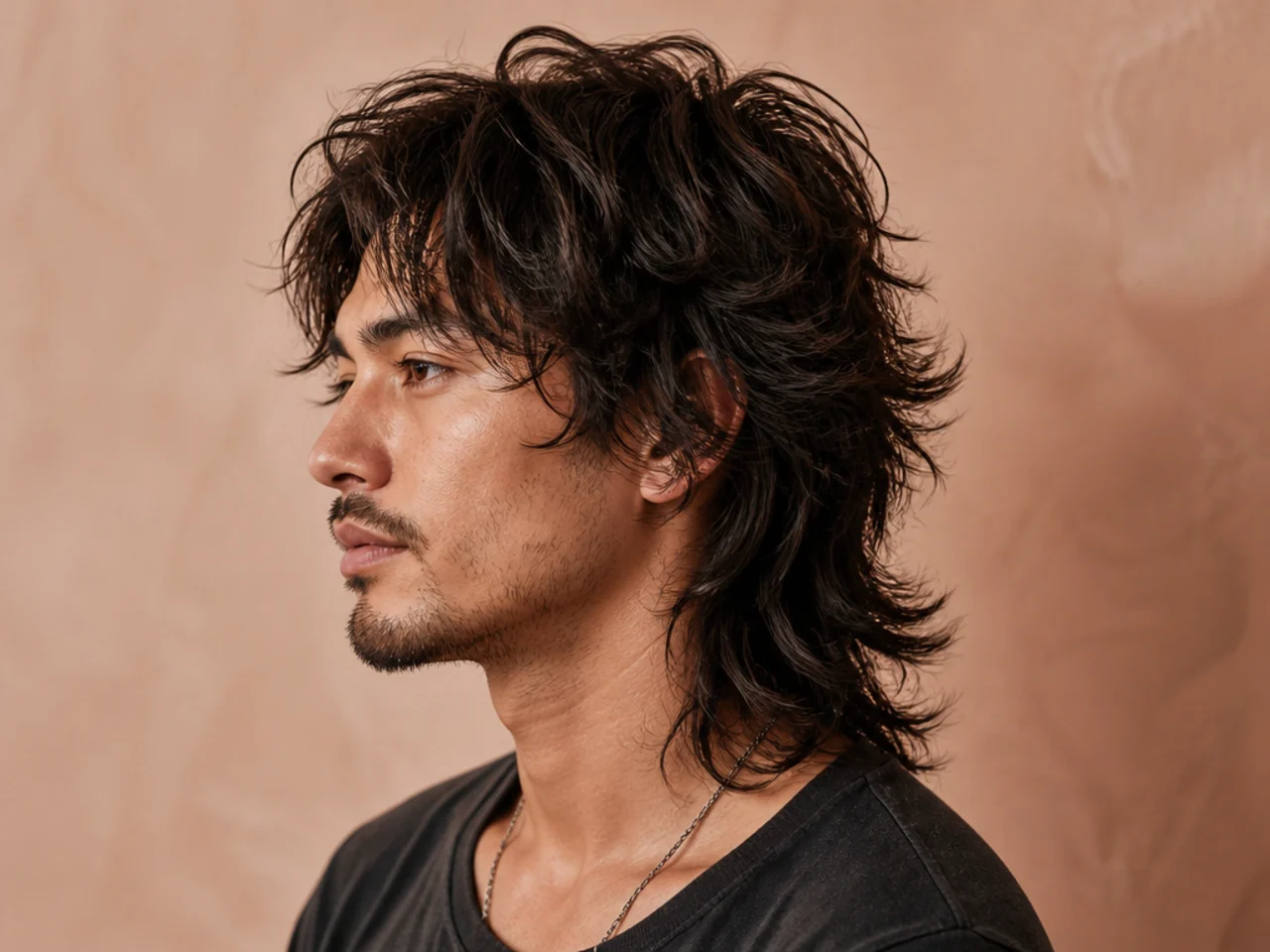
20 Long Wolf Cuts With Curtain Bangs To Try
Twenty long wolf cuts with curtain bangs, and the thing that decides whether the fringe works — it has to be the front end of the same layer stack, not a separate block cut into the front. Where the shortest point lands sets everything else.
In this article · 27
- How the Fringe Joins the Layers
- Choosing Your Length and Split
- The 20 Long Wolf Cuts With Curtain Bangs
- 1. Classic Long Wolf Cut With Curtain Bangs
- 2. Cheekbone Length Curtain Bangs
- 3. Jaw Length Curtain Bangs
- 4. Wispy Thinned Curtain Bangs
- 5. Heavy Blunt Curtain Bangs
- 6. Middle Part Curtain Bangs
- 7. Deep Side Split Curtain Bangs
- 8. Curtain Bangs on Fine Hair
- 9. Curtain Bangs on Thick Hair
- 10. Wavy Wolf Cut With Curtain Bangs
- 11. Curly Wolf Cut With Curtain Bangs
- 12. Straight Hair Wolf Cut With Curtain Bangs
- 13. Collarbone Wolf Cut
- 14. Waist Length Wolf Cut
- 15. Face Framing Layers Continuing the Fringe
- 16. Shag Leaning Wolf Cut
- 17. Mullet Leaning Wolf Cut
- 18. Money Piece Curtain Bangs
- 19. Air Dried Wolf Cut
- 20. Grown Out Curtain Bangs
- Styling and Upkeep
- Mistakes to Avoid
- FAQ
- Final Thoughts
Most curtain bangs that fail on a wolf cut were cut as a separate block into the front instead of as the front end of the layers already there.
The fringe is the shortest layer, not a different haircut. It should step down into the face framing pieces with no visible ledge between them.
Where the shortest point lands decides everything else. Cheekbone reads as a fringe, jaw reads as a face framing layer, and there is very little in between.
How the Fringe Joins the Layers
Curtain bangs are the top of the layer stack. They start at the same short crown layer that gives a wolf cut its lift, then run forward and down to the face.
A ledge means the steps are too far apart. If the fringe and the next layer differ by more than about five centimetres, the eye sees a shelf rather than a gradient.
The split opens because one side is heavier. The weight of each half pulls it outward from the parting, which is what makes a curtain hang open instead of falling flat.
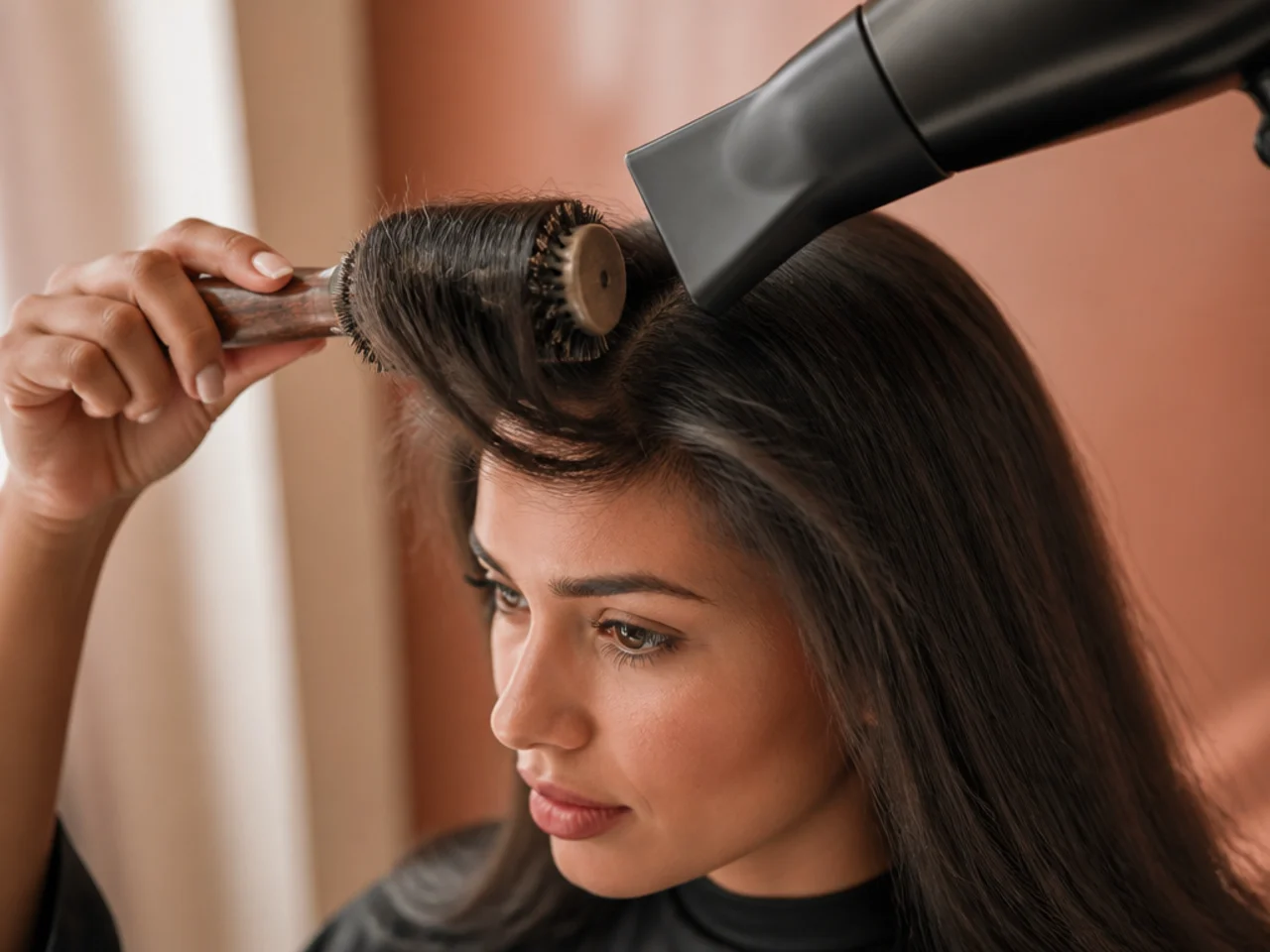
The bend is set at the root, not the end. Hair holds the direction it dried in from the scalp outward, so a fringe dried flat will never sweep no matter what you do to the tips.
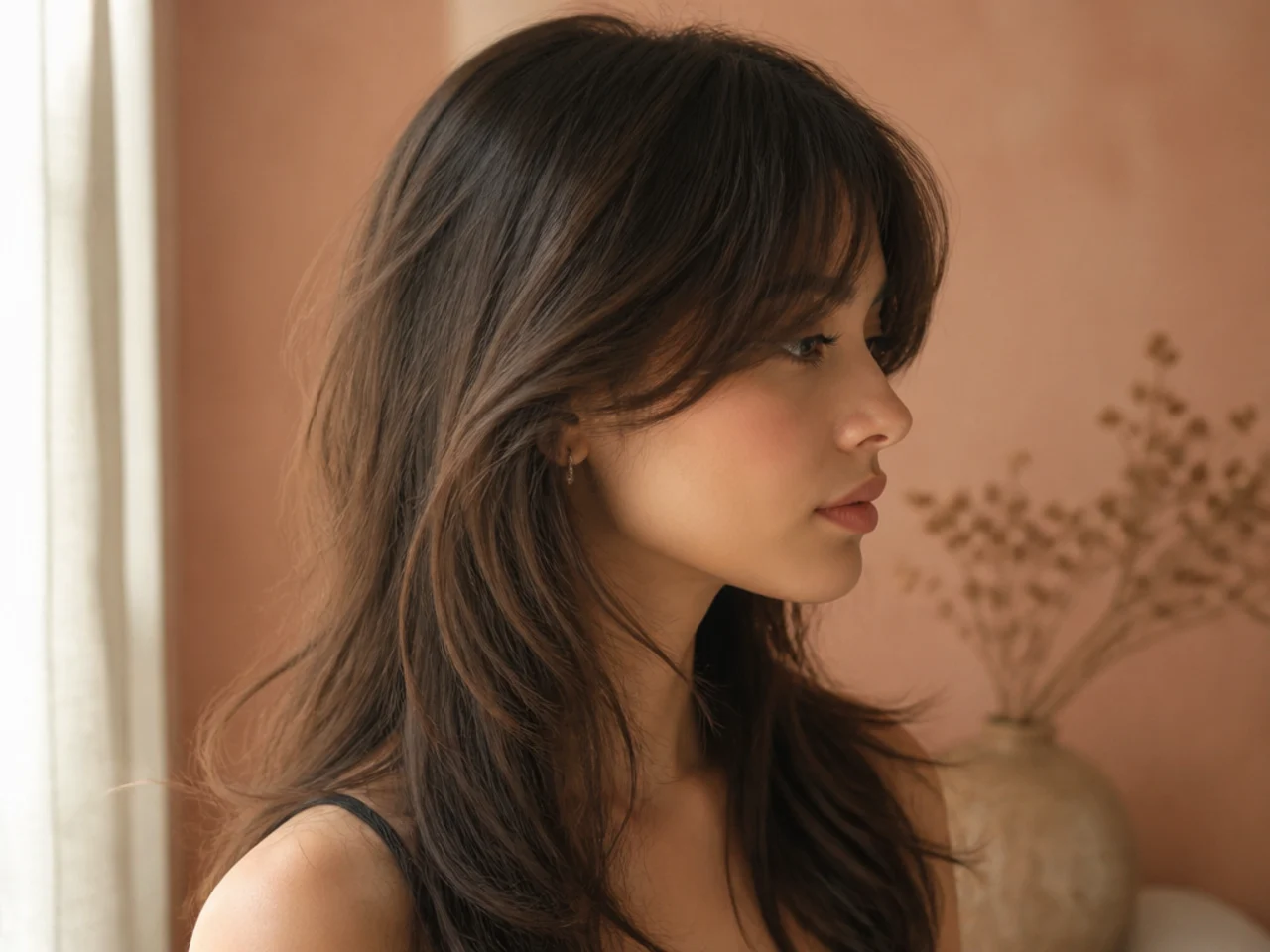
Choosing Your Length and Split
Cheekbone for a fringe you notice. The shortest point at the cheekbone puts hair across the widest part of the face and frames it.
Jaw for something you can ignore. More length means more weight, and enough weight holds the sweep without a brush.
Centre split lengthens a round face. Two near vertical lines either side of the nose pull the eye up and down rather than across.
Off centre breaks the brow line. Moving the split two or three centimetres to one side makes the longer half fall diagonally, which cuts the horizontal across the forehead.

The 20 Long Wolf Cuts With Curtain Bangs
1. Classic Long Wolf Cut With Curtain Bangs
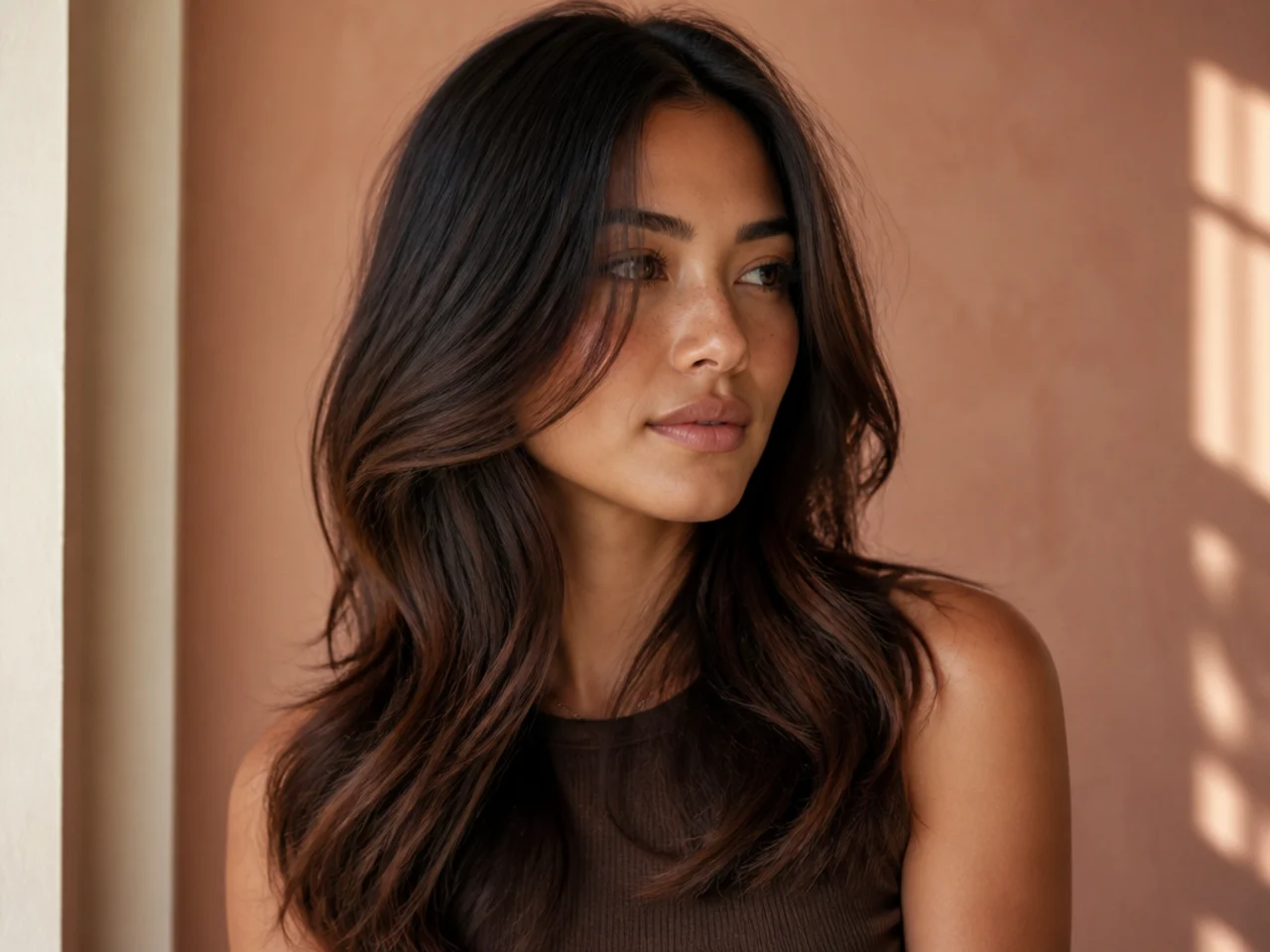
The crown layers are cut short enough to sit on top of the lengths and physically prop them up, and the fringe is the forward end of that same stack. Because it is one continuous set of layers, the fringe blends instead of sitting on the front like a separate panel.
2. Cheekbone Length Curtain Bangs
The shortest point lands level with the top of the cheekbone, the widest point of most faces, so the two halves fall open across it. Any shorter and there is not enough weight left to keep the fringe against the forehead, so it lifts away as it dries.

3. Jaw Length Curtain Bangs
Longer curtain bangs carry enough weight to hold their own sweep, which is why they need almost nothing done to them in the morning. The trade is that they stop reading as a fringe and start reading as a face framing layer.
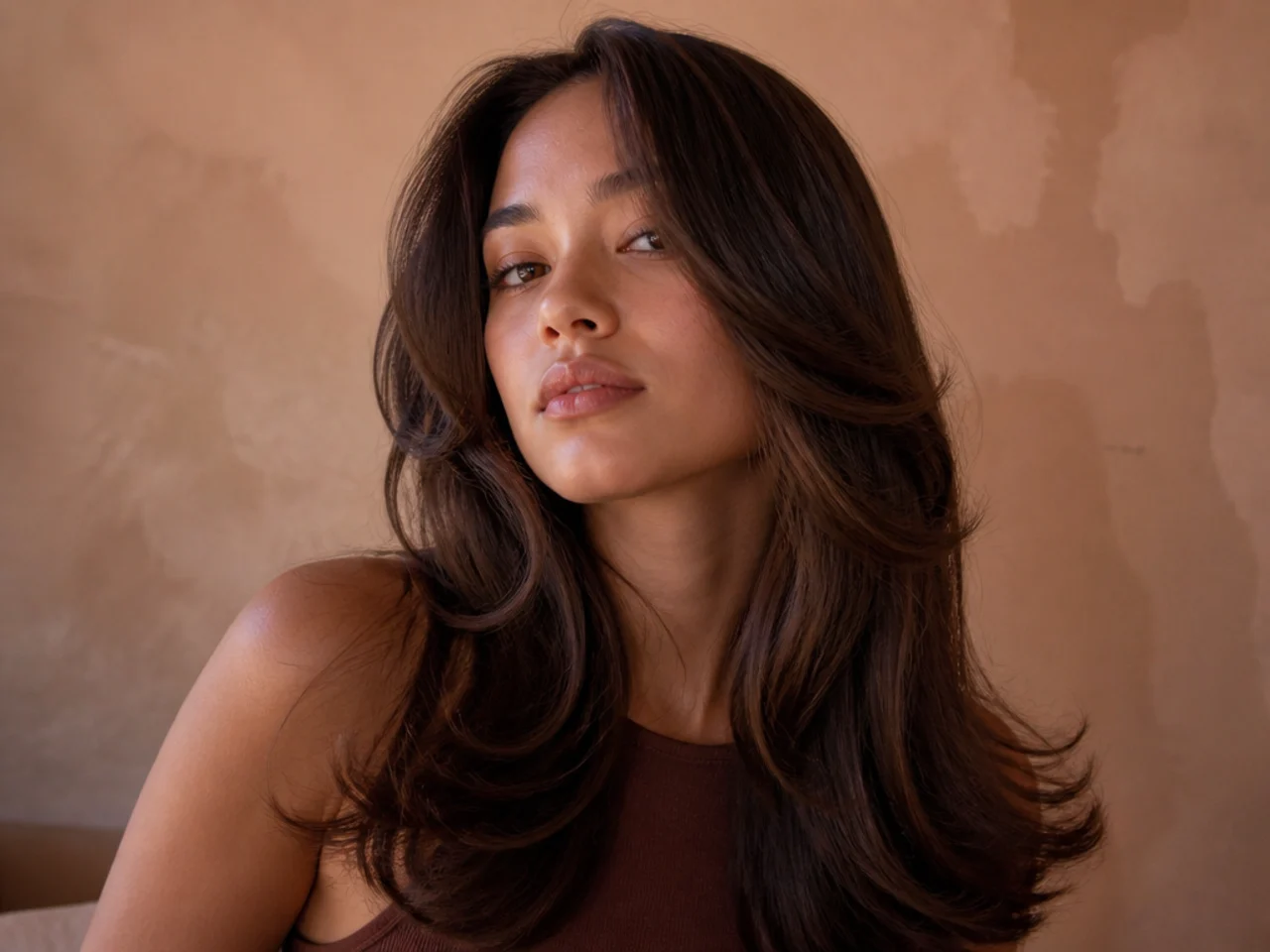
4. Wispy Thinned Curtain Bangs
Point cutting into the last inch takes density out of the ends without shortening them, and less weight at the tip is what lets the fringe move with the head. Overdo it and the ends have too little mass to agree on a direction, so they separate into pieces that will not lie together.

5. Heavy Blunt Curtain Bangs
Cut on a straight line, the fringe keeps full density right to the end, and that weight is what holds a smooth curve rather than a flutter. It needs medium to thick hair, because on a fine head the fringe borrows so much hair from the sides that the rest of the shape goes sparse.

6. Middle Part Curtain Bangs
The split runs straight down the centre, which sets two near vertical lines either side of the nose and pulls the eye up and down instead of across the cheeks. Most heads do not part in the centre naturally, so the roots have to be dried against the way they fall or the split creeps sideways by lunchtime.

7. Deep Side Split Curtain Bangs
Moving the split a few centimetres off centre leaves one half noticeably heavier, and that extra weight is what drags it diagonally across the forehead. The diagonal breaks the horizontal line of the brows, which is the whole reason the asymmetry reads as softer.

8. Curtain Bangs on Fine Hair
Keep the fringe section shallow, only a couple of centimetres back from the hairline, because a deep triangle pulls hair forward out of the sides and thins everything behind it. Fine hair also holds a bend poorly, so the shape survives only if the round brush is released after the hair has cooled.

9. Curtain Bangs on Thick Hair
A thick head can take a deeper fringe section without going sparse behind it, but the bulk at the root pushes the fringe forward off the forehead. Thinning an inch or two down from the scalp solves that, where point cutting the ends does nothing at all.

10. Wavy Wolf Cut With Curtain Bangs
A wave already contains the bend a curtain needs, so the fringe sweeps back with a leave in and nothing else. Cut it a centimetre longer than the target, because a wave lifts its own end as it dries and takes back that centimetre.

11. Curly Wolf Cut With Curtain Bangs
Cut dry and curl by curl, because a curl pattern draws up between two and three inches as it dries. A fringe cut wet at the cheekbone dries at the eyebrow, and there is no way to correct that except waiting.

12. Straight Hair Wolf Cut With Curtain Bangs
Straight hair holds exactly the shape it was dried into and offers no bend of its own to help. That means the root has to be dried in the opposite direction to the way it falls, so the fringe has somewhere to travel back from.
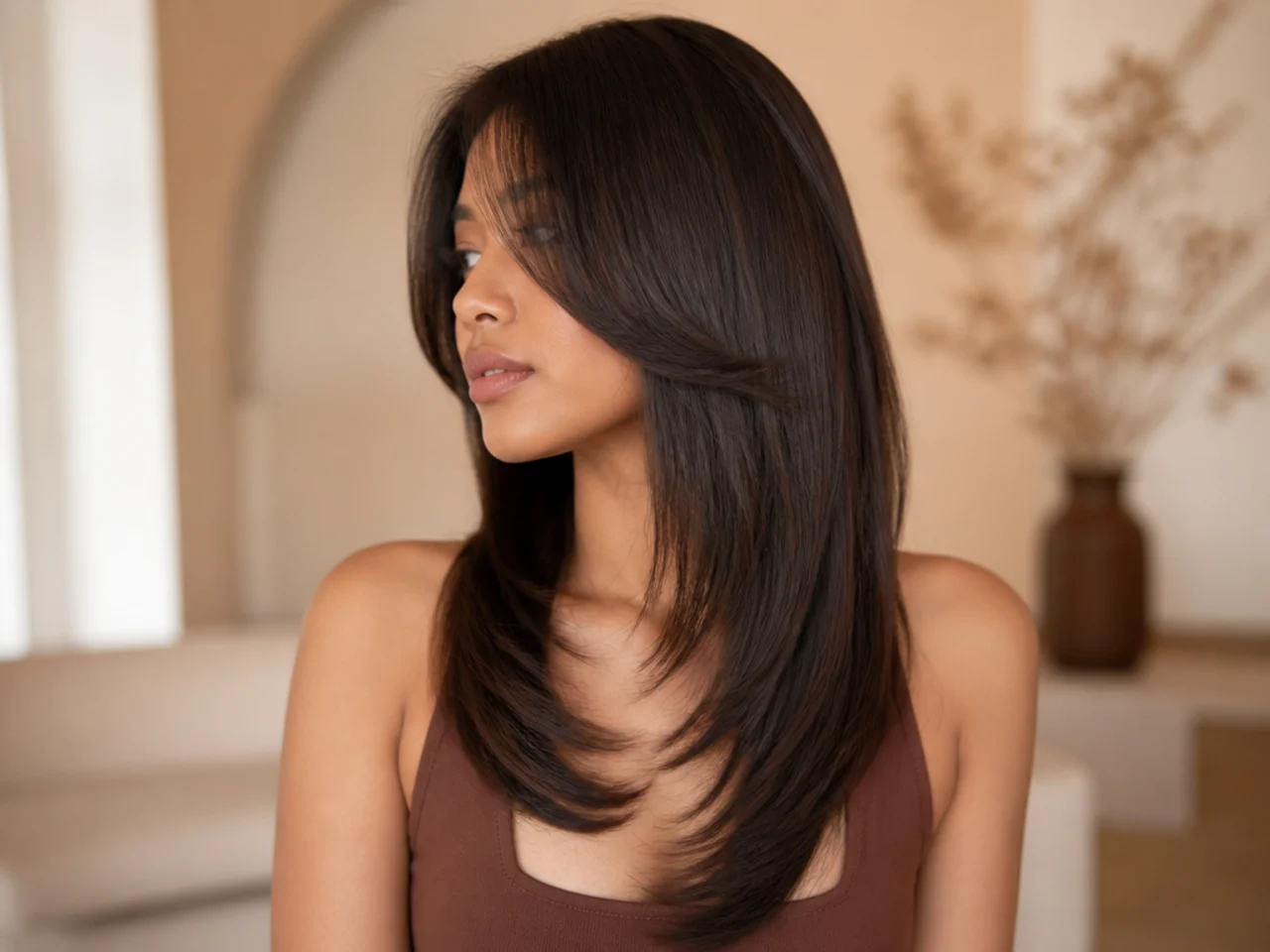
13. Collarbone Wolf Cut
The shortest perimeter that still leaves room for the layers to stack in tiers above it. Cut much shorter than the collarbone and the ends start resting on the shoulder, which pushes them outward and puts a kink in the line.

14. Waist Length Wolf Cut
The crown layers stay just as short as on any other version, and the gap between the shortest layer and the longest is what makes this read as a wolf cut instead of long hair with a fringe. Lengthen the crown to close that gap and the shape disappears.

15. Face Framing Layers Continuing the Fringe
The curtain does not stop at the cheekbone, it steps down through the chin and the collarbone in stages small enough that no single step is visible. The absence of a ledge is what makes an expensive cut look expensive.

16. Shag Leaning Wolf Cut
More layering through the mid lengths and less separation between the crown and the ends spreads the texture over the whole head rather than concentrating it on top. The result is softer, and it grows out with nothing to correct because no section is far shorter than its neighbour.

17. Mullet Leaning Wolf Cut
A much shorter crown and sides against a long back, with the disconnection left deliberately visible. Higher contrast reads bolder, but the grow out takes longer because that short crown layer has the furthest to travel before it rejoins the rest.

18. Money Piece Curtain Bangs
The two front sections lifted a couple of levels brighter than the base, placed so the light lands exactly where the split opens. Placement does more than the shade here, because brightness at the split reads as a highlight and brightness anywhere else reads as a stripe.

19. Air Dried Wolf Cut
Layers cut dry land where they will actually sit, because nothing springs up afterwards. Cut the same shape wet and the layers finish two to four centimetres shorter than intended once the texture returns, which is why air dried heads are cut dry.

20. Grown Out Curtain Bangs
Around three months in, the shortest point has passed the jaw and the fringe has become a face framing layer, which turns the whole cut into a long shag. Trimming only the fringe every six to eight weeks holds the original shape without touching the length.

Styling and Upkeep
Wet the fringe at the root on day two. The bend lives at the scalp, so soaking the ends achieves nothing and soaking the roots resets the whole thing.
Dry the root against its natural fall first. Overdirecting the root gives the fringe somewhere to sweep back from.
Use the cool shot before releasing the brush. Hair sets as it cools, so a bend released warm drops within the hour.
Keep product off the mid lengths of the fringe. Weight at the tips is what makes a short curtain separate into strings.
Trim the fringe on its own schedule. Six to eight weeks for the fringe, three to four months for the rest.
Mistakes to Avoid
Cutting the fringe wet on curly hair. Two to three inches of shrinkage means the fringe finishes far higher than it looked in the mirror.
Taking the fringe section too deep. A deep triangle robs the sides, and the whole shape thins behind the fringe.
Letting the crown layer grow long. The contrast between shortest and longest is the cut, so a long crown quietly turns a wolf cut into layered hair.
Blunt cutting the fringe on fine hair. It concentrates too much of the available hair at the front and leaves the rest looking sparse.
Forcing a centre split on a strong cowlick. The root wins by the afternoon unless it has been dried the other way first.

FAQ
Cheekbone or jaw? Cheekbone reads as a fringe, jaw reads as a face framing layer.
Cut wet or dry? Dry on curls and waves, wet is only safe on straight hair.
How often trimmed? The fringe every six to eight weeks, the length far less often.
Final Thoughts
Ask for the fringe as part of the layers, not as an addition to them. Name the shortest point, name where the split sits, and say whether the ends should be blunt or point cut, and the cut becomes something a stylist can repeat.
For the shorter end of the same shape see the short wolf cut, and for the softer sliced version see the korean wolf cut. More in Mullet and Wolf Cut.