20 Curly Wolf Cut vs Butterfly Cut Differences
A wolf cut is a stack of many short layers with a textured hem. A butterfly cut is two lengths and a blunt one. On curly hair that single difference decides whether the shape narrows toward the ends or spreads into a triangle.
In this article · 27
- The Structural Difference
- Choosing by Curl Type and Density
- The 20 Differences
- 1. The Number of Lengths
- 2. Where the Volume Sits
- 3. The Perimeter
- 4. Layer Height at the Front
- 5. The Nape and the Tail
- 6. Silhouette From the Side
- 7. Behaviour on Tight Curls
- 8. Behaviour on Loose Curls
- 9. High Density Hair
- 10. Low Density Hair
- 11. Shrinkage and Cutting Dry
- 12. Styling Time
- 13. Diffusing and Root Volume
- 14. Wash and Go Reliability
- 15. How They Grow Out
- 16. Trim Frequency
- 17. Round Face Shapes
- 18. Long Face Shapes
- 19. Putting It Up
- 20. Which One to Ask For First
- Styling and Upkeep
- Mistakes to Avoid
- FAQ
- Final Thoughts
Wolf cut and butterfly cut get used as if they were the same idea with different names, and on curly hair they produce opposite silhouettes.
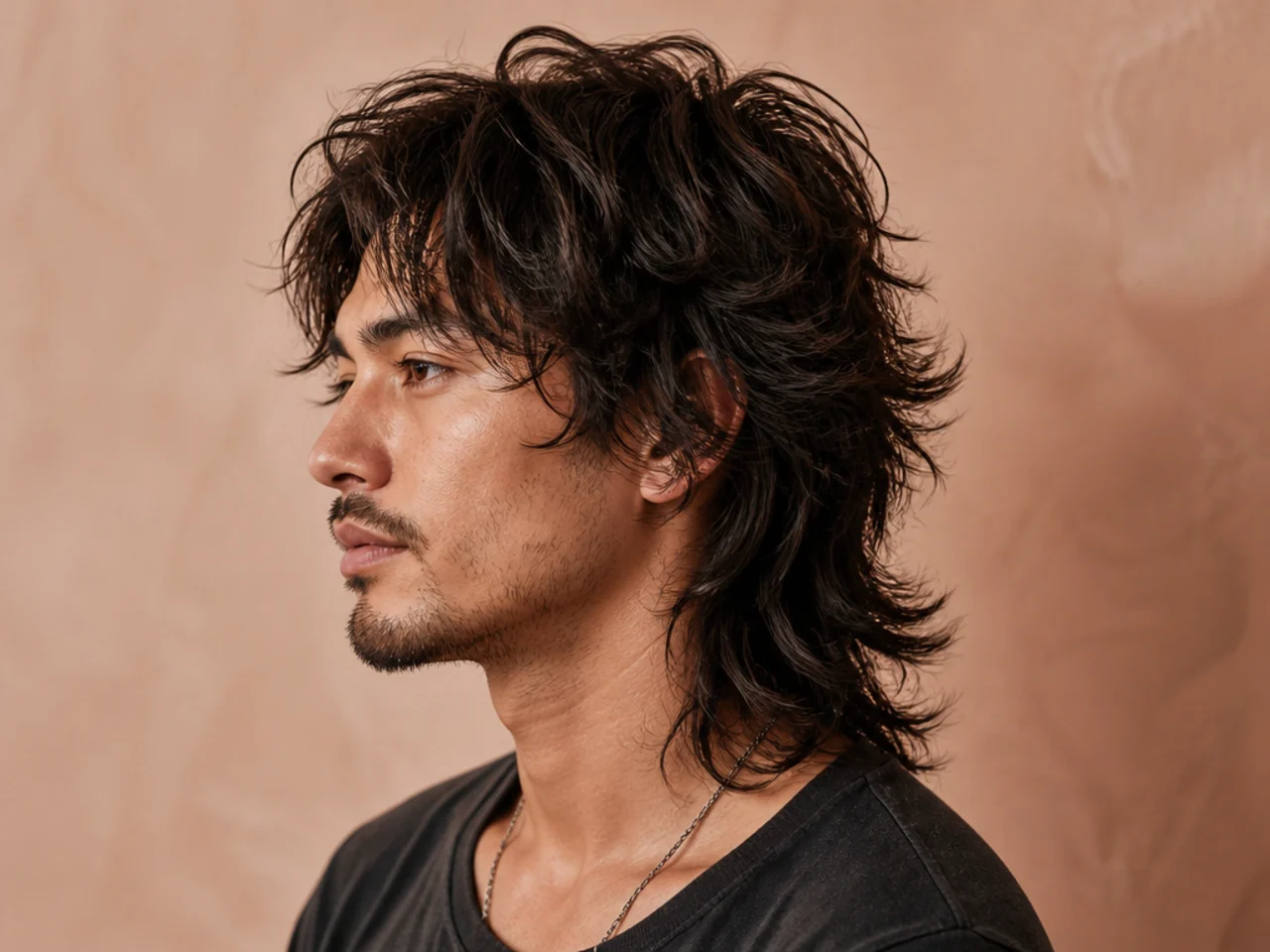
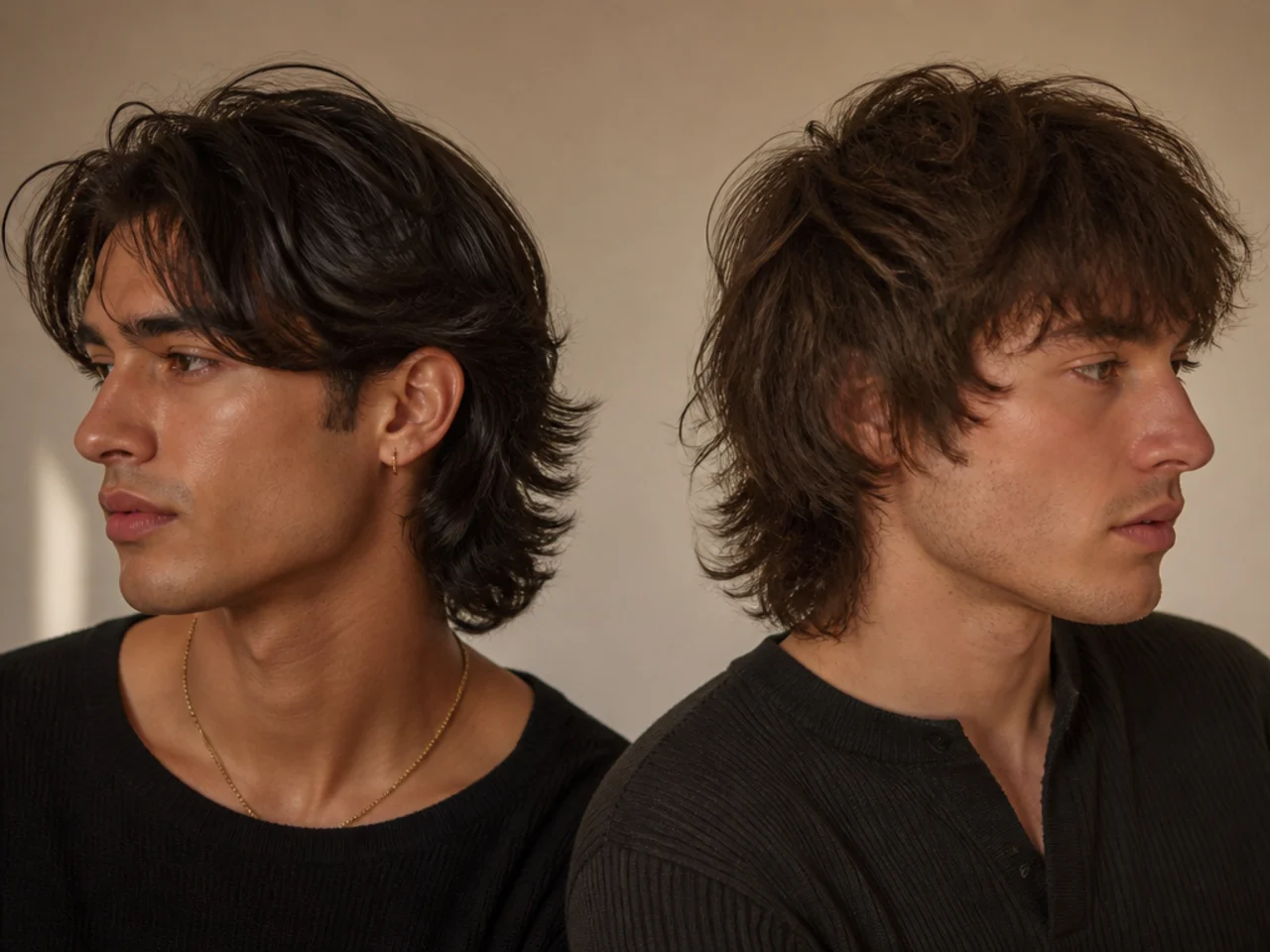
A wolf cut is many lengths with a tapered hem. Short layers stacked through the crown, and the ends texturised so the shape narrows toward the bottom.
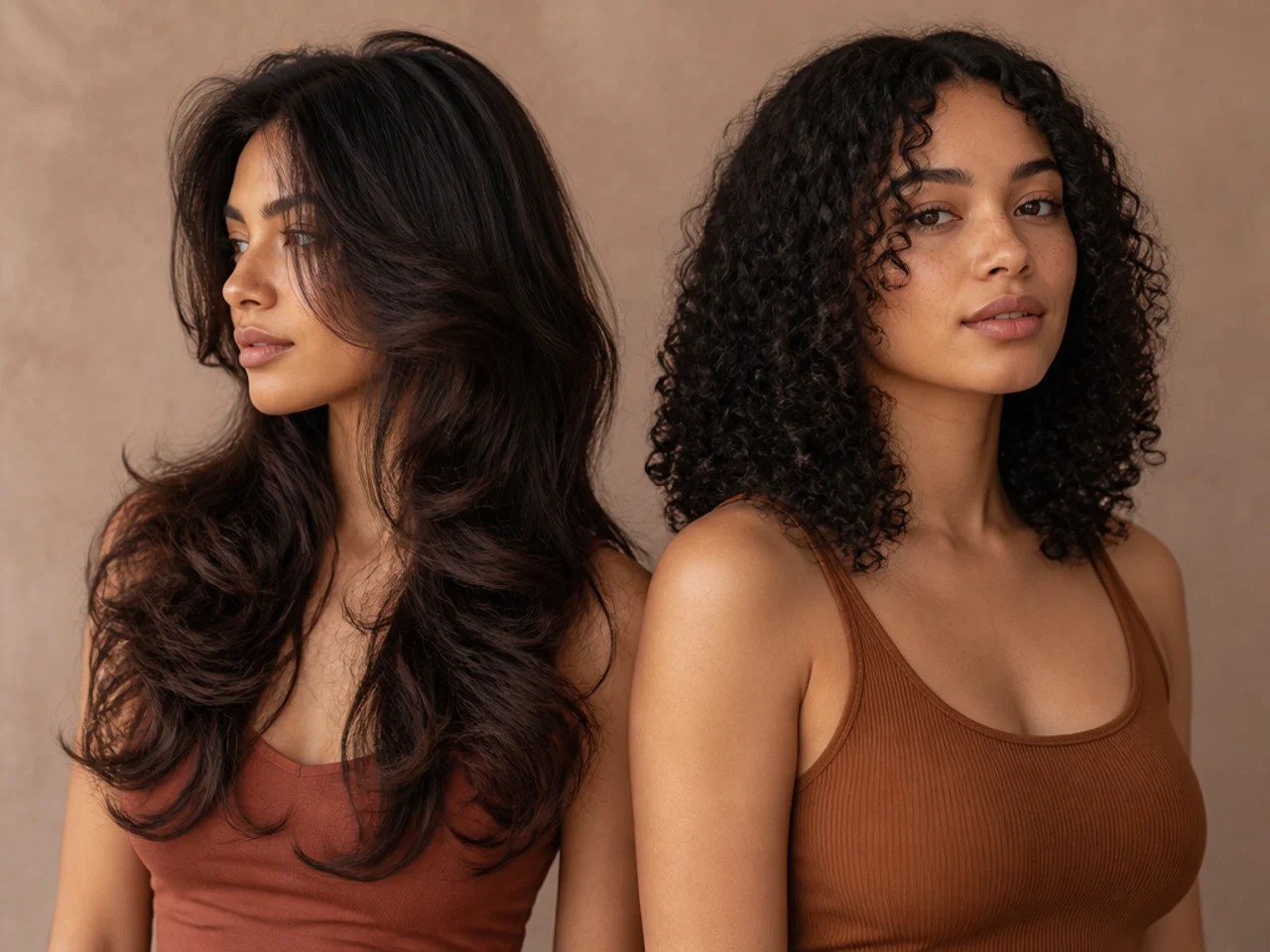
A butterfly cut is two lengths with a blunt hem. One short face framing layer over an untouched base, with all the weight kept at the perimeter.
The Structural Difference
Layer count is the whole argument. A wolf cut runs four or more layer heights. A butterfly runs two, deliberately separated so they stay readable as two.
The hem is treated in opposite ways. A wolf cut takes weight out of the ends. A butterfly protects them, because that blunt line is where the shape gets its downward pull.
Volume sits in different places. The wolf puts it at the crown, above the widest part of the head. The butterfly puts it at the cheekbone, where the short layer rests on the long one.
They fail in different directions. An overdone wolf cut on curls goes triangular from the crown down. An overdone butterfly goes flat, because the two lengths were cut too close together to separate.
Choosing by Curl Type and Density
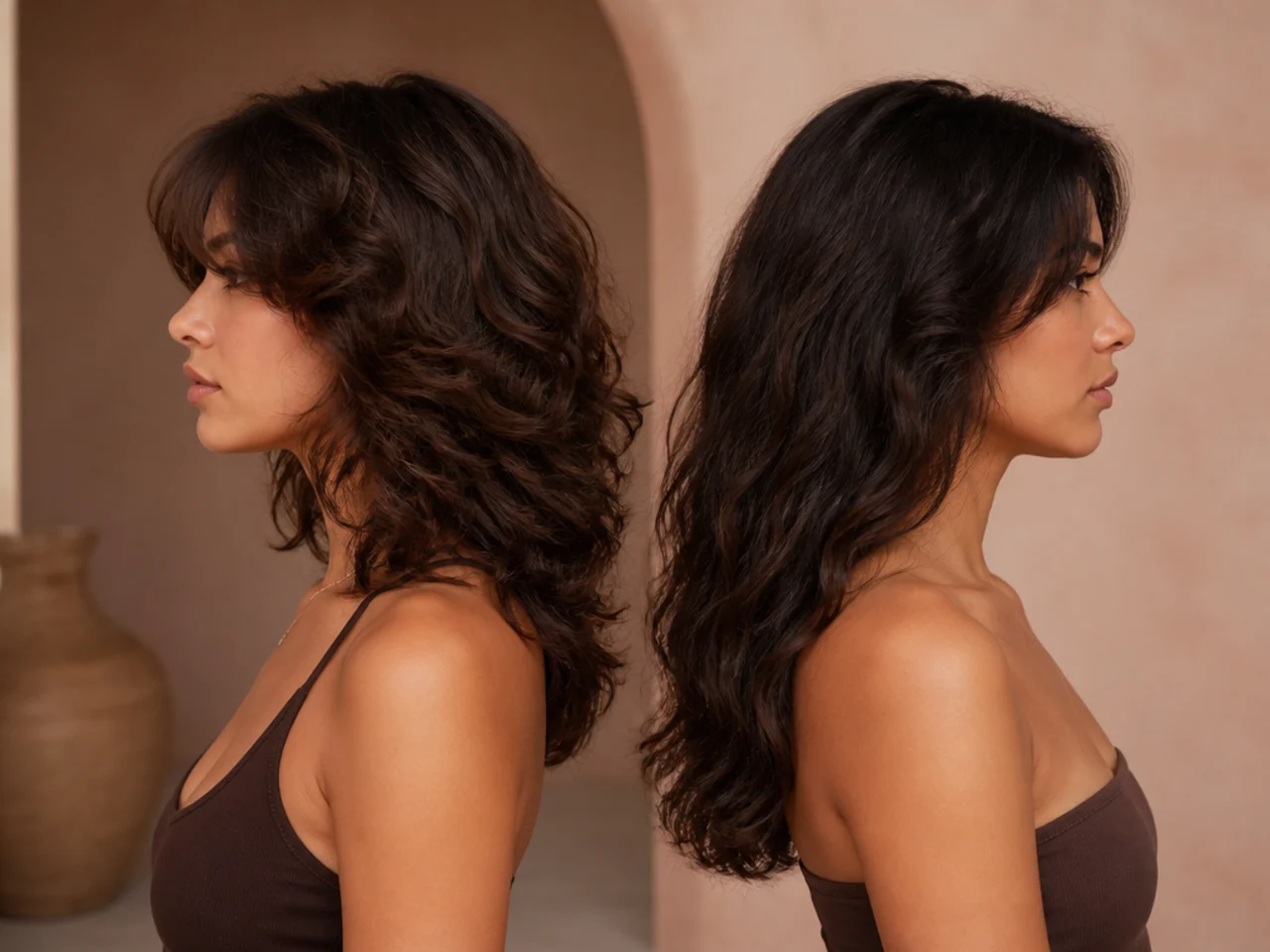
Thick curls want a wolf cut. There is genuinely too much hair, and stacked layers remove it from the interior where the bulk sits rather than from the outline.
Sparse curls want a butterfly. Every strand counts, and a cut that leaves the perimeter blunt keeps the ends looking full instead of tapering into nothing.
Tighter curl patterns shrink more. A coil can retract to a third of its wet length, so on tight curls the wolf cut layers have to start lower than the photograph suggests.
Consider what you will do each morning. A wolf cut is built for wash and go. A butterfly reads best when the wings are separated and defined, which is a few extra minutes every day.
The 20 Differences
1. The Number of Lengths
A wolf cut uses four or more layer heights stacked from crown to hem. A butterfly uses exactly two with a visible gap between them. The wolf wins when there is too much hair to control, because more layer heights mean more places to remove bulk without touching the outline.
2. Where the Volume Sits
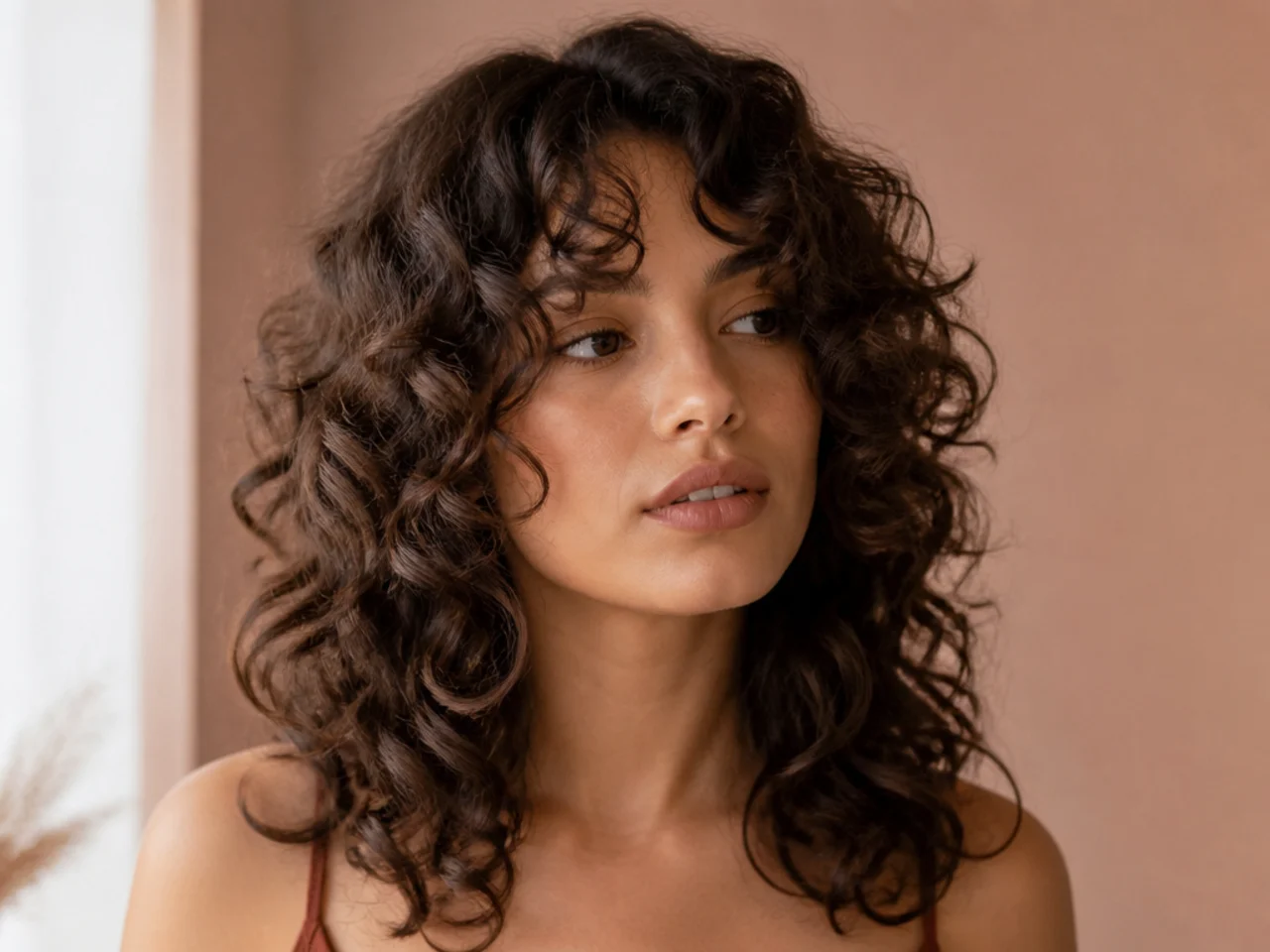
The wolf puts its width at the crown, above the widest part of the head. The butterfly puts it at the cheekbone, where the short layer rests on the length below. The butterfly wins on a long face, since width at the cheek shortens the face and width at the crown lengthens it.
3. The Perimeter
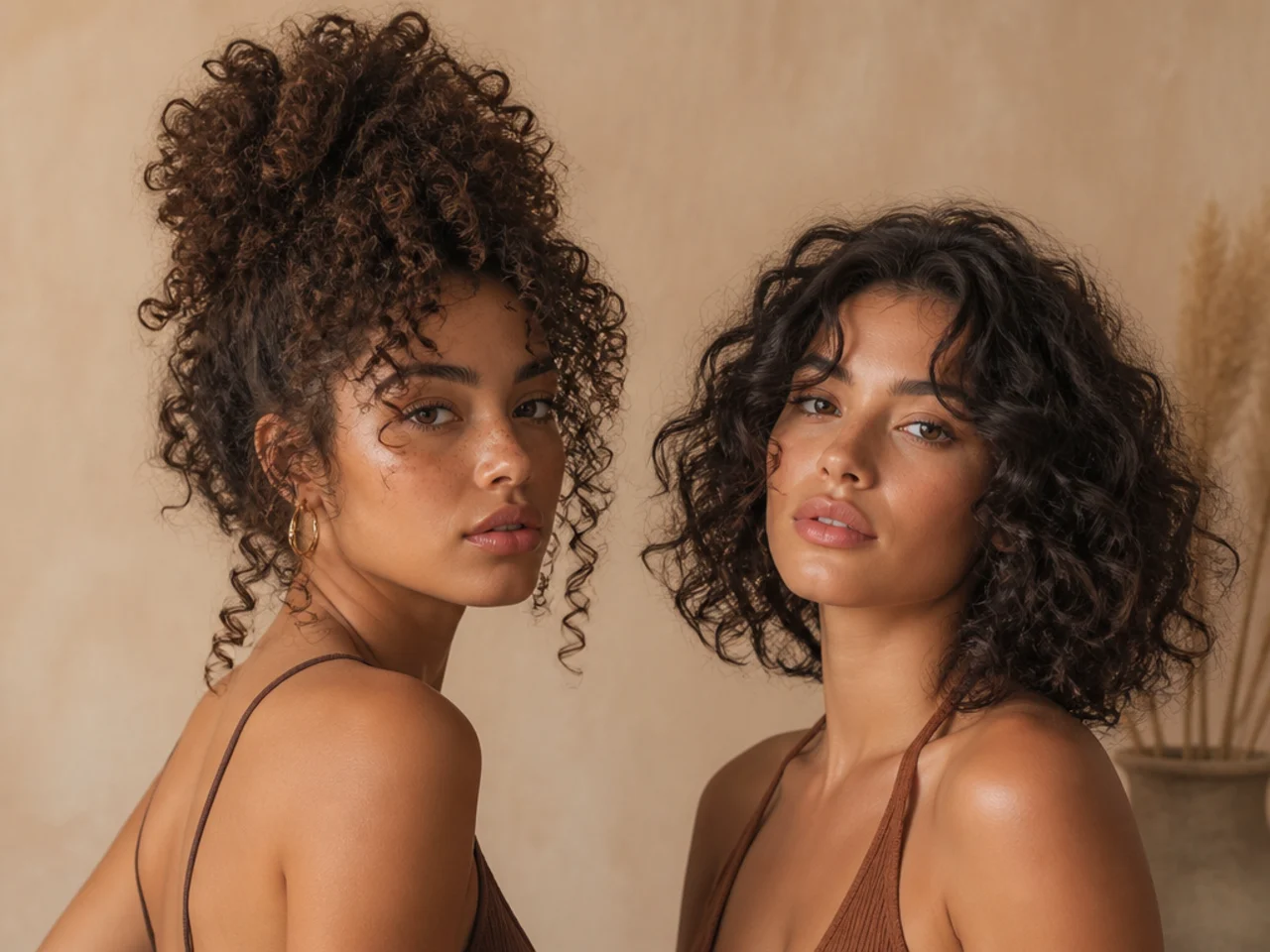
A wolf cut texturises the hem so the ends taper away. A butterfly leaves the hem blunt so the weight stays. The butterfly wins on any curl that already thins toward the ends, because a tapered hem on fine curl looks like the hair has simply run out.
4. Layer Height at the Front
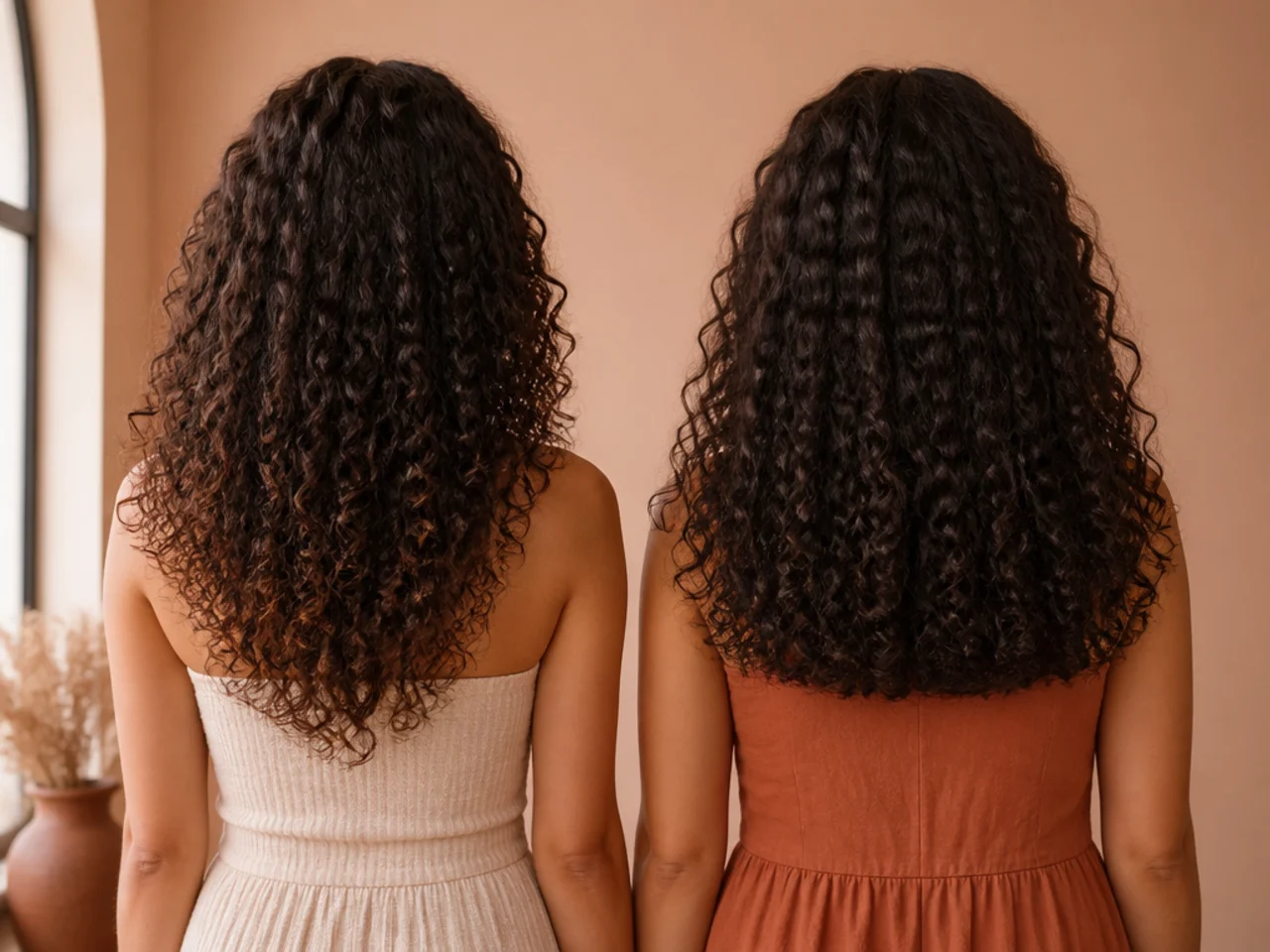
Both usually start the front layer around the cheekbone, but the wolf carries that height around the whole head while the butterfly keeps it at the face. The wolf wins for all round movement, the butterfly for keeping length behind the ears where it hangs heaviest.

5. The Nape and the Tail
A wolf cut leaves a longer section at the nape, sometimes stepped away from the layers above it. A butterfly has no tail at all. The wolf wins for silhouette, though the connected version explained in the Korean wolf cut removes the step and keeps the weight.
6. Silhouette From the Side
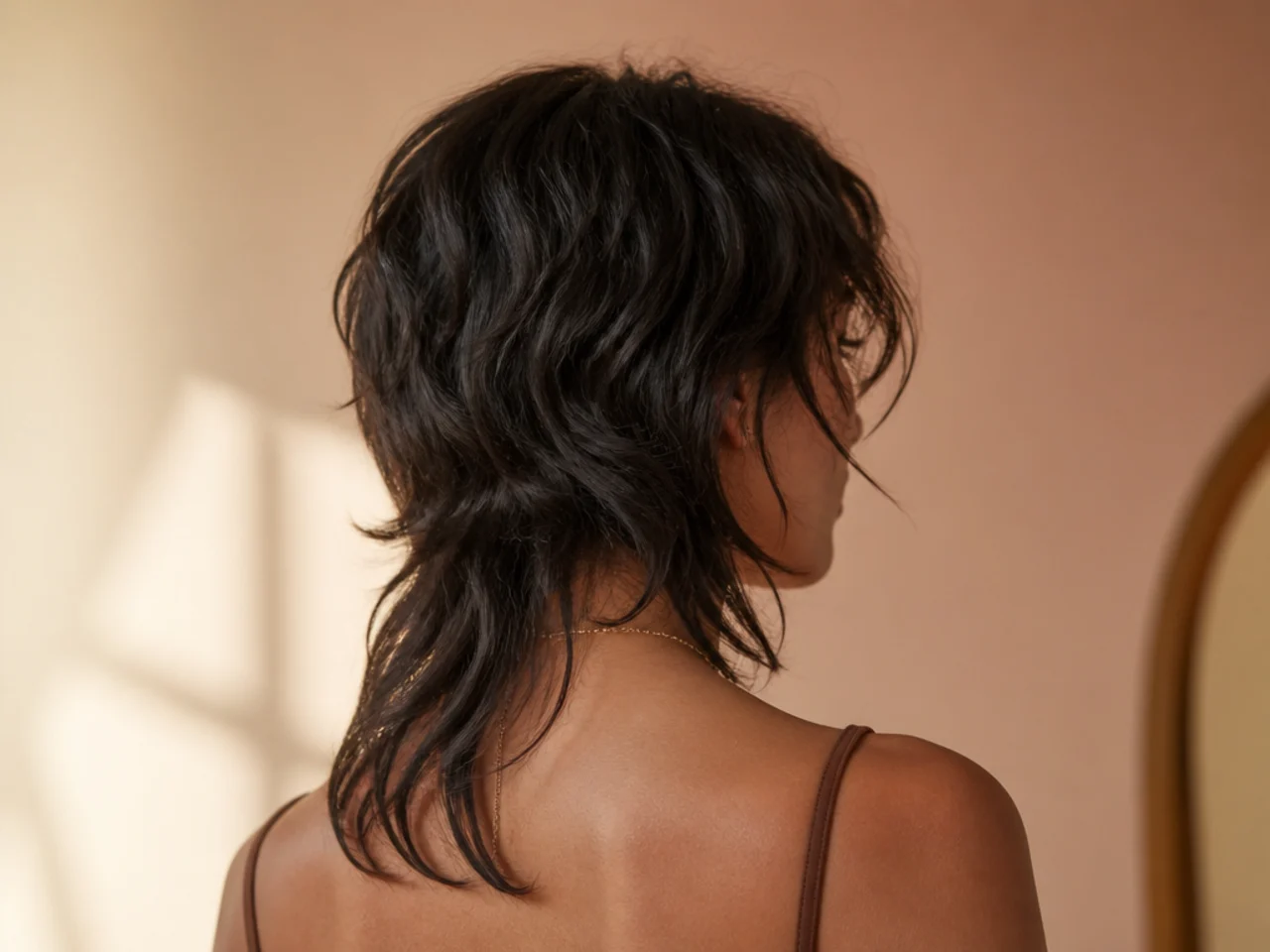
The wolf reads as a wedge, wide at the top and narrowing to the ends. The butterfly reads as a column with a flare at the cheek. The wolf wins for drama and the butterfly for looking like long hair that happens to have shape.

7. Behaviour on Tight Curls
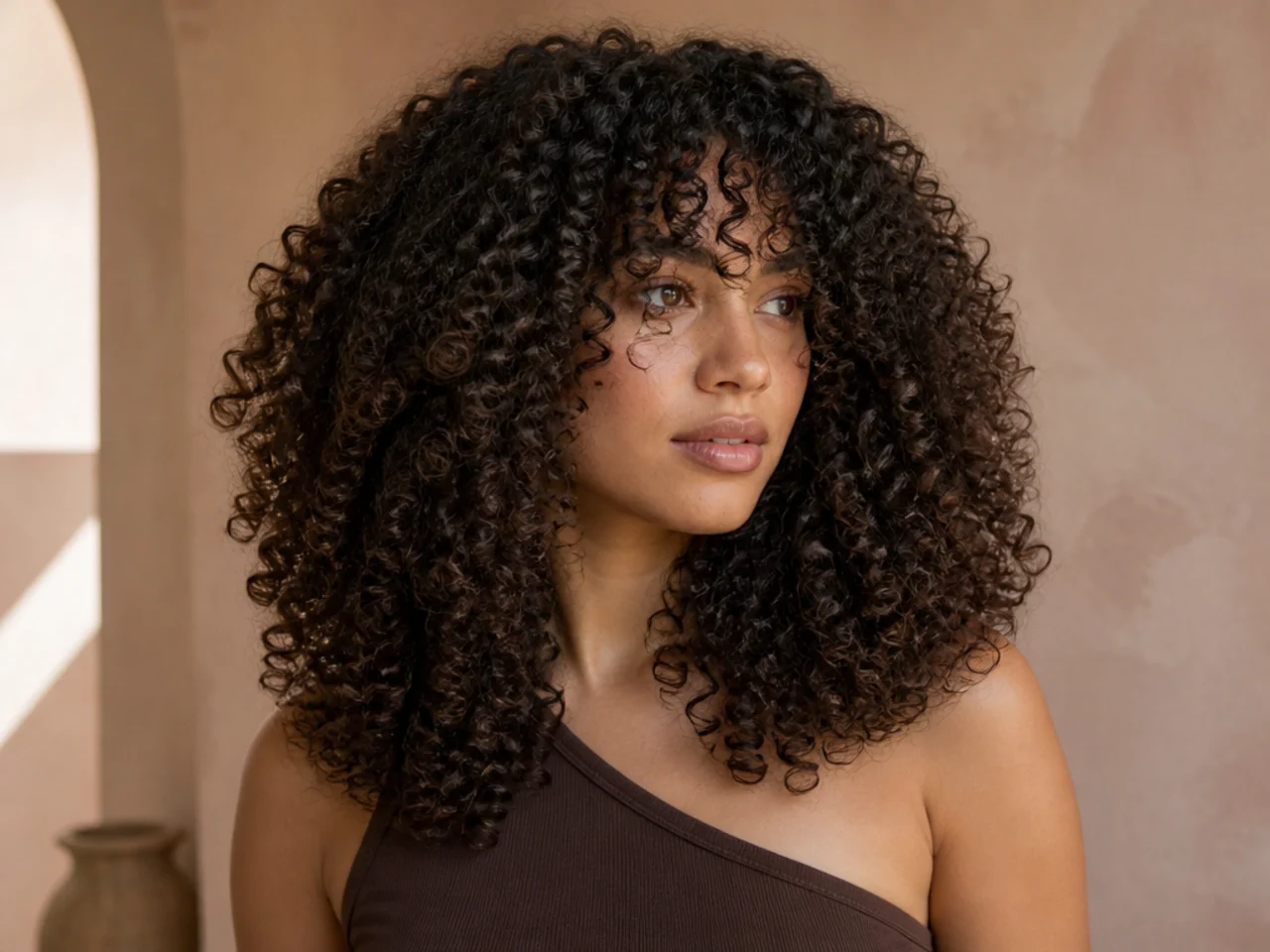
Tight curls spring upward and outward, so every short layer in a wolf cut adds width where it lands. On a tight pattern that stacks into a pyramid quickly. The butterfly wins here, because two lengths give the curl only one place to expand instead of four.
8. Behaviour on Loose Curls
A loose curl hangs more than it springs, so it can carry a stack of layers without widening much. The wolf wins on loose curl, where the extra layer heights show as movement rather than as volume the shape cannot hold down.

9. High Density Hair
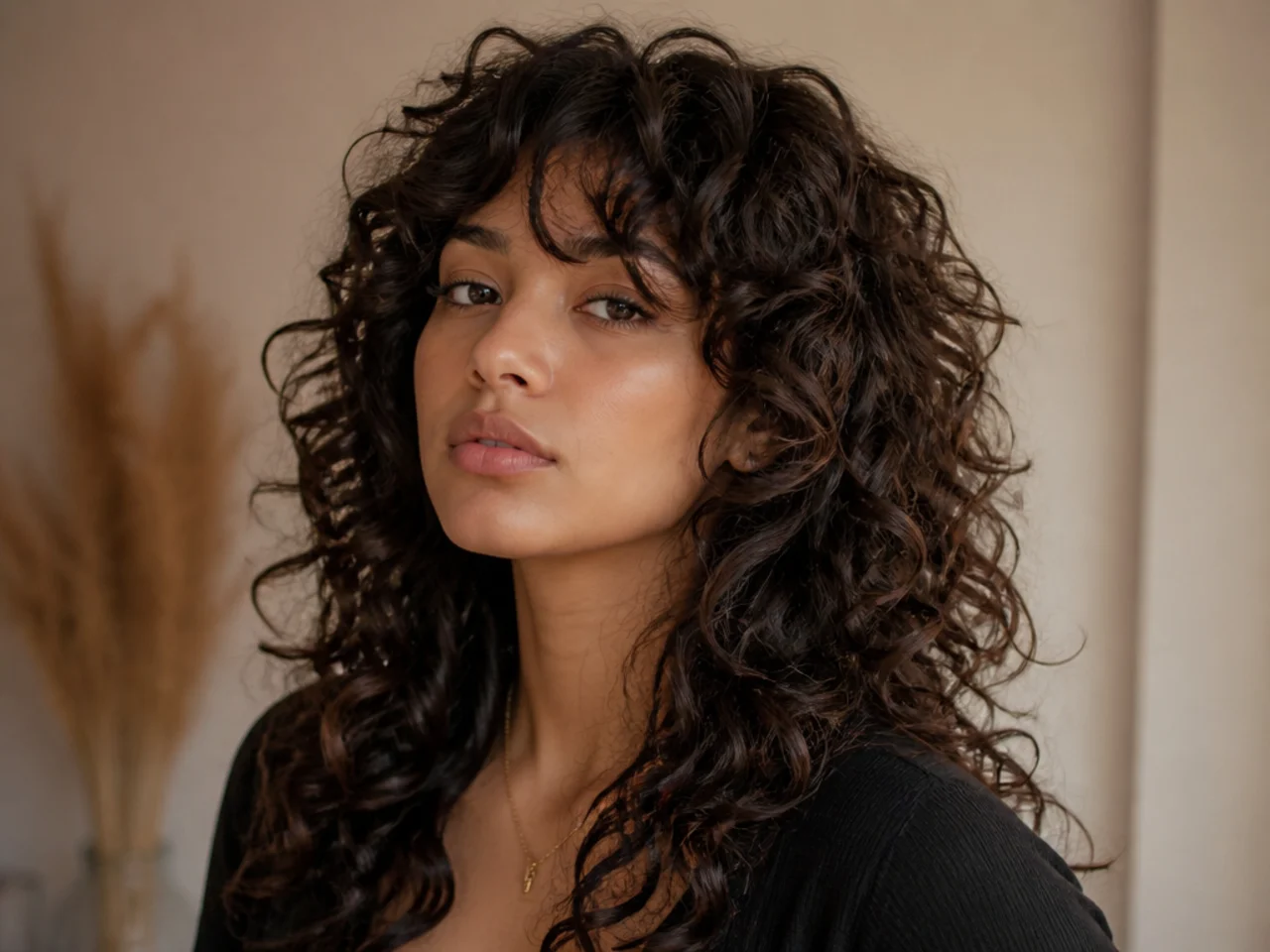
Thick curly hair has bulk that has to go somewhere, and left alone it collects at the mid lengths and pushes outward. The wolf wins decisively, because stacked interior layers remove that bulk without shortening the outline.
10. Low Density Hair
Sparse curl needs every strand kept in the shape, and layers spread the same amount of hair across more lengths so each one holds less. The butterfly wins, since two lengths concentrate the hair rather than dividing it four ways.
11. Shrinkage and Cutting Dry
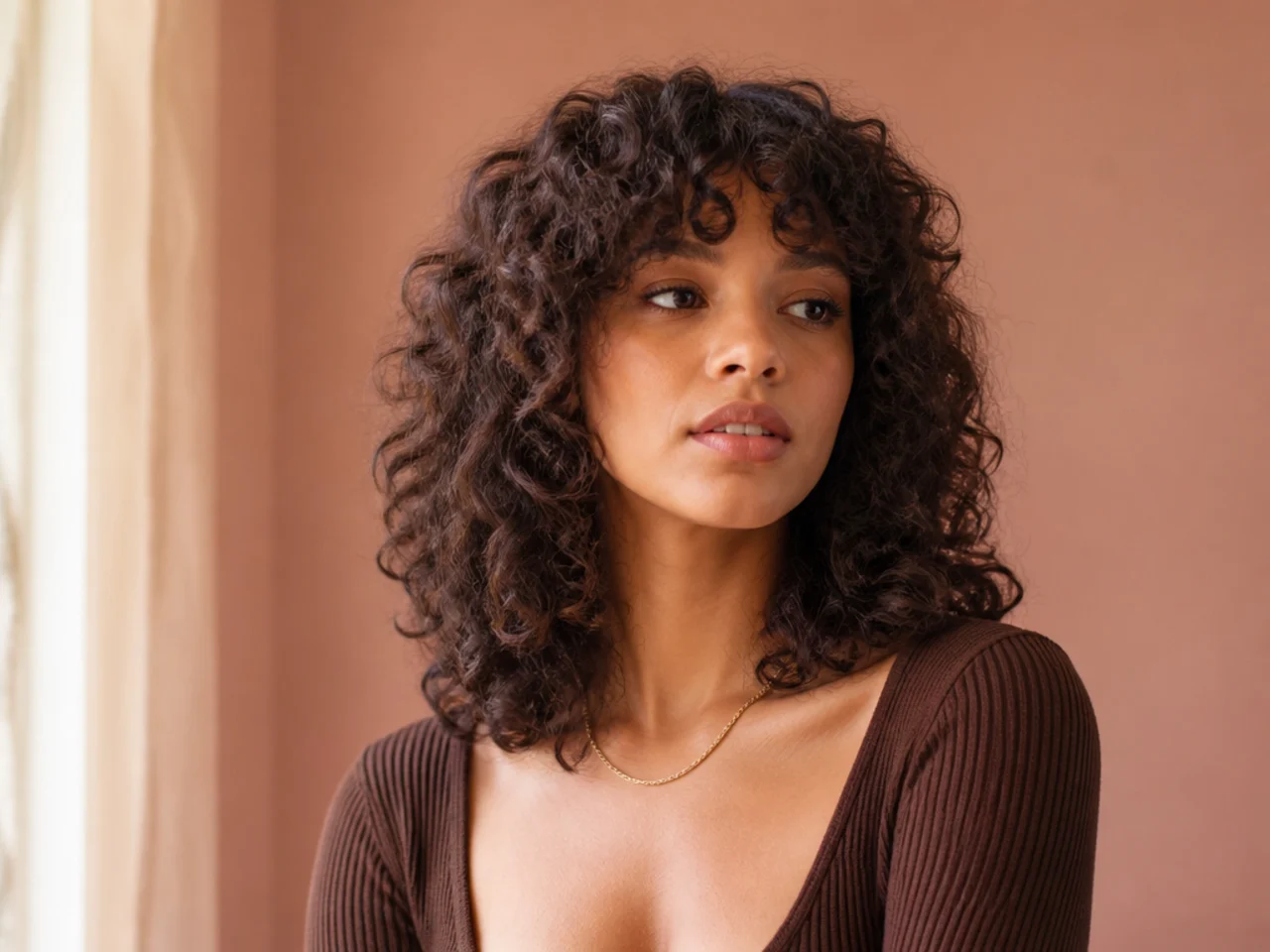
Both cuts must be cut dry, but the wolf is less forgiving of the error, because it has four layer heights that can each land wrong instead of one. The butterfly wins for margin, which matters if you are trying a new stylist on curly hair.
12. Styling Time
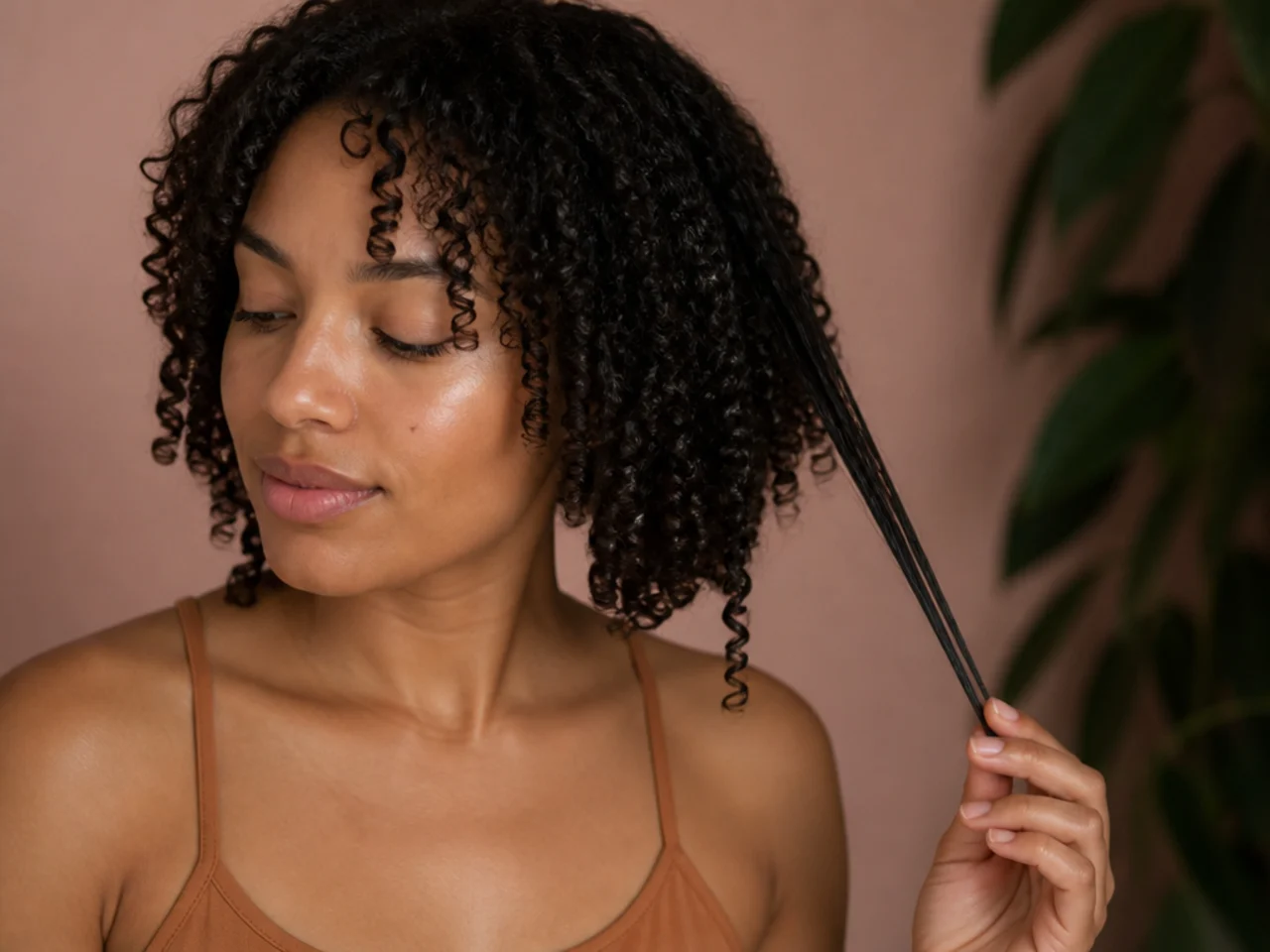
A wolf cut is built for product on soaking hair and then hands off. A butterfly reads properly when the two lengths are visibly separated, which usually means defining the wings. The wolf wins on time by a clear margin.
13. Diffusing and Root Volume
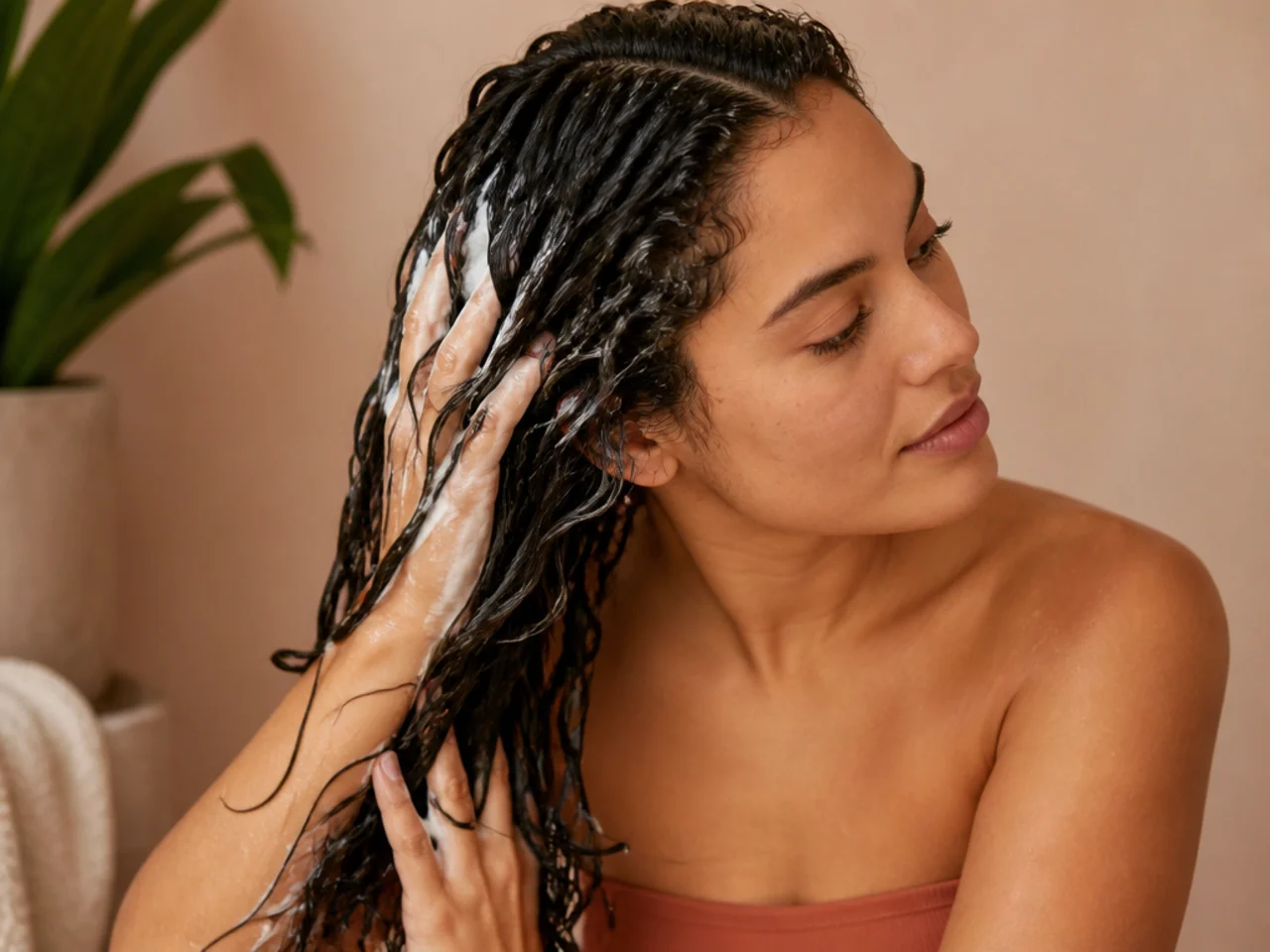
The wolf already has short crown layers propping up the ones beneath, so it needs less help at the root. The butterfly has weight sitting on the crown and benefits far more from diffusing upside down. The wolf wins for volume with no effort.

14. Wash and Go Reliability
Layers give curl clumps room to form without pressing on each other, so a wolf cut air dries more consistently. A butterfly has more weight in one length, which flattens the clumps under it. The wolf wins for anyone who does not want to think about it.

15. How They Grow Out
A butterfly grows out well because the gap between its two lengths widens as everything descends. A wolf cut grows out badly, since the stacked layers converge and the shape flattens into one blunt mass. The butterfly wins over any long interval.

16. Trim Frequency
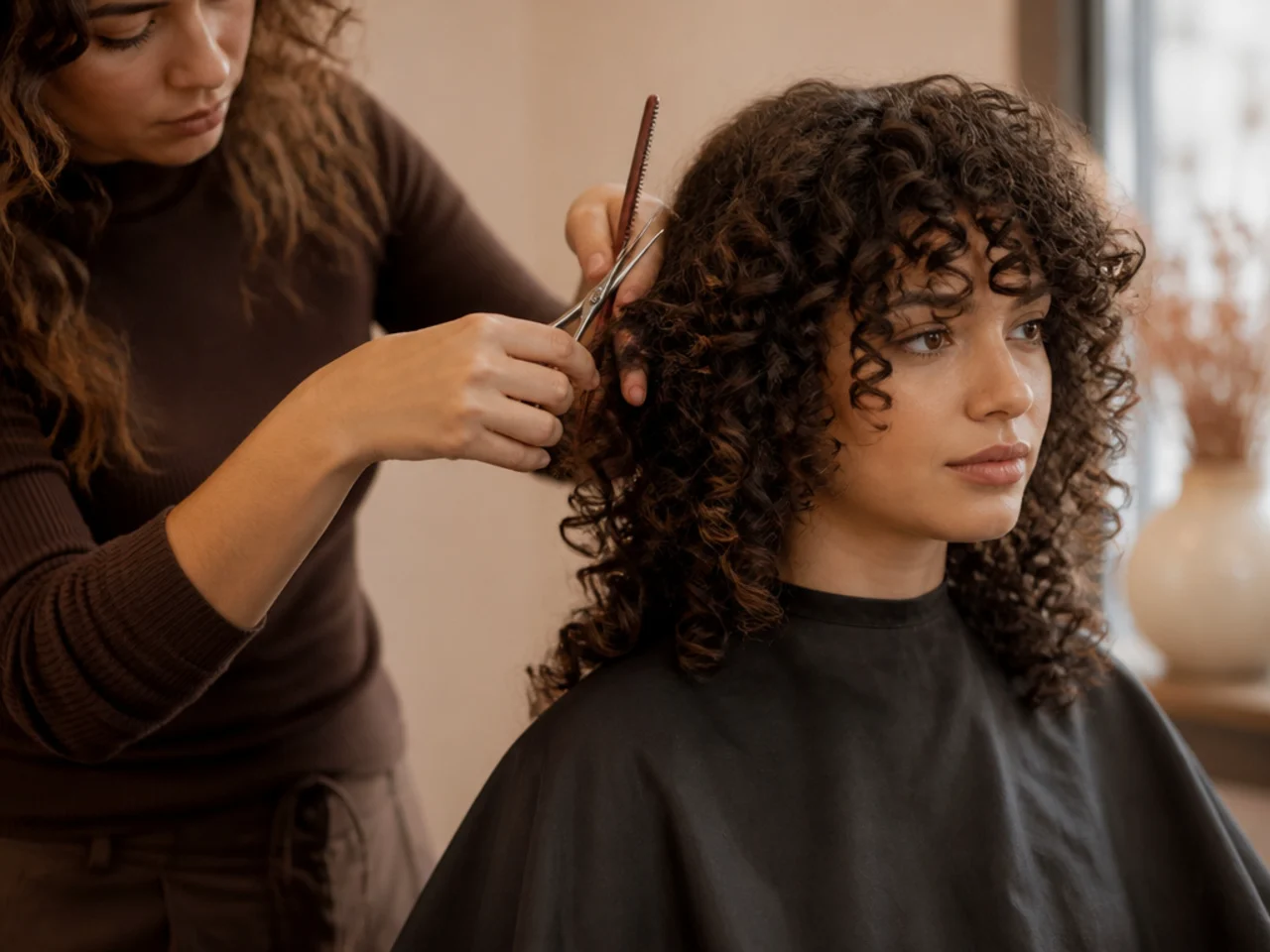
The wolf needs its stack refreshed roughly every ten to twelve weeks, because the shortest layers dropping is what kills the shape. A butterfly holds for four to six months. The butterfly wins on cost and on how often you have to book.
17. Round Face Shapes
The butterfly places its widest point at the cheekbone, which is already the widest part of a round face. The wolf puts the width above it and narrows through the jaw. The wolf wins on a round face, and the butterfly needs its wings pushed back if you want it to work there.

18. Long Face Shapes
A long face gains from horizontal width at the cheek and loses from height at the crown. The butterfly wins, because its short layer flares out exactly where a long face needs something crossing it.
19. Putting It Up
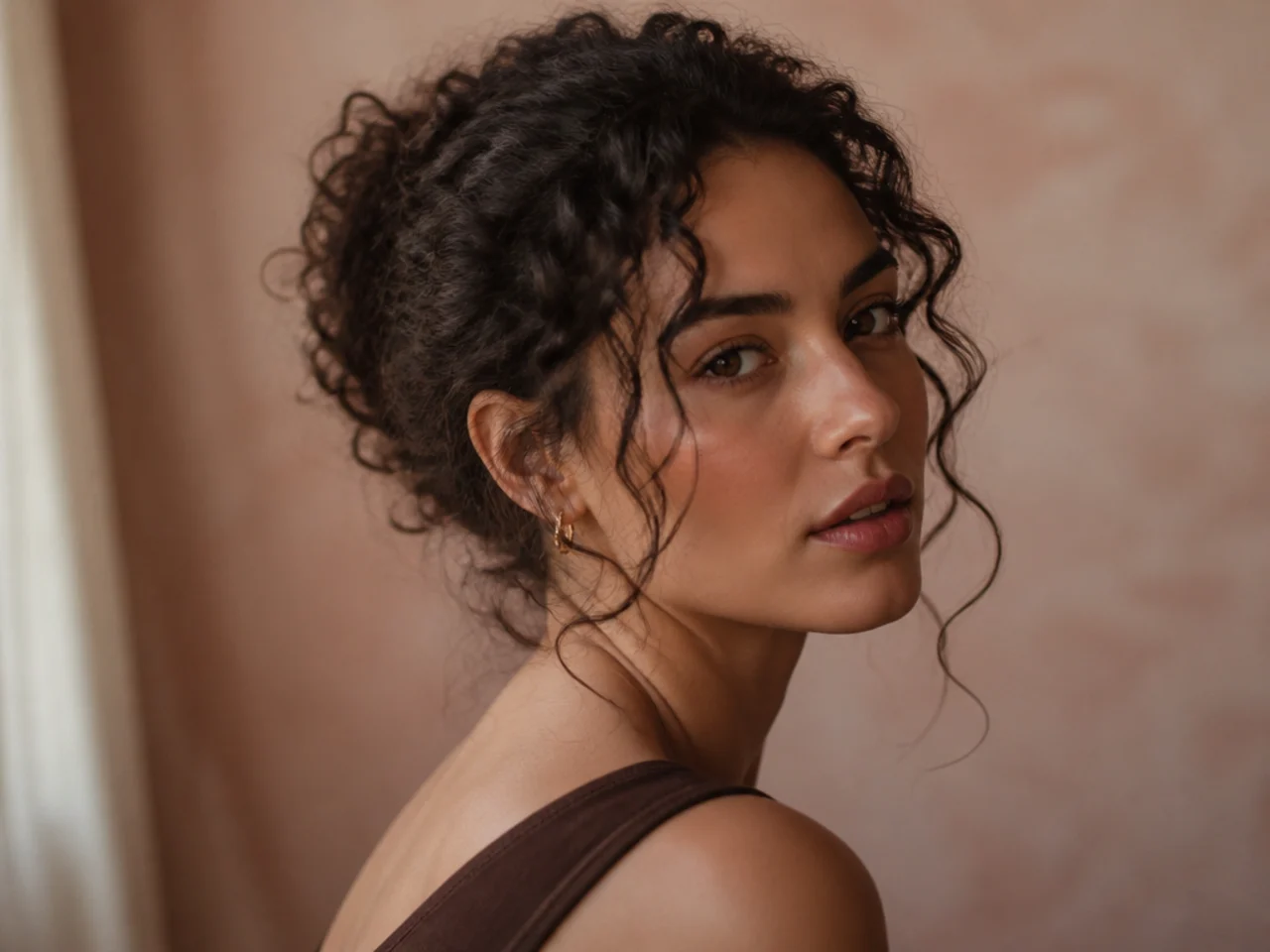
A wolf cut has short crown layers that fall out of any ponytail within an hour, which is the price of the stack. A butterfly ties back cleanly except for the two front pieces. The butterfly wins for anyone who wears their hair up regularly.
20. Which One to Ask For First
If you have never had heavy layering, start with the butterfly. It removes almost nothing, so if it is wrong you have lost two lengths rather than a whole interior, and a wolf cut can be cut out of a butterfly at the next appointment.
Styling and Upkeep
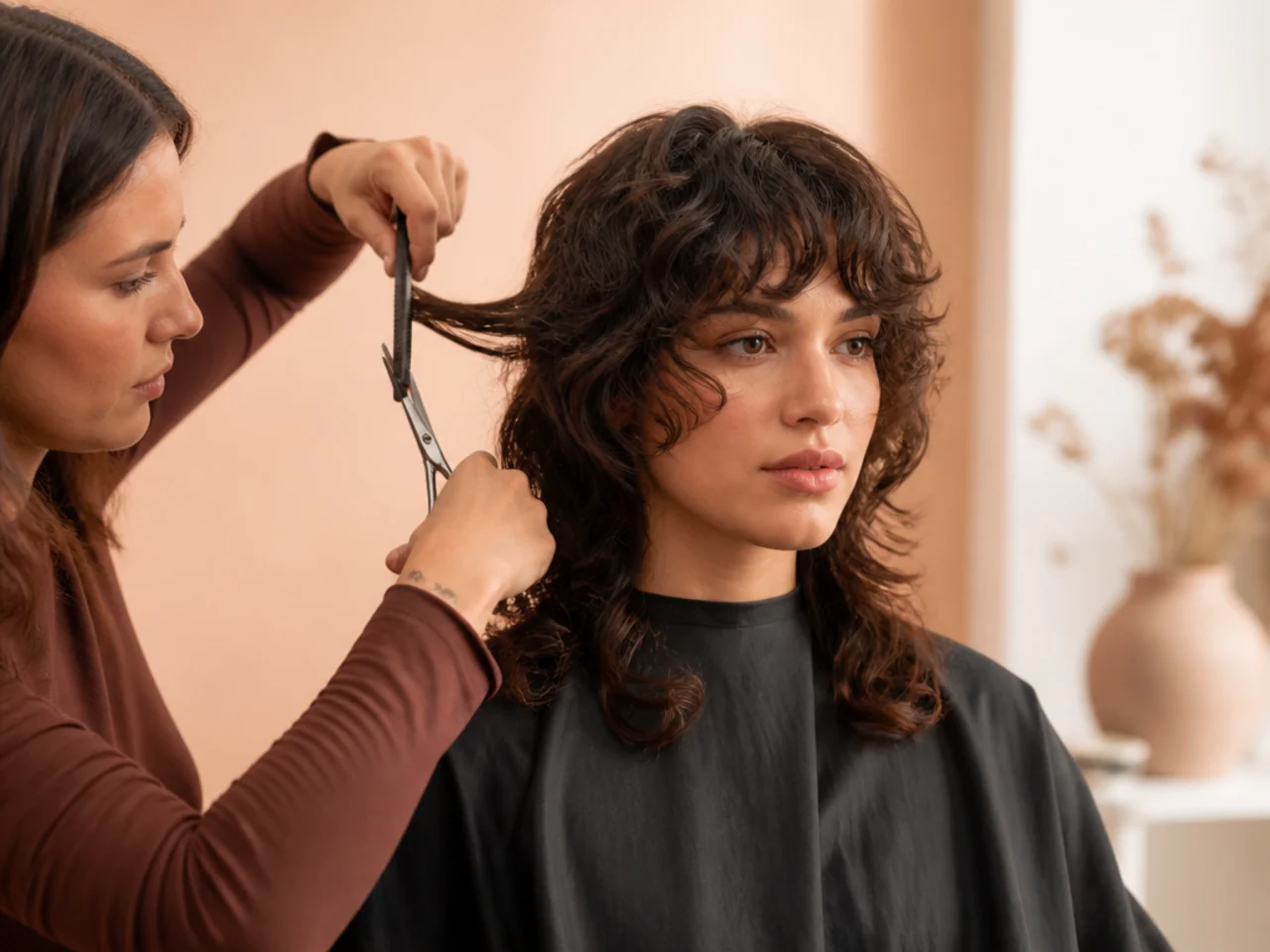
Both are cut dry on curly hair. Curl retracts as it dries, and no stylist can predict by how much on your particular head.
Product goes on soaking wet hair. Curl clumps form while the hair is still heavy with water and set as it dries.
Diffuse the butterfly, air dry the wolf. One needs root lift it does not have; the other already gets lift from the layer stack.
Refresh with water first. Rewetting reforms the clump. A second layer of cream just weighs down a curl that needed damp.
Book the wolf at ten to twelve weeks and the butterfly at four to six months. The wolf loses its shape as the stack drops; the butterfly gains from the gap widening.

Mistakes to Avoid
Asking for a wolf cut on sparse curl. More layer heights means each one holds fewer strands, and thin curl has none to spare.
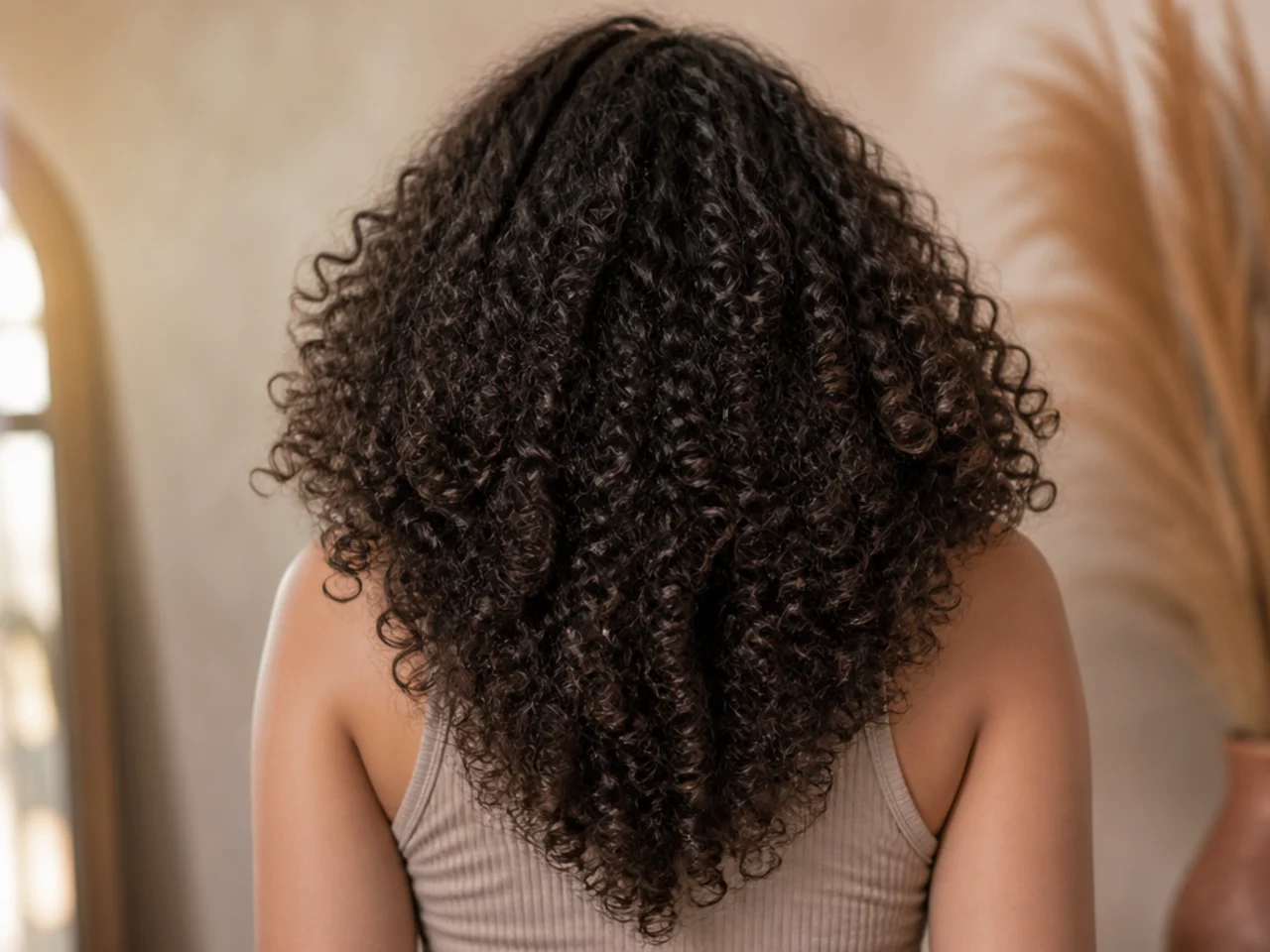
Asking for a butterfly on very thick curl. Two lengths leave the bulk where it is, and thick curl left unlayered pushes outward at the mid lengths.
Texturising the hem of a butterfly. The blunt line is the whole point. Taper it and it stops being a butterfly.
Letting a wolf cut run past four months. The layers converge, the shape flattens, and the cut you are left with is a heavy one length.
Judging either one wet. Both shapes only exist once the curl has drawn up, which is a completely different outline from the one in the mirror at the basin.
FAQ
Which has more layers? The wolf, by a wide margin. A butterfly has two lengths.
Which keeps more weight? The butterfly, because the hem is left blunt.
Which grows out better? The butterfly. Its two lengths separate further as they descend.
Final Thoughts
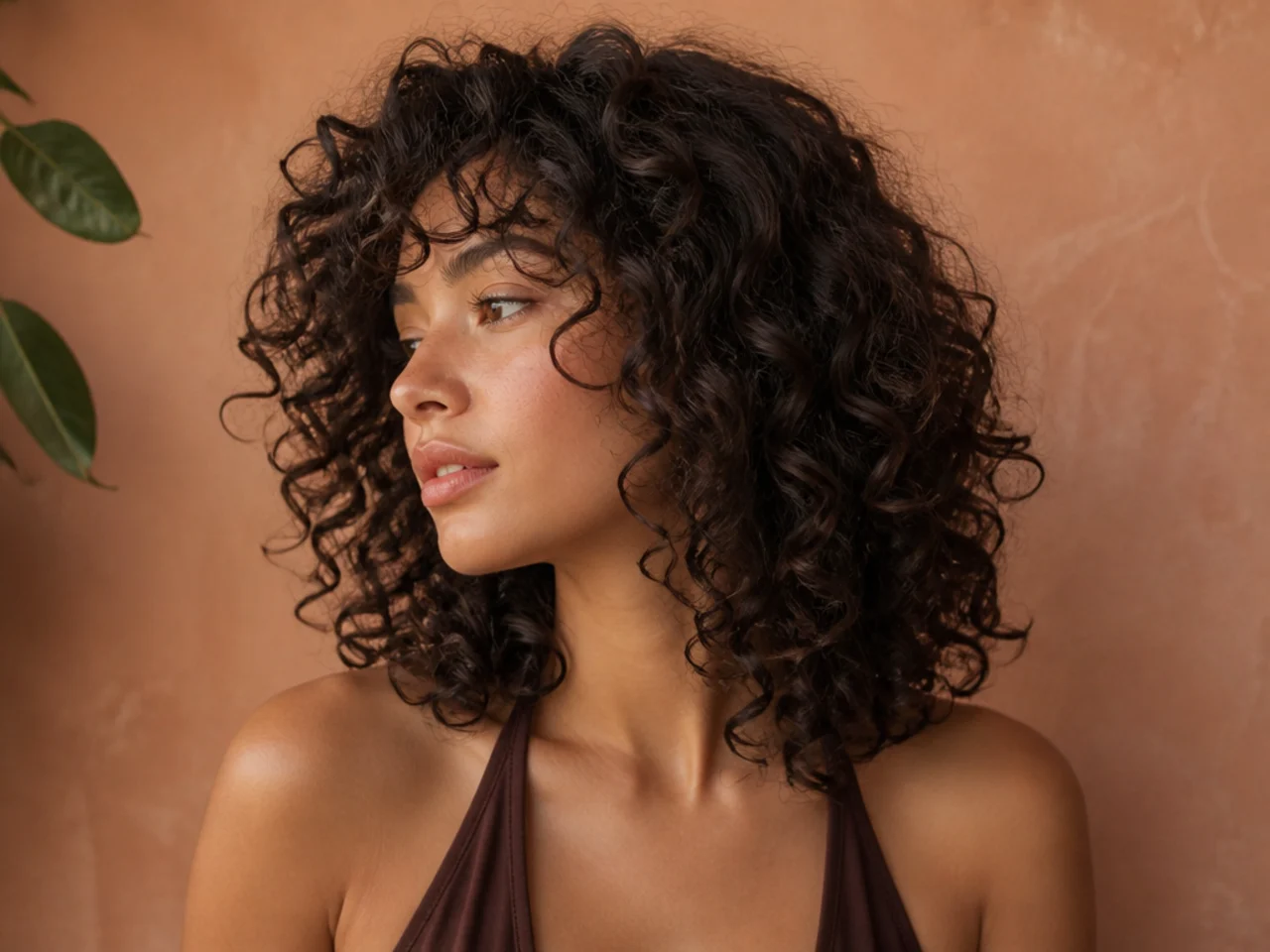
Decide by density, not by the photograph. Thick curl has bulk that has to be removed and a wolf cut removes it from the right place. Fine curl has none to lose and a butterfly is the shape that keeps it.
For shorter versions of the layered shape see short wolf cut ideas, and for the connected version that keeps the nape weight see the Korean wolf cut. More in Mullet & Wolf Cut.