20 Stylish Shag Bob Haircuts For Thin Fine Hair
Twenty shag bobs cut for fine hair, and the rule that keeps them from going limp. Apparent thickness lives in the perimeter, so the layers belong at the crown and the bottom line stays intact.
In this article · 27
- Fine Hair Versus Thin Hair
- Choosing Your Length and Layer Count
- The 20 Shag Bob Variations
- 1. Blunt Shag Bob
- 2. Ear Length Shag Bob
- 3. Chin Length Shag Bob
- 4. Collarbone Shag Bob
- 5. Shag Bob With Crown Layers Only
- 6. Shag Bob With Curtain Bangs
- 7. Shag Bob With a Blunt Fringe
- 8. Shag Bob With Wispy Bangs
- 9. Shag Bob With Cheekbone Framing
- 10. Shag Bob With an A Line Perimeter
- 11. Shag Bob With a Stacked Back
- 12. Shag Bob on Straight Fine Hair
- 13. Shag Bob on Wavy Fine Hair
- 14. Curly Shag Bob
- 15. Shag Bob With a Middle Part
- 16. Shag Bob With a Deep Side Part
- 17. Shag Bob With Shadowed Roots
- 18. Shag Bob With Fine Highlights
- 19. Shag Bob in a Lighter Overall Tone
- 20. Shag Bob at Ten Weeks
- Styling and Upkeep
- Mistakes to Avoid
- FAQ
- Final Thoughts
A shag bob goes limp on fine hair for one reason: it was layered like thick hair, and every layer took weight from a head with very little to give.
Apparent thickness lives at the perimeter. A blunt bottom line ends every strand at the same length, which stacks all the density you have into a single visible edge.
Layers only pay for themselves at the crown. Up there the removed weight turns into lift. Lower down it turns into ends that no longer reach the bottom of the cut.
Fine Hair Versus Thin Hair
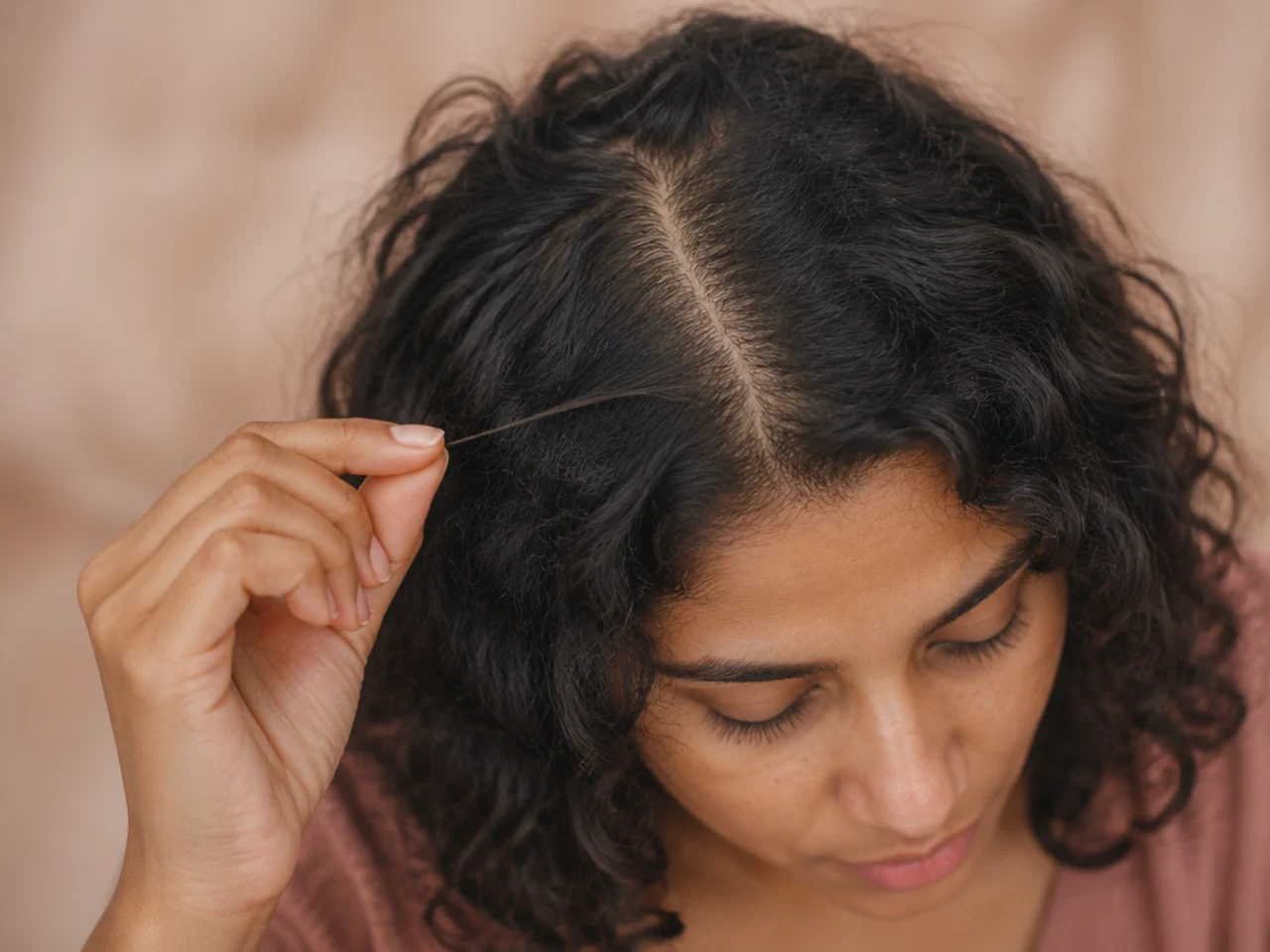
Fine describes the strand. Thin describes the count. A fine head can carry a great many hairs and still look flat, and a thin head can have coarse strands with visible gaps between them.
The cut treats them differently. Fine hair needs weight kept at the ends. Thin hair needs the scalp covered, which is a question of parting and colour more than of cutting.
Most people have some of both. If the ponytail is narrow the density is low; if the individual hairs are hard to see against a dark surface they are fine.
A shag was designed for hair with weight to remove. Adapting it means keeping the technique that creates movement and dropping the part that thins the ends.
Choosing Your Length and Layer Count
Shorter holds lift longer. Less length below the crown means less weight pulling the roots down, which is why a chin length shag bob keeps volume that a collarbone one loses by lunchtime.
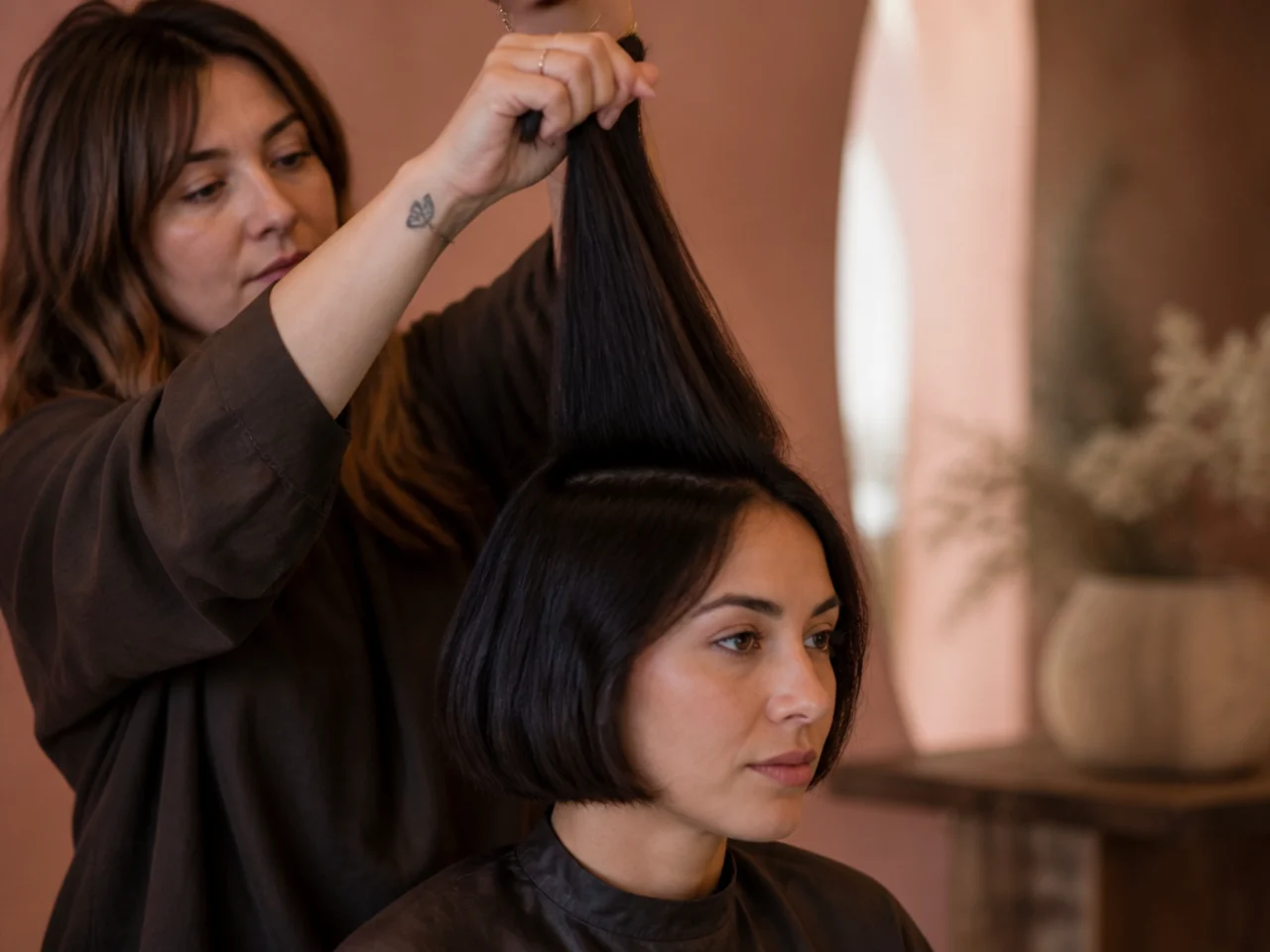
Three or four layers, all above the occipital bone. Every layer below that line shortens strands that were carrying the perimeter.
Keep the bottom line solid. Point cutting is the default finish on a shag and the first thing to negotiate away on fine hair.
Add texture at the crown only. Notching into the top two centimetres separates the surface without touching a single strand that reaches the ends.
The 20 Shag Bob Variations
1. Blunt Shag Bob
Layered at the crown, cut straight across at the bottom. The two techniques appear to contradict each other, and that is the point: the top provides the movement a shag is bought for and the untouched line at the ends carries the density fine hair needs to keep.
2. Ear Length Shag Bob
The shortest version, sitting above the jaw. At this length there is almost no weight below the crown, so the roots stay lifted through the day without product. It also grows out fastest, which is the cost of that lift.

3. Chin Length Shag Bob
The balance point for most fine hair: short enough that the roots hold their lift, long enough that the perimeter has some length to move. It is also the length at which the ends brush the jaw and flick, which reads as body.

4. Collarbone Shag Bob
The longest version that still behaves like a bob. Fine hair at this length has enough weight to pull the crown flat by afternoon, so the crown layers have to be cut shorter than they would be on a chin length version.

5. Shag Bob With Crown Layers Only
Every layer sits above the occipital bone and nothing below it is touched. The removed weight comes from the interior of the top section, so the lift is real and the number of strands reaching the perimeter is unchanged.

6. Shag Bob With Curtain Bangs
The fringe splits at the centre and sweeps outward, adding a second visual layer at the front without shortening anything at the back. On fine hair it should be cut from a shallow section, since a deep one pulls too many strands away from the sides.

7. Shag Bob With a Blunt Fringe
A solid fringe is the densest thing fine hair can produce, because every strand in the section terminates at one line. It reads as thickness at the front of the head, which is the part of the cut people look at first.

8. Shag Bob With Wispy Bangs
Worth understanding before booking. Thinning a fringe until light passes through it works on dense hair and removes what fine hair does not have, leaving separated strands rather than a shape. If the look is the goal, cut the fringe narrower instead of thinner.

9. Shag Bob With Cheekbone Framing
Two shorter pieces at the front, cut to fall level with the cheekbone. Because they are the only sections shortened, the eye reads them as intentional shaping rather than as thinning, which is what a full head of short layers would look like.

10. Shag Bob With an A Line Perimeter
The front cut longer than the back, so the bottom line slopes forward. The slope keeps the perimeter blunt while still giving the outline direction, which is movement bought without removing a single end.

11. Shag Bob With a Stacked Back
Short graduation at the nape builds a wedge of hair that pushes the section above it outward. The volume is structural rather than styled, which is why it survives a day that root spray does not.
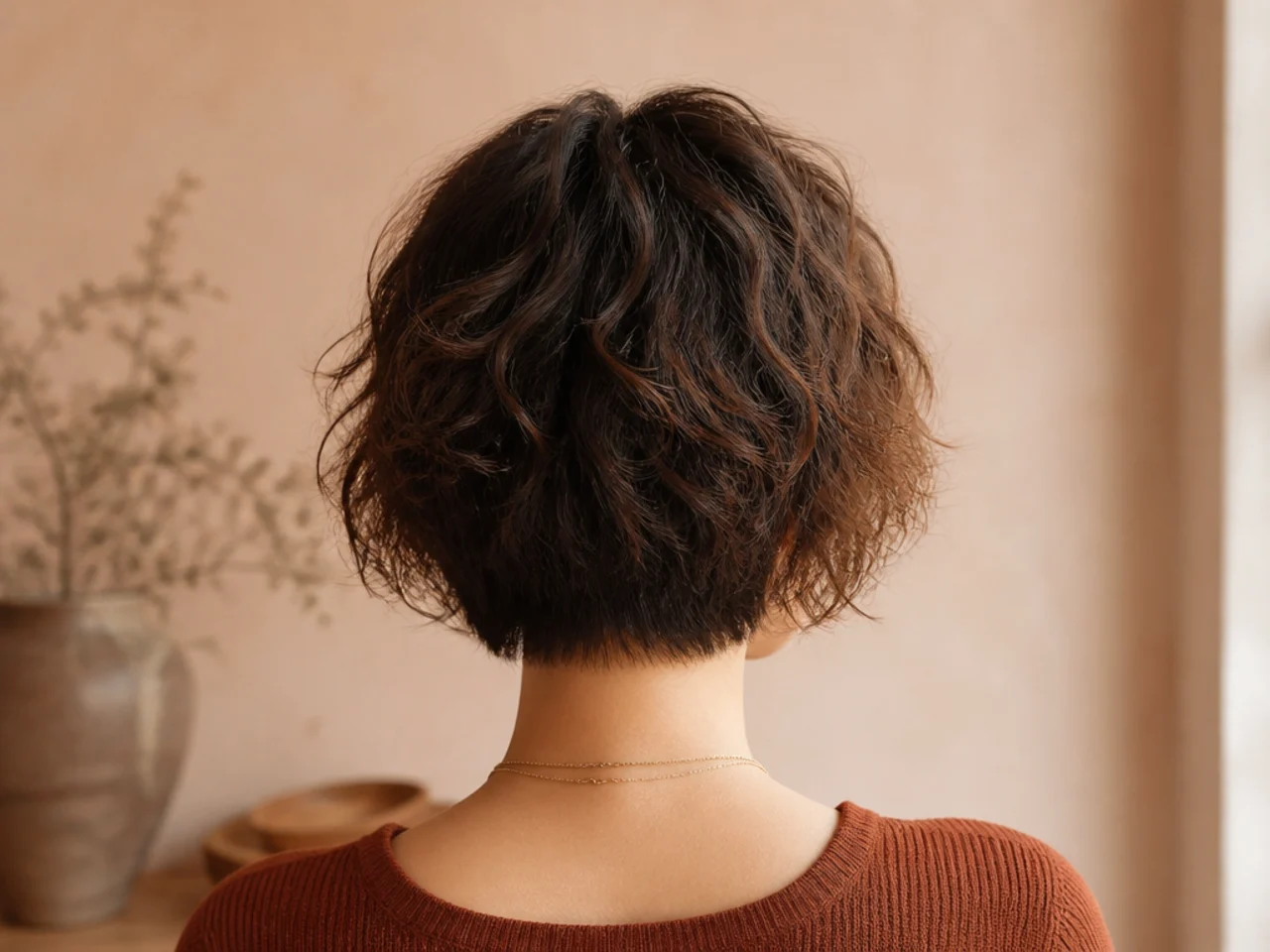
12. Shag Bob on Straight Fine Hair
The hardest case, because straight fine hair has no bend to hold it away from the scalp and every layer edge shows. The answer is fewer, higher layers and a blunt line, with root lift created at drying rather than cut in.

13. Shag Bob on Wavy Fine Hair
The wave does the work the density cannot. An S bend holds hair off the scalp along its whole length, so fine wavy hair can carry a slightly shorter crown layer than fine straight hair before the ends start looking sparse.

14. Curly Shag Bob
Fine curl needs the fewest layers of any texture, cut dry and curl by curl. Removing weight from fine curl stops it clumping, and once the clumps break apart the pattern turns into separate strands with no definition to read as volume.

15. Shag Bob With a Middle Part
A centre part splits the crown weight evenly, so neither side collapses under the other. It does expose a single straight line of scalp, which is why it suits fine hair with good density better than genuinely thin hair.
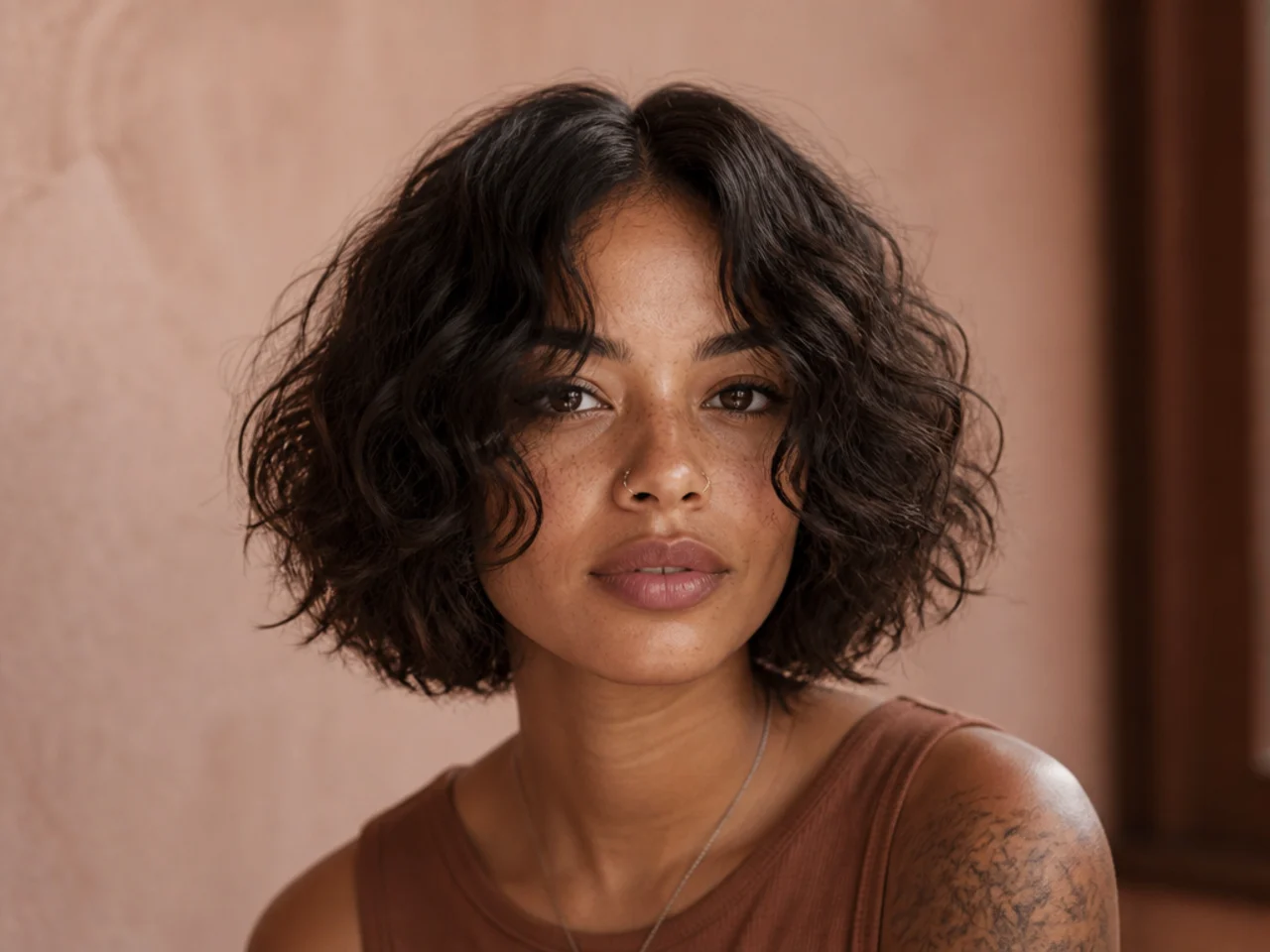
16. Shag Bob With a Deep Side Part
Moving the parting across piles hair on one side, and hair with nowhere to lie flat rises. Switching the parting a centimetre each week also stops the roots learning one direction, which is what makes a fixed parting flatten over time.

17. Shag Bob With Shadowed Roots
Depth at the root and lighter mid lengths create a gradient the eye reads as layers of hair sitting over each other. On fine hair that implied depth does what actual density would, and it costs nothing in weight.

18. Shag Bob With Fine Highlights
Very fine slices give neighbouring strands different tones, so the eye separates them instead of reading one flat sheet. Separation is what makes hair look like many hairs, which is the whole illusion of thickness on a fine head.

19. Shag Bob in a Lighter Overall Tone
Lighter hair sits closer in tone to the scalp beneath it, so gaps at a parting read as less obvious than they do under a solid dark colour. It is the simplest correction available for genuinely thin hair.
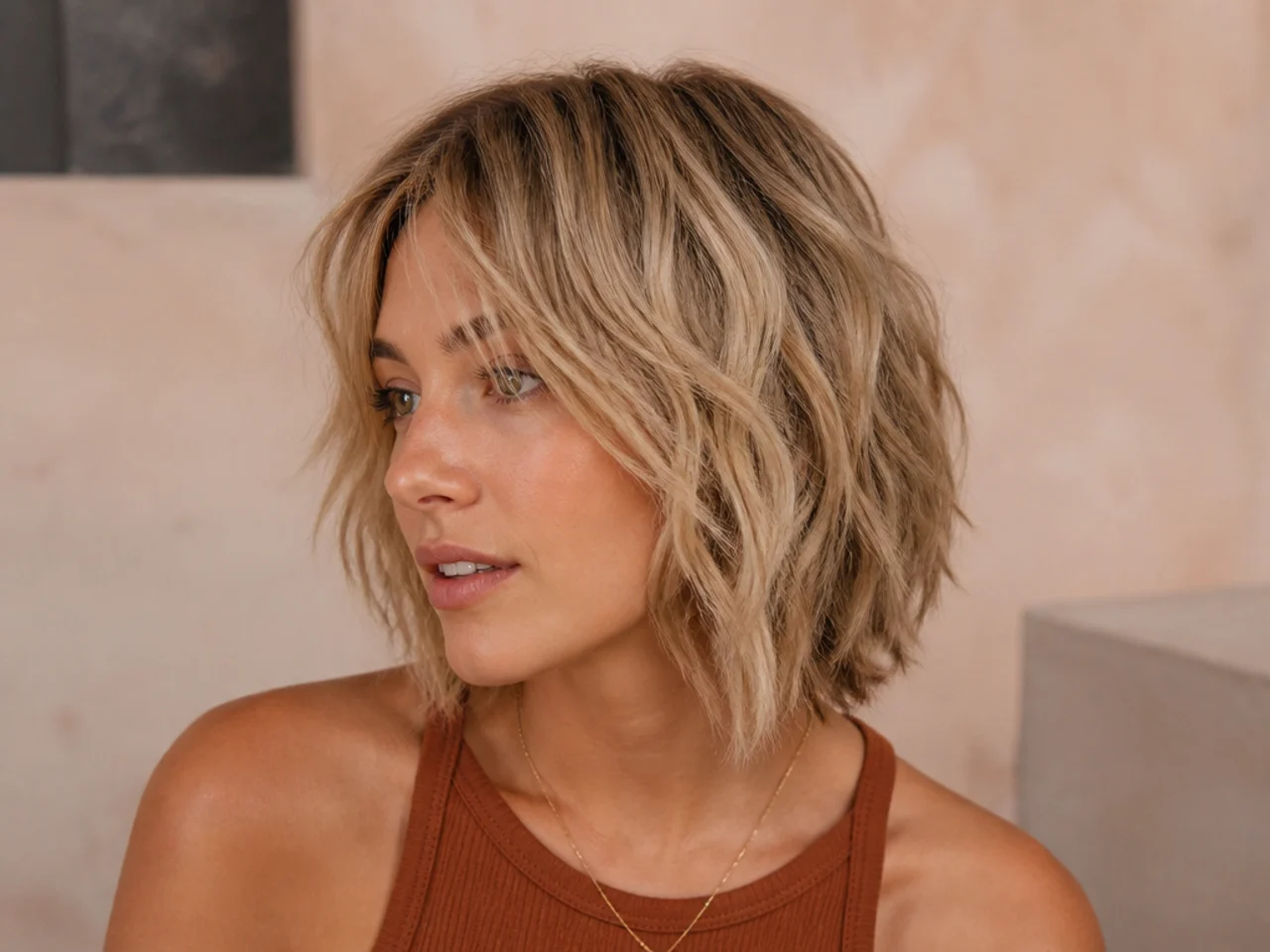
20. Shag Bob at Ten Weeks
The crown layers have grown down into the lengths and the perimeter has lost its line, which on fine hair shows first as the ends going soft. Recut at eight to ten weeks and the bottom line is what needs restoring, not the layers.

Styling and Upkeep
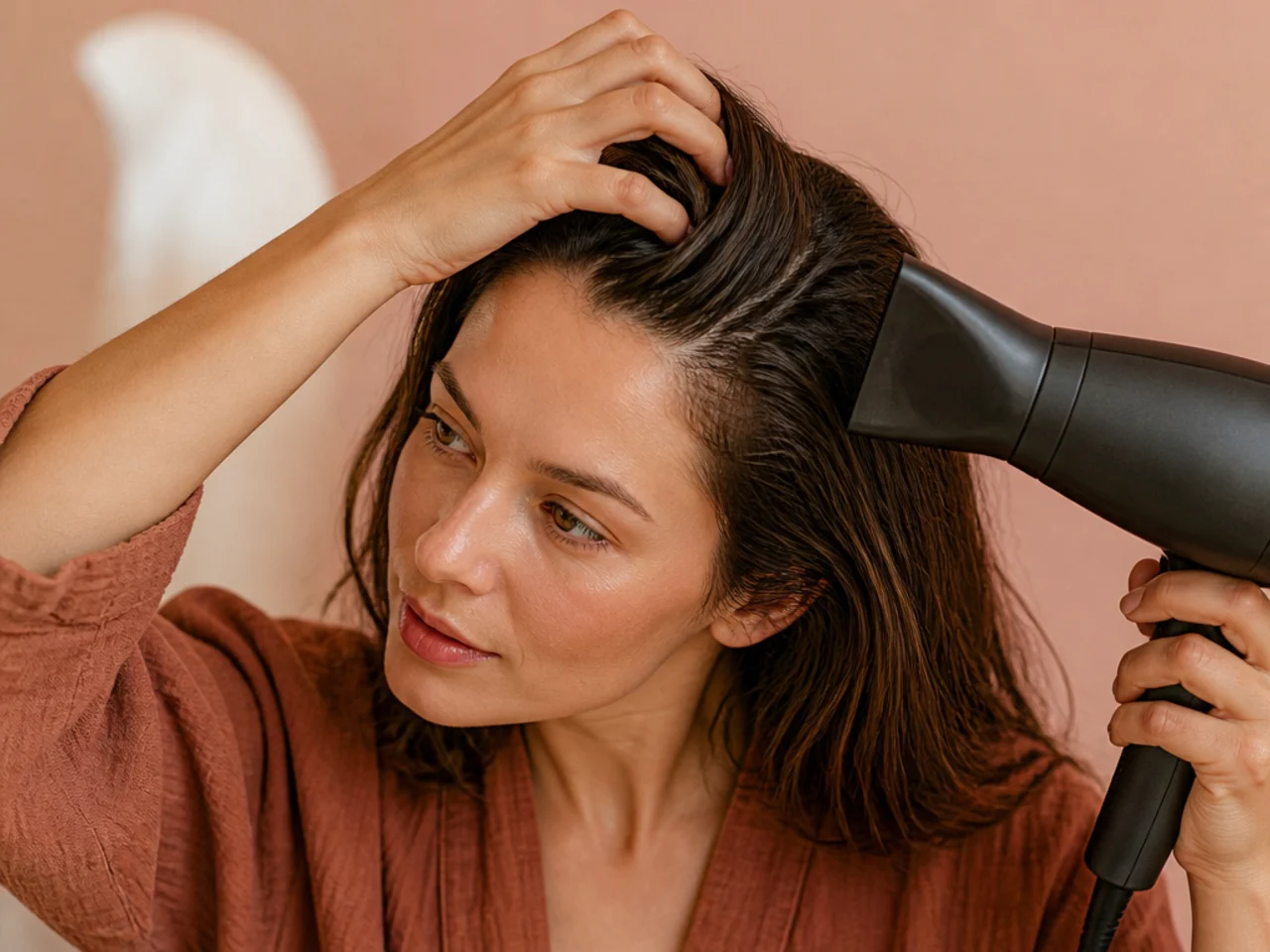
Dry the roots against the direction they grow. Root lift is set while the hair cools, and drying it flat sets it flat no matter what is applied afterwards.
Use mousse at the root and nothing at the ends. Product on fine ends is weight in the one place the cut cannot spare any.
Skip conditioner above the ears. Conditioner coats the strand and adds enough weight to flatten a fine crown, and the roots are not the part that needs it.
Move the parting regularly. Roots trained in one direction for months stop lifting, and a centimetre either way resets them.
Recut at eight to ten weeks. On fine hair the perimeter is the first thing to soften, and it is the perimeter that was doing the work.
Mistakes to Avoid
Layering below the occipital bone. Every layer down there shortens strands that were reaching the perimeter, which thins the one edge holding the shape.
Heavy point cutting on the ends. It staggers the strand endings across several centimetres and spreads what little density there is over a longer distance.
Thinning shears anywhere. They remove hair from the middle of a section, and on fine hair that leaves short broken pieces that stick out rather than settle.
Growing it past the collarbone. Weight defeats lift, and fine hair reaches that point sooner than any other type.
Judging the cut wet. Wet fine hair looks its thinnest and gives the worst possible read on how much weight can be removed.

FAQ
Does a shag work on fine hair? Yes, with the layers kept at the crown and the perimeter left solid.
How many layers? Three or four, all above the occipital bone.
Point cut or blunt? Blunt. A single ending line stacks all the density you have.

Final Thoughts
Ask for a bob with crown layers rather than for a shag. The word shag tells a stylist to remove weight throughout, which is the correct instruction on thick hair and the wrong one on yours.
For the underlying shape and its lengths see the bob haircut guide, and for the polished version of the same outline see the old money bob. More in Mullet and Wolf Cut.