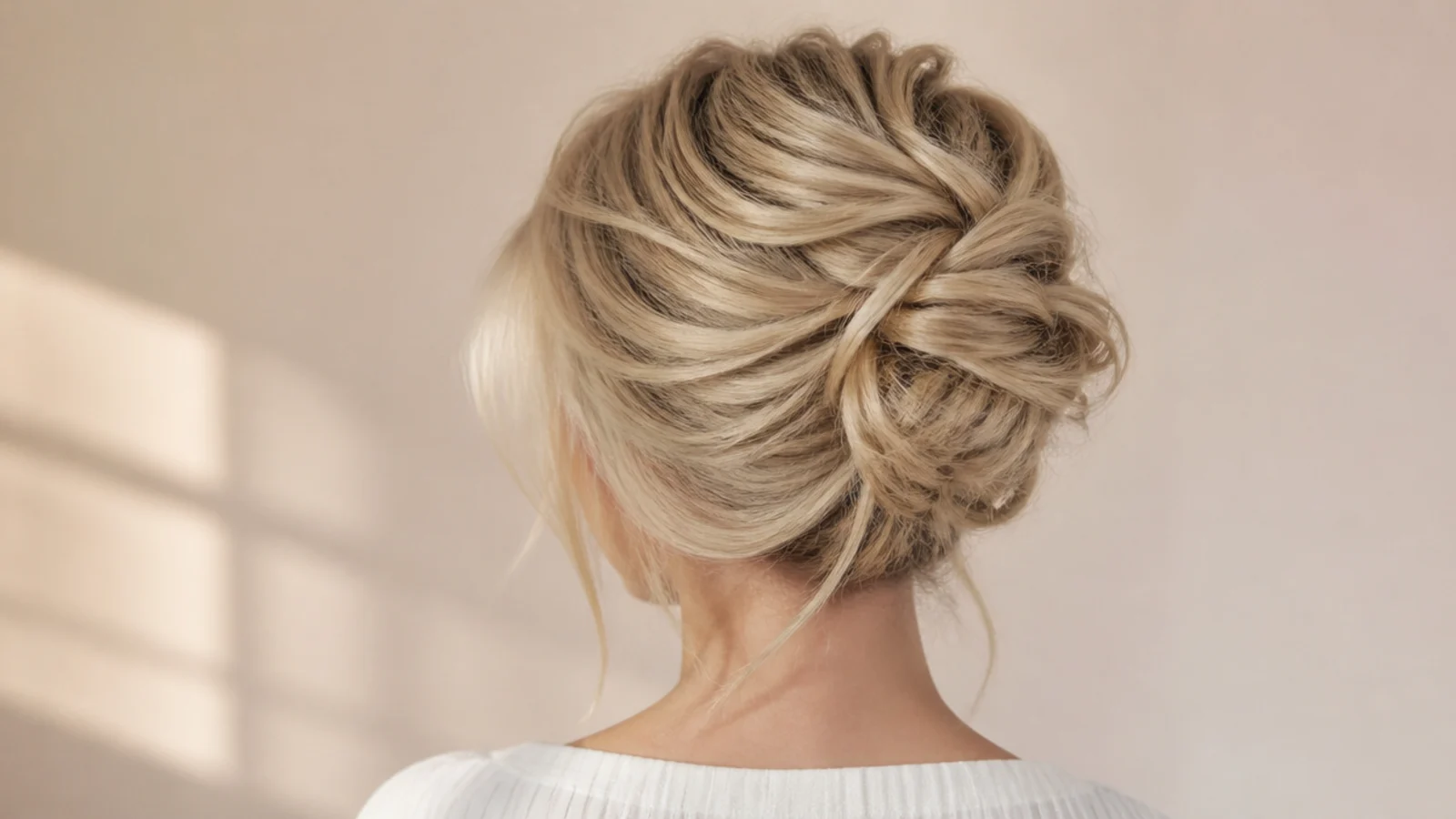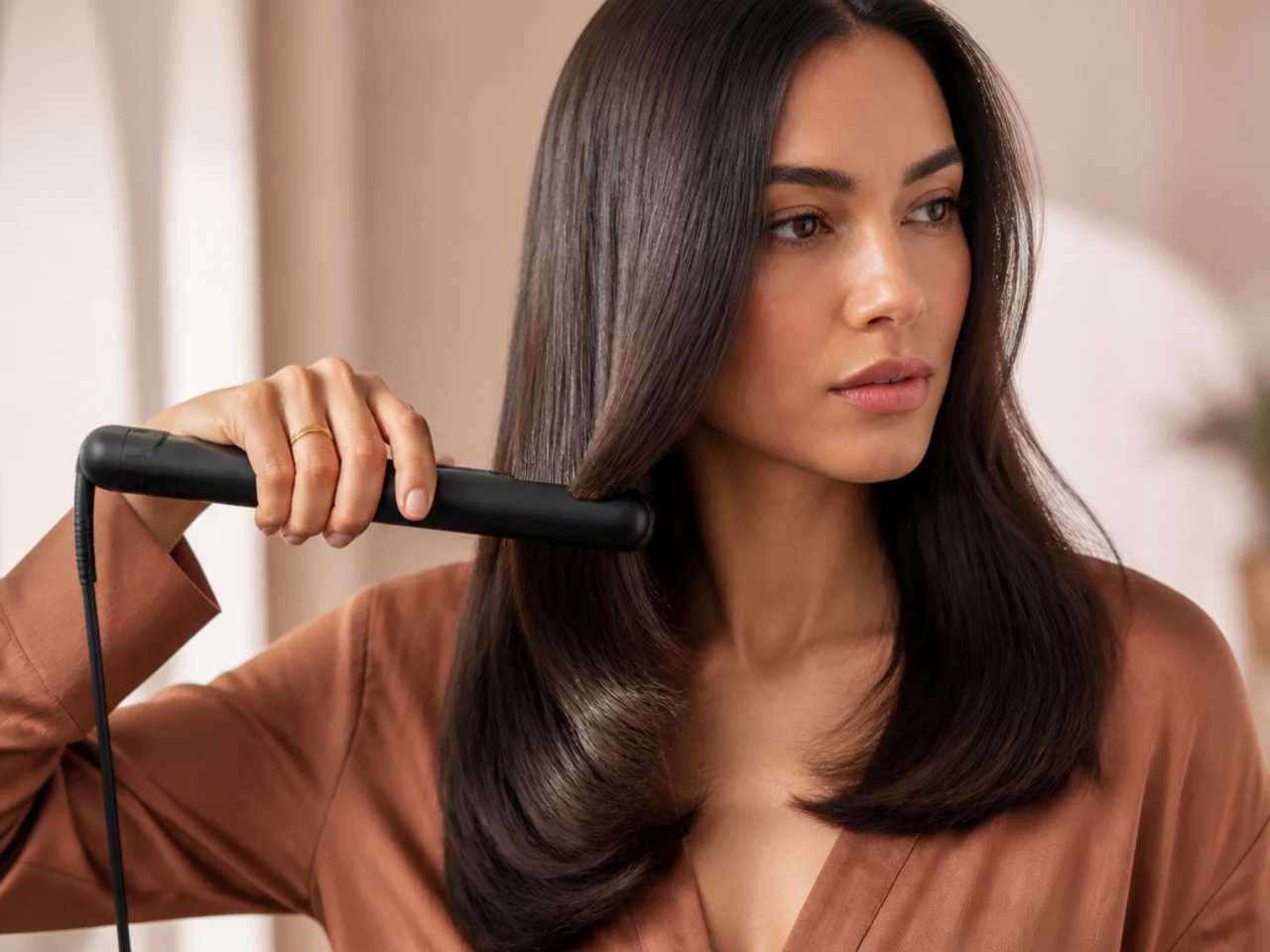
15 Ways to Get Hailey Bieber Wavy Hair
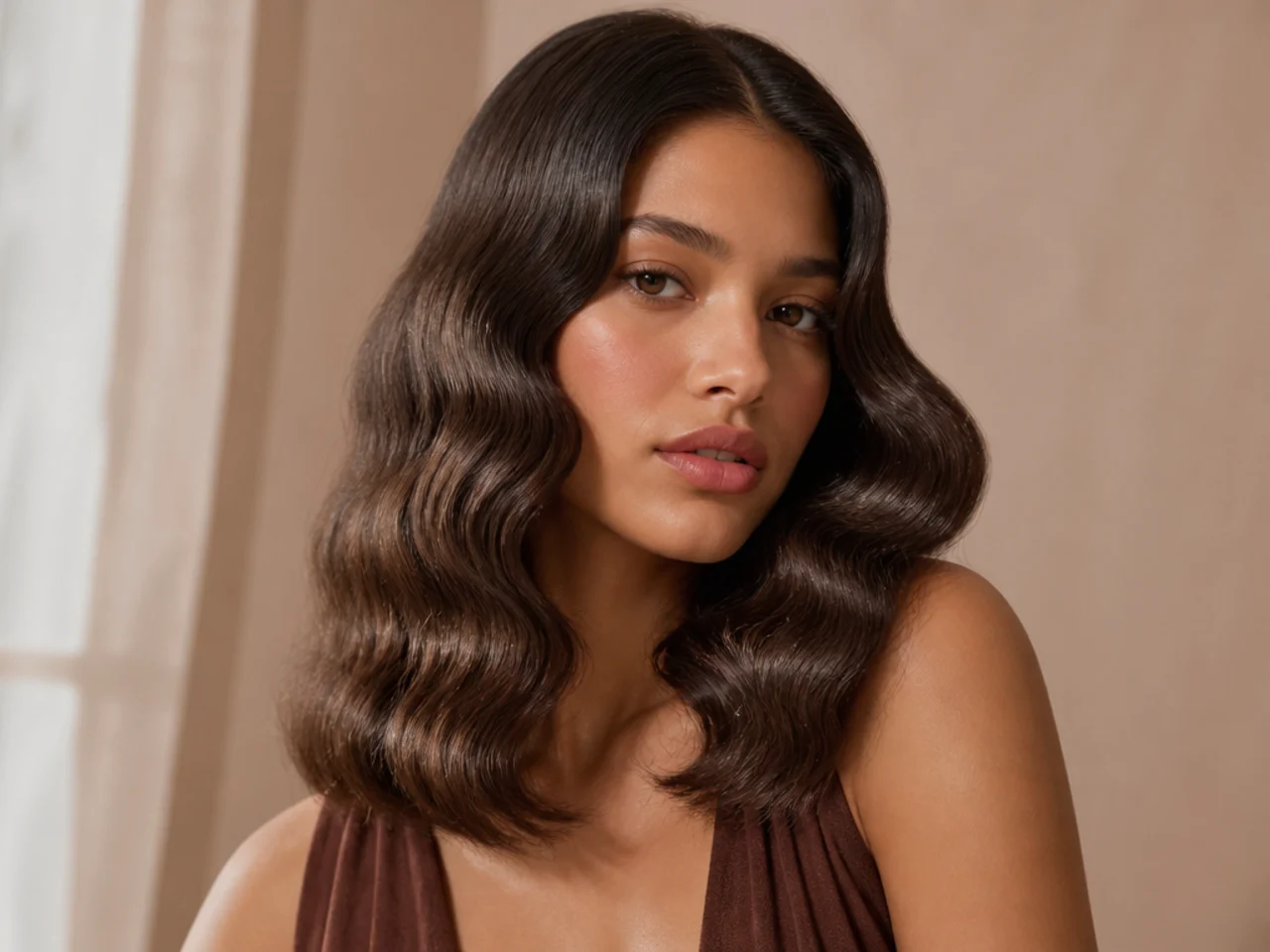
Fifteen ways to get the wave in this aesthetic, and the detail that separates it from an ordinary blowout — the ends stay straight. Curled ends read as a blow-dry; straight ends read as this.
In this article · 22
- What Makes This Wave Work
- How to Choose Yours
- The 15 Ways
- 1. One Flat Iron Pass at Mid-Length
- 2. Large Barrel Wand, Mid-Length Only
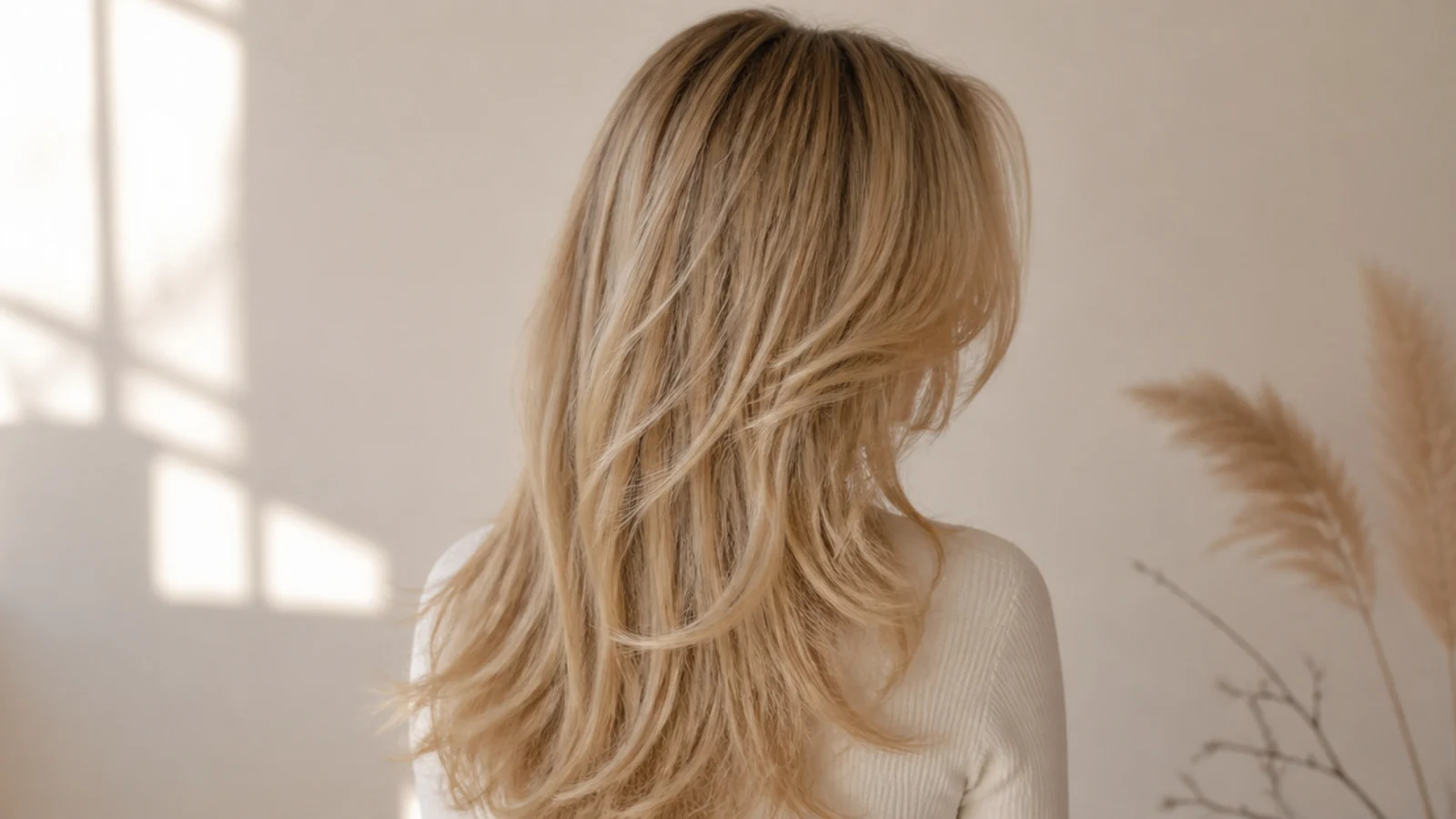
- 3. Rough-Dried Natural Wave
- 4. Air-Dried and Left Alone
- 5. Overnight Loose Plait
- 6. Overnight Bun
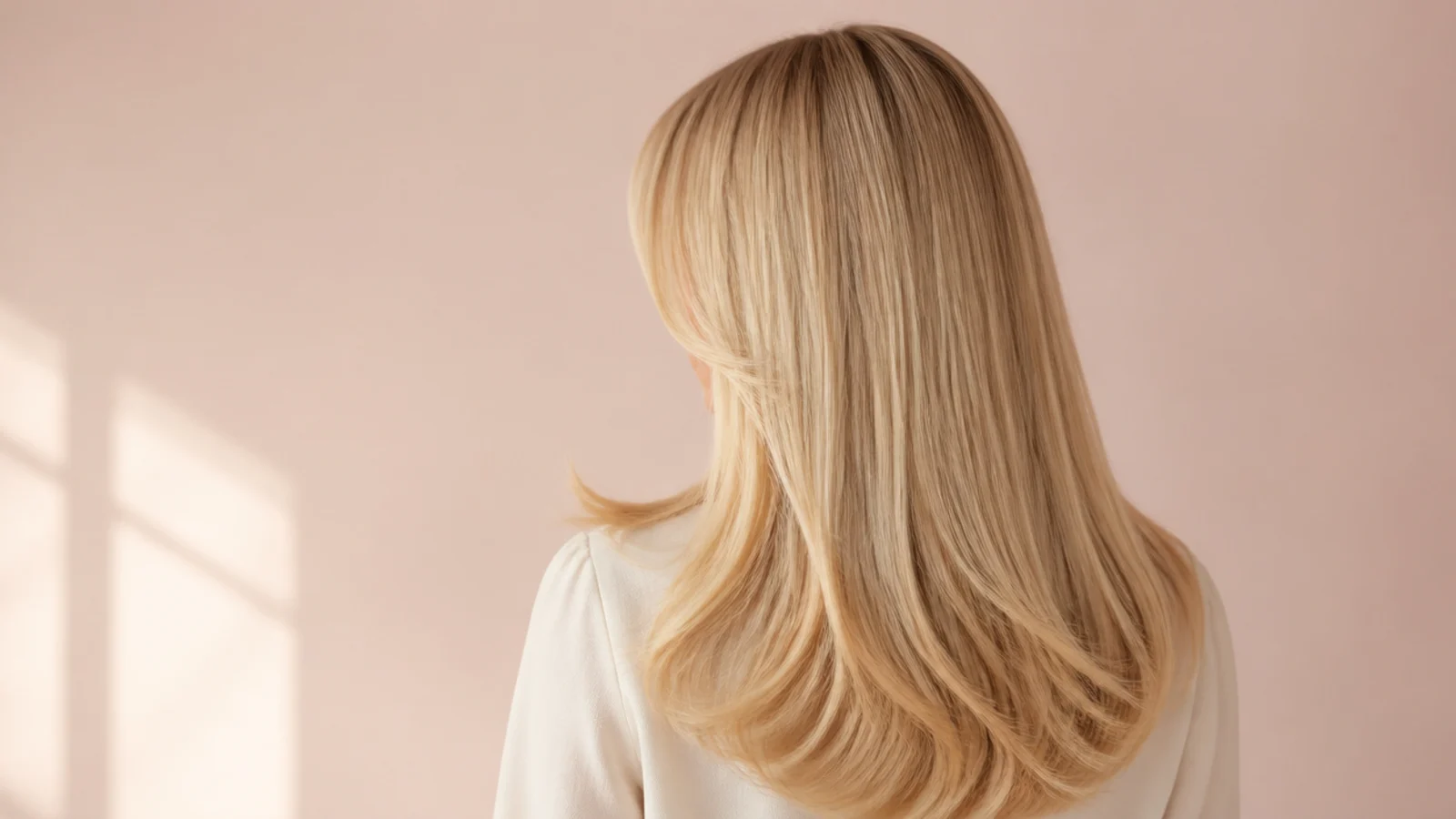
- 7. Round Brush Blow-Dry, Ends Released
- 8. Two-Piece Wave
- 9. Wave with a Centre Part
- 10. Wave with a Deep Side Part
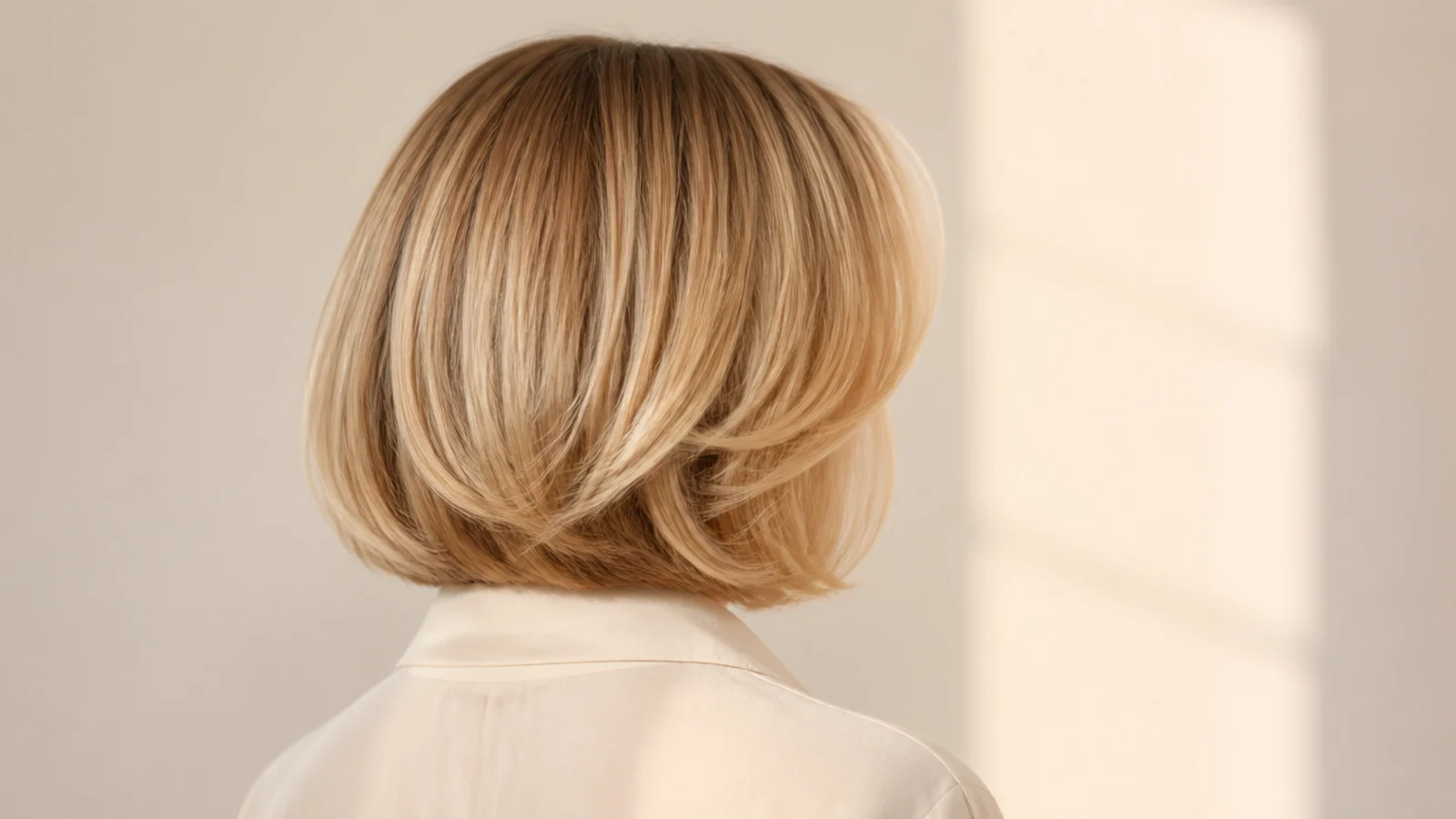
- 11. Wave on a Lob
- 12. Wave on Long Hair
- 13. Wave on Fine Hair
- 14. Second-Day Wave
- 15. A Full Curl for Comparison
- Styling and Upkeep
- Mistakes to Avoid
- FAQ
- Final Thoughts
The wave in this aesthetic is one specific shape, and one detail separates it from every ordinary blowout.
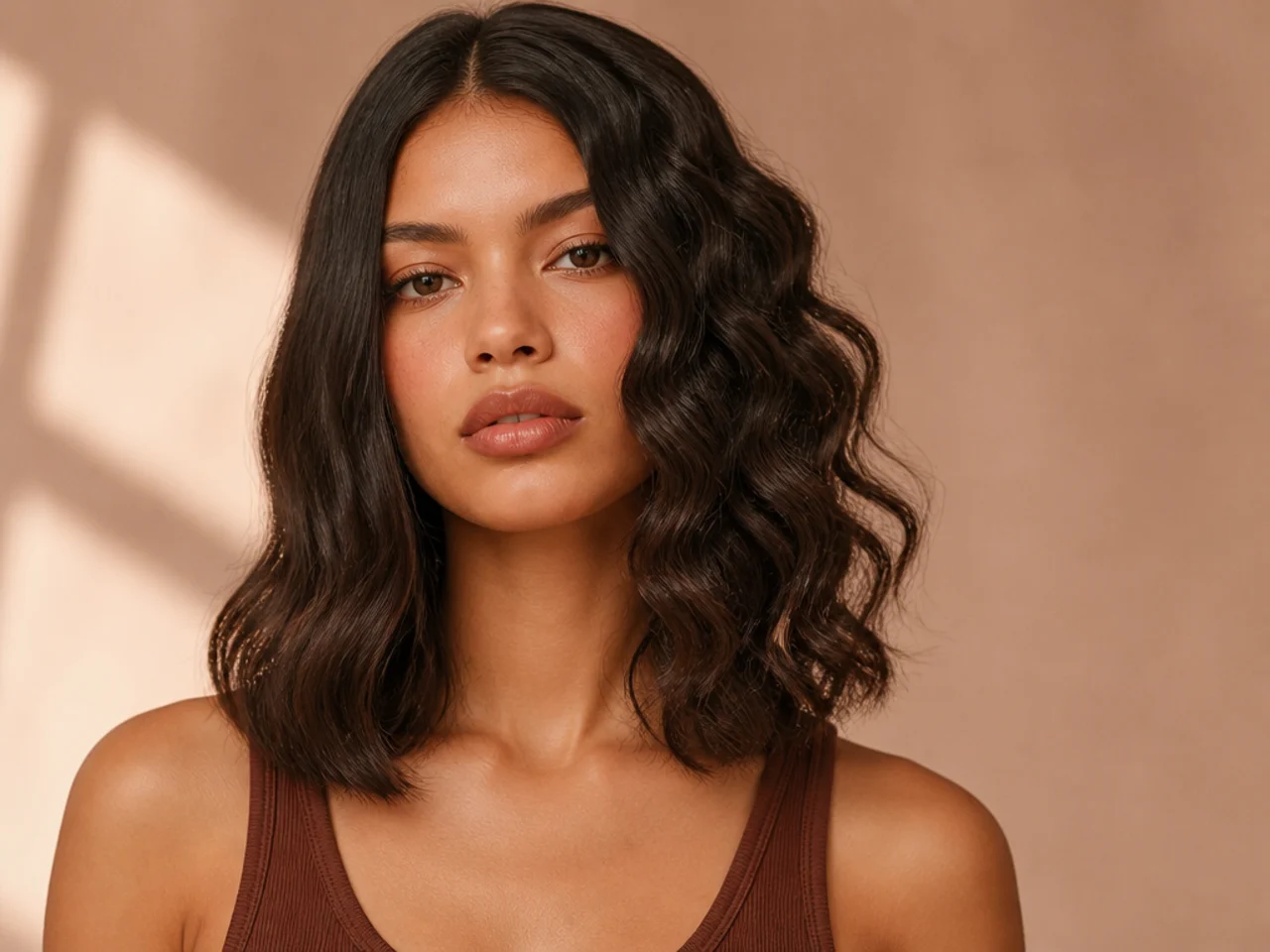
The ends stay straight. A blowout curls all the way to the tip, which reads as set, finished and a little formal. Leaving the last few inches straight makes the identical bend read as undone.
That is the whole technique. A single bend through the mid-length, nothing at the ends, and nothing at the root.
What Makes This Wave Work
One bend, not a series of curls. A single directional wave rather than a repeating pattern. A repeating pattern is a set; a single bend is not.
It starts at the mid-length. Around cheekbone or chin level. A bend starting at the root produces volume, and volume is what this look avoids.
The ends are left alone. The last few inches straight, which is the detail nearly everyone misses. It is also the only detail that separates this from a blowout.
Less is the point. One pass, one direction, no brushing out afterwards. Every additional action moves it further from the thing you wanted.
How to Choose Yours
Start with what your hair does naturally. If it already bends, the job is to leave it alone rather than to add anything.
Pick a method by your hair type, not by the tool. Straight hair needs a pass of heat; wavy hair usually needs less than you are doing now.
Keep the iron below the cheekbone. Above it and you are building volume. Volume at the root is the one outcome this look cannot absorb.
Do not brush it out. Brushing turns a bend into a wave pattern, which is a different, older look.
The 15 Ways
1. One Flat Iron Pass at Mid-Length
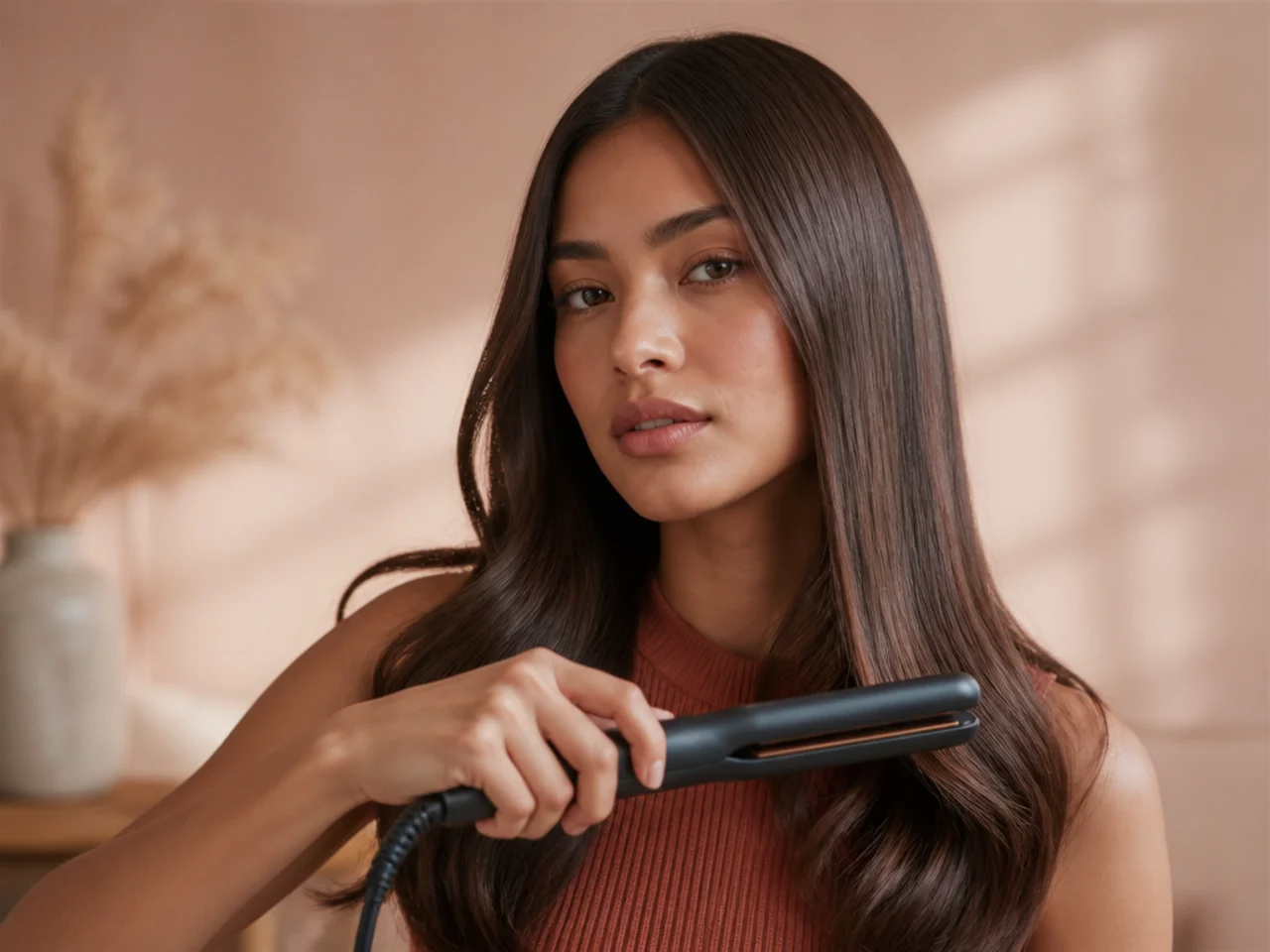
The core method. One bend, ends released straight. Clamp at the mid-length and turn once, then let the last few inches pass through flat — the released tip is the whole difference from a blowout.
2. Large Barrel Wand, Mid-Length Only
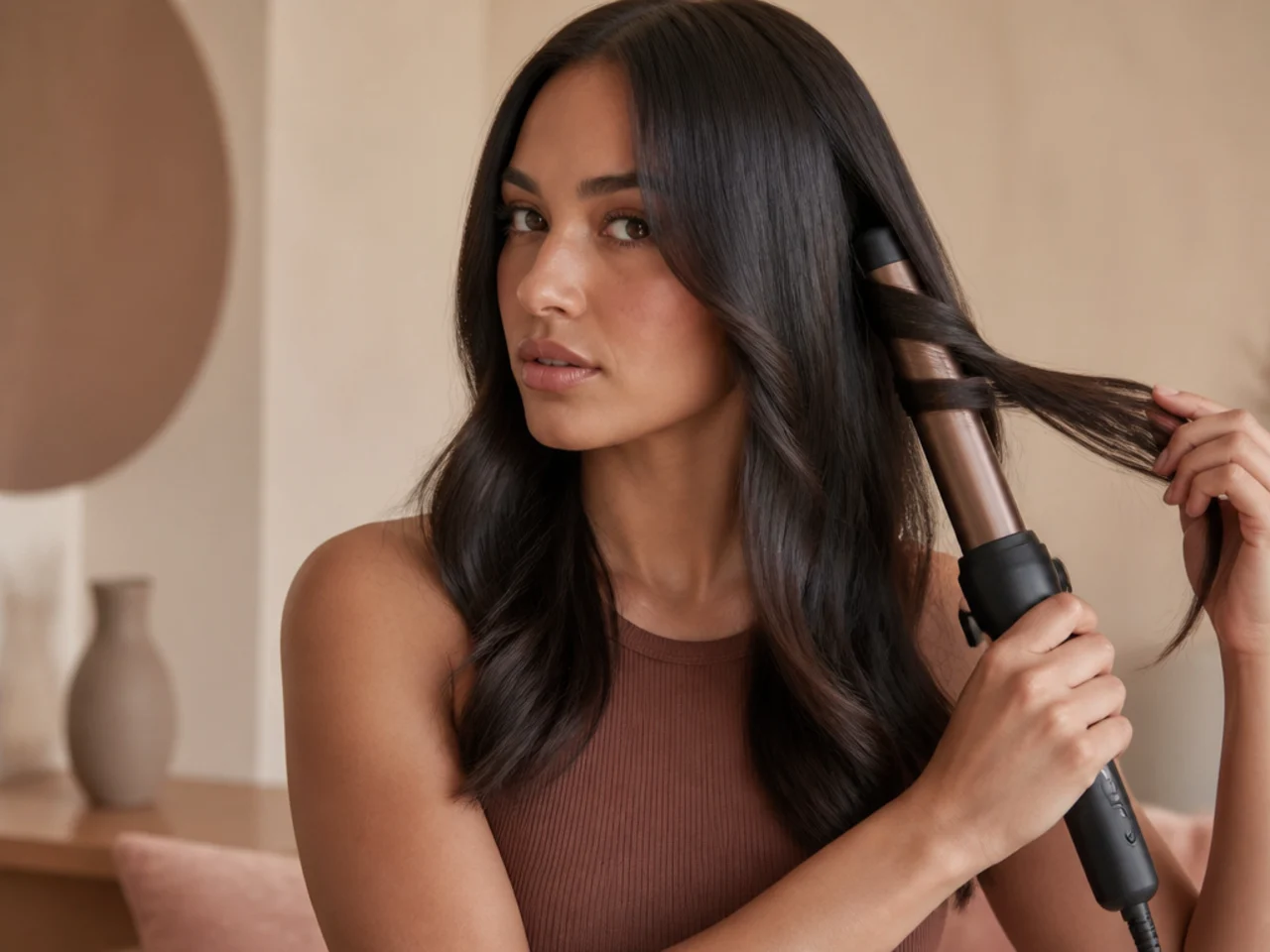
Wrapped from the middle down, tips left out of the barrel. Leaving the tips out of the barrel is the same principle as releasing the iron early, achieved a different way.
3. Rough-Dried Natural Wave
Fingers only, no brush. The easiest version on wavy hair. A brush breaks the natural clumps into smaller sections, which reads as frizz rather than as a single soft bend.
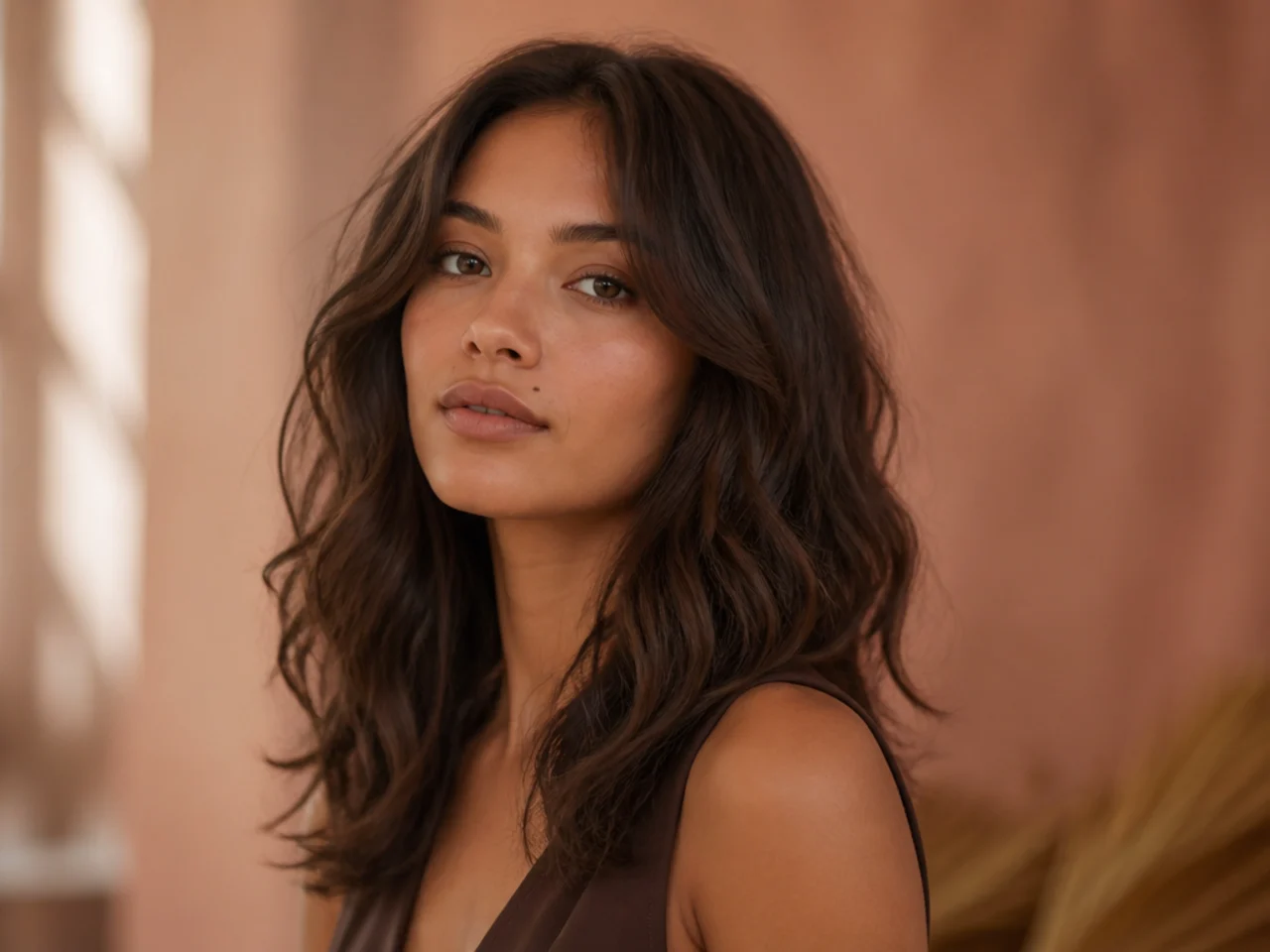
4. Air-Dried and Left Alone
Nothing applied, nothing touched. Works better than expected. Natural wave already produces a bend at roughly the right height, which is why this aesthetic suits wavy hair better than it suits straight.

5. Overnight Loose Plait
One loose plait, damp, undone in the morning. No heat at all. A single plait gives one broad bend; two plaits give a tighter, more regular pattern that reads as curled rather than undone.
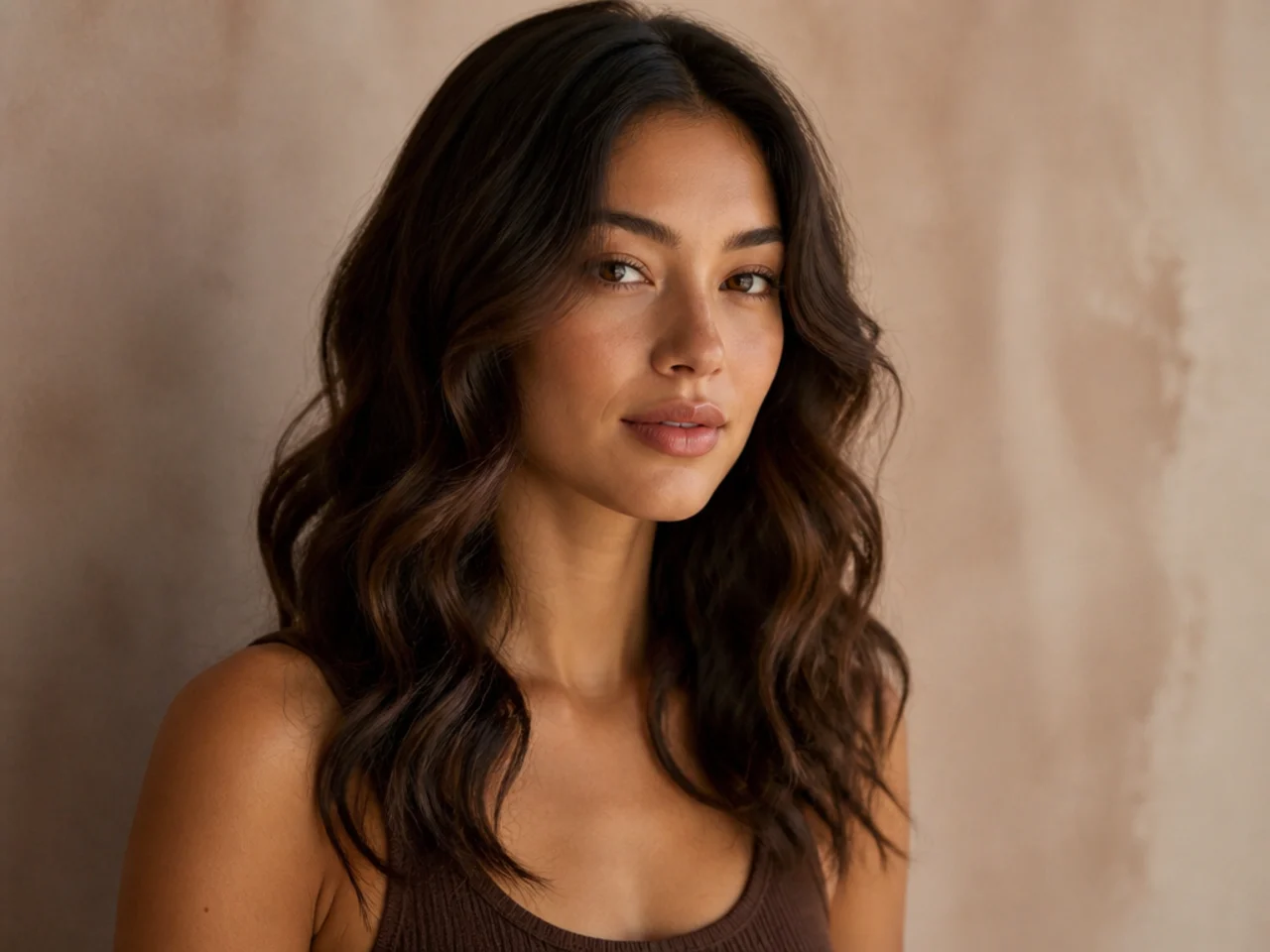
6. Overnight Bun
A single low bun, damp, released. A softer bend than a plait. A bun bends the hair around a curve rather than folding it, which is what makes the result softer than a plait.
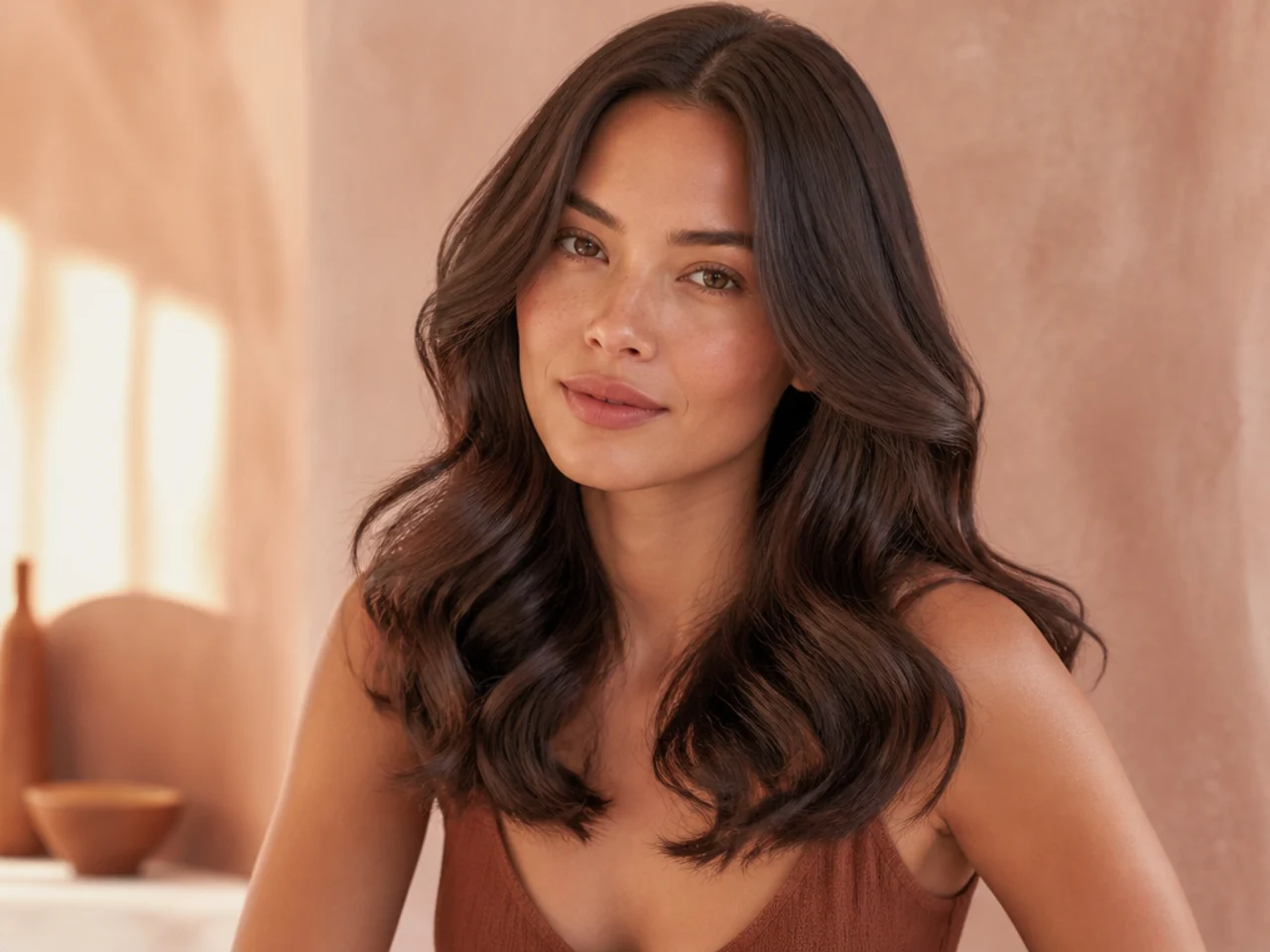
7. Round Brush Blow-Dry, Ends Released
Brush through the mid-length, released before the tips. Release the brush before the ends reach it, or you have done a blowout by accident.
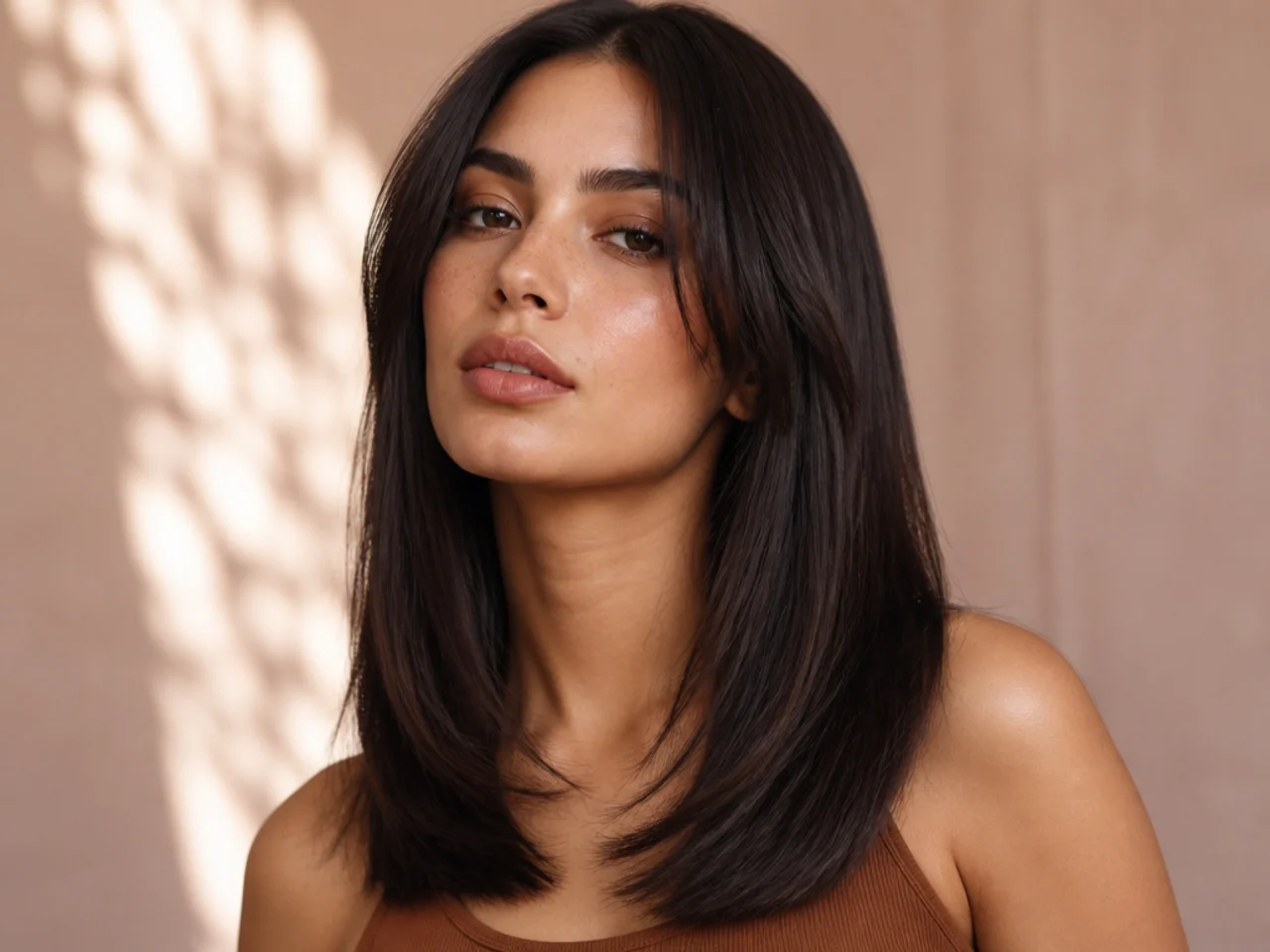
8. Two-Piece Wave
Front pieces bent, everything behind left flat. Very quick. The front is the only part anyone sees from the front, which makes this the highest-value two minutes on this page.
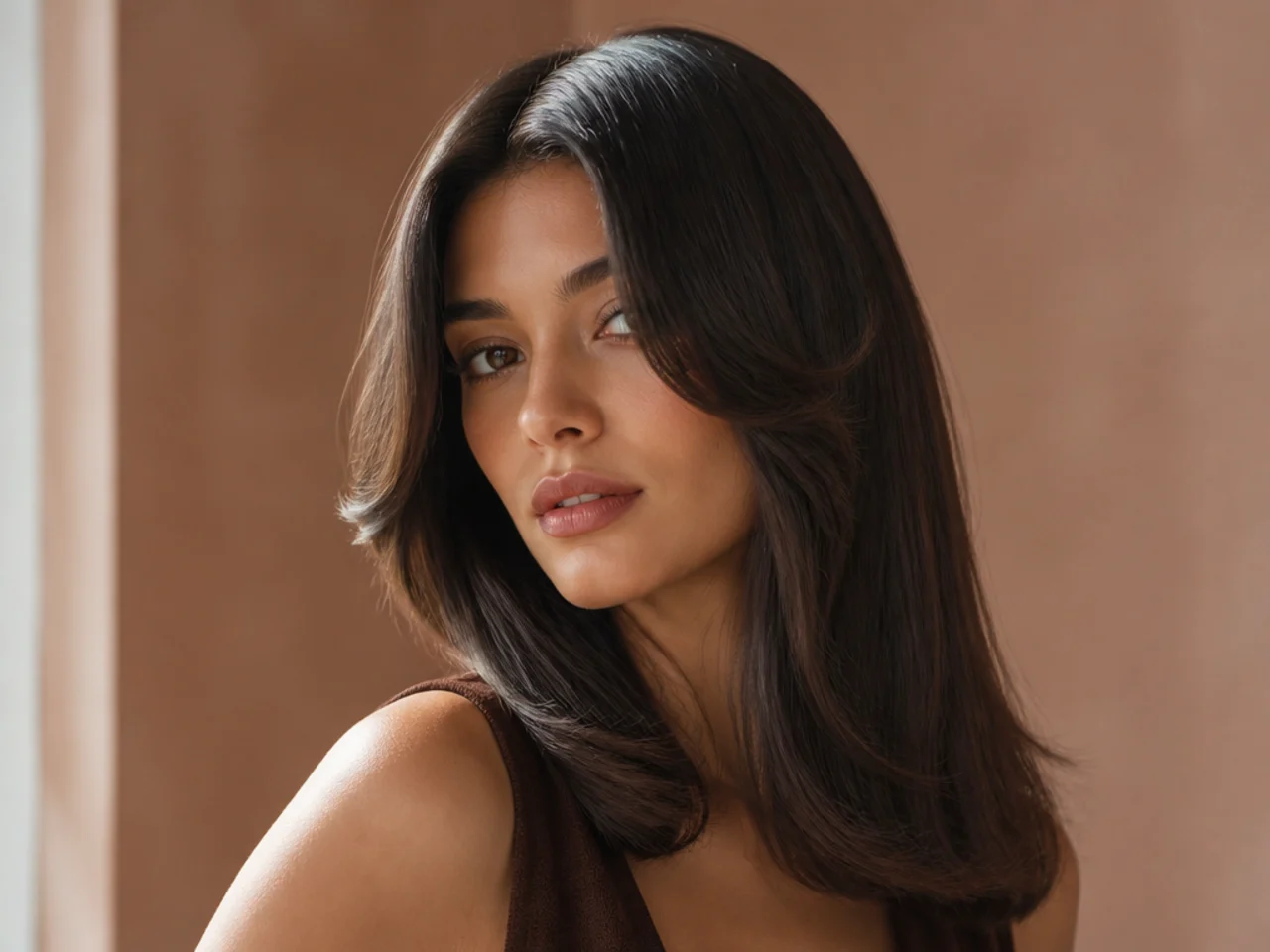
9. Wave with a Centre Part
Symmetrical, with both sides bending away from the face. Both sides have to bend the same way, which is easier to control with an iron than with a wand.
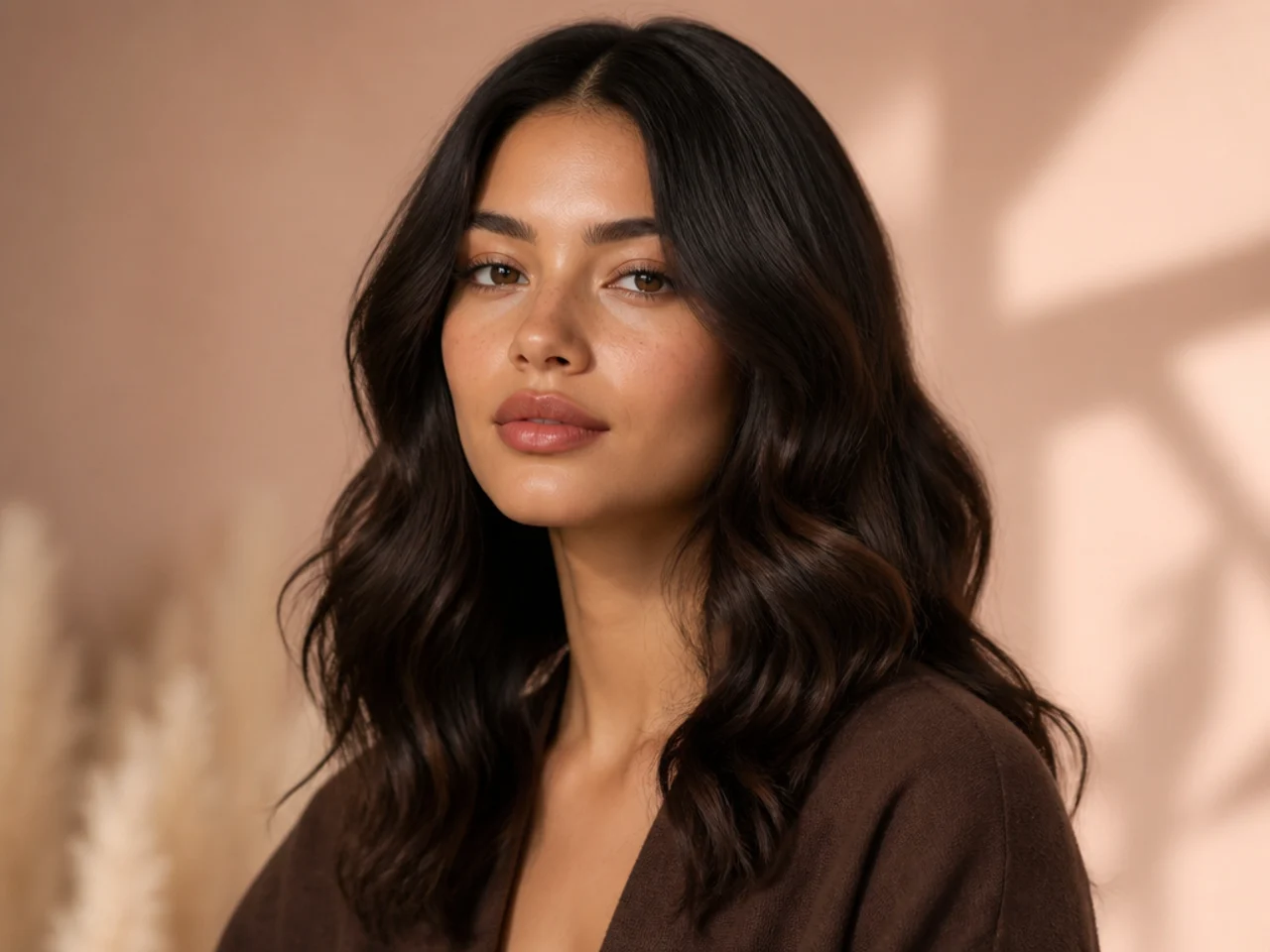
10. Wave with a Deep Side Part
Asymmetric, with more bend on the heavier side. The deeper side carries more hair, so it takes the bend better and holds it longer.
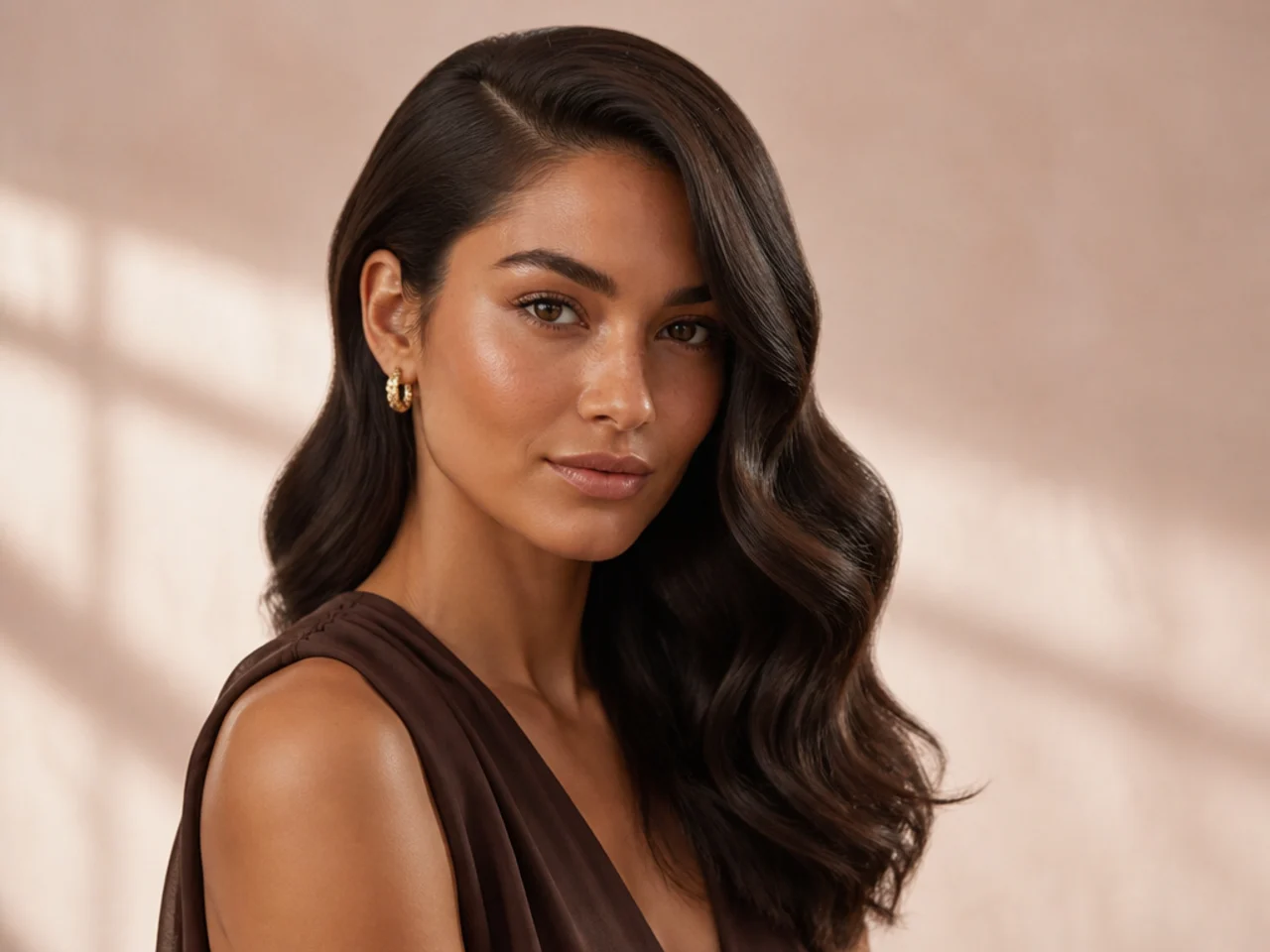
11. Wave on a Lob
The best length for this shape. Enough room for one bend. A lob has enough length below the bend for it to fall properly, and not so much that the weight pulls it out.
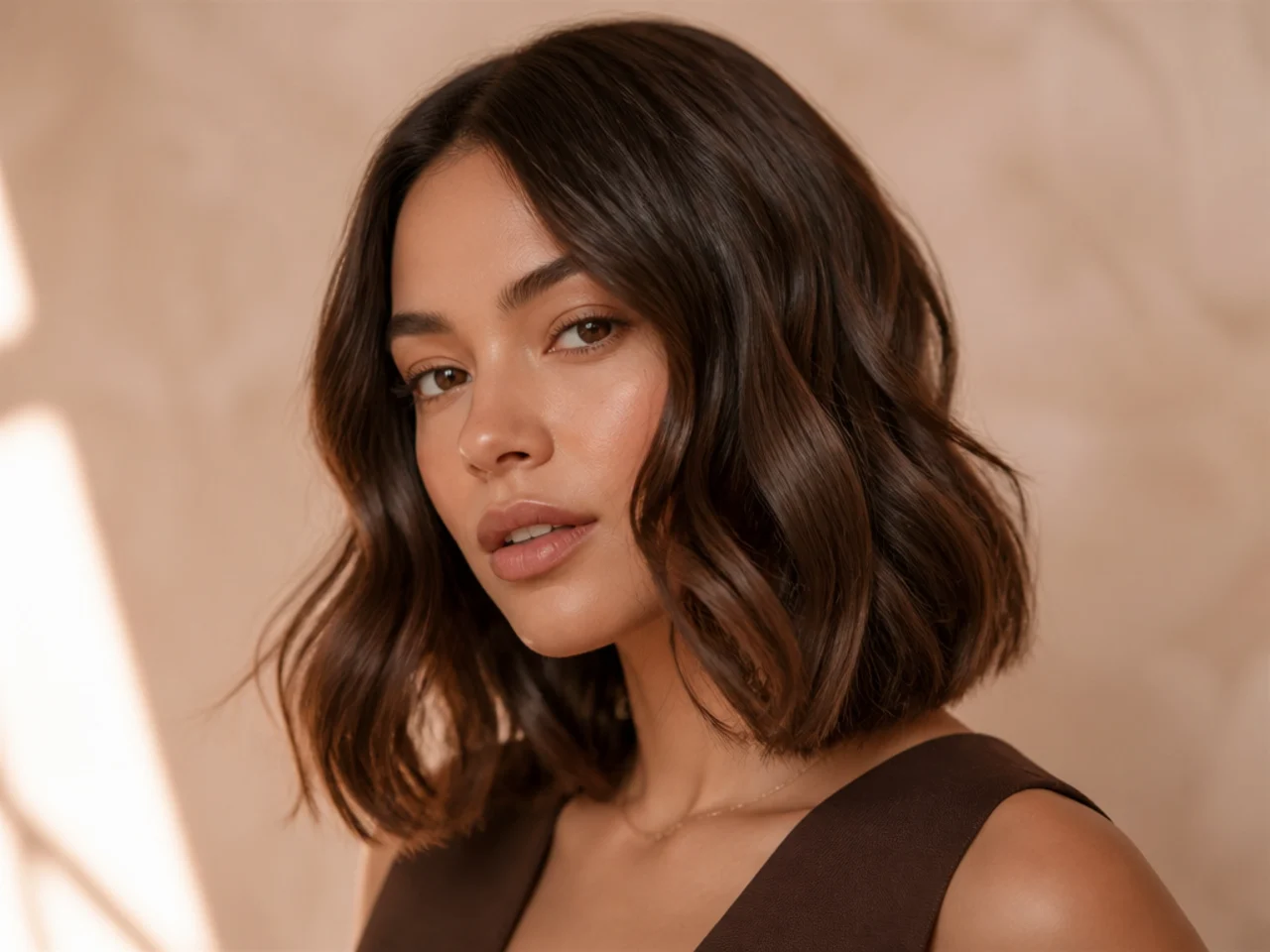
12. Wave on Long Hair
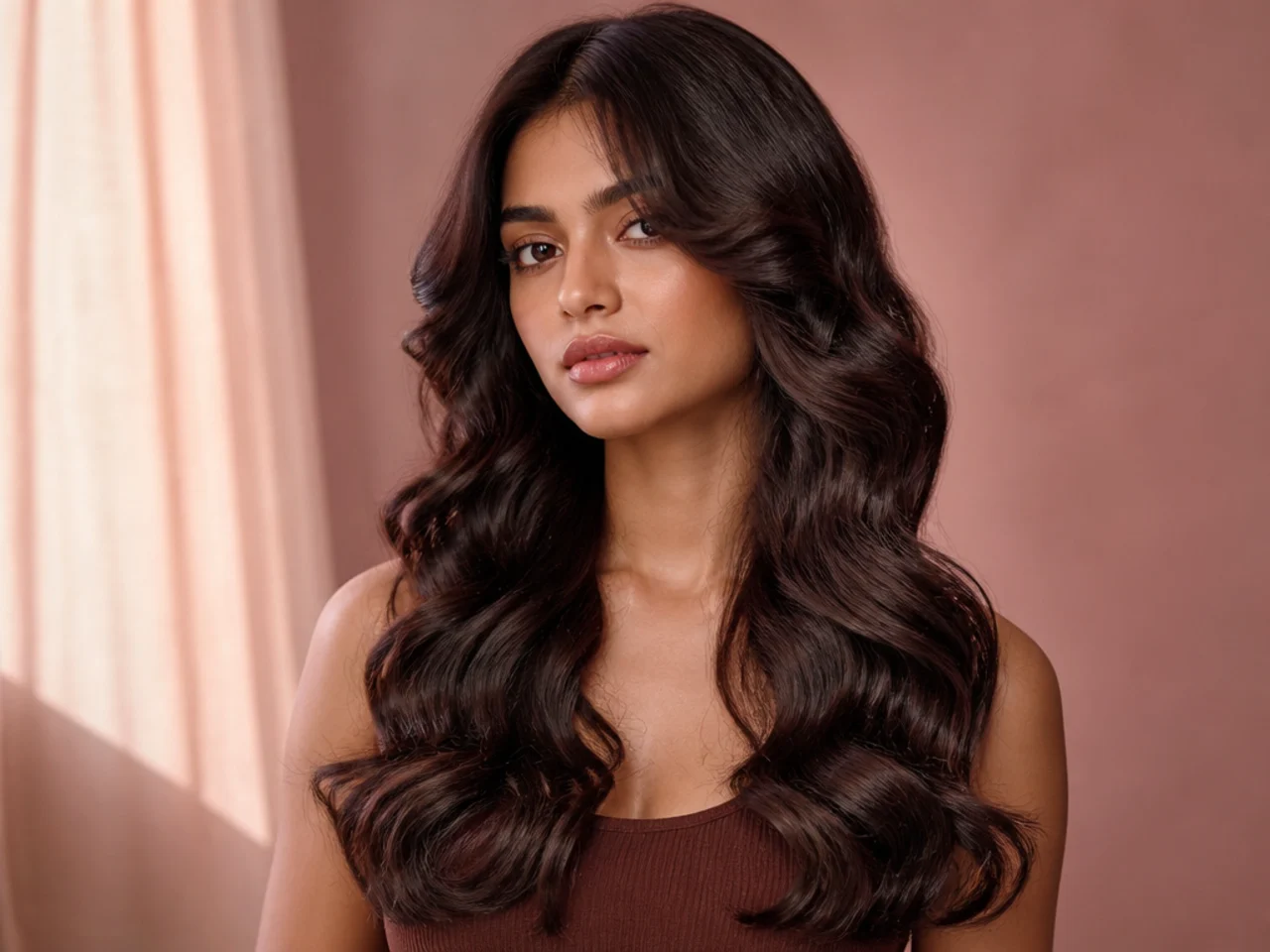
More length, same single bend. Do not add a second one. A second bend turns the look into waves, which is a different aesthetic — one bend regardless of length is the rule here.
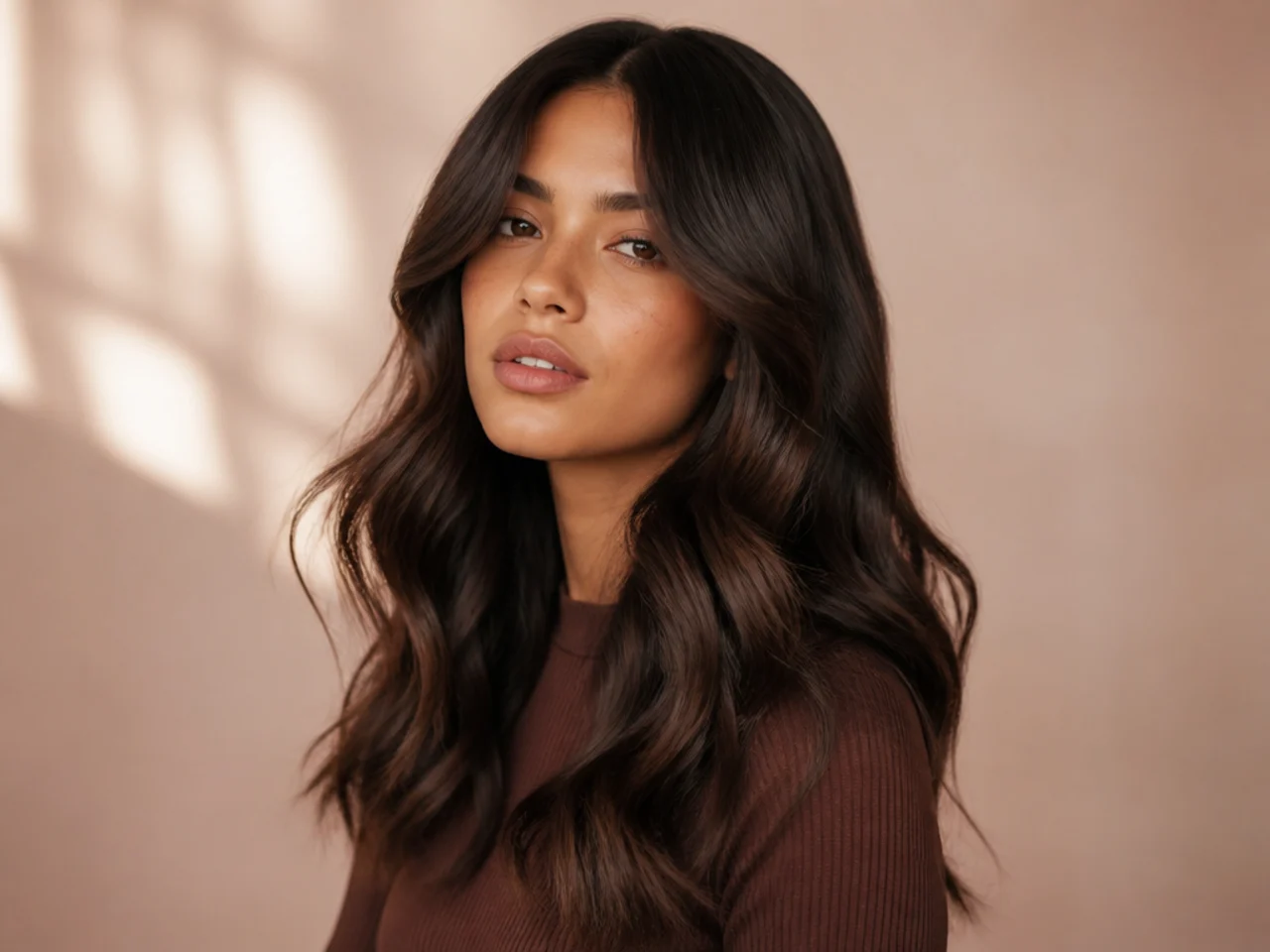
13. Wave on Fine Hair
Very little heat needed, and the bend holds if the hair is clean. Fine hair takes a set quickly and drops it quickly, so this is the one case where wash-day hair is the better starting point.
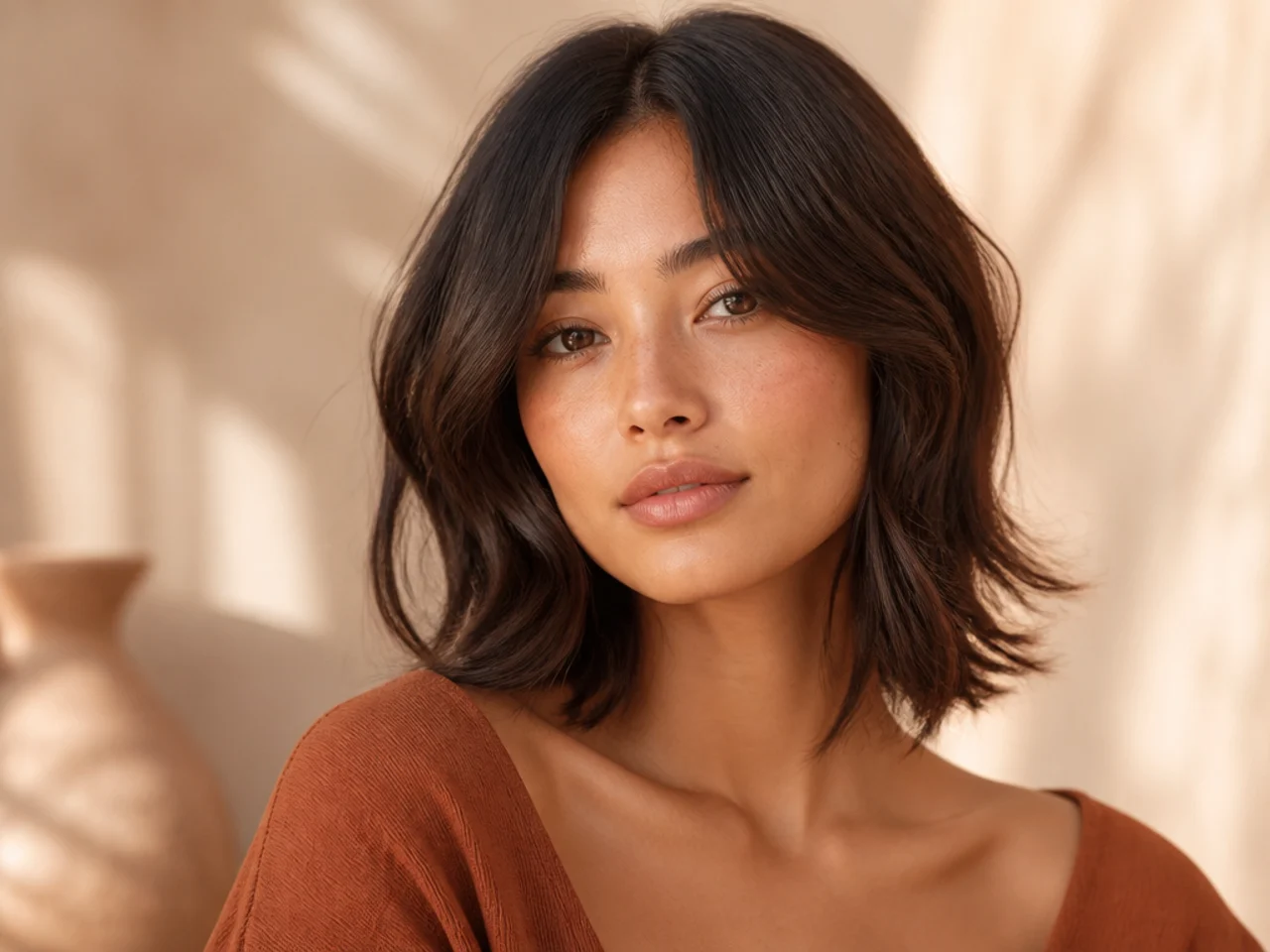
14. Second-Day Wave
The bend from yesterday, revived at the mid-length only. Re-clamp at the same height rather than starting again, which keeps the ends straight and costs one pass.

15. A Full Curl for Comparison
Curled to the tip. A blowout, and a different look entirely. Included as the comparison — the bend is identical, and the only variable is whether the last few inches went through the iron.
Styling and Upkeep
Set it and stop. One pass, then leave it. Every extra pass moves it toward a blowout.
No product before the iron beyond heat protectant. Anything heavier weighs the bend flat.
Refresh at the mid-length only. The ends were never curled, so there is nothing there to redo.
Sleep with it loosely gathered. A low, soft tie keeps the bend without pressing a crease into it.
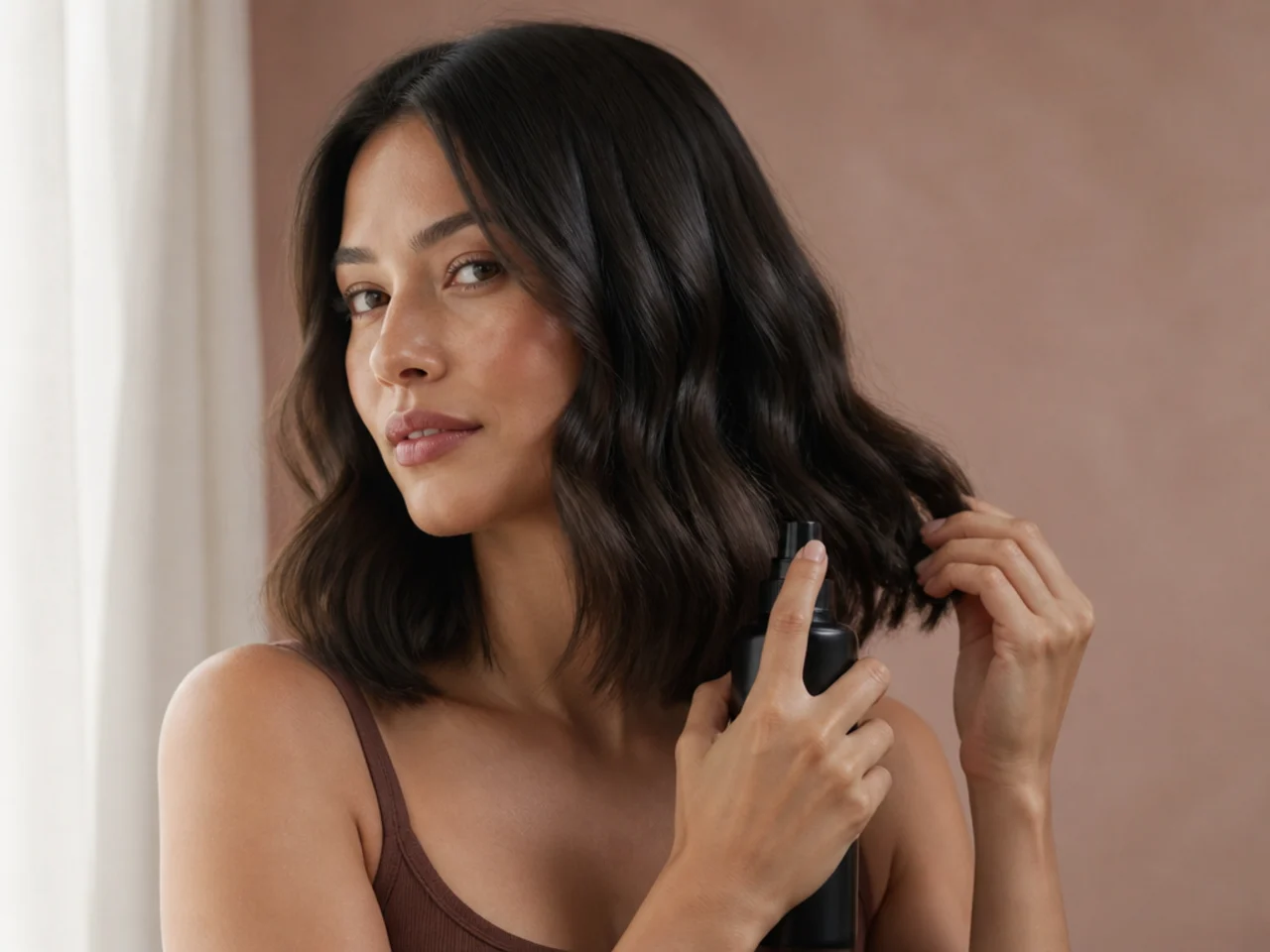
Skip texture spray. It separates the surface the gloss depends on.
Mistakes to Avoid
Curling to the tips. It becomes a blowout, which is the most common miss.
Starting the bend at the root. That is volume, and volume is off-brief.
Brushing it out. It turns one bend into a wave pattern.
Doing a second pass. More is not closer.
Texture spray afterwards. It kills the shine that carries the look.
FAQ
How is it different from a blowout? The ends stay straight.
Where should the bend sit? Through the mid-length, from around cheekbone level down.
Can you do it without heat? On wavy hair, yes — rough-dry and leave it.
Final Thoughts
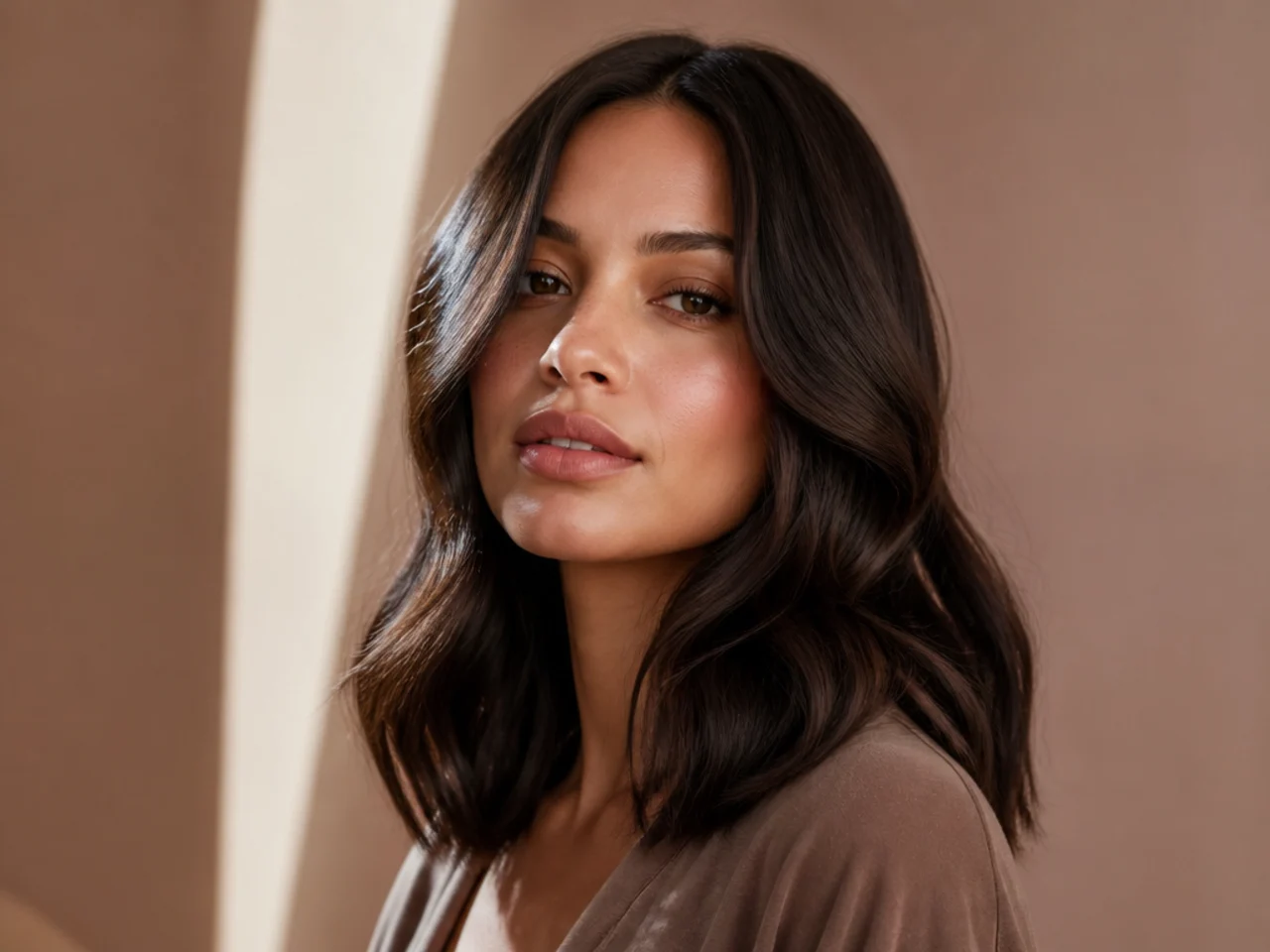
Take the iron out of your hand three inches before the ends. That single restraint is what separates this wave from every blowout, it takes less effort rather than more, and it is the reason the result reads as hair that simply does this rather than hair that was styled.
For the lengths this suits see 20 hailey bieber long hair ideas, and for the look overall see 25 hailey bieber hair looks worth copying. More in Celebrity Hair.