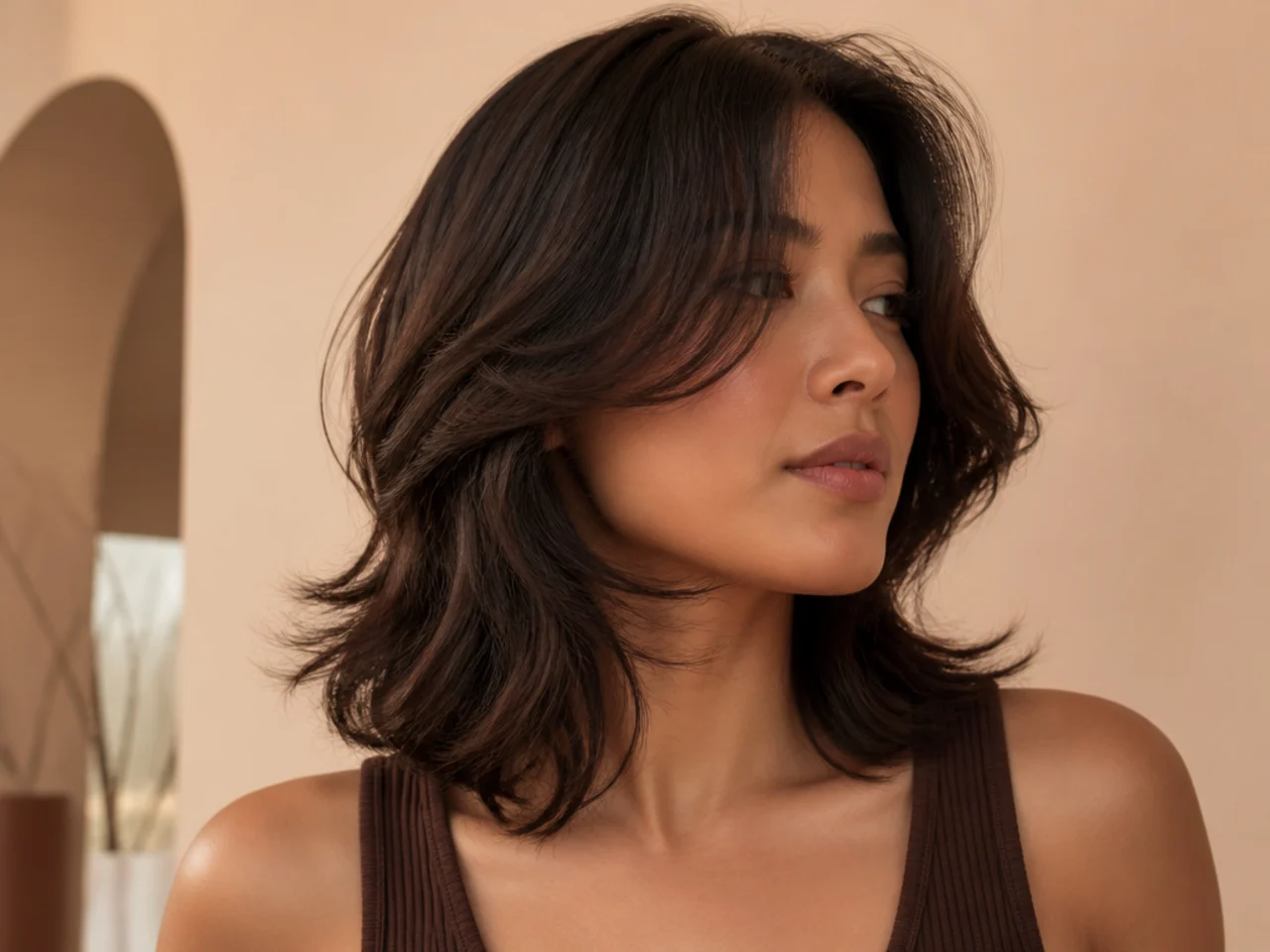
20 Dreamy Butterfly Cuts For Short Wavy Hair
A butterfly cut is two deliberate lengths, not a set of layers, and on short wavy hair the distance between them has to be measured dry. Under about three inches the effect disappears and it reads as an ordinary layered bob.
In this article · 27
- How a Butterfly Cut Is Built
- Choosing Your Two Lengths
- The 20 Butterfly Cuts for Short Wavy Hair
- 1. The Jaw Length Top Layer
- 2. The Butterfly Bob
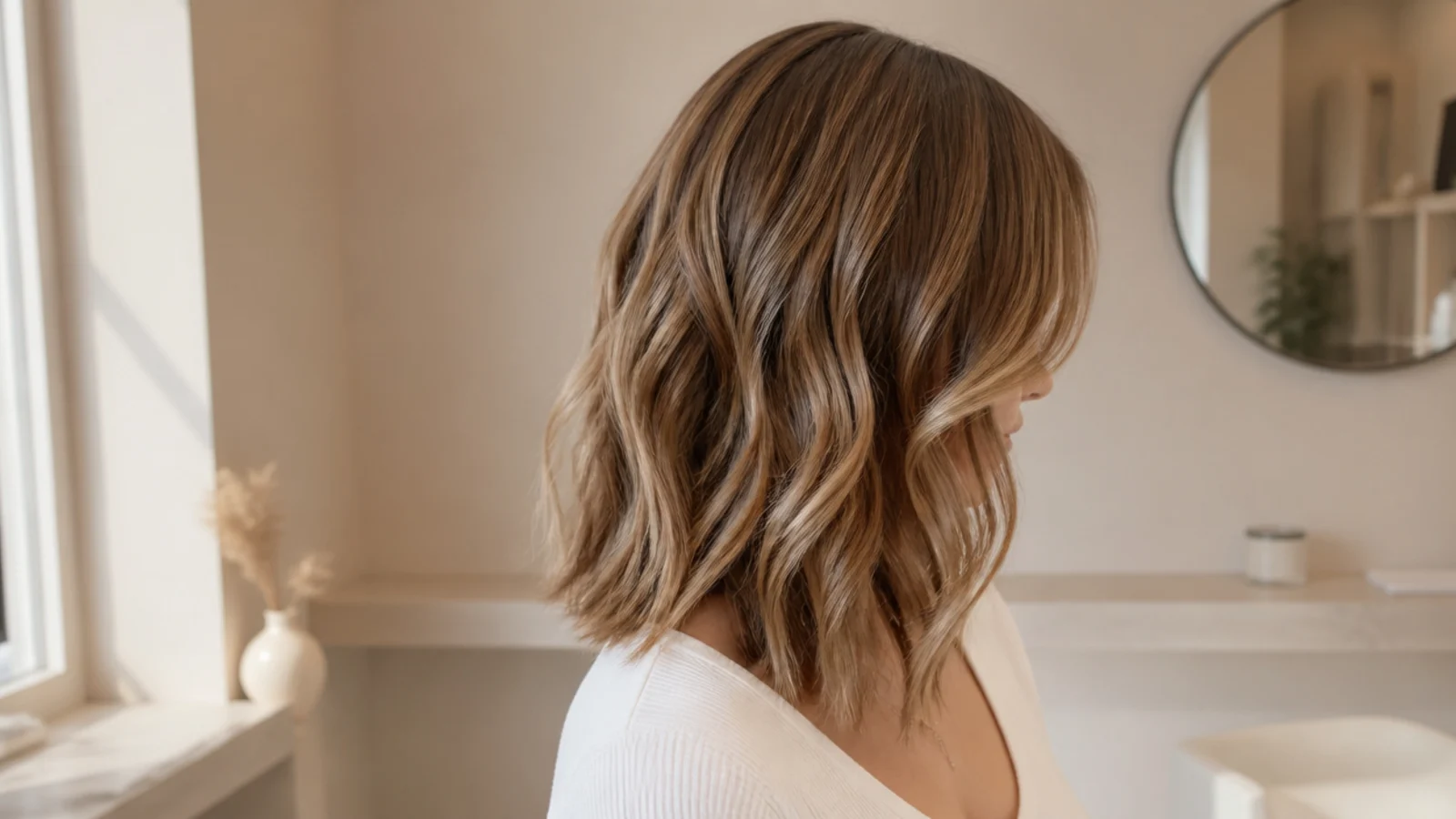
- 3. The Butterfly Lob
- 4. The Chin Grazing Butterfly
- 5. The Collarbone Butterfly
- 6. The Butterfly With Curtain Bangs
- 7. The Middle Part Butterfly
- 8. The Deep Side Part Butterfly
- 9. The Butterfly on 2A Waves
- 10. The Butterfly on 2B Waves
- 11. The Butterfly on 2C Waves
- 12. The Fine Hair Butterfly
- 13. The Thick Hair Butterfly
- 14. The Blunt Perimeter Butterfly
- 15. The Invisible Layer Butterfly
- 16. The Face Framing Butterfly
- 17. The Air Dried Butterfly
- 18. The Diffused Butterfly
- 19. The Shadow Root Butterfly
- 20. The Grown Out Butterfly
- Styling and Upkeep
- Mistakes to Avoid
- FAQ
- Final Thoughts
A butterfly cut on short wavy hair goes wrong in one specific way: the two lengths get cut too close together and the whole thing collapses into ordinary layers.
It is two lengths, not a gradient. A short top layer and a long bottom layer, blended only at the join so neither reads as a step.
On short hair the gap has to be defended. Three to four inches between the two is the minimum. Below that there is nothing for the eye to separate.
How a Butterfly Cut Is Built
The top layer stops around the chin. It is cut as a face framing section and carried back into the crown, which is what gives the front its lift.
The bottom layer keeps its full length. Nothing above the join touches it, so the perimeter stays dense and the outline stays readable.
The join is blended, not stepped. A few connecting pieces between the two lengths stop the top layer sitting visibly on a shelf.
The illusion is short hair over long. Pulled back, the top layer looks like a bob. Down, it looks like volume. Both come from the same two cuts.
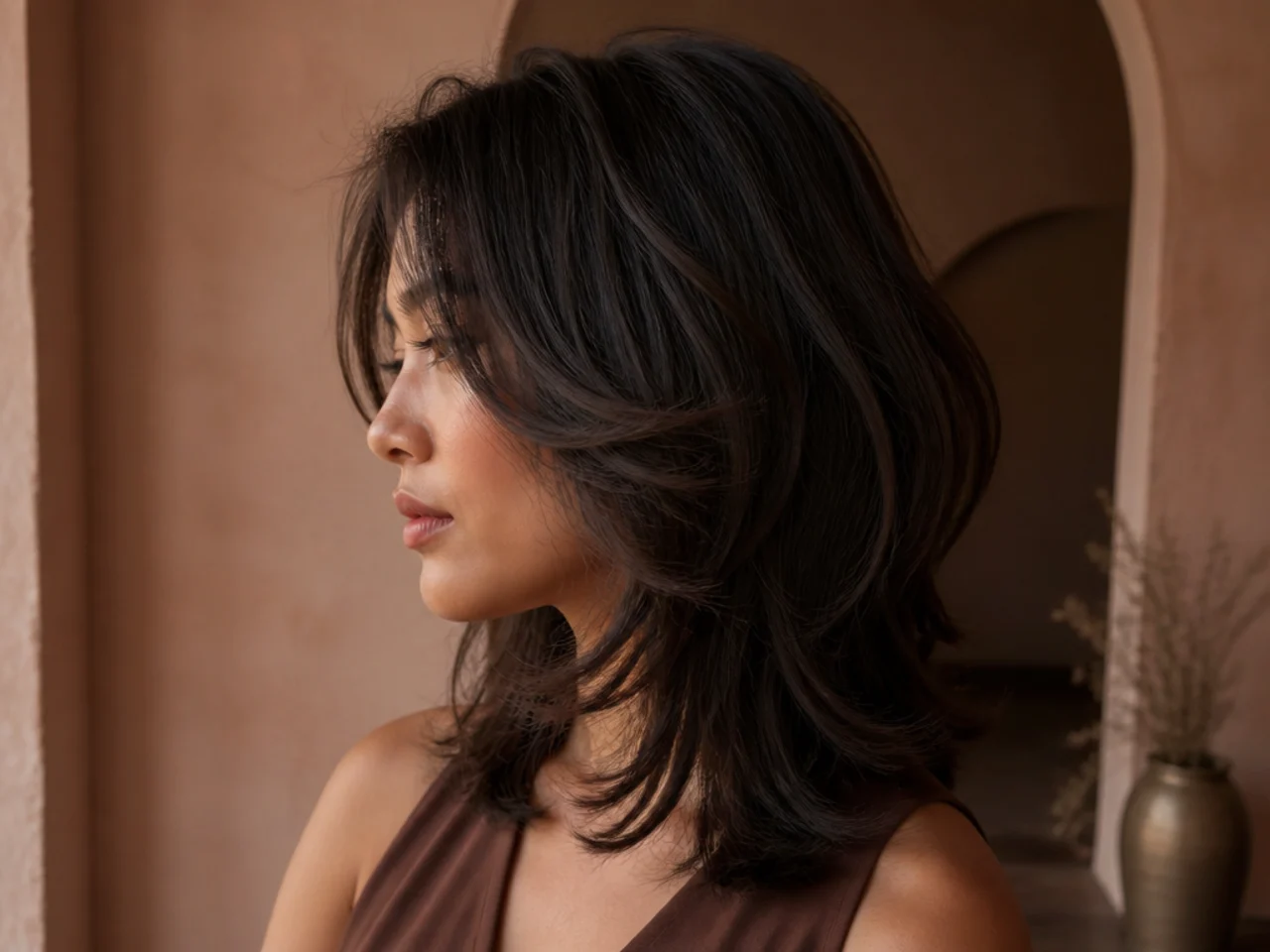
Choosing Your Two Lengths
Set the shortest piece against your cheekbone. It is the piece the eye reads first, so it decides whether the cut shortens or lengthens the face.
Subtract your shrinkage before agreeing to a number. Around half an inch on 2A, an inch on 2B, up to two on 2C. Every wet measurement is longer than the result.
Check the top layer against the widest point of your wave. If it ends on the bulge, its ends stack on the wave below and the head reads wider.
Pick the gap by density. Thick hair carries a four inch gap easily. Fine hair needs three at most, or the top layer takes too much from the perimeter.
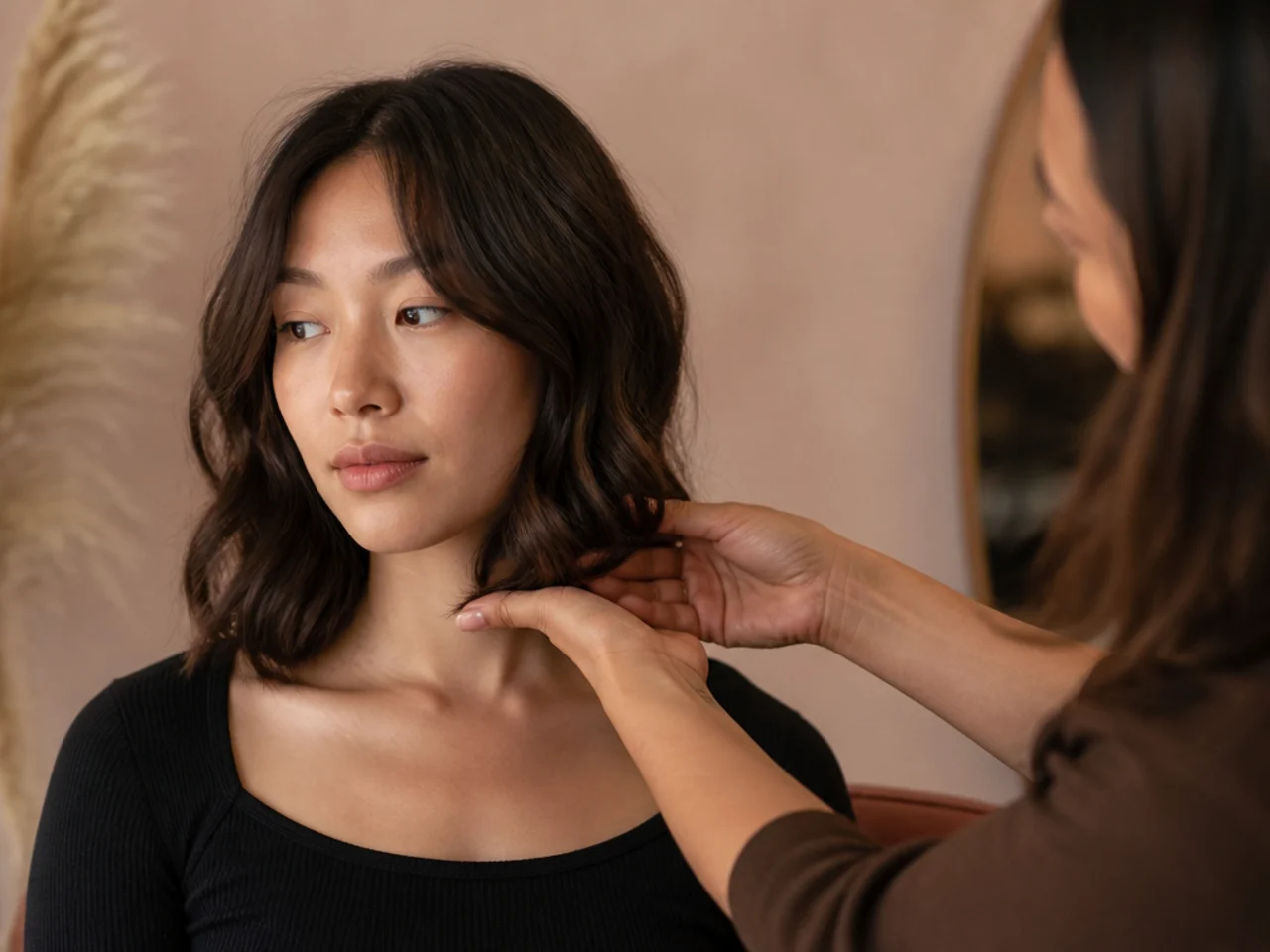
The 20 Butterfly Cuts for Short Wavy Hair
1. The Jaw Length Top Layer
The shortest section finishes level with the jaw, which is the shortest the top layer can go on short hair before the gap closes to nothing. It keeps the face framing tight to the cheek without pulling weight away from the perimeter underneath.
2. The Butterfly Bob
The perimeter is cut at the collarbone and the top layer at the cheekbone, compressing the whole idea into about three inches. It is the shortest a butterfly cut can be and still read as one, and it needs a blunt bottom edge to hold the outline.
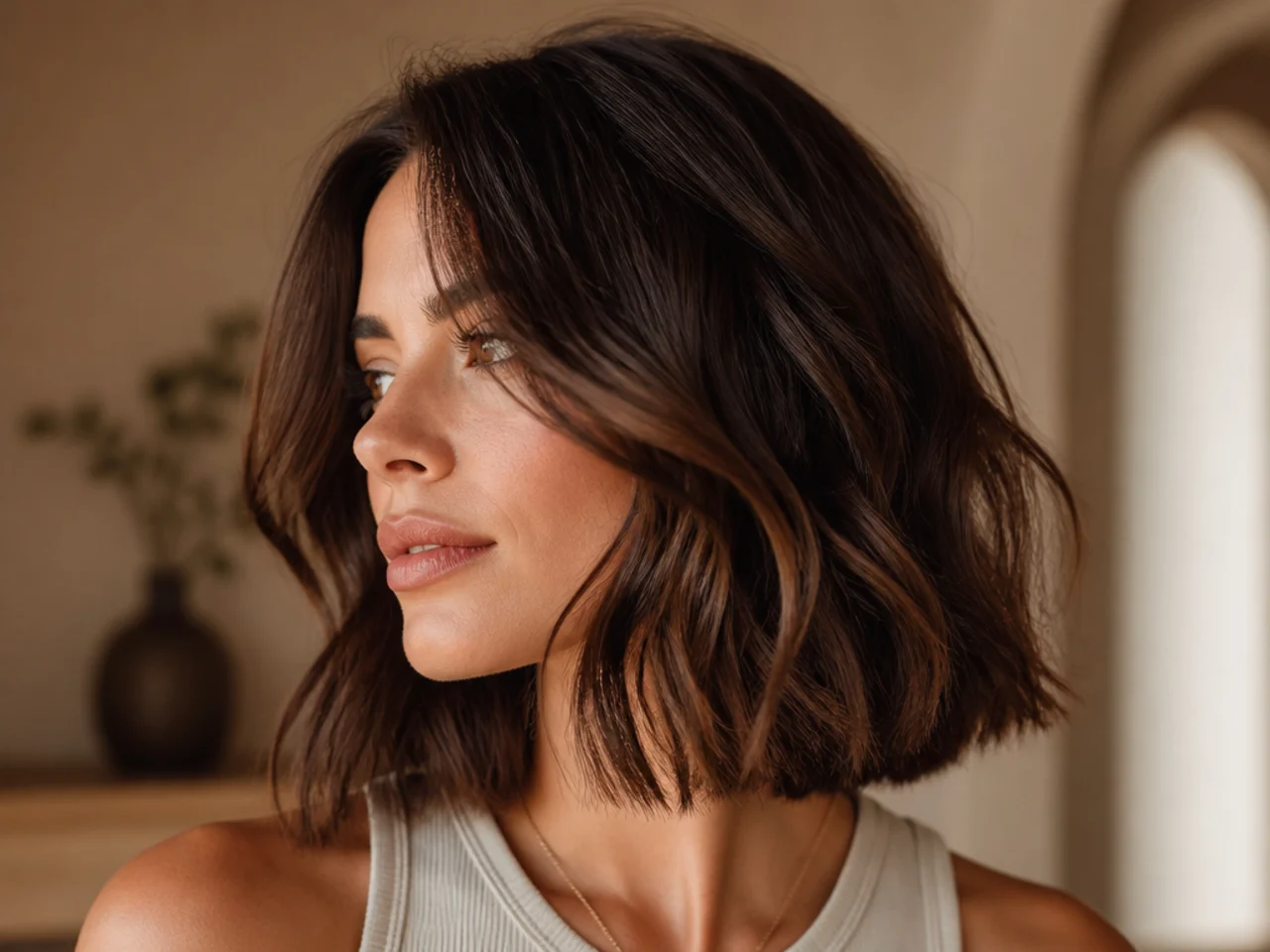
3. The Butterfly Lob
A shoulder length perimeter gives the top layer room to sit at the chin with four inches beneath it. Where the perimeter touches the shoulder it will flick outward, so the bottom line needs notching or the whole edge kicks up as one piece.
4. The Chin Grazing Butterfly
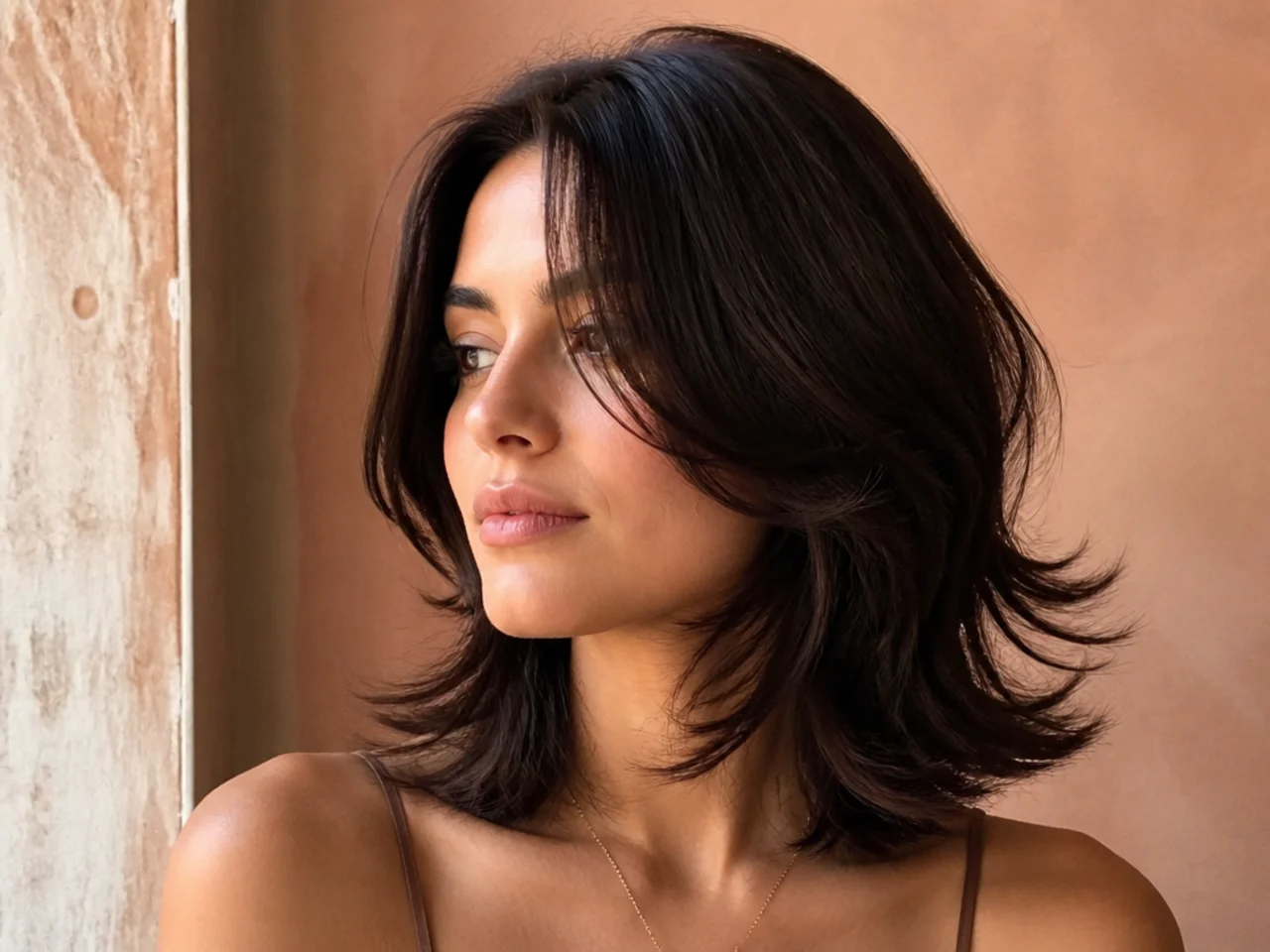
The top layer is set exactly at the chin so that when it curves inward it lands on the jaw and softens a square corner. Half an inch lower and it curves under the jaw instead, where it does the opposite and widens the bottom of the face.

5. The Collarbone Butterfly
The perimeter finishes at the collarbone, which is the point where hair still hangs free rather than resting on anything. That means the ends keep their wave shape instead of being pushed out of it by the shoulder.

6. The Butterfly With Curtain Bangs
The fringe becomes the shortest point of the top layer and is graded straight back into it, so there is no separate step at the temple. Cut as its own section it grows out as its own section, and in six weeks there is a visible ledge where the two meet.

7. The Middle Part Butterfly
A centre part sends equal weight to each side, so the two shortest pieces frame the face symmetrically and draw a vertical down the middle. It lengthens a round face for the same reason, by giving the eye a line to travel down rather than across.
8. The Deep Side Part Butterfly
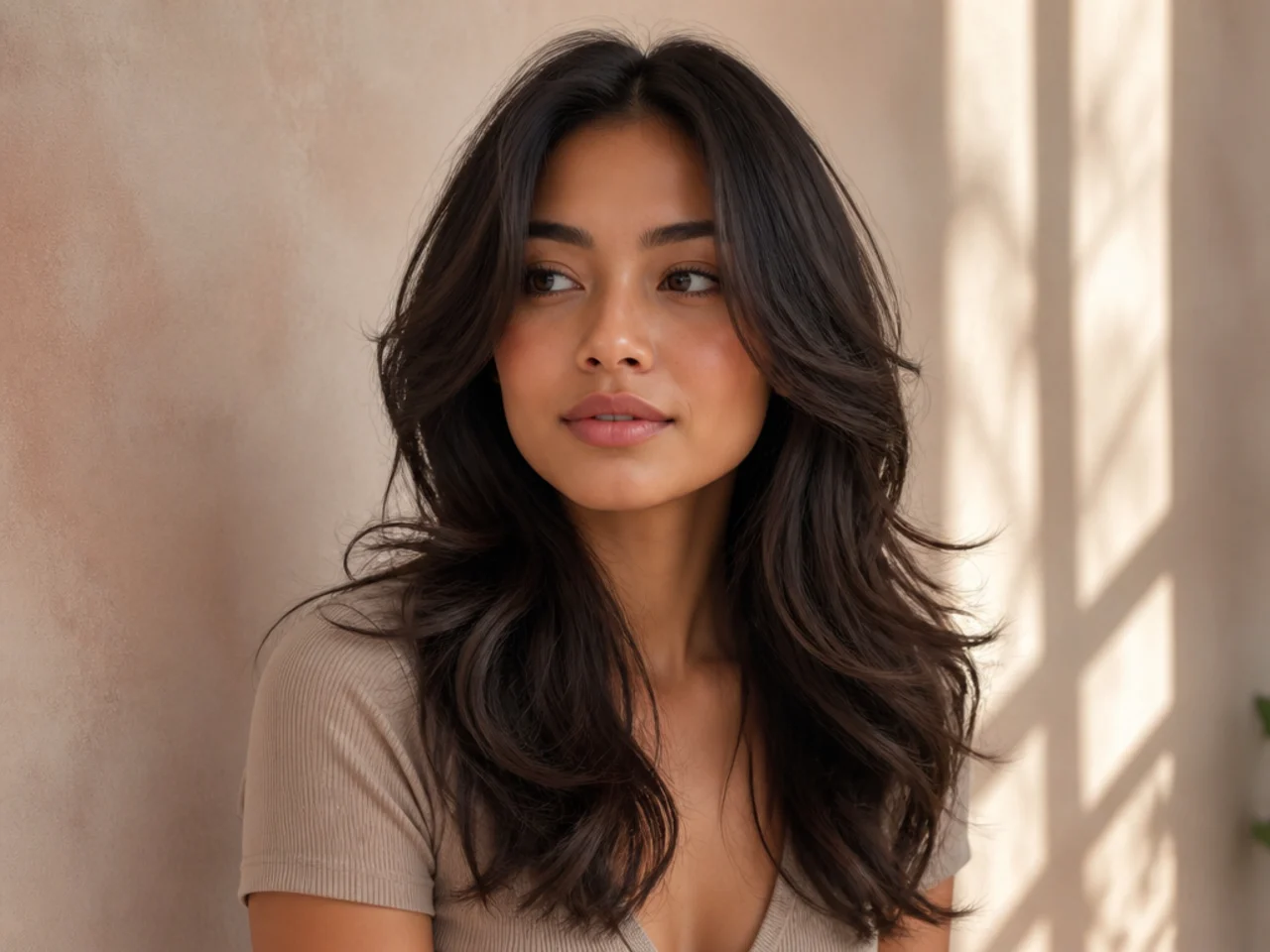
Moving the part off centre pushes most of the top layer to one side, and the roots on the heavy side lift because they are being pulled against their natural fall. That lift is the whole reason a deep part adds volume without any product.
9. The Butterfly on 2A Waves
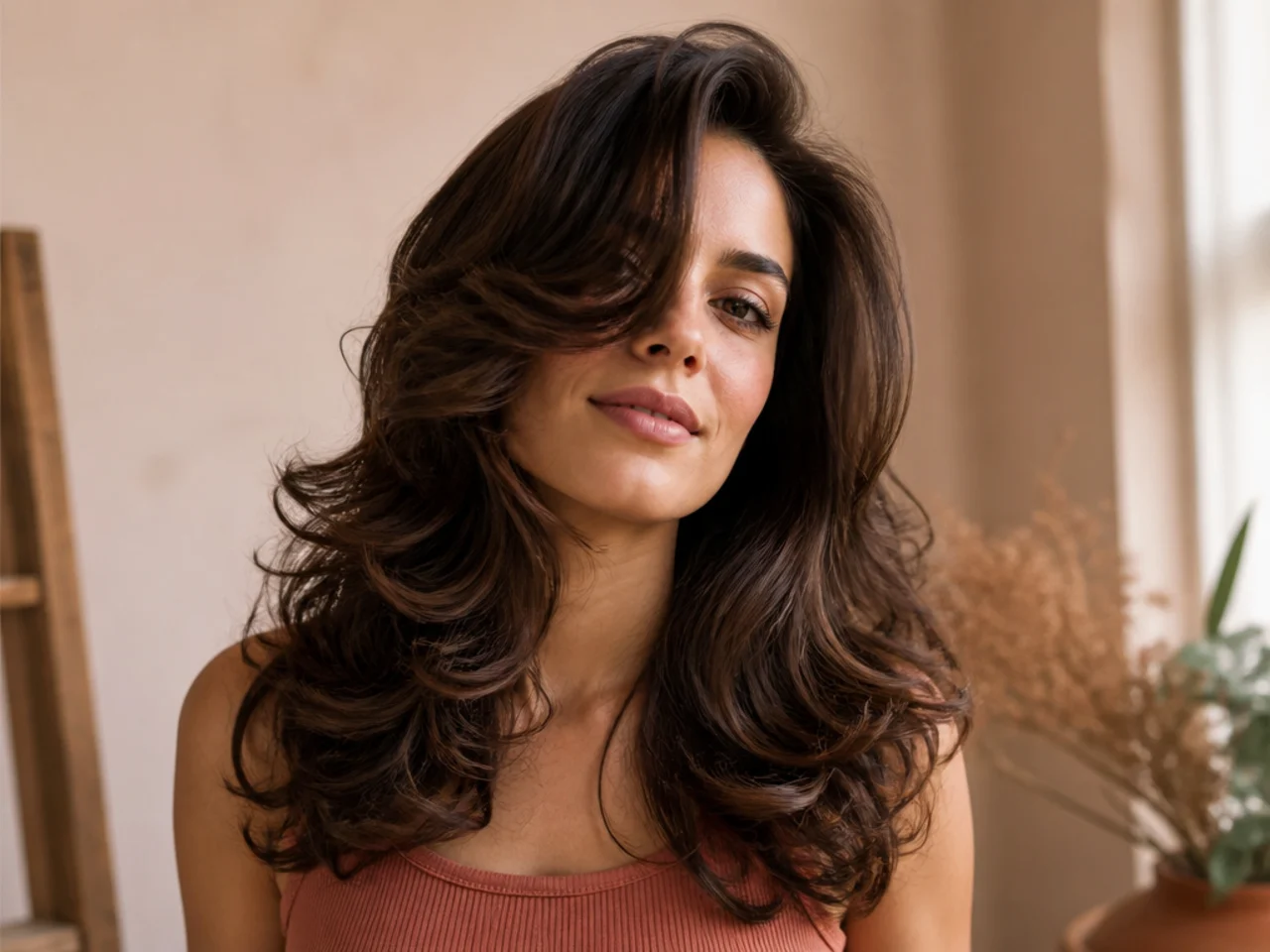
Loose 2A waves shrink about half an inch and hold only a soft S bend, so the two lengths stay close to where they were measured. The tradeoff is that the join between them is easier to see, which is why the connecting pieces need more blending here than on tighter waves.
10. The Butterfly on 2B Waves
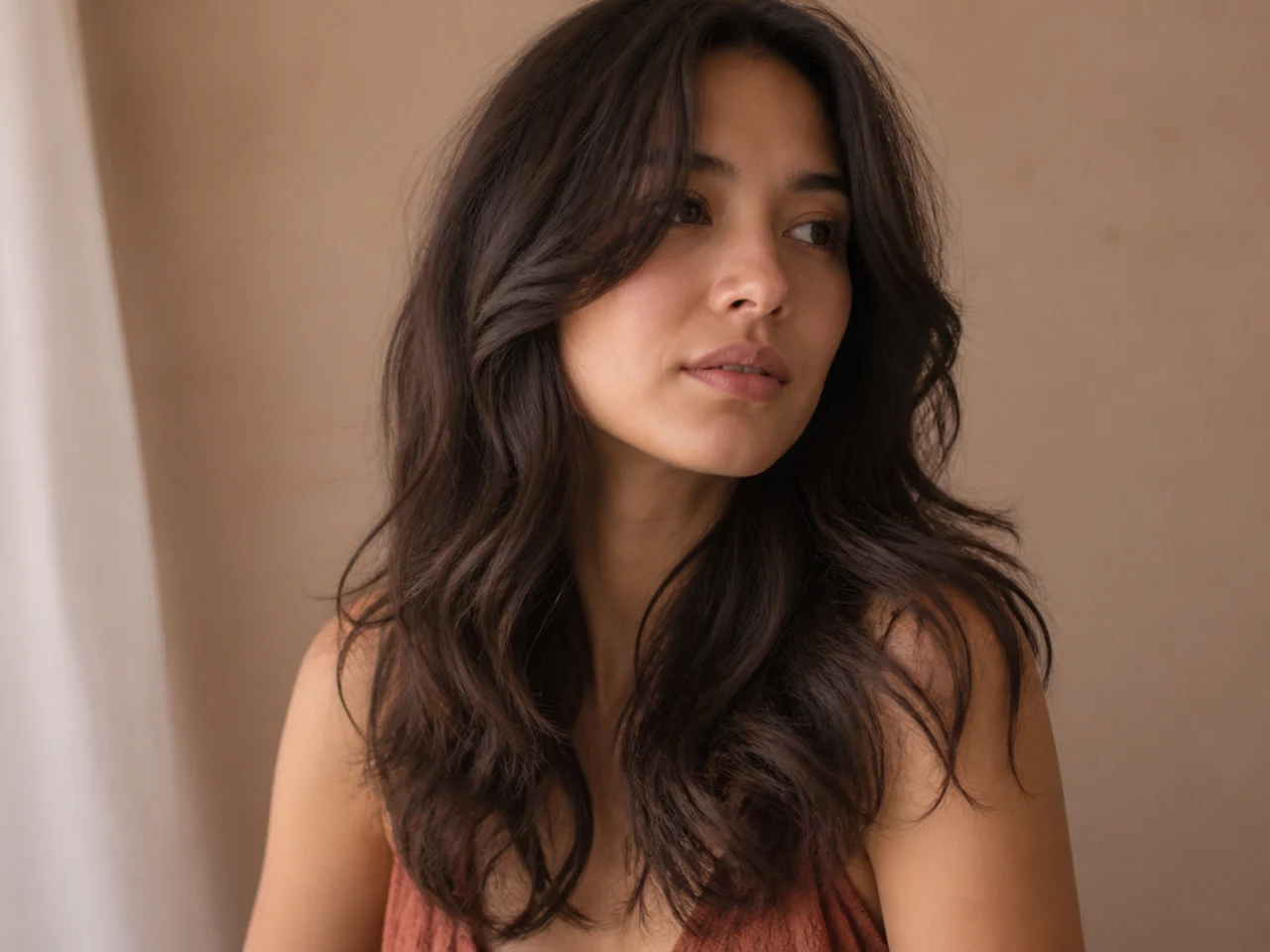
2B waves lose about an inch on drying and form a defined S from the mid lengths down, which hides the join between the two layers on its own. The bend starts below the ear, so a top layer cut at the chin is the first section that will actually show the wave.
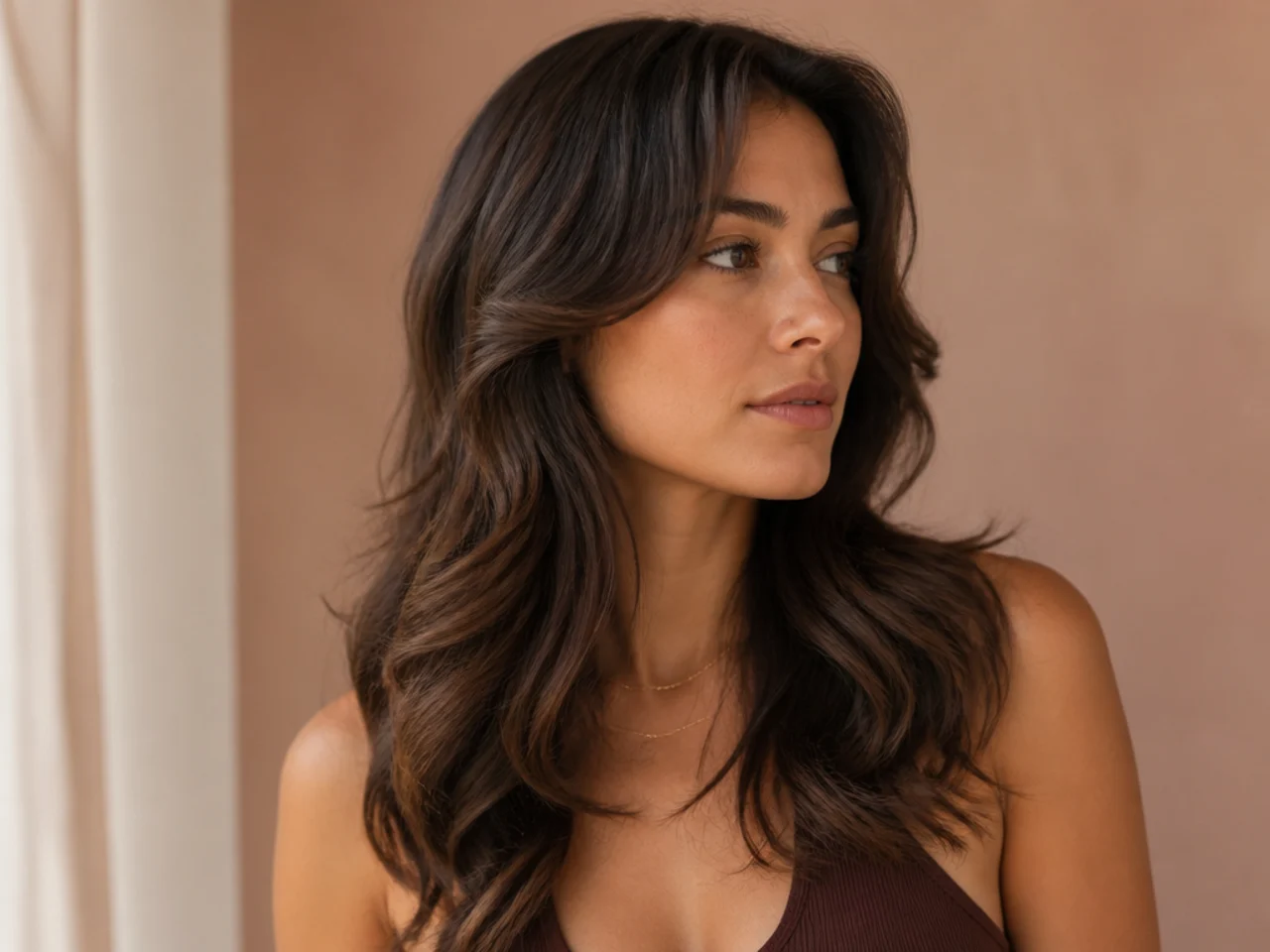
11. The Butterfly on 2C Waves
2C shrinks up to two inches and the bend starts near the root, so the top layer expands sideways rather than falling. Cutting it a good deal longer than the target and removing interior weight is what keeps the shape from going triangular.
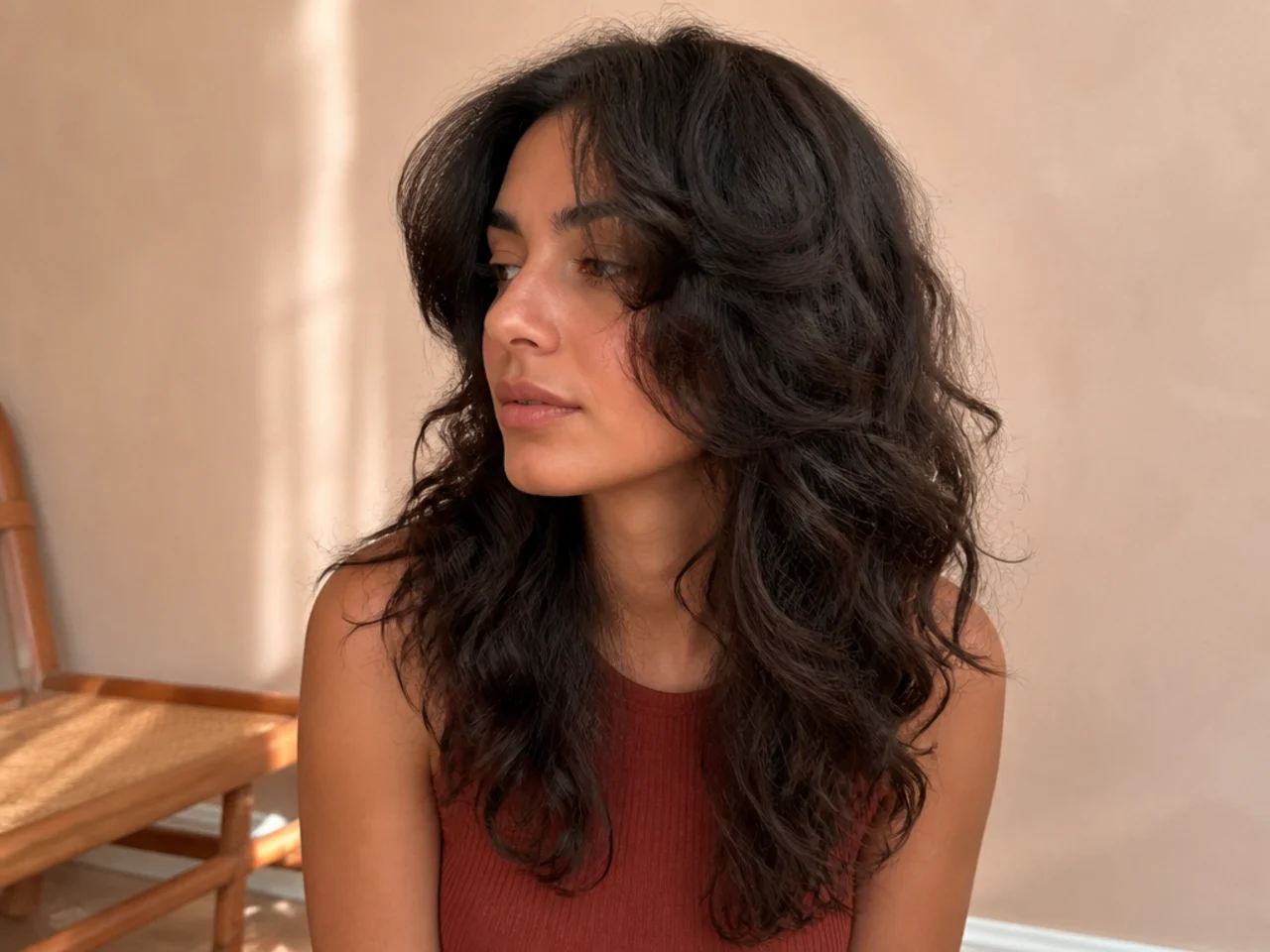
12. The Fine Hair Butterfly
The top layer is taken out of the same head of hair as the perimeter, so on fine hair it costs the bottom its density. Keeping the gap at three inches and leaving the bottom two inches blunt is what stops the perimeter fading out to nothing.
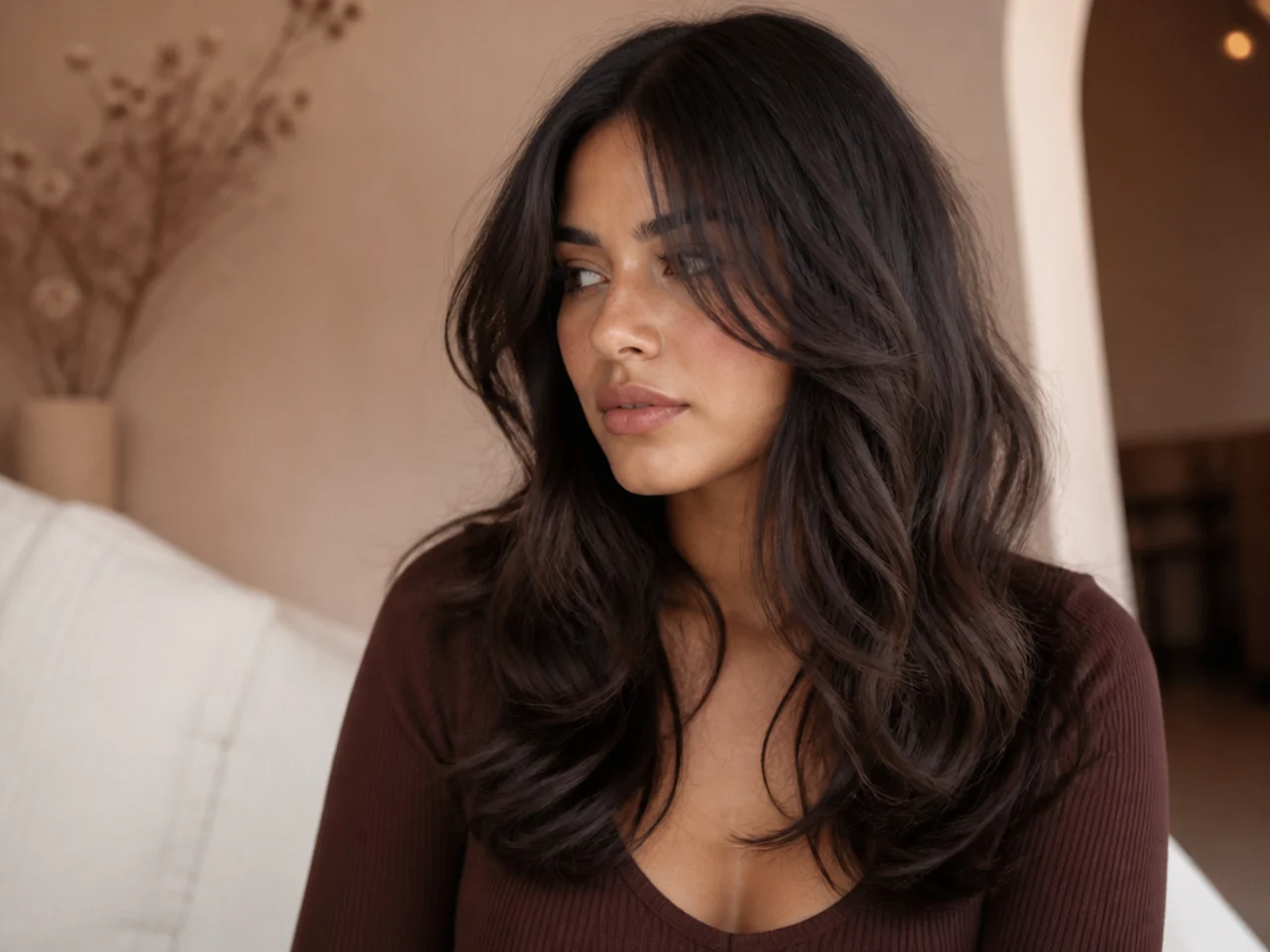
13. The Thick Hair Butterfly
Thick wavy hair stacks its layer ends on top of each other and pushes the mid lengths outward, which is where the triangle comes from. The answer is interior weight removal under the top layer, not a shorter top layer, because a shorter one only moves the widest point higher.

14. The Blunt Perimeter Butterfly
Every layer is kept above the join and the bottom line is left solid, which gives the whole cut a hard edge to be measured against. The contrast between a soft top layer and a sharp bottom is what makes both halves read more clearly than either would alone.
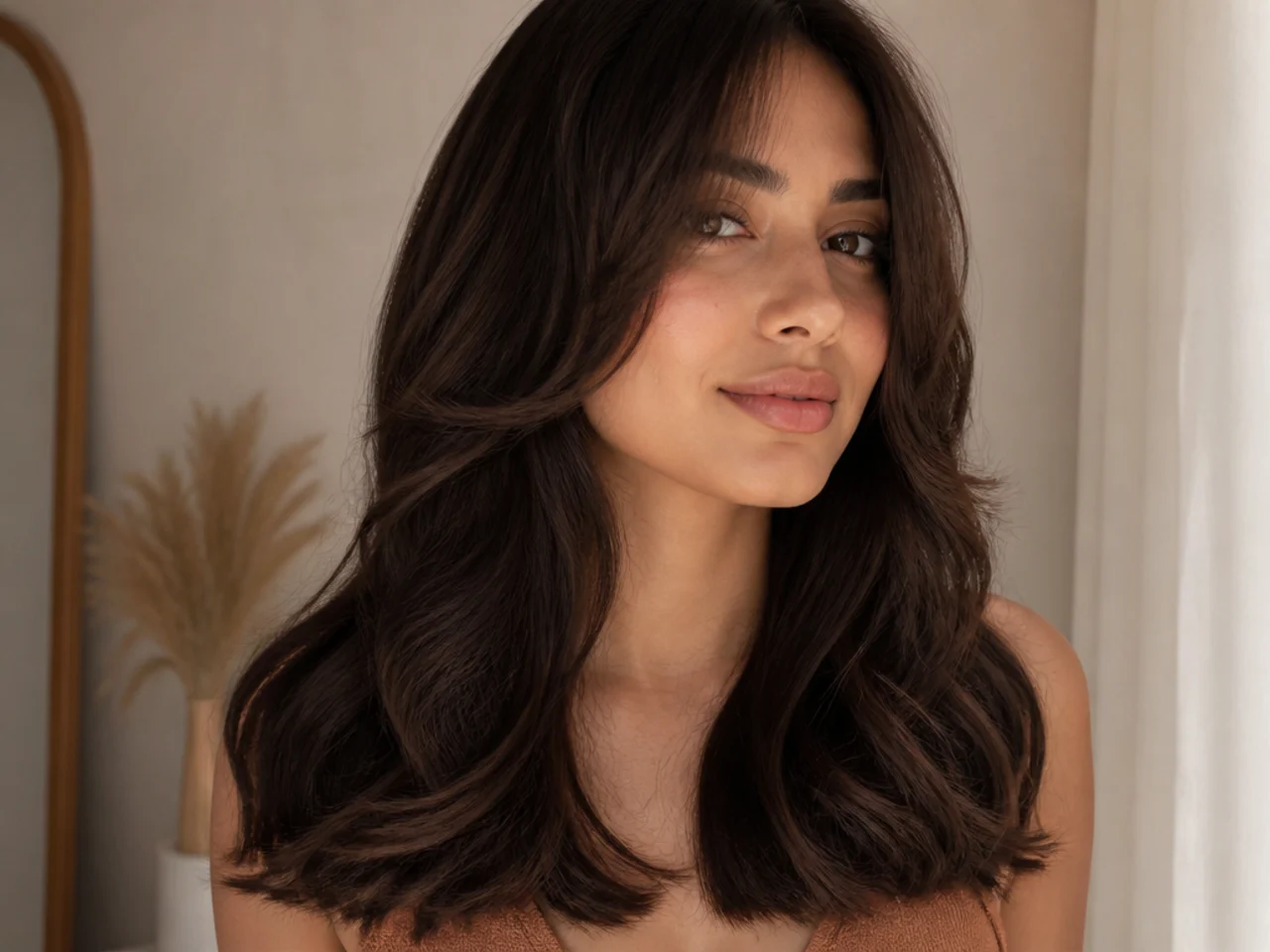
15. The Invisible Layer Butterfly
The top layer is cut underneath the surface so its ends fall inside the outer length rather than on it. Nothing looks layered from the front and the volume still appears, which suits anyone who wants the lift without a visible second length.
16. The Face Framing Butterfly
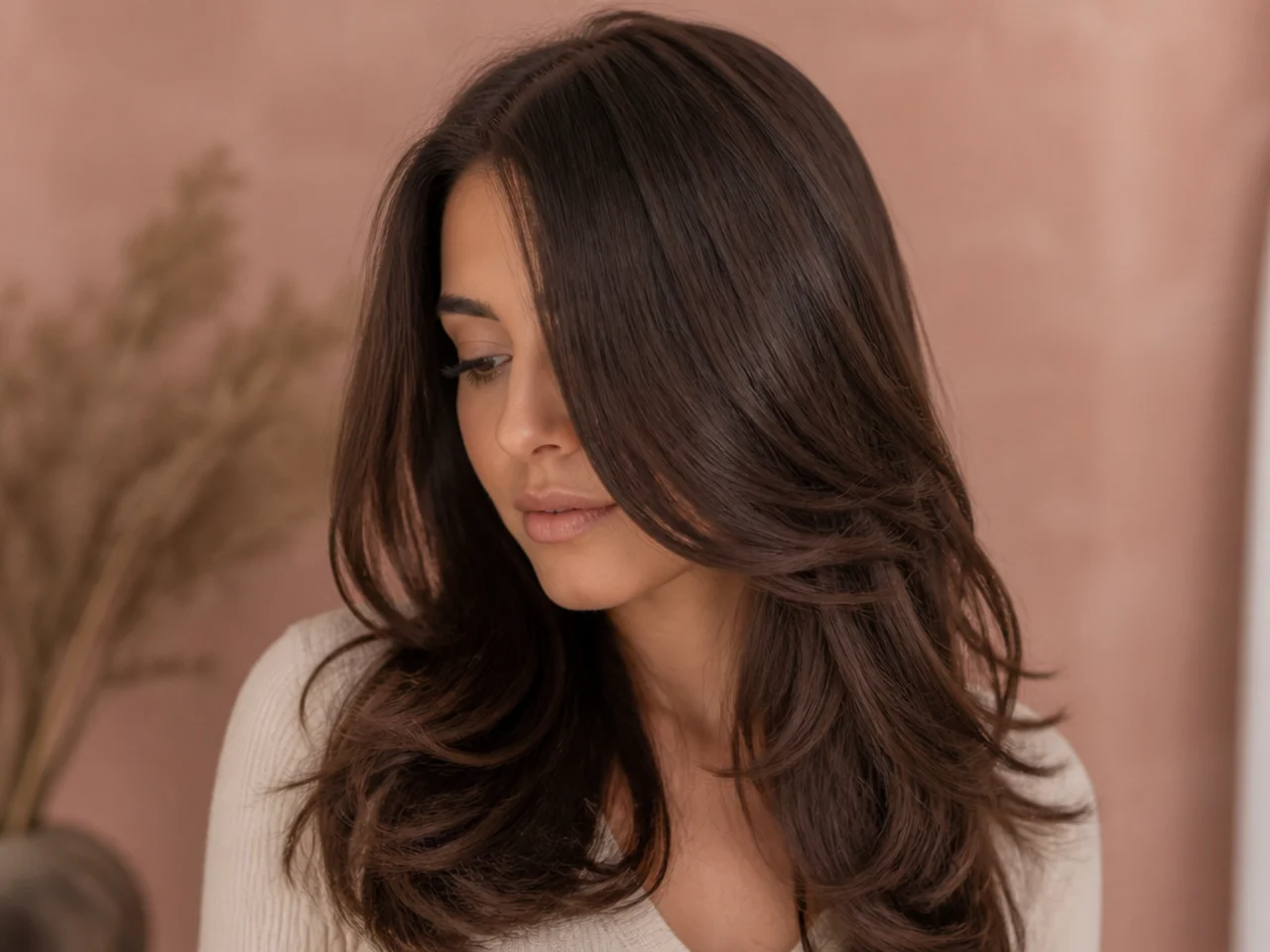
The shortest piece is placed at the cheekbone and every piece behind it is graded longer in a continuous sweep back. That sweep is what makes the front look like it was blow dried away from the face when it has simply been cut that way.
17. The Air Dried Butterfly
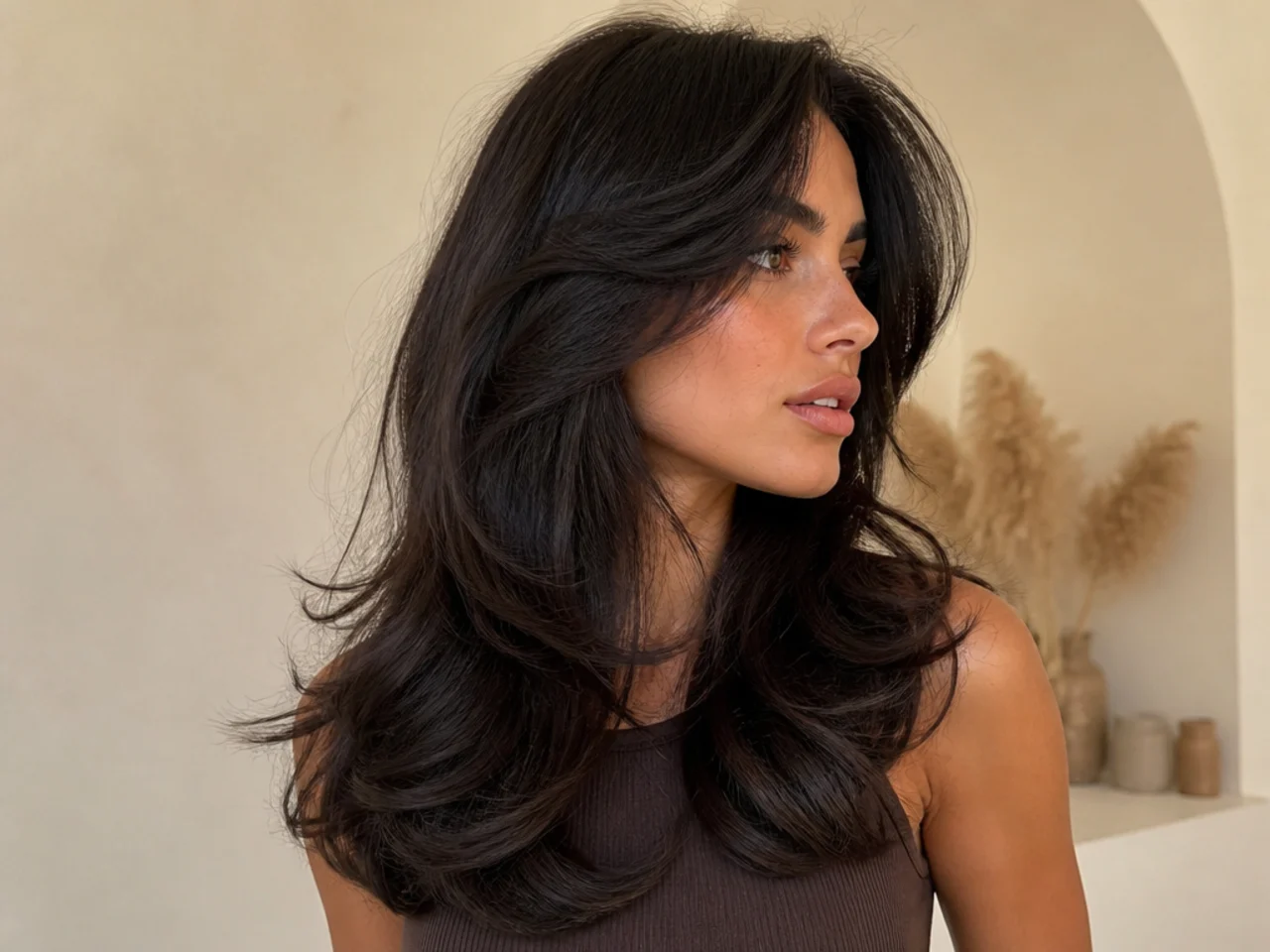
Left to dry alone, the top layer sets in whatever direction its roots were in when it was damp, so the part is doing more work than any product. Scrunching the mid lengths in the first ten minutes is what decides whether the waves clump into an S or dry apart into frizz.

18. The Diffused Butterfly
A diffuser spreads the airflow so the wave clumps are not blown apart before they set, and drying with the head tipped over holds the roots lifted while they dry. Most of the visible volume in a diffused butterfly cut comes from that root position rather than from the layers.
19. The Shadow Root Butterfly
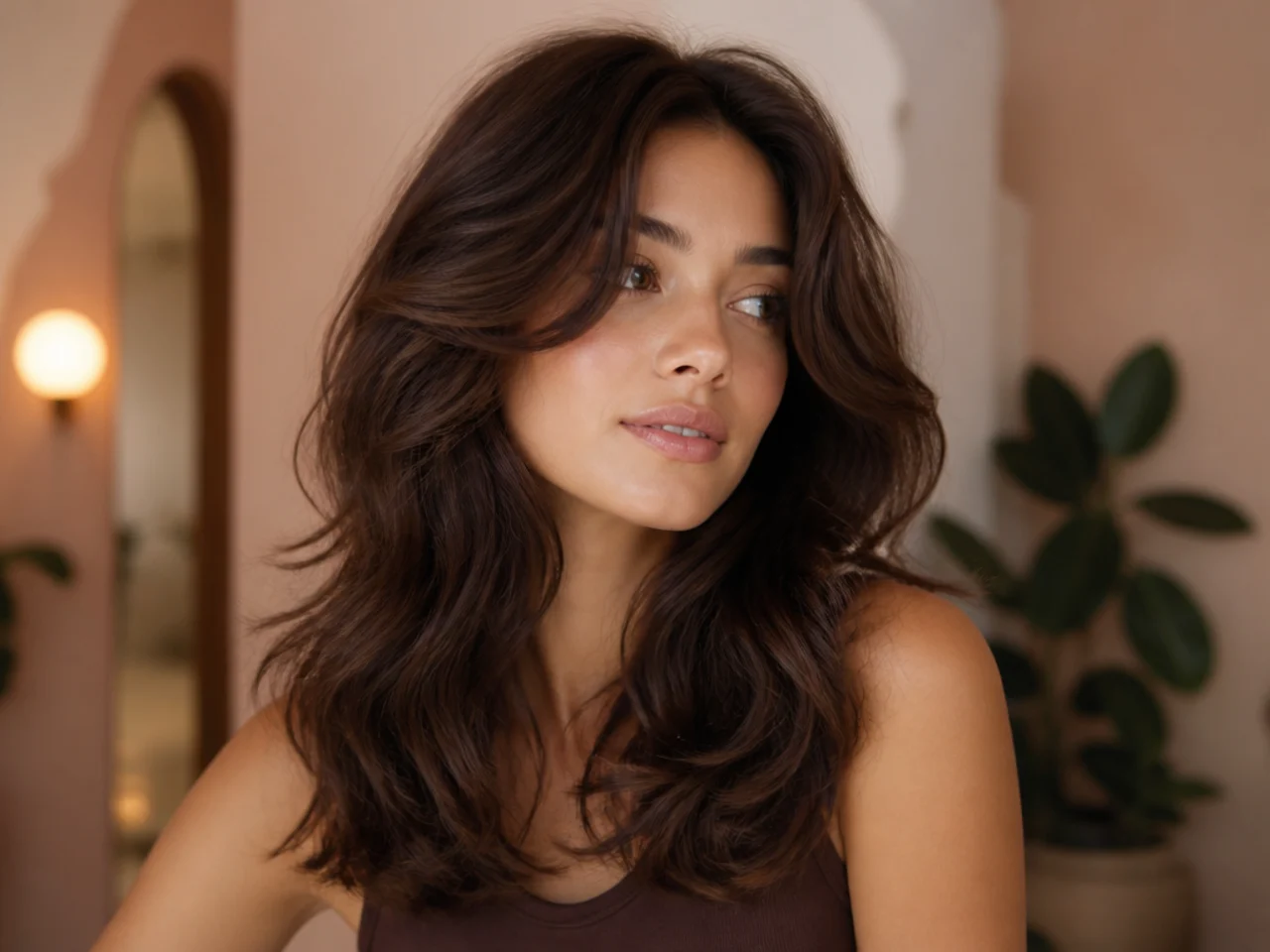
Depth is kept at the root and lightness carried through the mid lengths, so the eye reads the lighter section as sitting in front of the darker one. On a two length cut that depth difference does the same job as the layers, separating top from bottom visually.
20. The Grown Out Butterfly
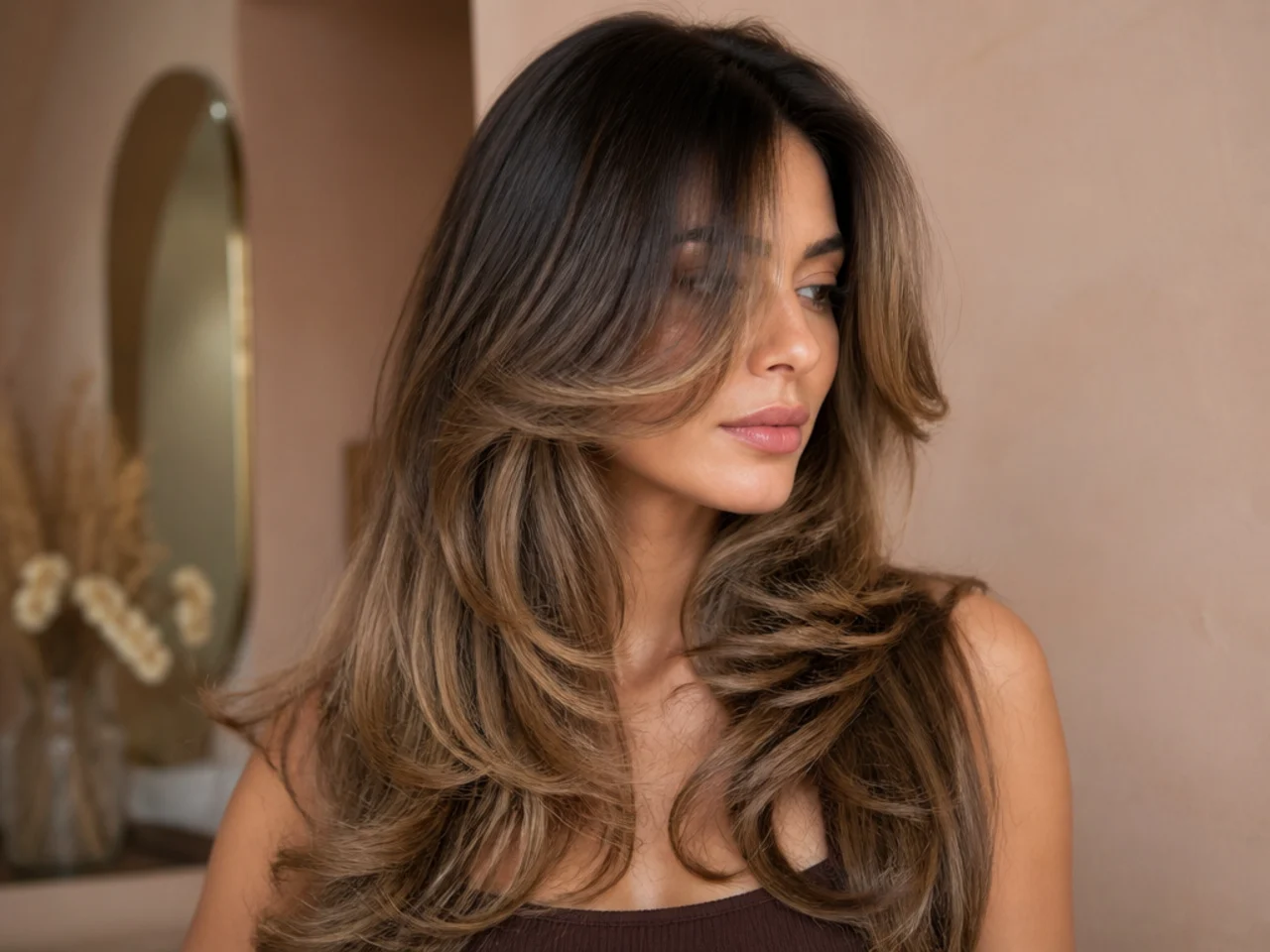
At around twelve weeks the top layer has gained an inch and a half and now sits close enough to the perimeter that the two read as one. Trimming only the bottom makes this worse, because it narrows the gap further and finishes the conversion into a layered bob.
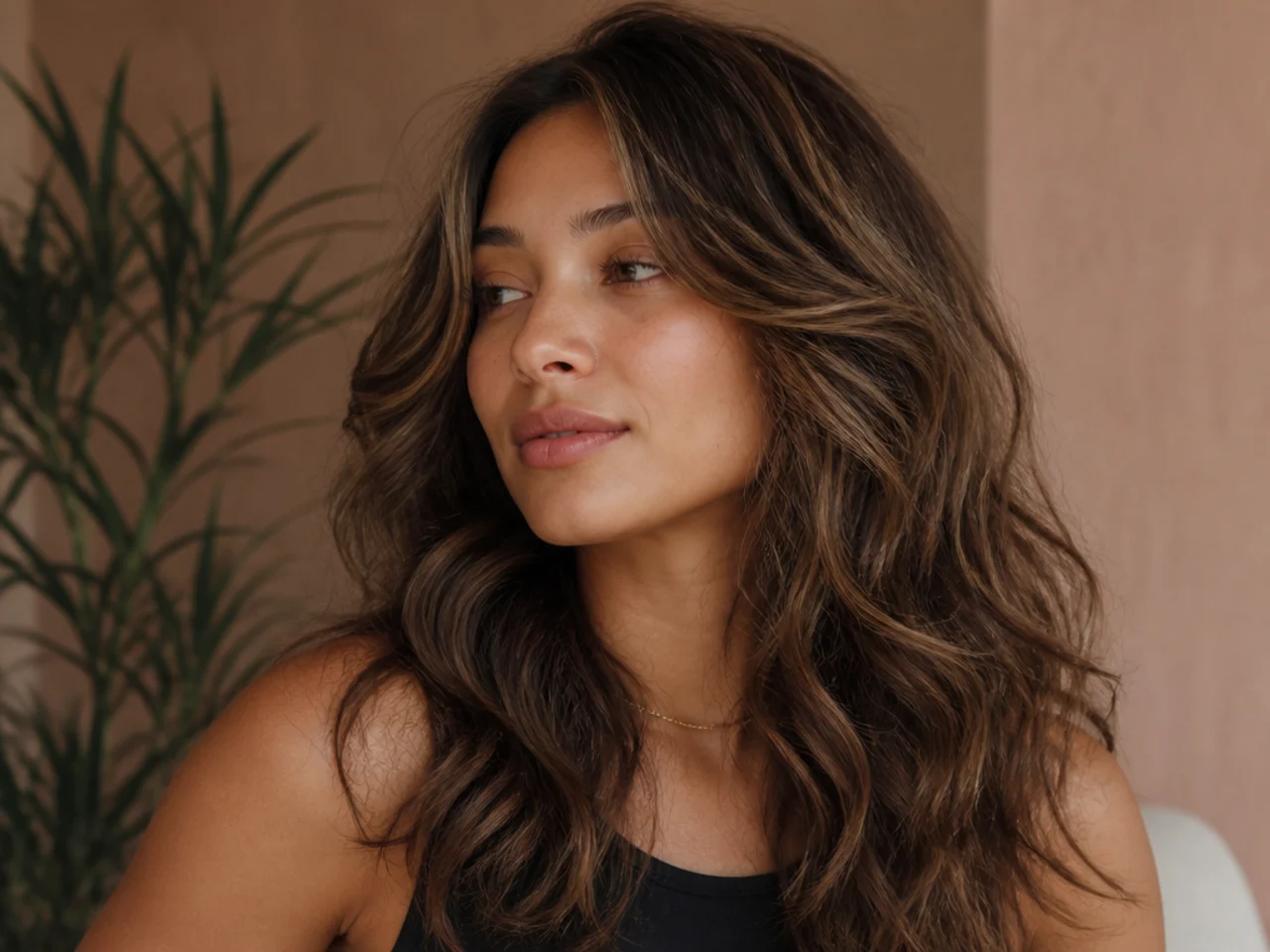
Styling and Upkeep
Scrunch in the first ten minutes. Wave clumps set as the hair dries, and once dry they will not reform without water.
Keep the part where it was cut. The top layer was graded around a fixed parting, and moving it puts the shortest piece in the wrong place.
Apply product to the mid lengths only. Weight at the root pulls the top layer flat, which is the one section the cut relies on for lift.
Re-cut the top layer, not the bottom. Trimming only the perimeter closes the gap and takes the cut towards ordinary layers.
Book at ten to twelve weeks. The top layer gains about an inch and a half in that time, which is half the gap it was cut with.

Mistakes to Avoid
Measuring the layers wet. Waves pull up between half an inch and two, and the layer lands where it dries, not where it was cut.
Ending the top layer on the widest part of the wave. Its ends stack on the bulge and the head reads wider than it is.
Cutting the gap under three inches. The two lengths stop reading as two lengths and the whole idea disappears.
Brushing it out dry. A brush pulls the wave clumps apart, and on a two length cut it also merges the layers into one mass.
Trimming only the perimeter. It shortens the bottom, narrows the gap and slowly turns a butterfly cut into a layered bob.
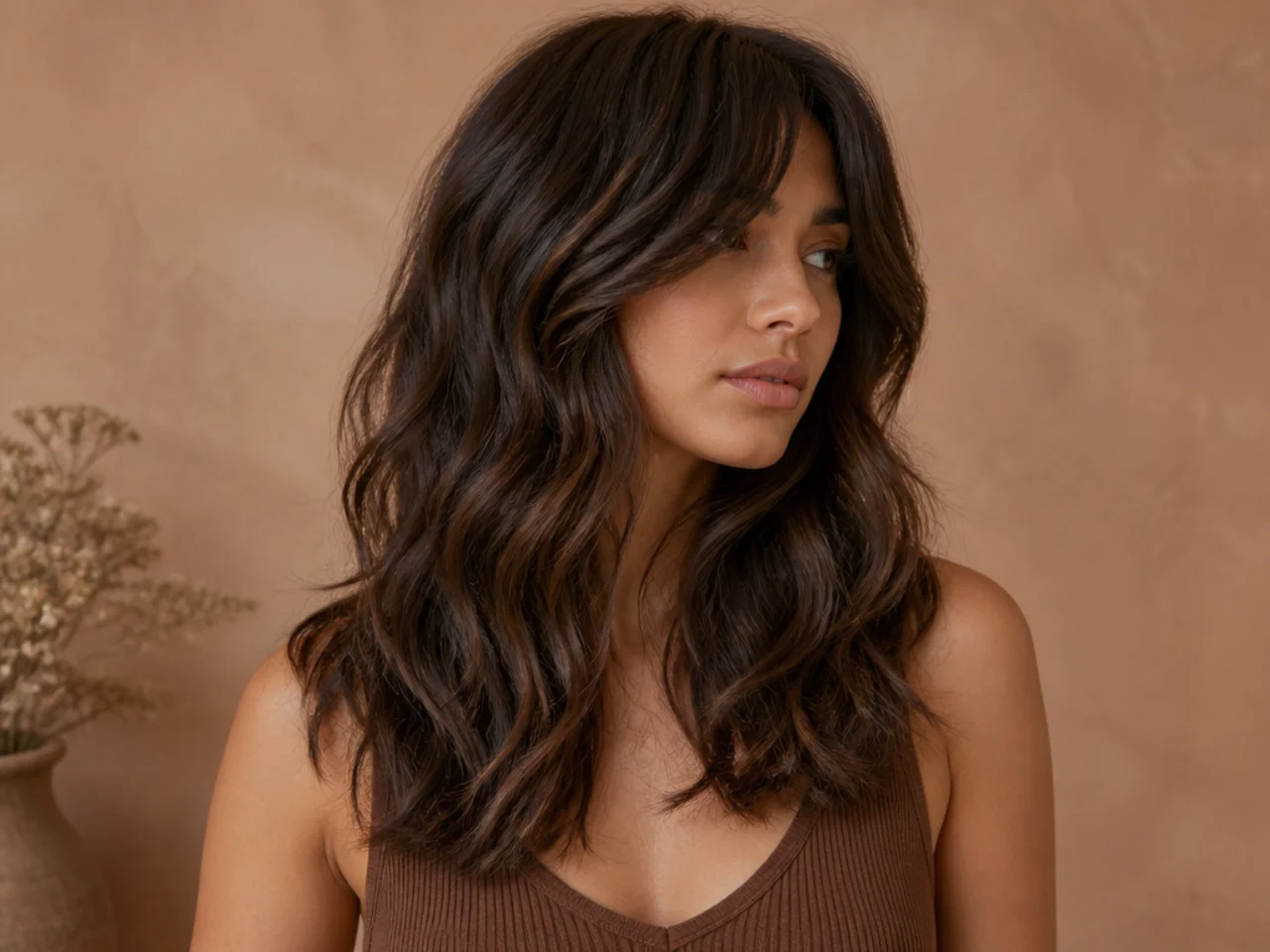
FAQ
How far apart are the two lengths? Three to four inches on short hair.
Where does the top layer end? Chin or cheekbone, measured dry.
How often is it re-cut? Ten to twelve weeks, top layer first.

Final Thoughts
Ask for two lengths and a gap rather than for layers. Where the top layer ends, where the perimeter ends, and how many inches sit between them is a description a stylist can cut to without guessing.
For the cut across all lengths see the butterfly haircut, and for keeping the wave pattern itself see the wavy hair routine. More in Womens Hairstyles.