15 Sabrina Carpenter Hair Color Ideas to Ask For
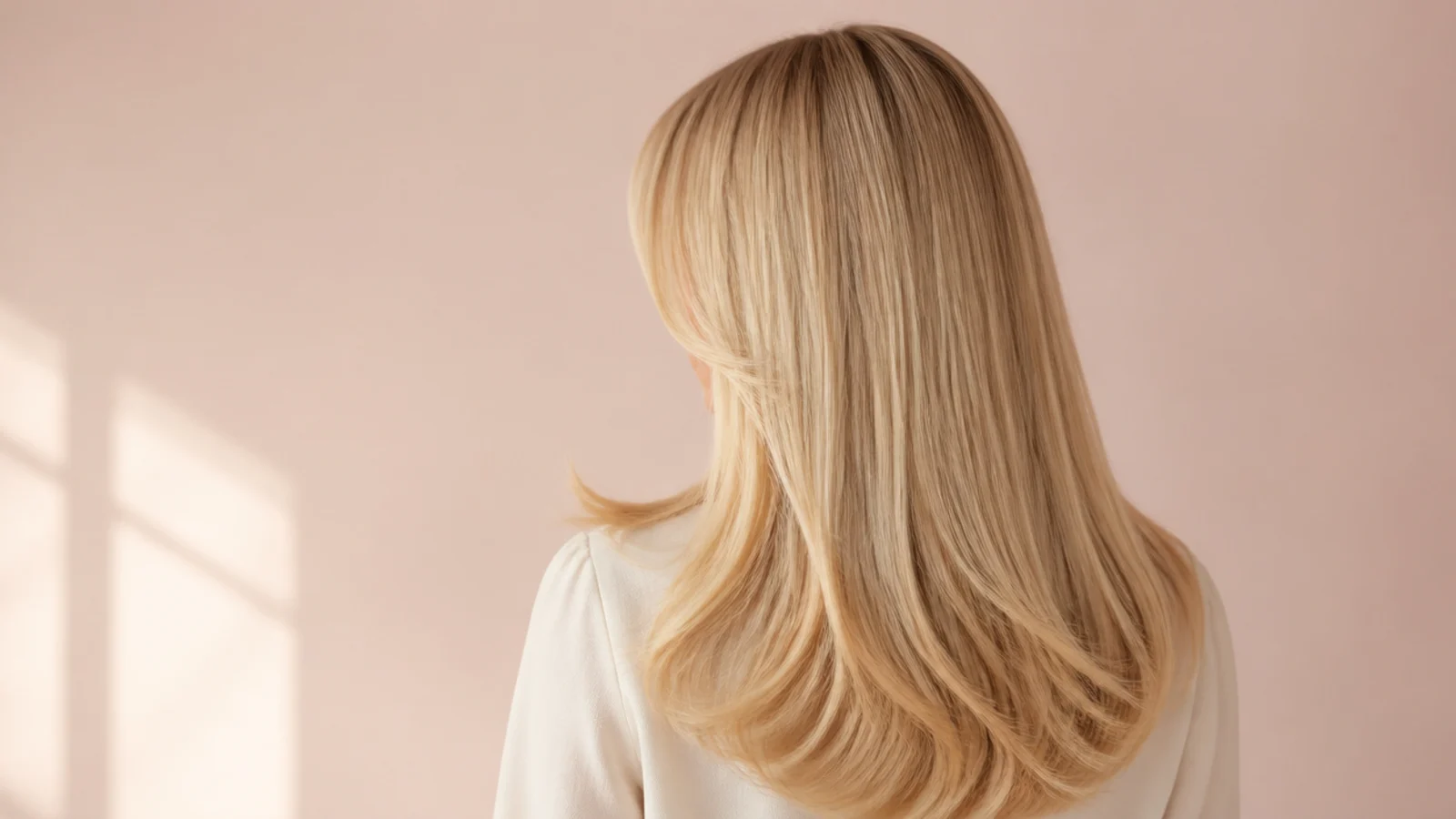
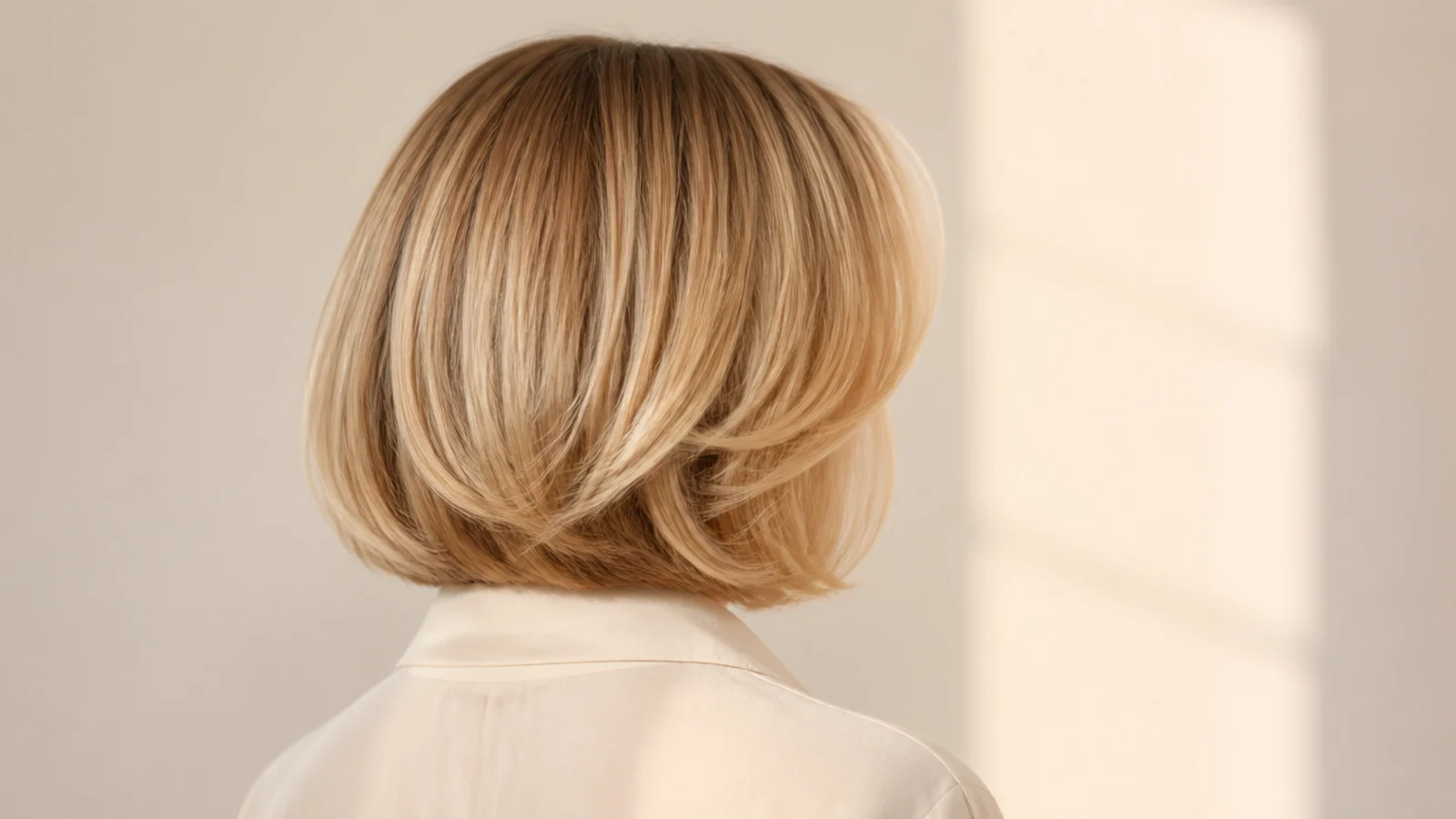
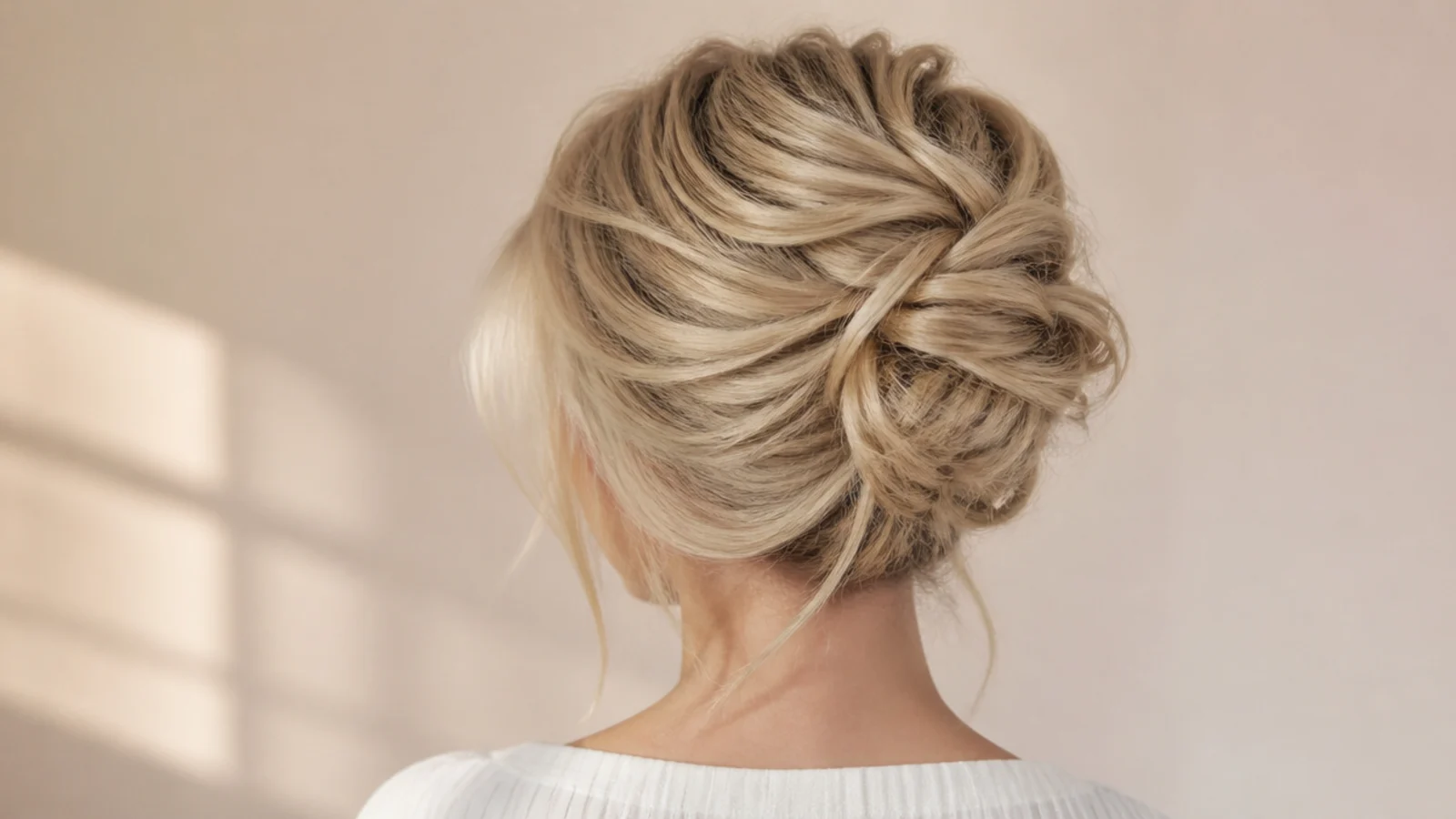
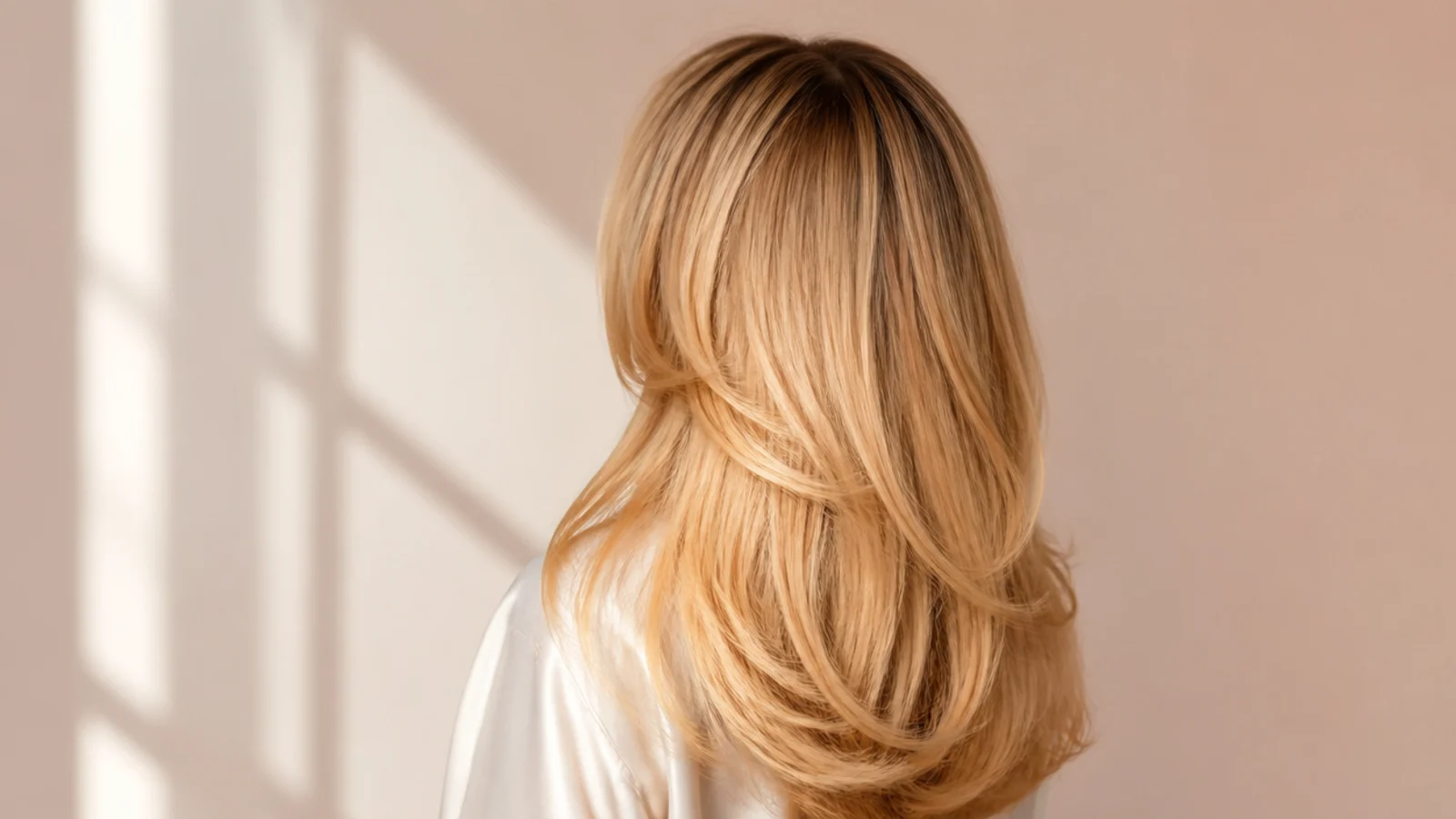
Fifteen shades in this blonde register, and the thing most people get wrong at the counter — this is never one flat colour. It is a lighter length sitting over a deliberately deeper root, and the root is what makes it wearable.
In this article · 23
- Shade by Skin Undertone
- Natural Color and Wigs
- What to Ask a Colorist For
- Cost and Upkeep
- Blowout and Layers
- Short Curly and Dark Hair
- The 15 Hair Color Ideas
- 1. Buttery Blonde With a Shadow Root
- 2. Cool Beige Blonde
- 3. Honey High Lift Blonde
- 4. Golden Money Piece
- 5. Icy Platinum Blonde
- 6. Bronde Melt
- 7. Vanilla Blonde Gloss
- 8. Sandy Beige Babylights
- 9. Butterscotch Blonde
- 10. Mushroom Brown
- 11. Chocolate Semi Permanent
- 12. Jet Black Wig
- 13. Copper Gloss Over Blonde
- 14. Strawberry Toner Pink
- 15. Grown Out Root Smudge
- Final Thoughts
Most people ask for this blonde as a single shade, and a single shade is the one version of it that never looks right.
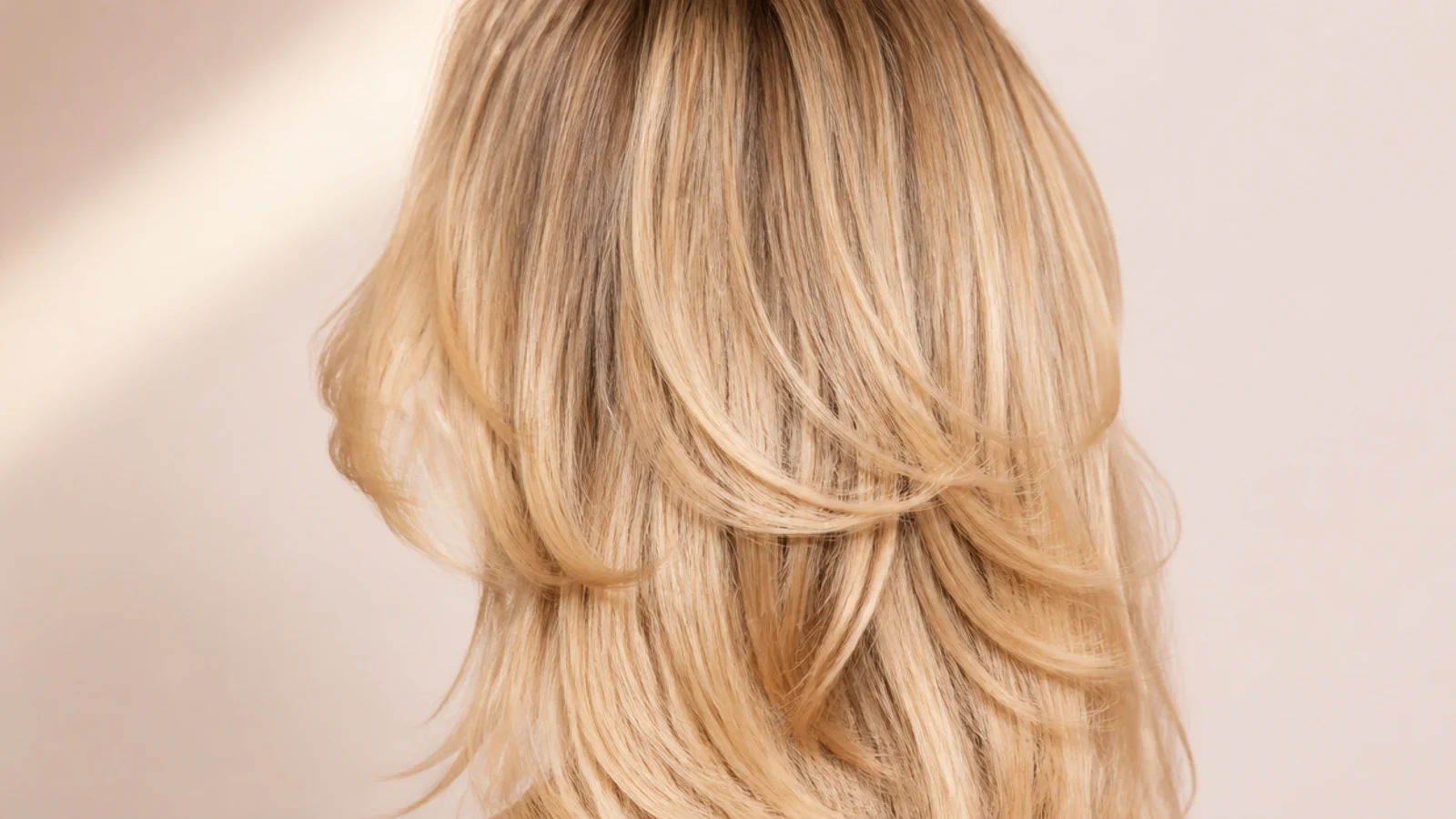
It is a lighter length over a deliberately deeper root. The contrast is small and intentional. Take the root out and the colour flattens into something that reads as bleached rather than as blonde.
The root is the maintenance plan, not a detail. Hair grows about half an inch a month, so a hard line arrives within six weeks. A blurred base has nothing to meet, which is why this register survives real life.
Shade by Skin Undertone
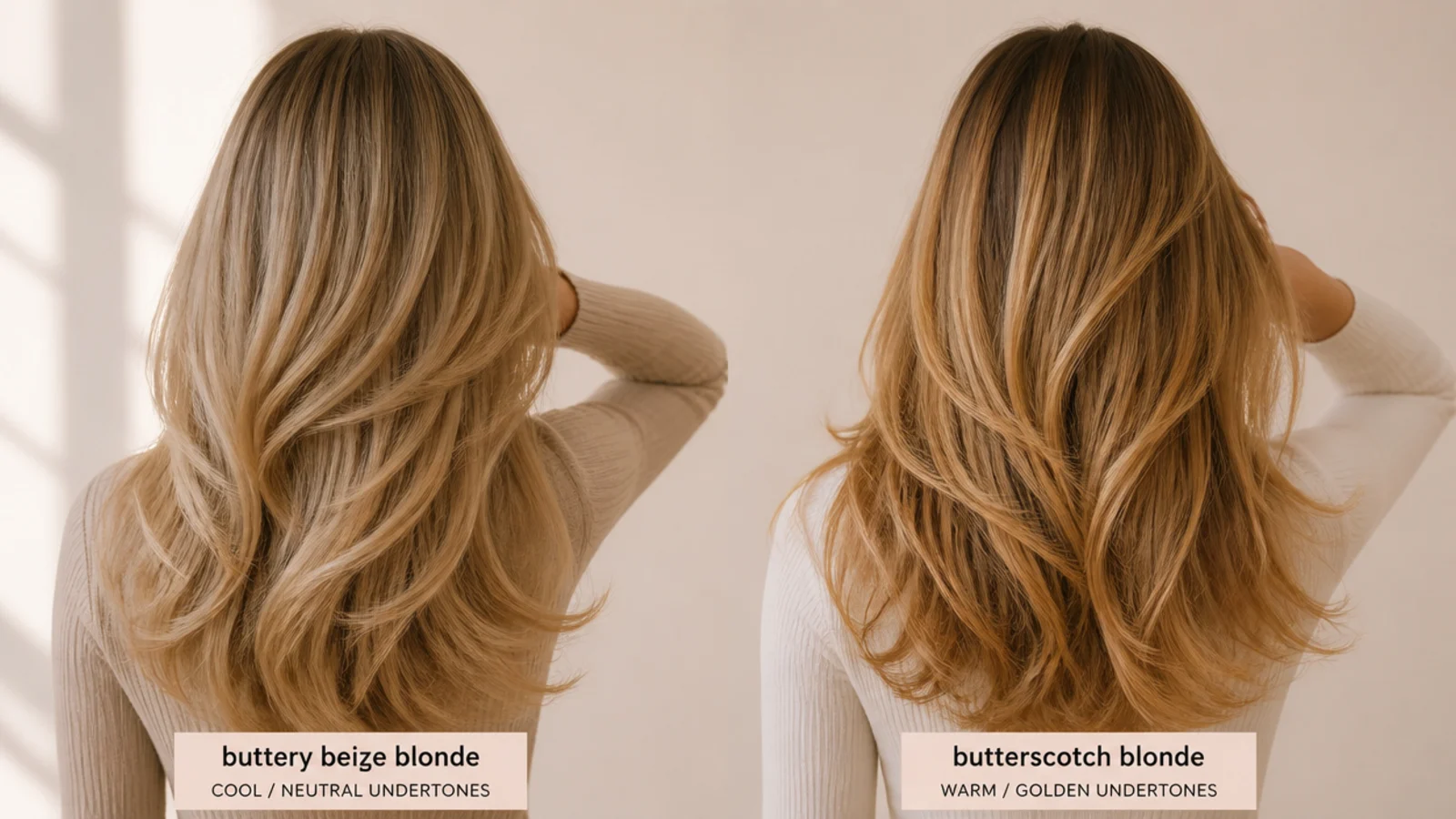
Hair beside the face throws light onto skin. A golden shade bounces warmth up onto the complexion, and an ashy one bounces the opposite. This is why the same blonde flatters one person and greys out another.
Cool undertones want beige, ash or vanilla. Skin that reads pink or blue in daylight already has plenty of cool in it, and a warm blonde beside it exaggerates the redness by contrast.
Warm and olive undertones want honey or butterscotch. These shades keep gold in the formula, which sits with the skin rather than fighting it. Pushed to ash, the same complexion can look tired.
Neutral skin can carry the whole range. If your wrist veins read neither clearly blue nor clearly green, choose by what you want the colour to do rather than by rule.
Natural Color and Wigs
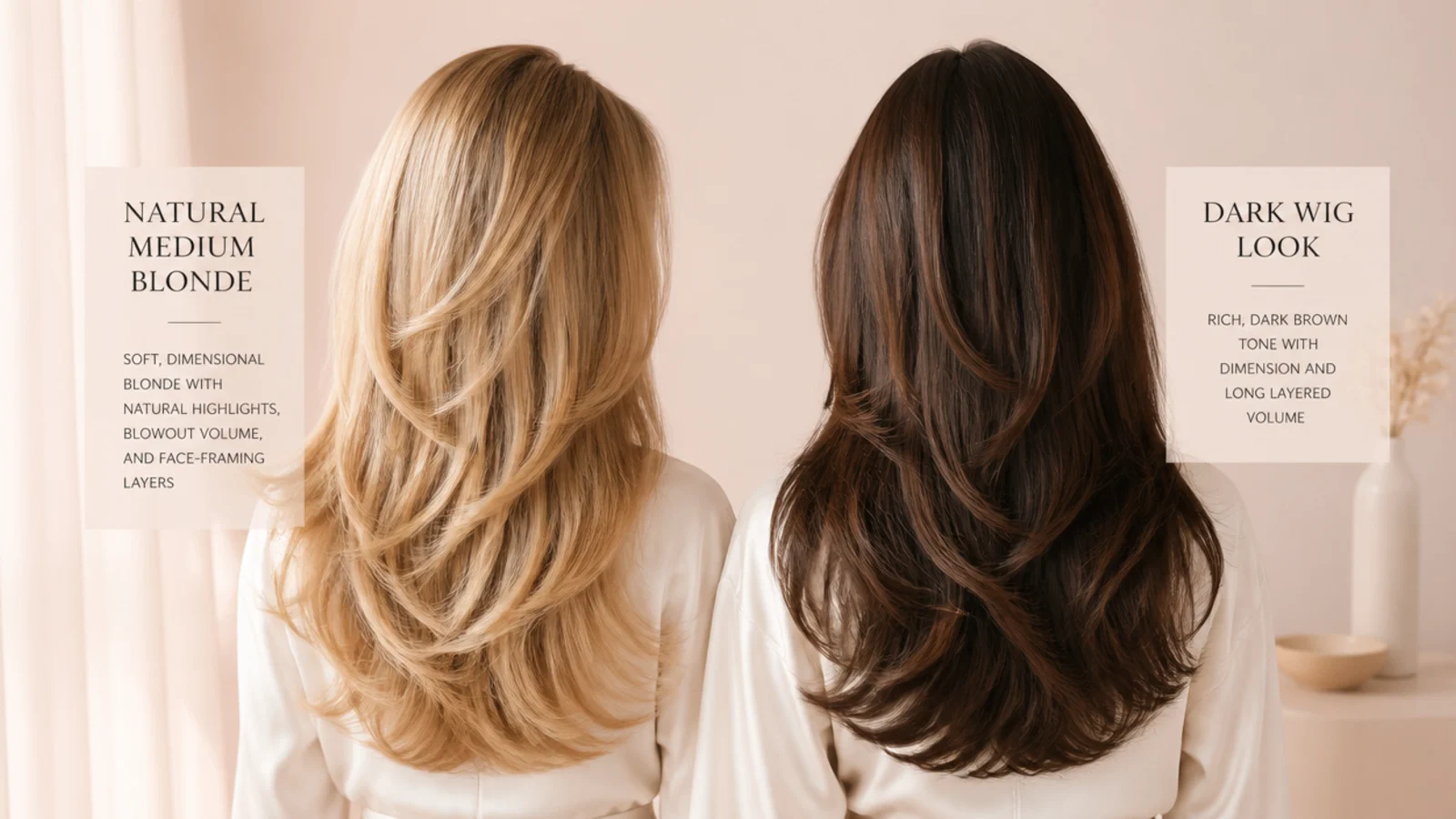
Not every version needs lightener. If your own base sits around a level seven or eight, a high lift tint and a gloss will get most of the way there in one process and leave the hair in far better condition.
A wig removes the commitment entirely. Colour on a wig is chosen rather than processed, so a shade three levels away from your own costs nothing in condition and comes off at the end of the night.
Dark over lightened hair is the hardest thing to undo. Black and deep brown deposits sink into porous blonde and cannot be lifted back out cleanly. A wig is the sensible way to try the opposite end of the range.
A root smudge is the compromise. It keeps your own depth at the scalp and puts the processing only where it shows, which halves how much of your head is ever in lightener.
What to Ask a Colorist For
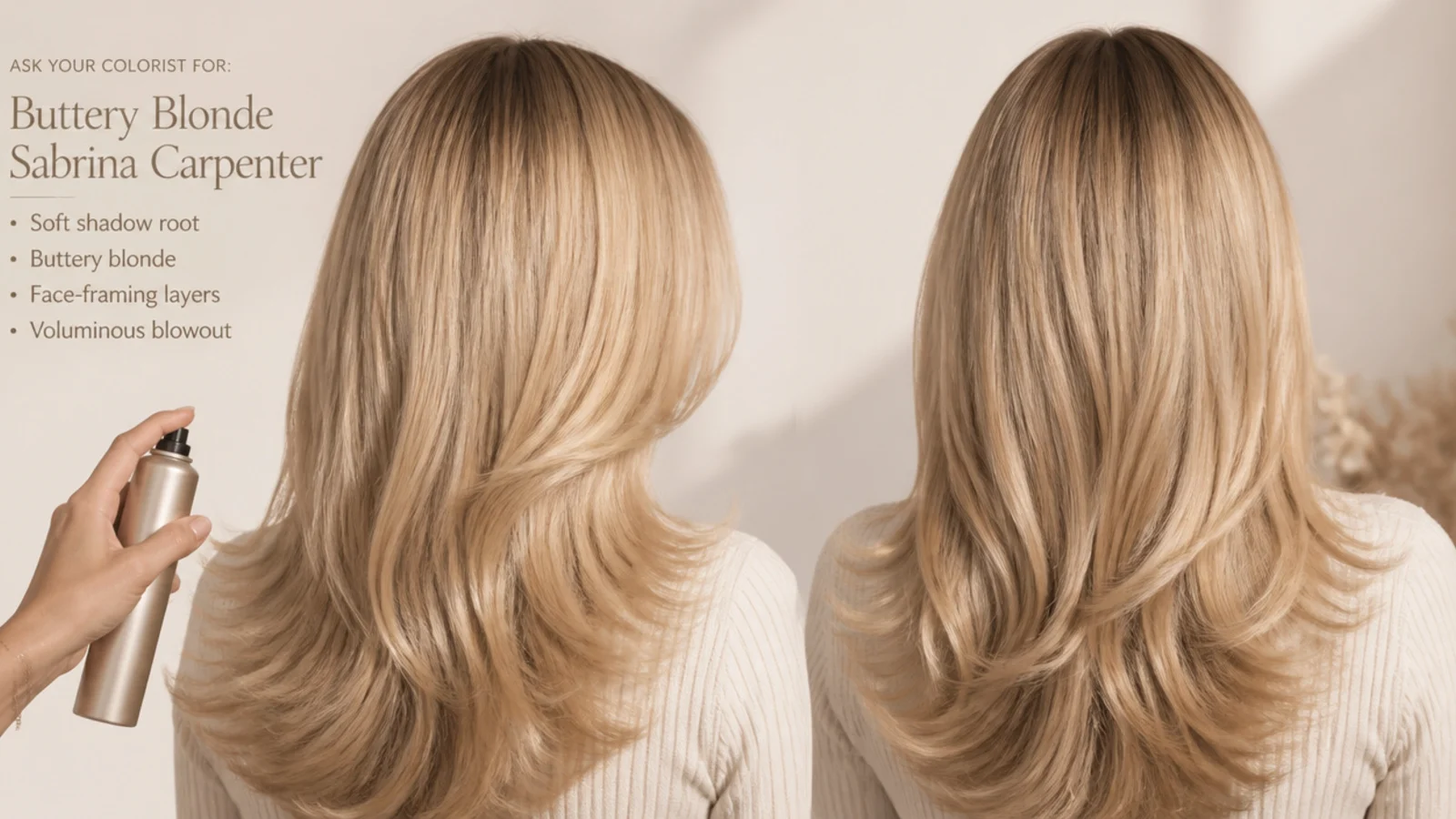
Name the root first. Say you want a shadow root or a root smudge, roughly one to two levels deeper than the length, blended down a couple of inches. That single sentence changes the whole grow out.
Say low contrast. It is the difference between babylights and highlights. Ask for a fine weave and a small gap between the lightened hair and the base.
Separate lift from tone. Lift is how light the hair goes, tone is what colour that lightness reads as. Bring one photo for each so the two decisions do not get merged into a guess.
Ask what the toner is and how long it holds. Demi permanent toners deposit only, so the answer is a number of washes rather than a permanent result. Knowing it stops the panic at week six.
Cost and Upkeep
The expensive part is lift, not tone. Lightening takes time in the chair and has to be watched. A gloss between appointments is short, which is why a blurred root and regular glossing is the cheaper rhythm.
Toner fade is the clock you will actually notice. Tone drifts warm over roughly four to eight weeks of washing, faster with hot water and clarifying shampoo, because the pigment is sitting in the cuticle rather than bonded in the cortex.
Purple shampoo is a top up, not a fix. It deposits a small amount of violet pigment to counter yellow. Used every wash on pale blonde it can leave a dull lilac cast, so once or twice a week is the useful dose.
Condition costs money too. Lightened hair is porous and porous hair drinks pigment unevenly, so skipping the bond treatment shows up as patchy toning at the next appointment rather than as damage you can see today.

Blowout and Layers
Layers decide which colour the eye sees. A layered head brings shorter pieces to the surface, so whatever is lightest at mid length ends up on top. On one blunt length the same foils are buried underneath.
A bend in the hair is what makes a melt read. Light travels along a curved strand and picks up both the deeper root and the lighter end, which is how a blend looks like a gradient rather than two bands.
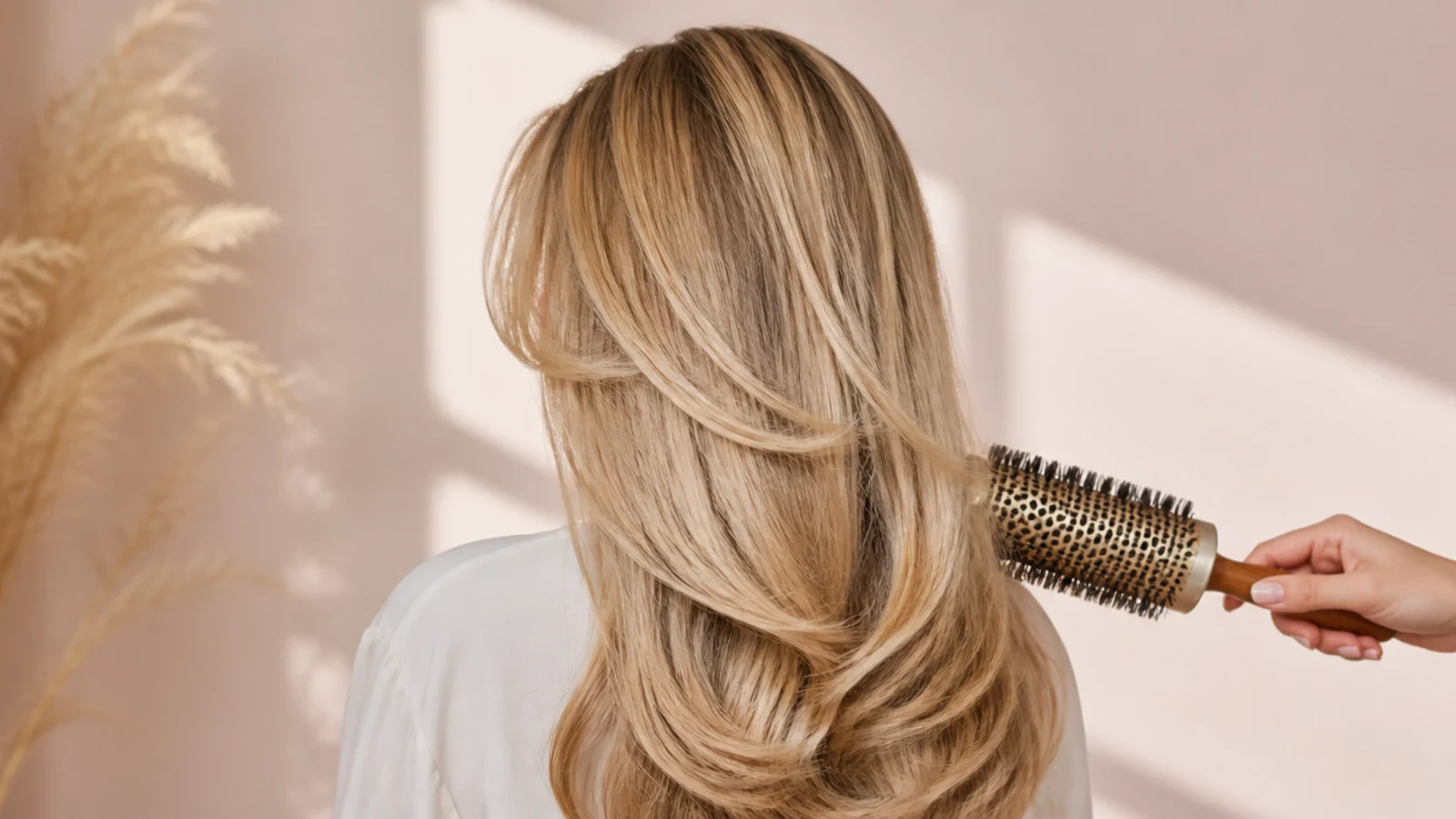
Round brush tension flattens the cuticle. A flat cuticle reflects light in one direction, and that single reflection is most of what people read as expensive colour.
Air dried hair shows tone honestly. Without the shine of a blowout the underlying warmth is visible, so judge a new toner on day two air dried rather than in the salon mirror.
Short Curly and Dark Hair
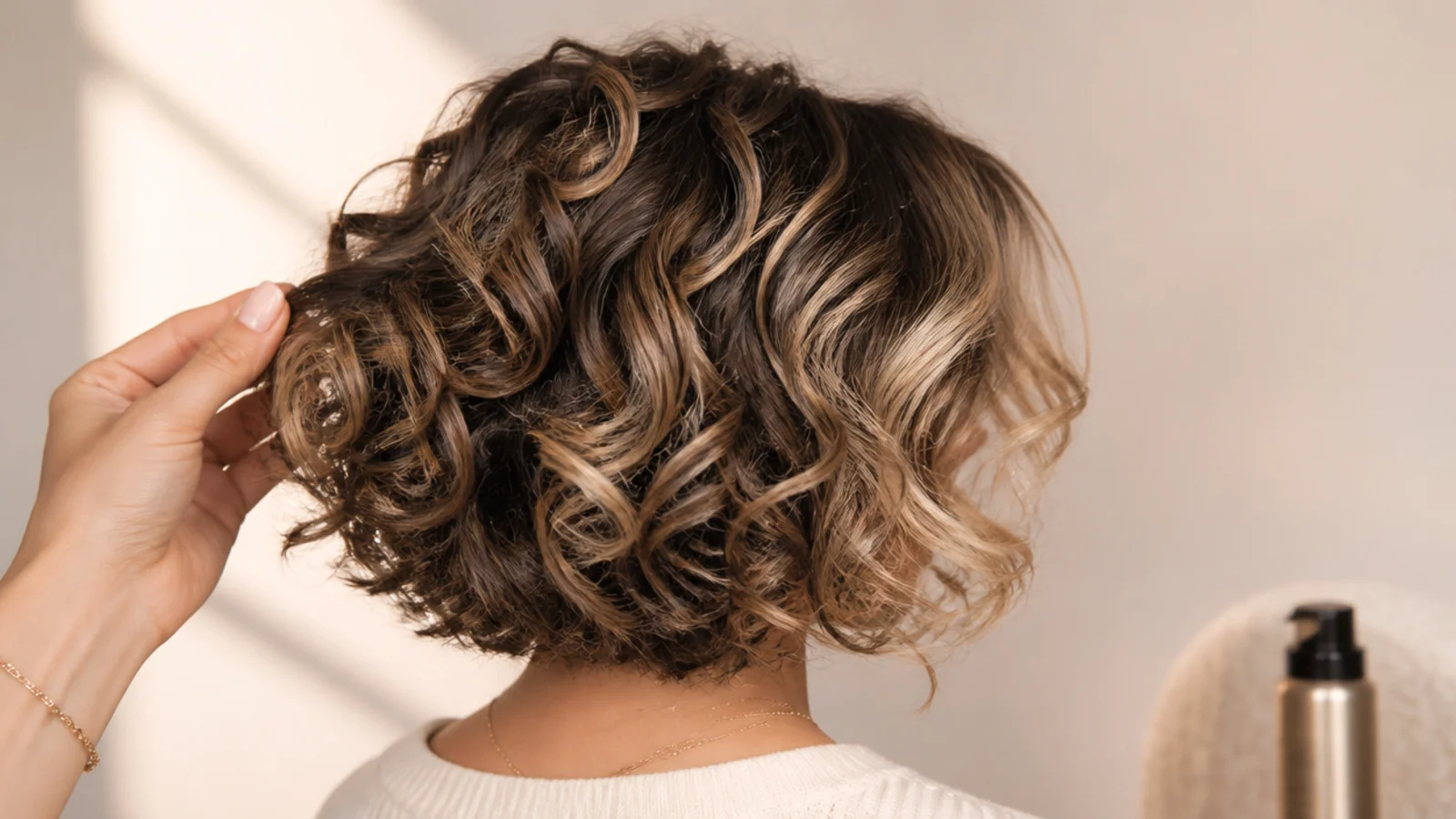
Curl scatters light, so colour reads deeper. A coiled strand bends every few millimetres and throws light in several directions, which means the same formula that looks bright on straight hair looks a level or two darker on a curl.
Lighten curls in bigger, chunkier pieces. Fine weaves disappear inside a curl pattern. Larger sections placed where the curl faces outward are what actually show once it dries.
On dark hair, warmth is not a failure. Lifting a deep base exposes red and orange before it ever reaches yellow, so a honey or butterscotch target is both kinder to the hair and more achievable in one session.
Short hair puts every millimetre of root on display. With less length to distract, the smudge has to be softer and the grow out shows sooner, so shorter cuts suit the deeper end of this range.
The 15 Hair Color Ideas
1. Buttery Blonde With a Shadow Root
Soft warm yellow through the length with the base left one to two levels deeper and blended down a few inches. Because the regrowth has no hard line to meet, the next appointment is driven by the toner fading rather than by a visible band across the parting.
2. Cool Beige Blonde
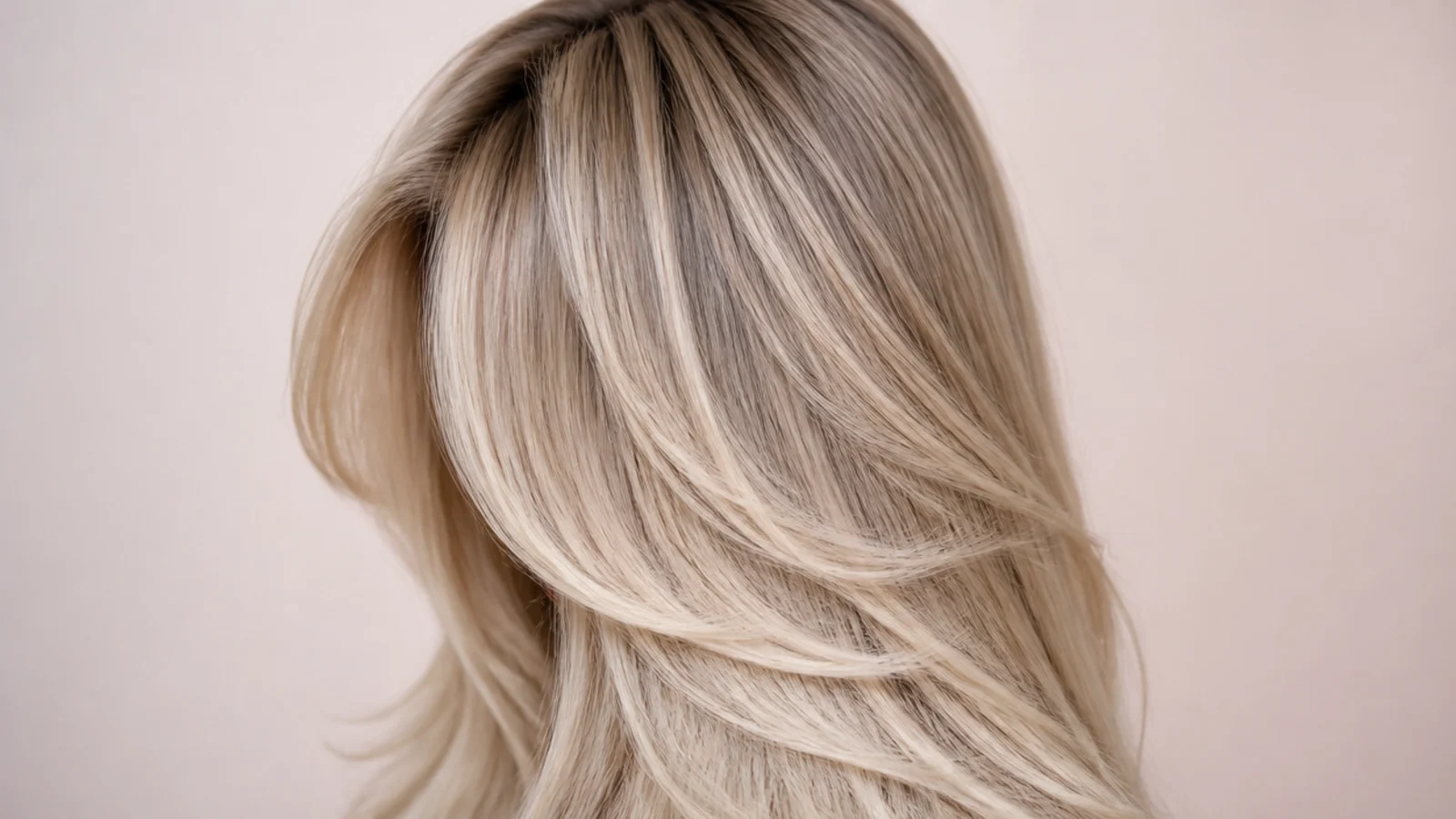
Beige sits between ash and gold, which makes it the most forgiving cool blonde. It is a toner decision rather than a lift one — a violet based demi cancels the yellow that lightening exposed, and stopping short of full ash keeps the hair from looking grey in low light.
3. Honey High Lift Blonde
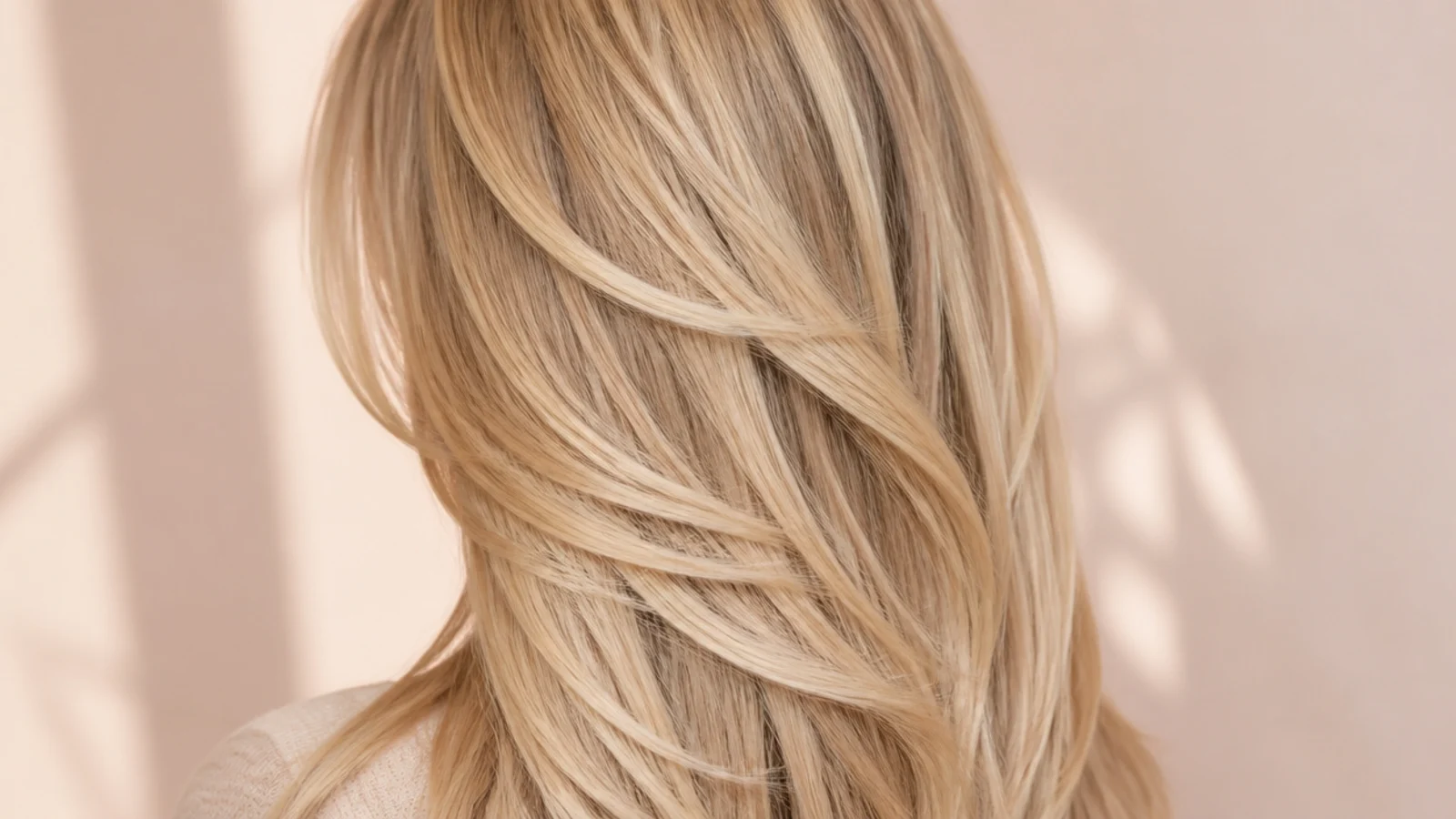
A single process high lift tint rather than bleach, which is why it only works from a base around a level seven or lighter. It lifts about three to four levels while depositing gold at the same time, so the hair never passes through a raw stage that needs correcting.
4. Golden Money Piece
Two or three brighter sections taken at the front parting and nowhere else. The lightest hair ends up exactly where daylight hits the face, so it does the brightening work of a full head of highlights using a fraction of the lightener and a fraction of the chair time.
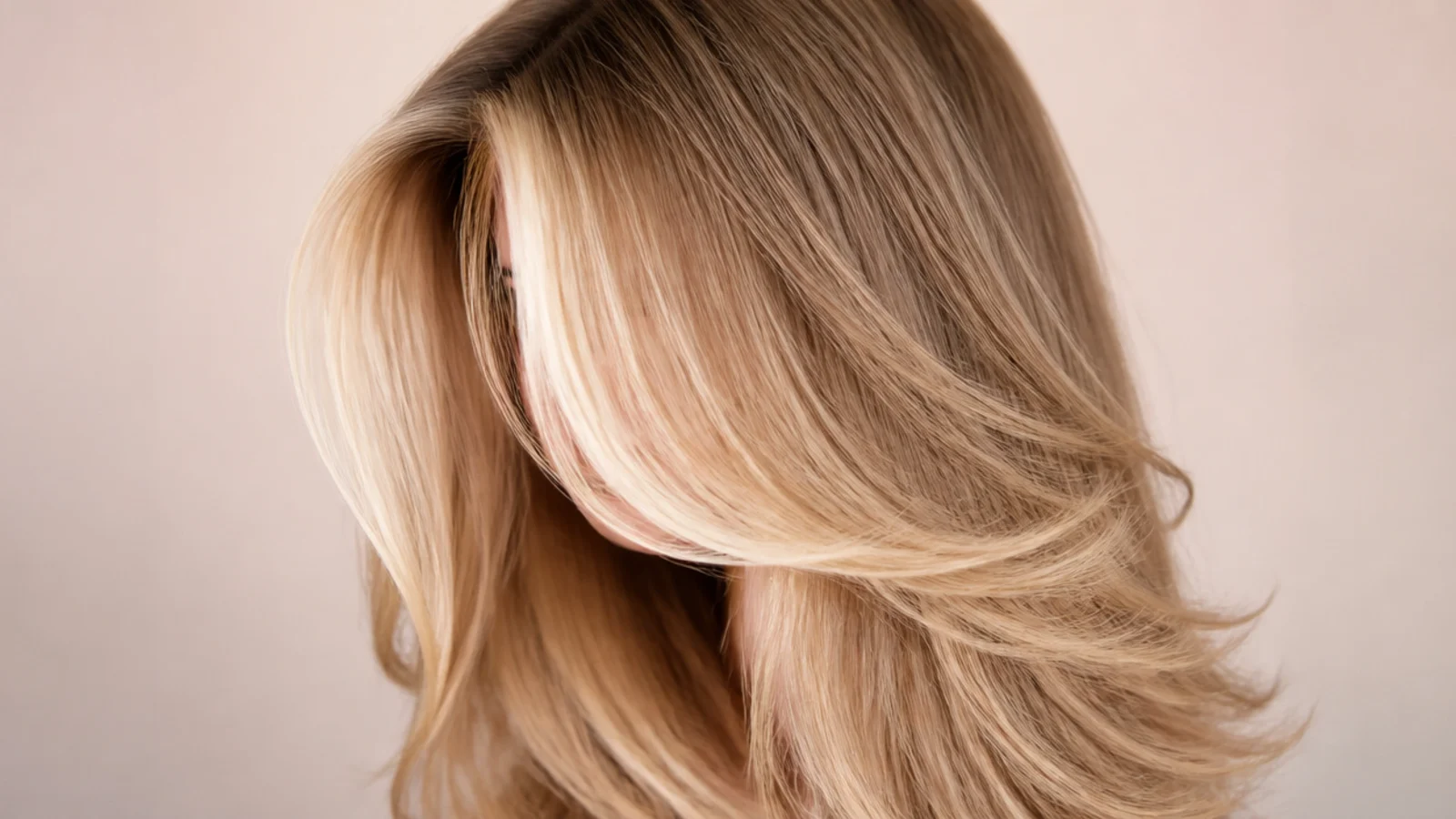
5. Icy Platinum Blonde
The most demanding shade here. The hair has to be lifted to a pale yellow before a violet toner can neutralise it, and because that toner only deposits, the warmth underneath returns as it washes out. Expect a gloss on a schedule rather than a one off appointment.
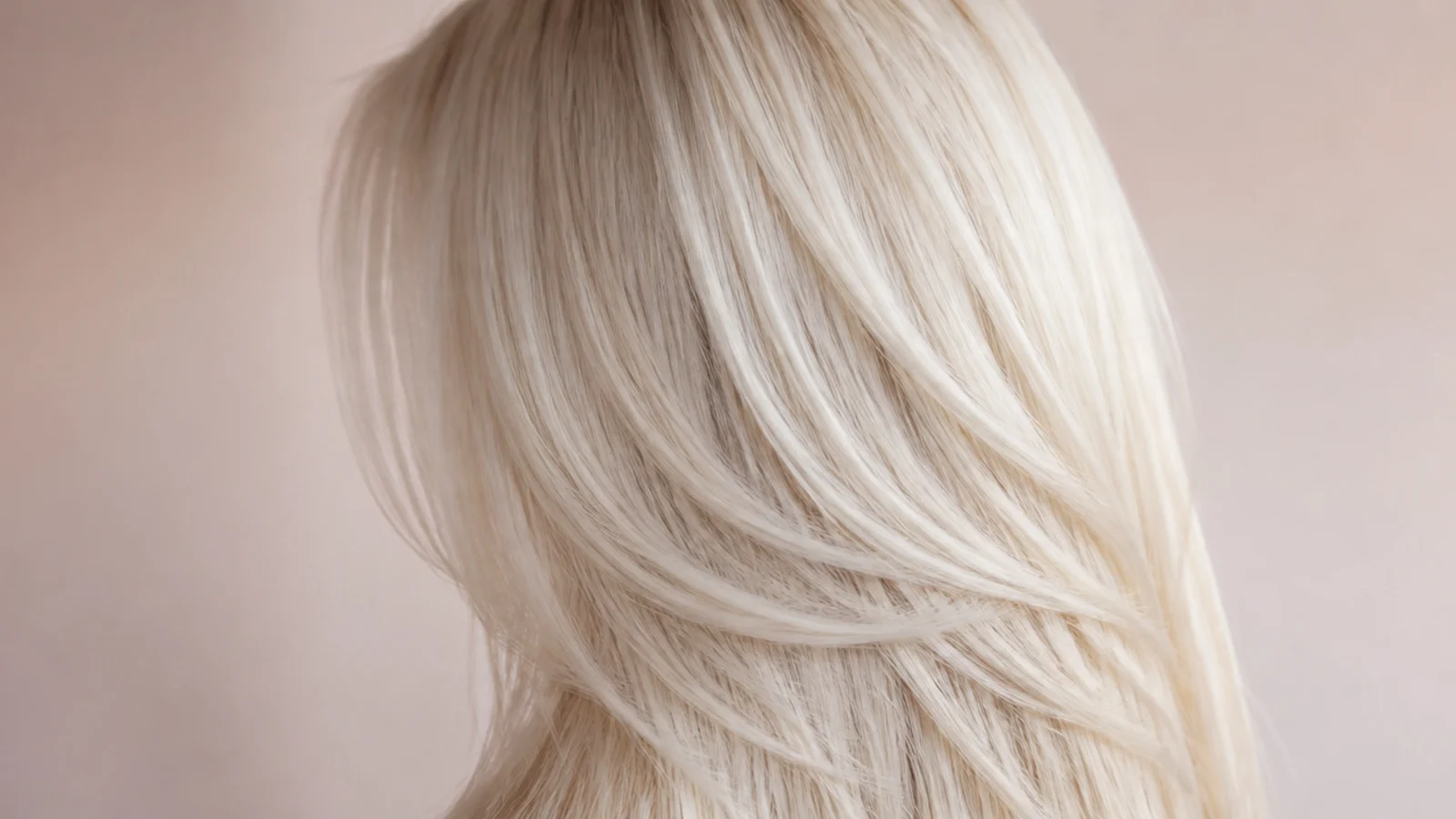
6. Bronde Melt
Brown at the root running into blonde at the ends with no start point for the eye to find. The colour is feathered into the previous shade rather than butted against it, which is why it can go months without a line appearing anywhere across the head.
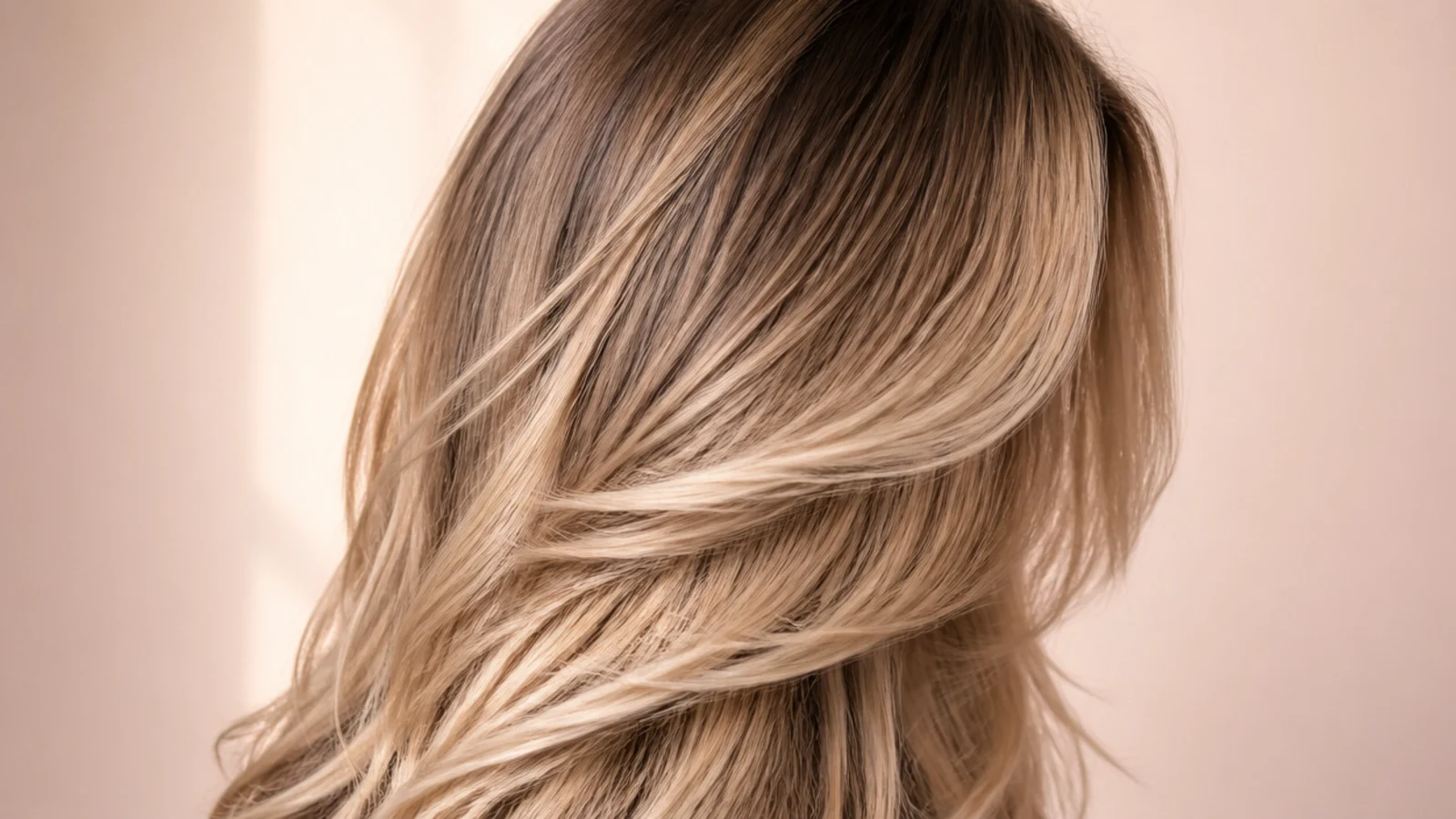
7. Vanilla Blonde Gloss
A demi permanent gloss adds no lightness at all — it deposits tone and smooths the cuticle. Porous sections drink more pigment than healthy ones, so a gloss evens out the patchiness along the length and leaves the whole head reflecting light as one surface.
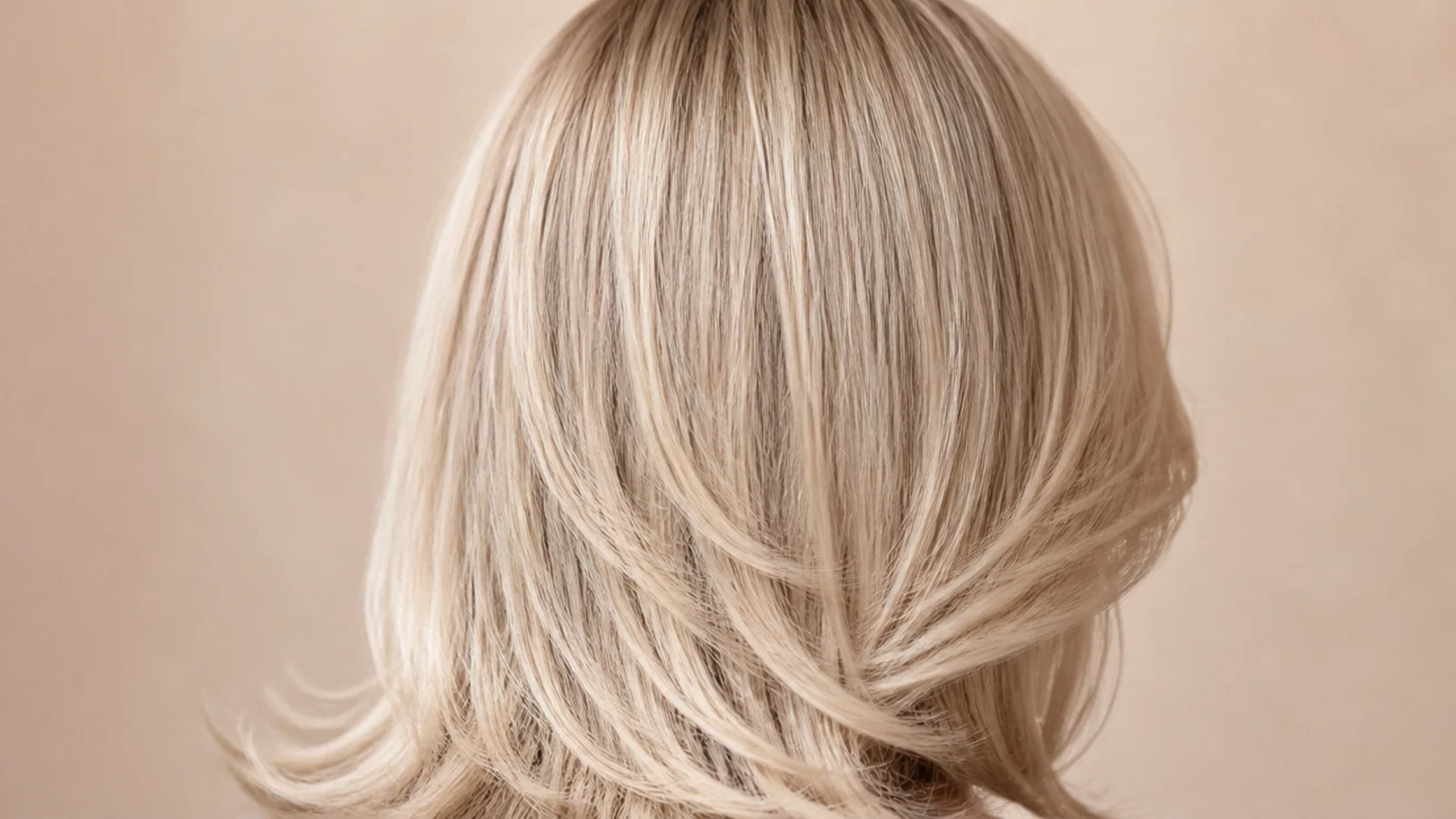
8. Sandy Beige Babylights
Babylights are a very fine weave taking tiny amounts of hair per foil. The finer the weave, the smaller the gap between lightened and untouched strands, so the result reads as depth within one shade rather than as stripes and grows out without a demarcation.
9. Butterscotch Blonde
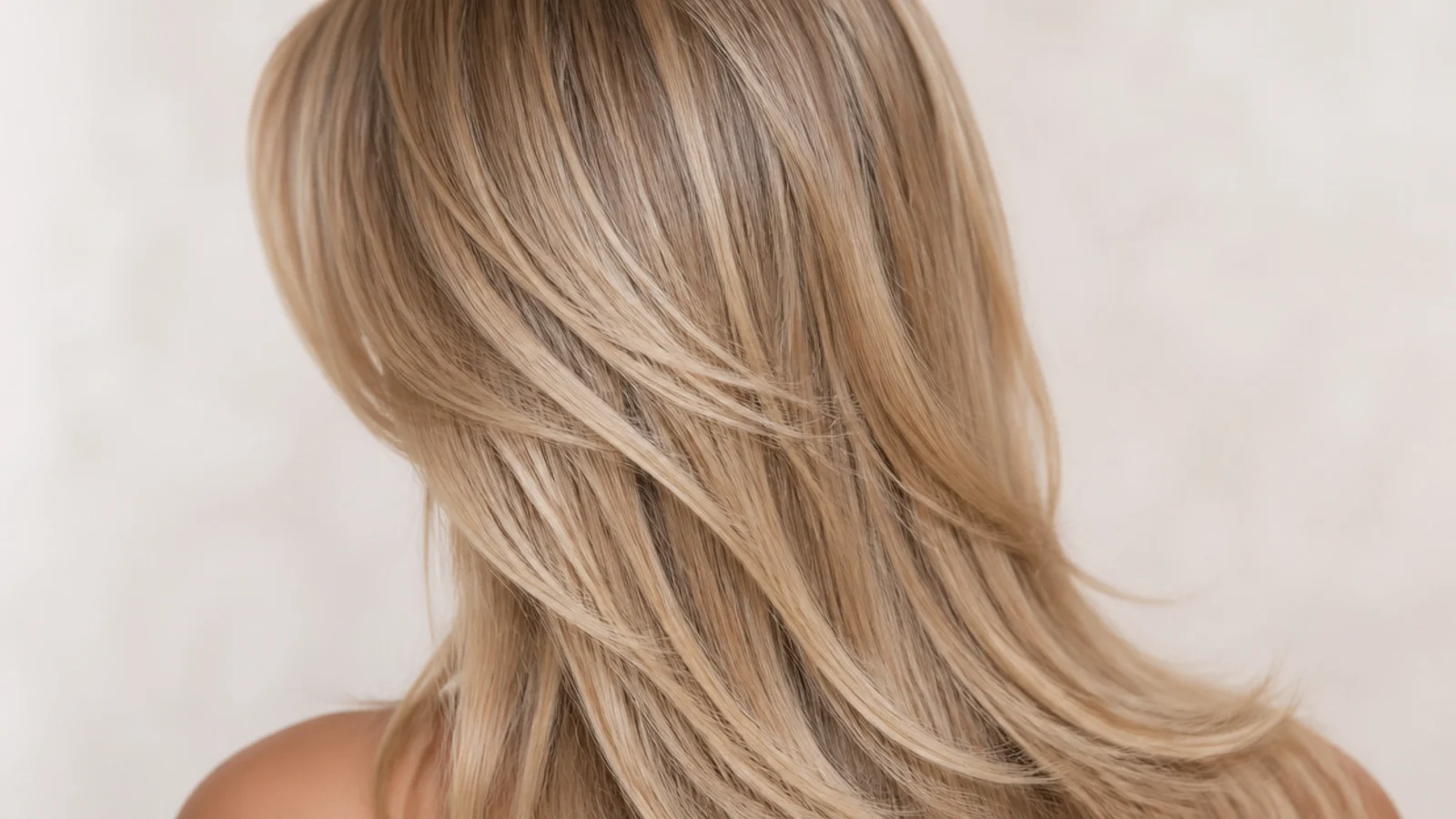
Deeper and warmer than honey, sitting around a level seven with gold left in deliberately. Because it keeps some of the pigment that lightening would have removed, it needs less lift to reach, and less lift means less porosity and a tone that holds for longer.
10. Mushroom Brown
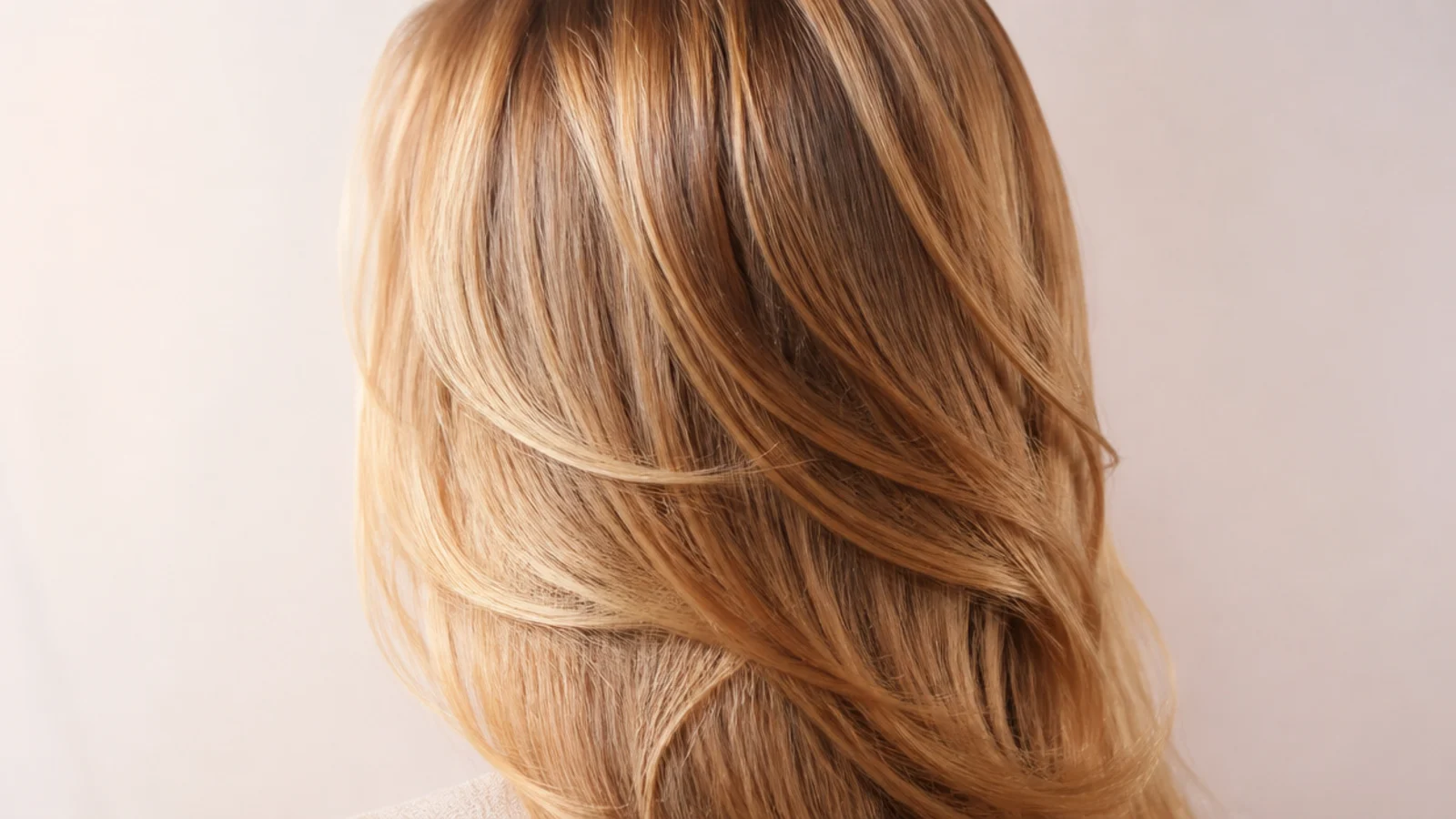
A cool ashy brown that works as the low maintenance end of this range. Brown hair carries red and orange underneath, so an ash formula has to actively counter that warmth with the opposite tone or the result slides copper within a few weeks of washing.

11. Chocolate Semi Permanent
A semi permanent deposits colour without lifting anything, so it coats the strand instead of rebuilding what is inside it. That is why it softens over about a month of washes and why it is the low risk way to test going darker before anything permanent is mixed.
12. Jet Black Wig
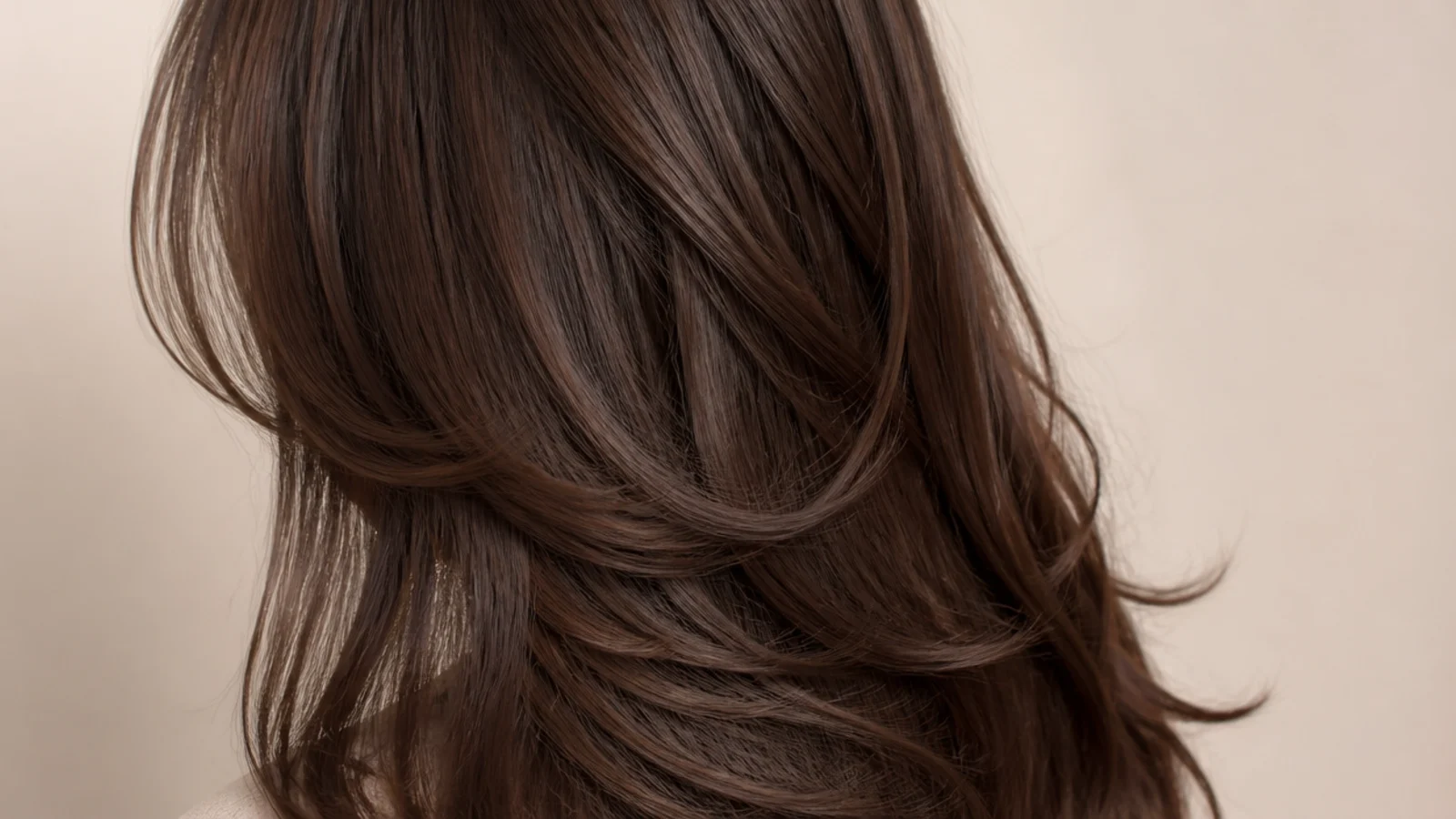
The one shade in this set that should not be done with dye over lightened hair. Black pigment sinks into porous strands and will not lift back out cleanly, so a wig gets you the contrast for an evening with nothing to correct the following week.
13. Copper Gloss Over Blonde
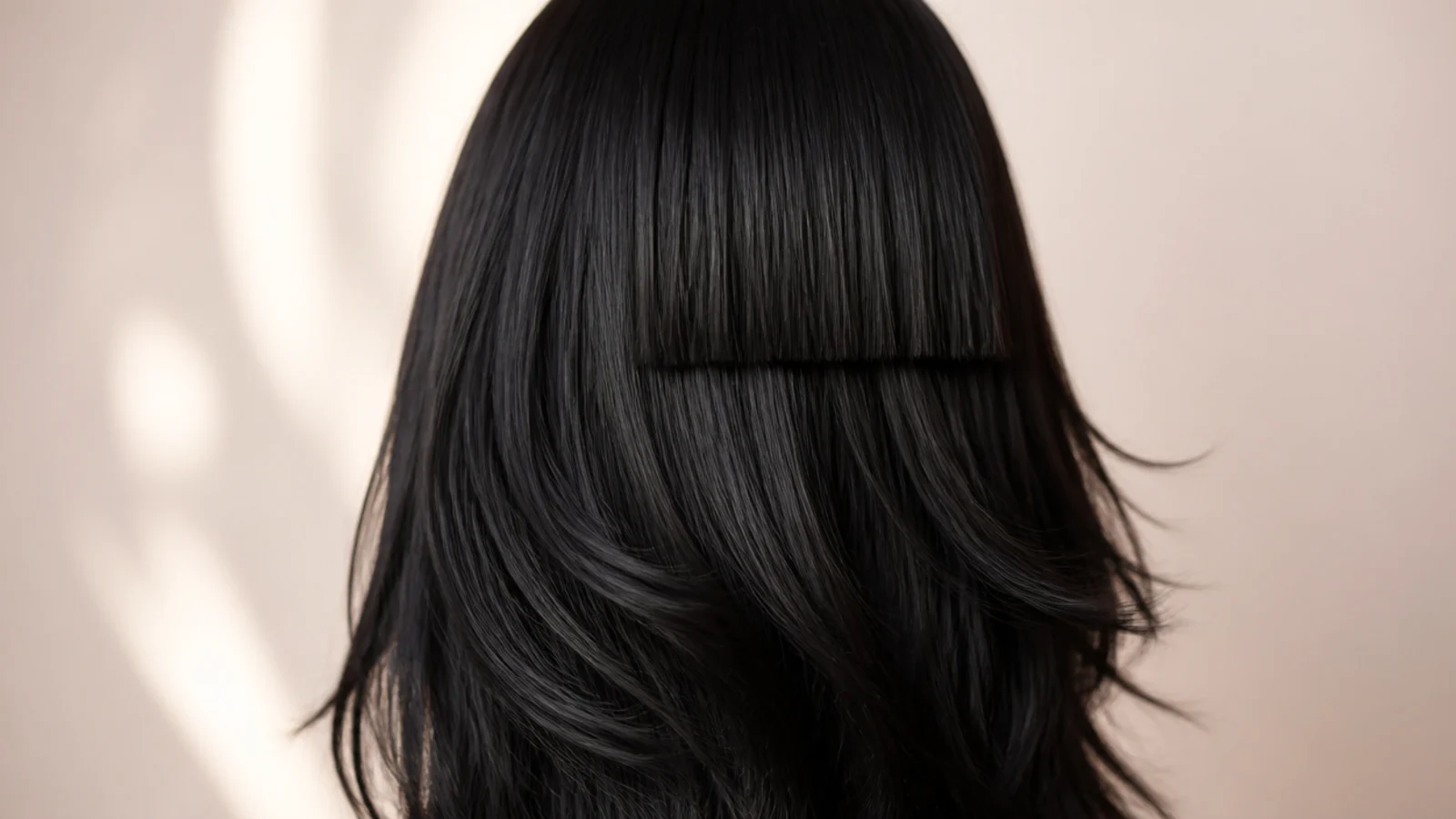
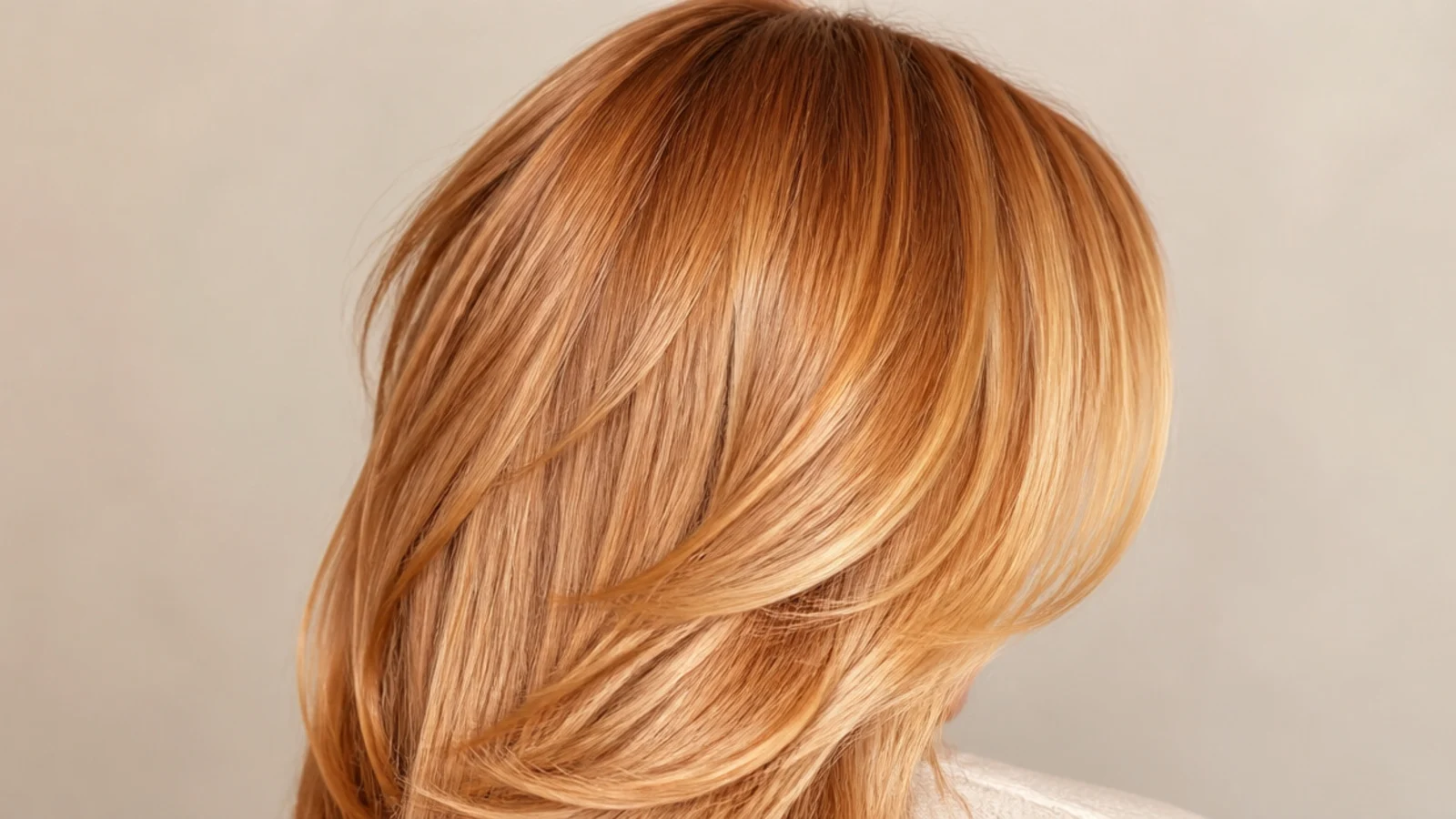
A copper demi laid over pre lightened hair. Porous hair grabs pigment quickly and unevenly, and the ends are always the most porous part, so the ends have to go on last or they finish two shades deeper than the mid lengths.
14. Strawberry Toner Pink
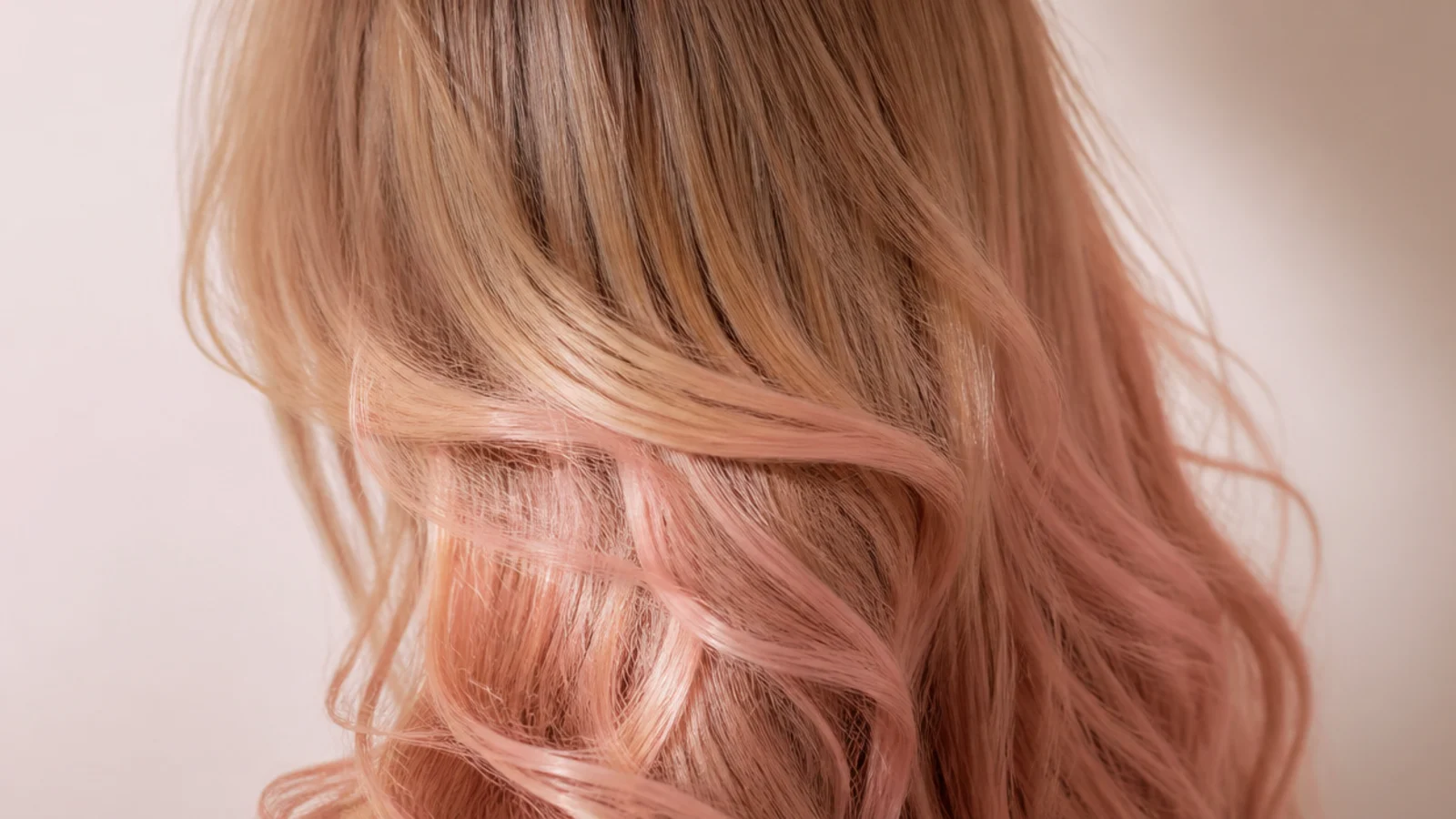
A pastel wash of pink over a pale base. Pink pigment sits close to the surface of the cuticle rather than deep in the strand, which makes it the fastest fading option here, and it needs a genuinely pale base because any yellow left underneath turns it peach.
15. Grown Out Root Smudge
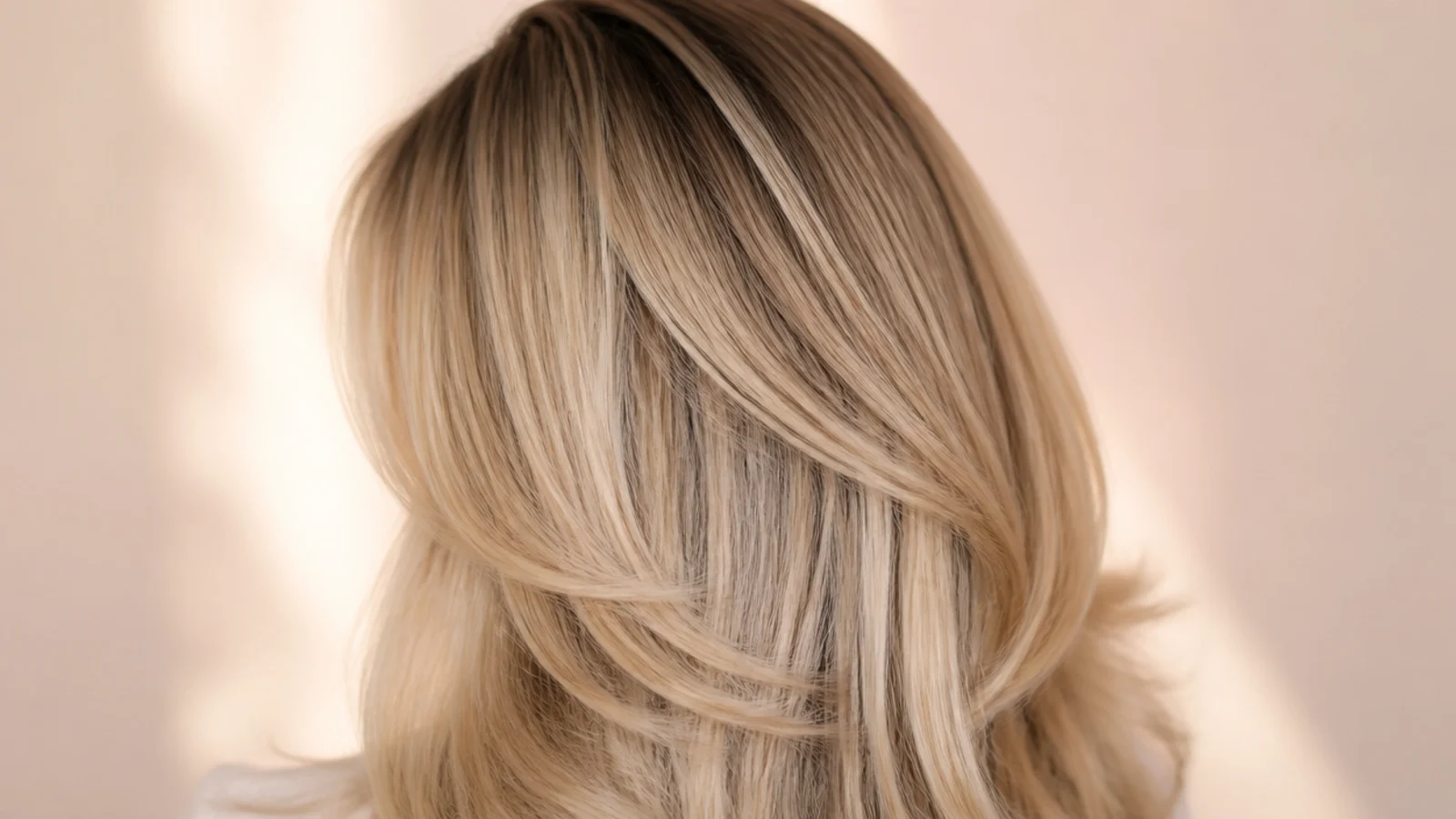
Regrowth treated as part of the design rather than a deadline. At roughly half an inch a month, six weeks leaves about three quarters of an inch of natural base, and a smudge turns that band into depth at the scalp instead of a line across the parting.
Final Thoughts
Ask for the root before you ask for the blonde. A shadow root is the single decision that separates a colour you can live with from one that has a deadline written into it, and it costs nothing extra at the appointment where the lightening is already happening.
Then treat lift and tone as two different purchases. Lift is occasional and expensive, tone is frequent and cheap, and once you know which one has drifted you stop booking the wrong appointment. For the wider range see the trends version, and for the deeper end of this set see the chocolate brown version. More in Celebrity Hair.