15 Sabrina Carpenter Hair Bangs Ideas by Face Shape
Fifteen bangs ideas sorted by the two things that actually decide them. Forehead height sets the length and the growth direction at your hairline sets the shape, and neither of them is visible in a photograph.
In this article · 23
- The Cut Broken Down
- The Face Shape Guide
- Thick Short and Curly Hair
- Color Families
- The Round Brush Blowout
- Growing Out Stages
- The 15 Bangs Ideas
- 1. Lash Skimming Curtain Bangs
- 2. Full Frontal Fringe
- 3. Bottleneck Bangs for a Round Face
- 4. Side Swept for a Square Jaw
- 5. Wispy Bangs on Fine Hair
- 6. Short Bangs for a Long Face
- 7. Blunt Dark Fringe on a Wig
- 8. Bangs for a Heart Shaped Face
- 9. Curly Bangs From 2C to 3B
- 10. Bangs With a Shoulder Bob
- 11. Bangs in a Bouncy Blowout
- 12. Grown Out to the Cheekbone
- 13. Bangs With a High Ponytail
- 14. Piecey Second Day Bangs
- 15. Bangs for a Short Forehead
- Final Thoughts
Bangs are the one cut a photograph cannot advise you on, because what decides them is not visible in the photograph.
Forehead height sets the length. The same measurement lands at the brow on one face and halfway down the nose on another, which is why a fringe copied by inches so rarely arrives where you expected.
Hairline growth direction sets the shape. A cowlick at the front pushes a fringe sideways every morning, and a fringe cut across that direction fights it daily and loses.
The Cut Broken Down
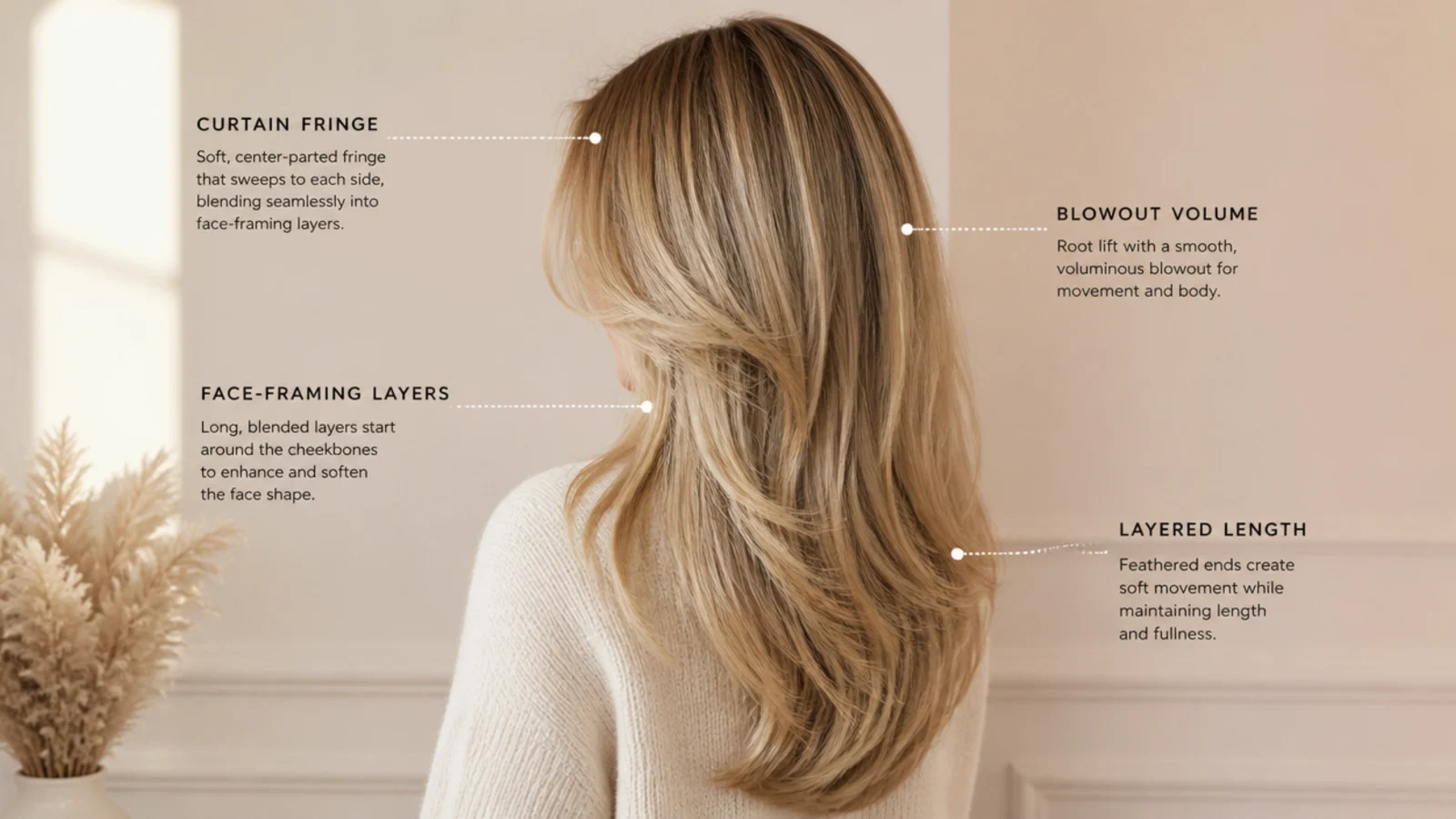
The section is taken as a triangle back from the hairline. Its depth decides how much hair is in the fringe, and a section that is too shallow leaves the fringe transparent against the hair behind it.
The shortest point sits at the centre. Everything then lengthens outward toward the cheekbone, which is what turns a blunt line into a curtain.
The ends are point cut, not blunt cut. Cutting into the ends at an angle removes weight without removing length, so the fringe sits softly instead of forming a solid block.
The parting has to follow the growth. A hairline that grows to the left will part to the left whatever the stylist decides, so the cut is planned around it rather than against it.
The Face Shape Guide
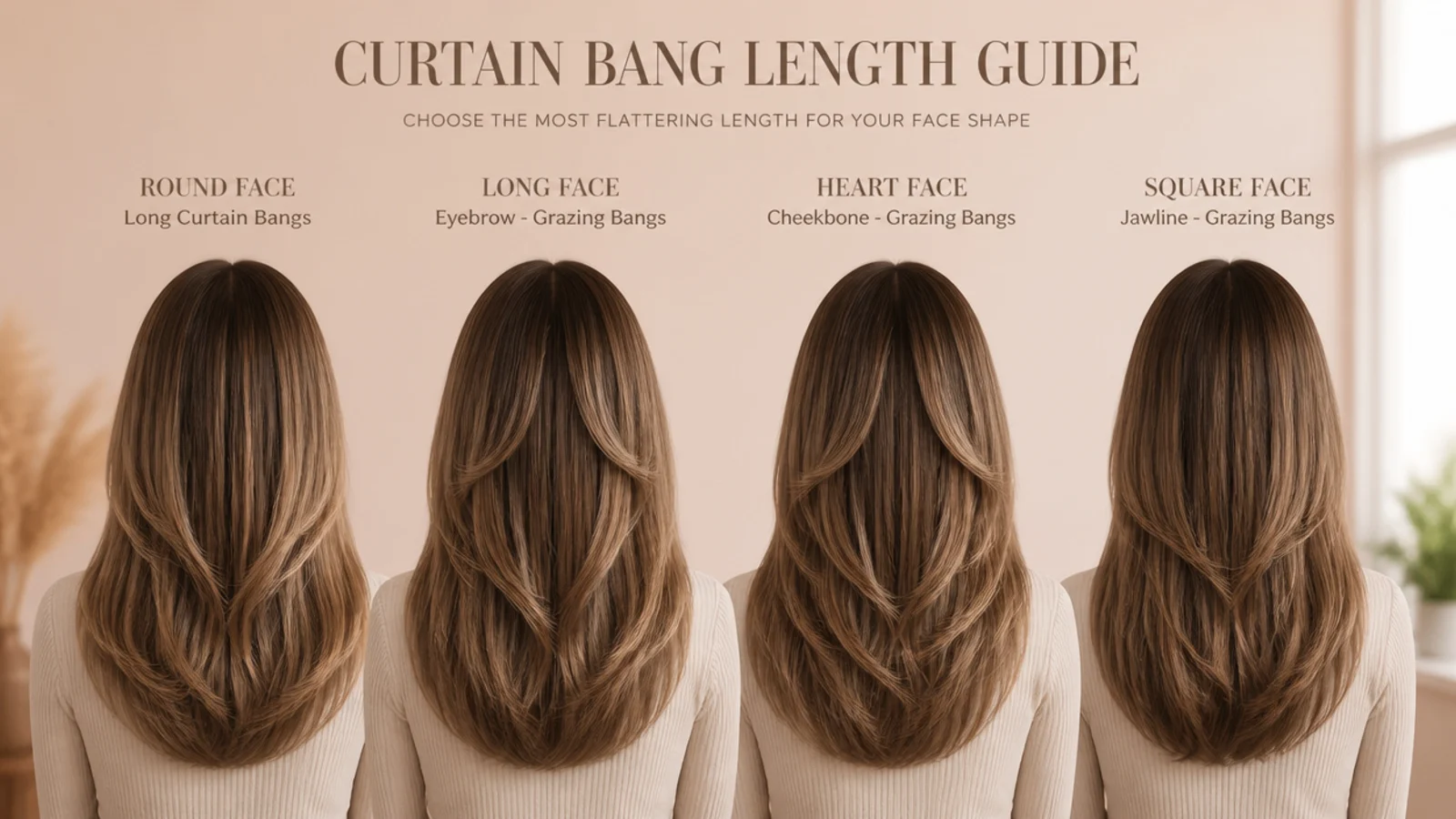
A round face wants vertical lines. A fringe that narrows at the centre and widens toward the sides opens a vertical gap in the middle of the face, which interrupts its horizontal.
A long face wants a horizontal line. A shorter, straighter fringe crosses the vertical and takes visual length out of the forehead, which is the one area a long face has to spare.
A square jaw wants diagonals. Parallel lines emphasise each other, so a fringe cut straight across restates the jaw. A side swept diagonal crosses it instead.
A heart shaped face wants width taken off the top. The forehead is the widest point and the chin the narrowest, so a fringe that covers forehead width brings the two closer together.
Thick Short and Curly Hair
Thick hair needs a shallower section. The same depth that gives a fine head a full fringe gives a thick one a solid slab, so the section is taken from closer to the hairline.
Fine hair needs the opposite. A deeper section borrows density from behind, and a fringe that is too thin lets the hair behind it show straight through.
Curly bangs are cut dry and cut long. A curl shortens by a third or more as it dries, so the wet length is never the finished length.
Short cuts change the balance. On a bob there is less hair behind the fringe to weigh against it, so the same fringe reads much heavier than it does under long lengths.
Color Families
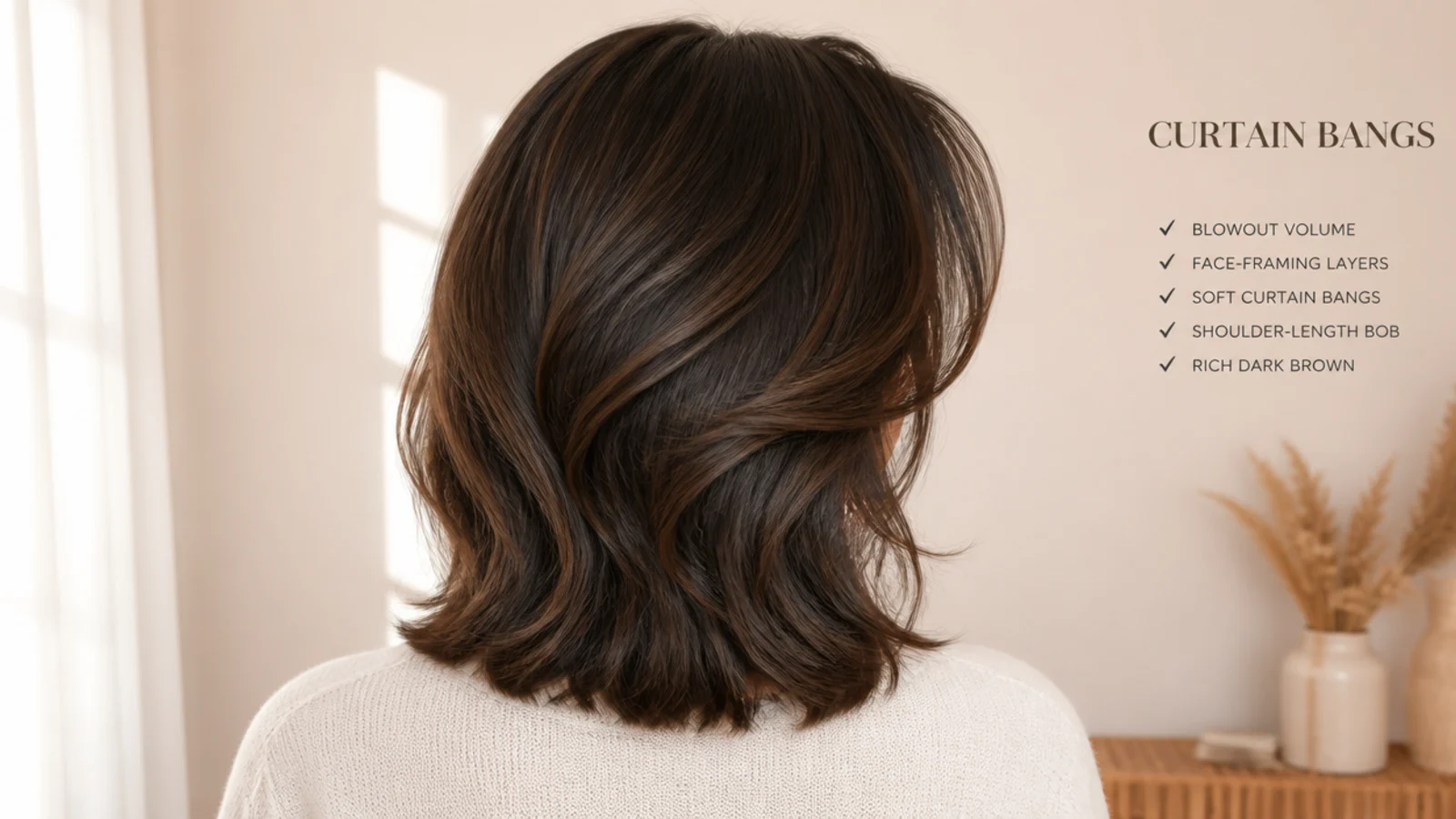
A fringe is the section you see most and treat worst. It sits in daylight, takes heat almost daily and is the first area to lose tone, so it fades ahead of the rest of the head.
Lighter fringes read as softer. Blonde and bronde scatter light through the ends, which blurs the line and makes a heavy fringe look lighter than it is.
Darker fringes read as sharper. A dark shade absorbs more light and returns a defined edge, which is why a blunt fringe is at its most graphic in espresso or black.
Face framing brightness does the same job. Lightening just the pieces beside the fringe throws light onto the face without touching the fringe itself, which keeps the processing off the most fragile section.
The Round Brush Blowout
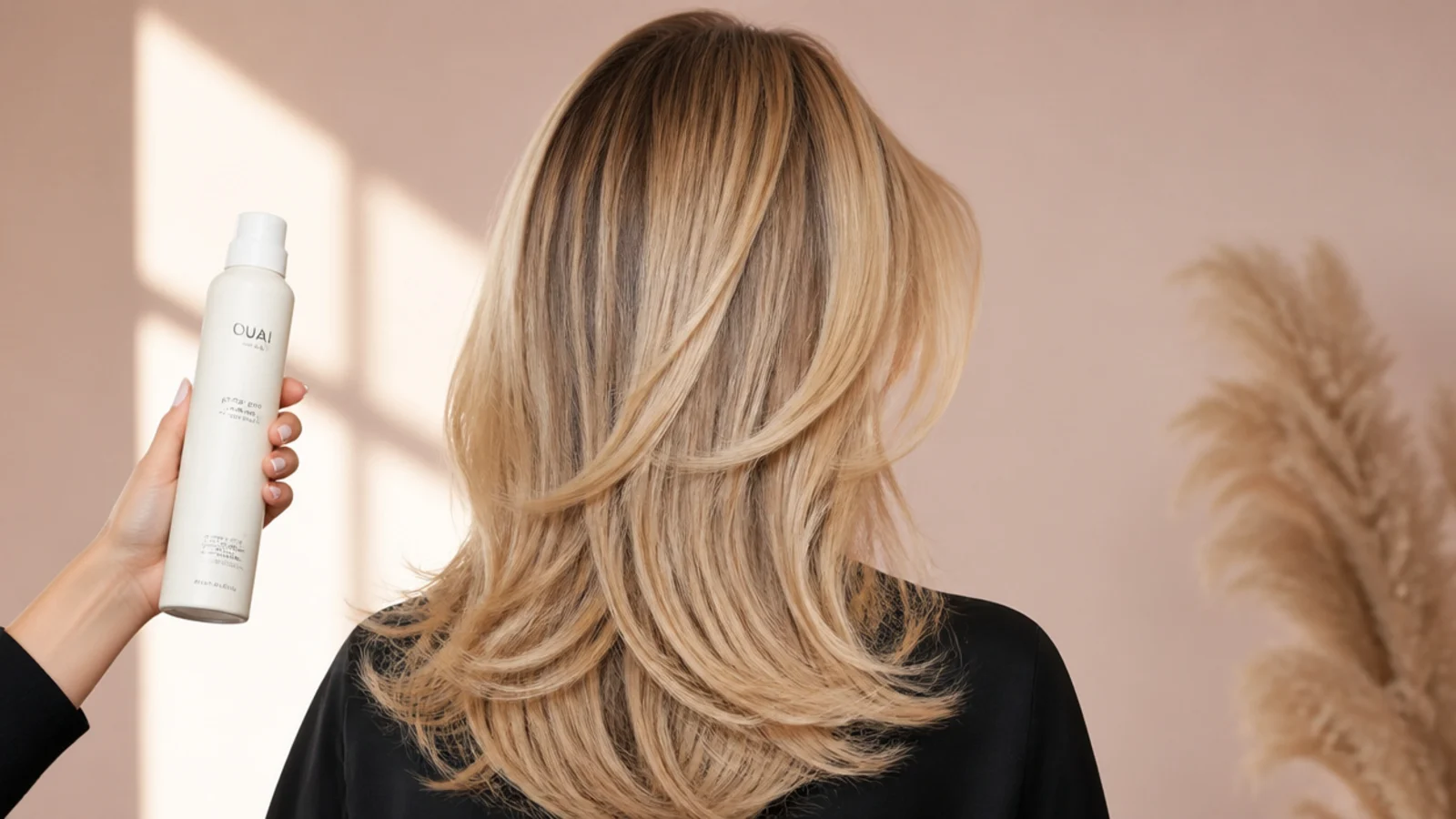
Dry the fringe first, while it is still soaking. It sets in whatever direction it dries, so leaving it until last means it has already dried into the cowlick.
Dry it side to side, not straight down. Moving the brush across the section rather than down it works the root in both directions and stops it splitting into a gap.
Use a small barrel. A large brush cannot make a bend short enough to sit against the forehead, so it drops the fringe flat against the skin instead of lifting it.
Finish cool. The bend sets as the section cools, so a cool shot before releasing the brush is the difference between a fringe that holds until evening and one that falls by lunchtime.

Growing Out Stages
Weeks one to four sit in the eyes. This is the stage most fringes are abandoned at, and it is also the shortest of the three.
Weeks five to ten reach the cheekbone. At cheekbone length the fringe can be tucked into the side parting, which is the point where it starts working as a face framing layer instead of a fringe.
Weeks eleven onward join the layers. Once the shortest piece passes the jaw it merges into the rest of the cut and stops needing its own plan.
A trim during the middle stage is what makes it survivable. Taking a little length off the outer corners keeps the fringe angled toward the cheekbone rather than dropping straight into the eyeline.

The 15 Bangs Ideas
1. Lash Skimming Curtain Bangs
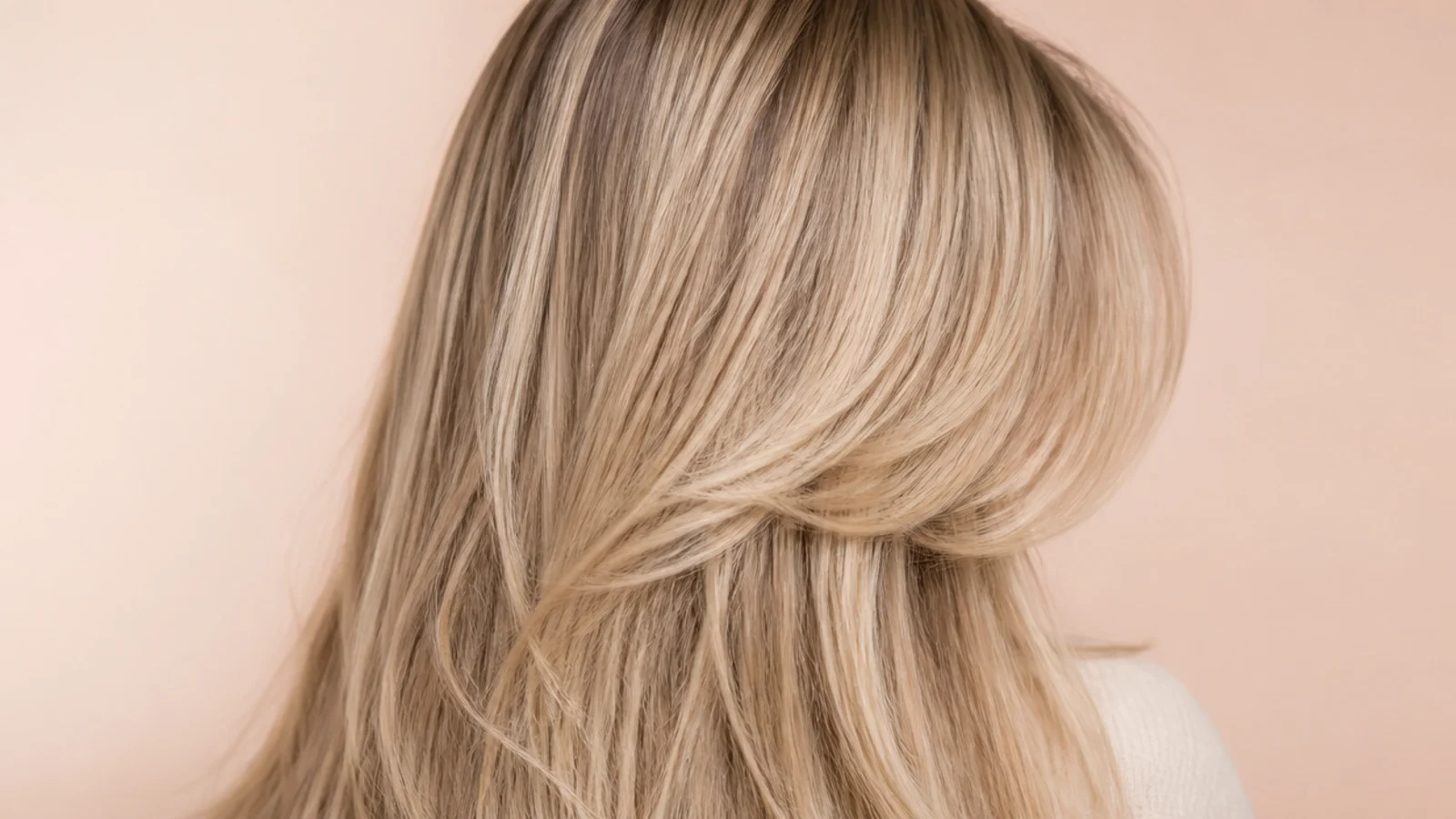
The shortest point cut to graze the lashes. That height connects the fringe to the eyeline so it reads as framing rather than as something laid on the forehead, and it is still long enough to be pushed aside on a day you want it gone.
2. Full Frontal Fringe
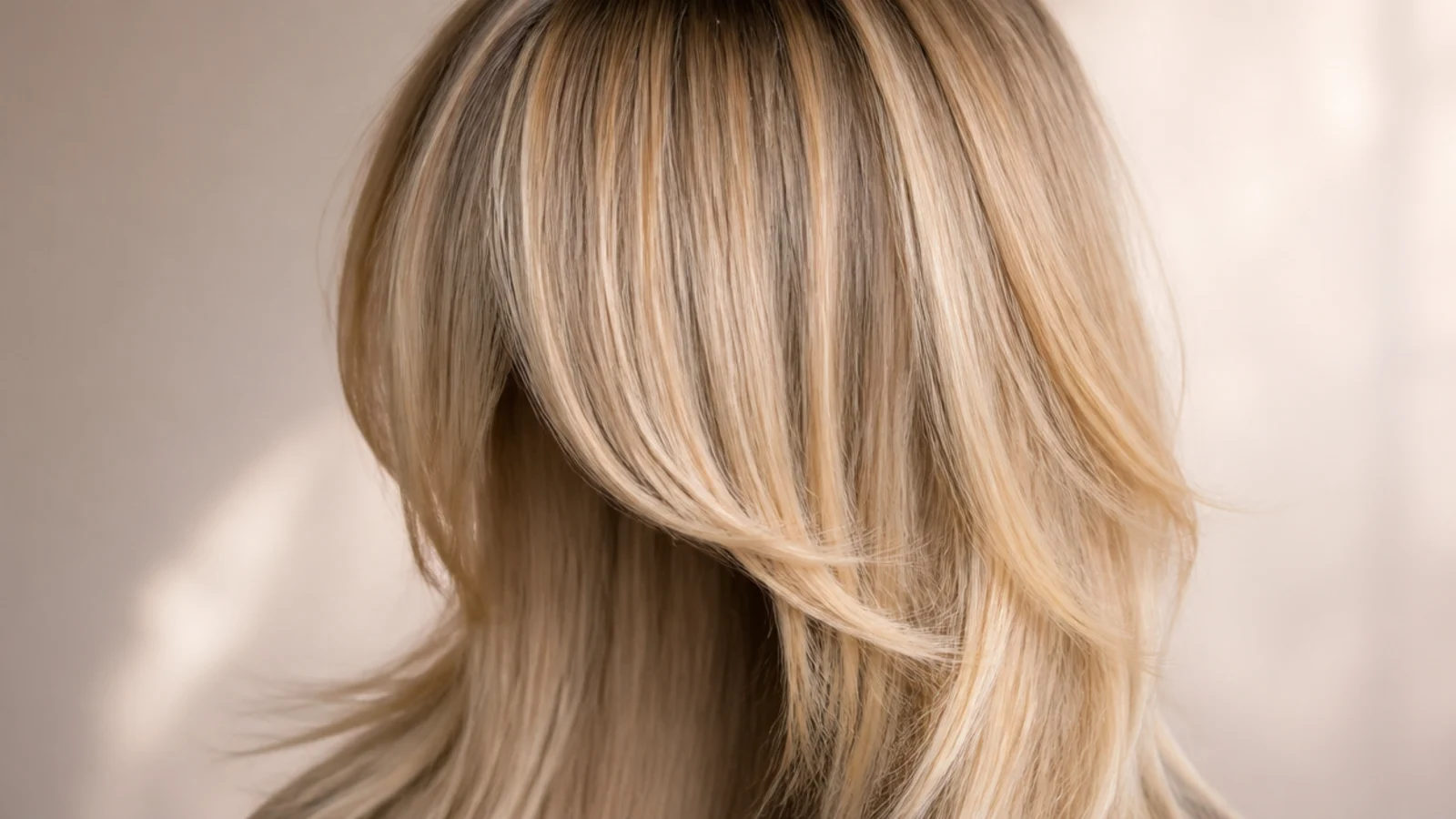
One continuous line across the whole forehead. It needs a deep triangular section taken well back toward the crown, because a shallow one lets the hair behind show through and the fringe reads as sparse instead of solid.
3. Bottleneck Bangs for a Round Face
Narrow at the centre and widening toward the sides. The narrow point opens a vertical gap in the middle of the face, and a vertical is exactly what interrupts the horizontal a round face already has plenty of.
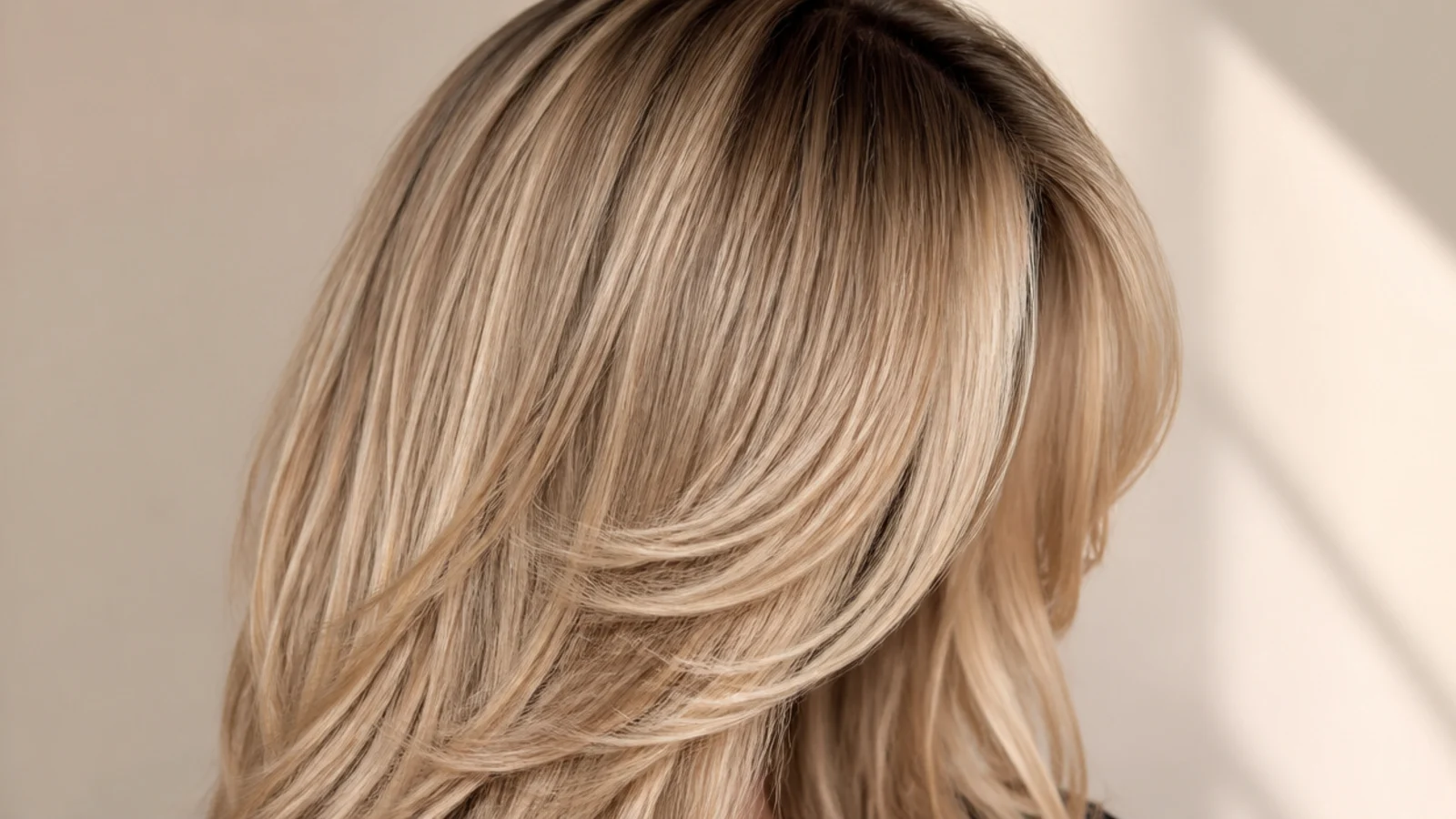
4. Side Swept for a Square Jaw
A single diagonal across the forehead. Parallel lines reinforce one another, so a fringe cut straight across restates a square jaw, while a diagonal crosses it and breaks the repetition.
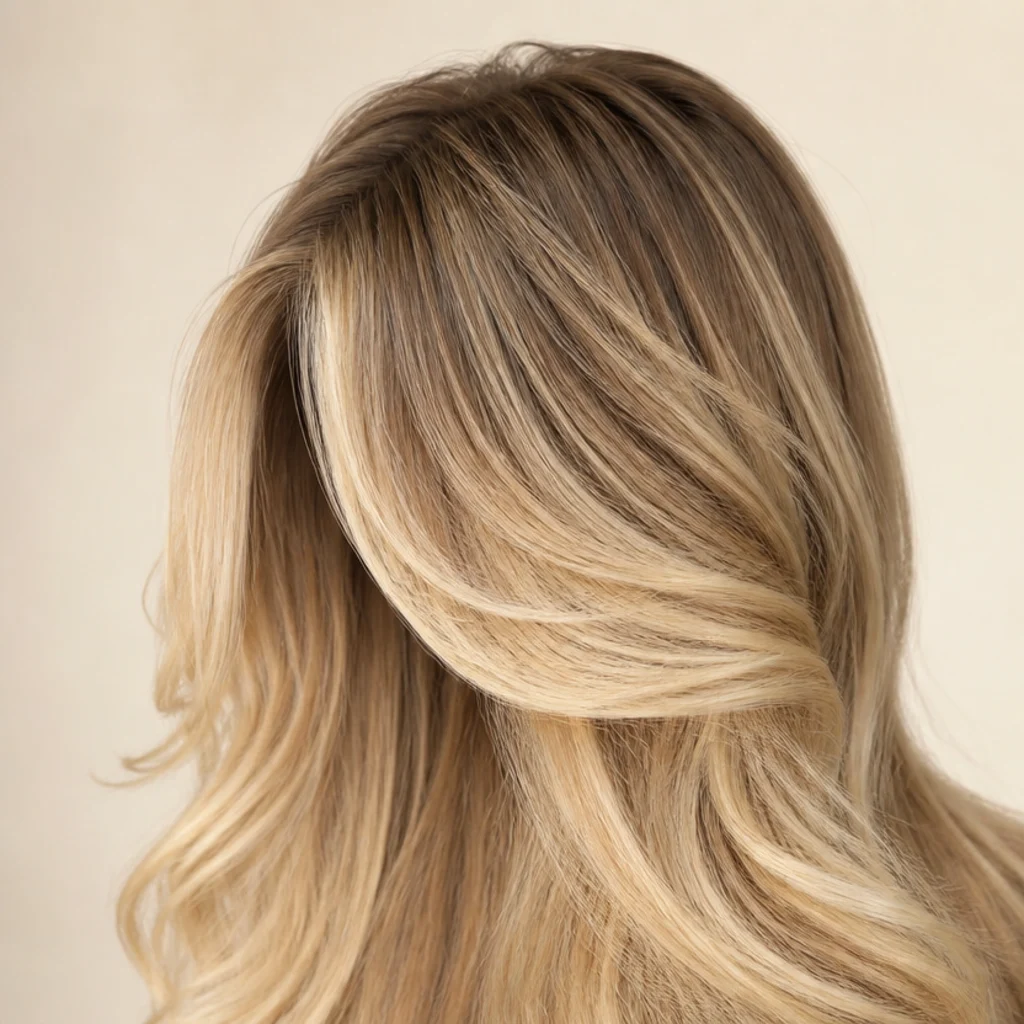
5. Wispy Bangs on Fine Hair
A shallow section cut with heavily pointed ends. Fine hair has fewer strands per square inch, so a deep fringe section takes density away from everywhere else and leaves the rest of the head looking thinner than before.
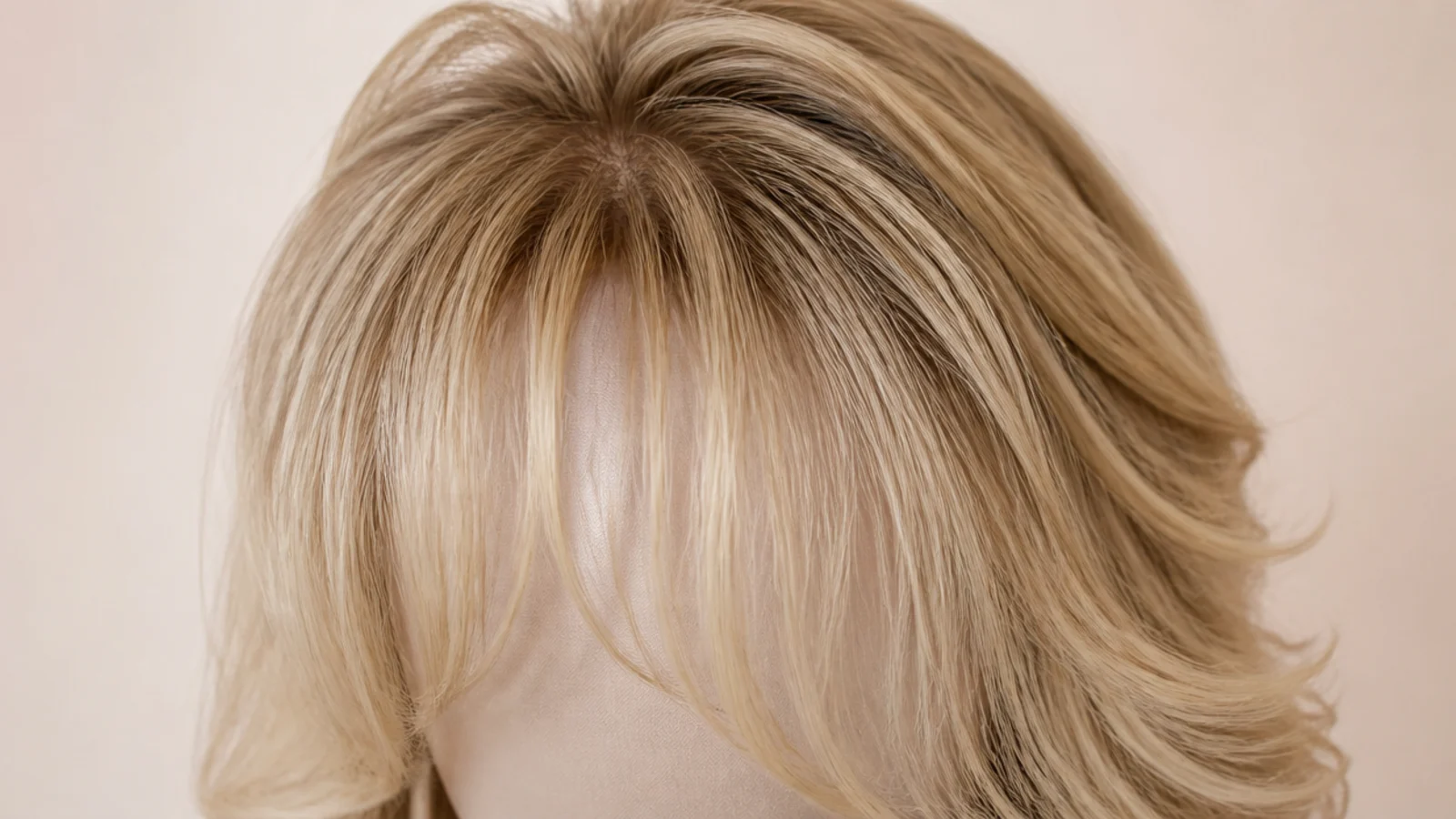
6. Short Bangs for a Long Face
A horizontal line sitting higher on the forehead. The line crosses the vertical of a long face and removes apparent length from the one area that can spare it, which is why length is subtracted rather than added here.
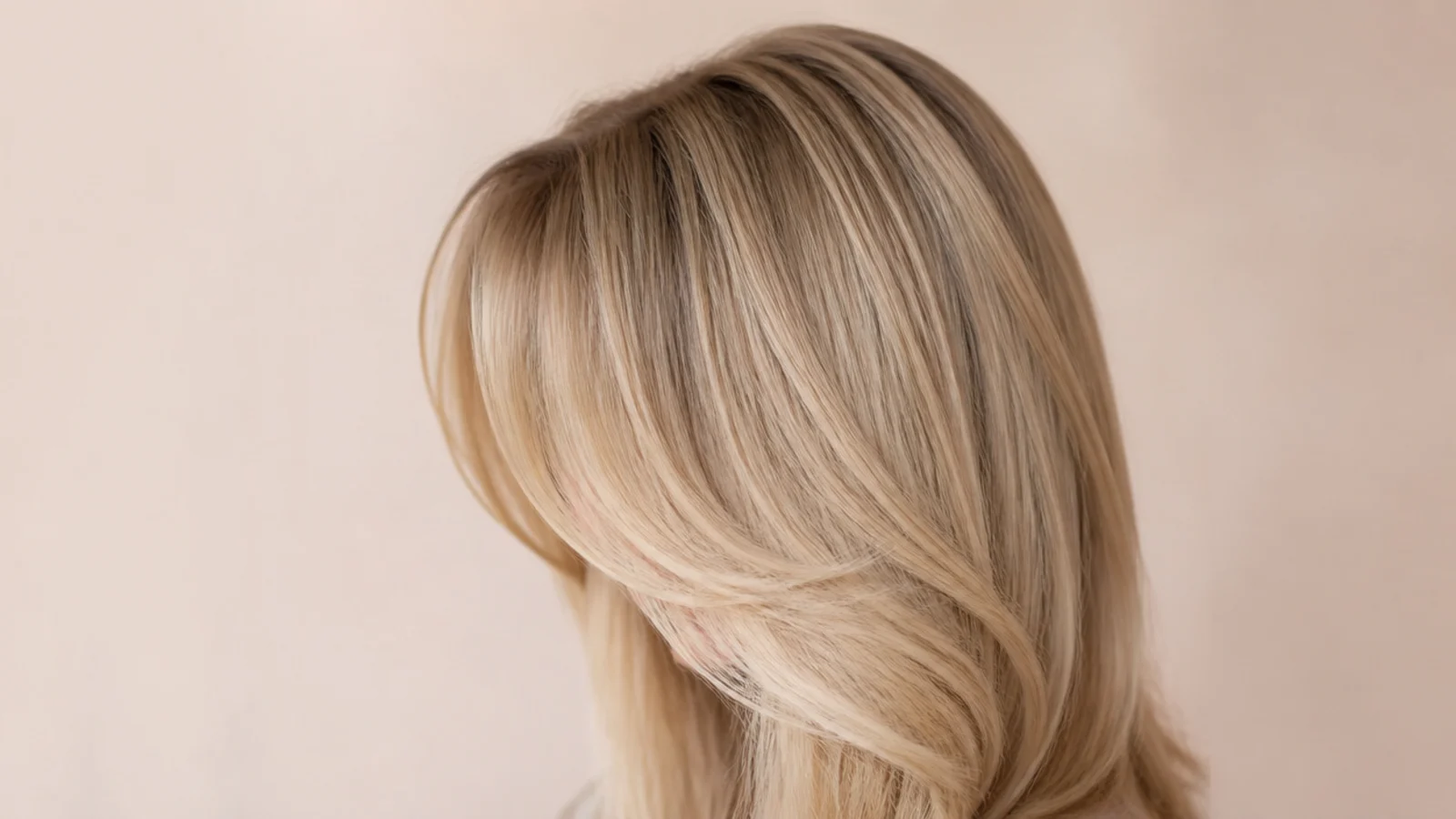
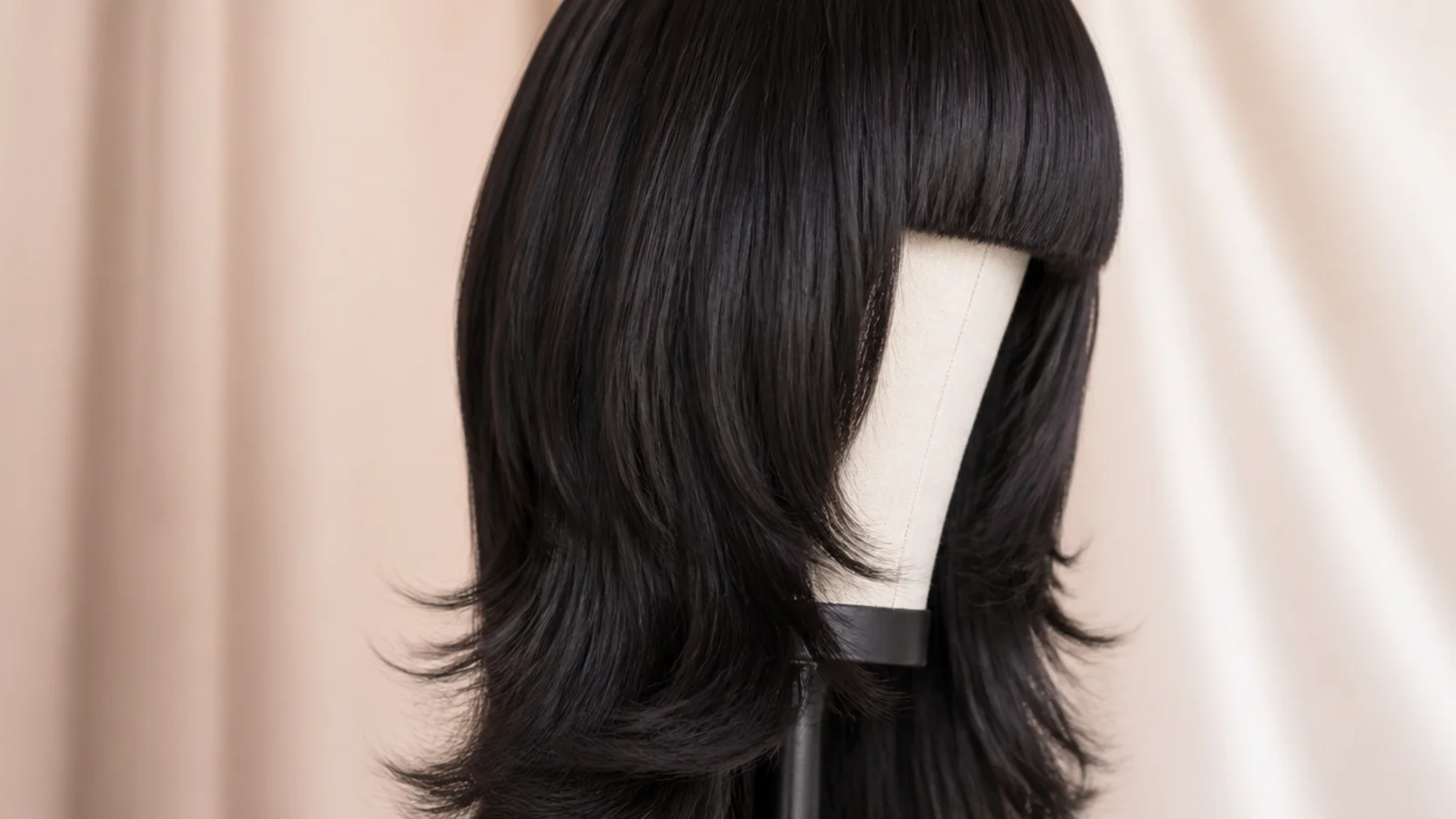
7. Blunt Dark Fringe on a Wig
The only version that can be tried and removed on the same day. A wig fringe is machine set and has no cowlick to argue with, so it also shows how the shape looks when it behaves perfectly rather than how yours will behave.
8. Bangs for a Heart Shaped Face
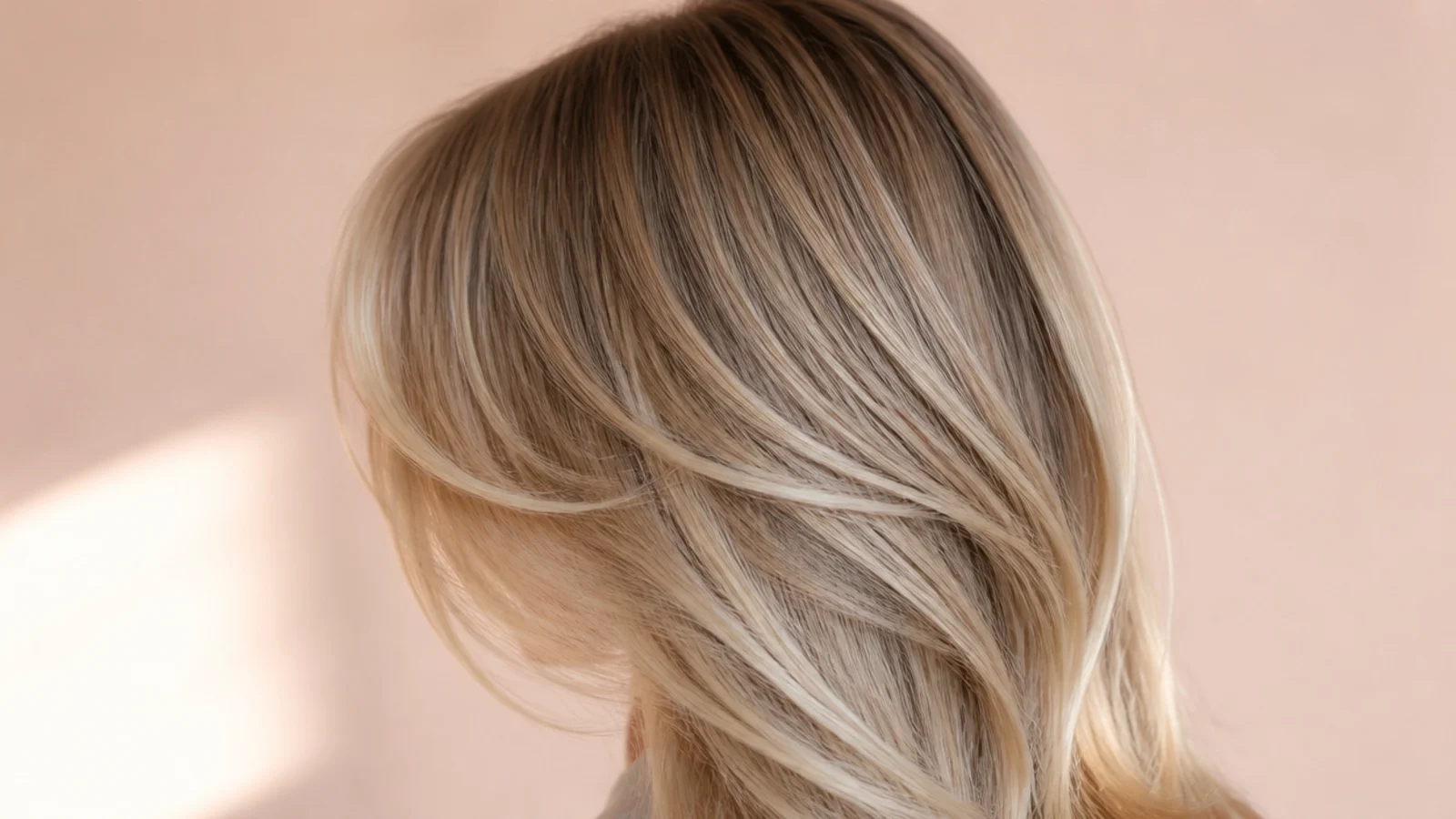
Soft ends that cover forehead width without adding bulk at the temples. A heart shape is widest at the forehead and narrowest at the chin, so taking width off the top brings the two ends of the face closer together.
9. Curly Bangs From 2C to 3B
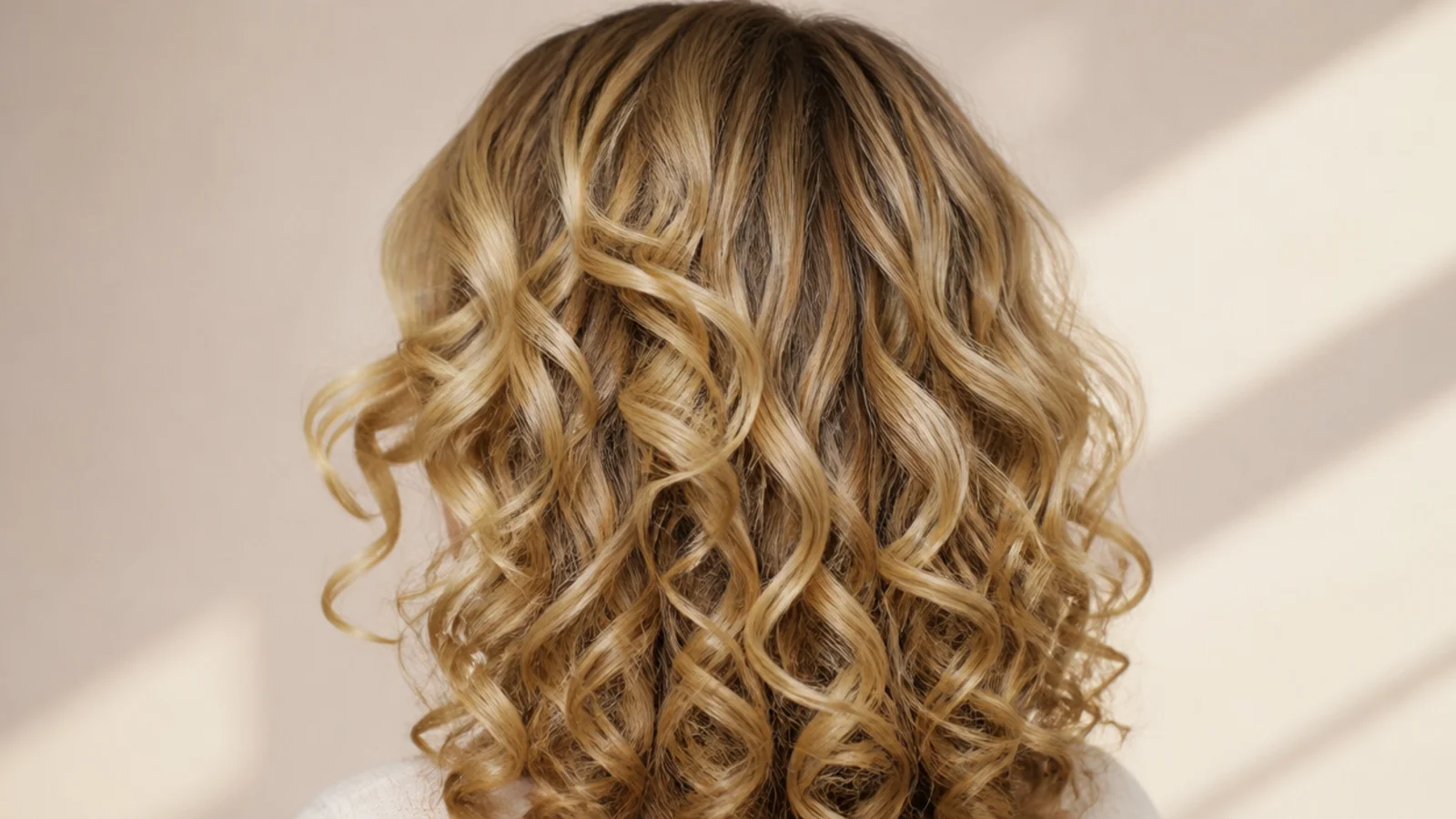
Cut dry, curl by curl, and left long. A curl shrinks by roughly a third as it dries, so a fringe measured wet lands well above the brow and there is no way to put that length back.
10. Bangs With a Shoulder Bob
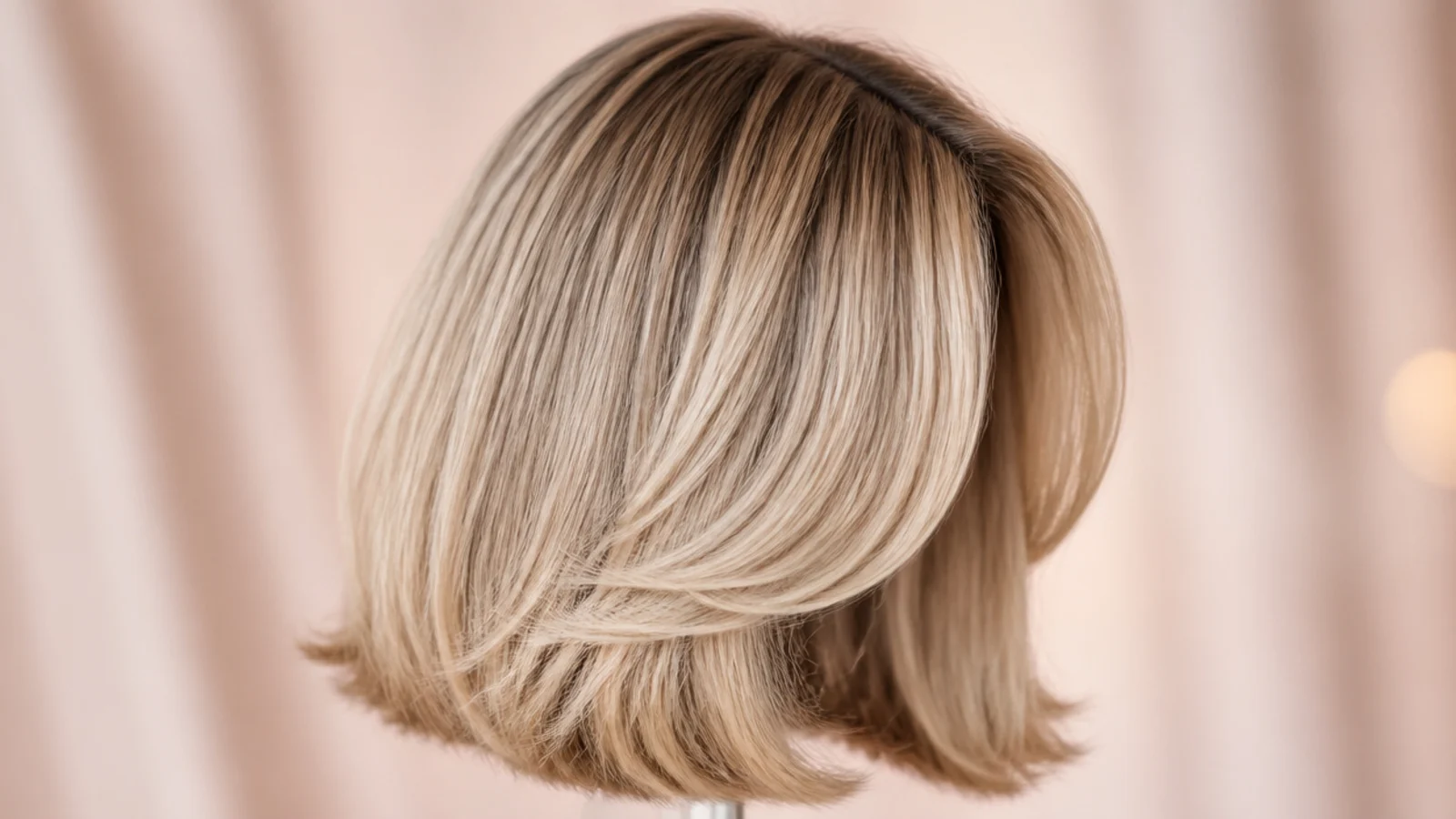
A fringe adds a second horizontal high on the face to balance the one at the perimeter. On a short cut there is also less hair behind the fringe to weigh against it, so the section has to be taken shallower than it would be under long lengths.
11. Bangs in a Bouncy Blowout
The fringe is dried first, before the rest of the head. It sets in the direction it dries, so leaving it until last guarantees it has already locked into whatever the cowlick wanted while you were working elsewhere.
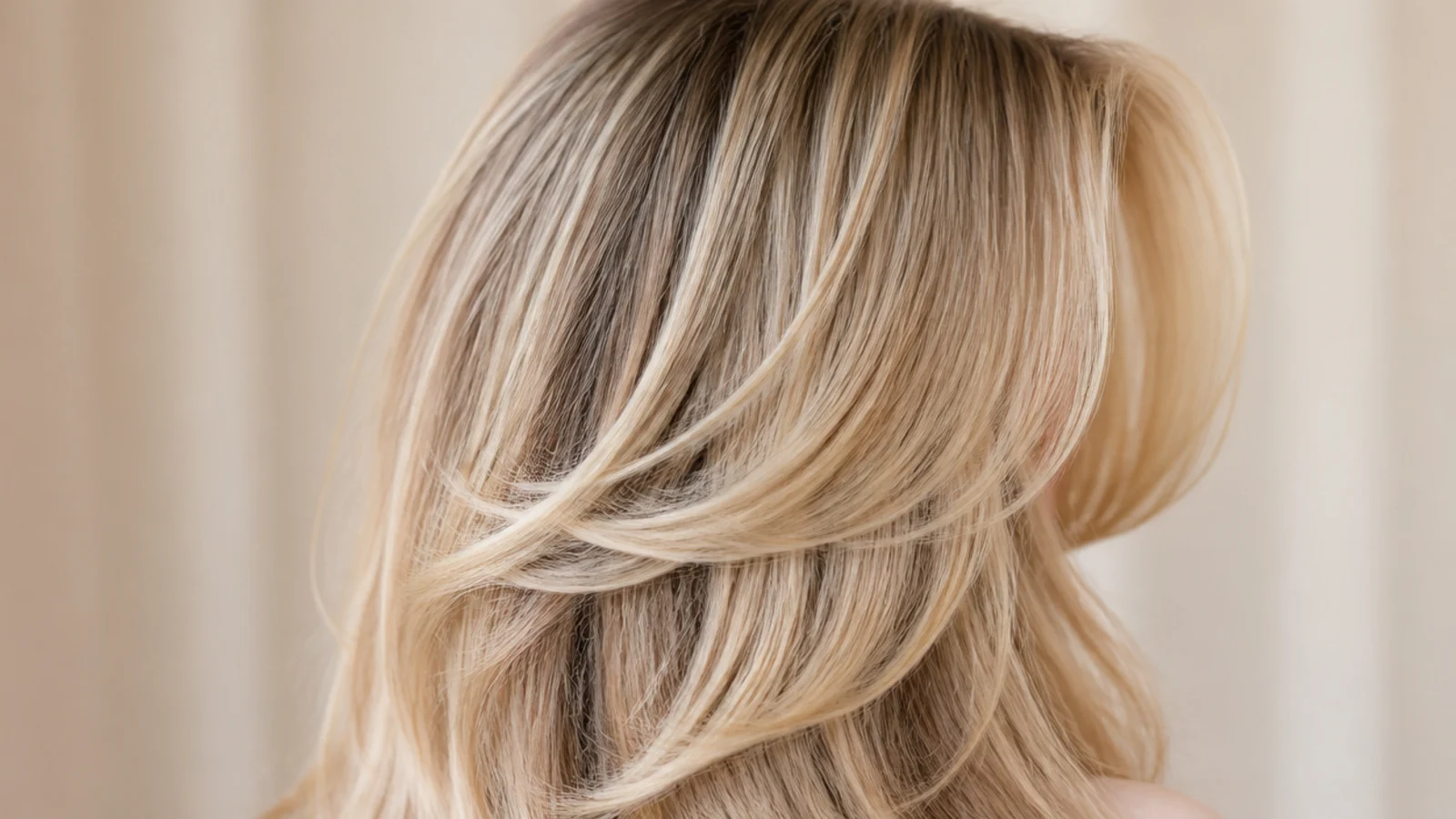
12. Grown Out to the Cheekbone
The stage where a fringe becomes a face framing layer. Once the shortest piece reaches the cheekbone it can be tucked into the side parting, which is why this is the point at which growing it out stops being uncomfortable.
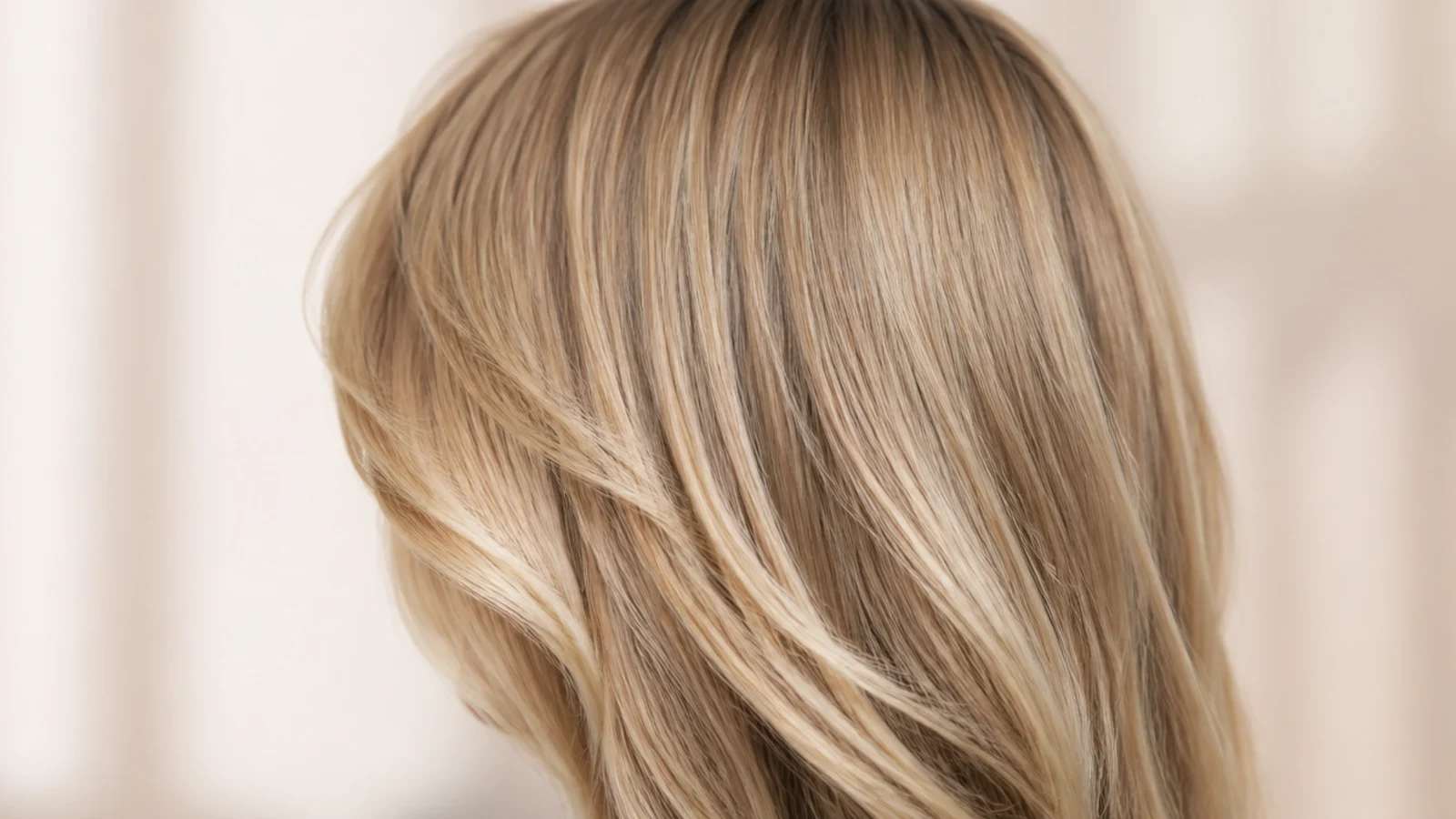
13. Bangs With a High Ponytail
Tension from a high tie pulls the roots of the fringe backward. That lifts the whole section and makes it read shorter than it does worn down, which is worth knowing before you cut it to its shortest possible length.
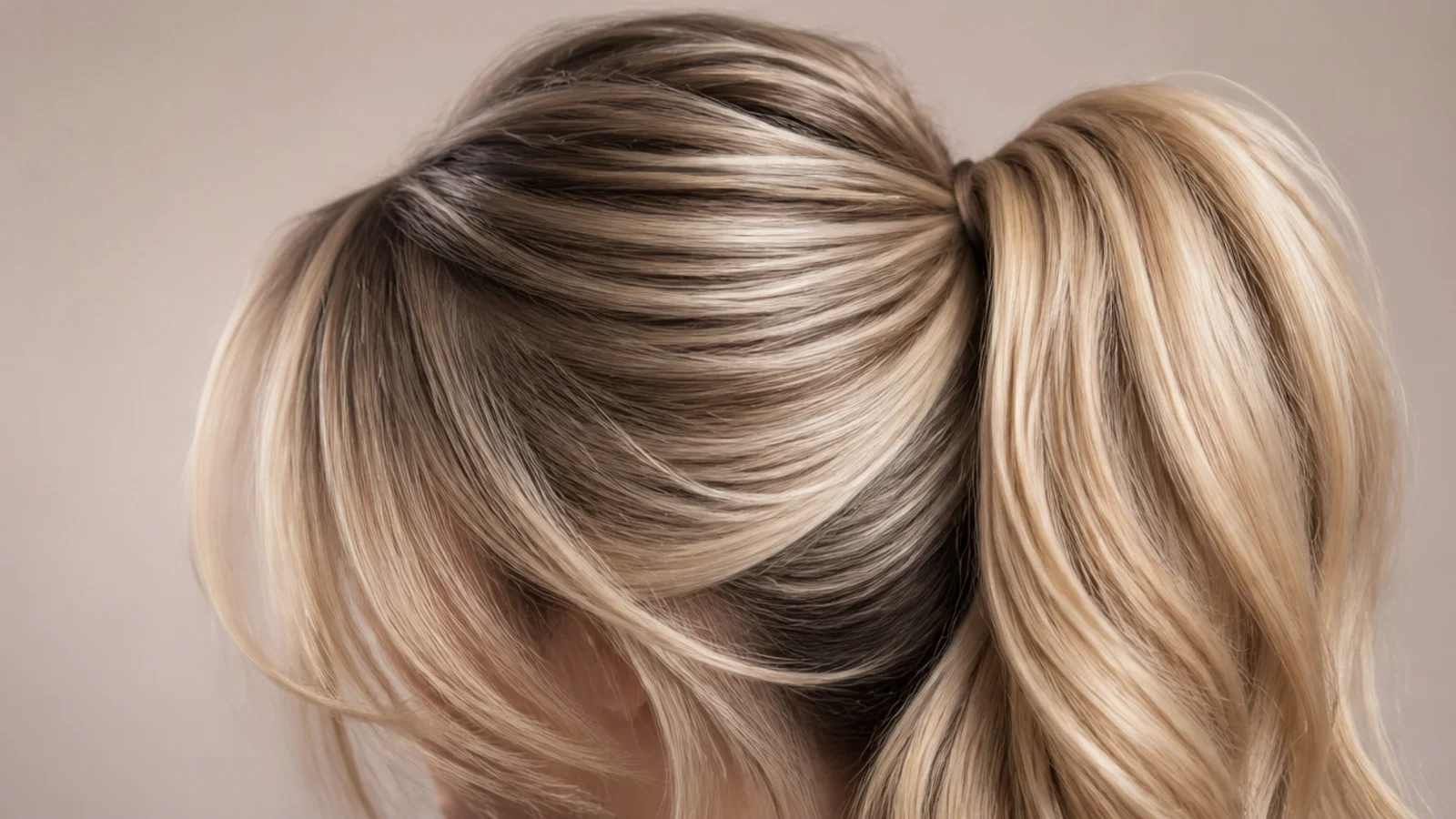
14. Piecey Second Day Bangs
A day of natural oil gives the strands enough grip to separate into pieces. Freshly washed fringe hair is too slippery for that, which is why day one bangs lie flat and day two bangs fall into the separation people try to buy in a bottle.
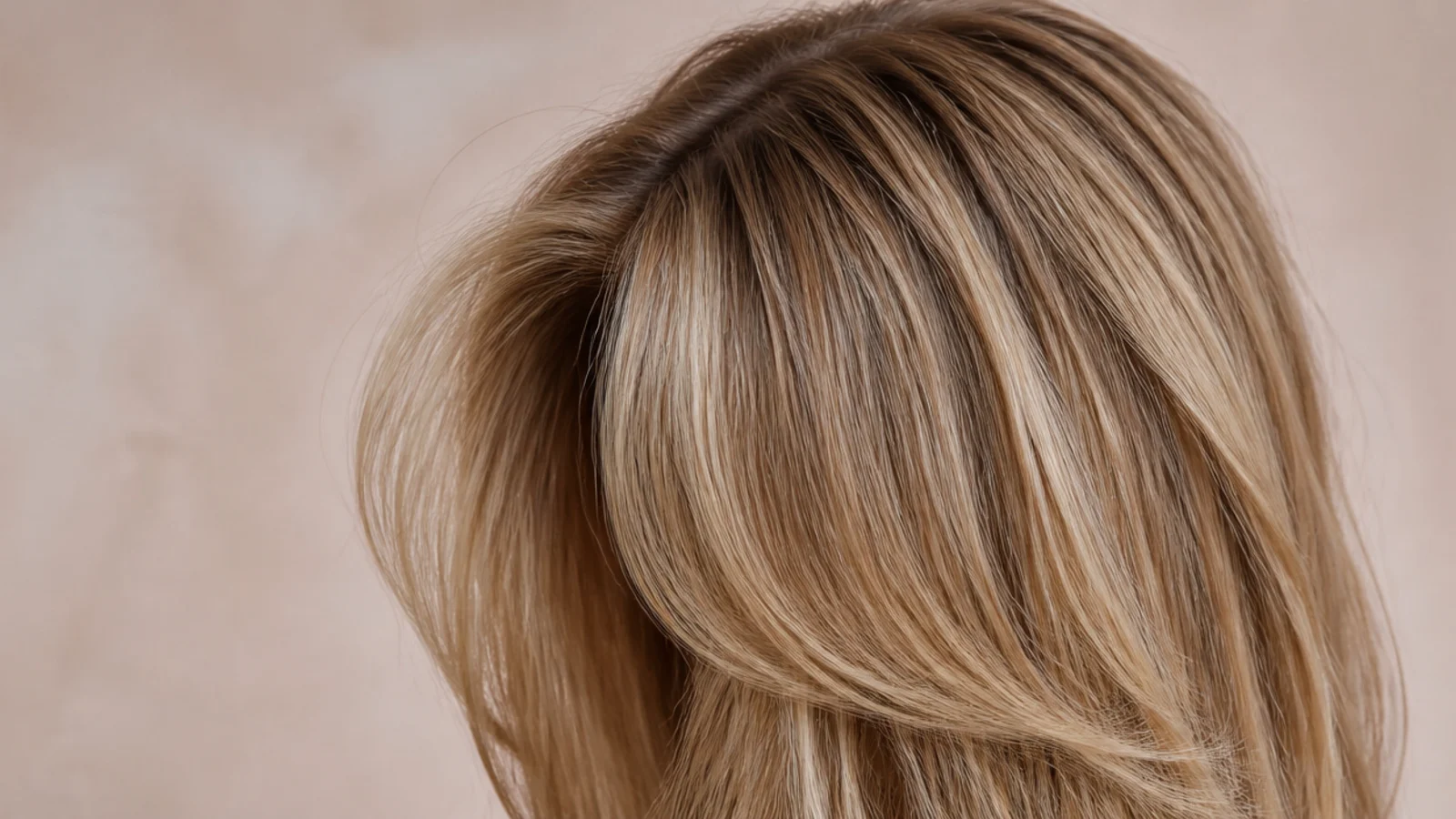
15. Bangs for a Short Forehead
A shallow section cut longer than usual. There is less vertical space to work with, so taking the section too far back means the fringe begins closer to the crown than to the hairline and the whole head looks front heavy.
Final Thoughts
Bring the two measurements to the appointment instead of only the photograph. How much vertical forehead you have and which way the front hairline grows will decide more about the result than any reference image, and both are things a stylist can check in ten seconds if you ask them to.
Then match the trim schedule to the version you chose. A blunt fringe needs cutting every three to five weeks and a curtain every six to eight, and the gap between those two numbers is the real cost of the sharper look. For the fine hair version see curtain bangs for fine hair and for the curly one see curtain bangs for curly hair. More in Celebrity Hair.