25 Sabrina Carpenter Hair Ideas and the Cut Behind Them
Twenty five versions of one look, and the reason copying a single photograph rarely works. Almost all of it comes from two decisions — where the layers start and where the depth sits at the root.
In this article · 33
- The Signature Look Broken Down
- Cuts and Layers Behind the Styles
- Hair Colors and How to Ask for Them
- Which Look Suits Your Hair Type
- Shorter or Curlier Hair
- The Blowout at Home
- The 25 Hair Ideas
- 1. The Signature Blowout
- 2. Lash Skimming Curtain Bangs
- 3. Buttery Blonde With a Shadow Root
- 4. Cool Beige Blonde
- 5. Sleek and Straight
- 6. Nineties Blowout
- 7. Soft Waves
- 8. Face Framing Layers
- 9. Old Hollywood Curls
- 10. Half Up Half Down
- 11. High Ponytail
- 12. Bow Ponytail
- 13. Shoulder Bob
- 14. Collarbone Lob
- 15. Butterfly Layers
- 16. Money Piece
- 17. Honey Blonde
- 18. Bronde Root
- 19. Dark Brunette
- 20. Jet Black
- 21. Air Dried Wave
- 22. Second Day Texture
- 23. Curly Curtain Bangs
- 24. Crown Volume
- 25. Low Bun
- Final Thoughts
Twenty five looks here come from two decisions and a round brush, which is why copying one photograph so often fails and copying the cut almost never does.
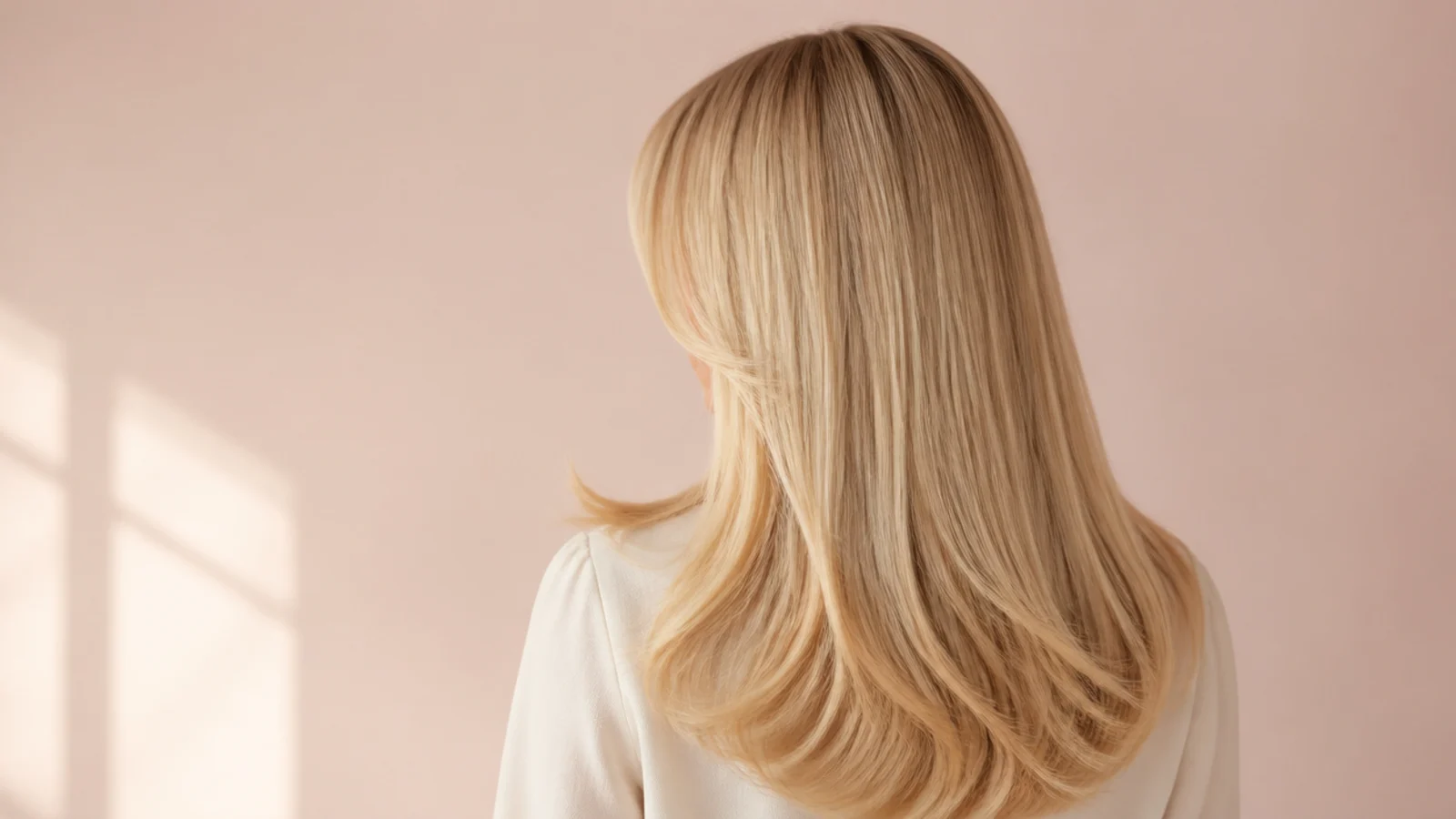
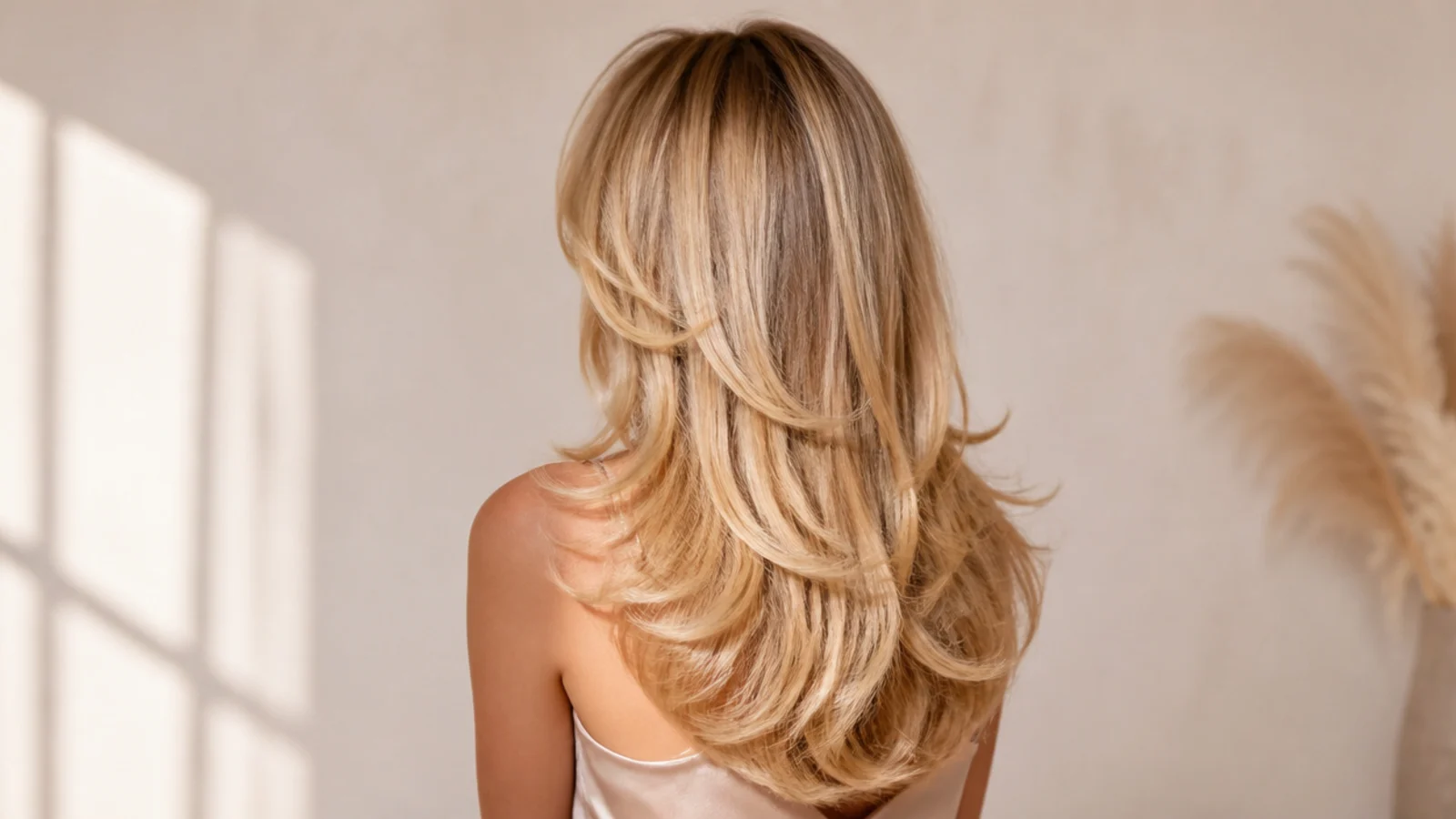
The cut is the constant. Long layers starting around the cheekbone, shorter pieces beside the face, and a fringe that splits at the centre. Everything below is that shape finished a different way.
The color is a root and a length, not a shade. Depth kept at the scalp with brightness through the mid lengths lets the same head read blonde in one photograph and bronde in the next without a second appointment.
The Signature Look Broken Down
Layers that start at the cheekbone. High enough to build movement through the mid lengths and low enough that the perimeter still reads as one length from behind.
Face framing pieces cut shorter than the rest. Their ends sit beside the face and catch light there, which brightens the area without lightening a single strand.
Depth deliberately kept at the root. The scalp area stays a level or two deeper than the lengths so regrowth blends instead of arriving as a line.
A round brush finish rather than a curl. The bend comes from pulling hair over a curved surface under heat, which produces a wider and softer shape than any barrel does.

Cuts and Layers Behind the Styles
Long layers add movement, not volume. They give the hair more edges to bend over, and a bend is what the eye reads as movement in a photograph.
Internal layers beat surface layers. Removing weight from underneath keeps the outer canopy long and unbroken, while layering the surface leaves short ends poking through the smooth sheet you were trying to build.
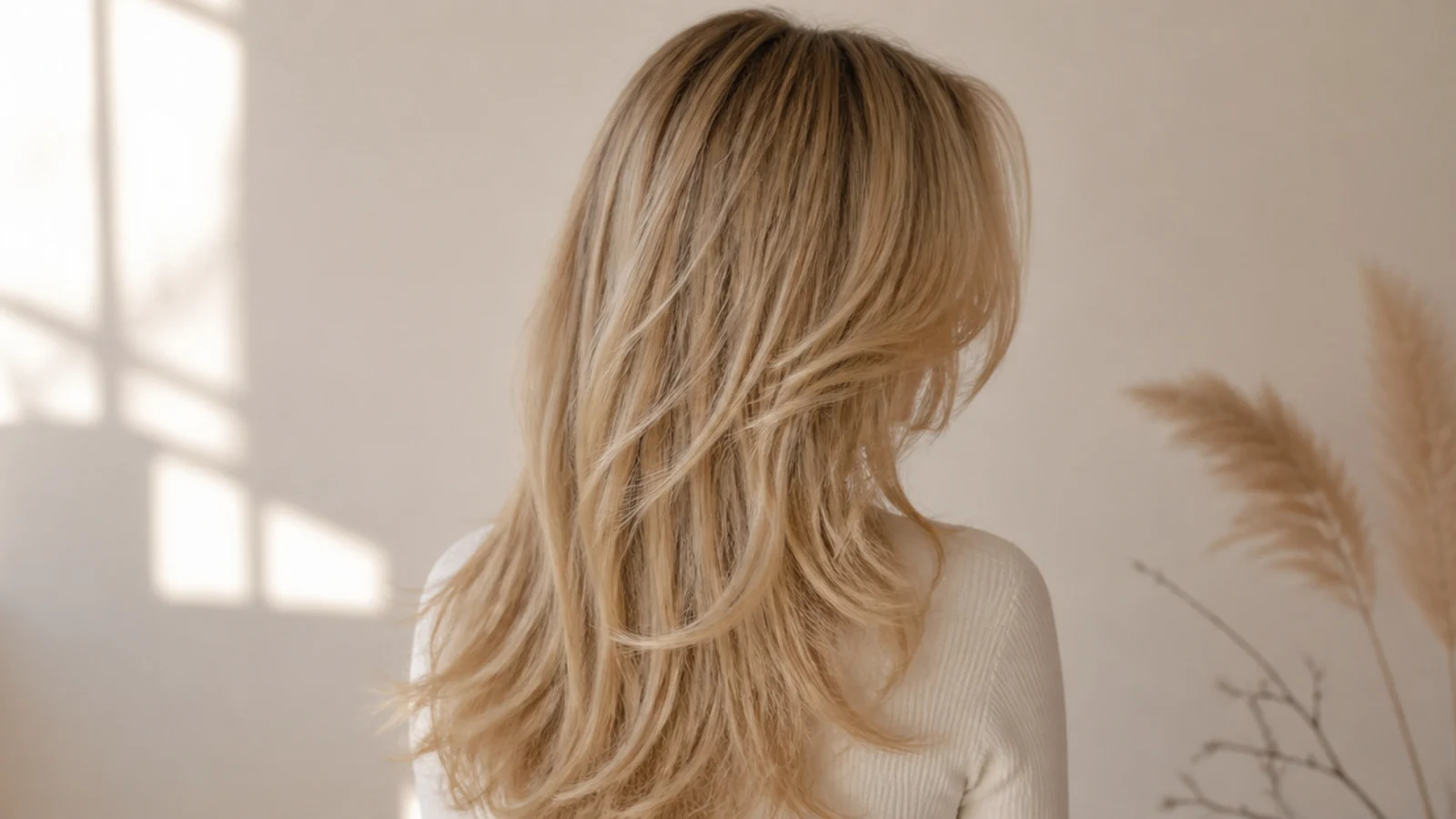
Butterfly layering is two lengths in one cut. Short pieces at the front sit over long lengths behind, so it reads as a shag from the front and as long hair from the back.
A fringe is a layer that starts at the forehead. It has to be cut on the natural growth direction at the hairline, because a cowlick will push it sideways every day regardless of how it was styled.

Hair Colors and How to Ask for Them
Name a level and a tone. The level sets depth on a scale where three is nearly black and ten is the palest blonde, and the tone sets whether it reads ash, neutral or gold.
Ask for the root to stay deeper. A shadow root costs nothing extra at the appointment and turns grow out from a deadline into part of the design.
Toner is a separate schedule from color. A toner sits mostly on the surface and fades in four to six weeks, well before the base needs a retouch.
Warm shades need less maintenance than cool ones. Bleach leaves yellow behind, so a warm blonde works with what is already there while a cool one has to keep cancelling it.

Which Look Suits Your Hair Type
Fine hair wants fewer layers and a blunter perimeter. Every strand ending on the same line reflects at the same moment, and that shared reflection is what the eye reads as density.
Thick hair wants the weight removed from underneath. Otherwise the shape widens at the bottom, and a blowout on an unlayered thick head sets into a triangle.
Wavy hair takes the blowout fastest. The bend is already there, so the brush is smoothing an existing shape rather than creating one from nothing.
Straight hair holds the least and shines the most. No bend means no grip, so a straight head needs a texturising base to hold a set and returns the cleanest reflection when left flat.

Shorter or Curlier Hair
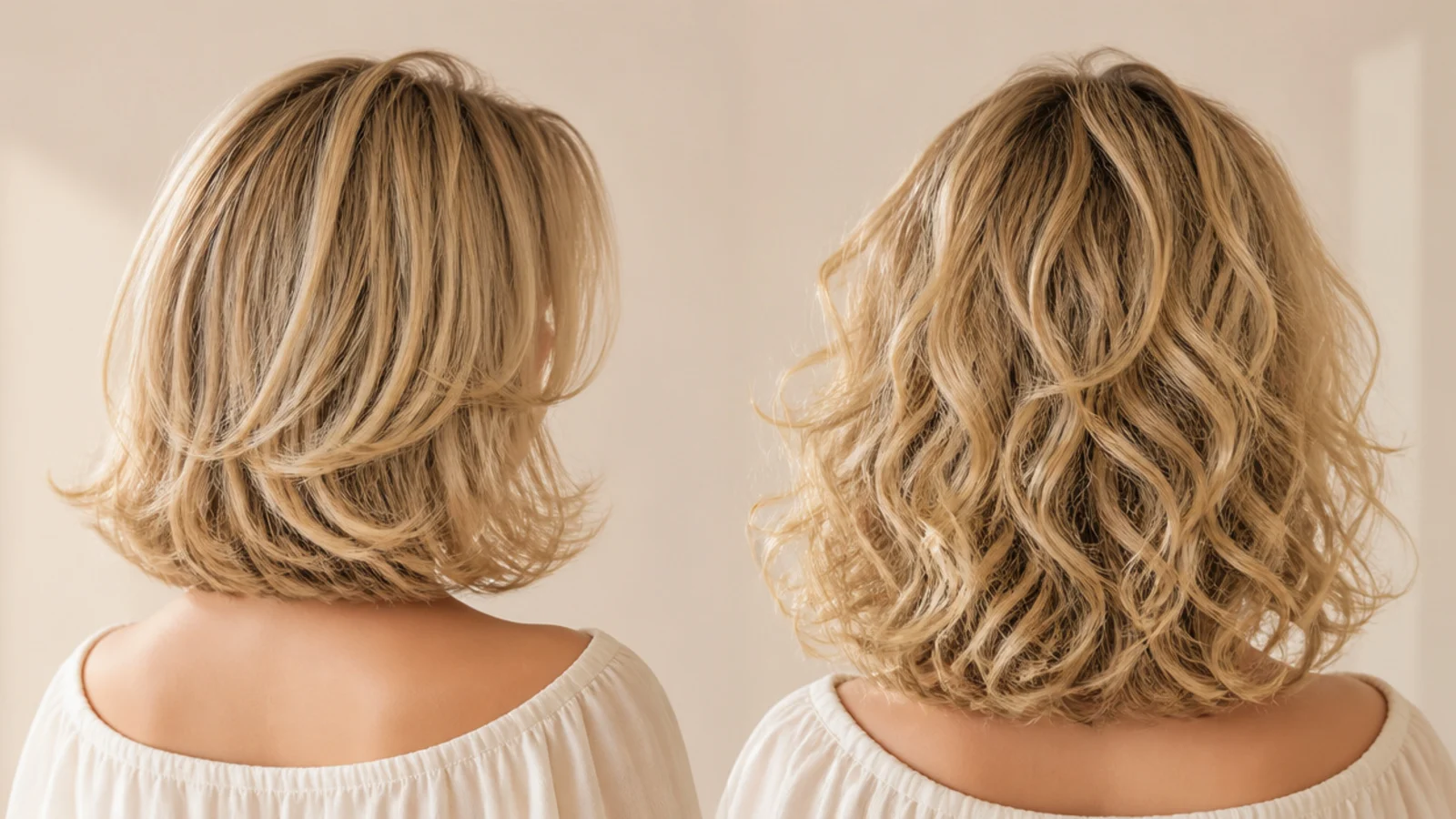
Everything above works at bob length except the layers. A short cut has no room for a layer that starts at the cheekbone, so the movement has to come from the perimeter shape instead.
Curls need the fringe cut dry and cut long. A curl springs up by a third or more as it dries, and a fringe is the one place that miscalculation cannot be hidden.
Curly hair hides regrowth. The pattern breaks a horizontal grow out line into dozens of small ones, which buys weeks between color appointments that straight hair never gets.
Short hair makes color cheap to change. Hair grows around half an inch a month, so a pixie removes most of a color decision within a year of ordinary trims.
The Blowout at Home
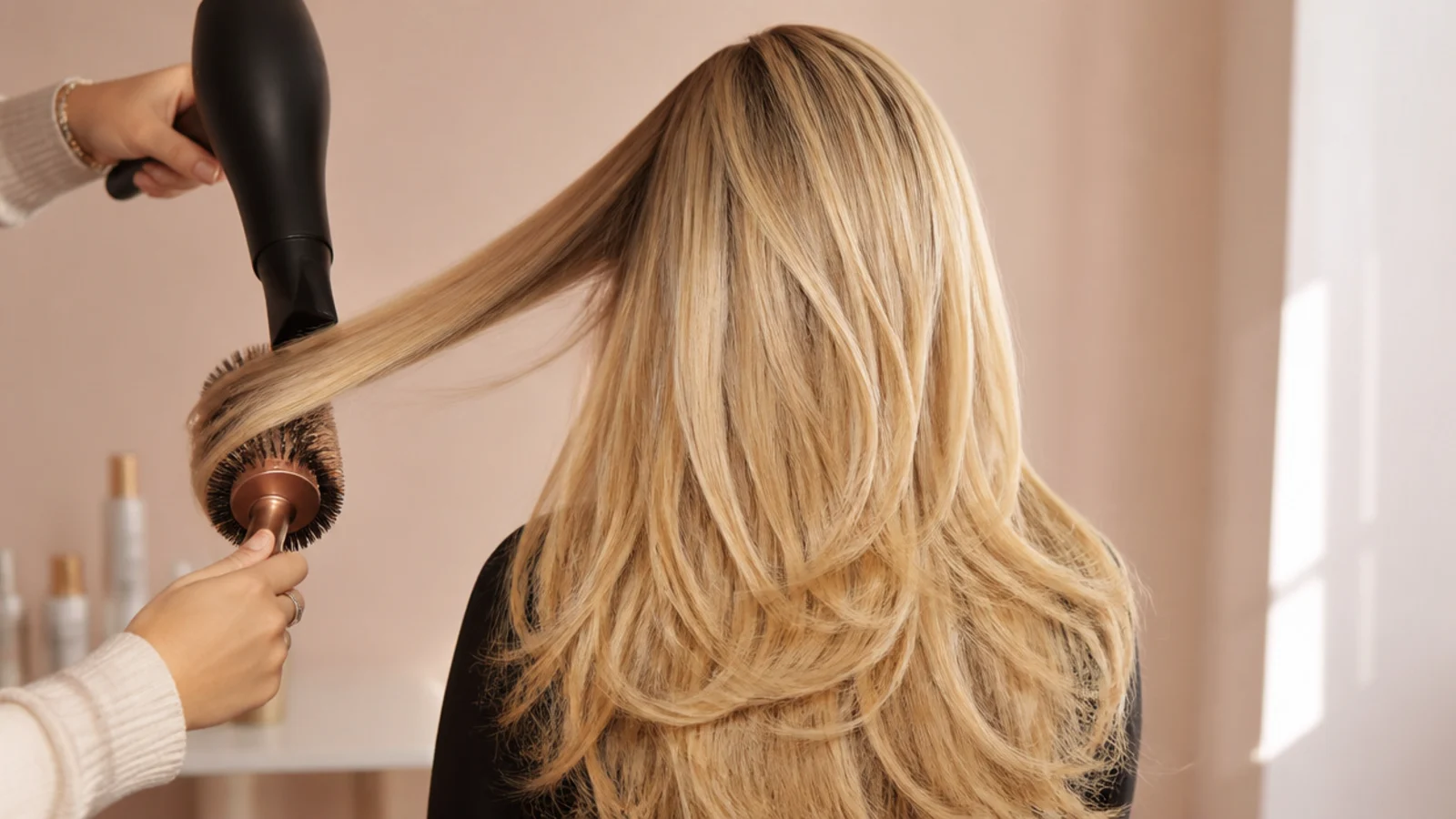
Rough dry to about eighty percent first. A round brush cannot shape soaking hair, and the extra minutes under heat are what flatten the shine you are trying to build.
Take sections no deeper than the brush barrel. Anything thicker leaves the inner hairs damp, and damp hair drops out of the shape the moment the section is released.
Point the nozzle down the strand. Air travelling root to end lays the cuticle scales flat in one direction, and a flat cuticle is the entire source of the gloss.
Let each section cool on the brush. Hair sets its shape as it cools, so unwinding a warm section returns the bend you just made straight back to the floor.
The 25 Hair Ideas
1. The Signature Blowout
Hair pulled over a curved brush while the heat is on it and released only once cool. The brush is doing the shaping and the cooling is doing the setting, which is why the same iron temperature gives a different result depending on patience alone.

2. Lash Skimming Curtain Bangs
The shortest point cut to graze the lashes. That height is what makes the fringe read as framing rather than as something sitting on the forehead, because the eye connects the fringe to the eyeline when the two meet.

3. Buttery Blonde With a Shadow Root
Warm blonde lengths over deliberately deeper roots. New growth arrives into an area that is already dark, so the demarcation line the eye looks for never forms and the appointment interval roughly doubles.

4. Cool Beige Blonde
Violet and neutral pigment in the toner holding the yellow down. Because a toner deposits shallowly rather than into the cortex, it fades in four to six weeks and needs its own schedule separate from the base color.

5. Sleek and Straight
Flat ironed to a single plane. A straightened strand has no bend to scatter light, so the whole surface reflects in one direction and the shine reads as a continuous sheet rather than as scattered highlights.

6. Nineties Blowout
A large brush with the ends flicked outward instead of under. Turning the ends away puts the tip of every strand at the widest point of the silhouette, which is what makes the shape read as volume rather than as length.

7. Soft Waves
One bend per section, placed low on the strand. Keeping the bend below the ear leaves the root smooth and the ends loose, which is the difference between a wave and a set that reads as curled.
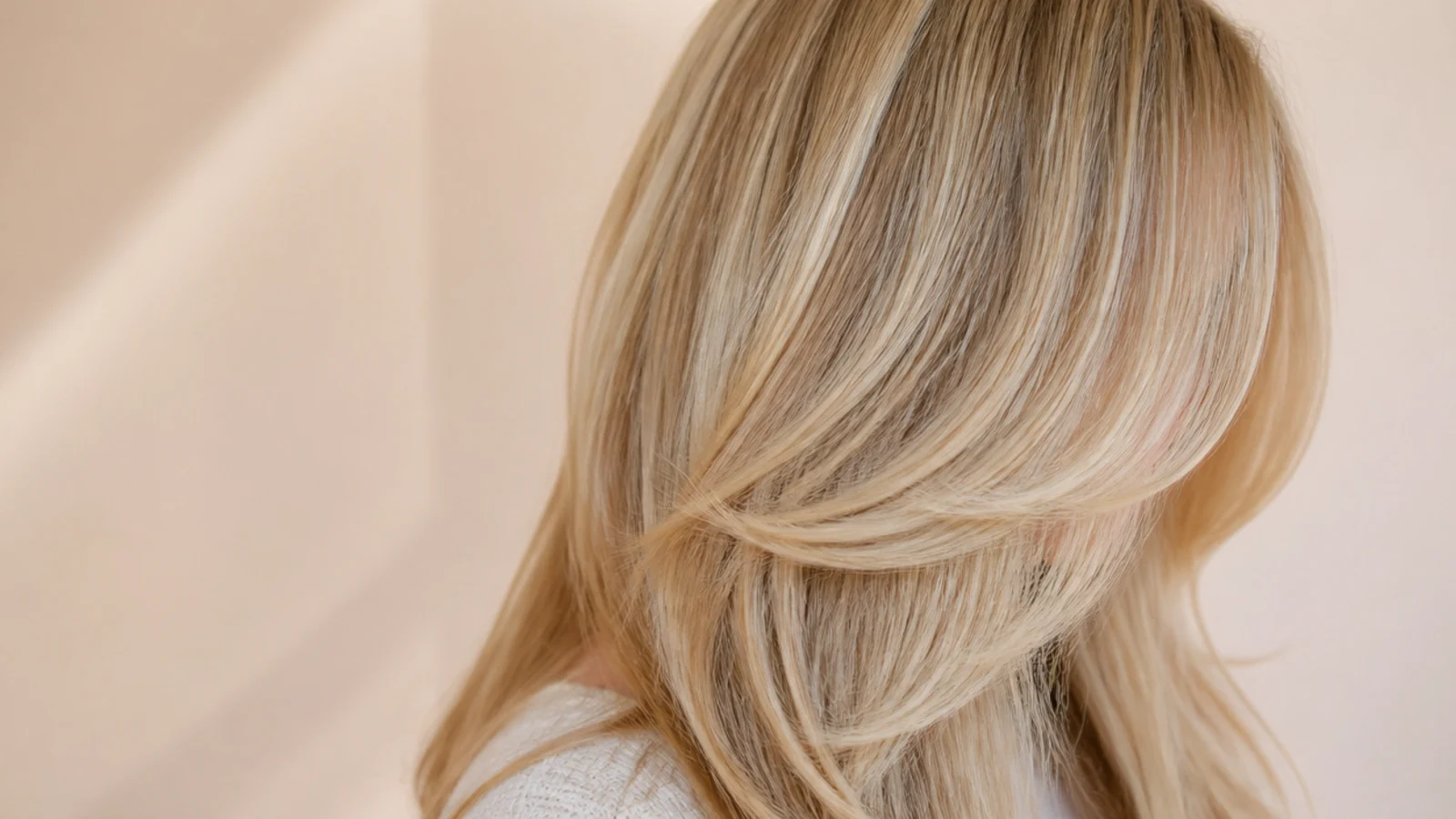
8. Face Framing Layers
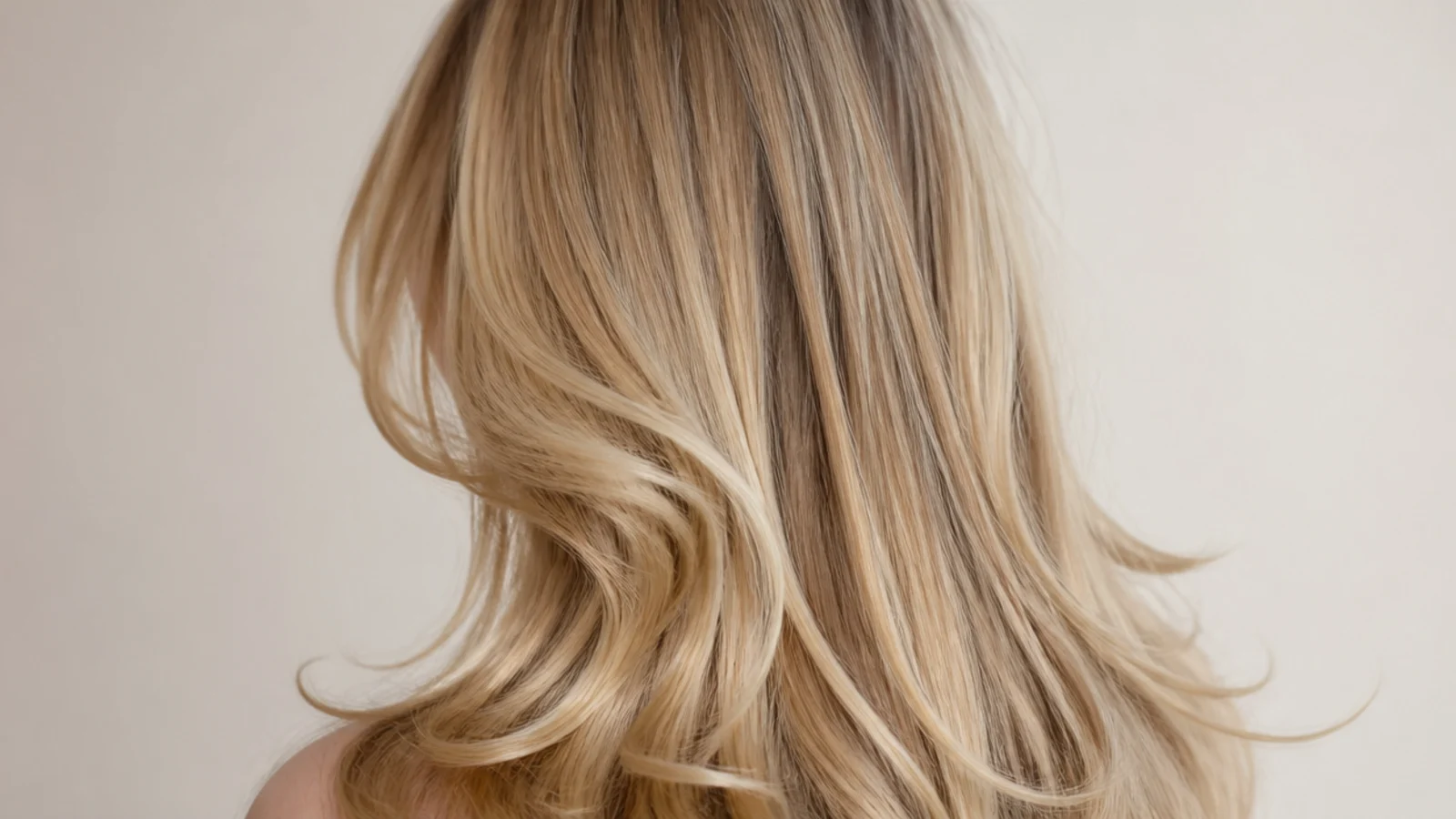
Shorter sections cut beside the face. Their ends sit at cheek and jaw height and catch light there, so the area around the face brightens without a single strand being lightened.
9. Old Hollywood Curls
Wound, pinned, cooled and then brushed through. The brush redistributes strands across the boundaries between individual curls, which merges a row of separate spirals into one continuous wave.

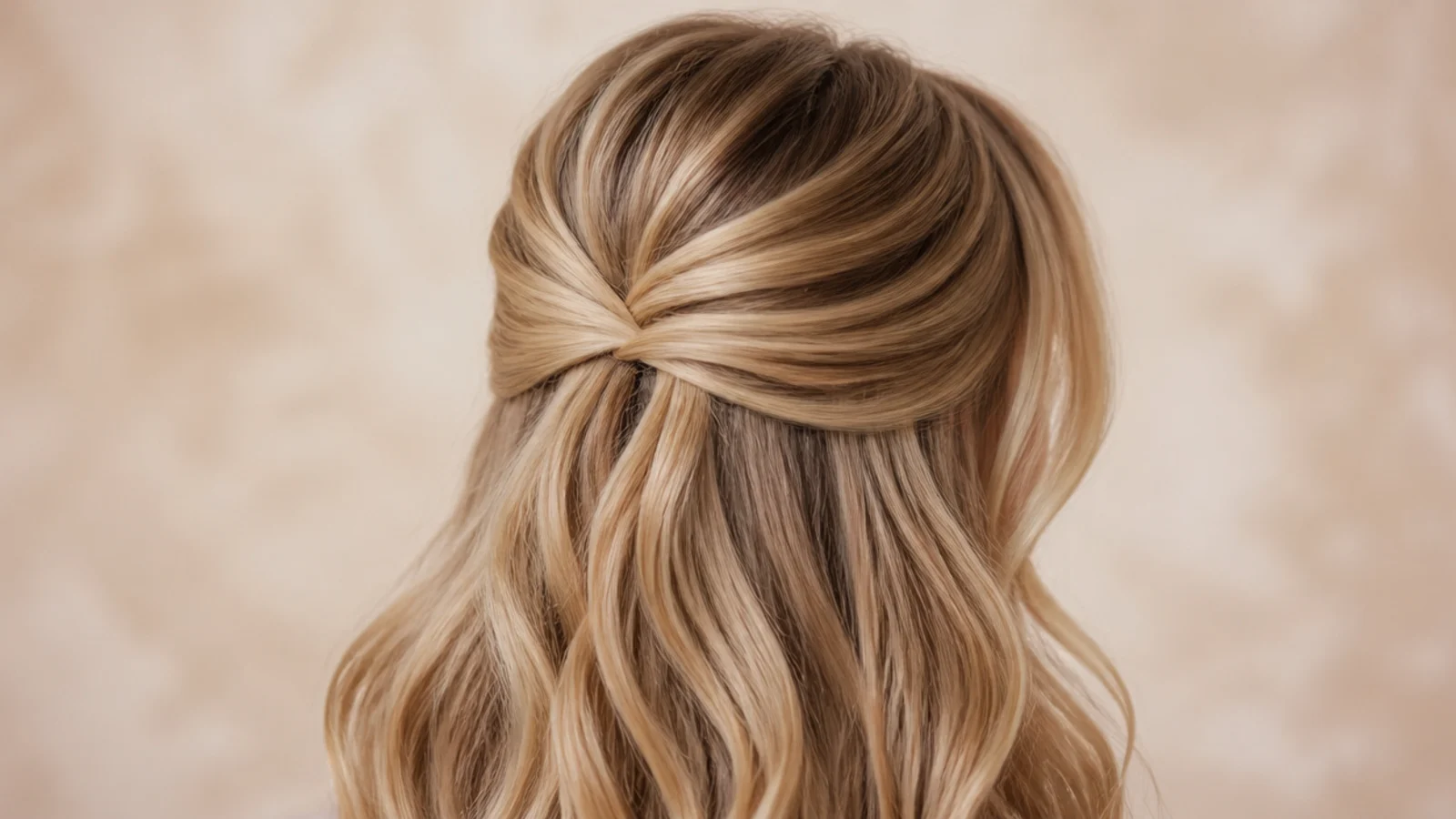
10. Half Up Half Down
Gathering the top section lifts weight off the crown, which is the first place any style collapses because everything below it is pulling down. The same hair reads a full size fuller once that weight is removed.
11. High Ponytail
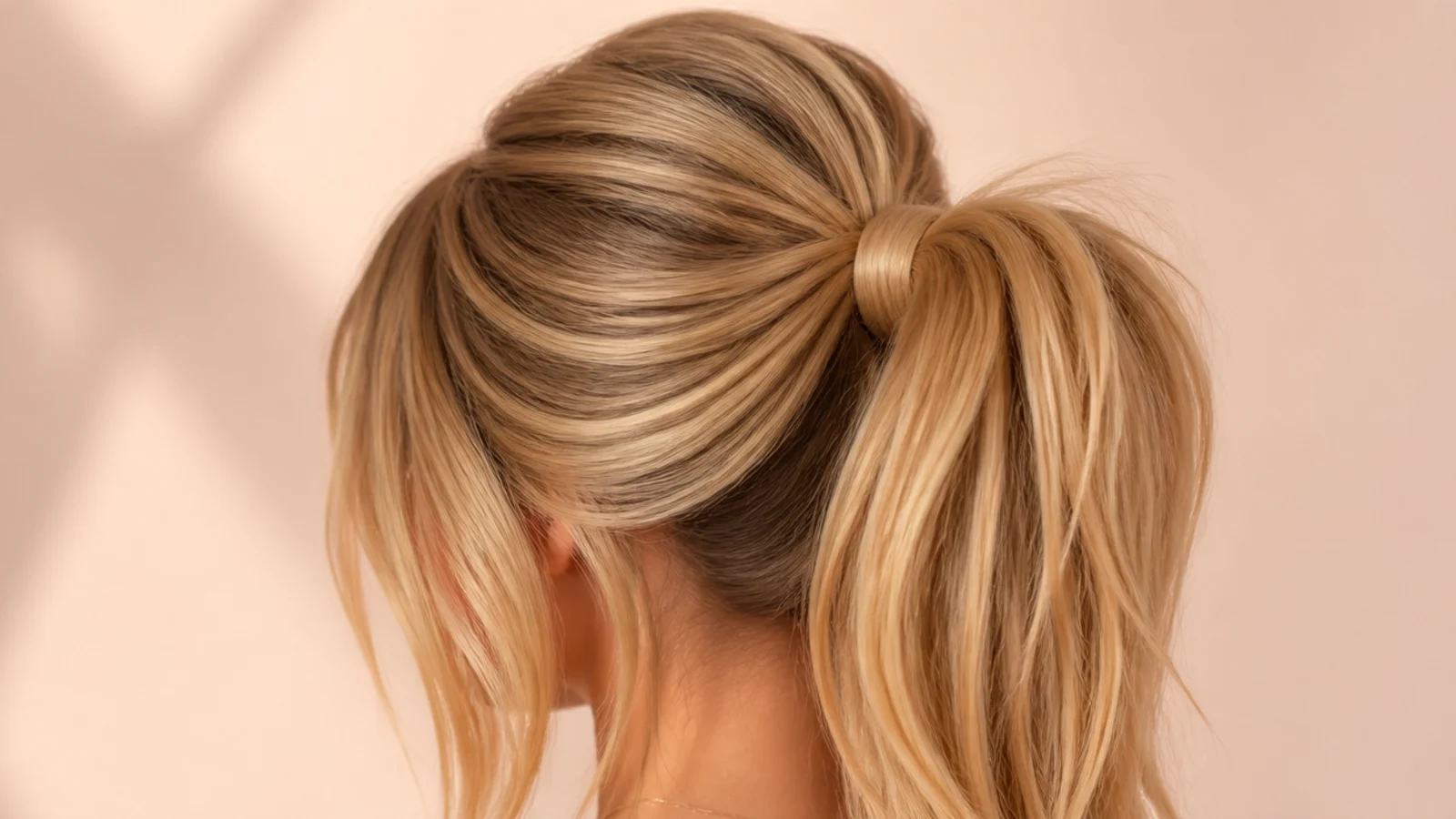
Tension at the tie stretches the first inch or two of every strand straight and lifts the hairline slightly. Setting the tie higher hides more of that stretched section above the crown, where nobody sees it.
12. Bow Ponytail
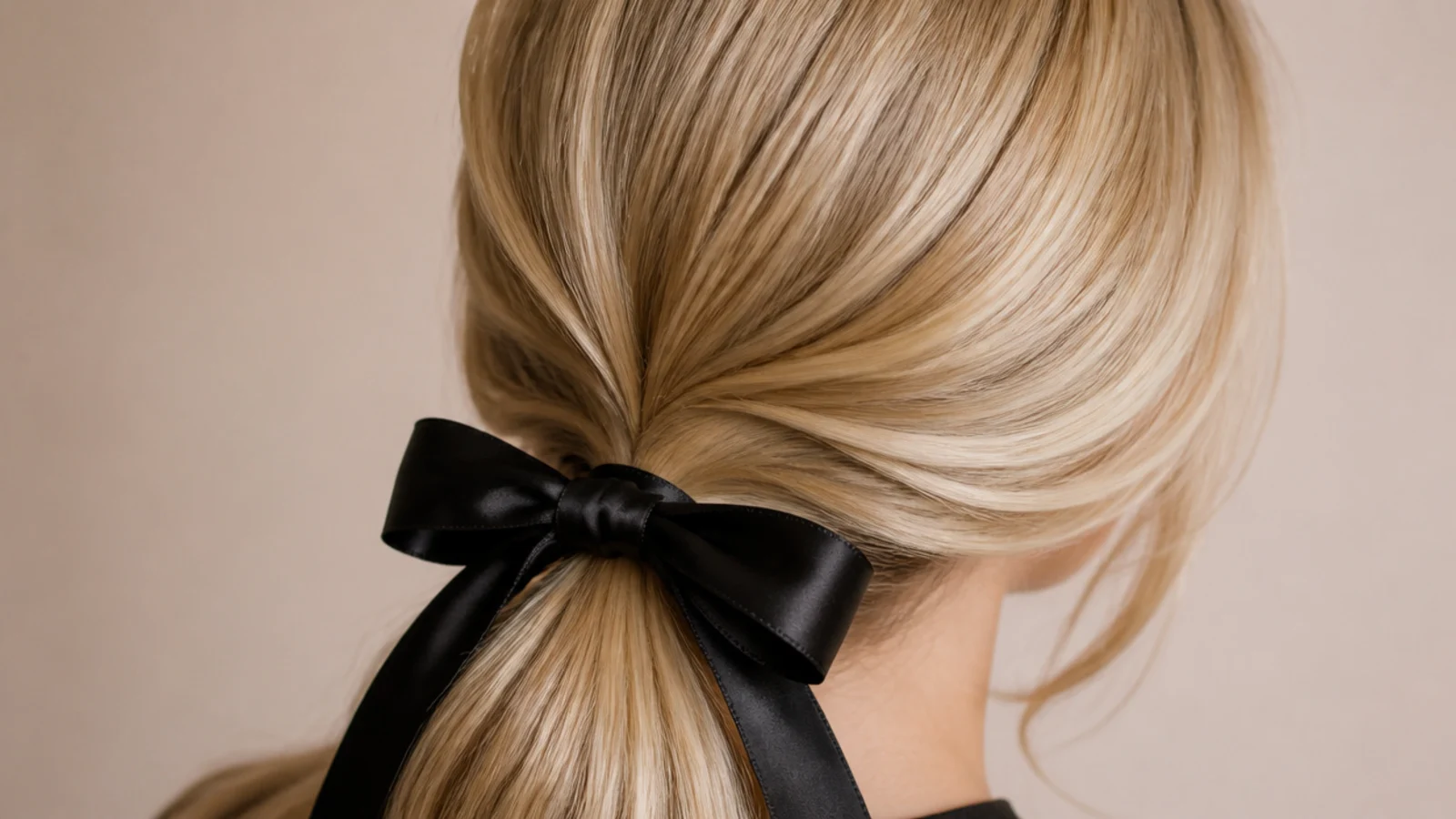
A bow covering the elastic adds visible width at the top of the tail. The eye judges the length below it relative to whatever sits above, so the same ponytail reads thicker with a wide bow than without one.
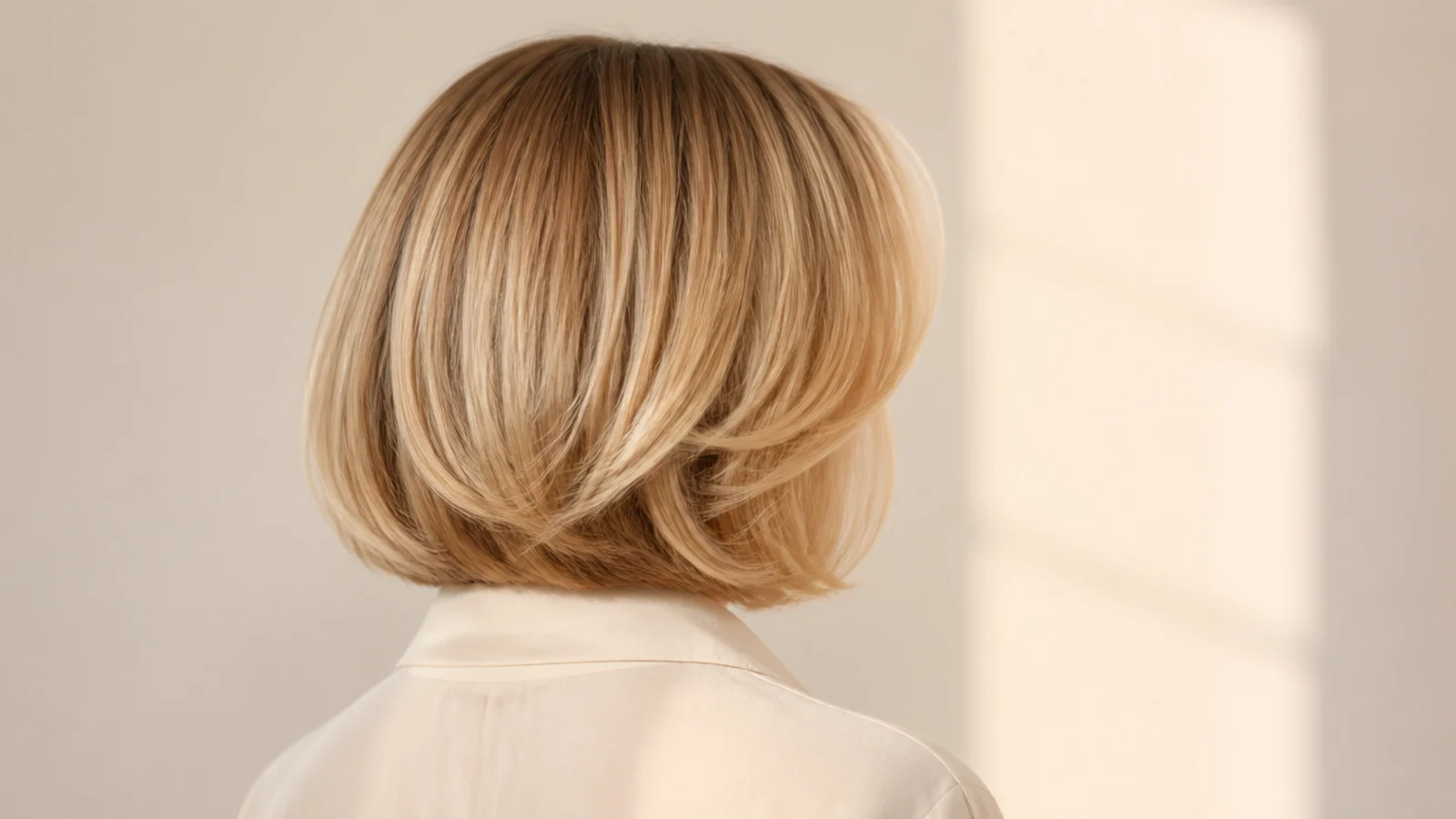
13. Shoulder Bob
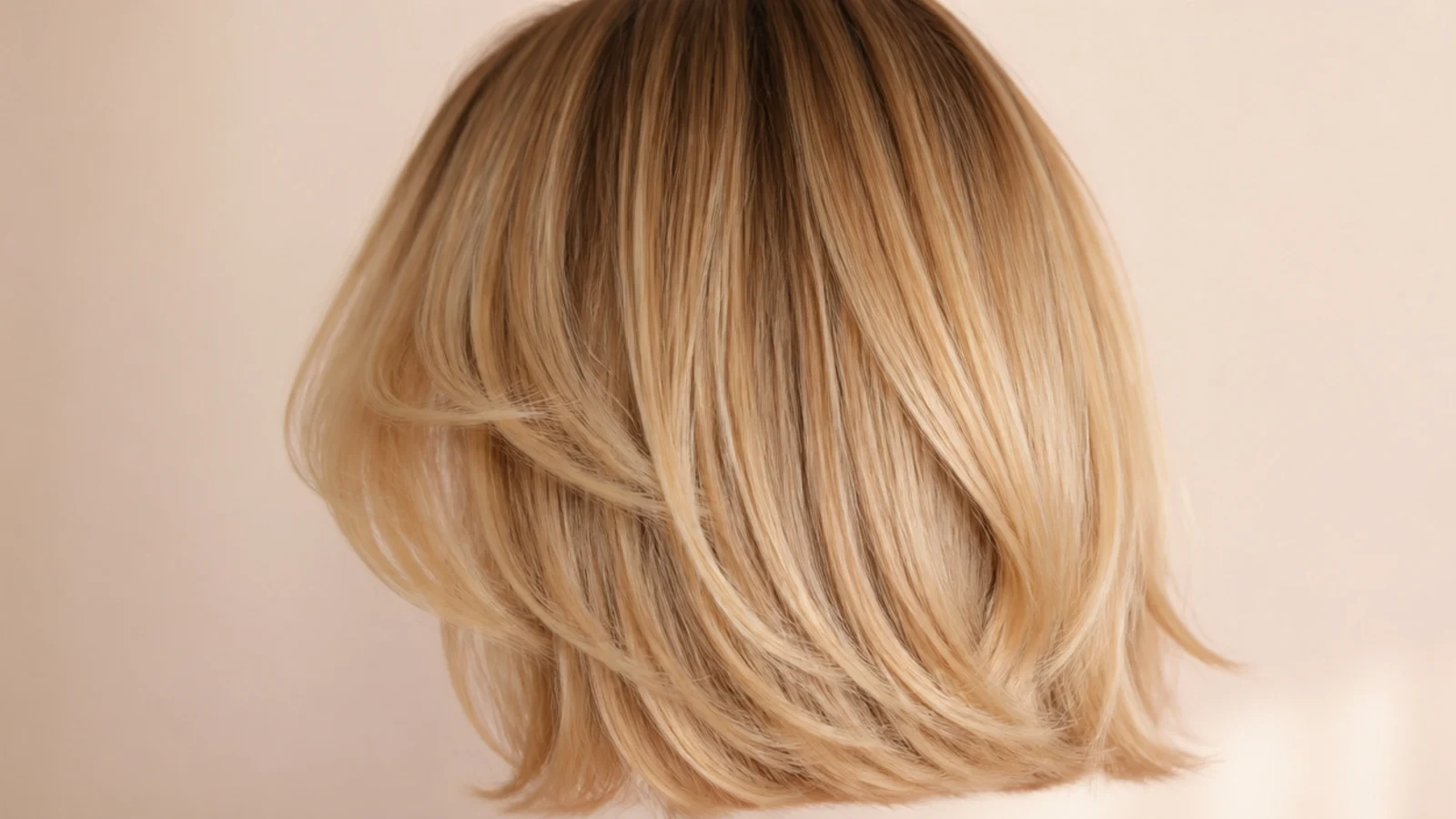
The most difficult length on the head, because the shoulder pushes the ends up and outward every time you move. Either an inch shorter so it clears the shoulder or an inch longer so it hangs past it will behave better.
14. Collarbone Lob
Long enough that the ends hang free of the shoulder. That clearance is the whole reason a lob holds its shape all day where the same cut an inch shorter flicks outward by lunchtime.

15. Butterfly Layers
Short face framing pieces sitting over long lengths. The short layers supply the volume and the long ones keep the length, which is why the cut looks like two different haircuts from the front and the back.

16. Money Piece
Two lightened sections at the hairline. Hairline hair is finer than the rest of the head and lifts faster, so brightening only there buys the largest visible change for the least processing anywhere else.

17. Honey Blonde
A warm mid blonde that works with the yellow bleach leaves behind rather than cancelling it. That agreement is why it drifts more slowly than a cool blonde and needs toning half as often.

18. Bronde Root
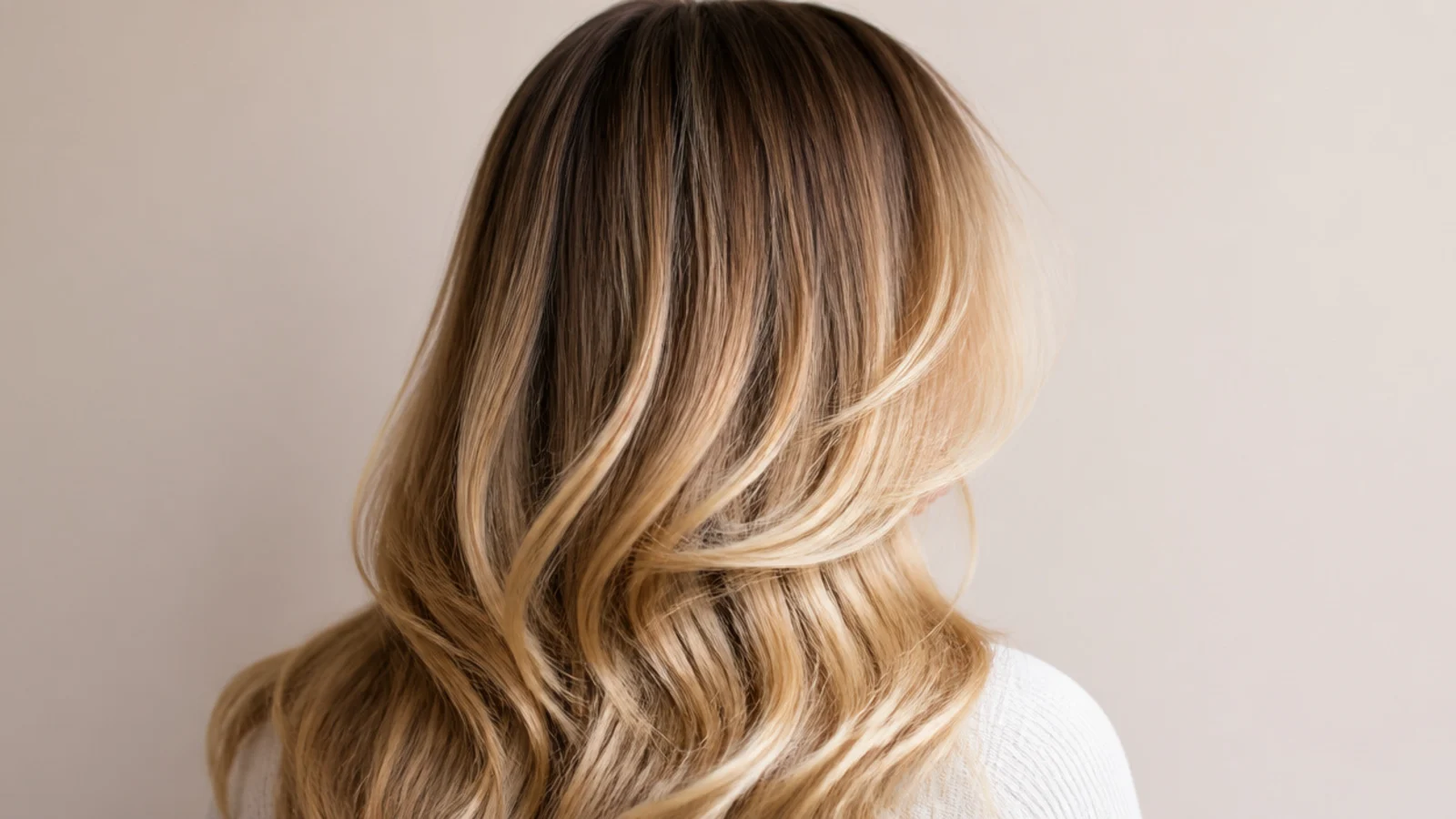
A light brown kept at the scalp under brighter lengths. Contrast against natural regrowth is small at this level, so the grow out phase reads as a gradient rather than as an overdue appointment.
19. Dark Brunette
A level four with enough depth to change the whole face without reaching black. It also absorbs more light than blonde, which means shine shows as a narrow bright stripe rather than as a general glow.

20. Jet Black
The lowest level on the chart. Black returns one narrow reflection and no reflect of its own, so the cut and the surface have to be precise because there is no color variation to distract from either.

21. Air Dried Wave
No heat at all. Hair sets in whatever position it dries in, so where you part it and how you clip it while damp decide the entire result, and touching it during drying is what breaks the pattern.

22. Second Day Texture
Freshly washed hair is too slippery to hold a shape, because there is no sebum on the strands for them to grip each other with. A day of natural oil supplies that grip, which is why day two holds a style longer than day one.

23. Curly Curtain Bangs
A fringe cut on a curl pattern, dry and deliberately long. Curls shrink by a third or more as they dry, so a fringe cut to the right length wet ends up sitting well above the brow.
24. Crown Volume
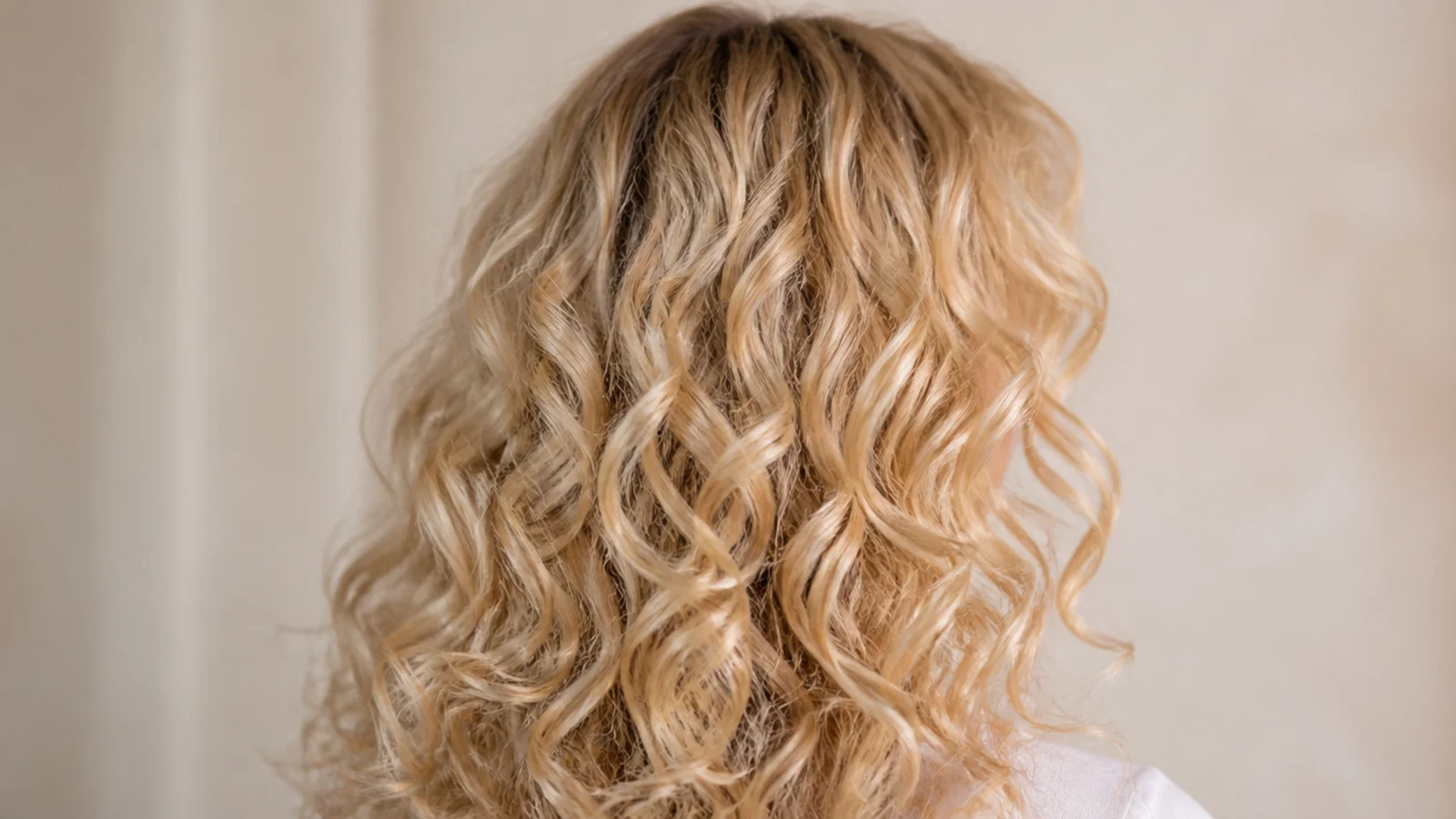
Root lift comes from drying the hair in the opposite direction to the way it falls and then letting it drop back. The strand sets in the direction it cooled, so it ends up standing away from the scalp rather than lying flat.
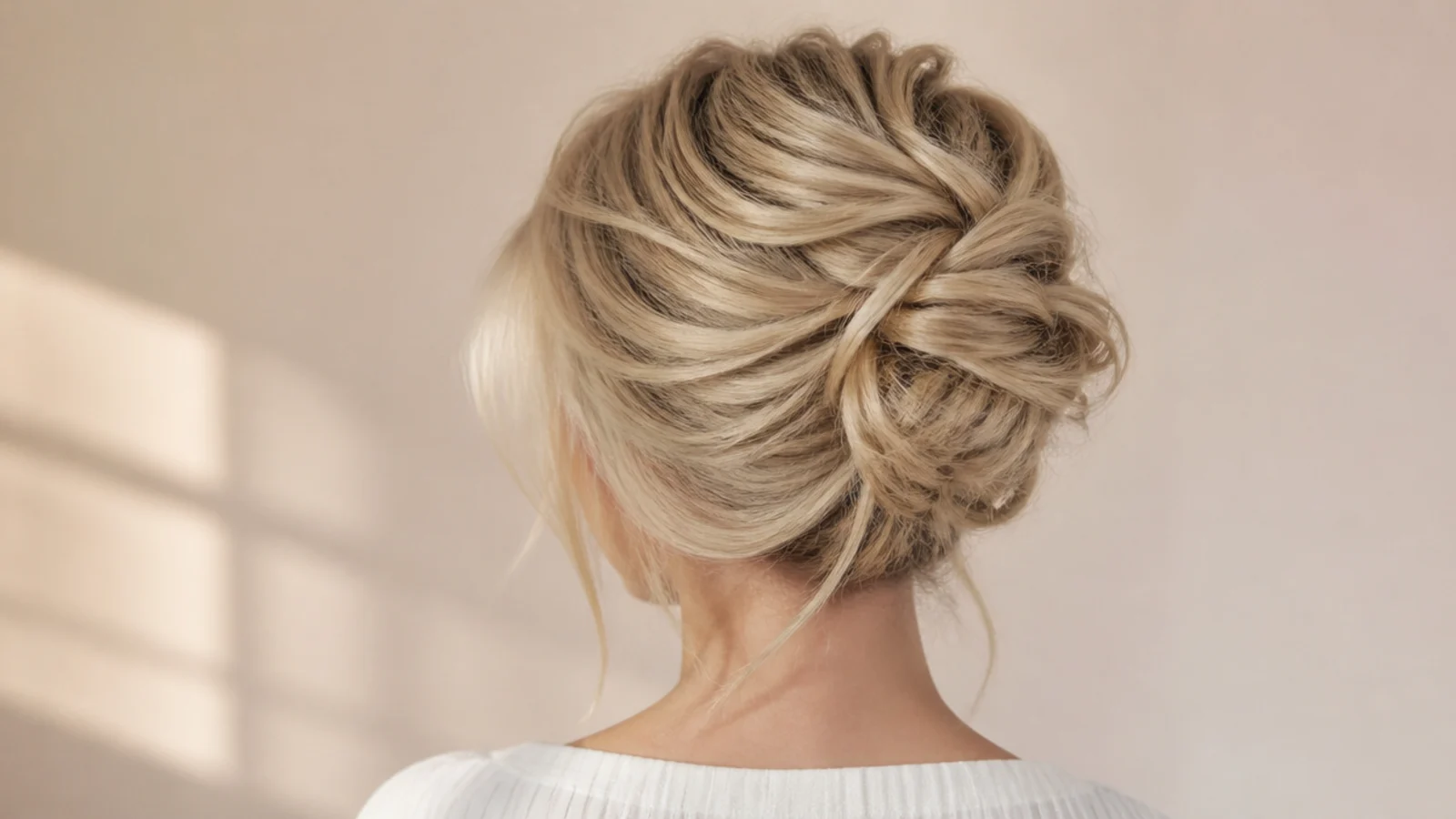
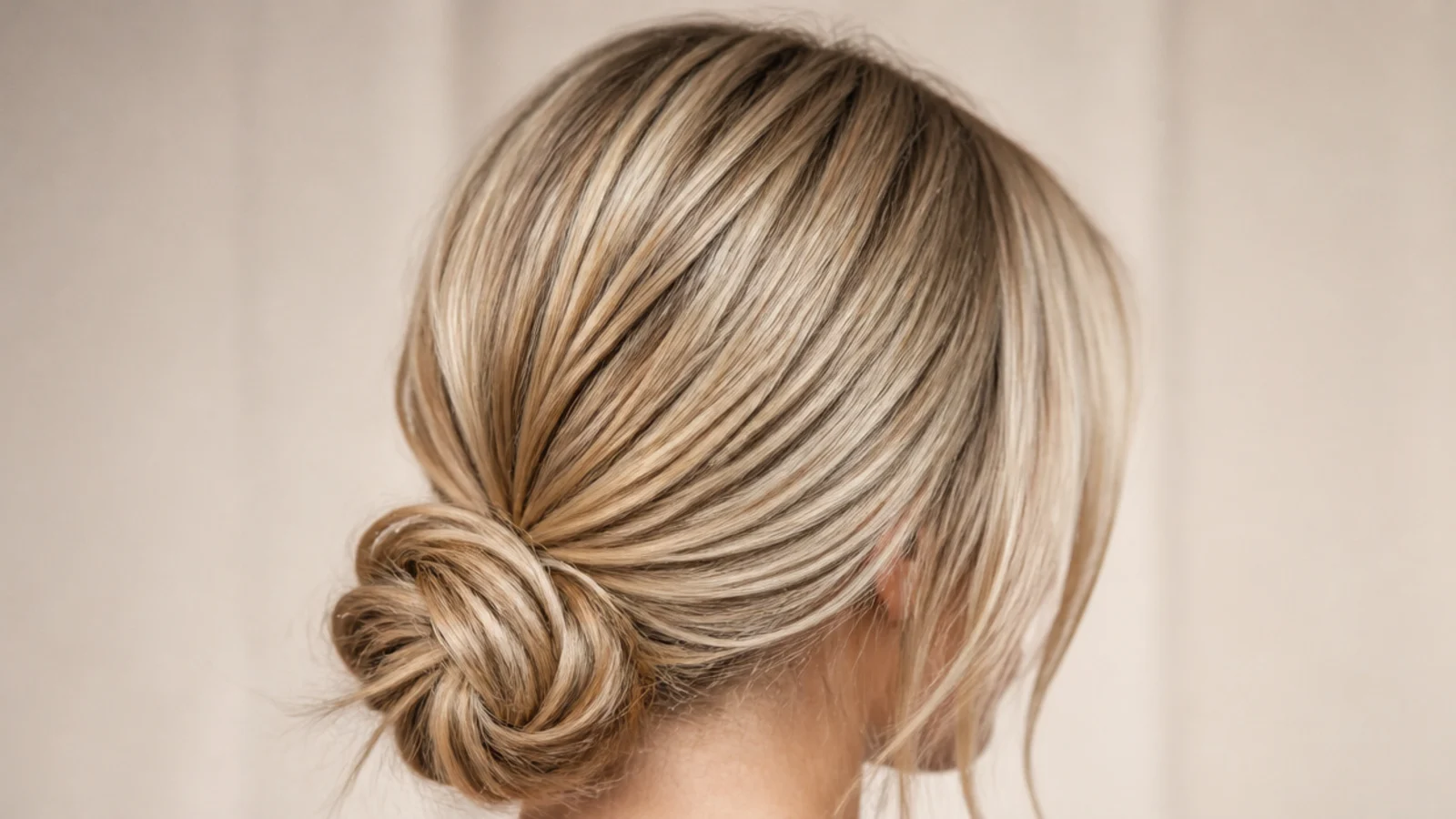
25. Low Bun
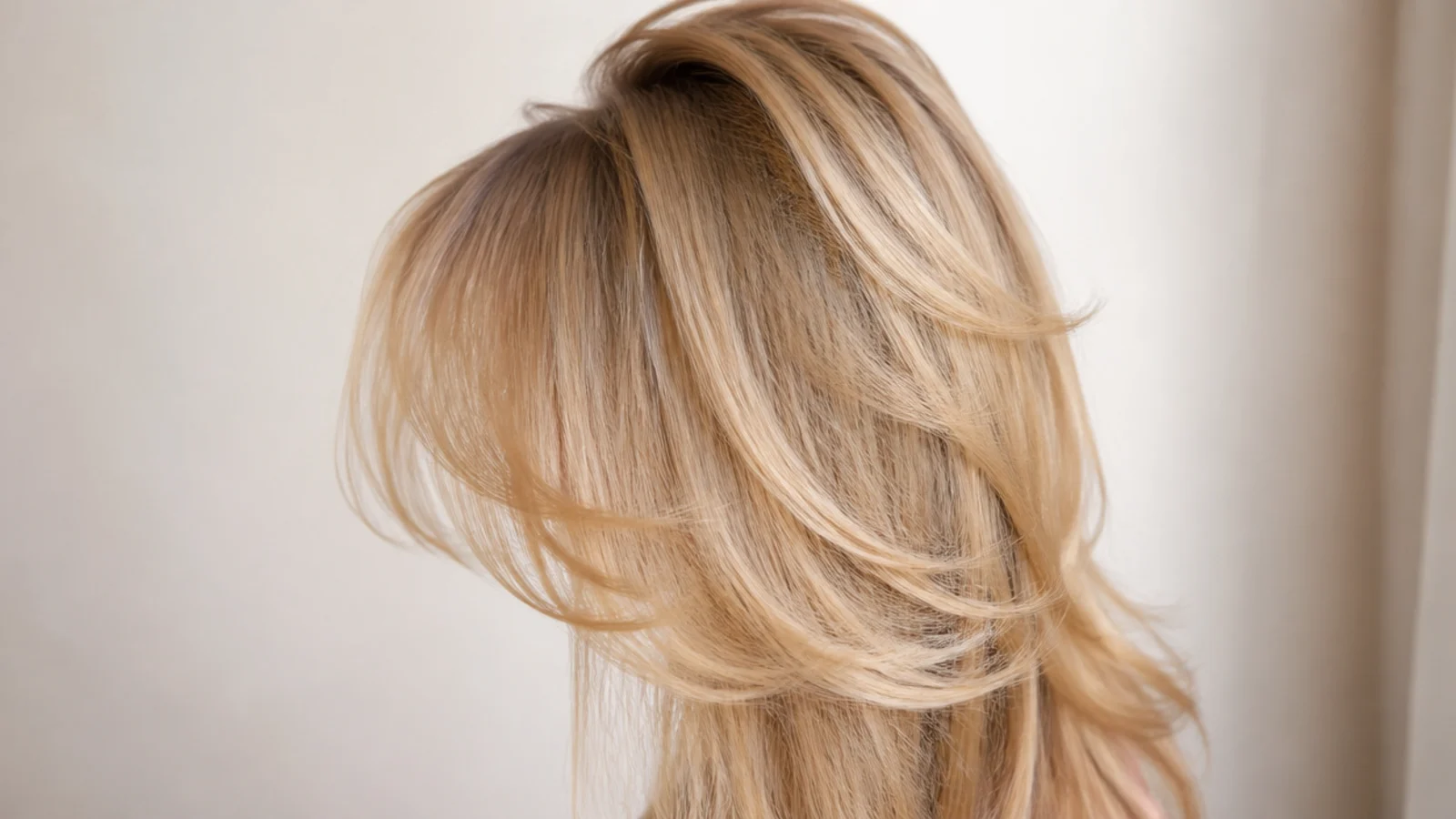
Everything gathered at the nape. A low bun holds without much product because the weight of the hair pulls downward into the tie rather than away from it, which is the opposite of what a high style has to fight.
Final Thoughts
Book the cut and describe the layers rather than showing a styling photograph. Layers starting at the cheekbone, shorter pieces beside the face, and a fringe cut on the natural growth direction are three instructions a stylist can act on, where a picture of a finished blowout is only a description of the last twenty minutes.
Then treat the color as a root and a length instead of a shade name. A deeper scalp under brighter mid lengths is what makes every version on this list wearable for six weeks rather than two. More in Celebrity Hair. See also the black version of this look and the blue version of this look.