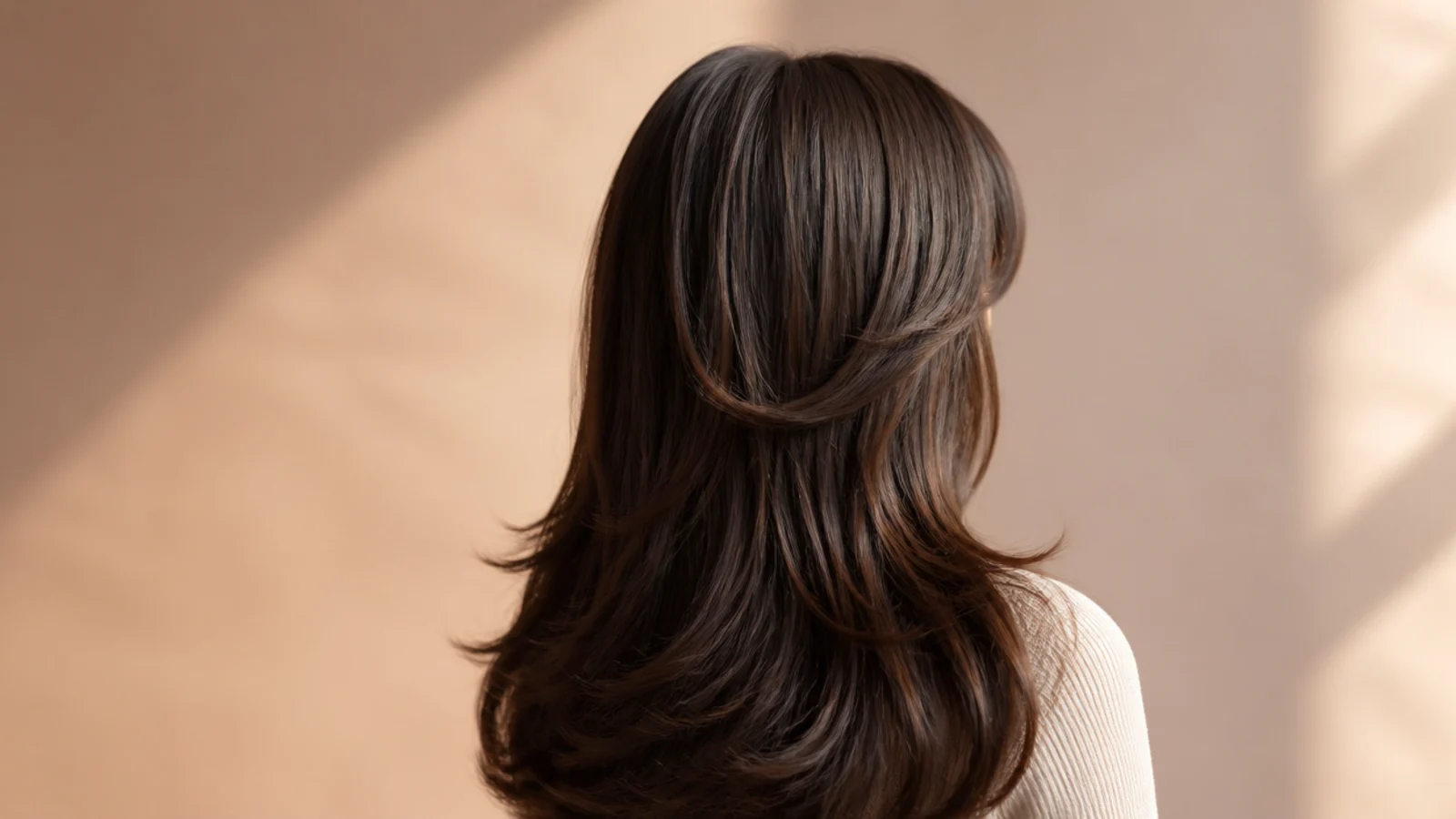
15 Sabrina Carpenter Dark Hair Ideas From Jet Black to Bronde
Fifteen shades running from jet black up to bronde, and the asymmetry nobody mentions — going dark is a deposit and going light is a removal, so only one of those two directions can be reversed without bleach.
In this article · 23
- Dark Versus Light Explained
- Wig Versus Dye
- Undertone Matching
- What to Ask Your Colorist For
- The Blowout Technique
- Adapting It to Other Hair Types
- The 15 Dark and Light Shades
- 1. Jet Black With a Blunt Fringe
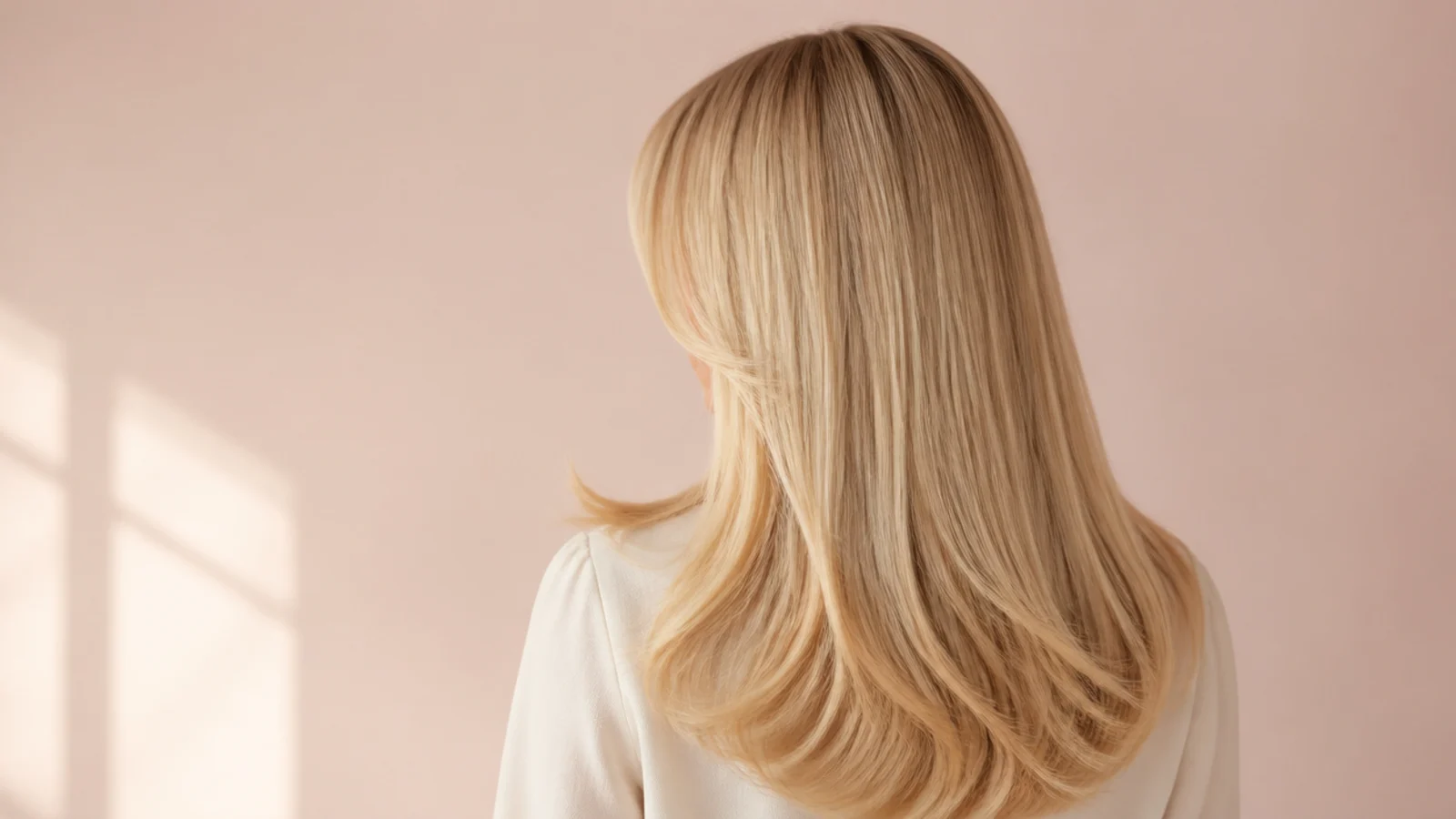
- 2. Buttery Blonde Layers
- 3. Espresso Sleek and Straight
- 4. Cool Beige Blowout
- 5. Chocolate With Curtain Bangs
- 6. Icy Blonde Money Piece
- 7. Blue Black Bob
- 8. Honey Blonde Waves
- 9. Mushroom Brown Layers
- 10. Dark Root With Blonde Ends
- 11. Auburn Curly Pixie
- 12. Sandy Blonde Air Dried
- 13. Espresso Half Up
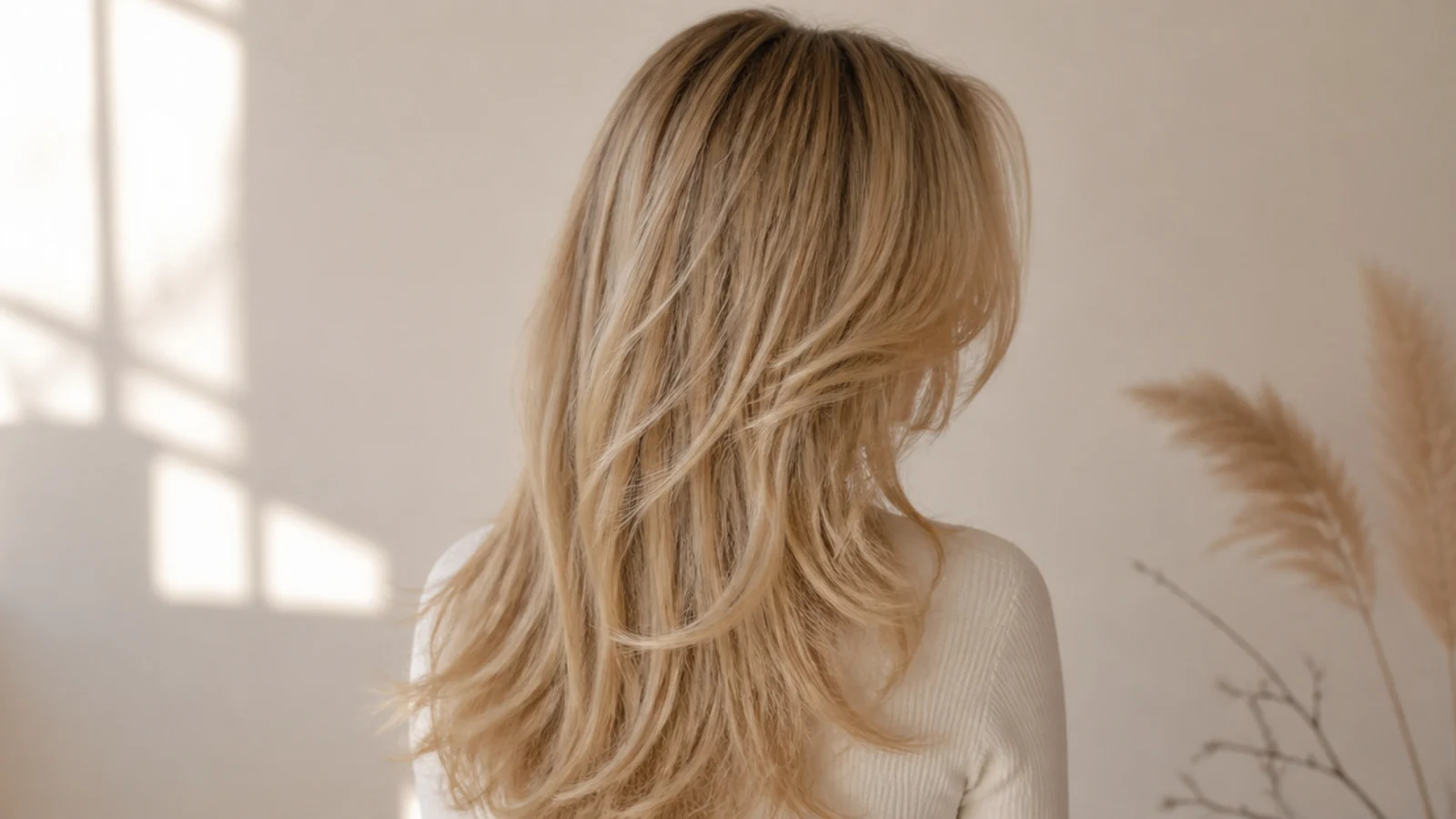
- 14. Bronde Grown Out Layers
- 15. Soft Black Blowout
- Final Thoughts
Going dark is not simply going light in reverse, and that asymmetry is why one direction so often needs undoing and the other rarely does.
Dark is a deposit and light is a removal. Lightener takes pigment out of the cortex, so more can always be taken. A dark dye puts pigment in, and getting it back out means bleaching over dye.
Porous hair takes dark deeper than the tube suggests. Anything previously lightened drinks the formula fastest at the ends, which is why the first attempt so often lands darker and patchier than planned.
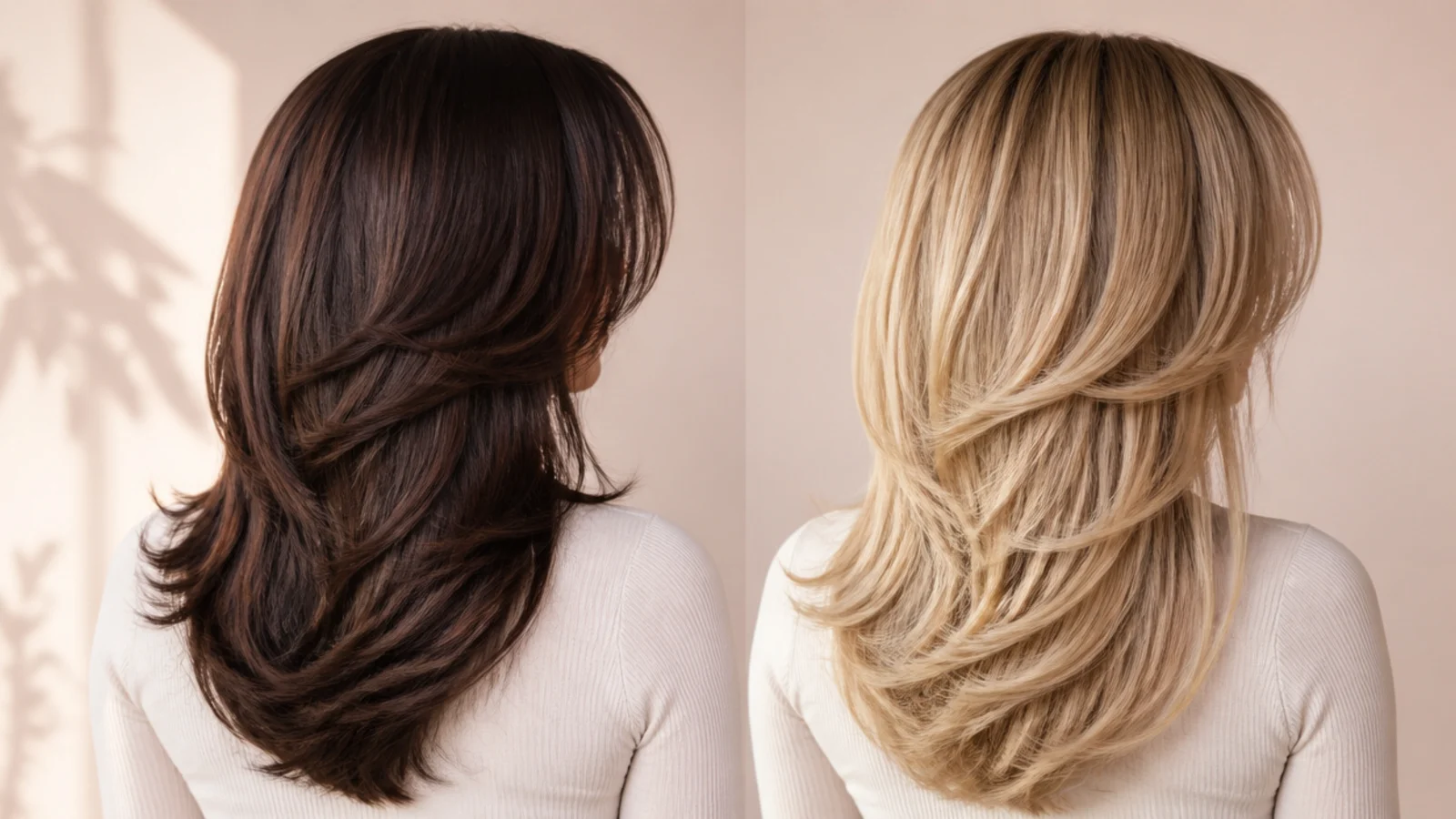
Dark Versus Light Explained
Lightening is subtractive. Bleach opens the cuticle and dissolves the natural pigment inside, warm tones first, cool tones last. Nothing is added, which is why the result underneath is always yellow or orange.
Darkening is additive. Dye molecules move into the cortex and stay there, so the change is a covering rather than a removal and the hair ends up carrying two pigments at once.
Only removal is repeatable. Blonde that came out too warm can be toned or lifted again. Brown that came out too dark has to be stripped, and stripping is harder on the hair than the original service was.
Depth also changes the perceived condition. Dark shades absorb more light and return a narrower band, so they show shine as a sharp stripe and show frizz as a halo far more clearly than blonde does.
Wig Versus Dye
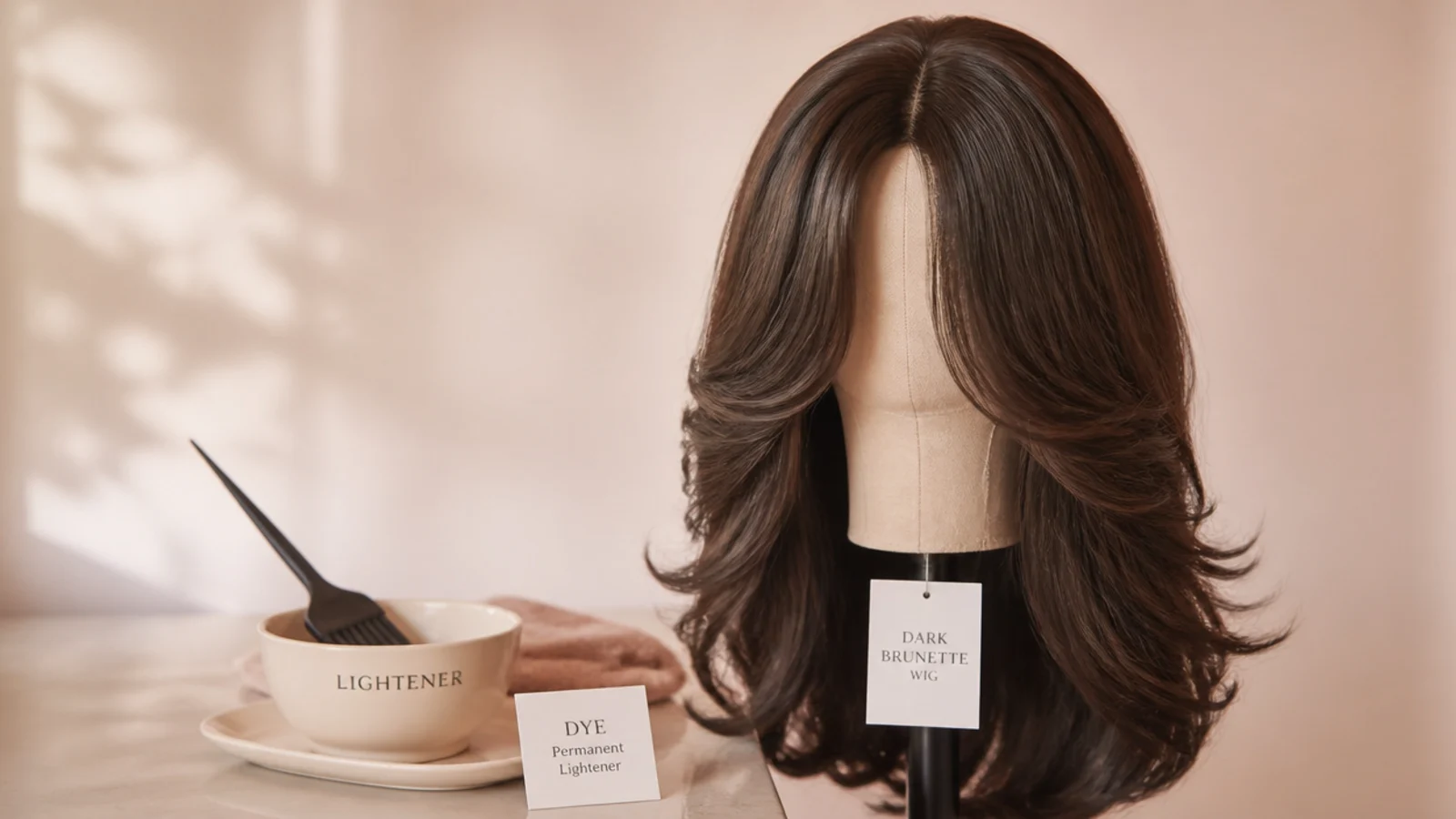
A wig changes nothing chemically. It is the only way to see a level three against your own face without committing to a service that takes hours to undo.
Wig hair carries saturation your own hair cannot. There is no living cuticle to protect, so a wig can hold a density of pigment that would need repeated processing on a real head.
A wig shows the depth but not the behaviour. It cannot tell you how your own roots will look at week six, or how the dye will grip your porous ends.
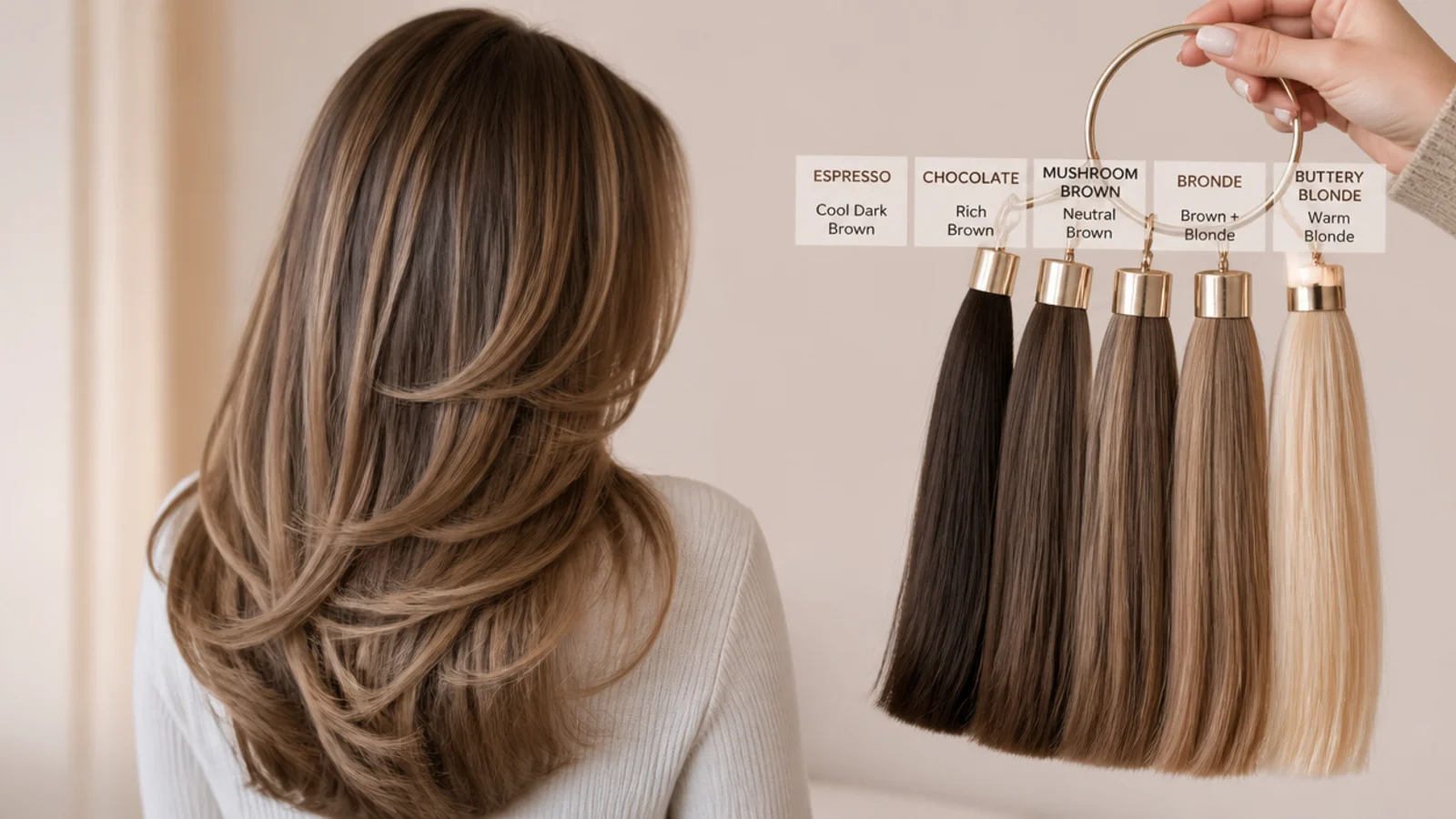
It is the cheapest test of an undertone. Trying a warm dark beside a cool one on the same day answers the question a swatch book cannot, because the comparison happens against your skin rather than against paper.
Undertone Matching
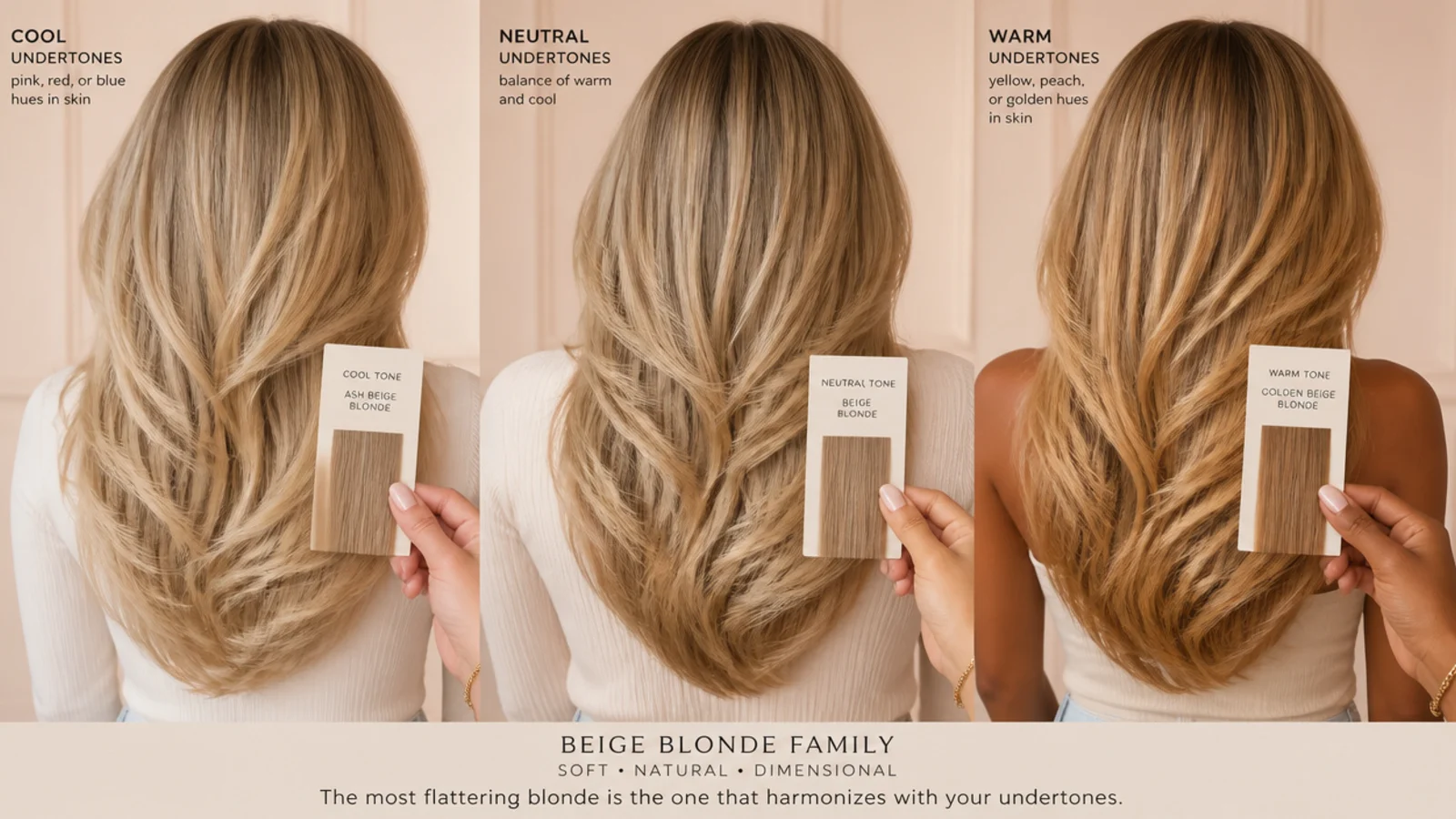
Warm skin sits beside warm shades. Chocolate, chestnut and espresso all carry a red or gold reflect that echoes the warmth in the skin rather than competing with it.
Cool skin sits beside cool shades. Ash brown, mushroom and blue black contain blue or violet pigment, which reads as clean rather than harsh next to a pink or neutral complexion.
Contrast is what causes the wrong look, not depth. A cool shade against warm skin makes the skin appear ruddier than it is, because the eye judges warmth relative to whatever sits beside it.
Check it in daylight, not salon light. Salon bulbs are usually warm, which flatters every brown on the chart and tells you nothing about how the shade behaves outside.
What to Ask Your Colorist For
Name a level and a reflect. Level three with a neutral reflect is an instruction. Rich dark brown is not.
Declare every lightening service you have had. Even an old balayage changes the plan, because that hair is still porous and will grab the formula first.
Ask for a filler if you have been blonde. Replacing the warmth bleach removed is what stops a brown draining to green ash inside a fortnight.
Ask them to go one level lighter than the target. Porous hair pulls darker than the swatch, so landing above the goal and glossing down is far easier than lifting back out of a shade that went too deep.
The Blowout Technique
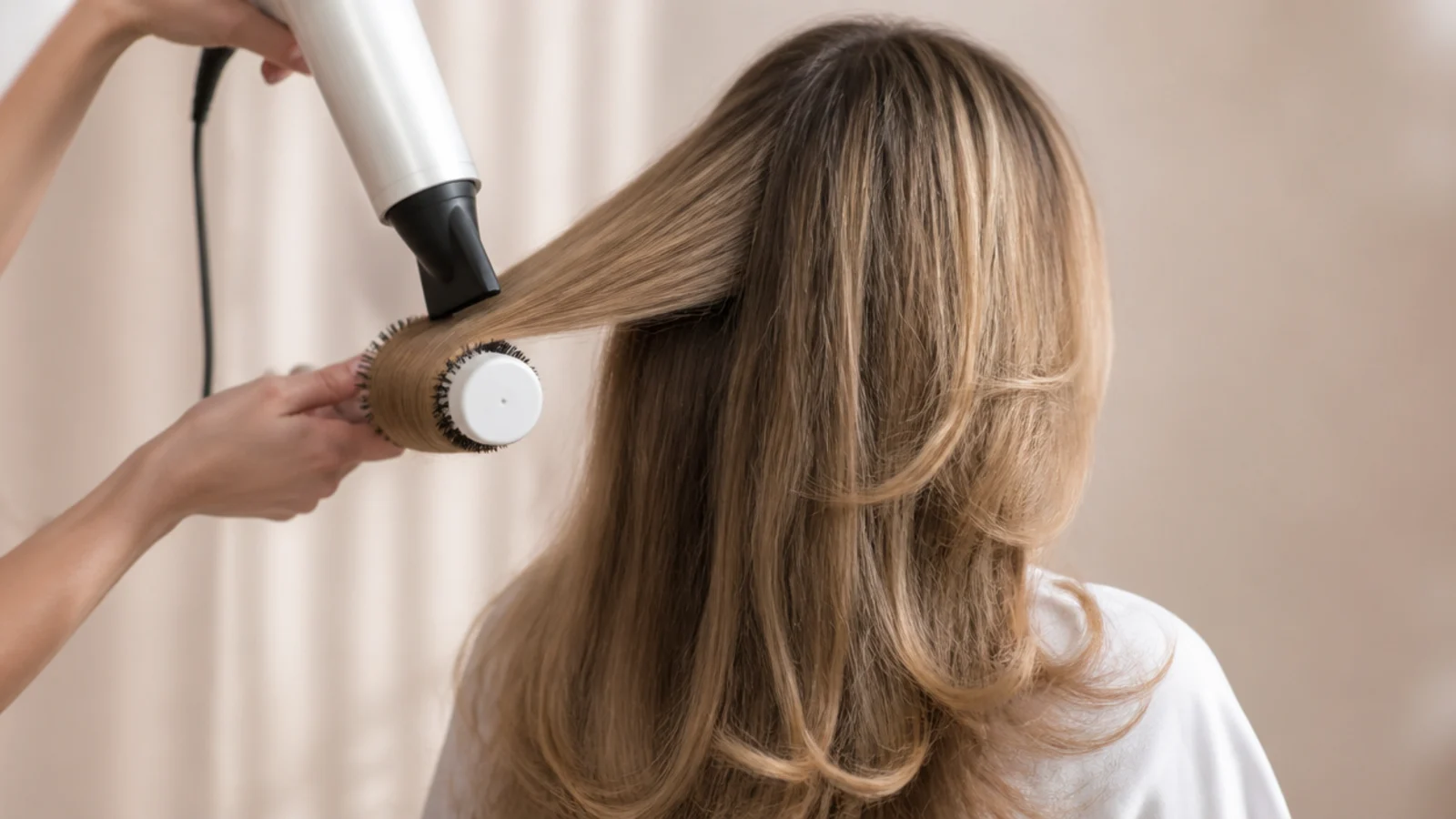
Rough dry to eighty percent before the brush. A round brush cannot shape wet hair, and the extra time under heat is exactly what takes the shine off a fresh dark gloss.
Section no deeper than the barrel. Thicker sections leave the inner hairs damp, and damp hair falls out of the shape the moment the brush is released.
Aim the nozzle down the length. Air running root to end lays the cuticle scales flat in one direction, and on dark hair that flat surface is the entire source of the shine.
Cool each section on the brush. Hair sets as it cools, so unwinding a warm section gives back the bend you just built.
Adapting It to Other Hair Types
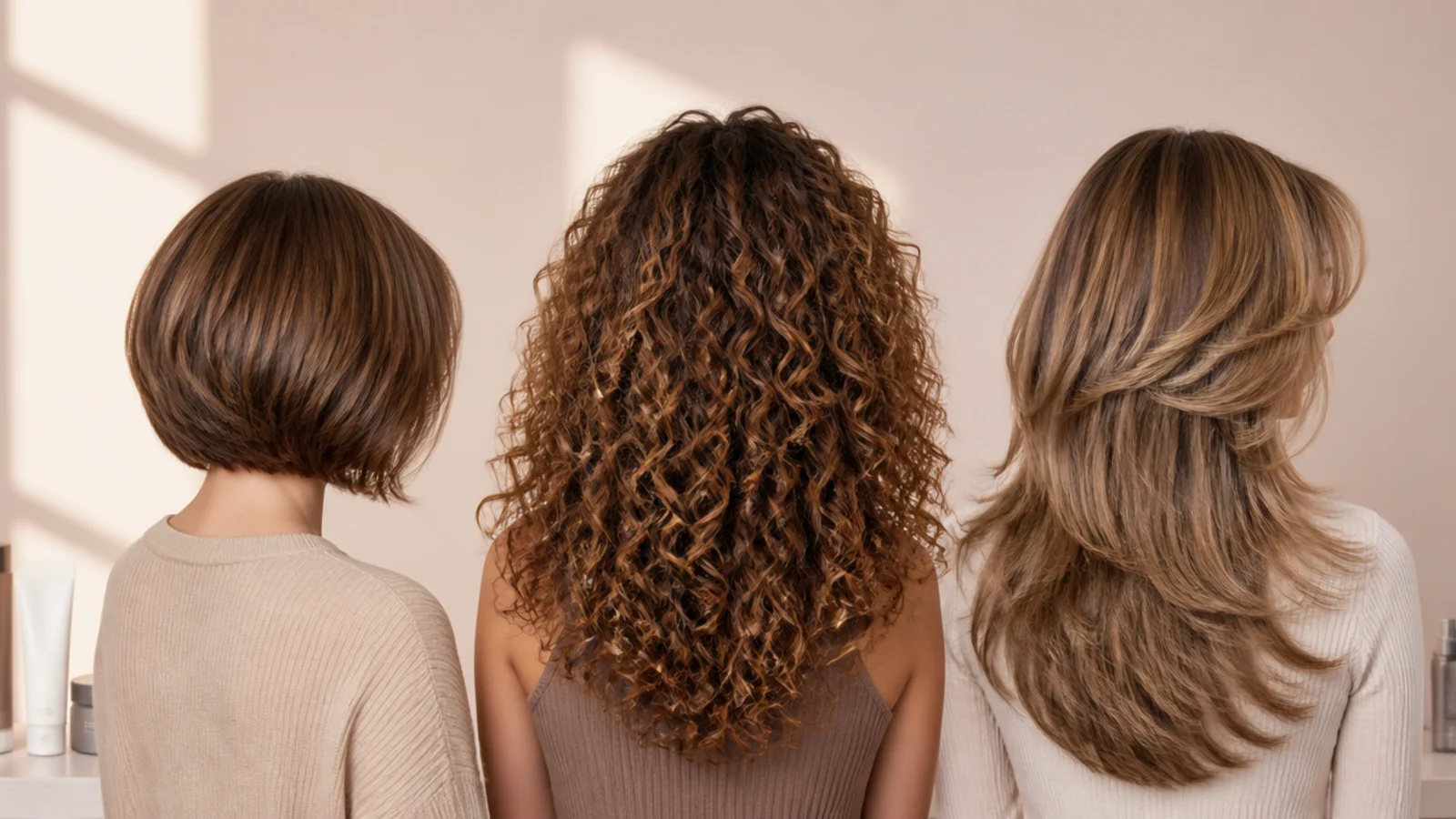
Fine hair looks denser dark. A dark strand against a pale scalp is more visible than a pale one, so the same density reads as more hair once the level drops.
Coarse hair keeps dark color longest. A thick cuticle slows the dye going in and slows it washing out, which makes coarse hair the best candidate for a level three and the worst for a shade you might regret.
Curly hair hides regrowth. The pattern breaks a horizontal grow out line into dozens of small ones, which buys weeks between appointments that straight hair does not get.
Short hair is the cheapest place to experiment. Hair grows roughly half an inch a month, so a pixie removes most of a color decision within a year of ordinary trims.
The 15 Dark and Light Shades
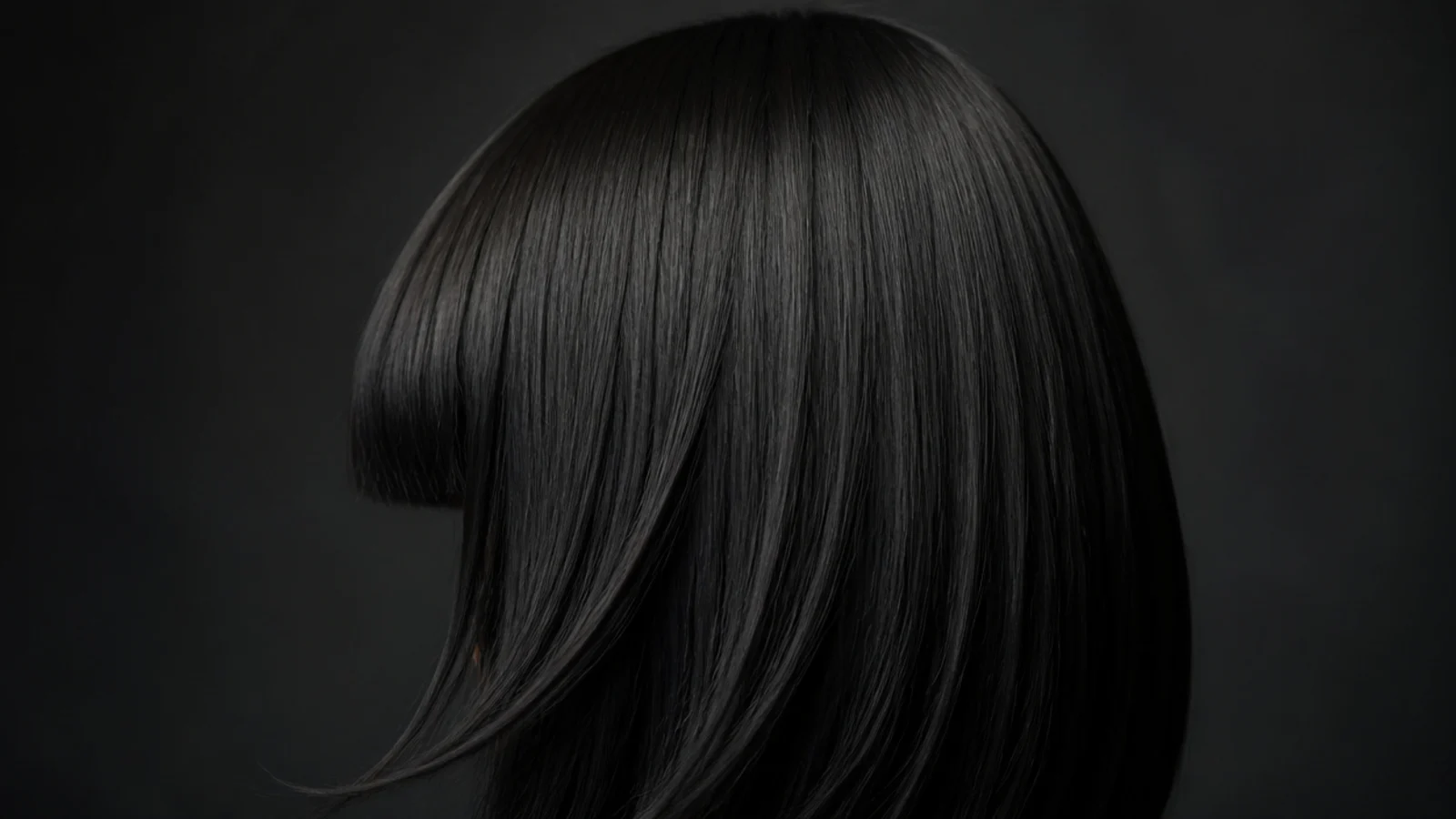
1. Jet Black With a Blunt Fringe
The lowest level on the chart, and the one that absorbs the most light. Black returns a single narrow reflection rather than a spread of highlights, so it needs a blunt line to give that reflection somewhere definite to land.
2. Buttery Blonde Layers
The warm end of blonde, and the least demanding to maintain. It works with the yellow that bleach leaves behind rather than fighting it, so the toner has less to cancel and the shade drifts more slowly between appointments.
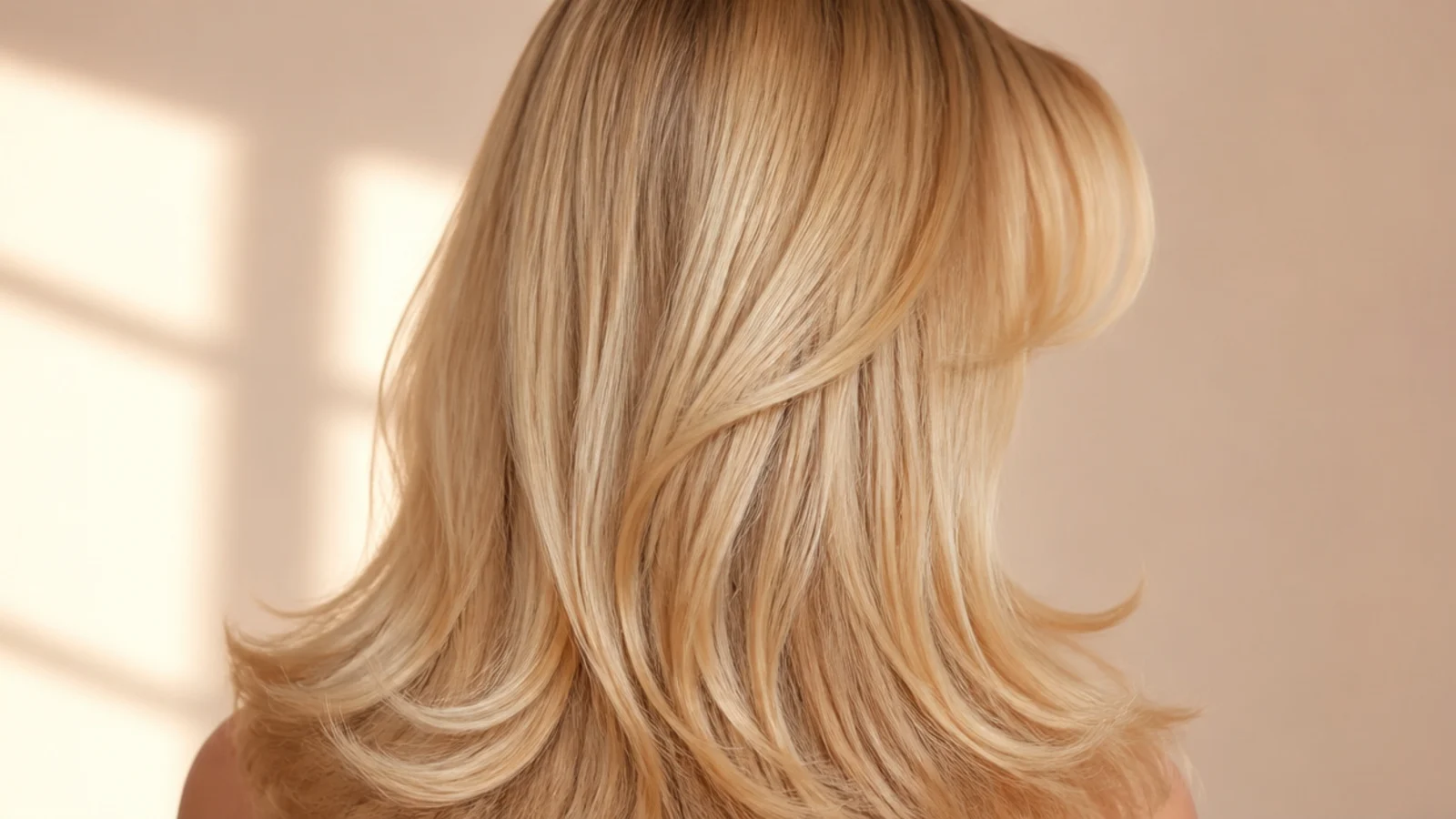
3. Espresso Sleek and Straight
A neutral level three ironed to a single plane. At this depth the cut has nowhere to hide, because a straight dark strand carries no bend to scatter light and every uneven end shows along the perimeter.
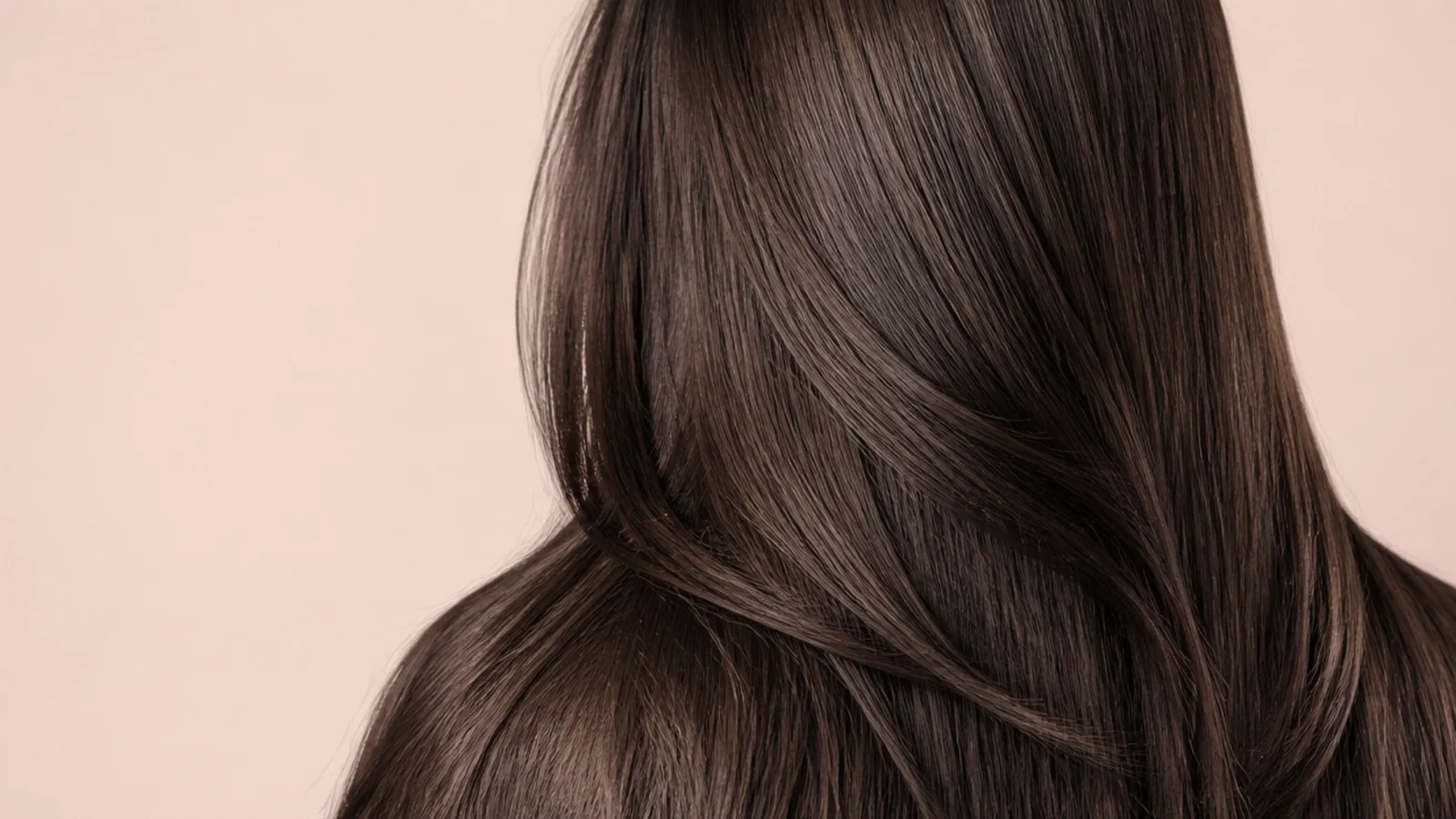
4. Cool Beige Blowout
Blonde with violet and neutral pigment in the toner to hold the yellow down. A curved blowout surface returns a wider and softer highlight than a flat iron does, which is what keeps a cool blonde from looking gray.
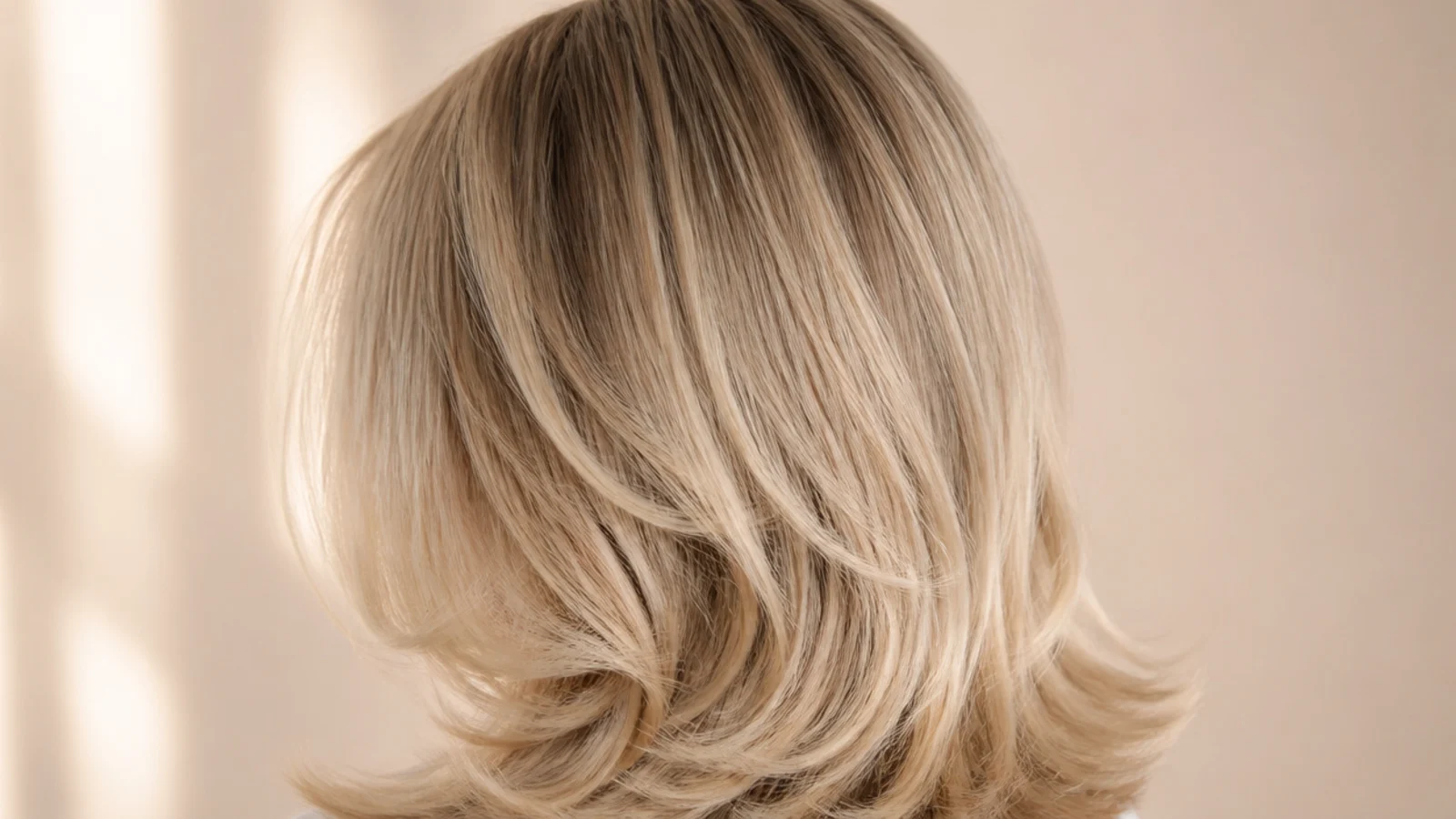
5. Chocolate With Curtain Bangs
A level five deep enough to look saturated while still letting a reflect show through it. The fringe adds two lit edges at the front, which is where a mid brown most needs help to avoid reading flat.
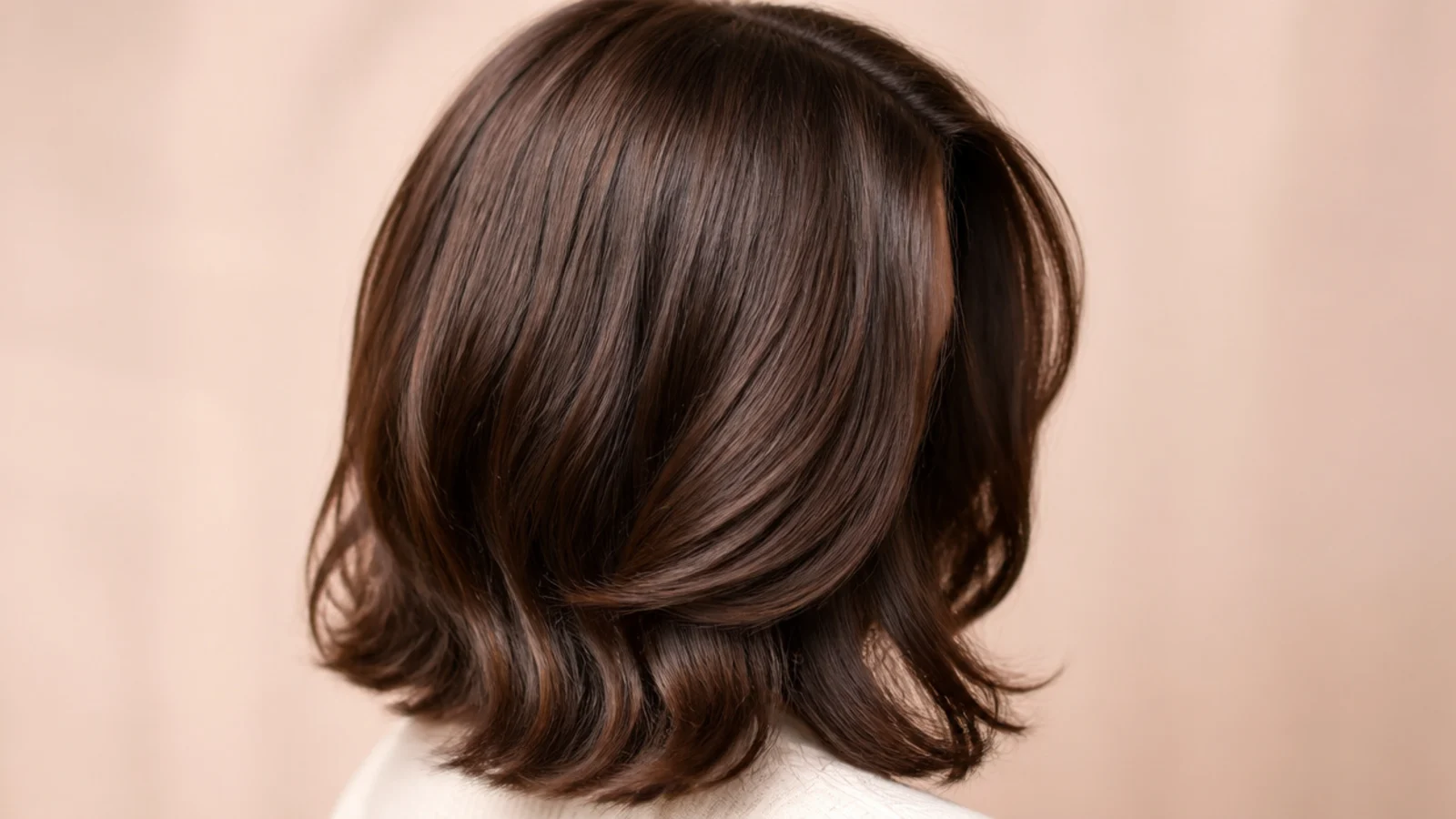
6. Icy Blonde Money Piece
The palest shade confined to the front sections. Hairline hair is finer than the rest of the head and lifts faster, which makes the money piece the least damaging place on the head to attempt a level ten.
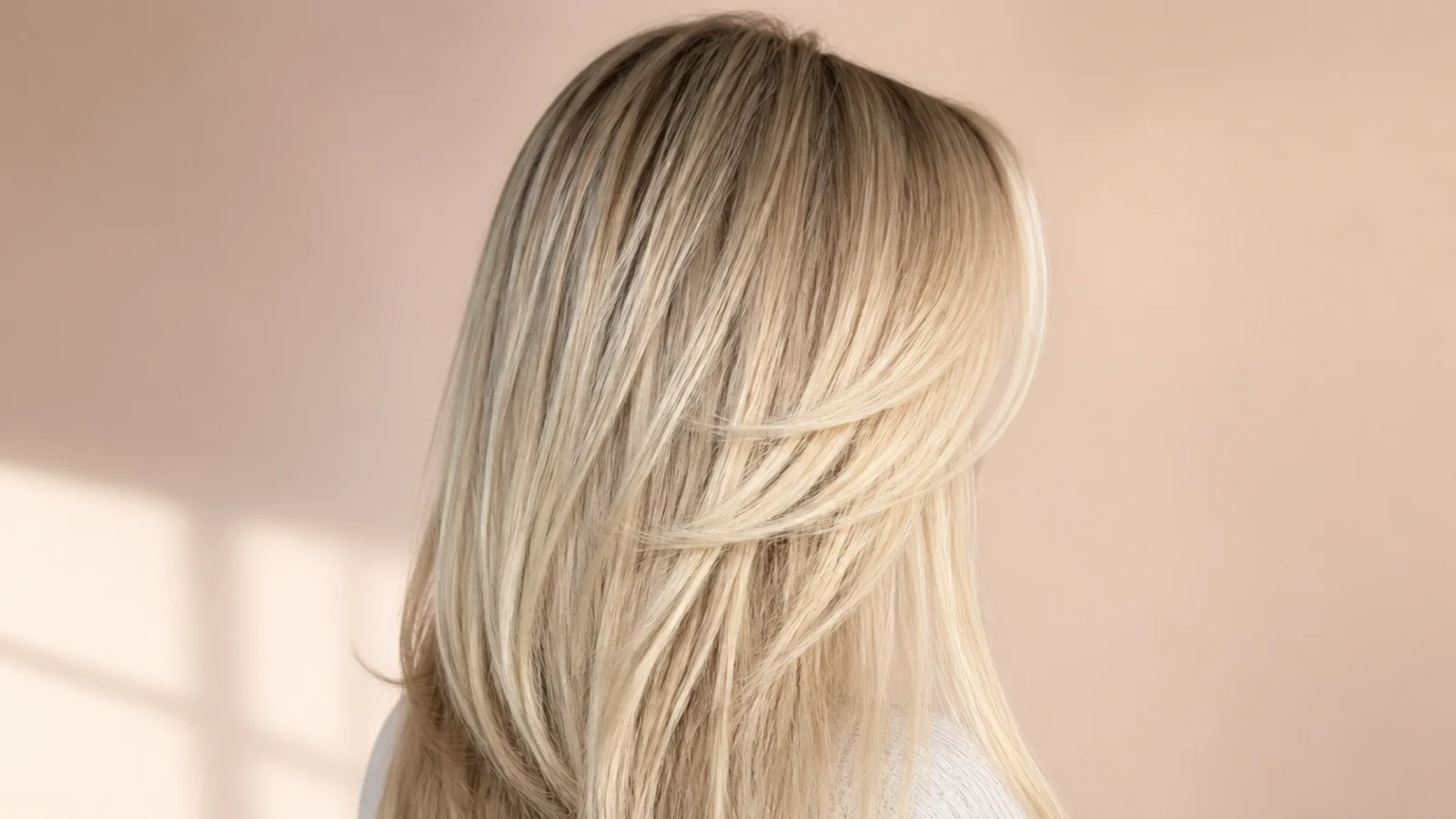
7. Blue Black Bob
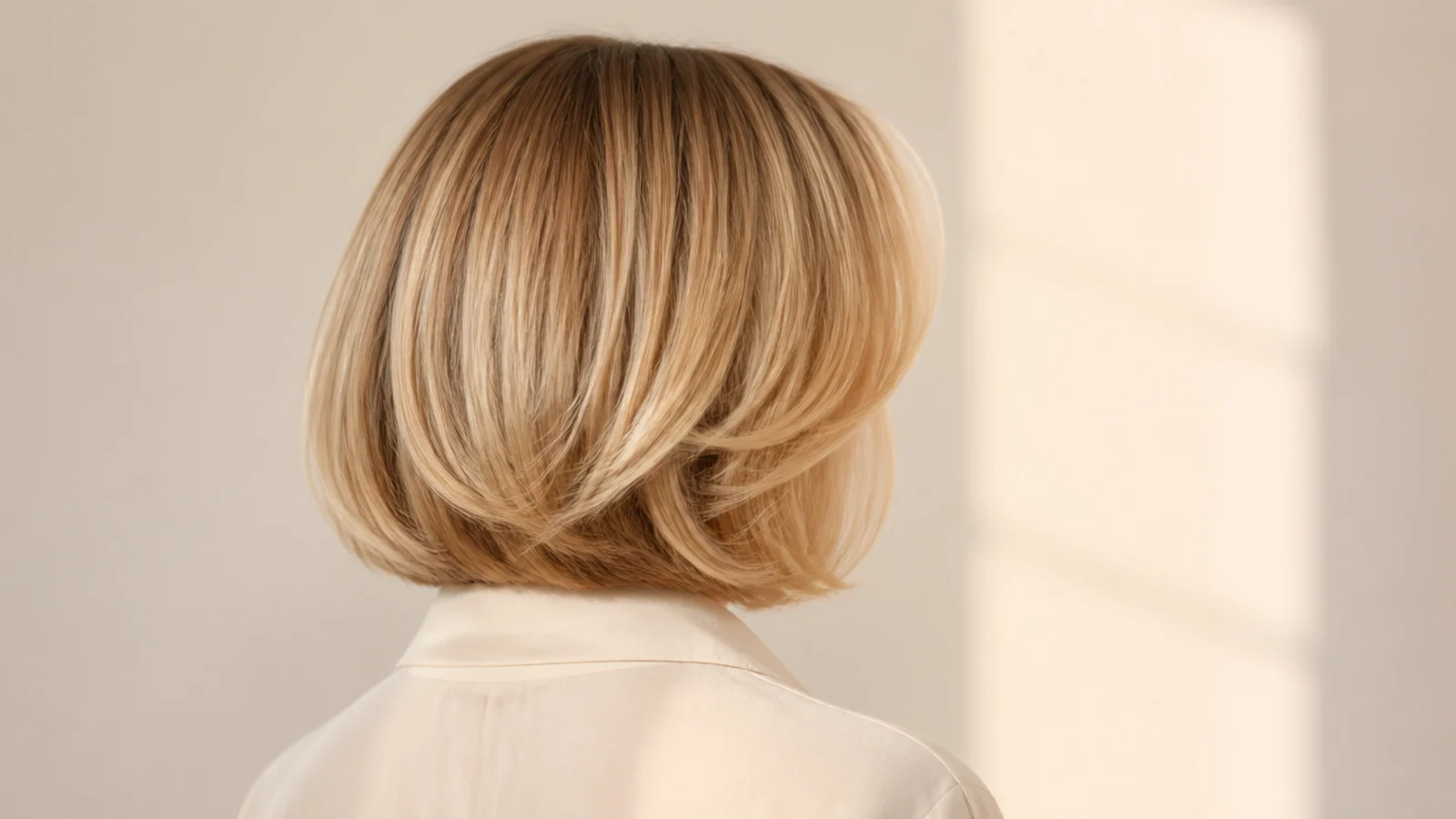
Black carrying a blue reflect, cut to one line. The blue only appears where light strikes the surface directly, so a blunt perimeter and a smooth finish are what make the difference between blue black and plain black visible at all.
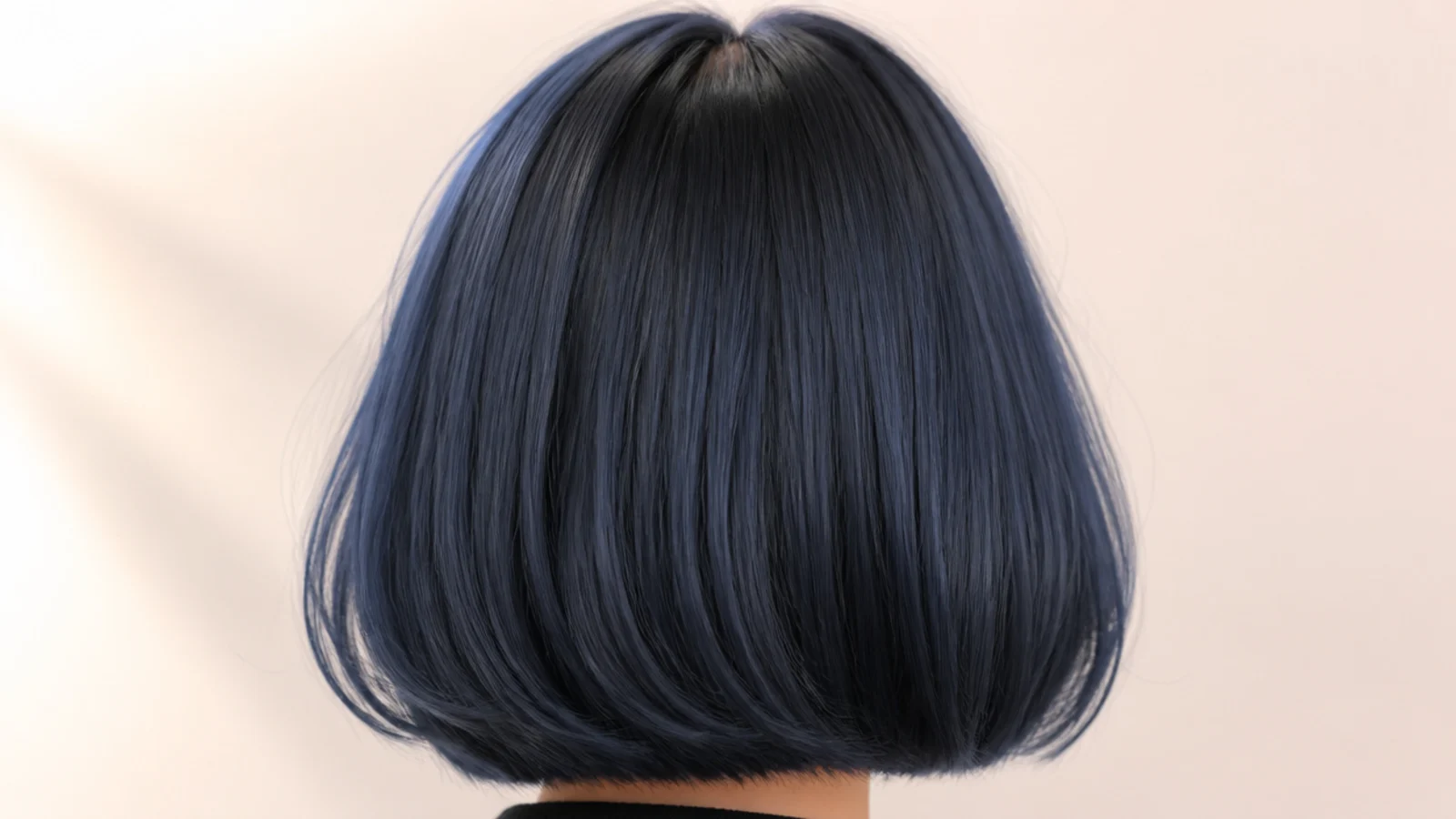
8. Honey Blonde Waves
A warm mid blonde through a waved length. Waves alternate lit arcs with shadowed ones, and a gold reflect shows only on the lit arcs, which is what turns a single shade into visible dimension.
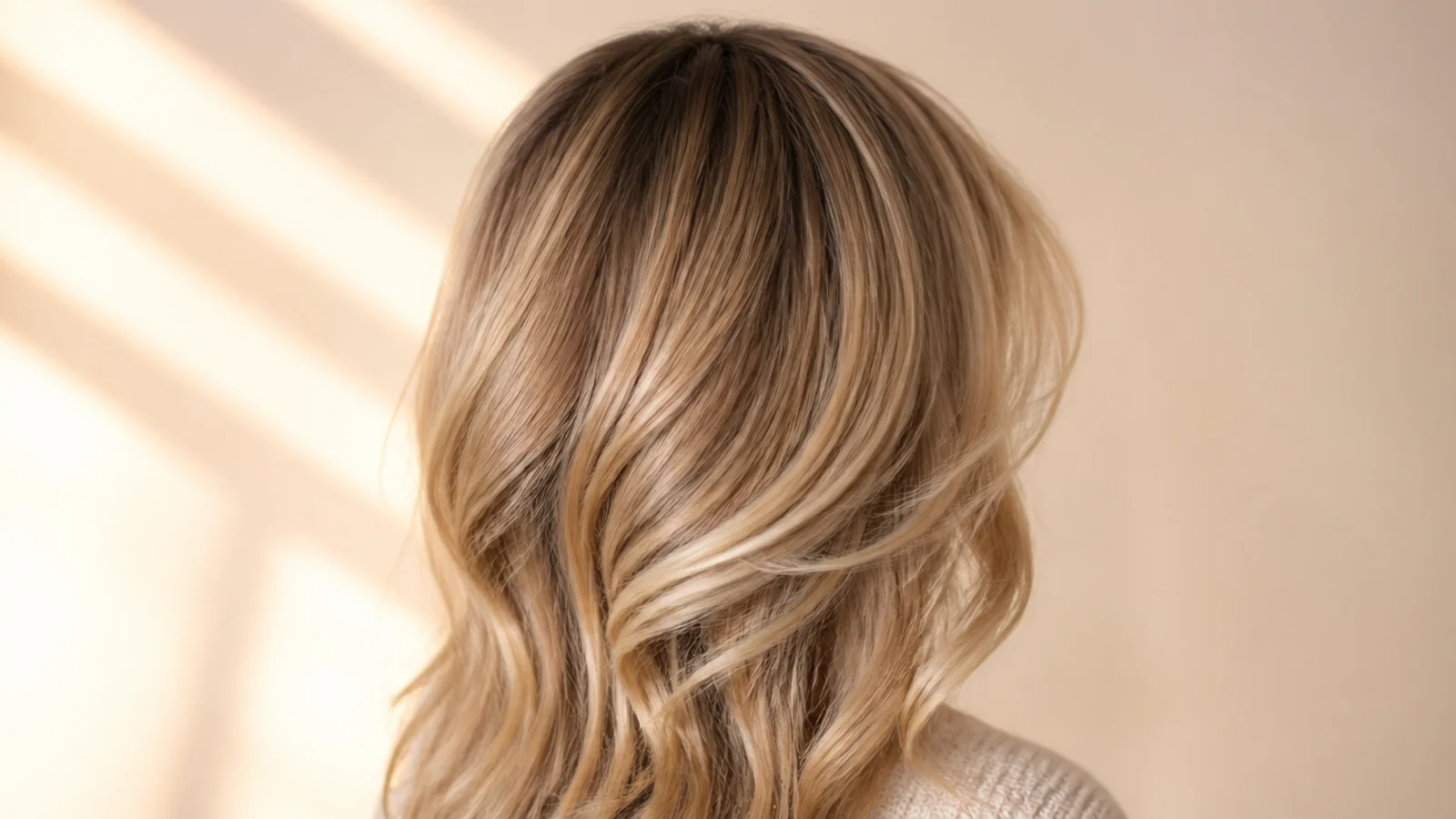
9. Mushroom Brown Layers
A cool light brown built on a gray base with no warm reflect at all. That absence is why it is the least forgiving shade to attempt over former blonde, because there is nothing in the formula to mask leftover orange.
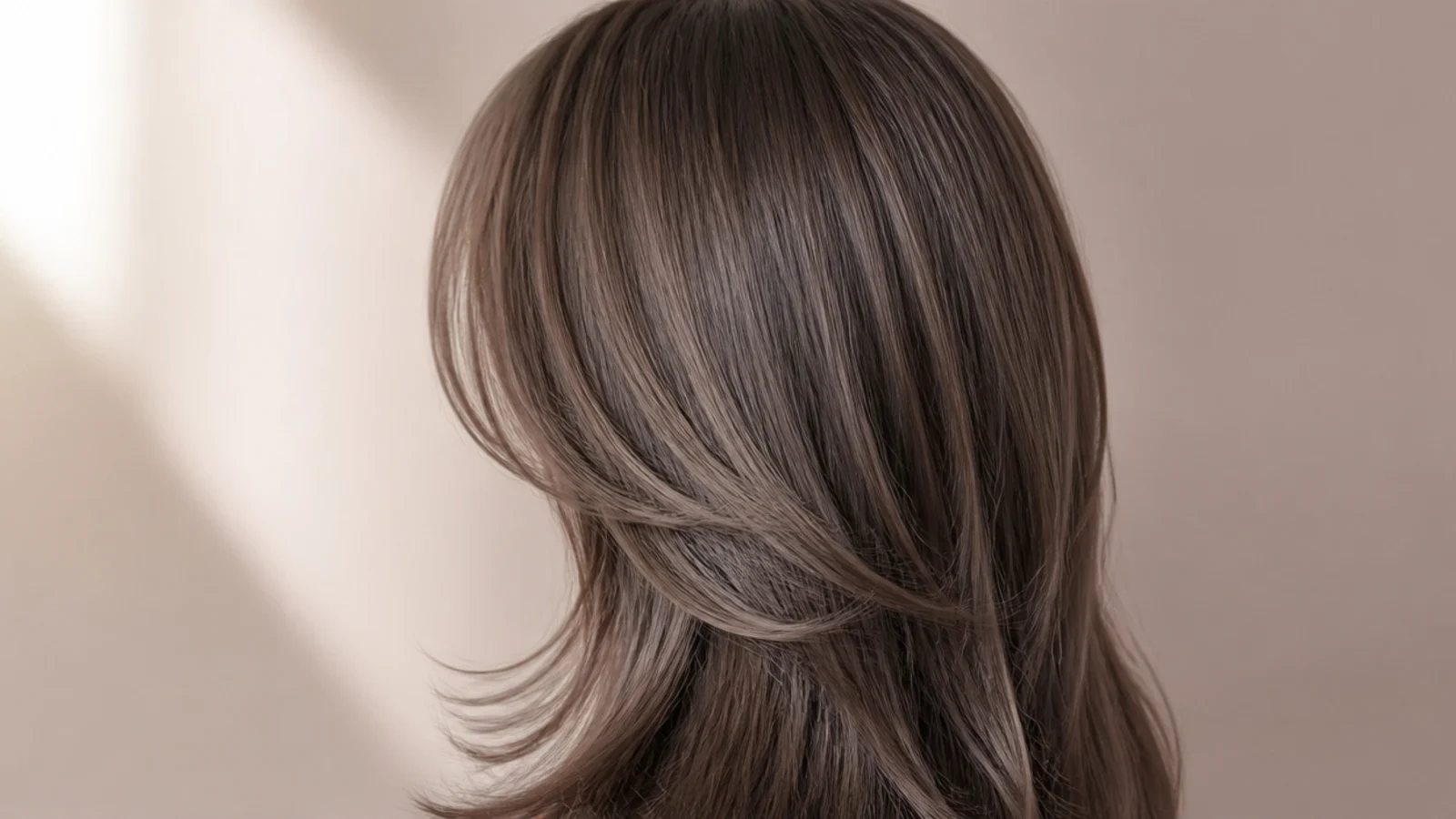
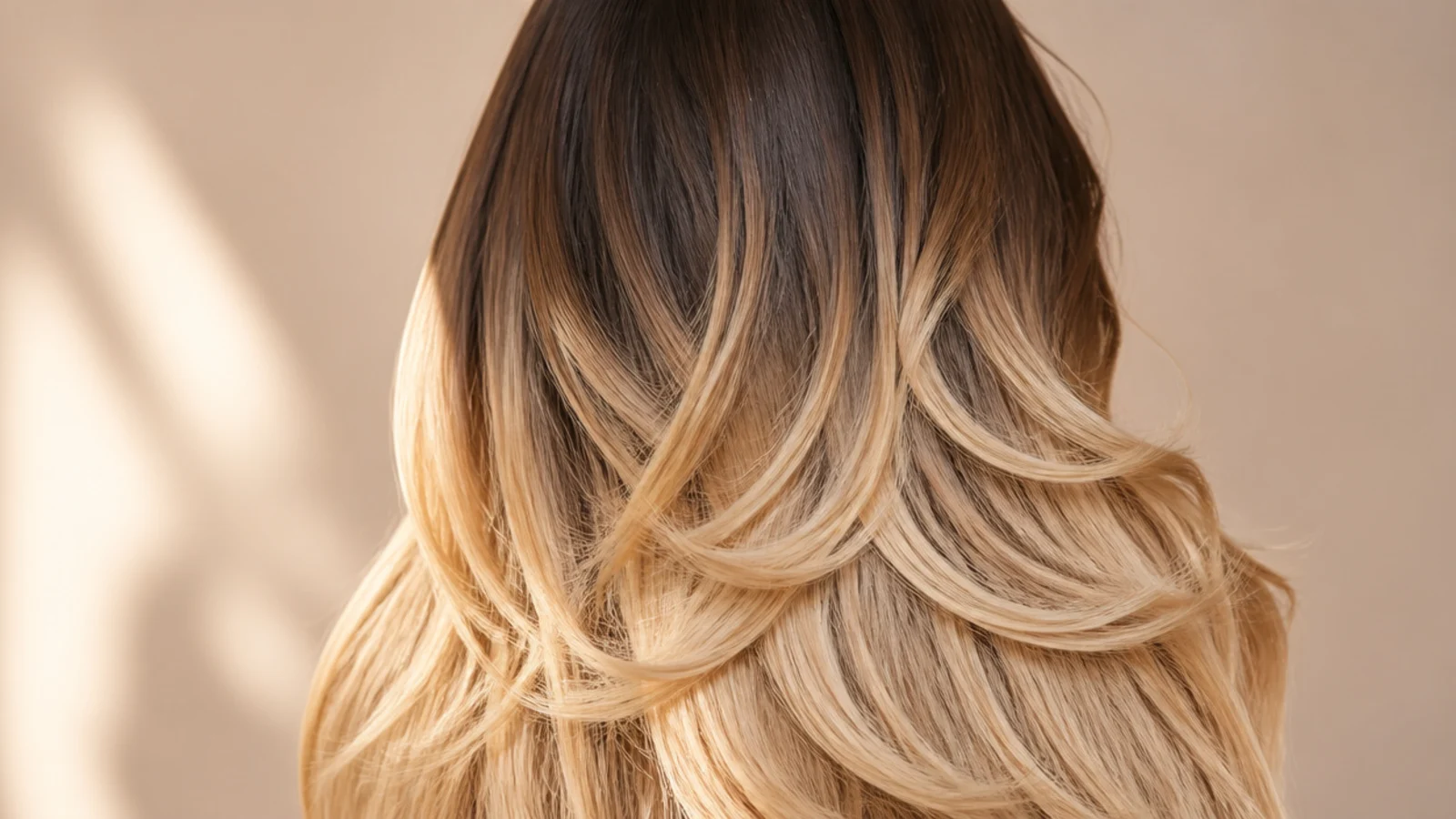
10. Dark Root With Blonde Ends
A deliberate two tone rather than an accident of grow out. Because the darkest area is the one that regrows, new growth arrives into a zone that is already dark and the appointment interval doubles.
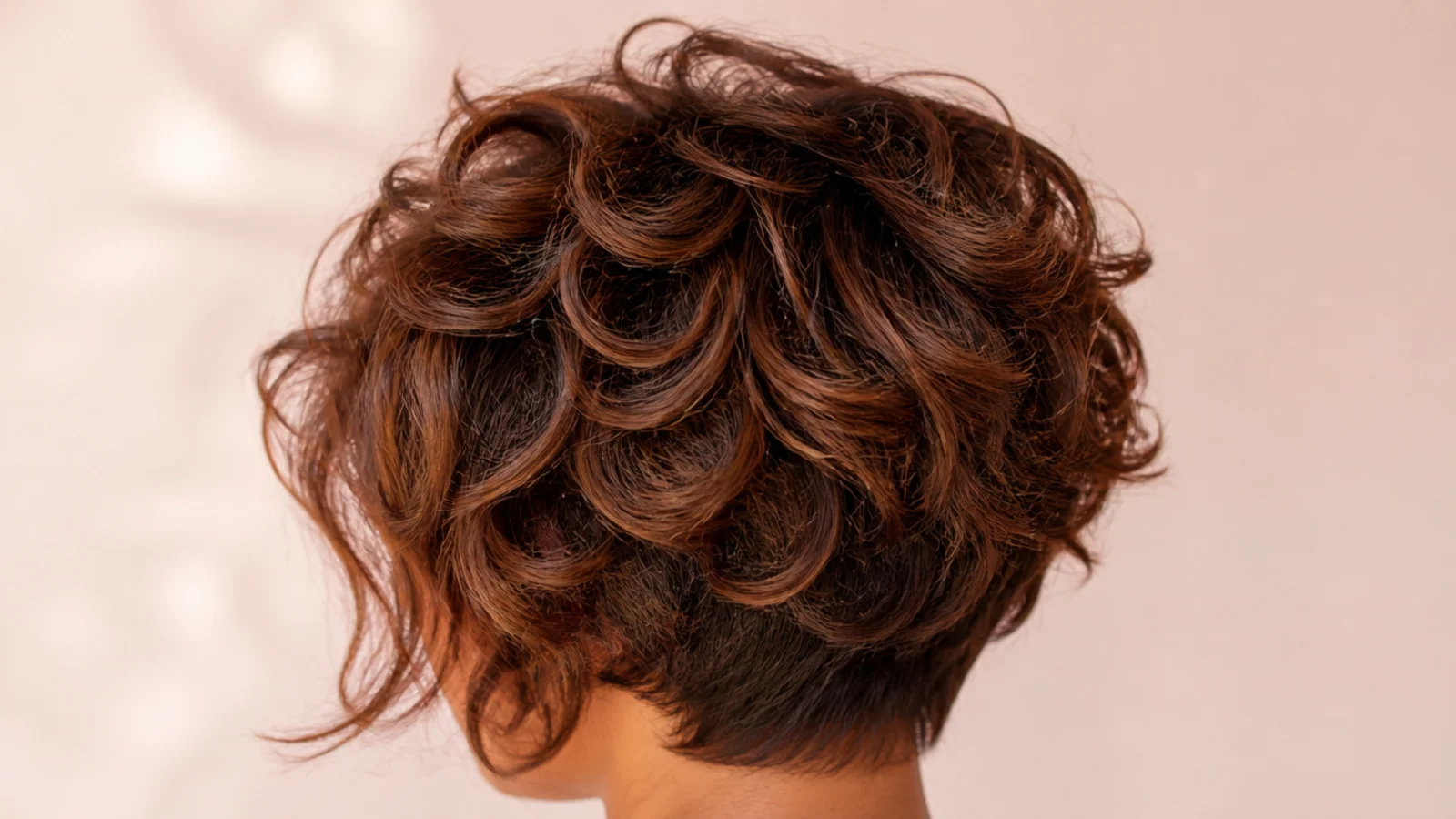
11. Auburn Curly Pixie
Red on a very short curl. Red molecules are the largest in the formula and sit closest to the cuticle surface, so they wash away first, and at this length the faded section is trimmed off before it becomes a problem.
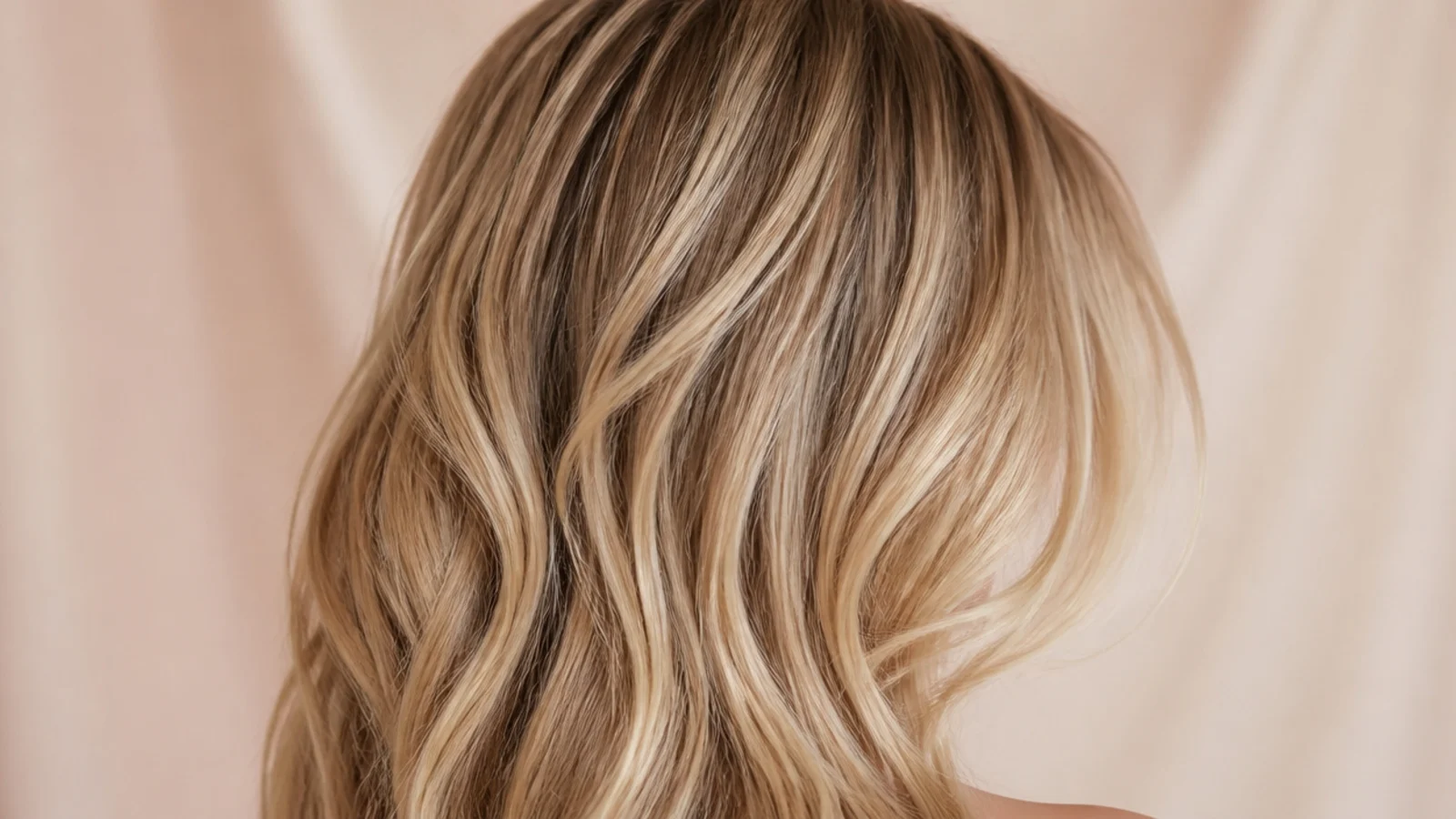
12. Sandy Blonde Air Dried
A neutral blonde left to dry with no heat at all. Air drying keeps the cuticle from being forced flat, so the shade reads softer and slightly deeper than the same color would after a blowout.
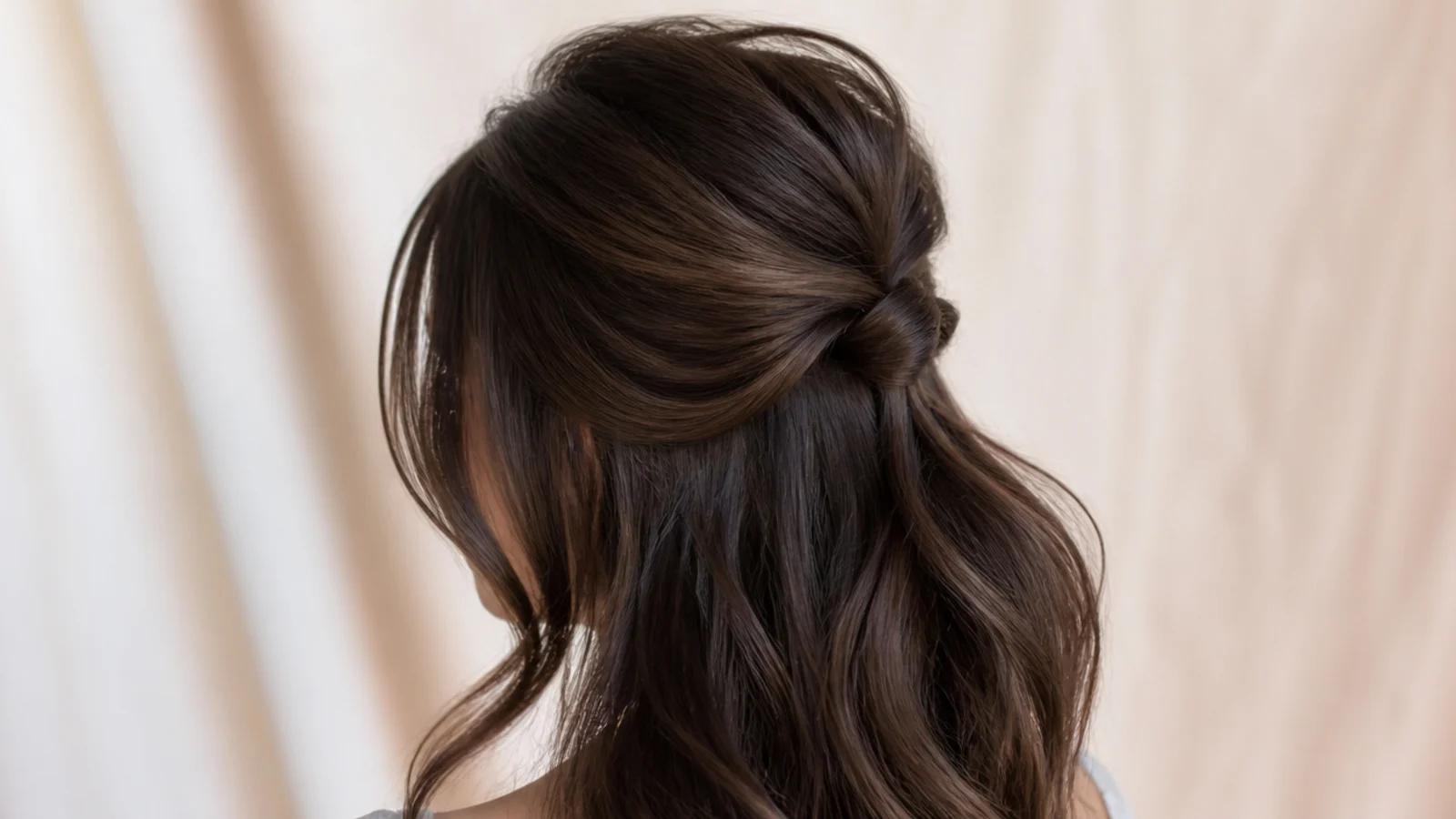
13. Espresso Half Up
The darkest level gathered at the crown. Half up styles put the root and the lengths in the same frame, and on a very dark shade any lighter regrowth at the parting is the first thing the eye finds.
14. Bronde Grown Out Layers
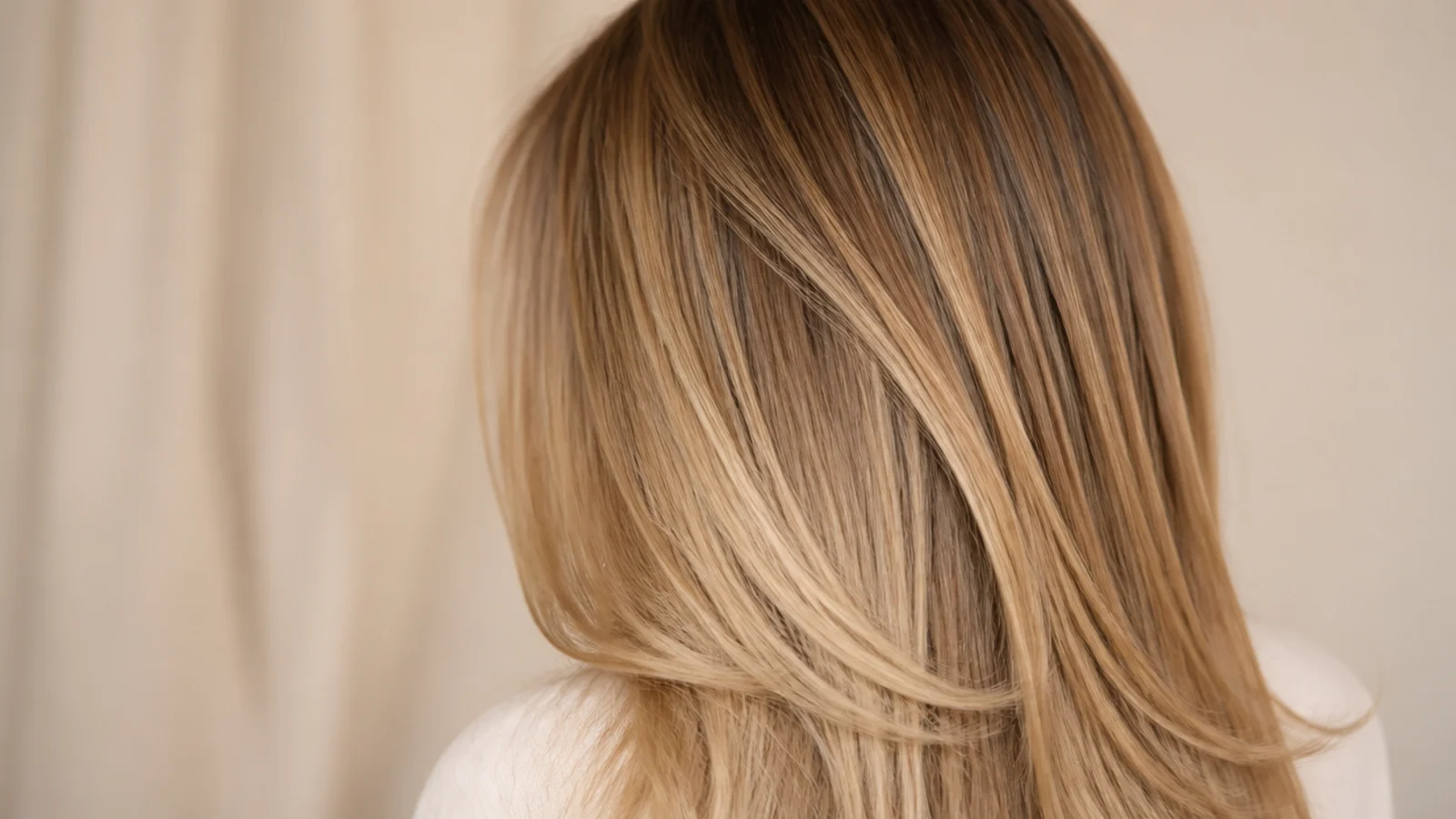
Light brown carrying enough blonde to catch daylight, on layers left to lengthen. Contrast against natural roots is small at this level, which is exactly why the grow out looks intentional rather than neglected.
15. Soft Black Blowout
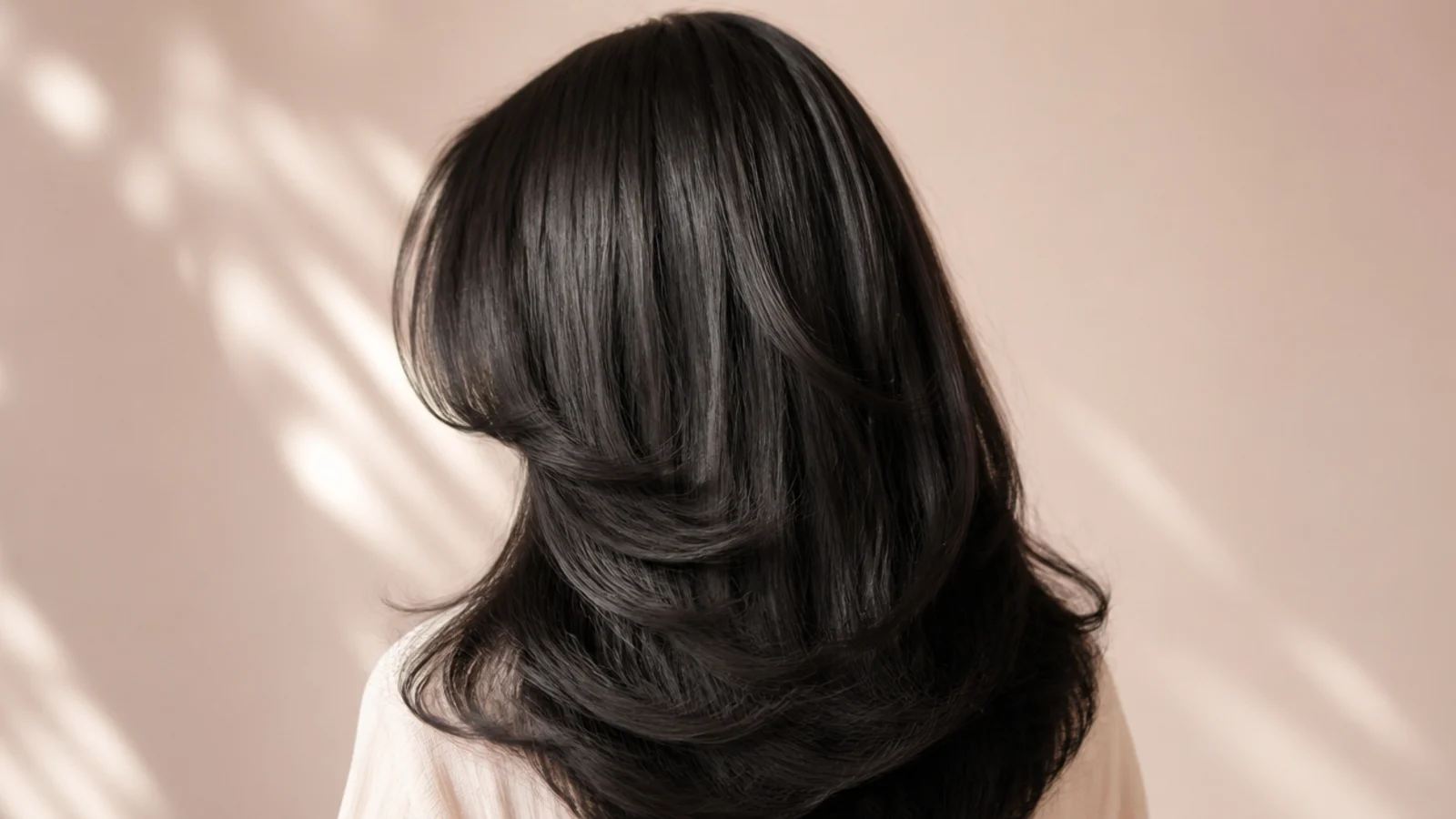
A level two or three with the hardness taken out of it by a warm reflect. True jet black has no reflect at all, so it can look drawn against pale skin, while a soft black returns a trace of warmth at the highlight.
Final Thoughts
Treat going dark as the decision that is hard to reverse and going light as the one that is not. If the plan is to spend a season dark and then return, a demi permanent that fades rather than a permanent that stays is worth asking about at the consultation rather than at the correction.
And match the undertone to your skin instead of to the photograph, because depth is a preference and undertone is what makes a shade look either deliberate or borrowed. For a lower commitment placement see the peekaboo colors for version and the peekaboo highlights for version. More in Celebrity Hair.