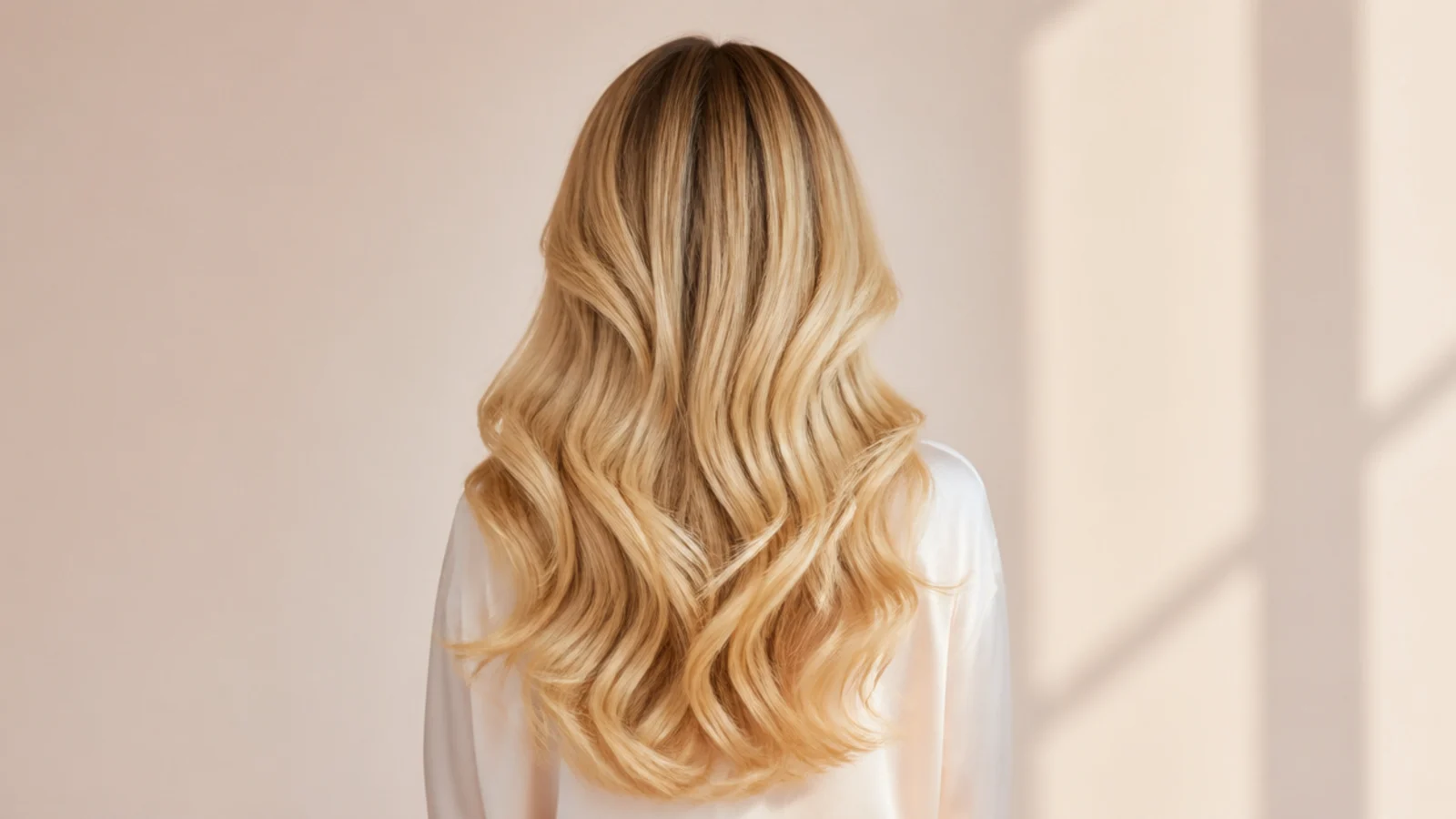
20 Sabrina Carpenter Curly Hair Ideas That Actually Hold
Twenty curly looks, sorted by how the curl was made. Half of them are set with heat and cooling and half are a natural pattern brought out with water and gel, and the two want opposite routines.
In this article · 28
- The Signature Curl Broken Down
- Natural Versus Styled Curls
- The Curl Pattern Guide
- The Curly Curtain Fringe
- Blonde Curl Care
- What to Ask For at the Salon
- The 20 Curly Hair Ideas
- 1. Hollywood Set Curls
- 2. One Inch Barrel Curls
- 3. Hot Roller Curls
- 4. Natural Loose Wave
- 5. Curly Shag
- 6. Curly Bob
- 7. Auburn Curly Pixie
- 8. Half Up Curls
- 9. Brushed Out Curls
- 10. Heatless Curls
- 11. Flexi Rod Curls
- 12. Diffused Curls
- 13. Curly High Ponytail
- 14. Curly Updo
- 15. Pin Curl Bob
- 16. Beachy S Wave
- 17. Money Piece Curls
- 18. Wash and Go on 3C Curls
- 19. Second Day Curls
- 20. Shadow Root Curls
- Final Thoughts
Half the curls people ask for were set with an iron and half are a pattern the hair already had, and the routines that produce them are almost exact opposites.
A set curl is made by cooling, not by heating. The iron only softens the bonds inside the strand. The shape locks as the section cools, which is why a curl released warm has already been thrown away.
A natural curl is made by water and gel. It wants to be soaked, clumped and then left completely alone until dry. Every step that helps a set curl ruins this one.
The Signature Curl Broken Down
A large diameter, not a tight one. The barrel size becomes the curl size, and the curls in this look are wide enough to read as movement rather than as ringlets.
Alternating directions. Curling every other section away from the face and the rest toward it stops the curls stacking into one solid tube.
Brushed out at the end. A brush redistributes strands across the boundaries between curls, which merges them into one continuous wave.
Root left flat. The curl starts at eye level or lower, so the crown stays smooth and the volume all sits below the ears.
Natural Versus Styled Curls
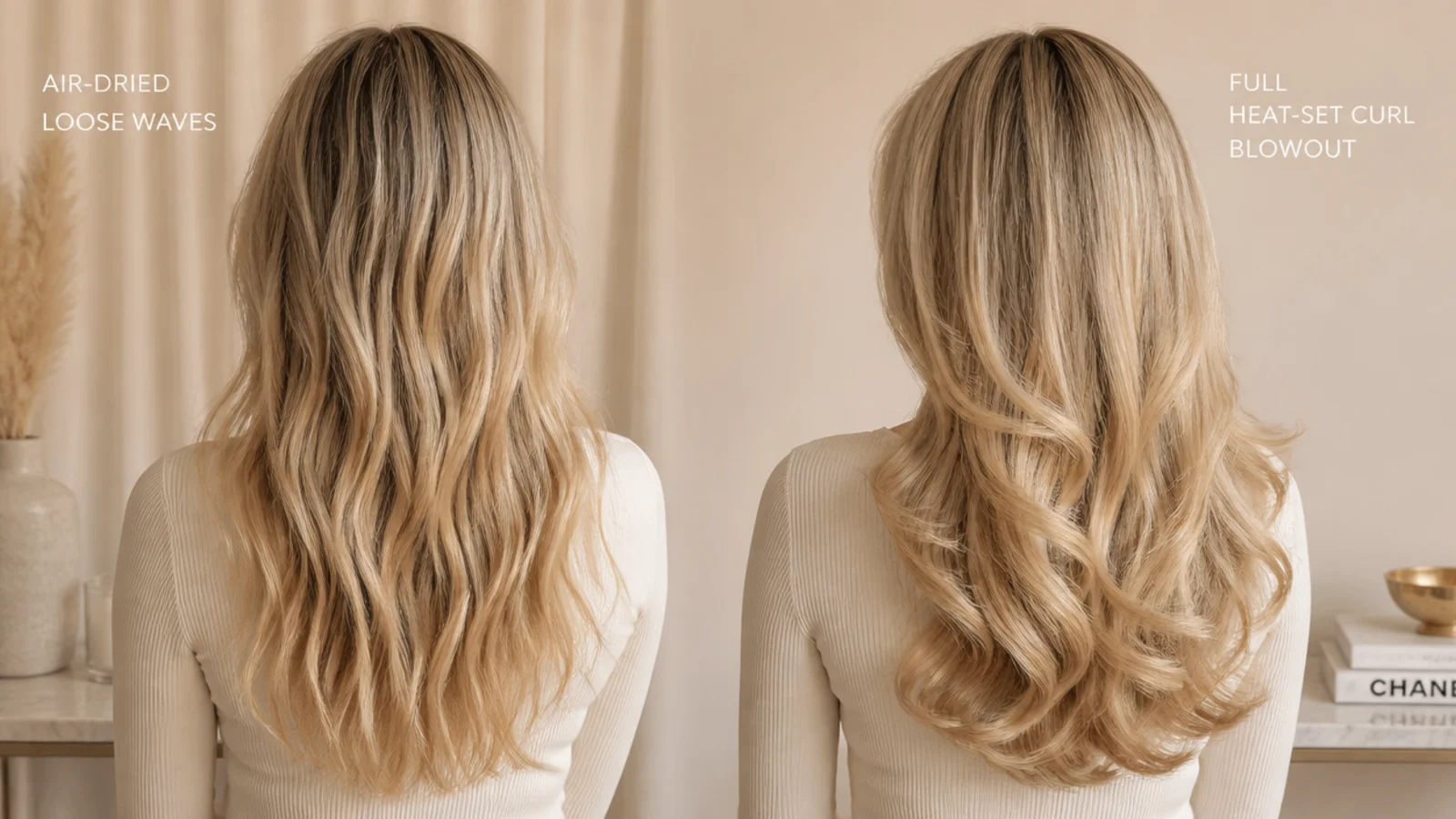
A set is temporary and a pattern is permanent. Hydrogen bonds reform in whatever position the hair dries or cools in, and they break again with the next wash. The follicle shape does not.
A set wants dry hair and a pattern wants soaking hair. Water is the enemy of one and the whole mechanism of the other, which is why one routine cannot be borrowed for the other.
Brushing helps a set and destroys a pattern. On a set, a brush merges curls into a wave. On a natural curl it separates the clump into individual strands, and separated strands are what frizz looks like.
Only one of them survives humidity. A set drops as the air puts water back into the strand. A gelled natural curl holds, because the polymer film is doing the work rather than the bonds.
The Curl Pattern Guide
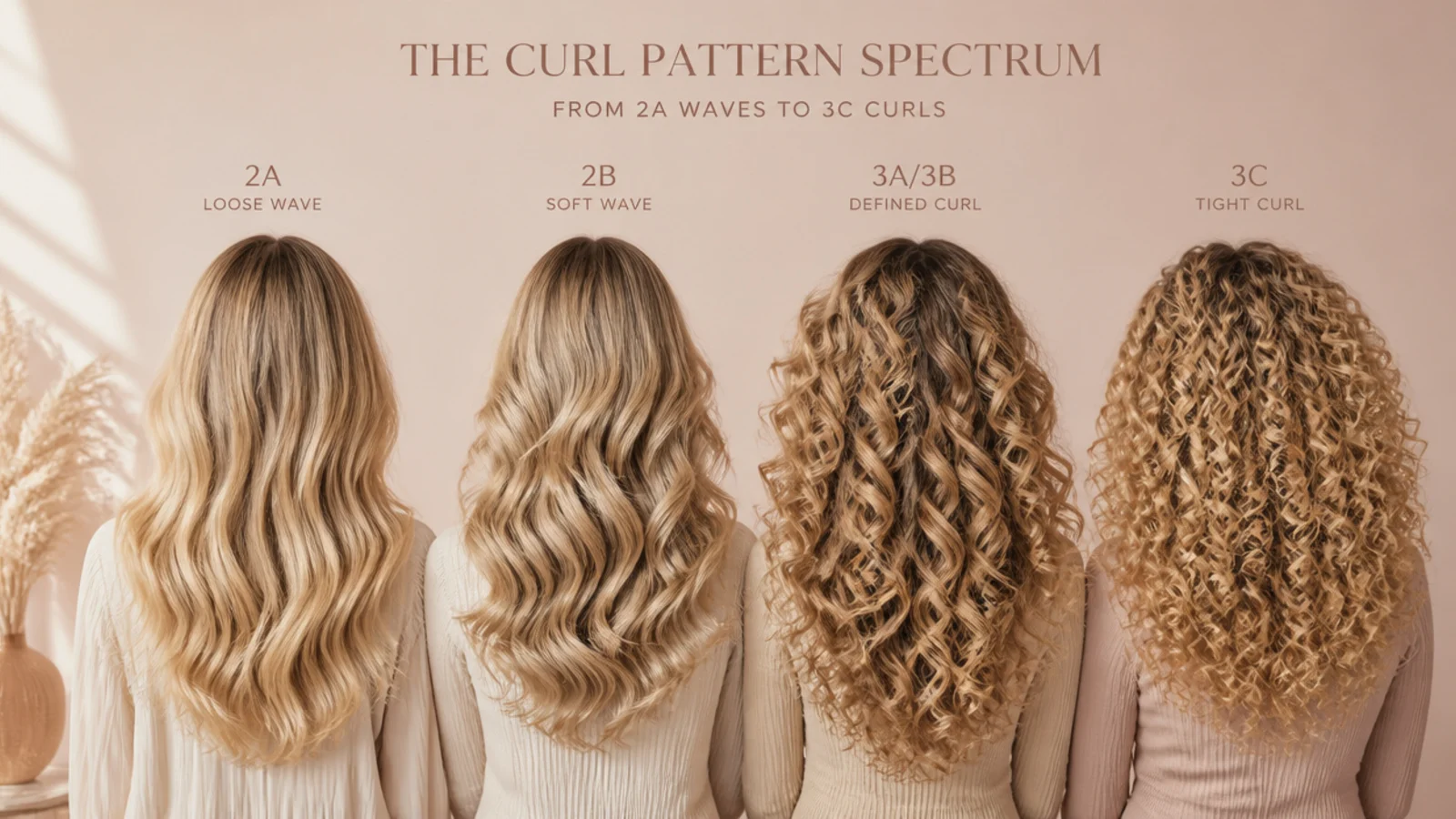
Type two is a wave with an open S. There is not enough curl tension to hold a clump unaided, so waves need a light gel to do what a tighter pattern does by shape alone.
Type three is a defined spiral. It clumps readily and holds definition, and it shows shrinkage of roughly a third once dry.
Type four is a tight coil or zigzag. The bends are so frequent that sebum cannot travel down the strand, which is why this pattern is dry by default rather than by neglect.
Most heads carry two patterns at once. The nape and the hairline are usually looser than the crown, so a single product amount applied evenly will always over weight one area.
The Curly Curtain Fringe
Cut it dry and cut it long. A curl cut wet springs up by a third or more as it dries, and a fringe is the one place on the head where that miscalculation cannot be hidden.
It has to sit on the natural growth direction. A cowlick at the front hairline will push a fringe sideways every day, so the parting has to follow it rather than fight it.
Length is what makes it a curtain rather than a fringe. The sections need to reach the cheekbone dry so they can fall outward and down instead of sitting flat on the forehead.
It is the highest maintenance part of a curly cut. Hair grows around half an inch a month, and on a fringe half an inch is the difference between skimming the brow and sitting in the eyes.
Blonde Curl Care
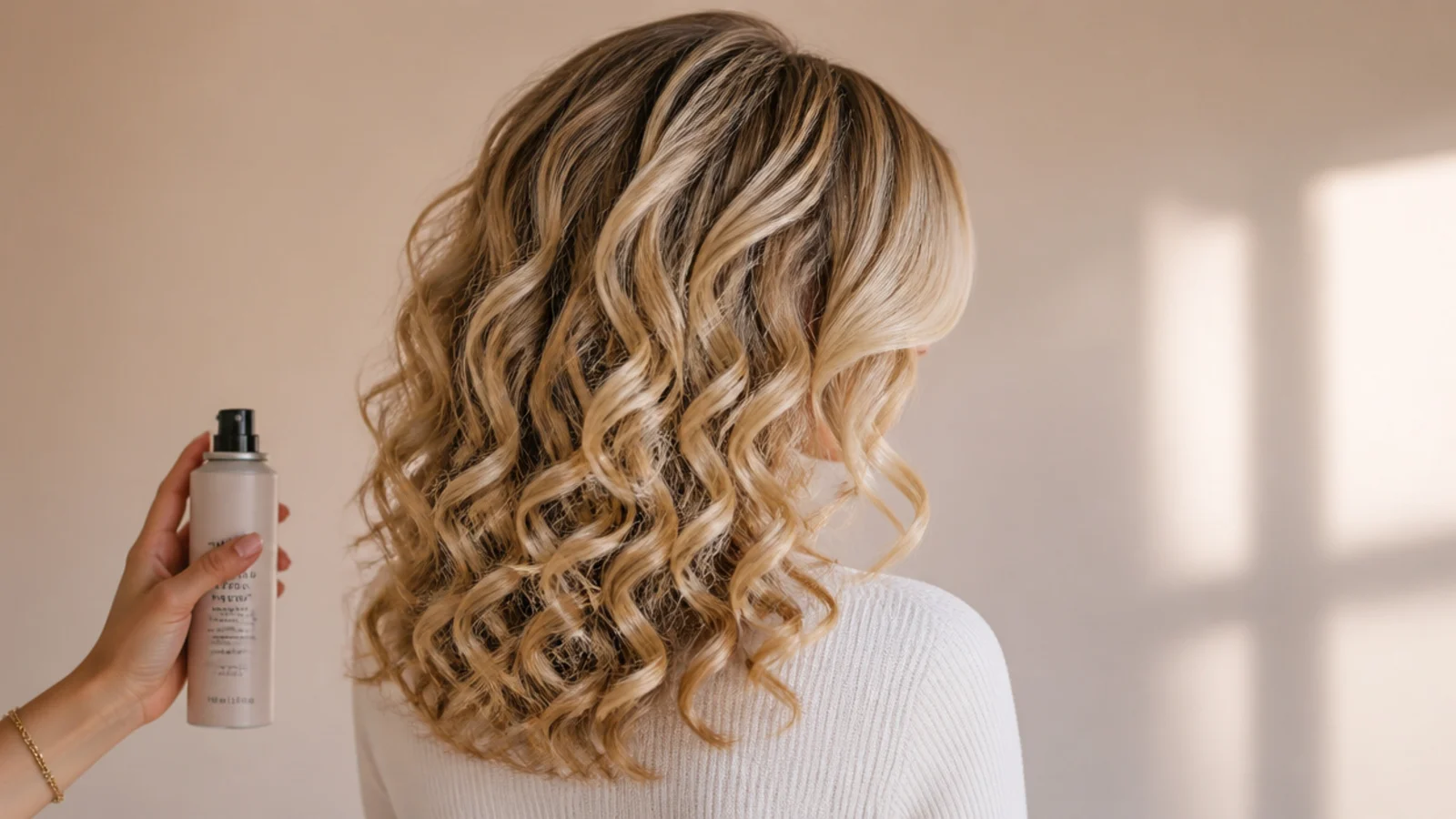
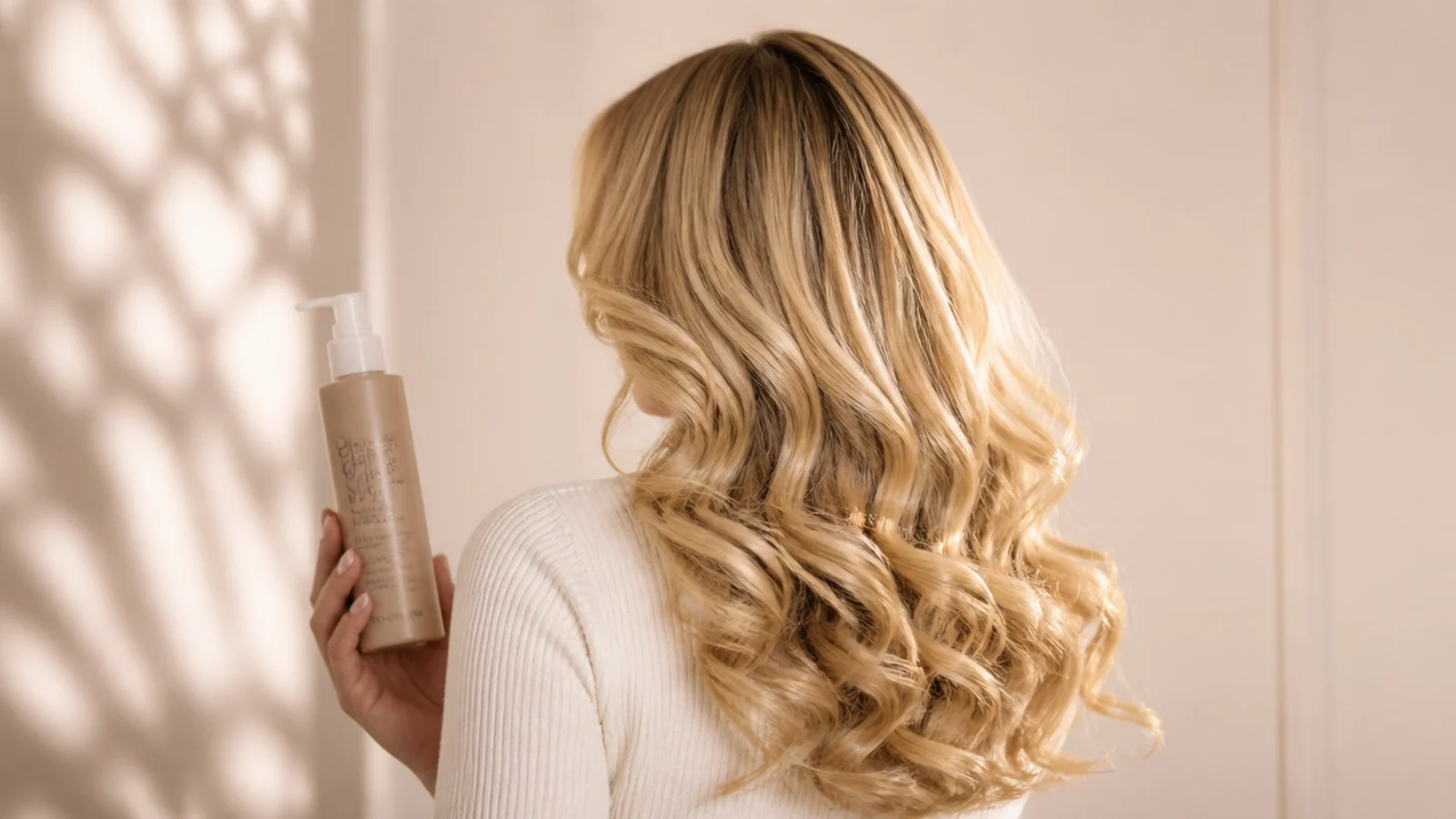
Lightened curls are porous curls. Bleach chips the cuticle, and a chipped cuticle absorbs water fast and loses it fast, which is exactly the behaviour that turns definition into frizz.
Protein and moisture have to alternate. Porous hair needs hydrolysed protein to fill the gaps and moisture to keep it flexible, and using only one of the two produces either brittleness or mush.
Bleach loosens the pattern. Damage to the disulphide bonds inside the strand costs curl elasticity, so lightened hair often drops half a pattern type and never fully returns.
Wash less, condition more. Every shampoo removes some of the oil that a bend already prevents from travelling down the strand, and on lightened hair that oil is doing double duty.
What to Ask For at the Salon
Ask to be cut dry, curl by curl. Wet cutting measures a length the hair will never have again once it springs up.
Ask for internal layers rather than surface ones. Removing weight from underneath lets each curl reach its own diameter, while layering the surface leaves short ends poking out of the canopy.
Say no to thinning shears. They leave hundreds of short blunt ends distributed through the interior, and on curly hair every one of them eventually surfaces as a halo.
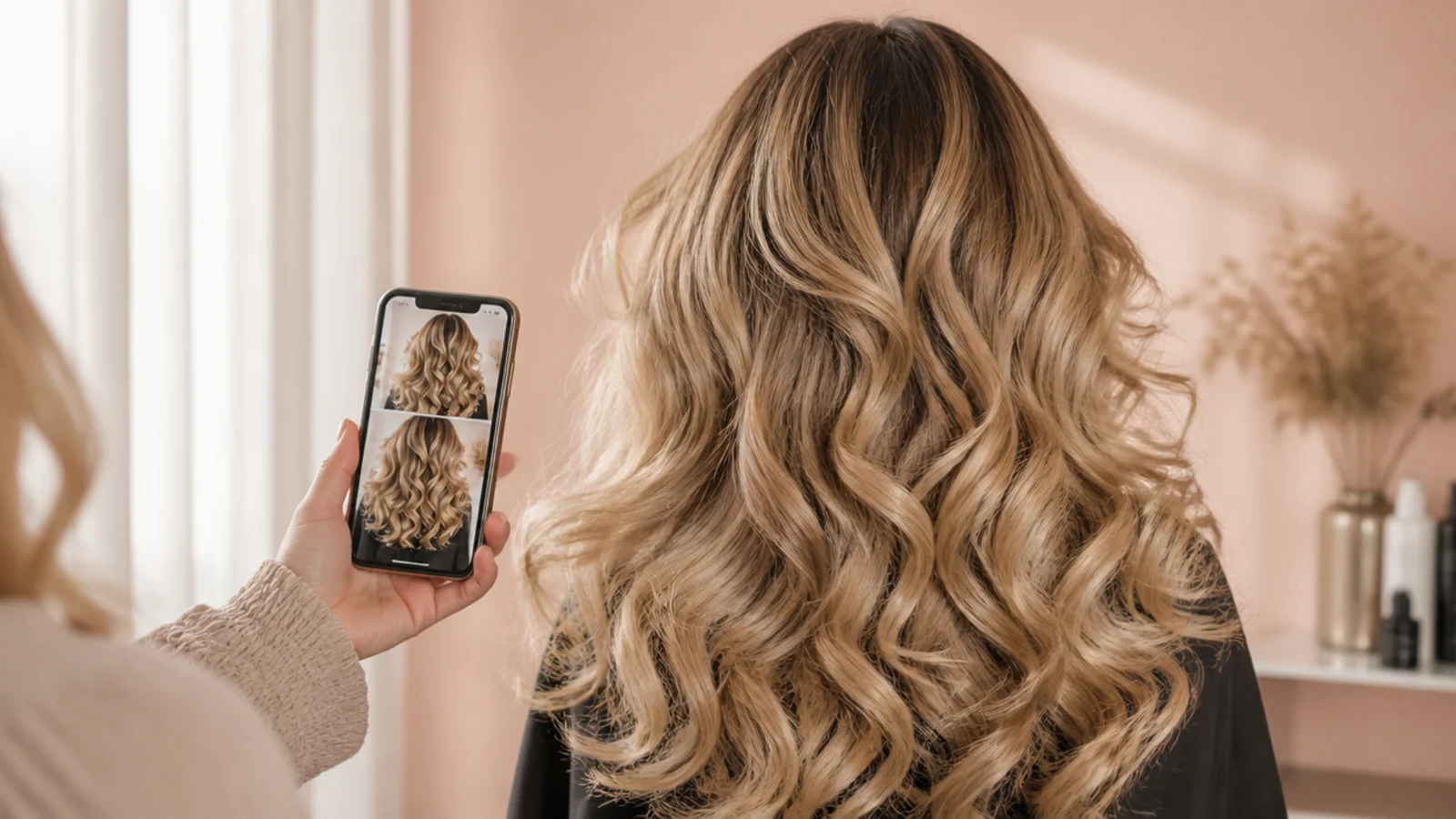
Bring a photo of the same pattern as yours. A cut that produces one shape on a loose wave produces a completely different one on a tight spiral, whatever the picture shows.
The 20 Curly Hair Ideas
1. Hollywood Set Curls
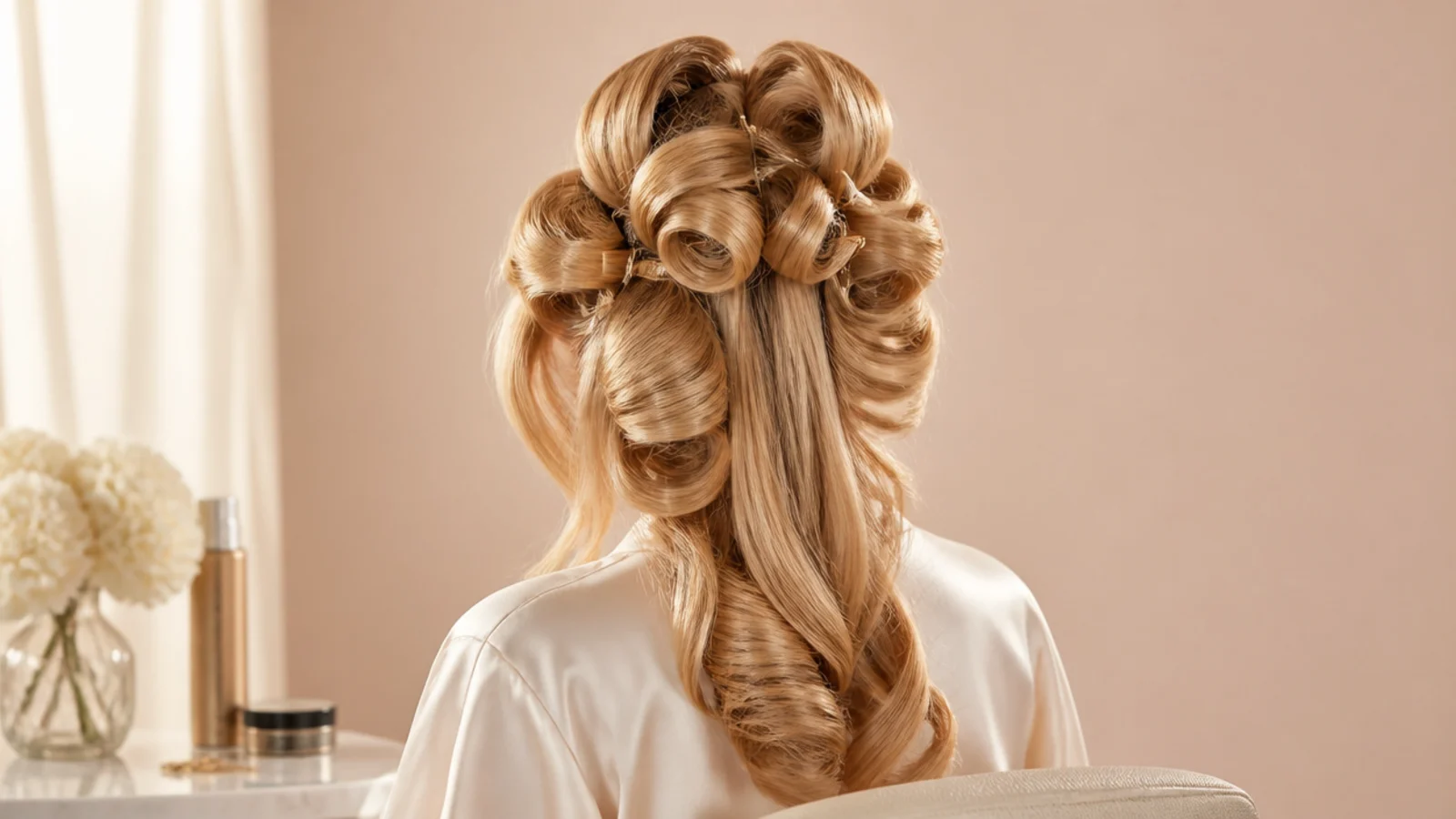
Large sections wound, pinned and left to cool before anything touches them. The pinning matters more than the iron, because it holds each curl in position through the cooling phase where the shape actually locks.
2. One Inch Barrel Curls
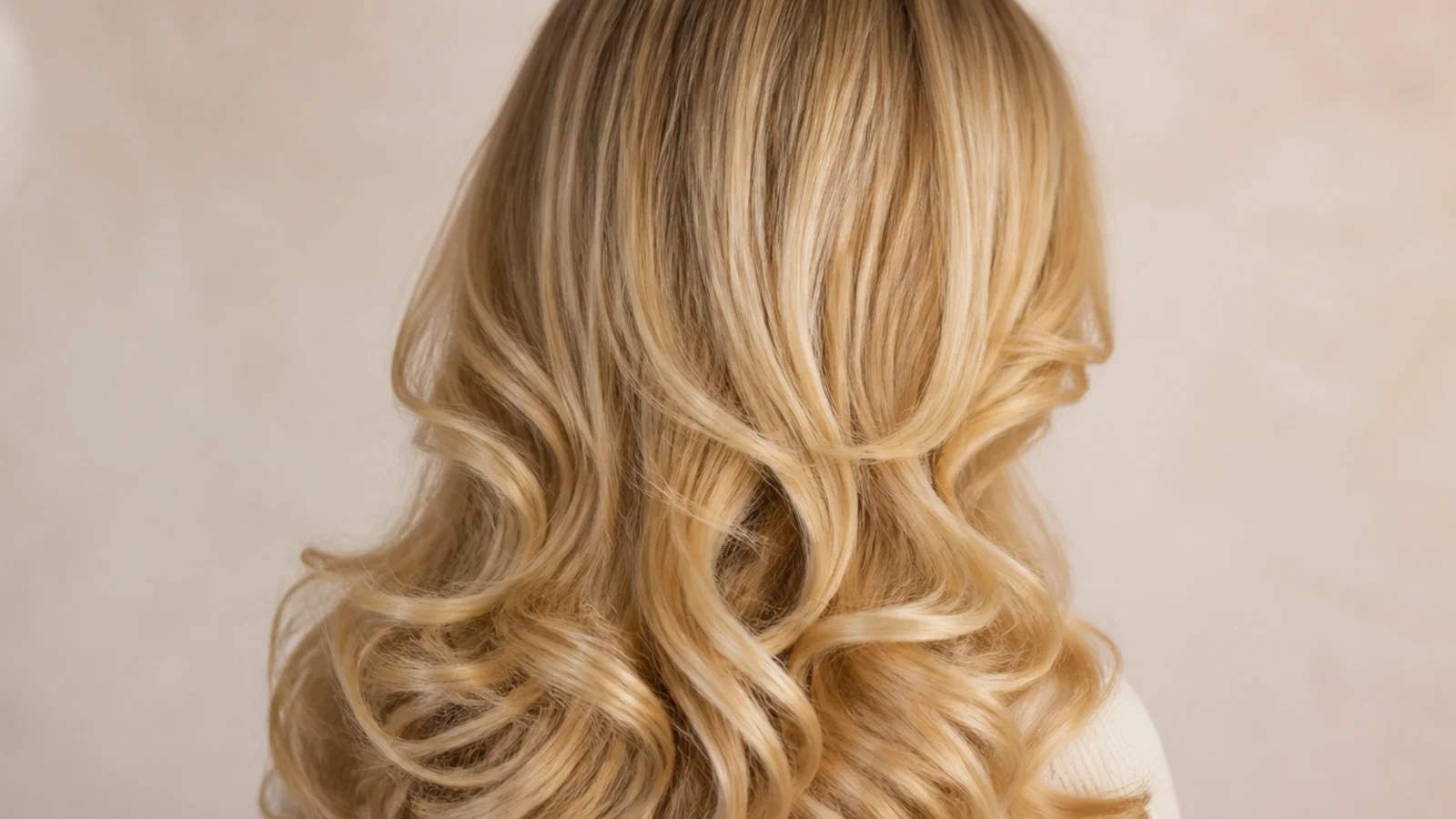
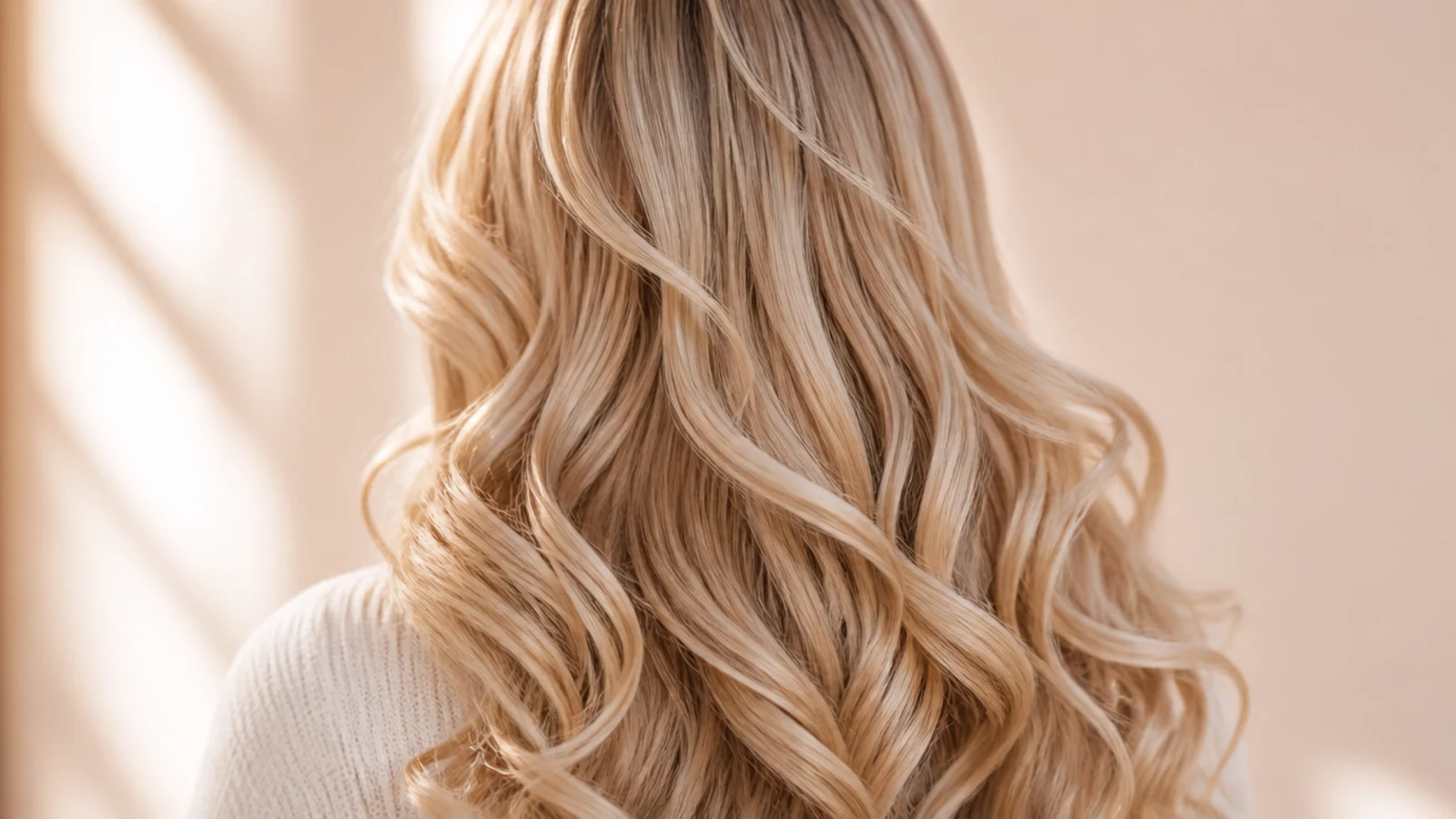
The barrel diameter becomes the curl diameter, and an inch is the size that relaxes into a wave over the course of a day rather than staying a ringlet. Anything narrower reads as a perm within an hour of setting.
3. Hot Roller Curls
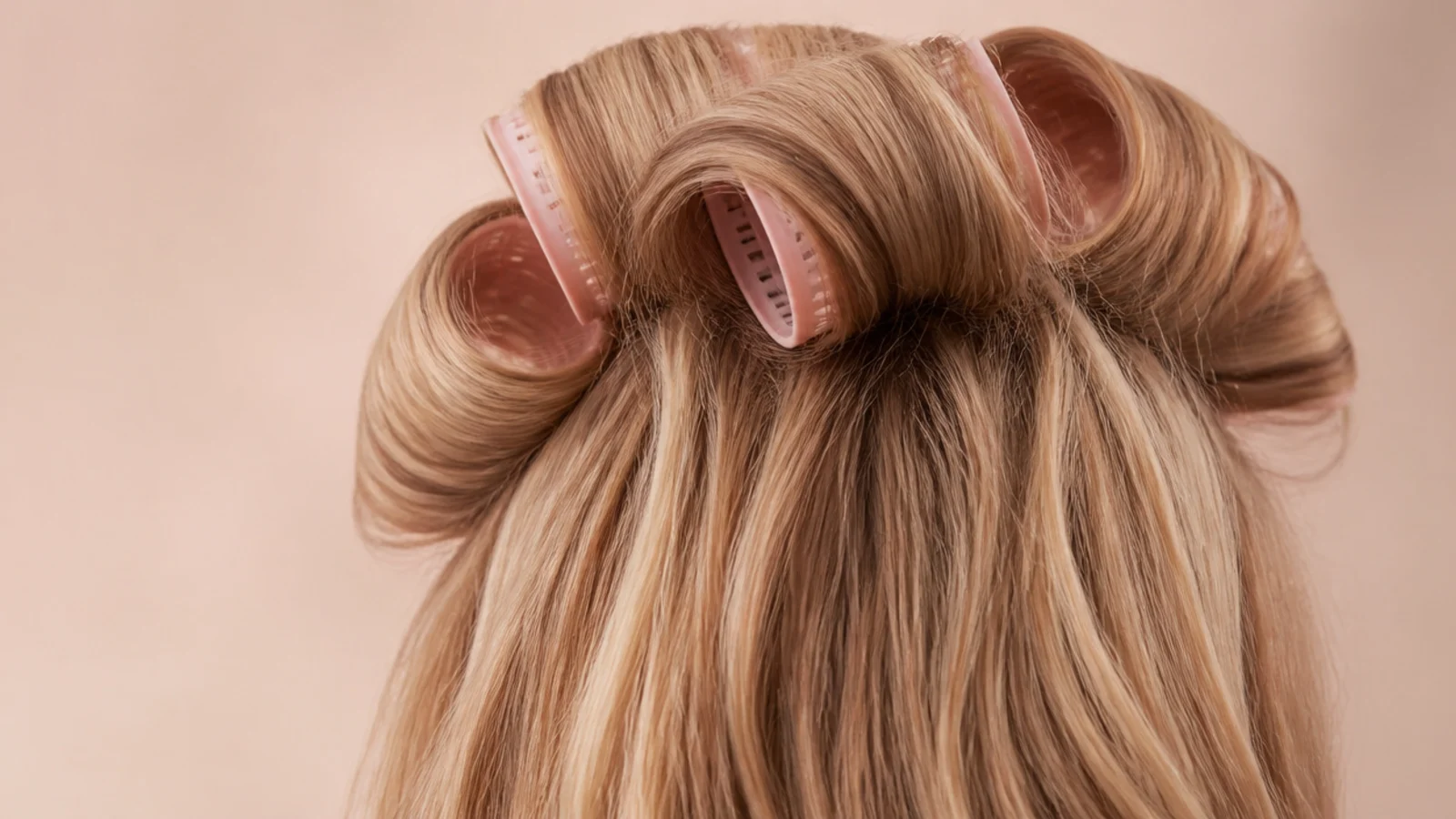
Rollers hold each section still for the entire cooling period, which is the part of the process a wand cannot replicate because the hair leaves the barrel while it is still warm. That is why rollers hold longer from the same amount of heat.
4. Natural Loose Wave
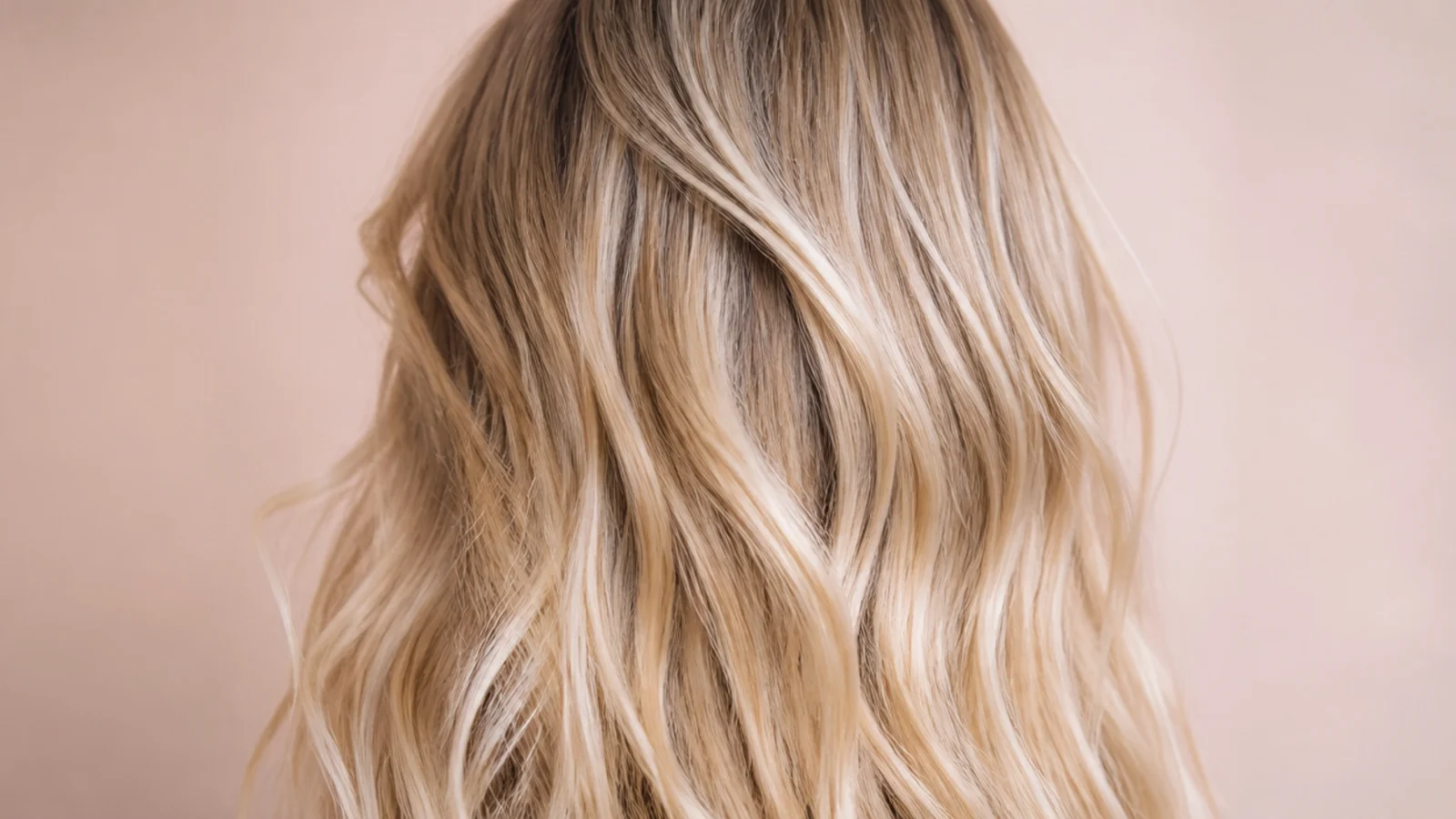
An open S pattern left to its own devices with a light gel. Loose waves carry almost no curl tension, so anything heavier than a light hold product pulls the bend out and leaves the hair simply flat.
5. Curly Shag
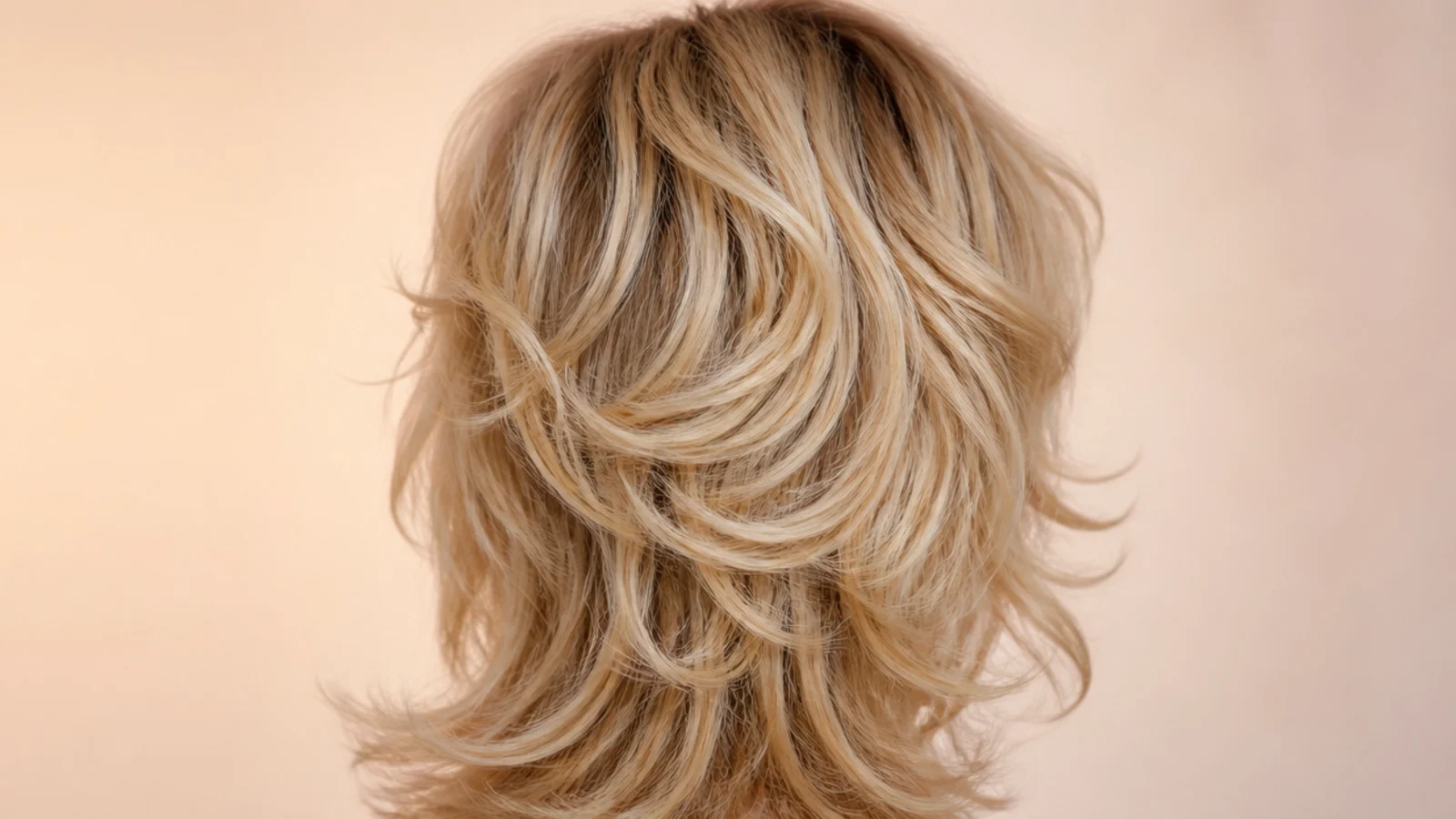
Heavy internal layering through a curl pattern. Removing weight from underneath lets each curl spring to its own diameter instead of being dragged down by the hair beneath it, which is why a shag adds volume without adding product.
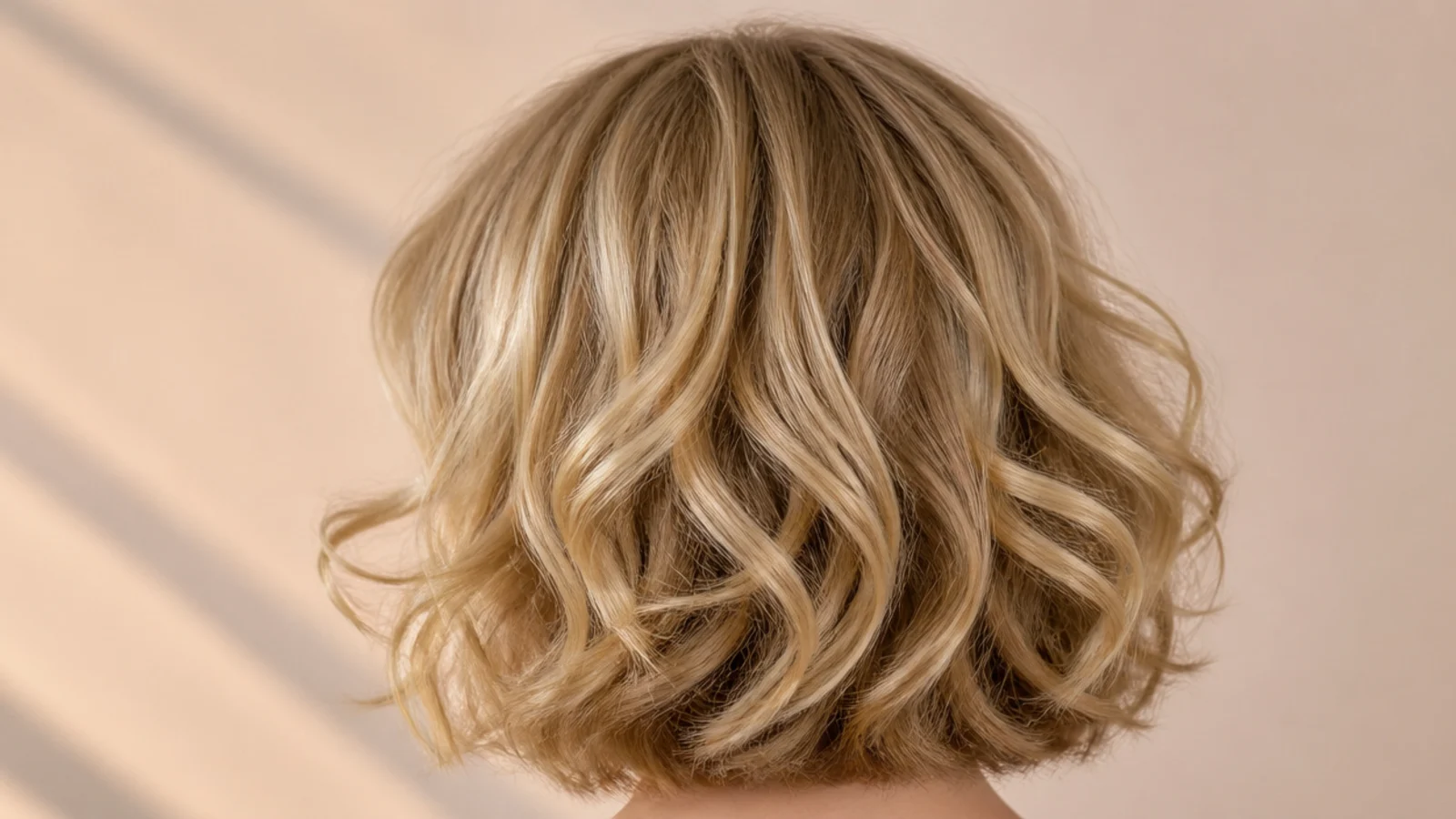
6. Curly Bob
The shortest length at which curls still stack rather than sit as a single tier. Shrinkage of a third or more means a bob measured at the chin while wet finishes somewhere near the earlobe once it dries.
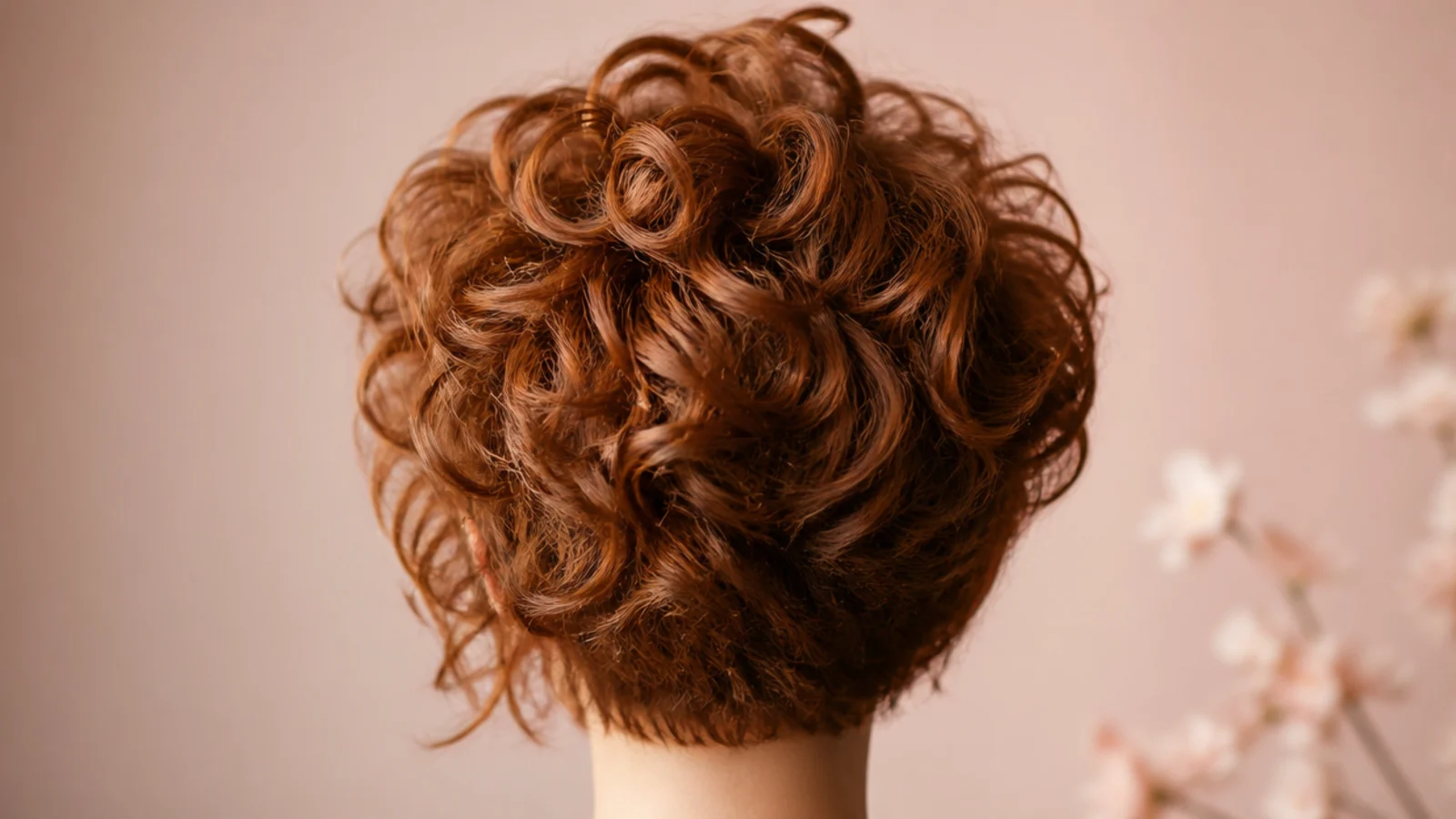
7. Auburn Curly Pixie
Color on the shortest possible curl. At this length there is almost no weight pulling on the pattern, so the curl shows its true diameter and any unevenness in the cut is on display rather than hidden by length.
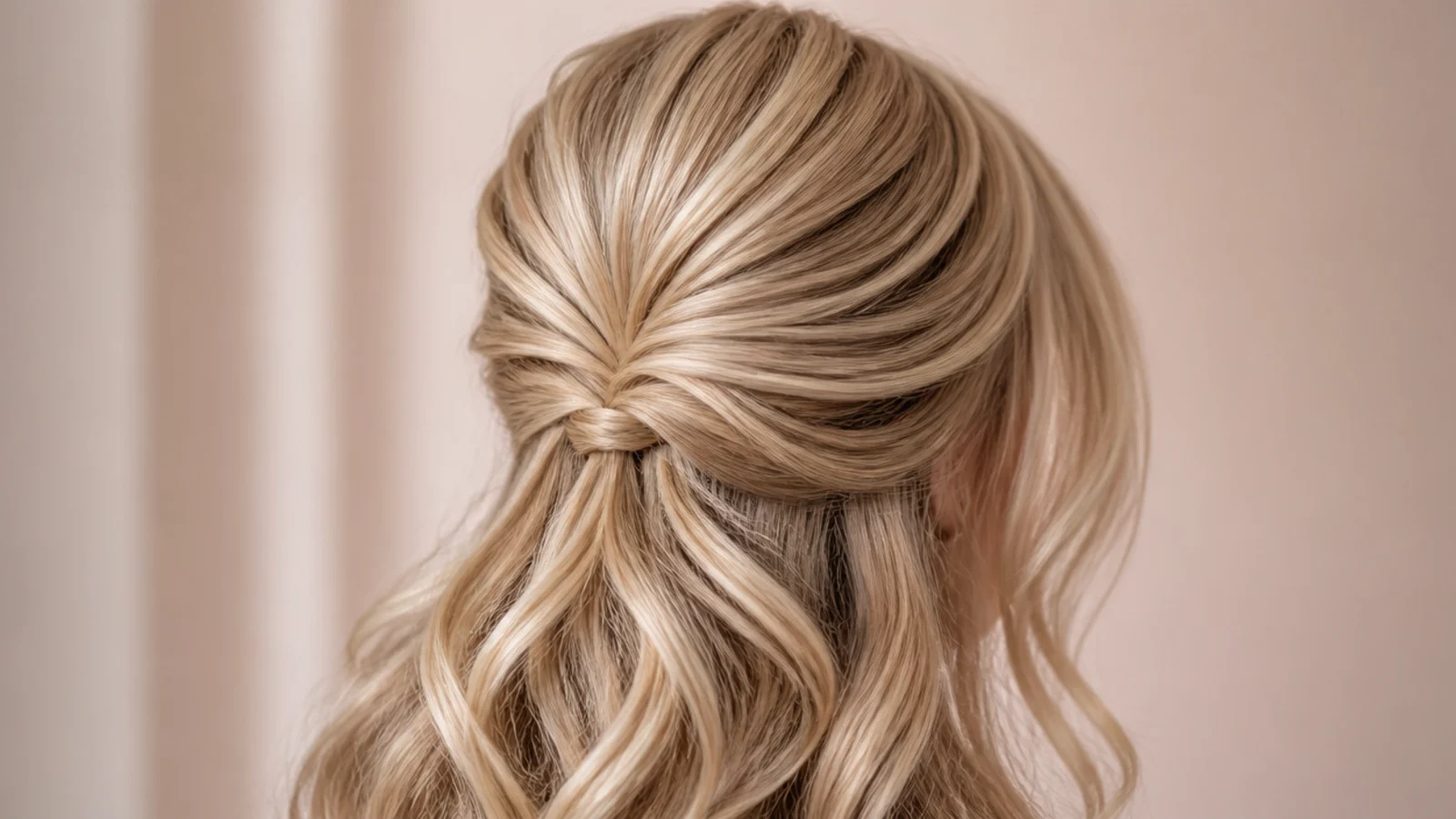
8. Half Up Curls
Gathering the top section lifts weight off the crown, which is the first place curl collapses because everything below it is pulling down. The same curls look a pattern type tighter the moment that weight is removed.
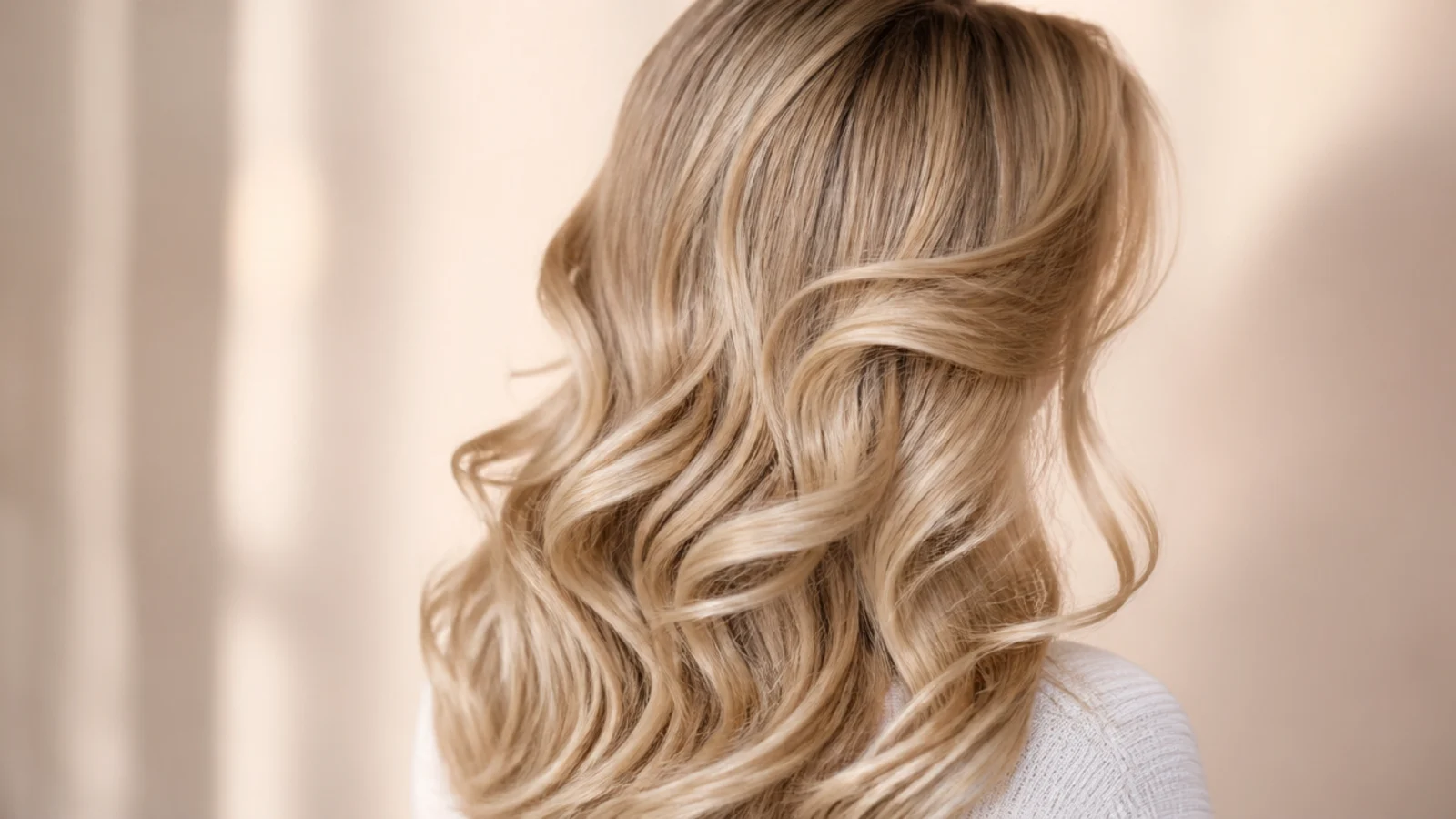
9. Brushed Out Curls
A brush pulled through a finished set merges the individual curls into one continuous wave, because it redistributes strands across the boundaries between them. On a natural pattern the same brush breaks the clumps and produces frizz instead.
10. Heatless Curls
Damp hair wrapped around a rod or a fabric tie and left overnight. The bonds reform in whatever position the hair dries in, so evaporation does the job an iron would otherwise do with heat.
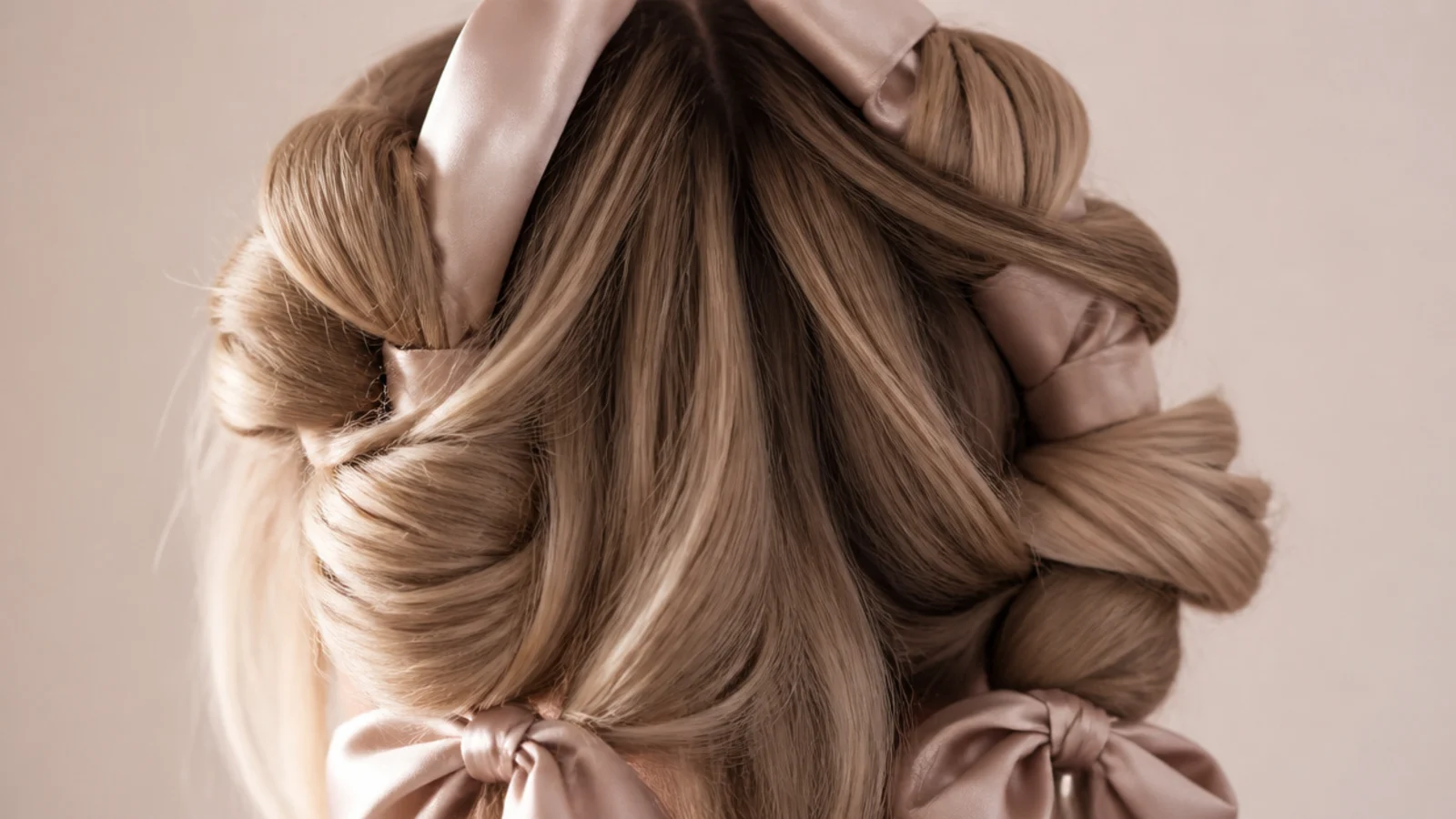
11. Flexi Rod Curls
Foam rods bent closed around a section, with no heat involved at all. The diameter of the rod sets the curl size and the tension used to wrap it sets how stretched the pattern reads once it is unwound.
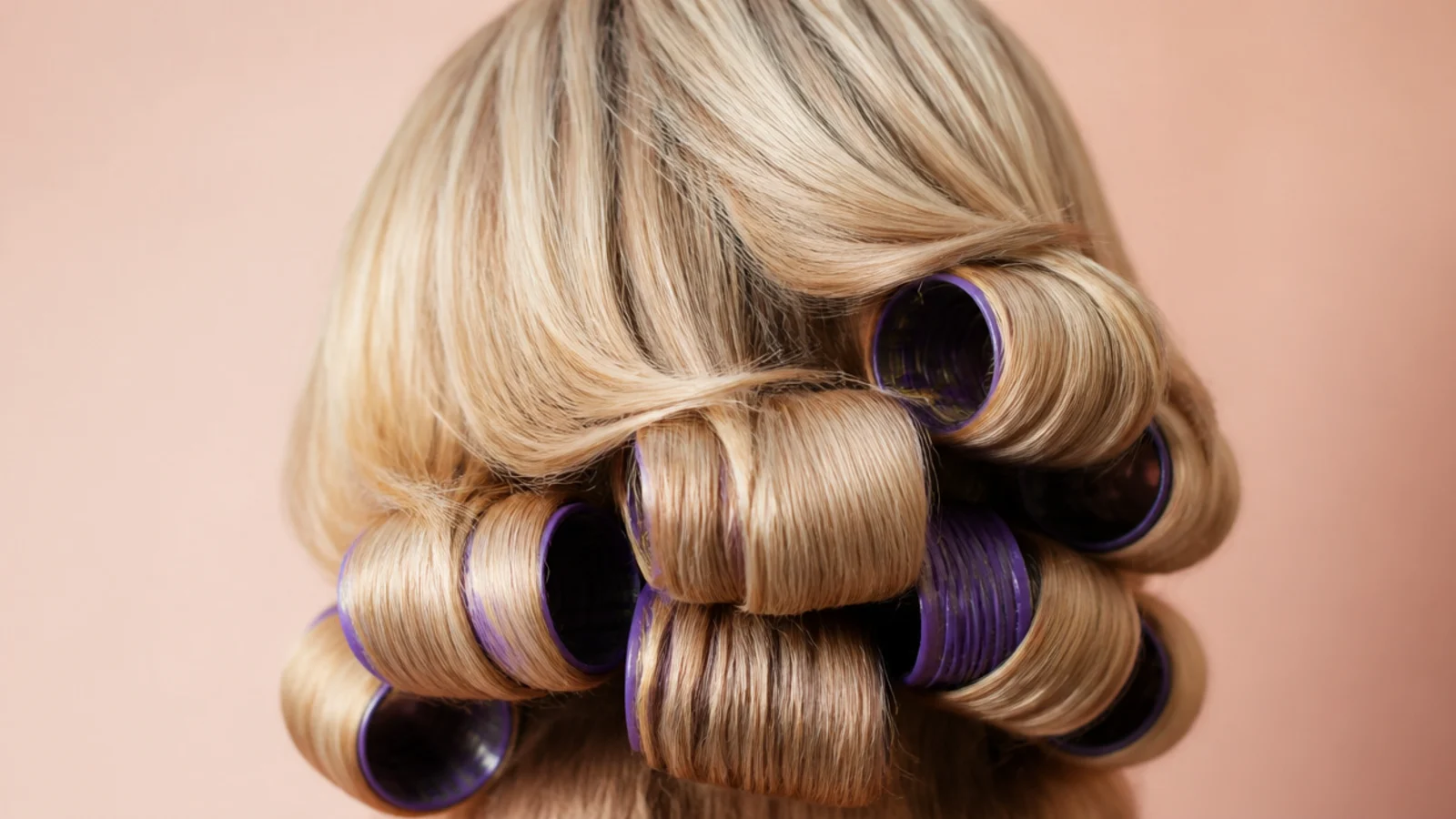
12. Diffused Curls
A diffuser slows the airflow and spreads it over a wide area. Fast moving air is what separates a clump into individual strands, so the attachment protects definition by changing the speed rather than by reducing the heat.
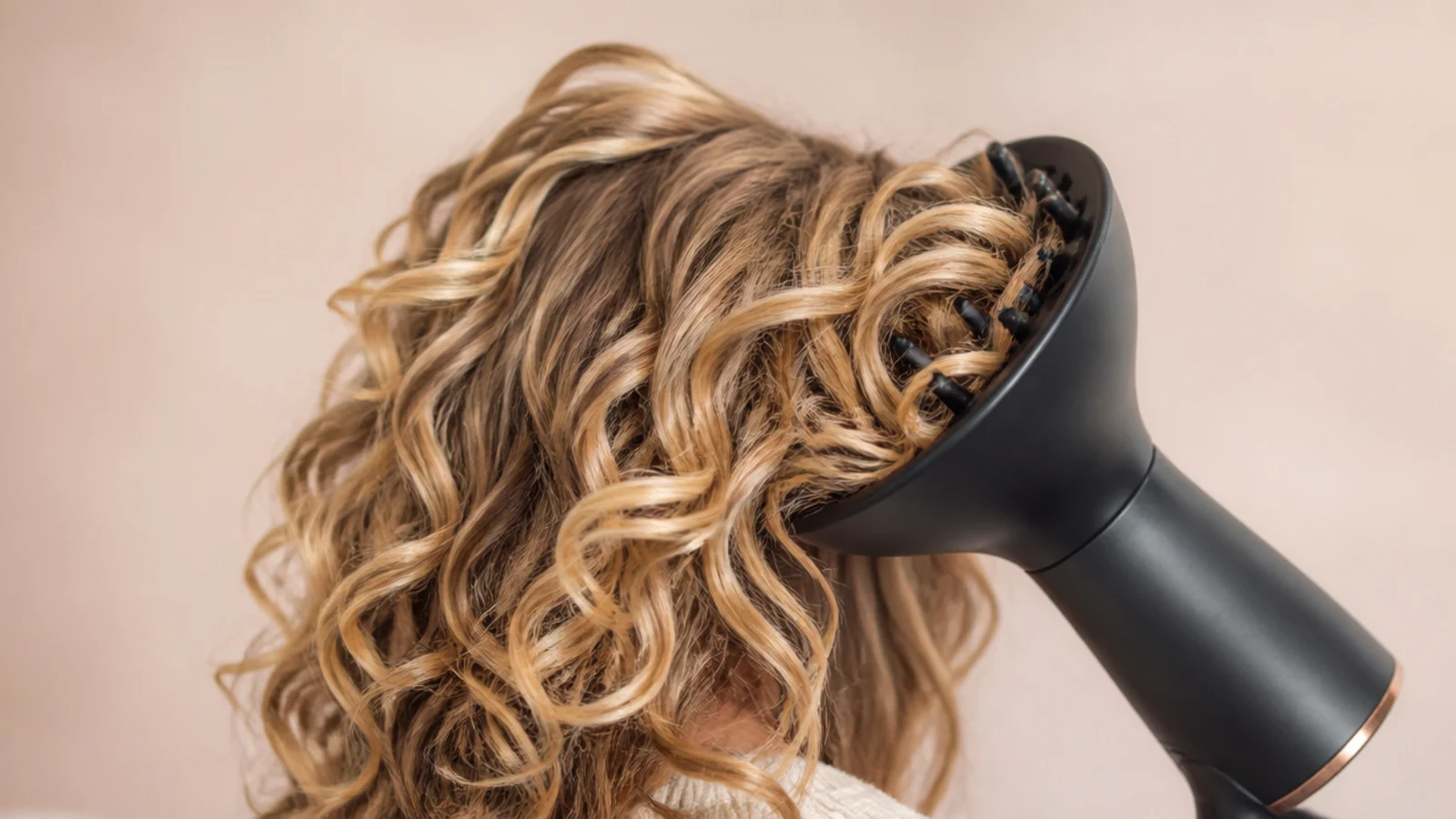
13. Curly High Ponytail
Tension at the tie stretches the first inch or two of every strand straight, so the pattern only reappears below the elastic. Setting the tie higher puts more of that stretched section out of sight above the crown.
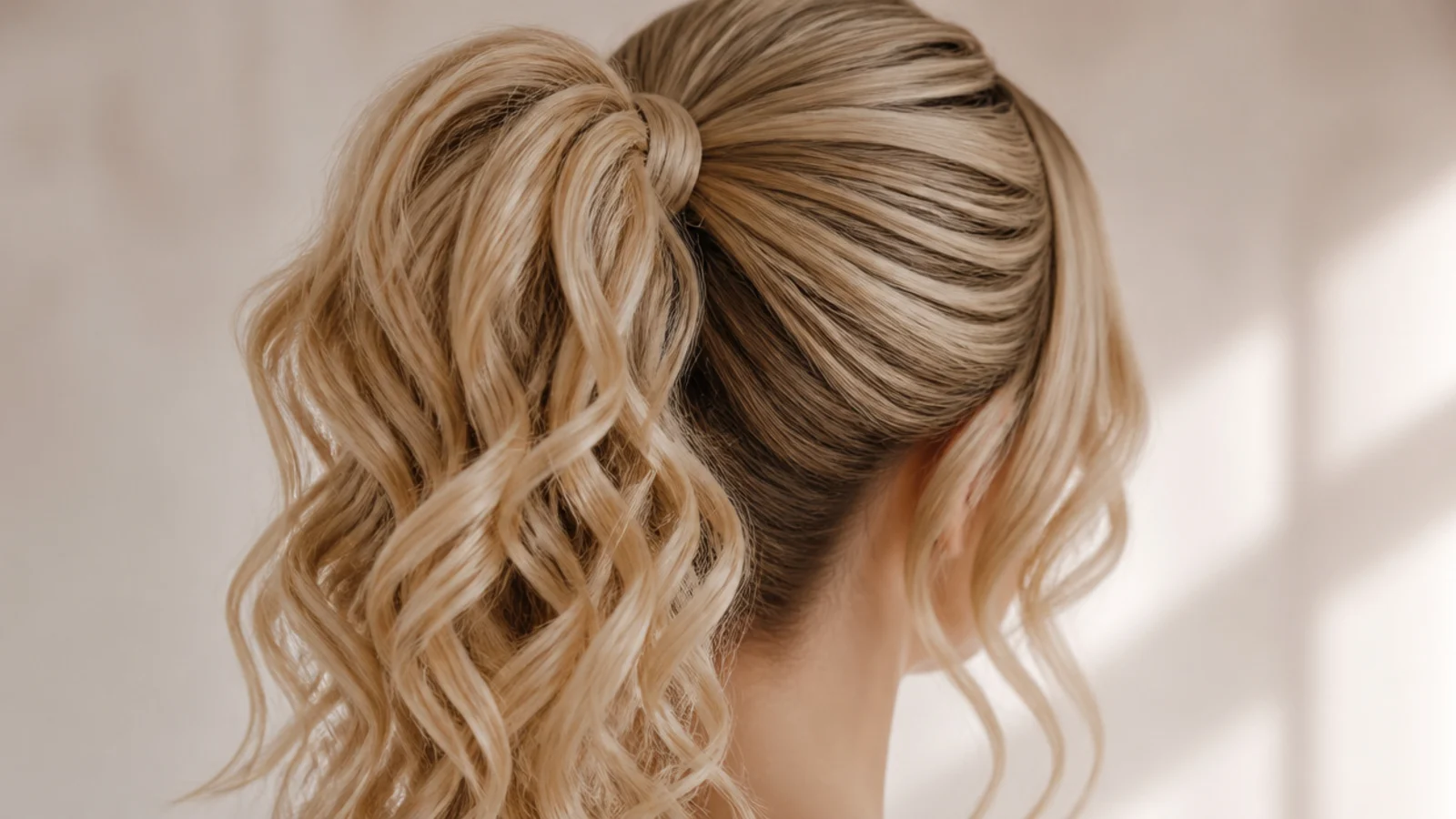
14. Curly Updo
Pins grip curly hair far better than straight, because each bend gives the pin a surface to catch against rather than a smooth strand to slide down. That is why a curly updo holds on fewer pins than it looks like it should need.
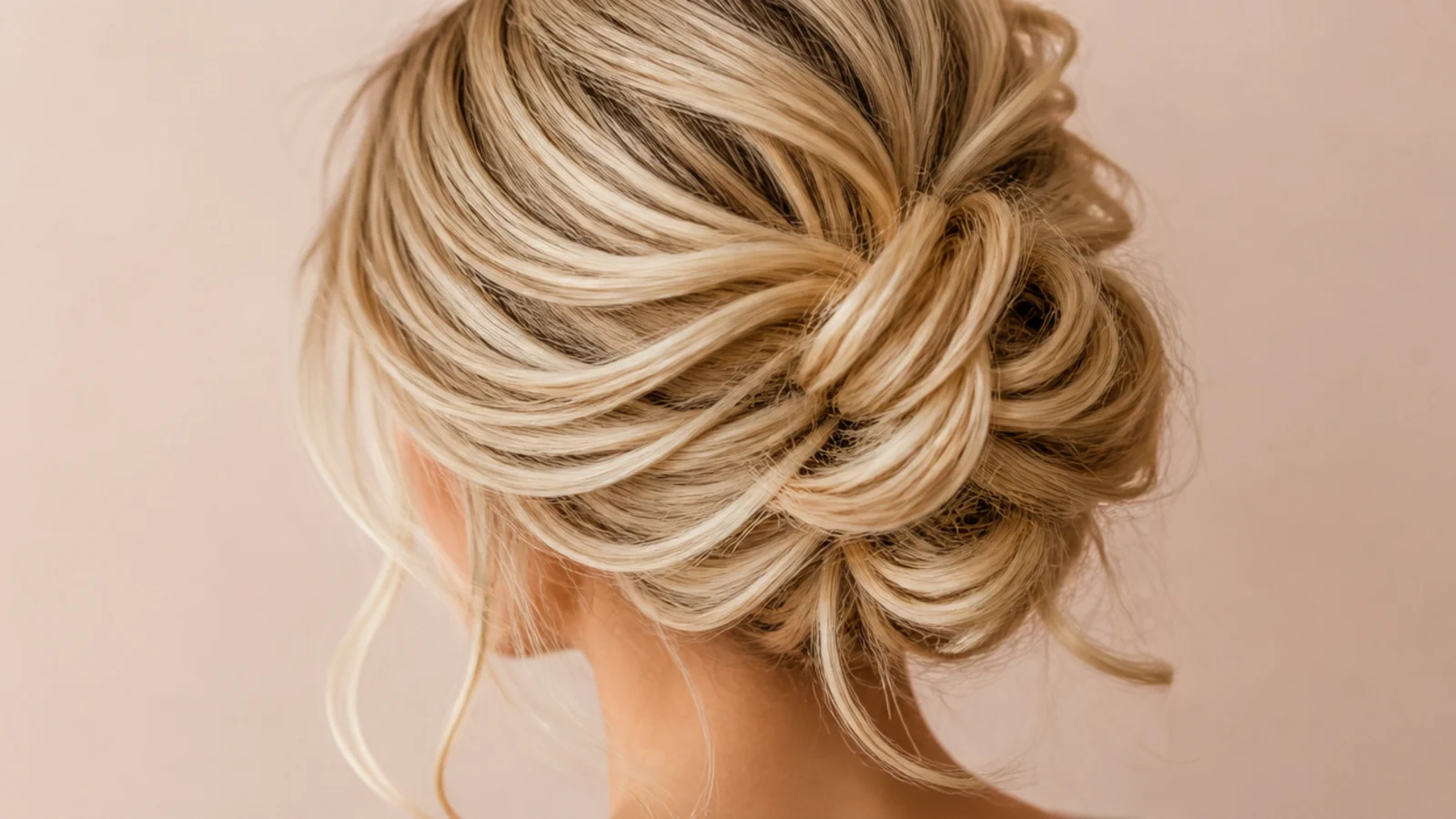
15. Pin Curl Bob
Flat curls set against the scalp rather than wound down the length. Because the curl forms at the root, this is the only set that produces genuine volume at the scalp instead of only through the ends.
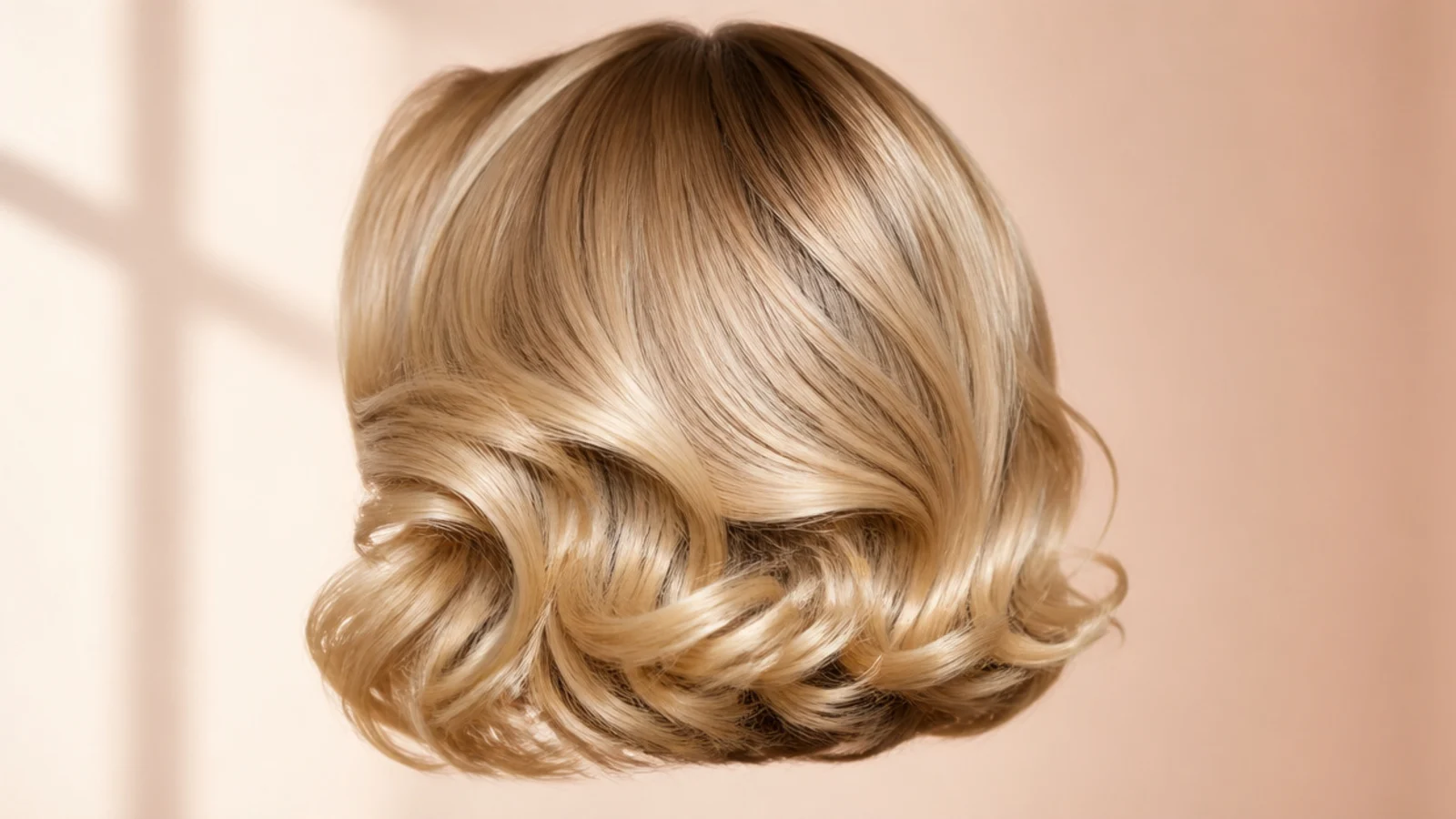
16. Beachy S Wave
A flat iron bent in alternating directions down the strand. The alternation is what stops it reading as a curl, because a wave that turns the same way twice starts to stack into a spiral instead.
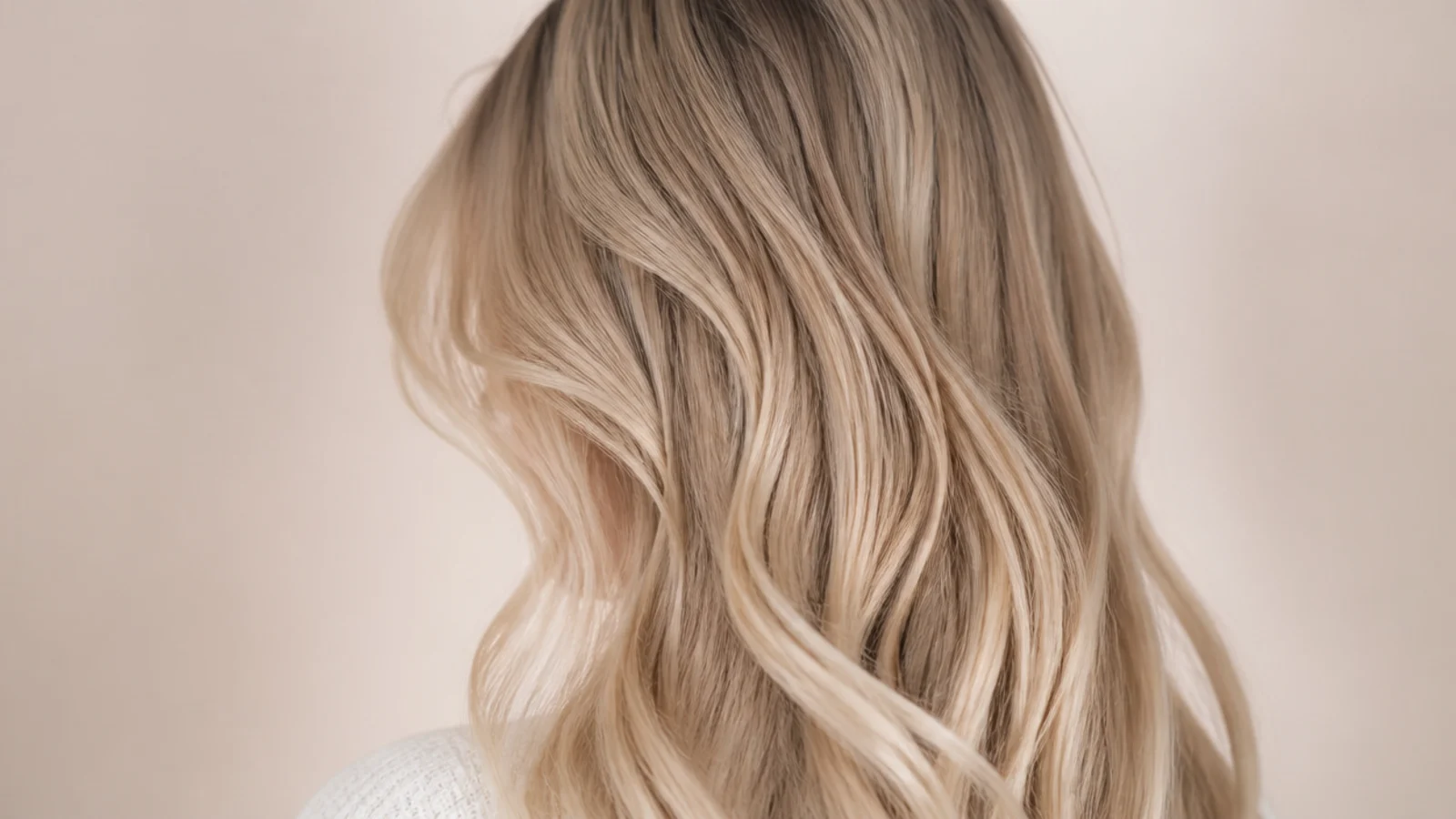
17. Money Piece Curls
Lightened sections at the front of a curly head. Bleached curls are more porous and lose definition first, so the front pieces need heavier conditioning than the rest or they frizz while everything behind them still holds.
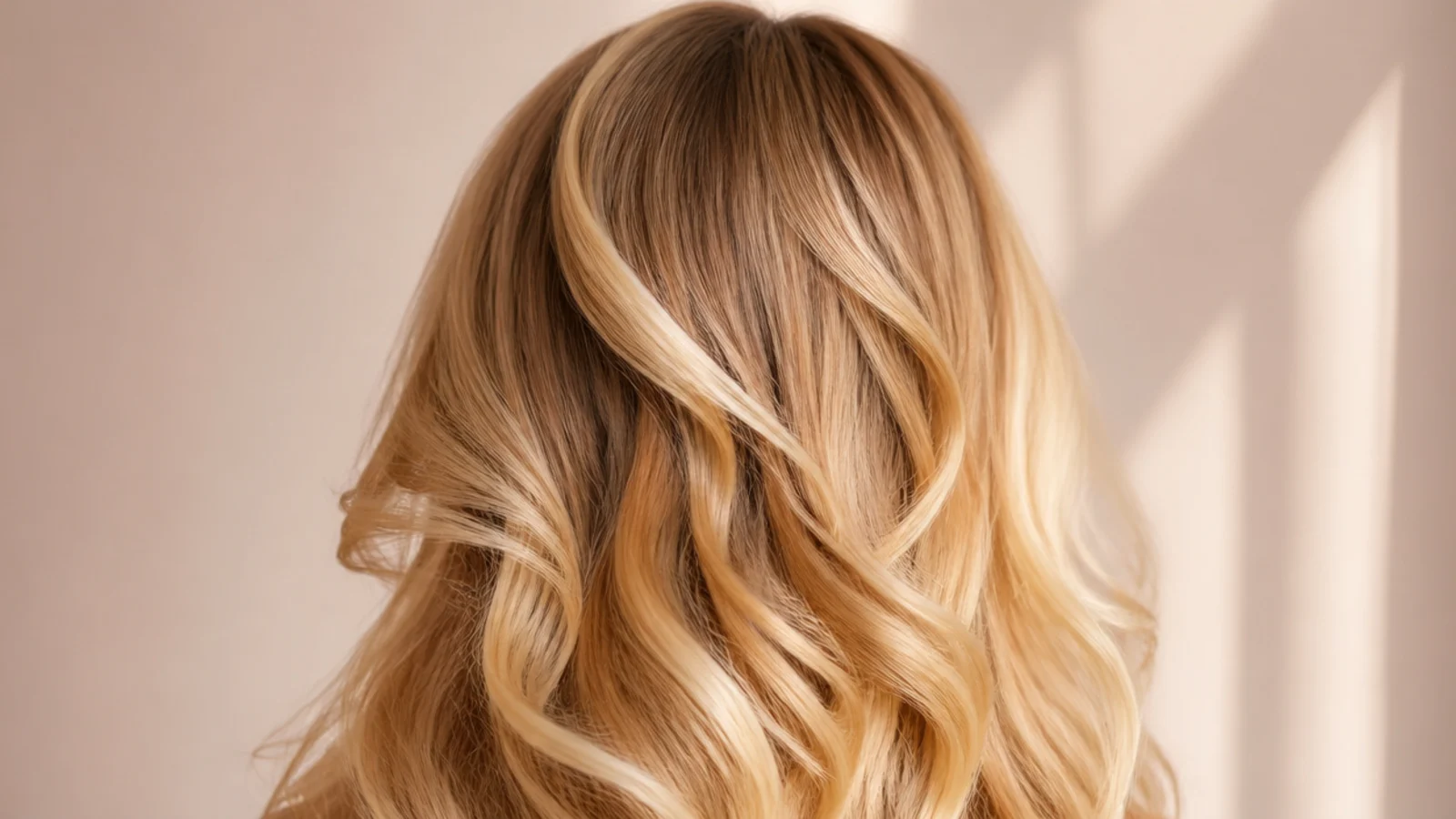
18. Wash and Go on 3C Curls
Product applied to soaking hair, then nothing touched until it is bone dry. The gel forms a hard polymer film called a cast that holds the clump through drying, and scrunching it out afterwards leaves the shape without the crunch.
19. Second Day Curls
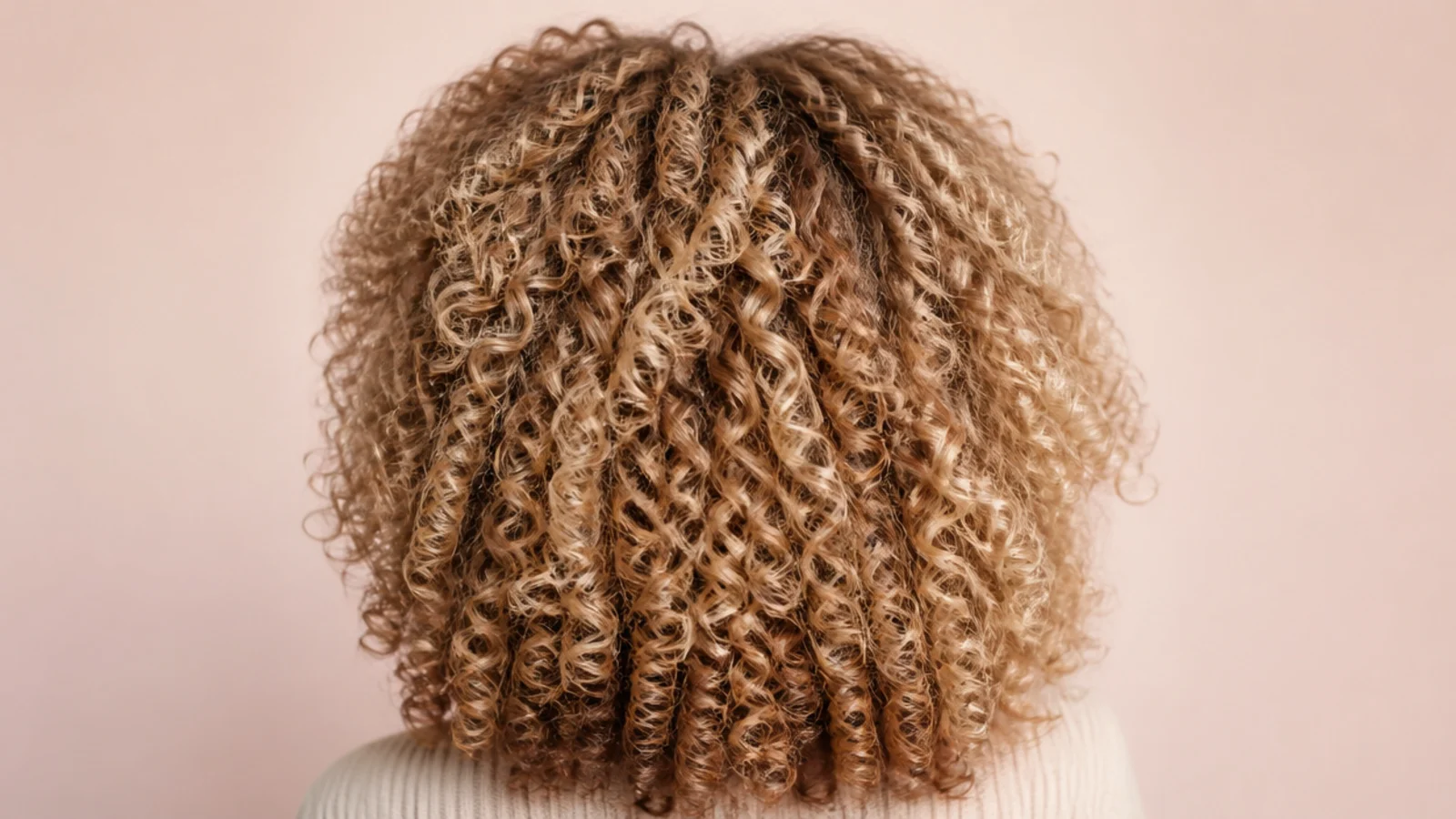
A light mist of water re softens yesterday's polymer film so the existing cast reforms rather than needing new product on top. Adding more gel instead is what builds the heaviness people blame on the product.
20. Shadow Root Curls
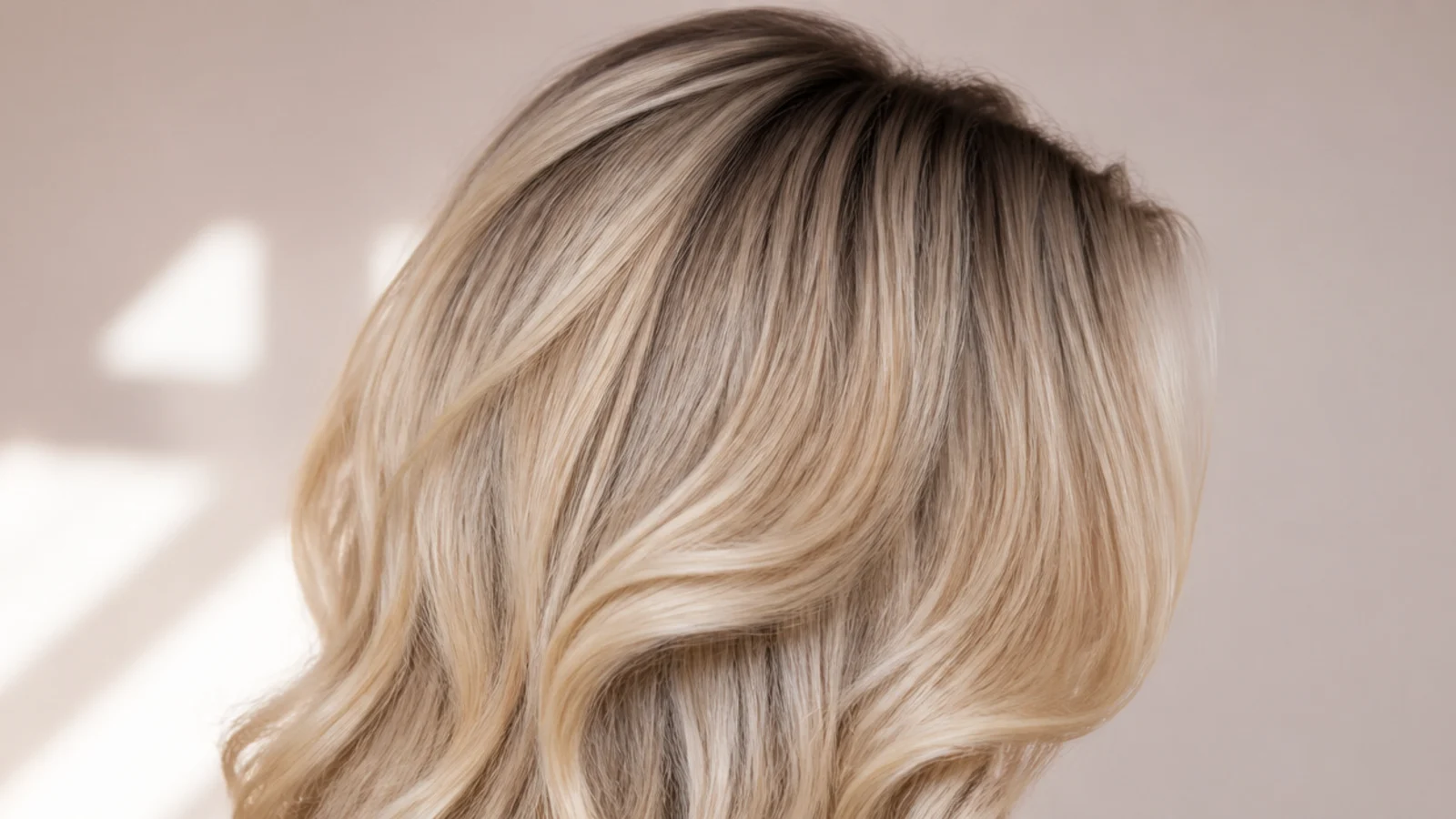
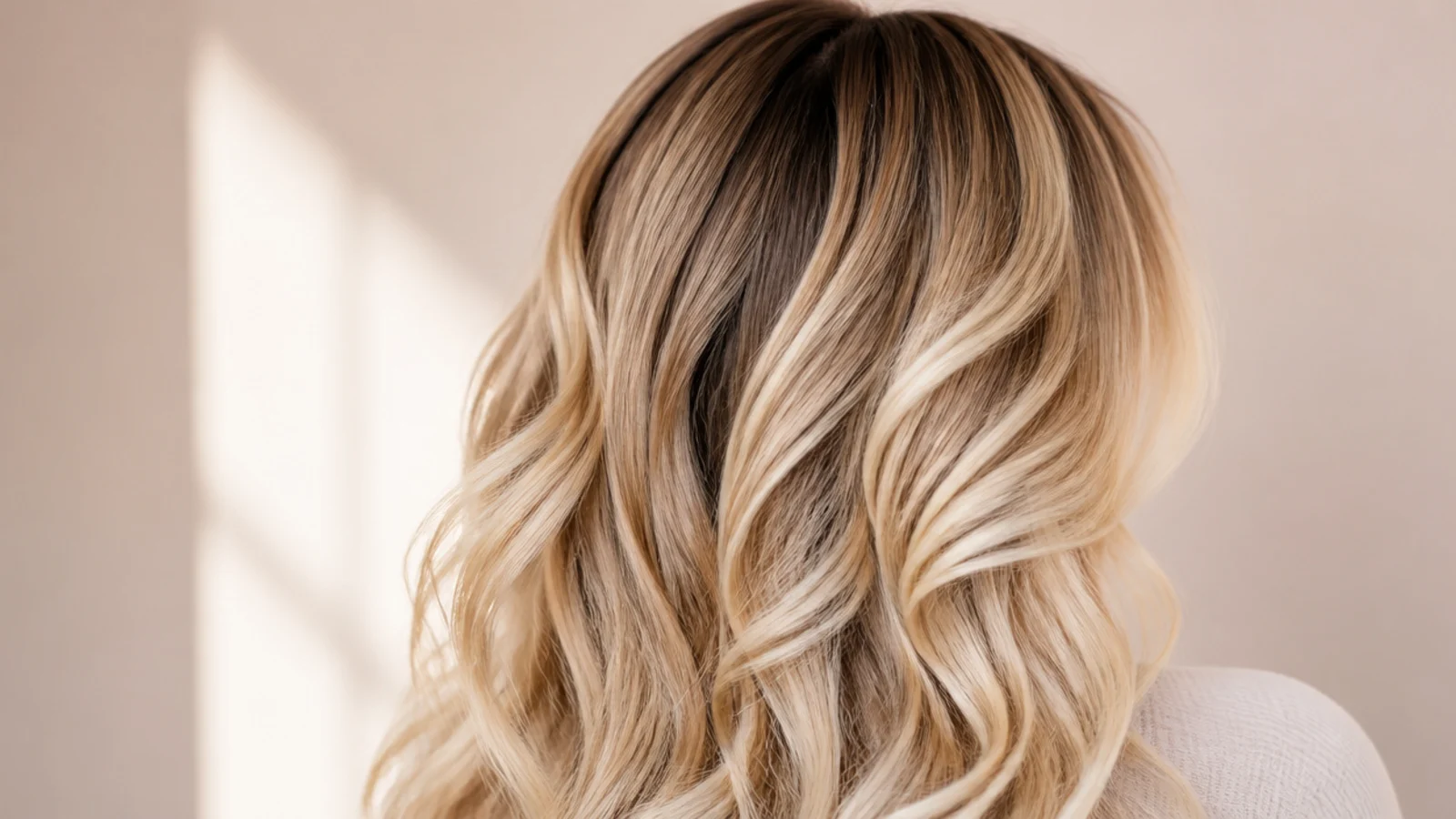
Depth kept at the scalp under lighter lengths. Curly hair hides regrowth better than any other texture, because the pattern breaks the horizontal line into dozens of small ones the eye never assembles.
Final Thoughts
Work out which kind of curl you are copying before you buy anything. A set wants dry hair, a large barrel and enough patience to let each section cool; a natural pattern wants soaking hair, gel and your hands out of it entirely until it is dry. Applying either routine to the other is why so many attempts land somewhere in between.
Then change one variable a week rather than a whole shelf at once. For the cuts that support the pattern see the haircuts version and the curly mullet. More in Celebrity Hair.