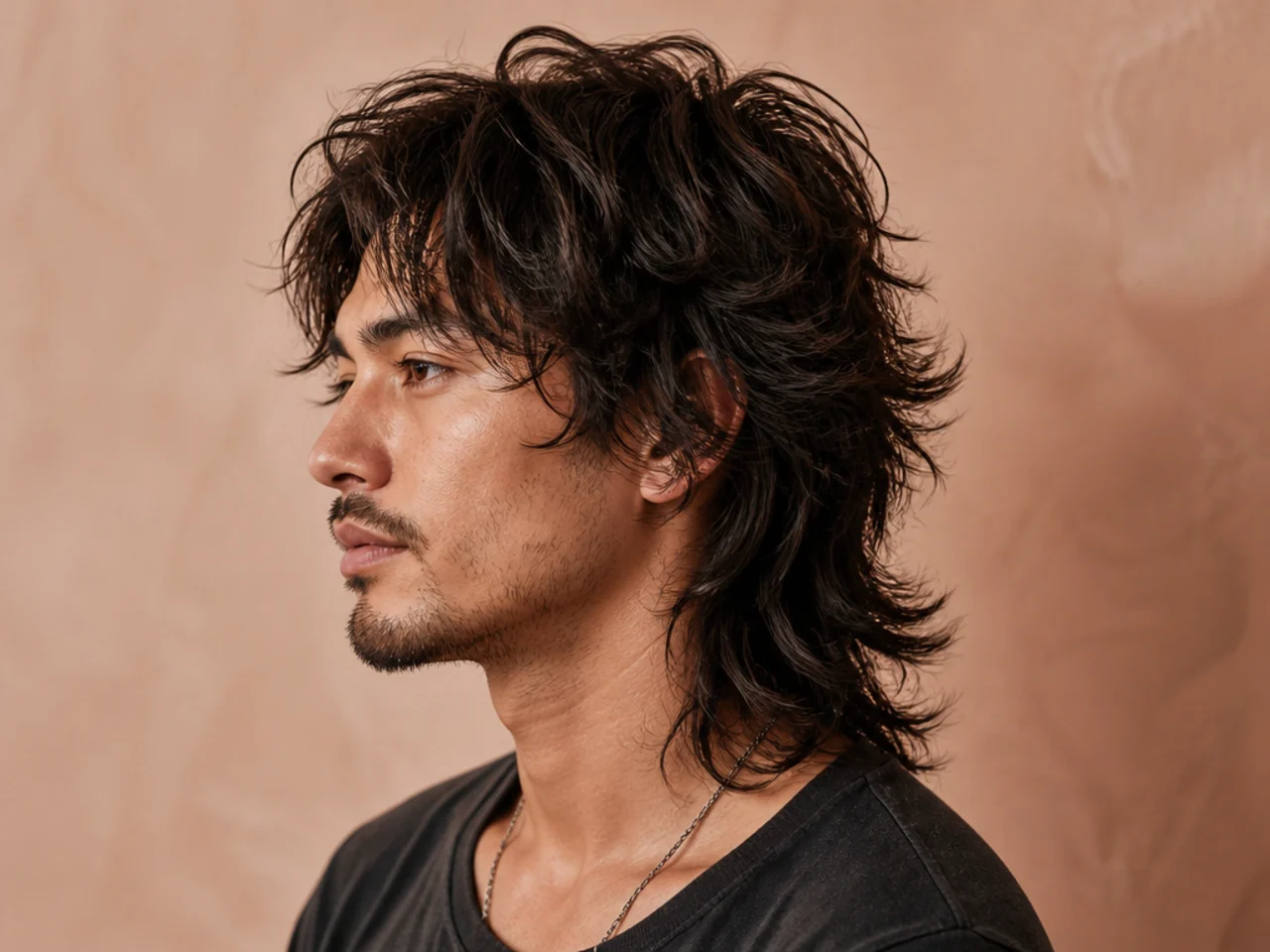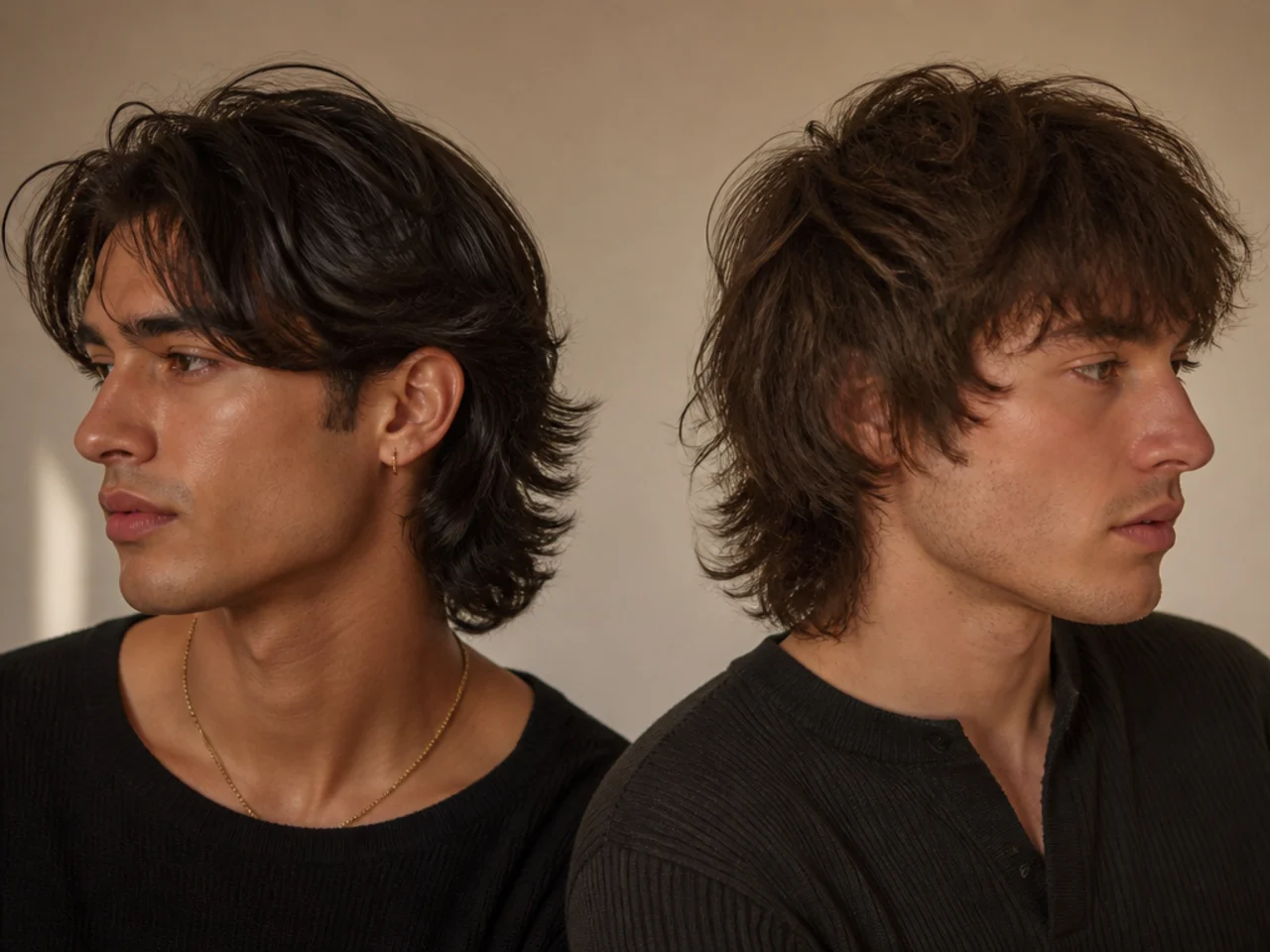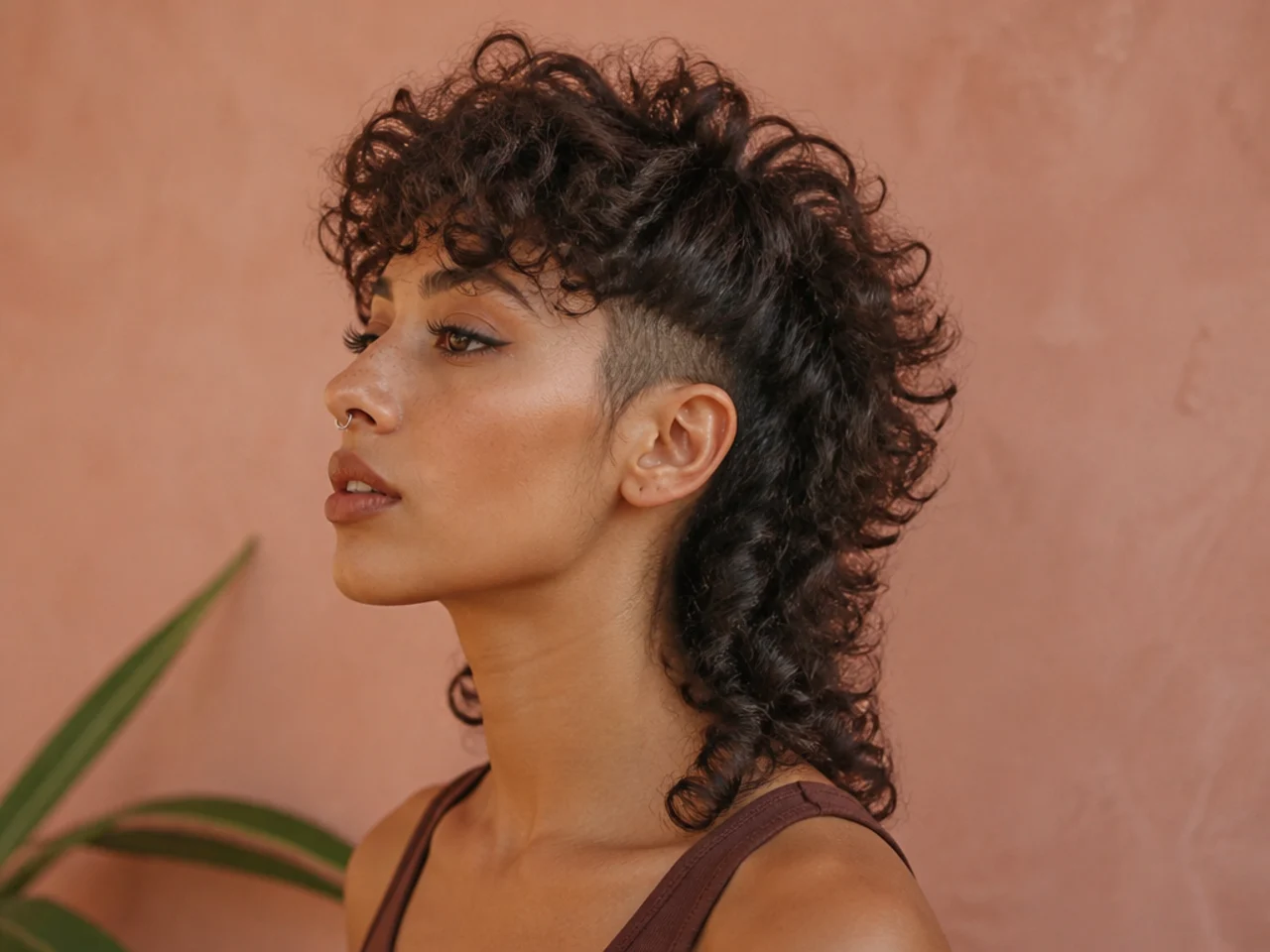
20 Gorgeous Curly Mullet Styles With Effortless Volume
Twenty curly mullet variations, and the two decisions the shape actually depends on — how big the step is between the sides and the tail, and whether the hair was cut dry. Wet curl hangs at full stretch and springs up as it dries, so a tail measured wet always lands short.
In this article · 27
- Curly Mullet Versus Curly Shag
- Choosing Your Version
- The 20 Curly Mullet Styles
- 1. The Classic Curly Mullet
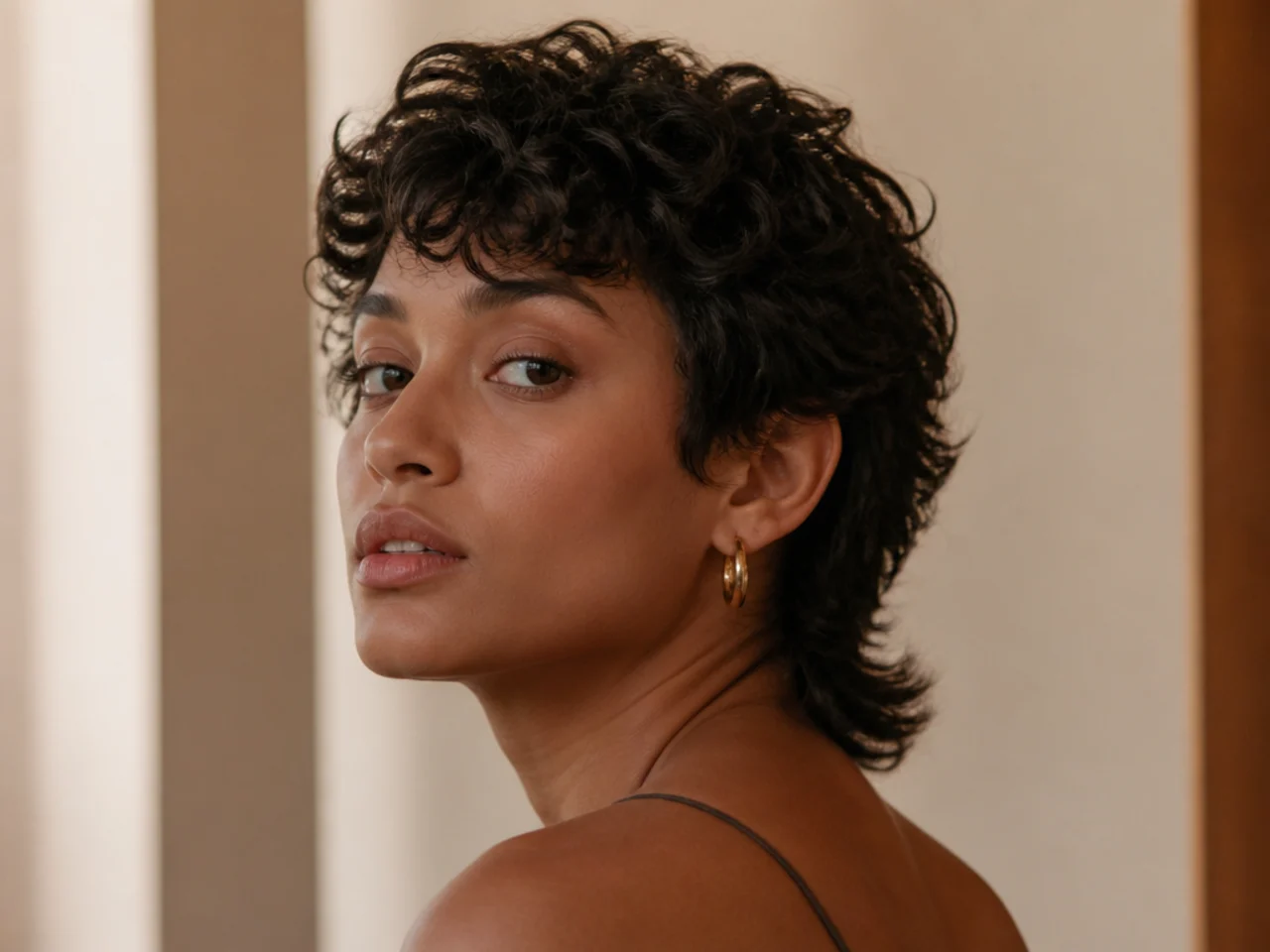
- 2. Short Curly Mullet
- 3. Curly Mullet With Curtain Bangs
- 4. Curly Mullet on Loose Waves
- 5. Coily Mullet on Type Four Hair
- 6. Curly Mullet With Shag Layers
- 7. Disconnected Curly Mullet
- 8. Curly Mullet With Tapered Sides
- 9. Long Curly Mullet
- 10. Curly Mullet With a Deep Side Part
- 11. Curly Mullet With a Money Piece
- 12. Curly Mullet With a Micro Fringe
- 13. Rounded Crown Curly Mullet
- 14. Curly Mullet on Fine Curls
- 15. Curly Mullet on Dense Curls
- 16. Curly Mullet With an Undercut
- 17. Curly Mullet With Face Framing Layers
- 18. Curly Mullet at Week Eight
- 19. Curly Mullet With a Colour Melt
- 20. Half Up Curly Mullet
- Styling and Upkeep
- Mistakes to Avoid
- FAQ
- Final Thoughts
A curly mullet that went wrong almost always went wrong at the sides, where left-in weight spreads the shape into a triangle before the tail reads at all.
Curl is cut dry or it is cut wrong. Wet curl hangs near its stretched length and springs up as it dries, so every measurement taken at the basin is a measurement of hair that no longer exists.
A mullet is a step, not a length. The shape comes from the gap between short sides and a longer tail. Close that gap and you are wearing a shag.
Curly Mullet Versus Curly Shag
A mullet disconnects. The sides stop and the tail carries on, with a visible step between them. That step is the entire cut.
A shag connects. Every length blends into the one below it from crown to ends, so volume sits all over the head rather than concentrating at the back.
Curl swallows a small step. Anything under about two inches of difference disappears inside the curl clump within a week of growth, which is why curly mullets are cut with more separation than straight ones.
The wolf cut sits between them. Shag layering through the top, mullet weight at the nape. Worth recognising, because it is what most stylists will offer if you describe a mullet vaguely.
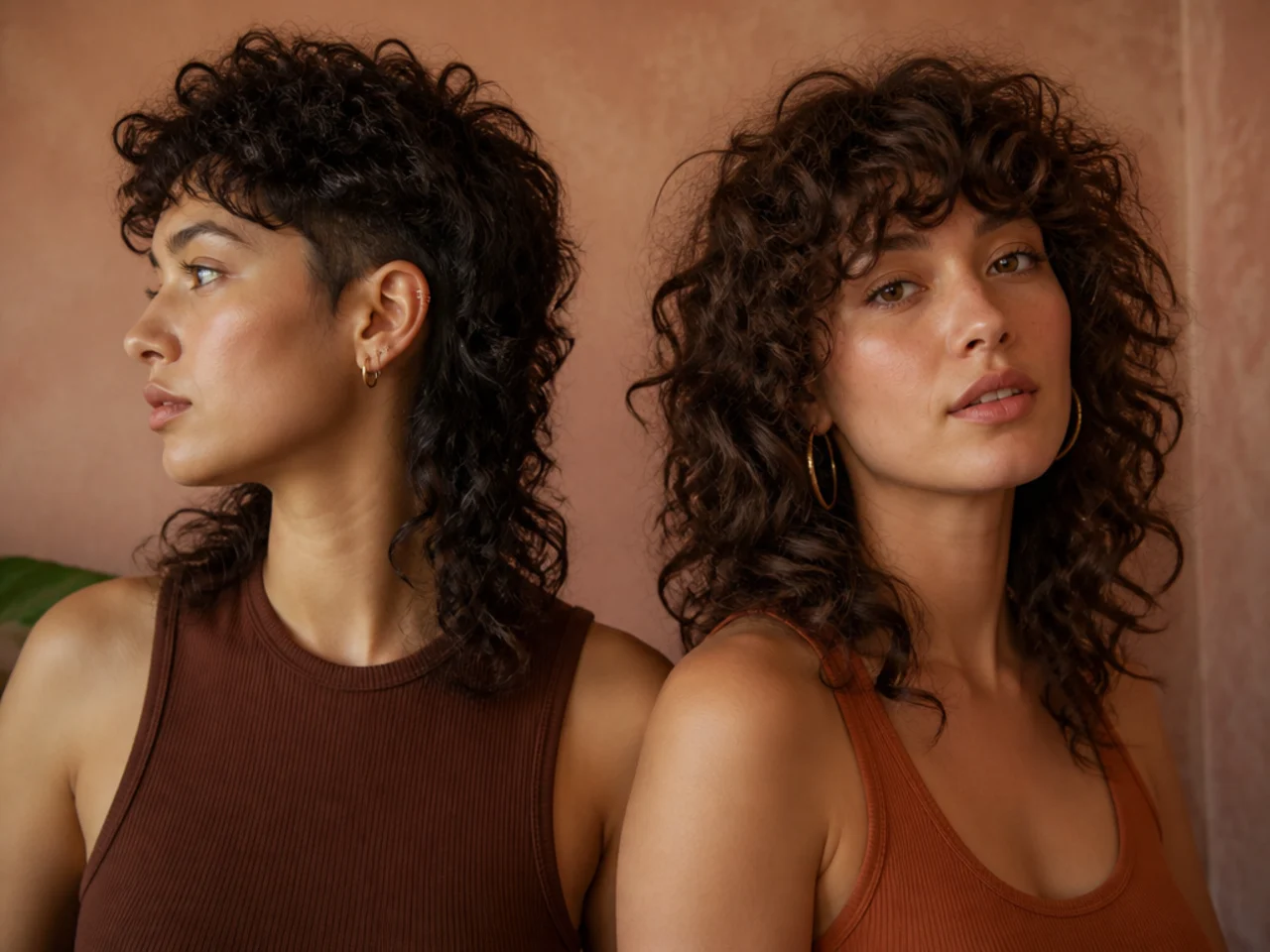
Choosing Your Version
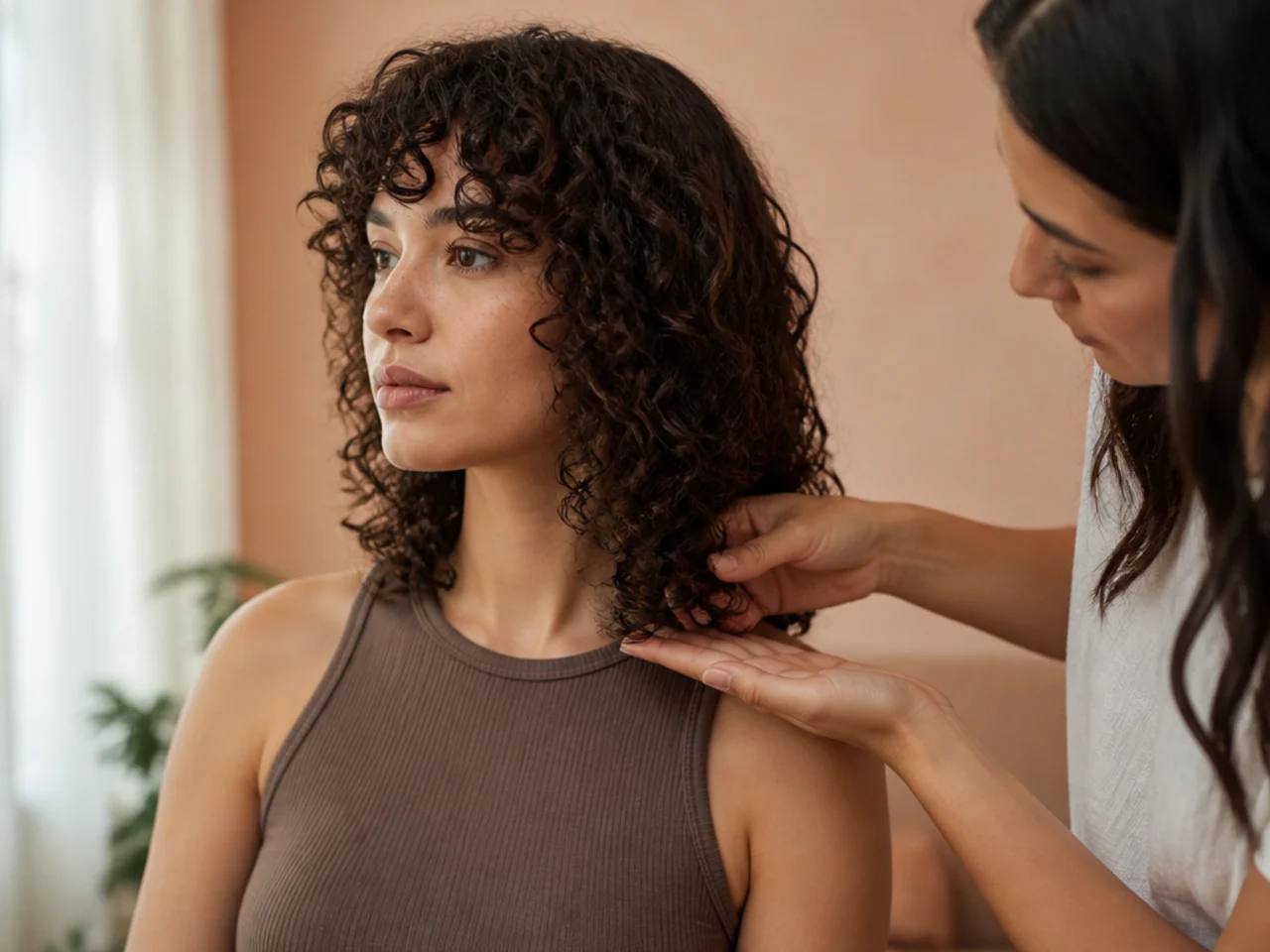
Start from your curl pattern. Tighter patterns read the step immediately because each inch of hair occupies far less vertical space, so a two-inch cutting difference shows as a much bigger visual gap.
Set the tail by shoulder clearance. A tail that lands on the shoulders gets pushed back up by them all day and flares outward. Keep it clear of the shoulder line or take it two inches past.
Decide how much scalp you are willing to show. Short sides raise the contrast and make the tail read harder, but on sparse curl they expose the scalp above the ear where there is least hair to cover it.
Bring a photograph of dry hair. A picture of wet or freshly gelled curl says nothing about how the shape behaves at hour six, which is when you will actually be wearing it.
The 20 Curly Mullet Styles
1. The Classic Curly Mullet
Short through the fringe and sides, long from the occipital bone down. The step sits just behind the ear, where the skull already curves away, so the eye reads the change as shape rather than as a cutting error.
2. Short Curly Mullet
The tail stops at the nape instead of the shoulders. Less length means less weight hanging off each curl, so the pattern springs back tighter and the back sits noticeably fuller than any long version manages.
3. Curly Mullet With Curtain Bangs
The fringe is split at the centre and left longest at the outer corners. On curl the split has to be made in dry hair, because a parting set wet migrates as the hair dries and the two halves finish at different lengths.

4. Curly Mullet on Loose Waves
Type two hair barely shrinks, so the tail lands where it was cut. The trade is that a soft wave shows every layer line as a hard edge, which is why the steps here are point cut rather than left blunt.

5. Coily Mullet on Type Four Hair
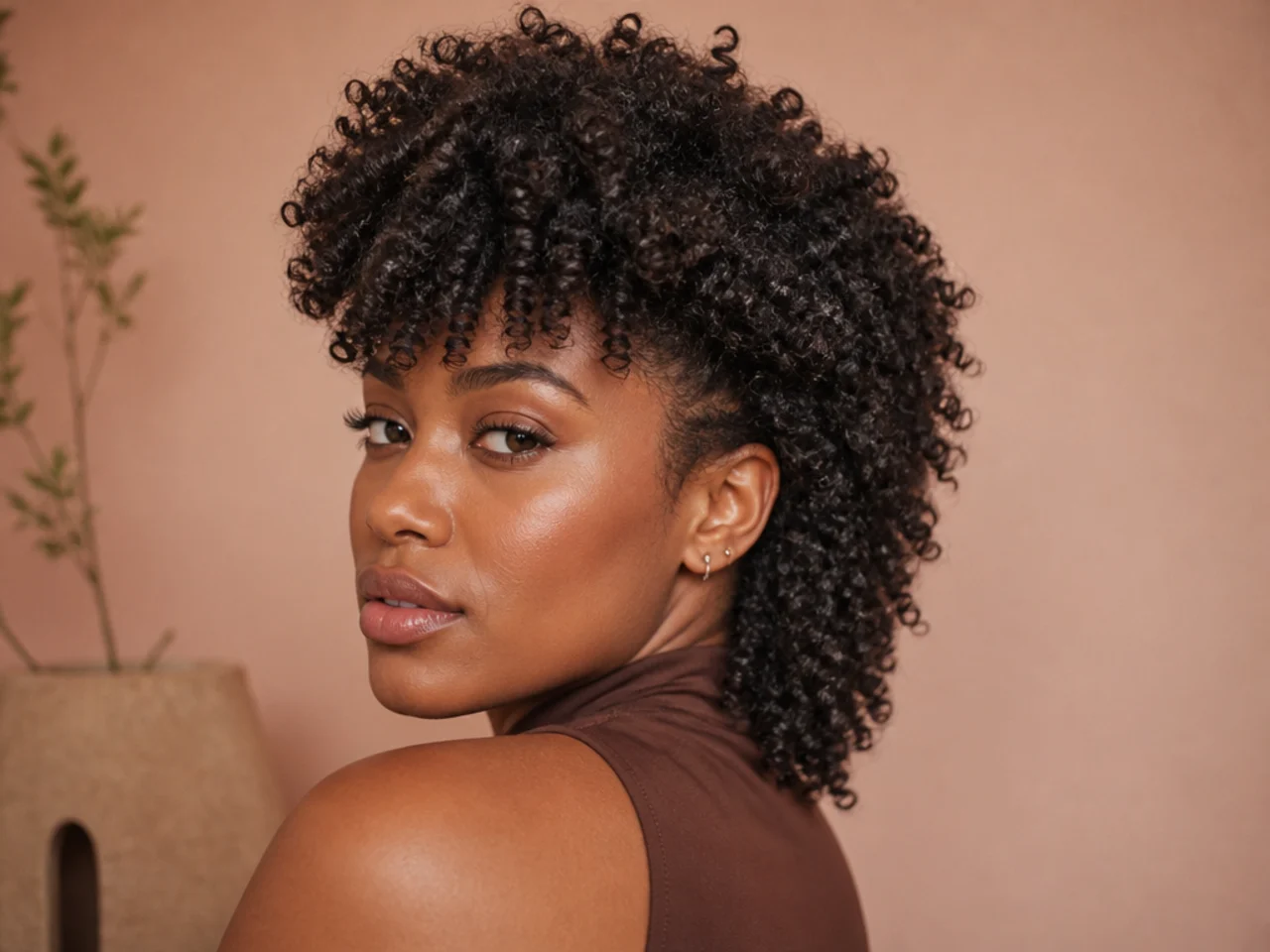
Coils can lose half their length or more to shrinkage, so a tail cut at chin level can sit at the ear once dry. The step between sides and tail can be tighter here because each coil occupies so little vertical space.
6. Curly Mullet With Shag Layers
Short crown layers sit on top of the longer ones and prop them up, which is where the lift comes from. Keep the mullet weight at the nape or the layering pulls the whole shape into a shag and the tail disappears.
7. Disconnected Curly Mullet
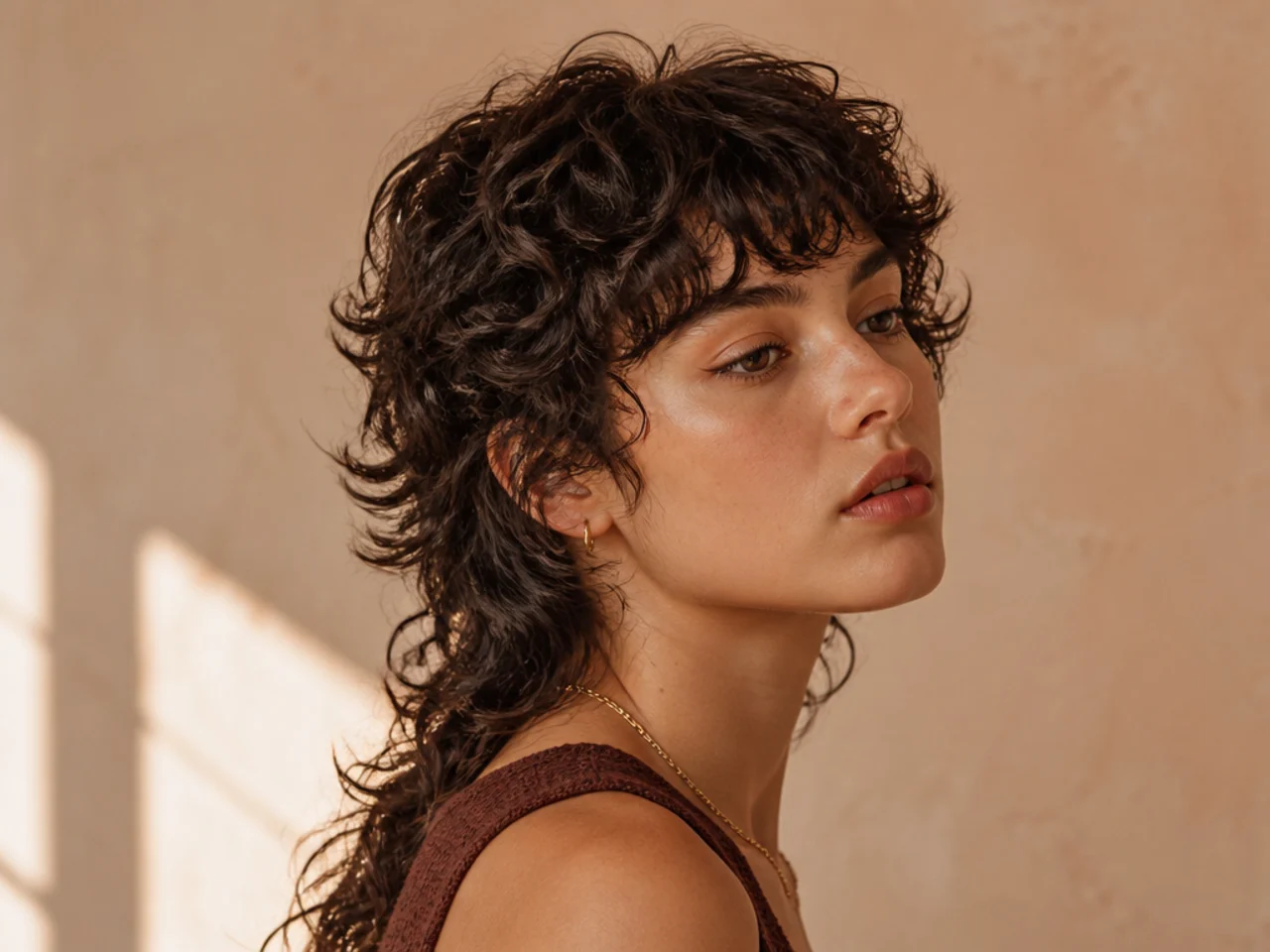
No blending at all between sides and tail; the step is left hard. It softens into an ordinary mullet over roughly eight weeks as the sides catch up, which makes it the version that survives longest between appointments.
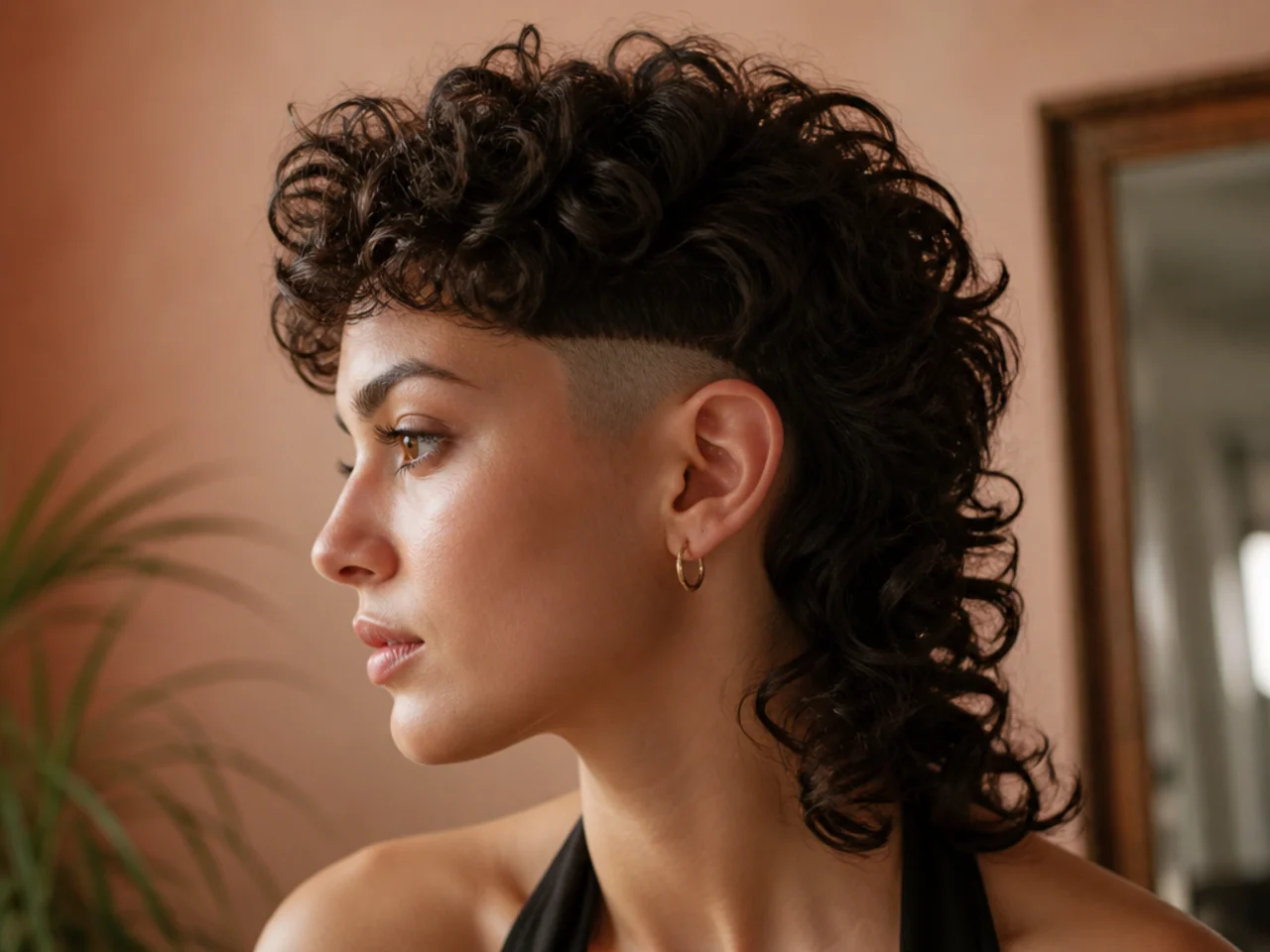
8. Curly Mullet With Tapered Sides
The sides shortened gradually toward the ear with scissors, leaving length the whole way down rather than going to skin. A taper still reads correctly at three to four weeks, where a clippered side to skin is visibly regrowing inside two.

9. Long Curly Mullet
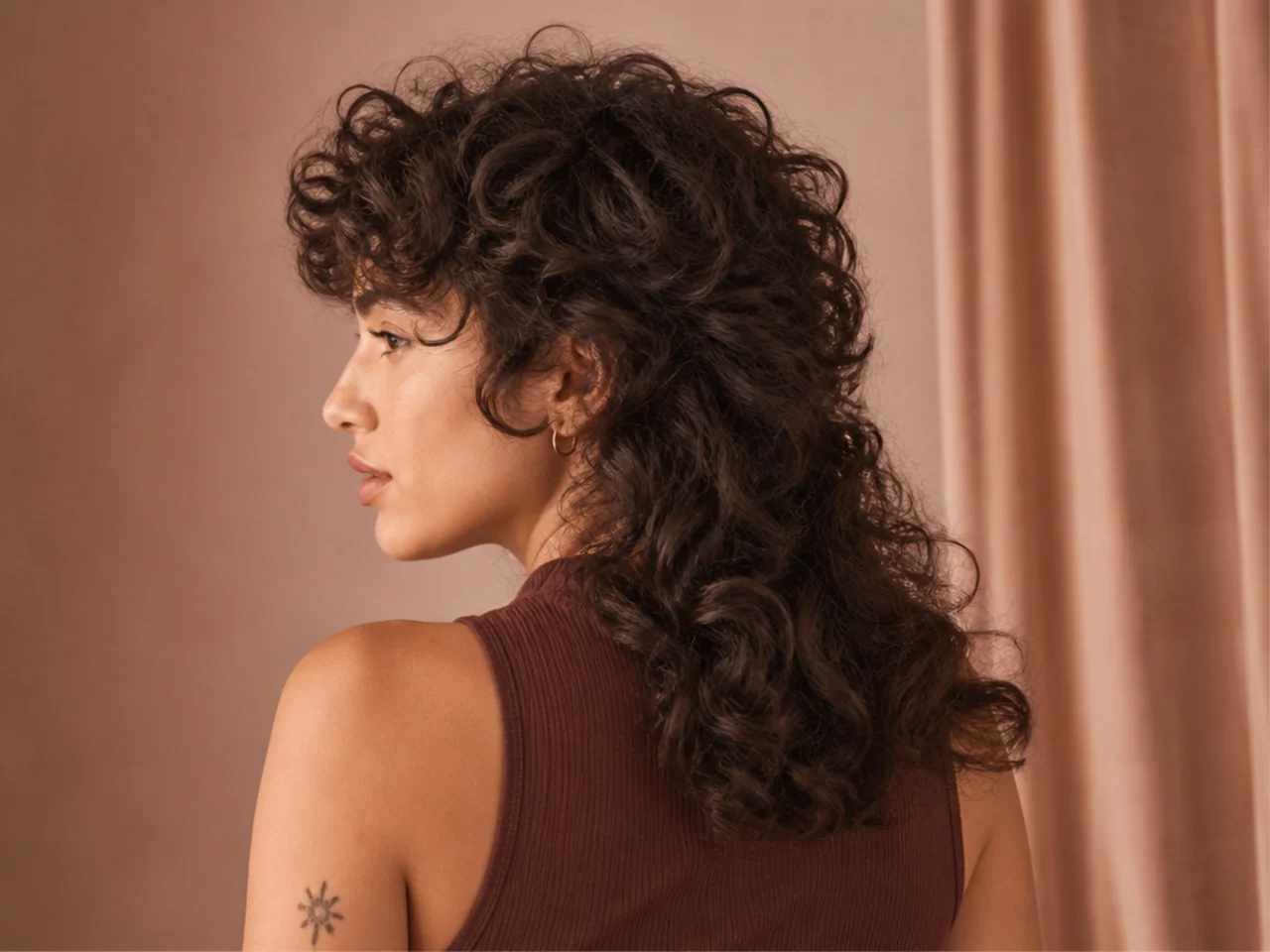
The tail carried past the shoulder blades. Length adds weight and weight pulls curl into a looser pattern, so expect the bottom six inches to read close to a full pattern number straighter than the crown does.
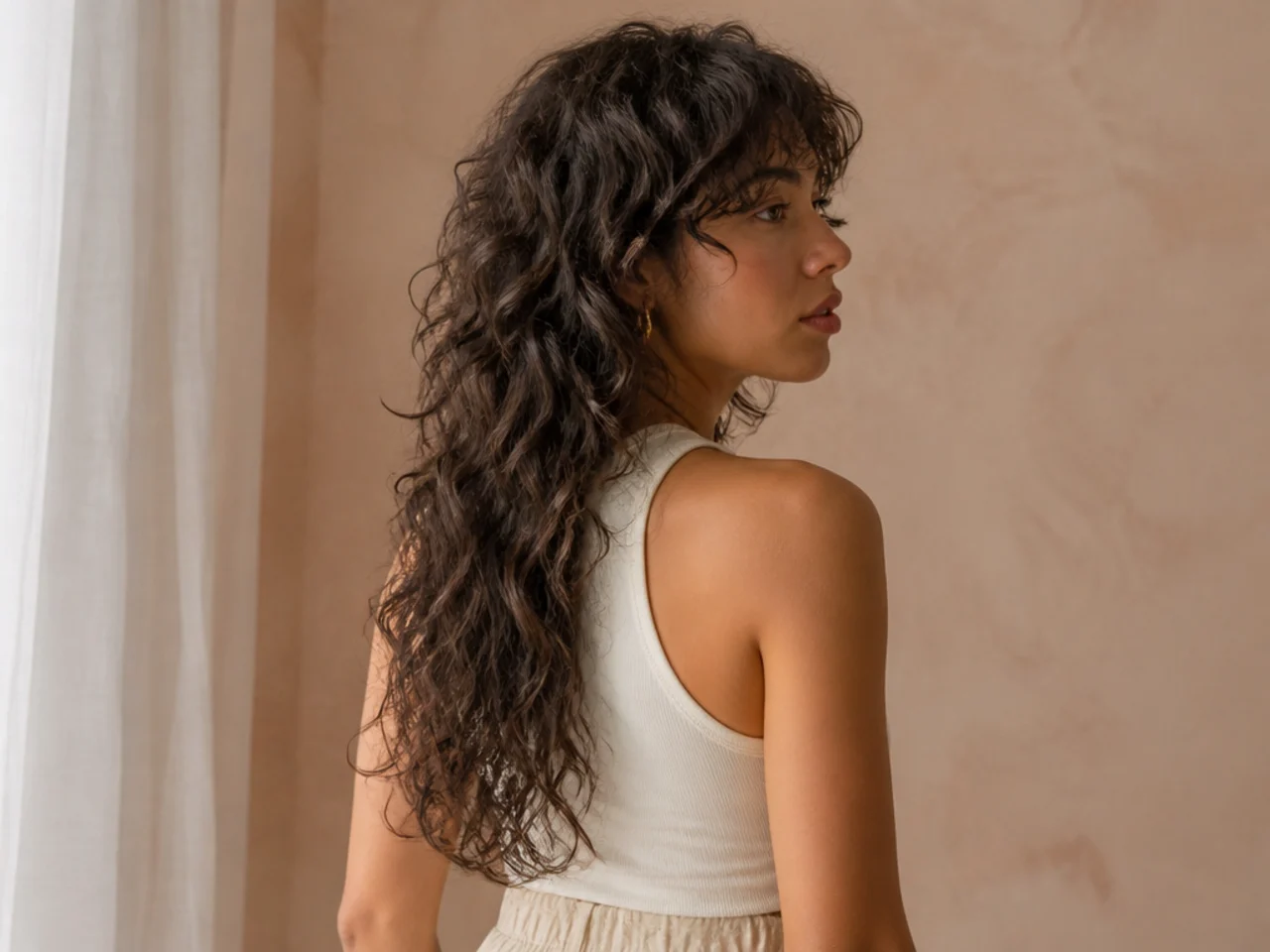
10. Curly Mullet With a Deep Side Part
Moving the parting well off centre stacks volume on the heavy side and drops the other. It holds on curl because each clump keeps whatever direction it dried in, so the asymmetry survives until the next wash.
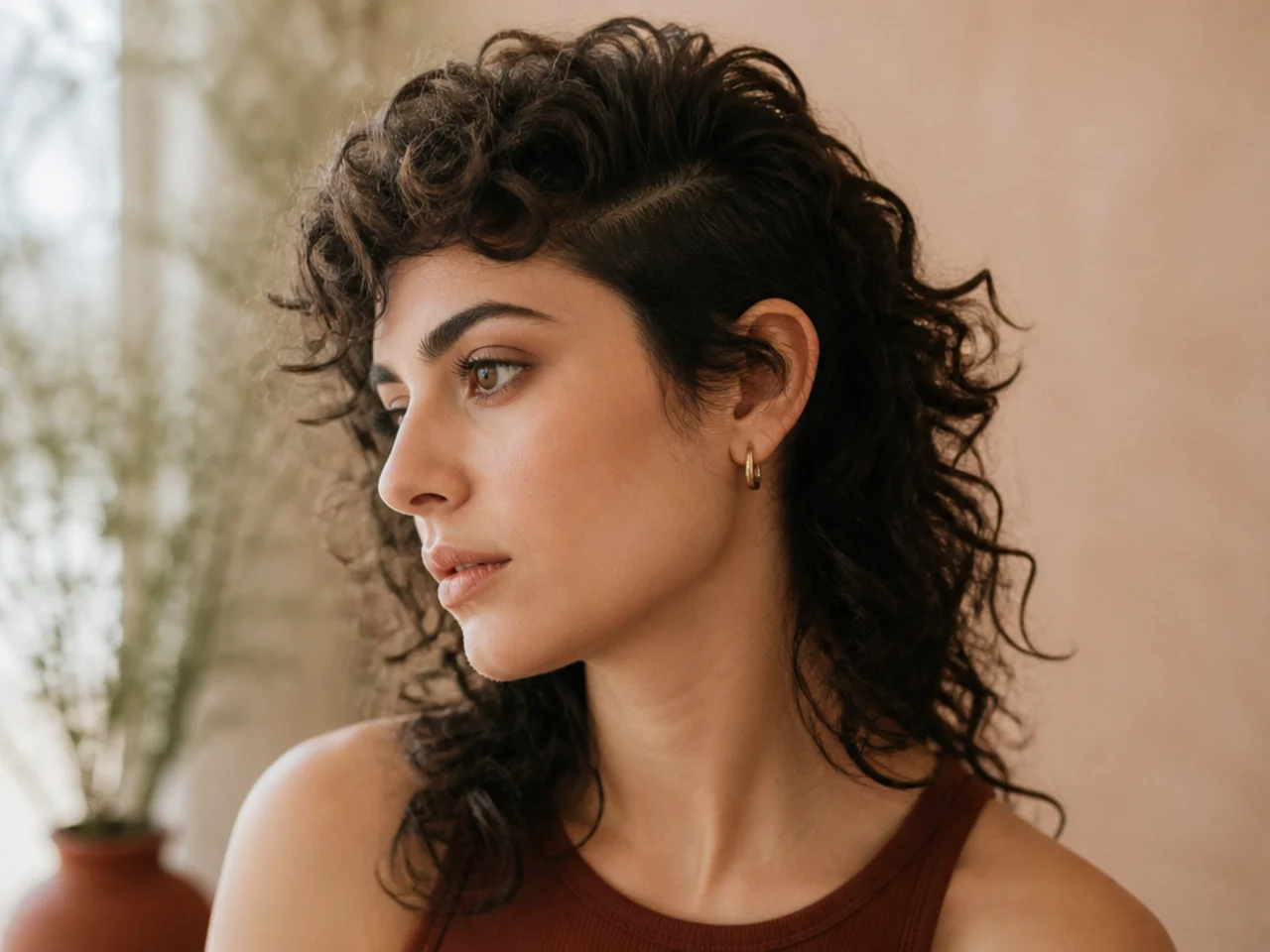
11. Curly Mullet With a Money Piece
Two lightened sections framing the face. Lightened curl is more porous and dries faster than the hair around it, so the money piece sets its shape early and reads tighter than the natural sections either side of it.
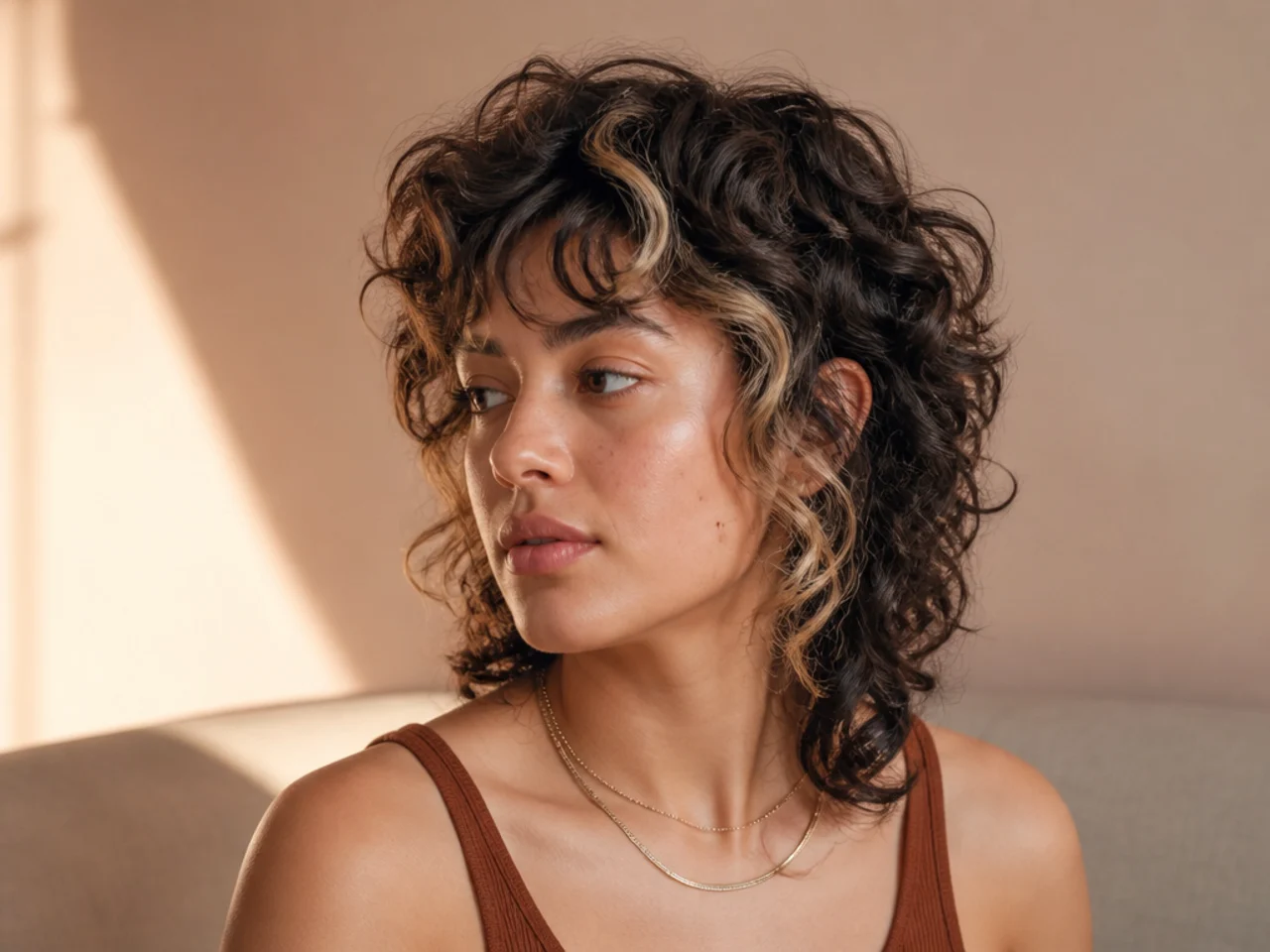
12. Curly Mullet With a Micro Fringe
A fringe cut above the brow, and the highest-risk piece on the head. An inch of wet curl at the hairline can finish two inches higher once dry, so it is cut dry, one curl at a time, with nothing pulled straight.

13. Rounded Crown Curly Mullet
The crown cut into a dome instead of left flat. A round crown puts the widest point of the silhouette above the ears rather than level with them, which is what stops the shape spreading sideways as it dries.
14. Curly Mullet on Fine Curls
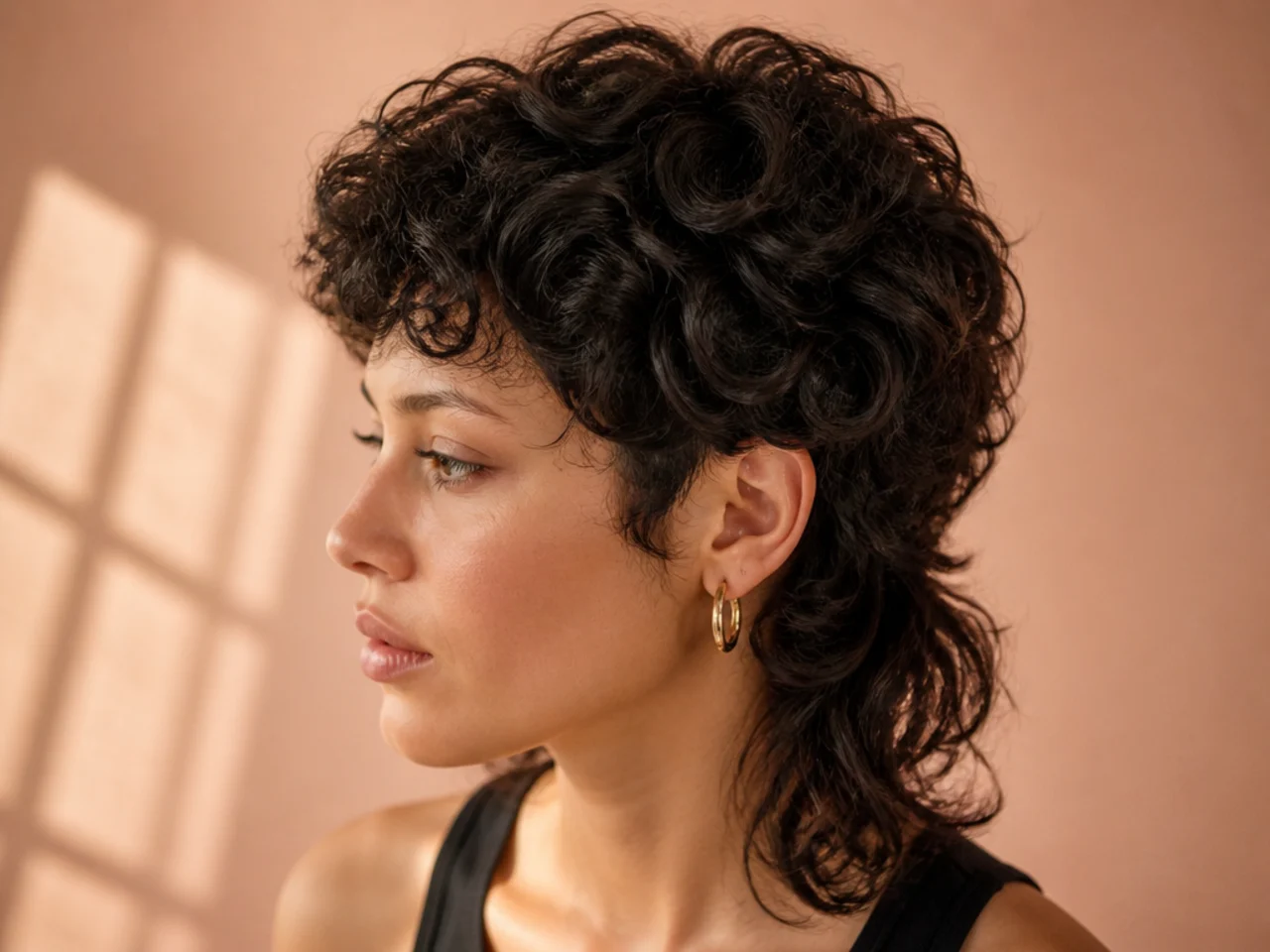
Fine curl has too little density to hide the raw edge of a hard step, so it looks like damage rather than design. Keep the sides longer, soften the transition, and take weight out of the tail instead. The same logic runs through most curly haircuts.
15. Curly Mullet on Dense Curls
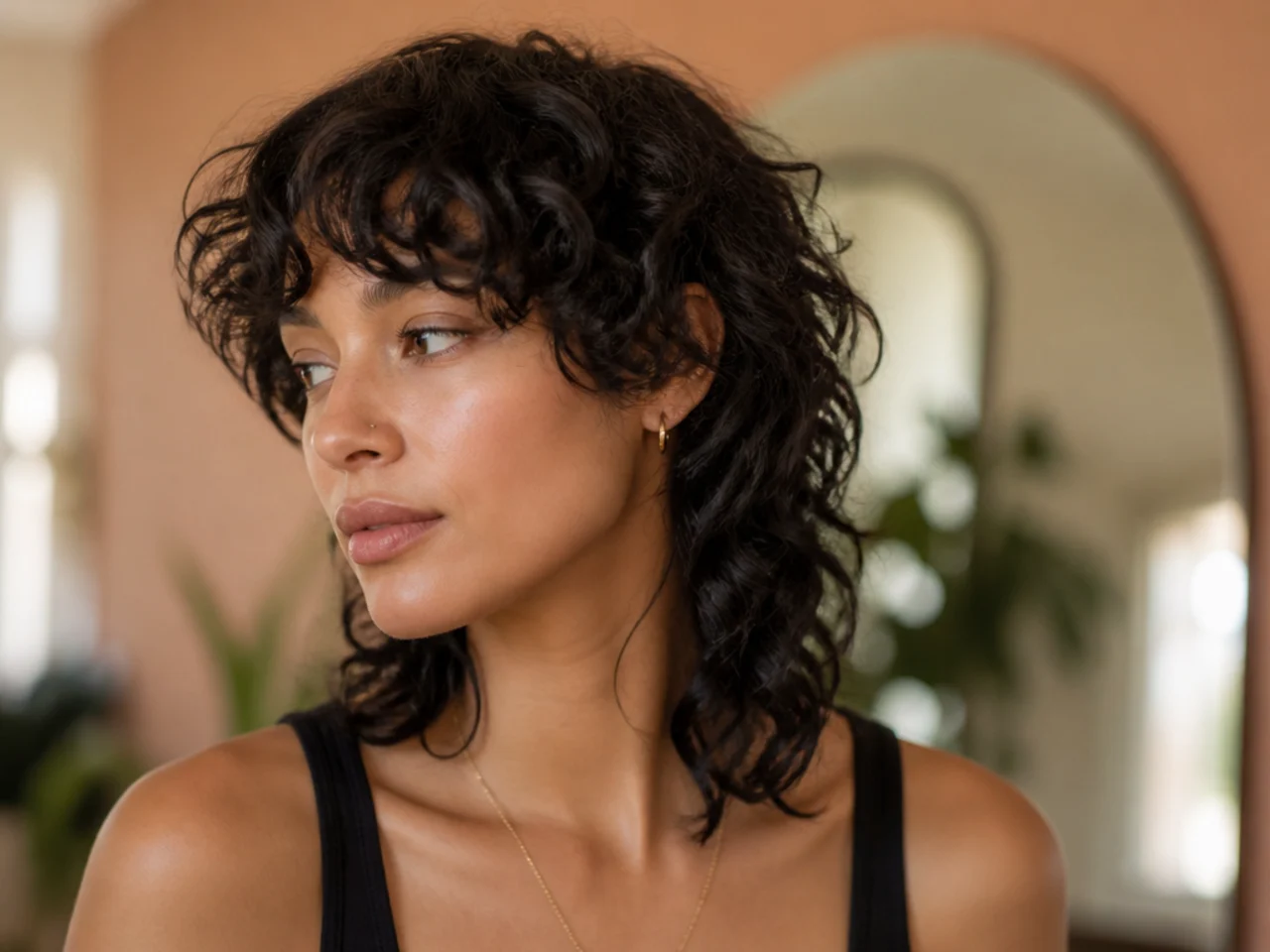
Density is what makes a mullet spread. The fix is internal weight removal above the ear rather than more length off the ends, because thinning the middle of the shape lets the outline settle without shortening the tail.
16. Curly Mullet With an Undercut
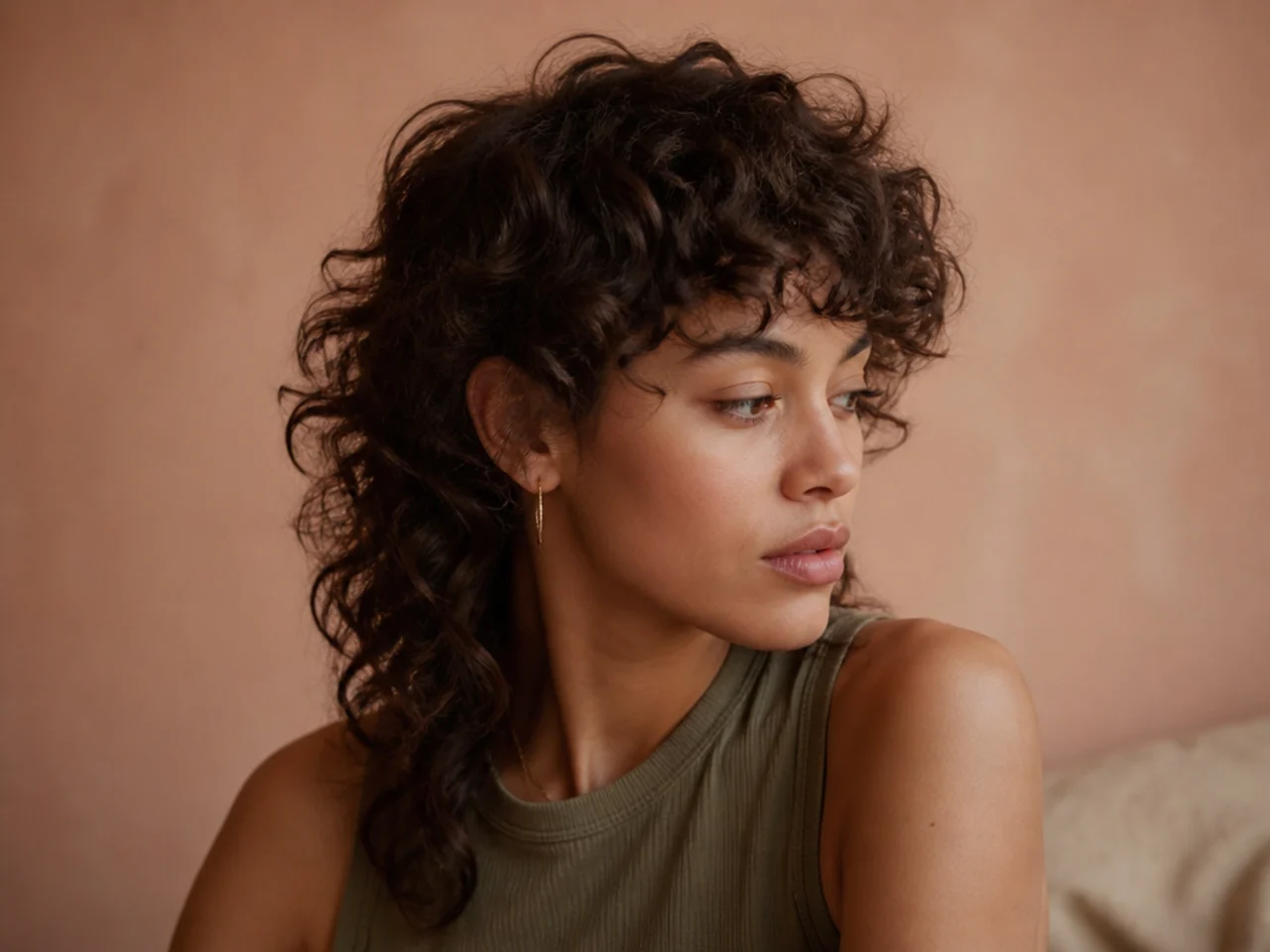
The sides clippered underneath and the curly top left to fall over them. A number two leaves six millimetres, which removes the bulk entirely while still being long enough that no scalp shows through the curl above it.
17. Curly Mullet With Face Framing Layers
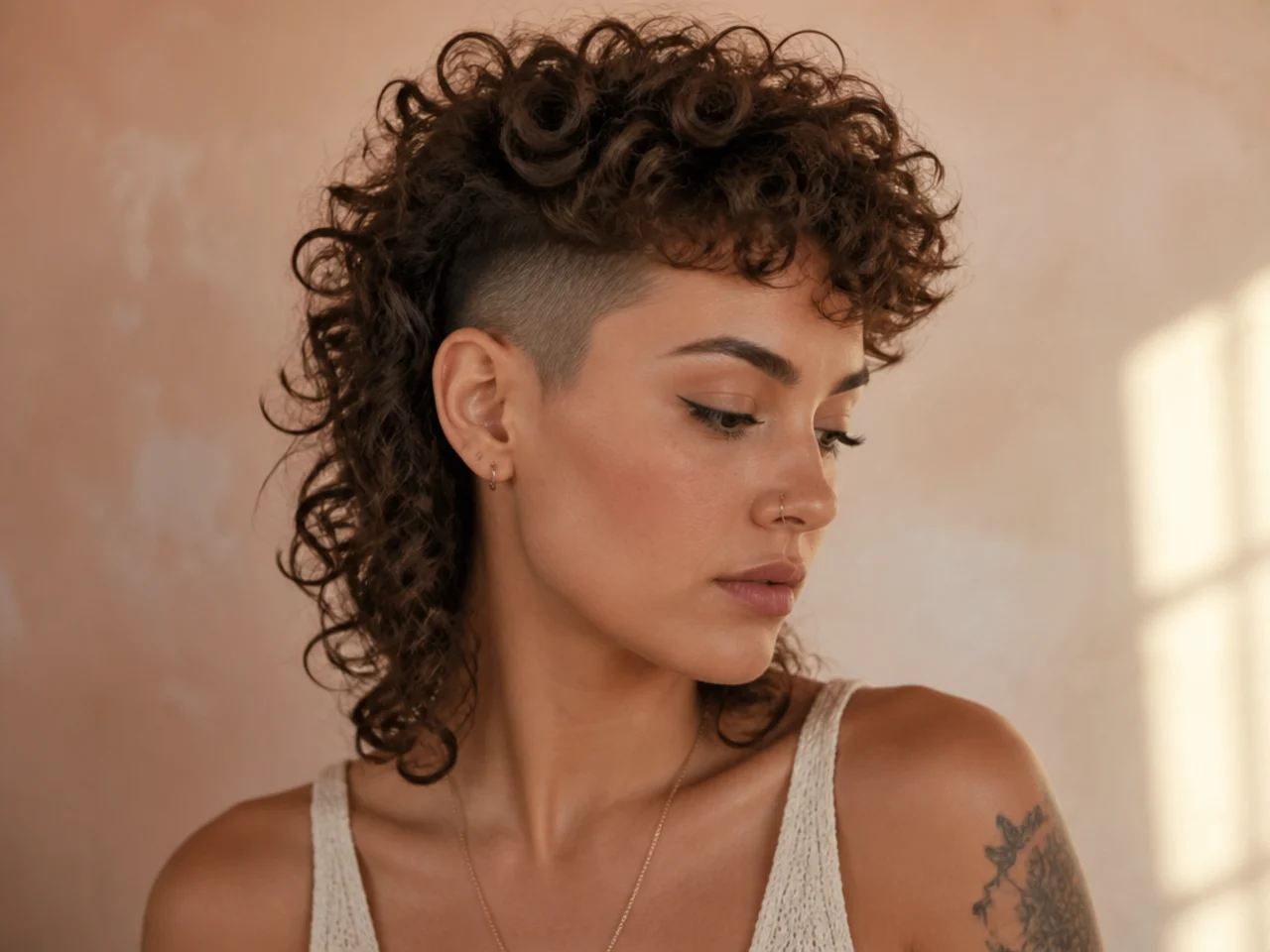
The shortest front layer is set at the cheekbone so the curl springs to the corner of the eye. Cut it at the jaw and shrinkage puts it at the cheekbone anyway, which is why so many home attempts finish too short.

18. Curly Mullet at Week Eight
The step has softened and the fringe has dropped past the brow. This is the point where the cut stops reading as a mullet and starts reading as a shag, which makes it a sensible mark for rebooking.

19. Curly Mullet With a Colour Melt
Darker at the root, lighter through the tail. The vertical colour change drags the eye downward along the length, which works against the sideways spread that curl width creates and narrows the silhouette without a single cut.

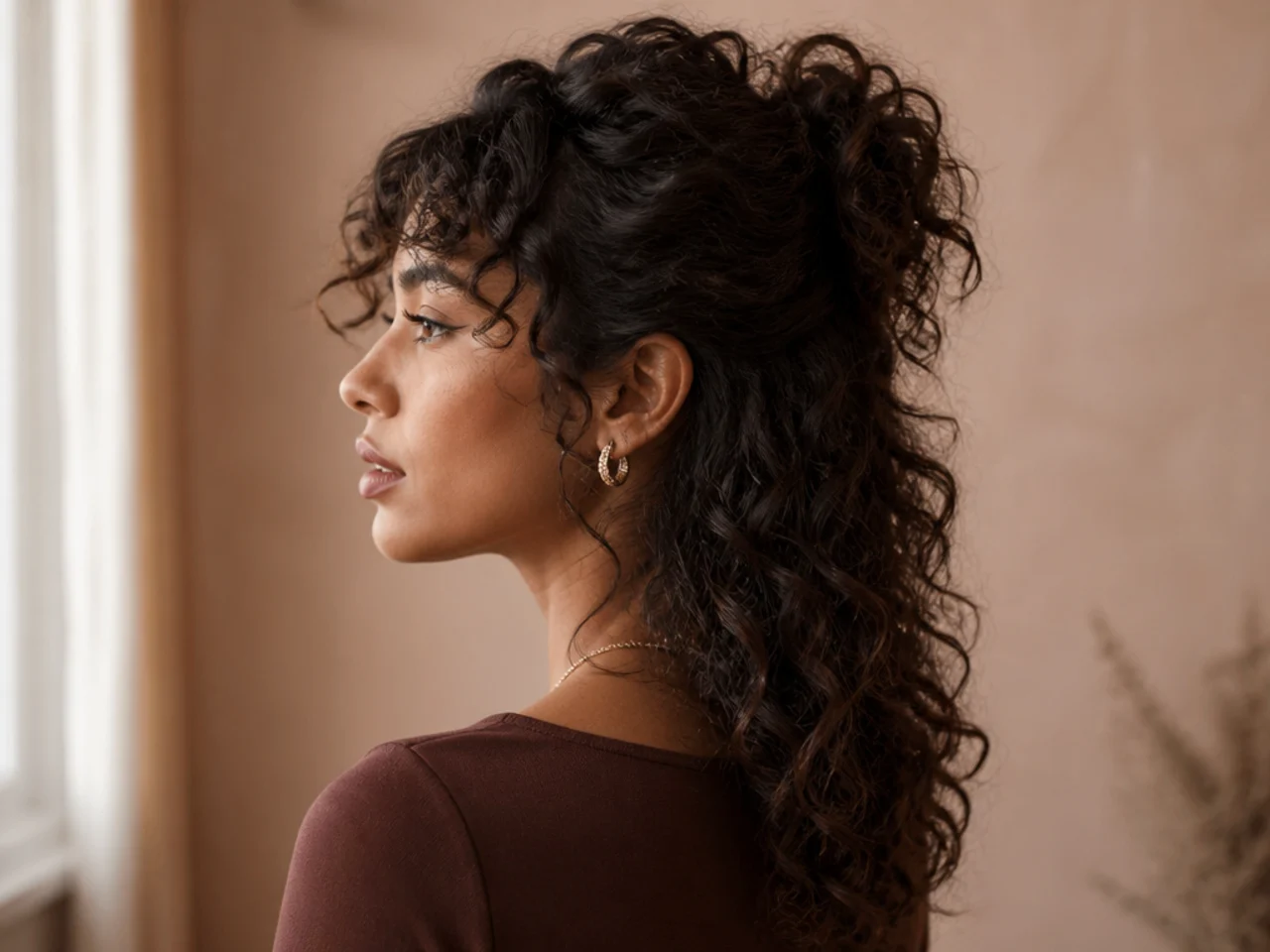
20. Half Up Curly Mullet
The crown gathered up and the tail left down. Lifting the top releases the roots that were flattened under their own weight, so the crown reads fuller immediately while the tail keeps the mullet outline intact.
Styling and Upkeep
Style it wet and then leave it alone. Curl sets its shape as it dries. Touching it halfway breaks the clump, and the frizz that follows cannot be put back until the next wash.
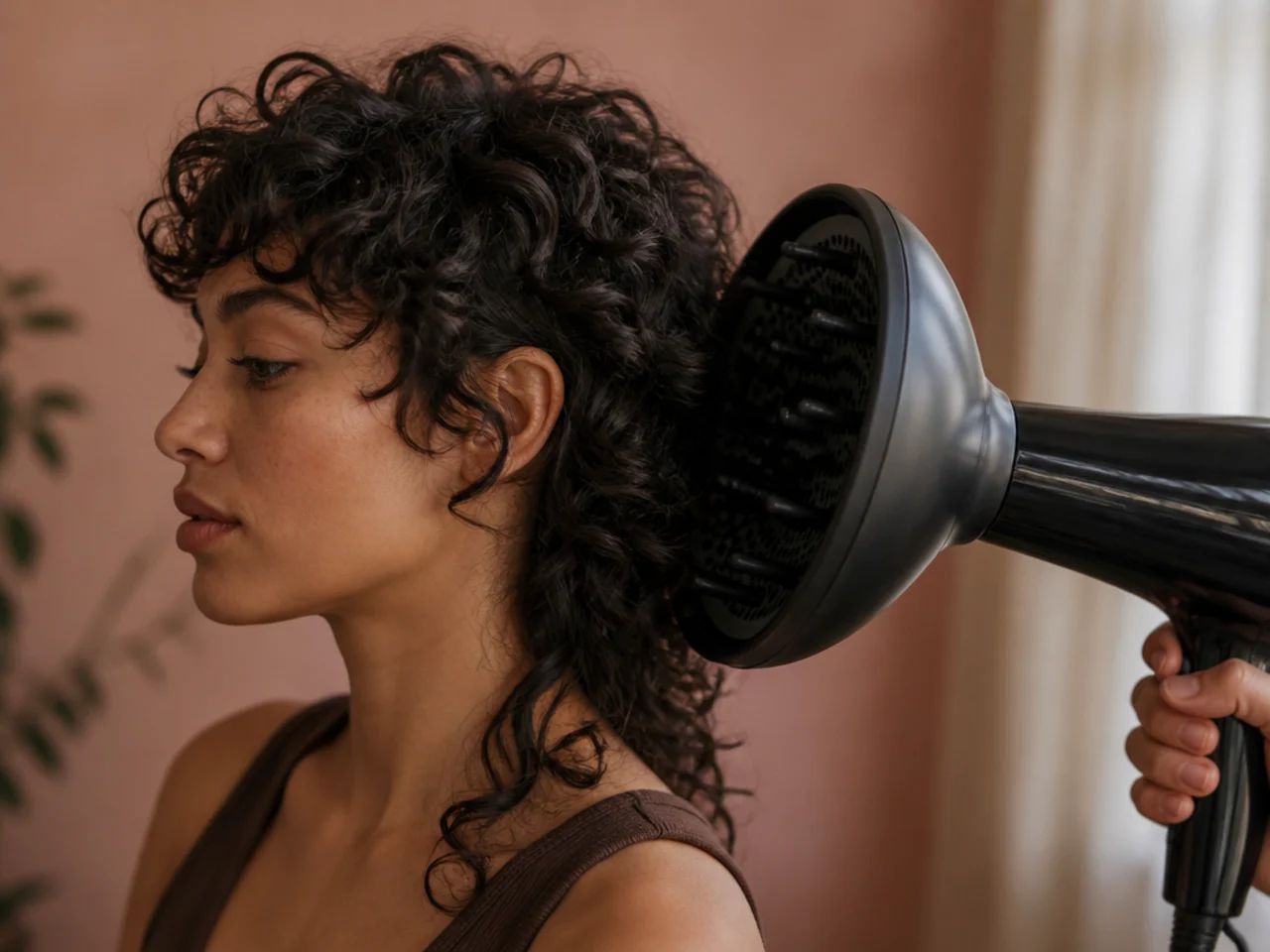
Diffuse on low speed, high heat. Airflow is what disturbs the clump and heat is what sets it. High speed blows the curl apart before it has dried into anything.
Refresh with water first, product second. Product applied to dry curl coats it without reshaping it. Water reactivates the gel already on the strand, which is what lets the clump re-form.
Watch the tail against your shoulders. Once the ends rest on them they get pushed upward every time you move, and the tail widens instead of hanging. Take an inch off before it reaches that point.
Rebook at eight to ten weeks. The step between sides and tail keeps its absolute size as everything grows, so a mullet holds its shape far longer than an all-over layered cut does.
Mistakes to Avoid
Cutting it wet. Every length lands short by whatever your shrinkage rate is, and on tight coils that is half the hair you thought you were keeping.
Blunt layer lines. A straight-across cut through curl creates a shelf that the curls below cannot fill, so the shape steps outward instead of tapering.
Taking length off the sides instead of weight out of them. Shorter sides on dense curl only move the widest point higher up the head. Thin the interior and the outline comes in on its own.
Brushing it dry. A brush pulls every strand out of its clump, and a clump is the only thing holding the curl pattern together once the gel cast is broken.
Copying a photograph of a different pattern. A tail cut to sit at the collarbone on type two hair sits at the ear on type four, because the same cut length gives completely different finished lengths.
FAQ
Wet or dry? Dry — wet curl hangs long and springs up as it dries.
Mullet or shag? A mullet has a step between sides and tail. A shag has none.
How often? Eight to ten weeks, sooner once the tail reaches your shoulders.
Final Thoughts
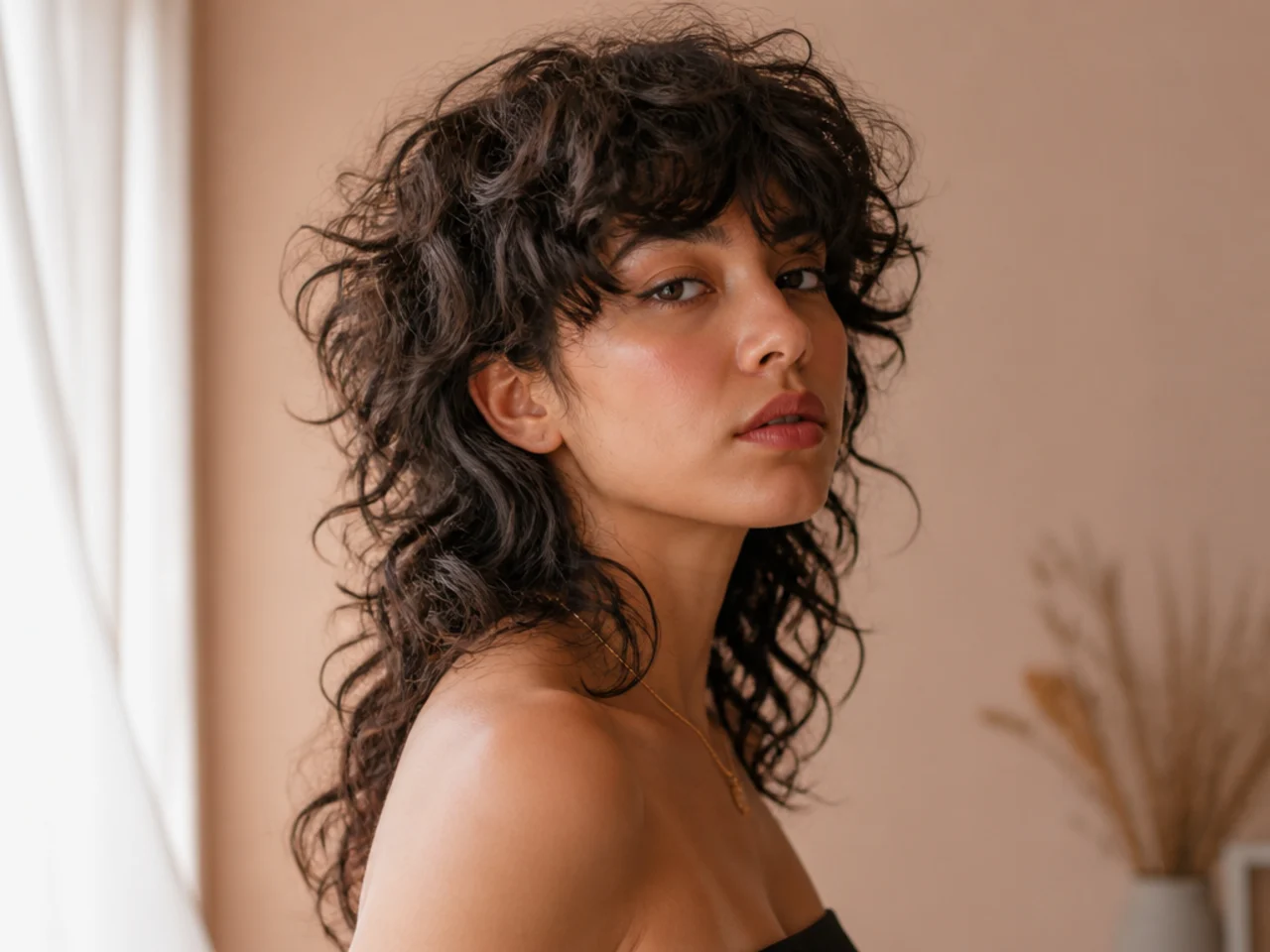
Ask for the step, not the style name. "Sides to the jaw, tail two inches below the shoulder, cut dry" is three facts a stylist can work from, and it is the difference between a curly mullet and a curly shag with a long back.
For the wider range of curl-specific shaping see curly haircuts, and for how the same cut is built on men's hair see the curly mullet for men. More in Mullet and Wolf Cut.