30 Modern Mullet Haircut Ideas That Look Expensive
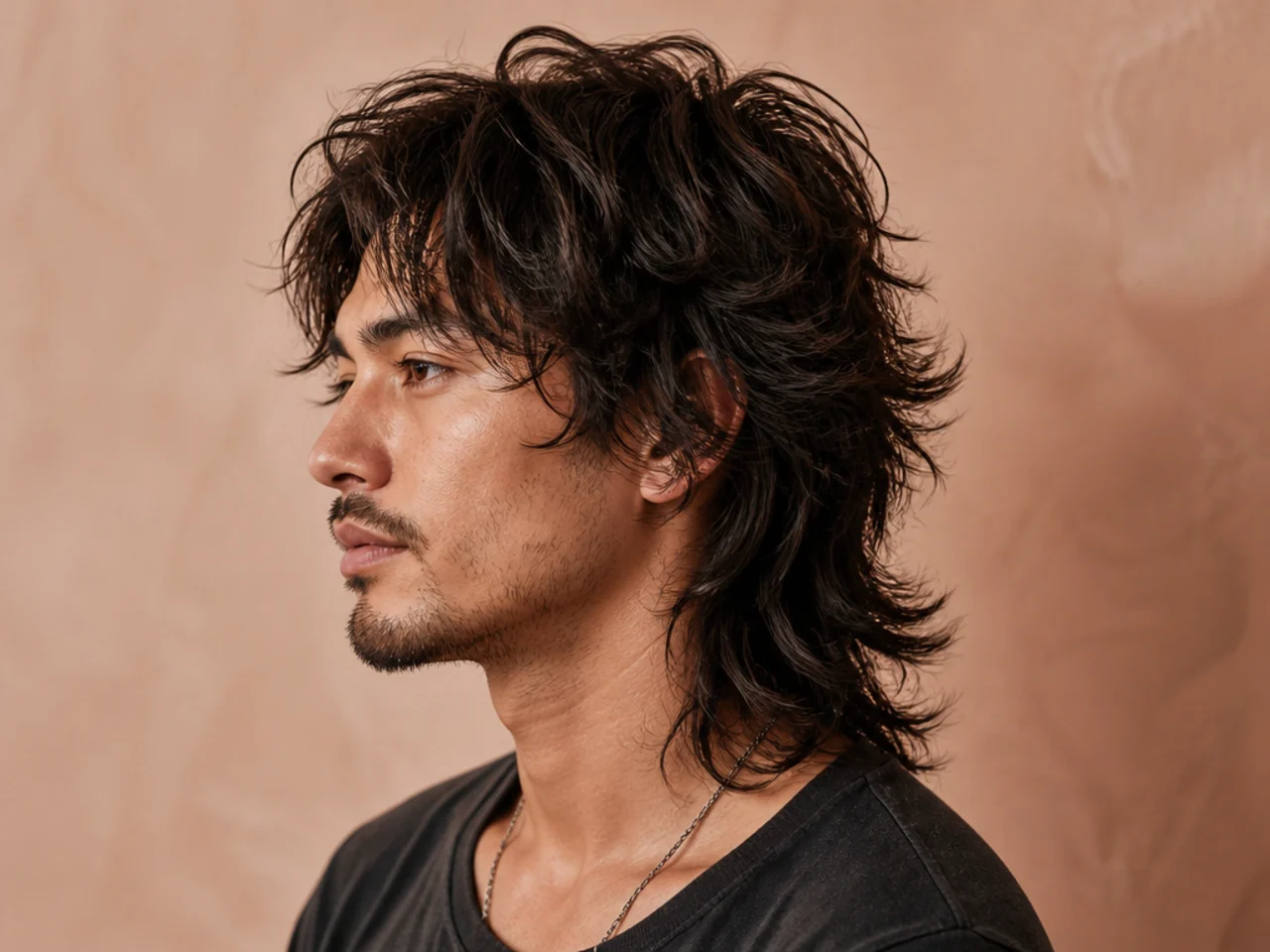
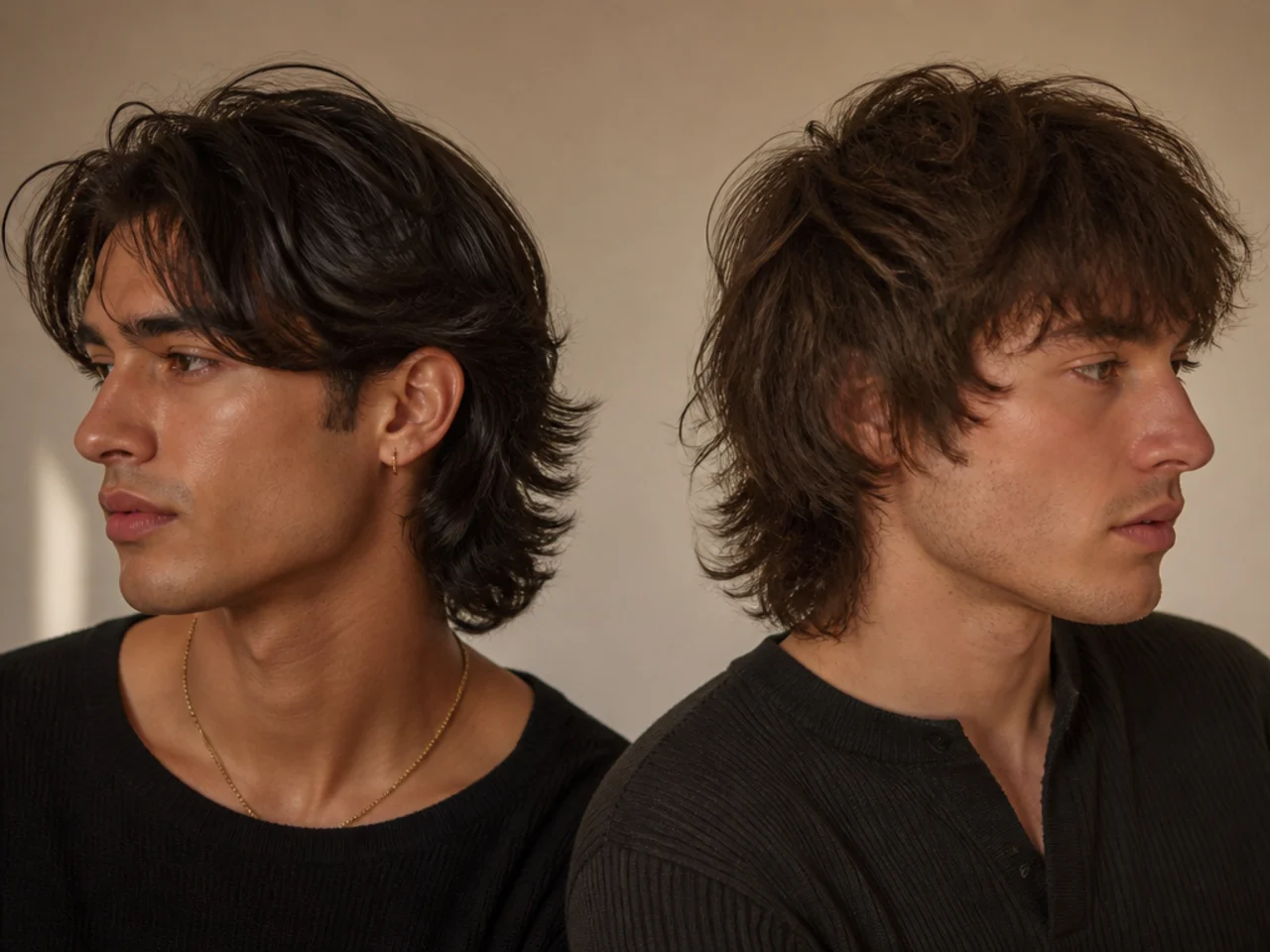
Thirty modern mullets, and the single thing that separates them from the eighties version — the transition. An old mullet is a step between two lengths. A modern one is a gradient, with the weight taken from inside.
In this article · 37
- What Makes a Mullet Read as Modern
- Choosing Your Level of Contrast
- The 30 Modern Mullet Ideas
- 1. The Soft Modern Mullet
- 2. The Blended Mullet
- 3. The Disconnected Mullet
- 4. The Shag Mullet
- 5. The Wolf Cut Mullet
- 6. The Bixie Mullet
- 7. The Bob Mullet
- 8. Short Modern Mullet
- 9. Long Modern Mullet
- 10. Curly Modern Mullet
- 11. Wavy Modern Mullet
- 12. Straight Modern Mullet
- 13. Coily Modern Mullet
- 14. Fine Hair Modern Mullet
- 15. Thick Hair Modern Mullet
- 16. Mullet With Curtain Bangs
- 17. Mullet With Blunt Bangs
- 18. Mullet With Micro Bangs
- 19. Mullet With a Middle Part
- 20. Mullet With a Deep Side Part
- 21. Mullet With a Tapered Nape
- 22. Mullet With an Undercut Nape
- 23. Mullet With a Skin Fade
- 24. Mullet With Face Framing Layers
- 25. Mullet With a Money Piece
- 26. Two Tone Mullet
- 27. Mullet With a Shadow Root
- 28. Mullet With a Rounded Perimeter
- 29. Mullet With a Point Cut Perimeter
- 30. The Grown Out Modern Mullet
- Styling and Upkeep
- Mistakes to Avoid
- FAQ
- Final Thoughts
The difference between a mullet that looks expensive and one that looks like a costume is not the length at the back, it is what happens between the two lengths.
An old mullet is a step. Two lengths meeting at a visible edge, with nothing in between to carry the eye across.
A modern mullet is a gradient. The same two lengths, spread over several inches of transition, with the bulk removed from inside the hair rather than off the ends.
What Makes a Mullet Read as Modern
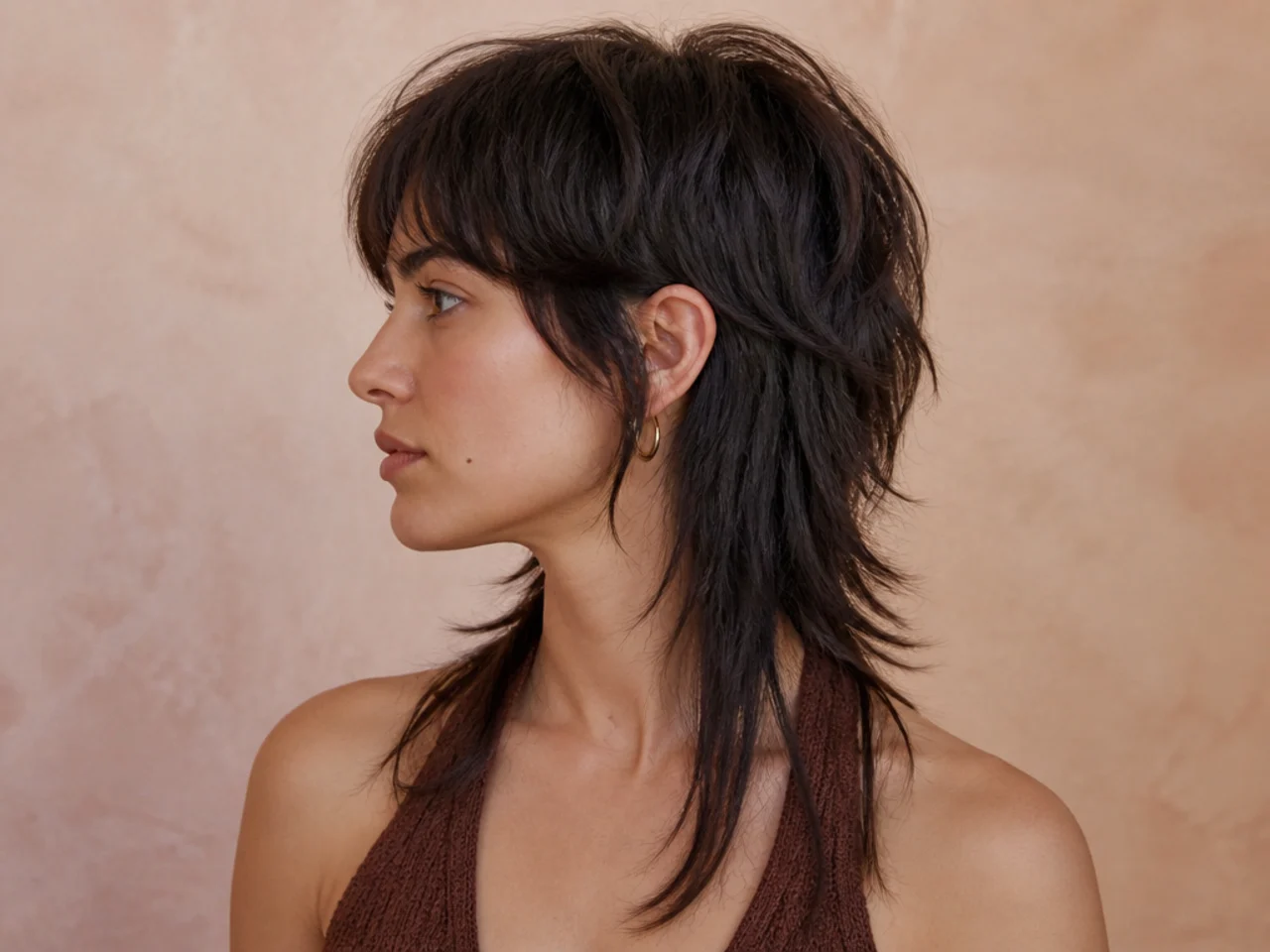
The transition is long. Three or four inches of gradient rather than a single edge. The longer the transition, the softer the whole cut reads, whatever the lengths at either end are.
The weight comes from inside. Bulk removed an inch or two below the surface leaves the outline intact. Thinning the ends does the opposite and gives the wispy tips that date the shape instantly.
The perimeter is broken, not blunt. Scissors held vertically into the ends diffuse the edge, so the back does not finish in a hard horizontal line across the shoulders.
The crown carries height. Short layers at the crown prop up the ones beneath them, and that lift is what keeps the shape from flattening into long hair with a short front.
Choosing Your Level of Contrast
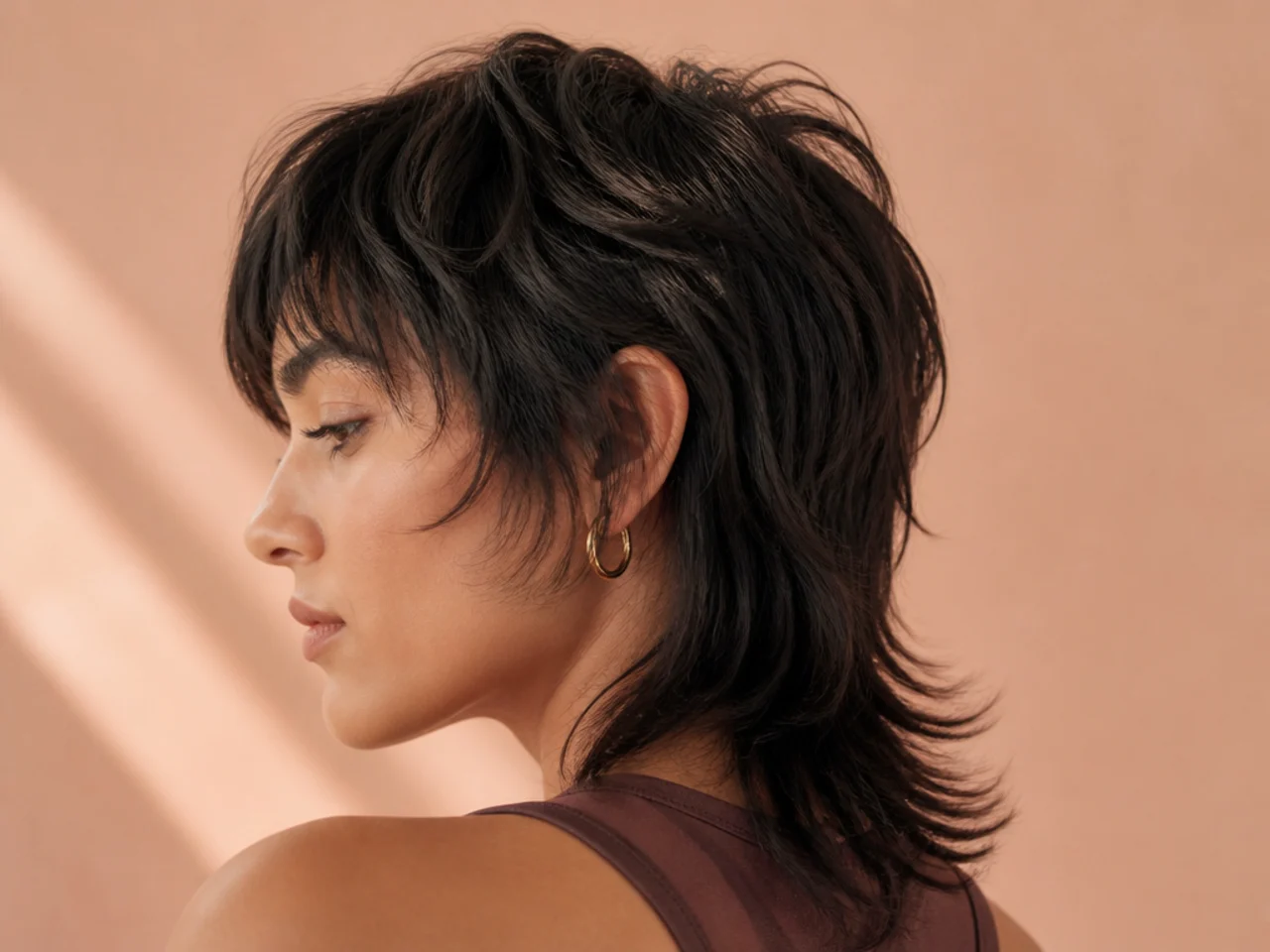
Contrast is a ratio, not an inch count. Two inches of difference is dramatic on a chin length cut and almost invisible on hair past the shoulder blades.
Low contrast reads as a shag. Keep the crown within two inches of the back and the cut looks layered rather than mulleted, which is the version most people actually want.
High contrast reads as a statement. Four inches or more and the shape is unmistakable from every angle, including behind, where you never see it.
Decide the front and back separately. Say the shortest length first and the longest second, and give both as places on your body rather than as numbers.

The 30 Modern Mullet Ideas
1. The Soft Modern Mullet
The crown sits about two inches above the back and the transition is cut with the hair falling naturally rather than held up. Cutting at natural fall means each length lands where gravity puts it, so no section ends up shorter than the one below and no step forms.
2. The Blended Mullet
Every length connects to the next, achieved by over directing each section back toward the crown so it finishes fractionally longer than the one before. There is no edge anywhere for light to catch, which is exactly why this version photographs so well.
3. The Disconnected Mullet
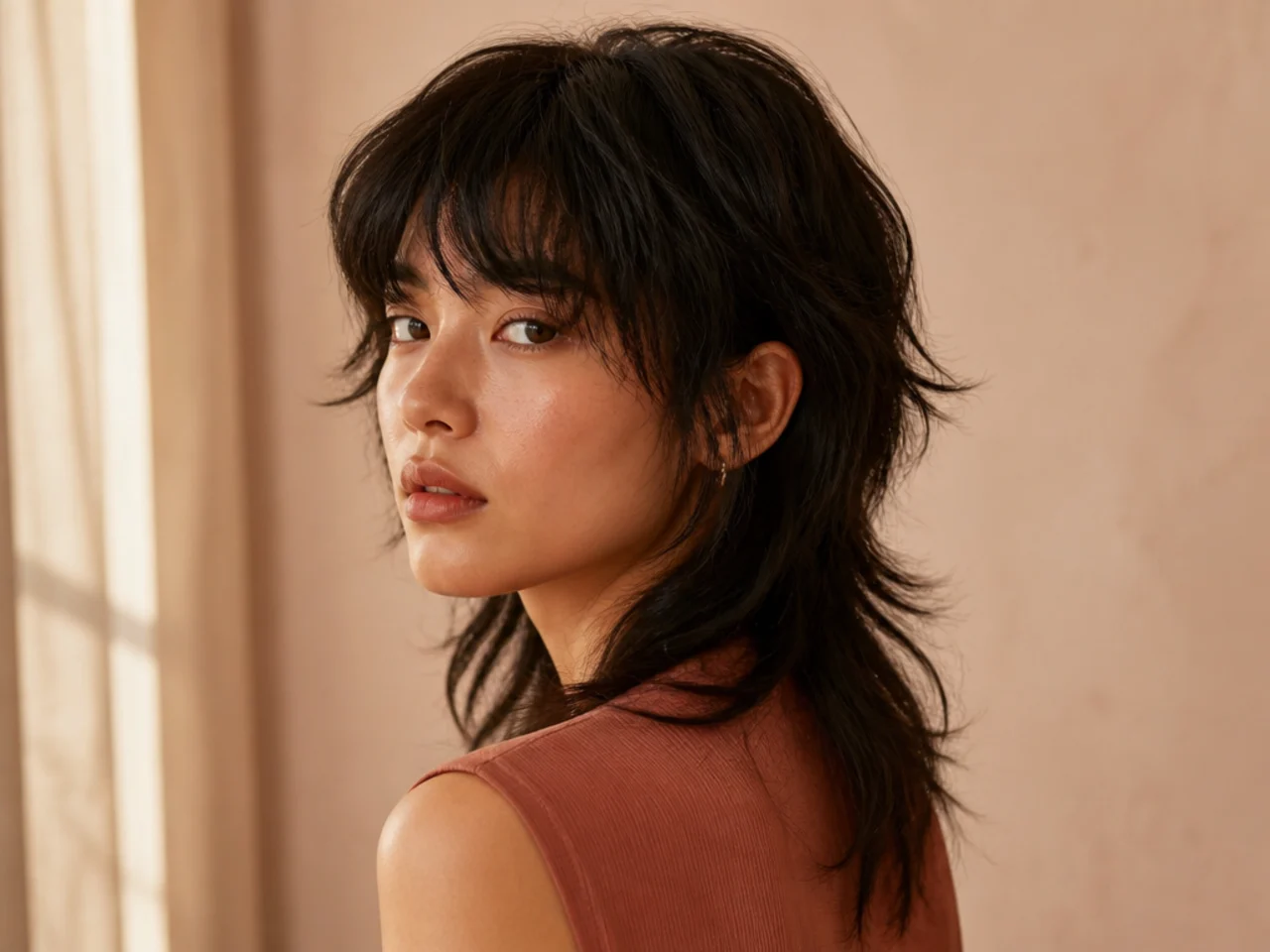
A deliberate step with no blend at all. It only looks intentional if the step lands at the occipital bone, the bump at the back of the skull, because that is where the head changes direction and the eye expects a change anyway.
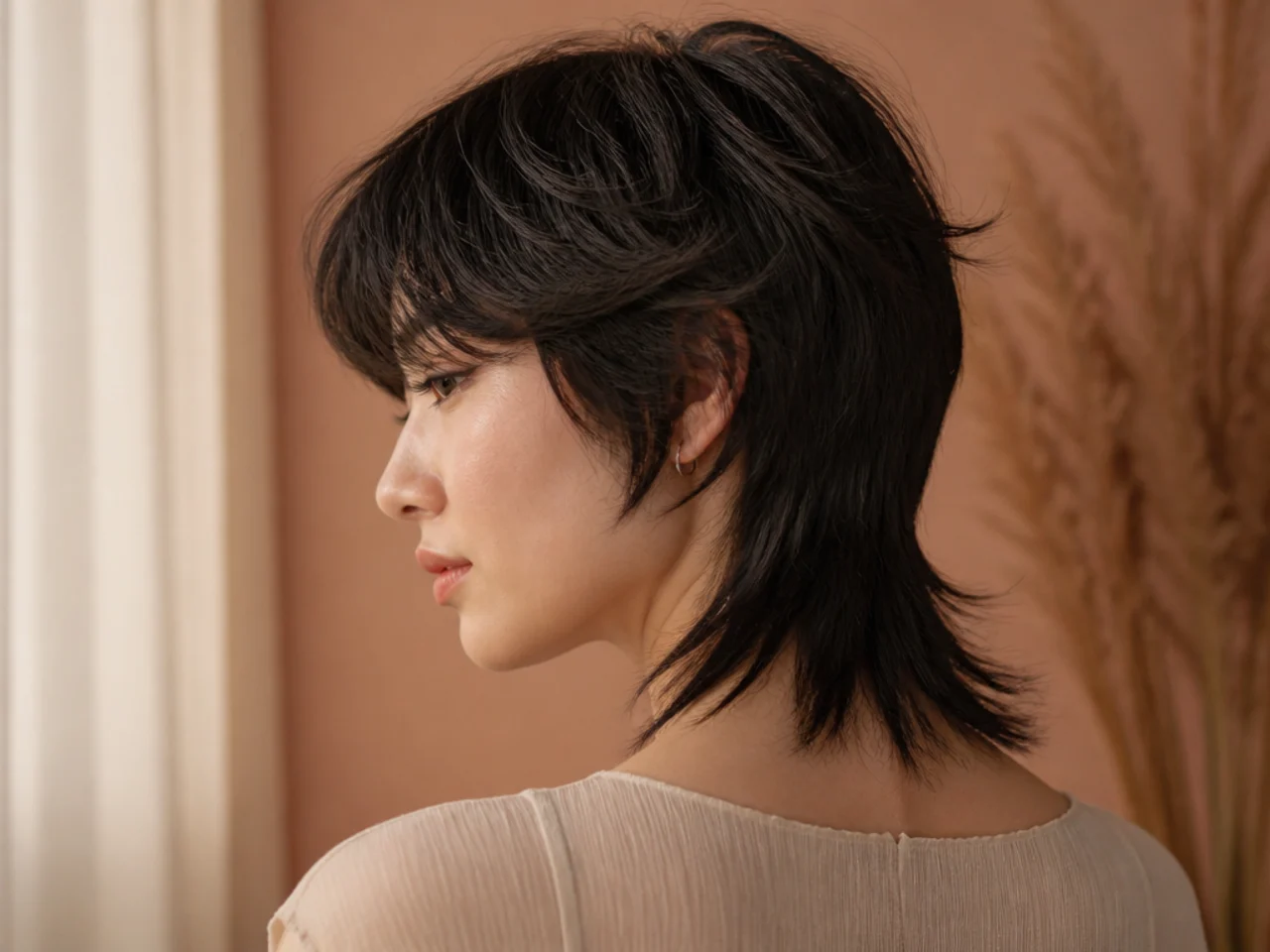
4. The Shag Mullet
Layers run from the crown all the way to the ends instead of stopping at the transition. Weight is removed everywhere, so the outline softens and the shape moves as one piece rather than as a short section sitting on a long one.

5. The Wolf Cut Mullet
Short crown layers sit on top of longer ones and physically prop them up, which is where the height comes from. The effect depends on those top layers being genuinely short, and on fine hair it fades within two washes unless the roots are dried away from the head.
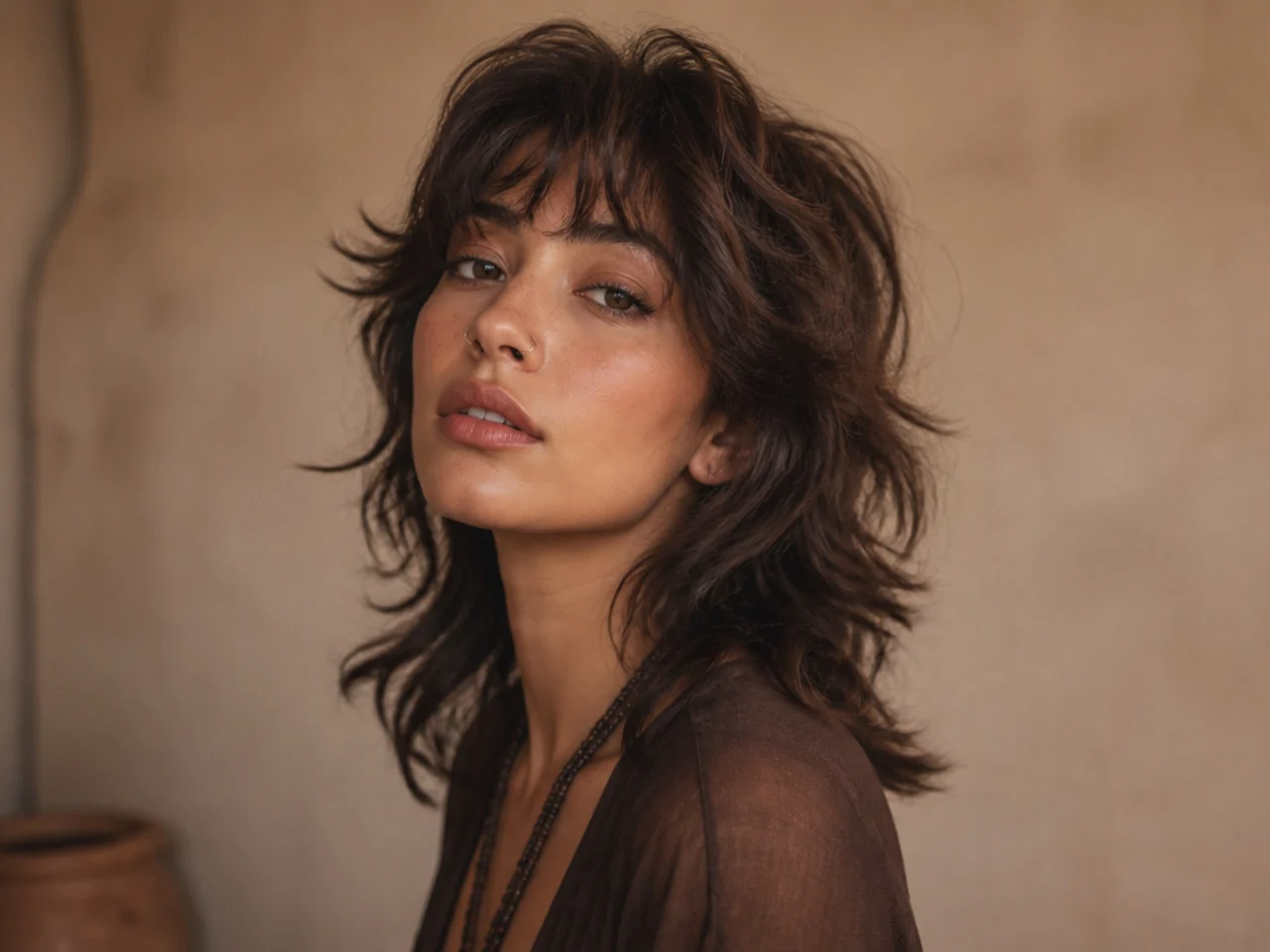
6. The Bixie Mullet
Pixie length through the top and sides with a tail of length at the back. The extreme contrast means the sides have to stay close to the head, because any width at the ear puts a horizontal across the middle of the shape and flattens it.
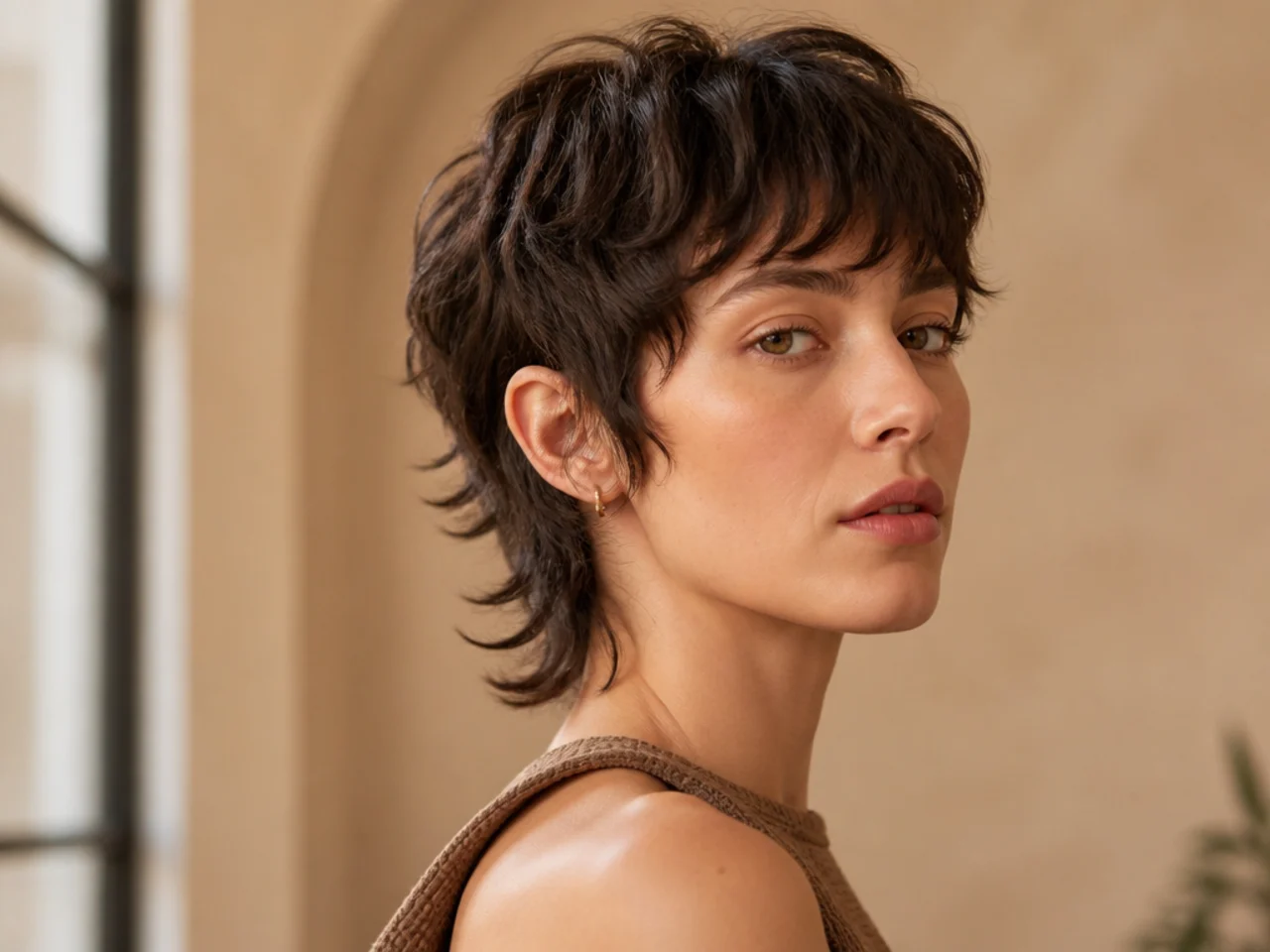
7. The Bob Mullet
A blunt bob through the front and sides with length kept only at the centre back. The blunt perimeter at the front is what makes it read as a bob first, so the tail behind reads as a surprise rather than as the main event.

8. Short Modern Mullet
The back stops at the nape and the crown sits an inch or two above it. On a short version the transition has less distance to travel, so it needs more passes to stay smooth and shows a rushed blend far more clearly.
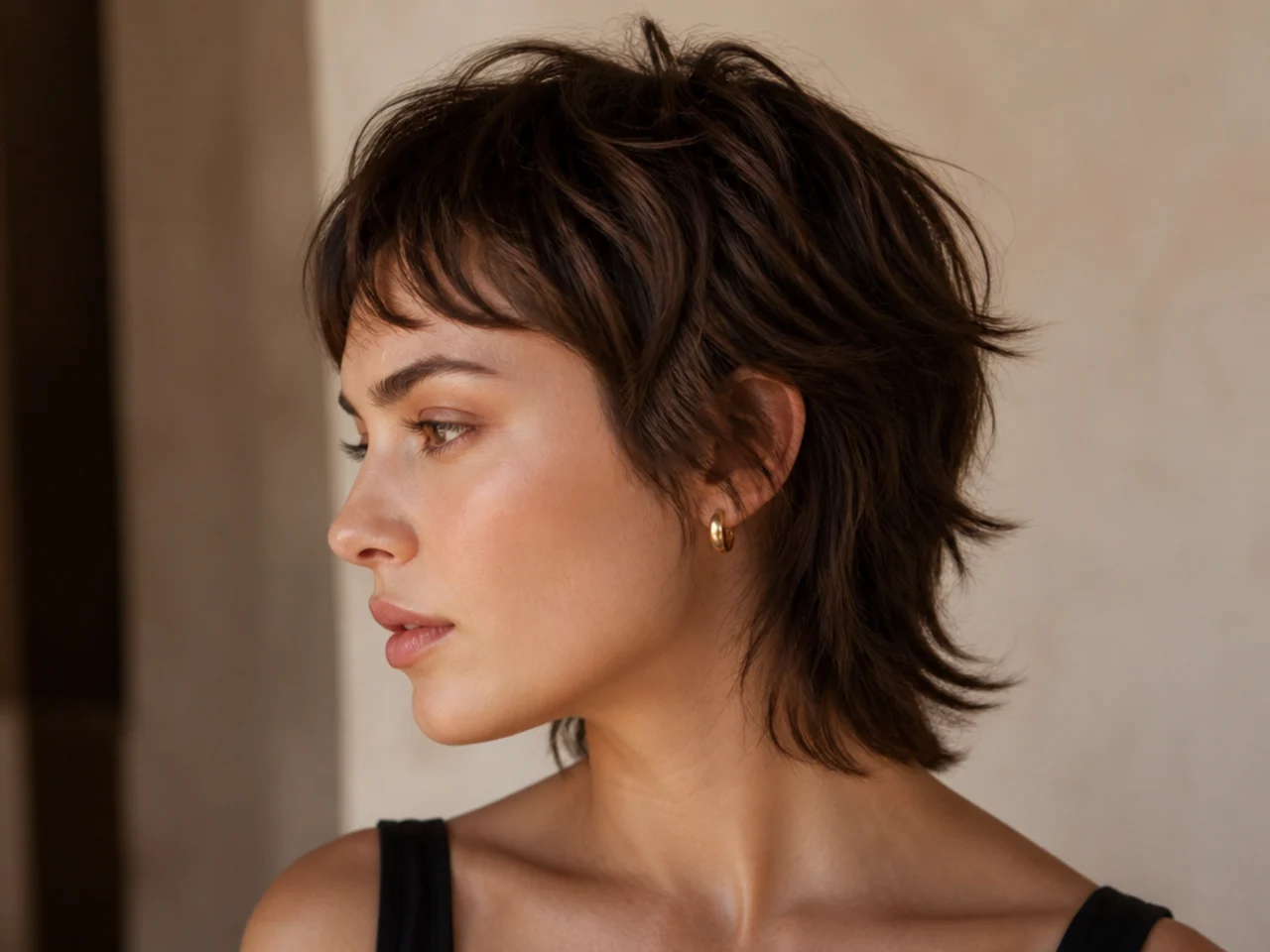
9. Long Modern Mullet
The back runs to the shoulder blades while the crown stays short. The gap between the two is large enough that the sides have to do the connecting, which is why this version depends more on the face framing layers than on the back at all.

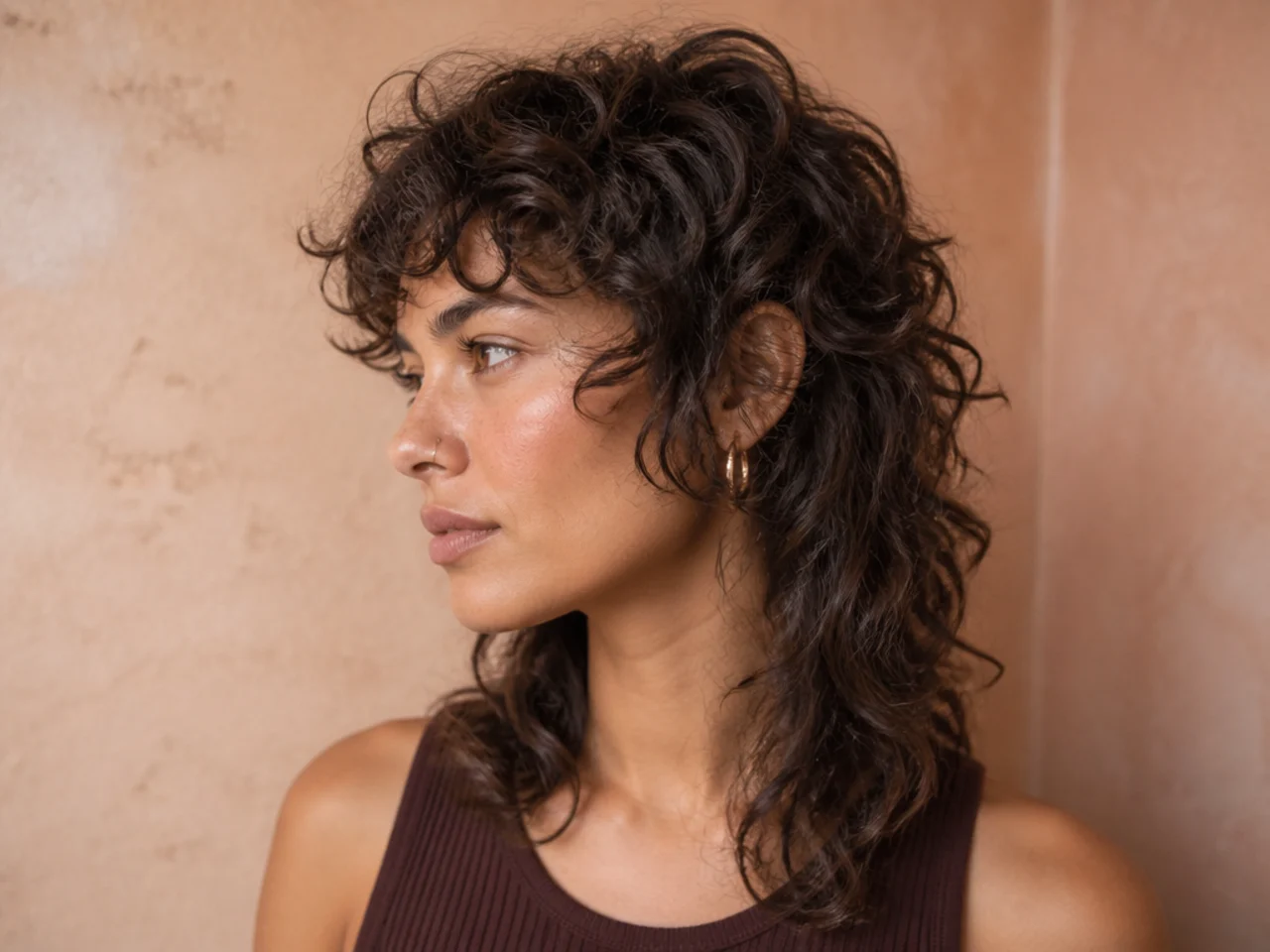
10. Curly Modern Mullet
Cut dry, section by section, because a curl hangs at close to full length under water and springs back by a third to a half as it dries. A transition measured wet arrives in a different place entirely once the curl is back.
11. Wavy Modern Mullet
The forgiving texture. An S bend throws light in several directions at once, so it blurs the transition before the eye can find it, and small inconsistencies in the gradient never register.

12. Straight Modern Mullet
The cleanest silhouette and the least forgiving one. A straight strand sits in a single line with no bend to scatter light, so every uneven pass through the transition is read as a step rather than as shadow.

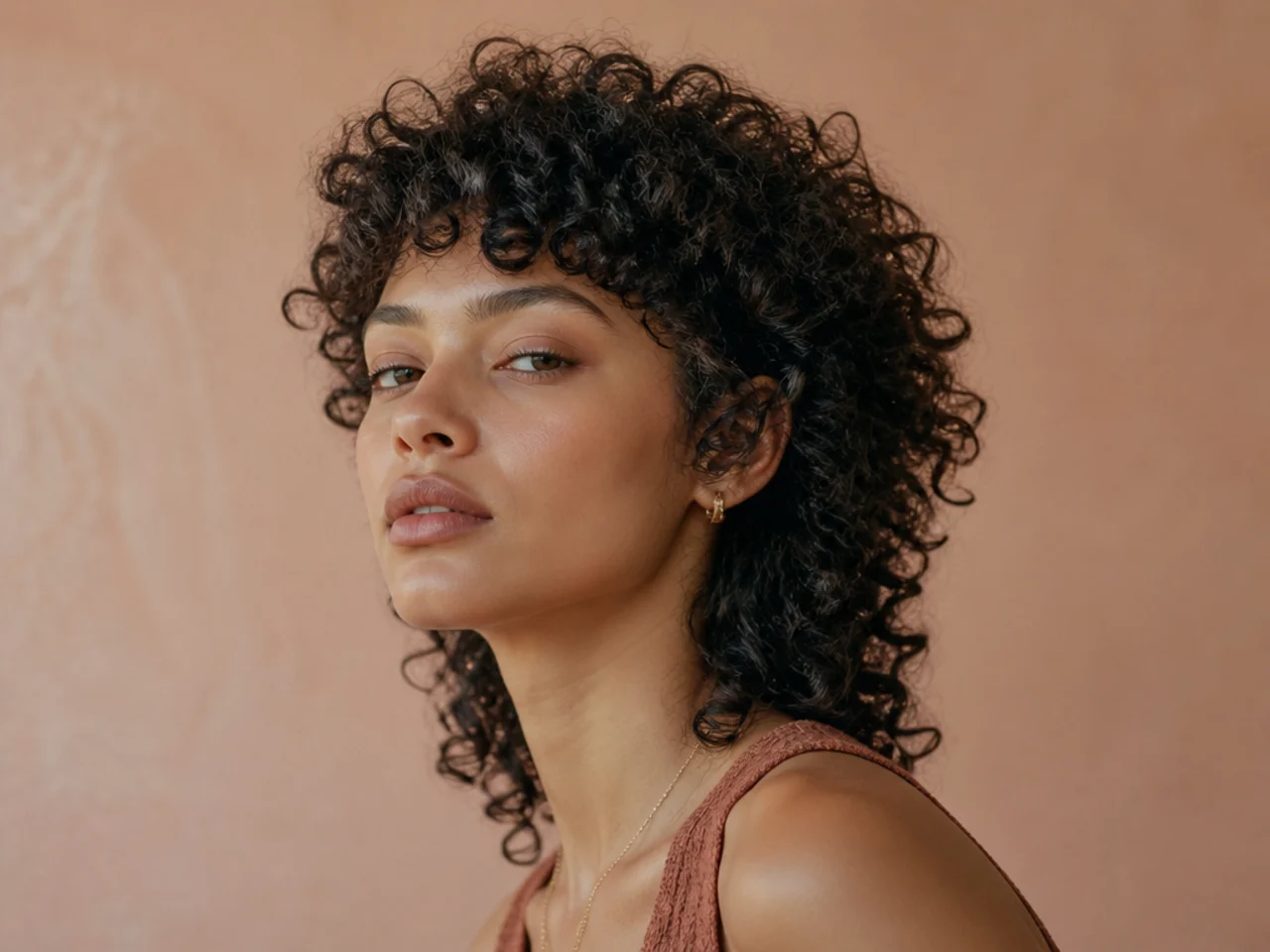
13. Coily Modern Mullet
Coils can shrink by as much as three quarters, so the shape has to be cut into the dry silhouette rather than measured on wet hair. The transition is built by shaping the outline itself, coil by coil, the way a topiary is cut.
14. Fine Hair Modern Mullet
Every layer removes density from the ends, and fine hair has none to spare. Keep the layering to the crown only and leave the perimeter blunt, so the weight that remains sits at the bottom where it makes the length look solid.

15. Thick Hair Modern Mullet
Density pushes the mid lengths outward and turns the shape into a triangle. The fix is bulk removed from inside, an inch or two below the surface, which takes the volume out without touching the outline that holds the shape.
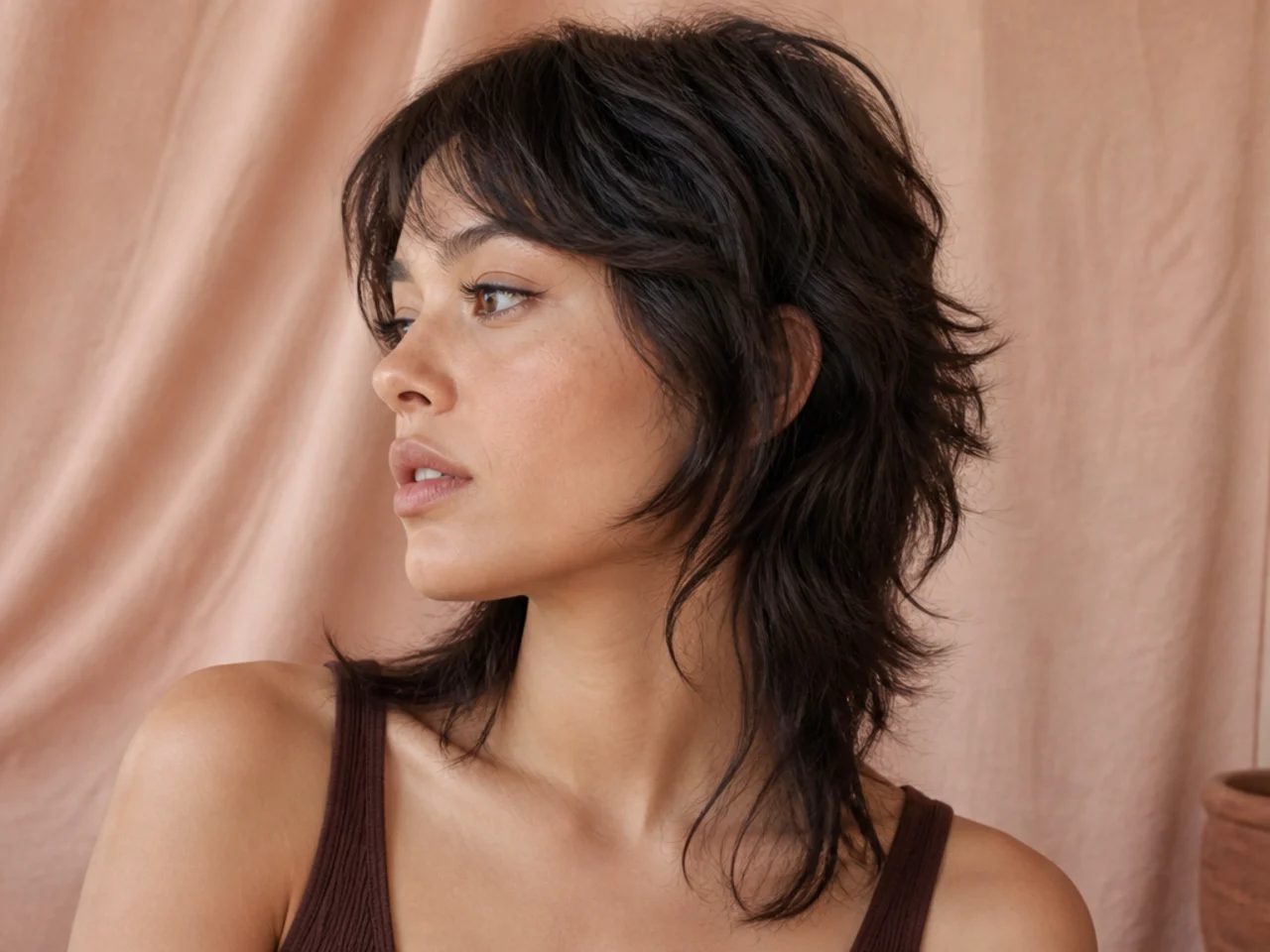
16. Mullet With Curtain Bangs
The fringe cut short at the centre and longer toward the outside, so it falls open rather than hanging as one sheet. That slope softens the whole front and gives the eye somewhere to rest before it reaches the contrast at the back.

17. Mullet With Blunt Bangs
One hard horizontal across the forehead against a soft, broken shape everywhere else. The contrast between the two edges is the point, and it only works if the rest of the cut stays genuinely soft, or the whole thing reads heavy.

18. Mullet With Micro Bangs
Cut well above the brow, with no weight left to pull them down. That means there is no margin for error at all, since half a centimetre is the difference between deliberate and accidental, and they grow at roughly a centimetre a month.

19. Mullet With a Middle Part
The parting splits the front weight in two, so each panel is lighter and sits closer to the face. It also flattens the crown, which means the crown has to come shorter than usual to keep the contrast with the back intact.
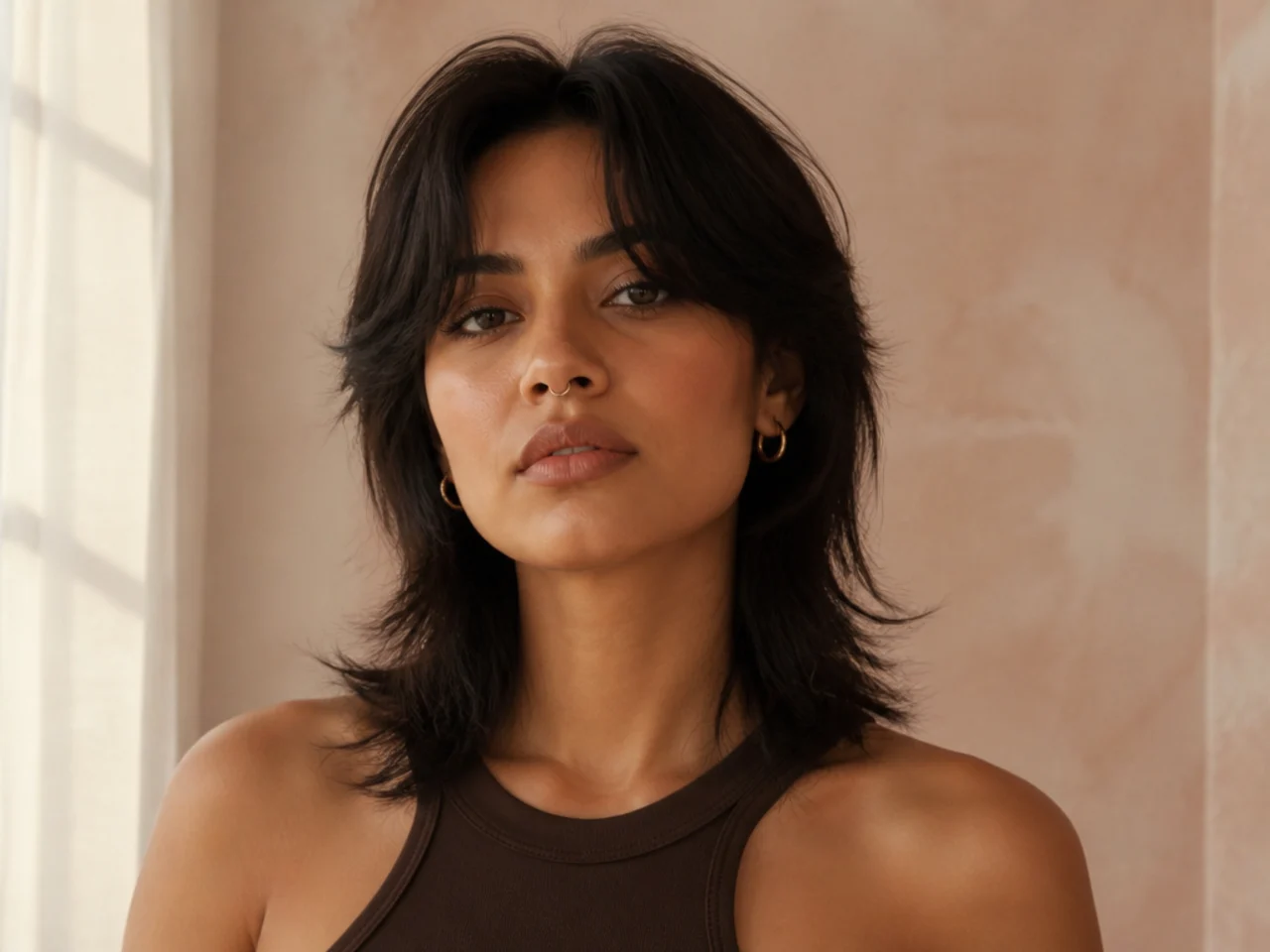
20. Mullet With a Deep Side Part
Sweeping the whole top across from one side loads the weight onto a single panel and lifts the roots on the other. That root lift is free volume at the crown, which is the exact place a mullet needs it.
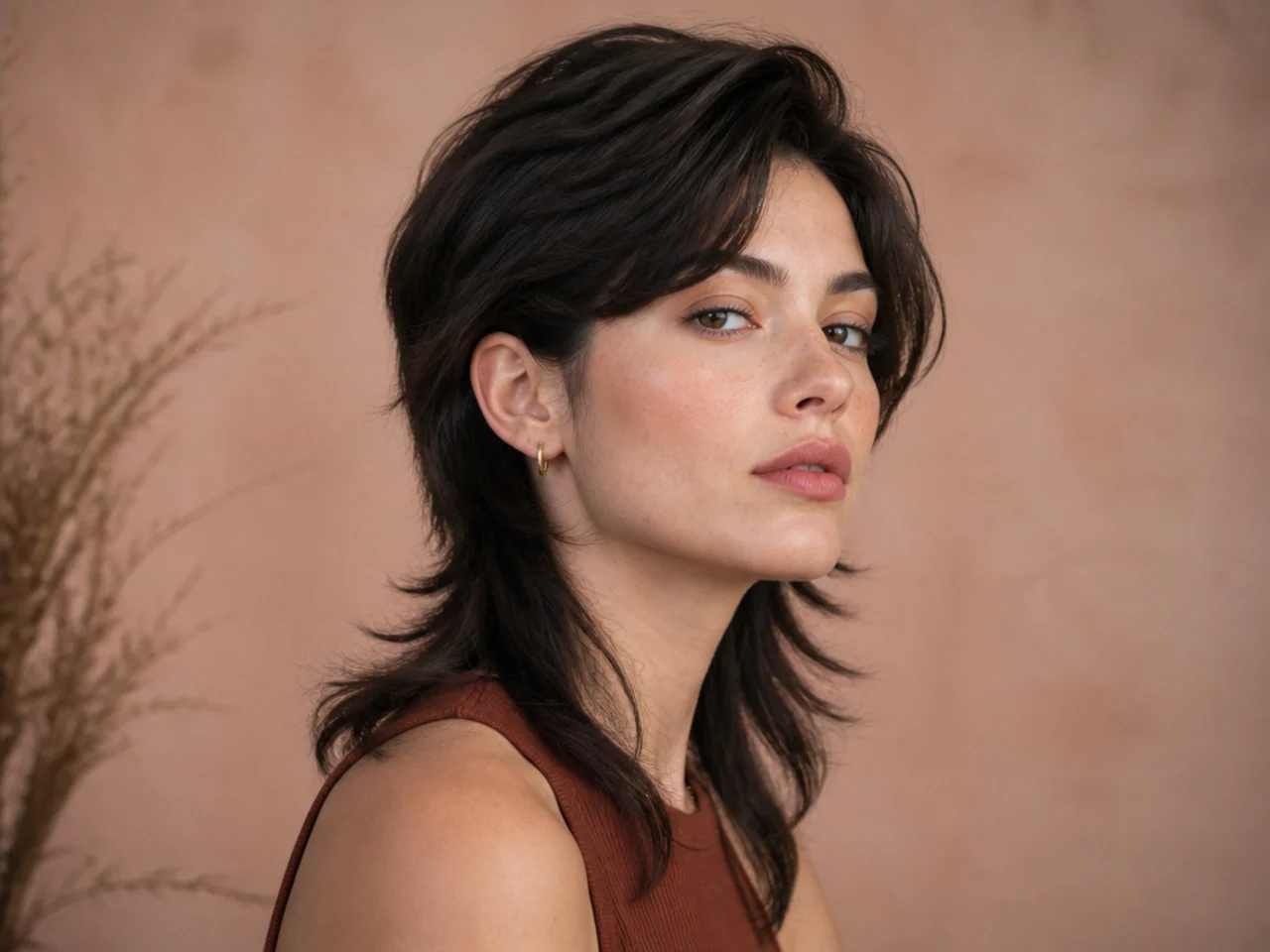
21. Mullet With a Tapered Nape
The hair under the length shortened gradually but never taken to skin, usually finishing at a number one, which leaves three millimetres. Because length remains at the bottom, the line blurs slowly and still reads correctly three to four weeks later.
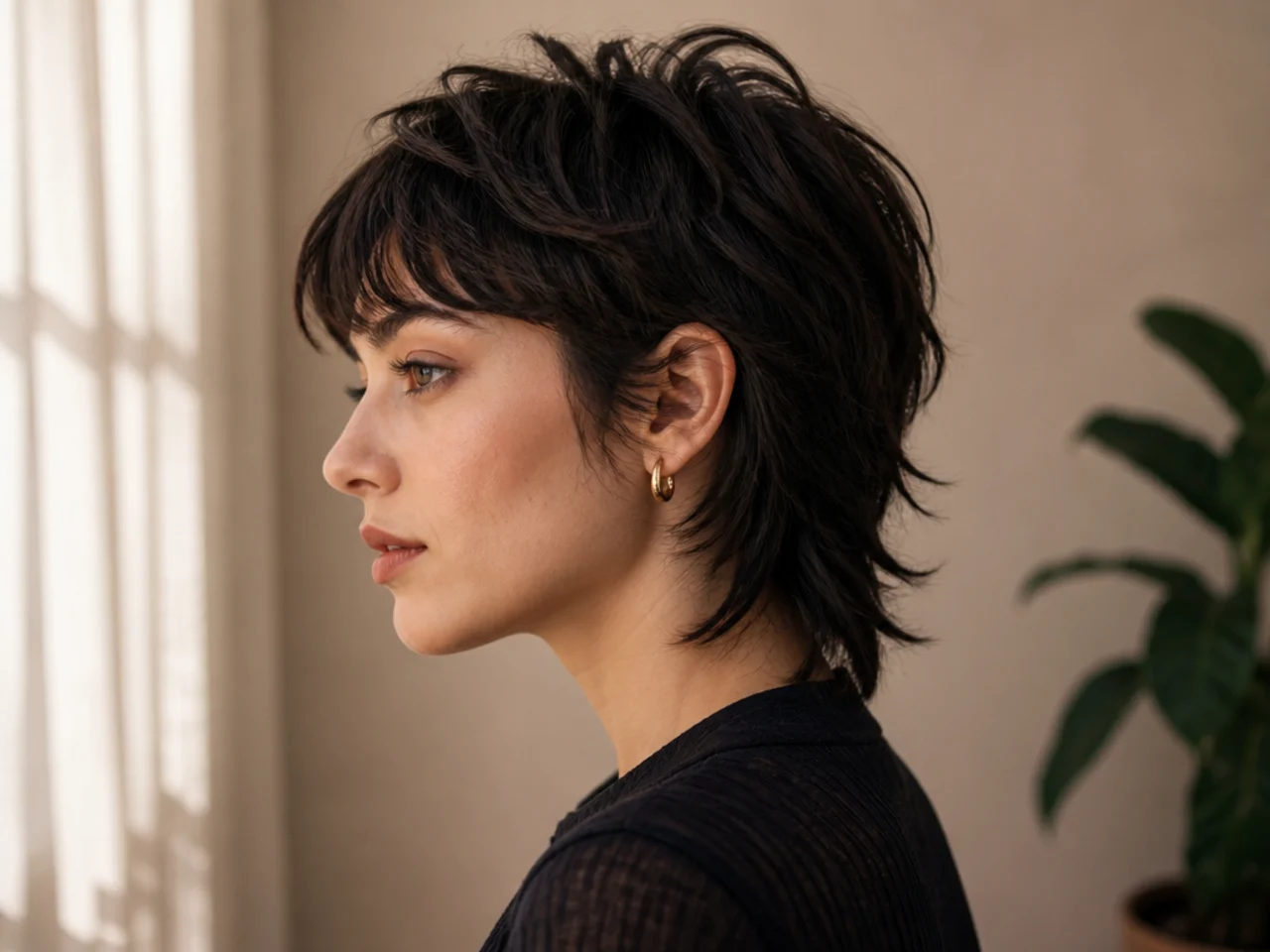
22. Mullet With an Undercut Nape
A clipper cut panel hidden entirely under the length. It removes bulk from the heaviest part of the head without changing the outline, so the tail hangs flat instead of pushing outward at the shoulders.
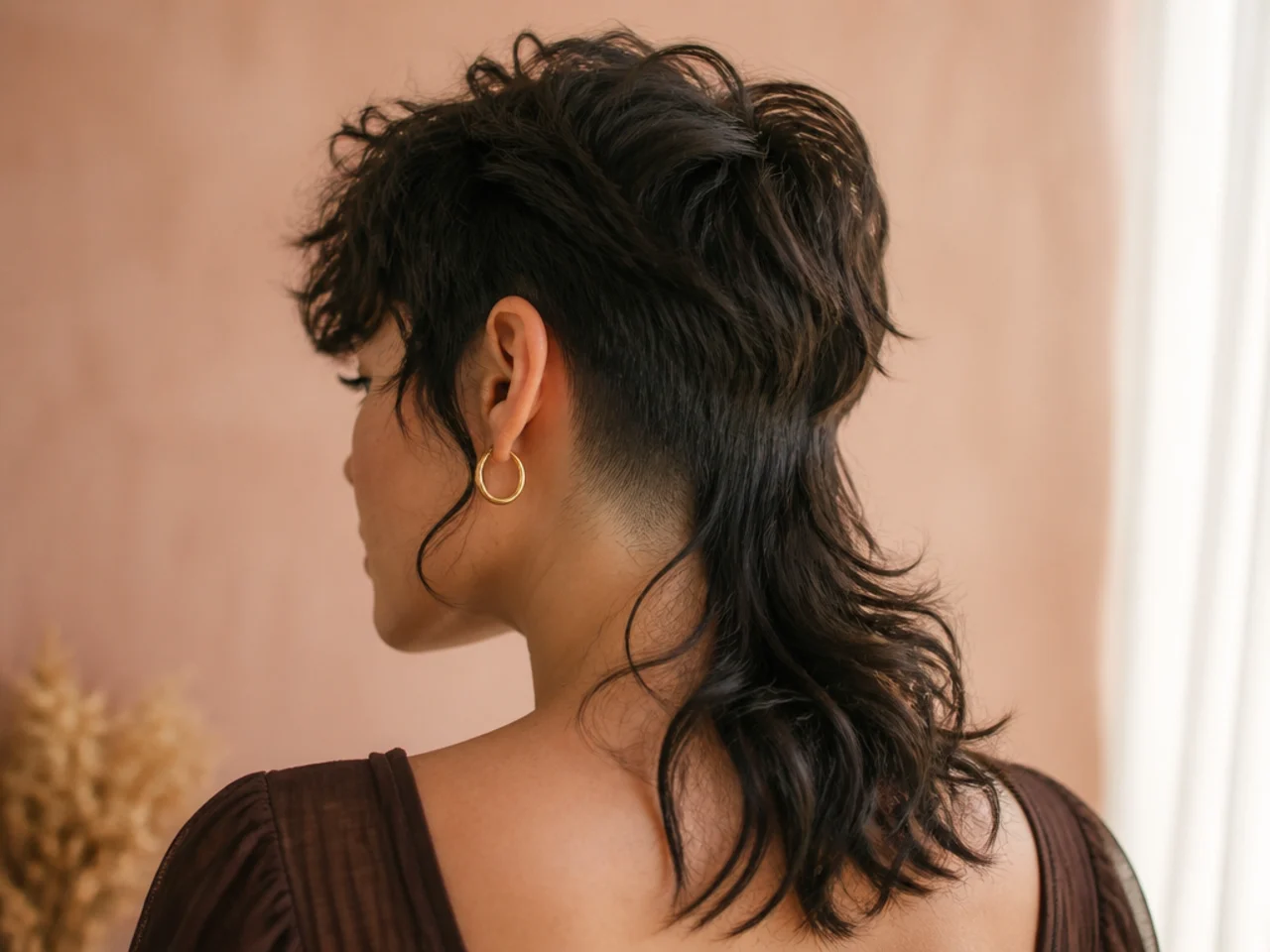
23. Mullet With a Skin Fade
The sides taken all the way to bare skin rather than left at a guard length. Skin reflects light where hair absorbs it, so the contrast jumps hard, and stubble becomes visible within one to two weeks against three to four for a taper.
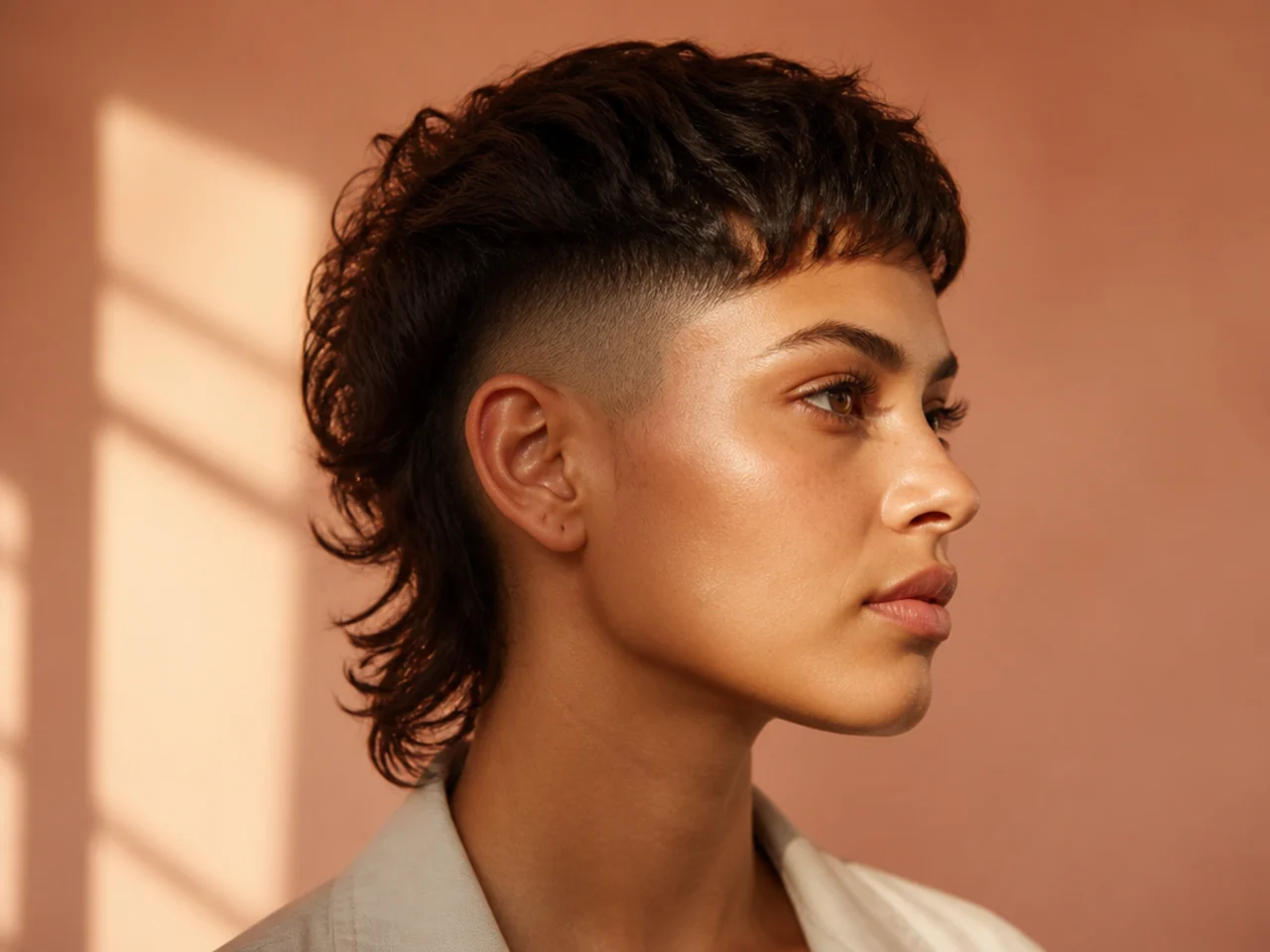
24. Mullet With Face Framing Layers
Shorter pieces cut at the front and left progressively longer as they move back. They give the eye a path from the short front to the long back, which is what stops a high contrast mullet reading as two separate haircuts.

25. Mullet With a Money Piece
The front sections lightened a level or two against the base. Lighter hair advances visually and darker hair recedes, so the frame reads stronger without a single extra centimetre coming off the length.

26. Two Tone Mullet
A dark top over a lighter back, or the reverse. Because the mullet already has two distinct sections, putting a colour change at the transition line makes the shape read from across a room instead of only in profile.

27. Mullet With a Shadow Root
The first inch or two left at the natural depth and the colour blended down from there. There is no hard regrowth line to appear, so the colour keeps looking deliberate for months rather than weeks, which is most of what makes colour look expensive.
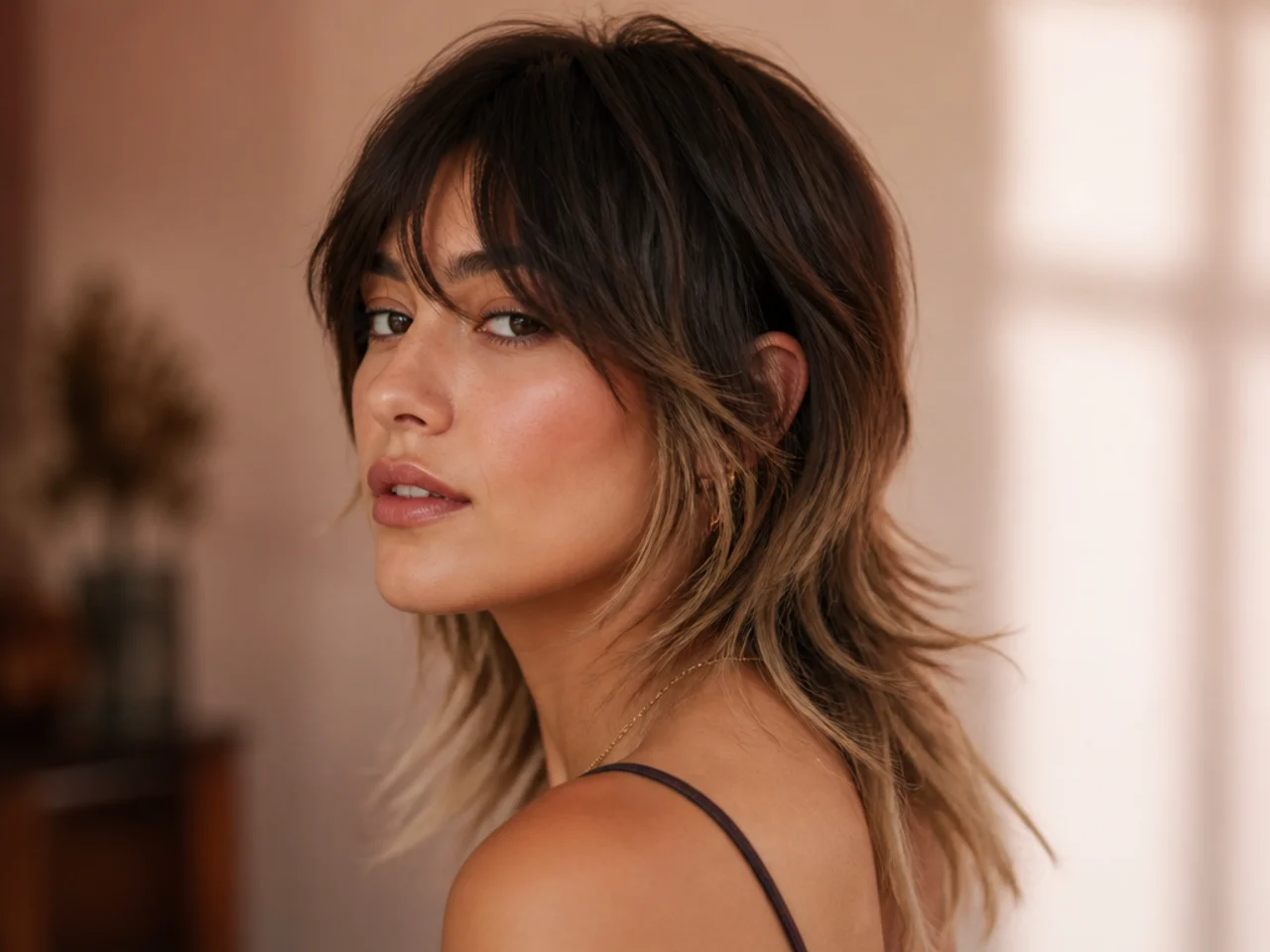
28. Mullet With a Rounded Perimeter
The back cut in a curve rather than straight across, so there are no corners at the outer edges. Corners are where a mullet starts looking like a rectangle hanging off a head, and rounding them costs nothing in length.

29. Mullet With a Point Cut Perimeter
Scissors held vertically and worked into the ends, removing small wedges instead of a straight line. The edge diffuses into the air behind it, which is why this version never gets the hard horizontal that dates the shape.
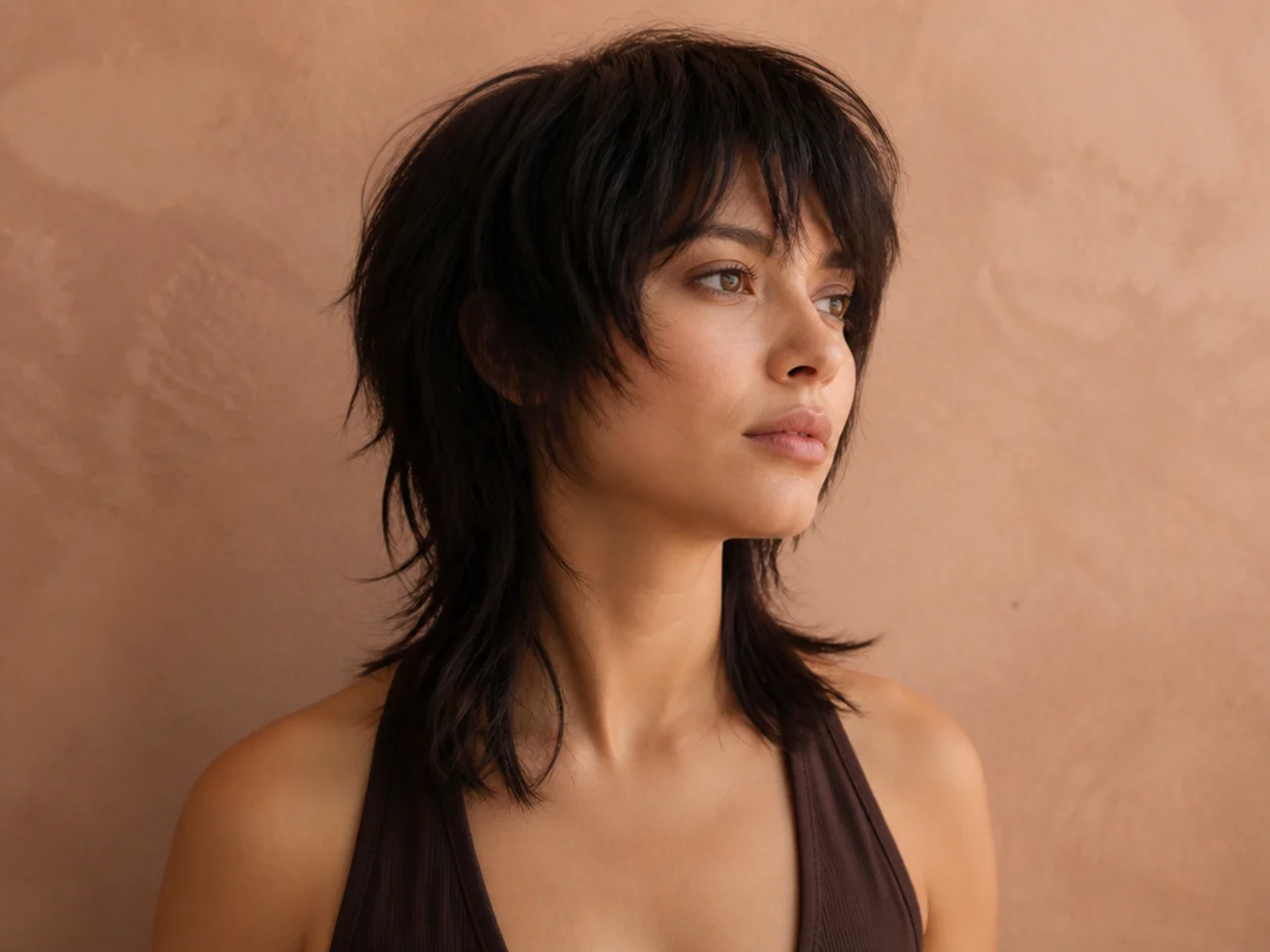
30. The Grown Out Modern Mullet
Ten weeks on, the crown has closed most of the gap and the transition has flattened. It reads as a long shag now, which is a perfectly good cut, but the contrast is gone and only the crown needs recutting to get it back.

Styling and Upkeep
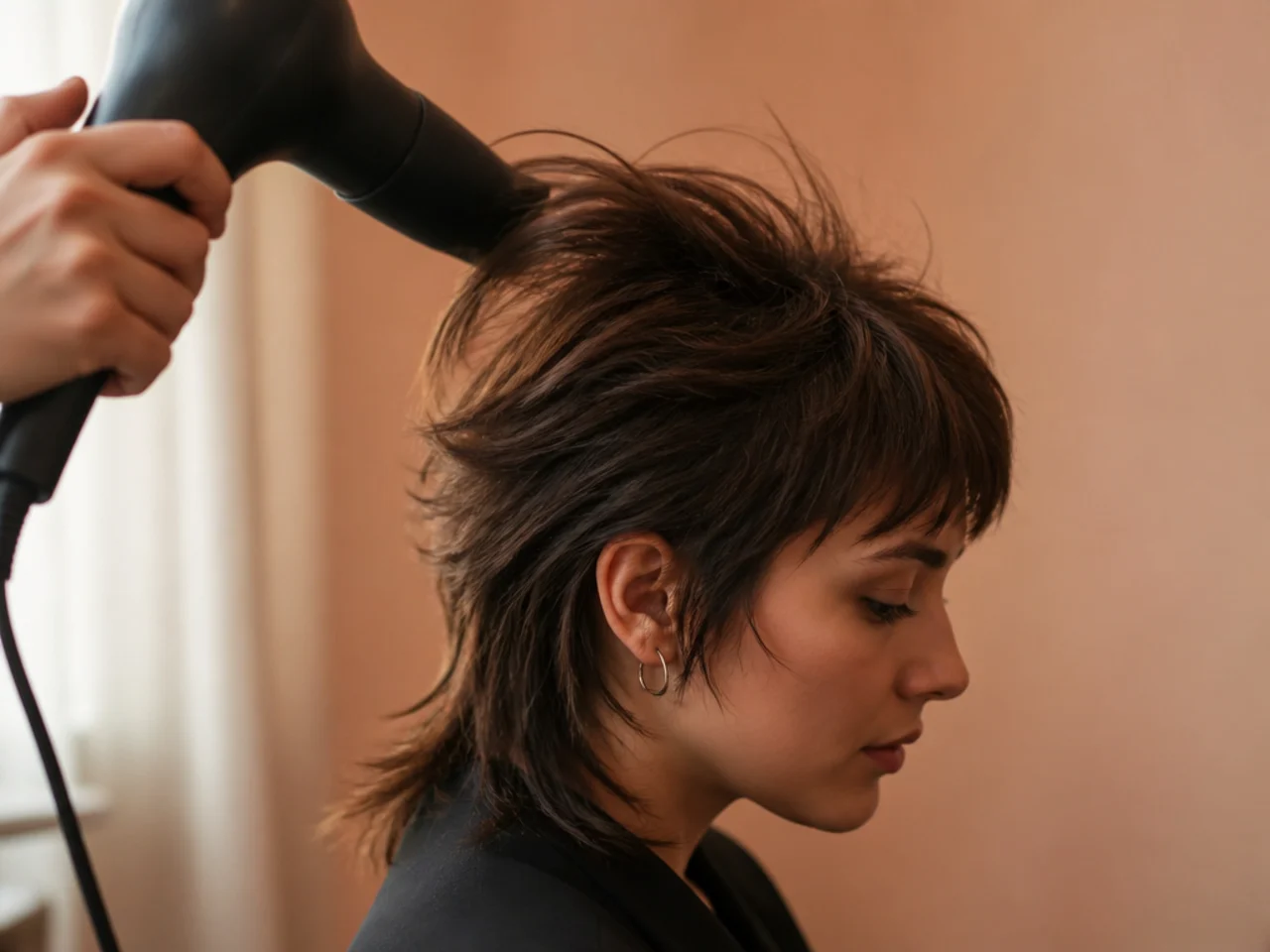
Dry the crown away from the head. The contrast lives at the crown, and hair dried flat has no contrast to show.
Leave the ends alone. Product on the last inch pulls the perimeter straight and turns a broken edge back into a blunt one.
Cut the crown more often than the back. The crown is what fades first. Eight weeks on the top, sixteen on the length.
Ask for internal weight removal, never end thinning. Thinned ends are the single detail that dates a mullet fastest.
Check the back in a second mirror. It is the half of this haircut you will never see and everyone behind you does.
Mistakes to Avoid
Asking for a mullet without naming the transition. Two lengths and no instruction about what happens between them is how you get a step.
Thinning scissors at the ends. They leave translucent tips that never sit right and take a full growth cycle to fix.
Cutting it wet on curly hair. Water pulls a curl almost straight, so the transition you agreed on lands somewhere else once it dries.
Layering the perimeter on fine hair. The perimeter is the only place fine hair looks dense. Take the layers from the crown and leave the bottom edge alone.
Copying a length instead of a ratio. The contrast in a photograph depends on the total length in that photograph. On different hair the same measurements give a different cut.
FAQ
What makes it modern? A long transition instead of a step between the two lengths.
How much contrast? Two to three inches for soft, four or more for obvious.
How often cut? Crown at eight weeks, the length at sixteen.

Final Thoughts
Name three things and the cut arrives correctly. The shortest length, the longest length, and how many inches you want the transition between them to cover. The third one is the one nobody asks for, and it is the one that decides whether the result looks expensive.
For the same shape cut shorter see the modern mullet for men, and for the low contrast version see the soft mullet. More in Mullet and Wolf Cut.