
25 Stunning Mullet Cut Ideas That Age Beautifully
Twenty five mullet cuts chosen for how they grow, not how they photograph on day one. A mullet ages well or badly depending on one thing — whether the join between the short front and the long back was cut as a step or as a gradient.
In this article · 32
- What Makes a Mullet Cut Age Well
- How to Pick Your Proportion
- The 25 Mullet Cut Ideas
- 1. Softly Blended Mullet Cut
- 2. Chin Length Front With a Collarbone Tail
- 3. Curtain Fringe Mullet Cut
- 4. Face Framing Mullet Cut
- 5. Low Contrast Mullet Cut
- 6. High Contrast Mullet Cut
- 7. Mullet Cut With Invisible Layers
- 8. Blunt Perimeter Mullet Cut
- 9. Textured Ends Mullet Cut
- 10. Mullet Cut on Fine Hair
- 11. Mullet Cut on Thick Hair
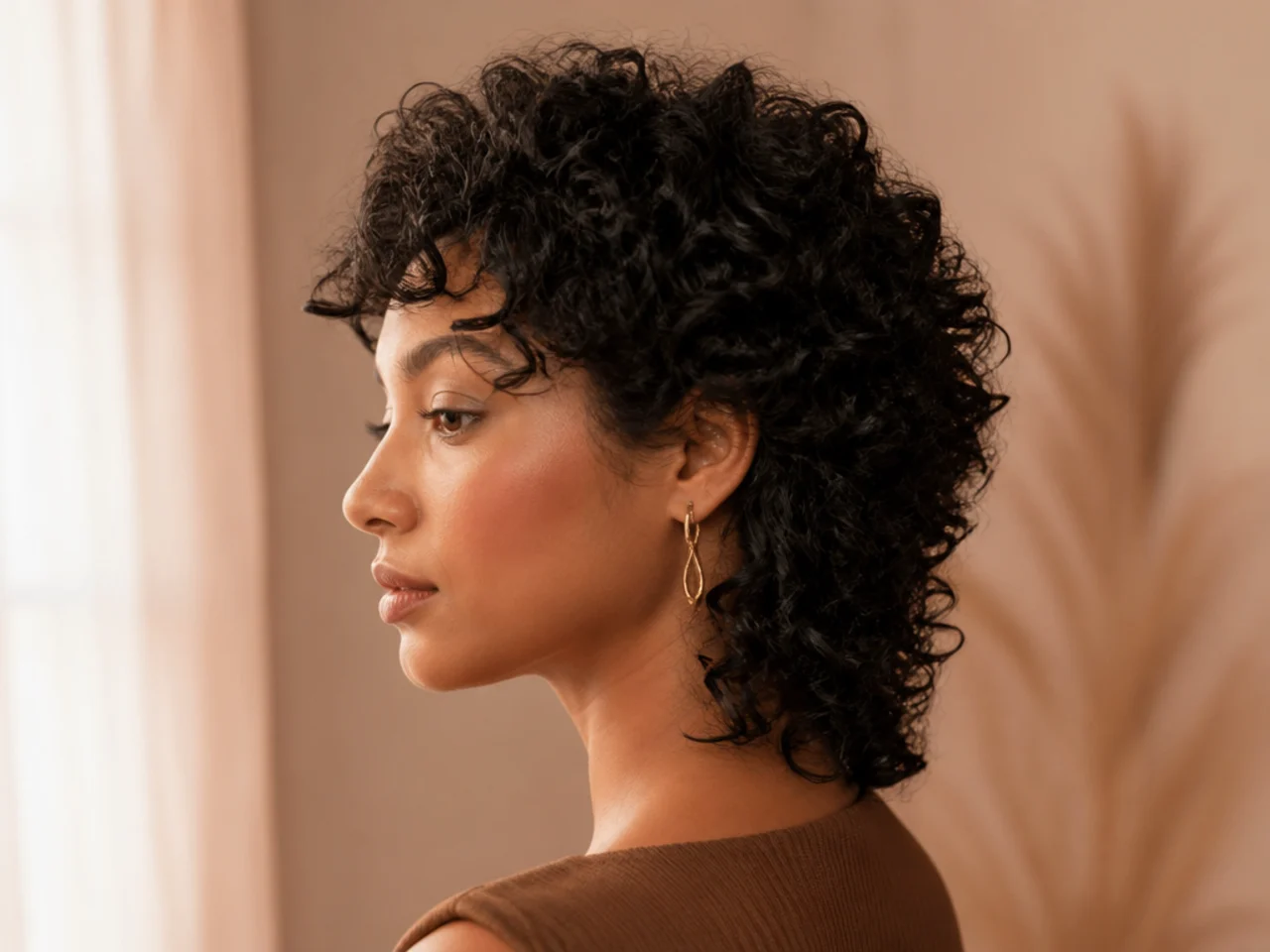
- 12. Curly Mullet Cut
- 13. Wavy Mullet Cut
- 14. Straight Hair Mullet Cut
- 15. Coily Mullet Cut
- 16. Short Mullet Cut
- 17. Medium Mullet Cut
- 18. Long Mullet Cut
- 19. Mullet Cut With a Side Part
- 20. Mullet Cut With Natural Grey
- 21. Balayage Mullet Cut
- 22. Money Piece Mullet Cut
- 23. Mullet Cut for Round Faces
- 24. Mullet Cut for Long Faces
- 25. Mullet Cut at Twelve Weeks
- Styling and Upkeep
- Mistakes to Avoid
- FAQ
- Final Thoughts
A mullet cut that looks wrong three months in was usually cut as a step rather than a gradient, and that decision was made on day one.
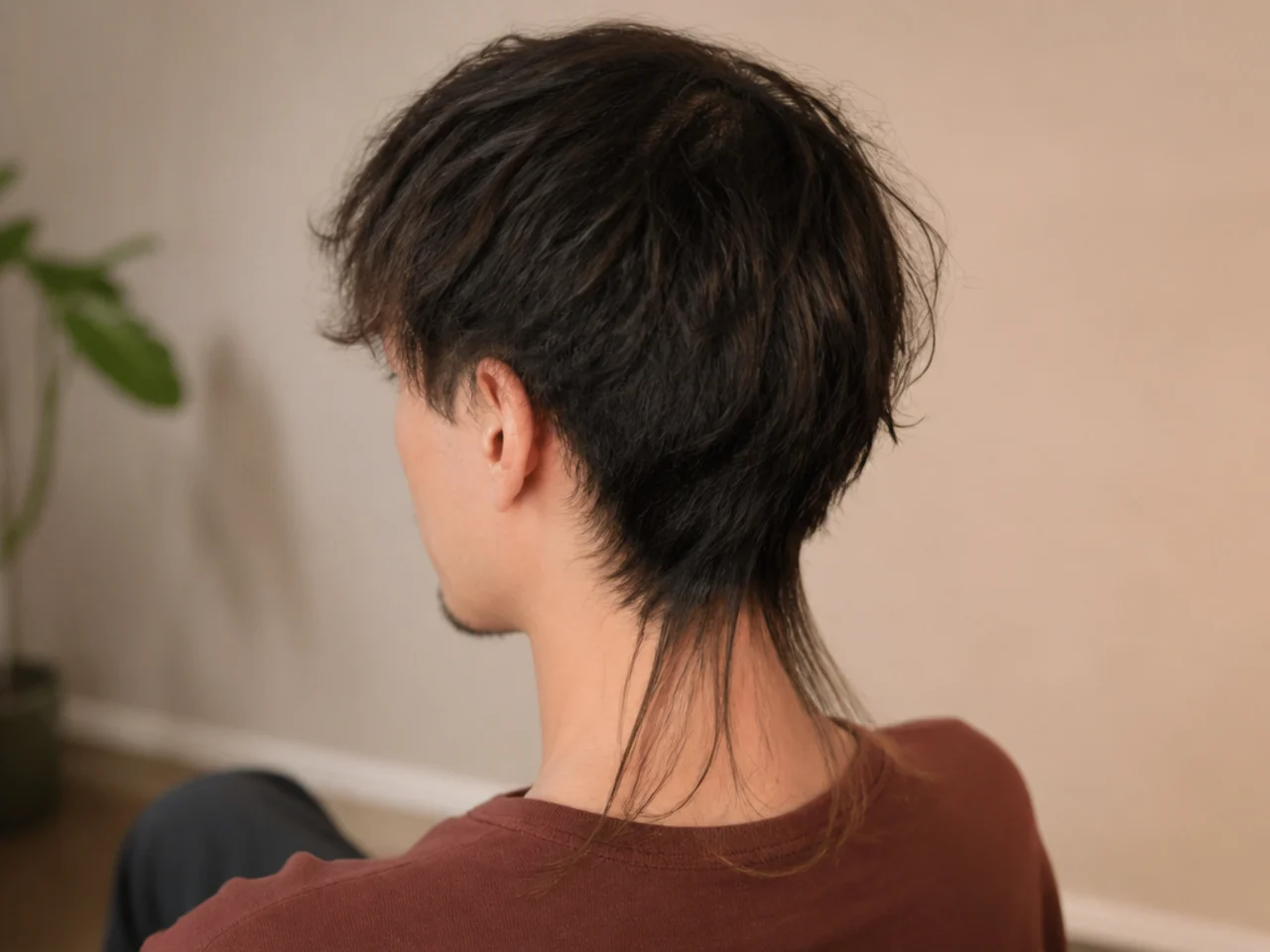
A step closes up. A gradient just gets longer. The join between the short front and the long back is the part of the cut that decides how the whole thing ages.
Contrast is the loud part, not length. A collar length back over a chin length front is quiet. The same back over a cheekbone front is not, and neither is more or less of a mullet.
What Makes a Mullet Cut Age Well
The join is the whole argument. Cut as a hard disconnection it needs recutting every three weeks to stay deliberate. Cut as a graduation it lengthens with the hair and keeps working.
Layers outlive outlines. An outline grows down and eventually needs a fresh line; internal layers just drop and continue doing the same job at a lower position.
Weight removed internally lasts longer than weight removed at the ends. Point cut ends grow blunt again in six weeks, where an internal weight removal is still thinning the same section months later.
A mullet becomes a shag on its own. That is the grow out, and it is a good one, which is why blended versions never pass through an awkward stage.

How to Pick Your Proportion
Set the front length first. Where the shortest face framing piece stops is what sets the contrast, and everything else in the cut is measured against it.
Then set the join. Say blended or disconnected out loud, because barbers default to whichever they prefer cutting when nobody specifies.
Let your density decide the ends. Fine hair needs a blunt perimeter to keep any weight at all; thick hair needs the opposite or the outline reads as a triangle.
Choose by your actual trim interval. A disconnection wants three weeks, a graduation holds ten. Pick the one you will keep up with rather than the one in the photograph.

The 25 Mullet Cut Ideas
1. Softly Blended Mullet Cut
The change from front to back happens over two inches of graduation instead of a single line. It reads as a mullet in profile and as a layered cut from the front, and because a gradient only lengthens as it grows there is no point where it stops making sense.
2. Chin Length Front With a Collarbone Tail
Roughly four inches of difference between the two halves, which is the quietest proportion that still reads as a mullet. Both lengths grow at the same rate, so the ratio between them stays constant and the cut looks the same at week ten as at week one.

3. Curtain Fringe Mullet Cut
The front split down the centre and swept both ways so it frames the face instead of covering it. A curtain grows sideways into the face framing layers rather than down into the eyes, which is why it survives twice as long as a blunt fringe between trims.

4. Face Framing Mullet Cut
The shortest pieces cut on a steep diagonal from cheekbone to jaw rather than all at one length. The diagonal means every stage of the grow out still lands somewhere flattering, because there is no single line to drop past its best position.

5. Low Contrast Mullet Cut
Two or three inches between the front and the back at most. The eye reads it as movement rather than as a deliberate shape, which makes it the version that works in settings where a mullet would otherwise be a conversation.

6. High Contrast Mullet Cut
Six inches or more between the halves, with the front near the cheekbone. It photographs strongly and needs a trim every four weeks, because the front piece is the shortest hair on the head and therefore the fastest to lose its position.

7. Mullet Cut With Invisible Layers
The layers cut inside the shape so no shorter end is visible on the surface. The removed weight still lets the length move, but nothing sticks out as it grows, which is what stops a layered mullet going frizzy looking on the second month.

8. Blunt Perimeter Mullet Cut
Layers through the interior with the outline left cut straight across. The perimeter is the only place density registers visually, so leaving it blunt keeps the tail looking full even when the inside has been heavily thinned.

9. Textured Ends Mullet Cut
The last inch point cut so the ends finish in fine tips rather than a line. Tapered ends bend more easily than blunt ones, which is where the movement comes from, though they grow blunt again within about six weeks.

10. Mullet Cut on Fine Hair
Keep the layering shallow and the perimeter blunt. Every layer removes density where it lands, and on fine hair there is not enough to lose, so a heavily layered tail thins to strings well before the cut is due a trim.

11. Mullet Cut on Thick Hair
Weight has to come out from inside or the shape widens into a triangle. Density collects wherever the layers stop, so on thick hair the layer stack needs spreading over a longer distance rather than concentrated at one height.

12. Curly Mullet Cut
Cut dry, curl by curl, because curl draws up by roughly half as it dries. A wet cut on curly hair is a guess at final length and it guesses short every time, which is how a collarbone tail ends up at the jaw.

13. Wavy Mullet Cut
The natural bend blurs the join, so a wavy head needs the disconnection cut harder than a straight one to read the same. That same blur is what makes wavy hair the most forgiving texture as the cut grows out.

14. Straight Hair Mullet Cut
The sharpest version and the least forgiving, because a straight strand hangs in one line with no bend to scatter light. Any unevenness in the layer stack shows as a visible step rather than as shadow.

15. Coily Mullet Cut
Shape rather than length is what registers on coily hair, so the cut is built as a silhouette and checked from a distance. Cutting it under tension pulls the coil straight and the released length lands far shorter than the mirror suggested.
16. Short Mullet Cut
Front at the ear, back at the nape. Nothing touches a collar, so nothing bends outward during the day and the shape holds with no product, which is why short mullets are the lowest maintenance version of the cut.

17. Medium Mullet Cut
Front around the jaw, back at the collarbone. It is long enough to tie back, which matters more than it sounds — a mullet that cannot be gathered has no fallback on a bad day.

18. Long Mullet Cut
The back carried toward the shoulder blades. Past the collar the tail rests on fabric all day, which bends the ends outward and means it needs treating as long hair with regular conditioning rather than as a short cut with a tail.

19. Mullet Cut With a Side Part
Parted off centre so more weight falls to one side of the face. The asymmetry breaks up a round outline, and because a side part is set by where the hair dries rather than where it is cut, it is reversible on any wash day.

20. Mullet Cut With Natural Grey
Grey hair has a coarser cuticle and holds shape more stubbornly than pigmented hair, so it takes a layered cut well. Keeping the layers shallow stops the coarser strands standing away from the shape, which is what usually reads as frizz.

21. Balayage Mullet Cut
Colour painted onto the surface and left dense at the roots. Because the lightest pieces sit on the layers that move most, the colour appears and disappears as the hair swings, and the untouched root means there is no line to chase as it grows.

22. Money Piece Mullet Cut
Two lightened sections at the very front where the shortest pieces sit. Lighter tone at the face reflects more light than the surrounding hair, which pulls attention to the front of a cut whose weight is otherwise all at the back.

23. Mullet Cut for Round Faces
Keep the shortest front piece below the chin so the vertical line of the face frame continues past the widest point. A face framing layer that stops at the cheekbone draws a horizontal across the widest part and makes it wider.

24. Mullet Cut for Long Faces
Build the width at the cheekbone with a fringe or a shorter front layer. Volume placed at eye level shortens the apparent length of the face, where volume at the crown adds to it, which is the opposite of what the round face version needs.

25. Mullet Cut at Twelve Weeks
The layer stack has dropped, the join has softened and the shape is now a shag. This is the honest end state of every mullet, and the good news is that it is a haircut in its own right rather than a stage to survive.

Styling and Upkeep
Dry the front and the back in opposite directions. Hair holds the shape it was in when the last water left it.
Trim the fringe on its own schedule. It reaches the eyeline in four to six weeks, long before the length needs anything.
Condition the ends, not the roots. The tail is the oldest hair on the head and the only part that has earned it.
Photograph the join, not the whole head. Where the length changes is the measurement worth repeating at the next appointment.
Refresh with water before adding product. Damp hair resets and redries; layered product just accumulates until the shape drops.

Mistakes to Avoid
Asking for a disconnection you cannot maintain. A hard line needs recutting every three weeks or it stops looking deliberate.
Layering fine hair heavily. Each layer removes density where it lands, and on fine hair there is none spare.
Cutting curly hair wet. Curl draws up by around half, so the agreed length lands inches shorter once it dries.
Setting the front at the cheekbone on a round face. It draws a horizontal across the widest point and widens it.
Judging the cut from the front. A mullet only shows its proportion in profile, which is the view nobody checks.
FAQ
Which version ages best? A blended one — a gradient lengthens where a step closes up.
How quiet can it be? Three inches between front and back reads as movement, not as a mullet.
How often? Eight to twelve weeks for the length, four to six for a fringe.

Final Thoughts
Two numbers make this cut repeatable: where the shortest front piece stops, and how many inches the join is spread over. Everything else is texture and colour sitting on top of that proportion.
For the layered version that carries the shape up into the crown see the mullet wolf cut, and for the shorter clipper based build see the wolf cut mullet for men. More in Mullet and Wolf Cut.